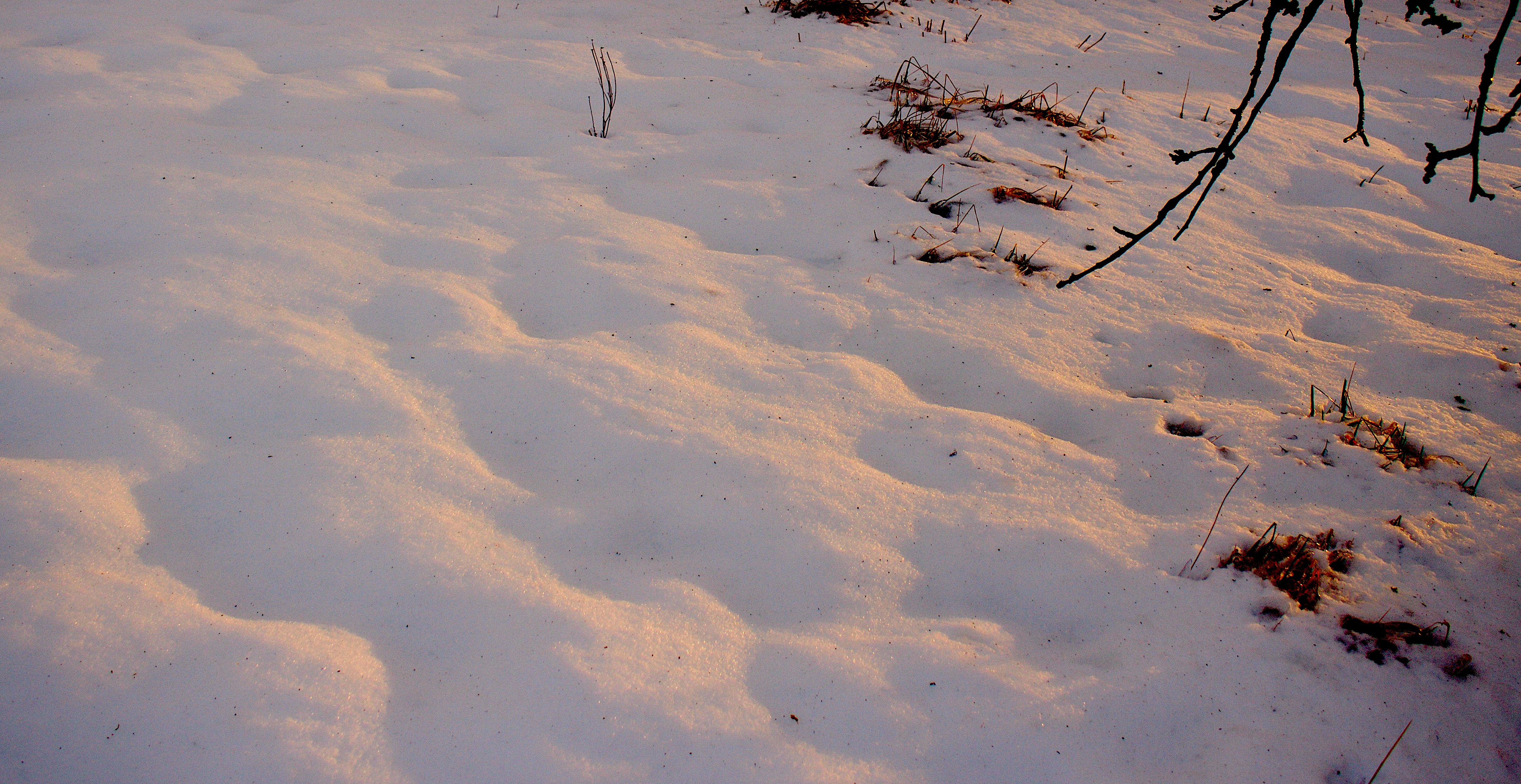
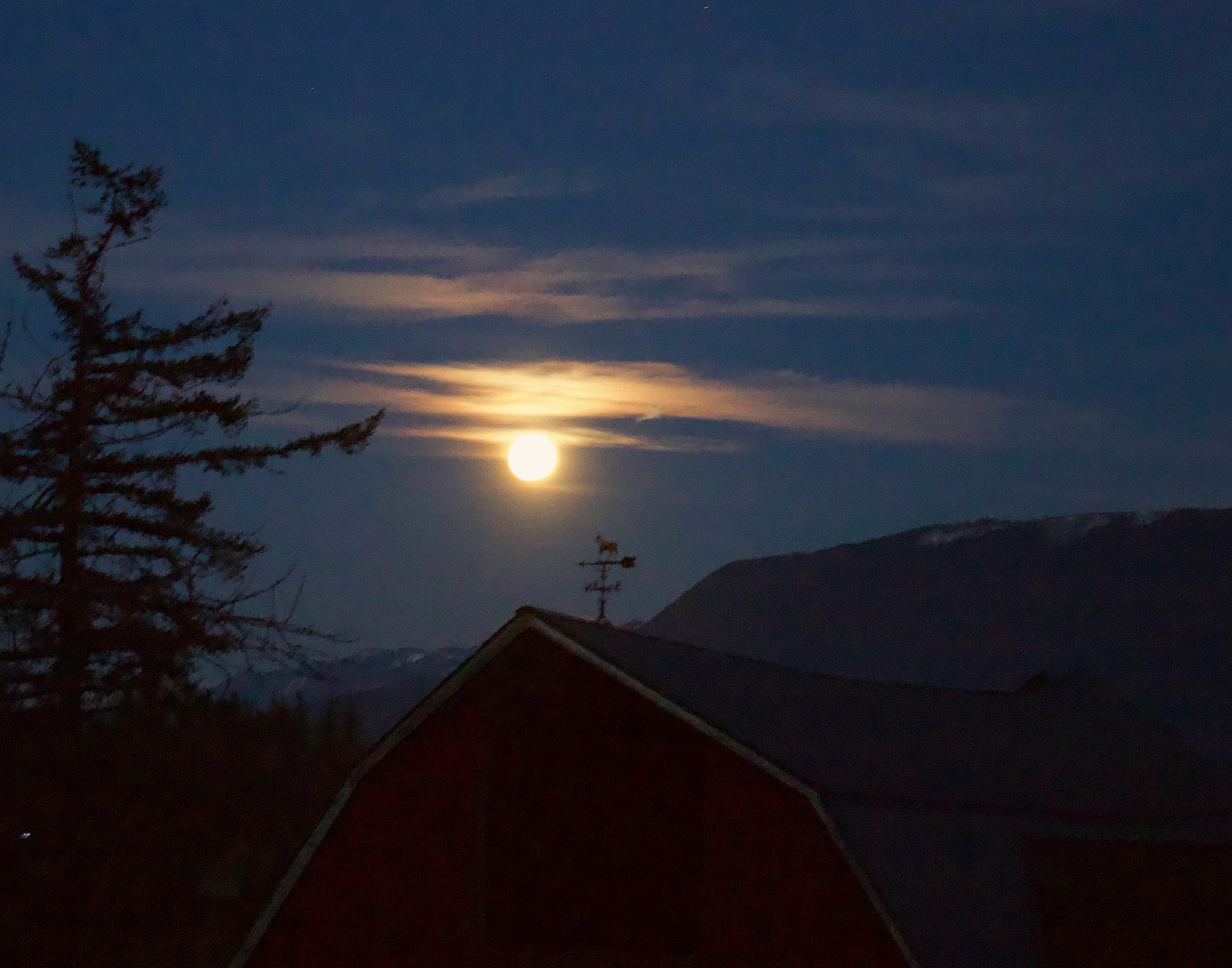
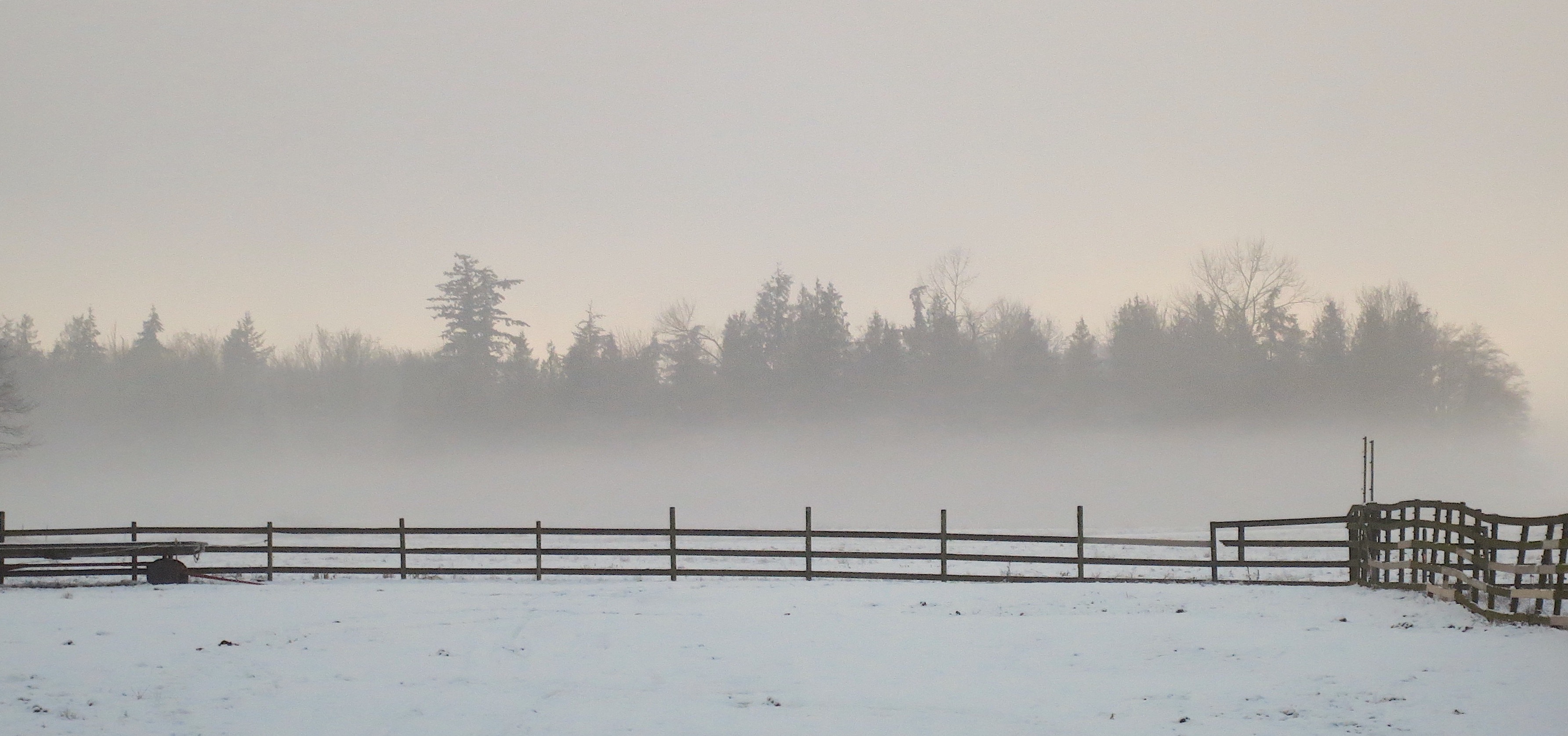
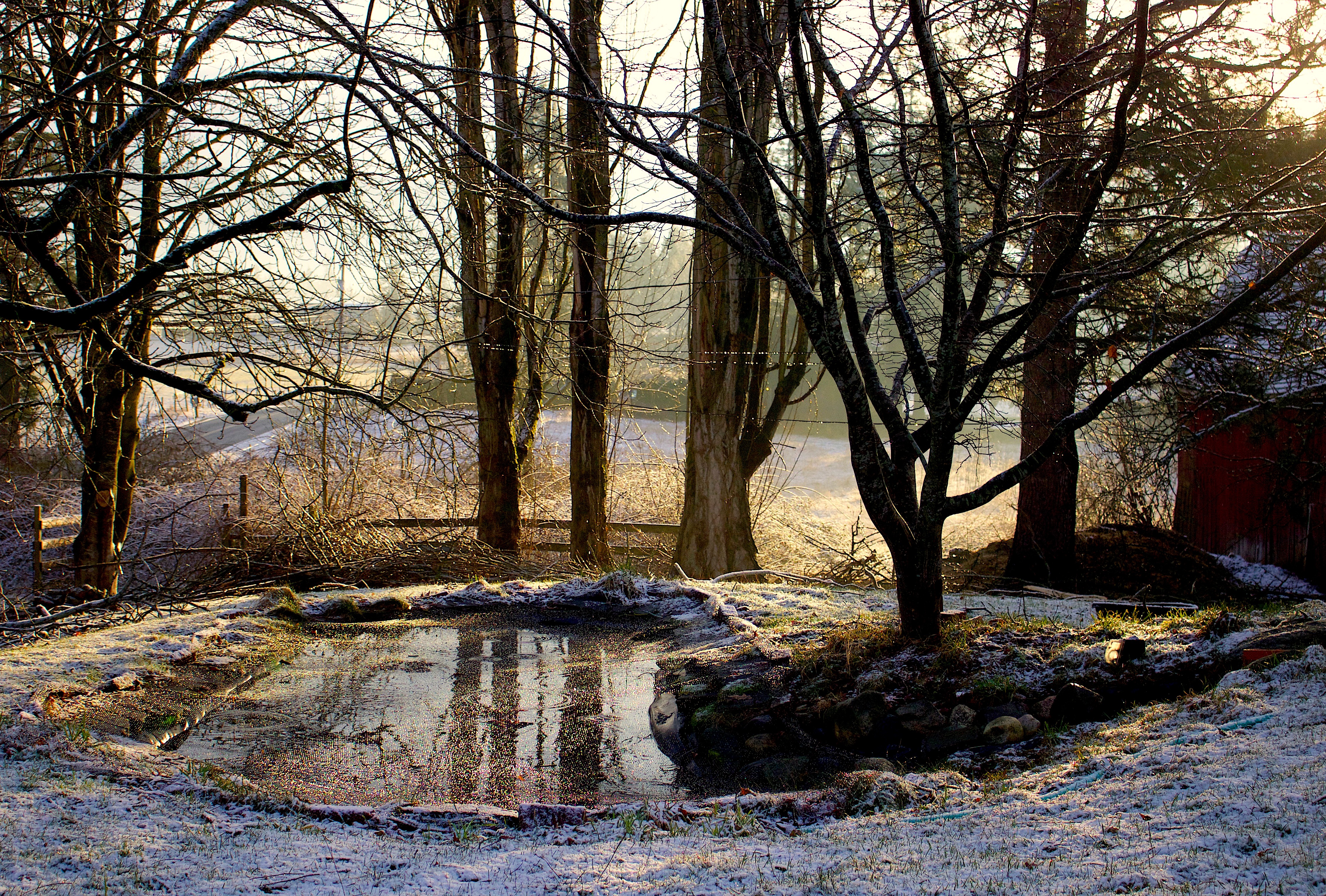
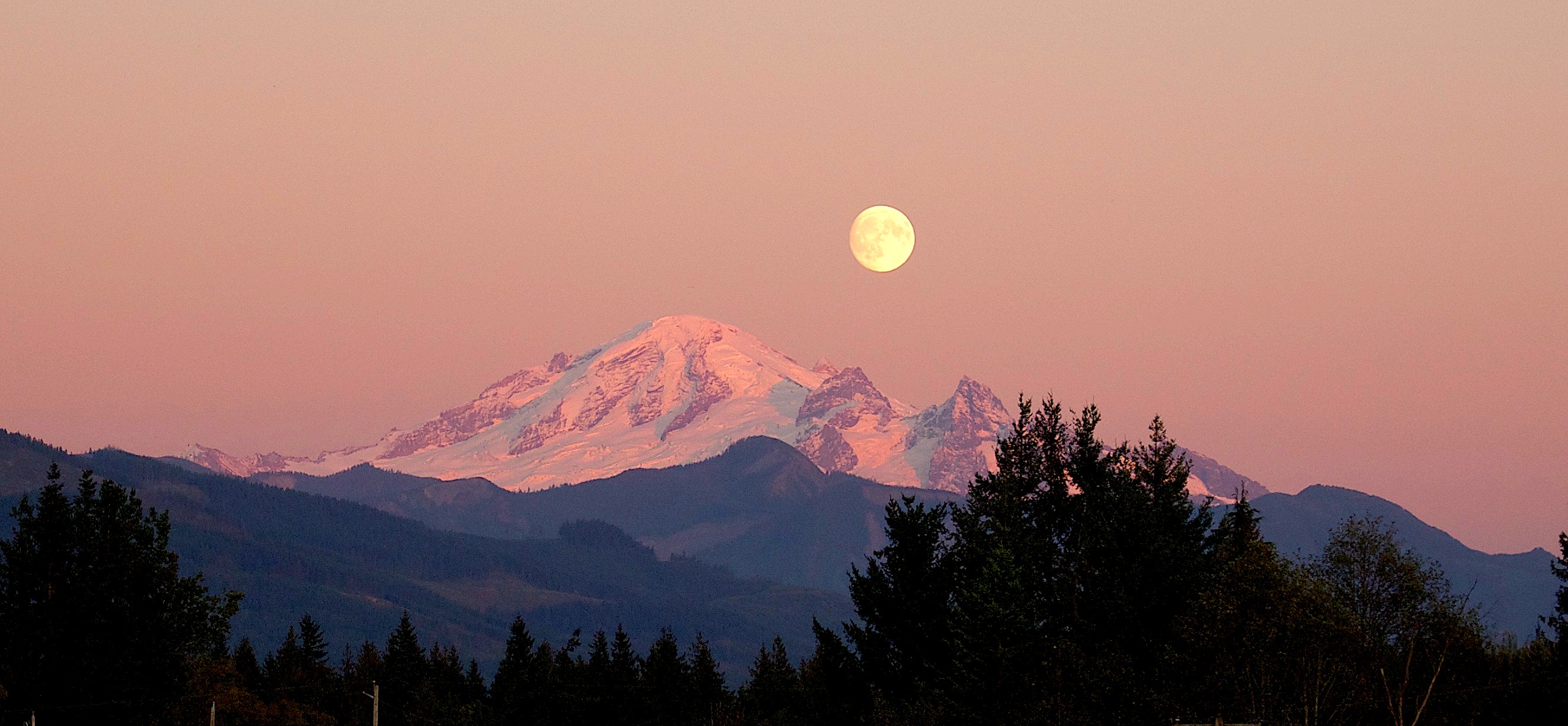
The children are sleeping and the cows and chickens are sleeping, and the grass itself is sleeping. The machines are off and the neighbor’s lights, a half mile away, are out, and the moon is hanging like a powdered face in a darkened room, and the snow is shining under stars the way we are shining here in our cold skins under warm quilts.
There is no season, no grass gone brown, no cold, and no one to say we are anything but beautiful, swimming together across the wide channel of night. ~David Romtvedt from “Still” in Some Church
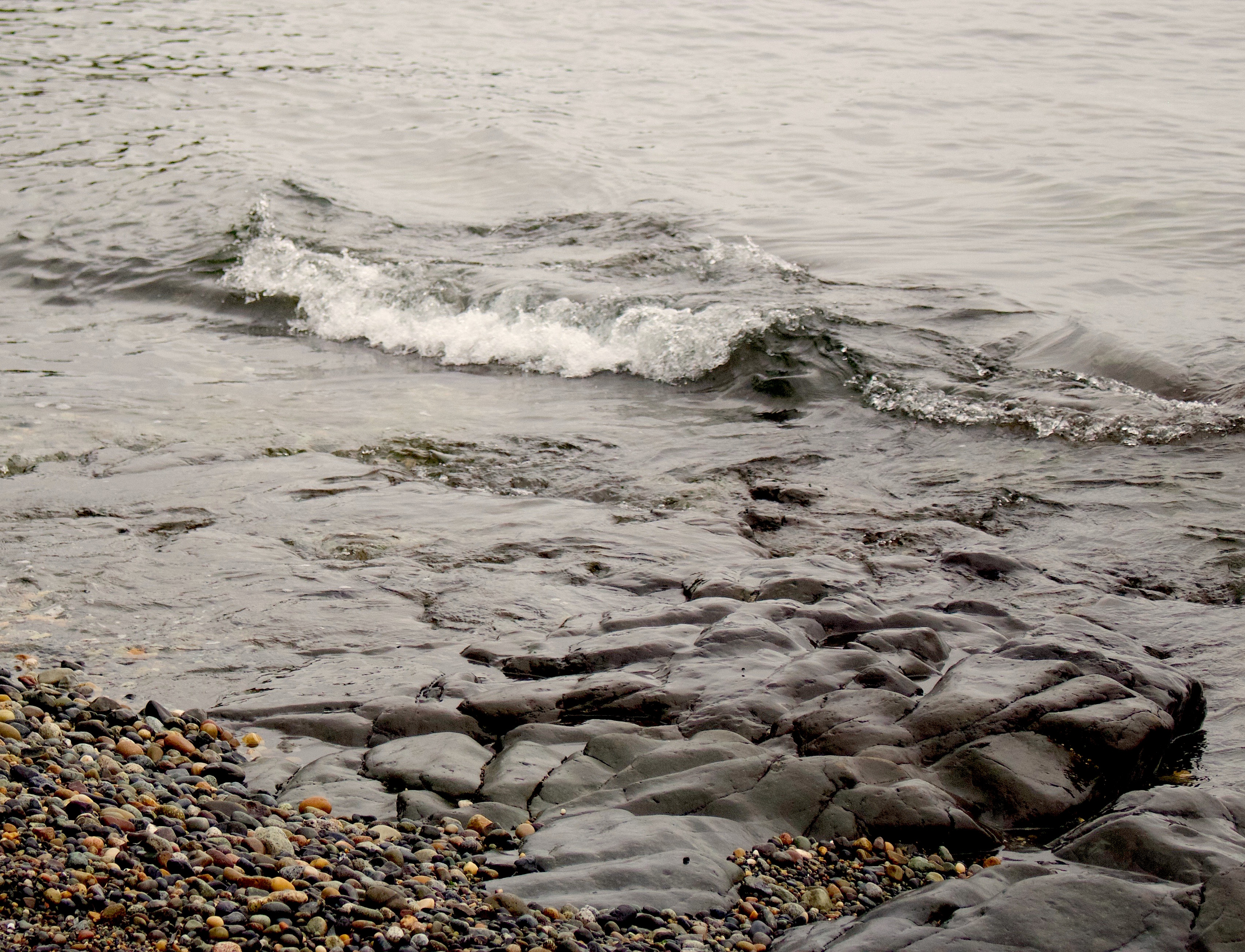
In the evening we come down to the shore to drink our fill, and sleep, while it flows through the regions of the dark. It does not hold us, except we keep returning to its rich waters thirsty. We enter, willing to die, into the commonwealth of its joy.
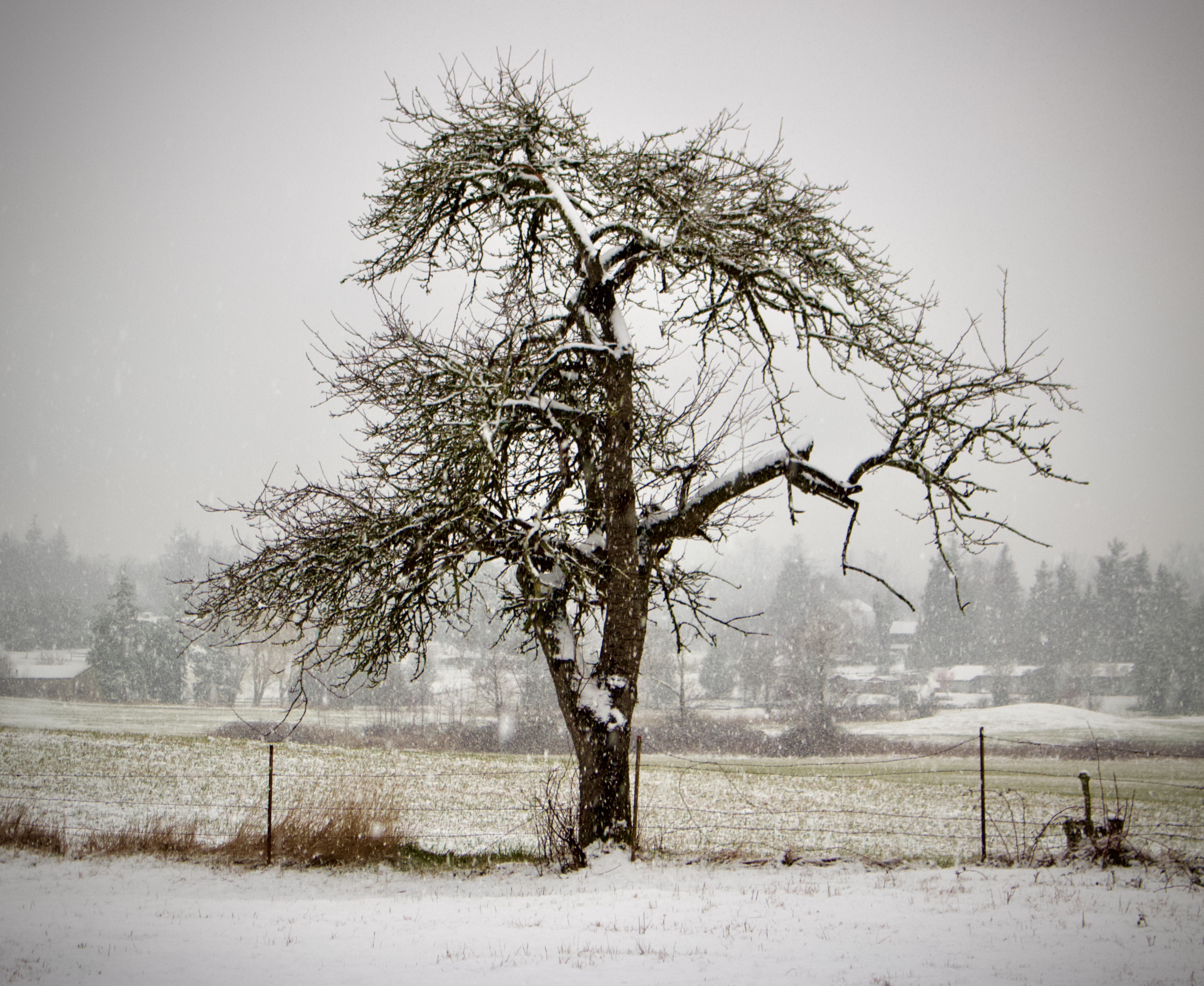
I give you what is unbounded, passing from dark to dark, containing darkness: a night of rain, an early morning. I give you the life I have let live for the love of you: a clump of orange-blooming weeds beside the road, the young orchard waiting in the snow, our own life that we have planted in the ground, as I have planted mine in you. ~Wendell Berry from “The Country of Marriage”
Again we find ourselves alone together ~ shining in a warmth we find in each other planted so deeply we cannot always know where one ends and another begins, a commonwealth of shared everything~ the soft beauty of touch and tears: no matter what comes next. Mine is yours.
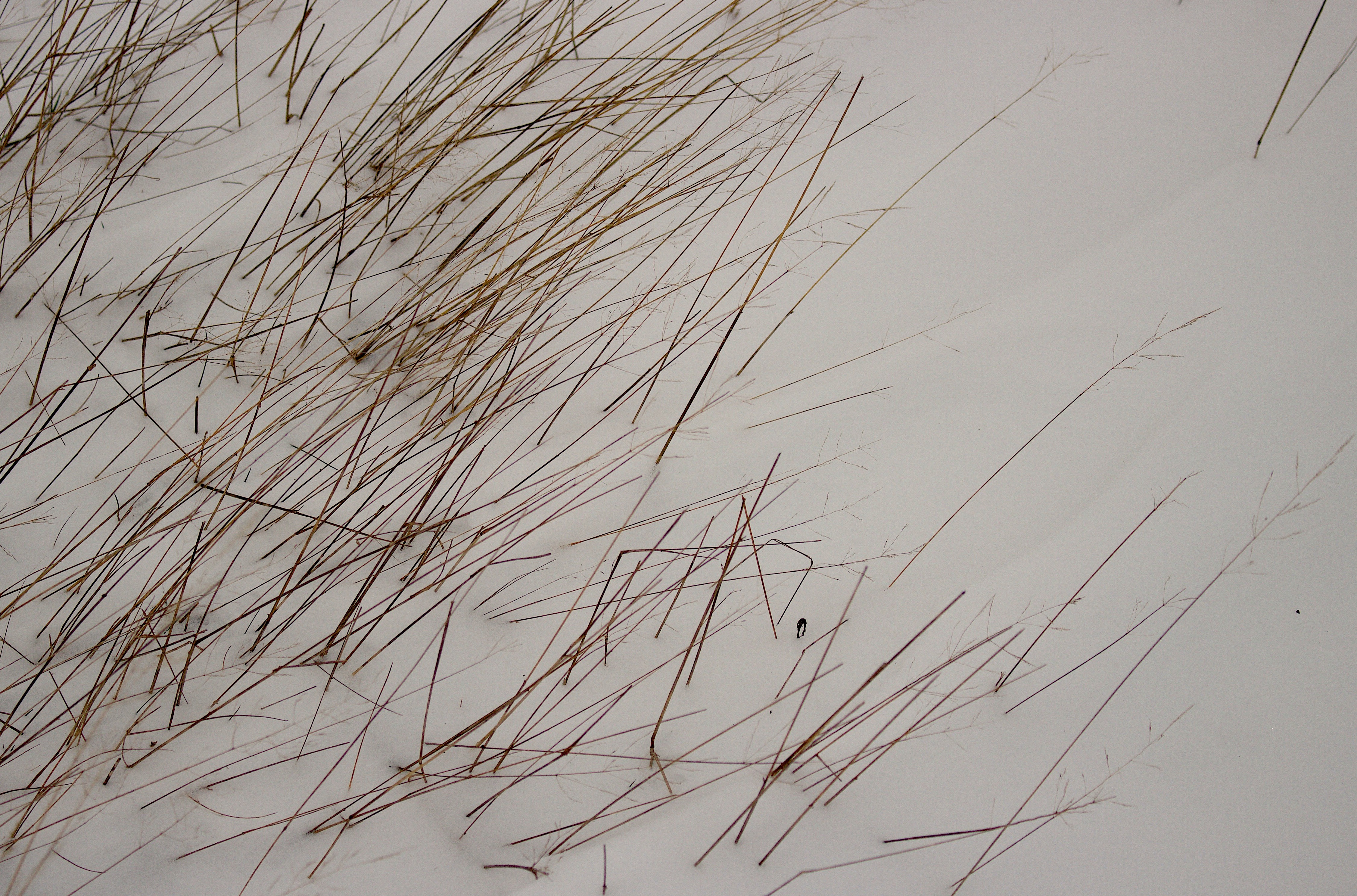
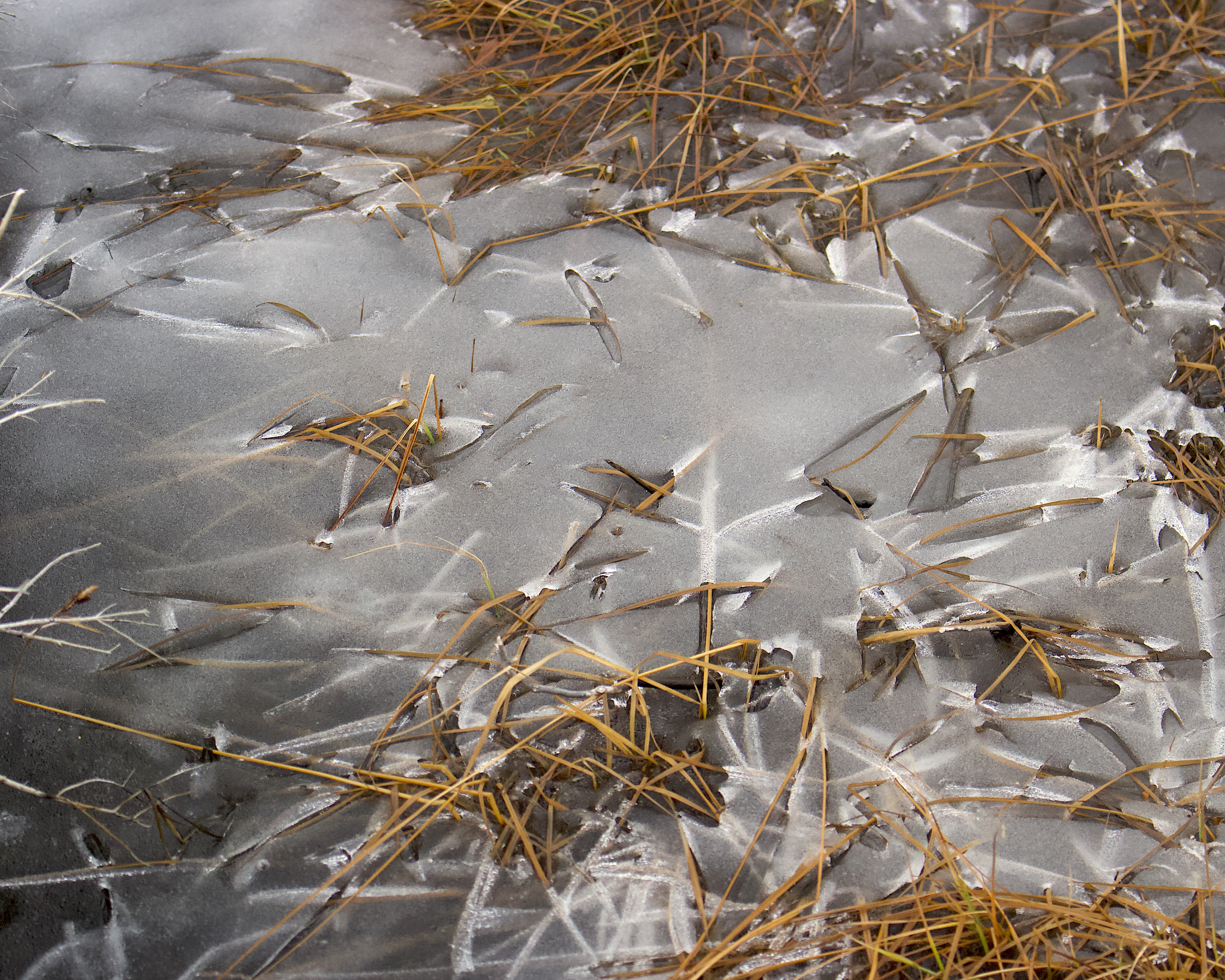
Drying inward from the edge. ~Edna St. Vincent Millay “Ebb”
I wondered if that was how forgiveness budded; not with the fanfare of epiphany, but with pain gathering its things, packing up, and slipping away unannounced in the middle of the night. — Khaled Hosseini from The Kite Runner
My mother was seven years younger than I am now when my father left her for a younger woman. For months my mother withered, crying until there were no more tears left, drying inward from her edges.
It took ten years, but he came back like an overdue high tide. She was sure her love had died but the tepid pool refilled, the incoming water cool to the touch, finally overflowing beyond imagining.
The time is ripe for looking back over the day, the week, the year, and trying to figure out where we have come from and where we are going to, for sifting through the things we have done and the things we have left undone for a clue to who we are and who, for better or worse, we are becoming. We cling to the present out of wariness of the past. But there is a deeper need yet, I think, and that is the need—not all the time, surely, but from time to time—to enter that still room within us all where the past lives on as a part of the present, where the dead are alive again, where we are most alive ourselves to turnings and to where our journeys have brought us. The name of the room is Remember—the room where with patience, with charity, with quietness of heart, we remember consciously to remember the lives we have lived.” ~Frederick Buechner from A Room Called Remember
He was a big man, says the size of his shoes on a pile of broken dishes by the house; a tall man too, says the length of the bed in an upstairs room; and a good, God-fearing man, says the Bible with a broken back on the floor below the window, dusty with sun; but not a man for farming, say the fields cluttered with boulders and the leaky barn.
A woman lived with him, says the bedroom wall papered with lilacs and the kitchen shelves covered with oilcloth, and they had a child, says the sandbox made from a tractor tire. Money was scarce, say the jars of plum preserves and canned tomatoes sealed in the cellar hole. And the winters cold, say the rags in the window frames. It was lonely here, says the narrow country road.
Something went wrong, says the empty house in the weed-choked yard. Stones in the fields say he was not a farmer; the still-sealed jars in the cellar say she left in a nervous haste. And the child? Its toys are strewn in the yard like branches after a storm—a rubber cow, a rusty tractor with a broken plow, a doll in overalls. Something went wrong, they say. ~Ted Kooser, “Abandoned Farmhouse” from Sure Signs: New and Selected Poems.
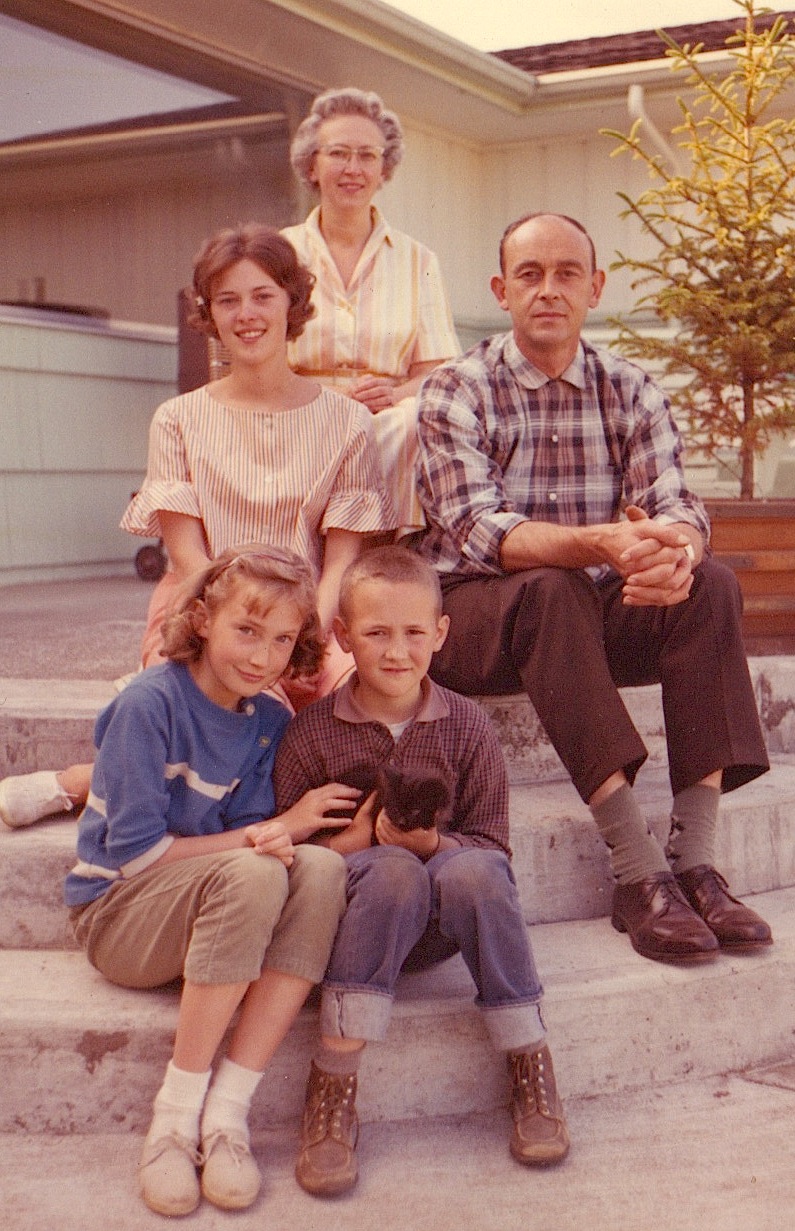
In 1959, when I was five years old, my father left his high school agriculture teaching position for a new supervisor position with the state. I didn’t understand at the time the reasons for his leaving his job after 13 years.
Our family moved from a large 3 story farm house in a rural community to a 1950’s newer rambler style home just outside the city limits of the state capitol. It was a big adjustment to move to a much smaller house without a basement or upper story, no garage, and no large haybarn nor chicken coop. It meant most things we owned didn’t make the move with us.
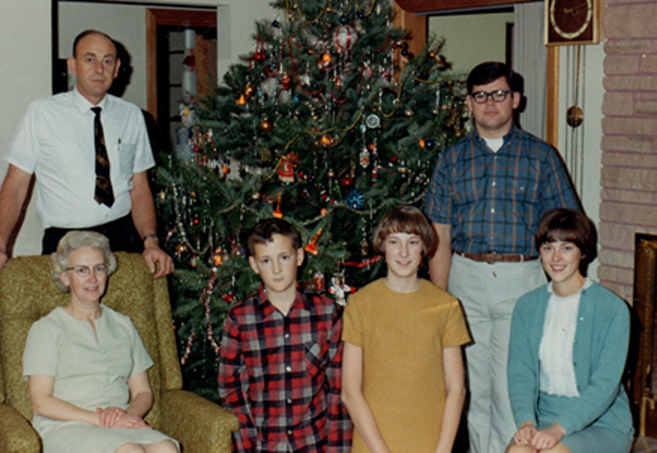
The rambler had two side by side mirror image rooms as the primary central living space between the kitchen on one side and the hallway to the bedrooms on the other. The living room could only be entered through the front door and the family room was accessed through the back door with a shared sandstone hearth in the center, containing a fireplace in each room. The only opening between the rooms had a folding door shut most of the year. In December, the door was opened to accommodate a Christmas tree, so it sat partially in the living room and depending on its generous width, spilled over into the family room. That way it was visible from both rooms, and didn’t take up too much floor space.
The living room, because it contained the only carpeting in the house, and our “best” furniture, was strictly off-limits. In order to keep our two matching sectional knobby gray fabric sofas, a green upholstered chair and gold crushed velvet covered love seat in pristine condition, the room was to be avoided unless we had company. The carpet was never to develop a traffic pattern, there would be no food, beverage, or pet ever allowed in that room, and the front door was not to be used unless a visitor arrived. The hearth never saw a fire lit on that side because of the potential of messy ashes or smoke smell. This was not a room for laughter, arguments or games and certainly not for toys. The chiming clock next to the hearth, wound with weighted cones on the end of chains, called out the hours without an audience.
One week before Christmas, a tree was chosen to fit in the space where it could overflow into the family room. I particularly enjoyed decorating the “family room” side of the tree, using all my favorite ornaments that were less likely to break if they fell on the linoleum floor on that side of the door.
It was as if the Christmas tree became divided, with a “formal” side in the living room and a “real life” face on the other side where the living (and hurting) was actually taking place.
The tree straddled more than just two rooms. Every year that tree’s branches reached out to shelter a family that was slowly, almost imperceptibly, falling apart, like the fir needles dropping to the floor to be swept away. Something was going wrong.
Each year since, the Christmas tree bearing those old ornaments from my childhood reminds me of a still room of mixed memories within me. I am no longer wary of the past, and when I sweep up the fir needles that inevitably drop, I no longer weep.
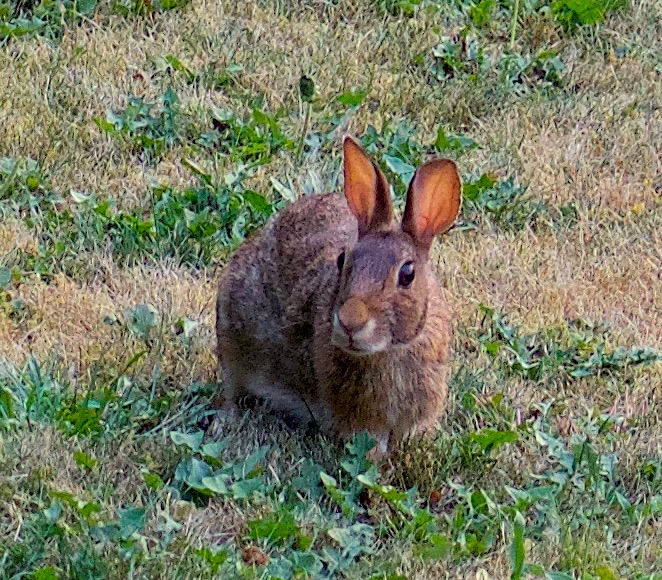
Eventually balance moves out of us into the world; it’s the pull of rabbits grazing on the lawn as we talk, the slow talk of where and when, determining what and who we will become as we age.
We admire the new plants and the rings of mulch you made, we praise the rabbits eating the weeds’ sweet yellow flowers.
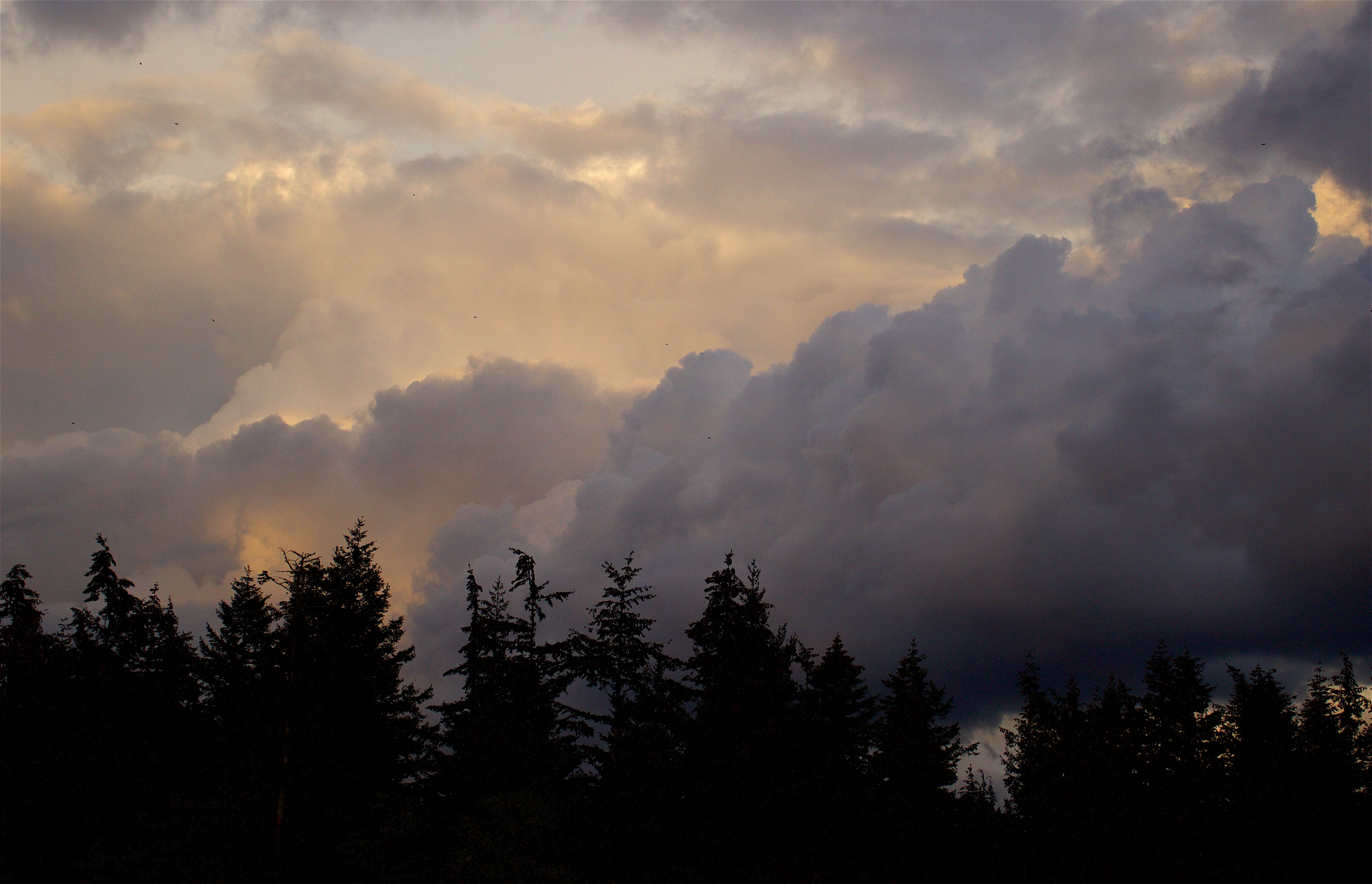
Behind our words the days serve each other as mother, father, cook, builder, and fixer; these float like the clouds beyond the trees.
It is a simple life, now, children grown, our living made and saved, our years our own, husband and wife,
but in our daily stride, the one that rises with the sun, the chosen pride, we lean on our other selves, lest we fall into a consuming fire and lose it all. ~Richard Maxson, “Otherwise” from Searching for Arkansas
Our days are slower now, less rush, more reading and writing, walking and sitting, taking it all in and wondering what comes next.
I slowly adapt to not hurrying to work every other day, looking to you to see how I should parcel out each moment. Should I stay busy cleaning, sorting, giving away, simplifying our possessions so our children someday won’t have to? Or should I find some other kind of service off the farm to feel worthy of each new day, each new breath?
It is an unfamiliar phase, this facing a day with no agenda and no appointments. What comes next is uncertain, as it always has been but I didn’t pay attention before.
So I lean lest I fall. I breathe lest I forget how.
What we owned was piled on the bed and warmed the room with the smell of bodies, bleach, and dryer sheets. You, on one side, folded the colors and I, on the other, the whites. Between us, years, children, holes in the knees, stains.
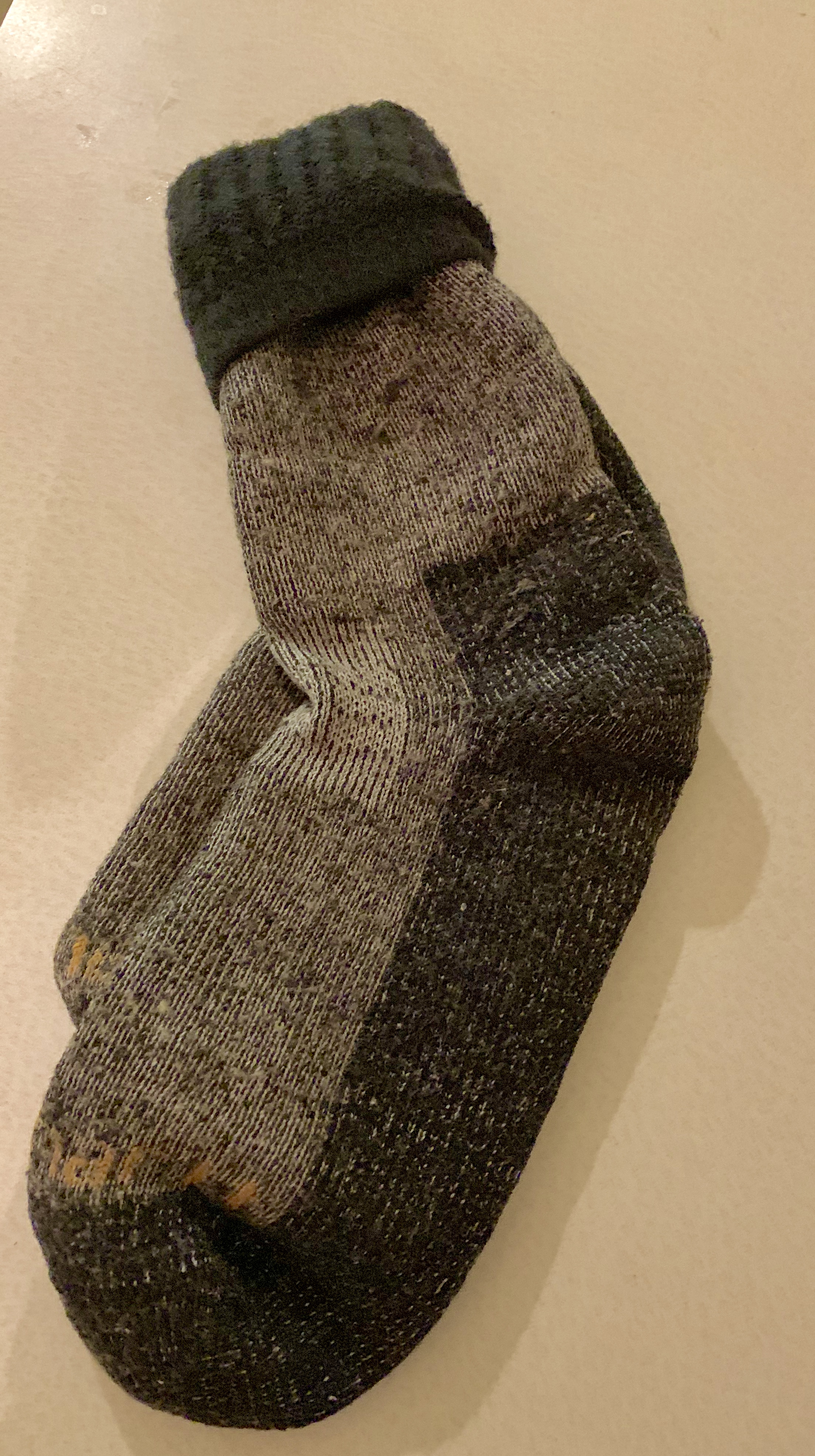
What you folded became gifts, wrapped, too beautiful to open. I watched you work as I took sock after sock and married them. We knew that most of what we did would be undone, but it kept us coming back to the same bed, the same warm room. ~Jim Richards, “Laundry” from Mud Season Review #15
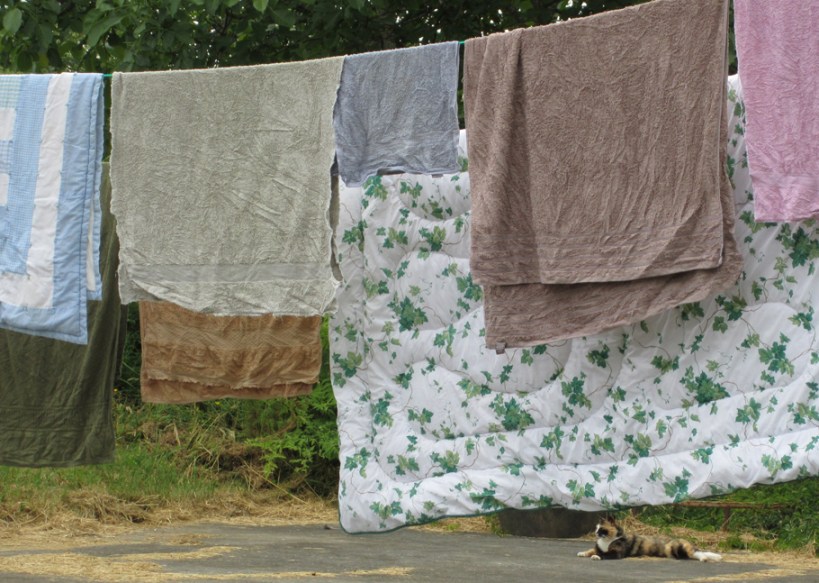
All day the blanket snapped and swelled on the line, roused by a hot spring wind…. From there it witnessed the first sparrow, early flies lifting their sticky feet, and a green haze on the south-sloping hills. Clouds rose over the mountain….At dusk I took the blanket in, and we slept, restless, under its fragrant weight. ~Jane Kenyon “Wash”
Twenty years ago the green square beyond our back door was webbed with lines on which I hung with wooden pegs my angels and my ghosts –white nightgowns winged in the wind, shrouds of tablecloths, shirts fluting their spooky sleeves, their dwindling tails — shadows of the lucid cloth moving like water on the grass.
Now we live over a basement dryer churning beneath a 40-watt bulb. The trap keeps filling with a gray lint as my cloths, my second skins, are dried out by the dialed minute. The air behind the house is empty of apparitions, epiphanies. Gone is the iron-fresh smell of damp linens praying their vapor to the sun. ~Luci Shaw “Evaporation” from Water Lines
We need to always be on the lookout for simple pleasures that keep us coming back for more again and again.
Clean laundry freshly dried on the clothesline is one of them. True, the towels and sheets are rougher when the wind has snapped them into shape rather than a rolling dryer drum with fabric softener sheets. The scent of the outdoors more than makes up for the sandpaper feel. I bury my face in the pile as I bring it inside to fold and put away.
Smoothing, folding, stacking, creating order- it will be undone and redone in merely a week, yet is such a comforting routine.
Even when there is disarray, when we are soiled and smelly, when we feel tossed into the dirty clothes hamper, we can be restored. Water and cleansing and wind bearing fresh air ready us to be folded and smoothed and stowed away until we are needed.
We don’t just keep coming back; we are called back. We are loved so much that dirty doesn’t matter because it always (always) can be made clean.
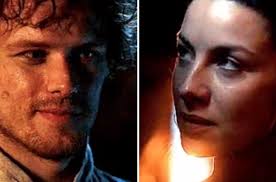
She raised her face, shining, and found her mirror in <his> eyes. I saw them look at each other, and felt the tears prickle behind my lids. ~Diana Gabaldon from Voyager
I leaned over his shoulder now and deposited a bowl of oatmeal in front of him, a smile hiding in his eyes, caught my hand and kissed it lightly. He let me go, and went back to his parritch. I touched the back of his neck, and saw the smile spread to his mouth. I looked up, smiling myself, and found Brianna watching. One corner of her mouth turned up, and her eyes were warm with understanding. Then I saw her gaze shift to Roger, who was spooning in his parritch in an absentminded sort of way, his gaze intent on her. ~Diana Gabaldon from Drums of Autumn
from Outlander (Starz)
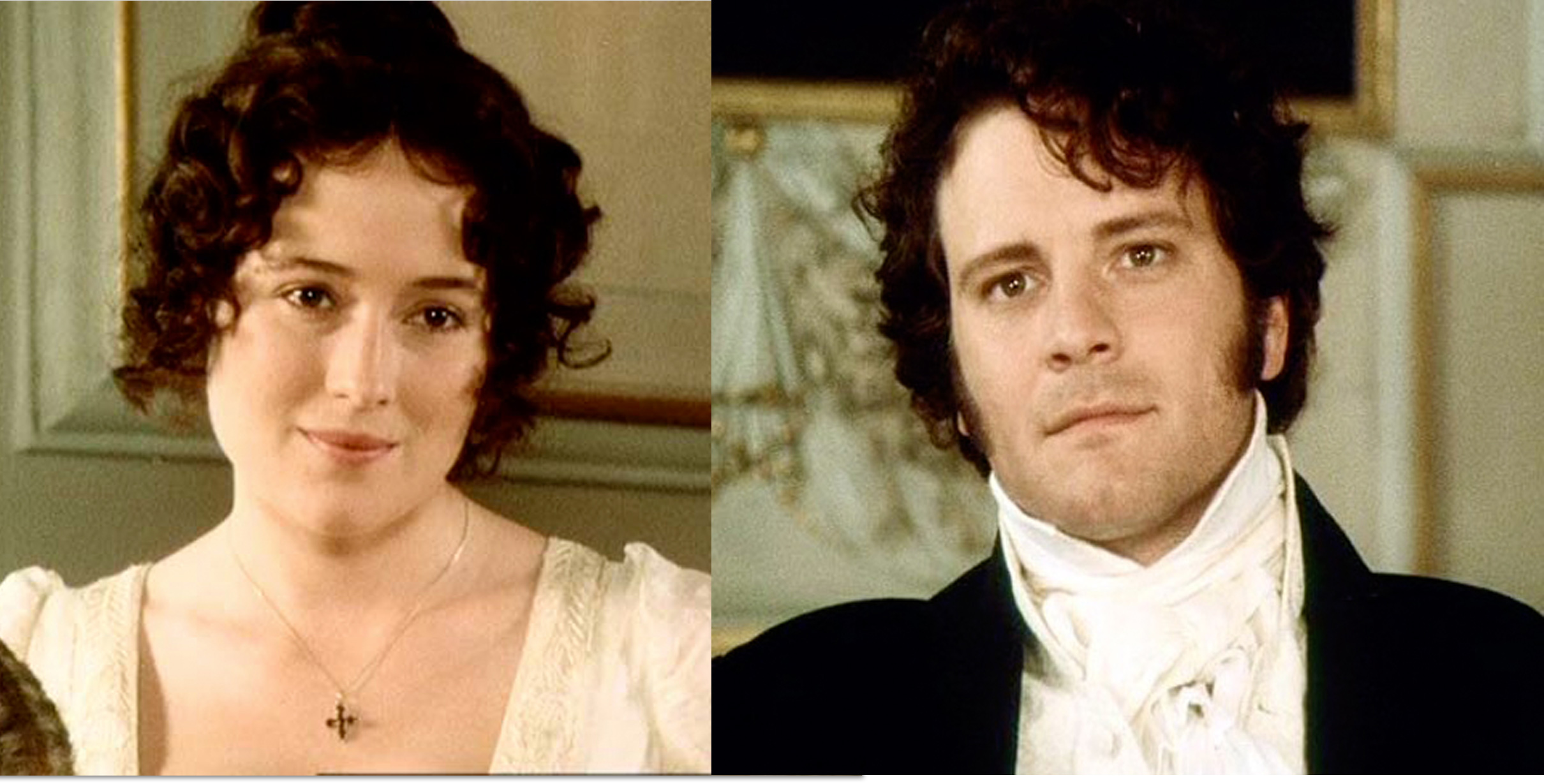
…she had ventured only one glance…she raised her eyes to his face… …their eyes instantly met, and the cheeks of each were overspread with the deepest blush.. ~Jane Austen from Pride and Prejudice
from Pride and Prejudice (BBC production)
Occasionally books and movies get it right. If they really want to show two people in love with each other, it does not require states of undress, or acrobatic clinches, or lots of heavy breathing.
All the movie needs is “that look”.
Some call it “locked eyes” or the “the held intense gaze” or “gazing longingly”. It’s not ogling or lurid or lusty.
It is the look that confirms: “I want to look into your eyes forever and stay lost there.”
It works for me every time because I am lucky enough to know what it feels like. I get that butterfly in the stomach feeling anytime it happens. My husband held my eyes with his from across a room early in our relationship, and forty years later, he still holds them when he looks at me. And I look at him just that way as well. The eyes say what there are no words for. The eyes don’t lie, being both mirror and reflection, as they are portal to both the mind and heart. The eyes never change even though the years bring gray hair and crow’s feet.
The “look” says “I want to look at you forever, just like this, just as you are, wherever you are — because of who you are.”
We thought we were the perfect family— loyal, stable, a brick wall you couldn’t topple with a wrecking ball. Parents dependable as the frozen Minute Maid juice we squeezed from cardboard cans and drank mornings, reconstituted.
We’d come to this place just to be together. October in Ogunquit, record heat, no need for the sweaters we’d packed. Dad had died but Mom, in her 80s, sat pouring green tea, our wicker chairs on the small porch, six sets of knees touching.
She didn’t mean to mention Dad’s first wife.
To our collective what? she sputtered lasted a year, before the war, her name: Phyllis. Remember that chest in the basement? It was hers.
Some moments passed, then mutely we agreed to let it go. Radium glowed green in our brains but didn’t burn. The knowing, a relief: We didn’t have to be perfect.
The August-warm wind felt pleasant and odd. We sat on that porch, orange leaves pinwheeling down the street. ~Karen Paul Holmes “Rental Cottage, Maine” from No Such Thing as Distance
Surfacing to the street from a thirty two hour hospital shift usually means my eyes blink mole-like, adjusting to searing daylight after being too long in darkened windowless halls. This particular day is different. As the doors open, I am immersed in a subdued gray Seattle afternoon, with horizontal rain soaking my scrubs.
Finally remembering where I had parked my car in pre-dawn dark the day before, I start the ignition, putting the windshield wipers on full speed. I merge onto the freeway, pinching myself to stay awake long enough to reach my apartment and my pillow.
The freeway is a flowing river current of head and tail lights. Semitrucks toss up tsunami waves cleared briefly by my wipers frantically whacking back and forth.
Just ahead in the lane to my right, a car catches my eye — it looks just like my Dad’s new Buick. I blink to clear my eyes and my mind, switching lanes to get behind. The license plate confirms it is indeed my Dad, oddly 100 miles from home in the middle of the week. I smiled, realizing he and Mom, the best parents ever, have probably planned to surprise me by taking me out for dinner.
I decide to surprise them first, switching lanes to their left and accelerating up alongside. As our cars travel side by side in the downpour, I glance over to my right to see if I can catch my Dad’s eye through streaming side windows. He is looking away to the right at that moment, obviously in conversation. It is then I realize something is amiss. When my Dad looks back at the road, he is smiling in a way I have never seen before. There are arms wrapped around his neck and shoulder, and a woman’s auburn head is snuggled into his chest.
My mother’s hair is gray.
My initial confusion turns instantly to fury. Despite the rivers of rain obscuring their view, I desperately want them to see me. I think about honking, I think about pulling in front of them so my father would know I have seen and I know. I think about ramming them with my car so that we’d perish, unrecognizable, in an explosive storm-soaked mangle.
At that moment, my father glances over at me and our eyes meet across the white line separating us. His face is a mask of betrayal, bewilderment and then shock, and as he tenses, she straightens up and looks at me quizzically.
I can’t bear to look any longer.
I leave them behind, speeding beyond, splashing them with my wake. Every breath burns my lungs and pierces my heart. I can not distinguish whether the rivers obscuring my view are from my eyes or my windshield.
Somehow I made it home to my apartment, my heart still pounding in my ears. The phone rings and remains unanswered.
I throw myself on my bed, bury my wet face in my pillow and pray — for a sleep without dreams, without secrets, without lies, without the burden of knowing the truth I alone now knew and wished I didn’t.
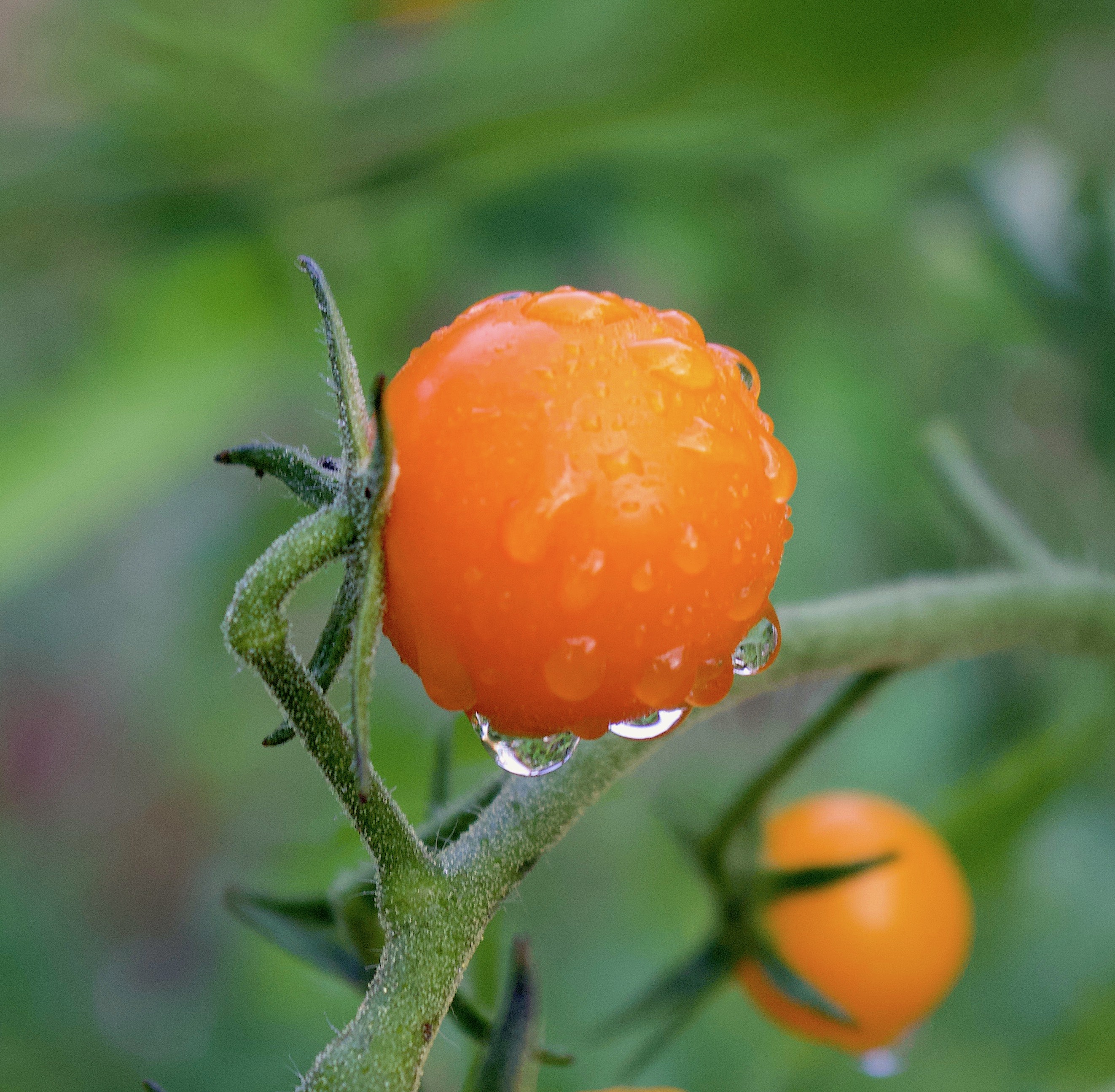
Night and day seize the day, also the night — a handful of water to grasp. The moon shines off the mountain snow where grizzlies look for a place for the winter’s sleep and birth. I just ate the year’s last tomato in the year’s fatal whirl. This is mid-October, apple time. I picked them for years. One Mcintosh yielded sixty bushels. It was the birth of love that year. Sometimes we live without noticing it. Overtrying makes it harder. I fell down through the tree grabbing branches to slow the fall, got the afternoon off. We drove her aqua Ford convertible into the country with a sack of red apples. It was a perfect day with her sun-brown legs and we threw ourselves into the future together seizing the day. Fifty years later we hold each other looking out the windows at birds, making dinner, a life to live day after day, a life of dogs and children and the far wide country out by rivers, rumpled by mountains. So far the days keep coming. Seize the day gently as if you loved her. ~Jim Harrison “Carpe Diem” from Dead Man’s Float
There is so much to cling to, as if this were the only day, the only night, knowing it can never come again.
There is so much that has passed, like a blink, and I wonder where time disappears to, where it hides after it disappears over the horizon.
There is so much to remember and never forget. There is so much yet to come that is unknowable.
The room darkened, darkened until our nakedness became a form of gray; then the rain came bursting, and we were sheltered, blessed, upheld in a world of elements that held us justified. In all the love I had felt for you before, in all that love, there was no love like that I felt when the rain began… ~John Updike from “The Blessing” from Collected Poems.
As the rains return, we shelter together, blessed by years and miles, our unknown become known, our understanding breathed in silence. Though we be gray as the clouds above, our hearts beat in synchrony each pulsing moment more sacred than the last.
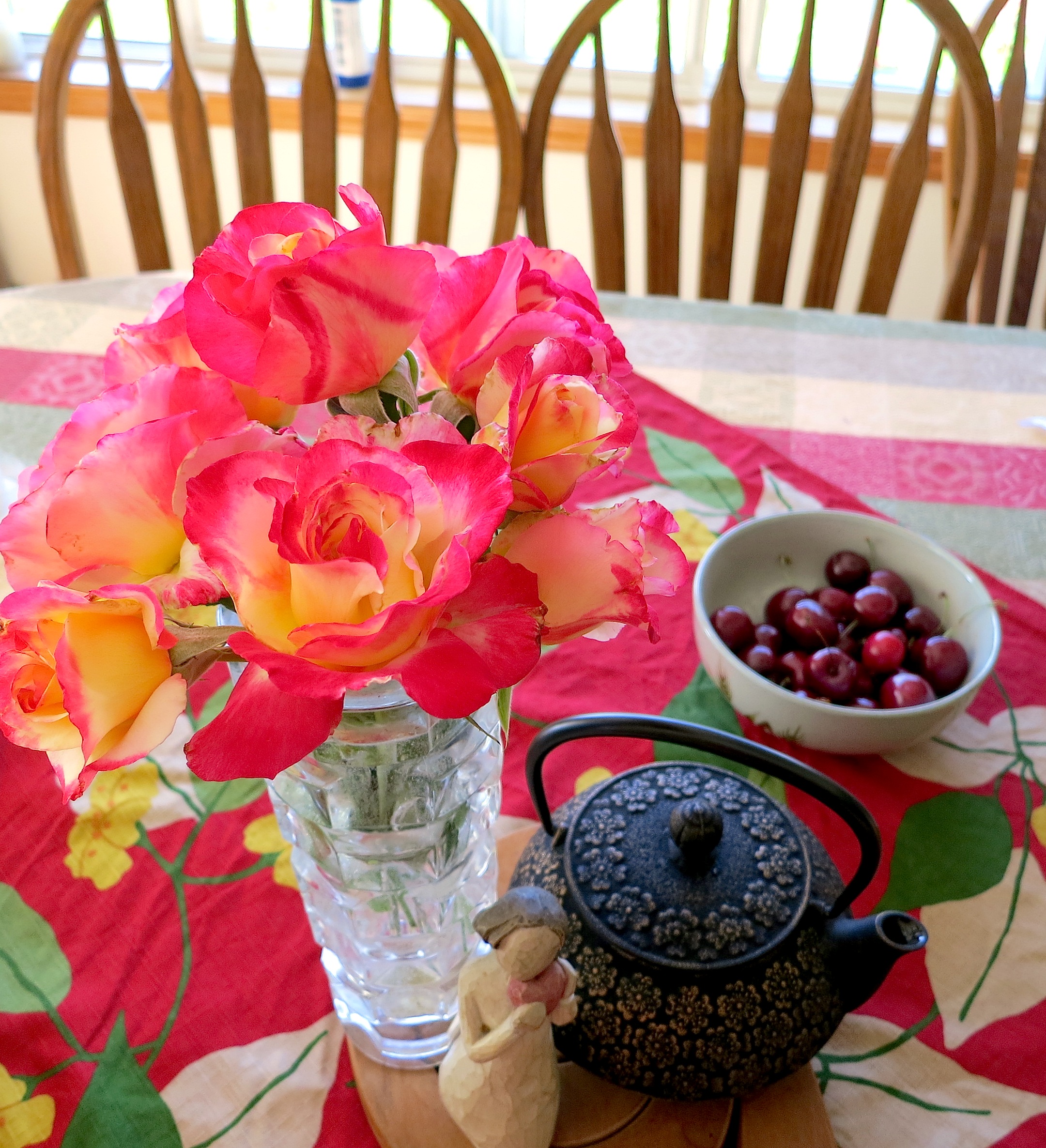
The world begins at a kitchen table. No Matter what, we must eat to live.
The gifts of earth are brought and prepared, set on the table. So it has been since creation, and it will go on.
We chase chickens or dogs away from it. Babies teethe at the corners. They scrape their knees under it.
It is here that children are given instructions on what it means to be human. We make men at it, we make women.
At this table we gossip, recall enemies and the ghosts of lovers.
Our dreams drink coffee with us as they put their arms around our children. They laugh with us at our poor falling-down selves and as we put ourselves back together once again at the table.
This table has been a house in the rain, an umbrella in the sun.
We have given birth on this table, and have prepared our parents for burial here.
Wars have begun and ended at this table. It is a place to hide in the shadow of terror. A place to celebrate the terrible victory.
At this table we sing with joy, with sorrow. We pray of suffering and remorse. We give thanks.
Perhaps the world will end at the kitchen table, while we are laughing and crying, eating of the last sweet bite. ~Joy Harjo “Perhaps the World Ends Here”
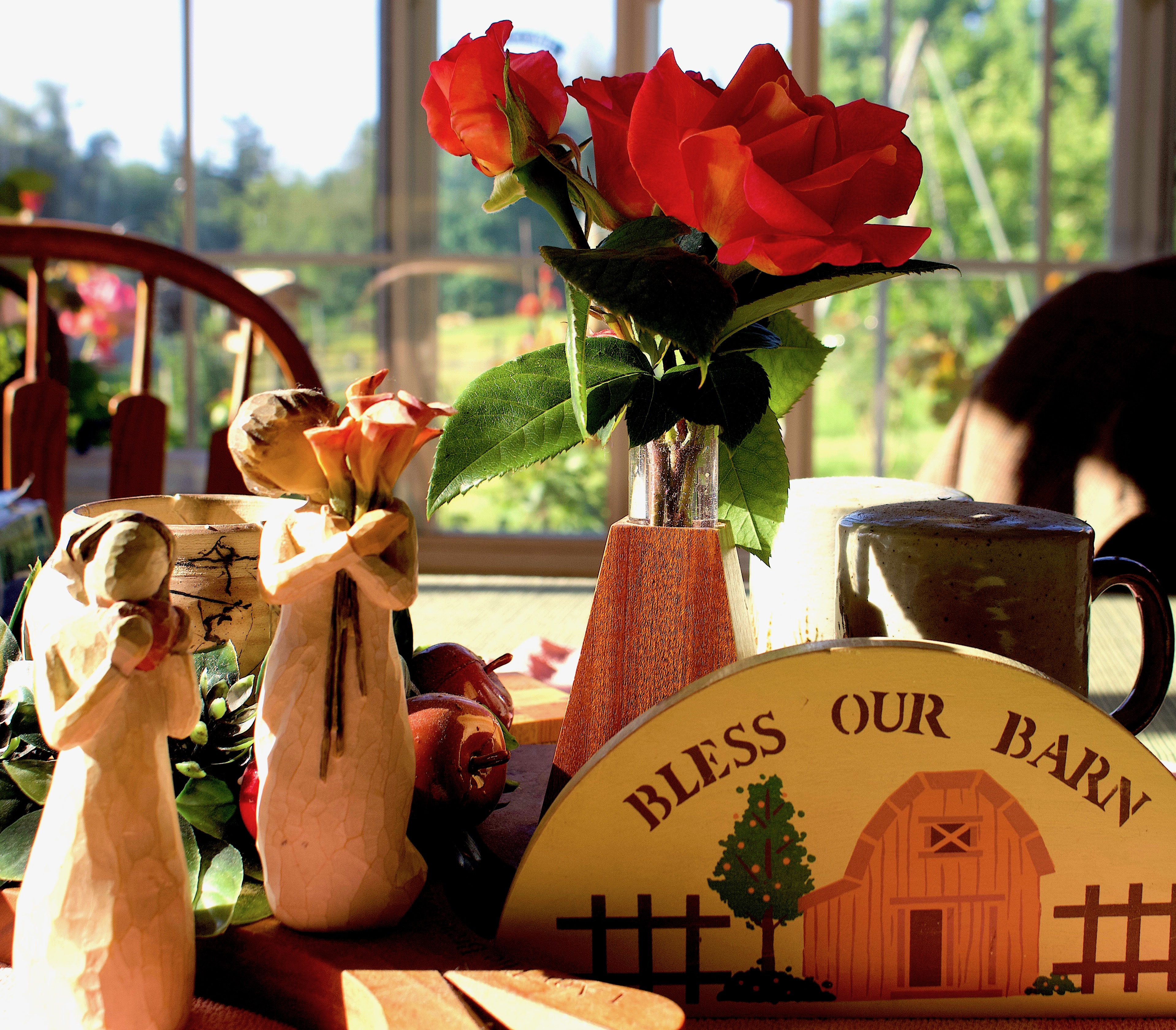
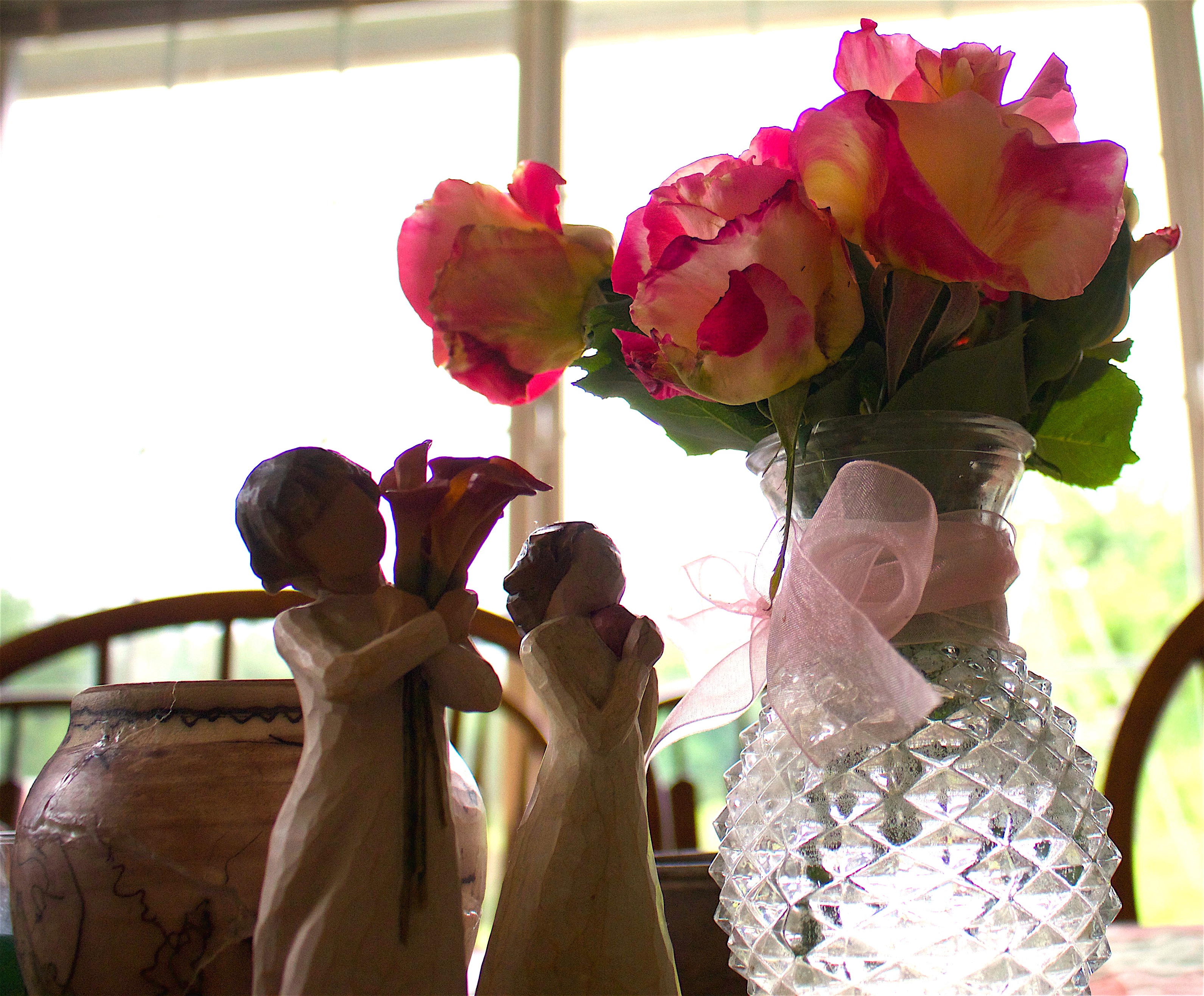
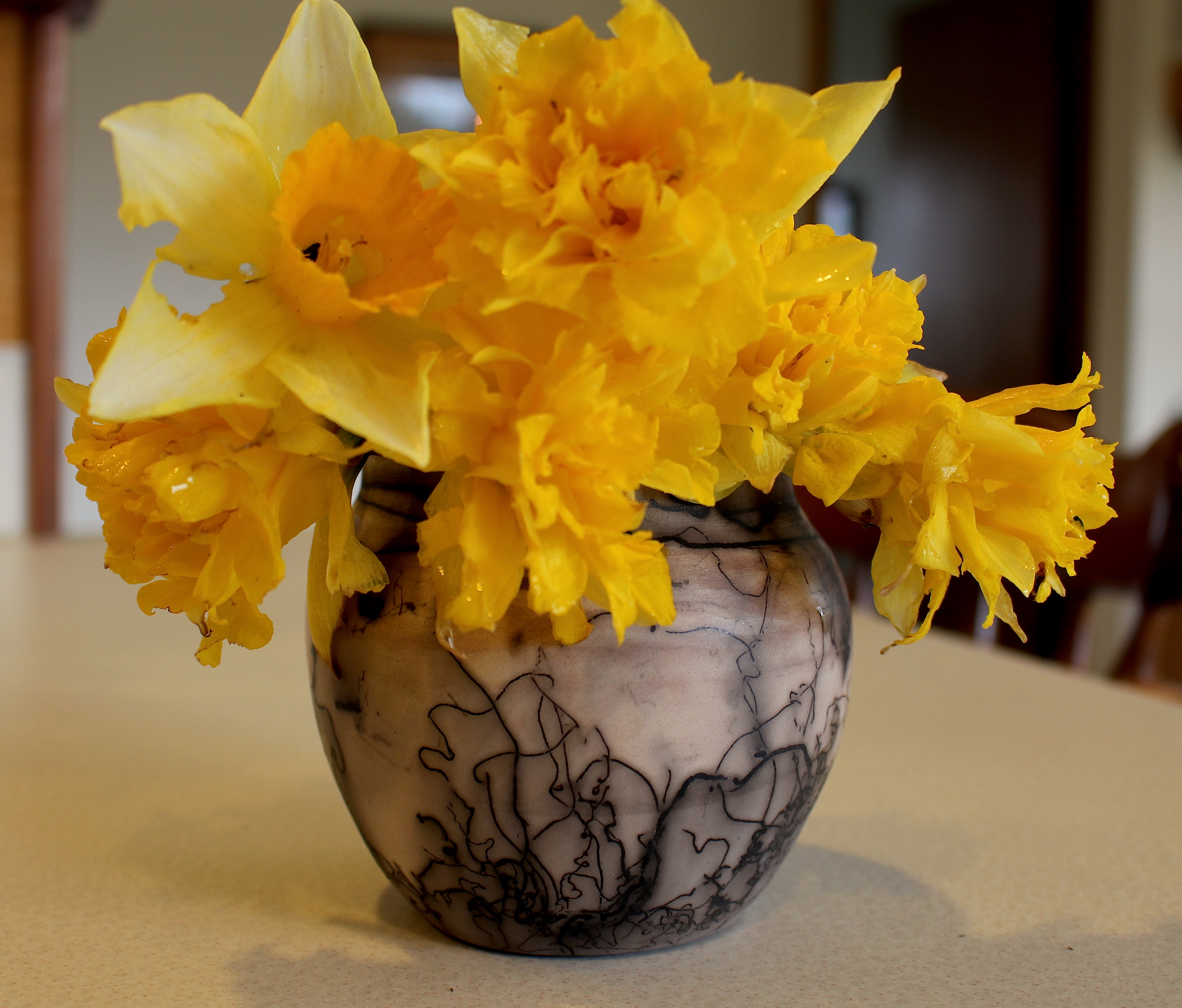
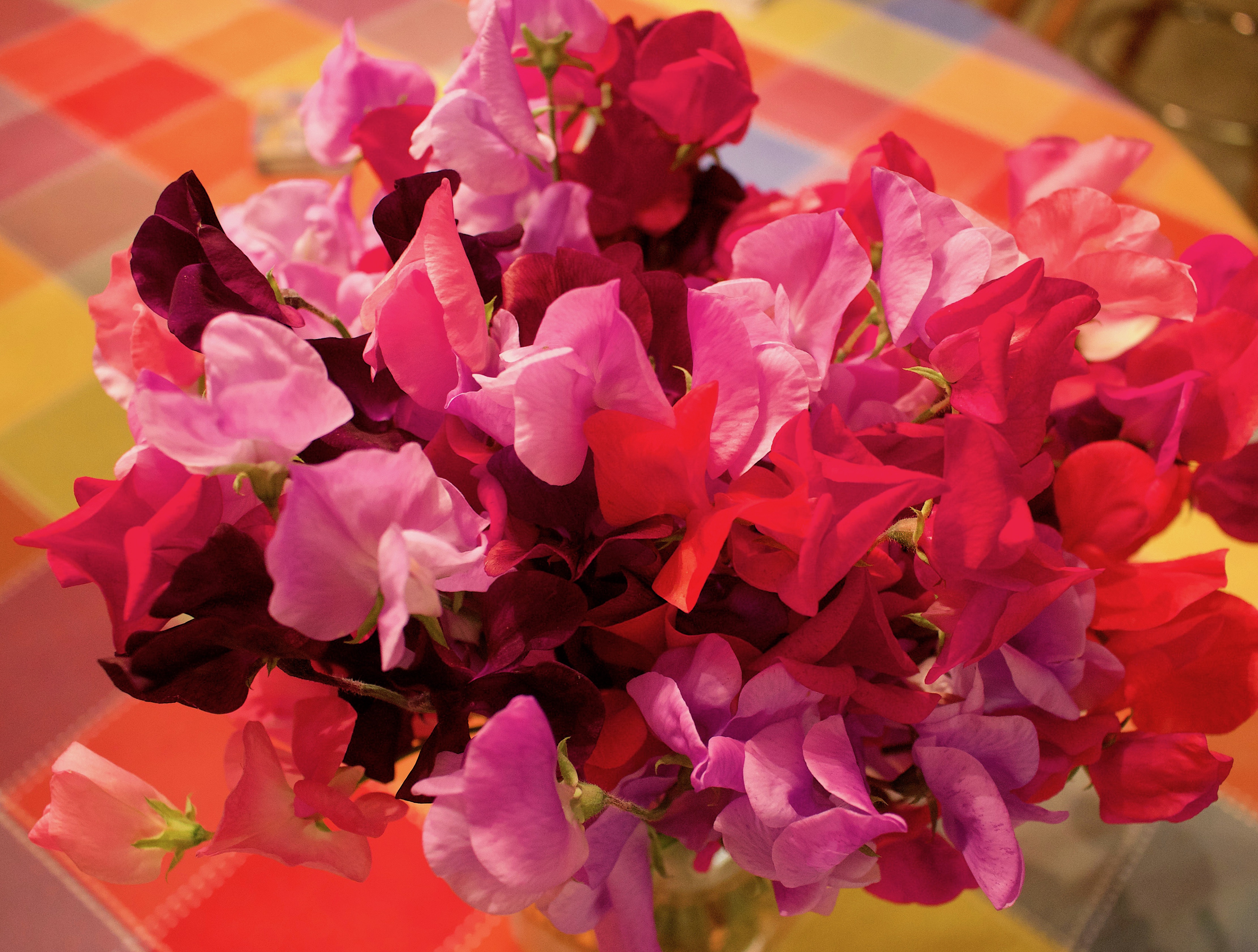
Our life revolves around this table. This is where we hang out late into the evening, and begin the day before dawn. This is where the prayers happen, the meals happen, the arguments happen. This is where we understand each other.
















 Barnstorming