The Stones Themselves Will Start to Sing: Carry On

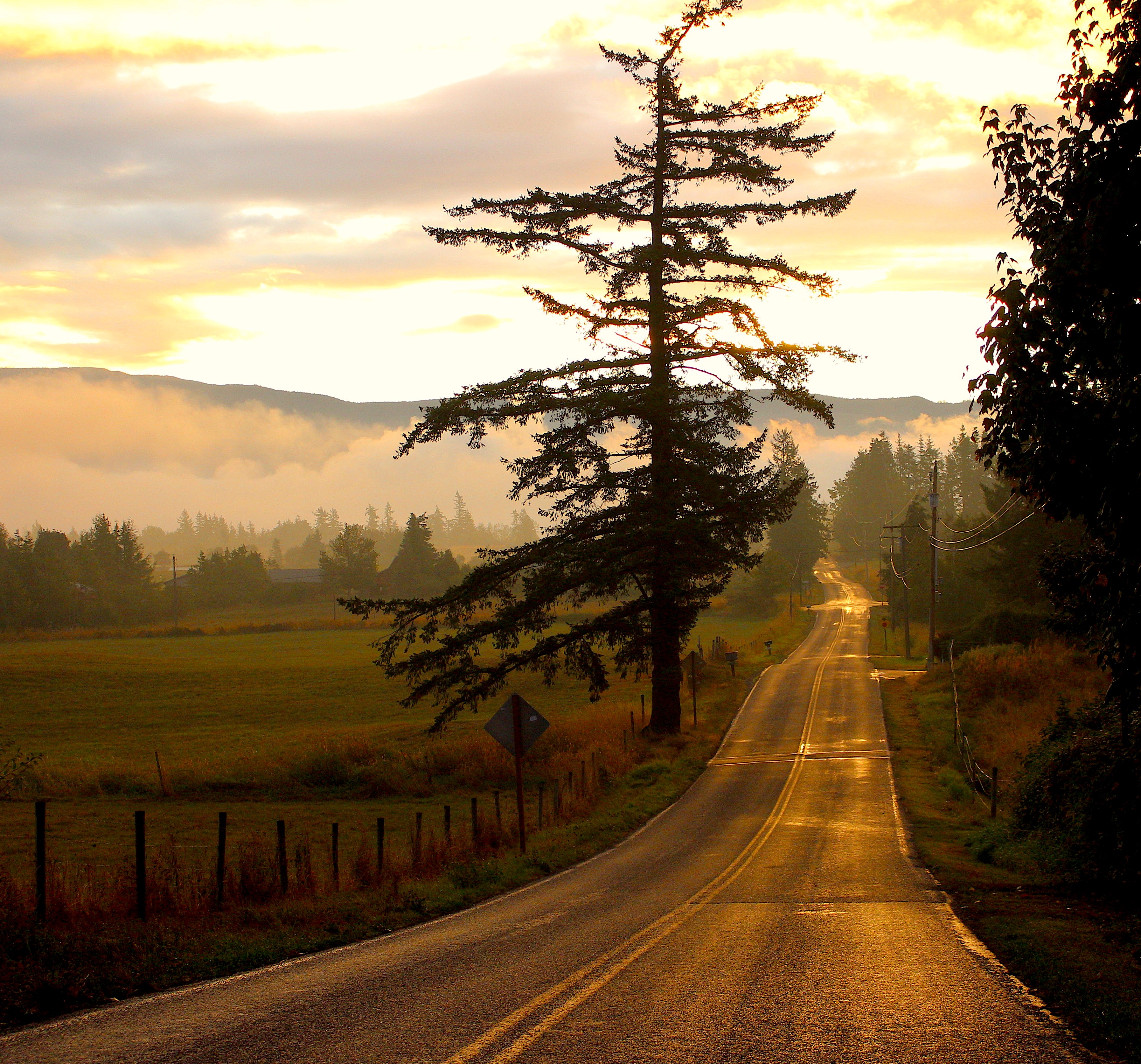
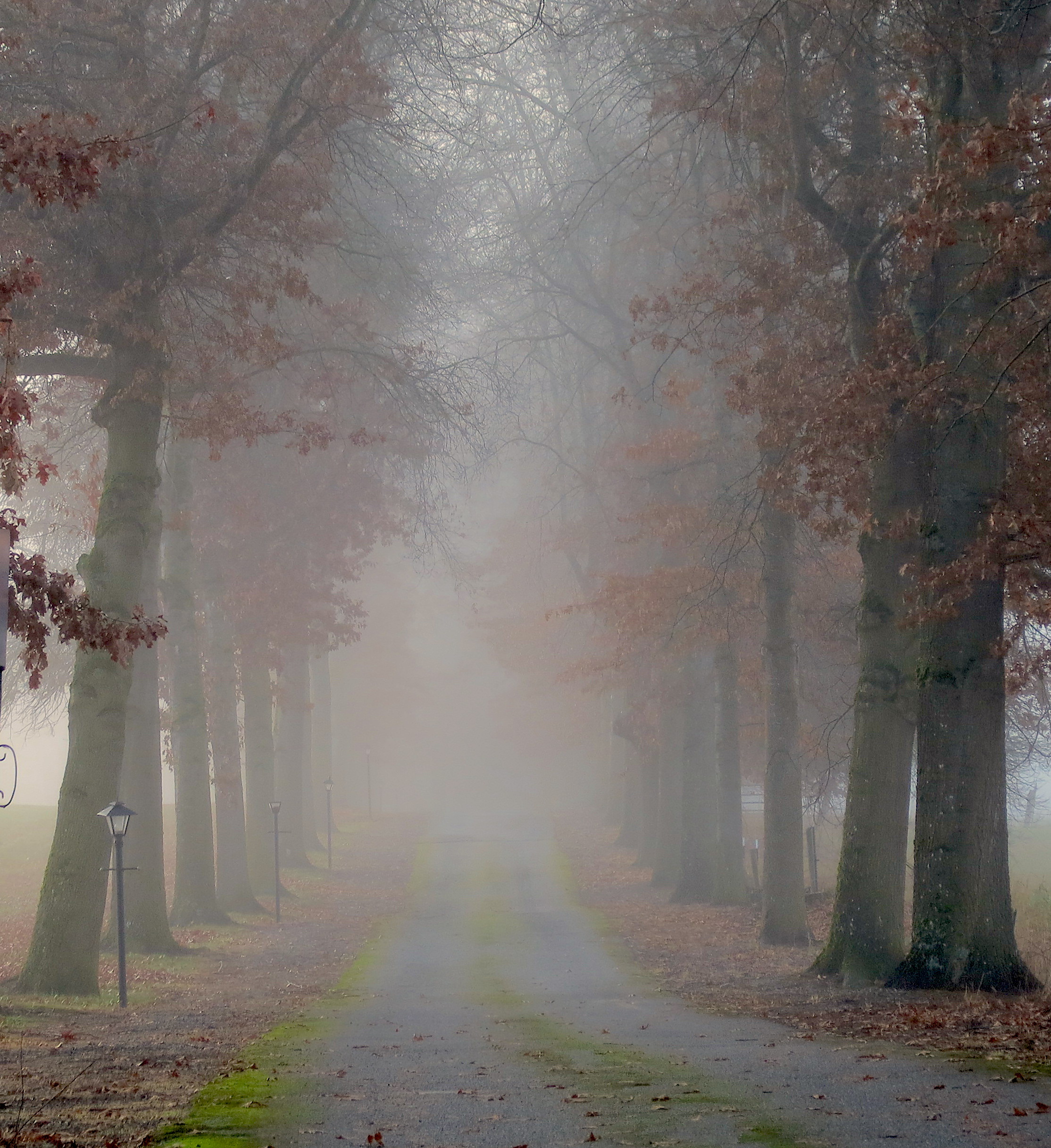
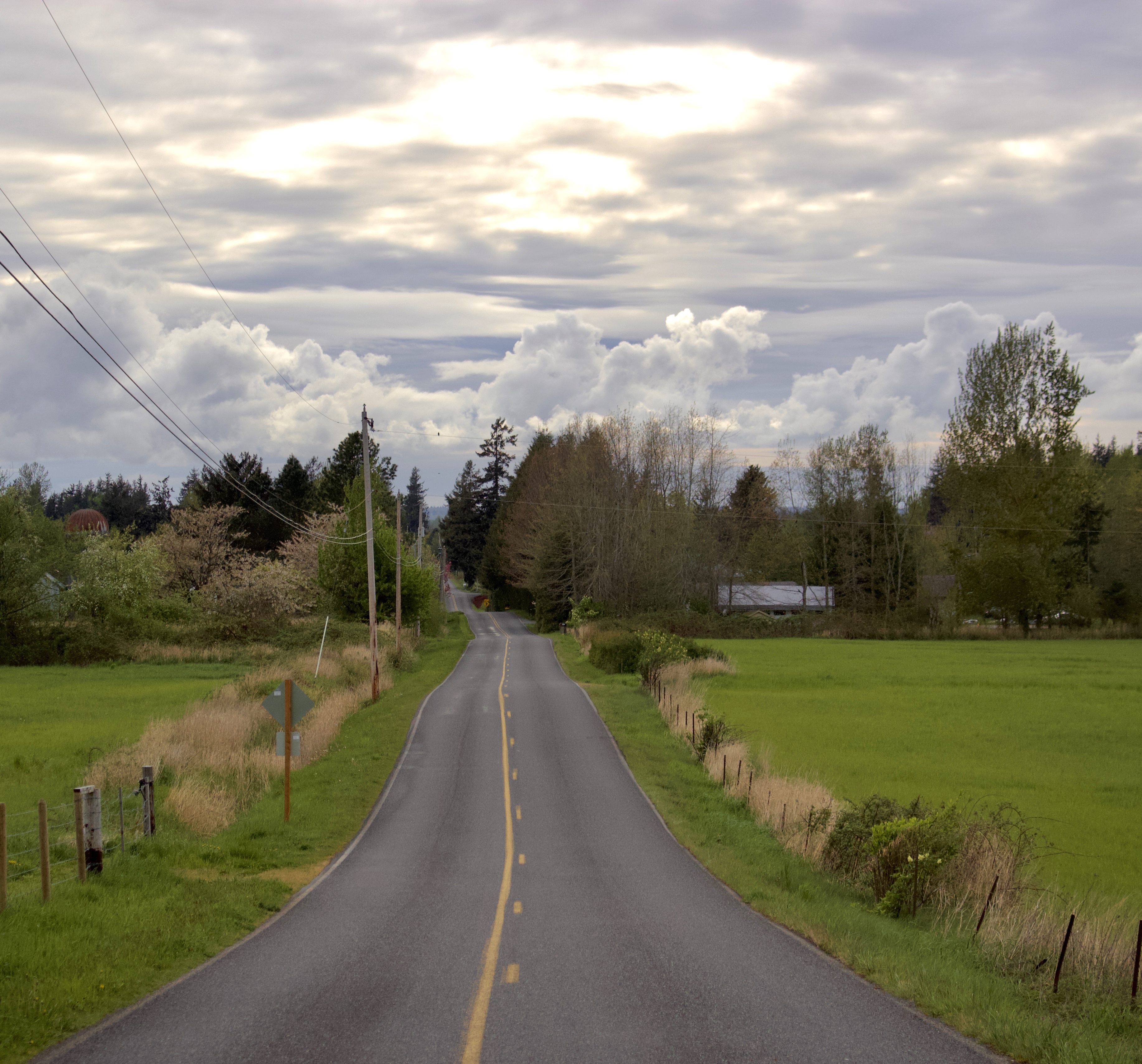
Weary traveler
Beat down from the storms that you have weathered
Feels like this road just might go on forever
Carry on
~Jordan St. Cyr

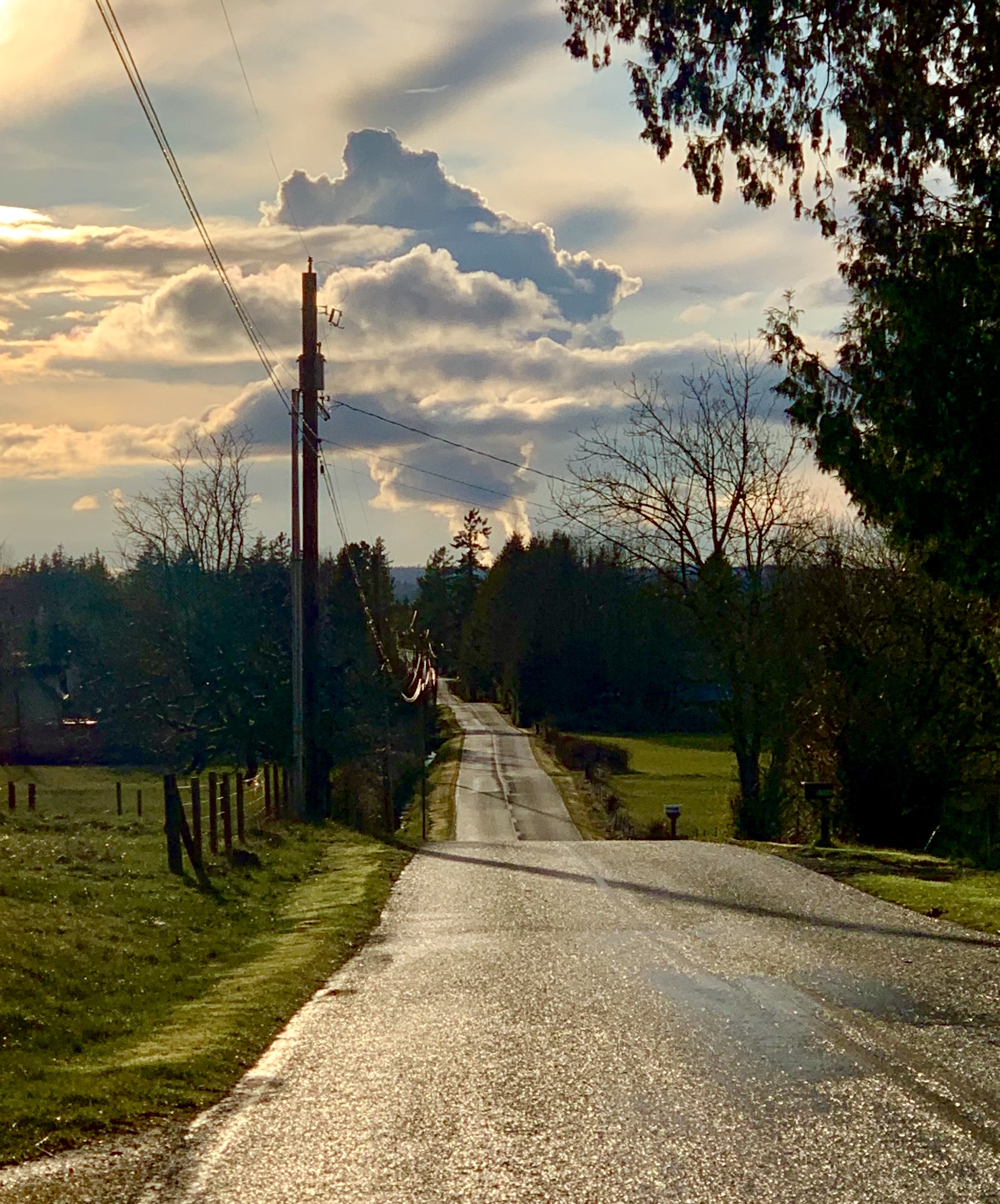
There are so many who are weary right now:
-refugees who have walked for miles to reach safety, with no idea where to go next.
-hopeful immigrants who seek a new life and a new start, but bogged down in government process and paperwork
-those who are struggling to stay alive in the midst of debilitating illness, both physical and mental
-those who have given of themselves to care for those who struggle
-those who have lived many years and now feel ready to be taken home, yet wake again to a new day
-those whose faith feels beaten down by the loss of community and congregational consolation during two years of pandemic anger and disagreement
-those who mourn deeply for those they have lost.

God knows our grief. God knows our weary bodies and minds need rest and restoration. God knows the struggle as He too walked this weary road, too often alone.

Yet He carried on then and carries on today and will be there alongside us tomorrow.

Carry on. Someday we will make it home.
This year’s Lenten theme for Barnstorming is a daily selection from songs and hymns about Christ’s profound sacrifice on our behalf.

If we remain silent about Him, the stones themselves will shout out and start to sing (Luke 19:40).

In His name, may we sing…

Weary traveler
Beat down from the storms that you have weathered
Feels like this road just might go on forever
Carry on

You keep on giving
But every day this world just keeps on taking
Your tired heart is on the edge of breaking
Carry on

Weary traveler, restless soul
You were never meant to walk this road alone
It’ll all be worth it so just hold on

Weary traveler
You won’t be weary long
No more searching

Heaven’s healing’s gonna find where all the hurt is
When Jesus calls we’ll lay down all our heavy burdens
Carry on
Someday soon we’re gonna make it home

Neon lights flickering
Outside the cafe
Ice on the windshield
Stars in a black sea
On a winter road
Flurries of snow
I’m ready to go

Past farmhouse and pasture
Our voices together
Rise to the drumming
Of big-rigs and trailers
Long hours to daylight
A rumbling bus
Our bed and our board

Heavenly Father
Remember the traveler
Bring us safely home
Heavenly Father
Remember the traveler
Bring us safely home
Safely home

In the towns off this highway
The people are kind
They welcome us in
I sing in their church halls
Old hymns and prayer songs
With lifted hearts
We rejoice in the Lord

I long for my family
And friends to remind me
Of where I have been
And where I am going
And where I come from

Heavenly Father
Remember the traveler
Bring us safely home
Heavenly Father
Remember the traveler
Bring us safely home
Safely home

One-Time
Monthly
Yearly

Make a one-time or recurring donation of daily Barnstorming posts

Make a monthly donation

Make a yearly donation

Choose an amount

¤5.00
¤10.00
¤20.00
¤5.00
¤15.00
¤100.00
¤5.00
¤15.00
¤100.00

Or enter a custom amount

¤

Your contribution is deeply appreciated.

Your contribution is appreciated.

Your contribution is appreciated.

DonateDonate monthlyDonate yearly


The Stones Themselves Will Start to Sing: I’ll Not Stumble or Fall

For you have delivered me from death
    and my feet from stumbling,
that I may walk before God
    in the light of life.
Psalm 56:13

God alone can deliver a soul from its death,
lift a life from a wasteland of need.
God alone can replenish with blessings untold
until into His light we are freed we are freed.
~Susan Boersma from
“Father of Light

Wait, for now.
Distrust everything, if you have to.
But trust the hours. Haven’t they
carried you everywhere, up to now?
Personal events will become interesting again.
Hair will become interesting.
Pain will become interesting.
Buds that open out of season will become lovely again.
Second-hand gloves will become lovely again,
their memories are what give them
the need for other hands. And the desolation
of lovers is the same: that enormous emptiness
carved out of such tiny beings as we are
asks to be filled; the need
for the new love is faithfulness to the old.

Wait.
Don’t go too early.
You’re tired. But everyone’s tired.
But no one is tired enough.
Only wait a while and listen.
Music of hair,
Music of pain,
music of looms weaving all our loves again.
Be there to hear it, it will be the only time,
most of all to hear,
the flute of your whole existence,
rehearsed by the sorrows, play itself into total exhaustion.
~Galway Kinnell “Wait”
 from A New Selected Poems 

If everyone abandons you and even drives you away by force,
then when you are left alone
fall on the earth and kiss it,
water it with your tears,
and it will bring forth fruit
even though no one has seen or heard you in your solitude.
Believe to the end, even if all people went astray
and you were left the only one faithful;
bring your offering even then and praise God in your loneliness. 
~Fyodor Dostoyevsky from The Brothers Karamazov

Suicide rates of teenagers in the United States increased well over 30% since 2009. Their voices echo loudly:

“It would be easier if I were dead”
“No one cares if I live or die”
“The world would be better off without me”
“It’s too painful to continue”
“I’m not worthy to be here”
“It is my right and no one can stop me”

Let us protect our holiness as created in the image of God
even though weak and frail and prone to helpless hopelessness. We will be restored. In His Light, He will not let us stumble and fall.

Dear ones,
please wait a little longer, only a little longer:
don’t go too early – your bud will soon bloom in His Light.

This year’s Lenten theme for Barnstorming is a daily selection from songs and hymns about Christ’s profound sacrifice on our behalf.

If we remain silent about Him, the stones themselves will shout out and start to sing (Luke 19:40).

In His name, may we sing…

From the comments on this video:
Written by Susan Boersma and based loosely on Psalm 56, this piece was commissioned by the Sanctuary Choir of Third Presbyterian Church in Richmond, Virginia, in memory of Jonathan Richard White, the son of its music director John Stone White. Jonathan was a teenager who struggled with long-term depression and who, despite his persistent faith in God, in the end took his own life. In the aftermath of this tragedy, Jonathan’s family came to more deeply appreciate the magnitude of his struggle, as witnessed by what he wrote in his journal and Bible, and they noted that he returned frequently to the Psalms to find comfort in his distress. In contrast to the sadness surrounding this young man’s death, Craig Courtney’s writing in this piece is uniformly strong and triumphant. “Father of Light” opens with a vocal solo—indicative perhaps of a personal statement of faith—expressing confidence in God’s leading and protection. This solo is followed by unison singing in the lower voices which echoes the sentiments of the soloist. As the piece progresses, more parts are added and the harmonies become richer, until at last the music moves into a higher key, the piano drops out, and all the voices reiterate the words of the opening solo at a loud dynamic. A final entry of the soloist brings this work to its close and reminds the listener that God is sovereign in all things—even great suffering.

All praise to the name of the Father of Light
One Who listens and hears when I call
Ev’ry step He ordains, I shall walk without fear in His light
I’ll not stumble or fall In His light
I’ll not stumble or fall


What can mortal man do while I’m safe in His hand?
He is God on His word
I rely in the midst of my fear
I will trust in His name for I know He will hear when I cry
He knows all of my feelings,
the depths of despair all the limits my soul can endure.
I will trust in His name,
I have nothing to lose, for in Him all my hopes are secure.


All praise to the name of the Father of Light
One Who listens and hears when I call
Ev’ry step He ordains, I shall walk without fear
In His light I’ll not stumble or fall

God alone can deliver a soul from its death,
lift a life from a wasteland of need.
God alone can replenish with blessings untold
until into His light we are freed we are freed.


All praise to the name of the Father of Light
One Who listens and hears when I call
Ev’ry step He ordains, I shall walk without fear
In His light I’ll not stumble or fall In His light
I’ll not stumble or fall
Ev’ry step He ordains, I shall walk without fear
In His light I’ll not stumble or fall

One-Time
Monthly
Yearly

Make a one-time or recurring donation to support daily Barnstorming posts

Make a monthly donation

Make a yearly donation

Choose an amount

¤5.00
¤10.00
¤20.00
¤5.00
¤15.00
¤100.00
¤5.00
¤15.00
¤100.00

Or enter a custom amount

¤

Your contribution is deeply appreciated.

Your contribution is appreciated.

Your contribution is appreciated.

DonateDonate monthlyDonate yearly

The Stones Themselves Will Start to Sing: Guide Me Through the Gloom

Death shall not destroy my comfort,
Christ shall guide me thro’ the gloom;
Down he’ll send some heav’nly convoy,
To escort my spirit home.
~American Folk Hymn

Our neighbor Linda died yesterday after being cared for in hospice for the past several days. Her life journey was sadly shortened by the gloom and toll of early-onset dementia.

Even as her memory developed enlarging gaps and holes over the past few years, Jesus was always her refuge when she was lost in her confusion. Linda never lost her awe of God’s goodness, and never forgot His love for her. Even when fearful of the unknown or unremembered, she was held fast by Jesus.

Worshipping weekly with her husband Steve and extended family members brought her immense joy and comfort. She smiled broadly, singing faithfully the hymns she had known for decades.

Her call home is bittersweet for Steve, along with her family and friends who have supported her remaining at home during her last few vulnerable years. There is a toll and gloom in watching a beloved person slowly fade from this life, like a wave retreating from this shore to crest on some other far-off place.

What we who mourn know is that Linda was greeted on that other shore by those who have gone before her, assuring her she no longer would wonder where she was or be worried about what comes next.

She will forever know the joy of worship and the assurance of belonging. After all, there is no gloom in heaven, only the light of holy love.

This year’s Lenten theme for Barnstorming is a daily selection from songs and hymns about Christ’s profound sacrifice on our behalf.

If we remain silent about Him, the stones themselves will shout out and start to sing (Luke 19:40).

In His name, may we sing…

Death shall not destroy my comfort,
Christ shall guide me thro’ the gloom;
Down he’ll send some heav’nly convoy,
To escort my spirit home.

(Refrain):
Oh, hallelujah! How I Love my Savior,
Oh, hallelujah! That I Do.
Oh, Hallelujah! How I love my Savior!
Mourners, you may love him too.

Jordan’s stream shall not o’erflow me,
While my Savior’s by my side;
Canaan, Canaan lies before me!
Soon I’ll cross the swelling tide.

See the happy spirits waiting,
On the banks beyond the stream!
Sweet responses still repeating,
“Jesus! Jesus!” is their theme.

The Stones Themselves Will Start to Sing: God of the Sparrow

God of the sparrow, care for us,
Speak in our sorrow, Lord of grief.
Sing us Your music, lift our hearts,
Pour out Your mercy, send relief.
~Craig Courtney

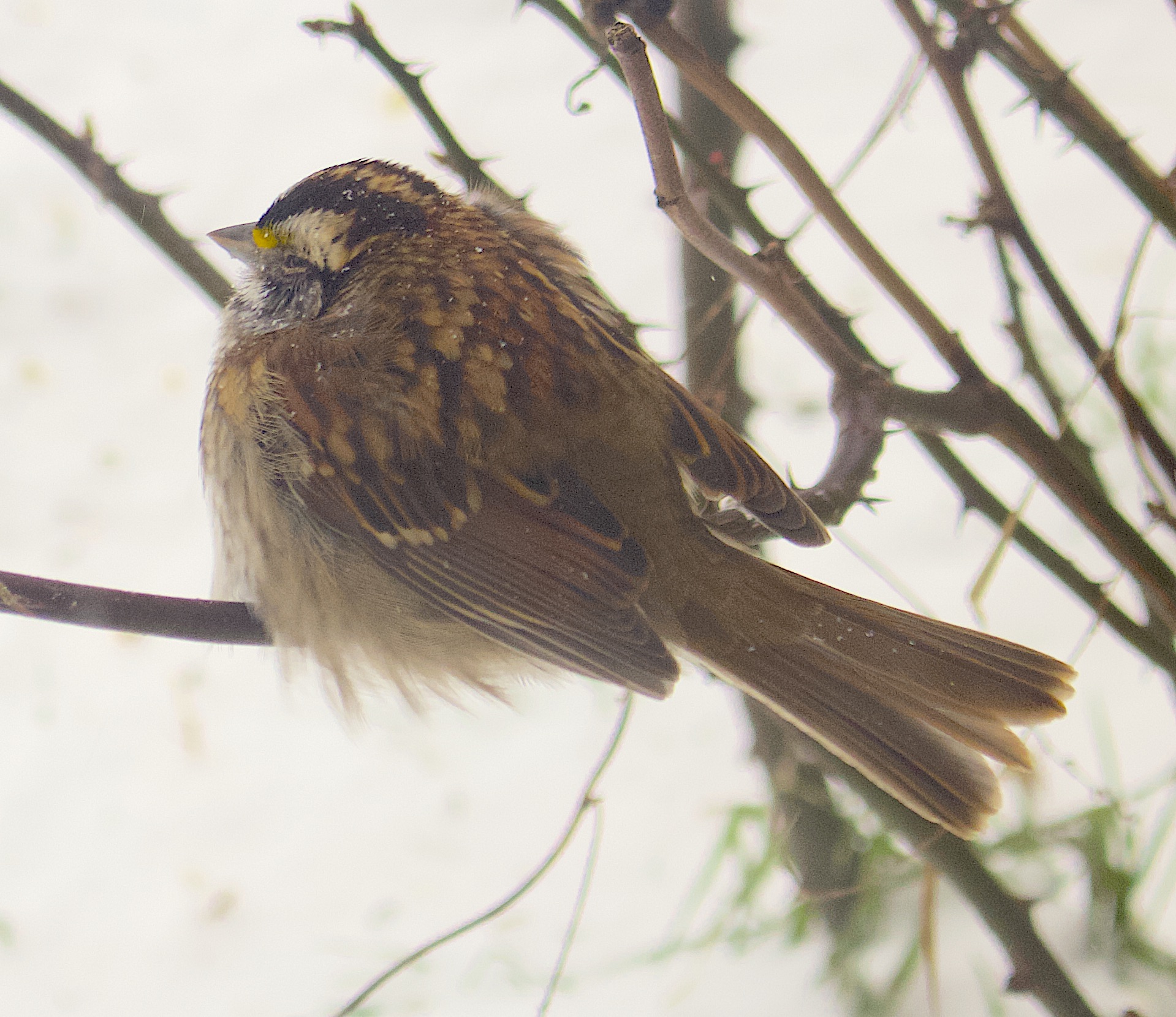
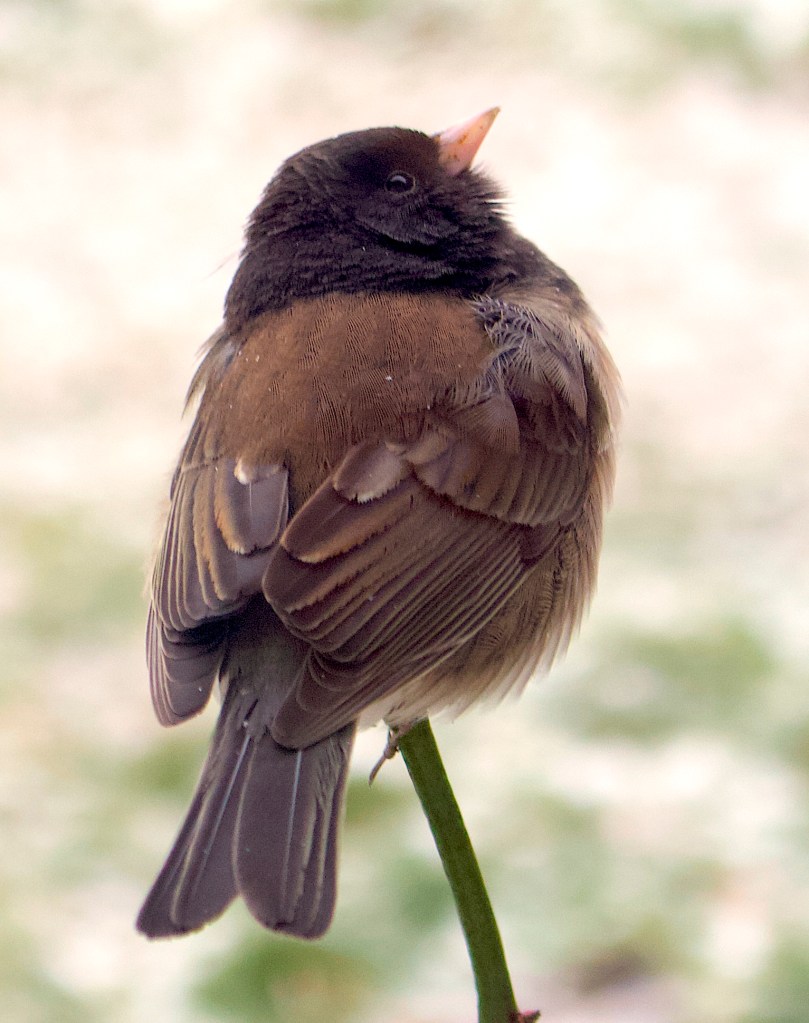
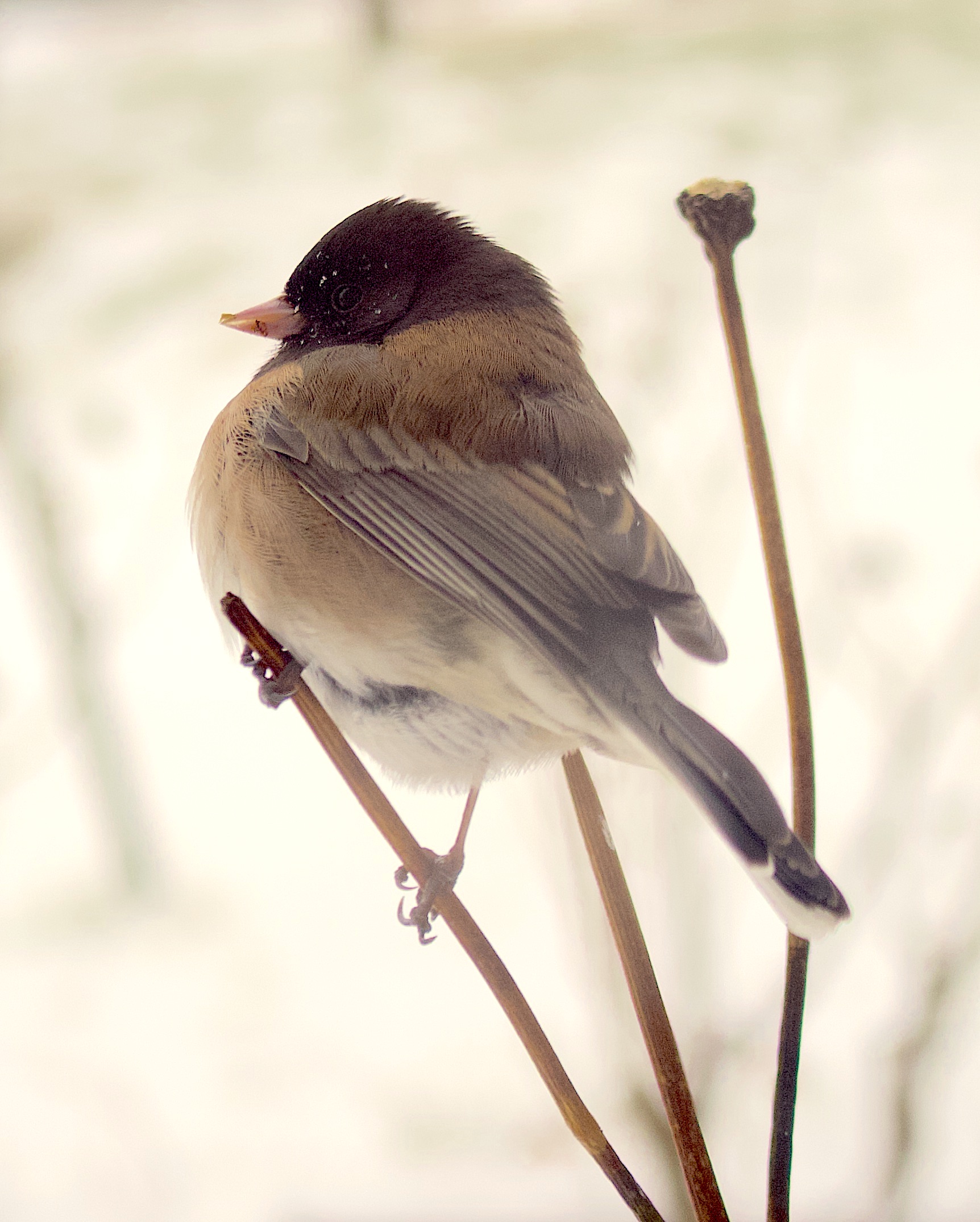
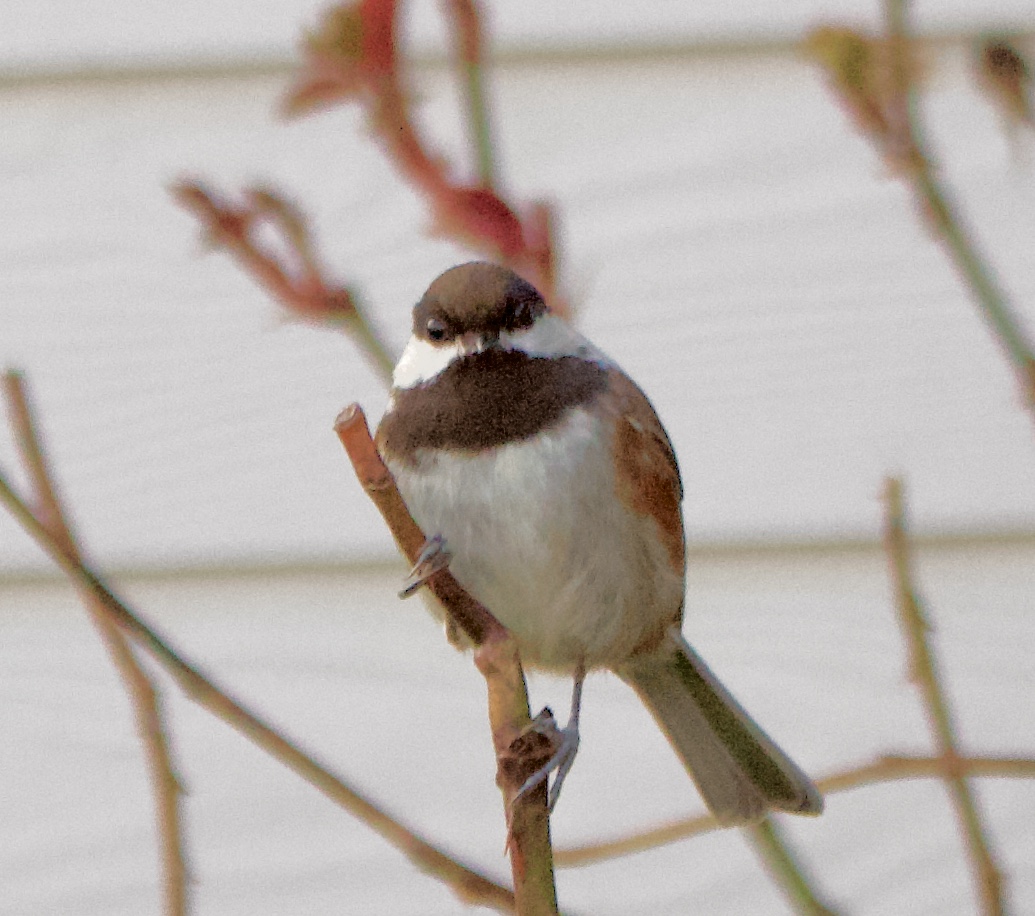
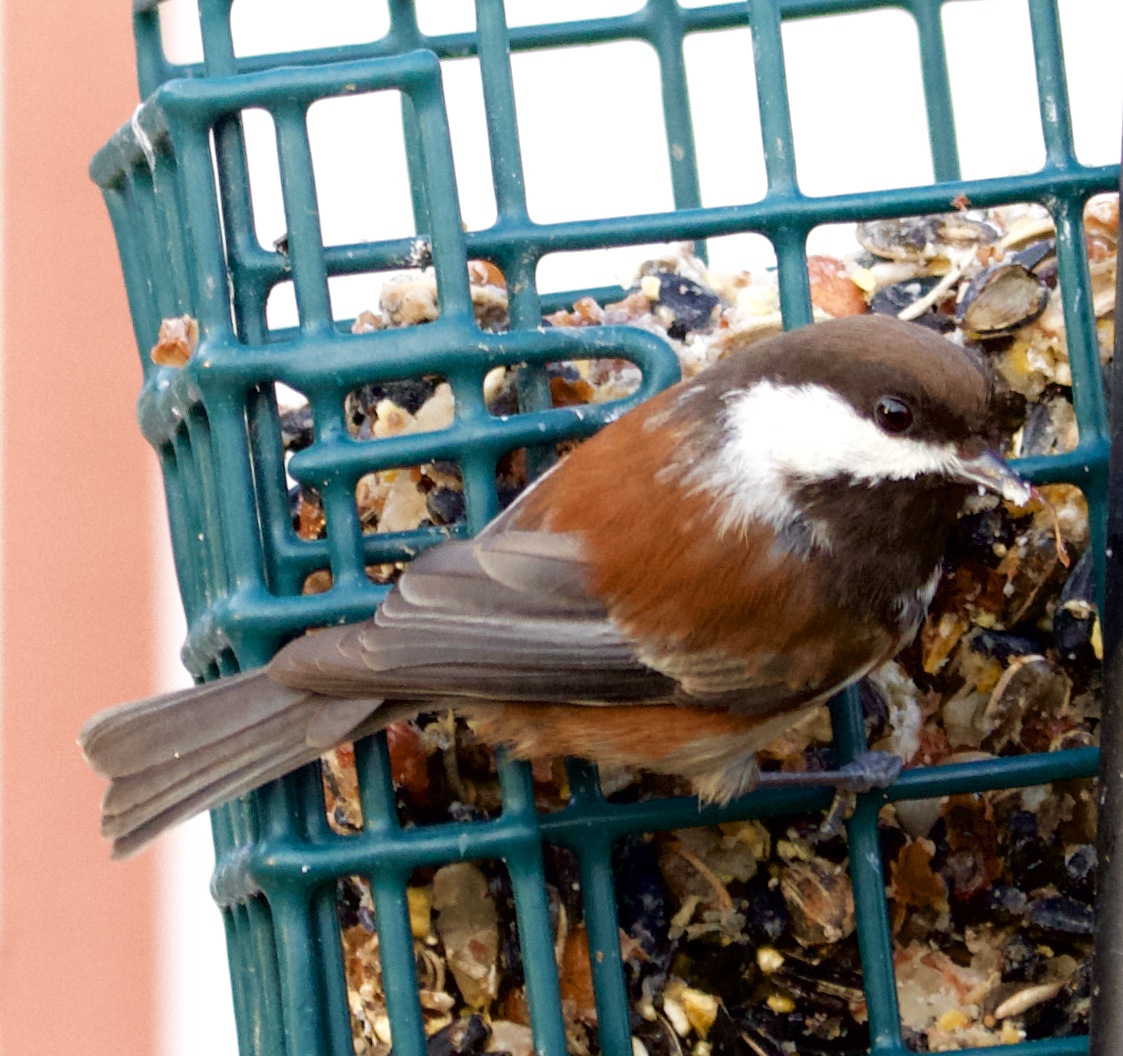
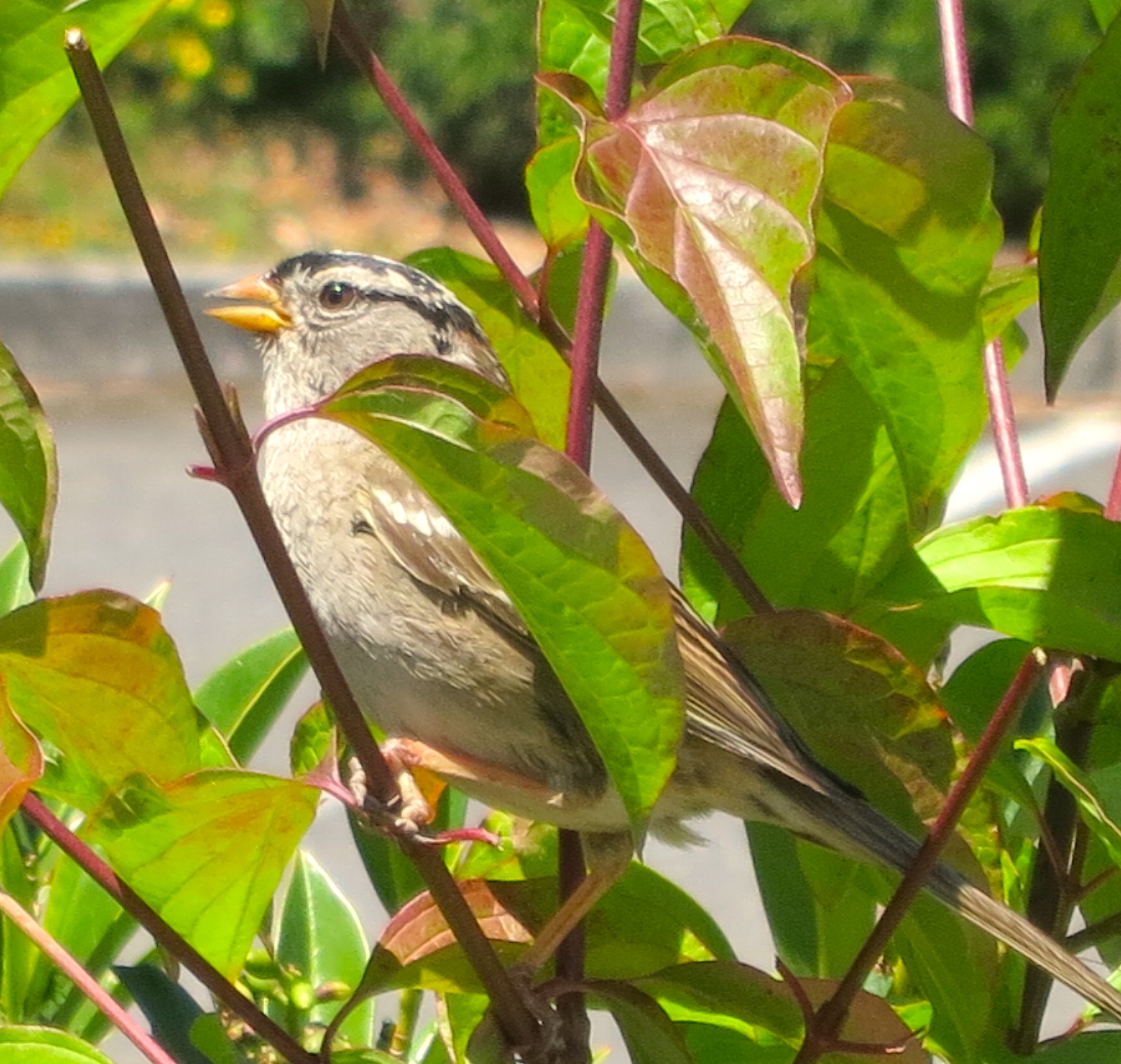
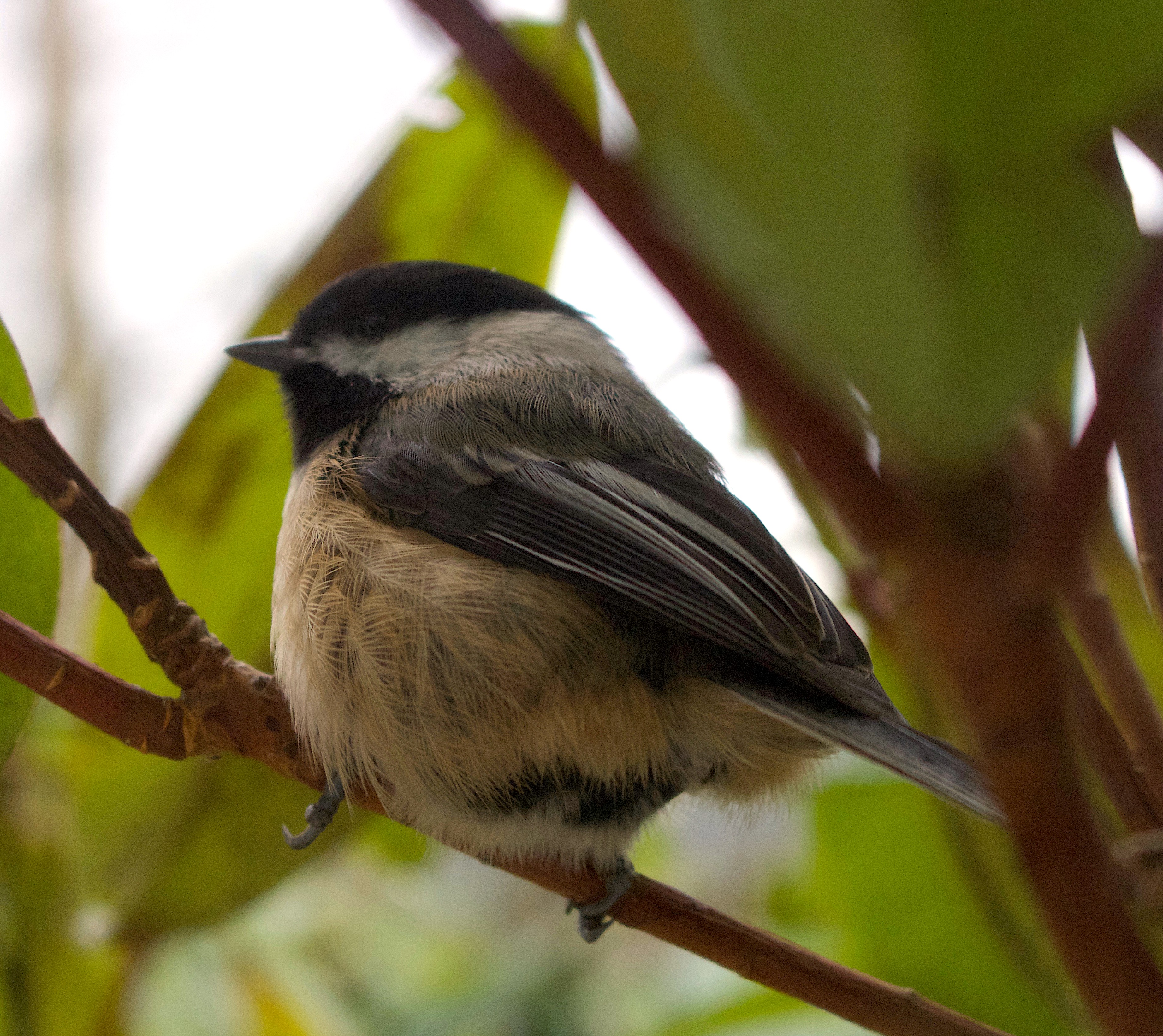
Through the winter, I feed the sparrows, the woodpeckers and chickadees, the juncos and finches, and yes — even the starlings. They would be fine without my daily contribution to their well-being, but in return for my provision of seeds, I am able to enjoy their spirited liveliness and their gracious ability to share the bounty with one another.

These birds give back to me simply by showing up, without ever realizing what their presence means to me.

How much more does God lay out for me on a daily basis to sustain me so I show up for Him? How oblivious am I to His gracious and profound gifts? How willingly do I share these gifts with others?

Unlike the birds, I could never survive on my own without His watchful care.

When life feels overwhelming, when I am filled with worries, sorrow, regrets and pain, I seek out this God who cares even for sparrows. He knows how to quiet my troubles and strengthen my faith and perseverance, a comfort that extends far beyond sunflower seeds.

photo by Harry Rodenberger

This year’s Lenten theme for Barnstorming is a daily selection from songs and hymns about Christ’s profound sacrifice on our behalf.

If we remain silent about Him, the stones themselves will shout out and start to sing (Luke 19:40).

In His name, may we sing…


God of the sparrow, sing through us
Songs of deliv’rance, songs of peace.
Helpless we seek You, God our joy,
Quiet our troubles, bid them cease,
Quiet our troubles, bid them cease.
Alleluia.

God of the sparrow, God of hope,
Tenderly guide us, be our song,
God of affliction, pain and hurt,
Comfort Your children, make us strong,
Comfort Your children, make us strong.
Alleluia, alleluia, alleluia.

God of the sparrow, care for us,
Speak in our sorrow, Lord of grief.
Sing us Your music, lift our hearts,
Pour out Your mercy, send relief.

God, like the sparrow, we abide In
Your protection, love and grace.
Just as the sparrow in Your care,
May Your love keep us all our days,
May Your love keep us all our days. Amen.
~Craig Courtney

One-Time
Monthly
Yearly

Make a one-time or recurring donation to support daily Barnstorming posts

Make a monthly donation

Make a yearly donation

Choose an amount

¤5.00
¤10.00
¤20.00
¤5.00
¤15.00
¤100.00
¤5.00
¤15.00
¤100.00

Or enter a custom amount

¤

Your contribution is deeply appreciated.

Your contribution is appreciated.

Your contribution is appreciated.

DonateDonate monthlyDonate yearly

A Voice in My Ear

when my father had been dead a week
I woke
with his voice in my ear
                                           I sat up in bed
and held my breath
and stared at the pale closed door

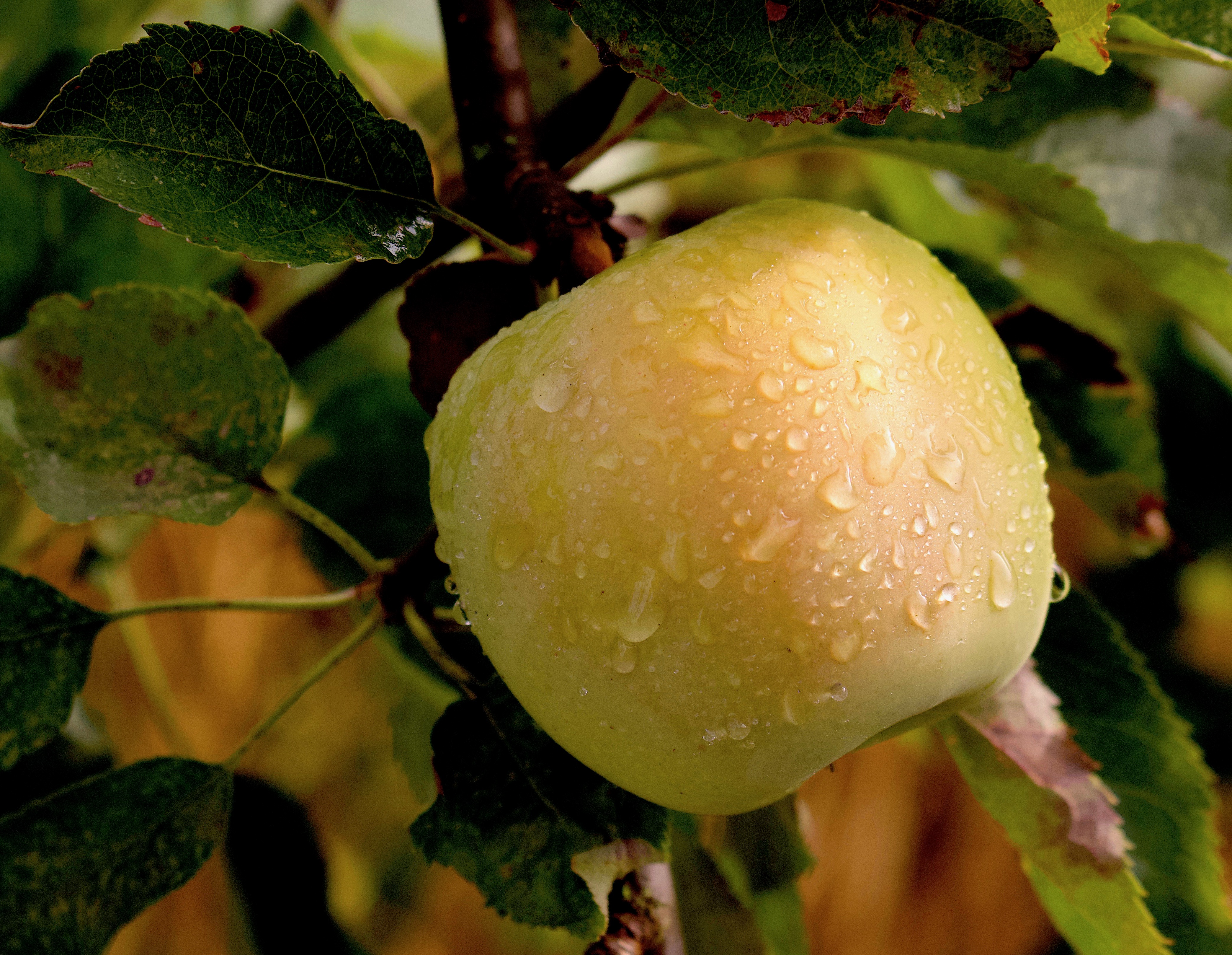
white apples and the taste of stone

if he called again
I would put on my coat and galoshes
~Donald Hall “White Apples”

She skimmed the yellow water like a moth,
Trailing her feet across the shallow stream;
She saw the berries, paused and sampled them
Where a slight spider cleaned his narrow tooth.
Light in the air, she fluttered up the path,
So delicate to shun the leaves and damp,
Like some young wife, holding a slender lamp
To find her stray child, or the moon, or both.
Even before she reached the empty house,
She beat her wings ever so lightly, rose,
Followed a bee where apples blew like snow;
And then, forgetting what she wanted there,
Too full of blossom and green light to care,
She hurried to the ground, and slipped below.
~James Wright “My Grandmother’s Ghost from Above the River: The Complete Poems 

I saw my grandma’s ghost once.

She was my only grandparent I actually knew and who actually knew me — the others were lost before I was born or too young to realize what I had lost.

She had lived a hard life: losing her mother when she was 12, taking over the household duties for her father and younger brother while leaving school forever. She married too young to an abusive alcoholic, lost her first child to lymphoma at age 8 before treatment was possible and took her three remaining children to safety away from their father for a year to live above a seedy restaurant where she cooked seven days a week to make ends meet.

But there was grace too. The marriage somehow got patched together after Grandpa found God and sobriety – after his sudden death sitting in church, Grandma’s faith never wavered. Her garden soil yielded beautiful flowers she planted and nurtured and picked to sell, her children and grandchildren welcomed her many open armed visits and hugs.

She was busy planning her first overseas trip of a lifetime at age 72 when we noticed her eyes looked yellow. Only two weeks later she was bed-bound in unrelenting pain due to pancreatic cancer, gazing heaven-ward instead of Europe-bound. Her dreams had been dashed so quickly, she barely realized her itinerary and destination had changed.

I was 16 at the time, too absorbed in my own teenage cares and concerns to really notice how quickly she was fading and failing like a wilted flower. Instead I was picking fights with my stressed parents, worrying over taking my driver’s license driving test, distracted by all the typical social pressures of high school life.

Her funeral was unbearable as I had never really said goodbye – only one brief hospital visit when she was hardly recognizable in her anguish and jaundice. I didn’t even get to hold her hand.

Soon after she had been lowered into the ground next to her husband and young daughter, she came back to me in a dream.

I was asleep when my bedroom door opened into the dark, wakening me as the bright hallway light pushed its way via a shimmering beam to my bed. Grandma Kittie stood in my bedroom doorway, backlit by the light surrounding her silhouette. She silently stood there, just looking at me.

Startled, I sat up in my bed and said to her, “Grandma, why are you here? You died and we buried you!”

She nodded and smiled. And then she said to me:

“I want you to know I’m okay and always will be. You will be too.”

She gave a little wave, turned and left, closing the door behind her. I woke suddenly with a gasp in my darkened bedroom and knew I had just been visited.

She hadn’t come to say goodbye or to tell me she loved me — that I knew already.

She had come to shine with her light blossoming around her, mending my broken heart by planting it with peace.

Grandma Kittie and Grandpa Leslie in their courting days

You’re in a better place
I’ve heard a thousand times
And at least a thousand times
I’ve rejoiced for you

But the reason why I’m broken
The reason why I cry
Is how long must I wait to be with you

I close my eyes and I see your face
If home’s where my heart is then I’m out of place
Lord, won’t you give me strength
To make it through somehow
I’ve never been more homesick than now

Help me Lord cause I don’t understand your ways
The reason why I wonder if I’ll ever know
But, even if you showed me
The hurt would be the same
Cause I’m still here so far away from home

In Christ, there are no goodbyes
And in Christ, there is no end

So I’ll hold onto Jesus
With all that I have
To see you again
To see you again

And I close my eyes and I see your face
If home’s where my heart is then I’m out of place
Lord, won’t you give me strength
To make it through somehow

Won’t you give me strength
To make it through somehow
Won’t you give me strength
To make it through somehow
I’ve never been more homesick than now
~Millard Bart Marshall

One-Time
Monthly
Yearly

Make a one-time or recurring donation to support Barnstorming

Make a monthly donation

Make a yearly donation

Choose an amount

¤5.00
¤10.00
¤20.00
¤5.00
¤15.00
¤100.00
¤5.00
¤15.00
¤100.00

Or enter a custom amount

¤

Your contribution is deeply appreciated.

Your contribution is appreciated.

Your contribution is appreciated.

DonateDonate monthlyDonate yearly
My Mourning Bench

…we all suffer.
For we all prize and love;
and in this present existence of ours,
prizing and loving yield suffering.
Love in our world is suffering love.
Some do not suffer much, though,
for they do not love much.
Suffering is for the loving.
This, said Jesus, is the command of the Holy One:
“You shall love your neighbor as yourself.”
In commanding us to love, God invites us to suffer.

Over there, you are of no help.
What I need to hear from you is that you recognize how painful it is.
I need to hear from you that you are with me in my desperation.
To comfort me, you have to come close.
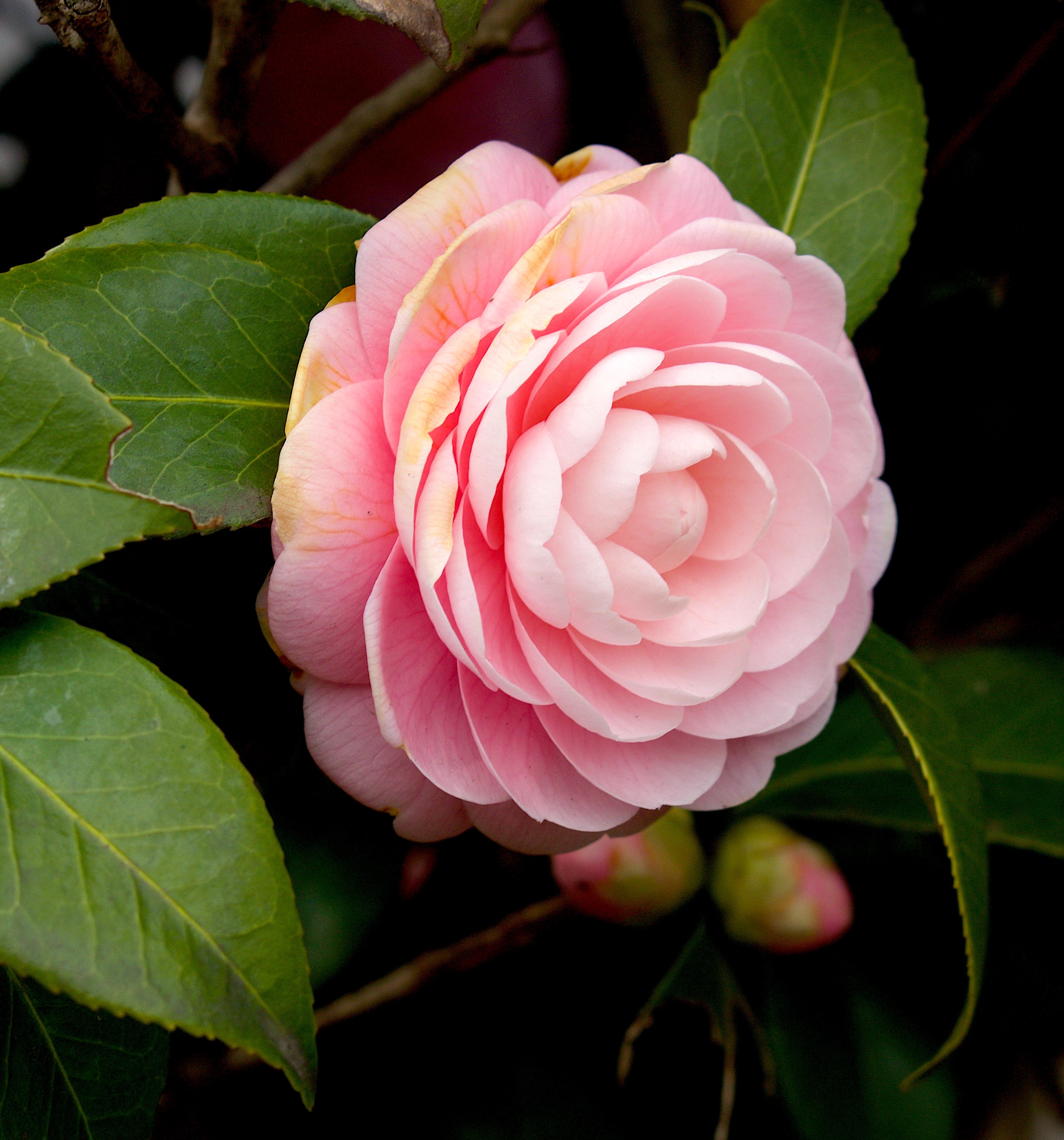
Come sit beside me on my mourning bench.
~Nicholas Wolterstorff from Lament for a Son

Spring 1980

I wondered if 8:30 AM was too early to call my friend and mentor Margy. As a sleep-deprived fourth year medical student, I selfishly needed to hear her voice. I wanted to know how she was doing; she was not sleeping well either these days. She was wearing a new halo brace—a metal contraption that wrapped around her head like a scaffolding to secure her degenerating cervical spine from collapsing from metastatic breast cancer growth in her bones. When she was fitted into the brace, she named the two large screw-like fasteners anchored into her frontal skull her “Frankenstein bolts”.  I had reassured her that with a proper white veil draped around the metal halo, she would be more suited to be Frankenstein’s bride.

Each patient I had seen the previous 24 hours while working in the Emergency Room benefited from the interviewing skills Margy had taught each one of us medical students. She reminded us that each patient had an important story to tell, and no matter how pressured our time, we needed to ask questions that gave permission for that story to be told. As a former nun now married with two teenage children, Margy had become our de facto counselor, and insisted physicians-in-training remember the soul thriving inside the broken and hurting body.

“Just let the patient know with certainty, through your eyes, your body language, your words, that you want to hear what they have to say. You can heal so much hurt simply by sitting beside them and caring enough to listen…”

Now with her recent diagnosis of metastatic cancer, Margy herself had become the broken vessel who needed the glue of a good listener.   She continued to teach, often from her bed at home and I regularly visited, in need of her wisdom and she still needed her students.

That night I had felt uneasy about her all during my ER shift and felt compelled to visit her and her husband and daughter that day, maybe help out by cleaning their house, fixing them a meal or taking her for a drive as a diversion.

Her phone rang only once after I dialed her number. There was a long pause; I could hear a clearing of her throat. A deep dam of tears welled behind a muffled “Hello?” Something was deeply wrong.

Her voice shattered like glass into fragments, strangling on words that struggled to form. She sobbed out the words that their college son, Gordon, was dead. Earlier that morning, a police officer had knocked loudly on their door, awakening her and her husband with the news of a tragic highway accident.

I sat in stunned silence, listening to her sobs, completely unequipped to know how to respond. None of this made sense although I knew her son was on college spring break, heading to Mexico for a missions trip.

She paused and took in a shuddering breath.

“Gordy died as they were driving through the night. He was sleeping in the camper as they drove. They think he sleepwalked right out of the back of the moving camper, fell onto the highway and was hit by another car.“

I felt strangled by her words and could only imagine how difficult it was for her to keep breathing enough to say them.

“They’ll bring him home to us, won’t they? I need to know I can see him again. I need to tell him how much I love him.”

I assured Margy she would see him again, both in his broken body and, some day yet to be determined, whole.

Up until then, I knew in my head this life was full of sorrow, but I had been spared the full heart impact of grief until I witnessed such intensity of an acute unbelievable loss – how loving one so deeply meant suffering immeasurably.

I understood, for the first but surely not the last time, how it is the only way to love.

During the remaining few months of Margy’s life as she waited to join her son, she continued to teach me about how to come close in to the suffering and grief of others, and also how to sit together, even in silence, on that too-often lonesome mourning bench.

…for the Jude Veltkamp family who lost their teenage son, grandson, nephew, brother this week to a relentless cancer.

But our God is even more relentless in His love and comfort for His mourning children…

I knew this life was full of sorrow
But still I believed
That good times would follow
That the evil would falter
And true hearts would rise
True hearts would rise
That simple dream ended
On the night that you died

And even the sound of a whistle fading
Brings back the longing
And stirs up the aching
Peaceful companion that grounded my soul
You grounded my soul
The world spins without meaning
Now that you’re gone

Sometimes I still think
I will see you in New York
And we will meet on the platform of the train
And with your great leaning stride
You’ll cross back to my side
And my old life
Will be my life again

You were quiet as a winter sky
Where planets turn
And the North Star rides
My sweet brother, so reasoned, so calm
My brother, my own
The world spins without meaning
Now that you’re gone
~Fernando Ortega

When Mortal Life Shall Cease

(Fourteen years ago this week, a healthy young college student came to our university health clinic ill with seasonal influenza complicated by pneumonia. His family gave permission for his story to be told. I share this again to honor the patients, young and old, who have fallen victim to the even more devastating COVID-19 pandemic over the past two years, as well as their families who have not had the same privilege of being at their bedside as they die. And honoring the health care workers who have witnessed so many preventable deaths over and over and will never truly recover from that experience.)

Nothing was helping.  Everything had been tried for a week of the most intensive critical care possible.  A twenty year old man – completely healthy only two weeks previously – was dying and nothing could stop it.

The battle against a sudden MRSA (Methicillin Resistant Staph Aureus) pneumonia precipitated by a routine seasonal influenza infection had been lost. Despite aggressive hemodynamic, antibiotic, antiviral and ventilator management, he was becoming more hypoxic and his renal function was deteriorating.  He was no longer responsive to stimuli.

The intensivist looked weary and defeated. The nurses were staring at their laps, unable to look up, their eyes tearing. The hospital chaplain reached out to hold this young man’s mother’s shaking hands.

After a week of heroic effort and treatment, there was now clarity about the next step.

Two hours later, a group gathered in the waiting room outside the ICU doors. The average age was about 21; they assisted each other in tying on the gowns over their clothing, distributed gloves and masks. Together, holding each other up, they waited for the signal to gather in his room after the ventilator had been removed and he was breathing without assistance. They entered and gathered around his bed.

He was ravaged by this sudden illness, his strong body beaten and giving up. His breathing was now ragged and irregular, sedation preventing response but not necessarily preventing awareness. He was surrounded by silence as each individual who had known and loved him struggled with the knowledge that this was the final goodbye.

His father approached the head of the bed and put his hands on his boy’s forehead and cheek.  He held this young man’s face tenderly, bowing in silent prayer and then murmuring words of comfort:

It is okay to let go. It is okay to leave us now.
We will see you again. We’ll meet again.
We’ll know where you will be.

His mother stood alongside, rubbing her son’s arms, gazing into his face as he slowly slowly slipped away. His father began humming, indistinguishable notes initially, just low sounds coming from a deep well of anguish and loss.

As the son’s breaths spaced farther apart, his dad’s hummed song became recognizable as the hymn of praise by John Newton, Amazing Grace.  The words started to form around the notes. At first his dad was singing alone, giving this gift to his son as he passed, and then his mom joined in as well. His sisters wept. His friends didn’t know all the words but tried to sing through their tears. The chaplain helped when we stumbled, not knowing if we were getting it right, not ever having done anything like this before.

Amazing Grace, how sweet the sound,
That saved a wretch like me.
I once was lost but now am found,
Was blind, but now I see.

Through many dangers, toils and snares
I have already come;
‘Tis Grace that brought me safe thus far
and Grace will lead me home.

Yea, when this flesh and heart shall fail,
And mortal life shall cease,
I shall possess within the veil,
A life of joy and peace.

When we’ve been here ten thousand years
Bright shining as the sun.
We’ve no less days to sing God’s praise
Than when we’ve first begun.

And he left us.

His mom hugged each sobbing person there–the young friends, the nurses, the doctors humbled by powerful pathogens. She thanked each one for being present for his death, for their vigil kept through the week in the hospital as his flesh and heart had failed.

This young man, now lost to this mortal life, had profoundly touched people in a way he could not have ever predicted or expected. His parents’ grief, so gracious and giving to the young people who had never confronted death before, remains unforgettable.

This was their sacred gift to their son so Grace could lead him home.

To Break Your Heart

Here is a story
to break your heart.
Are you willing?
This winter
the loons came to our harbor
and died, one by one,
of nothing we could see.
A friend told me
of one on the shore
that lifted its head and opened
the elegant beak and cried out
in the long, sweet savoring of its life
which, if you have heard it,
you know is a sacred thing.,
and for which, if you have not heard it,
you had better hurry to where
they still sing.
And, believe me, tell no one
just where that is.
The next morning
this loon, speckled
and iridescent and with a plan
to fly home
to some hidden lake,
was dead on the shore.
I tell you this
to break your heart,
by which I mean only
that it break open and never close again
to the rest of the world.
~Mary Oliver “Lead” from New and Selected Poems

Why shouldn’t we go through heartbreaks?

…if through a broken heart
God can bring His purposes to pass in the world,
then thank Him for breaking your heart.
~Oswald Chambers from “Ye are not your own” from My Utmost for the Highest

These last two years have seen an epidemic of heart-break.

Due to hospital visitor restrictions, thousands of loved ones have died of COVID without family by their side, deprived of the solace of hearing familiar voices and being touched by familiar hands. A weary and over-worked health care team can only do so much in their efforts to comfort and console when so many patients are losing their battle with the virus at the same time. Although nurses and doctors have always been witnesses to the cries of the dying and the weeping of the grief-stricken, that is usually together at the bedside.

An iPad screen isn’t the same for those saying good-bye forever.

For all the advances of our modern society – through technology and communication and the development of medical miracles – people still die and others still grieve and weep over their loss. We’re not used to dying happening with such frequency to those who have no business dying in the first place. We assume death rates exceeding birth rates happens only in third world countries beset with drought or plague.

Not any more.

So my heart is tender – for those lost, for those left behind, for those trying their best to save lives when they are weary and ill themselves, for the irony of hundreds of thousands of unnecessary deaths when the preventive measures available to us all are so clear-cut.

If anything, a breaking heart is an open invitation for the solace of a God who himself had no business dying in the first place, but did. He cried out in a long, sweet savoring of his life and ours, saving us in the process.

One-Time
Monthly
Yearly

Make a one-time or recurring donation to Barnstorming

Make a monthly donation

Make a yearly donation

Choose an amount

¤5.00
¤10.00
¤20.00
¤5.00
¤15.00
¤100.00
¤5.00
¤15.00
¤100.00

Or enter a custom amount

¤

Your contribution is deeply appreciated.

Your contribution is appreciated.

Your contribution is appreciated.

DonateDonate monthlyDonate yearly

The Tenacity of Nature

By the road to the contagious hospital
under the surge of the blue
mottled clouds driven from the
northeast — a cold wind. Beyond, the
waste of broad, muddy fields
brown with dried weeds, standing and fallen

patches of standing water
the scattering of tall trees

All along the road the reddish
purplish, forked, upstanding, twiggy
stuff of bushes and small trees
with dead, brown leaves under them
leafless vines —

Lifeless in appearance, sluggish
dazed spring approaches —

They enter the new world naked,
cold, uncertain of all
save that they enter. All about them
the cold, familiar wind —

Now the grass, tomorrow
the stiff curl of wildcarrot leaf

One by one objects are defined —
It quickens: clarity, outline of leaf

But now the stark dignity of
entrance — Still, the profound change
has come upon them: rooted they
grip down and begin to awaken
~William Carlos Williams “Spring and All”

I ask your doctor
of infectious disease if she’s
read Williams   he cured
sick babies I tell her and
begin describing spring
and all   she’s looking at the wall
now the floor   now your chart
now the door   never
heard of him she says
but I can’t stop explaining
how important this is
I need to know your doctor
believes in the tenacity of nature
to endure   I’m past his heart
attack   his strokes   and now as if
etching the tombstone myself   I find
I can’t remember the date
he died or even
the year   of what now
are we the pure products   and what
does that even mean   pure   isn’t it
obvious   we are each our own culture
alive with the virus that’s waiting
to unmake us
~Brian Russell, “The Year of What Now”

It is the third January of a pandemic
of a virus far more tenacious than
we have proven to be,
it continues to unmake us,
able to mutate spike proteins seemingly overnight
while too many of us stubbornly
remain unchanged by this,
clinging to our “faith over fear”
and “my body, my choice”
and “lions, not sheep”
and “never comply” —
because self-determination must trump
compassion for the unfortunate fate of vulnerable millions.

We defend the freedom to choose
to be vectors of a contagion
that may not sicken us yet fills
clinics, hospitals and morgues.

William Carlos Williams, the early 20th century physician,
would be astonished at the clinical tools we have now
to fight this scourge.
William Carlos Williams, last centuries’ imagist poet,
would recognize our deadly erosion of cooperation
when faced with a worthy viral opponent.

So what happens now?

Starting with this third pandemic winter,
with our souls in another deep freeze,
covered in snow and ice and bitter wind chill,
a tenuous hope of restoration could awaken –
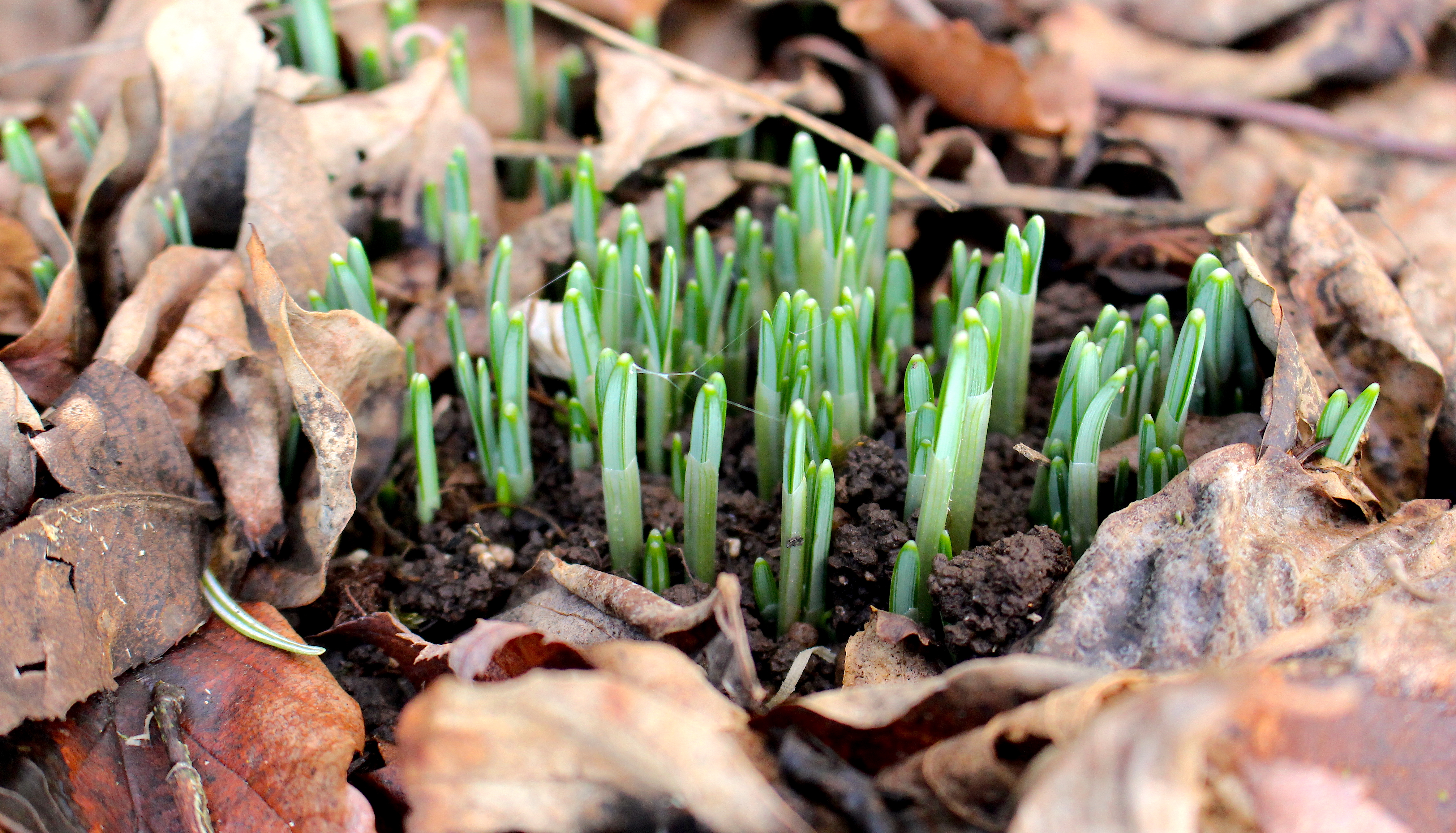
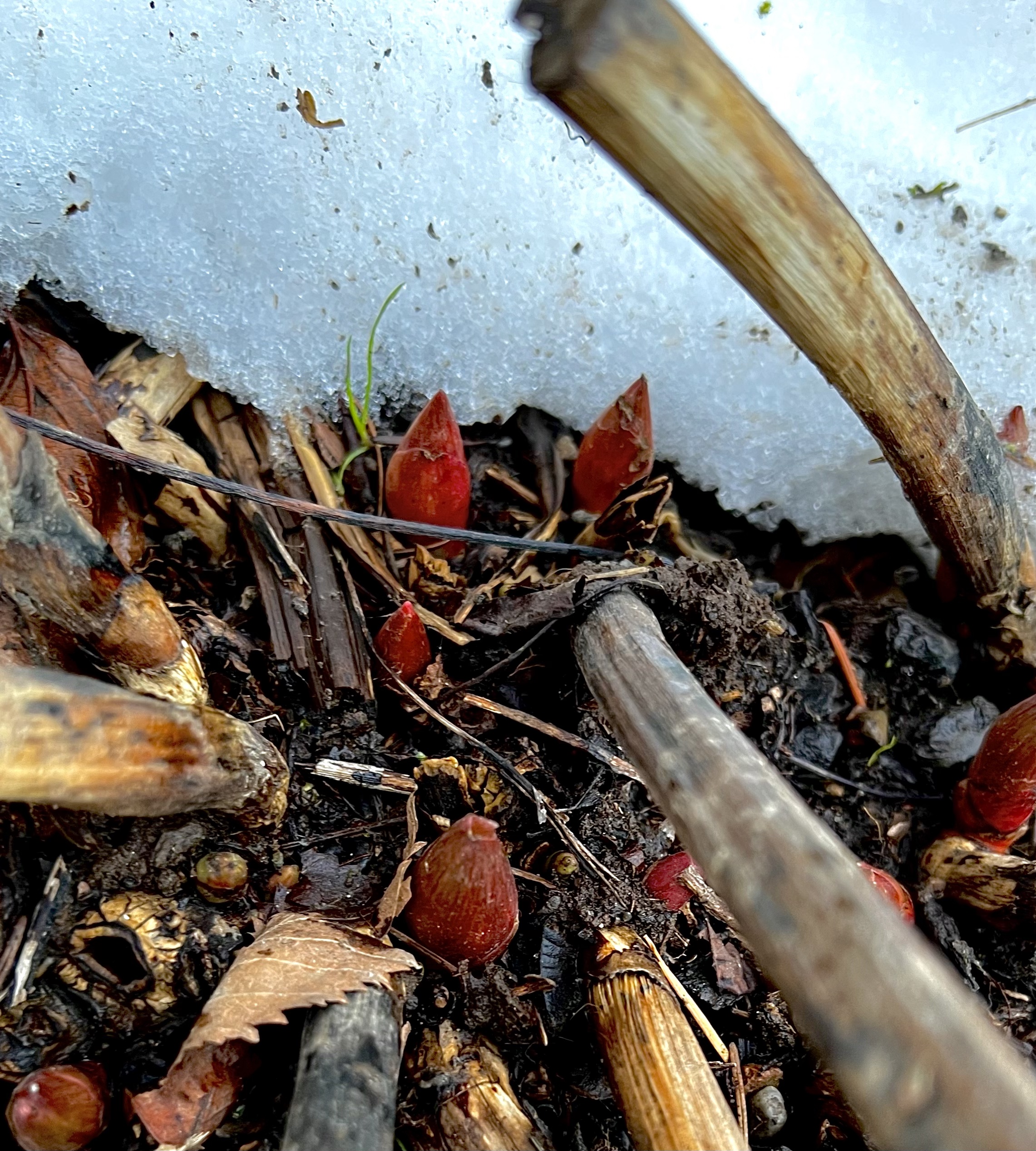
tender buds swelling,
bulbs breaking through soil,
being called forth from long burial
in a dark and cold and heartless earth.

Like a mother who holds
the mystery of her quickening belly,
knowing we nurture other lives with our own body,
we too can be hopeful and marveling
at who we are created to be.

She, and we, know soon and very soon
there will be spring.

One-Time
Monthly
Yearly

Make a one-time or recurring donation to support Barnstorming

Make a monthly donation

Make a yearly donation

Choose an amount

¤5.00
¤10.00
¤20.00
¤5.00
¤15.00
¤100.00
¤5.00
¤15.00
¤100.00

Or enter a custom amount

¤

Your contribution is deeply appreciated.

Your contribution is appreciated.

Your contribution is appreciated.

DonateDonate monthlyDonate yearly

There is No Center Any Longer

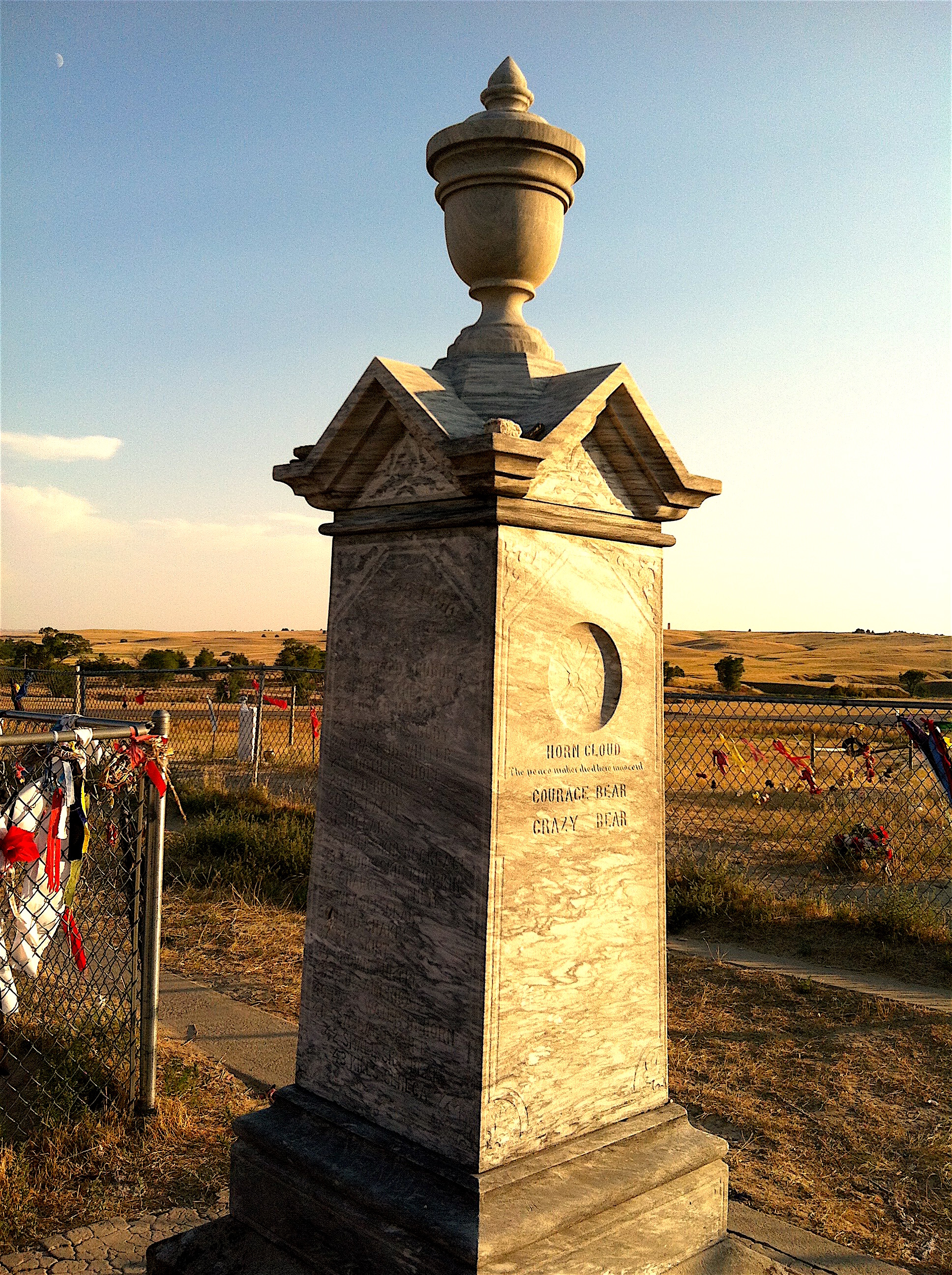
The mass gravesite at Wounded Knee, Pine Ridge Reservation, South Dakota
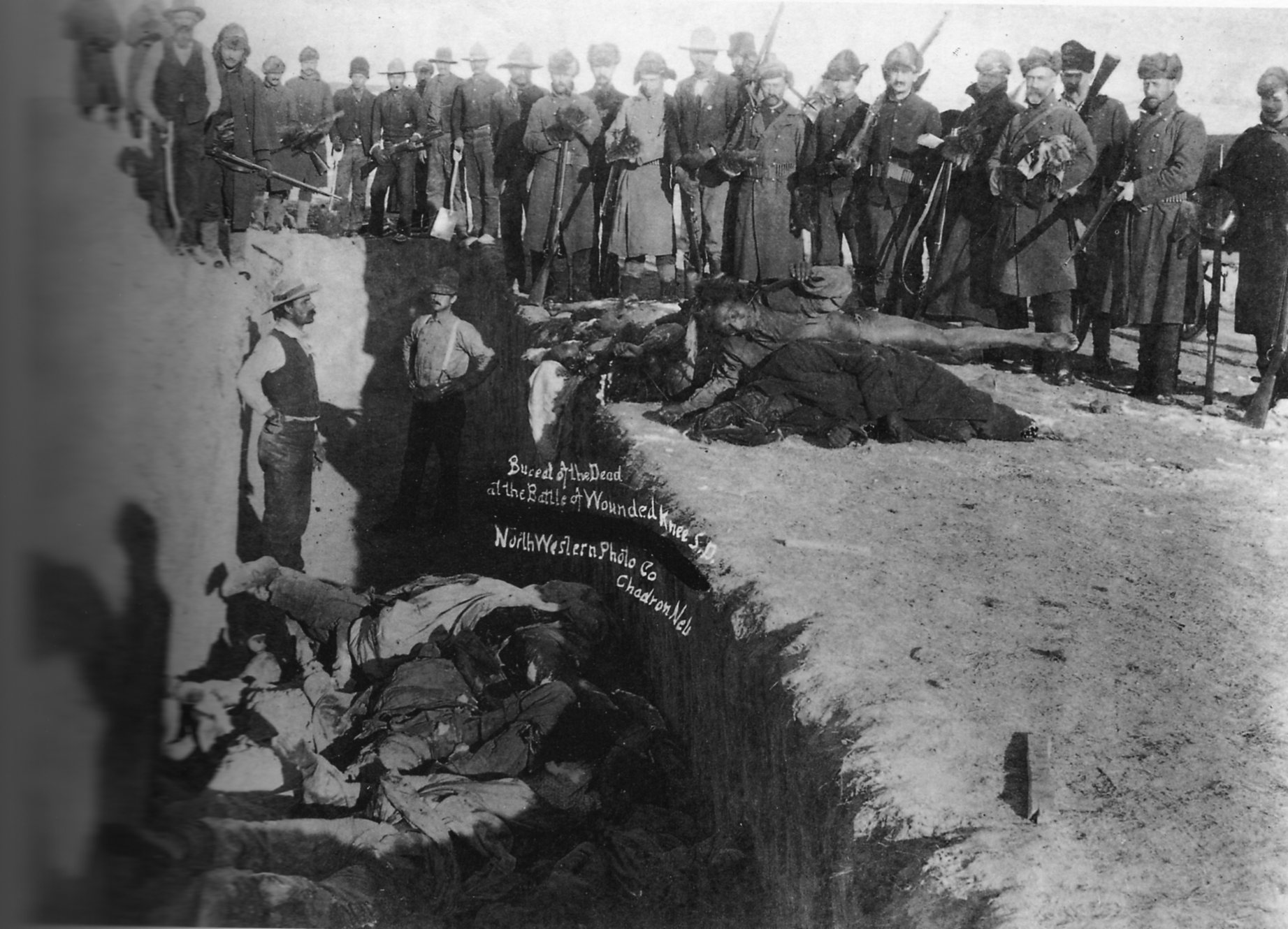
Burial of the dead in the mass gravesite at Wounded Knee

Big Foot, a great Chief of the Sioux often said,
“I will stand in peace till my last day comes.”
He did many good and brave deeds

for the white man and the red man.
Many innocent women and children who knew no wrong died here.
~Inscription on the Wounded Knee Monument

I did not know then how much was ended. When I look back now from this high hill of my old age, I can still see the butchered women and children lying heaped and scattered all along the crooked gulch as plain as when I saw them with eyes still young. And I can see that something else died there in the bloody mud, and was buried in the blizzard. A people’s dream died there. It was a beautiful dream. And I, to whom so great a vision was given in my youth, — you see me now a pitiful old man who has done nothing, for the nation’s hoop is broken and scattered. There is no center any longer, and the sacred tree is dead.
~Black Elk, (wounded trying to rescue his people after the Wounded Knee Massacre)  from Black Elk Speaks

From today’s The Writer’s Almanac:

December 29 is the anniversary of the massacre at Wounded Knee, which took place in South Dakota in 1890. Twenty-three years earlier the local tribes had signed a treaty with the United States government that guaranteed them the rights to the land around the Black Hills, which was sacred land. The treaty said that not only could no one move there, but they couldn’t even travel through without the consent of the Indians.

But in the 1870s gold was discovered in the Black Hills and the treaty was broken. People from the Sioux tribe were forced onto a reservation with a promise of more food and supplies, which never came. Then in 1889 a native prophet named Wovoka, from the Paiute tribe in Nevada, had a vision of a ceremony that would renew the earth, return the buffalo, and cause the white men to leave and return the land that belonged to the Indians. This ceremony was called the Ghost Dance. People traveled across the plains to hear Wovoka speak, including emissaries from the Sioux tribe, and they brought back his teachings. The Ghost Dance, performed in special brightly colored shirts, spread through the villages on the Sioux reservation and it scared the white Indian agents. They considered the ceremony a battle cry, dangerous and antagonistic. So one of them wired Washington to say that he was afraid and wanted to arrest the leaders and he was given permission to arrest Chief Sitting Bull, who was killed in the attempt. The next on the wanted list was Sitting Bull’s half-brother, Chief Big Foot, known to his own people as Spotted Elk. Some members of Sitting Bull’s tribe made their way to Big Foot and when he found out what had happened he decided to lead them along with the rest of his people to Pine Ridge Reservation for protection. But it was winter, 40 degrees below zero, and he contracted pneumonia on the way.

Big Foot was sick, he was flying a white flag, and he was a peaceful man. He was one of the leaders who had actually renounced the Ghost Dance. But the Army didn’t make distinctions. They intercepted Big Foot’s band and ordered them into the camp on the banks of the Wounded Knee Creek. Big Foot went peacefully.

The next morning federal soldiers began confiscating their weapons and a scuffle broke out between a soldier and an Indian. The federal soldiers opened fire, killing almost 300 men, women, and children, including Big Foot. Even though it wasn’t really a battle, the massacre at Wounded Knee is considered the end of the Indian Wars, a blanket term to refer to the fighting between the Native Americans and the federal government, which had lasted 350 years.

One of the people wounded but not killed during the massacre was the famous medicine man Black Elk, author of Black Elk Speaks (1932). Speaking about Wounded Knee, he said:

“I did not know then how much was ended. When I look back now from this high hill of my old age, I can still see the butchered women and children lying heaped and scattered all along the crooked gulch as plain as when I saw them with eyes still young. And I can see that something else died there in the bloody mud, and was buried in the blizzard. A people’s dream died there. It was a beautiful dream.”

Like most twentieth century American children, I grew up with a sanitized understanding of American and Native history.  I had only a superficial knowledge of what happened at Wounded Knee, a low hill that rises above a creek bed on the South Dakota Pine Ridge Reservation, gleaned primarily from the 71 day symbolic standoff in 1973 between members of the Oglala Sioux and the American Indian Movement and the FBI, resulting in several shooting deaths.

Nine years ago, when our son was teaching math at Little Wound High School on the Pine Ridge Reservation, we visited the site of this last major battle between the white man and Native people, which broke the spirit of the tribes’ striving to maintain their nomadic life as free people. This brutal massacre of nearly 300 Lakota men, women and children by the Seventh Regiment of the U.S. Army Cavalry took place in December 1890.

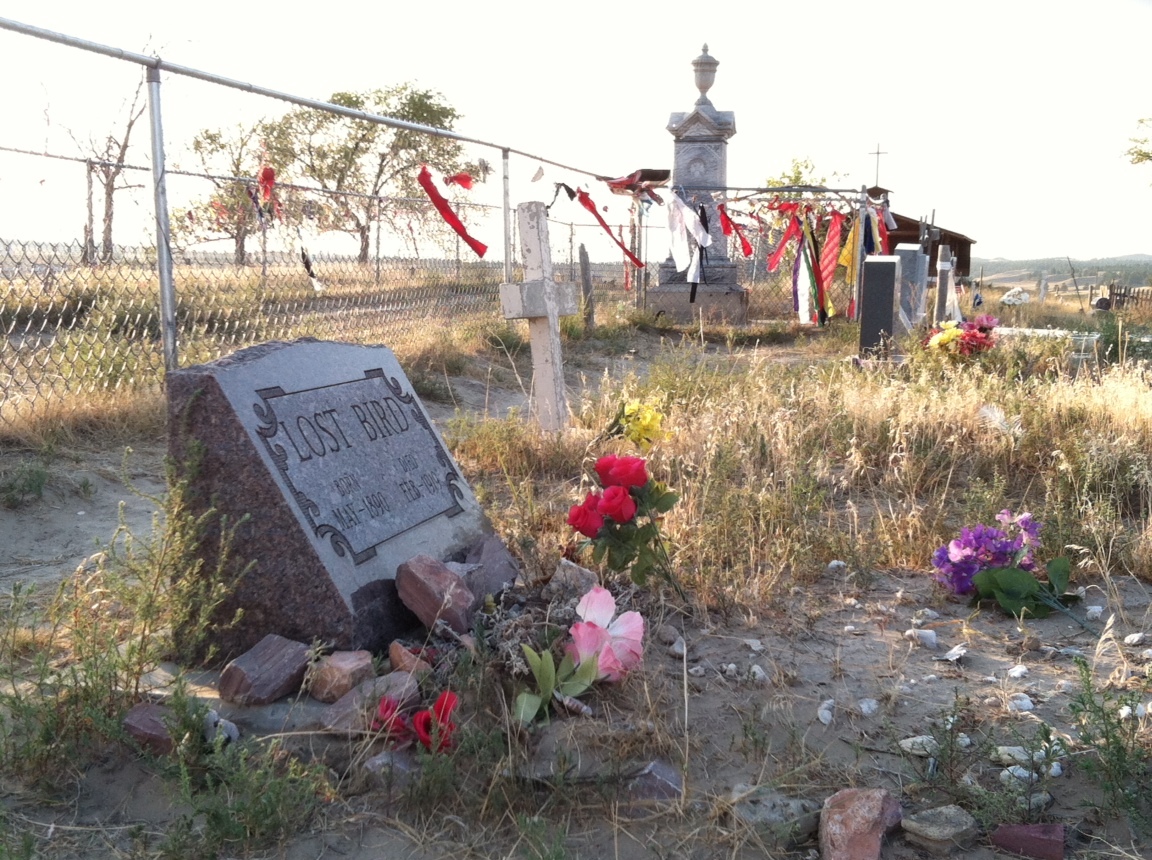
The dead lay where they fell for four days due to a severe blizzard. When the frozen corpses were finally gathered up by the Army, a deep mass grave was dug at the top of the hill, the bodies buried stacked one on top of another. The massive grave is now marked by a humble memorial monument surrounded by a chain link fence, adjacent to a small church, circled by more recent Lakota gravesites.

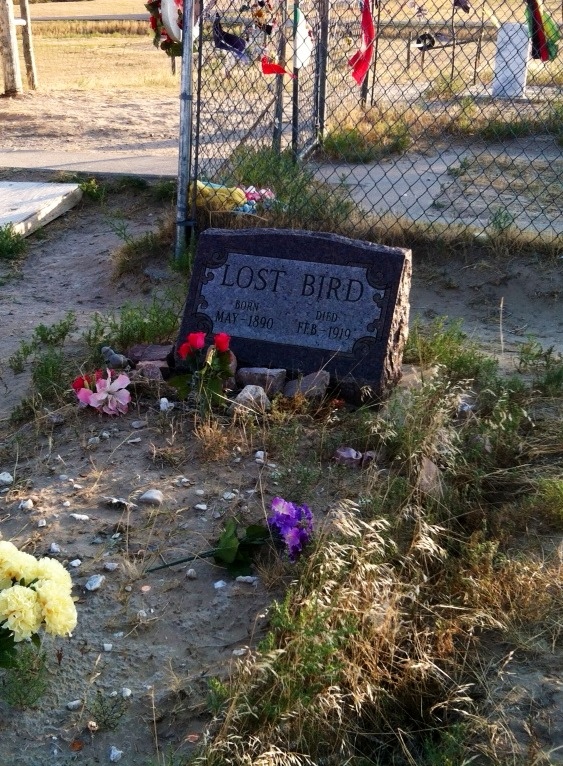
Four infants survived the four days of blizzard conditions wrapped in their dead mothers’ robes. One baby girl, only a few months old, was named “Lost Bird” after the massacre, bartered for and adopted by an Army Colonel as an interesting Indian “relic.” Rather than this adoption giving her a new chance, she died at age 29, having endured much illness, prejudice in white society, as well as estrangement from her native community and culture. Her story has been told in a book by Renee Sansom Flood, who helped to locate and move her remains back to Wounded Knee, where in death she is now back with her people.

There is unspeakable desolation and sadness on that lonely hill of graves. It is a regrettable part of our history that descendants of immigrants to American soil need to understand: by coming to the “New World” for opportunity, or refuge from oppression elsewhere, we made refugees of the people already here.

As Black Elk wrote, the dreams of a great people have been scattered and lack a center. He was not only speaking of his own tribe, but was presciently speaking of our current divisiveness – due to extremism, we lack “a center” in our current governmental discourse.

We must never allow hope to be buried at Wounded Knee nor must we ever forget what it means to no longer be safe in one’s own homeland.

Lost Bird after her adoption

One-Time
Monthly
Yearly

Make a one-time or recurring donation to Barnstorming

Make a monthly donation

Make a yearly donation
Choose an amount

¤5.00
¤10.00
¤20.00
¤5.00
¤15.00
¤100.00
¤5.00
¤15.00
¤100.00

Or enter a custom amount

¤

Your contribution is deeply appreciated.

Your contribution is appreciated.

Your contribution is appreciated.

DonateDonate monthlyDonate yearly