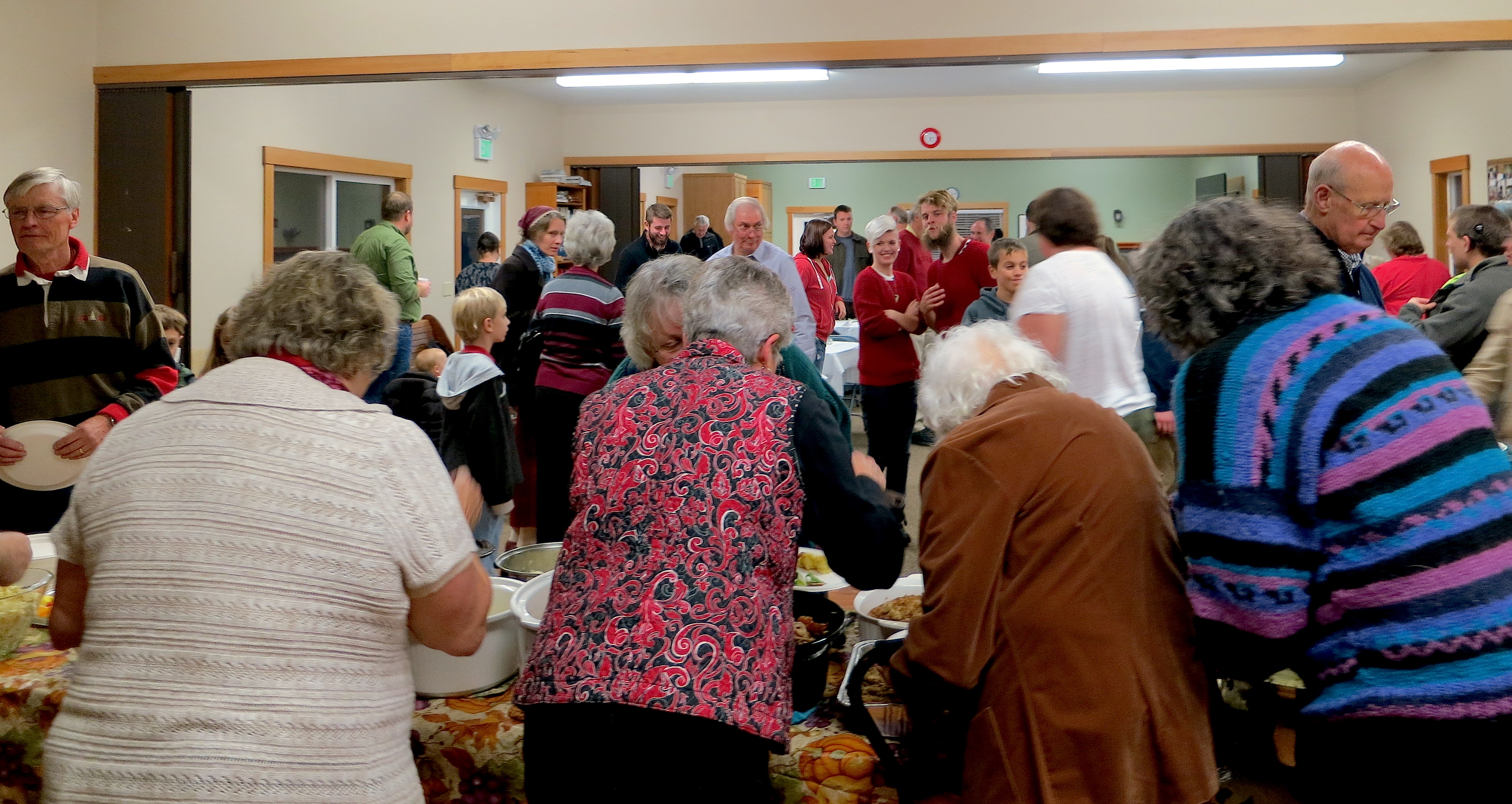
The church, I think, is God’s way of saying, “What I have in the pot is yours, and what I have is a group of misfits whom you need more than you know and who need you more than they know.”
“Take, and eat,” he says, “and take, and eat, until the day, and it is coming, that you knock on my door. I will open it, and you will see me face to face.”
He is preparing a table. He will welcome us in. Jesus will be there, smiling and holy, holding out a green bean casserole. And at that moment, what we say, what we think, and what we believe will be the same: “I didn’t know how badly I needed this.” ~Jeremy Clive Huggins from “The Church Potluck”
“When someone invites you to a wedding feast, do not take the place of honor, for a person more distinguished than you may have been invited. 9 If so, the host who invited both of you will come and say to you, ‘Give this person your seat.’ Then, humiliated, you will have to take the least important place. 10 But when you are invited, take the lowest place, so that when your host comes, he will say to you, ‘Friend, move up to a better place.’ Then you will be honored in the presence of all the other guests. 11 For all those who exalt themselves will be humbled, and those who humble themselves will be exalted.”
“When you give a luncheon or dinner, do not invite your friends, your brothers or sisters, your relatives, or your rich neighbors; if you do, they may invite you back and so you will be repaid. 13 But when you give a banquet, invite the poor, the crippled, the lame, the blind, 14 and you will be blessed. Although they cannot repay you, you will be repaid at the resurrection of the righteous.” Luke 14: 7-14
In the unspoken hierarchy of what makes a church function, I’m a kitchen lady and always will be. I remember those very women from my childhood church of the fifties and sixties– their tight-knit ability to function as if one organism, swarming in aprons among tables set up in the fellowship hall and bustling around in the back by the stoves with steaming pots and pans and the occasionally dropped plate.
They kept the rest of us alive, those church ladies, by feeding us efficiently and plentifully and never ever sitting down. I would occasionally see them eating standing up in the back of the hall, chatting amiably among themselves after the rest of us were served, but I knew they carefully wrapped up the leftovers during the clean up to deliver to shut-ins who couldn’t make it to the church supper.
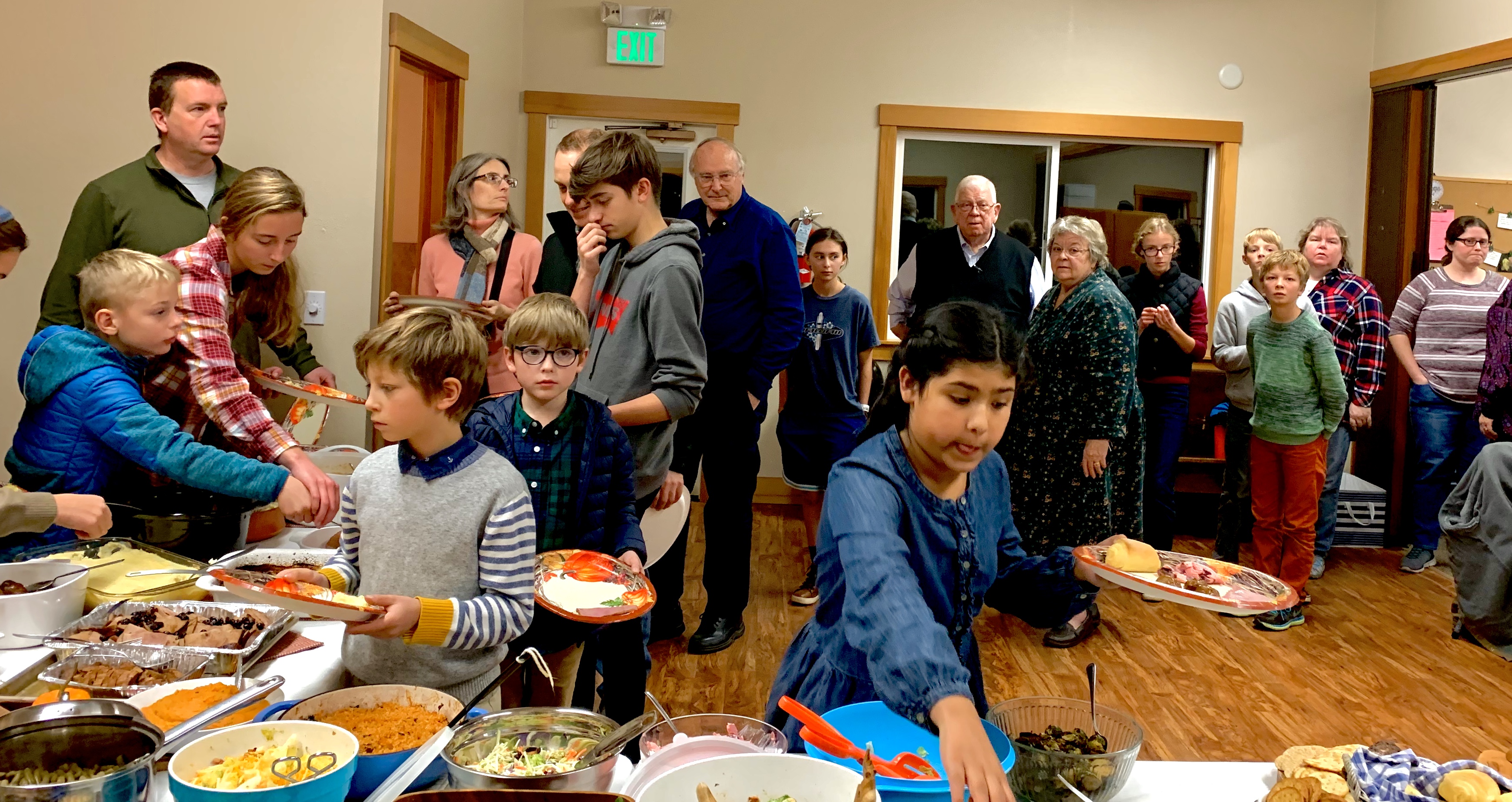
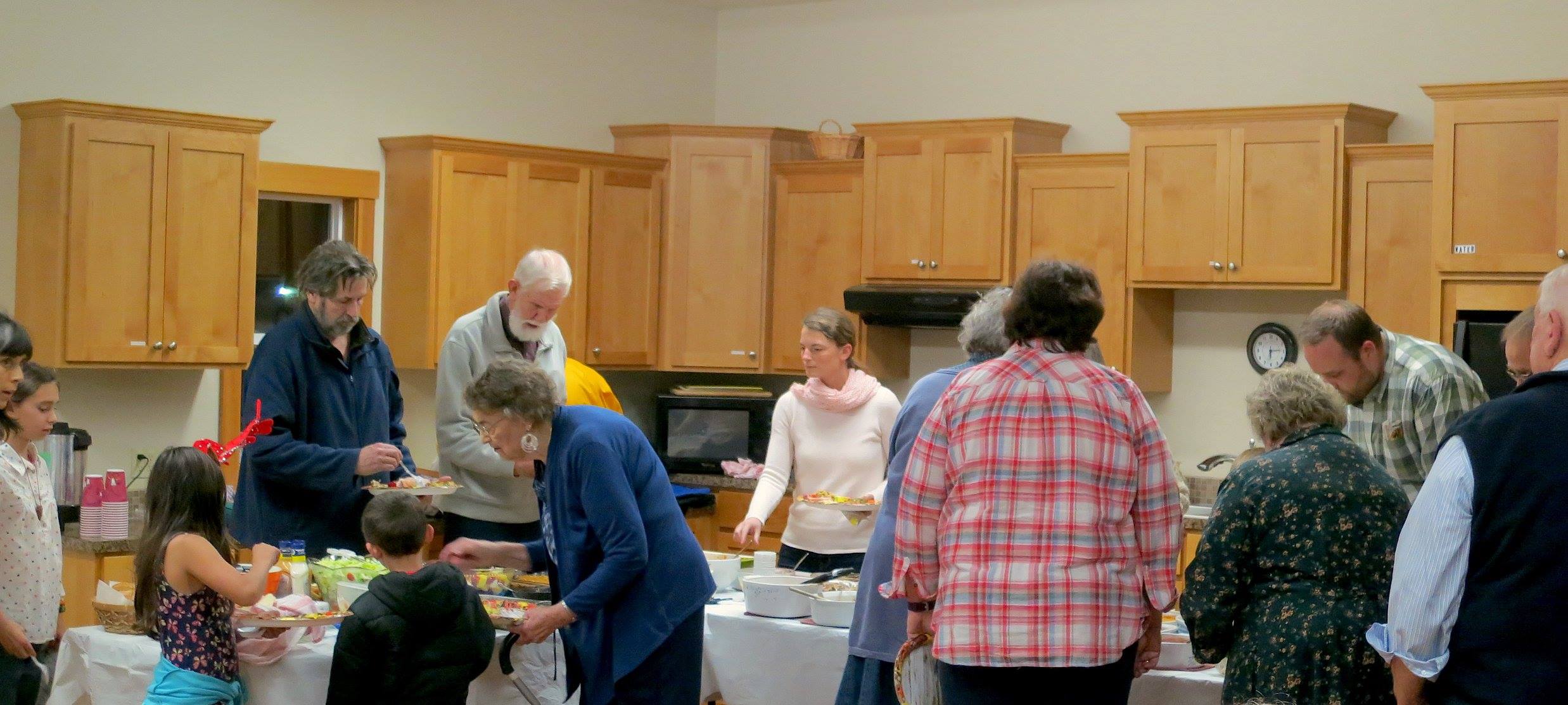
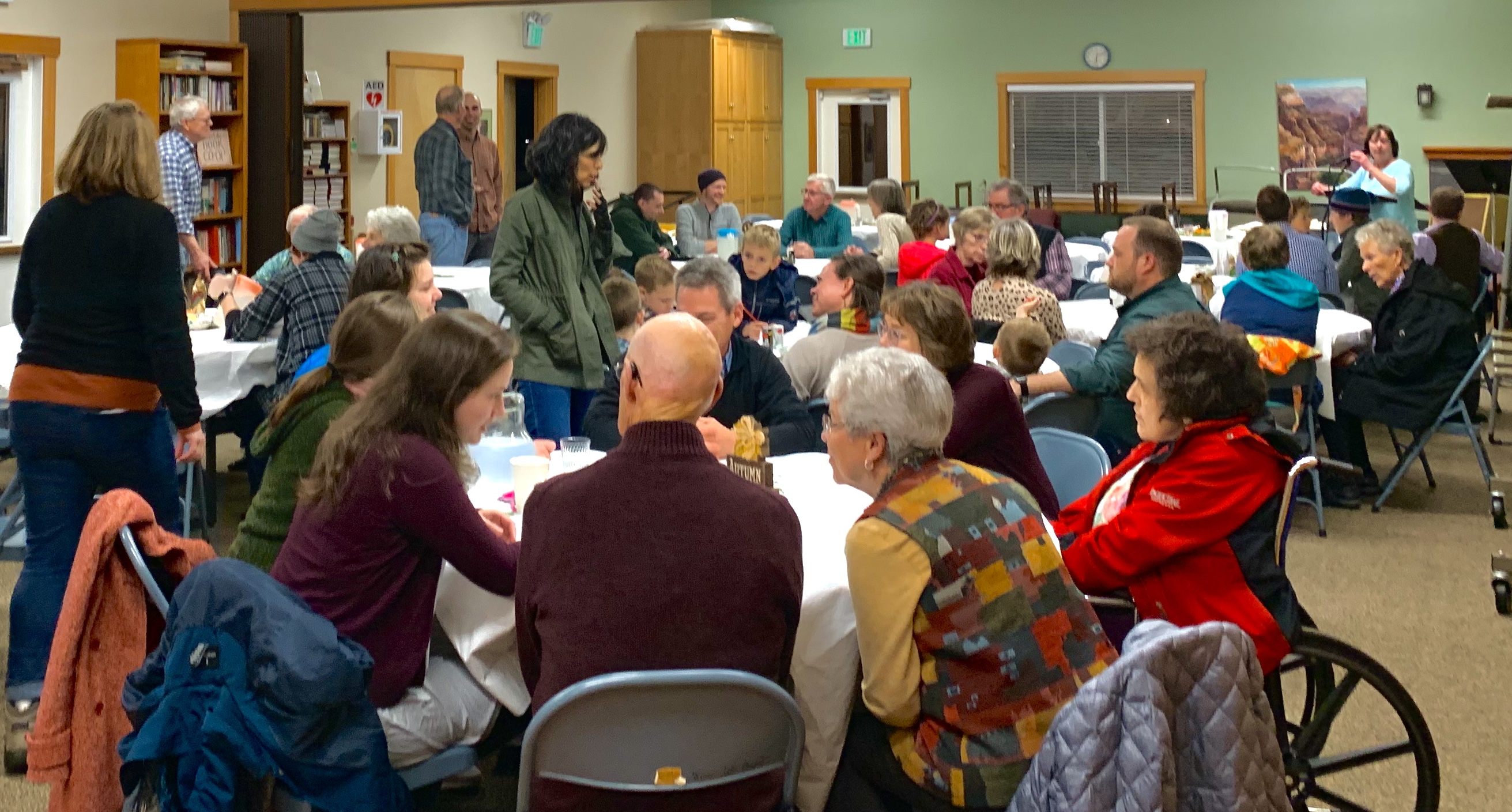
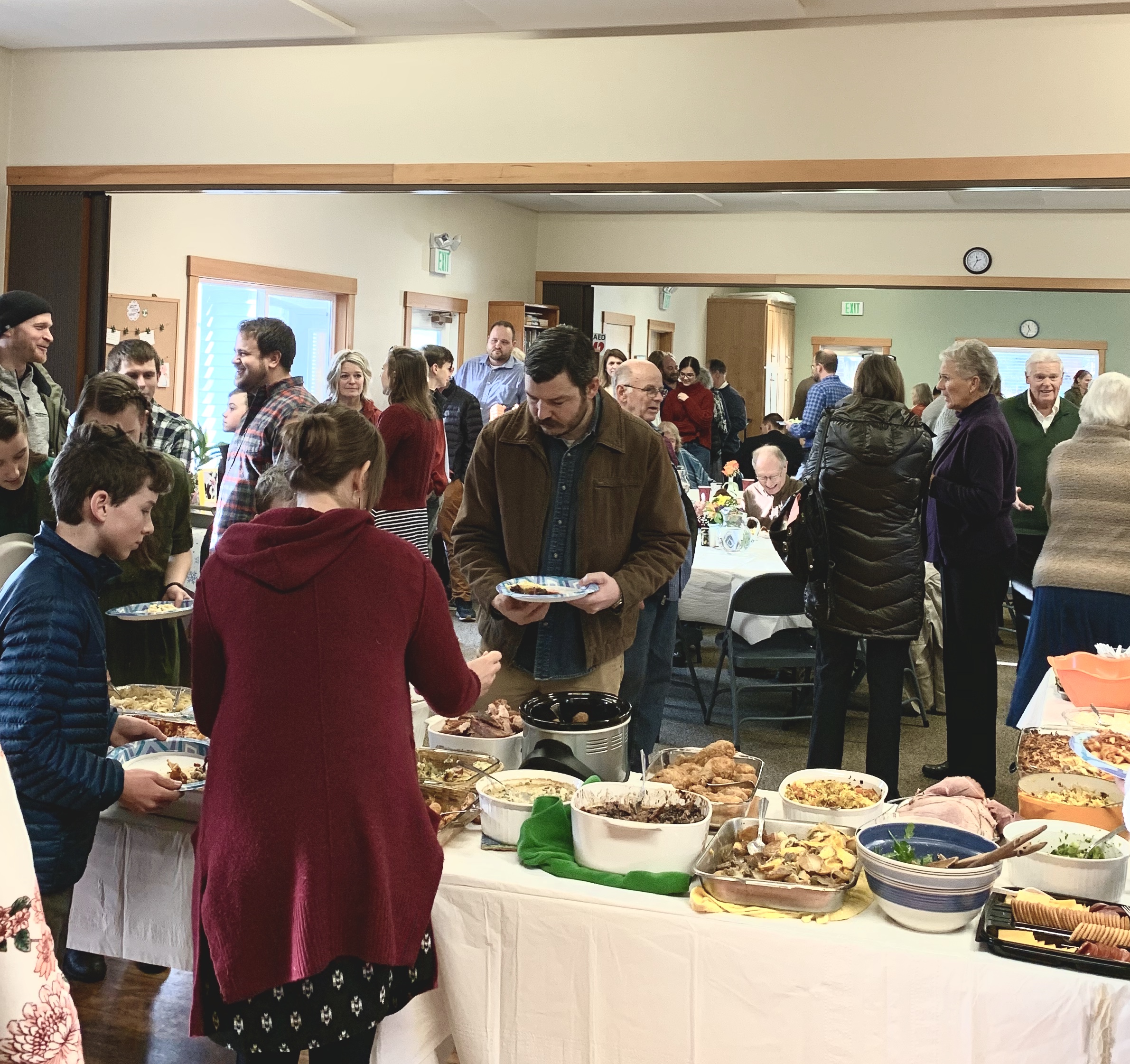
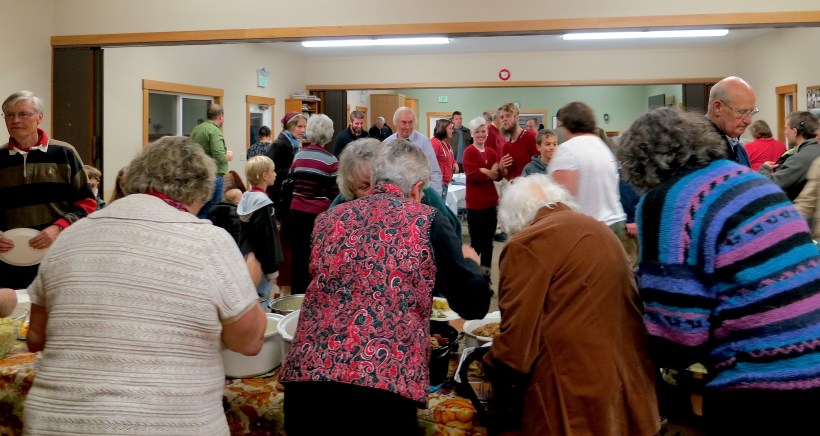
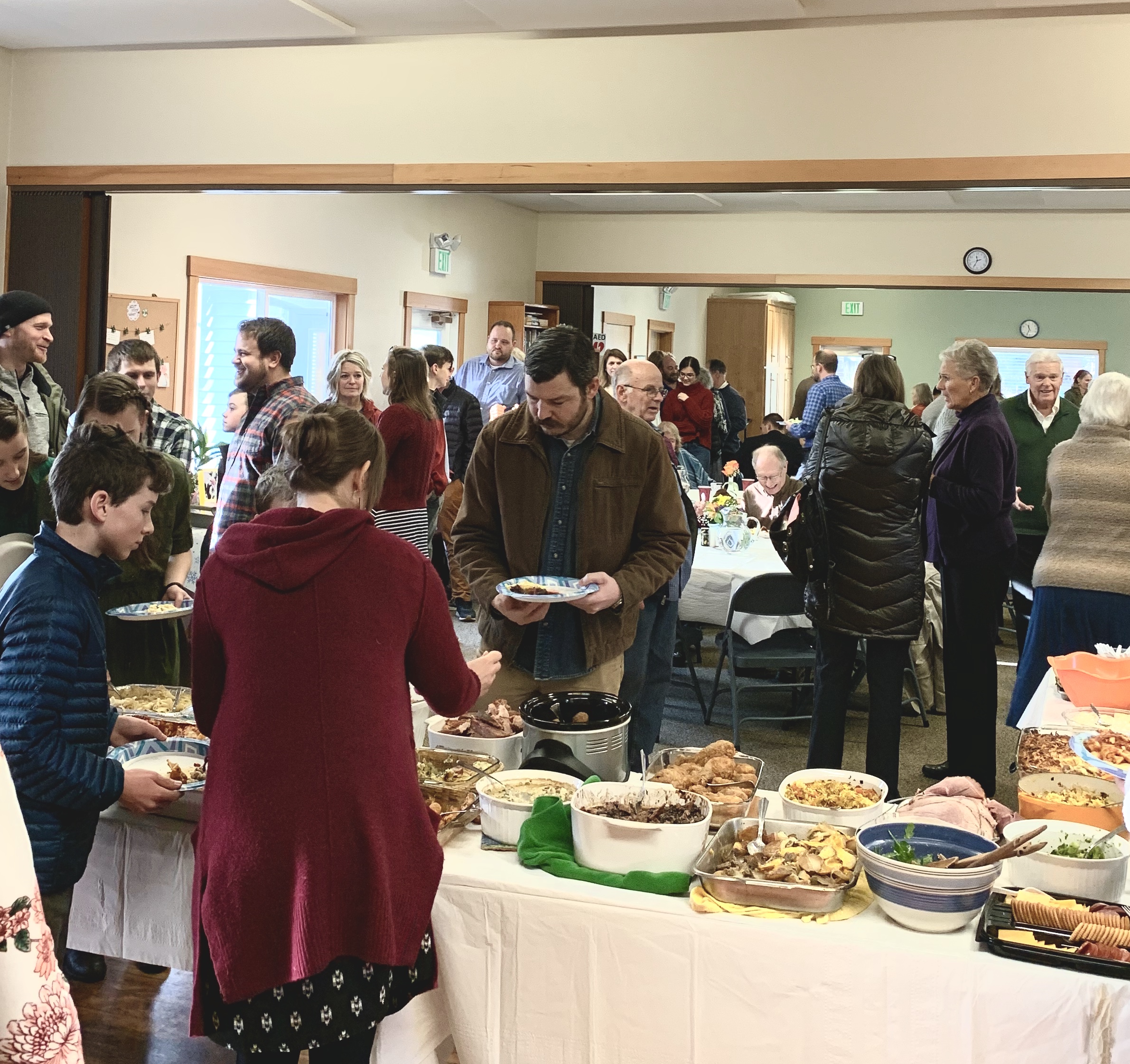
I knew I was destined to become a kitchen lady, shy and introverted as I am, hiding myself behind huge plates of food and piles of dish cloths. Our church potlucks together every Sunday after our evening worship. For me, it is a welcoming place of comfort and clean up filled with plenty of leftovers for anyone who needs them.
That perfectly describes the kingdom of God in my book and His Book.
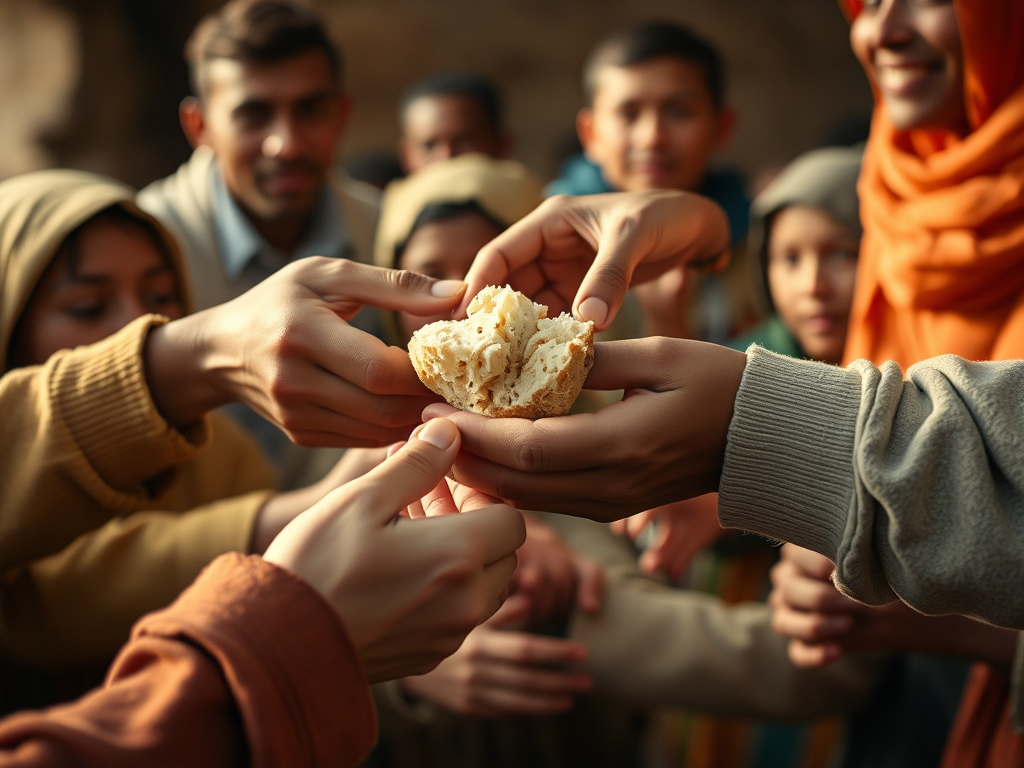
AI image created for this post
This year’s Lenten theme:
…where you go I will go… Ruth 1:16
One-Time
Monthly
Yearly
Make a one-time or recurring donation to support daily Barnstorming posts
The Almighty appeared on earth as a helpless human baby, needing to be fed and changed and taught to talk like any other child. The more you think about it, the more staggering it gets. Nothing in fiction is so fantastic as this truth of the Incarnation. ~J.I. Packer from Come, Thou Long-Expected Jesus: Experiencing the Peace and Promise of Christmas
I am the living bread that came down from heaven. Whoever eats this bread will live forever. ~John 6:51
Jesus replied, “They do not need to go away. You give them something to eat.” ~Matthew 14:16
He has filled the hungry with good things… ~Luke 1:53
If there is one thing universal about human beings, it is that we must eat to grow, stay healthy, and stay alive. Feeding a hungry person is one of the most nurturing and loving actions available to us in our outreach to others.
I learned this first as a nurses’ aide in a rest home when I was a teenager. The most disabled residents depended on me to feed them, bite full by bite full. I could not rush them or they might not swallow properly and could aspirate. I needed to be aware of what they liked and didn’t like or it might end up back in my lap in much less appetizing form.
Later, as a mother feeding my children, especially late at night rocking in our rocking chair, I found those times to be some of the most precious hours I ever spent with them. I was able to make a tangible difference in their lives with a gift from myself — of myself.
So too, we are fed by God–from His Word, from His Spirit, from His Hand at the Supper as He breaks the bread, from His Body. Our eyes are opened, our hearts burn within us.
But the ironic truth is that with the Incarnation, the world – we mere human beings – fed and nourished God Himself. He thrived, grew, and lived among us because His mother nourished Him from her own body and His earthly father had a trade that made it possible to feed his family.
Feeding others as we are fed. Feeding God when He chose to be helpless in our hands, trusting and needing us as much as we trust and need Him.
AI image created for this postAI image created for this post
This year’s Advent theme is from Dietrich Bonhoeffer’s sermon on the First Sunday in Advent, December 2, 1928:
The celebration of Advent is possible only to those who are troubled in soul, who know themselves to be poor and imperfect, and who look forward to something greater to come. For these, it is enough to wait in humble fear until the Holy One himself comes down to us, God in the child in the manager.
God comes.
He is, and always will be now, with us in our sin, in our suffering, and at our death. We are no longer alone. God is with us and we are no longer homeless. ~Dietrich Bonhoeffer – from Christmas Sermons
One-Time
Monthly
Yearly
Make a one-time or recurring donation to support daily Barnstorming posts
A dim veil hangs over the landscape and flood, And the hills are all mellowed in haze, While Fall, creeping on like a monk ‘neath his hood, Plucks the thick-rustling wealth of the maize.
And long for this manna that springs from the sod Shall we gratefully give Him the praise, The source of all bounty, our Father and God, Who sent us from heaven the maize! ~William Fosdick “The Maize”
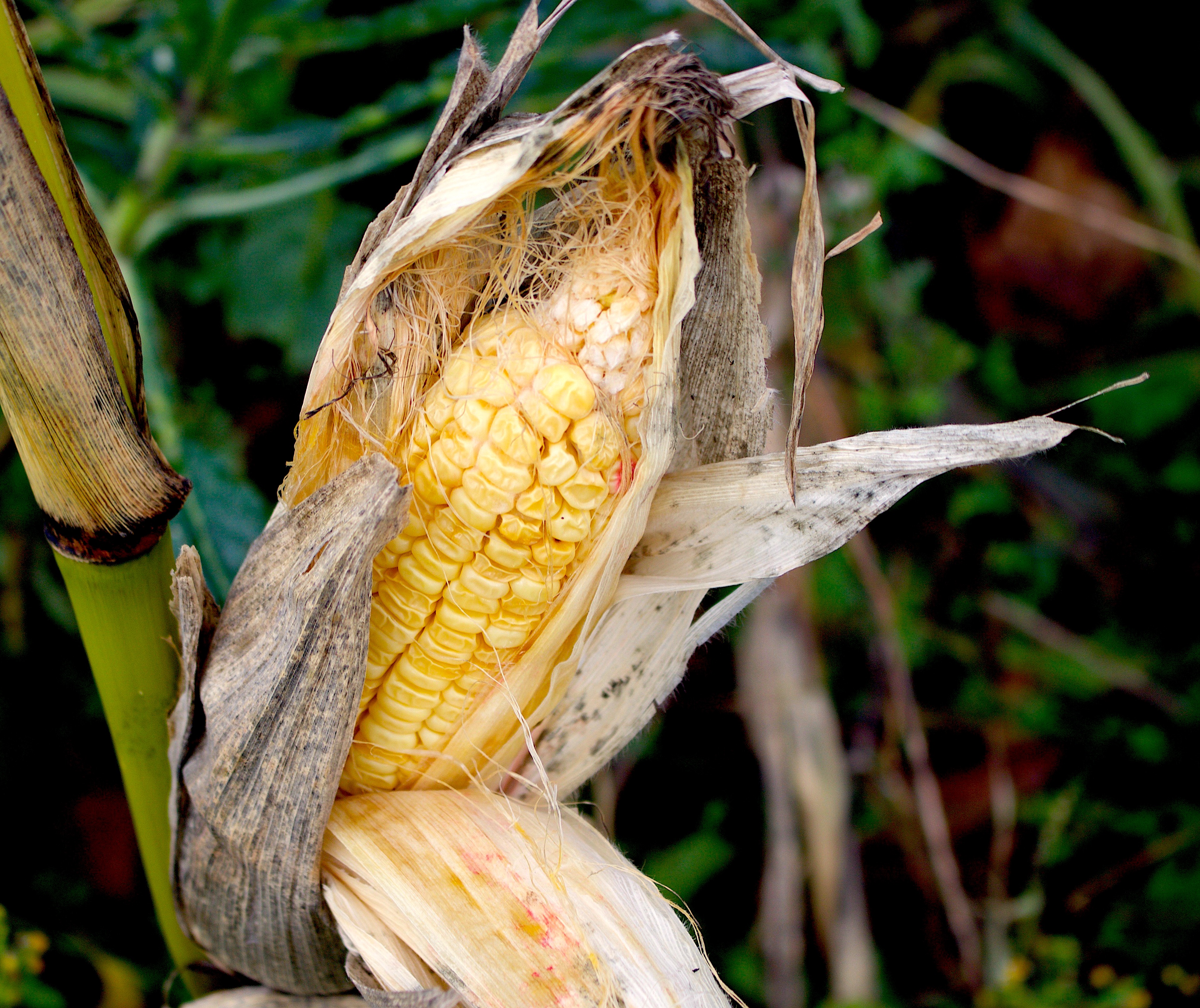
Come, boys, sing!— Sing of the yellow corn, Sing, boys, sing, Sing of the yellow corn! He springeth up from the fallow soil, With the blade so green and tall, And he payeth well the reaper’s toil, When the husks in the autumn fall. The pointed leaves, And the golden ear, The rustling sheaves, In the ripened year— Sing, boys, sing! Sing of the yellow corn, Sing, boys, sing, Sing of the yellow corn.
He drinks the rain in the summer long, And he loves the streams that run, And he sends the stalk so stout and strong, To bask in the summer sun. The pointed leaves, And the golden ear, The rustling sheaves, In the ripened year— Sing, boys, sing! Sing of the yellow corn, Sing, boys, sing, Sing of the yellow corn.
He loves the dews of the starry night, And the breathing wind that plays With his tassels green, when the mellow light Of the moon on the meadow stays. The pointed leaves, And the golden ear, The rustling sheaves, In the ripened year— Sing, boys, sing! Sing of the yellow corn, Sing, boys, sing, Sing of the yellow corn.
A glorious thing is the yellow corn, With the blade so green and tall, A blessed thing is the yellow corn, When the husks in the autumn fall. Then, sing, boys, sing! Sing of the yellow corn, Sing, boys, sing, Sing of the yellow corn! The pointed leaves, And the golden ear, The rustling sheaves, In the ripened year— Come, sing, boys, sing! Sing of the yellow corn, Sing, boys, sing, Sing of the yellow corn. ~Charles Eastman “The Yellow Corn”
The dying autumn garden can feel like a treasure hunt as we pull out and sort through the dead and dying vines and stalks: a giant zucchini growing undetected under leaves, a rotting pumpkin collapsing into itself, fat hollowed beans ready to burst with seed.
Everything is dry and rustling in the north winds.
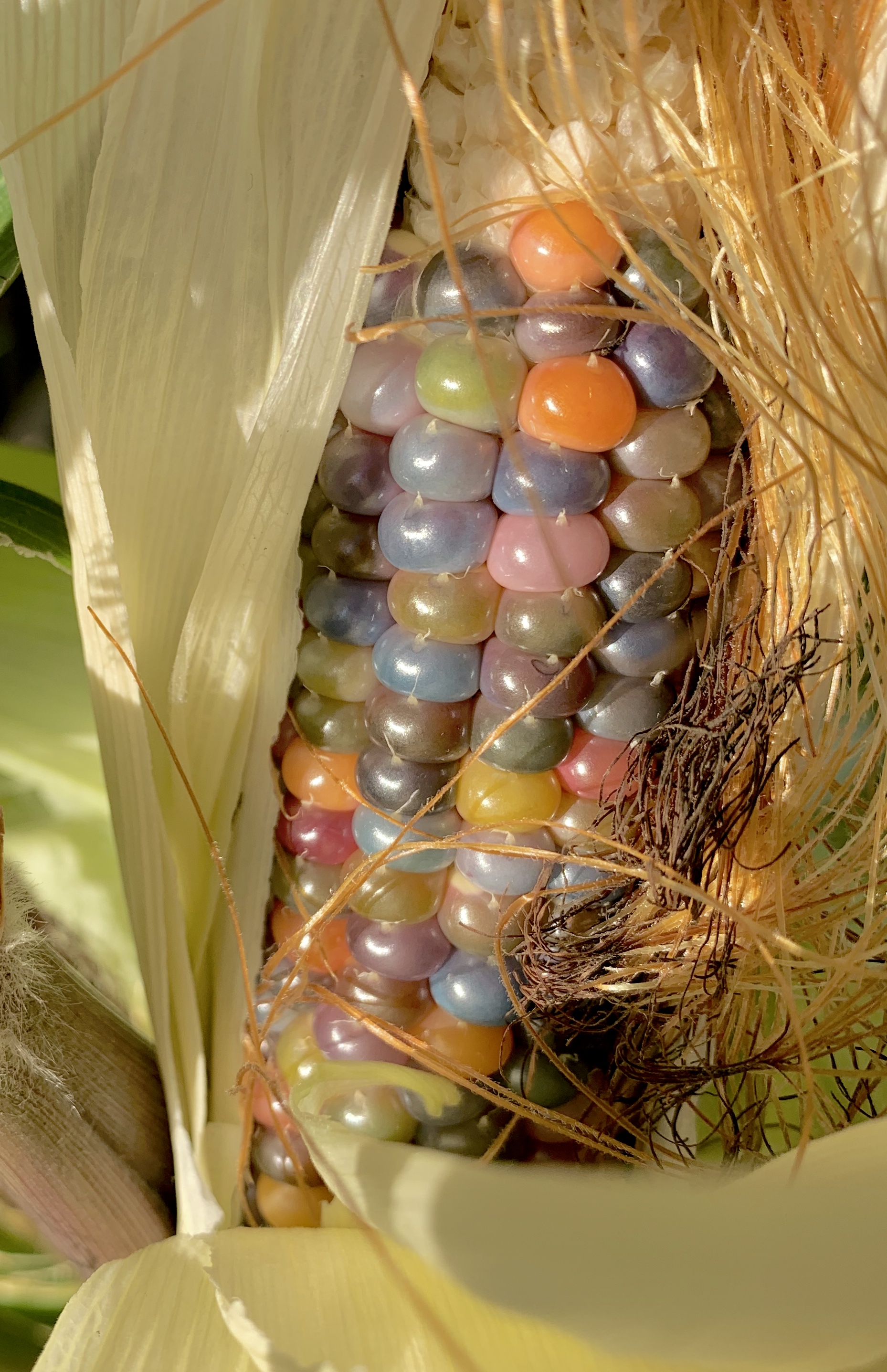
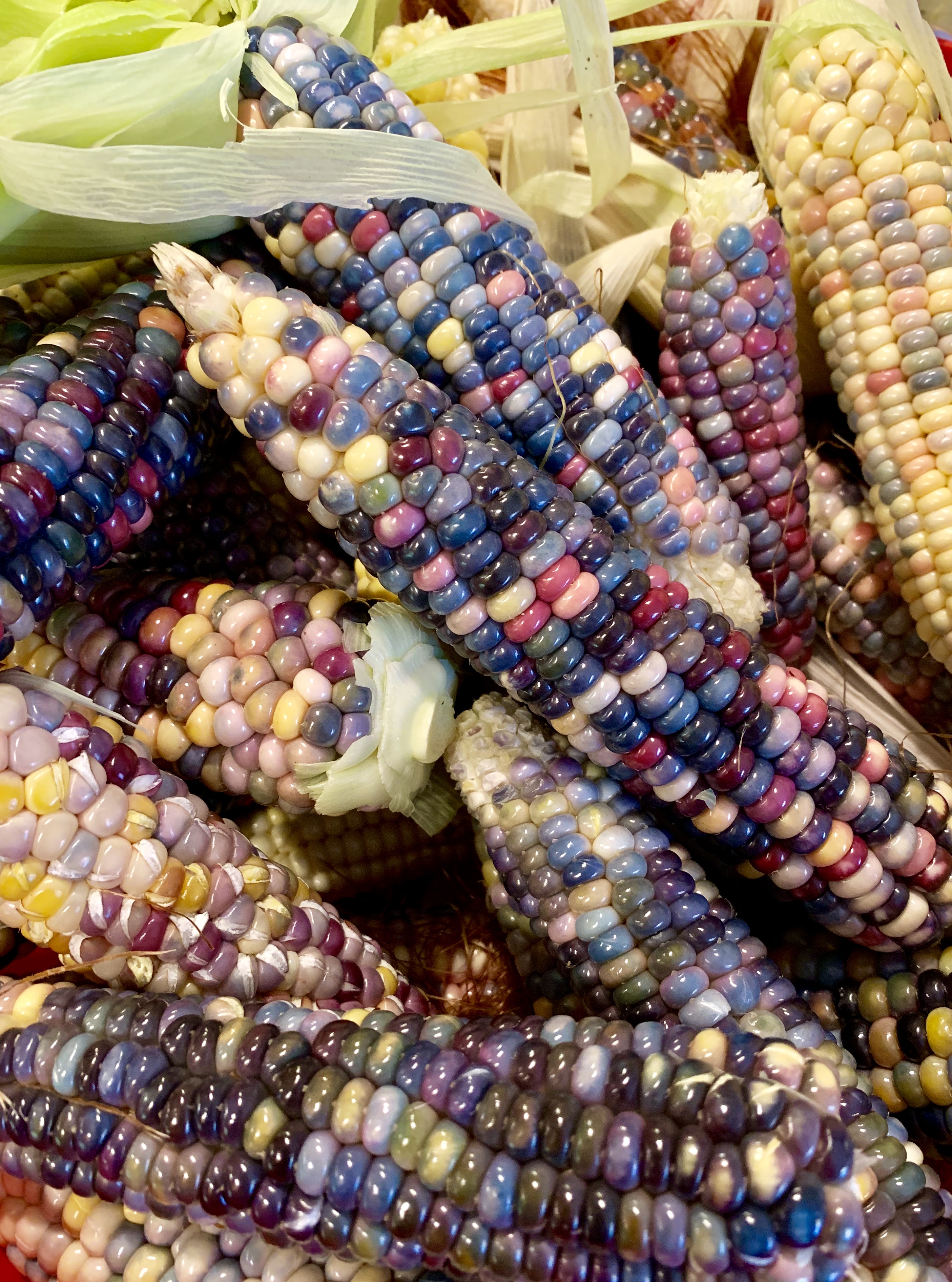
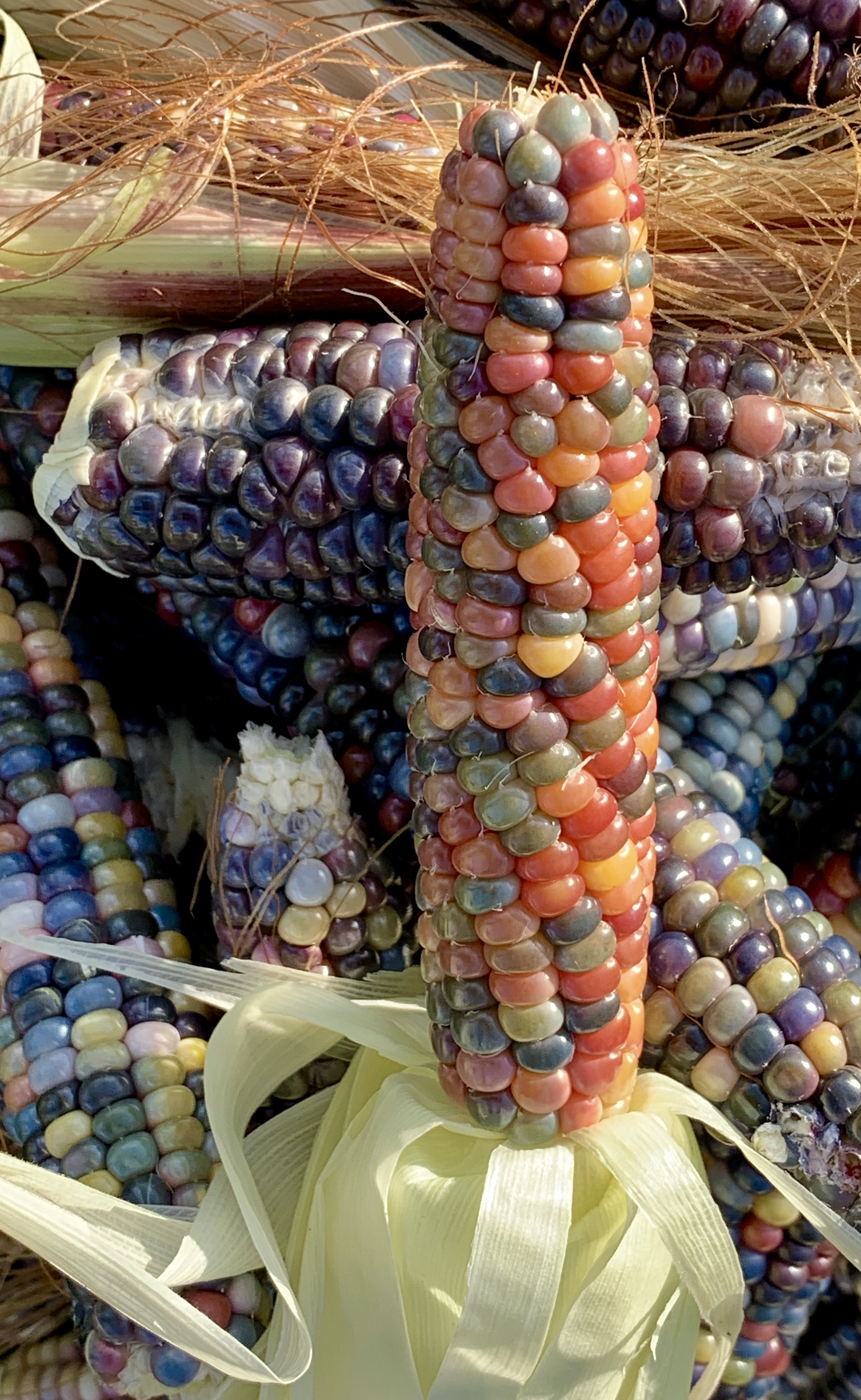
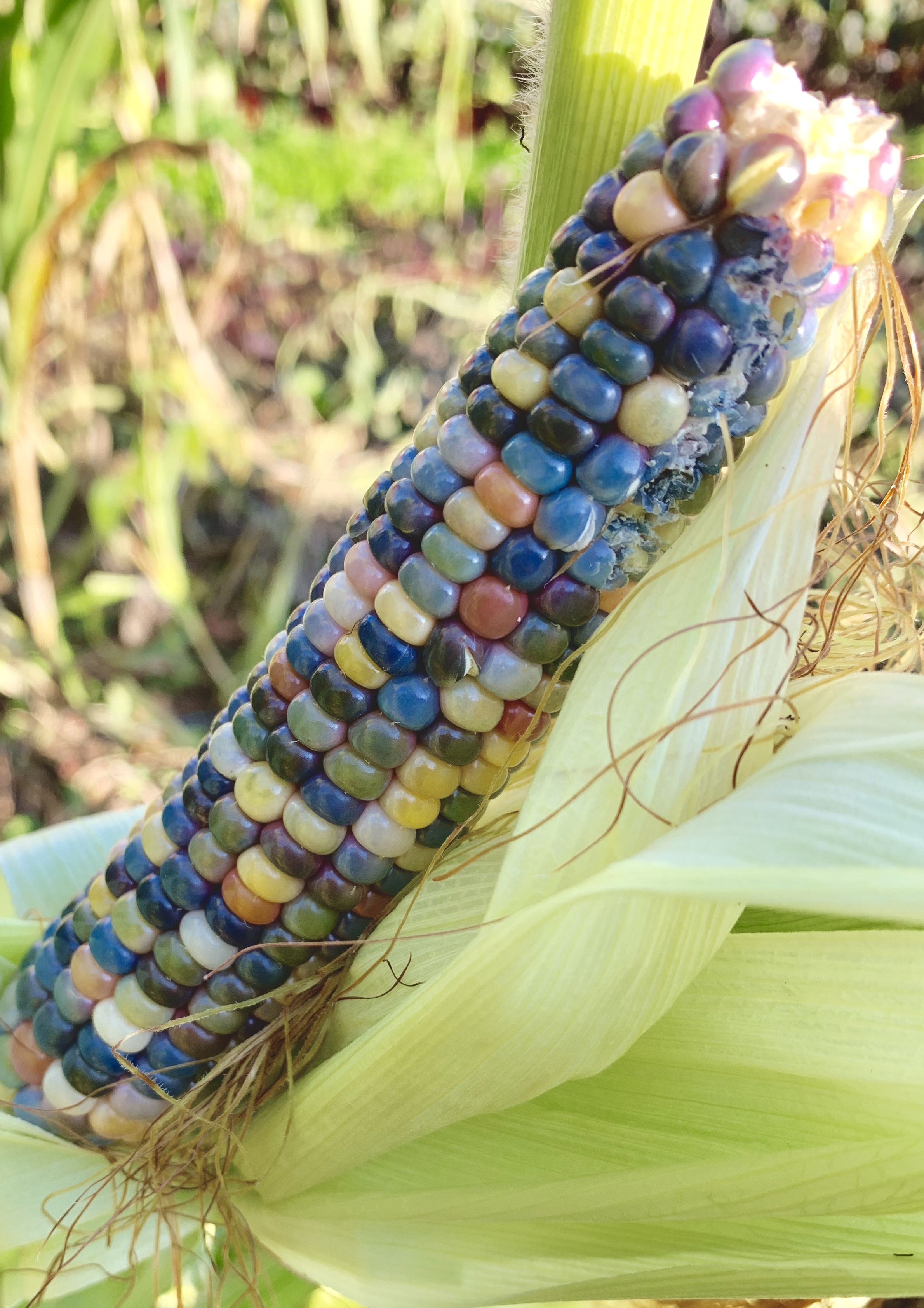
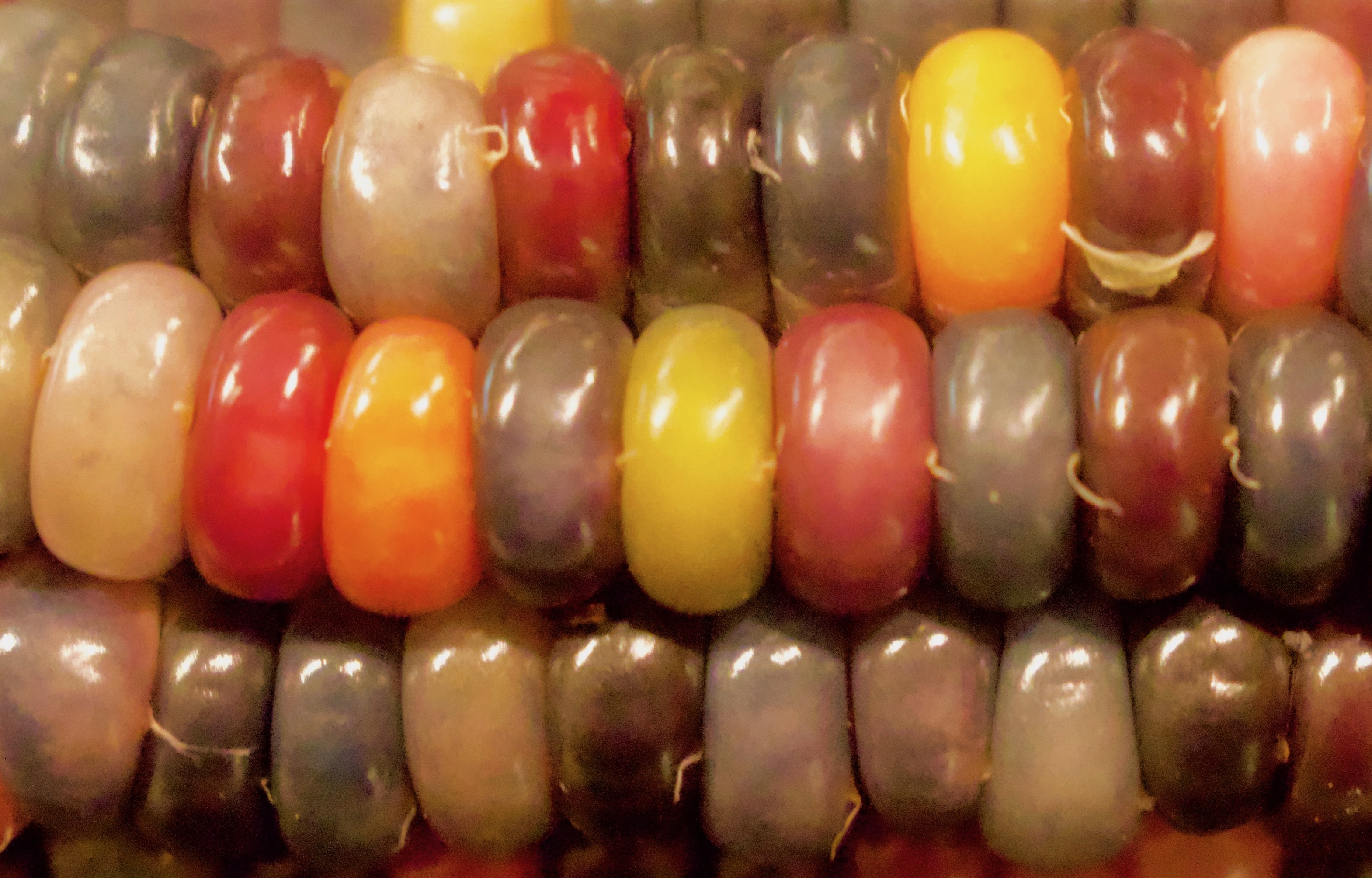
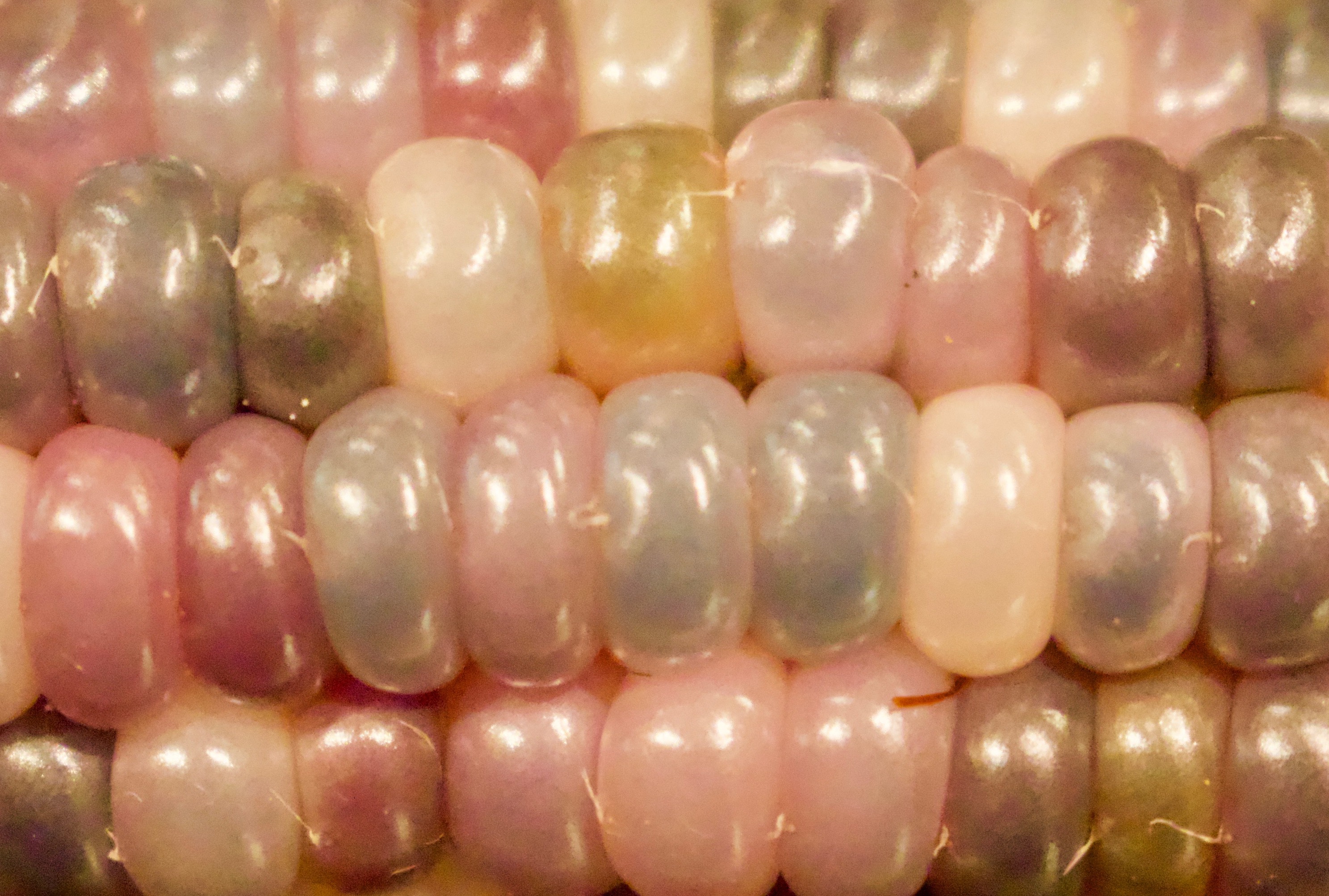
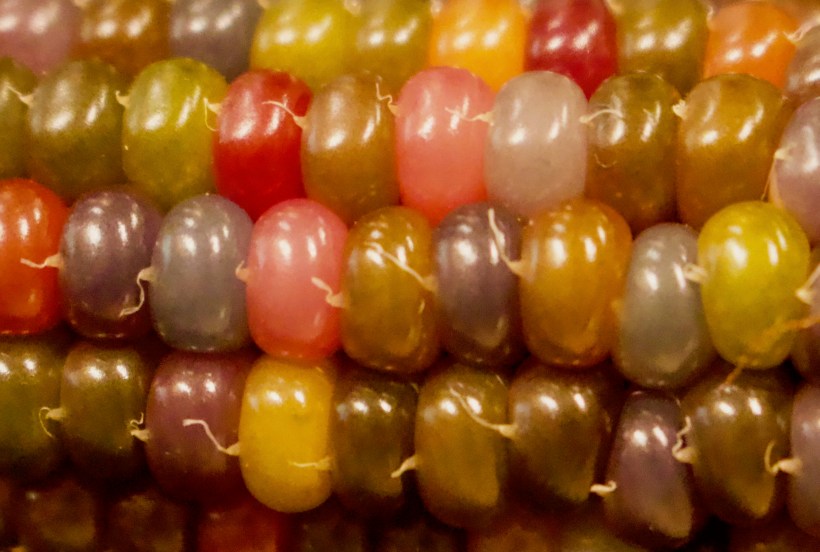
The greatest Easter Egg of all hidden away in husk and cornsilk is glass gem corn. It grew on stunted stalks with few apparent ears, so pitiful next to our robust sweet corn crop.
It fooled us; this corn is pure gold in a kaleidoscope Thanksgiving display – purely ornamental since it doesn’t grow prolific like a sweet yellow corn. Yet these meager ears glow like stained glass, colorful quilt swatches on a stalk.
God has a palette of heaven-sent color and imagination. People come in all colors too, thanks to His artistry, but not nearly so varied as these kernels of colored glass.
One-Time
Monthly
Yearly
Make a one-time and recurring donation to support daily Barnstorming posts
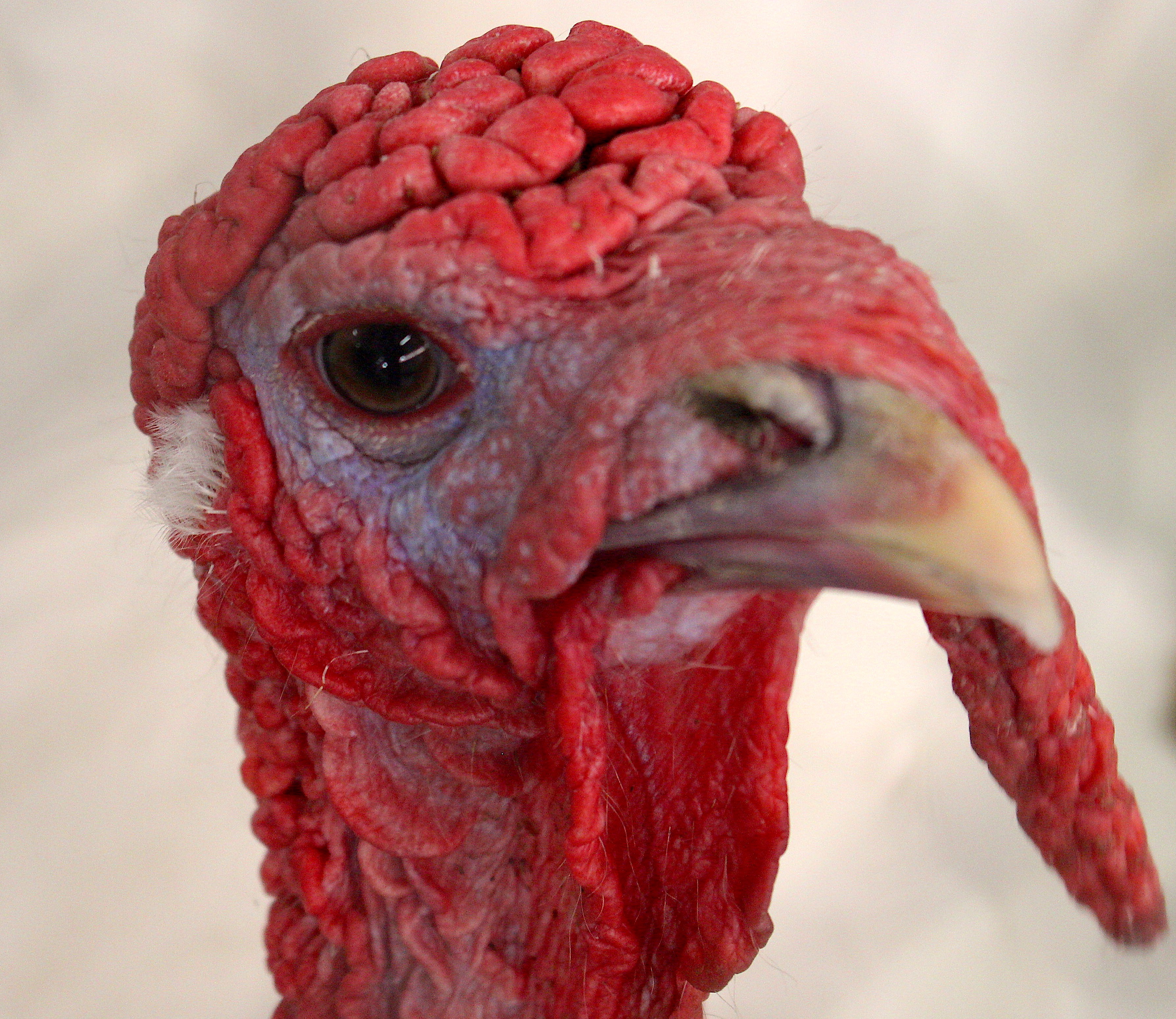
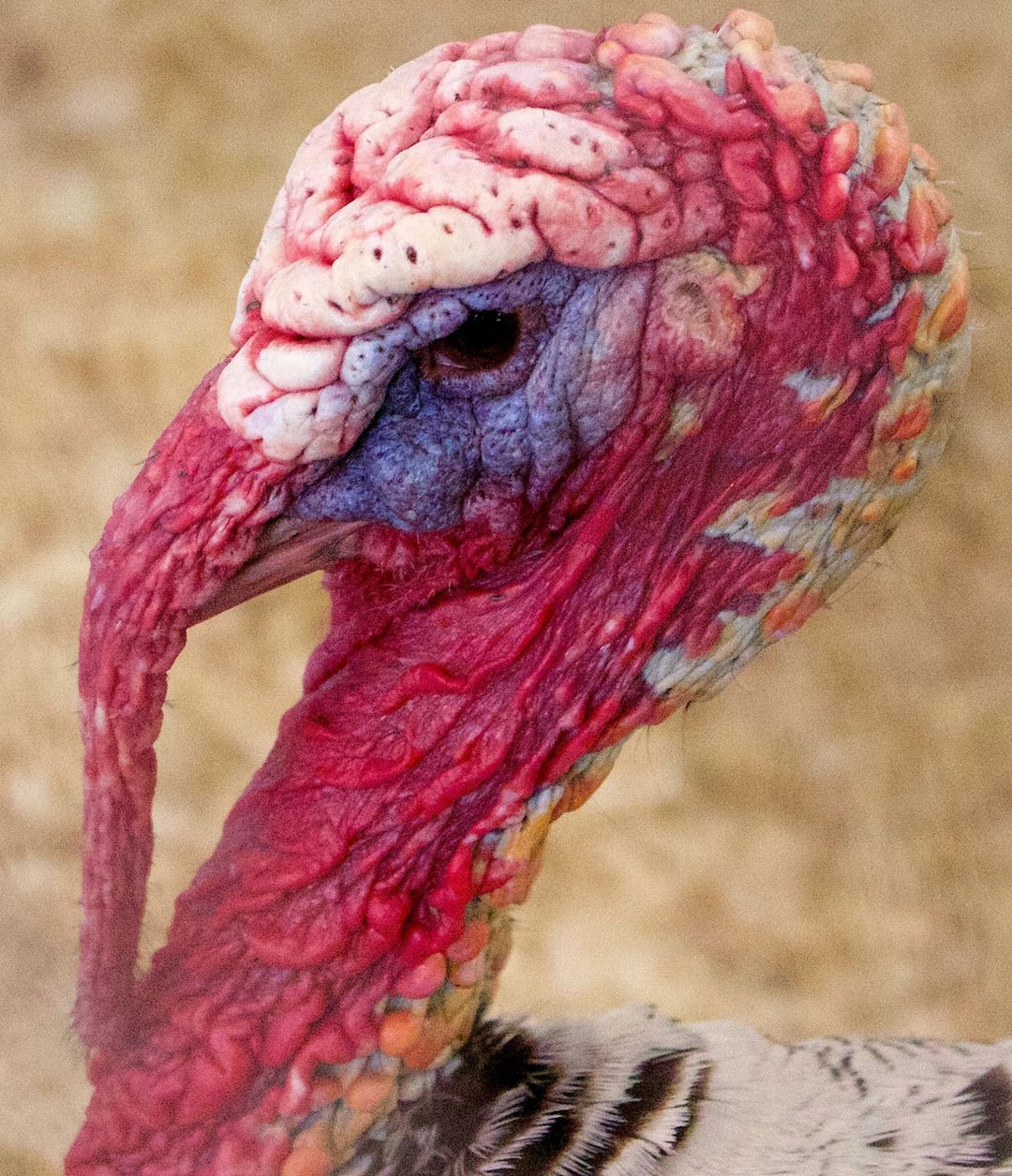
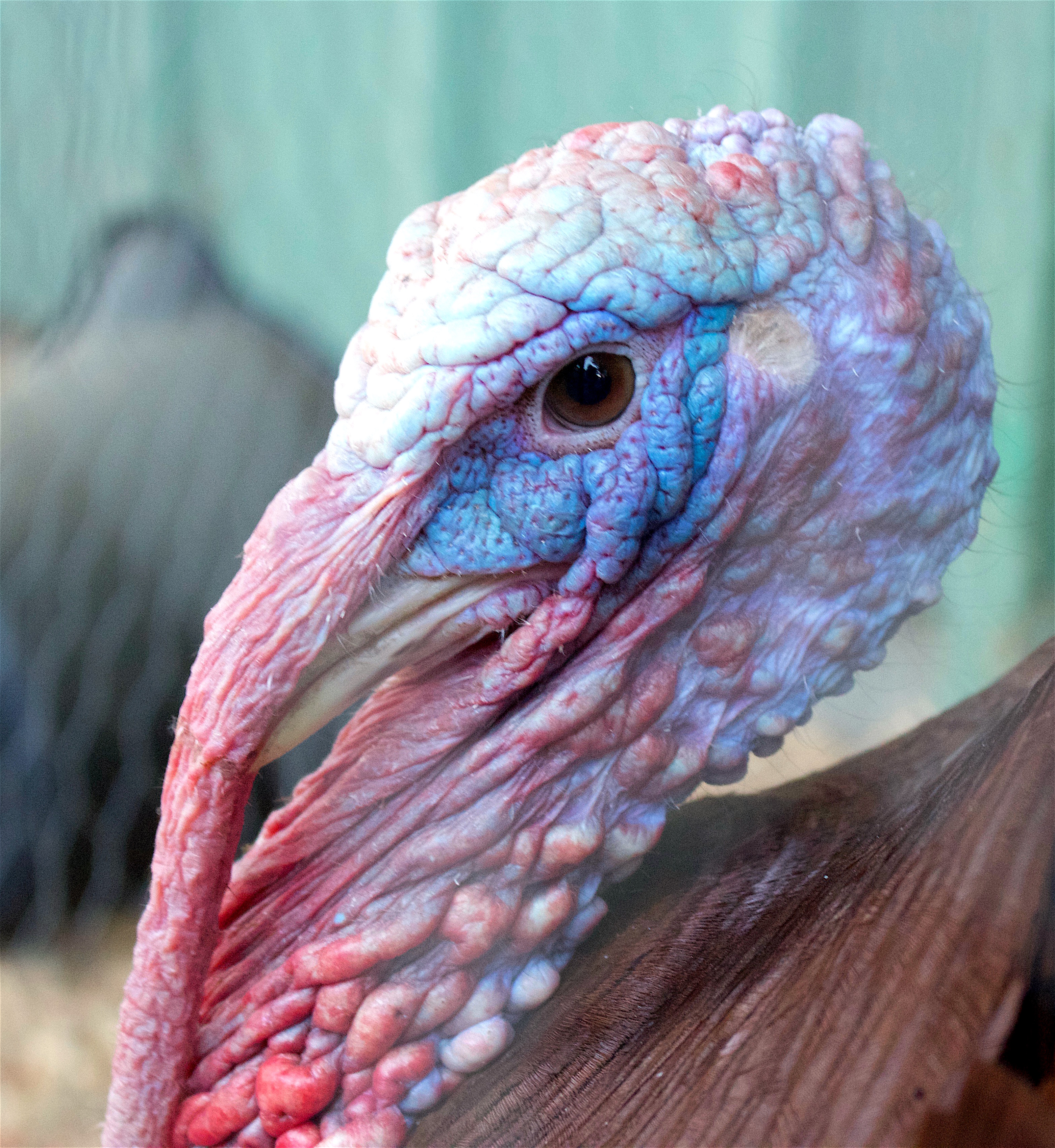
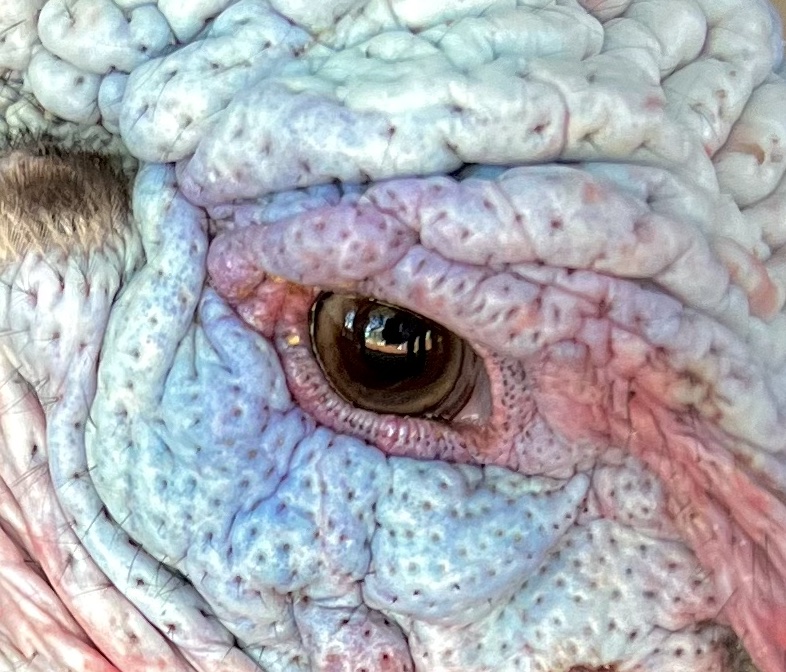
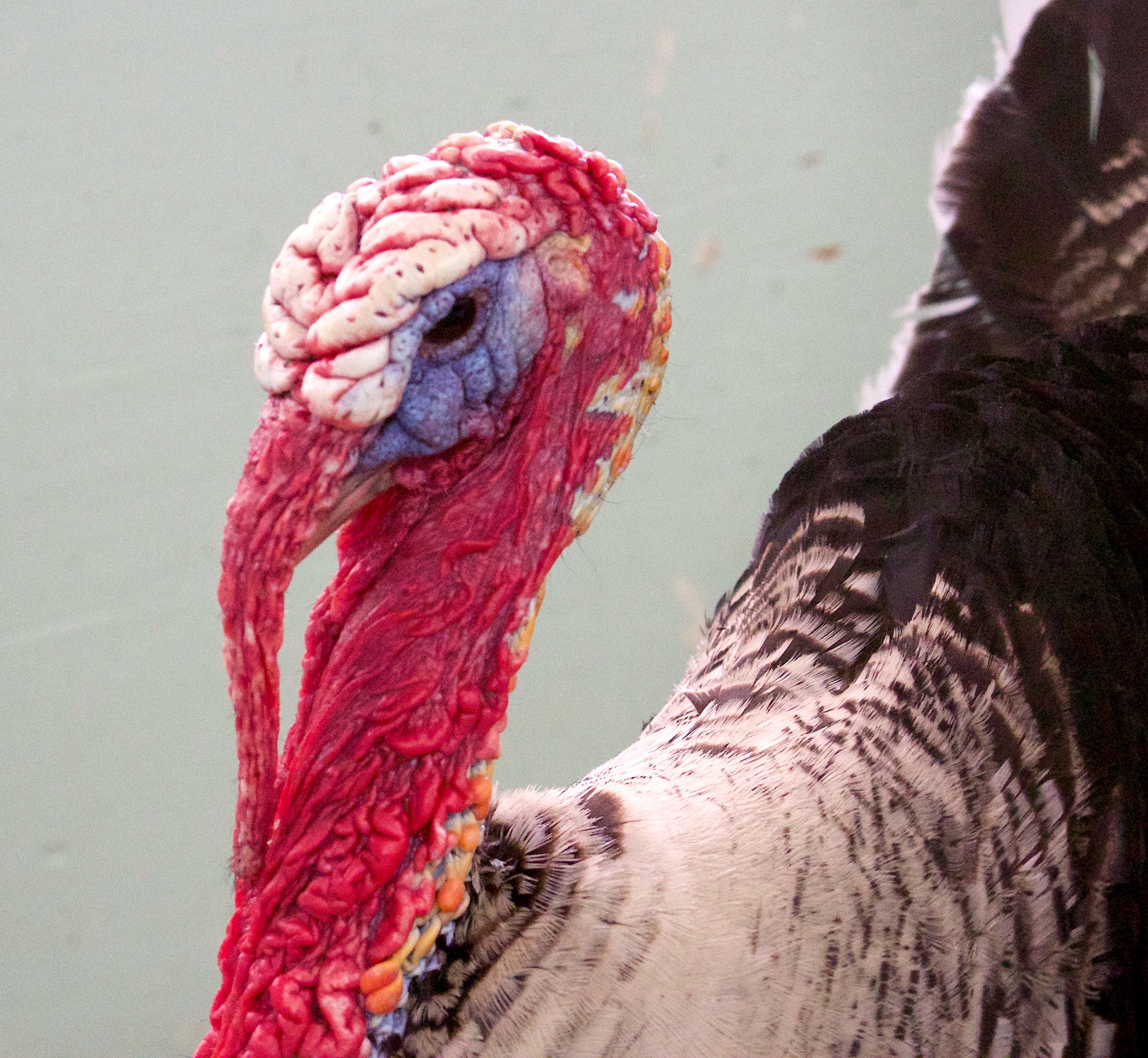
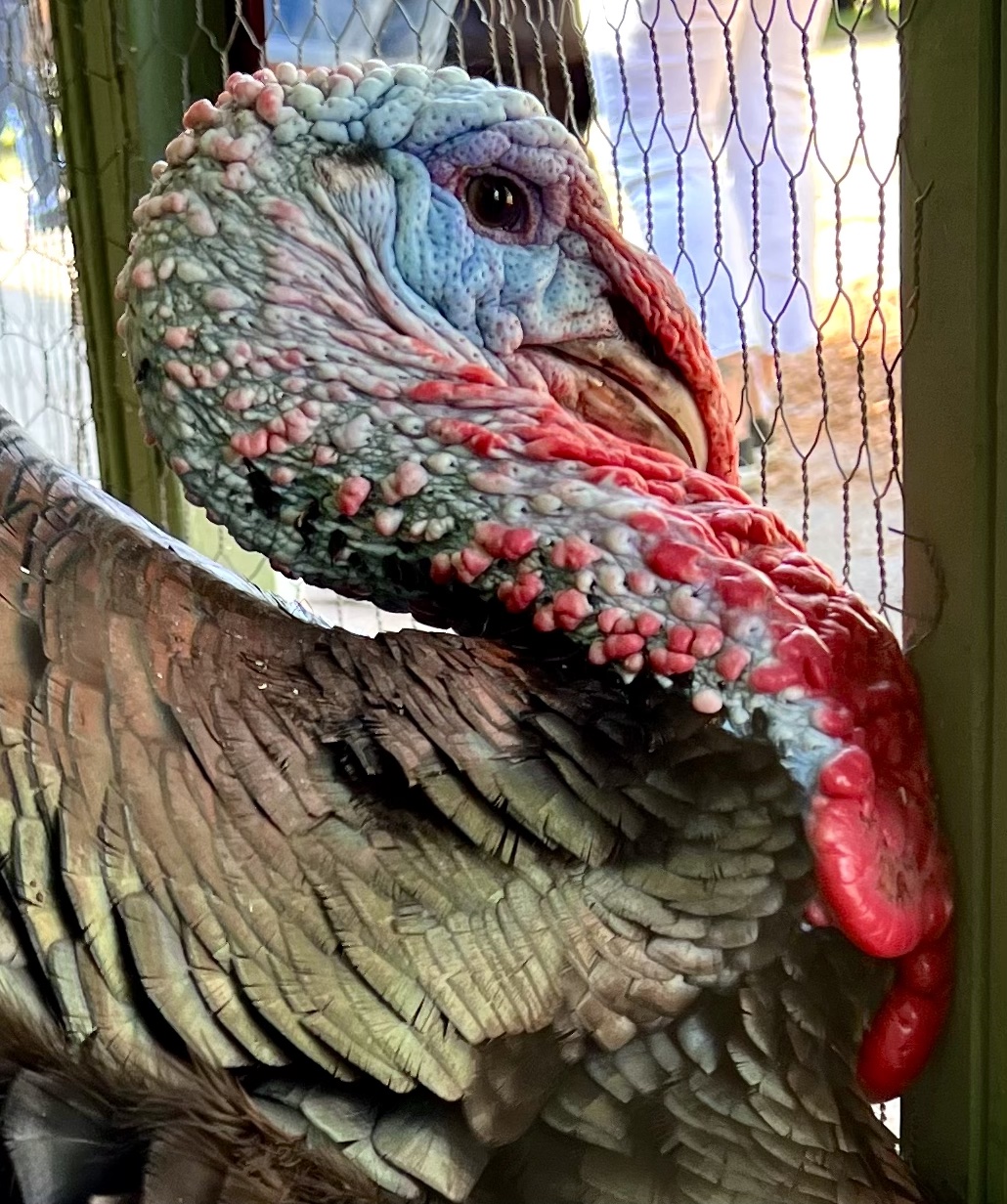
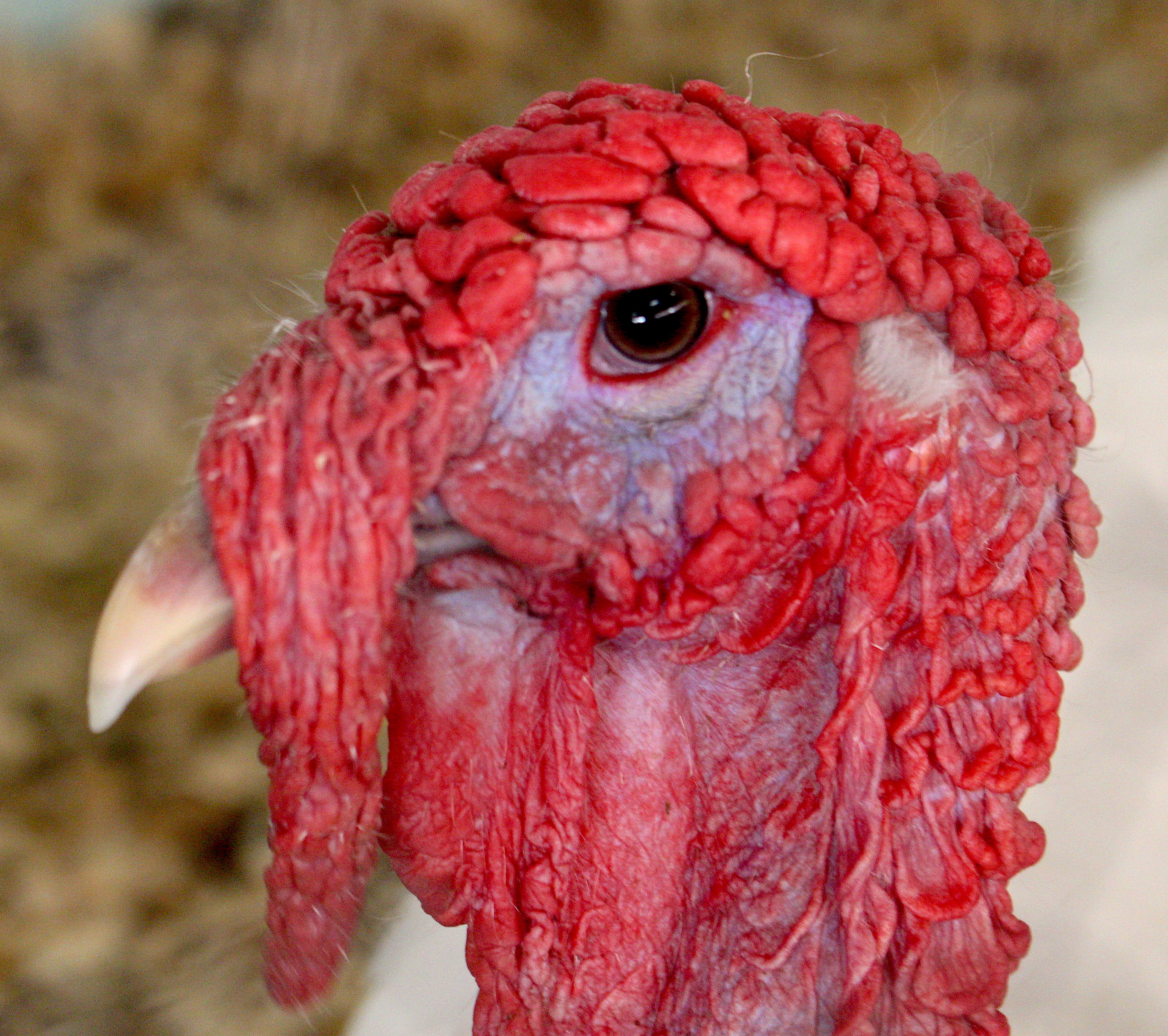
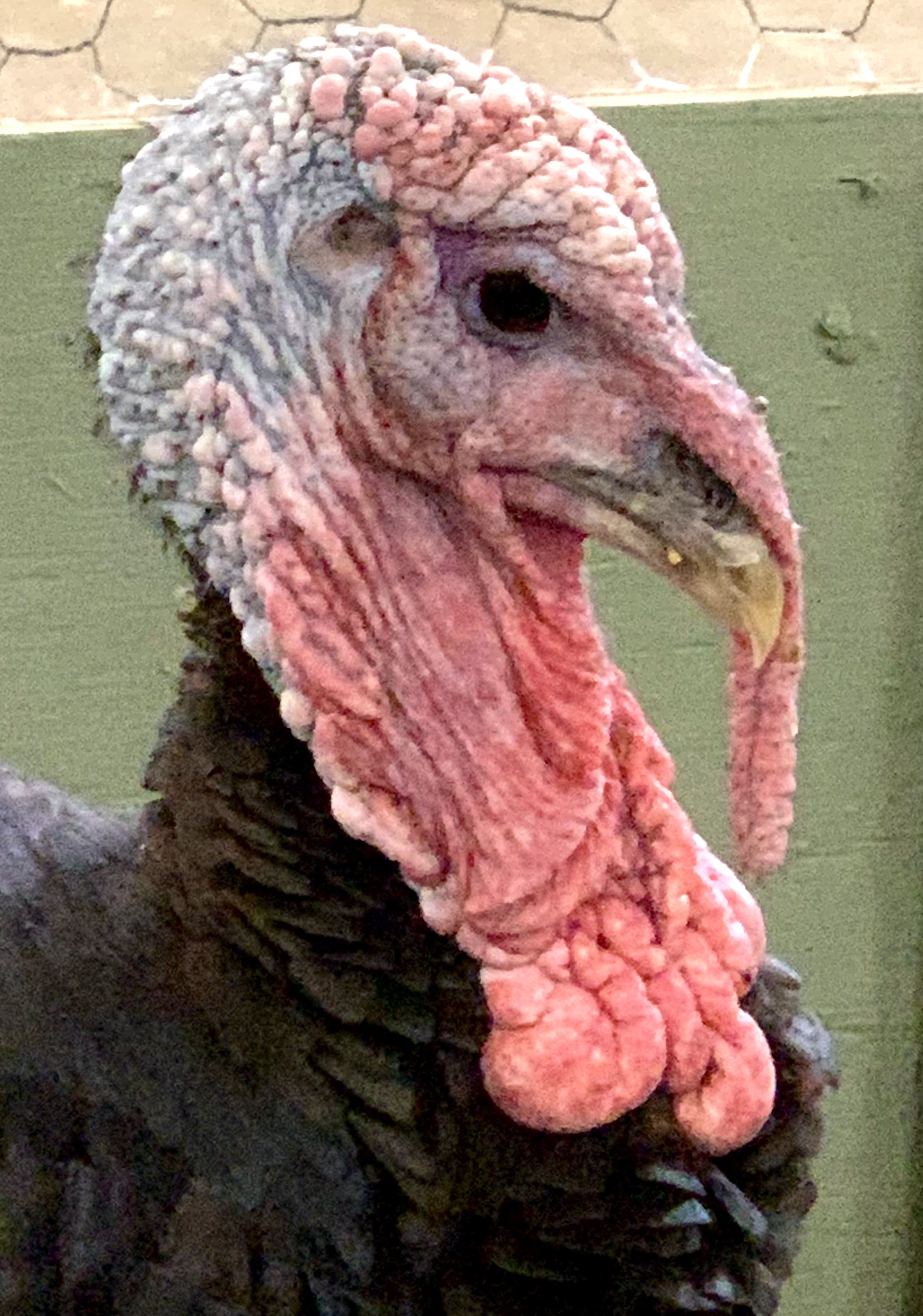
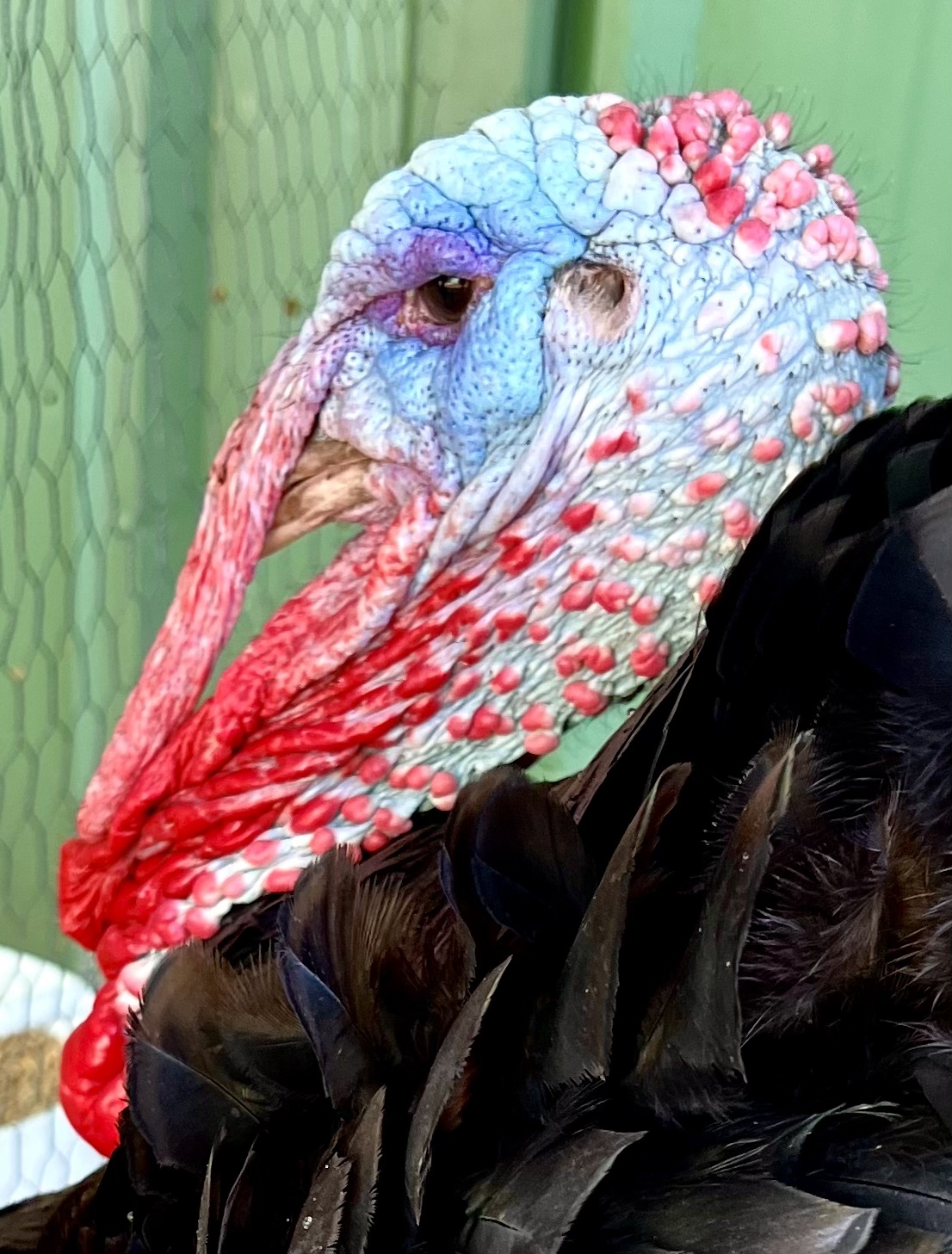
A turkey is more occult and awful than all the angels and archangels. In so far as God has partly revealed to us an angelic world, he has partly told us what an angel means. But God has never told us what a turkey means. And if you go and stare at a live turkey for an hour or two, you will find by the end of it that the enigma has rather increased than diminished. ~ Gilbert K. Chesterton from All Things Considered
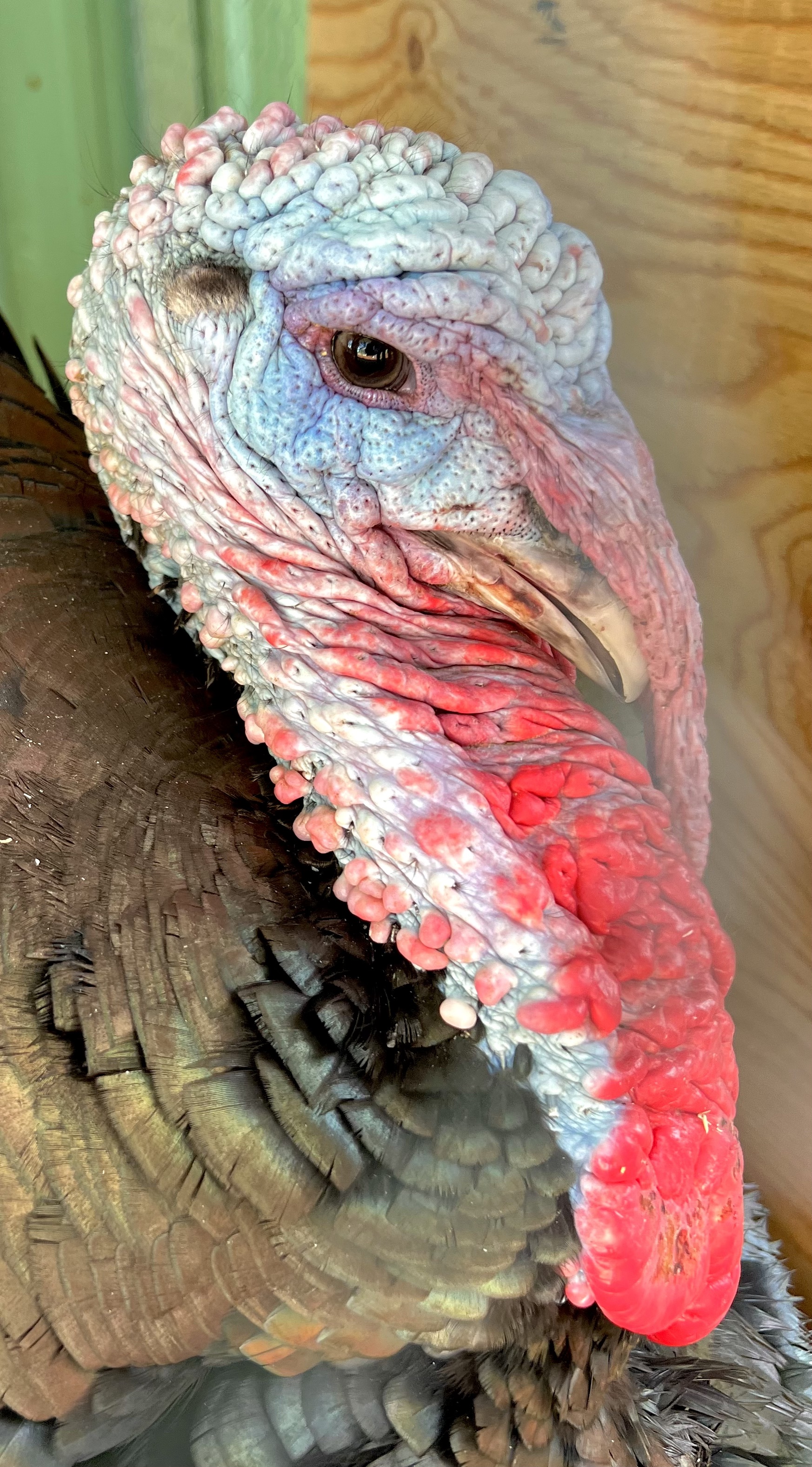
There is something about looking into a turkey’s eye that makes you think twice about them being the focus of millions of dinners later this week. We’re raised chickens, ducks and geese on our farm over the years, but we never did raise our own turkey for Thanksgiving. Perhaps they look much wiser and dignified than they actually are, but I’m told they too, can become quite bonded with their farmer caretakers.
I am grateful for many things this week, including professionals who have skill in working on rural wells and well pumps and filtration systems, as well as plumbers working on plugged pipes and drainage issues, and the fact our entire family is arriving this week when our water supply and drainage are on the fritz.
But most of all, I’m grateful I’m not a turkey.
I’m glad God keeps turkeys more of an enigma than the angels who assist us when we need it most, even during a holiday week.
I think God’s angelic world will be the primary focus for us this week.
One-Time
Monthly
Yearly
Make a one-time or recurring donation to support daily Barnstorming posts
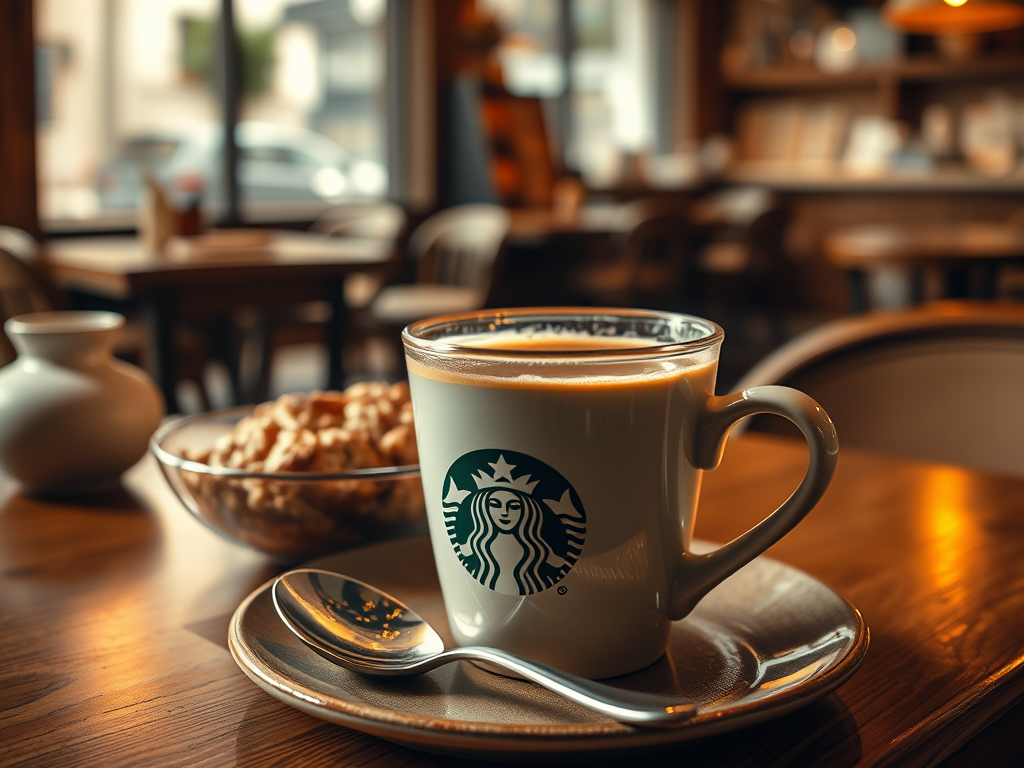
Do I dare Disturb the universe? In a minute there is time For decisions and revisions which a minute will reverse. For I have known them all already, known them all: Have known the evenings, mornings, afternoons, I have measured out my life with coffee spoons… ~T.S. Eliotfrom The Love Song of J. Alfred Prufrock
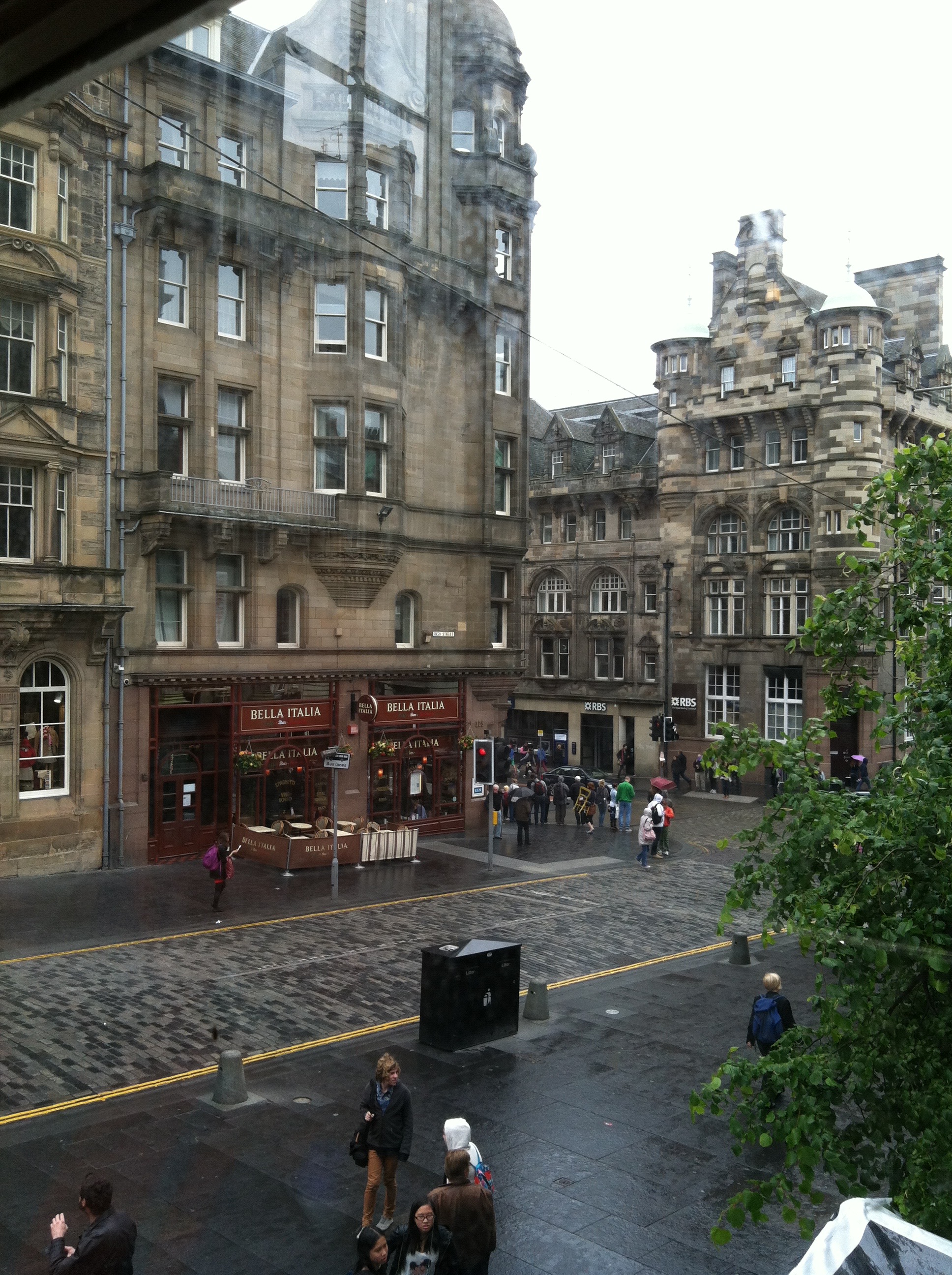
Tokyo Starbucksphoto of Edinburgh street, taken from Starbucks
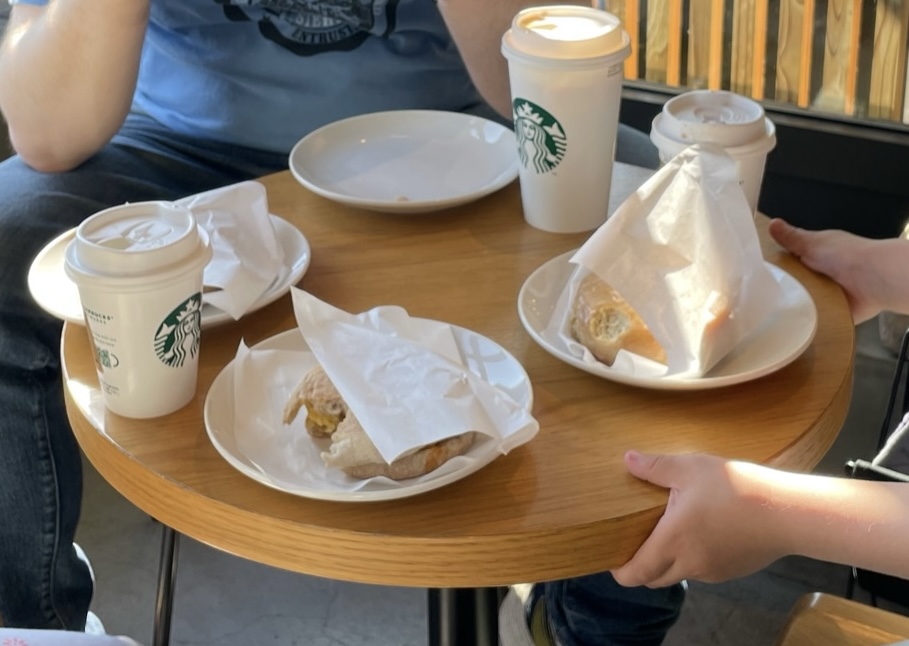
I read recently that Starbucks’ business has suffered a loss of customers because of longer waits for service, and price increases for custom-ordered drinks that take more barista time to create.
I have been a pretty loyal coffee customer since Starbucks opened their first shop at Pike Street Market in Seattle over 50 years ago. I have visited countless Starbucks, including one in the bustling Narita Airport in Tokyo and an upstairs shop on a drizzly corner in Edinburgh, Scotland.
Over that time, I’ve graduated from brewed coffee from dark roast beans to dark roast decaf beans. There is a difference between 20 year old me and 70 year old me; caffeine is no longer my friend.
Over a decade ago, I was buying my usual twice a month supply of decaf coffee beans from my local Starbucks shop. The barista looked at me apologetically and said “have you heard?”. She said my favorite blend was being phased out and soon would no longer be available.
This completely disturbed my decaffeinated equilibrium.
I immediately wrote to the “Starbucks Customer Care” website to see if they really do care about their customers.
How could it be that I became so attached to a particular brand, a specific taste, a daily routine that something so insignificant in the scheme of things should become so significant to me?
I was upset at myself for being perturbed by this.
So what if I’m in a minority of coffee drinkers who can only handle decaf because caffeine now makes my pulse race and my hands jittery.
So what if I’m part of an aging cohort who may not be all that important to the corporate world bent on marketing the newest taste trend to the young and fashionable.
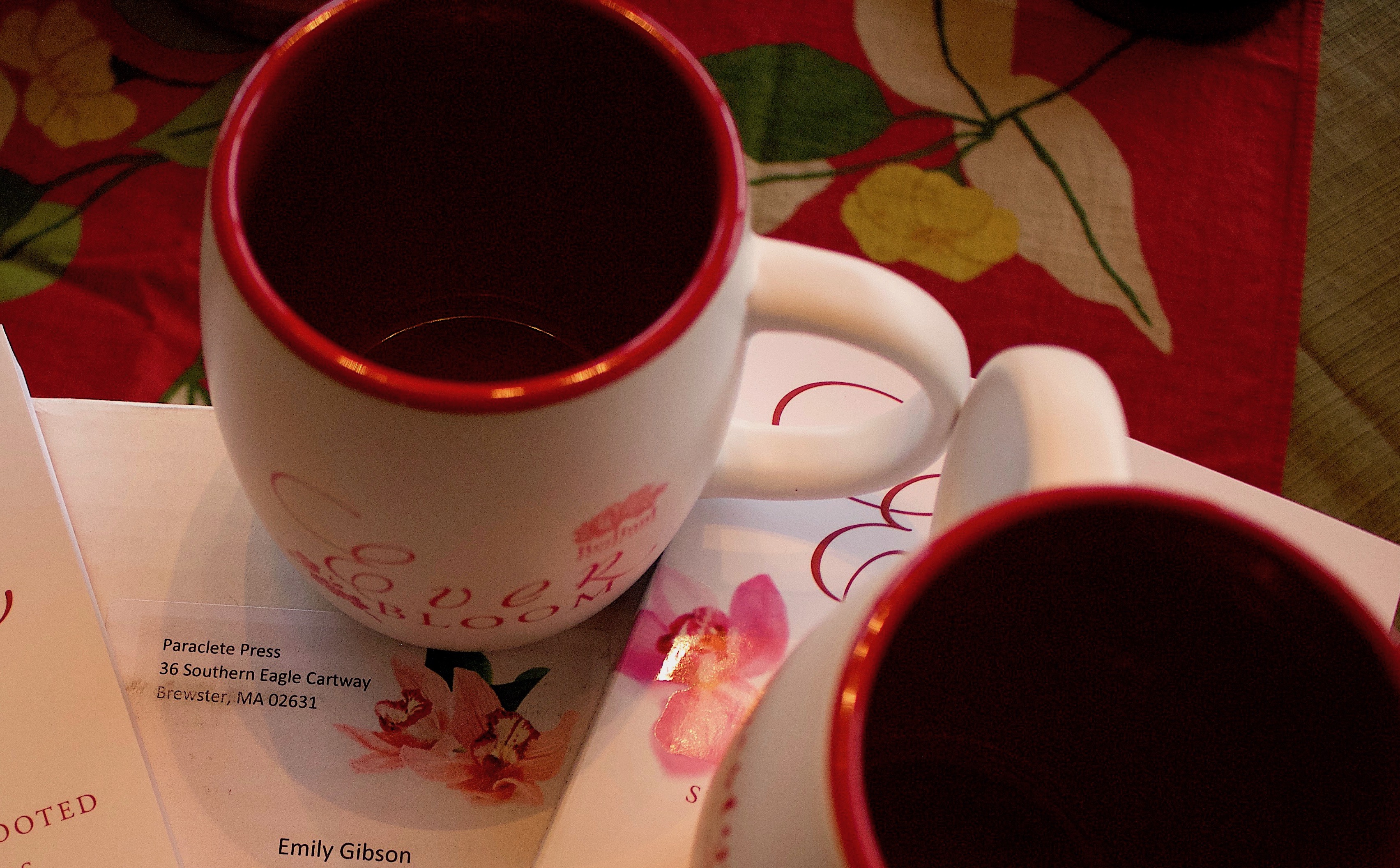
So what if I’m ridiculously dependent on that 5:30 AM home brewed cup of coffee, not because of needing a drug to wake me up, but because it is something I have done happily for years, measuring out my days spoonful by spoonful.
I am indeed grateful for routine, and in my own grudging way, I can learn to be grateful for change. I suppose I’ll could get used to another blend if I have to (please, not too “herbal” or “flowery”).
But life will not be the same – the evenings, mornings, afternoons I know so well.
It’s just tough to adapt when each morning has been defined by “Decaffinated, yet rich and well-balanced with a dark cocoa texture and a roasty sweetness, like the flavor of a fire-roasted marshmallow after you pull off the darkened cap. To be enjoyed with chocolate truffles and dinner guests who stay late.”
Wow, they pay people to write stuff like that.
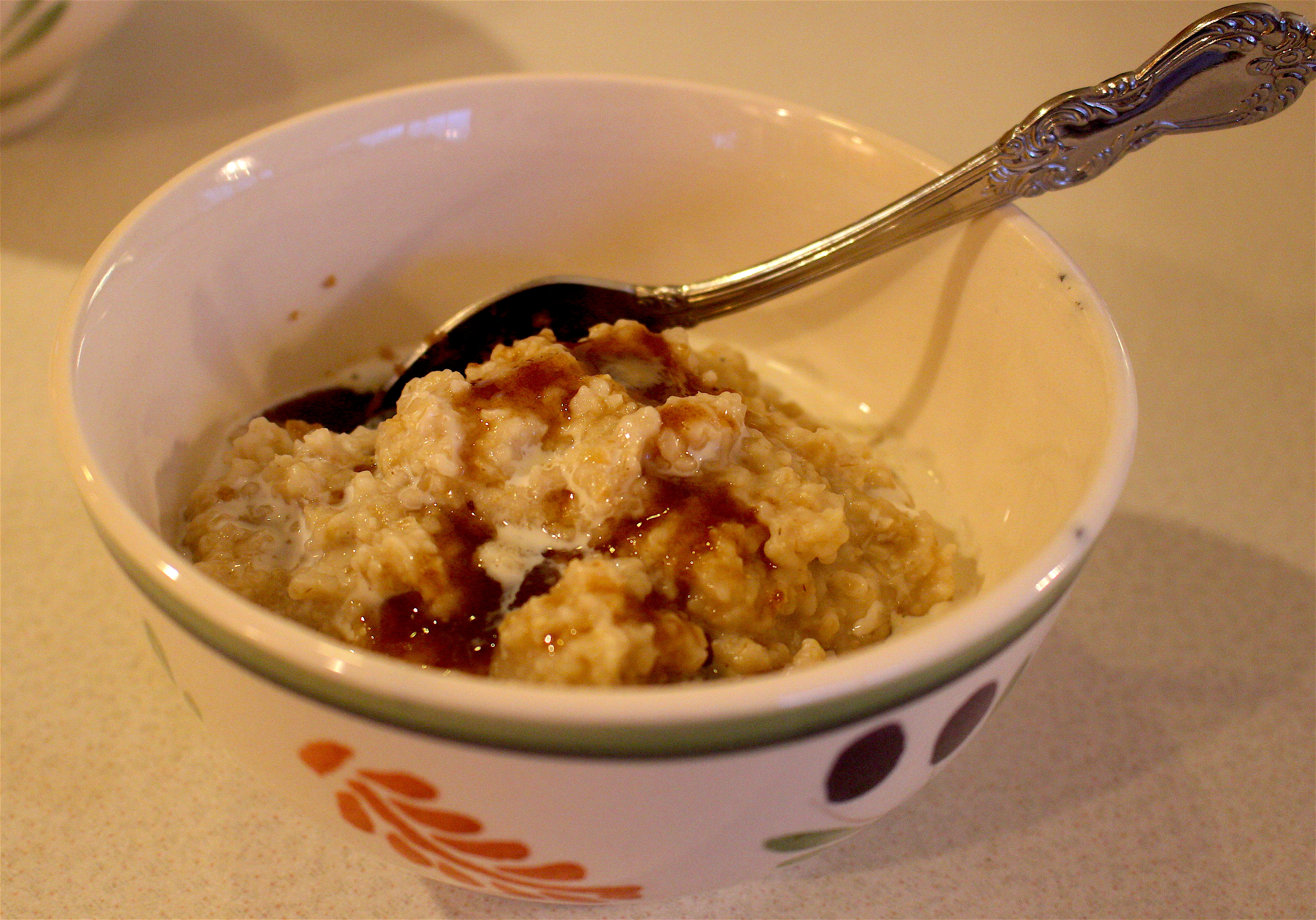
I guess it isn’t as appealing to say “to be cherished with morning oatmeal by farmer physician poets who can’t handle caffeine.”
Too bad. We’re actually a pretty nice bunch. All one of us.
Postscript: My favorite decaf blend was phased out but later reintroduced and became one of their best sellers. I guess we’re all getting older…
AI image created for this post
One-Time
Monthly
Yearly
Make a one-time or recurring donation to support daily Barnstorming posts
And then there is that day when all around, all around you hear the dropping of the apples, oneby one, from the trees. At first it is one here and one there, and then it is three and then it is four and then nine andtwenty, until the apples plummet like rain, fall like horse hoofsin the soft, darkening grass, and you are the last apple on thetree; and you wait for the wind to work you slowly free fromyour hold upon the sky, and drop you down and down. Longbefore you hit the grass you will have forgotten there everwas a tree, or other apples, or a summer, or green grass below, You will fall in darkness… ~Ray Bradbury from Dandelion Wine
But I am done with apple-picking now. Essence of winter sleep is on the night, The scent of apples: I am drowsing off. I cannot rub the strangeness from my sight I got from looking through a pane of glass I skimmed this morning from the drinking trough And held against the world of hoary grass. It melted, and I let it fall and break. But I was well Upon my way to sleep before it fell, And I could tell What form my dreaming was about to take. For I have had too much Of apple-picking: I am overtired Of the great harvest I myself desired. There were ten thousand thousand fruit to touch, Cherish in hand, lift down, and not let fall. For all That struck the earth, No matter if not bruised or spiked with stubble, Went surely to the cider-apple heap As of no worth. One can see what will trouble This sleep of mine, whatever sleep it is. Were he not gone, The woodchuck could say whether it’s like his Long sleep, as I describe its coming on, Or just some human sleep. ~Robert Frost from “After Apple-Picking”
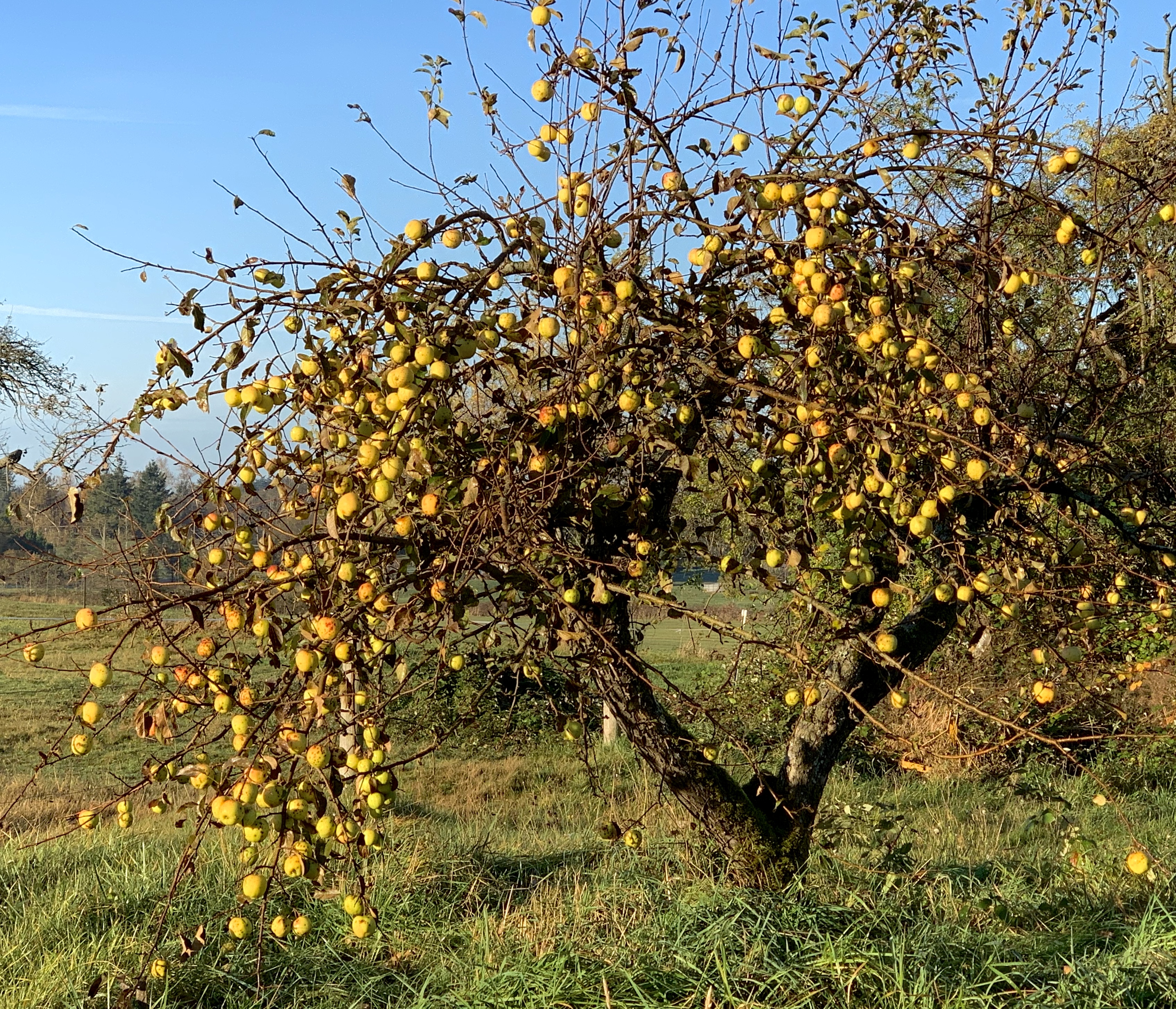
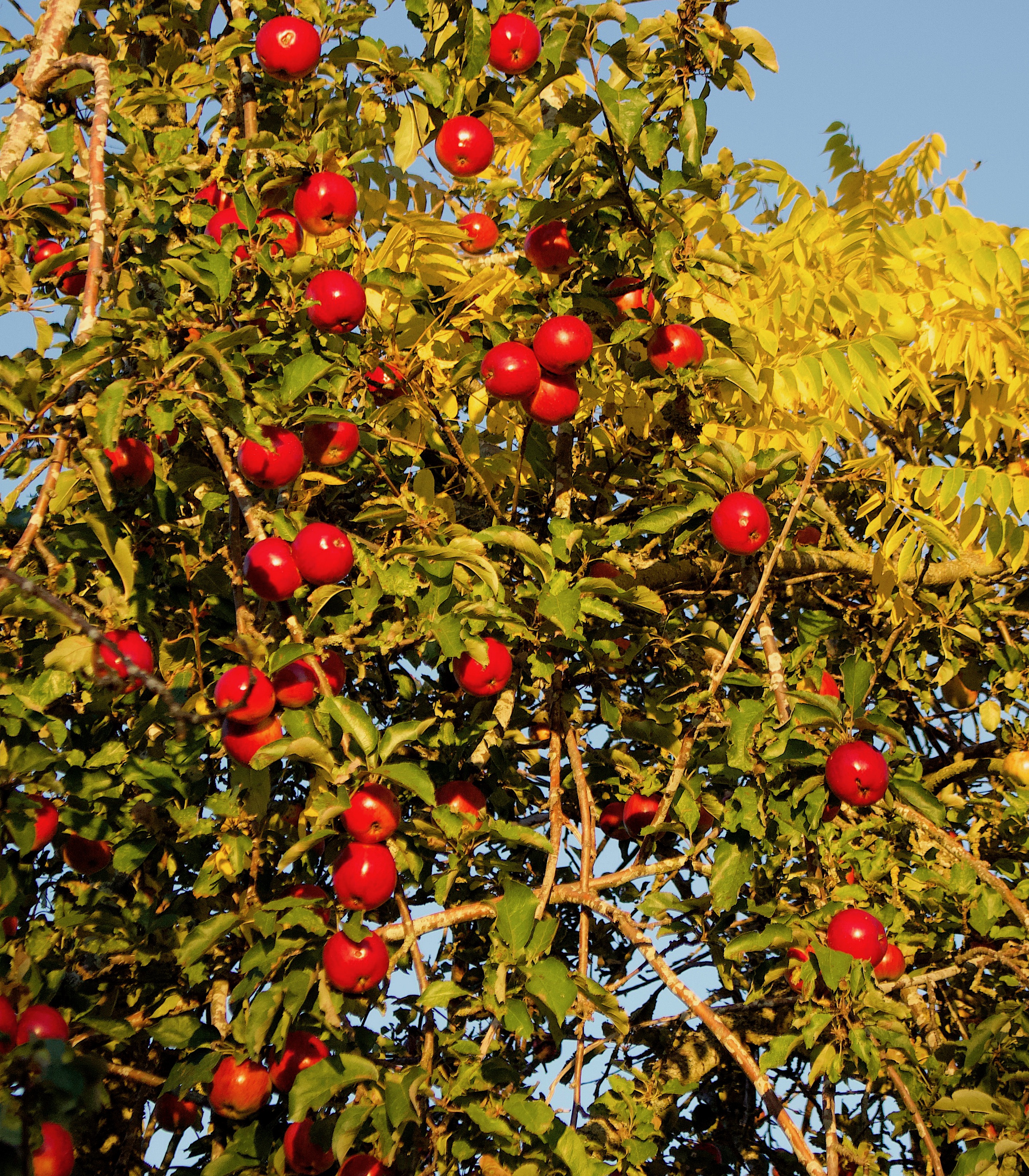
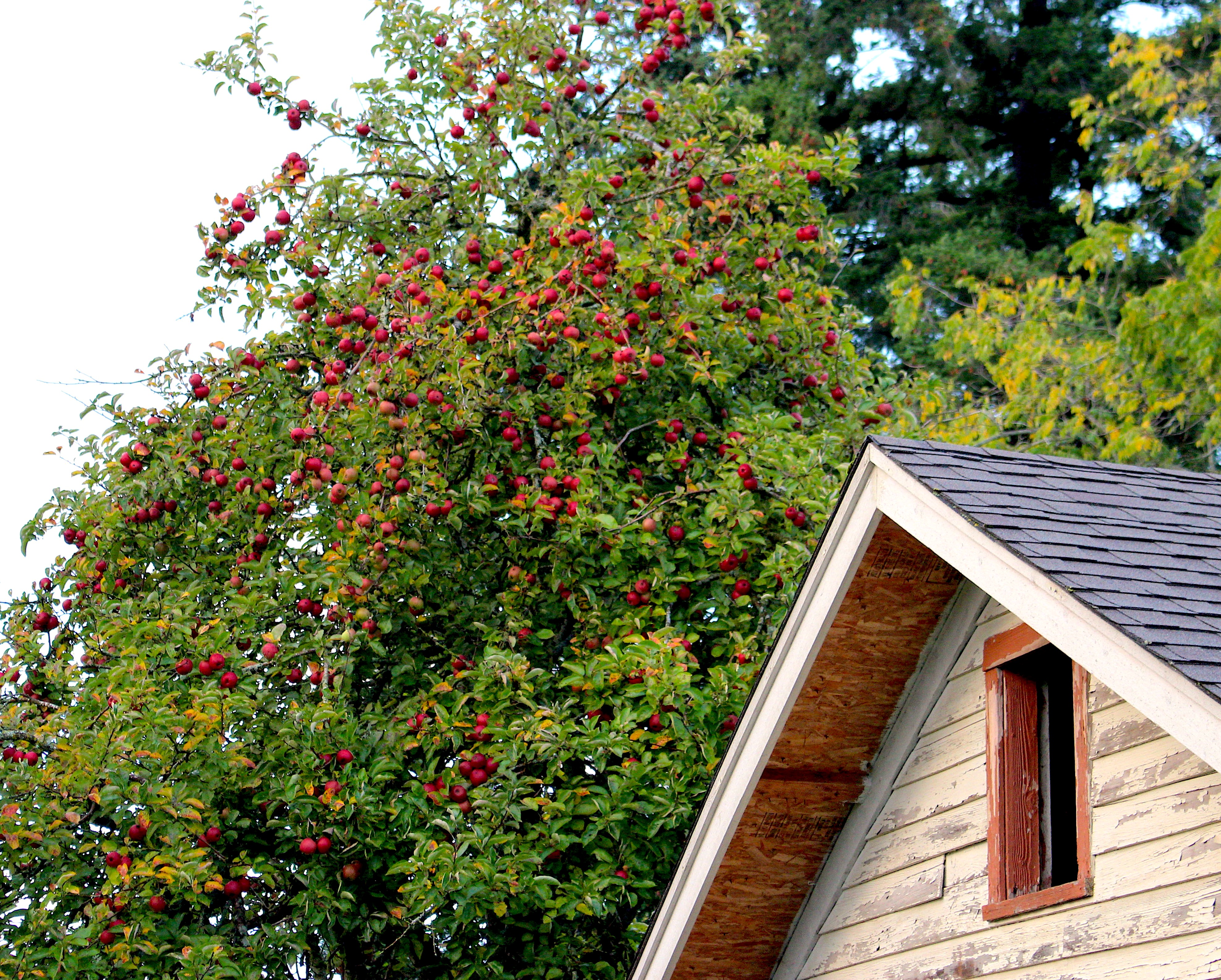
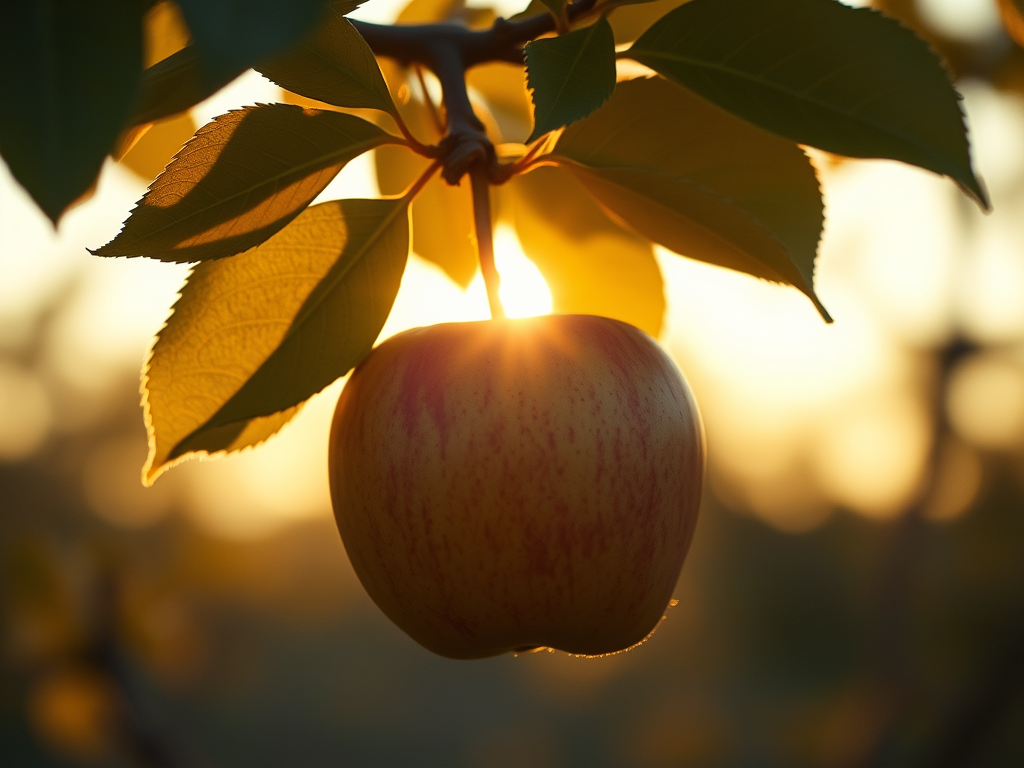
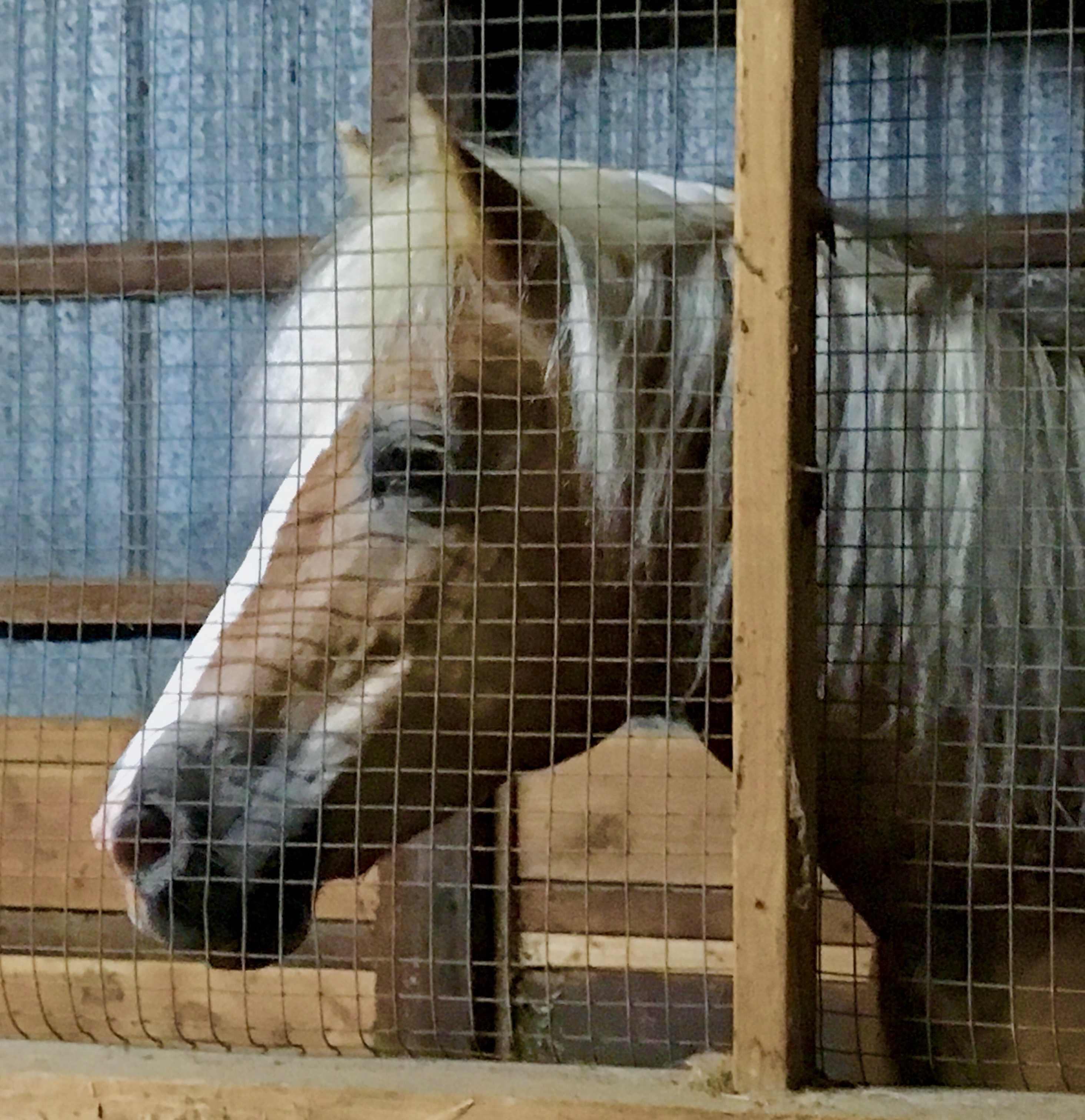
I pick up windfall apples to haul down to the barn for a special treat each night for the Haflingers. These are apples that we humans wouldn’t take a second glance at in all our satiety and fussiness, but the Haflingers certainly don’t mind a bruise, or a worm hole or slug trails over apple skin.
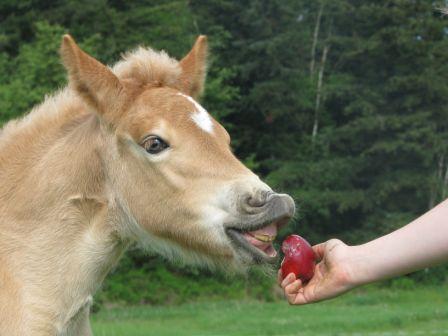
I’ve found over the years that our horses must be taught to eat apples–if they have no experience with them, they will bypass them lying in the field and not give them a second look. There simply is not enough odor to make them interesting or appealing–until they are cut in slices that is. Then they become irresistible and no apple is left alone from that point forward.
When I offer a whole apple to a young Haflinger who has never tasted one before, they will sniff it, perhaps roll it on my hand a bit with their lips, but I’ve yet to have one simply bite in and try. If I take the time to cut the apple up, they’ll pick up a section very gingerly, kind of hold it on their tongue and nod their head up and down trying to decide as they taste and test it if they should drop it or chew it, and finally, as they really bite in and the sweetness pours over their tongue, they get this look in their eye that is at once surprised and supremely pleased. The only parallel experience I’ve seen in humans is when you offer a five month old baby his first taste of ice cream on a spoon and at first he tightens his lips against its coldness, but once you slip a little into his mouth, his face screws up a bit and then his eyes get big and sparkly and his mouth rolls the taste around his tongue, savoring that sweet cold creaminess. His mouth immediately pops open for more.
It is the same with apples and horses. Once they have that first taste, they are our slaves forever in search of the next apple.
The Haflinger veteran apple eaters can see me coming with my sweat shirt front pocket stuffed with apples, a “pregnant” belly of fruit, as it were. They offer low nickers when I come up to their stalls and each horse has a different approach to their apple offering.
There is the “bite a little bit at a time” approach, which makes the apple last longer, and tends to be less messy in the long run. There is the “bite it in half” technique which leaves half the apple in your hand as they navigate the other half around their teeth, dripping and frothing sweet apple slobber. Lastly there is the greedy “take the whole thing at once” horse, which is the most challenging way to eat an apple, as it has to be moved back to the molars, and crunched, and then moved around the mouth to chew up the large pieces, and usually half the apple ends up falling to the ground, with all the foam that the juice and saliva create. No matter the technique used, the smell of an apple as it is being chewed by a horse is one of the best smells in the world. I can almost taste the sweetness too when I smell that smell.
What do we do when offered such a sublime gift from Someone’s hand? If it is something we have never experienced before, we possibly walk right by, not recognizing that it is a gift at all, missing the whole point and joy of experiencing what is being offered. How many wonderful opportunities are right under our noses, but we fail to notice, and bypass them because they are unfamiliar?
Perhaps if the Giver really cares enough to “teach” us to accept this gift of sweetness, by preparing it and making it irresistible to us, then we are overwhelmed with the magnitude of the generosity and are transformed by the simple act of receiving.
We must learn to take little bites, savoring each piece one at a time, making it last rather than greedily grab hold of the whole thing, struggling to control it, thereby losing some in the process. Either way, it is a gracious gift, and how we receive it makes all the difference.
AI image created for this post
The tree of life my soul hath seen, Laden with fruit and always green; The trees of nature fruitless be, Compared with Christ the Apple Tree.
His beauty doth all things excel, By faith I know but ne’er can tell The glory which I now can see, In Jesus Christ the Appletree.
For happiness I long have sought, And pleasure dearly I have bought; I missed of all but now I see ‘Tis found in Christ the Appletree.
I’m weary with my former toil – Here I will sit and rest awhile, Under the shadow I will be, Of Jesus Christ the Appletree.
With great delight I’ll make my stay, There’s none shall fright my soul away; Among the sons of men I see There’s none like Christ the Appletree.
I’ll sit and eat this fruit divine, It cheers my heart like spirit’al wine; And now this fruit is sweet to me, That grows on Christ the Appletree.
This fruit doth make my soul to thrive, It keeps my dying faith alive; Which makes my soul in haste to be With Jesus Christ the Appletree.
One-Time
Monthly
Yearly
Make a one-time or recurring donation to support daily Barnstorming posts
The clouds are low as a blanket. Even the air is tangible, and the steam from the kettle thickens the air like wool. Harvest is full on us; the pressure to preserve builds like a thunderhead.
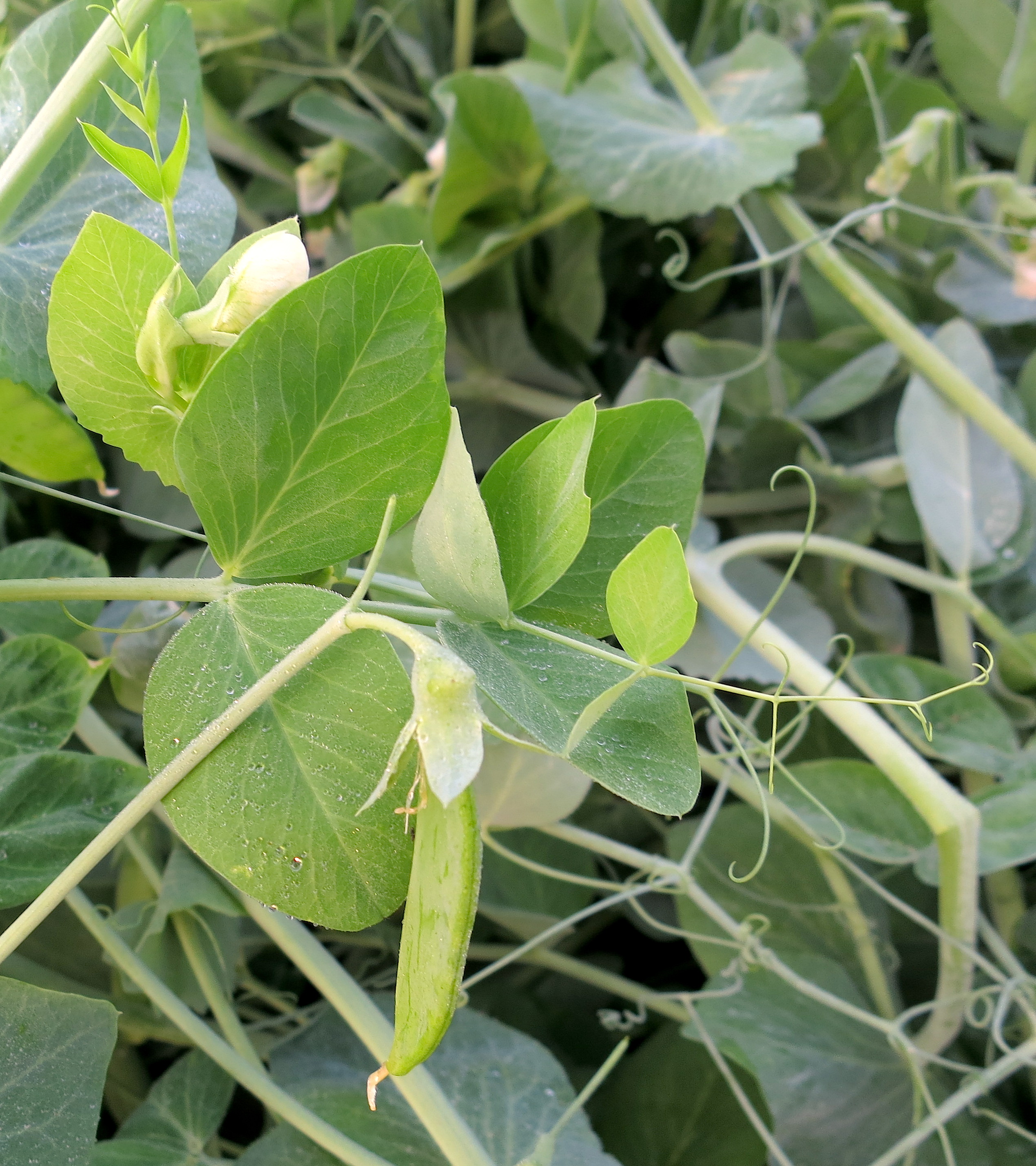
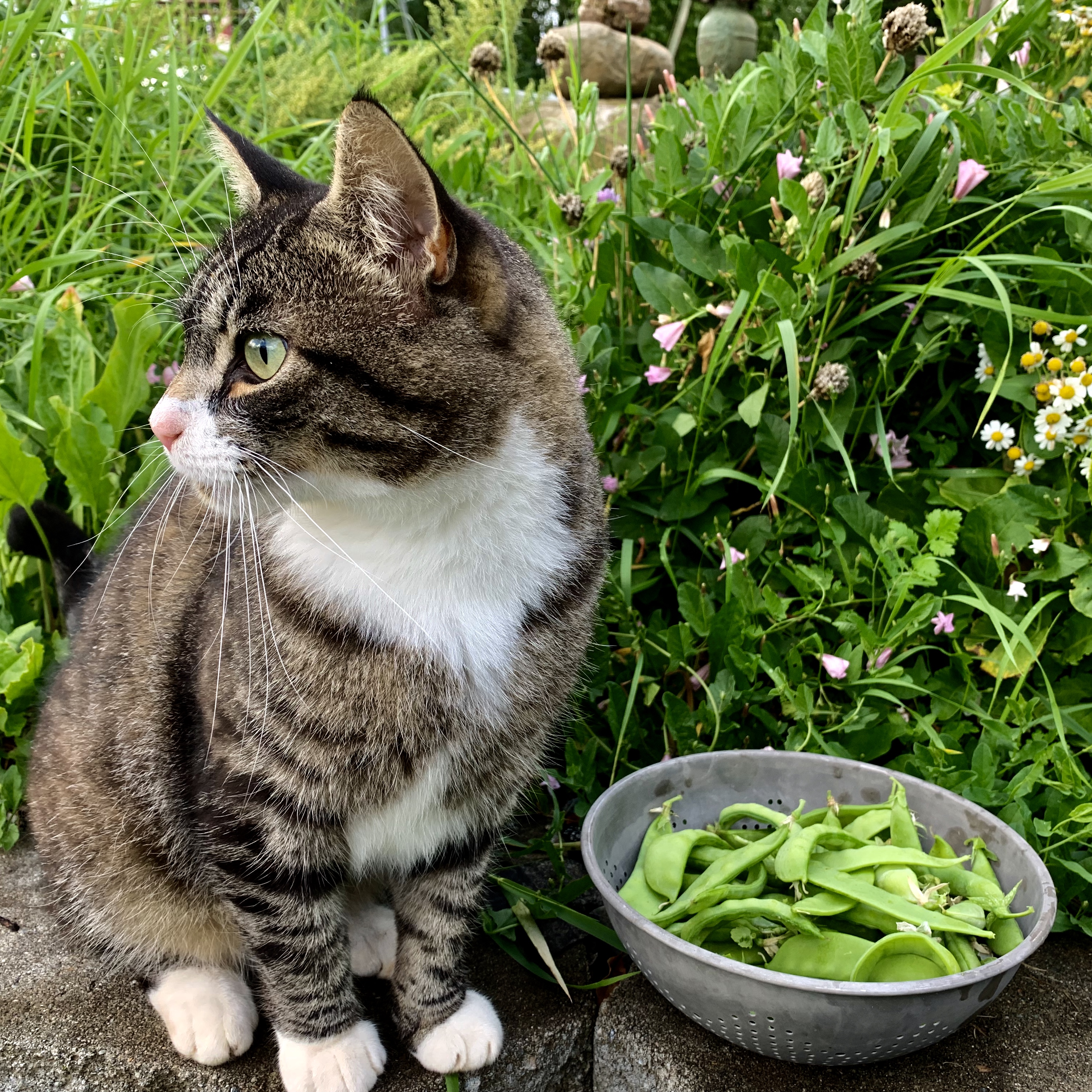
Shelling peas is fun at first, slitting open the perfect pods, working in rhythm to the pelter of peas ringing in the pot. But then our arms and shoulders ache, the seeds rattle, hollow as bones, and though we should rejoice, another bushel groans before us.
But there in the blancher, the new peas shine fresh and wet, green as emeralds; summer’s sweetness, to be shelved with the long ripe days, eaten with relish, as the butter and juice run in our mouths rare as dandelion wine. ~Barbara Crooker “Putting Up”
My earliest childhood memories include the taste and smell of fresh peas. We lived in farming country north of Seattle where 50 years ago hundreds of acres of peas were grown for canning and freezing. During the harvest, large pea harvesting machines would arrive for several days and travel down the road in caravans of 10 or 12, going from farm to farm to farm. They worked 24 hours a day to harvest as quickly as possible and traveled the roads late at night because they were so huge, they would take up both lanes of the country roads. Inevitably a string of cars would form behind the pea harvesters, unable to pass, so it became a grand annual parade celebrating the humble pea.
The smell in the air when the fields were harvested was indescribable except to say it was most definitely a “green” and deliciously fresh smell. The vines and pods would end up as silage for cattle and the peas would be separated to go to the cannery. I figured those peas were destined for the city dwellers because in our back yard garden, we grew plenty of our own.
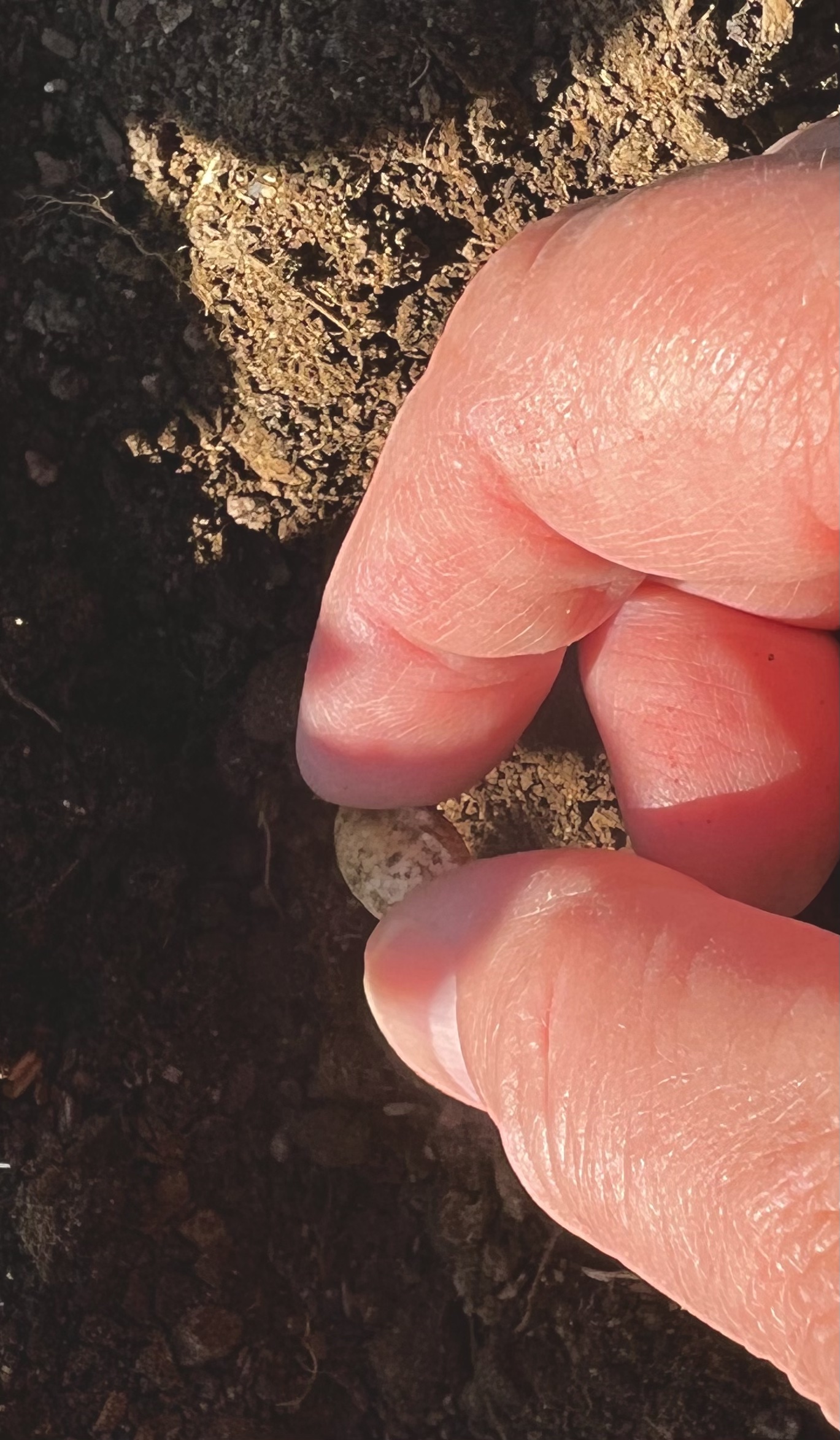
Pea seeds, wrinkled and frankly a little boring, could be planted even before the last frost was done with us in March, or even sometimes on Washington’s birthday in February. The soil needed to not be frozen and not be sopping. True, the seeds might sit still for a few weeks, unwilling to risk germination until the coast was clear and soil warmed a bit, but once they were up out of the ground, there was no stopping them. We would generally have several rotations growing, in the hope of a 6 week pea eating season if we were fortunate, before the heat and worms claimed the vines and the pods.
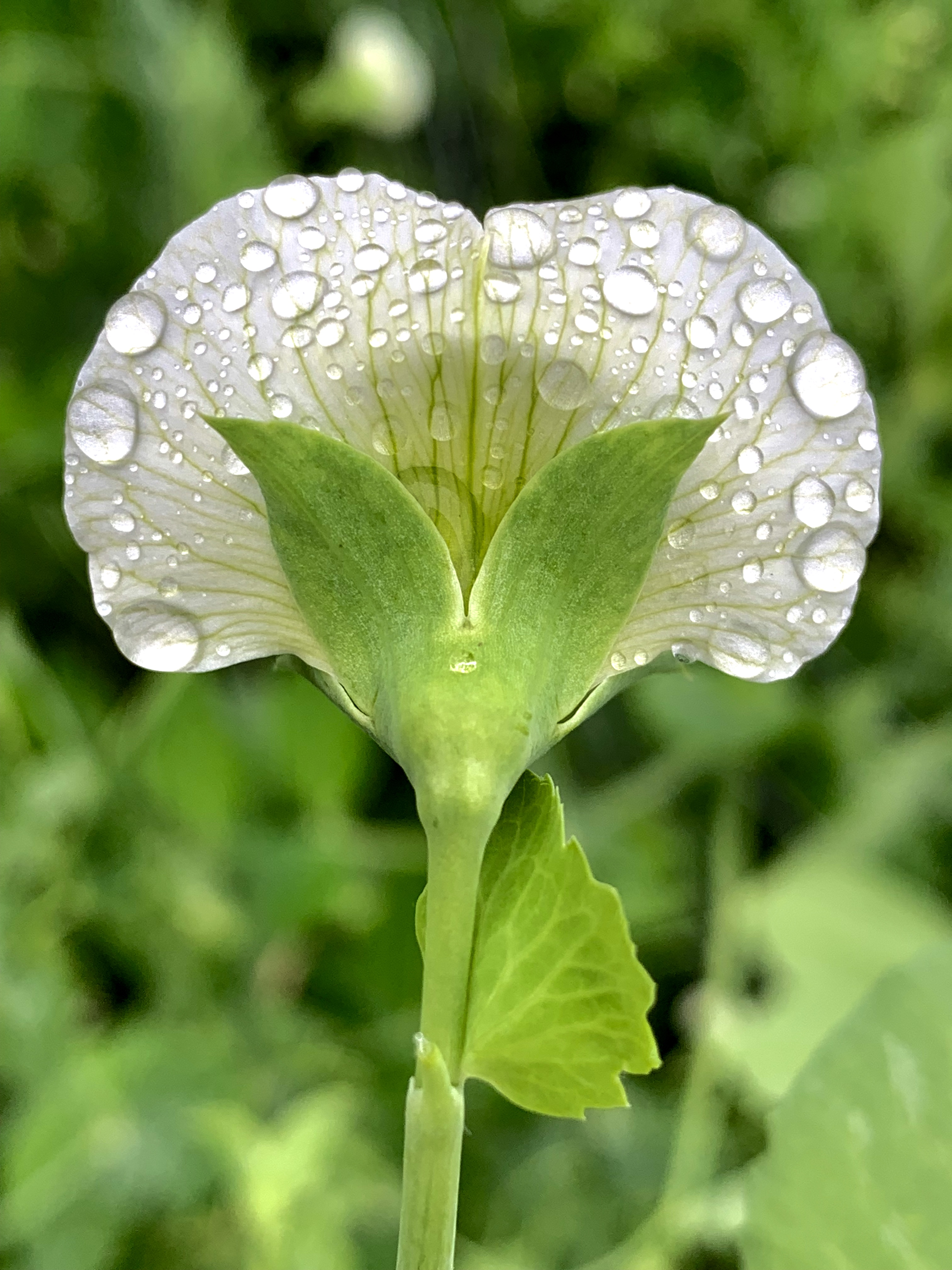
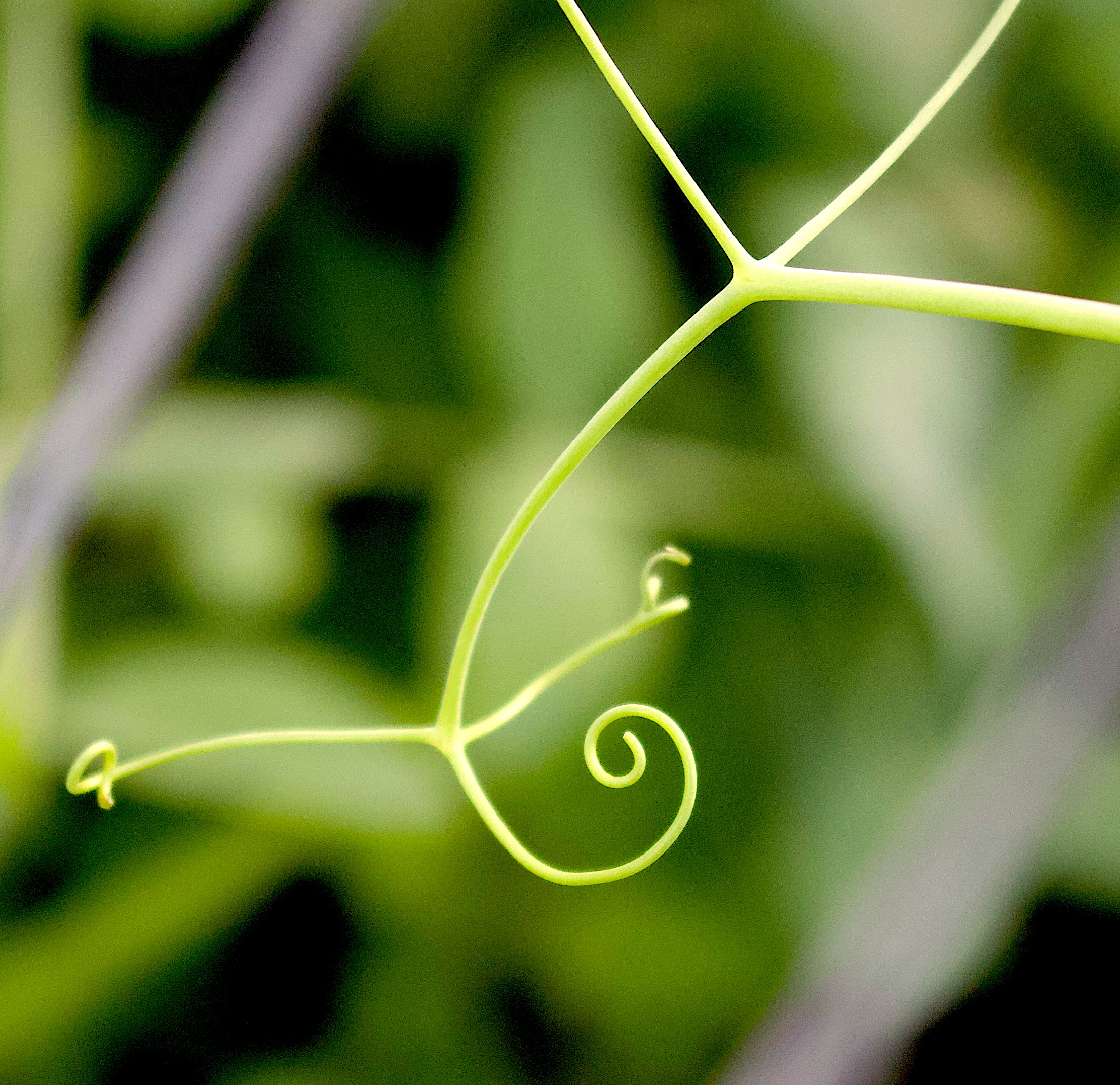
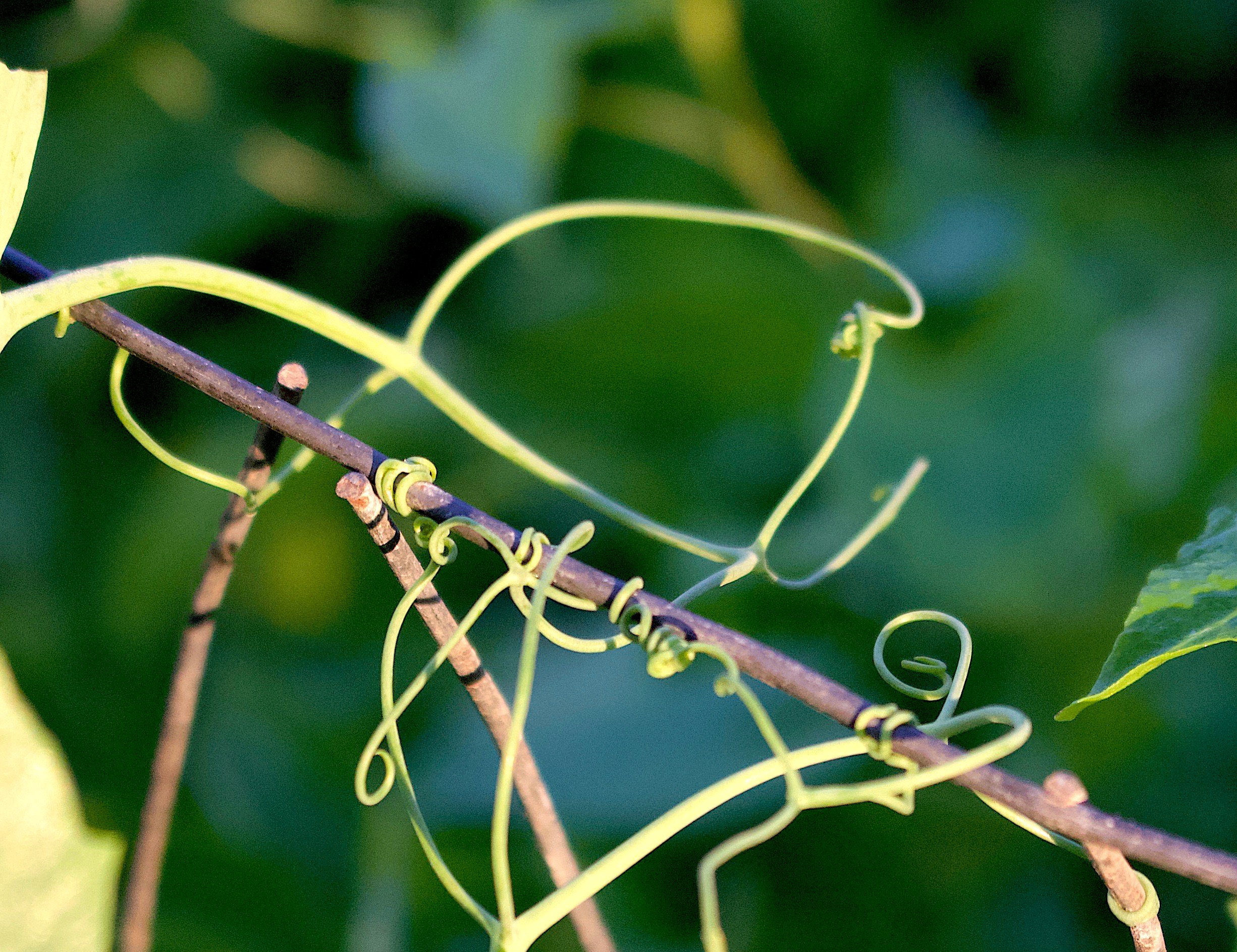
We always planted telephone peas, so the support of the vines was crucial–we used hay twine run up and down between two taut smooth wires attached high and low between two wooden posts. The vines could climb 6 feet tall or better and it was fascinating to almost literally watch the pea tendrils wind their way around the strings (and each other), erotically clinging and wrapping themselves in their enthusiasm.
Once the pods start to form, impatience begins. I’d be out in the garden every day copping feels, looking for that first plump pod to pick and pop open. It never failed that I would pick too soon, and open a pod to find only weenie little peas, barely with enough substance to taste. Within a day or two, however, the harvest would be overwhelming, so we’d have to pick early in the morning while the peas were still cool from the night dew.
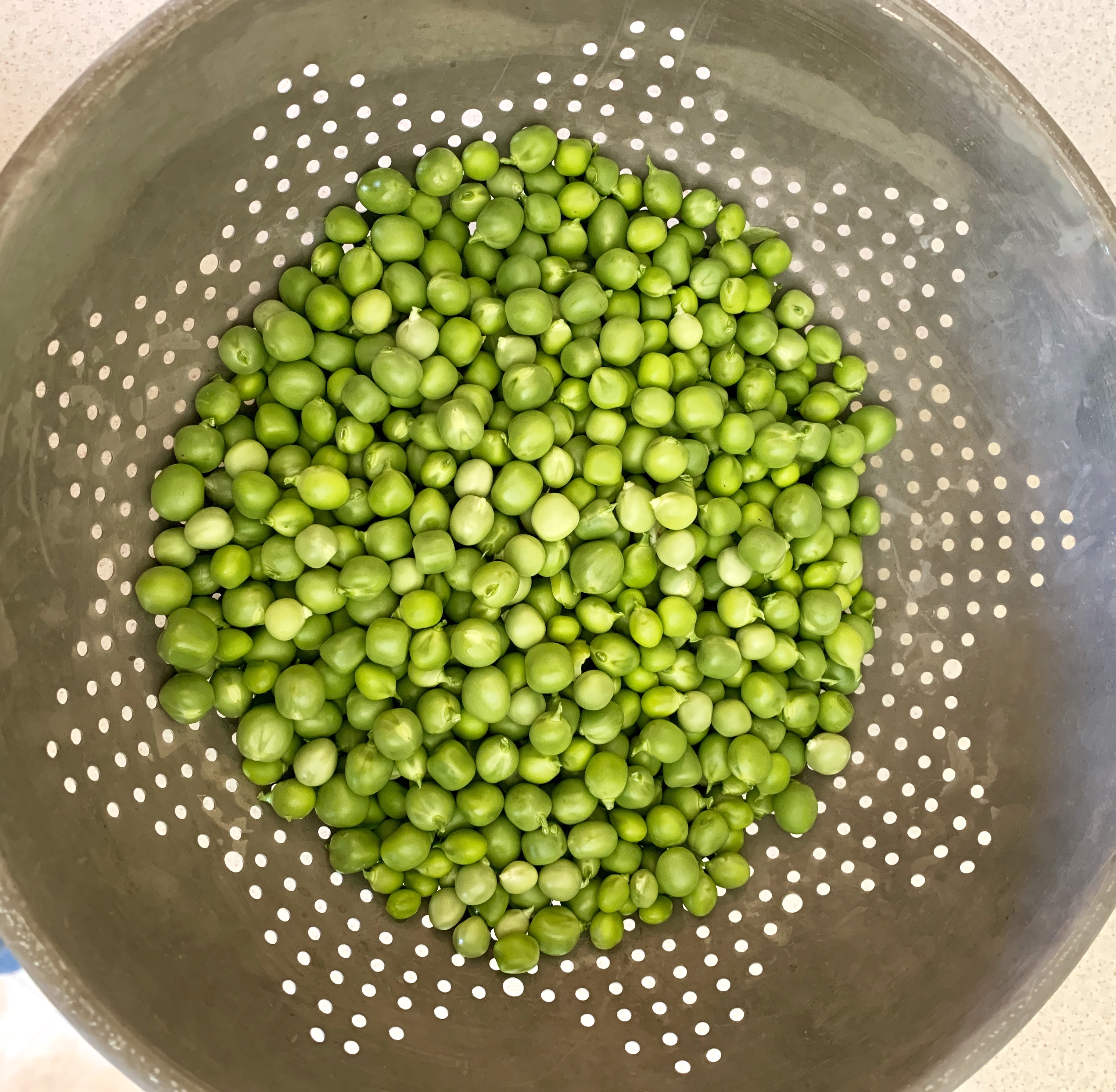
Then it was shelling time, which involved several siblings on a back porch, one mother supervising from a distance to make sure there weren’t too many peas being pelted in pique at an annoying little brother, and lots of bowls to catch the peas and the pods. A big paper sack of intact pods would yield only a few cups of peas, so this was great labor for small yield. Opening a pod of peas is extremely satisfying though; there is a tiny audible “pop” when the pod is pressed at the bottom, and then as your thumb runs down the inner seam of the pod loosening all the peas, they make a dozen little “pings” in the bowl when they fall. A symphony of pea shelling often was accompanied by the Beach Boys and the Beatles.
Once the weather got hot, the pea worms would be at work in the pods, so then one encountered wiggly white larvae with little black heads and their webs inside the pods. We actually had a “Wormie” song we sung when we found one, even in the 60’s recognizing that our organic garden meant sharing the harvest with crawling protein critters. The peas would be bored through, like a hollowed out jack o’lantern, so those got dumped in the discard bowl.
The dull green coat of the raw pea turns bright green during the several minutes of blanching in boiling water, then they are plunged into ice water until cool and packed in ziplock bags. Those peas are welcomed to the table during the other 11 months out of the year, sometimes mixed with carrots, sometimes with mushrooms, sometimes chased with a little fresh garlic. They are simply the most lovely food there is other than chocolate.
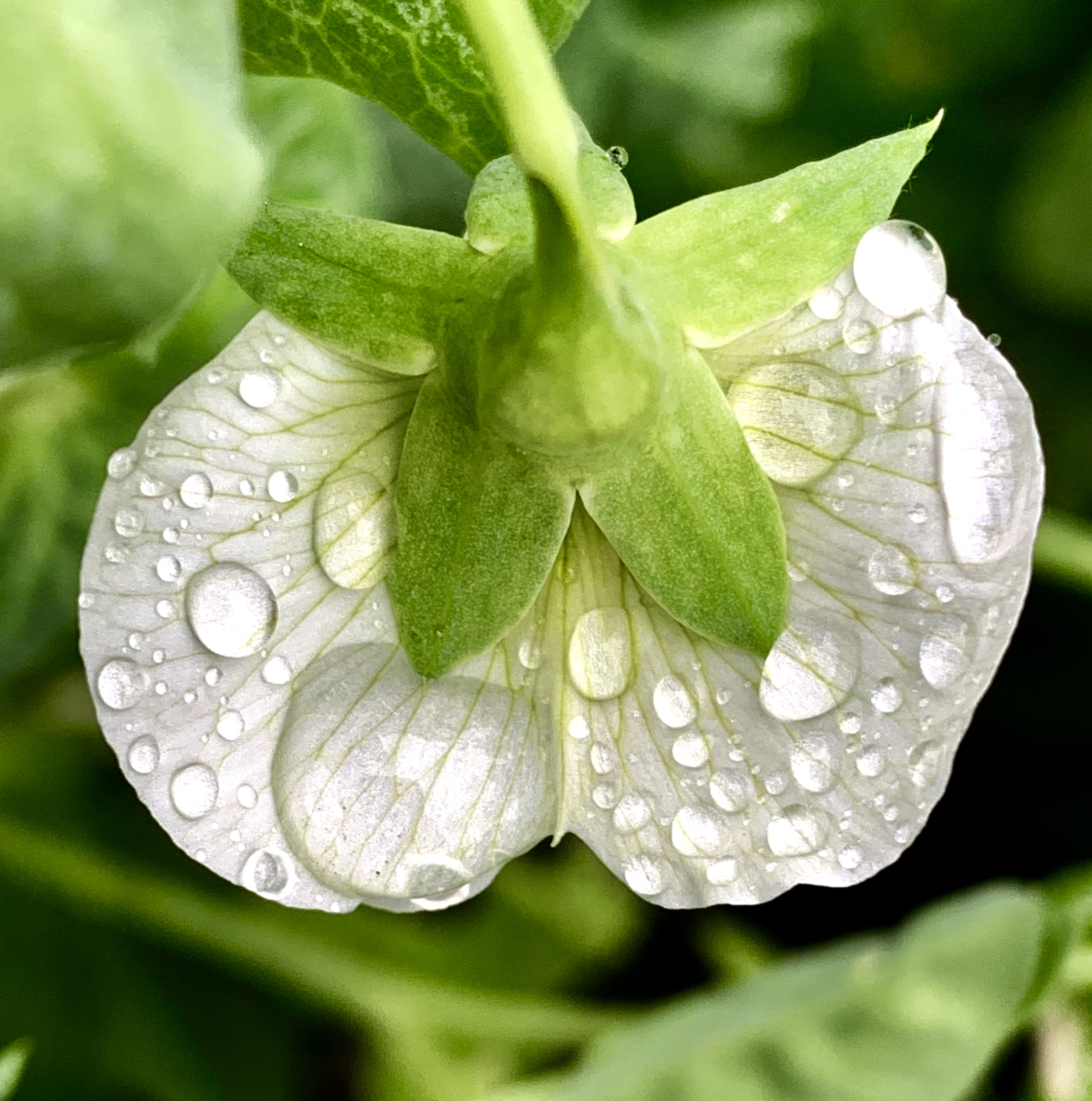
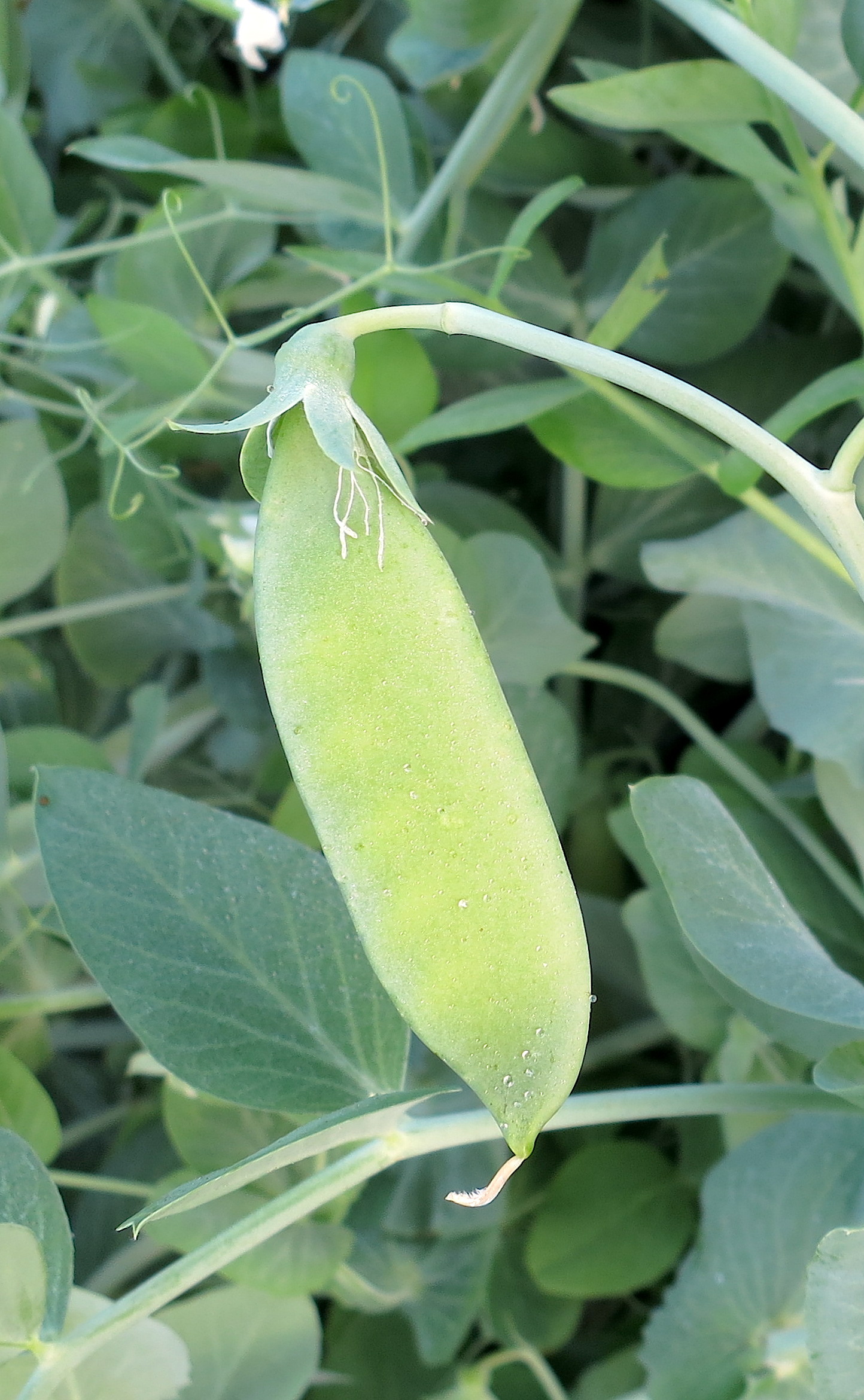
From an undistinguished pea seed to intricate vines and coiling tendrils–from pregnant pods bursting at the seams to a bounty at meals: the humble pea does indeed deserve a grand parade in the middle of the night.
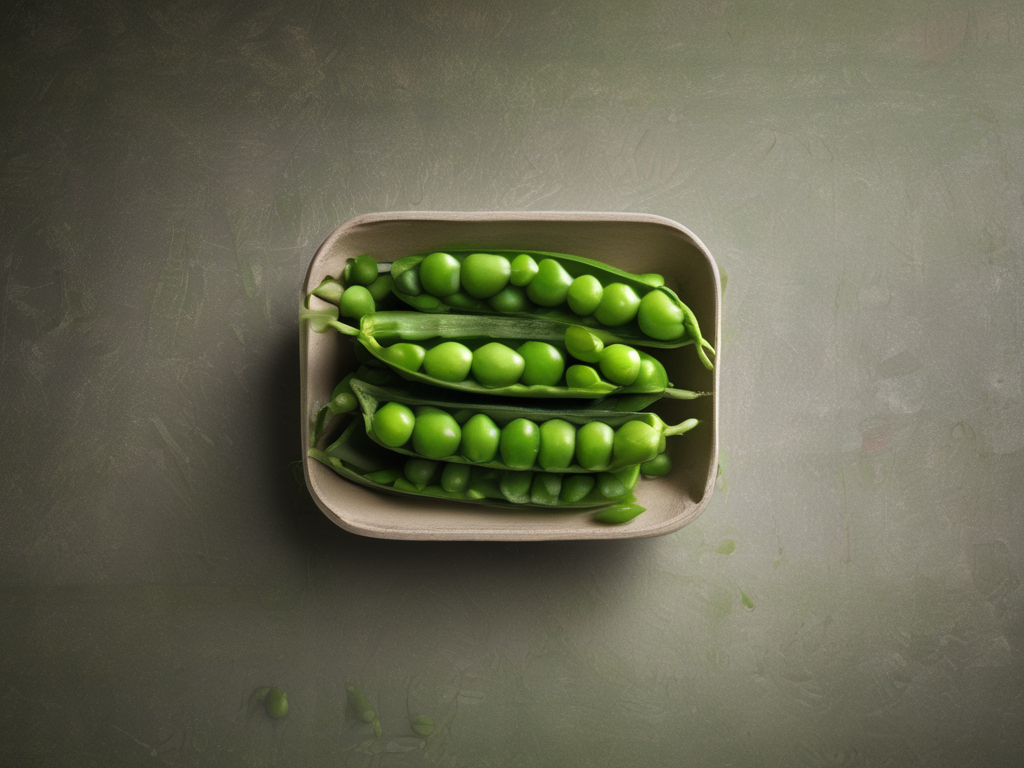
AI image generated for this post
One-Time
Monthly
Yearly
Make a one-time or recurring donation to support daily Barnstorming posts
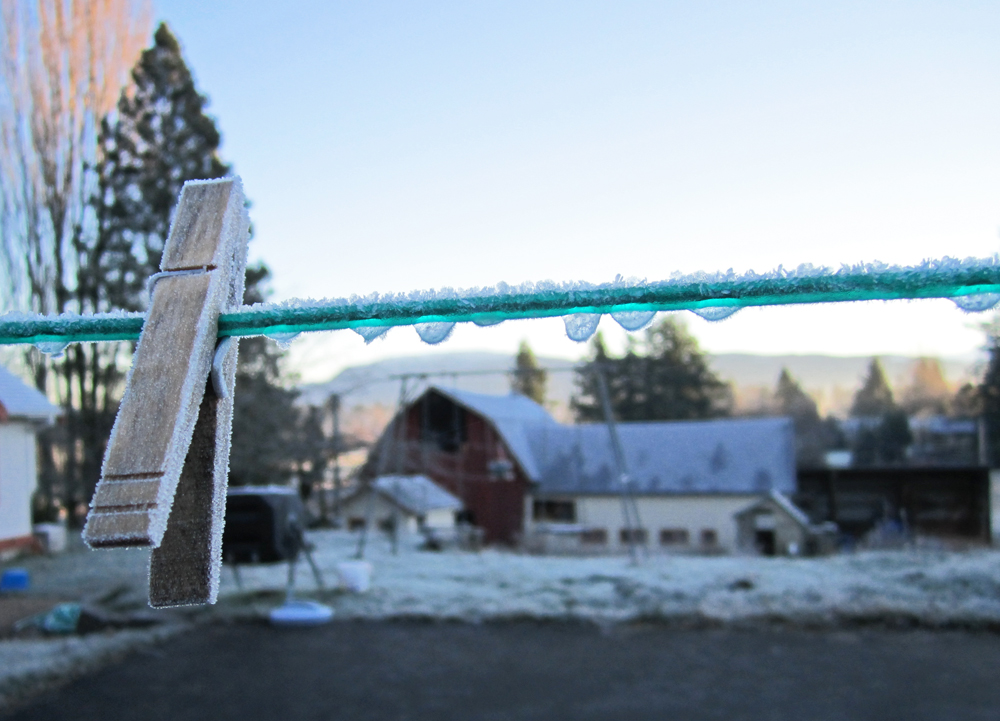
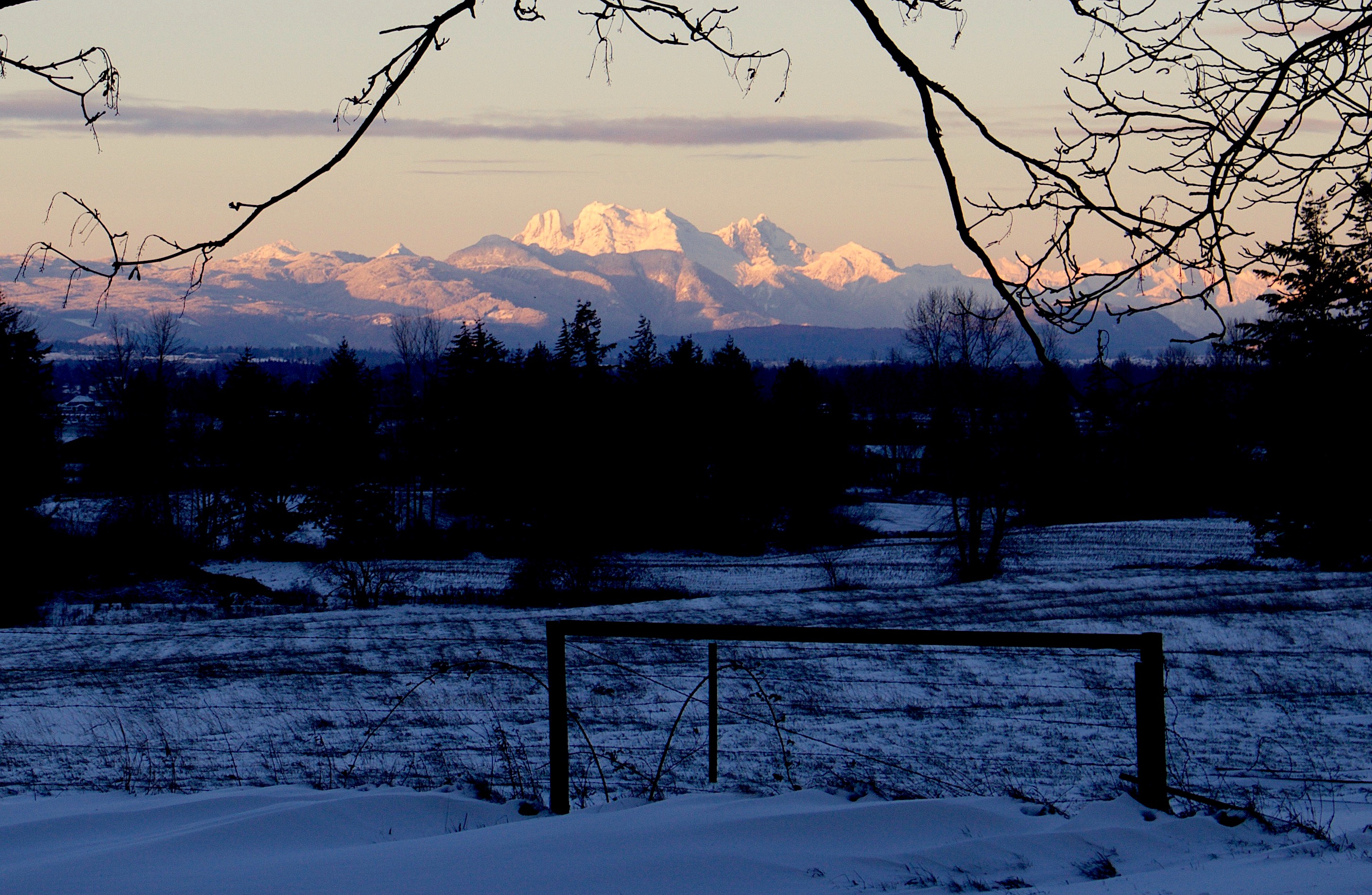
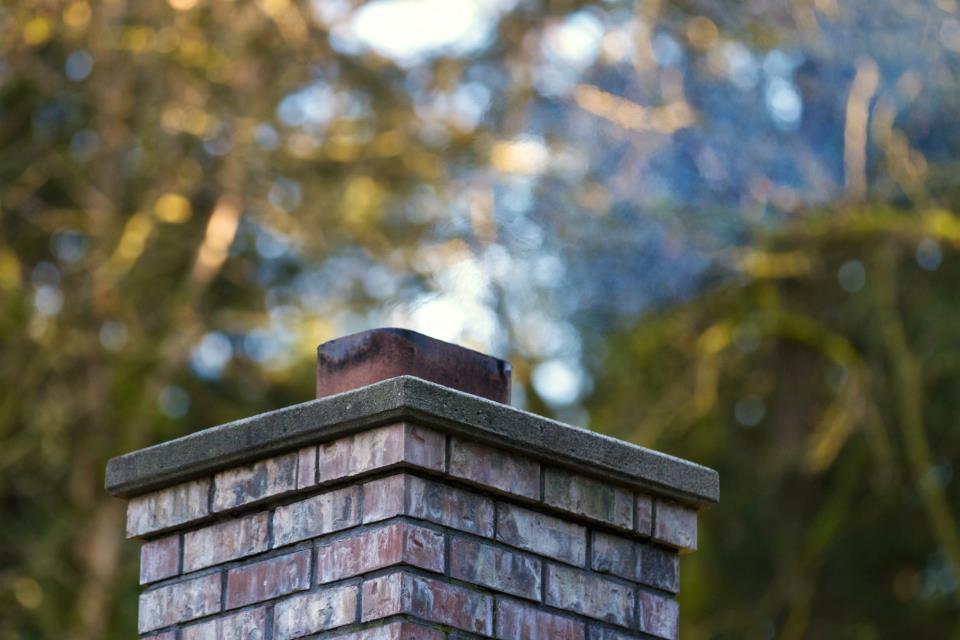
The glittering roofs are still with frost; each worn Black chimney builds into the quiet sky Its curling pile to crumble silently. Far out to the westward on the edge of morn, The slender misty city towers up-borne Glimmer faint rose against the pallid blue; And yonder on those northern hills, the hue Of amethyst, hang fleeces dull as horn.
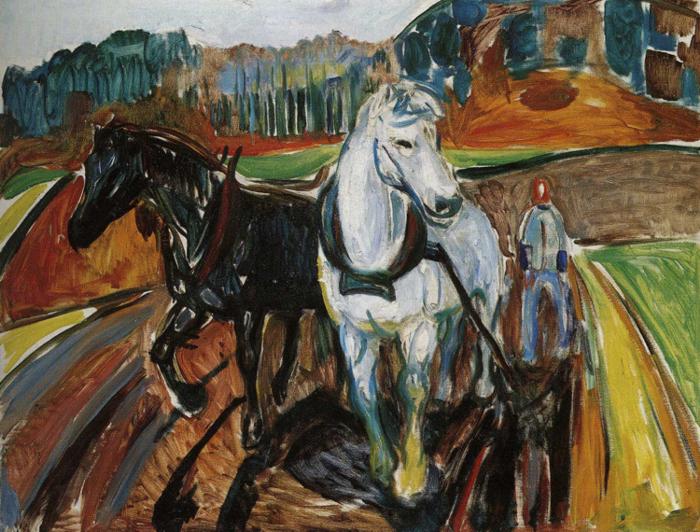
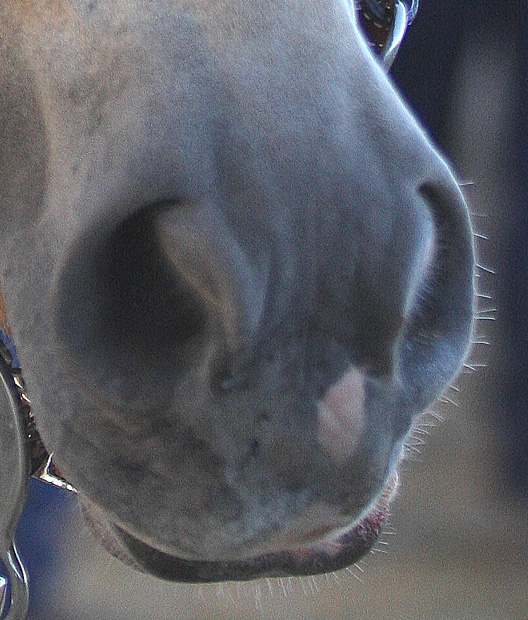
And here behind me come the woodmen’s sleighs With shouts and clamorous squeakings; might and main Up the steep slope the horses stamp and strain, Urged on by hoarse-tongued drivers–cheeks ablaze, Iced beards and frozen eyelids–team by team, With frost-fringed flanks, and nostrils jetting steam. ~Archibald Lampman “A January Morning”
photo by Josh Scholten
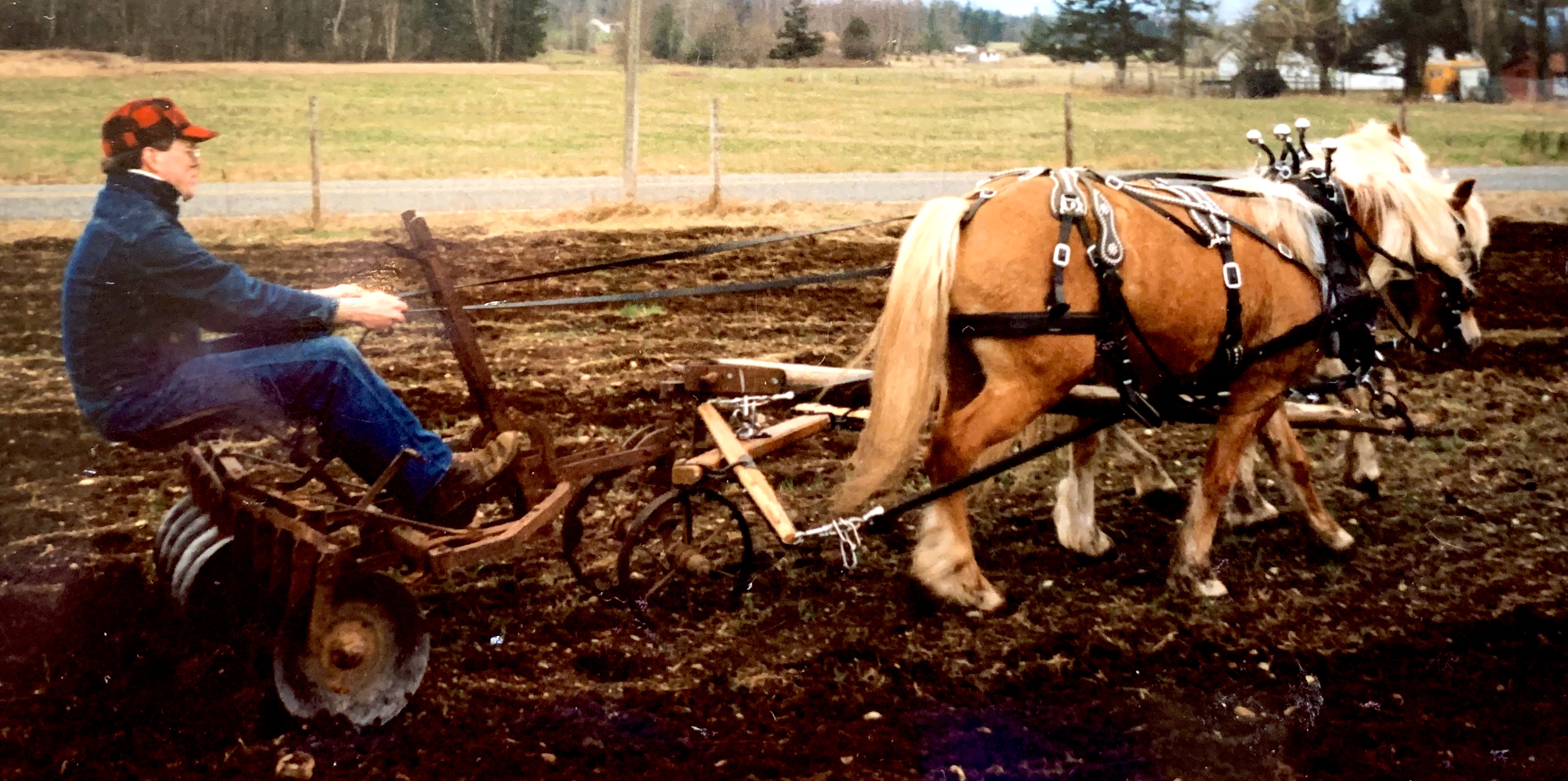
The vast majority of the world no longer depends on horse power on hooves to bring us the things we need to live every day.
Few of us depend on wood heat in our homes during these chilly January nights. Chimneys have become obsolete or merely decorative.
We live in a farm house that depended solely on wood heat to keep its original family warm through decades of brisk Pacific Northwest winters – in our remodel twenty plus years ago, we removed two wood stoves and installed a propane furnace and gas stove instead – now dependent on fossil fuels but trying to keep the air clean around us.
We also no longer have to wait, as our parents and grandparents did, on teamsters with frosted beards urging on their teams of steaming horses – pulling sleighs and wagons loaded with firewood or other goods. Now, sleek semis back up to the ramps of grocery stores and off-load their cargo into warehouse and freezers so night stockers can ensure the shelves are full for shoppers each morning.
For most of us living in a time of modern and immediate conveniences, we have little connection to the original source of the daily supplies we need and how they get to us. As descendants of subsistence farmers, my husband and I feel a relationship to the land we live on, fortunate to be able to store much of our garden and orchard produce right here in our pantry, root cellar and freezer.
And what of the horses who were so critical to the economy up until a century ago? Their role has been reduced to recreation and novelty rather than providing the essential horse power that supplied the goods we needed to live and moved us where we needed to go.
No fossil fuel necessary back then. No exhaust other than steaming nostrils and a pile of manure here or there.
We are the aging bridge generation between the end of horse power on hooves giving way to universal horse power on wheels. I remind myself of this each day as I do the chores in the barn. I’m a fortunate farmer, working alongside these animals on the edge of a frosty morning, knowing few people will remember how essential they were or have the privilege to continue to care for them as they deserve.
Here we sit as evening falls Like old horses in their stalls. Thank you, Father, that you bless Us with food and an address And the comfort of your hand In this great and blessed land. Look around at each dear face, Keep each one in your good grace. We think of those who went before, And wish we could have loved them more. Grant to us a cheerful heart, Knowing we must soon depart To that far land to be with them. And now let’s eat. Praise God. Amen. ~Gary Johnson “Table Grace”
The world begins at a kitchen table. No Matter what, we must eat to live.
The gifts of earth are brought and prepared, set on the table. So it has been since creation, and it will go on.
We chase chickens or dogs away from it. Babies teethe at the corners. They scrape their knees under it.
It is here that children are given instructions on what it means to be human. We make men at it, we make women.
At this table we gossip, recall enemies and the ghosts of lovers.
Our dreams drink coffee with us as they put their arms around our children. They laugh with us at our poor falling-down selves and as we put ourselves back together once again at the table.
This table has been a house in the rain, an umbrella in the sun.
We have given birth on this table, and have prepared our parents for burial here.
Wars have begun and ended at this table. It is a place to hide in the shadow of terror. A place to celebrate the terrible victory.
At this table we sing with joy, with sorrow. We pray of suffering and remorse. We give thanks.
Perhaps the world will end at the kitchen table, while we are laughing and crying, eating of the last sweet bite. ~Joy Harjo “Perhaps the World Ends Here”
Our life revolves around the table, whether at home or at church.
This is where we hang out late into the evening, and begin the day before dawn.
This is where prayers happen, the meals happen, the arguments happen. This is where we listen to, understand and love each other.
This is where we share what we have and eat and are fed and this is where God provides for us daily.
One of the hardest parts of the pandemic is that the virus finds people who sing and talk together around a table, and who take off their masks to eat together. Truly this Enemy has found a way to keep people away from one another, caring for one another and being nourished together.
We think of those who went before and wish that we could have loved them more.
Let us love one another now, while we can, when we can, and we shall feast together later.
Perhaps the world will end at the kitchen table, while we are laughing and crying, eating of the last sweet bite.
He was a new old man behind the counter, skinny, brown and eager. He greeted me like a long-lost daughter, as if we both came from the same world, someplace warmer and more gracious…
…his face lit up as if I were his prodigal daughter returning, coming back to the freezer bins in front of the register which were still and always filled with the same old Cable Car ice cream sandwiches and cheap frozen greens. Back to the knobs of beef and packages of hotdogs, these familiar shelves strung with potato chips and corn chips…
I lumbered to the case and bought my precious bottled water and he returned my change, beaming as if I were the bright new buds on the just-bursting-open cherry trees, as if I were everything beautiful struggling to grow, and he was blessing me as he handed me my dime over the counter and the plastic tub of red licorice whips. This old man who didn’t speak English beamed out love to me in the iron week after my mother’s death so that when I emerged from his store my whole cock-eyed life – what a beautiful failure ! – glowed gold like a sunset after rain. ~Alison Luterman from “At the Corner Store”
During the COVID-19 quarantine, we’ve chosen to shop at small locally owned markets in our rural county rather than the large chain groceries we usually frequent. They are less busy, more personal and desperately need the business. As we walk in, we are greeted with “hi kids, let me know if I can help you find anything!” – there is something nice about two gray heads being called “kids” because in our hearts, we still are – see below.
Yesterday, the market cashier/manager noticed a cane that had been left in one of the aisles and said “oh, Harry must have left his cane behind again, I guess he won’t get too far without it so I’ll leave it right here by the door for when he comes to get it.”
You wanna go where everybody knows your name…
These stores make me think of the rural markets only a couple miles from where I grew up in two different communities in Washington state. These were the stores that often provided the basic provisions for farm families like ours, as well as an informal community gathering spot. In Garrison Keillor’s Lake Woebegon, it’s called Ralph’s Pretty Good Grocery, where “if you can’t find it at Ralph’s, you can probably get along (pretty good) without it.”
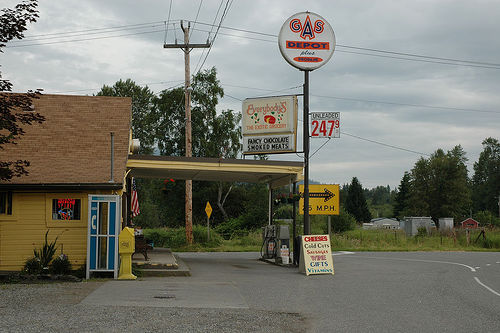
It still wasn’t that unusual in the fifties and sixties for a rural “mom and pop” operation to have a small grocery store in the front part of their refurbished home, often with a single gas pump sitting in the front yard. The store had a reversible sign in the front window that said OPEN from dawn to dusk, unless the store owner needed a shower or a nap. When you’d walk through the creaky front screen door, it slammed behind you with a bang, automatically notifying the store owner in the back of the house a customer had arrived. They knew us by name, knew what our typical purchases would be, and always enjoyed a chat to catch up on the neighborhood news. It meant a cup of tea or some pretty powerful coffee for mom and a stick of chewing gum for the kids.
There was always a cork board for flyer postings, with hand written notices of the latest community events, plus “for sale”, “for free”, or “lost” items. There might be a polaroid picture of “Tinkerbelle — looking for our lost cat, children can’t stop crying” , or a hastily scribbled note from a harried mother “seeking a mother’s helper to do laundry and ironing”, or “free puppies–take your choice.” This was “Craig’s List” before Craig was born.
Sitting at the intersection of farm roads, corner stores were a natural outlet for local produce to be sold, from fresh eggs to seasonal berries and fruit, to pumpkins and squash piled up in the front yard in the fall. Some store owners even did their own butchering and meat cutting before regulations made it too difficult to meet government standards.
The “bread and butter” for a store to thrive and stay in business was just that: they supplied the basic staples that families might need in a pinch– cornflakes and cheerios, loaves of Wonder bread and milk, bags of sugar and flour, toilet paper and wieners, Crisco for a pie crust or a cube of butter for baking cookies, Elmer’s Glue, scotch tape and construction paper for rainy day art projects. Children were frequently sent on errands to the corner store on foot, or on their bicycles, or occasionally on their horses to get some immediately needed missing item.
Or perhaps they were sent to the corner store with a list just to get them out of their mothers’ hair.
The motivation for kids to make the store trip was the reward of a cold soda pop or an ice cream bar in the summer, hot chocolate with a marshmallow in the winter, and a carefully selected variety of treats from the bulk candy bins. I had a particular affinity for multicolored jawbreakers and red licorice whips.
The store my mother frequented in the tiny hamlet of East Stanwood, Washington had pretty much everything she needed, and the shopkeeper always had a fresh cookie for my brother and me. We often brought extra eggs from our flock that mom would bring in for credit, but our raw Guernsey cow milk could not be sold through the store so was sold directly to our neighbors instead.
Once we moved to a rural neighborhood outside Olympia, Washington, the local corner store was at the “otherwise nothin’ happening” corner of Libby Road and Ames Huntley Road, almost three miles away from our little farm on Friendly Grove Road. It was a long walk, though an easy bike ride along narrow country roads. We kids could usually think of a good excuse at least twice a week during the summer to make that trek to the store and stock up. My older sister would ride her horse to the store, using a telephone pole as a hitching post while she shopped.
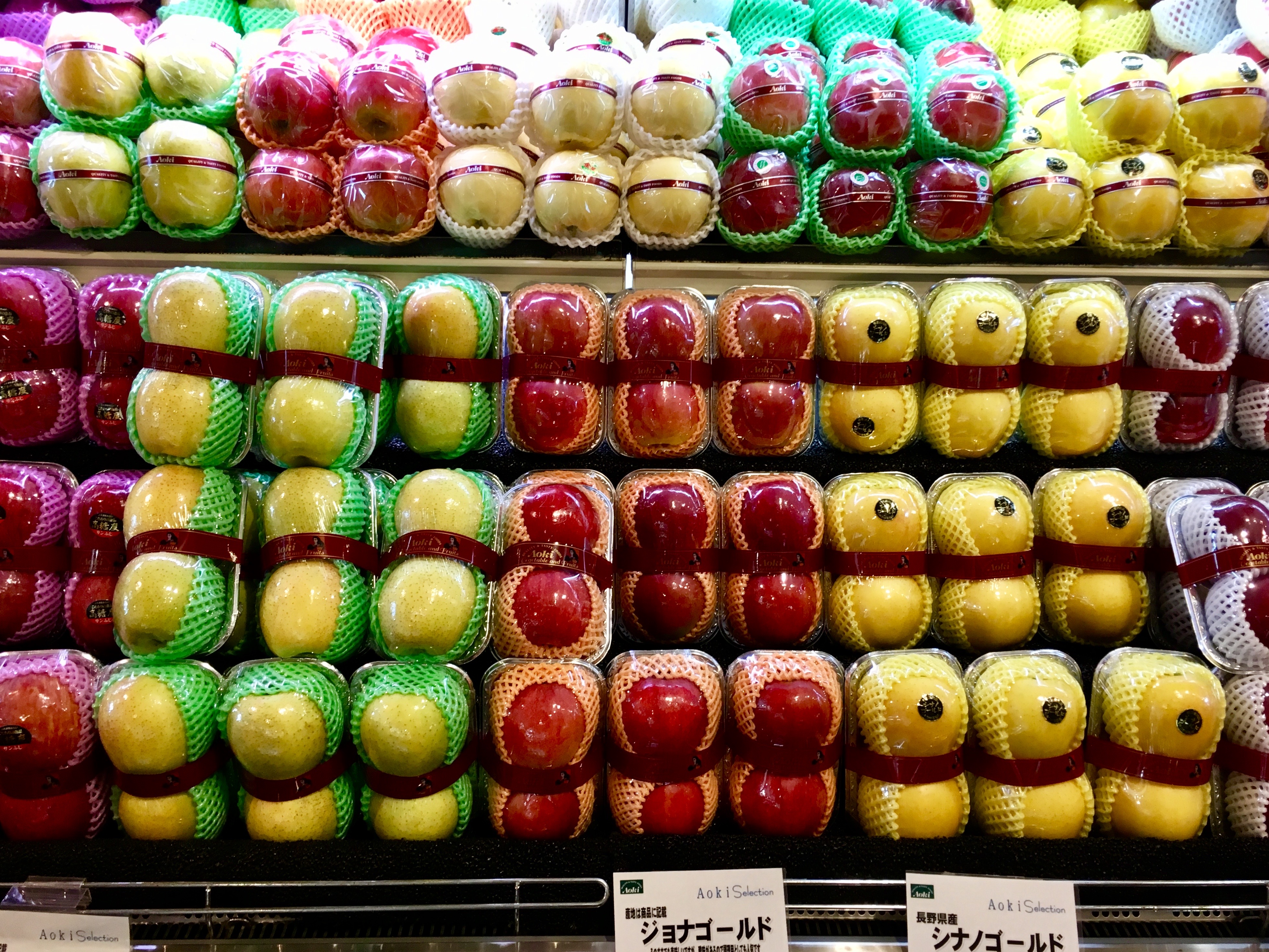
On our visits to family in Japan, there are plenty of small family-owned corner markets in the huge cities, each with their own flavor and personality matching their owners. It’s good to see the persistence in the U.S. of small local markets that actually sell produce, not just convenience store beer, cigarettes and lottery tickets. With the emphasis to “eat local” and county farmers marketing and selling their own produce, there are more of these now in our area.
Just a few miles from us is a market owned by an East Indian family and has an eclectic combination of curries, chili peppers, and all kinds of spices and ethnic ingredients sought by our local Hispanic and Indian farm neighbors.
There is an orchard nearby that has opened a store not only marketing their boxes of apples, but also sells cider, frozen apple pies ready to bake and home ground honey peanut butter.
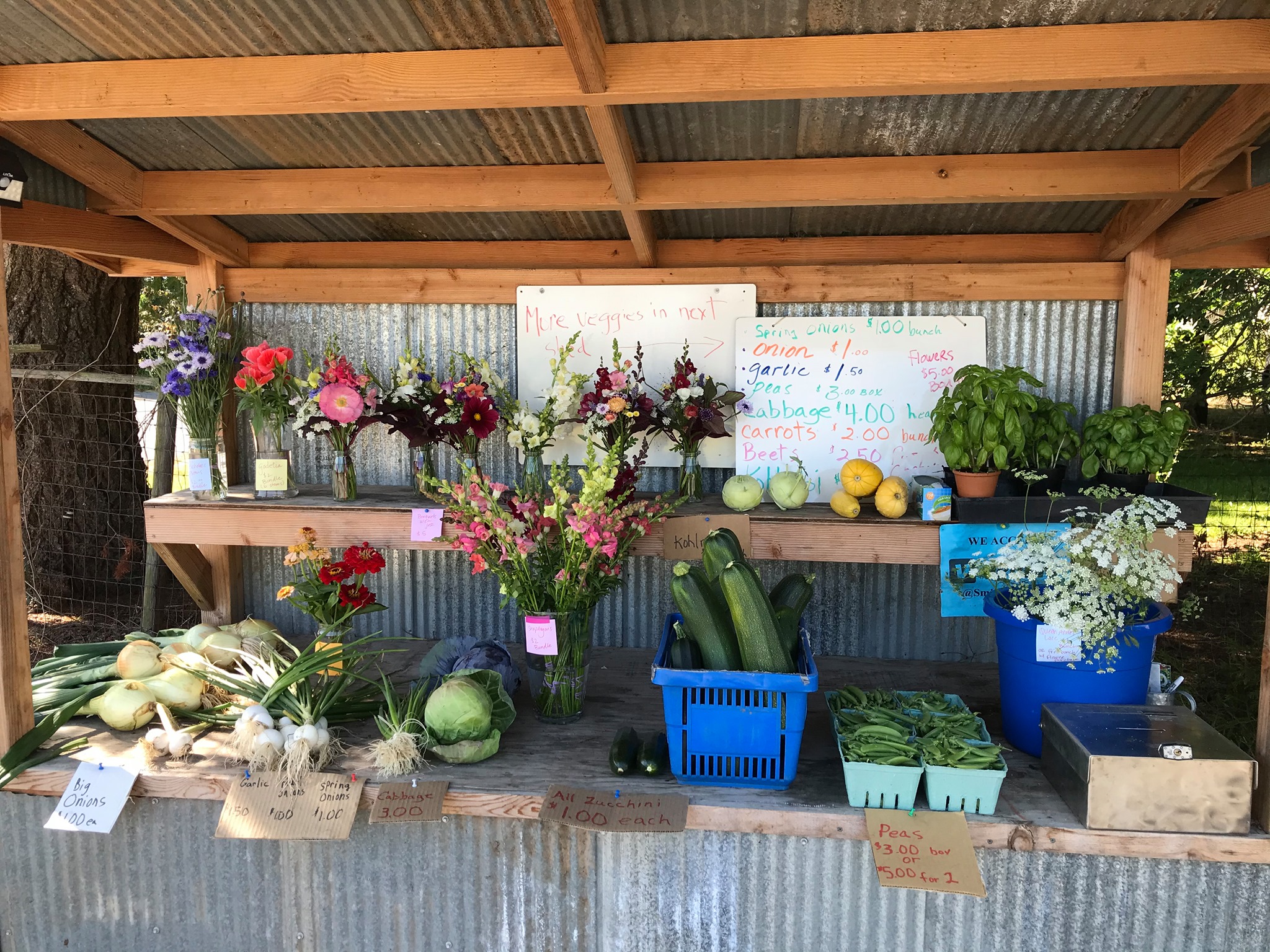
We have local dairies producing their own homogenized pasteurized milk and ice cream, others making and selling cheese, some that raise grass fed organic beef and lamb, as well as heritage breed pork and turkeys. This time of year there are lots of end-of-the-driveway vegetable and flower stands as farmers sell their wares on the honor system, with the money going into a lock box right there by the road.
It almost feels like going home again. When I walk into a small market, it is tempting to think of pulling up a chair next to a wood burning stove, sipping a cup of tea and catching up on the neighborhood news. That can’t happen with social distancing, but my hope is to help these markets survive for when, someday, we can sit and visit and learn each others’ names and stories.











 Barnstorming