Making Hay and Raising Tomatoes

autumn9271415

haymaking5

There is always an enormous temptation in all of life to diddle around making itsy-bitsy friends and meals and journeys for itsy-bitsy years on end. It is so self-conscious, so apparently moral, simply to step aside from the gaps where the creeks and winds pour down, saying, I never merited this grace, quite rightly, and then to sulk along the rest of your days on the edge of rage.

I won’t have it.

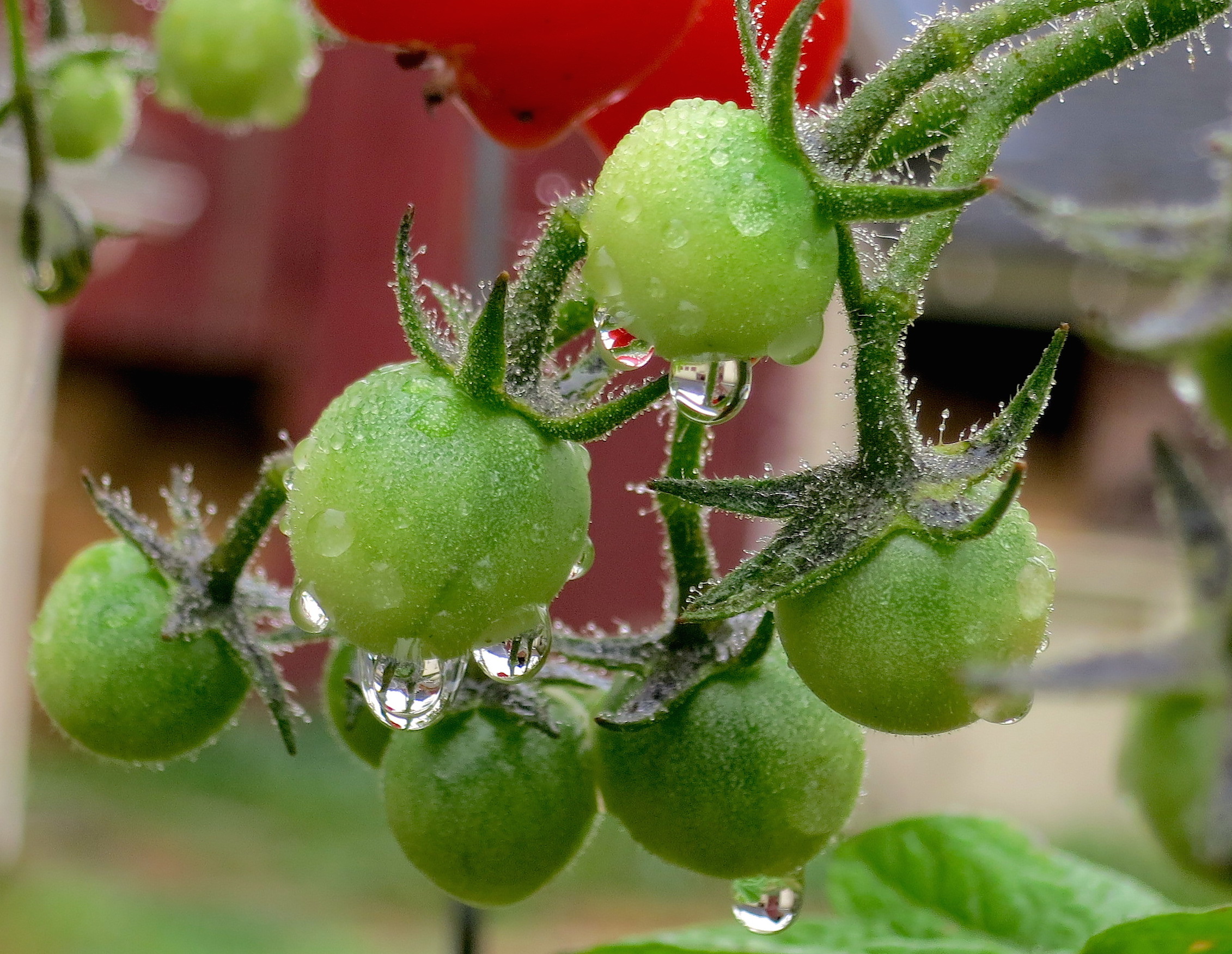
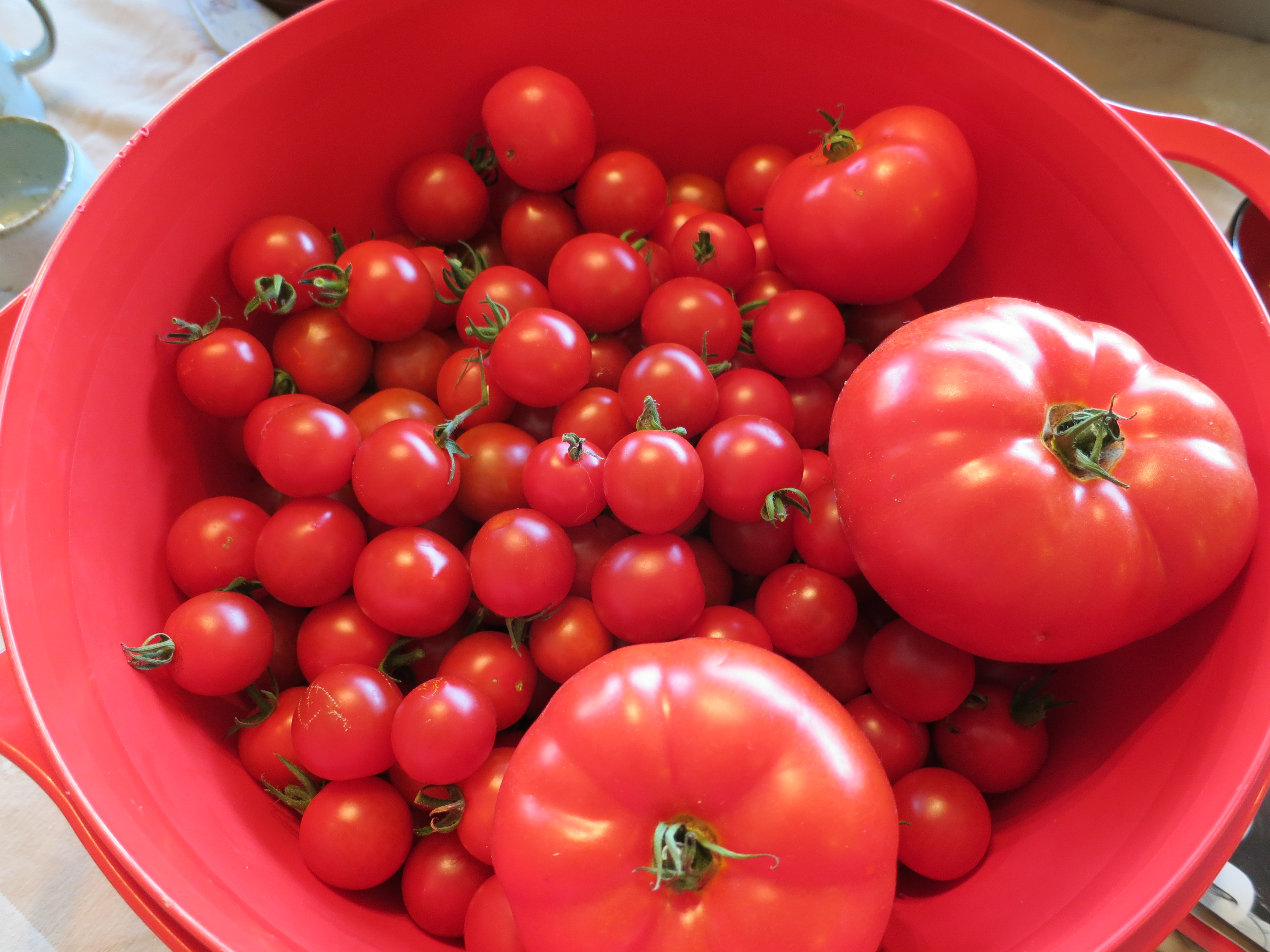
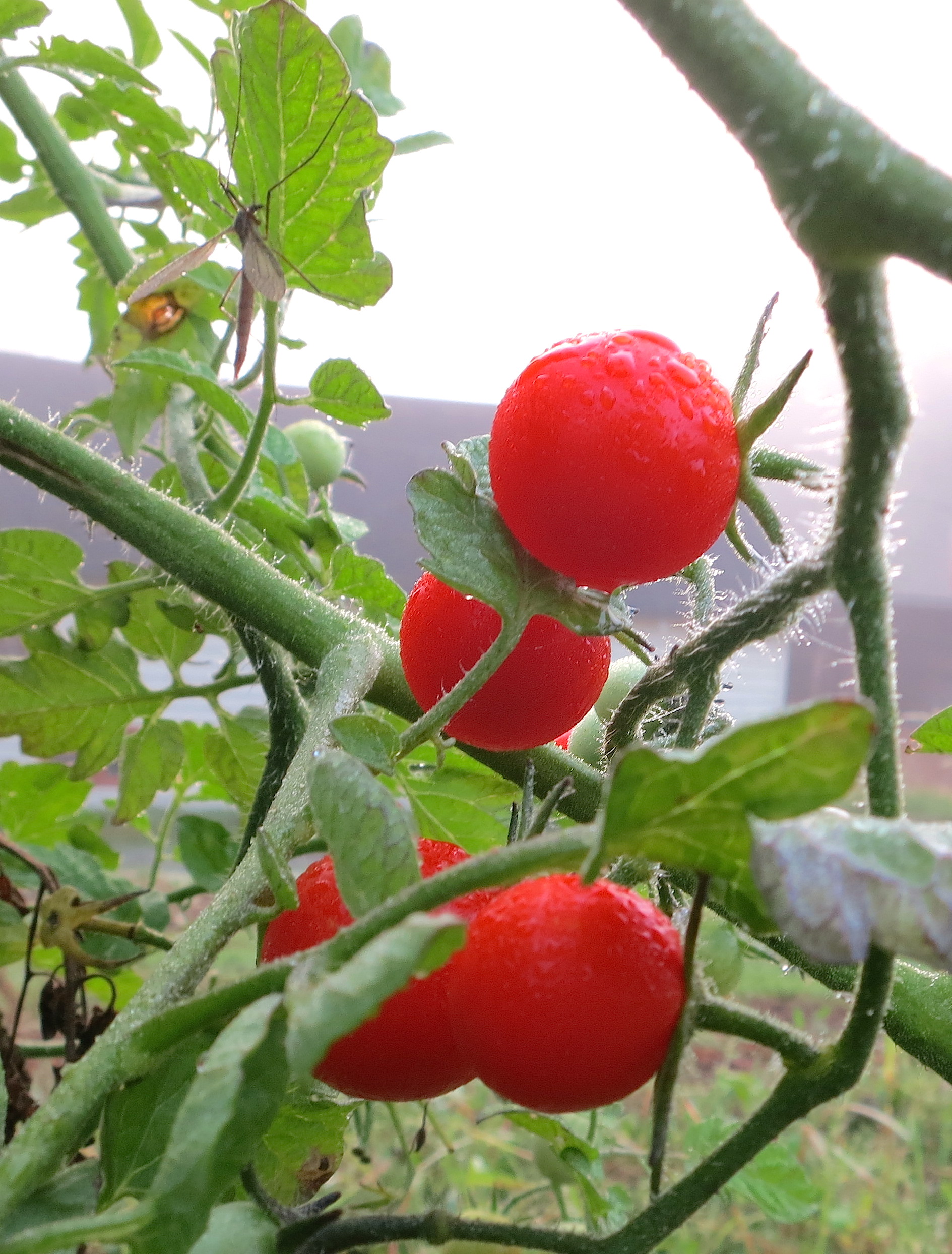
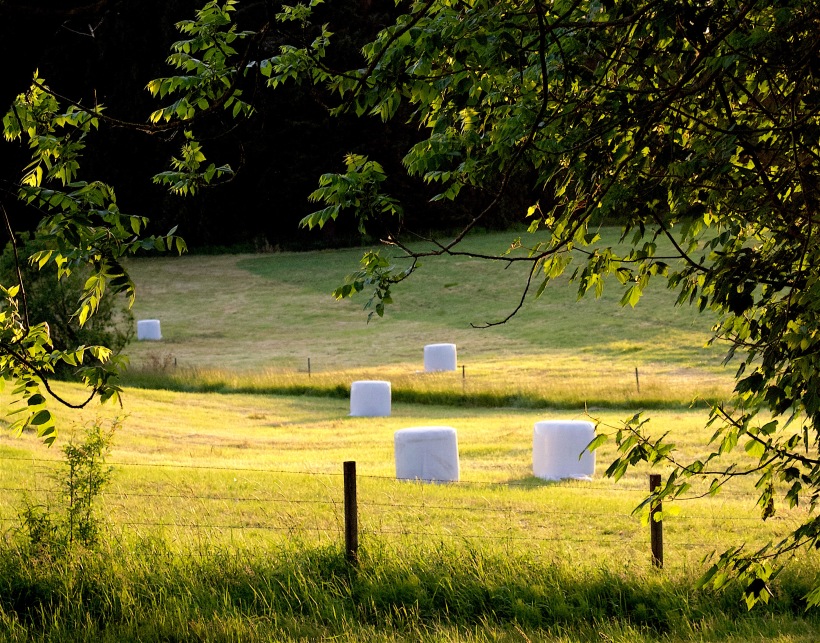
The world is wilder than that in all directions, more dangerous and bitter, more extravagant and bright. We are making hay when we should be making whoopee; we are raising tomatoes when we should be raising Cain, or Lazarus.
~Annie Dillard from Pilgrim at Tinker Creek

IMG_6147

Other than a few exceptional circumstances in my life, I have always played it safe: a down-home, don’t rock the boat, work hard and live-a-quiet-life kind of person. My grandparents lived that way, my parents lived that way so I feel like it is bound in the twists and turns of my DNA.

Even so, I do know a thing or two about sulking on the edge of rage, lost in a morass of seething bitterness about the state of the world.  Yet if I were honest about it, my discontent is all about me, always about me. I fail to measure up.

But then that is the rub: I can never deserve unmerited grace.  It is pure Gift, borne out of radical sacrifice.

And because of that Gift, I can live a life of radical gratitude, even if a little quietly.

haybarnfull

tomatobug

A Steward of Creation

rainbowfarm

marshmallowmorning1

Good farmers, who take seriously their duties as stewards of Creation and of their land’s inheritors, contribute to the welfare of society in more ways than society usually acknowledges, or even knows. These farmers produce valuable goods, of course; but they also conserve soil, they conserve water, they conserve wildlife, they conserve open space, they conserve scenery.
~Wendell Berry

rows

When it is understood that one loses joy and happiness in the attempt to possess them, the essence of natural farming will be realized. The ultimate goal of farming is not the growing of crops, but the cultivation and perfection of human beings.”
~Masanobu Fukuoka 

hayjobdone

cedargrove2

I should understand the land, not as a commodity, an inert fact to be taken for granted, but as an ultimate value, enduring and alive, useful and beautiful and mysterious and formidable and comforting, beneficent and terribly demanding, worthy of the best of man’s attention and care… [My father] insisted that I learn to do the hand labor that the land required, knowing–and saying again and again–that the ability to do such work is the source of a confidence and an independence of character that can come no other way, not by money, not by education.
~Wendell Berry

northcountyevening

northcounty4

He knows all about the cycle of the seasons
When to plow, when to disc, when to harrow,
When to plant, when to fertilize,
When to irrigate, when to weed,
When to harvest, when to leave stubble and
When to lie fallow.

He knows to read the sky and feel the wind
When the forecast is right,
When it is just plain off,
When to quit early for the day,
When to keep going beyond dark and
When to give up and go to bed.

He knows his animals and what they need
When to bring them in, when to turn them out,
When to doctor them himself,
When to call the vet,
When to use heroics and
When to let go.

He knows his family and friends
When to tease his wife, when to hug her,
When to be tough on the kids, when to love them
When to give all he’s got, when to withhold
When to bid at the sale barn, when to just smile and
When to go home empty handed but full of stories.

He knows his Bible and his faith
When to pray aloud, when to be silent,
When to trust through hard times,
When to share abundance,
When to believe with burning heart and
When to forgive and be forgiven.

He knows his time is coming
When his worn and tired body slows down,
When he drives his pickup and takes a wrong turn,
When he shows up for chores breathing hard,
When he bids at auction just because and
When he lies down for a nap and doesn’t get up.

He lies fallow, sleeping,
Having given up and let go
To head home, without getting lost,
Stubbled, forgiven and loved,
Storing the rest of his harvest
For a new and glorious day.


tractorguy

A Terrible One-Sided Accord

johnshens

What did I love about killing the chickens? Let me start
with the drive to the farm as darkness
was sinking back into the earth.
The road damp and shining like the snail’s silver
ribbon and the orchard
with its bony branches.
All eighty-eight Cornish

hens huddled in their crates. Wrapping my palms around
their white wings, lowering them into the tapered urn.
Some seemed unwitting as the world narrowed;
some cackled and fluttered; some struggled.
I gathered each one, tucked her bright feet,
drew her head through the kill cone’s sharp collar,
her keratin beak and the rumpled red vascular comb
that once kept her cool as she pecked in her mansion of grass.
I didn’t look into those stone eyes. I didn’t ask forgiveness.
I slid the blade between the feathers
and made quick crescent cuts, severing
the arteries just under the jaw. Blood like liquor
pouring out of the bottle. When I see the nub of heart later,
it’s hard to believe such a small star could flare
like that. I lifted each body, bathing it in heated water
until the scaly membrane of the shanks
sloughed off under my thumb.
And after they were tossed in the large plucking drum
I loved the newly naked birds. Sundering
the heads and feet neatly at the joints, a poor
man’s riches for golden stock. Slitting a fissure
reaching into the chamber,
freeing the organs, the spill of intestines, blue-tinged gizzard,
the small purses of lungs, the royal hearts,
easing the floppy liver, carefully, from the green gall bladder,
its bitter bile. And the fascia unfurling
like a transparent fan. When I tug the esophagus
down through the neck, I love the suck and release
as it lets go.
I’m empty as I rinse each carcass,
and this is what I love most.

It’s like when the refrigerator turns off and you hear
the silence. Even in just this one thing:
looking straight at the terrible,
one-sided accord we make with the living of this world.
At the end, we scoured the tables, hosed the dried blood,
the stain blossoming through the water.
~Ellen Bass from “What Did I Love”

cedargrove

For a number of summers, we spent most of the morning and afternoon of Fourth of July with neighbors at a farm down the road doing that most American of activities: communally butchering chickens.

There is some risk to writing about killing living creatures.  Yet, I also pull carrots, radishes and onions from the ground, dig up potatoes and weed-whack thistles in the field.

It is what farmers do. Shopping at the local farmers’ market or grocery store, we are insulated from this harsh reality, this terrible one-sided accord humans have with the land and growing things.

It is how food ends up sustaining us, supporting the next generation and the next, and these living creatures deserve our blessing of gratitude.

I grew up on a farm where we raised our own meat and my parents, who also grew up knowing the animals that would eventually be on their plate, encouraged us kids to watch and participate in the process so we understood what it meant to sacrifice an animal or a plant for our benefit.  We knew that animal from birth, we named them, looked them in the eye, we petted and held them, we fed them, cleaned up after them, and when the time came, we watched them slump to the ground, their hide or feathers stripped and their steaming carcass prepared.

I cannot take this lightly.  These creatures, who I respected and cared for, were breathing heart-beating beings just minutes before.

It has been quite a few years since we raised our own meat as a family, since those summers our children growing up also learned this relationship with the food on the table.  As a group of neighbors, we would combine our chicken butchering together on Fourth of July so we had an efficient assembly line approach to the process of putting dozens of chickens in the freezer all within a few hours.  There were catchers, holders, choppers, boilers, pluckers, gutters, rinsers and baggers. We all took turns doing different aspects of the task. There was an irreverent reverence to the day, a bit more joking and laughing than was warranted when blood is intentionally spilled.
We had to acknowledge the tight intertwine of life and death though none of us could bear to eat chicken for dinner that night. We too bore the stains of the day.


cedargrove1

mayrose516

A Healthy Fence Row

morning528151

mistyfence

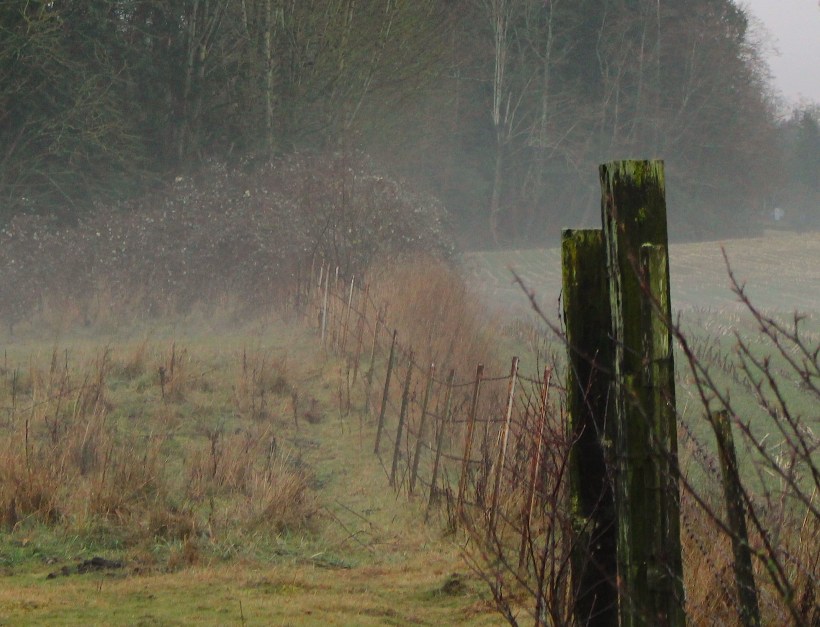
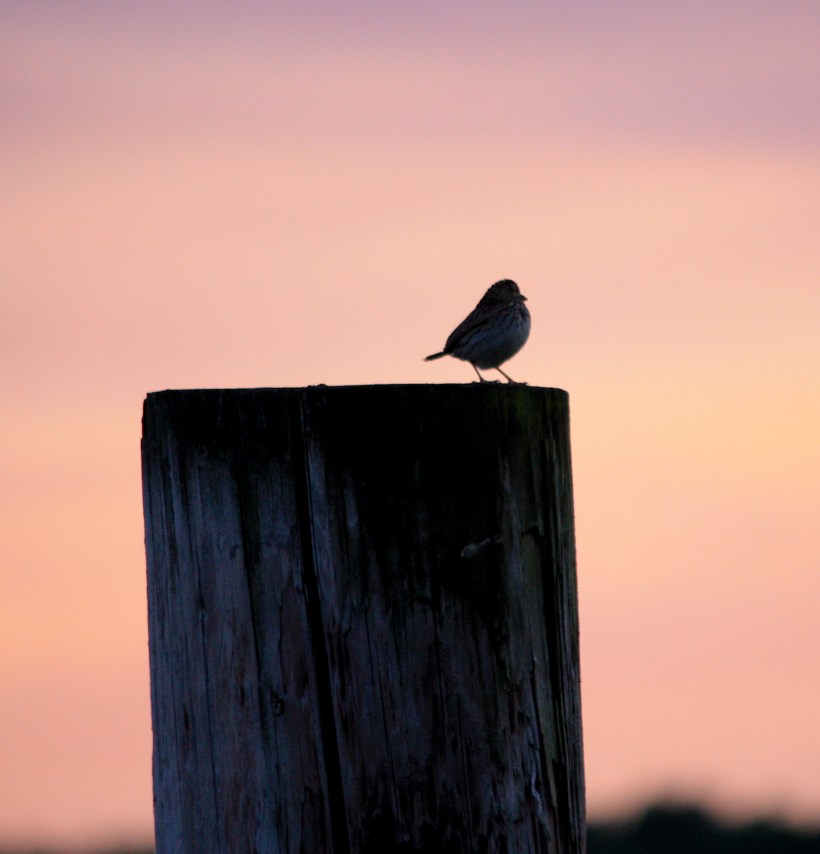
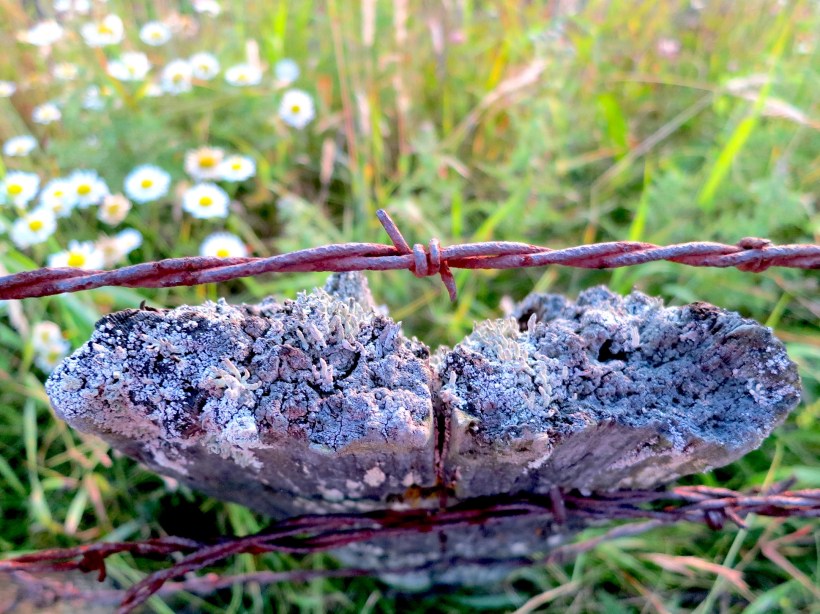
Brushy fencerows are in a sense a gift from man to nature — at least if, after the posts are dug in and the fence stapled to the posts, nature is given some free reign. Birds sitting on the fence and posts will pass undigested seeds in their droppings. Some of these seeds of blackberry, wild cherry, elderberry, bittersweet, sassafras, mulberry, and unfortunately, in some areas, multiflora rose, will take root in the loose soil around the posts and later in soil dug up by woodchucks. Chipmunks scurrying along the fence will bring and bury acorns and hickory nuts, while the wind will deliver dandelion, milkweed, and thistle seeds — all ingredients for a healthy fencerow.
~David Kline from Great Possessions

fence

Before I built a wall I’d ask to know
What I was walling in or walling out,
And to whom I was like to give offence.

He will not go behind his father’s saying,
And he likes having thought of it so well
He says again, “Good fences make good neighbors.”
~Robert Frost from “Mending Fences”
fencepostssunset32

birdonpostrodenberger
photo by Harry Rodenberger


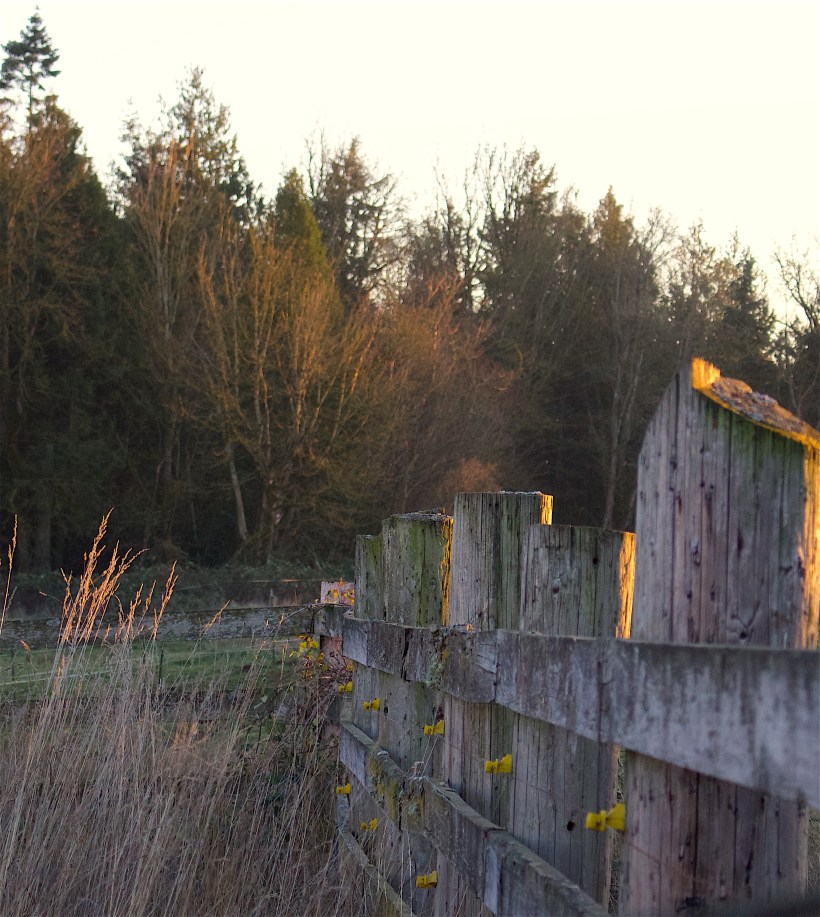
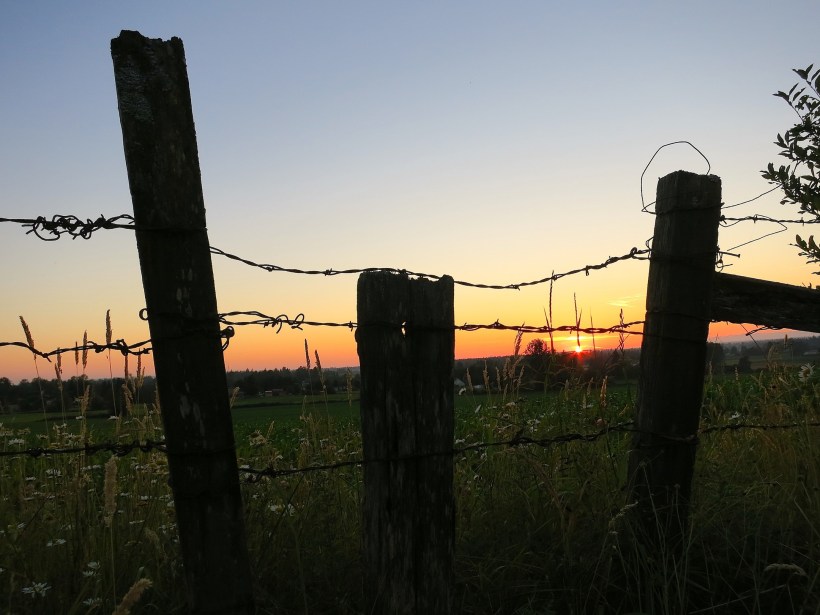
I maintain, in my haphazard and often ineffectual way, our farm’s wood rail and hot wire fences to keep the horses confined, preventing them from wandering into the adjacent orchard, corn field, or most risky of all, the road. As utilitarian as a fence is for that purpose, the fence row itself is the hospitality center for all sorts of diversity of flora and fauna.  It doesn’t repel; it invites.

As one travels in the United Kingdom and across the plains and mountains of North America, old fences are everywhere. Some fences were built painstakingly of stone centuries ago, some of old barbed wire, now falling and decrepit, no longer effective, but still testimony to a determined farmer’s desire to section off his barren land from another’s barren land, or perhaps the requirement borne of the homesteading laws of the time. Robert Frost wrote in his poem “Mending Fences” that a fence spans the balance between man’s sometimes irrational desire for barriers, acknowledging the order that they bring to an uncertain and sometimes unpredictable world that lays beyond our walls.

Political fences continue to exist in many parts of the world today, created primarily out of fear. Indeed, new walls have been proposed, absurdly ridiculous in their scope and expense.  Much celebration accompanied the fall of the Berlin Wall after its years of imposing testimony to the lack of trust and understanding between people who were once relatives, neighbors and friends. The Great Wall of China still stands, now primarily tourist attraction, no longer serving any other useful purpose other than to illustrate the lengths to which man goes to barricade himself off from others.

So why maintain life’s fences, even if the building and maintaining of these fences seems a futile and foolish task when they are pushed down, blown over in the winds, with trees fallen over them, and overgrown with brush and wild blackberries?

Fences, like rules and laws, define order and structure. They can bite back if they are breached. If crashed and broken, they are hazardous in and of themselves, not withstanding the potential dangers that lay beyond them. Remove them altogether and we risk losing the diversity represented in the fence row itself.

So, in the best of times, we are mending walls out of continuing need for contact with our neighbors. We meet across the barriers to shake hands and visit while we repair the fences together, leaving the barriers standing and strong, and the space in the fence row becomes even more diverse and welcoming. In the worst of times, we fortify and hide behind the walls, making them taller, wider, deeper, creating greater and greater gulfs between us and eventually losing touch forever as the walls themselves deteriorate without the necessary mutual “mending”.

So we must not love walls themselves, but must maintain them with our neighbor. We don’t worship the walls themselves but instead respect the foundation they rest on and the life they protect within the row itself.

We accept such boundaries with humility, recognizing their necessity is due to our own imperfections, as we too are full of prickles and barbs that too easily draw blood when breached.

oldfence

moydalganfield5

sunsetfence

sunsetfence

To Catch the Sunset

sunset69166

sunset69162

cupolawatson

sunset92horses

…he says
let’s walk up to the field and catch the sunset
and off we go, a couple of aging fools.

I hope, he says, on the other side there’s a lot
less work, but just in case I’m bringing tools.
~Maxine Kumin from “Chores”

sunset92horses4

sunset329164

When I pull open the barn doors
every morning
and close them again each evening,
as our grandparents did
one hundred years ago,
six rumbling voices
rise in greeting.
We exchange scents,
nuzzle each others’ ears,
rumble grumble back a response.

We do our chores faithfully
as our grandparents once did–
draw fresh water
into buckets,
wheel away
the pungent mess underfoot,
release an armful of summer
from the bale,
reach under heavy manes
to stroke silken necks.

We don’t depend
on our horses’ strength
and willingness to
don harness
to carry us to town
or move the logs
or till the soil
as our grandparents did.

Instead,
these soft eyed souls,
born on this farm
two long decades ago,
are simply grateful
for our constancy
morning and night
to serve their needs
until the day comes
they need no more.

And we depend on them
to depend on us
to be there
to open and close the doors;
their low whispering welcome
gives voice
to the blessings of
living on a farm
ripe with rhythms and seasons,
sunrises and sunsets,
as if yesterday, today and tomorrow are
just like one hundred years ago.

sunset611164

sunset42116

sunset52216

The Headed Grass

lodge2

lodge3

Light and wind are running
over the headed grass
as though the hill had
melted and now flowed.
~Wendell Berry “June Wind”

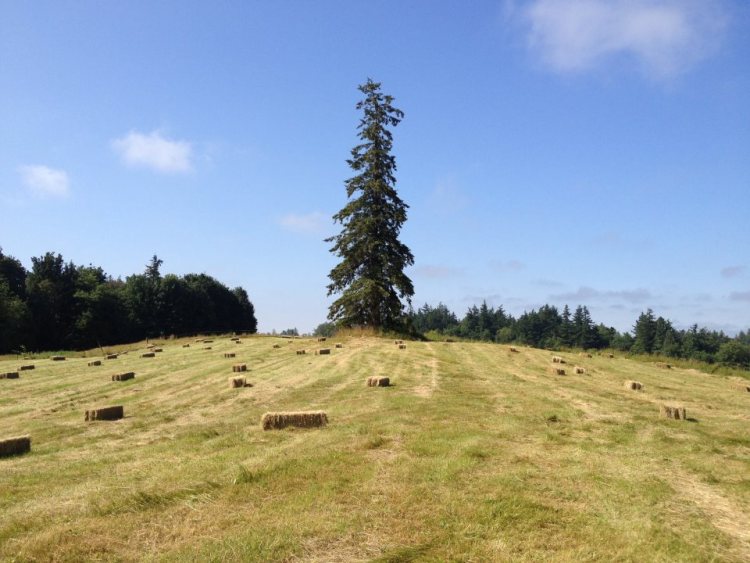
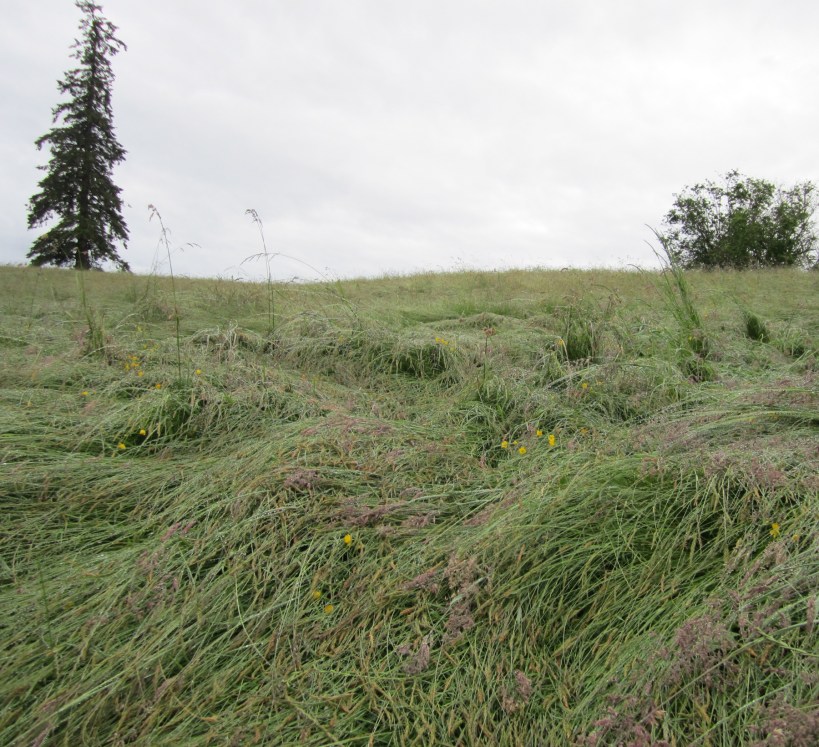
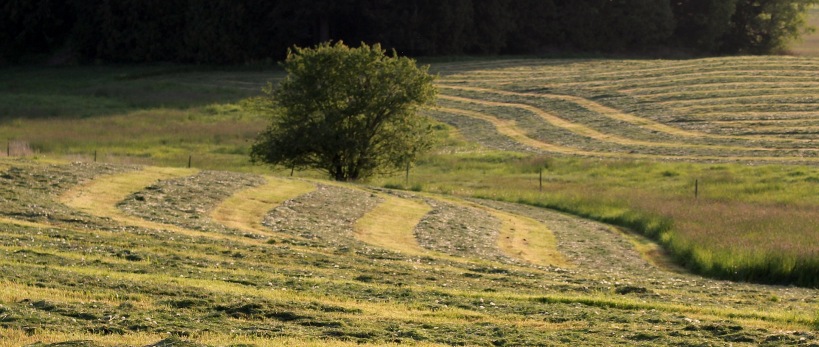
It will soon be haying time, as soon as another stretch of clear days appears on the horizon.  We missed a haying window last week, and now are staring at 10 days of forecast rain and clouds.

The headed grass is growing heavier, falling over, lodged before it can be cut, with the undulations of moist breezes flowing over the hill.   It has matured too fast, rising up too lush, too overcome with itself so that it can no longer stand.  It is melting, pulled back to the soil.  We must work fast to save it.

The light and wind works its magic on our hill.  The blades of the mower will come soon to lay it to the ground in green streams that flow up and down the slopes.  It will lie comfortless in its stoneless cemetery rows, until tossed about by the tedder into random piles to dry, then raked back into a semblance of order in mounded lines flowing over the landscape.

It will be crushed and bound together for transport to the barn, no longer bending but bent, no longer flowing but flown, no longer growing but grown and salvaged.

It becomes fodder for the beasts of the farm during the cold nights when the wind beats at the doors.   It melts in their mouths, as it was meant to, as we are meant to melt and flow.

Truly.

grasses51815

field52151

rows

531606_557728686564_1157537123_n

hayjobdone

A Daily Rhythm

sashaeye

tonyeye

When I pull open the barn doors,
every morning
and each evening,
as my grandparents did
one hundred years ago,
six rumbling voices
rise in greeting.
We exchange scents,
nuzzle each others’ ears.

I do my chores faithfully
as my grandparents once did–
draw fresh water
into buckets,
wheel away
the pungent mess underfoot,
release an armful of summer
from the bale,
reach under heavy manes
to stroke silken necks.

I don’t depend
on our horses’ strength
and willingness to
don harness
to carry me to town
or move the logs
or till the soil
as my grandparents did.

Instead,
these soft eyed souls,
born on this farm
two long decades ago,
are simply grateful
for my constancy
morning and night
to serve their needs
until the day comes
they need no more.

I depend on them
to depend on me
to be there
to open the doors;
their low whispering welcome
gives voice
to the blessings of
living on a farm
ripe with rhythms and seasons,
as if today and tomorrow are
just like one hundred years ago.
~EPG


barnlight

eveningbarnsept1

Mucking Out

compostjanuary

“He (the professor) asked what I made of the other students (at Oxford) so I told him.
They were okay, but they were all very similar…
they’d never failed at anything or been nobodies,
and they thought they would always win.
But this isn’t most people’s experience of life.

He asked me what could be done about it.
I told him the answer was to send them all out for a year
to do some dead-end job
like working in a chicken processing plant
or spreading muck with a tractor.
It would do more good than a gap year in Peru. 

He laughed and thought this was tremendously witty.
It wasn’t meant to be funny.

~James Rebanks from The Shepherd’s Life:Modern Dispatches from an Ancient Landscape
(or how a sheep farmer succeeds at Oxford and then goes back to the farm)

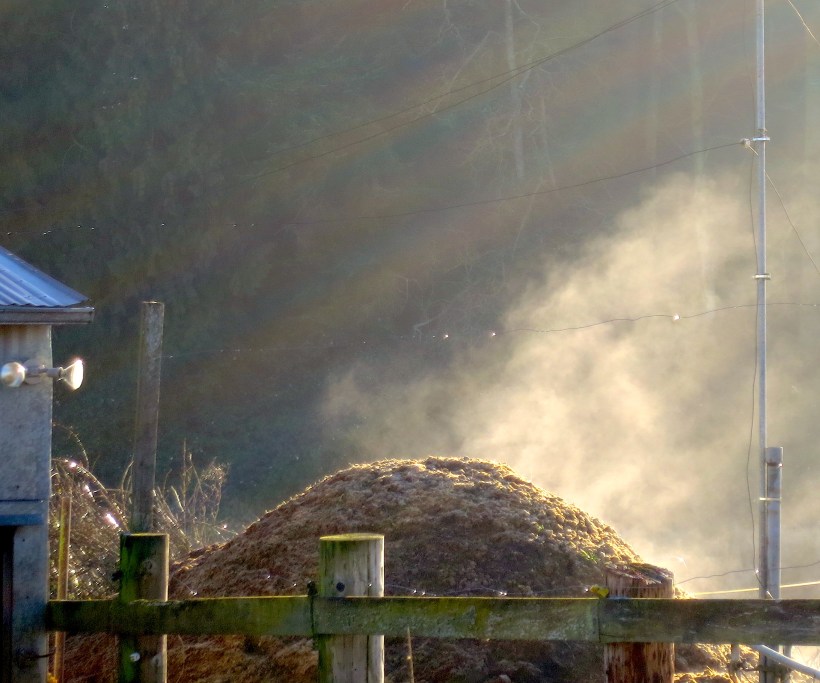
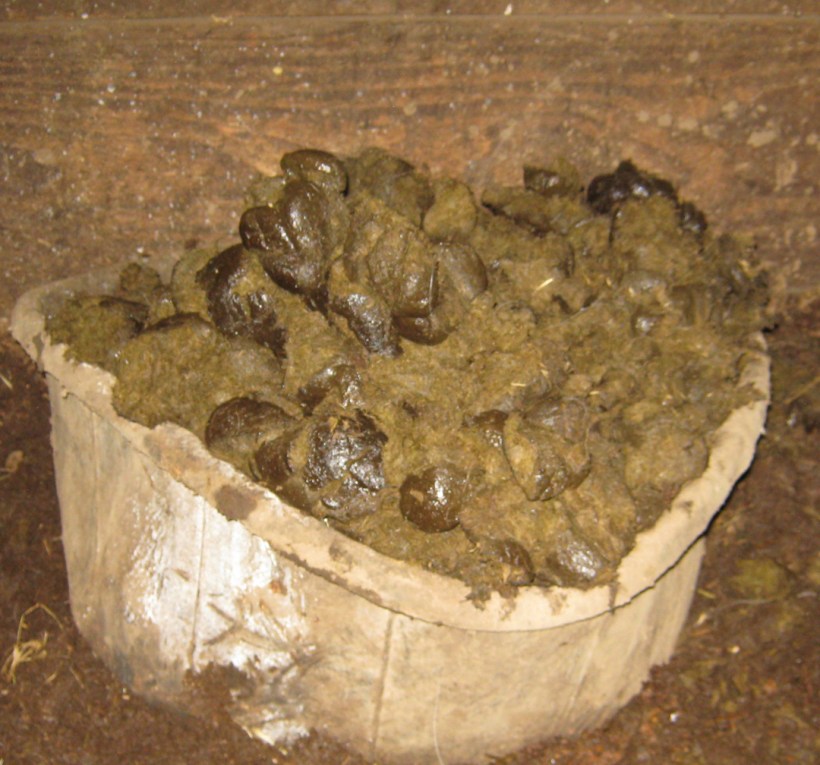
For almost thirty years, I have spent about an hour a day shoveling manure out of numerous horse stalls and I’m a better person for it.  Wheeled to a mountainous pile in our barnyard,  this daily collection of manure happily composts year round, becoming rich fertilizer in a matter of months through a crucible-like heating process of organic chemistry, bacteria and earthworms.  Nothing mankind has achieved quite matches the drama of useless and basically disgusting stuff transforming into the essential elements needed for productive growth and survival.   This is a metaphor I can <ahem> happily muck about in.

I’m in awe, every day, at being part of this process — in many ways a far more tangible improvement to the world than anything else I manage to accomplish every day.  The horses, major contributors that they are, act underwhelmed by my enthusiasm.  I guess some miracles are relative, depending on one’s perspective, but if the horses understood that the grass they contentedly eat in the pasture, or the hay they munch on during the winter months, was grown thanks to their carefully recycled waste products, they might be more impressed.

Their nonchalance about the daily mucking routine is understandable.  If they are outside, they probably don’t notice their beds are clean when they return to the stalls at night.  If they are inside during the heavy rain days, they feel duty-bound to be in my face as I move about their stall, toting my pitchfork and pushing a wheelbarrow.  I’m a source of constant amusement as they nose my jacket pockets for treats that I never carry, as they beg for scratches on their unreachable itchy spots, and as they attempt to overturn an almost full load, just to see balls of manure roll to all corners of the stall like breaking a rack of billiard balls in a game of pool.

Good thing I’m a patient person always seeking an object lesson in whatever I see or do ~ mucking out stalls every day helps me tolerate the proverbial muck I encounter every day off the farm.  And spending an hour a day getting dirty in the real stuff somehow makes the virtual manure less noxious.  Everyone should be mucking out as I think the world would generally be a better place.

My former stallion, now gelded, discovered a way to make my life easier rather than complicating it.  He hauled a rubber tub into his stall from his paddock, by tossing it into the air with his teeth and throwing it, and it finally settled against one wall.  Then he began to consistently pile his manure, with precise aim, right in the tub.  I didn’t ask him to do this.  It had never occurred to me.  I hadn’t even thought it was possible for a horse to house train himself.  But there it is, proof that some horses prefer neat and tidy rather than the whirlwind eggbeater approach to manure distribution.  After a day of his manure pile plopping, it is actually too heavy for me to pick up and dump into the wheelbarrow all in one tub load, but it takes 1/4 of the time to clean his stall than the others, and he spares all this bedding.

What a guy.  He provides me unending inspiration in how to keep my own personal muck concentrated rather than spreading it about,  contaminating the rest of the world.

Now, once I teach him to put the seat back down when he’s done, he’s welcome to move into the house…

poop

Driving Out the Cold

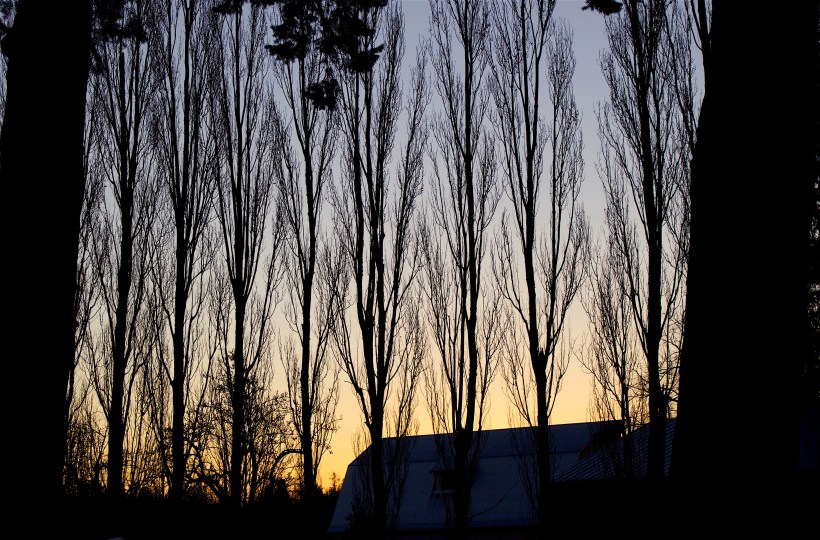
poplarpillars

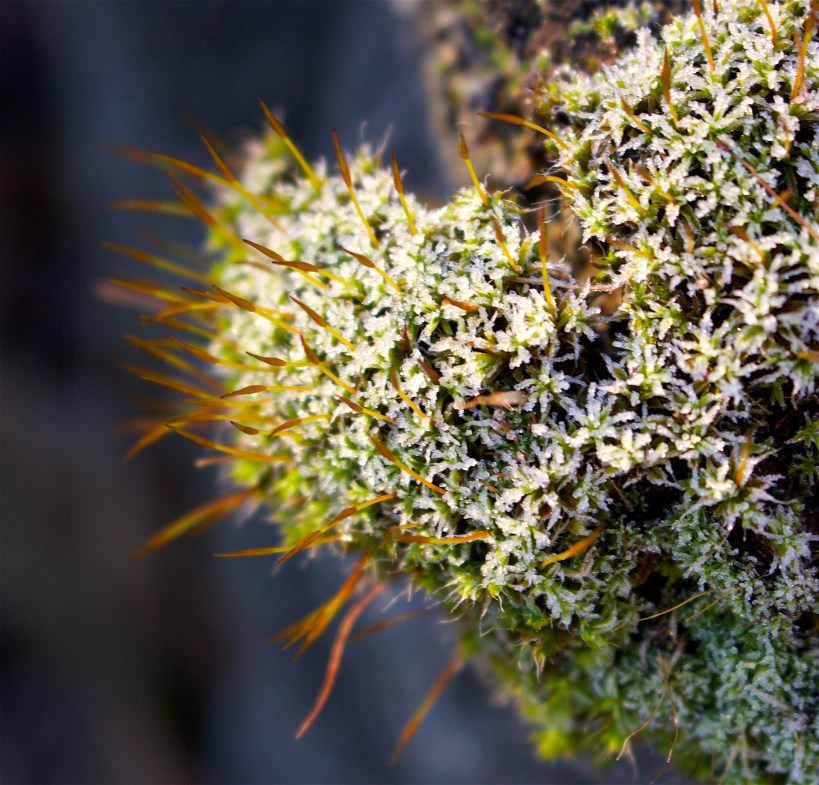
moss19161

Sundays too my father got up early
And put his clothes on in the blueback cold,
then with cracked hands that ached
from labor in the weekday weather made
banked fires blaze. No one ever thanked him.

I’d wake and hear the cold splintering, breaking.
When the rooms were warm, he’d call,
and slowly I would rise and dress,
fearing the chronic angers of that house,

Speaking indifferently to him,
who had driven out the cold
and polished my good shoes as well.
What did I know, what did I know
of love’s austere and lonely offices?
–  Robert HaydenThose Winter Sundays

_________________________

As a child growing up,
I was oblivious
to the sacrifices my parents made
to keep the house warm,
place food on the table,
to teach us the importance of faith and belief,
to crack the door of opportunity open,
so we could walk through
to a better life.

It was no small offering
to keep dry seasoned fire and stove wood always at the doorstep,
to milk the cows twice a day,
to grow and preserve fruits and vegetables months in advance,
to raise and butcher meat animals,
to read books together every night,
to sit with us over homework
and drive us to 4H, Cub Scouts and Camp Fire,
to music lessons and sports,
to sit together, never missing a Sunday
to worship God.

This was their love,
so often invisible,
too often imperfect,
yet its encompassing warmth
splintered and broke
the grip of cold
that too often
overwhelms and freezes
a child’s heart and soul.

What did I know?
Too little then,
so much more now.

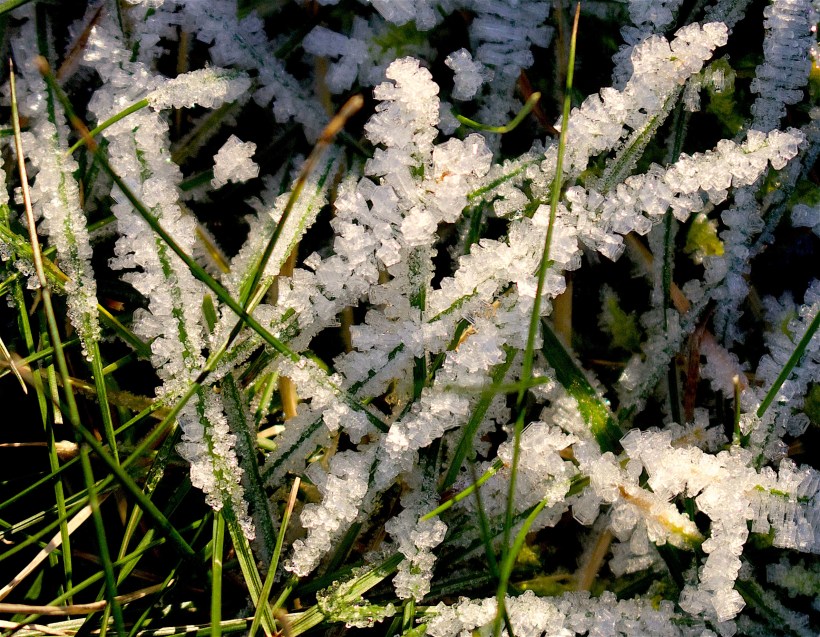
frost1419

jackfrost

Thirty Halloweens Ago

bobbieclose

punkinhallow

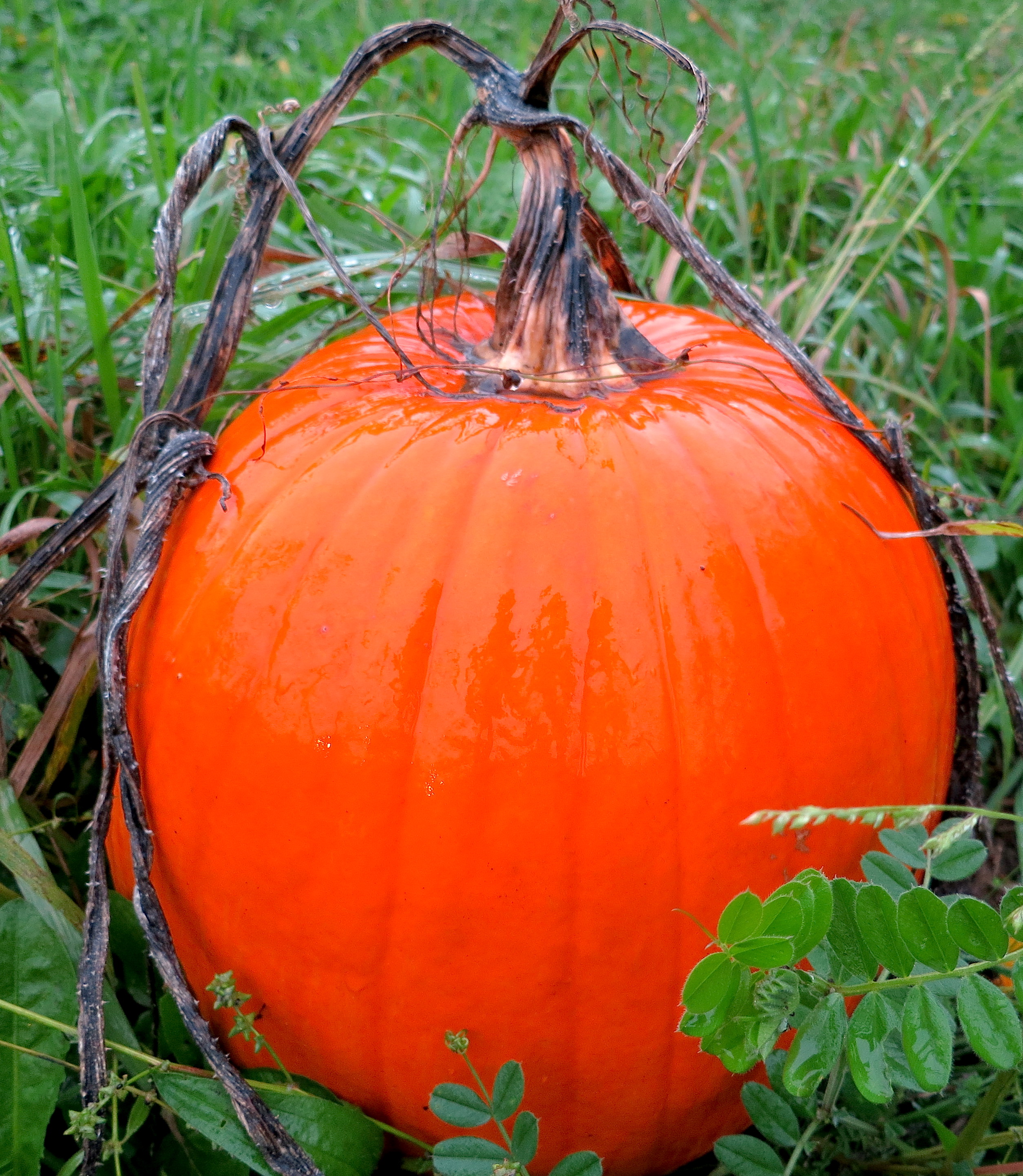
On Halloween day in 1985, I packed up my clothes, a roll up mattress,  grabbed one lonely pumpkin from our small garden, locked our rental house door for the last time, climbed in my car and headed north out of Seattle. I don’t recall looking back in the rear view mirror at the skyline after nine years living in the city. My husband had moved to Whatcom County two months earlier to start his new job. I had stayed behind to wrap up my Group Health family practice in the Rainier Valley of Seattle. I was leaving the city for a new rural home and an uncertain professional future.

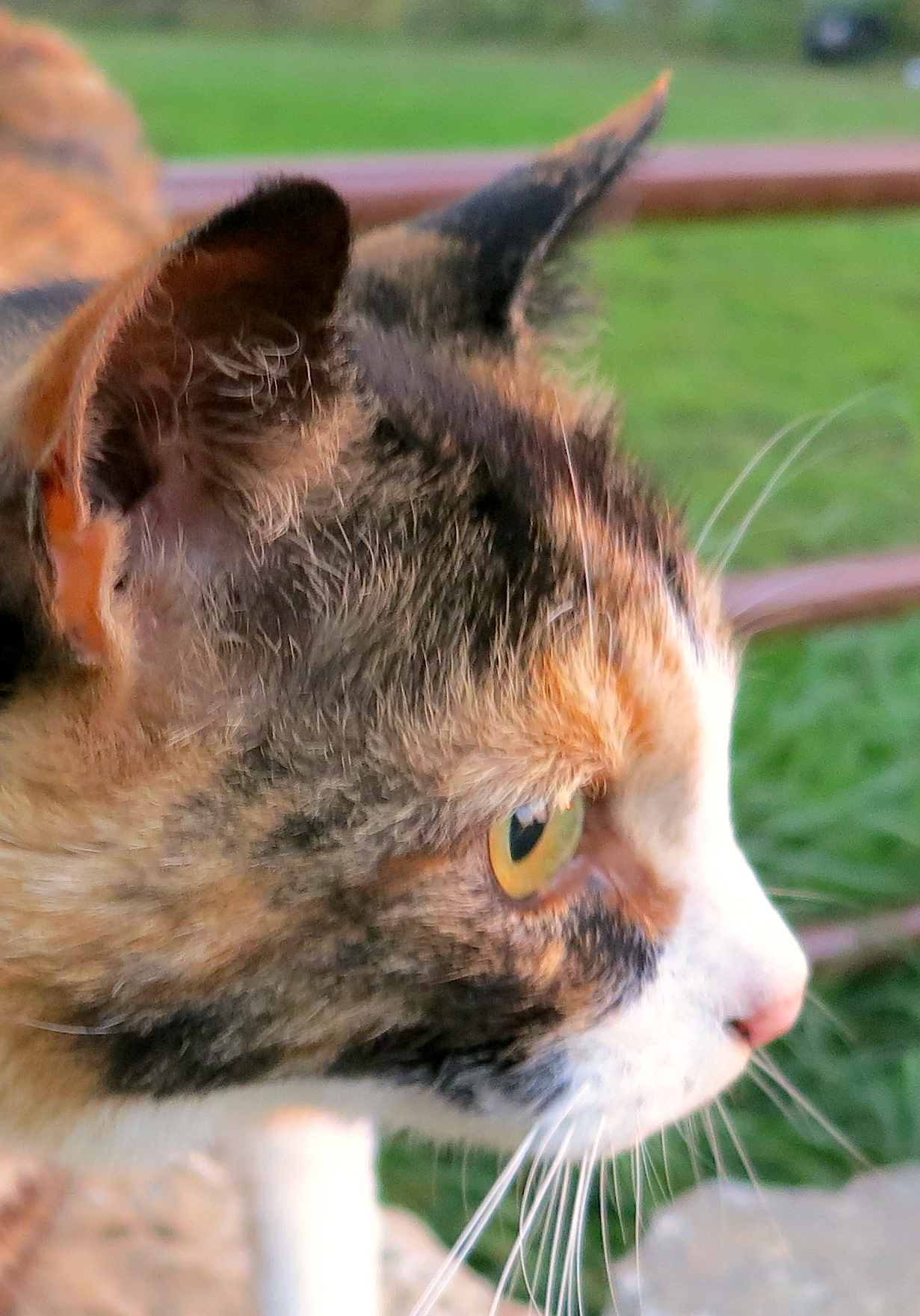
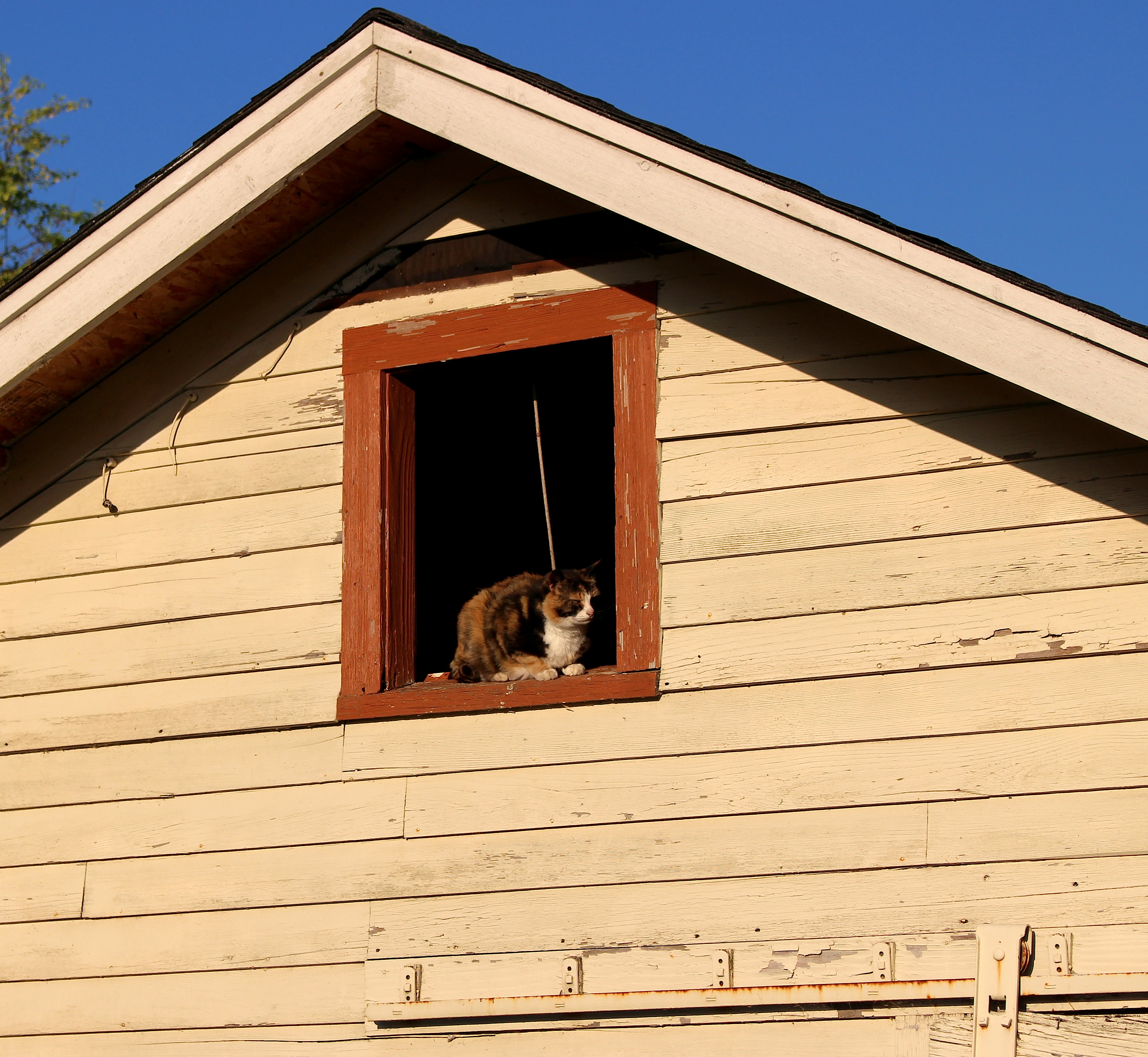
I knew two things for sure: I was finally several months pregnant after a miscarriage and two years of infertility, so our family was on its way, and we were going to actually live in our own house, not just a rental, complete with a few acres and a barn. A real (sort of) farm. Since no farm can be complete without animals, I stopped at the first pet store I drove past and found two tortoise shell calico kitten sisters peering up at me,  just waiting for new adventures in farmland. Their box was packed into the one spot left beside me in my little Mazda. With that simple commitment to raise and nurture those kittens, life seemed very complete.

I will never forget the freedom I felt on that drive north. The highway seemed more open, the fall colors more vibrant, the wind more brisk, our baby happily kicking my belly, the kittens plaintively mewing from their box. There seemed to be so much potential even though I had just left behind the greatest job that could be found in any urban setting: the ideal family practice with a delightfully diverse patient population of African Americans, Cambodians, Laotians, Vietnamese, Muslims and Orthodox Jews. I would never know so much variety of background and perspective again and if I could have packed them all into the Mazda and driven them north with me, I would have.

We started our farm with those kittens dubbed Nutmeg and Oregano, soon adding an ethnic diversity of farm animals:  Belgian Tervuren dog Tango, Haflinger horse Greta, Toggenburg goats Tamsen and her kids, a few Toulouse geese, Araucana chickens, Fiona the Scottish Highland cow, then another Haflinger Hans and another, Tamara. I worked as a fill in locums doctor in four different clinics before our first baby, Nate, was born. Again, we had new commitments and life felt complete– but not for long, as we soon added little brother Ben and seven years later,  sister Lea. Then it really was complete. Or so I thought.

Thirty years later our children have long ago grown and gone, off to their own adventures beyond the farm.  Our sons are married to wonderful women, our daughter is finishing her student teaching and starting the job hunt. Each child moved to a different big city spread out in three different time zones from us. A few cats, two Cardigan Corgi dogs, and a hand full of ponies remain at the farm with us. We are now both gray and move a bit more slowly, enjoy our naps and the quiet of the nights and weekends. Our second larger farm is more than we can realistically manage by ourselves in our spare time. My work has evolved from four small jobs to two decades of two part time jobs to one more than full time job that fits me like a well worn sweater 24 hours a day.

My husband is talking retirement in a little over two years. I’m not so sure for myself. I have never not worked and don’t know how I can stop when the need in health care is greater than ever.

The freedom I felt that rainy Halloween day three decades ago, as Seattle disappeared in the rear view mirror,  meant I no longer sat captive in freeway rush hour bumper to bumper traffic jams.  I celebrate my daily commute through farm fields, watching eagles fly, and new calves licked by their mamas. I am part of a community in a way I never could manage in the city, stopping to visit with friends at the grocery store, playing piano and teaching at church and serving on various community boards. Our home sits in the midst of woods and corn fields, with deer strolling through the fields at dawn, coyotes howling at night, Canadian geese and trumpeter swans calling from overhead and salmon becoming more prolific every year in nearby streams. The snowy Cascades greet us in the morning and the sunset over Puget Sound bids us good night.

It all started October 31, 1985 with two orange and black kittens and a pumpkin sitting beside me in a little Mazda, my husband waiting for my homecoming 100 miles north. Now, thirty years and three grown children later, we celebrate this Halloween transition anniversary together, still pregnant with the possibility that life is never truly complete when there is always a new day just around the corner.

bobbiewindowsunset92horses

sunrise11272

sunrise1025154