So I can’t save the world— can’t save even myself, can’t wrap my arms around every frightened child, can’t foster peace among nations, can’t bring love to all who feel unlovable.
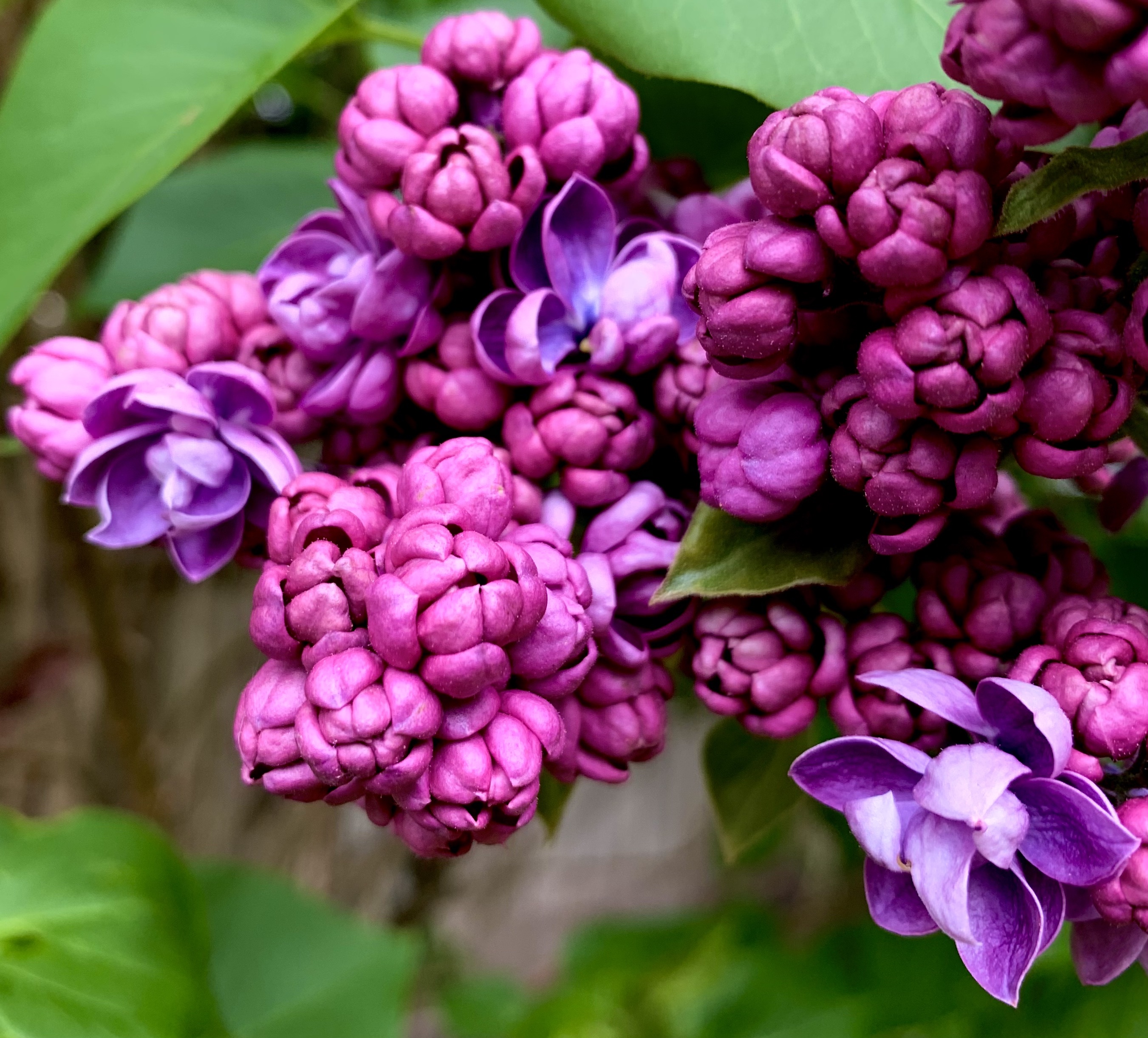
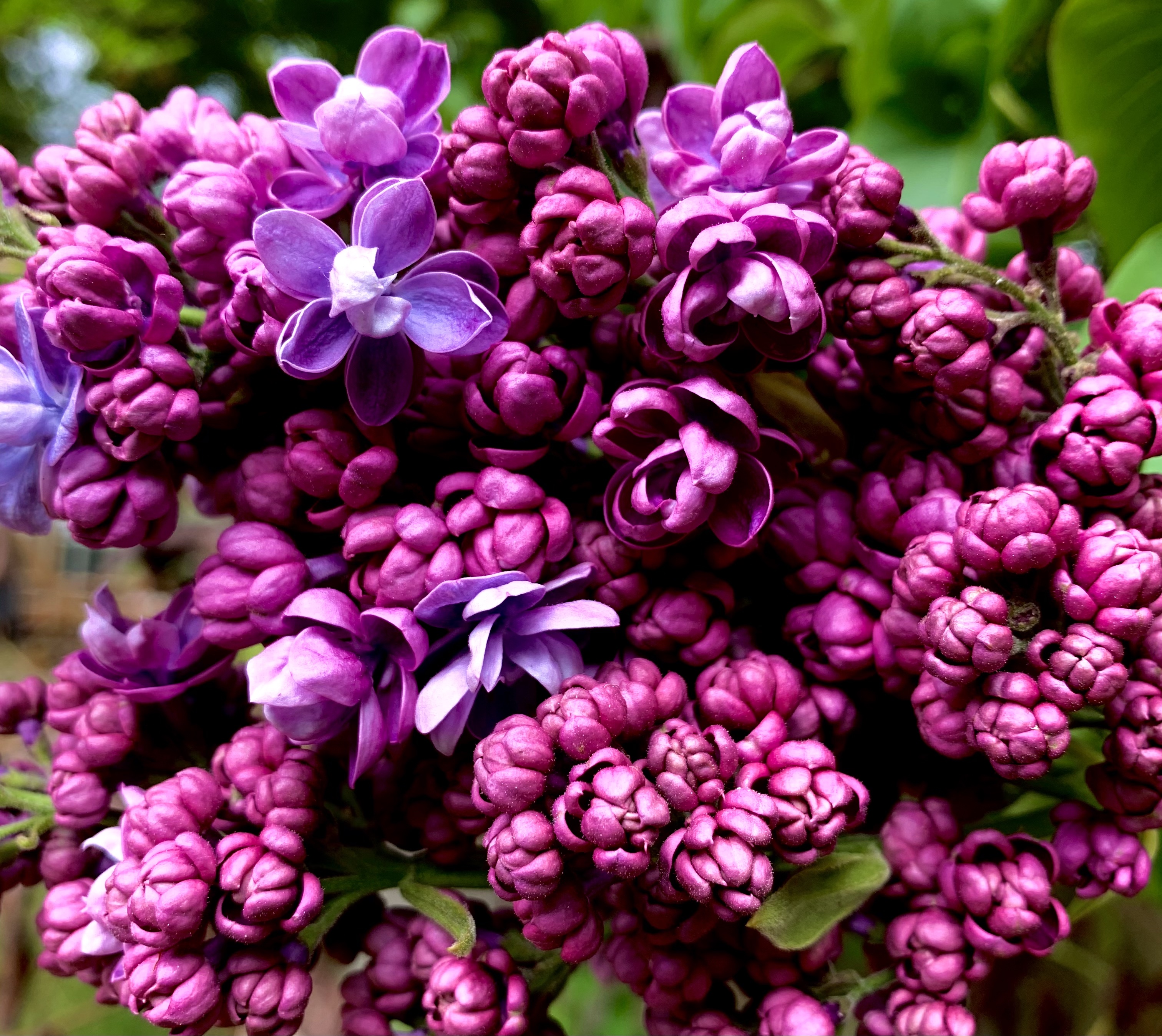
So I practice opening my heart right here in this room and being gentle with my insufficiency. I practice walking down the street heart first. And if it is insufficient to share love, I will practice loving anyway. I want to converse about truth, about trust. I want to invite compassion into every interaction. One willing heart can’t stop a war. One willing heart can’t feed all the hungry. And sometimes, daunted by a task too big, I ask myself, What’s the use of trying? But today, the invitation is clear: to be ridiculously courageous in love. To open the heart like a lilac in May, knowing freeze is possible and opening anyway. To take love seriously. To give love wildly. To race up to the world as if I were a puppy, adoring and unjaded, stumbling on my own exuberance. To feel the shock of indifference, of anger, of cruelty, of fear, and stay open. To love as if it matters, as if the world depends on it. ~Rosemerry Wahtola Trommer “Because” From The Unfolding
I can’t stop all the pain and suffering in the world or bring peace between angry nations.
But I can make a difference to those around me. It won’t stop a war or cure all diseases, but I can be ridiculously courageous in my compassion for others.
As we’ve been traveling for the past week, I’ve had many opportunities to treat others like I hope to be treated. I’ve tried to listen carefully, to express gratitude for the efforts others make. I try to smile more when I’m among strangers and meet their gaze, which takes the greatest courage of all for an introvert like me.
So I’ll take lessons from puppies I’ve known: to wag and wiggle and treat everyone as a best friend – with great joy and exuberance. It matters. Peace in the world depends on it.
photo by Brandon DielemanAI image created for this post
People are like stained-glass windows. They sparkle and shine when the sun is out, but when the darkness sets in, their true beauty is revealed only if there is a light from within. ~ Elisabeth Kübler–Ross
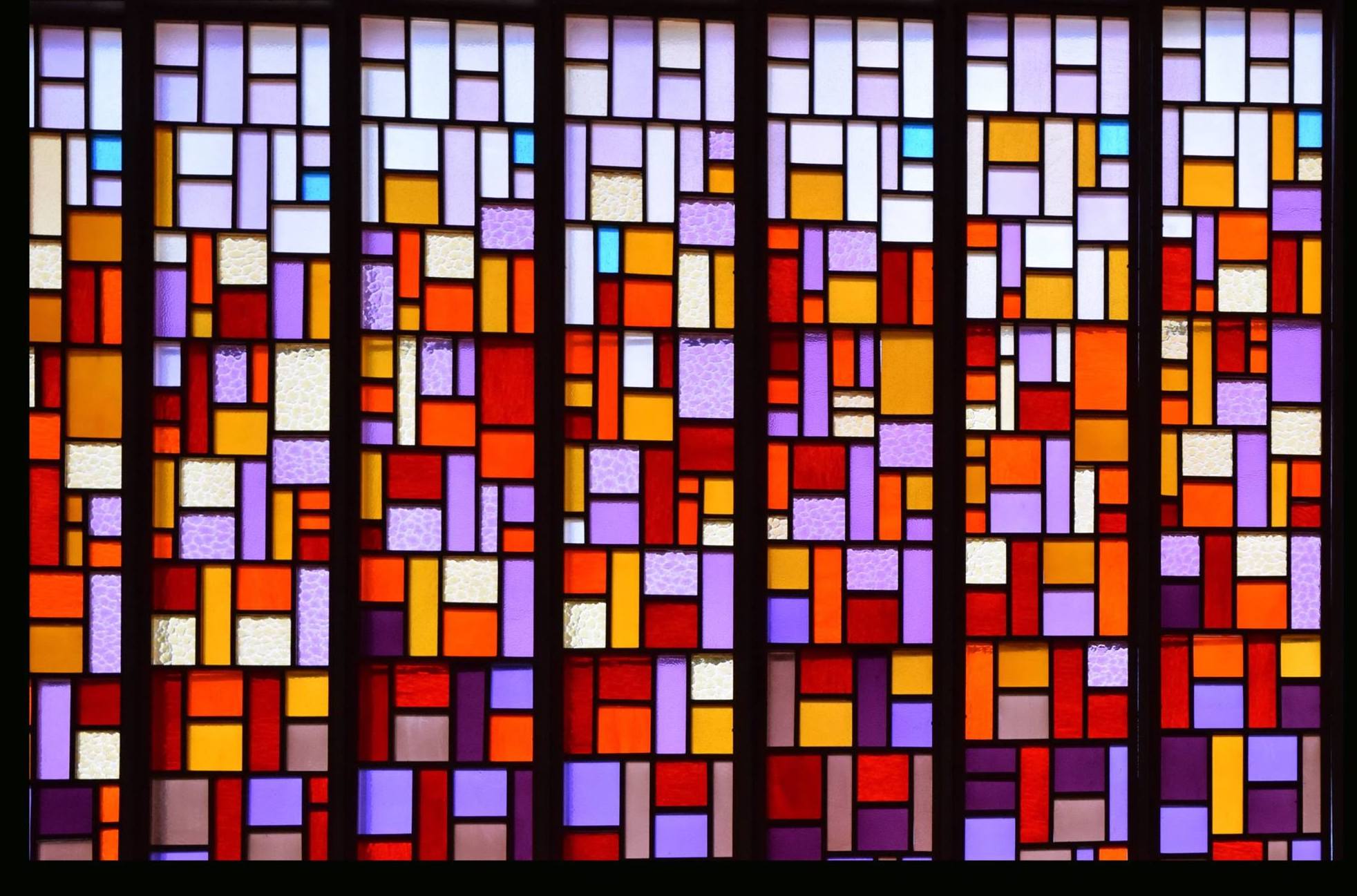
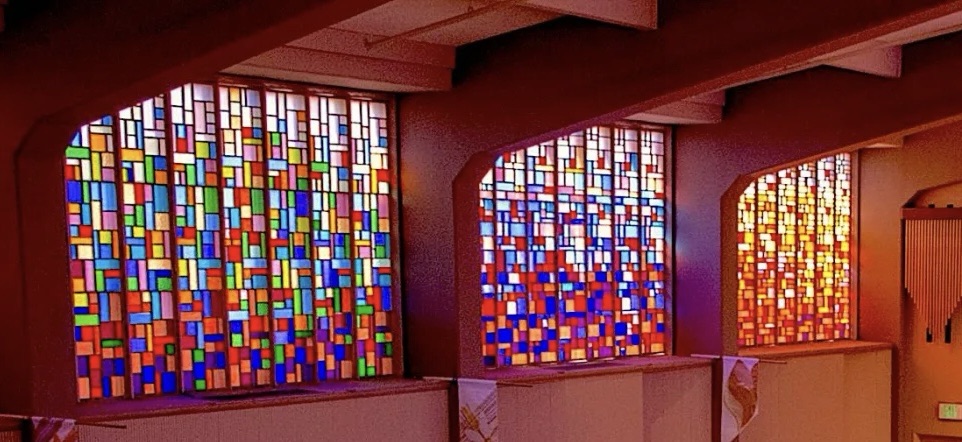
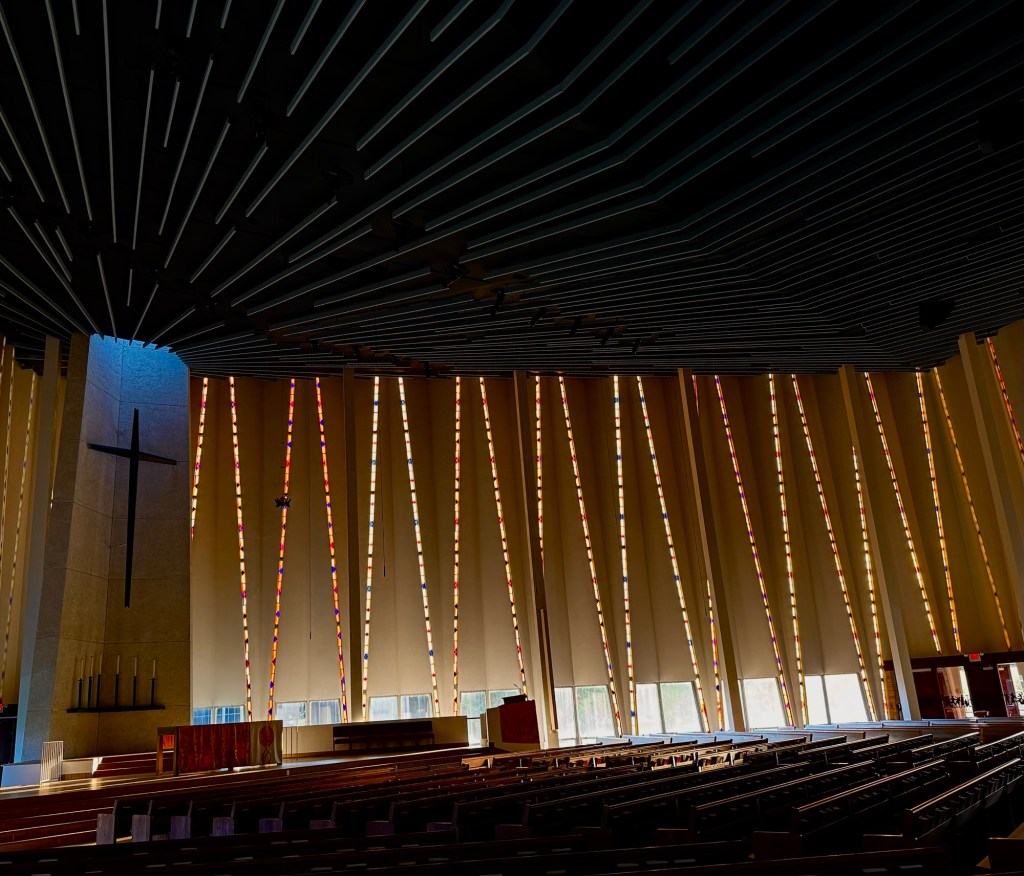
The Methodist church of my childhood had a sanctuary lined by colorful rectangles of stained glass windows. Each church member had an opportunity to choose and place a colored pane matching his or her stage of life, to become a permanent part of the portrait of a diverse church family. Mosaics of colored sections represented the transition through life, moving from childhood in the windows at the entrance, on to adolescence, then to young adulthood, moving to middle age, and then finally to the elder years nearest the altar.
Rainbows of color crisscrossed the pews and aisles, starting with pale and barely defined green and yellow at the outset, blending into a blossom of blue, then becoming a startling fervor of red, fading into a tranquil purple past the center, and lastly immersed in the warmth of orange as one approached the brown of the wood paneled altar.
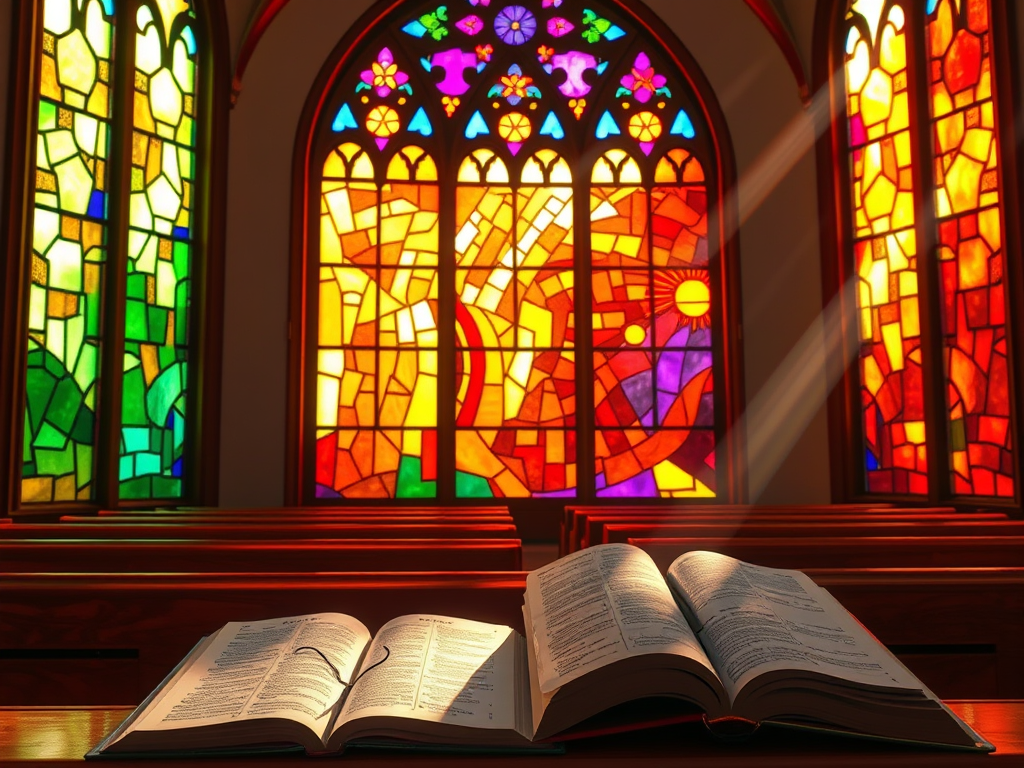
Depending on where one chose to sit, the light bearing a particular color combination was cast on open pages of scripture, or favorite hymns, or on the skin and clothing of the people, reflecting the essence of that life phase.
Included in the design was the seemingly random but intentional scattering of all of the colors in each panel. Gold and orange panes were sprinkled in the “youth” window predicting the wisdom to come, and a smattering of some greens, blues and reds were found throughout the “orange” window of old age, just like the “spark” of younger years so often seen in the eyes of the our eldest citizens.
The colored windows reflected the truth of God’s plan for our lives. There was certainty in the unrelenting passage of time; there was no turning back or turning away from what was to come.
Although each stage shone with its own unique beauty, none was as warm and welcoming as the fiery glow of the autumn of life. Those final windows focused their brilliance on the plain wood of the cross above the altar.
Beyond the stained glass, as life fades from the richest of colors to the earthy tones of dusty frames, the kaleidoscope of God’s illumination continues to shine, glorious.
We are like windows Stained with colors of the rainbow Set in a darkened room Till the bridegroom comes to shining through
Then the colors fall around our feet Over those we meet Covering all the gray that we see Rainbow colors of assorted hues Come exchange your blues For His love that you see shining through me
We are His daughters and sons We are the colorful ones We are the kids of the King Rejoice in everything
My colors grow so dim When I start to fall away from Him But up comes the strongest wind That he sends to blow me back into his arms again
And then the colors fall around my feet Over those I meet Changing all the gray that I see Rainbow colors of the Risen Son Reflect the One The One who came to set us all free
We are His daughters and sons We are the colorful ones We are the kids of the King Rejoice in everything
We are like windows Stained with colors of the rainbow No longer set in a darkened room Cause the bridegroom wants to shine from you
No longer set in a darkened room Cause the bridegroom wants to shine from you
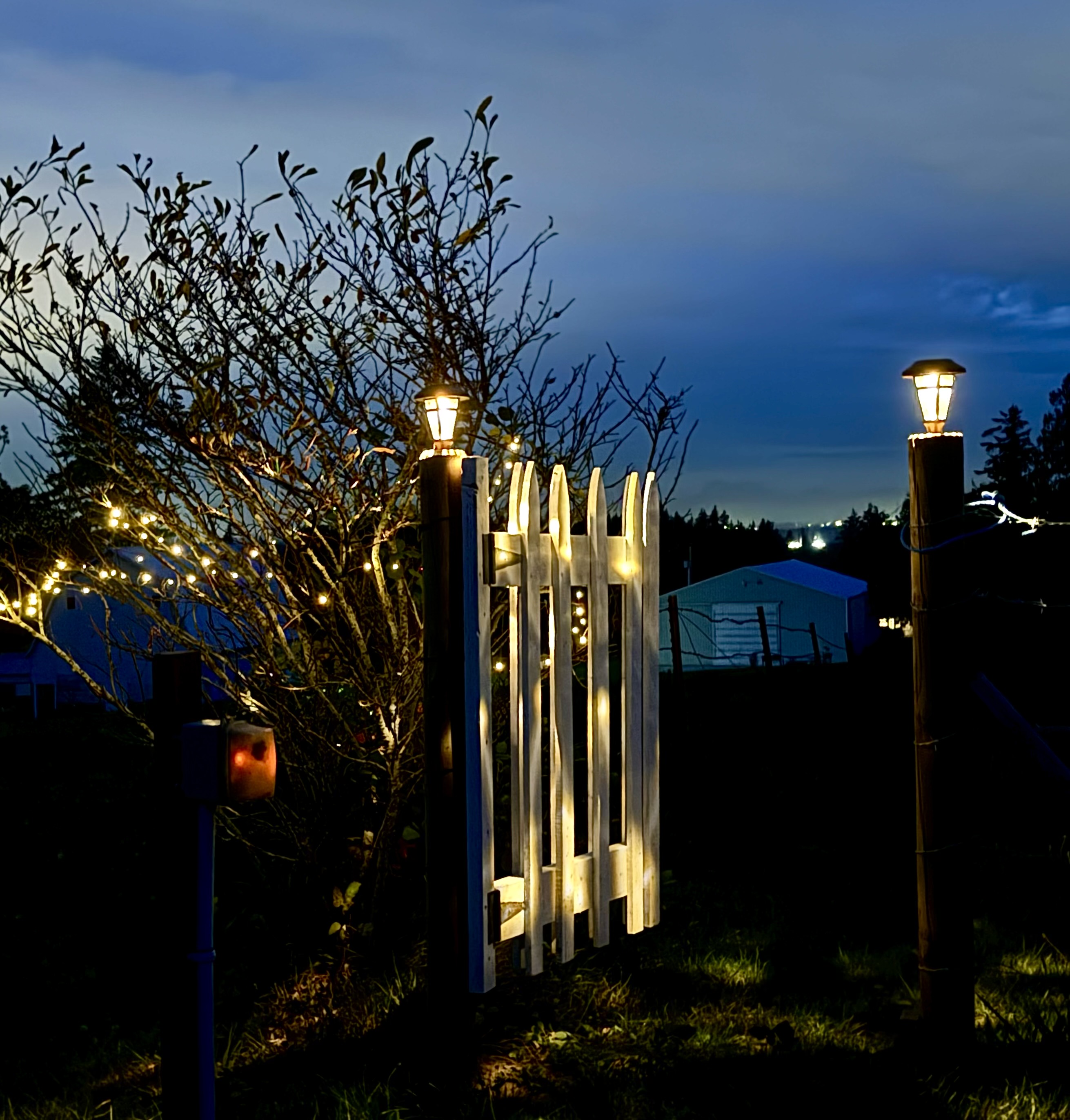
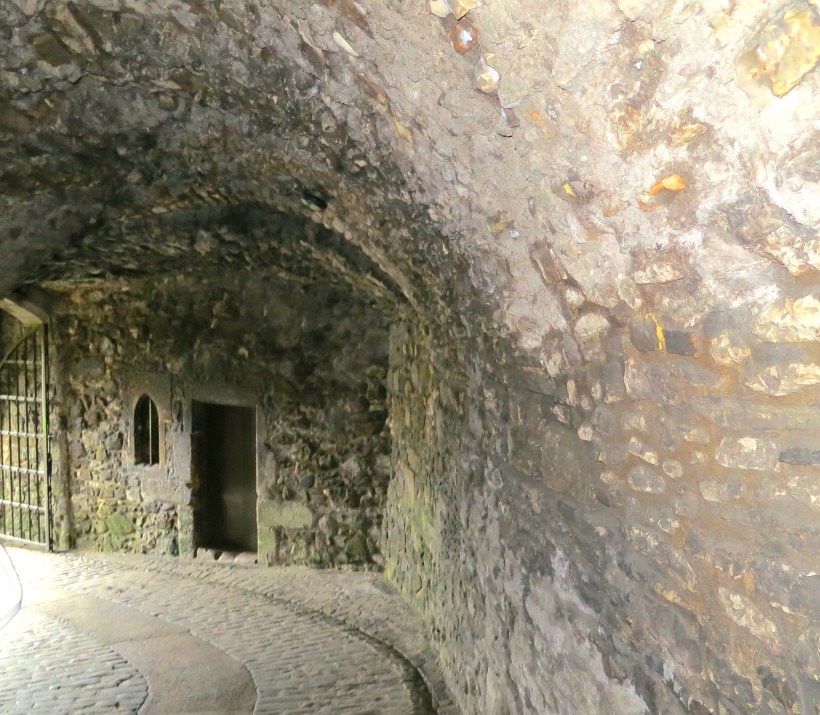
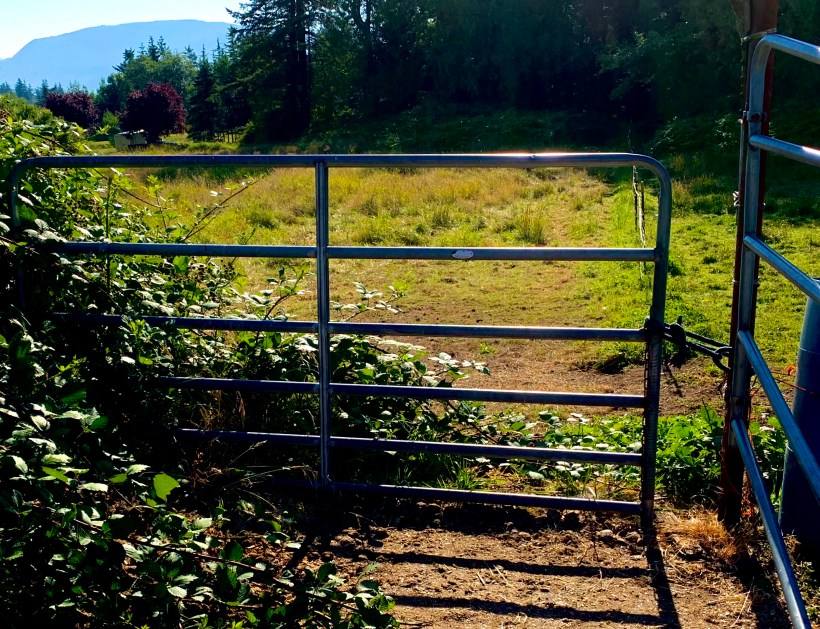
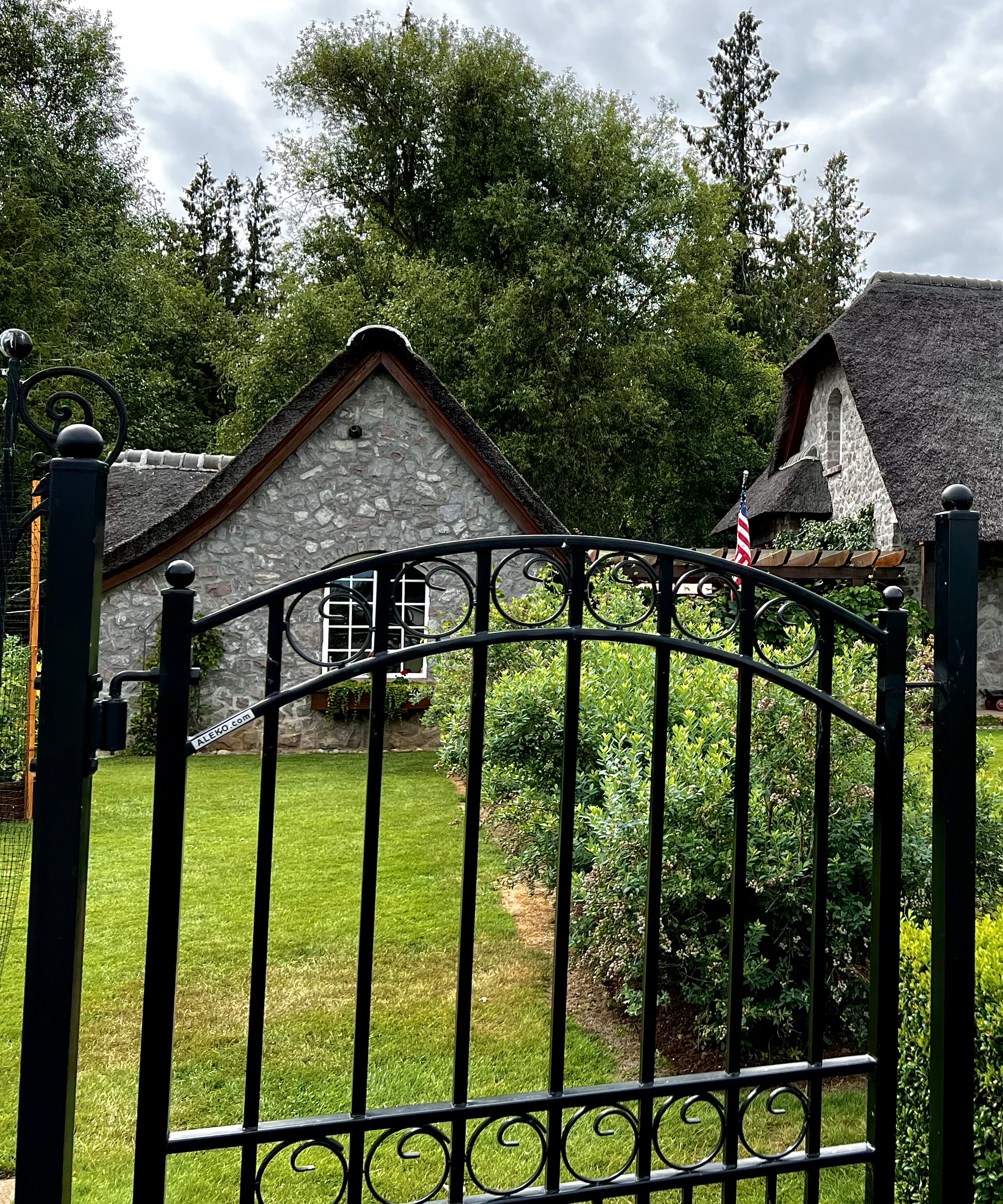
What seemed to be the end proved to be the beginning… Suddenly a wall becomes a gate. ~Henri Nouwen from Gracias! A Letter of Consolation
As Christians we do not believe in walls, but that life lies open before us; that the gate can always be unbarred; that there is no final abandonment or desertion. We do not believe that it can ever be “too late.”
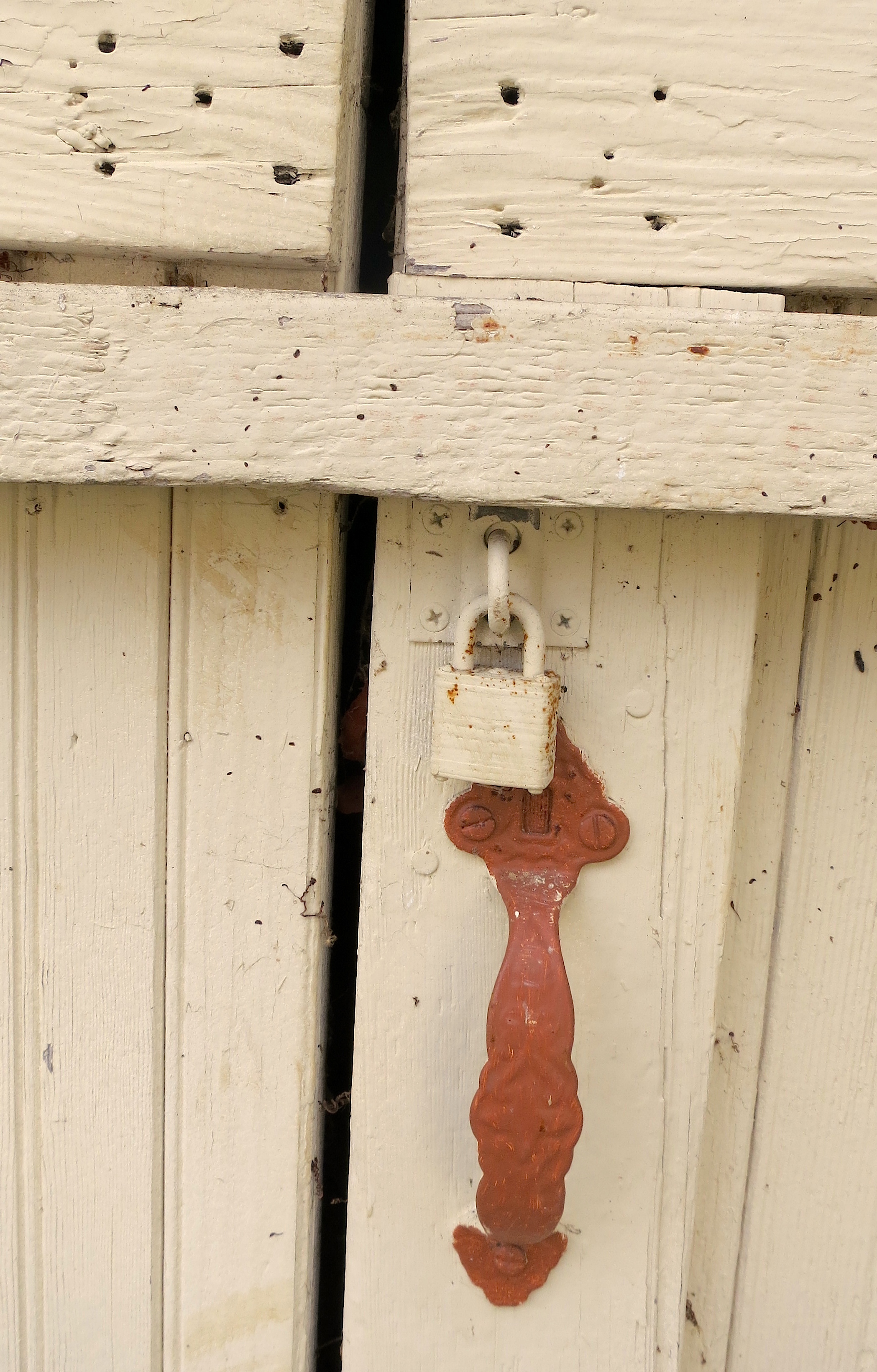
We believe that the world is full of doors that can be opened. Between us and others. Between the people around us. Between today and tomorrow. Our own inner person can be unlocked too: even within our own selves, there are doors that need to be opened.
If we open them and enter, we can unlock ourselves, too, and so await whatever is coming to free us and make us whole. ~ Jörg Zink from “Doors to the Feast”
What we call the beginning is often the end And to make an end is to make a beginning. The end is where we start from.
We shall not cease from exploration And the end of all our exploring Will be to arrive where we started And know the place for the first time. Through the unknown, unremembered gate When the last of earth left to discover Is that which was the beginning; ~T.S. Eliot from “Little Gidding” The Four Quartets
There we shall rest and we shall see; we shall see and we shall love; we shall love and we shall praise. Behold what shall be in the end and shall not end. ~Augustine of Hippo ‘The City of God,’ Bk. XXII, Chap. 30
We stand outside the gate, incapable of opening it ourselves, watching as God Himself throws it open wide.
We choose to enter this unknown, unremembered gate into the endless length of days, where we shall see and we shall love, we shall love and we shall praise –
or we choose to remain outside, lingering in the familiar confines of what we know, though it destroys us.
AI image created for this post
With thanks to conductor, composer, singer Ben Kornelis for putting these beautiful Augustinian words to music
One-Time
Monthly
Yearly
Make a one-time or recurring donation to support daily Barnstorming posts
The issue is now clear. It is between light and darkness and everyone must choose his side. ~G. K. Chesterton, on his death bed
God is going to invade, all right: but what is the good of saying you are on His side then, when you see the whole natural universe melting away like a dream and something else – something it never entered your head to conceive – comes crashing in; something so beautiful to some of us and so terrible to others that none of us will have any choice left?
For this time it will be God without disguise; something so overwhelming that it will strike either irresistible love or irresistible horror into every creature.
It will be too late then to choose your side.
There is no use saying you choose to lie down when it has become impossible to stand up. That will not be the time for choosing: it will be the time when we discover which side we really have chosen, whether we realized it before or not.
Now, today, this moment, is our chance to choose the right side. ~C.S. Lewis – from Mere Christianity
…our hands have always been able to heal as much as harm. …since the dawn of humanity, each of us contains three people— the angel, the demon, and the one who decides which we will obey. ~Billy Coffey
It shouldn’t take plunging into a profound darkness, swallowed in a pit of sadness and sorrow to experience God’s immense capacity for love and compassion, but that is when our need for light and forgiveness is greatest.
It should not take sin and suffering to remind us life is precious and worthy of our protection, no matter how tempted we are to choose otherwise.
We are created, from the beginning, in the beginning, with the capacity to choose sides between darkness and light.
We choose too often to remain cloaked in darkness.
Our God chooses to shine the light of His Creation, to conquer our darkness through illuminating grace, dispersing our shadows, suffering the deepest darkness on our behalf to guarantee we are eternally worthy of His loving protection.
How then will we choose when He so clearly chooses us?
One-Time
Monthly
Yearly
Make a one-time or recurring donation to support daily Barnstorming posts
Let Him easter in us, be a dayspring to the dimness of us, be a crimson-cresseted east. ~ Gerard Manley Hopkins from “The Wreck of the Deutschland”
There is a fragrance in the air, a certain passage of a song, an old photograph falling out from the pages of a book, the sound of somebody’s voice in the hall that makes your heart leap and fills your eyes with tears. Who can say when or how it will be that something easters up out of the dimness to remind us of a time before we were born and after we will die?
All changed, changed utterly: A terrible beauty is born. ~William Butler Yeats from “Easter, 1916”
So, friends, every day do something that won’t compute. Love the Lord. Love the world. Work for nothing. Take all that you have and be poor. Love someone who does not deserve it. Denounce the government and embrace the flag. Hope to live in that free republic for which it stands. Give your approval to all you cannot understand. Praise ignorance, for what man has not encountered he has not destroyed.
Go with your love to the fields. Lie down in the shade. Rest your head in her lap. Swear allegiance to what is nighest your thoughts. As soon as the generals and the politicos can predict the motions of your mind, lose it. Leave it as a sign to mark the false trail, the way you didn’t go. Be like the fox who makes more tracks than necessary, some in the wrong direction. Practice resurrection. ~Wendell Berry from Manifesto: The Mad Farmer Liberation Front
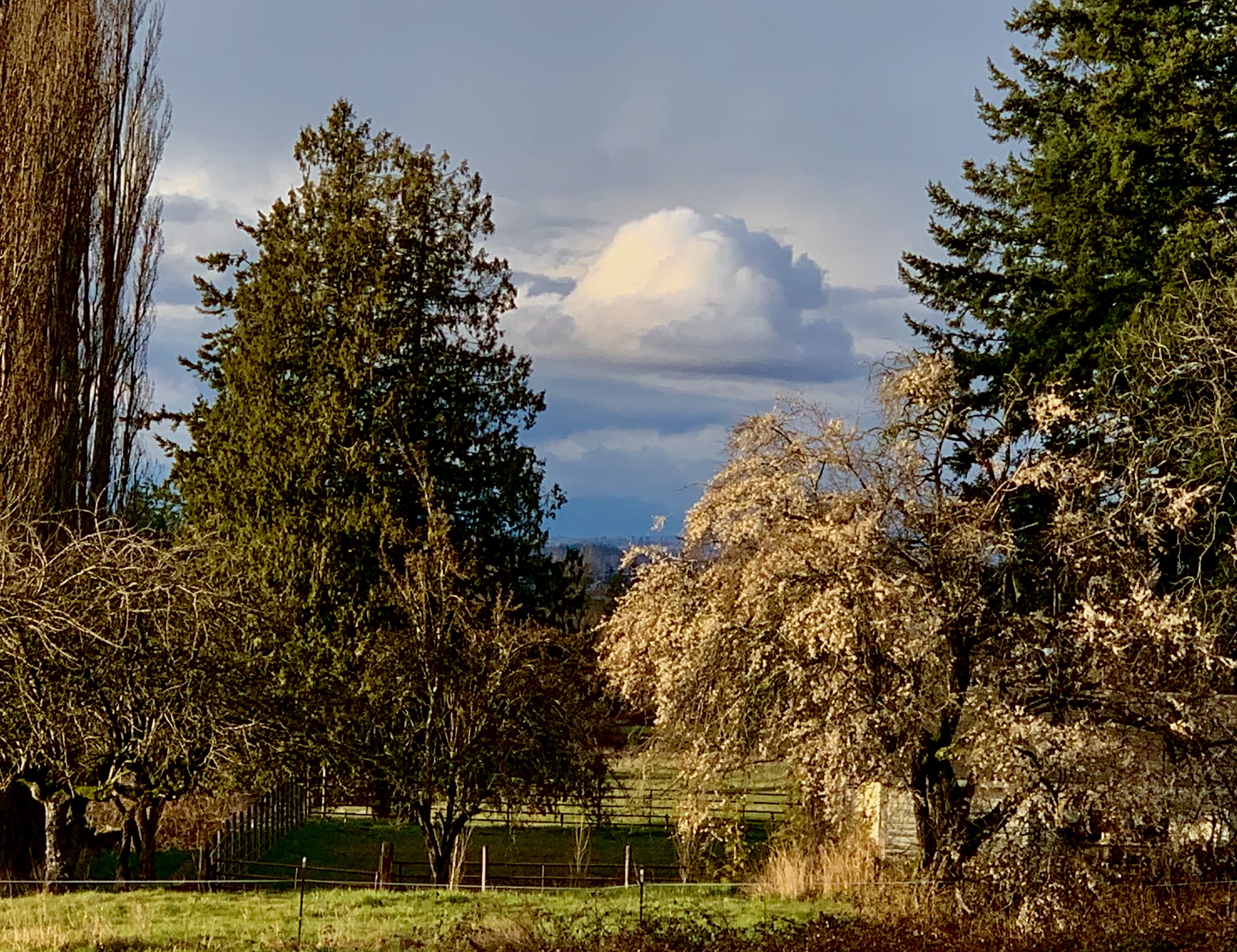
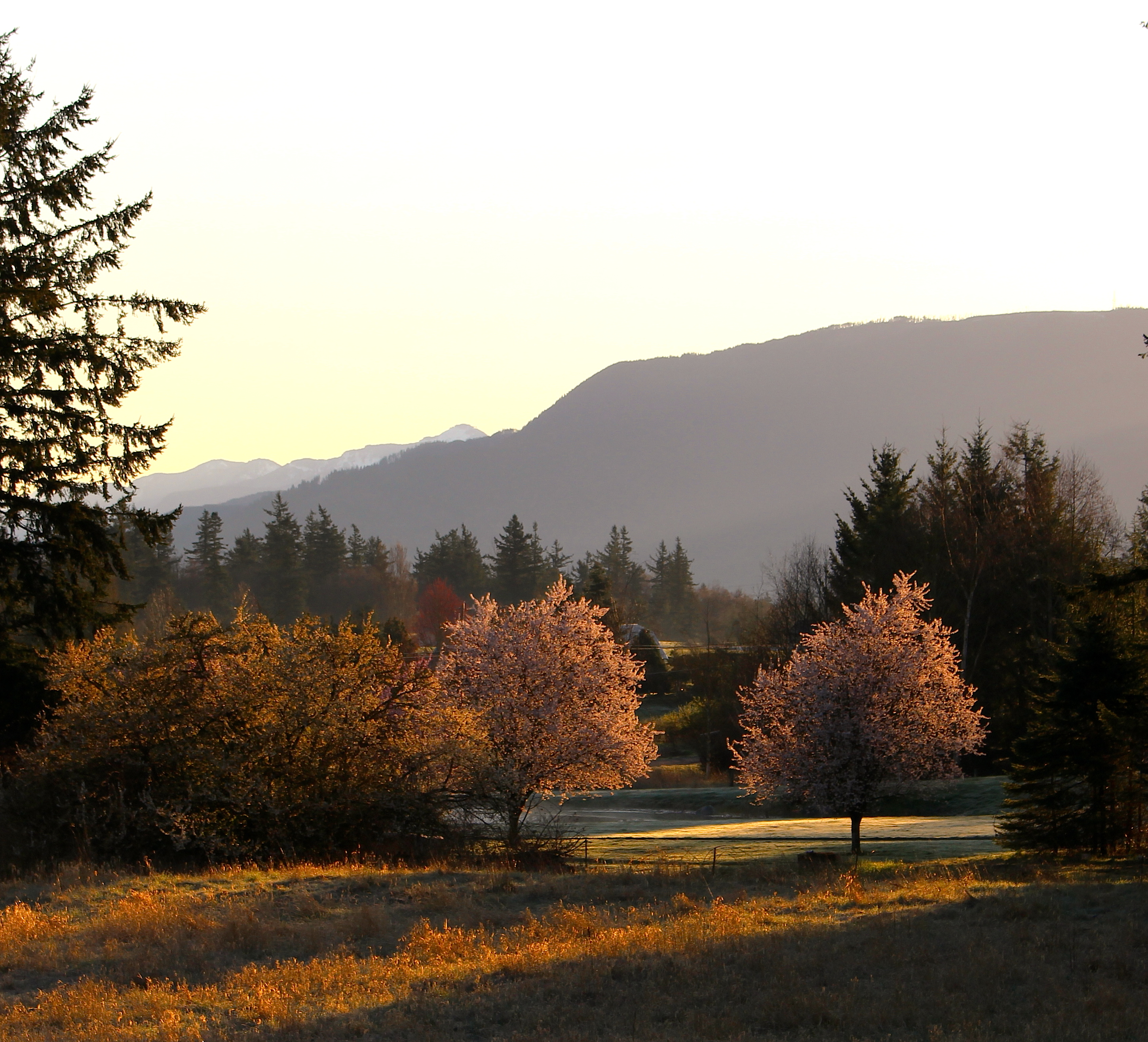
It had been a slow coming of spring this year, seeming in no hurry whatsoever. Snow has remained in the foothills and the greening of the fields only begun.
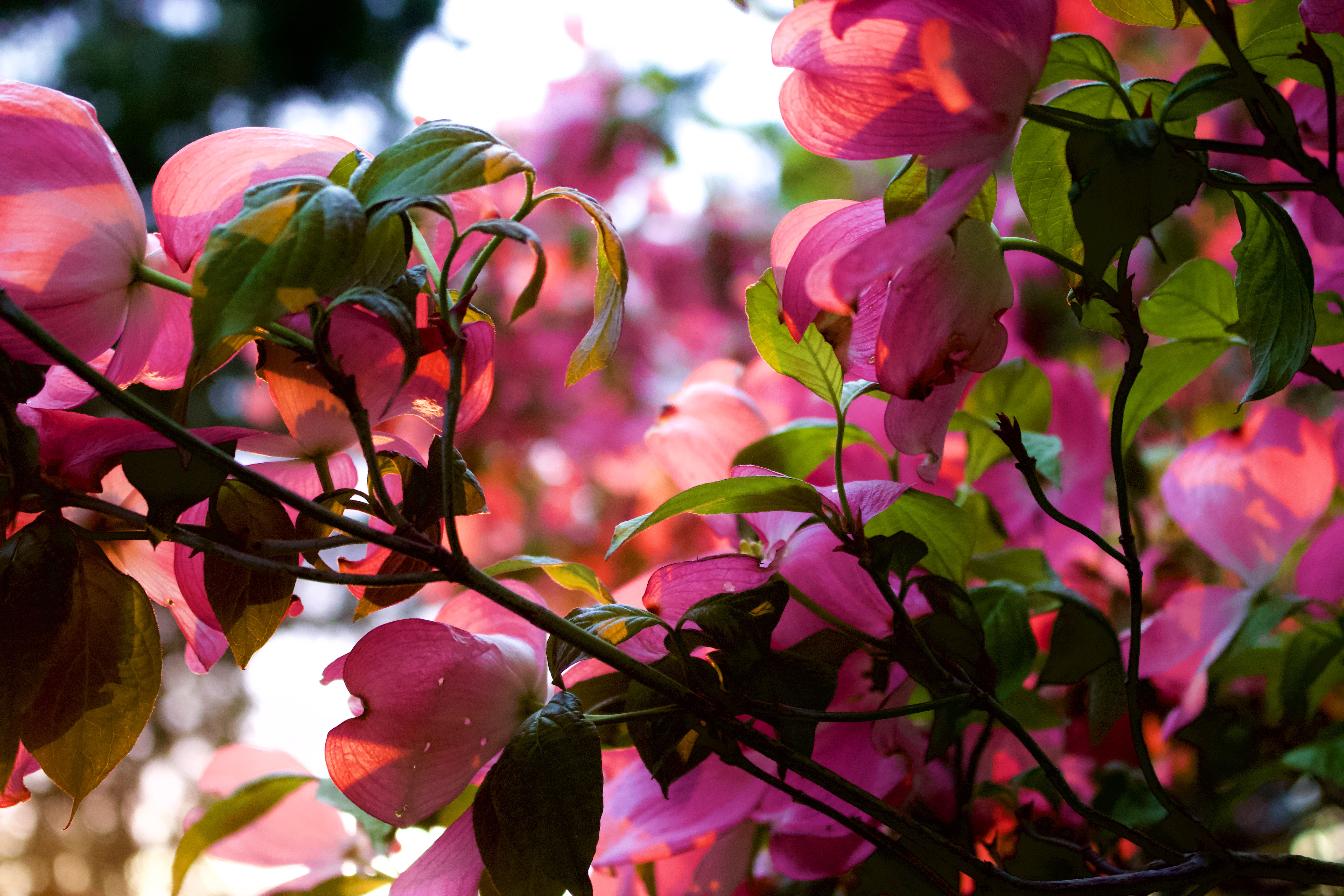
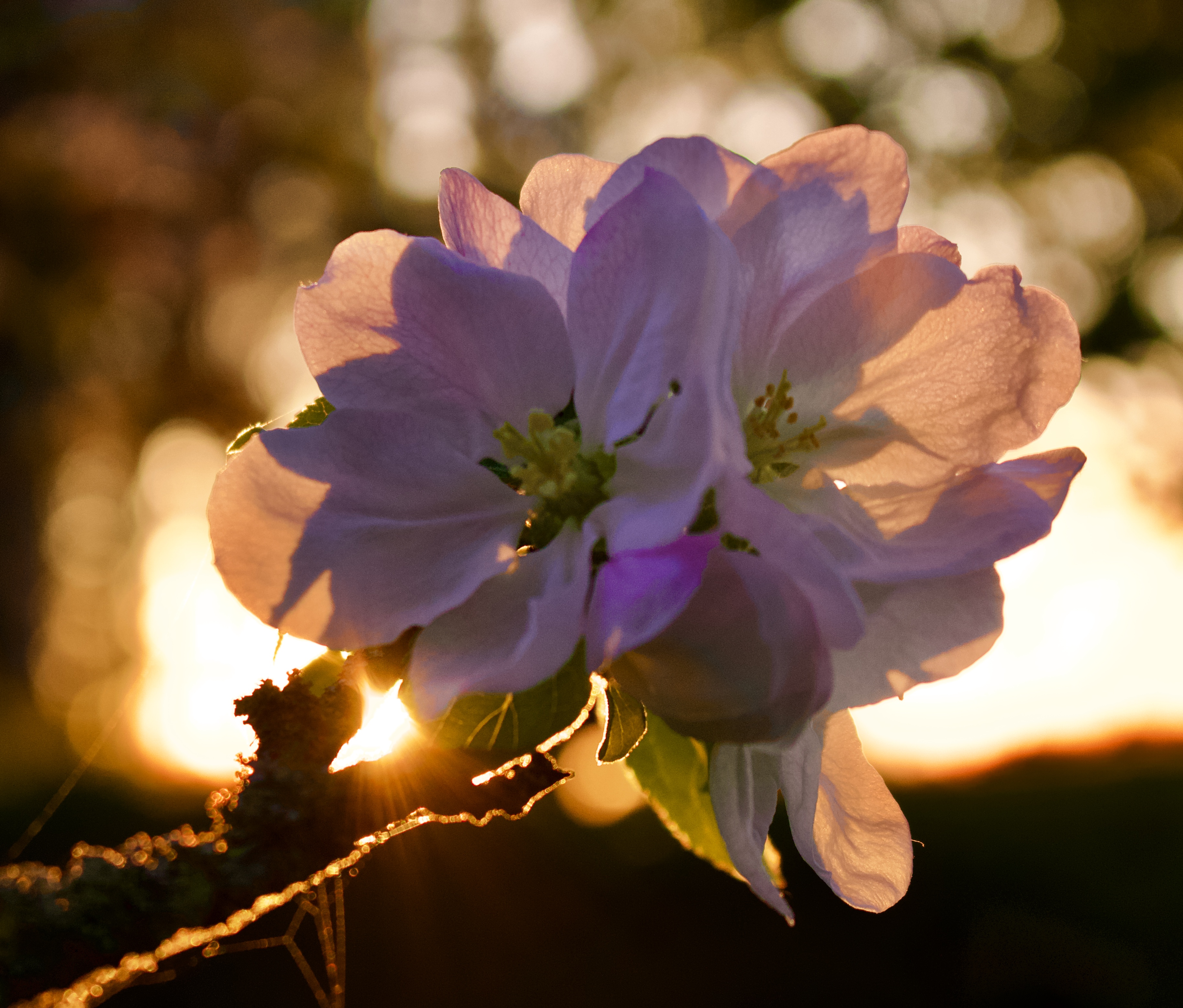
Bravely, flowering plum and cherry trees burst into bloom despite a continued chill, and the pink dogwood and apple blossoms are now emerging. The perfumed air of spring permeates the dawn.
Such variability is disorienting, much like standing blinded in a sudden spotlight in a darkened room, practicing resurrection.
Yet this is exactly what eastering is like. It is awakening out of a restless sleep, opening a door to let in fresh fragrant air, and the heavy stone locking us in the dark is rolled back.
Overnight all changed, and changed utterly.
He is not only risen. He is given indeed.
AI image created for this post
One-Time
Monthly
Yearly
Make a one-time or recurring donation to support daily Barnstorming posts
It’s so easy to look and see what we pass through in this world, but we don’t. If you’re like me, you see so little. You see what you expect to see rather than what’s there. ~Frederick Buechner from The Remarkable Ordinary
Jesus said to them, “Come and have breakfast.” None of the disciples dared ask him, “Who are you?” They knew it was the Lord. John 21:12
It is too easy, by the next day, to let go of Easter — to slide back into the Monday routine, managing our best to get through each day, our jaws set, our teeth gritted, as we have before.
We are blinded by our grief, shivering in misery, thinking Him only the Gardener as He passed by. We don’t pay attention to Who is right before us, Who is always tending us: the new Adam, caring for a world desperate for rescue.
God knows this about us. So He invites us to breakfast on Monday and every day thereafter.
He feeds us, a tangible and meaningful act of nourishing us in our most basic human needs though we’ve done nothing to deserve the gift. He cooks up fish on a beach at dawn and welcomes us to join Him, as if nothing extraordinary has just happened.
Just yesterday evening he reviewed His Word and broke bread in Emmaus, opening the eyes and hearts of those like us who failed to see Who this is walking beside them.
This is no ordinary Gardener.
When He offers up a meal of His Word, the gift is nothing less than Himself.
AI image created for this post
One-Time
Monthly
Yearly
Make a one-time or recurring donation to support daily Barnstorming posts
Make no mistake: if He rose at all it was as His body; if the cells’ dissolution did not reverse, the molecules reknit, the amino acids rekindle, the Church will fall…
It was not as the flowers, each soft Spring recurrent; it was not as His Spirit in the mouths and fuddled eyes of the eleven apostles; it was as His Flesh: ours. ~John Updike from “Seven Stanzas at Easter”
Our flesh is so weak, so temporary, as ephemeral as a dew drop on a petal yet with our earthly vision it is all we know of ourselves and it is what we trust knowing of Him.
He was born as our flesh, from our flesh. He walked and hungered and thirsted and slept as our flesh. He died, His flesh hanging in tatters, blood spilling freely breath fading to nought, speaking Words our ears can never forget.
And He rose again as His flesh like ours to walk and hunger and thirst alongside us and here on this hill we meet together, –flesh of His flesh– here among us He is risen –flesh of our flesh– married forever as the Church and its fragile, flawed and everlasting body.
“Why do you look for the living among the dead? He is not here; he has risen!” Luke 24: 5-6
Thank you for following along during this Lenten season. May you have a blessed Easter celebration to carry with you through the weeks, months and years ahead.
AI image created for this post
One-Time
Monthly
Yearly
Make a one-time or recurring donation to support daily Barnstorming posts
My God, my God, why have you forsaken me? Why are you so far from saving me, so far from my cries of anguish? 2 My God, I cry out by day, but you do not answer, by night, but I find no rest.
I am poured out like water, and all my bones are out of joint. My heart has turned to wax; it has melted within me. 15 My mouth is dried up like a potsherd, and my tongue sticks to the roof of my mouth; you lay me in the dust of death.
16 Dogs surround me, a pack of villains encircles me; they pierce my hands and my feet. 17 All my bones are on display; people stare and gloat over me. 18 They divide my clothes among them and cast lots for my garment.
19 But you, Lord, do not be far from me. You are my strength; come quickly to help me. ~Psalm 22: 1-2, 14-19
his appearance was so disfigured beyond that of any human being and his form marred beyond human likeness— so he will sprinkle many nations, and kings will shut their mouths because of him. For what they were not told, they will see, and what they have not heard, they will understand. Isaiah 52: 13-15
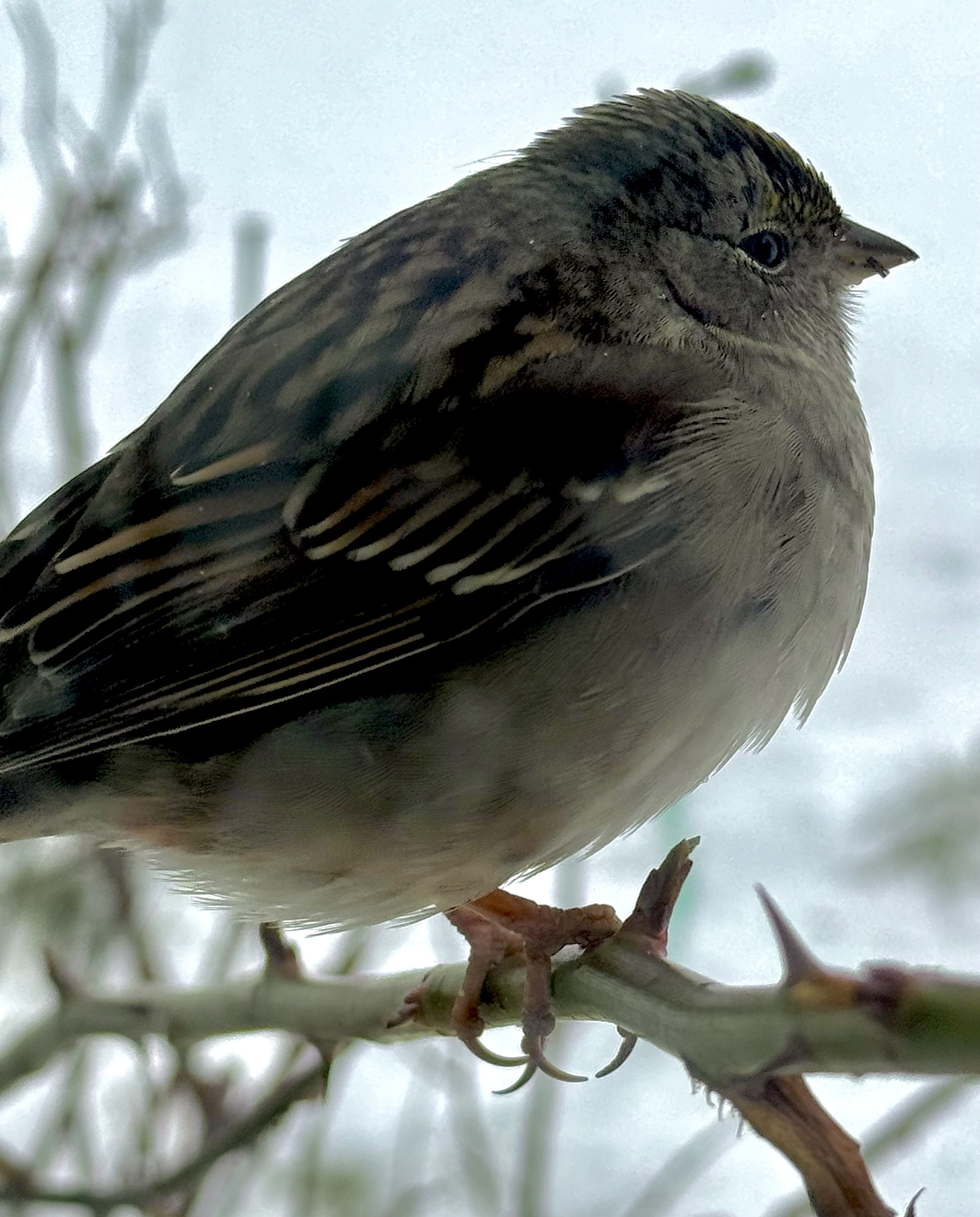
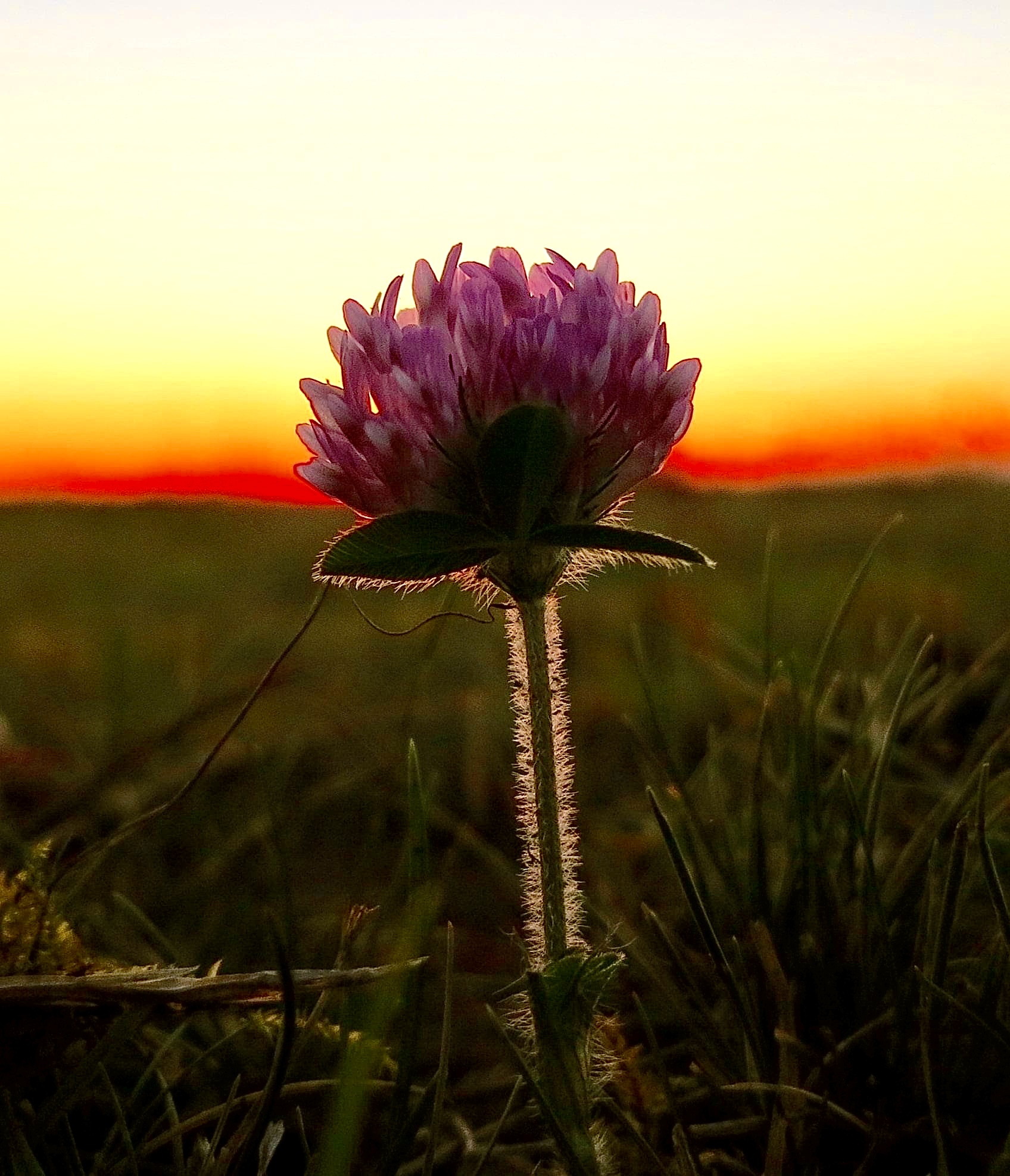
When I was wounded whether by God, the devil, or myself —I don’t know yet which— it was seeing the sparrows again and clumps of clover, after three days, that told me I hadn’t died. When I was young, all it took were those sparrows, those lush little leaves, for me to sing praises, dedicate operas to the Lord. But a dog who’s been beaten is slow to go back to barking and making a fuss over his owner —an animal, not a person like me who can ask: Why do you beat me? Which is why, despite the sparrows and the clover, a subtle shadow still hovers over my spirit. May whoever hurt me, forgive me. ~Adelia Prado “Divine Wrath” translated from BrazilianPortuguese by Ellen Doré Watson
*************************************
“My God, My God,” goes Psalm 22, “hear me, why have you forsaken me?”
This is the anguish all we of Godforsaken heart know well. But hear the revelation to which Christ directs us, further in the same psalm:
For He has not despised nor scorned the beggar’s supplication, Nor has He turned away His face from me; And when I cried out to Him, He heard me.
He hears us, and he knows, because he has suffered as one Godforsaken. Which means that you and I, even in our darkest hours, are not forsaken. Though we may hear nothing, feel nothing, believe nothing, we are not forsaken, and so we need not despair.
And that is everything.
That is Good Friday and it is hope, it is life in this darkened age, and it is the life of the world to come. ~Tony Woodlief from “We are Not Forsaken”
*******************************
Emmett Till’s mother speaking over the radio
She tells in a comforting voice what it was like to touch her dead boy’s face,
how she’d lingered and traced the broken jaw, the crushed eyes–
the face that badly beaten, disfigured— before confirming his identity.
And then she compares his face to the face of Jesus, dying on the cross.
This mother says no, she’d not recognize her Lord, for he was beaten far, far worse
than the son she loved with all her heart. For, she said, she could still discern her son’s curved earlobe,
but the face of Christ was beaten to death by the whole world. ~Richard Jones “The Face” fromBetween Midnight and Dawn
******************************
In a daring and beautiful creative reversal, God takes the worse we can do to Him and turns it into the very best He can do for us. ~Malcolm Guite from The Word in the Wilderness
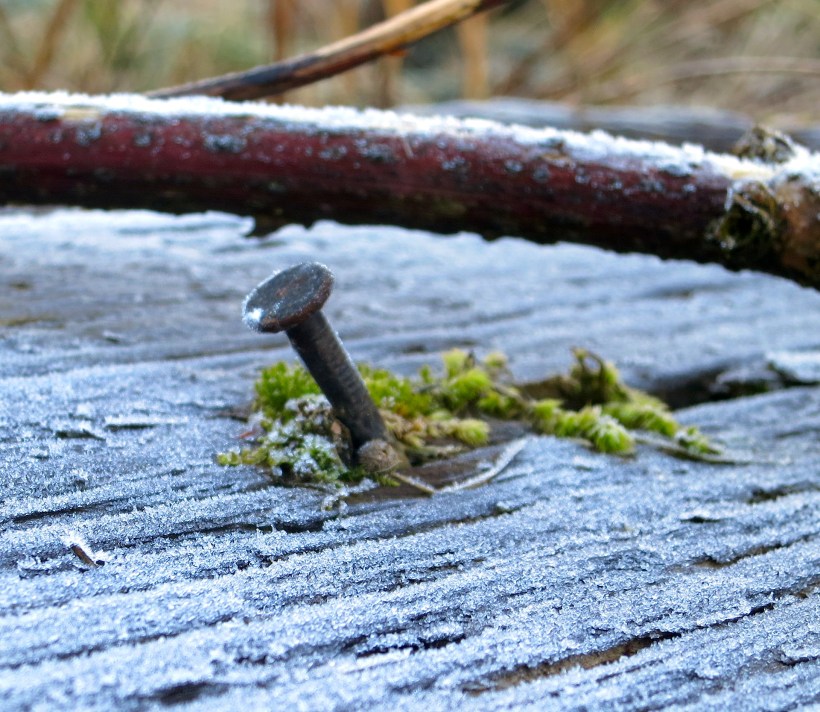
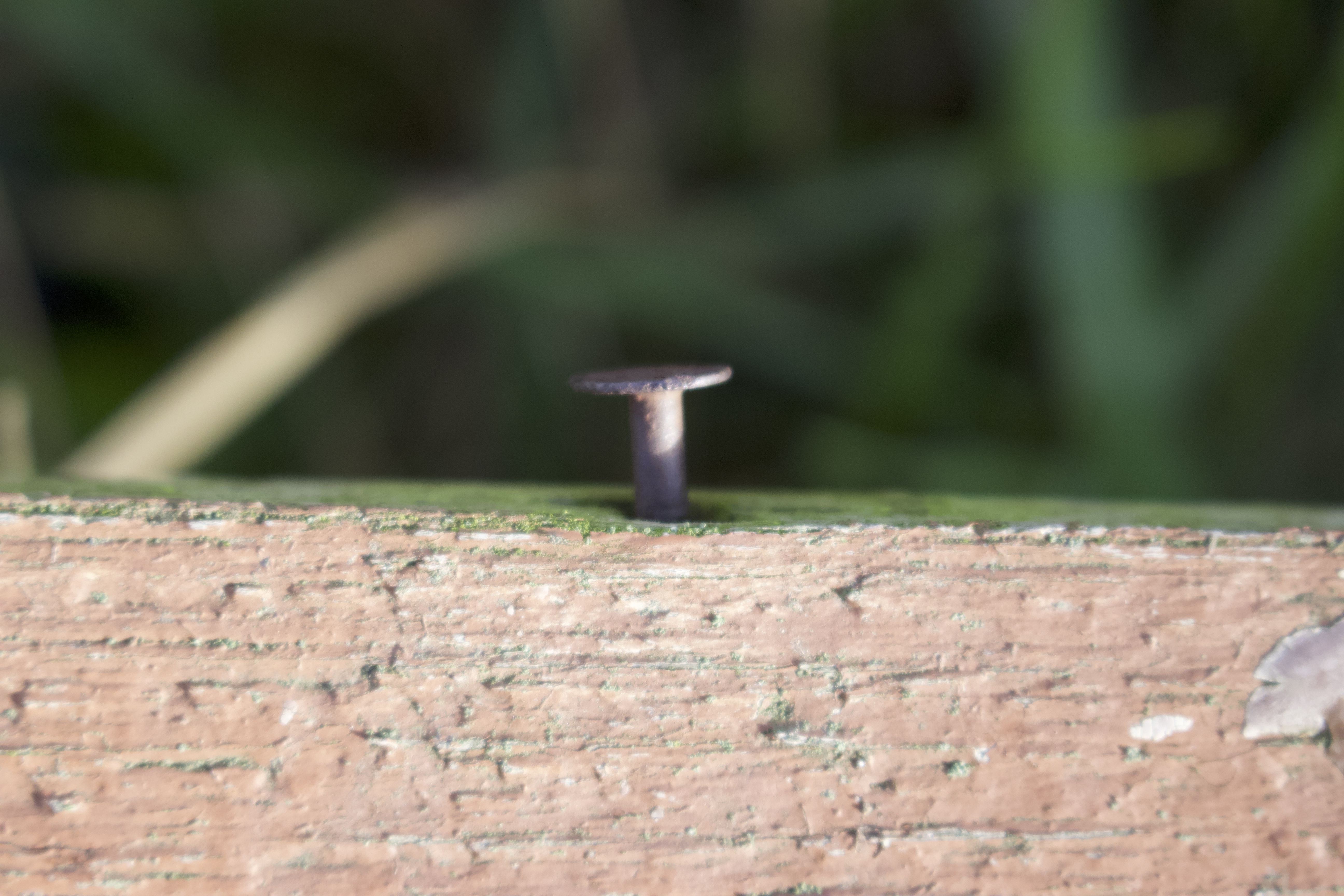
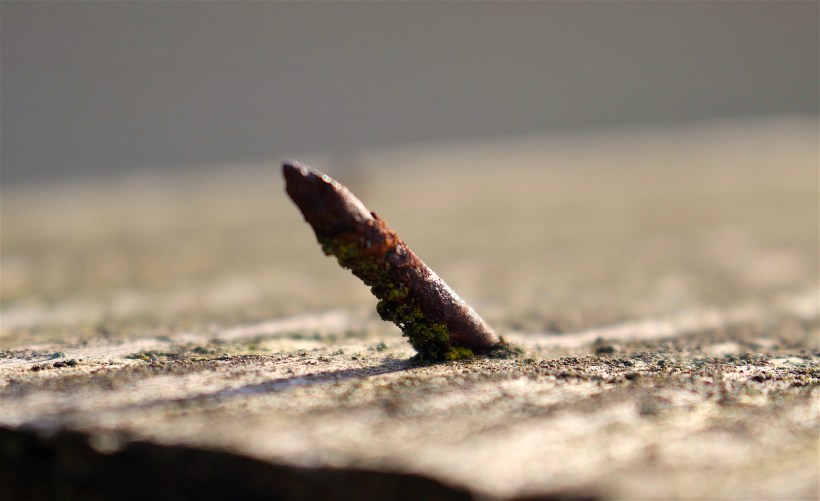
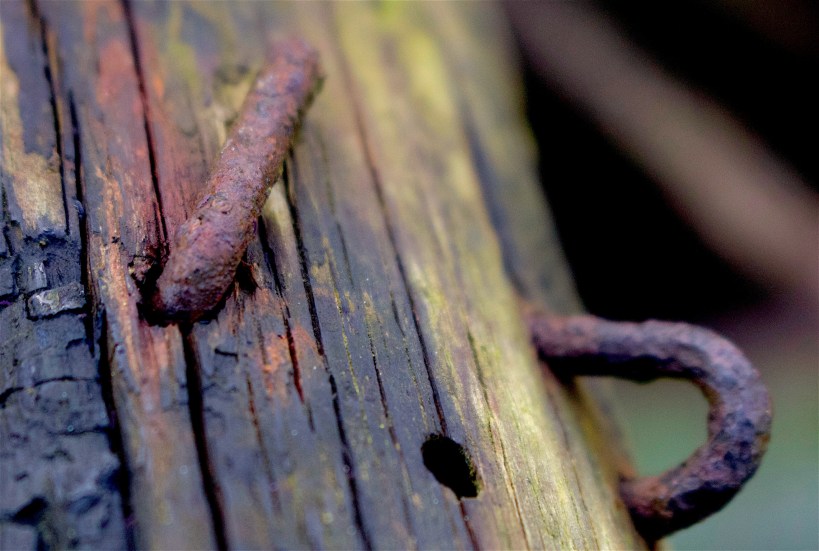
Strangely enough~ it is the nail, not the hammer, that fastens us together~ becoming the glue, the security, the permanence of solid foundation and strong supports, or protecting roof.
The hammer is only a tool to pound in the nail to where it binds so tightly; the nail can’t blend in or be forgotten, where the hole it leaves behind is a forever wounded reminder of what the hammer has done, yet, how thoroughly the hammer, and we, are forgiven.
This year’s Lenten theme:
…where you go I will go… Ruth 1:16
One-Time
Monthly
Yearly
Make a one-time or recurring donation to support daily Barnstorming posts
…having loved his own who were in the world, he now showed them the full extent of his love. John 13:1
What e’er the soul has felt or suffered long, Oh, heart! this one thing should not be forgot: Christ washed the feet of Judas. ~George Marion McClellan from “The Feet of Judas” in The Book of American Negro Poetry 1922
Here is the source of every sacrament, The all-transforming presence of the Lord, Replenishing our every element Remaking us in his creative Word.
For here the earth herself gives bread and wine, The air delights to bear his Spirit’s speech, The fire dances where the candles shine, The waters cleanse us with His gentle touch.
And here He shows the full extent of love To us whose love is always incomplete, In vain we search the heavens high above, The God of love is kneeling at our feet.
Though we betray Him, though it is the night. He meets us here and loves us into light. ~Malcolm Guite “Maundy Thursday”
May the power of your love, Lord Christ, fiery and sweet as honey, so absorb our hearts as to withdraw them from all that is under heaven. Grant that we may be ready to die for love of your love, as you died for love of our love. ~St. Francis of Assisi
On Maundy Thursday, this is how to love Jesus’s love:
No arguing over who is the greatest. No hiding dirty feet needing washing. No making promises we don’t keep. No holding back the most precious of gifts. No falling asleep when asked to keep watch. No selling out with a kiss. No drawing of swords. No turning and running away. No lying and denying. No covering up our face and identity. No looking back. No clinging to the comforts of the world.
But of course I fail again and again when I’m fearful. My heart resists leaving behind the familiar.
Plucked from the crowd, we must pick up and carry His load (which is, of course, our load) for Him. Now is our turn to hold on and not let go, as if life depends on it. Which it does — requiring no nails.
The fire of His love leaves our sin in ashes. The cleansing of His sacrifice washes us. The food of His body nurtures our souls.
From nurture and washing and ashes rises new life: Love of His love for our love.
This year’s Lenten theme:
…where you go I will go… Ruth 1:16
AI image created for this post
Lyrics: Angels where you soar up to God’s own light take my own lost bird on your hearts tonight and as grief once more mounts to heaven and sings let my love be heard
Lyrics: I, your Lord and Master, Now become your servant. I who made the moon and stars Will kneel to wash your feet. This is My commandment: To love as I have loved you.
Kneel to wash each other’s feet As I have done for you. All the world will know You are My disciples By the love that you offer, The kindness you show. You have heard the voice of God In the words that I have spoken. You beheld Heaven’s glory And have seen the face of God.
One-Time
Monthly
Yearly
Make a one-time or recurring donation to support daily Barnstorming posts
To invite Jesus to cleanse the temple of our hearts is not to ask for guilt and shame. It is to ask for healing. The same Lord who overturned tables did so not to destroy and humiliate, but to reclaim and restore. He interrupts only that which obstructs. He removes only that which hinders life and worship. His cleansing is never punitive; it is always redemptive. ~Scott Sauls from “What Would Jesus Overturn in Your Life?”
To live coram Deo is to live one’s entire life in the presence of God, under the authority of God, to the glory of God. To live in the presence of God is to understand that whatever we are doing and wherever we are doing it, we are acting under the gaze of God.
There is no place so remote that we can escape His penetrating gaze. To live all of life coram Deo is to live a life of integrity. It is a life of wholeness that finds its unity and coherency in the majesty of God.
Our lives are to be living sacrifices, oblations offered in a spirit of adoration and gratitude.
A fragmented life is a life of disintegration. It is marked by inconsistency, disharmony, confusion, conflict, contradiction, and chaos. Coram Deo … before the face of God. …a life that is open before God. …a life in which all that is done is done as to the Lord. …a life lived by principle, not expediency; by humility before God, not defiance. ~R.C. Sproulfrom “What Does “coram Deo” mean?”
We cannot escape His gaze…all of us, all colors, shapes and sizes… Created in His image, imago dei, so He looks at us as His reflections in the mirror of the world.
What we do, how we speak, how we treat others reflects the face of God. Jesus is the embodied temple, bringing His sacrifice to the people, rather than people coming to the temple with their sacrifices.
I cringe to think how we hide from His gaze. All I see around me and within me is: inconsistency, dishonesty, disharmony, confusion, conflict, contradiction, and chaos.
Everywhere, everyone is saying: only I know what is best.
We call hypocrisy on one another, holding fast to moral high ground when the reality is: we drown together in the mud of our mutual guilt and lack of humility. All that we have done to others, we have done to God Himself.
It is time for us to be on our knees asking for cleansing, for the temples of our hearts to be overturned, our corruption scattered.
Jesus comes to cleanse, repair, reclaim and restore – us.
Kind of takes one’s breath away.
This year’s Lenten theme:
…where you go I will go… Ruth 1:16
AI image created for this post
VERSE 1 It is not death to die To leave this weary road And join the saints who dwell on high Who’ve found their home with God It is not death to close The eyes long dimmed by tears And wake in joy before Your throne Delivered from our fears CHORUS O Jesus, conquering the grave Your precious blood has power to save Those who trust in You Will in Your mercy find That it is not death to die VERSE 2 It is not death to fling Aside this earthly dust And rise with strong and noble wing To live among the just It is not death to hear The key unlock the door That sets us free from mortal years T To praise You evermore Original words by Henri Malan (1787-1864). Translated by George Bethune (1847)
Angels, where you soar Up to God’s own light Take my own lost bird On your hearts tonight; And as grief once more Mounts to heaven and sings Let my love be heard Whispering in your wings
One-Time
Monthly
Yearly
Make a one-time or recurring donation to support daily Barnstorming posts






































 Barnstorming