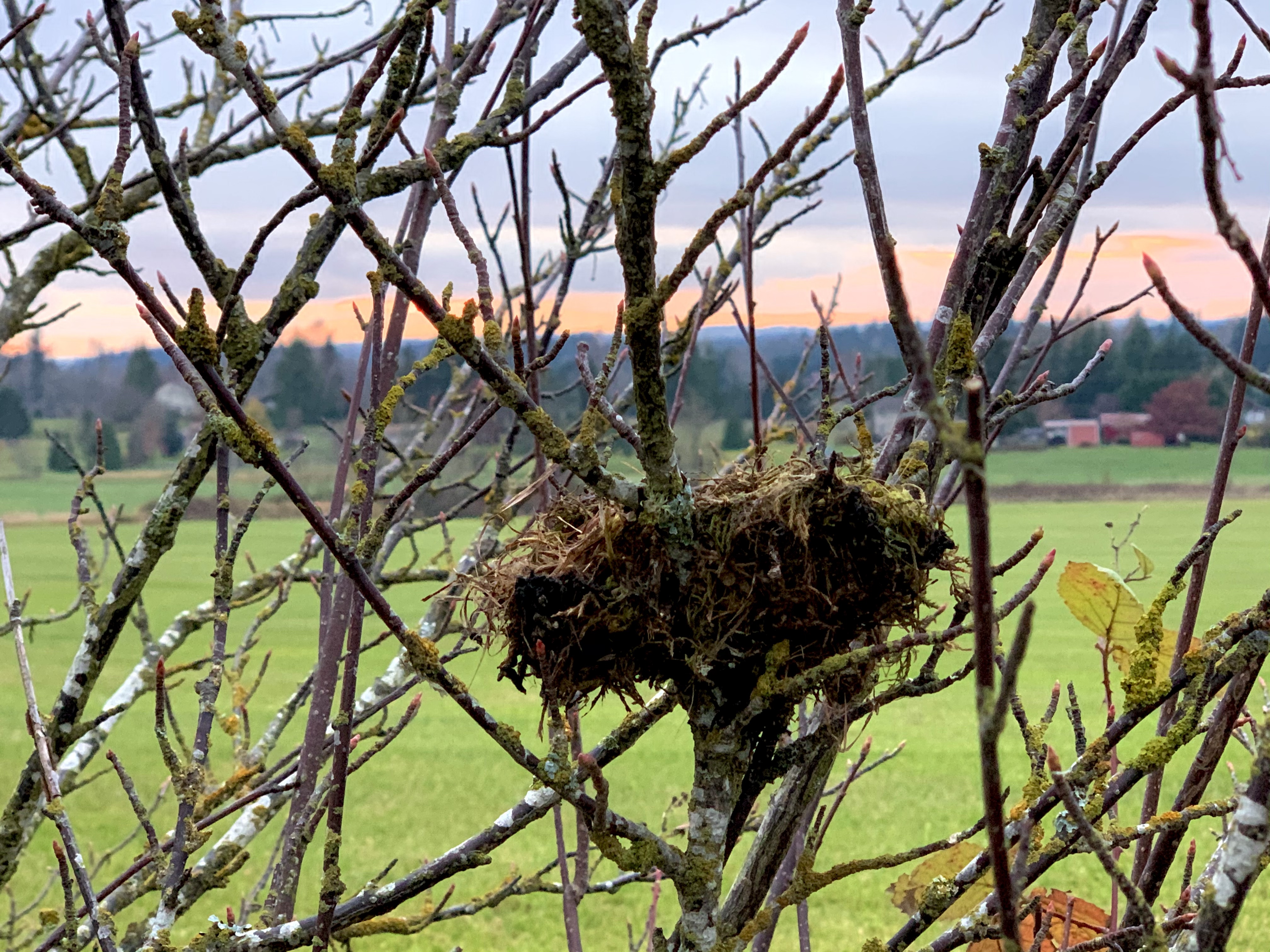
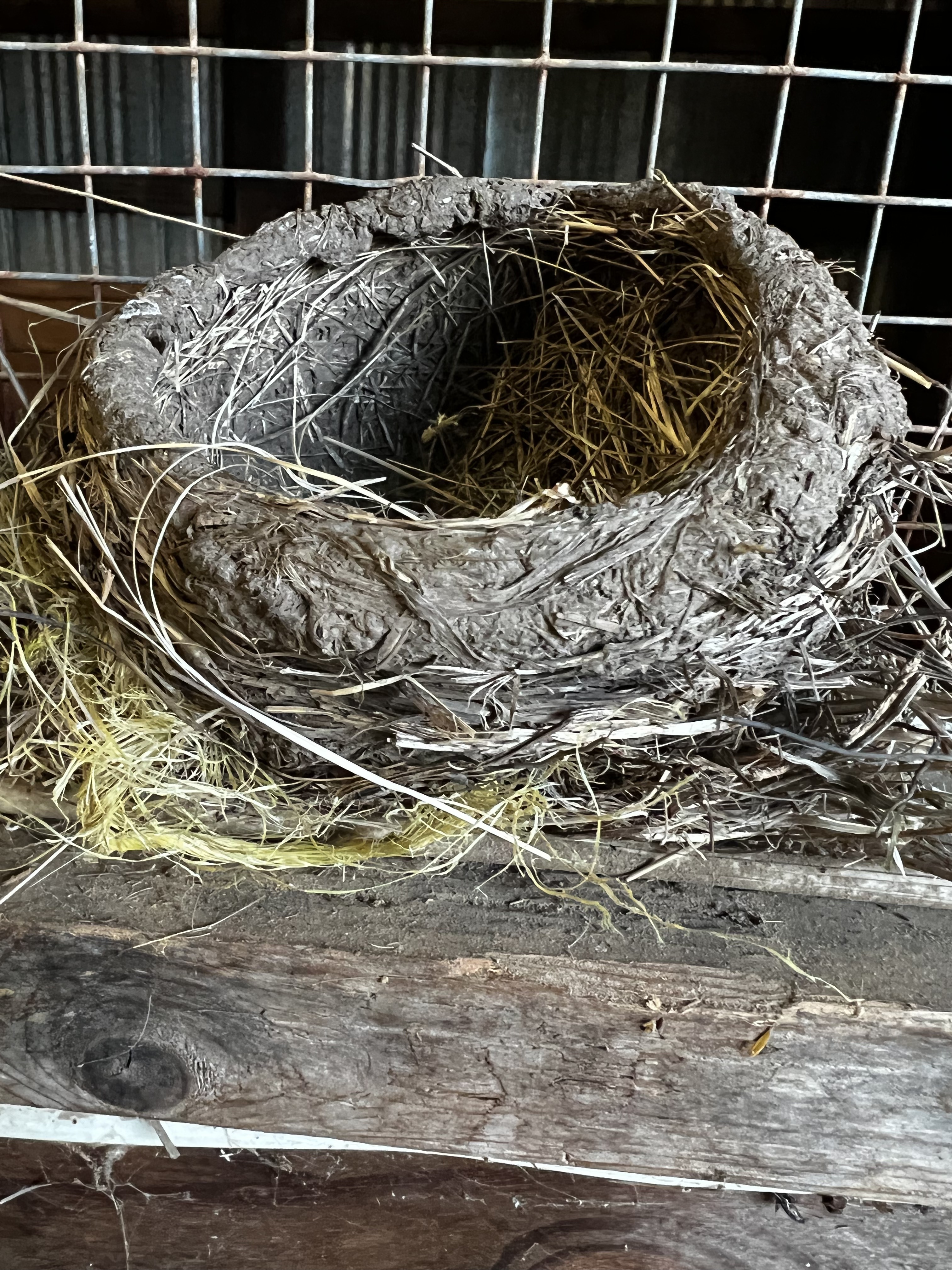
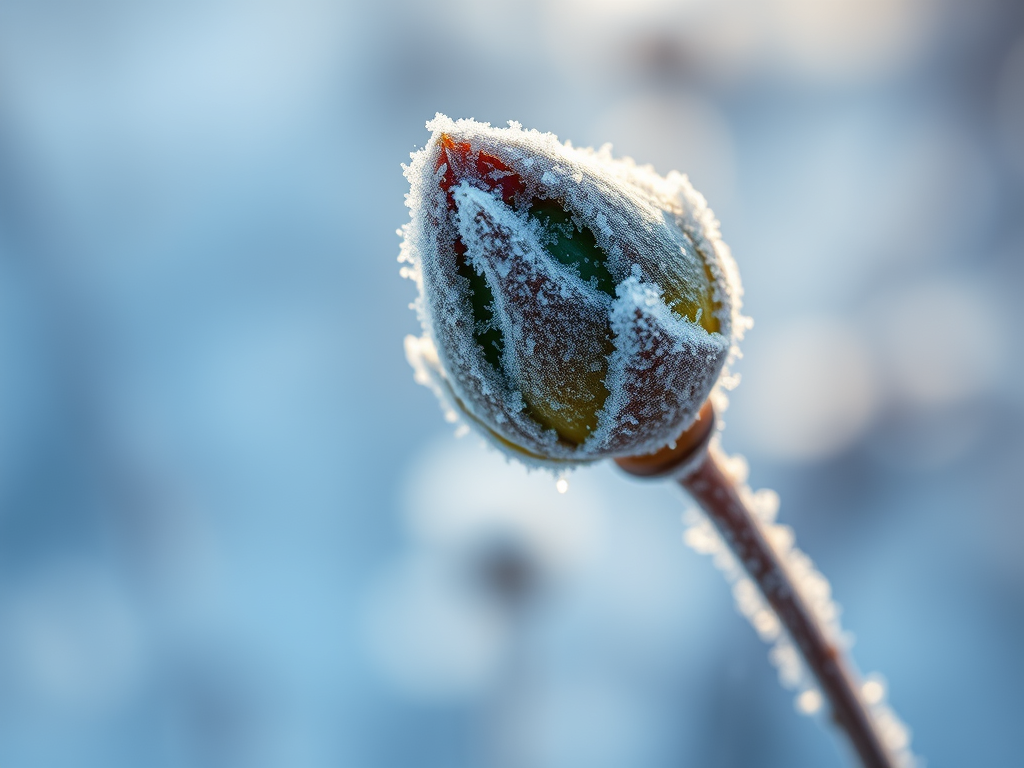
Oh the starving Winter-lapse! Ice-bound, hunger-pinched and dim; Dormant roots recall their saps, Empty nests show black and grim, Short-lived sunshine gives no heat, Undue buds are nipped by frost, Snow sets forth a winding-sheet, And all hope of life seems lost. ~Christina Rossetti “Winter” from “Seasons”
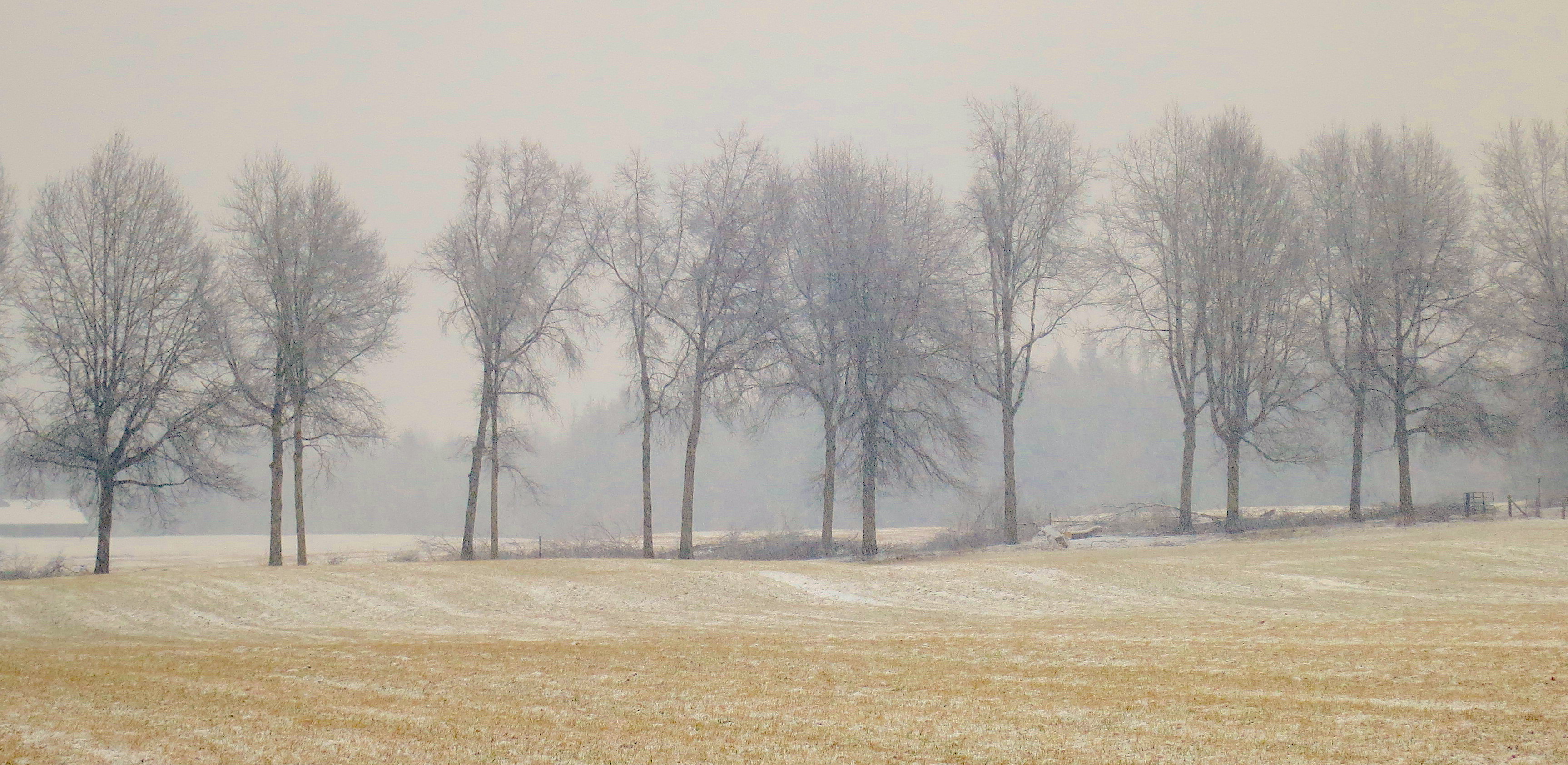
I sought the wood in winter When every leaf was dead; Behind the wind-whipped branches The winter sun set red. The coldest star was rising To greet that bitter air, The oaks were writhen giants; Nor bud nor bloom was there. The birches, white and slender, In deathless marble stood, The brook, a white immortal, Slept silent in the wood. ~Willa Cather from “I Sought the Wood in Winter”
A wintry soul can be a cold and empty place.
I appeal to my Creator who knows my struggle.
He asks me to keep my promises because He keeps His promises. His buds of hope and light and warmth still grace my bare branches.
He brings me out of the dark night’s chill, into the freshness of a frosty dawn, to finish what He brought me here to do.
AI image created for this post
One-Time
Monthly
Yearly
Make a one-time or recurring donation to support daily Barnstorming posts
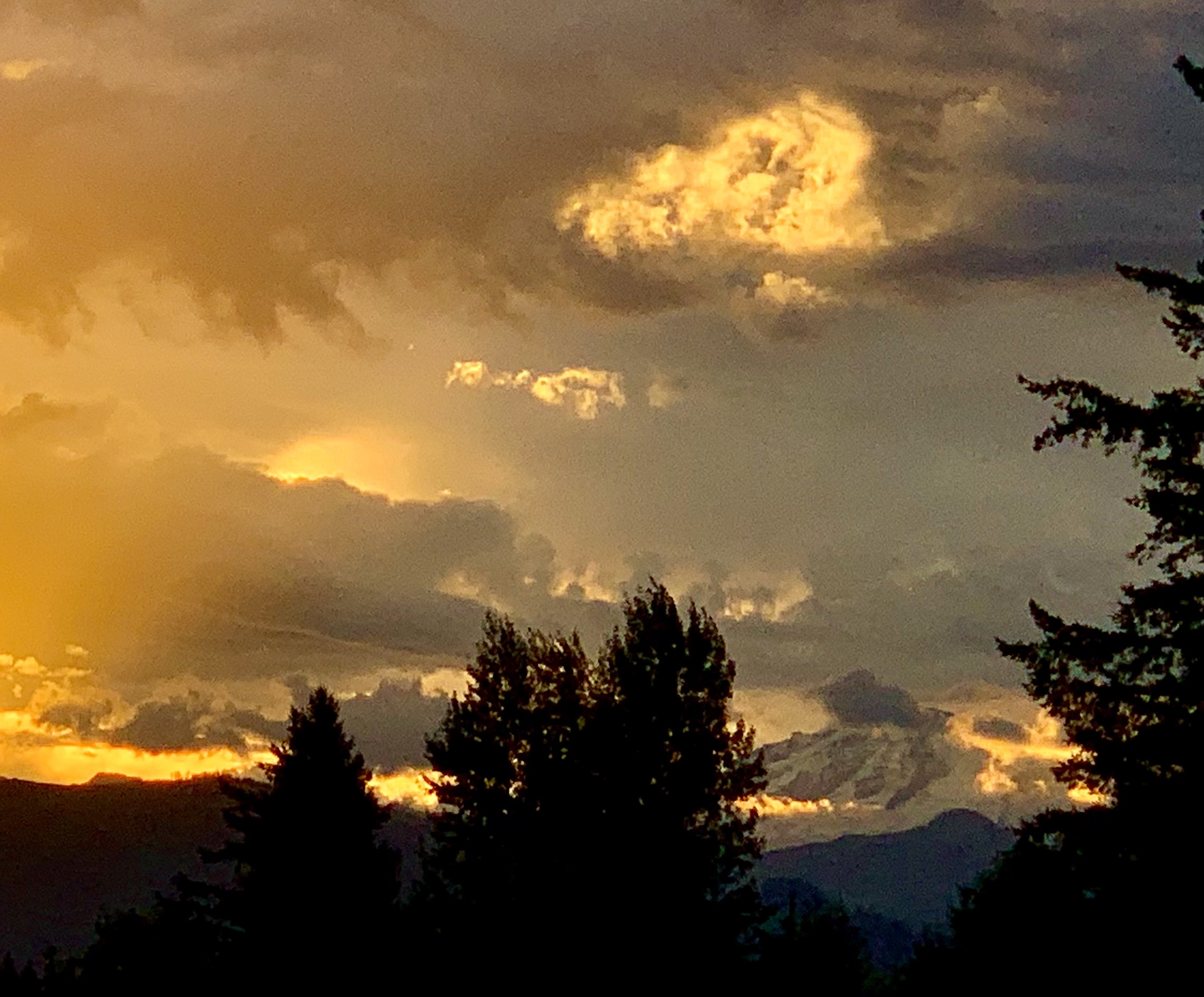
I like the slants of light; I’m a collector. That’s a good one, I say… ~Annie Dillard from Pilgrim at Tinker Creek
How valuable it is in these short days, threading through empty maple branches, the lacy-needled sugar pines.
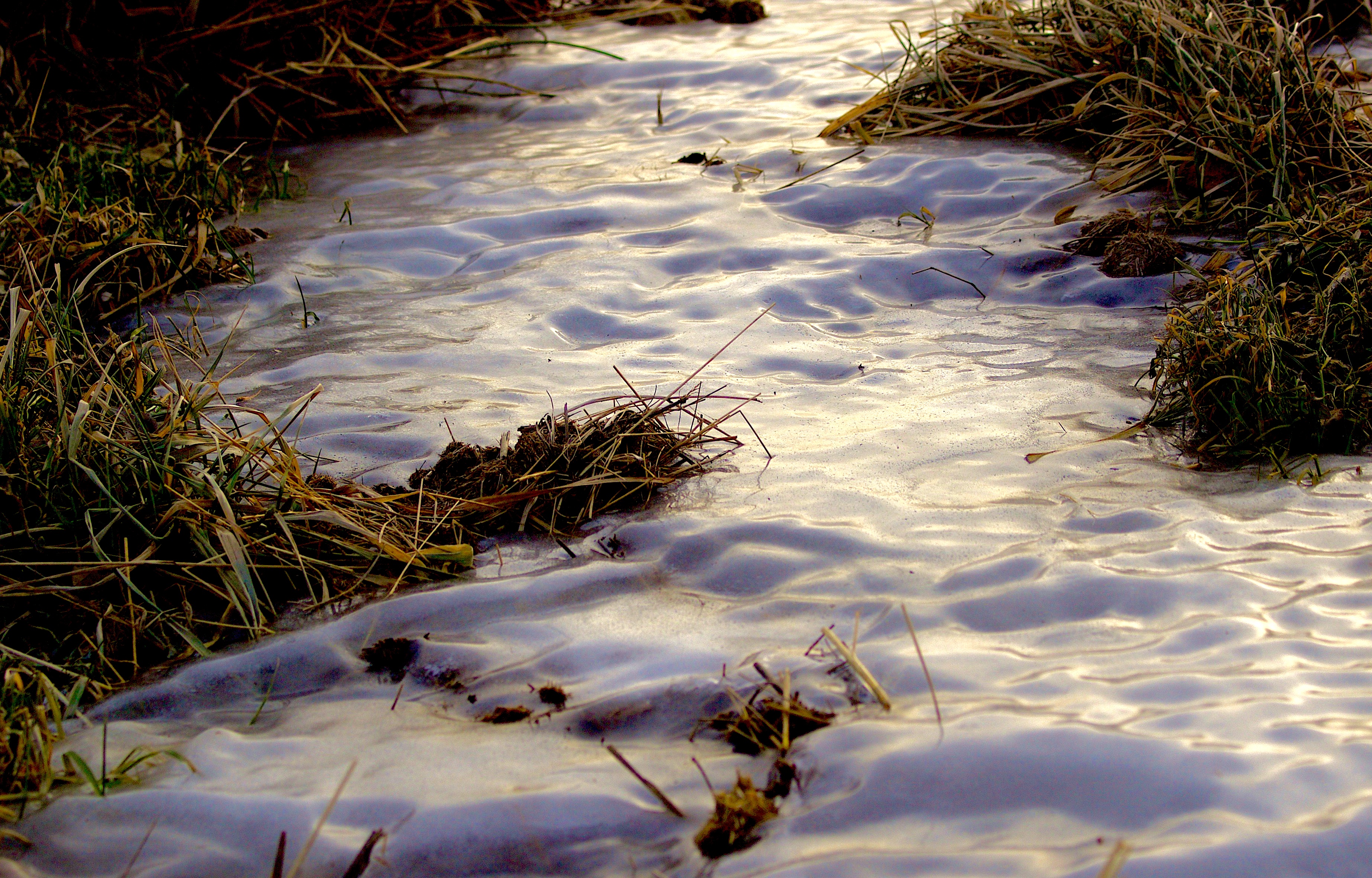
Its glint off sheets of ice tells the story of Death’s brightness, her bitter cold.
We can make do with so little, just the hint of warmth, the slanted light... ~Molly Fisk, “Winter Sun” from The More Difficult Beauty
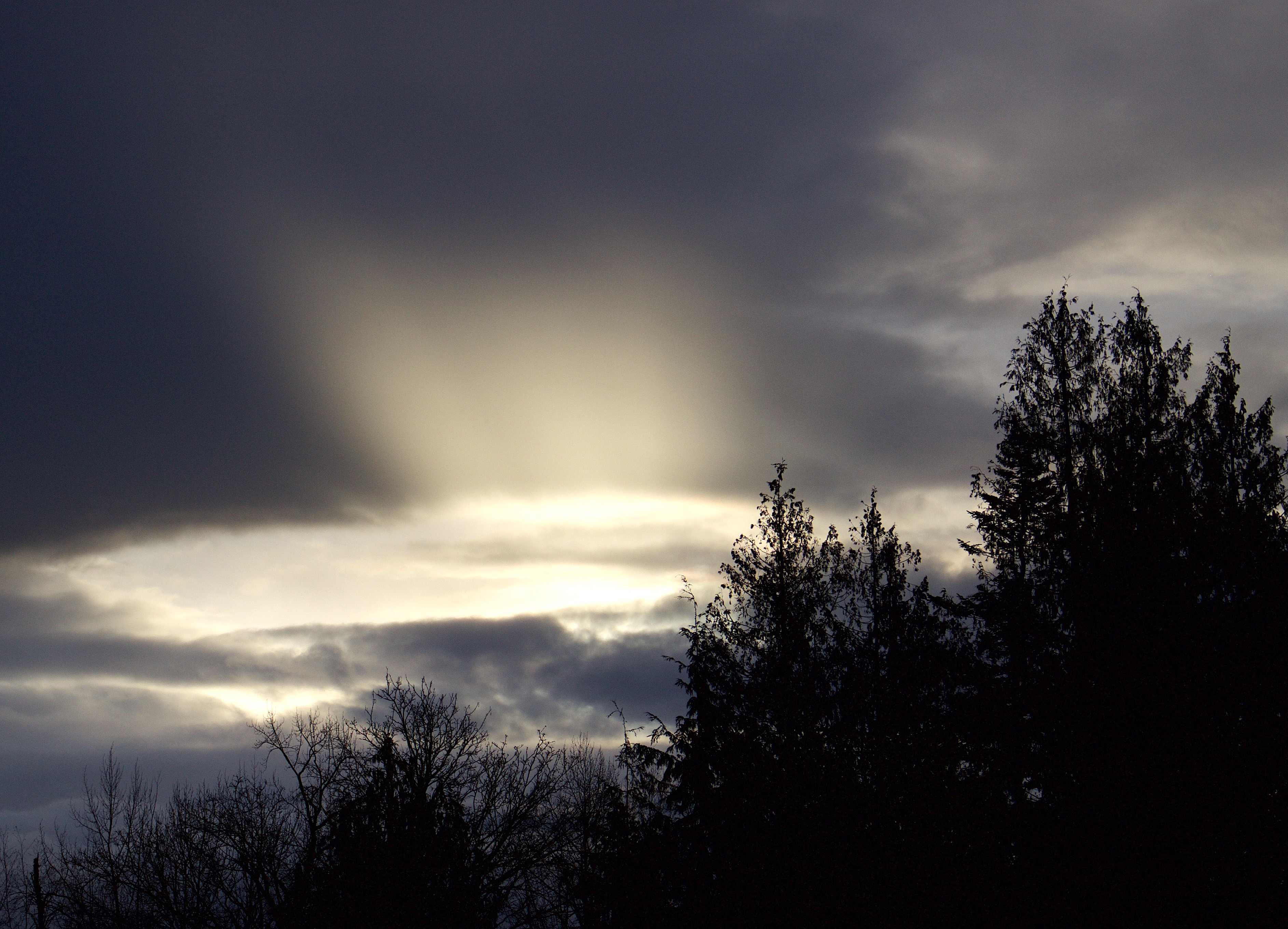
There’s a certain Slant of light On winter afternoons — That oppresses, like the Heft of cathedral tunes. When it comes, the Landscape listens — Shadows hold their breath — When it goes, ’tis like the Distance On the look of Death. ~Emily Dickinson
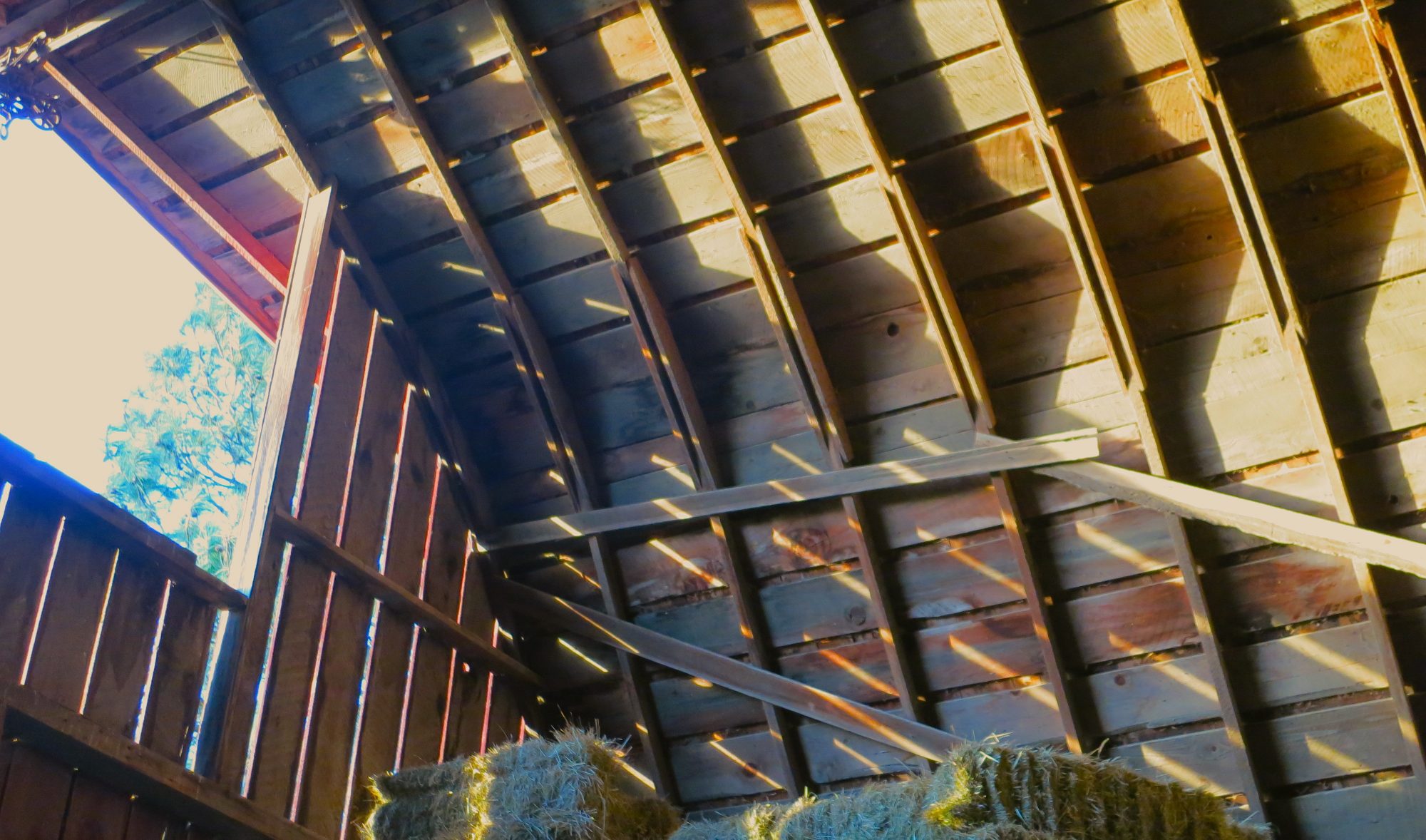
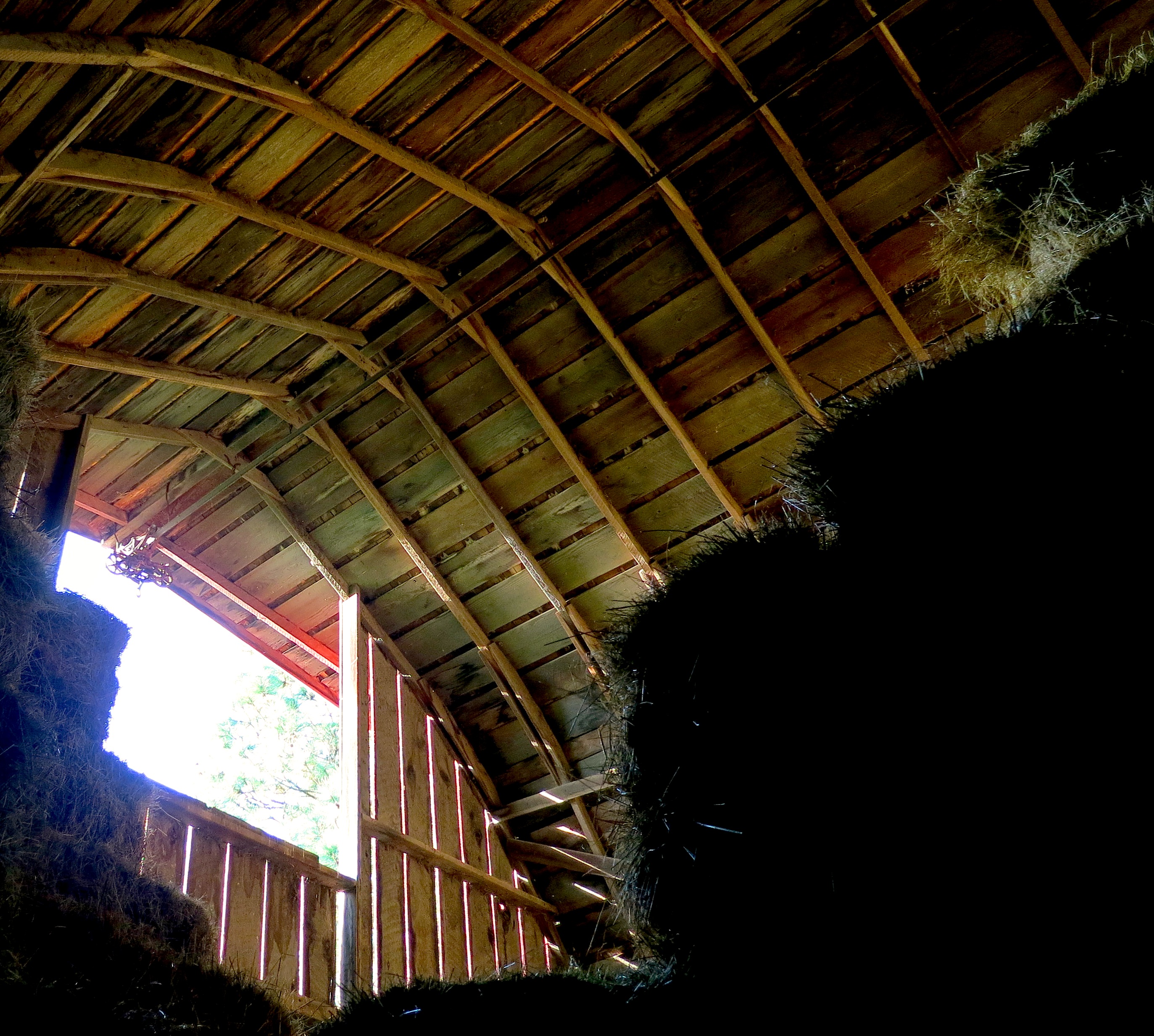
During our northwest winters, there is usually so little sunlight on gray cloudy days that I routinely turn on the two light bulbs in the big hay barn any time I need to fetch hay bales for the horses. This is so I avoid falling into the holes that inevitably develop in the hay stack between bales. Winter murky lighting tends to hide the dark shadows of the leg-swallowing pits among the bales, something that is particularly hazardous when attempting to move a 60 pound hay bale.
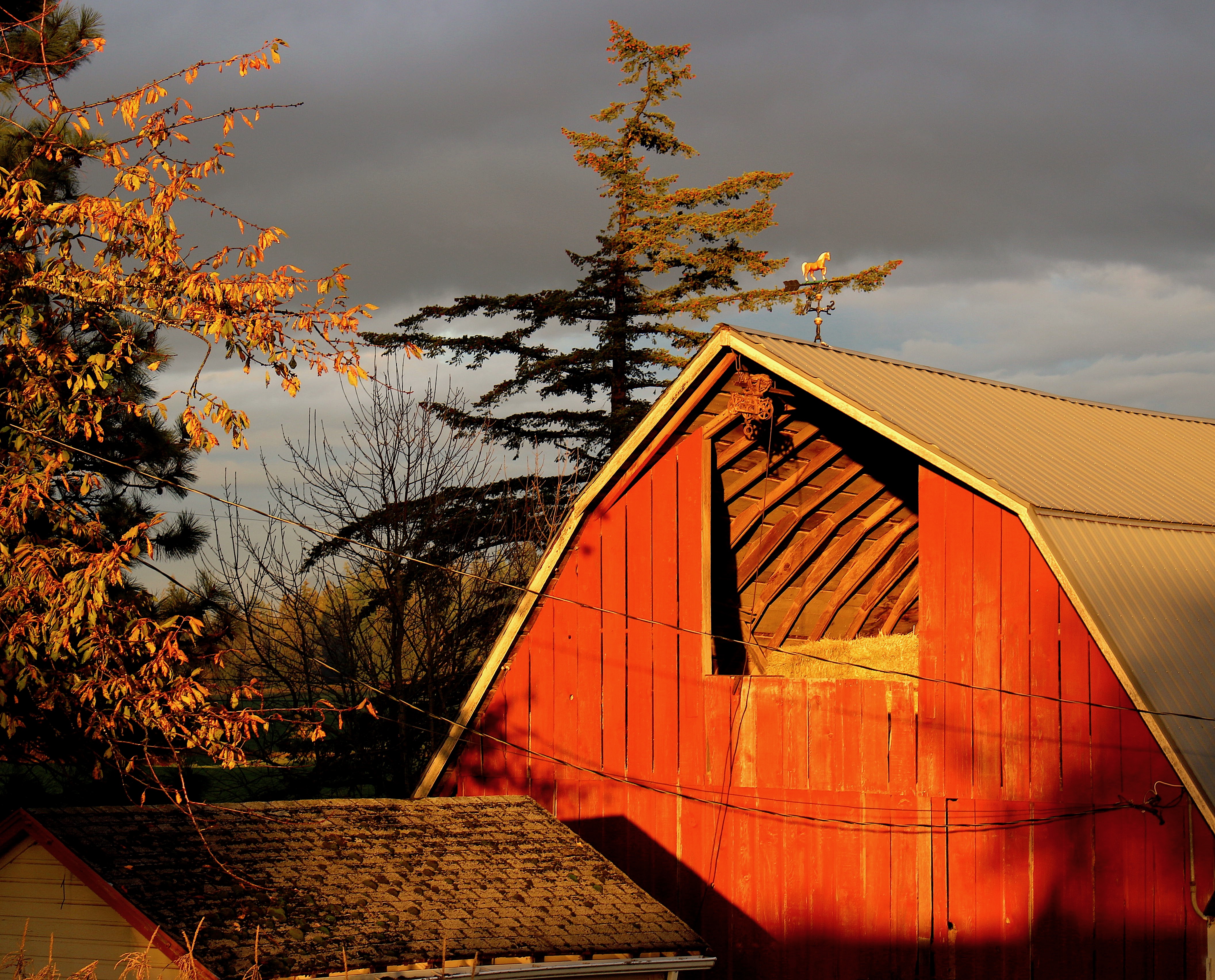
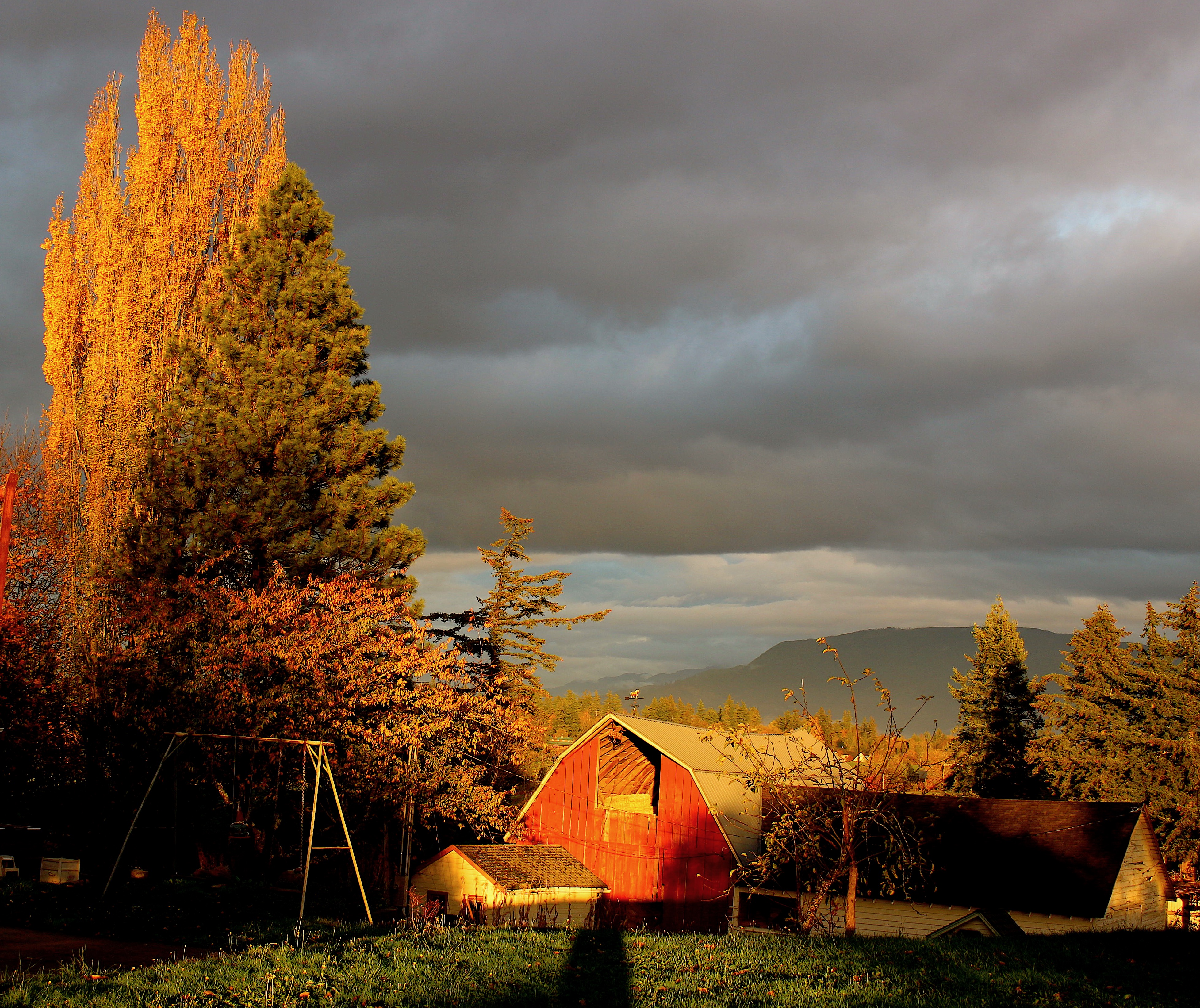
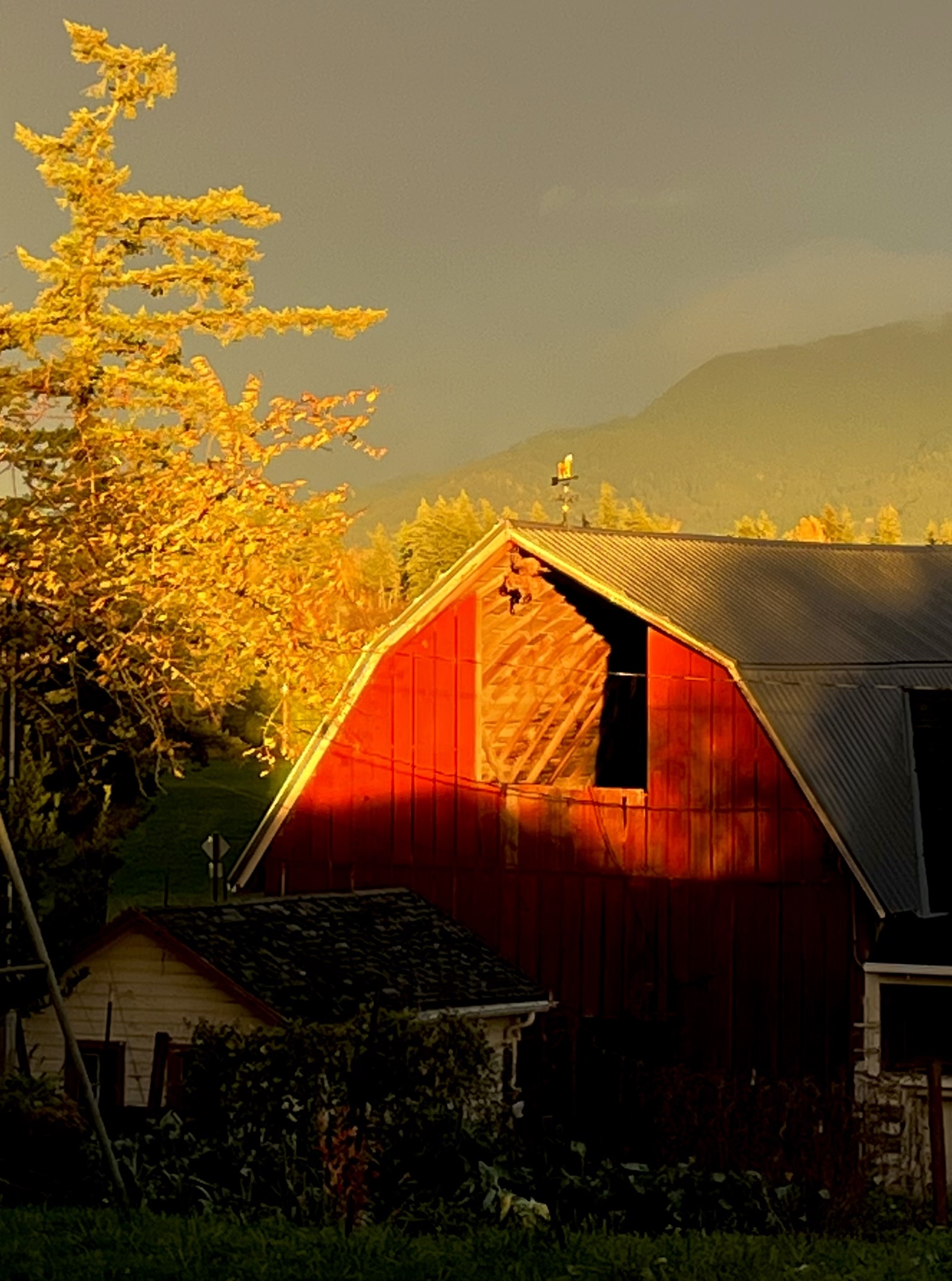
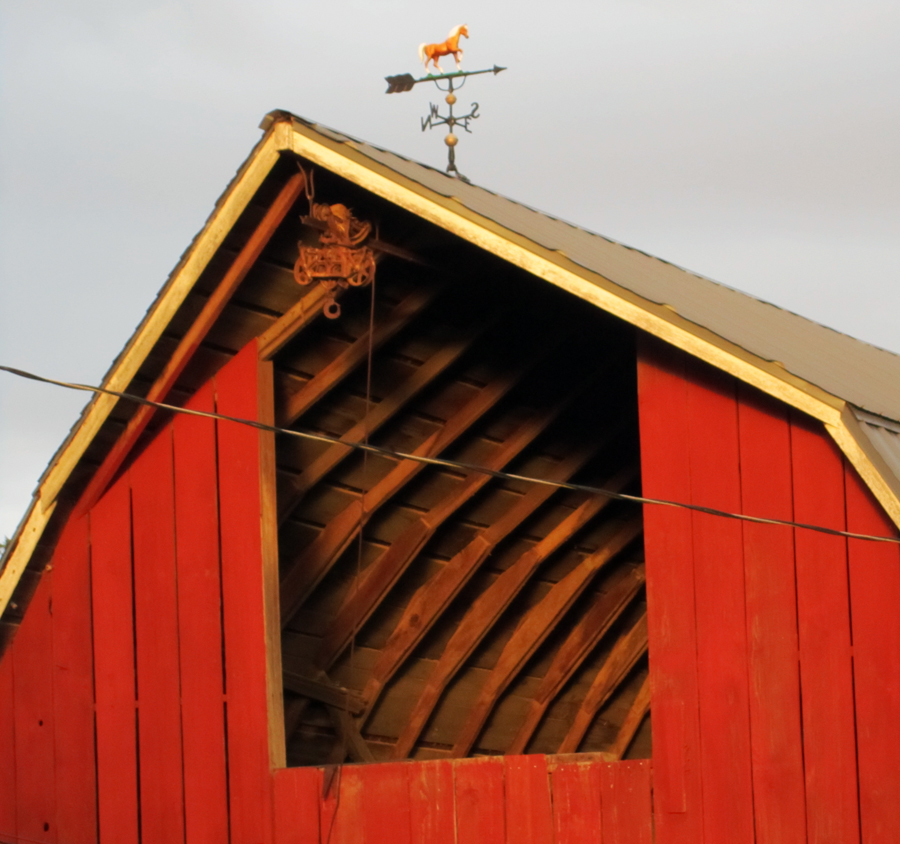
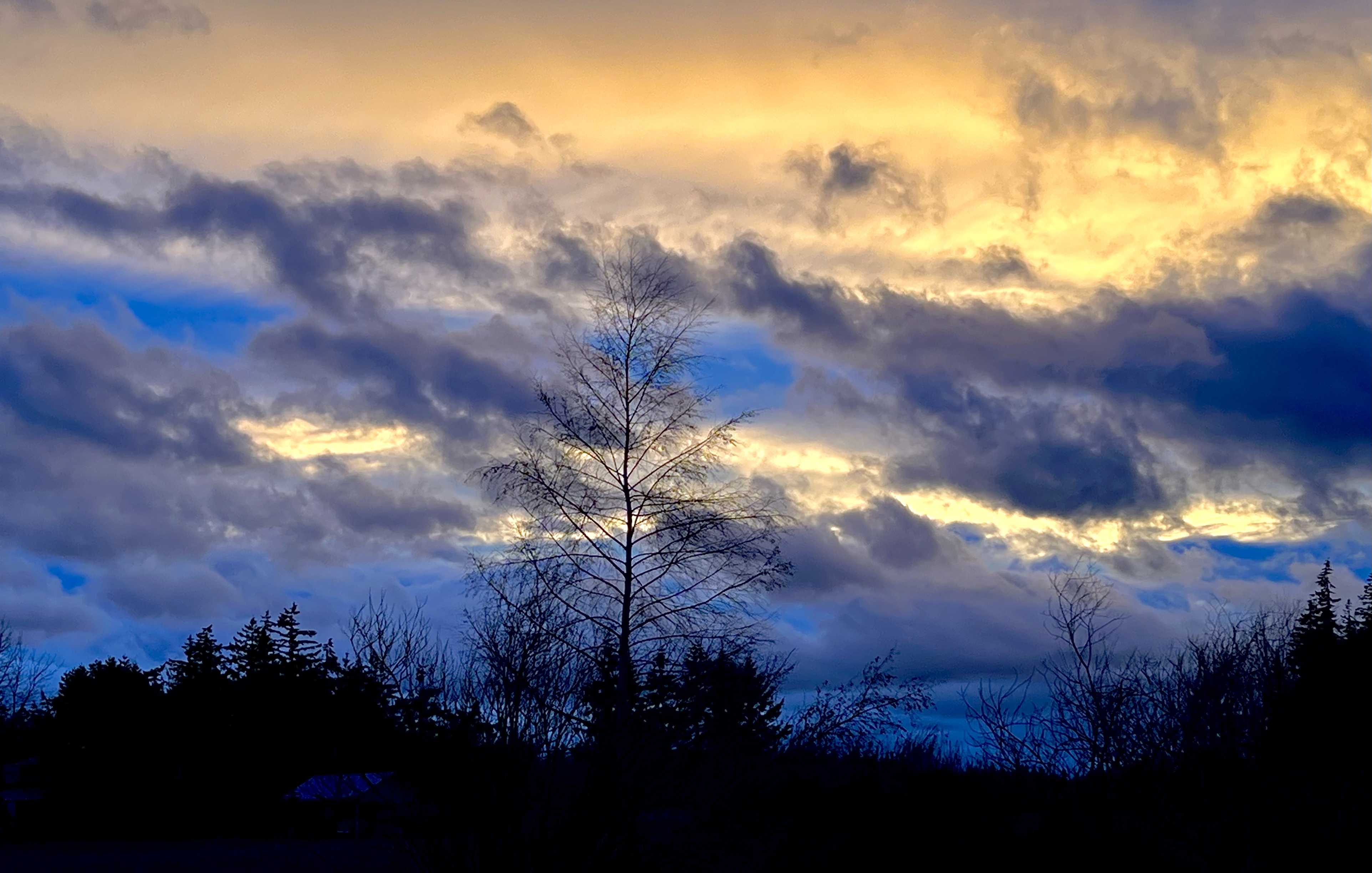
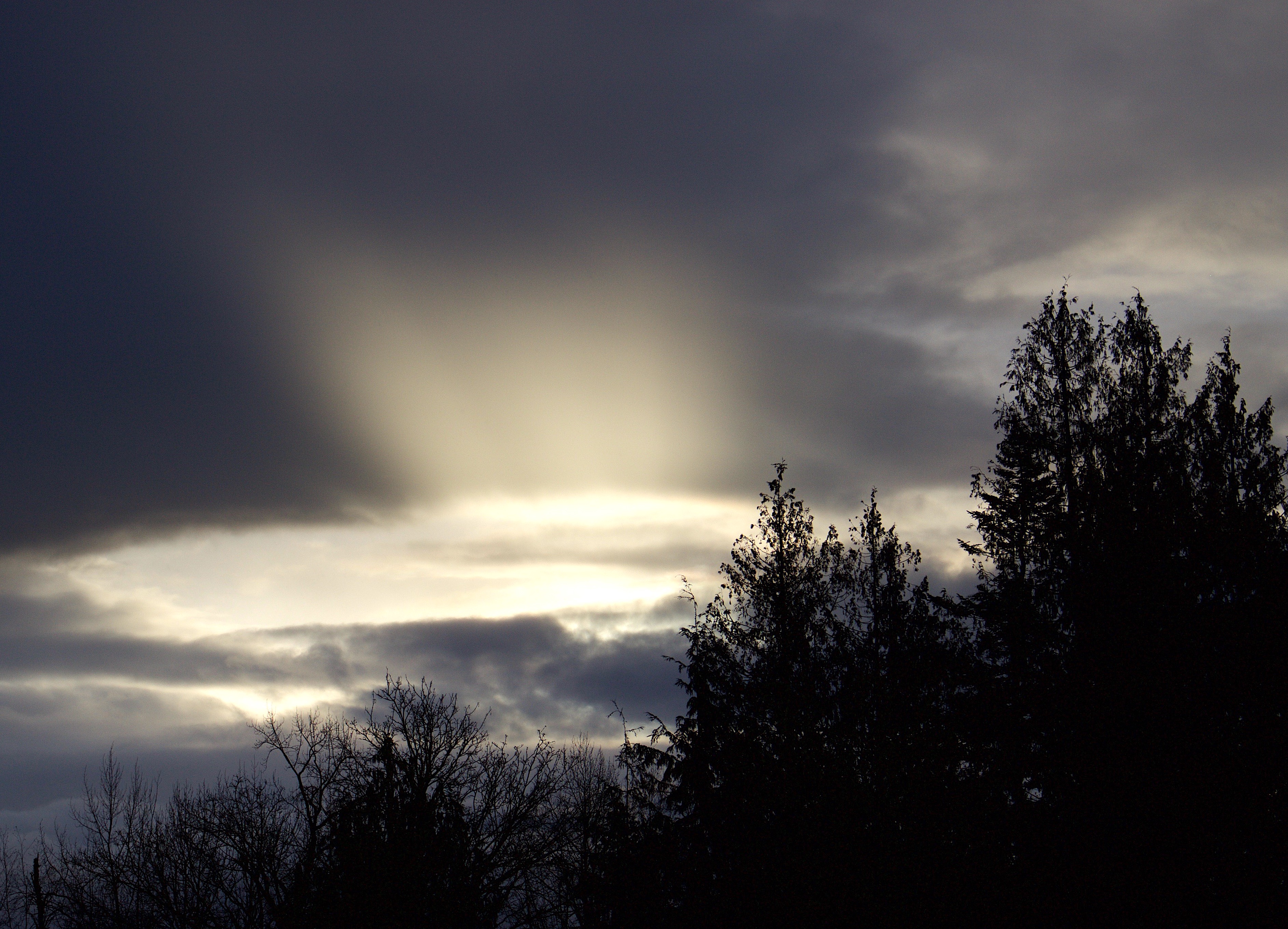
Sometimes in mid-winter, when I go to grab hay bales for the horses at sunset, before I flip the light switch, I can see light already blazing in the big barn. The last of the day’s sun rays are at a precise winter slant, streaming through the barn slat openings, ricocheting off the roof timbers onto the bales, casting an almost fiery glow onto the hay. The barn is ignited and ablaze without fire and smoke — the last things one would ever want in a hay barn.
Thanks to occasional late afternoon winter light, I can scramble among the bales without worry.
It seems as I age I have been running into more dark holes. Even when I know where they lie and how deep they are, some days I will manage to step right in anyway. Each time it knocks the breath out of me, makes me cry out, makes me want to quit trying to lift the loads which need carrying. It leaves me fearful to venture where the footing is uncertain.
Then, on the darkest of days, light comes from the most unexpected of places, blazing a trail to help me see where to step, what to avoid, how to navigate the hazards to avoid collapsing on my face. I’m redirected, inspired anew, granted grace, gratefully calmed and comforted amid my fears.
For many Americans, tomorrow represents the dark holes getting even darker. But we know — love, respect, and kindness will eventually reignite again.
The Light always returns so we can climb out of any dark holes that try to swallow us whole.
Yet another slant of Light for our collection…
Tell all the truth but tell it slant — Success in Circuit lies Too bright for our infirm Delight The Truth’s superb surprise As Lightning to the Children eased With explanation kind The Truth must dazzle gradually Or every man be blind — ~Emily Dickinson
AI image created for this post
One-Time
Monthly
Yearly
Make a one-time or recurring donation to support daily Barnstorming posts
How granular they feel—grief and regret, arriving, as they do, in the sharp particularities of distress. Inserting themselves— cunning, intricate, subversive—into our discourse.
In the long night, grievances seem to multiply. Old dreams mingling with new. Disappointment and regret bludgeon the soul, your best imaginings bruised, your hopes ragged.
Yet wait, watch. From the skylight the room is filling with soft early sun, slowly sifting its light on the bed, on your head, a shower of fine particles. How welcome. And how reliable. ~Luci Shaw“Sorrow”
(In my sleep I dreamed this poem)
Someone I loved once gave me a box full of darkness.
We are given a box full of darkness by someone who loves us, and we can’t help but open it, weeping.
It takes a lifetime to understand, if we ever do, we will inevitably hand off this gift to others we love.
Opening the box allows the Light in where none existed before.
Light pours into our brokenness.
Sorrow ends up shining through our tears: we reach out from a deep well of need. Because we are loved so thoroughly, we too love deeply beyond ourselves.
AI image created for this post
One-Time
Monthly
Yearly
Make a one-time or recurring donation to support daily Barnstorming posts
Make a monthly donation
Make a yearly donation
Choose an amount
$10.00
$25.00
$50.00
$5.00
$15.00
$100.00
$5.00
$15.00
$100.00
Or enter a custom amount
$
Your contribution is deeply appreciated to help offset the costs of maintaining an ad-free website.
This saying good-by on the edge of the dark And the cold to an orchard so young in the bark Reminds me of all that can happen to harm An orchard away at the end of the farm All winter, cut off by a hill from the house.
I wish I could promise to lie in the night And think of an orchard’s arboreal plight When slowly (and nobody comes with a light) Its heart sinks lower under the sod. But something has to be left to God. ~Robert Frost from “Good-bye and Keep Cold”
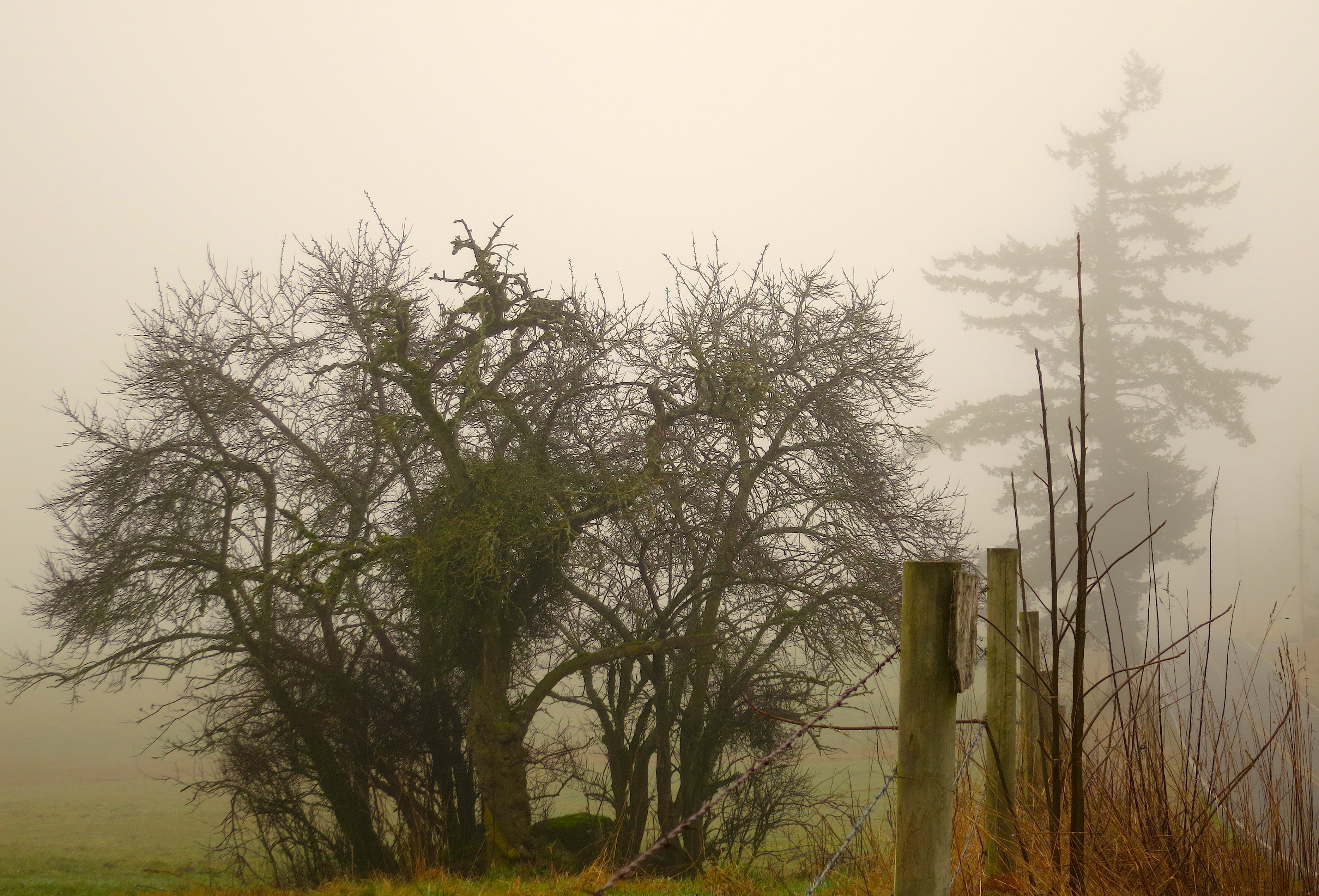
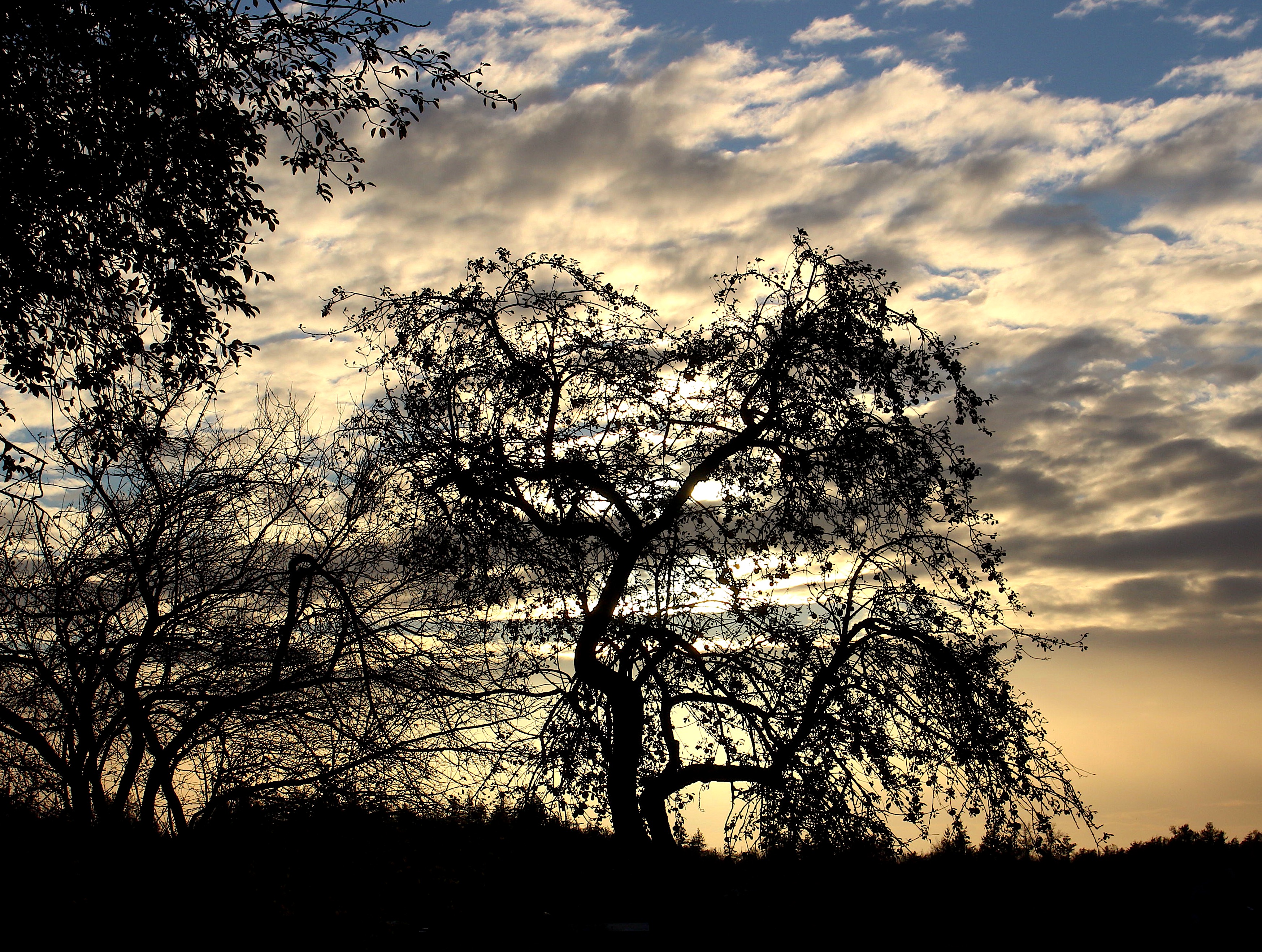
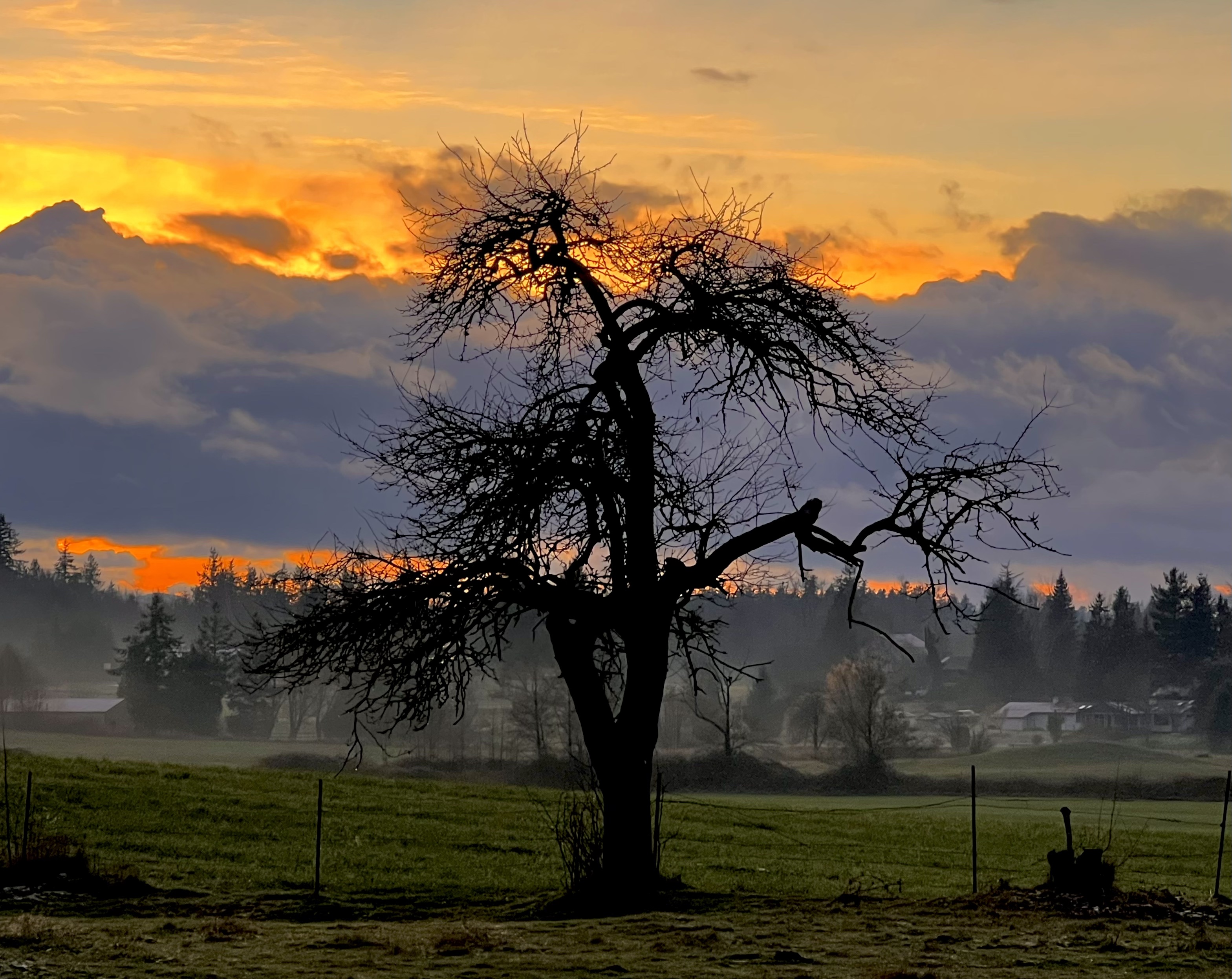
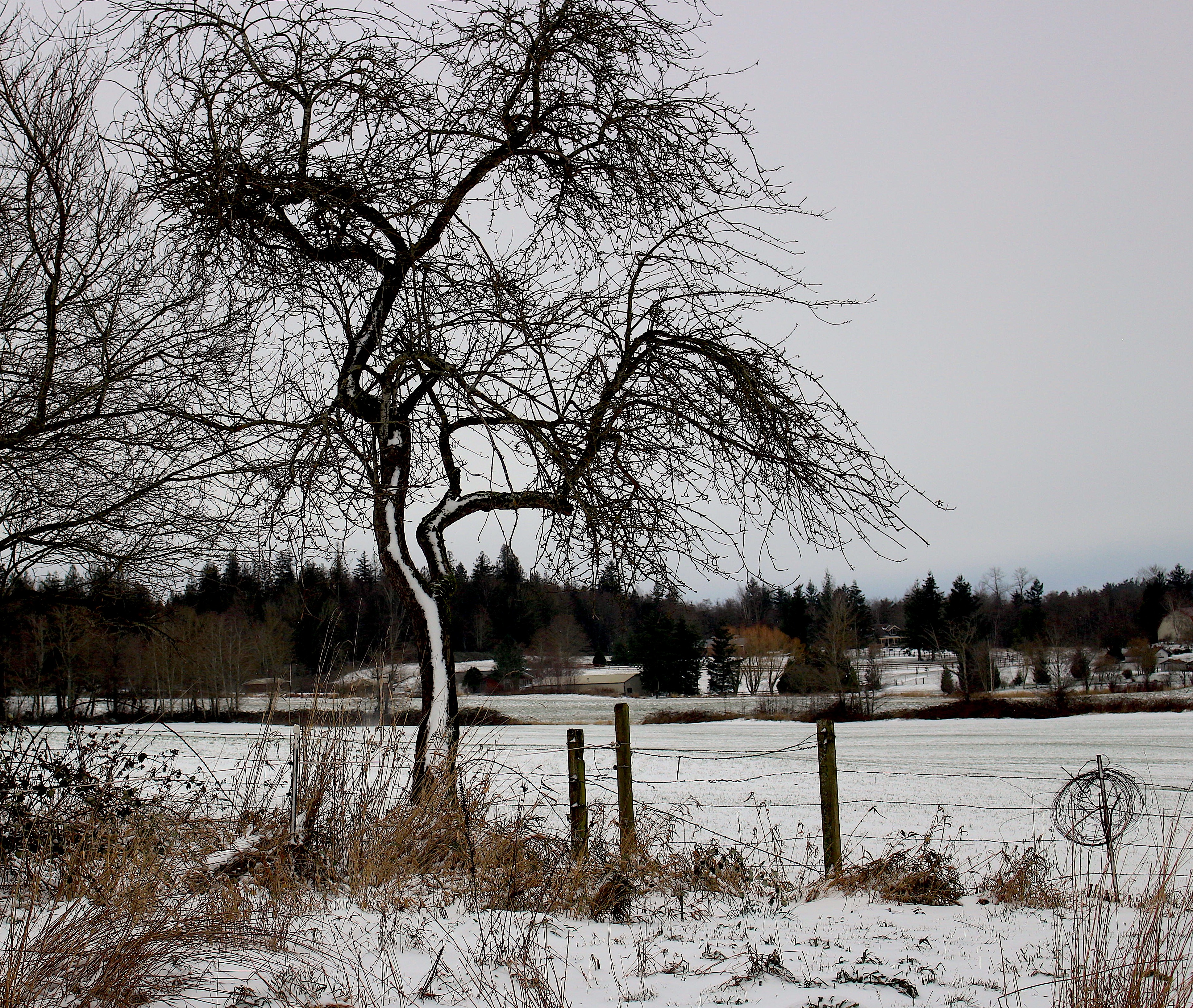
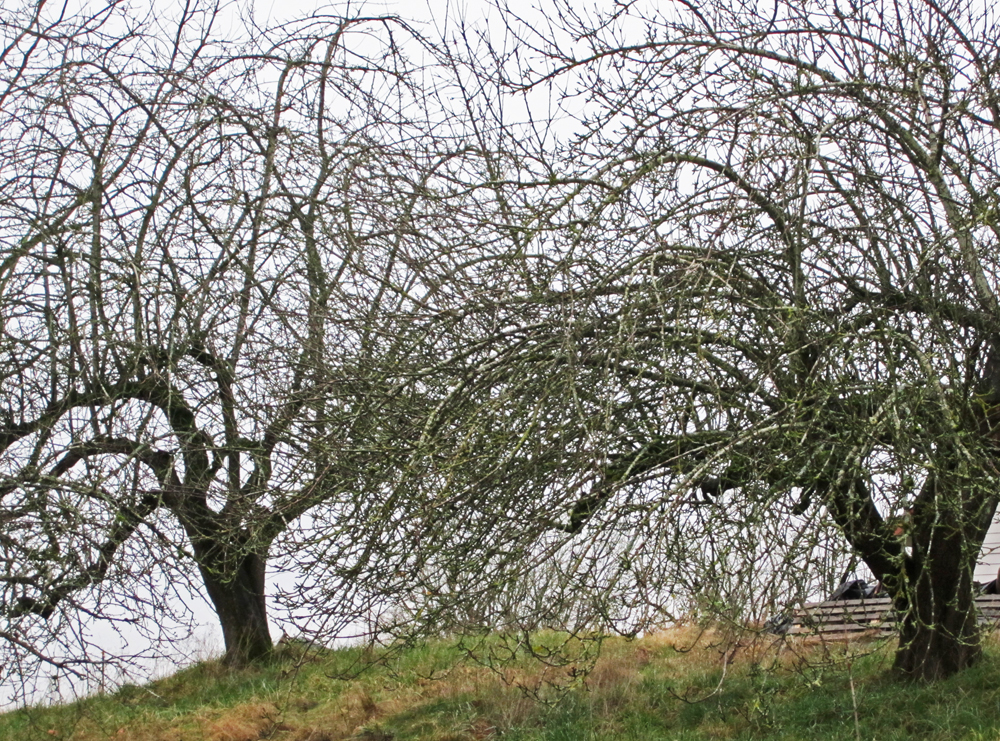
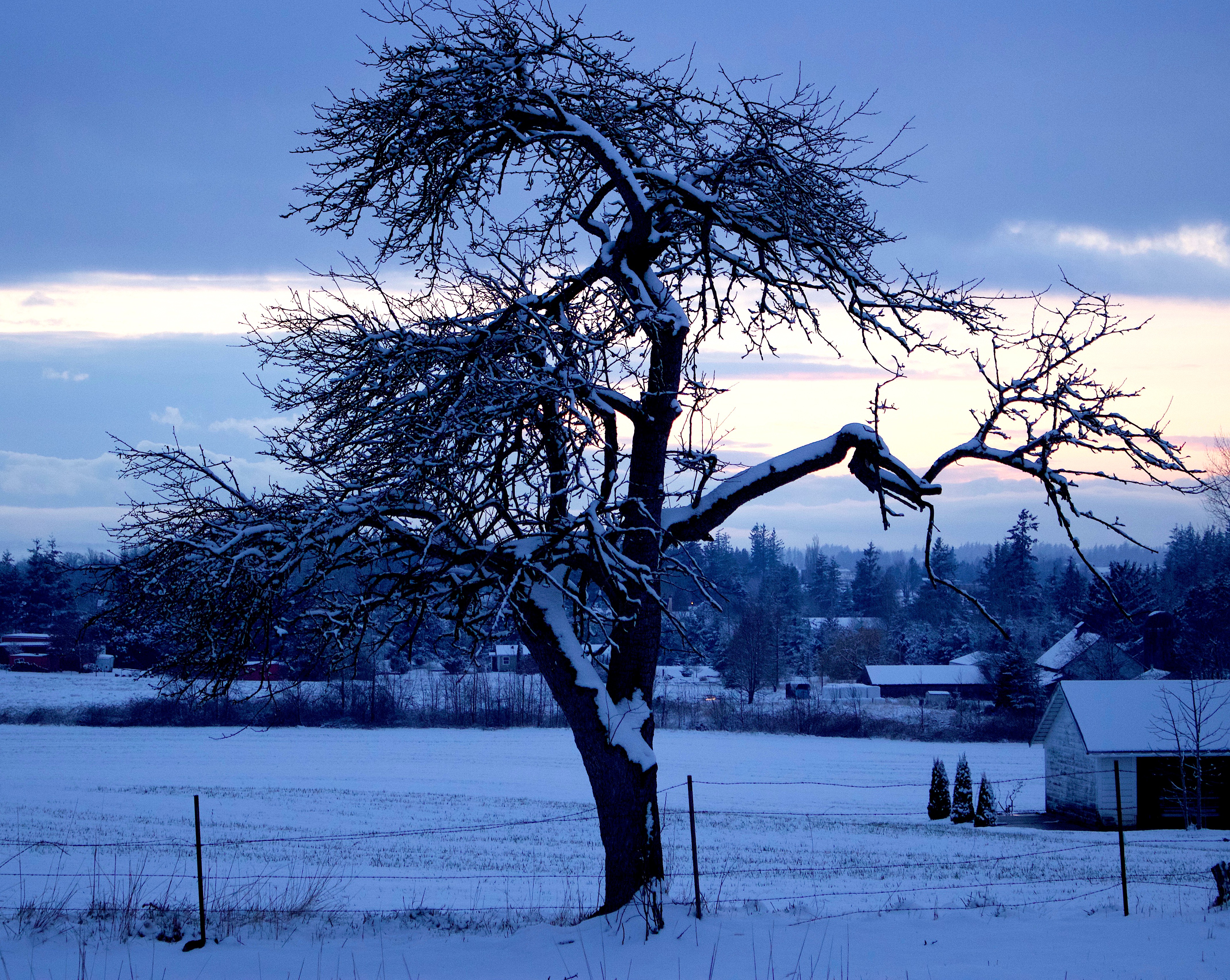
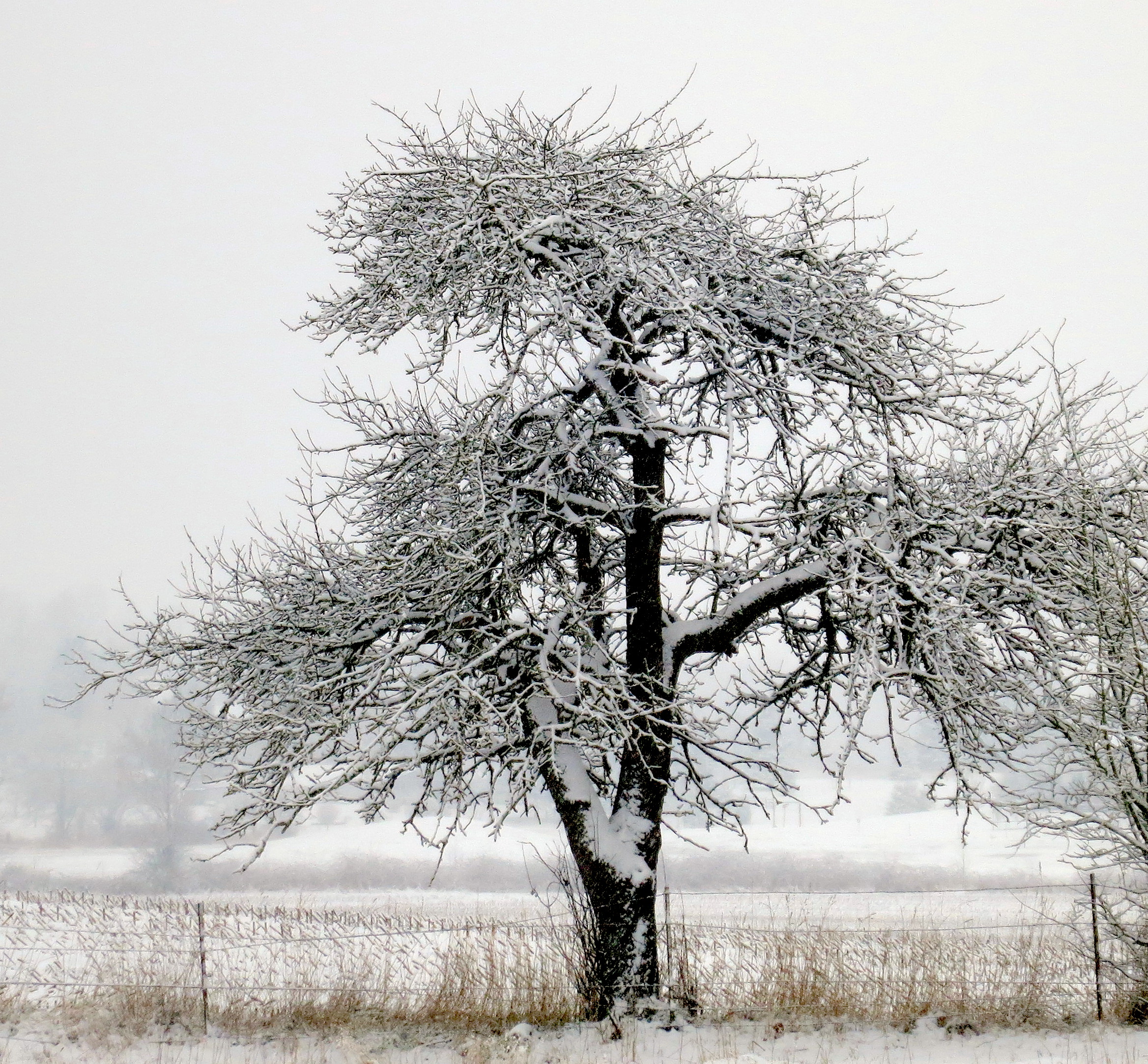
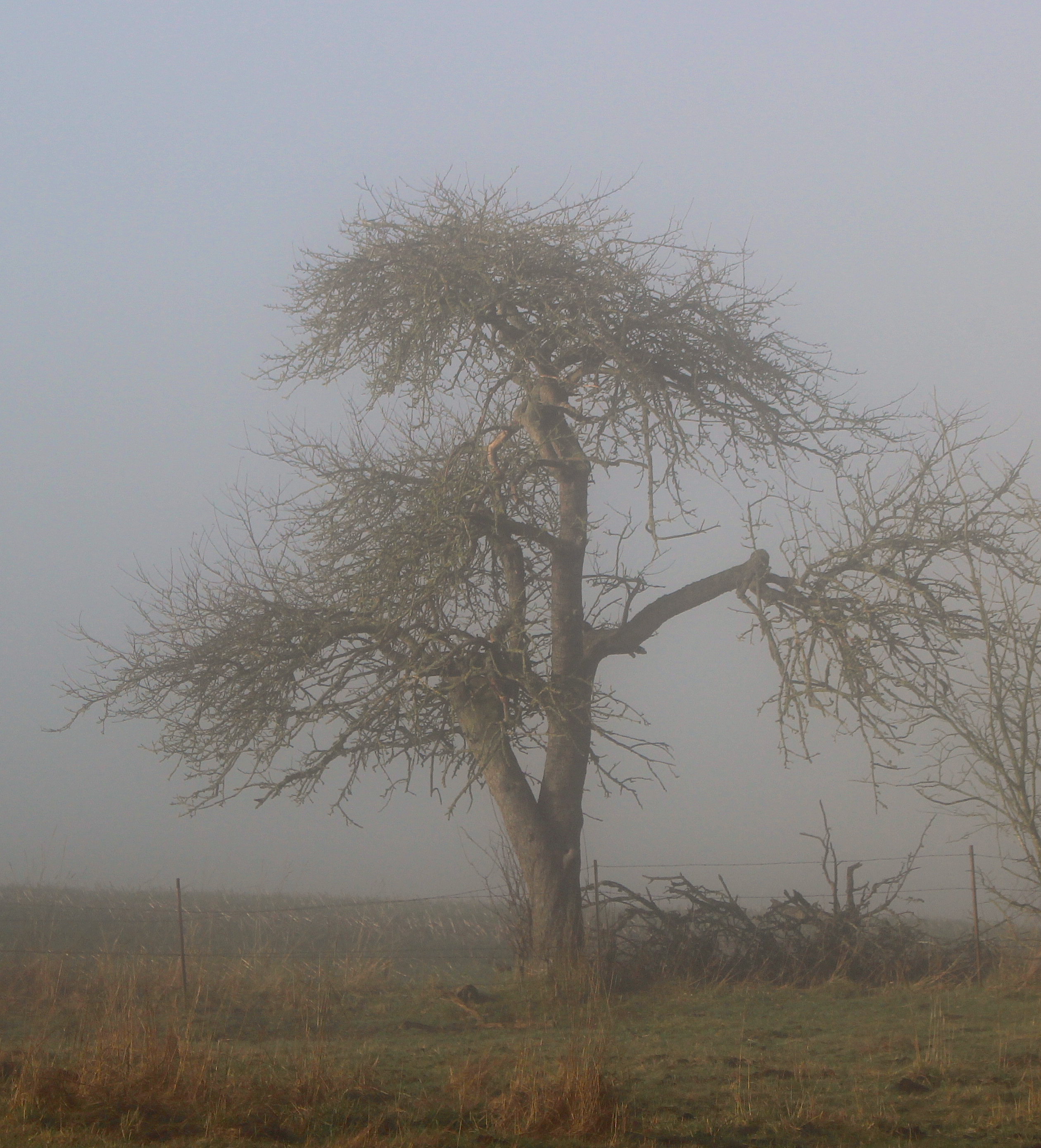
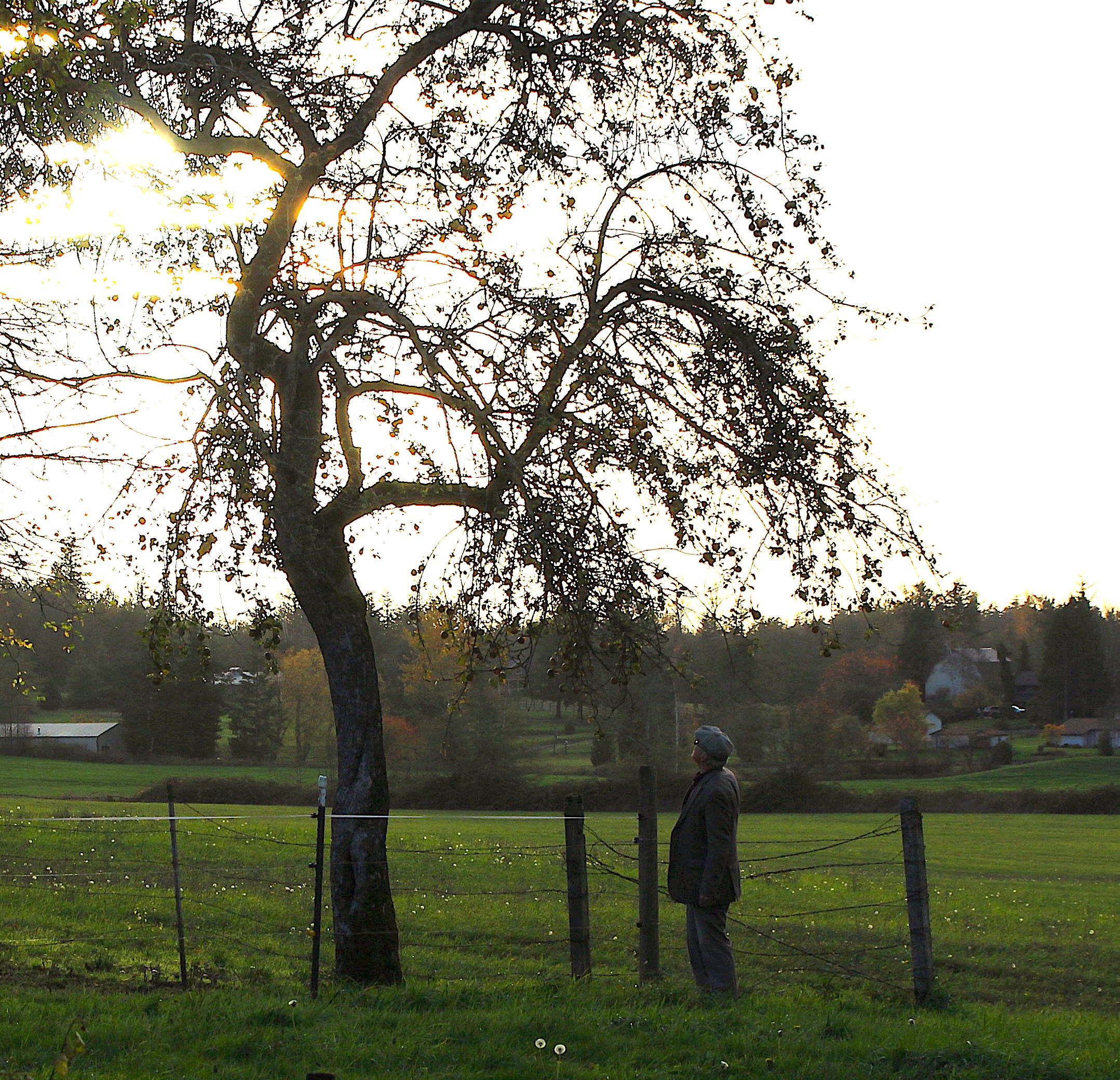
The winter orchard looks cold and silent yet I know plenty is happening beneath the sod.
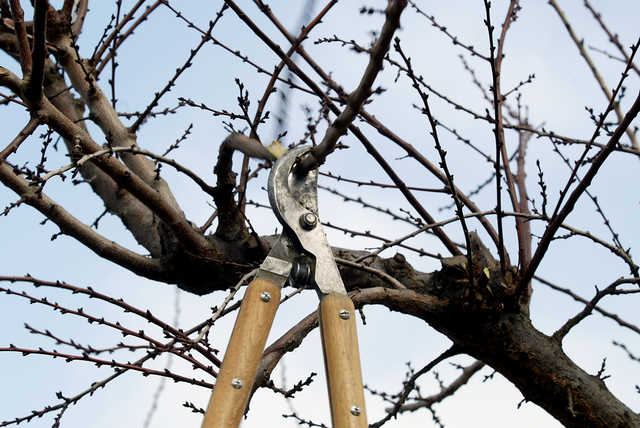
There isn’t much to be done this time of year until the pruning hook comes out. Ideally, now is the time the trees should be shaped and shorn.
Pruning is one of those tasks that is immensely satisfying–after it’s done – way after. Several years after in some cases. In the case of our fruit trees, which all have an average age of 90 years or more, it is a matter of prune or lose them forever. We set to work, trying to gently retrain wild and chaotic apple, cherry, plum, and pear trees, but our consistency was lacking. The trees remained on the wild side, defying us, and several have toppled over in windstorms due to their weakened frame.
We hired additional help, hoping to get ahead of the new growth, but our helper had the “chain saw” approach to pruning and literally scalped several trees into dormancy before we saw what was happening and stopped the savaging.
Instead, the process of retraining a wild tree is slow, meticulous, thoughtful, and expectant. We must study the tree, the setting, know the fruit it is supposed to bear, and begin making decisions before making cuts. The dead stuff goes first–that’s easy. It’s not useful, it’s taking up space, it’s outta here. It’s the removal of viable branches that takes courage. Like thinning healthy vegetable plants in a garden, I can almost hear the plant utter a little scream as we choose it to be the next one to go. Gardening is not for the faint of heart. So ideally, we choose to trim about a third of the superfluous branches, rather than taking them all at once. In three years, we have the hoped-for tree, bearing fruit that is larger, healthier and hardier.
Then we’re in maintenance mode. That takes patience, vision, dedication, and love. That’s the ideal world.
The reality is we skip years of pruning work, sometimes several years in a row. Or we make a really dumb error and prune in a way that is counter productive, and it takes several years for the tree to recover. Or, in the case of the scalping, those trees took years to ever bear fruit again–standing embarrassed and naked among their peers.
Then there is the clean up process after pruning–if it was just lopping off stuff, I’d be out there doing it right now, but the process of picking up all those discarded branches off the ground, carrying them to a brush pile and burning them takes much more time and effort. That’s where kids come in very handy.
Our three children tolerated our shaping, trimming and pruning for years, grew tall and strong and ready to meet the world, to give it all they’ve got. In our hopes and dreams for them, there were times we probably pruned a bit in haste, or sometimes neglected to prune enough, but even so, they’re all bearing great fruit, now grown up with few “scars” to show for our mistakes.
I’m still pruned regularly by the Master Gardener, often painfully. Sometimes I see the pruning hook coming, knowing the dead branches that I’ve needlessly hung onto must go, and sometimes it comes as a complete surprise, cutting me at my most vulnerable spots. Some years I bear better fruit than other years. Some years, it seems, hardly any at all. I can be cold and dormant, unfruitful and at times desolate.
Yet, I’m still rooted, still fed when hungry and watered when thirsty, and still, amazingly enough, loved. I’ll continue to hang on to the root that chose to feed me and hold me fast through the windstorms of life. Even when my trunk is leaning, my branches broken, my fruit withered, I will know that God’s love sustains me, no matter what.
I am the true vine, and my Father is the gardener. He cuts off every branch in me that bears no fruit, while every branch that does bear fruit he prunes so that it will be even more fruitful. John 15: 1-2
AI image created for this post
One-Time
Monthly
Yearly
Make a one-time or recurring donation to support daily Barnstorming posts
Make a monthly donation
Make a yearly donation
Choose an amount
$10.00
$25.00
$50.00
$5.00
$15.00
$100.00
$5.00
$15.00
$100.00
Or enter a custom amount
$
Your contribution is deeply appreciated to help offset the costs of maintaining an ad-free website.
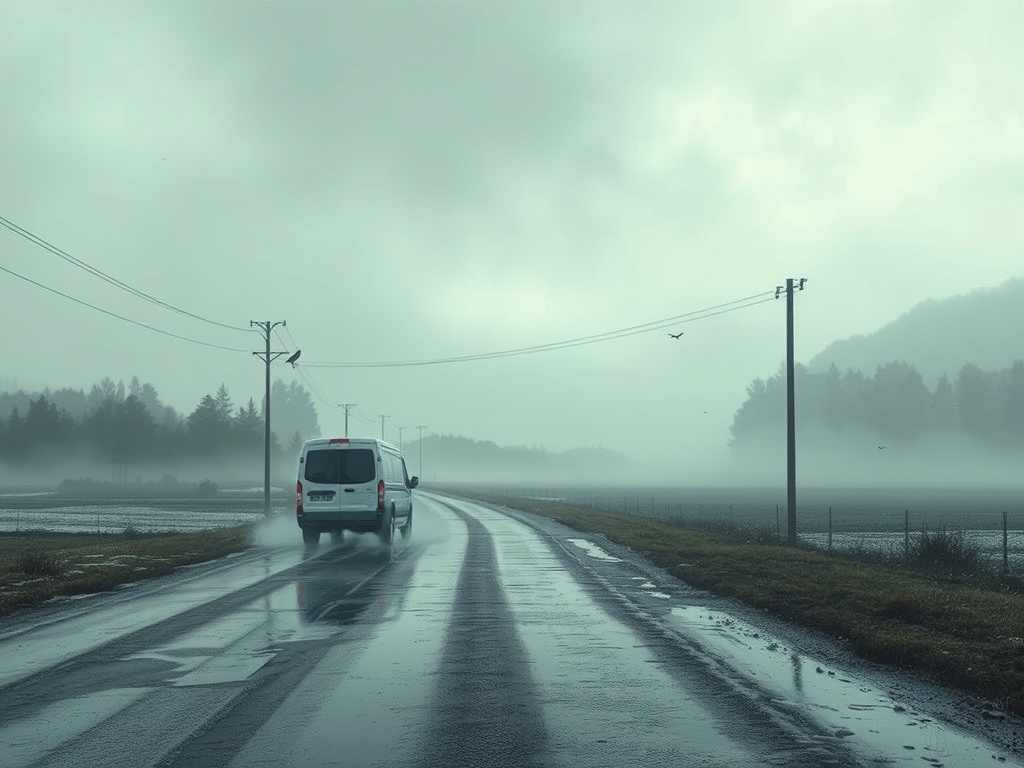
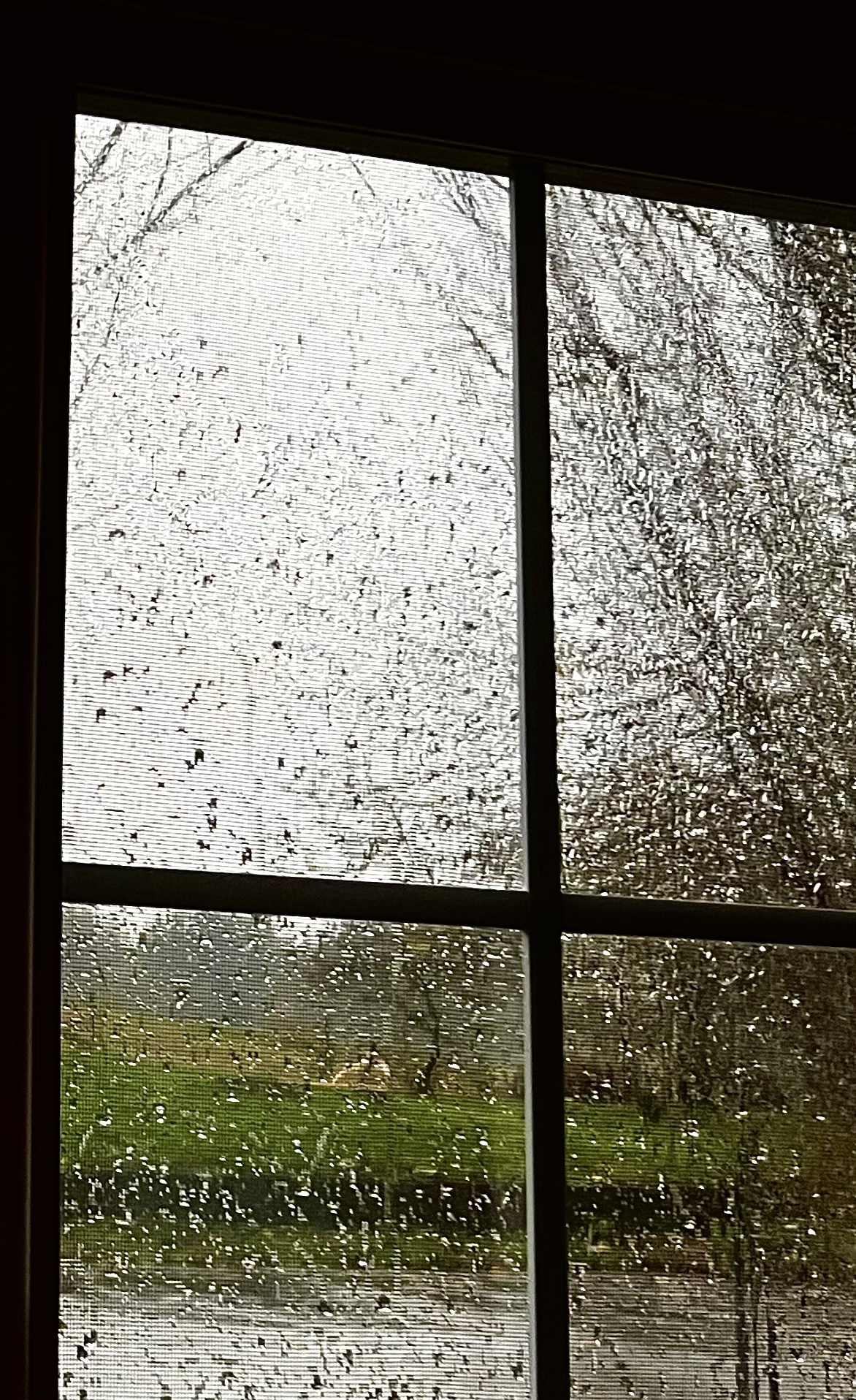
Yesterday it was still January and I drove home and the roads were wet and the fields were wet and a palette knife had spread a slab of dark blue forestry across the hill. A splashed white van appeared from a side road then turned off and I drove on into the drab morning which was mudded and plain and there was a kind of weary happiness that nothing was trying to be anything much and nothing was being suggested. I don’t know how else to explain the calm of this grey wetness with hardly a glimmer of light or life, only my car tyres swishing the lying water, and the crows balanced and rocking on the windy lines. ~Kerry Hardie “Acceptance”
For some time I thought there was time and that there would always be time for what I had a mind to do and what I could imagine going back to and finding it as I had found it the first time but by this time I do not know what I thought when I thought back then
there is no time yet it grows less there is the sound of rain at night arriving unknown in the leaves once without before or after then I hear the thrush waking at daybreak singing the new song ~W.S.Merwin “The New Song” from The Moon Before Morning, 2014
I leant upon a coppice gate When Frost was spectre-gray, And Winter’s dregs made desolate The weakening eye of day. The tangled bine-stems scored the sky Like strings of broken lyres, And all mankind that haunted nigh Had sought their household fires.
The land’s sharp features seemed to be The Century’s corpse outleant, His crypt the cloudy canopy, The wind his death-lament. The ancient pulse of germ and birth Was shrunken hard and dry, And every spirit upon earth Seemed fervourless as I.
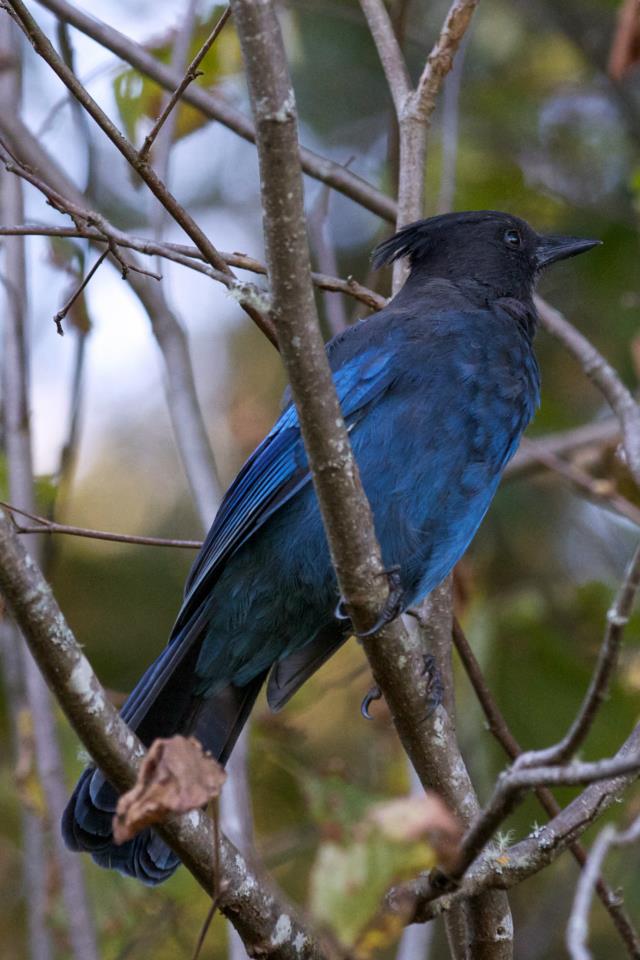
At once a voice arose among The bleak twigs overhead In a full-hearted evensong Of joy illimited; An aged thrush, frail, gaunt, and small, In blast-beruffled plume, Had chosen thus to fling his soul Upon the growing gloom.
So little cause for carolings Of such ecstatic sound Was written on terrestrial things Afar or nigh around, That I could think there trembled through His happy good-night air Some blessed Hope, whereof he knew And I was unaware. ~Thomas Hardy “The Darkling Thrush”
I need reminding that what I offer up from my own heart predicts what I receive there.
If I’m grumbling and falling apart like a dying vine instead of a vibrant green tree~~~ coming up empty and hollow with discouragement, entangled in the soppy cobwebs and mildew of worry, only grumbling and grousing~~~ then no singing bird will come.
It is so much better to nurture the singers of joy and gladness with a heart budding with grace and gratitude, anticipatory and expectant.
I’ve swept my welcome mat; it is out and waiting. The symphony can begin any time now…
AI image created for this post
One-Time
Monthly
Yearly
Make a one-time or recurring donation to support daily Barnstorming posts
How can I feel so warm Here in the dead center of January? I can Scarcely believe it, and yet I have to, this is The only life I have. ~James Wright from “A Winter Daybreak Above Vence”
Once I saw a chimpanzee gaze at a particularly beautiful sunset for a full 15 minutes, watching the changing colors [and then] retire to the forest without picking a pawpaw for supper. ~Adriaan Krotlandt, Dutch ethologist in Scientific American (1962)
To-day I shall be strong, No more shall yield to wrong, Shall squander life no more; Days lost, I know not how, I shall retrieve them now; Now I shall keep the vow I never kept before.
Ensanguining the skies How heavily it dies Into the west away; Past touch and sight and sound Not further to be found, How hopeless under ground Falls the remorseful day. ~A.E. Houseman from “How Clear, How Lovely Bright”
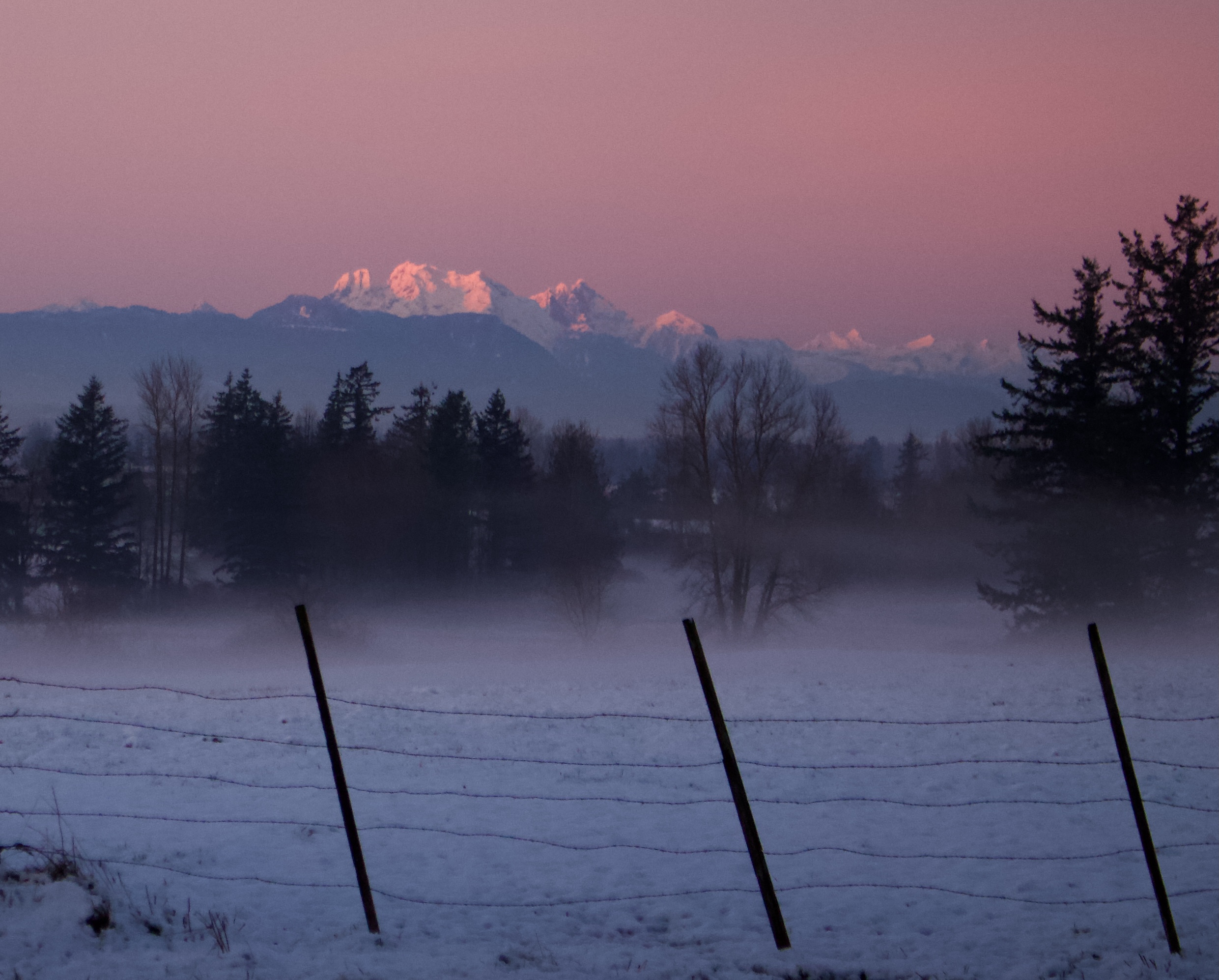
to the northwest
It was like a church to me. I entered it on soft foot, Breath held like a cap in the hand. It was quiet. What God there was made himself felt, Not listened to, in clean colours That brought a moistening of the eye, In a movement of the wind over grass. There were no prayers said. But stillness Of the heart’s passions — that was praise Enough; and the mind’s cession Of its kingdom. I walked on, Simple and poor, while the air crumbled And broke on me generously as bread. ~ R.S. Thomas “The Moor”
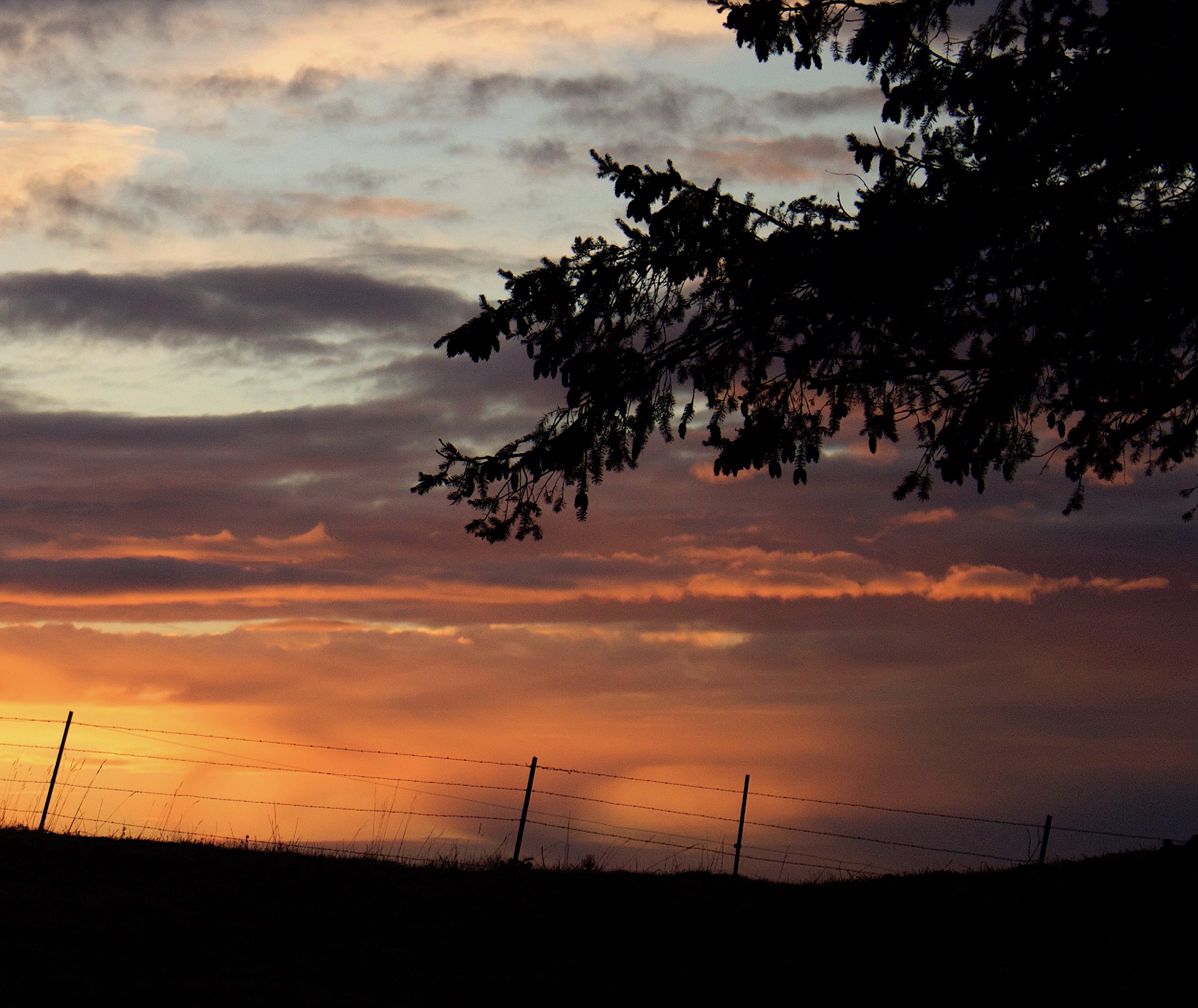
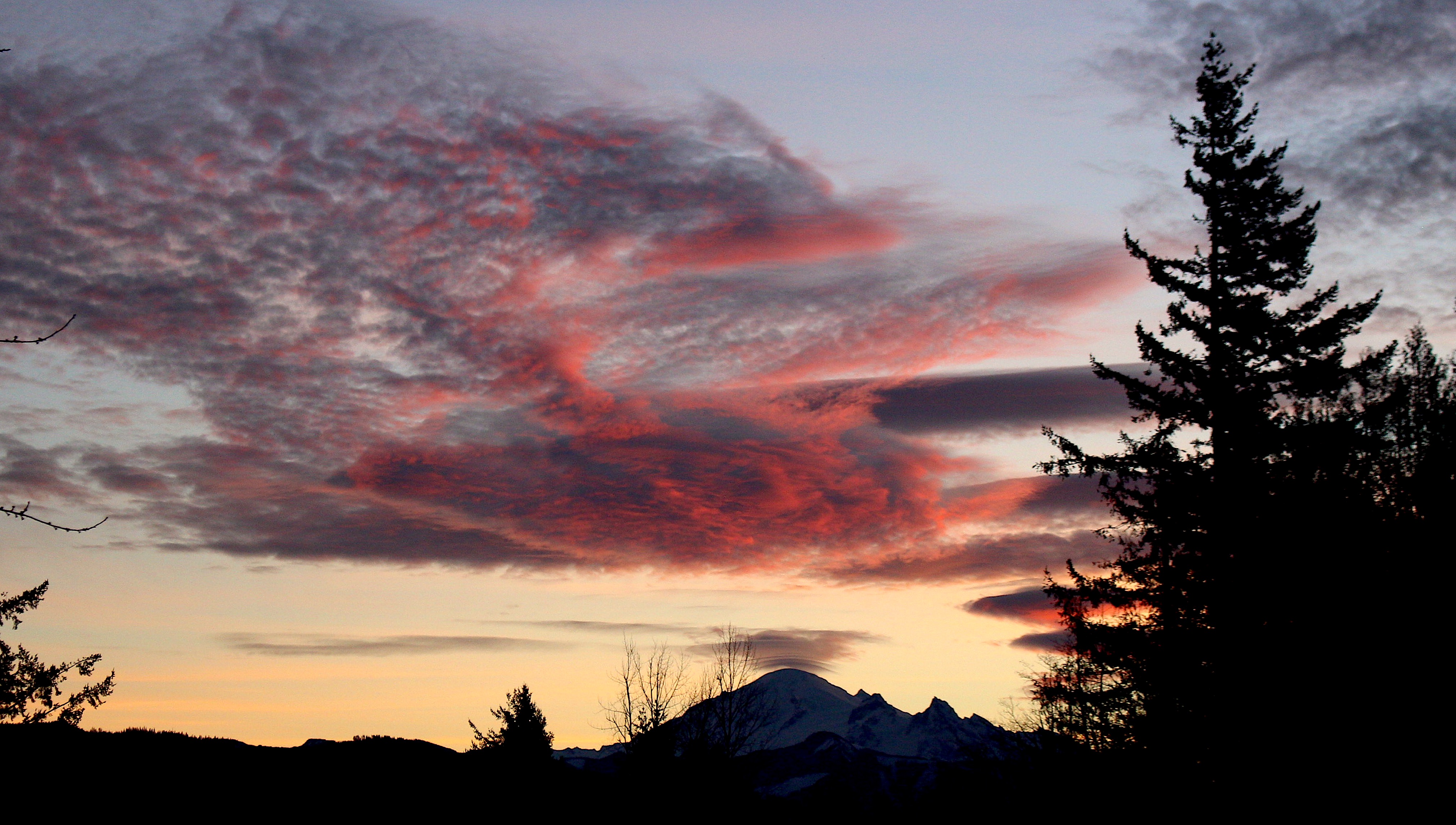
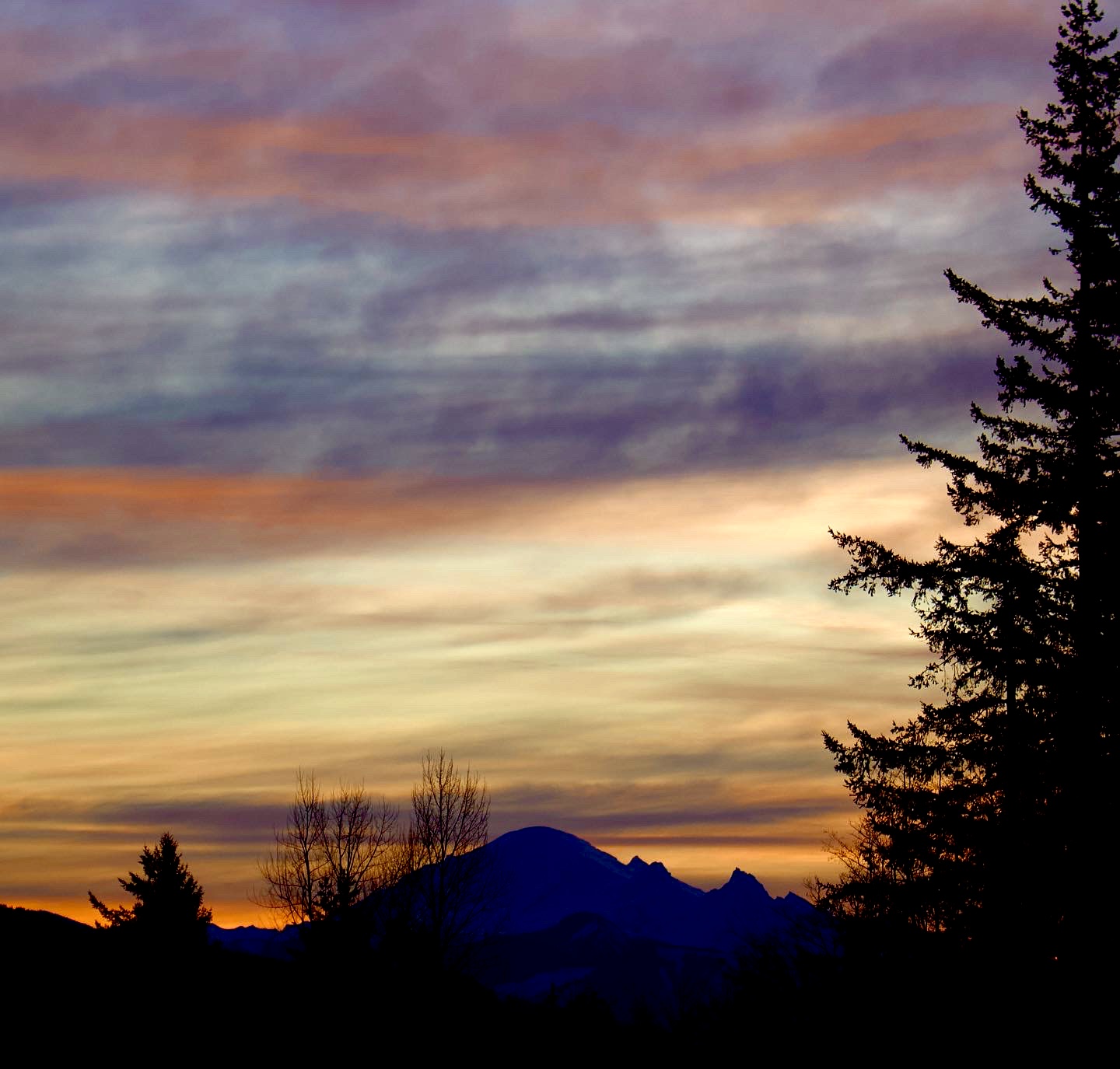
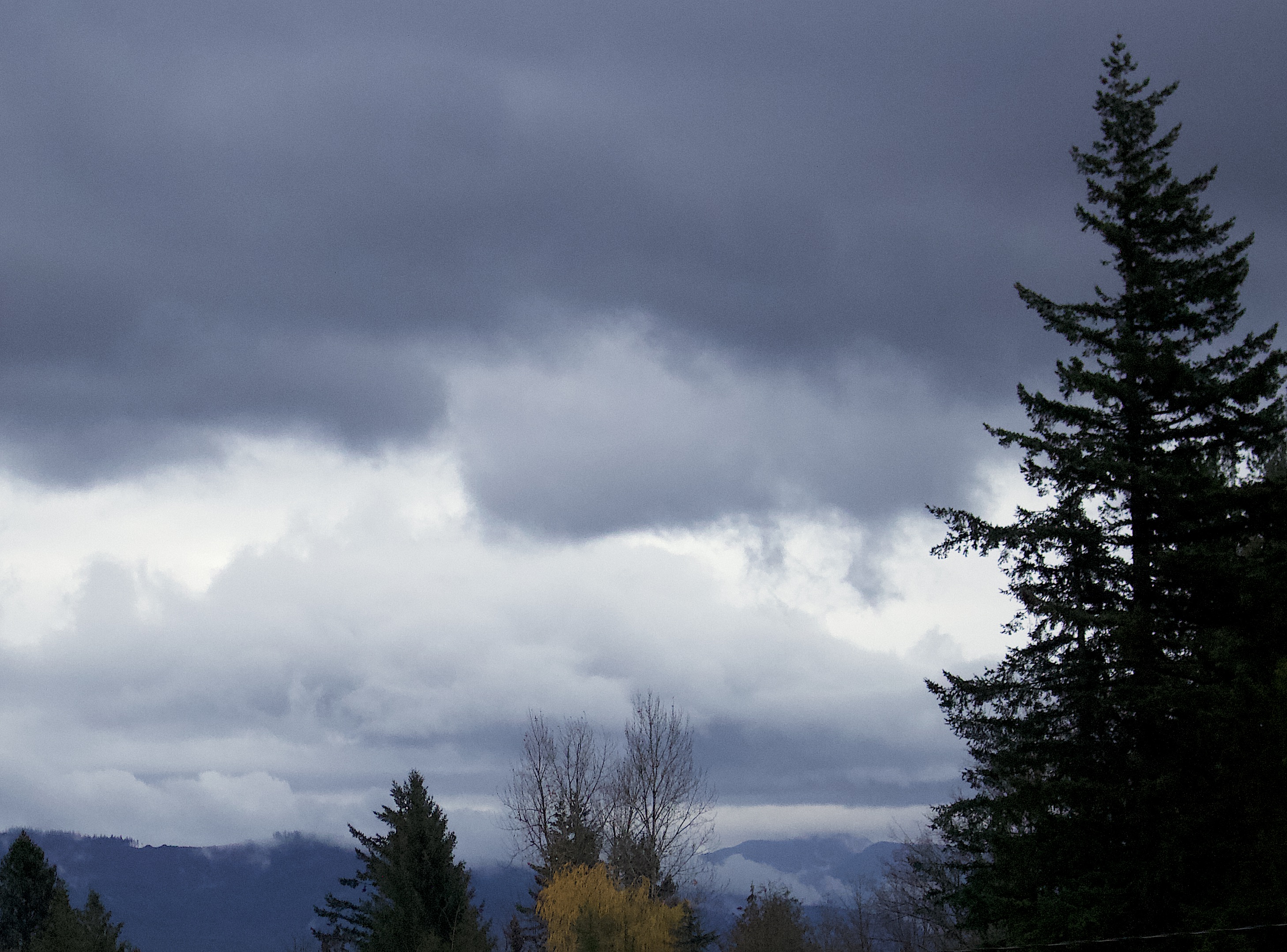
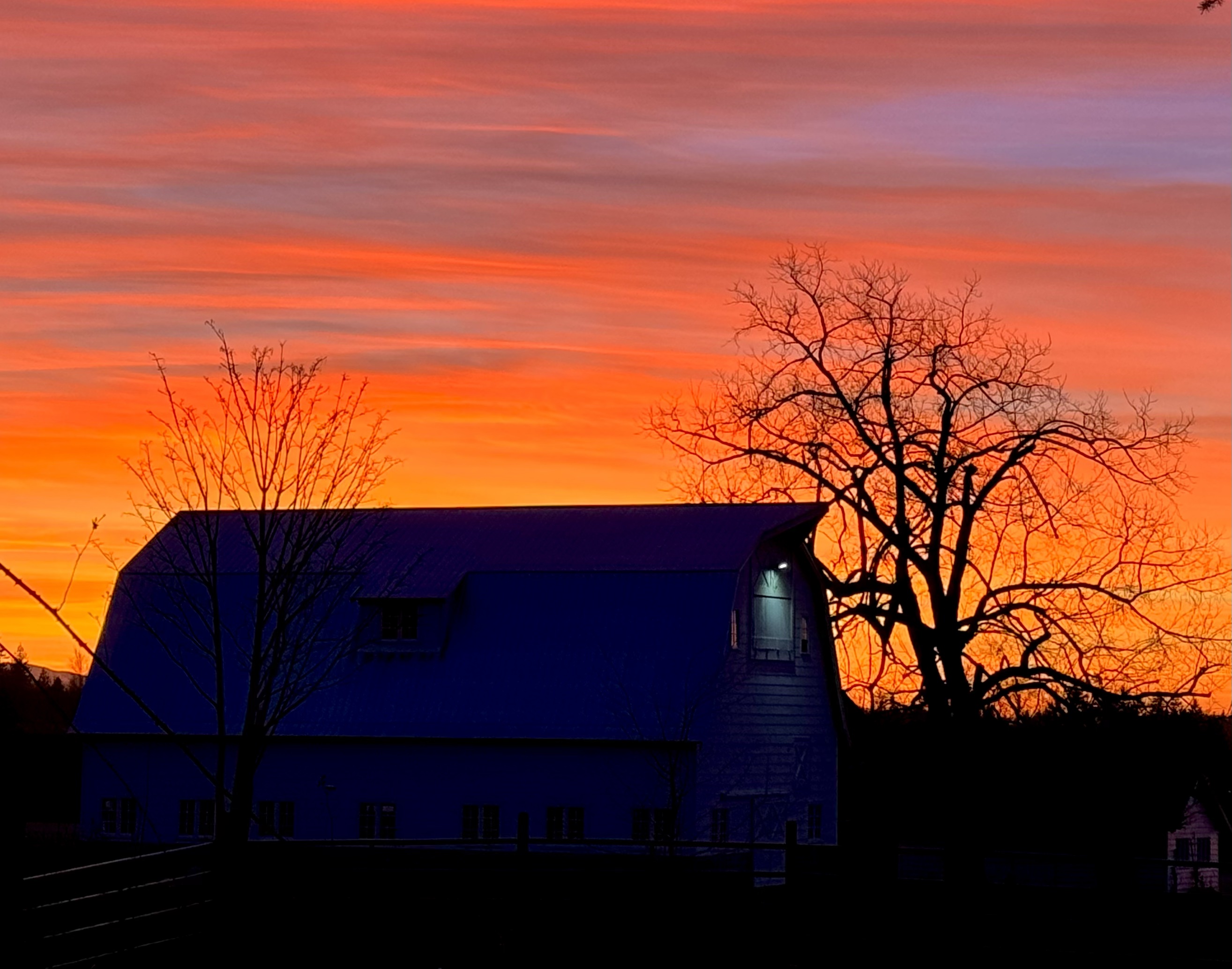
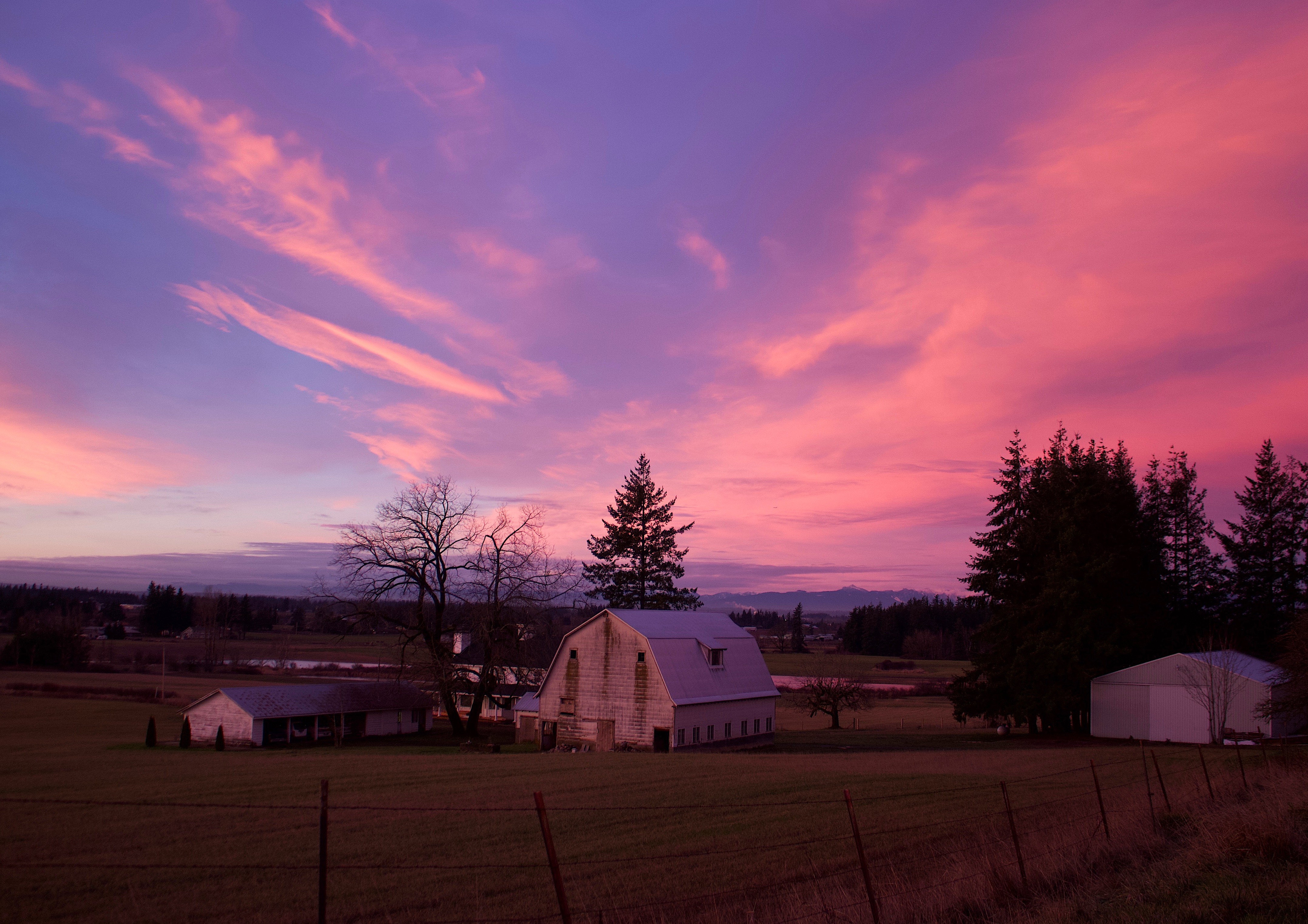
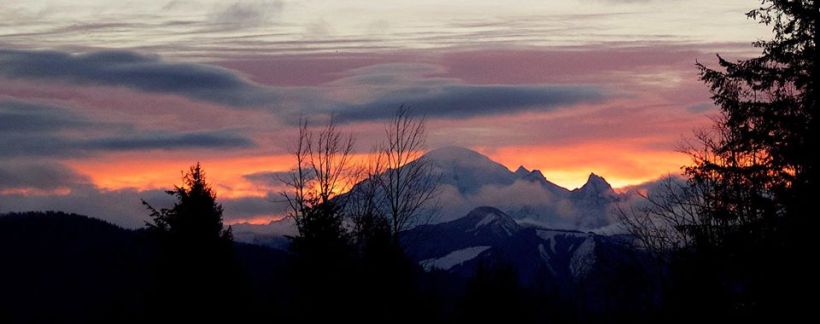
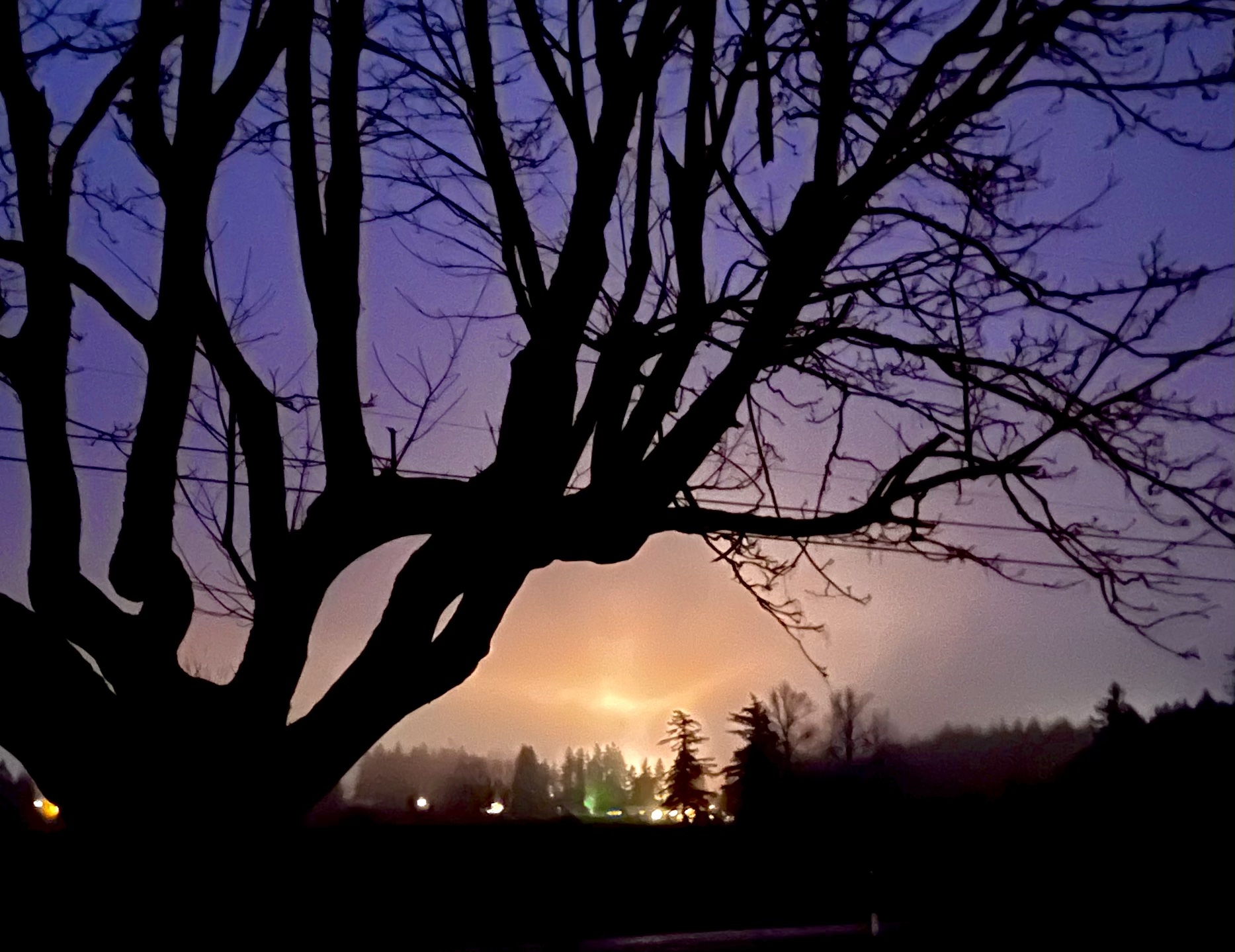
The dead center of January here in the Pacific Northwest is usually pouring-rain gray-skies monochrome-mist.
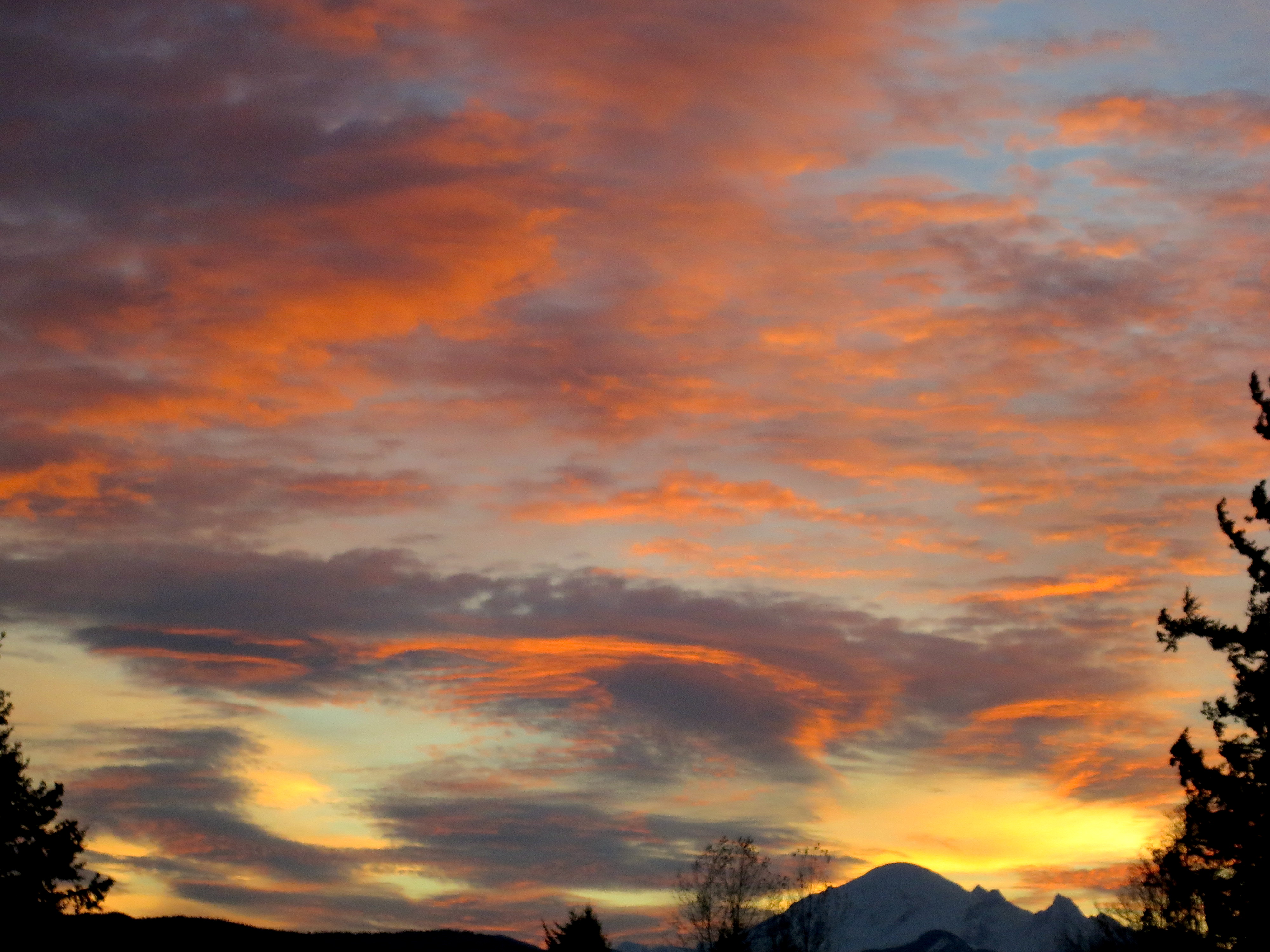
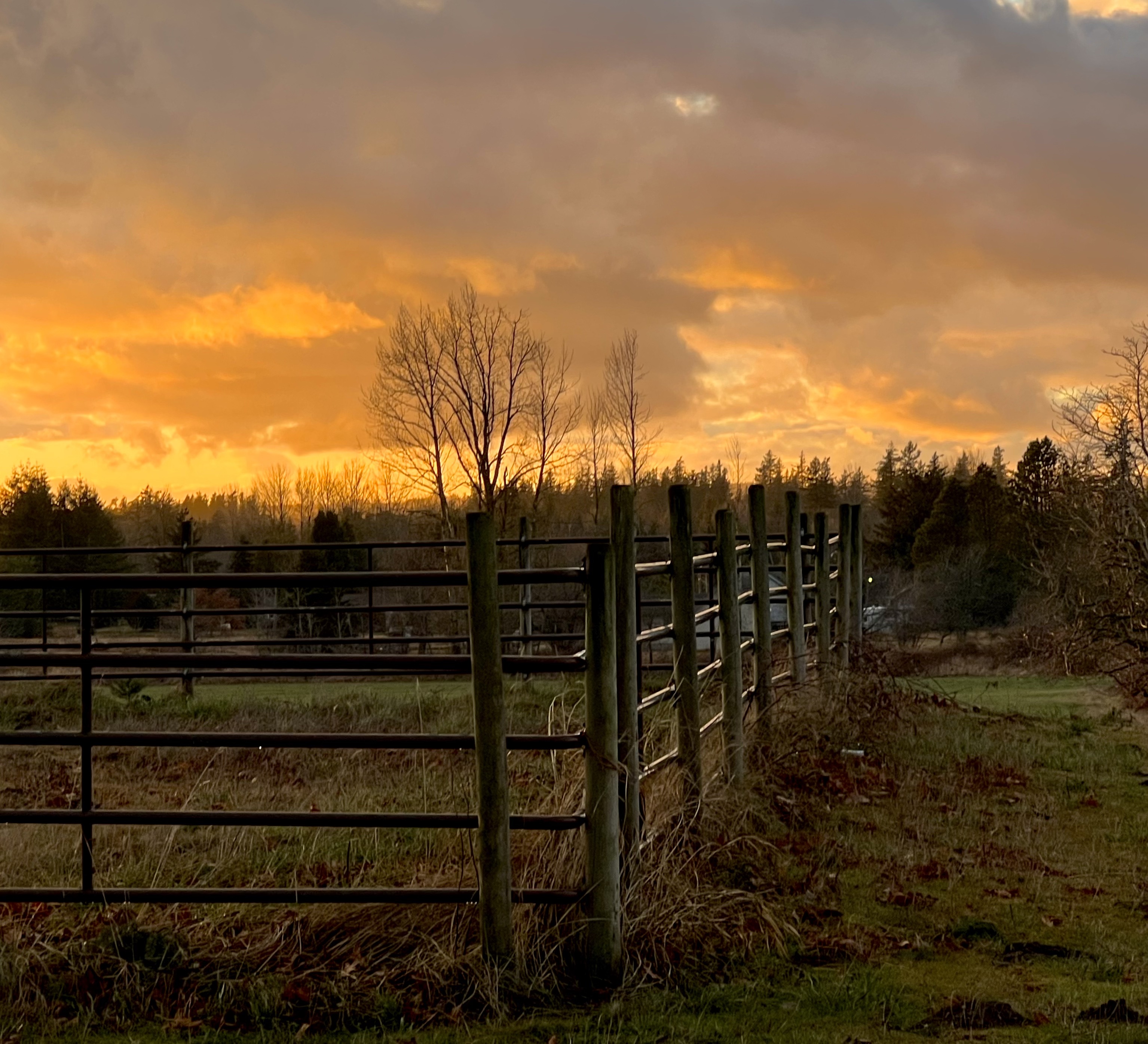
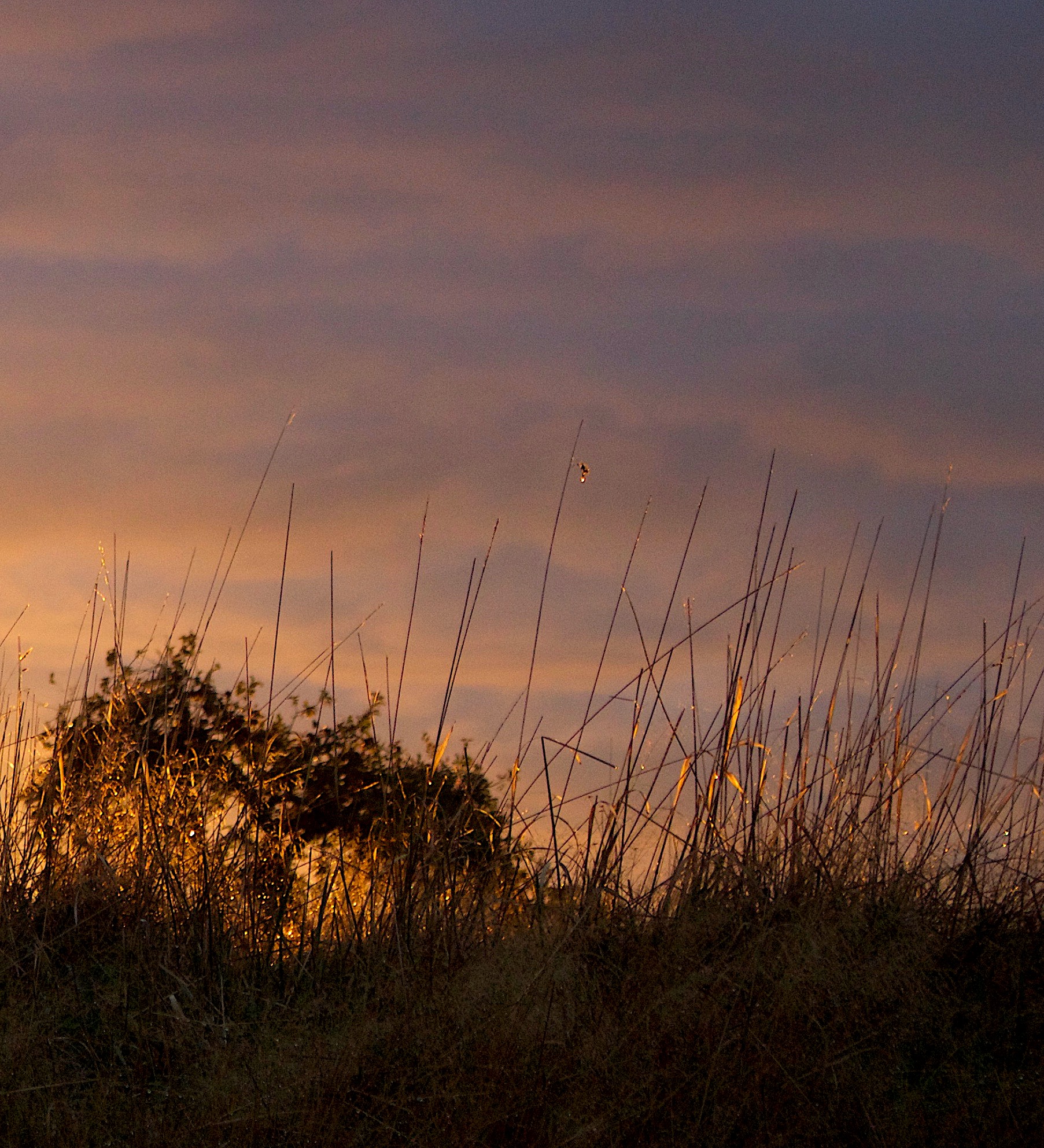
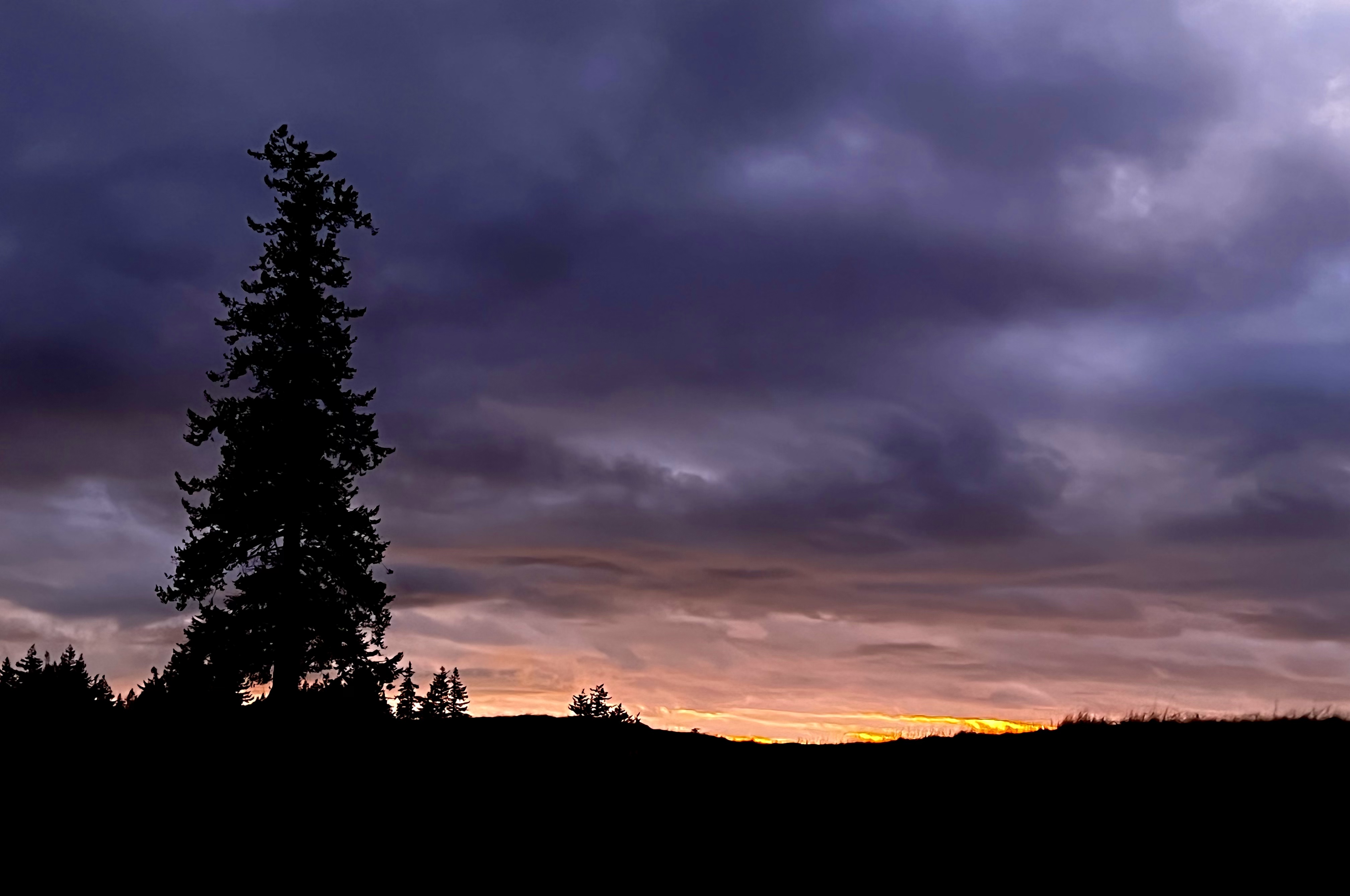
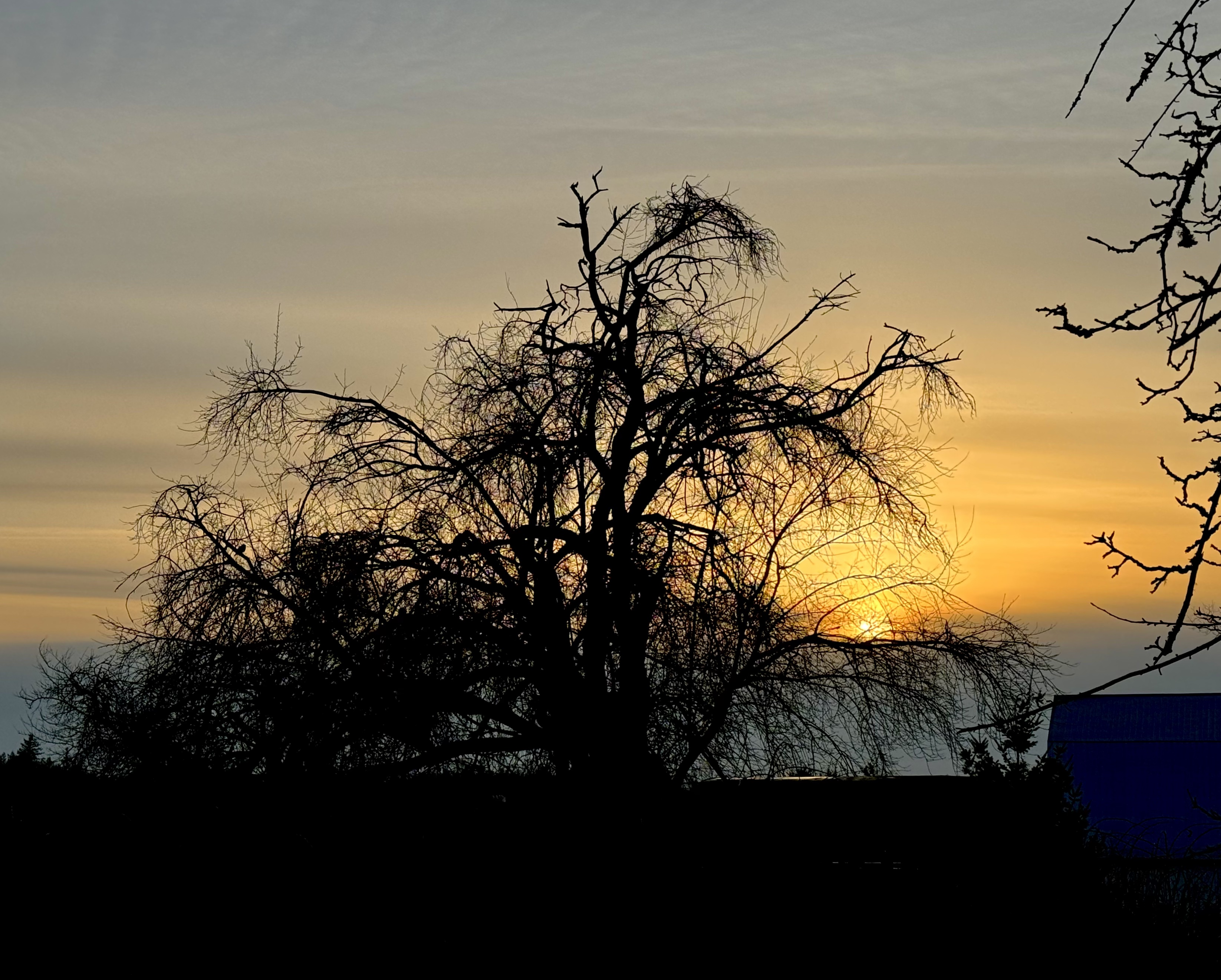
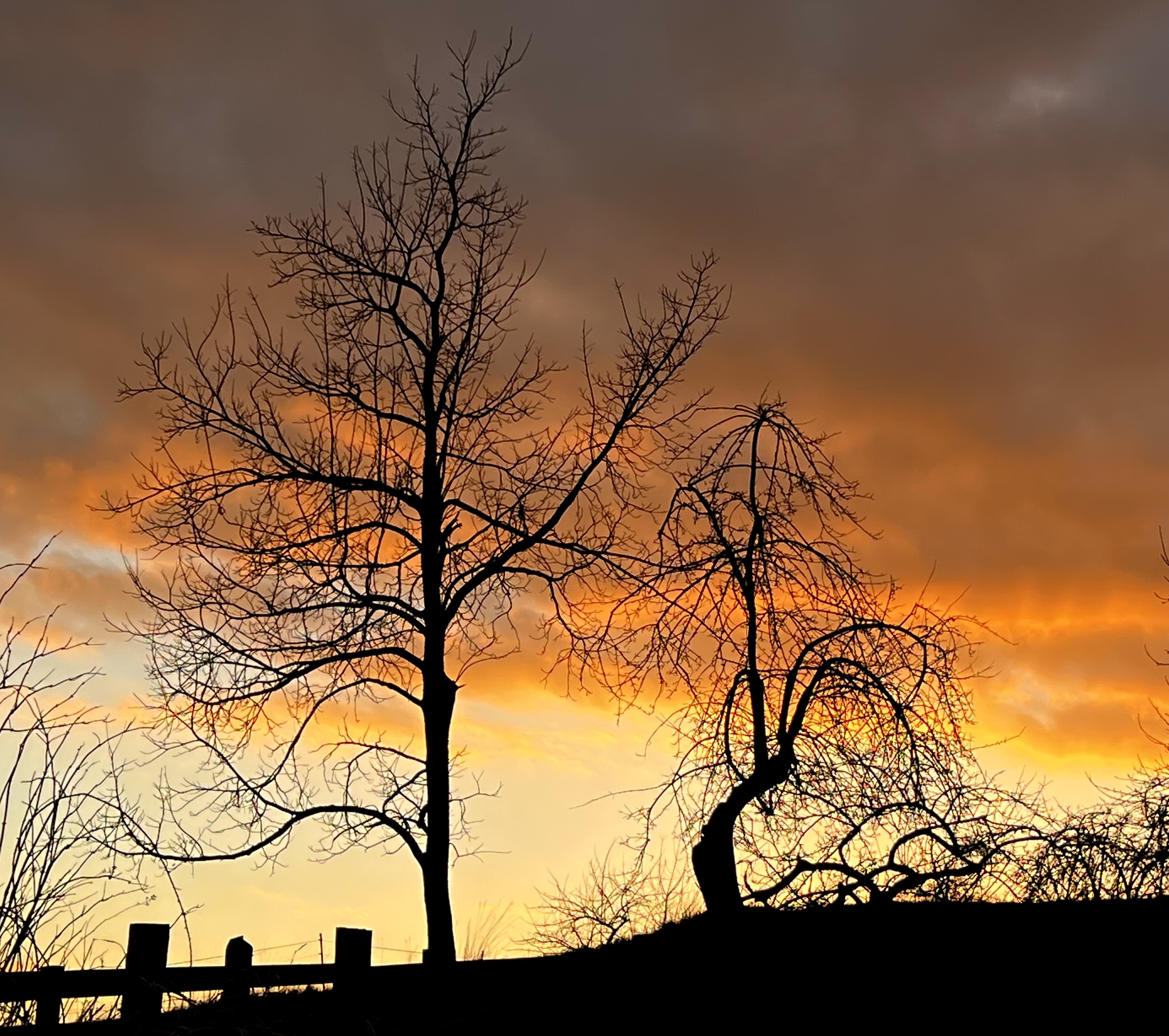
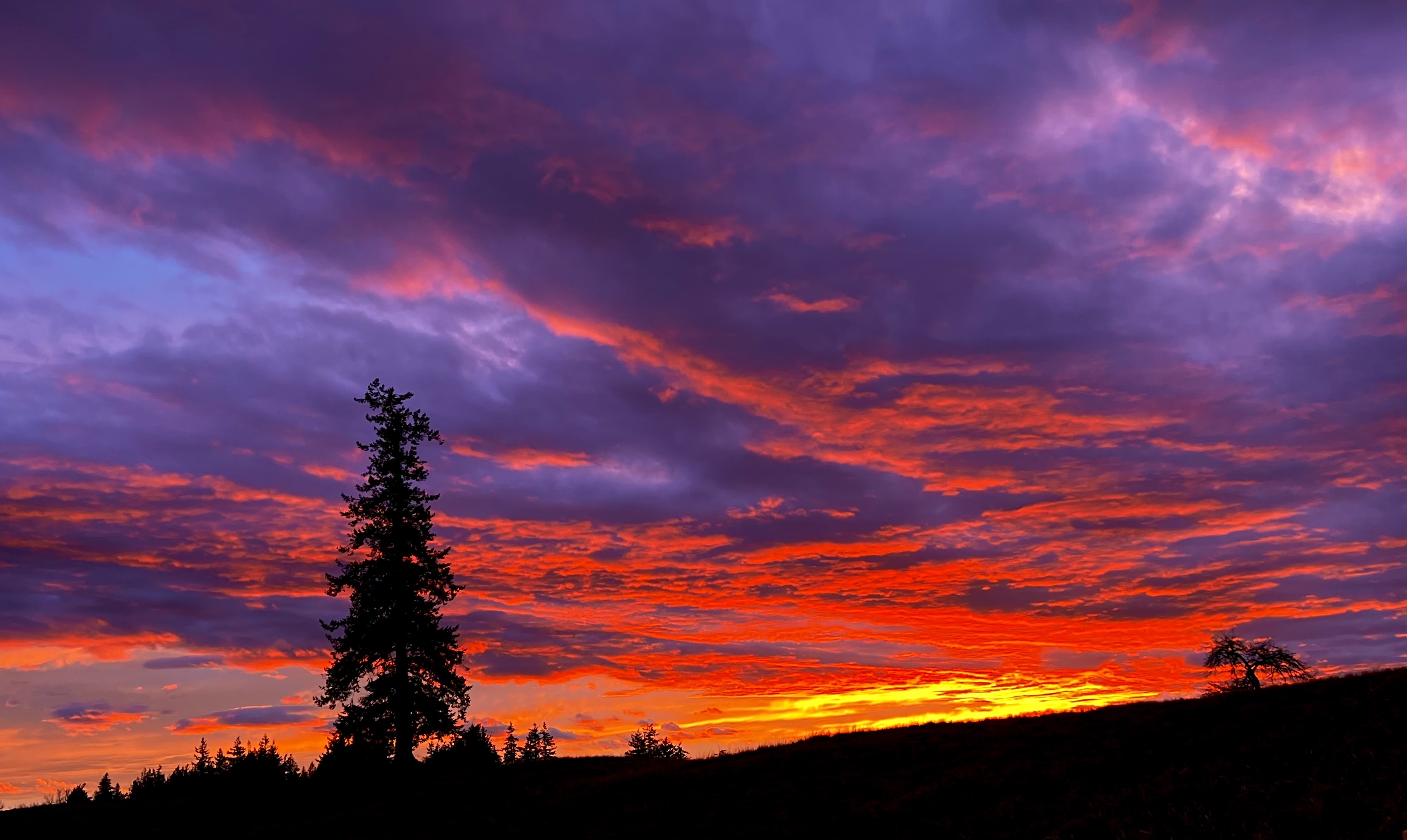
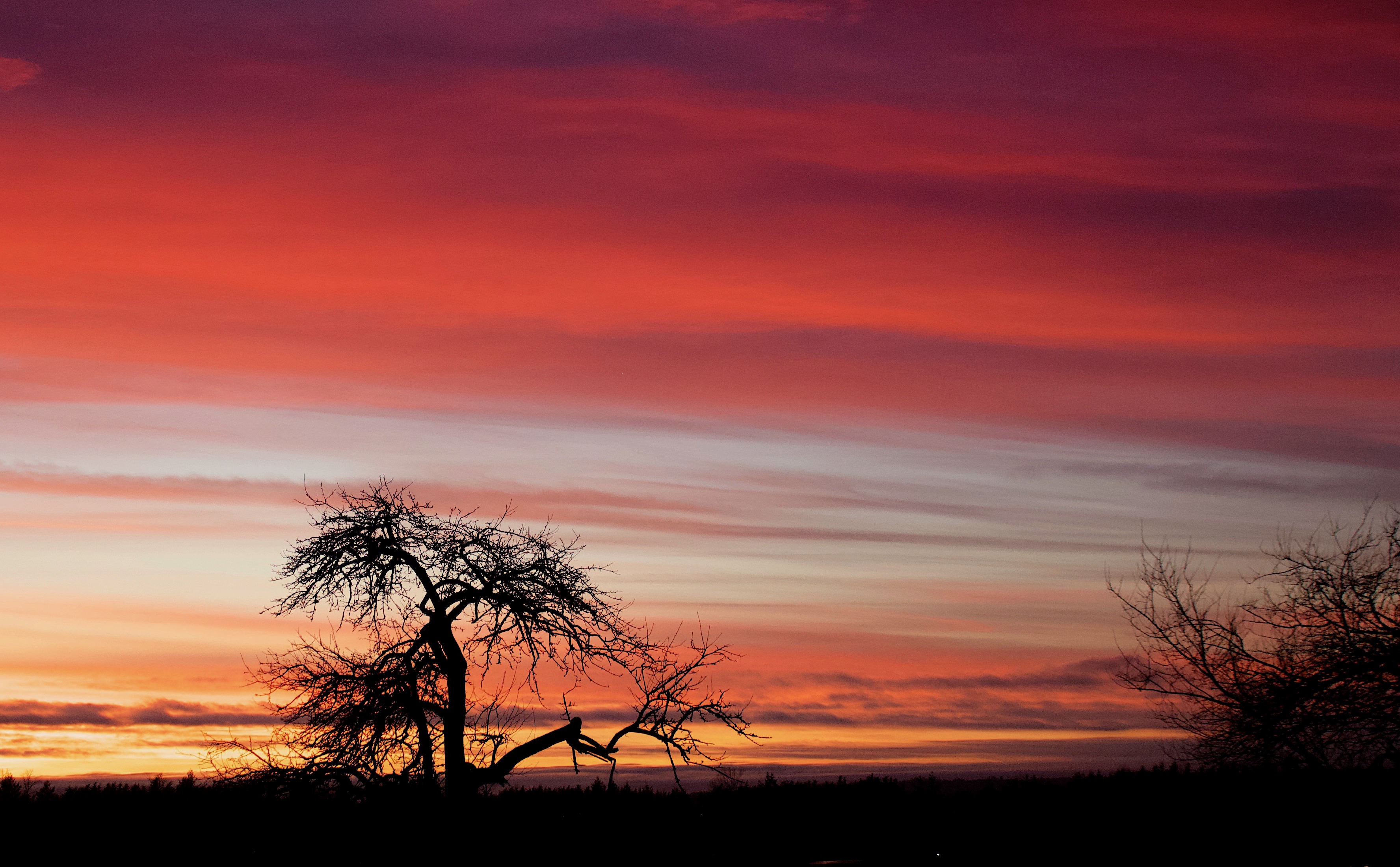
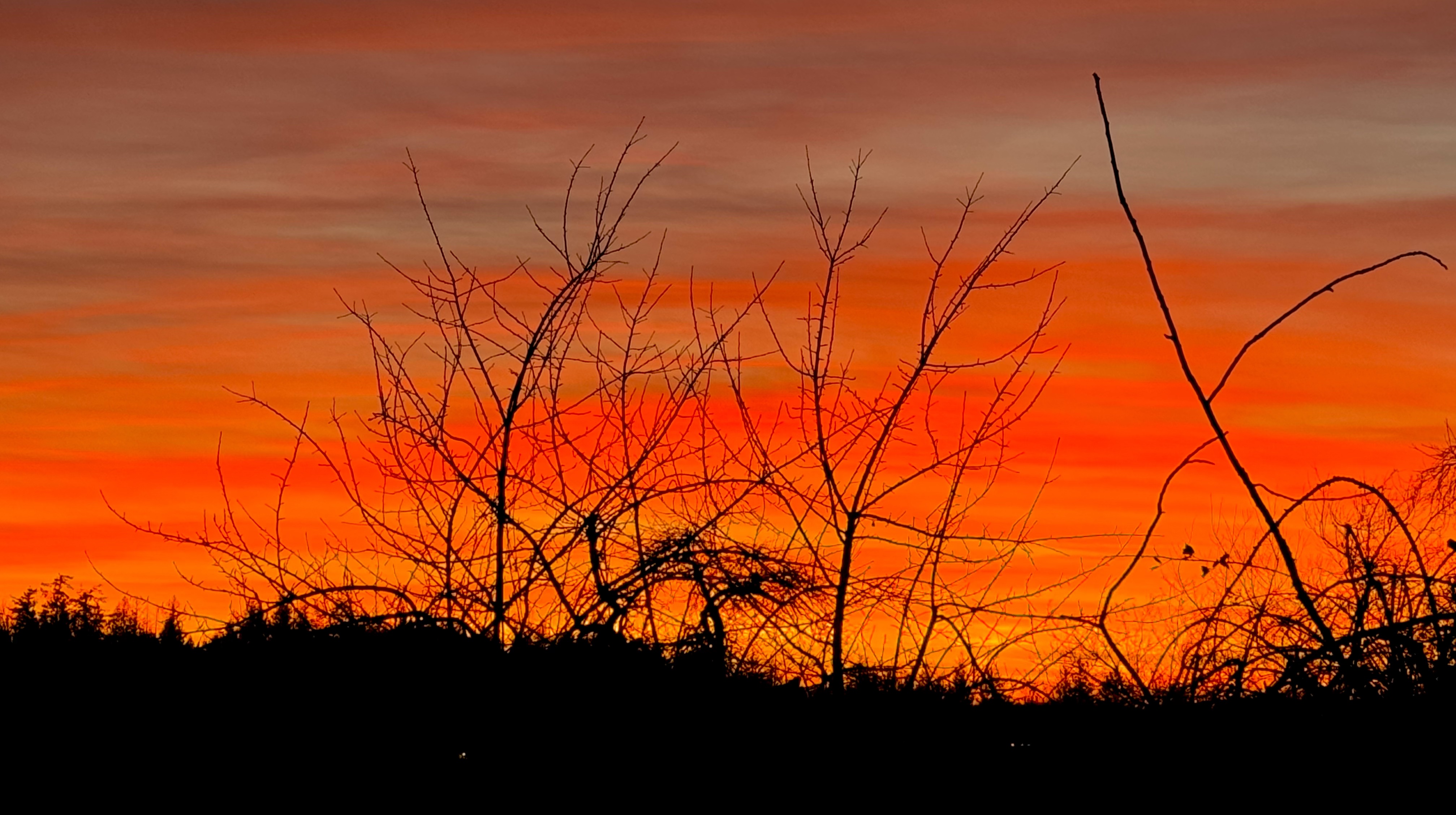
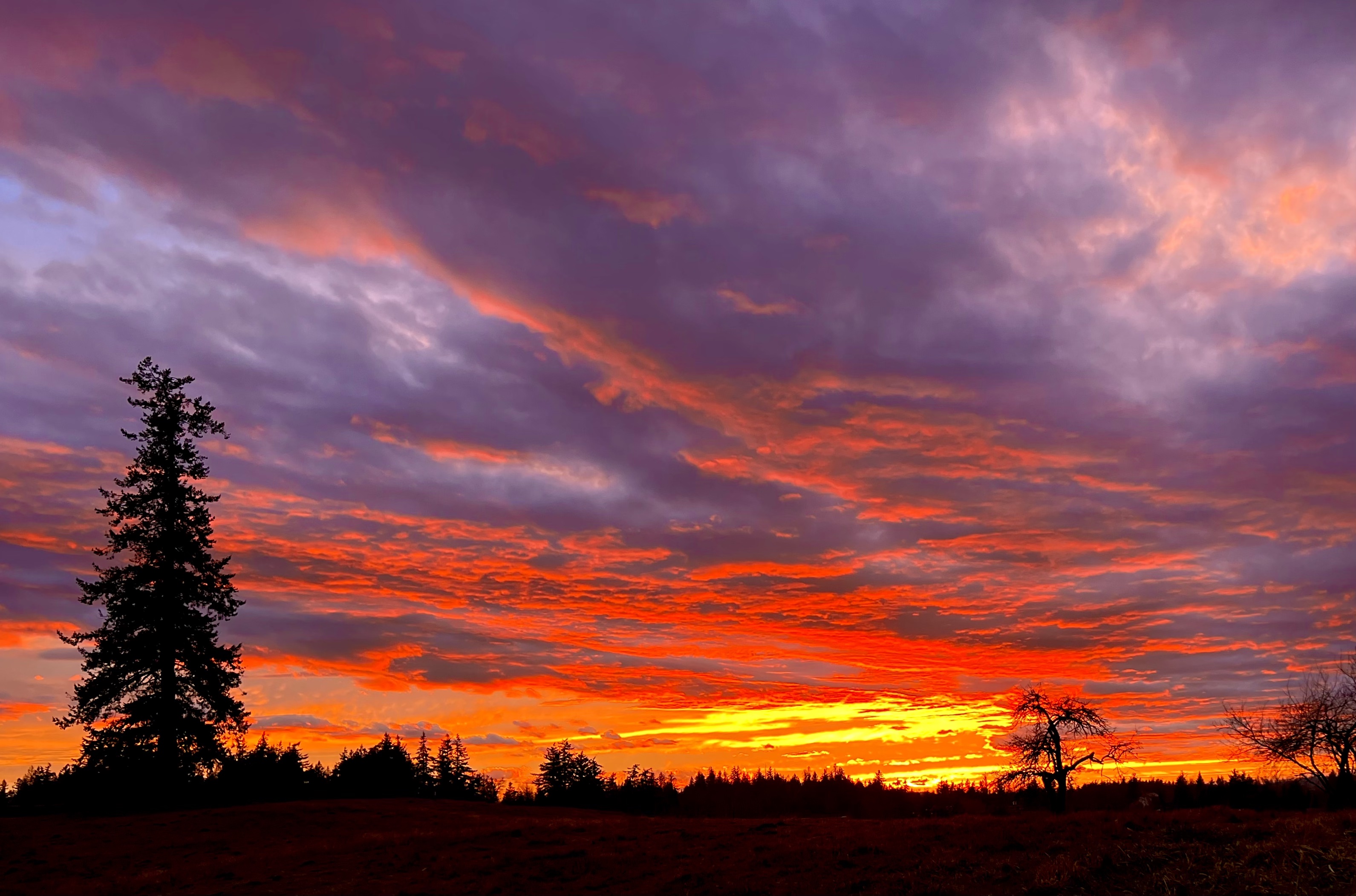
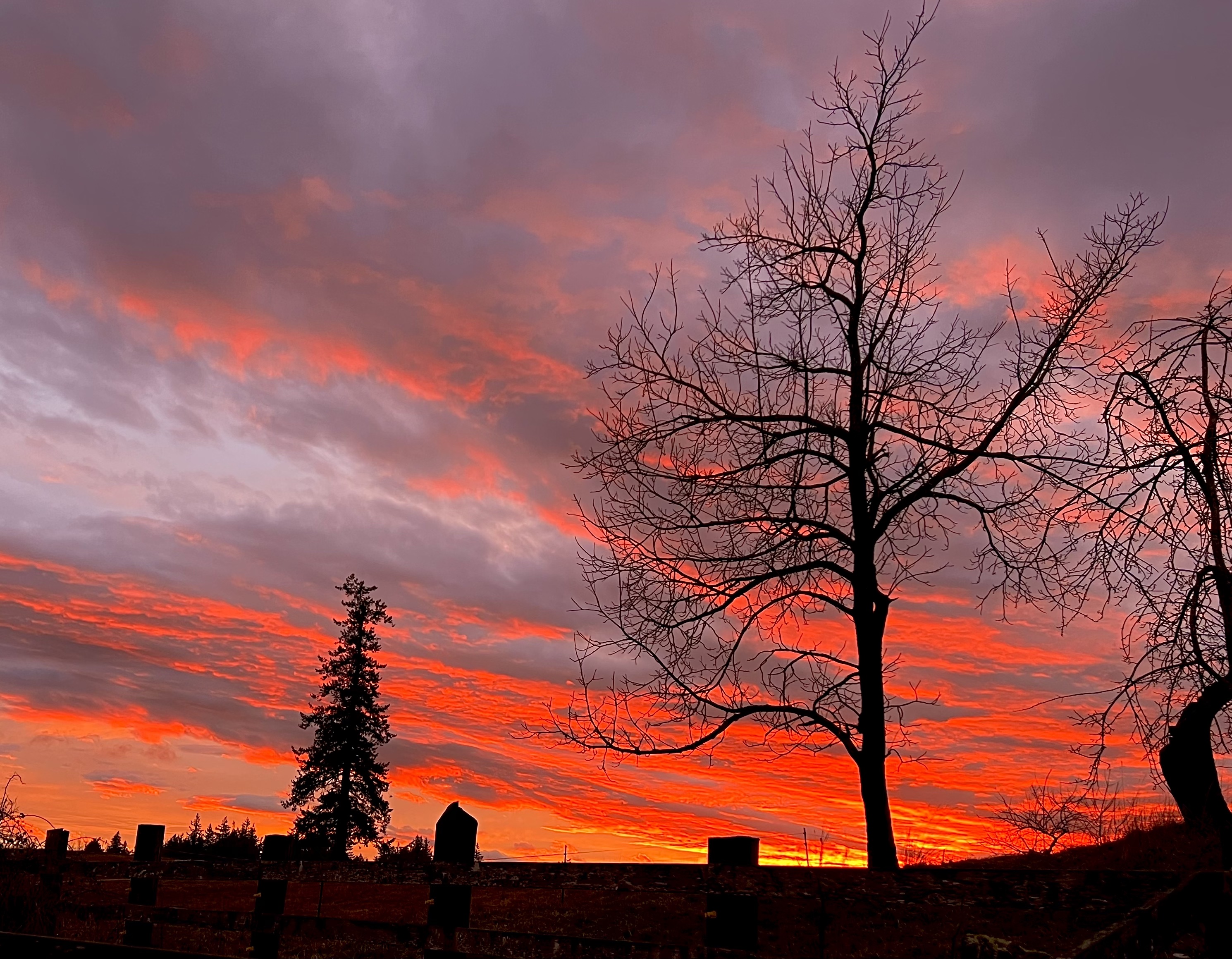
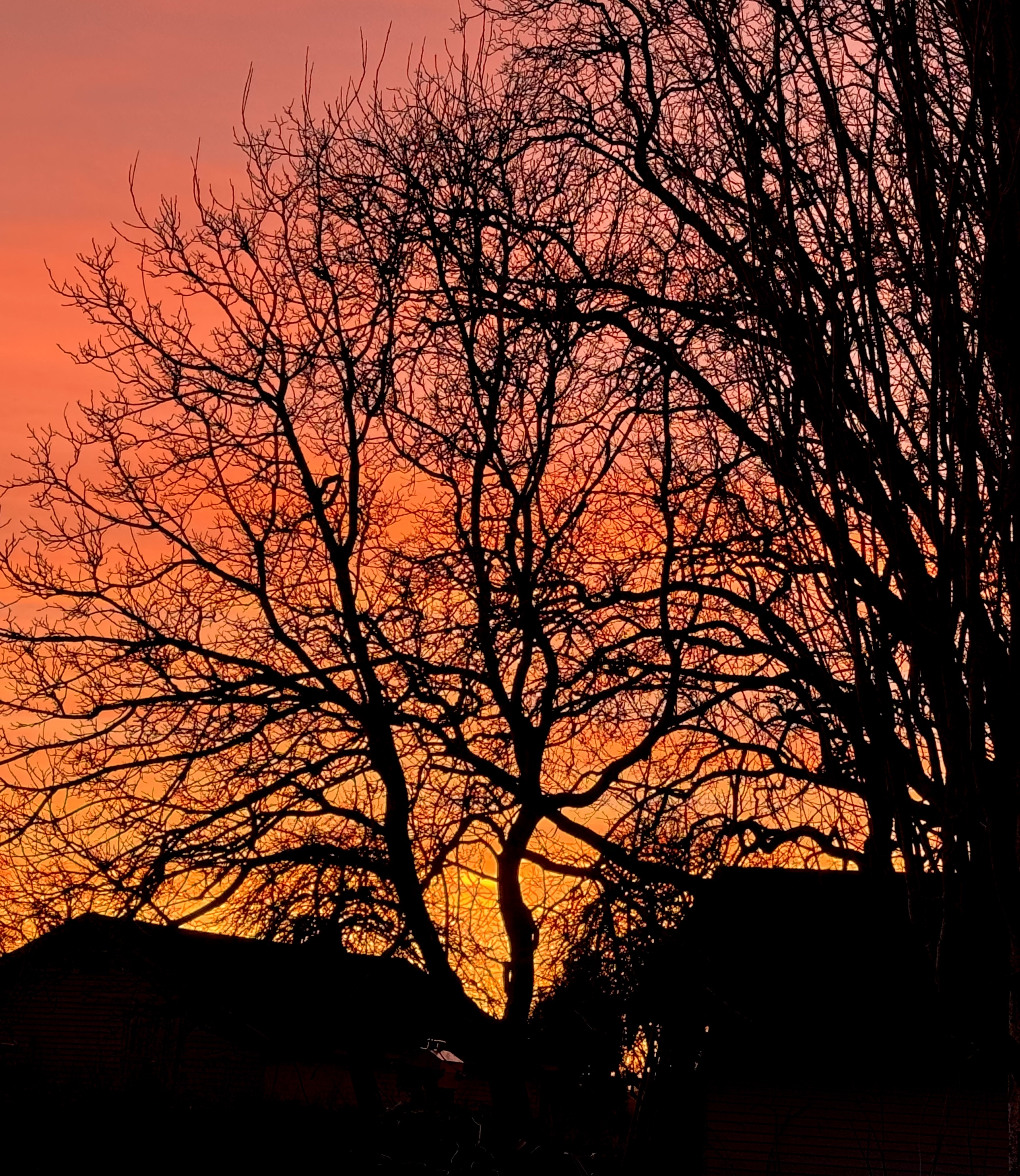
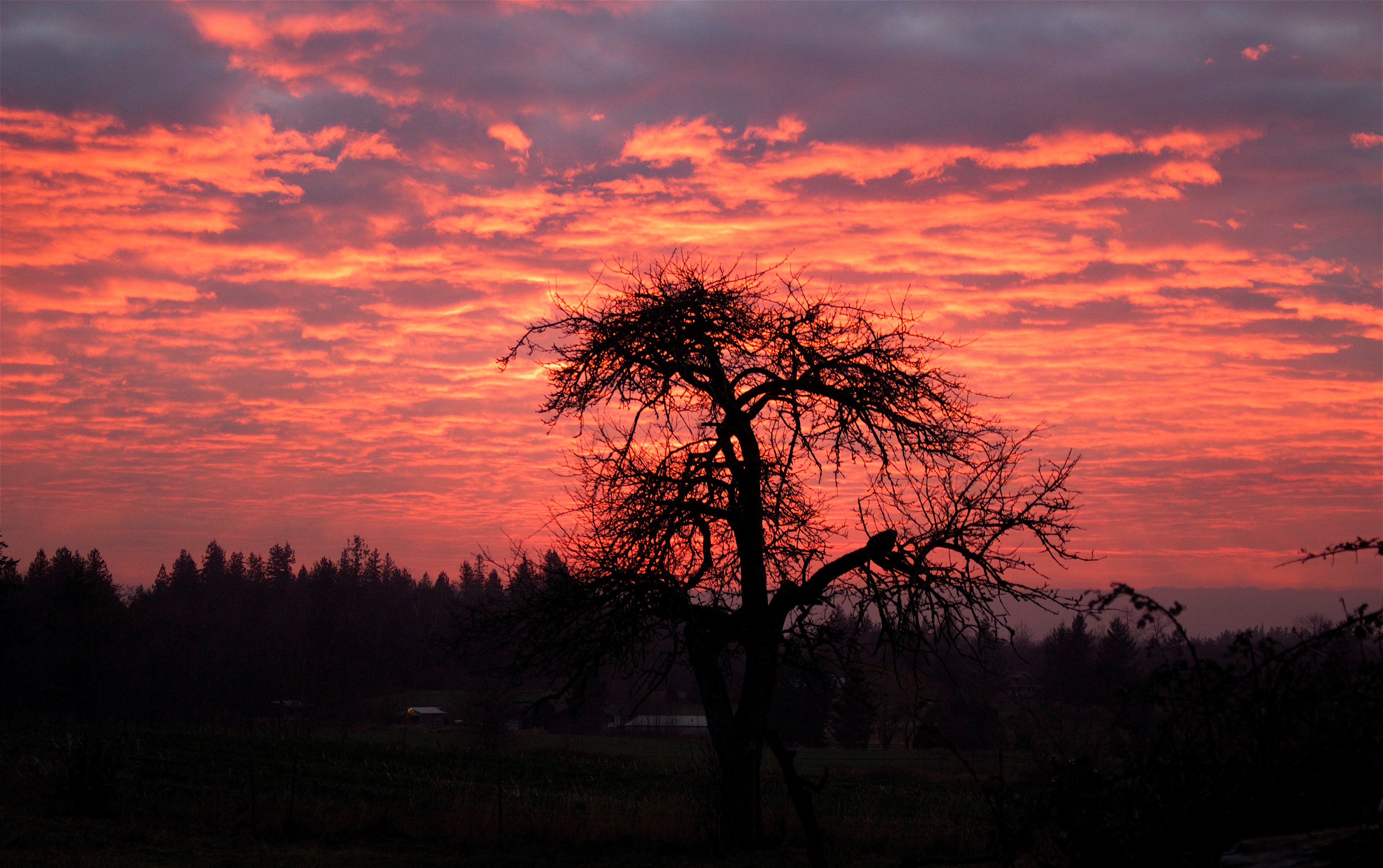
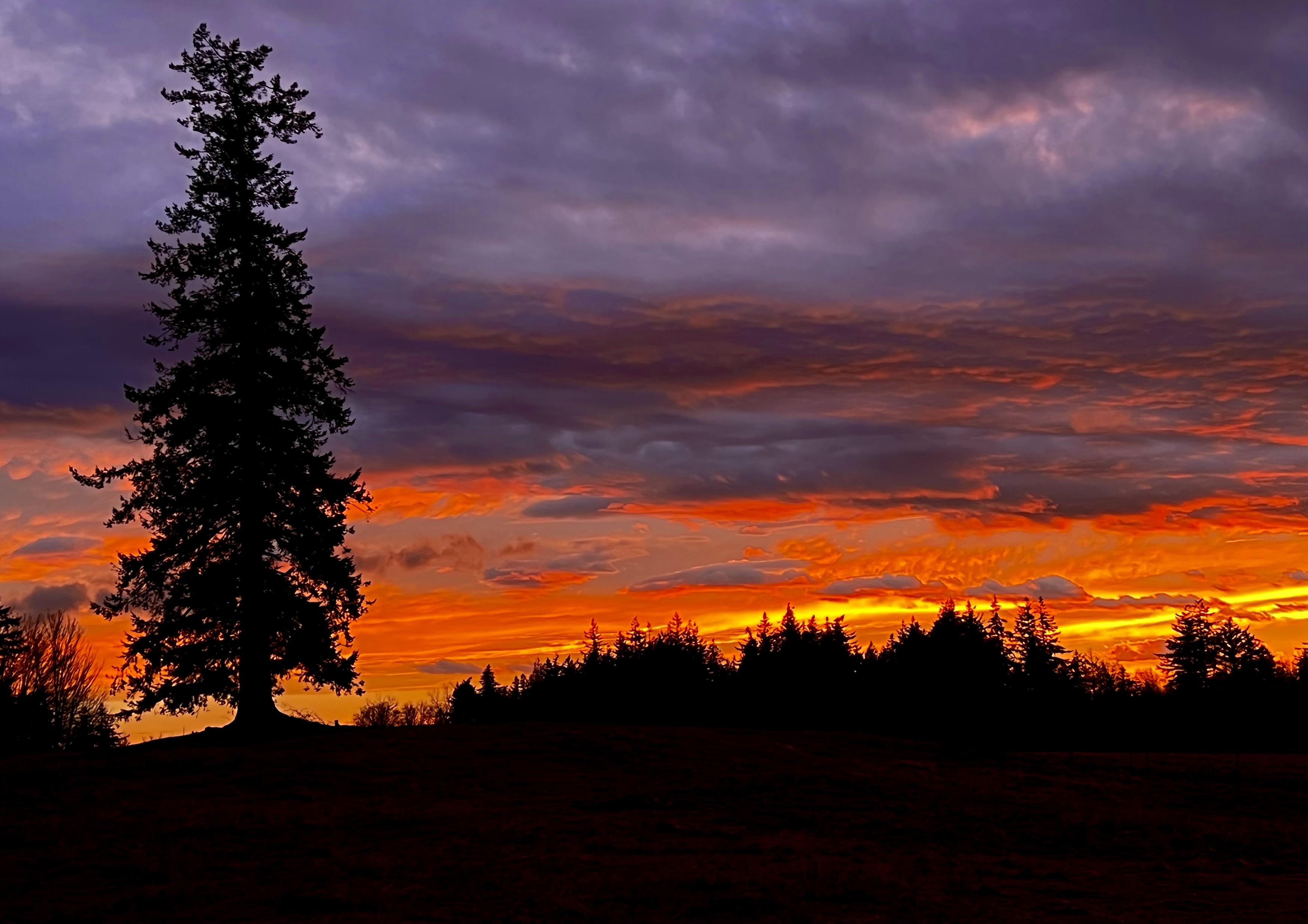
But at times, mid-January sunsets are an evolving array of crimson and purple color and patterns, streaks and swirls, gradation and gradual decline.
It all takes place in silence. No bird song, no wind, no spoken prayer. Yet communion takes place – the air breaks and feeds us like manna from heaven.
Filled to the brim with a reminder:
May I squander my life no more and treasure each moment.
May I vow to cherish God, church, family, friends, alongside those unknown and struggling in my community.
May I witness to the winter’s bleeding out at the last light of day.
AI image created for this post
One-Time
Monthly
Yearly
Make a one-time or recurring donation to support daily Barnstorming posts
Make a monthly donation
Make a yearly donation
Choose an amount
$10.00
$25.00
$50.00
$5.00
$15.00
$100.00
$5.00
$15.00
$100.00
Or enter a custom amount
$
Your contribution is deeply appreciated to help offset the cost of maintaining an ad-free website.
How many times each day do I wonder at the miracle that is each breath, each step, each meal, each good night’s sleep, each wakening, each song, each hug?
That it happens at all is a miracle, I tell you.
And why do we notice it most when it is no longer a given – when we have suddenly lost the daily gifts we take for granted.
So we who wake on an ordinary Sunday today, our home and church and family not in the path of a fire, our communities not in danger, we thank God for His daily miracles and pray that His people will help comfort and care for those who weep.
With a heavy heart and prayers for those who have lost their homes and livelihoods in the fires in southern California – the love that lights a home from within will never end up in ashes
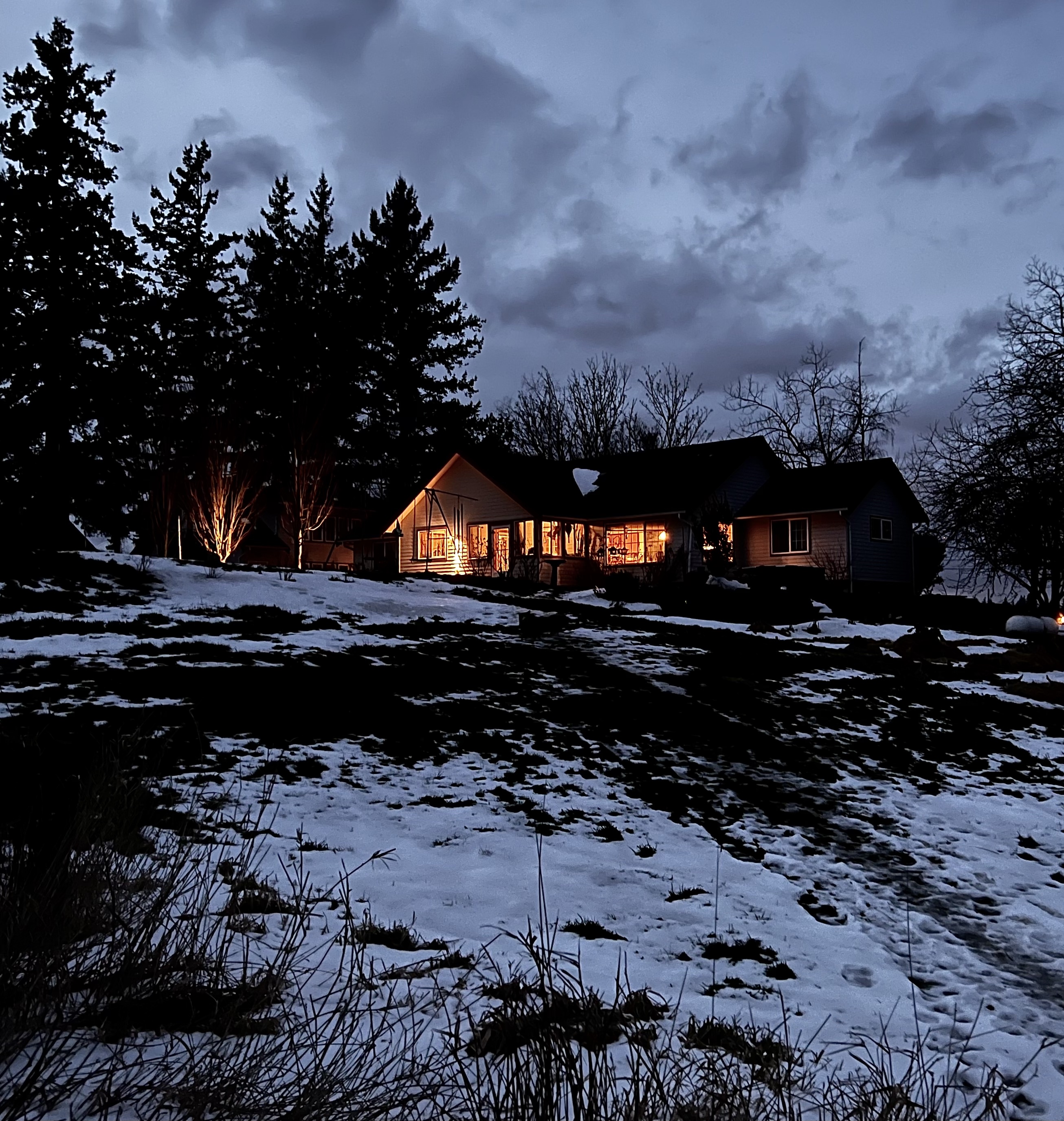
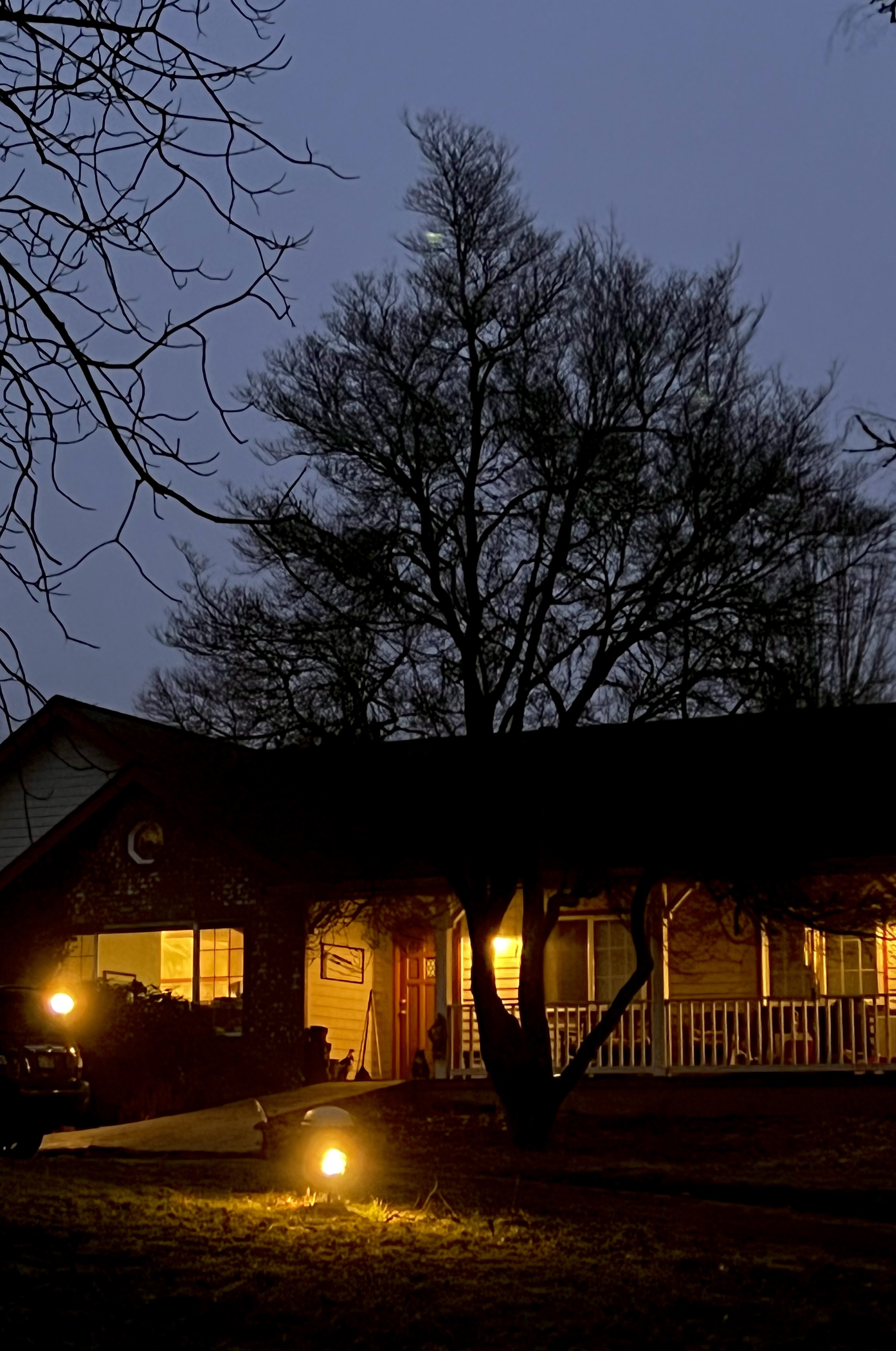
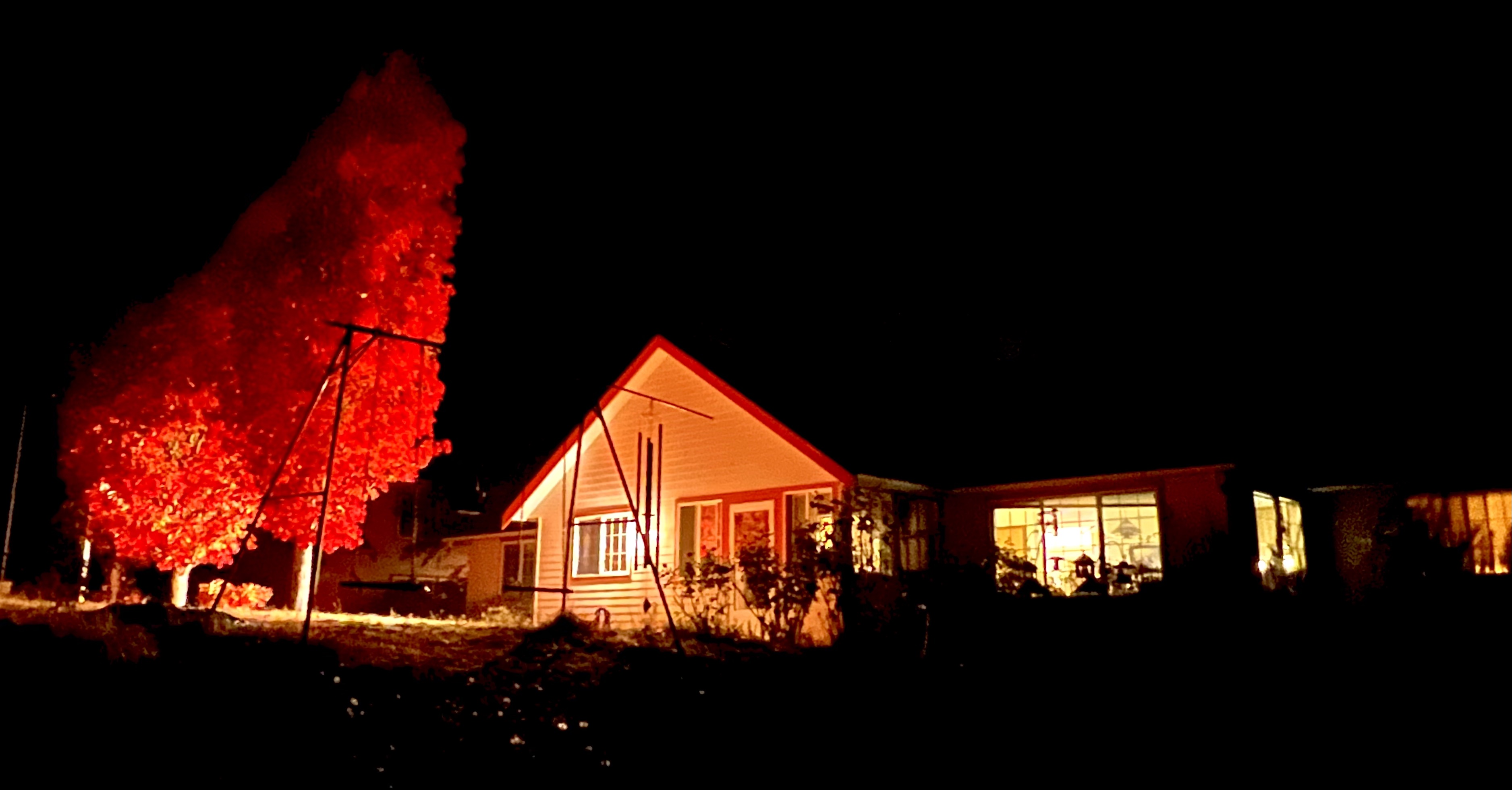
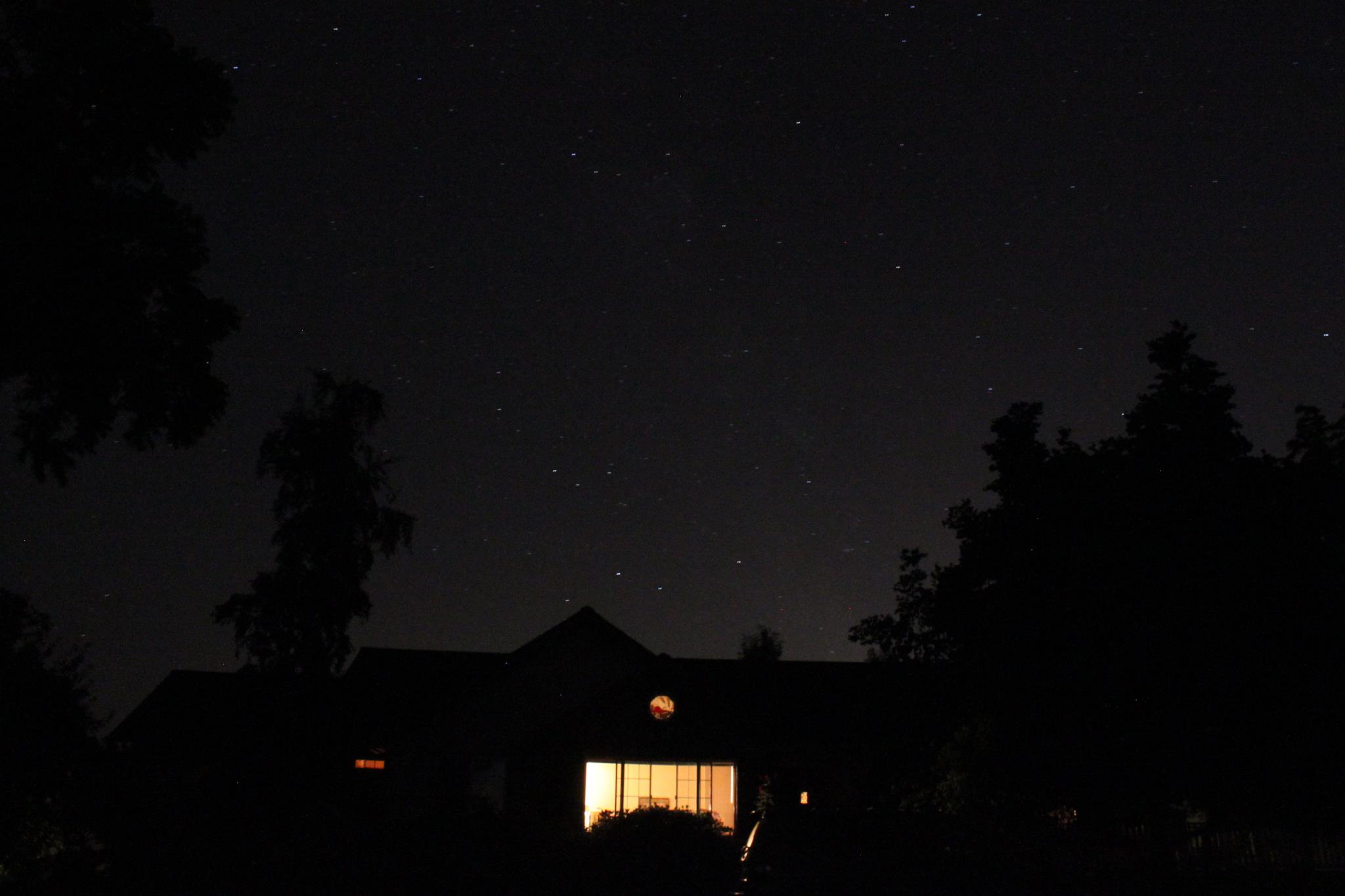
We need to separate to see the life we’ve made, to leave our house where someone waits, patiently, warm beneath the sheets, to don layers of armor, sweater, coat, mittens, scarf, to stride down the frozen road, putting distance between us this cold winter morning, to look back and see, on the hilltop, our life, lit from inside. ~Laura Foley “To See It” from It’s This
Our bedroom suffused in a dark dawn’s ethereal glow from a moon-white sky, mixing a million stars and snowflakes
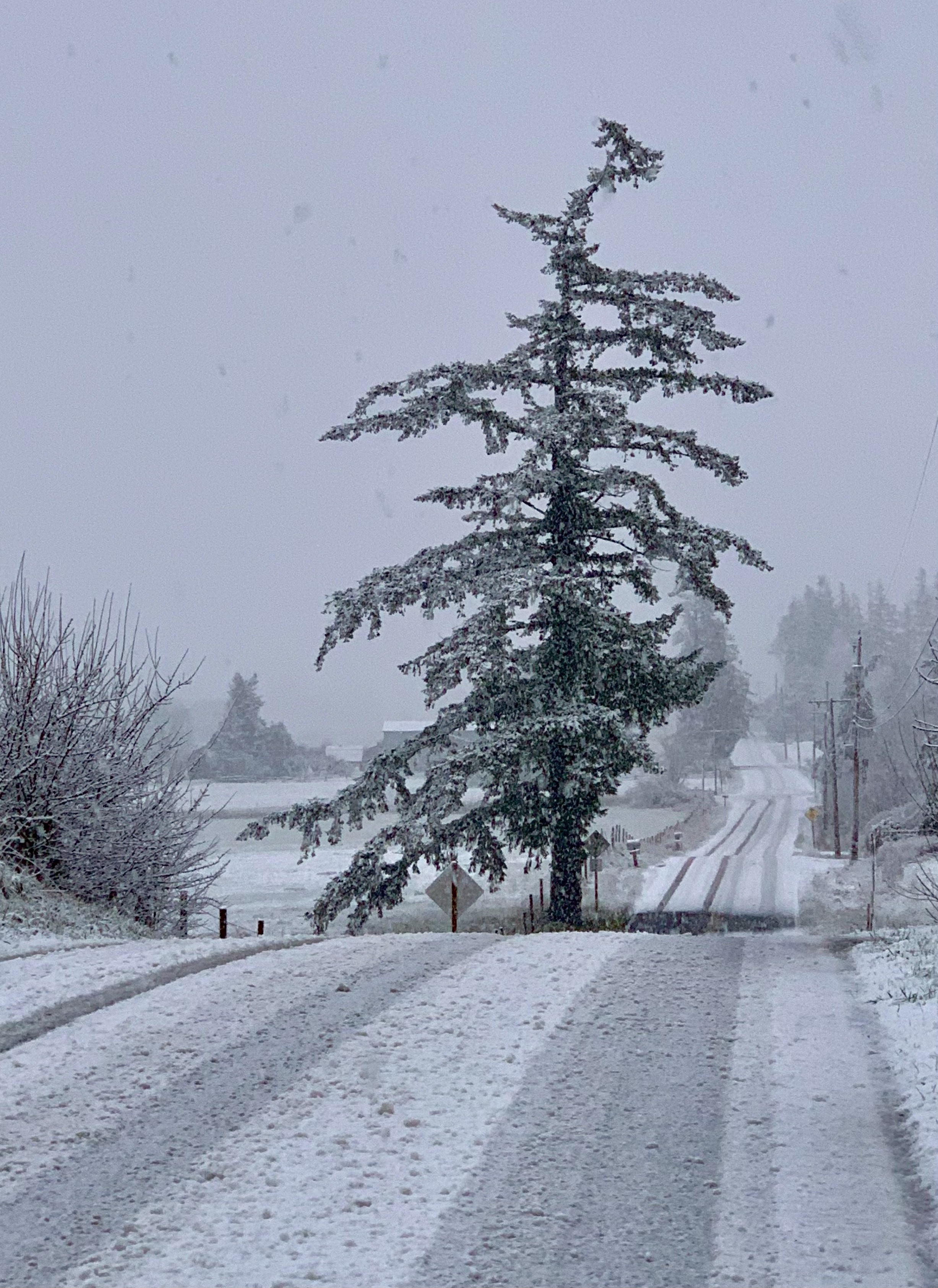
A snow light covers all, settling gently around us, tucking in the drifting corners of a downy comforter
I take a moment to watch you sleep, your slow even breaths and peaceful face- grateful for each day and night I spend with you.
I know you know ~ we remind each other in many ways, to never forget.
What blessing comes from a love lit from within – thriving in the dark of night, yet never shining brighter than in the delights and daylights of a new morning together.
One-Time
Monthly
Yearly
Make a one-time or recurring donation to support daily Barnstorming posts
Make a monthly donation
Make a yearly donation
Choose an amount
$10.00
$25.00
$50.00
$5.00
$15.00
$100.00
$5.00
$15.00
$100.00
Or enter a custom amount
$
Your contribution is deeply appreciated to help offset the costs in maintaining an ad-free website.
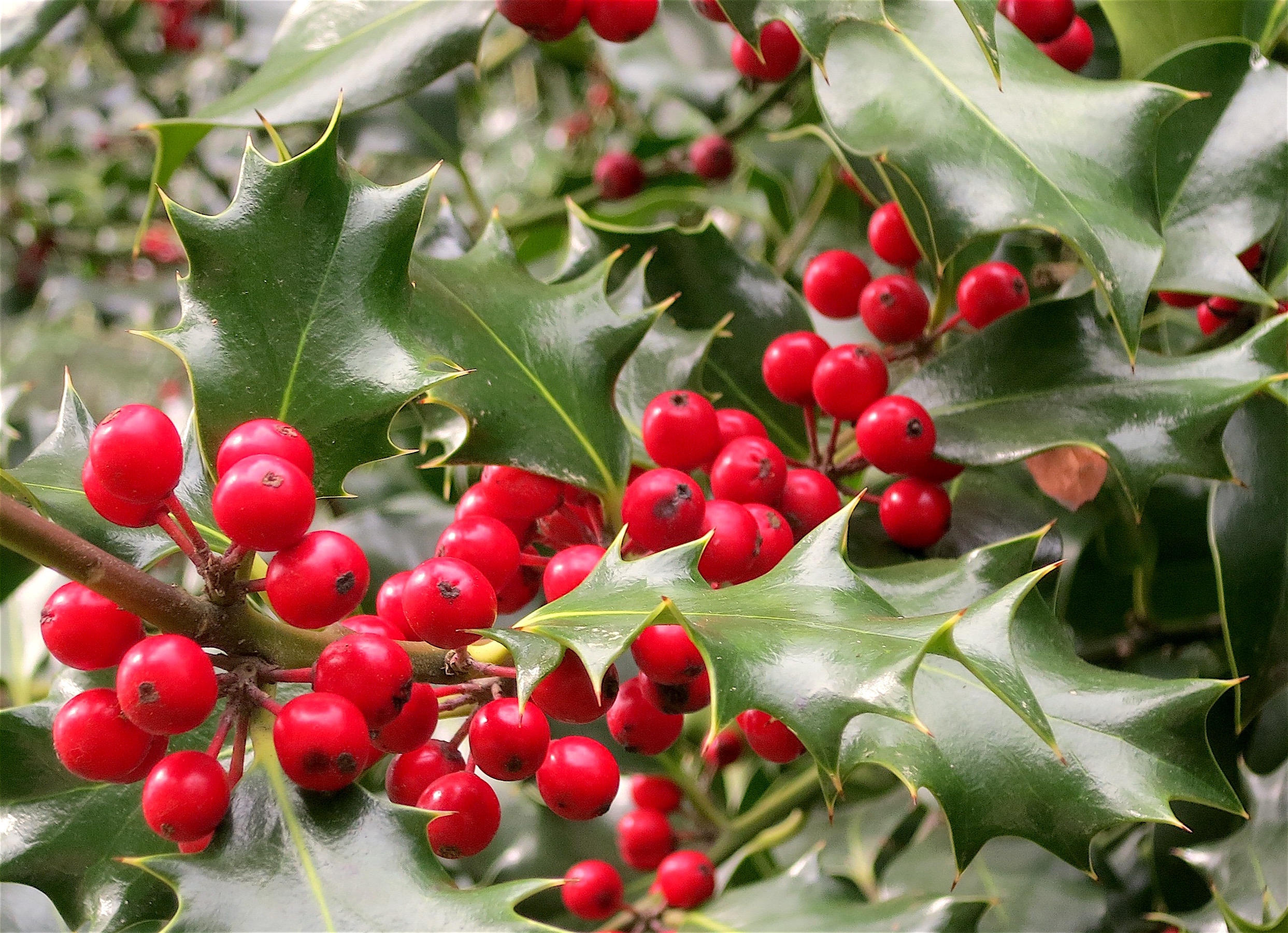
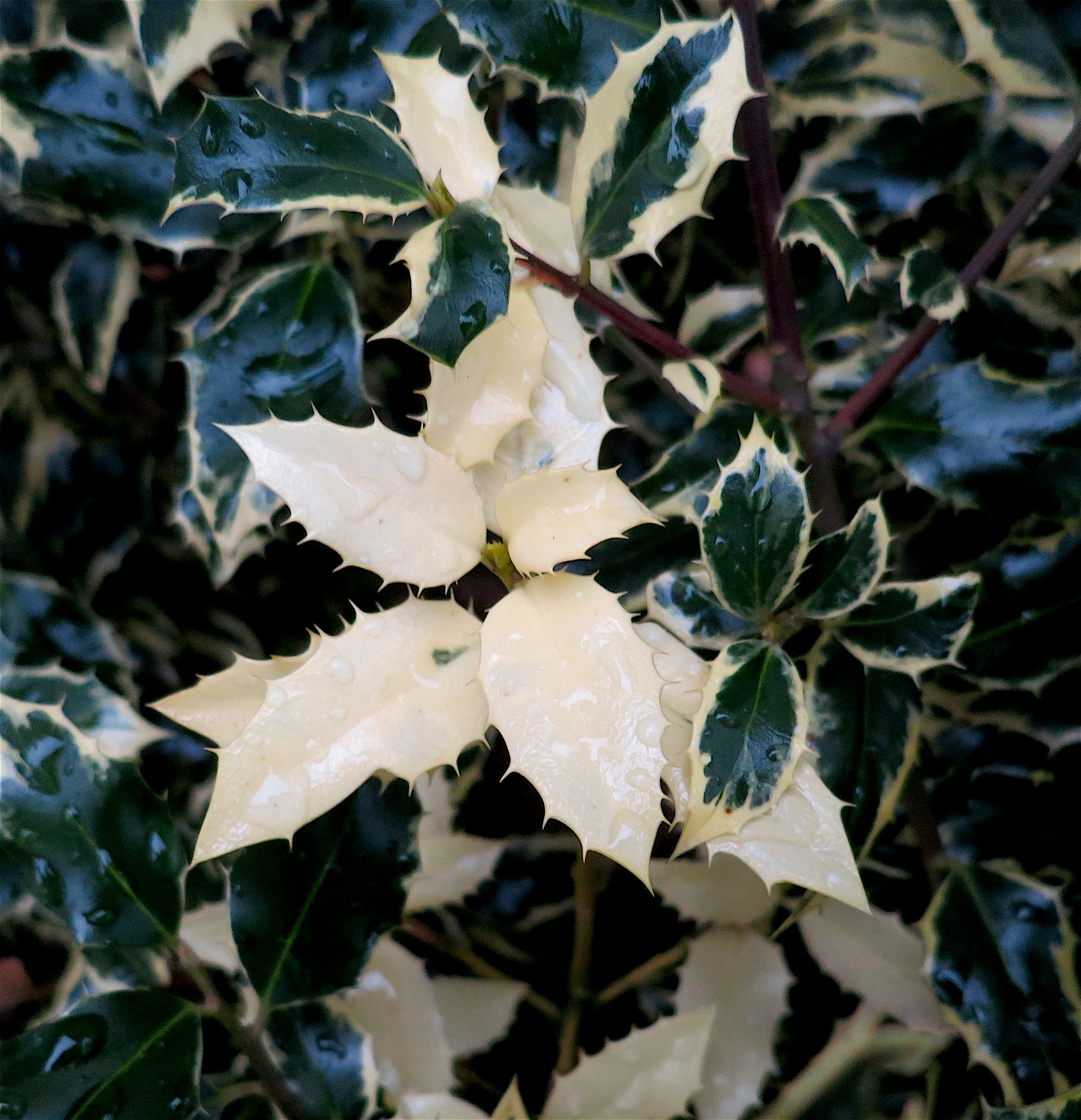
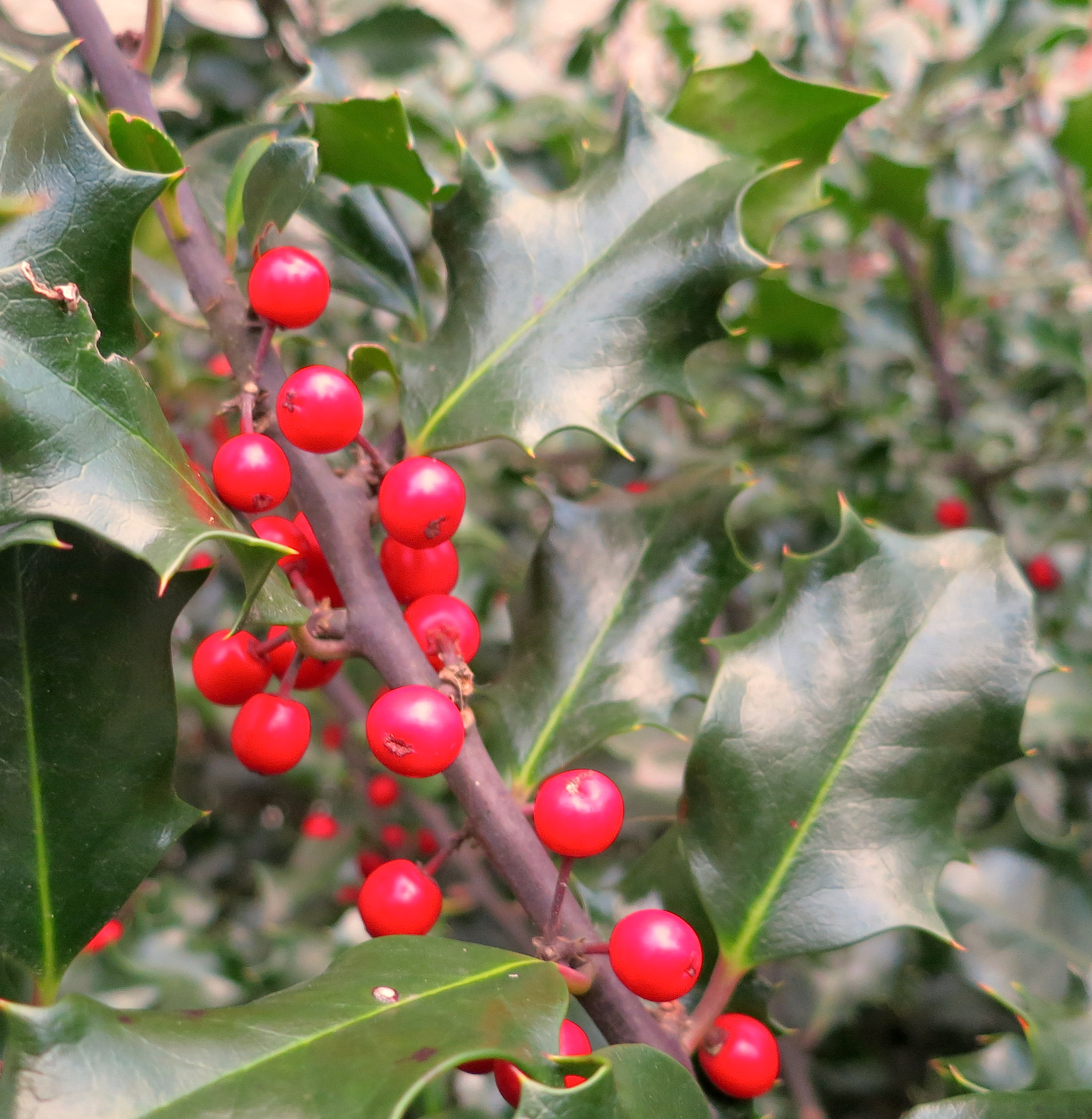
God’s children begin as soft as a holly blossom, turning blood red as its berry, fully surrounded by prickly leaves.
Christ was sent to bleed like us for us, to wear a thorny crown and bear wounds by smoothing over all our sharp edges.
For what is our hope, our joy, or the crown in which we will glory in the presence of our Lord Jesus when he comes? Is it not you? Indeed, you are our glory and joy. 1 Thessalonians 2: 19-20
AI image created for this post
One-Time
Monthly
Yearly
Make a one-time or recurring donation to support daily Barnstorming posts
Make a monthly donation
Make a yearly donation
Choose an amount
$10.00
$25.00
$50.00
$5.00
$15.00
$100.00
$5.00
$15.00
$100.00
Or enter a custom amount
$
Your contribution is deeply appreciated to help offset the costs to maintain an ad-free website.
The Incarnation is like a wave of the sea which, rushing up on the flat beach, runs out, even thinner and more transparent, and does not return to its source but sinks into the sand and disappears. ~Hans Urs von Balthasar from Origen: Spirit and Fire
When the heart is full of joy, it always allows its joy to escape. It is like the fountain in the marketplace; whenever it is full it runs away in streams, and so soon as it ceases to overflow, you may be quite sure that it has ceased to be full. The only full heart is the overflowing heart. ~Charles Spurgeon from The Spurgeon Series 1857 & 1858: Unabridged Sermons In Modern Language
…continue to live your lives in him, rooted and built up in him, strengthened in the faith as you were taught, and overflowing with thankfulness. Colossians 2: 6b-7
May the God of hope fill you with all joy and peace as you trust in him, so that you may overflow with hope by the power of the Holy Spirit. Romans 15:13
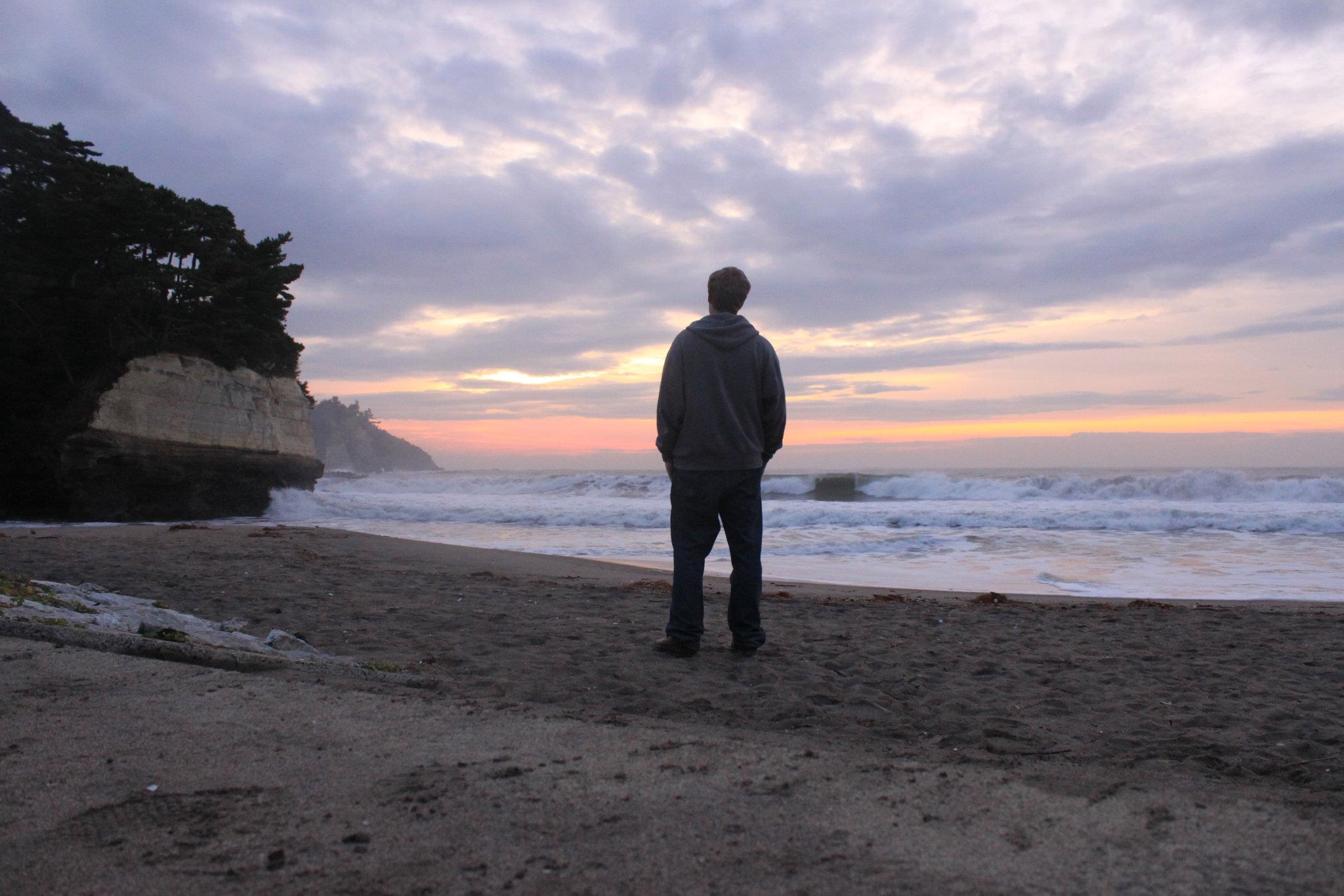
photo by Nate Gibson at Sendai, Japan
May the Lord make your love increase and overflow for each other and for everyone else, just as ours does for you. 1 Thessalonians 3:12
I do not think that skies and meadows are Moral, or that the fixture of a star Comes of a quiet spirit, or that trees Have wisdom in their windless silences. Yet these are things invested in my mood With constancy, and peace, and fortitude, That in my troubled season I can cry Upon the wide composure of the sky, And envy fields, and wish that I might be As little daunted as a star or tree. ~John Drinkwater “Reciprocity”
I’m first class in the category of overflowing tears.
My family knows it doesn’t take much to make me cry: saying goodbye, saying hello, listening to a childrens’ choir singing, a heartstring-tugging show on TV, the whistled “Greensleeves” theme to the old Lassie series, not to mention the whistled theme to the old “Leave it to Beaver” or “Andy Griffith” series–you name it, whistling does it.
Yesterday, instead of weeping overly sentimental tears, it was tears of relief that our country peacefully managed a transition of power – something that was very nearly thwarted four years ago. On that day, I wept tears of anger at scenes of violence coming from the Capitol Building in Washington, D.C.
Undaunted, I know God our Father remains a boundless deep source of all that is good and just in troubled times, constantly refilling the love of the Savior who seeks us out, while His Spirit flows into us like water into the sand.
We who weep will never empty.
Sunset and evening star, And one clear call for me! And may there be no moaning of the bar, When I put out to sea,
But such a tide as moving seems asleep, Too full for sound and foam, When that which drew from out the boundless deep Turns again home.
Twilight and evening bell, And after that the dark! And may there be no sadness of farewell, When I embark;
For tho’ from out our bourne of Time and Place The flood may bear me far, I hope to see my Pilot face to face When I have cross’d the bar. ~Lord Alfred Tennyson “Crossing the Bar”
One-Time
Monthly
Yearly
Make a one-time or recurring donation to support daily Barnstorming posts
Make a monthly donation
Make a yearly donation
Choose an amount
$10.00
$25.00
$50.00
$5.00
$15.00
$100.00
$5.00
$15.00
$100.00
Or enter a custom amount
$
Your contribution is deeply appreciated to help offset the costs of maintaining an ad-free website.




























 Barnstorming