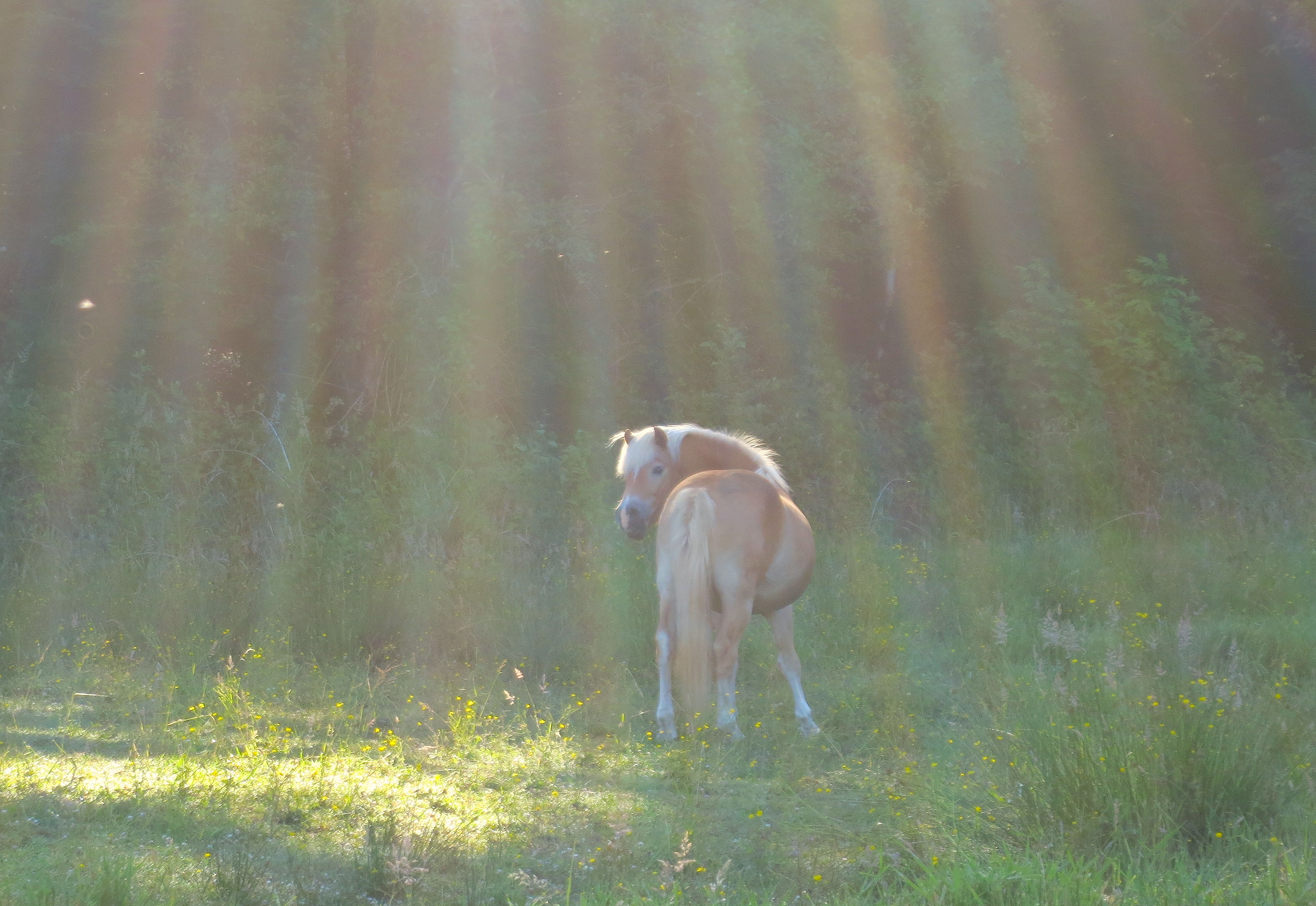
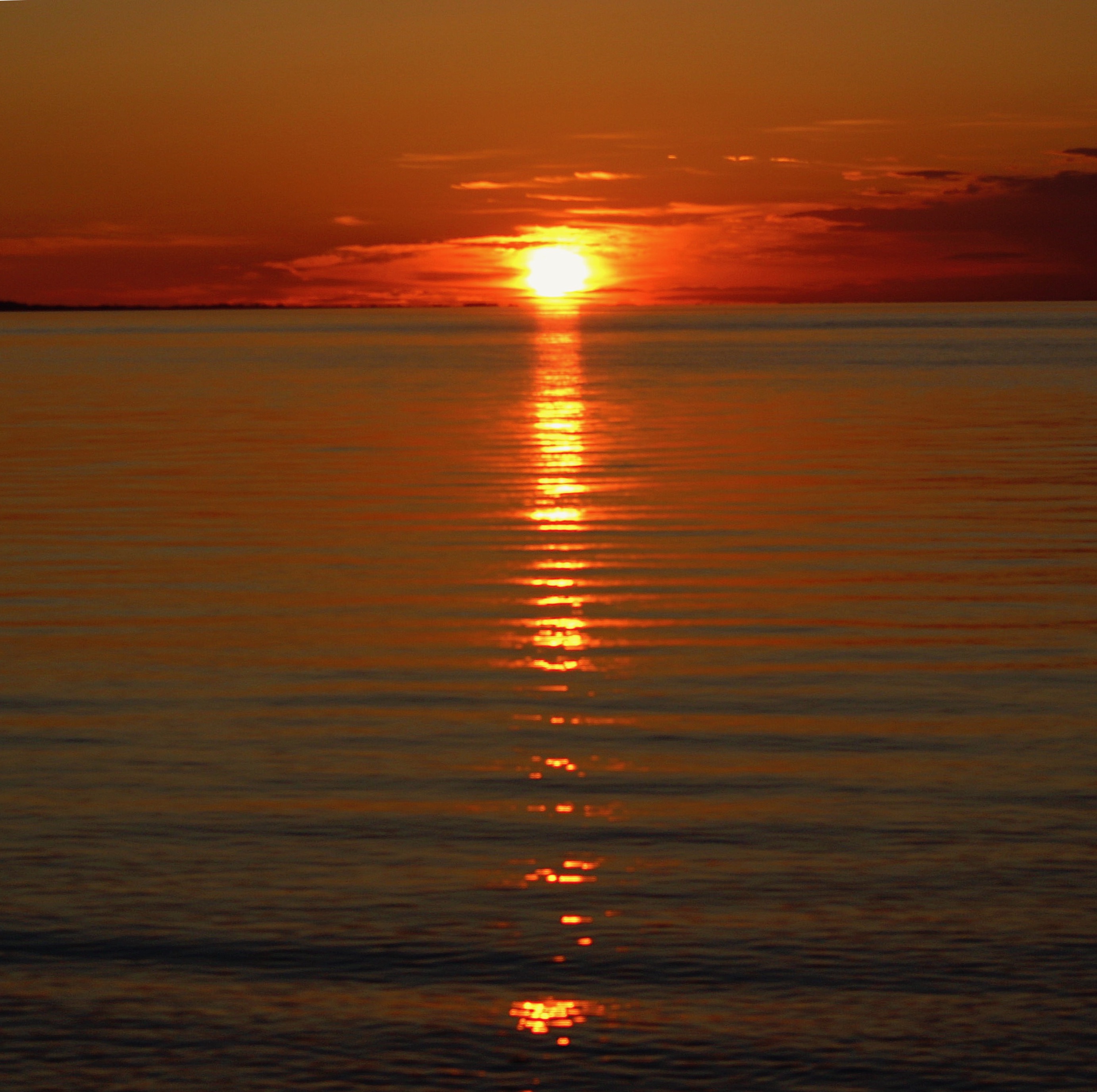
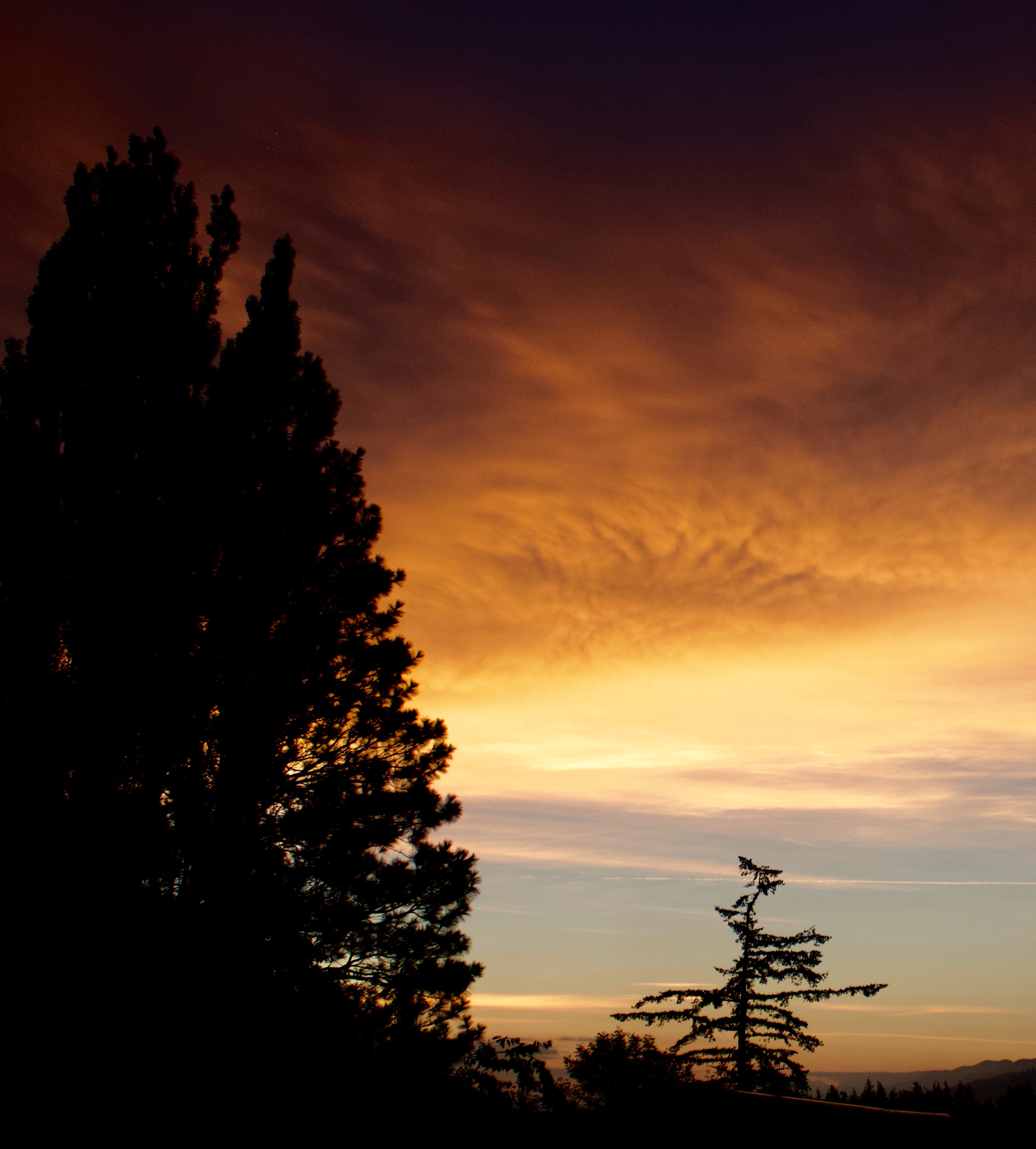
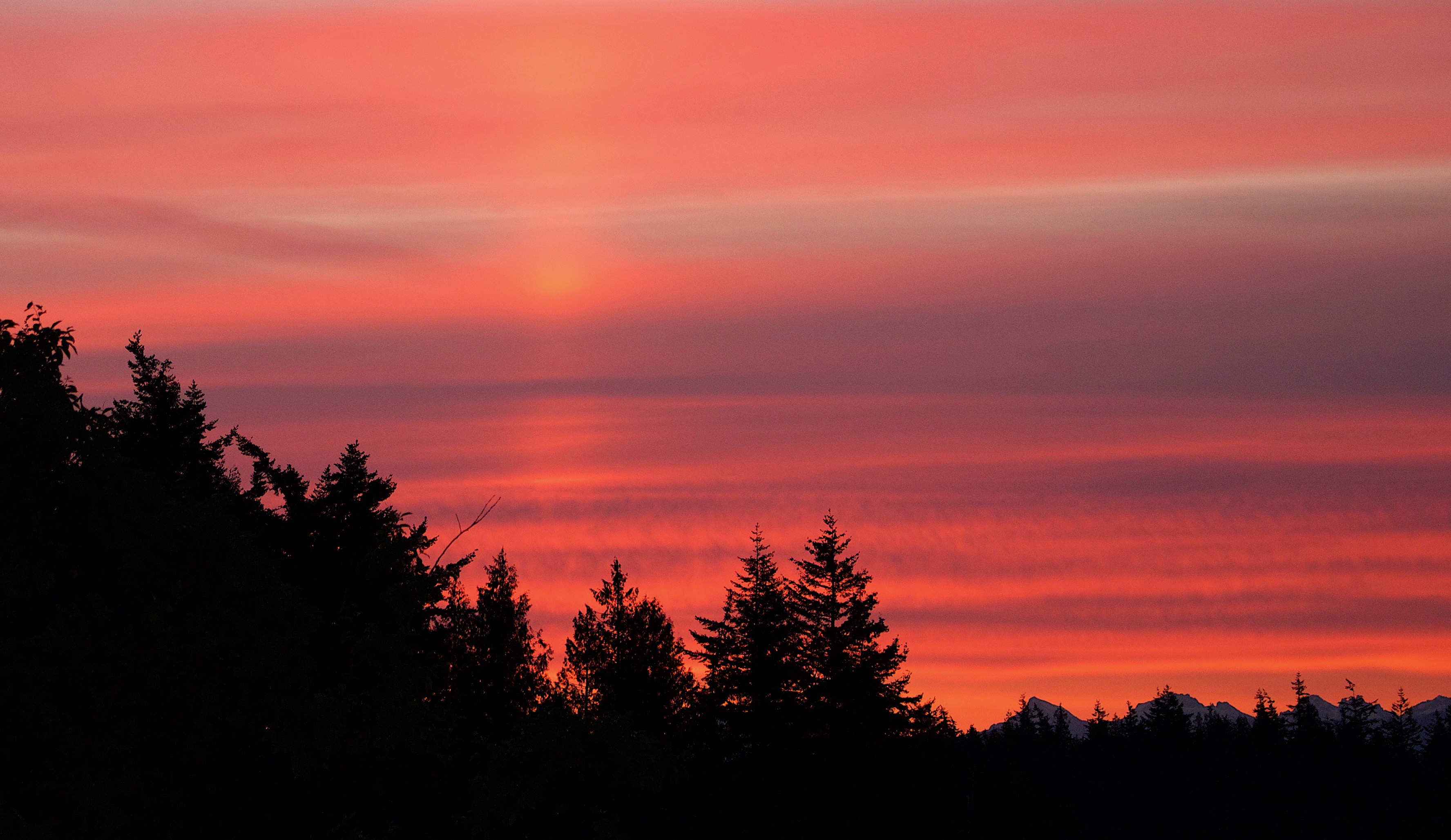
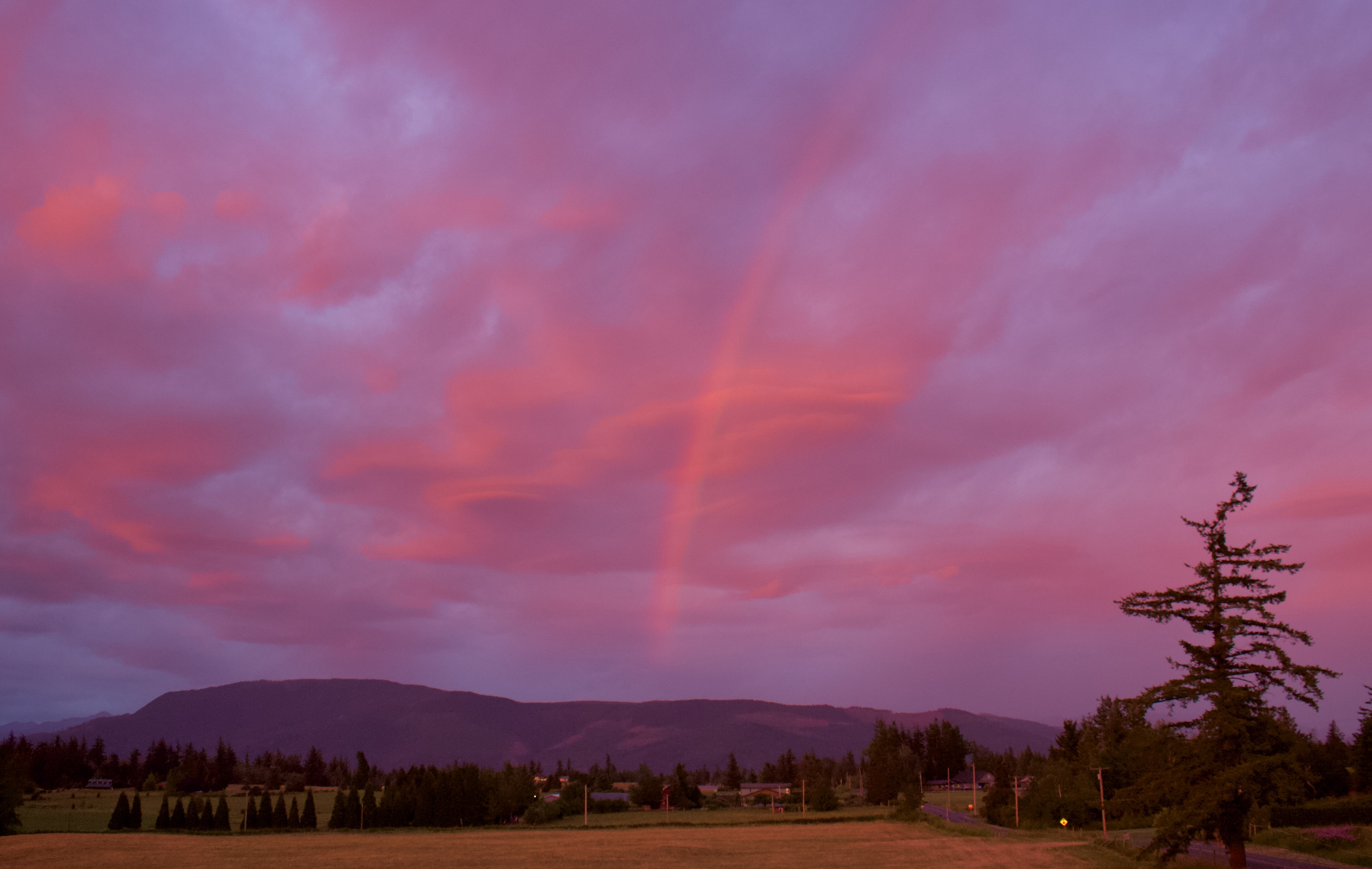
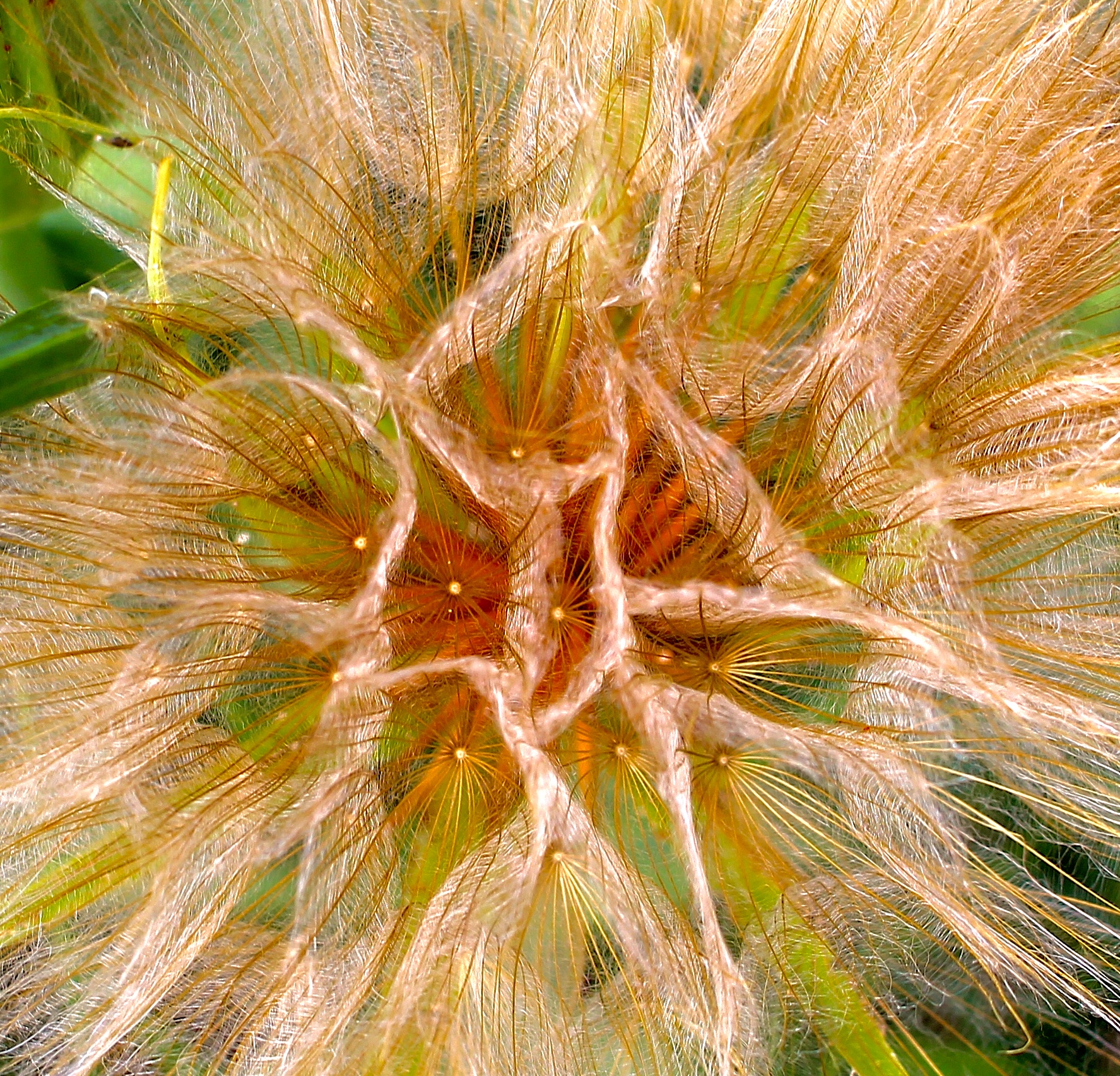
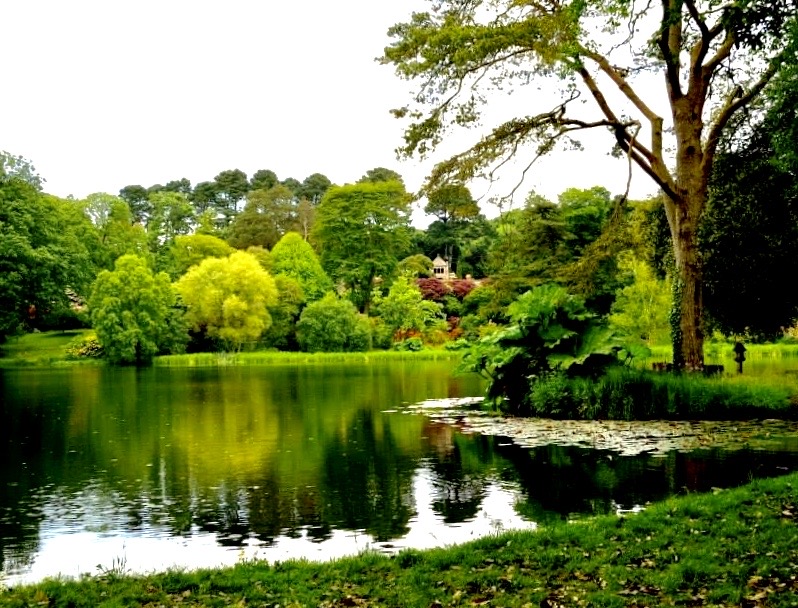
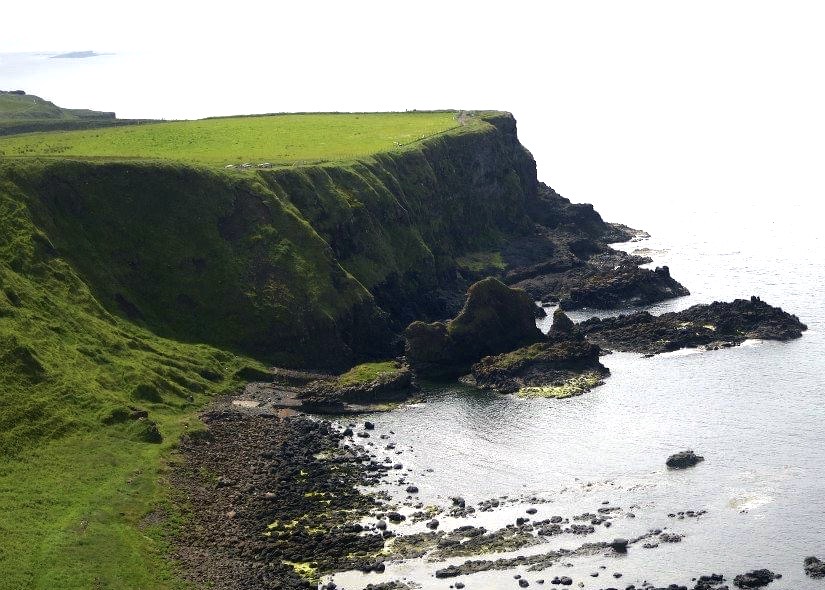
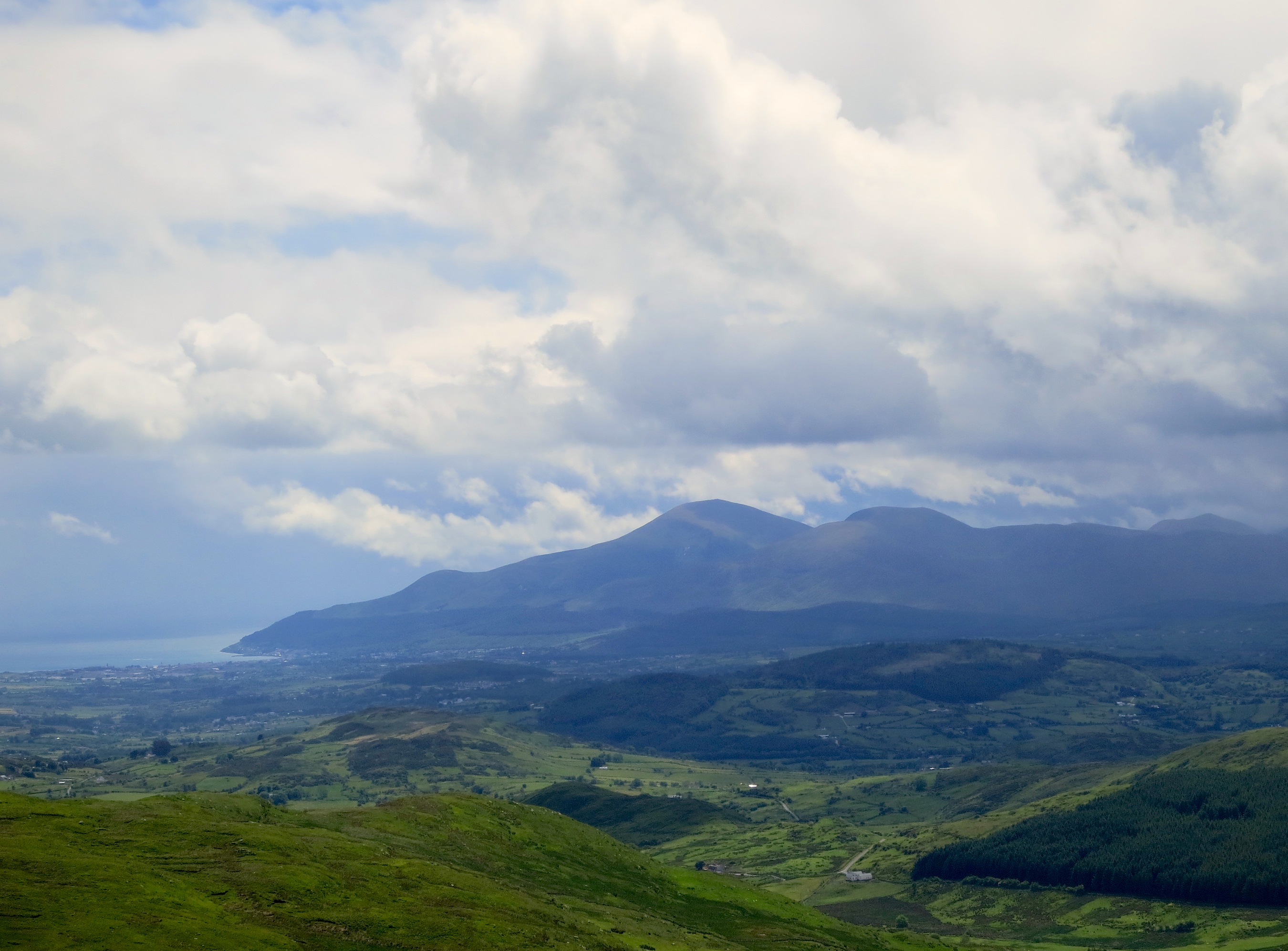
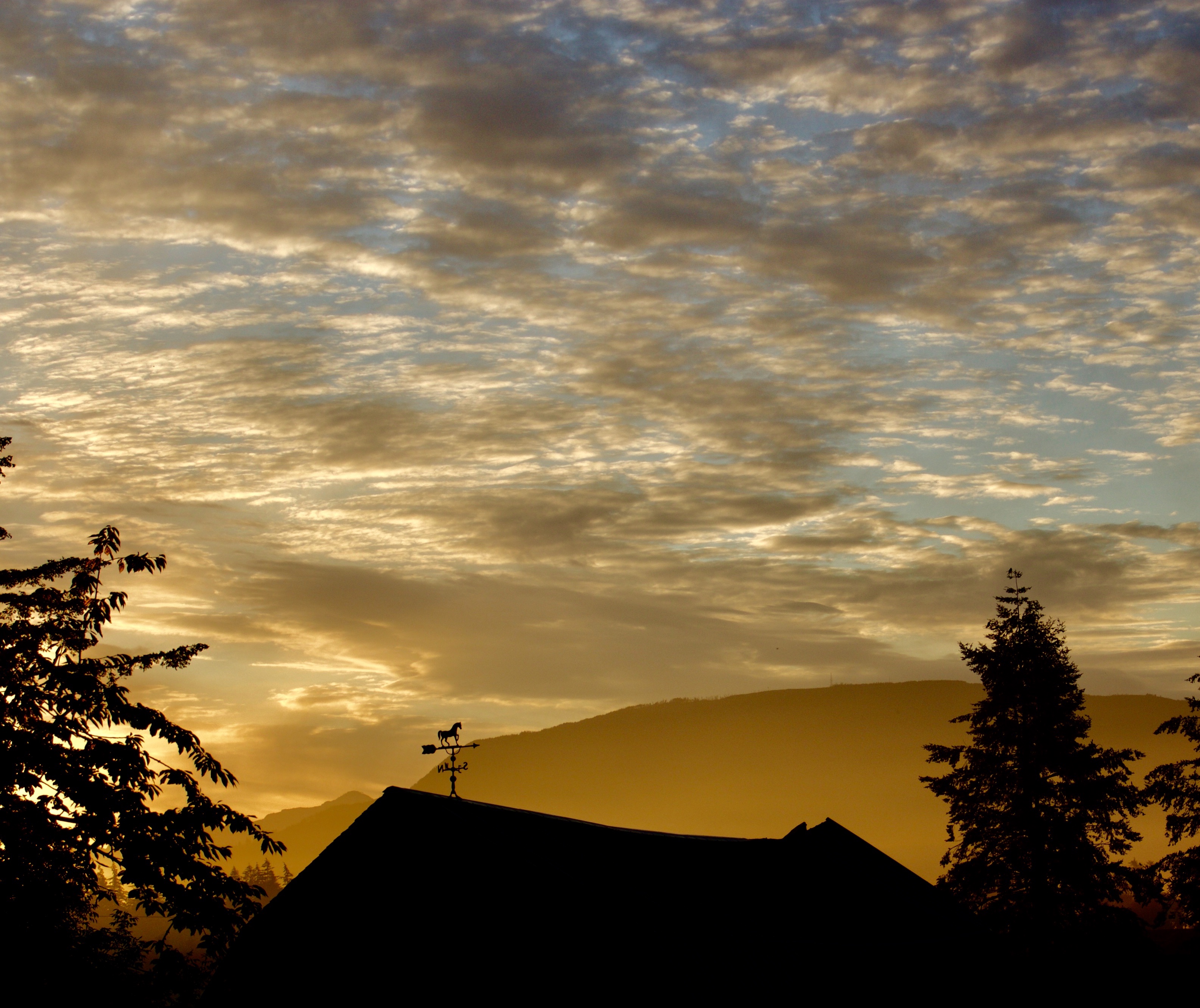
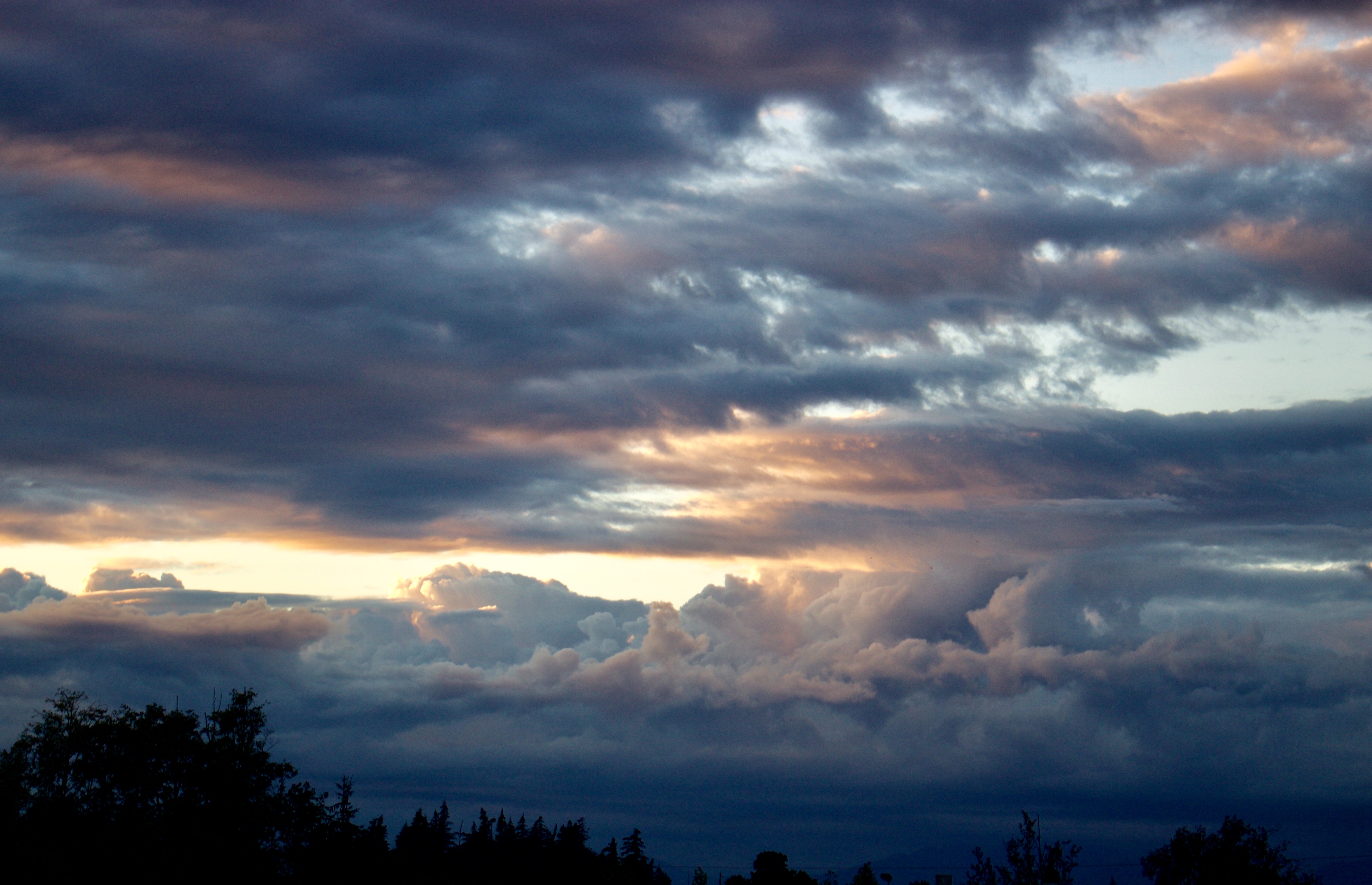
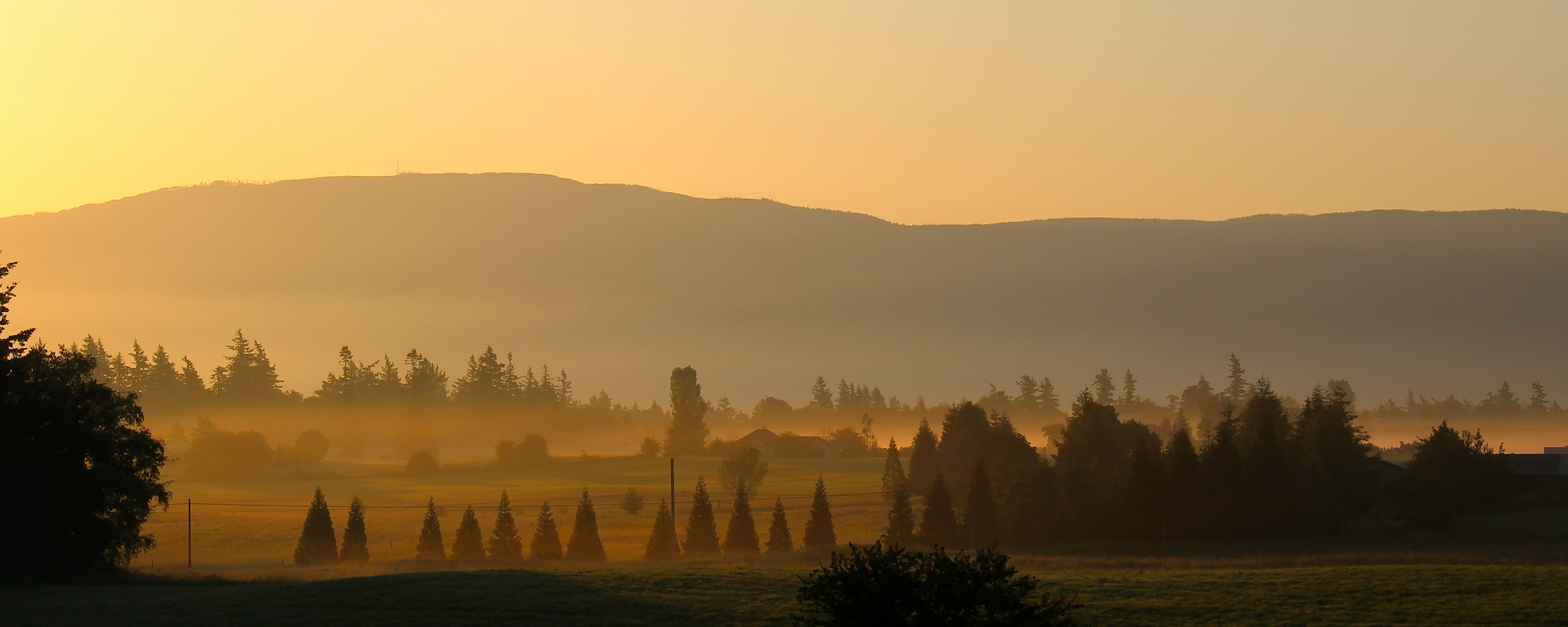
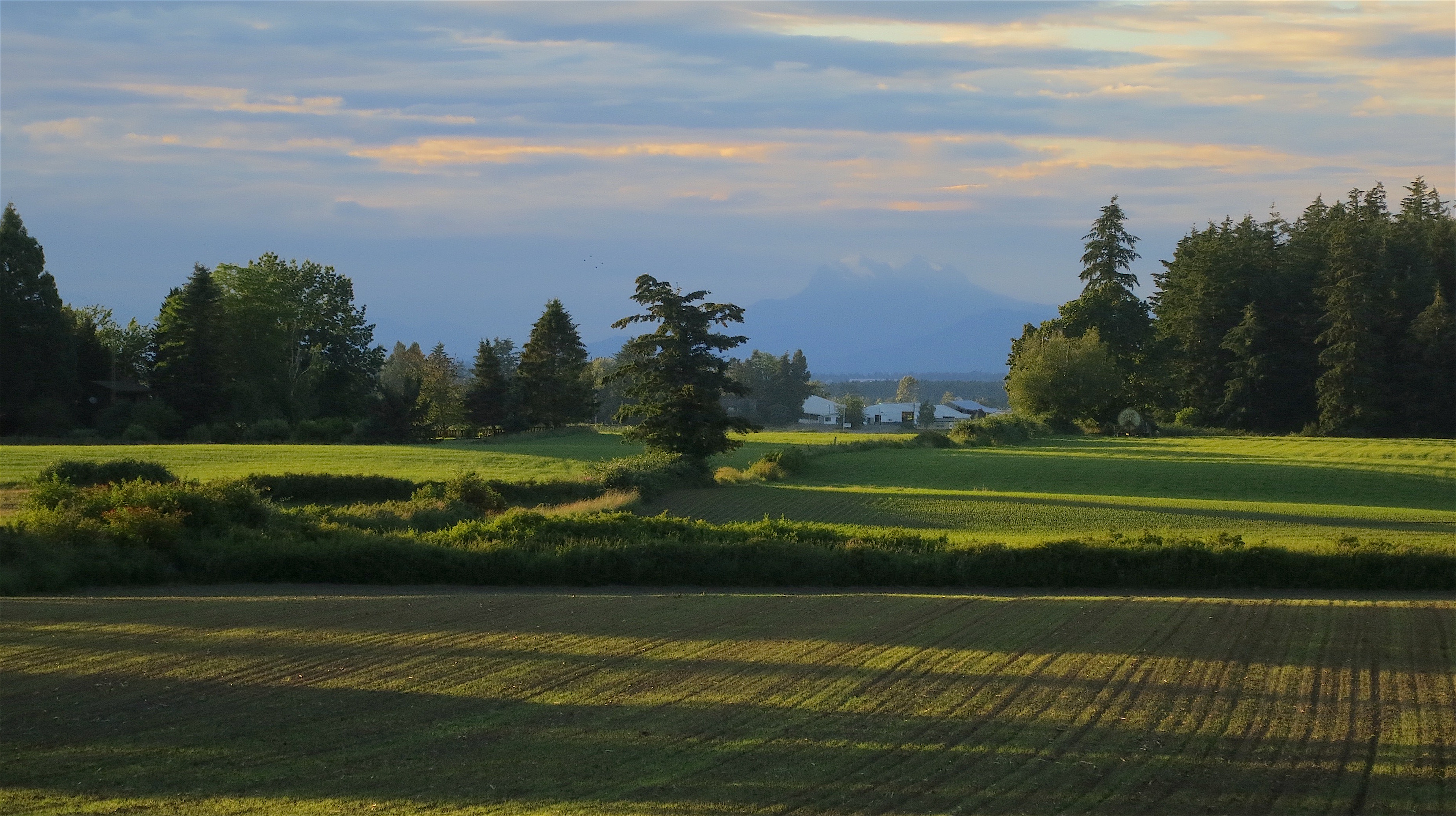
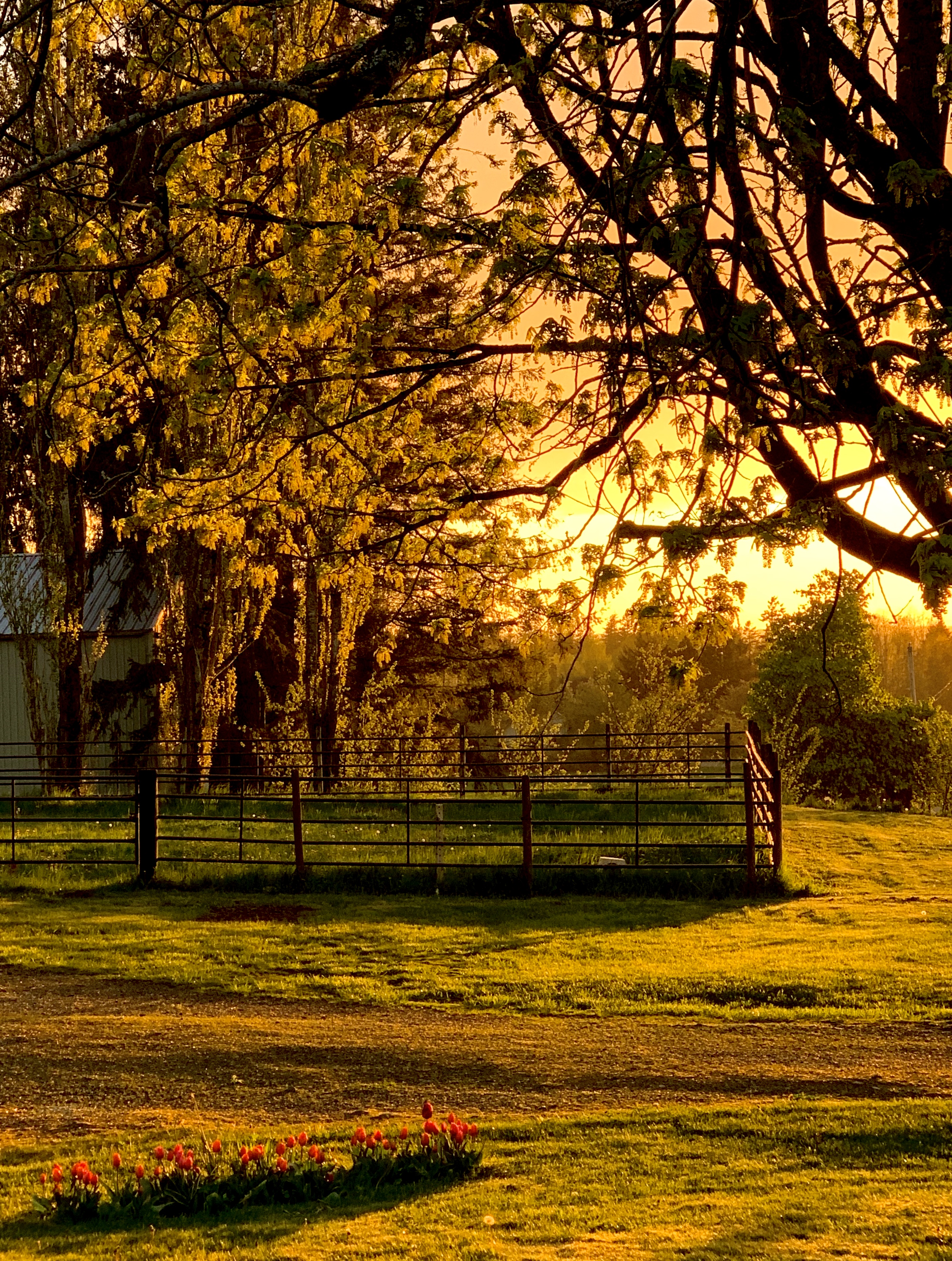
The Sun Reaches Out

Have you ever seen
anything
in your life
more wonderful

than the way the sun,
every evening,
relaxed and easy,
floats toward the horizon

and into the clouds or the hills,
or the rumpled sea,
and is gone–
and how it slides again

out of the blackness,
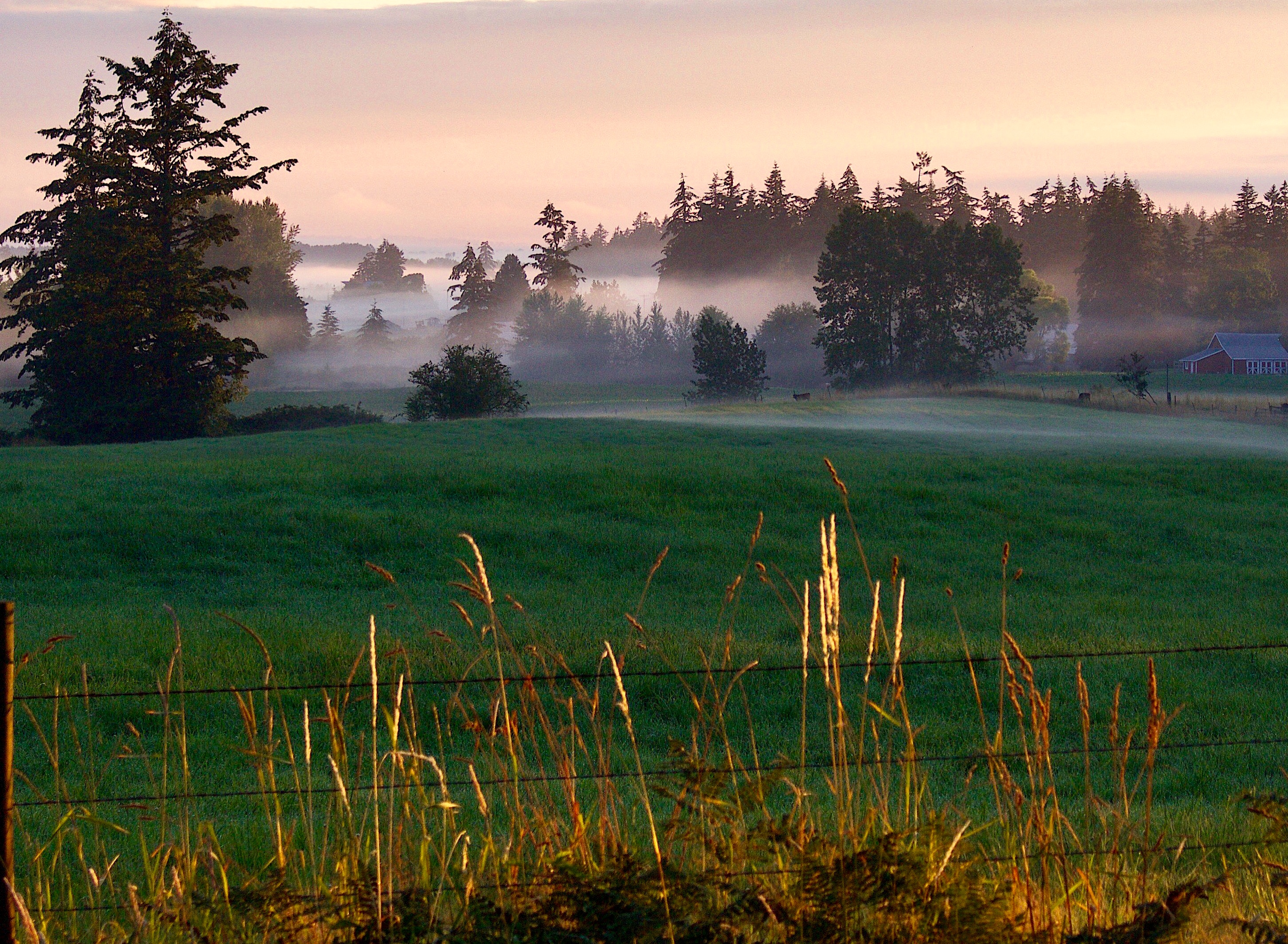
every morning,
on the other side of the world,
like a red flower

streaming upward on its heavenly oils,
say, on a morning in early summer,

at its perfect imperial distance–
and have you ever felt for anything
such wild love–
do you think there is anywhere, in any language,
a word billowing enough
for the pleasure

that fills you,
as the sun
reaches out,
as it warms you

as you stand there,
empty-handed–
or have you too
turned from this world–

or have you too
gone crazy
for power,
for things?
~Mary Oliver “The Sun”

Today we stand, wavering,
on the cusp of light and shadow~
this knowledge of what’s to come
rests deep in our bones.

We’ve been here before,
empty-handed,
bidding the sun to return.

We can not forget:
as darkness begins to claim our days again,
lest we be swallowed up by our hunger
for power and things.

We must remember:
He promised to never let darkness
overwhelm us again
and it won’t.

All Things Glad and Flourishing

Spring flew swiftly by, and summer came;
and if the village had been beautiful at first,
it was now in the full glow and luxuriance of its richness.
The great trees, which had looked shrunken and bare in the earlier months, had now burst into strong life and health;
and stretching forth their green arms over the thirsty ground,
converted open and naked spots into choice nooks,
where was a deep and pleasant shade
from which to look upon the wide prospect,
steeped in sunshine, which lay stretched out beyond.
The earth had donned her mantle of brightest green;
and shed her richest perfumes abroad.
It was the prime and vigour of the year;
all things were glad and flourishing.”
~ Charles Dickens from Oliver Twist 

Despite a pandemic,
despite economic hardship,
despite racial tensions and in-the-street protests,
despite political maneuvering and posturing:

life is green and flourishing and vigorous
even when we feel gray and withered and weakened.

May we not forget why we are here.
May we never forget our calling and purpose
to steward the earth and care for one another.

Do Not Even Think About Swatting or Trampling

One can no more approach people without love than one can approach bees without care. Such is the quality of bees…
~Leo Tolstoy

In the street outside a school
what the children learn
possesses them.
Little boys yell as they stone a flock of bees
trying to swarm
between the lunchroom window and an iron grate.
The boys sling furious rocks
smashing the windows.
The bees, buzzing their anger,
are slow to attack.
Then one boy is stung
into quicker destruction
and the school guards come
long wooden sticks held out before them
they advance upon the hive
beating the almost finished rooms of wax apart
mashing the new tunnels in
while fresh honey drips
down their broomsticks
and the little boy feet becoming expert
in destruction
trample the remaining and bewildered bees
into the earth.

Curious and apart
four little girls look on in fascination
learning a secret lesson
and trying to understand their own destruction.
One girl cries out
“Hey, the bees weren’t making any trouble!”
and she steps across the feebly buzzing ruins
to peer up at the empty, grated nook
“We could have studied honey-making!”

~Audre Lorde “The Bees”

…The world was really one bee yard, and the same rules work fine in both places.
Don’t be afraid, as no life-loving bee wants to sting you.
Still, don’t be an idiot; wear long sleeves and pants.
Don’t swat. Don’t even think about swatting.
If you feel angry, whistle. Anger agitates while whistling melts a bee’s temper.
Act like you know what you’re doing, even if you don’t.
Above all, send the bees love. Every little thing wants to be loved.

~Sue Monk Kidd from The Secret Life of Bees

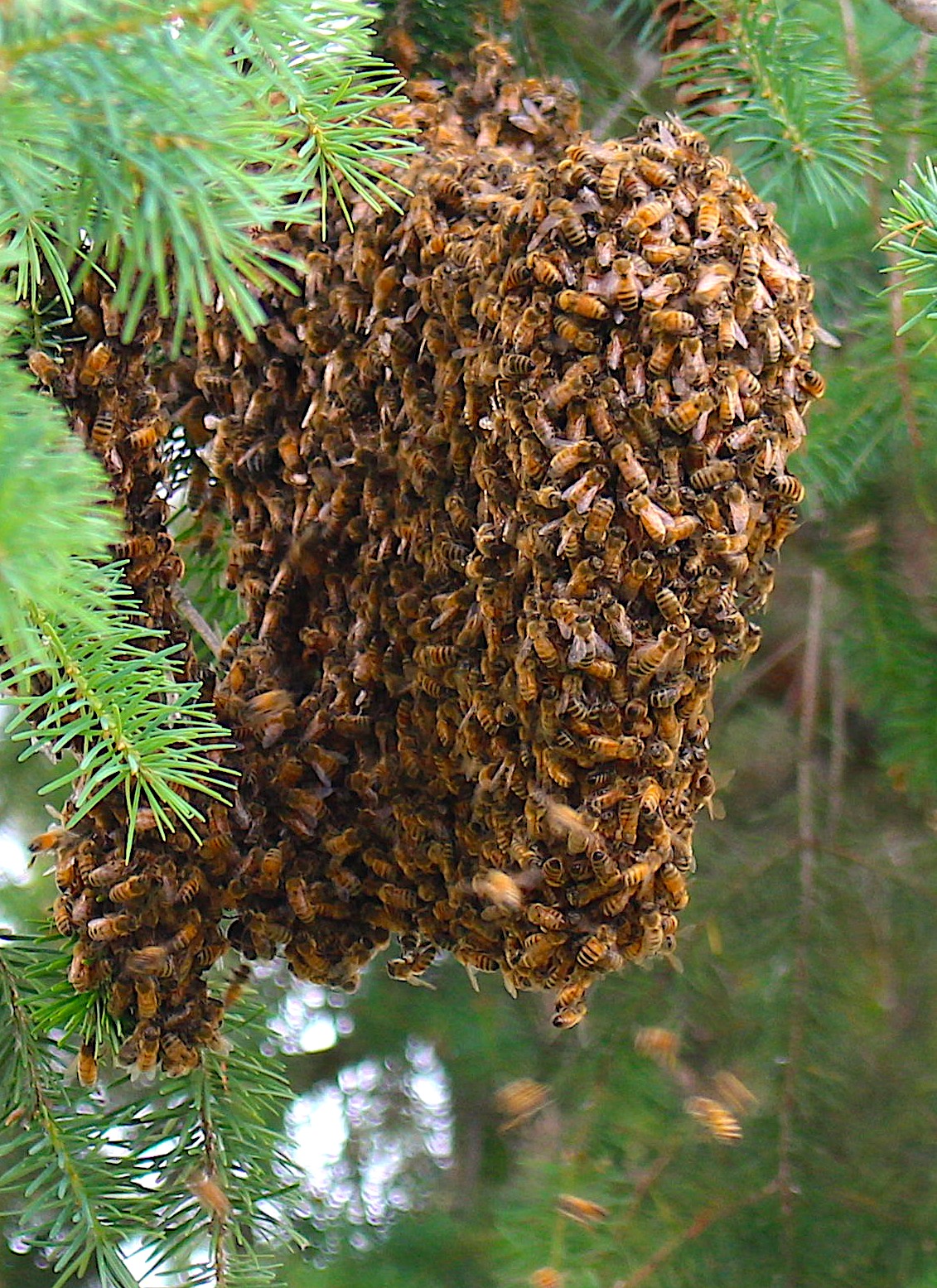
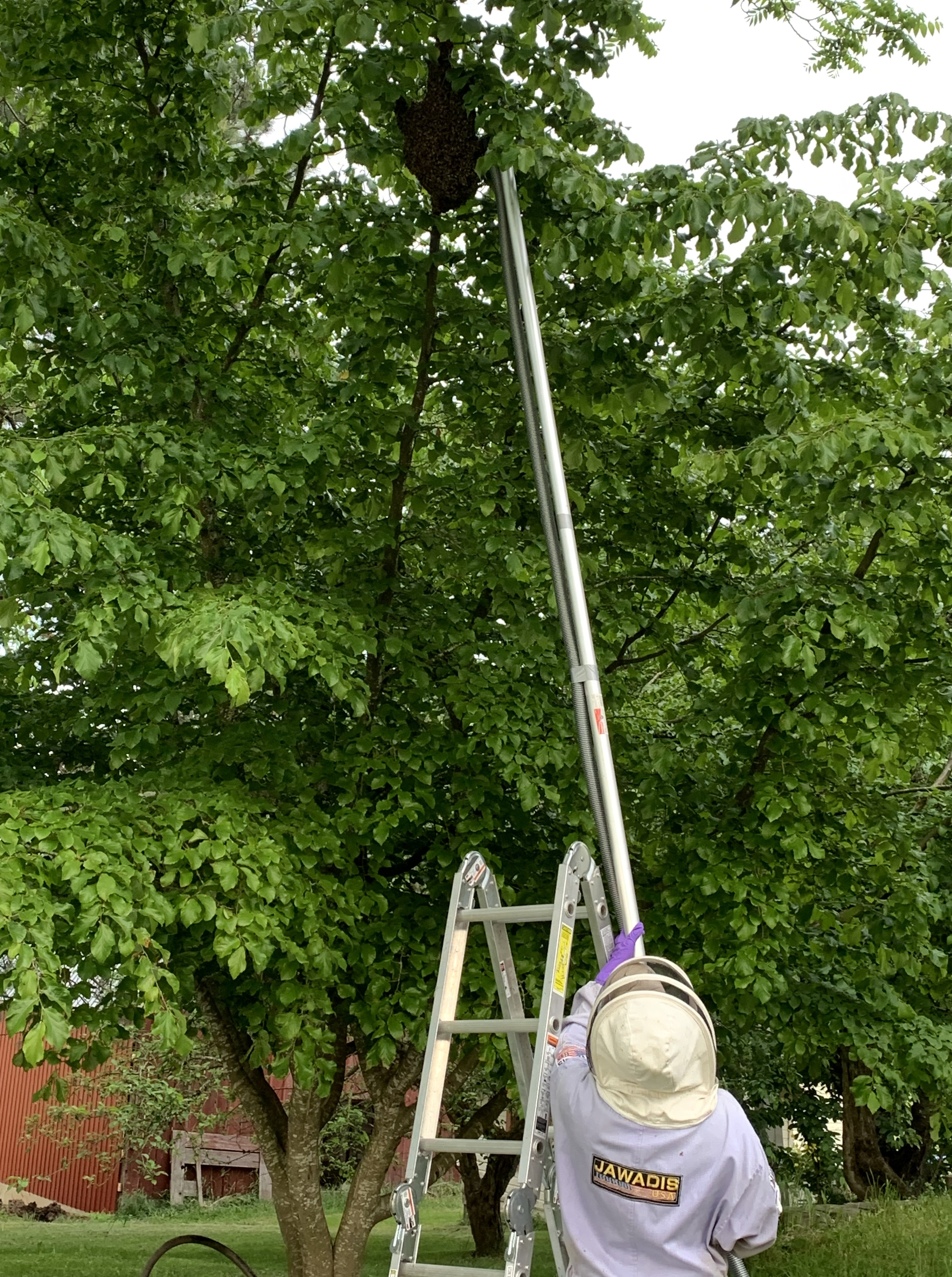
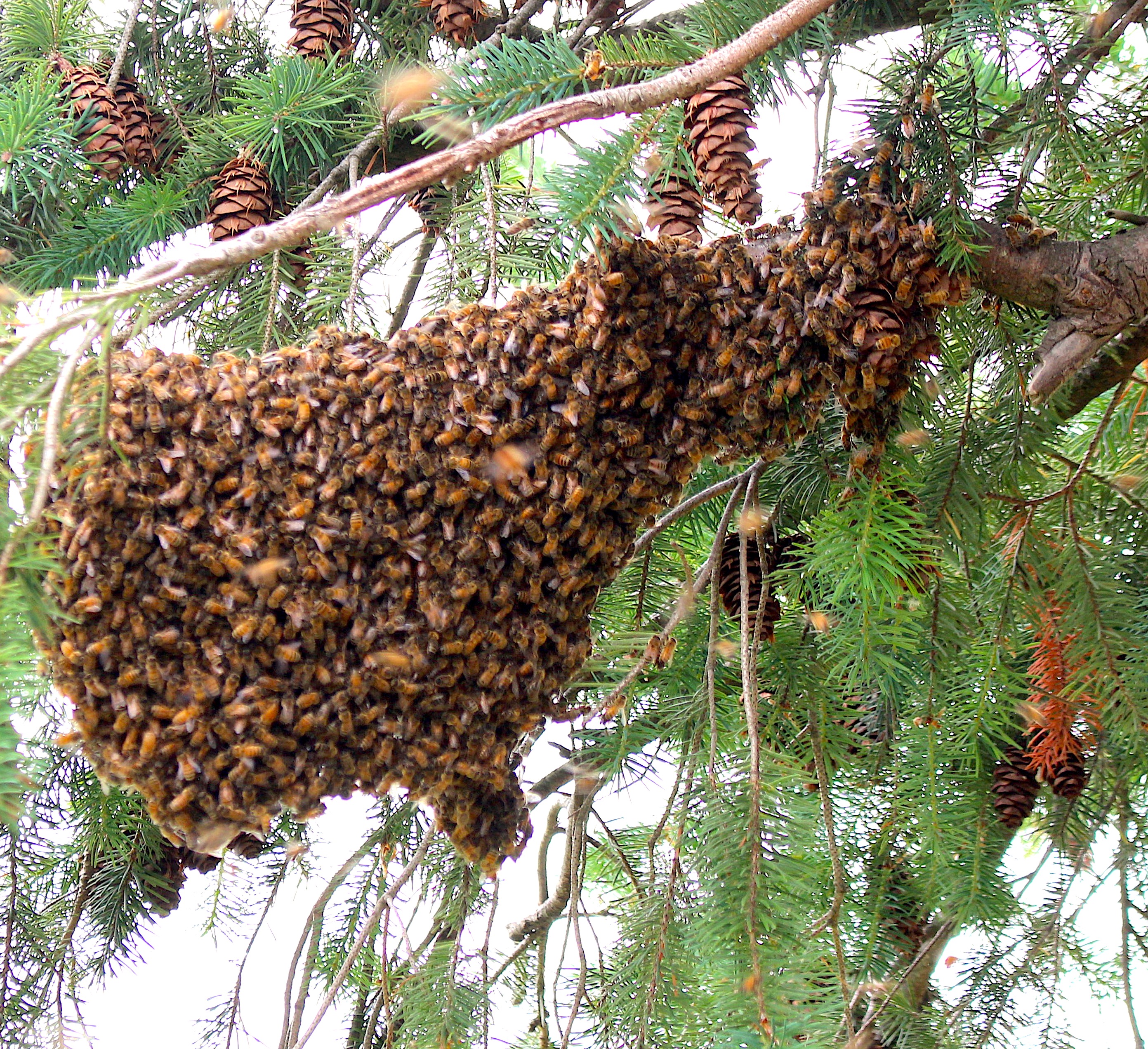
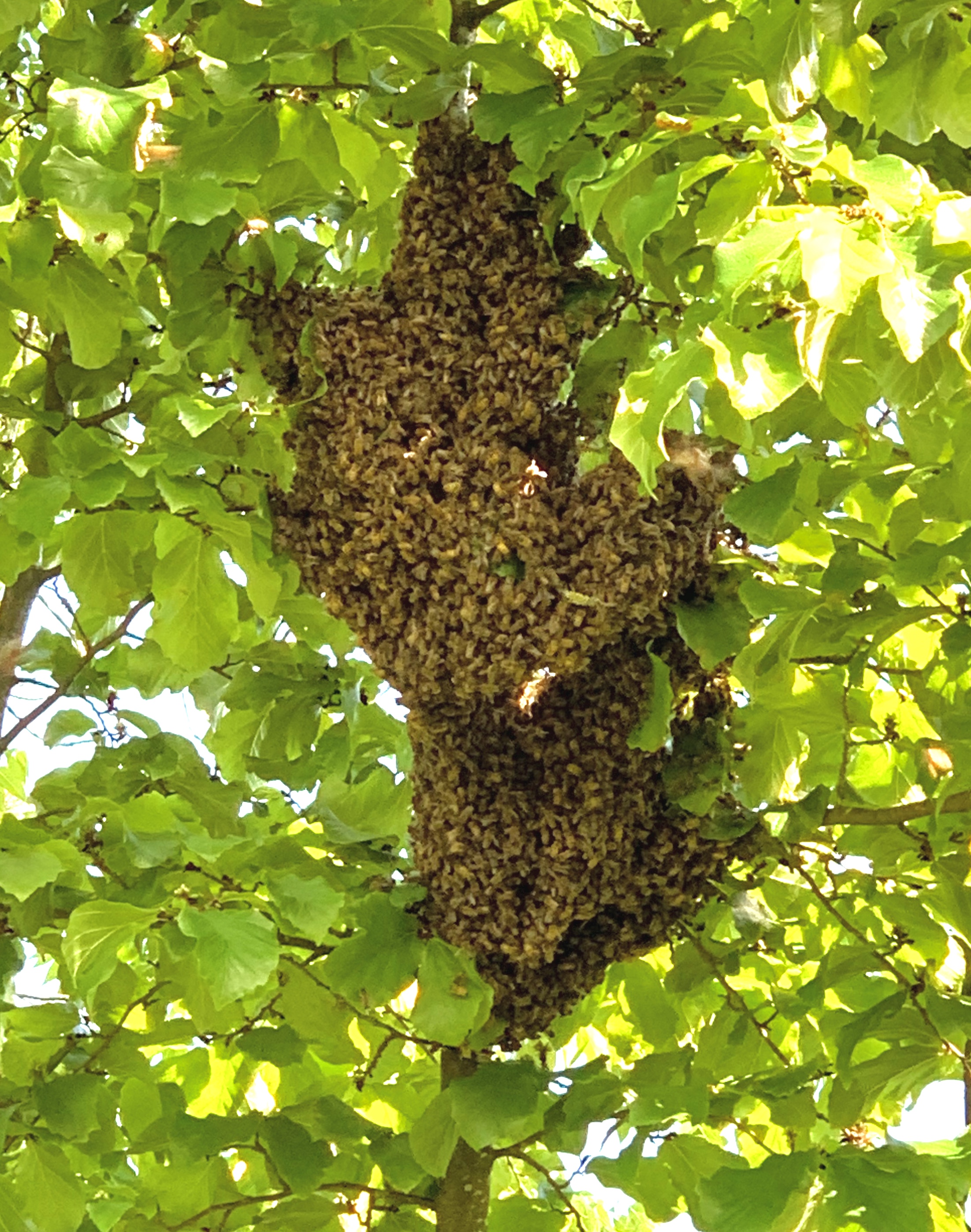
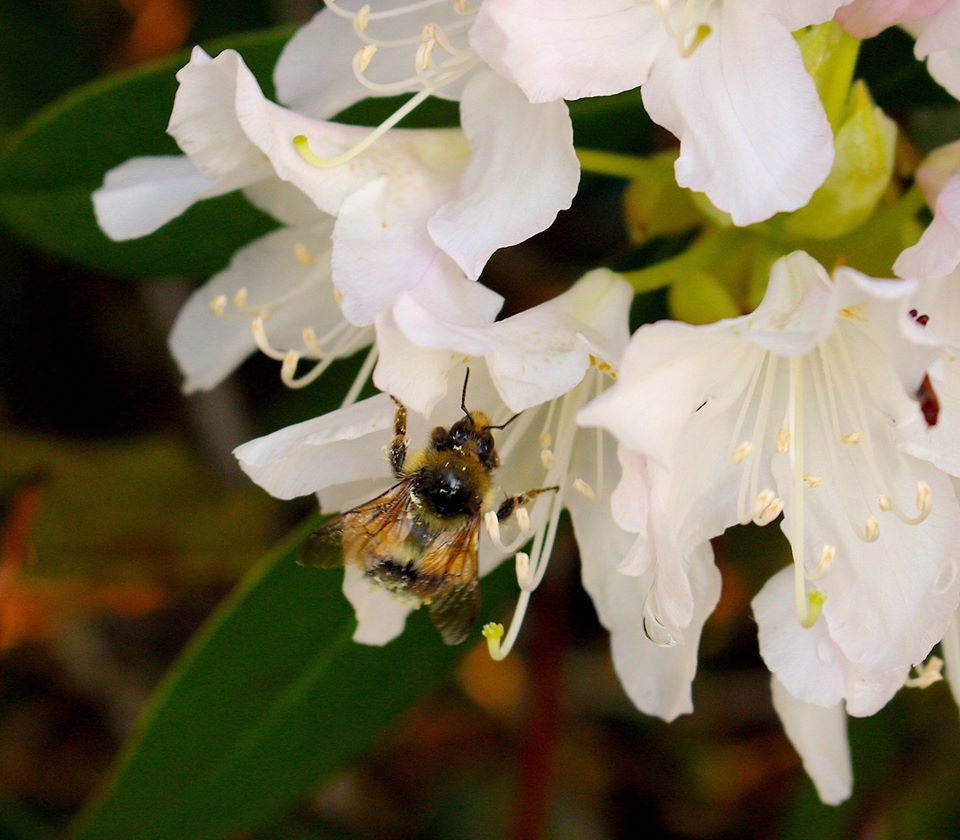
Our beekeeper niece Andrea gently vacuuming a swarm of honeybees on our farm into a new hive box to take home to join the rest of her several dozen hives.

When the bee comes to your house, let her have beer; you may want to visit the bee’s house some day.
~Congo Proverb

An old Celtic tradition necessitates sharing any news from the household with the farm’s bee hives, whether cheery like a new birth or a wedding celebration or sad like a family death.  This ensures the hives’ well-being and continued connection to home and community – the bees are kept in the loop, so to speak, so they stay at home, not swarm and move on, possibly to even a less hospitable place where they may be trampled or destroyed.

Each little life should feel safe at home, each little life worthy — so much important honey-making to be done.

Good news seems always easy to share; we tend to keep bad news to ourselves so this tradition helps remind us that what affects one of us, affects us all.

These days, with instant news at our fingertips at any moment, bad news about the state of the world constantly bombards us, whether or not it is accurate. We feel compelled to respond without thinking, leading to even more swatting and trampling and destruction.

Like the bees who simply want to set up a safe place to make and store up honey, we want to flee and find a more hospitable home.

The Beekeeper, our Creator, comes personally to our rescue, reaching out to each of us to say:
“Here is the sadness that is happening. All will be well, dear ones. We will navigate your lives together. You are loved and valued. Come back home to stay.”

And Why Not

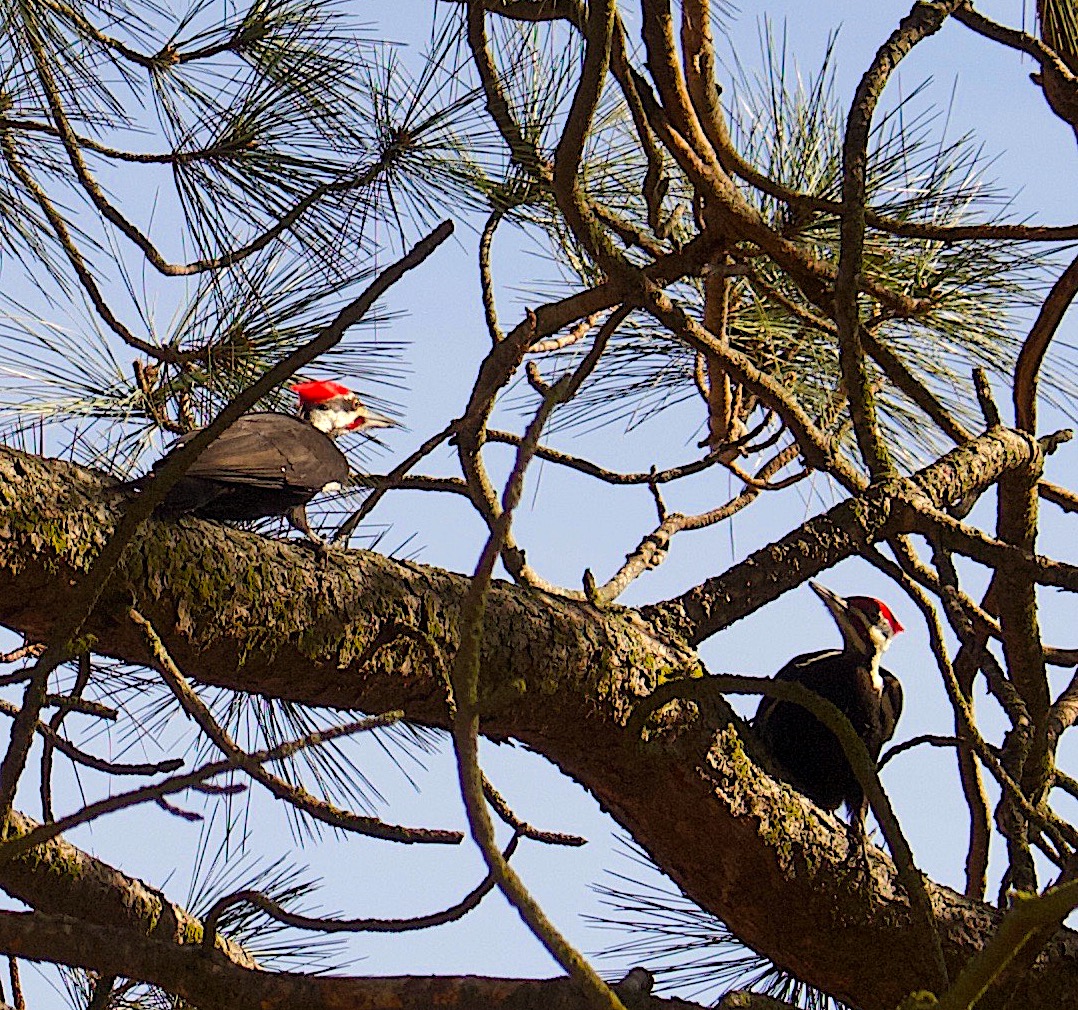
Underneath the tree on some
soft grass I sat, I


watched two happy
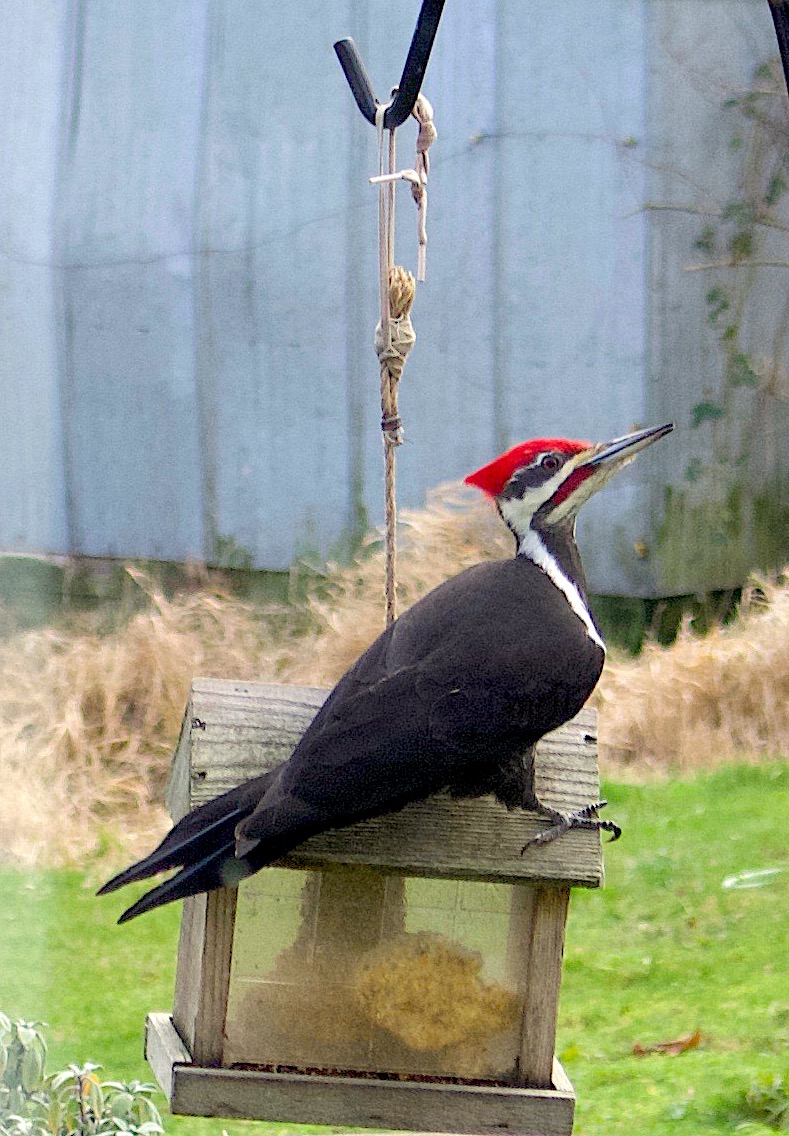
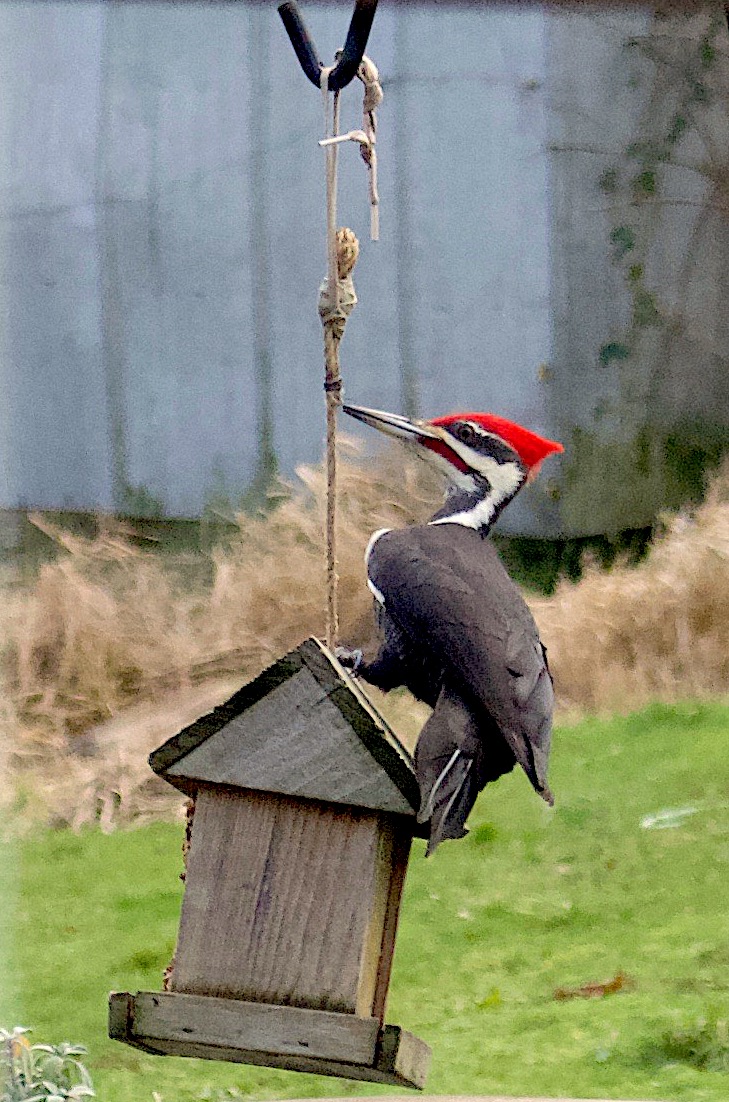
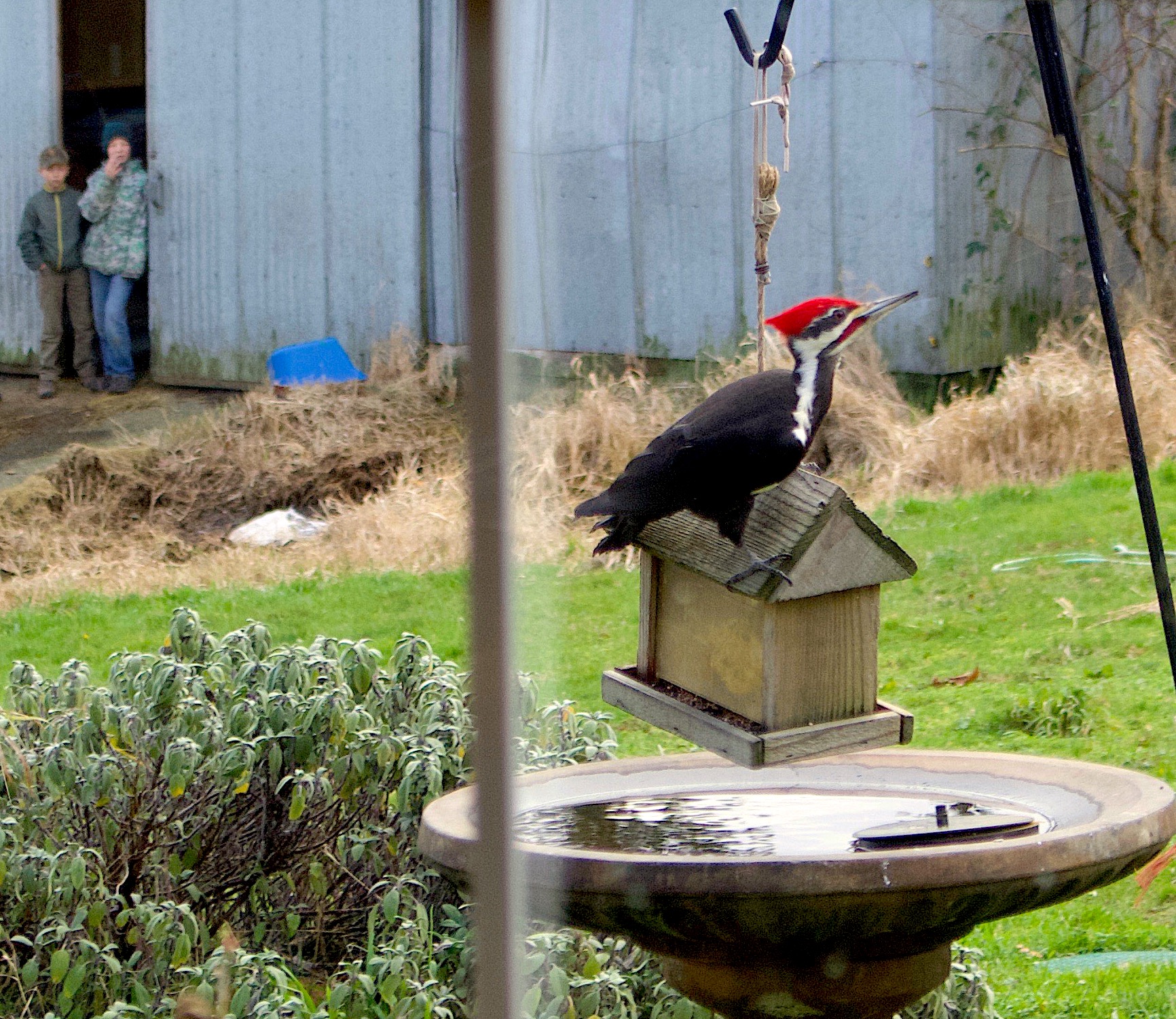
woodpeckers be dis-


turbed by my presence. And
why not, I thought to


myself, why
not.
~Robert Creeley “Like They Say”

We’re told the earth would be a much healthier place if man wasn’t here.
Our very presence disturbs the balance of nature: the climate has changed, we make messes, we don’t clean up after ourselves.

Yet we are here and were meant to be from the beginning – instructed to name and admire the creatures who came before us. The Creator Himself formed humans to be the disturbance nature must cope with from the beginning of time. And nature doesn’t take it lying down: it likes to flood and quake and blow and burn us to bits when it pleases. It is an uneasy relationship, to say the least.

Yet who else is there to admire two shy woodpeckers who would prefer I simply go away?

Deal with it, woodpeckers.
I’m here to stay, just watching you watching me.

And why ever not?

Abundant Overwhelming June

I wonder what it would be like to live in a world
where it was always June.
~L. M. Montgomery from Anne of the Island

Each month is special in its own way:  I tend to favor April and October for how the light plays on the landscape during transitional times — a residual of what has been, with a hint of what lies ahead.

Then there is June.  Dear, gentle, abundant and overwhelming June.  Nothing is dried up, there is such a rich feeling of ascension into lushness of summer with an “out of school” attitude, even if one has graduated long ago.

And the light, and the birdsong and the dew and the greens — such vivid verdant greens.

As lovely as June is, 30 days is more than plenty or I would become completely saturated. Then I can be released from my sated stupor to wistfully hunger for June for 335 more.

Things Unknown But Longed For

I know why the caged bird sings, ah me,
    When his wing is bruised and his bosom sore,—
When he beats his bars and he would be free;
It is not a carol of joy or glee,
    But a prayer that he sends from his heart’s deep core,   
But a plea, that upward to Heaven he flings—
I know why the caged bird sings!

~Paul Dunbar from “Sympathy”

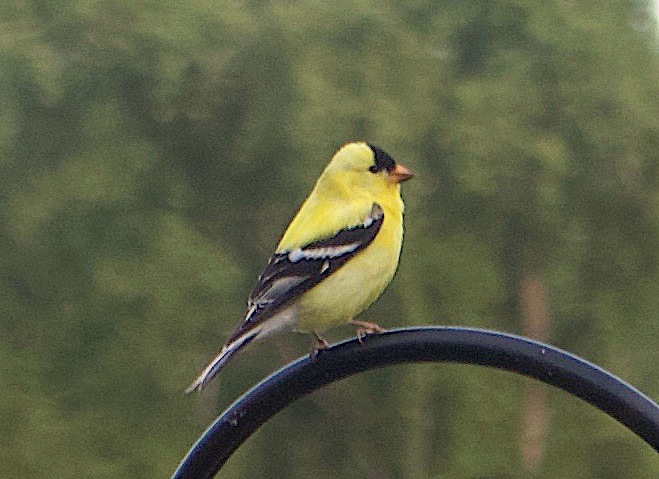
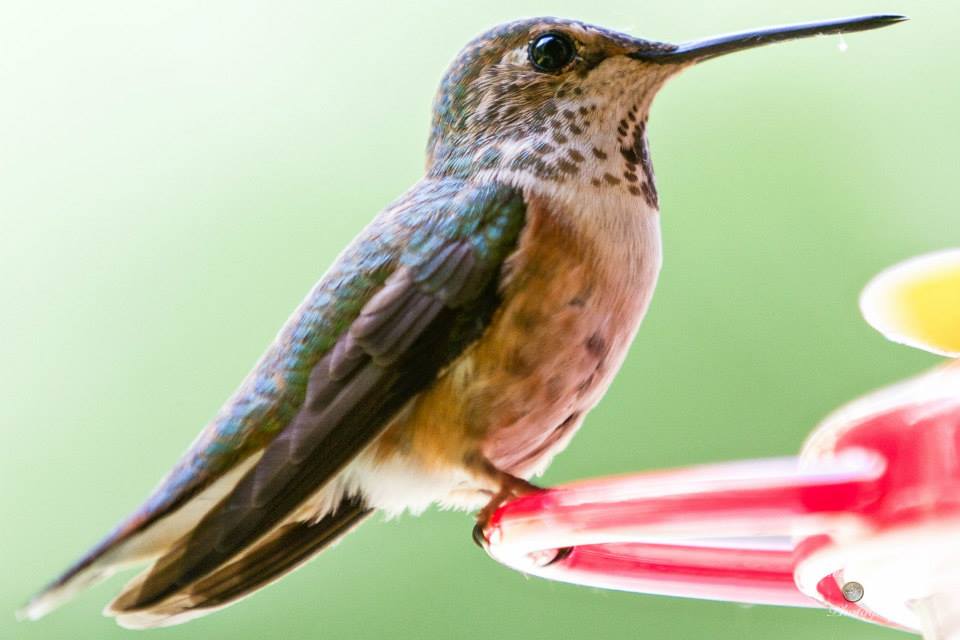
…the goldfinch comes, with a twitching chirrup
A suddenness, a startlement,at a branch end
Then sleek as a lizard, and alert and abrupt,
She enters the thickness,and a machine starts up
Of chitterings, and of tremor of wings, and trillings –
The whole tree trembles and thrills
It is the engine of her family.
She stokes it full, then flirts out to a branch-end
Showing her barred face identity mask

Then with eerie delicate whistle-chirrup whisperings
She launches away, towards the infinite

~Ted Hughes from “The Laburnum Top”

The free bird thinks of another breeze
and the trade winds soft through the sighing trees
and the fat worms waiting on a dawn-bright lawn
and he names the sky his own.

But a caged bird stands on the grave of dreams
his shadow shouts on a nightmare scream
his wings are clipped and his feet are tied
so he opens his throat to sing

The caged bird sings
with a fearful trill
of things unknown
but longed for still
and his tune is heard
on the distant hill
for the caged bird
sings of freedom.

~Maya Angelou from “Caged bird”

The 4 AM moment of this waning night
before the first bird awakes to sing –
a solemn silence holds its breath
till broken by chitters and tweets.

Like a full breast tingles
with readiness to flow until emptied –
this wave of quiet builds before toppling forward
in barely contained abundance, saturating our ears.

The Conductor’s baton rises to ready
the multi-voiced chorus –
awaking voices, pleading, spill from
a thousand thousand perches.

My anticipation rises for
for such a prayer uncaged and free –
cascading from overnight stillness
into an explosive unmistakeable dawn.

photo by Harry Rodenberger

Known and Unknown

As a fond mother, when the day is o’er,
   Leads by the hand her little child to bed,
   Half willing, half reluctant to be led,
   And leave his broken playthings on the floor,
Still gazing at them through the open door,
   Nor wholly reassured and comforted
   By promises of others in their stead,
   Which, though more splendid, may not please him more;
So Nature deals with us, and takes away
   Our playthings one by one, and by the hand
   Leads us to rest so gently, that we go
Scarce knowing if we wish to go or stay,
   Being too full of sleep to understand
   How far the unknown transcends the what we know.
~Henry Wadsworth Longfellow “Nature”

I remember being reluctant to go to bed as a child; I could miss something important that the adults waited to do until after I was asleep, or I wasn’t sure that I wanted to turn myself over to my dreams.

I had a period of time when I was in third grade (during the Cuban missile crisis) when I really was terrified to go to sleep, and ended up reading comic books during the night hours, trying to keep myself distracted from whatever fears I harbored. My mother, frantic for sleep herself during this worrisome time, consulted my pediatrician who prescribed orange juice with a tablespoon of brandy – for me, not for her. She was outraged at the thought, being a teetotaler, so bought no brandy for me (or for herself). I eventually got over my sleep issues, but not my worried heart.

The unknown is always more frightening than the known, and the older I got, the more I learned during 24 years of formal education and training, the more I realized I didn’t know. There would be no end to it. Even though I still spend several hours a week reading for required and non-required continuing medical education, I don’t crack the surface of everything that is news in my profession. There is a whole lot that I need to un-learn because it is now proven that it is no longer valid as it originally was over four decades of medical practice.

During the last three months of COVID-19, it is like drinking from several firehoses at once, as data on this previously unknown virus comes piecemeal from countless sources: the studies are rushed and sample sizes are small, conclusions are tentative, often barely peer-reviewed and sometimes disproven the next week by another study. What was considered “fact” a month ago may no longer be so.

So I know I must settle into the reality that there will always be plenty of unknowns, particularly as I reluctantly let go of life’s playthings one by one.

The unknown will always transcend the known on this side of the veil so I appreciate that I am gently led, in faith, to that long-awaited sleep that was so elusive before.

Springing

Oh, give us pleasure in the flowers today;
And give us not to think so far away
As the uncertain harvest; keep us here
All simply in the springing of the year.

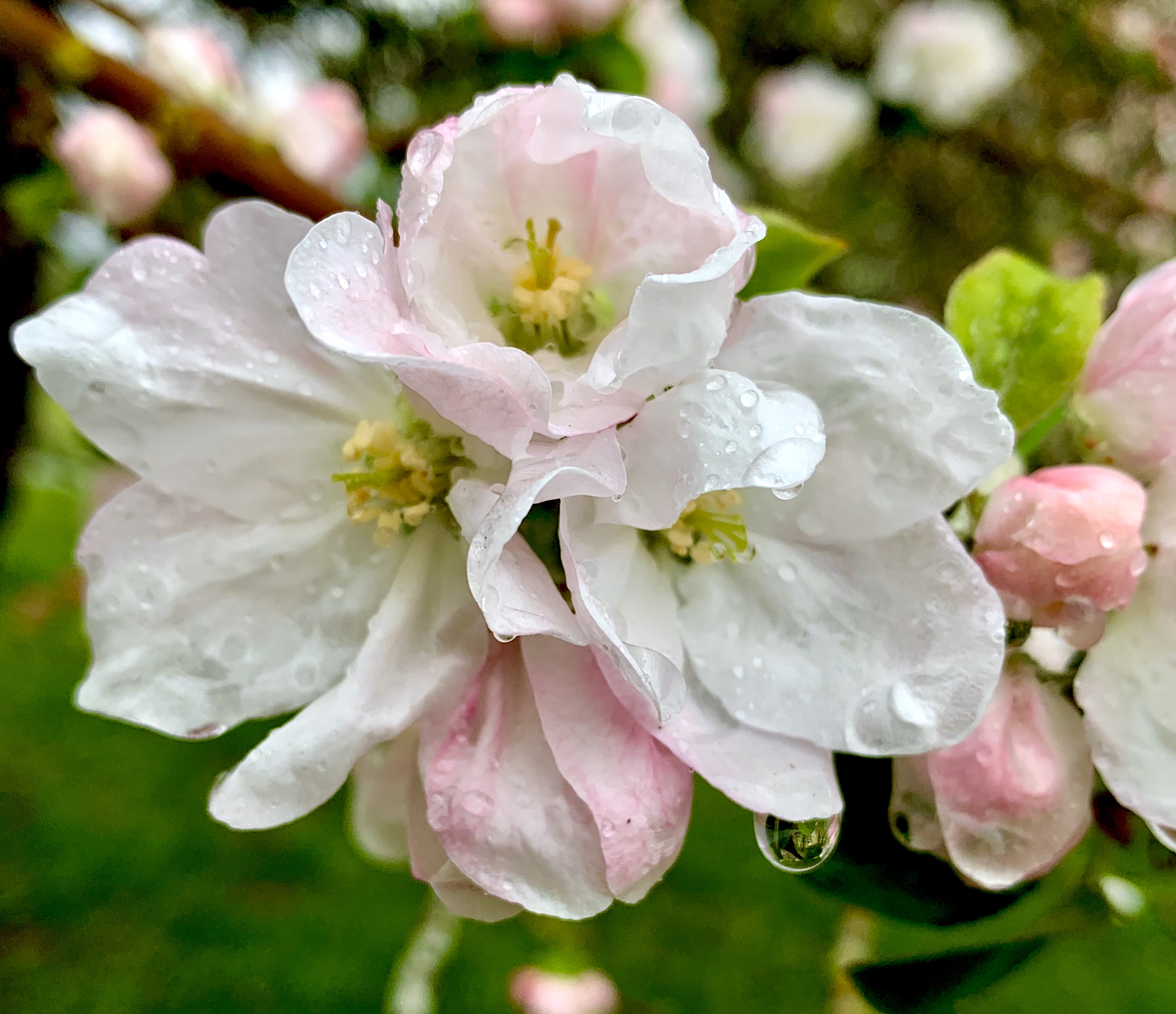
Oh, give us pleasure in the orchard white,
Like nothing else by day, like ghosts at night;
And make us happy in the happy bees,
The swarm dilating round the perfect trees.

And make us happy in the darting bird
That suddenly above the bees is heard,
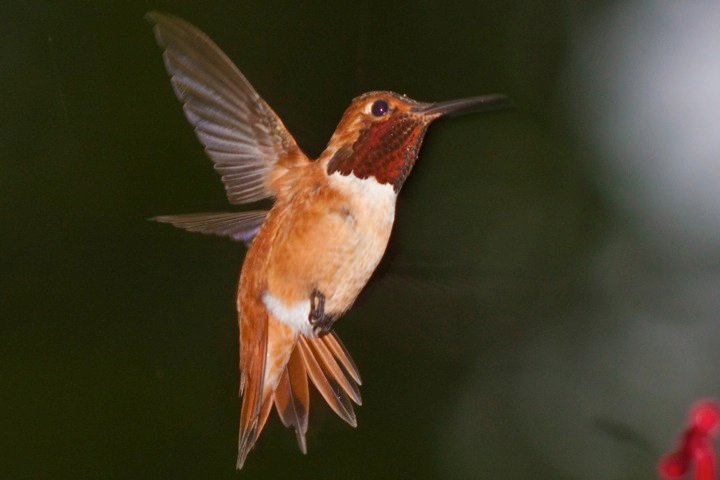
The meteor that thrusts in with needle bill,
And off a blossom in mid-air stands still.

For this is love and nothing else is love,
The which it is reserved for God above
To sanctify to what far ends He will,
But which it only needs that we fulfil.
~Robert Frost “A Prayer in Spring”

photo by Josh Scholten

photo by Josh Scholten

We are wisely warned what may happen in the next few months: a second or third wave of virus, more disruption, more closures, more deaths. There seems no end in sight on this long COVID road. Or perhaps the end is prematurely near for too many.

Thinking so far away to uncertain times ahead, we need to remember the future has always been uncertain; we just aren’t reminded so starkly. Instead we are reminded to dwell in the present here and now, appreciating these quiet moments at home for what they may bestow.

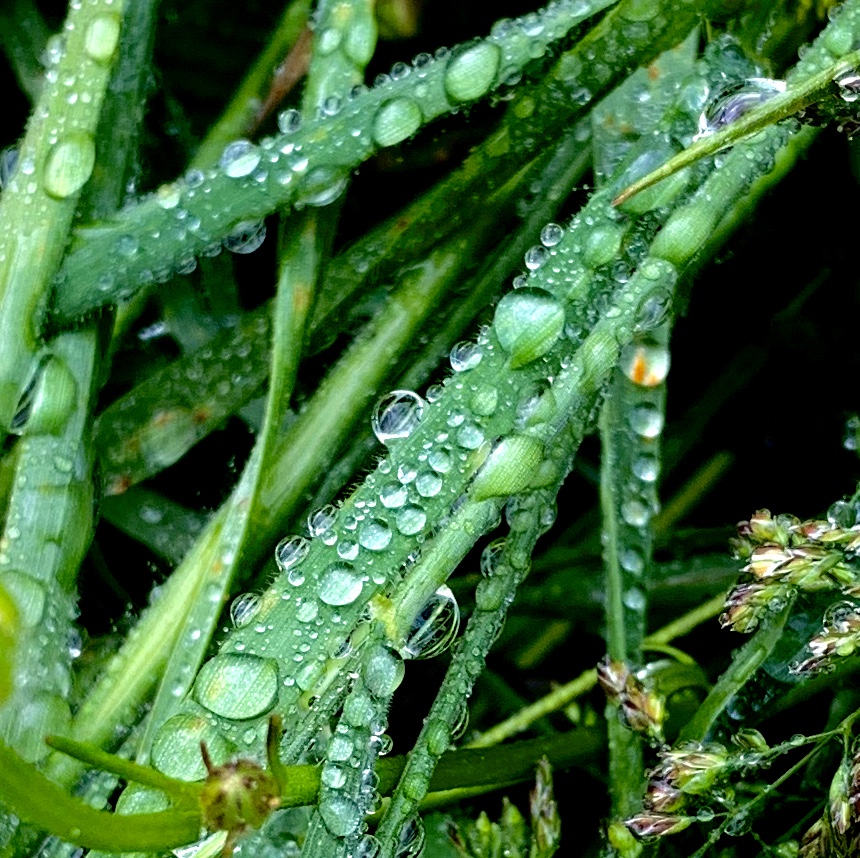
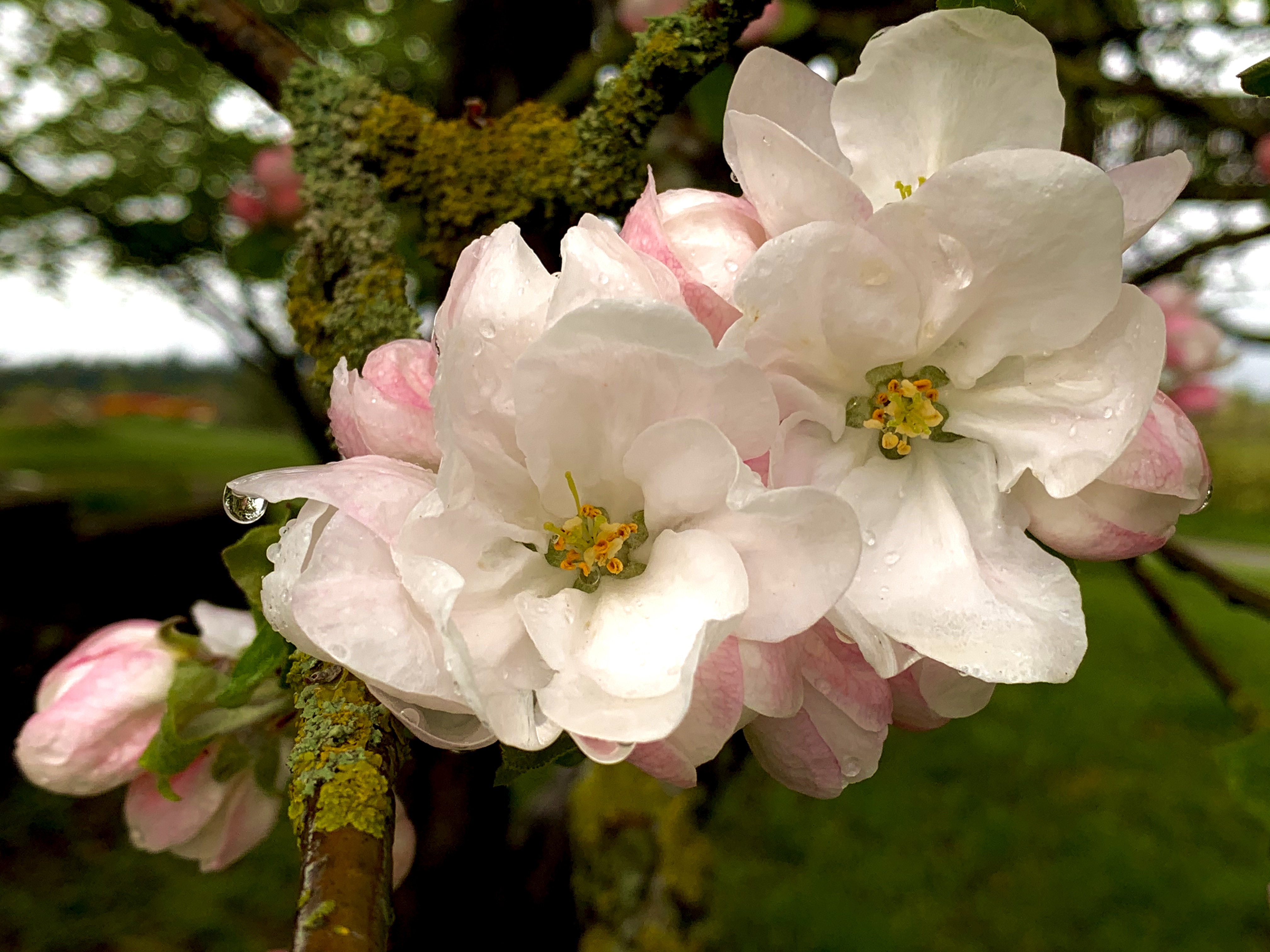
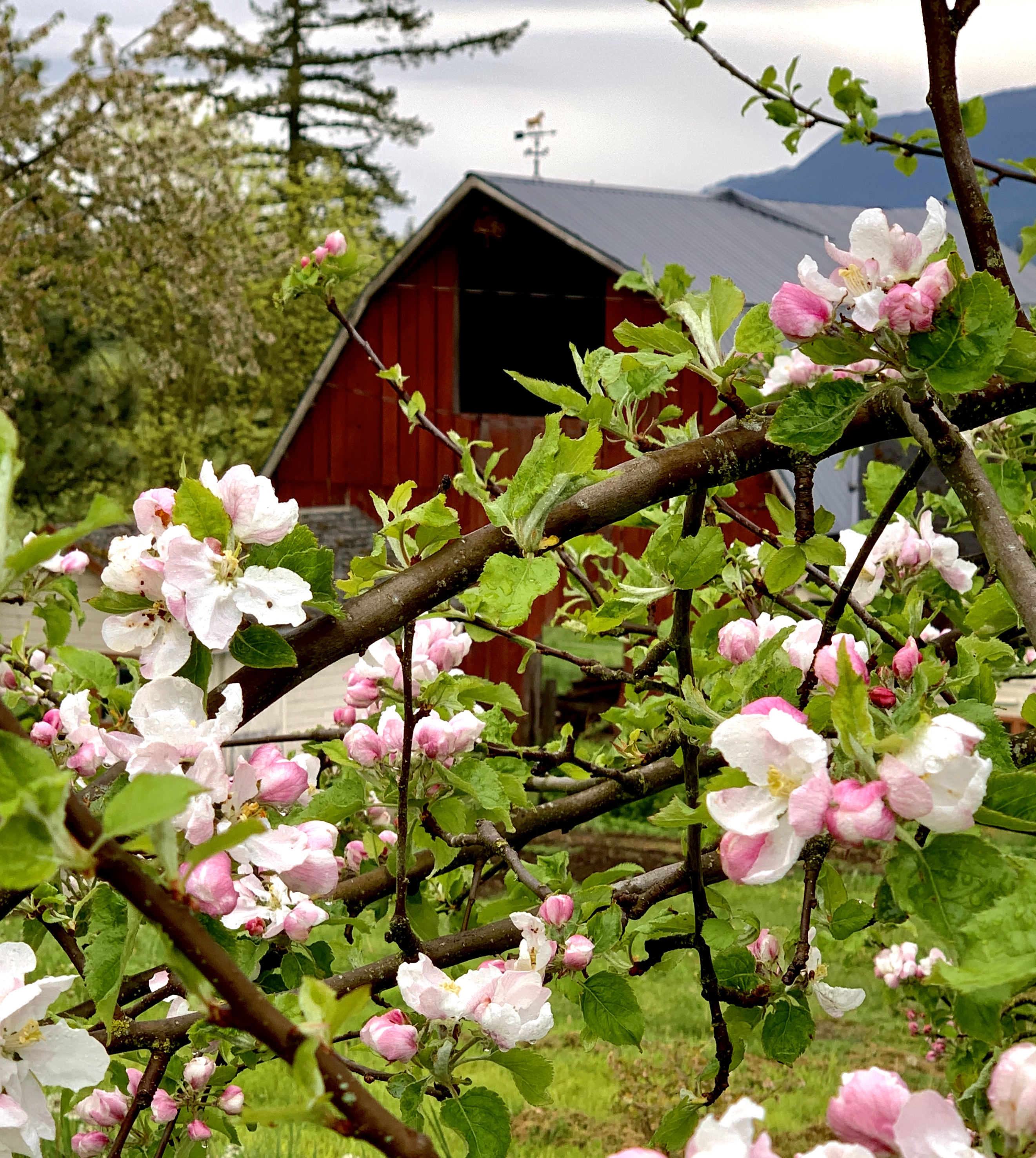
The earth is springing even while our hearts are weary of distancing and isolation. Each breath is filled with new fragrance, the greens startlingly verdant, each blossom heavy with promise.

There is reassurance in this renewal we witness yet again.

This, now, is love springing.
This is His love, reminding us He has not abandoned us.
This is love and nothing else can be as certain as that.

A Synonym for Light

I hope my life was penned
in such a way that when time

comes to write my epitaph
someone might think to say
not that I was good so much
as kind and that I wrote
quite well beyond my means
because it was the wind of grace
blown down that gave me words
and moved my sluggish hands,
and that I always sought
to know the unseen things
and though I loved the breadth
of language for my art,
my heart always seemed fixed
on a day when all the sound
and words would fall away,
and that I was quite hopeful
to the last if anyone would choose
one line to inscribe my memory
in stone it surely should be
the simple supposition I know right:
there merely is no synonym for light.
~Margaret Ingraham “Epitaph” from Exploring This Terrain

The world can feel like a fearsome place
with endless stories of tragedy and loss,
so much pain and suffering,
blinding me in darkness
so I fail to see the light all around me.

How to describe a Light
that transforms all that is bleak?

With these Words:

Be not afraid
Come have breakfast

Touch and see
Follow me

Do you love me?
Feed my sheep
Peace be with you


As I am mere breath and bone,
a wisp in a moment of time,
His truth anchors my heart
and illuminates my soul:
I am called forth into His Light.

Shafts of Golden Light

Again the woods are odorous, the lark 
Lifts on upsoaring wings the heaven gray
That hung above the tree-tops, veiled and dark, 
Where branches bare disclosed the empty day. 

After long rainy afternoons an hour 
Comes with its shafts of golden light and flings 
Them at the windows in a radiant shower, 
And rain drops beat the panes like timorous wings. Then all is still. The stones are crooned to sleep
By the soft sound of rain that slowly dies; 
And cradled in the branches, hidden deep
In each bright bud, a slumbering silence lies.
~ Rainer Maria Rilke [trans. Jessie Lemont], from Poems

It seems in May everything explodes with energy:
the birdsong earlier and louder
the grass nearly squeaks with growth
the buds unfurling before our eyes.

There is much momentum
running pellmell into longer days;
I need to catch my breath.

As showers blow in from
clouds gray and thick with menace, dumping their load,
everything stills from the drenching,
waiting for a shaft of light to break through again,
turning everything to gold.