To be commanded to love God at all, let alone in the wilderness , is like being commanded to be well when we are sick, to sing for joy when we are dying of thirst, to run when our legs are broken. But this is the first and great commandment nonetheless. Even in the wilderness- especially in the wilderness – you shall love him. ~Frederick Buechnerfrom A Room Called Remember
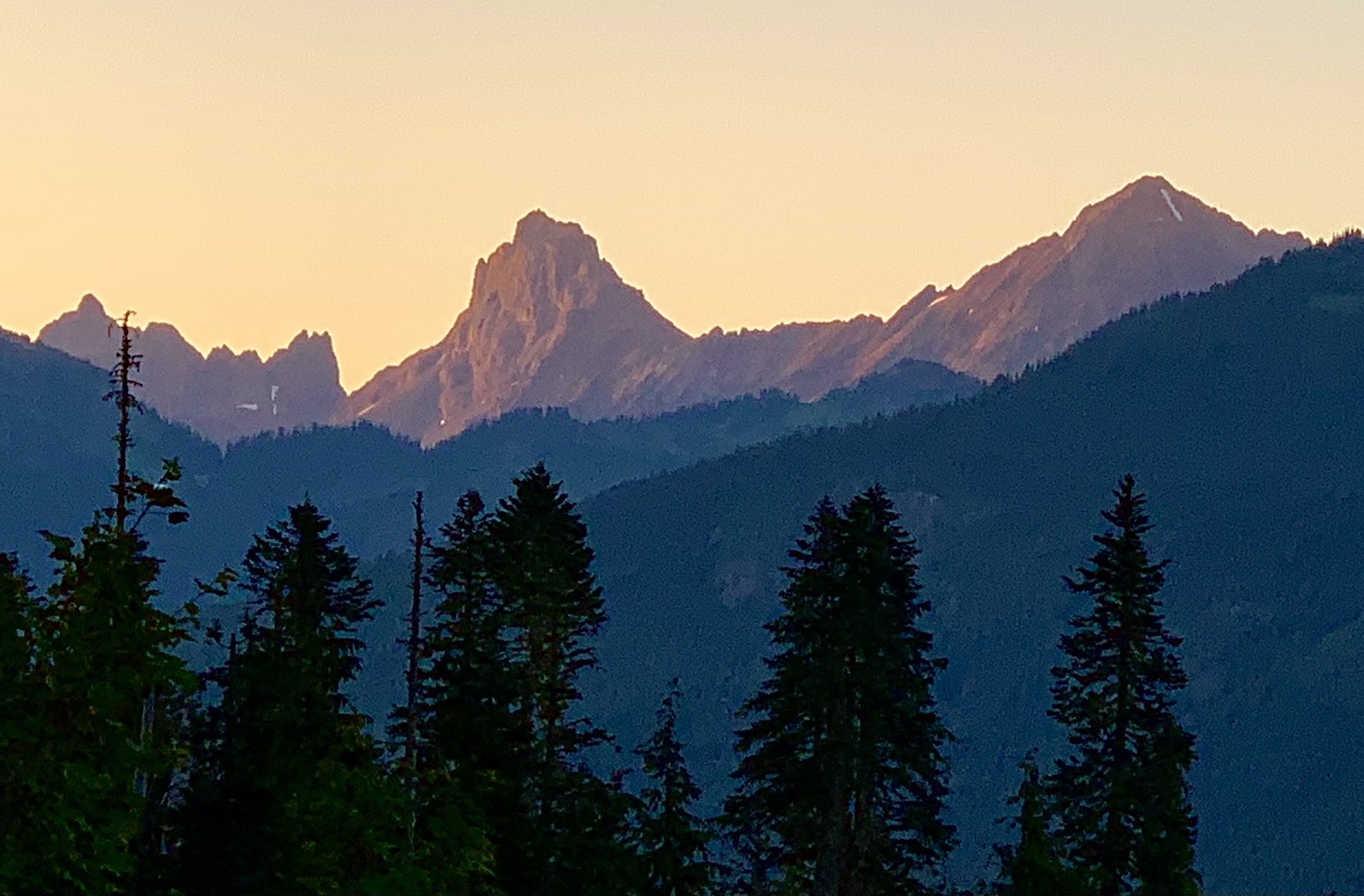
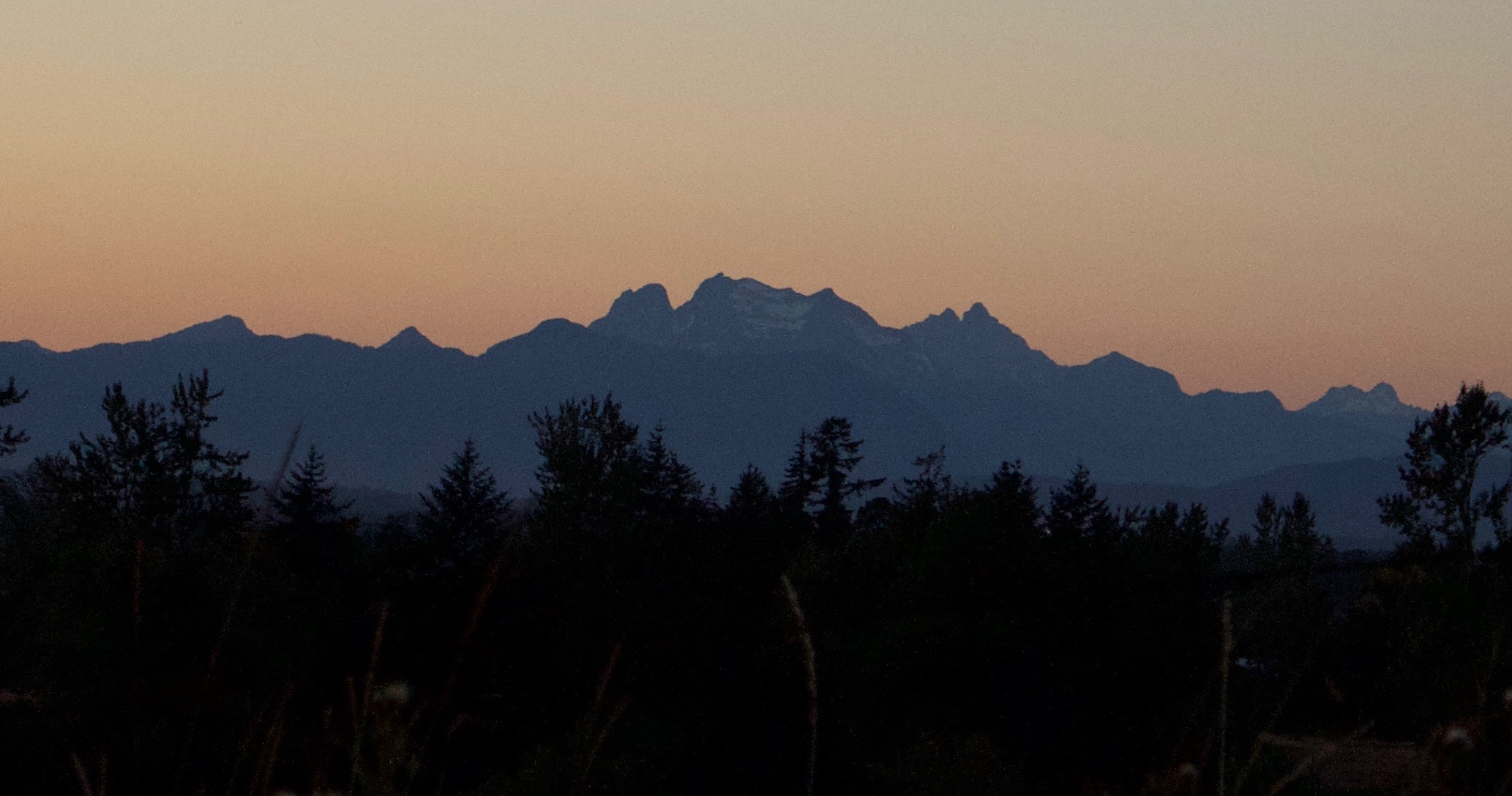
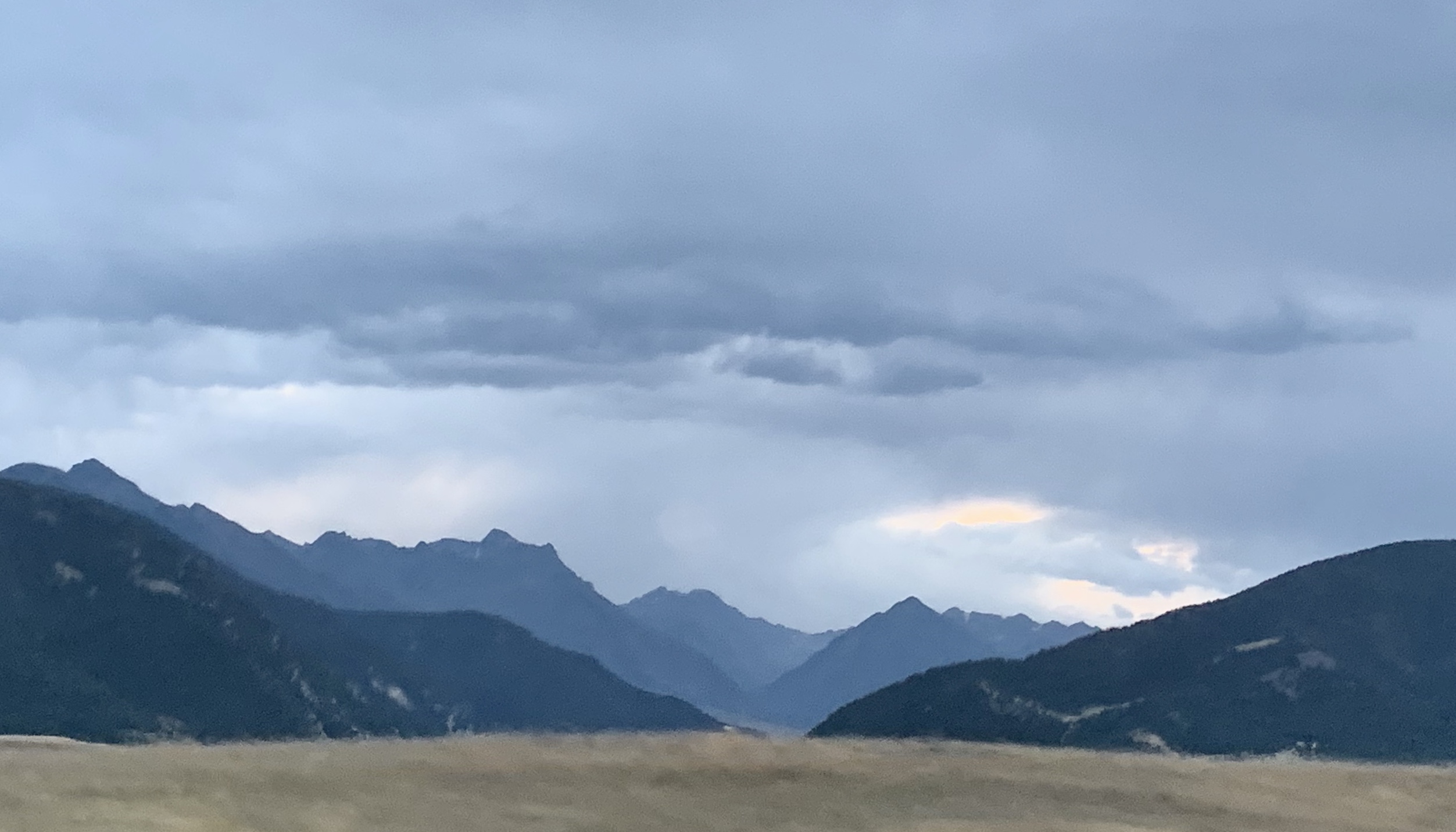
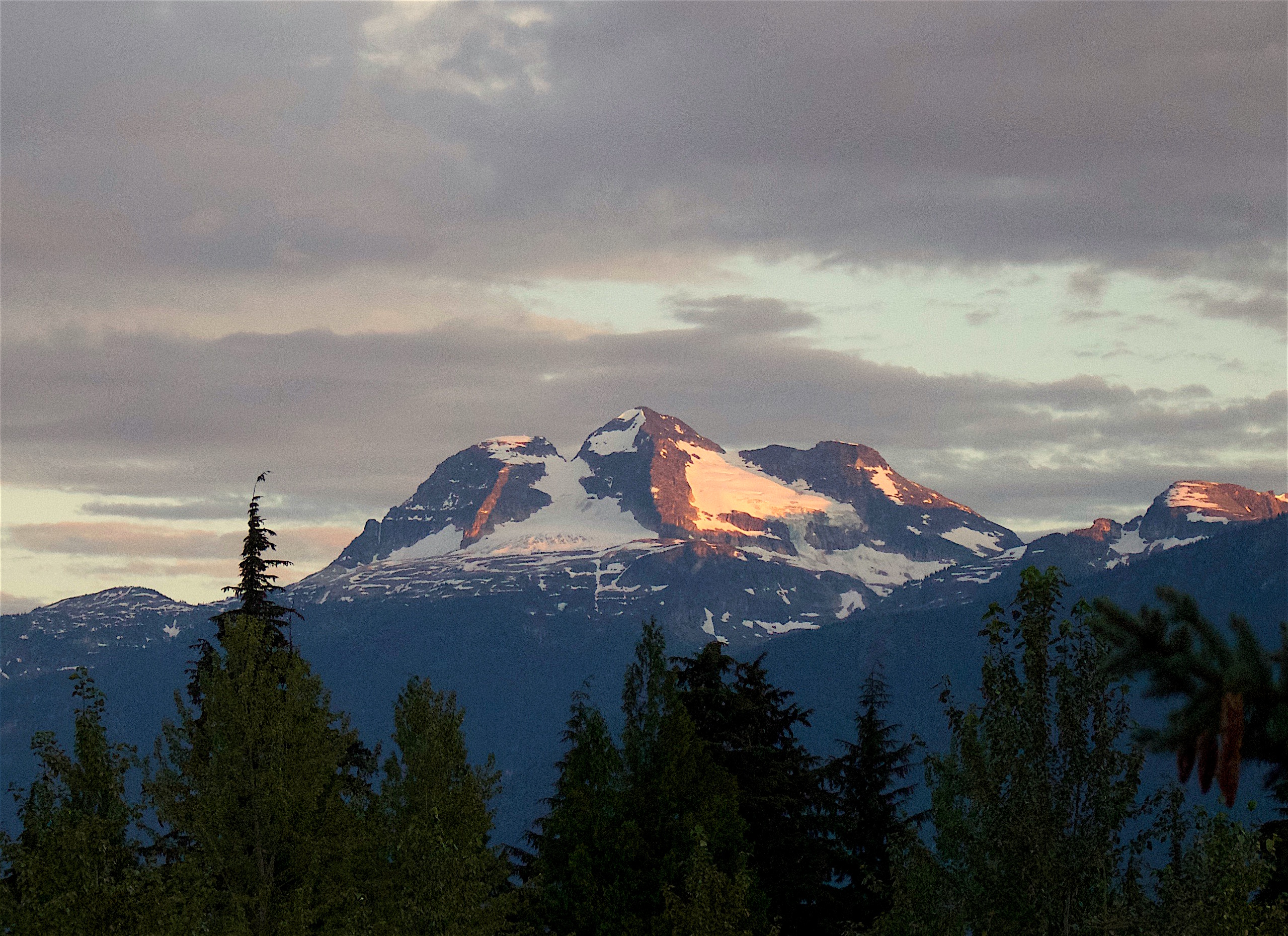
The wilderness might be a distant peak far removed from anything or anyone, where there is bleak darkness.
The wilderness might be the darkest corner of the human heart we keep far away from anything and anyone.
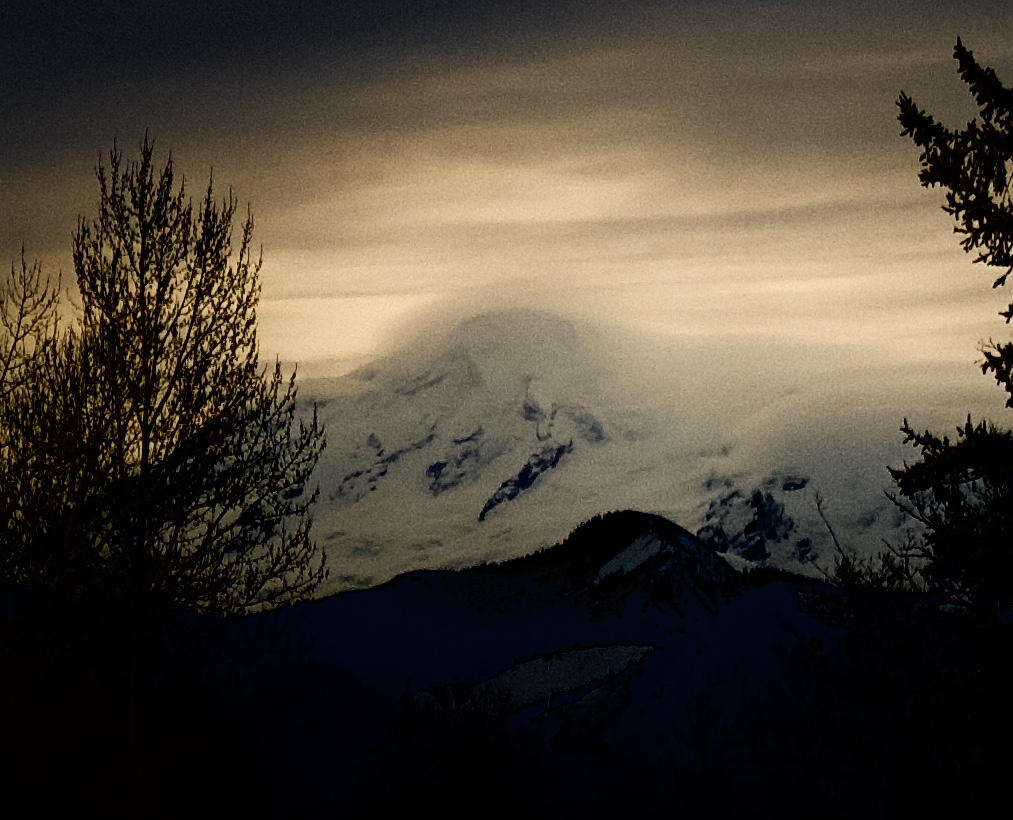
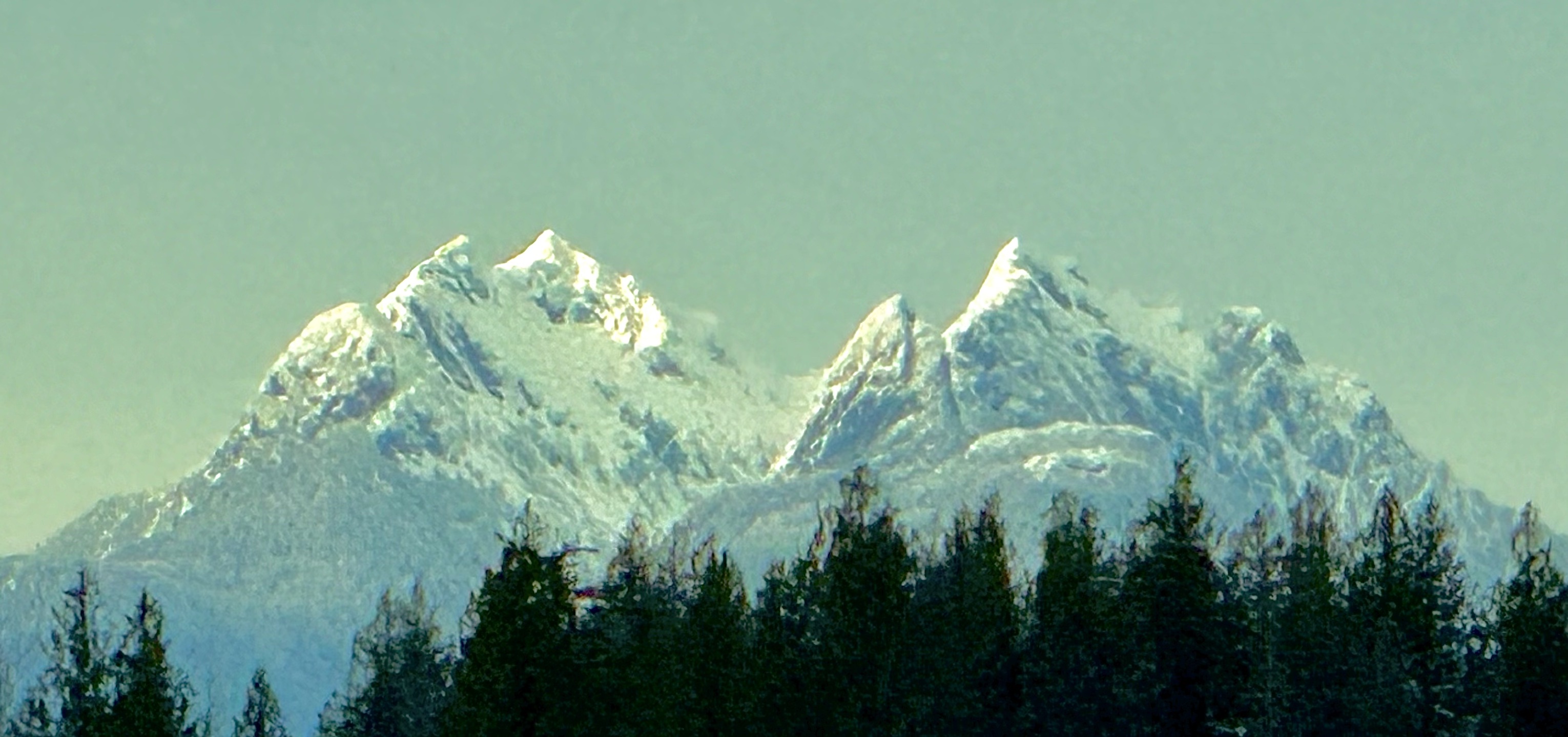
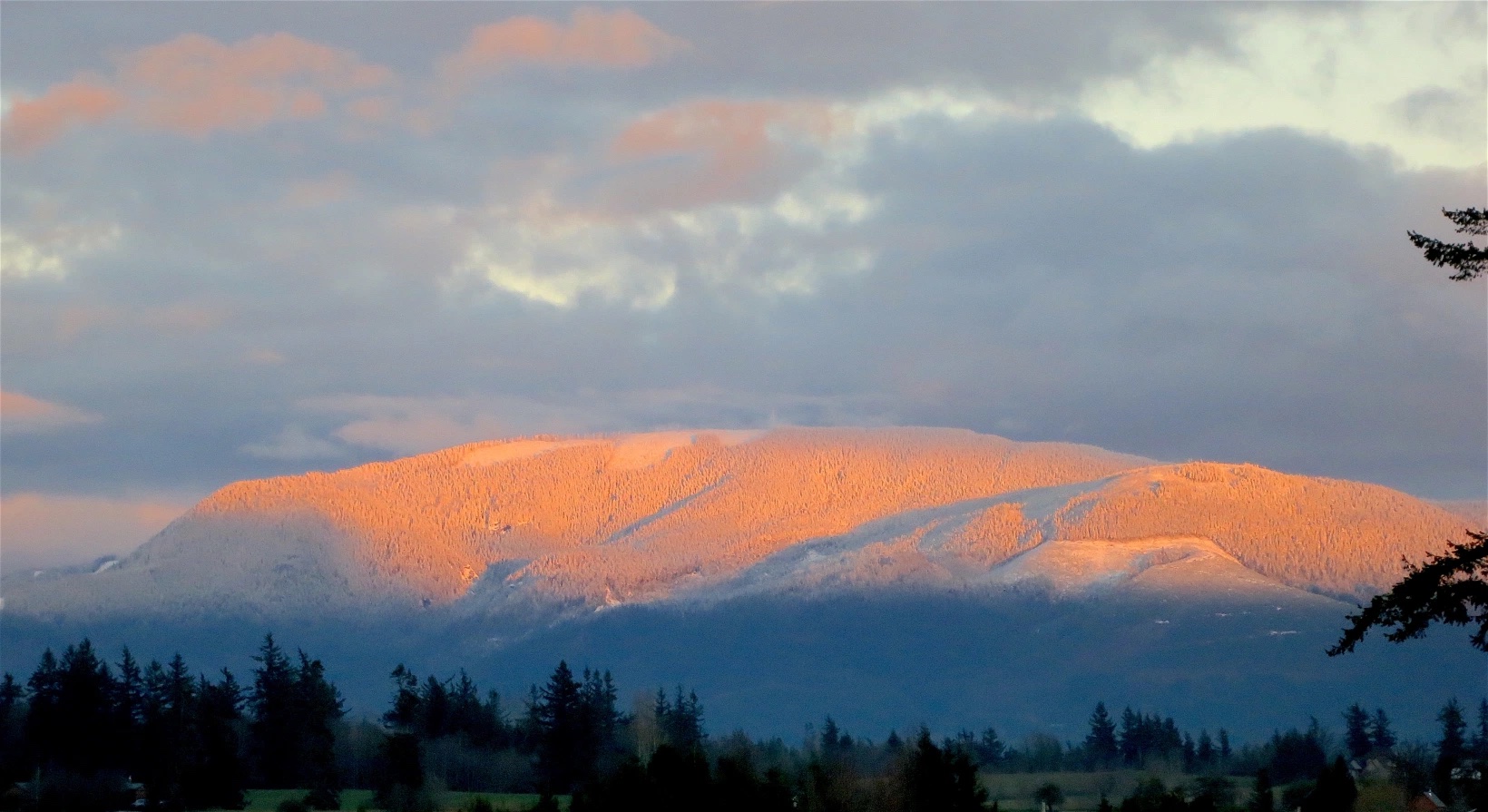
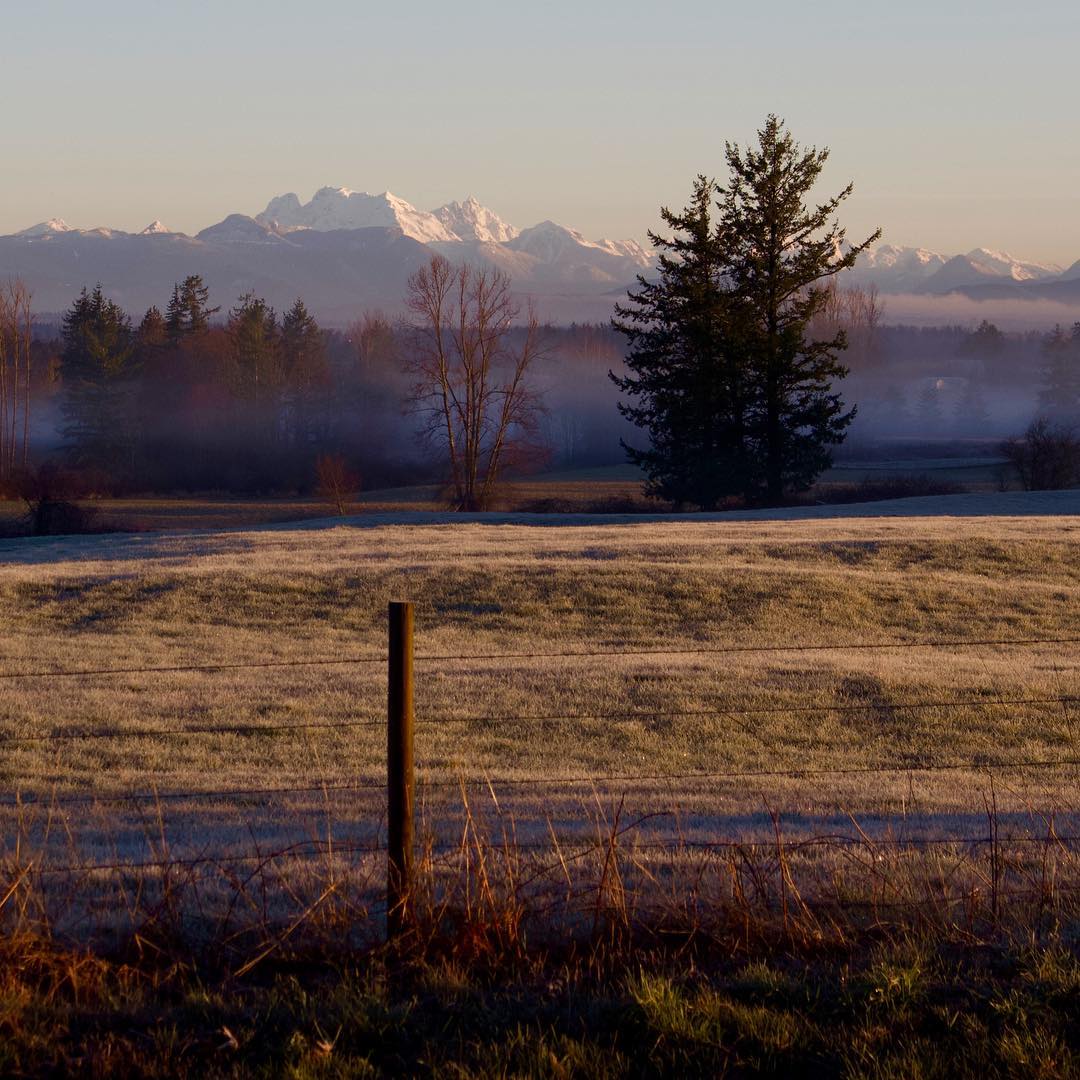
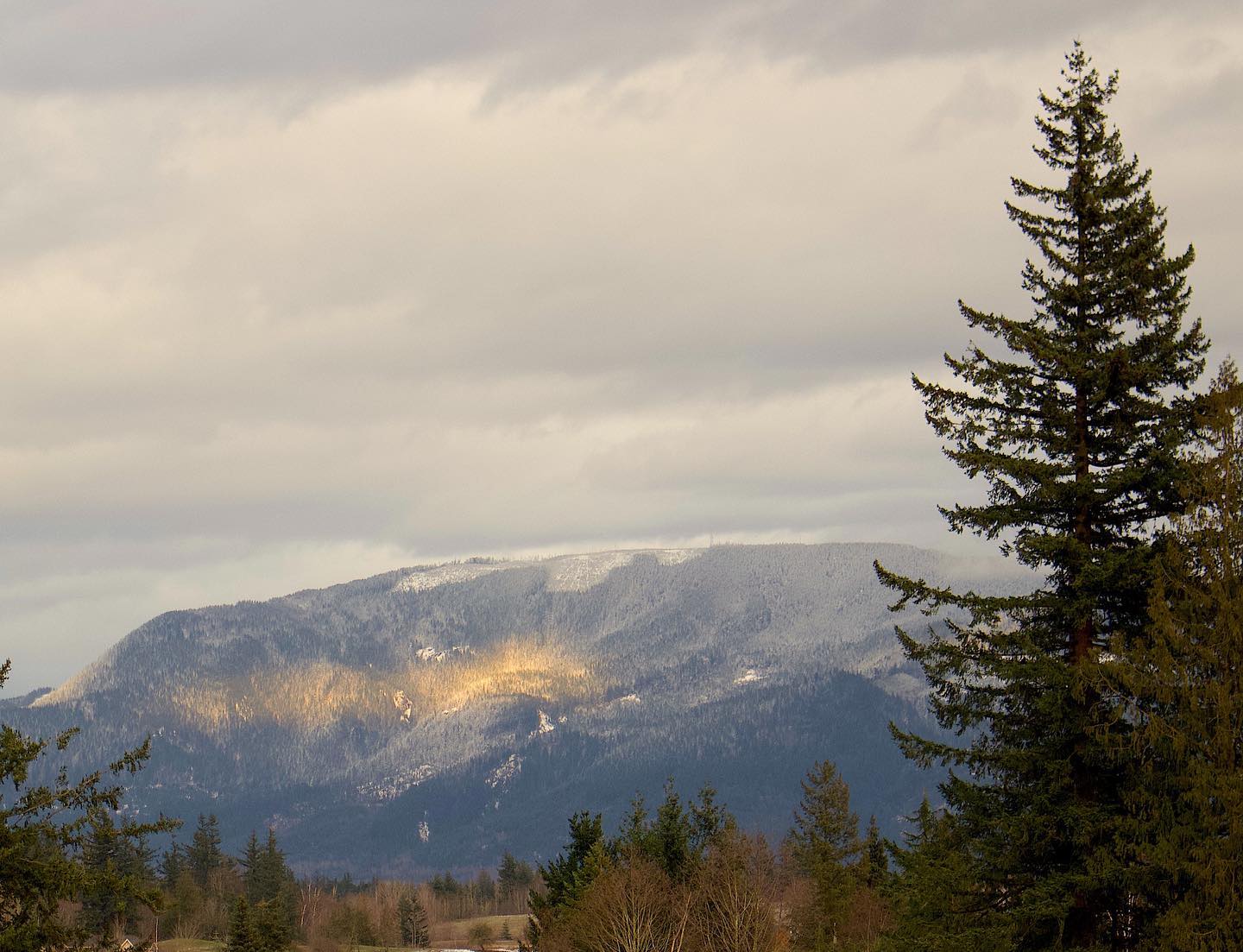
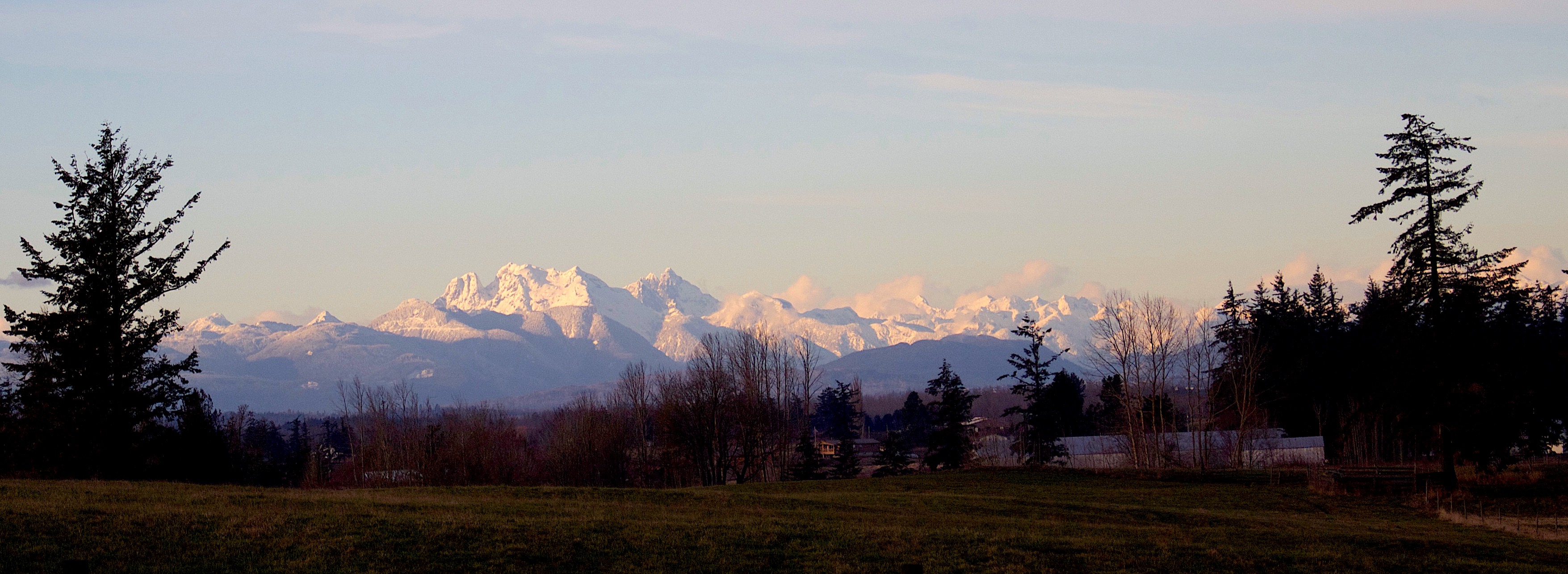
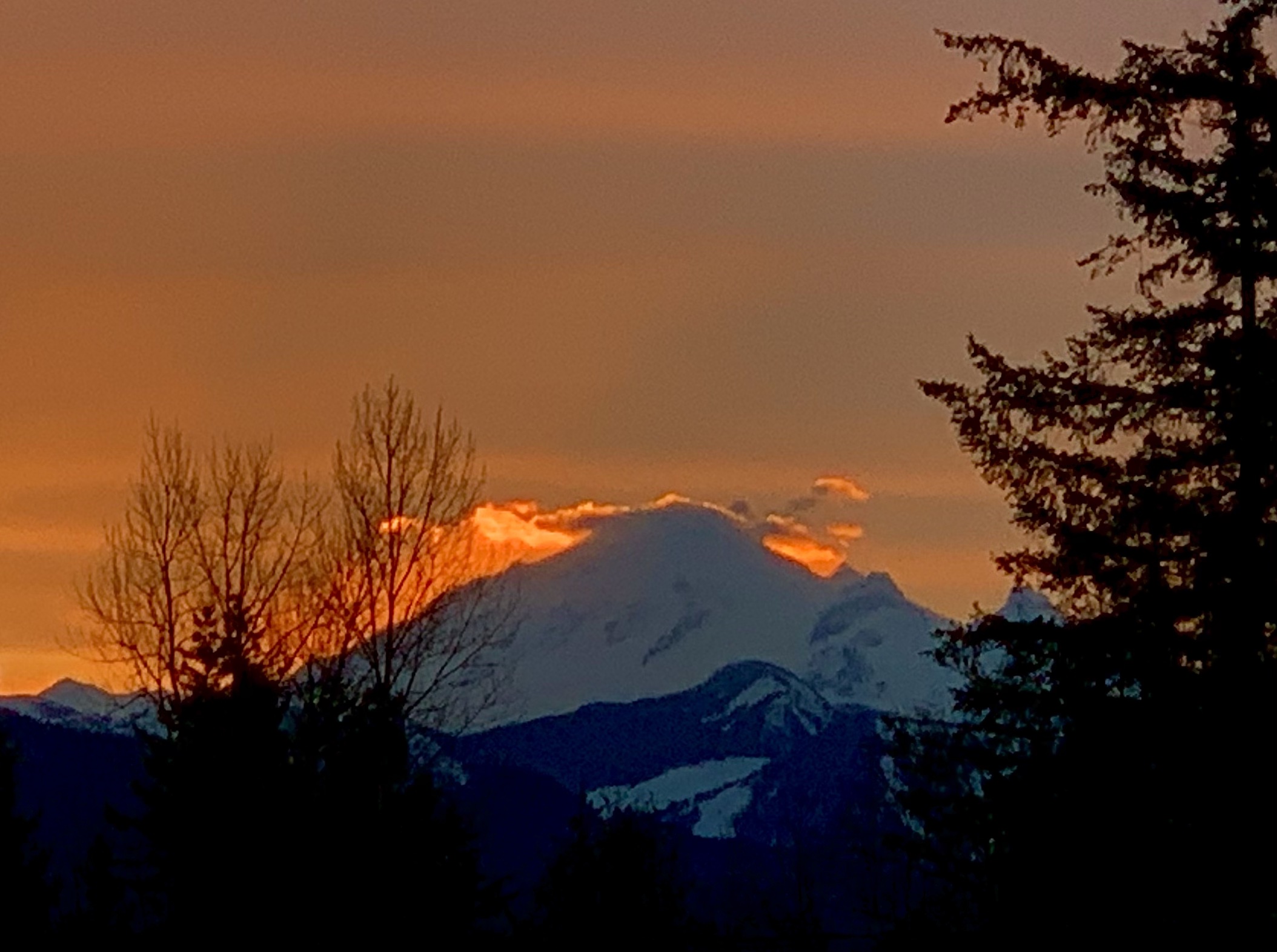
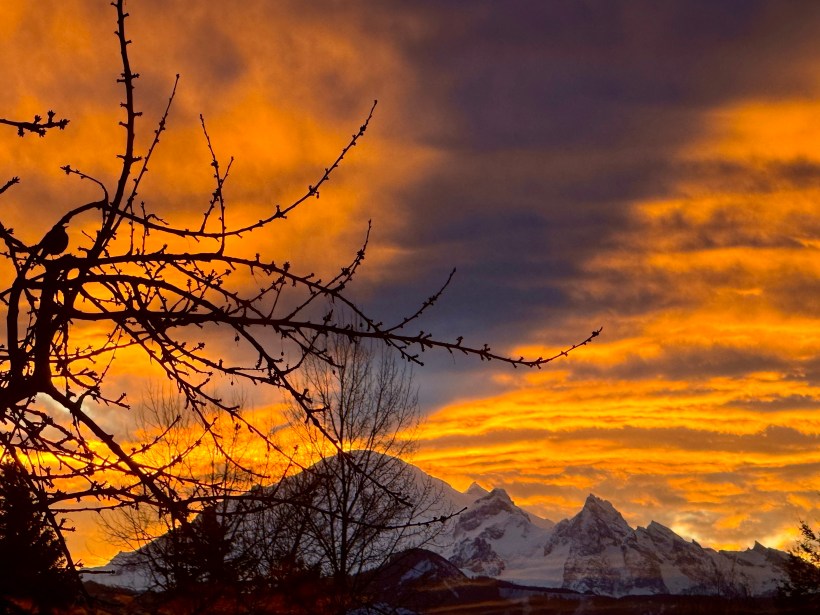
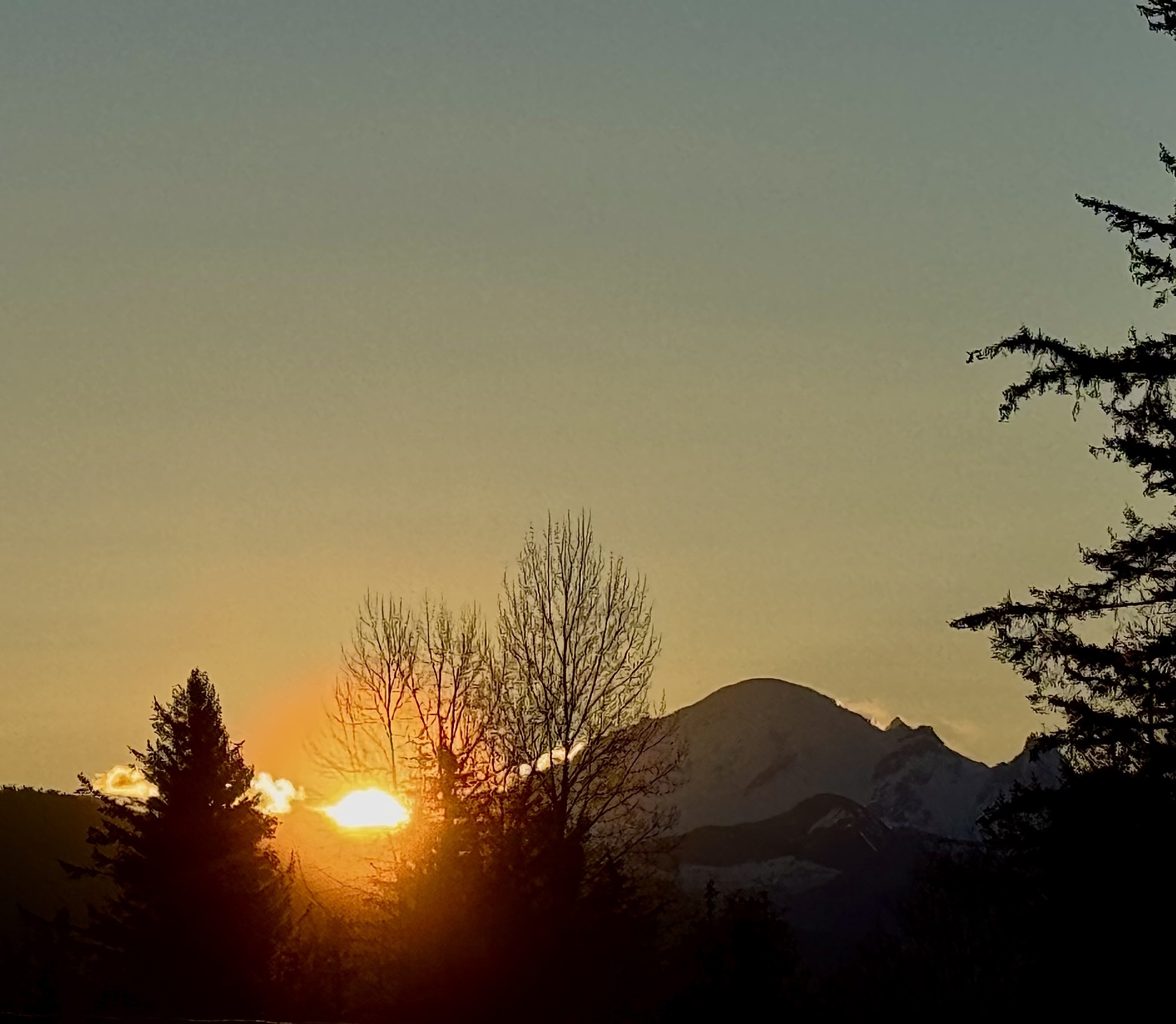
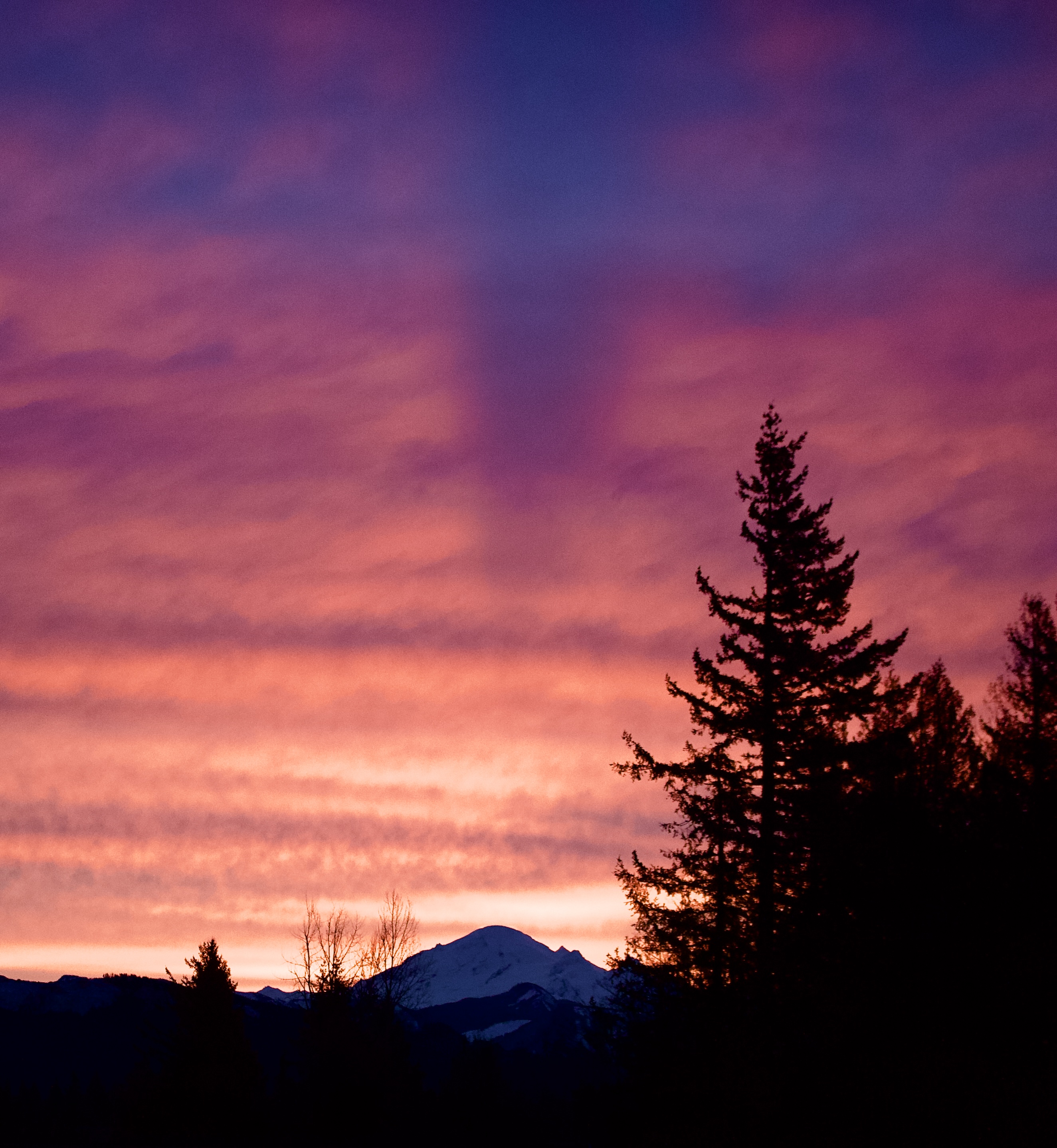
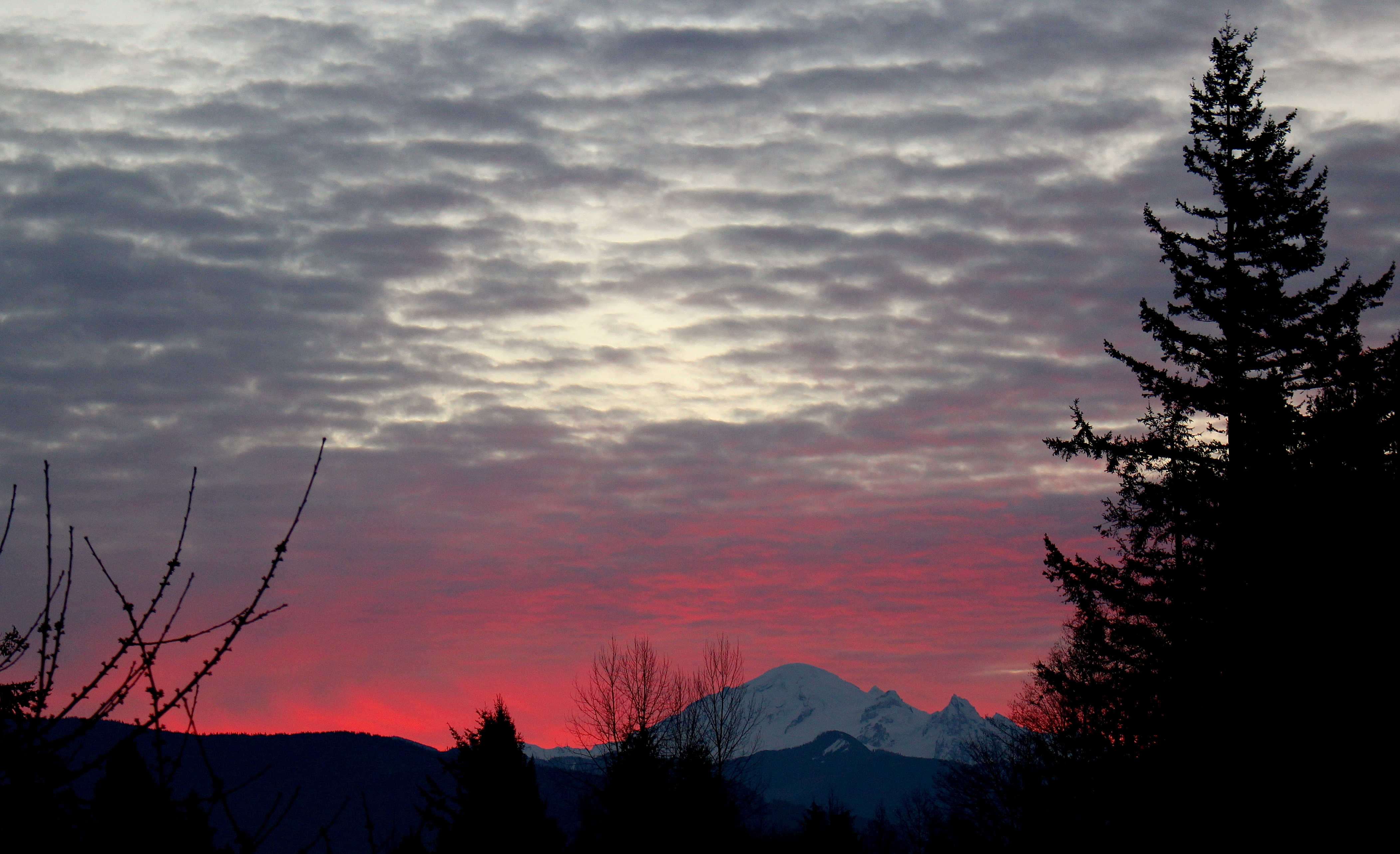
From my kitchen window on a clear day, I sometimes see a distant mountain wilderness, when the cloud cover moves away.
During decades of perching on a round stool in clinic exam rooms, I was given access to hearts lost in the wilderness many times every day.
Sometimes the commandment to love God seems impossible. We are too self-sufficient, too broken, too frightened, too wary to trust God with our love and devotion.
Recognizing a diagnosis of wilderness of the heart is straight forward: despair, discouragement,disappointment, lack of gratitude, lack of hope.
The treatment is to allow the healing power of the Father who sent His own Son to navigate the wilderness in our place.
He reaches for our bitter, wary, and broken hearts that beat within our bodies, to bring us home from the dark wilderness of our souls.
This year’s Lenten theme:
…where you go I will go… Ruth 1:16
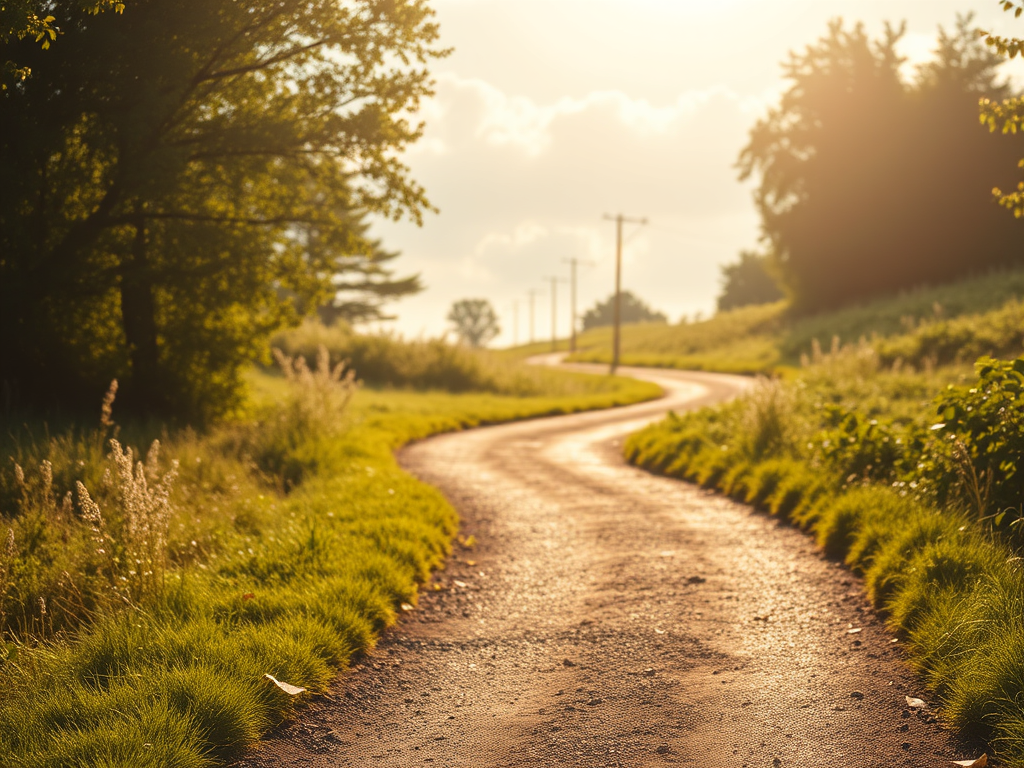
AI image created for this post
One-Time
Monthly
Yearly
Make a one-time or recurring donation to support daily Barnstorming posts
Our heart wanders lost in the dark woods. Our dream wrestles in the castle of doubt. But there’s music in us. Hope is pushed down but the angel flies up again taking us with her. It is no surprise that danger and suffering surround us. What astonishes is the singing. We know the horses are there in the dark meadow because we can smell them, can hear them breathing. Our spirit persists like a man struggling through the frozen valley who suddenly smells flowers and realizes the snow is melting out of sight on top of the mountain, knows that spring has begun. ~Jack Gilbert from “Horses at Midnight Without a Moon”
In trees still dripping night some nameless birds Woke, shook out their arrowy wings, and sang, Slowly, like finches sifting through a dream. The pink sun fell, like glass, into the fields. Two chestnuts, and a dapple gray, Their shoulders wet with light, their dark hair streaming, Climbed the hill. The last mist fell away.
And under the trees, beyond time’s brittle drift, I stood like Adam in his lonely garden On that first morning, shaken out of sleep, Rubbing his eyes, listening, parting the leaves, Like tissue on some vast, incredible gift. ~Mary Oliver “Morning In a New Land”from New and Selected Poems
As if — we are walking through the darkest woods, still stuck in the throes of winter, and catch a whiff of a floral scent, or a hint of green grass, or hear the early jingle bells song of peeper frogs in the wetlands, or feel the warm breath of horses puffing steam at night.
As if — there is hope on the other side, refreshment and renewal and rejoicing just around the corner.
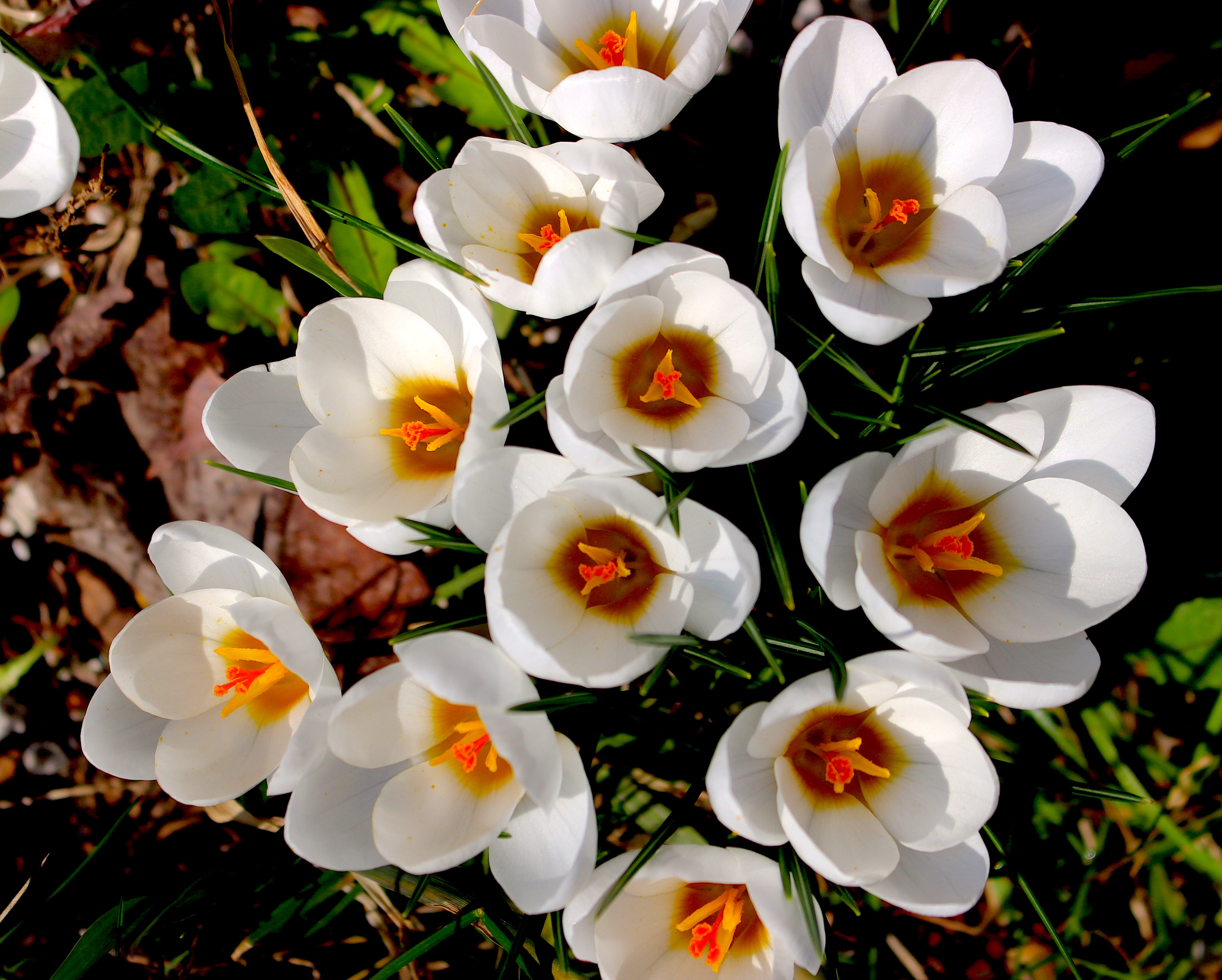
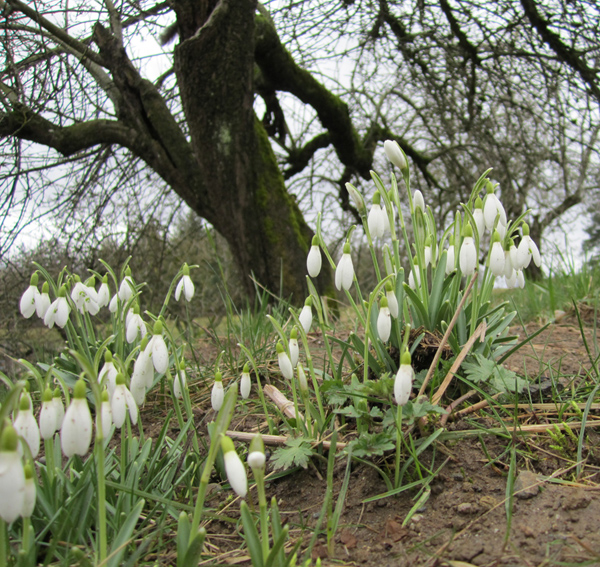
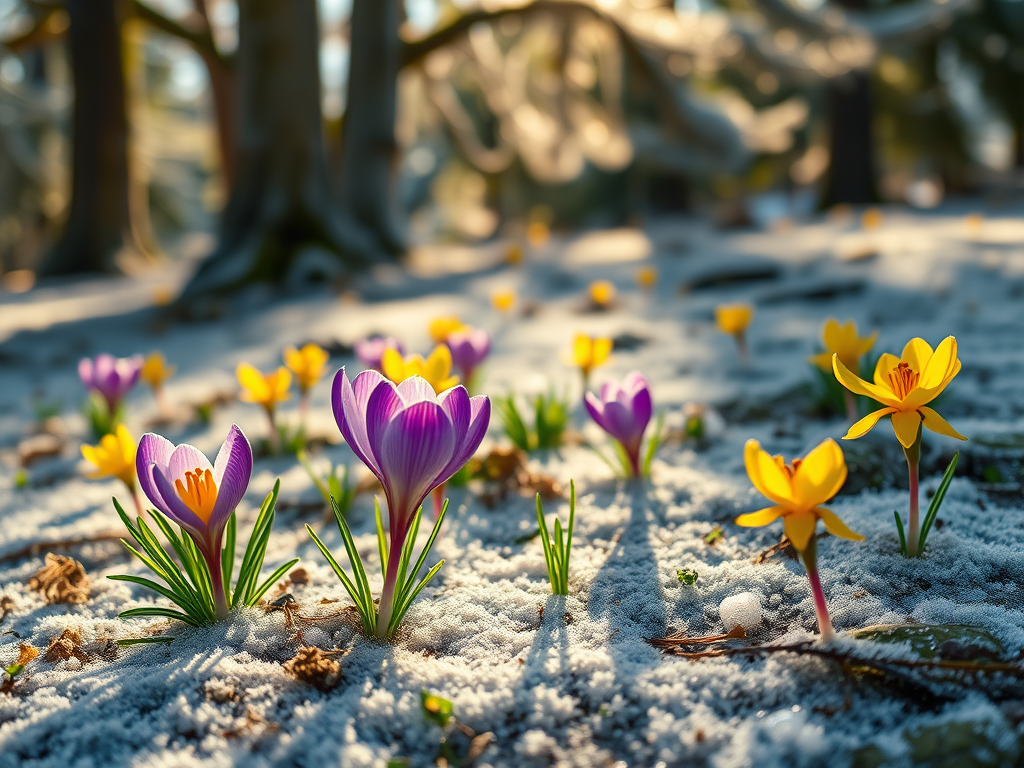
As if — things won’t always be frozen or muddy or barren, that something is coming behind the snowdrops and crocus.
The snow is melting, imperceptibly, but melting nonetheless. And that vast incredible gift thaws what is frozen in me…
photo by Emily Dieleman
This year’s Lenten theme:
…where you go I will go… Ruth 1:16
One-Time
Monthly
Yearly
Make a one-time and recurring donation to support daily Barnstorming posts
Oh! hush thee, my baby, the night is behind us, And black are the waters that sparkled so green. The moon, o’er the combers, looks downward to find us At rest in the hollows that rustle between. Where billow meets billow, there soft be thy pillow; Ah, weary wee flipperling, curl at thy ease! The storm shall not wake thee, nor shark overtake thee, Asleep in the arms of the slow-swinging seas. ~Rudyard Kipling “Seal Lullaby”
For you created my inmost being; you knit me together in my mother’s womb. 14 I praise you because I am fearfully and wonderfully made; your works are wonderful, I know that full well. 15 My frame was not hidden from you when I was made in the secret place, when I was woven together in the depths of the earth. 16 Your eyes saw my unformed body; all the days ordained for me were written in your book before one of them came to be. 17 How precious to me are your thoughts,[a] God! How vast is the sum of them! 18 Were I to count them, they would outnumber the grains of sand— when I awake, I am still with you. Psalm 139: 13-18
The call came in the middle of a busy night as we worked on a floppy baby with high fever, a croupy toddler whose breathing squeezed and squeaked, a pale adolescent transfusing due to leukemia bleeding.
It was an anencephalic baby just born, unexpected, unwanted in a hospital across town, and she needed a place to die.
Our team of three puzzled how to manage a baby without a brain– simply put her in a room, swaddled, kept warm but alone? Hydrate her with a dropper of water to moisten her mouth? Offer her a taste of milk?
She arrived by ambulance, the somber attendants leaving quickly, unnerved by her mewing cries.
I took the wrapped bundle and peeled away the layers to find a plump full term baby, her hands gripping, arms waving once freed; just another newborn until I pulled off her stocking cap and looked into an empty crater — only a brainstem lumped at the base.
No textbook pictures had prepared me for the wholeness, the holiness of this living, breathing child.
Her forehead quit above the eyebrows with the entire skull missing, tufts of soft brown hair fringed her perfect ears, around the back of her neck. Her eyelids puffy, squinting tight, seemingly too big above a button nose and rosebud pink lips.
She squirmed under my fingers, her muscles strong, breaths coming steady despite no awareness of light or touch or noise.
Yet she cried in little whimpers, mouth working, seeking, lips tentatively gripping my fingertip. A bottle warmed, nipple offered, a tentative suck allowing tiny flow, then, amazing, a gurgling swallow.
Returning every two hours, more for me than for her, I picked her up to smell the salty sweet scent of amnion still on her skin as she grew dusky.
Her breathing weakened, her muscles loosened, giving up her grip on a world she would never see or hear or feel to behold something far more glorious, as I gazed into her emptiness, waiting to be filled.
I came to your door with soup and bread. I didn’t know you but you were a neighbor in pain: and a little soup and bread, I reasoned, never hurt anyone.
I shouldn’t reason. I appeared the day your divorce was final: a woman, flushed with cooking and talk, and you watched, fascinated, coiled like a spring.
You seemed so brave and lonely I wanted to comfort you like a child. I couldn’t of course. You wanted to ask me too far in.
It was then I knew it had to be like prayer. We can’t ask for what we know we want: we have to ask to be led someplace we never dreamed of going, a place we don’t want to be.
We’ll find ourselves there one morning, opened like leaves, and it will be all right. ~Kathleen Norris “Answered Prayer”
When I struggle with how to pray, I fall back to asking for strength to cope with whatever is to come, rather than pray for what I hope won’t happen – my prayer as someone terrified, worried and weak.
How is it with God, in whom all things are possible, even He asked for the cup to be taken, knowing it would remain in His Hands. His will would be done, even when terrified, worried, and weary.
So instead of closing off, as I would have done, not wanting to go somewhere I don’t want to be, He opened up Himself like a unfolding leaf, the earth becoming His flesh, His flesh one with the tree.
And it was all right. It will always be all right.
This year’s Lenten theme:
…where you go I will go… Ruth 1:16
AI image created for this post
One-Time
Monthly
Yearly
Make a one-time or recurring donation to support daily Barnstorming posts
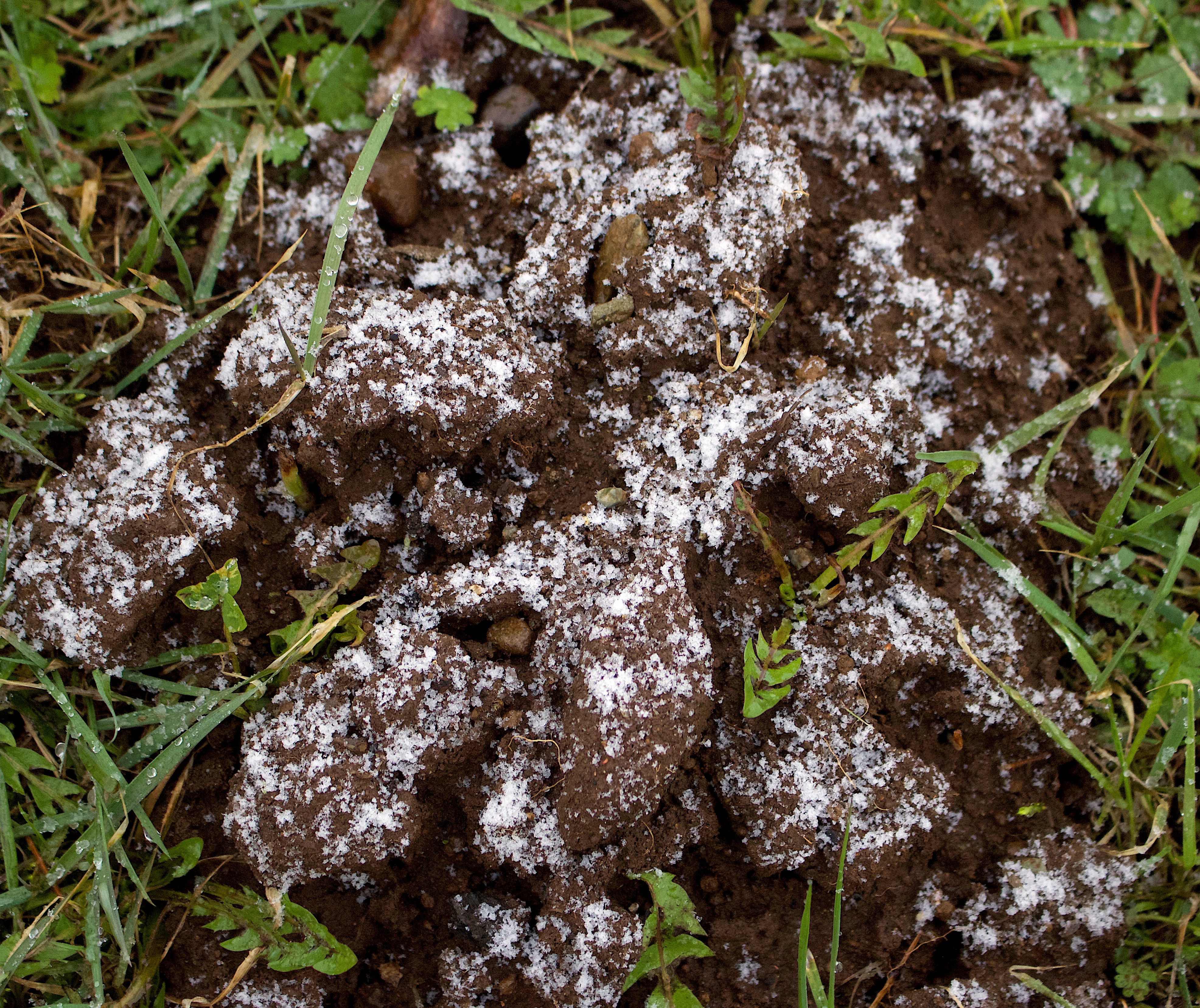
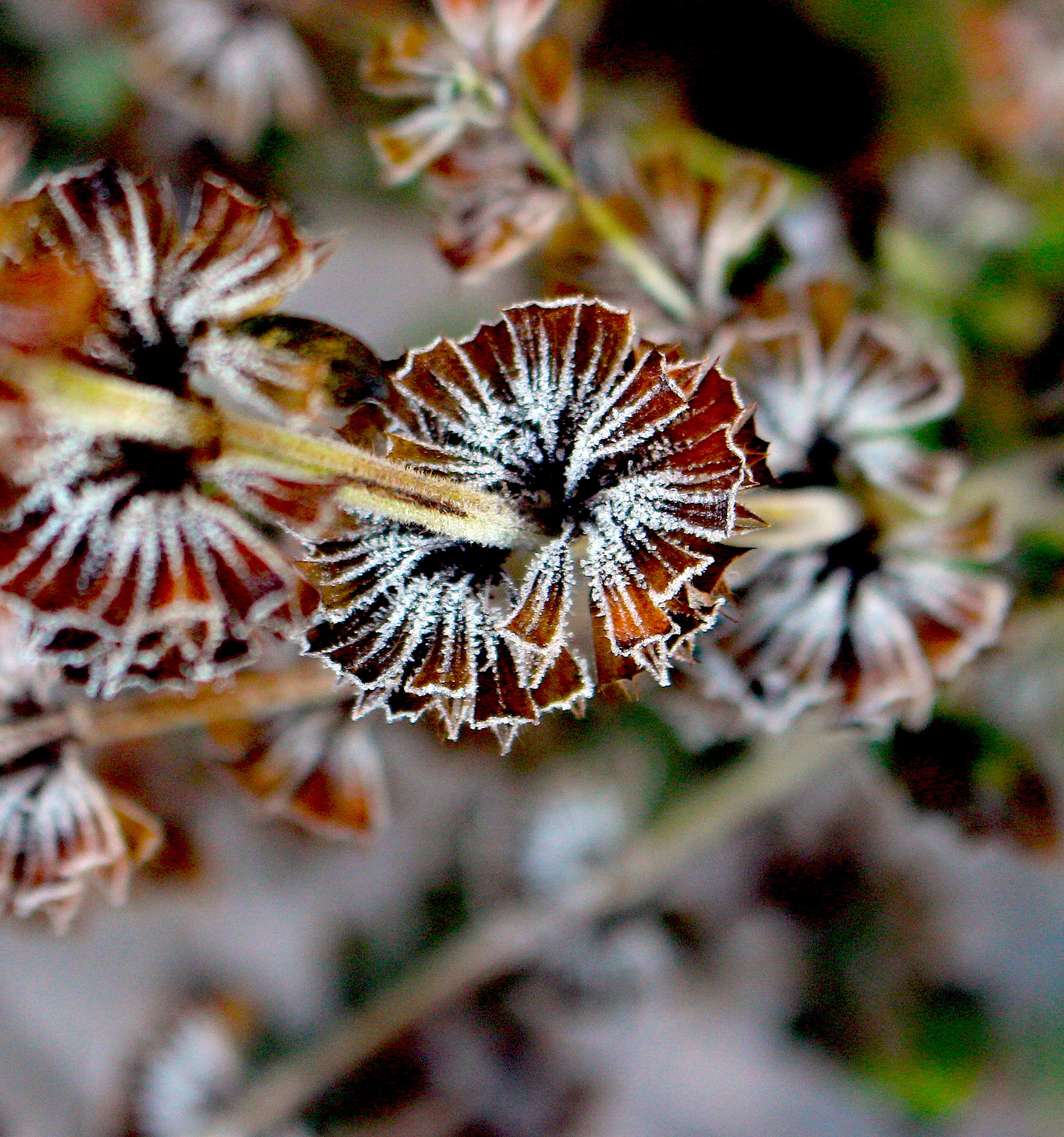
March. I am beginning to anticipate a thaw. Early mornings the earth, old unbeliever, is still crusted with frost where the moles have nosed up their cold castings, and the ground cover in shadow under the cedars hasn’t softened for months, fogs layering their slow, complicated ice around foliage and stem night by night,
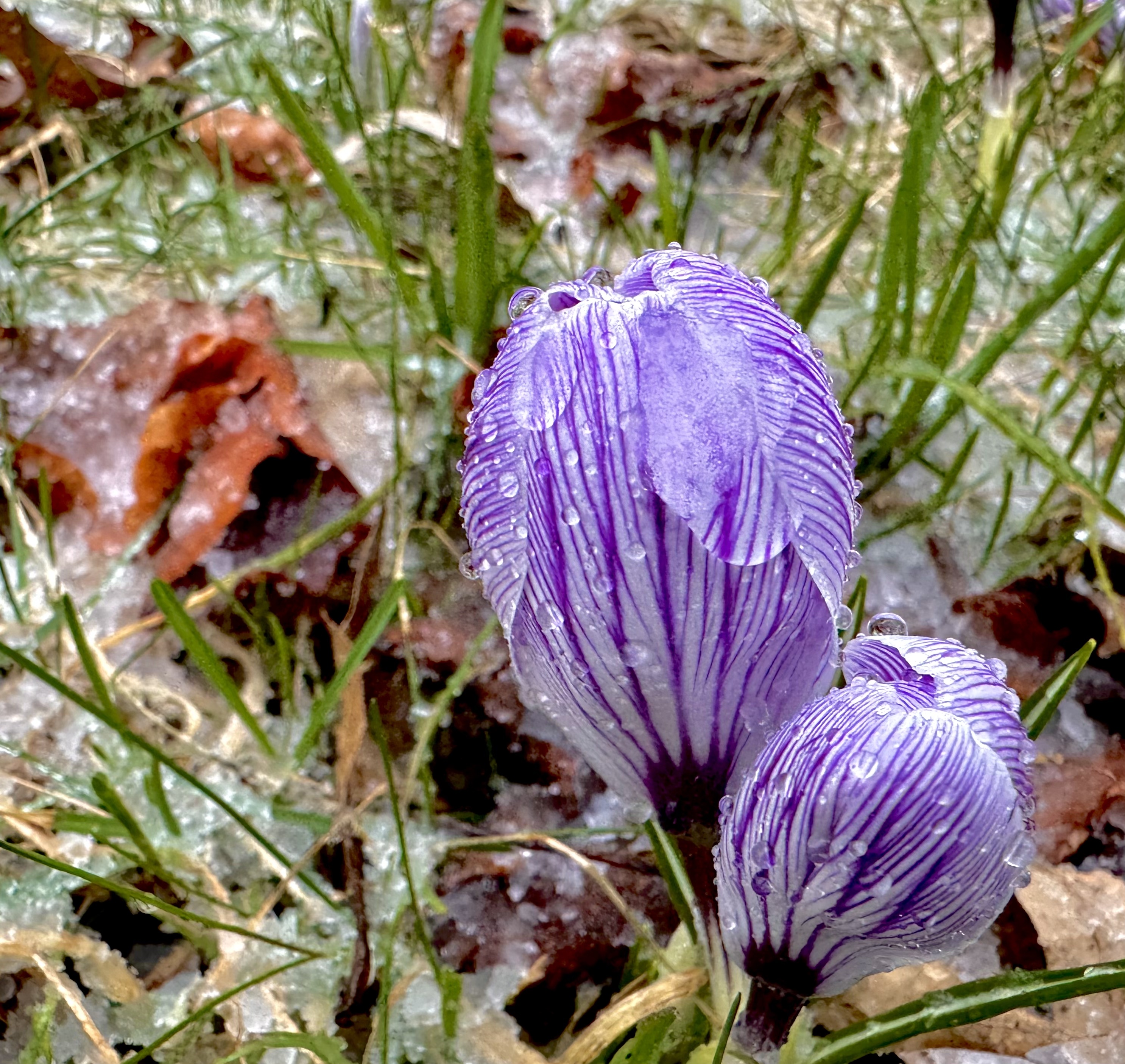
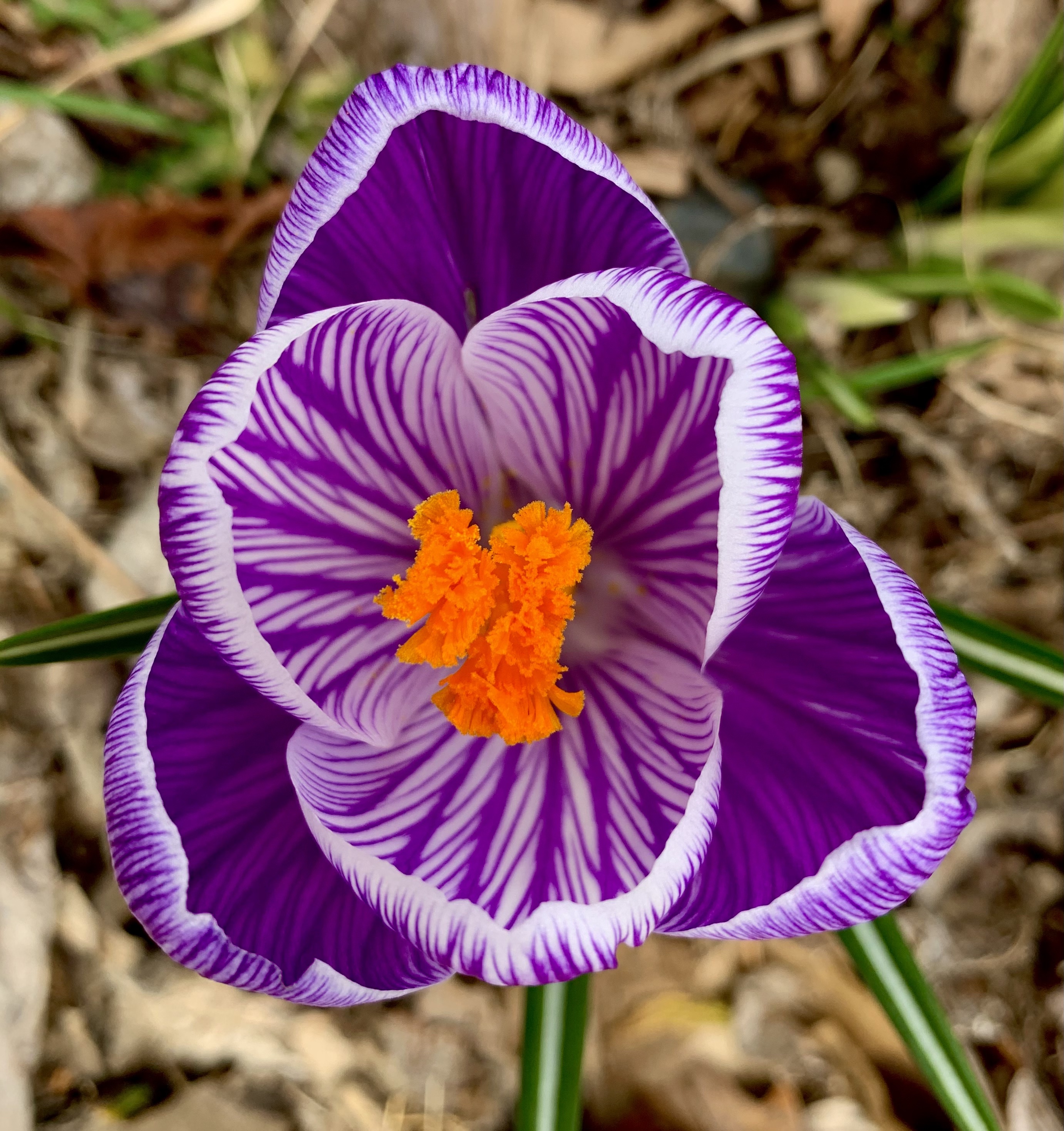
but as the light lengthens, preacher of good news, evangelizing leaves and branches, his large gestures beckon green out of gray. Pinpricks of coral bursting from the cotoneasters. A single bee finding the white heather. Eager lemon-yellow aconites glowing, low to the ground like little uplifted faces. A crocus shooting up a purple hand here, there, as I stand on my doorstep, my own face drinking in heat and light like a bud welcoming resurrection, and my hand up, too, ready to sign on for conversion. ~Luci Shaw “Revival” from What the Light was Like
A few remaining hints of frost drip with rain, the frozen ground oozing with mud and mire.
This morning has a hint of fragrance as buds dare to peek open, testing the air.
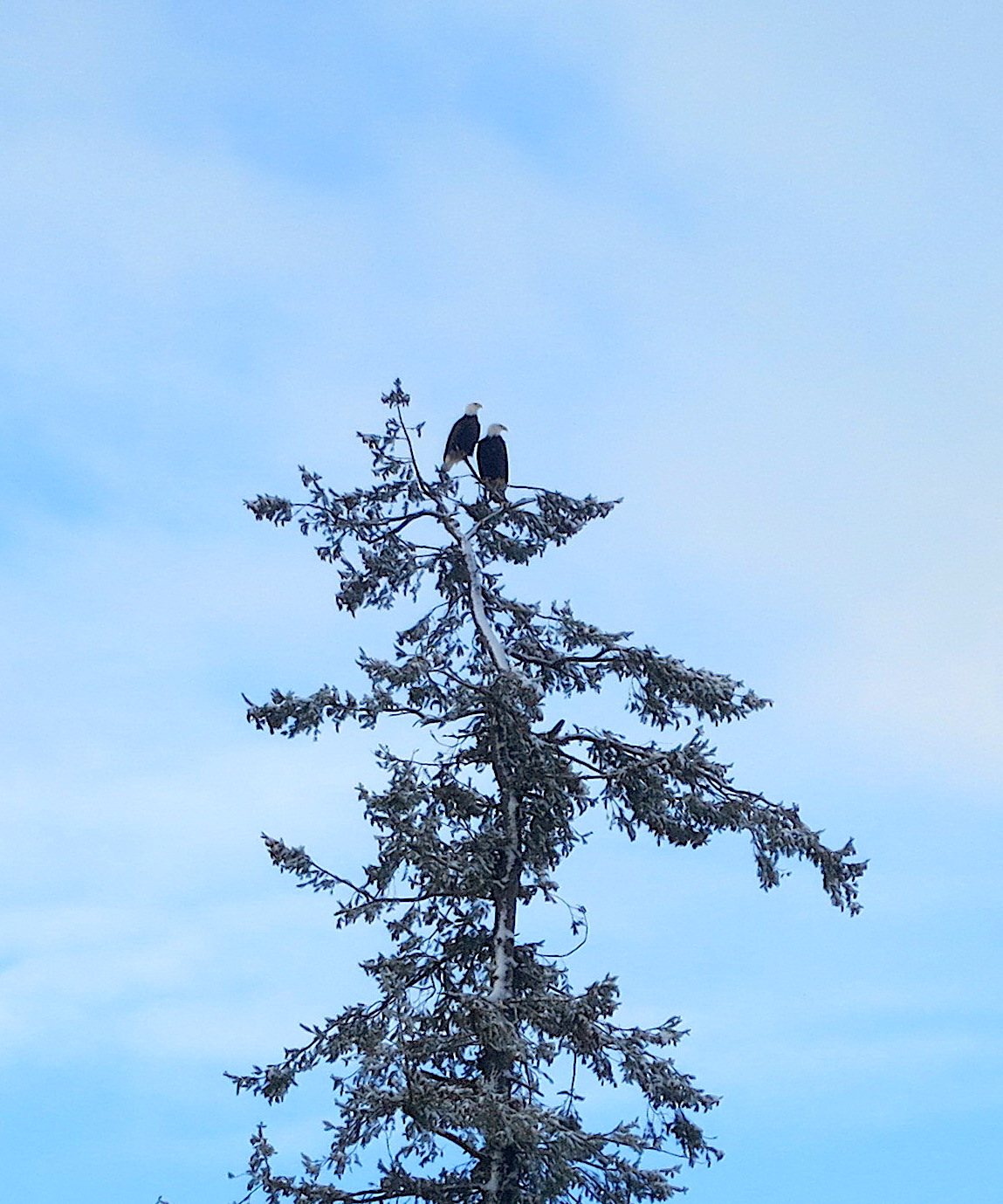
I wake to dawn’s fiery burning light I hear beckoning eagle chatter and frog chorus
I follow the sun wherever it may appear, so eager for warmth and revival, grateful to be alive to notice.
The thaw is at hand; a new day is aching to bloom.
This year’s Lenten theme:
…where you go I will go… Ruth 1:16
AI image created for this post
One-Time
Monthly
Yearly
Make a one-time or recurring donation to support daily Barnstorming posts
This morning’s sun is not the honey light of summer, thick with golden dust and slow as syrup pouring from a jug. It’s bright, but thin and cold, and slanted steep and low across the hillsides. Frost is blooming white, these flowers forced by icy winds that blow as hard this morning as they blew all night. Too cold for rain, but far too dry for snow.
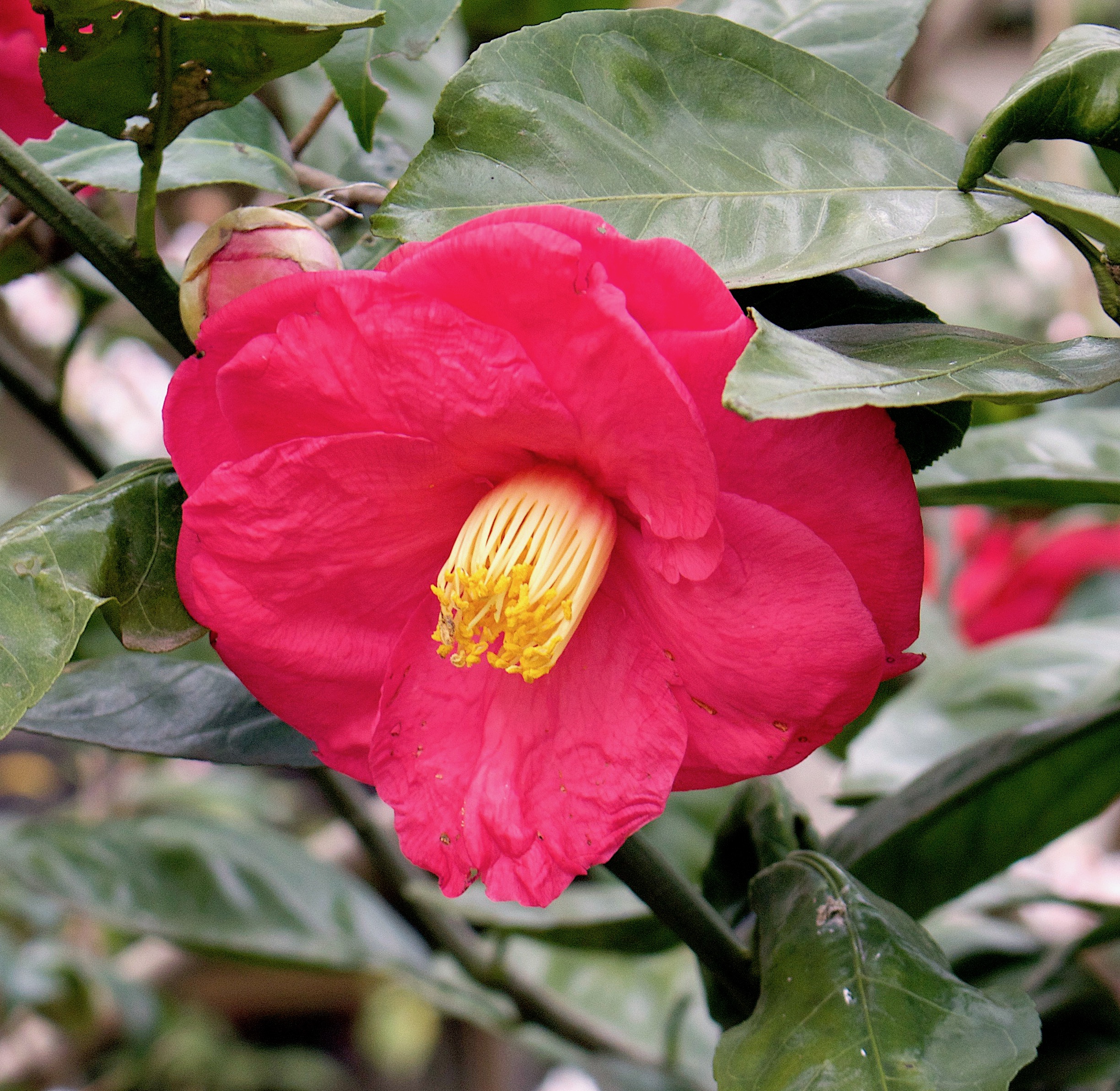
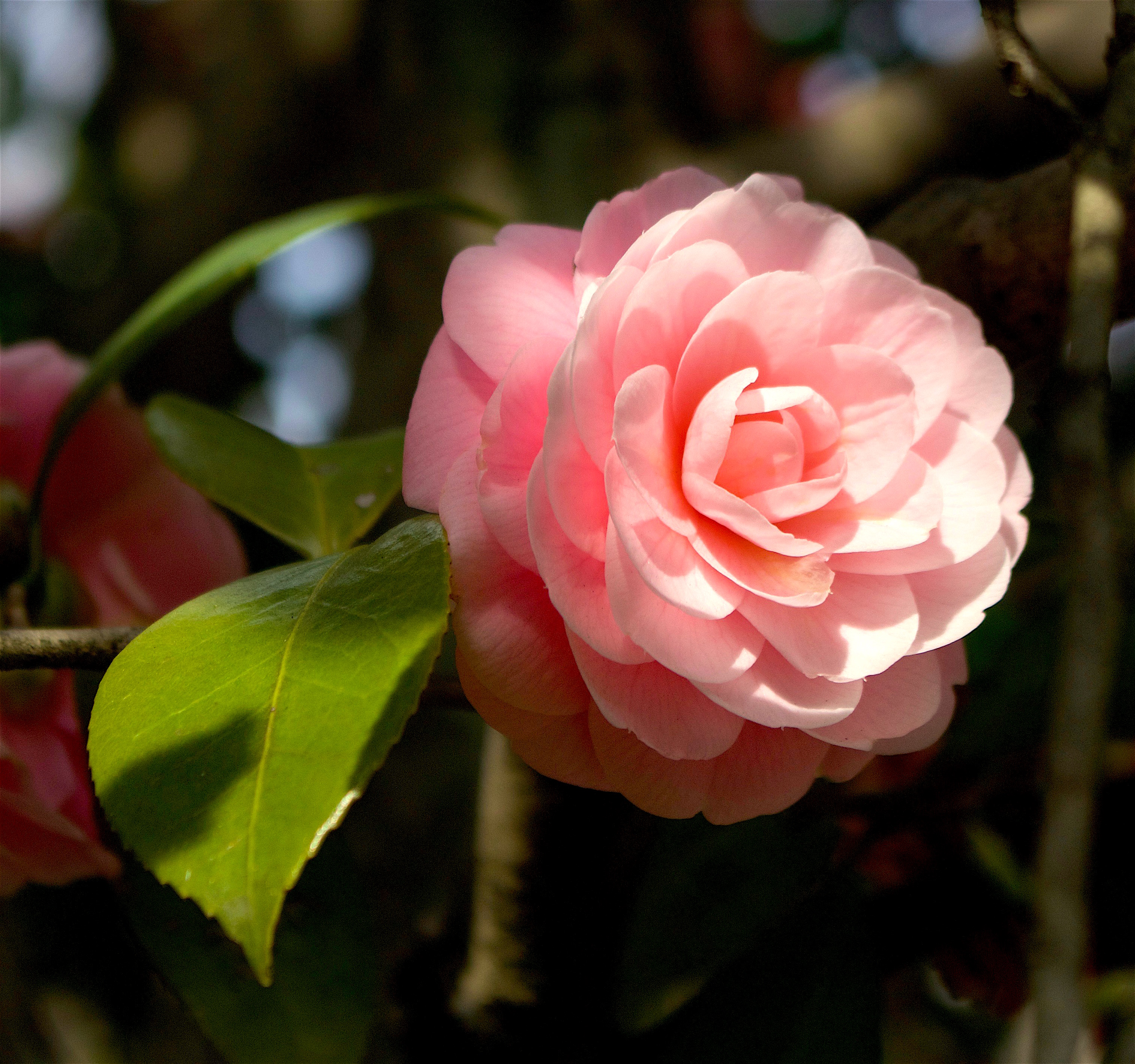
And I am restless, pacing to and fro enduring winter’s grip that holds us tight. But my camellias, which somehow know what weather to expect—they’re always right— have broken bud. Now scarlet petals glow outside the window where I sit and write. ~Tiel Aisha Ansari “Camellias”from Dervish Lions
Near a shrine in Japan he’d swept the path and then placed camellia blossoms there.
Or — we had no way of knowing — he’d swept the path between fallen camellias. ~Carol Snow “Tour”
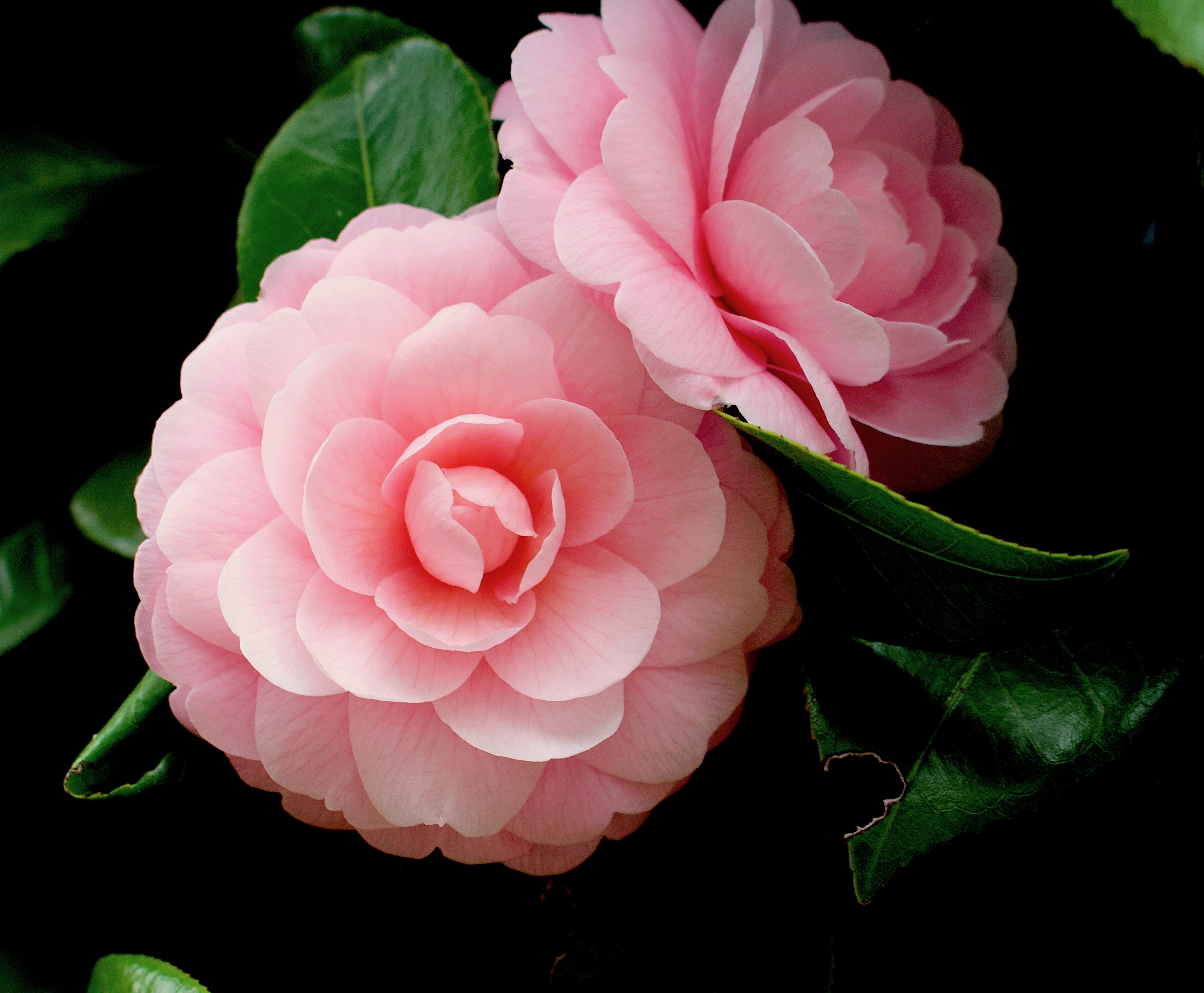
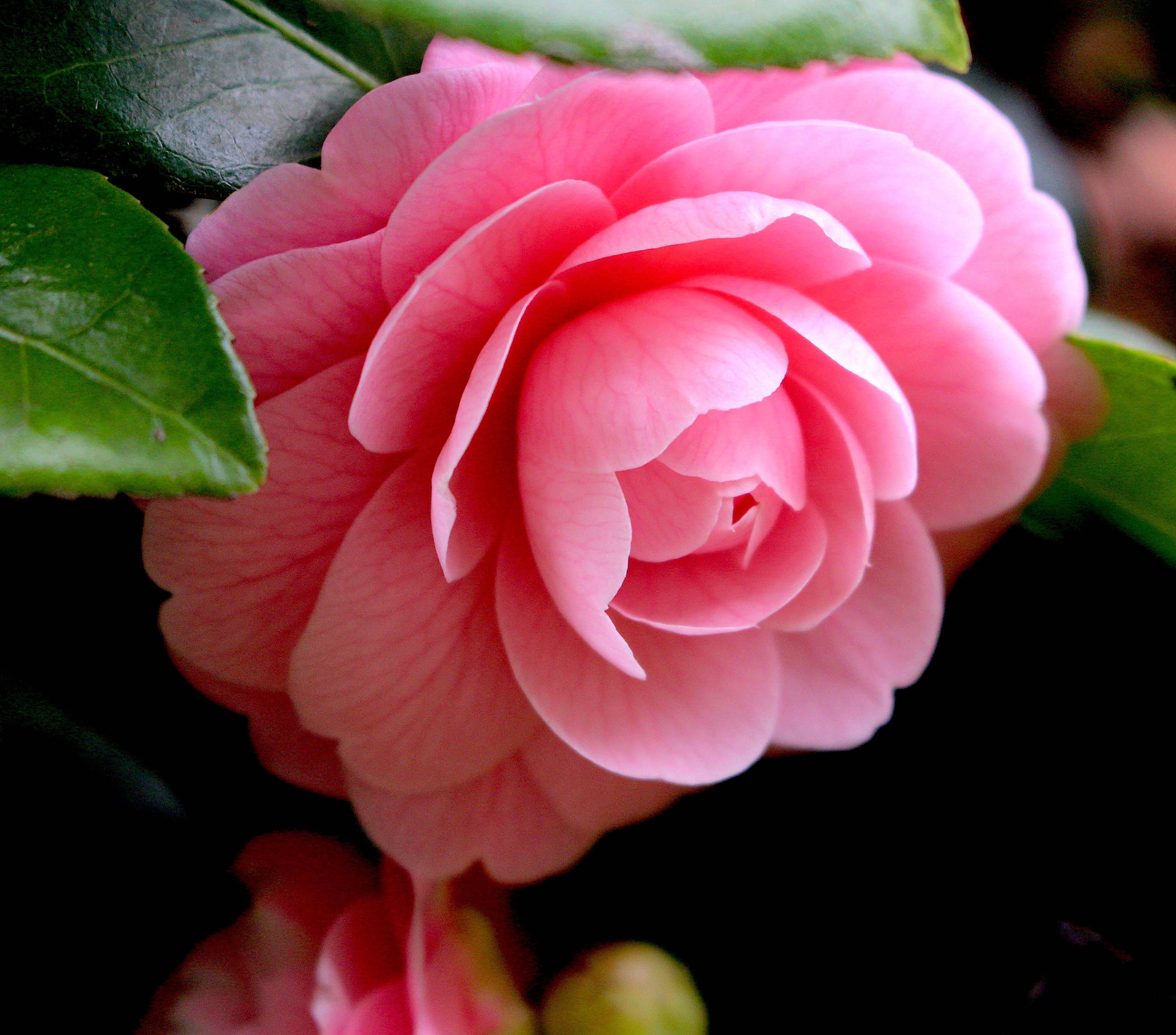
Camellias are hardy enough to withstand winter’s low temperatures, defying freezing winds and hard frosts with their resilience.
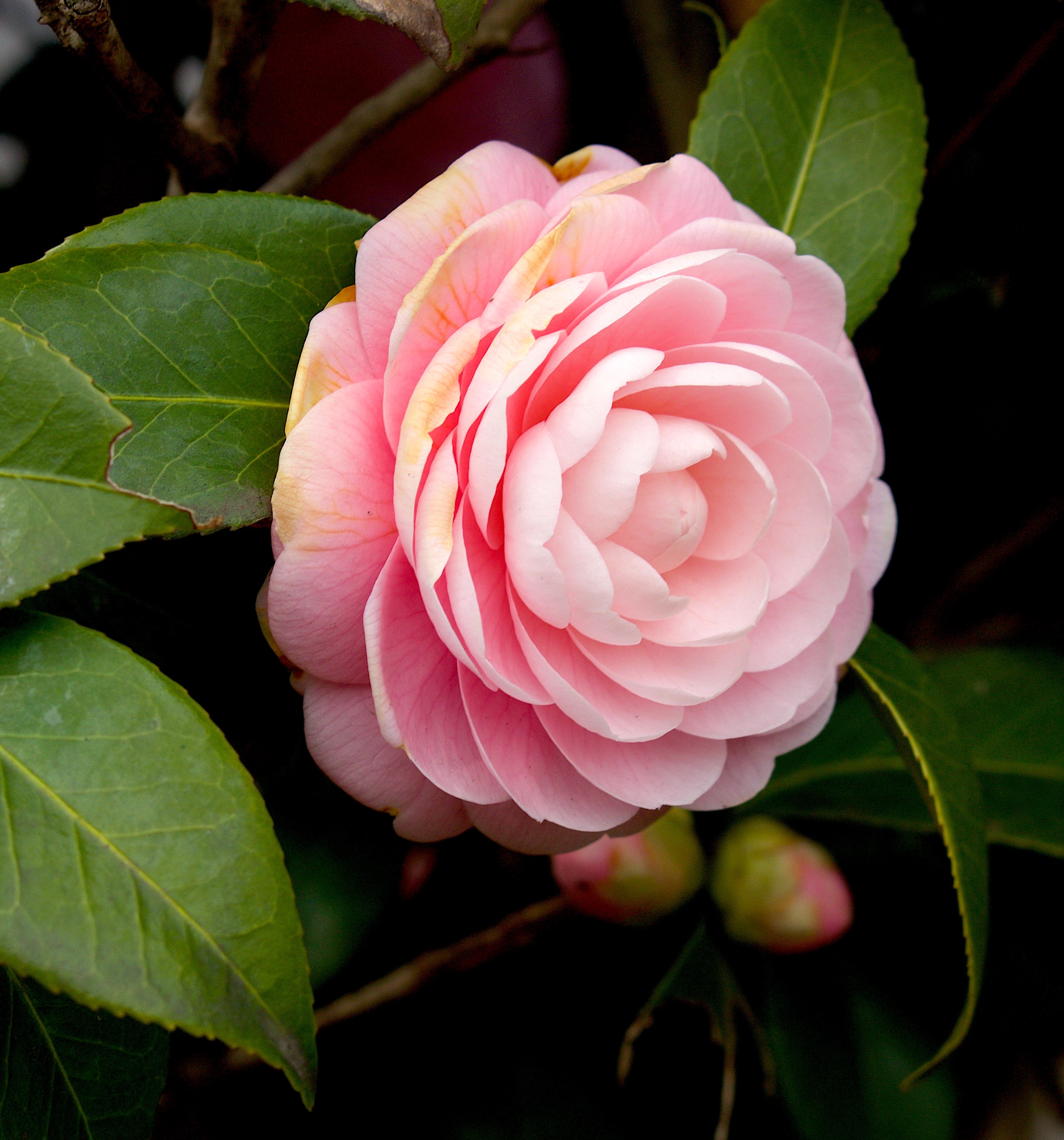
On windy days, full and ripe camellia blooms plop to the ground without warning, scattering about like a nubby floral throw rug. They are too bulky to step on, so the tendency is to pick a path around them, allowing them the dignity of a few more days before being swept off sidewalks.
In one sense, these fallen winter blossoms are holy messengers, gracing the paths the living must navigate. They are grounding for the passersby, a reminder our own time to let go will soon come. As we restlessly pursue our days and measure our steps, we respectfully make our way around their fading beauty.
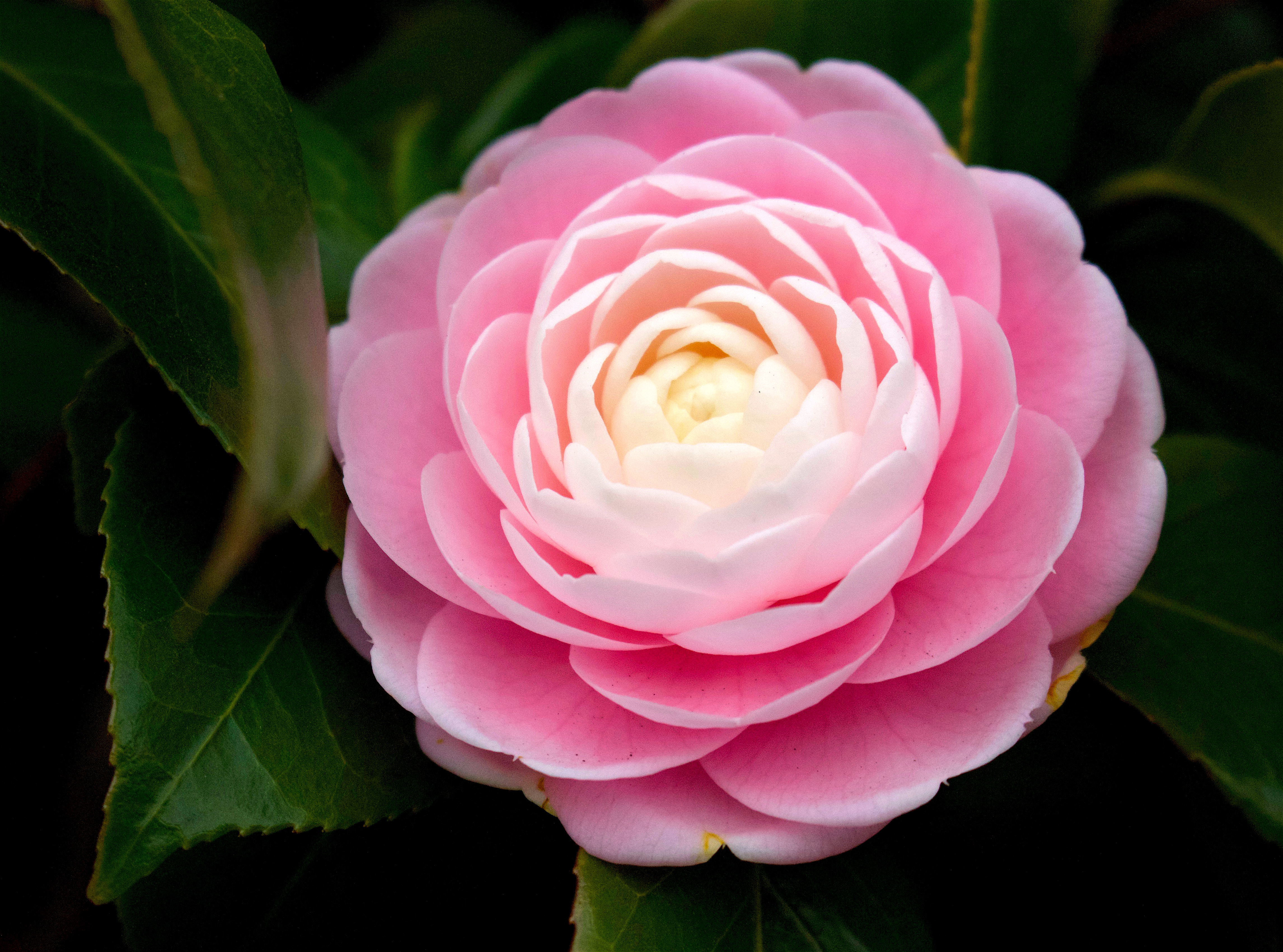
An unexpected blessing is bestowed in the camellia’s restlessness: in their budding, in their breaking open, in their full blooming, in their falling to earth, in their ebbing away.
The grass withers and the flowers fall, because the breath of the Lord blows on them. Surely the people are grass. The grass withers and the flowers fall, but the word of our God endures forever. Isaiah 40:7-8
Mortals, born of woman, are of few days and full of trouble. They spring up like flowers and wither away; like fleeting shadows, they do not endure. Do you fix your eye on them? Job 14: 1-3
This year’s Lenten theme:
…where you go I will go… Ruth 1:16
AI image created for this postAI image created for this post
One-Time
Monthly
Yearly
Make a one-time or recurring donation to support daily Barnstorming posts
What a piece of work is a man! …And yet, to me, what is this quintessence of dust? ~ William Shakespeare – Hamlet’s soliloquy
God – the God who made the dust, who made the stars, who made the elements of which we are composed – that same God chooses from the beginning to make his dwelling among us, to live for all time like us, as a servant of the soil. I am the dust of the earth, but God declares that he is not too good, not too proud, for my dustiness. ~Daniel Stulac fromPlough Quarterly No. 4: Earth
What I know for sure is this: We come from mystery and we return to mystery. I arrived here with no bad memories of wherever I’d come from, so I have no good reason to fear the place to which I’ll return. And I know this, too: Standing closer to the reality of death awakens my awe at the gift of life. ~Parker Palmer “On the Brink of Everything“
…I do nothing, I give You nothing. Yet You hold me
minute by minute from falling. ~Denise Levertov fromPsalm Fragments (Schnittke String Trio),in The Stream and the Sapphire
This dust left of man: earth, air, water and fire prove inadequate to quell the significance of how, in spoken words at the beginning, this dust became us, and how, forevermore, this is holy dust we leave behind.
We are held secure from falling by transcendent hope of eternal life, restored by a glory breathed into us – such a piece of work we are the plainest of ash.
This year’s Lenten theme:
…where you go I will go… Ruth 1:16
AI image created for this post
One-Time
Monthly
Yearly
Make a one-time or recurring donation to support daily Barnstorming posts
This is a litany to earth and ashes, to the dust of roads and vacant rooms, to the fine silt circling in a shaft of sun, settling indifferently on books and beds. This is a prayer to praise what we become, “Dust thou art, to dust thou shalt return.” Savor its taste—the bitterness of earth and ashes. ~Dana Gioia from “The Litany”
I will show you fear in a handful of dust. ~T.S. Eliot from “The Wasteland”
…let us be marked not for sorrow. And let us be marked not for shame. Let us be marked not for false humility or for thinking we are less than we are
but for claiming what God can do within the dust, within the dirt, within the stuff of which the world is made, and the stars that blaze in our bones, and the galaxies that spiral inside the smudge we bear. ~Jan Richardson from “Blessing the Dust”in Circle of Grace
God’s people are reminded today, through dust and ashes, that our stay here is temporary.
This reality recently became very clear to me. So I follow Christ where He goes, He paused to gather me in – one more lost sheep.
This earth quakes and floods and burns and shatters, as does my frail human heart in all its dustiness.
His light splinters, spilling into colors and hues through that misty veil -God’s people are smudged with no longer bitter ash, no longer opaque, but shining luminous and eternal and glorious.
This year’s Lenten theme:
…where you go I will go… Ruth 1:16
One-Time
Monthly
Yearly
Make a one-time or recurring donation to support daily Barnstorming posts
The heart of a woman goes forth with the dawn, As a lone bird, soft winging, so restlessly on, Afar o’er life’s turrets and vales does it roam In the wake of those echoes the heart calls home.
The heart of a woman falls back with the night, And enters some alien cage in its plight, And tries to forget it has dreamed of the stars While it breaks, breaks, breaks on the sheltering bars. ~Georgia Douglas Johnson “The Heart of a Woman” fromThe Heart of a Woman and Other Poems
Some mornings I’m not sure what else to do with my worry, so I fling my tender heart out ahead of me, hoping I might eventually catch up with it to bring it back home before nightfall.
Sometimes it is a race to see if anyone else rescues it first or if someone even notices it out there fluttering its way through the day, trying to stay aloft.
Perhaps, in its lonely flight, it will try winging its way home and there I’ll find it patiently waiting for me on the doorstep as I return empty-handed.
One-Time
Monthly
Yearly
Make a one-time or recurring donation to support daily Barnstorming posts
When we have died, and arms long empty of our memories, reach to know love’s pure and sacred touch, and to embrace a long sought, long anticipated place…
when we have gone the way of all the earth, and pain and sorrow are no more, not seen or heard or found, no more the discontent of place or time or any lesser haste, but only One whose love transcends our harsh and wearied days,
when we have died and gone and fallen fast asleep, and found the settled light and our so much a sweeter sacral rest, forever held in caring arms, yes, held now everlasting in a wonder of it all, then we have not gone down empty, we have not died alone. ~Henry Lewis from “When”
This event happened in 1975 while I was an undergraduate student researcher in Tanzania, East Africa, working alongside other researchers assisting Dr. Jane Goodall in her study of wild chimpanzees and baboons.
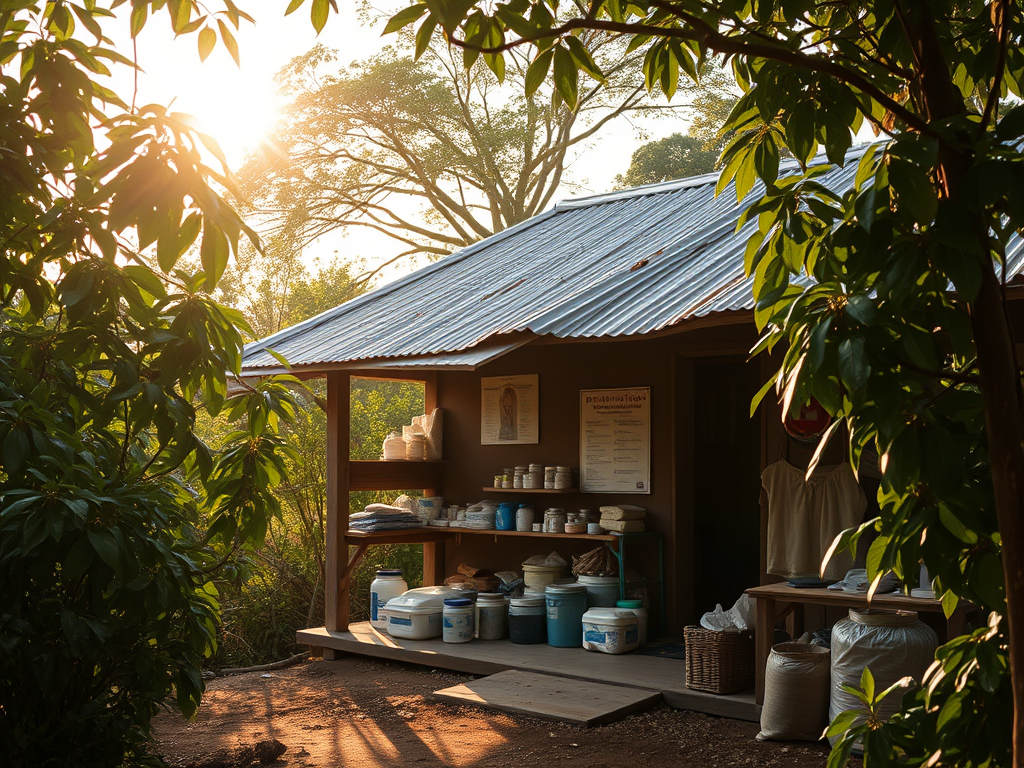
Several metal buildings were scattered along the shore at Gombe National Park, having been built over the years since Jane Goodall and her mother Vanne arrived on a bare beach in 1960. From the very beginning, one of the most powerful connections between these two British women and the Tanzanian villagers who lived up and down Lake Tanganyika was their provision of basic medical supplies and services when needed. Initially, under the cover of the camp tents, they tended to wounds, provided a few medications, and assisted whenever they were needed for help.
Later, an actual dispensary was built as part of the park buildings, with storage for first aid supplies and medications, many of which were traditional Chinese medications, in little boxes with Chinese characters, and no translation. All we had was a sheet of paper explaining if a medication was to be used for headaches, fevers, bleeding problems or infections.
There were “open” times in the dispensary and each of the research assistants took turns to see villagers as they came by to be seen for medical issues. We saw injuries that had never healed properly, some people with permanently crippled limbs, centipede bites that swelled legs, babies who were malnourished, malarial fevers.
It felt like so little to offer. None of us had medical training beyond first aid and CPR, but what small service we could provide was met with incredible gratitude.
So it wasn’t a surprise when a villager arrived one afternoon, running and out of breath, asking that we come right away to help. There had been a terrible accident up the beach when a water taxi engine exploded while transporting two dozen villagers, along with their provisions, including goats and chickens. As people rushed to get away from the engine fire, the roofed boat overturned, with everyone trapped among the boxes, unable to escape.
Even more tragic, Tanzanians were never taught to swim, so no one on shore could help in the rescue effort.
We dropped everything and six of us ran up the beach for a mile, and could see an overturned water taxi just off shore. The best swimmers went out and started searching for people who had been too long in the deep water. They began to pull the bloated bodies to shore, one by one, the lake water pouring from lifeless mouths and noses. All we could do was line them up side by side on the beach, trying to keep the biting flies from covering them, trying to make sense of what was so senseless. There were eight children of various ages, including two small babies, several older women, one pregnant woman, the rest men of all ages–twenty four souls in all, not a single survivor.
As a nurses’ aide, I had cared for the dying and helped to bathe their bodies after death, but I had never before seen so much death at once, and never a dead child.
Before long, relatives started arriving, their grief-stricken wails of loss filling the air on this remote African lakeshore. Husbands and wives wept, keening over a spouse. Children crouched, in shock, by a dead parent. Grandmothers clutched their dead children and grandchildren and would not let go.
We had saved no one. We had no power to bring them back to life.
We could only bear witness to the loss and grief with deep compassion for our neighbors who had come to depend on us to help. It became even clearer to me, in a way I had never understood before, how deep our need is for the mercy of God who is our only comfort when terrible things happen.
I have not forgotten those who were lost to the world that day fifty years ago. Still, all these years later, when I see photos of senseless violence and death, whether war or other disasters, I grieve for them anew with fresh tears, all over again.
Psalm 51: Have mercy, O God… according to your great compassion…
AI image created for this post
One-Time
Monthly
Yearly
Make a one-time or recurring donation to support daily Barnstorming posts




















 Barnstorming