It was beautiful as God must be beautiful: glacial eyes that had looked on violence and come to terms with it; a body too huge and majestic for the cage in which it had been put; up and down in the shadow of its own bulk it went lifting, as it turned, the crumpled flower of its face to look into my own face without seeing me. It was the colour of the moonlight on snow and as quiet as moonlight, but breathing as you can imagine that God breaths within the confines of our definition of him, agonizing over immensities that will not return. ~R.S. Thomas “The White Tiger”
There are nights that are so still that I can hear the small owl calling far off and a fox barking miles away. It is then that I lie in the lean hours awake listening to the swell born somewhere in the Atlantic rising and falling, rising and falling wave on wave on the long shore by the village that is without light and companionless. And the thought comes of that other being who is awake, too, letting our prayers break on him, not like this for a few hours, but for days, years, for eternity. ~R.S.Thomas “The Other”
Angels, where you soar Up to God’s own light, Take my own lost bird On your hearts tonight; And as grief once more Mounts to heaven and sings, Let my love be heard Whispering in your wings. ~Alfred Noyes “A Prayer”
We confine and cage our concept of God, trying to understand His power and beauty within our limited world. He tells us what He is capable of, yet we diminish His immensity to only what we are able to fathom.
He is an eternal mystery, allowing our beseeching prayers to break over Him again and again and again.
Our grief is carried on wings to God, our prayers desperate for His breath and comfort.
Let our love be heard, let our love be heard, let our love be heard –always and forever.
One-Time
Monthly
Yearly
Make a one-time or recurring donation to support daily Barnstorming posts
Only in sleep I see their faces, Children I played with when I was a child, Louise comes back with her brown hair braided, Annie with ringlets warm and wild.
Only in sleep Time is forgotten — What may have come to them, who can know? Yet we played last night as long ago, And the doll-house stood at the turn of the stair.
The years had not sharpened their smooth round faces, I met their eyes and found them mild — Do they, too, dream of me, I wonder, And for them am I too a child? ~Sara Teasdale “Only in Sleep”
When to the garden of untroubled thought I came of late, and saw the open door, And wished again to enter, and explore The sweet, wild ways with stainless bloom inwrought, And bowers of innocence with beauty fraught, It seemed some purer voice must speak before I dared to tread that garden loved of yore, That Eden lost unknown and found unsought.
Then just within the gate I saw a child,— A stranger-child, yet to my heart most dear,— Who held his hands to me, and softly smiled With eyes that knew no shade of sin or fear: “Come in,” he said, “and play awhile with me; I am the little child you used to be.” ~Henry van Dyke, “A Child in the Garden” from The Poems of Henry van Dyke
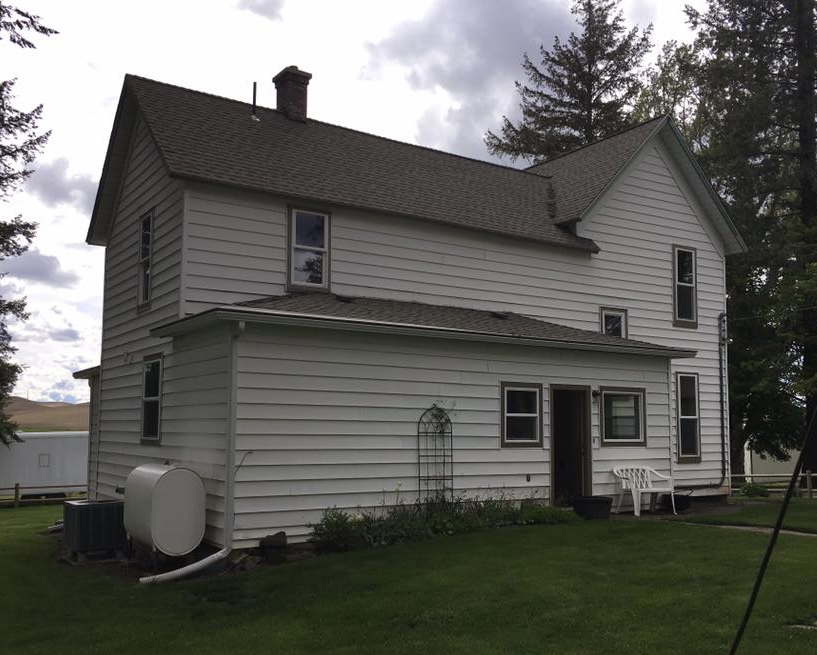
My childhood home is painted a different color but so familiar as we drive slowly by, full of memories of laughter and games with friends, long winter days of sledding and longer summer evenings playing hide and seek and kick the can.
Back then, I wrote notes to my future self, left them in hiding places, a diary of sorts to preserve those days. I still remember what I wrote.
My child’s heart tried to imagine itself decades hence, what fears and joys would I pass through, what wounds would I bear and bleed, what love and tears would trace my face?
I have not forgotten. No, I have never forgotten the child I was ~ she is me, as I was, and, deep down, still am.
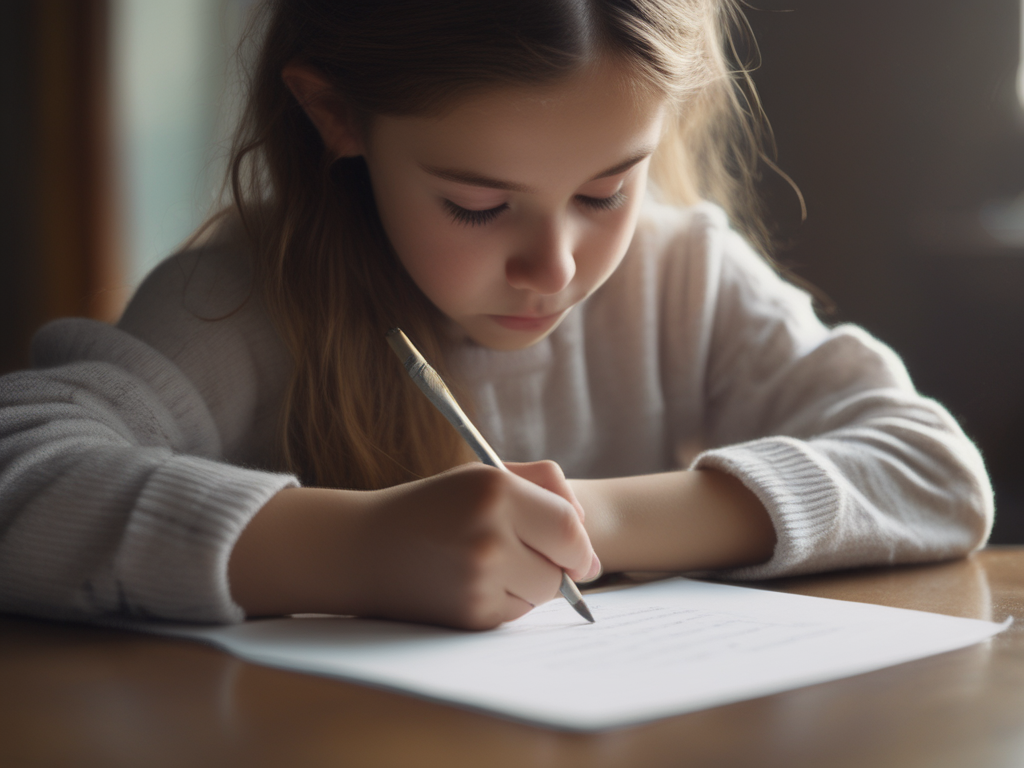
AI image created for this post
One-Time
Monthly
Yearly
Make a one-time or recurring donation to support daily Barnstorming posts
With a heavy heart and prayers for those who have lost their homes and livelihoods in the fires in southern California – the love that lights a home from within will never end up in ashes
We need to separate to see the life we’ve made, to leave our house where someone waits, patiently, warm beneath the sheets, to don layers of armor, sweater, coat, mittens, scarf, to stride down the frozen road, putting distance between us this cold winter morning, to look back and see, on the hilltop, our life, lit from inside. ~Laura Foley “To See It” from It’s This
Our bedroom suffused in a dark dawn’s ethereal glow from a moon-white sky, mixing a million stars and snowflakes
A snow light covers all, settling gently around us, tucking in the drifting corners of a downy comforter
I take a moment to watch you sleep, your slow even breaths and peaceful face- grateful for each day and night I spend with you.
I know you know ~ we remind each other in many ways, to never forget.
What blessing comes from a love lit from within – thriving in the dark of night, yet never shining brighter than in the delights and daylights of a new morning together.
One-Time
Monthly
Yearly
Make a one-time or recurring donation to support daily Barnstorming posts
Make a monthly donation
Make a yearly donation
Choose an amount
$10.00
$25.00
$50.00
$5.00
$15.00
$100.00
$5.00
$15.00
$100.00
Or enter a custom amount
$
Your contribution is deeply appreciated to help offset the costs in maintaining an ad-free website.
Have you ever noticed how much of Christ’s life was spent in doing kind things – in merely doing kind things? … he spent a great proportion of his time simply in making people happy, in doing good turns to people.
There is only one thing greater than happiness in the world, and that is holiness; and it is not in our keeping. But what God has put in our power is the happiness of those about us, and that is largely to be secured by our being kind to them.…
I wonder why it is that we are not all kinder than we are. How much the world needs it. How easily it is done. How instantaneously it acts. How infallibly it is remembered. ~Henry Drummond from The Greatest Thing in the World
Mostly, I want to be kind. And nobody, of course, is kind, or mean, for a simple reason. ~Mary Oliver from “Dogfish”
I’ve been thinking about the way, when you walk down a crowded aisle, people pull in their legs to let you by. Or how strangers still say “bless you” when someone sneezes, a leftover from the Bubonic plague. “Don’t die,” we are saying. And sometimes, when you spill lemons from your grocery bag, someone else will help you pick them up. Mostly, we don’t want to harm each other. We want to be handed our cup of coffee hot, and to say thank you to the person handing it. To smile at them and for them to smile back. For the waitress to call us honey when she sets down the bowl of clam chowder, and for the driver in the red pick-up truck to let us pass. We have so little of each other, now. So far from tribe and fire. Only these brief moments of exchange. What if they are the true dwelling of the holy, these fleeting temples we make together when we say, “Here, have my seat,” “Go ahead — you first,” “I like your hat.” ~Danusha Laméris “Small Kindnesses”
Be kind, for everyone you meet is fighting a harder battle. ~Plato
I have found that it is the small everyday deeds of ordinary folks that keep the darkness at bay. Small acts of kindness and love. ~ J.R.R. Tolkien from “The Hobbit”
It is tender kindness I miss most these days in this world aflame with anger and violence, distrust and bitterness, resentment and suspicion and plain old cussed stubbornness.
There is true holiness in moments of kindness: I notice it now more than ever. I am given infinite daily opportunities to show kindness to others and when I’m preoccupied, too inside my own head, or feeling too injured myself, I usually walk by without even trying.
Yet when kindness is shown to me, I don’t forget it – it permeates me like a homespun apple pie fragrance that lingers around me, comforting and welcoming me home when I feel alone and a stranger in the world.
I remember all the kindnesses shown to me over the years and always carry them with me. When I have an opportunity in a brief encounter to show kindness, I want to help make someone else feel noticed and special. I want them to feel like they belong, right in that moment.
This daily sharing of words and photos is one way I try to give back what I have been gifted from others over the years. During the two or three minutes you look at what I offer here daily, I want you to know:
– you belong here – I am forever grateful for you – your words and support enrich me.
Thank you for spending some of your precious time with me.
The clouds are low as a blanket. Even the air is tangible, and the steam from the kettle thickens the air like wool. Harvest is full on us; the pressure to preserve builds like a thunderhead.
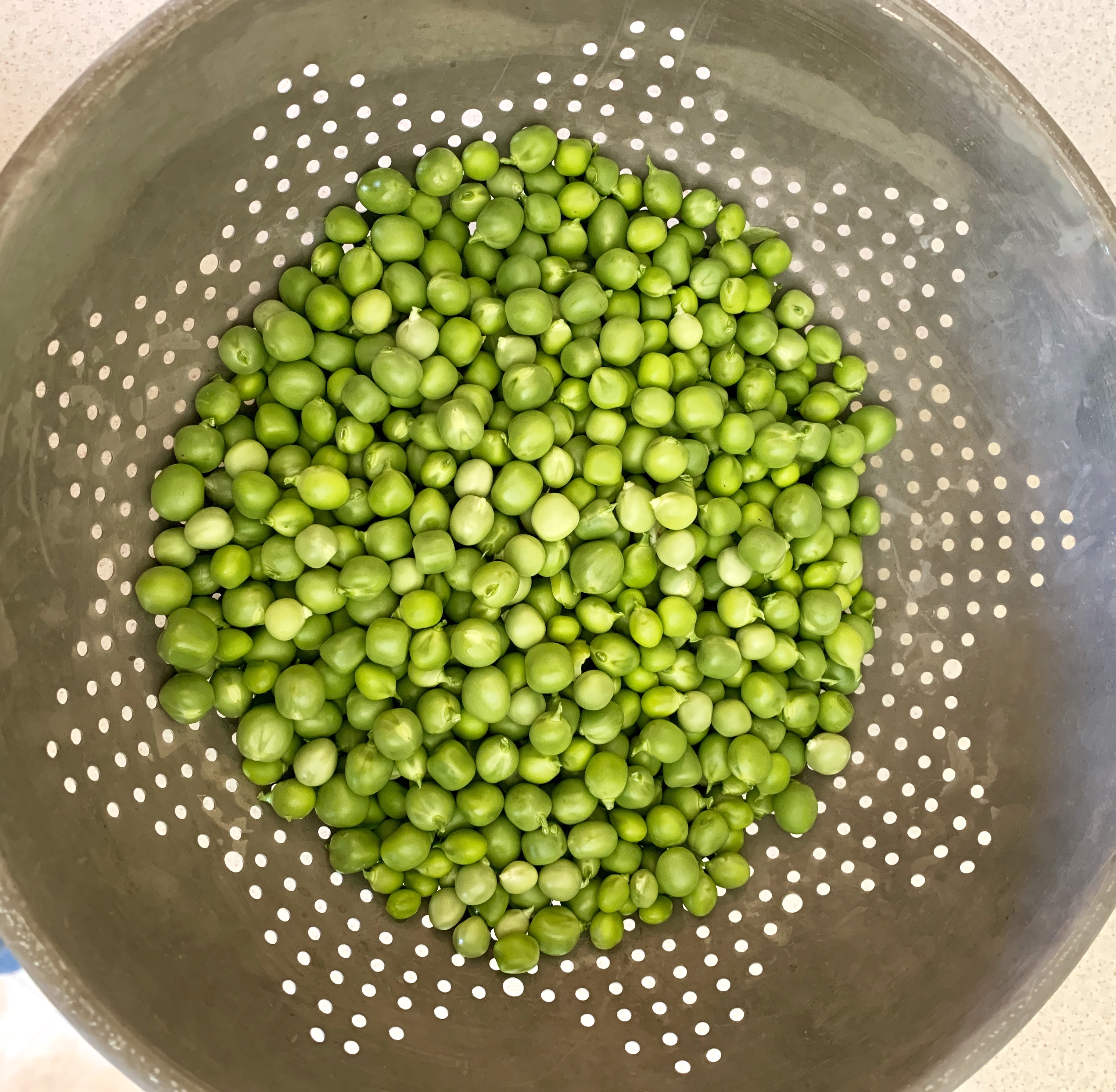
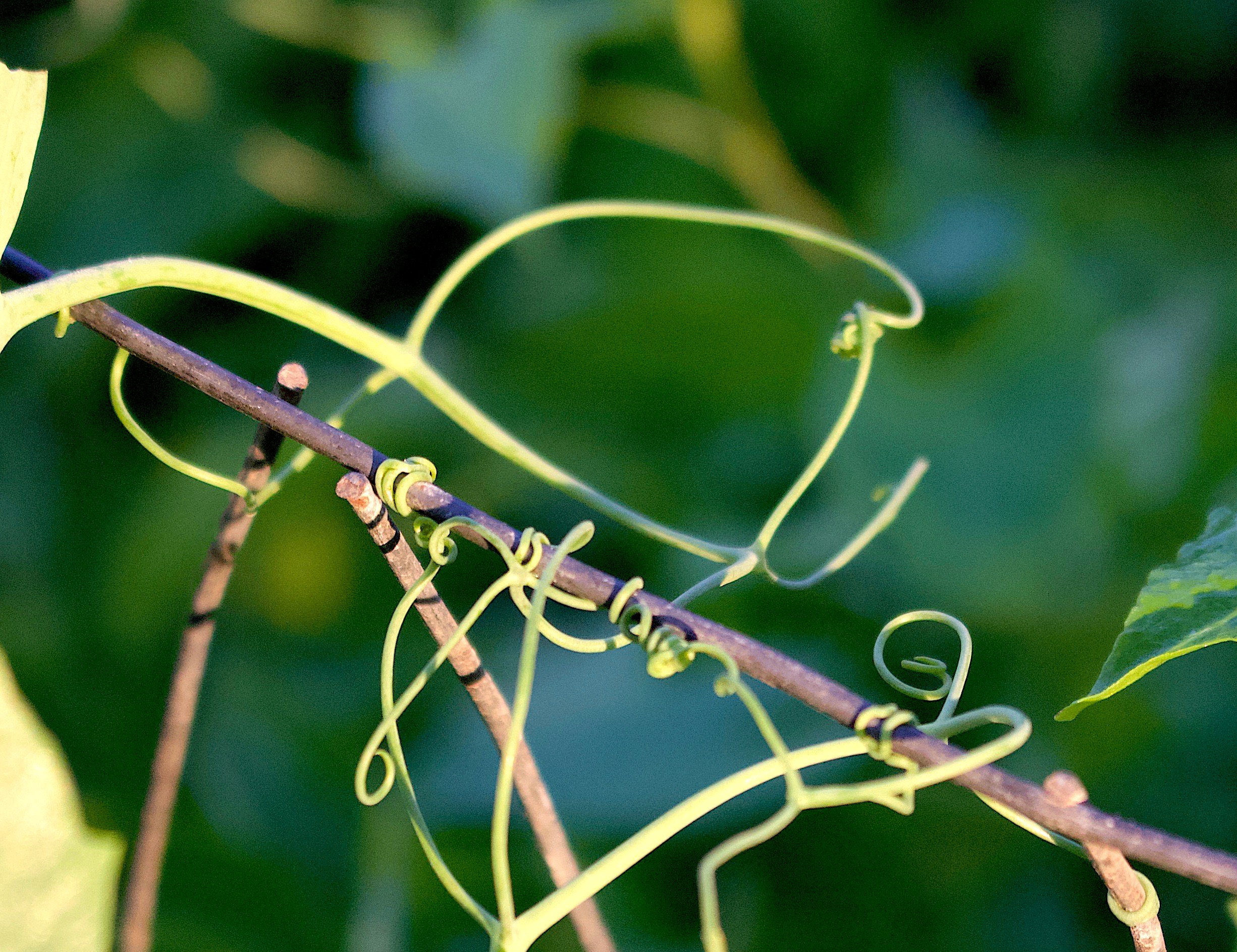
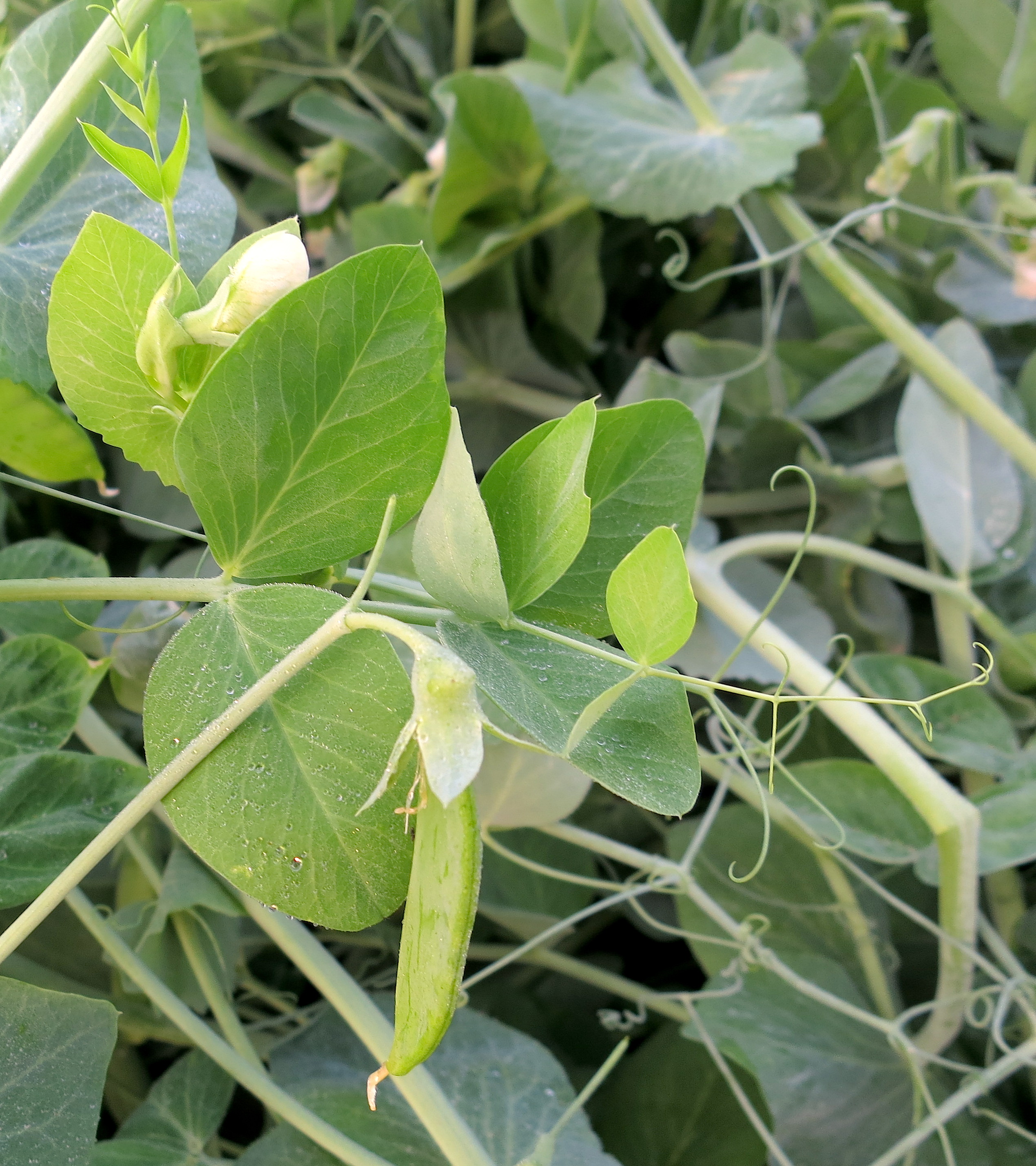
Shelling peas is fun at first, slitting open the perfect pods, working in rhythm to the pelter of peas ringing in the pot. But then our arms and shoulders ache, the seeds rattle, hollow as bones, and though we should rejoice, another bushel groans before us.
But there in the blancher, the new peas shine fresh and wet, green as emeralds; summer’s sweetness, to be shelved with the long ripe days, eaten with relish, as the butter and juice run in our mouths rare as dandelion wine. ~Barbara Crooker “Putting Up”
My earliest childhood memories include the taste and smell of fresh peas. We lived in farming country north of Seattle where 50 years ago hundreds of acres of peas were grown for canning and freezing. During the harvest, large pea harvesting machines would arrive for several days and travel down the road in caravans of 10 or 12, going from farm to farm to farm. They worked 24 hours a day to harvest as quickly as possible and traveled the roads late at night because they were so huge, they would take up both lanes of the country roads. Inevitably a string of cars would form behind the pea harvesters, unable to pass, so it became a grand annual parade celebrating the humble pea.
The smell in the air when the fields were harvested was indescribable except to say it was most definitely a “green” and deliciously fresh smell. The vines and pods would end up as silage for cattle and the peas would be separated to go to the cannery. I figured those peas were destined for the city dwellers because in our back yard garden, we grew plenty of our own.
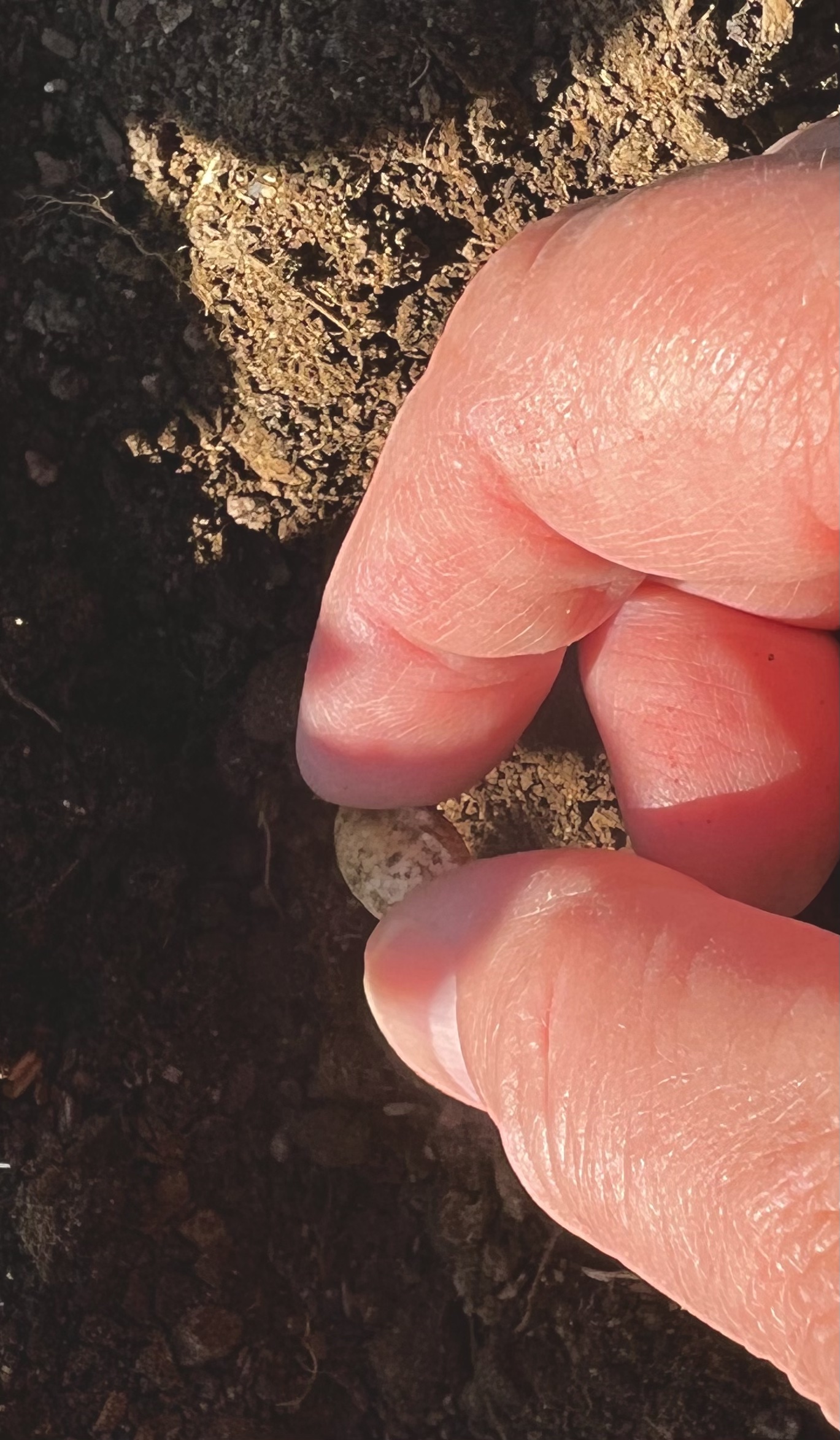
Pea seeds, wrinkled and frankly a little boring, could be planted even before the last frost was done with us in March, or even sometimes on Washington’s birthday in February. The soil needed to not be frozen and not be sopping. True, the seeds might sit still for a few weeks, unwilling to risk germination until the coast was clear and soil warmed a bit, but once they were up out of the ground, there was no stopping them. We would generally have several rotations growing, in the hope of a 6 week pea eating season if we were fortunate, before the heat and worms claimed the vines and the pods.
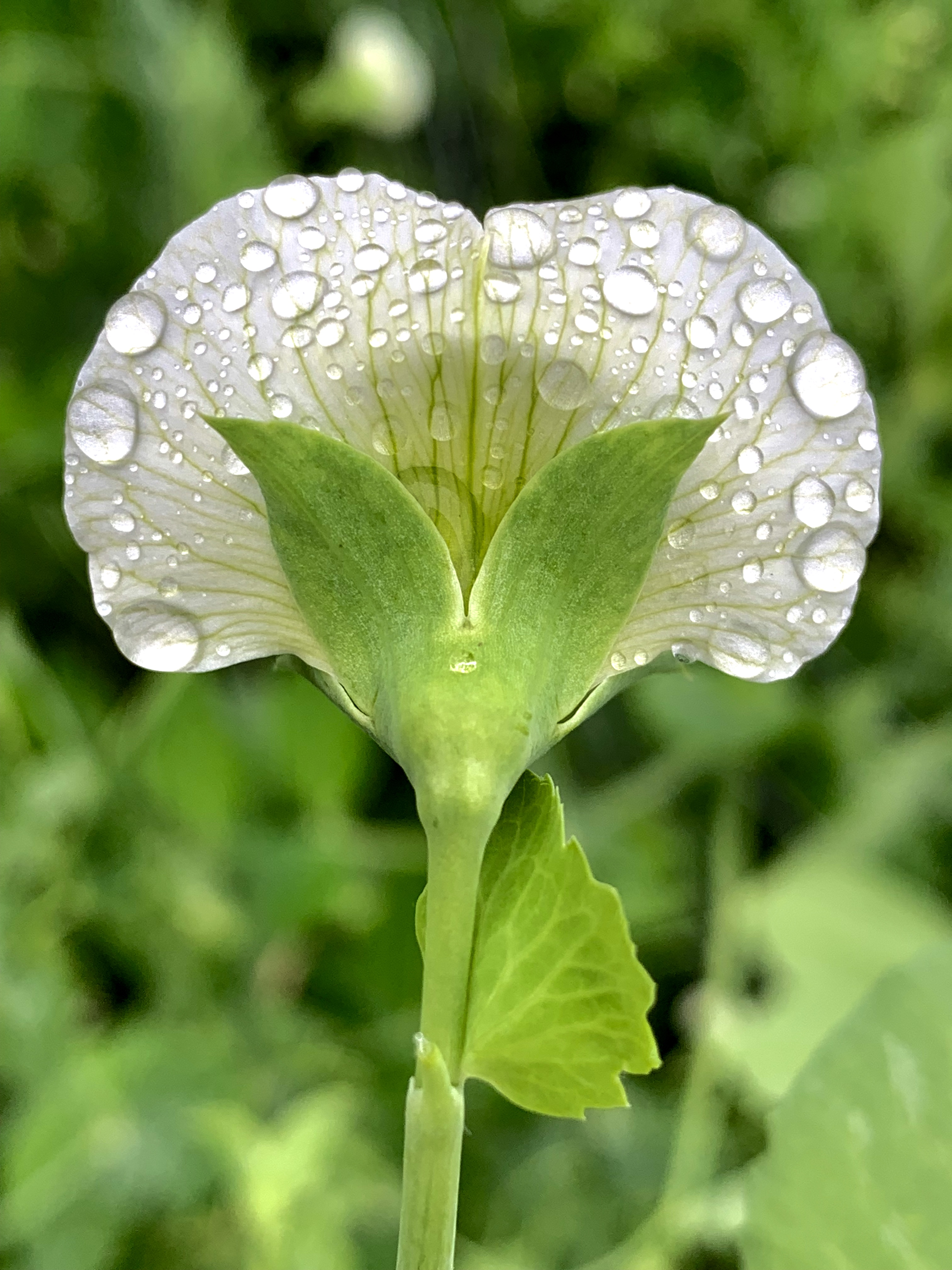
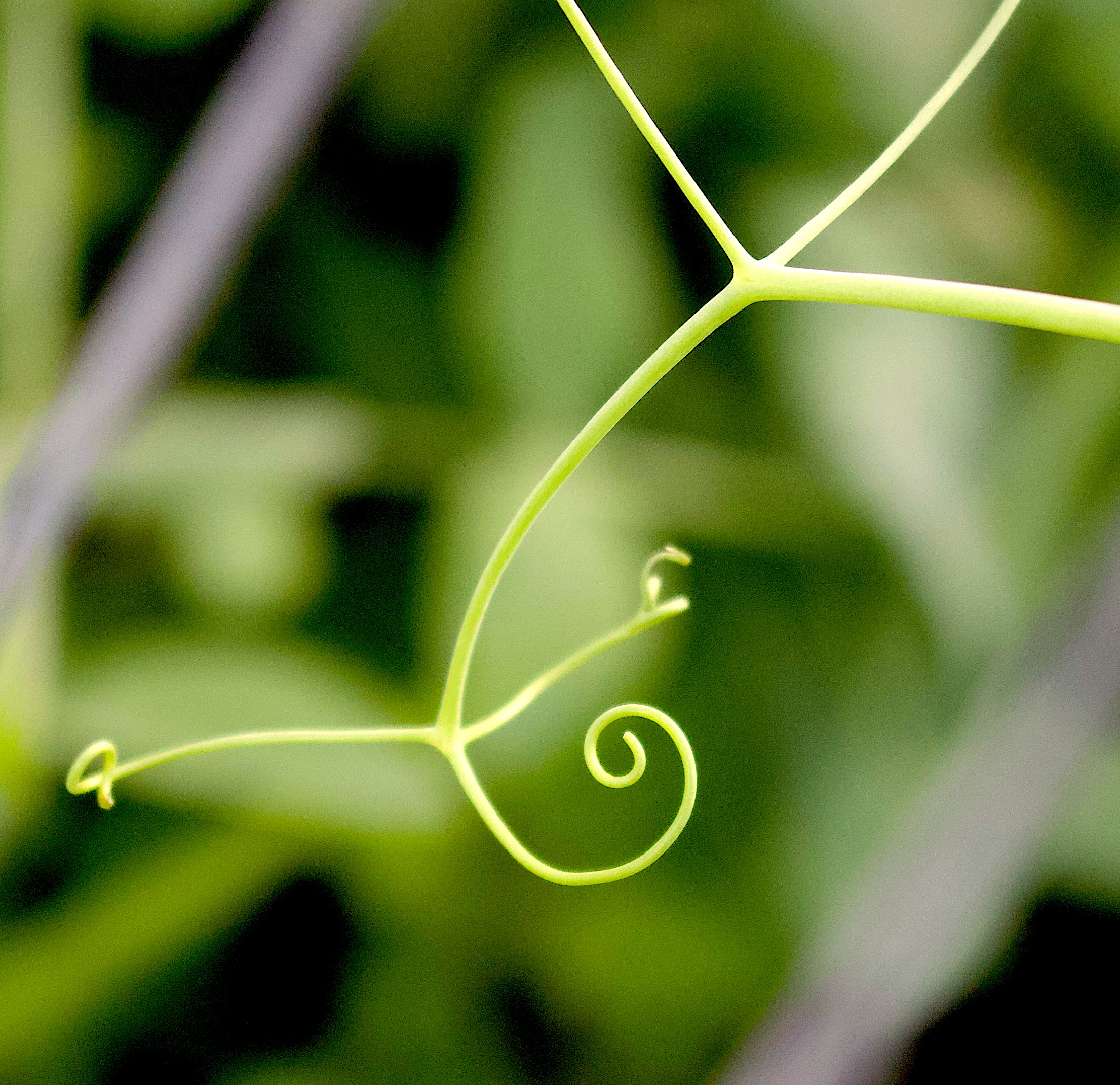
We always planted telephone peas, so the support of the vines was crucial–we used hay twine run up and down between two taut smooth wires attached high and low between two wooden posts. The vines could climb 6 feet tall or better and it was fascinating to almost literally watch the pea tendrils wind their way around the strings (and each other), erotically clinging and wrapping themselves in their enthusiasm.
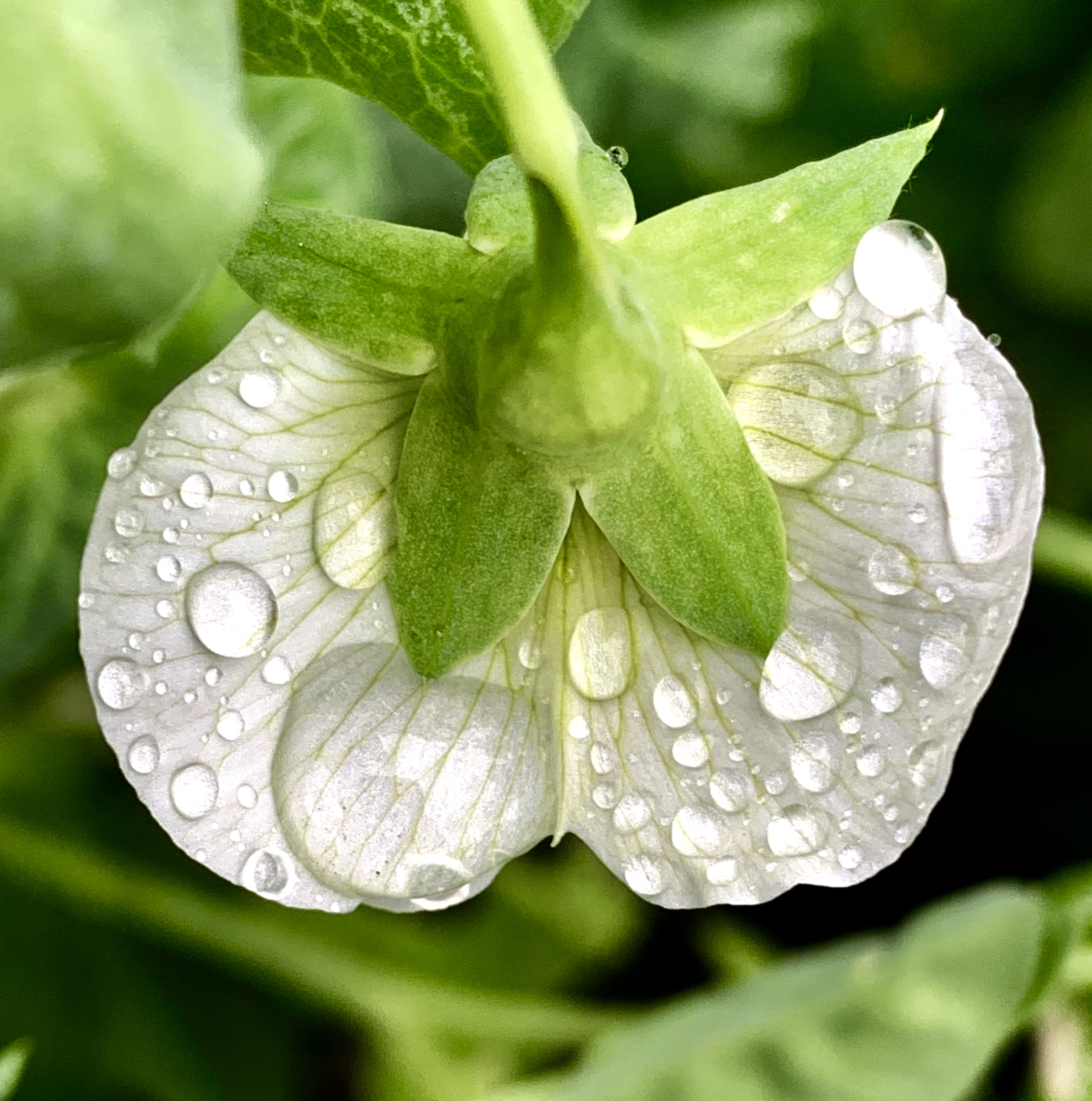
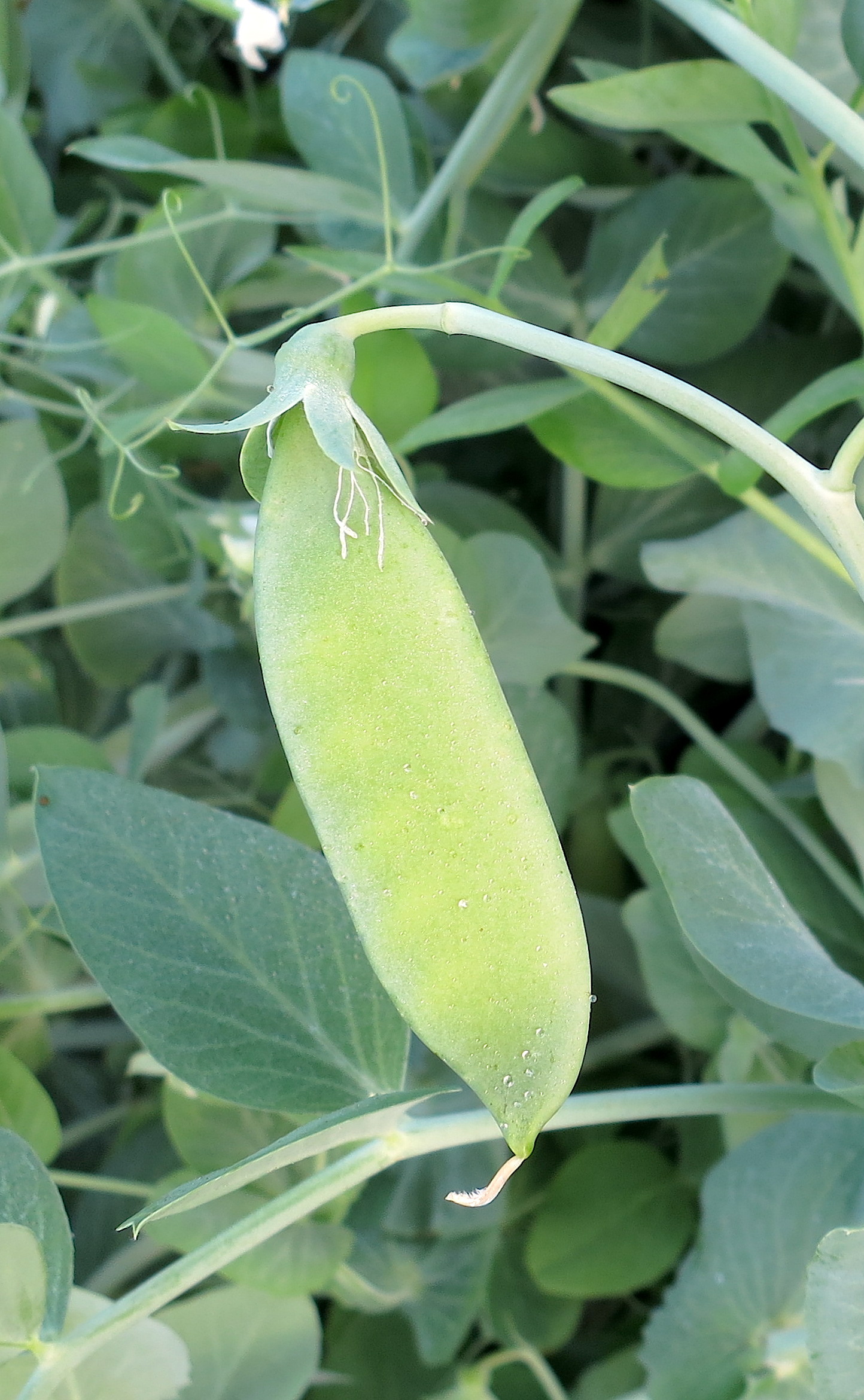
Once the pods start to form, impatience begins. I’d be out in the garden every day copping feels, looking for that first plump pod to pick and pop open. It never failed that I would pick too soon, and open a pod to find only weenie little peas, barely with enough substance to taste. Within a day or two, however, the harvest would be overwhelming, so we’d have to pick early in the morning while the peas were still cool from the night dew.
Then it was shelling time, which involved several siblings on a back porch, one mother supervising from a distance to make sure there weren’t too many peas being pelted in pique at an annoying little brother, and lots of bowls to catch the peas and the pods. A big paper sack of intact pods would yield only a few cups of peas, so this was great labor for small yield. Opening a pod of peas is extremely satisfying though; there is a tiny audible “pop” when the pod is pressed at the bottom, and then as your thumb runs down the inner seam of the pod loosening all the peas, they make a dozen little “pings” in the bowl when they fall. A symphony of pea shelling often was accompanied by the Beach Boys and the Beatles.
Once the weather got hot, the pea worms would be at work in the pods, so then one encountered wiggly white larvae with little black heads and their webs inside the pods. We actually had a “Wormie” song we sung when we found one, even in the 60’s recognizing that our organic garden meant sharing the harvest with crawling protein critters. The peas would be bored through, like a hollowed out jack o’lantern, so those got dumped in the discard bowl.
The dull green coat of the raw pea turns bright green during the several minutes of blanching in boiling water, then they are plunged into ice water until cool and packed in ziplock bags. Those peas are welcomed to the table during the other 11 months out of the year, sometimes mixed with carrots, sometimes with mushrooms, sometimes chased with a little fresh garlic. They are simply the most lovely food there is other than chocolate.
From an undistinguished pea seed to intricate vines and coiling tendrils–from pregnant pods bursting at the seams to a bounty at meals: the humble pea does indeed deserve a grand parade in the middle of the night.
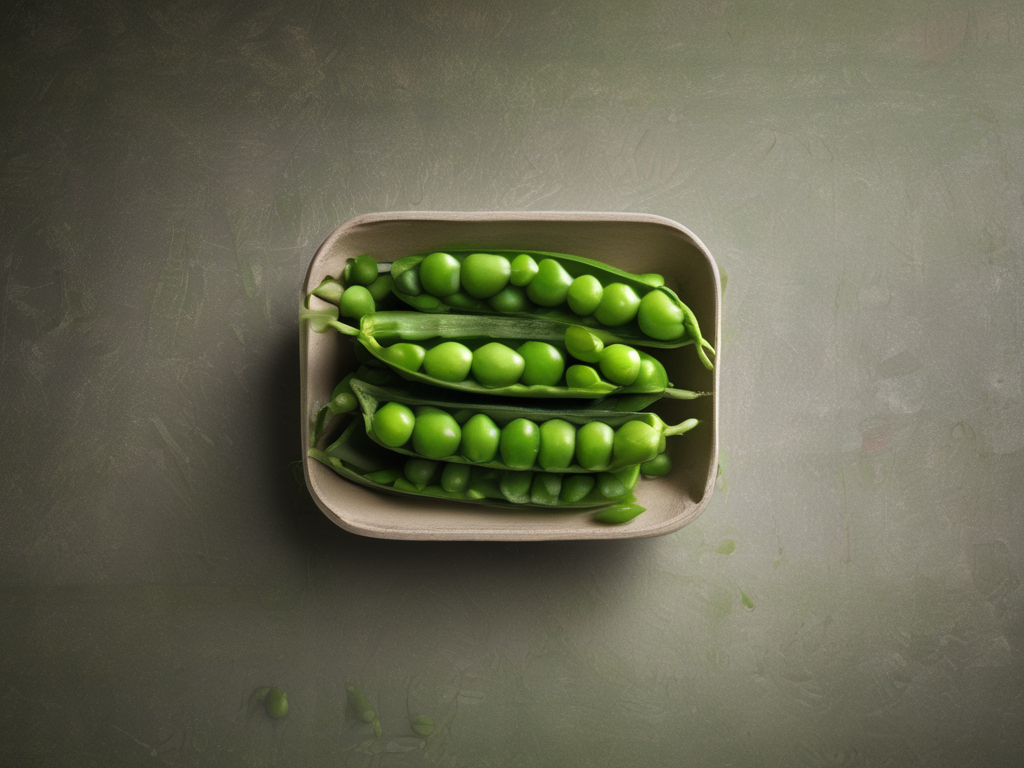
AI image generated for this post
One-Time
Monthly
Yearly
Make a one-time or recurring donation to support daily Barnstorming posts
Who loves the rain And loves his home, And looks on life with quiet eyes, Him will I follow through the storm; And at his hearth-fire keep me warm; Nor hell nor heaven shall that soul surprise, Who loves the rain, And loves his home, And looks on life with quiet eyes. ~Frances Shaw, “Who loves the rain” from Look To the Rainbow of Grace
Now more than ever you can be generous toward each day that comes, young, to disappear forever, and yet remain unaging in the mind. Every day you have less reason not to give yourself away. ~Wendell Berry from “There is no going back”
Thinking out loud on this day you were born, I thank God yet again for bringing you to earth so we could meet, raise three amazing children, and walk this journey together with pulse and breath and dreams.
The boy you were became the man you are: so blessed by God, needed by your family, church and community.
You give yourself away every day with such grace, loved by your children and grandchildren.
It was your quiet brown eyes I trusted first and just knew I’d follow you anywhere and I have.
In this journey together, we inhabit each other, however long may be the road we travel; you have become the air I breathe, refreshing, renewing, restoring~~ you are that necessary to me, and that beloved.
One-Time
Monthly
Yearly
Make a one-time or recurring donation to support daily Barnstorming posts
I have a brief confession that I would like to make. If I don’t get it off my chest I’m sure my heart will break.
I didn’t do my reading. I watched TV instead— while munching cookies, cakes, and chips and cinnamon raisin bread.
I didn’t wash the dishes. I didn’t clean the mess. Now there are roaches eating crumbs— a million, more or less.
I didn’t turn the TV off. I didn’t shut the light. Just think of all the energy I wasted through the night.
I feel so very guilty. I did a lousy job. I hope my students don’t find out that I am such a slob. ~Bruce Lansky “Confession”
Summertime visits to our cousin Joe’s farm were always greatly anticipated. We would be allowed several days of freedom exploring the fields and barns, playing hide and seek, reading comic books and Mad Magazines that we never had at our own house.
In addition, we got to play with Joe’s cap guns. These noisy little pistols had the ability to make a pop from the roll of “caps” inserted inside. They seemed far more authentic than any of the squirt guns we played with at home.
But I was a girl. I got tired of the cowboy or war shooting games quickly. There is only so much popping you can do and it just isn’t that fun any more. I was bored with my brother playing with the guns endlessly so one day I simply put an end to it by pocketing the last roll of caps in my jacket, thinking I’d slip them back into Joe’s bedroom the next day before we left for home.
It wasn’t until we were home several days later that I was reminded in the middle of breakfast about the roll of caps when my mother came out of the laundry room dangling the coil of dots up for me to see.
“What are these doing in your jacket pocket?” she asked. I swallowed my cheerios down hard, nearly choking.
“Guess they belong to Joe.” I said, not meeting her gaze.
“He gave them to you?”
“Um, not exactly.”
“You took them?”
“Guess so.”
“Does he know you have them?”
“Not exactly.” I started to cry. I didn’t even want the stupid things, had no way to use them and didn’t even like them. But I took them. In fact, I stole them.
She put the roll on the kitchen table in front of me, set a big envelope and a piece of paper and a pencil down in front of me and told me to write an apology to my cousin Joe, as well as my aunt and uncle. The note would be wrapped around the roll of caps and mailed to them that day.
I was mortified at being caught with ill-gotten gains. How could I confess this thing I did? How would I ever make it right with my cousin? How would he ever trust me again, and how would my aunt and uncle ever allow me to come visit again?
I wrote each word slowly and painfully, the note paper oozing the guilt I felt.
“Joe, I’m sorry that I took your roll of caps without asking you. I put them in my pocket where they didn’t belong and forgot about them. But that was wrong. I have never taken anything that wasn’t mine before and I never will again. I’m very very sorry.”
My mother read it, nodded, sealed up the envelope with the roll of caps inside, put on stamps and we walked out to the mailbox together to mail it. My stomach hurt and I didn’t think I’d feel okay ever again.
Three days later, my aunt wrote me back:
“Thank you for returning Joe’s caps. Sometimes we must learn hard lessons about doing the right thing. Joe accepts your apology and has learned from your example. He’s relieved he didn’t lose them as he has to earn the money to pay for them with his allowance. We’re looking forward to your next visit! Much love to you.”
Instantly I felt much better. I now understood the relief of apology and the healing of confession.
But most of all, I’ve never forgotten the sweetness of forgiveness.
One-Time
Monthly
Yearly
Make a one-time or recurring donation to support daily Barnstorming posts
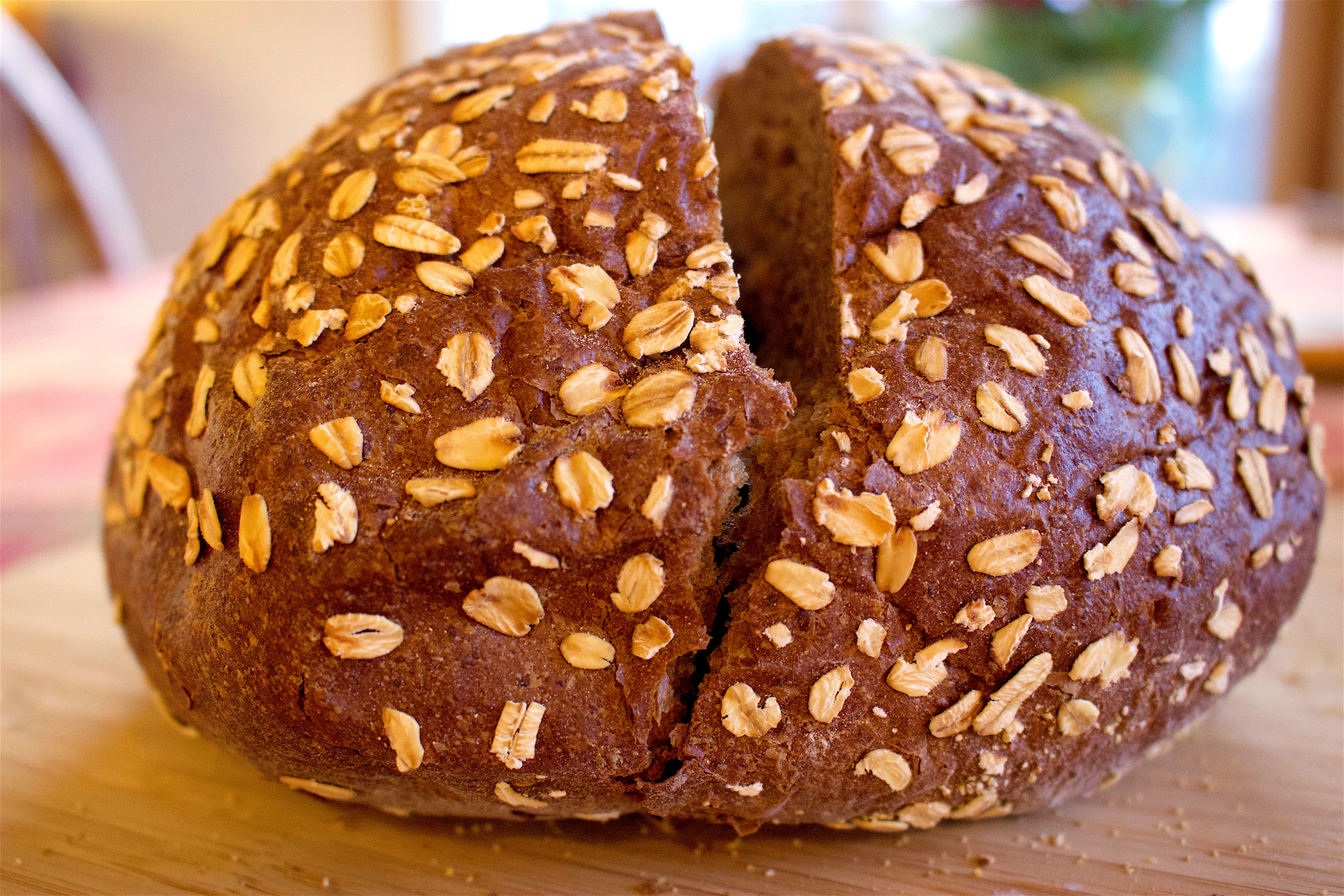
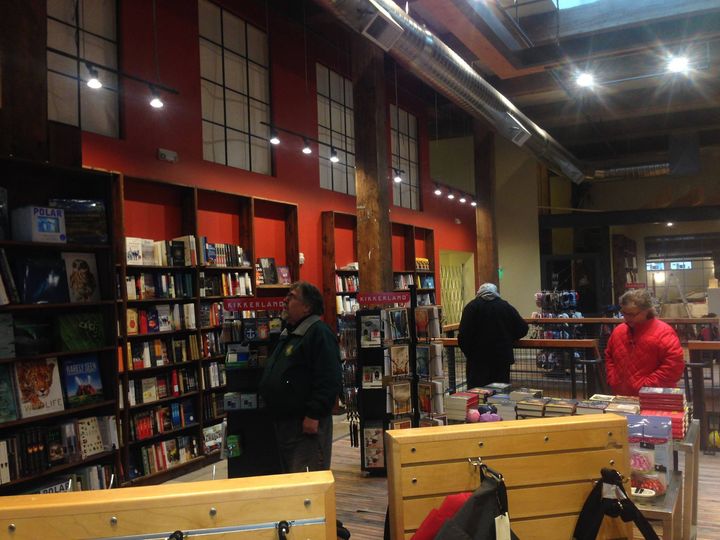
Just looking at them I grow greedy, as if they were freshly baked loaves waiting on their shelves to be broken open—that one and that—and I make my choice in a mood of exalted luck, browsing among them like a cow in sweetest pasture.
For life is continuous as long as they wait to be read—these inked paths opening into the future, page after page, every book its own receding horizon. And I hold them, one in each hand, a curious ballast weighting me here to the earth. ~Linda Pastan “The Bookstall” from Carnival Evening
…for people who love books and need To touch them, open them, browse for a while, And find some common good––that’s why we read. Readers and writers are two sides of the same gold coin. You write and I read and in that moment I find A union more perfect than any club I could join: The simple intimacy of being one mind. Here in a book-filled sun-lit room below the street, Strangers––some living, some dead––are hoping to meet. ~Garrison Keillor
You know who you are.
You are the person who stockpiles stacks of books on the bedside table and next to your favorite chair.
The person who sacrifices sleep to read just one more page.
The person who reads the cereal box when nothing else is available near the breakfast table.
The girl who falls into an uncovered manhole walking down a busy street while reading.
The objects of your affection may be as precious as the Book of Kells.
or as sappy as an Archie and Jughead comic book.
It’s the words, the words, that keep zipping by, telegraphing
an urgent message:What’s next? What’s next? ~Lois Edstrom “Bookworm” from Almanac of Quiet Days
Most of my life has been a reading rather than a writing life. For too many decades, I spent most of my time reading scientific and medical journals, to keep up with the changing knowledge in my profession. Even as a retired physician, I try to spend an hour a day reading medical articles but now have the time to dabble in books of memoir, biography, poetry and the occasional novel.
As a reader, I am no longer a stranger to the author or poet whose words I read. In a few instances, I’ve had the honor and privilege to meet my favorite authors in real life and to interact with them on line. Some are friends on the page as well as in my life.
I am no longer a stranger to many of you who read my words here on Barnstorming every day – I have been able to meet a number of you over the years. There is no greater privilege than to share our stories with one another.
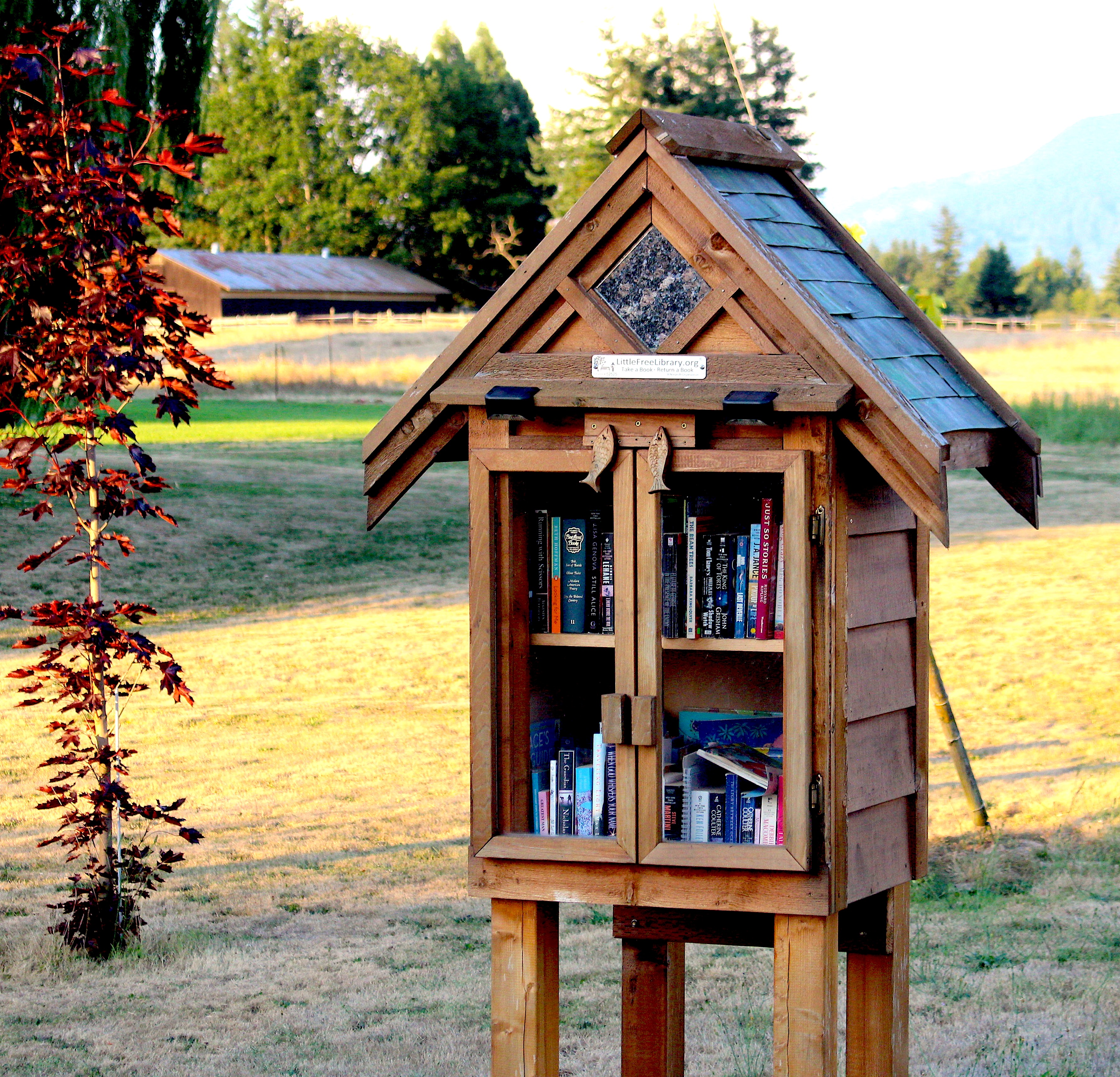
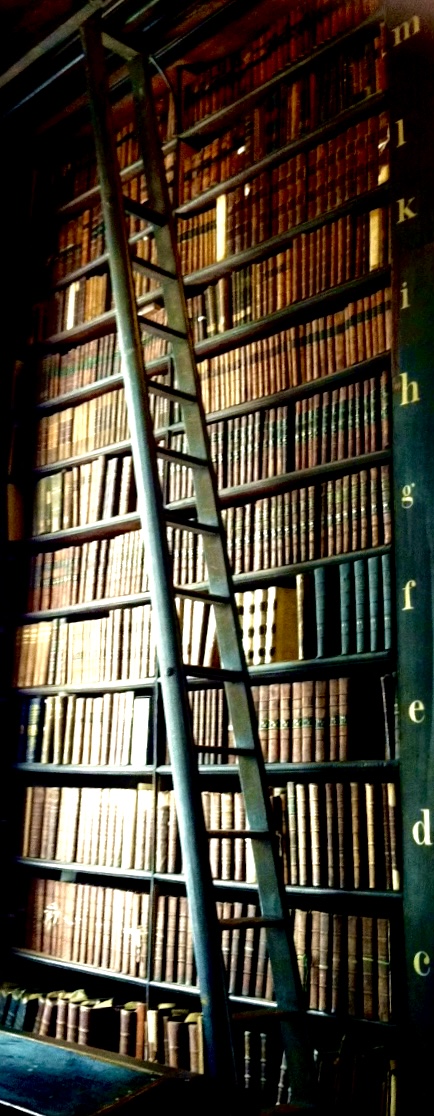
No matter where I discover books – in an independent bookstore, in a little free library standing along the roadside, or inside the world’s treasured libraries filled with books of antiquity – I seek out the privileged sanctuary of turning page after page written by those who graciously give me a glimpse of their inner world.
If librarians were honest, they would say, No one spends time here without being changed. Maybe you should go home. While you still can. ~Joseph Mills from “If Librarians Were Honest”
One-Time
Monthly
Yearly
Make a one-time or recurring donation to support daily Barnstorming posts
Be silent. Be still. Alone. Empty Before your God. Say nothing. Ask nothing. Be silent. Be still. Let your God look upon you. That is all. God knows. God understands. God loves you With an enormous love, And only wants To look upon you With that love. Quiet. Still. Be.
On a Sabbath day, I try to be still and silent but fail miserably in my attempts to rest. So much to do, so much to fix, so much to say.
I have forgotten the original reason for the seventh day.
God simply wanted to look down at what He made, declare it good and love it.
The least I can do is stop what I’m doing, look up, hold still and listen…
1 O love of God, how strong and true, eternal and yet ever new, uncomprehended and unbought, beyond all knowledge and all thought! O love of God, how deep and great, far deeper than man’s deepest hate; self-fed, self-kindled like the light, changeless, eternal, infinite.
2 O heav’nly love, how precious still, in days of weariness and ill, in nights of pain and helplessness, to heal, to comfort, and to bless! O wide-embracing, wondrous love! We read you in the sky above, we read you in the earth below, in seas that swell and streams that flow.
3 We read you best in him who came bearing for us the cross of shame; sent by the Father from on high, our life to live, our death to die. We read your pow’r to bless and save, e’en in the darkness of the grave; still more in resurrection light we read the fullness of your might.
4 O love of God, our shield and stay through all the perils of our way! Eternal love, in you we rest, forever safe, forever blest. We will exalt you, God and King, and we will ever praise your name; we will extol you ev’ry day, and evermore your praise proclaim. ~Horatius Bonar
One-Time
Monthly
Yearly
Make a one-time or recurring donation to support daily Barnstorming posts
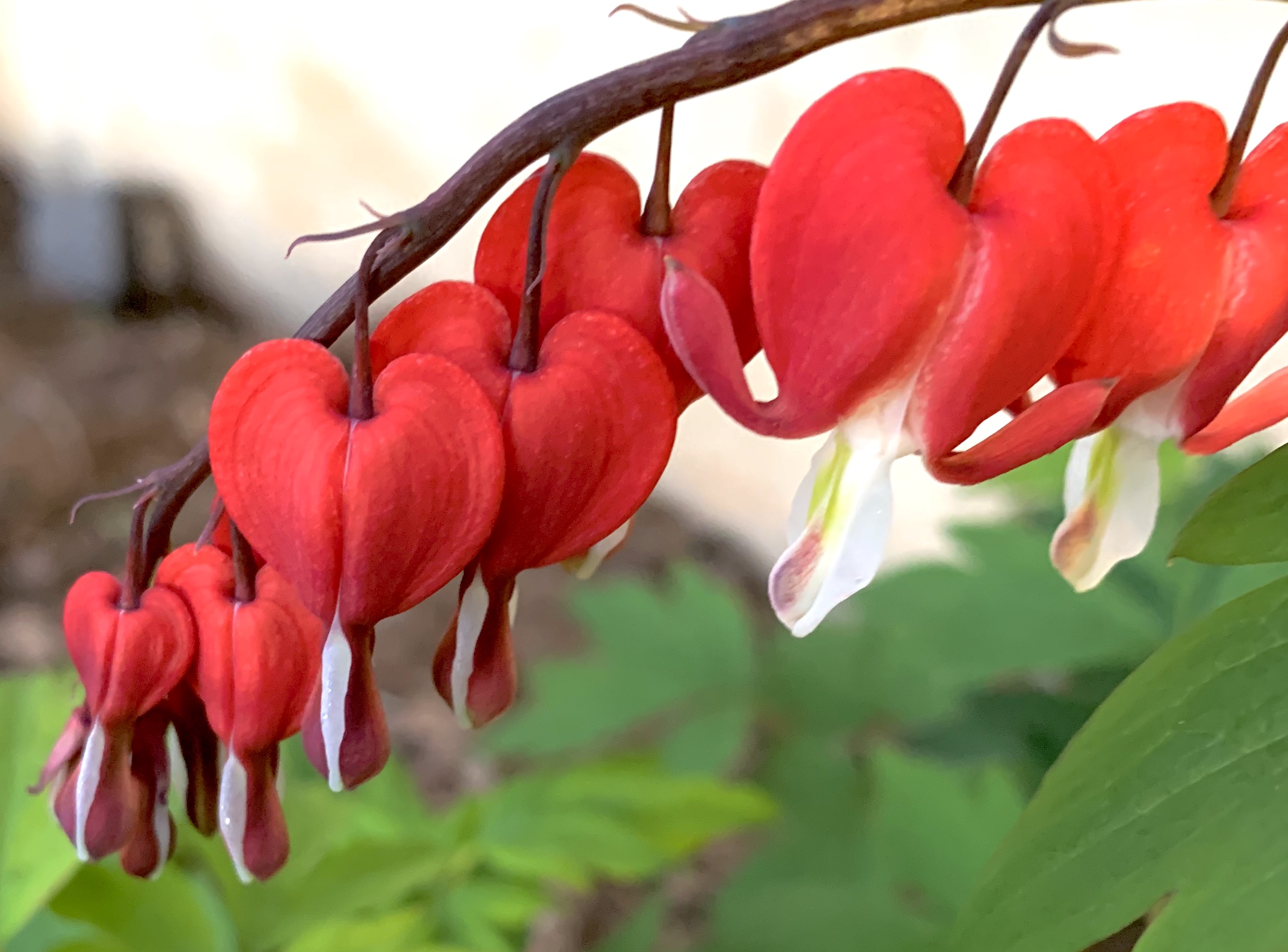
I know a bleeding-heart plant that has thrived for sixty years if not more, and has never missed a spring without rising and spreading itself into a glossy bush, with many small red hearts dangling. Don’t you think that deserves a little thought? The woman who planted it has been gone for a long time, and everyone who saw it in that time has also died or moved away and so, like so many stories, this one can’t get finished properly. Most things that are important, have you noticed, lack a certain neatness. More delicious, anyway, is to remember my grandmother’s pleasure when the dissolve of winter was over and the green knobs appeared and began to rise, and to cre- ate their many hearts. One would say she was a simple woman, made happy by simple things. I think this was true. And more than once, in my long life, I have wished to be her. ~Mary Oliver “The Bleeding-Heart”from New and Selected Poems Volume Two
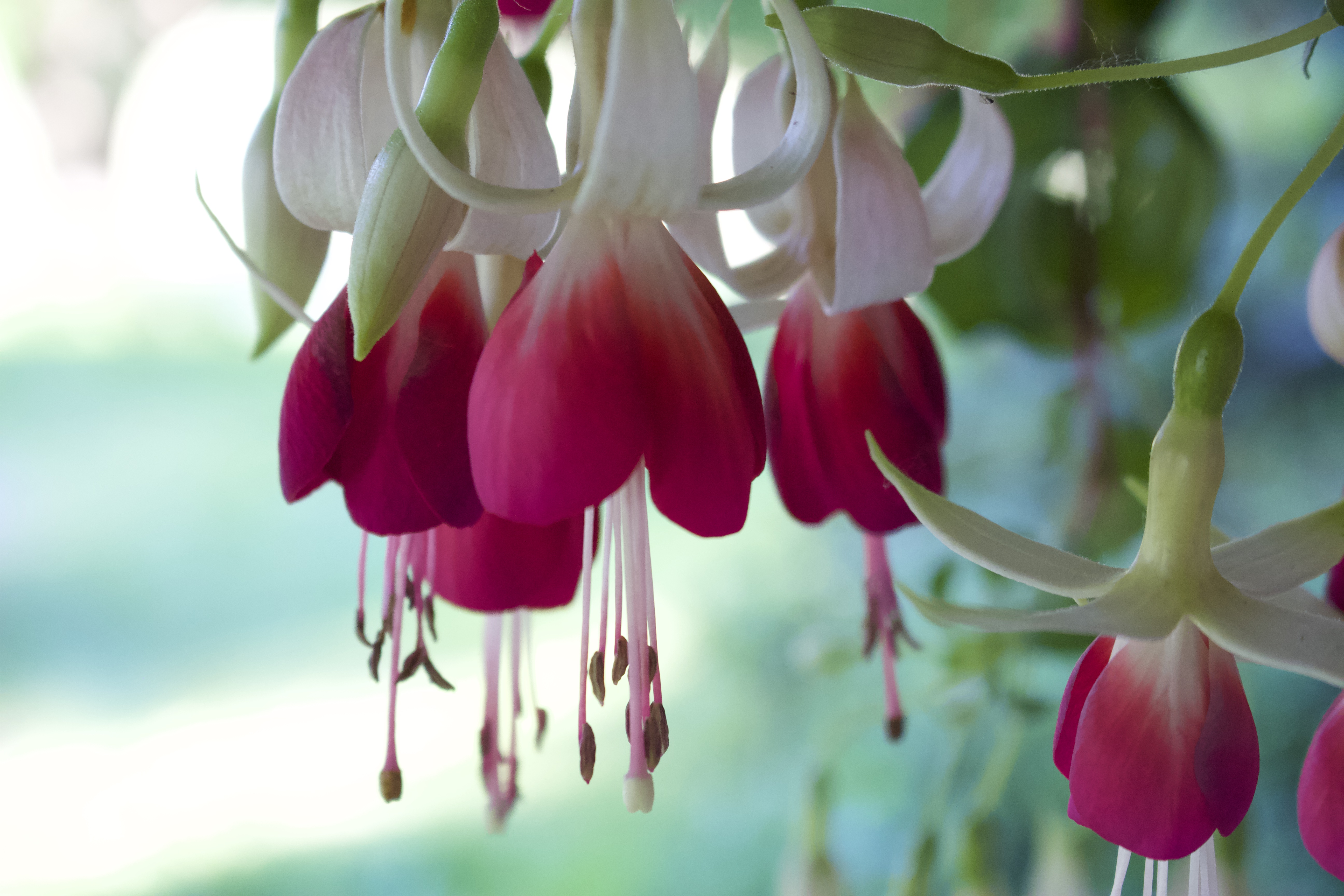
My Grandma Kittie grew flowers–lots of them. Her garden stretched along both sides of the sidewalk to her old two story farm house, in window boxes and beds around the perimeter, in little islands scattered about the yard anchored by a tree, or a piece of driftwood, a gold fish pond or a large rock. Wisteria hung like a thick curtain of purple braids from the roof of her chicken coop, and her greenhouse, far bigger than her home, smelled moist and mossy with hanging fuschia baskets. For her it was full time joy disguised as a job: she sold seedlings, and ready-to-display baskets, and fresh flower arrangements.
She often said she was sure heaven would be full of flowers needing tending, and she was just practicing for the day when she could make herself useful as a gardener for God.
Visiting Grandma meant spending summer evenings in her yard heavy with wafting flower perfume. She especially loved her bleeding hearts bushes that returned every spring, dripping their red blossoms over her unruly lawn.
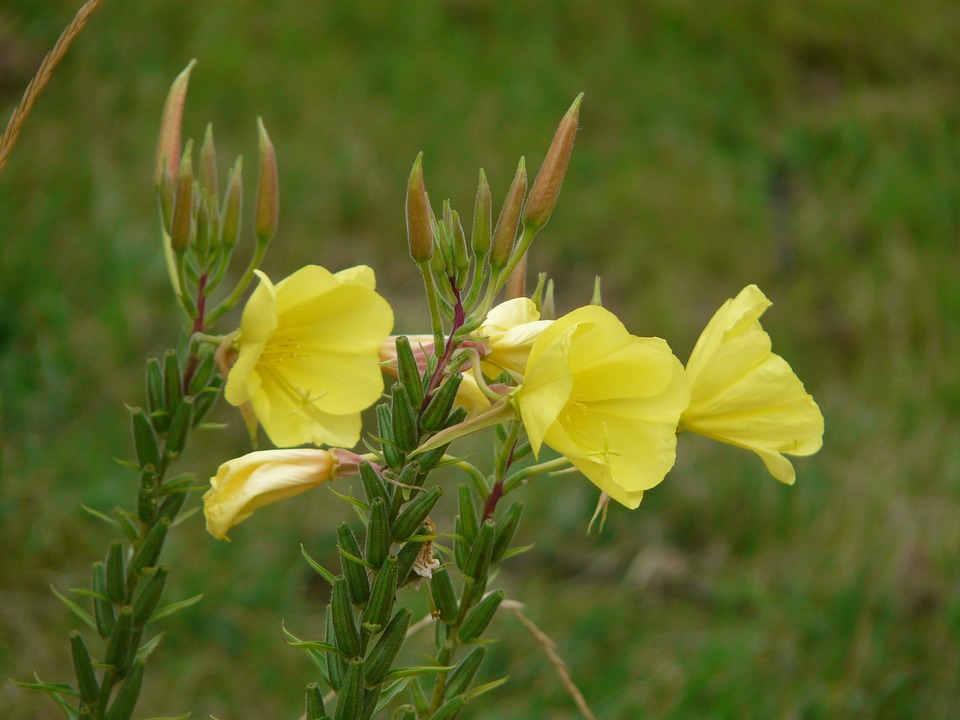
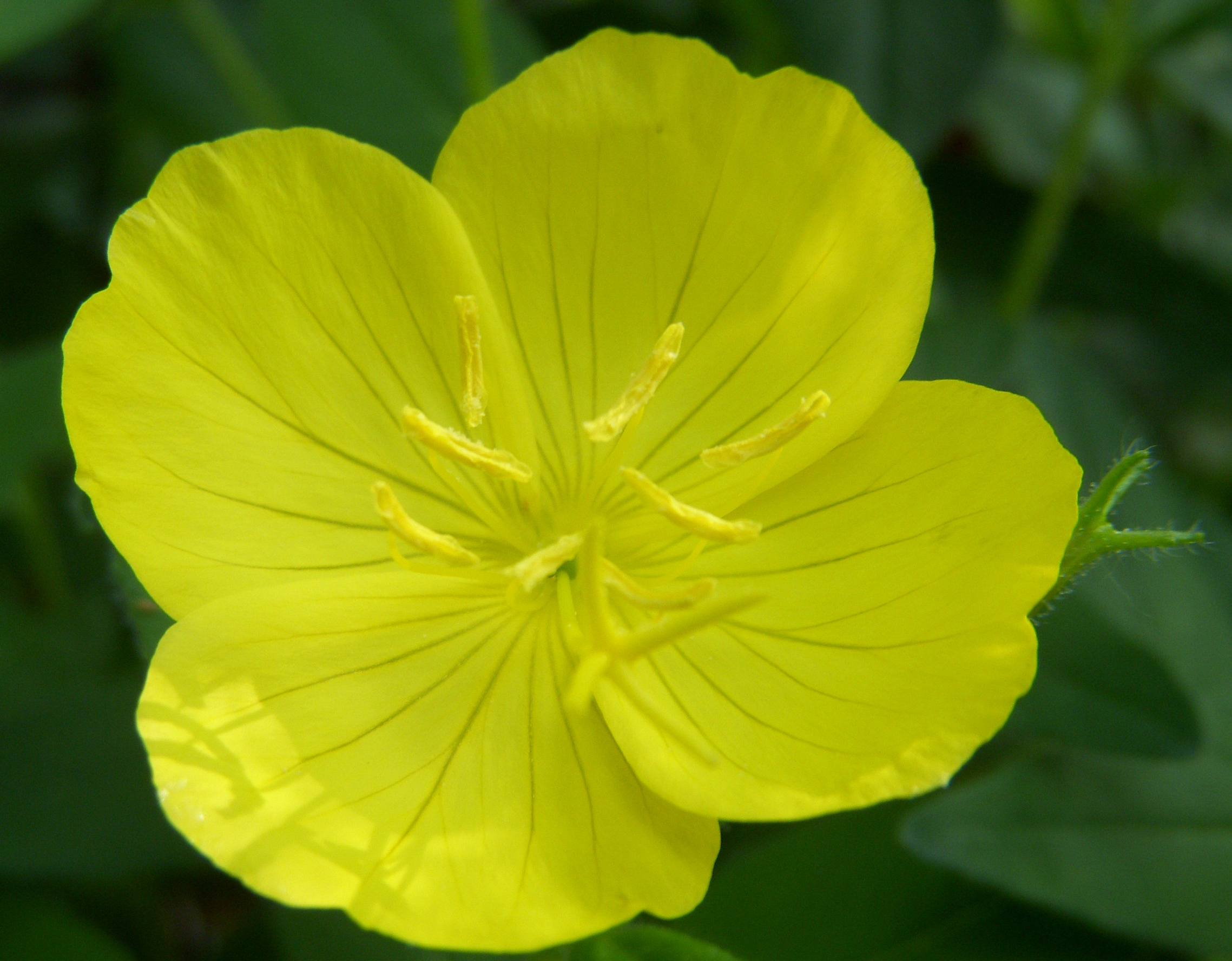
Another of her favorite flowers was the evening primrose. It was one of a few night blooming plants meant to attract pollinating moths. Its tall stems were adorned by lance shaped leaves, with multiple buds and blooms per stem. Each evening, and it was possible to set one’s watch by its punctuality, only one green wrapped bud per stem would open, revealing a bright yellow blossom with four delicate veined petals, a rosette of stamens and a cross-shaped stigma in the center, rising far above the blossom. The yellow was so vivid and lively, it seemed almost like a drop of sun had been left on earth to light the night. By morning, the bloom would begin to wither and wilt under the real sunlight, somehow overcome with the brightness, and would blush a pinkish orange as it folded upon itself, ready to die and drop from the plant in only a day or two, leaving a bulging seed pod behind.
I would settle down on the damp lawn at twilight, usually right before dusk fell, to watch the choreography of opening of blossoms on stem after stem of evening primrose. Whatever the trigger was for the process of unfolding, there would be a sudden loosening of the protective green calyces, in an almost audible release. Then over the course of about a minute, the overlapping yellow petals would unfurl, slowly, gently, purposefully, revealing their pollen treasure trove inside. It was like watching time lapse cinematography, only this was an accelerated, real time flourish of beauty, happening right before my eyes. I always felt privileged to witness each unveiling as Grandma liked to remind me that few flowers ever allowed us to behold both their birth and death. The evening primrose was not at all shy about sharing itself and it would enhance the show with a sweet lingering fragrance.
Grandma knew how much I enjoyed the evening primrose display, so she saved seeds from the seed pods for me, and helped me plant them at our house during one of her spring time visits. I remember scattering the seeds with her in a specially chosen spot, in anticipation of the “drops of sun” that would grace our yard come summertime. However, Grandma was more tired than usual on this particular visit, taking naps and not as eager to go for walks or eat the special meals cooked in honor of her visit. Her usually resonant laughing brown eyes appeared dull, almost muddy.
The day she was to return to her home, she came into the kitchen at breakfast time, wearily setting down her packed bags. She gave me a hug and I looked at her. Something was dreadfully wrong. Grandma’s eyes were turning yellow.
Instead of returning home that day, she went to the hospital. Within a day, she had surgery and within two days, was told she had terminal pancreatic cancer. She did not last long, her skin becoming more jaundiced by the day, her eyes more icteric and far away. She soon left her earthly gardens to cultivate those in heaven.
I’ve kept bleeding hearts and evening primrose in my garden ever since. Grandma’s heart dangles from the bushes and she is released from each primrose bloom as it unfolds precipitously in the evening. She wafts across the yard in its perfume. Her spirit, a drop of sun coming to rest, luminous, for a brief stay upon the earth, only to fall before we’re ready to let it go. But as the wilted bloom lets go, its seeds have already begun to form.
I’m sure Grandma is still growing flowers. And my soil-covered hands look more like hers every day.
The grass withers and the flowers fall, because the breath of the Lord blows on them. Surely the people are grass. The grass withers and the flowers fall, but the word of our God endures forever. Isaiah 40: 7-8
This Lenten season I reflect on the words of the 19th century southern spiritual hymn “What Wondrous Love is This”
One-Time
Monthly
Yearly
Make a one-time or recurring donation to support daily Barnstorming posts




























 Barnstorming