Our universe is not made up only of beautiful trees, but also of stunted ones. Yet each tree is important.
Television shows us movie stars, men and women with beautiful bodies and extravagant clothes. But that is not the reality of the majority of people!
The beauty of human beings lies in their capacity to accept who they are, just as they are; not to live in a world of dreams or illusions, in anger or despair, wanting to be other than they are, or trying to run away from reality. ~Jean Vanier from Seeing Beyond Depression
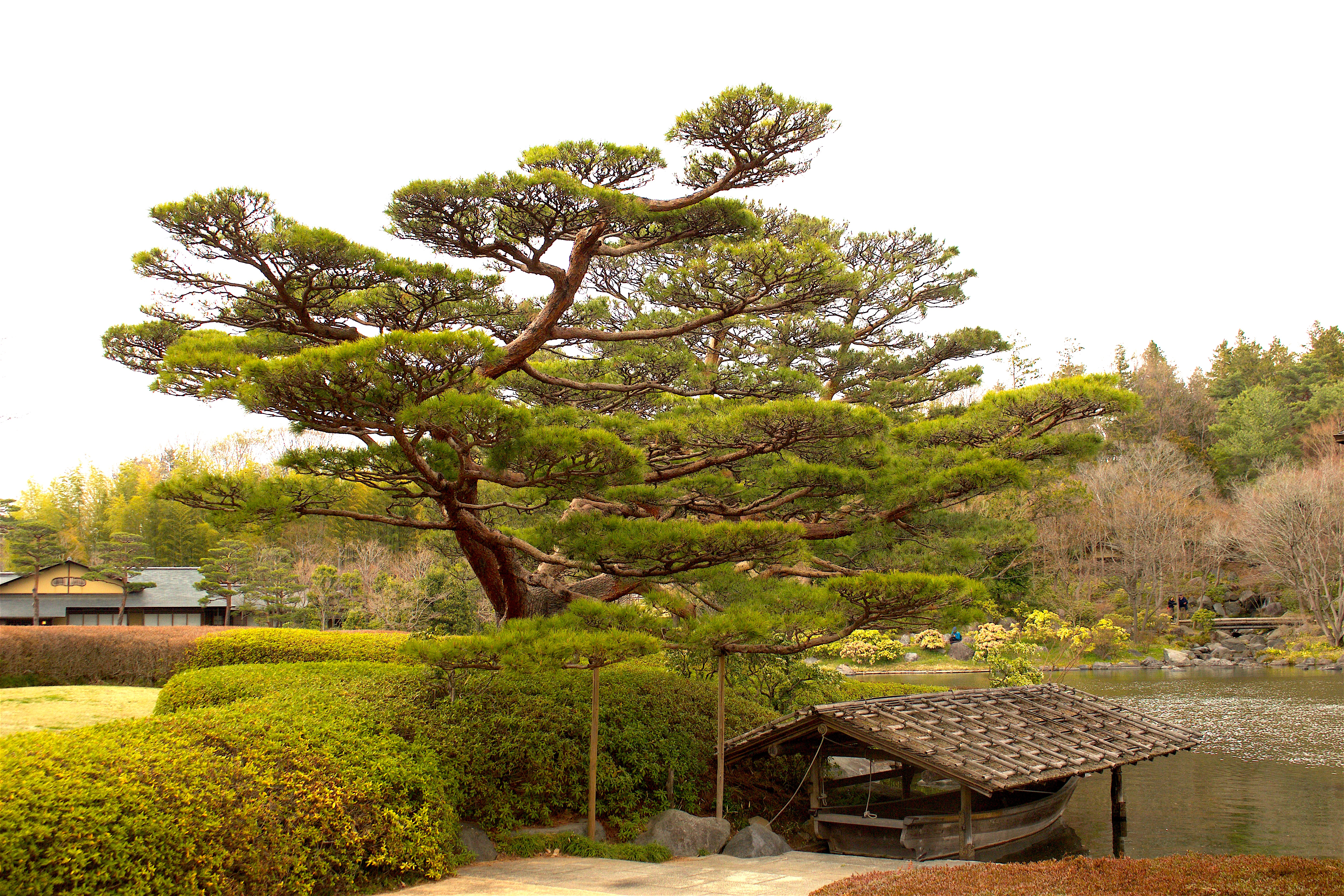
Long ago I gave up striving for perfect symmetry, strong shapely limbs, the straightest trunk, the most luscious foliage and colorful blooms.
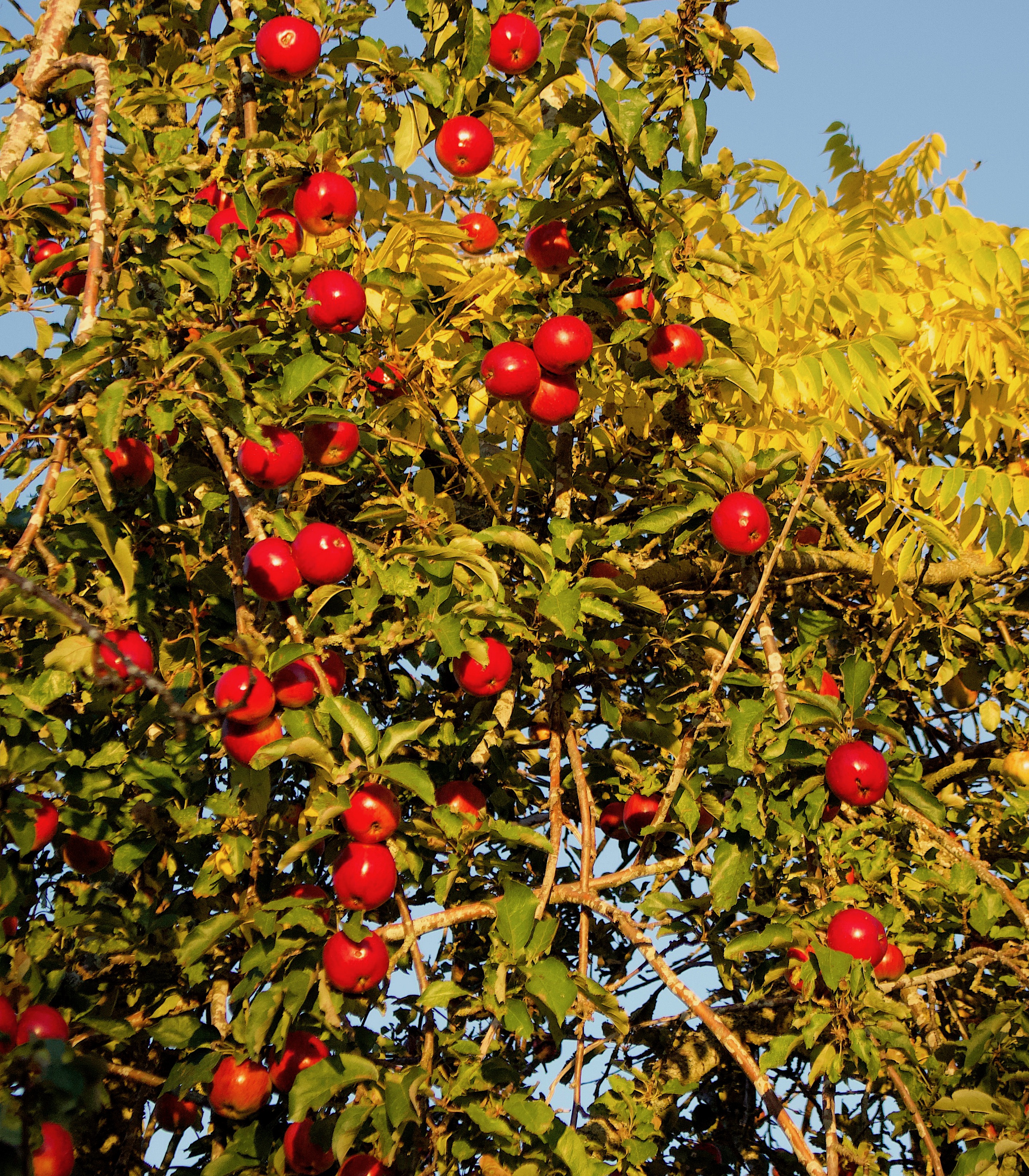
Instead, my life is as fruitful as possible, even if I bend more in winter storms, my roots not anchored as deep, despite bare and broken branches, falling leaves, crooked trunk, and increasing lumpiness.
I try to provide the best of which I’m capable, with a minimum of scab, rot and hidden worms.
The promise of breathtaking beauty enriches and enlivens. It makes getting up in the morning worth the effort when we would rather hide our homeliness under the covers.
Yet nothing is as beautiful as the reality of broken people giving their all for other broken people.
It is for this we are created; our imperfections on display, continually pruned and refined to produce needed fruit, abundantly filling and ever so sweet.
When to the garden of untroubled thought I came of late, and saw the open door, And wished again to enter, and explore The sweet, wild ways with stainless bloom inwrought, And bowers of innocence with beauty fraught, It seemed some purer voice must speak before I dared to tread that garden loved of yore, That Eden lost unknown and found unsought.
Then just within the gate I saw a child,— A stranger-child, yet to my heart most dear,— Who held his hands to me, and softly smiled With eyes that knew no shade of sin or fear: “Come in,” he said, “and play awhile with me; I am the little child you used to be.” ~Henry van Dyke, from The Poems of Henry van Dyke
Behind the house in a field there’s a metal box I buried full of childhood treasure, a map of my secret place, a few lead pennies from 1943. The rest I’ve forgotten, forgotten even the exact spot I covered with moss and loam.
Now I’m back and twenty years have made so little difference I suspect they never happened, this face in the mirror aged with pencil and putty. I suspect even the box has moved as a mole would move to a new place long ago. ~Dan Gerber “The Cache” from Particles
And this is where we went, I thought, Now here, now there, upon the grass Some forty years ago.
The days being short now, simply I had come To gaze and look and stare upon The thought of that once endless maze of afternoons. But most of all I wished to find the places where I ran
What’s happened to our boys that they no longer race And stand them still to contemplate Christ’s handiwork: His clear blood bled in syrups from the lovely wounded trees? Why only bees and blackbird winds and bending grass? No matter. Walk. Walk, look, and sweet recall.
I came upon an oak where once when I was twelve I had climbed up and screamed for Skip to get me down. It was a thousand miles to earth. I shut my eyes and yelled. My brother, richly compelled to mirth, gave shouts of laughter And scaled up to rescue me. “What were you doing there?” he said. I did not tell. Rather drop me dead. But I was there to place a note within a squirrel nest On which I’d written some old secret thing now long forgot.
{Now} I lay upon the limb a long while, thinking. I drank in all the leaves and clouds and weathers Going by as mindless As the days. What, what, what if? I thought. But no. Some forty years beyond!
I brought forth: The note.
I opened it. For now I had to know. I opened it, and wept. I clung then to the tree And let the tears flow out and down my chin. Dear boy, strange child, who must have known the years And reckoned time and smelled sweet death from flowers In the far churchyard. It was a message to the future, to myself. Knowing one day I must arrive, come, seek, return. From the young one to the old. From the me that was small And fresh to the me that was large and no longer new. What did it say that made me weep?
I remember you. I remember you. ~Ray Bradbury from “Remembrance”
This past weekend we drove the country roads where I grew up, now sixty years later, and though the trees are taller, it looked just as I remembered. The scattered houses on farms still standing, a bit more worn, the fields open and flowing as always, the turns and bends, the ups and downs of the asphalt lanes unchanged where once I tread with bicycle tires and sneakered feet.
My own childhood home a different color but so familiar as we drive slowly by, full of memories of laughter and games, long winter days and longer summer evenings full of its share of angry words and tears and eventual forgiveness.
I too left notes to my future self, in old barns, and lofts, and yes, in trees, but won’t go back to retrieve them. I remember what I wrote. My ten year old heart tried to imagine itself decades hence, what fears and joys would pass through like pumping blood, what wounds would I bear and bleed, what love and tears would trace my face?
I have not forgotten. No, I have never forgotten that I remember: this is me, as I was, and, deep down, still am.
With my arms raised in a vee, I gather the heavens and bring my hands down slow together, press palms and bow my head.
I try to forget the suffering, the wars, the ravage of land that threatens songbirds, butterflies, and pollinators.
The ghosts of their wings flutter past my closed eyes as I breathe the spirit of seasons, the stirrings in soil, trees moving with sap.
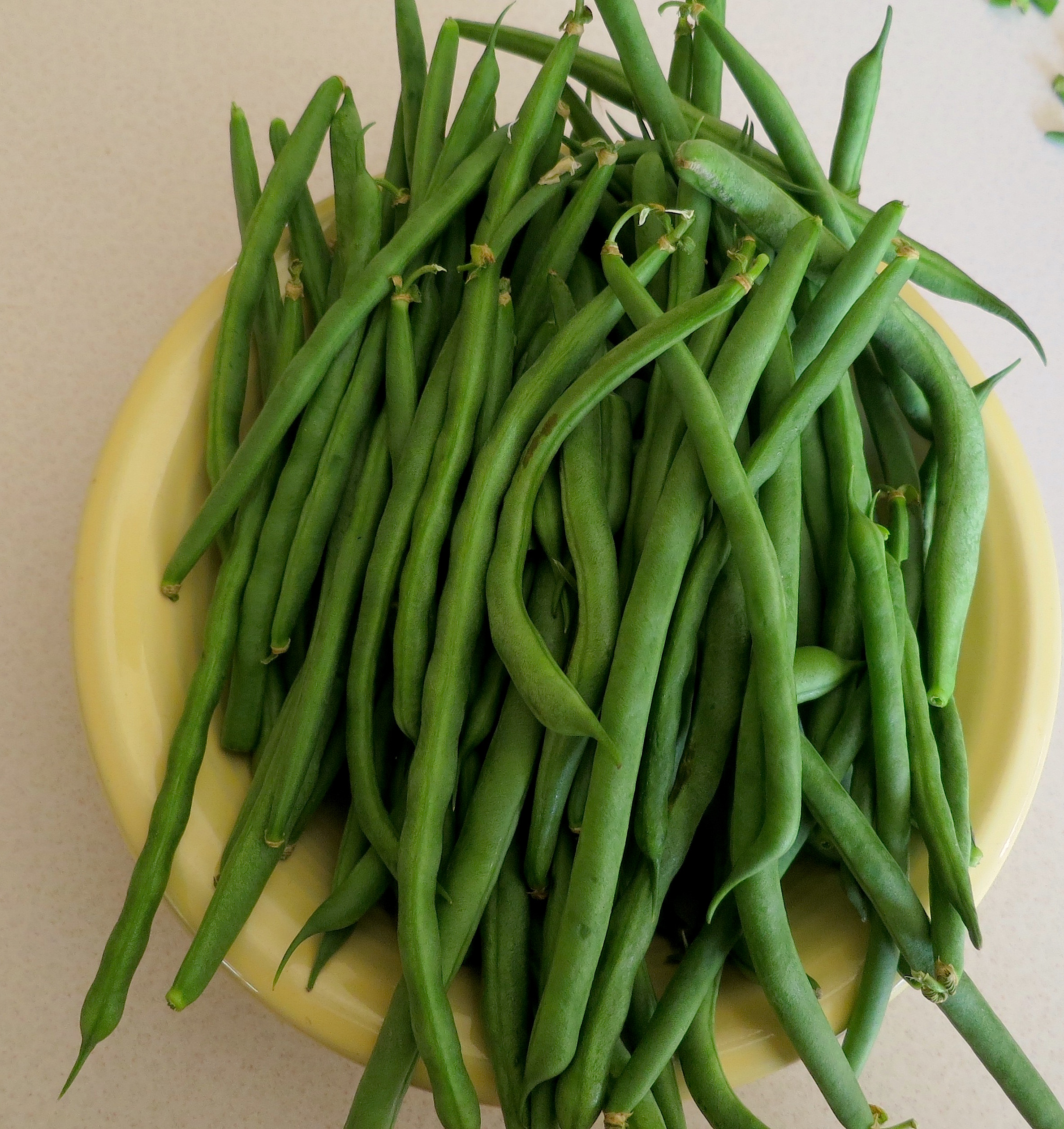
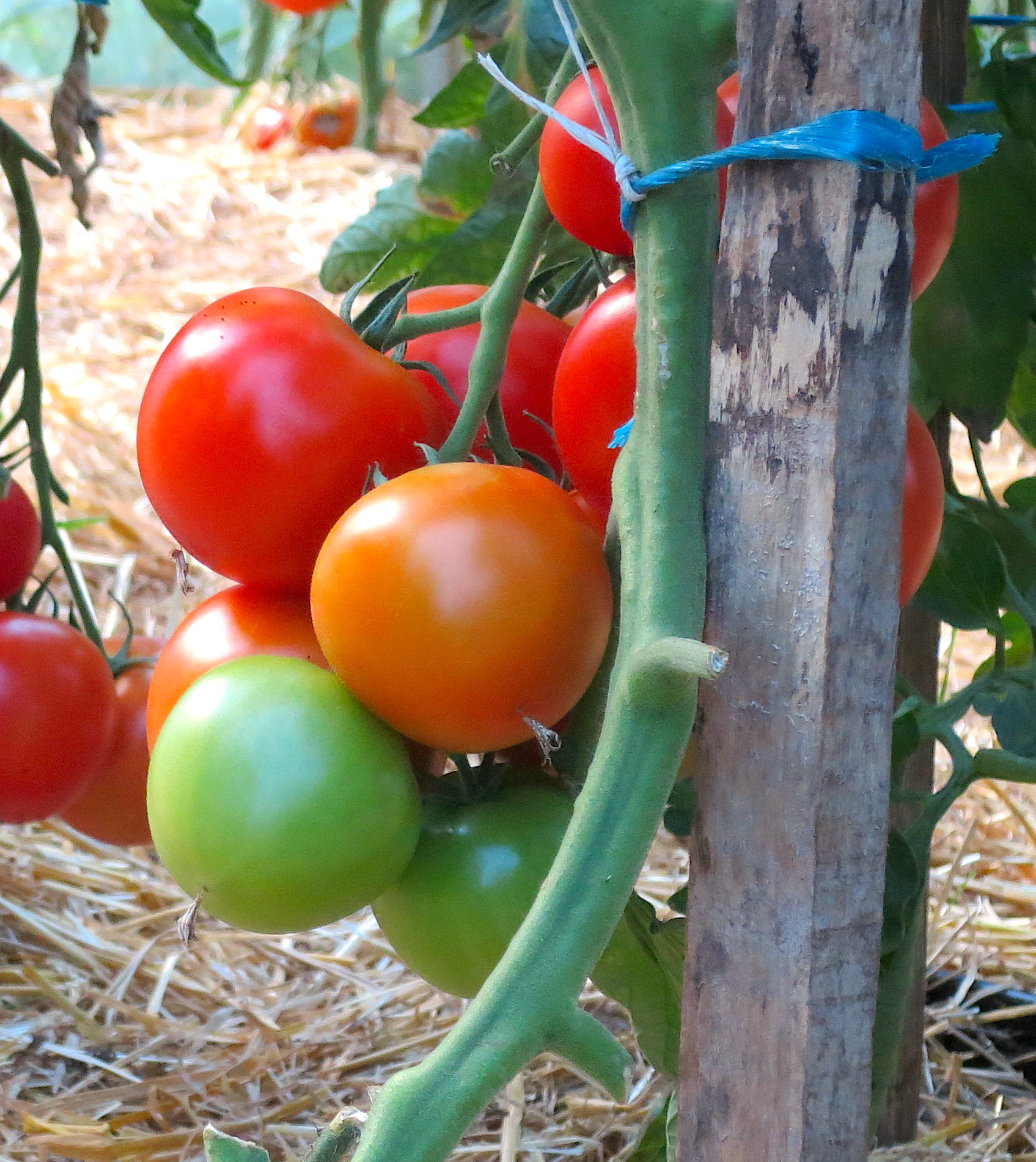
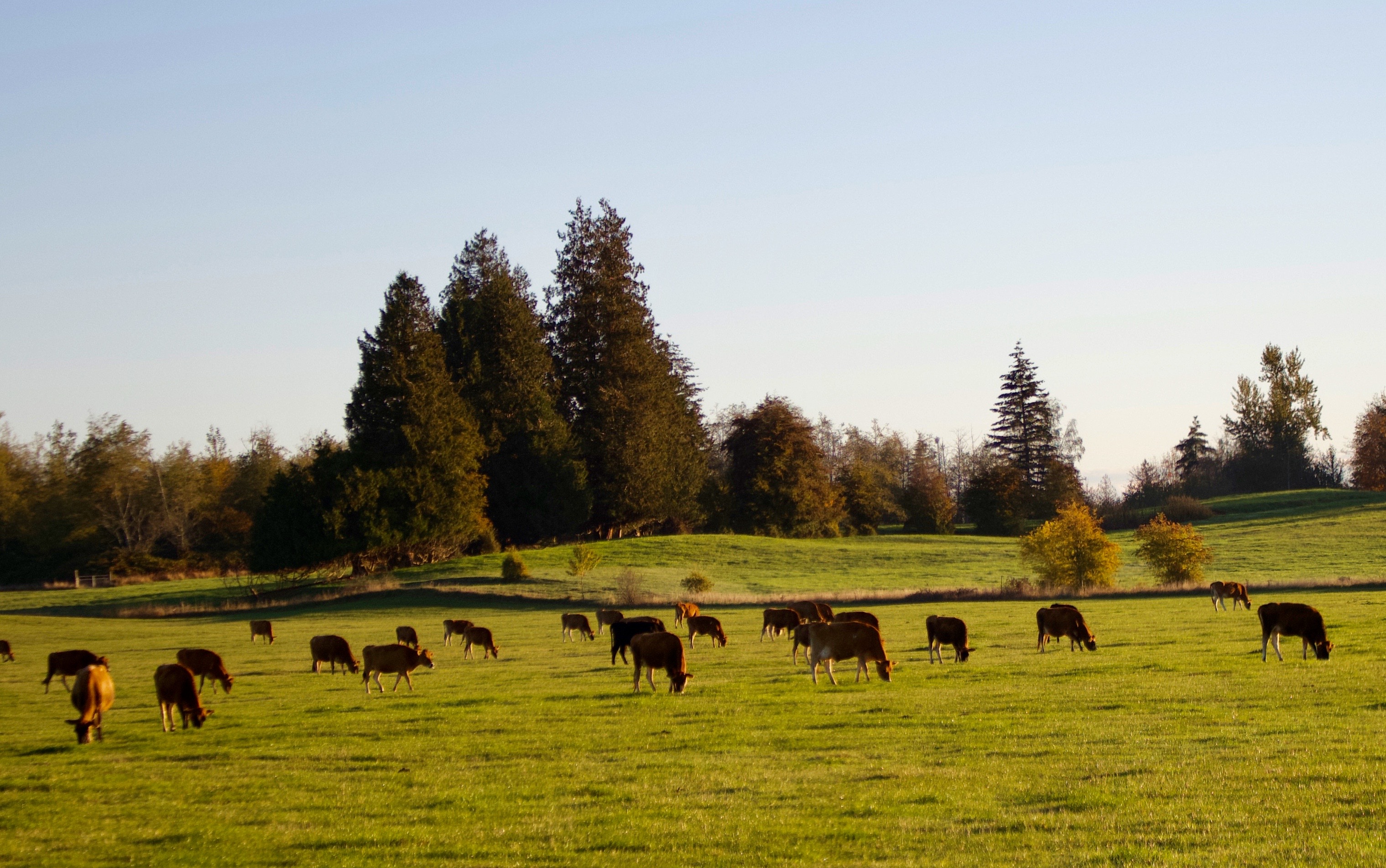
With my third eye, I conjure the red fox, its healthy tail, recount the good of this world, the farmer tending her tomatoes, the beans
dazzled green al dente in butter, salt and pepper, cows munching on grass. The orb of sun-gold from which all bounty flows. ~Twyla M. Hansen “Trying to Pray” fromRock. Tree. Bird
There is much to pray about. The list is endless and the need overwhelming.
Where even to begin?
It is for good reason we are advised by Paul to “pray without ceasing” (the word in Greek is adialeiptos or “uninterruptedly”) in 1 Thessalonians 5:17.
It is not only when we audibly and in form, address our petitions to the Deity that we pray. We pray without ceasing. Every secret wish is a prayer. Every house is a church; the corner of every street is a closet of devotion. ~Ralph Waldo Emerson in his sermon: Pray Without Ceasing
A farmer may have an addendum: every barn is a church, every moment kneeling and weeding the soil an act of devotion, every moment of care-taking God’s creation an act of sacramental obedience. Praying without ceasing in the course of one’s day.
Yet even before we clasp our hands together, we are told to “Rejoice always.” -Rejoice before complaining. -Rejoice before requesting. -Rejoice before losing heart.
Let me be breathing in the spirit of the seasons, overwhelmed by joy, before I talk with God. He knows which tears are which.
“Supposing a tree fell down, Pooh, when we were underneath it?”
“Supposing it didn’t,” said Pooh after careful thought.
Piglet was comforted by this. ~A.A. Milne
It is the final week of a very long academic year and tension is running high.
Among those students to whom I provide care, there are many who dwell deeply in “what if?” mode, immobilized in their anticipation of impending disaster.
I understand this line of thinking, particularly in this day and age of “in the moment” tragedy played out real-time in the palm of our hand and we can’t help but watch as it unfolds.
Those who know me well know I can fret and worry better than most. Medical training only makes it worse. It teaches one to think catastrophically. That is what I do for a living, to always be ready for the worse case scenario.
When I rise, sleepless, to face a day of uncertainty as we all must do at times~ after careful thought, I reach for the certainty I am promised over the uncertainty I can only imagine:
What is my only comfort in life and in death? That I am not my own, but belong —body and soul, in life and in death— to my faithful Savior, Jesus Christ.
“Supposing it didn’t” — He says (and thus we are comforted)
This World is not Conclusion. A Species stands beyond – Invisible, as Music – But positive, as Sound – It beckons, and it baffles – Philosophy, don’t know – And through a Riddle, at the last – Sagacity, must go – To guess it, puzzles scholars – To gain it, Men have borne Contempt of Generations And Crucifixion, shown – Faith slips – and laughs, and rallies – Blushes, if any see – Plucks at a twig of Evidence – And asks a Vane, the way – Much Gesture, from the Pulpit – Strong Hallelujahs roll – Narcotics cannot still the Tooth That nibbles at the soul – ~Emily Dickinson
Doubt can feel like the bare branches of winter – plenty of bleak bark, and nothing that feels alive or real or even meaningful.
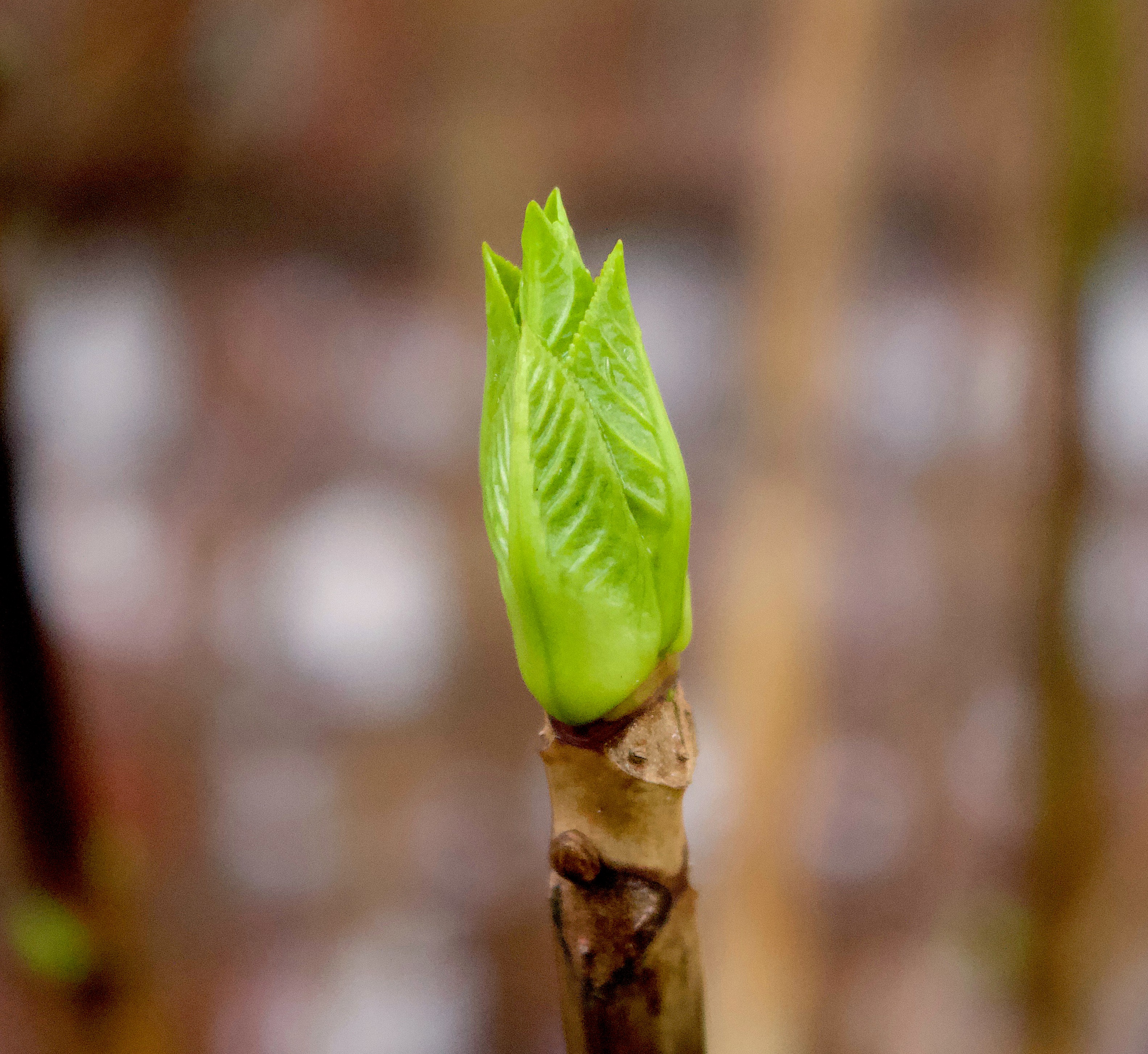
Yet spring ushers in such profound intervention that doubt is ushered out with little ceremony. What was mere potential is now bud and bloom. What was mere twig is now glorious.
“Why, what’s the matter, That you have such a February face, So full of frost, of storm and cloudiness?” – William Shakespeare, Much Ado About Nothing
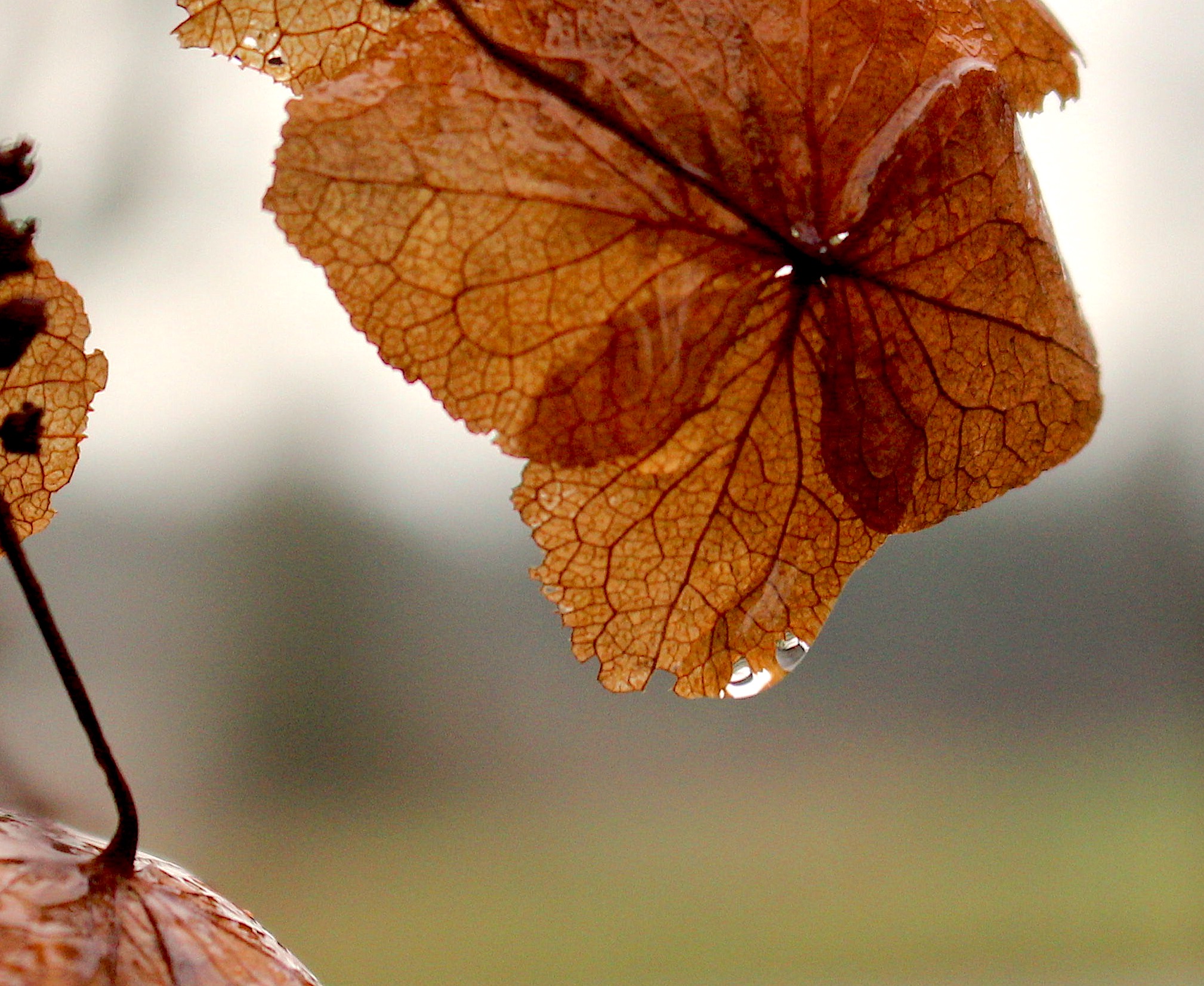
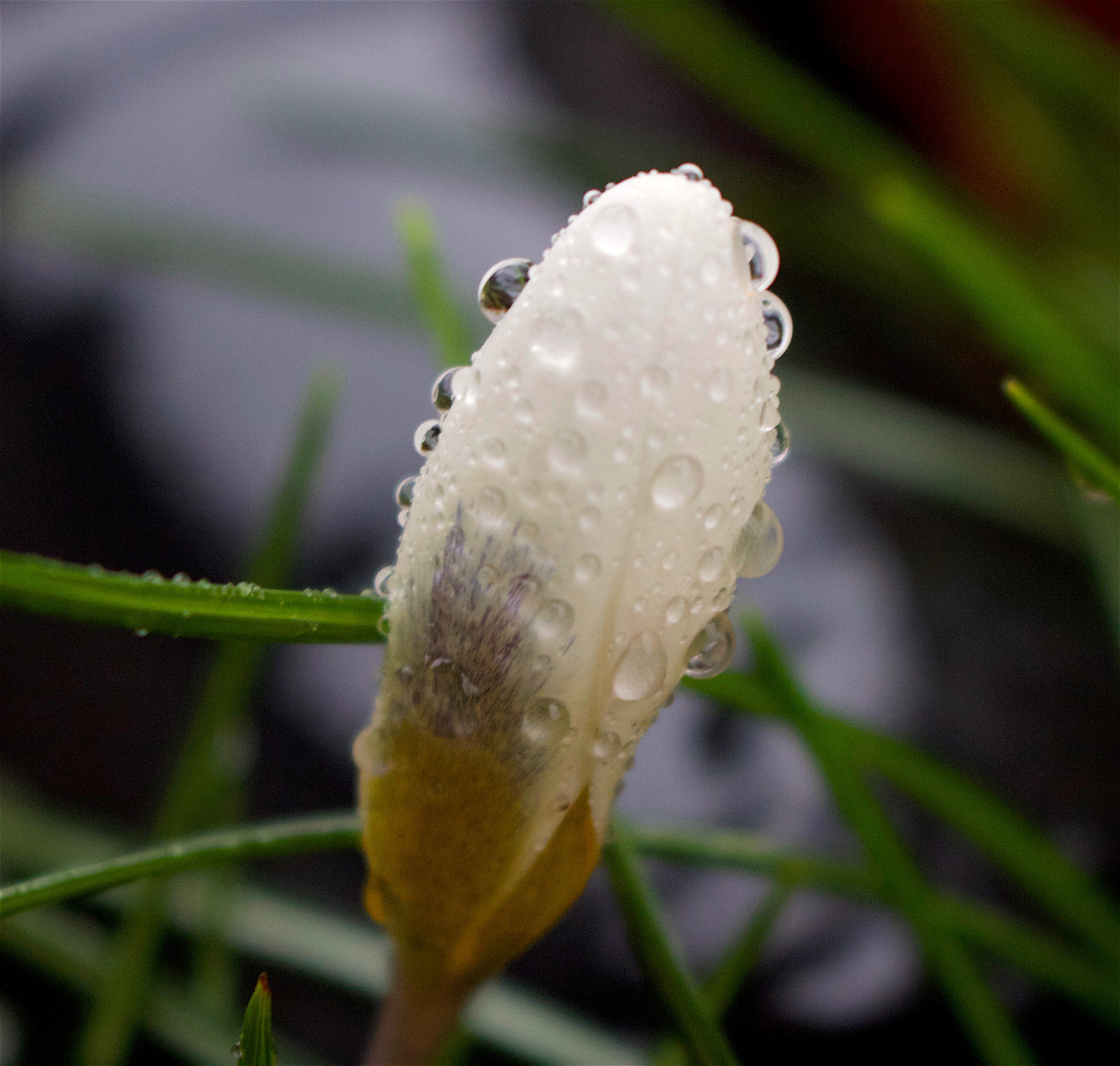
February never fails to be seductive, teasing of spring on a bright sunny day and the next day all hope is dashed by a frosty wind cutting through layers of clothing. There is a hint of green in the pastures but the deepening mud is sucking at our boots. The snowdrops and crocus are up and blooming, but the brown leaves from last summer still cling tenaciously to oak branches, appearing as if they will never ever let go to make room for a new leaf crop.
A February face is tear-streaked and weepy, winter weary and spring hungry. Thank goodness it is a short month or we’d never survive the glumminess of a month that can’t quite decide whether it is done with us or not.
So much ado. So much nothing. So much anything that becomes everything.
…this has been a day of grace in the dead of winter, the hard knuckle of the year, a day that unwrapped itself like an unexpected gift, and the stars turn on, order themselves into the winter night. ~Barbara Crooker from Barbara Crooker: Selected Poems
…it’s easy to forget that the ordinary is just the extraordinary that’s happened over and over again. Sometimes the beauty of your life is apparent. Sometimes you have to go looking for it. And just because you have to look for it doesn’t mean it’s not there. God, grant me the grace of a normal day. ~Billy Coffey
…there is no such thing as a charmed life, not for any of us, no matter where we live or how mindfully we attend to the tasks at hand. But there are charmed moments, all the time, in every life and in every day, if we are only awake enough to experience them when they come and wise enough to appreciate them. ~Katrina Kenison from The Gift of an Ordinary Day
These dead of winter days are lengthening, slowly and surely, but I still leave the farm in darkness to head to my work in town, and I return in darkness at the end of the workday. Barn chores at either end of the day happen under moonlight and starlight.
Each day, so extraordinary in its ordinariness, is full of grace if I awake to really see it, even under cover of darkness.
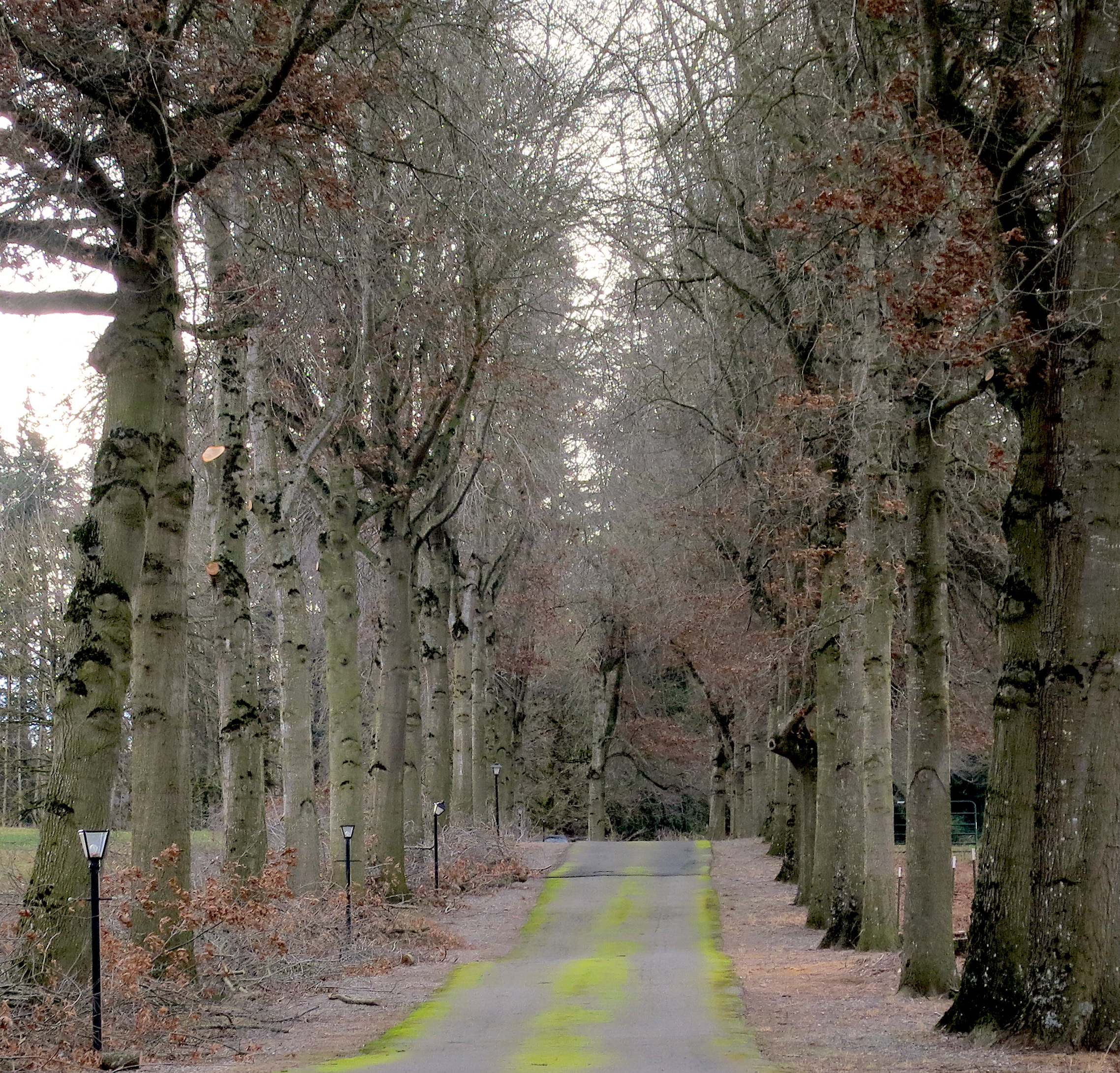
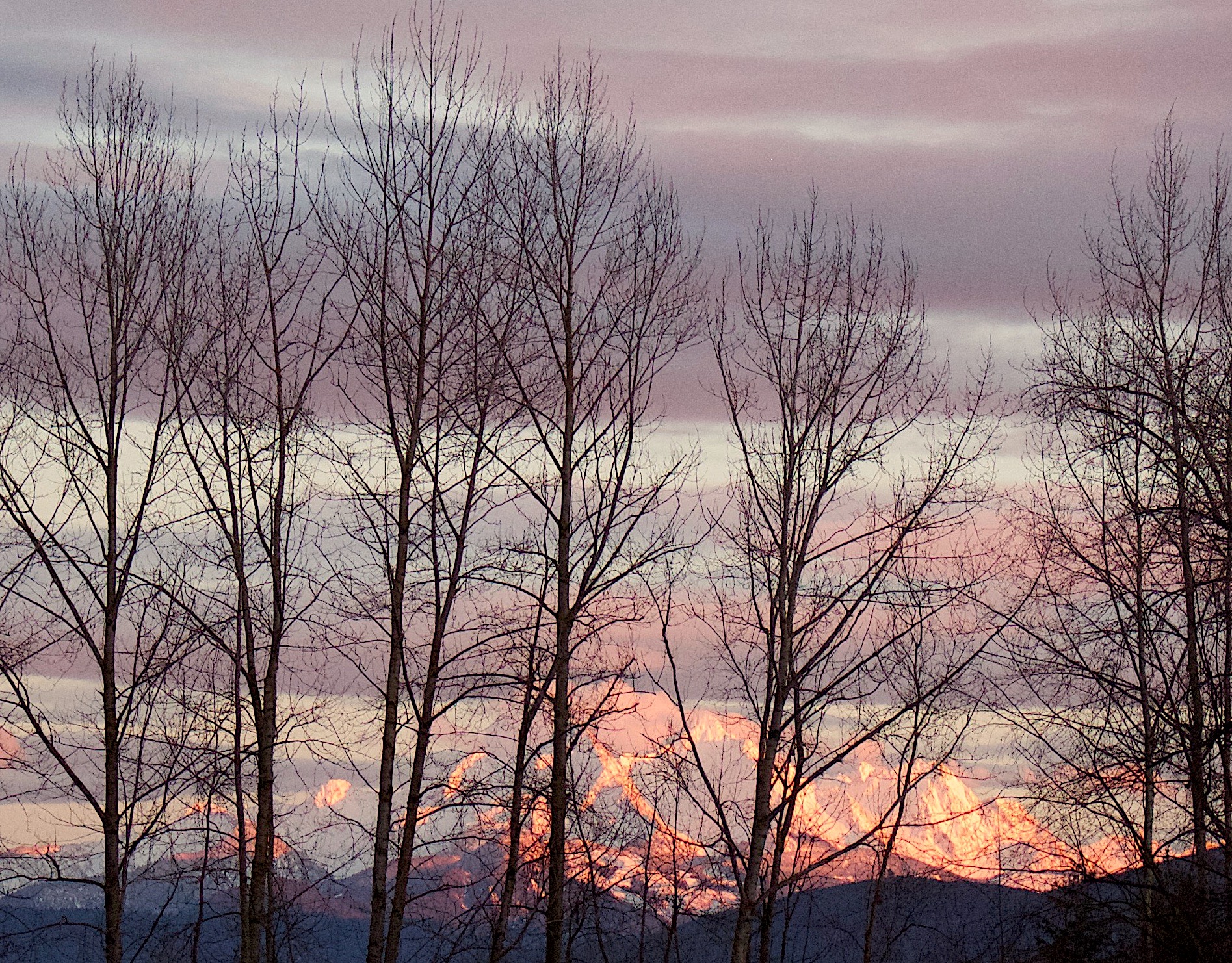
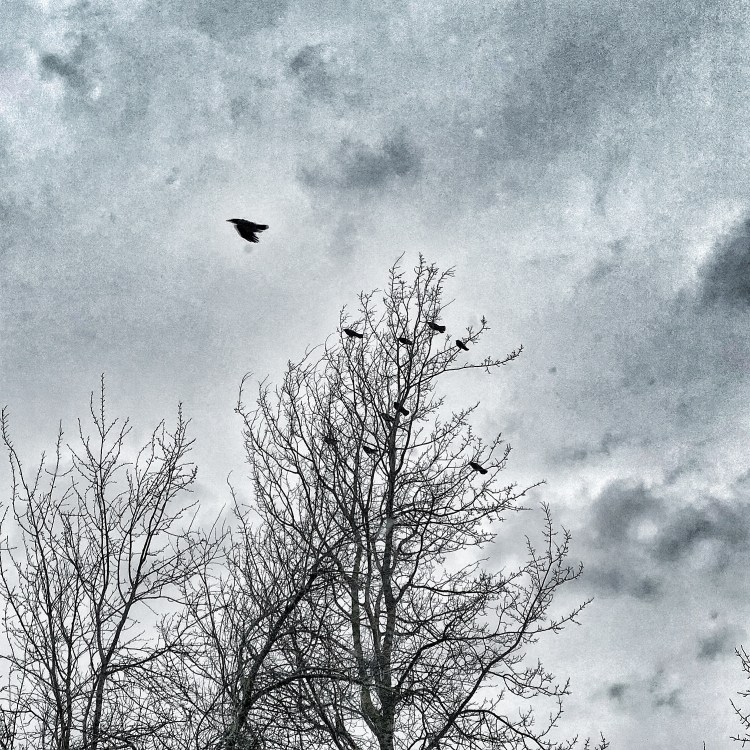
The bones of the trees, and the bones of me, illuminated.
In gratitude to poet Mary Oliver, who did not wake up this morning on this side of the veil, but did wake up to unimaginable glory on another side:
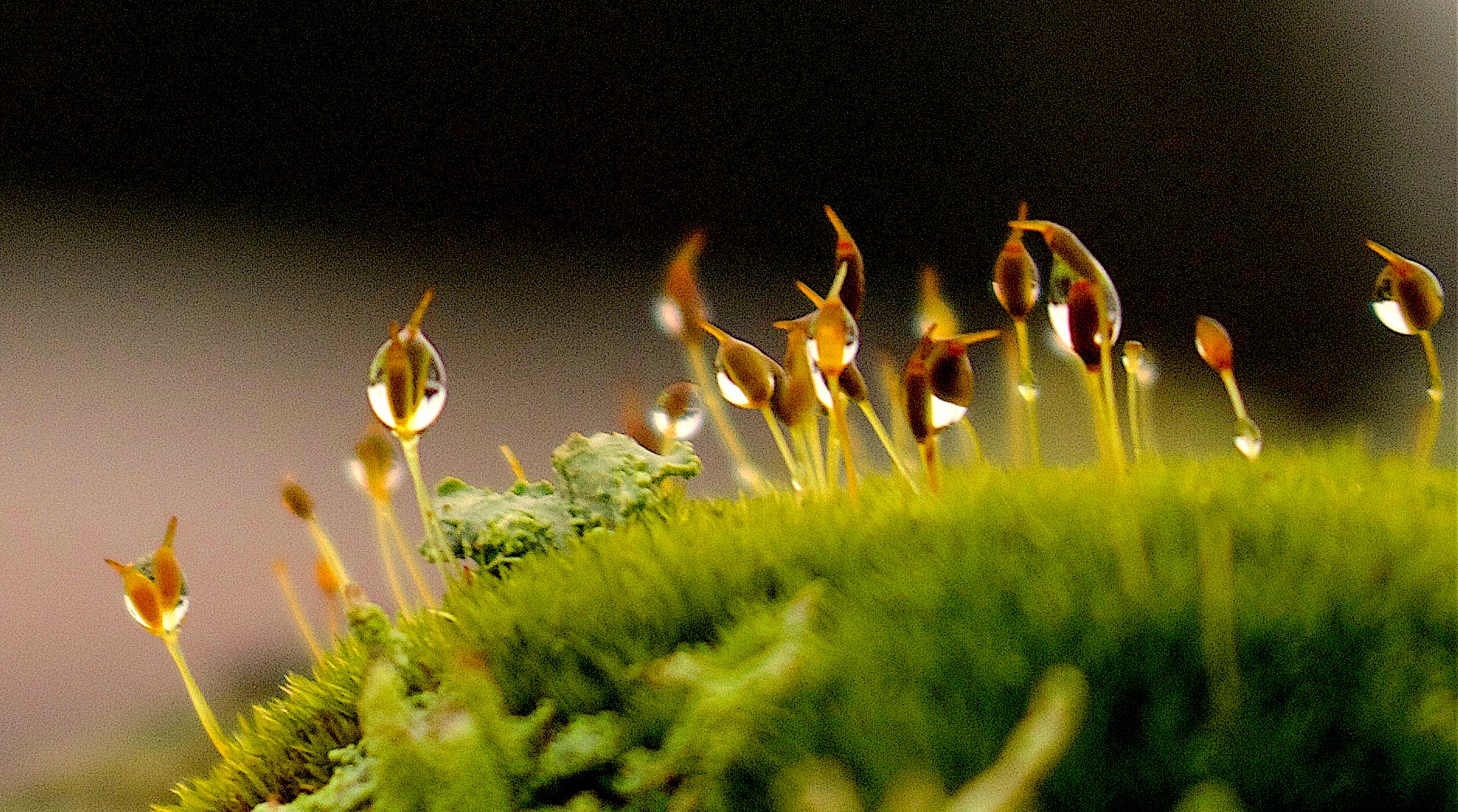
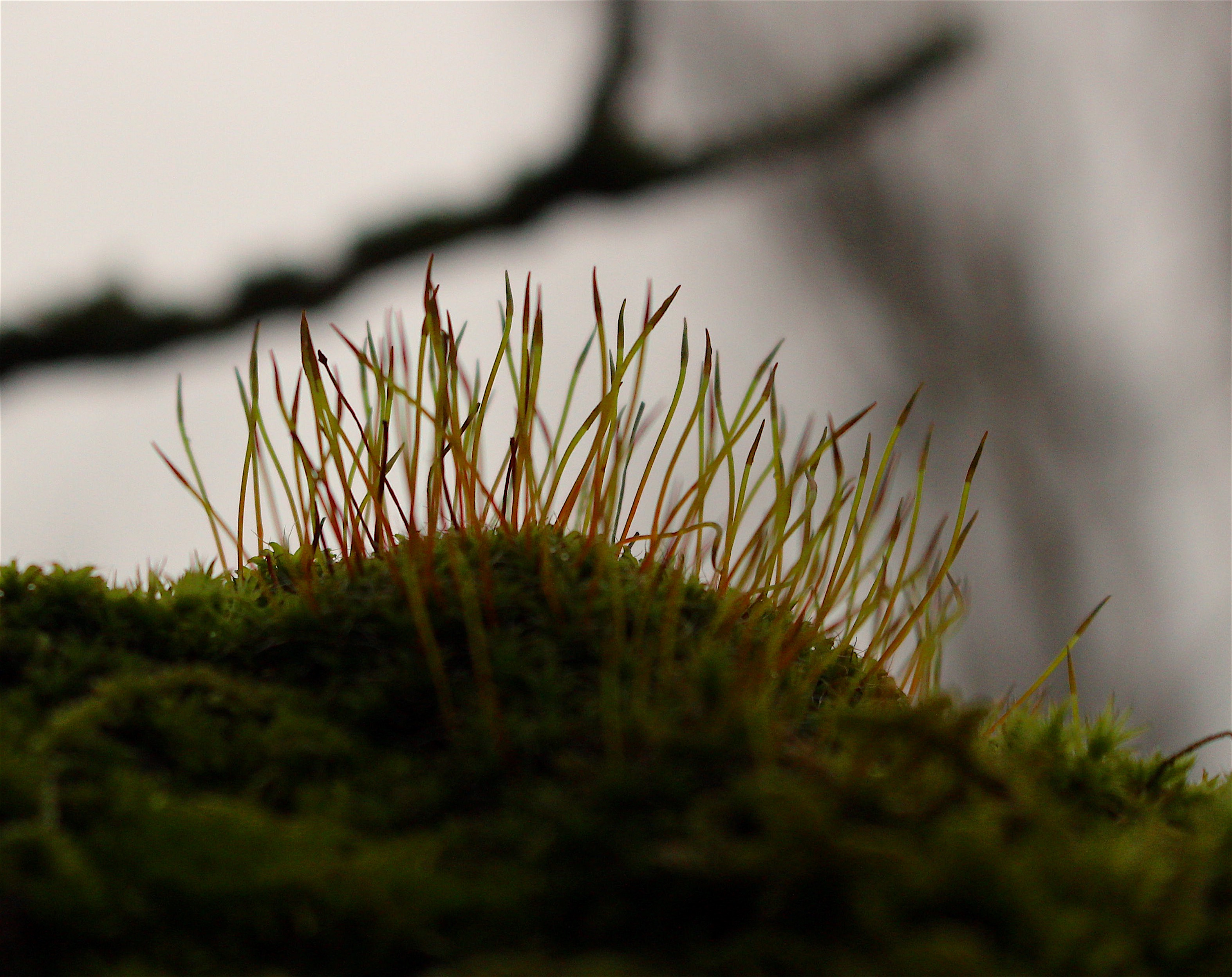
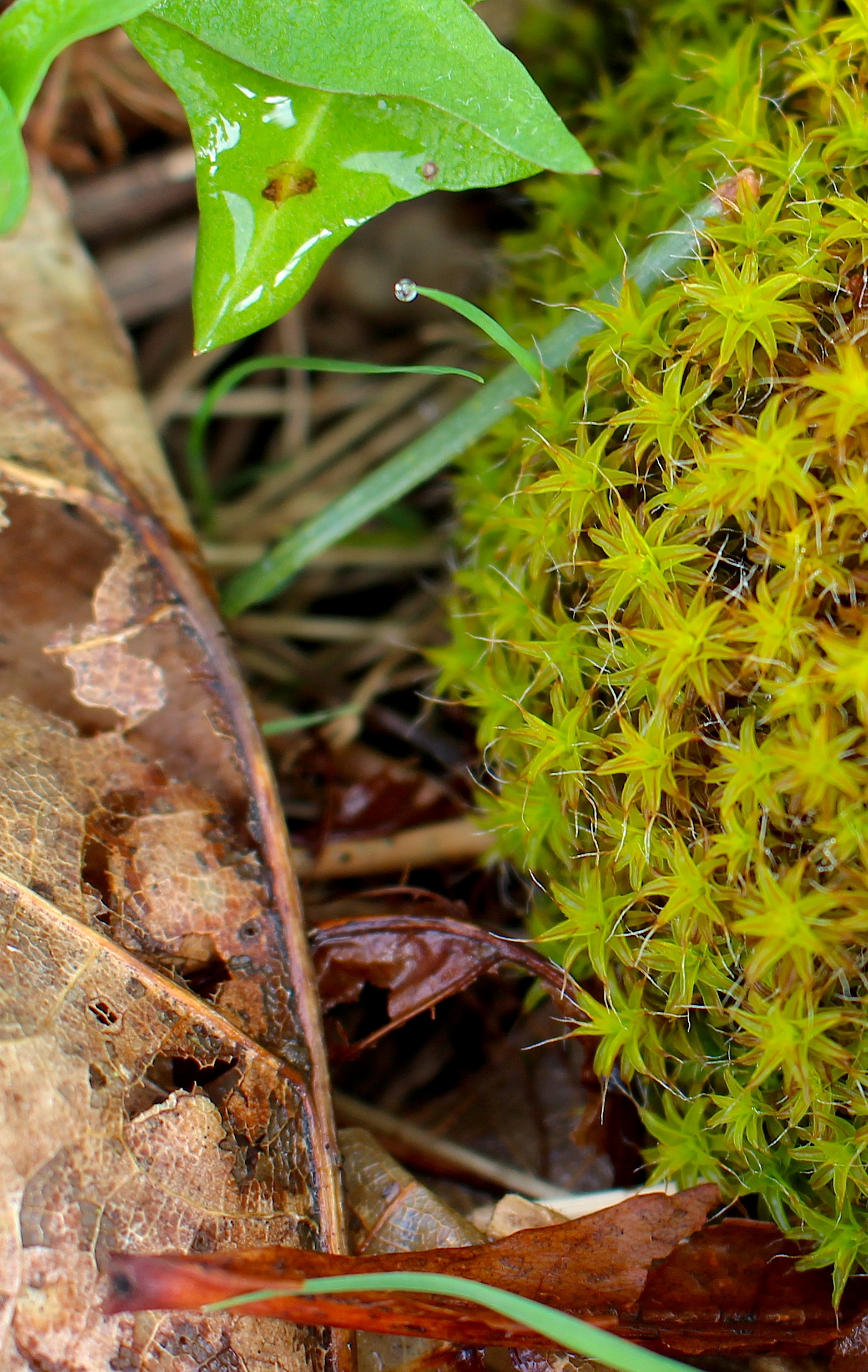
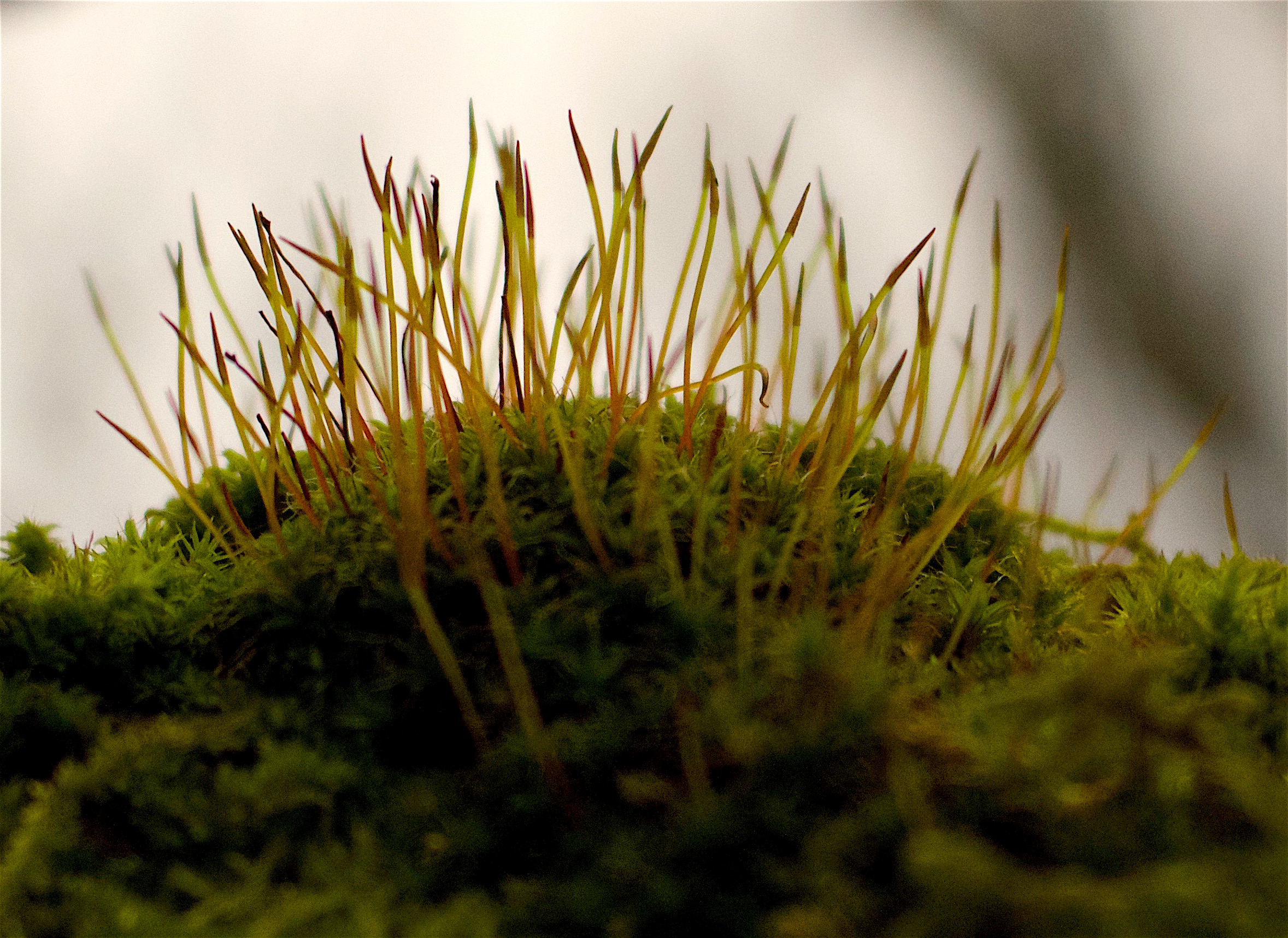
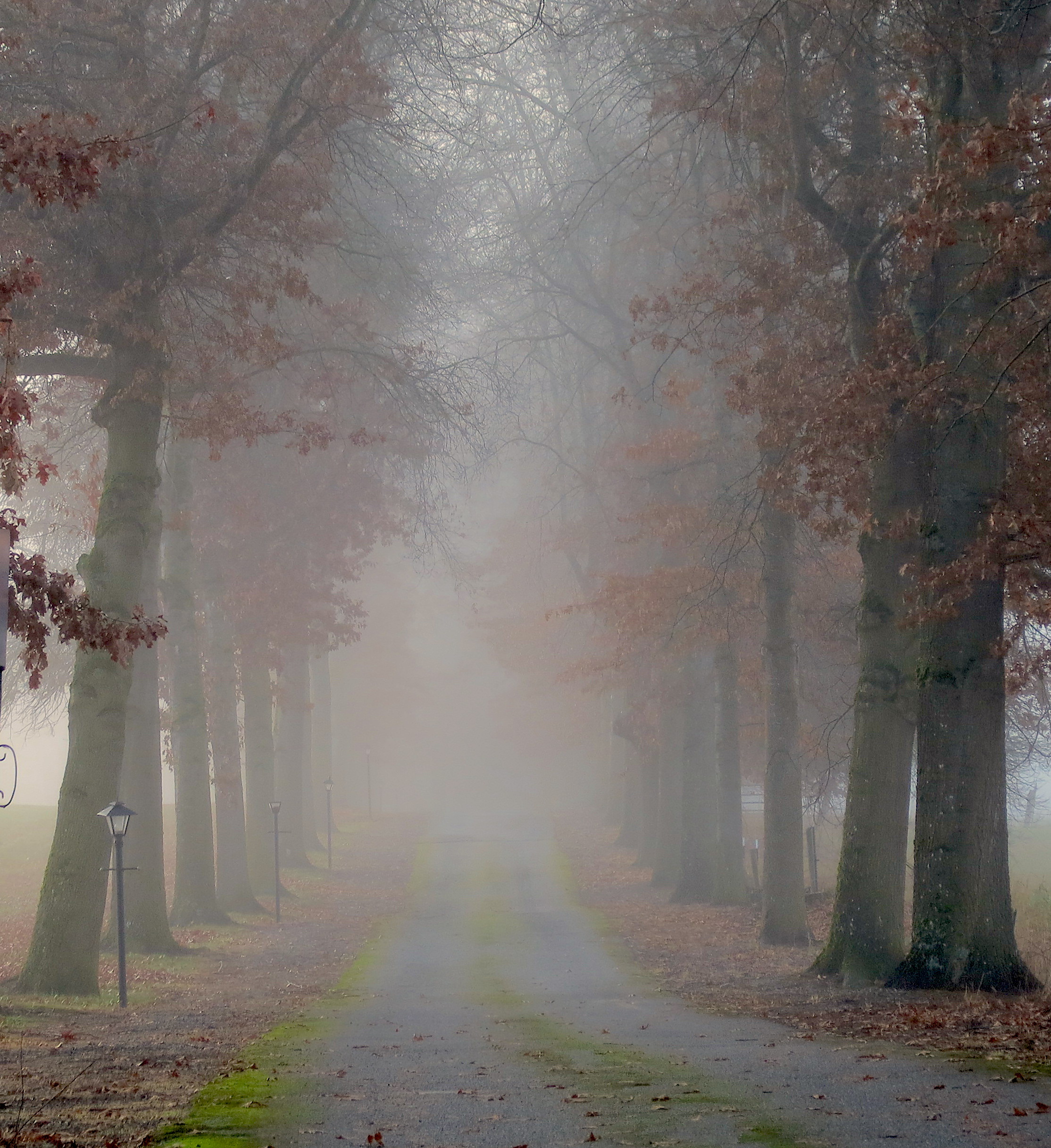
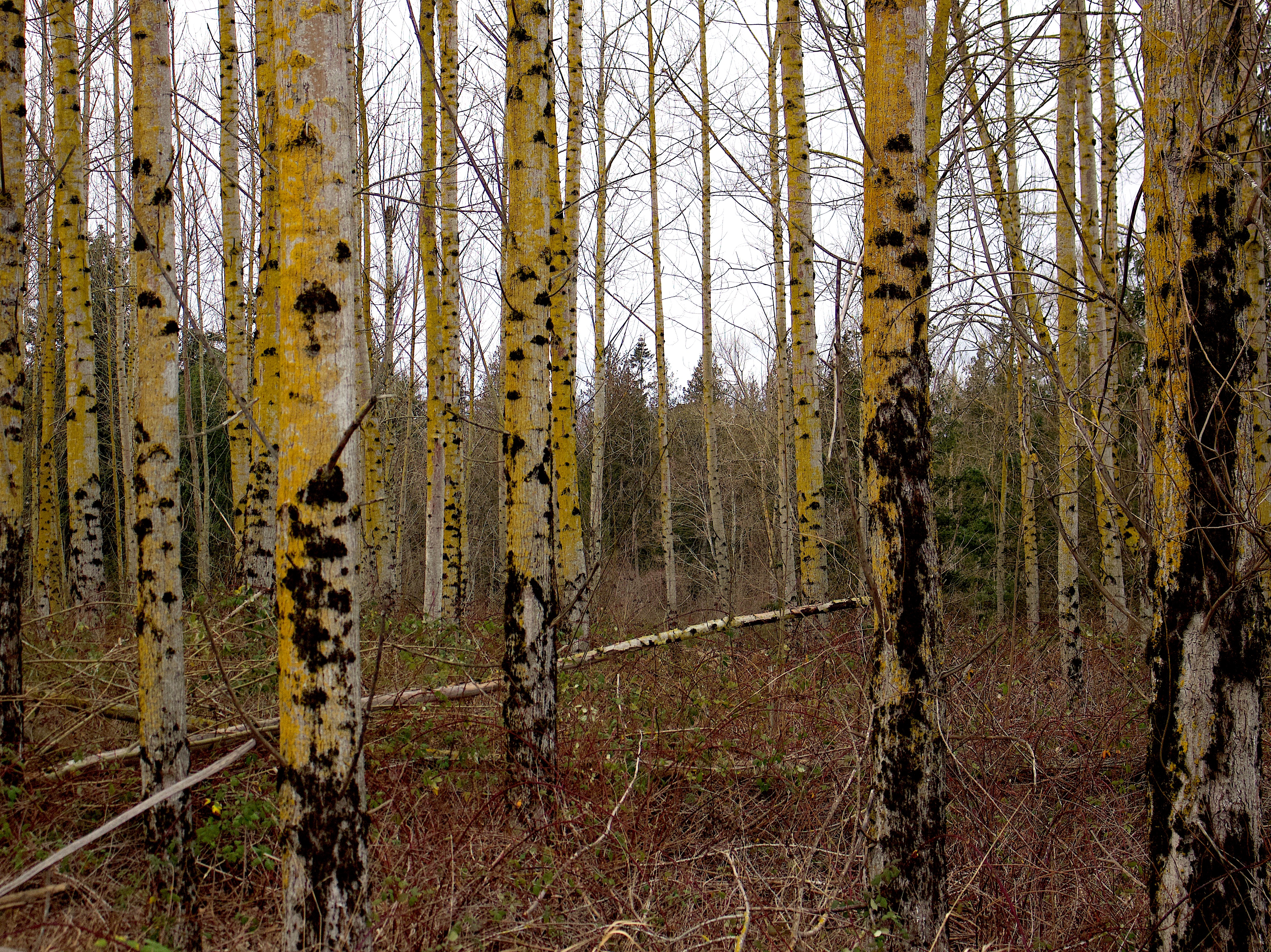
Even in mid-January, when endless days drag on dark and damp~ even when I am unconvinced new life and light will ever return, these mosses grow with enthusiasm, requiring so little to stay alive~
they patiently encourage me to fly with strong wings, to keep open the doors of my heart to the possibility that even now, especially now when I can’t imagine it, I too will thrive.
When it’s over, I want to say: all my life I was a bride married to amazement. I was the bridegroom, taking the world into my arms.
When it’s over, I don’t want to wonder if I have made of my life something particular, and real. I don’t want to find myself sighing and frightened, or full of argument.
I don’t want to end up simply having visited this world. ~Mary Oliver from “When Death Comes”
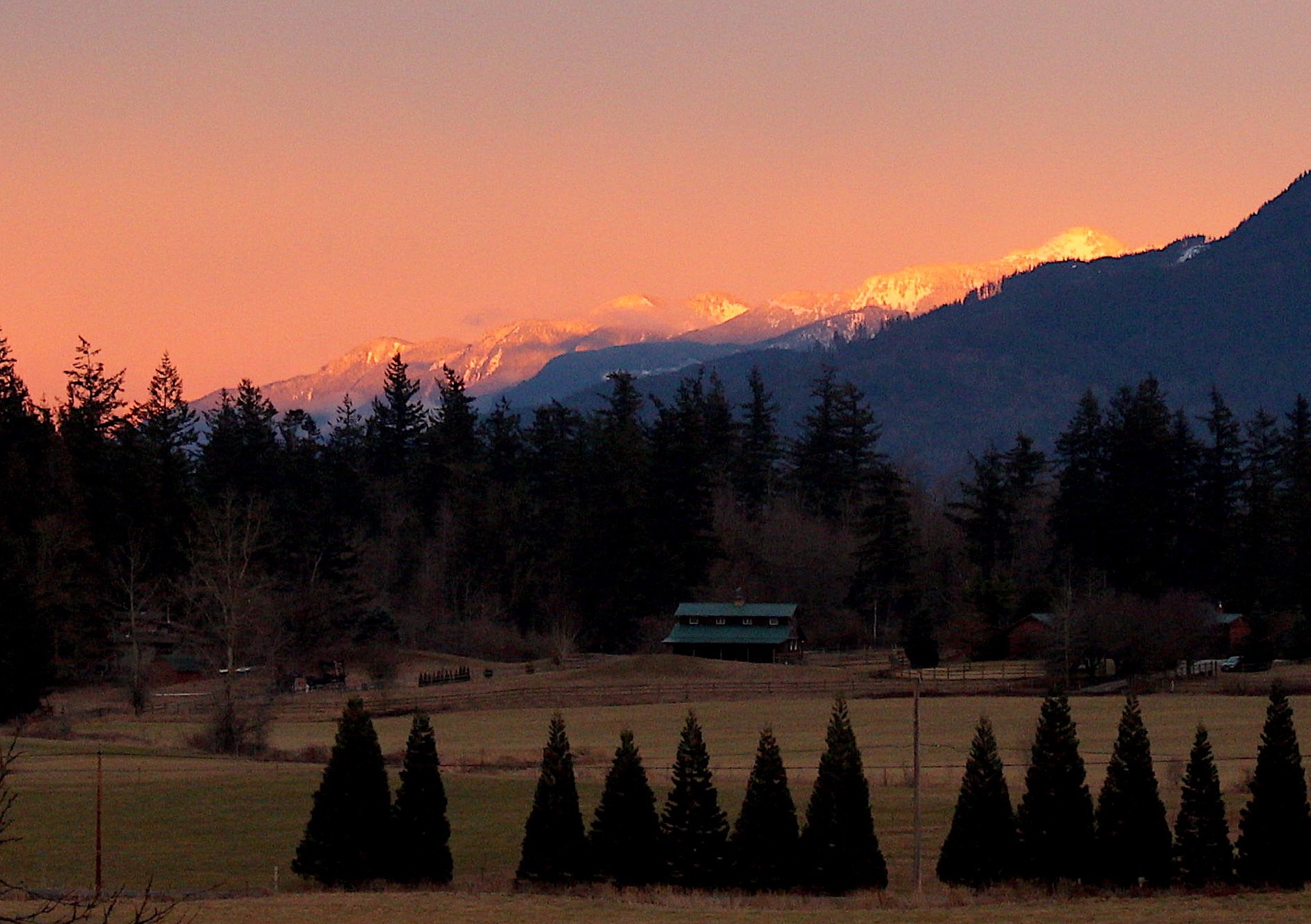
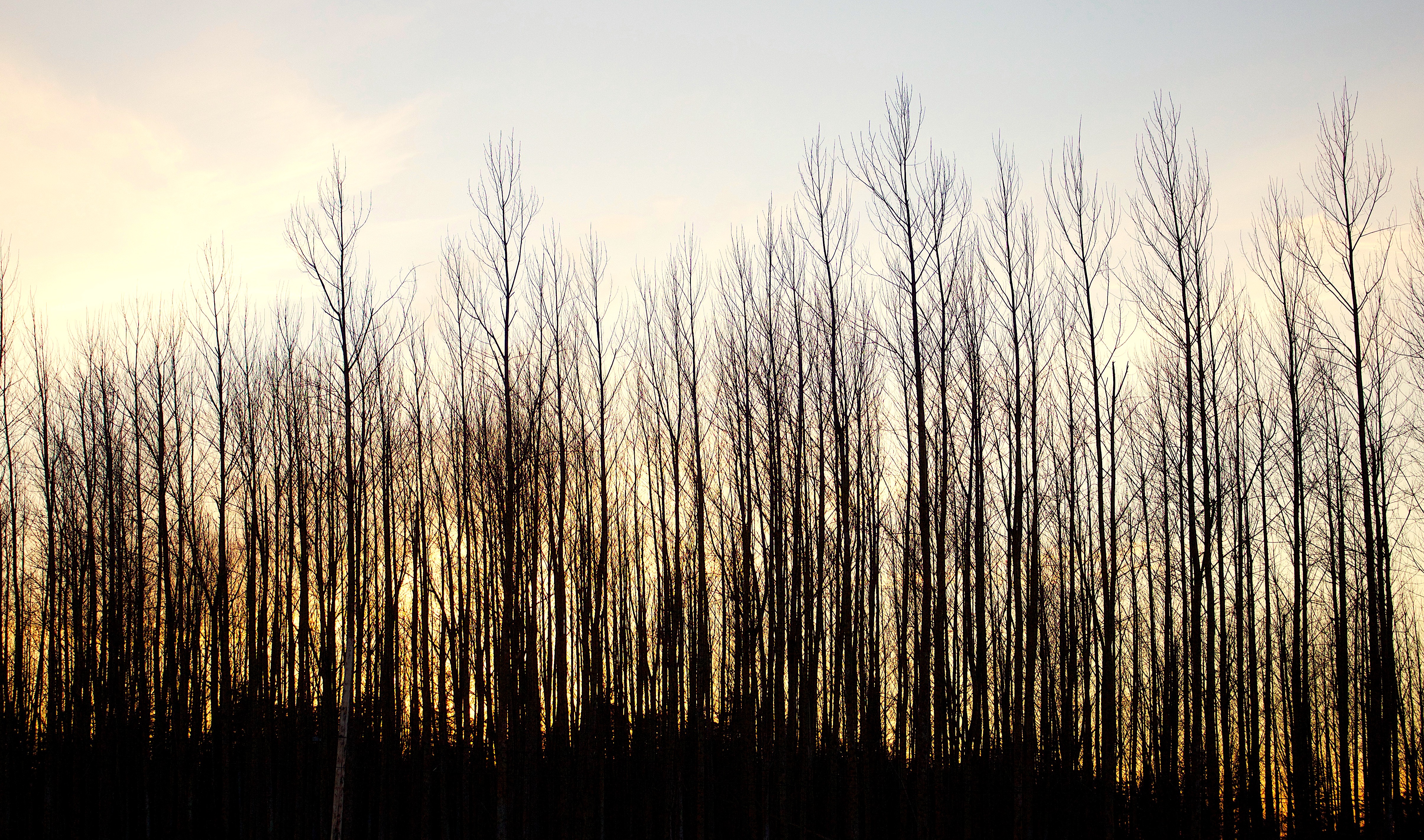
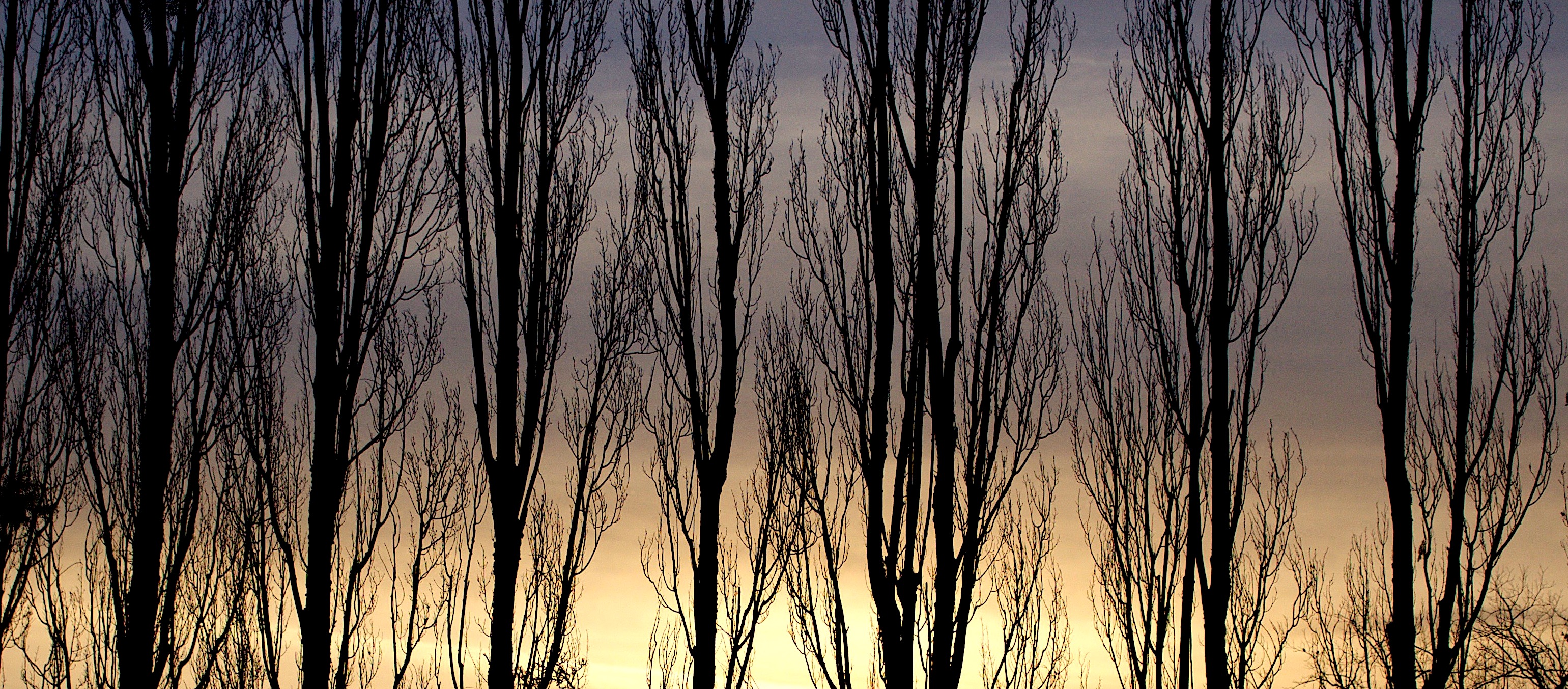
A silence slipping around like death, Yet chased by a whisper, a sigh, a breath, One group of trees, lean, naked and cold, Inking their crest ‘gainst a sky green-gold, One path that knows where the corn flowers were; Lonely, apart, unyielding, one fir; And over it softly leaning down, One star that I loved ere the fields went brown. ~Angelina Weld Grimke “A Winter Twilight”
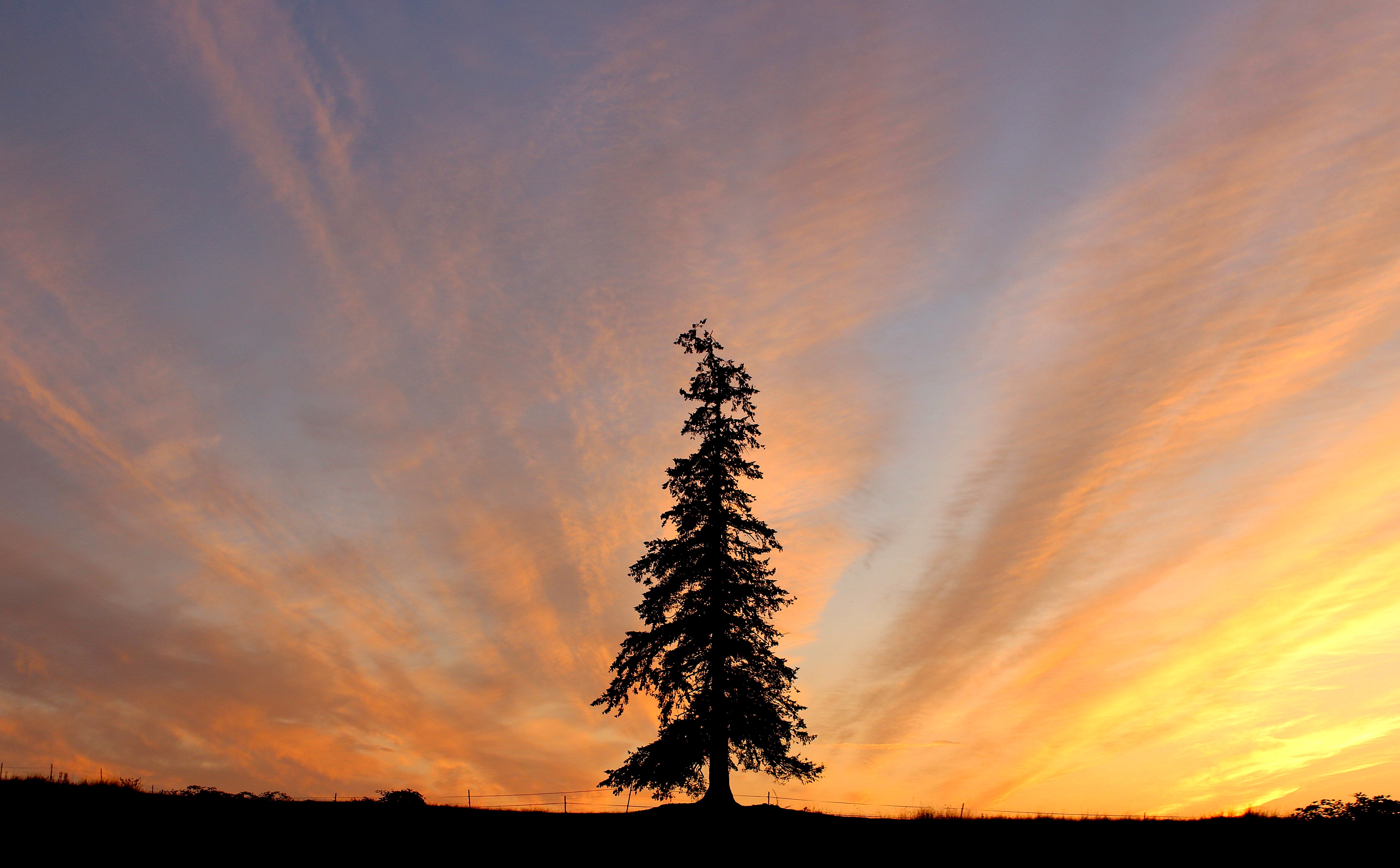
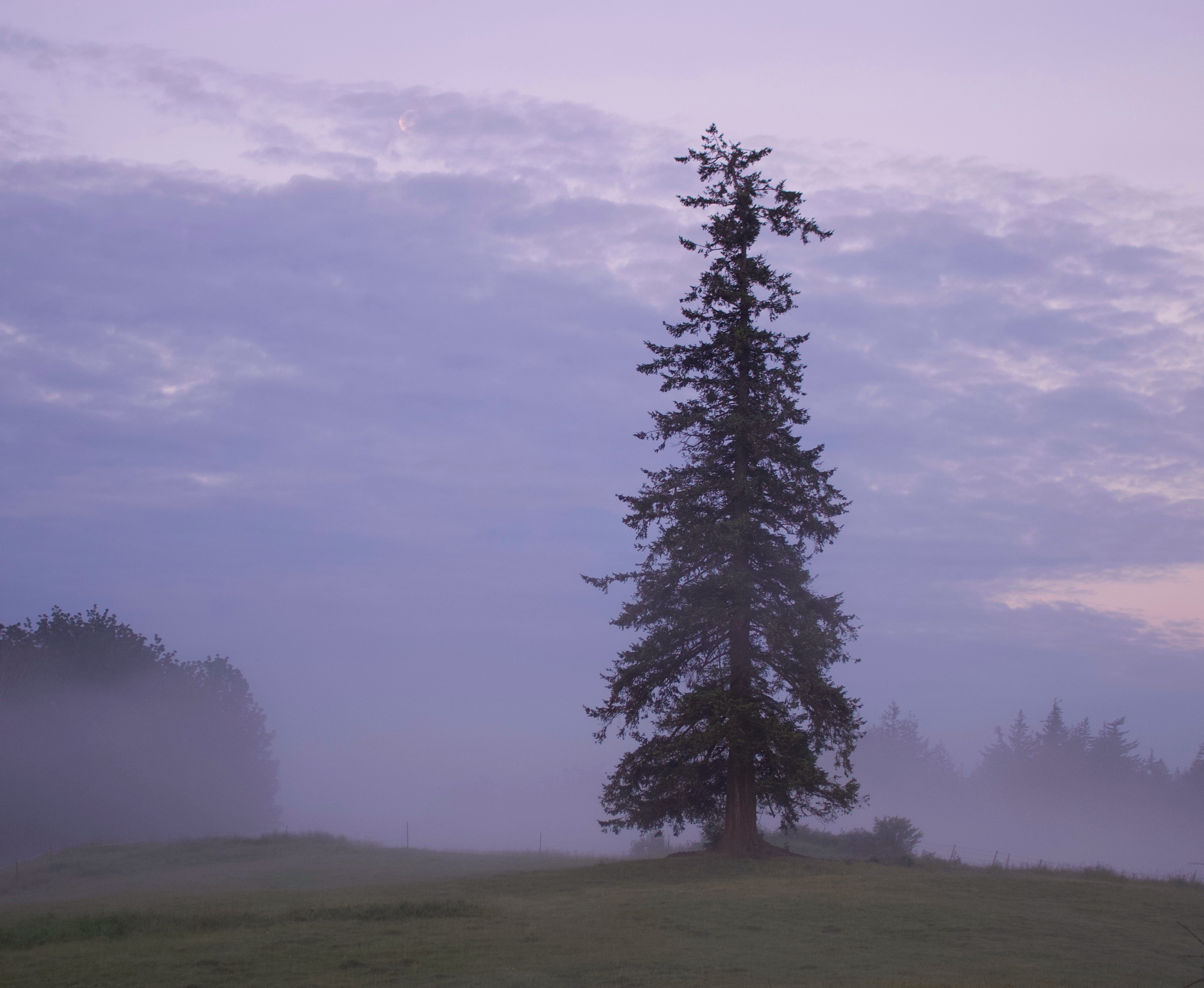
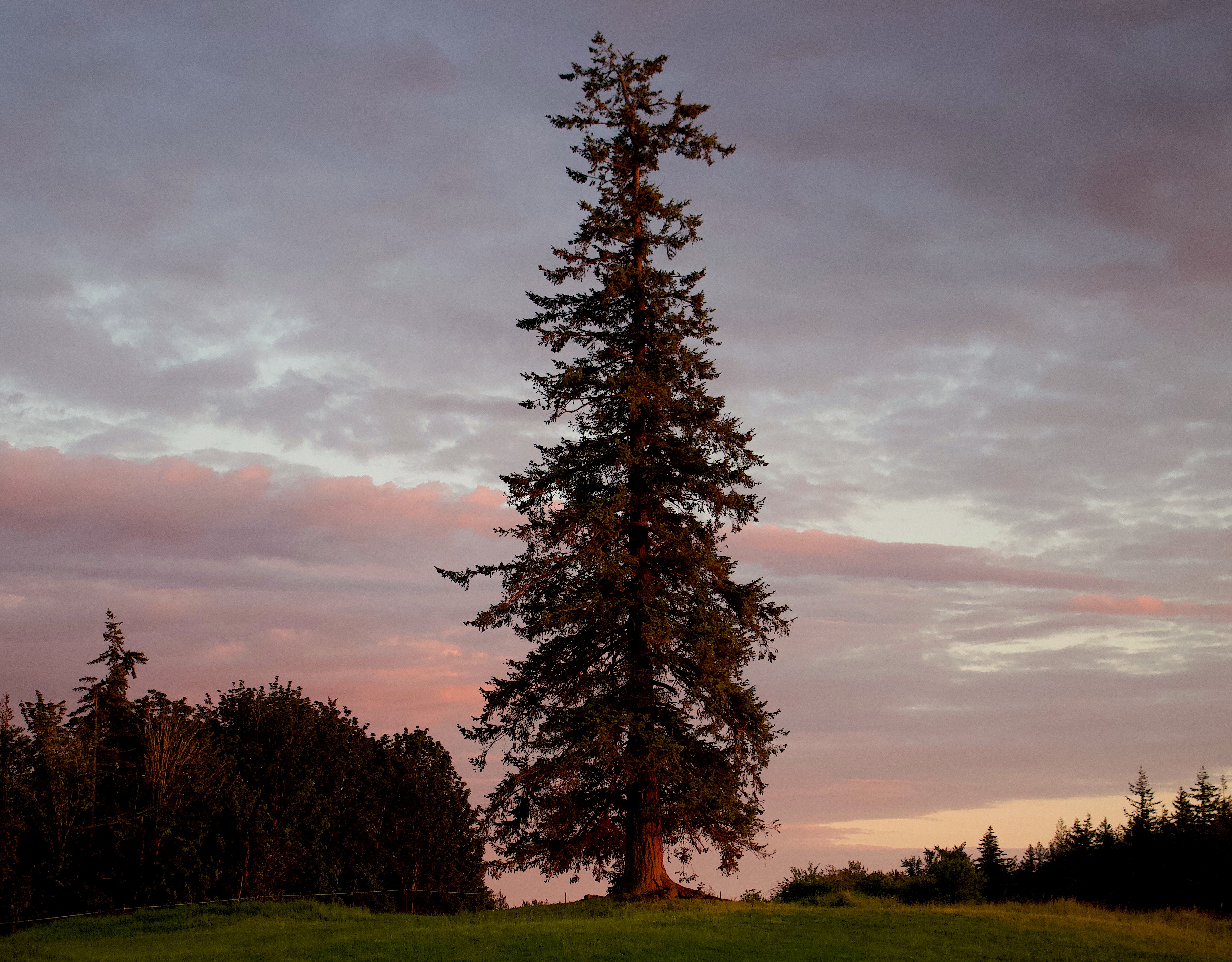
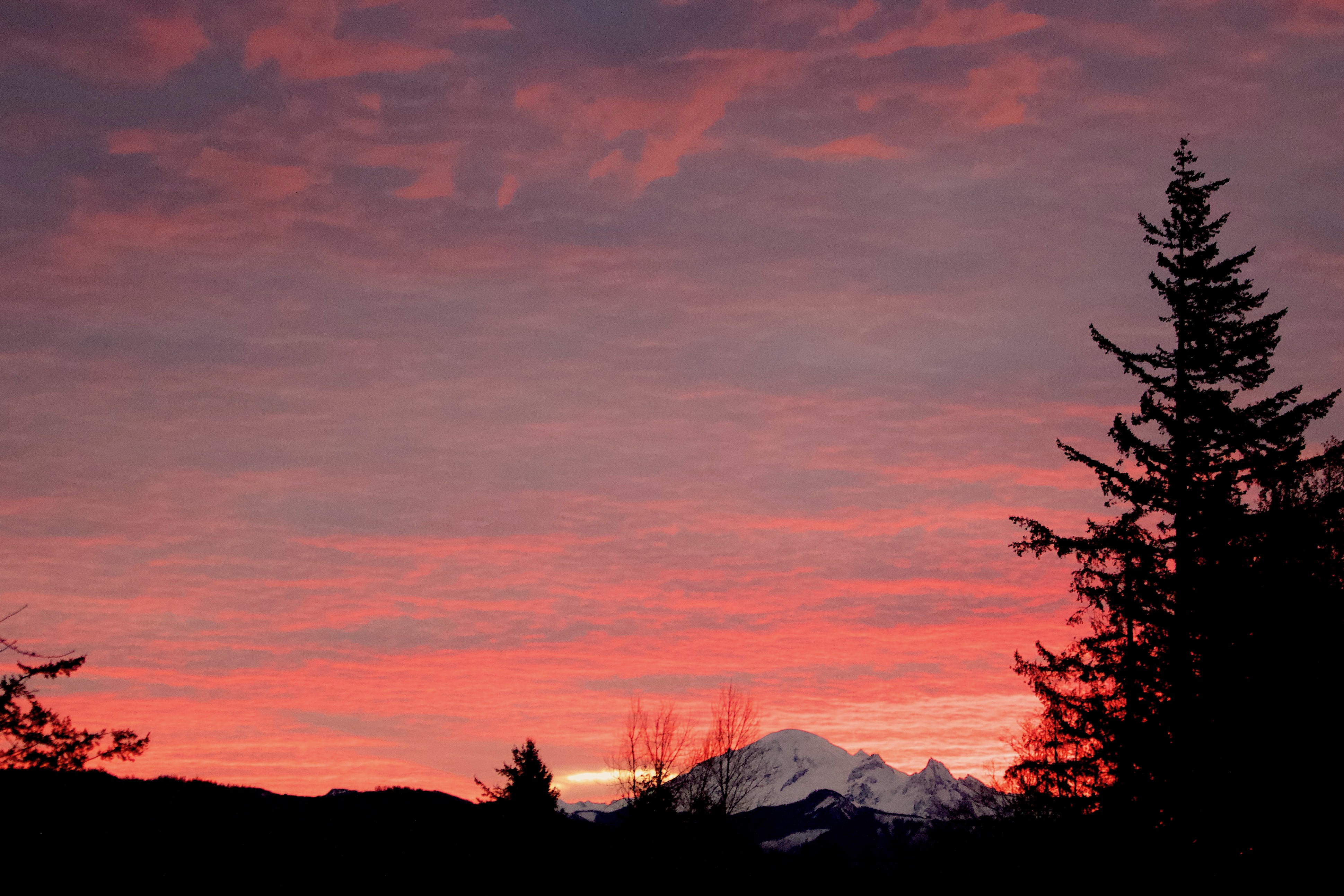
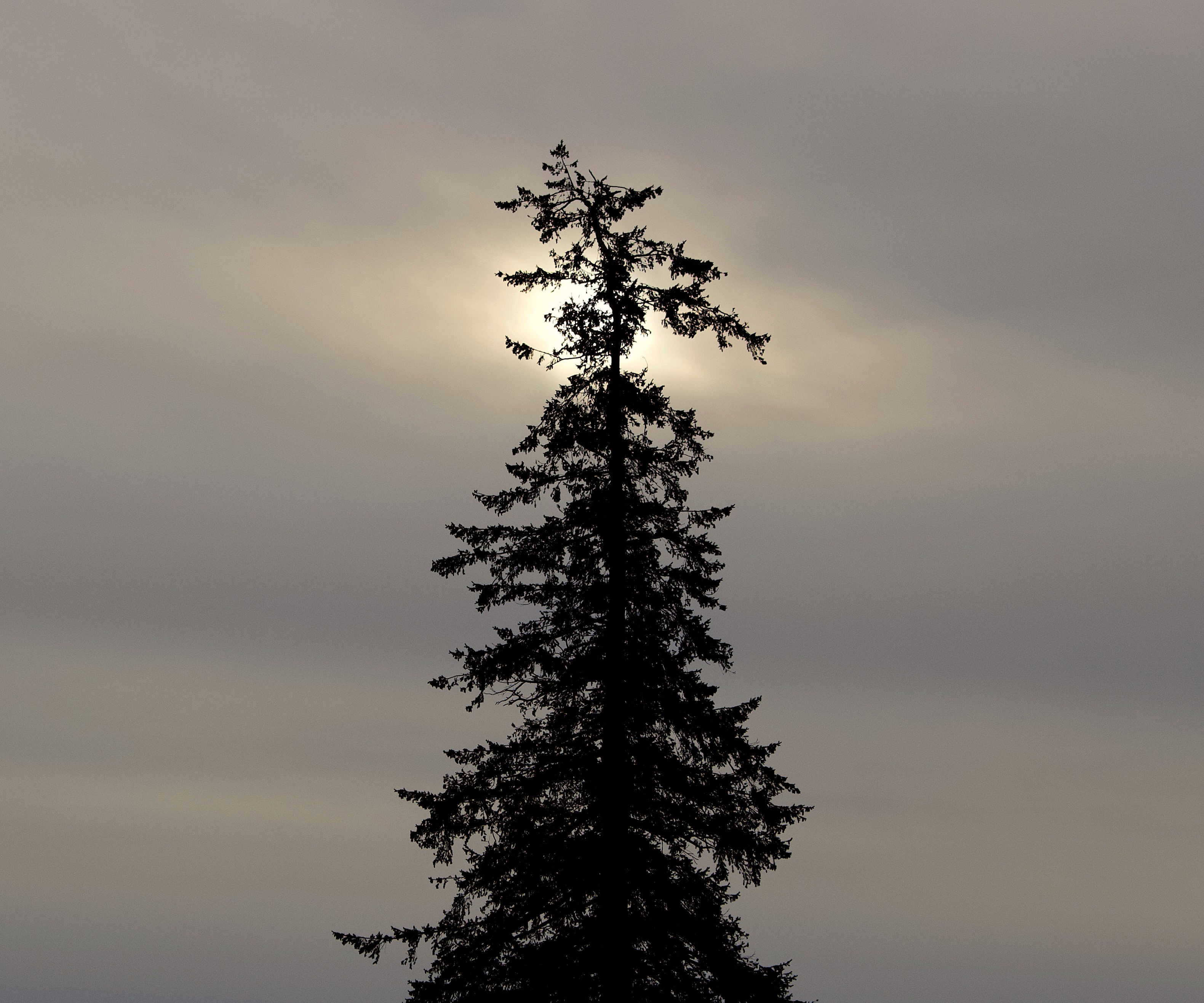
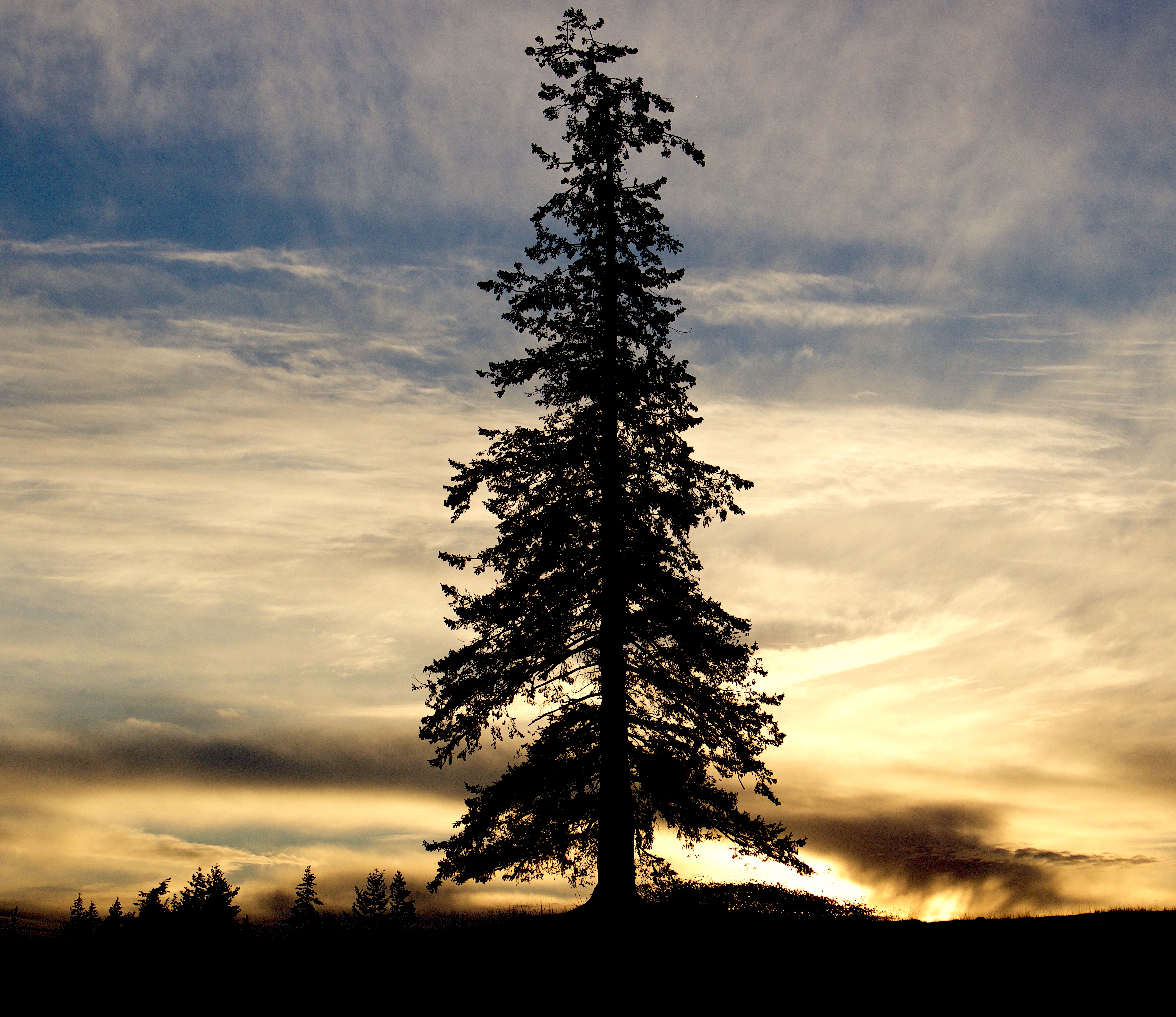
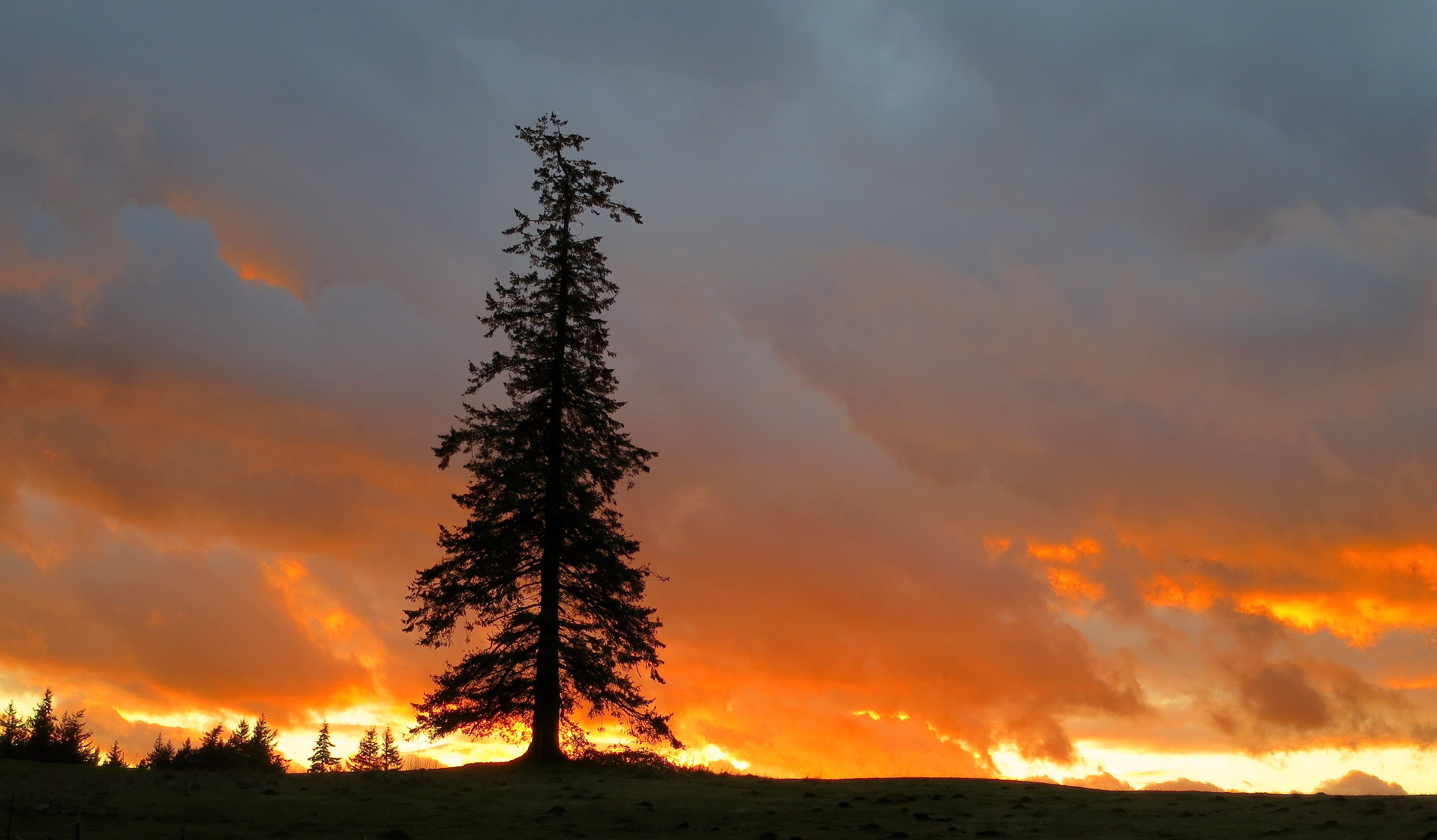
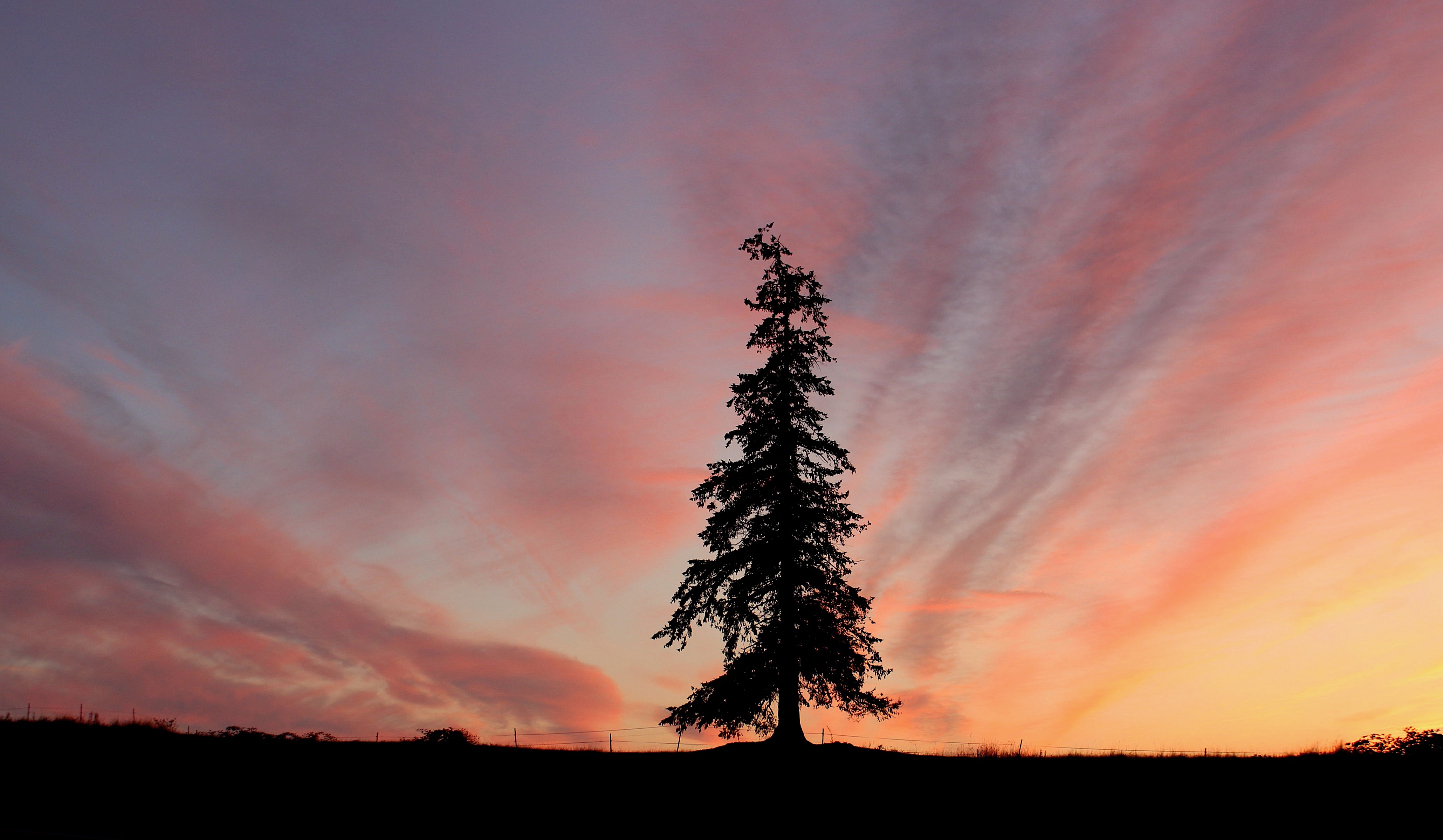
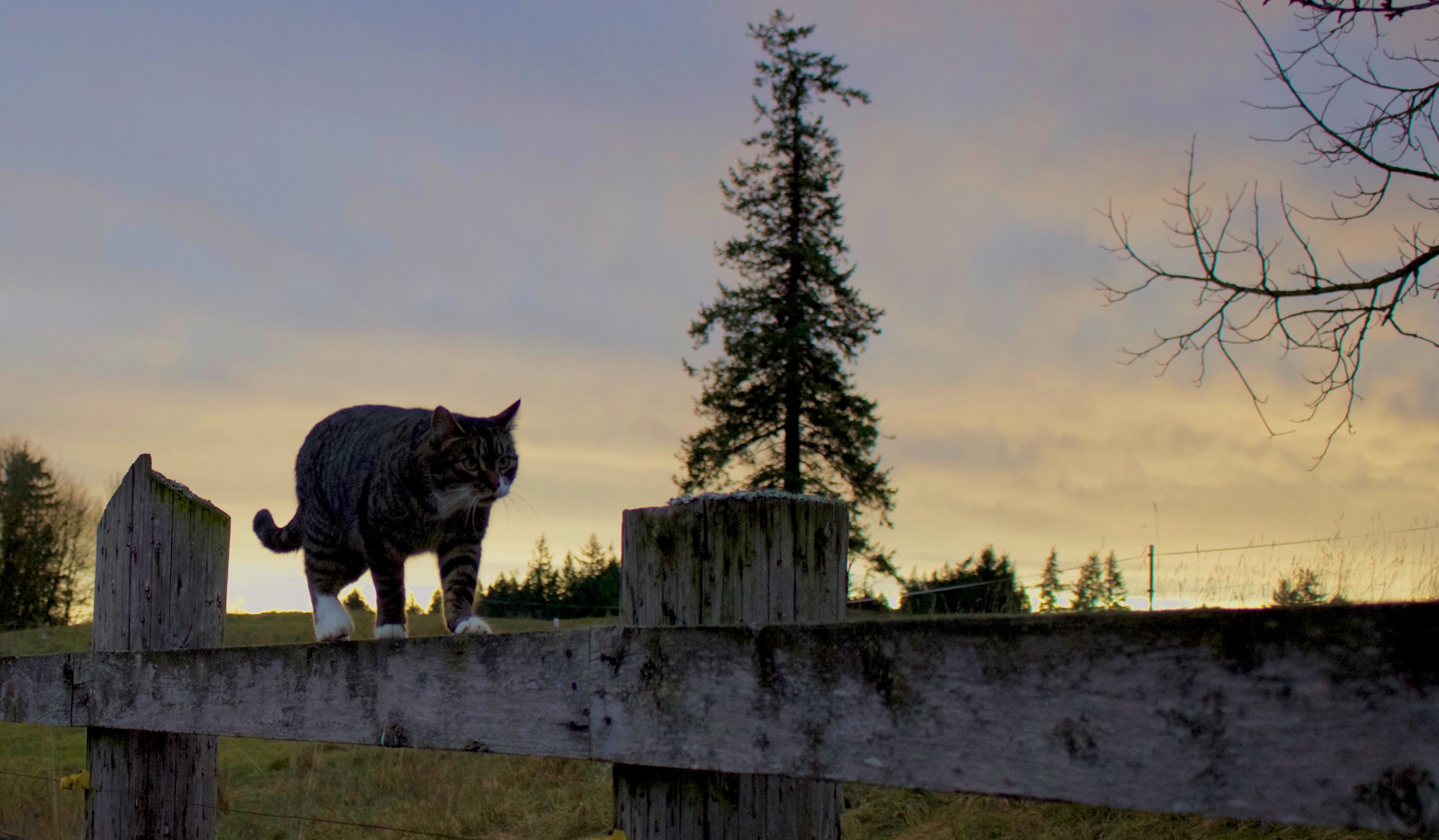
I am astonished at my thirstiness slaked by such simple things as a moment of pink, a burst of birdsong, a cat balancing on a fence rail, a focal fir that stands unyielding on a hill top, a glimpse of tomorrow over the horizon of today.
Sometimes when I watch trees sway, From the window or the door. I shall set forth for somewhere, I shall make the reckless choice Some day when they are in voice And tossing so as to scare The white clouds over them on. I shall have less to say, But I shall be gone. ~Robert Frost from “The Sound of Trees”
There is a thing in me that dreamed of trees, A quiet house, some green and modest acres A little way from every troubling town, Al little way from factories, schools, laments. I would have time, I thought, and time to spare, With only streams and birds for company, To build out of my life a few wild stanzas. And then it came to me, that so was death, A little way away from everywhere. ~Mary Oliver from “A Dream of Trees” from New and Selected Poems
As I wind down my work load, for once sharing the calls at night, and allowing others to manage the day time urgencies,
I wonder if I shall have less to say, and whether I will become less myself.
A life of non-stop doctoring means having little time for anything else. Soon I will have time and time to spare.
I wonder about the trees and how To build out of my life a few wild stanzas.














 Barnstorming