Once in your life you pass Through a place so pure It becomes tainted even By your regard, a space Of trees and air where Dusk comes as perfect ripeness. Here the only sounds are Sighs of rain and snow, Small rustlings of plants As they unwrap in twilight. This is where you will go At last when coldness comes. It is something you realize When you first see it, But instantly forget. At the end of your life You remember and dwell in Its faultless light forever. ~Paul Zimmer “The Place” from Crossing to Sunlight Revisited.
I like the slants of light; I’m a collector. That’s a good one, I say… ~Annie Dillard from Pilgrim at Tinker Creek
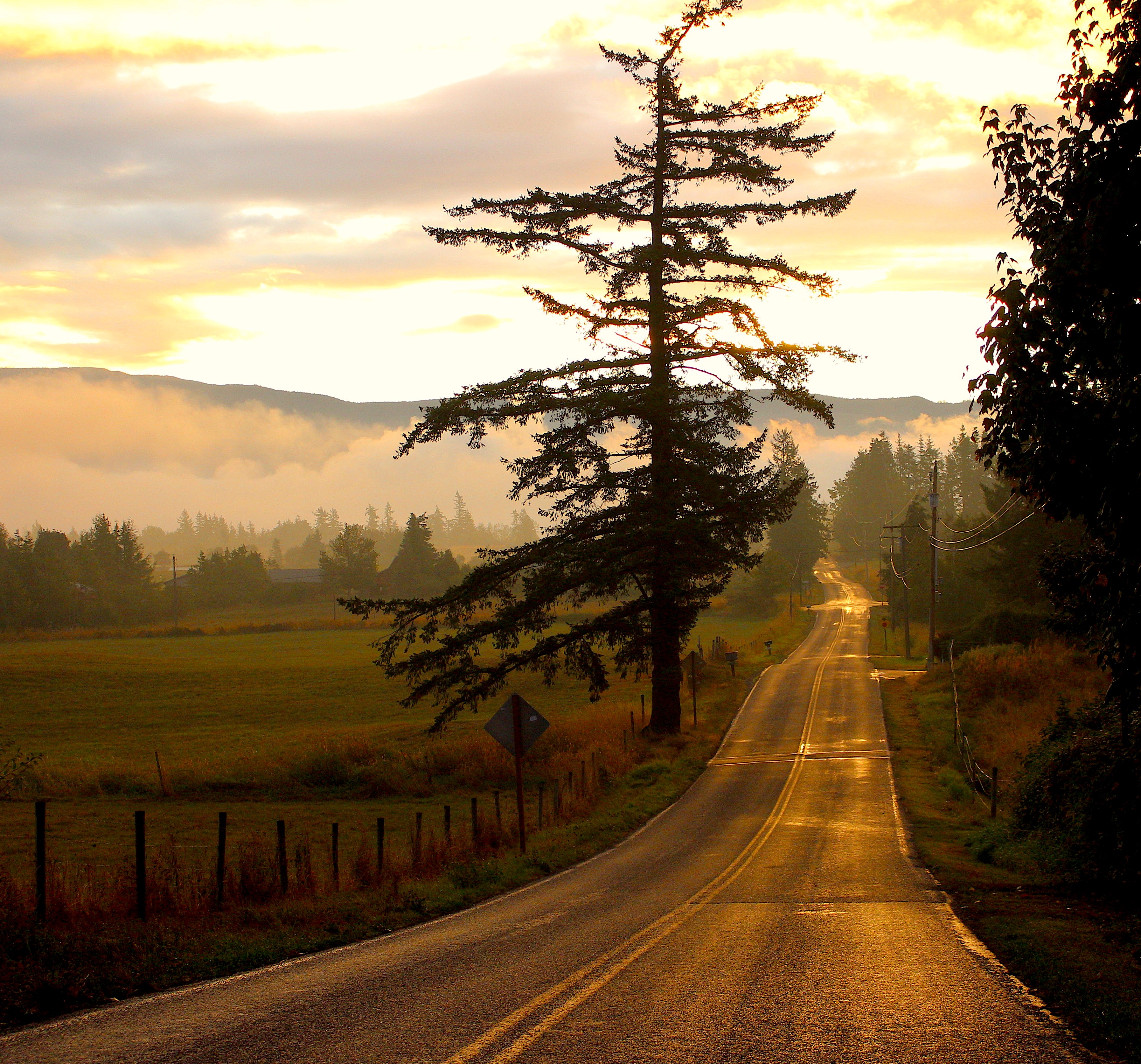
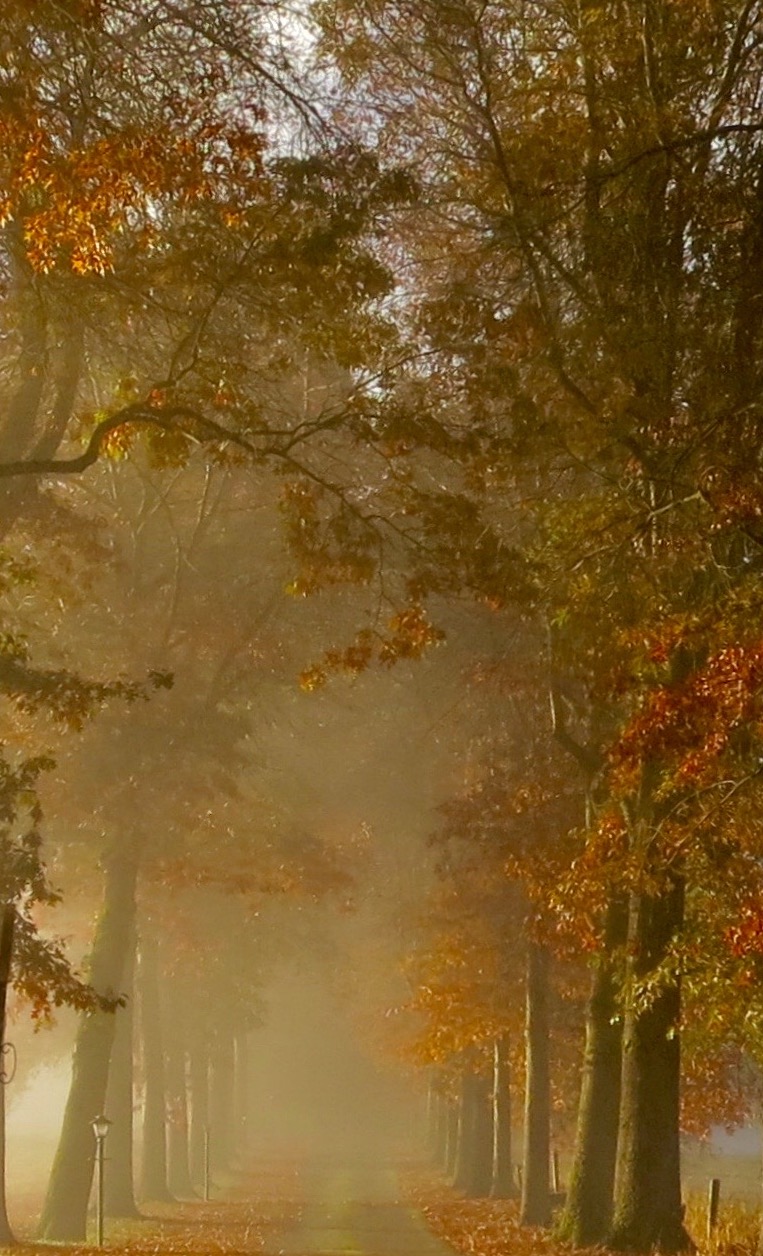
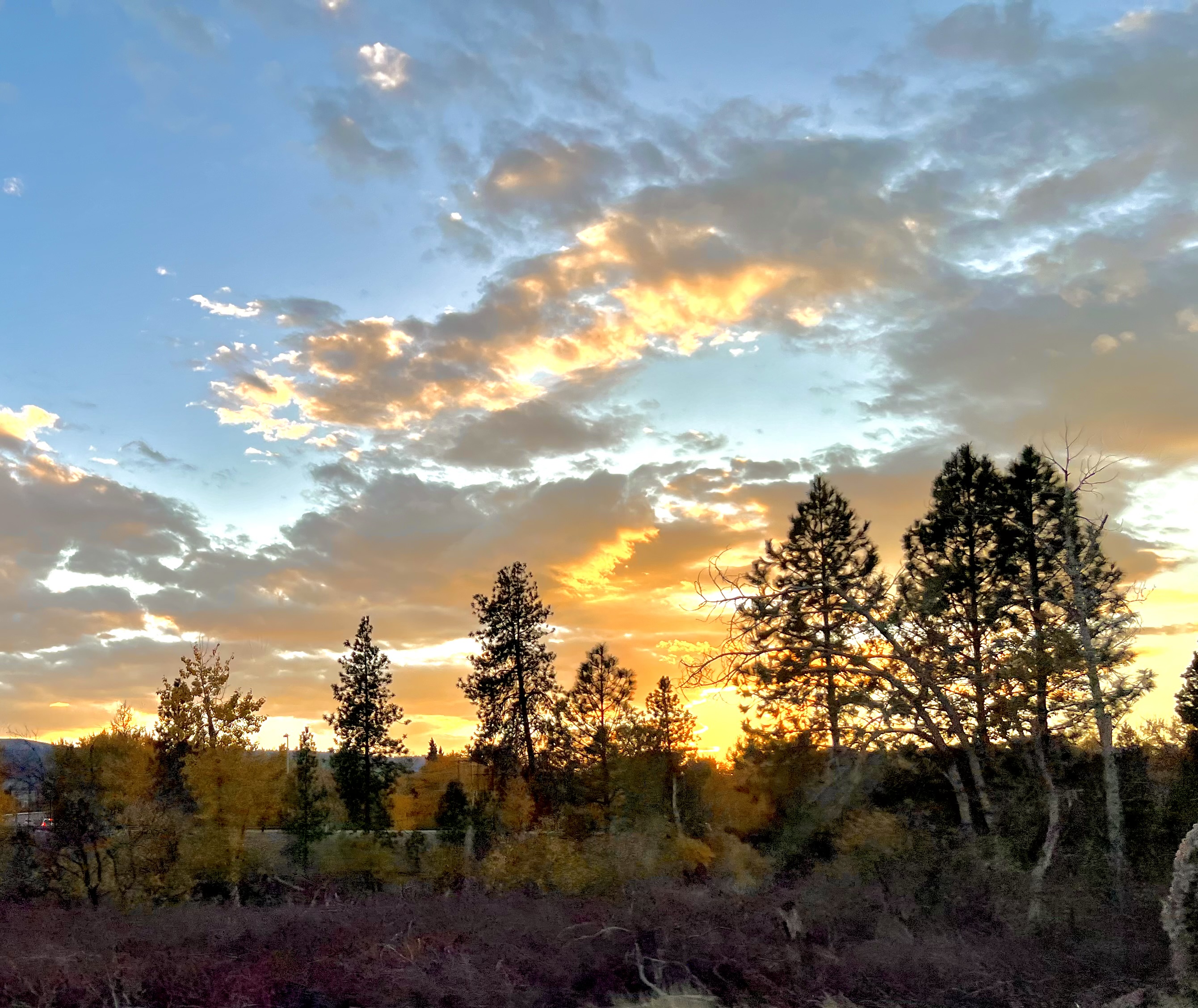
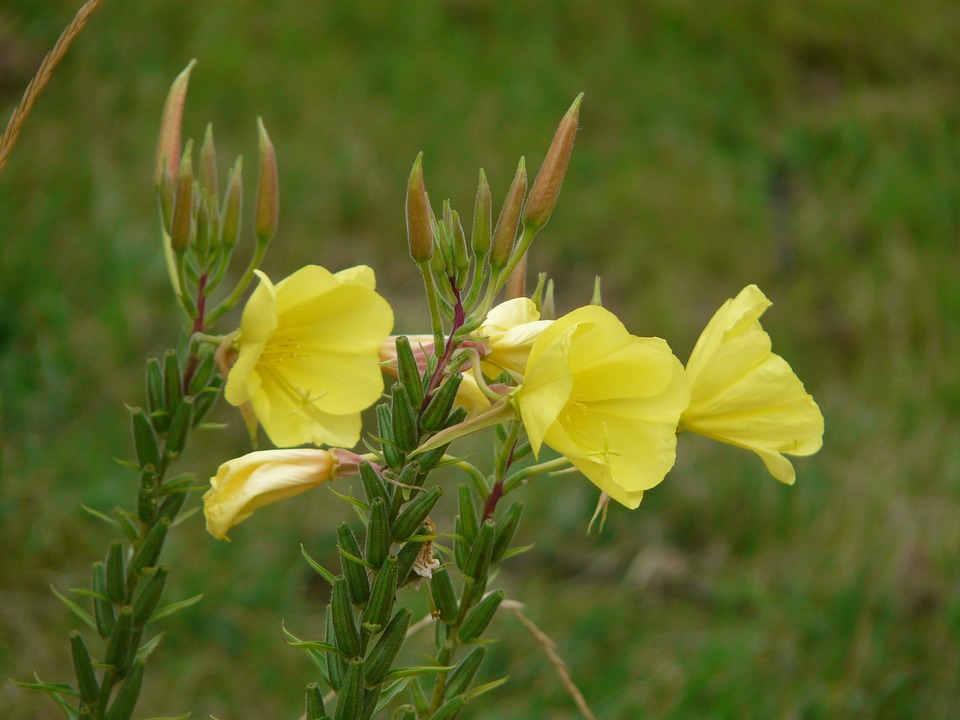
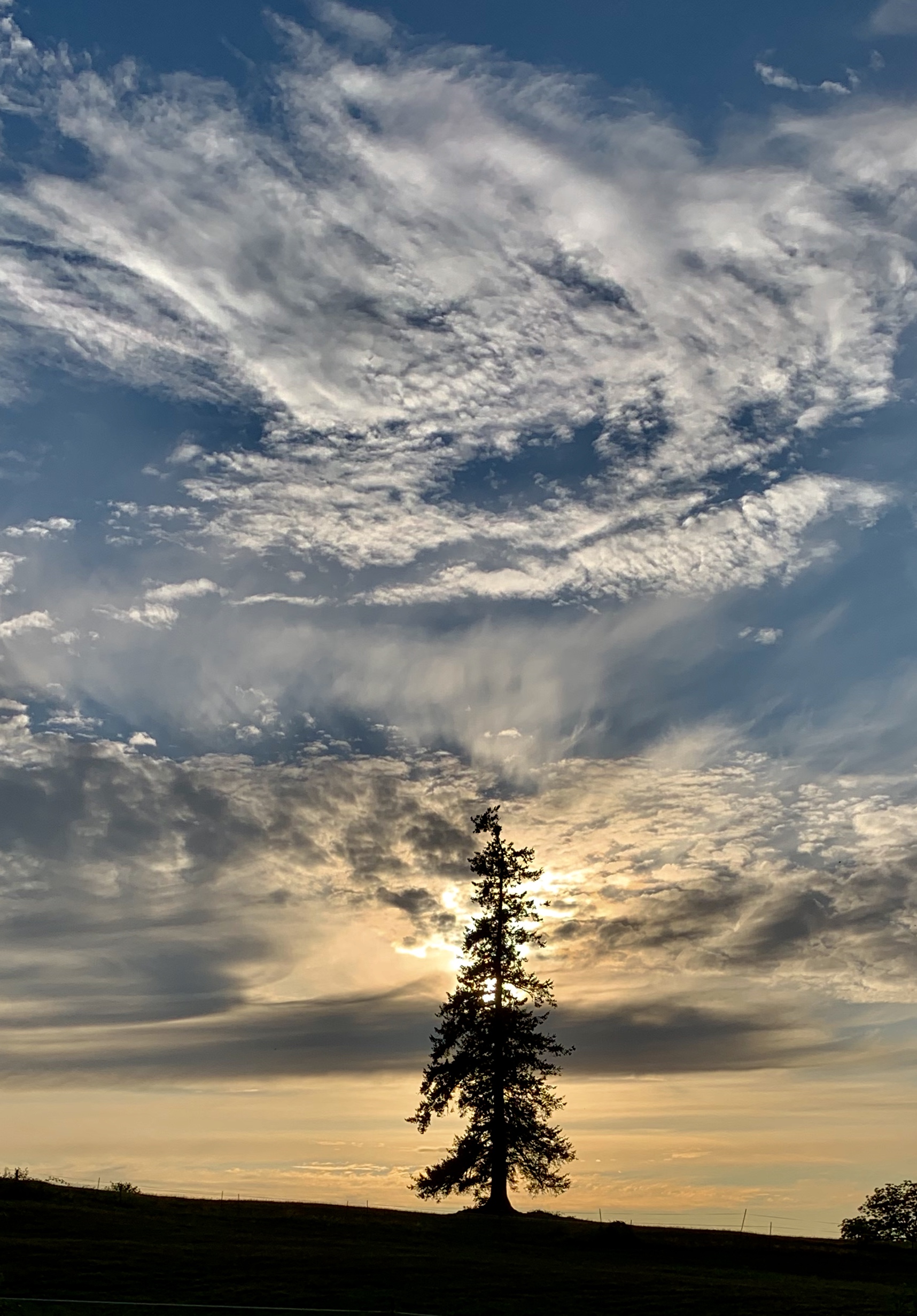
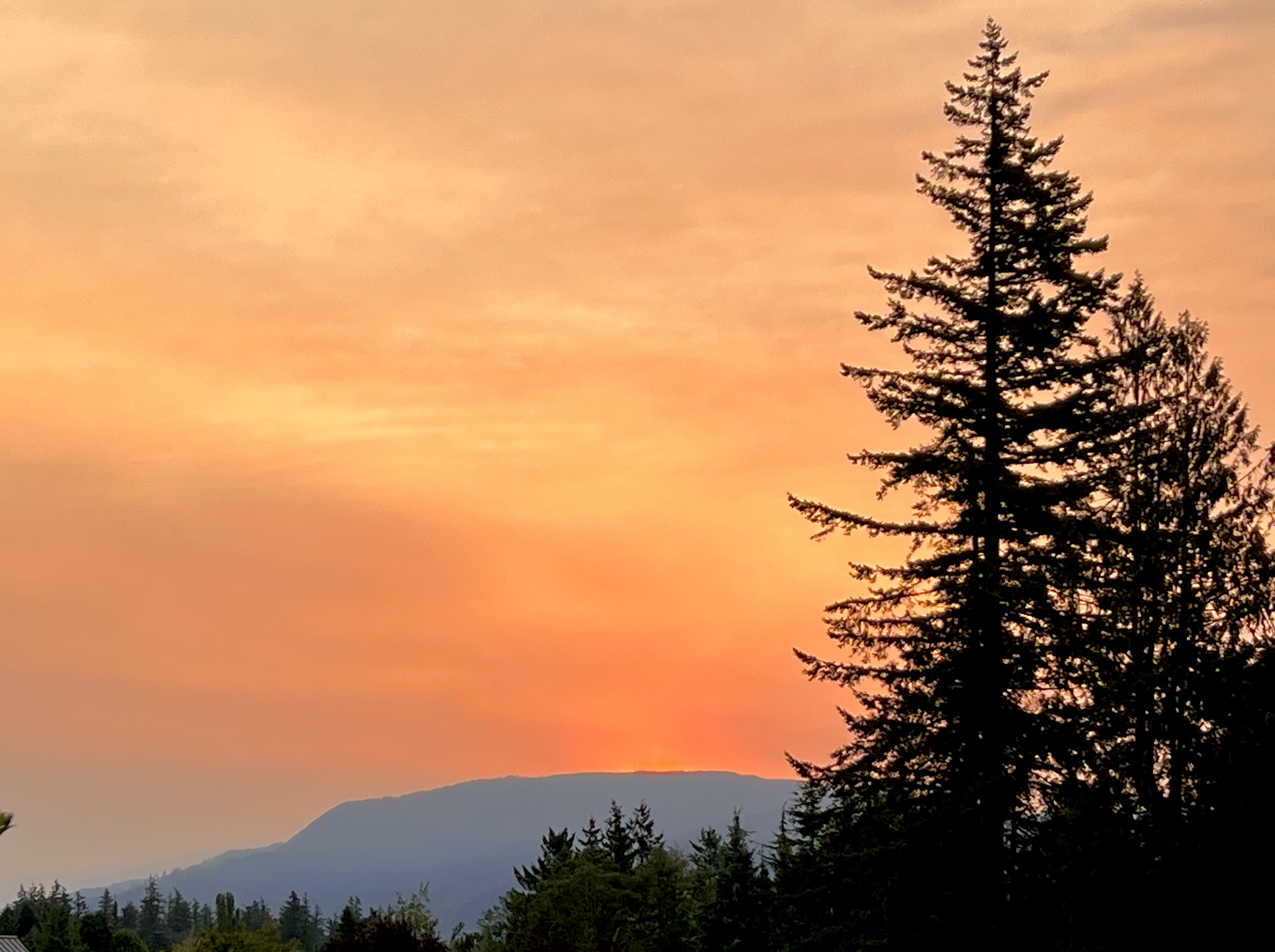
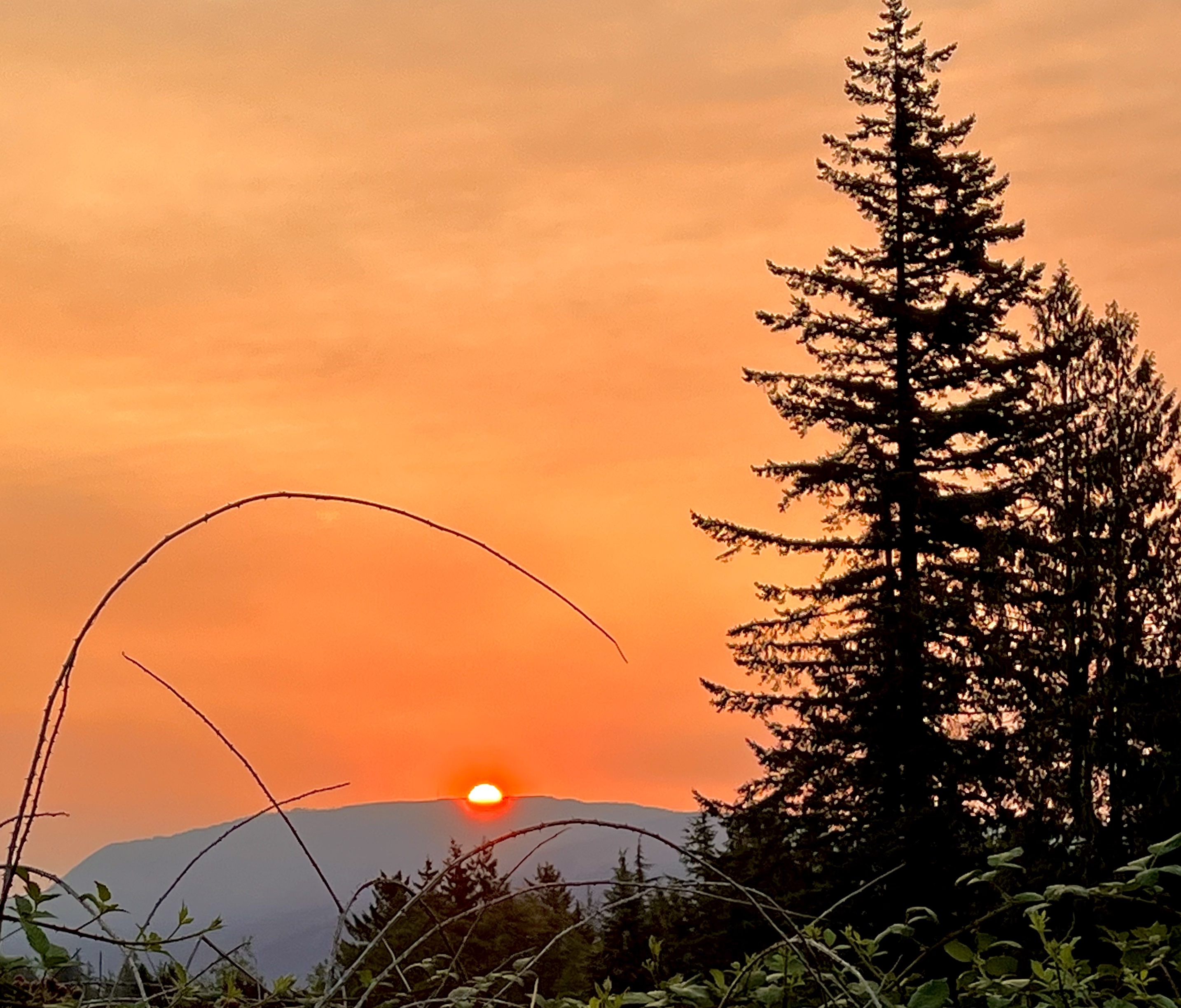
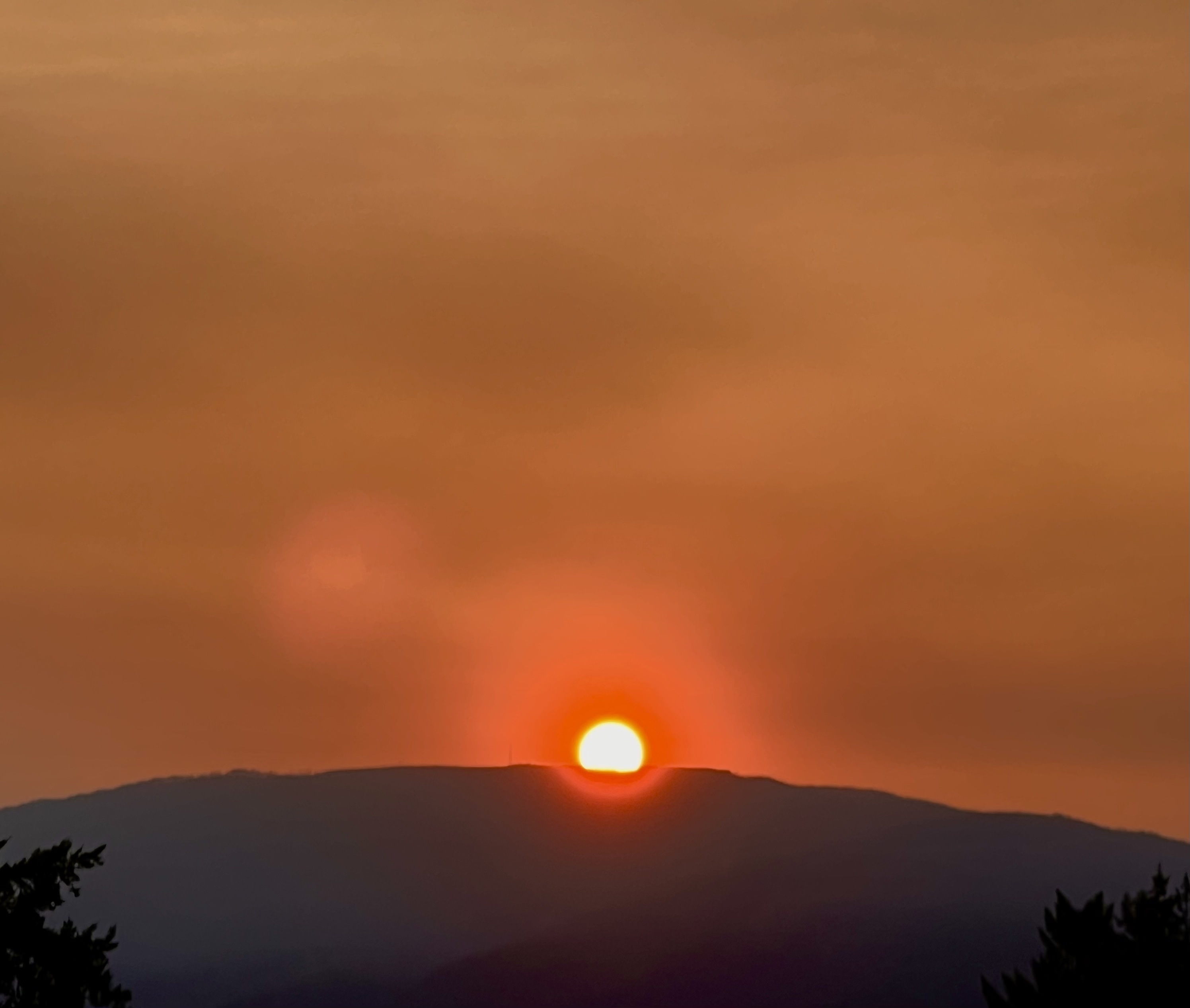
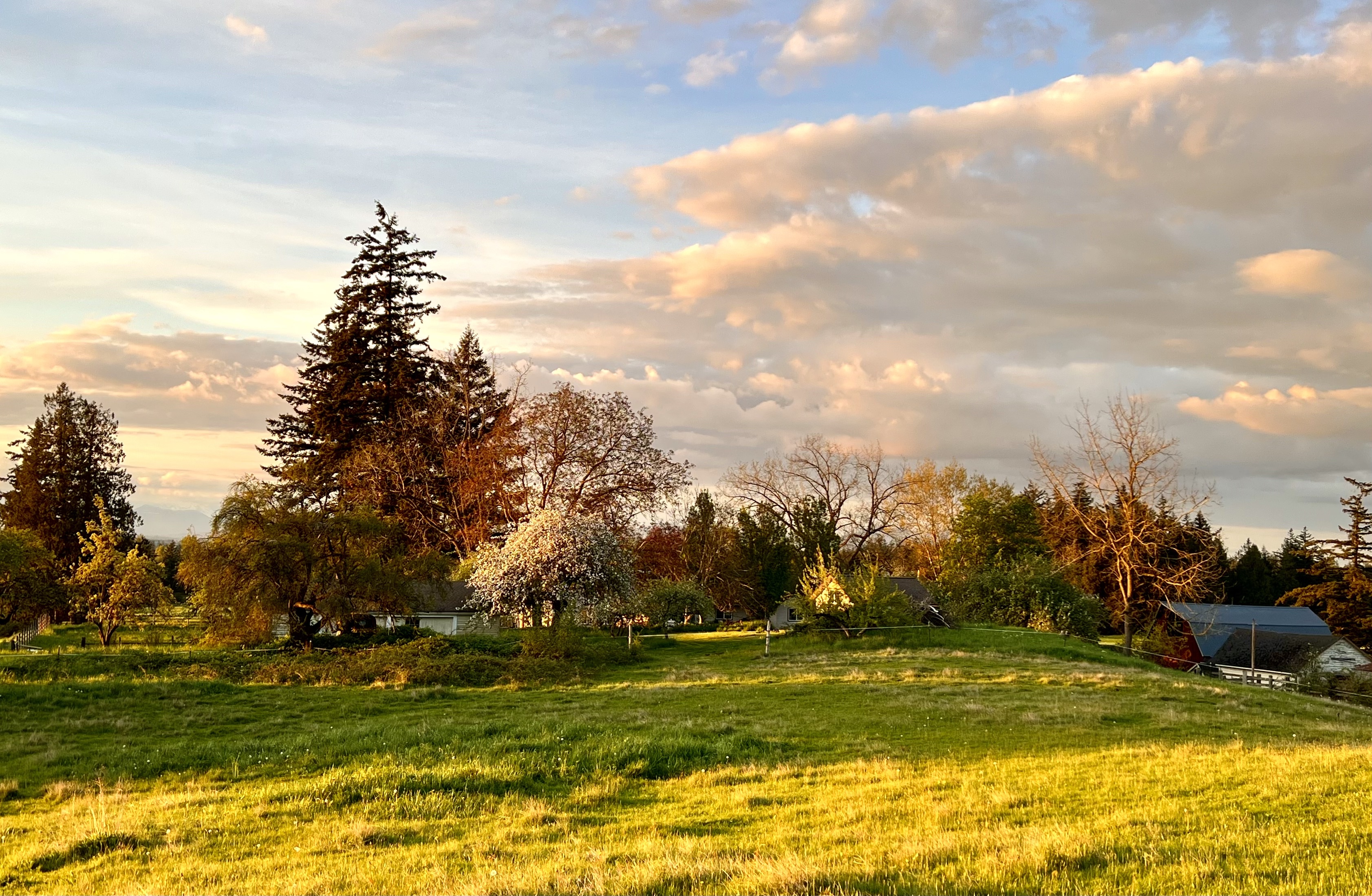
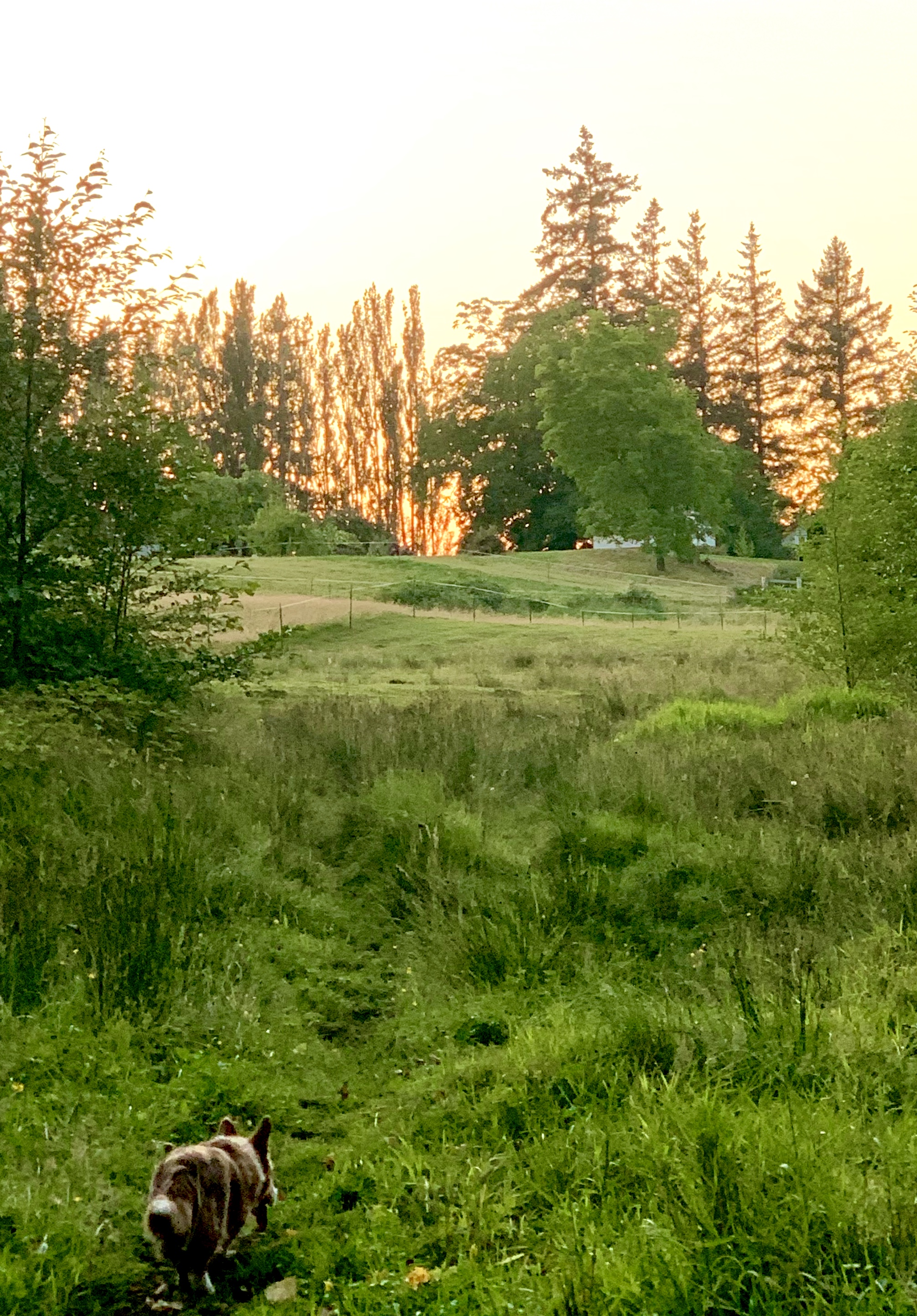
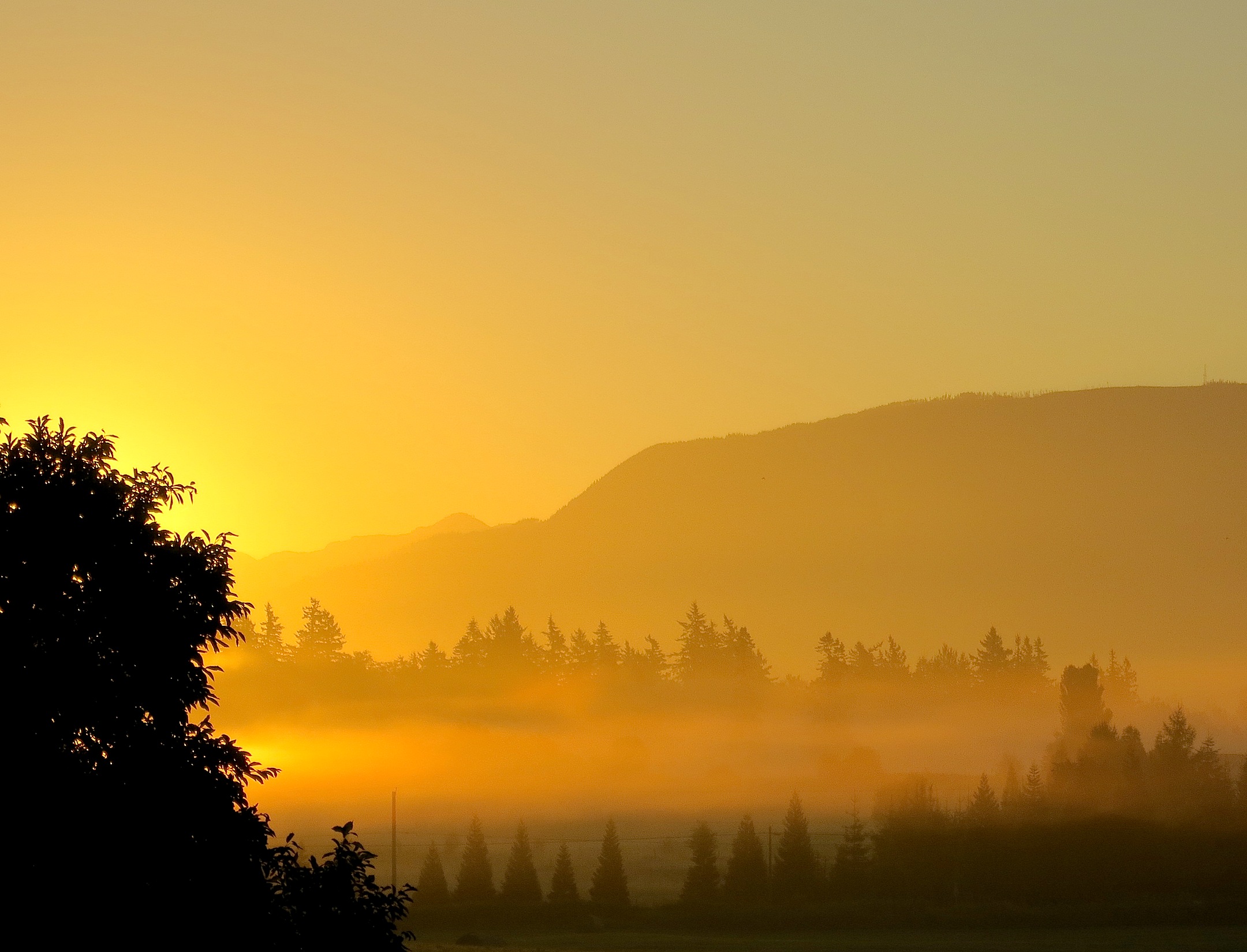
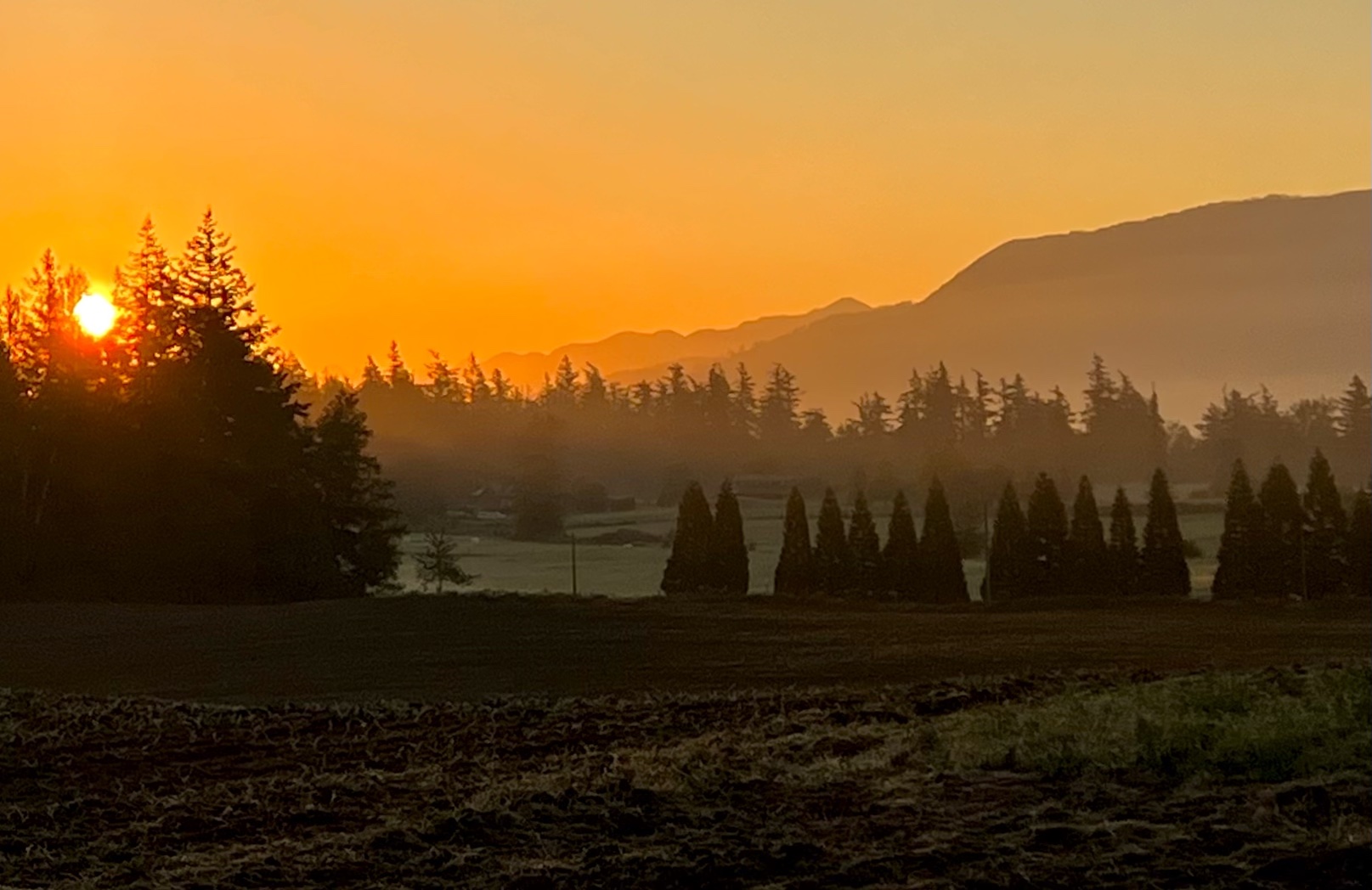
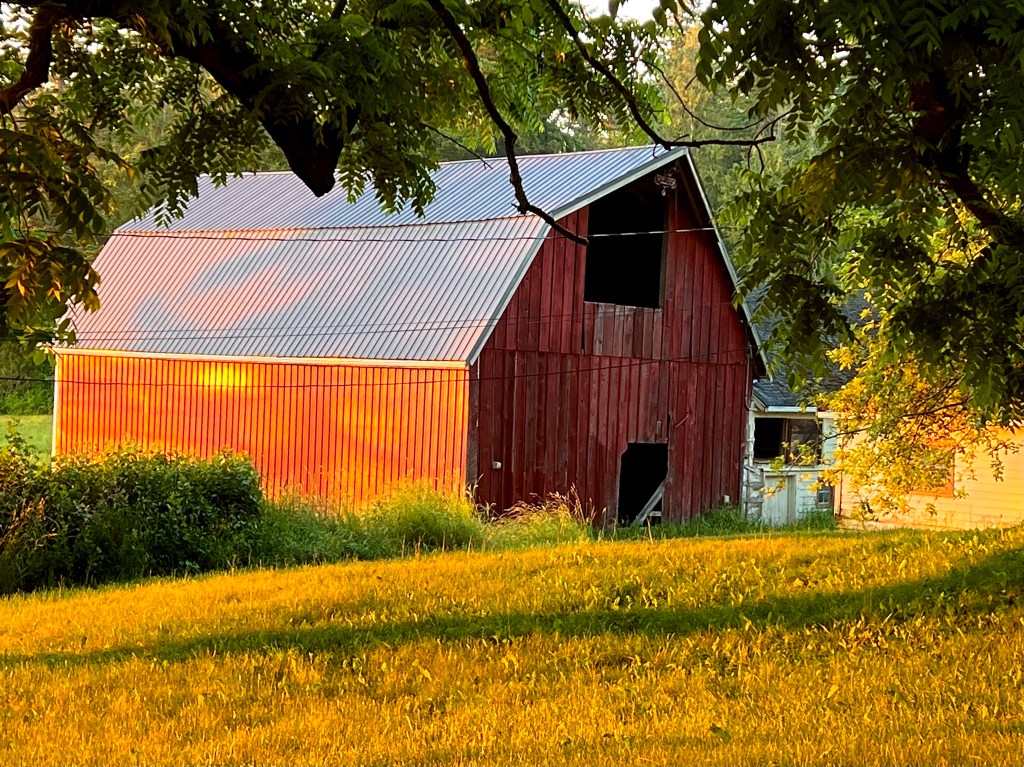
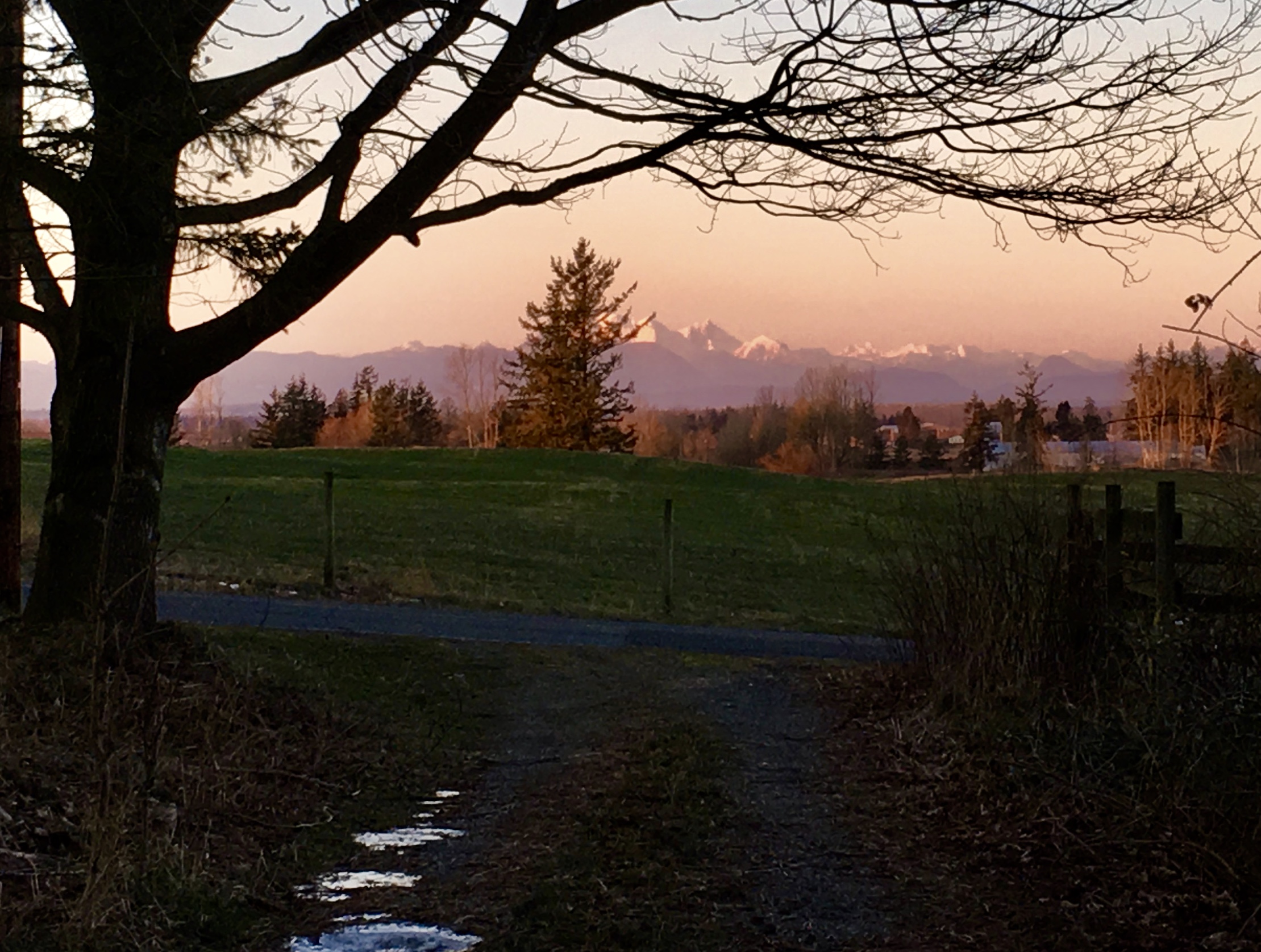
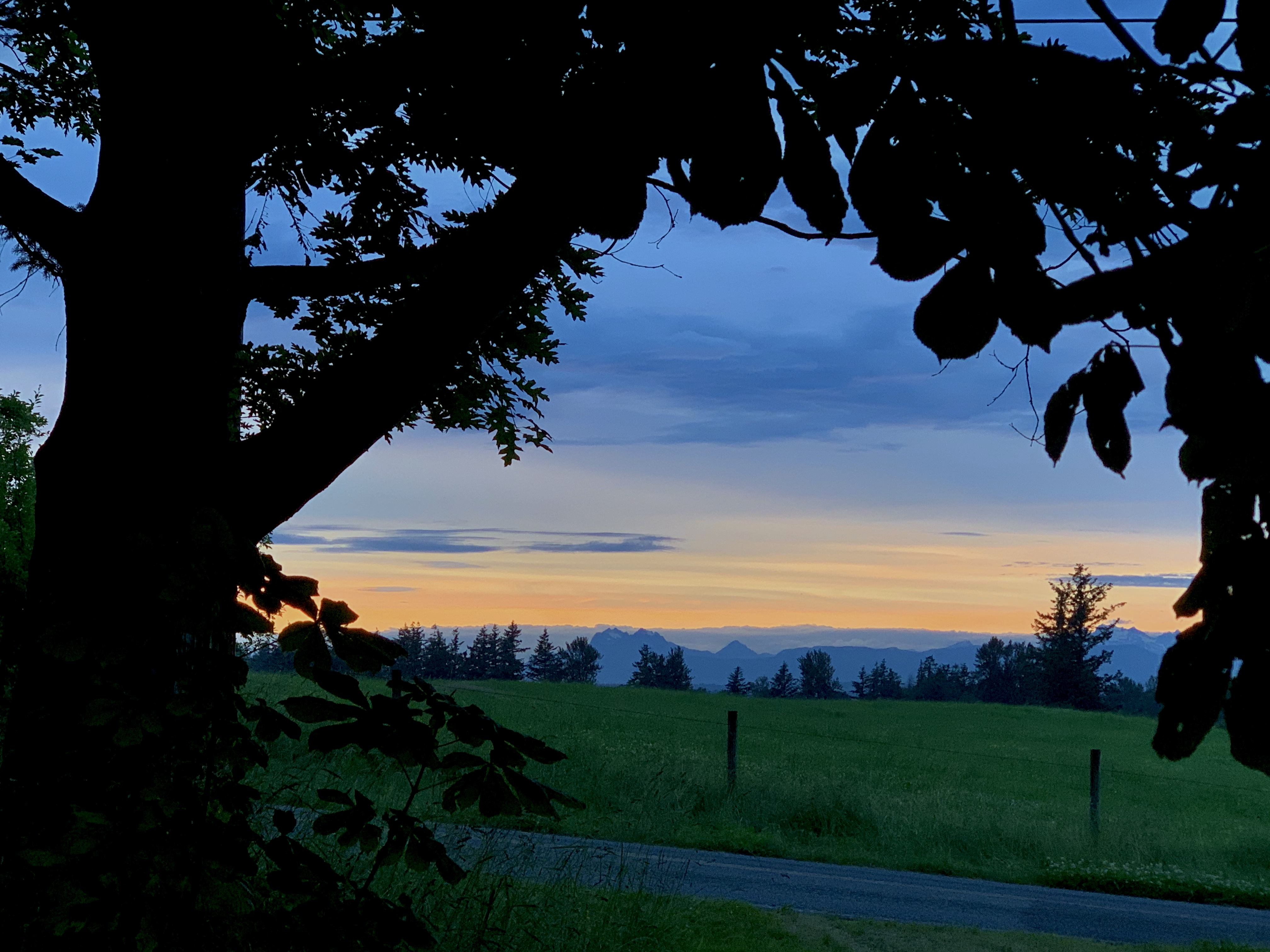
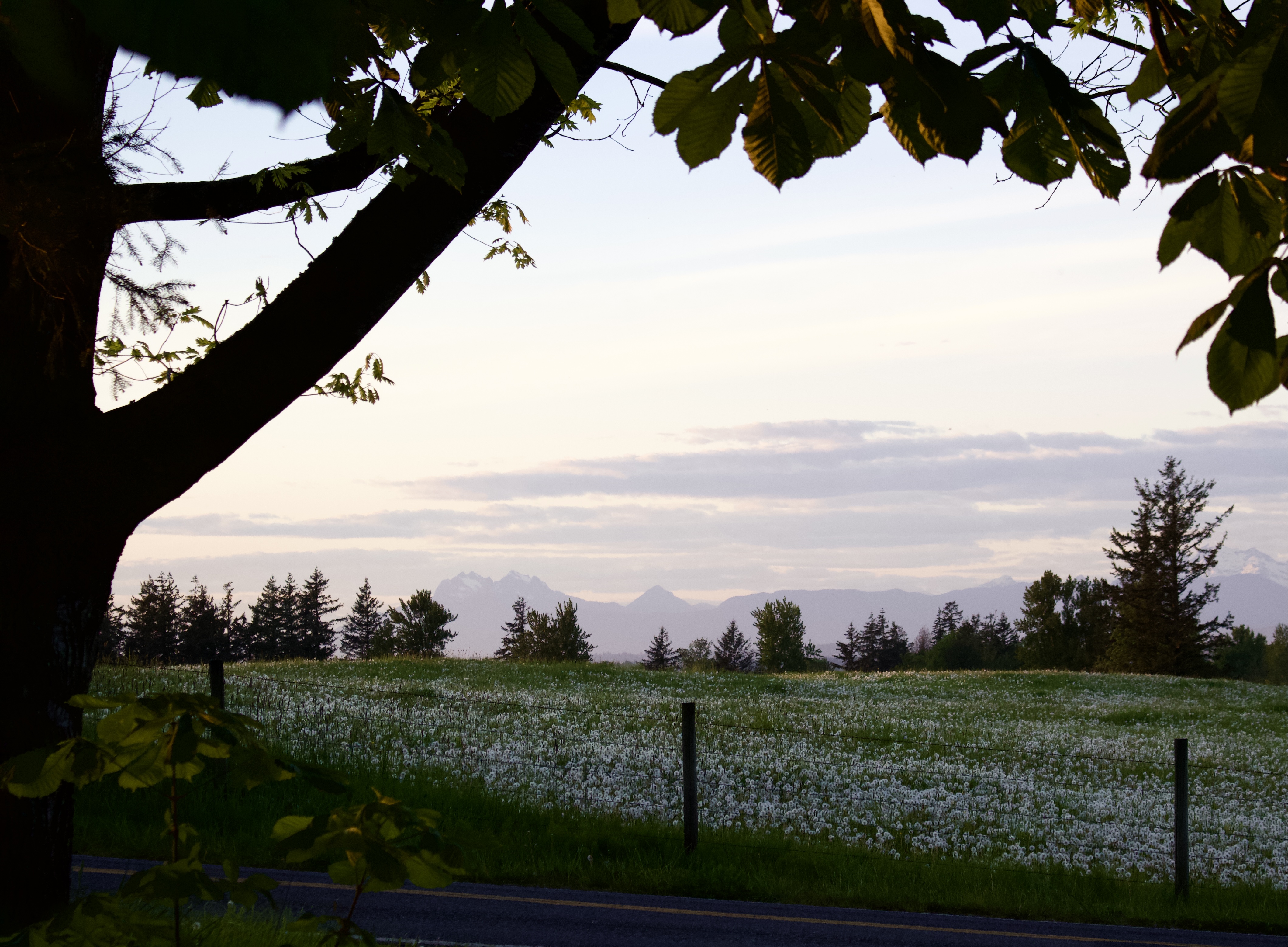
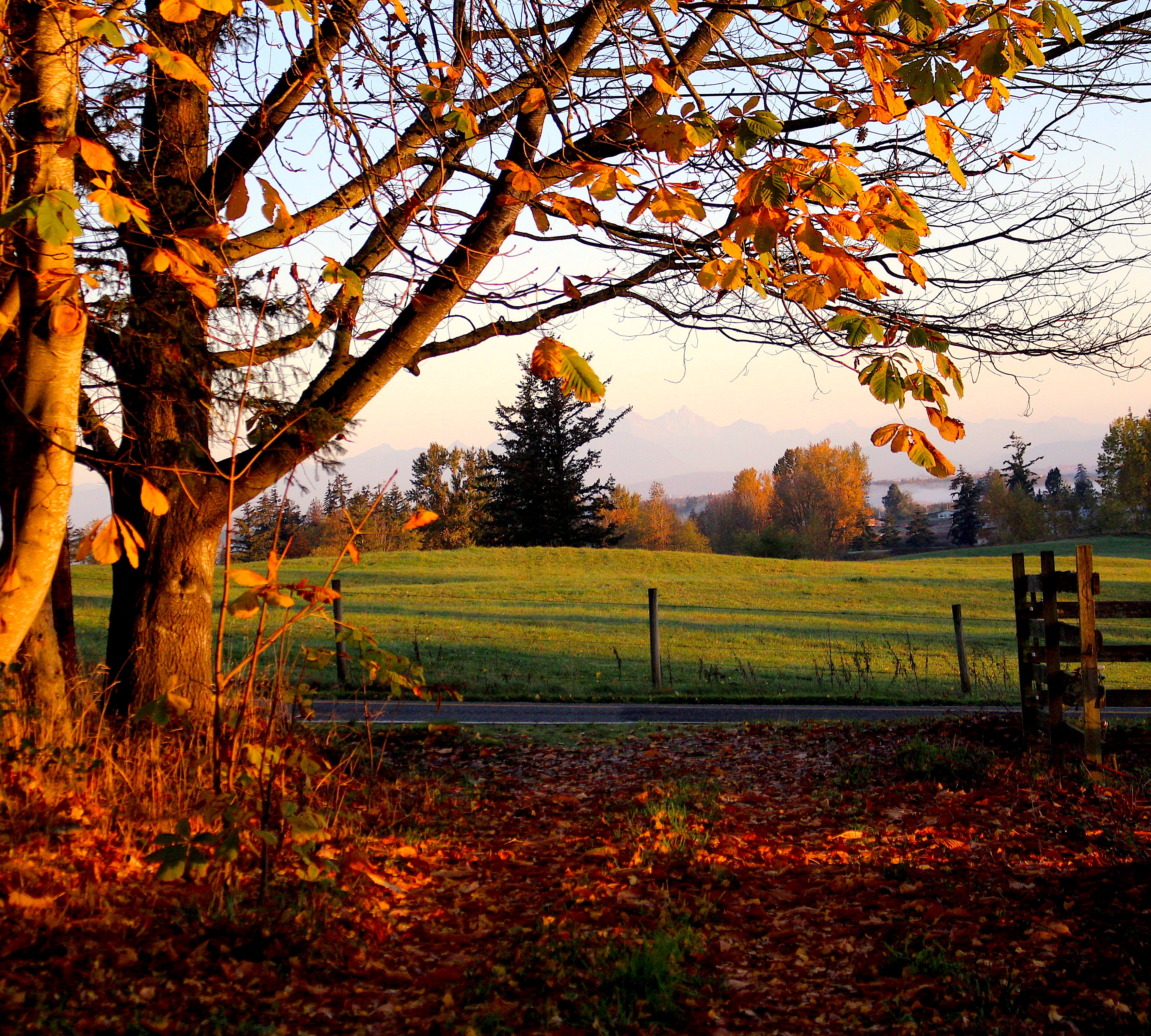
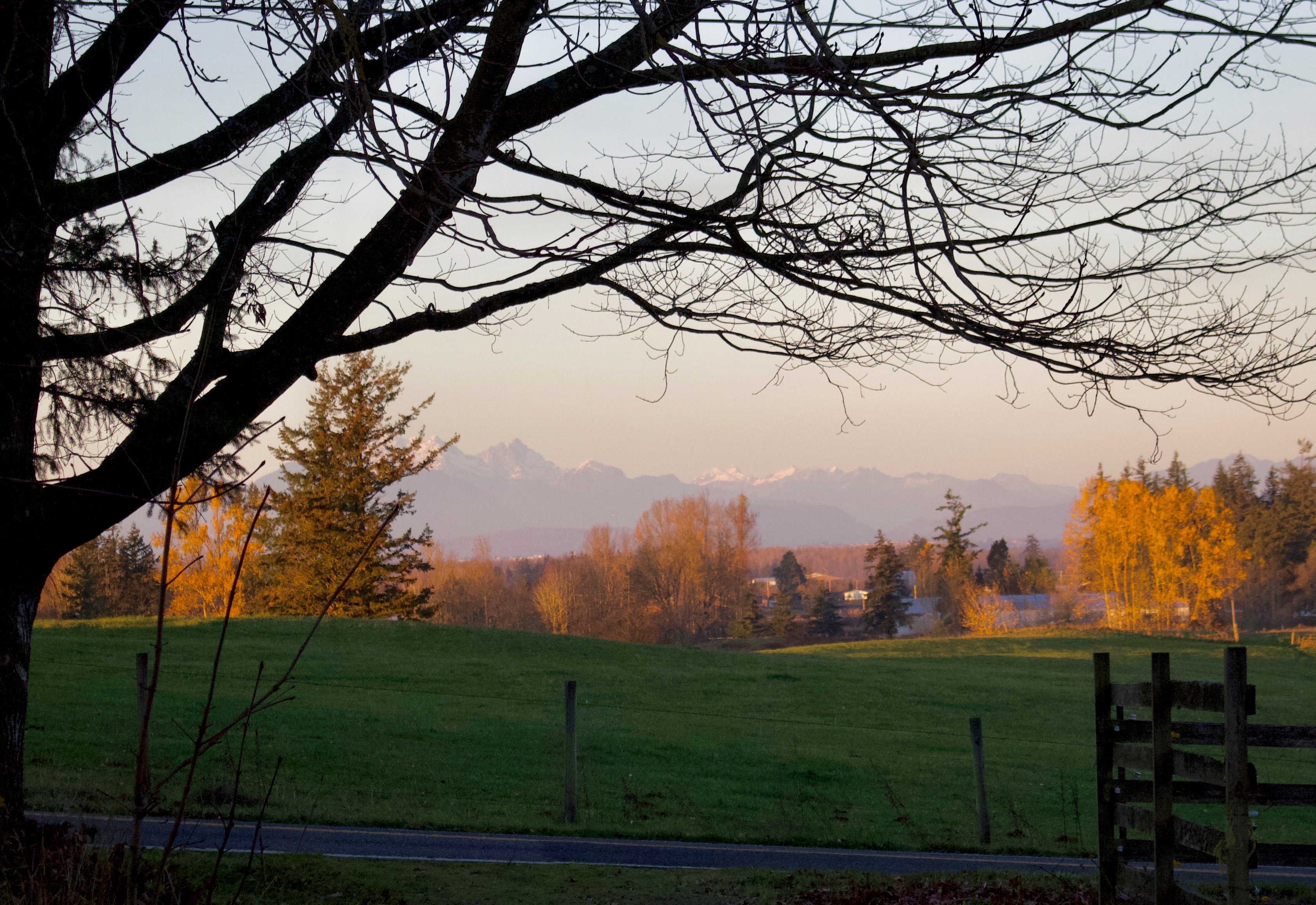
I won’t forget the glow on the hill as the sun drops, centering behind our sentinel tree. I won’t forget the rays coming through the branches, or an evening primrose unwrapping. I won’t forget the way the air itself changes as the color spreads, like a fragrant scent carried on the wind. I won’t forget how the mountain overwhelms, how the road seems to go on forever, how I feel hugged by tree-lined pathways.
The light is faultless but I am not. My collection of slants of light may fade with time and twilight flower buds may be reluctant to unwrap in moonlight. Even so, it was – maybe just once – so perfect, so pure, so ripe. And I’ll remember I was there to witness it.
In a hundred trillion years— an actual number though we can’t begin to grasp it—the last traces of our universe will be not even a memory with no memory to lament it.
The last dust of the last star will not drift in the great nothing out of which everything we love or imagine eventually comes.
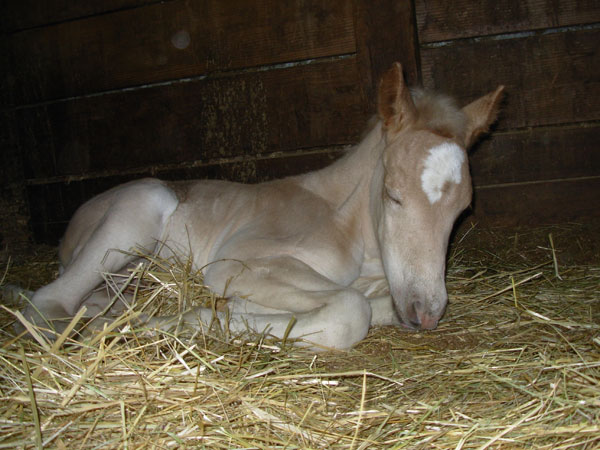
Yet every day, every four hours around the clock, Debbie prepares her goat’s-milk mix for the orphaned filly who sucks down all three liters of it, gratefully, it seems, as if it matters more than anything in the universe— and it does—at this moment while the sun is still four hours from rising on the only day that matters.
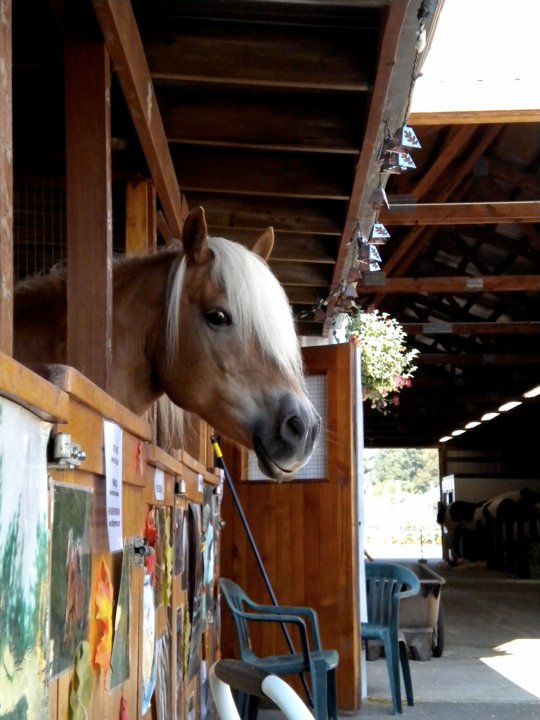
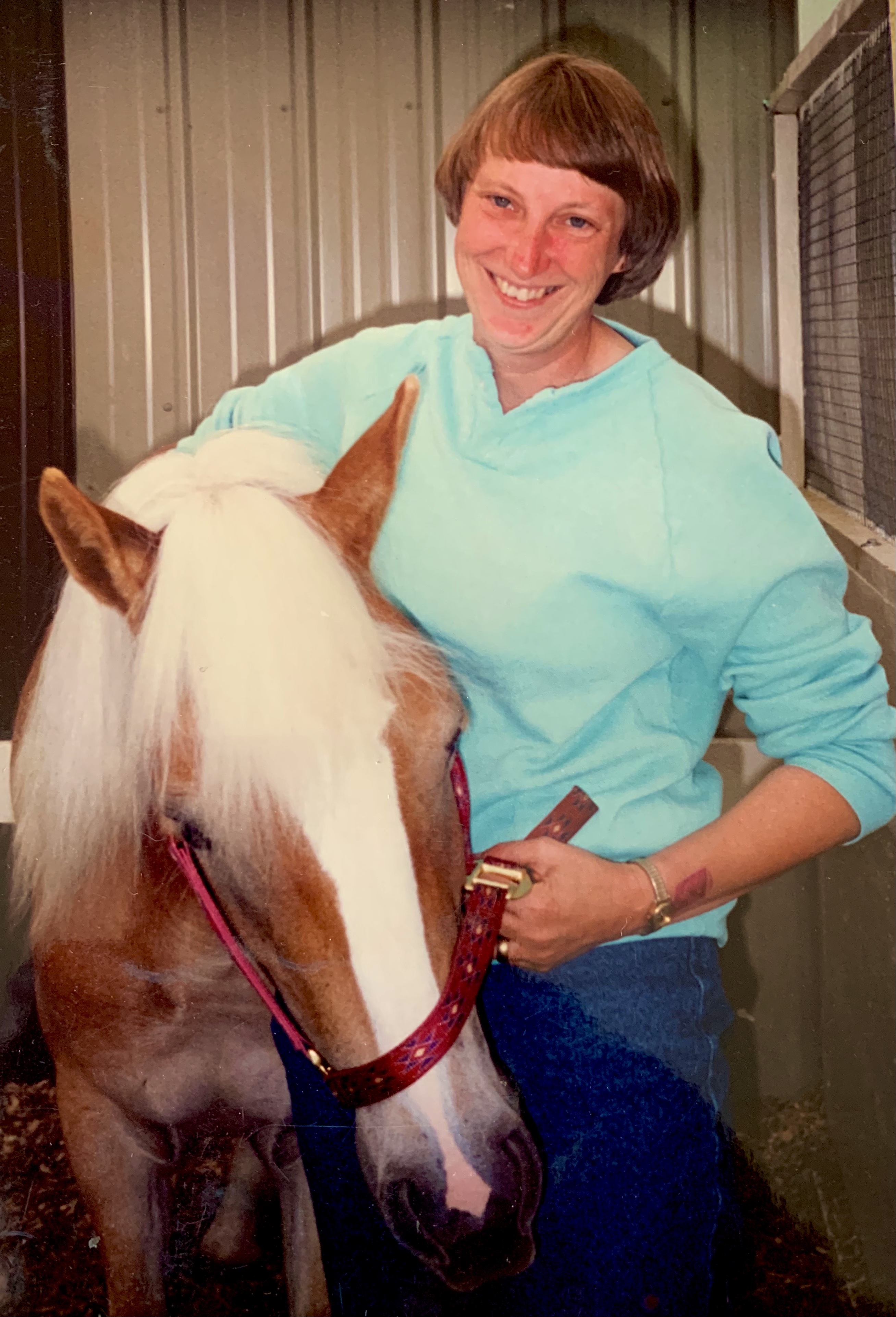
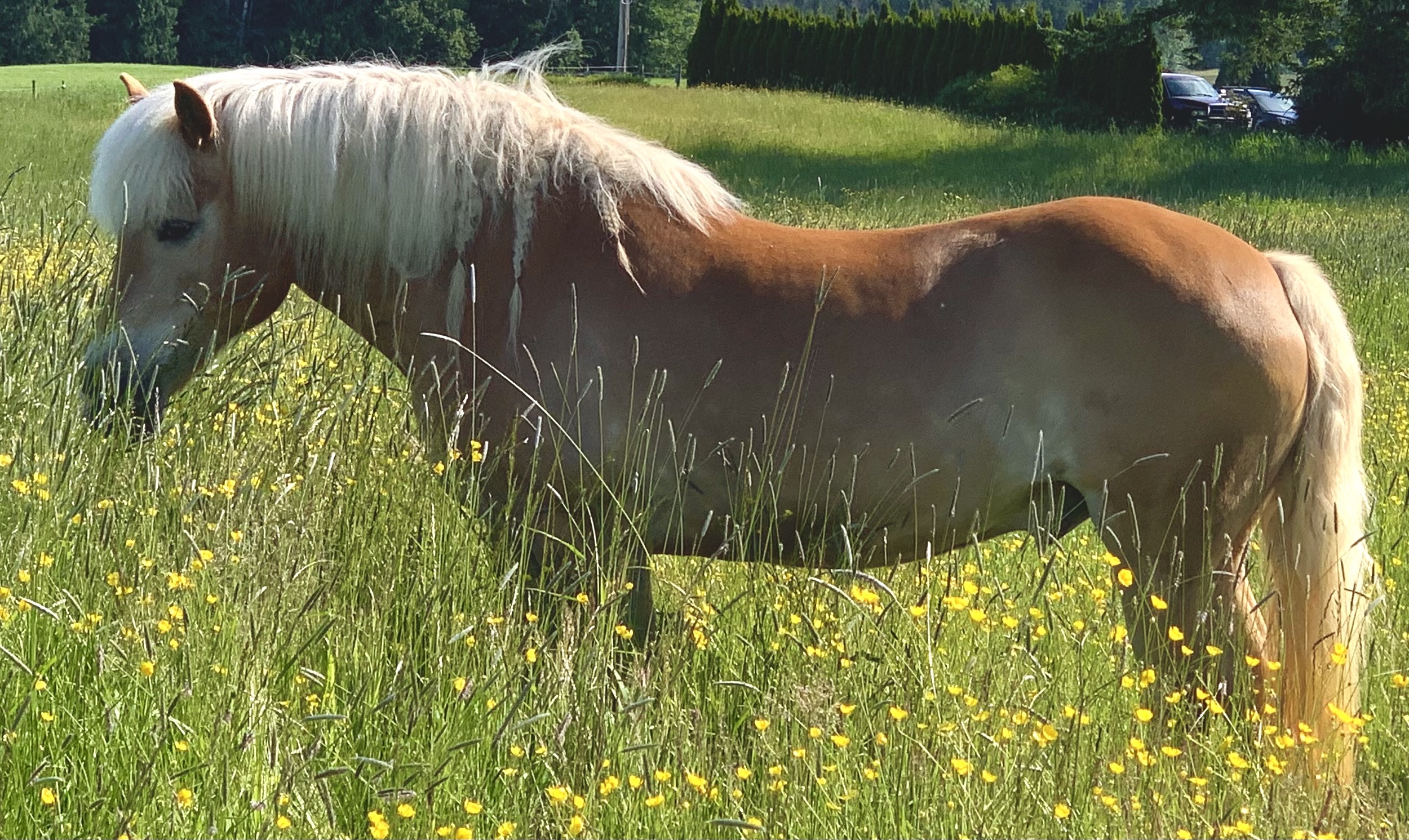
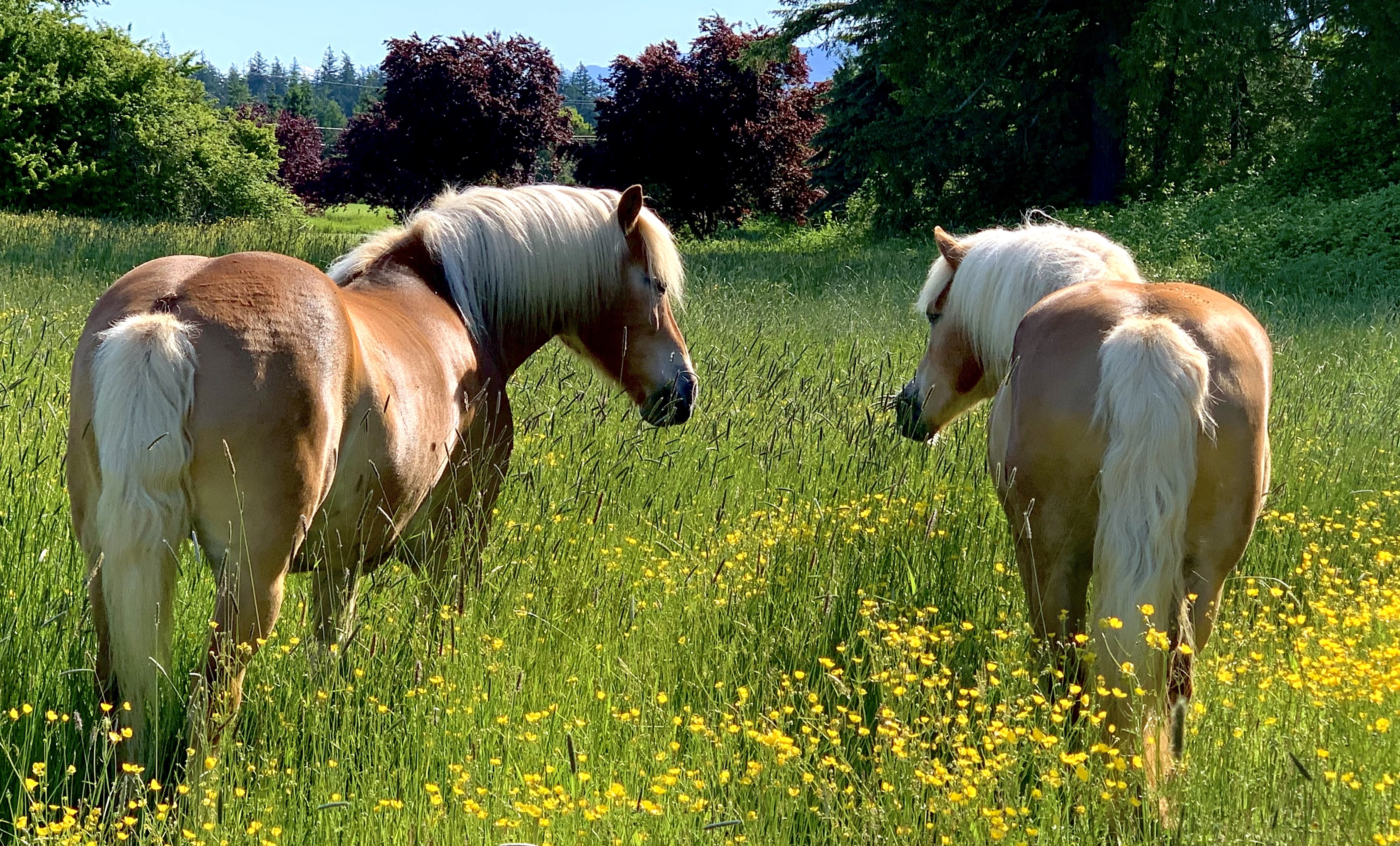
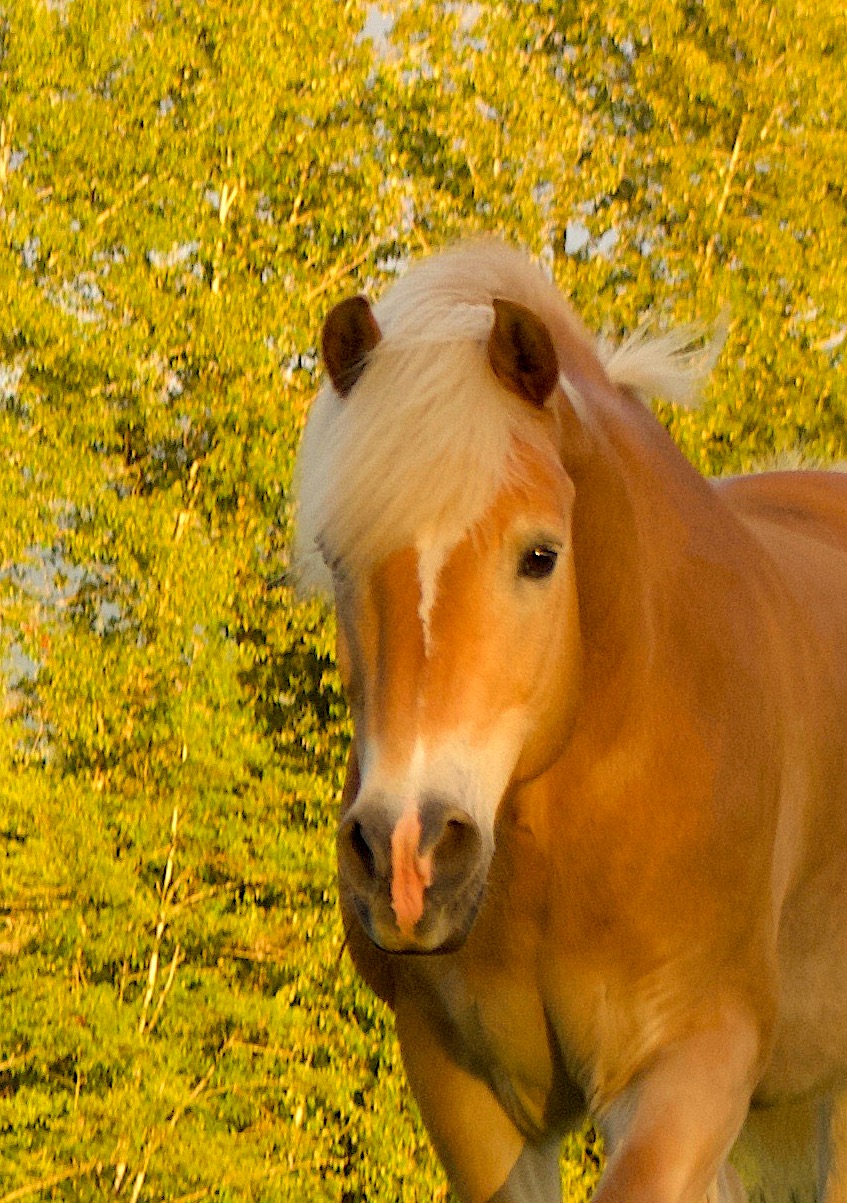
Over eight years ago, our Haflinger mare Marlee passed on to her forever home, far sooner than we planned. She was only twenty two, born only two months after our daughter’s birth, much too young an age for a Haflinger to die.
But something dire was happening to her over the previous two weeks — not eating much, an expanding girth, then shortness of breath. It was confirmed she had untreatable lymphoma.
Her bright eyes were shining to the end so it was very hard to ask the vet to turn the light off. But the time had clearly come.
Marlee M&B came to us as a six month old “runty orphan” baby by the lovely stallion Sterling Silver, but she was suddenly weaned at three days when her mama Melissa died of sepsis. She never really weaned from her around the clock bottle/bucket feeding humans Stefan and Andrea Bundshuh at M&B Farm in Canada. From them she knew people’s behavior, learned their nonverbal language, and understood human subtleties that most horses never learn. This made her quite a challenge as a youngster as it also meant there was no natural reserve nor natural respect for people. She had no boundaries taught by a mother, so we tried to teach her the proper social cues.
When turned out with the herd as a youngster, she was completely clueless–she’d approach the dominant alpha mare incorrectly, without proper submission, get herself bitten and kicked and was the bottom of the social heap for years, a lonesome little filly with few friends and very few social skills. She had never learned submission with people either, and had to have many remedial lessons on her training path. Once she was a mature working mare, her relationship with people markedly improved as there was structure to her work and predictability for her, and after having her own foals, she picked up cues and signals that helped her keep her foal safe, though she was one of our most relaxed “do whatever you need to do” mothers when we handled her foals as she simply never learned that she needed to be concerned.
Over the years, as the herd changed, Marlee became the alpha mare, largely by default and seniority, so I don’t believe she really trusted her position as “real”. She tended to bully, and react too quickly out of her own insecurity about her inherited position. She was very skilled with her ears but she was also a master at the tail “whip” and the tensed upper lip–no teeth, just a slight wrinkling of the lip. The herd scattered when they saw her face change. The irony of it all is that when she was “on top” of the herd hierarchy, she was more lonely than when she was at the bottom. And I think a whole lot less happy as she had few grooming partners any more.
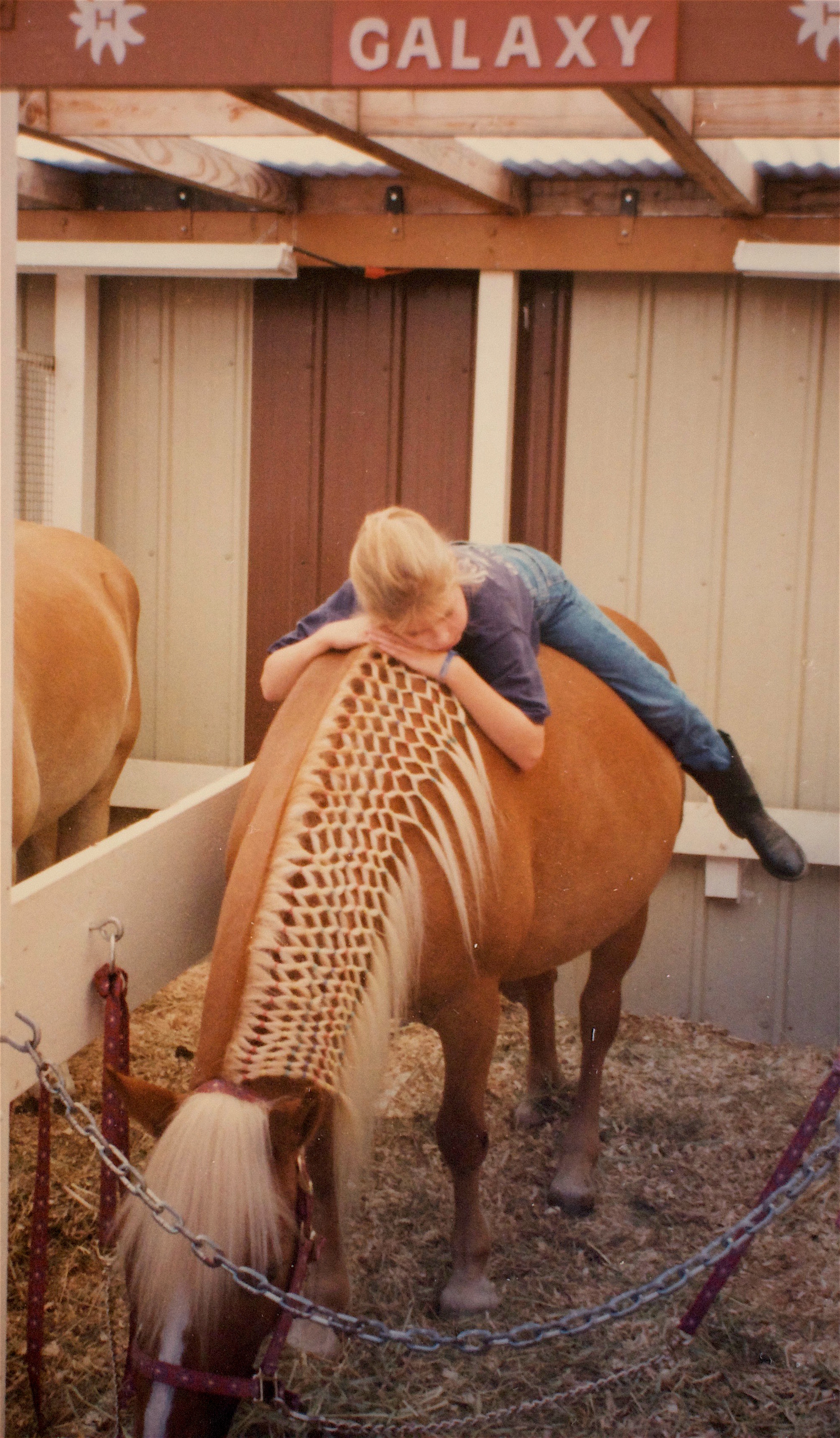
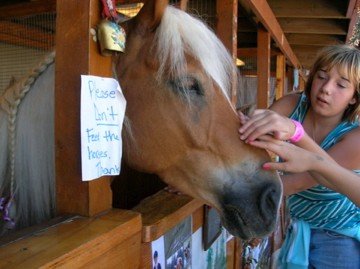
She accompanied us to the fair for a week of display of our Haflingers year after year after year — she could be always counted on to greet the public and enjoy days of braiding and petting and kids sitting on her back.
The day she started formal under saddle training was when the light bulb went off in her head–this was a job she could do! This was constant communication and interaction with a human being, which she craved! This was what she was meant for! And she thrived under saddle, advancing quickly in her skills, almost too fast, as she wanted so much to please her trainer.
For a time, she had an unequaled record among North American Haflingers. She was not only regional champion in her beginner novice division of eventing as a pregnant 5 year old, but also received USDF Horse of the Year awards in First and Second Level dressage that year as the highest scoring Haflinger.
She had a career of mothering along with intermittent riding work, with 5 foals –Winterstraum, Marquisse, Myst, Wintermond, and Nordstrom—each from different stallions, and each very different from one another.
This mare had such a remarkable work ethic, was “fine-tuned” so perfectly with a sensitivity to cues–that our daughter said: “Mom, it’s going to make me such a better rider because I know she pays attention to everything I do with my body–whether my heels are down, whether I’m sitting up straight or not.” Marlee was, to put it simply, trained to train her riders.
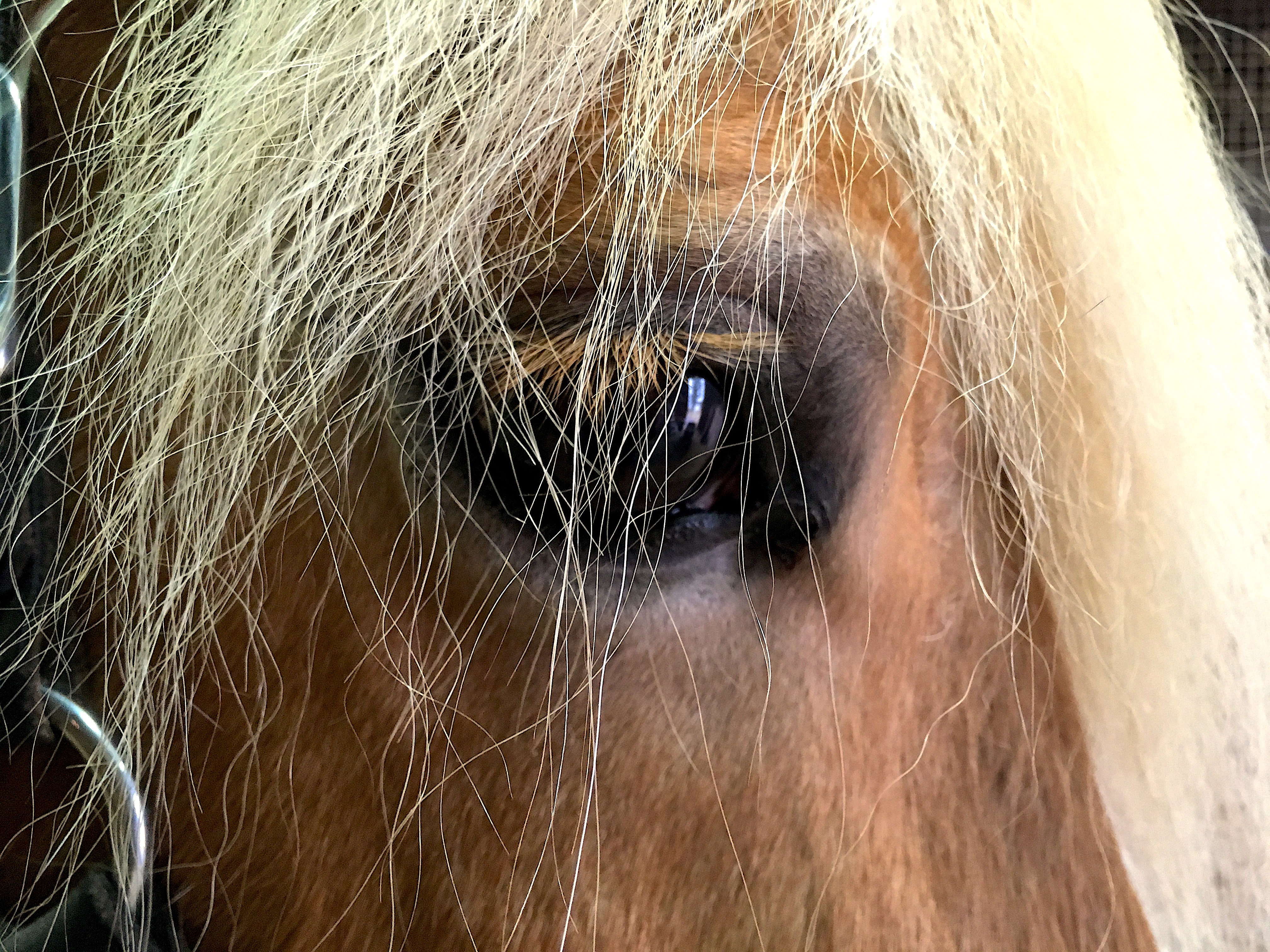
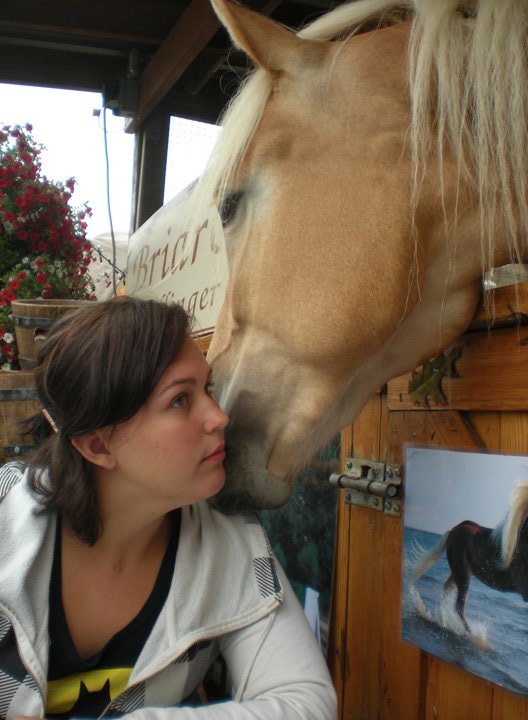
I miss her high pitched whinny from the barn whenever she heard the back door to the house open. I miss her pushy head butt on the stall door when it was time to close it up for the night. I miss that beautiful unforgettable face and those large deep brown eyes where the light was always on. Keeping that orphan alive when she was so vulnerable in the first two months was all that mattered.
What a ride she had for twenty two years, that dear little orphan. What a ride she gave to many who trained her and who she trained over the years. Though I never climbed on her back, what joy she gave me all those years, as the surrogate mom who loved and fed her. May I meet her in my memories, whenever I feel lonesome for her, still unable to resist those bright eyes forever now closed in peace.
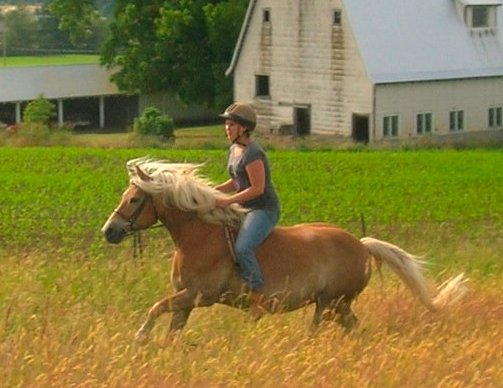
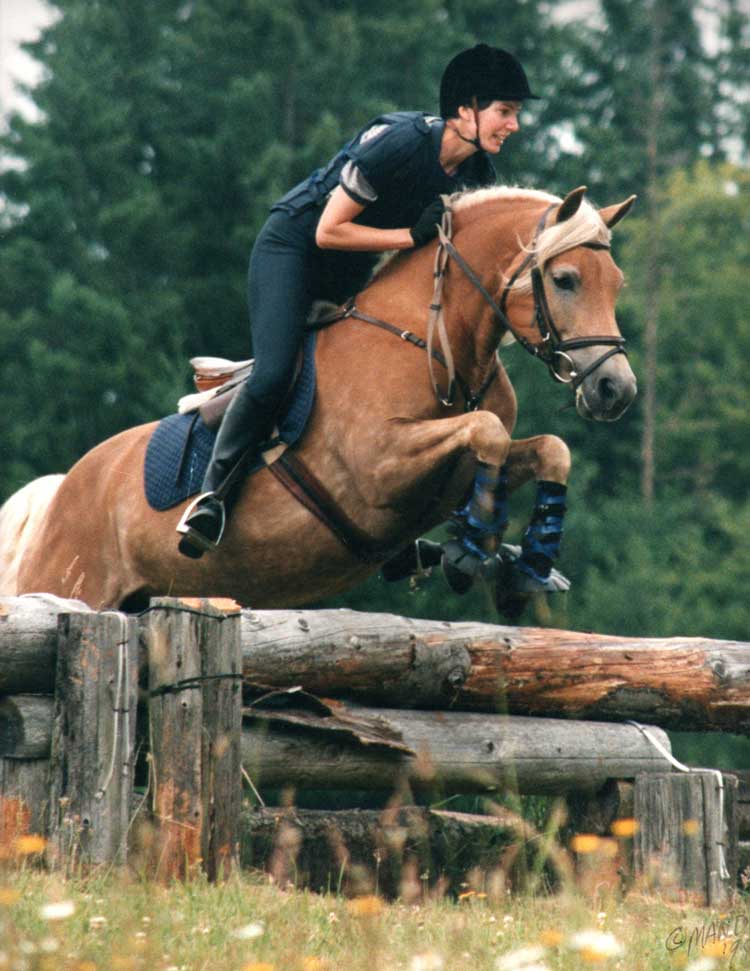
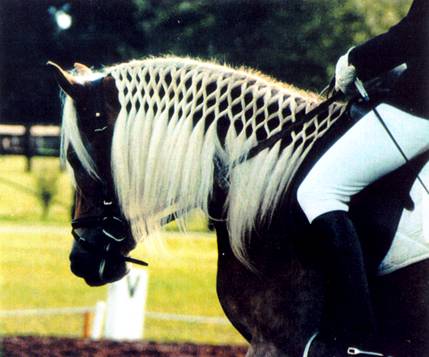
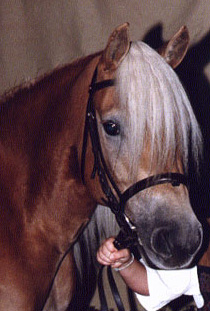
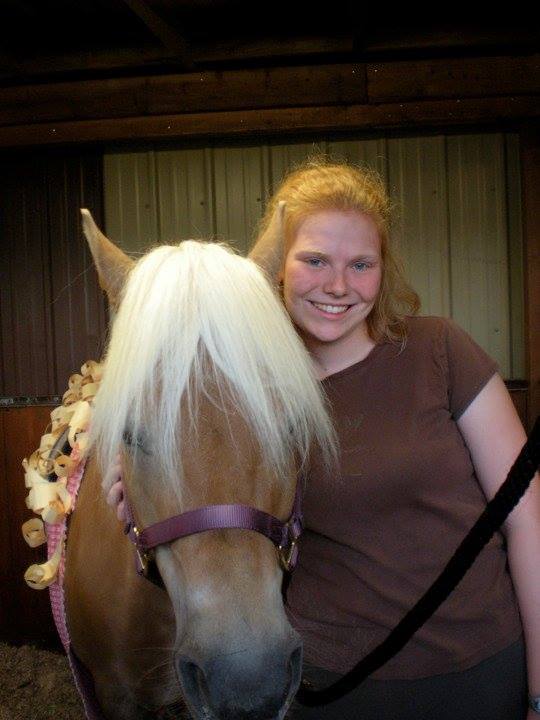
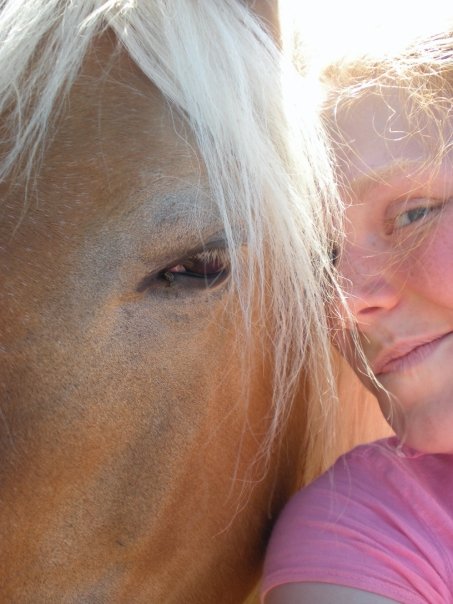
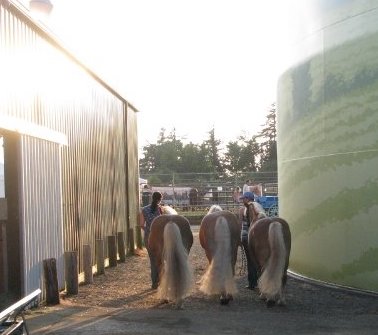
Marlee’s photo album:
One-Time
Monthly
Yearly
Make a one-time or recurring donation to support daily Barnstorming posts
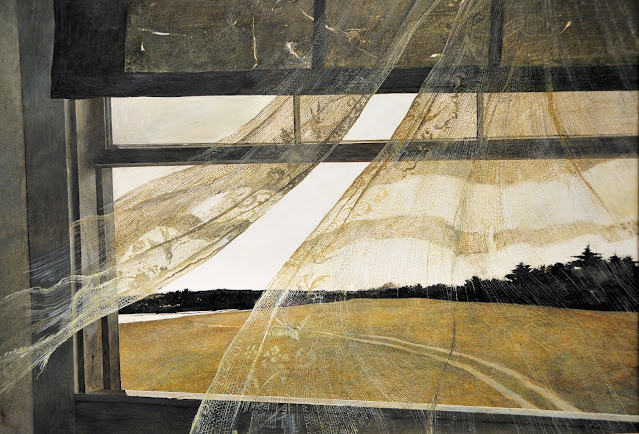
Flung is too harsh a word for the rush of the world. Blown is more like it, but blown by a generous, unending breath. ~Annie Dillardfrom Pilgrim at Tinker Creek
Andrew Wyeth – Wind from the Sea, 1947
Perhaps as a child you had the chicken pox and your mother, to soothe you in your fever or to help you fall asleep, came into your room and read to you from some favorite book, Charlotte’s Web or Little House on the Prairie, a long story that she quietly took you through until your eyes became magnets for your shuttering lids and she saw your breathing go slow. And then she read on, this time silently and to herself, not because she didn’t know the story, it seemed to her that there had never been a time when she didn’t know this story—the young girl and her benevolence, the young girl in her sod house— but because she did not yet want to leave your side though she knew there was nothing more she could do for you. And you, not asleep but simply weak, listened to her turn the pages, still feeling the lamp warm against one cheek, knowing the shape of the rocking chair’s shadow as it slid across your chest. So that now, these many years later, when you are clenched in the damp fist of a hospital bed, or signing the papers that say you won’t love him anymore, when you are bent at your son’s gravesite or haunted by a war that makes you wake with the gun cocked in your hand, you would like to believe that such generosity comes from God, too, who now, when you have the strength to ask, might begin the story again, just as your mother would, from the place where you have both left off. ~Keetje Kuipers“Prayer”
How is it possible 64 years have flown by and I still need the same story to be told to me again?
Long ago the 5-year old me had a sudden terrifying revelation that I would someday cease to walk this earth. Now a nearly 70-year old me is more intimidated at the head-long rush of the days-months-years than at the inevitable end to come. The world hurtles through space and time at a pace that leaves me breathless. Indeed, I have been flung at times, bruised and weary from all the hurry and hubbub.
I want to find the strength to ask God to begin telling the reassuring story again, starting right where we left off. I know I will be blown away again – blown by God’s breath that loves, fills and nurtures with a generous promise both hopeful and fulfilled.
Utterly blown away by what comes next.
If only the five year old me could have known.
One-Time
Monthly
Yearly
Make a one-time or recurring donation to support daily Barnstorming posts
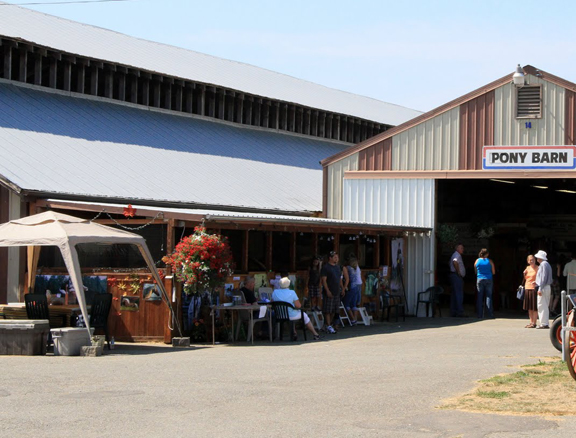
The Northwest Washington Fair in Lynden is underway this week and for the eleventh year in a row, our Haflinger horses aren’t there on display. I feel wistful as I wake up too early on a foggy summer morning, remembering the twenty years where I would gather up our sleepy children and their friends and head into the fairgrounds to clean stalls, walk the ponies and prepare for the day. We are no long “doing” the fair as a farm, and I feel a little bit sad about that.
Our farm, BriarCroft, had been a consistent presence at this fair for nearly two decades, promoting the Haflinger breed in a well-decorated outdoor display, providing 24 hour a day coverage for the horses for the 6 days of the fair. We petitioned the Fair Board for 5 years in the late 1980s to allow us to display at the fair, and they finally said “okay, here’s the space, build it yourself” and we did! We were not there for classes, competition, or ribbons. We were there because people enjoyed our Haflingers and we enjoyed the people.
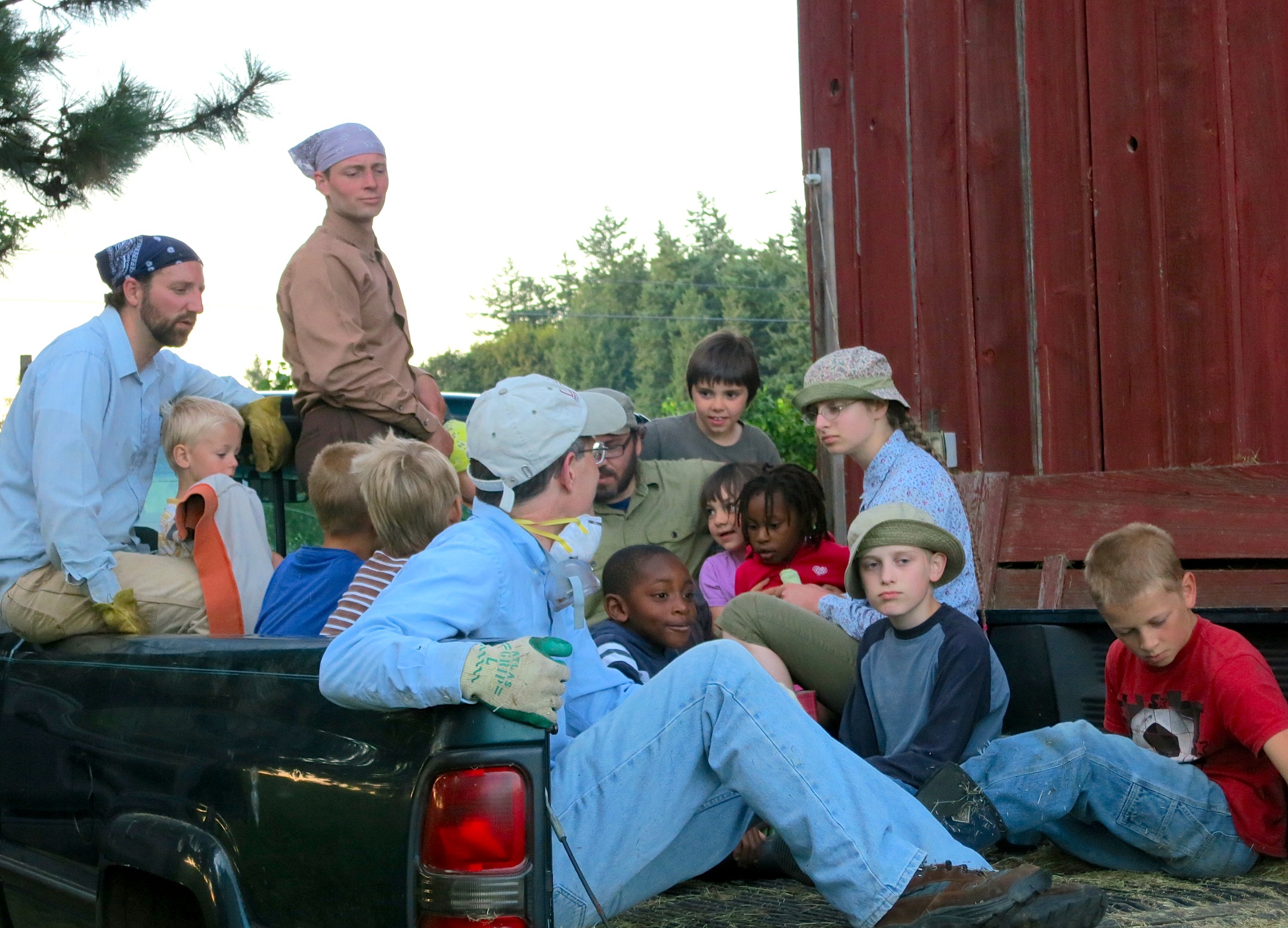
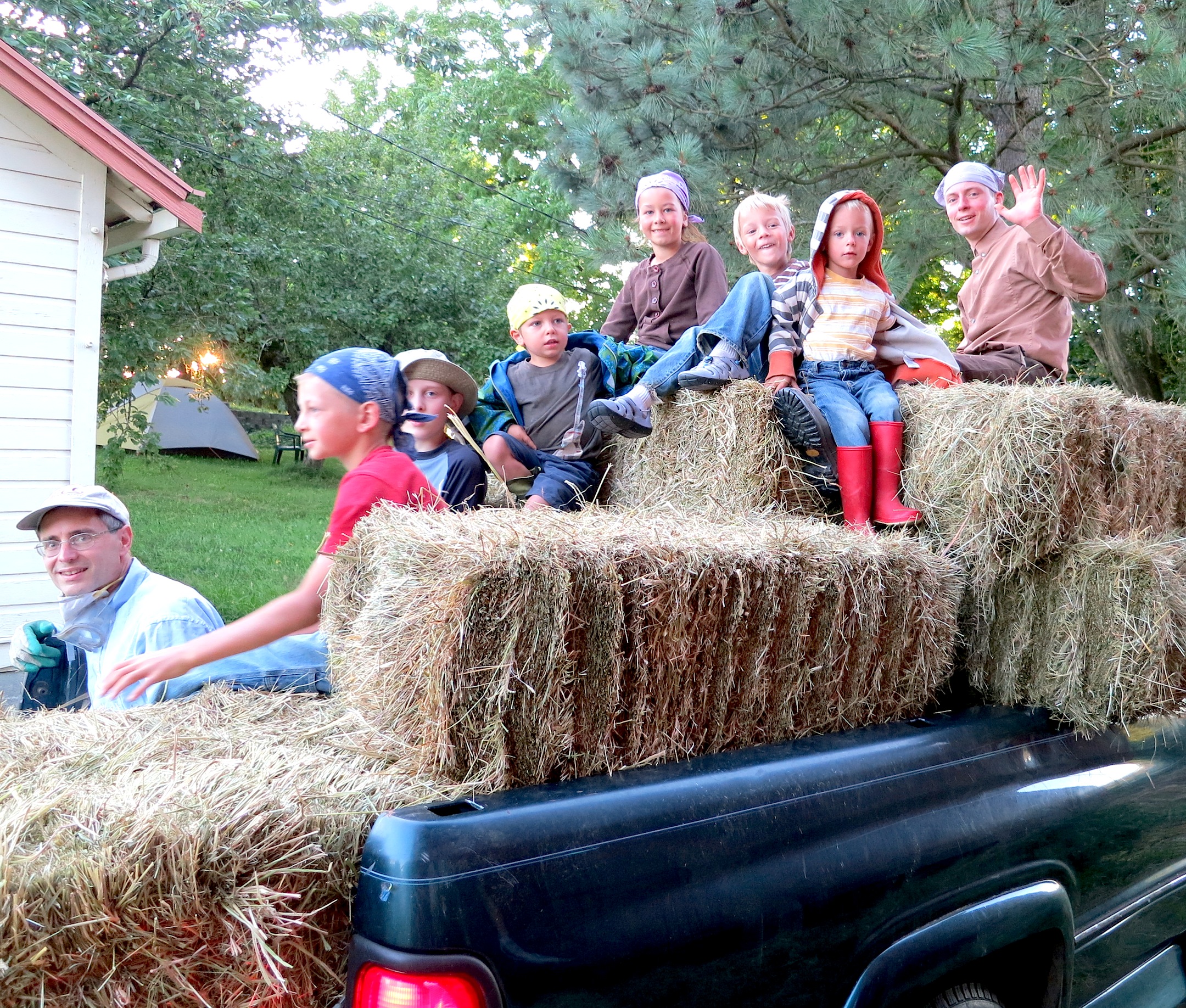
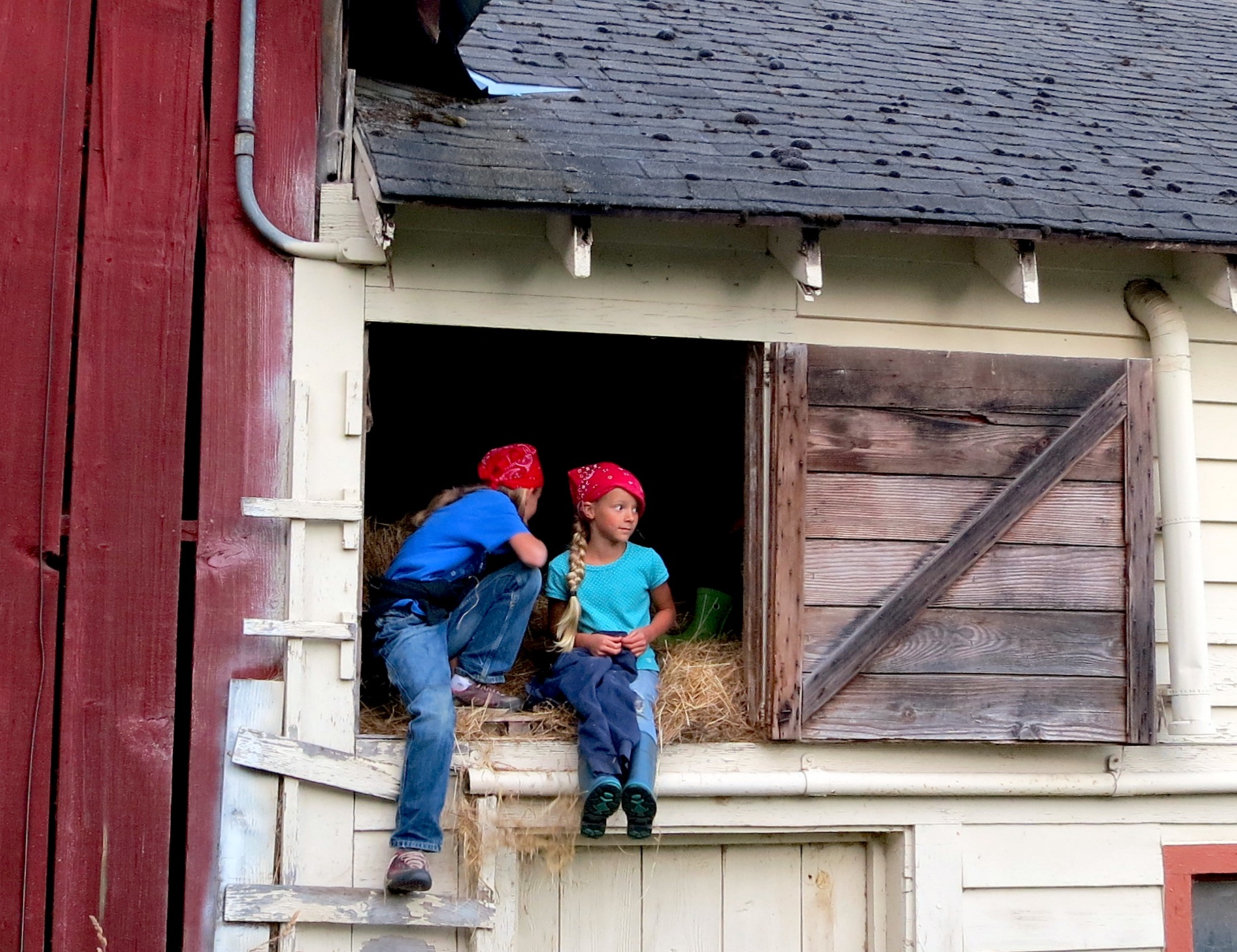
But now that our children are all grown up and moved away, all with children of their own, we lack their help to “man” the horse stalls. I miss spending that intense one week time with all of the several dozen “kid” helpers from over the years, all grown up and scattered to the winds.
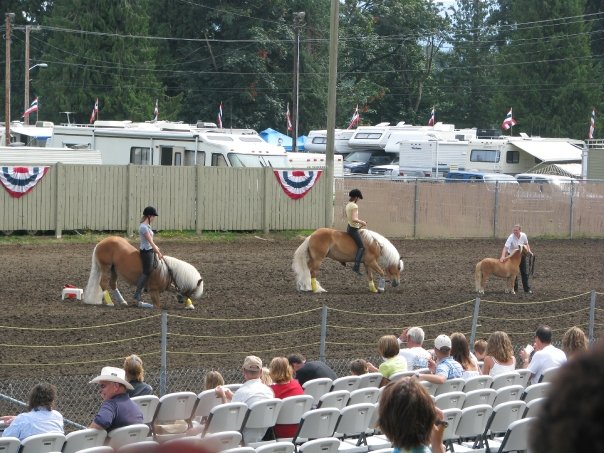
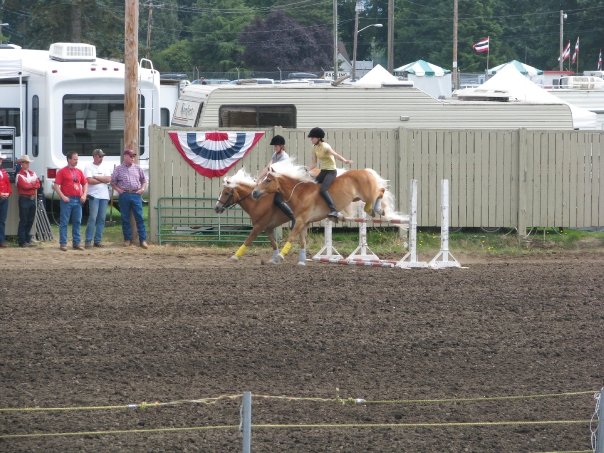
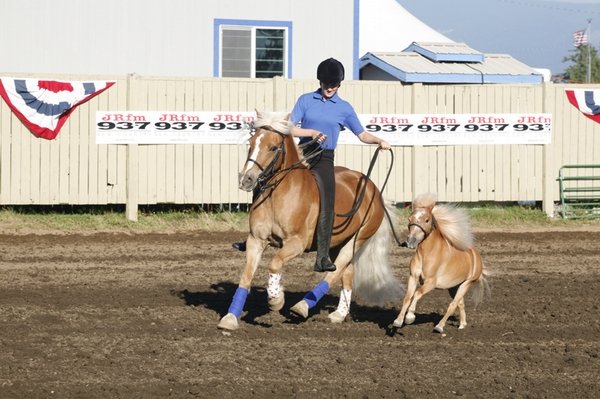
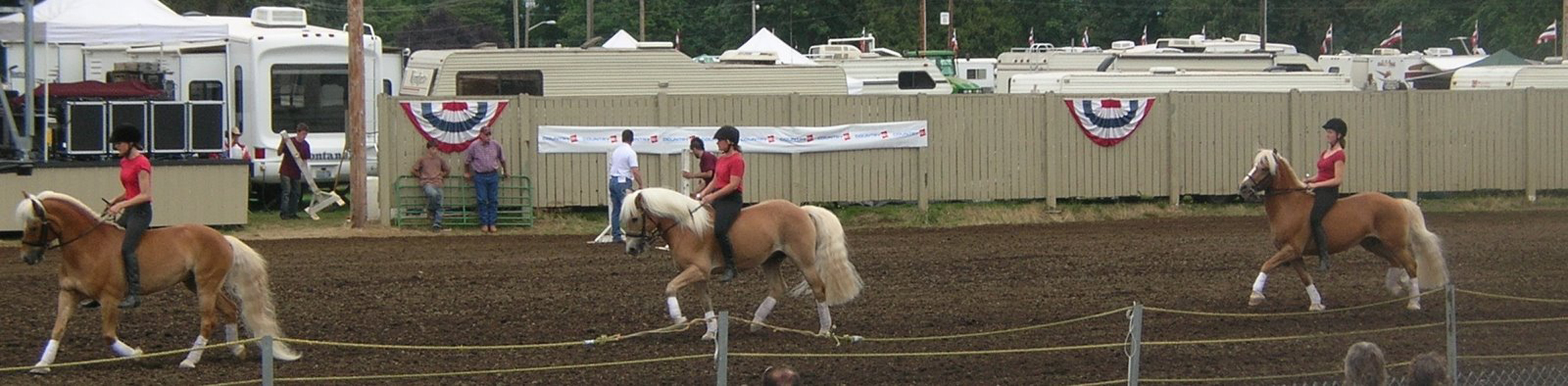
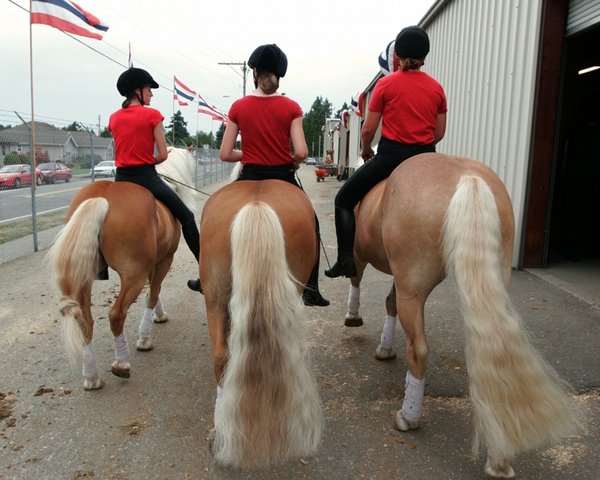
Every year between 1992 and 2012, we were there, sometimes sharing space and duties with other Haflinger farms (Rodenbergers and McKees), along with several brave young women (Kelsy Smith, Chesna Klimek and Emily Vander Haak) who did Haflinger “trick riding” as part of the daily Grandstand show. The older kids watched the younger kids, the in-between kids did most of the horse stall cleaning duty, and we adults sat and shot the breeze.
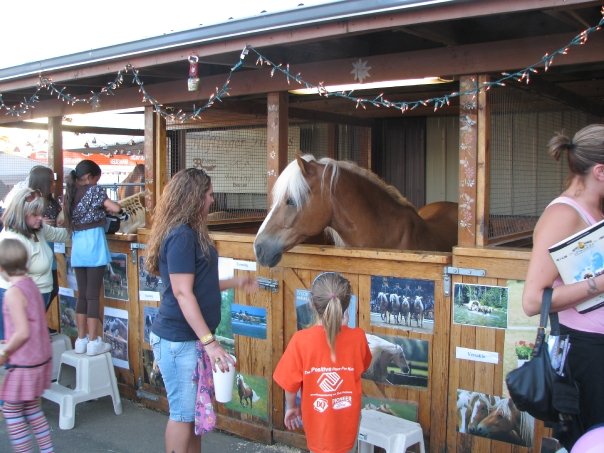
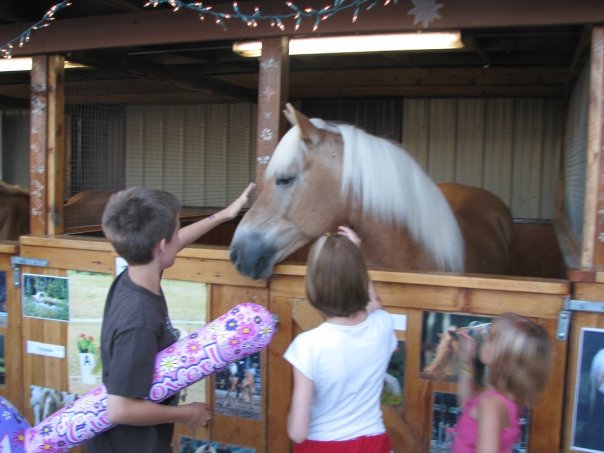
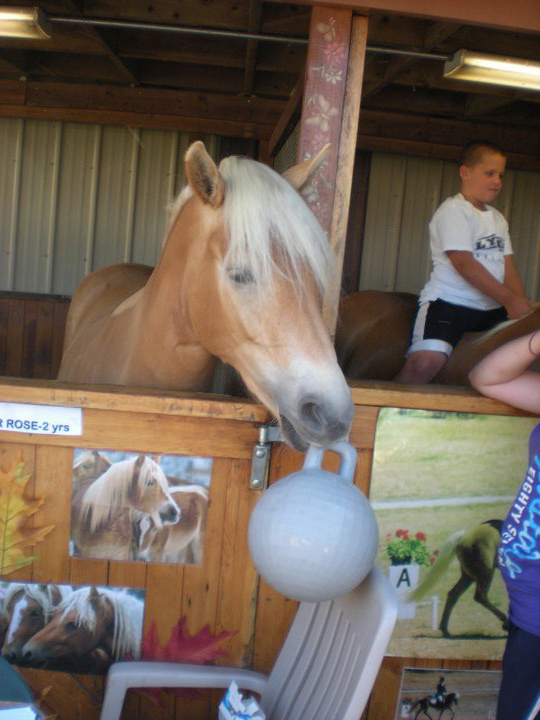
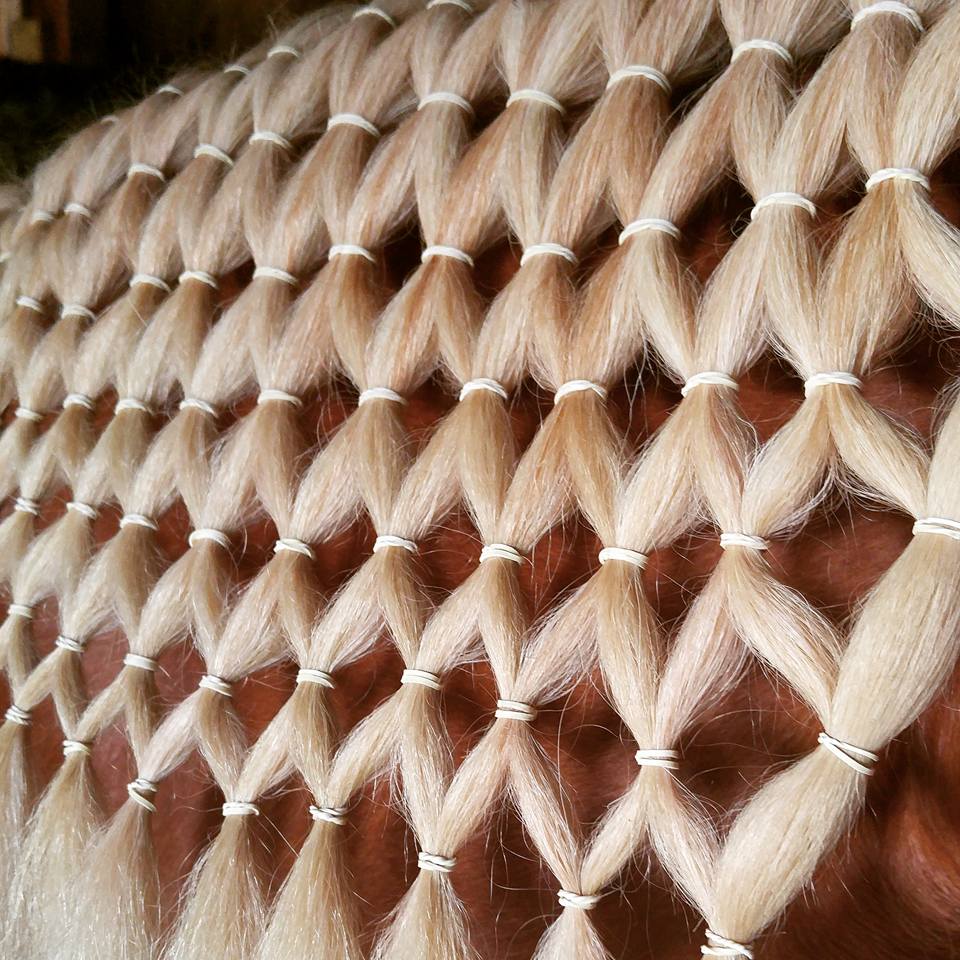
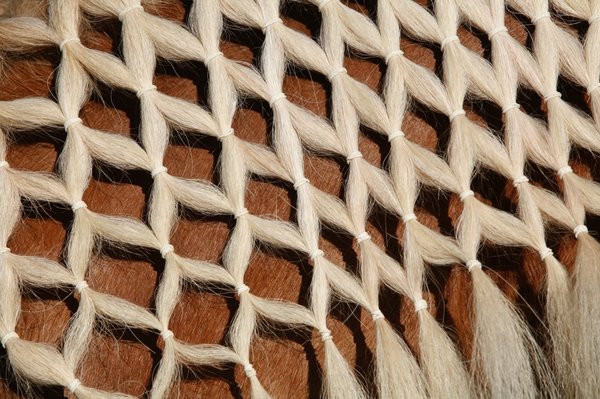
Our display created good will for the fair visitors who depended on us every year to be there with horses that they and their children could actually pet (and sit on) without fear, who enjoyed our braiding demonstrations, and our various Haflinger trivia contests with prizes. Our horses came to represent what dreams are made of.
Countless times a day there would be a bright eyed child who approached our stalls, climbed up on the step stools and reached up to pet a Haflinger nose or neck and looked deep into those big brown Haflinger eyes, and lost their heart forever to the breed. They will not forget that moment when a horse they had never met before loved them back. Haflingers are magic with children and we saw that over and over again.
Our first year, in 1992, a mom and her 6 year old son came up to our stalls, as do some 10,000 people a day, and spent a long time petting the horses and talking to them, and enjoying them. They walked off, with the little boy looking over his shoulder at the Haflingers until they turned a corner and went out of sight. An hour later they were back and spent more time with the Haflingers. I offered the little boy a chance to sit on a Haflinger, and he agreed readily, and sat and sat and sat, playing with the mane and petting the shoulder and neck and was simply in heaven, quietly dreaming his own dreams on the back of a horse. His mom told me that they lived in a suburb near Seattle, but always spent this particular week in August at a local beach cabin, and the fair was one of their favorite activities each year. Her son Gary had never had an opportunity to sit on a horse before.
Next year, they were back, and Gary was a little taller, but still a quiet boy, and he kept dragging his mom back to the Haflingers, and she’d sit and visit as he’d sit on the Haflingers. He watched as we watered the horses, or fed them hay, or cleaned their stalls, and pretty soon he was asking if he could do the scooping, or dump the buckets or brush the horses. So he became, out of his own initiative, a helper.
By the time he was 8, he was spending several hours at a time with us at the stalls, taking his turn at the chores, and his mom, trusting that he was in good hands, and that he certainly wasn’t going to wander away from the Haflingers, would check back with him now and then to see if he wanted to go on rides, or see a performance, and his response was always “no, I can do that anytime, but I don’t get to see Haflingers very often!” He would talk a little about his hope someday to have a farm where he could raise Haflingers, and one year even said that his folks were looking at property to buy with acreage, but apparently a job for his dad didn’t materialize, so he remained a city kid in reality, even if he was a future farm kid in his heart.
Gary was one of our regular kid helpers every year until he was 12 when he started turning out for junior high football, and the football summer camp coincided with our fair week, so we’d only see him briefly on Saturdays as he got into his teens. He’d stop by to say hi, pet the horses, catch up on the Haflinger news, and because he only had a few hours to spend at the fair, he’d head off to other things. I really missed him and his happy smile around the stalls.
When he was 15, I missed seeing him because I was working when he stopped by. When he stopped by at age 16, he strolled up to me and I found I was looking up at this young man who I had to study to recognize. I’m a tall woman of 5’10”–he was at least 4 inches taller than me! He told me he wanted to come by because some of his best summer memories were of spending time with the Haflingers at the fair and he wanted me to know that. He thanked me for welcoming him and allowing him to “hang out” with the Haflingers. He told me his hope and dream someday was to live somewhere where he could raise Haflingers, and he was working hard in school so he could make that happen. He was a 4.0 student and the first string quarterback on his high school football team. I was as proud as if he was my own son.
This young man received a full scholarship to play football at a major university, and over four years waited his turn to be the starting quarterback. Once he had his chance, after only a few games of being the starter, he was tackled hard, sustaining a neck fracture which thankfully resulted in no permanent damage, but his college football career was suddenly over.
I have lost track of Gary over the years and I hope he is faring well. I hope his connection with our horses left him with a legacy of love for animals he’ll pass onto his children someday.
So on this misty late summer morning, instead of heading to the fairgrounds to clean stalls, I’m going to turn our dusty, unbathed Haflingers out in the field as usual. They don’t even know all the excitement they are missing.
I do hope the fair-goers still miss the friendly golden horses, with the big brown eyes, who helped over two decades to help make kids’ dreams come true.
Our Haflinger display at the NW Washington Fair
Trillium as a yearling with me at the fair 1993 – she is still part of our herd at age 29
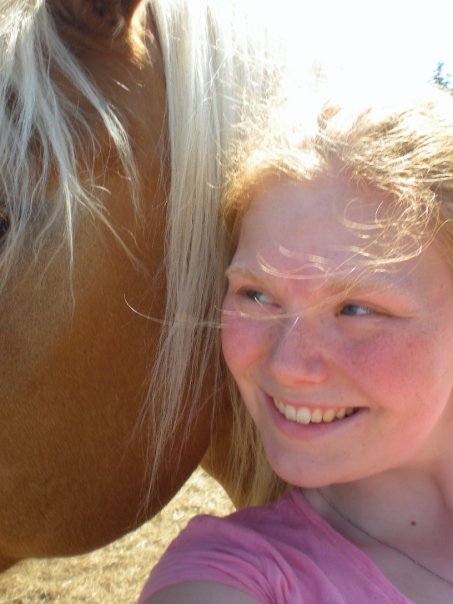
Thank you to Lea Gibson Lozano, Emily Vander Haak, Kelsy Smith, and Chesna Klimek for their photos in this collection.
One-Time
Monthly
Yearly
Make a one-time or recurring donation to support daily Barnstorming posts
Is all I’ve wanted past wanting since I was six and delirious with fever, an infinitive forged from a night when giant ladybugs with toothpick antennae patrolled my wicker nightstand. Yes, I’ve been with horses since, travelled illegally with them in trailers, known certain landscapes only framed by alert ears, and with one in particular, spent whole afternoons with her big jaw heavy on my shoulder. Still, I hatched plots to bring a horse to the house, to ride to school, to pasture one or even three in the garden, shaded by that decorative willow, which could have used a purpose. But there were city bylaws in two languages, and over the years, a dog, stray cats, turtles, and many fish. They lived, they died. It wasn’t the same. Fast-forward, I brought the baby home in a molded bucket seat, but she lacked difference, attuned as I was, checking her twenty-four-seven. Now that she’s grown, I’m reduced to walking city parks with this corrosive envy of mounted police, though I’m too old for the ropes test, wouldn’t know what to do with a gun. If there’s a second act, let me live like the racetrack rat in a small room up the narrow stairs from the stalls, the horse shifting comfortably below, browsing and chewing sweet hay. A single bed with blanket the color of factory-sweepings will suffice, each day shaped to the same arc, because days can only end when the lock slides free on the stall’s Dutch door, and I lead the horse in, then muscle the corroded bolt shut. That’s what days are for: I cannot rest until the horse comes home. ~Julie Bruck “To Bring the Horse Home”
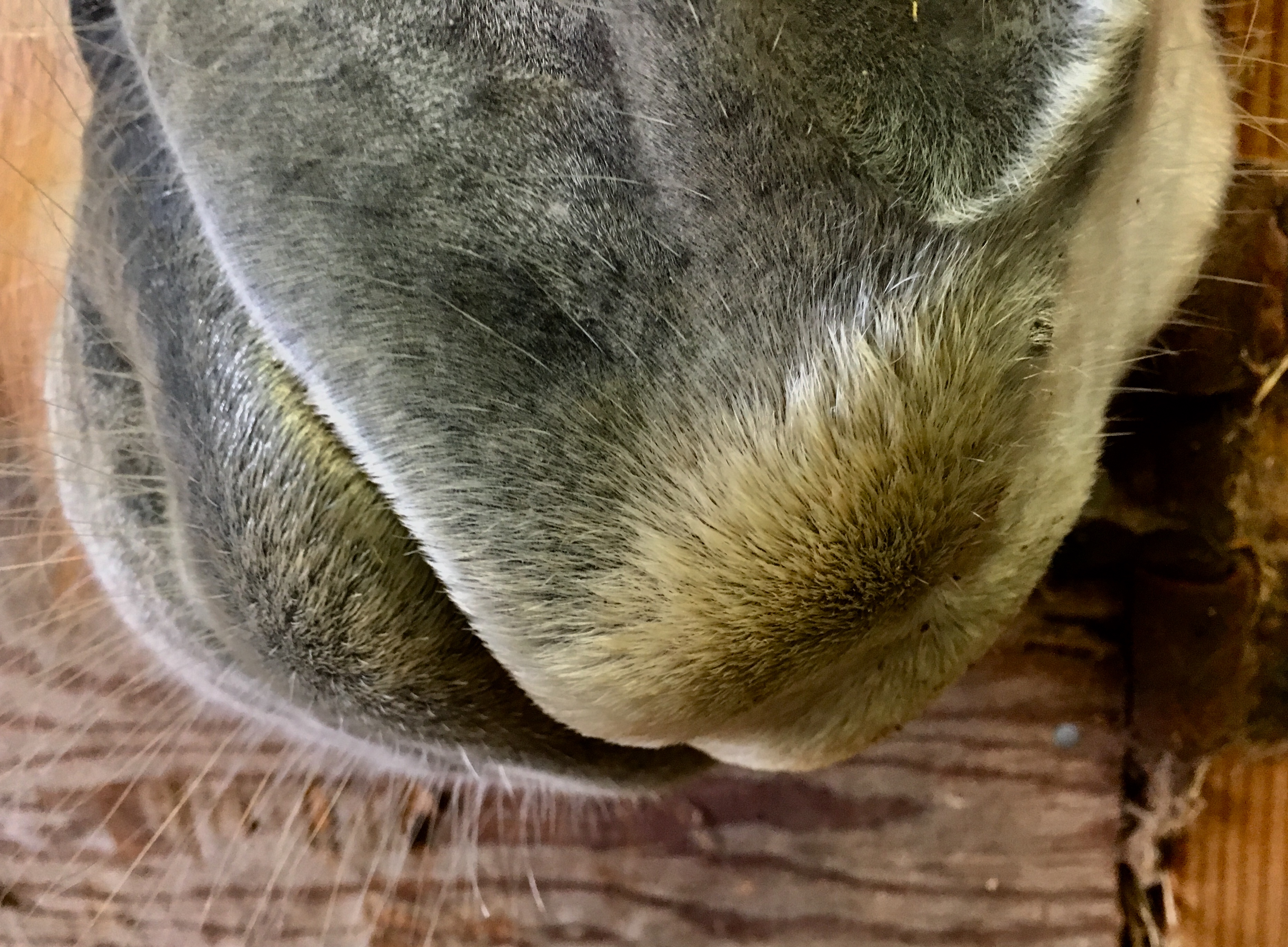
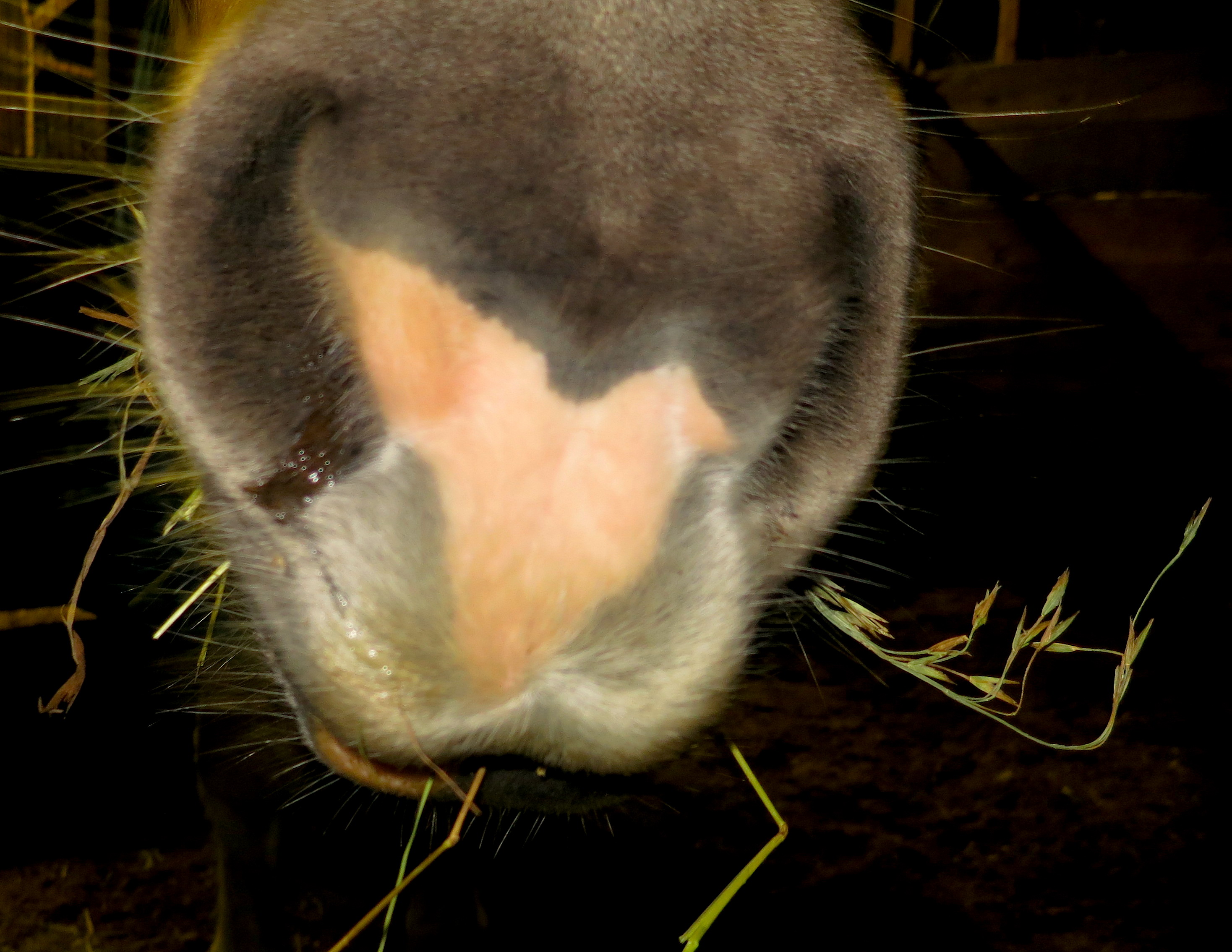
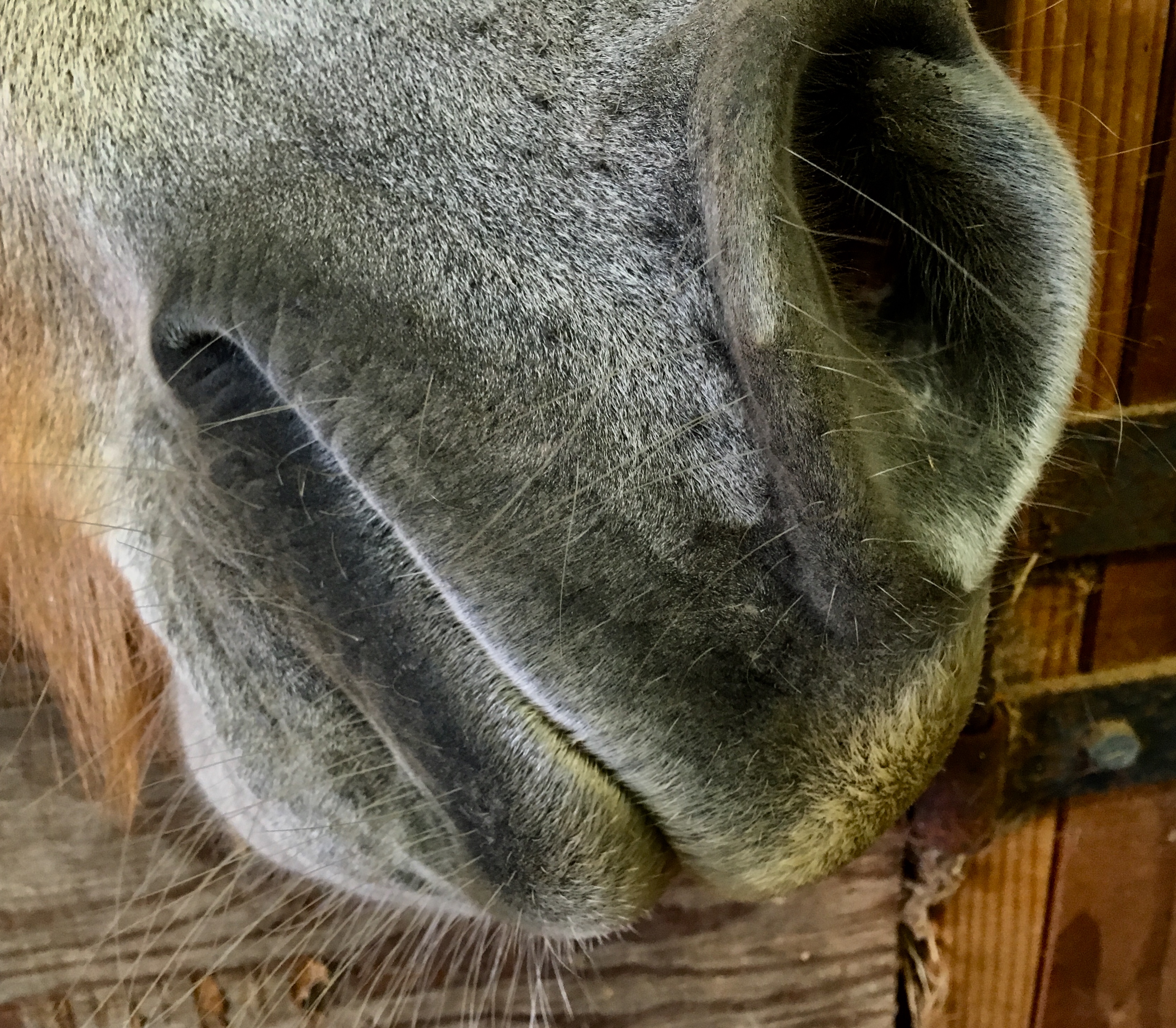
The best moment in the barn is in the evening just following the hay feeding, as the animals are settling down to some serious chewing. I linger in the center aisle, listening to the rhythmic sounds coming from six stalls. It is a most soothing contented cadence, first their lips picking up the grass, then the chew chew chew chew and a pause and it starts again. It’s even better in the dark, with the lights off.
I’ve enjoyed listening to the eating sounds at night from the remote vantage point of my bedroom TV monitor system set up to watch my very pregnant mares before foaling. A peculiar lullaby of sorts, strange as that seems, but when all my farm animals are chewing and happy, I am at peace and sleep better.
It reminds me of those dark deep nights of feeding my own newborns, rocking back and forth with the rhythm of their sucking. It is a moment of being completely present and peaceful, and knowing at that moment, nothing else matters–nothing else at all.
If I am very fortunate, each day I live has a rhythm that is reassuring and steady, like the sounds of hay chewing, or rocking a baby. I awake thinking about where my next step will bring me, and then the next, like each chew of sweet hay. I try to live in each moment fully, without distraction by the worry of the unknown.
But the reality is: life’s rhythms are often out of sync, the cadence is jarring, the sounds are discordant, sometimes I’m the one being chewed on, so pain replaces peacefulness.
Maybe that is why this lullaby in the barn~~this sanctuary~~is so treasured. It brings me home to that doubting center of myself that needs reminding that pain is fleeting, and peace, however elusive now, is forever. I always know where to find it for a few minutes at the end of every day, in a pastoral symphony of sorts.
Someday my hope for heaven will be angel choruses of glorious praise, augmenting a hay-chewing lullaby.
So simple yet so grand.
One-Time
Monthly
Yearly
Make a one-time or recurring donation to support daily Barnstorming posts
The essence of America, that which really unites us, is not ethnicity, or nationality or religion. It is an idea, and what an idea it is—that you can come from humble circumstances and do great things.That it doesn’t matter where you came from but where you are going. ~Condoleezza Rice
We have been preserved, these many years, in peace and prosperity. We have grown in numbers, wealth and power, as no other nation has ever grown. But we have forgotten God. We have forgotten the gracious hand which preserved us in peace, and multiplied and enriched and strengthened us; and we have vainly imagined, in the deceitfulness of our hearts, that all these blessings were produced by some superior wisdom and virtue of our own. Intoxicated with unbroken success, we have become too self sufficient to feel the necessity of redeeming and preserving Grace, too proud to pray to the God that made us! ~Abraham Lincolnfrom Proclamation 97 – Appointing a Day of National Humiliation, Fasting and Prayer (March 1863)
Perhaps Independence Day should actually become a day of National Humiliation, Fasting and Prayer, as Lincoln proclaimed in March 1863. Goodness knows, after all we’ve been through as a nation, the U.S.A. still struggles with understanding who we are and how to live out the brilliant idea that began our government nearly 250 years ago.
Even for those coming from the most humble of backgrounds, it is possible for any person to do great things here. The key is to never forget the blessings bestowed upon us by the courage and perseverance of our forebears. So much blood has been shed to bring us the freedoms we take for granted.
Today is a day to be grateful and prayerful, not proud. Let us not forget amid the cacophony of fireworks, the overabundant picnic food and unending parades – we the people must vow together that our unity be strengthened by single-minded commitment to peace and harmony rather than be destroyed by division and conflict.
Our God does not abandon the humble in spirit. Let us not forget such a God.
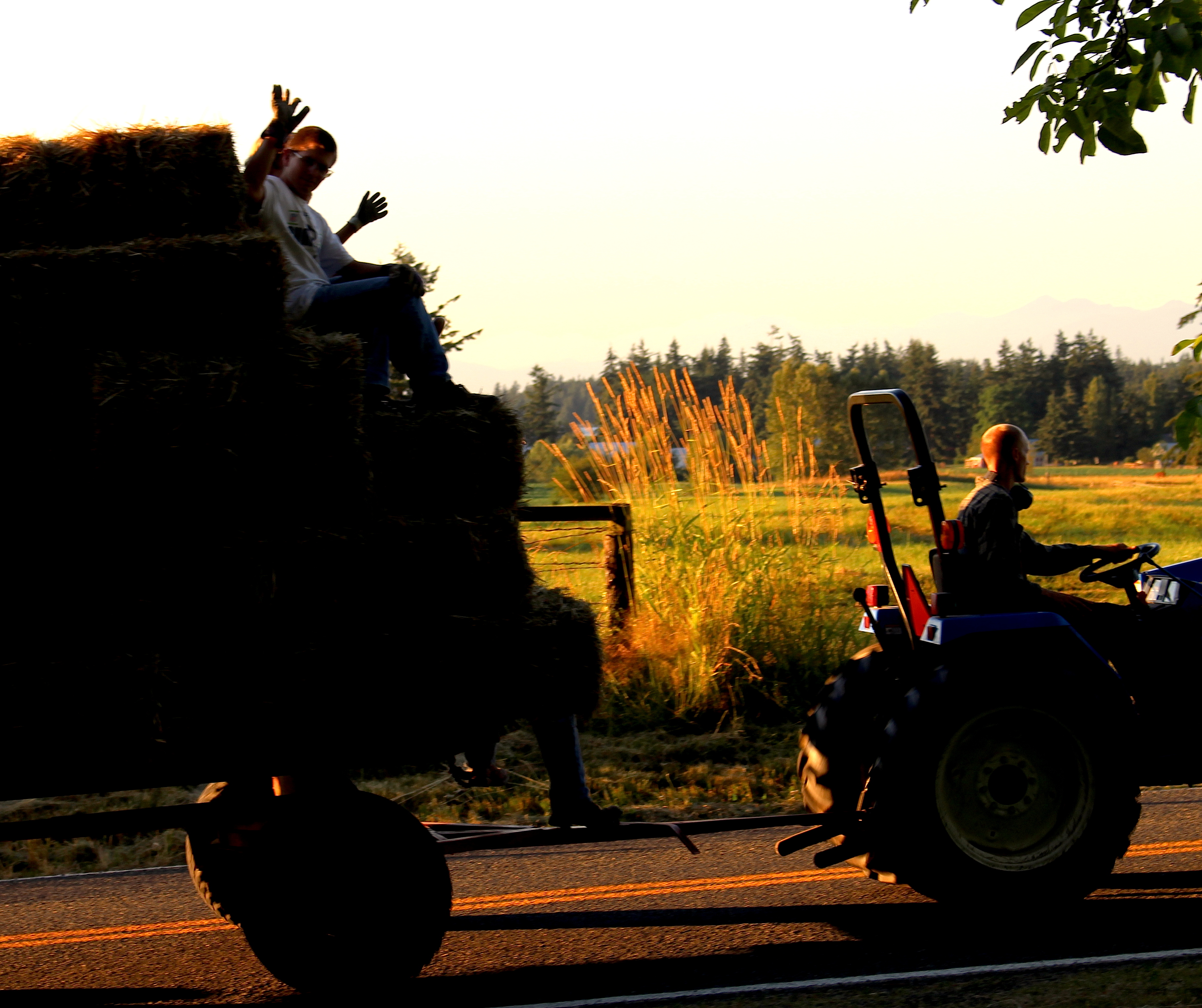
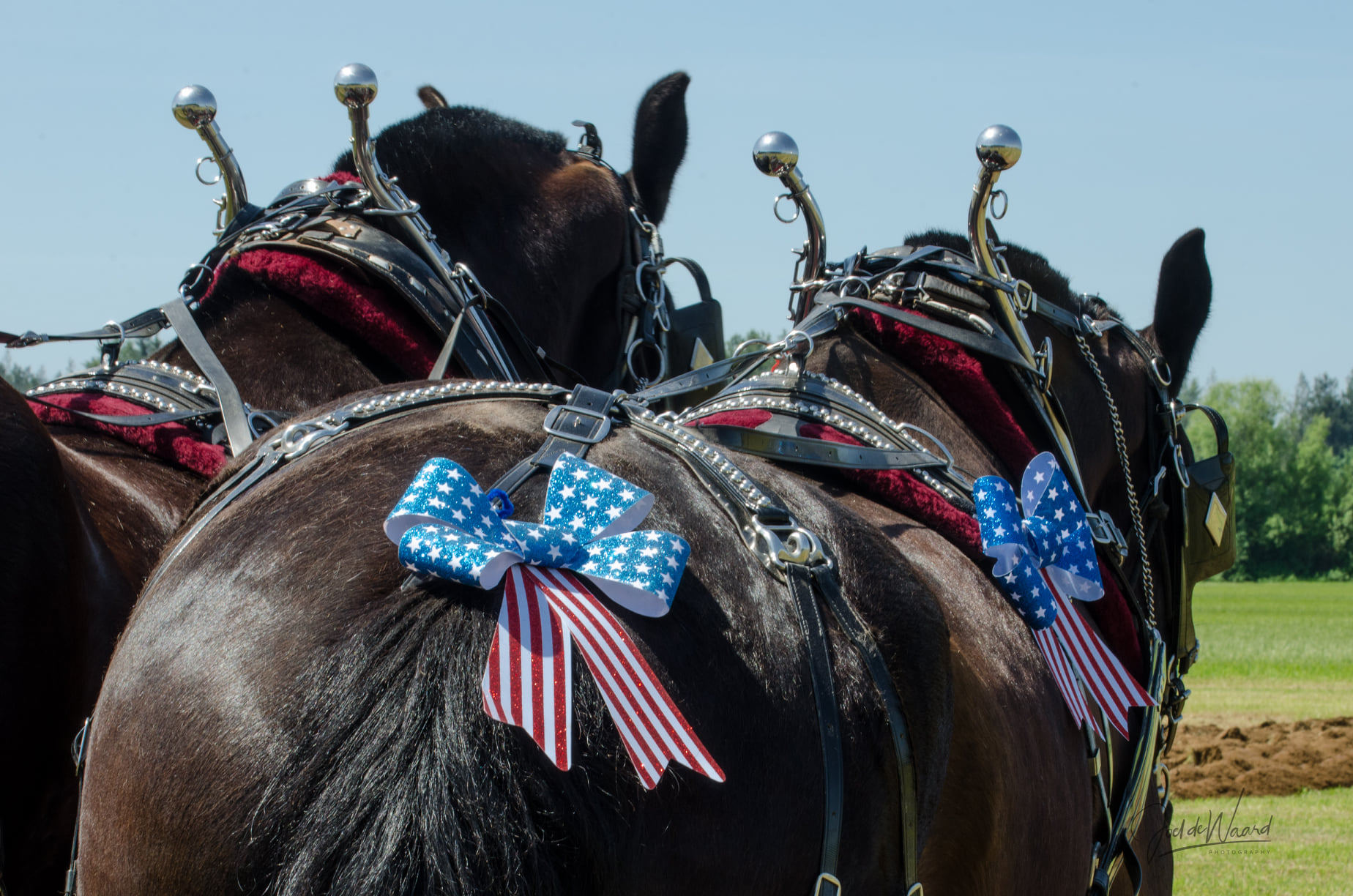
photo by Joel DeWaard
One-Time
Monthly
Yearly
Make a one-time or recurring donation to support daily Barnstorming posts
A poem begins as a lump in the throat, a sense of wrong, a homesickness, a lovesickness. ~Robert Frostin a letter to Louis Untermeyer
What isyour malady?
Asks the form at the community acupuncture clinic. My pen hovers—so many to choose from: the thyroid, the gut, the face. I find myself writing instead:
Homesickness.
I hand in my form. I wonder if the doctor with the needles will laugh at me, but he says instead:
I am homesick too.
And then he puts needles in my ears and my ankles and I fall asleep. Around me, strangers sleep needled dreams, under warm blankets.
And I think: at home in the world. The endless desire to be at home in the world. ~Sarah Ruhl “On Homesickness”
Leaving home has always been difficult for me. As a child, I was hopelessly homesick whenever I stayed overnight elsewhere. Going to college two states away was a complete ordeal – it took me a long time to let go of home and finally settle into a new life away from all that was familiar. Nothing felt right or normal, a disorienting sickness from clinging too tightly to home base, unwilling to launch, barely able to wave good-bye.
Even now, as I travel away from the farm for a week for this or that, I might get the lump-in-the-throat feeling that I remember keenly from my childhood years — knowing I am out of my element, like a fish out of water gasping for breath, stretched out of my comfort zone, not feeling at home while away from home.
Will I ever grow out of this now that I’m nearly seventy, or will it only get worse? Will I ever embrace a lovesickness, a yearning for the rest of the world?
I keep trying – but the return trip is still the sweetest remedy for this malady.
Why do we bother with the rest of the day, the swale of the afternoon, the sudden dip into evening, then night with his notorious perfumes, his many-pointed stars?
This is the best— throwing off the light covers, feet on the cold floor, and buzzing around the house on espresso— maybe a splash of water on the face, a palmful of vitamins—
but mostly buzzing around the house on espresso, dictionary and atlas open on the rug, the typewriter waiting for the key of the head, a cello on the radio, and, if necessary, the windows—
trees fifty, a hundred years old out there, heavy clouds on the way and the lawn steaming like a horse in the early morning. ~Billy Collins “Morning”
Dawn is a new gift every day, even when the previous night was sleepless. I rise early to see just what might happen as you never know what might be just over the horizon. Soon we’ll round the solstice corner to face the encroaching darkening.
So why do I bother with the rest of the day? Morning is always the best…
One-Time
Monthly
Yearly
Make a one-time or recurring donation to support daily Barnstorming posts
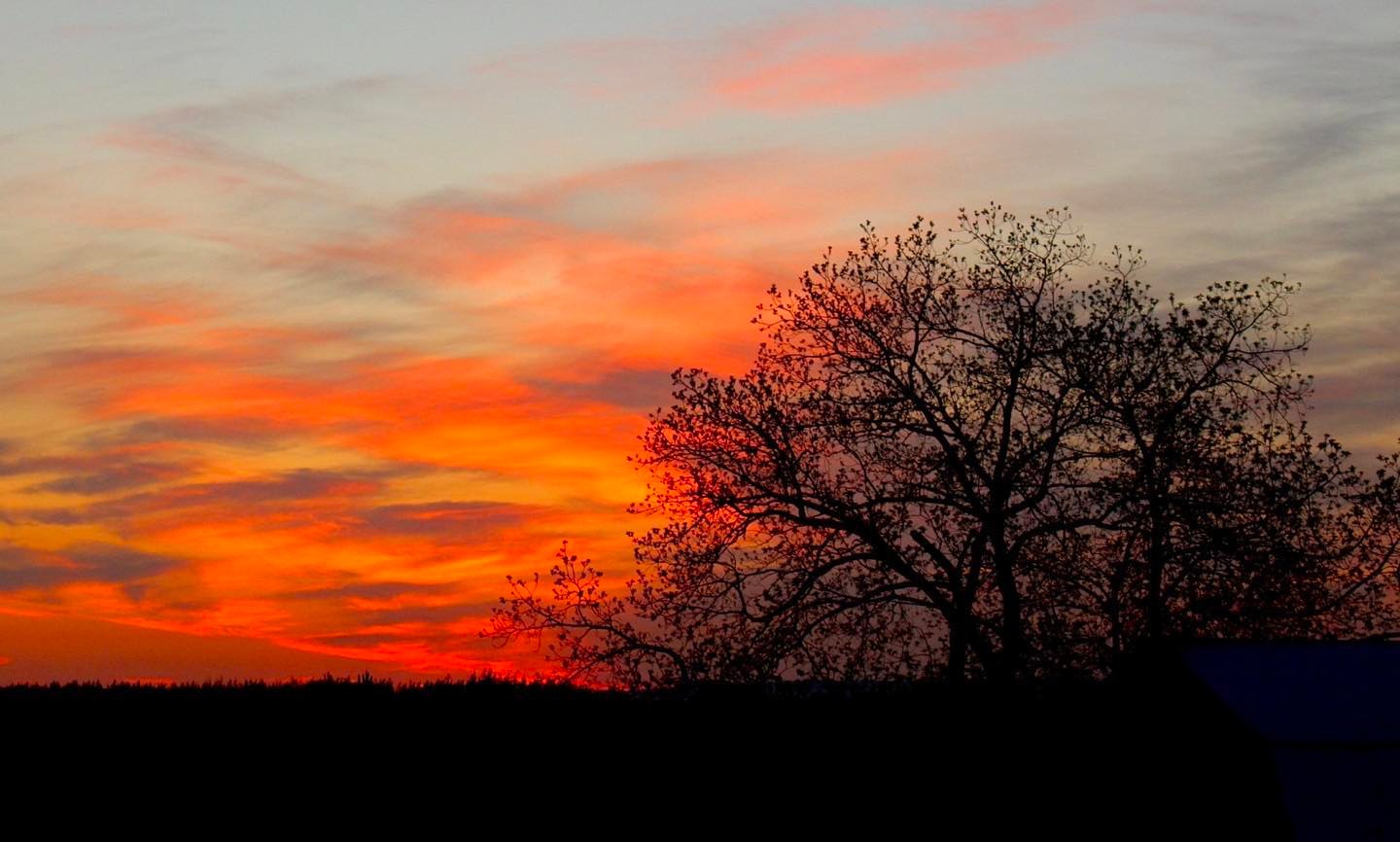
Another word I love is evening for the balance it implies, balance being something I struggle with. I suppose I would like to be more a planet, turning in & out of light It comes down again to polarities, equilibrium. Evening. The moths take the place of the butterflies, owls the place of hawks, coyotes for dogs, stillness for business, & the great sorrow of brightness makes way for its own sorrow. Everything dances with its strict negation, & I like that. I have no choice but to like that. Systems are evening out all around us— even now, as we kneel before a new & ruthless circumstance. Where would I like to be in five years, someone asks—& what can I tell them? Surrendering with grace to the evening, with as much grace as I can muster to the circumstance of darkness, which is only something else that does not stay. ~Jeremy Radin “Evening”
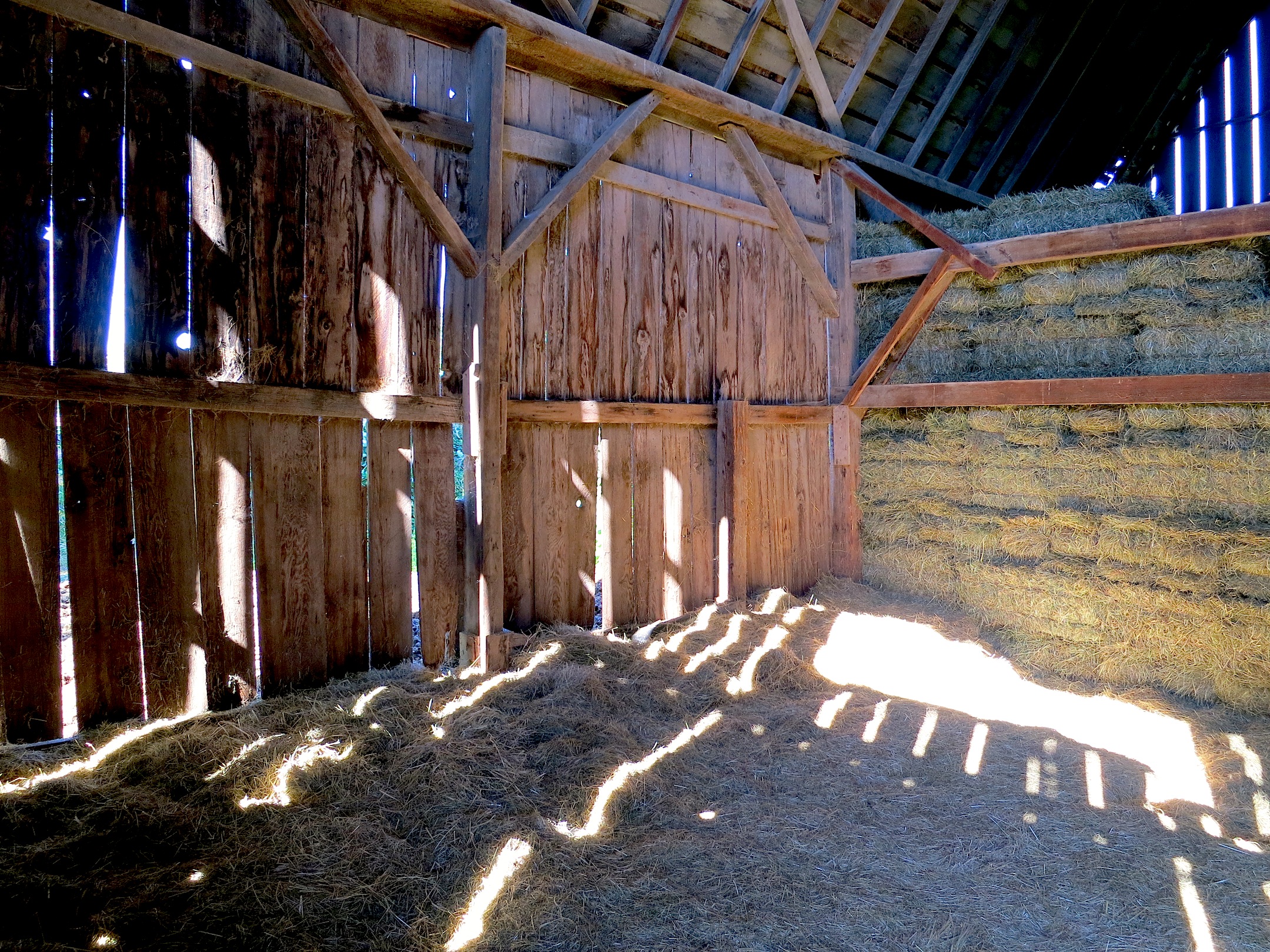
Let the light of late afternoon shine through chinks in the barn, moving up the bales as the sun moves down.
Let the cricket take up chafing as a woman takes up her needles and her yarn. Let evening come.
Let dew collect on the hoe abandoned in long grass. Let the stars appear and the moon disclose her silver horn.
Let the fox go back to its sandy den. Let the wind die down. Let the shed go black inside. Let evening come.
To the bottle in the ditch, to the scoop in the oats, to air in the lung let evening come.
Let it come, as it will, and don’t be afraid. God does not leave us comfortless, so let evening come. ~Jane Kenyon “Let Evening Come”
So much of our living is preparing for rest and here I am, fighting it every step of the way.
I resist it mightily: like my toddler grandson fussing about taking a nap, or a youngster devoted to screen time and unwilling to surrender to darkness, or a parent trying to eke out the last bit of daylight to get the chores done.
I am comforted by staying busy. Yet, I was created in the image of One who remembered to rest.
So must I be “evened out” by Him. The evening comes – there is no stopping it – I am to settle into it, to breathe deeply of it, to close my eyes and drift on the comfort it brings.
When the evening falls And the daylight is fading From within me calls Could it be I am sleeping? For a moment I stray Then it holds me completely Close to home – I cannot say Close to home feeling so far away As I walk the room there before me a shadow From another world, where no other can follow Carry me to my own, to where I can cross over Close to home – I cannot say Close to home feeling so far away Forever searching; never right I am lost in oceans of night. Forever hoping I can find memories Those memories I left behind Even though I leave will I go on believing That this time is real – am I lost in this feeling? Like a child passing through Never knowing the reason I am home – I know the way I am home – feeling oh, so far away
Abendlied (Evening Song) translation Bide with us, for evening shadows darken, and the day will soon be over.
One-Time
Monthly
Yearly
Make a one-time or recurring donation to support daily Barnstorming posts
It is not only prayer that gives God glory but work. Smiting on an anvil, sawing a beam, whitewashing a wall, driving horses, sweeping, scouring, everything gives God some glory if being in his grace you do it as your duty.
To go to communion worthily gives God great glory, but to take food in thankfulness and temperance gives him glory too. To lift up the hands in prayer gives God glory, but a man with a dung fork in his hand, a woman with a slop pail, give him glory too.
He is so great that all things give him glory if you mean they should. So then, my brethren, live. ~Gerard Manley Hopkins fromSeeking Peace
On Earth Day, I am reminded that thanks in large part to how messily we humans live, this world is grimy.
So it is an act of worship as well as respect for our nest to work at cleaning up after ourselves. Hands that clean toilets, scrub floors, carry bedpans, pick up garbage might as well be clasped in prayer – within such everyday necessary tasks, God is glorified.
I spend time every day carrying buckets and wielding a pitchfork because it is my way of restoring order to the disorder inherent in my little corner of the planet. It is with gratitude that I’m able to put things to rights, making stall beds tidier for our farm animals by mucking up their messes and in so doing, I’m cleaning up a piece of me at the same time.
I never want to forget the mess I’m in and the mess I am. I never want to forget to clean up after myself. I never want to feel it is a mere and mundane chore to worship with dungfork and slop pail.
It is my privilege in winter, spring, summer or fall, not just on Earth Day. This is His gift to me. It is His Grace that comes alongside me, to help pitch the muck and carry the slop when I think I am too weary to do it myself.
In so doing, I live and breathe in a place made a little cleaner.
photo from Emily Vander Haak
One-Time
Monthly
Yearly
Make a one-time or recurring donation to support daily Barnstorming posts




























 Barnstorming