What Every Girl Wants

I wanted a horse. This was long after
we sold the work horses, and I was feeling

restless on the farm. I got up early
to help my father milk the cows, talking

a blue streak about TV cowboys
he never had time to see and trying to

convince him that a horse wouldn’t cost
so much and that I’d do all the work.

He listened while he leaned his head
against the flank of a Holstein, pulling

the last line of warm milk into
the stainless bucket. He kept listening

while the milk-machine pumped like an engine,
and the black and silver cups fell off and

dangled down, clanging like bells when he
stepped away, balancing the heavy milker

against the vacuum hose and the leather belt.
I knew he didn’t want the trouble

of a horse, but I also knew there was nothing
else I wanted the way I wanted a horse—

another way of saying I wanted
to ride into the sunset and (maybe)

never come back—I think he knew that too.
We’ll see, he said, we’ll see what we can do.
~Joyce Sutphen “What Every Girl Wants”
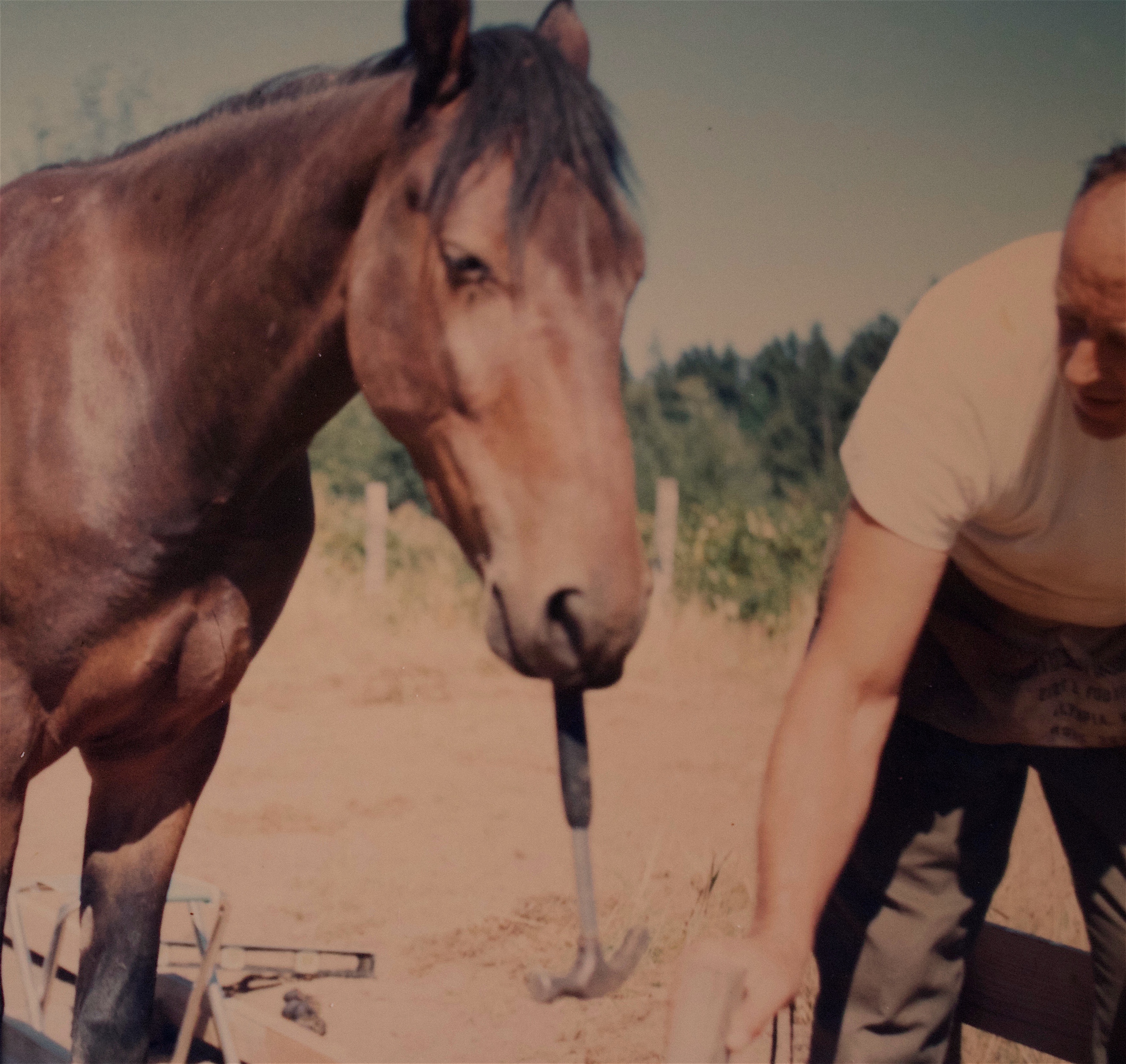
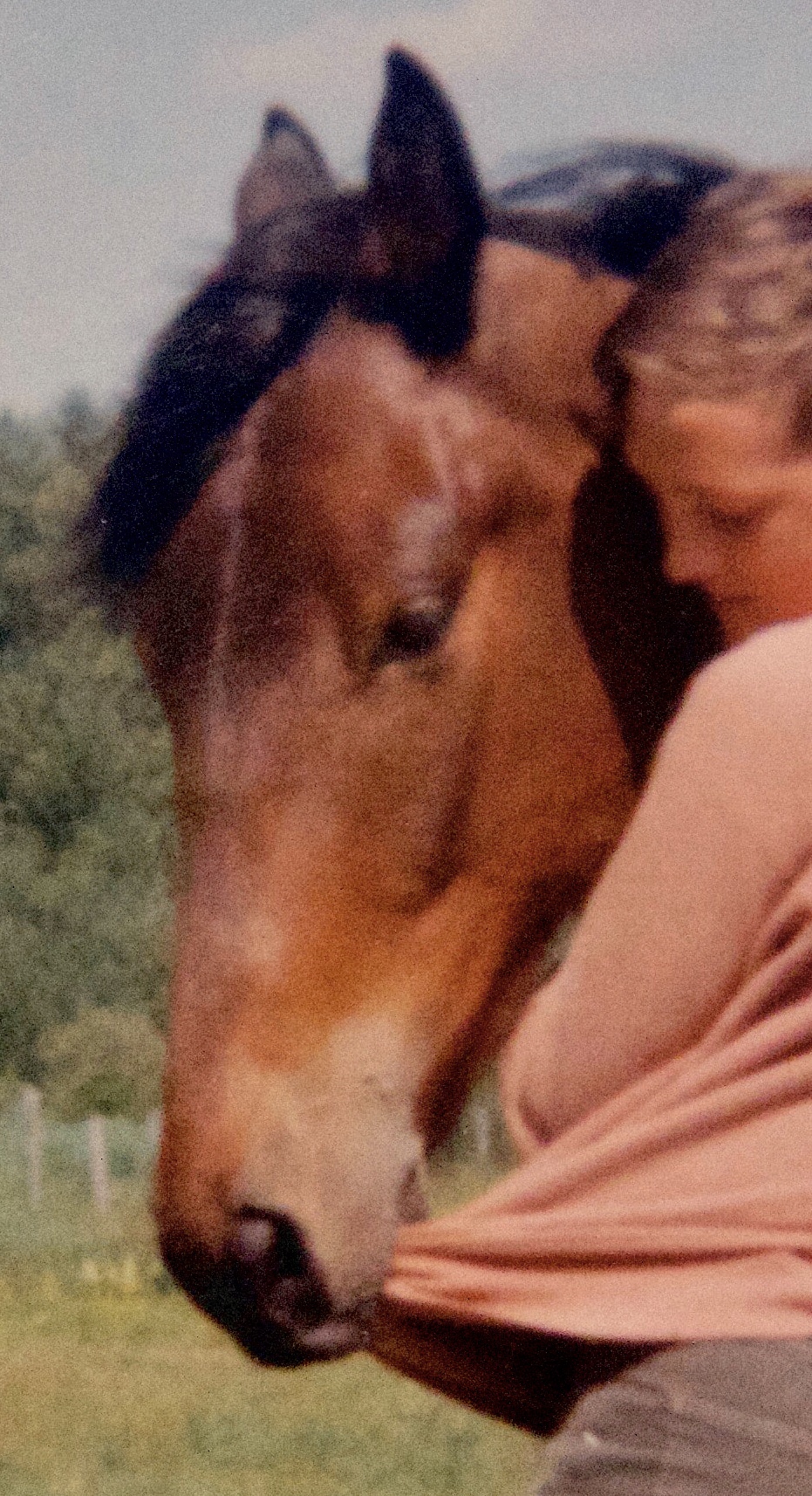
I once was a skinny freckled eleven year old girl who wanted nothing more than to have her own horse. Every inch of my bedroom wall had posters of horses, all my shelves were filled with horse books and horse figurines and my bed was piled with stuffed horses. I suffered an extremely serious case of horse fever.

I had learned to ride my big sister’s horse while my sister was off to college, but the little mare had pushed down a hot wire to get into a field of spring oats which resulted in a terrible case of colic and had to be put down. I was inconsolable until I set my mind to buy another horse.   We had only a small shed, not a real barn, and no actual fences other than the electric hot wire.  Though I was earning money as best I could picking berries and babysitting, I was a long way away from the $150 it would take to buy a trained horse back in 1965. I pestered my father about my dreams of another horse, and since he was the one to dig the hole for my sister’s horse to be buried, he was not enthusiastic.  “We’ll see,”  he said.  “We will see what we can do.”

So I dreamed my horsey dreams, mostly about golden horses with long white manes, hoping one day those dreams might come true.

In fall 1965, the  local radio station KGY’s Saturday morning horse news program announced their “Win a Horse” contest.  I knew I had to try. The prize was a weanling bay colt, part Appaloosa, part Thoroughbred, and the contest was only open to youth ages 9 to 16 years old. All I had to do was write a 250 word or less essay on “Why I Should Have a Horse”. I worked and worked on my essay, crafting the right words and putting all my heart into it, hoping the judges would see me as a worthy potential owner. My parents took me to visit the five month old colt named “Prankster”, a fuzzy engaging little fellow who was getting plenty of attention from all the children coming to visit him, and that visit made me even more determined.

When I read these words now, I realize there is nothing quite like the passion of an eleven year old girl:

“Why I Should Have a Horse”

When God created the horse, He made one of the best creatures in the world.  Horses are a part of me.  I love them and want to win Prankster for the reasons which follow:

To begin with, I’m young enough to have the time to spend with the colt.  My older sister had a horse when she was in high school and her school activities kept her too busy to really enjoy the horse.  I’ll have time to give Prankster the love and training needed.

Another reason is that I’m shy.  When I was younger I found it hard to talk to anybody except my family.  When my sister got the horse I soon became a more friendly person.  When her horse recently died (about when Prankster was born), I became very sad.  If I could win that colt, I couldn’t begin to describe my happiness. 

Also I believe I should have a horse because it would be a good experience to learn how to be patient and responsible while teaching Prankster the same thing. 

When we went to see Prankster, I was invited into the stall to brush him.  I was never so thrilled in my life!  The way he stood there so majestically, it told me he would be a wonderful horse. 

If I should win him, I would be the happiest girl alive.  I would work hard to train him with love and understanding.  If I could only get the wonderful smell and joy of horses back in our barn!

I mailed in my essay and waited.

Fifty four years ago on this day, November 27, 1965, my mother and I listened to the local horse program that was always featured on the radio at 8 AM on Saturday mornings. They said they had over 300 essays to choose from, and it was very difficult for them to decide who the colt should go to. I knew then I didn’t have a chance. They had several consolation prizes for 2nd through 4th place, so they read several clever poems and heartfelt essays, all written by teenagers.  My heart was sinking by the minute.

The winning essay was next.  The first sentence sounded very familiar to me, but it wasn’t until several sentences later that we realized they were reading my essay, not someone else’s. My mom was speechless, trying to absorb the hazards of her little girl owning a young untrained horse. I woke up my dad, who was sick in bed with an early season flu.  He opened one eye, looked at me, and said, “I guess I better get a fence up today, right?”  Somehow, fueled by the excitement of a daughter whose one wish had just come true, he pulled himself together and put up a wood corral that afternoon, despite feeling so miserable.

That little bay colt came home to live with me the next day. Over the next few months he and I did learn together, as I checked out horse training books from the library, and joined a 4H group with helpful leaders to guide me. I made plenty of mistakes along the way, learning from each one, including those that left behind scars I still bear. Prankster was a typical adolescent gelding who lived up to his name — full of mischief with a sense of humor and a penchant for finding trouble, but he was mine and that was all that mattered.

That and a dad who saw what he needed to do for his passionate kid.  I’ll never forget.
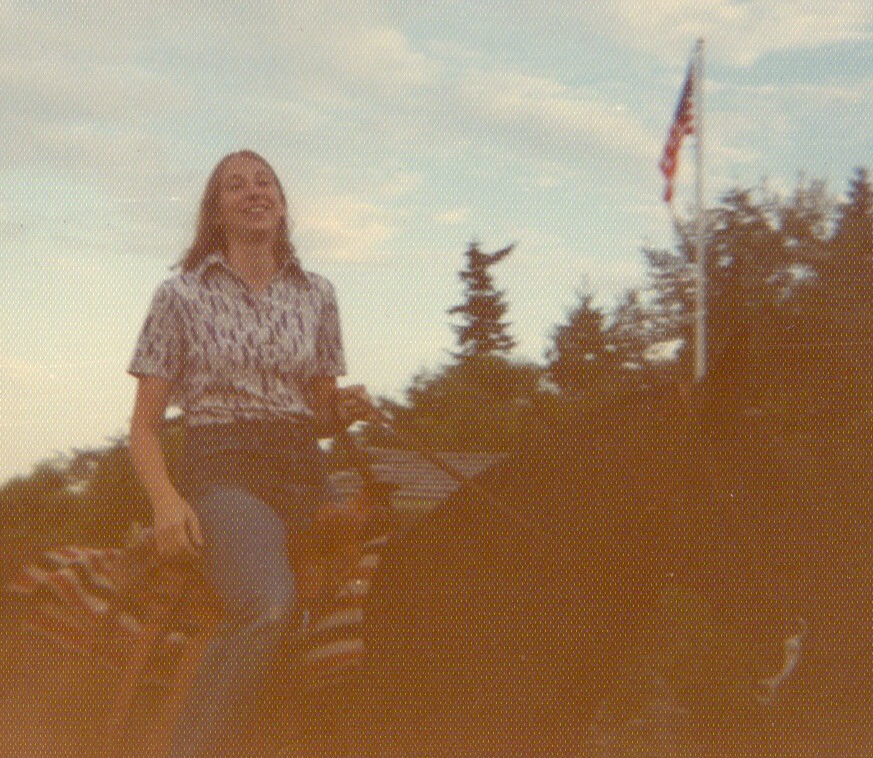
Even Brighter Lights

Dear Ben,

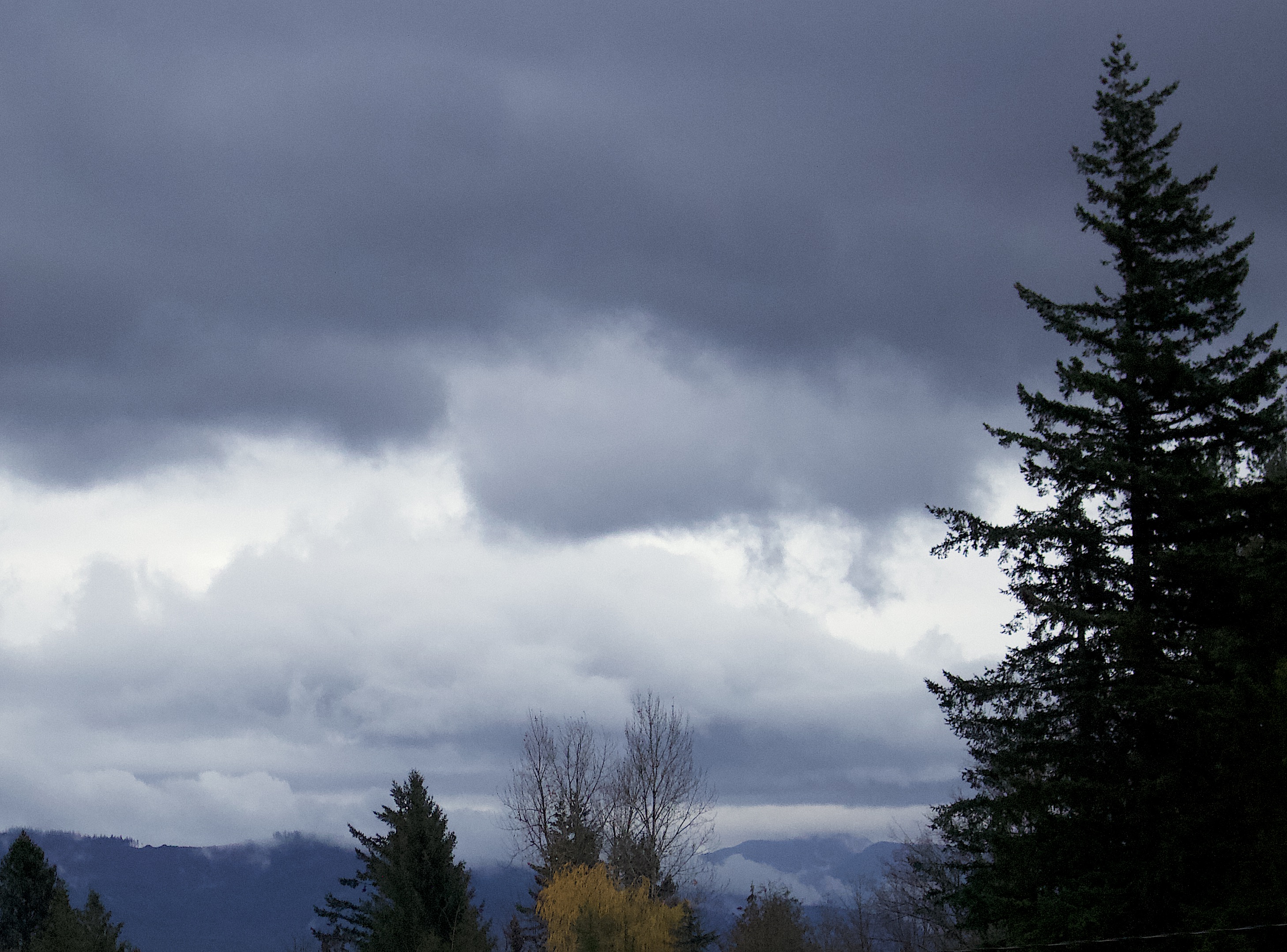
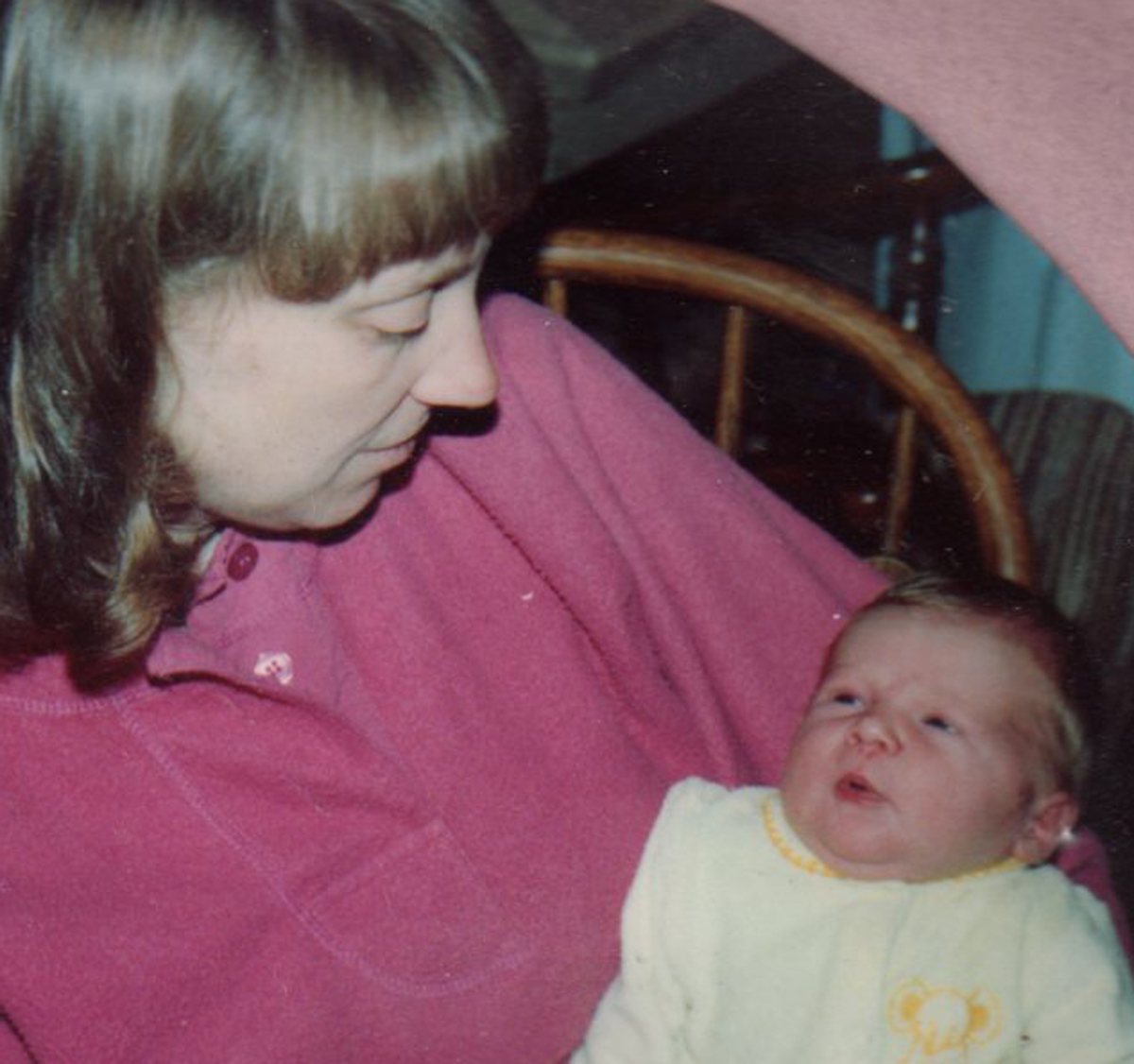
It was gray and drizzly the November 15 you were born thirty one years ago, very much like today’s gray drizzle.

November is too often like that–there are times during this darkening month when we’re never really certain we’ll see the sun again.  The sky is gray, the mountain is all but invisible behind the clouds, the air hangs heavy with mist, woods and fields are all shadowy.  The morning light starts late and the evening takes over early.

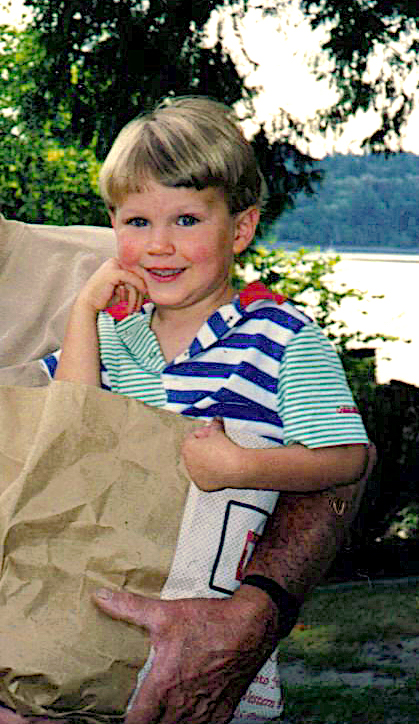
Yet you changed November for us that day.  You brought sunshine to our lives once again.  You smiled almost from the first day, always responding, always watching, ready to engage with your new family.  You were a delight from that first moment we saw you and have been a light in our lives and so many other lives ever since.

And you married another bright light and now you shine together with a new little bright light of your own in your lives.

I know this is your favorite kind of weather because you were born to it–you’ve always loved the misty fog, the drizzle, the chill winds, the hunkering down and waiting for brighter days to come.

November 15 was, and each year it still is, that brighter day.

Love,

Mom and Dad

Readiness to Die

Courage is almost a contradiction in terms. 
It means a strong desire to live taking the form of a readiness to die.
~ G.K. Chesterton 

They shall grow not old, as we that are left grow old:
Age shall not weary them, nor the years condemn.
At the going down of the sun and in the morning
We will remember them.
~Lawrence Binyon from “For the Fallen” (1914)

We are the Dead. Short days ago
We lived, felt dawn, saw sunset glow,
Loved and were loved, and now we lie
In Flanders fields.
~LtCol (Dr.) John McCrae from “In Flanders Fields”

When you go home tell them of us and say –
“For your tomorrow we gave our today”
~John Maxwell Edmonds from “The Kohima Epitaph” 

To all our U.S. veterans over the centuries – with deep appreciation and gratitude–for the freedoms you have defended on behalf of us all:

My father was one of the fortunate ones who came home, returning to a quiet farm life after three years serving in the Pacific with the Marines Corp from 1942 to 1945. For the first time I have been reading his letters home to my mother over the last few months, realizing how uncertain was their future together. Hundreds of thousands of his colleagues didn’t come home, dying on beaches and battlefields.  Tens of thousands more came home forever marked, through physical or psychological injury, by the experience of war.

We citizens must support and care for the men and women who have made the commitment to be on the front line for our freedom’s sake.

I’m unsure why the United States does not call November 11 Remembrance Day as the Commonwealth nations did at the WW1 Armistice. This is a day that demands much more than the more passive name Veterans’ Day represents.

This day calls all citizens who appreciate their freedoms to stop what they are doing and interrupt the routine rhythm of their lives. We are to remember in humble thankfulness the generations of military veterans who answered the call to defend their countries by sacrificing their time, resources, sometimes health and well being, and too often their lives.

Remembrance means never forgetting what it costs to defend freedom. It means acknowledging the millions who have given of themselves and continue to do so on our behalf. It means never ceasing to care. It means a commitment to provide resources needed for the military to remain strong and supported. It means unending prayers for safe return to family. It means we hold these men and women close in our hearts, always teaching the next generation about the sacrifices they made.

Most of all, it means being willing ourselves to become the sacrifice when called.

To you from failing hands we throw    
The torch; be yours to hold it high.    
If ye break faith with us who die
We shall not sleep, though poppies grow…

The Knowing

We thought we were the perfect family—
loyal, stable, a brick wall you couldn’t topple
with a wrecking ball. Parents dependable
as the frozen Minute Maid juice
we squeezed from cardboard cans and drank
mornings, reconstituted.

We’d come to this place just to be together.
October in Ogunquit, record heat,
no need for the sweaters we’d packed.
Dad had died but Mom, in her 80s, sat
pouring green tea, our wicker chairs
on the small porch, six sets
of knees touching.

She didn’t mean to mention
Dad’s first wife.

To our collective what?
she sputtered lasted a year, before the war,
her name: Phyllis.
Remember that chest in the basement?
It was hers.

Some moments passed, then mutely
we agreed to let it go.
Radium glowed green in our brains
but didn’t burn. The knowing, a relief:
We didn’t have to be perfect.

The August-warm wind felt pleasant
and odd. We sat on that porch,
orange leaves pinwheeling down the street.
~Karen Paul Holmes “Rental Cottage, Maine” from No Such Thing as Distance

Surfacing to the street from a thirty two hour hospital shift usually means my eyes blink mole-like, adjusting to searing daylight after being too long in darkened windowless halls.  This particular day is different.   As the doors open, I am immersed in a subdued gray Seattle afternoon, with horizontal rain soaking my scrubs.

Finally remembering where I had parked my car in pre-dawn dark the day before, I start the ignition, putting the windshield wipers on full speed.  I merge onto the freeway, pinching myself to stay awake long enough to reach my apartment and my pillow.

The freeway is a flowing river current of head and tail lights.  Semitrucks toss up tsunami waves cleared briefly by my wipers frantically whacking back and forth.

Just ahead in the lane to my right, a car catches my eye — it looks just like my Dad’s new Buick.  I blink to clear my eyes and my mind, switching lanes to get behind.  The license plate confirms it is indeed my Dad, oddly 100 miles from home in the middle of the week.  I smiled, realizing he and Mom, the best parents ever, have probably planned to surprise me by taking me out for dinner.

I decide to surprise them first, switching lanes to their left and accelerating up alongside.  As our cars travel side by side in the downpour,  I glance over to my right to see if I can catch my Dad’s eye through streaming side windows.  He is looking away to the right at that moment, obviously in conversation.  It is then I realize something is amiss.  When my Dad looks back at the road, he is smiling in a way I have never seen before.  There are arms wrapped around his neck and shoulder, and a woman’s auburn head is snuggled into his chest.

My mother’s hair is gray.

My initial confusion turns instantly to fury.  Despite the rivers of rain obscuring their view, I desperately want them to see me.  I think about honking,  I think about pulling in front of them so my father would know I have seen and I know.  I think about ramming them with my car so that we’d perish, unrecognizable, in an explosive storm-soaked mangle.

At that moment, my father glances over at me and our eyes meet across the white line separating us.  His face is a mask of betrayal, bewilderment and then shock, and as he tenses, she straightens up and looks at me quizzically.

I can’t bear to look any longer.

I leave them behind, speeding beyond, splashing them with my wake.  Every breath burns my lungs and pierces my heart.  I can not distinguish whether the rivers obscuring my view are from my eyes or my windshield.

Somehow I made it home to my apartment, my heart still pounding in my ears.  The phone rings and remains unanswered.

I throw myself on my bed, bury my wet face in my pillow and pray —
for a sleep
without dreams,
without secrets,
without lies,
without the burden of knowing the truth
I alone now knew
and wished I didn’t.

The Road From Here to There

A spoon in a cup of tea.
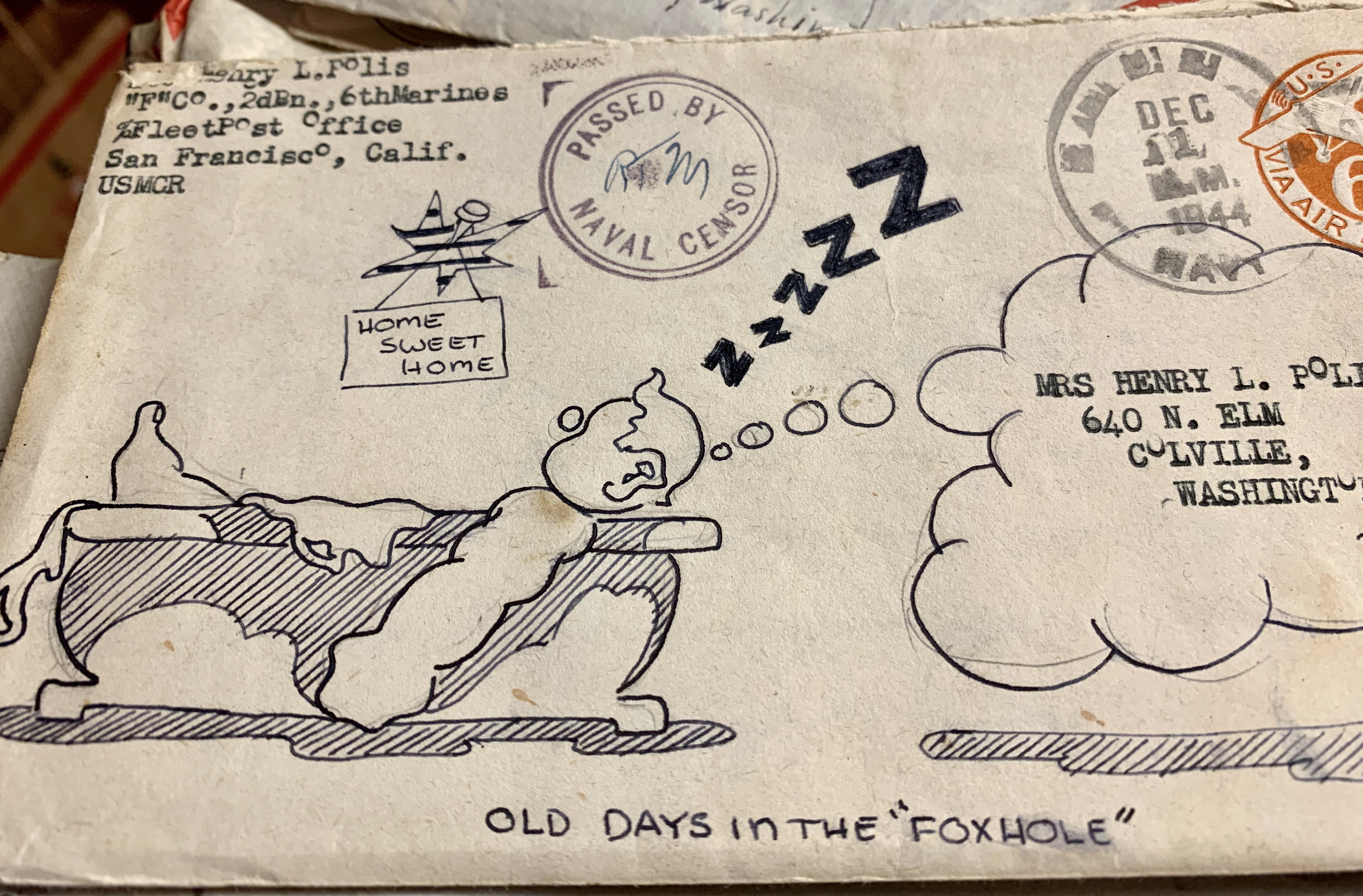
Letters in yellow envelopes,
the way a hand pushed lines
into the soft paper.
Morning laughter.
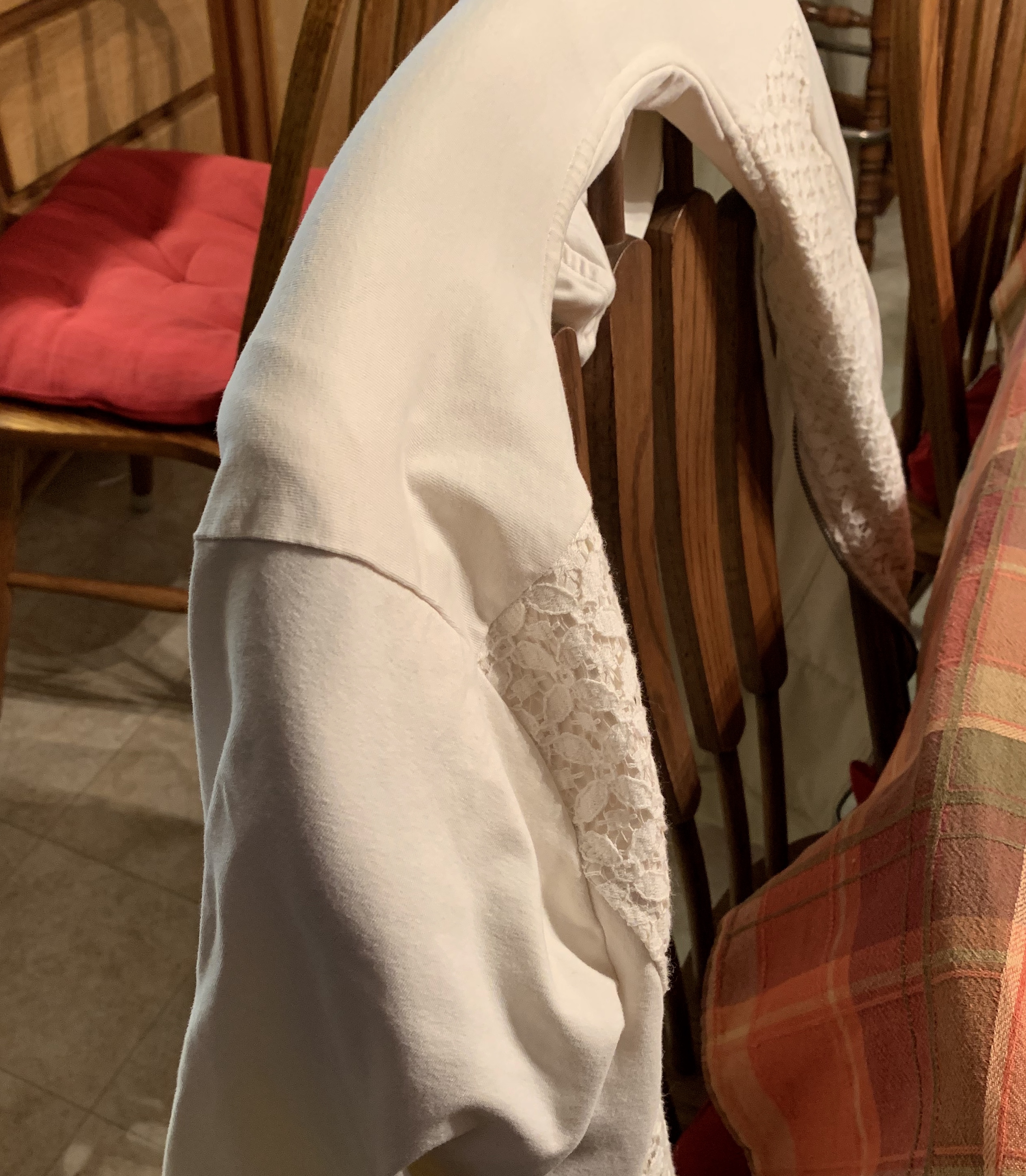
A white shirt draped
over her chair.
An open window. The air.
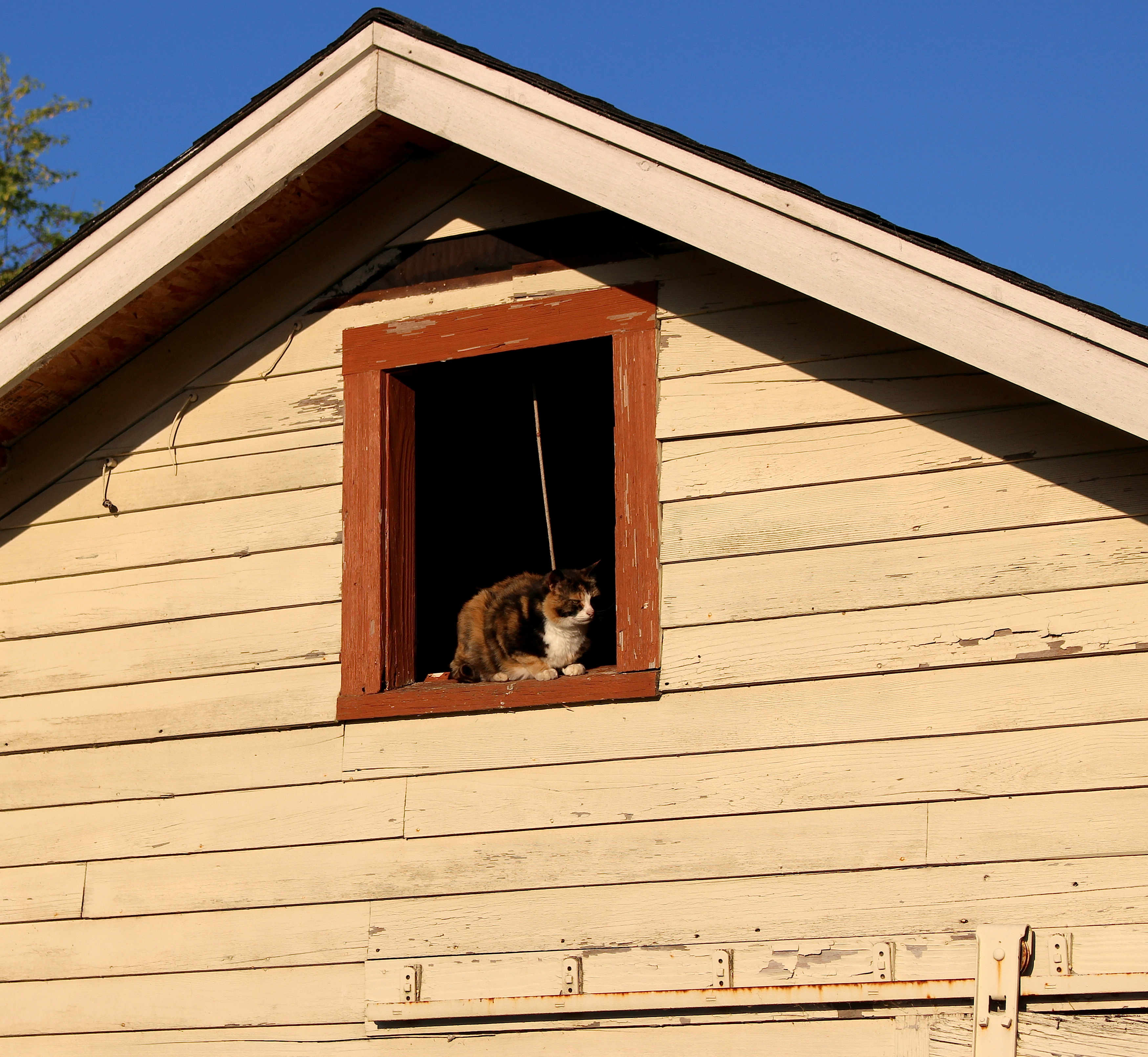
Call of one blackbird.
Silence of another.
November. Summer.
My love for you, I say.
My love for you infinity
times a million
, my son says.
Sounds of piano notes
as they rest in treetops.
The road from here to there.
Grief, that floating, lost swan.
~Paige Riehl “Things That Cannot Die” from Suspension

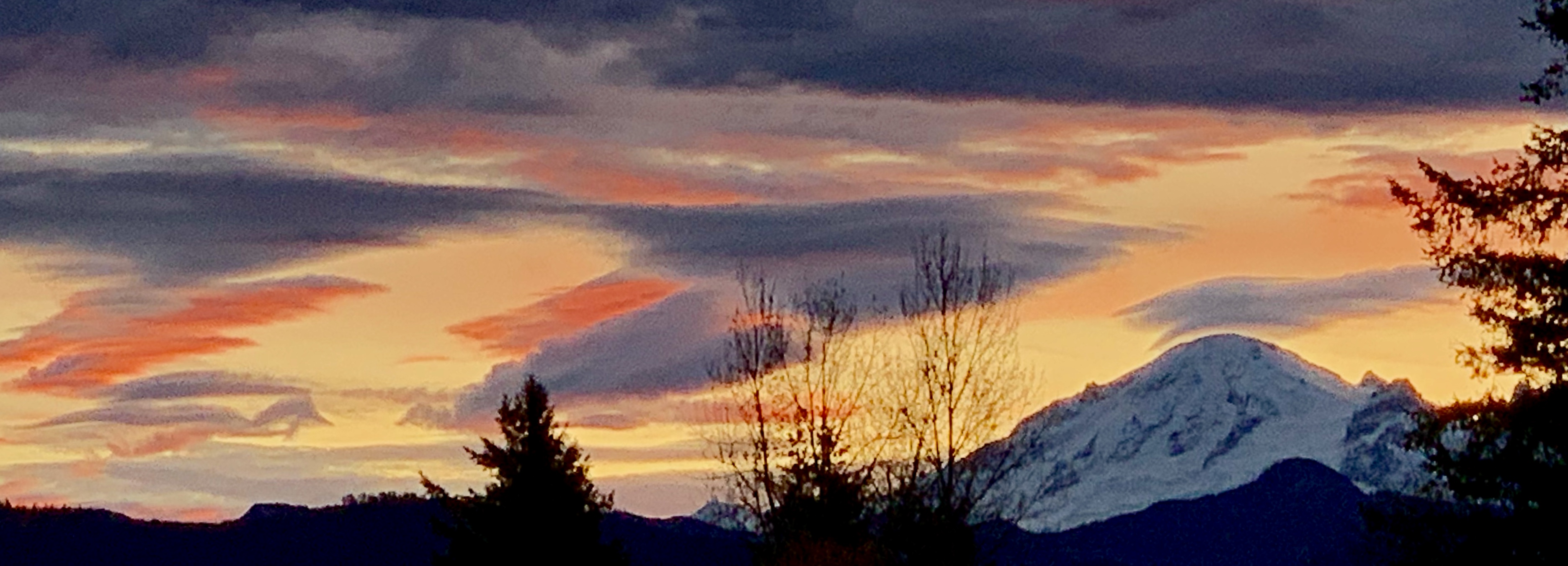
photo by Nate Gibson

Anticipation of an early morning call so not much sleep last night.
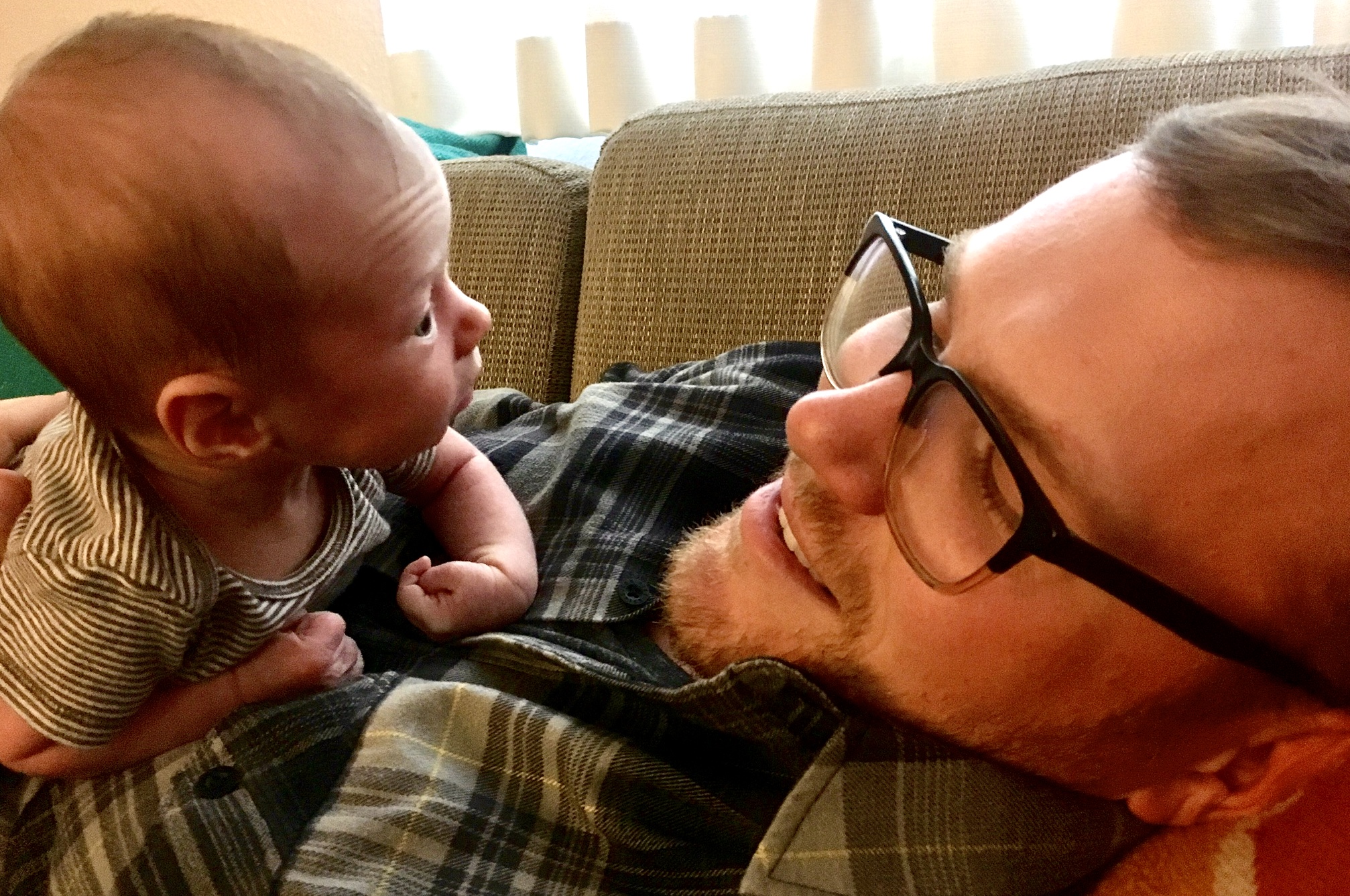
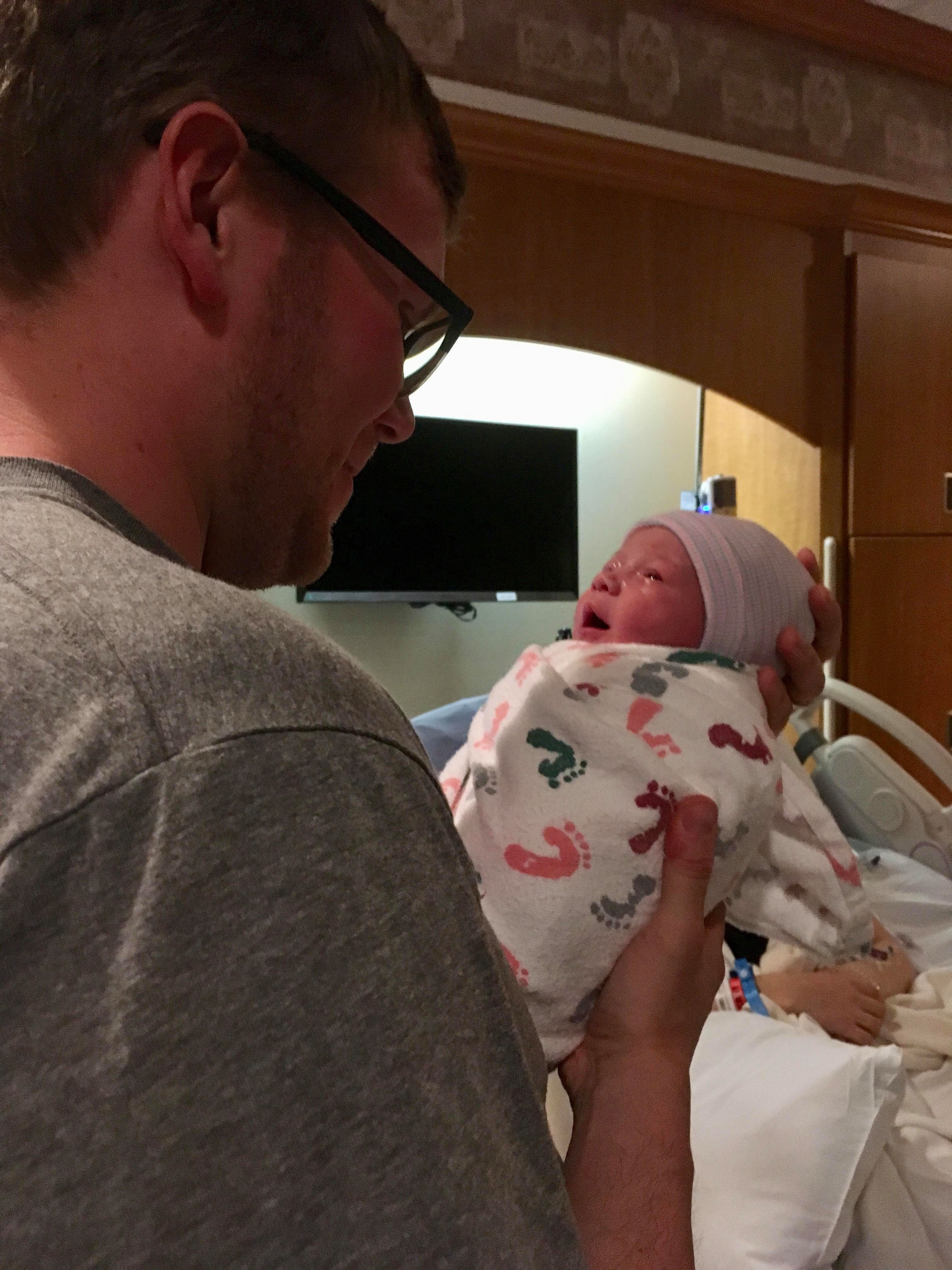
When the call came – a new grandson announced from miles away-

we laughed gleefully at this gift

our love expanded infinity times a million for these brand new parents, this new life joining the world,
this new road to travel together from here to there.
All that is ordinary is now new and extraordinary.

Love through the generations cannot die but thrives and pulses alive. We laugh and cry at once at the generous grace of our good God who turns all human grief to joy.

photo of Ben Gibson and baby Daniel by Kathy Mulhern (grandma!)
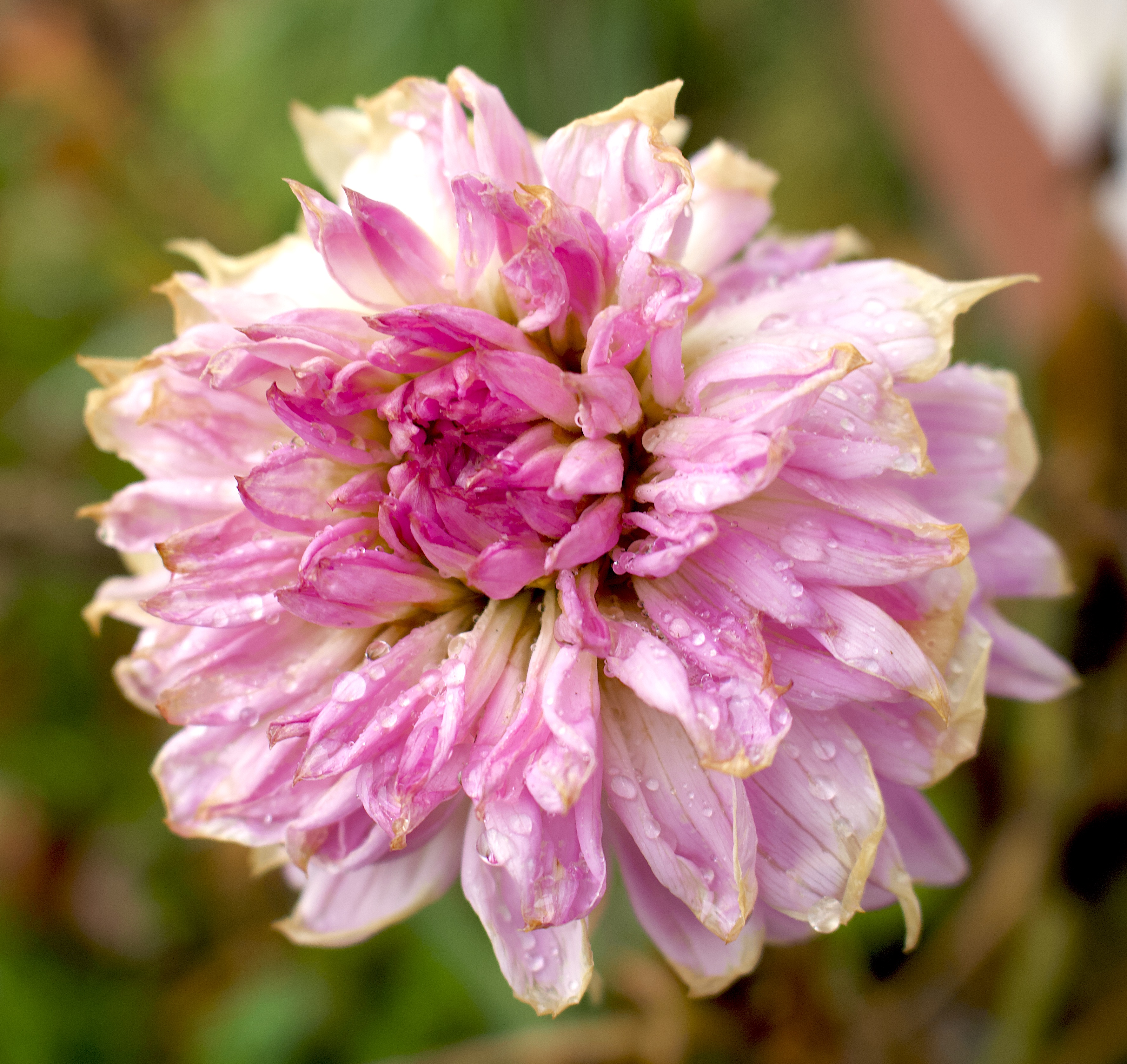
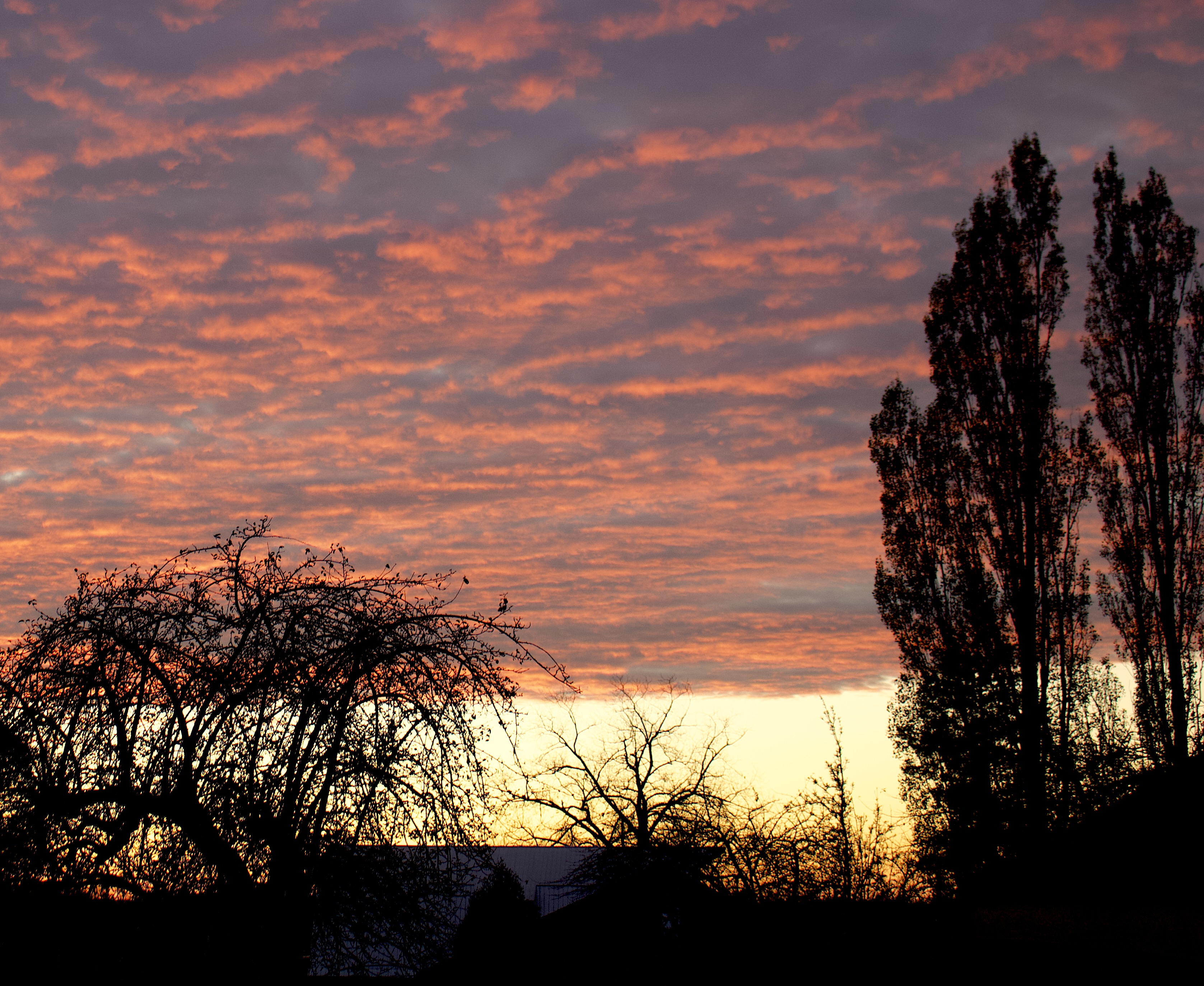
photo by Lea Gibson

In the Quiet Misty Morning

In the quiet misty morning
When the moon has gone to bed,
When the sparrows stop their singing
And the sky is clear and red,
When the summer’s ceased its gleaming
When the corn is past its prime,
When adventure’s lost its meaning –
I’ll be homeward bound in time

Bind me not to the pasture
Chain me not to the plow
Set me free to find my calling
And I’ll return to you somehow

If you find it’s me you’re missing
If you’re hoping I’ll return,
To your thoughts I’ll soon be listening,
And in the road I’ll stop and turn
Then the wind will set me racing
As my journey nears its end
And the path I’ll be retracing
When I’m homeward bound again

Bind me not to the pasture
Chain me not to the plow
Set me free to find my calling
And I’ll return to you somehow

In the quiet misty morning
When the moon has gone to bed,
When the sparrows stop their singing
I’ll be homeward bound again.

~Marta Keen “Homeward Bound”

In my father’s near daily letters home to my mother during WWII, month after month after month, he would say, over and over while apologizing for the repetition:
“I will come home to you, I will return, I will not let this change me, we will be joined again…”

This was his way of convincing himself even as he carried the dead and dying after island battles: men he knew well and the enemy he did not know. He knew they were never returning to the home they died protecting and to those who loved them.

He shared little of battle in his letters as each letter was reviewed and signed off by a censor before being sealed and sent. This story made it through:

“You mentioned a story of Navy landing craft taking the Marines into Tarawa.  It reminded me of something which impressed me a great deal and something I’m sure I’ll never forget. 
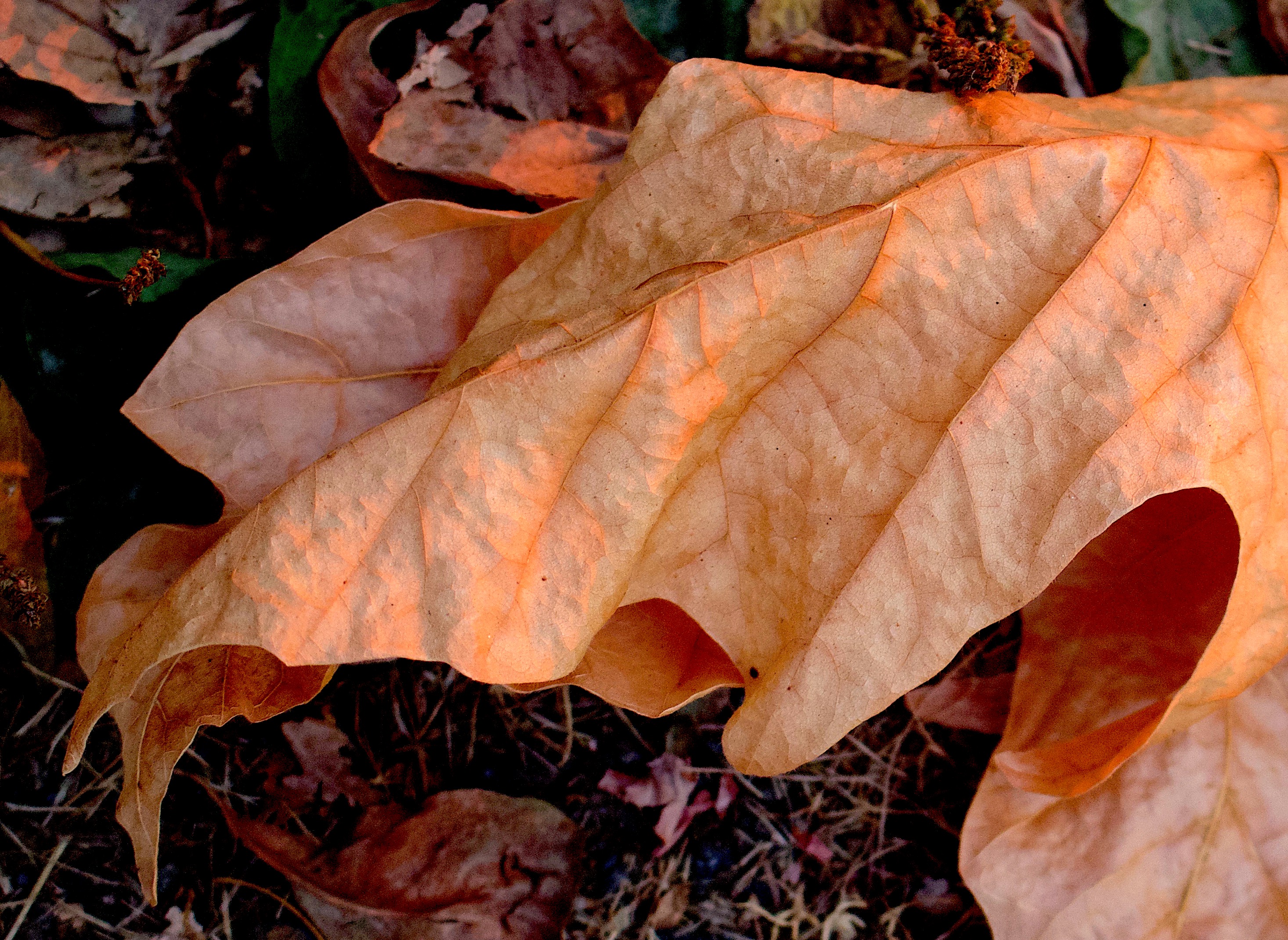
So you’ll understand what I mean I’ll try to start with an explanation.  In training – close order drill- etc.  there is a command that is given always when the men form in the morning – various times during the day– after firing– and always before a formation is dismissed.  The command is INSPECTION – ARMS.  On the command of EXECUTION- ARMS each man opens the bolt of his rifle.  It is supposed to be done in unison so you hear just one sound as the bolts are opened.  Usually it is pretty good and sounds O.K.

Just to show you how the morale of the men going to the beach was – and how much it impressed me — we were on our way in – I was forward, watching the beach thru a little slit in the ramp – the men were crouched in the bottom of the boat, just waiting.  You see- we enter the landing boats with unloaded rifles and wait till it’s advisable before loading.  When we got about to the right distance in my estimation I turned around and said – LOAD and LOCK – I didn’t realize it, but every man had been crouching with his hand on the operating handle and when I said that — SLAM! — every bolt was open at once – I’ve never heard it done better – and those men meant business when they loaded those rifles. 

A man couldn’t be afraid with men like that behind him.”

My father did return home to my mother after almost three years of separation. He was “bound to the pasture and chained to the plow” as he resumed his love of farming the land and teaching others how it is done.

He never forgot those who died, making it possible for him to return home. I won’t forget either.

An Inheritance Bereft of Poetry

All day we packed boxes.
We read birth and death certificates.
The yellowed telegrams that announced
our births, the cards of congratulations
and condolences, the deeds and debts,
love letters, valentines with a heart
ripped out, the obituaries.

We opened the divorce decree,
a terrible document of division and subtraction.
We leafed through scrapbooks:
corsages, matchbooks, programs to the ballet,
racetrack, theatre—joy and frivolity
parceled in one volume—
painstakingly arranged, preserved
and pasted with crusted glue.

We sat together side by side
on the empty floor and did not speak.
There were no words
between us other than the essence
of the words from the correspondences,
our inheritance—plain speak,
bereft of poetry.
~Jill Bialosky from The Players

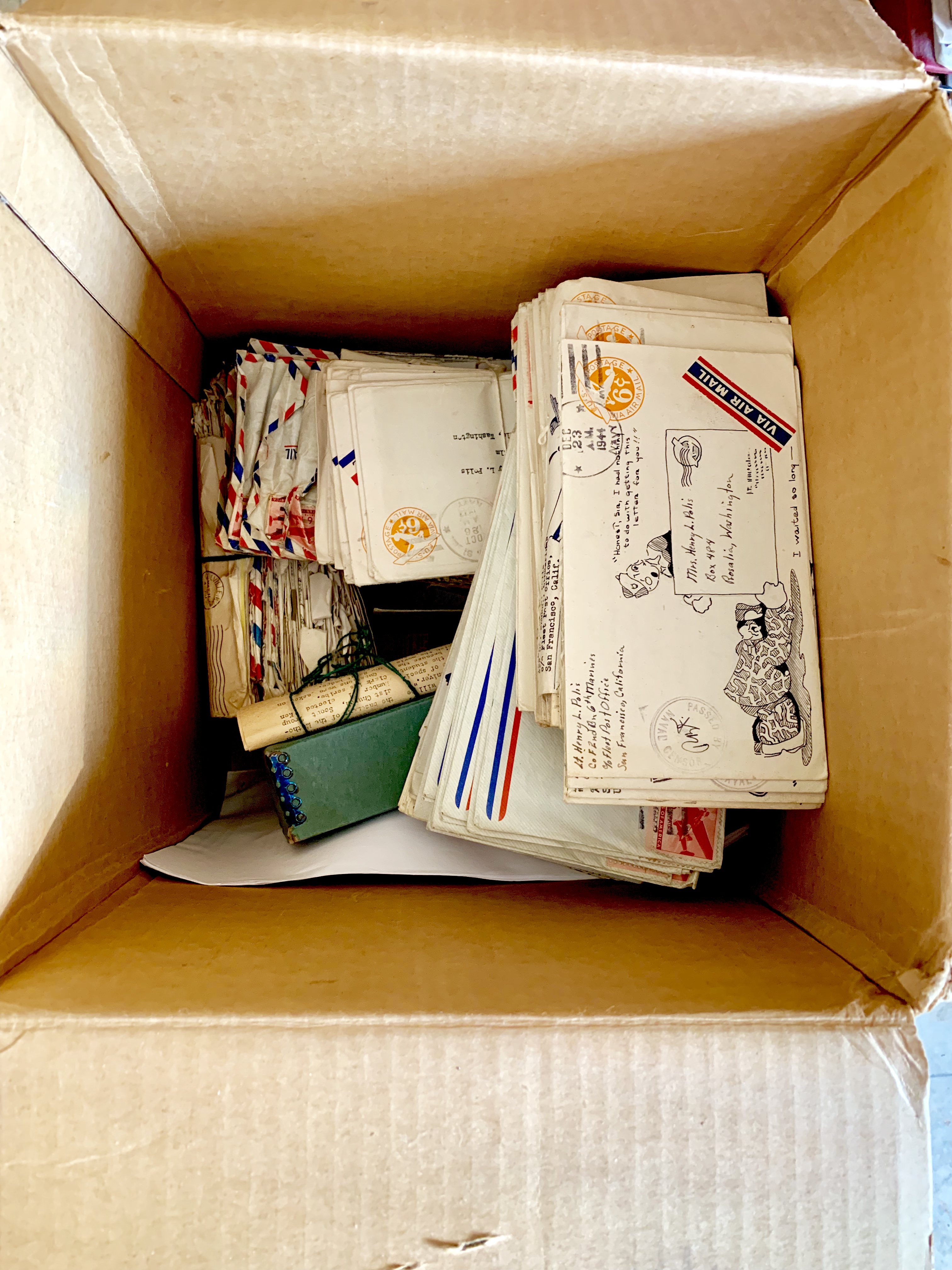
The box of over 700 letters, exchanged between my parents from late 1941 to mid-1945, sat unopened for decades. The time had come.

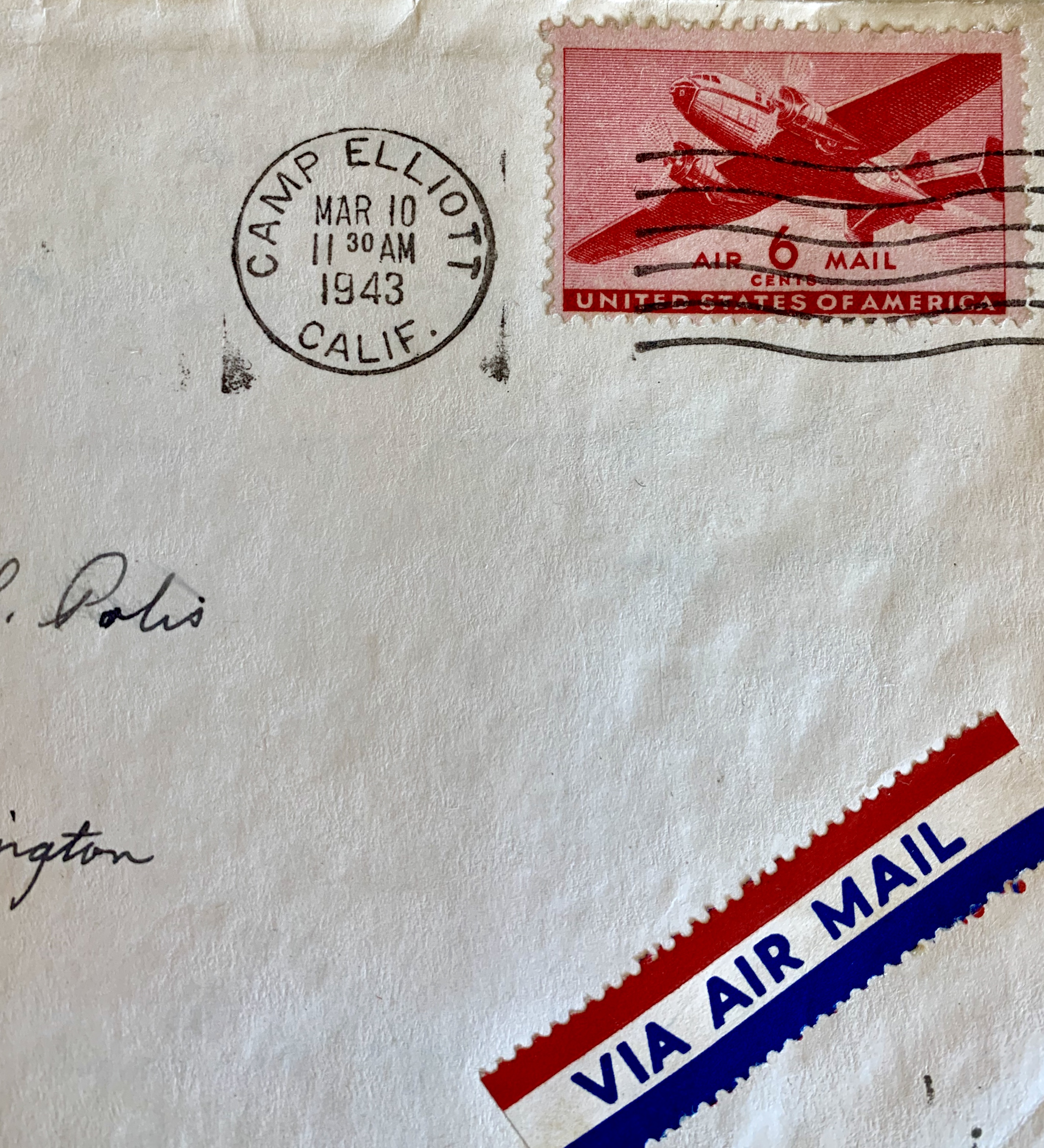
My parents barely knew each other before marrying quickly on Christmas Eve 1942 – the haste due to the uncertain future for a newly trained Second Lieutenant in the Marine Corps. They only had a few weeks together before she returned home to her rural teaching position and he readied himself for the island battles to come.

I’m now half-way through reading them in chronological order. I’m up to March 1943 when my father received orders that he would be shipped out to the South Pacific within days. They had no idea they would not see each other for another 30+ months or see each other again at all. They had no idea their marriage would fall apart 35 years later and they would reunite a decade after the divorce.

The letters do contain the long-gone but still-familiar voices of my parents, but they are the words and worries of youngsters of 20 and 21, barely prepared for the horrors to come from war and interminable waiting. Much of the time they wrote each other daily, though with minimal news to share and military censors at work, but they speak mostly of their desire for a normal life together rather than a routine centered on mailbox, pen and paper.

I’m not sure what I hoped to find in these letters. Perhaps I hoped for flowery romantic whisperings and the poetry of longing and loneliness. Instead I am reading plain spoken words from two people who somehow made it through those awful years to make my sister and brother and myself possible.

Our inheritance is contained in this musty box of words bereft of poetry. But decades later my heart is moved by these letters – I carefully refold them back into their envelopes and replace them gently back in order. A six cent airmail stamp – in fact hundreds and hundreds of them – was a worthwhile investment in their future and ultimately mine.

The Coiled Shell of Their Lives

Needing them still, I come
when I can, this time to the sea
where we share a room: their double bed,
my single. Morning fog paints the pale
scene even paler. Lace curtains breathing,
the chenille spread folded back,
my father’s feet white sails furled
at the edge of blue pajamas.
Every child’s dream, a parent
in each hand, though this child is fifty.
Their bodies fit easily, with room
to spare. When did they grow
so small? Grow so small—
as if it were possible to swell
backwards into an earlier self.


One more year, I ask the silence.
Last night to launch myself
into sleep I counted their breaths, the tidal
rise and fall I now put my ear to,
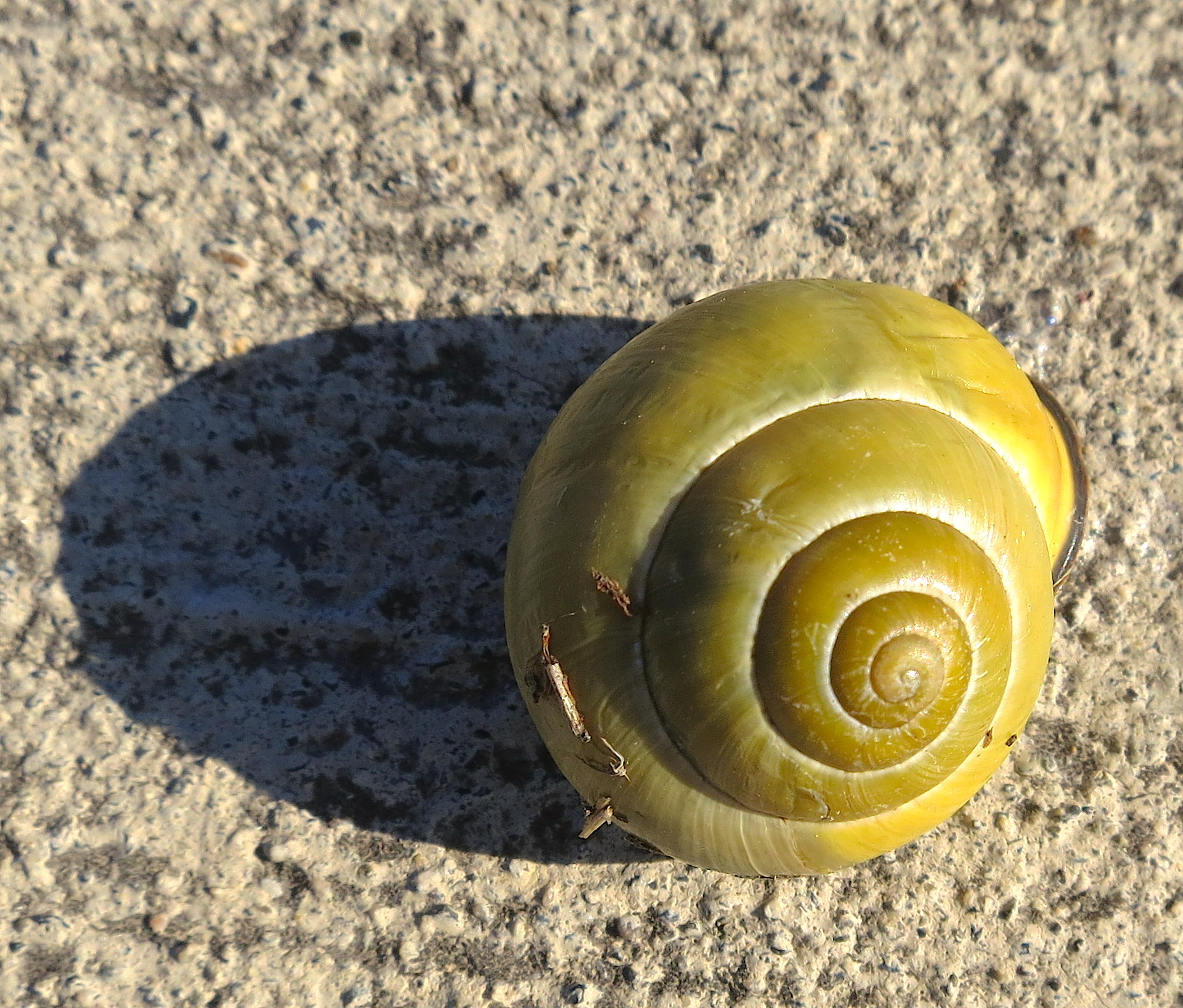
the coiled shell of their lives.
~Rebecca McClanahan from “Watching my Parents Sleeping Beside an Open Window Near the Sea” from Deep Light: New and Selected Poems.

My parents have been gone now for some time, my father over 25 years, my mother now over 10 years. Their dying was a long process of counted breaths and pauses. I witnessed their bodies curling into themselves, shrinking smaller, worn down by illness and age.

I still miss them, reminded of them by the events of my own life, still wanting them to take me by the hand as I navigate my own daily path.

After mom’s death, those possessions not distributed to family members have remained packed up and stored in our barn buildings. I know it is well past time to deal with their stuff as I become keenly aware of my own greying and aging.

Untouched in the bookshelf of our bedroom is a sealed box of over 500 letters written by my mother and father between 1941 and 1945. I know the letters began as they were getting to know each other at college, then going from “pinned” to “engaged” and continue for three and a half more years after a hurried wedding Christmas Eve 1942. By mid January 1943 my newly minted Marine officer father shipped out to spend the next three years of his life on the Pacific Ocean, fighting on the battlefields of Saipan, Tinian and Tarawa, not to return again to the states until late summer of 1945. My mother wrote her letters from a rural eastern Washington community, living in a “teachers’ cottage” with other war wives who taught school while waiting for their husbands to return home – or not.
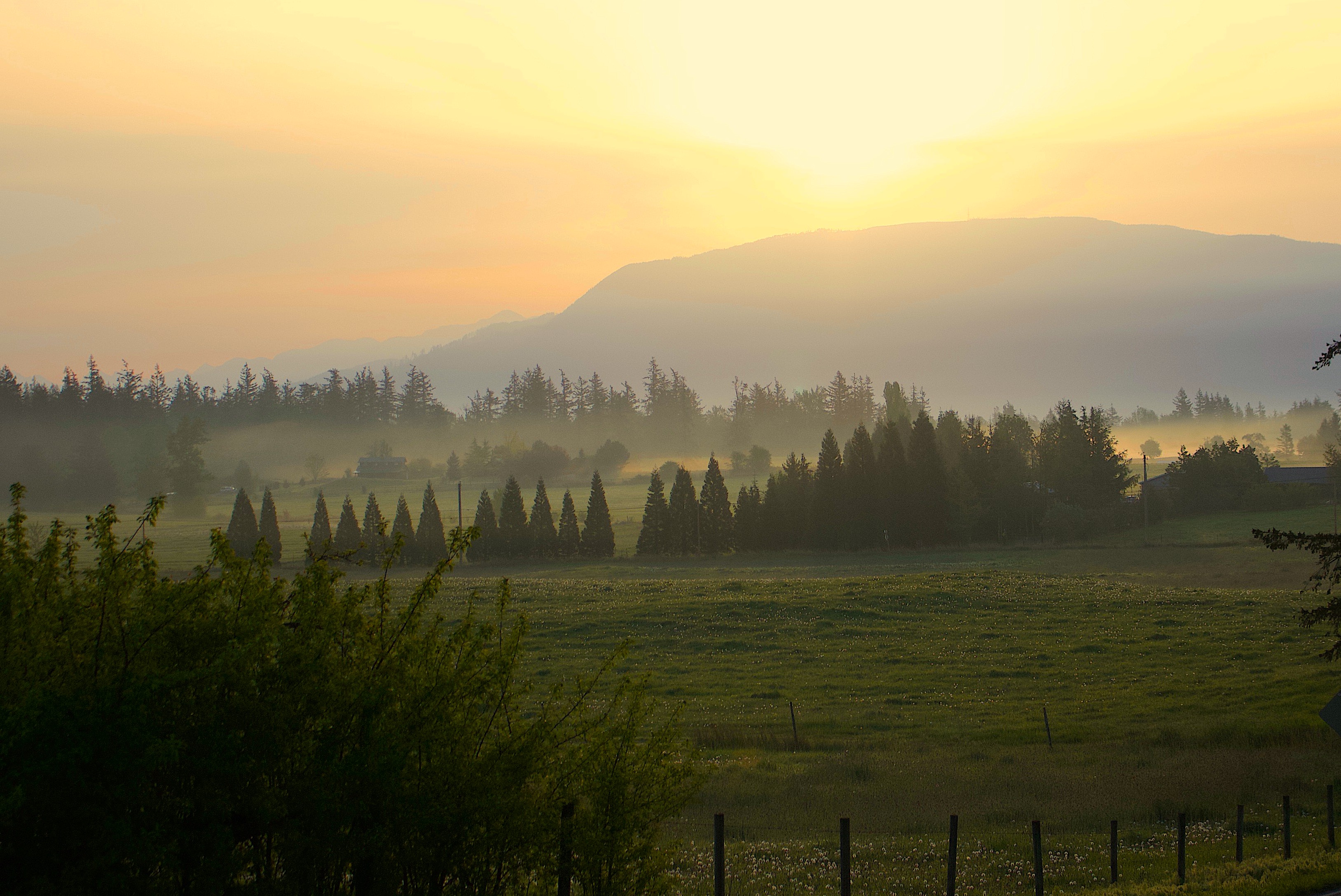
It has taken me a decade to find the courage and time to devote to reading these letters they treasured and never threw away. Yesterday I sorted them unopened by postmark date into some semblance of order and sat down to start at the very beginning, which, of course, is my beginning as well. Only sixty letters in, I open each one with some trepidation and a lump in my throat about what I might find written there. I worry I may find things I don’t want to know. I hope I find things that I desperately need to know.
Most of all I want to understand the two people who became my parents within the coiled shell of their forty years together, though broken by a painful divorce which lasted a decade. Having lived through that awful time with them, I want to understand the origin of a love which mended their cracked shell, glueing them back together for five more years before my father died.

As I read their words over the next few weeks, I hope I too can cross a bridge back to them both.

Way Out Beyond Us

My father would lift me
to the ceiling in his big hands
and ask, 
How’s the weather up there?
And it was good, the weather
of being in his hands, his breath
of scotch and cigarettes, his face
smiling from the world below.
O daddy, was the lullaby I sang
back down to him as he stood on earth,
my great, white-shirted father, home
from work, his gold wristwatch
and wedding band gleaming
as he held me above him
for as long as he could,
before his strength failed
down there in the world I find myself
standing in tonight, my little boy
looking down from his flight
below the ceiling, cradled in my hands,
his eyes wide and already staring
into the distance beyond the man
asking him again and again,
How’s the weather up there?
~George Bilgere “Weather”.

It was hard work, dying, harder
than anything he’d ever done.

Whatever brutal, bruising, back-
breaking chore he’d forced himself

to endure—it was nothing
compared to this. And it took

so long. When would the job
be over? Who would call him

home for supper? And it was
hard for us (his children)—

all of our lives we’d heard
my mother telling us to go out,

help your father, but this
was work we could not do.

He was way out beyond us,
in a field we could not reach.

~Joyce Sutphen “My Father, Dying”

Deep in one of our closets is an old film reel of me about 16 months old sitting securely held by my father on his shoulders. I am bursting out with giggles as he repeatedly bends forward, dipping this head and shoulders down. I tip forward, looking like I am about to fall off, and when he stands back up straight, my mouth becomes a large O and I can almost remember the tummy tickle I feel. I want him to do it again and again, taking me to the edge of falling off and then bringing me back from the brink.

My father was a tall man, so being swept up onto his shoulders felt a bit like I was touching heaven.

It was as he was dying 24 years ago this week that I realized again how tall he was — his feet kept hitting the foot panel of the hospital bed my mother had requested for their home. We cushioned his feet with padding so he wouldn’t get abrasions even though he would never stand on them again, no longer towering over us.

His helplessness in dying was startling – this man who could build anything and accomplish whatever he set his mind to was unable to subdue his cancer. Our father, who was so self-sufficient he rarely asked for help, did not know how to ask for help now.

So we did what we could when we could tell he was uncomfortable, which wasn’t often. He didn’t say much, even though there was much we could have been saying. We didn’t reminisce. We didn’t laugh and joke together. We just were there, taking shifts catching naps on the couch so we could be available if he called out, which he never did.

This man:
who had grown up dirt poor,
fought hard with his alcoholic father
left abruptly to go to college – the first in his family –
then called to war for three years in the South Pacific.

This man:
who had raised a family on a small farm while he was a teacher,
then a supervisor, then a desk worker.

This man:
who left our family to marry another woman
but returned after a decade to ask forgiveness.

This man:
who died in a house he had built completely himself,
without assistance, from the ground up.

He didn’t need our help – he who had held tightly to us and brought us back from the brink when we went too far – he had been on the brink himself and was rescued, coming back humbled.

No question the weather is fine for him up there. I have no doubt.

The Water’s Fine

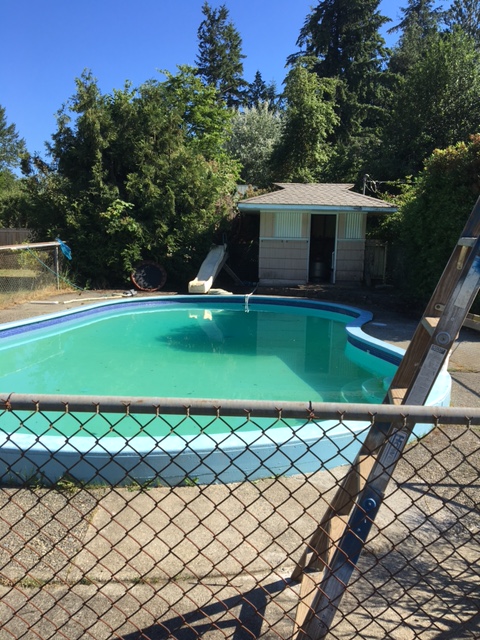
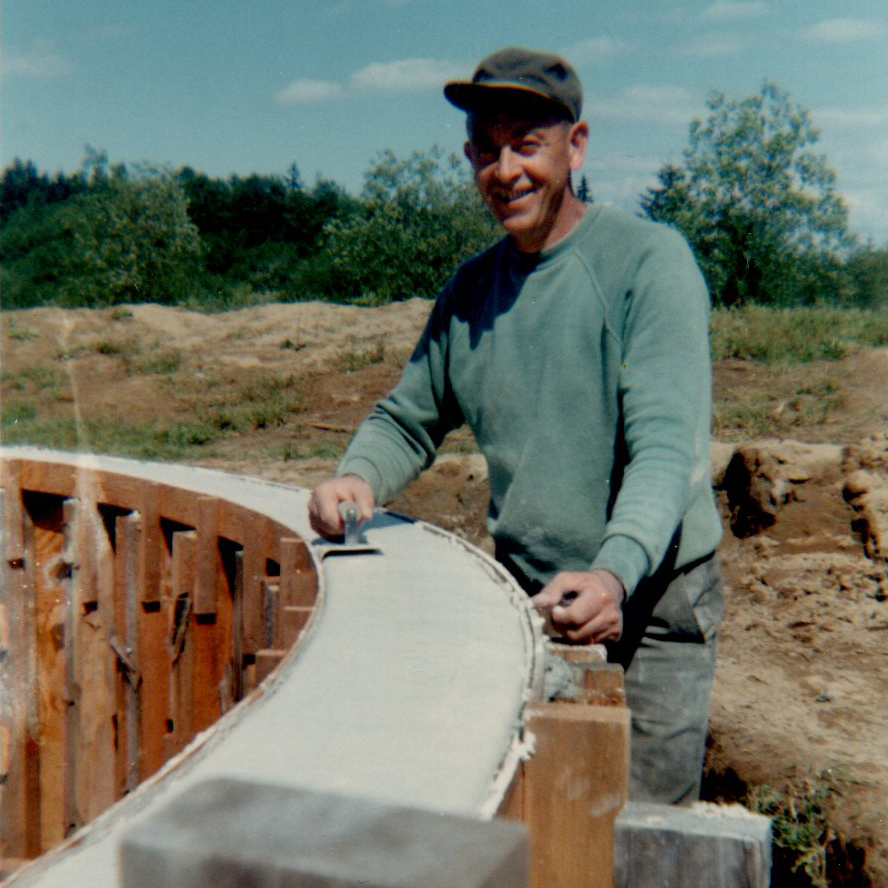
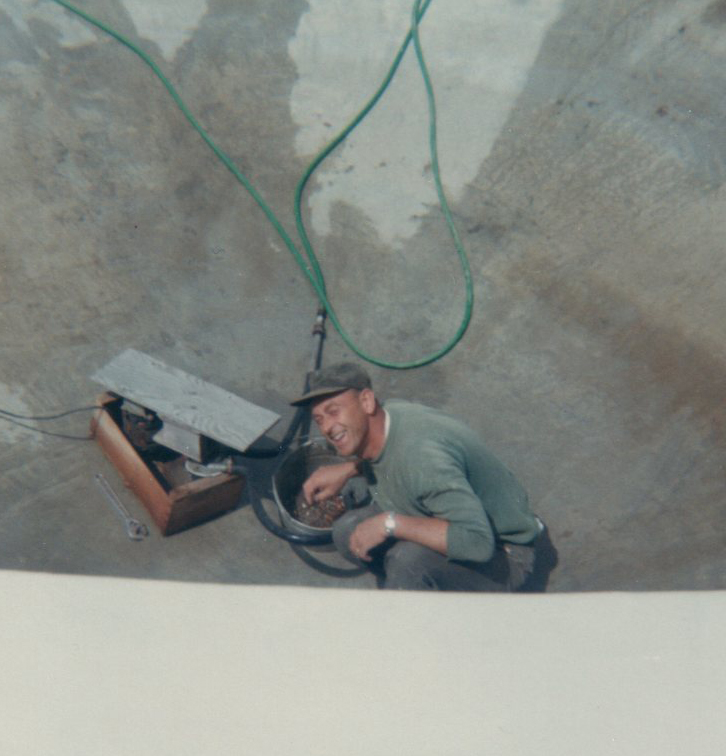
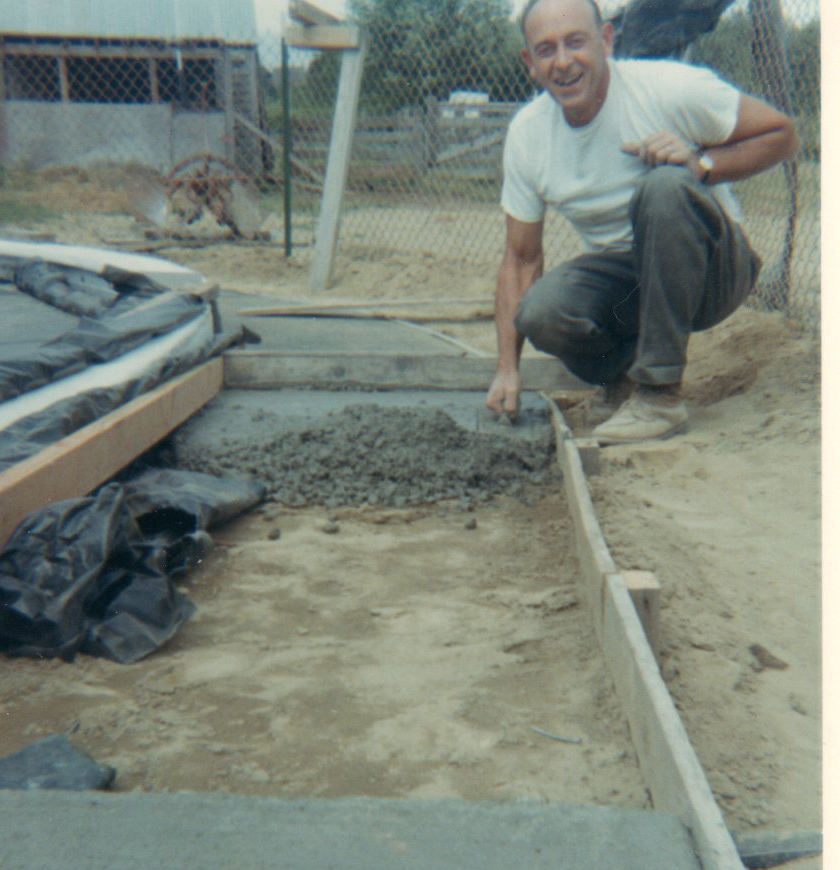
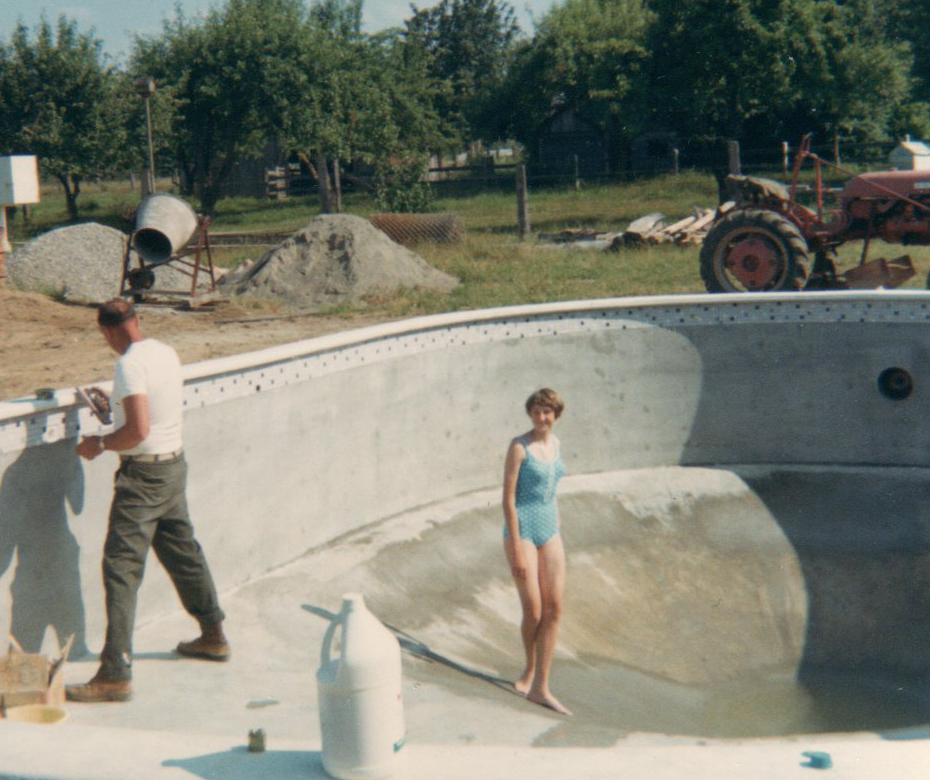
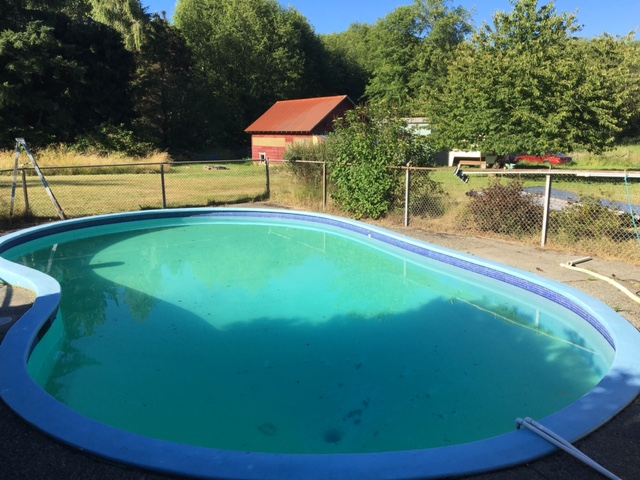
Always in acknowledgment of Father’s Day, I pull out a particular photo album that chronicles my father’s 1968 backyard project.   This was no ordinary project, but like every other project he took on, it was accomplished during the daylight hours after he got home from his full time desk job. It consumed most of his weekend waking hours.  He had been dreaming it up for a number of years, and then one day, grabbed a shovel and simply got started and didn’t quit until it was finished a year later.

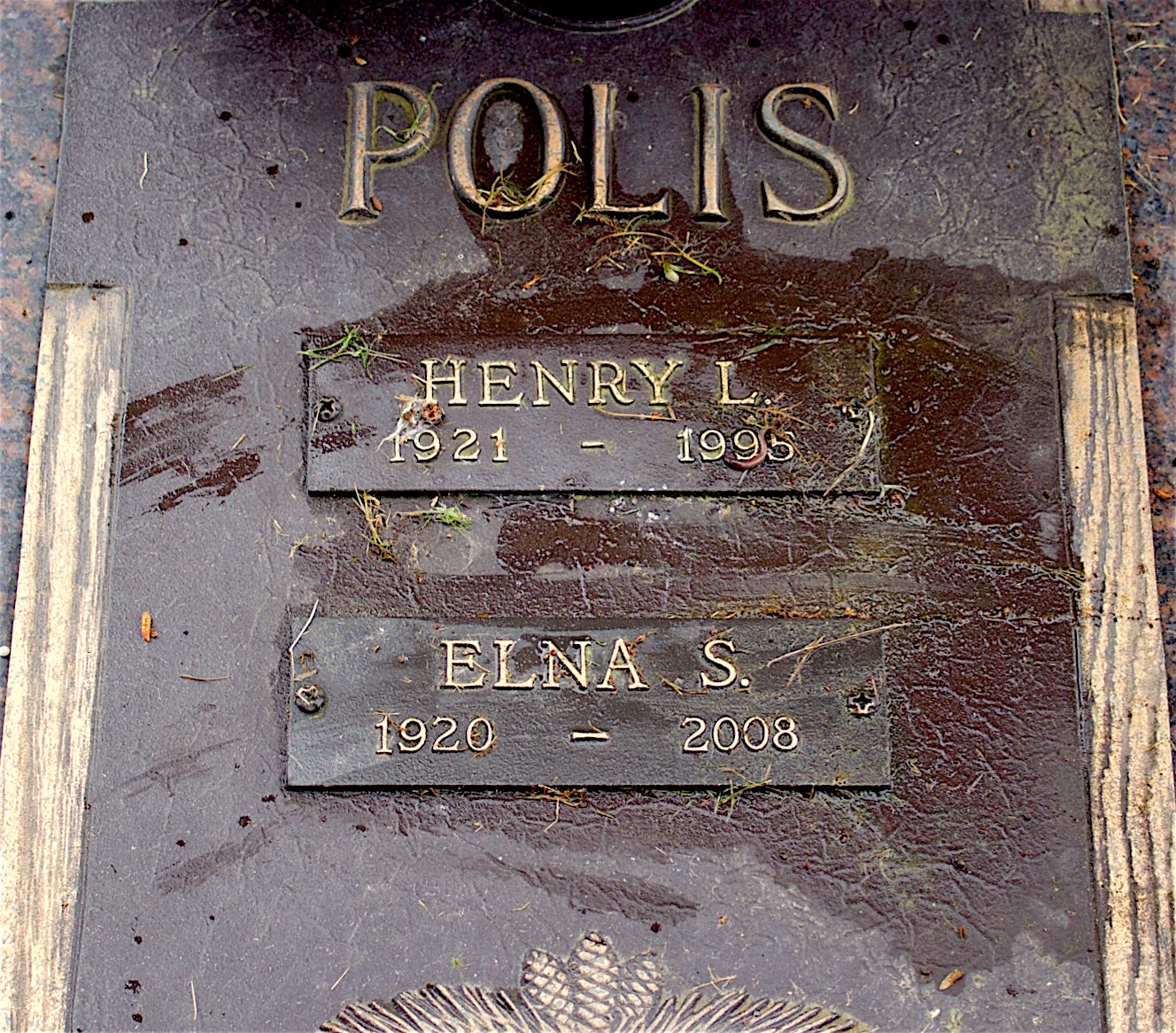
Henry Polis 1968

My father departed this soil nearly 24 years ago, having completed umpteen “projects” in his spare time.  A swimming pool built by hand for his family was undoubtedly the most remarkable.   No matter what it was, Hank Polis dove right in to whatever he decided to accomplish.

In the very bottom, installing a drain
Pouring the sidewalk by hand

He was determined to build a full size swimming pool, by himself, with his own two hands.  He did use our little Farmall Cub tractor to blade away the first layer of topsoil, but the rest of the digging was by the shovel-full.   He wanted a kidney shaped pool rather than a rectangular one, so he soaked the wooden forms in water to form the graceful curves. The cement was poured by a cement truck, but the sidewalks were all self-mixed in our own little cement mixer that ran off a small engine.  The tile that lined the top of the pool was all hand grouted and placed, square by square.  The pumphouse/changing room was built alongside.

I was in a hurry for it to be done…

I turned 14 that summer, not truly understanding how extraordinary an effort this was, but simply accepting it as another “dad” project like any other he finished through sheer will, stubbornness and a desire to go on to the next challenge.   Now, over 50 years later,  as an adult who is plum tired at the end of an office/clinic work day, I marvel at his energy putting in another four or five hours of physical labor when he came home at night.  No wonder he never suffered from insomnia.

Grouting the tile perimeter

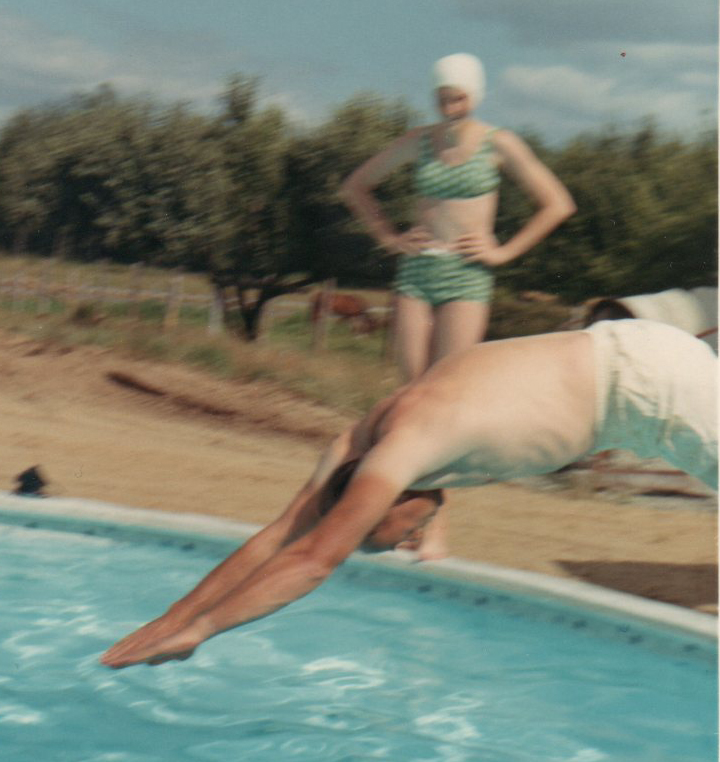
Once the pool was declared finished, a hose ran water for several days, and it took 2 more days to heat it up to a temperature that was survivable.  Then my dad took the first dive in.

The best dive ever…

Once he had taken that first dive, he was happy.  He swam every once in awhile, but was soon onto another project (reconstructing a steel walled gas station that arrived on our farm in piles of panels on the back of a flat bed truck, so that he could have a full size “shop” to work on indoor projects during the winter).  It was sufficient for him to just to be able to say he had done it himself.

As I study the look on my father’s face in these photos, I am startled to see my self looking back at me, like a reflection in the water.  I now realize determination and utter stubbornness can manifest in DNA in different ways.  I have no mechanical skills whatsoever,  but like my father,  I always have a dream I’m pursuing, and I keep at it until it is accomplished.

Thanks Dad for showing me how to dive right into life. 
The water’s been fine.

And I did not lift up my wound and cry,
Death visited here!
I did what a child does
when he’s given something to keep.
I kissed my father.
~Li-Young Lee from “The Gift”