A Sultry Day

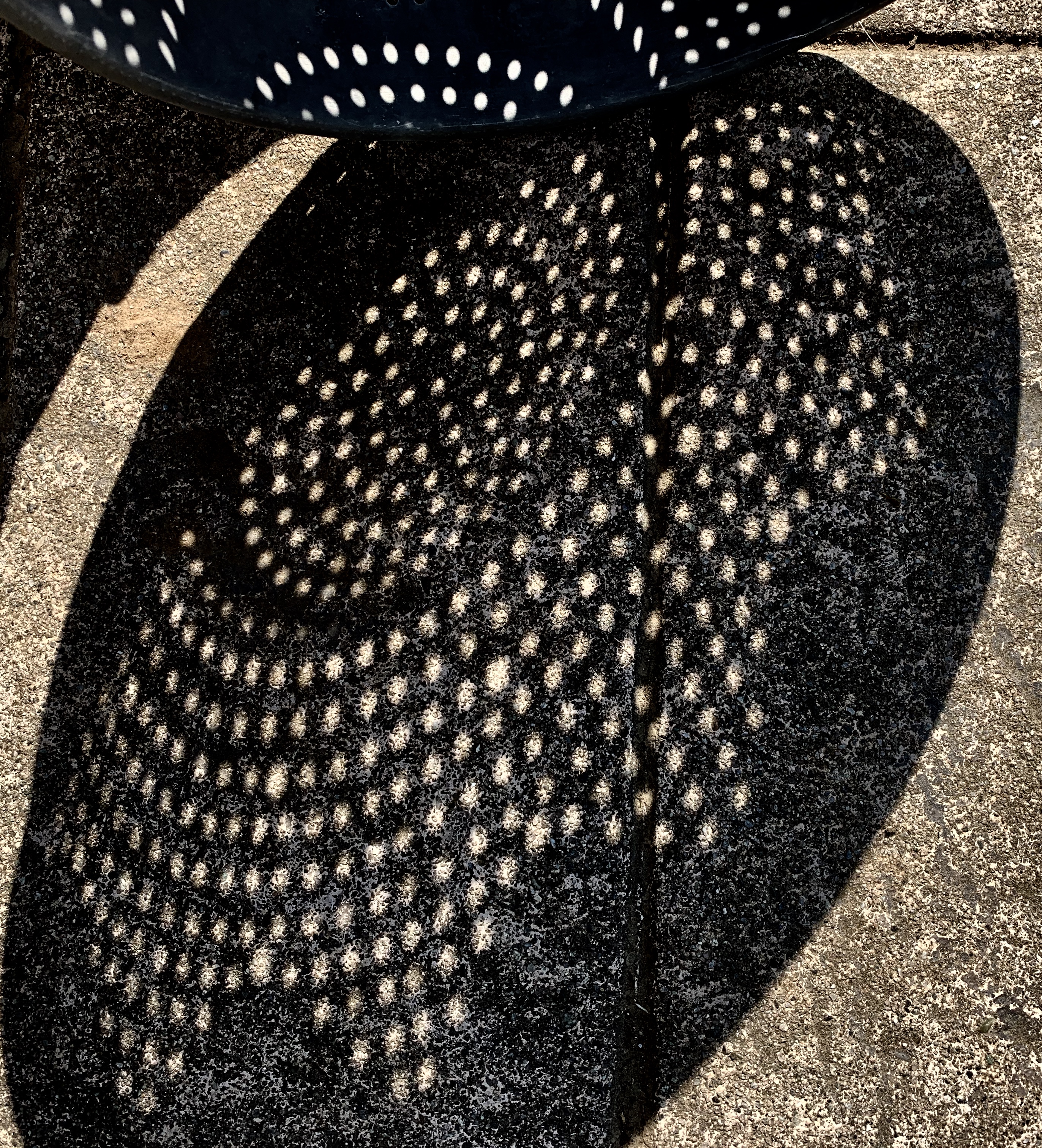
It is a sultry day; the sun has drunk
The dew that lay upon the morning grass;

There is no rustling in the lofty elm
That canopies my dwelling, and its shade
Scarce cools me. All is silent, save the faint
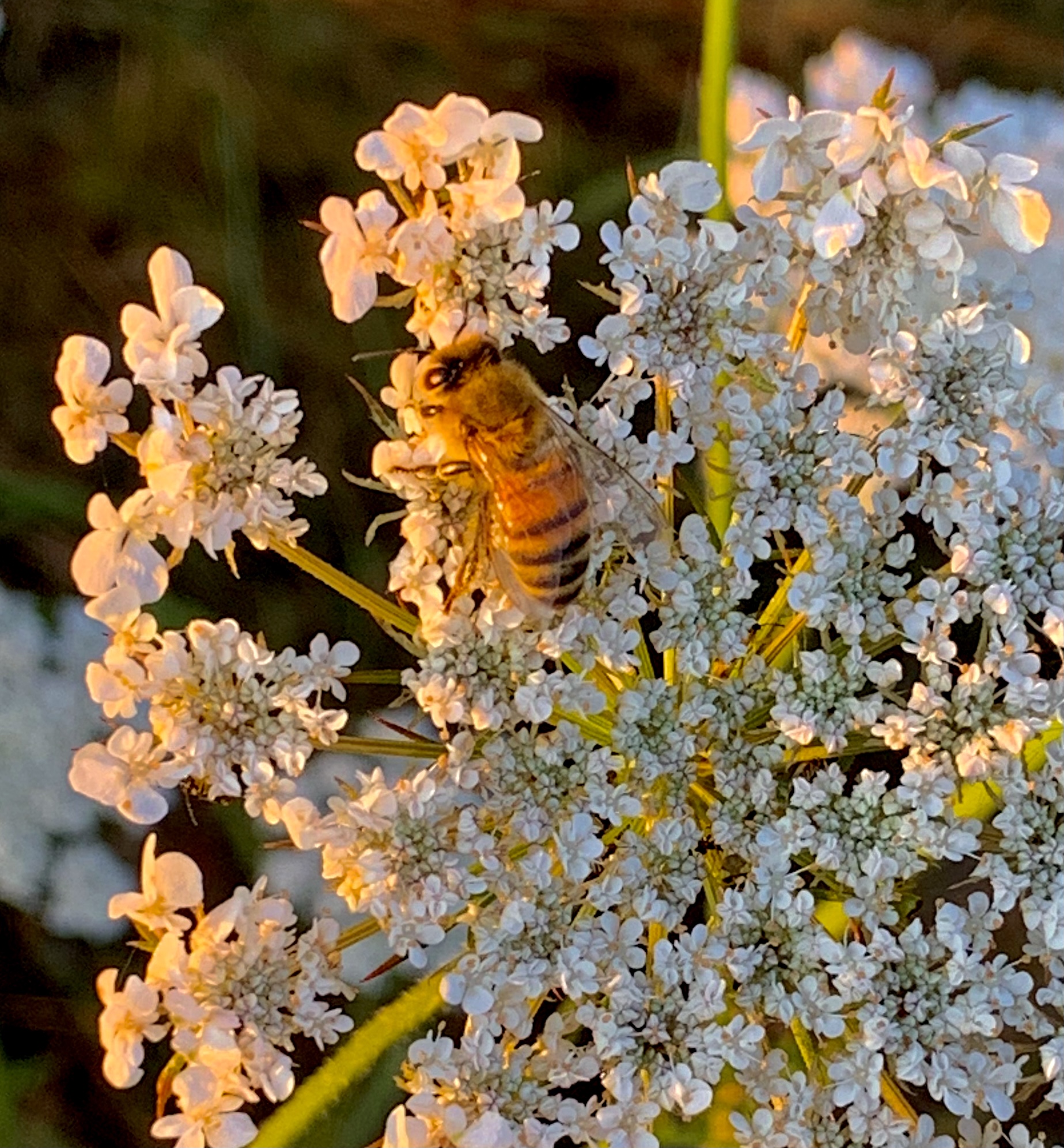
And interrupted murmur of the bee,
Settling on the sick flowers, and then again
Instantly on the wing. The plants around
Feel the too potent fervors: the tall maize
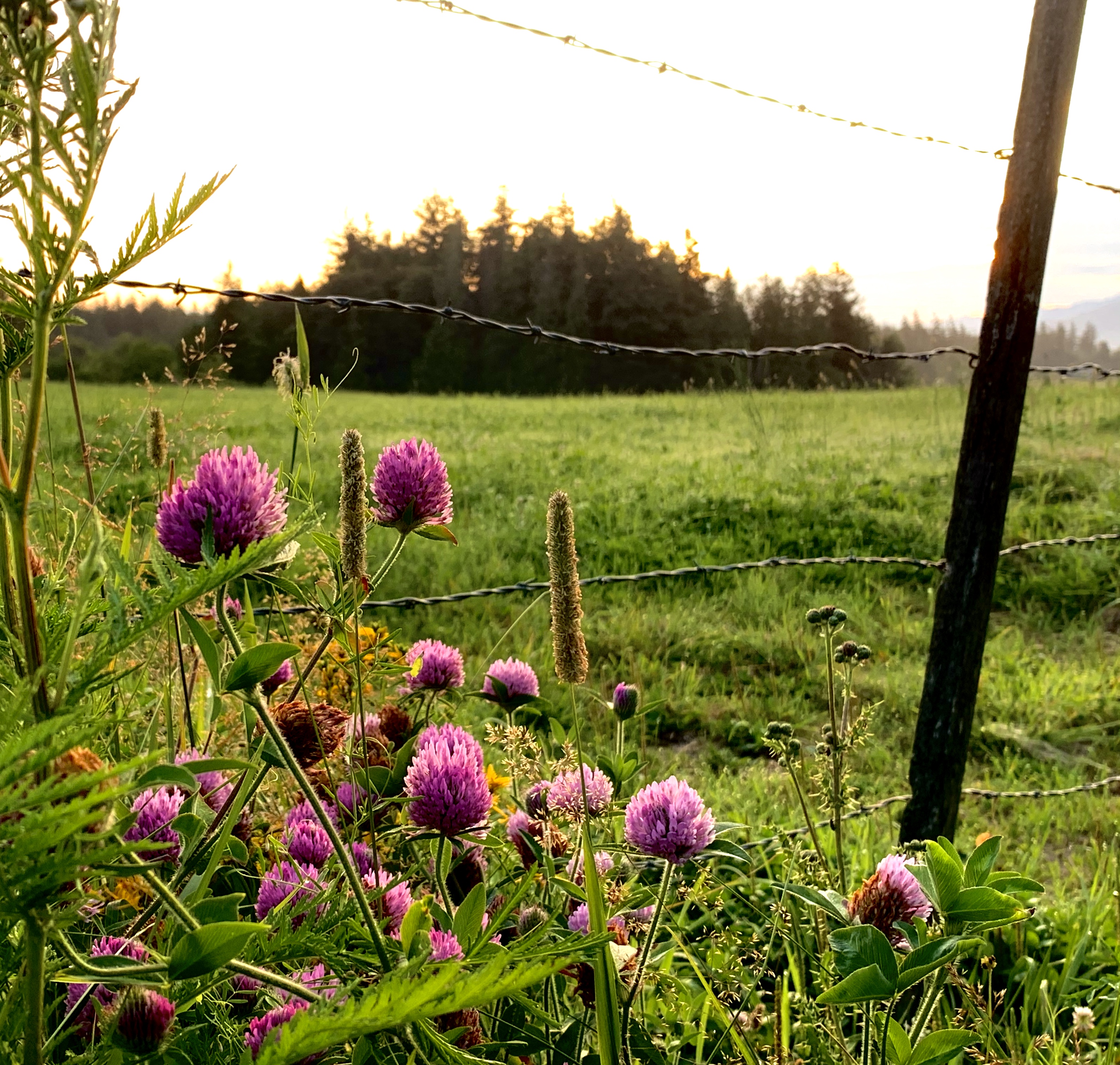
Rolls up its long green leaves; the clover droops
Its tender foliage, and declines its blooms.
But far in the fierce sunshine tower the hills,
With all their growth of woods, silent and stern,
As if the scorching heat and dazzling light
Were but an element they loved.


…I woo the wind
That still delays his coming. Why so slow,
Gentle and voluble spirit of the air?
Oh, come and breathe upon the fainting earth
Coolness and life! Is it that in his caves
He hears me? See, on yonder woody ridge,
The pine is bending his proud top, and now
Among the nearer groves, chestnut and oak
Are tossing their green boughs about. He comes;
Lo, where the grassy meadow runs in waves!
The deep distressful silence of the scene
Breaks up with mingling of unnumbered sounds
And universal motion. He is come,
Shaking a shower of blossoms from the shrubs,
And bearing on their fragrance; and he brings
Music of birds, and rustling of young boughs,
And sound of swaying branches, and the voice
Of distant waterfalls. All the green herbs
Are stirring in his breath; a thousand flowers,
By the road-side and the borders of the brook,
Nod gayly to each other; glossy leaves
Are twinkling in the sun, as if the dew
Were on them yet, and silver waters break
Into small waves and sparkle as he comes.

~William Cullen Bryant from “Summer Wind”
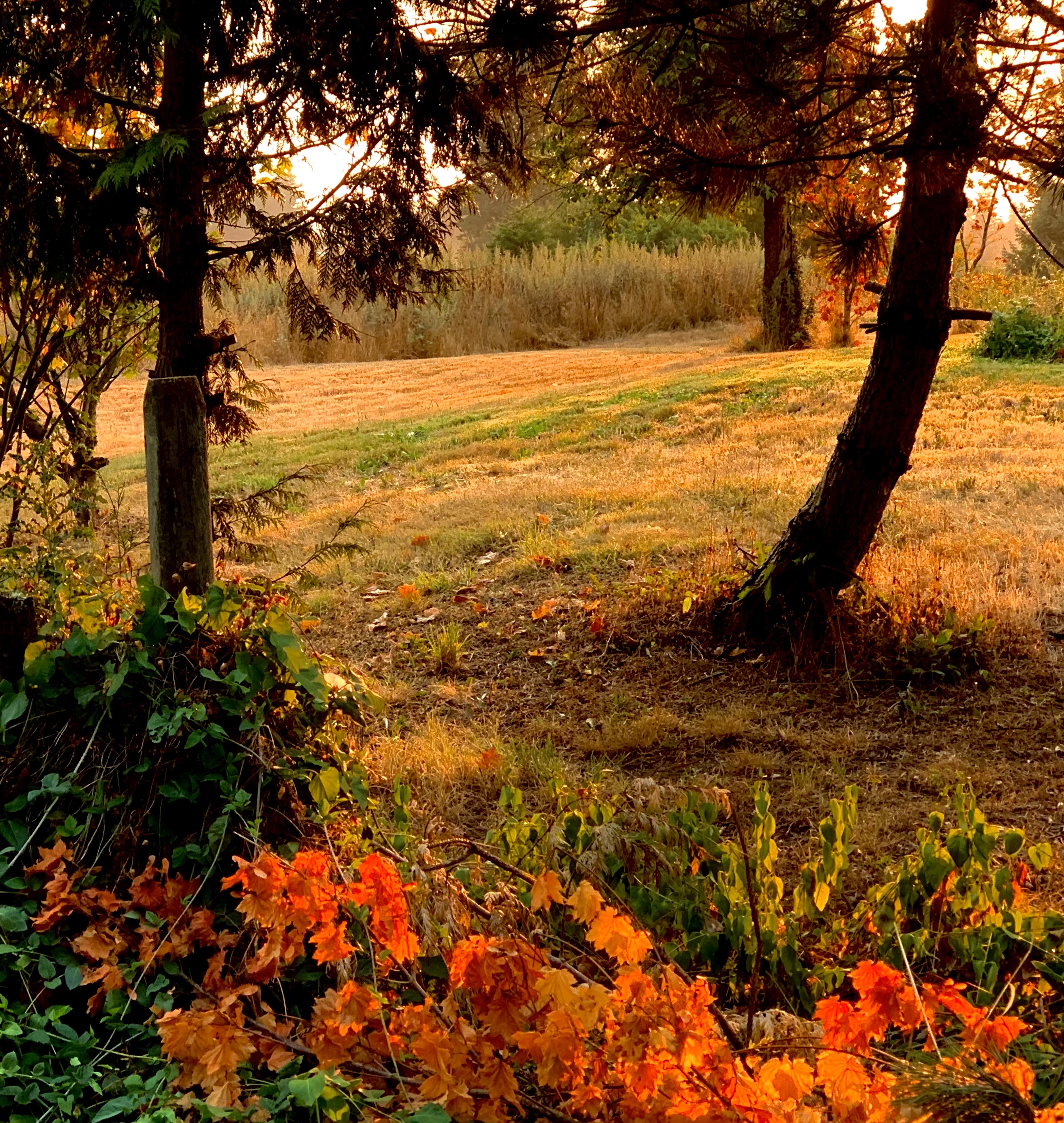
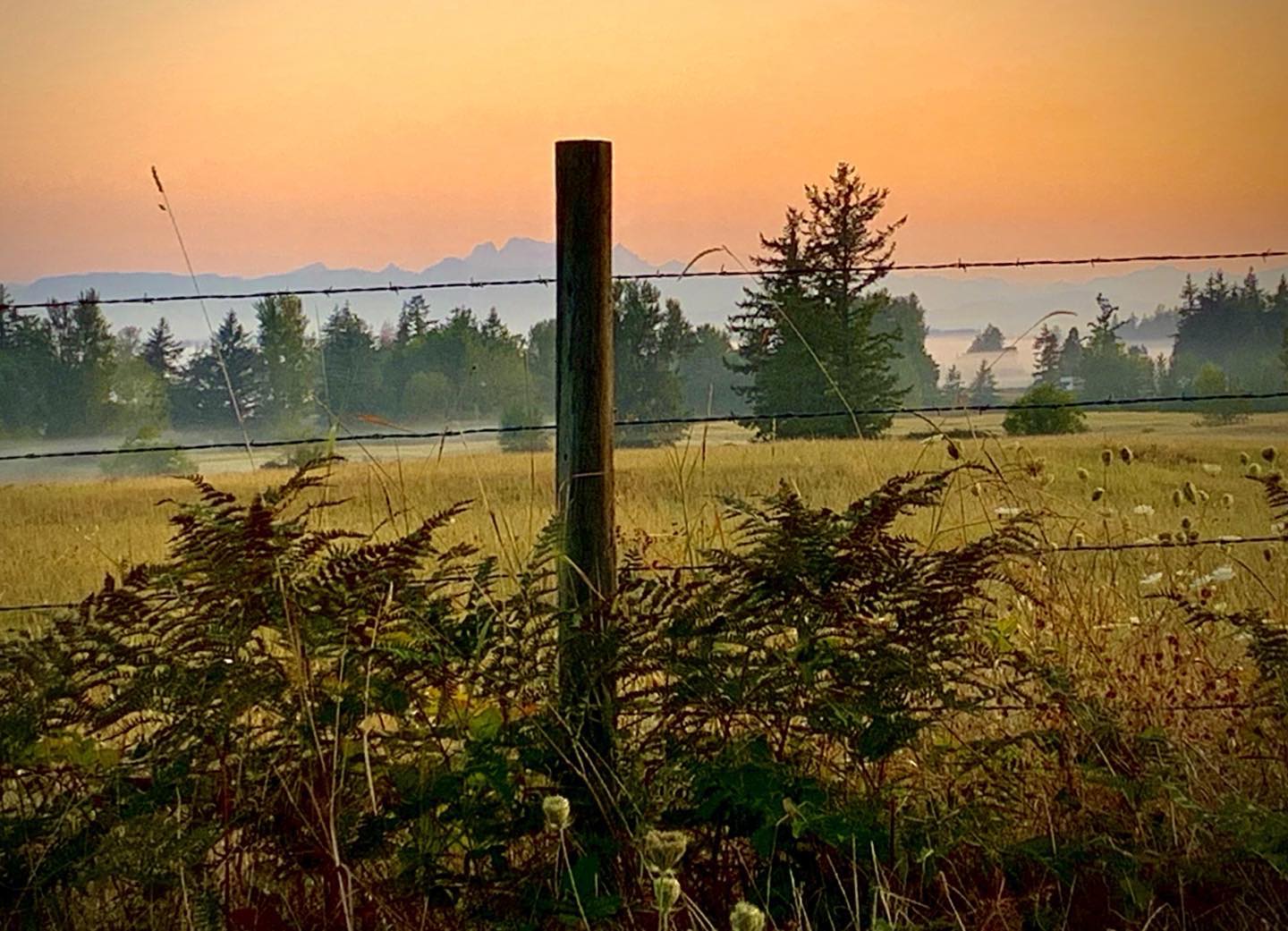
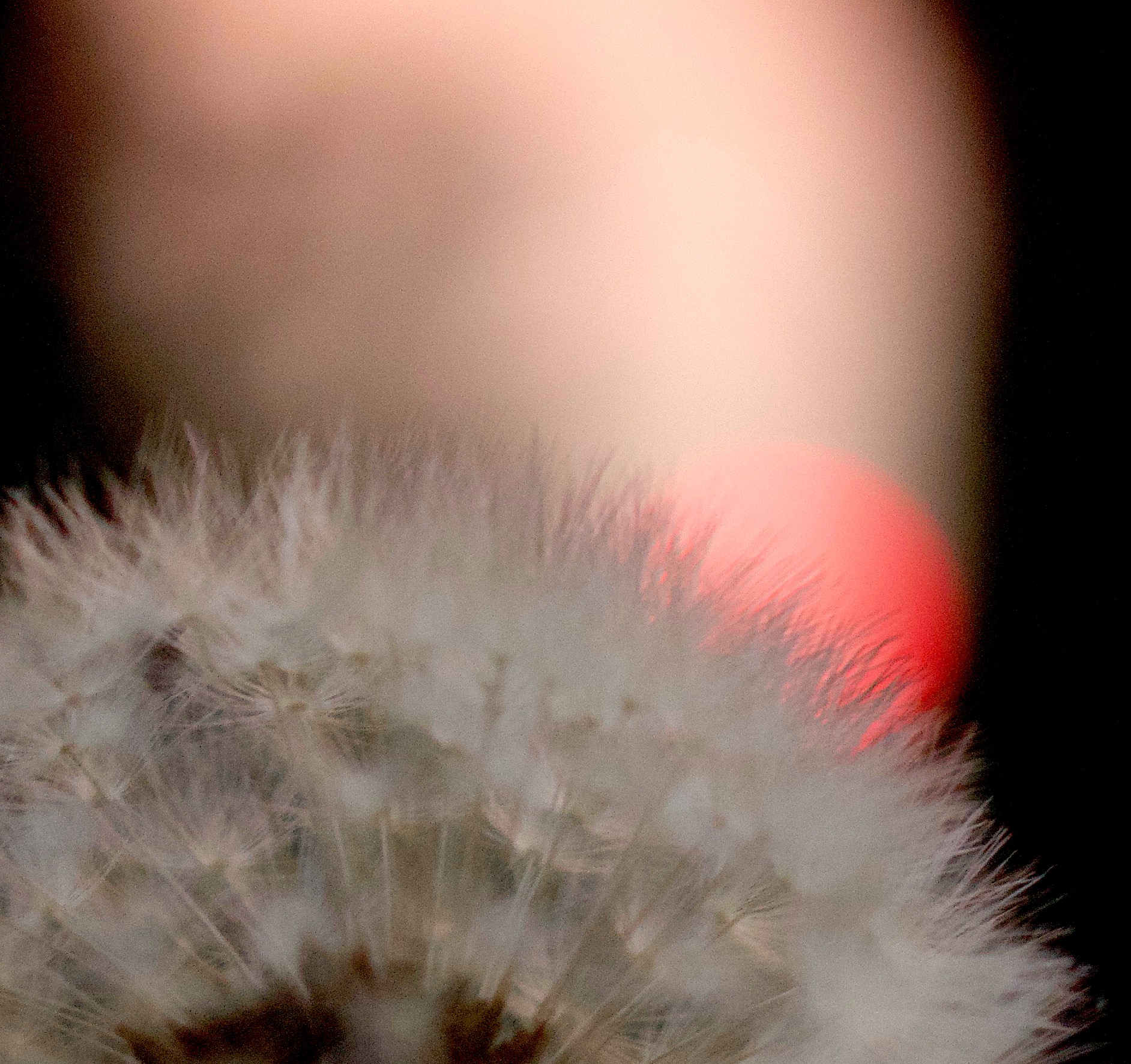
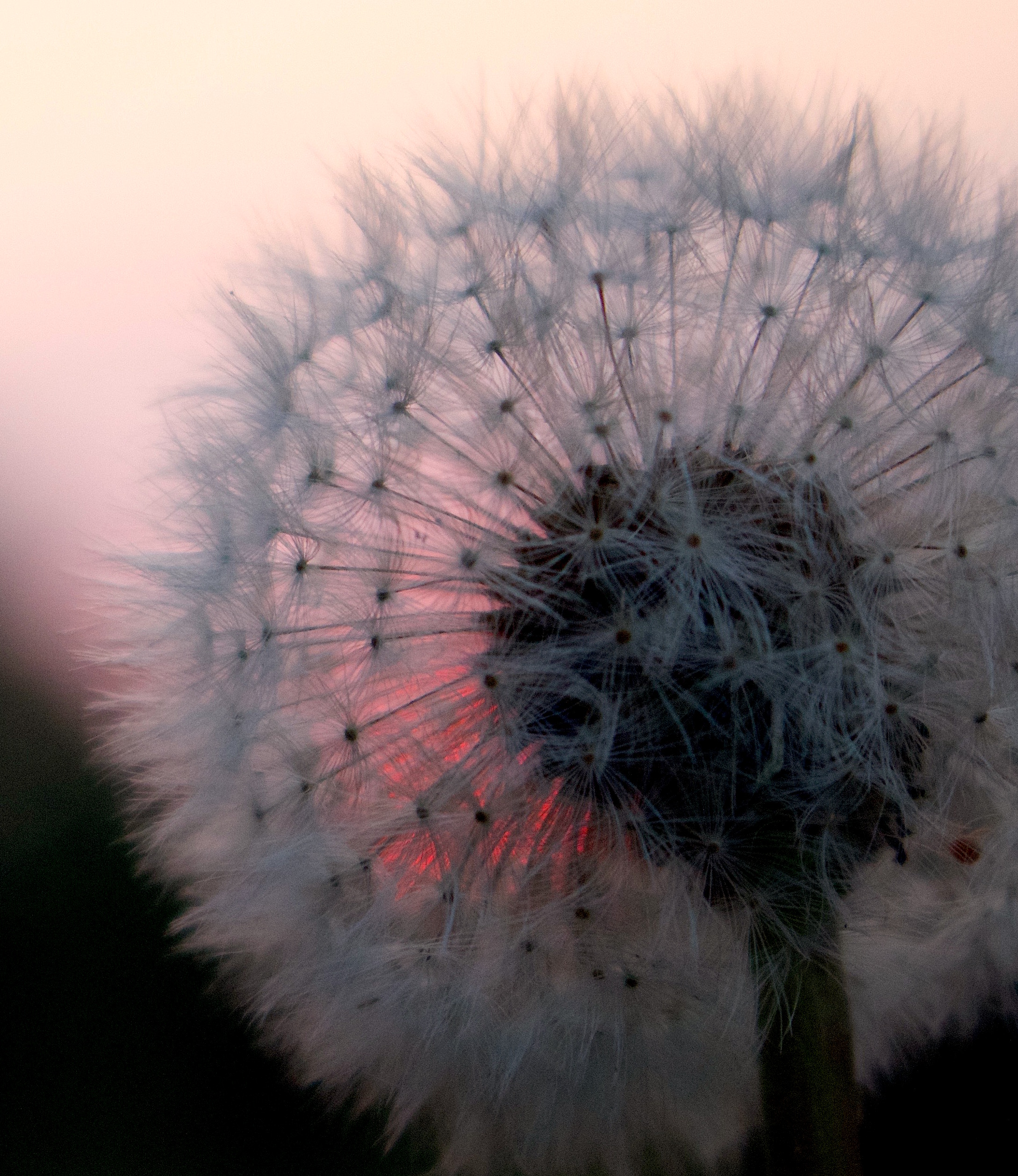
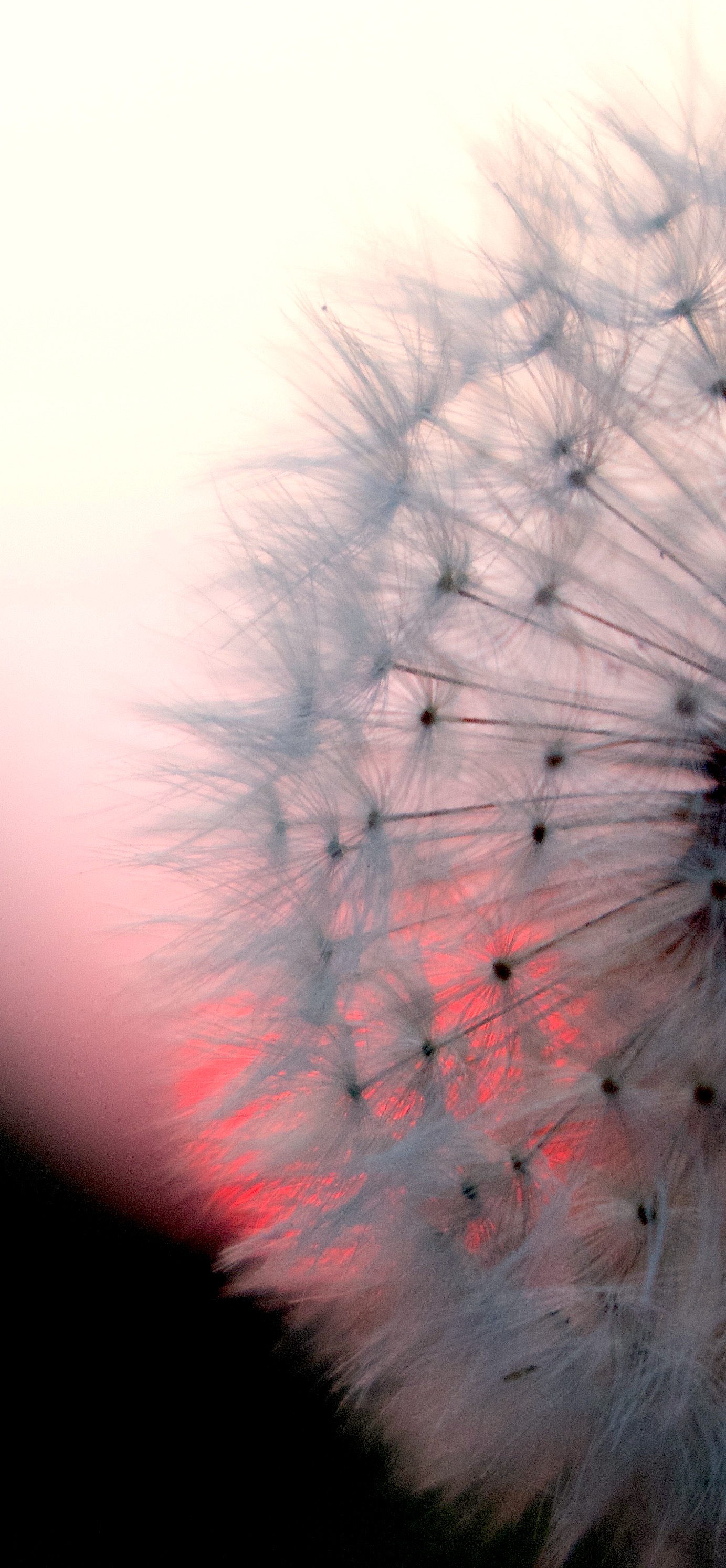
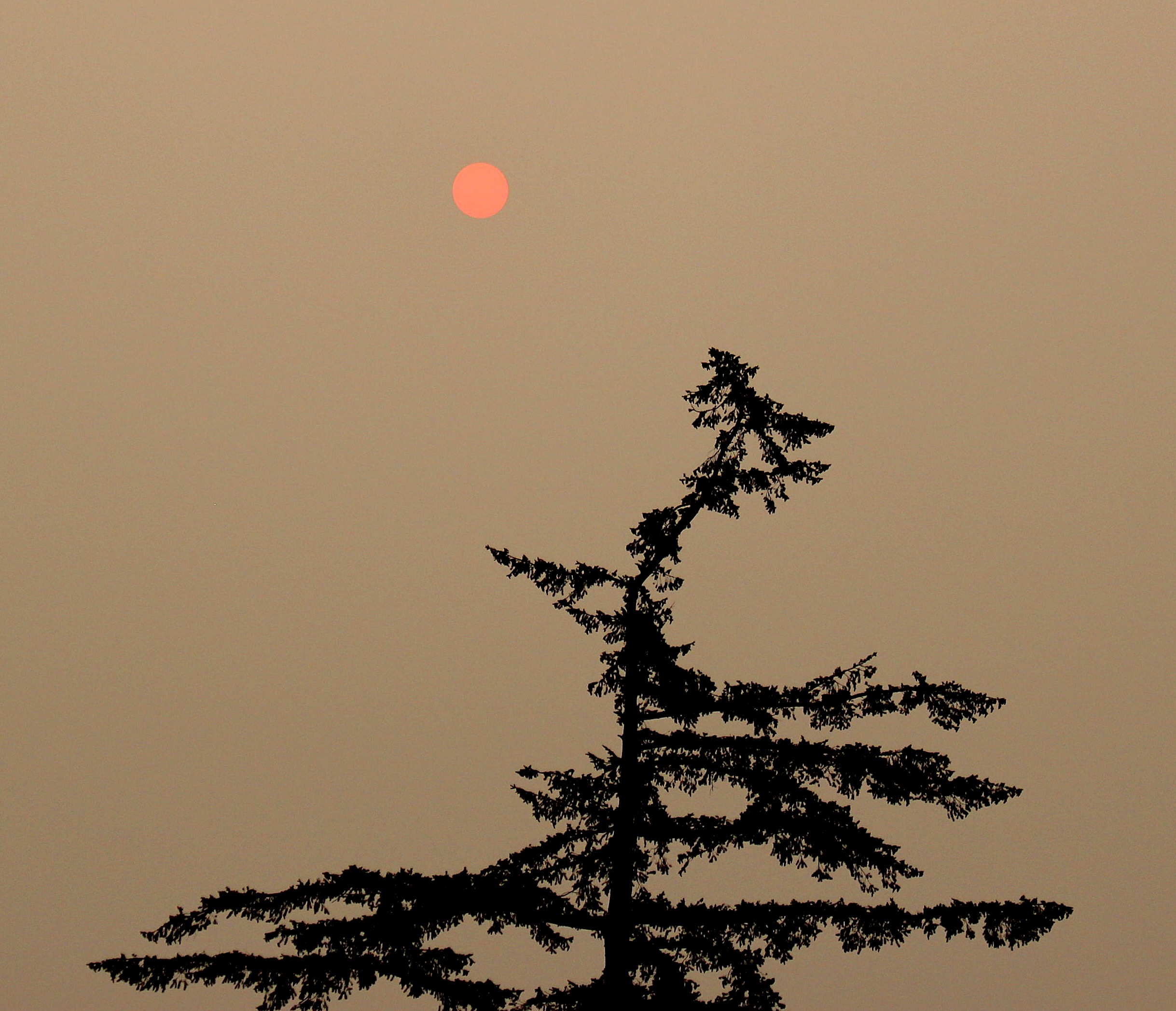
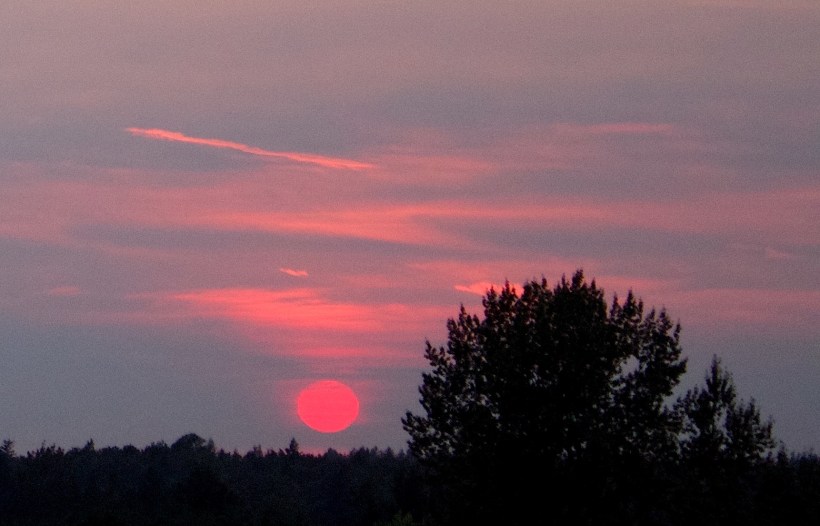
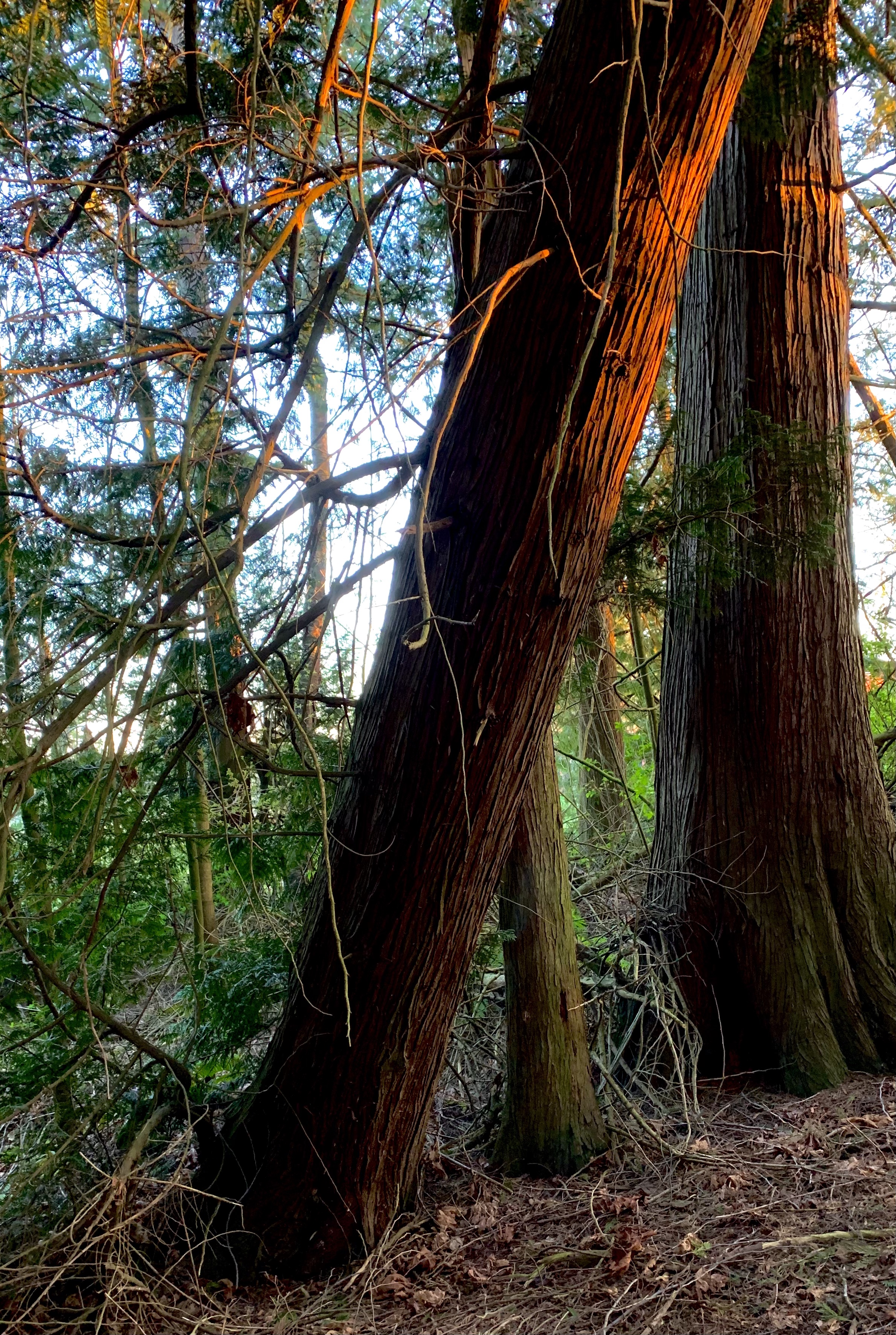
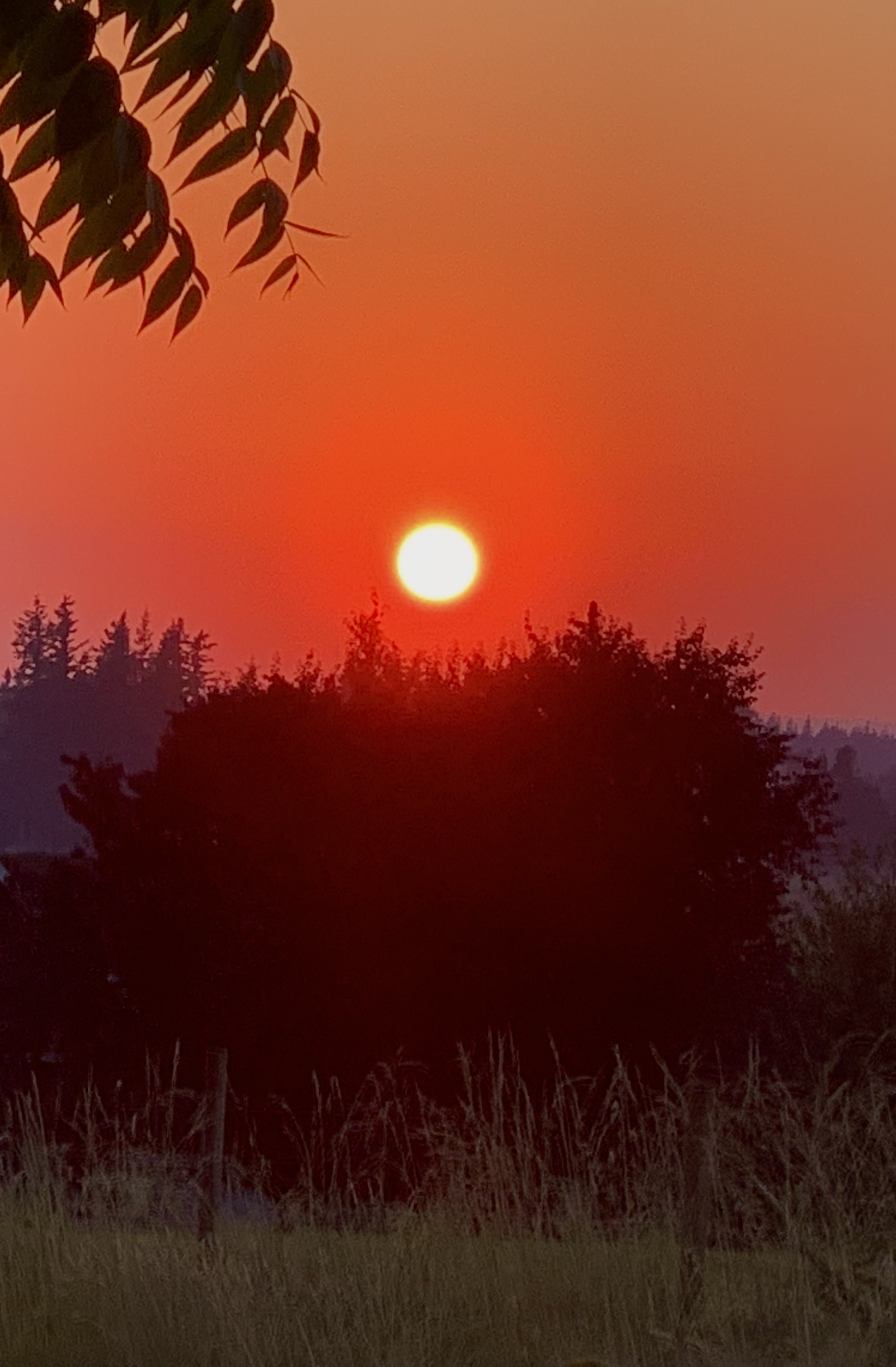
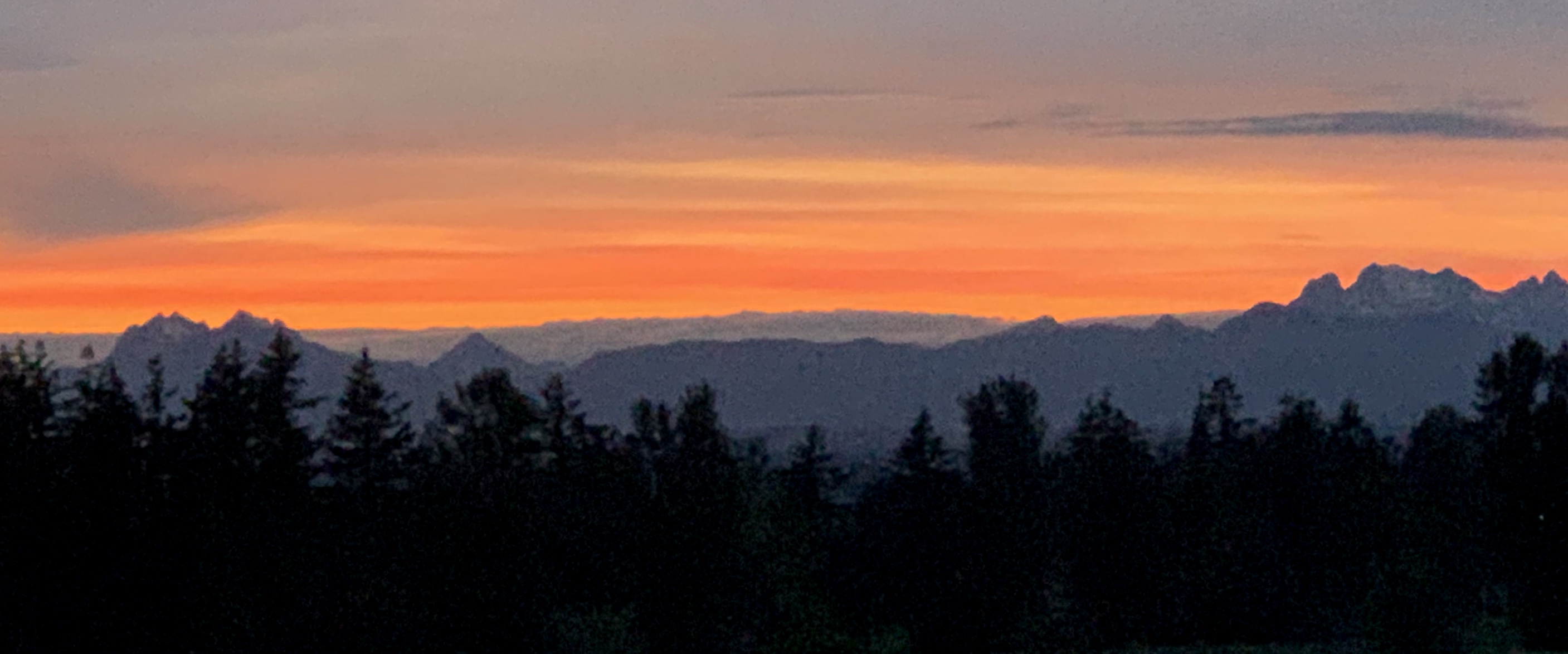
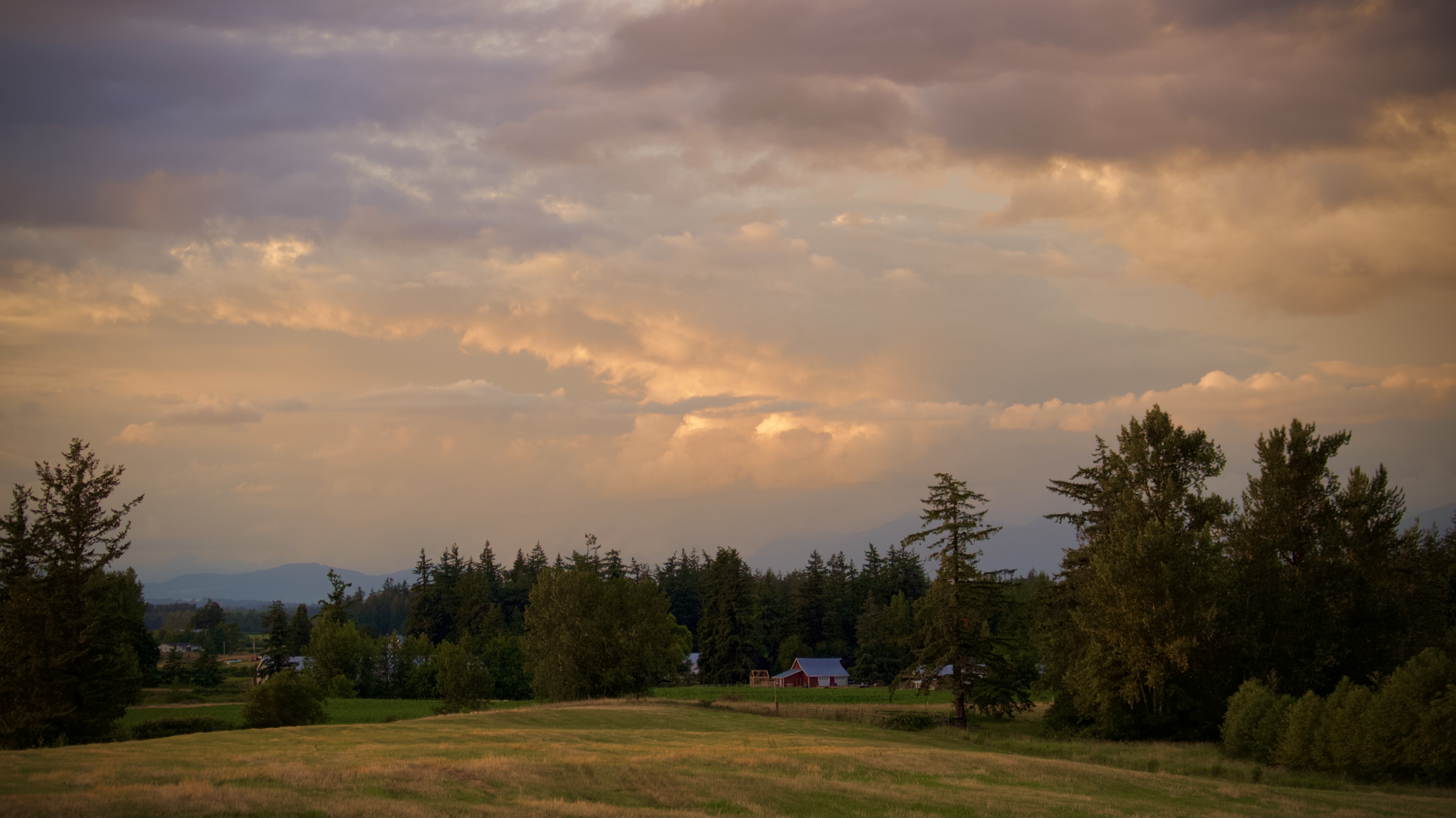
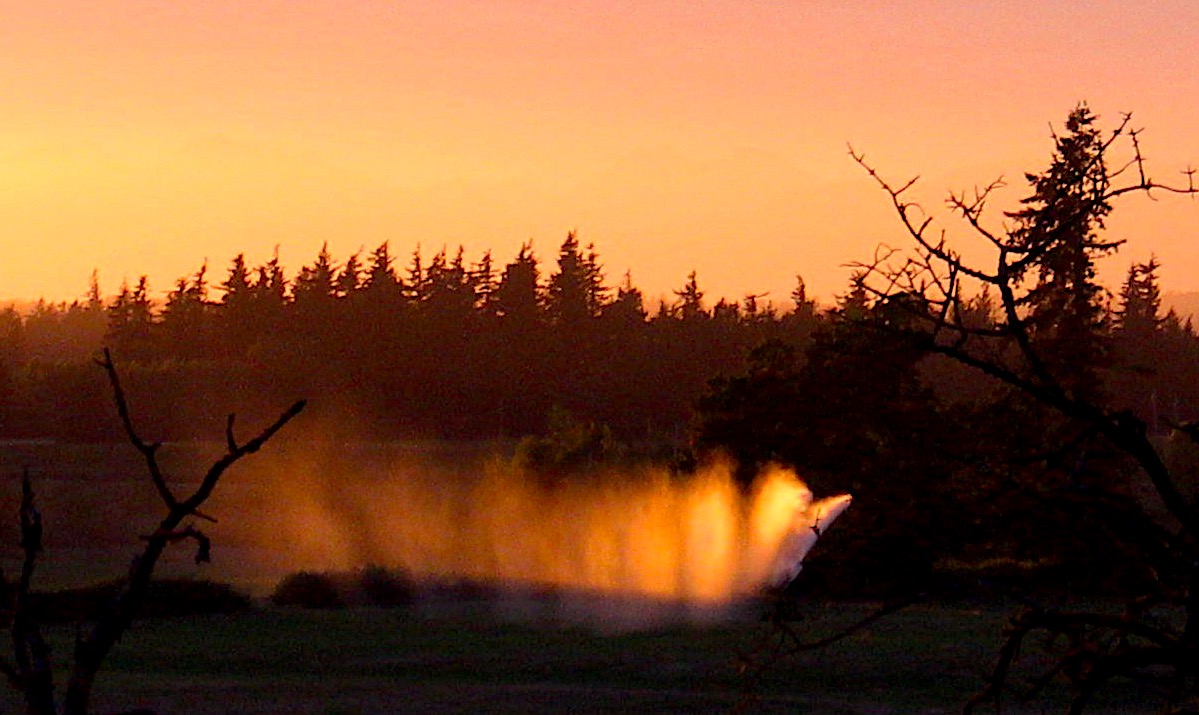
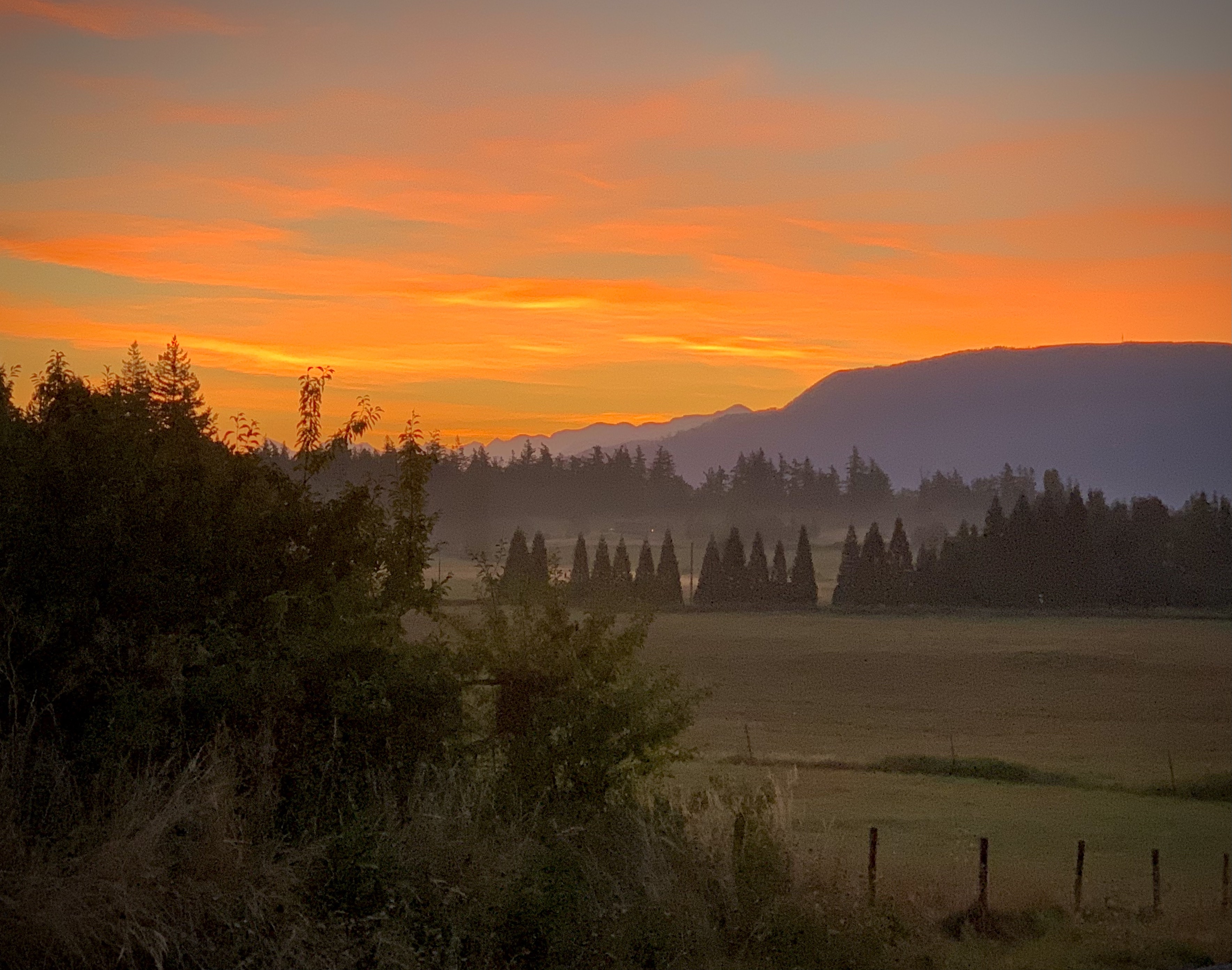
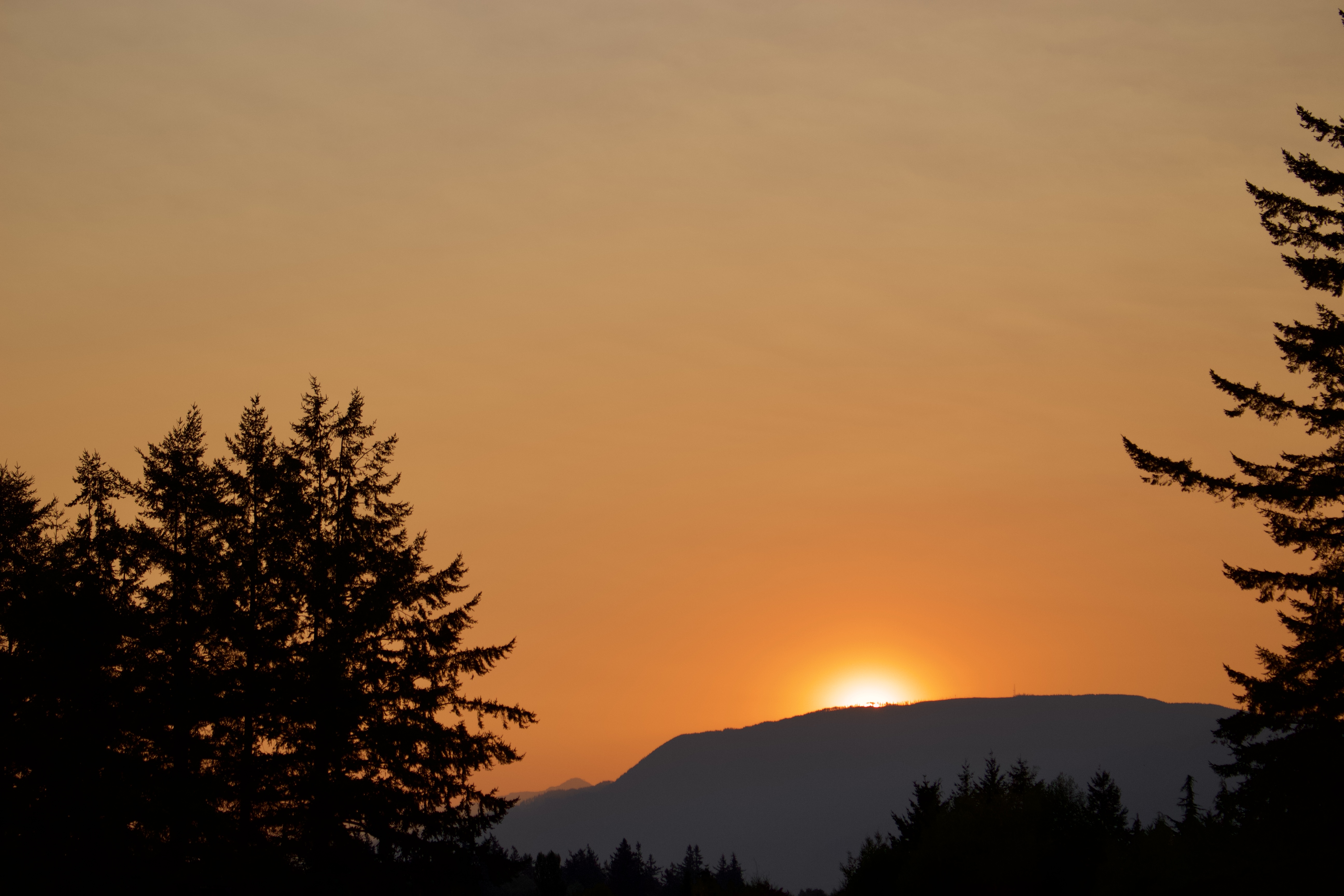
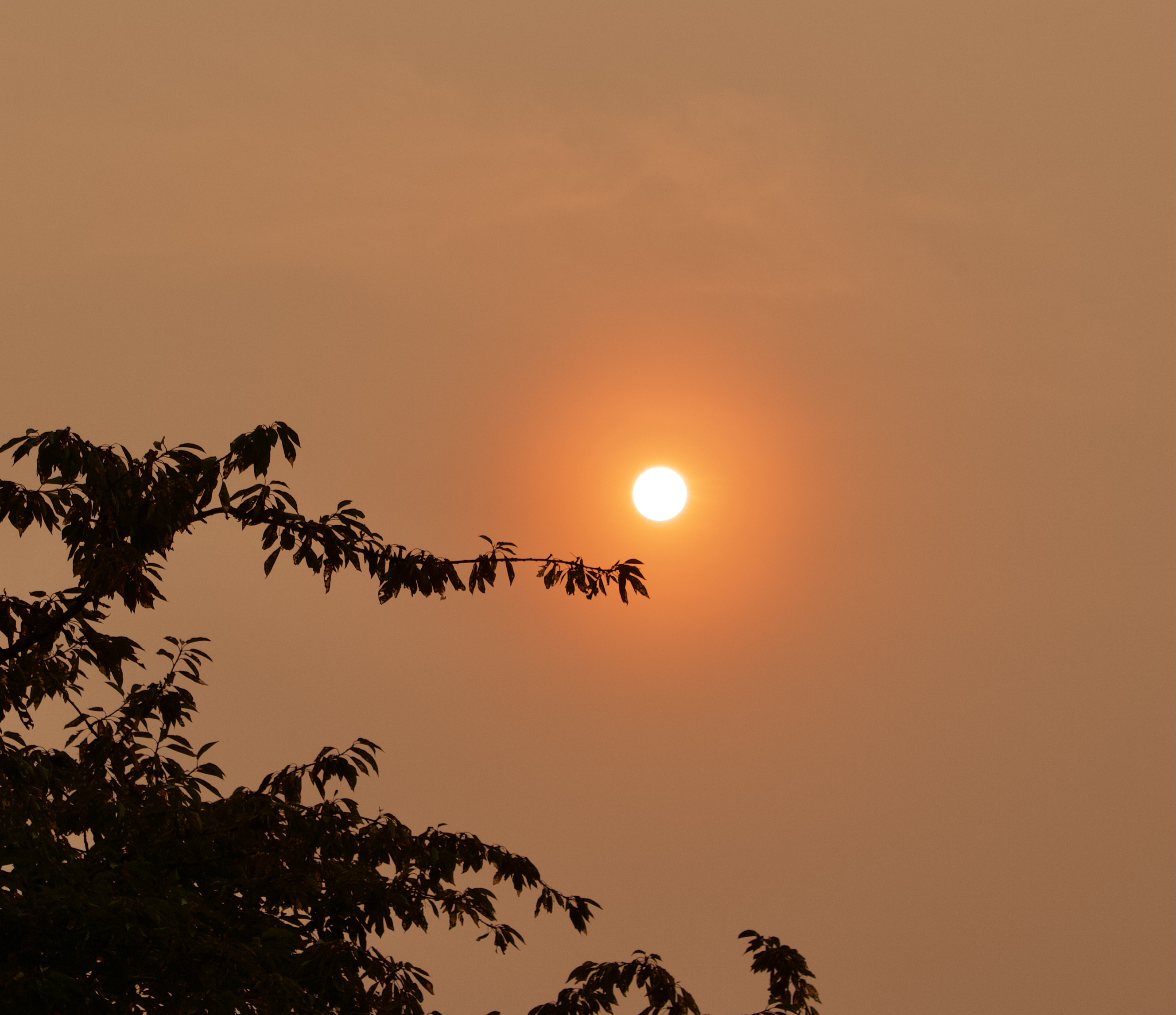
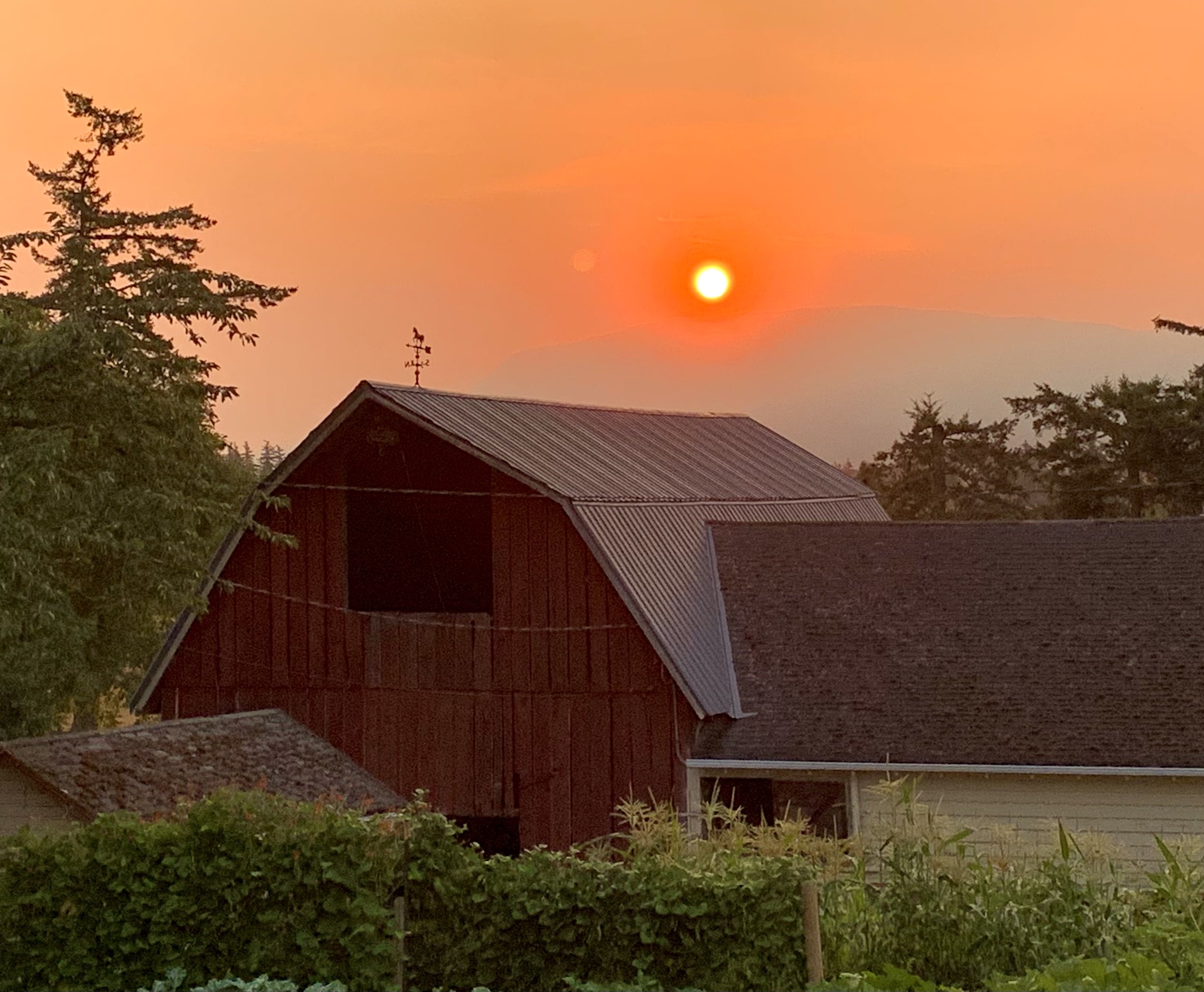
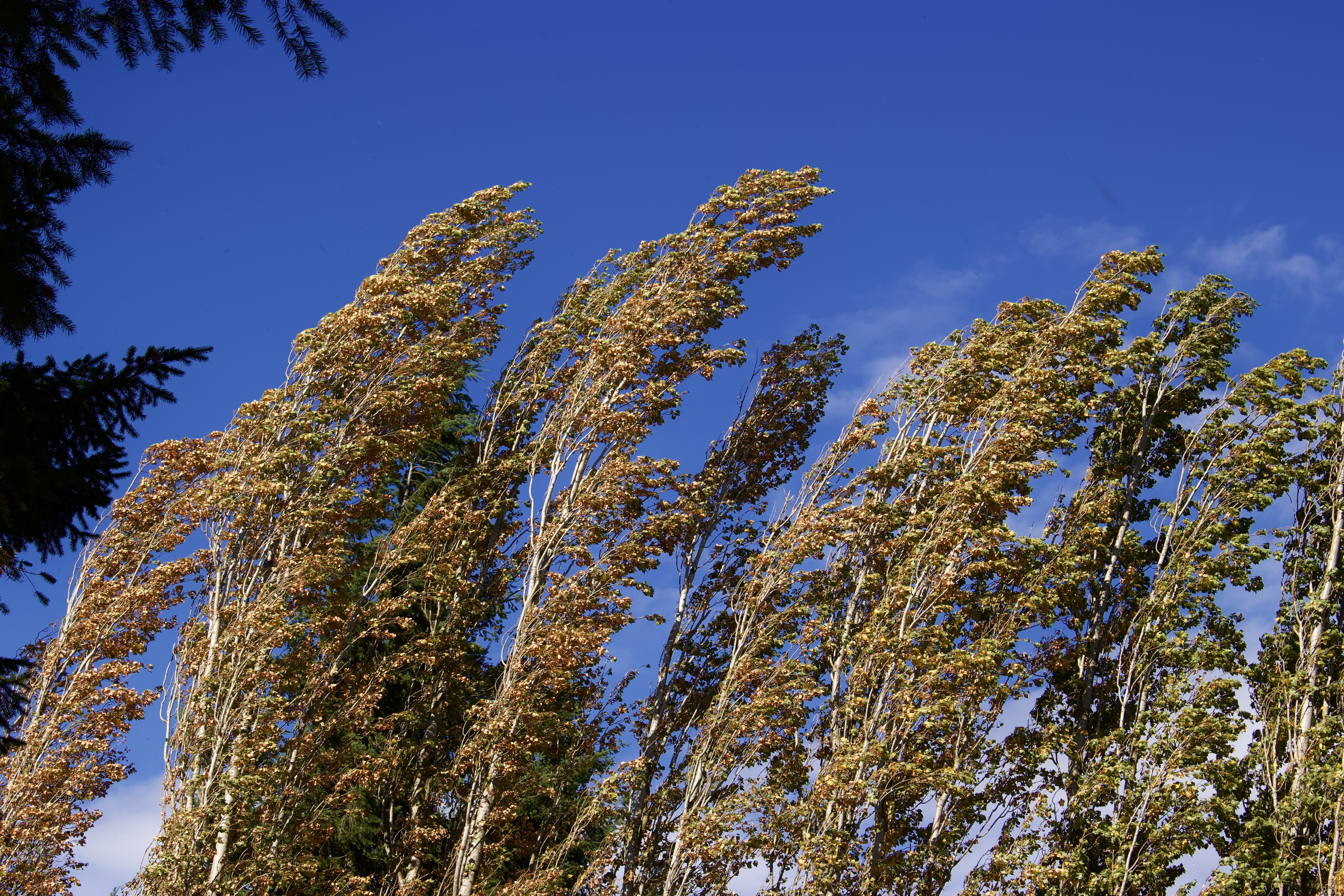
In the Pacific Northwest, we are going through another string of hot dry days with smoky landscapes and horizons. This is becoming all too familiar: the temperatures are rising each year, the forests are burning, our usual pristine air quality deteriorating.

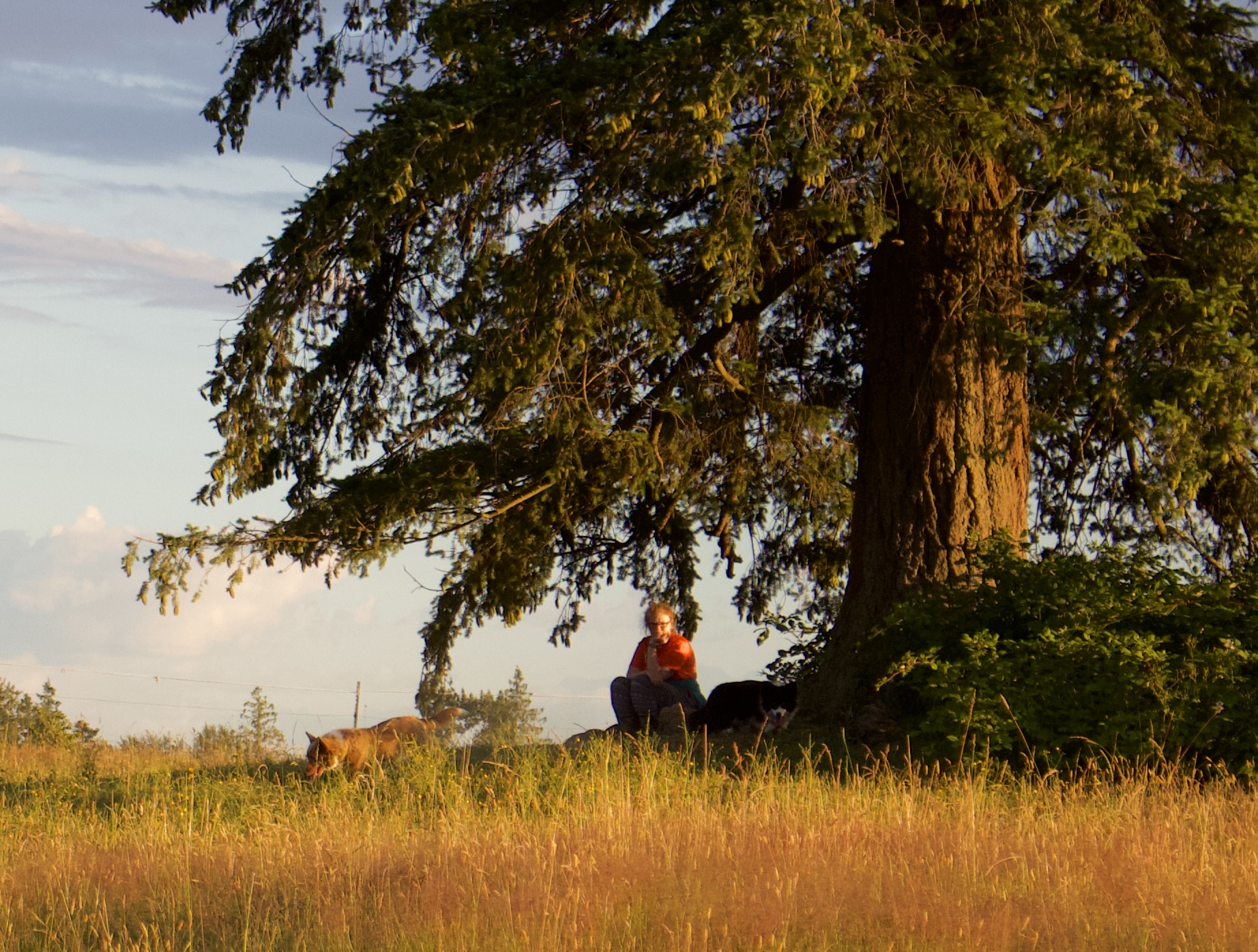
Even the birds are silent in this weather. The bees, discouraged by the wilting blooms, don’t linger. Our animals covered with fur are listlessly seeking shade and anything green in the pasture.

So I pray for relief – any breeze to move this humid air – something, anything that can break this cycle of sweatiness.

Yesterday, in the midst of 102 degree temperatures, out of nowhere came a northeast wind – as strong and determined as our northeast midwinter arctic blasts – but hot. It was so disorienting to be blown about by furnace heat. Branches and leaves fell from bewildered and already stressed trees. Plants withered as the moisture was sucked from leaves and blossoms. The garden sagged.

As suddenly as it came, it was gone again. And all around me – me included – wondered what had just hit us.

I am reminded to be careful what I pray for, knowing that my petition may well be heard and heeded. Perhaps the answer to prayer won’t be quite what I hoped for or expected, but it is nonetheless an answer.

I only need to listen…
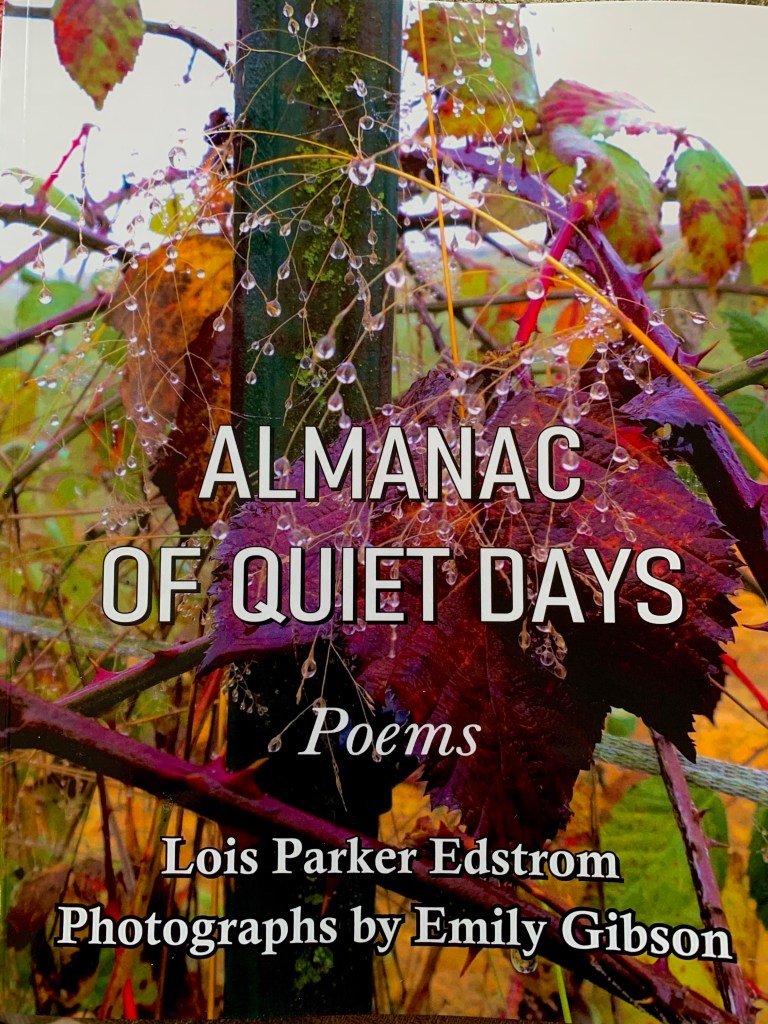
If this post made you thirsty for more Barnstorming photos, this book is available for order here:
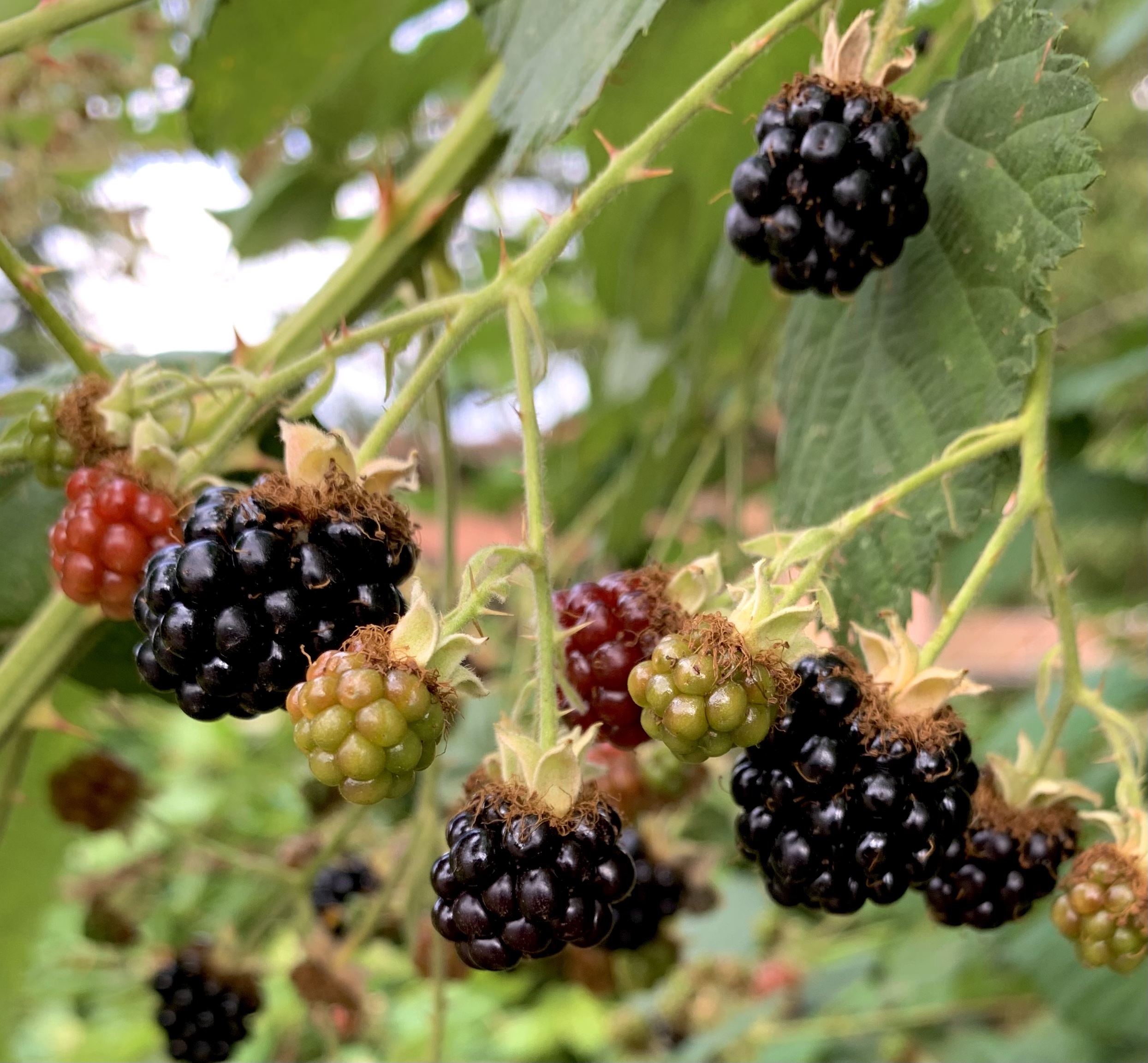
Thorns that Thwart Sweetness

Late August, given heavy rain and sun
For a full week, the blackberries would ripen.
At first, just one, a glossy purple clot
Among others, red, green, hard as a knot.
You ate that first one and its flesh was sweet
Like thickened wine: summer’s blood was in it
Leaving stains upon the tongue and lust for
Picking. Then red ones inked up and that hunger
Sent us out with milk cans, pea tins, jam-pots
Where briars scratched and wet grass bleached our boots.
Round hayfields, cornfields and potato-drills
We trekked and picked until the cans were full,
Until the tinkling bottom had been covered
With green ones, and on top big dark blobs burned
Like a plate of eyes. Our hands were peppered
With thorn pricks, our palms sticky as Bluebeard’s.

We hoarded the fresh berries in the byre.
But when the bath was filled we found a fur,
A rat-grey fungus, glutting on our cache.
The juice was stinking too. Once off the bush
The fruit fermented, the sweet flesh would turn sour.
I always felt like crying. It wasn’t fair
That all the lovely canfuls smelt of rot.
Each year I hoped they’d ke
ep, knew they would not.
~Seamus Heaney “Blackberry Picking”

…Do not be afraid, though briers and thorns are all around you
Ezekiel 2:6

In the real world of pain, how could one worship a God who was immune to it? He laid aside his immunity to pain. He entered our world of flesh and blood, tears and death.
~John Stott
from The Cross

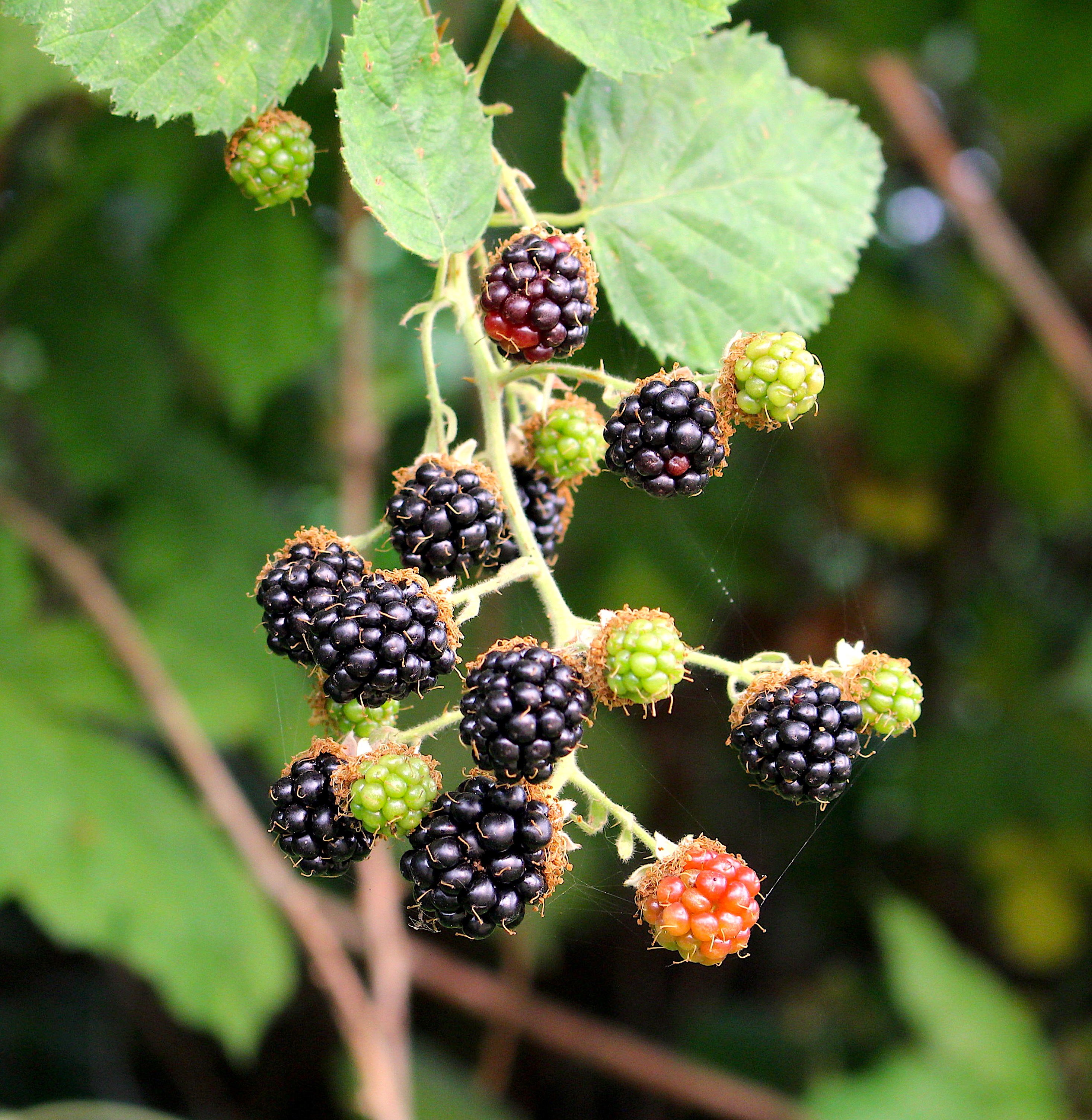
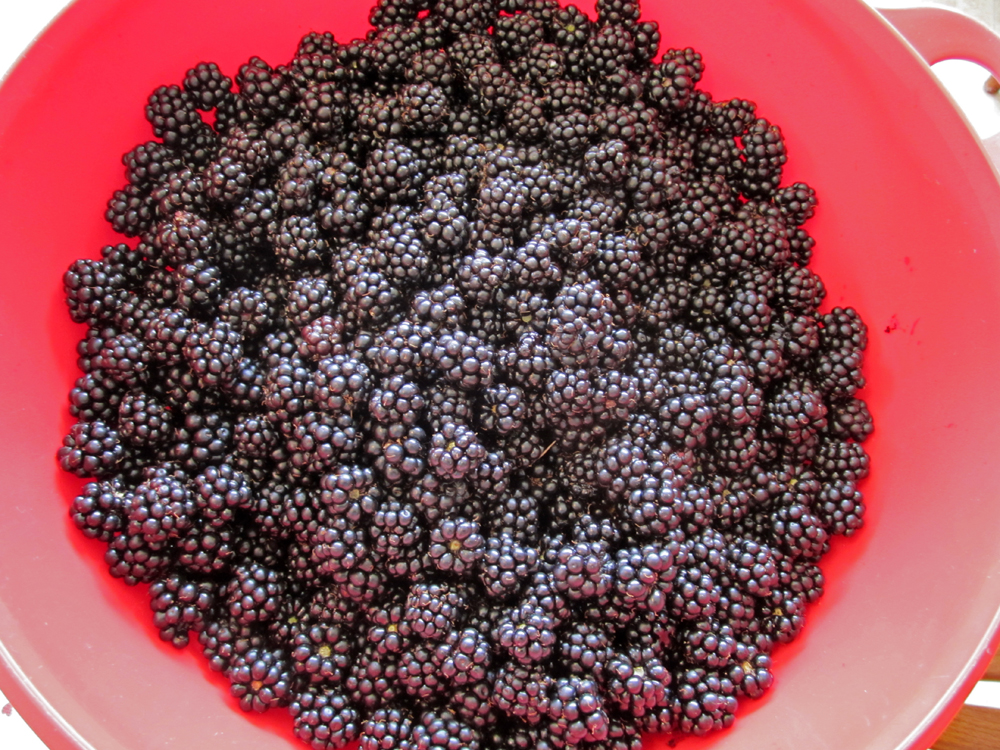
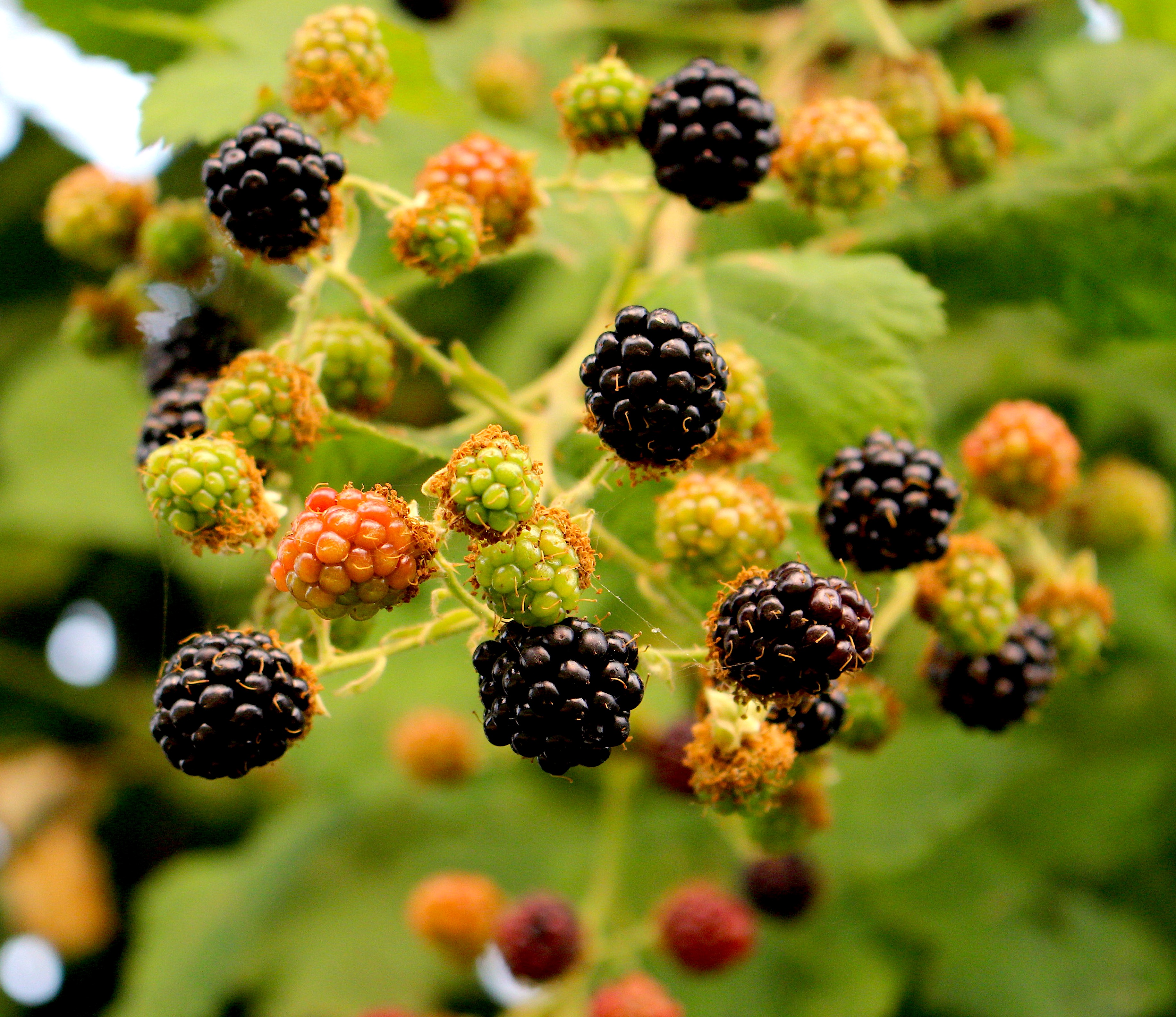
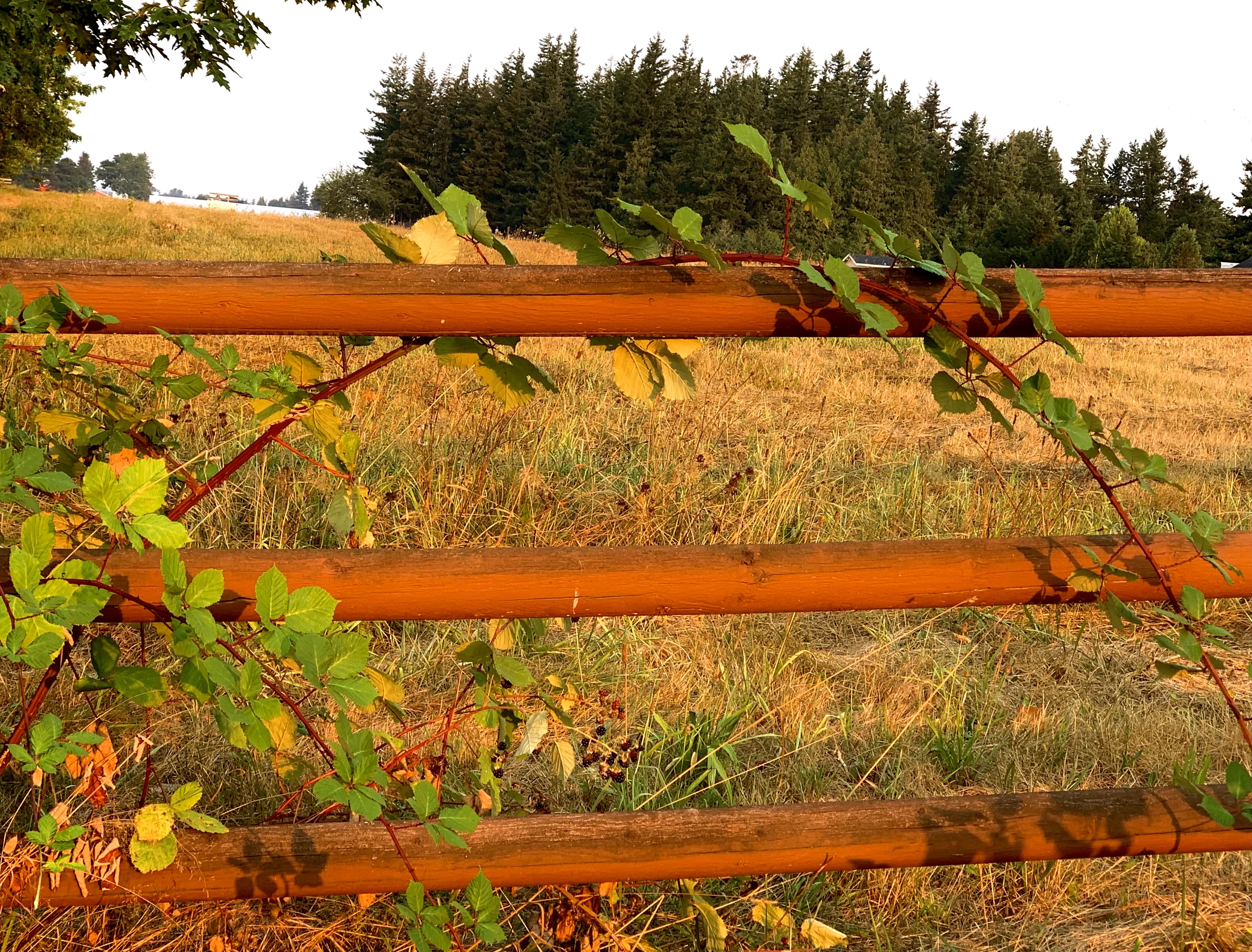
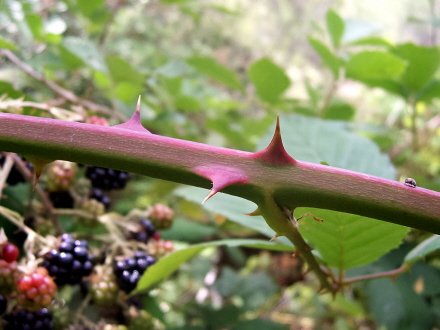
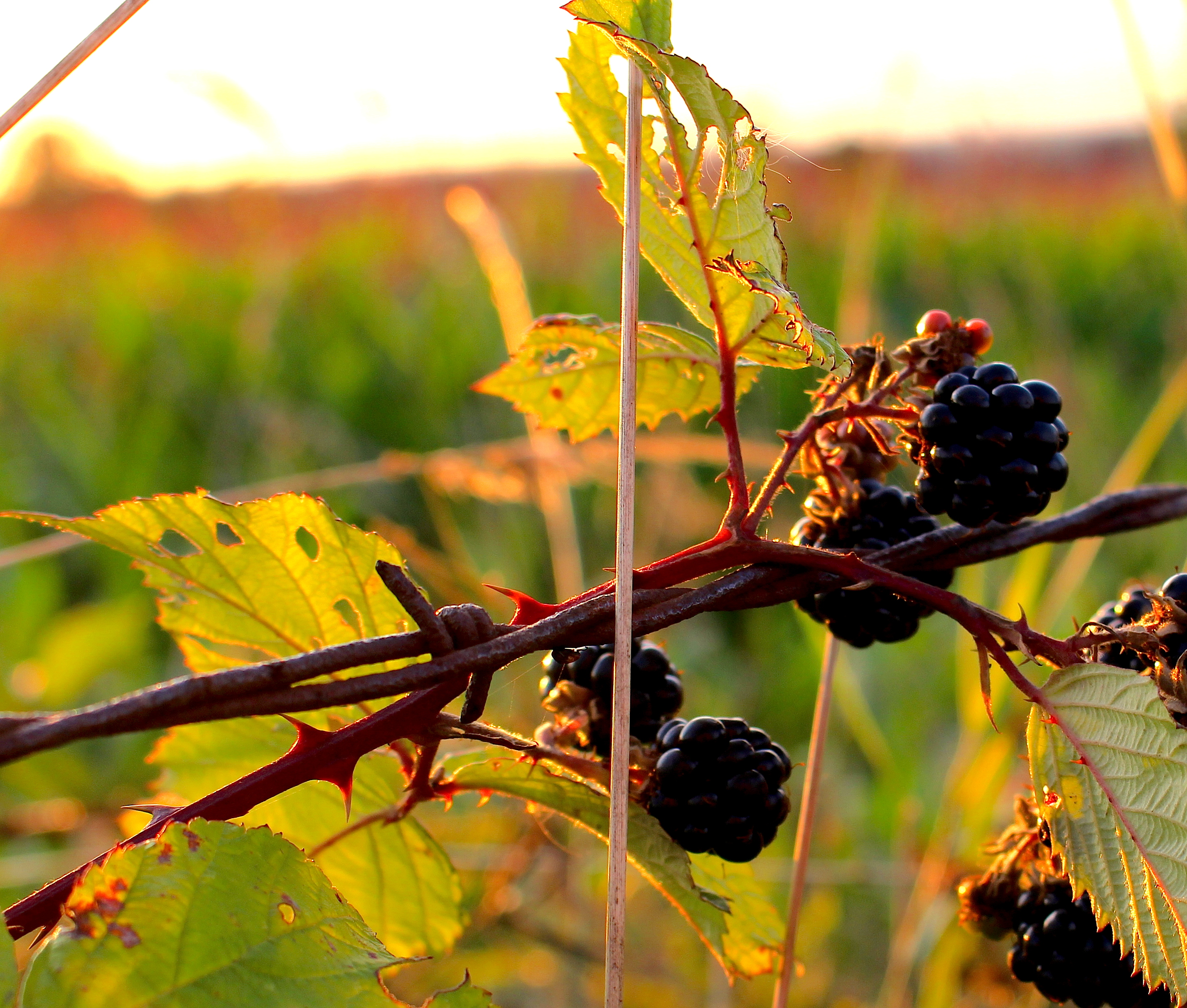
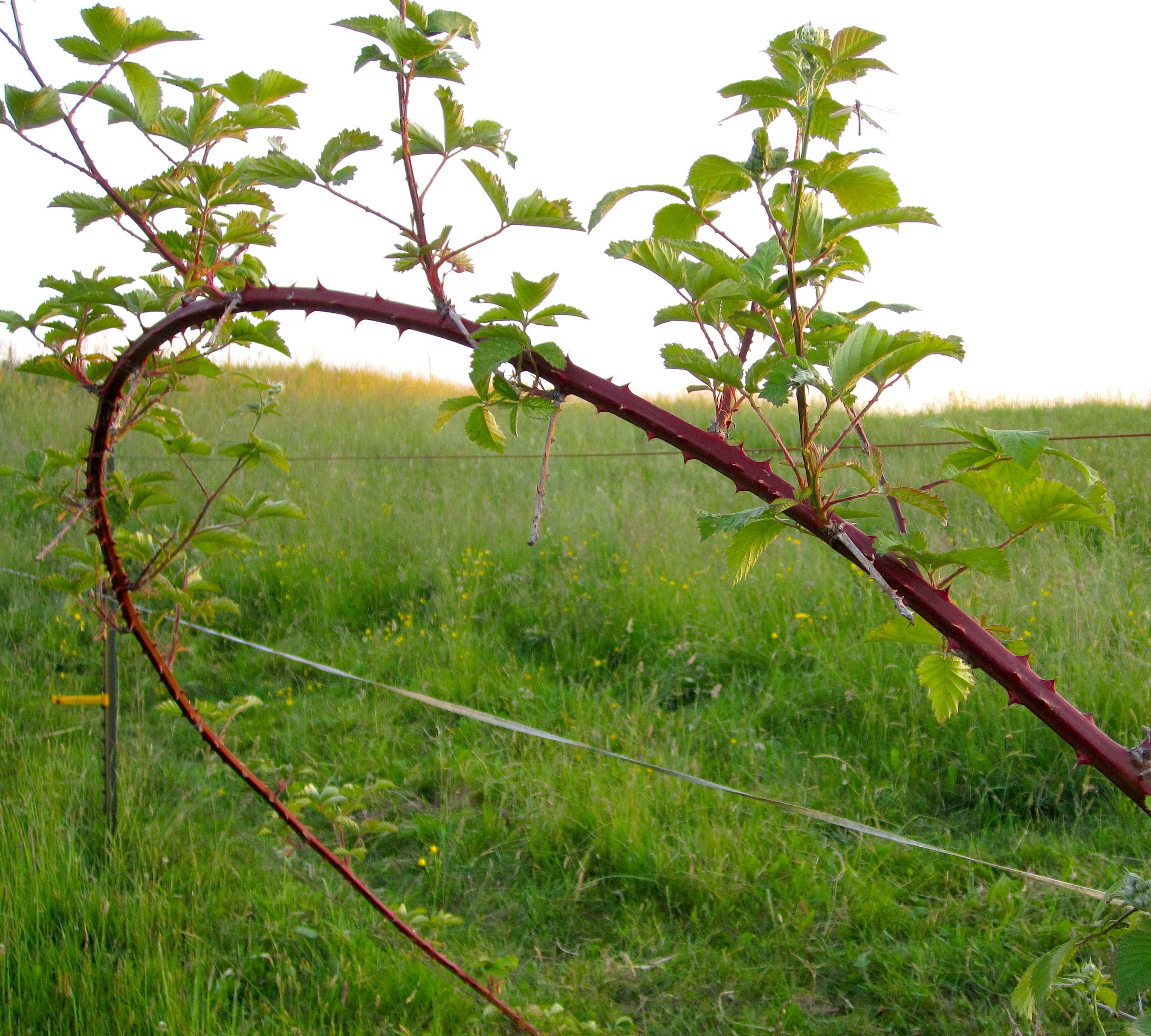
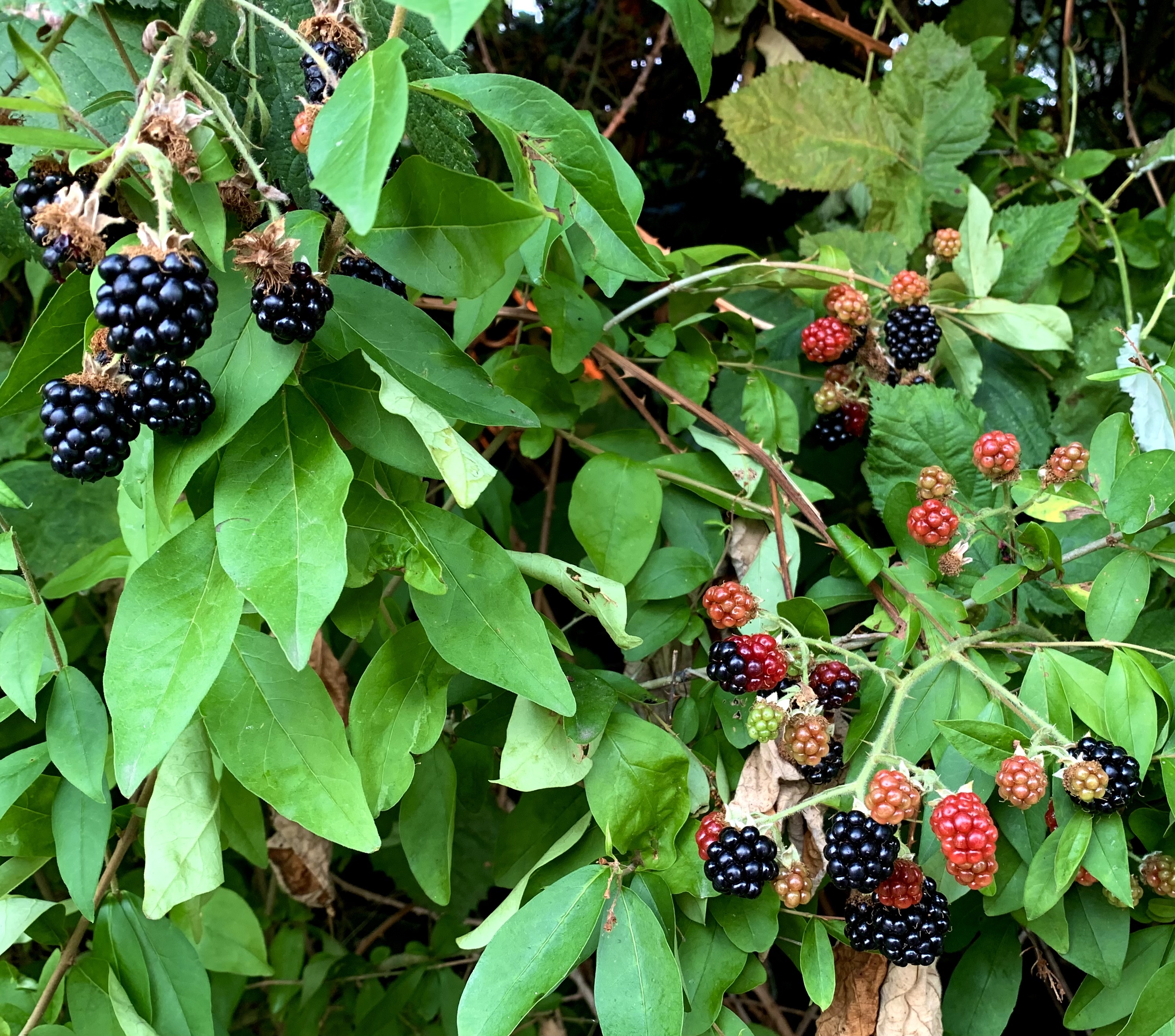
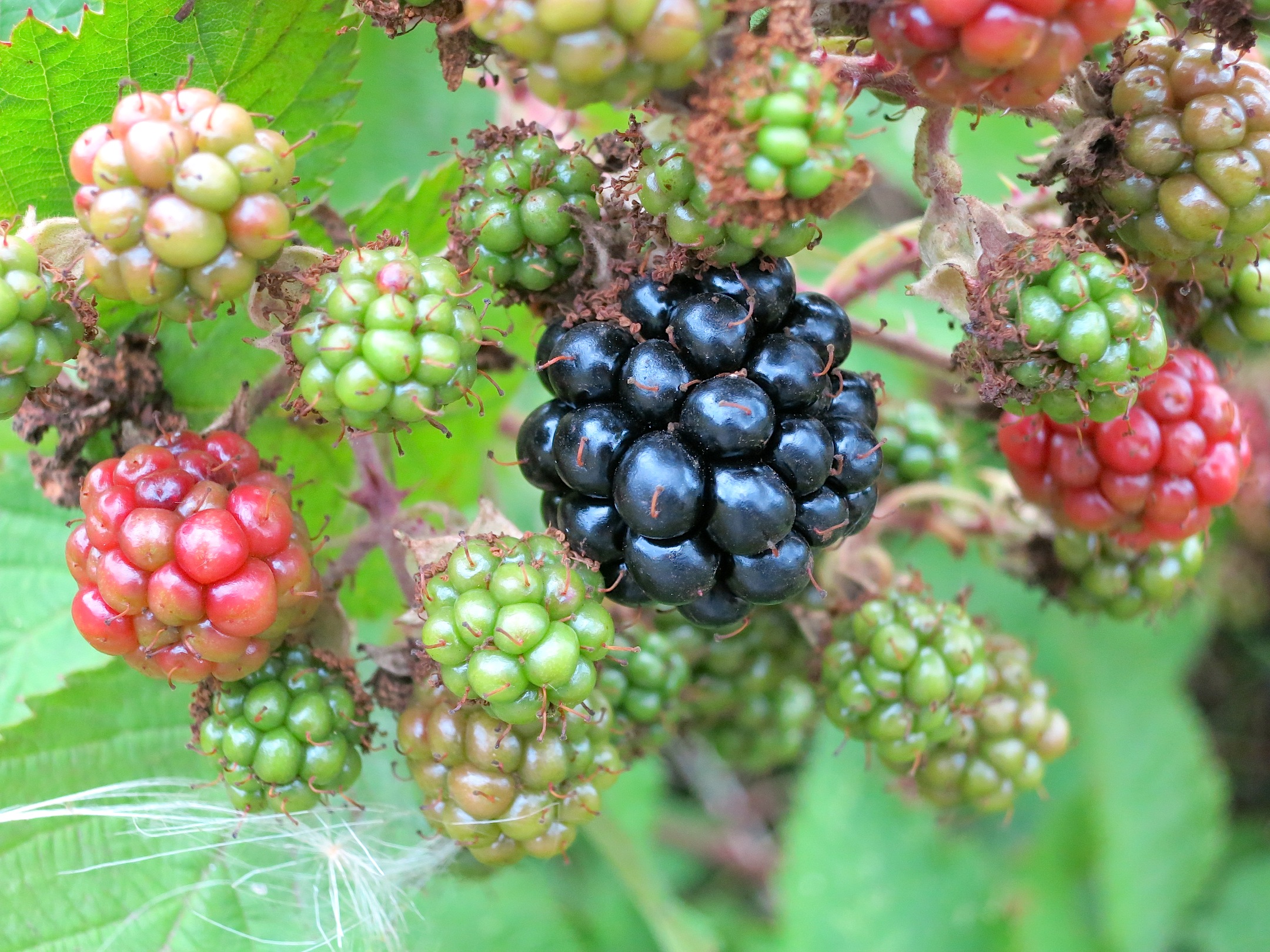
Today I will make wild blackberry cobbler, facing down the brambles and briers that thwart my reach for the elusive fruit – in this heat, it is important to harvest blackberries before they shrivel up and rot on the vine. I aim to gather more berries than scratches to prove that thorns and rot must never win and I will not yield to them.

Painful thorns and decay have always been part of life. They barricade us from all that is sweet and good and precious. They tear us up, bloody us, make us cry out in pain and grief, cause a stink, and deepen our fear that we may never overcome such a sorrowful destiny.

Yet even the most brutal crown of thorns or the rot of the grave did not stop the loving sacrifice, can never thwart the sweetness of redemption, will not spoil the goodness, nor destroy the promise of salvation to come.

We simply wait to be fed the loving gift that comes only from bloodied hands.

Flesh will fail and bones will break
thieves will steal, the earth will shake
Night will fall, the light will fade
The Lord will give and take away

Put no trust in the earth
in the sod you stand upon
Flowers fade into dust
The Lord will make a place for us

Because of His great Love
We are not overcome
Because of His great Love
We are not overcome

Have no fear for your life
Turn your cheek, turn your cheek
Bear the yoke of love and death
The Lord will give all life and breath

Because of His great Love
We are not overcome
Because of His great Love
We are not overcome

(from Bifrost Arts)

If you enjoy the Barnstorming blog, you’ll like our new book, available for order here:

Beauty Laid Bare

To be a poet…
you must believe in the uniqueness of every person,
and therefore in your own.

To find your voice you must forget about finding it,
and trust that if you pay sufficient attention to life
you will be found to have something to say

which no one else can say.

And that will be your voice,
unsought,
singing out from you of itself. 


~Denise Levertov

At its best, the sensation of writing is that of any unmerited grace.
It is handed to you, but only if you look for it.
You search, you break your fists, your back, your brain, and then –
and only then -it is handed to you.

Write as if you were dying.
At the same time, assume you write for an audience

consisting solely of terminal patients.
That is, after all, the case.
What would you begin writing if you knew you would die soon?
What could you say to a dying person

that would not enrage by its triviality?

Why are we reading,
if not in hope of beauty laid bare, life heightened
and its deepest mystery probed?
Why are we reading,

if not in hope that the writer
will magnify and dramatize our days,
will illuminate and inspire us

with wisdom, courage and the hope of meaningfulness,
and press upon our minds the deepest mysteries,
so we may feel again their majesty and power?


What do we ever know that is higher than that power
which, from time to time, seizes our lives,
and which reveals us startlingly to ourselves
as creatures set down here bewildered? 

~Annie Dillard from “Write Till You Drop”

Some days my voice feels so weakened
I am unable to sing out from myself,
knowing I have said too much
that means so little.

I swing and I miss, over and over
swishing the air –
hoping, listening, looking, living
for a connection made
through sharing images and words.

I am bewildered by life most of the time –
how figurative and literal smoke and haze
can permeate and discolor our days and nights.

What I must do is lay bare the beauty I see,
seeking a way to make a sad and suffering world
less mystifying.

A new book from Barnstorming is available to order here:

It Needn’t Have Been So…

You are alive.
It needn’t have been so.
It wasn’t so once, and will not be forever.
But it is so now.

And what is it like:
to be alive in this one place of all places anywhere where life is?
Live a day of it and see.
Take any day and LIVE IT.
Nobody claims that it will be entirely painless, but no matter.

It is your birthday and there are many presents to open. 
The world is to be opened.
It is the first day because it has never been before
and the last day because it will never be again.

BE ALIVE.
~Frederick Buechner from The Alphabet of Grace

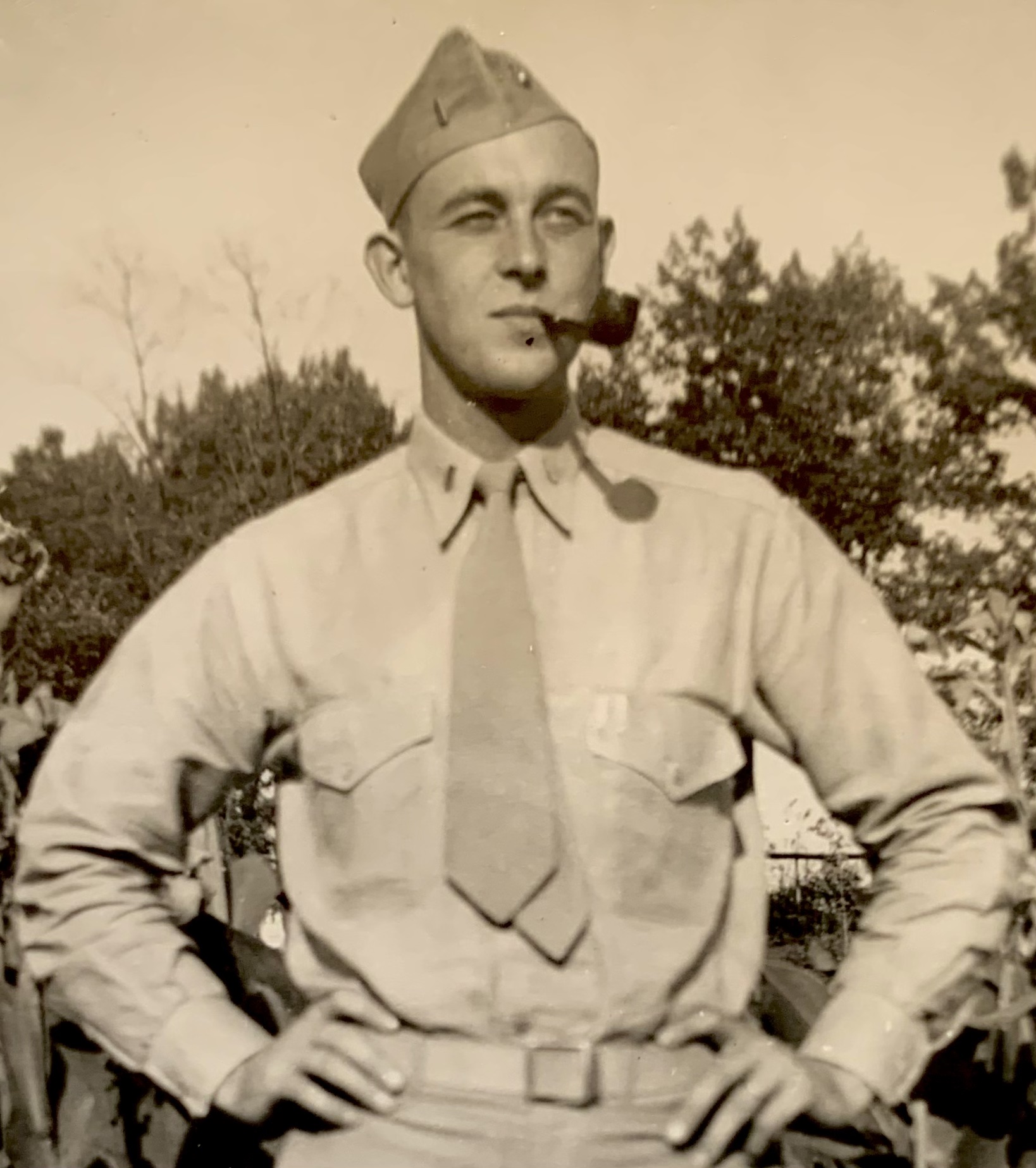
When I was very young, I would trace my finger over the long scar that curved along the front of my mother’s neck and ask her what happened. She would tell me her thyroid gland had been overworking so she had to have it removed before I was born. That’s all she had to say about that and I never thought to ask more. Somehow I knew, just as my knowing my father would not talk about his experience as a Marine in WWII, my mother was hiding more than her big scar under high collars or a pearl necklace.

Hers was a deeper scar I couldn’t see or touch.

However, my older sister – about five at the time – remembers my mother’s illness. Mom was a little over thirty when her hands began to tremble, her pulse raced and she was irritable with trouble sleeping. My parents were hoping for a second child, but unable to get pregnant. Once her doctor diagnosed thyrotoxicosis , Mom had the option to try a new medication that had been recently developed – propylthiouracil – meant to suppress the function of overactive thyroid glands.

It didn’t work for her and she felt worse. It caused more side effects and my mother’s symptoms grew so severe, she was unable to leave her bedroom due to severe anxiety and paranoia made worse by insomnia. My paternal grandmother came to help since my father needed to continue to work to support the family but there was little that could be done other than sedation to ease my mother’s symptoms. My sister recalls not seeing Mom for days, unnerved by the wailing she heard from the bedroom. From her description, I now wonder if Mom was experiencing the beginning of thyroid “storm” (extremely high thyroid levels) which is potentially life-threatening with severe physical and emotional side effects.

After Mom was hospitalized and her entire thyroid was removed, she was placed on thyroid hormone supplements to take daily for the rest of her life. It took months for her to recover and feel somewhat normal again. Her eventual hormonal stability resolved her infertility as well as most of her other symptoms. She remained chronically anxious and had heart palpitations and insomnia the rest of her life, like a residual stain on her sense of well-being, although she lived another 55 years. The trauma of how her illness affected my dad and sister was never fully resolved. They all suffered. I can understand why those months remained as hidden as my mom’s surgical scar.

I was born about two years later – the second baby they never expected could happen. My brother was born 20 months after me.

From my family’s suffering came the solace of new life.

So I nearly wasn’t.

I’m reminded on each birthday:
I needn’t have been here yet by the grace of God I am.
I need to BE ALIVE and LIVE THIS DAY because it will never be again.

This is a truth for us all to cling to.

Each day is a gift to be opened and savored.
Each day a first day, a last day, a great day – a birthday of amazing grace.

A new book from Barnstorming is available to order here:

Supposing a Tree Fell

“Supposing a tree fell down, Pooh, when we were underneath it?”

“Supposing it didn’t,” said Pooh after careful thought.

Piglet was comforted by this.
~A.A. Milne from The Complete Tales of Winnie-the-Pooh

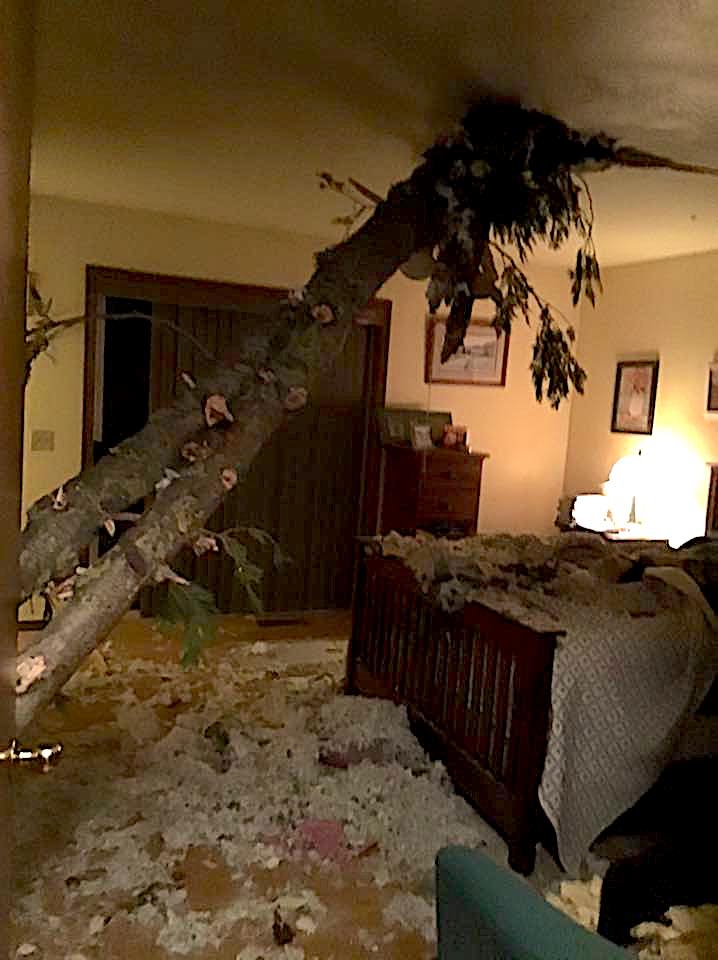
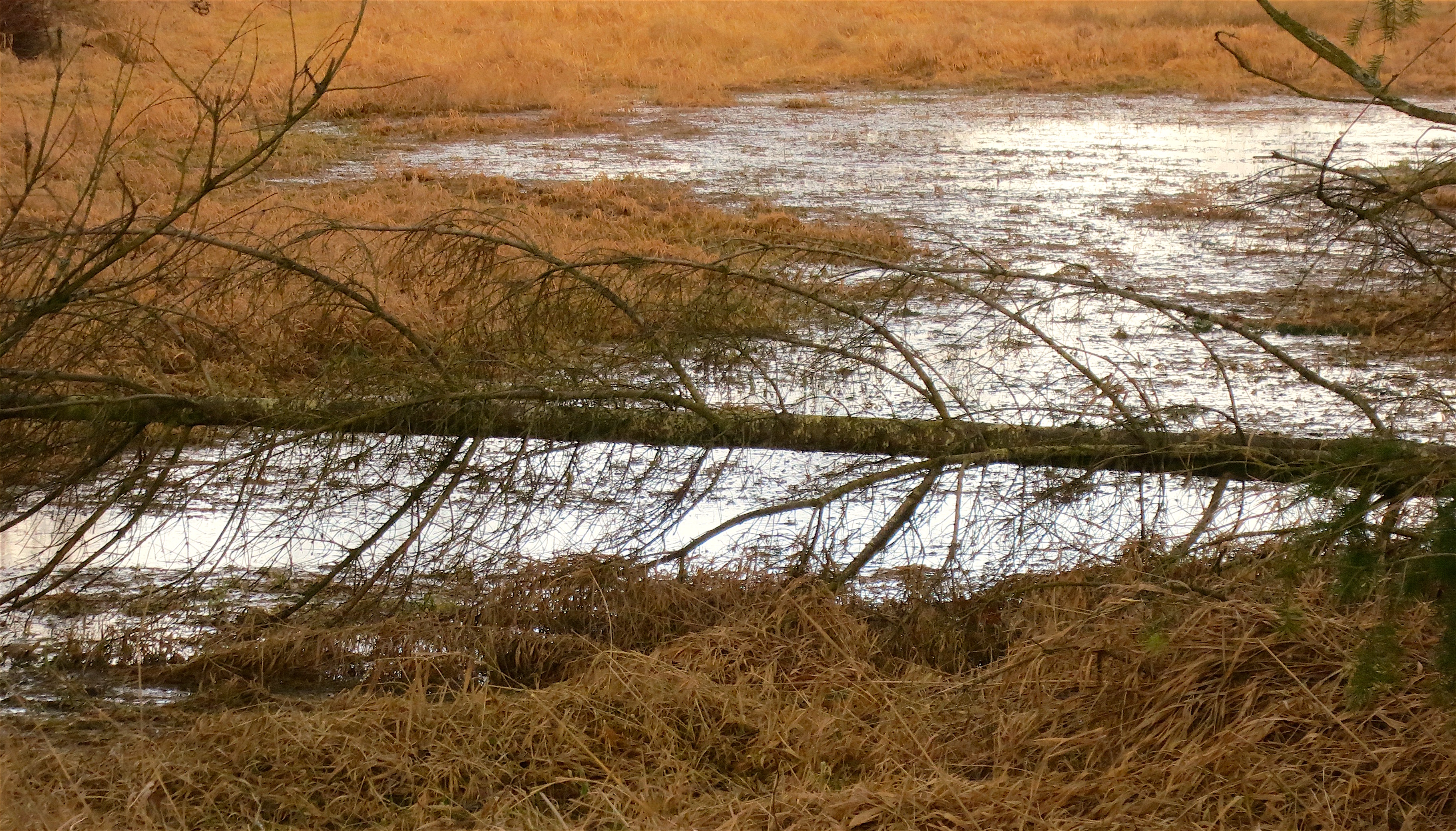
our friends’ bedroom after a tree fell through their roof in a windstorm – thankfully, no one was hurt

It has been a long 18 months of dwelling deeply
in all kinds of “supposes” and “what ifs”
because people were being crushed by a virus
right and left.

I understand this kind of thinking,
particularly when “in the moment” tragedies,
(like a Florida condo building collapsing in the middle of the night)
play out real-time in the palm of our hand
in front of our eyes
and we feel helpless to do anything
but watch it unfold.

Those who know me well
know I can fret and worry
better than most.
Medical training only makes this worse.
I’m taught to think catastrophically.
That is what I have done for a living –
to always be ready for the worse case scenario
and simply assume it will happen.

Sometimes it does happen
and no amount of wishing it away will work.

When I rise, too often sleepless,
to face a day of uncertainty
as we all do ~
after careful thought,
I reach for the certainty I am promised
over the uncertainty I can only imagine:

What is my only comfort in life and in death? 
That I am not my own, but belong
—body and soul, in life and in death—
to my faithful Savior, Jesus Christ.

“Supposing it didn’t” — says our Lord
(and we are comforted by this)
but even if it did … even if it did –
as awful things sometimes do –
we are never abandoned.

He is with us always.

Enjoying these Barnstorming posts? A new book from Barnstorming is available to order here:

Go Out and Help Your Dad


It was hard work, dying, harder
than anything he’d ever done.


Whatever brutal, bruising, back-
Breaking chore he’d forced himself


to endure—it was nothing
compared to this. And it took


so long. When would the job
be over? Who would call him


home for supper? And it was
hard for us (his children)—


all of our lives we’d heard
my mother telling us to go out,


help your father, but this
was work we could not do.


He was way out beyond us,
in a field we could not reach.

~Joyce Sutphen, “My Father, Dying” from Carrying Water to the Field: New and Selected Poems.

We will grieve not, rather find                     
Strength in what remains behind;                     
In the primal sympathy                     
Which having been must ever be;  
                   

Thanks to the human heart by which we live,
Thanks to its tenderness, its joys, and fears,
To me the meanest flower that blows can give
Thoughts that do often lie too deep for tears.
~William Wordsworth from “Ode: Intimations of Immortality from Recollections of Early Childhood”

Twenty-six years ago today
we watched at your bedside as you labored,
readying yourself to die and we could not help
except to be there while we watched you
move farther away from us.


This dying, the hardest work you had ever done:

harder than handling the plow behind a team of draft horses,
harder than confronting a broken, alcoholic and abusive father,
harder than slashing brambles and branches to clear the woods,
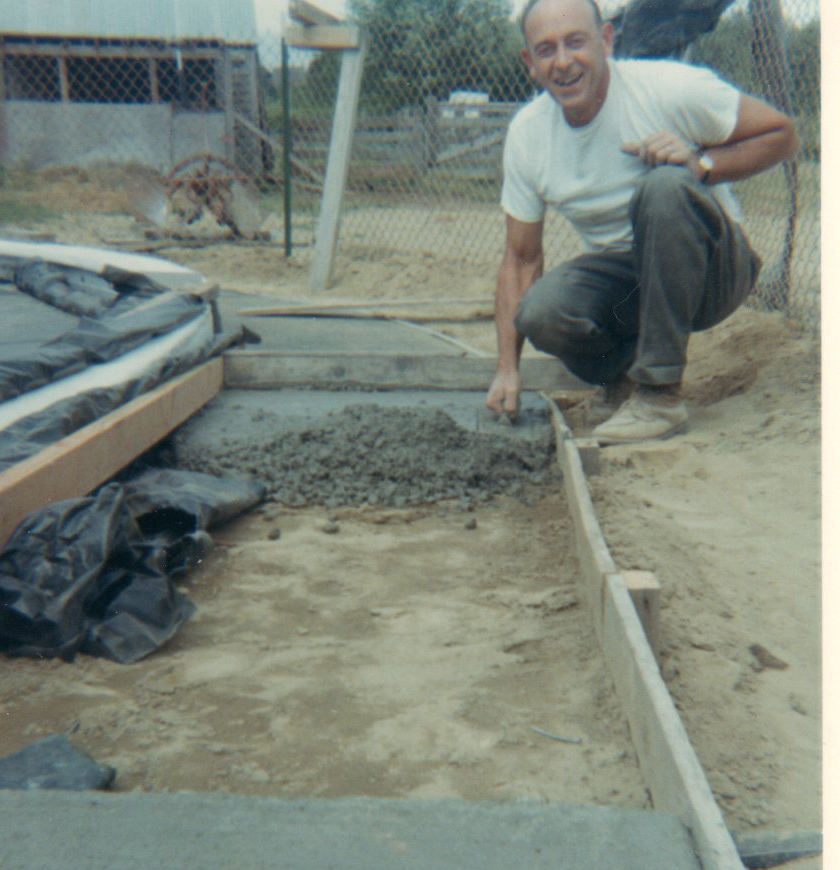
harder than digging out stumps, cementing foundations, building roofs,
harder than shipping out, leaving behind a new wife after a week of marriage,
harder than leading a battalion of men to battle on Saipan, Tinian and Tarawa,
harder than returning home so changed there were no words,
harder than returning to school, working long hours to support family,
harder than running a farm with only muscle and will power,
harder than coping with an ill wife, infertility, job conflict, discontent,
harder than building your own pool, your own garage, your own house,
harder than your marriage ending, a second wife dying,
and returning home forgiven.

Dying was the hardest of all
as no amount of muscle or smarts could stop it crushing you,
taking away the strength you relied on for 73 years.

So as you lay helpless, moaning, struggling to breathe,
we knew your hard work was complete
and what was yet undone was up to us
to finish for you.

A new book from Barnstorming is available for order here:

Seeing Clearly

To see clearly,
not needing a drink
or pill or puff
of any pipe
to know I’m alive.
To come home,
peel off sandals
and step onto
the cool tile floor
needing only
the rush of water
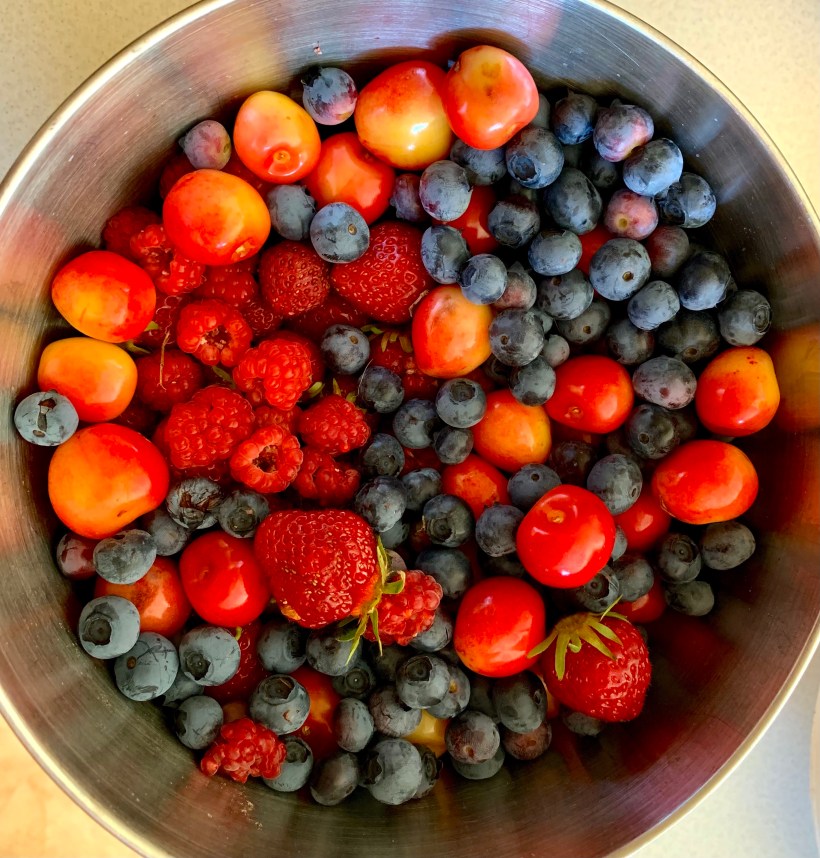
over strawberries
I picked myself
and then a knife
to trim the dusty
green heads
from each one,
to watch them
gleam cleanly
in a colander
in a patch of sun
near the sink.
~James Crews “Clearly” from Healing the Divide: Poems of Kindness and Connection

As a child, I could see some people I loved struggling with daily life like a never-ending wrestling match.

Can’t relax? Have a drink.
Feeling irritable? Have a smoke.
Can’t wake up? Strong coffee.
Can’t lose weight? Amphetamines.
Can’t sleep? Valium.

I watched as one after another after another lost the wrestling match with the life’s sharp edges, sometimes dying too young from their self-medication.

As a result, I never could reconcile experimenting with my brain, staying stone cold sober throughout 21 years of school, bored to tears at parties watching others get hammered and stoned. As a physician, I spent half my career trying to help people stop wrestling with life and find their sober selves again.

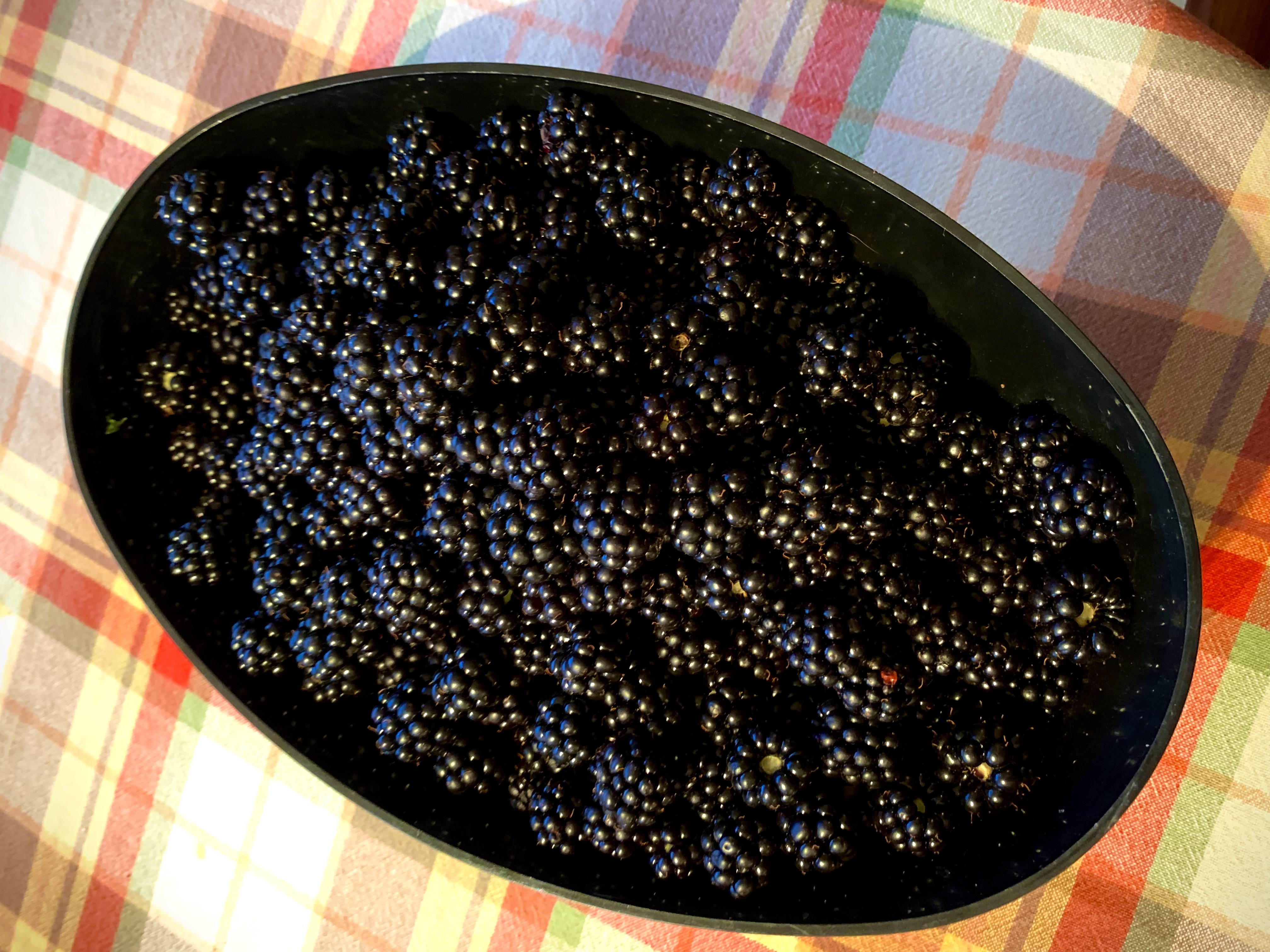
Like berries picked into a colander, we all need gentle handling, rinsing and hulling, to wash away the dust of the field, the spiders and slug slime.

No more wrestling. Restored to sweetness and sparkling beauty.

A new book from Barnstorming is available to order here:

To Live One More Day

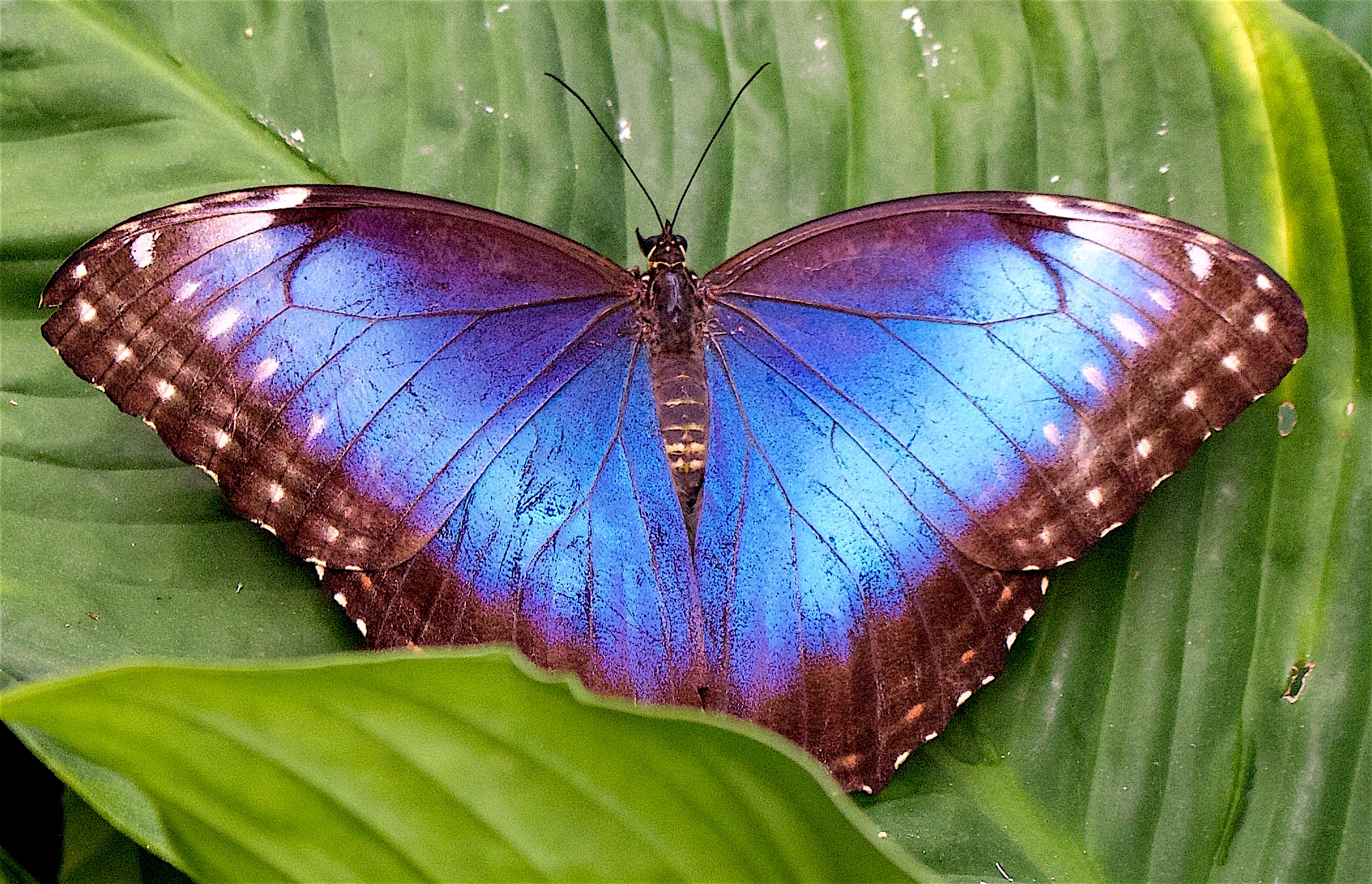
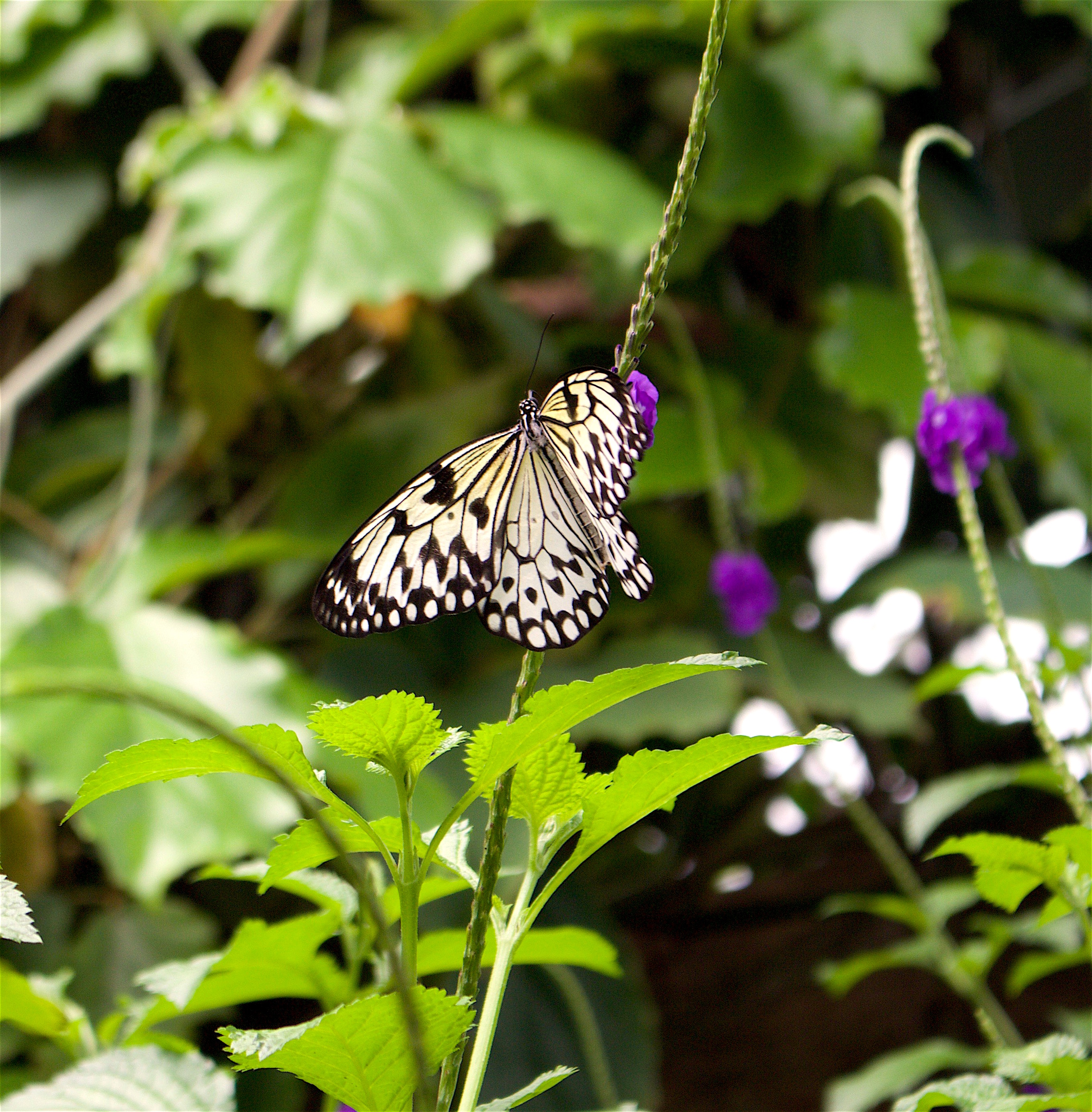
What a slow way to eat, the butterfly
is given by Nature, sipping nectar
one tiny blue flower at a time. Though
a Monarch in name, she’s made to scavenge
like the poorest of the poor, a morsel
here, a morsel there. A flutter of ink-
splattered orange wings. We don’t want to see
the struggle that undergirds the grace: the
ballerina’s sweat, or her ruined feet
hidden by tights and toe-shoes. She knows her
career will be as brief as it was hard
to achieve. Pollinated, the tiny
blue flowers are sated. The butterfly
flits away, hoping to live one more day.

~Barbara Quick, “The Struggle That Undergirds the Grace.”

You have been my friend. That in itself is a tremendous thing.
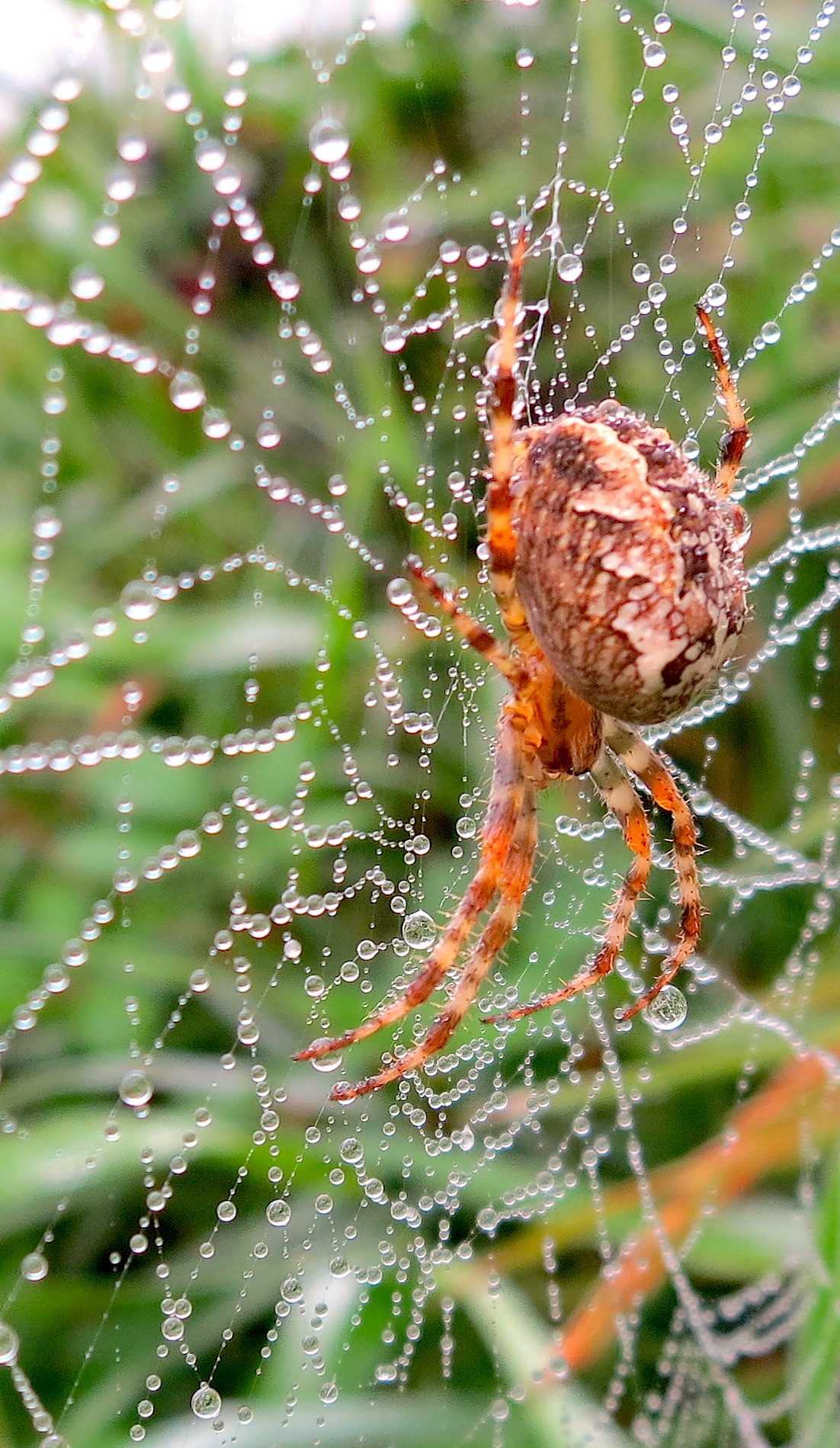
I wove my webs for you because I liked you.
After all, what’s a life, anyway?
We’re born, we live a little while, we die.
A spider’s life can’t help being something of a mess,
with all this trapping and eating flies.
By helping you, perhaps I was trying to lift up my life a trifle.
Heaven knows anyone’s life can stand a little of that.
~E. B. White, Charlotte’s Web


And when the sun rises we are afraid
it might not remain

when the sun sets we are afraid
it might not rise in the morning
when our stomachs are full we are afraid
of indigestion
when our stomachs are empty we are afraid
we may never eat again
when we are loved we are afraid
love will vanish
when we are alone we are afraid
love will never return
and when we speak we are afraid
our words will not be heard
nor welcomed
but when we are silent
we are still afraid


So it is better to speak
remembering
we were never meant to survive.
~Audre Lorde from “A Litany for Survival”

We are here so briefly.
We were never designed to survive forever on this earth
yet we try to run the clock out as long as we can.

Just one day more.

We are here because of struggle –
the pain of our birth, whether the cry of our laboring mother,
or our own wrestling free of the cocoon or the shell,
our daily work to find food
to feed ourselves and our young,
the upkeep and maintenance of our frail and failing bodies,
our ongoing fear we’ll be taken
before we can make a difference in another’s life.

If there is a reason for all this (and there is):
our struggle forms the grace of another’s salvation.
The flowers bloom to feed the butterfly,
the butterfly pollinates the flower,
ensuring the next generations of both.
The silent and weakened find their voice
so that the next generation can thrive.

Heaven knows,
anyone’s life can stand a little of that.

Just one day more, Lord. Please – one day more.

Tomorrow we’ll discover
What our God in Heaven has in store
One more dawn
One more day
One day more

~from Les Miserable

A new book available from Barnstorming available to order here:

Mostly Dead

There’s a big difference between mostly dead and all dead.
Mostly dead is slightly alive. With all dead, well,

with all dead there’s usually only one thing you can do –
Go through his clothes and look for loose change.
~William Goldman – the wisdom of Miracle Max in The Princess Bride

You who believe,
and you who sometimes believe

and sometimes don’t believe much of anything,
and you who would give almost anything to believe if only you could.

You happy ones
and you who can hardly remember what it was like once to be happy.

You who know where you’re going and how to get there
and you who much of the time aren’t sure you’re getting anywhere.

“Get up,” he says, all of you – all of you! –
and the power that is in him

is the power to give life not just to the dead like the child,

but to those who are only partly alive,
which is to say to people like you and me

who much of the time live with our lives
closed to the wild beauty and miracle of things,
including the wild beauty and miracle of every day we live
and even of ourselves.
~Frederick Buechner -Originally published in Secrets in the Dark

May I not settle for being slightly alive or mostly dead –

I want to be fully alive
to the wild beauty and miracle of things,
to the wild beauty and miracle of every day,
and even the wild beauty and miracle of myself~~

I have known what it is to doubt,
to be discouraged, defeated, and grieved.

It is part of the package:
shadows appear when the Sun is the brightest and hottest.
I have no doubt the Sun exists, especially after the last few days.

So I must “get up!” even if I don’t know where to go next.

And then I will believe
~truly believe~
I am created to be mostly and absolutely alive this day and every day.

A new book from Barnstorming is available for order here:

The Way It Ought To Be

After three weeks of hot weather and drought,
           we’ve had a week of cold and rain,
just the way it ought to be here in the north,
            in June, a fire going in the woodstove
all day long, so you can go outside in the cold
            and rain anytime and smell
the wood smoke in the air.
 
This is the way I love it. This is why
           I came here almost
fifty years ago. What is June anyway
          without cold and rain
and a fire going in the stove all day?
~David Budbill, “What Is June Anyway?” from Tumbling toward the End.

I spent seven hours yesterday at my daughter’s house
helping her expand their garden by at least ten times.
We dug up sod by the shovelful, shook off the dirt as
best we could; sod into the wheelbarrow and off to the
pile at the edge of the yard. Then all that over and over
again. Five hours total work-time, with time out for lunch
and supper. By the time I got home I knew all too well
that seventy-two is not thirty-five; I could barely move.

I got to quit earlier than Nadine. She told me I’d done
enough and that I should go get a beer and lie down on
the chaise lounge and cheer her on, which is what I did.

All this made me remember my father forty years ago
helping me with my garden. My father’s dead now, and
has been dead for many years, which is how I’ll be one
of these days too. And then Nadine will help her child,
who is not yet here, with her garden. Old Nadine, aching
and sore, will be in my empty shoes, cheering on her own.

So it goes. The wheel turns, generation after generation,
around and around. We ride for a little while, get off and
somebody else gets on. Over and over, again and again.
~David Budbill “Seventy-Two Is Not Thirty-Five” from Tumbling toward the End.

June is not supposed to be like this.

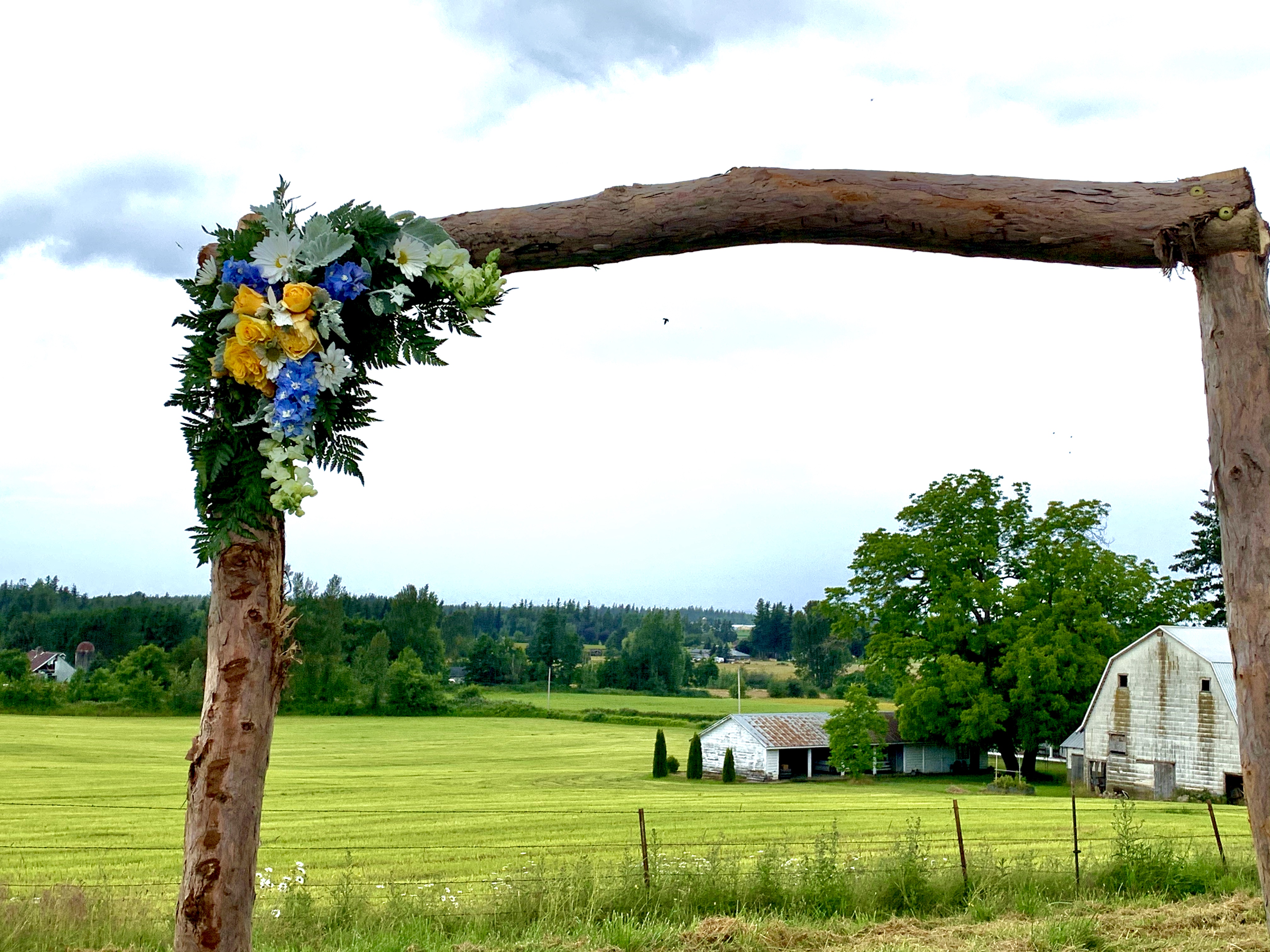
It is typically cool and rainy during these first few weeks of summer. June is an impossible month to hold outdoor weddings as we discovered a year ago. We celebrated our daughter and son-in-law’s wedding amid chilly breezes and sprinkles, avoiding a downpour.

Yet if it had been this year we would have all baked and sweated to a golden melting crust sitting in the full sun.

Yesterday we reached 106 F here in the normally temperate Pacific Northwest. I am scanning the weather forecast for any hint of rain (none) and am celebrating the prediction of mid-80s temperatures (hopefully soon). I once thought 85 to be intolerably hot.

It all is a matter of perspective when considering how things “ought” to be.

Wild temperature fluctuations and weather extremes are not new to this earth, but they certainly seem more frequent, causing more damage and suffering among all earth dwellers, whether plant or animal. We expect natural predictable cycles in the seasons and in the passing of one generation to another — a smooth replacement plan as older gives way to the younger.

This is how it ought to be. Yet it isn’t always so. Sometimes not even close.

We’ll remember 2020 and early 2021 as months of pandemic that sucked the life and joy from so many of us. Now the crazy heat index of June 2021 is effectively distracting us from a dwindling risk of COVID infection to consider instead the immediacy of how to avoid overheating ourselves, our animals and our gardens/crops.

It is always something in this life of peril and worry.

That is just how it is,
rather than how it ought to be.

A new book from Barnstorming is available to order here