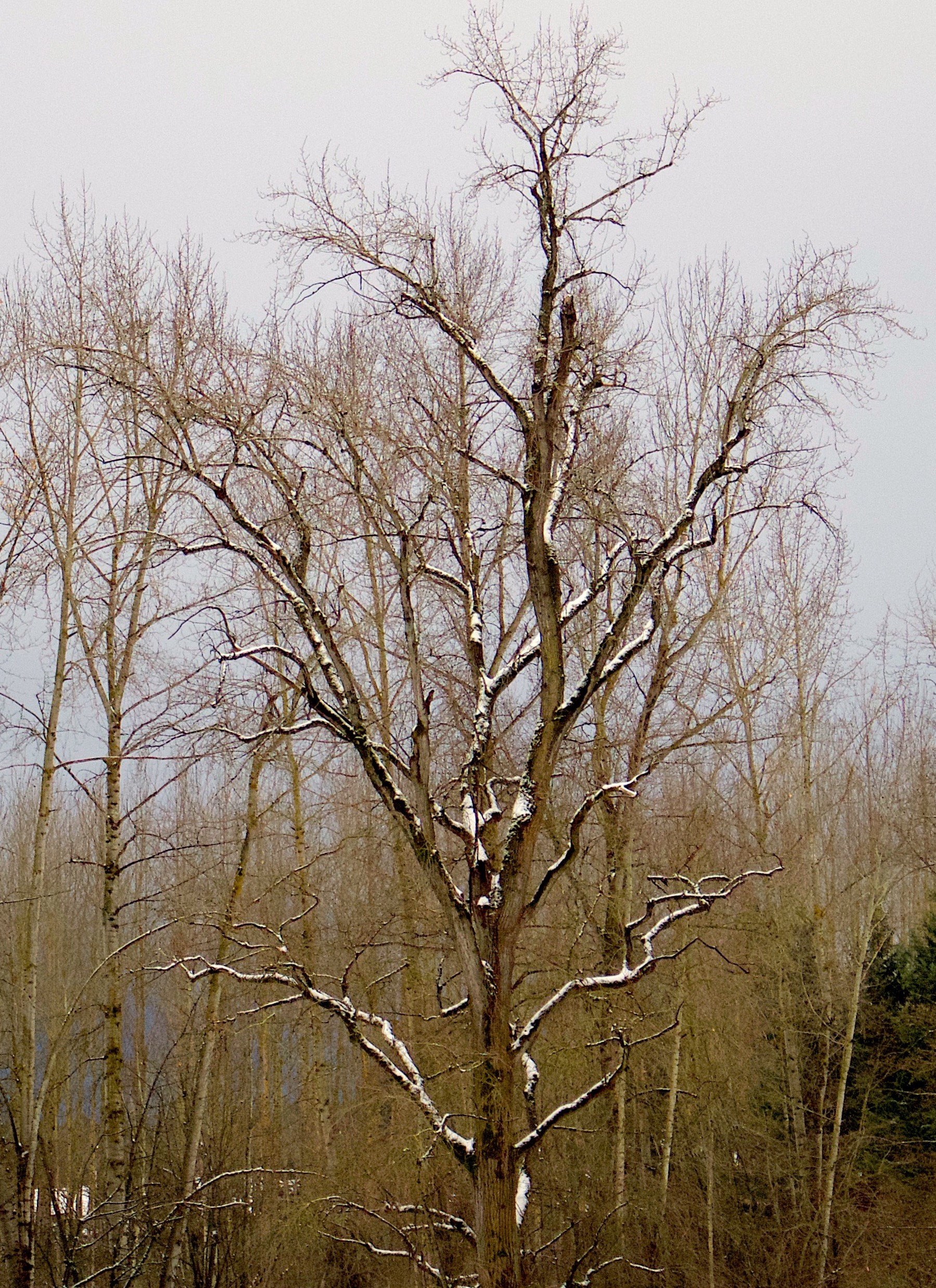
A Few Tears at the End of the Year

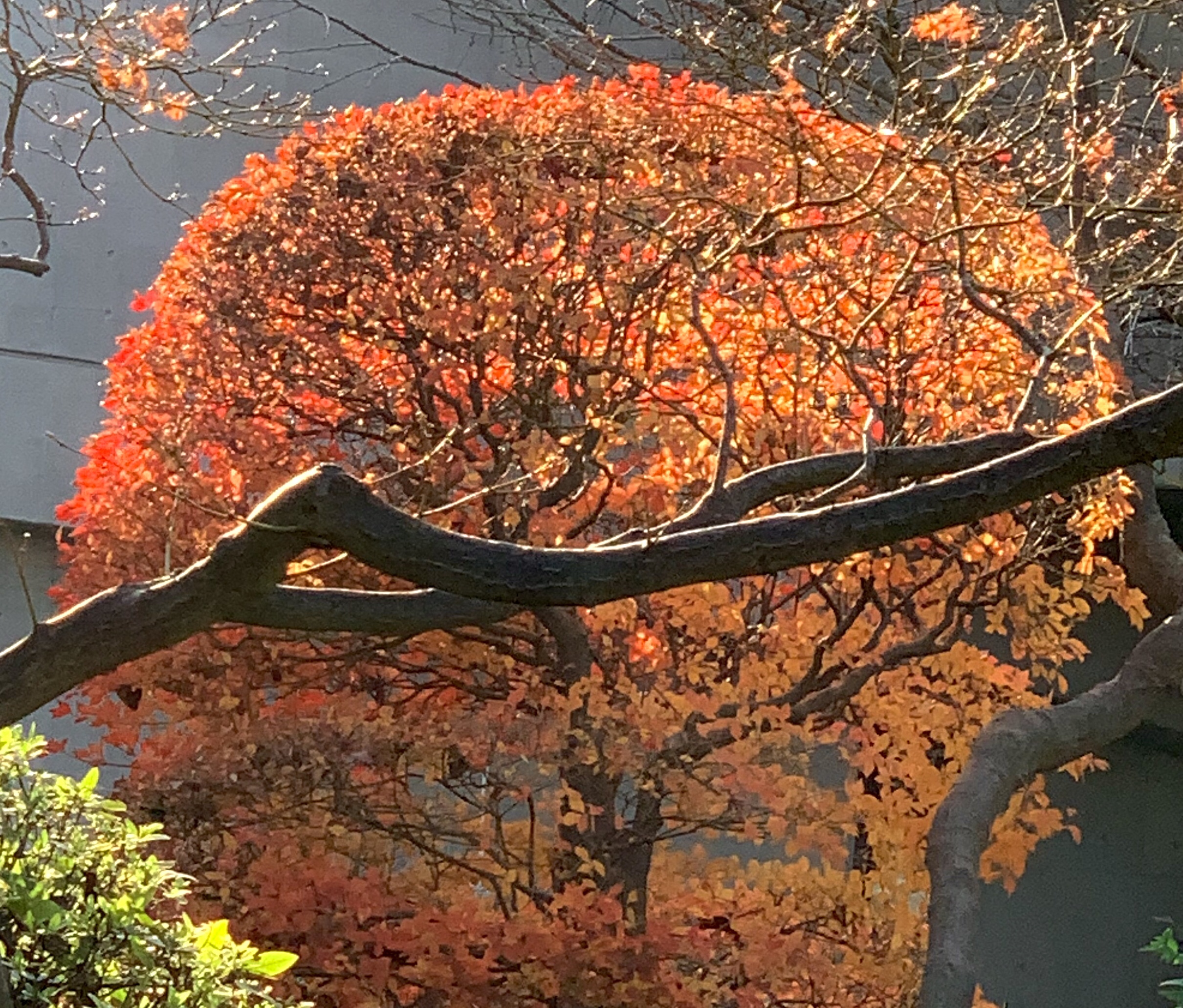
Let us step outside for a moment
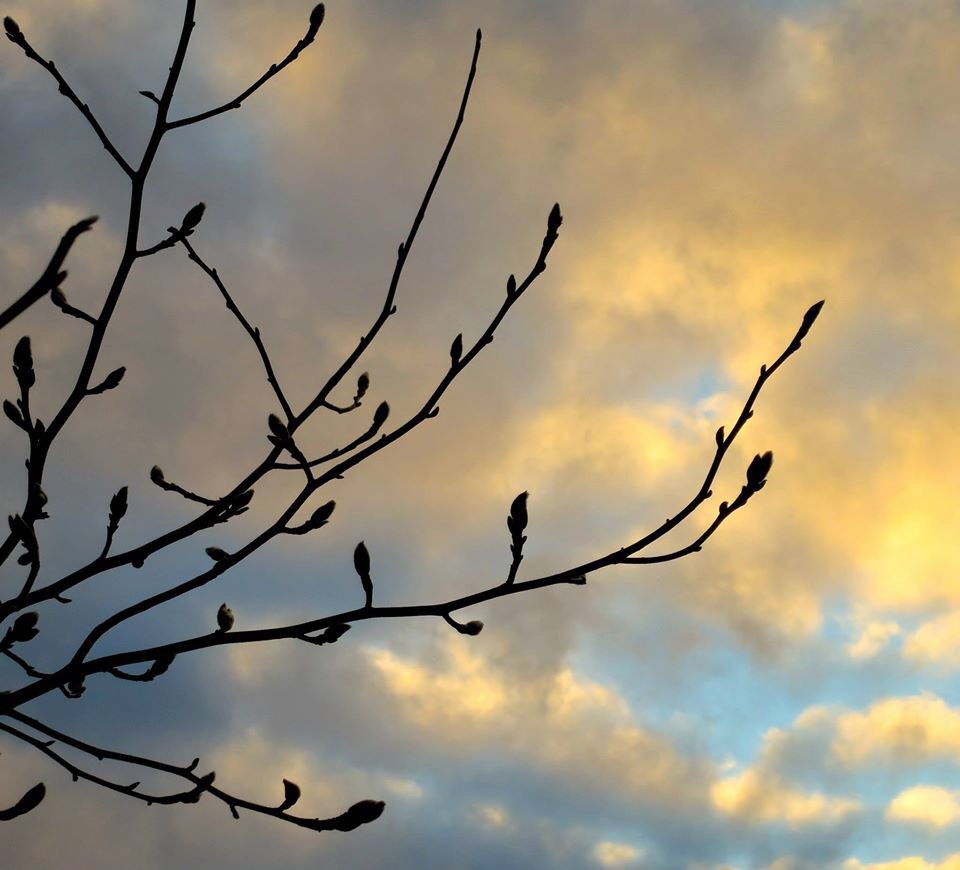
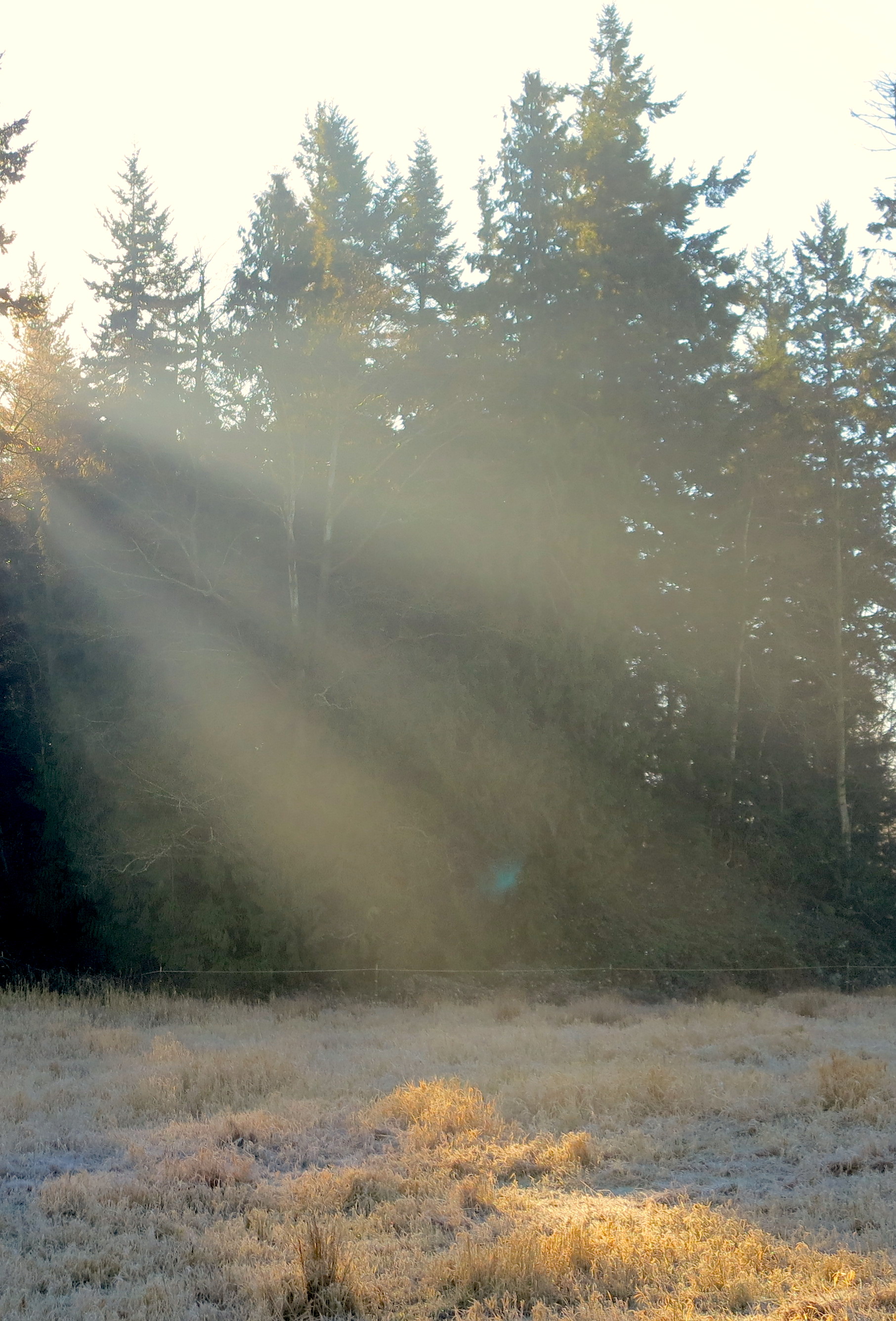
As the sun breaks through clouds
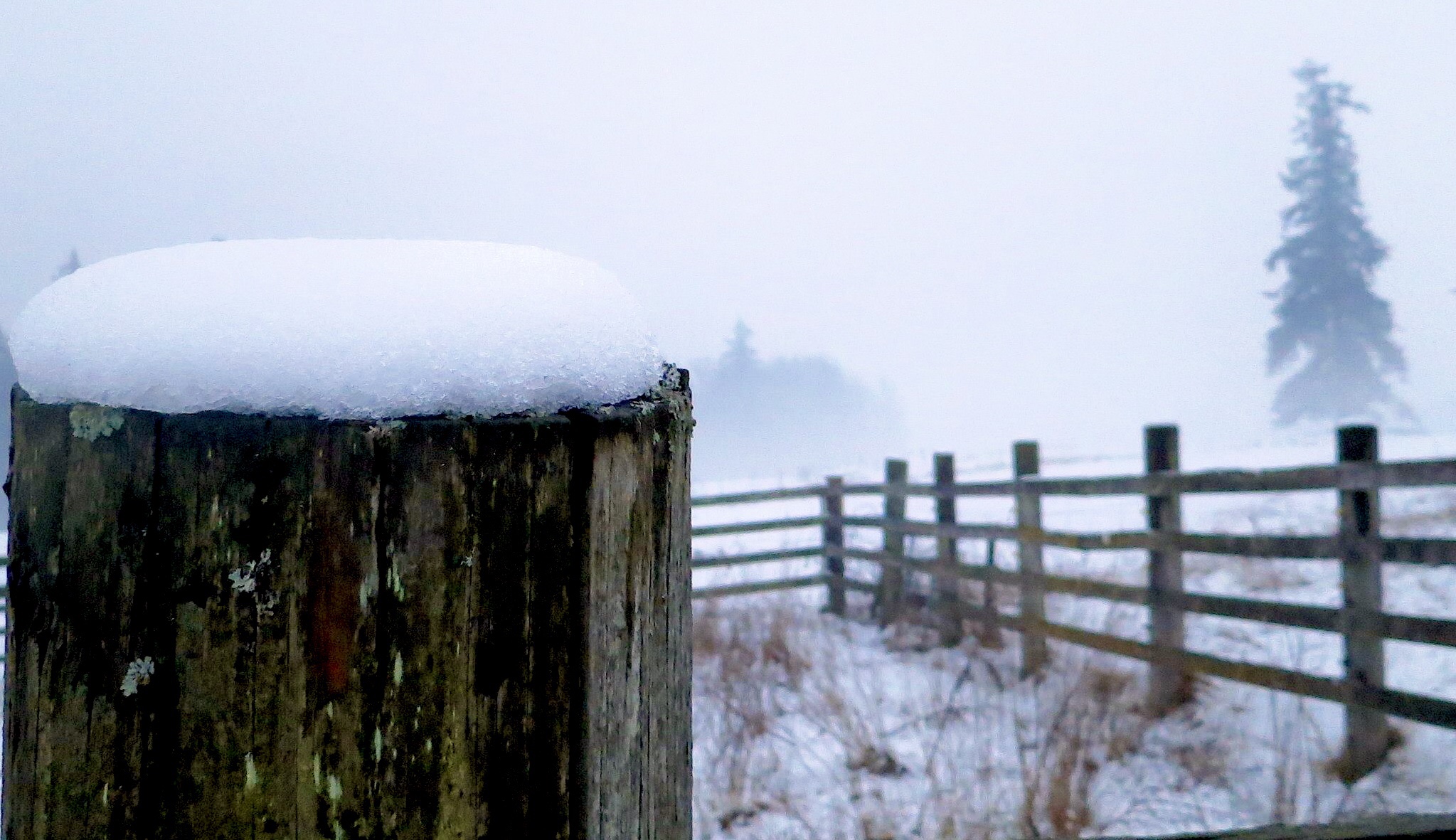
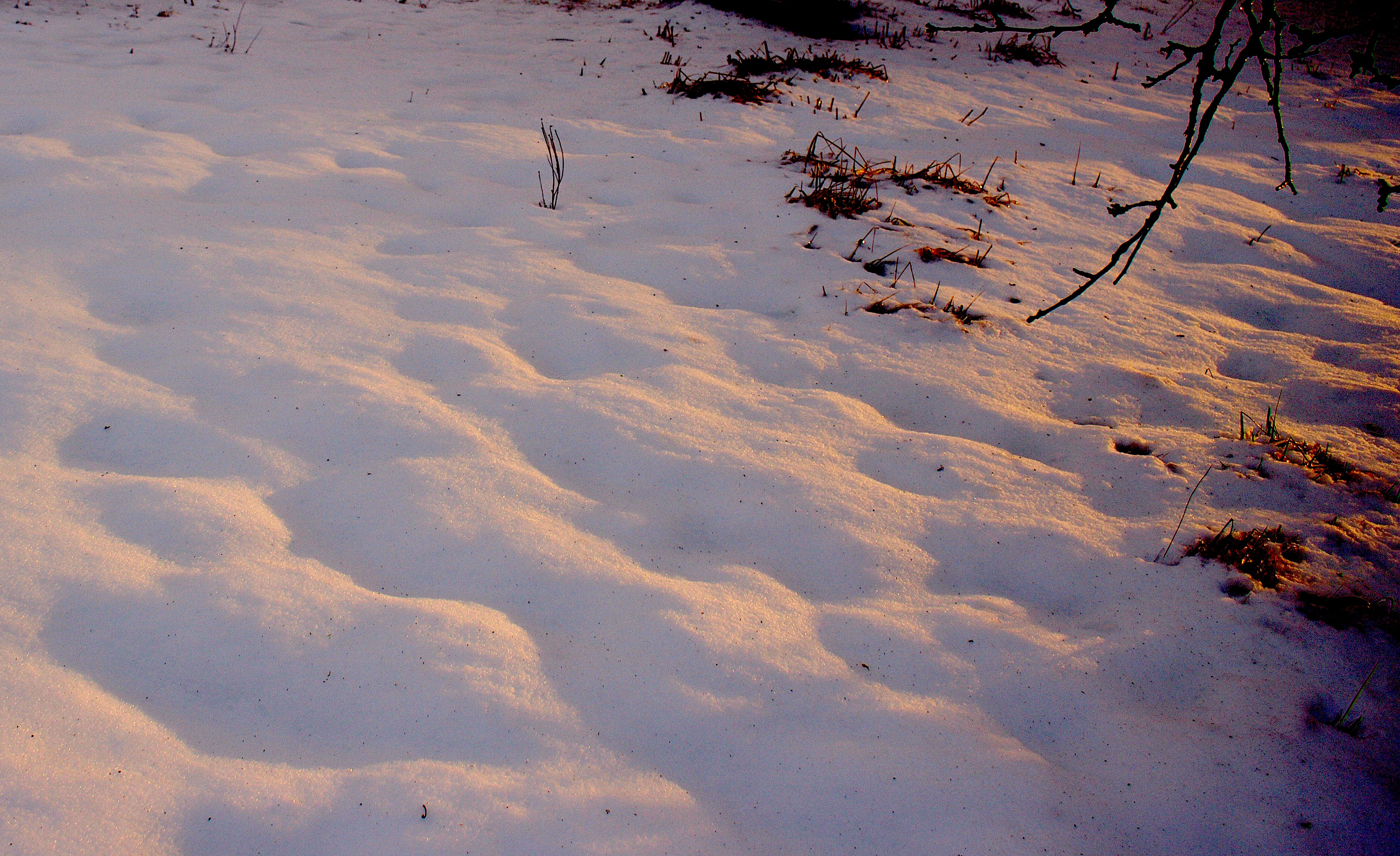
And shines on wet new fallen snow,
And breathe the new air.
So much has died that had to die this year.

Let us step outside for a moment.
It is all there
Only we have been slow to arrive
At a way of seeing it.
Unless the gentle inherit the earth
There will be no earth.
~May Sarton from “New Year Poem”
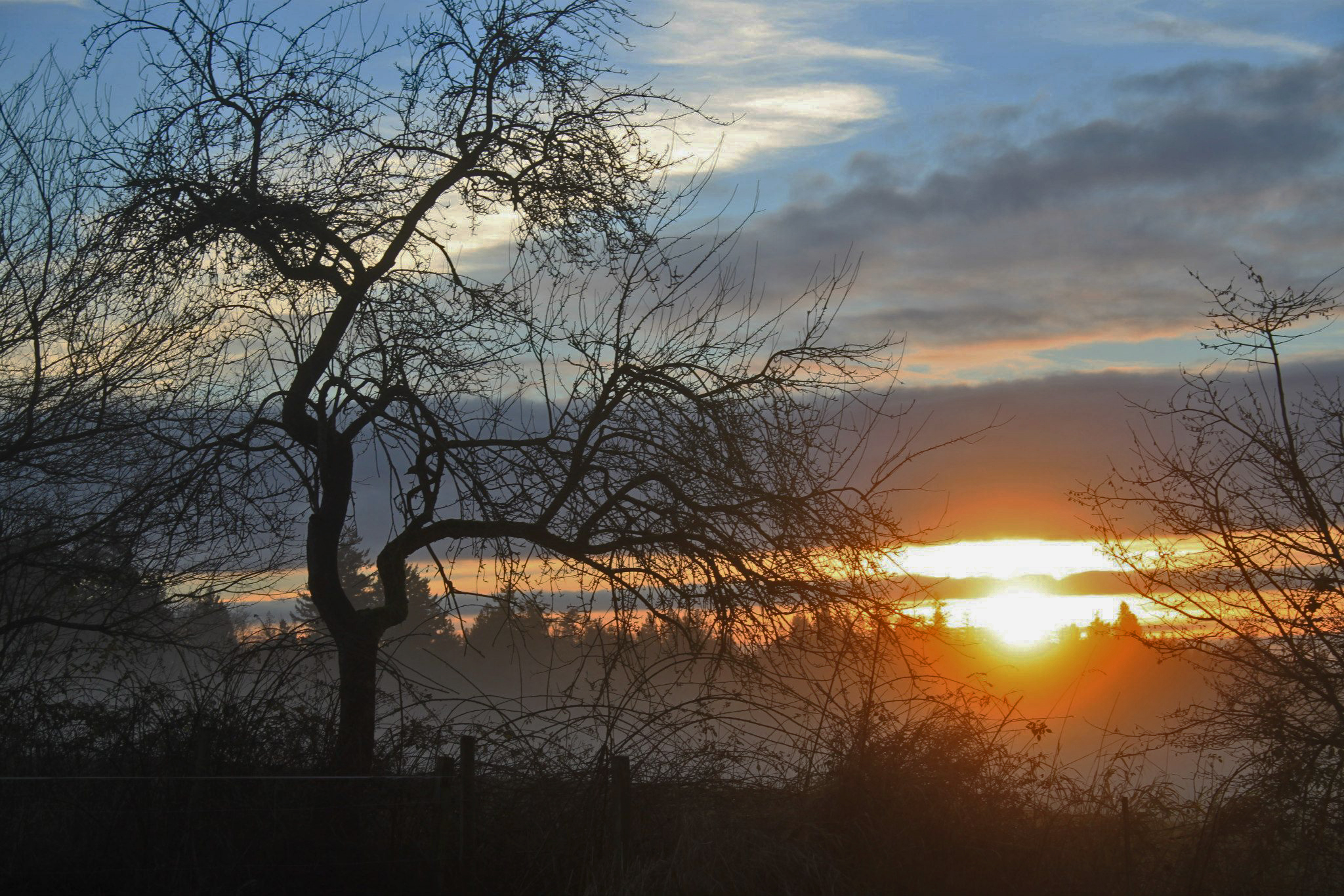
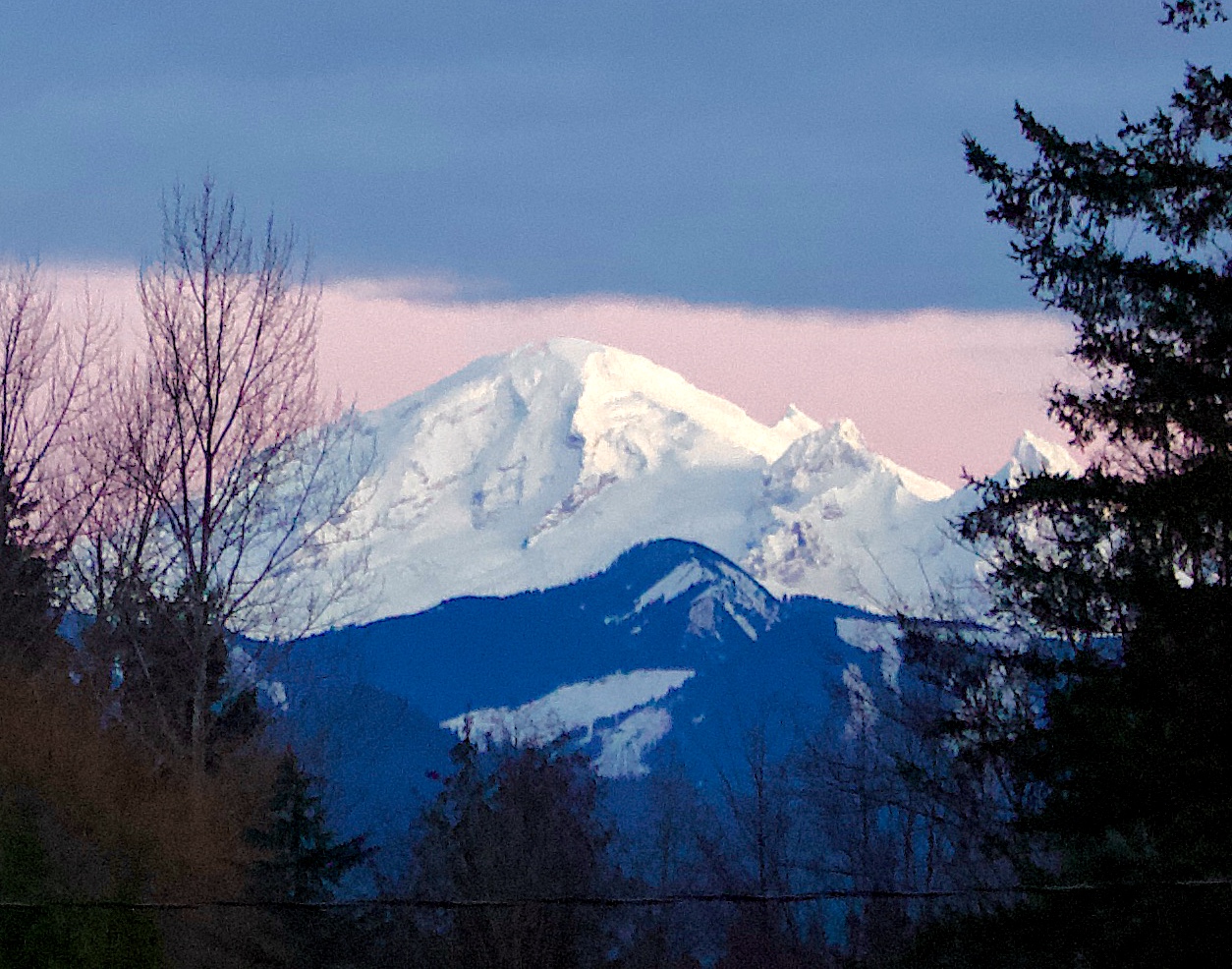
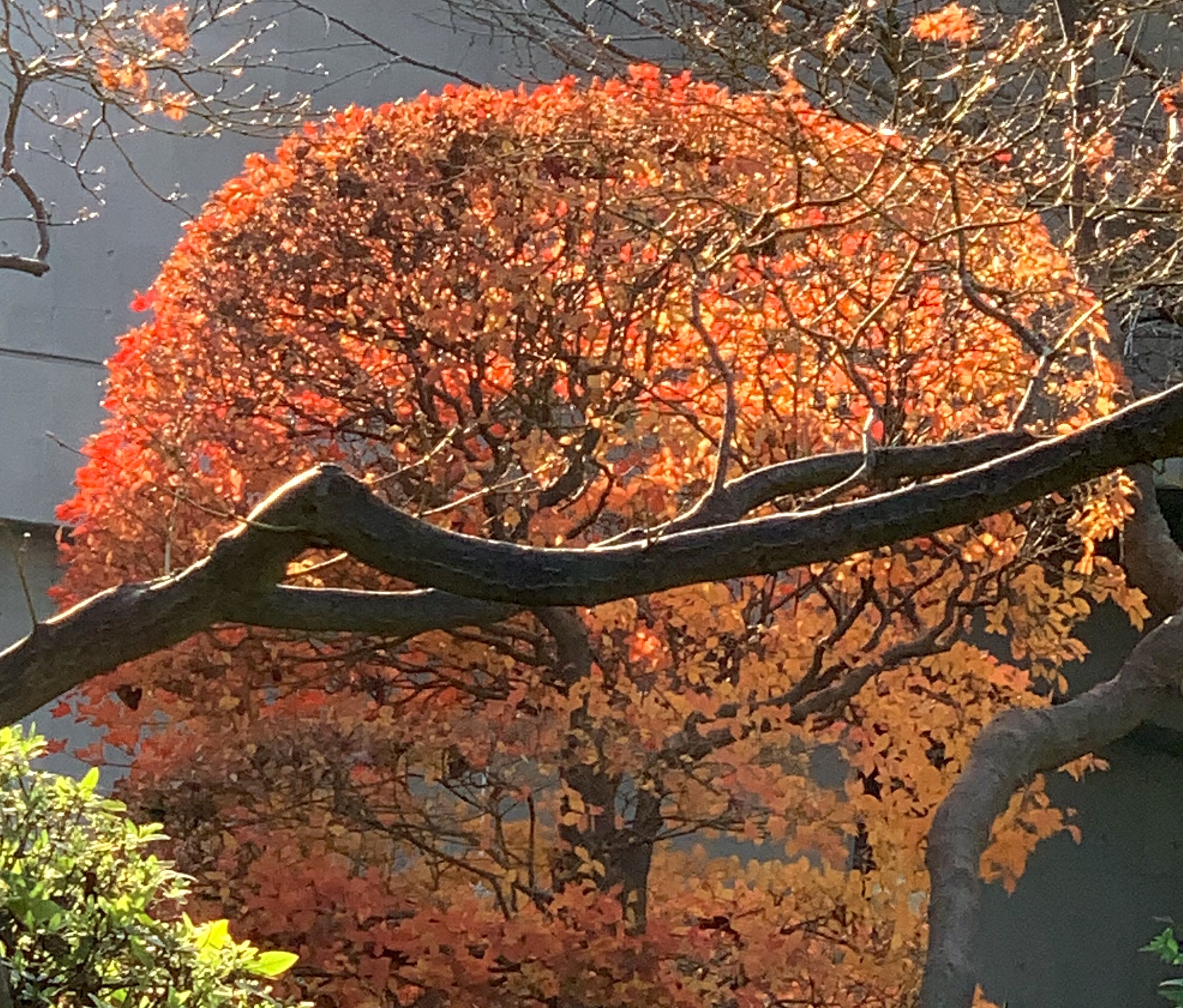
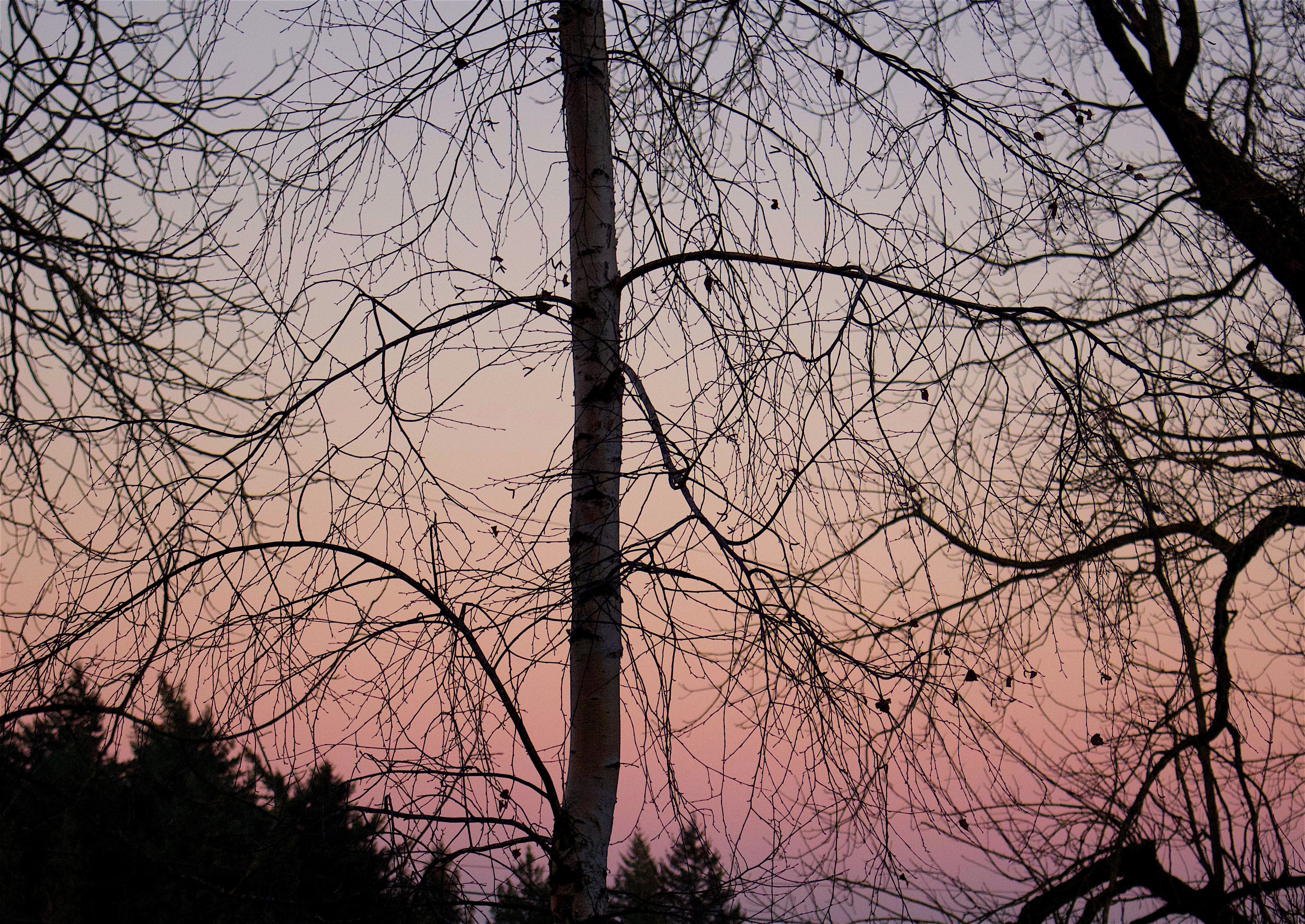
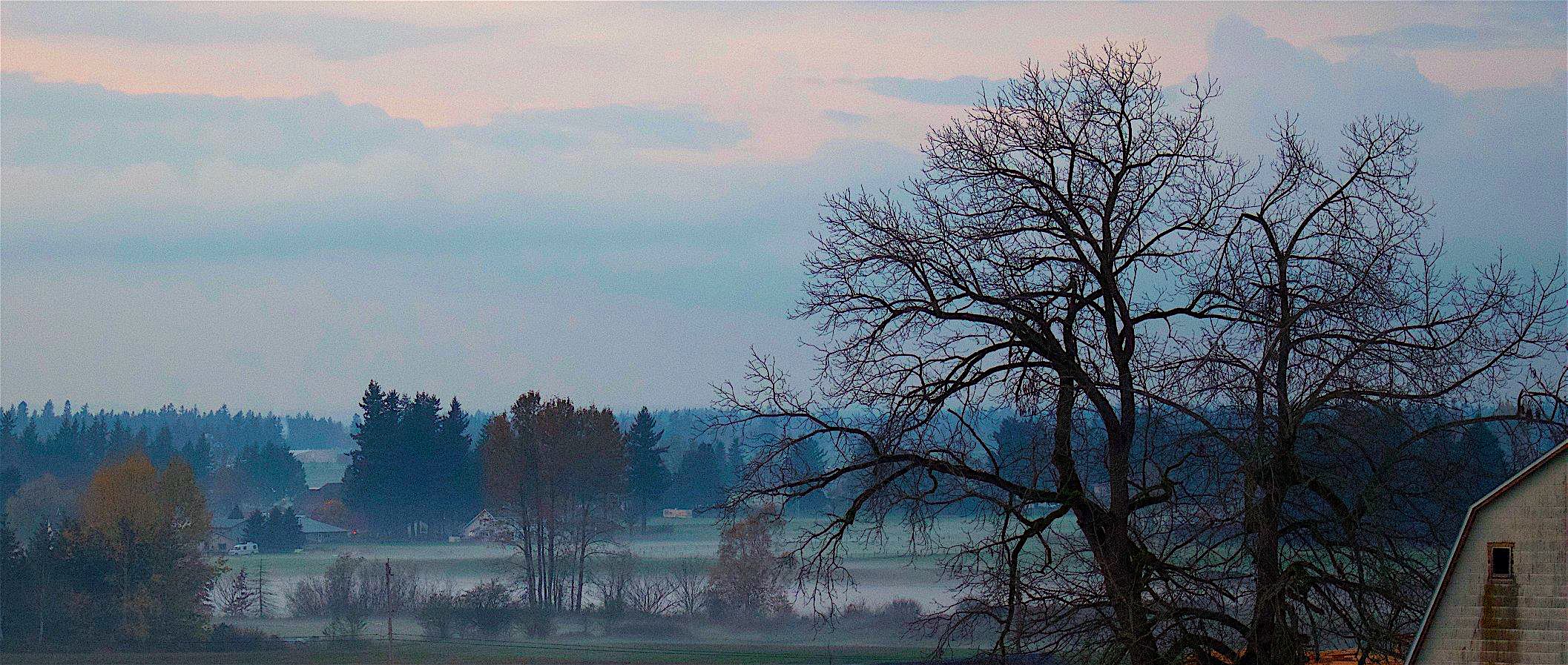
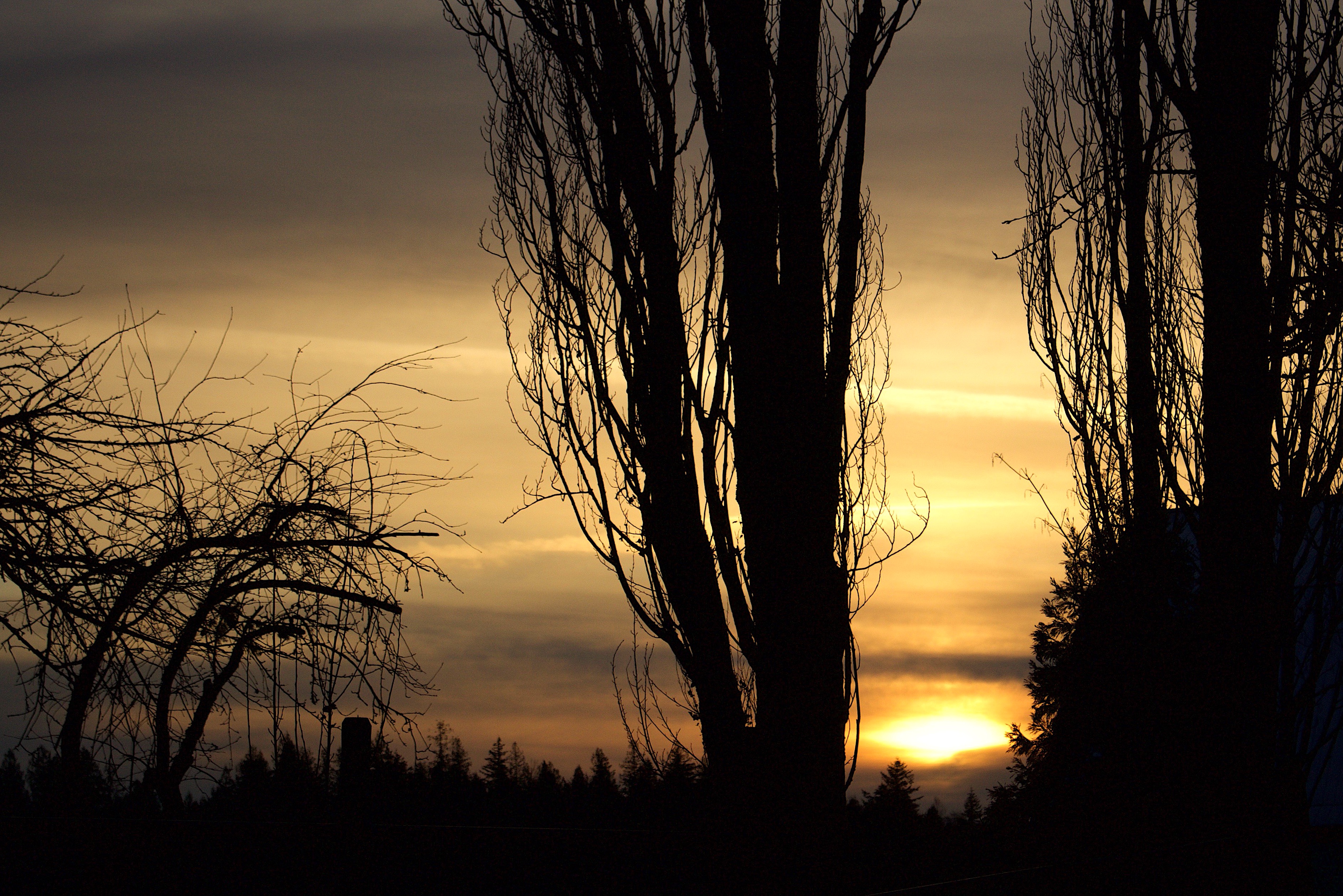
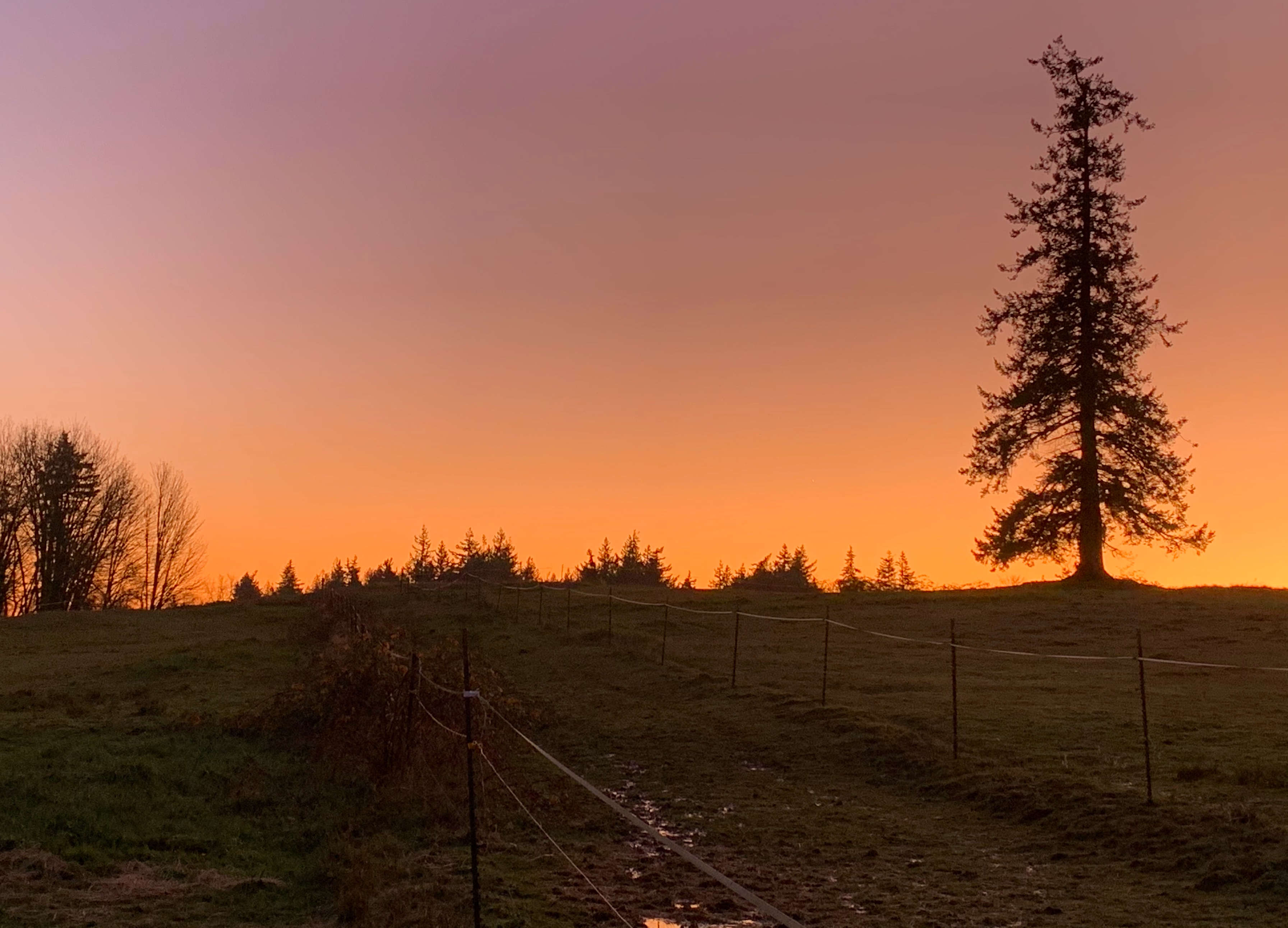
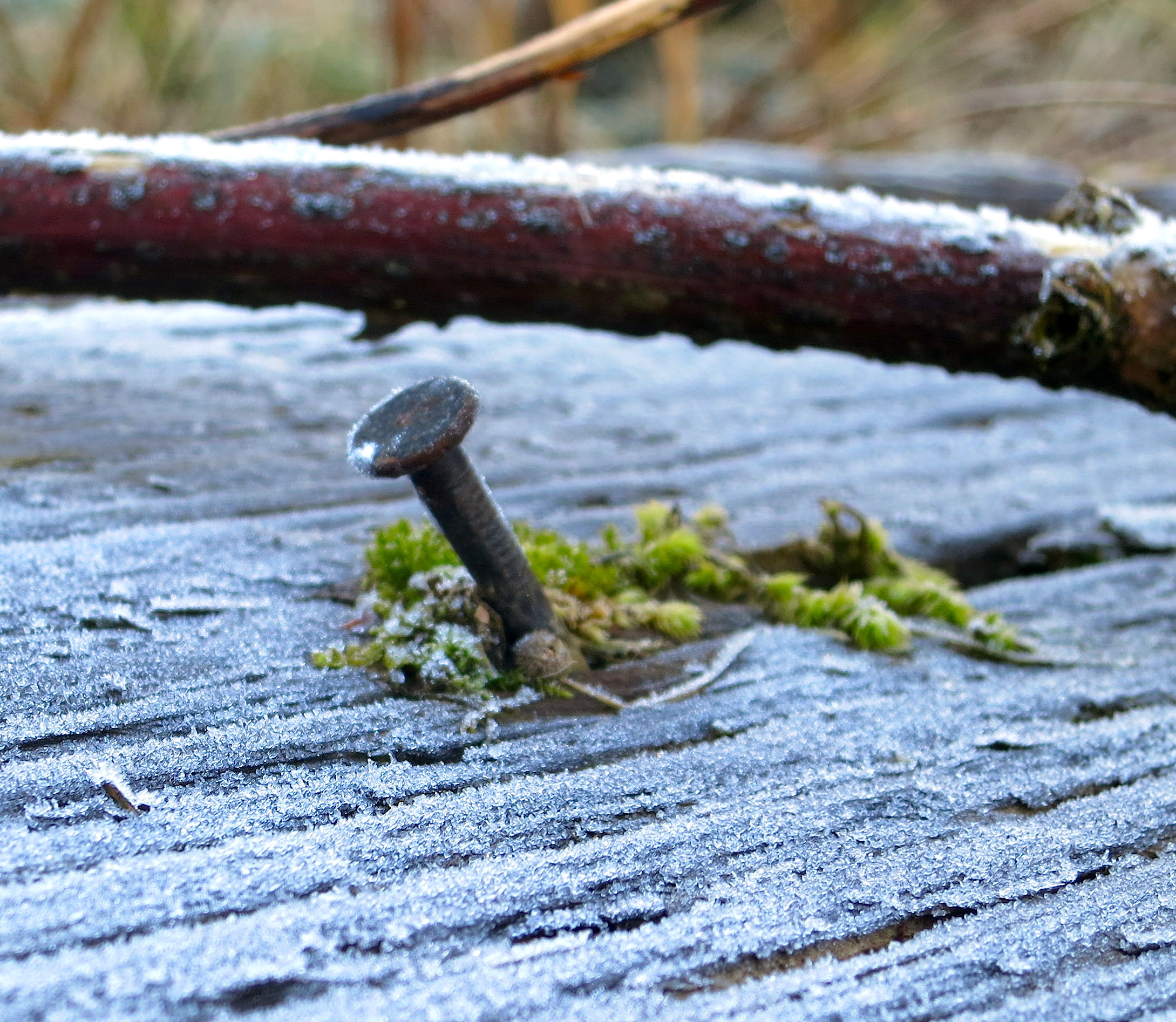
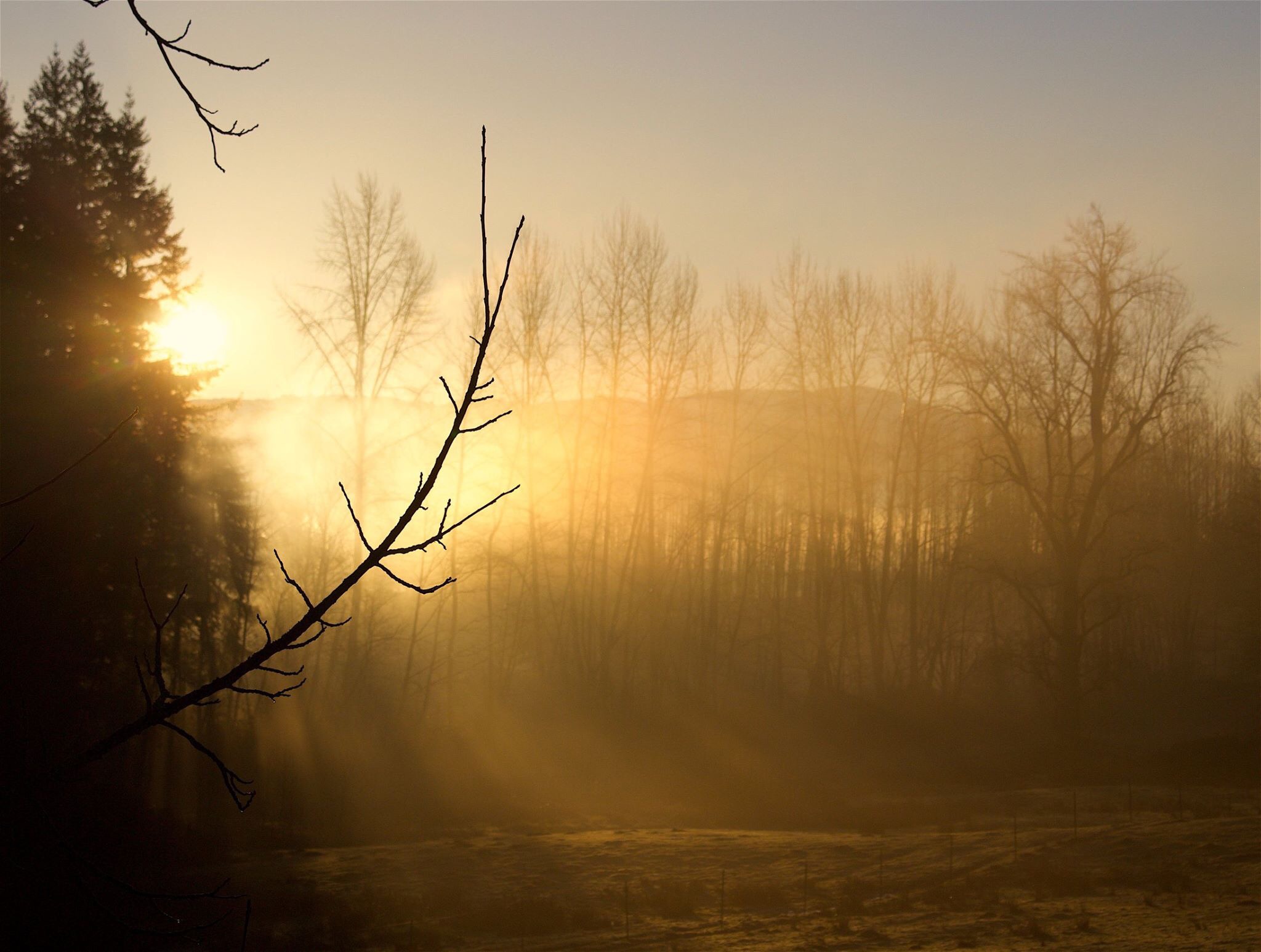
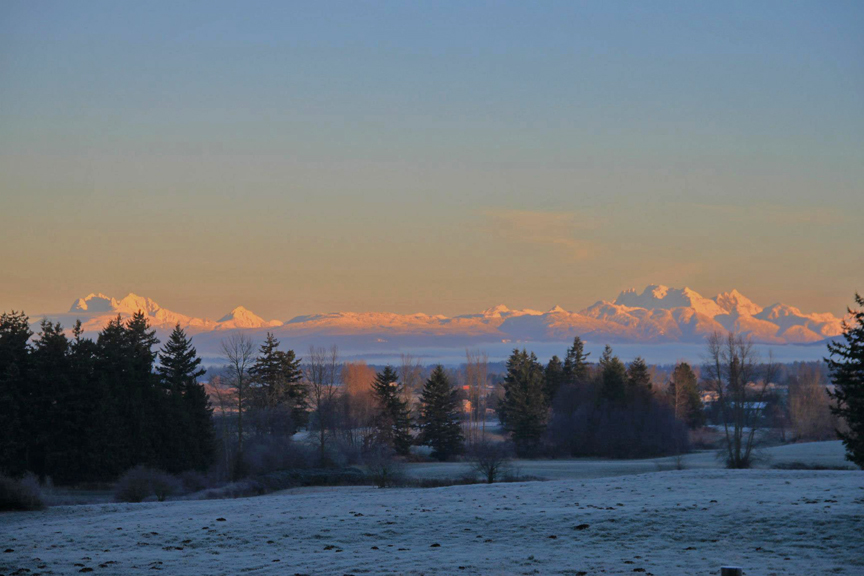
photo by Nate Gibson

Whenever you find tears in your eyes, especially unexpected tears, it is well to pay the closest attention.  They are not only telling you something about the secret of who you are, but more often than not God is speaking to you through them of the mystery of where you have come from and is summoning you to where, if your soul is to be saved, you should go next.
~Frederick Buechner
from Beyond Words

I don’t pay close enough attention to the meaning of my leaking eyes when I’m constantly looking for kleenex to stem the flow.  During the holidays it seems I have more than ample opportunity to find out from my tears the secret of who I am, where I have come from, and where I am to be next, so I keep my pockets loaded with kleenex.

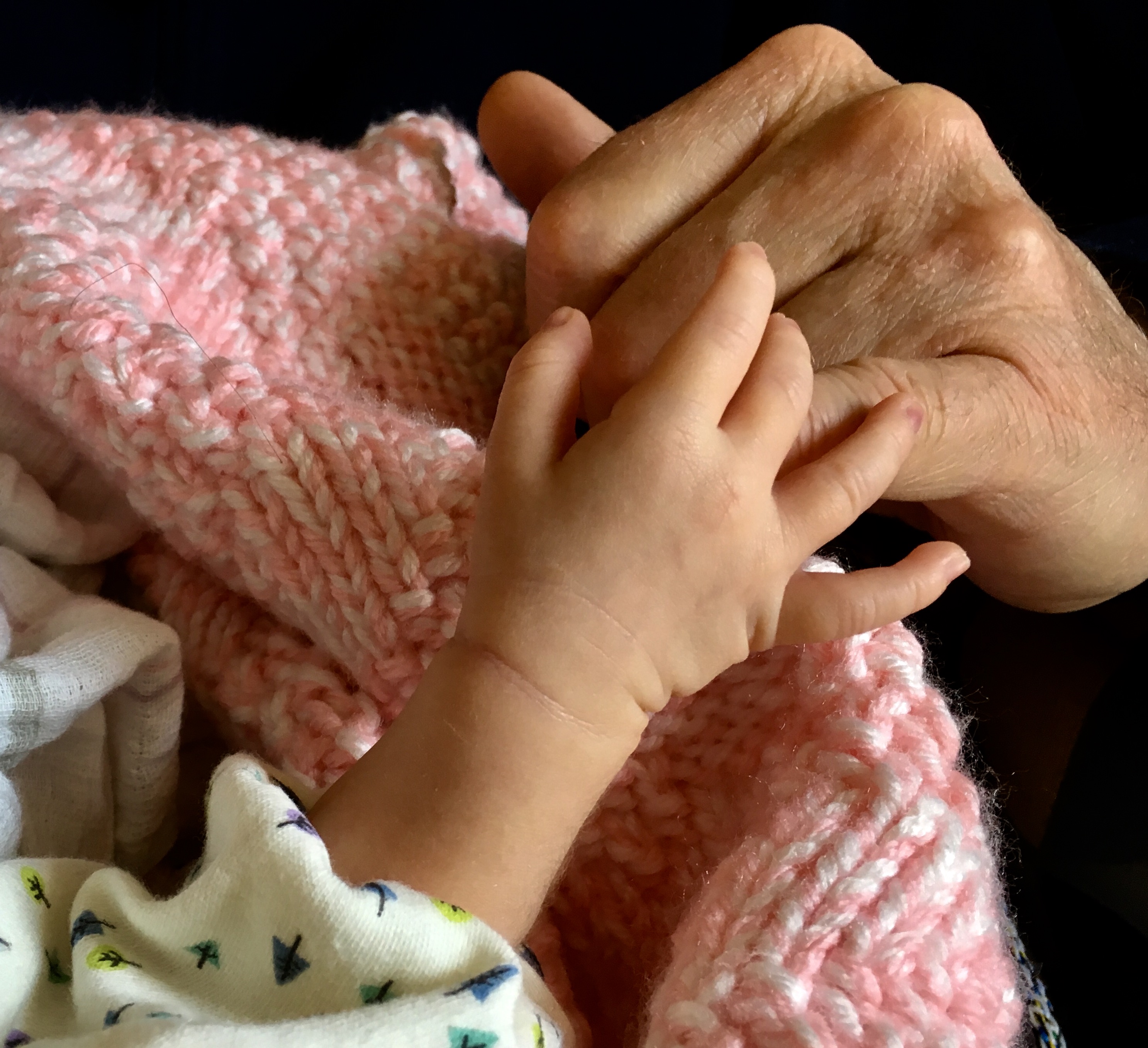
It mostly has to do with spending time with far-flung children and grandchildren for the holidays. It is about reading books and doing puzzles together and reminiscing about what has been and what could be. It is about singing grace together before a meal and choking on precious words of gratitude.  It certainly has to do with bidding farewell until we meet again — gathering them in for that final hug and then that letting-go part.

We urged and encouraged our children to go where their hearts told them they are needed and called to be, even if thousands of miles away from their one-time home on this farm.

I too was let go once and though I would try to look back, too often in tears, I learned to set my face toward the future.  It led me here, to this marriage, this family, this farm, this work, our church, to more tears, to more letting go, as it will continue if I’m granted the years to weep again and again with gusto and grace.

This is where I must go next: to love so much and so deeply that letting go is so hard that tears are no longer unexpected or a mystery to me or my children and grandchildren.   They release a fullness that can no longer be contained: God’s still small voice spills down my cheeks drop by drop like wax from a burning candle.

A wise and precious friend once told me that “our tears are God’s tears; to be bereft is the only way to become one with God.

So no kleenex needed with these tears.

I’ll let them flow as I let them go.

Heading Home

There are two ways of getting home; and one of them is to stay there.
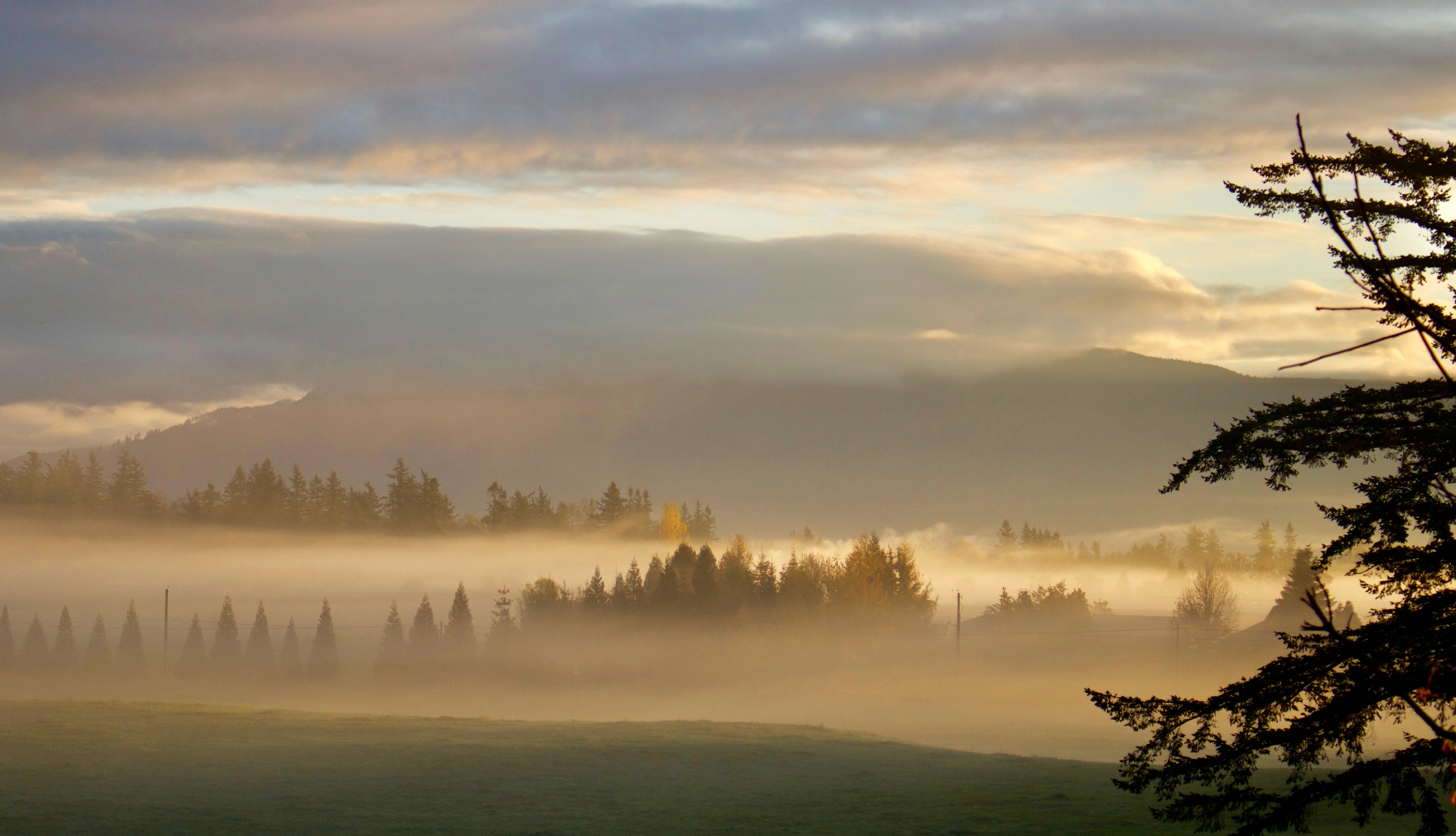
~G. K. Chesterton

Those who know me, know I don’t care much for traveling. I prefer to stay home, but a near second best is heading home from where I’ve been.

Home can seem elusive and just out of reach for much of our lives. It may not feel we truly belong in any one place in this modern era of constant transitions and transfers. I’m a prime example of a truly ambivalent home body.

In high school, I could not plan a get-away from my home town fast enough, opting to go to college two states away.  Once I was away, I was hopelessly home-and-heartsick.   Miserable, I decided to come back home and go to school there instead.

Once back under my parents’ roof, my homesickness abated but the heartsick continued, having nothing to do with where I ate and slept.  I wasn’t at home inside myself.   It took time and various attempts at geographic cures to settle in and accept who I always had been.

Those who do move away often cast aspersions at people who never wander far from home.  The homebodies are seen as provincial, stuck in a rut, unenlightened and hopelessly small-town.  Yet later in life as the wanderers have a tendency to move back home, the stay-at-homers become solid friends and neighbors.   Remarkably, they often have become the pillars and life blood of a community.  They have slogged through long hours of keeping a place going when others left.

I did end up doing my share of wandering yet still sympathized with those who decided to stay put. I returned home by settling only a few miles from the stomping grounds of my homesteading great-grandparents, at once backwoods and backwater. Cast aspersions welcomed.

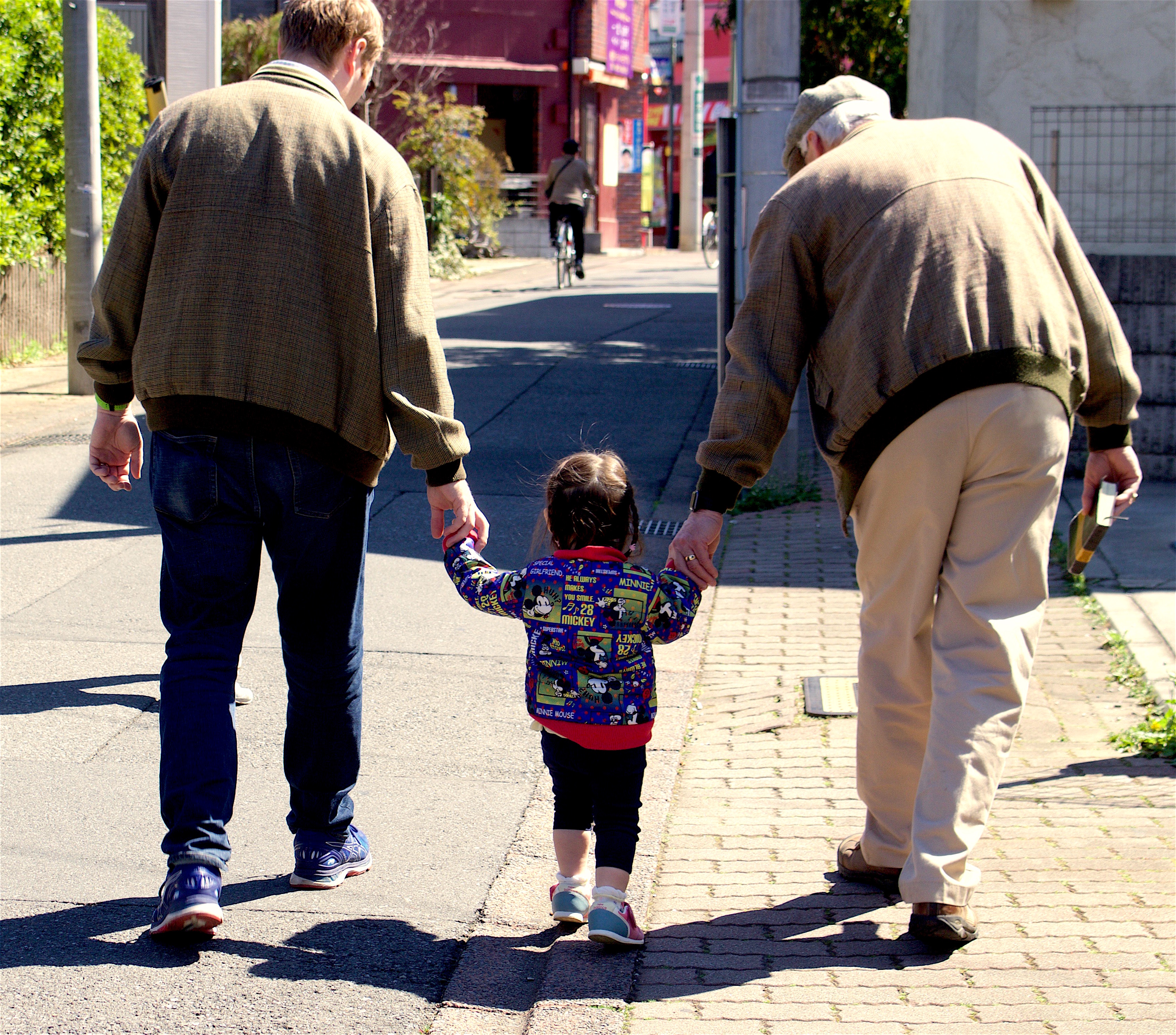
Now I get back home by mostly staying home. It takes something major, like a son spending the last decade teaching in Japan, now married with two children, to lure me away from my corner of the world once or twice a year. Getting away for a far away visit becomes a bigger effort as we get older, and coming back home is so bittersweet when hugging those loved ones goodbye. That is exactly what happened earlier today, as we sit at Narita airport waiting for our flight home.

I simply remember the assurance expressed so simply by Thomas Hardy in Far From the Madding Crowd,
“And at home, by the fire, whenever you look up, there I shall be–and whenever I look up, there will be you.”

Home so sweet. We all long for it, sometimes with our hearts breaking, wherever it may be.

We Are No Longer Alone: Look By Your Side For Who Needs Your Help

There are many who are enkindled with dreamy devotion, and when they hear of the poverty of Christ, they are almost angry with the citizens of Bethlehem. They denounce their blindness and ingratitude, and think, if they had been there, they would have shown the Lord and his mother a more kindly service and would not have permitted them to be treated so miserably.

But they do not look by their side to see how many of their fellow humans need their help, and which they ignore in their misery. Where is there upon earth that has no poor, miserable, sick, erring ones around him? Why does he not exercise his love to those? Why does he not do to them as Christ has done to him?

~Martin Luther from Watch for the Light

The Christmas spirit does not shine out in the Christian snob. For the Christmas spirit is the spirit of those who, like their Master, live their whole lives on the principle of making themselves poor—spending and being spent—to enrich their fellow humans, giving time, trouble, care and concern, to do good to others—and not just their own friends—in whatever way there seems need.

~J.I. Packer from Knowing God

No one wants to admit being in need of help so the helpless tend to remain invisible. We are called to seek out the hungry, the thirsty, the ill, and the homeless as they tend to stay well-hidden unless we look specifically for them.

When fed, hydrated, healthy, clothed and safe in our homes, we cannot be considered “poor” in the conventional sense. Yet if we don’t reach out to those more desperate around us, we are ultimately bereft and spiritually impoverished.

God arrived on earth in poverty, homeless, and certainly under threat of murder by simply being born. If He arrived in such circumstances today, who among us would reach out to Him and His parents out of respect for their humanity, not just for His divinity?

God wants us to notice the desperation around us. God wants us to give ourselves away. God wants us to give up our impoverished spirit to open the way to His everlasting abundance.

We Are No Longer Alone: Traveling Too Fast Over False Ground

When the rhythm of the heart becomes hectic,
Time takes on the strain until it breaks;
Then all the unattended stress falls in
On the mind like an endless, increasing weight,

The light in the mind becomes dim.
Things you could take in your stride before
Now become laboursome events of will.

You have been forced to enter empty time.
The desire that drove you has relinquished.
There is nothing else to do now but rest
And patiently learn to receive the self
You have forsaken for the race of days.

You have travelled too fast over false ground;
Now your soul has come to take you back.

Take refuge in your senses, open up
To all the small miracles you rushed through.

Become inclined to watch the way of rain
When it falls slow and free.

Imitate the habit of twilight,
Taking time to open the well of colour
That fostered the brightness of day.

Gradually, you will return to yourself,
Having learned a new respect for your heart
And the joy that dwells far within slow time.
~John O’Donohue from “For One Who Is Exhausted, A Blessing”

26 I will give you a new heart and put a new spirit in you; I will remove from you your heart of stone and give you a heart of flesh.
27 And I will put my Spirit in you…
Ezekiel 36:26-27

We are divided people; not just liberal and conservative, believer or not, capitalist or socialist.

Believers are also a divided people; we cannot agree about much of anything, so sure we alone have the best understanding of who God is and what He expects of us.

We forget that there is much that is still mystery, unknowable for God’s good reasons. Yet He does not leave us directionless. He has given us a roadmap.

Instead we travel too fast over false ground, expecting it will take us to the right destination as we ignore God’s signposts along the way telling us about the bumps ahead, or when to reduce speed, or to turn around as the road is washed out.


Instead of heeding the signs, we set out heedless, our hearts hardened in self-protection; so many tears, so many harsh words, so many sleepless nights when we face daily conflict and division.


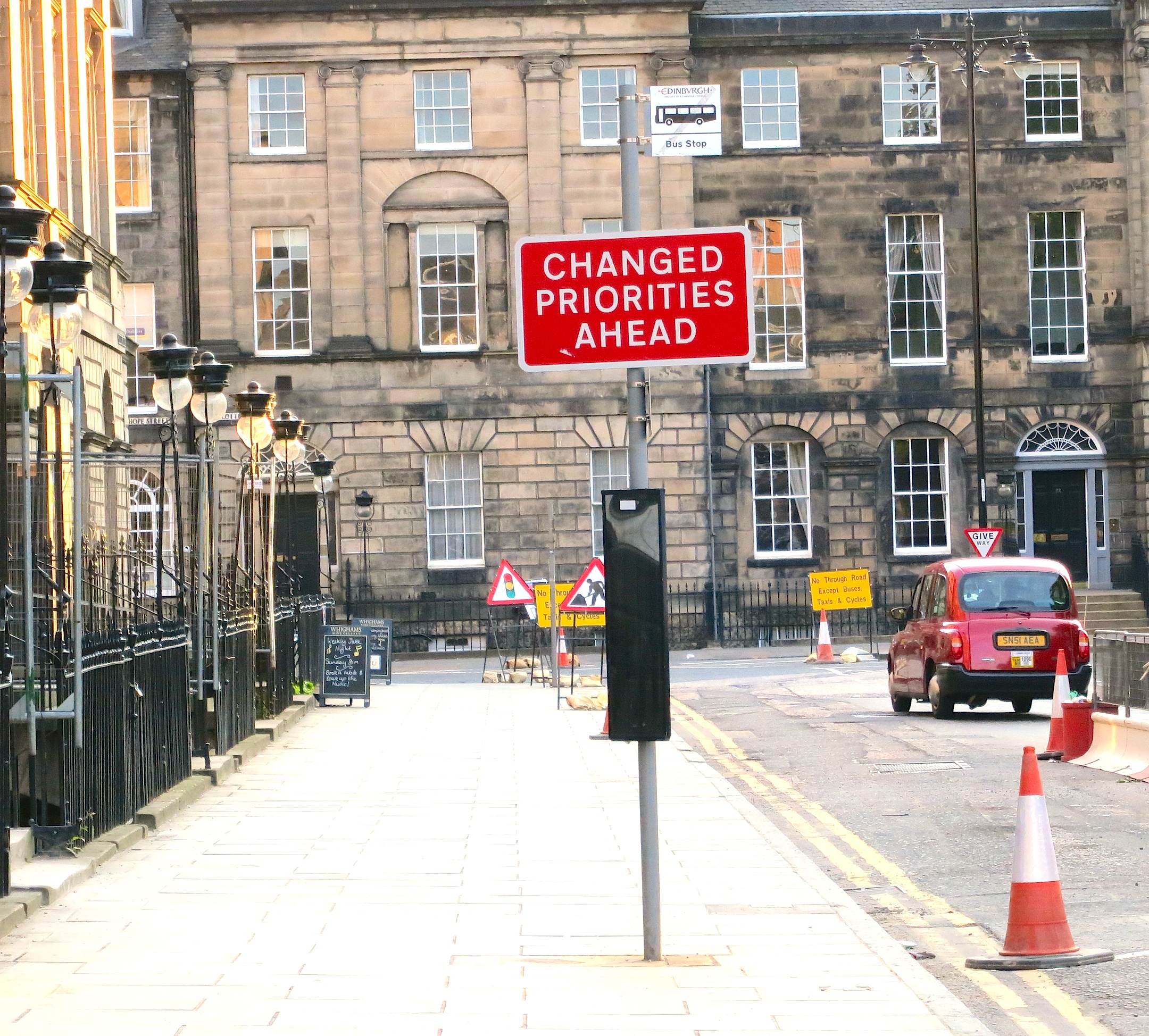
Yet this is exactly what we must give up to Him: He became flesh so that we no longer cling to our heart of stone. Our priorities are changed.


We become full with God, our heart of flesh delivered safely to our Deliverer.

We Are No Longer Alone: He Will Come Like A Child

He will come like last leaf’s fall.
One night when the November wind
has flayed the trees to the bone, and earth
wakes choking on the mould,
the soft shroud’s folding.


He will come like frost.
One morning when the shrinking earth
opens on mist, to find itself
arrested in the net
of alien, sword-set beauty.


He will come like dark.
One evening when the bursting red
December sun draws up the sheet
and penny-masks its eye to yield
the star-snowed fields of sky.


He will come, will come,
will come like crying in the night,
like blood, like breaking,
as the earth writhes to toss him free.
He will come like child.
~Rowan Williams “Advent Calendar”

How have we diminished the worth of a child?

More and more we resist humanity’s mandate to ensure a future for those who come after us.

Our excuse: the world is dying, the climate an emergency,
how do we dare expose future generations to desolation and destruction?

Better to have no children at all.
So many choose childlessness, doing whatever it takes to remain childless.

Yet all feel outrage at the images of children suffering
and dying trying to escape poverty, homelessness, war and evil:

A toddler lying face down in the water on a Turkish beach,
at first glance almost as if napping, but this sleep is forever.
A father drowned in the Rio Grande protecting his daughter, also drowned,
trying to bring her to a safe future in the States.

This is nothing new in the history of humanity.
We kill unborn children every day in our own private wars
that we justify without guilt or regret.

When confronted by images of dead children while eating breakfast,
when millions cry out with the shame of it,
so many tears falling like raindrops soaking deep on holy ground,
ground we share with the poor and oppressed and homeless,
ground we no longer can hoard.

These images change from one day to the next,
birthing life, taking life,
a child in the womb becomes ghost in the tomb,
so we come undone,
forced to unbuild walls we hide behind.

God Himself came like a child – bloody, broken, crying.
The earth writhes in the reality that if conceived today, Jesus would likely be washed away before His birth, considered inconvenient and so unfortunate to be born to an impoverished refugee family. The world was much too harsh for Him to thrive.

So we would toss away the Son, the Light, the Hope and cling to our darkness.

What is the worth of such a Child?
He answers clearly:
He came because we are worthy of both His birth and His death.

Thy cradle here shall glitter bright,
And darkness breathe a newer light,
Where endless faith shall shine serene,
And twilight never intervene

~from Veni Redemptor Genium (Come Thou Redeemer of the Earth)

Oh little child it’s Christmas night
And the sky is filled with glorious light
Lay your soft head so gently down
It’s Christmas night in Bethlehem town.

Chorus:
Alleluia the angels sing
Alleluia to the king
Alleluia the angels sing
Alleluia to the king.

Sleep while the shepherds find their way
As they kneel before you in the golden hay
For they have brought you a woolly lamb
On Christmas night in Bethlehem.

Chorus

Sleep till you wake at the break of day
With the sun’s first dawning ray
You are the babe, who’ll wear the crown
On Christmas morn in Bethlehem town.

Alleluia

We Are No Longer Alone: With Others Who Do Not Belong

Into this world, this demented inn, in which there is absolutely no room for him at all, Christ has come uninvited. But because he cannot be at home in it – because he is out of place in it, and yet must be in it – his place is with those others who do not belong, who are rejected because they are regarded as weak; and with those who are discredited, who are denied the status of persons, and are tortured, exterminated. With those for whom there is no room, Christ is present in this world. He is mysteriously present in those for whom there seems to be nothing but the world at its worst.
~Thomas Merton from Watch for the Light

God makes us happy as only children can be happy.
God wants to always be with us, wherever we may be –
in our sin, in our suffering and death.
We are no longer alone;
God is with us.
We are no longer homeless;
a bit of the eternal home itself has moved unto us.
~Dietrich Bonhoeffer

A Child in a foul stable,
Where the beasts feed and foam;
Only where He was homeless
Are you and I at home;

To the end of the way of the wandering star,
To the things that cannot be and that are,
To the place where God was homeless
And all men are at home.
~G.K. Chesterton from “The House of Christmas

There have always been people living in boxes and tucked up against underpasses and under bridges. I’ve spent considerable time with those who come in from a bare existence outside when they are ill and need care, warmth and food. They would be offered a bed and protective shelter at discharge yet usually preferred to go back to the woods or street life they know, not trusting the gift of grace and mercy. They are so used to not belonging anywhere, they can’t imagine another way to live.

Homelessness has become an epidemic. Now we find tents lining urban sidewalks, and rundown RVs parked on streets with an attached generator. Cities are struggling to solve the dilemma of providing shelter for those who do want a different life, while moving those who don’t want to give up their piece of sidewalk.

We who have roofs over our heads are not so different, keeping our hearts safely out of God’s reach, preferring duct tape and baling twine to patch up our brokenness rather than accept His healing touch.

From our God, born homeless, comes a clear invitation to find home in Him. Rather than settling for a box and sleeping bag and tarps, there is a place built just for us, where we are safe and loved and wanted.

He wants to bring us home.

Conscious of Our Treasures

…it has seemed good to our people
to join together in praising the Creator and Preserver,
who has brought us by a way that we did not know
to the end of another year:
for the blessings that have been our common lot
— for all the creature comforts:
the yield of the soil that has fed us
and the richer yield from labor of every kind
that has sustained our lives
— and for all those things,
as dear as breath to the body,
that nourish and strengthen our spirit
to do the great work still before us:
for the brotherly word and act;
for honor held above price;
for steadfast courage and zeal
in the long, long search after truth;
for liberty and for justice
freely granted by each to his fellow
and so as freely enjoyed;
and for the crowning glory and mercy of peace upon our land;
— that we may humbly take heart of these blessings
as we gather once again with solemn and festive rites
to keep our Harvest Home.
~Connecticut Governor Wilbur Cross — 1936 Thanksgiving Proclamation

We can only be said to be alive in those moments when our hearts are conscious of our treasures.
~Thornton Wilder, from “Our Town”

These words written over 80 years ago still ring true.
Then a country crushed under the Great Depression,
now a country staggering under a Great Depression of the spirit~
ever more connected electronically,
yet more isolated from family, friends, faith,
more economically secure,
yet emotionally bankrupt.

May we humbly take heart
in the midst of creature comforts
we barely acknowledge;
may we always be conscious of our treasures
and in our abundance,
take care of others in need, just as
God, in His everlasting recognition
of our perpetual need of Him,
cares for us,
even though,
even when,
even because,
we don’t believe.

I work the soil of this life, this farm, this faith
to find what yearns to grow,
to bloom, to fruit and be harvested to share with others.

With deep gratitude
to those of you who visit here
and let me know it makes a difference in your day!

In joint Thanksgiving to our Creator and Preserver,
right along with you,

Emily

Edging Closer for Company

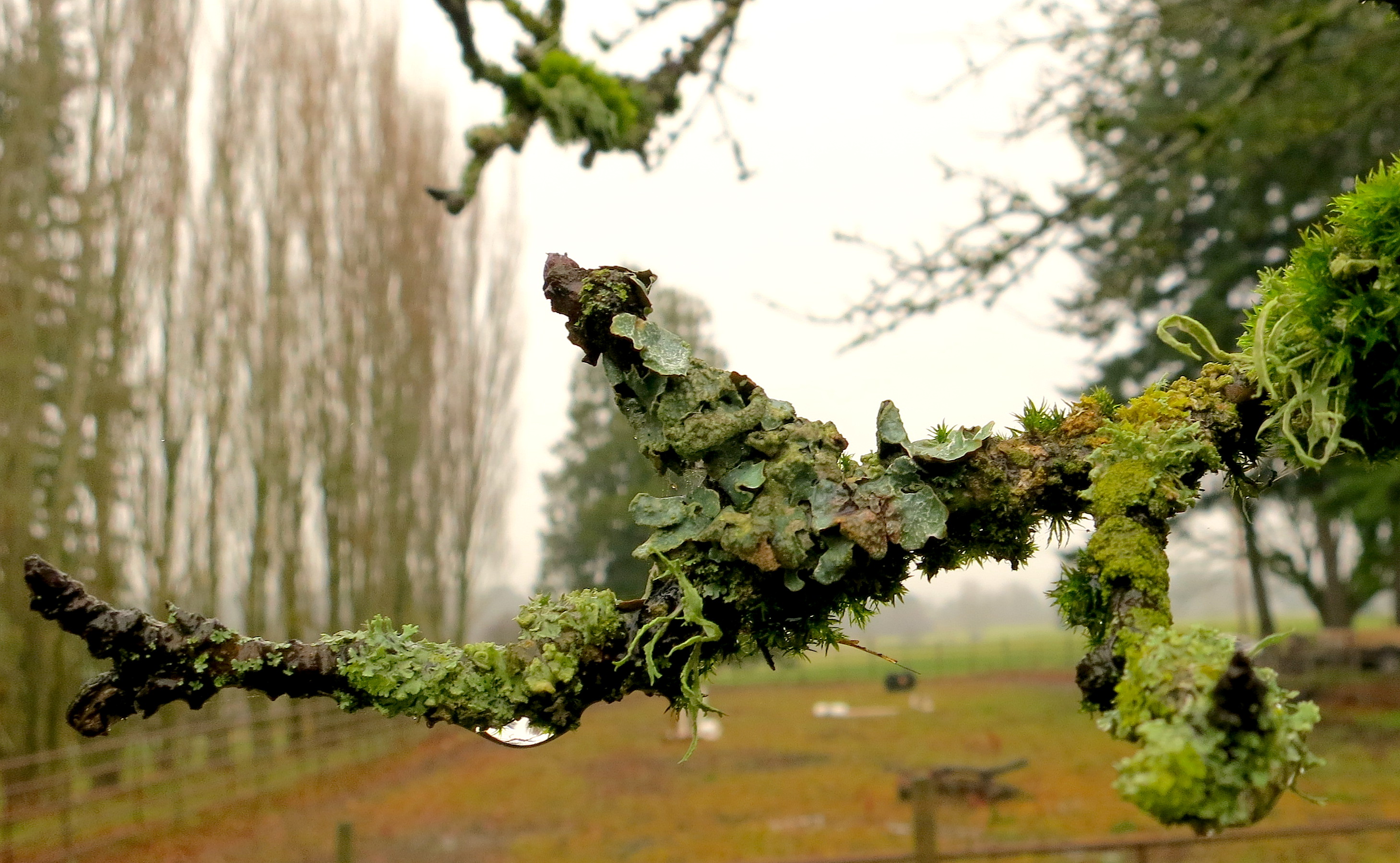
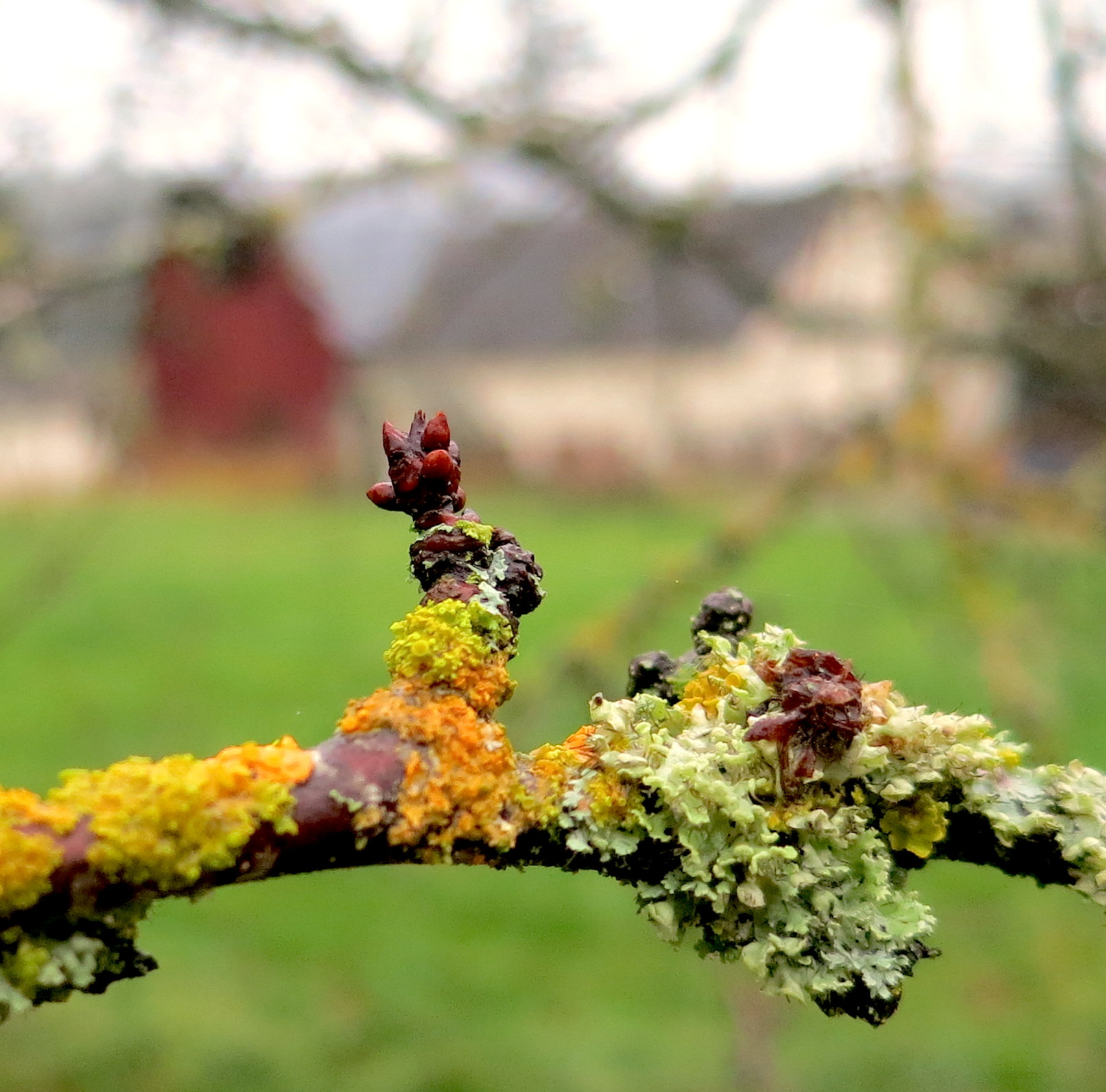
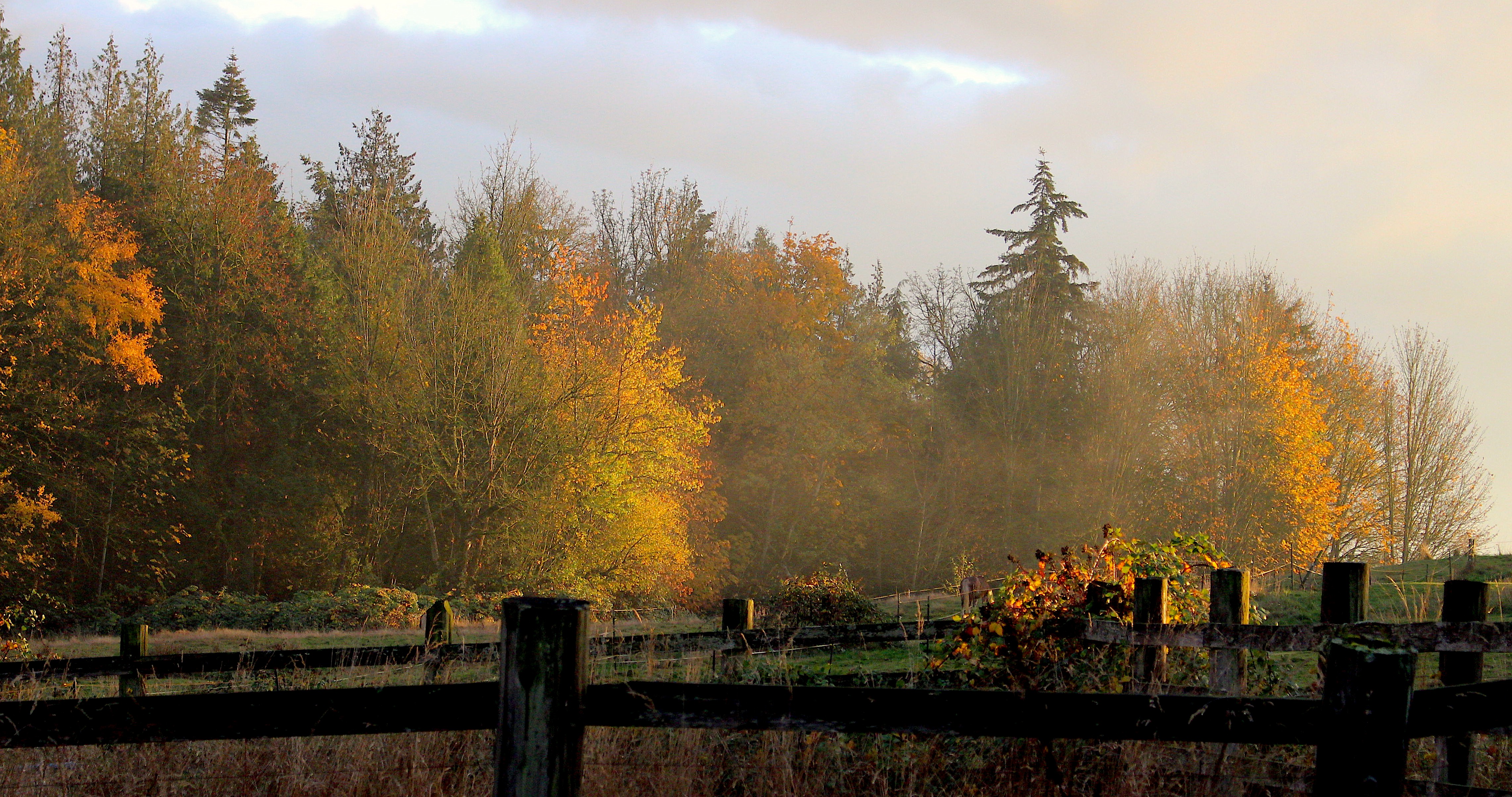
The trees are coming into their winter bareness,
the only green is the lichen on their branches.
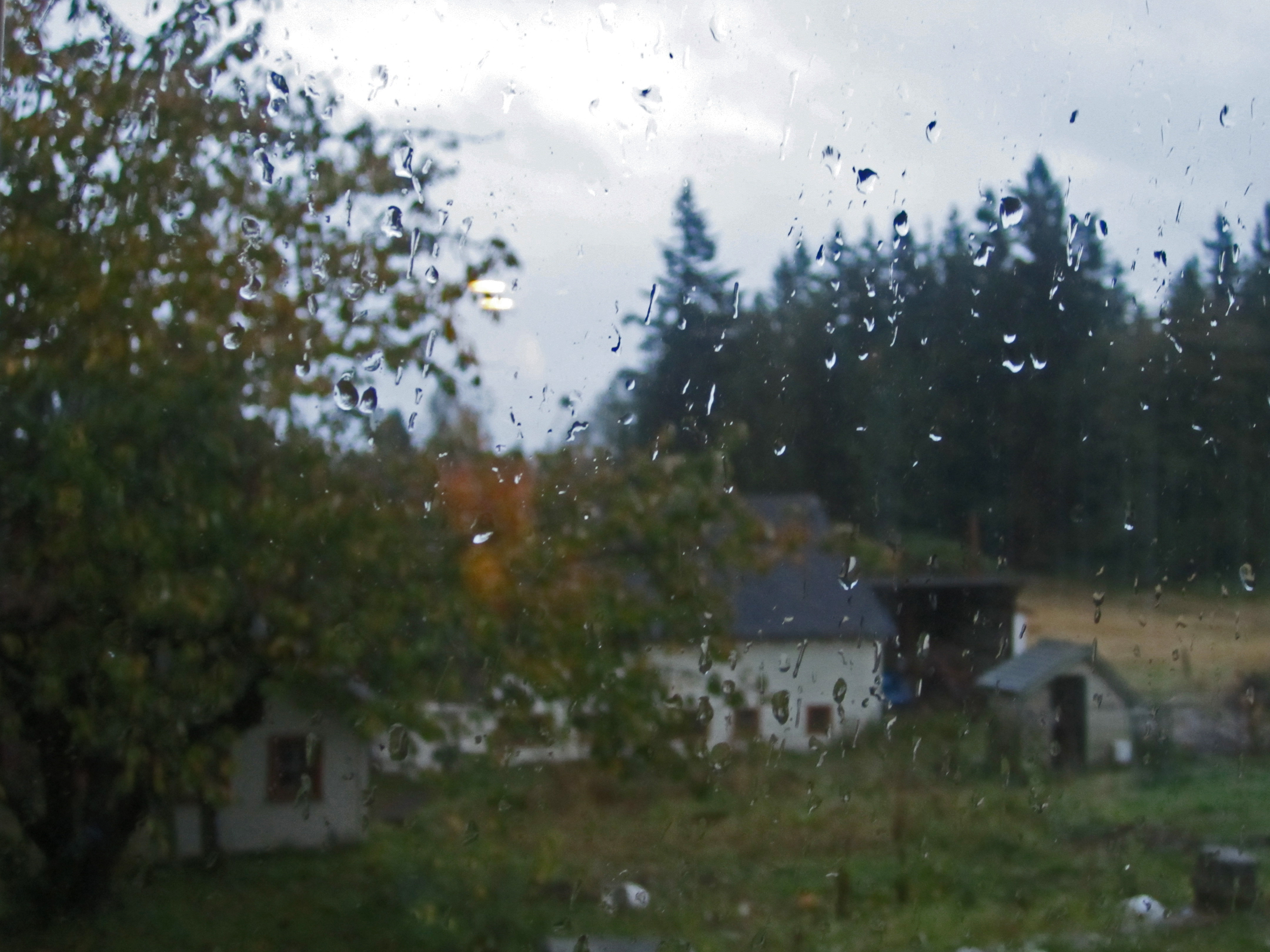
Against the hemlocks, the rain is falling in dim, straight lines…
This is the time of year when all the houses have come out of the woods, edging closer to the roads as if for company.
~Verlyn Klinkenborg “The Rain It Raineth”

The deciduous trees in our part of the country have all been stripped bare, having come through rain and gusty winds in the last week.  It forces typically leaf-hidden homes out of camouflage and I’m once again startled at the actual proximity of our neighbors.  It isn’t as obvious in the summer given the tree buffer everyone has carefully planted.  Now we’re reminded once again we are not alone and actually never have been.

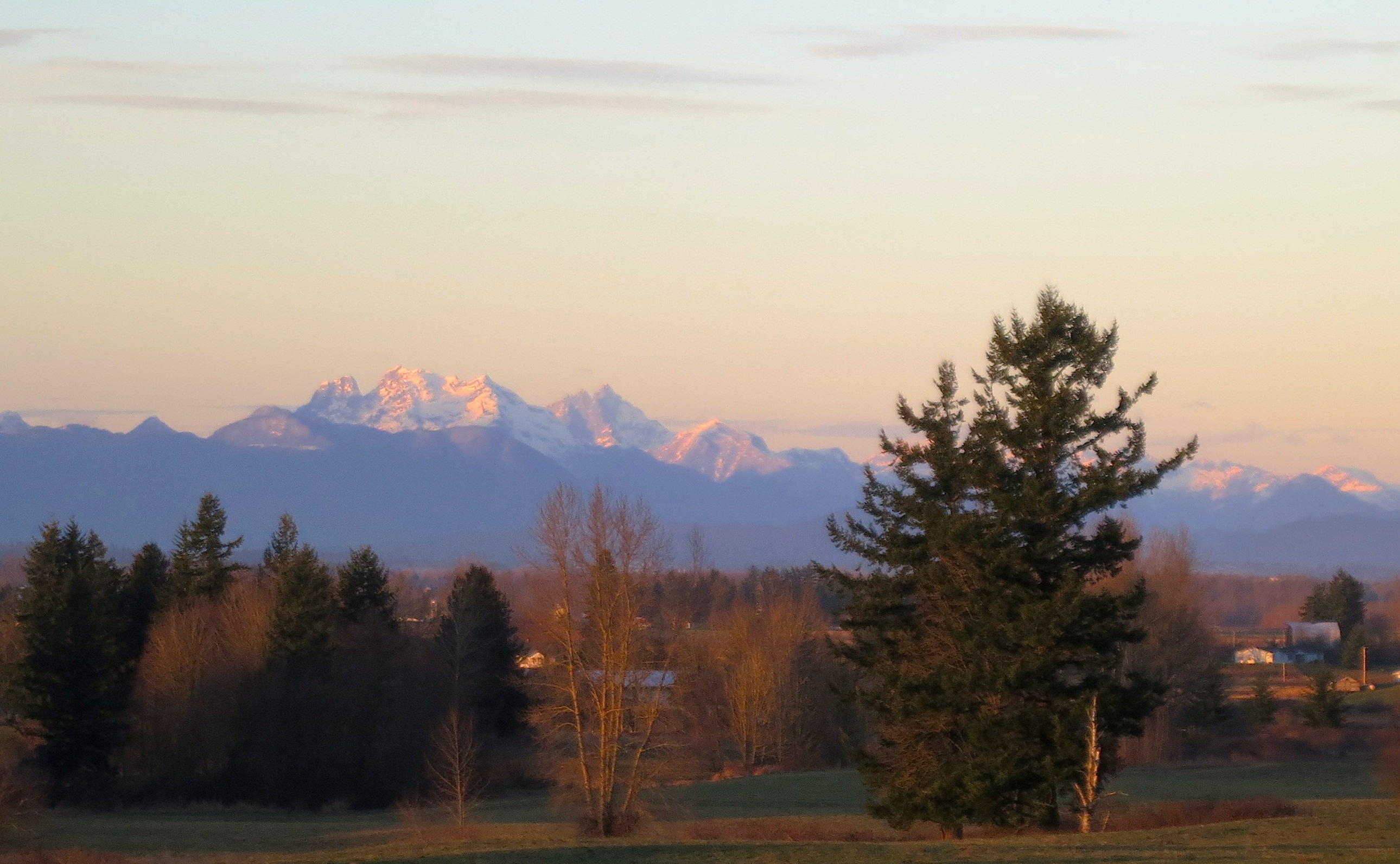
Even the mountains that surround us from the northwest to the southeast seem closer when the trees are bare and new snow has settled on their steep shoulders.

We think we have autonomy all wrapped up but it takes the storms of autumn to remind us we are unwrapped and vulnerable, stark naked, in desperate need of company when darkness comes early, the snow flies and the lights are flickering.

photo by Nate Gibson

If you appreciate reading Barnstorming daily, consider a contribution to keep it going ad-free.

Love Unselved Us

The ordinary saints, the ones we know,
Our too-familiar family and friends,
When shall we see them? Who can truly show
Whilst still rough-hewn, the God who shapes our ends?
Who will unveil the presence, glimpse the gold
That is and always was our common ground,
Stretch out a finger, feel, along the fold
To find the flaw, to touch and search that wound
From which the light we never noticed fell
Into our lives? Remember how we turned
To look at them, and they looked back? That full-
-eyed love unselved us, and we turned around,
Unready for the wrench and reach of grace.
But one day we will see them face to face.
~Malcom Guite “Ordinary Saints”

We are here today because of the sacrifices of those who came before: the parents who stayed up all night with our high fever measles, the grandparents who nurtured us when our parents were too weary, the church members who prayed over us.

We are who we are today because of the people who invested in our learning, who bore arms in foreign lands far from home, who strived to keep water and air clean, who grew good food not knowing who would benefit.

We are gifted from the reach of common grace that emanates from common people; grace such as this wrenches us from ourselves and into the lives of others. We are all created in the image of a very personal God who knows our very folds and inner and outer flaws, but loves us nonetheless, asking us to sacrifice self for the sake of the other.

We are unselved: loved for who we are yet created to love those we’ll never know.

If you appreciate reading Barnstorming daily, consider a contribution to keep it going ad-free.

I am Alive…

I am a feather on the bright sky

I am the blue horse that runs in the plain

I am the fish that rolls, shining, in the water

I am the shadow that follows a child

I am the evening light, the lustre of meadows

I am an eagle playing with the wind

I am a cluster of bright beads

I am the farthest star

I am the cold of dawn

I am the roaring of the rain

I am the glitter on the crust of the snow

I am the long track of the moon in a lake

I am a flame of four colors

I am a deer standing away in the dusk

I am a field of sumac and the pomme blanche

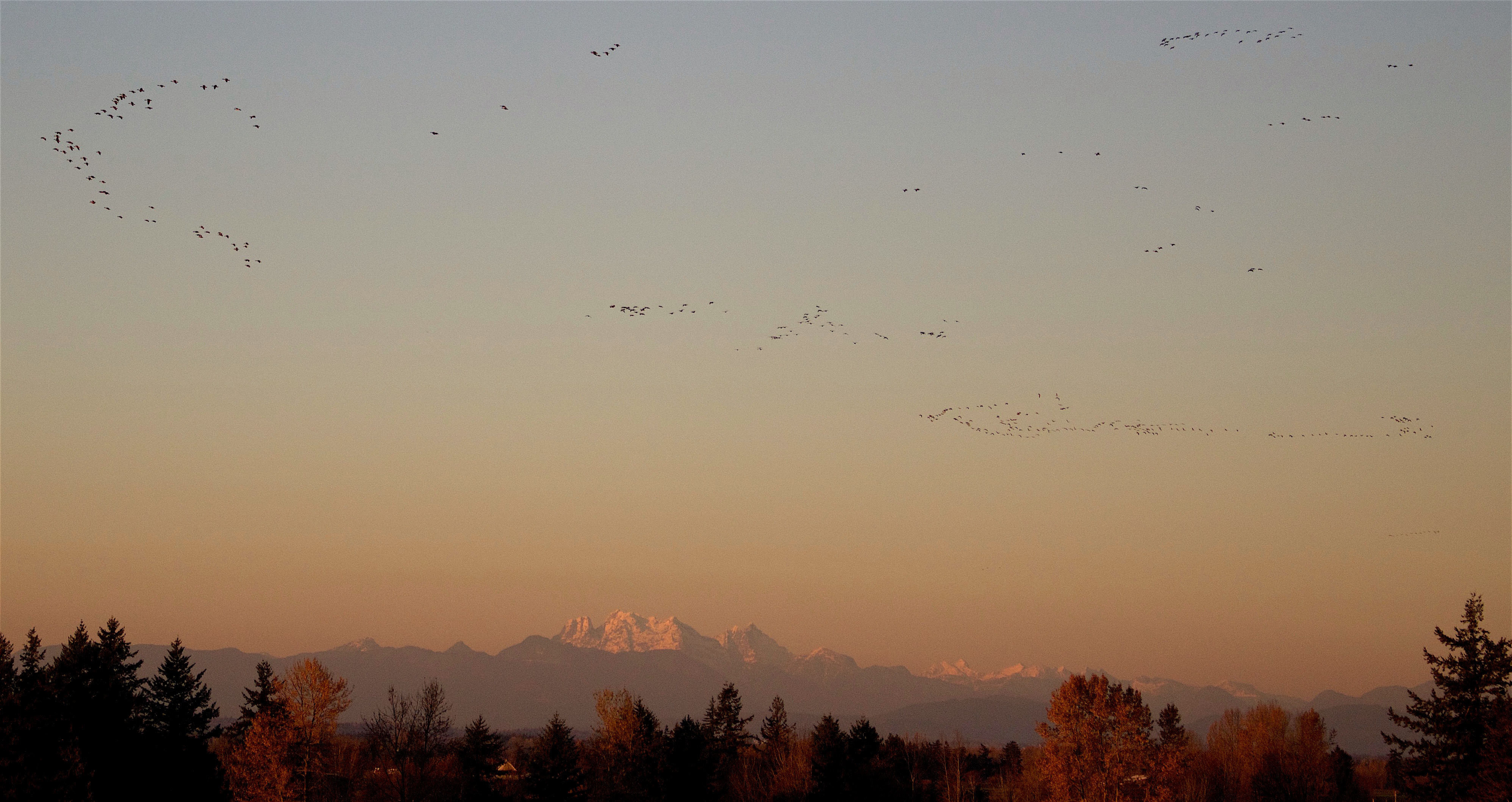
I am an angle of geese in the winter sky

I am the hunger of a young wolf

I am the whole dream of these things
You see, I am alive, I am alive
~N. Scott Momaday from “The Delight Song of Tsoai-talee” from In the Presence of the Sun: Stories and Poems

I wonder if, in the dark night of the sea, the octopus dreams of me.
~N. Scott Momaday

If I am brutally honest with myself, one of my worst fears is to have lived on this earth for a few decades and then pass away forgotten, inconsequential, having left behind no legacy of significance whatsoever.  I know it is self-absorbed to feel the need to leave a mark, but my search for purpose and meaning lasting beyond my time here provides new momentum for each day.

The forgetting can happen so fast.  Most people know little about their great great grandparents, if they even know their names.  A mere four generations, a century, renders us dust, not just in flesh, but in memory as well.   There may be a yellowed photograph in a box somewhere, perhaps a tattered postcard or letter written in elegant script, but the essence of who this person was is long lost and forgotten. We owe it to our descendants to write down the stories about who we were while we lived on this earth. We need to share why we lived, for whom we lived, for what we lived.

I suspect however, unless I try every day to record some part of who I am, it will be no different with me and those who come after me.  Whether or not we are remembered by great great grandchildren or become part of the dreams of creatures in the depths of the seas:

we are just dust here and there is no changing that.

Good thing this is not our only home.  
Good thing we are more than mere memory and dreams. 
Good thing there is eternity that transcends good works
or long memories or legacies left behind. 
Good thing we are loved that much and always will be,
Forever and ever, Amen.

If you appreciate reading Barnstorming daily, consider a contribution to keep it going ad-free.