And that is just the point… how the world, moist and beautiful, calls to each of us to make a new and serious response.
That’s the big question, the one the world throws at you every morning. “Here you are, alive. Would you like to make a comment?” ~Mary Oliver
The last few days, it has been impossible to stay a silent observer of the world when one awakes, still alive on a morning moist and beautiful, while on the other side of the earth, innocents have been brutally butchered in their beds, whole families murdered, bodies desecrated and dragged into the street.
It demands a response.
I cannot remain speechless in the face of evil. Such violence, fed by generations of hatred, begets more hatred and violence, on and on. It festers, blusters, rips apart, tortures, buries. And so it goes, an ongoing human history of wars and more wars.
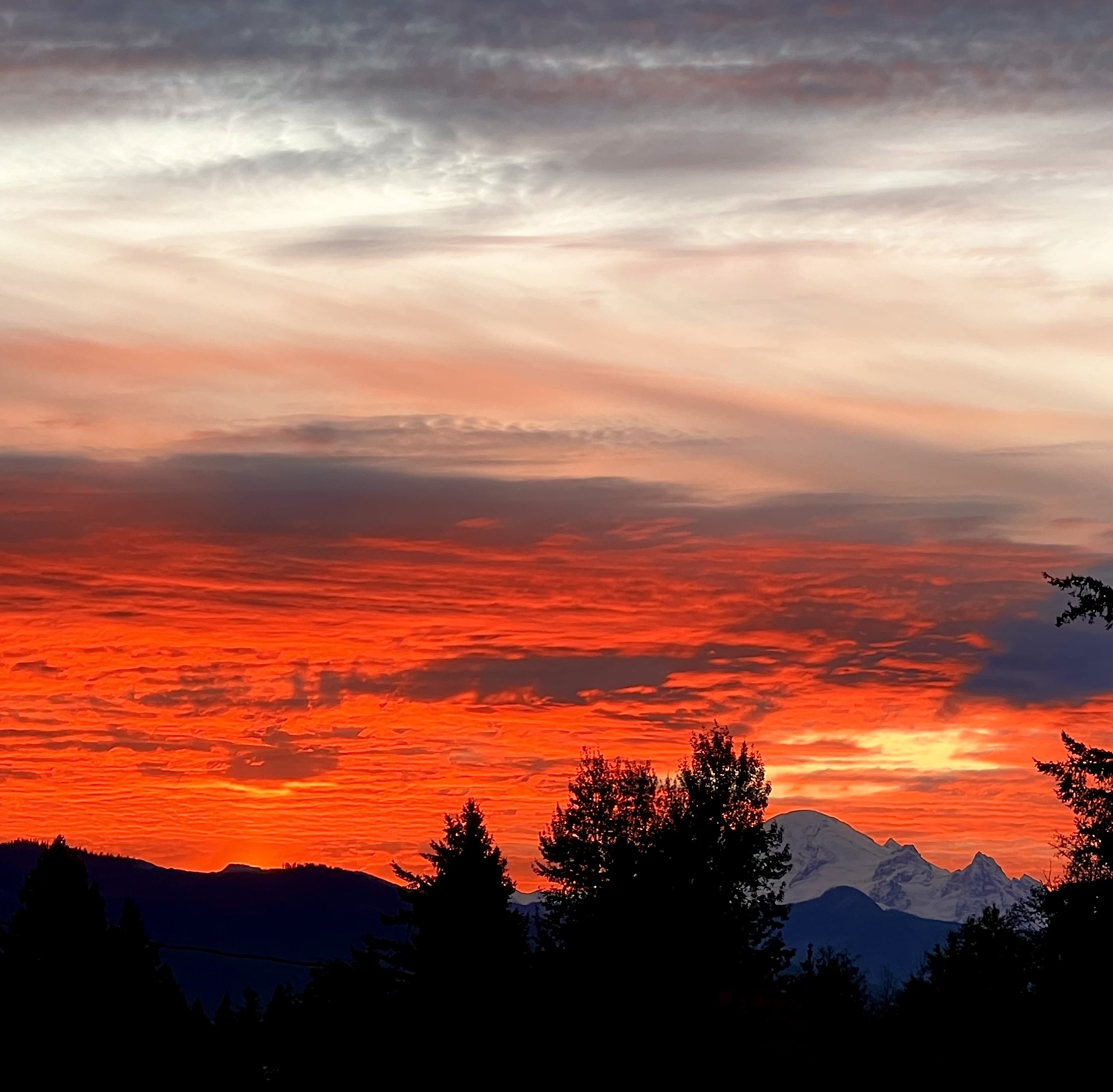
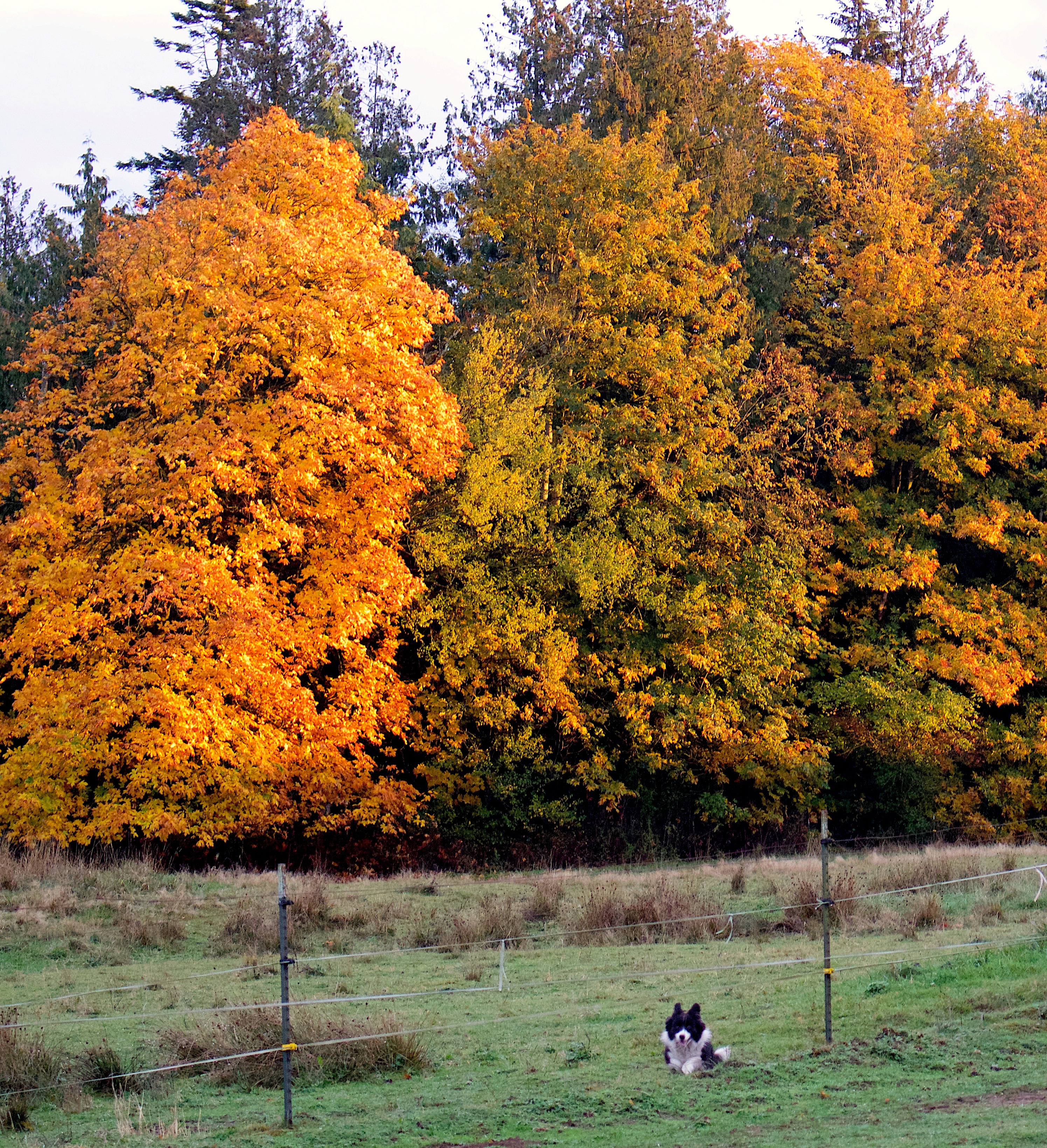
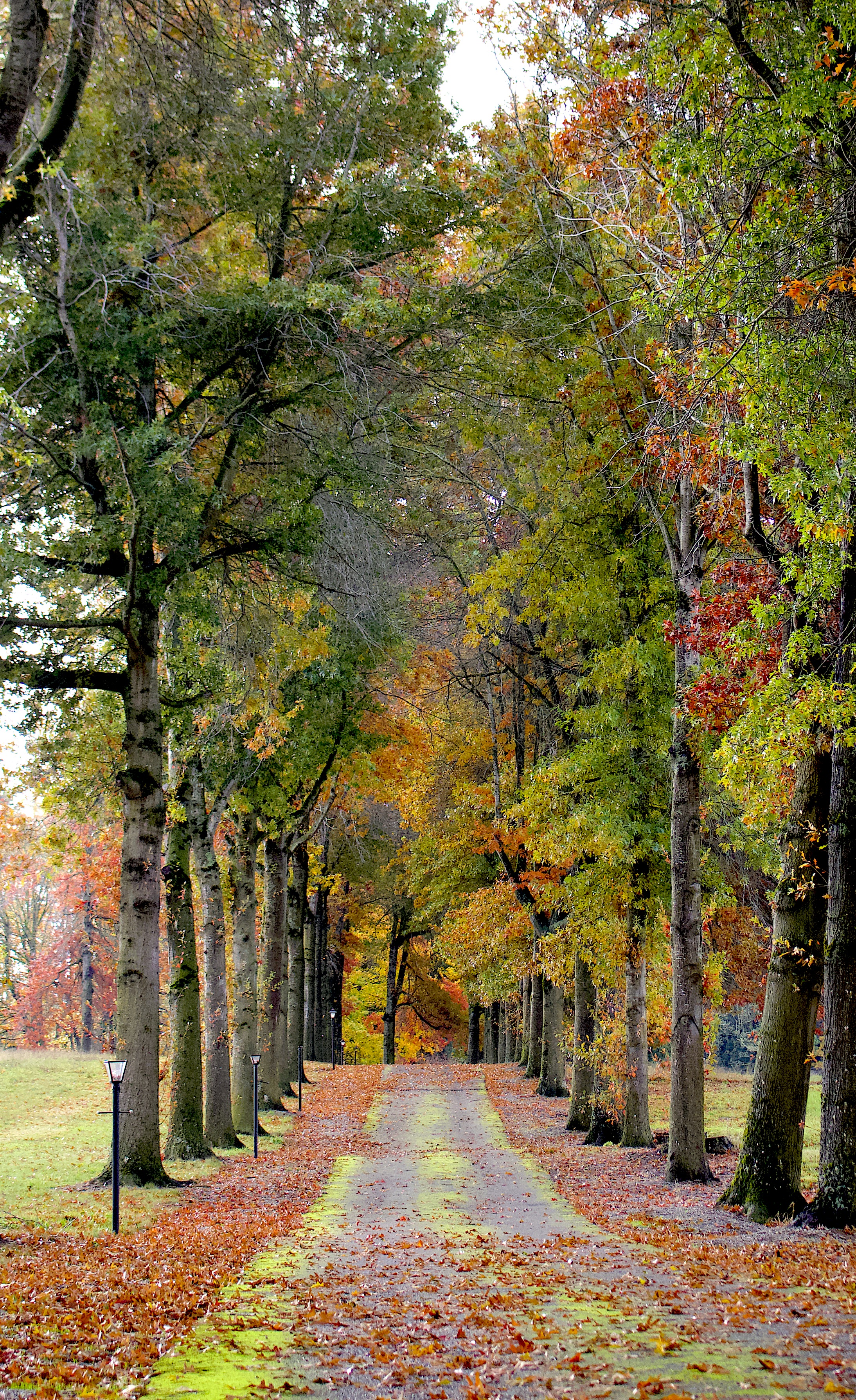
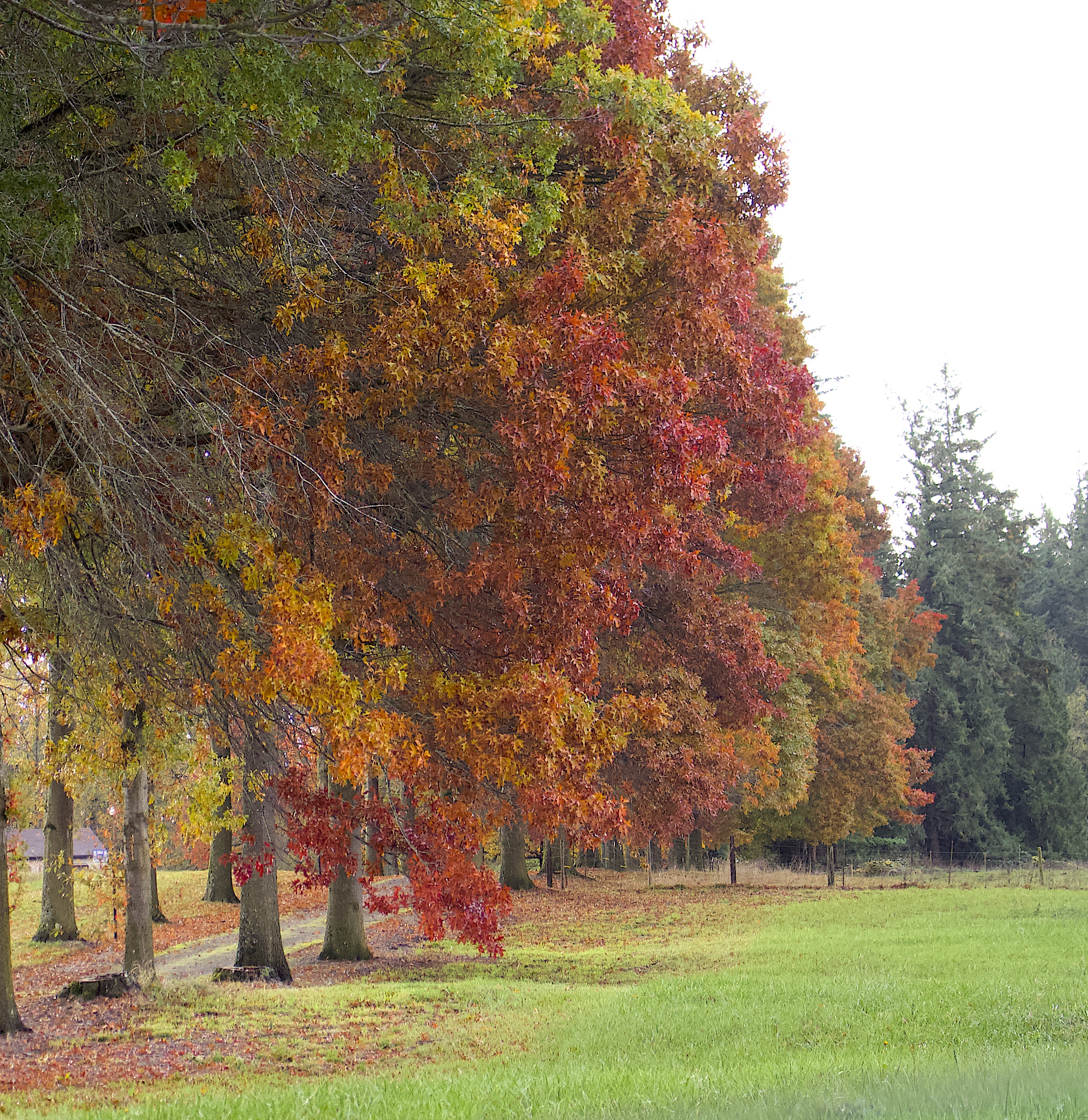
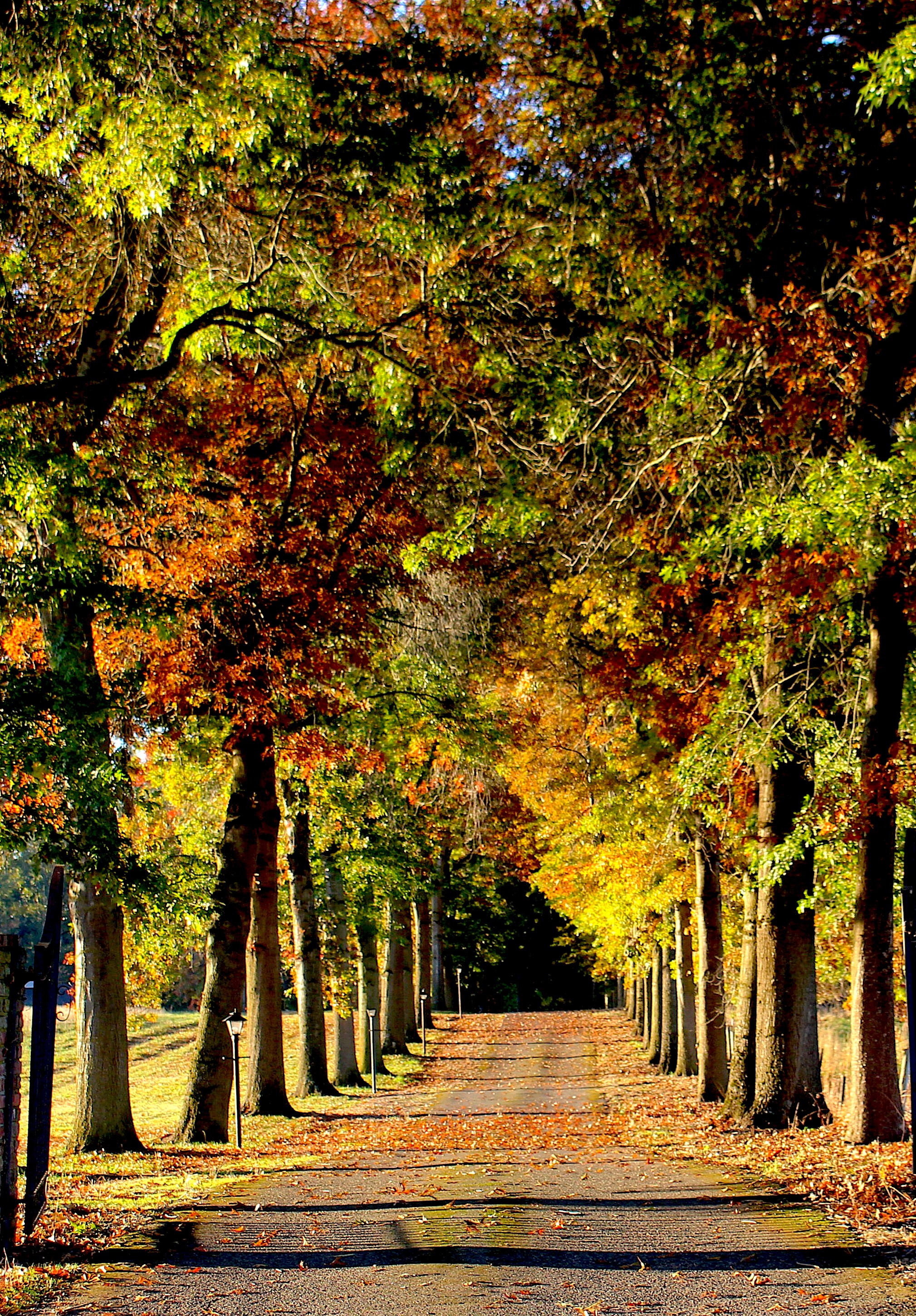
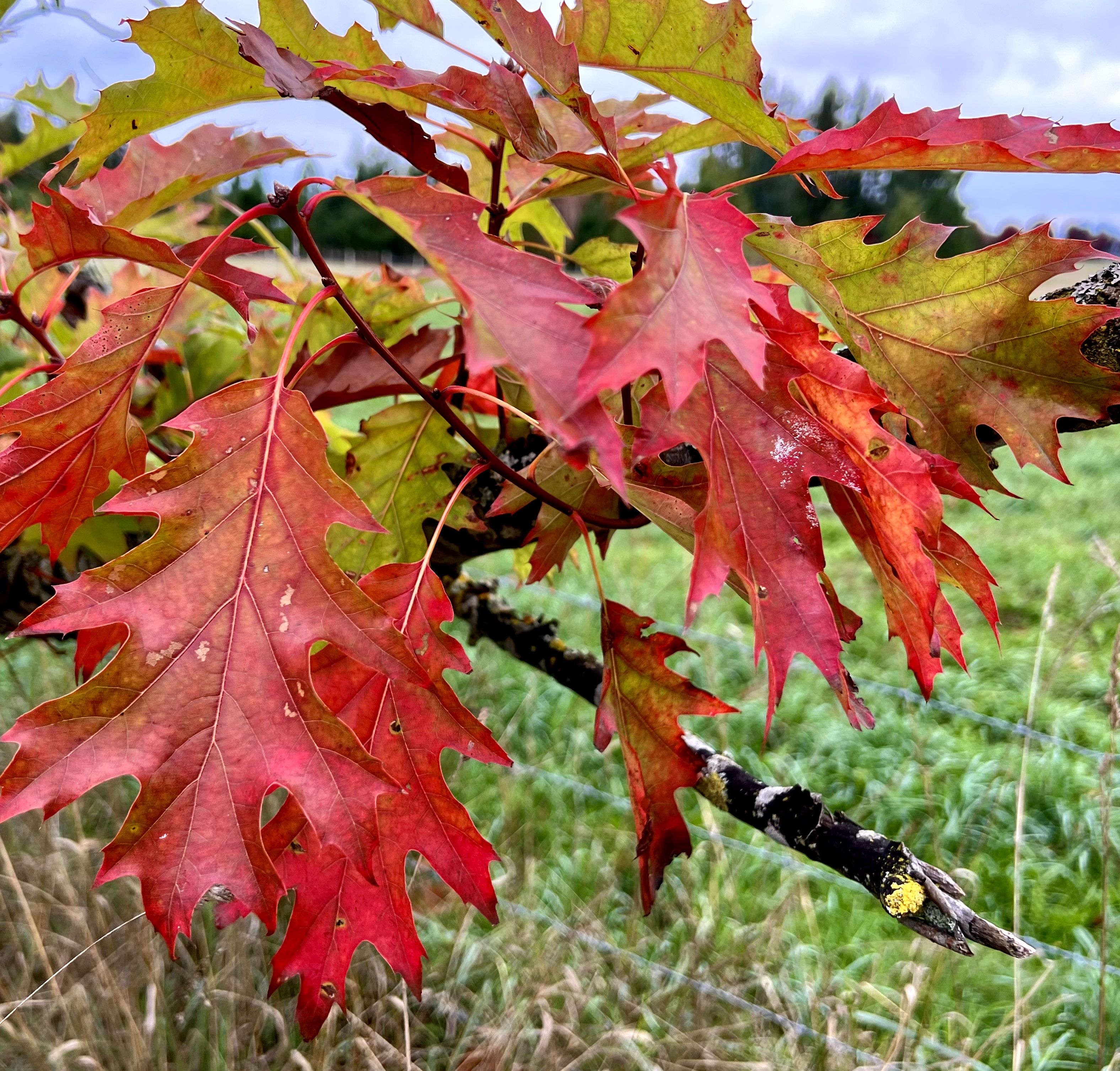
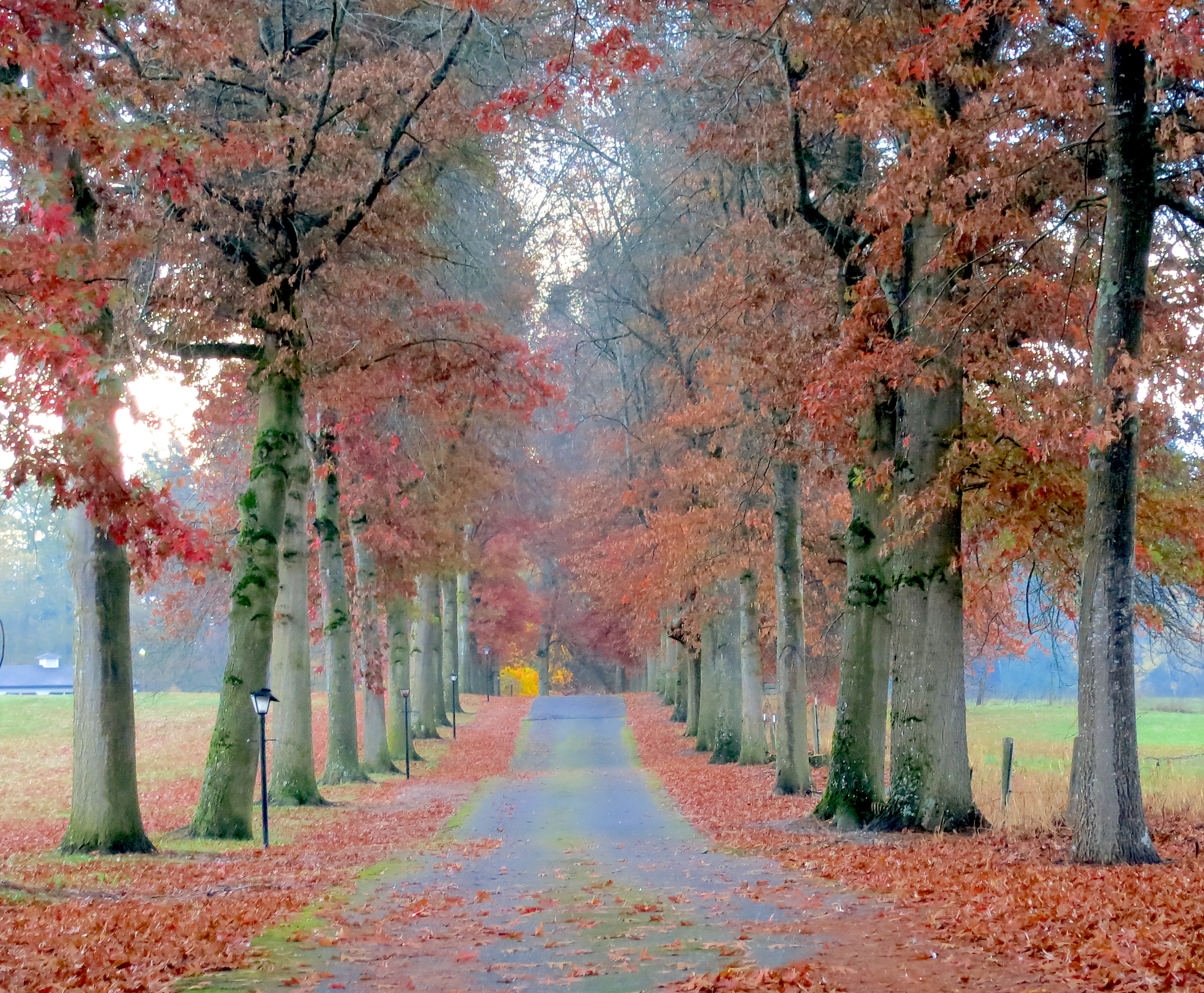
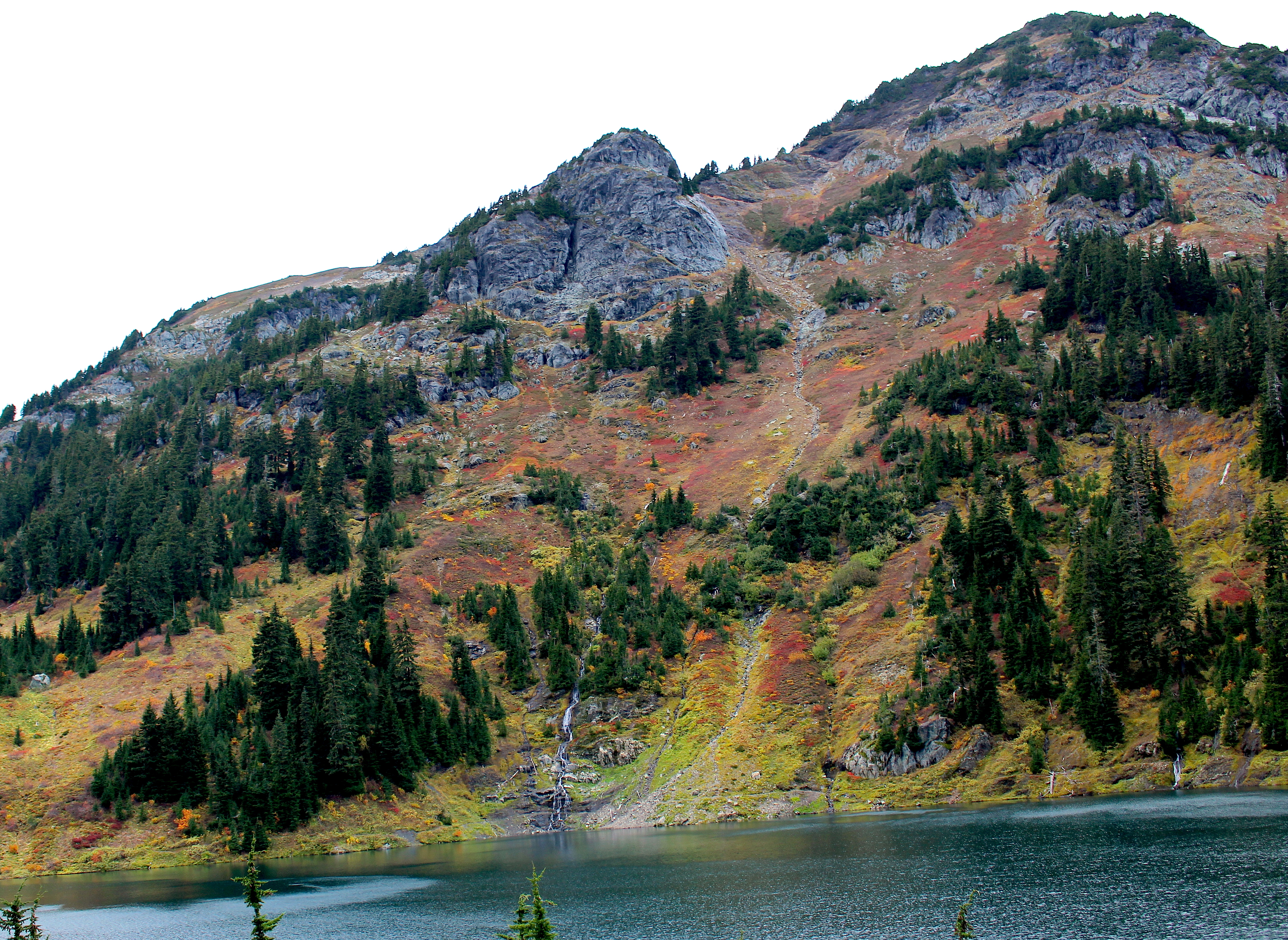
And here I am, alive on a brilliant autumn morning, while others immeasurably suffer.
Called to make a new and serious response. Called to comment, as I do every day. Knowing my voice is only one in a vast wilderness of voices, crying out in lament over the dead and dying.
Remember that meadow up above the ridge where the dog ran around in circles and we were tired from the climb up and everything was tilted sideways including the running in circles of the ecstatic dog his bright tongue lapping at the air and we were leaning into the heart of the field where no battle ever took place where no farmer ever bothered to turn the soil yet everything seemed to have happened there everything seemed to be happening at once enough so we’ve never forgotten how full the field was and how we were there too and full ~Tim Nolan “The Field” from The Field.
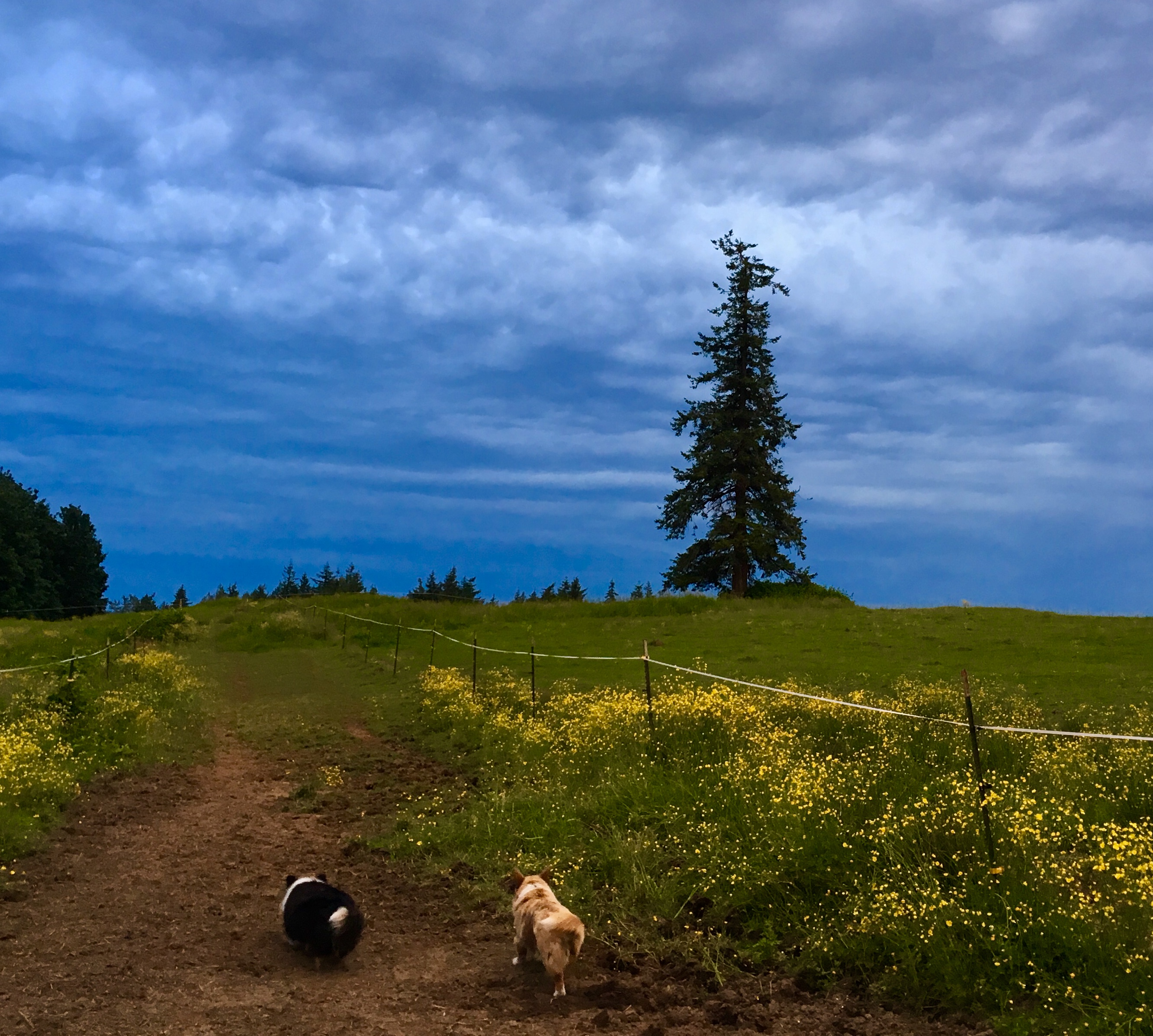
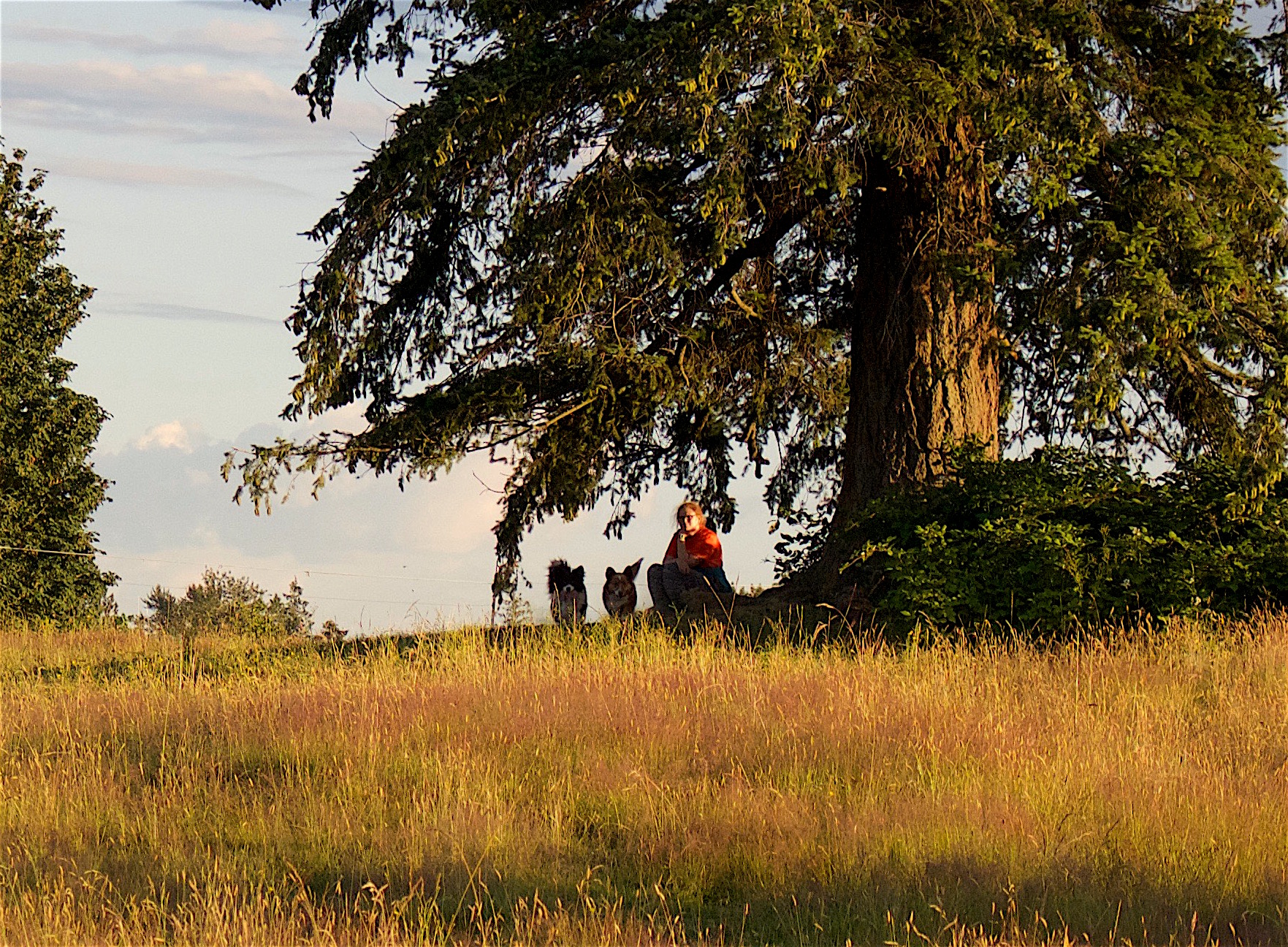
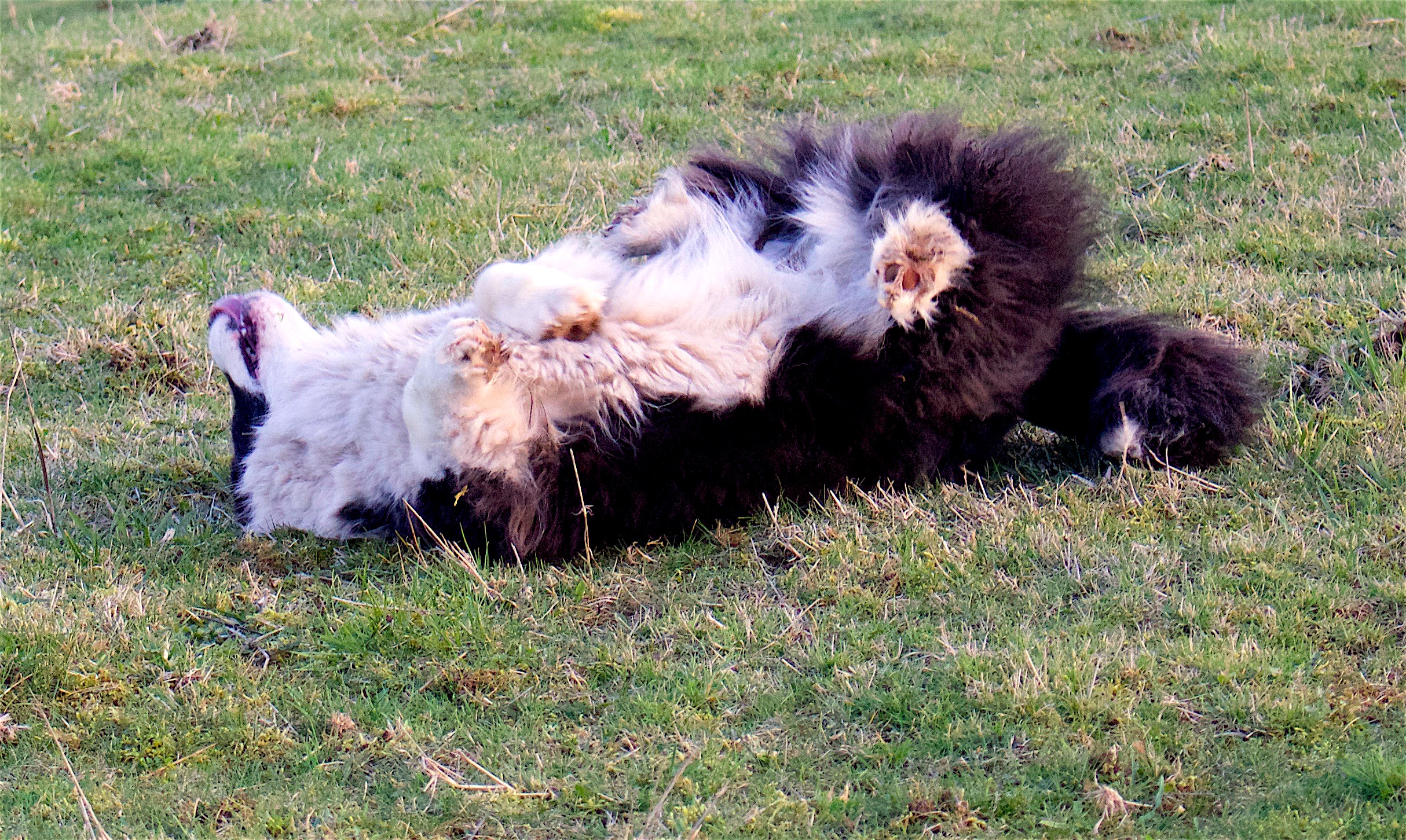
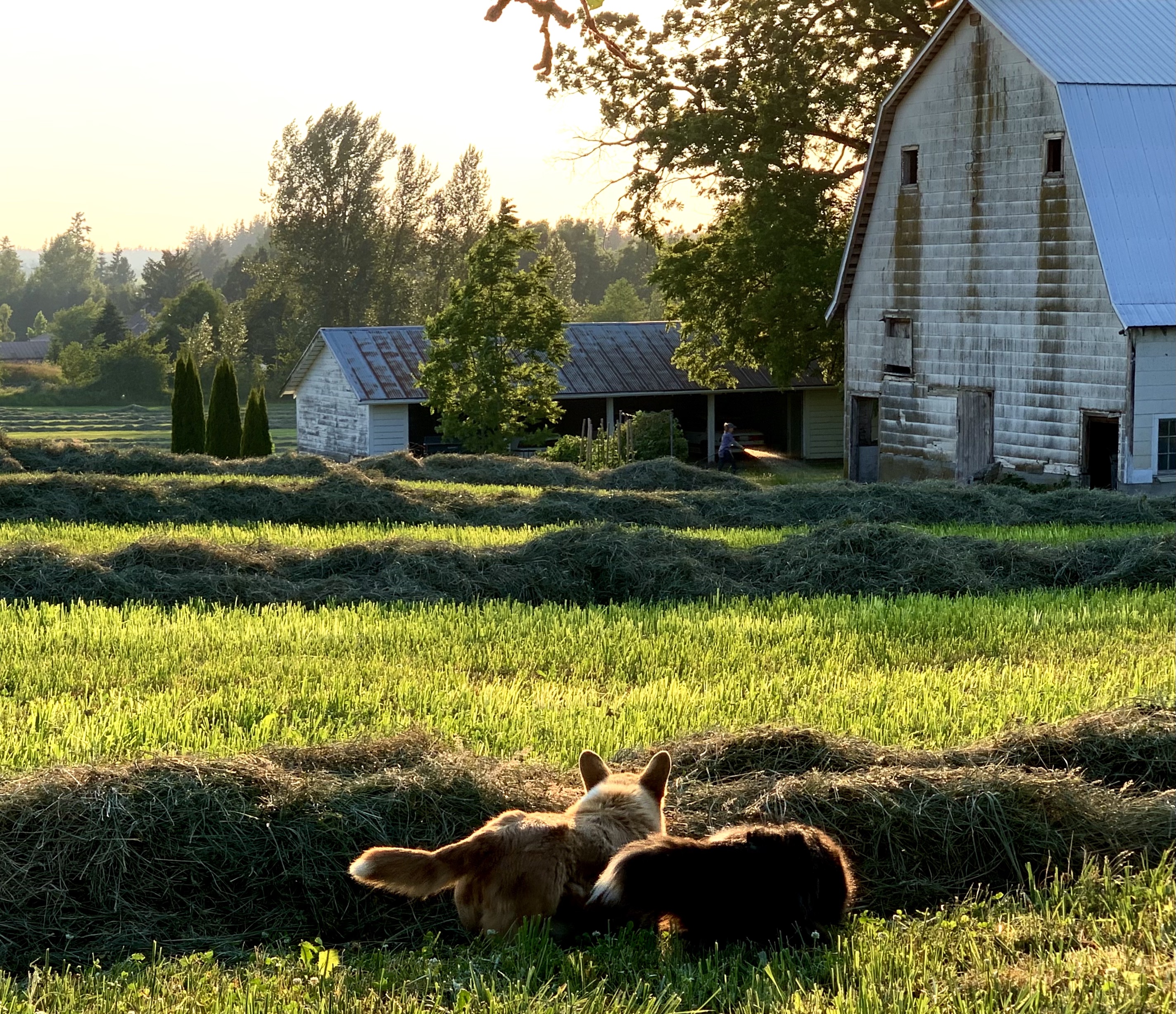
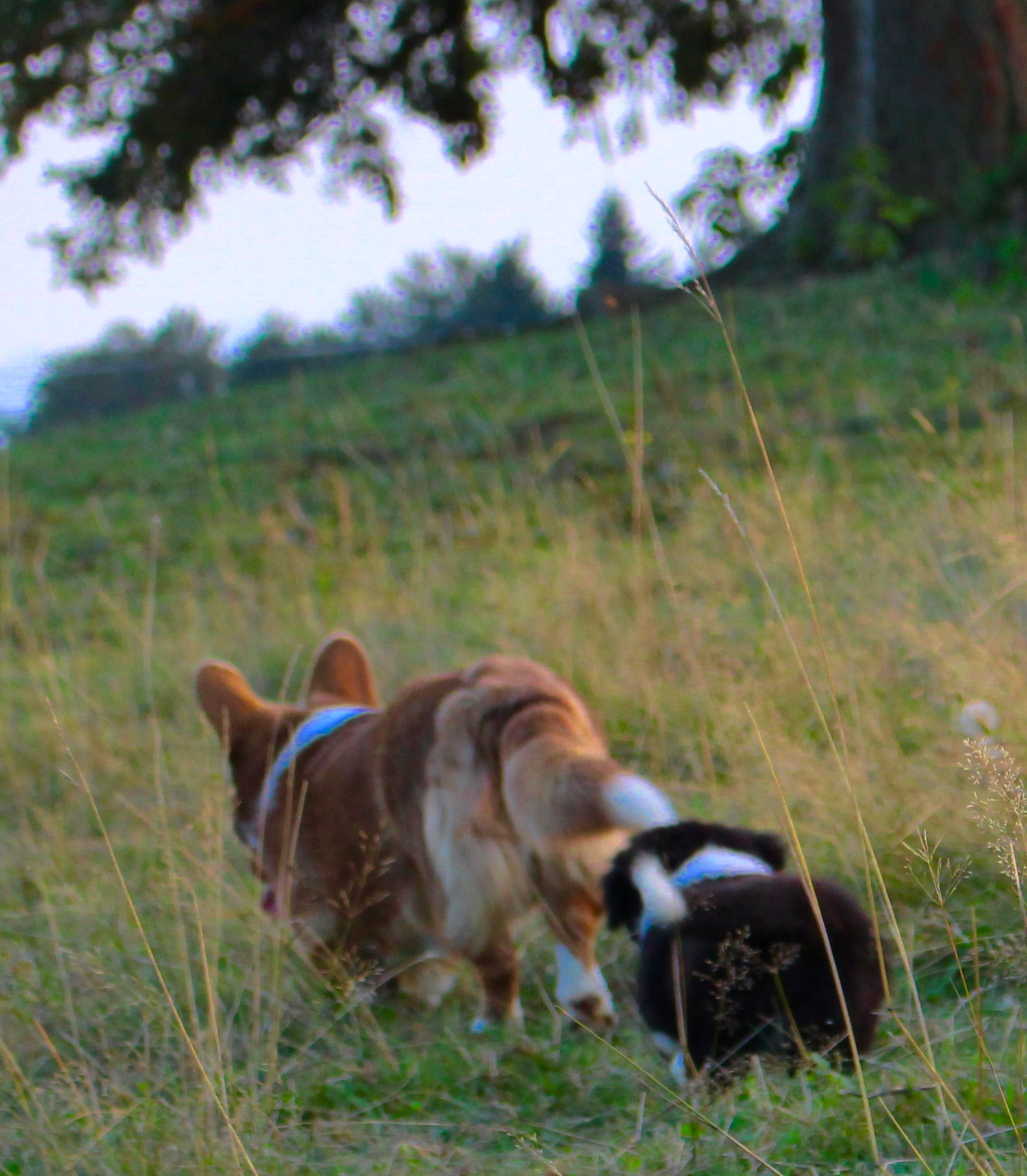
The hill on our farm is for running, for sunning, for lolling, for rolling, for lapping, for napping, for pondering, for wandering.
Walking the field with two dogs so willing, life is full, and always fulfilling.
One-Time
Monthly
Yearly
Make a one-time or recurring donation to support daily Barnstorming posts
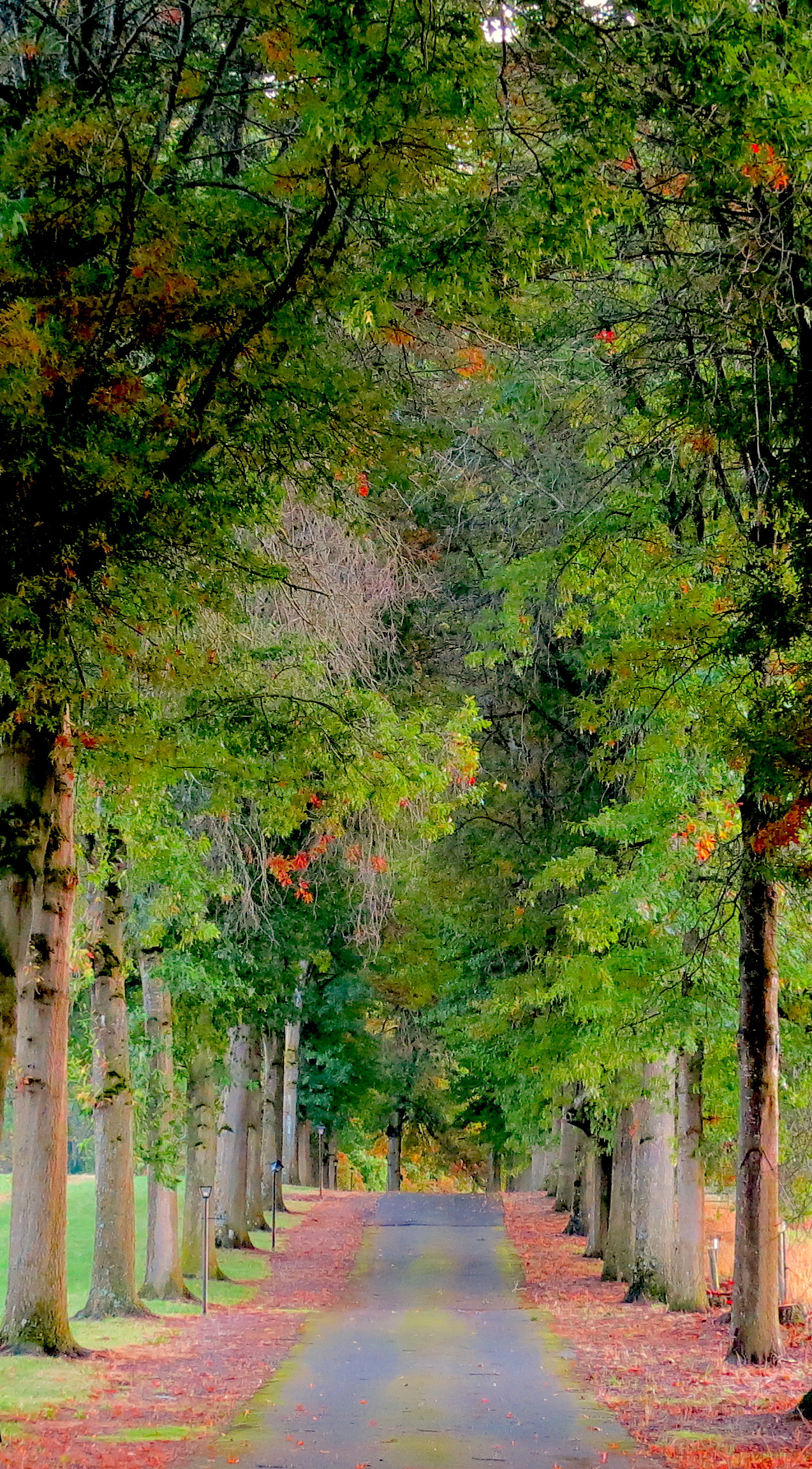
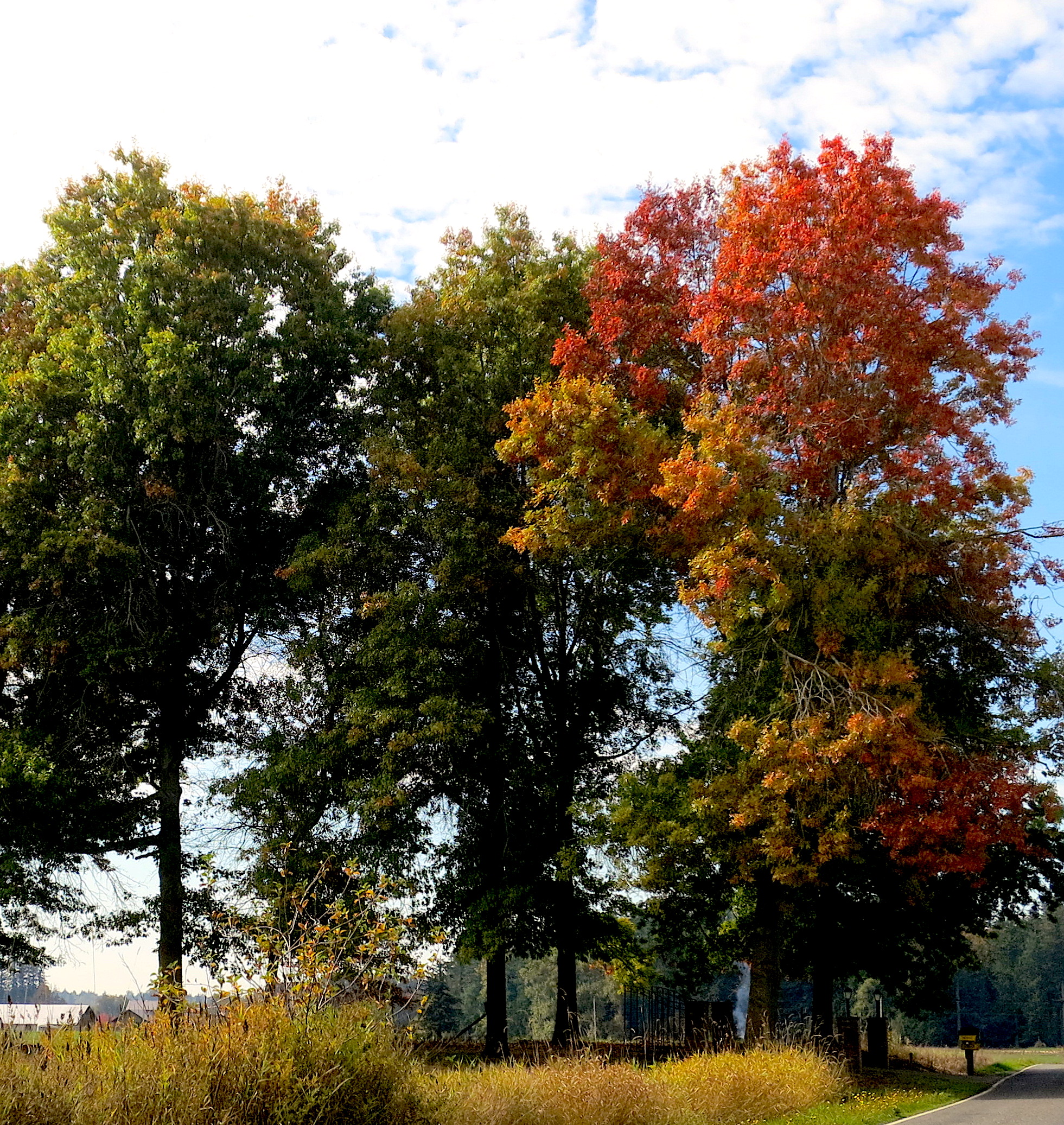
One minute I’m meandering down a country road on a magnificent fall day, lost in thought, radio playing, and the next minute I feel my wheels
on the loose gravel of the shoulder, there’s a deafening bang and I’m climbing out of what’s left of my car. The cop who came to investigate
was pretty sure I’d been speeding but settled for lecturing me about how lucky I was to walk away from such a crash, that I’d be dead if my car had hit the tree
just six inches further to the left. Anyone could see that what he said was true, but it also struck me as I stood there watching his car flash red and blue
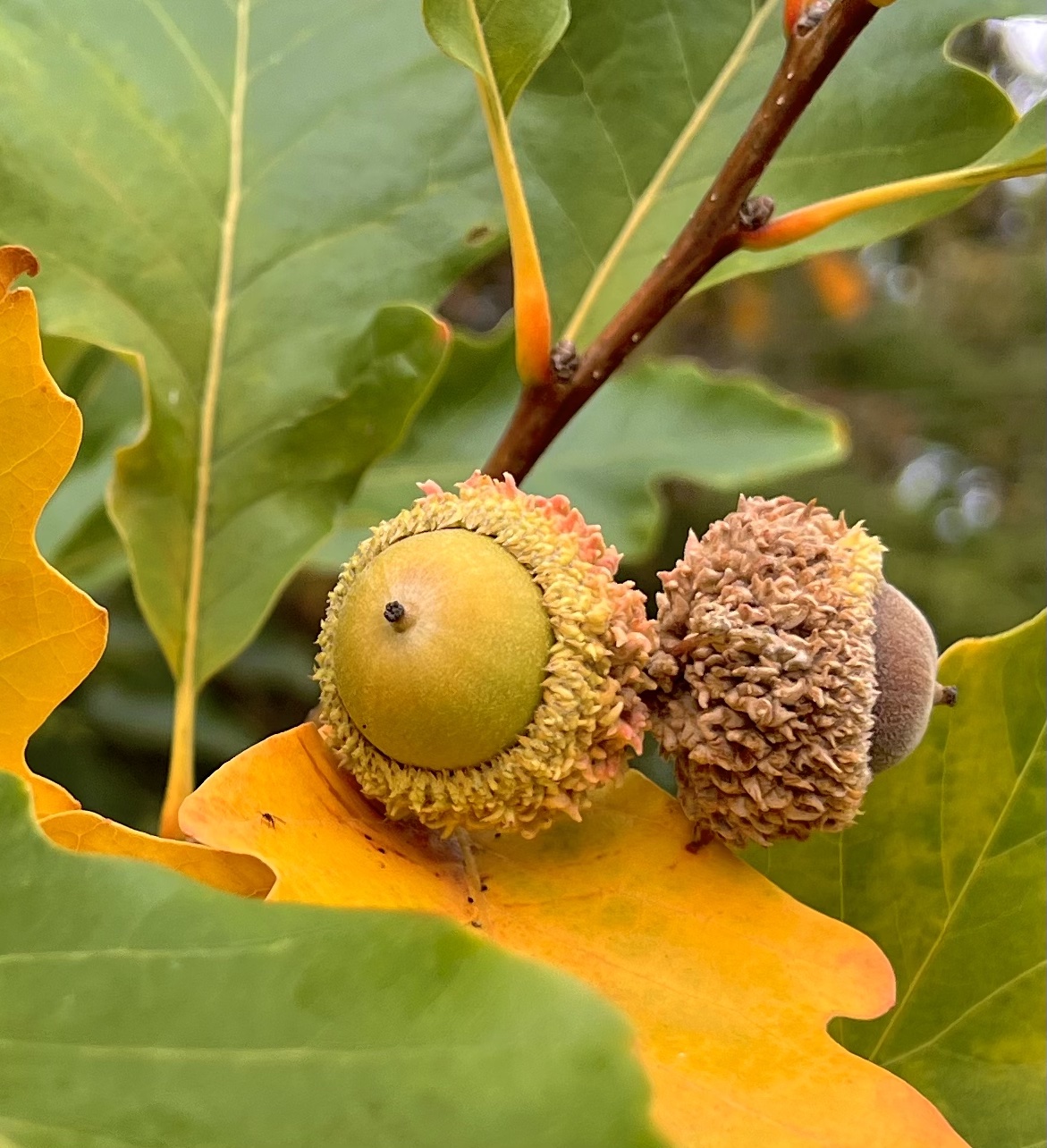
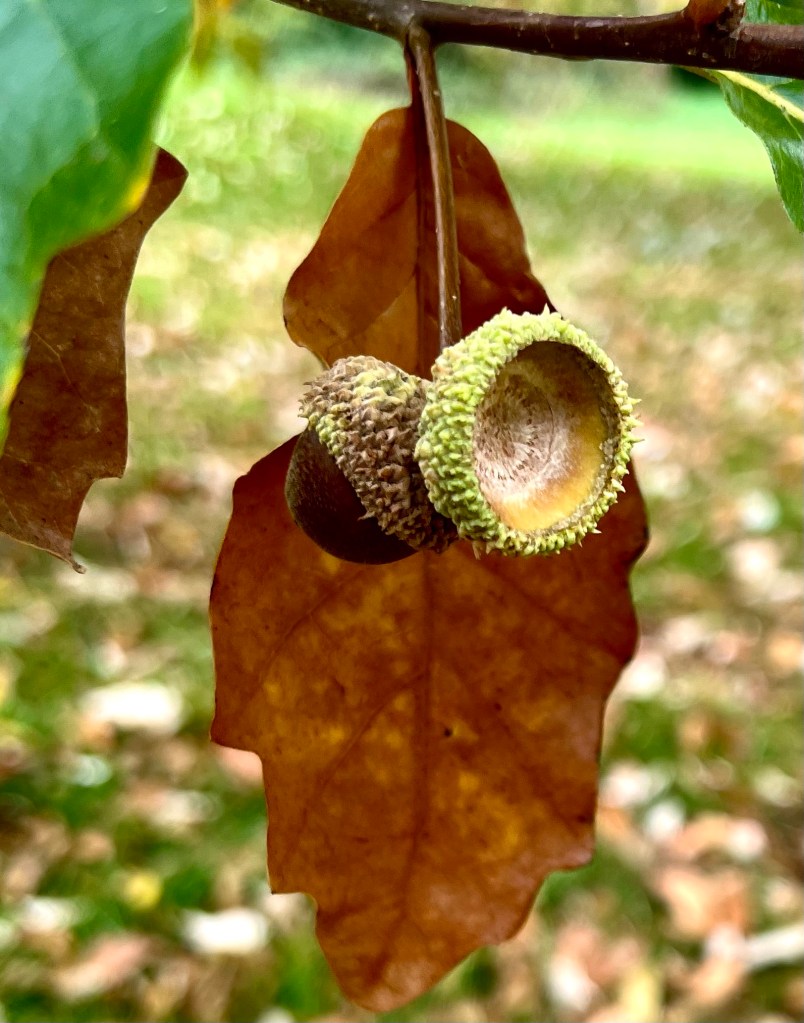
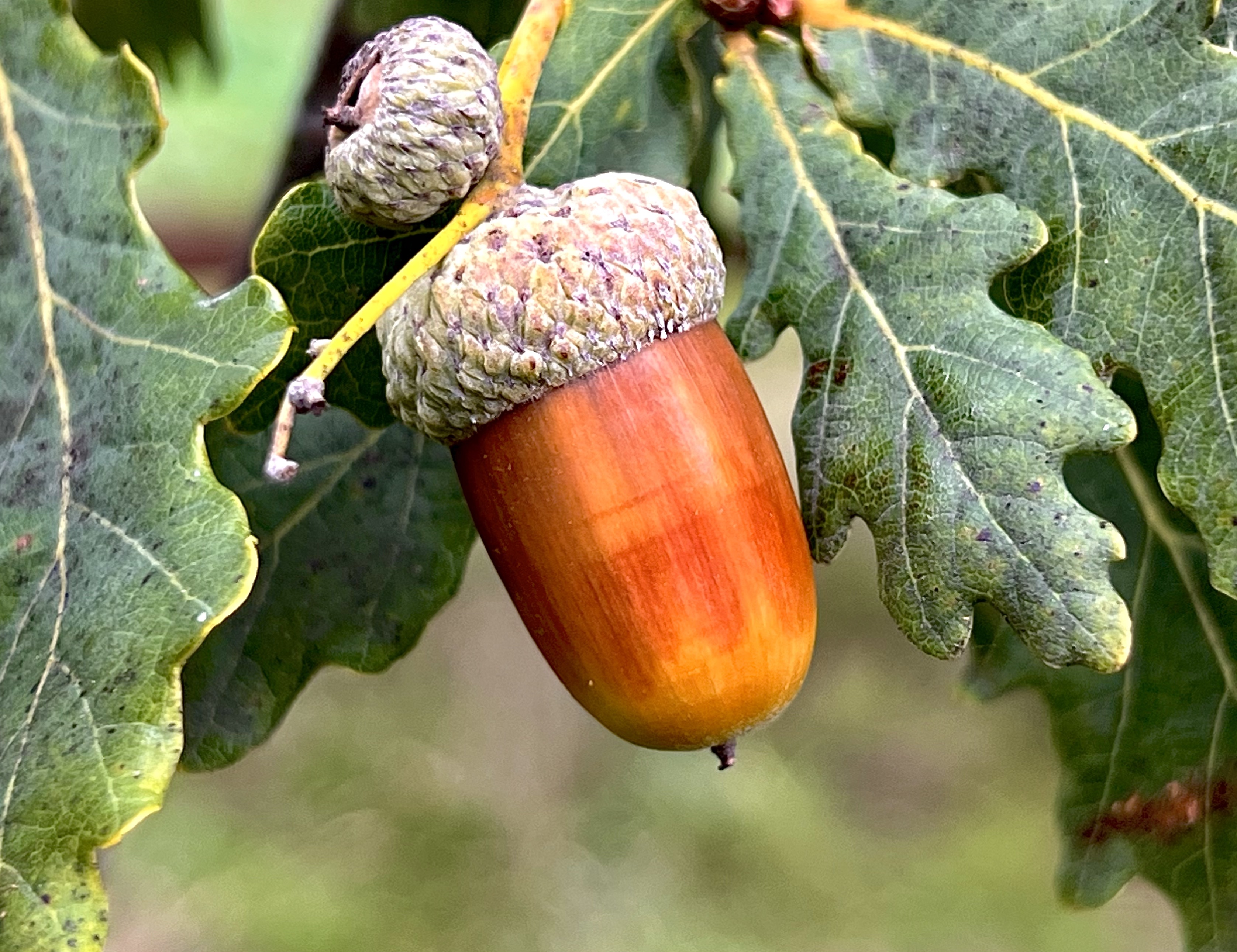
that it was equally true the accident would not have happened at all if a raging storm some sixty years ago hadn’t blown an acorn six inches closer
to the road than where it would’ve landed on a day as sunny and calm as the one we were in. It was a point I thought deserved serious exploration—though perhaps
not just then, I decided, with a hundred birds singing their tiny hearts out overhead and the sky raining down yellow leaves, and definitely not with the cop. ~Jeff Coomer “Six Inches” from A Potentially Quite Remarkable Thursday.
For grace to be grace, it must give us things we didn’t know we needed and take us places where we didn’t know we didn’t want to go. ~Kathleen Norris from Cloister Walk
Grace and mercy salvaged me when I didn’t know I needed saving, handed me what I didn’t think I needed, so never asked for, and taken me where I never planned to be because I thought I was just fine where I was.
Grace is not about giving me what I want; not a reward for following the rules, for being “good” or staying out of trouble. It is rescue from a fate of meaninglessness – a gift of God’s heart buoying me in weakness when I deserve nothing whatsoever.
This grace is like an acorn falling to the exact spot where I needed a serious exploration of where I was heading, then decades later, finding a tree standing in my path, ready and waiting to stop my recklessness.
I am grateful, so very grateful, for what I did not know I needed to know.
And now I know…
One-Time
Monthly
Yearly
Make a one-time or recurring donation to support daily Barnstorming posts
The world is its usual rich self. Disturbed news Came before sleep, then hours before light, finally A return to coffee and the joy of unfinished poems. It is early October, bright leaves falling everywhere.
What could it mean that such sharp leaves fall? Does it imply that the best are called first?
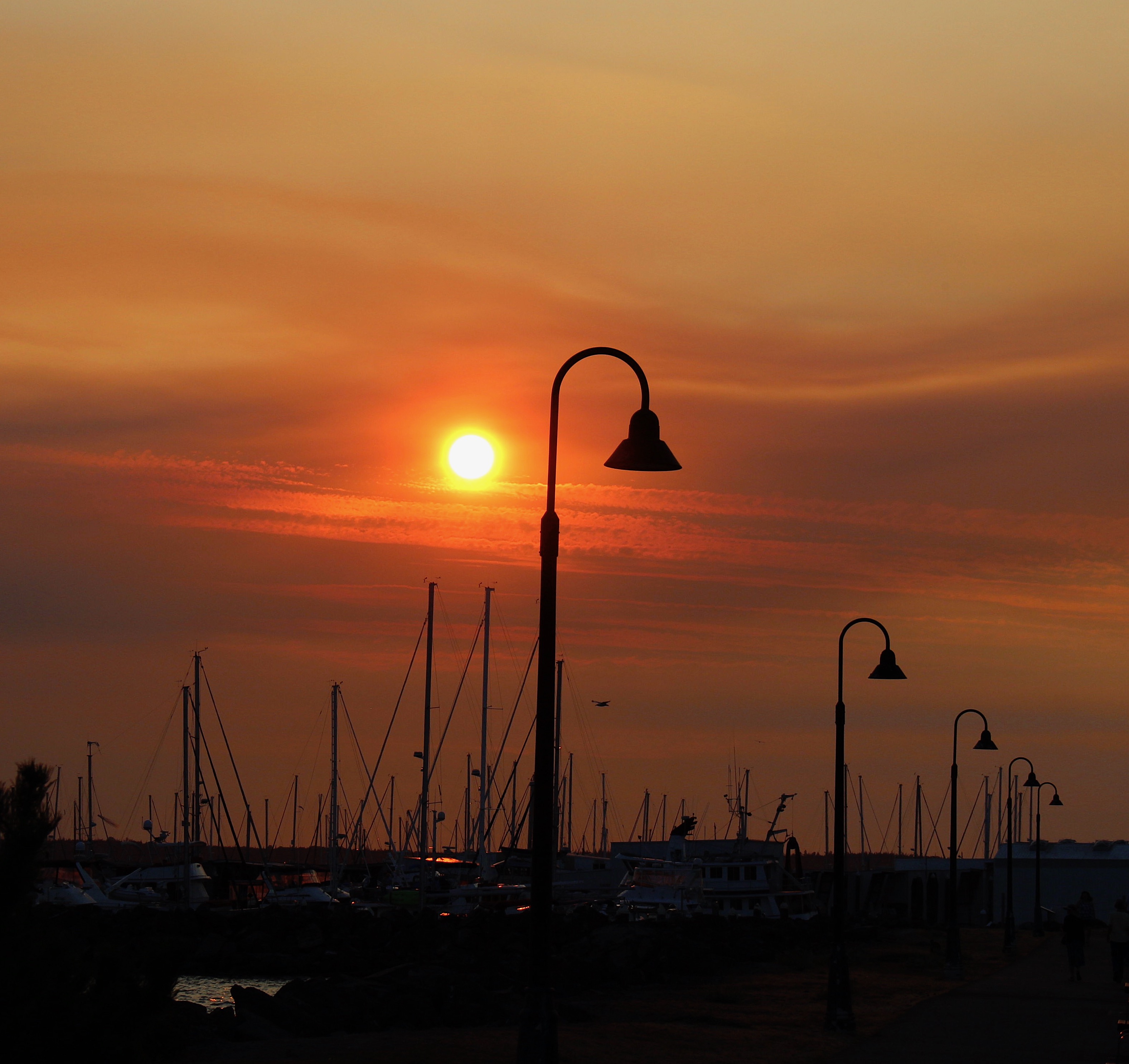
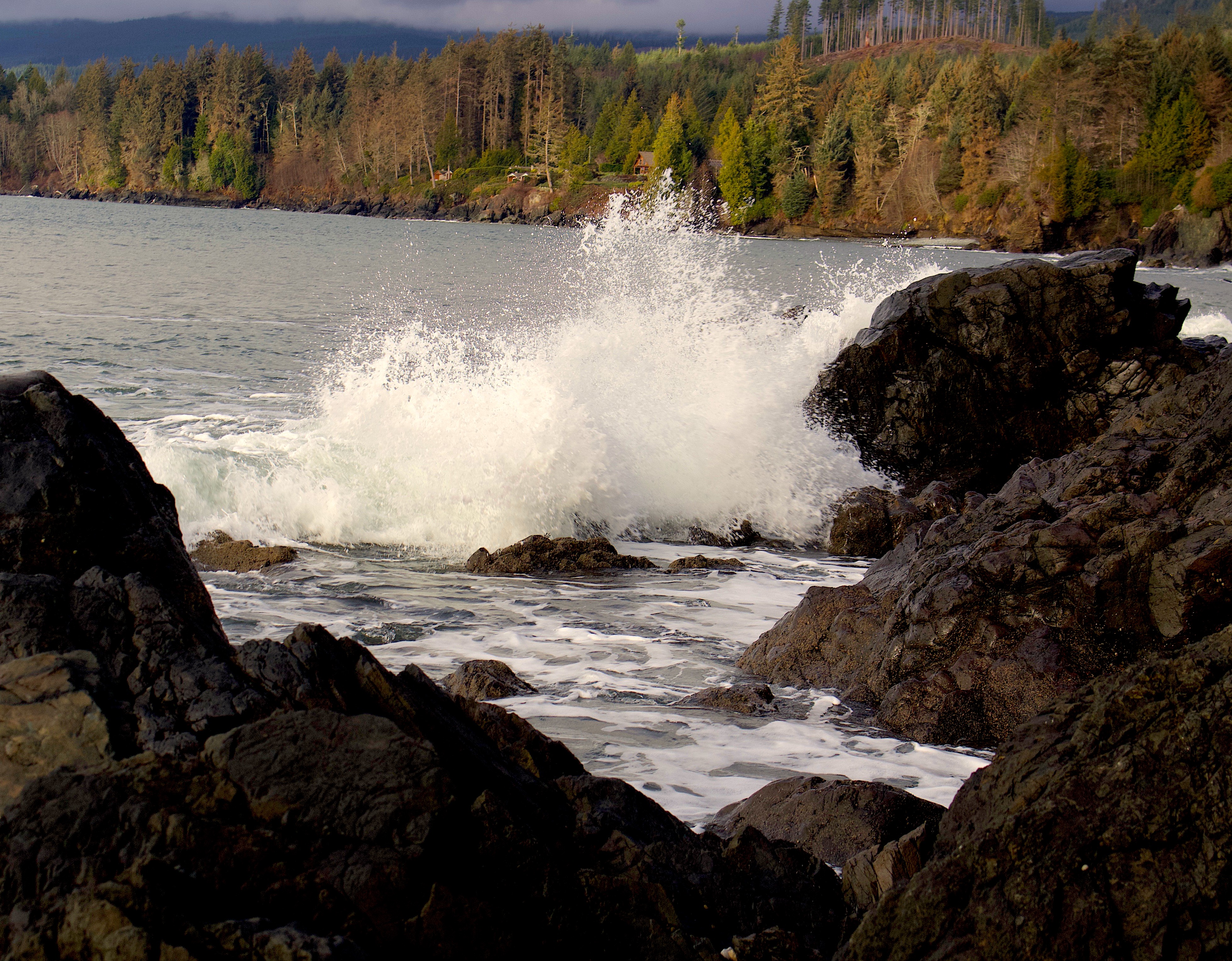
I don’t want to imply that such abundance of meaning Exists in me. A lamppost shines over The ocean. The waves take what they want of the light. The rest they give back, to the hospitals and the poor. ~Robert Bly from Morning Poems
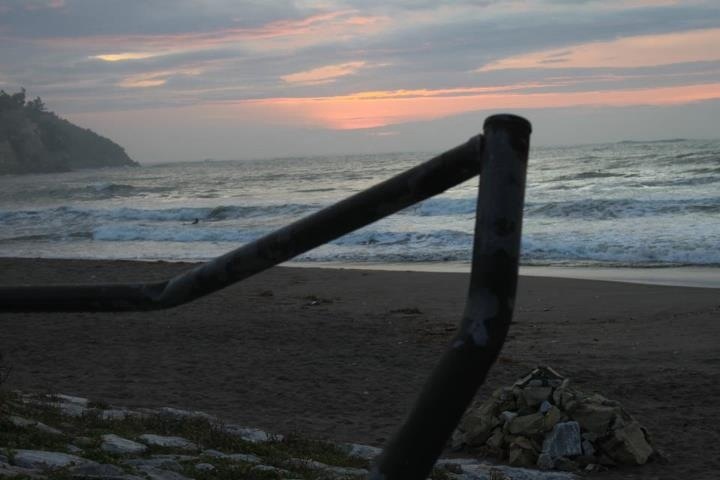
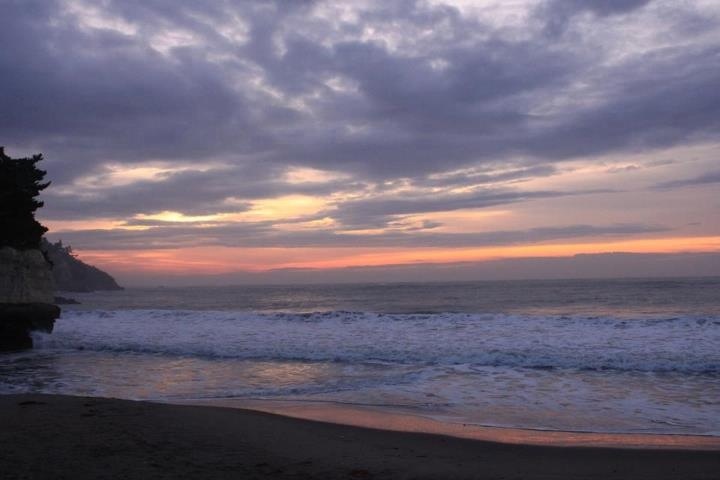
Bellingham Bay-photo by Nate Gibson
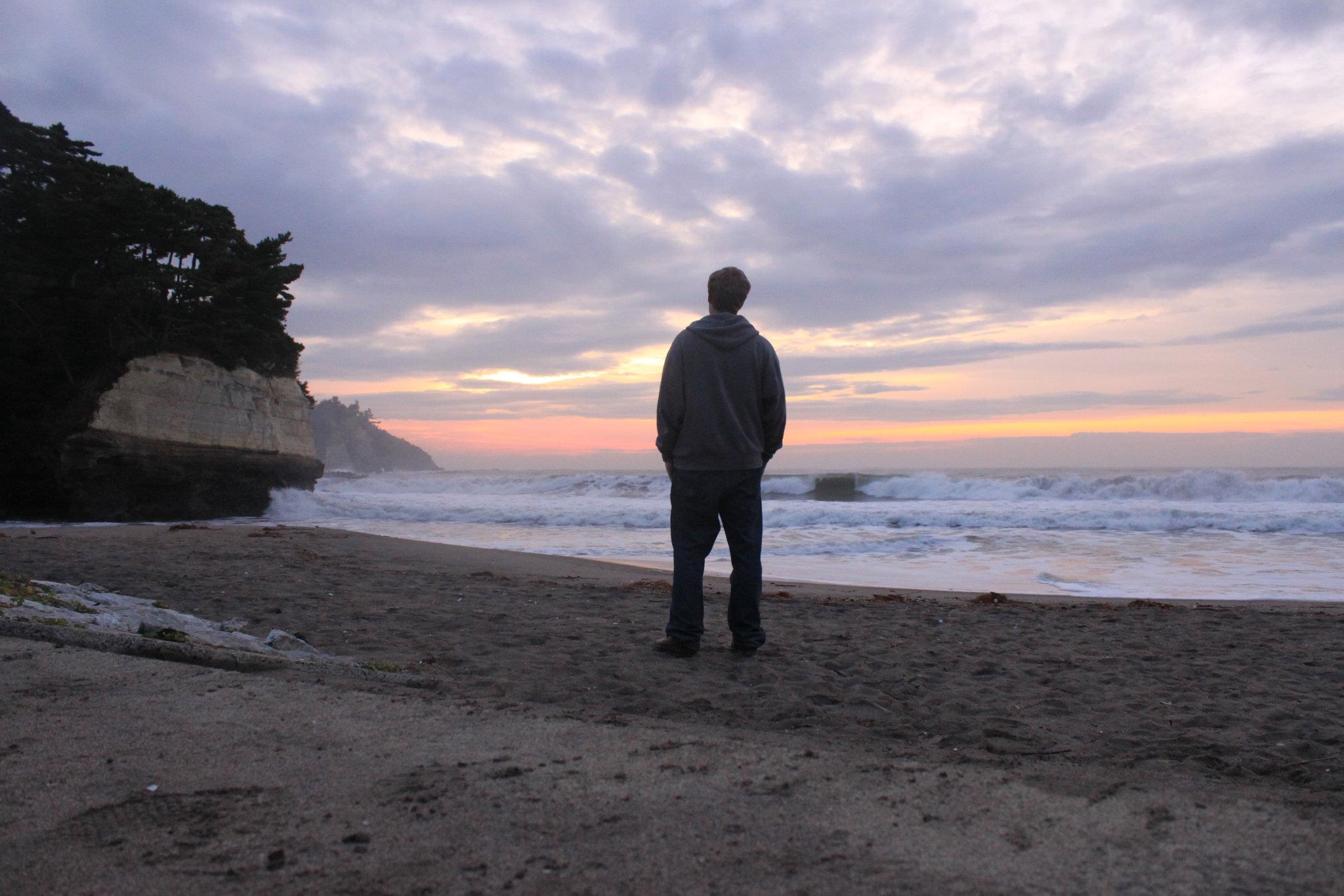
The shattered water made a misty din. Great waves looked over others coming in, And thought of doing something to the shore That water never did to land before. The clouds were low and hairy in the skies, Like locks blown forward in the gleam of eyes. You could not tell, and yet it looked as if The shore was lucky in being backed by cliff, The cliff in being backed by continent; It looked as if a night of dark intent Was coming, and not only a night, an age. Someone had better be prepared for rage. There would be more than ocean-water broken Before God’s last Put out the light was spoken. ~Robert Frost “Once By the Pacific”
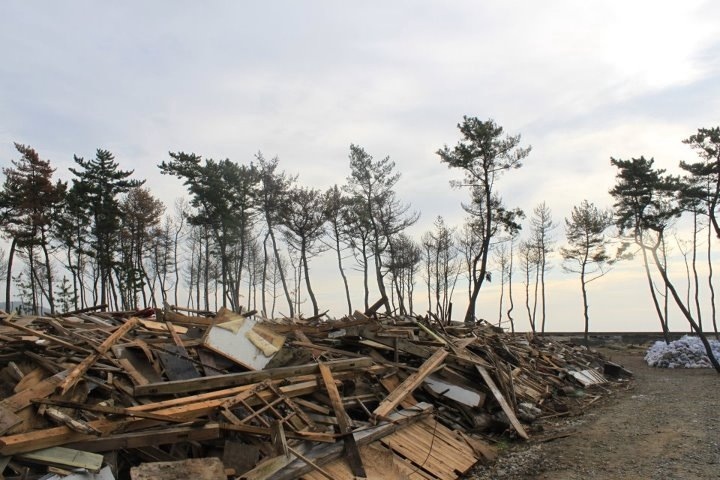
photo by Nate Gibson at Sendai, Japan
We were staying with our friends Brian and Bette at their cabin on a bluff just above the beach at Sendai, Japan, just a few dozen feet above the devastation that wiped out an entire fishing village below during the 3/11/11 earthquake and tsunami. We walked that stretch, learning of the stories of the people who had lived there, some of whom did not survive the waves that swept their houses and cars away before they could escape. We walked past the footprints of foundations of hundreds of demolished homes, humbled by the rubble mountains yet to be hauled away to be burned or buried and scanned acres of wrecked vehicles now piled one on another, waiting to become scrap metal. It was visual evidence of life suddenly and dramatically disrupted.
This was a place of recreation and respite for some who visited regularly, commerce and livelihood for others who stayed year round. Yet it looked like a foreign ghostly landscape. Even many trees perished, lost, broken off, fish nets still stuck high on their scarred trunks. There were small memorials to lost family members within some home foundations, with stuffed animals and flowers wilting from the recent anniversary observance.
It was a powerful place of memories for those who live there and know what it once was, how it once looked and felt, and painfully, what it became in a matter of minutes on 3/11/11. The waves swept in inexplicable suffering, then carried their former lives away. Happiness gave ground to such terrible pain that could never have hurt as much without the joy that preceded it.
We want to ask God why He doesn’t do something about the suffering that happens anywhere a disaster occurs – but if we do, He will ask us the same question right back. We need to be ready with our answer and our action. He knows suffering. Far more than we do. He took it all on Himself as His Light on earth was snuffed out, despite His love and joy in His creation.
As Sendai’s citizens slowly recover, the inner and outer landscape is forever altered. What remains the same is the tempo of the waves, the tides, and the rhythm of the light and the night, happening just as originally created.
The Light returned.
In that realization, pain gives way. It cannot stand up to His love and His joy in dispelling the dark.
the rubble still piled on the beach at Tohoku, Japan, a year after the 3/11/11 tsunamiphoto by Nate GibsonSendai
One-Time
Monthly
Yearly
Make a one-time or recurring donation to support daily Barnstorming posts
I. Cats pad from one sun-warmed stone to another. Bees lament the sweet ripe fruit
denied by spring’s late hard frost. Birds stow mating calls for another season.
Clouds scribble pithy prose, criss-cross pages surrendered by autumn’s azure.
Flower beds brown as they thin and cricket song stitches a coverlet against evening chill.
II. In my first autumn at home since I was three I rustle leaves at my feet like a past I can rake and pile. Energized by autumn’s aura I glean clarity of what lies fallow and what I’ve put up for my winter. ~Nancy Jentsch “October Afternoon”
Out through the fields and the woods And over the walls I have wended; I have climbed the hills of view And looked at the world, and descended; I have come by the highway home, And lo, it is ended.
The leaves are all dead on the ground, Save those that the oak is keeping To ravel them one by one And let them go scraping and creeping Out over the crusted snow, When others are sleeping.
And the dead leaves lie huddled and still, No longer blown hither and thither; The last lone aster is gone; The flowers of the witch hazel wither; The heart is still aching to seek, But the feet question ‘Whither?’
Ah, when to the heart of man Was it ever less than a treason To go with the drift of things, To yield with a grace to reason, And bow and accept the end Of a love or a season? ~Robert Frost “Reluctance”
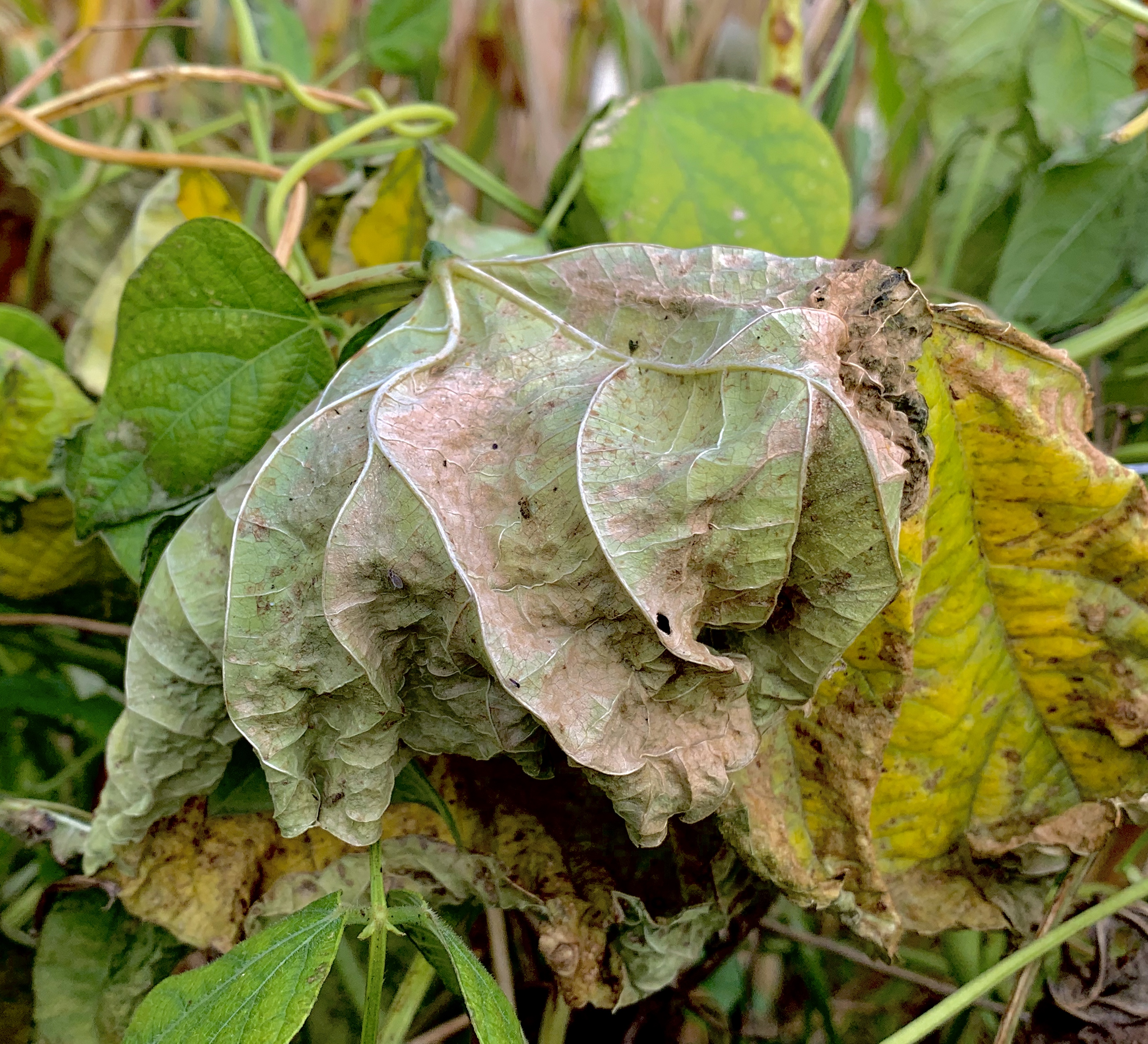
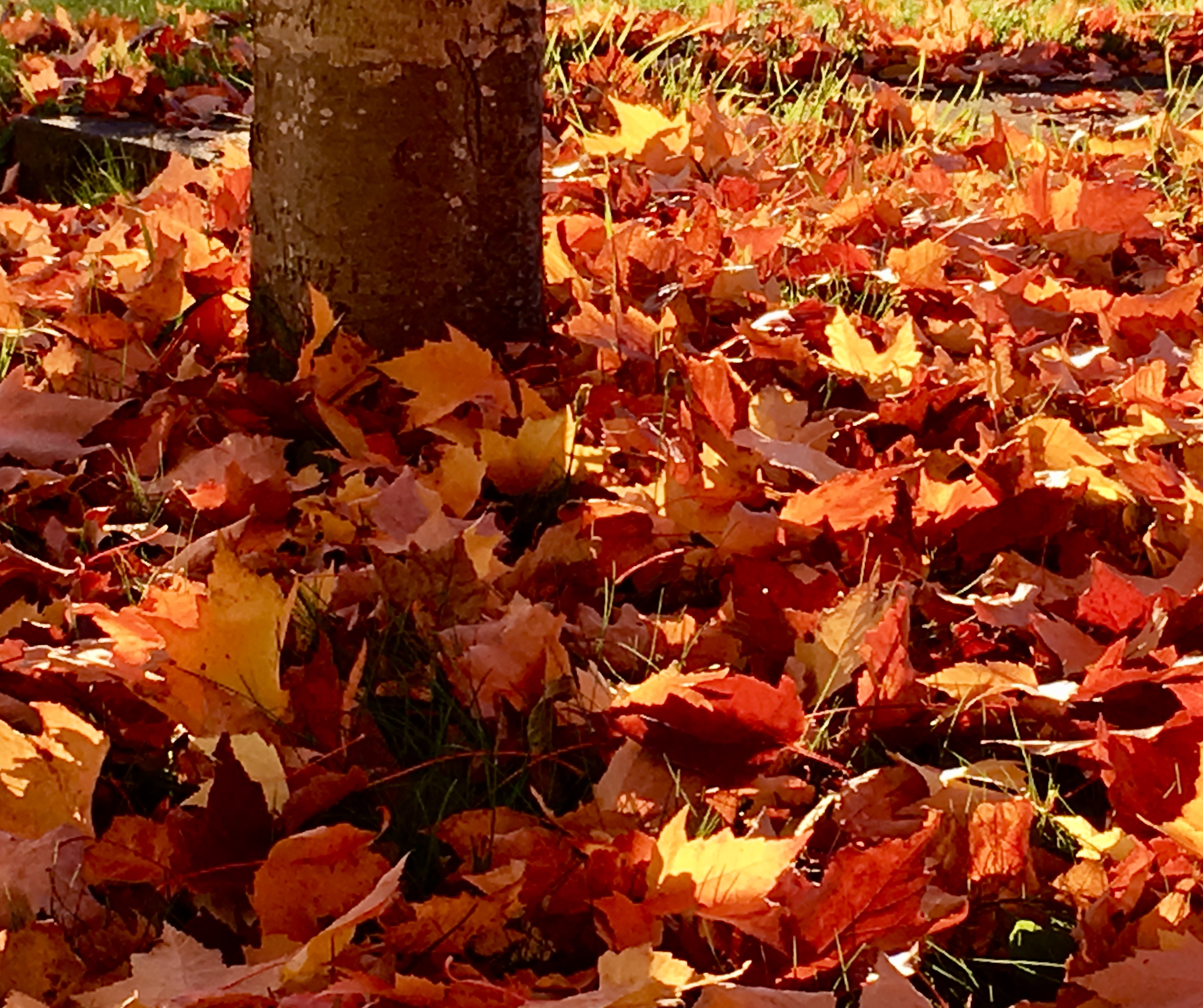
As I kick through piles of fallen leaves in the barnyard, I realize how close I am to becoming one of them. Within my own changing seasons, I have flourished and bloomed and fruited, but am now reminded of my fading, withering and eventual letting go.
I find I’m not nearly so bold anymore, instead trembling nervously when harsh winds blow me about, hoping the roots I’ve always depended upon will continue to nourish and sustain me.
This time of year, everything feels transitory — especially me.
When these thoughts overwhelm, I tend to hang on tighter rather than simply giving up and letting go. My feet stumble when I try to do the same tasks I did so smoothly years ago. I’m stubbornly wanting things to stay the same, reluctant for a transition to something different.
My only solace is that the heart of man — indeed my own hole-y heart — is transient compared to the holy Heart of the Creator. I am sustained by His steady Pulse, His ubiquitous Circulation, His impeccable Rhythm of Life and Death.
In that I trust. In that I come to abandon my stubborn reluctance.
One-Time
Monthly
Yearly
Make a one-time or recurring donation to support daily Barnstorming posts
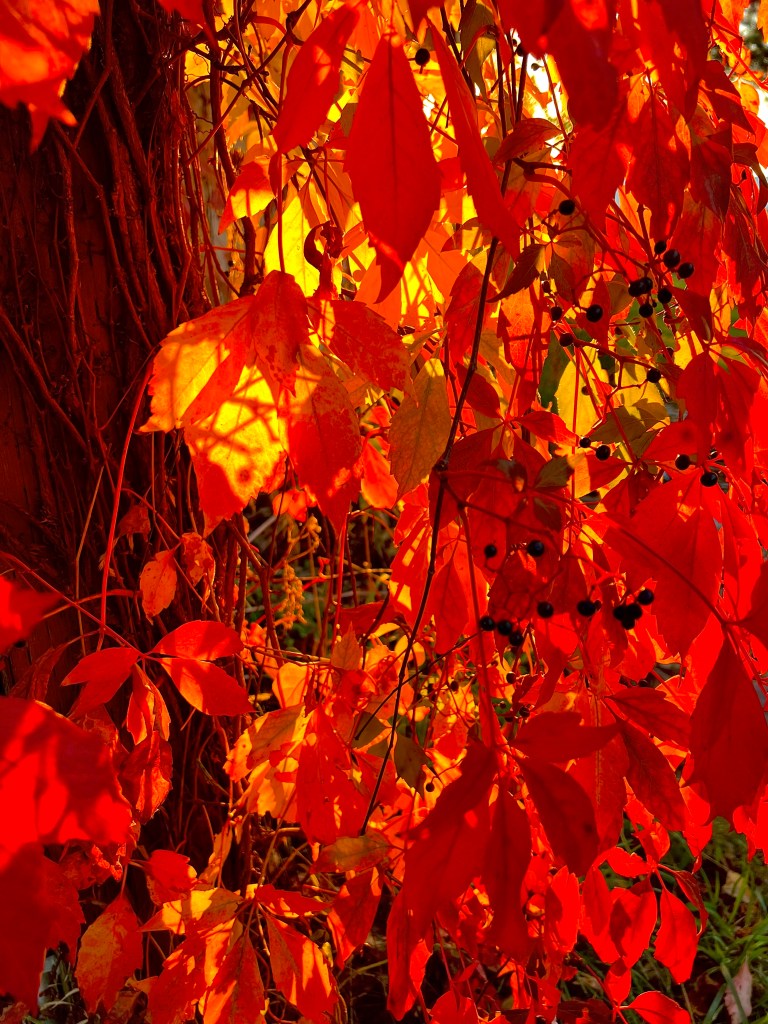
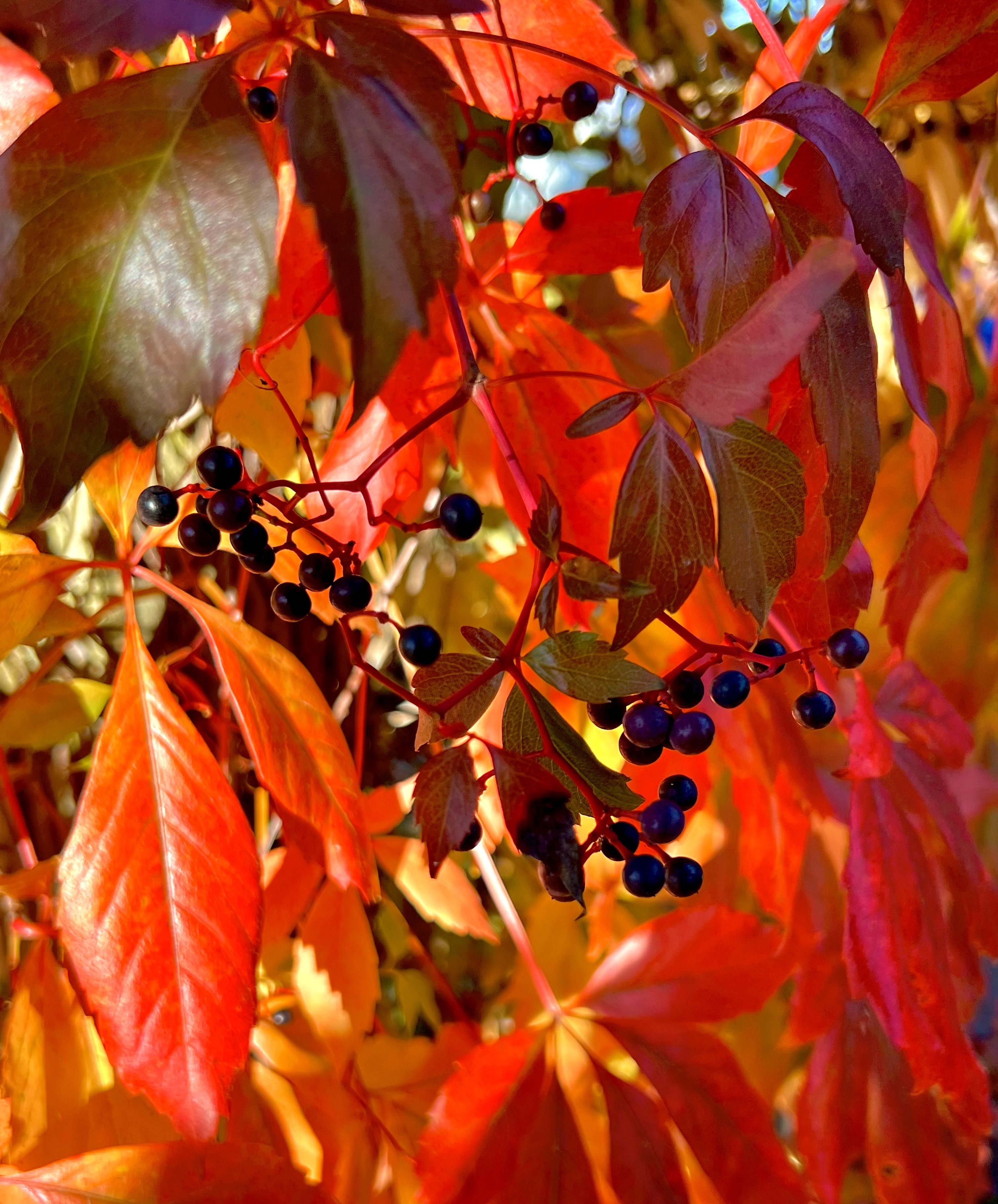
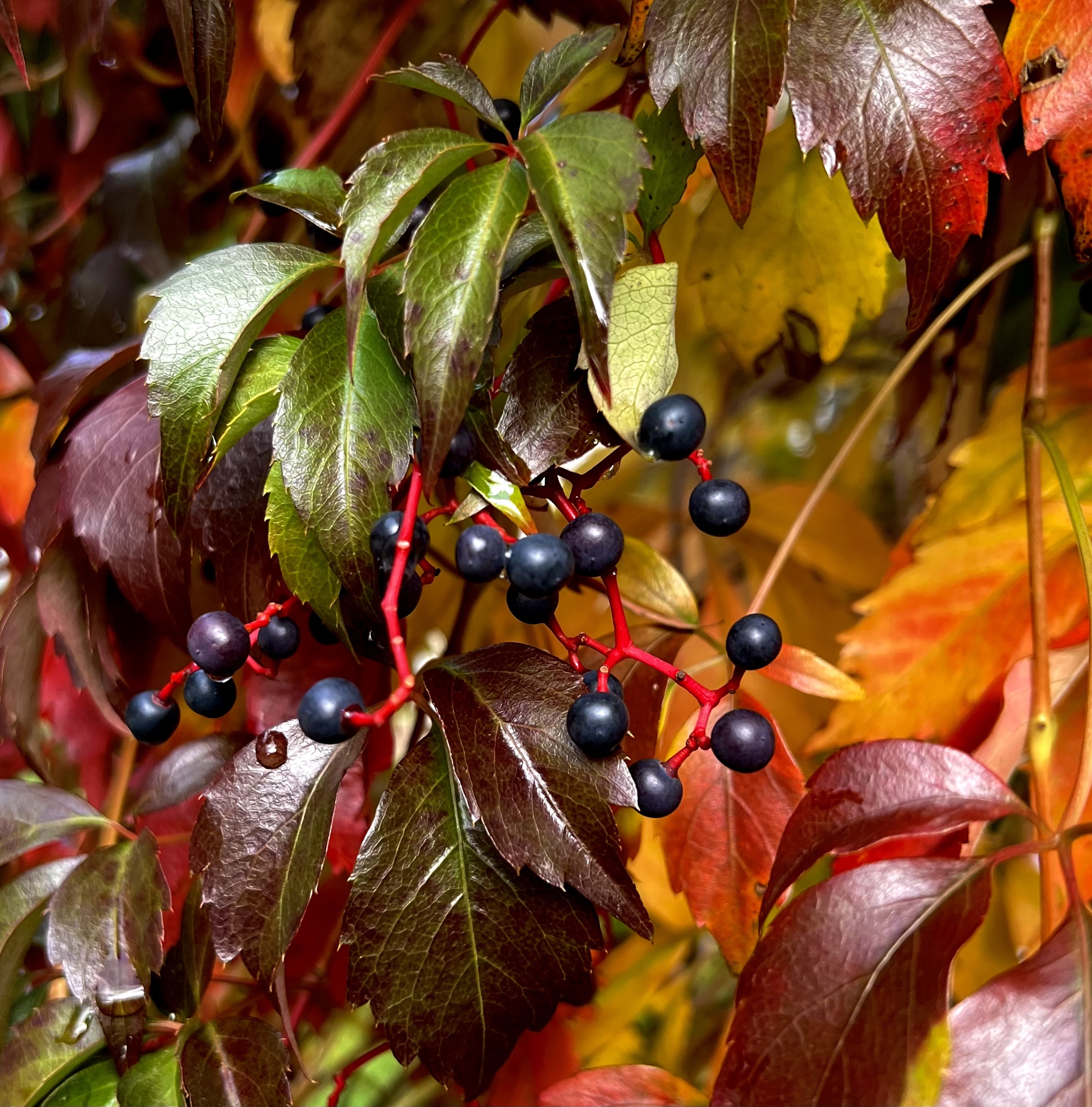
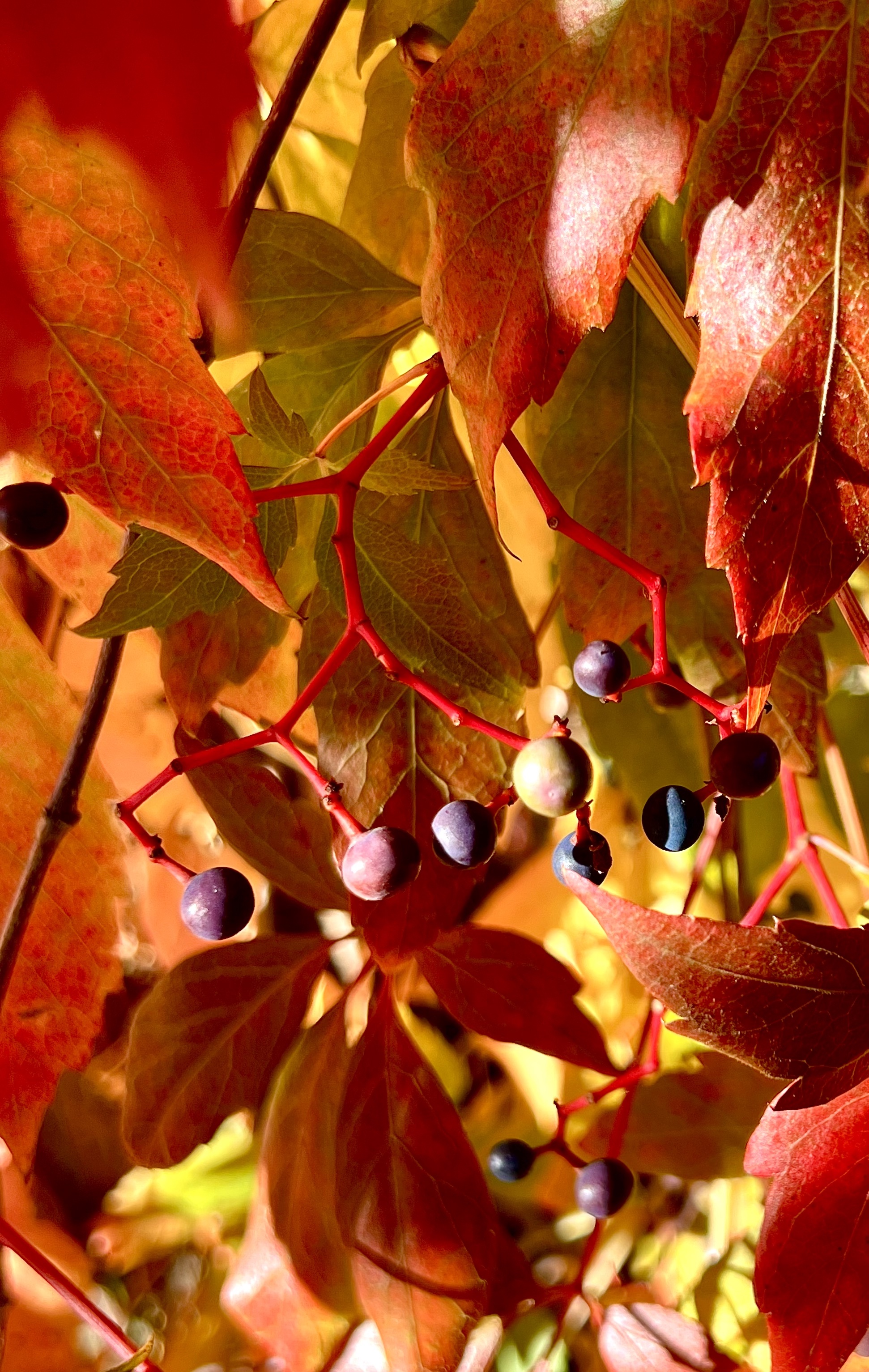
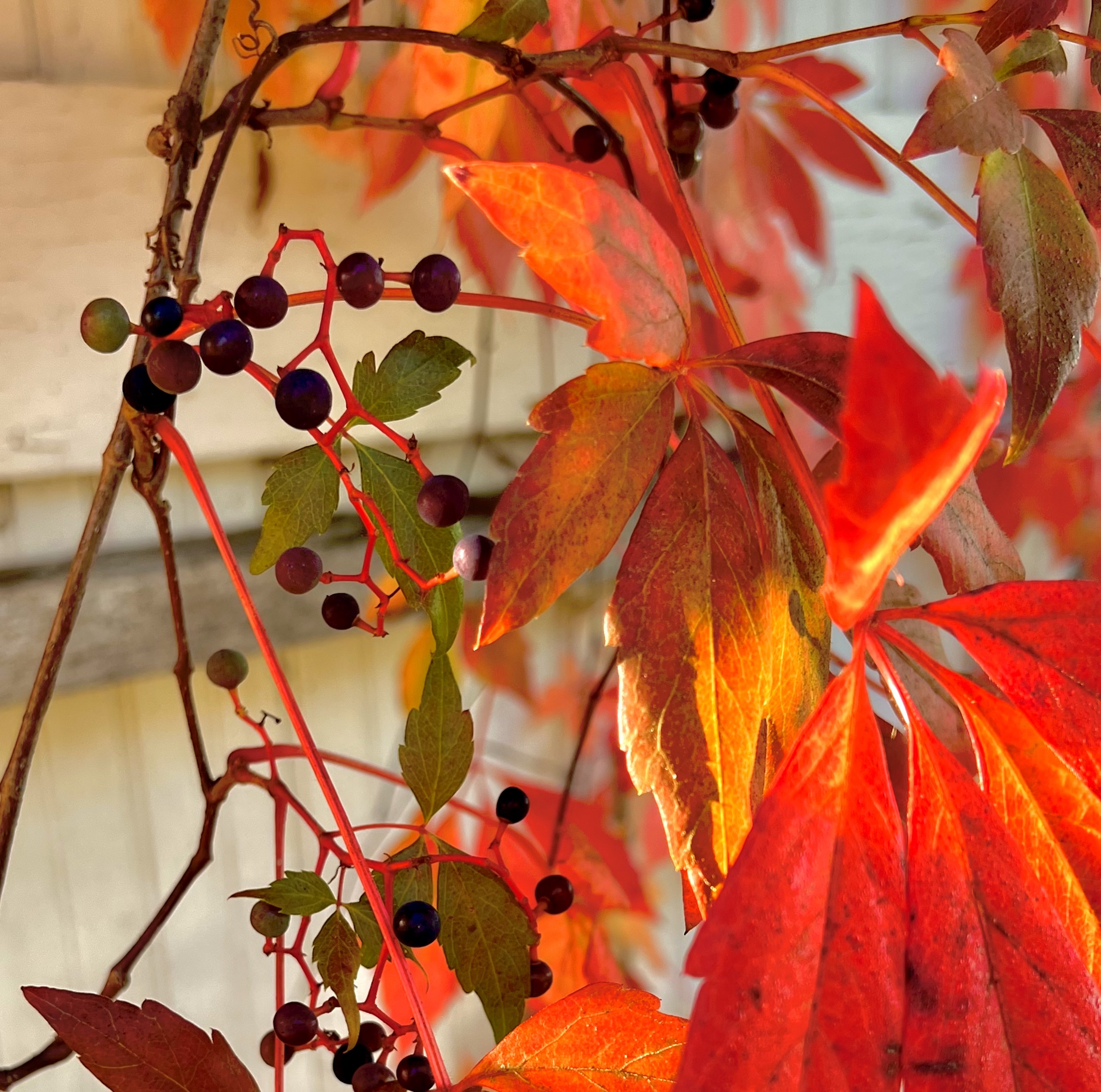
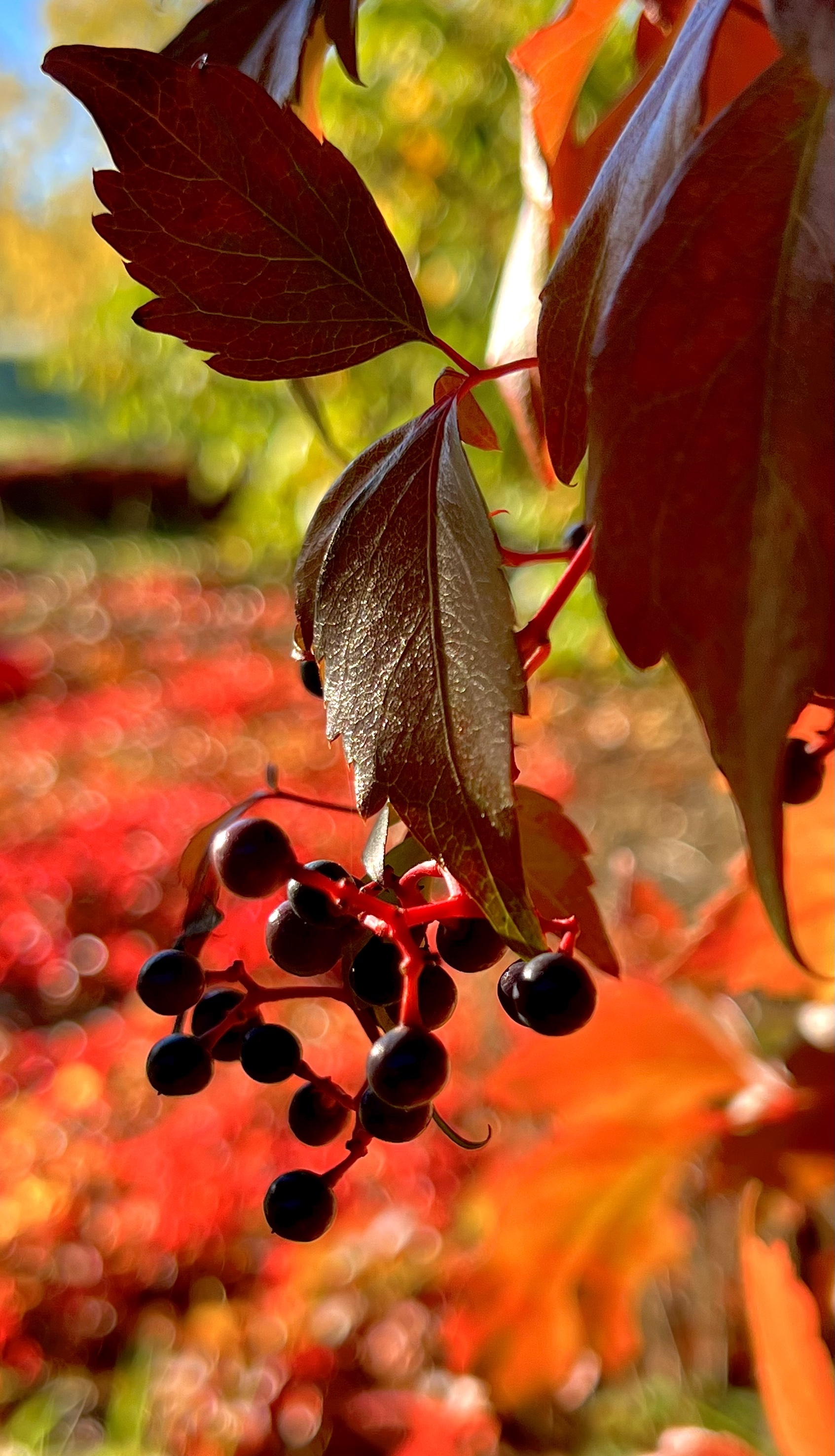
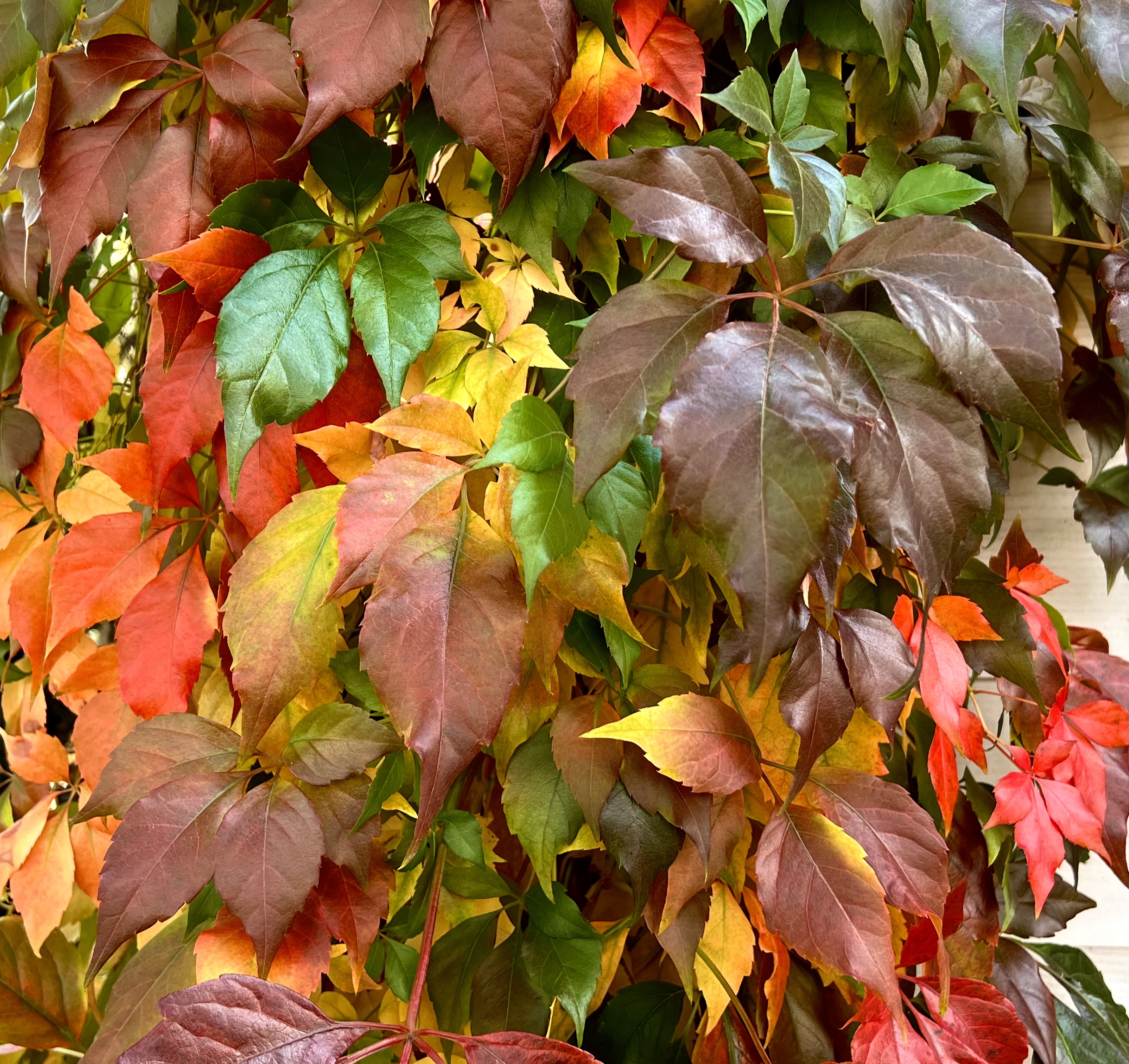
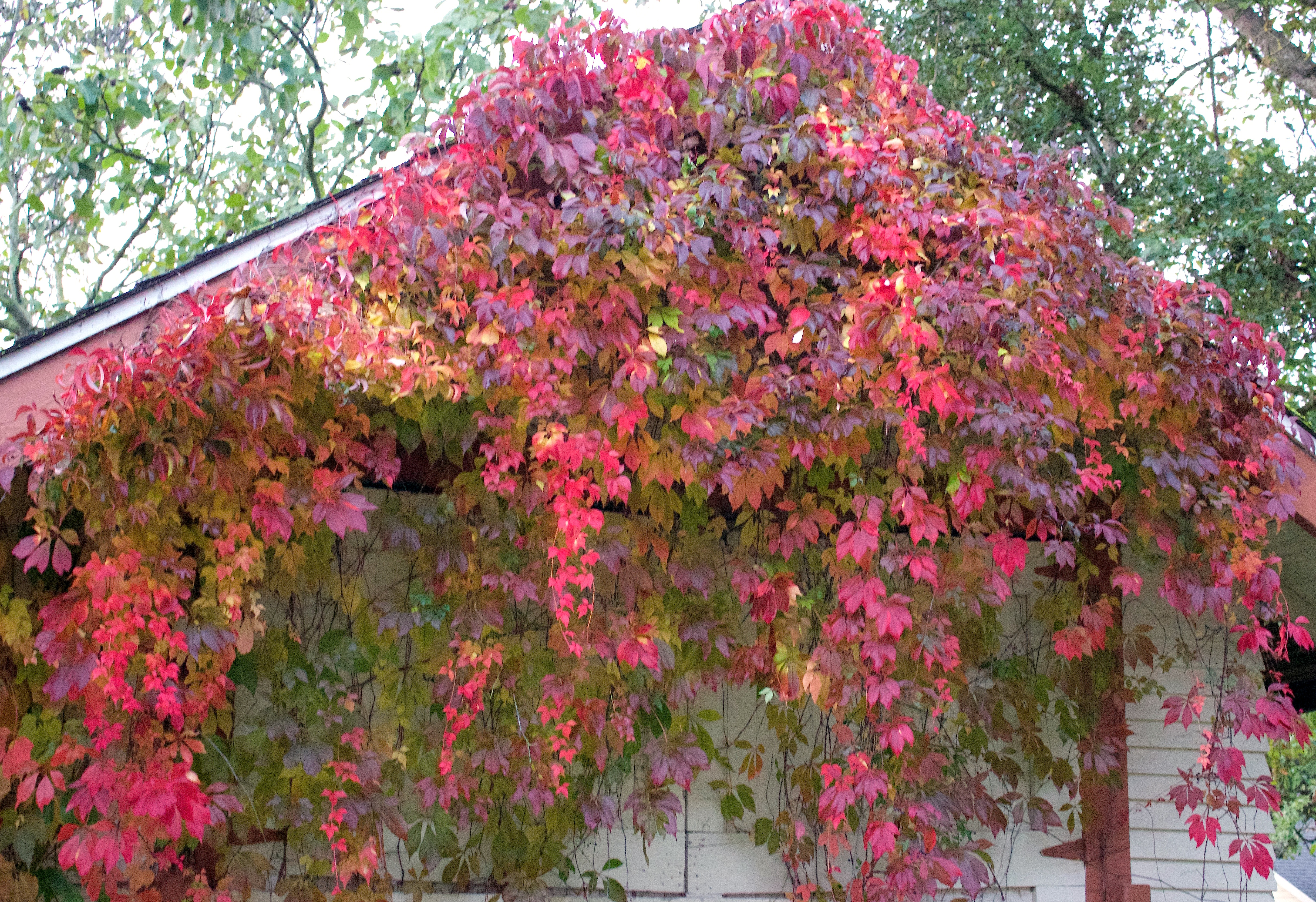
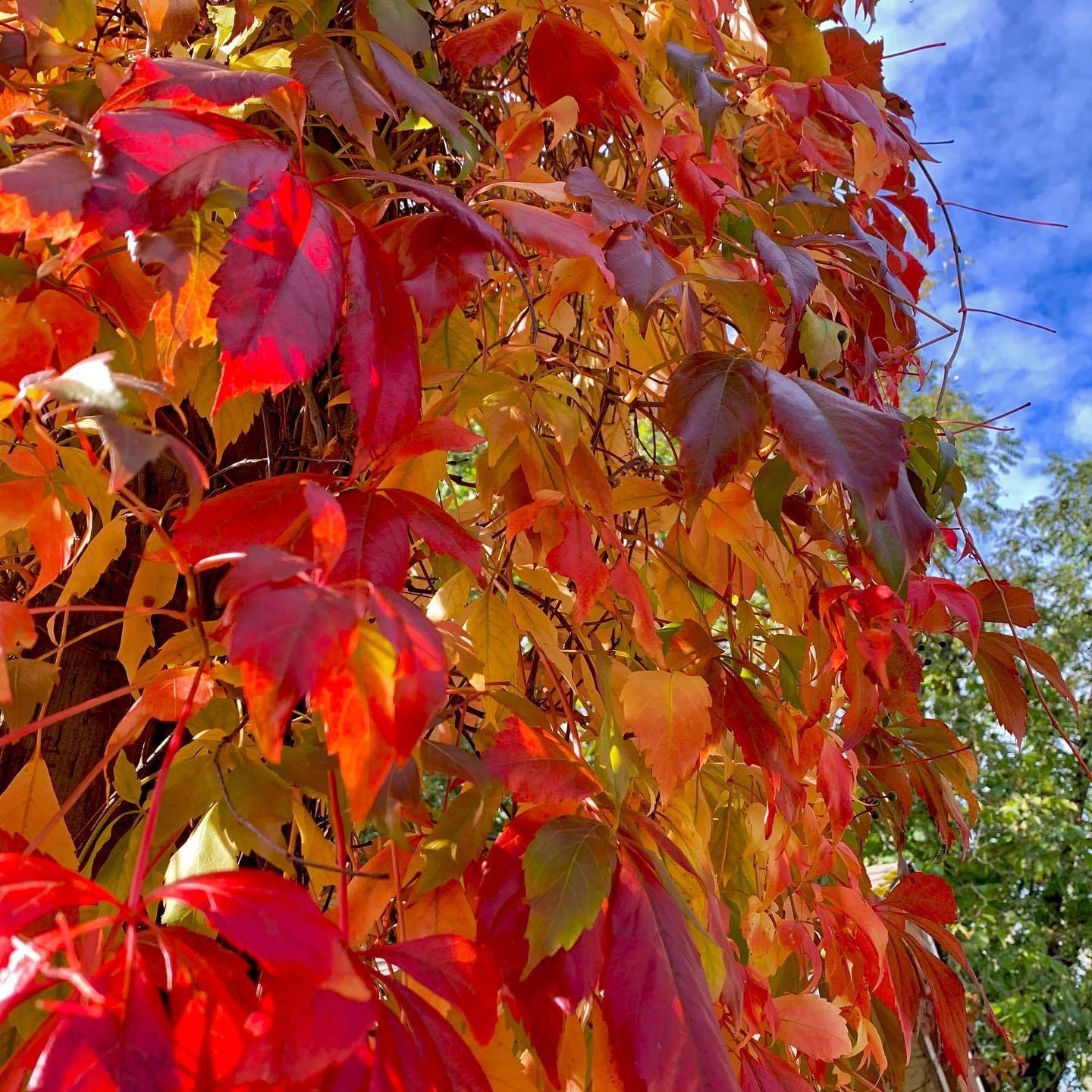
…the out-of-control Virginia creeper my friends say I should do something about, whose vermilion went at least a full shade deeper at the provocation of the upstart blue, the leaves (half green, half gold) suddenly hyper in savage competition with that red and blue— tohubohu returned, in living color.
God’s not nonexistent; He’s just been waylaid by a host of what no one could’ve foreseen. He’s got plans for you…
…it’s true that my Virginia creeper praises Him, its palms and fingers crimson with applause, that the local breeze is weaving Him a diadem… ~Jacqueline Osherow from “Autumn Psalm”
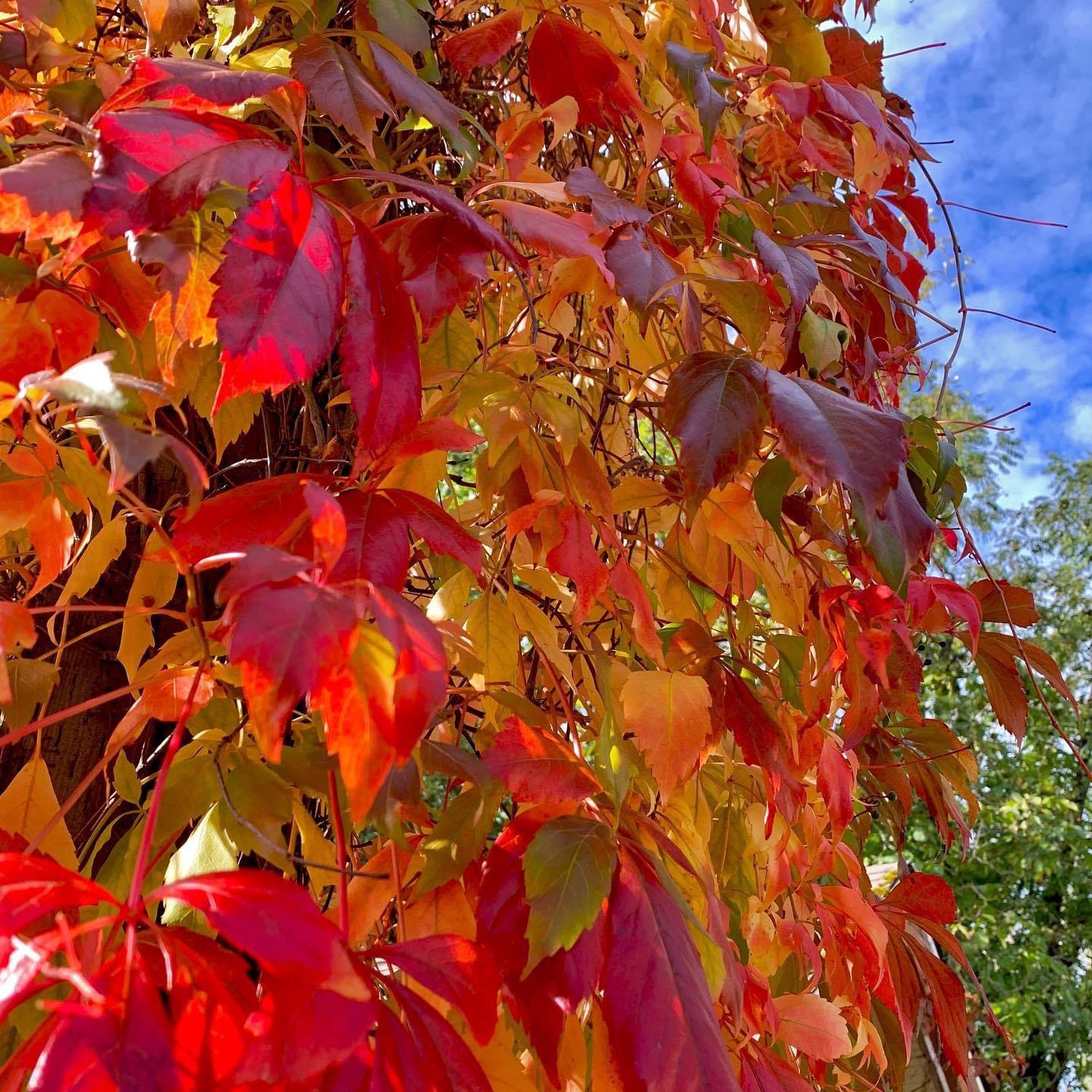
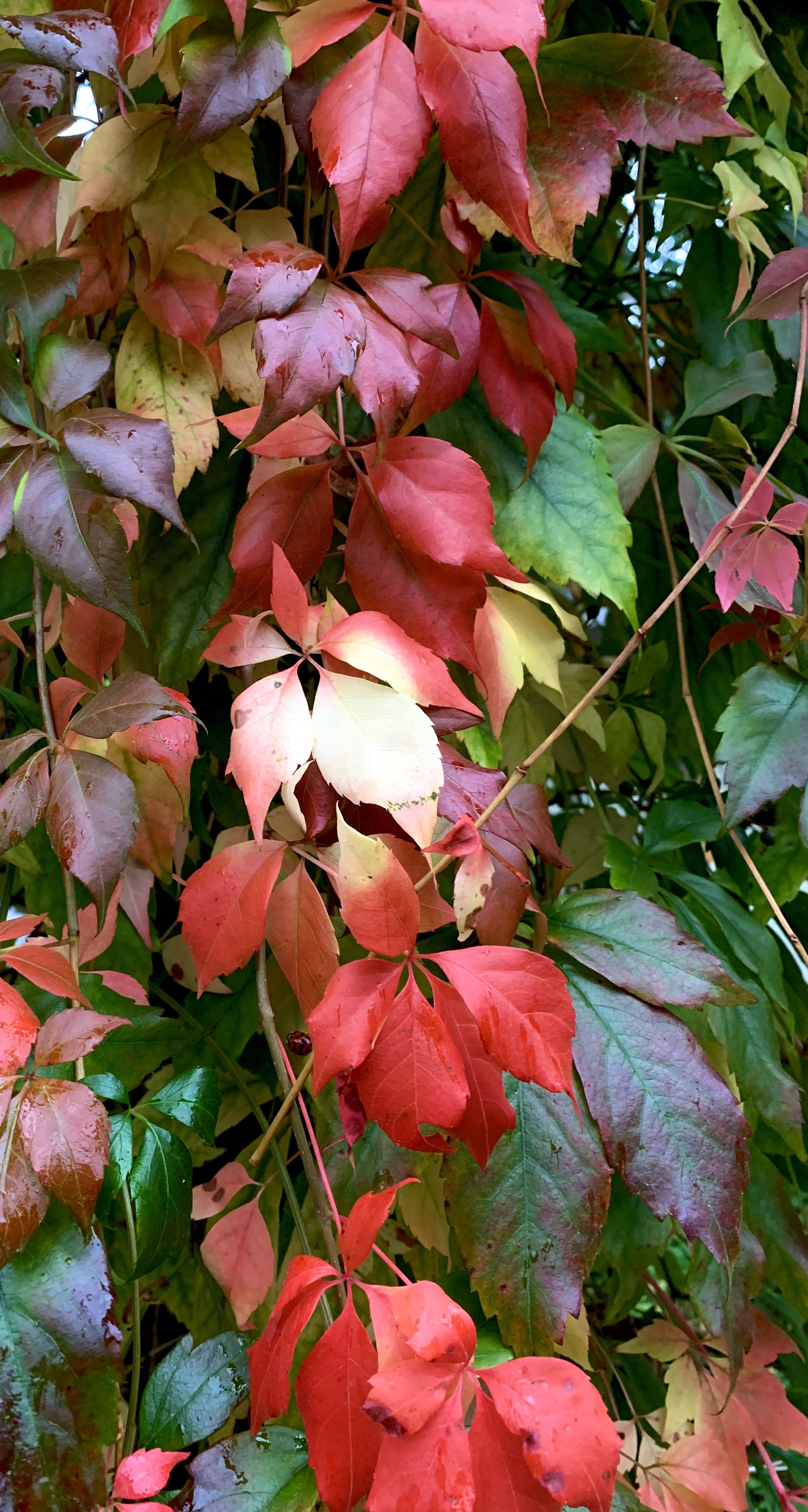
With what stoic delicacy does Virginia creeper let go: the feeblest tug brings down a sheaf of leaves kite-high, as if to say, To live is good but not to live—to be pulled down with scarce a ripping sound, still flourishing, still stretching toward the sun— is good also, all photosynthesis abandoned, quite quits. Next spring the hairy rootlets left unpulled snake out a leafy afterlife up that same smooth-barked oak. ~John Updike “Creeper”
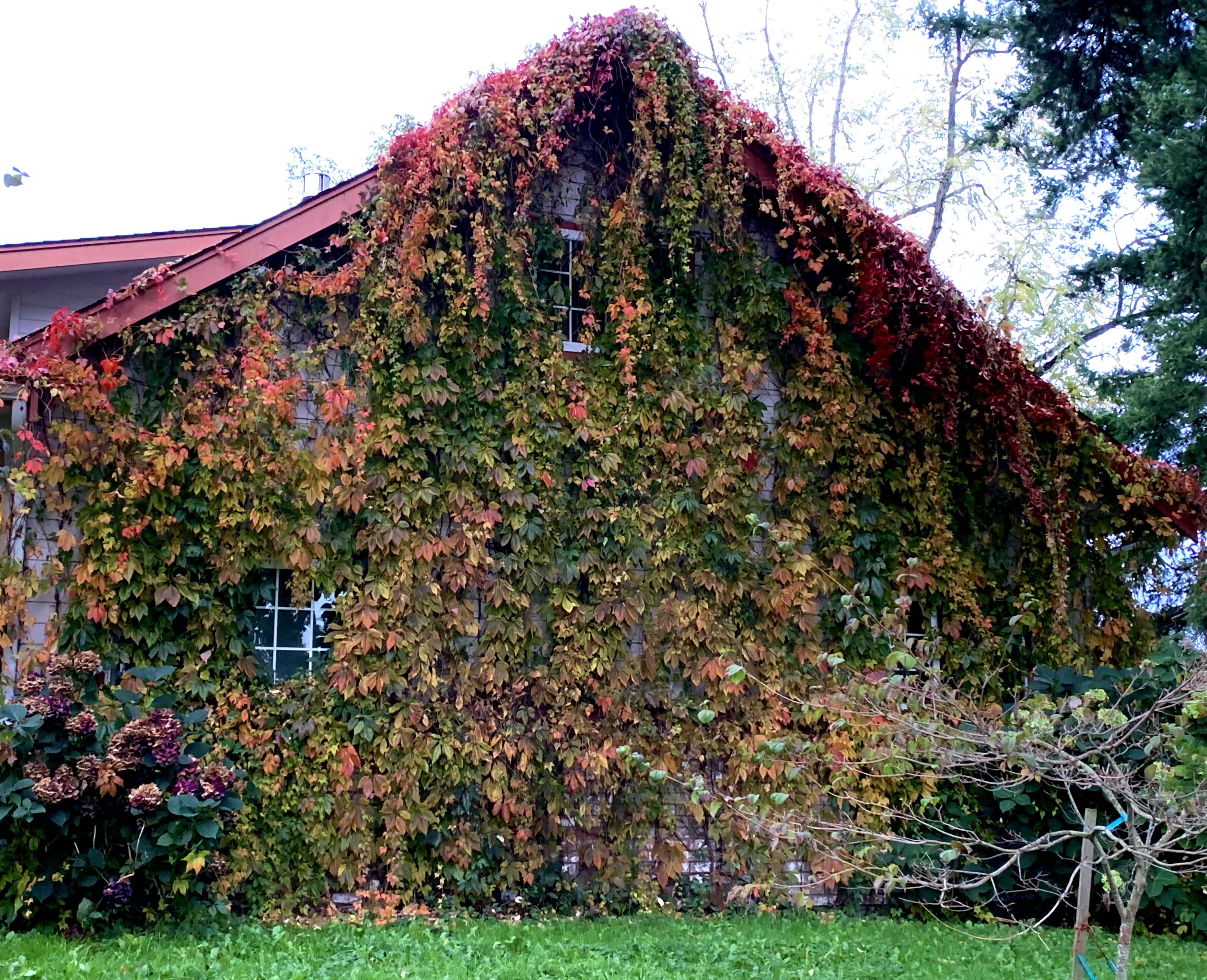
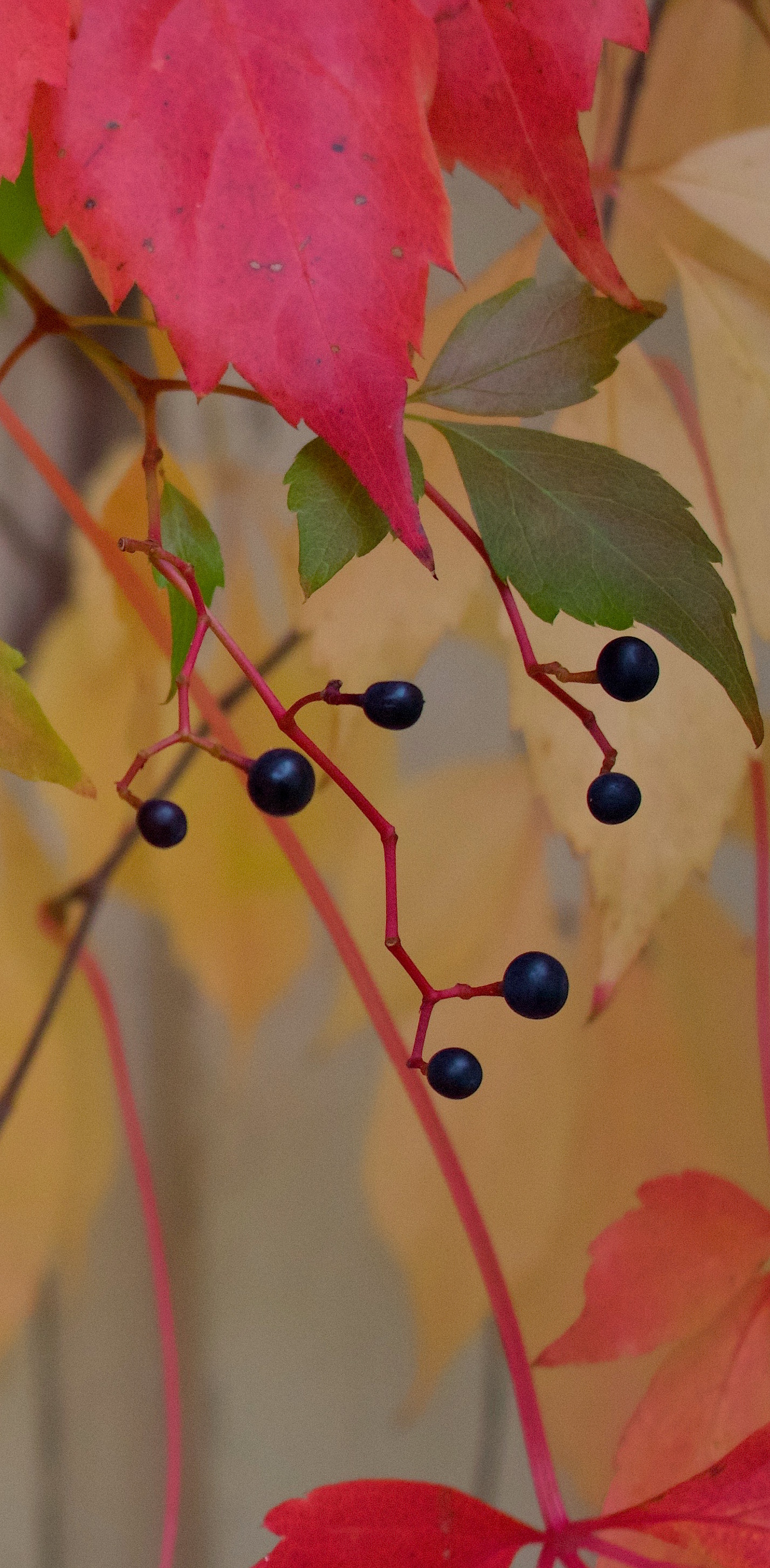
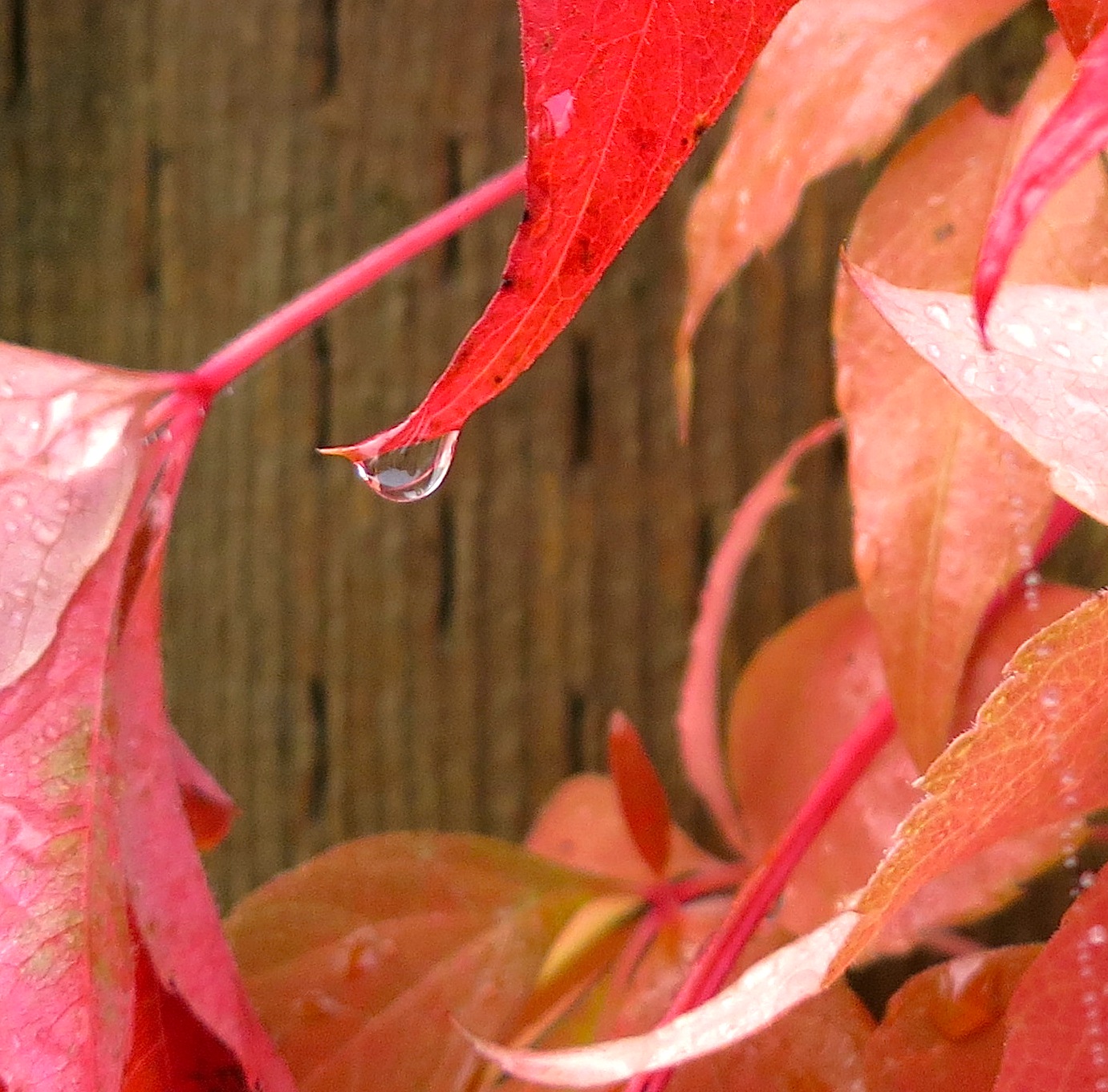
The Virginia Creeper vine, its crimson leaves crawl over the brow of our ancient shed like a lock of unruly hair or a flowing stream, a chaotic ruckus of color.
This humble building was a small chapel a century ago, moved from the intersection of two country roads to this raised knoll for forever sanctuary. It is befitting that every fall this former church, now empty of sermons and hymns, weeps red.
Each winter the stripped bare vine clings tightly through thousands of “holdfast” suckers. The glue keeps the vine attached where no vine has gone before. Once there, it stays until pulled away; it becomes an invincible foundation to build upon in the spring.
Do not despair about the winter to come. The Lord has plans and will not be moved or ripped away, even when His name is absent from the public square. He’s holding on, waiting on us, waiting for the spring to burst forth again and won’t ever, no never, let go.
One-Time
Monthly
Yearly
Make a one-time or recurring donation to support daily Barnstorming posts
Every year we have been witness to it: how the world descends
into a rich mash, in order that it may resume. And therefore who would cry out
to the petals on the ground to stay, knowing as we must, how the vivacity of what was is married
to the vitality of what will be? I don’t say it’s easy, but what else will do
if the love one claims to have for the world be true?
So let us go on, cheerfully enough, this and every crisping day,
though the sun be swinging east, and the ponds be cold and black, and the sweets of the year be doomed. ~Mary Oliver “Lines Written in the Days of Growing Darkness” from A Thousand Mornings
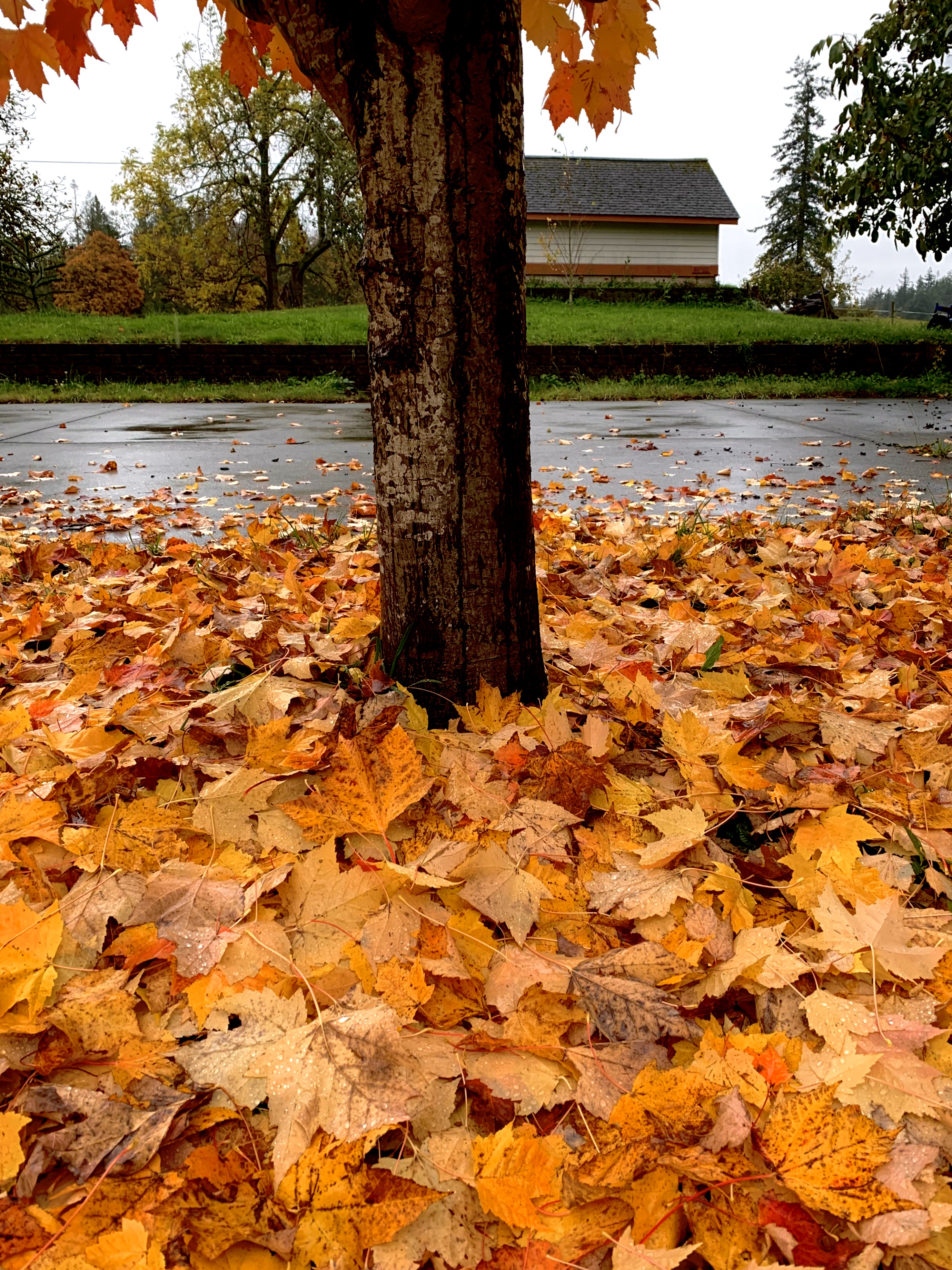
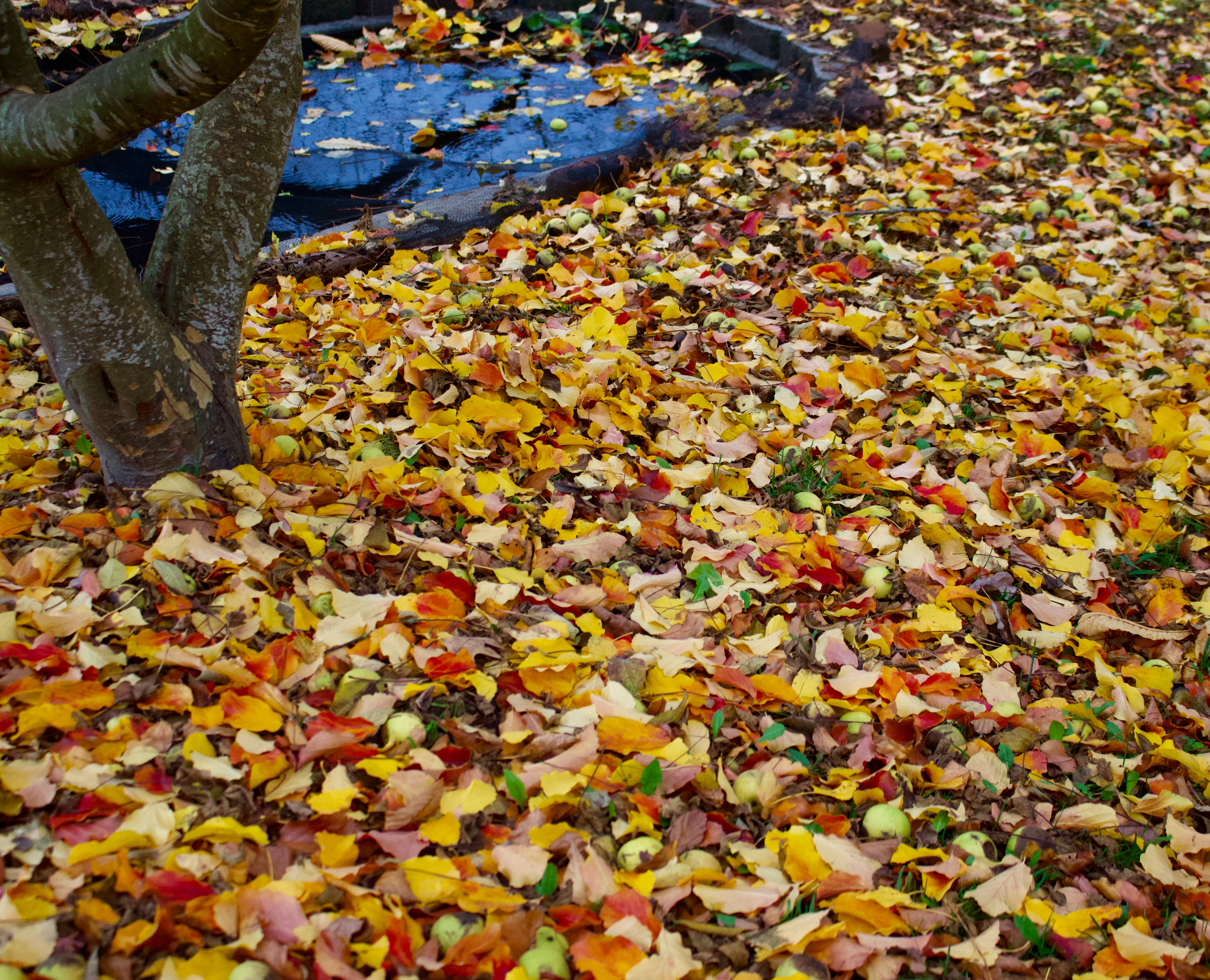
Nature is, above all, profligate. Don’t believe them when they tell you how economical and thrifty nature is, whose leaves return to the soil. Wouldn’t it be cheaper to leave them on the tree in the first place? ~Annie Dillard from Pilgrim at Tinker Creek
It is a good thing I wasn’t assigned the role of Designer of the Universe because all would have gone awry in my dedication to resource management, efficiency and creating less waste. To avoid having to blow around, rake, pick up and compost all those fallen autumn leaves, my trees would keep their leaves forever, just like evergreens keep needles. I also would decide there should be fewer insect species, namely wasps, fleas, chiggers, bed bugs, mosquitoes and fruit flies. In addition, fewer rodents, viruses, toxic bacteria and pesky parasites.
The list is endless: things would be different in my Thrifty Design Of All Things Natural.
But of course the balance of living and dying things would then be disturbed and off kilter.
Rather than worry about the wastefulness, I should revel in the abundance as I watch death recreate itself to life again. Nature has built-in redundancy, teems with remarkable inefficiency and overwhelms with extravagance.
As I too am just another collection of cells with similar profligacy, I can’t say much. I better not complain. Thank goodness for the redundancy and extravagance found in my own body, from the constant shedding of my skin covering to my over supply of nasal mucus during a upper respiratory infection helping me shed viral particles, to the pairing of many organs and parts allowing me a usable spare in case of system failure.
Sometimes cheaper costs more. Sometimes extravagance is intentional and rational, making cheap look … well, cheap.
Clearly things are meant to be as they are, thanks to a very wise Designer.
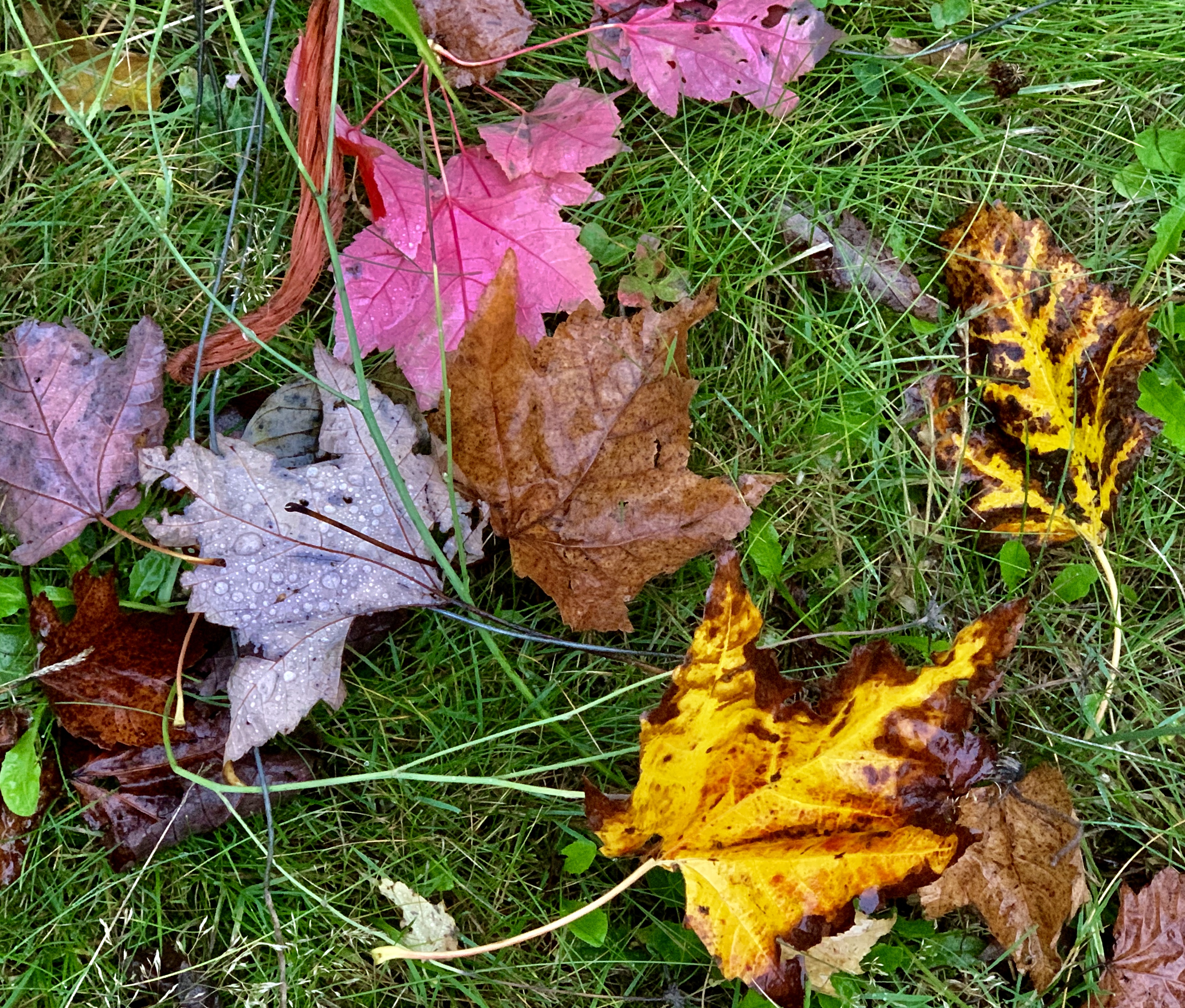
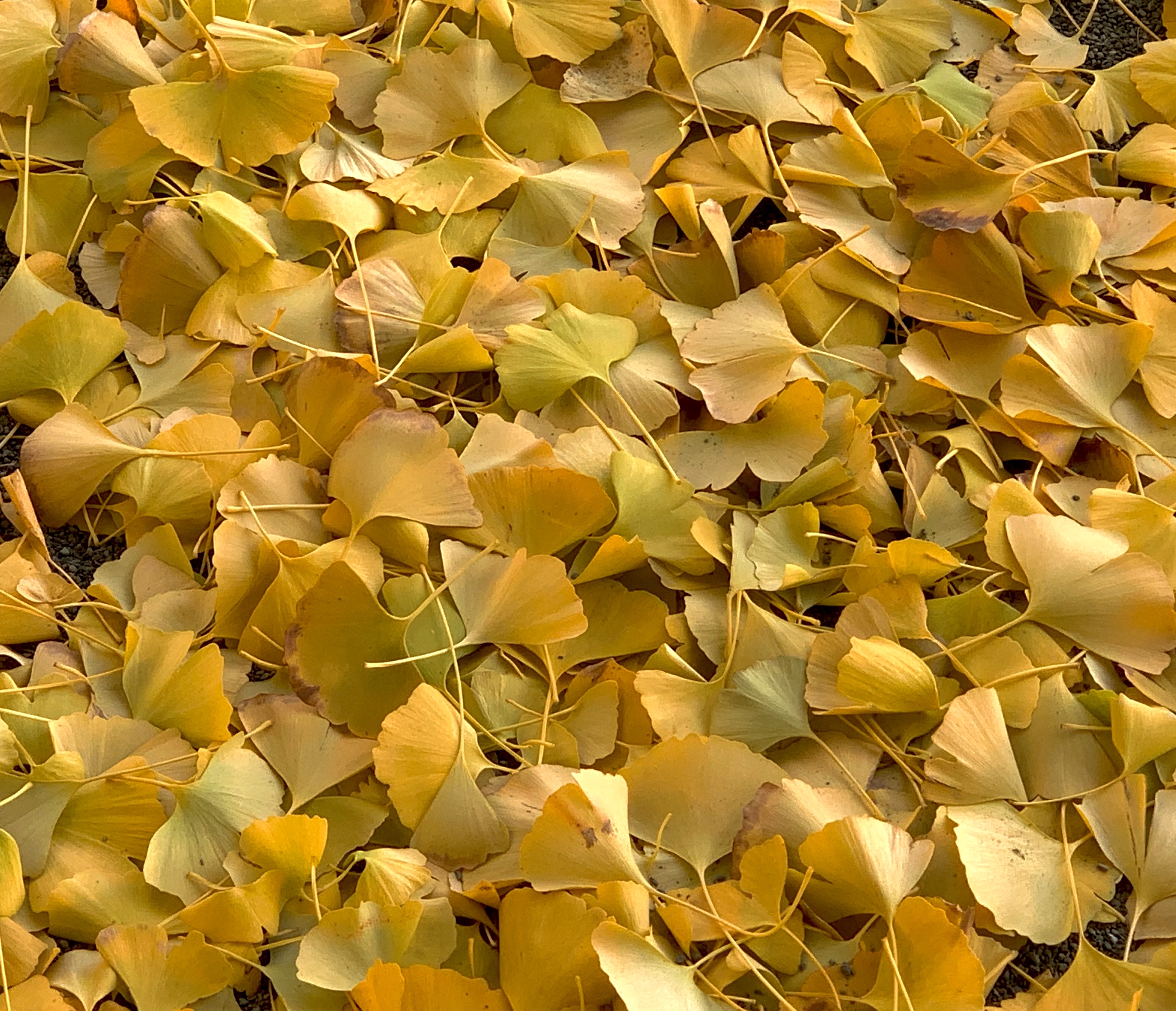
If I am ever in doubt, I simply look out at the leaf-carpeted front yard…or in the mirror.
Then it all makes sense.
One-Time
Monthly
Yearly
Make a one-time or recurring donation to support daily Barnstorming posts
Thumb stuck out as I go I’m just travelin’ up the road Maps don’t do much for me, friend I follow the weather and the wind
I’m hitch hikin’ all day long Got what I can carry and my song I’m a rolling stone just rolling on Catch me now ’cause tomorrow I’ll be gone ~Bruce Springsteen from “Hitch Hikin'”
His reputation was well known and all the medical students had heard the stories about Dr. Rosse. As the Anatomy Professor, his class would become the primary focus of student energy in the first year of medical school, with other classes seeming like so much background noise.
Dr. Rosse believed in active student participation in class, in the cadaver lab, on oral tests. He told us from the first day on: ” You will learn to THINK in this class like you’ve never thought before! Your patient’s lives depend on this. You will be prepared for my class each and every day, just as you must be prepared for whatever your patients will need from you.”
He was correct.
There were 110 of us in the lecture hall that first day, looking nervously at each other and at the empty podium down in front. We had been assigned three chapters in the anatomy textbook before Dr. Rosse’s first lecture and were expected to know the names of the bones and major blood vessels.
Dr. Rosse’s assignment for himself was to memorize our names and faces from a photo directory provided to him two days previously.
He began his lecture in the barely darkened room, running quickly through a carousel of slides of graphic photos and drawings of body parts. Within five minutes, he stopped and in his thick European accent, pointed at a student in the second row said: “Mr. Davis, can you tell me the name of this blood vessel on this slide?”
The student sat up startled, and sat silent, gathering his wits. Dr. Rosse looked pointedly at his wrist watch and started saying, “Drip. Drip. Drip.” The student started to sweat.
“Drip, drip, drip, your patient is losing blood, Mr. Davis.”
The student, in a moment of enlightenment asked,” the inferior vena cava?” and Dr. Rosse said, “Very good, Mr. Davis!” and made a notation on the tablet on the podium in front of him.
The rest of our hearts immediately were in our throats, something that Dr. Rosse would later tell us was an anatomic impossibility, no matter how much it felt like it. There would be no dozing off, daydreaming or not preparing for this class.
My turn came the following week as he called out my name, his steely eyes fixed on only me. I got off fairly easy with a question from Dr. Rosse about the attachments for the extensor pollicis longus. I had memorized all the arm muscles the night before so was prepared.
“Yes, very good, Miss Polis. Now tell me, if I were to fall off this podium right now, land on my outstretched arm and rupture my extensor pollicis longus, what would I not be able to do with my arm?”
I had no idea. I looked at him somewhat aghast. I thought I had done the necessary preparation to be ready for his questioning. My memorizing names and locations of muscles and tendons had only taken me so far. I had not really thought about the functionality of what I was learning and how it might be relevant to my future patients.
“Think now Miss Polis! This is not so very hard that you can’t THINK it out!” Dr. Rosse demanded from the podium.
So I guessed. “Uh, you can’t grip?”
“Exactly wrong! Take a hike back to your study carrel, Miss Polis. You have not prepared yourself well enough. Go back to your book, and with each muscle you memorize, you must feel it on yourself or your study partner and think about how it works. Your patient will thank you for that someday.”
I was mortified that day, but survived that anatomy class, survived six oral exams over the cadaver with Dr. Rosse, and although I didn’t get an A in his class, I was very relieved to get a B+. As a student, I had never been asked before to actually apply what I was learning to make it relevant to my future work. Dr. Rosse was right. I had learned to not just memorize, but to think.
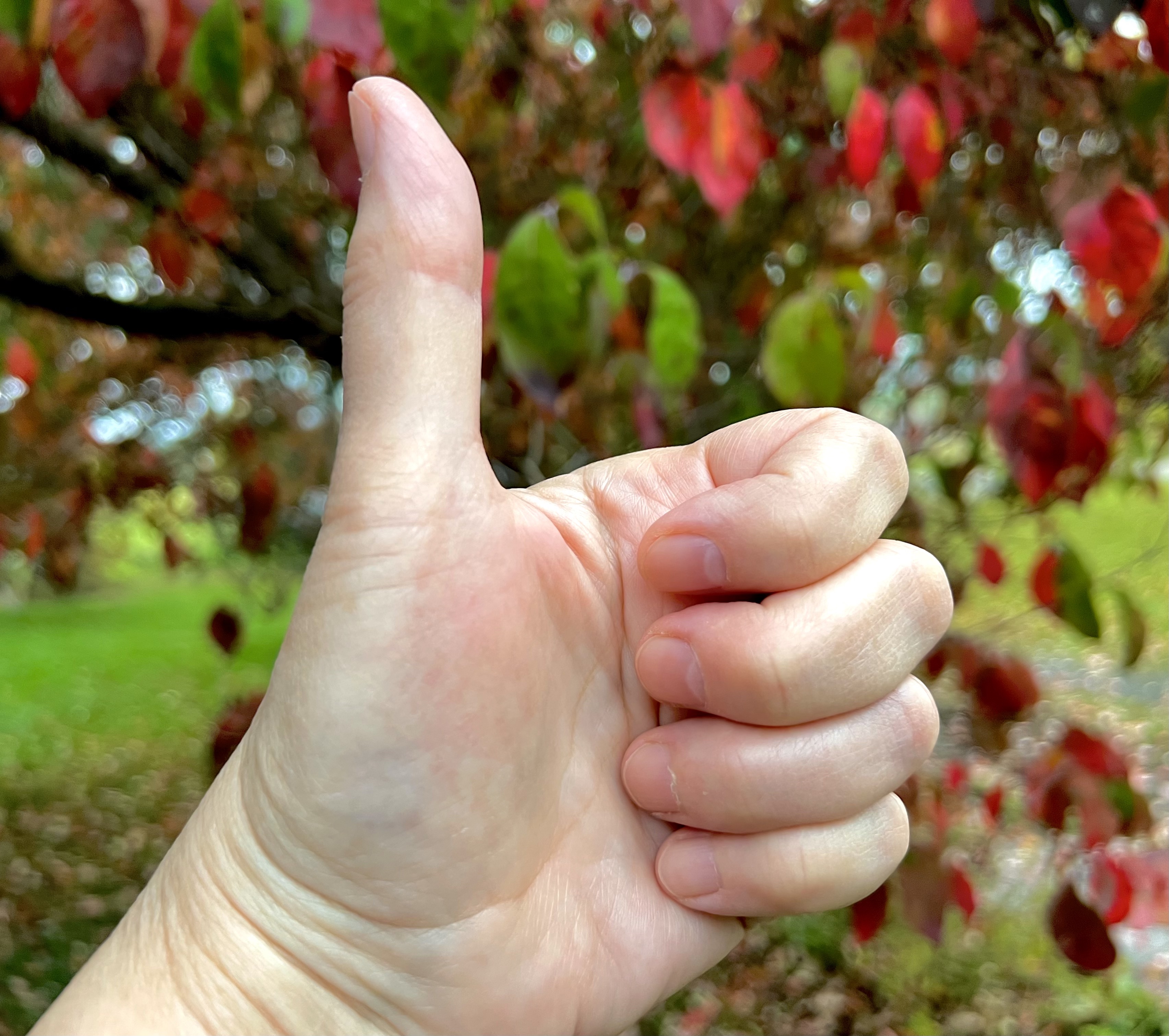
And when I saw my first extensor pollicis longus rupture seven years later in my practice, I was absolutely confident of the diagnosis because my patient could not lift up his thumb when asked to act like he was hitchhiking. And my patient did thank me. Dr. Rosse was right again.
One-Time
Monthly
Yearly
Make a one-time or recurring donation to support daily Barnstorming posts
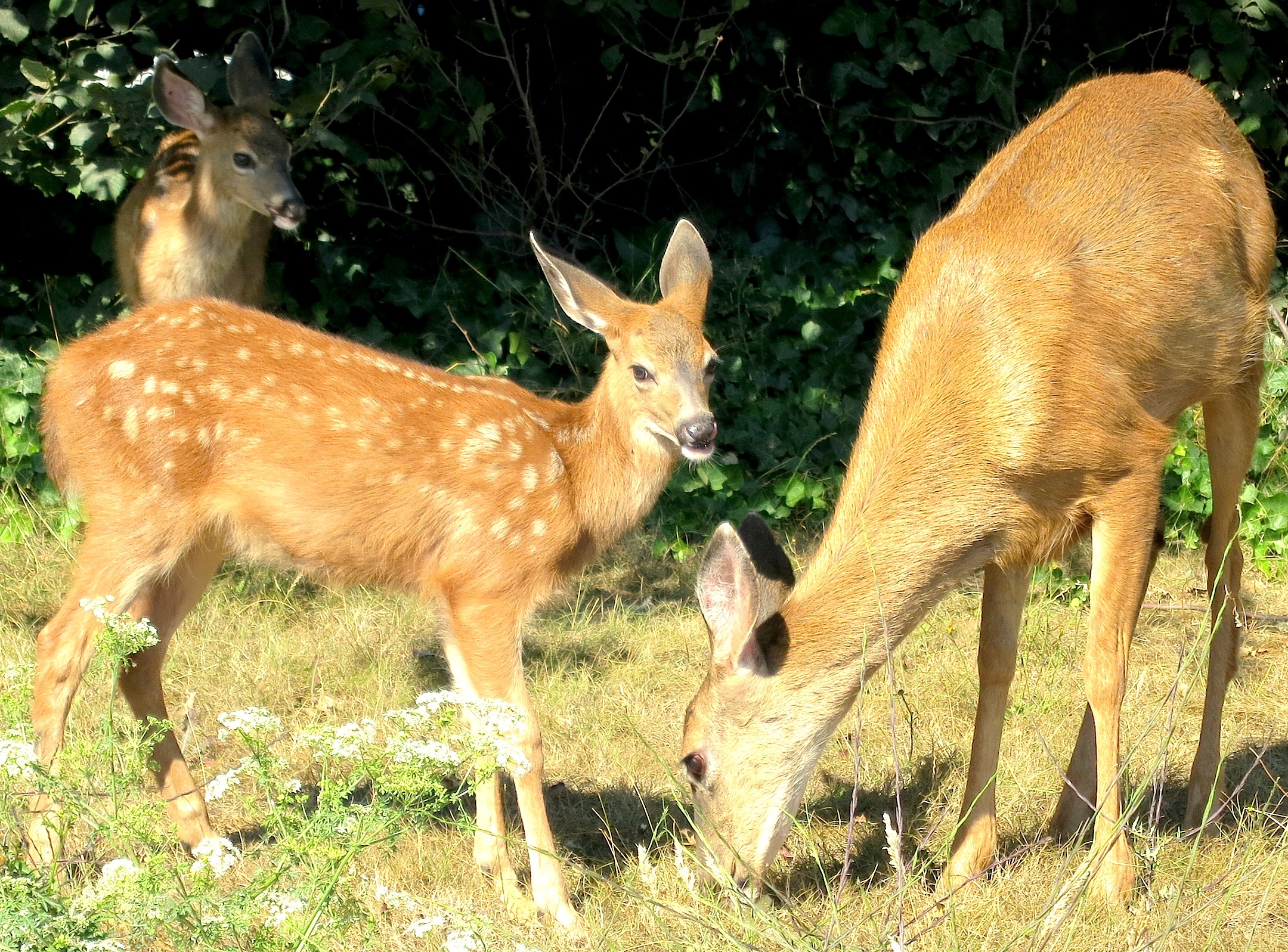
He loved to ask his mother questions. It was the pleasantest thing for him to ask a question and then to hear what answer his mother would give. Bambi was never surprised that question after question should come into his mind continually and without effort.
Sometimes he felt very sure that his mother was not giving him a complete answer, was intentionally not telling him all she knew. For then there would remain in him such a lively curiosity, such suspicion, mysteriously and joyously flashing through him, such anticipation, that he would become anxious and happy at the same time, and grow silent. ~Felix Salten from Bambi
A Wounded Deer—leaps highest— I’ve heard the Hunter tell— ‘Tis but the Ecstasy of death— And then the Brake is still! ~Emily Dickinson “165″
As the house of a person in age sometimes grows cluttered with what is too loved or too heavy to part with, the heart may grow cluttered. And still the house will be emptied, and still the heart.
Empty and filled, like the curling half-light of morning, in which everything is still possible and so why not.
Filled and empty, like the curling half-light of evening, in which everything now is finished and so why not.
Beloved, what can be, what was, will be taken from us. I have disappointed. I am sorry. I knew no better.
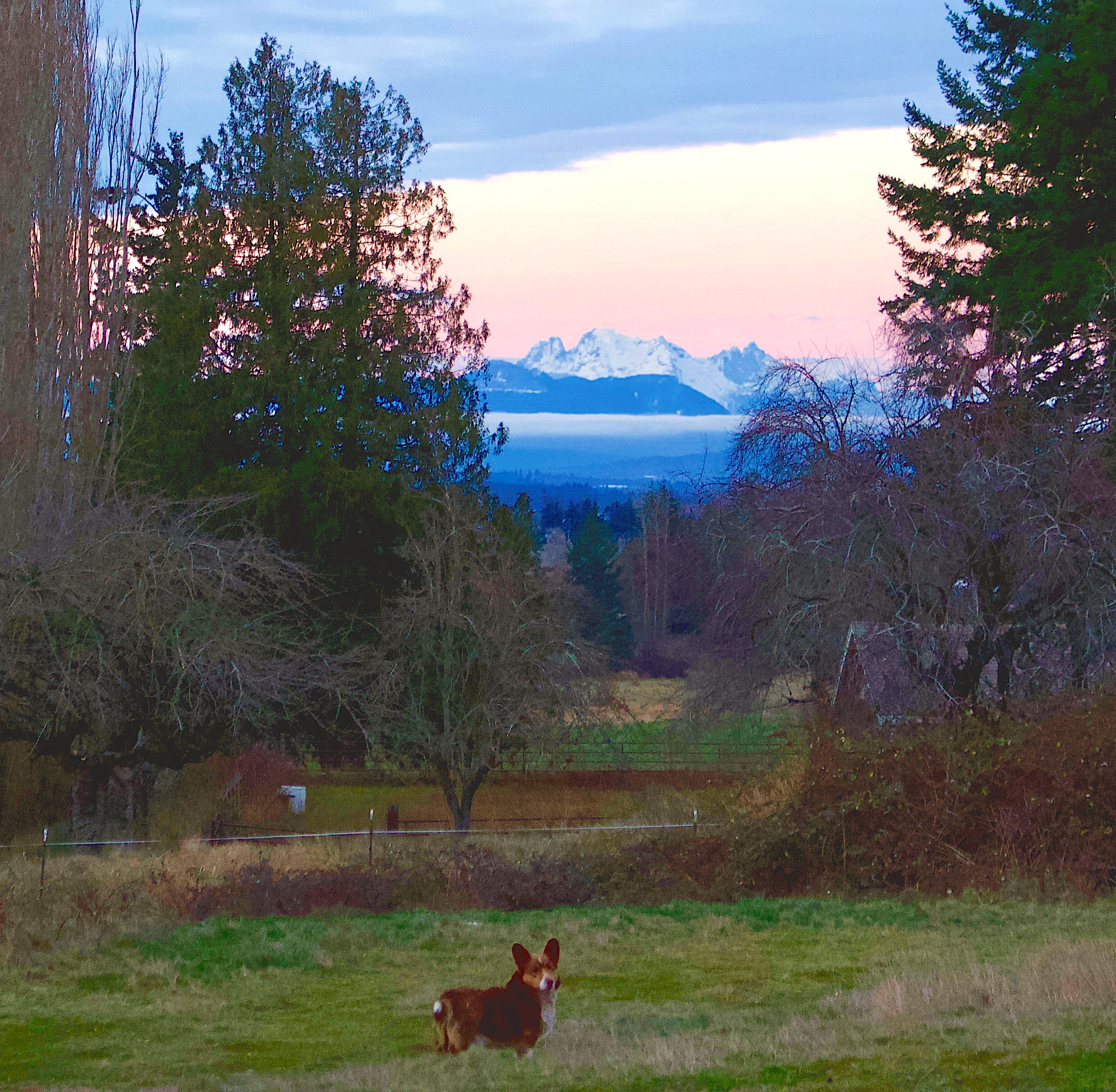
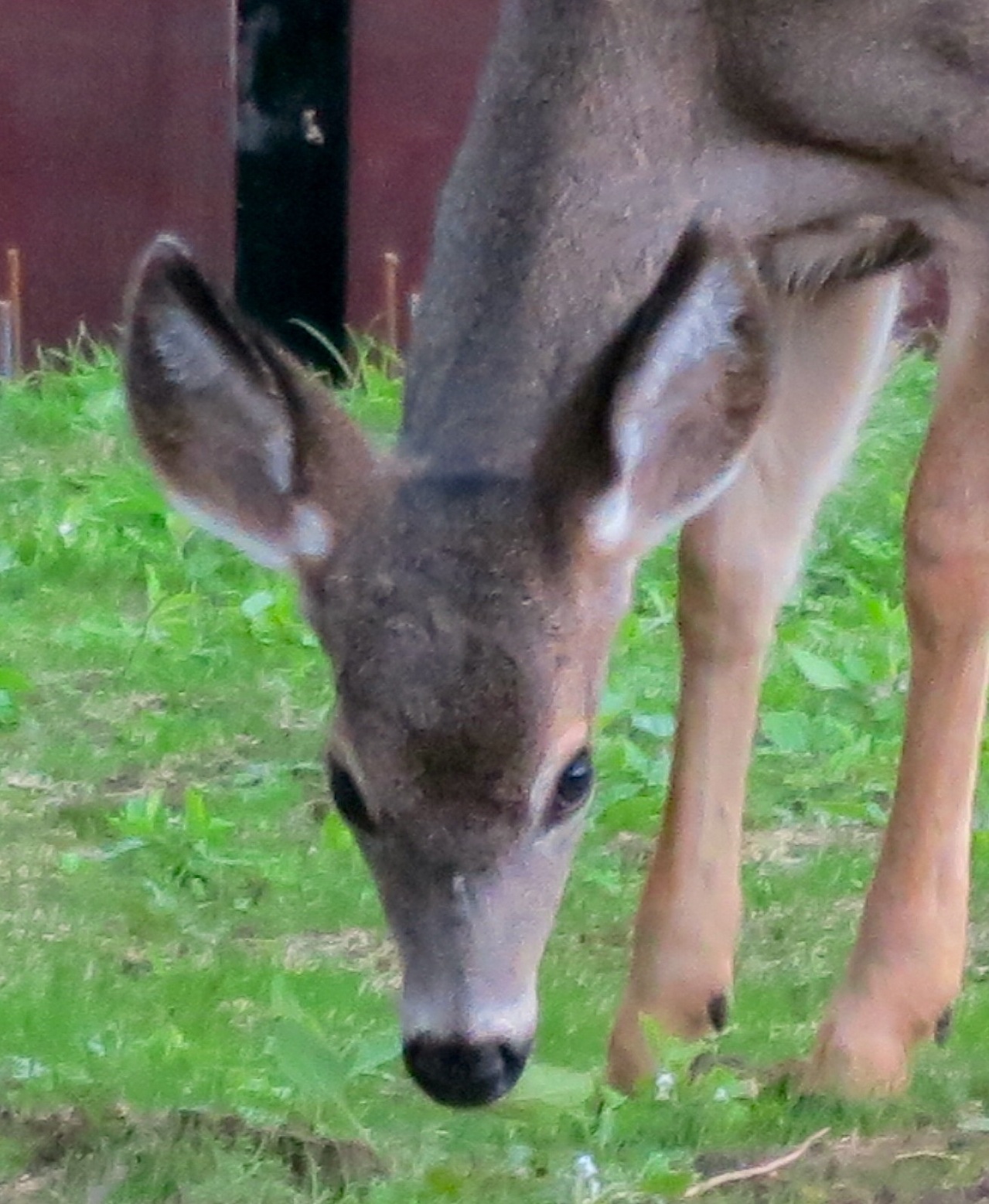
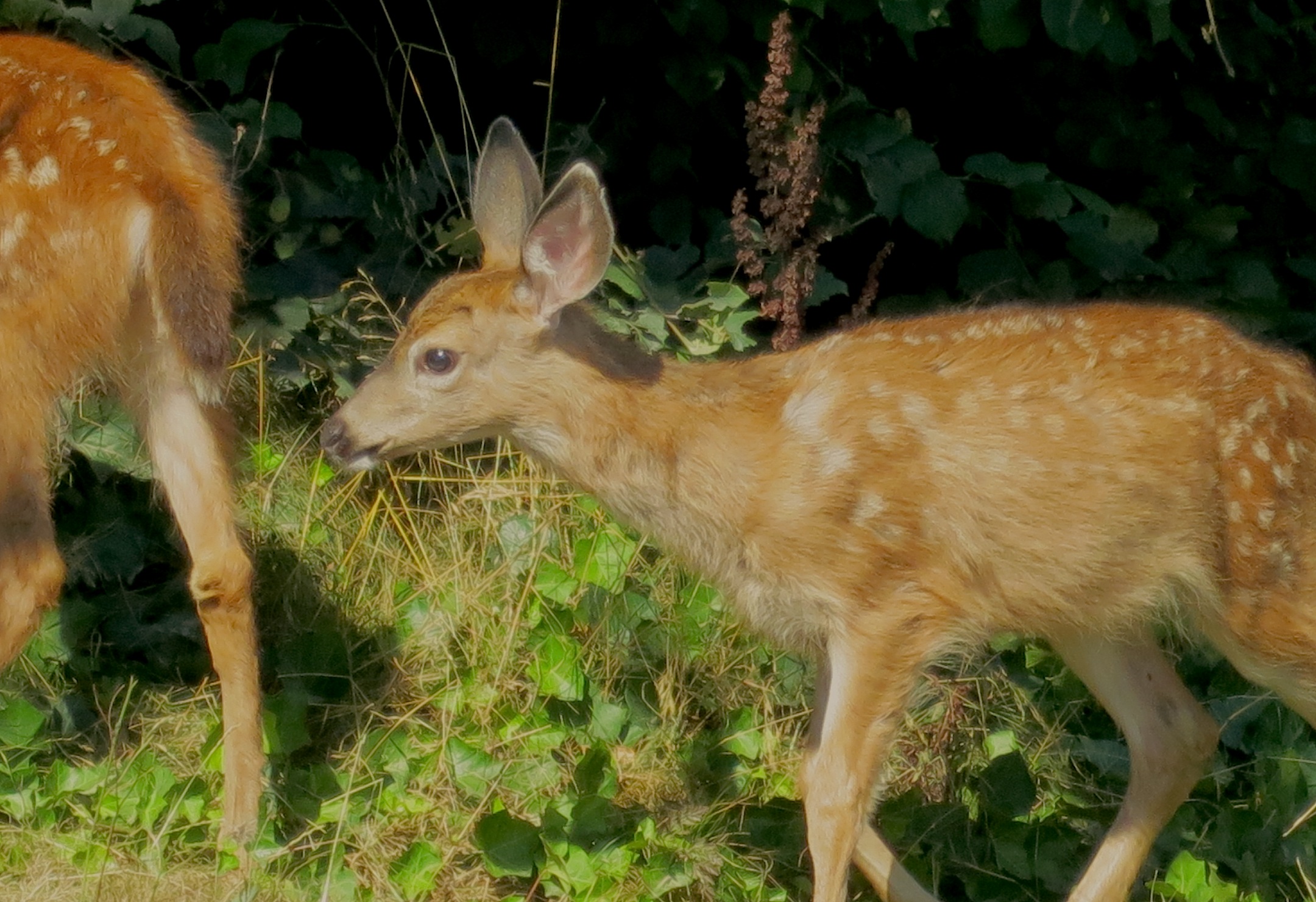
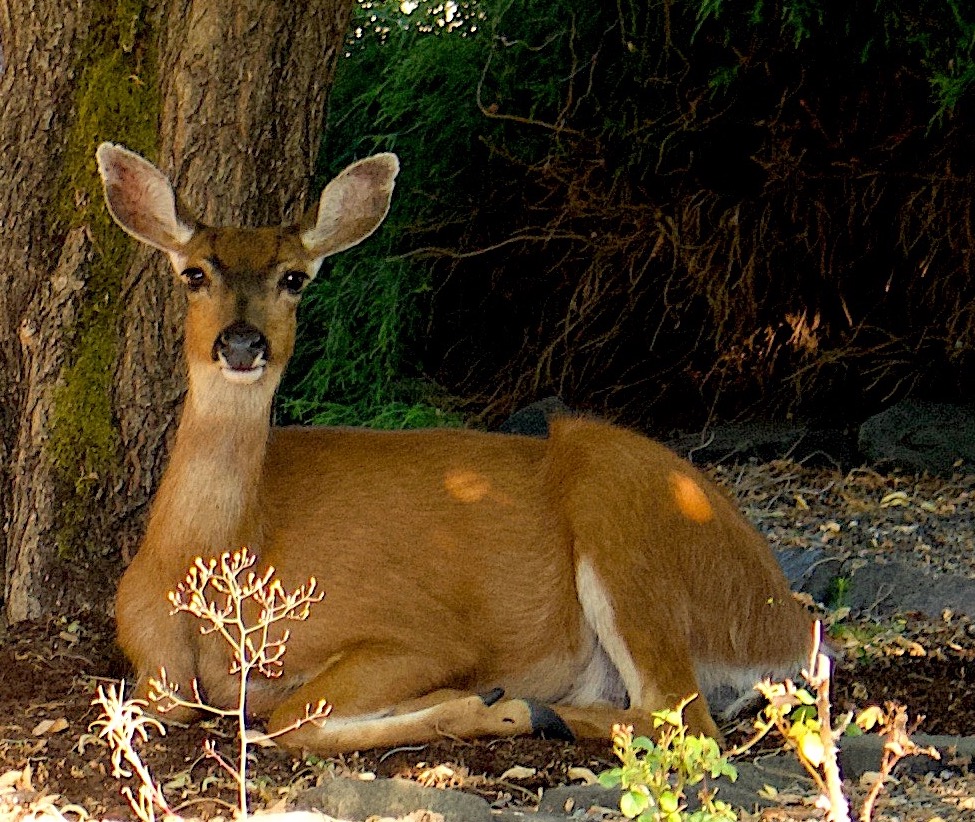
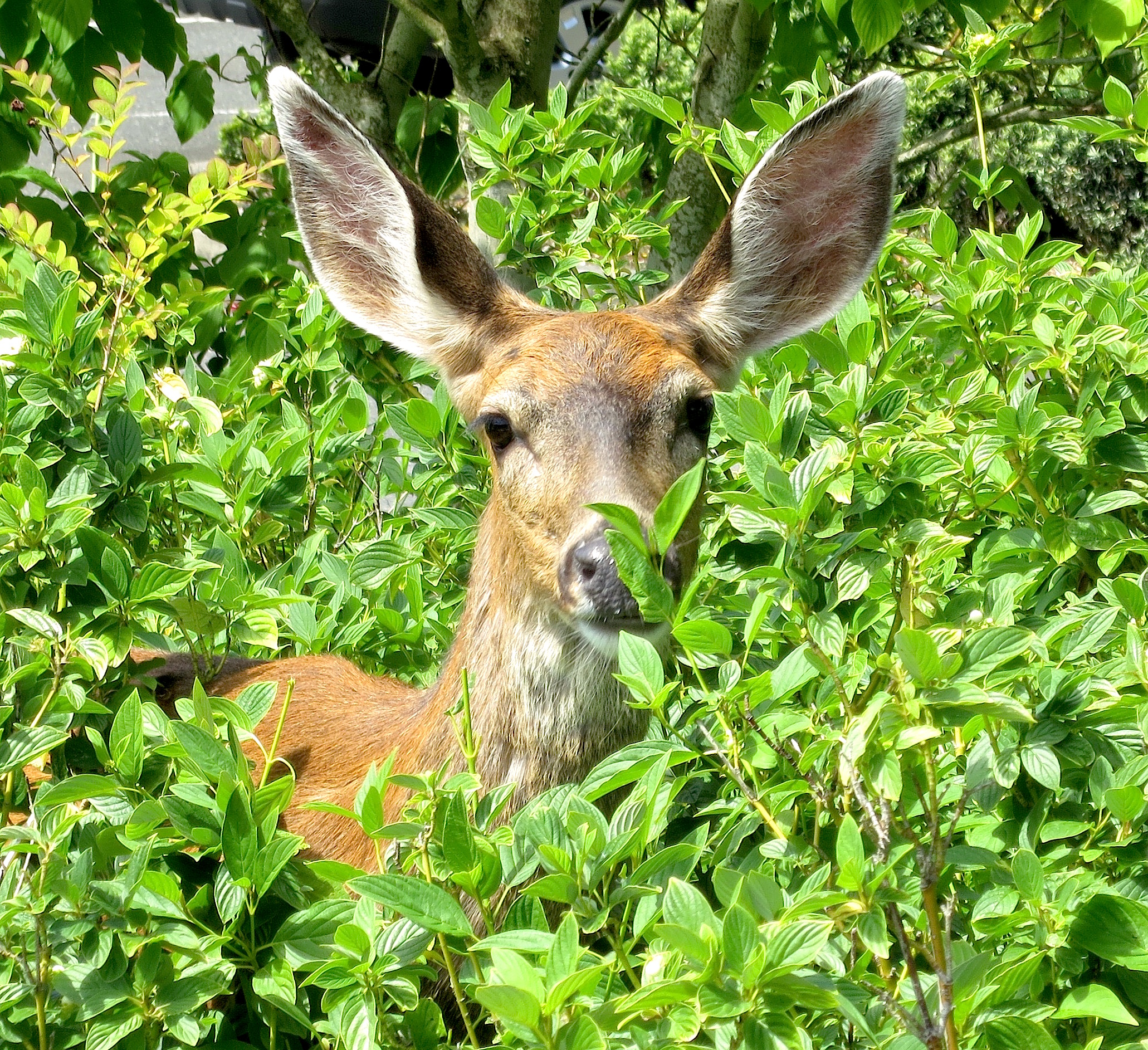
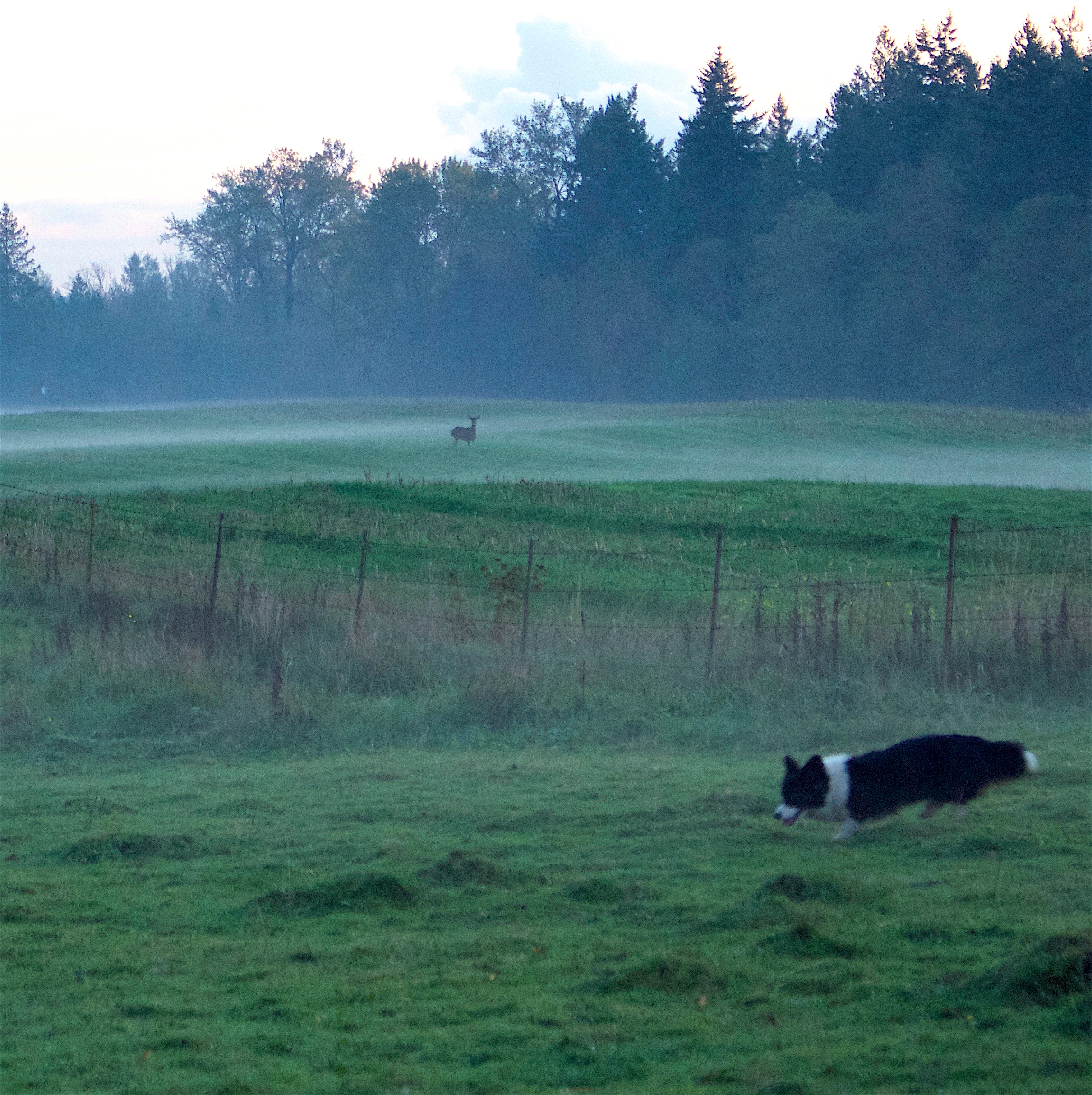
A root seeks water. Tenderness only breaks open the earth. This morning, out the window, the deer stood like a blessing, then vanished. ~Jane Hirschfield from “The Standing Deer”
My first time ever seated next to my mother in a movie theater, just a skinny four year old girl practically folded in half by a large padded chair whose seat won’t stay down, bursting with anticipation to see Disney’s Bambi.
Enthralled with so much color, motion, music, songs and fun characters, I am wholly lost in this new world of animated reality when suddenly Bambi’s mother looks up, alarmed, from eating a new clump of spring grass growing in the snow.
My heart leaps with worry. She tells him to run quickly for the thicket – find the safest place where she has always kept him warm next to her.
She follows behind, urges him to run faster, not to look back, don’t ever look back.
Then the gun shot hits my belly too.
My stomach twists as he cries out for his mother, pleading for her. I know in my heart she is lost forever, sacrificed to save him.
I sob as my mother reaches out to me, telling me not to look. I bury my face inside her hug, knowing Bambi is cold and alone with no mother any more.
My mama took me home before the end. I could not bear to watch the rest of the movie for years.
Those cries still echo in my ears any time someone hunts and shoots to kill the innocent.
Now, my own three children are grown, they have babies of their own, my mom is gone from this earth. I can even keep the seat from folding me in half in a movie theater.
I am nearing my eighth decade, and there are still places in this world where mothers and fathers sons and daughters grandmothers and grandfathers sisters and brothers and babies are hunted down despite the supposed safety of the thicket~ the sanctuary, the school, the grocery store, the home, places where we believe we are shielded from violence.
There can be no innocence when any of us may be hunted.
One-Time
Monthly
Yearly
Make a one-time or recurring donation to support daily Barnstorming posts
I remember it as October days are always remembered, cloudless, maple-flavored, the air gold and so clean it quivers. ~Leif Enger in Peace Like a River
I’m not someone who switches to pumpkin-spice-flavored anything in October.
No need, no need. The air itself tastes like autumn, quivering on my tongue.
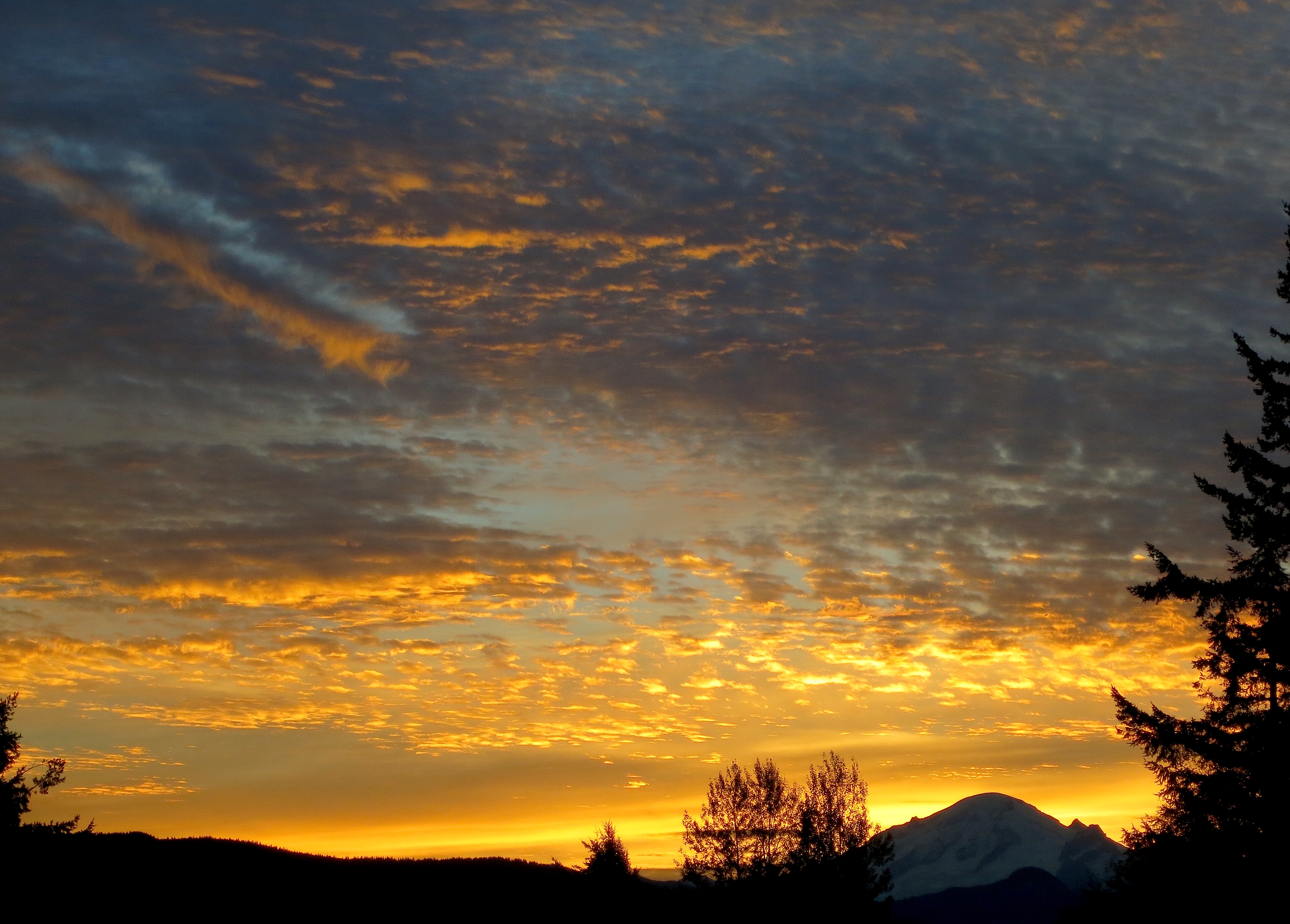
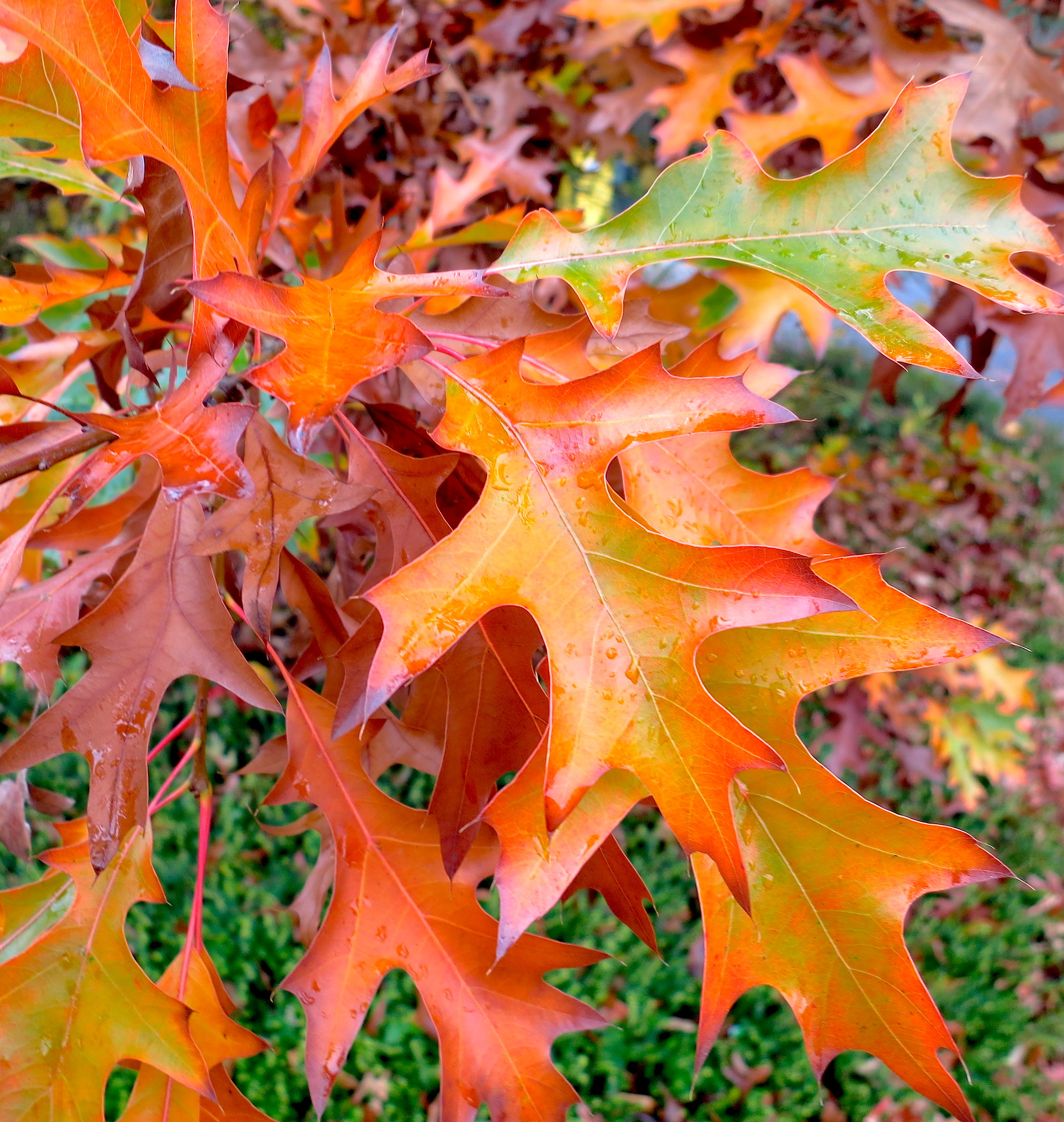
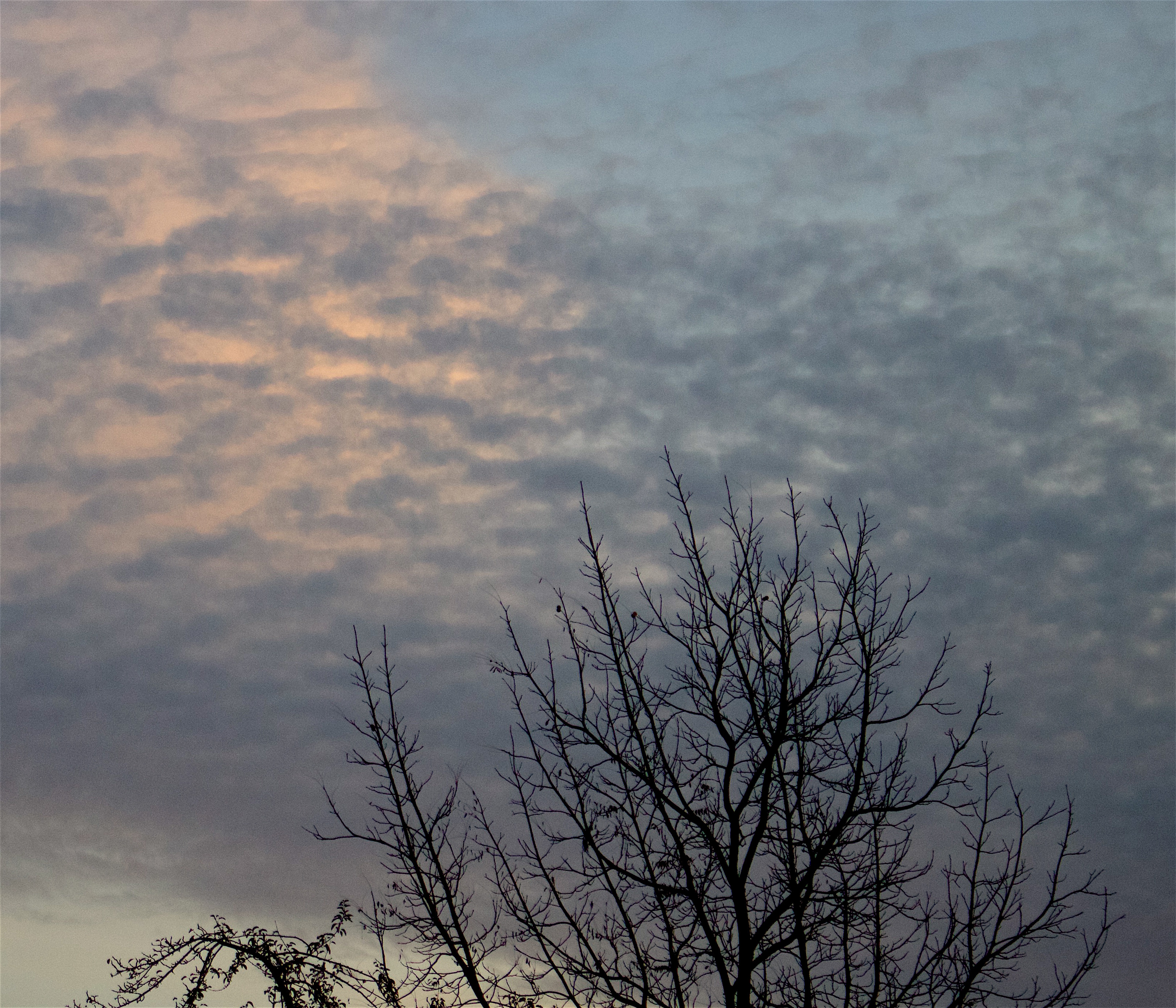
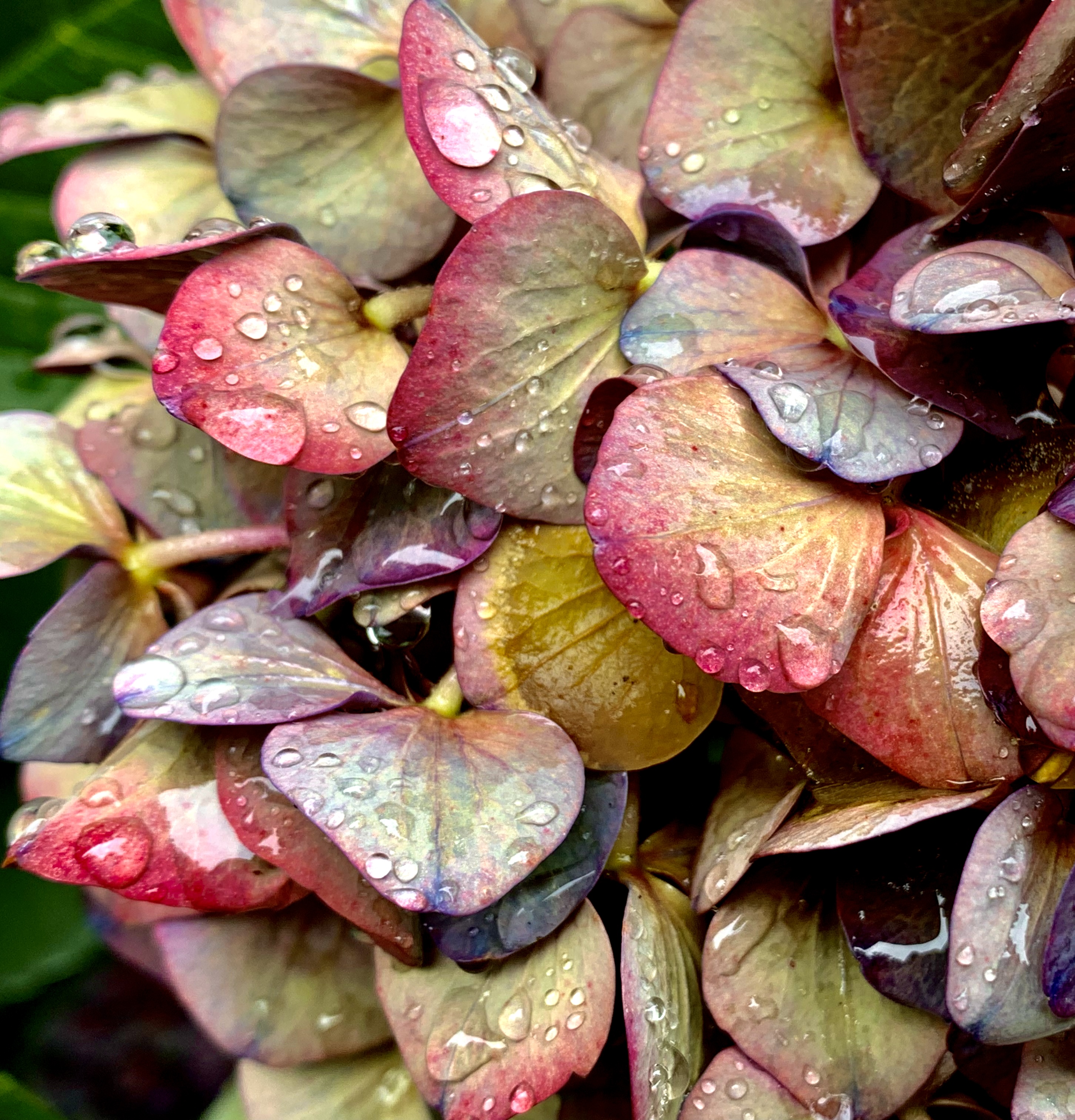
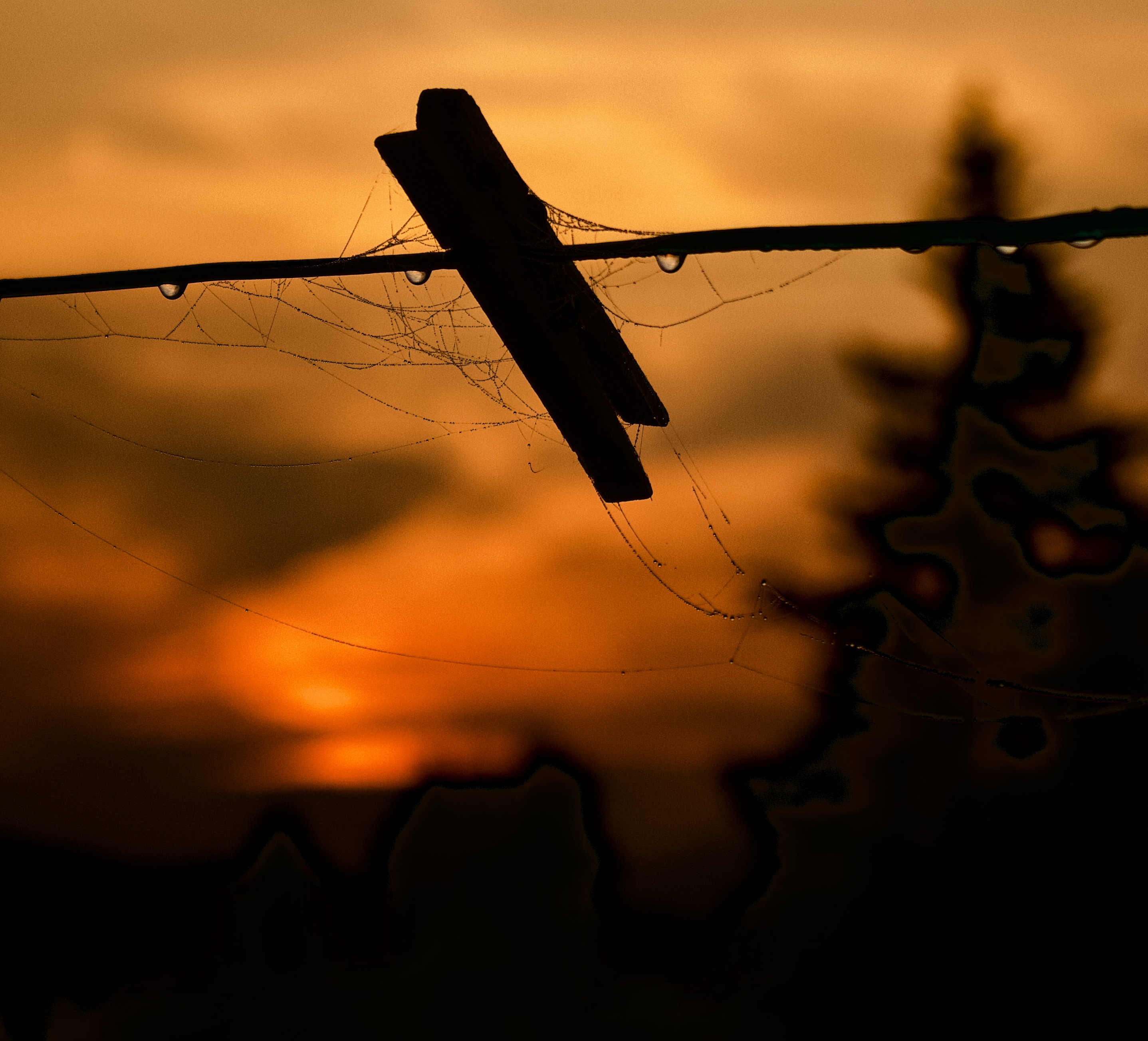
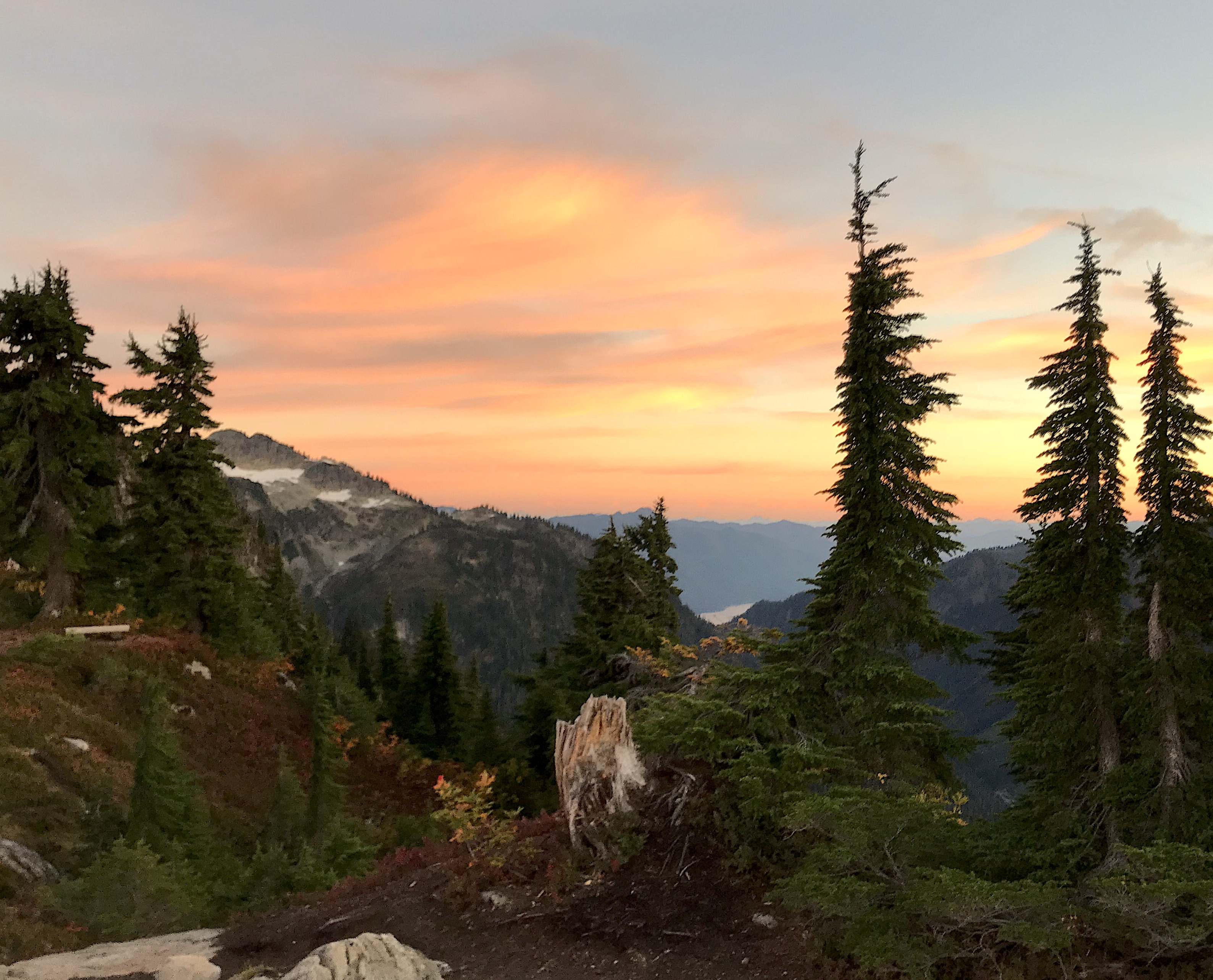
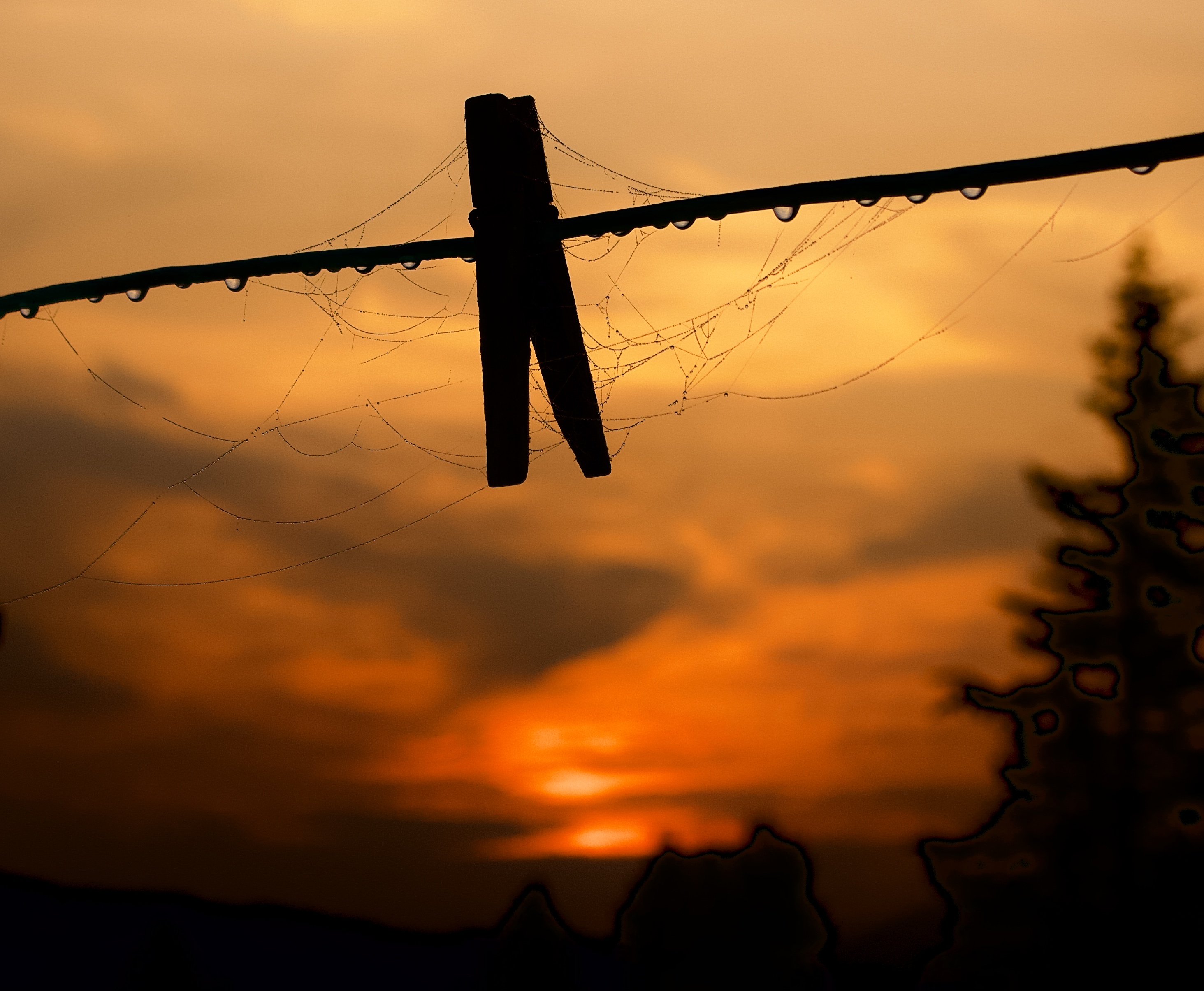
Instead I revel in the gold and bronze tint to the sky, the cinnamon nutmeg dusting of the trees, the heavy sprinkling of hanging dew drops, the crisp and shivery breezes.
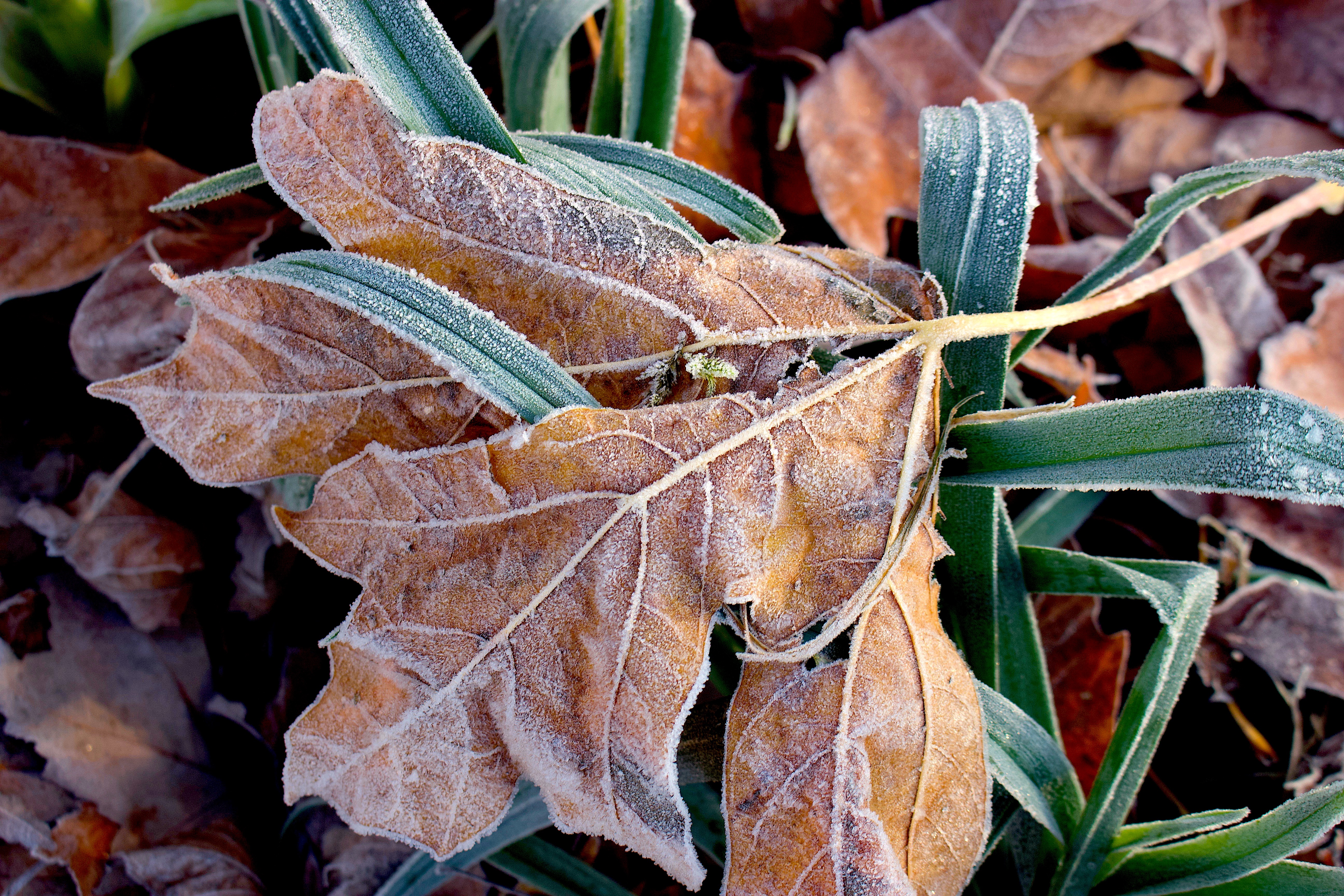
Soon the ground will be frost instead of dust and leaves a crunchy carpet rather than shady veil.
October is a much-needed change, keeping us fresh, reminding us to breathe deeply when life feels shallow, and remembering we have been immersed in the pumpkin-spice of a new day we have never lived before.
One-Time
Monthly
Yearly
Make a one-time or recurring donation to support daily Barnstorming posts






























 Barnstorming