So Absolutely Clear

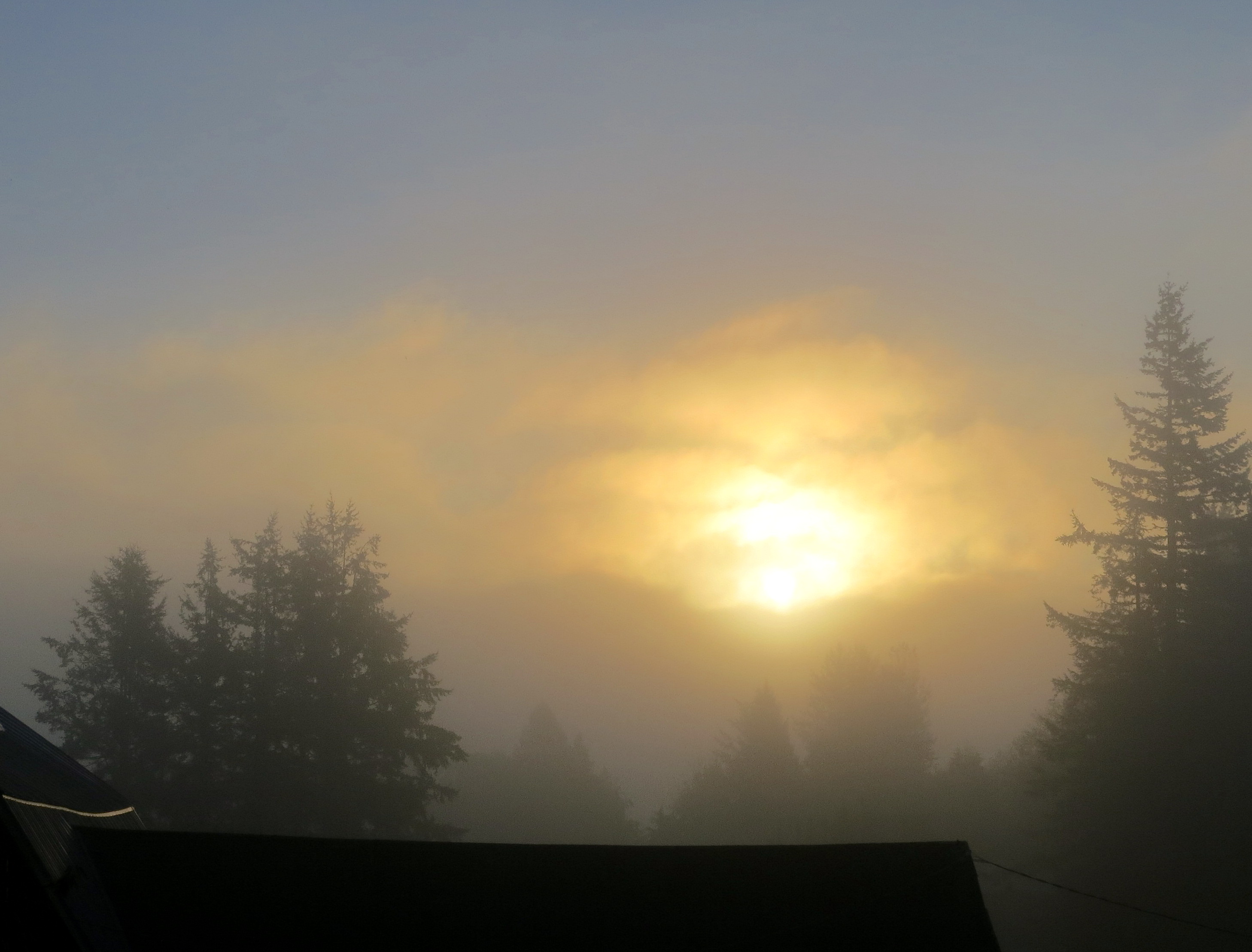
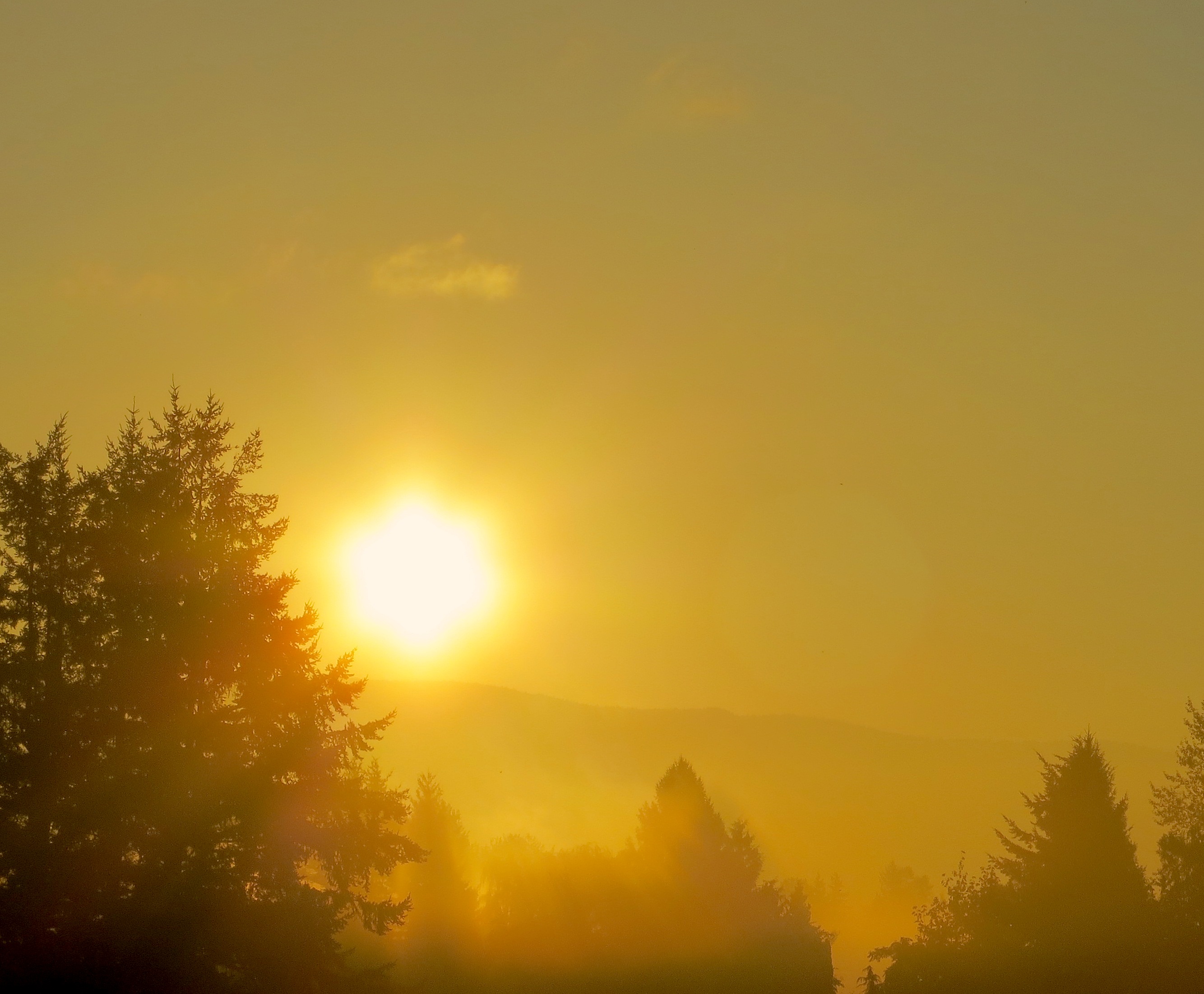
fog1228141


sunrise910156


foggymorning13115


Don’t surrender your loneliness
So quickly.
Let it cut more deep.
Let it ferment and season you
As few human
Or even divine ingredients can.

Something missing in my heart tonight
Has made my eyes so soft,
My voice
So tender,

My need of God
Absolutely
Clear.
~Hafez, 14th century Persian poet


foggyfield
photo by Nate Gibson

fog913


When my heart clenches with sadness,
when my thinking is muddled with stress and doubting,
when I can’t focus on what is right before me because tears cloud my vision,
I remember one thing remains absolutely clear in the mist and midst of the fog:

I have need for God and I too am softened in my neediness.


sunrise92814


sunrise913


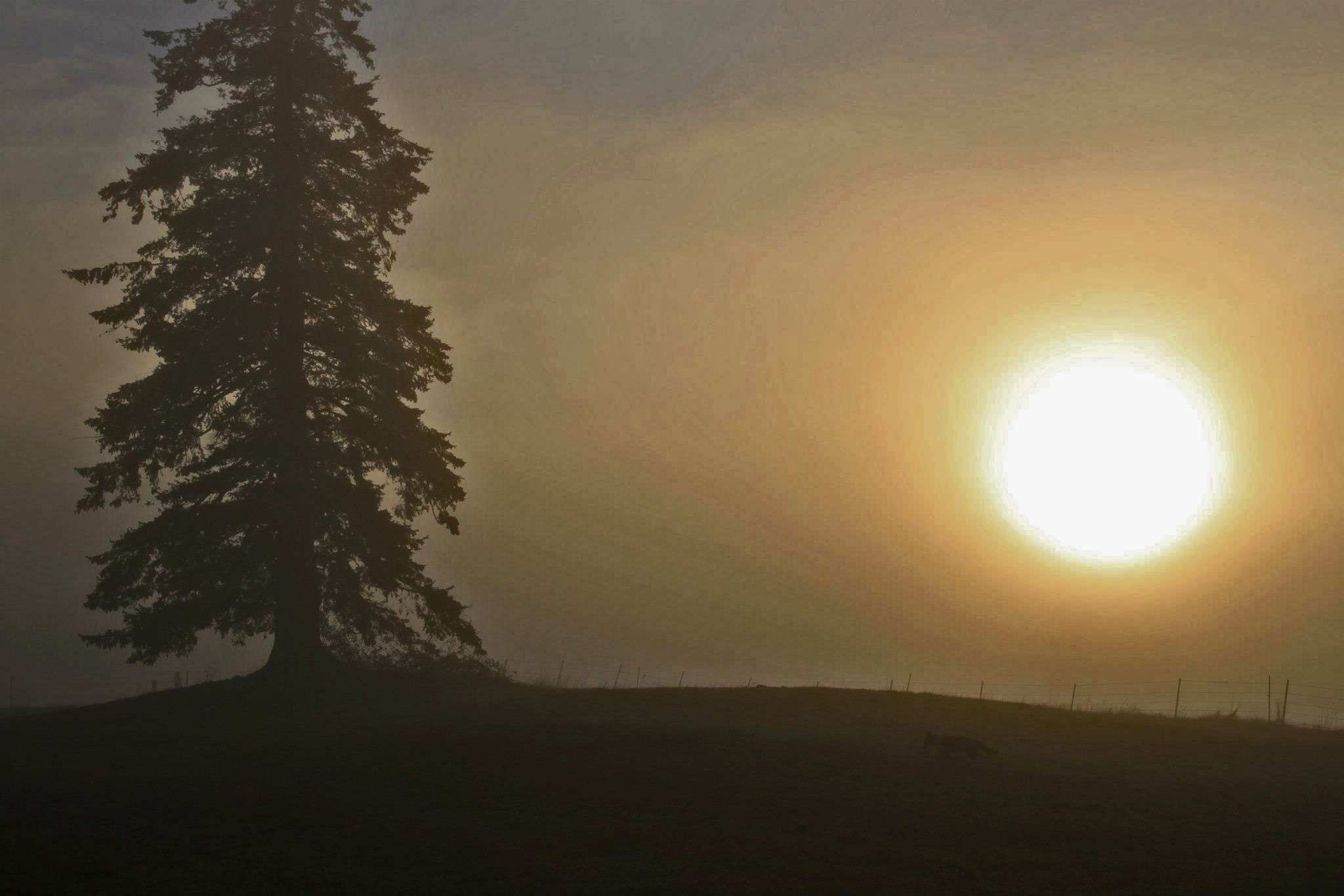
dogtreefog
photo by Nate Gibson


An Unimaginable Zero Summer

halfstaff


At the still point of the turning world. Neither flesh nor fleshless;
Neither from nor towards; at the still point, there the dance is,
But neither arrest nor movement. And do not call it fixity,
Where past and future are gathered. Neither movement from nor towards,
Neither ascent nor decline. Except for the point, the still point,
There would be no dance, and there is only the dance.

I can only say, there we have been: but I cannot say where.
And I cannot say, how long, for that is to place it in time.
The inner freedom from the practical desire,
The release from action and suffering, release from the inner
And the outer compulsion, yet surrounded
By a grace of sense, a white light still and moving…
{Burnt Norton}

Than that of summer, neither budding nor fading,
Not in the scheme of generation.
Where is the summer, the unimaginable
Zero summer?
{Little Gidding}

~T.S. Eliot, from Four Quartets


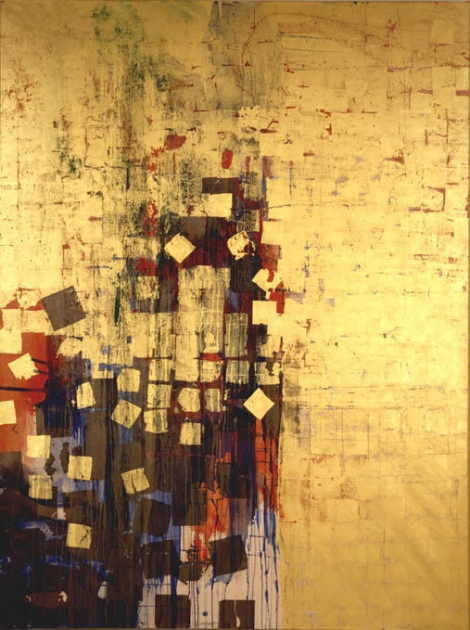
ZeroSummerE-471x630Zero Summer by Makoto Fujimura


“Zero Summer” imagines the unimaginable horror of Hiroshima and Nagasaki, and yet points to epiphanic awakening that transcend human imagination at the same time. T.S. Eliot, who coined this term in his “Four Quartets,” longed for that eternal summer, birthed out of the “still point,” where imagination is met with grace and truth.
~Makoto Fujimura


frontyard915


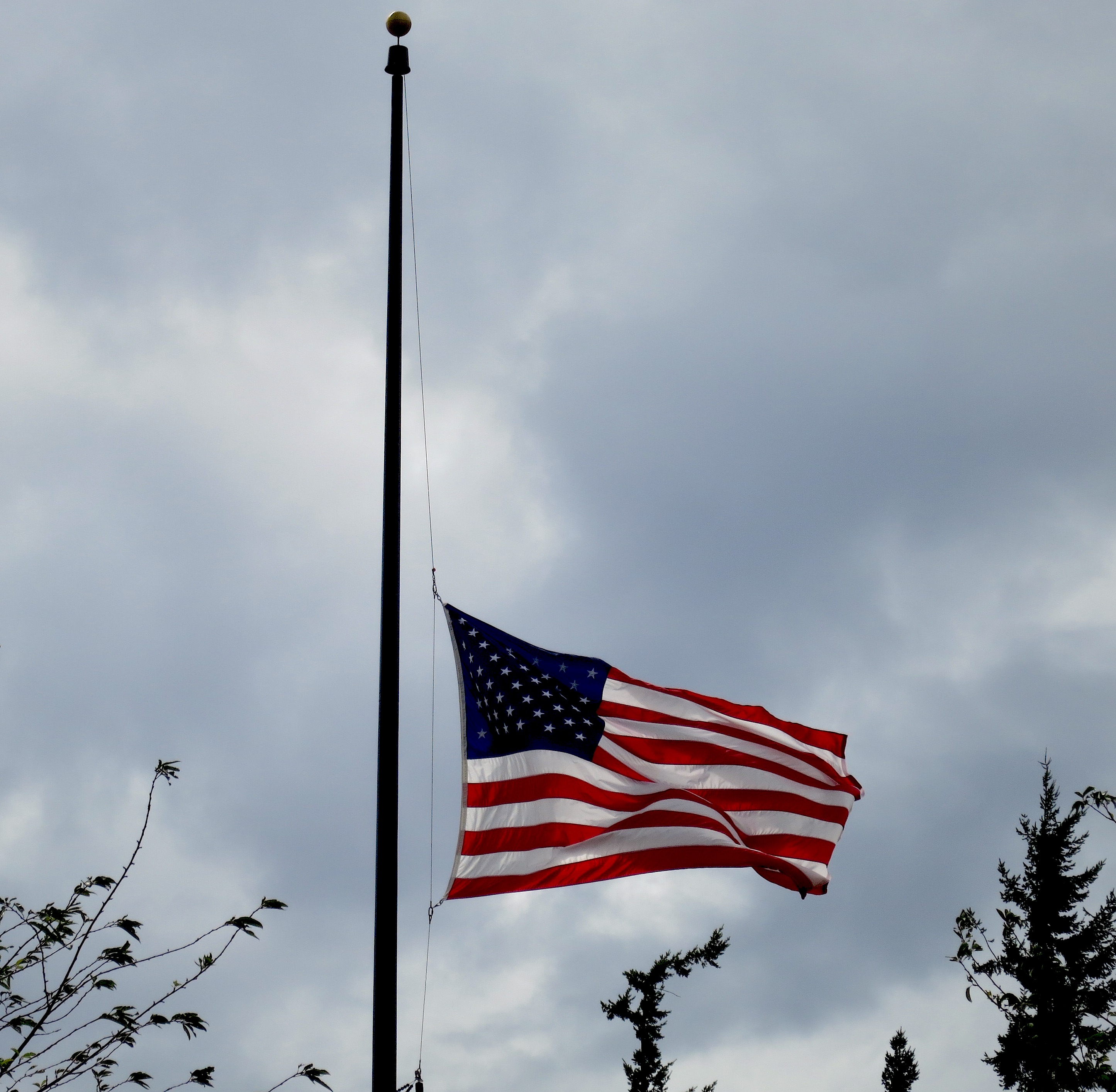
As a grade school child in November 1963, I learned the import of the U.S. flag being lowered to half mast in response to the shocking and violent death of our President. The lowering of the flag was so rare when I was growing up, it had dramatic effect on all who passed by — something very sad had happened to our country, warranting our silence and our stillness.

Since 9/11/01, our flag has spent significant time at half mast, so much so that I’m befuddled instead of contemplative, puzzling over what the latest loss might be as there are so many, sometimes all happening in the same time frame.  We no longer are silenced by this gesture of honor and respect and we certainly are not stilled, personally and corporately instigating and suffering the same mistakes against humanity over and over again.

Eliot wrote the prescient words of the Four Quartets in the midst of the WWII German bombing raids that destroyed people and neighborhoods. Perhaps he sensed the destruction he witnessed would not be the last time in history that evil visits the innocent, leaving them in ashes. There would be so many more losses to come, as Makoto Fujimura illustrates in his artistic depiction of the horrors of Hiroshima and Nagasaki transcending to an epiphany of the human imagination.  And then the horror of 9/11/01.

There remains so much more sadness to be borne, such abundance of grief that our world has become overwhelmed and stricken and it seems we’ve lost all imagination for “a grace of sense”.

Eliot was right: we have yet to live in a Zero summer of endless hope and fruitfulness, of spiritual awakening and understanding.  Where is it indeed?

We must return, as people of faith, as Eliot did, as Fujimura has, to that still point to which we are called on a day such as today.  We must be stilled; we must be silenced. We must grieve the losses of this turning world and pray for release from the suffering we cause and we endure.  Only in the asking, only in the kneeling down and pleading, are we surrounded by grace.   A flag half lowered may have lost its power to punch our gut, but we are illuminated by the Light,  a grace of senses on the move in our lives.


sunsetflag


“There Are No Words” written on 9/11/2001
by Kitty Donohoe

there are no words there is no song
is there a balm that can heal these wounds that will last a lifetime long
and when the stars have burned to dust
hand in hand we still will stand because we must

in one single hour in one single day
we were changed forever something taken away
and there is no fire that can melt this heavy stone
that can bring back the voices and the spirits of our own

all the brothers, sisters and lovers all the friends that are gone
all the chairs that will be empty in the lives that will go on
can we ever forgive though we never will forget
can we believe in the milk of human goodness yet

we were forged in freedom we were born in liberty
we came here to stop the twisted arrows cast by tyranny
and we won’t bow down we are strong of heart
we are a chain together that won’t be pulled apart


To Balance Upon a Broken World

sunset831149


Summer ends now; now, barbarous in beauty, the
Stooks arise
Around; up above, what wind-walks! what
lovely behavior
Of silk-sack clouds!  Has wilder, willful-waiver
Meal-drift molded ever and melted across the skies?
~Gerard Manley Hopkins, “Hurrahing in Harvest”


sunset917165
This afternoon was the colour of water falling through sunlight;
The trees glittered with the tumbling of leaves;
The sidewalks shone like alleys of dropped maple leaves,
And the houses ran along them laughing out of square, open windows.
Under a tree in the park,
Two little boys, lying flat on their faces,
Were carefully gathering red berries
To put in a pasteboard box.
Some day there will be no war,
Then I shall take out this afternoon
And turn it in my fingers,
And remark the sweet taste of it upon my palate,
And note the crisp variety of its flights of leaves.
To-day I can only gather it
And put it into my lunch-box,
For I have time for nothing
But the endeavour to balance myself
Upon a broken world.
~Amy Lowell “September 1918”
sunset831146
sunset8315
Am I the only one who awakes this morning with a prayer asking
that today be a day of healing between peoples rather than conflict and pain,
that the barbaric become peaceable~
no missiles launched,
no one gunned down in the streets,
no vehicles used as weapons,
no child misused,
no one sold into slavery,
no one abandoned, homeless and starving.
Am I the only one who awakes this morning and seeks only
to watch the clouds
to praise the heavens
to see the leaves turn color
to take out this day and taste it
and save it away somehow
so as to balance myself on this brokenness all around?
I am not the only one.
I know I am not.
sunset831141
sunset917166

A Salt Water Cure

fidalgotree2

…when he looked at the ocean,
he caught a glimpse of the One he was praying to.

Maybe what made him weep was
how vast and overwhelming it was

and yet at the same time as near
as the breath of it in his nostrils,
as salty as his own tears.

~Frederick Buechner writing about Paul Tillich in Beyond Words

pnpsunset714

fidalgobeach2


The cure for anything is salt water–sweat, tears or the sea.
~Isak Dinesen


Wavecrash2
photo by Nate Gibson


I grew up an easy crier.  Actually growing up hasn’t cured it, nor has middle age.  I’m still an easy crier – a hard thing to admit especially when my tears flow at an inopportune time in a public place.

It might have had something to do with being a middle child, bombarded from both directions by siblings who recognized how little aggravation it took to make me cry, or it may have been my hypersensitive feelings about …. everything.  I felt really alone in my tearful travails until my formidable grandmother, another easy weepy, explained that my strong/tall/tough/nothing-rocks-him former WWII Marine father had been a very weepy little boy.  She despaired that he would ever get past being awash in tears at every turn.  His alcoholic father tormented him about it, wondering if he would ever learn to “man up.”

So this is a congenital condition and that’s my excuse.

A few years ago I read a fascinating article about how different kinds of tears (tears of joy, tears of pain, tears of grief, tears of frustration, tears of irritated eyes, tears of onion cutting) all look different and remarkably apt, when dried and pictured under the microscope.  This is more than mere salt water leaking from our eyes — this is our heart and soul and hormonal barometer streaming down our faces – a visible litmus test of our deepest feelings.

I witness many tears every day in my office, and not tears of joy.  These are tears borne of pain and loss and rejection and failure, of hopelessness and helplessness, loneliness and anguish.  Often my patients will describe having a “break down” by which they mean uncontrollable crying.  It is one of the first-mentioned symptoms they want relief from.

Tears do come less frequently as depression lifts and anxiety lessens but I let my patients know (and remind myself) that tears are a transparent palette for painting the desires and concerns of our heart.  Dry up the tears and one dries up emotions that express who we are and who we strive to be.

When I’m able, I celebrate the salt water squeezing from my eyes, knowing it means I’m so fully human that I leak my humanity everywhere I go.  Even God wept while dwelling among us on earth, and what’s good enough for Him is certainly good enough for me.

weepingrose


Beauty Is Not Enough

treesky2

mtbaker51917


Oh, is it not enough to be
Here with this beauty over me?
My throat should ache with praise, and I
Should kneel in joy beneath the sky.

O beauty, are you not enough?
Why am I crying after love,
With youth, a singing voice, and eyes
To take earth’s wonder with surprise?

I, for whom the pensive night
Binds her cloudy hair with light,—
I, for whom all beauty burns
Like incense in a million urns?

O beauty, are you not enough?
Why am I crying after love?
~Sara Teasdale from “Spring Night”


aprilvane


When you stand before the most amazing sunset

or when you see the beauty of a human face,
whether it’s a little baby
or a lovely  wise old person,
there is a haunting quality to it,
as though it’s not just complete in itself. 
It’s a signpost to a larger truth
that is just around the corner,
just out of sight.
We can’t grip it,
can’t get our hands on it.
It’s as though we’re hearing the echo of a voice,
and we’d love to hear whose that voice is
and what story it’s telling.
Part of the joy of beauty
is the realization that it is part of a larger whole,
most of which appears to be just out of sight. 
We are drawn forward toward something…
and left waiting, wondering.
~N.T. Wright from Life, God and Other Small Topics


18892988_731894481914_5143369970612608108_n

emmagibson
Beauty is the link that connects,
the magnet that brings us home,
the encouragement
to look beyond,
to think more deeply,
to believe in something beyond our grasp~
Beauty leaves us crying after love
that bleeds for us
and heals all that is broken in us.


treedrama1

redbarn

Not Just Another Day

budrain


“This is another day, O Lord…
If I am to stand up, help me to stand bravely.
If I am to sit still, help me to sit quietly.
If I am to lie low, help me to do it patiently.
And if I am to do nothing, let me do it gallantly.”
— Kathleen Norris citing the Book of Common Prayer


redrosedroplets


This day is the wrap-up to my twenty-eighth academic year working as a college health physician,  the most demanding so far.  Despite budget challenges, inadequate staffing, a higher severity of illness in a patient population with burgeoning mental health needs,  our staff did an incredible job this year serving students and their families with the resources we do have.   Reaching this day today is poignant: we will miss the graduating students we have gotten to know so well over four or five years,  we watch others leave temporarily for the summer, some to far away places around the globe, and we weep for those who have failed out, given up or fallen away from those who care deeply about them, some never to return to school again.

In my work I strive to do what is needed when it is needed no matter what time of the day or night.  There are obviously times when I fall short– too vehement when I need to be quiet, too urgent and pressured when I need to be patient,  too anxious to do something/anything when it is best to courageously do nothing.  It is very difficult for any doctor to choose to do nothing but I vowed in my own graduation ceremony over forty years ago to “First do no harm.”  And I’ve tried hard to live up to that vow.

In a sense I graduate as well on this last day of the school year– only not with cap and gown and diploma in hand.  Each year I learn enough from each patient to fill volumes, as they speak of their struggles, their pain, their stories and sometimes hearing, most tragically, their forever silence.

I honor our students and their families on this day, sharing the blessings from us who work toward the goal of sending them healthier and better equipped and joyful into the rest of their lives.

It is not just another day.


drizzleiris


sunsetsky68173


When the Storm Passes

endofrainbowbarn

sunset513171

sunset520171

This has been a wild weather month on the outside:

heavy winds at times, damaging hale storms, snowfall covering the foothills, sweaty sunny middays, torrential unpredictable showers, ankle-deep mud.

And inside my cranium:

words that flew out too quickly, anxiety mixed with a hint of anger, too easy tears, searing frustration, feeling immobilized by the daily muck and mire.

The unpredictable month of May needs no explanation for acting like October, December and August within a span of a few hours.  I am not so easily forgiven or unburdened.  I end up lying awake at night with regrets, composing apologies, and wanting to hide under a rock until the storm blows over.

But in the midst of all the extremes, while the storm is raging, a miracle takes place:
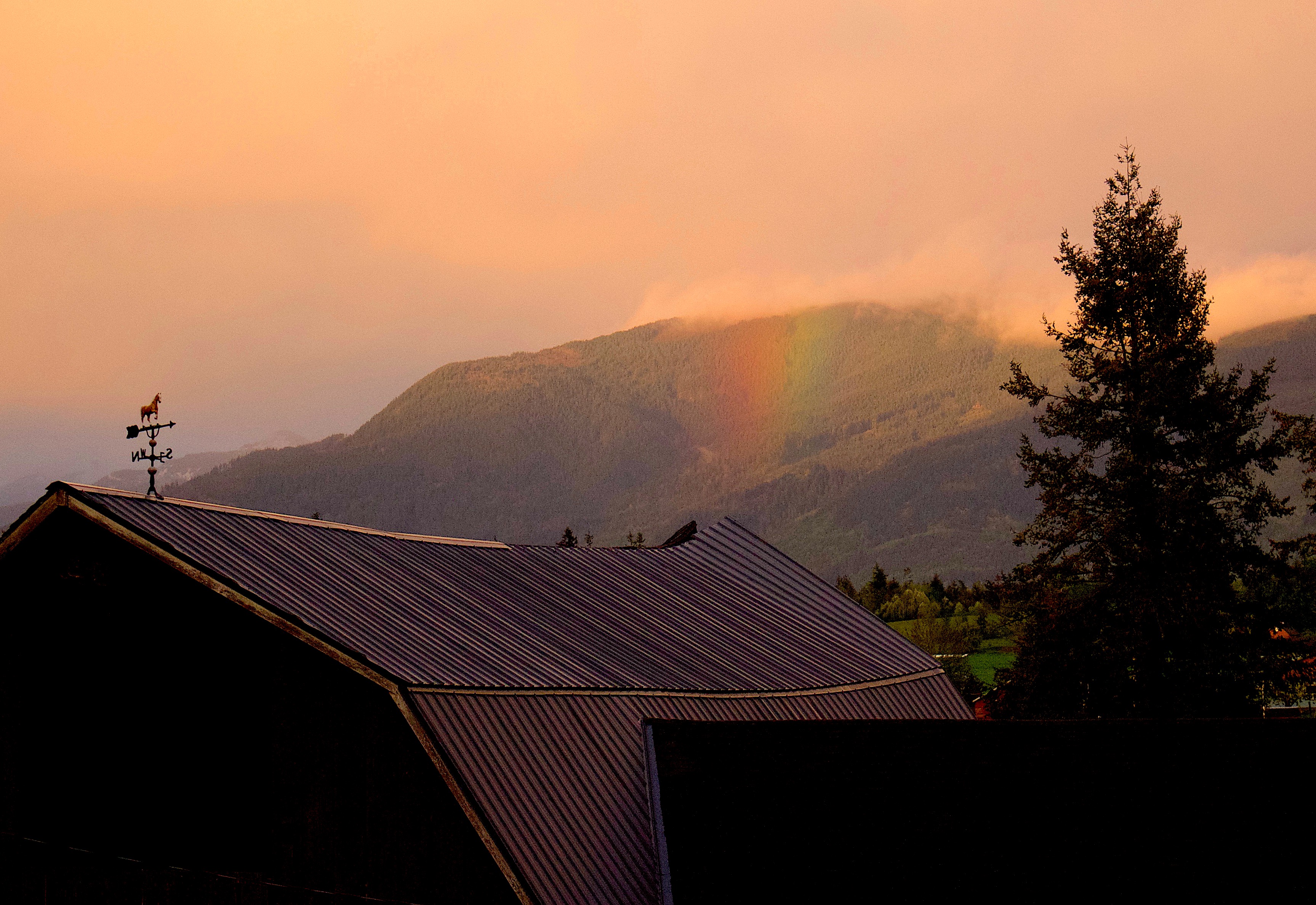
it can only happen when brilliant light exposes weeping from heavy laid clouds, like the rainbow that dropped from heaven last week to touch the earth right in our backyard, only a few feet from our barn.

God cries too.  His wept tears have lit up the sky in a promise of forgiveness.
He assures us: this storm too will pass.

He assures us because He knows we need it.

morning514171

johnpeony

wisteriabarb2

Coming to the End of Things

marshmallows51116

marshmallowglow2

And by and by Christopher Robin came to the end of things,
and he was silent,
and he sat there, looking out over the world,
just wishing it wouldn’t stop.

~A.A. Milne from The House at Pooh Corner

dandydew2

dandydew3

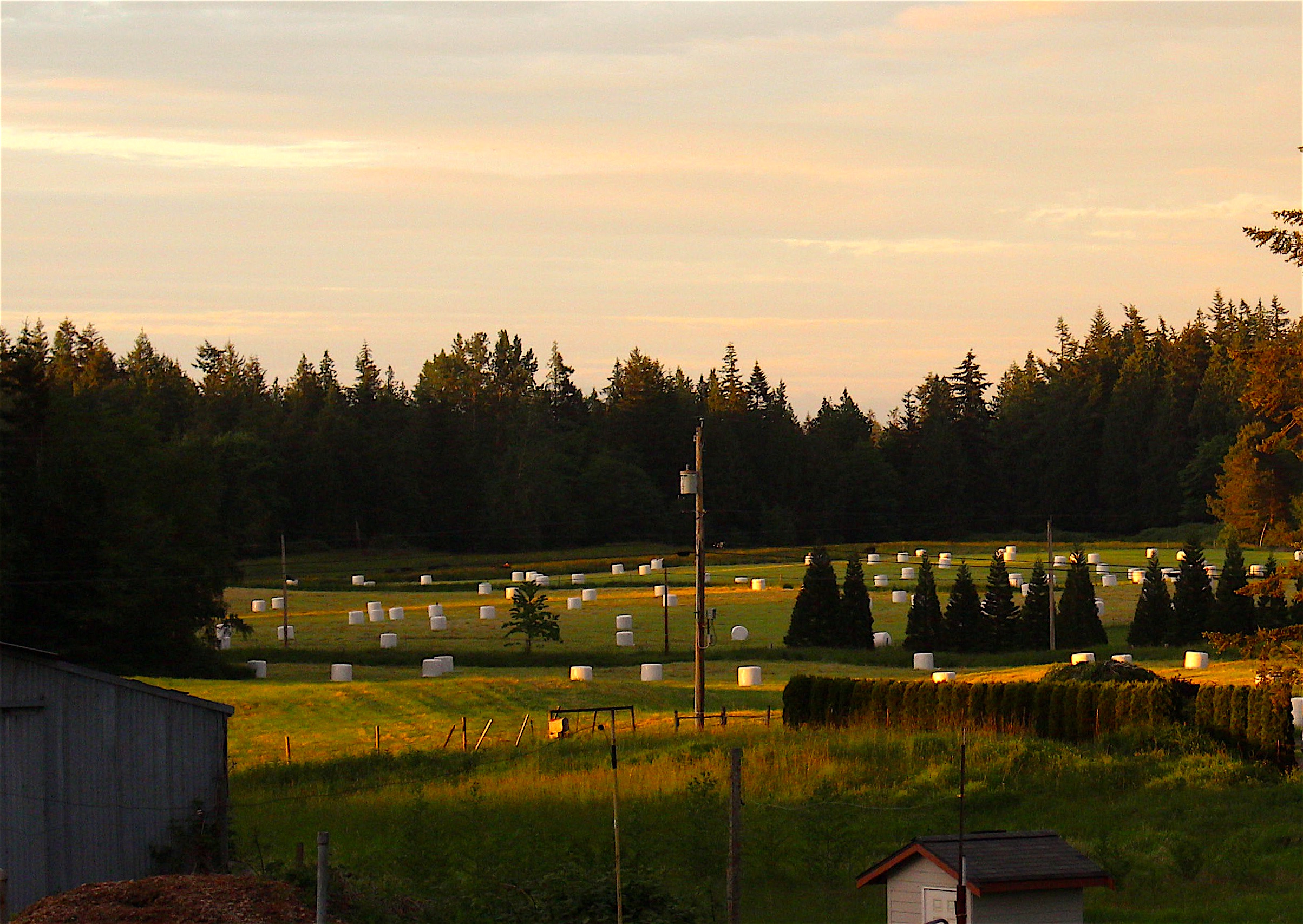
Yes, long shadows go out
from the bales; and yes, the soul
must part from the body:
what else could it do?

…These things happen … the soul’s bliss
and suffering are bound together
like the grasses …

The last, sweet exhalations
of timothy and vetch
go out with the song of the bird;
the ravaged field
grows wet with dew.
~Jane Kenyon from “Twilight: After Haying”

lettinggo9

Bliss and suffering are bound together like the grasses; we are like the grasses withered and ravaged by time, released reluctant to the wind.

Tears flow today as they must, wetting the stubble left behind,  clinging and sparkling like dew.

We weep in sorrow for those we have lost;
we weep for joy each time we’re able to wake to another day.

For what else can a soul do but weep at parting and weep at welcoming?

These things happen, oh yes, they happen. I just wish it wouldn’t cut us so.

tothenorthfield

Our days on earth are like grass; like wildflowers, we bloom and die.
~Psalm 103: 15

dandysunset8

Ephemeral and Sacred

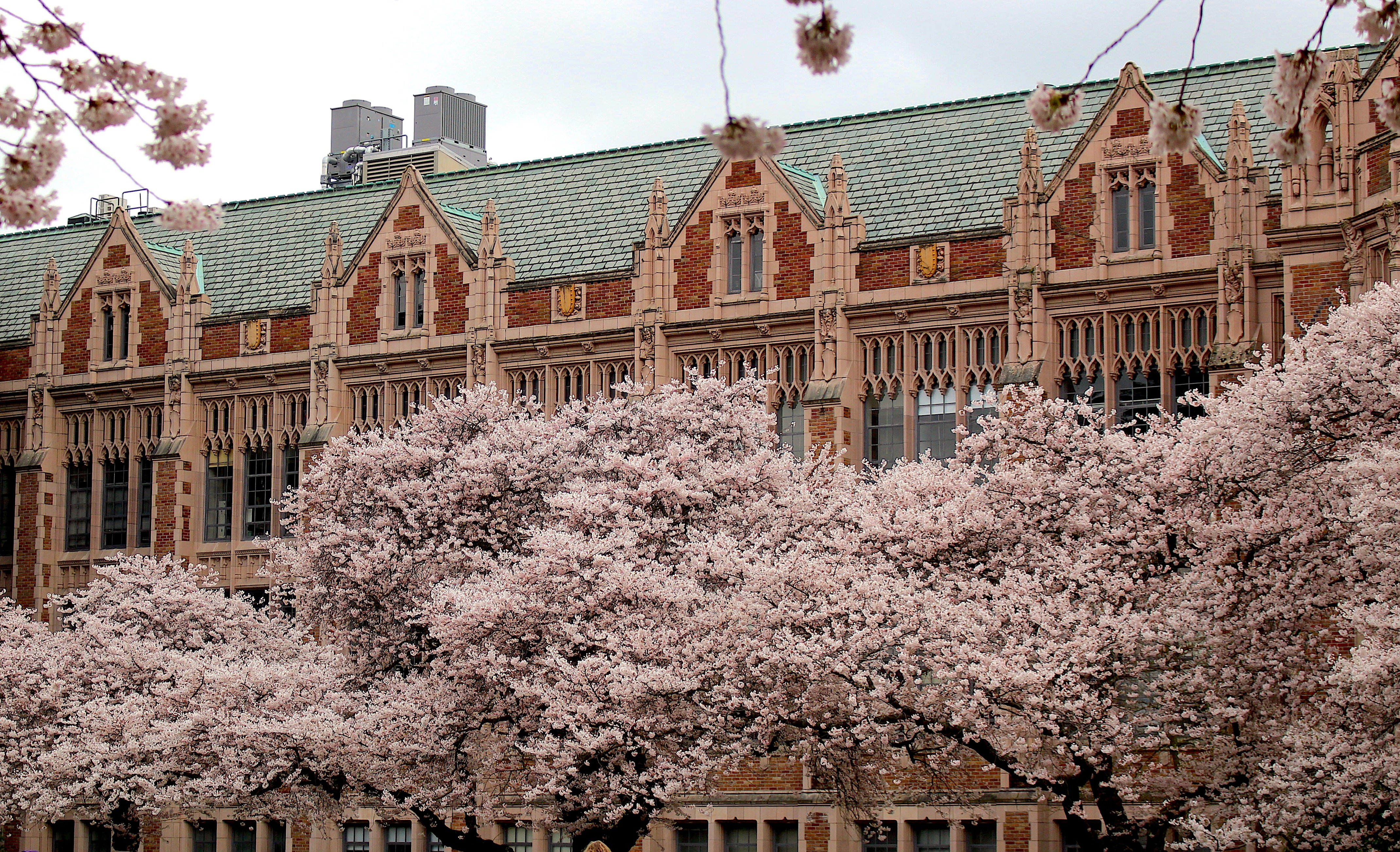
cherryblossoms2015


sakura3


cherrysunset


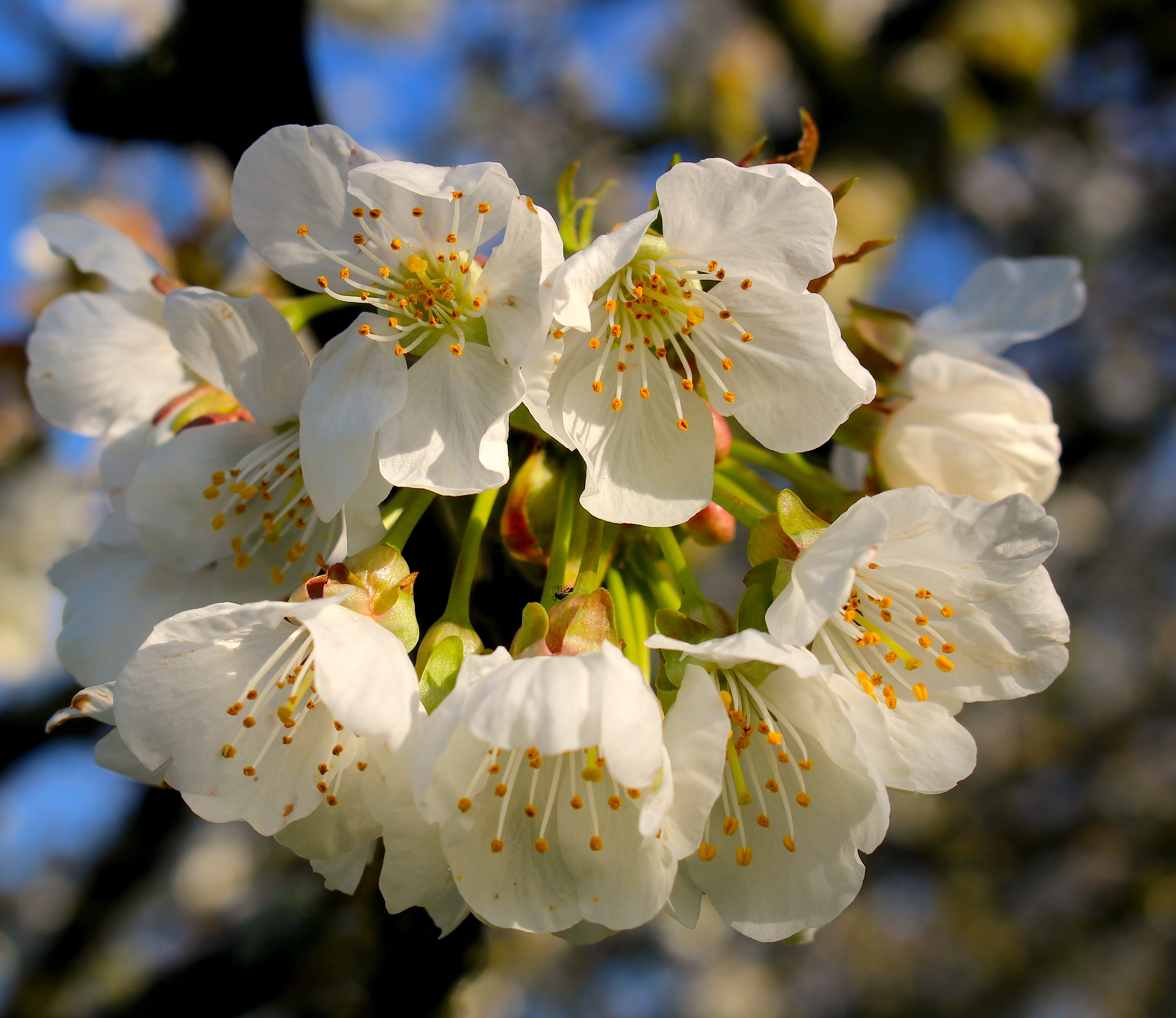
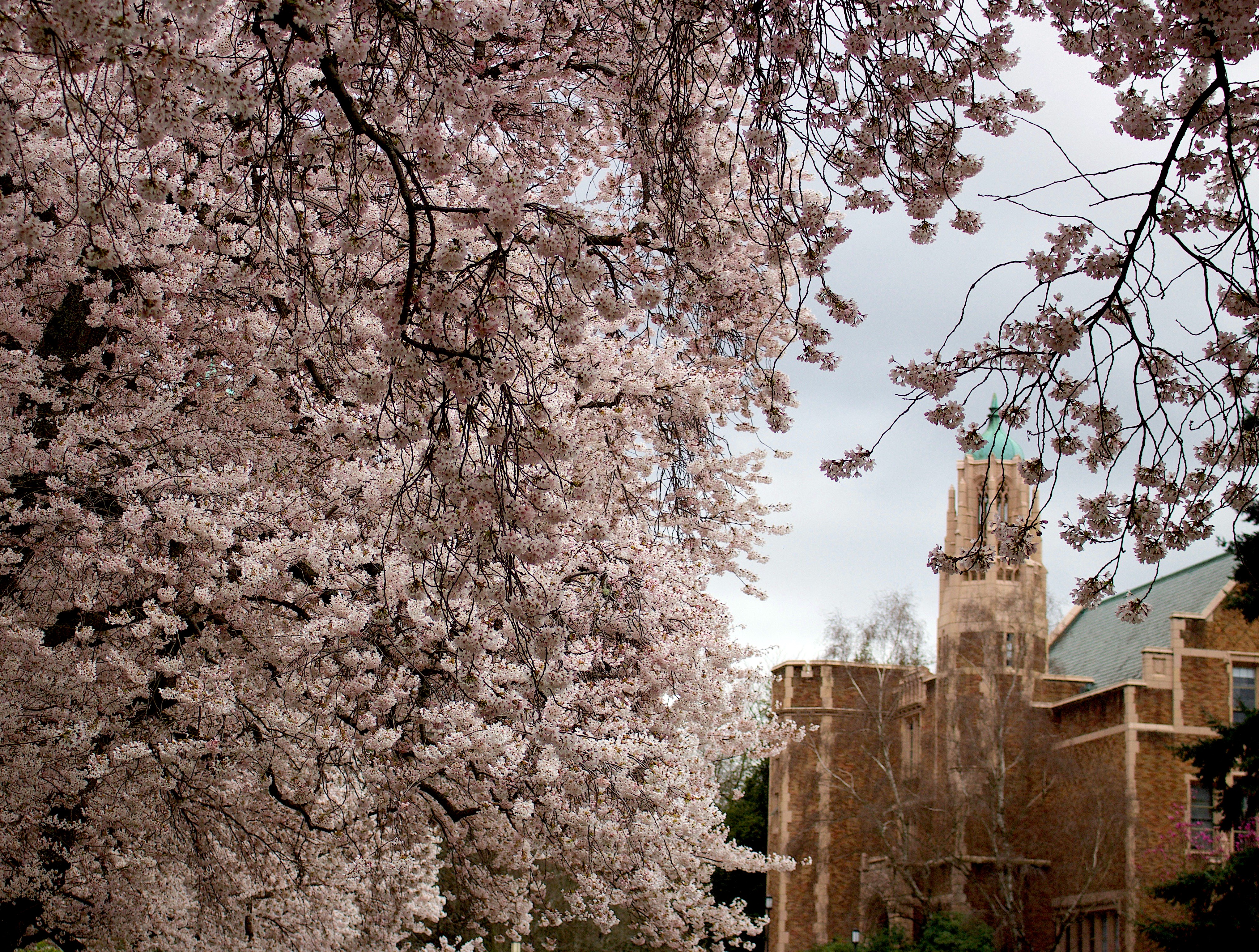
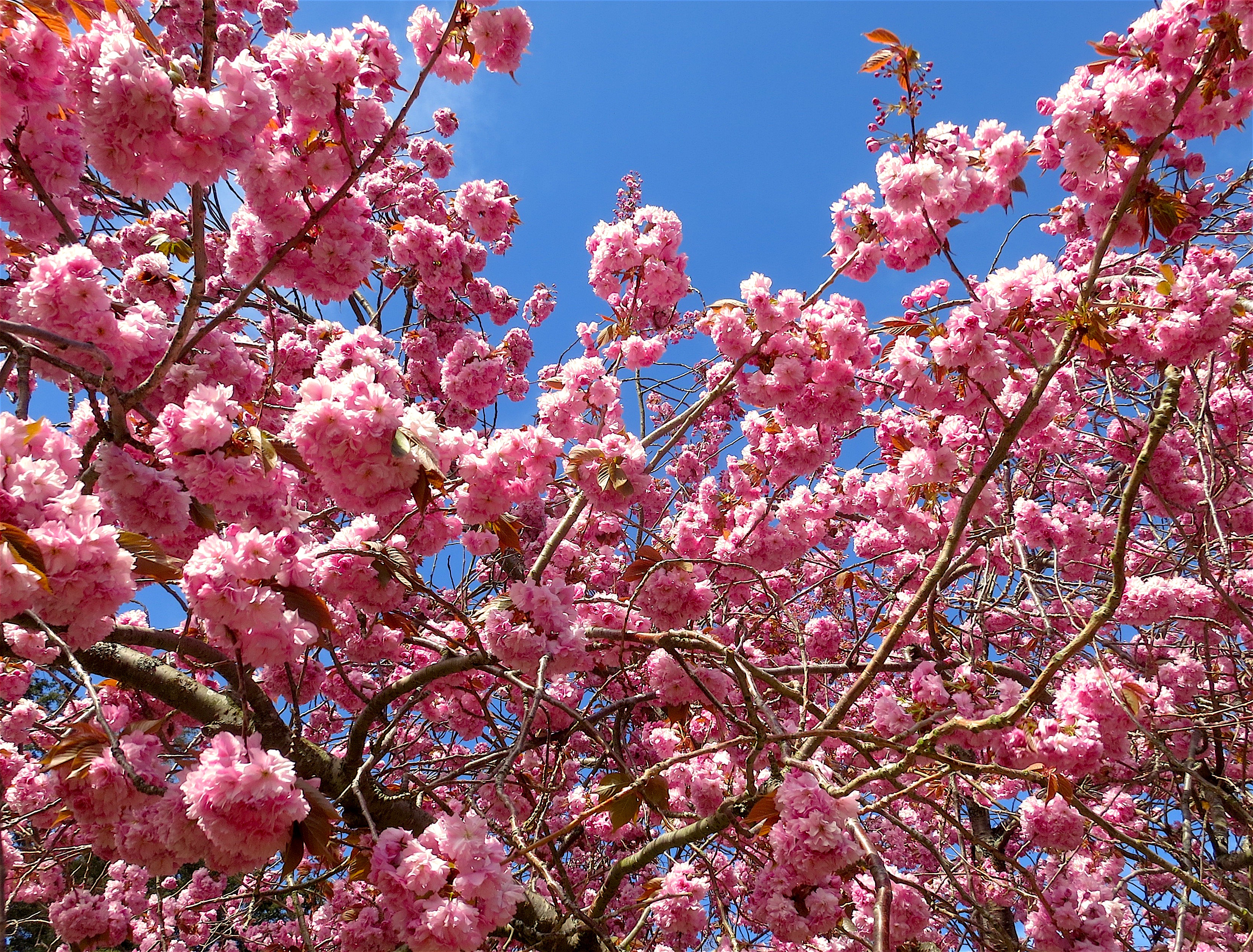
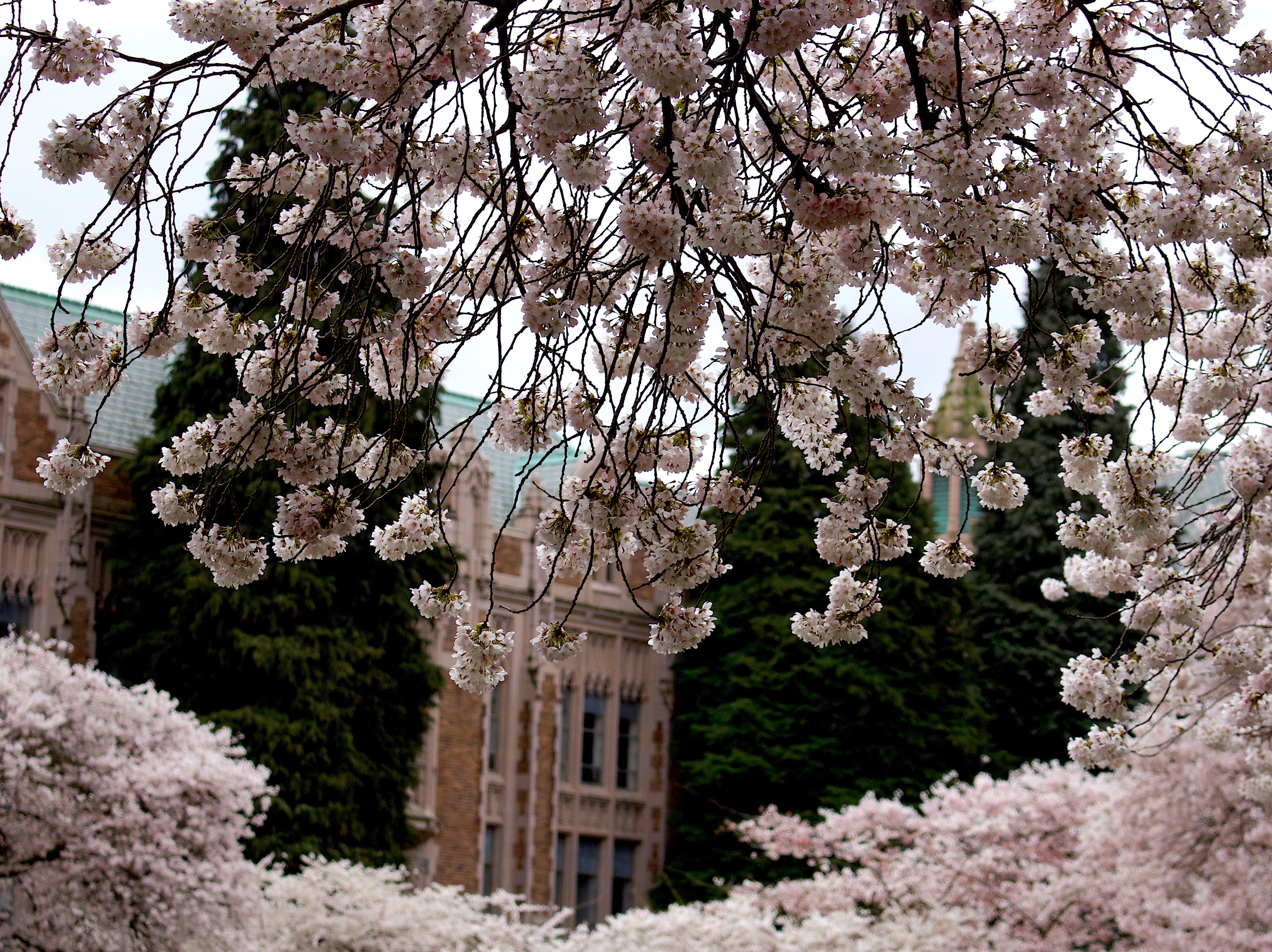
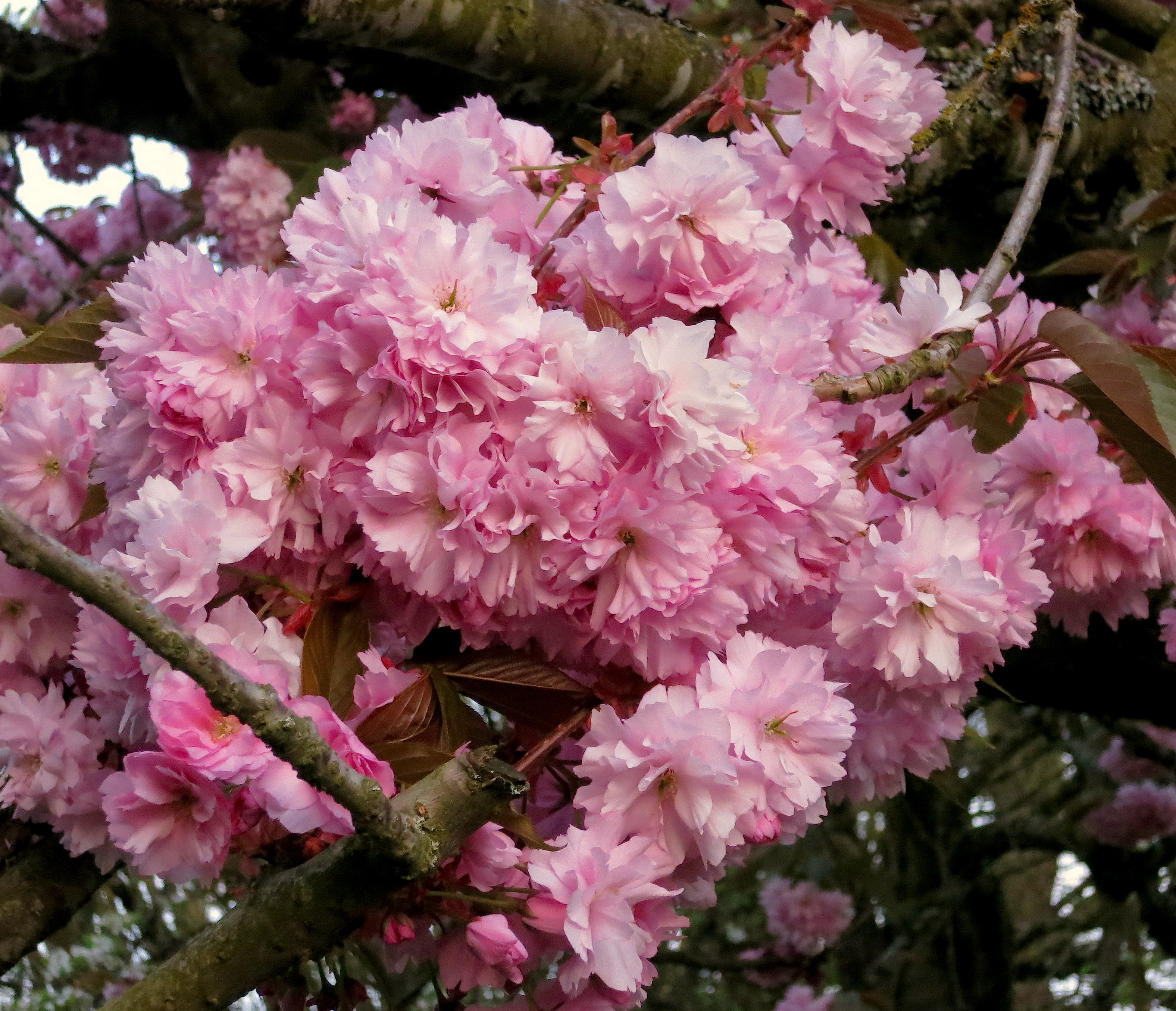
Beauty, to the Japanese of old, held together the ephemeral with the sacred. Cherry blossoms are most beautiful as they fall, and that experience of appreciation lead the Japanese to consider their mortality. Hakanai bi (ephemeral beauty) denotes sadness, and yet in the awareness of the pathos of life, the Japanese found profound beauty.

For the Japanese, the sense of beauty is deeply tragic, tied to the inevitability of death.

Jesus’ tears were also ephemeral and beautiful. His tears remain with us as an enduring reminder of the Savior who weeps. Rather than to despair, though, Jesus’ tears lead the way to the greatest hope of the resurrection. Rather than suicide, Jesus’ tears lead to abundant life.
~Makoto Fujimura


wwusakura6


sakurauw5


Everyone feels grief
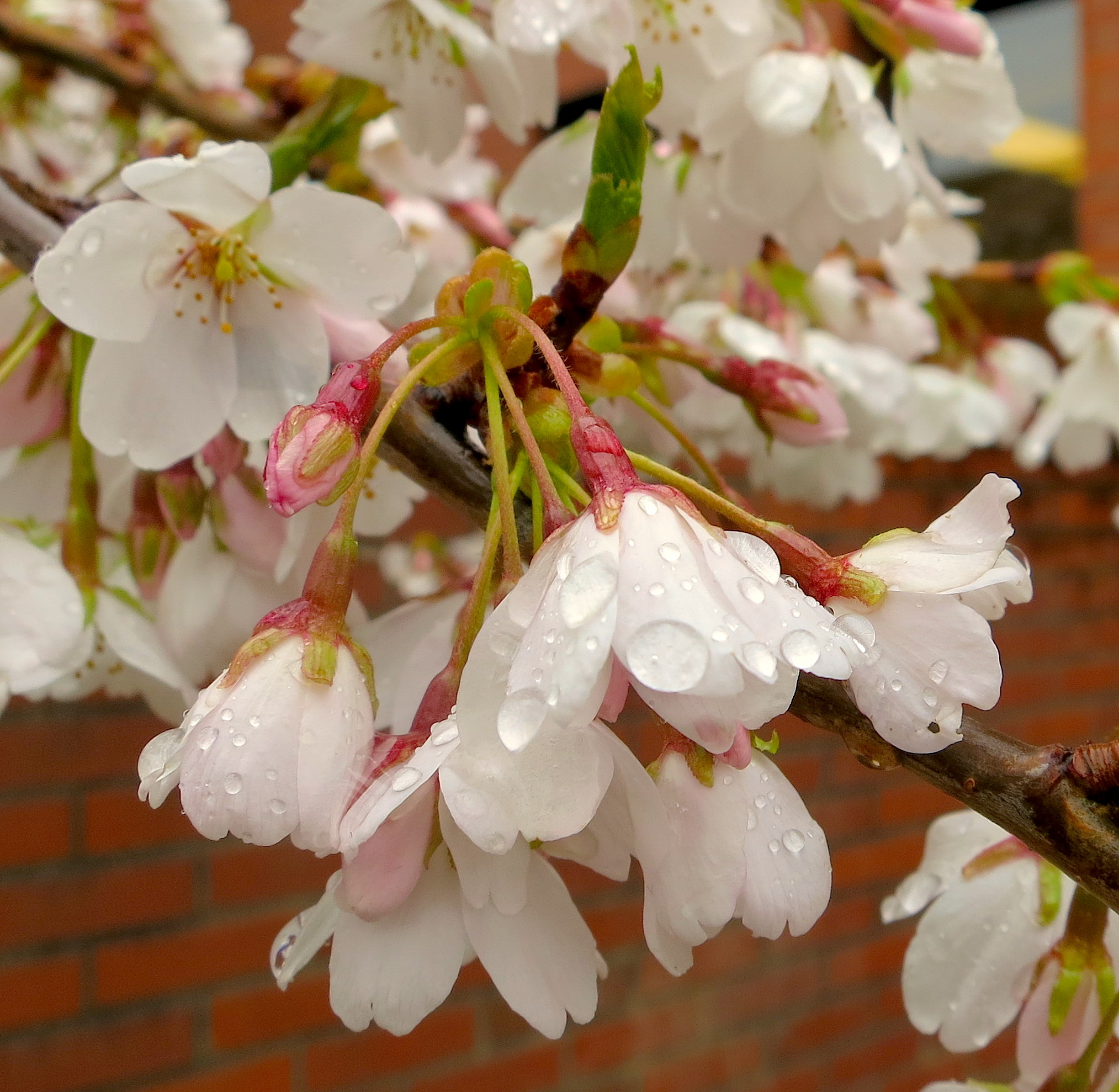
when cherry blossoms scatter.
Might they then be tears –
those drops of moisture falling
in the gentle rains of spring?
~Otomo no Juronushi (late 9th century)


wwusakura5


Thoughts still linger –
but will those who have parted
return once again?

Evening is deep in the hills
where cherry blossoms fall.
~Shinkei (1406-1475)


sakurauw8


kwanzencherry


Again today I will see patients in my clinic who are struggling with depression, who are contemplating whether living another day is worth the pain and effort.  Most describe their feelings completely dry-eyed, unwilling to let their emotions flow from inside and flood their outsides.  Others sit soaking in tears of hopelessness and despair.

Their weeping moves and reassures me — it is a raw and authentic spilling over when the internal dam is breaking.  It is so human, yet we know tears contain the divine.

When I read that Jesus weeps as He witnesses the tears of grief of His dear friends, I am comforted.  He understands and feels what we feel, His tears just as plentiful and salty, His overwhelming feelings of love brimming so full they must be let go and cannot be held back.

Jesus who wept with us became a promise of ultimate joy.

There is beauty in this, His rain of tears, the spilling of the divine onto our mortal soil.


cherrynorth


wwucherry


A fallen blossom
Returning to the bough, I thought –
But no, a butterfly.
~Arakida Moritake (1473-1549)


fallensakura
fallen sakura petals in Tokyo (photo by Nate Gibson)

Turn Aside and Look: Make a Stone Weep

cacti3

When he came near the place where the road goes down the Mount of Olives, the whole crowd of disciples began joyfully to praise God in loud voices for all the miracles they had seen:
“Blessed is the king who comes in the name of the Lord!”
“Peace in heaven and glory in the highest!”
S
ome of the Pharisees in the crowd said to Jesus, “Teacher, rebuke your disciples!”
“I tell you,”
he replied, “if they keep quiet, the stones will cry out.”

As he approached Jerusalem and saw the city, he wept over it and said,
“If you, even you, had only known on this day what would bring you peace—but now it is hidden from your eyes.
The days will come upon you when your enemies will build an embankment against you and encircle you and hem you in on every side. They will dash you to the ground, you and the children within your walls. They will not leave one stone on another, because you did not recognize the time of God’s coming to you.”
Luke 19: 37-44

cacti1

Fíre-féaturing heaven. For earth ‘ her being as unbound, her dapple is at an end, as-
tray or aswarm, all throughther, in throngs; ‘ self ín self steepèd and páshed – quite
Disremembering, dísmémbering, ‘ áll now. Heart, you round me right
With: Óur évening is over us; óur night ‘ whélms, whélms, ánd will end us.
~Gerard Manley Hopkins from “Spelt from Sibyl’s Leaves”


We human beings do real harm. History could make a stone weep.
Marilynne Robinson–Gilead


Created with the freedom to choose our own way, we tend to opt for the path of least resistance with the highest pay back, no matter who we bloody, trample, pummel or drag kicking and screaming in the process.

Hey, after all, we’re only human and that’s our excuse and we’re sticking to it.

No road less traveled on for most of us–instead we blindly head down the superhighway of what’s best for number one, no matter what it costs to get there, how seedy the billboards or how many warning signs appear, or where the ultimate destination takes us. History is full of the piled-high wrecking yards of demolition remnants from crashes along the way.

It’s enough to make even a stone weep. Certainly God wept and likely still does.

Thankfully we can rest in this ultimate confidence:  He knew what He was doing and thought it good — despite enduring tears and the bloody thorns.


conservatory

quince1