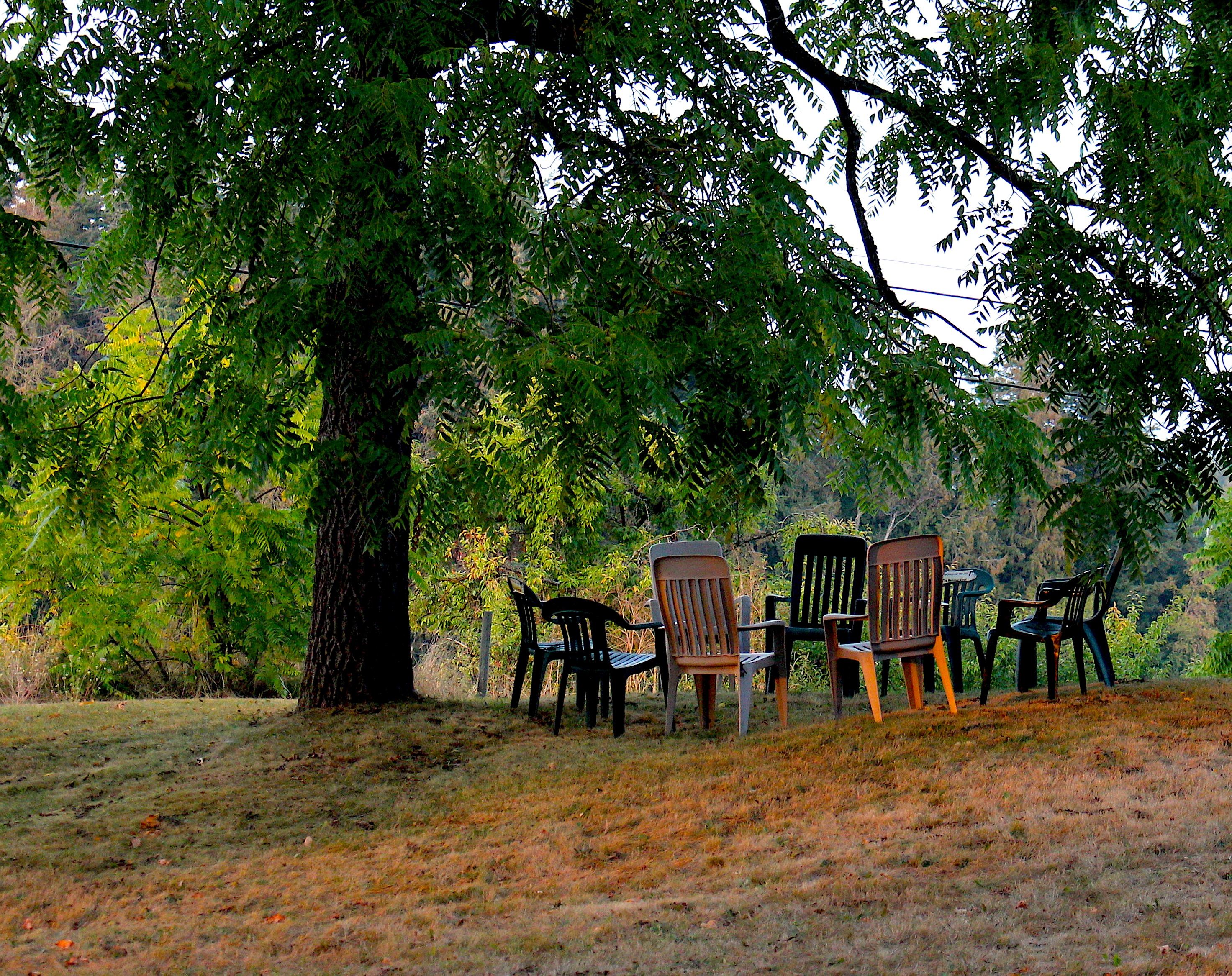
First day of February, and in the far corner of the yard the Adirondack chair, blown over by the wind at Christmas, is still on its back, the snow too deep for me to traipse out and right it, the ice too sheer to risk slamming these old bones to the ground.
In April I will walk out across the warming grass, and right the chair as if there had never been anything to stop me in the first place, listening for the buzz of hummingbirds which reminds me of how fast things are capable of moving. ~John Stanizzi “Ascension”
It has been a harsh and cold winter so far with more days of snow on the ground than not. For a couple weeks there was a constant challenge of finding safe footing when surfaces were snow and ice-covered; local orthopedists were busy putting together broken arms and legs and dislocated joints from too many unscheduled landings.
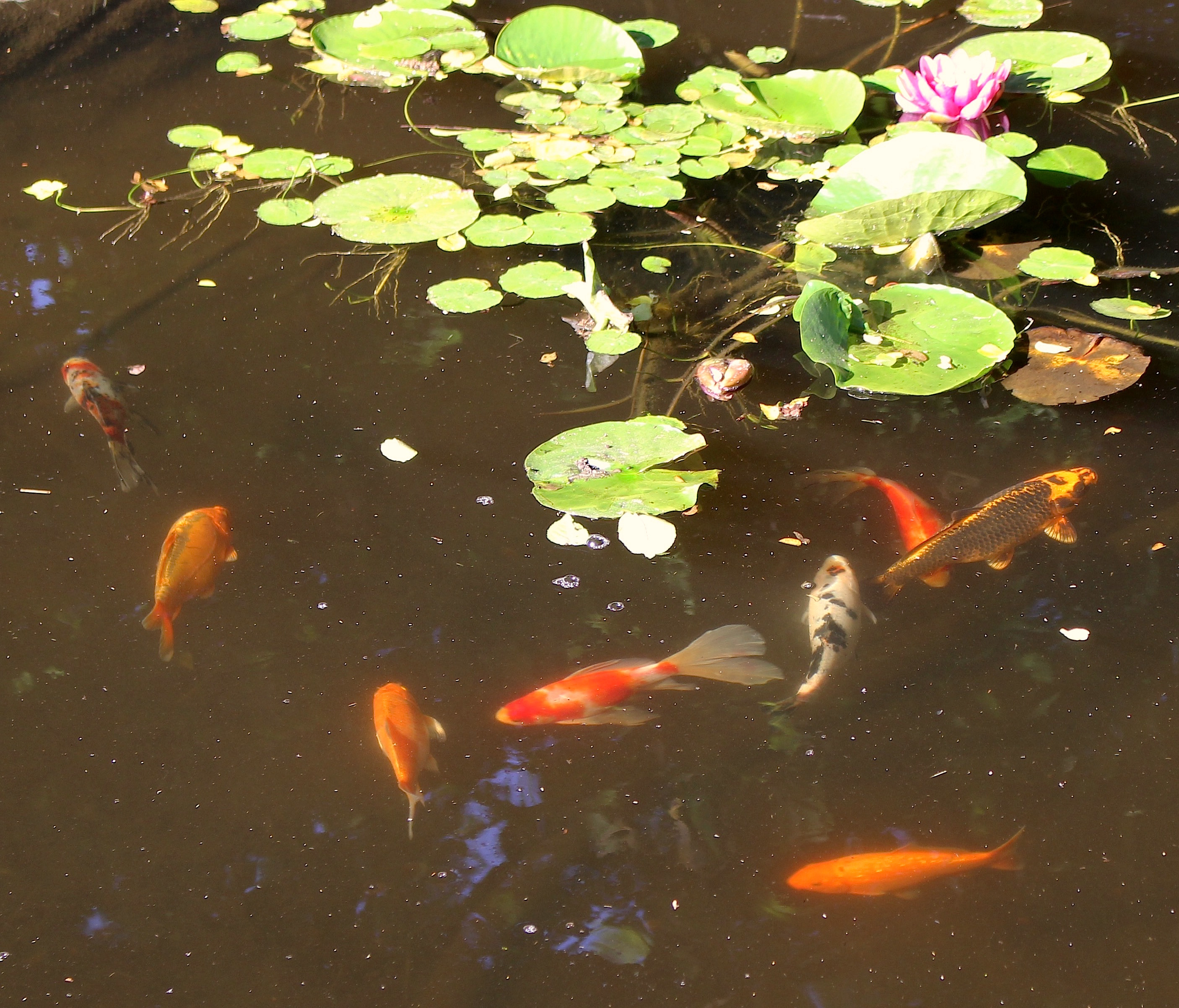
It seems sometimes winter will never be done with us. The saddest moment a week ago was the discovery as our iced-over fish pond was thawing that it had frozen solid during the sub-zero temperatures – and a dozen decade-old koi and goldfish frozen with it. Our sorrow at this loss is deeper than the pond proved to be; we assumed the depth of the water was sufficient to keep our fish safe from harm as it has for decades. Yet this winter stole them from us.
I know in my head that winter is not forever — February will wrap up its short stay on the calendar and once again I will traipse about with ease without worrying about iced-over walkways. But my heart is not so easily convinced about winter waning. The unexpected loss of our fish reminds me of my guilt from the past: times I have failed to help others when I could have – like the priest and Levite, seeing the dying man on the road to Jericho, cross to the other side and walk past.
So my heart and head and old bones need reminding: Those who traipse on ice always risk being broken. Those who have fallen will be righted and put together again. Those who suffer regret are forgiven even when pain is not forgotten. And time moves quickly on despite our efforts to hold on to now; my old bones and tender heart will heal so I can be of use to others.
From the love of my own comfort From the fear of having nothing From a life of worldly passions Deliver me O God
From the need to be understood From the need to be accepted From the fear of being lonely Deliver me O God Deliver me O God
And I shall not want I shall not want When I taste Your goodness I shall not want When I taste Your goodness I shall not want
From the fear of serving others From the fear of death or trial From the fear of humility Deliver me O God Deliver me O God ~Audrey Assad
One-Time
Monthly
Yearly
Make a one-time or recurring donation to support Barnstorming
Here is a story to break your heart. Are you willing? This winter the loons came to our harbor and died, one by one, of nothing we could see. A friend told me of one on the shore that lifted its head and opened the elegant beak and cried out in the long, sweet savoring of its life which, if you have heard it, you know is a sacred thing., and for which, if you have not heard it, you had better hurry to where they still sing. And, believe me, tell no one just where that is. The next morning this loon, speckled and iridescent and with a plan to fly home to some hidden lake, was dead on the shore. I tell you this to break your heart, by which I mean only that it break open and never close again to the rest of the world. ~Mary Oliver “Lead” from New and Selected Poems
Why shouldn’t we go through heartbreaks?
…if through a broken heart God can bring His purposes to pass in the world, then thank Him for breaking your heart. ~Oswald Chambers from “Ye are not your own” from My Utmost for the Highest
These last two years have seen an epidemic of heart-break.
Due to hospital visitor restrictions, thousands of loved ones have died of COVID without family by their side, deprived of the solace of hearing familiar voices and being touched by familiar hands. A weary and over-worked health care team can only do so much in their efforts to comfort and console when so many patients are losing their battle with the virus at the same time. Although nurses and doctors have always been witnesses to the cries of the dying and the weeping of the grief-stricken, that is usually together at the bedside.
An iPad screen isn’t the same for those saying good-bye forever.
For all the advances of our modern society – through technology and communication and the development of medical miracles – people still die and others still grieve and weep over their loss. We’re not used to dying happening with such frequency to those who have no business dying in the first place. We assume death rates exceeding birth rates happens only in third world countries beset with drought or plague.
Not any more.
So my heart is tender – for those lost, for those left behind, for those trying their best to save lives when they are weary and ill themselves, for the irony of hundreds of thousands of unnecessary deaths when the preventive measures available to us all are so clear-cut.
If anything, a breaking heart is an open invitation for the solace of a God who himself had no business dying in the first place, but did. He cried out in a long, sweet savoring of his life and ours, saving us in the process.
One-Time
Monthly
Yearly
Make a one-time or recurring donation to Barnstorming
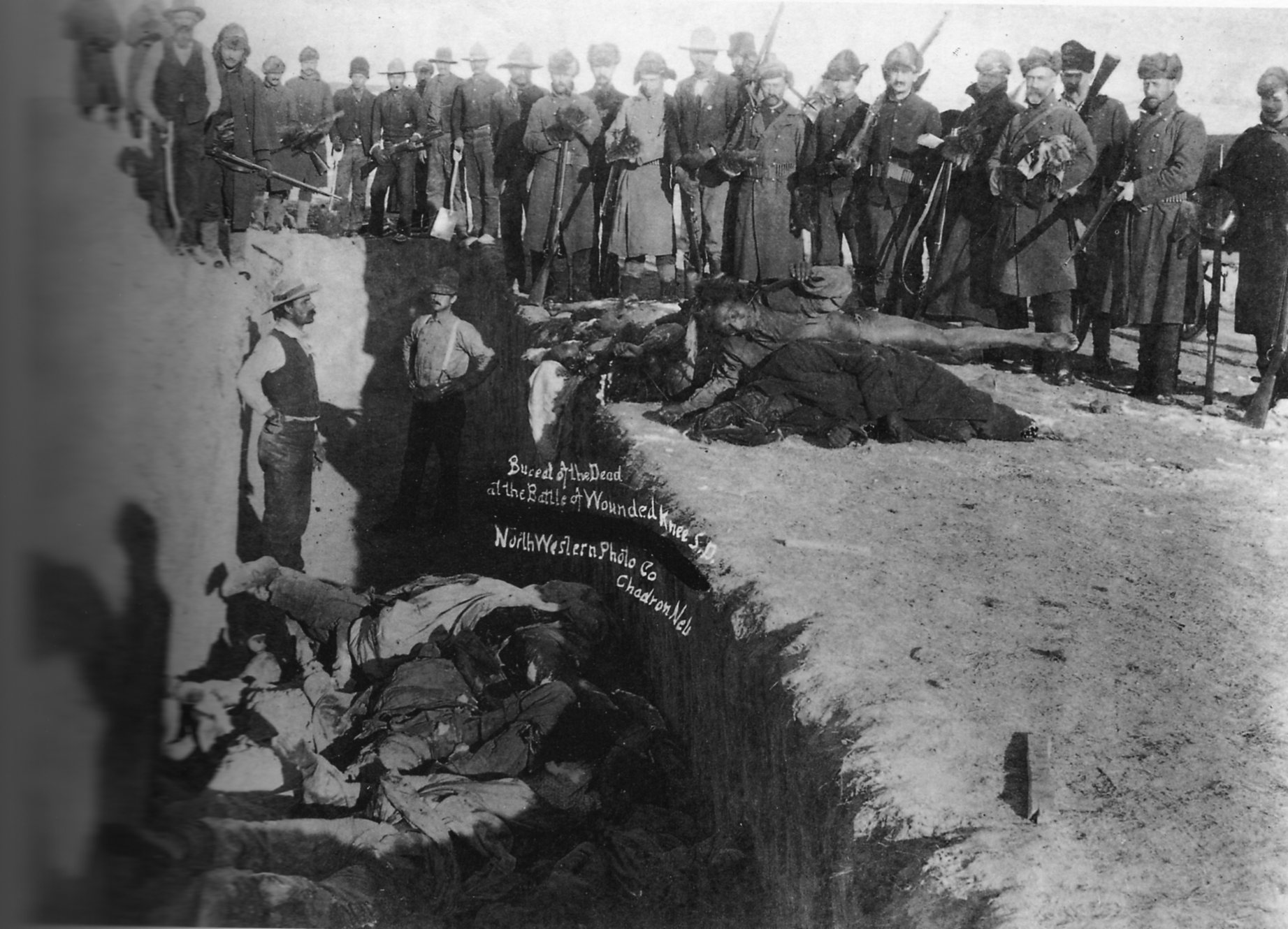
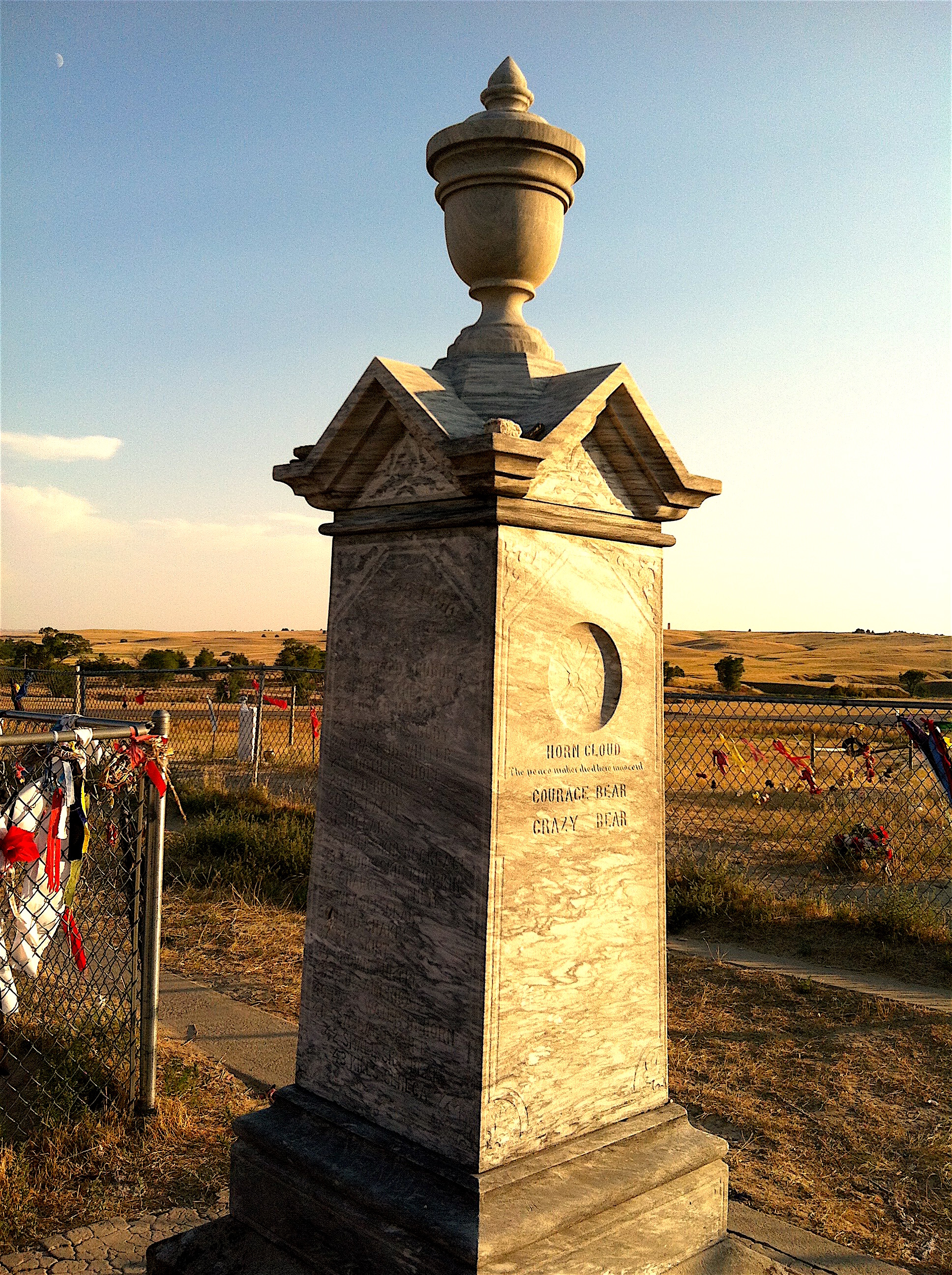
The mass gravesite at Wounded Knee, Pine Ridge Reservation, South DakotaBurial of the dead in the mass gravesite at Wounded Knee
Big Foot, a great Chief of the Sioux often said, “I will stand in peace till my last day comes.” He did many good and brave deeds for the white man and the red man. Many innocent women and children who knew no wrong died here. ~Inscription on the Wounded Knee Monument
I did not know then how much was ended. When I look back now from this high hill of my old age, I can still see the butchered women and children lying heaped and scattered all along the crooked gulch as plain as when I saw them with eyes still young. And I can see that something else died there in the bloody mud, and was buried in the blizzard. A people’s dream died there. It was a beautiful dream. And I, to whom so great a vision was given in my youth, — you see me now a pitiful old man who has done nothing, for the nation’s hoop is broken and scattered. There is no center any longer, and the sacred tree is dead. ~Black Elk, (wounded trying to rescue his people after the Wounded Knee Massacre) from Black Elk Speaks
From today’s The Writer’s Almanac:
December 29 is the anniversary of themassacre at Wounded Knee, which took place in South Dakota in 1890. Twenty-three years earlier the local tribes had signed a treaty with the United States government that guaranteed them the rights to the land around the Black Hills, which was sacred land. The treaty said that not only could no one move there, but they couldn’t even travel through without the consent of the Indians.
But in the 1870s gold was discovered in the Black Hills and the treaty was broken. People from the Sioux tribe were forced onto a reservation with a promise of more food and supplies, which never came. Then in 1889 a native prophet named Wovoka, from the Paiute tribe in Nevada, had a vision of a ceremony that would renew the earth, return the buffalo, and cause the white men to leave and return the land that belonged to the Indians. This ceremony was called the Ghost Dance. People traveled across the plains to hear Wovoka speak, including emissaries from the Sioux tribe, and they brought back his teachings. The Ghost Dance, performed in special brightly colored shirts, spread through the villages on the Sioux reservation and it scared the white Indian agents. They considered the ceremony a battle cry, dangerous and antagonistic. So one of them wired Washington to say that he was afraid and wanted to arrest the leaders and he was given permission to arrest Chief Sitting Bull, who was killed in the attempt. The next on the wanted list was Sitting Bull’s half-brother, Chief Big Foot, known to his own people as Spotted Elk. Some members of Sitting Bull’s tribe made their way to Big Foot and when he found out what had happened he decided to lead them along with the rest of his people to Pine Ridge Reservation for protection. But it was winter, 40 degrees below zero, and he contracted pneumonia on the way.
Big Foot was sick, he was flying a white flag, and he was a peaceful man. He was one of the leaders who had actually renounced the Ghost Dance. But the Army didn’t make distinctions. They intercepted Big Foot’s band and ordered them into the camp on the banks of the Wounded Knee Creek. Big Foot went peacefully.
The next morning federal soldiers began confiscating their weapons and a scuffle broke out between a soldier and an Indian. The federal soldiers opened fire, killing almost 300 men, women, and children, including Big Foot. Even though it wasn’t really a battle, the massacre at Wounded Knee is considered the end of the Indian Wars, a blanket term to refer to the fighting between the Native Americans and the federal government, which had lasted 350 years.
One of the people wounded but not killed during the massacre was the famous medicine man Black Elk, author of Black Elk Speaks (1932). Speaking about Wounded Knee, he said:
“I did not know then how much was ended. When I look back now from this high hill of my old age, I can still see the butchered women and children lying heaped and scattered all along the crooked gulch as plain as when I saw them with eyes still young. And I can see that something else died there in the bloody mud, and was buried in the blizzard. A people’s dream died there. It was a beautiful dream.”
Like most twentieth century American children, I grew up with a sanitized understanding of American and Native history. I had only a superficial knowledge of what happened at Wounded Knee, a low hill that rises above a creek bed on the South Dakota Pine Ridge Reservation, gleaned primarily from the 71 day symbolic standoff in 1973 between members of the Oglala Sioux and the American Indian Movement and the FBI, resulting in several shooting deaths.
Nine years ago, when our son was teaching math at Little Wound High School on the Pine Ridge Reservation, we visited the site of this last major battle between the white man and Native people, which broke the spirit of the tribes’ striving to maintain their nomadic life as free people. This brutal massacre of nearly 300 Lakota men, women and children by the Seventh Regiment of the U.S. Army Cavalry took place in December 1890.
The dead lay where they fell for four days due to a severe blizzard. When the frozen corpses were finally gathered up by the Army, a deep mass grave was dug at the top of the hill, the bodies buried stacked one on top of another. The massive grave is now marked by a humble memorial monument surrounded by a chain link fence, adjacent to a small church, circled by more recent Lakota gravesites.
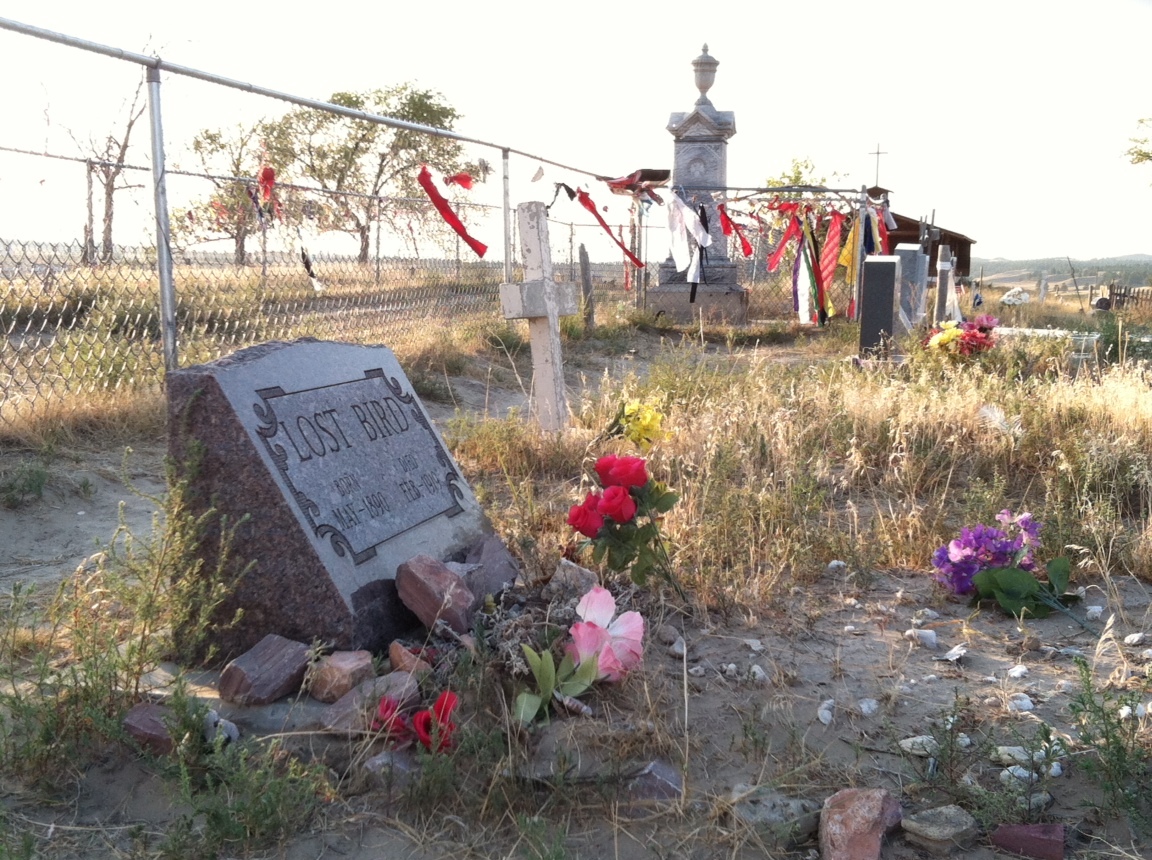
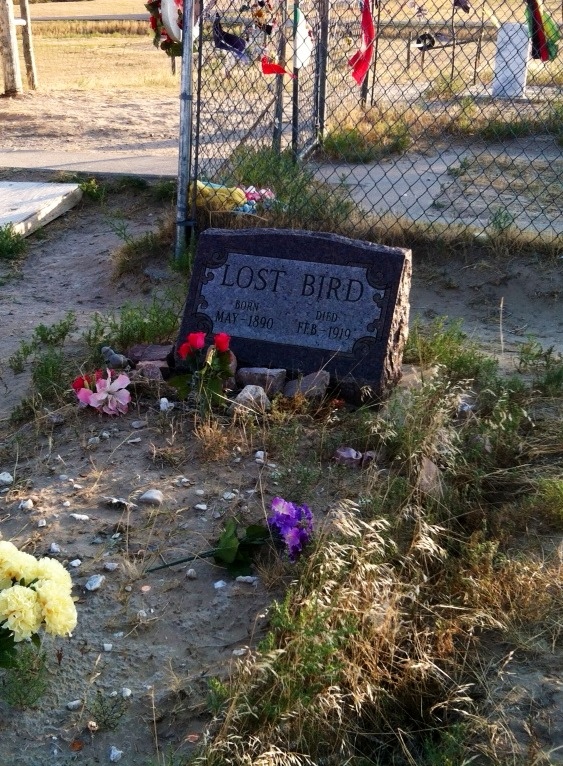
Four infants survived the four days of blizzard conditions wrapped in their dead mothers’ robes. One baby girl, only a few months old, was named “Lost Bird” after the massacre, bartered for and adopted by an Army Colonel as an interesting Indian “relic.” Rather than this adoption giving her a new chance, she died at age 29, having endured much illness, prejudice in white society, as well as estrangement from her native community and culture. Her story has been told in a book by Renee Sansom Flood, who helped to locate and move her remains back to Wounded Knee, where in death she is now back with her people.
There is unspeakable desolation and sadness on that lonely hill of graves. It is a regrettable part of our history that descendants of immigrants to American soil need to understand: by coming to the “New World” for opportunity, or refuge from oppression elsewhere, we made refugees of the people already here.
As Black Elk wrote, the dreams of a great people have been scattered and lack a center. He was not only speaking of his own tribe, but was presciently speaking of our current divisiveness – due to extremism, we lack “a center” in our current governmental discourse.
We must never allow hope to be buried at Wounded Knee nor must we ever forget what it means to no longer be safe in one’s own homeland.
Lost Bird after her adoption
One-Time
Monthly
Yearly
Make a one-time or recurring donation to Barnstorming
A voice is heard in Ramah, mourning and great weeping, Rachel weeping for her children and refusing to be comforted, because they are no more. Matthew 2:18 and Jeremiah 31:15
…as you sit beneath your beautifully decorated tree, eat the rich food of celebration, and laugh with your loved ones, you must not let yourself forget the horror and violence at the beginning and end of the Christmas story. The story begins with the horrible slaughter of children and ends with the violent murder of the Son of God. The slaughter depicts how much the earth needs grace. The murder is the moment when that grace is given.
Look into that manger representing a new life and see the One who came to die. Hear the angels’ celebratory song and remember that sad death would be the only way that peace would be given. Look at your tree and remember another tree – one not decorated with shining ornaments, but stained with the blood of God.
As you celebrate, remember that the pathway to your celebration was the death of the One you celebrate, and be thankful. ~Paul Tripp
God could, had He pleased, have been incarnate in a man of iron nerves, the Stoic sort who lets no sigh escape him. Of His great humility He chose to be incarnate in a man of delicate sensibilities who wept at the grave of Lazarus and sweated blood in Gethsemane. Otherwise we should have missed the great lesson that it is by his will alone that a man is good or bad, and that feelings are not, in themselves, of any importance. We should also have missed the all-important help of knowing that He has faced all that the weakest of us face, has shared not only the strength of our nature but every weakness of it except sin. If He had been incarnate in a man of immense natural courage, that would have been for many of us almost the same as His not being incarnate at all. ― C.S. Lewis, The Collected Letters of C.S. Lewis
There is no consolation for families of those lost to death come too soon: a rogue king’s slaughter of innocents, and now so much needless death: weather, war, accidents, random shootings, COVID.
Arms ache with the emptiness of grief, beds and pillows lie cold and unused, hugs never to come again.
There is no consolation; only mourning and great weeping, sobbing that wrings dry every human cell, leaving dust behind, which is our beginning and our end.
God came to us for times such as this, born of the dust of woman and the breath of the Holy Spirit, God bent down to lie in manger dust, walk on roads of dust, die and be laid to rest as dust to conquer such evil as this that displaces masses and massacres innocents.
He became dust to be like us He began a mere speck in a womb like us
His heart beat like ours breathing each breath like ours until a fearful fallen world took His and our breath away.
He shines through the shadows of death to guide our stumbling uncertain feet.
He hears our cries as He cried too. He knows our tears as He wept too. He knows our mourning as He mourned too. He knows our dying as He died too.
God weeps as this happens.
Only God can glue together what evil has shattered. He asks us to hand Him the pieces of our broken hearts.
We will know His peace when He comes to bring us home, our tears finally dried, our cells no longer just dust, as we are glued together by the holy breath of our God forevermore.
Lully, lullay, thou little tiny child, Bye bye, lully, lullay. Thou little tiny child, Bye bye, lully, lullay.
O sisters too, how may we do For to preserve this day This poor youngling for whom we sing, “Bye bye, lully, lullay?”
Herod the king, in his raging, Chargèd he hath this day His men of might in his own sight All young children to slay.
That woe is me, poor child, for thee And ever mourn and may For thy parting neither say nor sing, “Bye bye, lully, lullay.”
One-Time
Monthly
Yearly
Make a one-time or recurring donation to support Barnstorming
…Do not be afraid, though briers and thorns are all around you… Ezekiel 2:6
<The ground> will produce thorns and thistles for you. Genesis 3:18
Perched on the high end of its spinal stalk the brain blooms like a pink cabbage rose Peel back the blunt bone like a bud— it will be meaty to touch, the corolla folding in, folding in to echo within the sepal skull a blink of light, logarithms, a view of ships in harbor, a word just now rescued by memory, clipped arbor vitae how it smells—spiced Here God lives, burrowing among the petals, cross- pollinating. Here is Christ’s mind juiced, joined, fleshed, celled. Here is the clash, the roil, an invasion, not gentle as dew; the rose is unfurled violently until the scent explodes and detonates in the air And oh, it trembles— thousands of seeds ripen in it as it reels in the wind ~Luci Shaw “Flower head”
Christ … is a thorn in the brain. Christ is God crying I am here, and here not only in what exalts and completes and uplifts you, but here in what appalls, offends, and degrades you, here in what activates and exacerbates all that you would call not-God. To walk through the fog of God toward the clarity of Christ is difficult because of how unlovely, how ungodly that clarity often turns out to be. ~Christian Wiman from Image Journal essay “Varieties of Quiet”
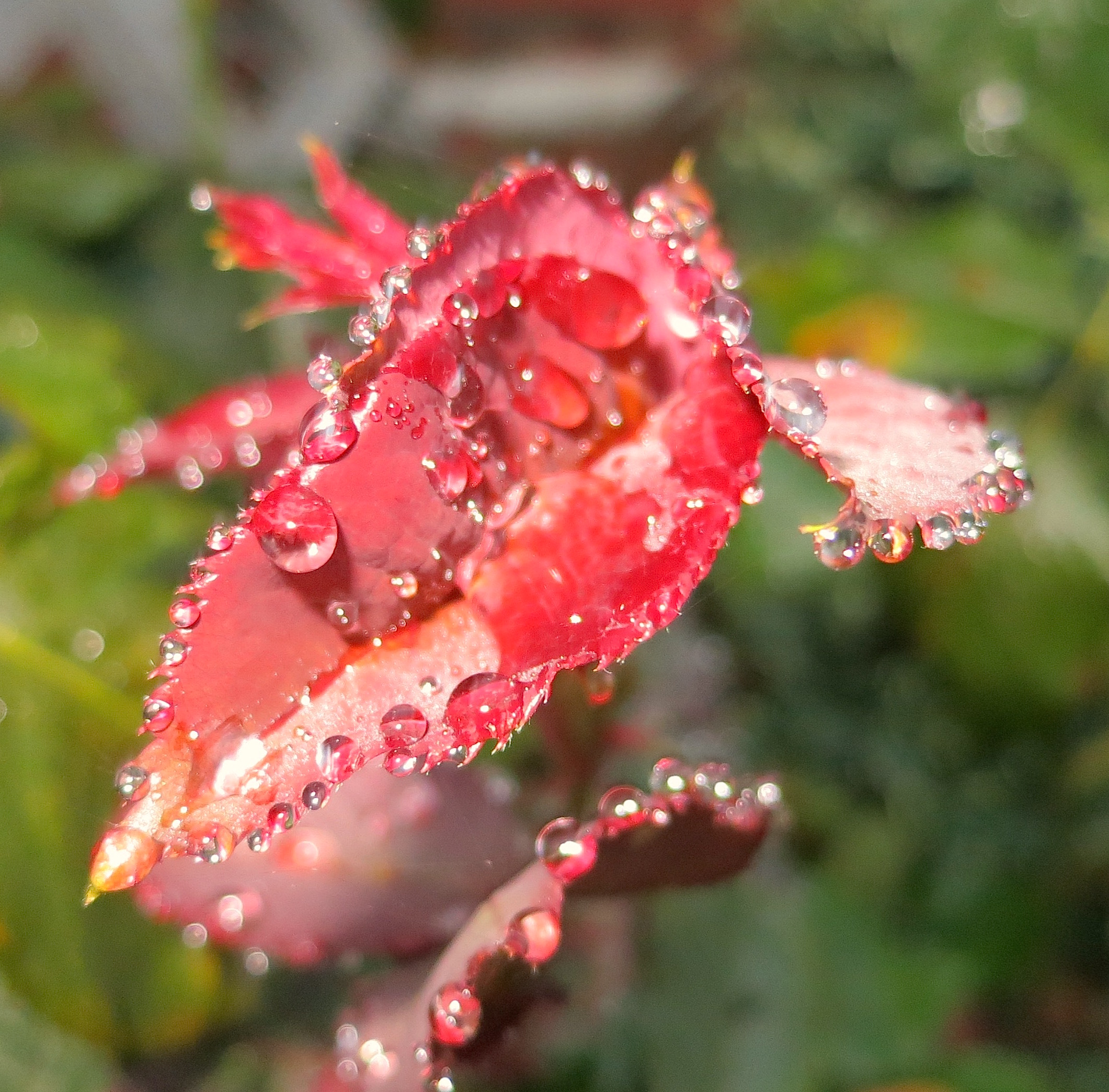
It was gardener/author Alphonse Karr in the mid-19th century who wrote that even though most people grumble about roses having thorns, he was grateful that thorns have roses. After all, there was a time when thorns were not part of our world, when we knew nothing of suffering and death, but pursuing and desiring more than we were already generously given, we received a bit more than we bargained for.
We continue to reel under the thorns our choices produce — indeed every day there is more bloodletting.
So a rose was sent to adorn the thorns and even then we chose thorns to make Him bleed. Yes, a fragrant rose blooms beautiful, bleeding amid the thorns, and will to the endless day.
This year’s Barnstorming Advent theme “… the Beginning shall remind us of the End” is taken from the final lines in T.S. Eliot’s poem “The Cultivation of Christmas Trees”
1. Maria walks amid the thorn, Kyrie eleison. Maria walks amid the thorn, Which seven years no leaf has born. Jesus and Maria.
2. What ‘neath her heart doth Mary bear? Kyrie eleison. A little child doth Mary bear, Beneath her heart He nestles there. Jesus and Maria.
3. And as the two are passing near, Kyrie eleison, Lo! roses on the thorns appear, Lo! roses on the thorns appear. Jesus and Maria.
A spotless Rose is blowing, sprung from a tender root, Of ancient seers’ foreshowing of Jesse promised fruit; Its fairest bud unfolds to light Amid the cold, cold winter; and in the dark midnight.
The Rose which I am singing, whereof Isaiah said, Is from its sweet root springing in Mary, purest Maid; For, through our God’s great love and might, The blessed Babe she bare us in a cold, cold winter’s night.
This Flower, whose fragrance tender with sweetness fills the air, Dispels with glorious splendour the darkness everywhere; True Man, yet very God, From sin and death He saves us, and lightens every load.
O Jesus, by being born out of this vale of tears, Let Thy help guide us to the hall of joy In your father’s kingdom, As we praise You eternally; O God, give us that.
When Jesus Christ was yet a child He had a garden small and wild Where-in he cherished roses fair And wove them into garlands there
Now as the summertime drew nigh There came a troop of children by And seeing roses on the tree With shouts they plucked them merrily
“Do you bind roses in your hair?”
They cried in scorn to Jesus there The boy said humbly “Take I pray All but the naked thorns away”
Then of the thorns they made a crown And with rough fingers pressed it down Till on his forehead fair and young Red drops of blood like roses sprung ~Plechtcheev, melody by Tchaikovsky
Today is my mother’s birthday, but she’s not here to celebrate by opening a flowery card or looking calmly out a window.
If my mother were alive, she’d be 114 years old, and I am guessing neither of us would be enjoying her birthday very much.
Mother, I would love to see you again to take you shopping or to sit in your sunny apartment with a pot of tea, but it wouldn’t be the same at 114.
And I’m no prize either, almost 20 years older than the last time you saw me sitting by your deathbed. Some days, I look worse than yesterday’s oatmeal.
It must have been frigid that morning in the hour just before dawn on your first December 1st at the family farm a hundred miles north of Toronto.
Happy Birthday, anyway. Happy Birthday to you. ~Billy Collins from “December 1”
December 1st is not my mother’s birthday but it was her death day thirteen years ago.
Yet it felt a bit like a birth.
The call came from the care center about 5:30 AM on the Monday after Thanksgiving on a frozen morning: the nurse gently said her breathing had changed, it wasn’t long now until she’d be gone.
My daughter and I quickly dressed and went out into bleak darkness to make the ten minute drive to where she lay. Mom had been wearily existing since a femur fracture 9 months earlier on a cruel April 1st morning. Everything changed for her at 87 years of being active at home. It was the beginning of the end for her, unable to care for herself at home.
These nine months had been her gestation time to transition to a new life. It occurred to me as I drove – she was about to be born in her long-awaited yet long-feared transition to death.
Her room was darkened except for the multicolored lights on the table top artificial Christmas tree I had brought her a few days earlier. It cast colorful shadows onto the walls and the white bedspread on her hospital bed. It even made her look like she had color to her cheeks where there actually was none.
There was no one home.
She had already left, flown away while we drove the few miles to come to her. There was no reaching her now. Her skin was cooling, her face hollowed by the lack of effort, her body stilled and sunken.
I could not weep at that point – it was time for her to leave us behind. She was so very tired, so very weary, so very ready for heaven. And I, weary too, felt much like yesterday’s oatmeal, something she actually very much loved during her life, cooking up a big batch a couple times a week, enough to last several days.
I knew, seeing what was left of her there in that bed, Mom was no longer settling for yesterday’s oatmeal and no longer homeless. I knew she now she was present for a feast, would never suffer insomnia again, would no longer be fearful of dying, that her cheeks would be forever full of color.
I knew she had a new beginning: the glory of rebirth thanks to her Savior who had gently taken her by the hand to a land where joy would never end.
Happy Birthday, Mom. Happy December 1st Birthday to you.
I’ll fly away, oh glory I’ll fly away in the morning When I die hallelujah by and by I’ll fly away
God makes us happy as only children can be happy. God wants to always be with us, wherever we may be – in our sin, in our suffering and death. We are no longer alone; God is with us. We are no longer homeless; a bit of the eternal home itself has moved unto us. ~Dietrich Bonhoeffer
Some bright morning when this life is over I’ll fly away To that home on God’s celestial shore I’ll fly away
I’ll fly away, oh glory I’ll fly away in the morning When I die hallelujah by and by I’ll fly away
When the shadows of this life have gone I’ll fly away Like a bird from these prison walls I’ll fly I’ll fly away
Oh how glad and happy when we meet I’ll fly away No more cold iron shackles on my feet I’ll fly away
Just a few more weary days and then I’ll fly away To a land where joys will never end I’ll fly away
I’ll fly away oh glory I’ll fly away in the morning When I die hallelujah by and by I’ll fly away I’ll fly away ~Albert Brumley
This year’s Barnstorming Advent theme “… the Beginning shall remind us of the End” is taken from the final lines in T.S. Eliot’s poem “The Cultivation of Christmas Trees”
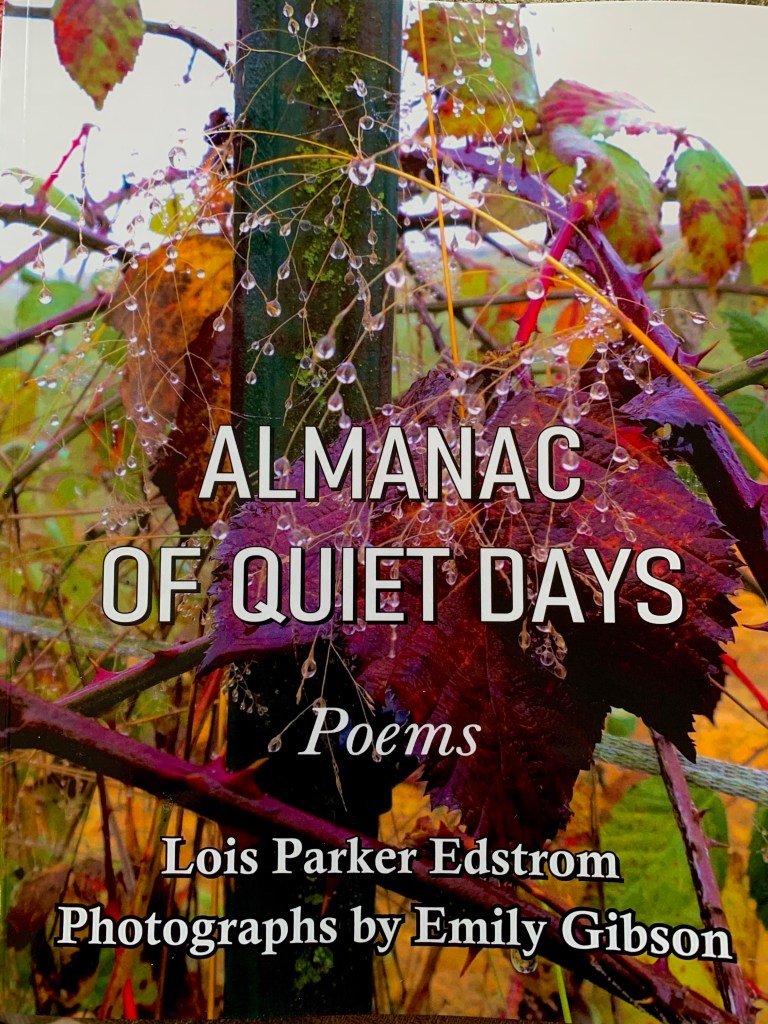
A book of beauty in words and photography, available to order here:
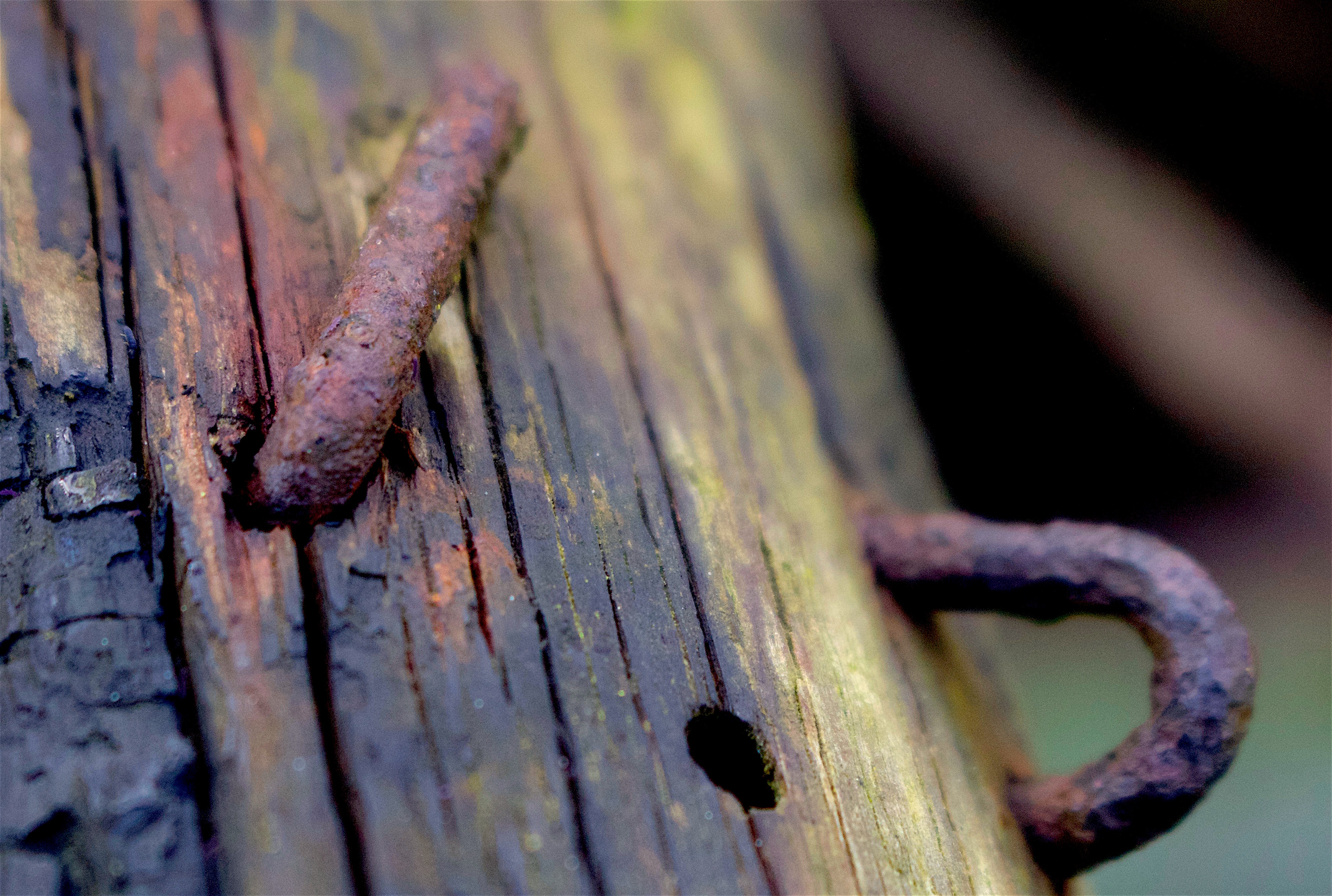
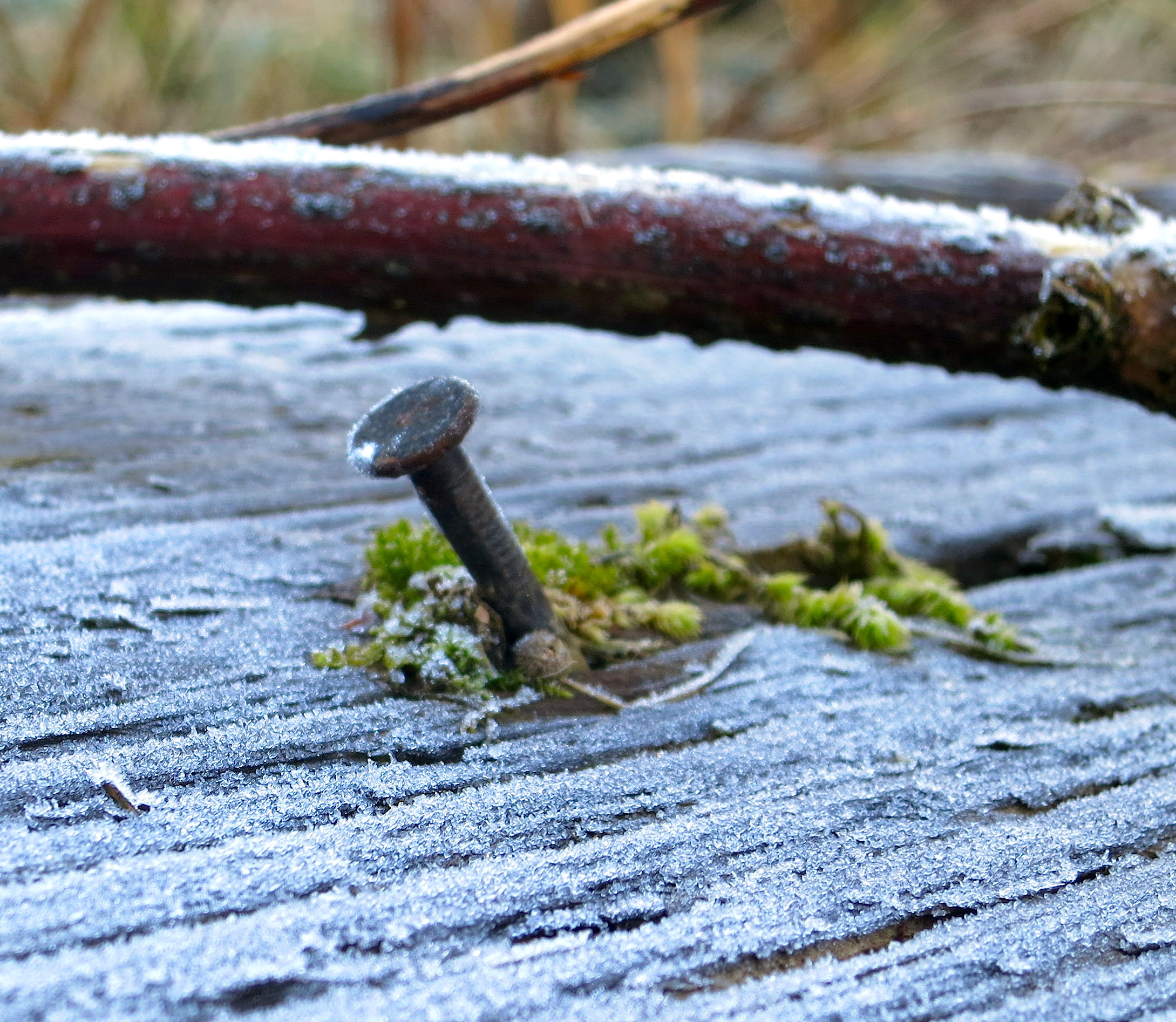
There are names for what binds us: strong forces, weak forces. Look around, you can see them: the skin that forms in a half-empty cup, nails rusting into the places they join, joints dovetailed on their own weight.
The way things stay so solidly whenever they’ve been set down – and gravity, scientists say, is weak.
And see how the flesh grows back across a wound, with a great vehemence, more strong than the simple, untested surface before.
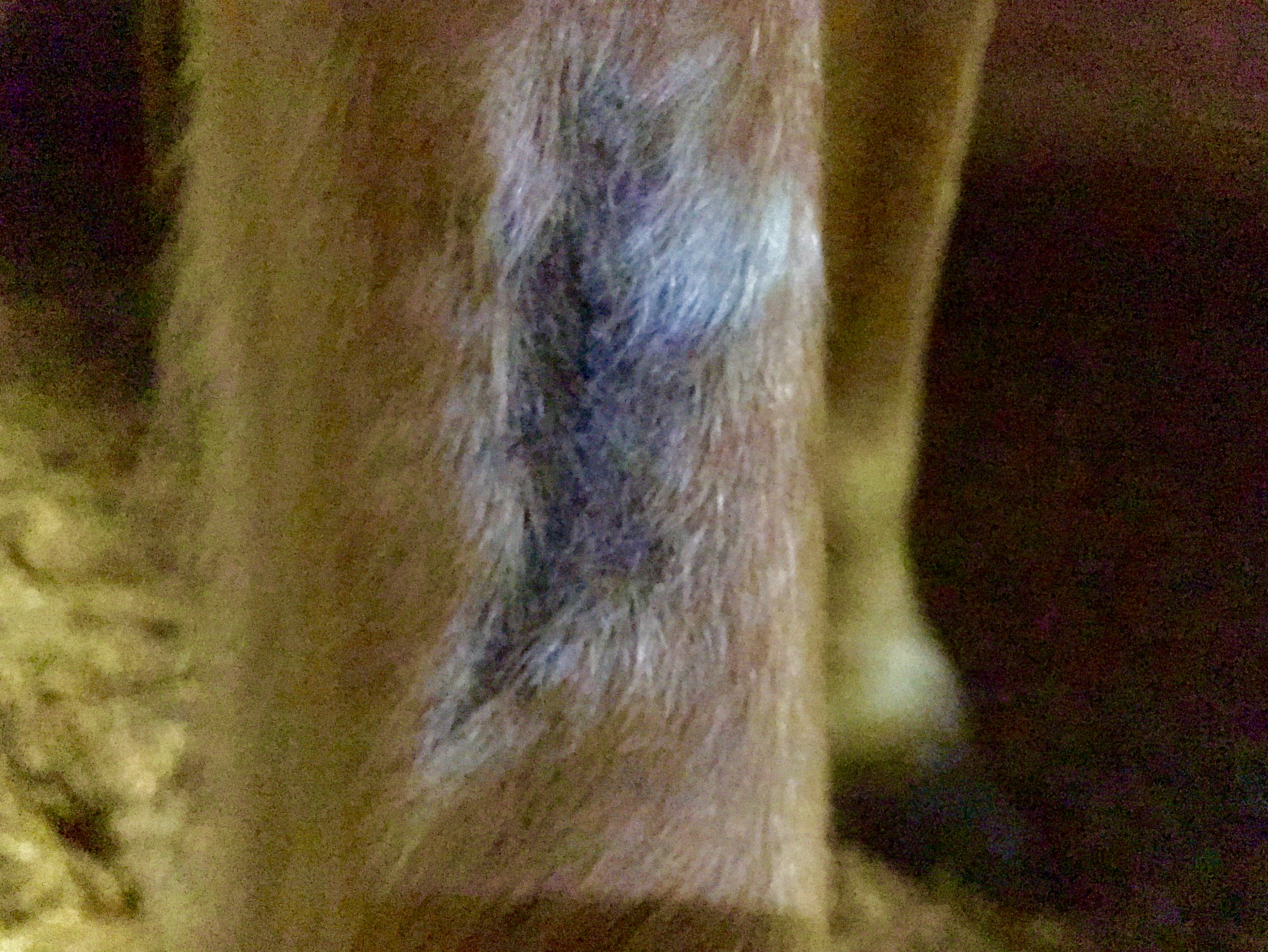
There’s a name for it on horses, when it comes back darker and raised: proud flesh, as all flesh is proud of its wounds, wears them as honors given out after battle, small triumphs pinned to the chest –
And when two people have loved each other, see how it is like a scar between their bodies, stronger, darker, and proud; how the black cord makes of them a single fabric that nothing can tear or mend. ~Jane Hirshfield “For What Binds Us”
Scars come in various sizes and shapes, some hidden, some quite obvious to all. How they are inflicted also varies–some accidental, others therapeutic, and too many intentional.
The most insidious are the ones so deep inside, no one can see or know they are there.
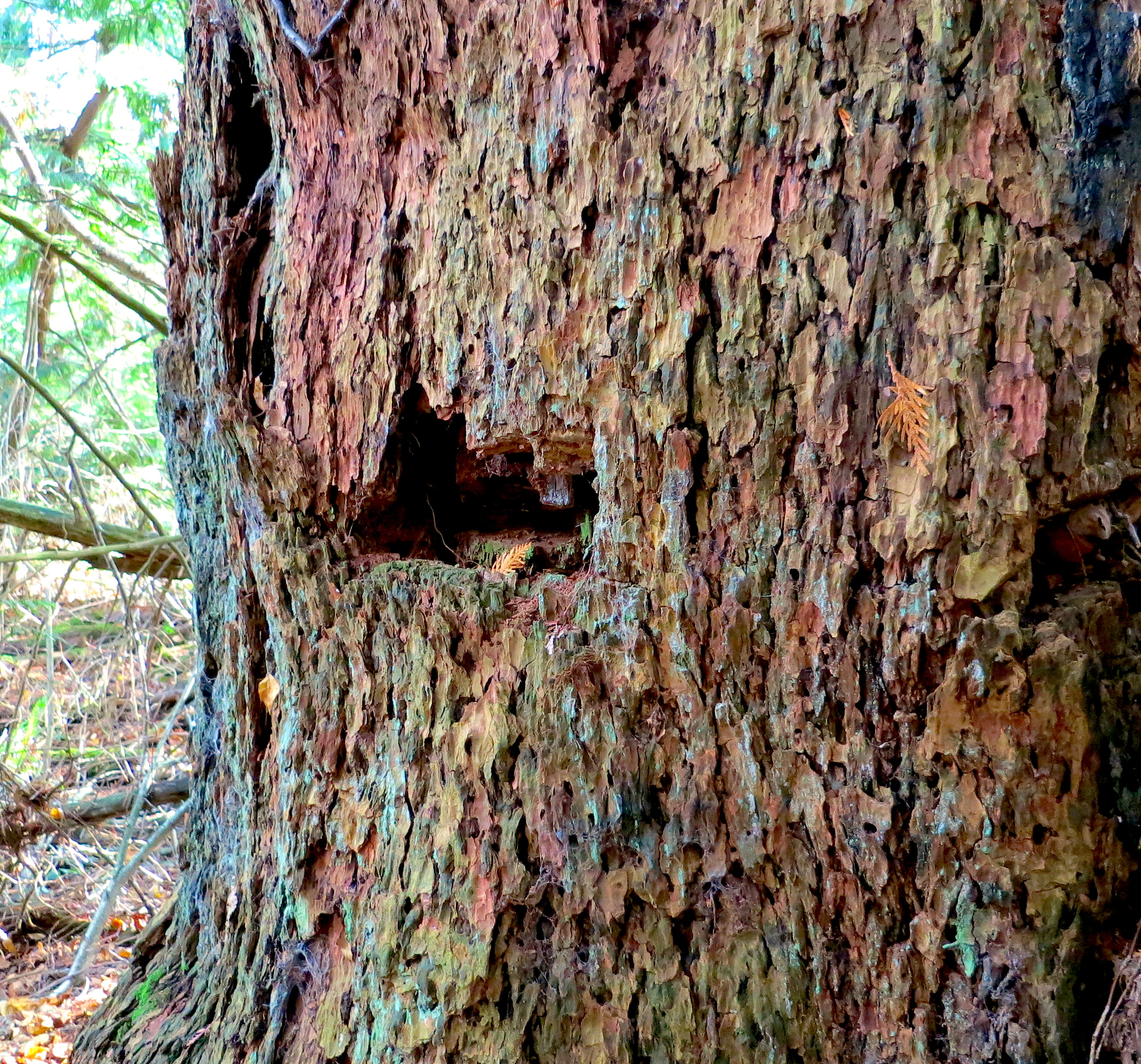
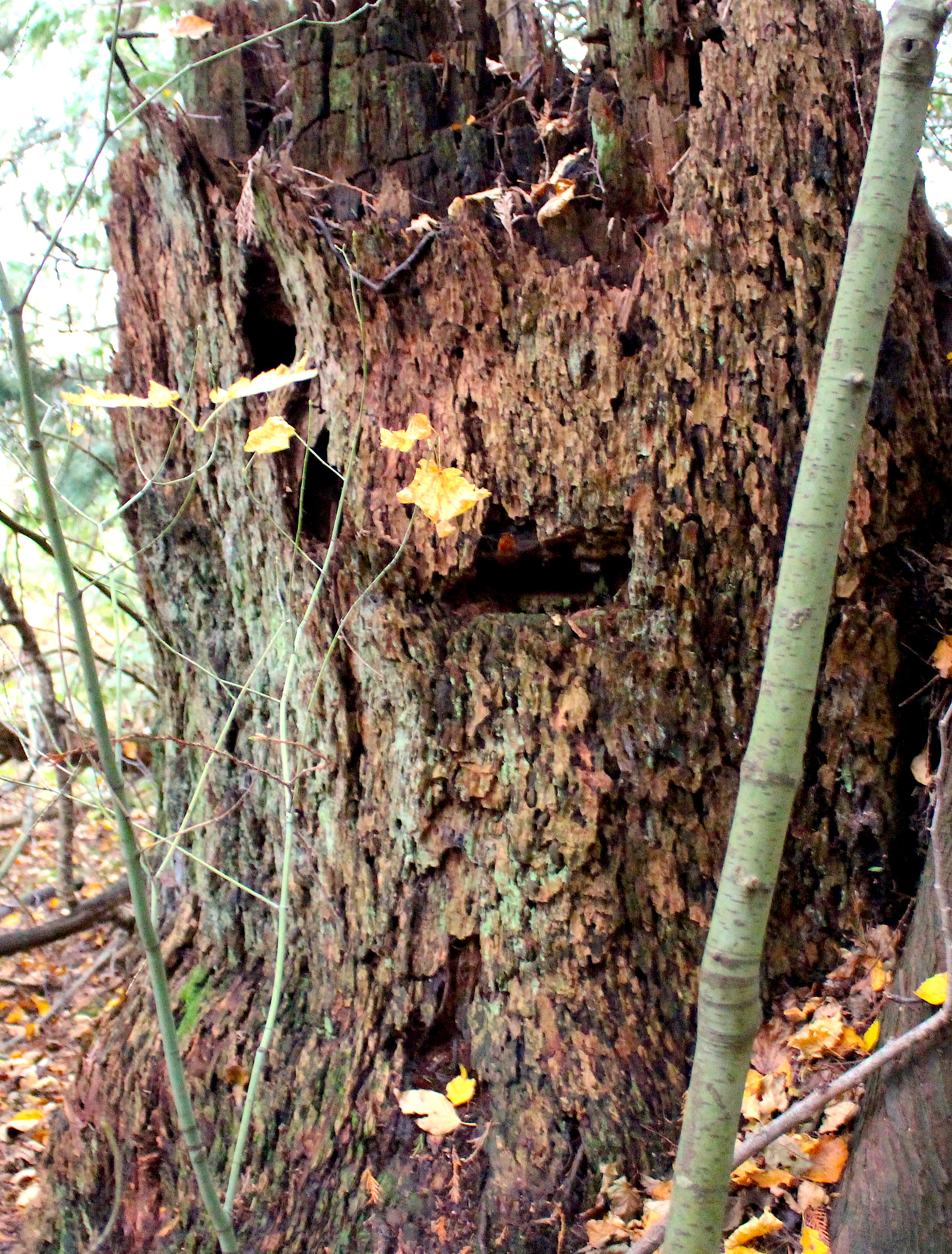
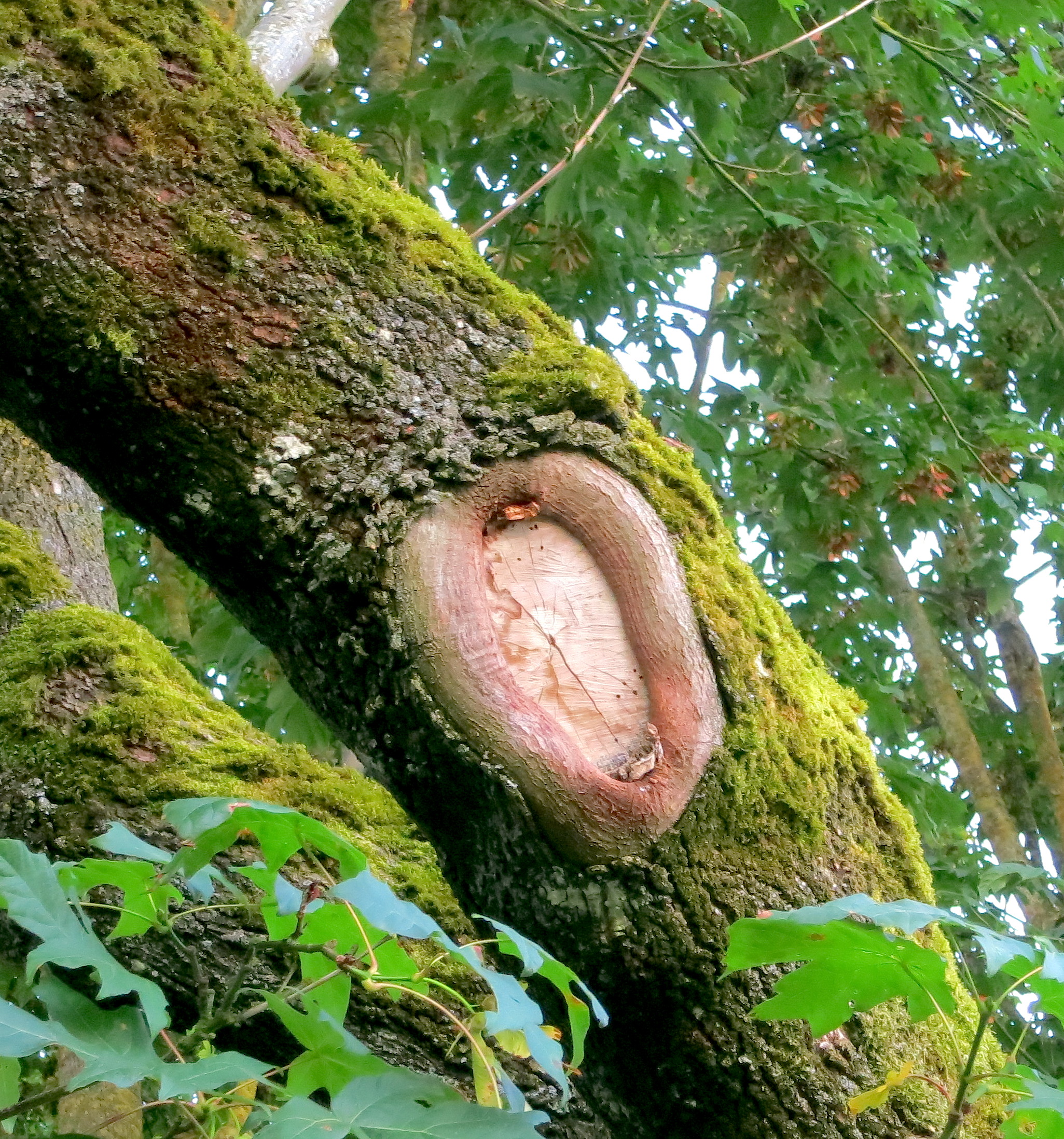
Back in our woodlot stands a sawed off stump of a cedar that was old growth in virgin forest over a hundred years ago. One day clearcut loggers came through and took every tree they could to haul to the local sawmills to become beams and lumber for the growing homesteading population in the region. This cedar once was grand and vast, covering an immense part of the forest floor, providing protection to trillium at its feet and finches’ nests and raptors hunting in its branches. It nurtured its environment until other plans were made, and one day, axes fell on its sides to cut out the notches for the springboards where two loggers stood either side of the proud trunk to man the saw which brought the tree down.
Where the wood went is anyone’s guess. It could be one of the mighty beams supporting our old hay barn roof or it could have become the foundation flooring of a nearby one room school house. It surely had a productive and meaningful life as part of a structure somewhere until rot or carpenter ants or fire brought it once again to its knees.
But this ghost of a stump remains, a tombstone of remembrance of a once grand tree, the notch scars embedded deep in its sides, nursing new seedlings from its center and moss, lichen and ferns from its sides.
I come from logger stock so I don’t begrudge these frontier settlers their hard scrabble living, nor minimize their dangerous work in order to feed themselves and their families. It’s just I’m struck by those scars over one hundred years later — such a visible reminder of what once was a vital living organism toppled for someone’s need and convenience.
Trees are not unique. It happens to people too. Everyday scars are inflicted for reasons hard to justify. Too often I see them self-inflicted in an effort to feel something other than despair. Sometimes they are inflicted by others out of fear or need for control.
Sometimes they are simply the scars of living – on our horses they are a dark tough scar of leathery “proud flesh”. These are the wounds that accumulate on our journey through our numbered days.
None of them are as deep and wide as the scars that were accepted on our behalf, nor as wondrous as the Love that oozed from them, nor as amazing as the Grace that abounds to this day because of the promise they represent.
These are scars from the Word made Flesh, a proud flesh that won’t give way, lasting forever.
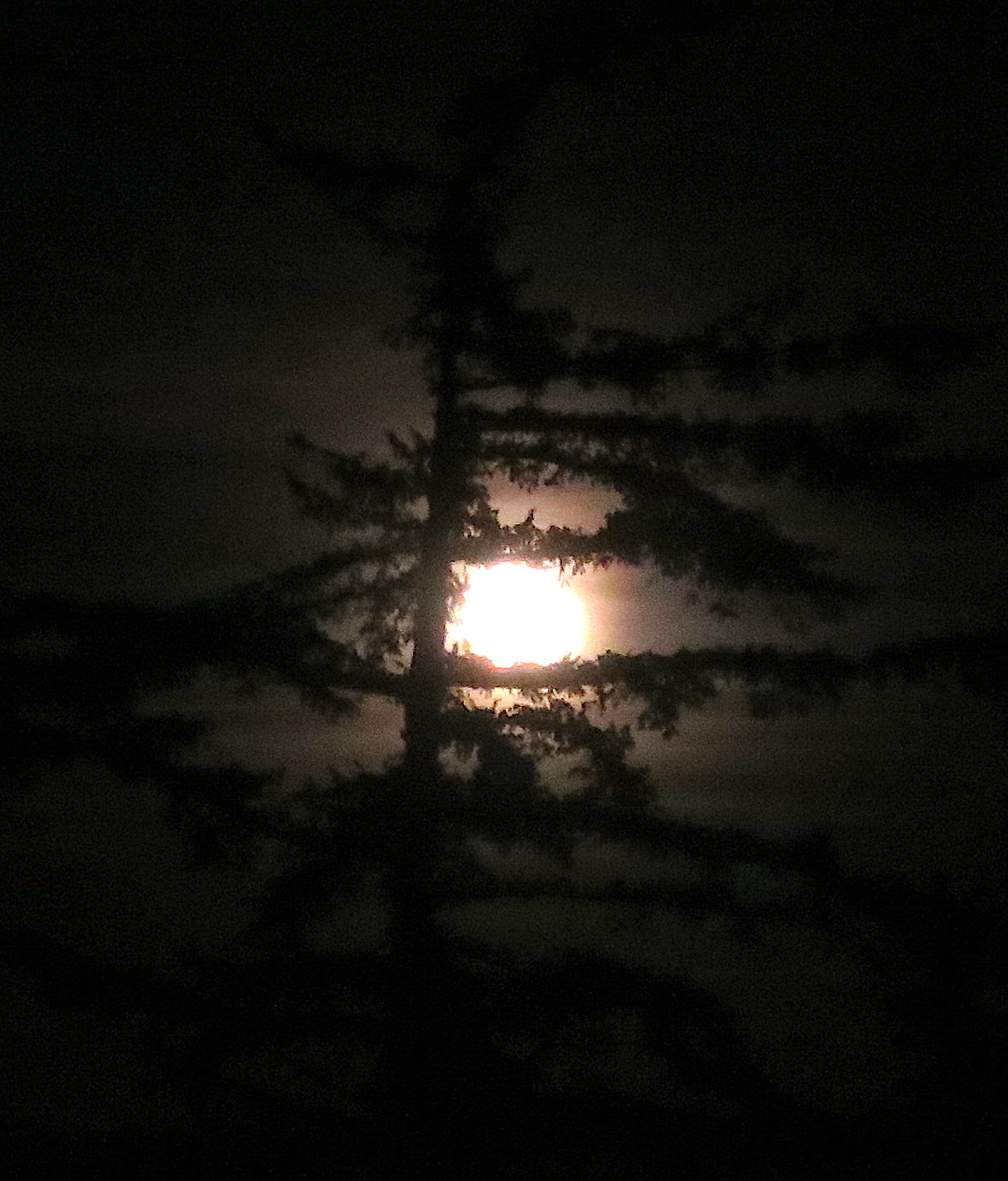
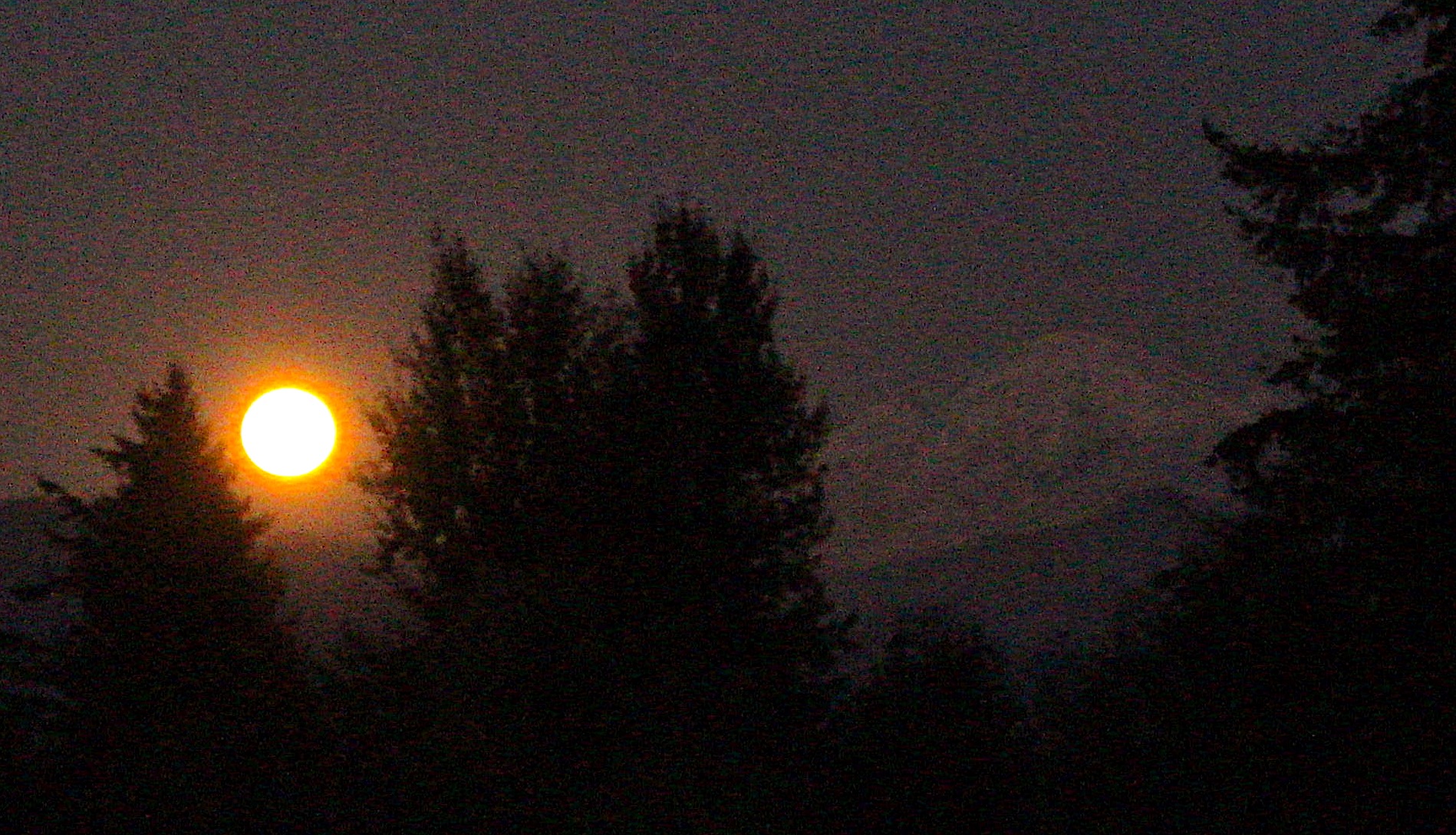
Under the harvest moon, When the soft silver Drips shimmering over the garden nights, Death, the gray mocker, Comes and whispers to you As a beautiful friend Who remembers.
Under the summer roses When the flagrant crimson Lurks in the dusk Of the wild red leaves, Love, with little hands, Comes and touches you With a thousand memories, And asks you Beautiful, unanswerable questions. ~Carl Sandburg, “Under the Harvest Moon”
As we enter the season of all that is lush and lovely which starts to wither and decay before our eyes, we know the flowers and trees aren’t alone. Death, whispering within its gray night’s cloak, has been stealing the young and old since time began, but never as boldly as during a pandemic. Millions of family members are left with nothing but bittersweet memories of their loved ones now buried deep.
The harvest moon – not nearly bright enough, as a poor reflection of the sun – mocks us who covet light during a rampage of contagious illness and death.
As we endure the searing beauty of yet another dying season, let us treasure those we protect through our care and concern. Let us cherish the memories of those we’ve lost. There can be only one answer to the unanswerable questions: Love itself died to become Salvation, an ever-sufficient Light that leads us home.
A book of beauty in words and photos is available to order here:
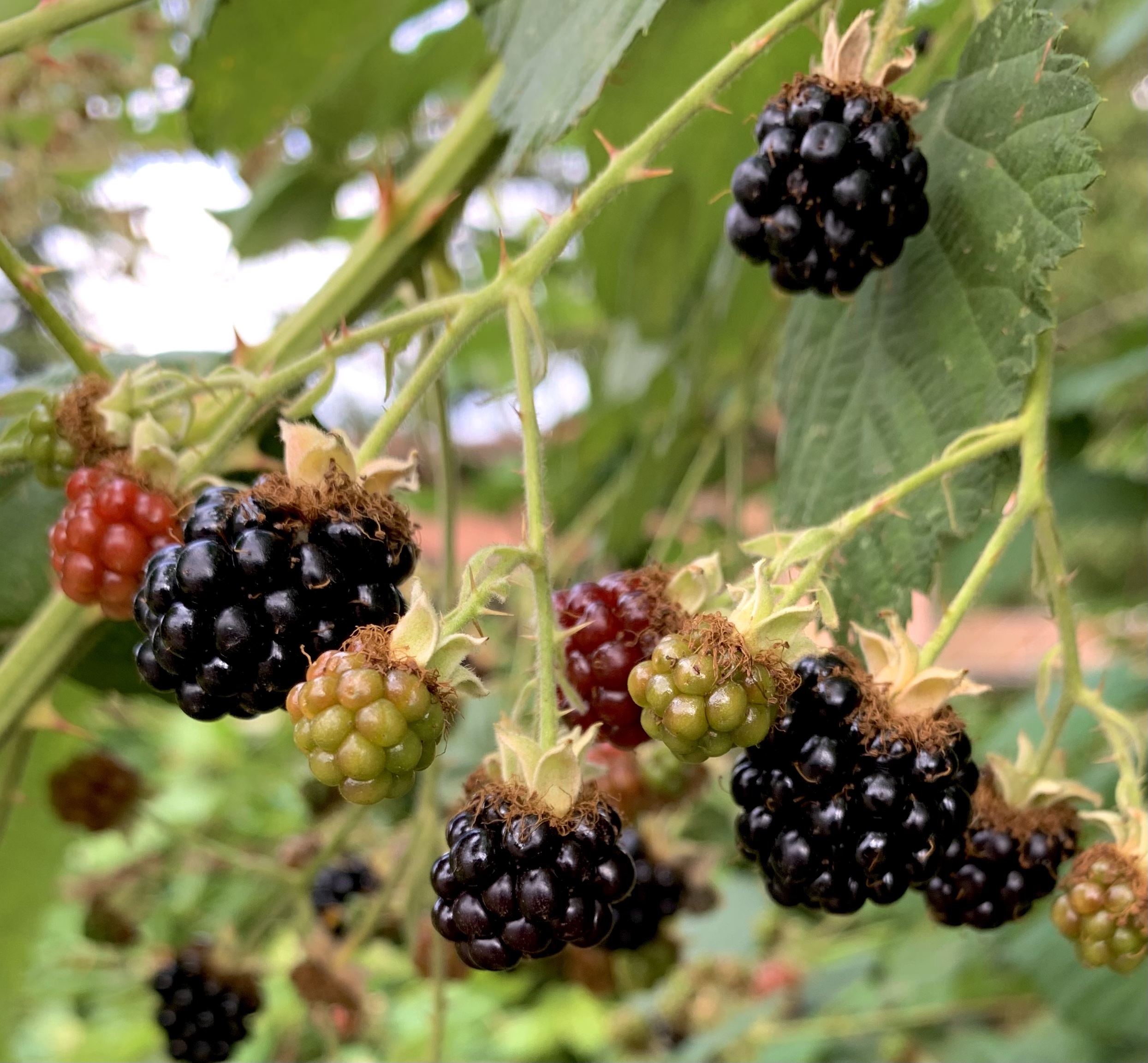
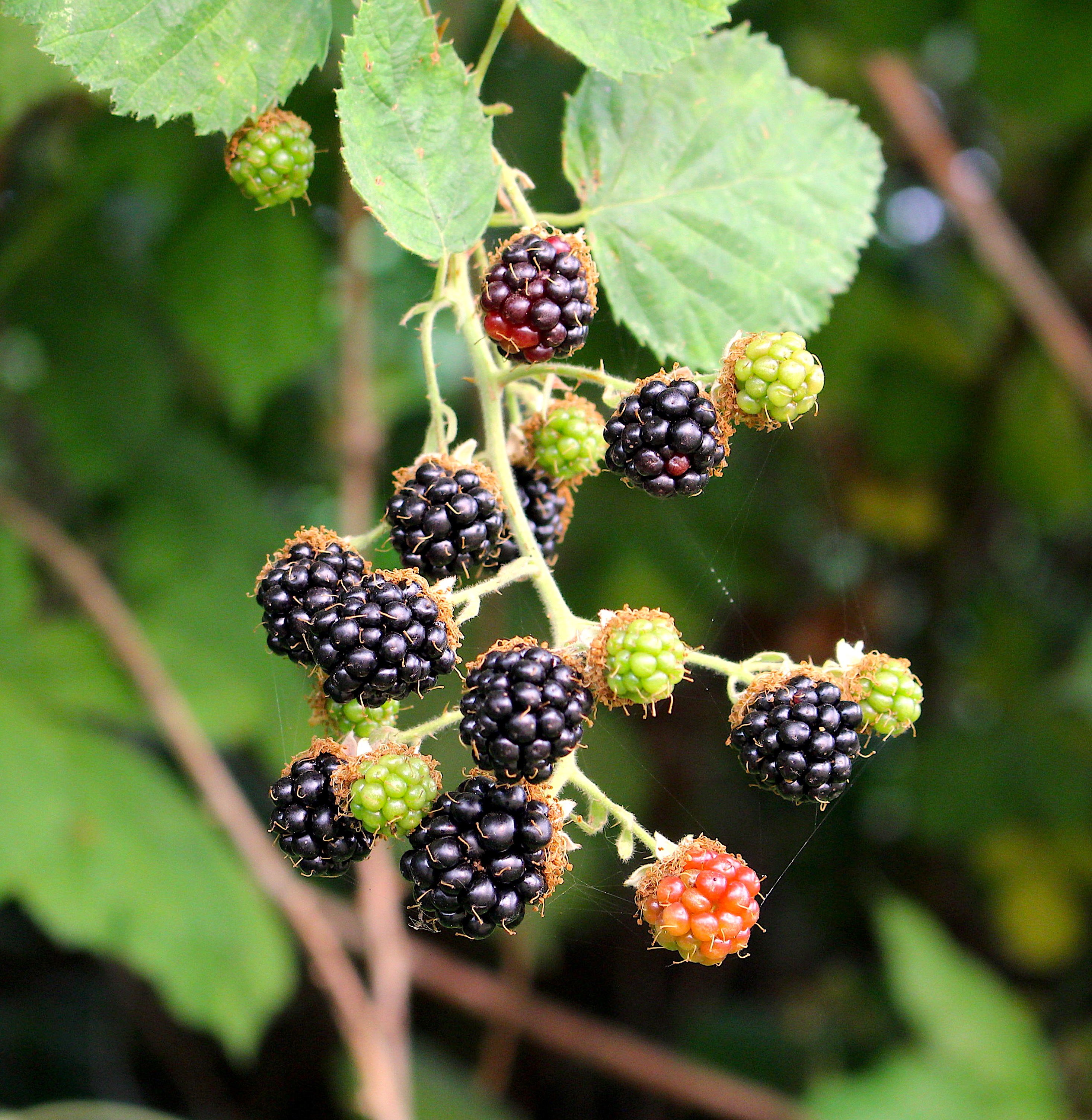
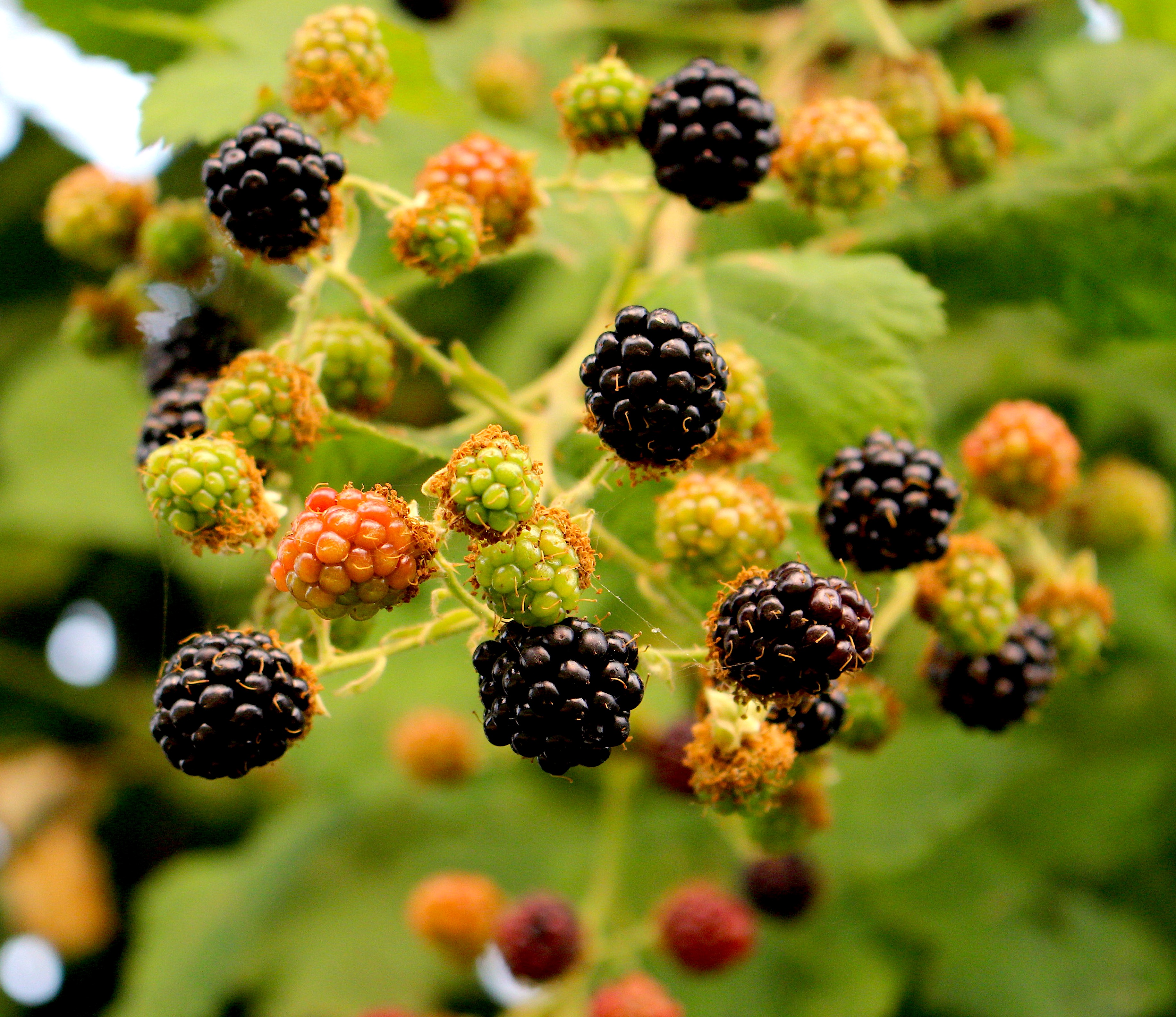
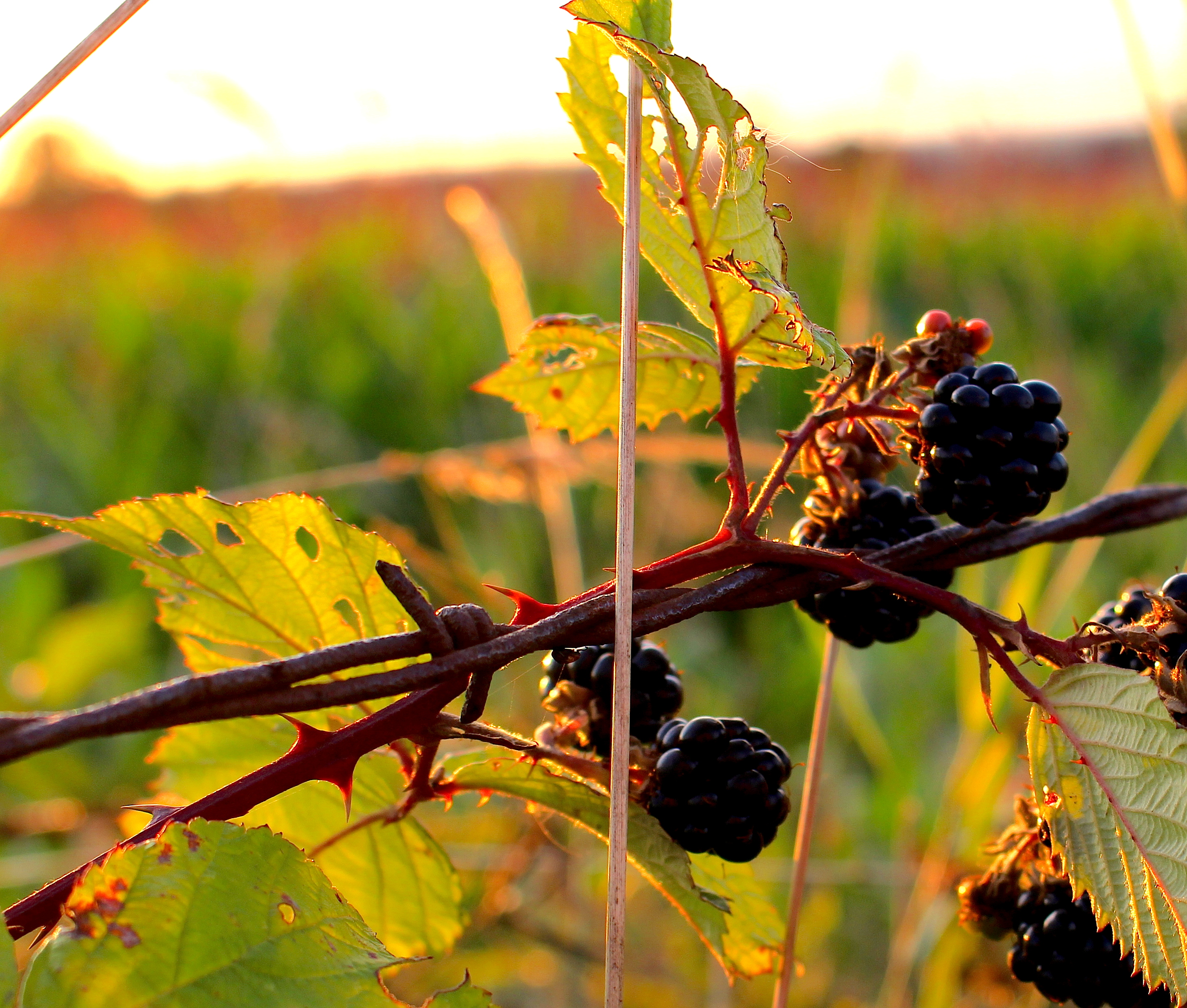
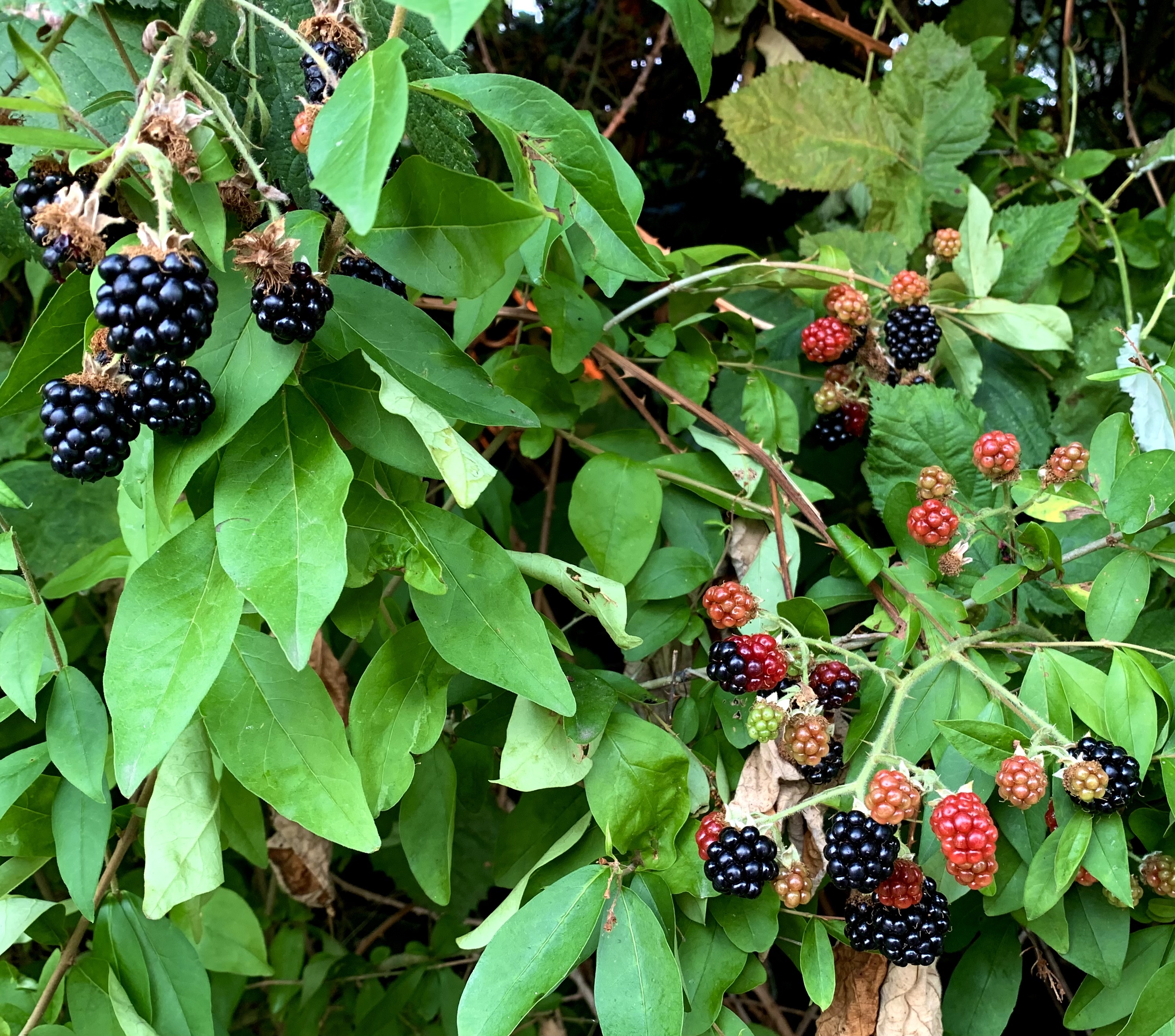
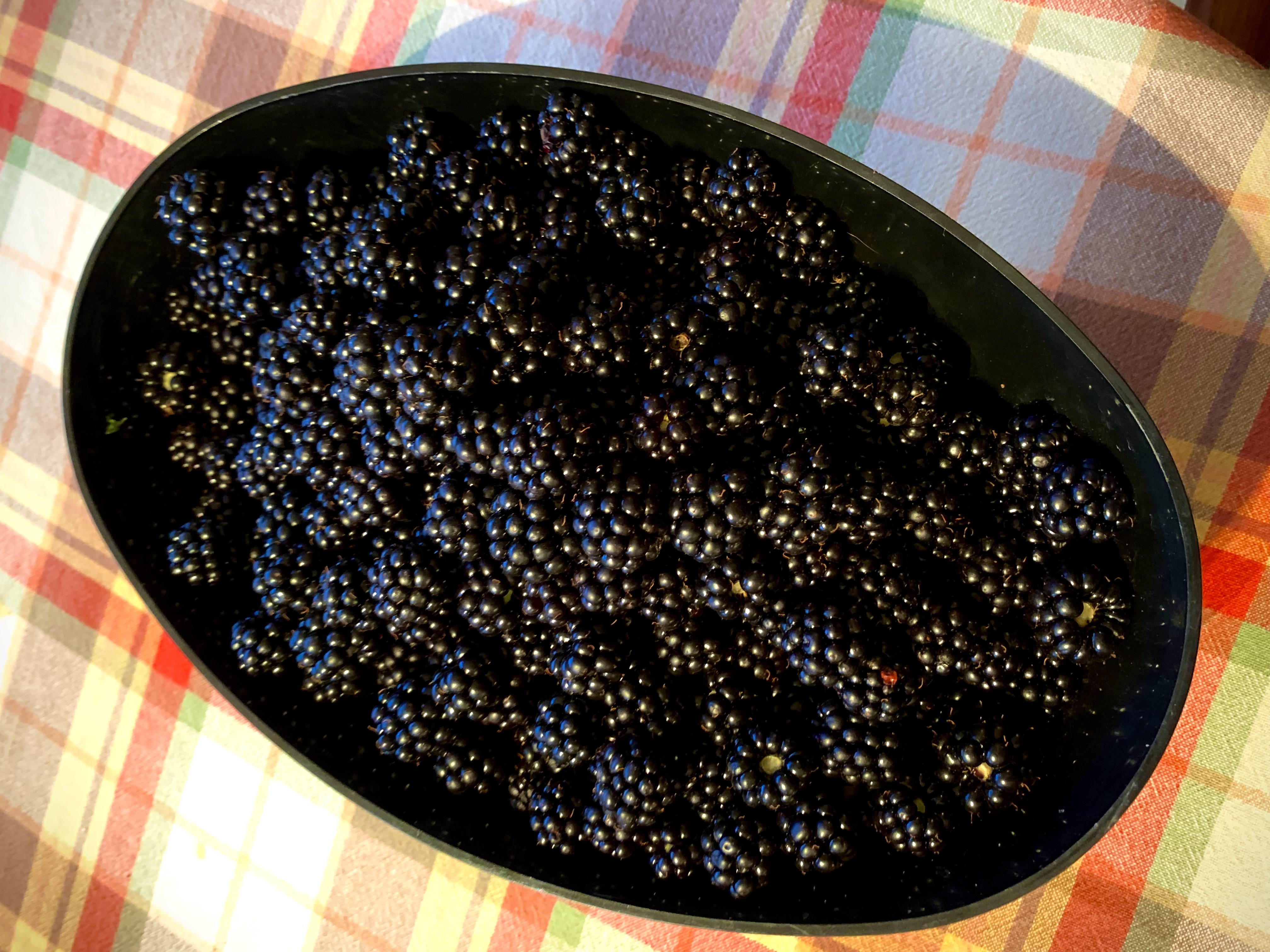
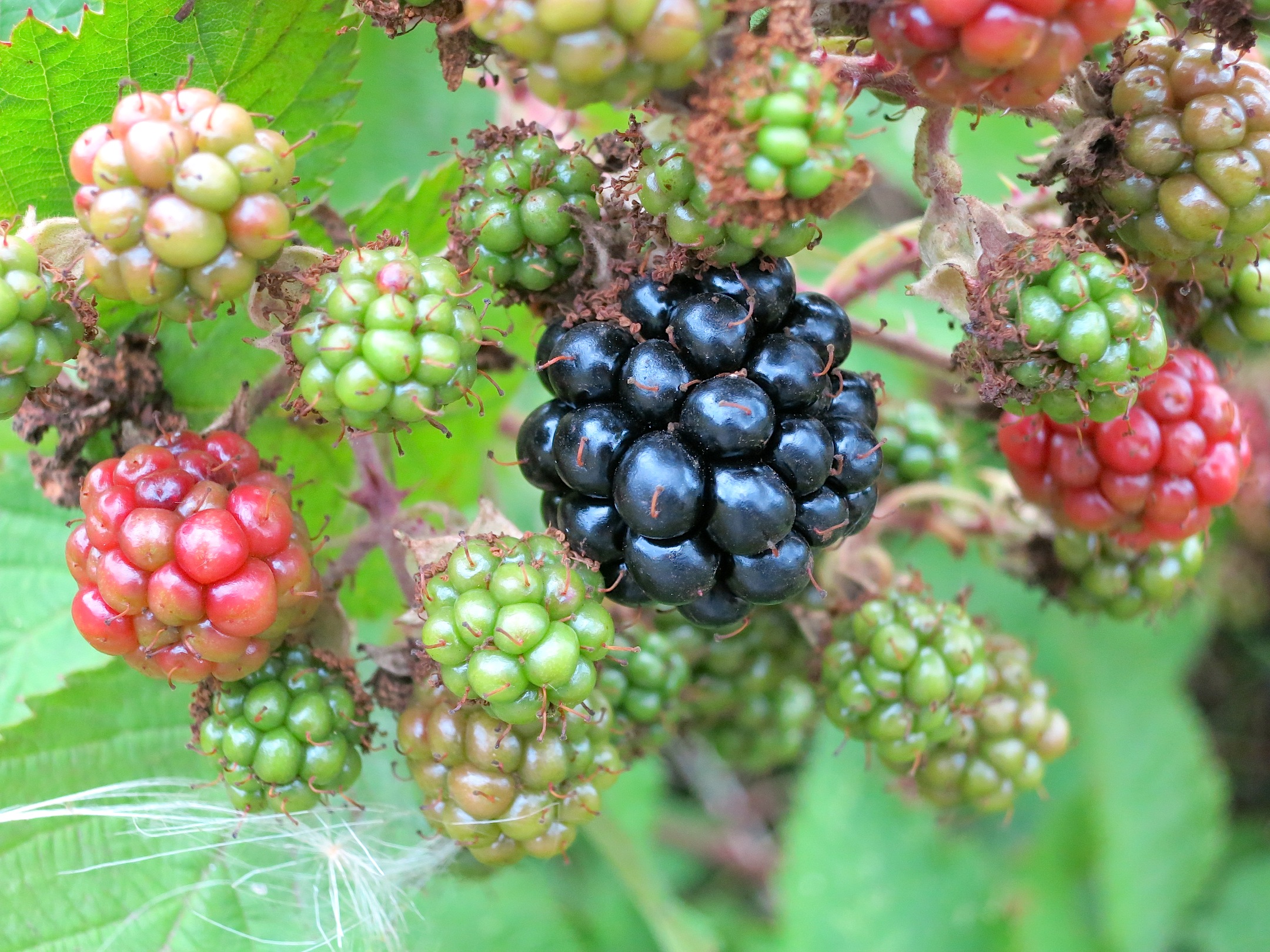
Late August, given heavy rain and sun For a full week, the blackberries would ripen. At first, just one, a glossy purple clot Among others, red, green, hard as a knot. You ate that first one and its flesh was sweet Like thickened wine: summer’s blood was in it Leaving stains upon the tongue and lust for Picking. Then red ones inked up and that hunger Sent us out with milk cans, pea tins, jam-pots Where briars scratched and wet grass bleached our boots. Round hayfields, cornfields and potato-drills We trekked and picked until the cans were full, Until the tinkling bottom had been covered With green ones, and on top big dark blobs burned Like a plate of eyes. Our hands were peppered With thorn pricks, our palms sticky as Bluebeard’s.
We hoarded the fresh berries in the byre. But when the bath was filled we found a fur, A rat-grey fungus, glutting on our cache. The juice was stinking too. Once off the bush The fruit fermented, the sweet flesh would turn sour. I always felt like crying. It wasn’t fair That all the lovely canfuls smelt of rot. Each year I hoped they’d keep, knew they would not. ~Seamus Heaney “Blackberry Picking”
…Do not be afraid, though briers and thorns are all around you… Ezekiel 2:6
In the real world of pain, how could one worship a God who was immune to it?He laid aside his immunity to pain. He entered our world of flesh and blood, tears and death. ~John Stottfrom The Cross
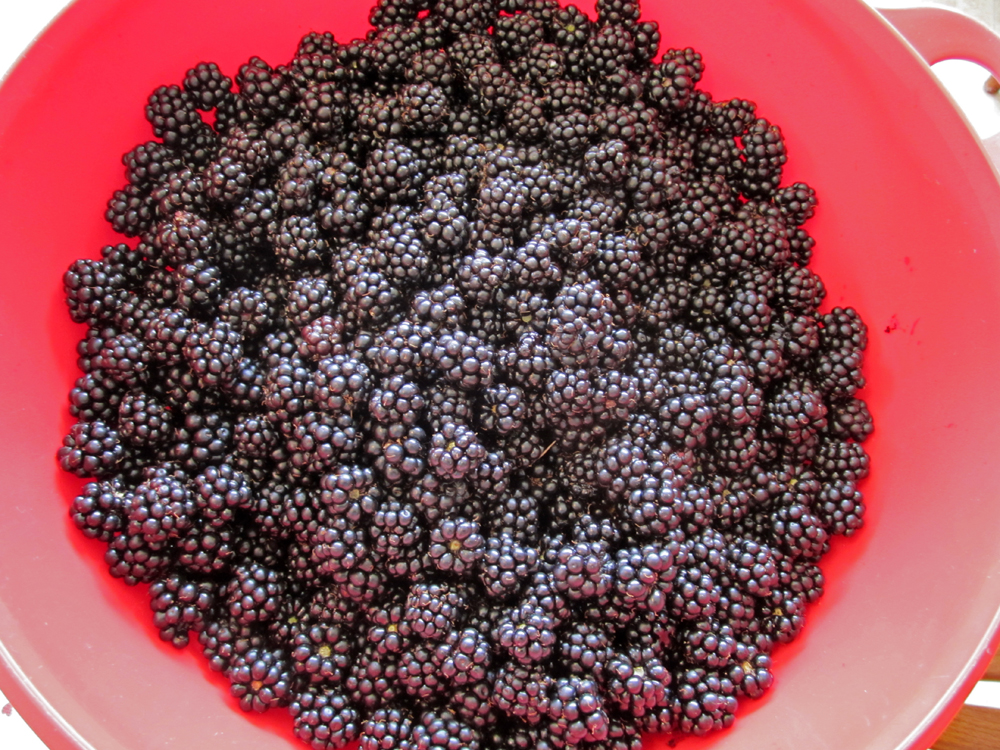
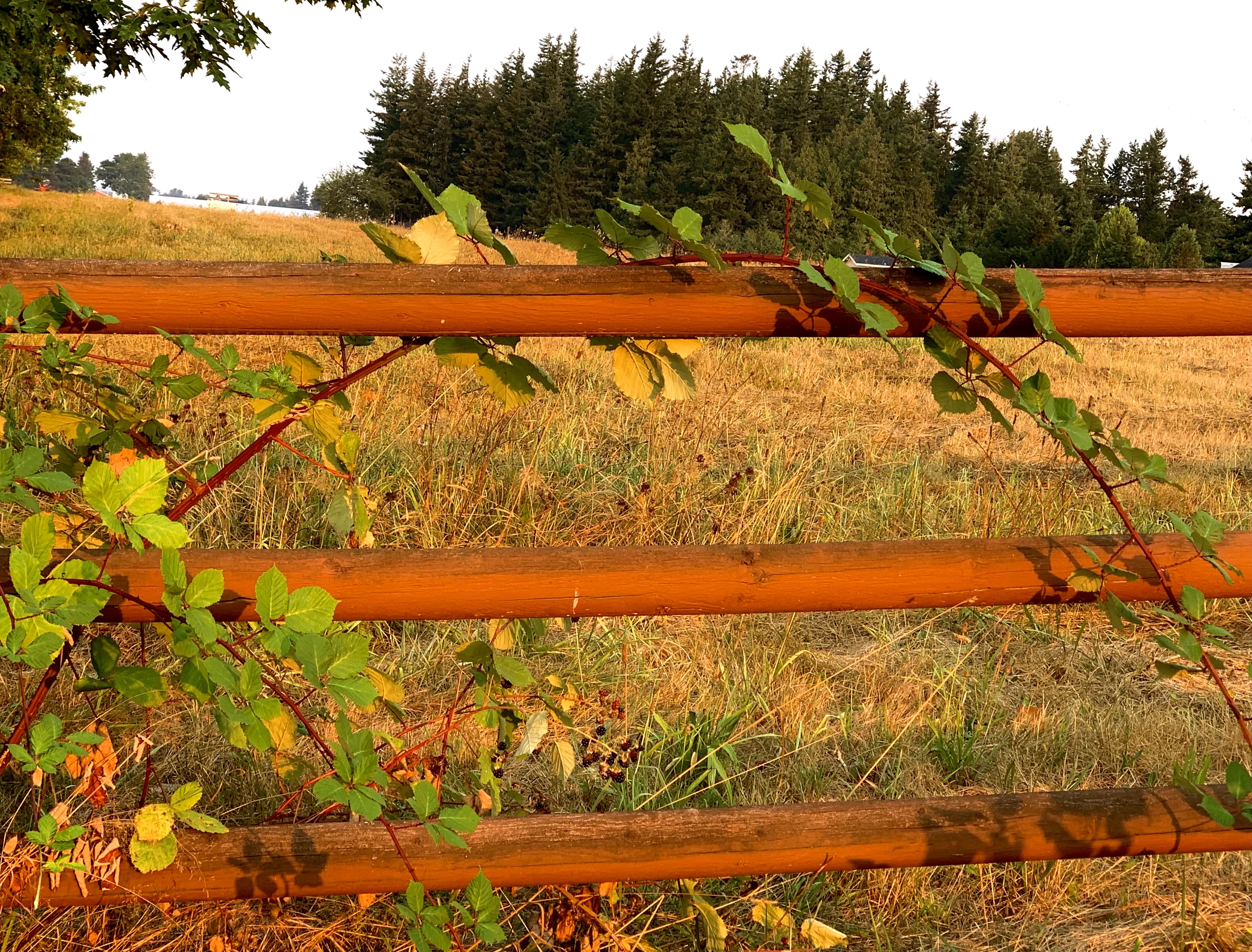
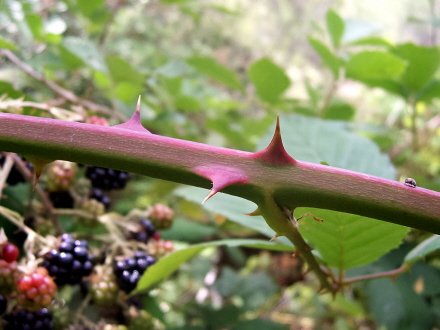
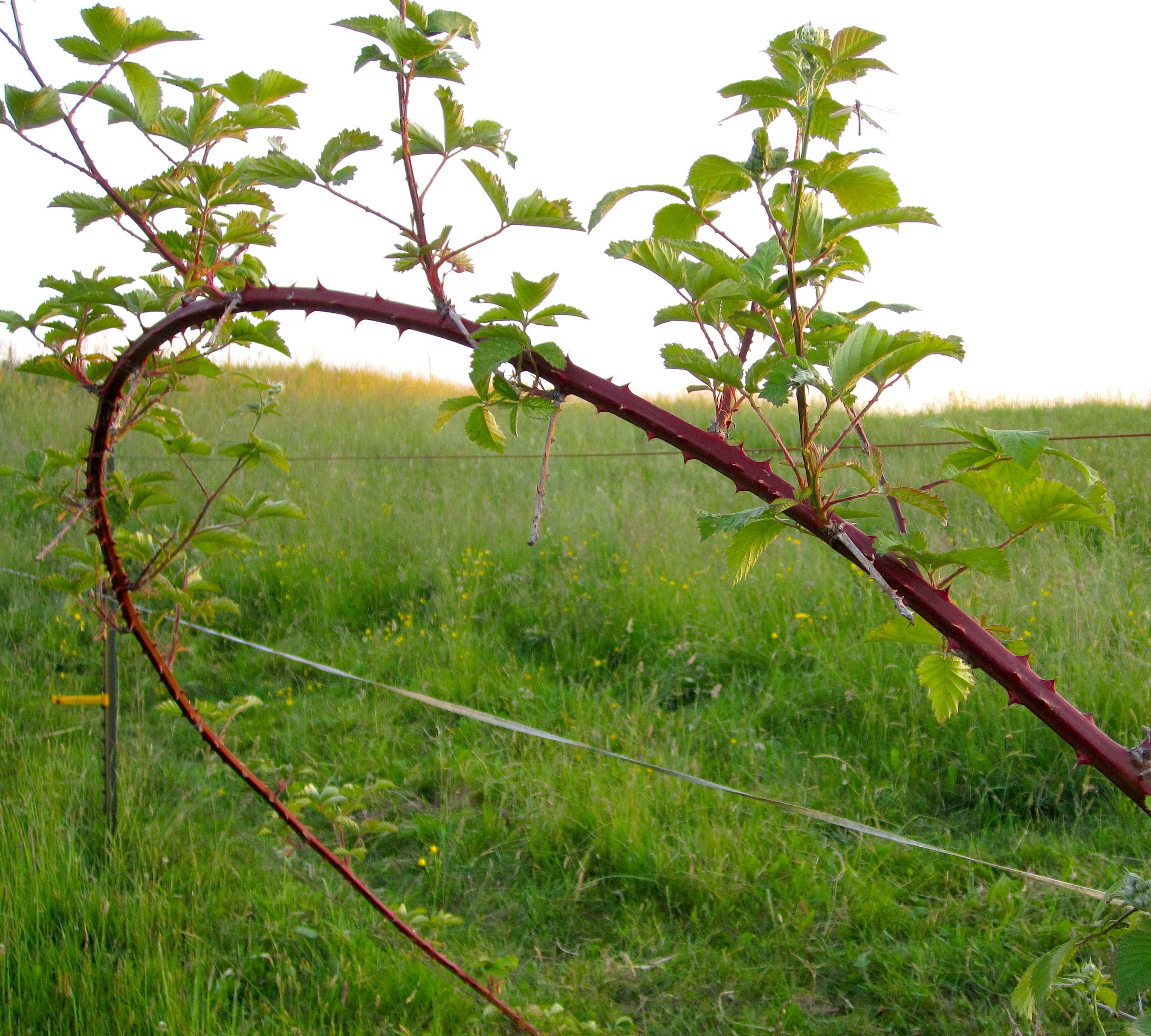
Today I will make wild blackberry cobbler, facing down the brambles and briers that thwart my reach for the elusive fruit – in this heat, it is important to harvest blackberries before they shrivel up and rot on the vine. I aim to gather more berries than scratches to prove that thorns and rot must never win and I will not yield to them.
Painful thorns and decay have always been part of life. They barricade us from all that is sweet and good and precious. They tear us up, bloody us, make us cry out in pain and grief, cause a stink, and deepen our fear that we may never overcome such a sorrowful destiny.
Yet even the most brutal crown of thorns or the rot of the grave did not stop the loving sacrifice, can never thwart the sweetness of redemption, will not spoil the goodness, nor destroy the promise of salvation to come.
We simply wait to be fed the loving gift that comes only from bloodied hands.
Flesh will fail and bones will break thieves will steal, the earth will shake Night will fall, the light will fade The Lord will give and take away
Put no trust in the earth in the sod you stand upon Flowers fade into dust The Lord will make a place for us
Because of His great Love We are not overcome Because of His great Love We are not overcome
Have no fear for your life Turn your cheek, turn your cheek Bear the yoke of love and death The Lord will give all life and breath
Because of His great Love We are not overcome Because of His great Love We are not overcome (from Bifrost Arts)
If you enjoy the Barnstorming blog, you’ll like our new book, available for order here:
You are alive. It needn’t have been so. It wasn’t so once, and will not be forever. But it is so now.
And what is it like: to be alive in this one place of all places anywhere where life is? Live a day of it and see. Take any day and LIVE IT. Nobody claims that it will be entirely painless, but no matter.
It is your birthday and there are many presents to open. The world is to be opened. It is the first day because it has never been before and the last day because it will never be again.
When I was very young, I would trace my finger over the long scar that curved along the front of my mother’s neck and ask her what happened. She would tell me her thyroid gland had been overworking so she had to have it removed before I was born. That’s all she had to say about that and I never thought to ask more. Somehow I knew, just as my knowing my father would not talk about his experience as a Marine in WWII, my mother was hiding more than her big scar under high collars or a pearl necklace.
Hers was a deeper scar I couldn’t see or touch.
However, my older sister – about five at the time – remembers my mother’s illness. Mom was a little over thirty when her hands began to tremble, her pulse raced and she was irritable with trouble sleeping. My parents were hoping for a second child, but unable to get pregnant. Once her doctor diagnosed thyrotoxicosis , Mom had the option to try a new medication that had been recently developed – propylthiouracil – meant to suppress the function of overactive thyroid glands.
It didn’t work for her and she felt worse. It caused more side effects and my mother’s symptoms grew so severe, she was unable to leave her bedroom due to severe anxiety and paranoia made worse by insomnia. My paternal grandmother came to help since my father needed to continue to work to support the family but there was little that could be done other than sedation to ease my mother’s symptoms. My sister recalls not seeing Mom for days, unnerved by the wailing she heard from the bedroom. From her description, I now wonder if Mom was experiencing the beginning of thyroid “storm” (extremely high thyroid levels) which is potentially life-threatening with severe physical and emotional side effects.
After Mom was hospitalized and her entire thyroid was removed, she was placed on thyroid hormone supplements to take daily for the rest of her life. It took months for her to recover and feel somewhat normal again. Her eventual hormonal stability resolved her infertility as well as most of her other symptoms. She remained chronically anxious and had heart palpitations and insomnia the rest of her life, like a residual stain on her sense of well-being, although she lived another 55 years. The trauma of how her illness affected my dad and sister was never fully resolved. They all suffered. I can understand why those months remained as hidden as my mom’s surgical scar.
I was born about two years later – the second baby they never expected could happen. My brother was born 20 months after me.
From my family’s suffering came the solace of new life.
So I nearly wasn’t.
I’m reminded on each birthday: I needn’t have been here yet by the grace of God I am. I need to BE ALIVE and LIVE THIS DAY because it will never be again.
This is a truth for us all to cling to.
Each day is a gift to be opened and savored. Each day a first day, a last day, a great day – a birthday of amazing grace.
A new book from Barnstorming is available to order here:


















 Barnstorming