Using Both Hands

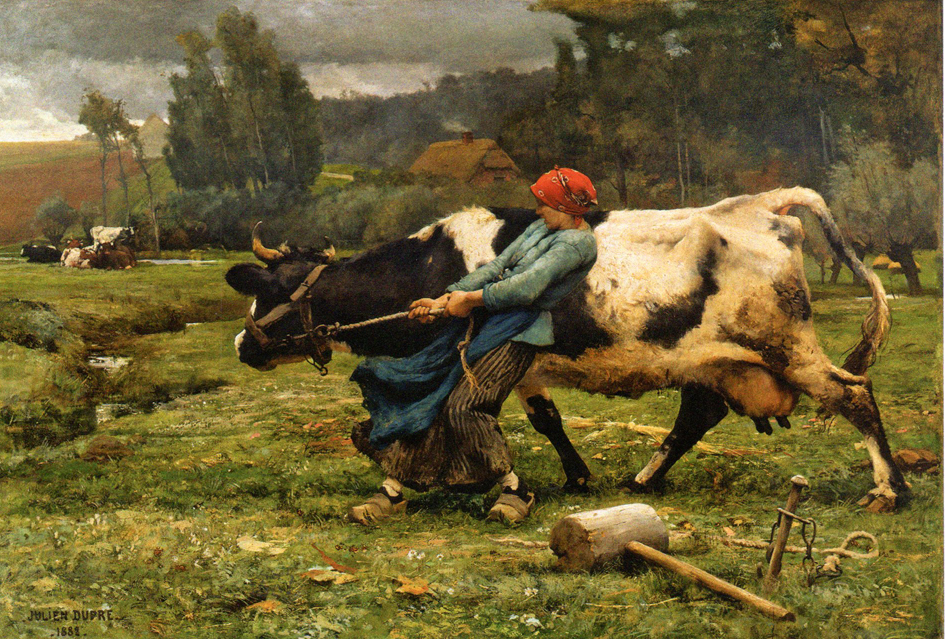
In the Pasture–Julien Dupre`

This is the grip, like this:
both hands. You can close
your eyes if you like. When I say,
“Now,” it’s time. Don’t wait
or it’s all over. But not
too soon, either—just right.
Don’t worry. Let’s go.
Both hands.

~William Stafford, “Survival Course” from Even in Quiet Places. 
I know well the feeling of pulling against a momentum determined to break free of the strength I can muster to keep it under control. This is how my life, personally and professionally has often felt over the decades. It seems I am barely hanging on, at times losing my grip, my feet braced but slipping beneath me.

The full-uddered cow in the painting is compelled to join her herd in a pastoral scene just across the creek, but the milk maid must resist the cow’s escape. For the cow’s benefit and comfort, she must be milked. The cow has another agenda. She has snapped her rope tie, almost pulled up the stake, and in a show of strength and determination, the maid braces to pull a much larger animal around to retie her and restore things to how they were.

The action suggests the maid may succeed, but the cow’s attention is directed far afield. She doesn’t even feel the tug on her halter. We’re not fully convinced the cow won’t suddenly pull loose and break away from the maid’s grip, leaping the stream, tail raised straight in the air like a flag of freedom.

Right now, as spring advances rapidly with grass growing thick in the pastures, our horses smell that richness in the air. Sometimes this tug of war takes place when my plan is different than the horse’s. The fields are too wet for them to be out full time yet, so they must wait for the appropriate time to be released to freedom. The grass calls to them like a siren song as I feed them their portion of last summer’s uninviting hay. They can pull my shoulders almost out of joint when they are determined enough, they break through fences in their pursuit of green, they push through stall doors and lift gates off hinges. Right now I’m barely an adequate counterbalance to the pursuit of their desires and I struggle to remind them I’m on the other end of their lead rope.

Each day I find I try too hard to restore order in my life, on the farm, in the house, in my work, with my family. I want to pull that cow back around, get her tied up and relieved of her burden of milk so that it can nurture and replenish others. Sometimes I hang on, only to be pulled roughly along on the ground, scraped and yelling in the process.

Sometimes I just let go and have to try to catch that cow all over again.

Once in awhile I successfully get the cow turned around and actually milked without a spill.

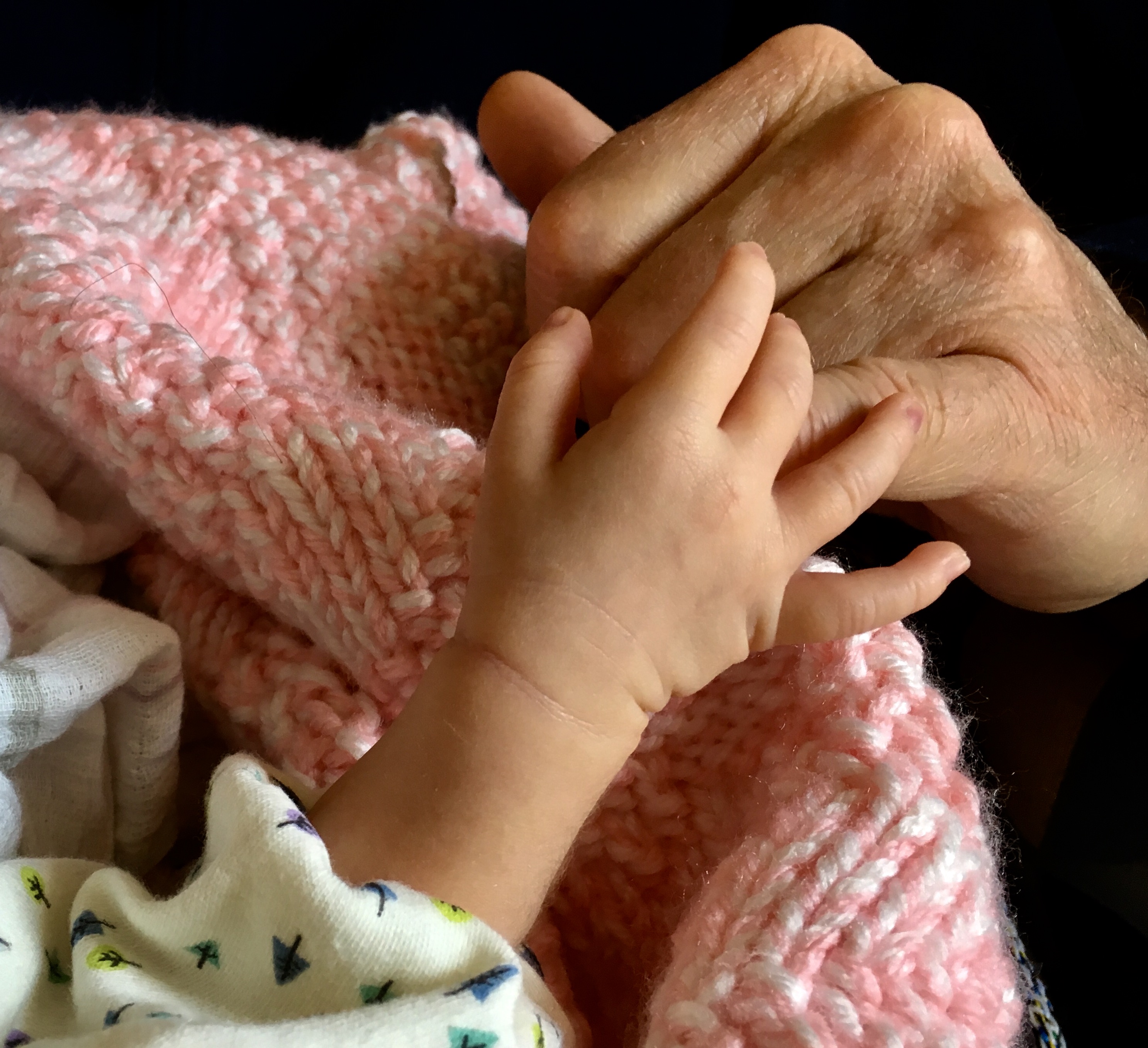
I’ve held on with both hands. I’m clasping them together in prayer and petition that I won’t get pulled into the mud. I’ve got a grip.
And maybe, just maybe, I will make cheese….

portrait of Dan’s mom, Emma Gibson, praying, by granddaughter Sara Larsen

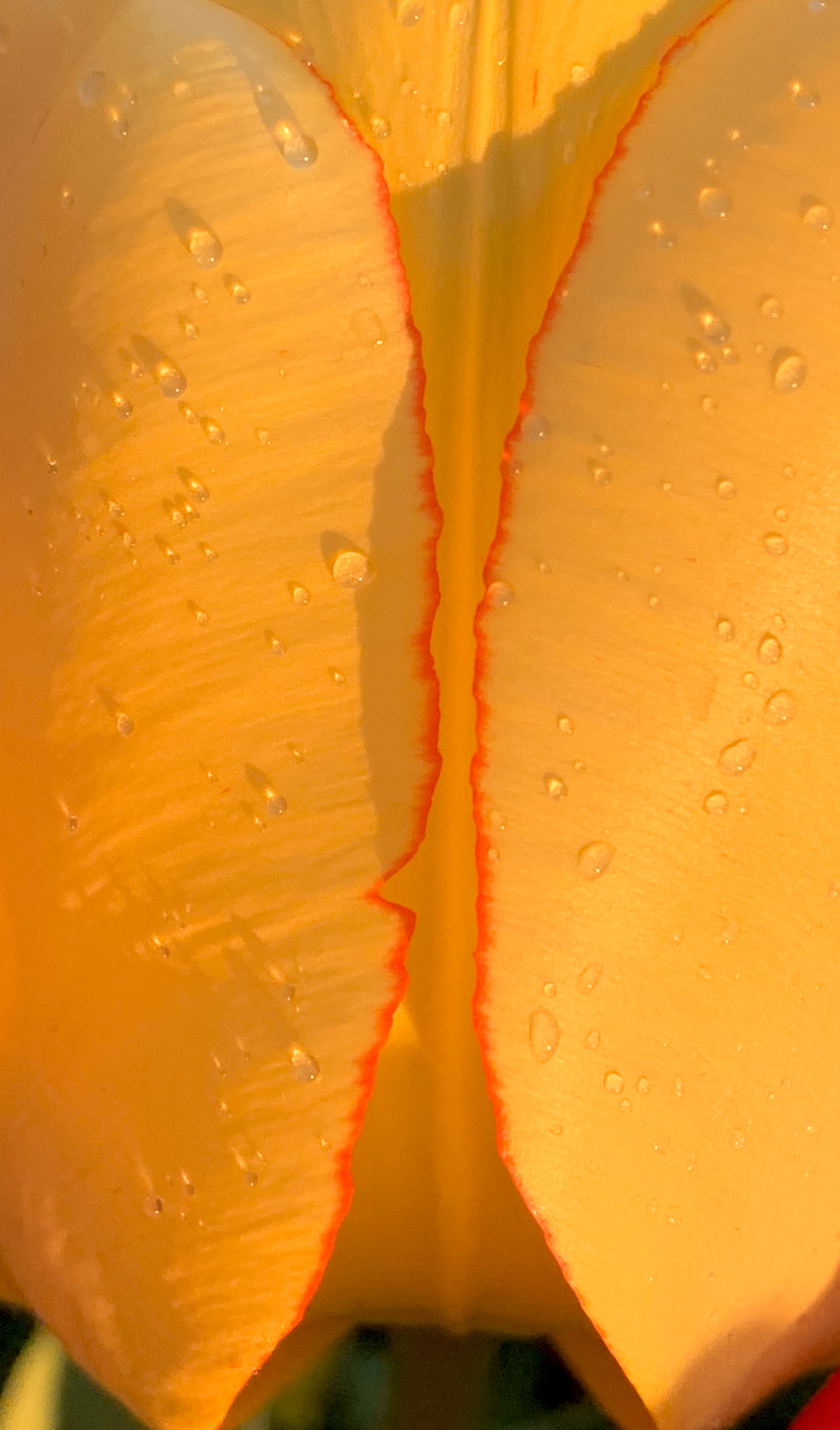
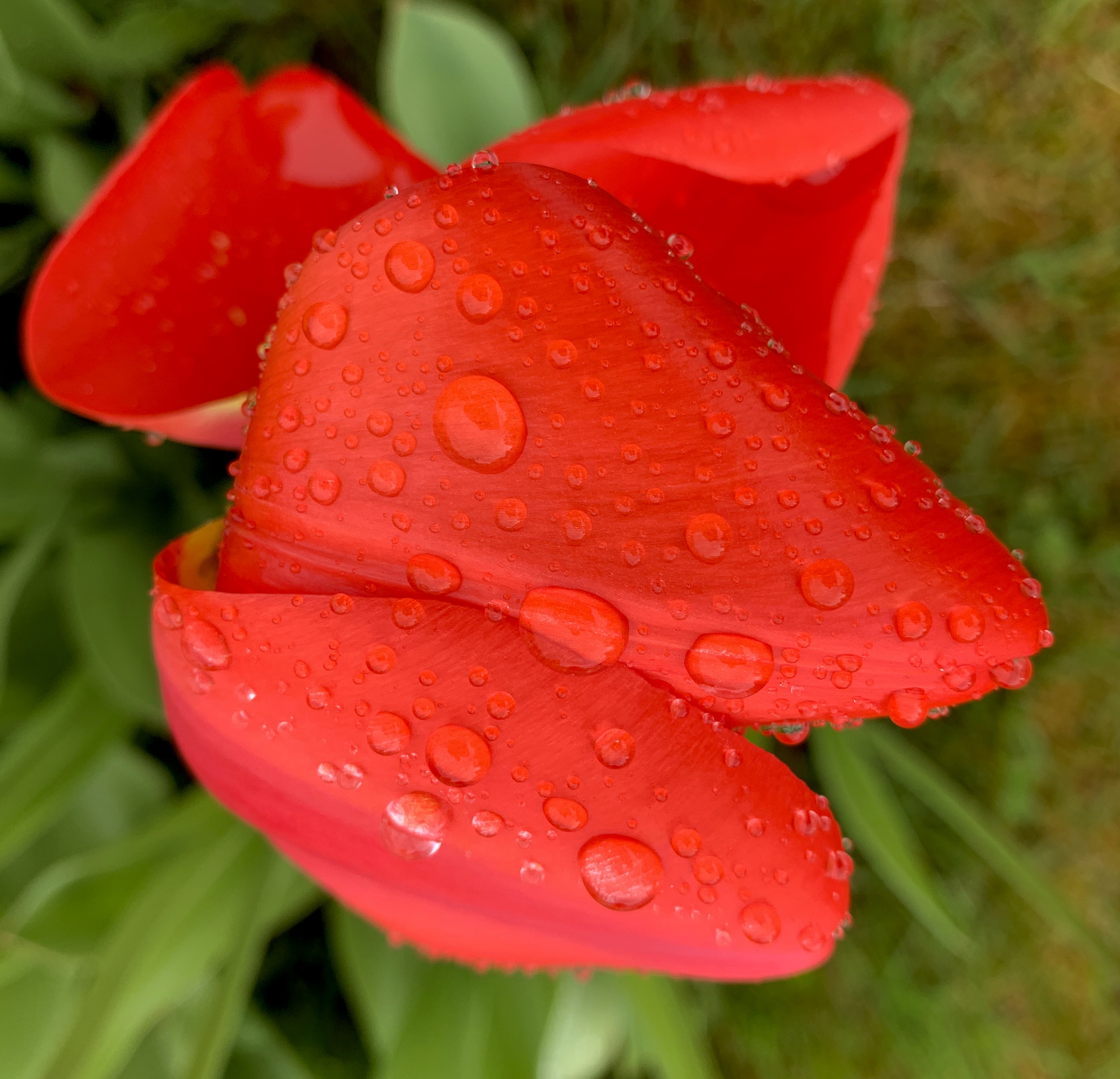
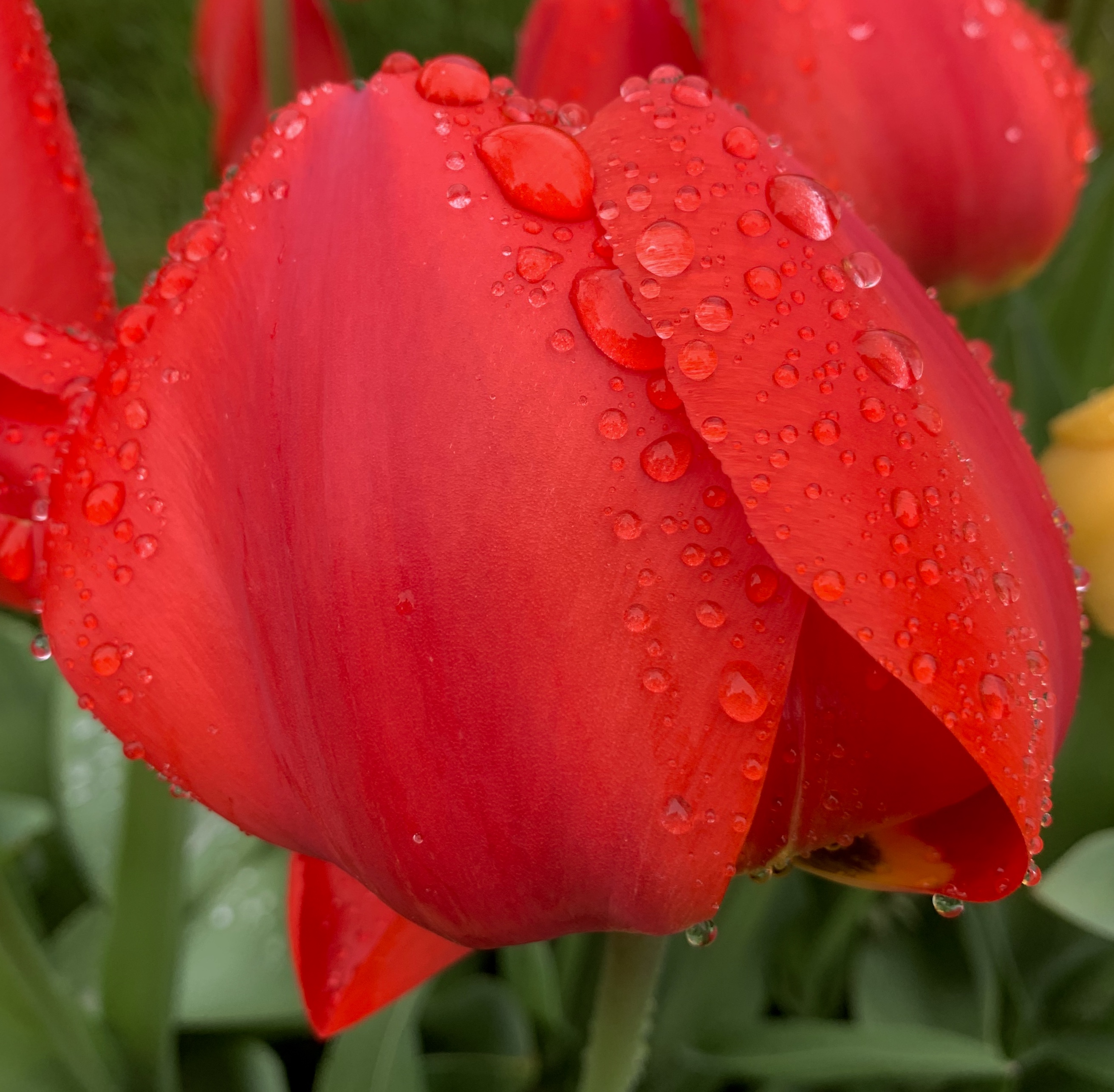
The Edge of a Petal

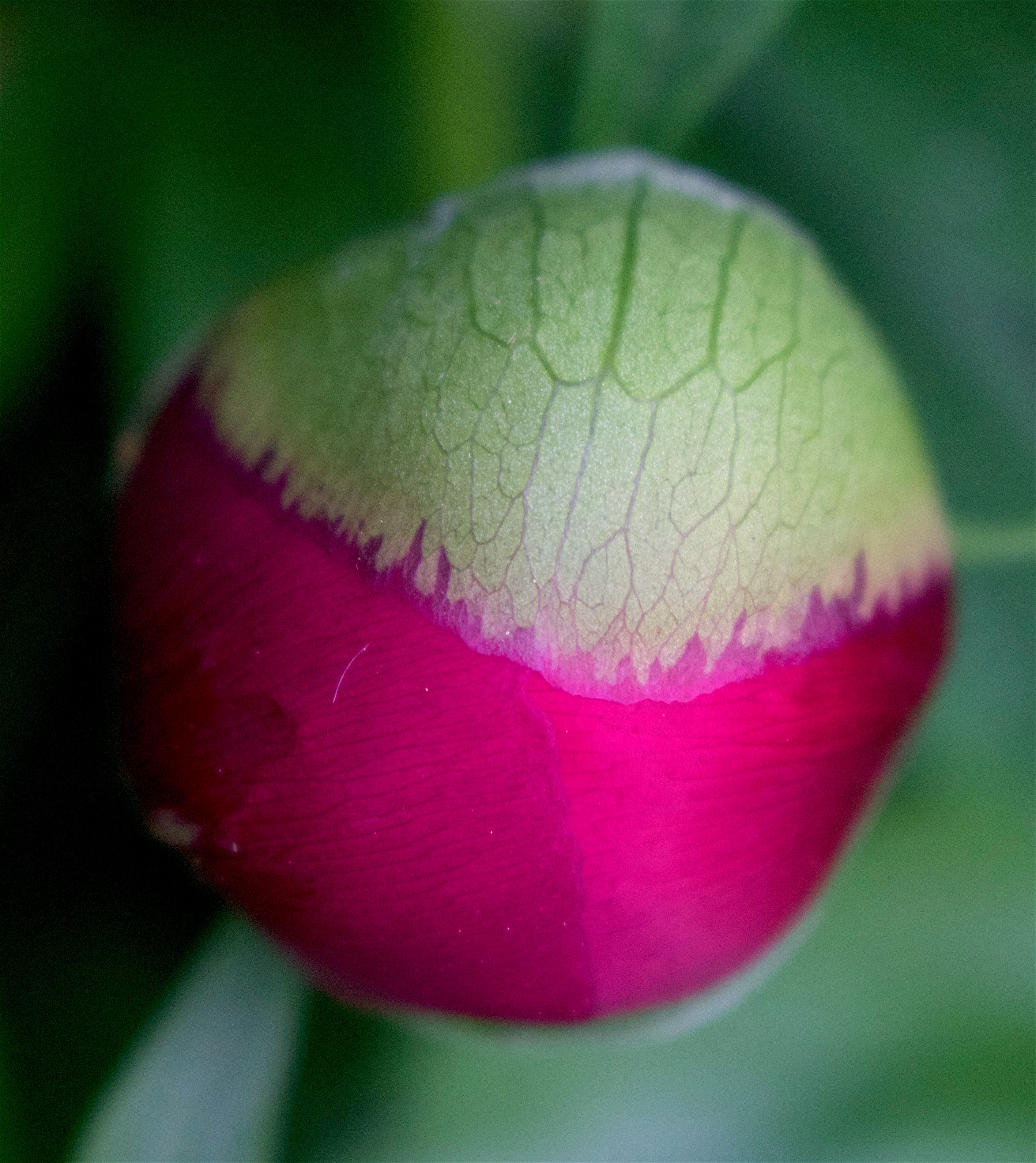
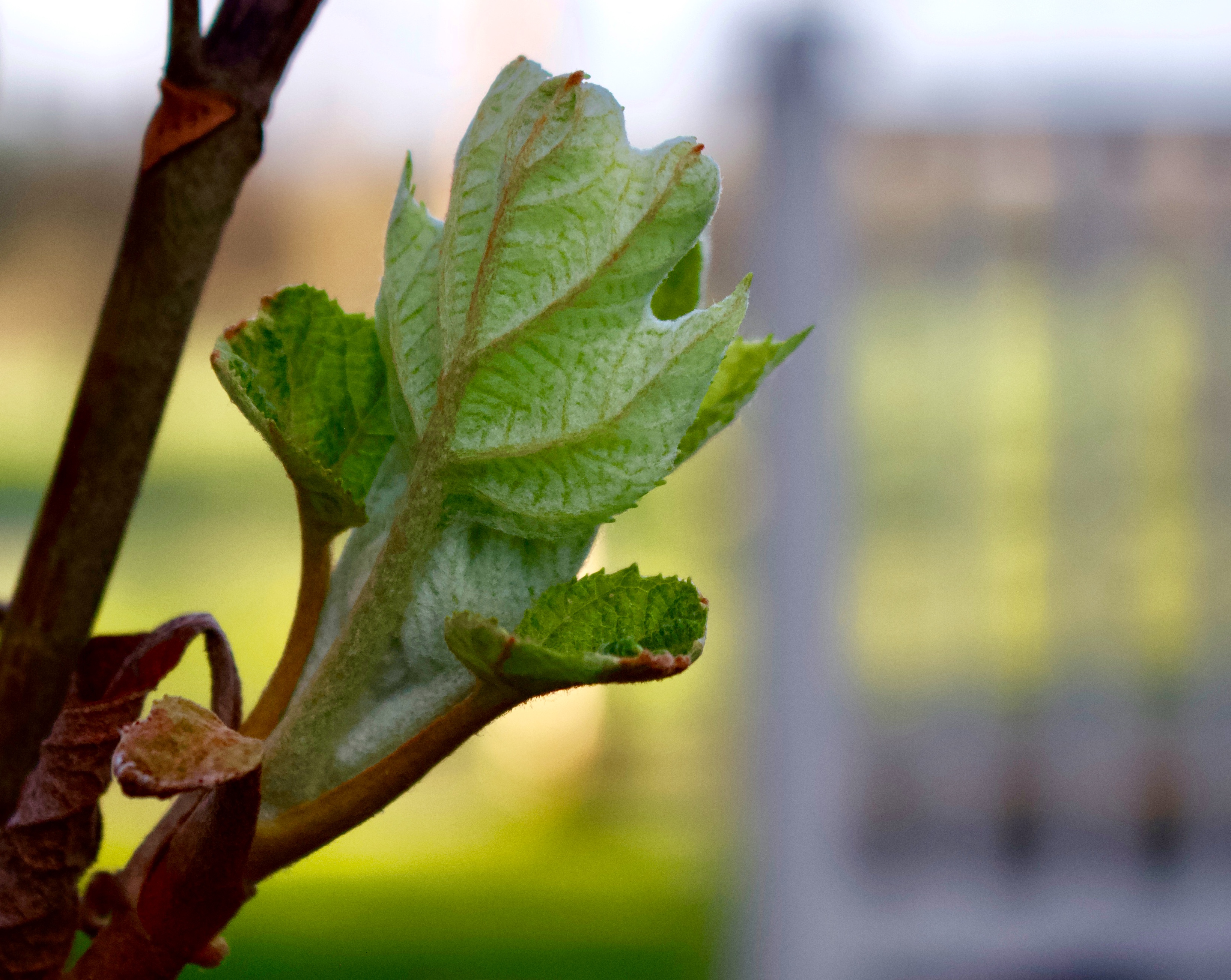
It is at the edge of a petal that love waits.
From the petal’s edge a line starts 
that being of steel 
infinitely fine, infinitely 
rigid penetrates 
the Milky Way 
without contact–lifting 
from it–neither hanging 
nor pushing–

The fragility of the flower 
unbruised 
penetrates space
~William Carlos Williams from Spring and All (1923)

Here is the fringey edge where elements meet and realms mingle, where time and eternity spatter each other with foam.
~Annie Dillard from Holy the Firm

It is common to look for love only inside the heart of things,
watching it pulse as both showpiece and show off, reverberating from deep within, yet loud enough for all the world to bear witness.

But as I advance on life’s road, I find love lying waiting at the periphery of my heart, fragile and easily torn as a petal edge – clinging to the fringe of my life, holding on through storms and trials.

This love is ever-present, protects and cherishes, fed by fine little veins which branch out from the center to the tender margins of infinity.

It is on that delicate edge of forever I dwell, waiting to be fed and trembling with anticipation.

The Soul Confined

 
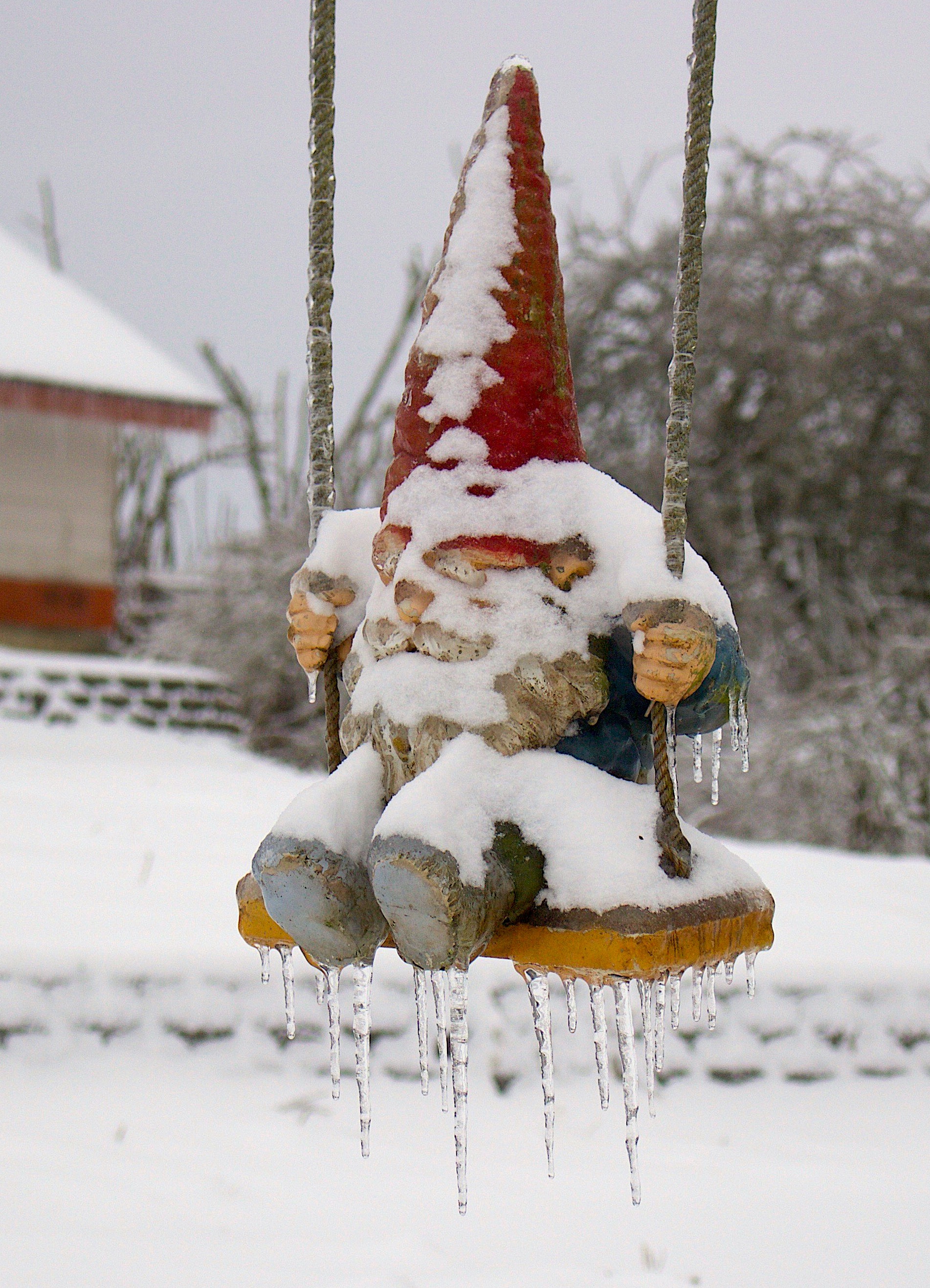
It’s frail, this spring snow, it’s pot cheese
packing down underfoot. It flies out of the trees
at sunrise like a flock of migrant birds.
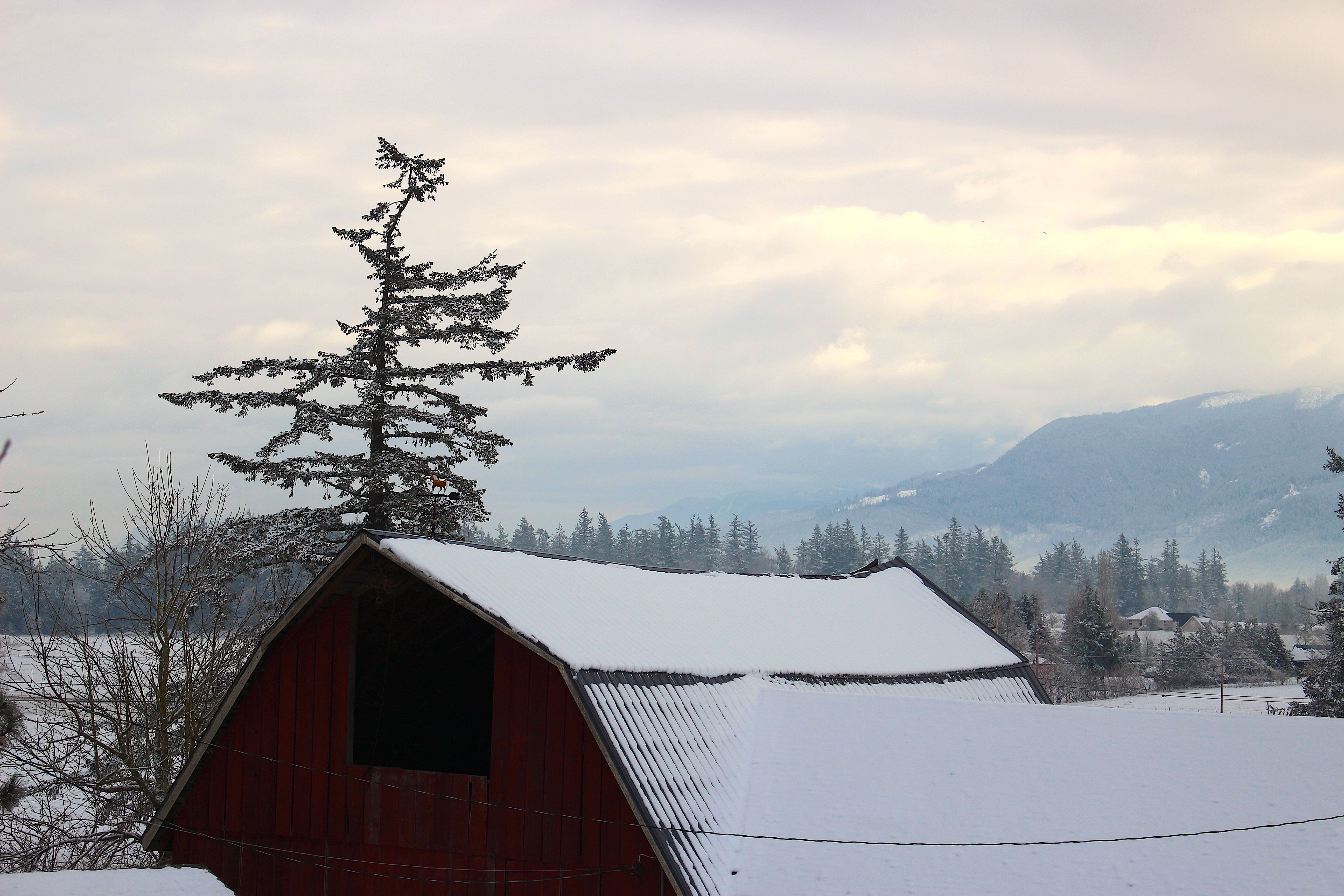
It slips in clumps off the barn roof,
wingless angels dropped by parachute.
Inside, I hear the horses knocking
aimlessly in their warm brown lockup,
testing the four known sides of the box
as the soul must, confined under the breastbone.
Horses blowing their noses, coming awake,
shaking the sawdust bedding out of their coats.
They do not know what has fallen
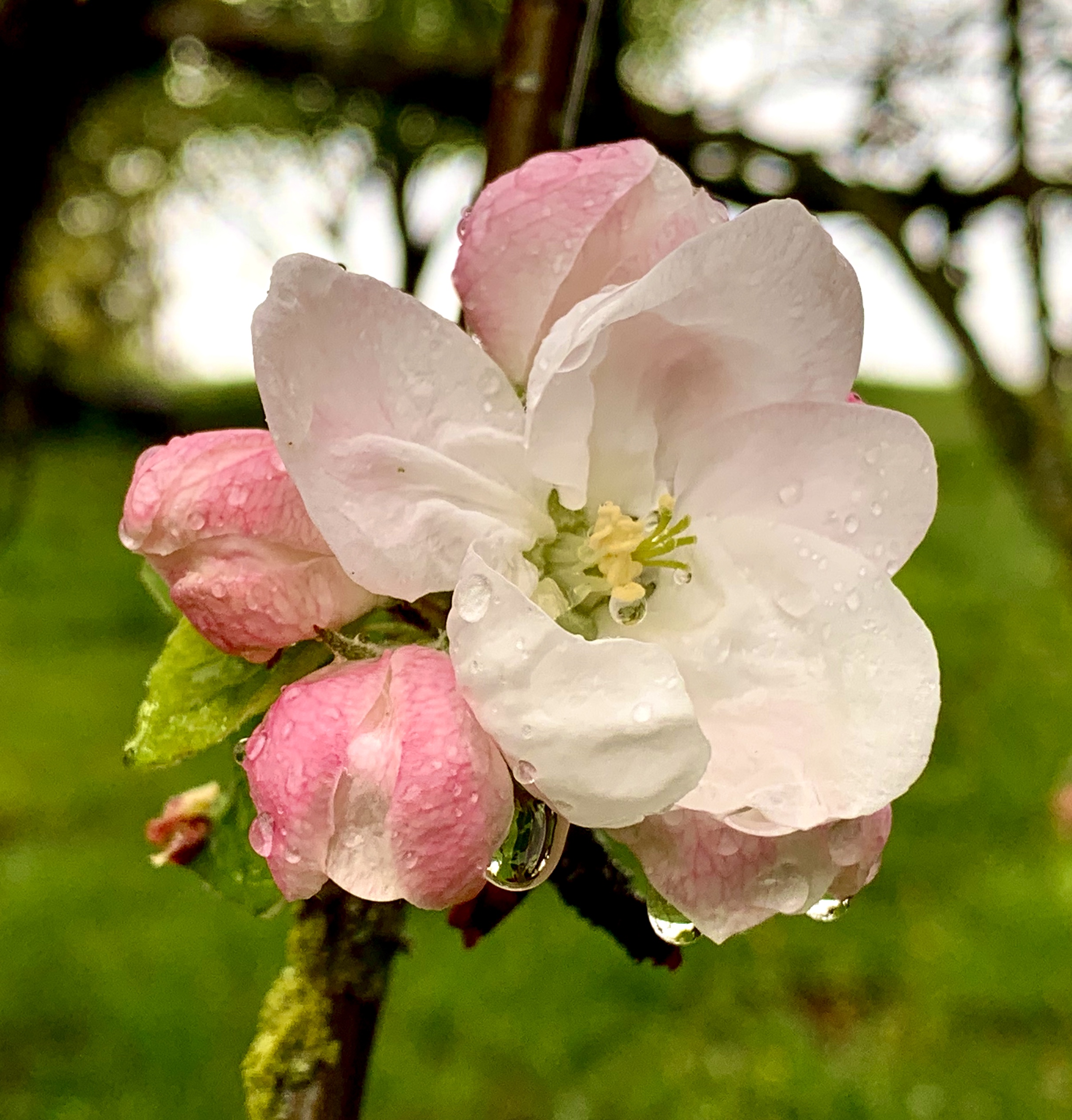
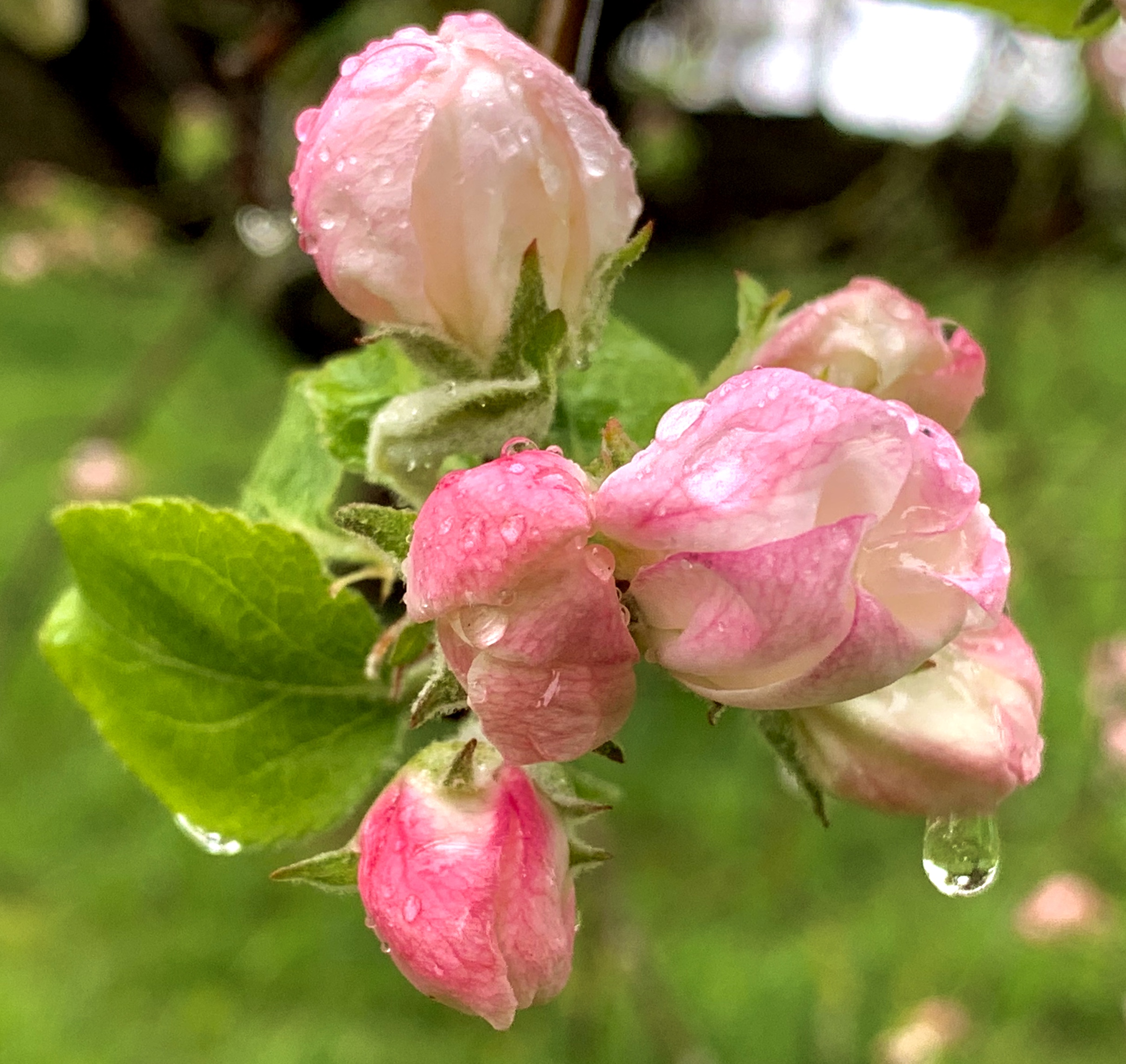
out of the sky, colder than apple bloom,
since last night’s hay and oats.
They do not know how satisfactory
they look, set loose in the April sun,
nor what handsprings are turned under
my ribs with winter gone.
~Maxine Kumin “Late Snow” from Selected Poems: 1960 – 1990

photo of spring snow by Paul Dorpat

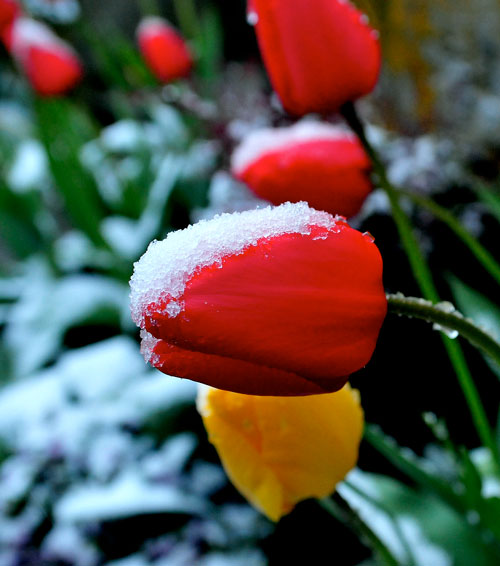
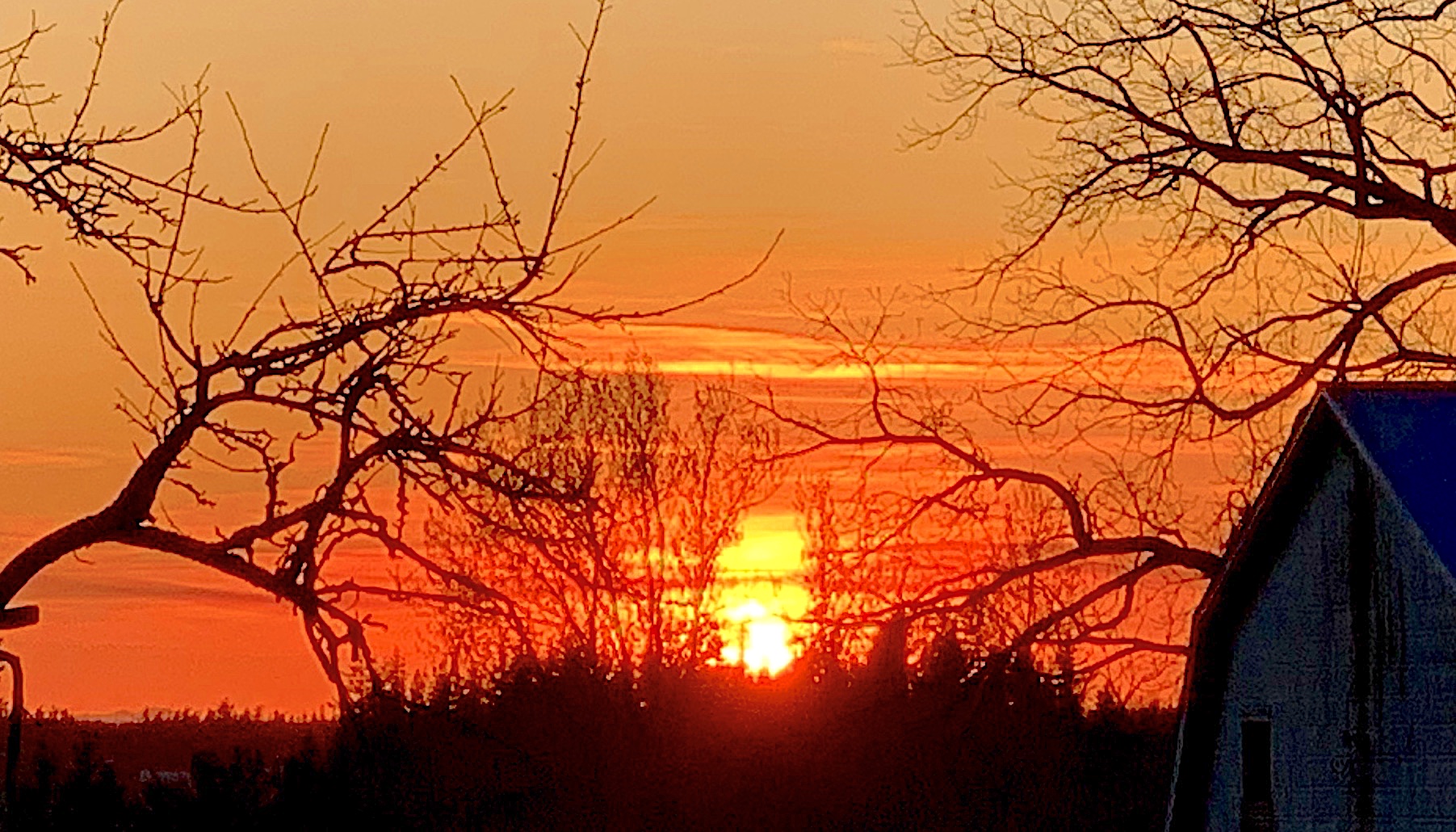
This past weekend we had it all: sun, rain, windstorm, hail, and some local areas even reported a late April snowfall. It is disorienting to have one foot still in winter and the other firmly on grass growing out of control and needs mowing.

It is also confusing to look at pandemic data and hear varying experts’ interpretations about what is happening, what they predict and what strategies are recommended.

It may be time to loosen the tight grip on social distancing yet many are reticent to emerge from the safety of their confinement, for good reason.

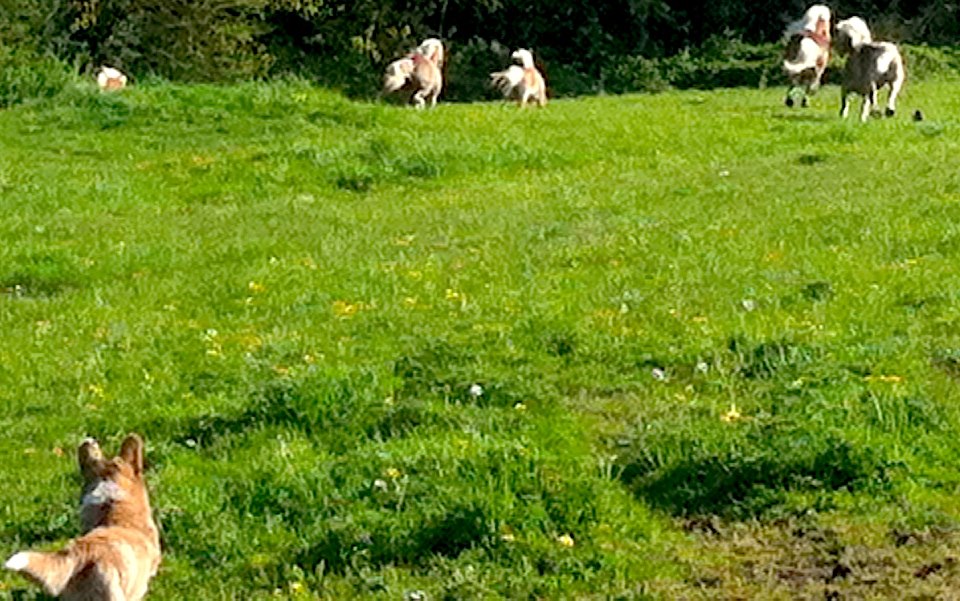
Just last week, we released the Haflingers from their winter lock-in back onto the fields – their winter-creaky barn-confined joints stretched as they joyfully ran the perimeter of the fields before settling their noses into fresh clover. Their ribs sprung with the fragrance of the apple blossom perfume of the orchard and it lifted my sagging spirit to see them gallop. But even the horses are not ready for complete freedom either – I whistled them in after two hours, not wanting them to eat themselves sick with too much spring grass. Their time on the outside will be tightly controlled until it is safe for them to be out unrestricted.

Surprisingly, the horses leave the sun and the grass and the relative freedom and come in willingly to settle back into their stalls and their confinement routine.

I’m not so different. I long to be set loose in the April sun with the freedom to go when and where I wish. But the new reality means winter is not entirely gone yet and may not be for some time. There are still tragic and untimely losses of life, still plenty of weeping and lament from the grief-stricken who have been robbed prematurely of loved ones due to a virus that is circulating indiscriminately.

So we must ease out slowly, carefully and cautiously, with one ear cocked and ready to be whistled back in when we are called to return to safety.

As If

God loves each of us as if there were only one of us to love.
~Saint Augustine

When I am one of billions
there can be nothing special
to attract attention
or affection

When I blend into the background
among so many others
indistinct and plain,
common as grains of sand

There is nothing to hold me up
as rare, unique,
or exceptional,
worthy of extra effort.

Yet it is not about my worth,
my work, my words;
it is about His infinite capacity
to love anything formed

by the touch of His vast hand,
the contraction of His immense heart,
the boundlessness of His breath reaching me
as if
as if
as if
I were the only one.

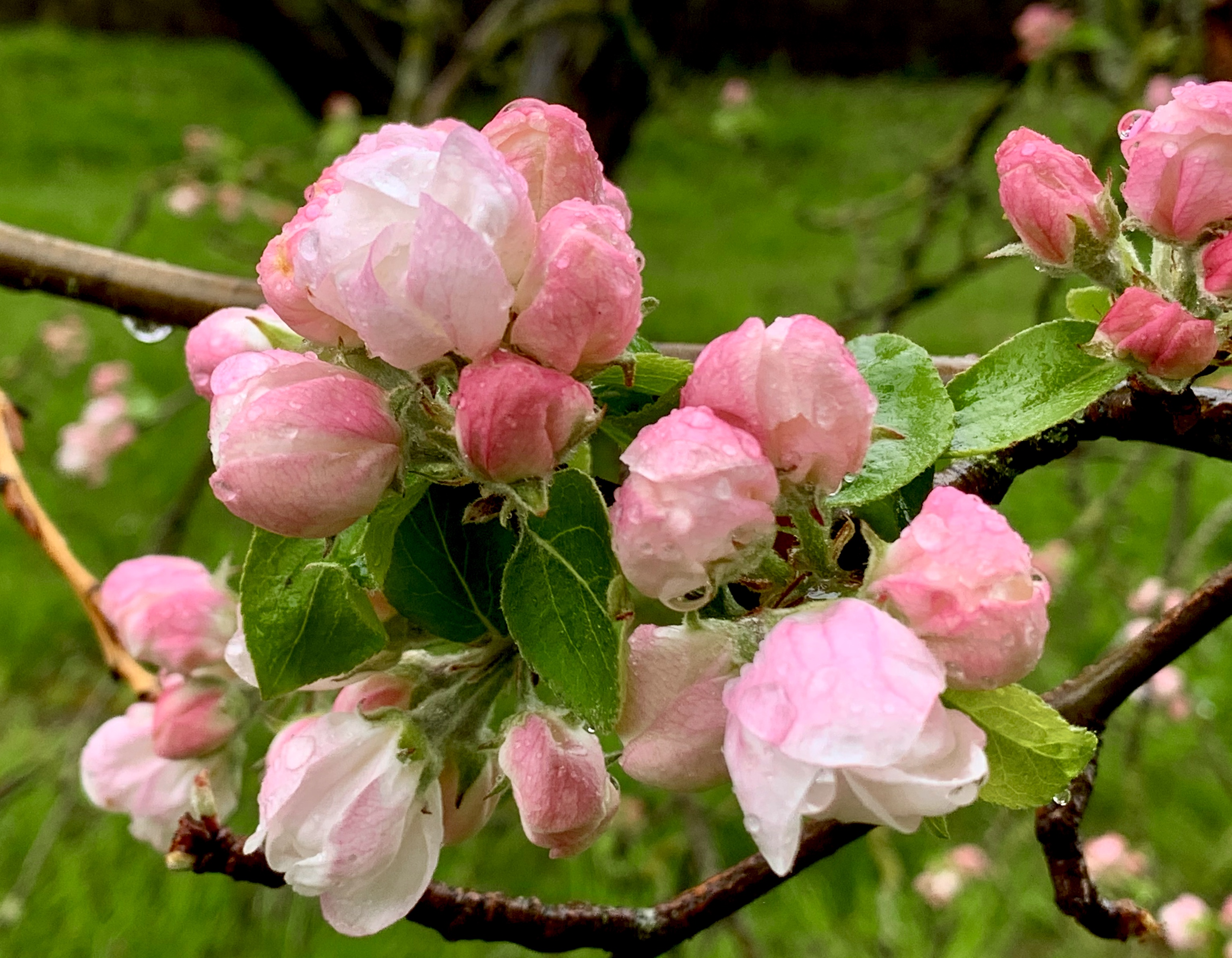
The Cheeks of Blossom

Lined with light
the twigs are stubby arrows.
A gilded trunk writhes
Upward from the roots,
from the pit of the black tentacles.

In the book of spring
a bare-limbed torso
is the first illustration.

Light teaches the tree
to beget leaves,
to embroider itself all over
with green reality,
until summer becomes
its steady portrait
and birds bring their lifetime
to the boughs.

Then even the corpse
light copies from below
may shimmer, dreaming it feels
the cheeks of blossom.
~May Swenson “April Light”

This April we are surrounded by corpse light:
the threat of untimely death, so we distance ourselves
one from the other, awaiting the “all clear”
which may be a long time coming ~

We have already forgotten the unprecedented illumination
that walked from the tomb on a bright Sabbath morning
to guarantee that
we people,
we who are no more than bare twigs and stubs,
we who feel hardly alive,
are now begotten green,
ready to burst into blossom,
our cheeks pink with life,
promising future fruitfulness.

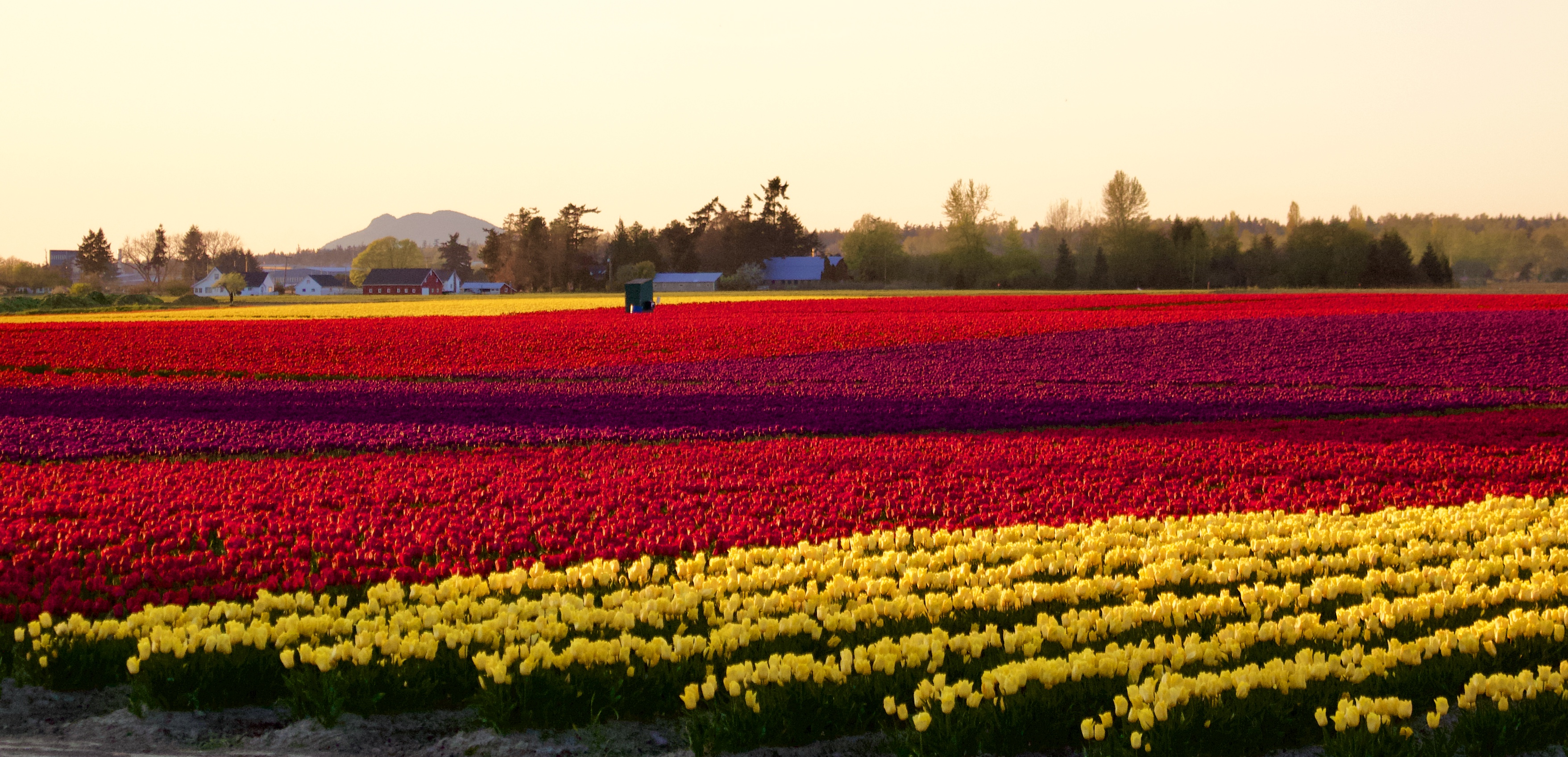
Go Make the Call

Just before the green begins there is the hint of green
a blush of color, and the red buds thicken
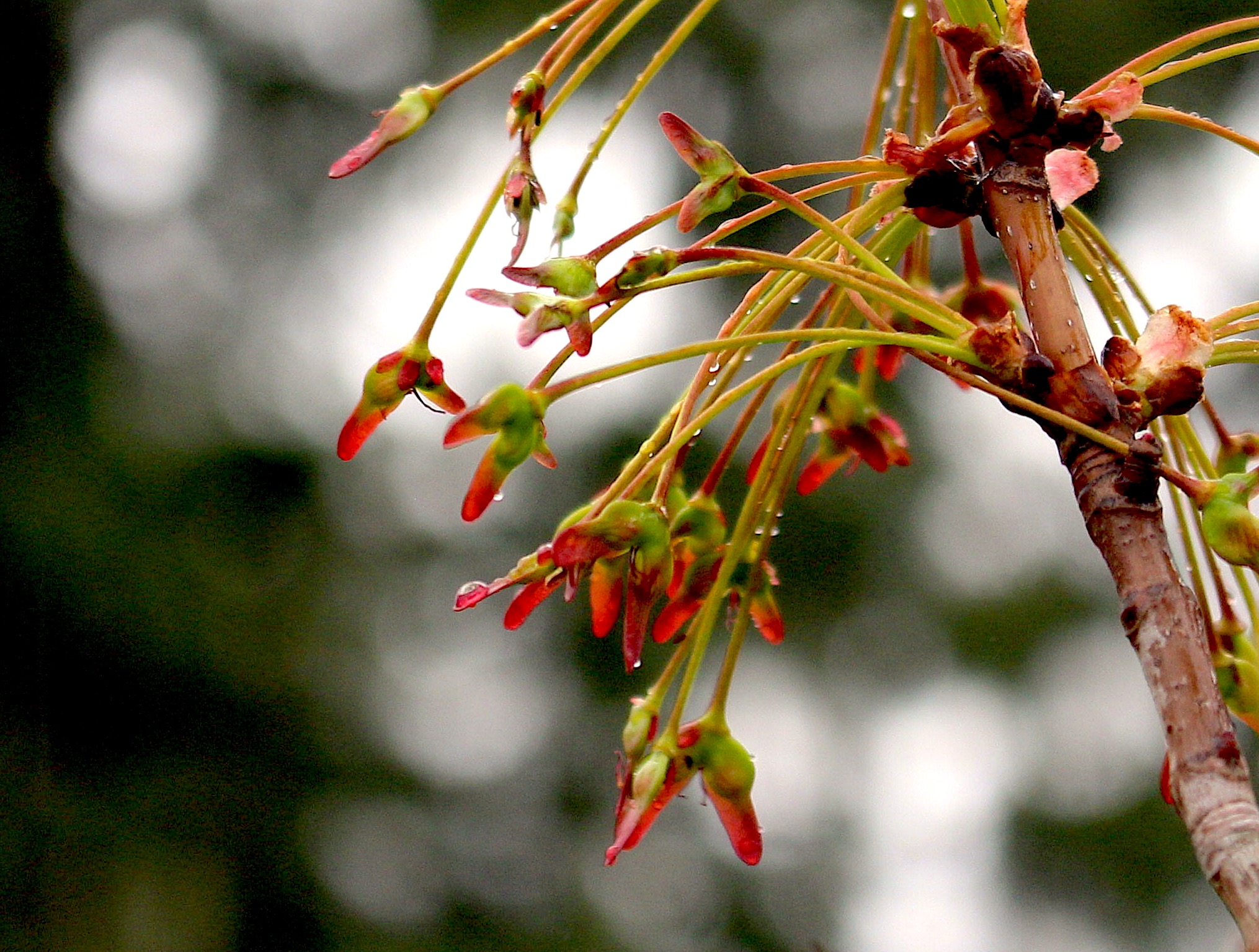
the ends of the maple’s branches and everything
is poised before the start of a new world,
which is really the same world
just moving forward from bud
to flower to blossom to fruit
to harvest to sweet sleep, and the roots
await the next signal, every signal
every call a miracle and the switchboard
is lighting up and the operators are
standing by in the pledge drive we’ve
all been listening to: Go make the call.
~Stuart Kestenbaum “April Prayer”

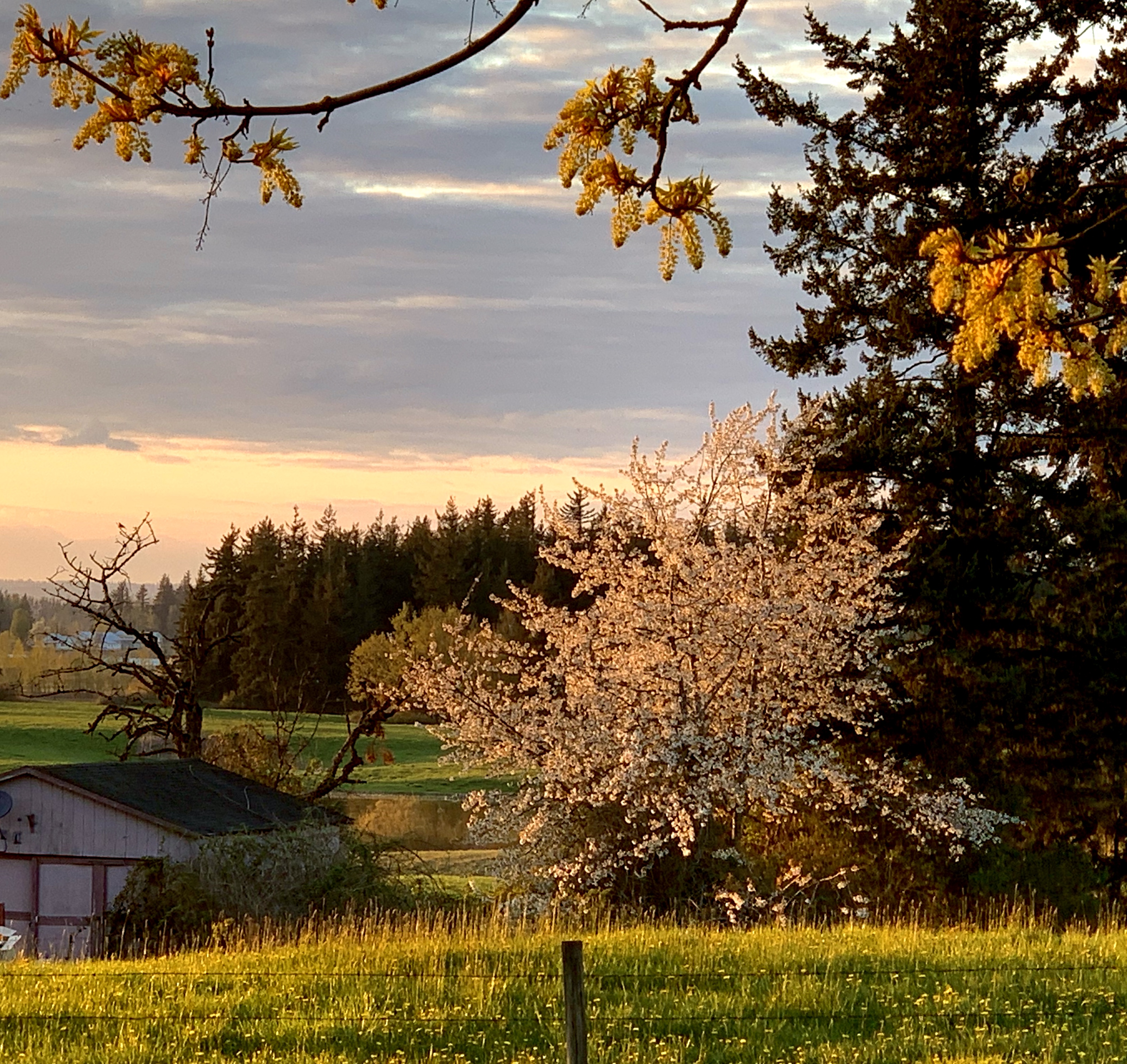
The buds have been poised for weeks and then,
as if all responding to an identical summons to action,
let go of all their pent up potential~
exploding with harmonious energy
enough to make us want to donate all we have,
over and over again.

How much may I pledge to witness this miracle?
Nothing, nothing at all.
It’s free. It’s totally free.

Mystery Becomes Visible

I go my way,
and my left foot says ‘Glory,’
and my right foot says ‘Amen’:
in and out of Shadow Creek,
upstream and down,
exultant,
in a daze, dancing,
to the twin silver trumpets of praise.

~Annie Dillard from Pilgrim at Tinker Creek

This fevers me, this sun on green,
On grass glowing, this young spring.
The secret hallowing is come,
Regenerate sudden incarnation,
Mystery made visible
In growth, yet subtly veiled in all,
Ununderstandable in grass,
In flowers, and in the human heart,
This lyric mortal loveliness,
The earth breathing, and the sun…

~Richard Eberhart from “This Fevers Me”

Every day should be a day of dancing
and loveliness and breathing deeply,
of celebrating the fact we woke afresh,
a new start.

If I’m honest, I don’t always feel like dancing,
my feet each going their own way
and my head barely attached to my neck.

As I stumble about in my morning daze,
readying myself for the onslaught to come,
I step out and mumble “Glory”
and then blink a few times and murmur “Amen”
and breathe it out again a little louder
until I really feel it
and believe the ununderstandable
and know it in my bones.

A little praise never hurt anyone.
A little worship goes a long way.
It’s the only way mystery becomes visible,
tangible, touchable and tastable.

Amen
and Amen again.

Nature’s Scream

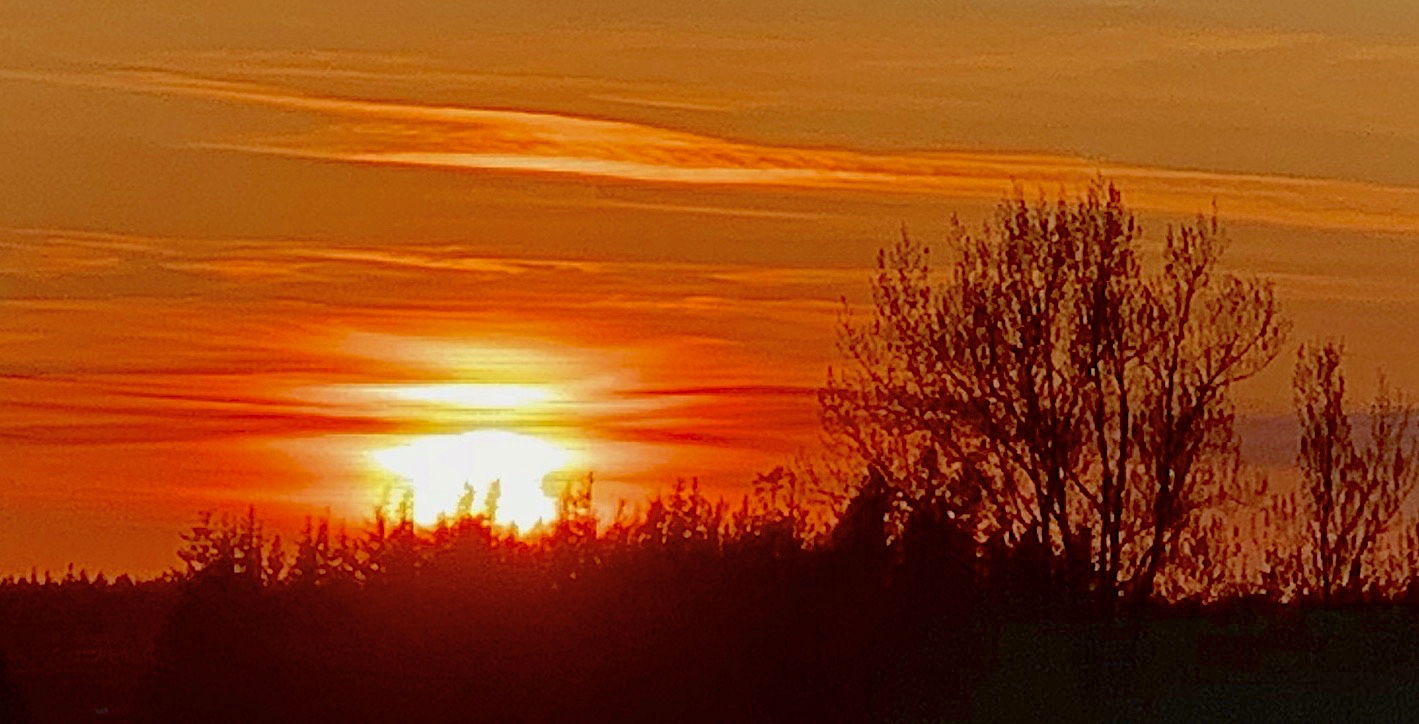
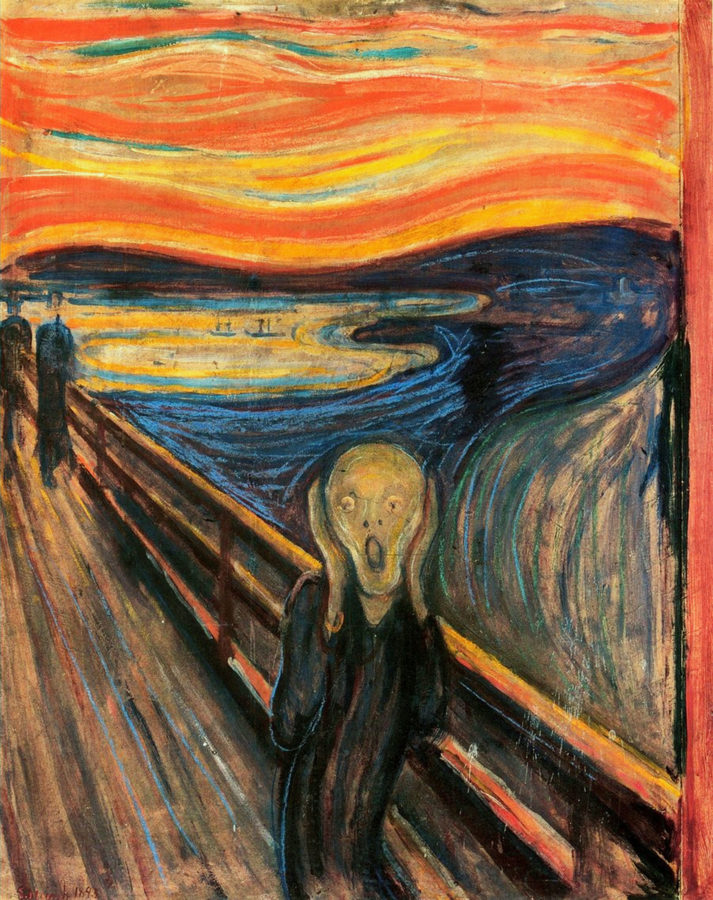
I was walking along the road with two friends – the sun was setting – suddenly the sky turned blood red – I paused, feeling exhausted, and leaned on the fence – there was blood and tongues of fire above the blue-black fjord and the city – my friends walked on, and I stood there trembling with anxiety – and I sensed an infinite scream passing through nature.
~Edvard Munch
describing his inspiration for his famous painting
“The Scream”

I get the sense there are now millions of people who just want to scream about the situation the world is in. In my telehealth visits with my patients whose worlds have been turned upside down in the last two months – plans canceled, jobs lost, schooling disrupted, finances uncertain, social support only through screens – I hear the words “overwhelmed,” “isolated,” “frustrated,” in addition to their usual “depressed” and “anxious.” Labeling these feelings “normal” just doesn’t seem to cut it. They want life to feel normal again and don’t want to accept that normal is a moving target and things won’t ever be quite the same again.

They don’t know what’s next for them and neither do I, but we are living it out, one day at a time, all in the same rocking bouncing (perhaps sinking) boat together.

I know Mr. Rogers always counseled to “look for the helpers” when something scary and unpredictable happens, and it is gratifying to see the immense support being given to the thousands of workers who are doing just that – at great personal risk. Even grocery store clerks are no longer unsung heroes but have become the real deal and I never fail to thank them when I go get my one week food supply.

There are other great efforts to make us smile together such as John Krasinski’s “Some Good News” reports on Youtube and the worldwide participation in Facebook’s “View from my window” page. Zoom Virtual Choirs and Orchestras are entertaining us and late night TV hosts are broadcasting from their own bedrooms.

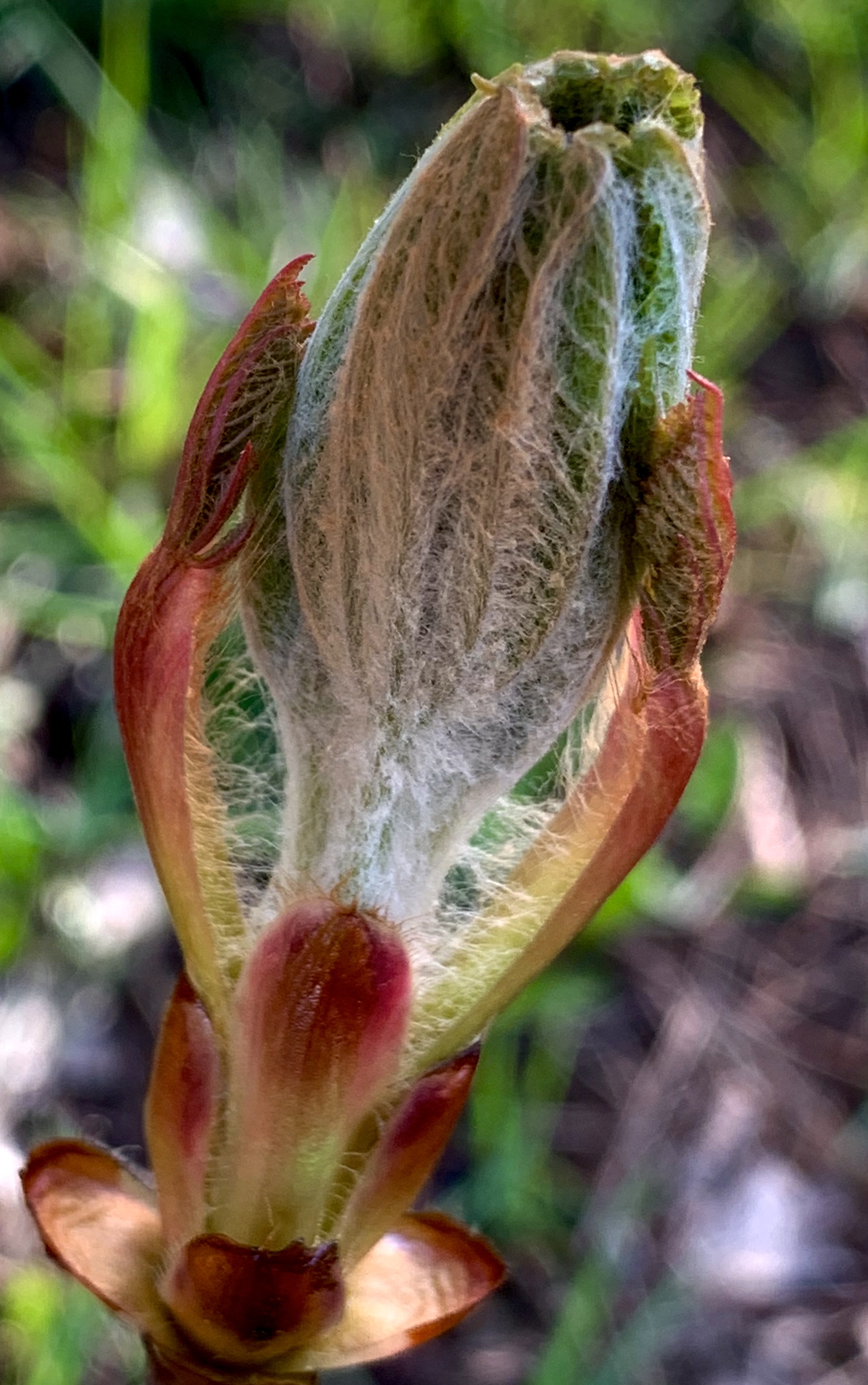
In our angst, we may forget that nature itself is full of its own powerful emotions, and this year is no different. I’ve read somewhere the high pitched sound of sap rising in trees in the spring is like a shriek beyond our capacity to hear. The sound of a bud growing, bulging and eventually unfolding must be like an exhalation of relief. Seeds and bulbs erupting through the soil surely groan and mutter in their strain.

Nature has also yielded mutated viruses attaching with vigor to a new host’s cells, and if we had microscopic microphones, the release of the duplicated RNA packets from a decimated living host cell probably sounds a bit like a scream as all the other cells prepare for a deadly virus on the move. It is like the Revolutionary War all over again in microcosm.

I do think a little screaming is in order.

So I remind myself and my patients: anxiety is normal. Discouragement is normal. But so is our need to scream out loud every once in awhile – even if all that comes out is the sound of silence.

Edvard Munch “The Scream”

Something Easters Up

There is a fragrance in the air,
a certain passage of a song,
an old photograph falling out from the pages of a book,
the sound of somebody’s voice in the hall
that makes your heart leap and fills your eyes with tears.


Who can say when or how it will be
that something easters up out of the dimness
to remind us of a time before we were born and after we will die?

God himself does not give answers. He gives himself.
~Frederick Buechner from Telling the Truth: The Gospel as Tragedy, Comedy and Fairy Tale

“Let Him easter in us, be a dayspring to the dimness of us, be a crimson-cresseted east.”
― Gerard Manley Hopkins
from “The Wreck of the Deutschland”

All changed, changed utterly:   
A terrible beauty is born.
~William Butler Yeats from “Easter, 1916”

It has been a slow coming of spring this year, seeming in no hurry whatsoever as we all shelter in place, isolated and lonesome for one another.

Snow remains in the foothills and the greening of the fields has only begun. The flowering plum and cherry trees finally have burst into bloom despite a continued chill.  It feels like winter at night yet the perfumed air of spring now permeates the day.

Such extreme variability is disorienting when we are desperate for something – anything – that feels routine and normal. It is almost like standing blinded in a spotlight in a darkened room.

This is exactly what eastering is like.  It is awakening out of a restless sleep, opening a door to let in fresh air, and the stone that locked us in the dark rolled back.

Overnight all has changed, changed utterly. We, who have been wintering and weathered, weary and withered, are transformed by the Light.

He is not only risen.  He is given indeed.

Waiting for News of Spring

It’s a motley lot. A few still stand
at attention like sentries at the ends
of their driveways, but more lean
askance as if they’d just received a blow
to the head, and in fact they’ve received
many, all winter, from jets of wet snow
shooting off the curved, tapered blade
of the plow. Some look wobbly, cocked
at oddball angles or slumping forlornly
on precariously listing posts. One box
bows steeply forward, as if in disgrace, its door
lolling sideways, unhinged. Others are dented,
battered, streaked with rust, bandaged in duct tape,
crisscrossed with clothesline or bungee cords.
A few lie abashed in remnants of the very snow
that knocked them from their perches.
Another is wedged in the crook of a tree
like a birdhouse, its post shattered nearby.
I almost feel sorry for them, worn out
by the long winter, off-kilter, not knowing
what hit them, trying to hold themselves
together, as they wait for news from spring.
~Jeffrey Harrison “Mailboxes in Late Winter”

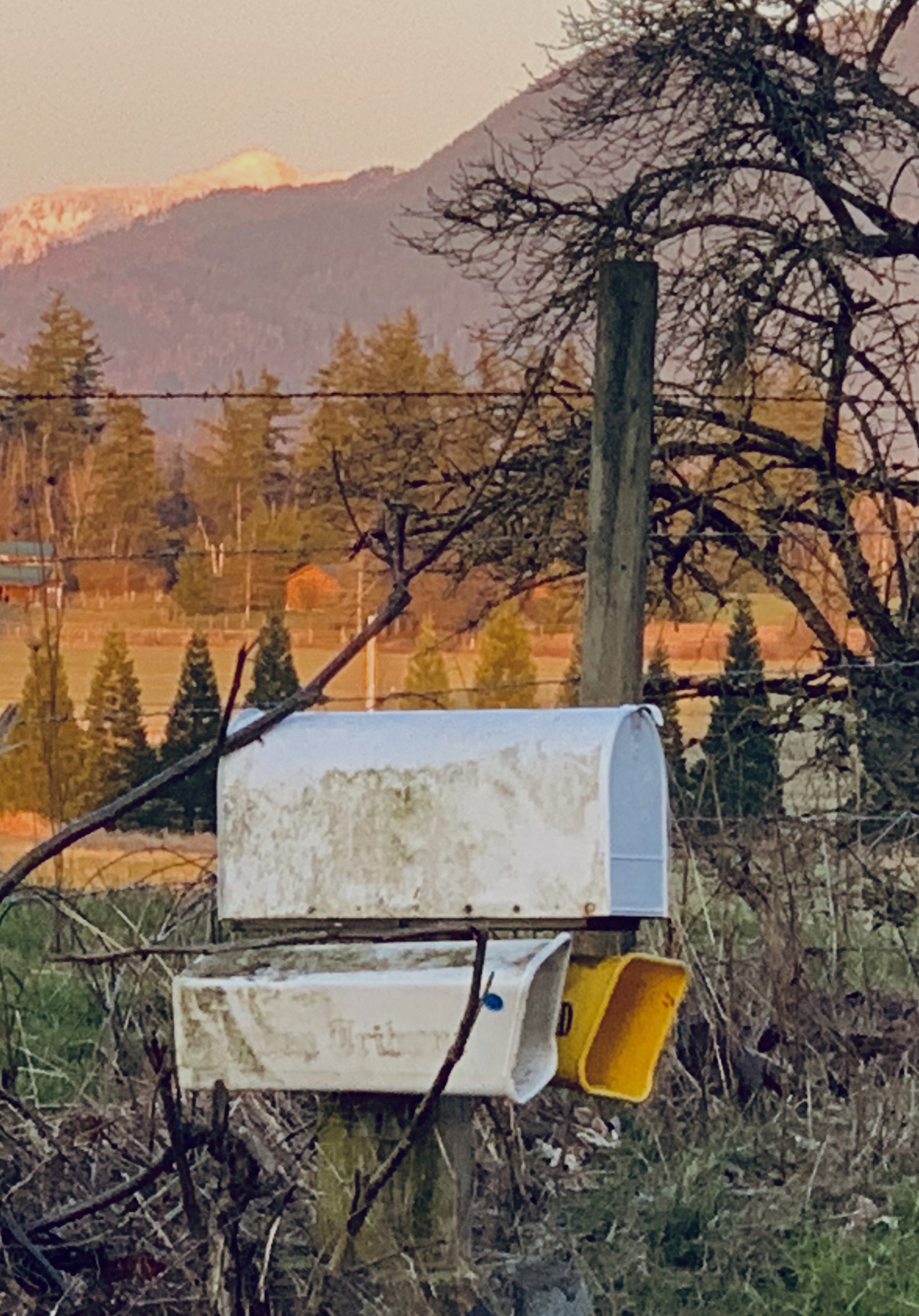
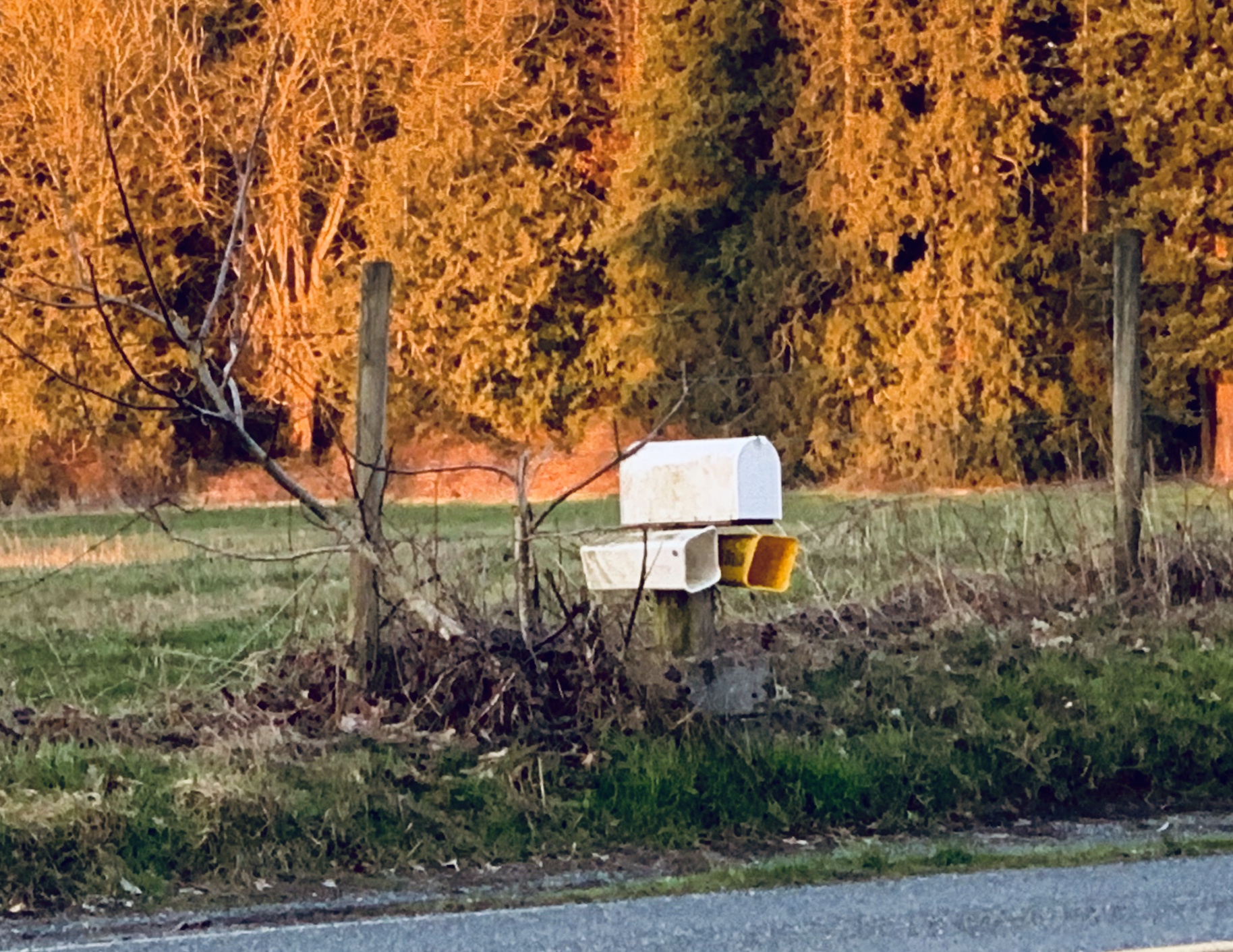
This time of year I too often feel like an off-kilter mailbox – rusty, dented, leaning rather than upright, covered with mildew and lichens — it will take some effort to look presentable after a long winter.

There isn’t much that would recommend me as a potential destination; most of the mail that is delivered to me is junk mail or bills. It is a rare pleasure to find a hand-addressed card or note. I have myself to thank for that: I rarely send one to anyone else. I’m not even sure I could find a stamp at home if I wanted one.

It reminds me how infrequently I actually hand write any form of communication any more, how dependent I’ve become on the instantaneous nature of texting and email, and how much I used to enjoy writing letters back and forth to family and friends, in what feels like another life.

Letters can be forever–a tangible representation of the writer illustrated by their choice of envelope, stamp and paper, writing utensil, style of script, sometimes a scent. The neatness or hurried nature of the writing says something about the urgency with which it was written. Emails have none of those features, and can feel ephemeral, although we know they can always be found and retrieved, for good and for ill, by those who know how to look for them.

It has been too long. It’s time to commit to writing a letter a week to someone who needs to be able to tangibly feel my caring about them, right in their hands.

Then just maybe, I can share news of the spring to come.