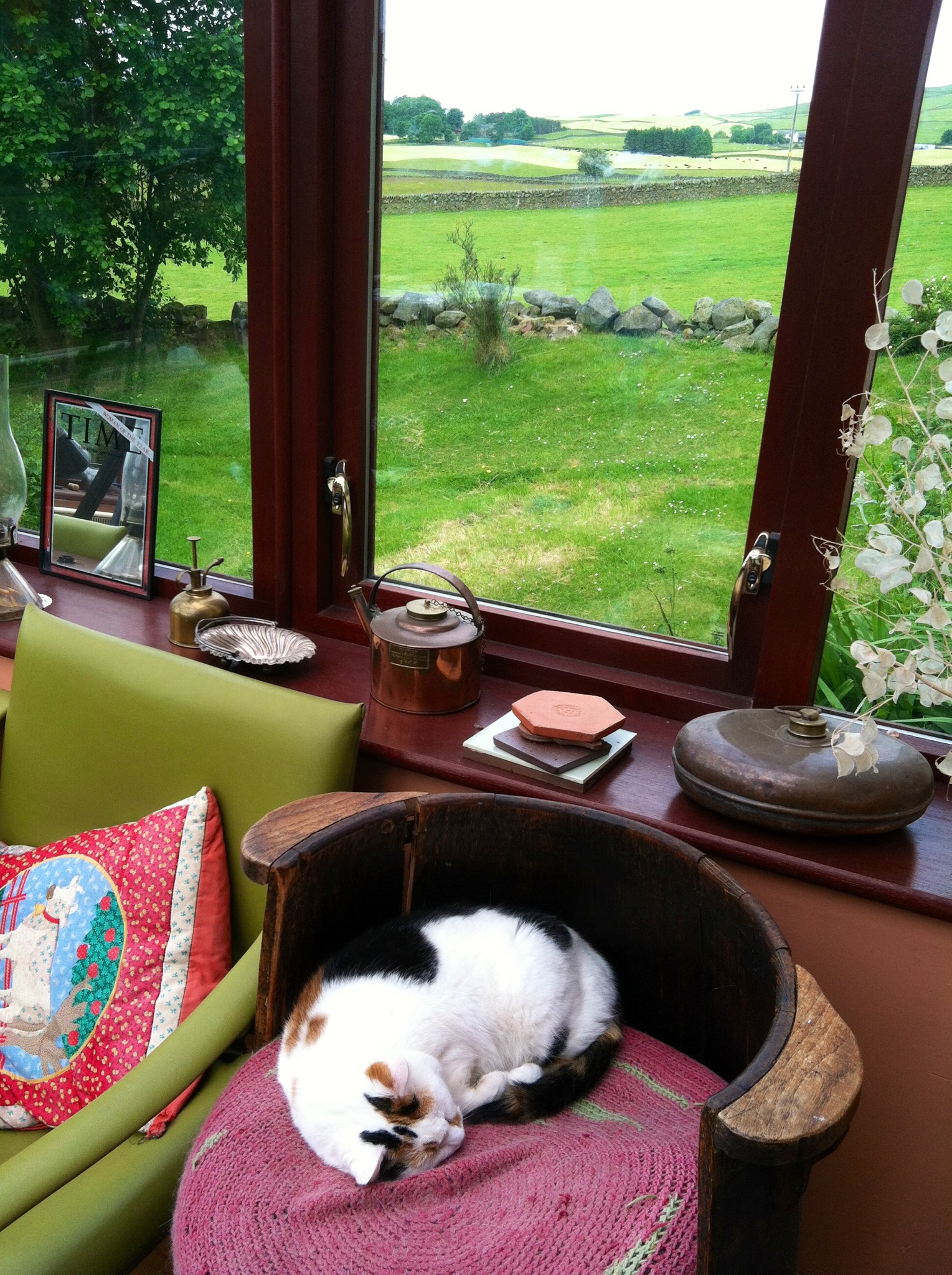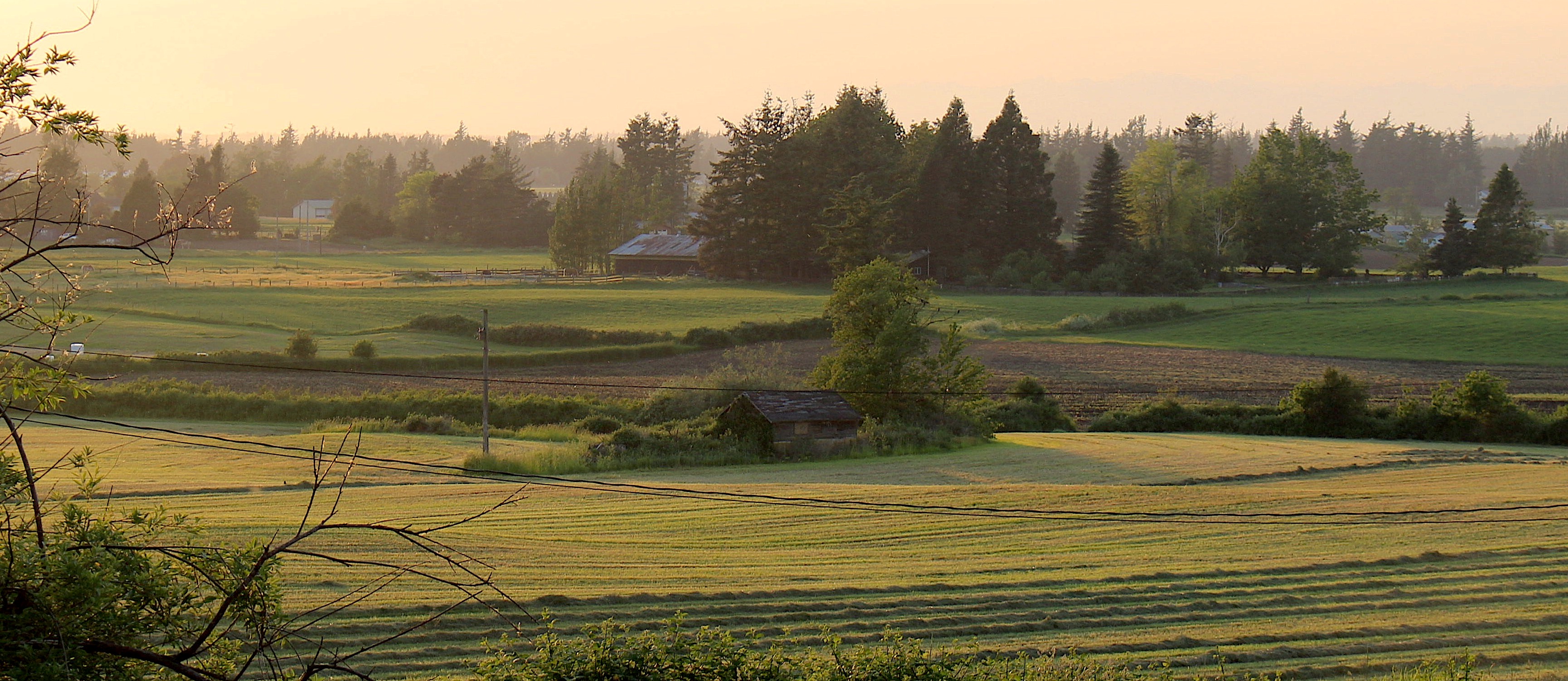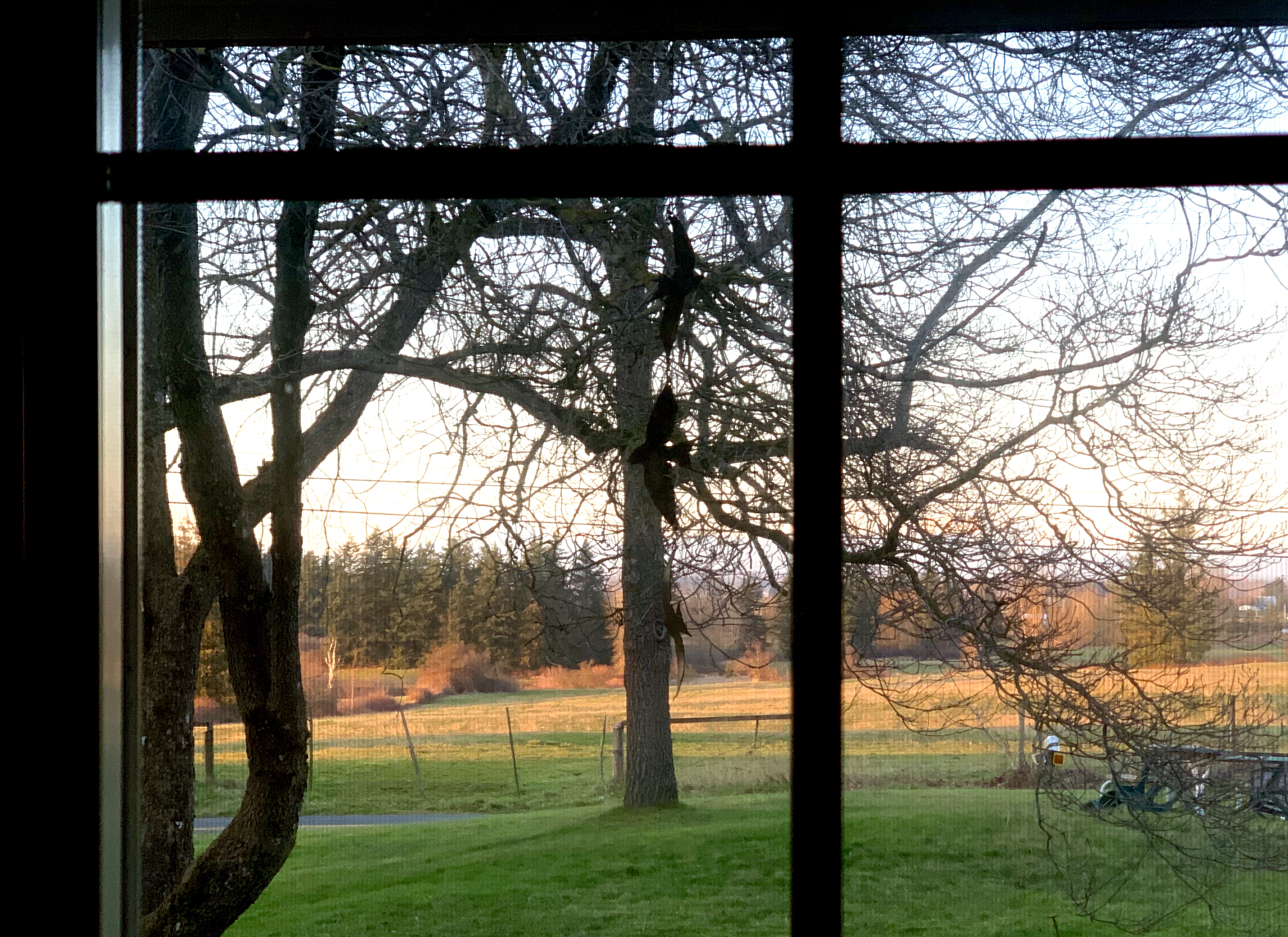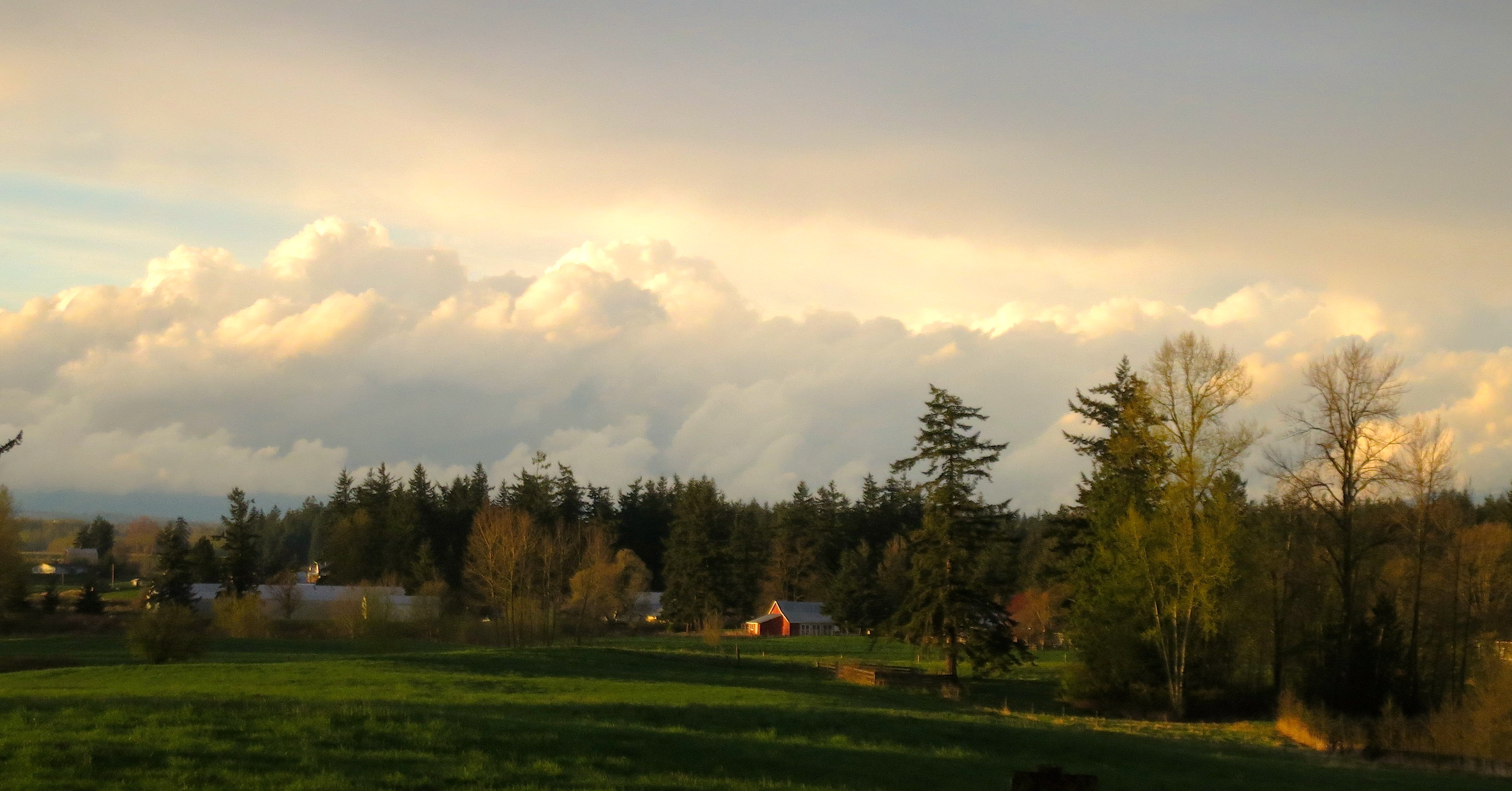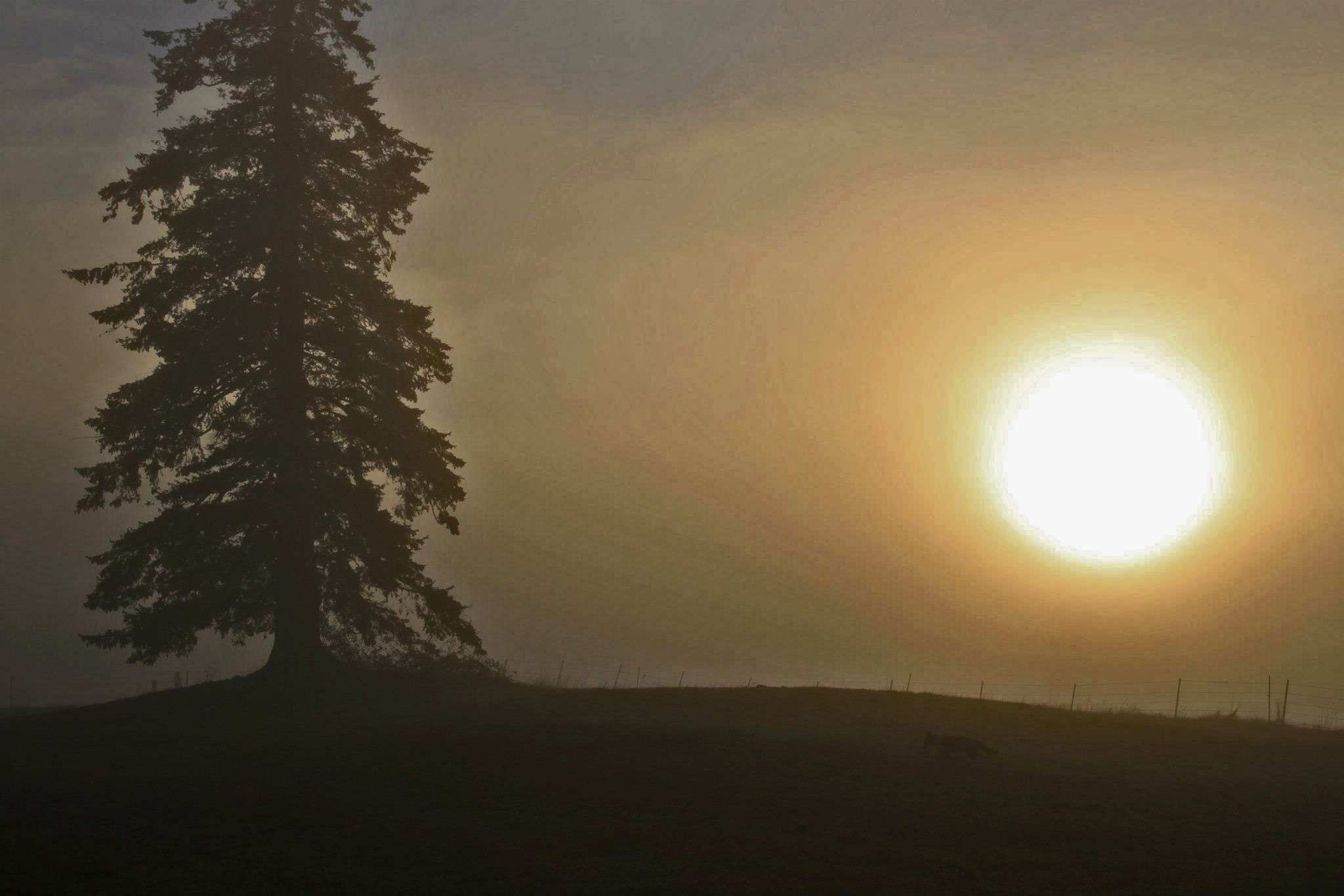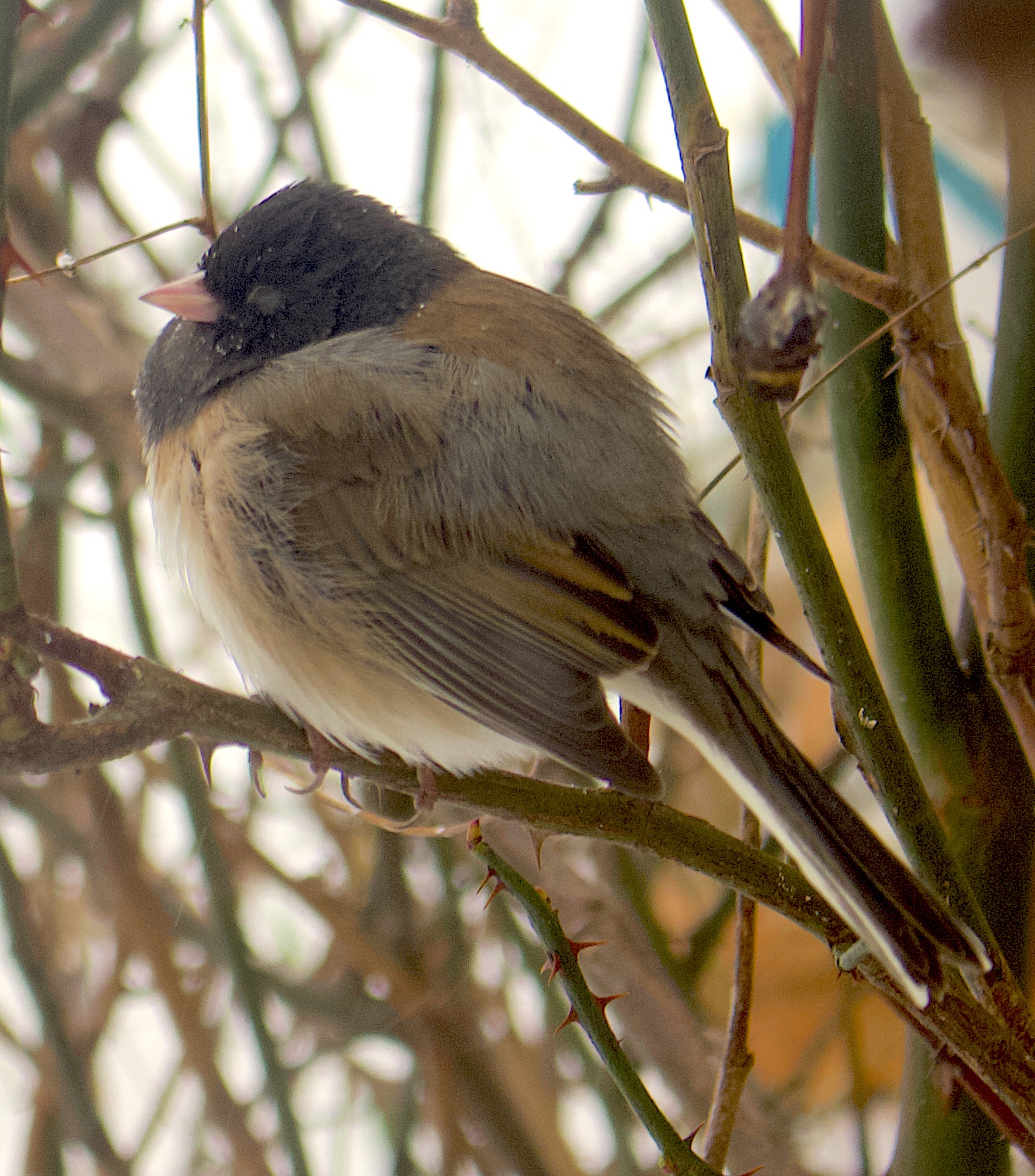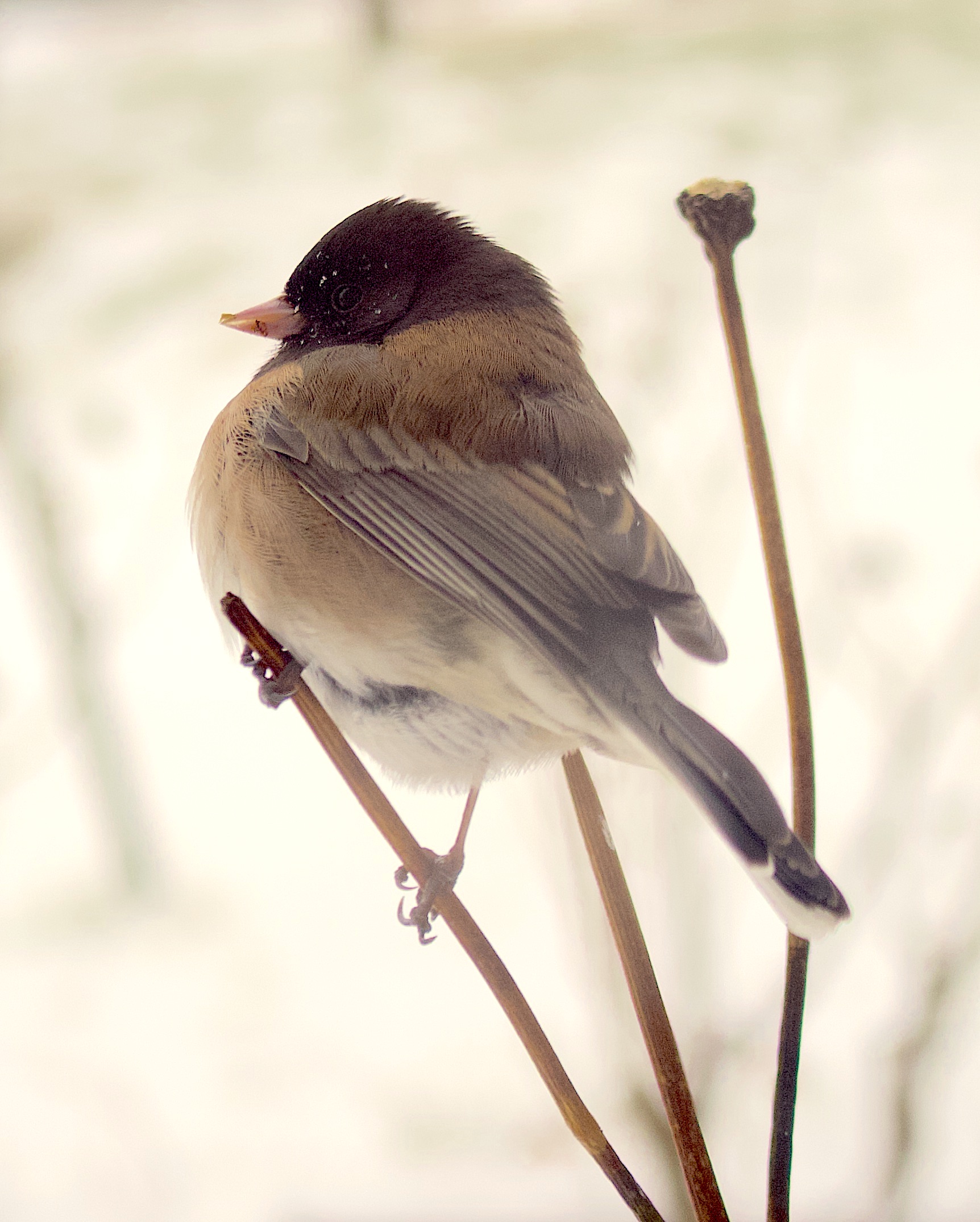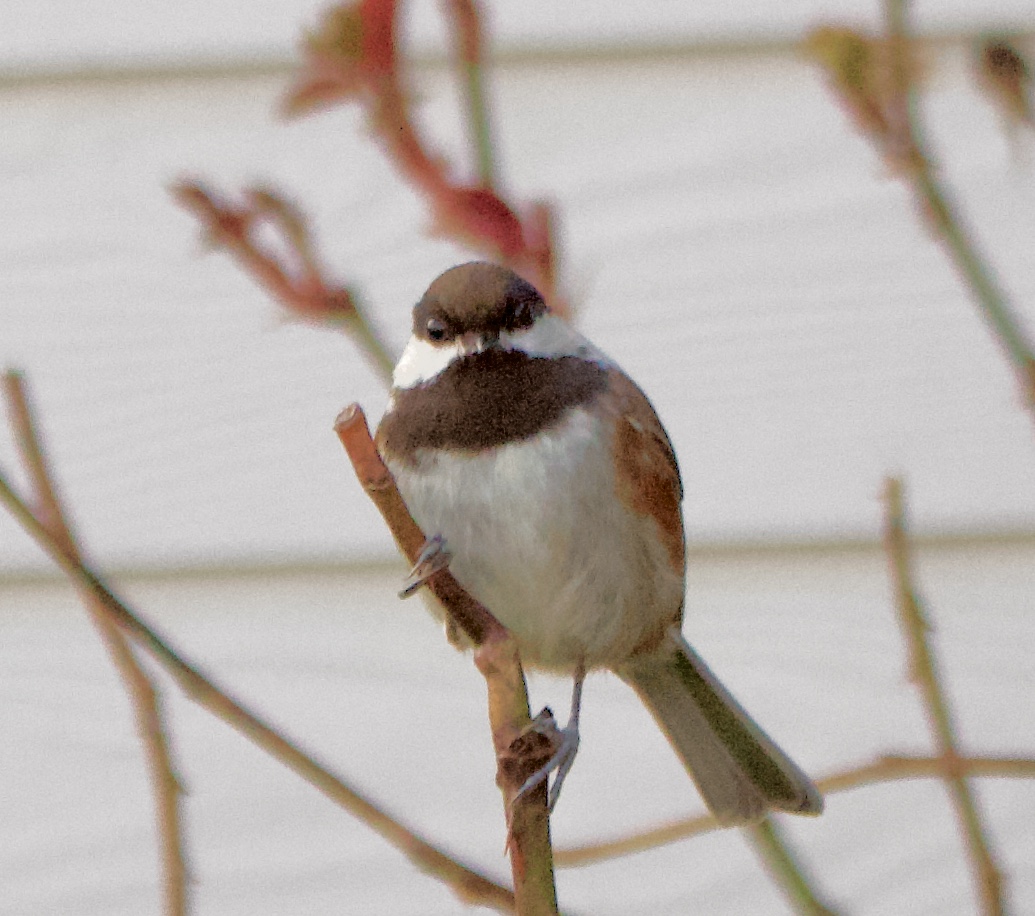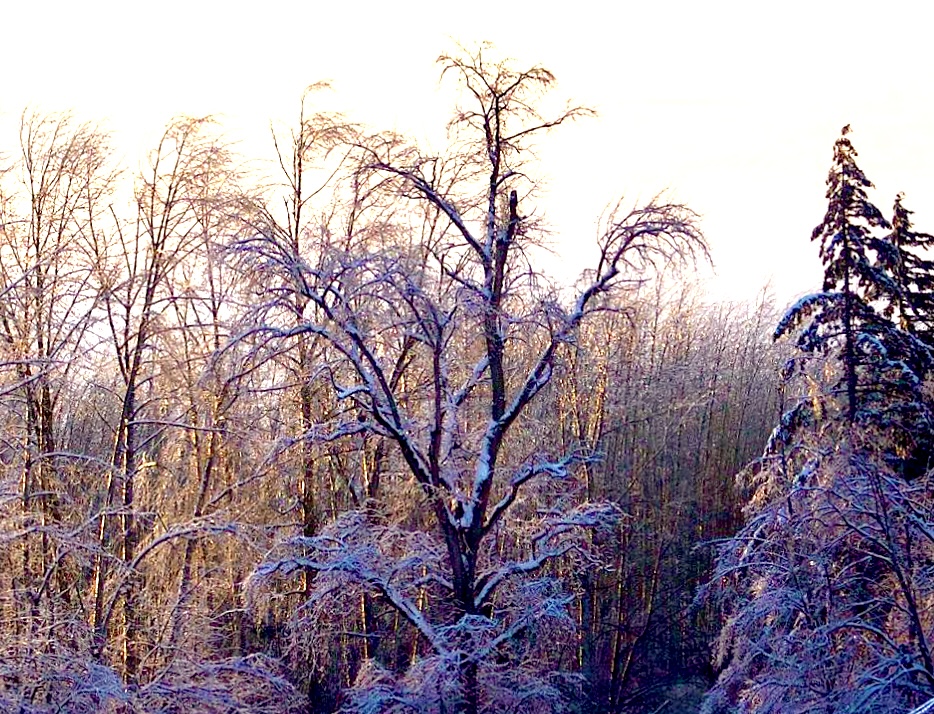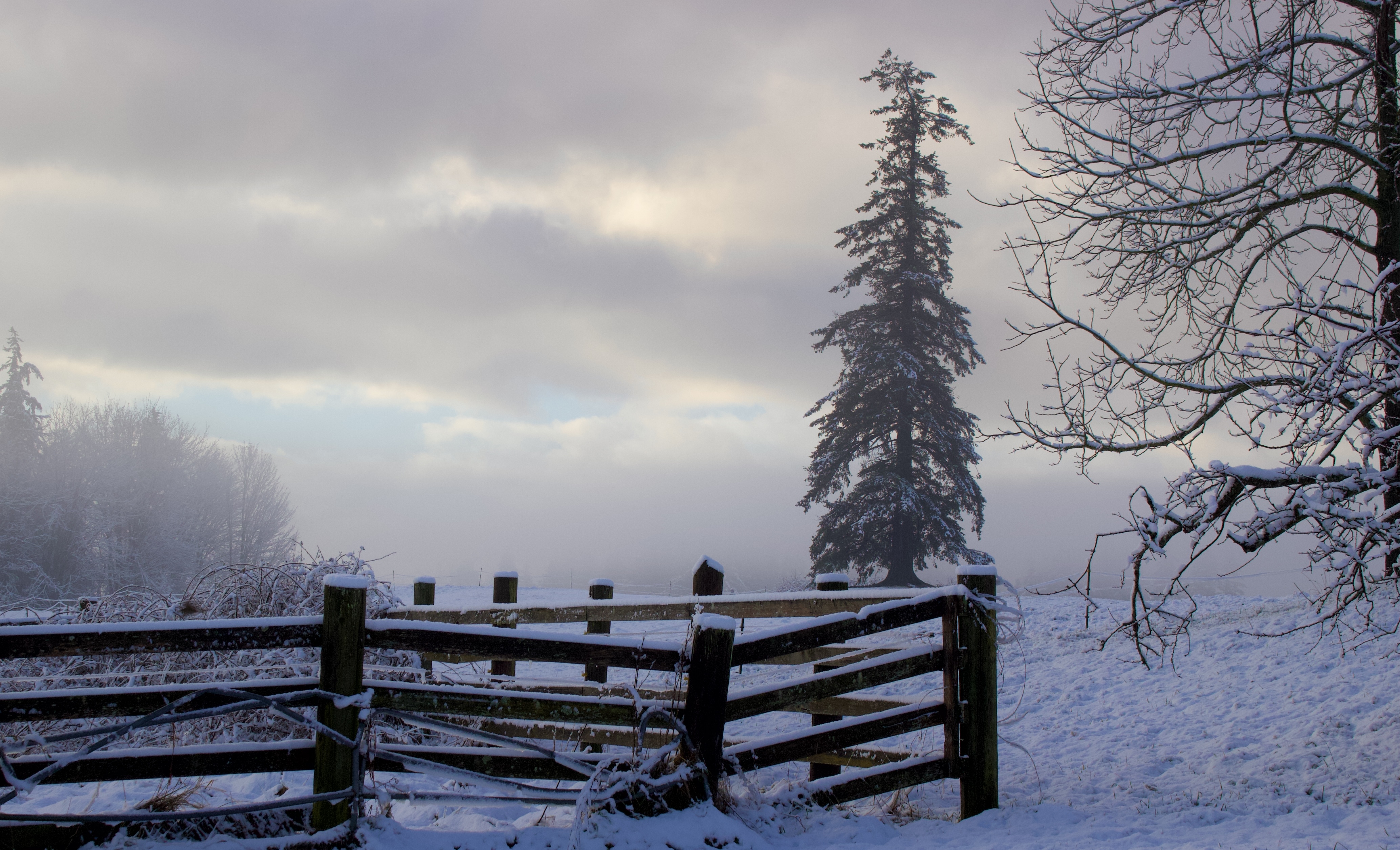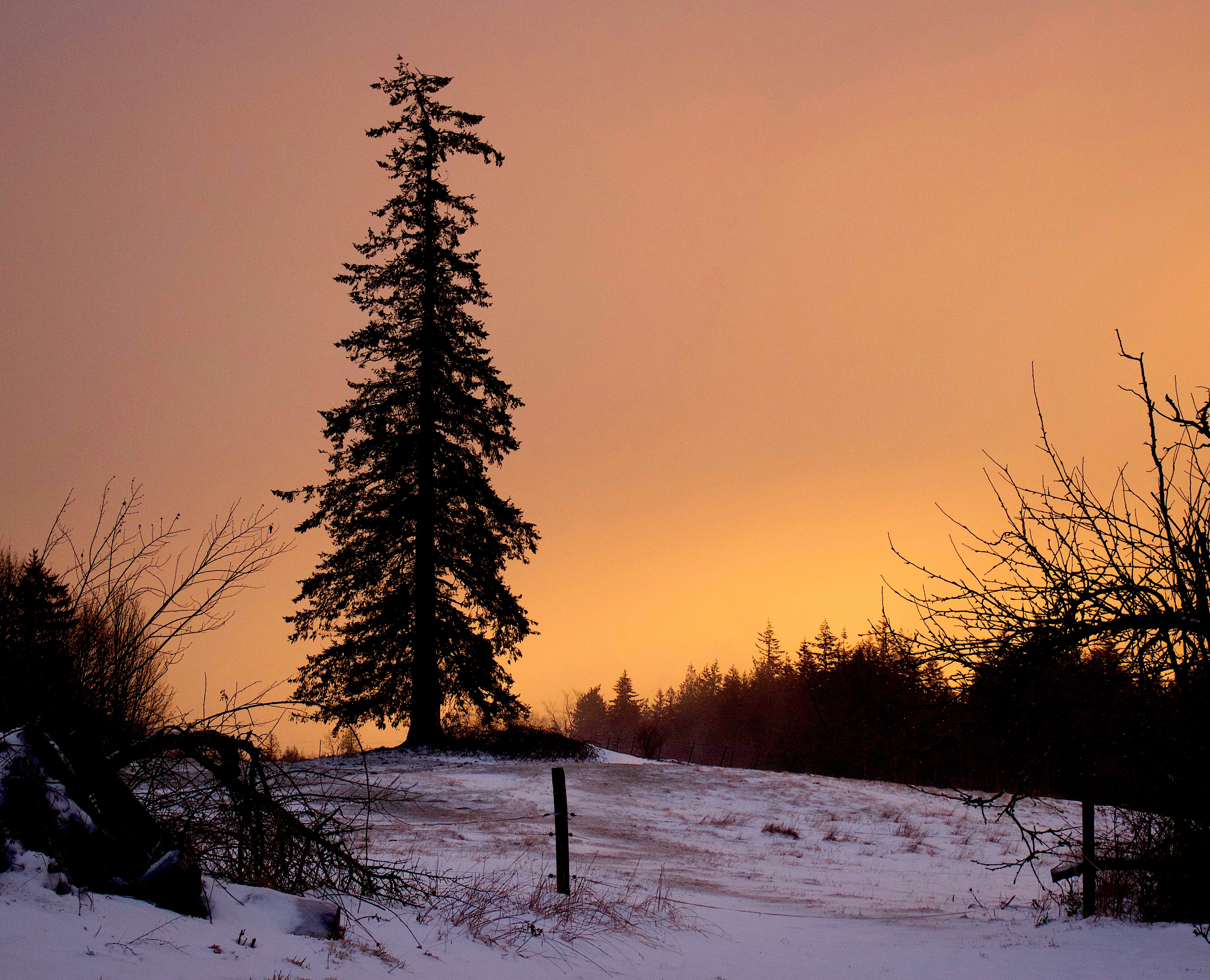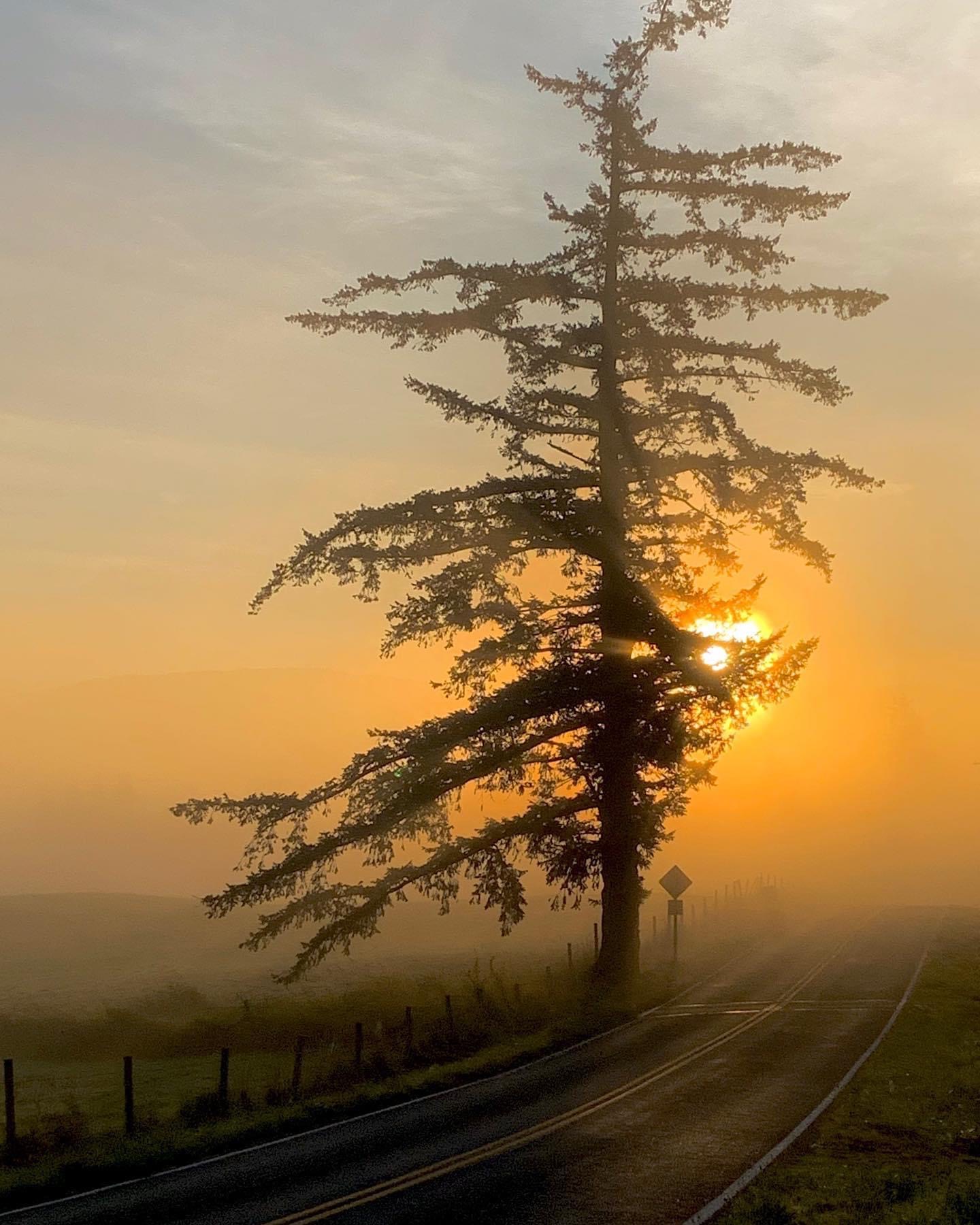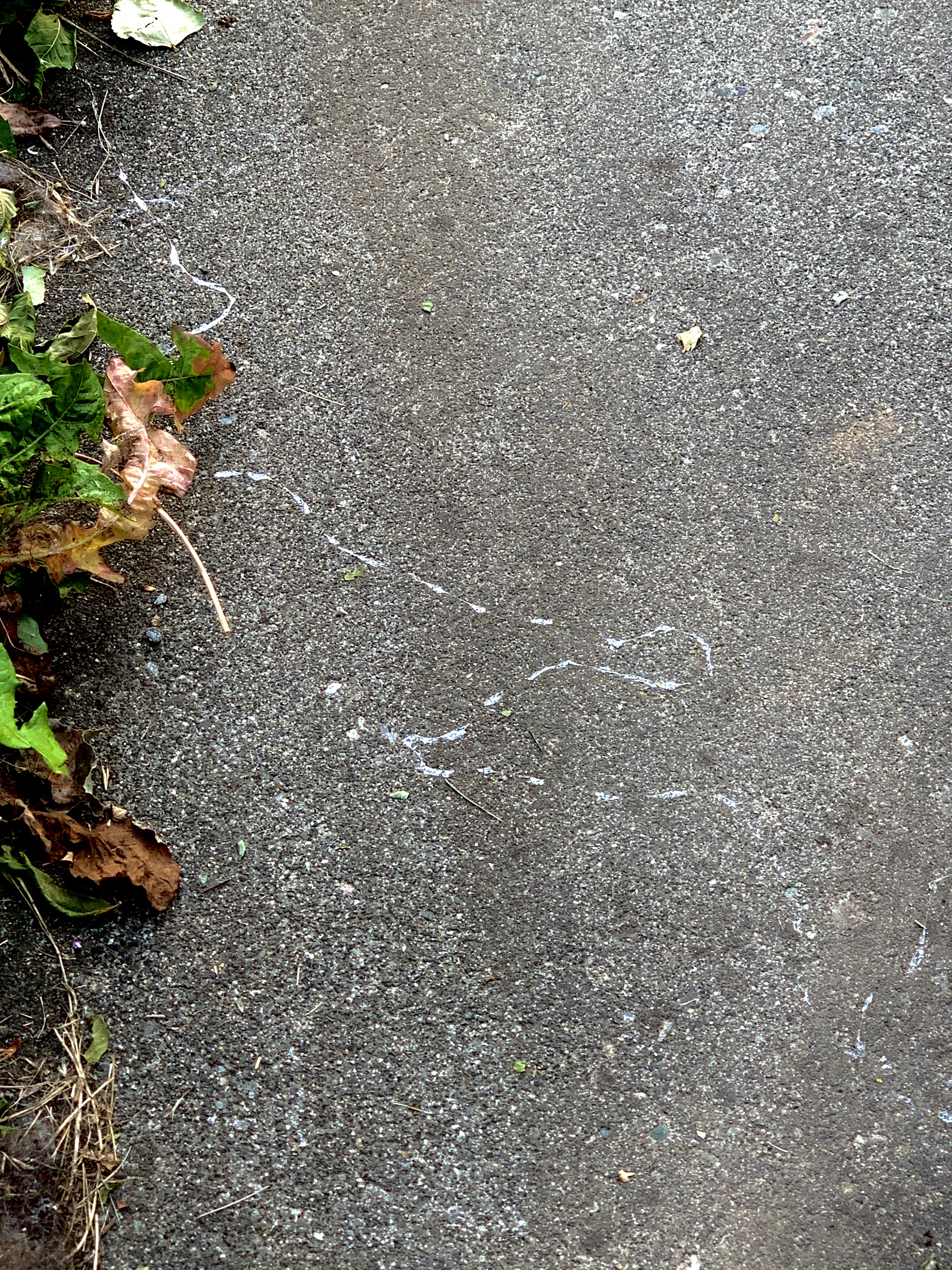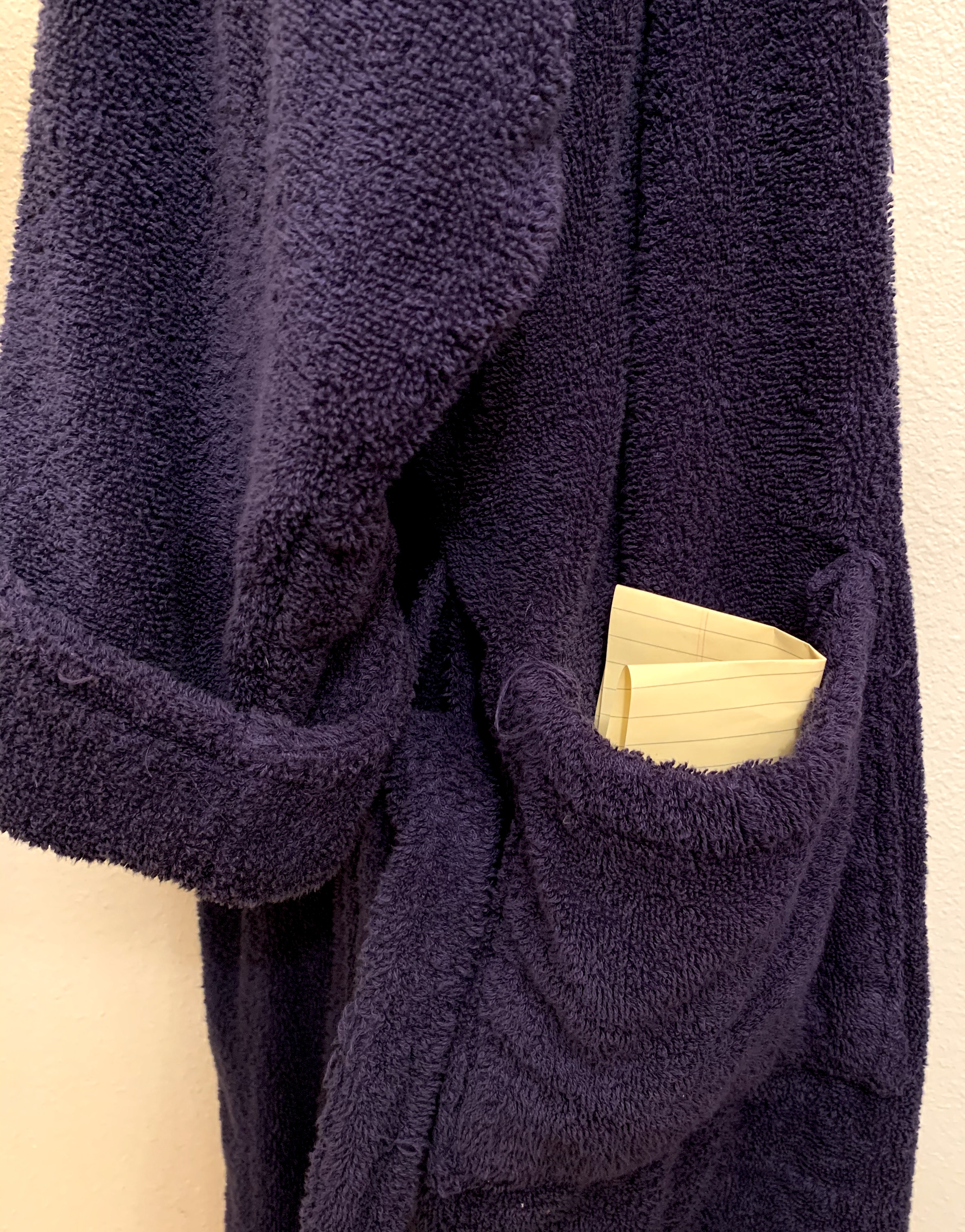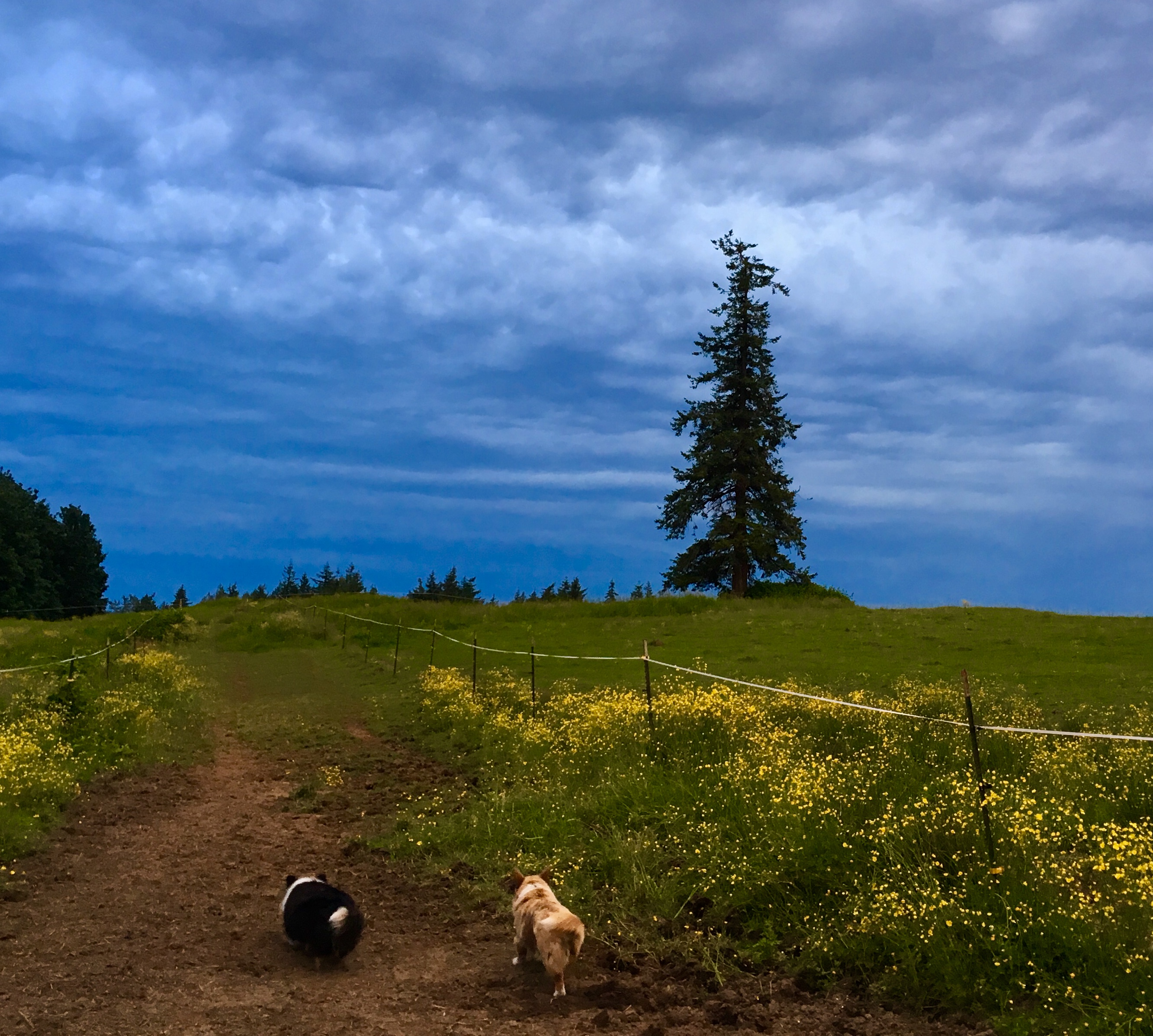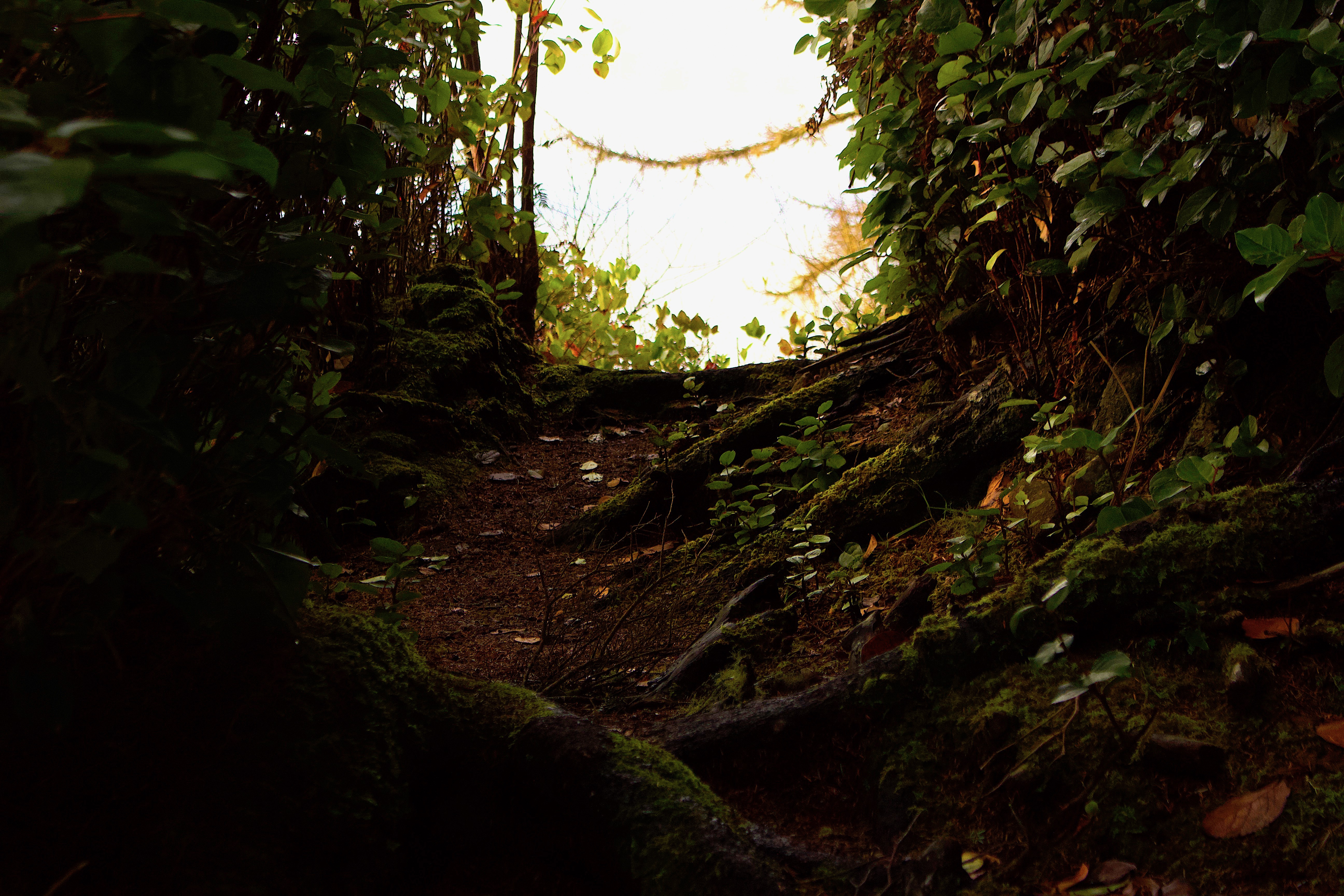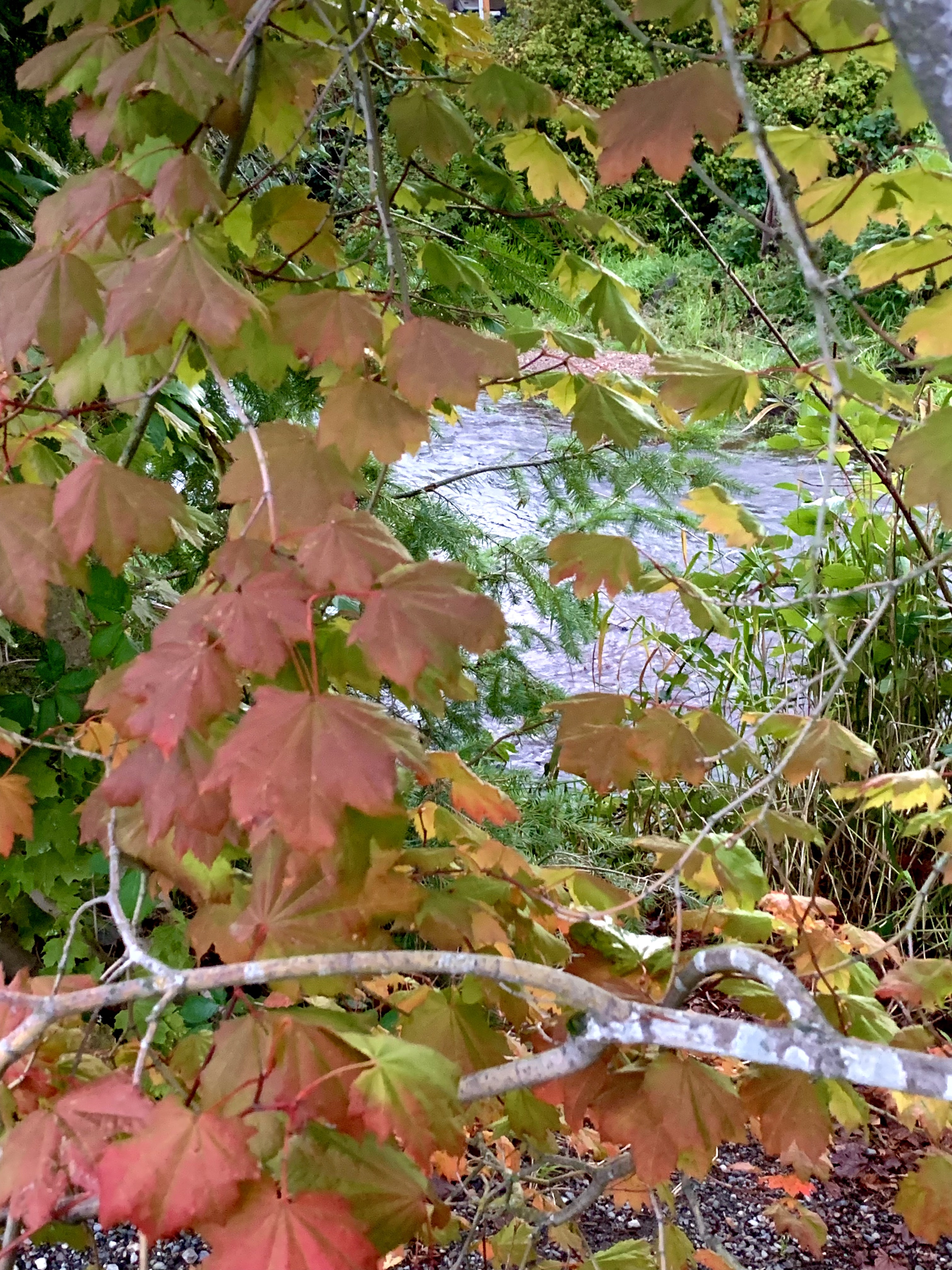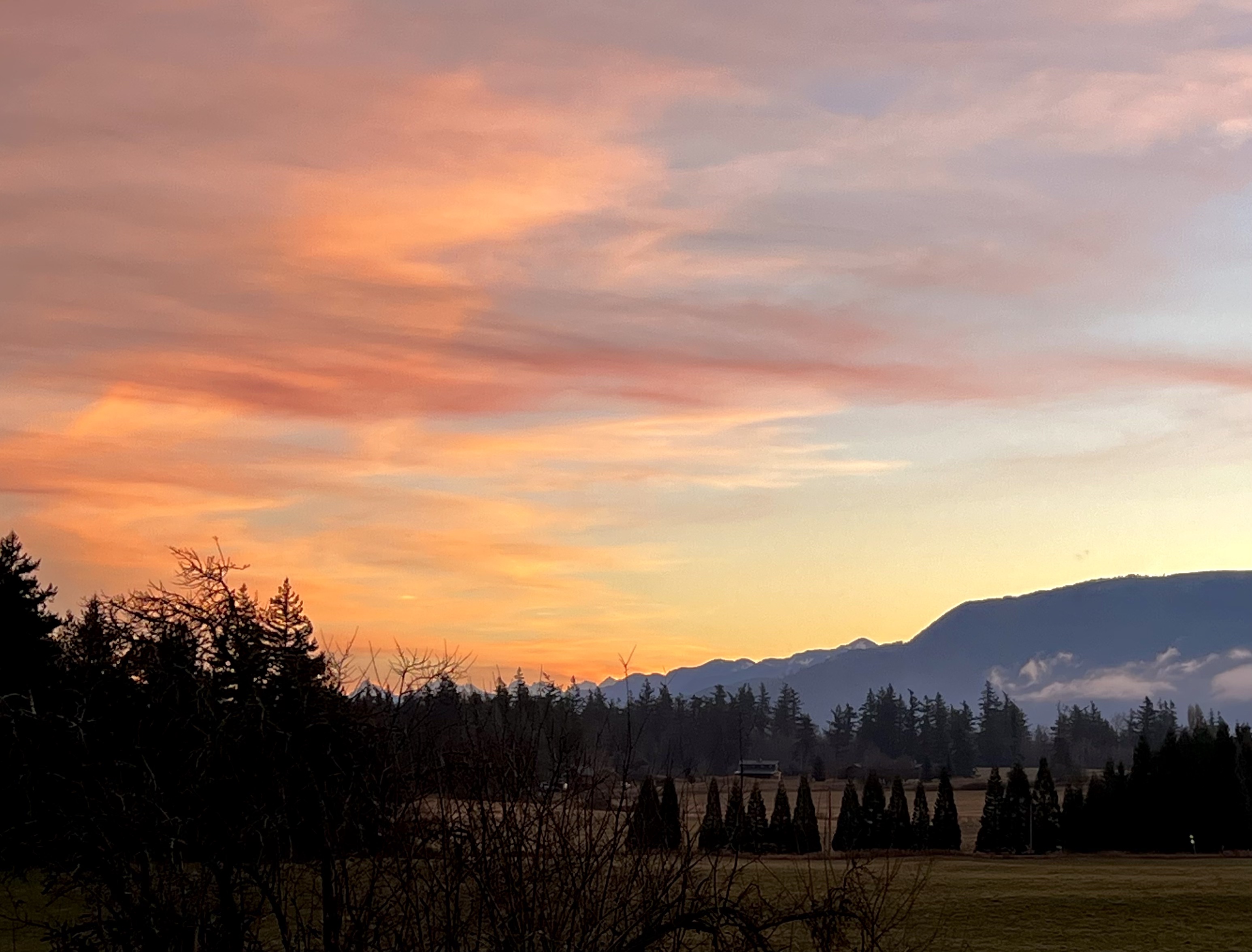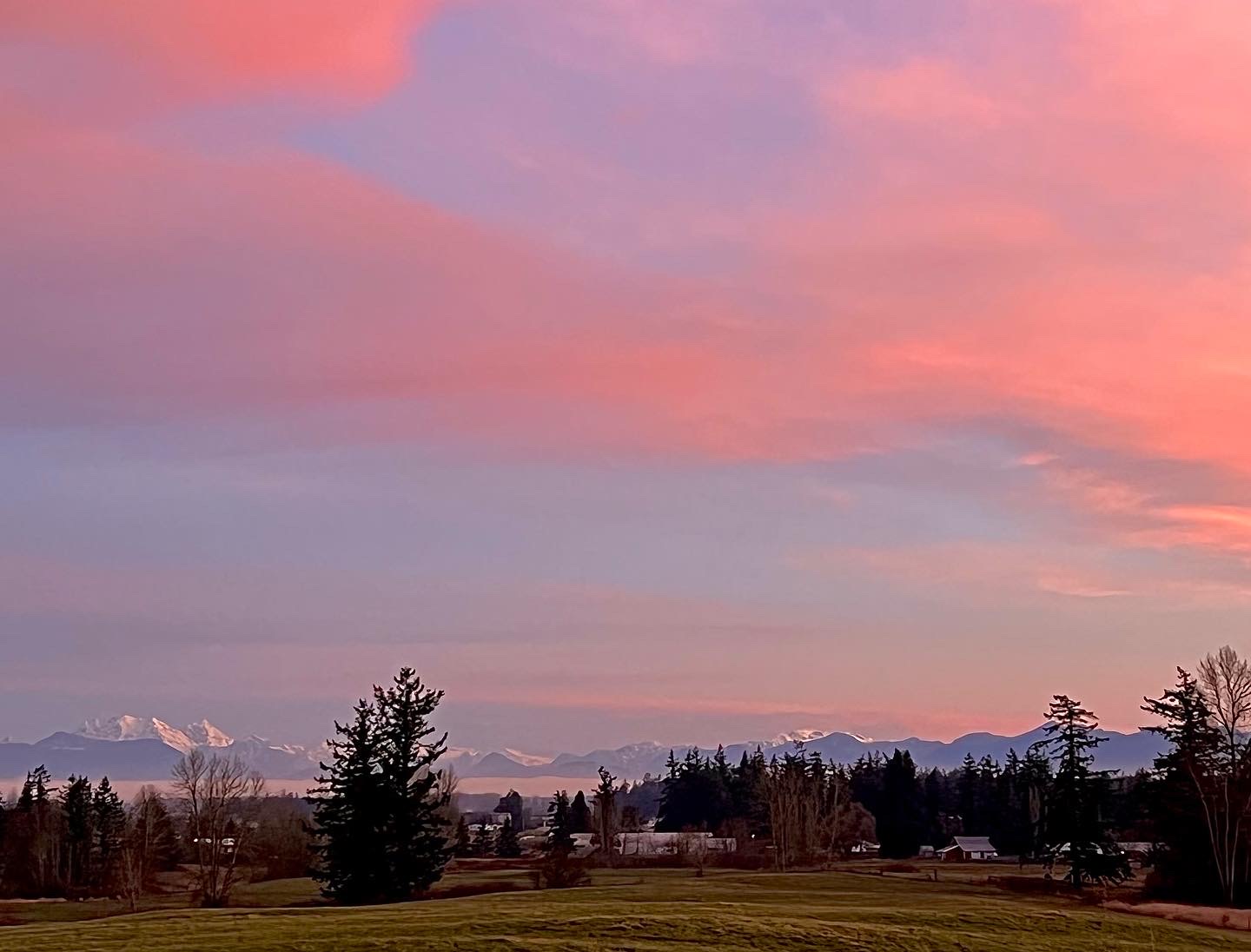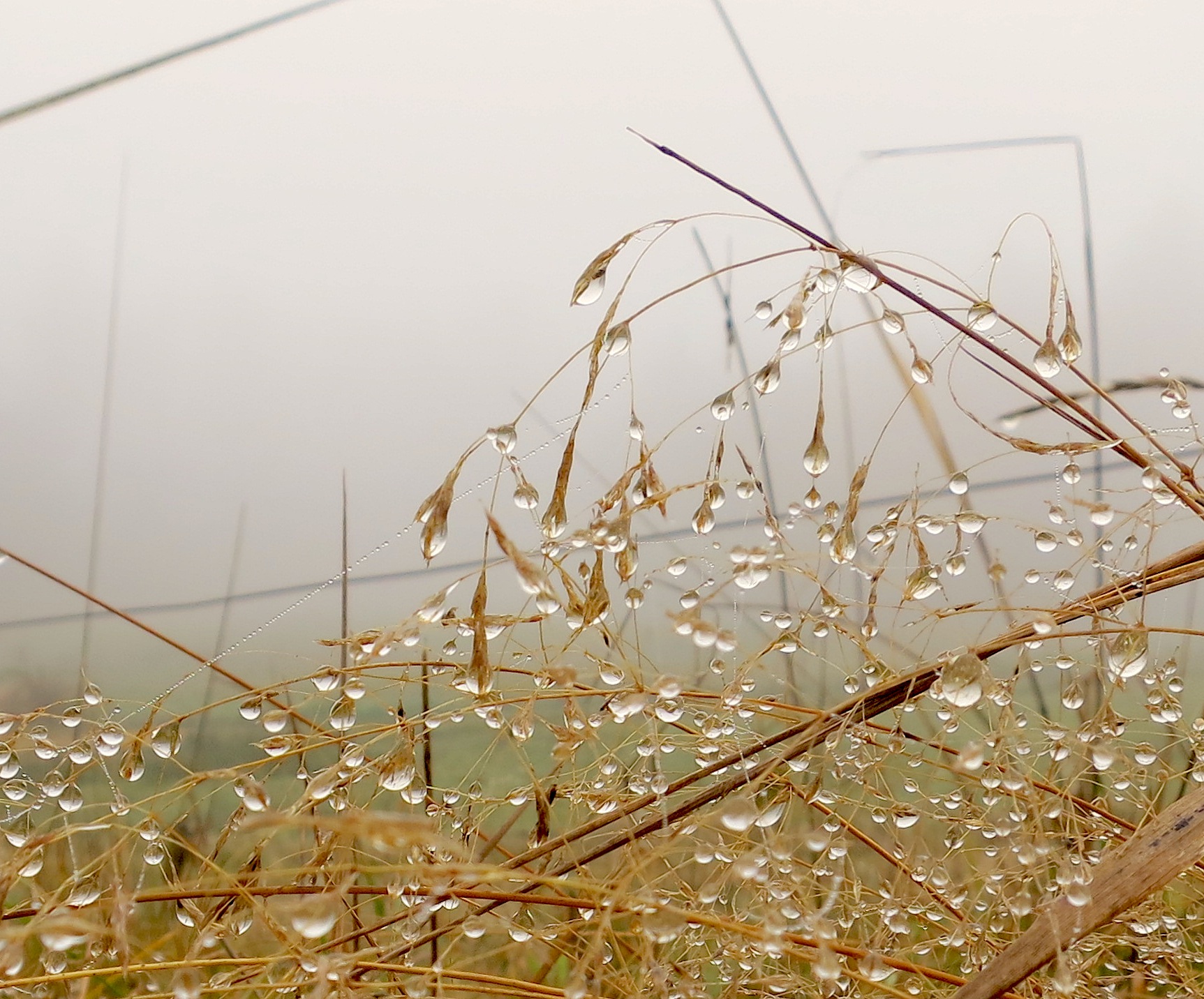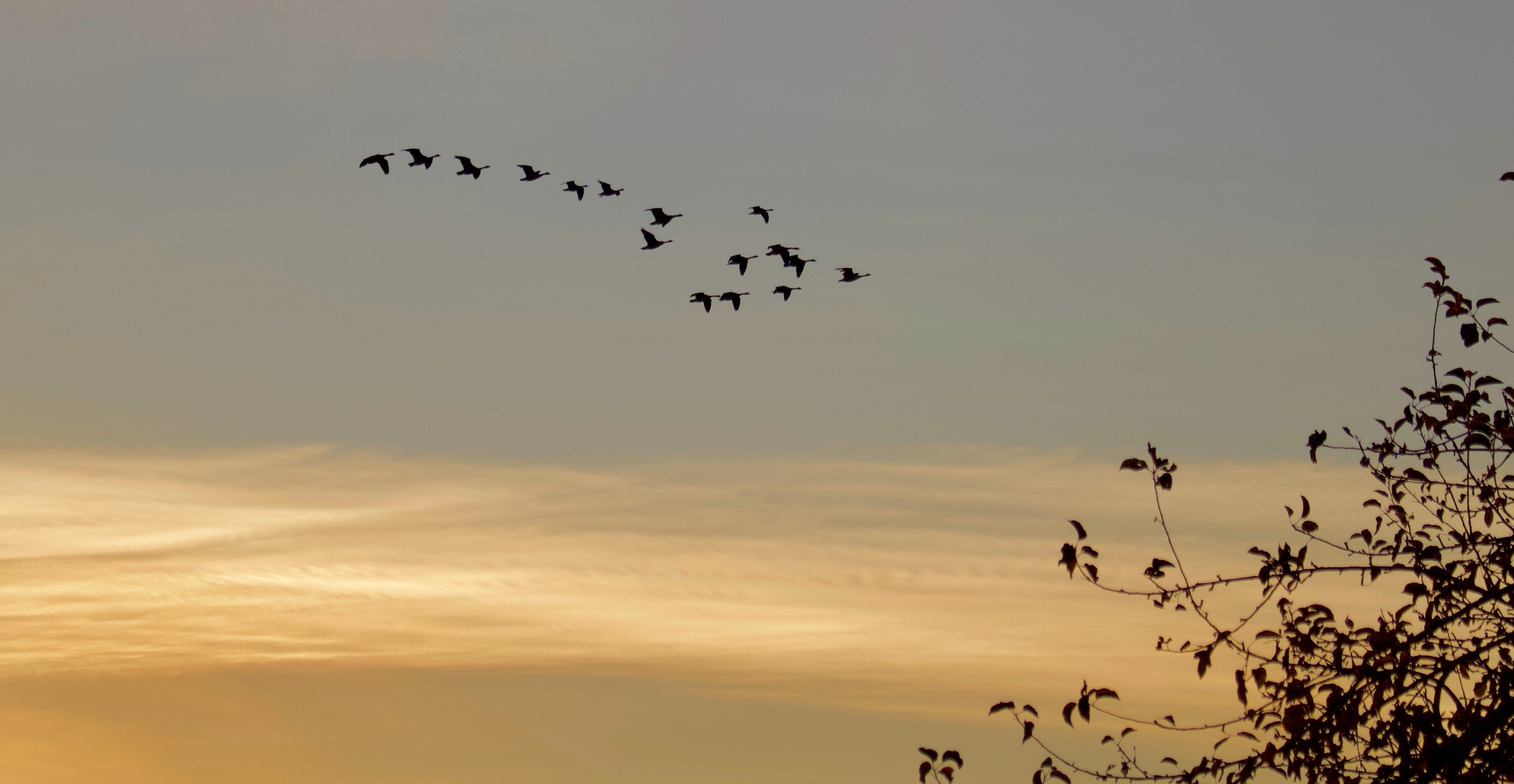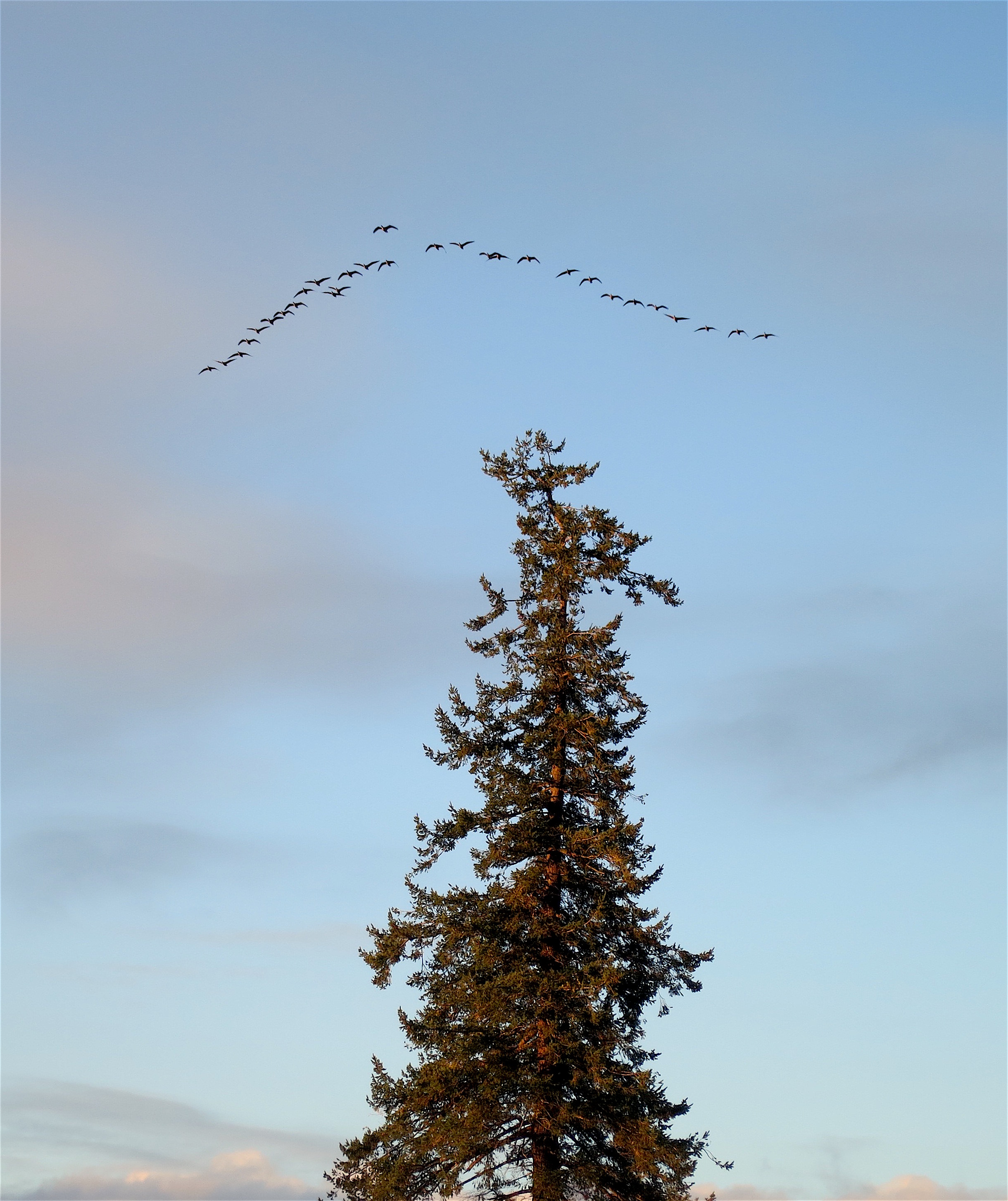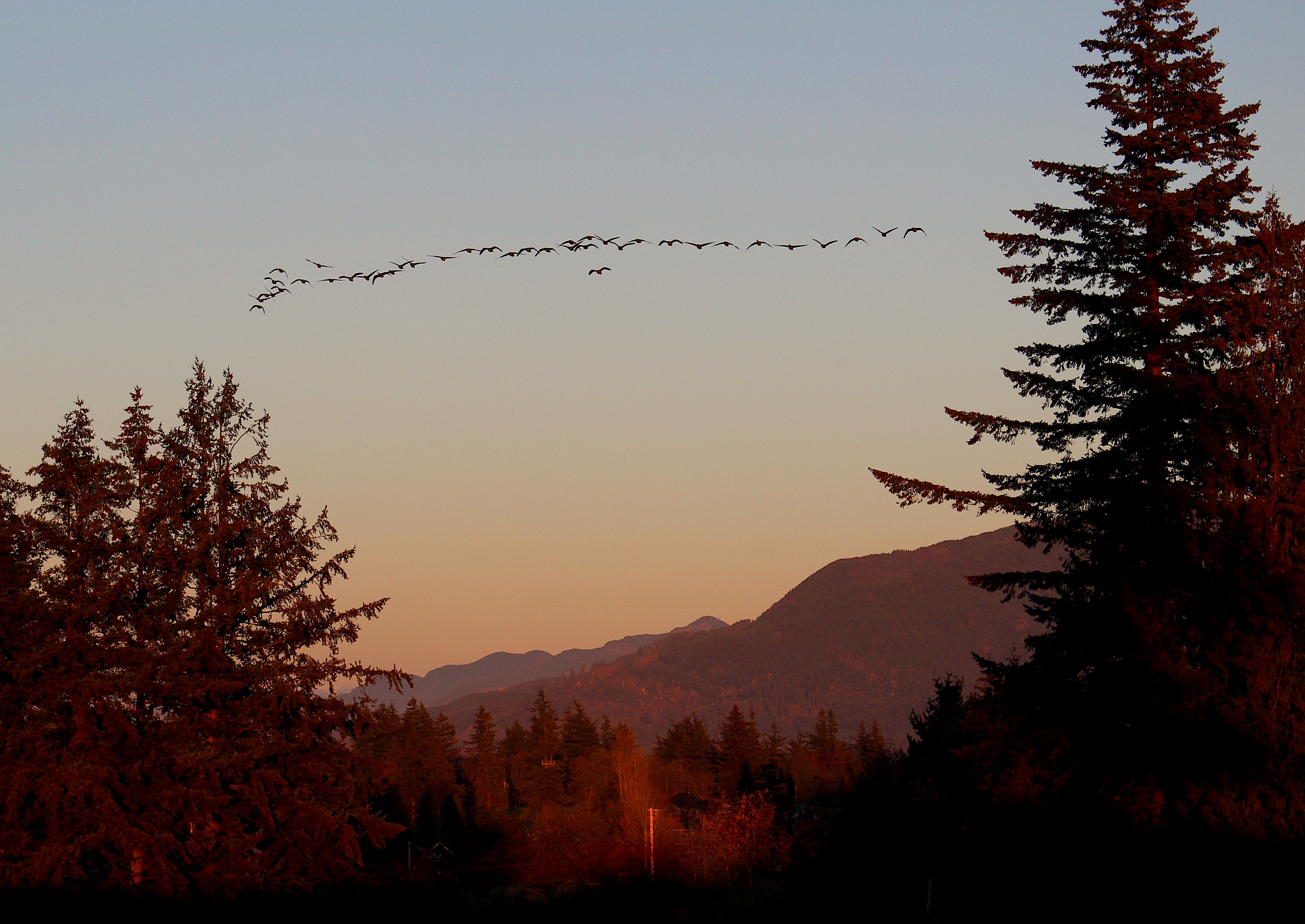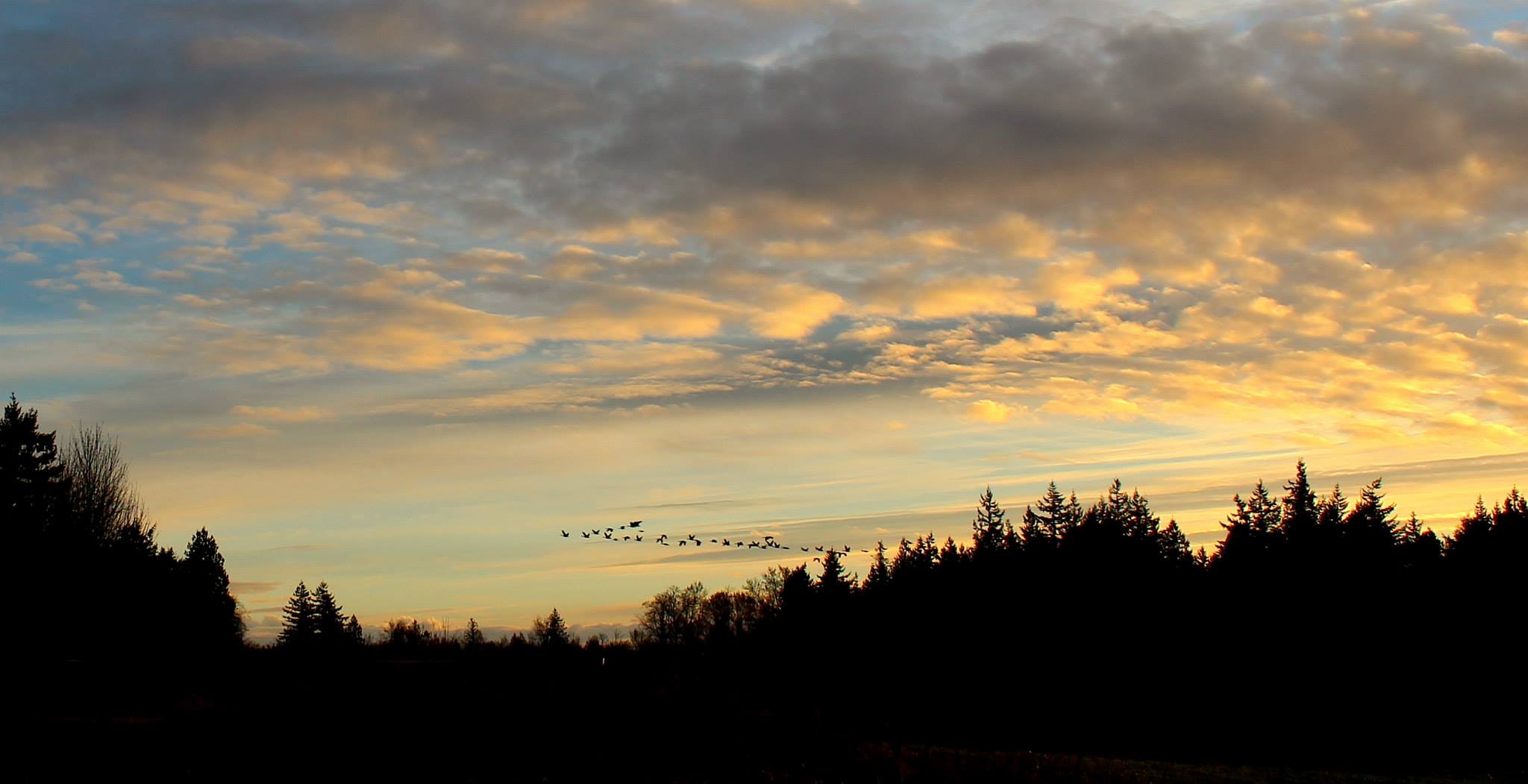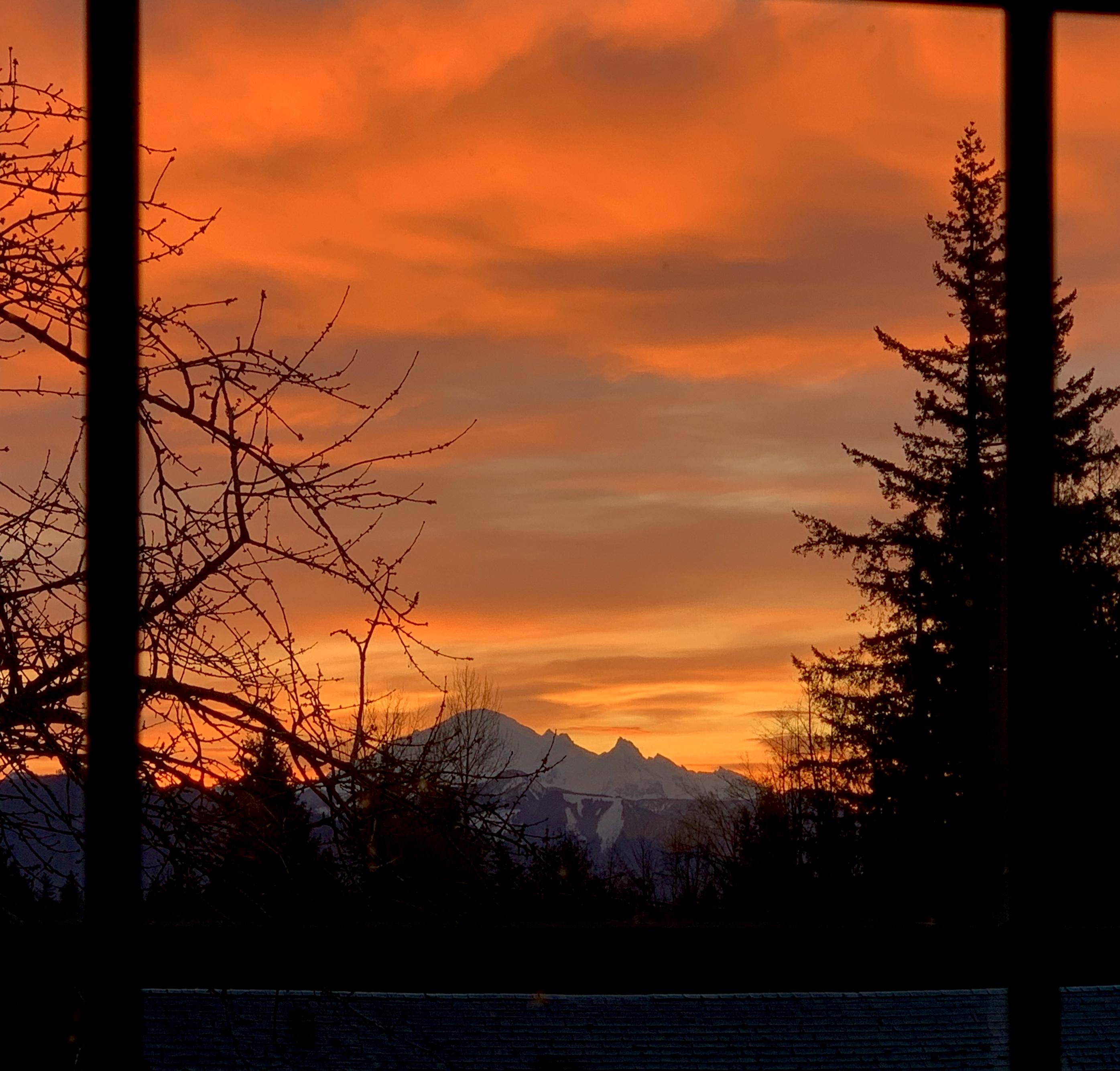
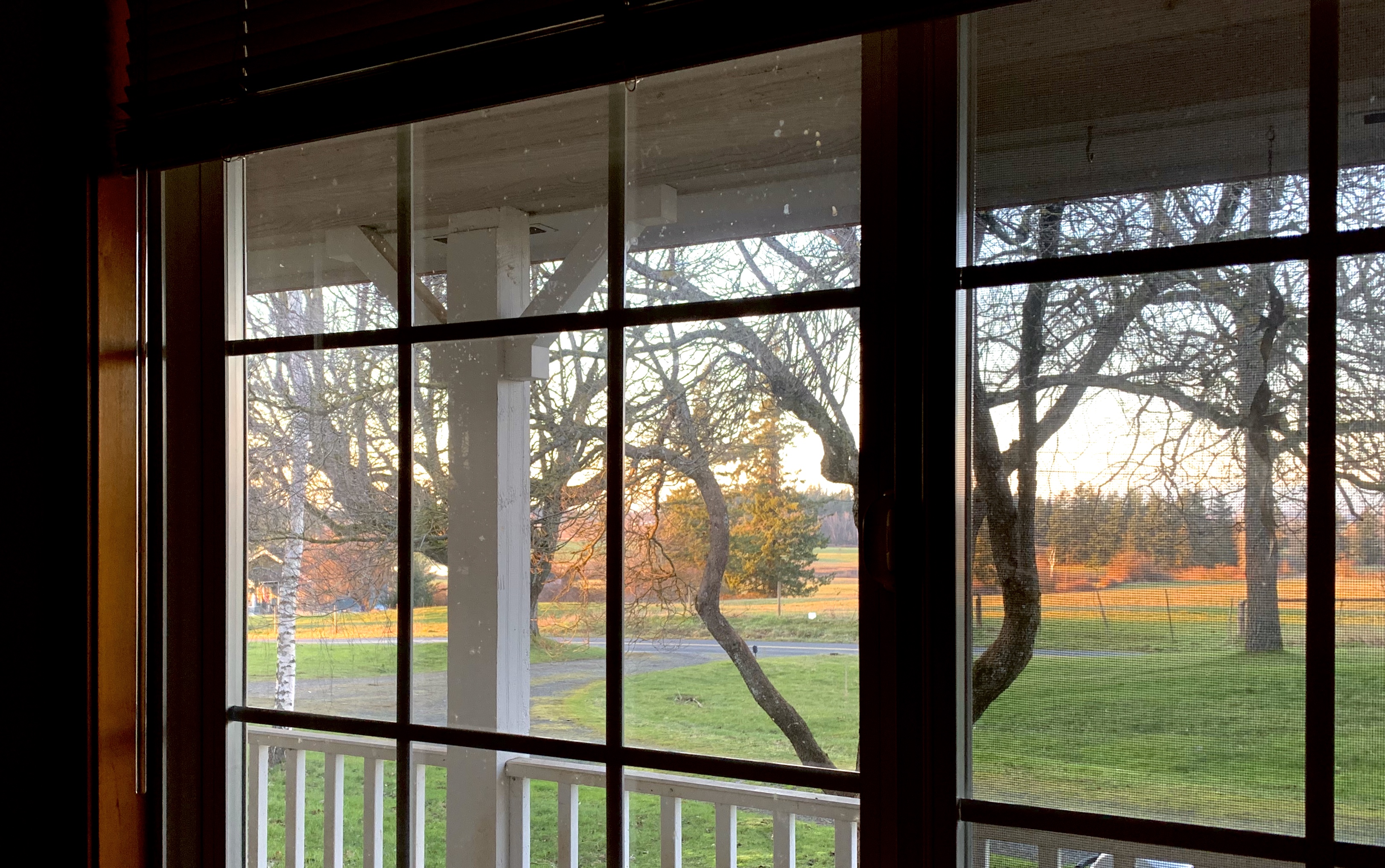
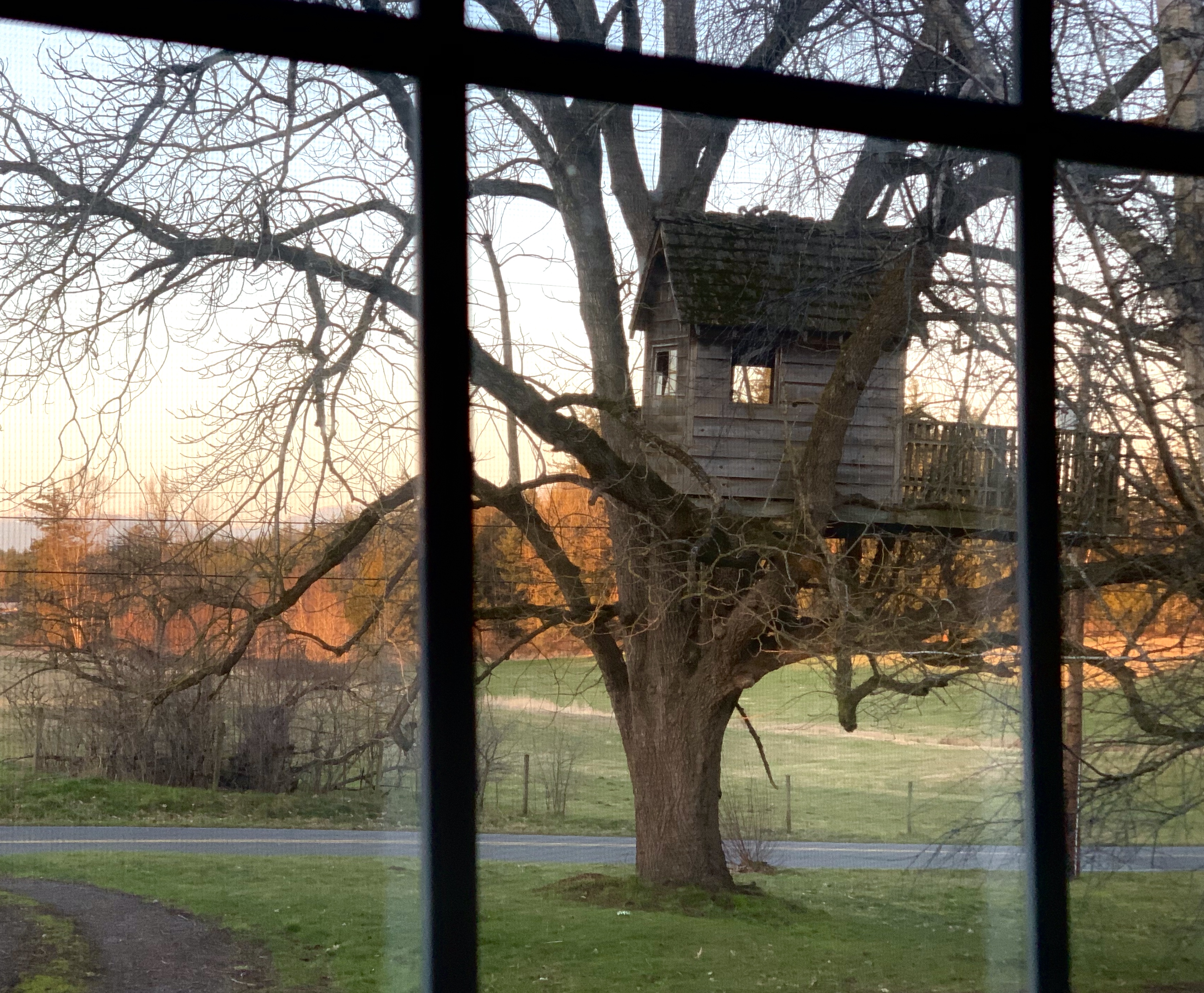
Hope has holes in its pockets. It leaves little crumb trails so that we, when anxious, can follow it. Hope’s secret: it doesn’t know the destination— it knows only that all roads begin with one foot in front of the other. ~ Rosemerry Wahtola Trommer, “Hope” from Hush
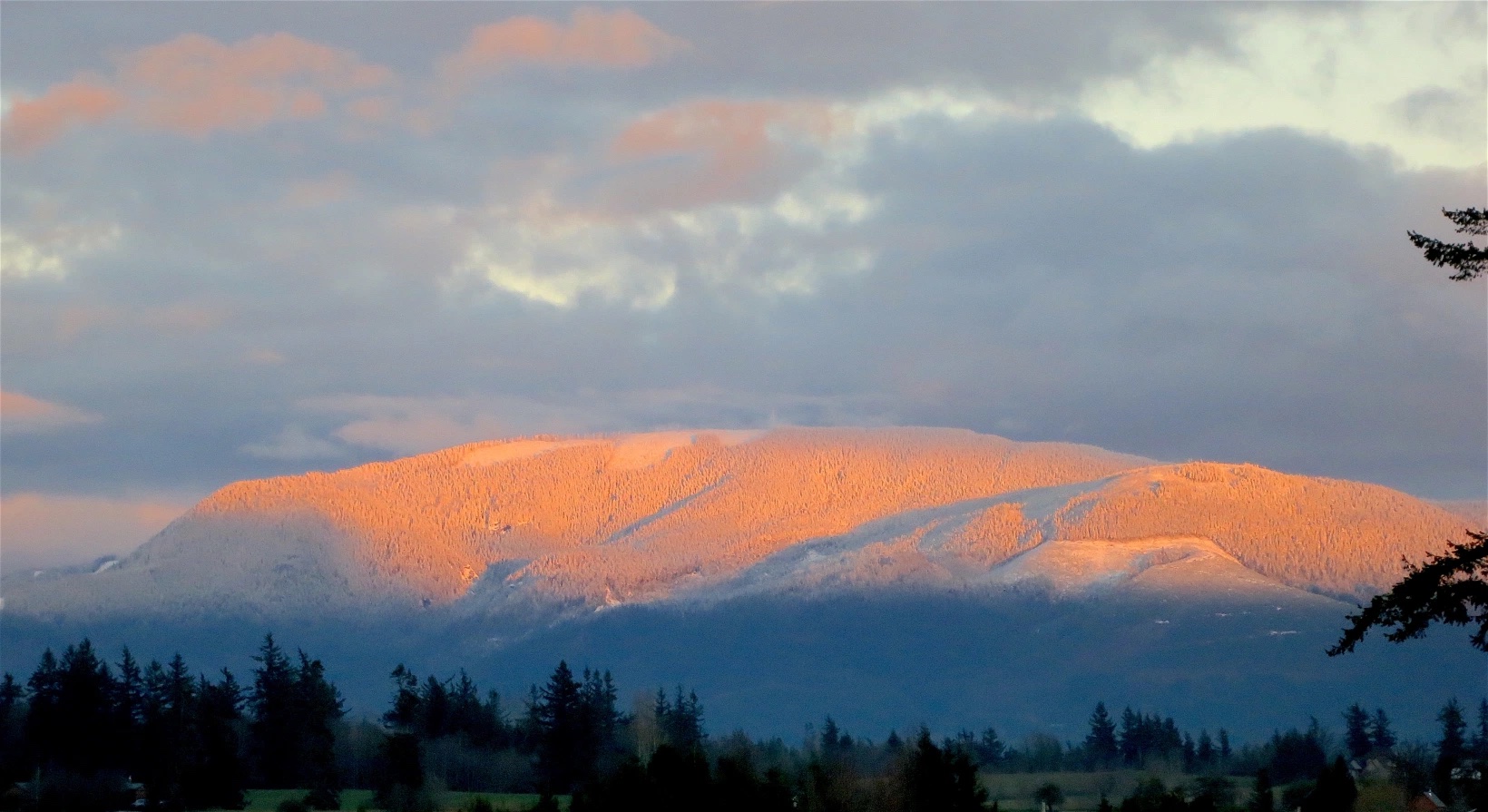
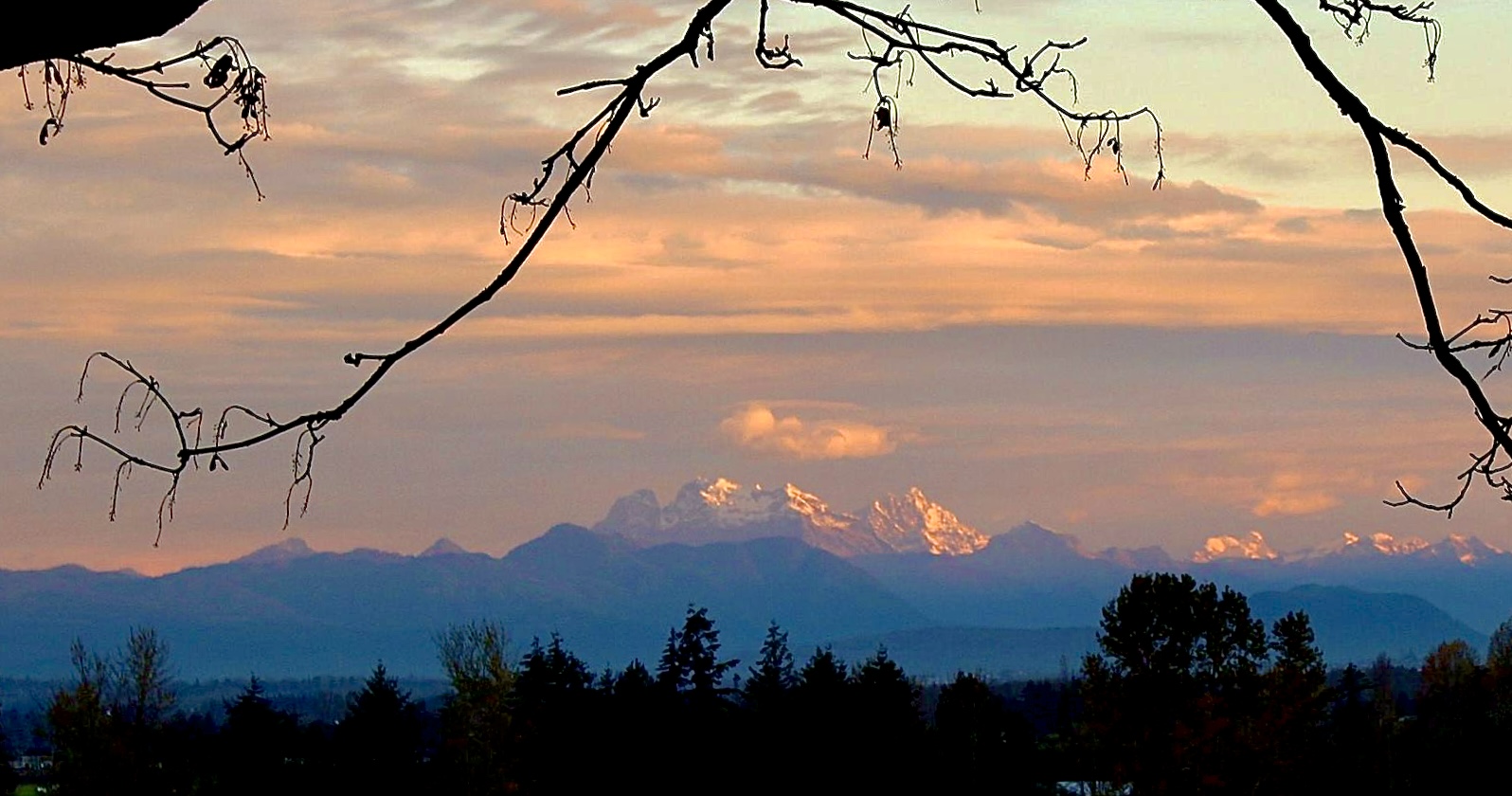
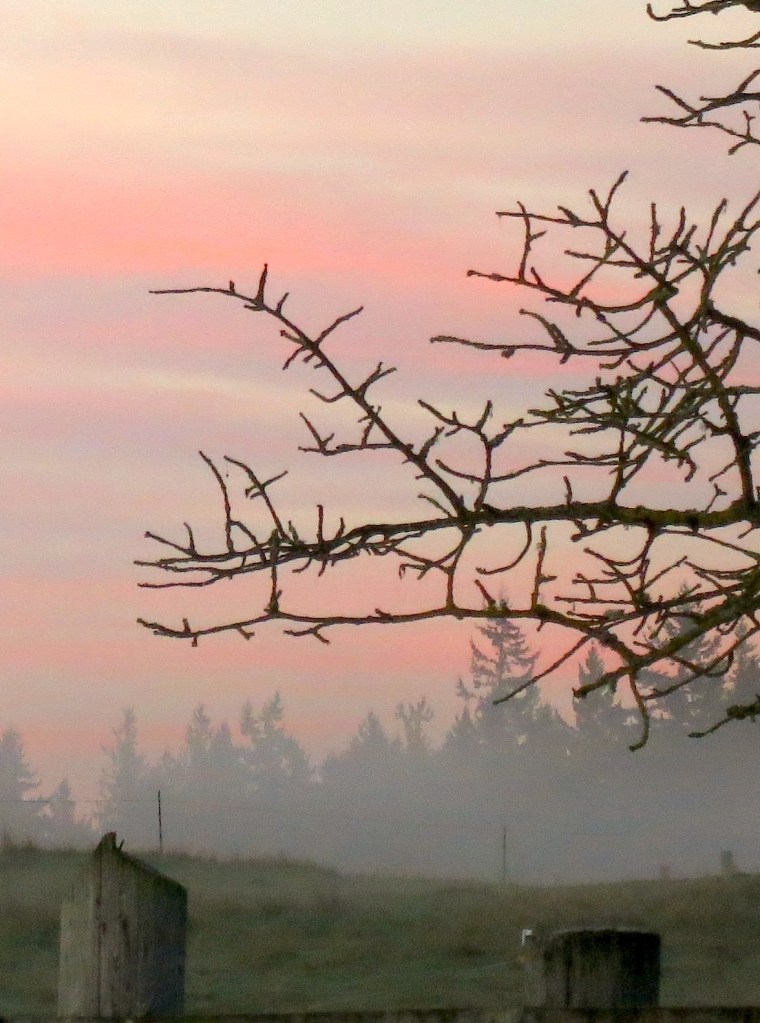
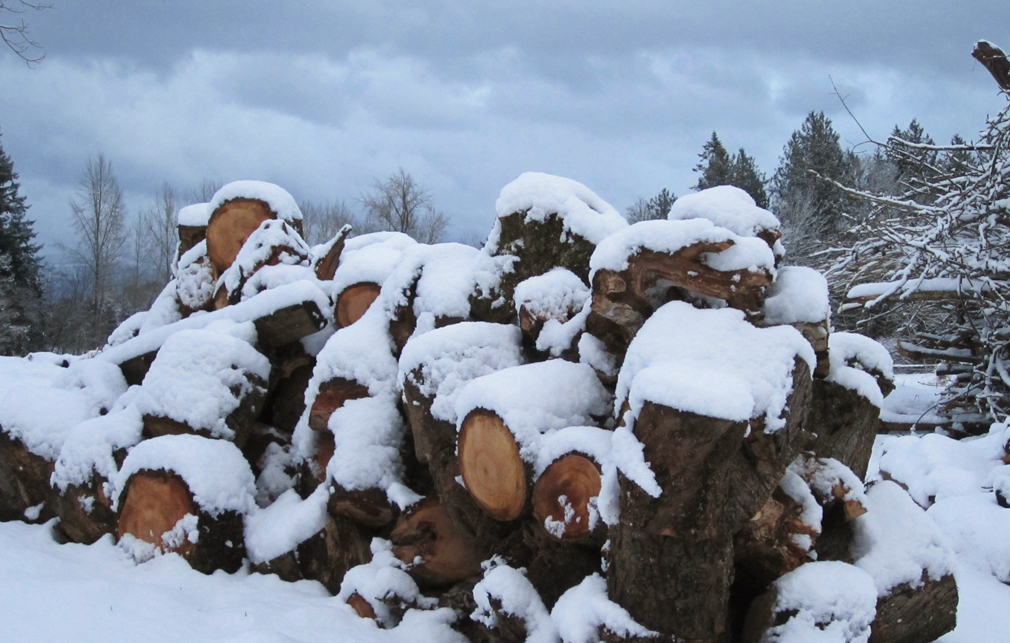
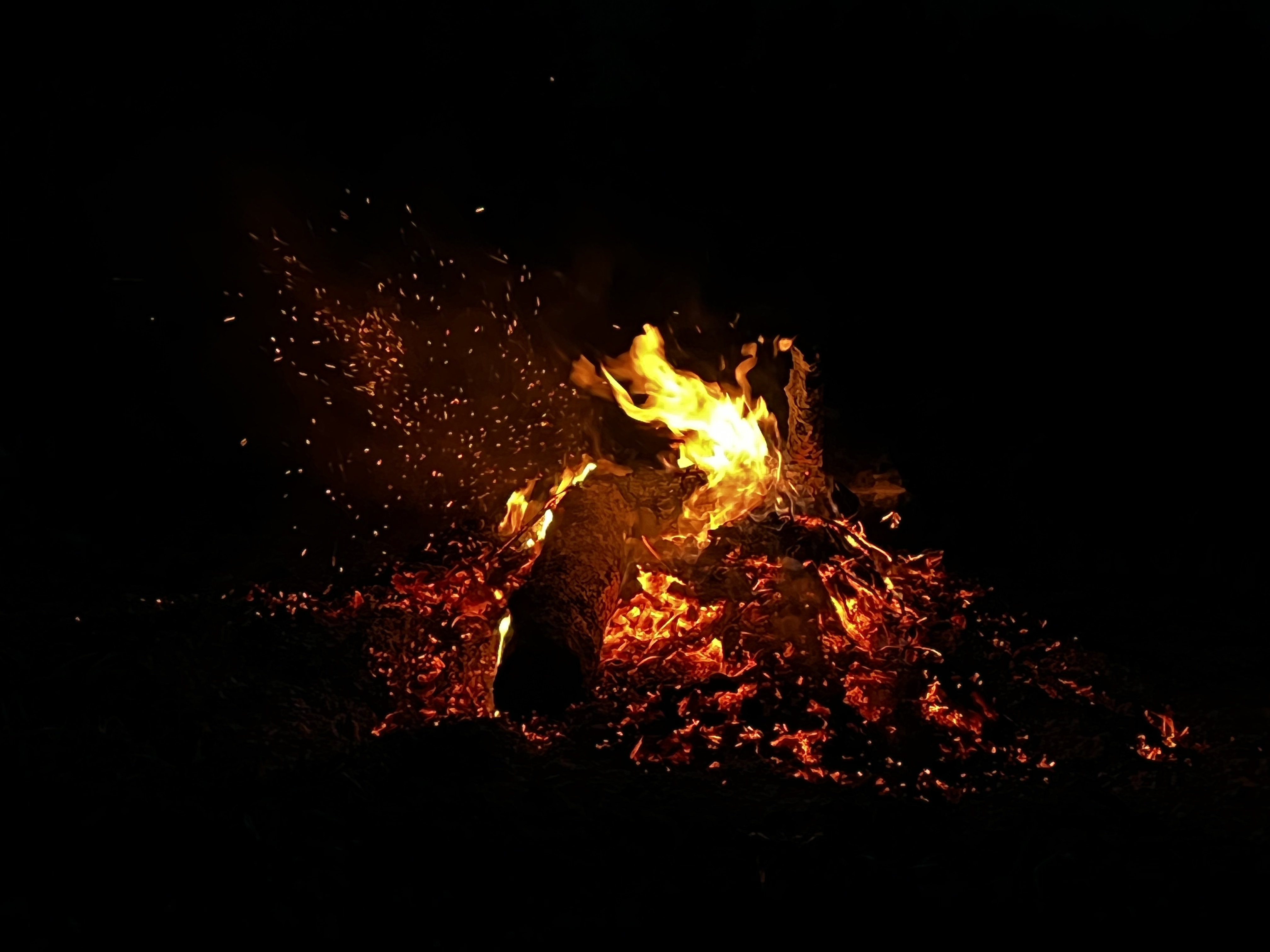
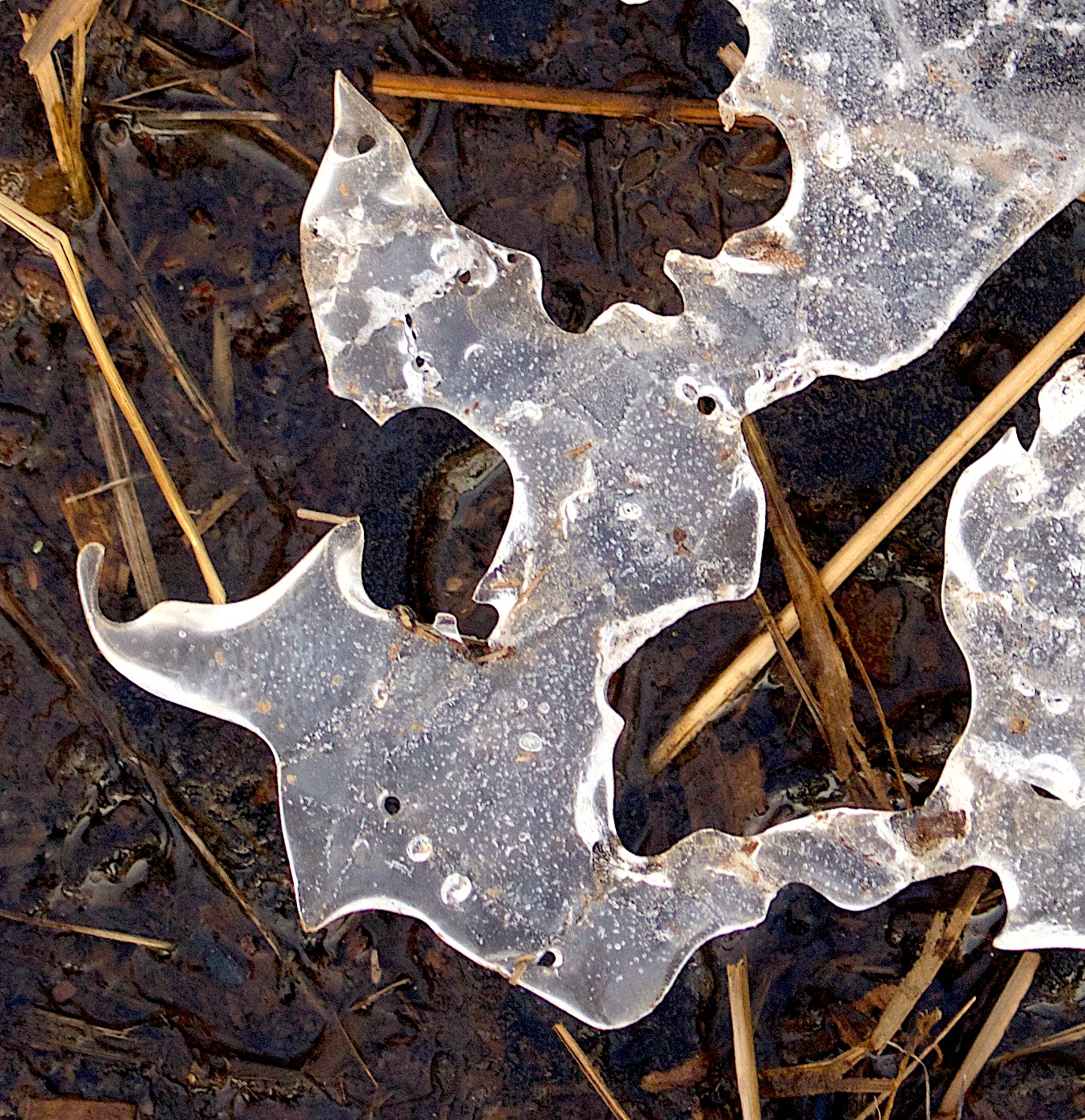
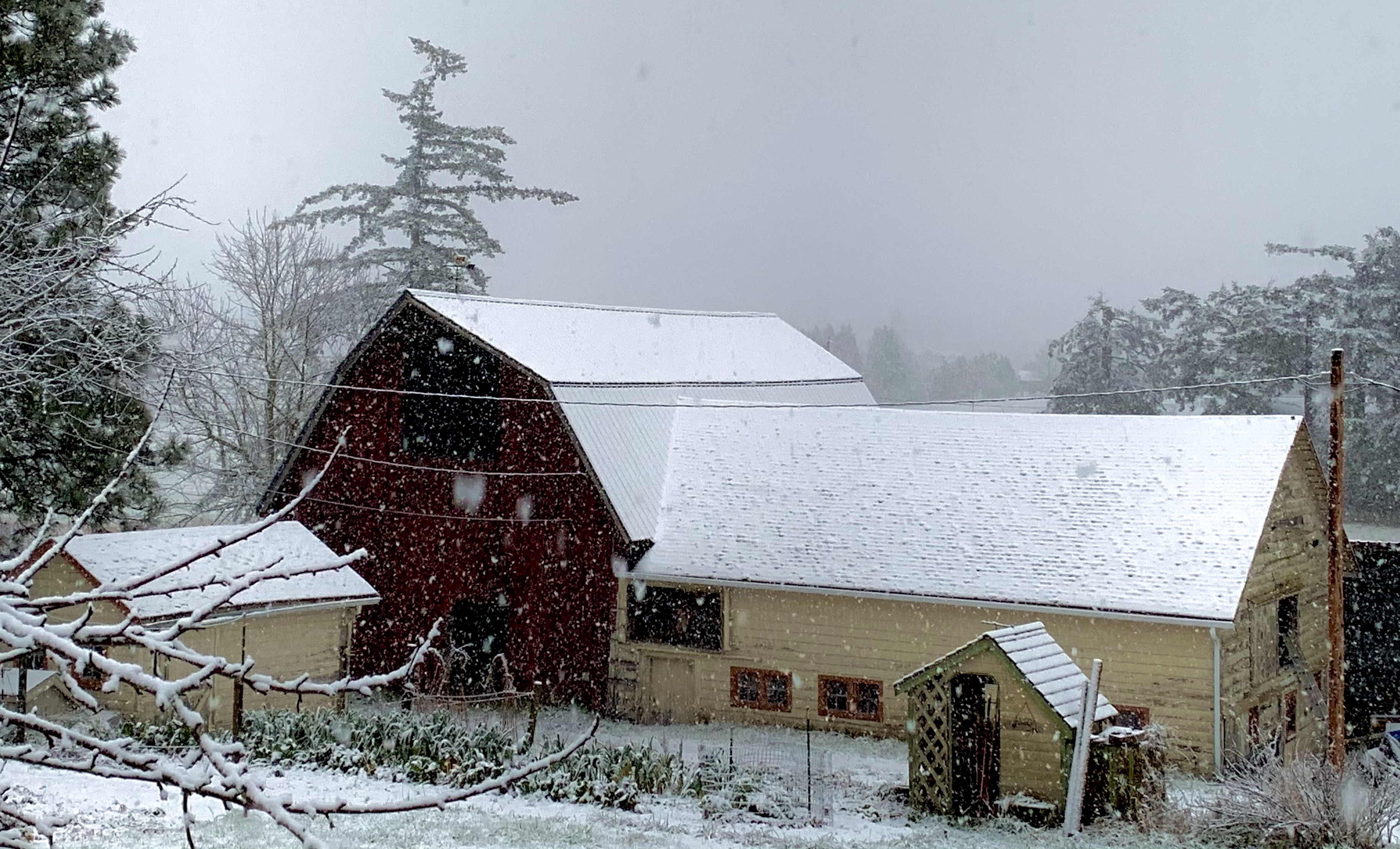
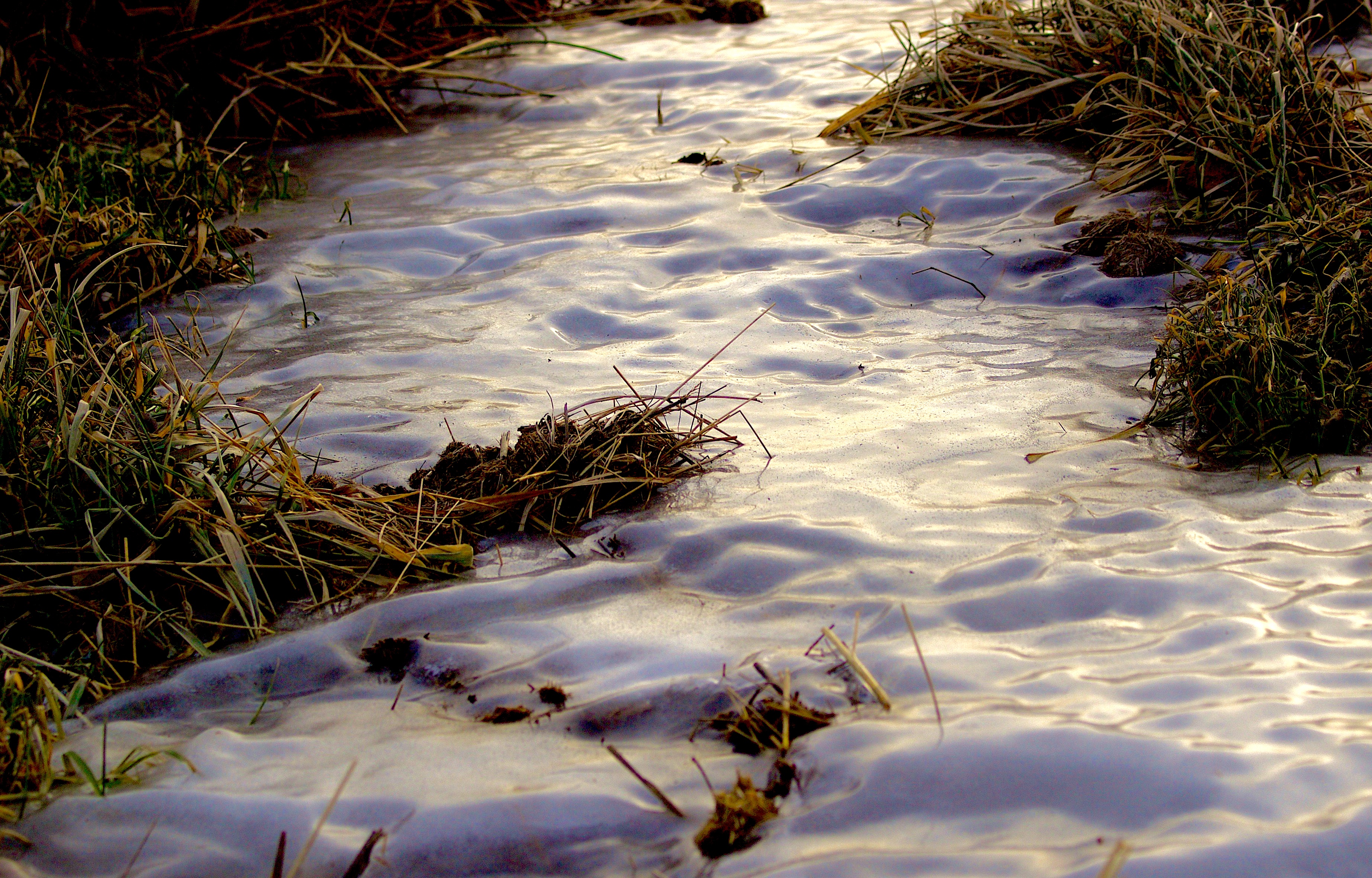
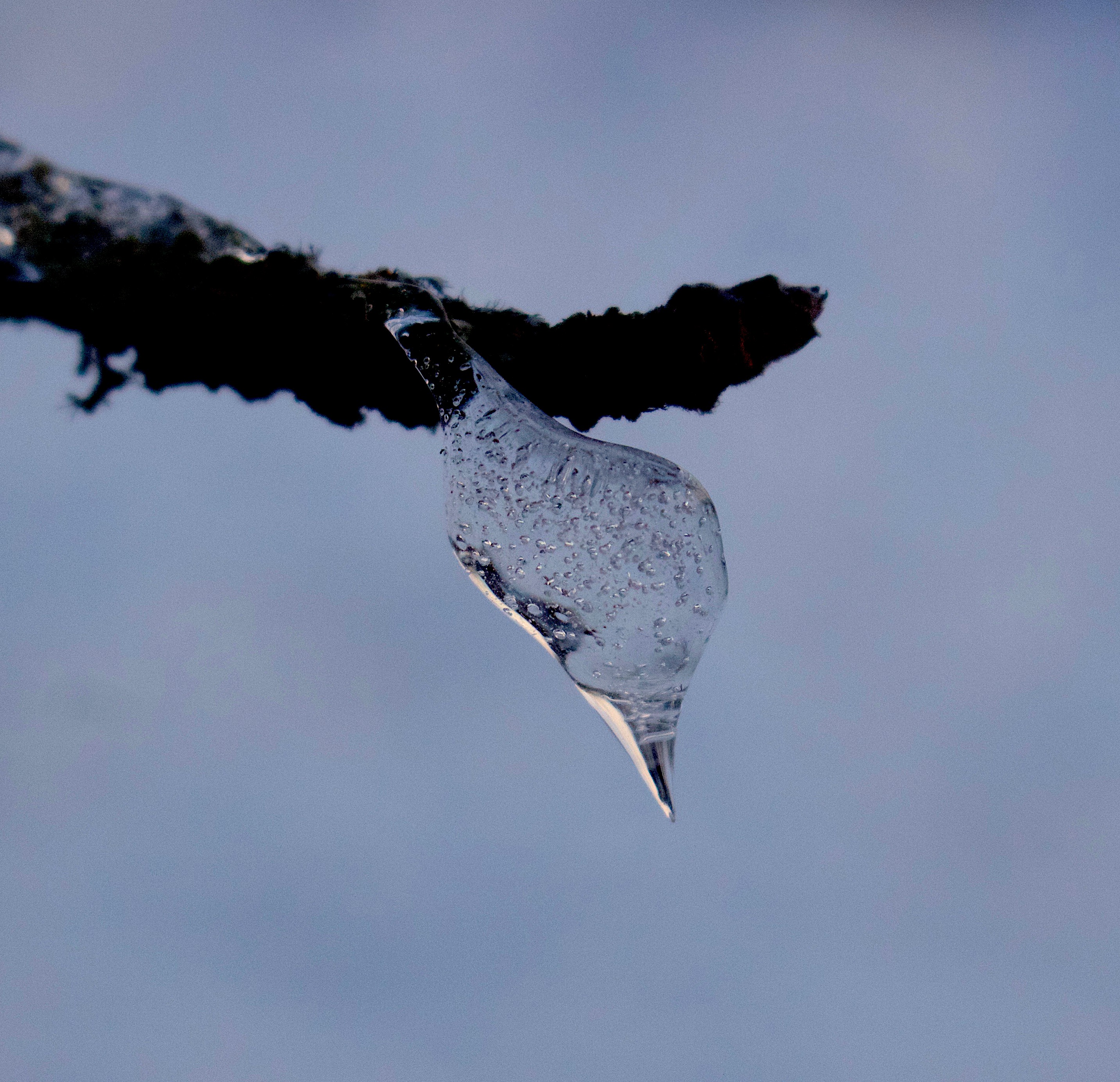
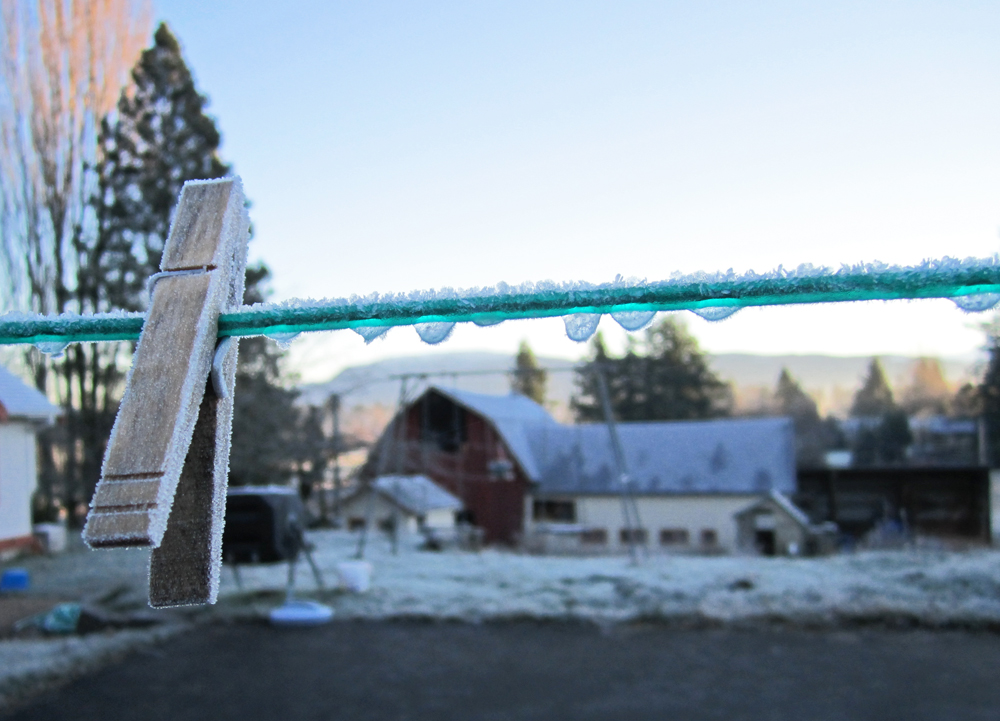
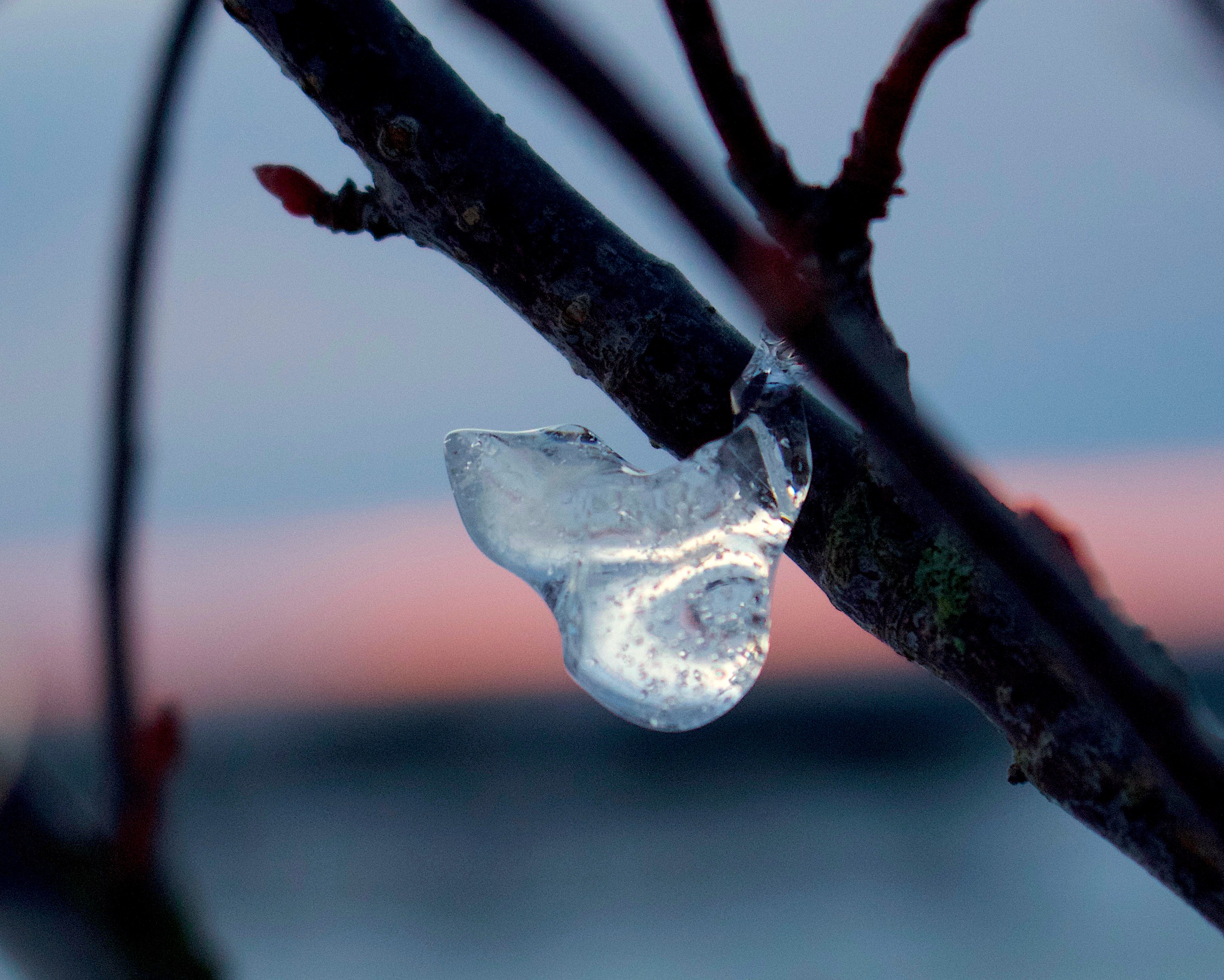
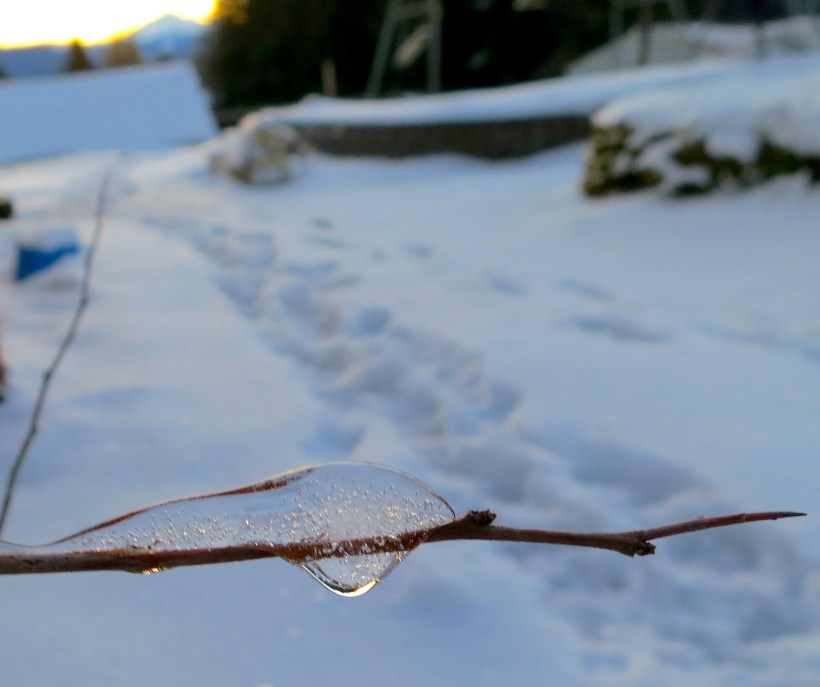
Stripped and stark — if winter were the ending of all things, there would be no hope. There would be no sun shining on the hills far beyond me to reflect the path before me: what is, what will be and what has been.
When I am down to the bare and broken essentials — bleak and muddy and the too-early dark — I must put one foot in front of the other, continuing to push forward. I know this resting pause is not the end. Never has been. Never will be.

When I was a child I once sat sobbing on the floor Beside my mother’s piano As she played and sang For there was in her singing A shy yet solemn glory My smallness could not hold
And when I was asked Why I was crying I had no words for it I only shook my head And went on crying
Why is it that music At its most beautiful Opens a wound in us An ache a desolation Deep as a homesickness For some far-off And half-forgotten country
I’ve never understood Why this is so
But there’s an ancient legend From the other side of the world That gives away the secret Of this mysterious sorrow
For centuries on centuries We have been wandering But we were made for Paradise As deer for the forest
And when music comes to us With its heavenly beauty It brings us desolation For when we hear it We half remember That lost native country
We dimly remember the fields Their fragrant windswept clover The birdsongs in the orchards The wild white violets in the moss By the transparent streams
And shining at the heart of it Is the longed-for beauty Of the One who waits for us Who will always wait for us In those radiant meadows
Yet also came to live with us And wanders where we wander. ~Anne Porter “Music” from Living Things.
One evening, when our daughter was only a toddler, just learning the words to tell us what she needed, I was preparing dinner, humming along to a Celtic choral music piece playing in the background.
She sat on the kitchen floor, looking up at me, her eyes welling full with tears like pools of reflected light spilling over from some deep-remembered reservoir of sorrow.
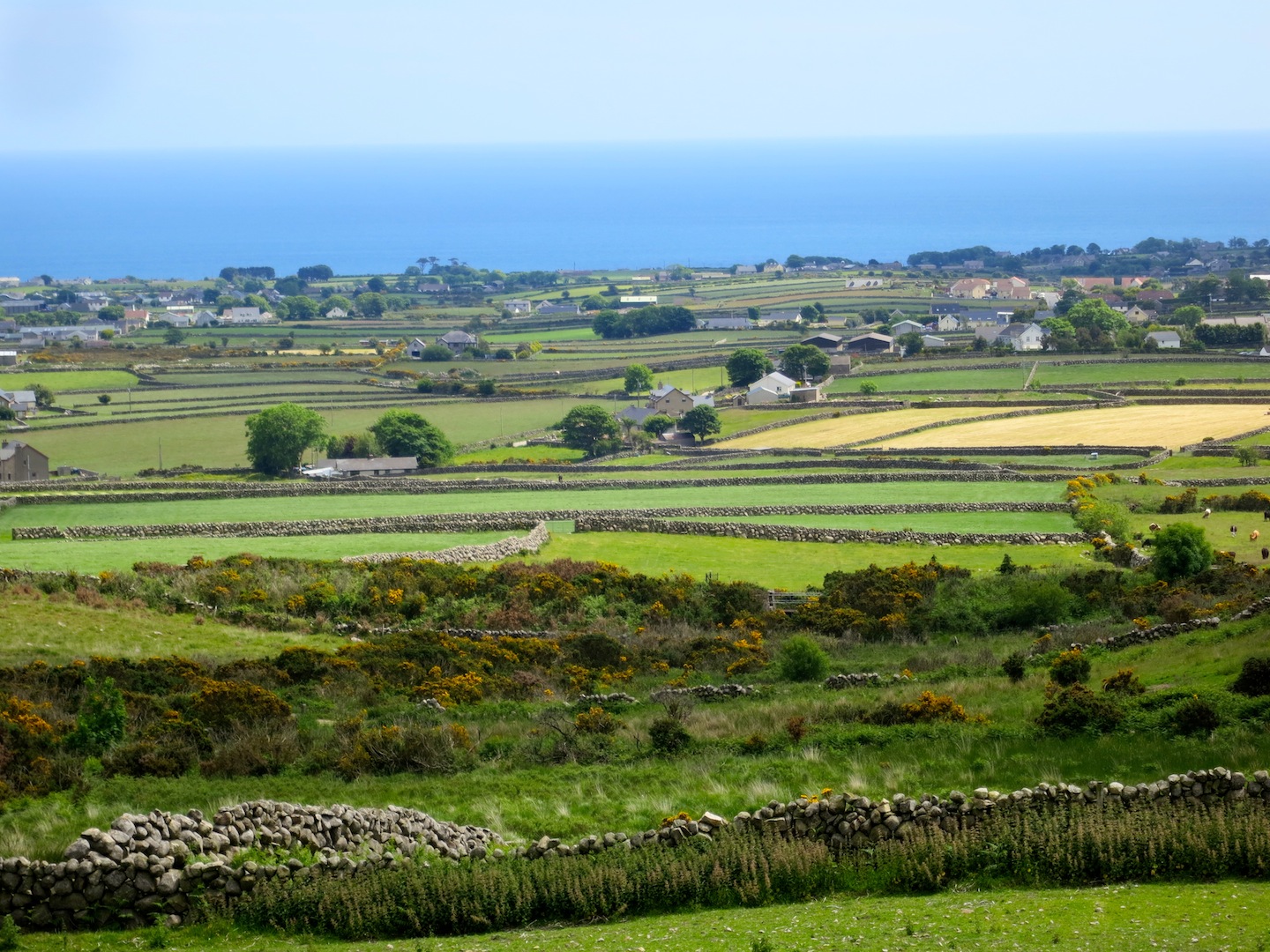
At first I thought she was hurt or upset but then could see she was feeling an ache a desolation deep as a homesickness as she wept for wonder at the sad beauty of the music of the land her ancestors left long ago – it spoke for her the words she herself could not express:
Of the One who waits for us Who will always wait for us In those radiant meadows
Yet also came to live with us And wanders where we wander.
One-Time
Monthly
Yearly
Support Barnstorming with a one-time or recurring donation
Heaven-invading hills are drowned In wide moving waves of mist, Phlox before my door are wound In dripping wreaths of amethyst.
Ten feet away the solid earth Changes into melting cloud, There is a hush of pain and mirth, No bird has heart to speak aloud.
Here in a world without a sky, Without the ground, without the sea, The one unchanging thing is I, Myself remains to comfort me. ~Sara Teasdale “White Fog”
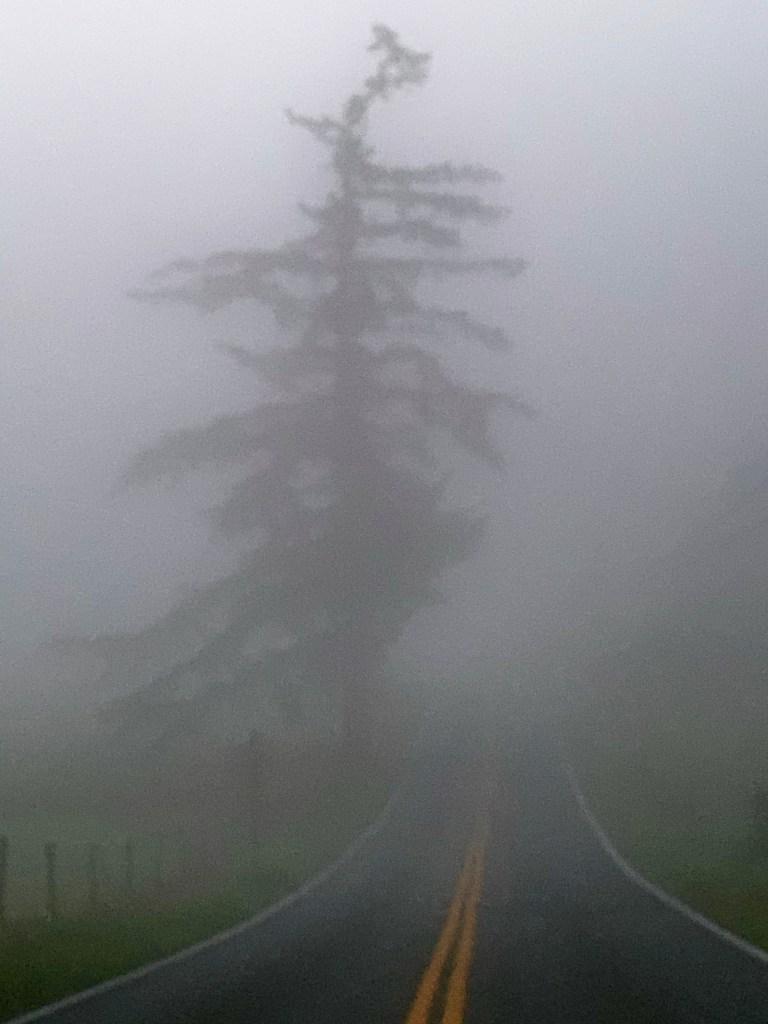
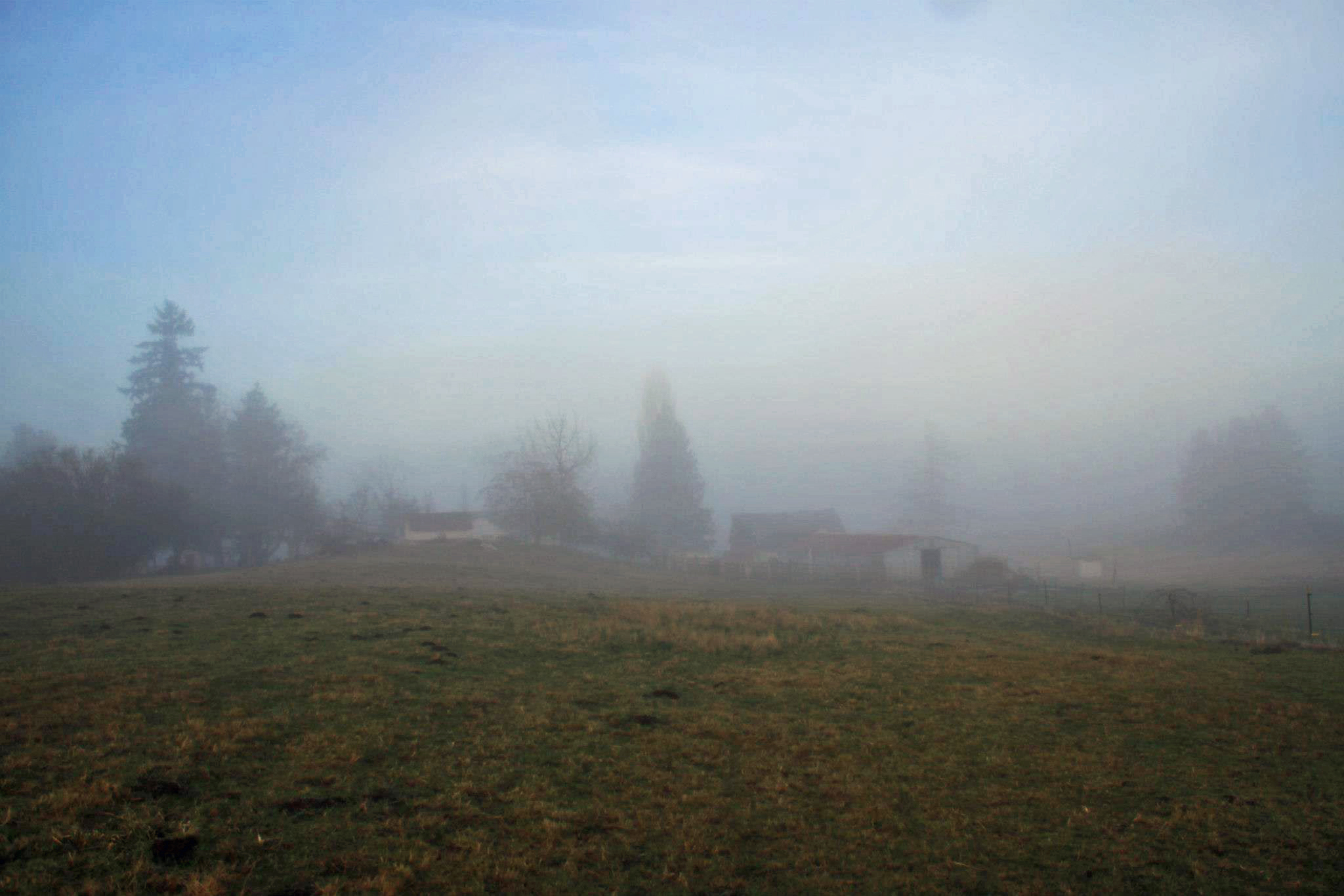
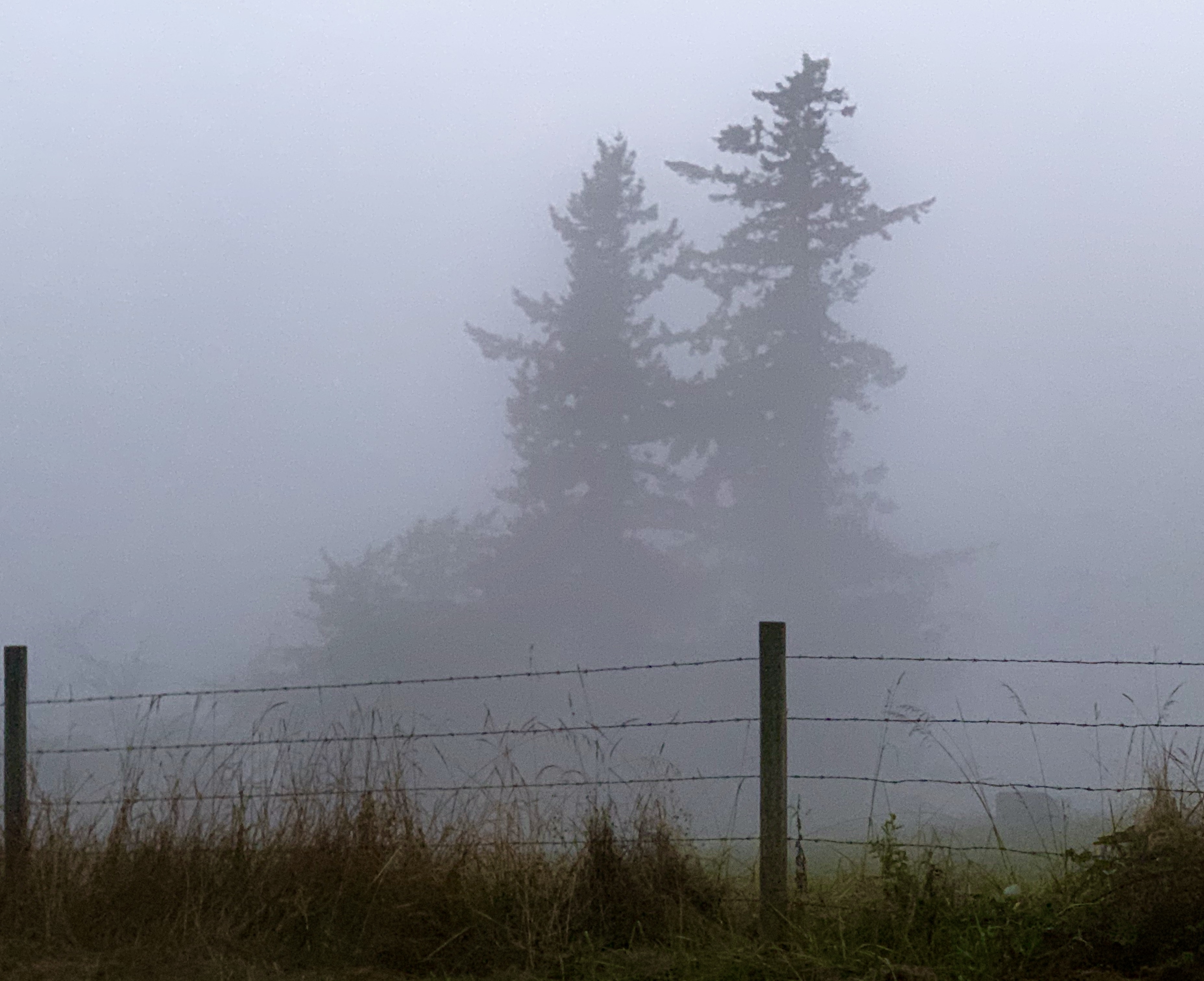
We’ve had all-day fog up and down Puget Sound over the past few days, atypical for a Pacific Northwest winter. This is fog that literally drips from the trees and soaks like rain, swallowing up visible landscape, hushing bird song, erasing all color by homogenizing everything.
When not barn-bound in the winter, a foggy day means our horses are literally sucked up into the morning mist as I send them out one by one to the field from the barn. Stopping at the barn door, they sniff the wet air, hesitant to be turned out into the grey sea surrounding them. What could there be to eat out in this murk? Each one, when turned loose, would wander into the soup, disappearing, as if never to be seen again. One by one they wander out to look for their buddies, seeing nothing, hearing nothing, smelling nothing. They are lost and alone and bewildered until somehow they meet up out in the pasture, forming a pod of Haflingers.
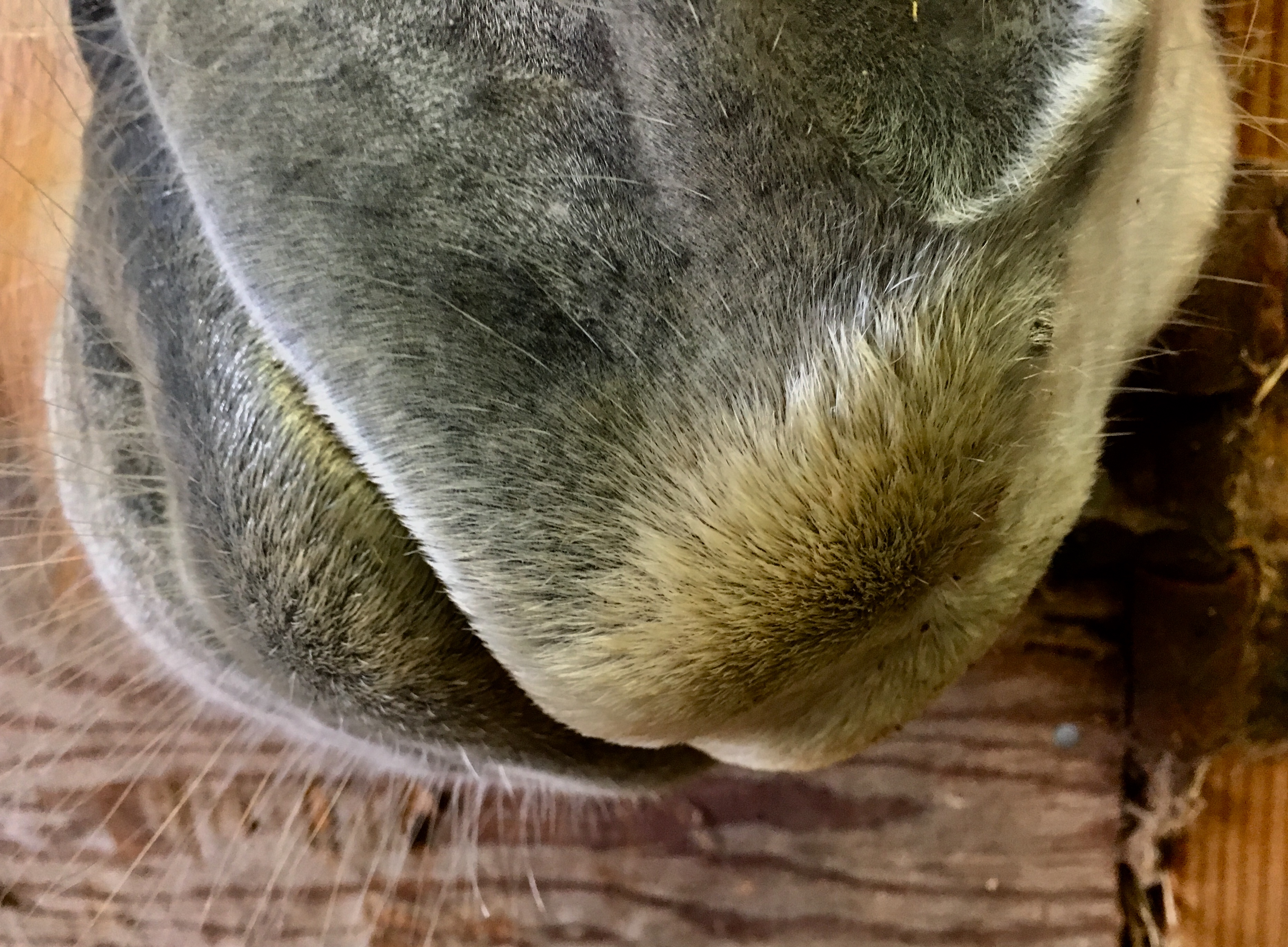
I muse at their initial confusion and then their utter conviction there must be “something out there” worth finding. They are dependent on the usual cues–visual, auditory, olfactory–all limited in the fog. Instead they rely on some inner sonar to find each other and bunch together in a protective knot, drops of fog dew clinging to their manes, their eyelashes and their muzzle whiskers. As day wears on, the fog usually dissipates, their coats drying under a warming sun, and the colors of the fields and trees and chestnut horses emerge from the cocoon of haze.
This winter, I have felt lost in fog too. I’m disconnected from a regular work schedule since retiring as a physician, so am helping as a volunteer in a variety of service opportunities. I am still feeling afloat and circling somewhat aimlessly, searching for a touch point of purpose and direction. Every so often I bump into a fellow fog wanderer and we’ll knot together for a bit, relieved to be connected to something solid and familiar.
My isolation is likely a combination of pandemic limitations and my own self-absorbed state of mind, sucking me in deep, separating me from others, distancing me from joy. At times, I feel soaked, dripping and shivering. If I only had the faith shown by my horses in the mist, I’d charge into the fog fearlessly, knowing there are others out there ready to band together for company, comfort and support, awaiting the sun. When warming and rejuvenation do come, I hope it will be enough to dry my whiskers, put color back in my cheeks and refresh my hopes and dreams.
Most importantly, I am reminded yet again — no fog is forever.
An absolute patience. Trees stand up to their knees in fog. The fog slowly flows uphill. White cobwebs, the grass leaning where deer have looked for apples. The woods from brook to where the top of the hill looks over the fog, send up not one bird. So absolute, it is no other than happiness itself, a breathing too quiet to hear. ~Denise Levertov “The Breathing”
One-Time
Monthly
Yearly
Make a one-time or recurring donation to support Barnstorming
Sundays too my father got up early and put his clothes on in the blueblack cold, then with cracked hands that ached from labor in the weekday weather made banked fires blaze. No one ever thanked him.
I’d wake and hear the cold splintering, breaking. When the rooms were warm, he’d call, and slowly I would rise and dress, fearing the chronic angers of that house,
Speaking indifferently to him, who had driven out the cold and polished my good shoes as well. What did I know, what did I know of love’s austere and lonely offices? ~Robert Hayden “Those Winter Sundays”
As a child growing up, I was oblivious to the sacrifices my parents made to keep the house warm, place food on the table, teaching us the importance of being steadfast, to crack the door of opportunity open, so we could walk through to a better life and we did.
It was no small offering to keep dry seasoned fire and stove wood always at the doorstep, to milk the cows twice a day, to grow and preserve fruits and vegetables months in advance, to raise and care for livestock, to read books together every night, to sit with us over homework and drive us to 4H, Cub Scouts and Camp Fire, to music lessons and sports, to sit together for meals, and never miss a Sunday to worship God.
This was their love, so often invisible, too often imperfect, yet its encompassing warmth splintered and broke the grip of cold that can overwhelm and freeze a family’s heart and soul.
What did I know? What did I know? Too little then, so much more now yet still – never enough.
One-Time
Monthly
Yearly
Make a one-time or recurring donation to support Barnstorming
Here, the bells are silent, blown glass hung from branches of pine whose fragrance fills the room. It’s December, and the world’s run out of color. Darkness at five seems absolute outside the nine square panes of glass. But inside hundreds of small white lights reflect off fragile ornaments handed down from before the war. They’re all Shiny-Brite, some solid balls— hot pink, lime green, turquoise, gold—some striped and flocked. This night is hard obsidian, but these glints pierce the gloom, along with their glittery echoes, the stars. We inhale spruce, its resinous breath: the hope of spring, the memory of summer. Every day, another peal on the carillon of light. ~Barbara Crooker, “Bells” from Some Glad Morning
The time is ripe for looking back over the day, the week, the year, and trying to figure out where we have come from and where we are going to, for sifting through the things we have done and the things we have left undone for a clue to who we are and who, for better or worse, we are becoming.
We cling to the present out of wariness of the past. But there is a deeper need yet, I think, and that is the need —not all the time, surely, but from time to time— to enter that still room within us all where the past lives on as a part of the present, where the dead are alive again, where we are most alive ourselves to turnings and to where our journeys have brought us.
The name of the room is Remember— the room where with patience, with charity, with quietness of heart, we remember consciously to remember the lives we have lived. ~Frederick Buechner“A Room Called Remember”
In 1959, when I was five years old, my father left his high school agriculture teaching position for a new supervisor position with the state. Our family moved from a large 3 story farm house in a rural community to a 1950’s newer rambler style home just outside the city limits of the state capitol. It was a big adjustment to move to a much smaller house without a basement or upper story, no garage, and no large haybarn nor chicken coop. It meant most things we owned didn’t make the move with us.
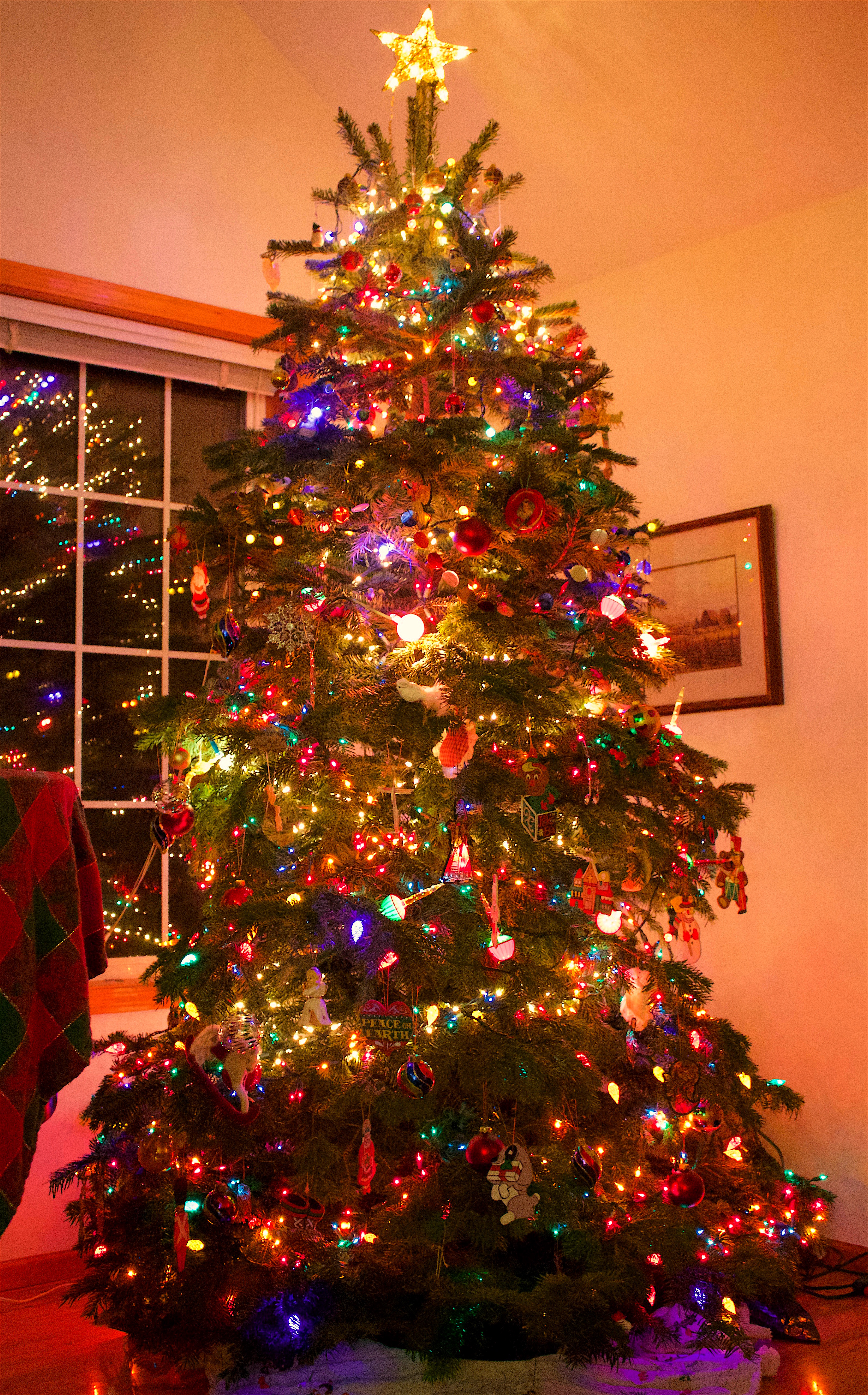
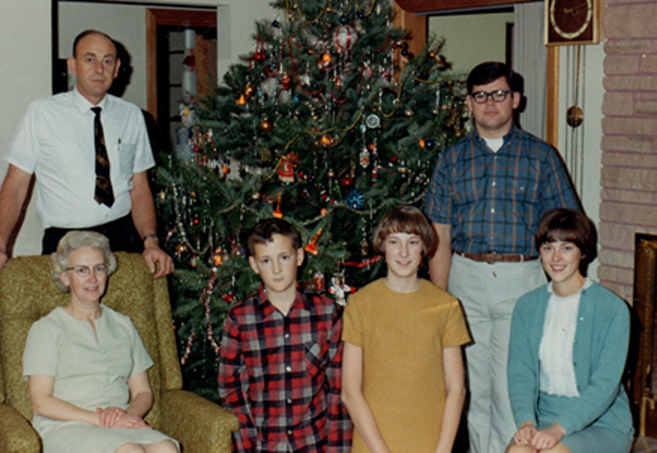
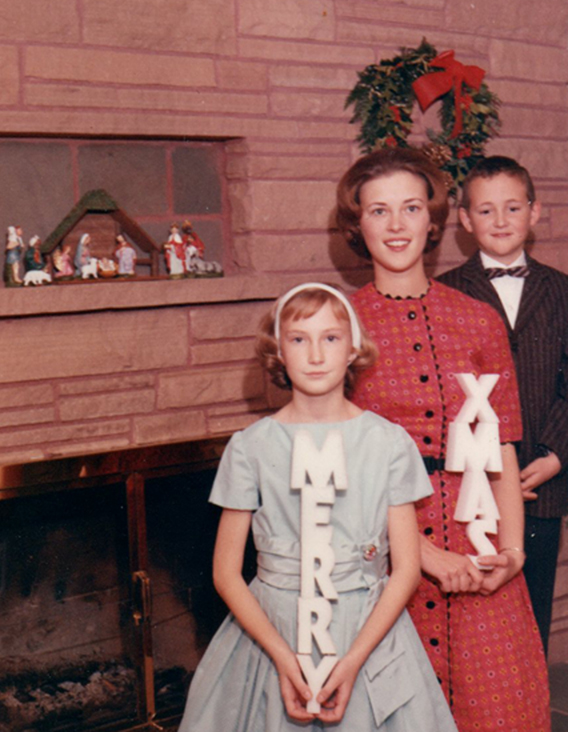
The rambler had two side by side mirror image rooms as the primary central living space between the kitchen on one side and the hallway to the bedrooms on the other. The living room could only be entered through the front door and the family room was accessed through the back door with a shared sandstone hearth in the center, containing a fireplace in each room. The only opening between the rooms had a folding door shut most of the year. In December, the door was opened to accommodate a Christmas tree, so it sat partially in the living room and depending on its generous width, spilled over into the family room. That way it was visible from both rooms, and didn’t take up too much floor space.
The living room, because it contained the only carpeting in the house, and our “best” furniture, was strictly off-limits for us kids. In order to keep our two matching sectional knobby gray fabric sofas, a green upholstered chair and gold crushed velvet covered love seat in pristine condition, the room was to be avoided unless we had company. The carpet was never to develop a traffic pattern, there would be no food, beverage, or pet ever allowed in that room, and the front door was not to be used unless a visitor arrived. The hearth never saw a fire lit on that side because of the potential of messy ashes or smoke smell. This was not a room for laughter, arguments or games and certainly not for toys. The chiming clock next to the hearth, wound with weighted pine cones on the end of chains, called out the hours without an audience.
One week before Christmas, a tree was cut down to fit in the space where it could overflow into the family room. I particularly enjoyed decorating the “family room” side of the tree, using all my favorite ornaments that were less likely to break if they fell on the linoleum floor on that side of the door.
It was as if the Christmas tree became divided, with a “formal” side in the living room and a “real life” face on the other side where the living (and all that goes along with that) was actually taking place.
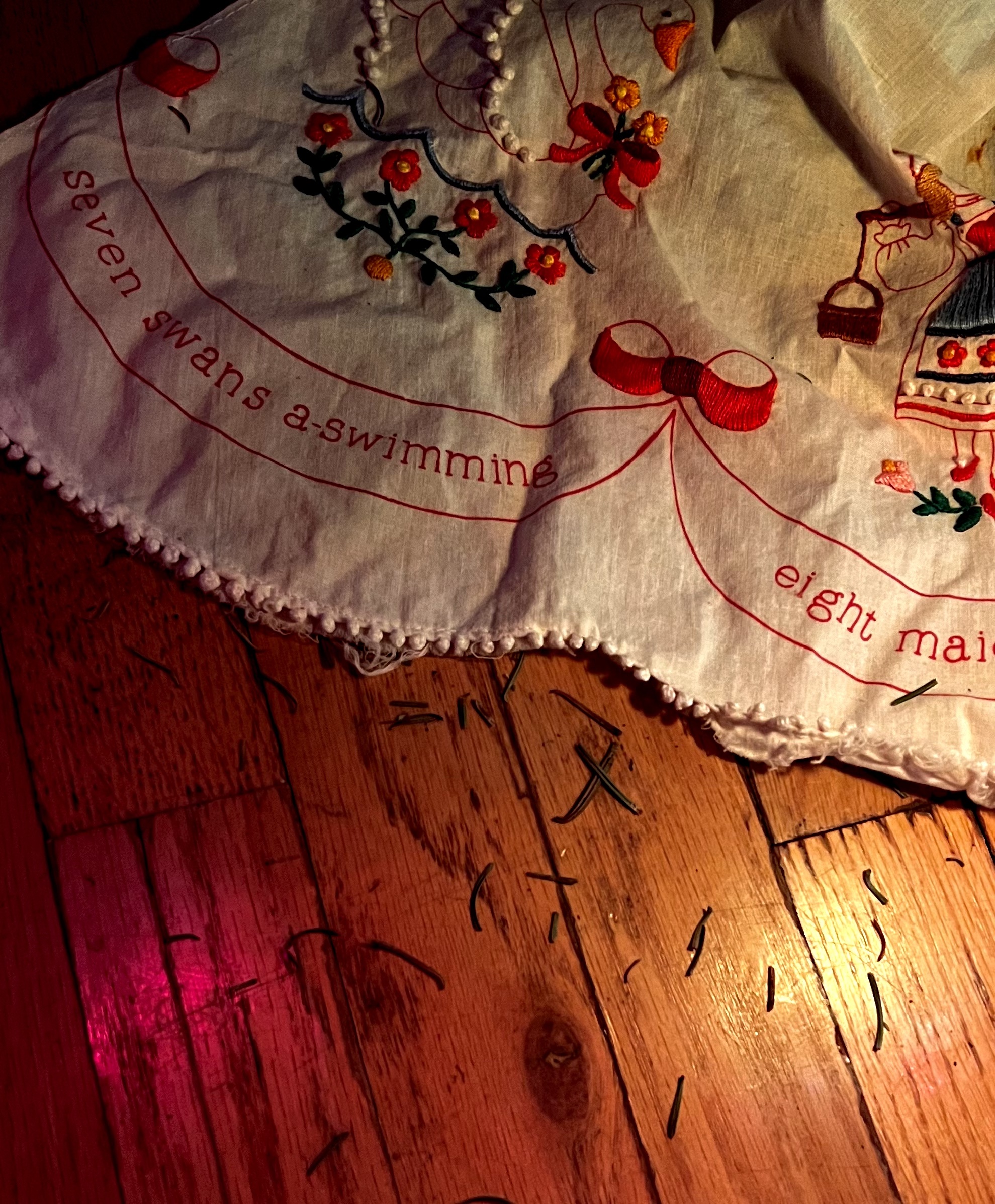
The tree straddled more than just two rooms. Each year that tree’s branches reached out to shelter a family that was slowly, almost imperceptibly, falling apart like fir needles dropping to the floor, soon to be swept away.
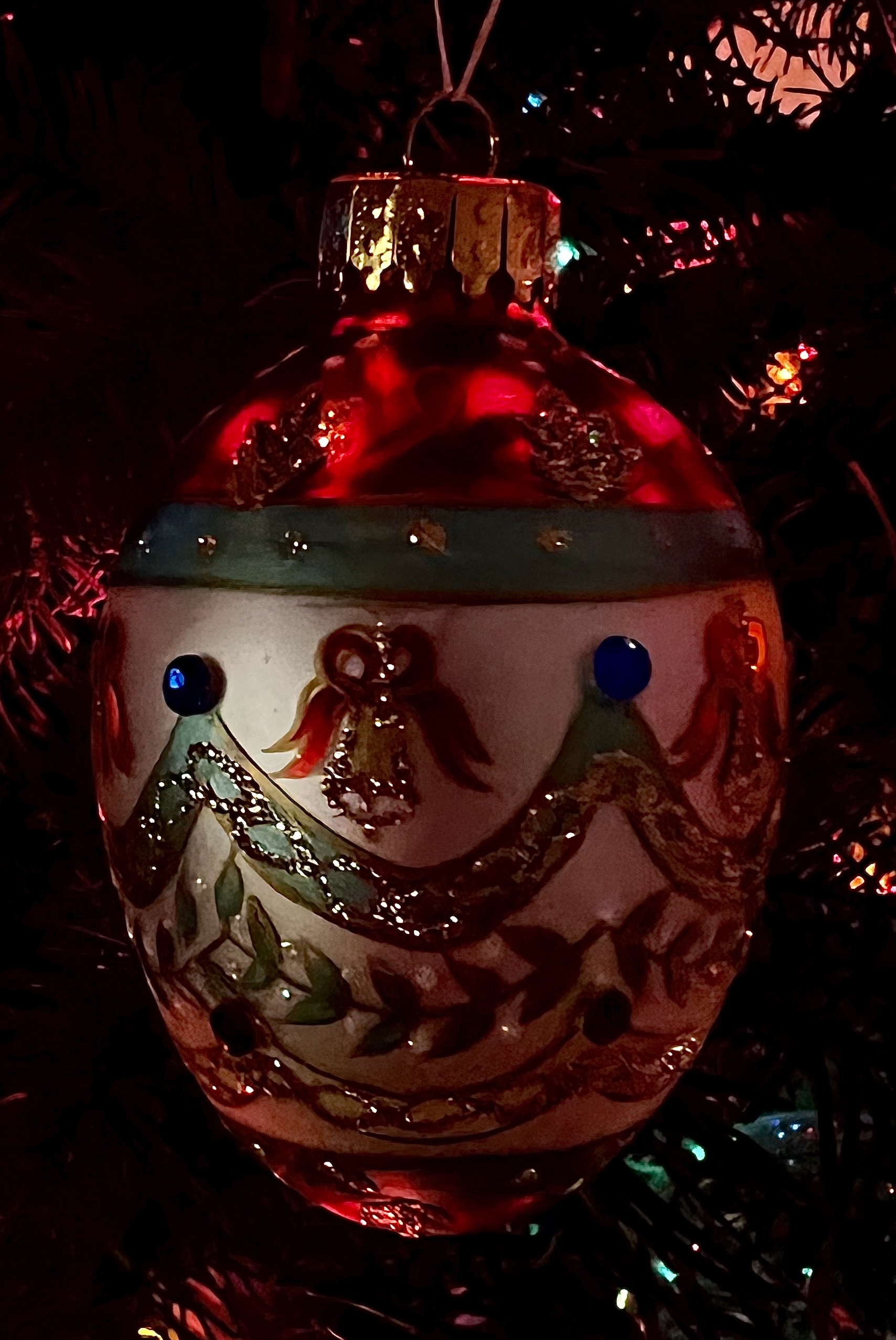
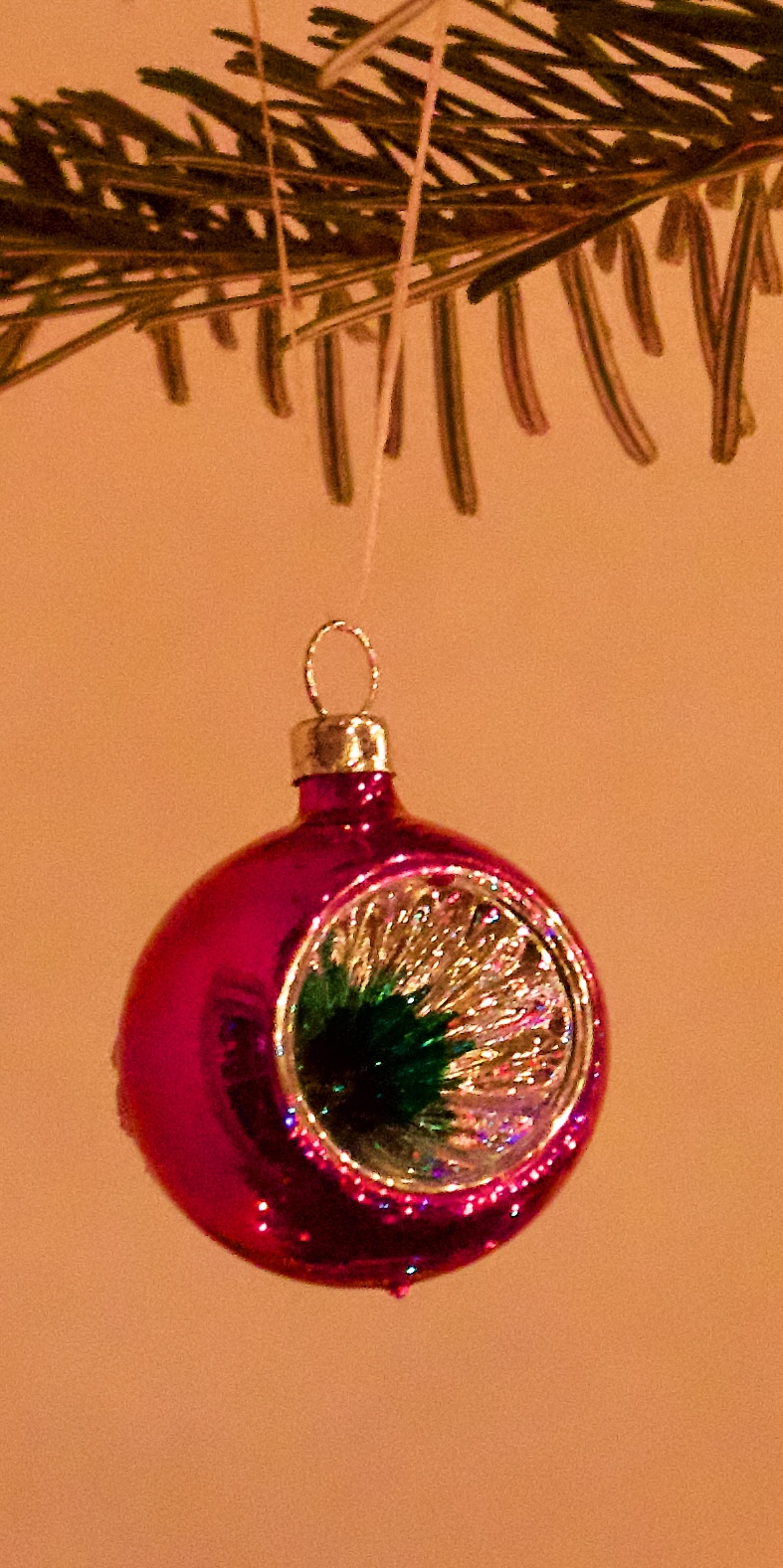
Each year since, our Christmas tree, bearing those old ornaments from my childhood, reminds me of that still room of memories. No longer am I wary of the past, and as I sweep up the fir needles that inevitably drop, I no longer weep.
One-Time
Monthly
Yearly
Make a one-time or recurring donation to support Barnstorming
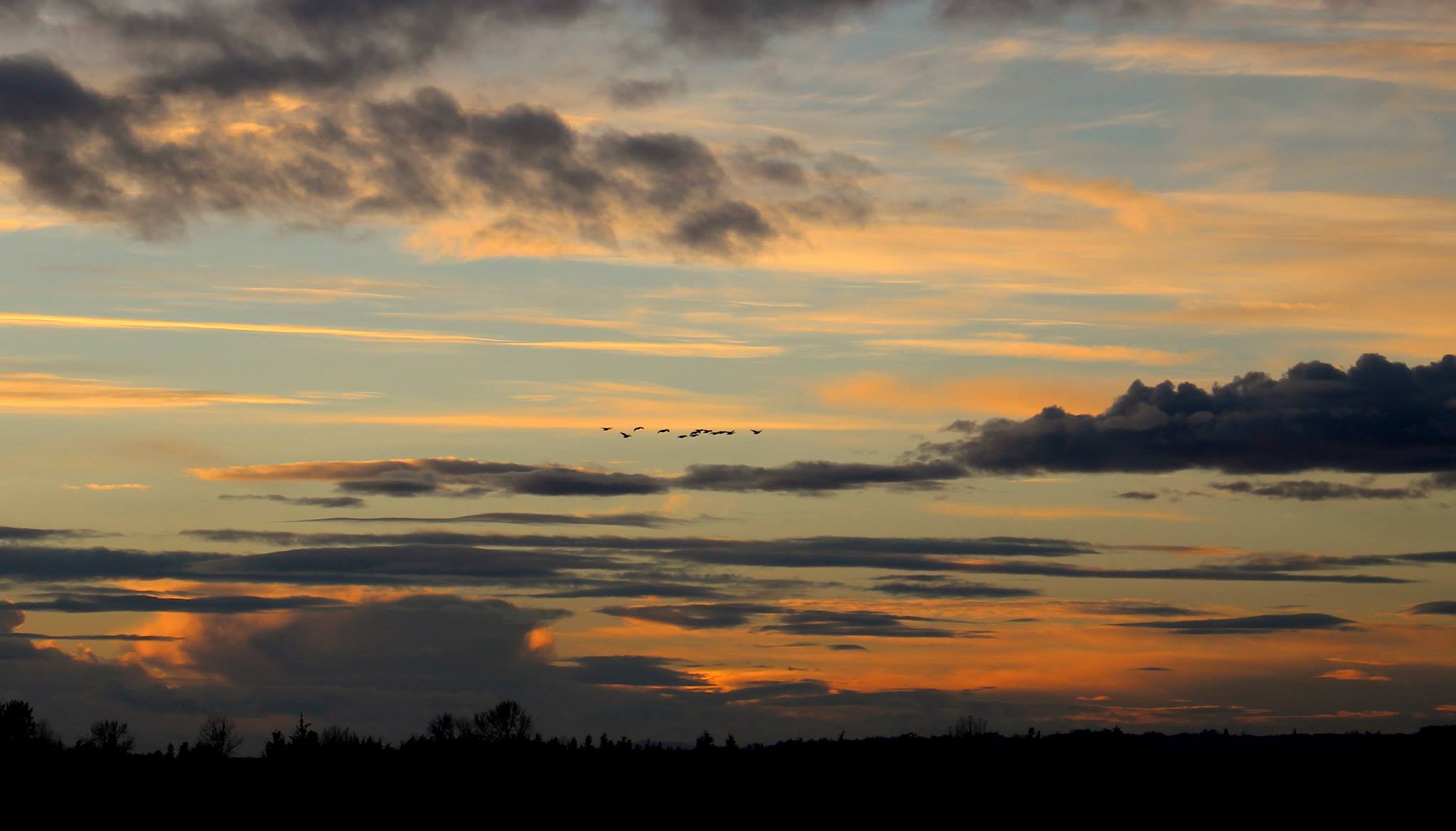
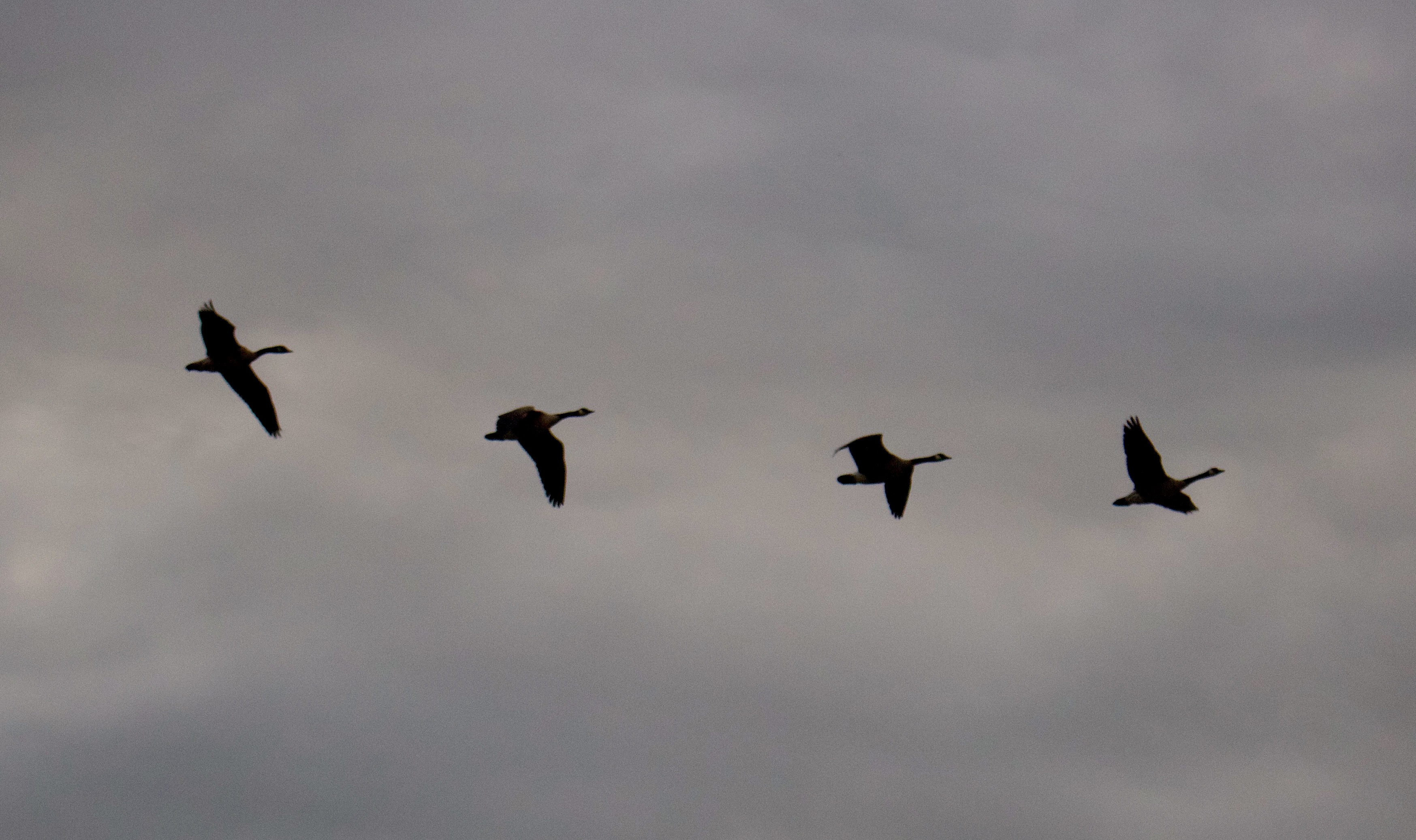
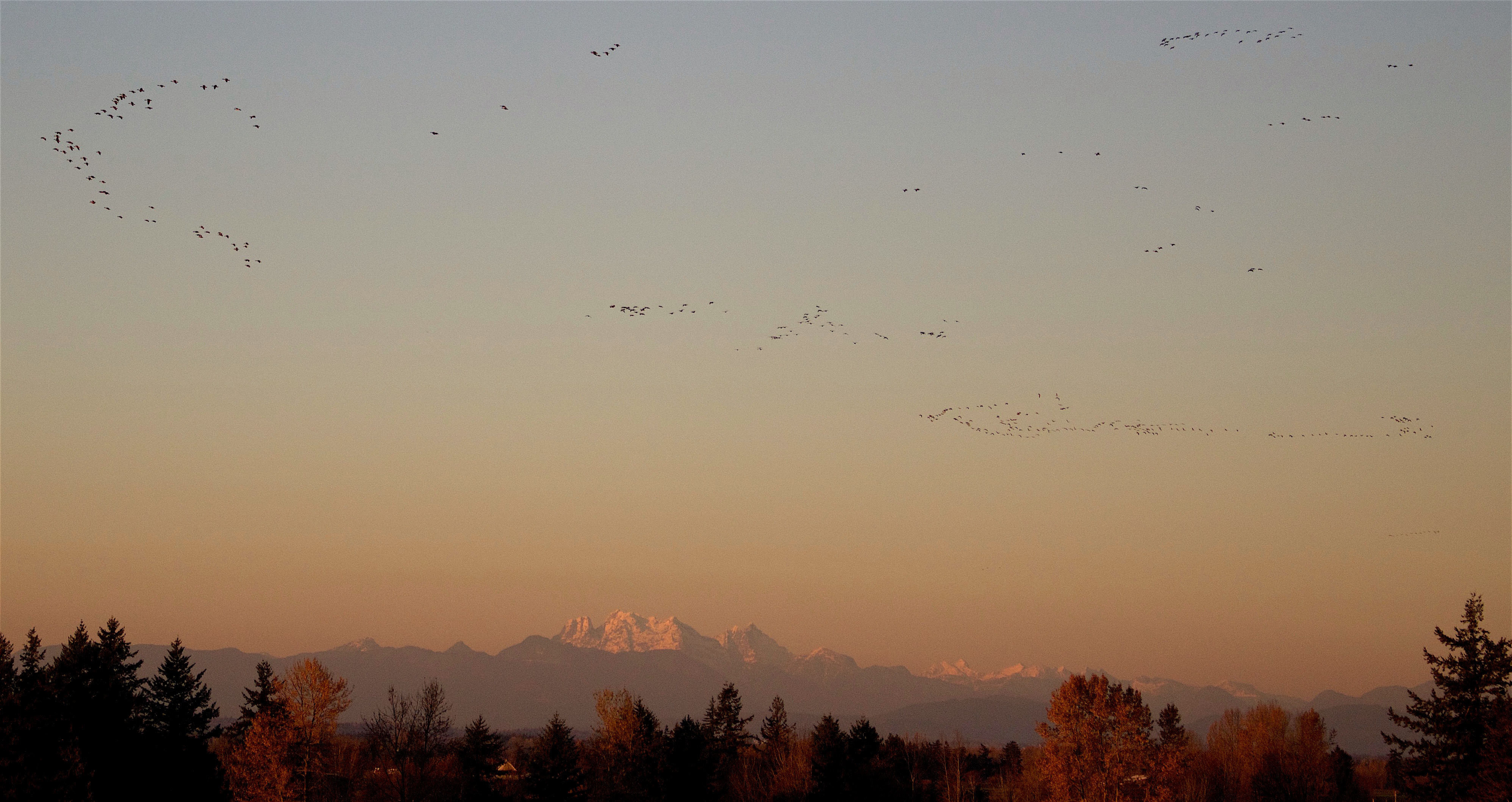
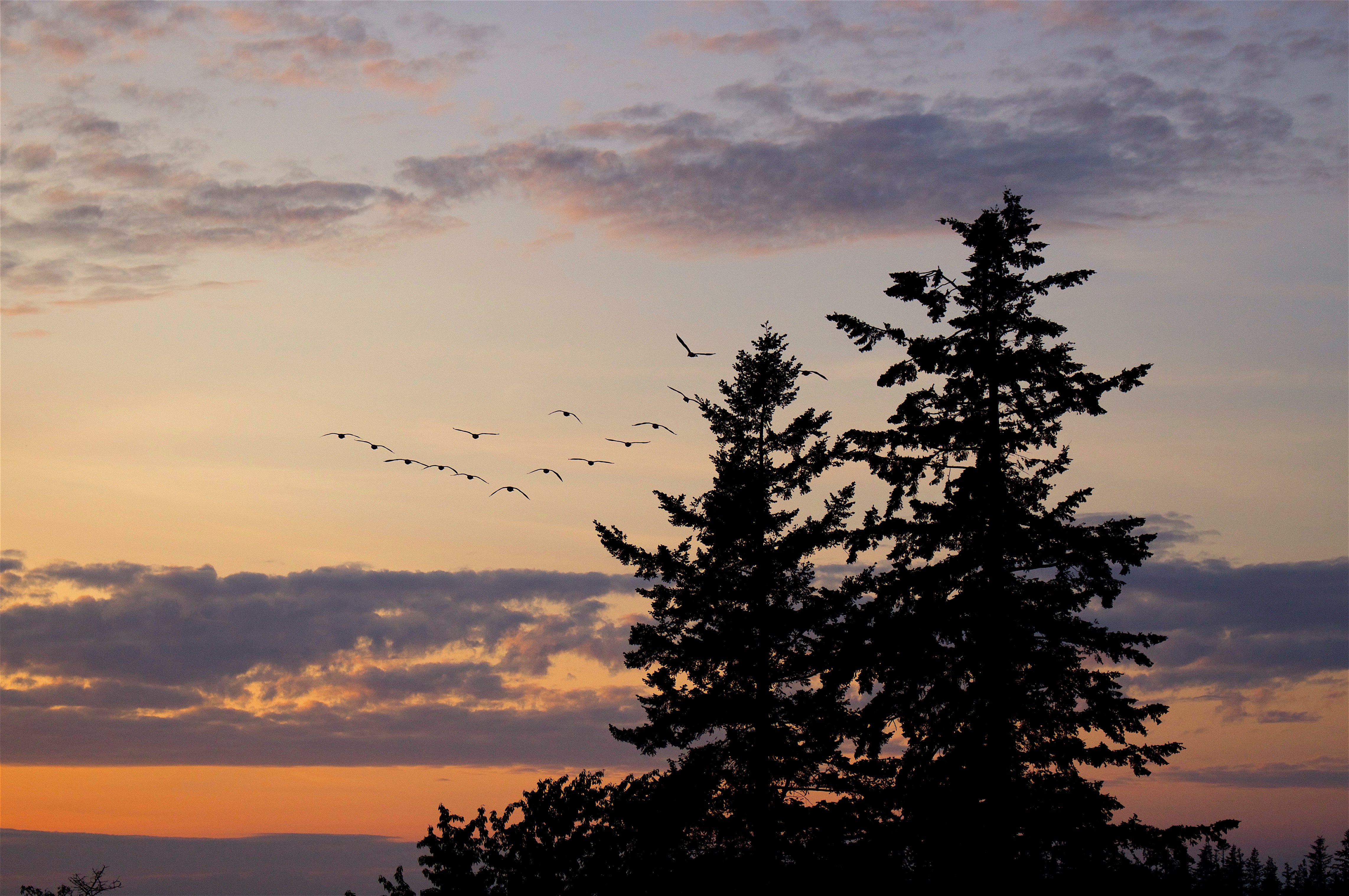
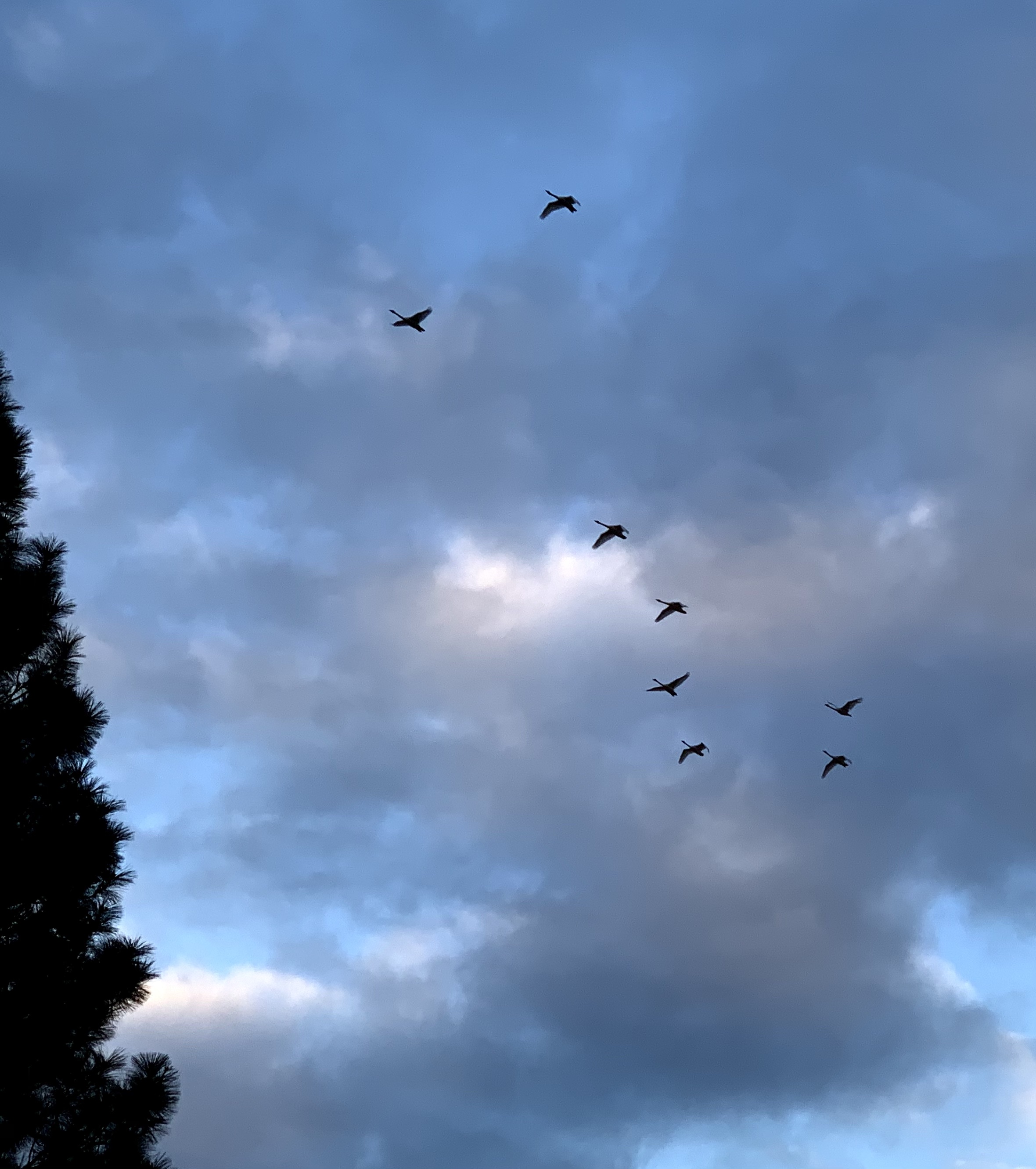
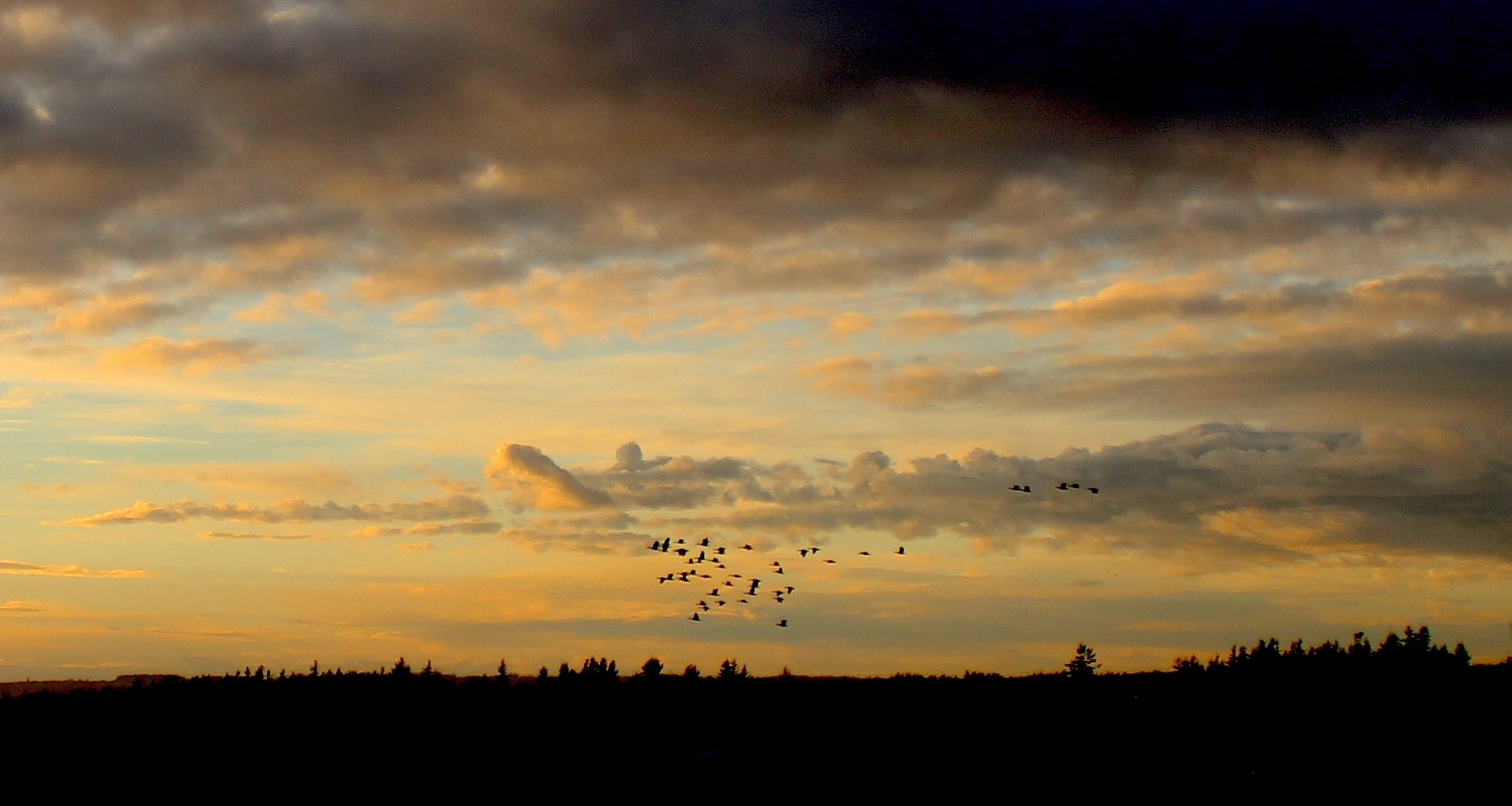
Vast whisp-whisp of wingbeats awakens me and I look up at a minute-long string of black geese following low past the moon the white course of the snow-covered river and by the way thank You for keeping Your face hidden, I can hardly bear the beauty of this world ~Franz Wright from “Cloudless Snowfall”
A psalm of geese labours overland
cajoling each other near half…
The din grew immense. No need to look up.
All you had to do was sit in the sound
and put it down as best you could…
It’s not a lonesome sound but a panic,
a calling out to the others to see if they’re there… ~Dermot Healy from A Fool’s Errand
Hear my prayer, Lord; let my cry for help come to you. Do not hide Your face from me in the day of my distress; Incline Your ear to me; In the day when I call answer me quickly. Psalm 102:1-2
We are here to witness the creation and abet it. We are here to notice each thing so each thing gets noticed. Together we notice not only each mountain shadow and each stone on the beach but, especially, we notice the beautiful faces and complex natures of each other.
We are here to bring to consciousness the beauty and power that are around us and to praise the people who are here with us. We witness our generation and our times. We watch the weather. Otherwise, creation would be playing to an empty house. ~Annie Dillard from The Meaning of Life edited by David Friend
We tend to keep our faces hidden from each other, even when we want to be recognized and known, especially when we are distressed.
What someone tells me about what they are feeling may not always match what I notice: trembling hands, a deep sigh, eyes filling with tears. I am audience and witness to their burden and struggle; even more, I am called to listen, offering them the gift of being noticed and being there for them, just them, at that moment.
I know this because it is how God cares for me: when I call out to Him, sometimes in a panic to see if He is there, I know I am not playing or praying to an empty house. God is ready and listening, loving us enough to show us His face in the form of a helpless infant.
This is a God who allows Himself to be vulnerable to those He loves, whether laid to sleep in a wooden manager or dying nailed to a tree.
He calls out to us to see if we are there, ready to listen.
Psalm 102: 1 Hear my prayer, Lord; let my cry for help come to you.
This year’s Barnstorming Advent theme “… the Beginning shall remind us of the End” is taken from the final lines in T.S. Eliot’s poem “The Cultivation of Christmas Trees”
I wait for the Lord, my soul waits, and in his word I put my hope. My soul waits for the Lord more than watchmen wait for the morning, more than watchmen wait for the morning. Psalm 130: 5-6 from a Song of Ascents
Waiting is essential to the spiritual life. But waiting as a disciple of Jesus is not an empty waiting. It is a waiting with a promise in our hearts that makes already present what we are waiting for.
We wait during Advent for the birth of Jesus. We wait after Easter for the coming of the Spirit, and after the ascension of Jesus we wait for his coming again in glory.
It is this great absence that is like a presence, that compels me to address it without hope of a reply. It is a room I enter
from which someone has just gone, the vestibule for the arrival of one who has not yet come. I modernise the anachronism
of my language, but he is no more here than before. Genes and molecules have no more power to call him up than the incense of the Hebrews
at their altars. My equations fail as my words do. What resources have I other than the emptiness without him of my whole being, a vacuum he may not abhor? ~R.S. Thomas “The Absence”
To wait is hard when we know the value of the gift that awaits us. We know exactly what is in the package since we have watched it being carefully chosen, wrapped and presented to us to open.
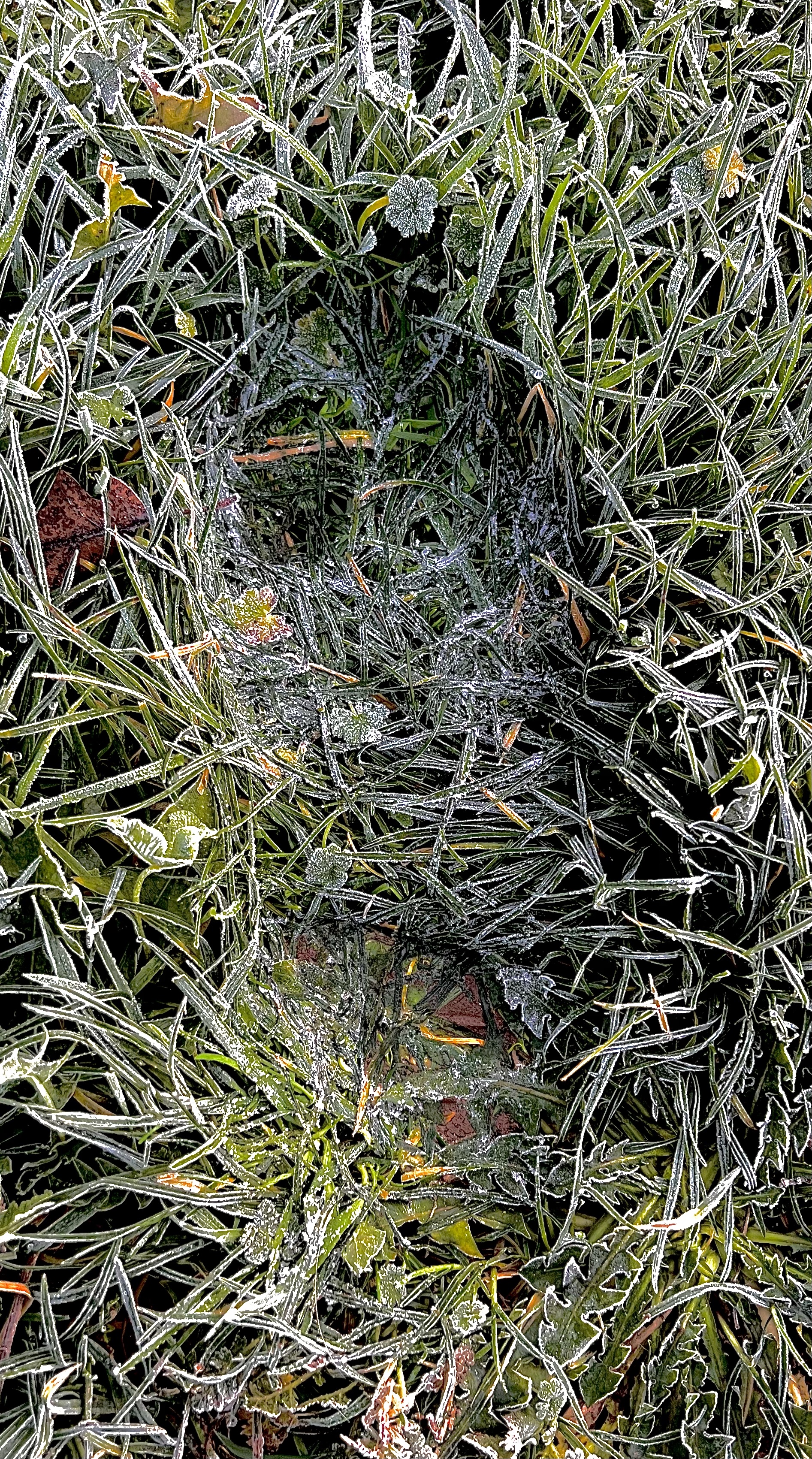
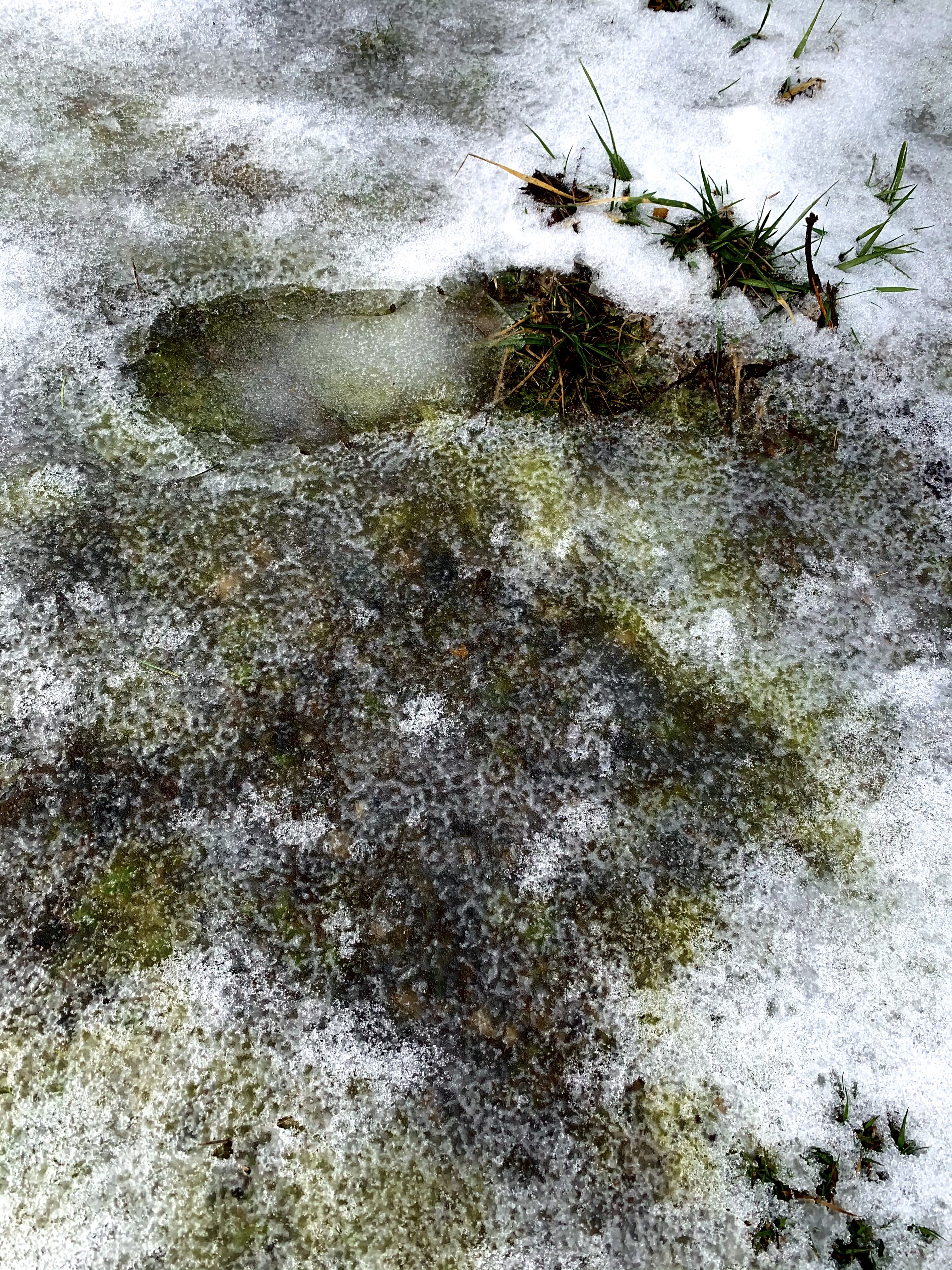
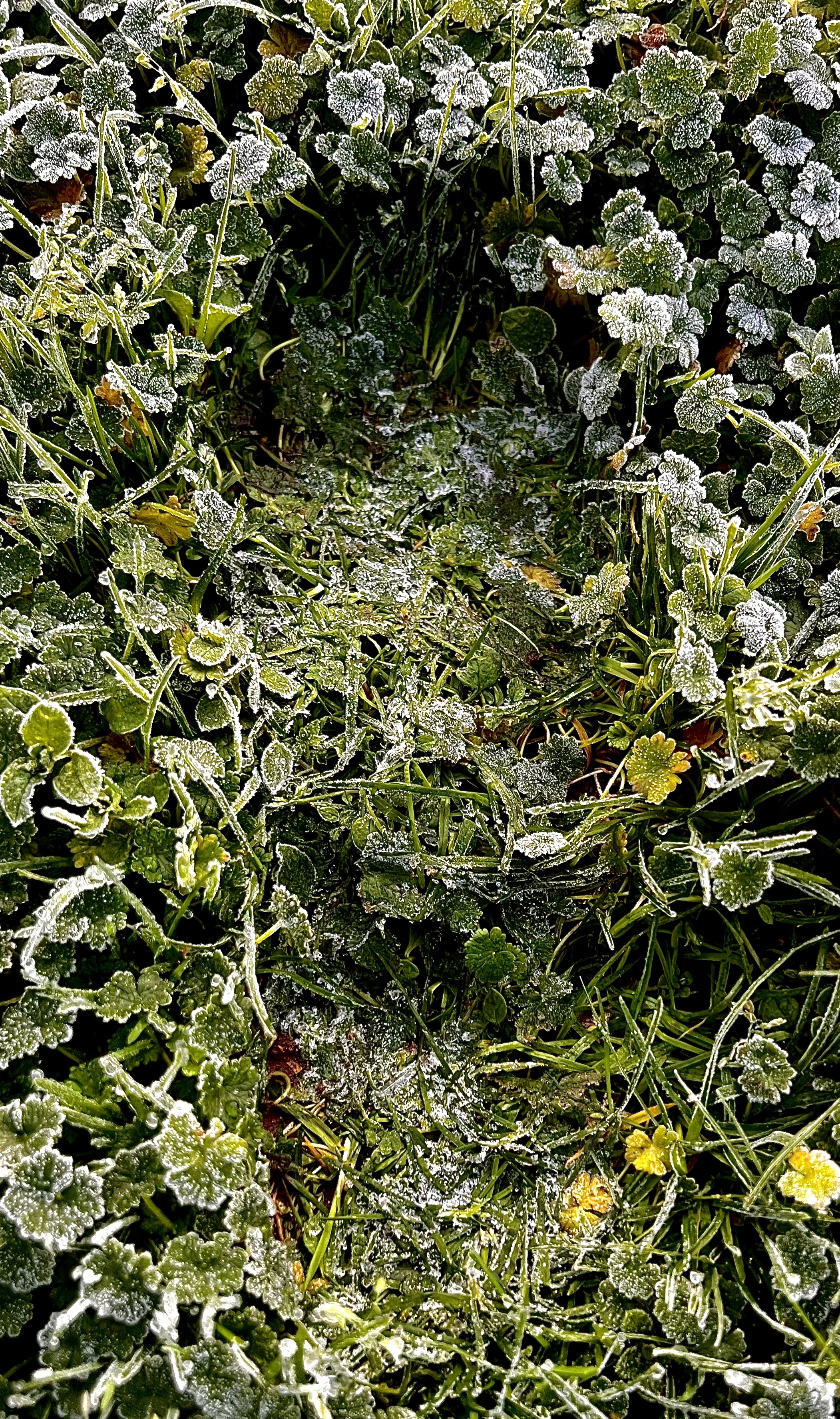
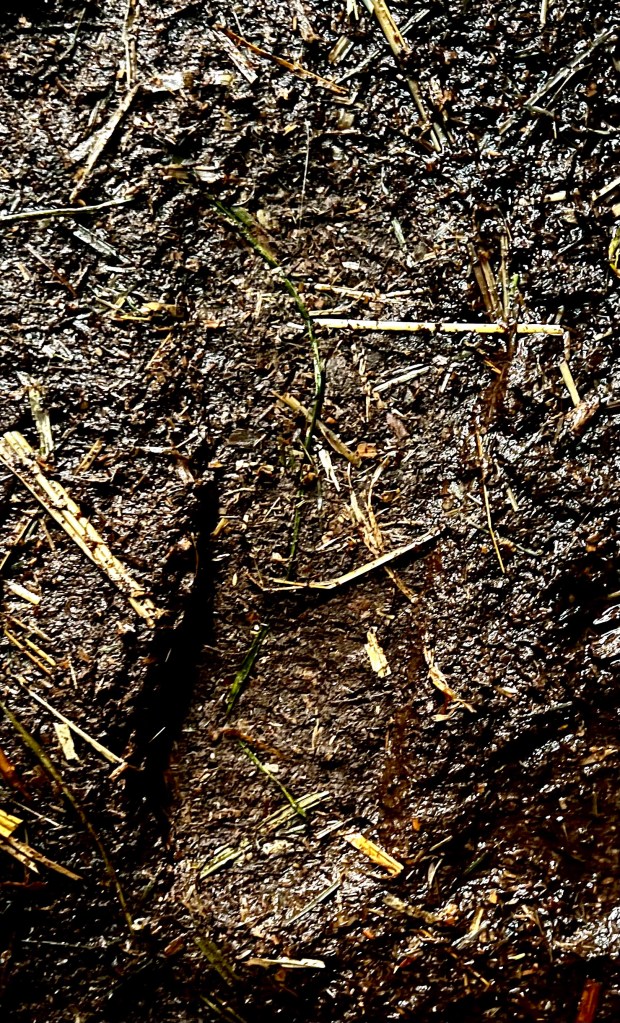
We have seen His footprints on our landscape: in the hottest dessert, in the deepest snow, in the meadows and in the forests, in the mud and muck and mire of our lives; we know He has been here and wait for His return.
Not yet though, not quite yet. So we wait, and continue to wait.
Even more so, we wait and hope for what we do not see but know is coming, like a groaning in the labor of childbirth.
The waiting is never easy; it is painful to be patient, staying alert to possibility and hope when we are exhausted, barely able to function. Others won’t understand why we wait, nor do they comprehend what we could possibly be waiting for when it remains unseen, with only the footprints left behind to remind us.
Yet we persevere together, with patience, watching and hoping, like Mary and Joseph, like Elizabeth and Zechariah, like the shepherds, like the Magi of the east, like Simeon and Anna in the temple.
This is the meaning of Advent: we are a community groaning together in sweet anticipation and expectation of the gift of Morning to come.
photo by Josh Scholten
I pray my soul waits for the Lord My hope is in His word More than the watchman waits for dawn My soul waits for the Lord
1) Out of the depths I cry to You; From darkest places I will call. Incline Your ear to me anew, And hear my cry for mercy, Lord. Were You to count my sinful ways How could I come before Your throne? Yet full forgiveness meets my gaze – I stand redeemed by grace alone.
CHORUS I will wait for You, I will wait for You, On Your word I will rely. I will wait for You, surely wait for You Till my soul is satisfied.
2) So put Your hope in God alone, Take courage in His power to save; Completely and forever won By Christ emerging from the grave.
3) His steadfast love has made a way, And God Himself has paid the price, That all who trust in Him today Find healing in his sacrifice.
I will wait for You, I will wait for You Through the storm and through the night. I will wait for You, surely wait for You, For Your love is my delight.
Wait for the Lord, his day is near Wait for the Lord, be strong take heart Prepare the way for the Lord Make a straight path for Him The Glory of the Lord shall be revealed All the Earth will see the Lord Rejoice in the Lord always He is at Hand Joy and gladness for all who seek the Lord
This year’s Barnstorming Advent theme “… the Beginning shall remind us of the End” is taken from the final lines in T.S. Eliot’s poem “The Cultivation of Christmas Trees”
That time of year thou mayst in me behold When yellow leaves, or none, or few, do hang Upon those boughs which shake against the cold, Bare ruin’d choirs, where late the sweet birds sang.
In me thou see’st the twilight of such day As after sunset fadeth in the west, Which by and by black night doth take away, Death’s second self, that seals up all in rest.
In me thou see’st the glowing of such fire That on the ashes of his youth doth lie, As the death-bed whereon it must expire, Consum’d with that which it was nourish’d by.
This thou perceiv’st, which makes thy love more strong, To love that well which thou must leave ere long. ~William Shakespeare Sonnet 73
I may think youth has it all – strength, beauty, energy- but now I know better.
There is treasure in slowing down, this leisurely leave-taking; the finite becoming infinite and a limitlessness loving.
Without our aging we’d never change up who we are to become so much more:
enriched, vibrant, shining passionately until the very last moment.
To love well To love strong To love as if nothing else matters.
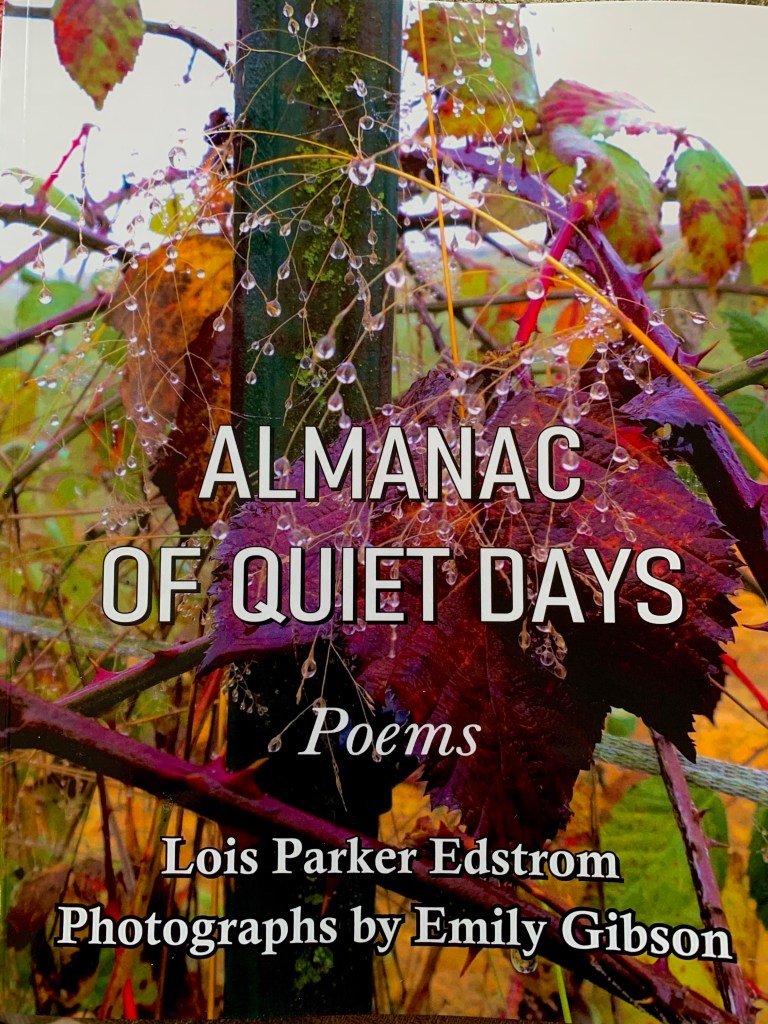
This book of beauty in words and photography, available to order here:
How late I came to love you, O Beauty so ancient and so fresh, how late I came to love you.
You were within me, yet I had gone outside to seek you.
Unlovely myself, I rushed toward all those lovely things you had made. And always you were with me. I was not with you.
All those beauties kept me far from you – although they would not have existed at all unless they had their being in you.
You called, you cried, you shattered my deafness.
You sparkled, you blazed, you drove away my blindness.
You shed your Fragrance, and I drew in my breath and I pant for you, I tasted and now I hunger and thirst. You touched me, and now I burn with longing. ~St. Augustine in Confessions
God spoke in His Word but I didn’t listen. God fed me but I chose junk food. God showed me beauty but I couldn’t see Him. God smelled like the finest rose but I turned away. God touched me but I was numb.
So He sent His Son as Word and food, beauty and fragrance, sparkling and blazing, reaching out broken hands so I would know my hunger and thirst is only and always for Him alone.
A book of beauty in word and photography, available for order here:
I made for grief a leaden bowl and drank it, every drop. And though I thought I’d downed it all the hurting didn’t stop.
I made of hope a golden sieve to drain my world of pain. Though I was sure I’d bled it dry the void filled up again.
I made of words a silver fork and stabbed love in the heart, and when I found the sweetness gone I chewed it into art. ~Luci Shaw “What I Needed to Do”
How can I stow away our hurt and grief when it keeps refilling, leaking everywhere? Where can hope be found when all feels hopeless? When I have been loved beyond all measure, with bleeding hands and feet and side; why not turn to the Word, its sweetness never exhausted no matter how often I chew through it in my hunger.
A book of art in words and photography, available to order here: