Little soul, you and I will become the memory of a memory of a memory. A horse released of the traces forgets the weight of the wagon. ~Jane Hirshfield “Harness”
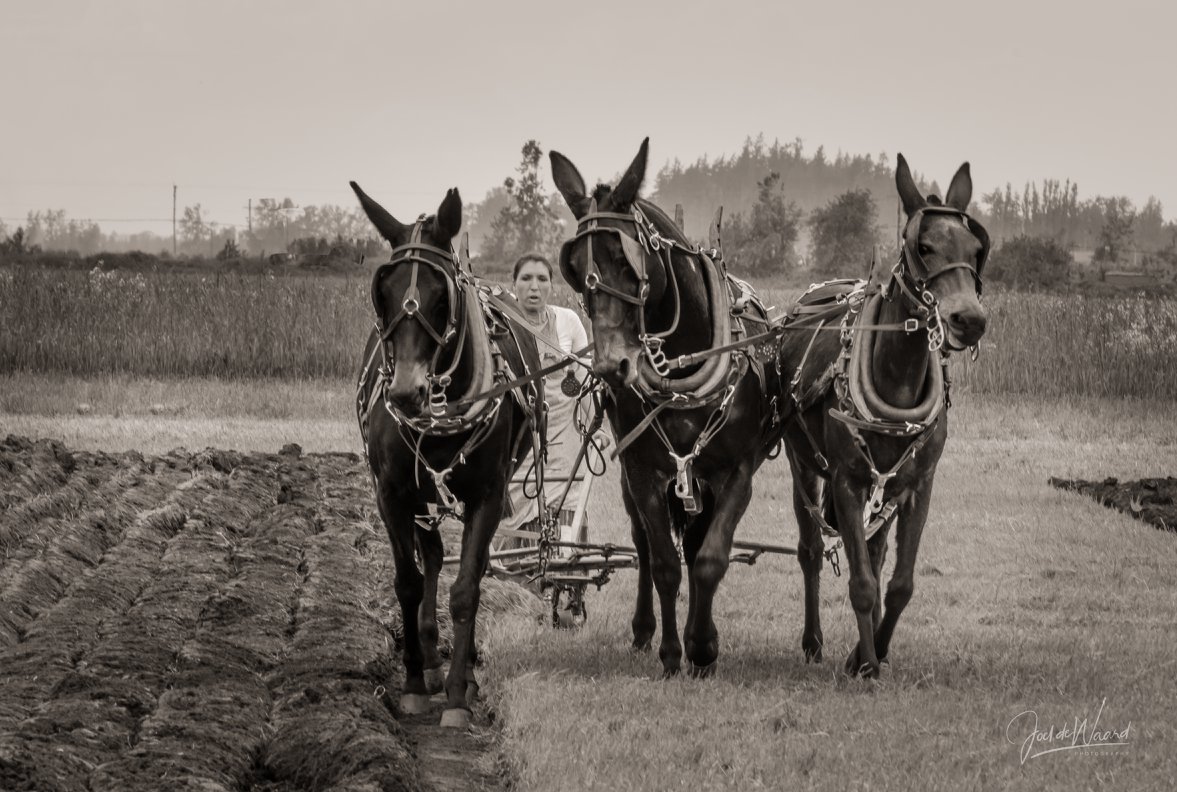
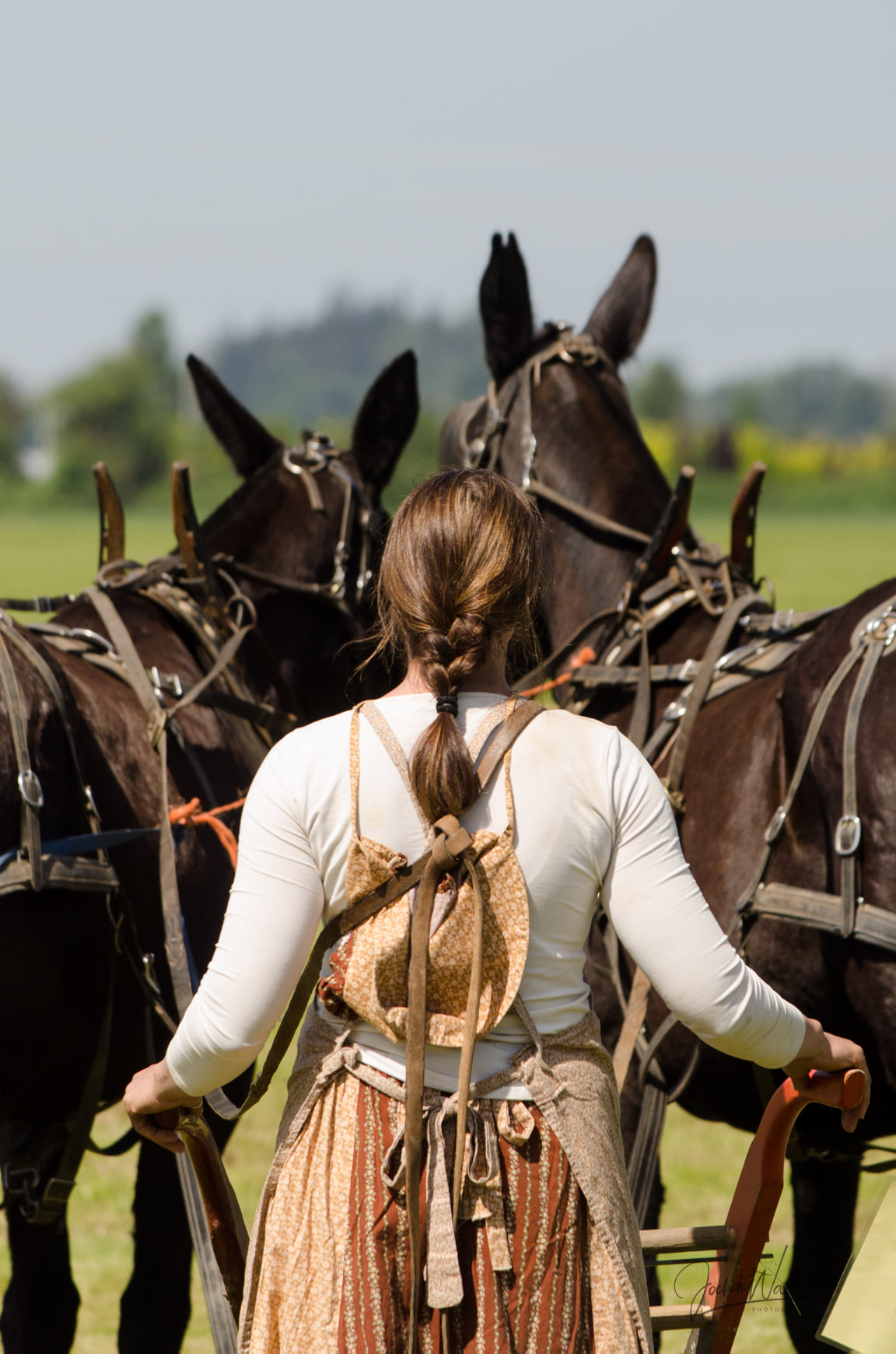
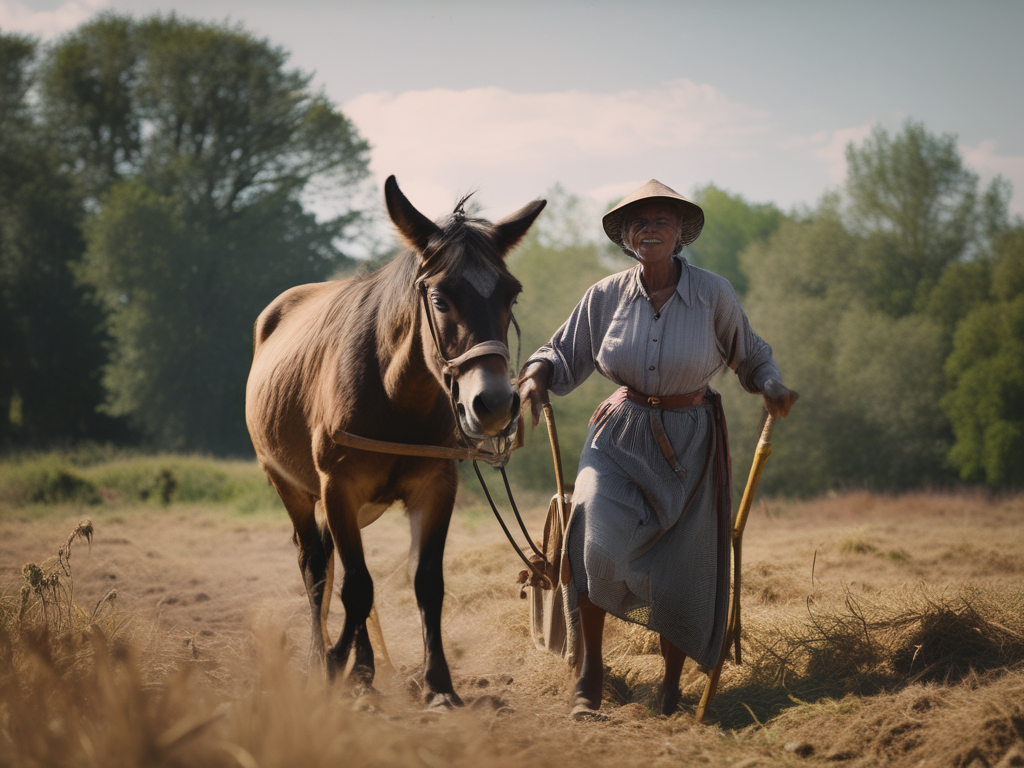
My grandmothers were strong. They followed plows and bent to toil. They moved through fields sowing seed. They touched earth and grain grew. They were full of sturdiness and singing. My grandmothers were strong.
My grandmothers are full of memories Smelling of soap and onions and wet clay With veins rolling roughly over quick hands They have many clean words to say. My grandmothers were strong. Why am I not as they? ~Margaret Walker “Lineage”
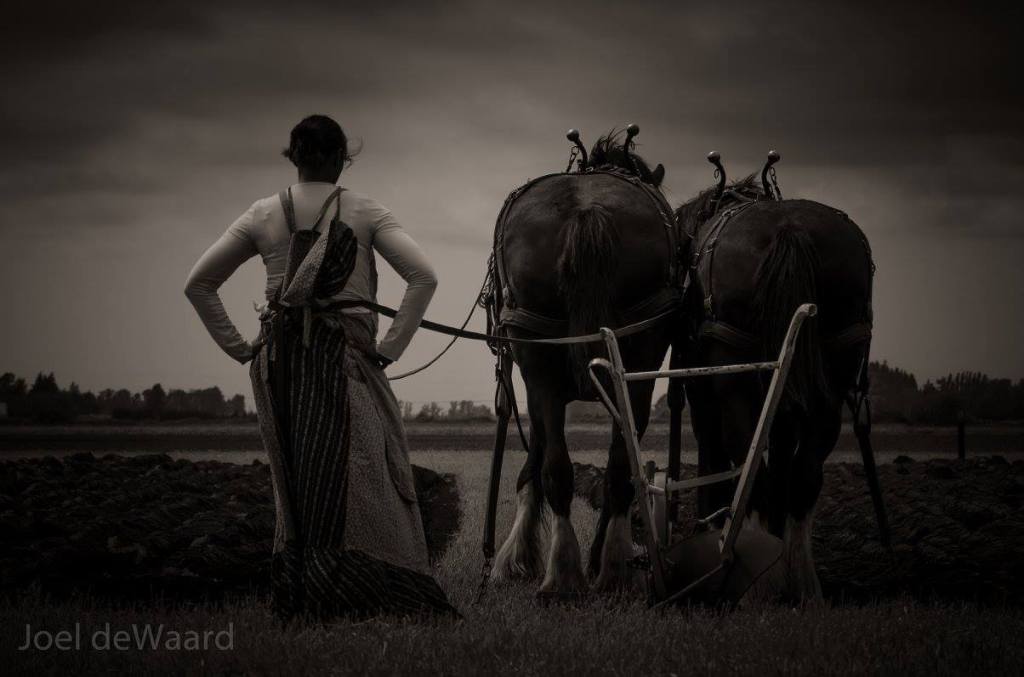
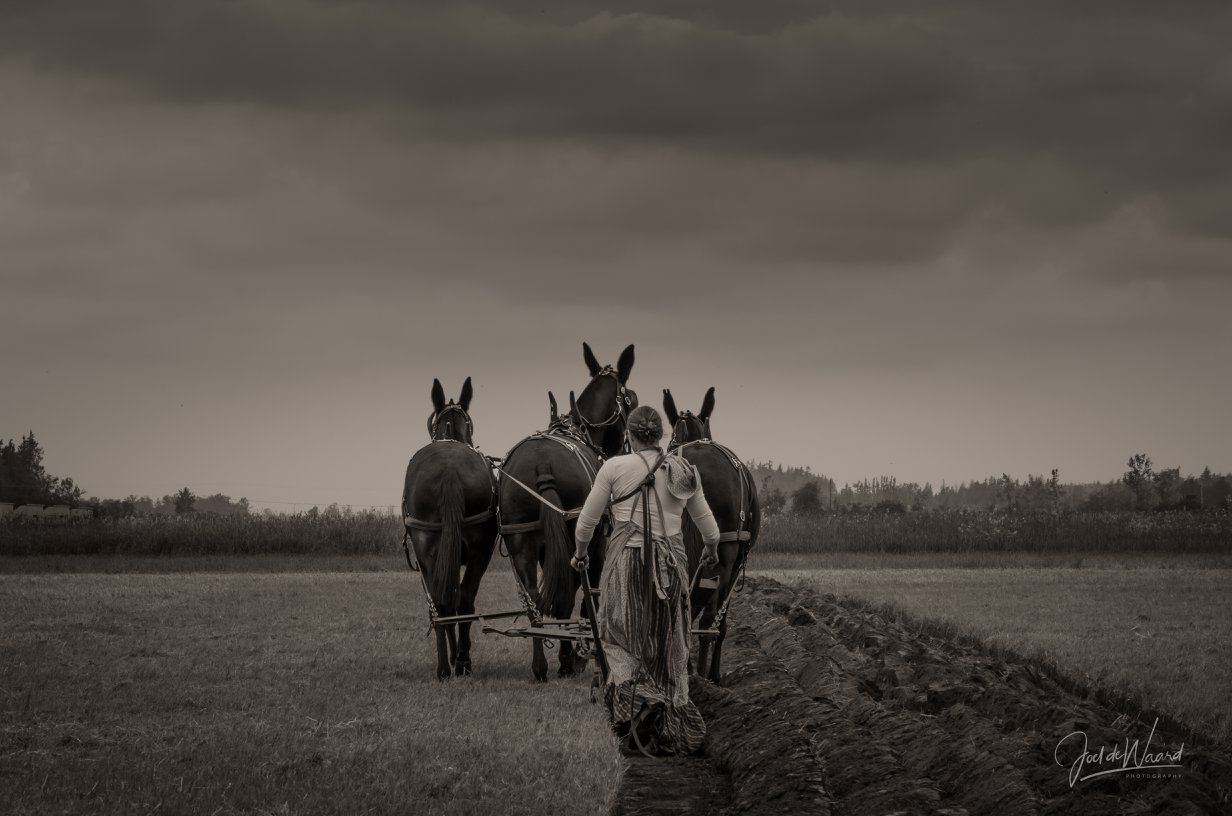
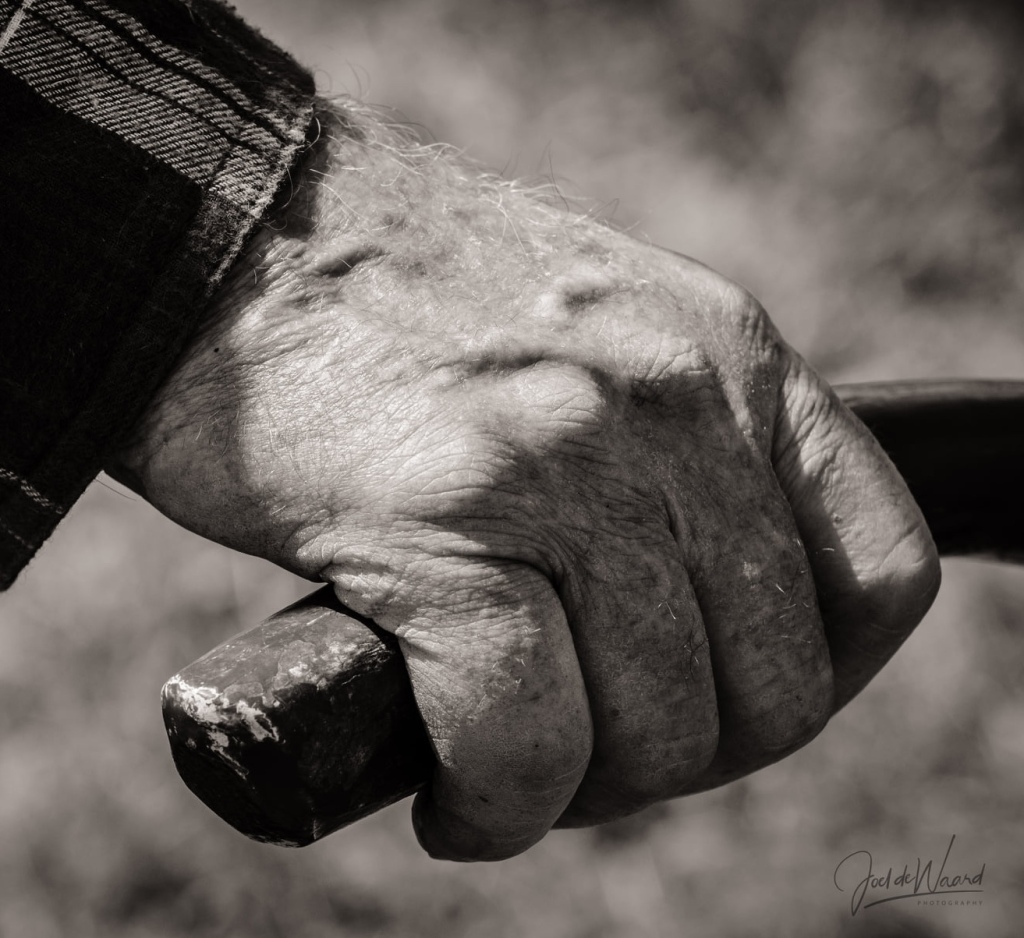
So many years of shouldering huge burdens while waiting for freedom from the harness: grandmothers, grandfathers, parents, children struggling through every ounce of sweat, every sore muscle, every drop of blood, every tear.
How can one forget the weight of the plow as it turns over the earth where someday all will rest as dust?
The soil of strong hearts is well-tilled, yielding to the plowshare, furrowed deep and straight by the hard pull of the traces.
Although black hearts and minds are still tread upon yet do they bloom; even when turned inside out yet do they flourish.
Plow deep our hearts this day, oh Lord, to celebrate freedom declared for all God’s children.
May we never forget the strength it took to hold on… to plow, sow, grow, gather and harvest that freedom, the steady pull on the traces in order to raise up strong children and grandchildren evermore and everywhere.
I am what you make me; nothing more. I swing before your eyes as a bright gleam of color, a symbol of yourself. ~Franklin K. Lane, Secretary of the Interior, 1914 Flag Day address
Sometimes, as a child, when I was bored, I’d grab a step ladder, pull it into our hallway, climb half way up and carefully lift the plywood hatch that was the portal to our dark attic. It took some effort to climb up into the attic from the ladder, juggling a flashlight at the same time, but once seated safely on the beams above our ceiling, being careful not to put my foot through the carpet of insulation, I could explore what was stowed and normally inaccessible to me.
All the usual attic-type things were put up there: Christmas ornaments and lights, baby cribs and high chairs, lamps and toys no longer used. Secrets to my parents’ past were stored away there too. It was difficult imagining them as young children growing up on opposite sides of the state of Washington, in very different circumstances, or as attractive college students who met at a dance, or as young marrieds unencumbered by the daily responsibilities of a family. The attic held those images and memories like a three dimensional photo album.
My father’s dark green Marine Corps cargo trunk was up there, the one that followed him from Officer Training in Quantico, Virginia, to beach and mountain battles on Tarawa, Tinian and Saipan in the South Pacific, and three years later back home again. It had his name and rank stenciled on the side in dark black lettering. The buckles were stiff but could be opened with effort, and in the dark attic, there was always the thrill of unlatching the lid, and shining the flashlight across the contents. His Marine Corps dress uniform lay inside underneath his stiff brimmed cap. There were books about protocol, and a photo album which contained pictures of “his men” that he led in his battalion, and the collection of photos my mother sent of herself as she worked as a teacher of high school students back home.
Most fascinating was a folded Japanese flag inside a small drawstring bag, made of thin white see-through cloth with the bold red sun in the middle. Surrounding the red sun were the delicate inked characters of many Japanese hands as if painted by artists, each wishing a soldier well in his fight for the empire. Yet there it was, a symbol of that soldier’s demise, itself buried in an American attic, being gently and curiously held by an American daughter of a Marine Corps captain. It would occur to me in the 1960s that some of the people who wrote on this flag might still be living, and certainly members of the soldier’s family would still be living. I asked my father once about how he obtained the flag, and he, protecting both me and himself, waved me away, saying he couldn’t remember. I know better now. He knew but could not possibly tell me the truth.
These flags, charms of good luck for the departing Japanese soldier as he left his neighborhood or village for war, are called Hinomaru Yosegaki (日の丸寄せ書き). Tens of thousands of these flags came home with American soldiers; it is clear they were not the talisman hoped for. A few of these flags are now finding their way back to their home country, to the original villages, to descendants of the lost soldiers. So now has this flag.
Eighty years ago doesn’t seem that long, a mere drop in the river of time. There are more than mere mementos that have flowed from the broken dam of WWII, flooding subsequent generations of Americans, Japanese, Europeans with memories that are now lost as the oldest surviving soldiers pass, scores of them daily, taking their stories of pain and loss and heroism with them. My father could never talk with a person of Asian descent, Japanese or not, without being visibly uneasy. As a child, I saw and felt this from him, but heard little from his mouth.
When he was twenty two years old, pressed flat against the rocks of Tarawa, trying to melt into the ground to become invisible to the bullets whizzing overhead, he could not have conceived that sixty-five years later his twenty two year old grandson would disembark from a jumbo jet at Narita in Tokyo, making his way to an international school to teach Japanese children. My father would have been shocked that his grandson would settle happily into a culture so foreign, so seemingly threatening, so apparently abhorrent. Yet this irony is the direct result of the horrors of that too-long horrible bloody war of devastation: Americans and Japanese, despite so many differences, have become the strongest of allies, happily exchanging the grandchildren of those bitterly warring soldiers back and forth across the Pacific. It too was my privilege to care for Japanese exchange students daily in my University health clinic, peering intently into their open faces and never once seeing the enemy that my father feared.
Now all these decades later, our son taught for 13 years in Tokyo, with deep admiration and appreciation for each of his students, some of whom were great-grandchildren of WWII Japanese soldiers. He married a granddaughter of those my father fought. Their two children are the perfect amalgam of once warring, yet now peaceful, cultures; a symbol of blended and blending peoples overcoming the hatred of past generations, creating a new world.
Our son and daughter-in-law, having now settled their family in the States, are adapting to a different language, culture and flag. I pray our son – having devoted part of his life as teacher and missionary to the land of the rising sun – has redeemed his grandfather, the soldier-warrior of the past century.
(U.S. Air Force photo by Staff Sgt. Peter Reft)
One-Time
Monthly
Yearly
Make a one-time or recurring donation to support daily Barnstorming posts
In a daring and beautiful creative reversal, God takes the worse we can do to Him and turns it into the very best He can do for us. ~Malcolm Guite from The Word in the Wilderness
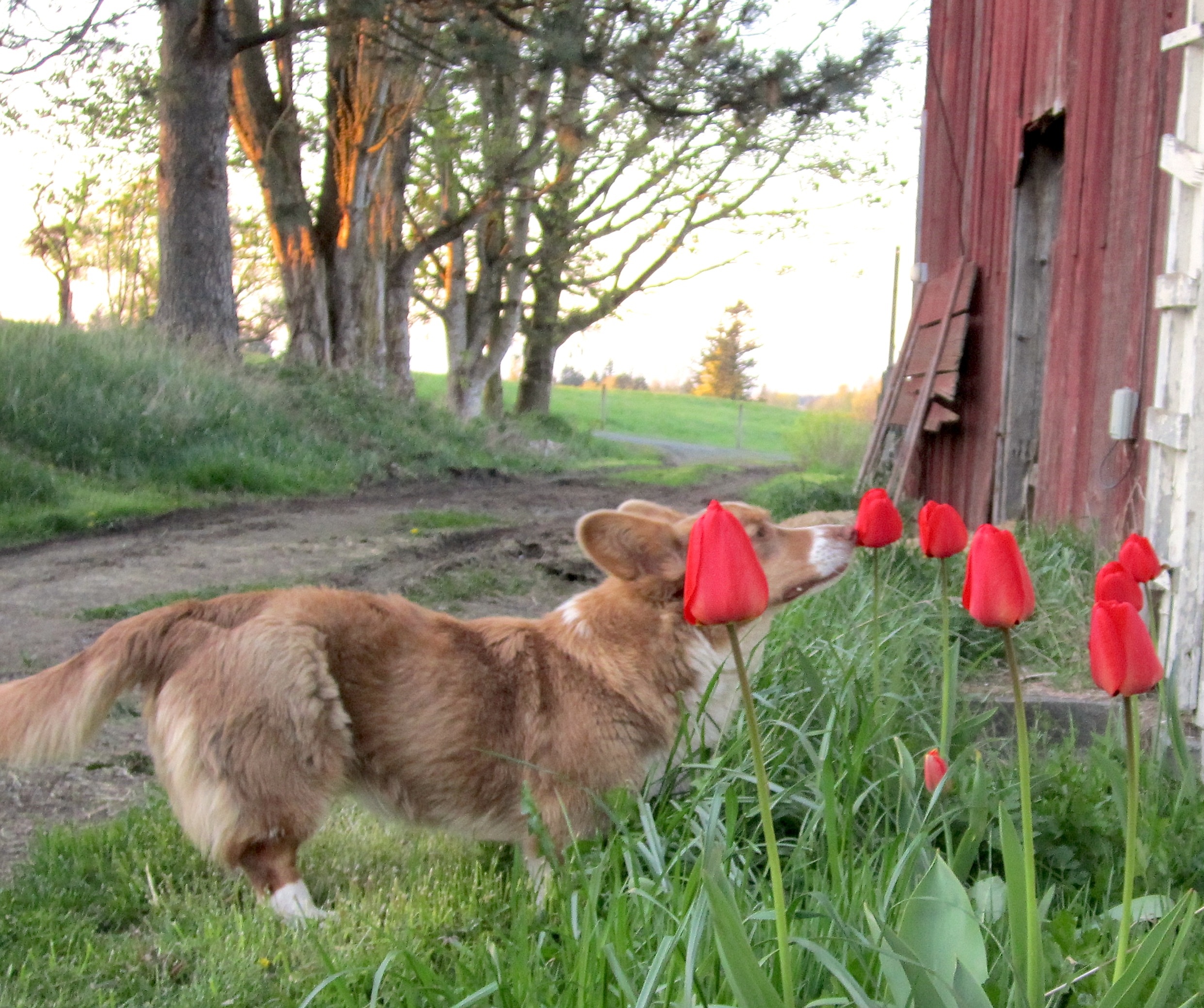
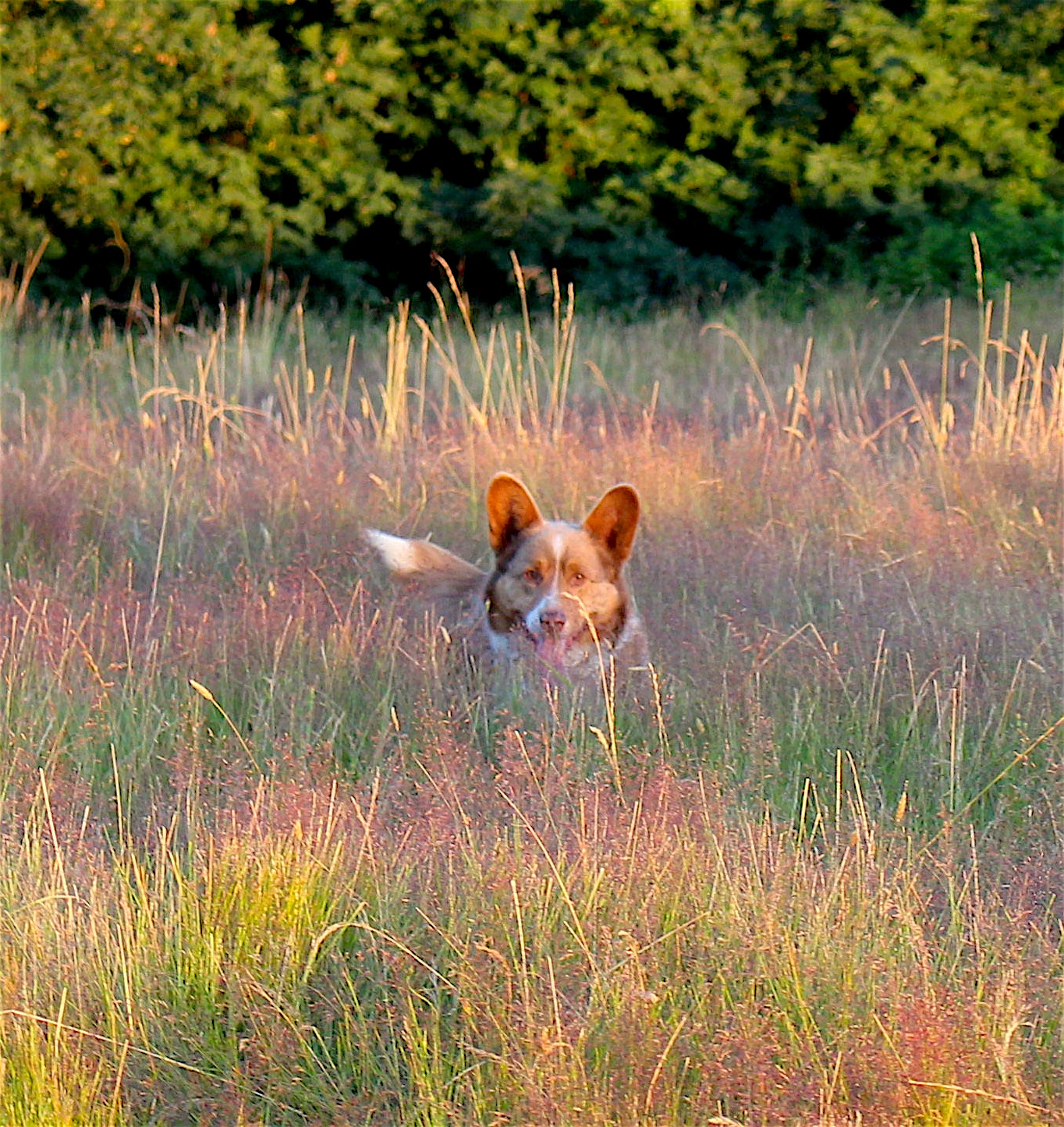
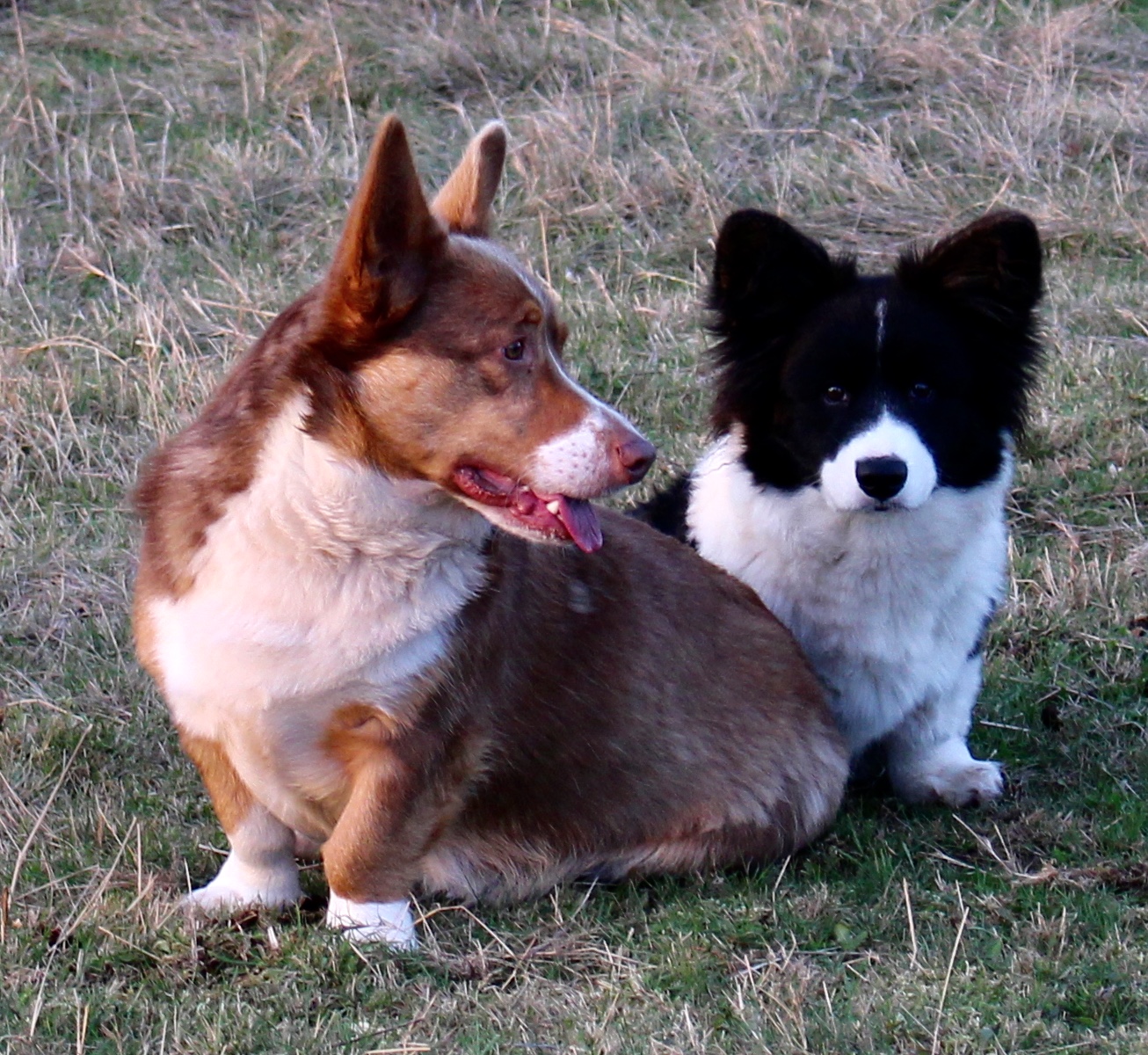
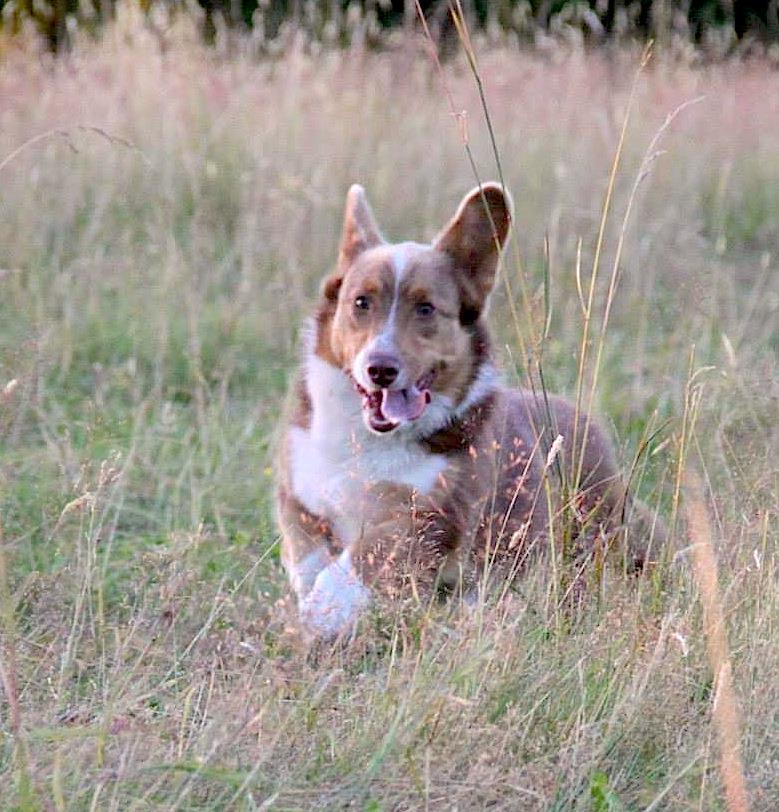
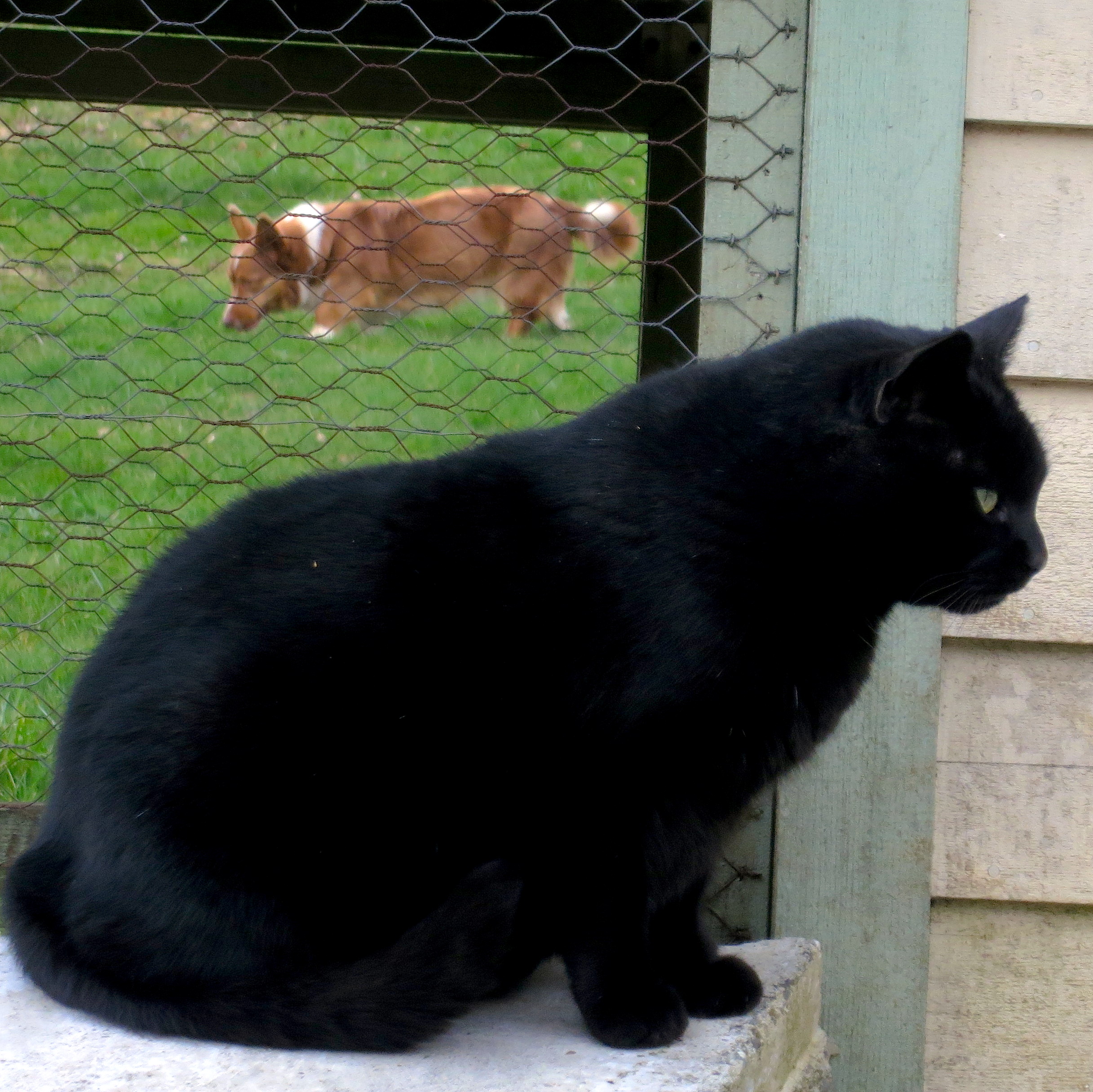
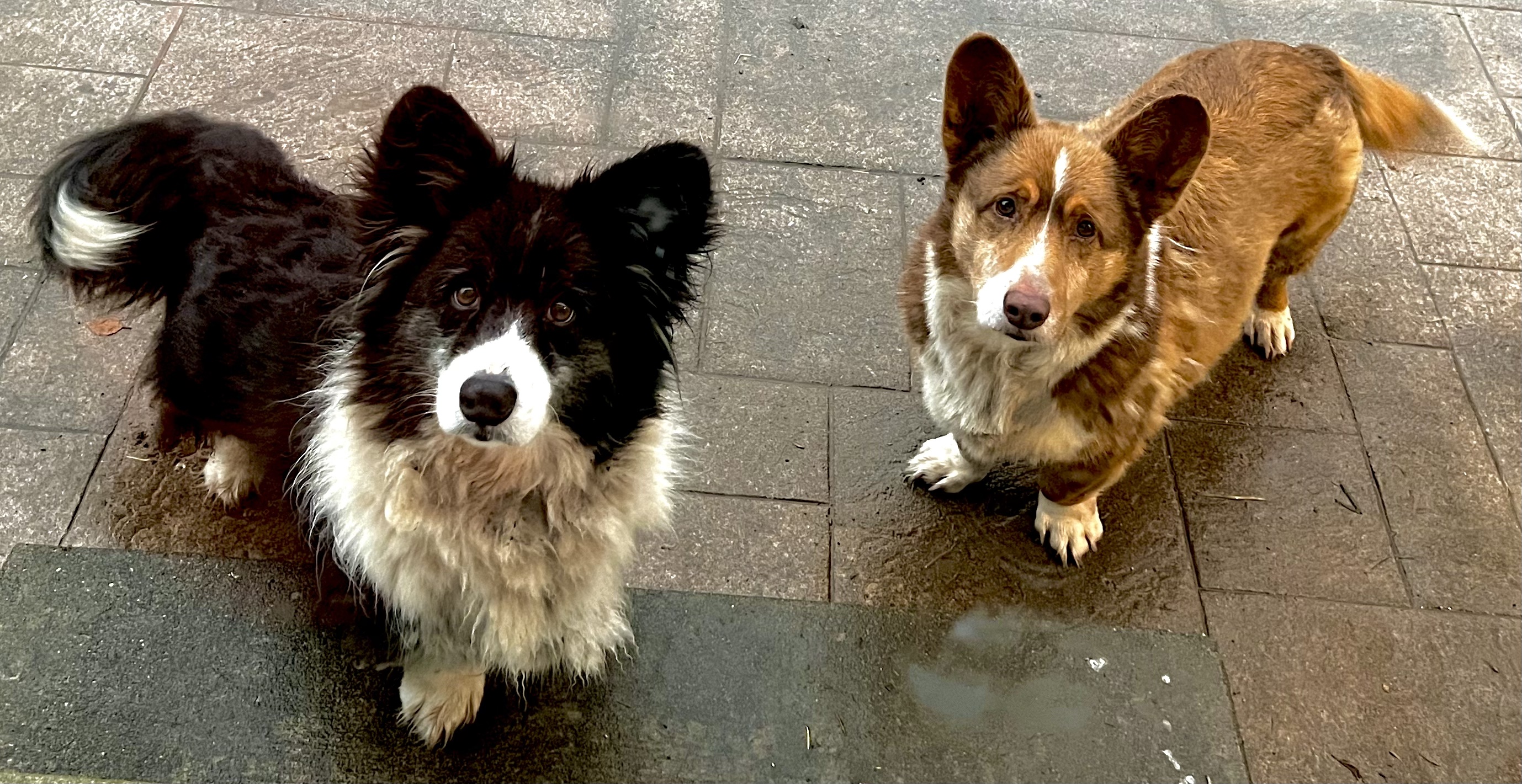
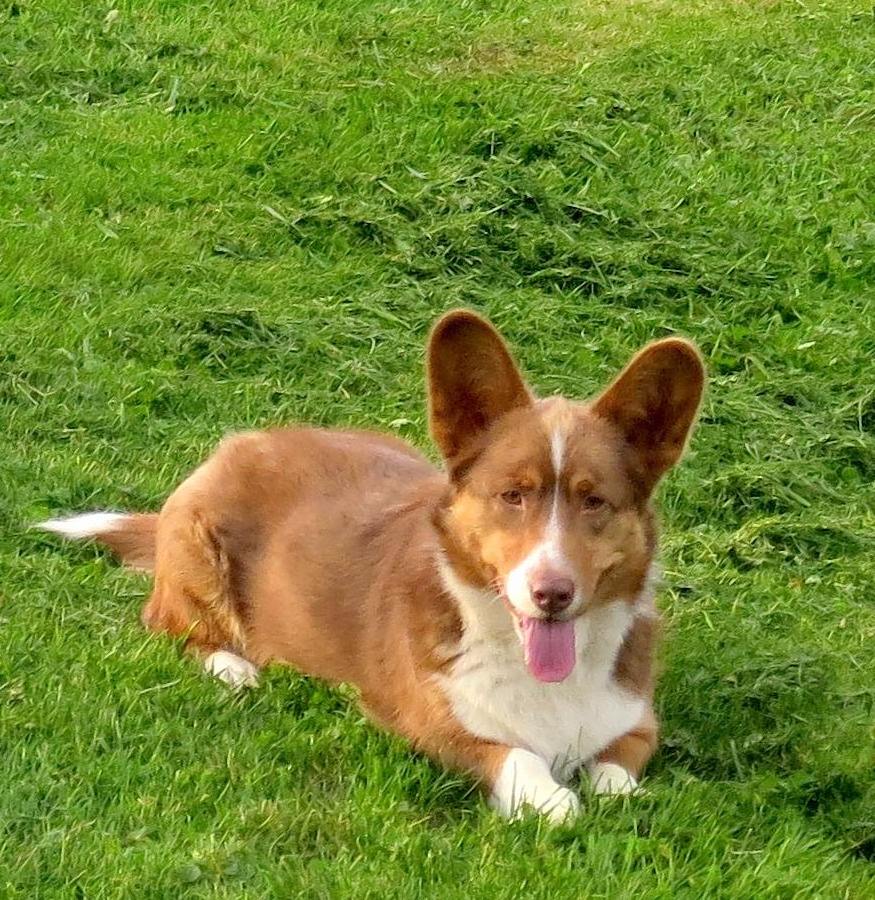
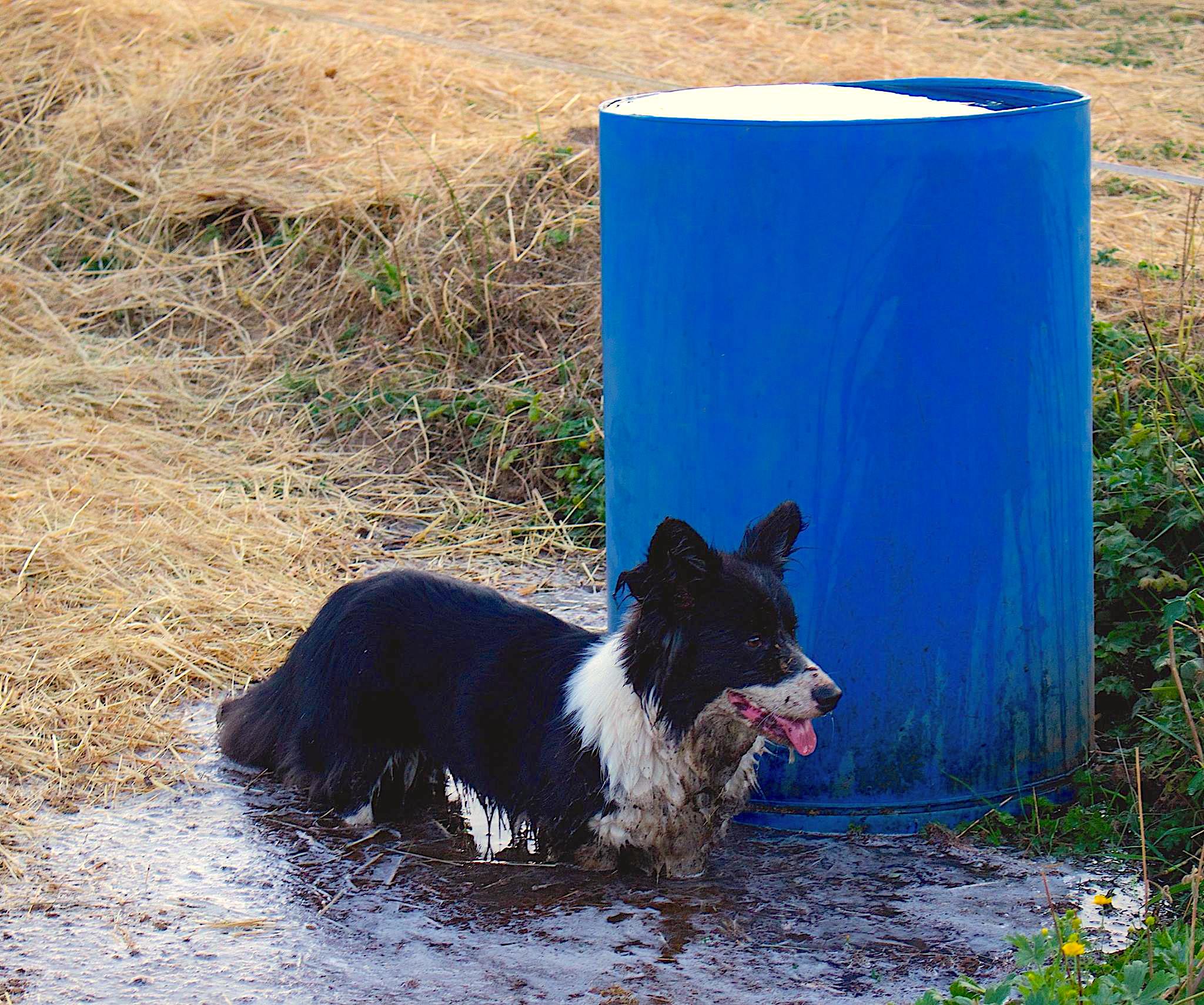
Samwise Gamgee and Homer, our two Cardigan Corgis, do barn chores with me twice daily. They run up and down the aisles as I fill the buckets and throw the horses hay. Then they explore the manure pile out back, have a happy roll in some really smelly stuff in the field, and have stand offs with the barn cats (which they always lose).
We have our routine. When I get done with chores, I whistle for them and we all head back to their breakfast in their outdoor pen.
We always return home together.
Except this particular morning. I whistled when I was done and although Homer came running, Sam’s furry fox face didn’t appear as usual. I walked back through both barns calling his name, whistling. No signs of Sam. I walked to the fields, I walked back to the dog pen, I walked the road (where he never ever goes), I scanned the pond where he once fell in as a pup (yikes), I went back to the barn and glanced inside every stall, I went in the hay barn where he likes to jump up and down on stacked bales, worried about a bale avalanche he might be trapped under, or a hole he couldn’t climb out of.
Nothing.
I’m really anxious about him at this point, fearing the worst. Even Homer seemed clueless about where his friend disappeared.
Sam was nowhere to be found, utterly lost.
Passing through the barn again, I heard a little faint scratching inside one Haflinger’s stall, which I had just glanced in 10 minutes before as a mare was peacefully eating hay. Sure enough, there was Sam standing with his feet up against the door as if asking what took me so long. He must have scooted in when I filled up her water bucket, and I closed the door unaware he was still inside. He and his horse buddy kept it their secret.
Making not a whimper or a bark when I called out his name, passing that stall at least 10 times looking for him, he patiently waited for me to open the door and set him free.
The lost is found even though he never felt lost to begin with.
Yet he was lost to me. And that is all that matters. We have no idea how lost we are until a determined Someone comes looking for us, doing whatever it takes to bring us back alongside them.
Sam was just waiting for that closed door to be opened. And this Holy Week, the door is thrown wide open and we’re welcomed back home.
photo by Nate Gibson
Let’s have a feast and celebrate.For this son of mine was dead and is alive again; he was lost and is found. Luke 15: 23-24
This Lenten season I reflect on the words of the 19th century southern spiritual hymn “What Wondrous Love is This”
One-Time
Monthly
Yearly
Make a one-time or recurring donation to support daily Barnstorming posts
at either end of day. The work of wings was always freedom, fastening one heart to every falling thing. ~Li-Young Lee “One Heart” from Book of My Nights
Each leaf falls as if it were motioning “no.” And tonight the heavy earth is falling away from all other stars in the loneliness. We’re all falling. This hand here is falling. And look at the other one. It’s in them all. And yet there is Someone, whose hands infinitely calm, holding up all this falling. ~Rainer Maria Rilke from “Autumn” translated by Robert Bly
Sometimes I wake from my sleep with a palpitating start: dreaming of falling, an intense sinking down, my body pitching and tumbling yet somehow I land, ~oh so softly~ in my bed, my fear quashed and cushioned by wakening safe.
I feel caught up, and held tightly, rescued amid the fall. Like leaves drifting down from heaven’s orchard, like wings that lift me to freedom, the bed of earth rises to greet me and Someone is waiting to cradle me there.
Our days may come to seventy years, or eighty, if our strength endures; yet the best of them are but trouble and sorrow, for they quickly pass, and we fly away. Psalm 90:10
This Lenten season I reflect on the words of the 19th century southern spiritual hymn “What Wondrous Love is This”
One-Time
Monthly
Yearly
Make a one-time or recurring donation to support daily Barnstorming posts
Days pass when I forget the mystery. Problems insoluble and problems offering their own ignored solutions jostle for my attention… And then once more the quiet mystery is present to me, the throng’s clamor recedes: the mystery that there is anything, anything at all, let alone cosmos, joy, memory, everything, rather than void: and that, O Lord, Creator, Hallowed one, You still, hour by hour sustain it. ~Denise Levertov from “Primary Wonder” from Sands of the Well
Here is the mystery, the secret, one might almost say the cunning, of the deep love of God: that it is bound to draw upon itself the hatred and pain and shame and anger and bitterness and rejection of the world, but to draw all those things on to itself is precisely the means chosen from all eternity by the generous, loving God, by which to rid his world of the evils which have resulted from human abuse of God-given freedom. ~N.T. Wright from The Crown and The Fire
Inundated by constant bad news of the world, I must cling to the mystery of His magnetism for my own weaknesses, flaws and bitterness. He willingly pulls evil onto Himself, out of us. Hatred and pain and shame and anger disappear into the vortex of His love and beauty, the mucky corners of my heart vacuumed spotless.
We are let in on a secret: He is not sullied by absorbing the dirty messes of our lives.
Created in His image, sustained and loved, thus reflecting Him, it is no mystery we are washed forever clean.
…to bring to light for everyone what is the plan of the mystery hidden for ages in God, who created all things… Ephesians 3:9
This Lenten season reflects on the words of the 19th century southern spiritual hymn “What Wondrous Love is This”
One-Time
Monthly
Yearly
Make a one-time or recurring donation to support daily Barnstorming posts
Do you know why this world is as bad as it is? It is because people think only about their own business, andwon’t trouble themselves to stand up for the oppressed, nor bring the wrong-doers to light. My doctrine is this: that if we see cruelty or wrong that we have the power to stop, and do nothing, we make ourselves sharers in the guilt. ~Anna Sewell from Black Beauty
A true revolution of values will soon cause us to question the fairness and justice of many of our past and present policies. On the one hand, we are called to play the good Samaritan on life’s roadside; but that will be only an initial act. One day the whole Jericho road must be transformed so thatmen and women will not be beaten and robbed as they make their journey through life. True compassion is more than flinging a coin to a beggar; it understands that an edifice that produces beggars needs restructuring. America, the richest and most powerful nation in the world, can well lead the way in this revolution of values. There is nothing, except a tragic death wish, to prevent us from reordering our priorities… ~Martin Luther King, Jr. from a speech April 4, 1967
We live in a time where the groaning need and dividedness of humankind is especially to be felt and recognized. Countless people are subjected to hatred, violence and oppression which go unchecked. The injustice and corruption which exist today are causing many voices to be raised to protest and cryout that something be done. Many men and women are being moved to sacrifice much in the struggle for justice, freedom, and peace. There is a movement afoot in our time, a movement which is growing, awakening.
We must recognize that we as individuals are to blame forevery social injustice, every oppression, the downgrading of others and the injury that man does to man, whetherpersonal or on a broader plane.… God mustintervene with his spirit and his justice and his truth. The presentmisery, need, and decay must pass away and the new day of the Son of Man must dawn. This is the advent of God’s coming. ~Dwight Blough from the introduction to When the Time was Fulfilled (1965)
I weep to see ongoing bitter divisions among our citizens as we fail to learn from history’s past errors. Here we are again, groaning against one another once more, ignited by front-running candidates for president whose ethics and values do not represent freedom and justice for all.
As we once again walk this hazardous Jericho Road together, we cannot pass by those who lie dying in the ditch, our brother, our sister, our neighbor, a stranger.
We must stop and help lest we share the guilt of their suffering.
It could be you or me there bleeding, beaten, abandoned until Someone took our place so we can get up and walk Home.
Maranatha.
At the edge of Jericho Road Beneath the street light’s yellow orange glow The feared and the fallen go In the way of predator and prey No one’s spared Because hate is too great a weight to bear
In a cage of shadows we meet Naked and bloodied in the street At the mercy, at the feet Of the way of predator and prey No one’s spared Because hate is too great a weight to bear
In the darkness on shattered pavement The better angels fade Blurred in slumber, murder by numbers Do you know my name? Do you know my name? I believe in you
Because everyone holds some part of the truth And now, I’m in your way Do we stay on Jericho Road, forever going nowhere Till hate is too great a weight to bear
One-Time
Monthly
Yearly
Make a one-time or recurring donation to support daily Barnstorming posts
The essence of America, that which really unites us, is not ethnicity, or nationality or religion. It is an idea, and what an idea it is—that you can come from humble circumstances and do great things.That it doesn’t matter where you came from but where you are going. ~Condoleezza Rice
We have been preserved, these many years, in peace and prosperity. We have grown in numbers, wealth and power, as no other nation has ever grown. But we have forgotten God. We have forgotten the gracious hand which preserved us in peace, and multiplied and enriched and strengthened us; and we have vainly imagined, in the deceitfulness of our hearts, that all these blessings were produced by some superior wisdom and virtue of our own. Intoxicated with unbroken success, we have become too self sufficient to feel the necessity of redeeming and preserving Grace, too proud to pray to the God that made us! ~Abraham Lincolnfrom Proclamation 97 – Appointing a Day of National Humiliation, Fasting and Prayer (March 1863)
Perhaps Independence Day should actually become a day of National Humiliation, Fasting and Prayer, as Lincoln proclaimed in March 1863. Goodness knows, after all we’ve been through as a nation, the U.S.A. still struggles with understanding who we are and how to live out the brilliant idea that began our government nearly 250 years ago.
Even for those coming from the most humble of backgrounds, it is possible for any person to do great things here. The key is to never forget the blessings bestowed upon us by the courage and perseverance of our forebears. So much blood has been shed to bring us the freedoms we take for granted.
Today is a day to be grateful and prayerful, not proud. Let us not forget amid the cacophony of fireworks, the overabundant picnic food and unending parades – we the people must vow together that our unity be strengthened by single-minded commitment to peace and harmony rather than be destroyed by division and conflict.
Our God does not abandon the humble in spirit. Let us not forget such a God.
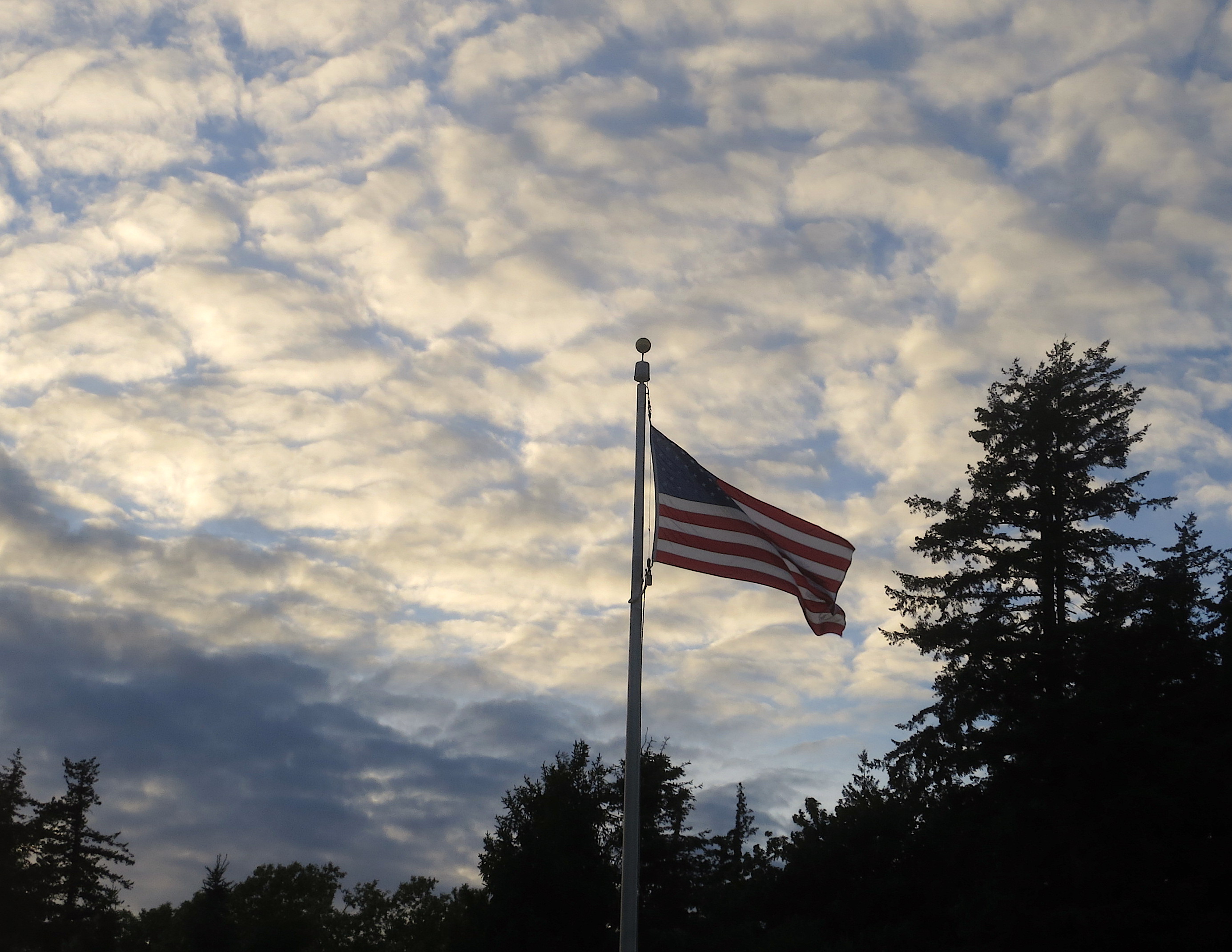
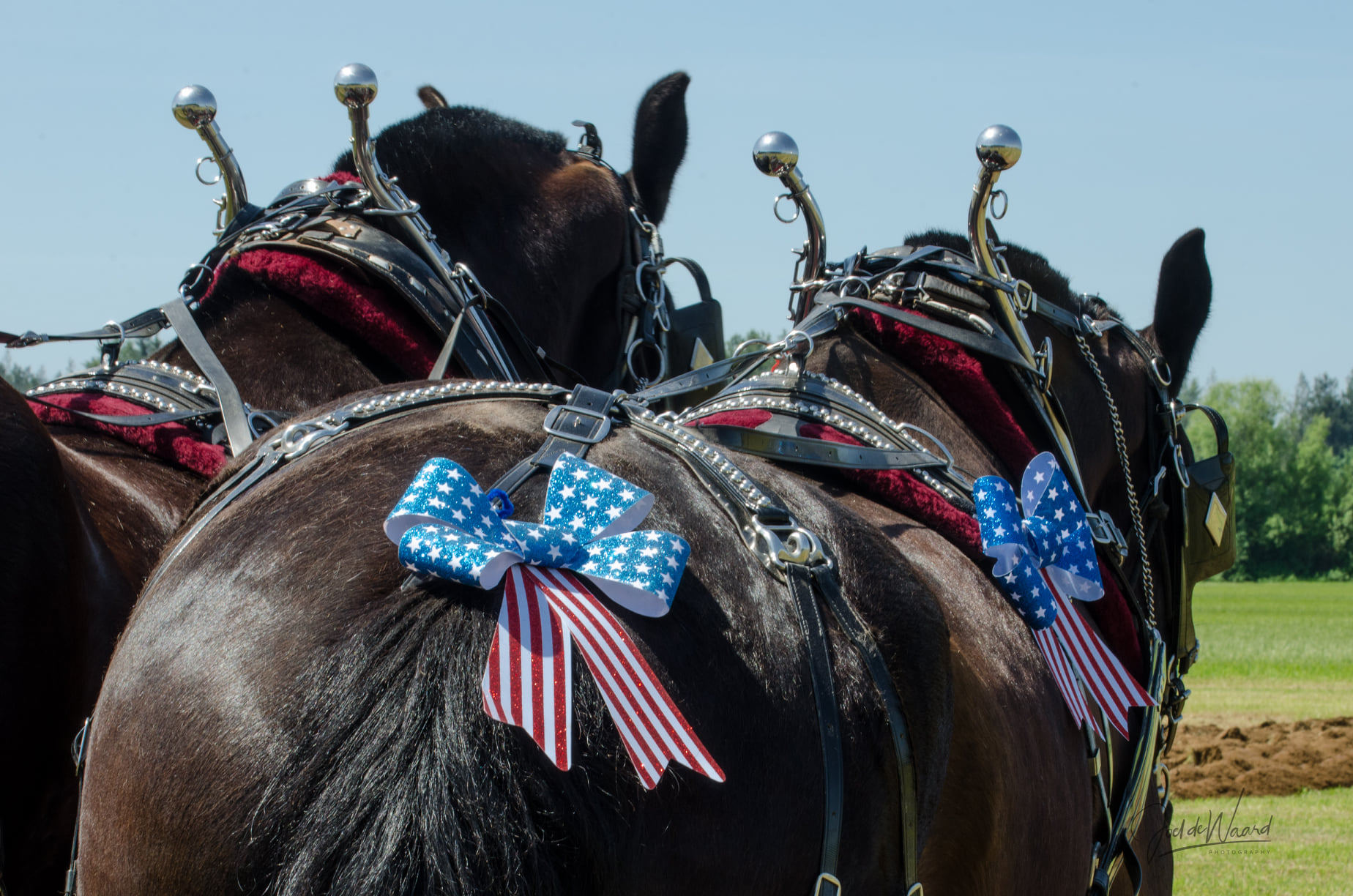
photo by Joel DeWaard
One-Time
Monthly
Yearly
Make a one-time or recurring donation to support daily Barnstorming posts
I know what the caged bird feels, alas! When the sun is bright on the upland slopes; When the wind stirs soft through the springing grass, And the river flows like a stream of glass; When the first bird sings and the first bud opes, And the faint perfume from its chalice steals— I know what the caged bird feels!
I know why the caged bird beats his wing Till its blood is red on the cruel bars; For he must fly back to his perch and cling When he fain would be on the bough a-swing; And a pain still throbs in the old, old scars And they pulse again with a keener sting— I know why he beats his wing!
I know why the caged bird sings, ah me, When his wing is bruised and his bosom sore,— When he beats his bars and he would be free; It is not a carol of joy or glee, But a prayer that he sends from his heart’s deep core, But a plea, that upward to Heaven he flings— I know why the caged bird sings! ~Paul Dunbar “Sympathy”
A free bird leaps on the back of the wind and floats downstream till the current ends and dips his wing in the orange sun rays and dares to claim the sky.
But a bird that stalks down his narrow cage can seldom see through his bars of rage his wings are clipped and his feet are tied so he opens his throat to sing.
The caged bird sings with a fearful trill of things unknown but longed for still and his tune is heard on the distant hill for the caged bird sings of freedom.
The free bird thinks of another breeze and the trade winds soft through the sighing trees and the fat worms waiting on a dawn bright lawn and he names the sky his own.
But a caged bird stands on the grave of dreams his shadow shouts on a nightmare scream his wings are clipped and his feet are tied so he opens his throat to sing.
The caged bird sings with a fearful trill of things unknown but longed for still and his tune is heard on the distant hill for the caged bird sings of freedom. ~Maya Angelou “Caged Bird”
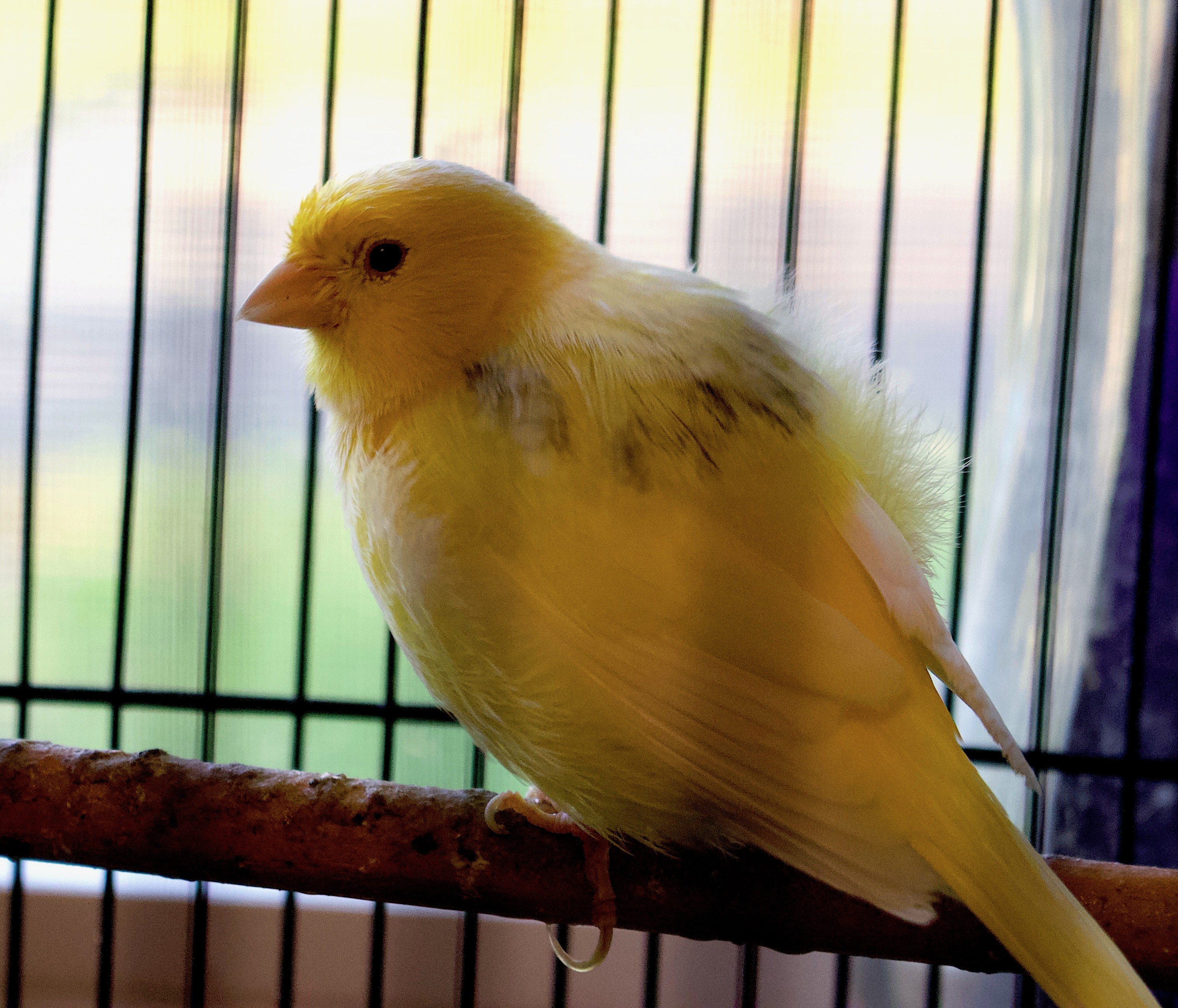
photo by Harry Rodenberger
Three weeks old when its mother allowed me a peek in the nest to spy its fledgling wings; she did her best to hide it from view.
It was another week before it was clear this youngster could not stand or perch, its legs deformed, sprawled and spraddled.
It flopped rather than hopped out of the nest at five weeks, fluttering to the ground in pursuit of freedom outside its mother’s wings.
Crouched next to seed and water, it fed itself, tucked in a corner watching others come and go. Its desire to live so strong, its voice forming in its throat.
Though it could not stand and might never fly – even so, this bird sang of its longing for freedom just so our hearts may hear.
One-Time
Monthly
Yearly
Make a one-time or recurring donation to support daily Barnstorming posts
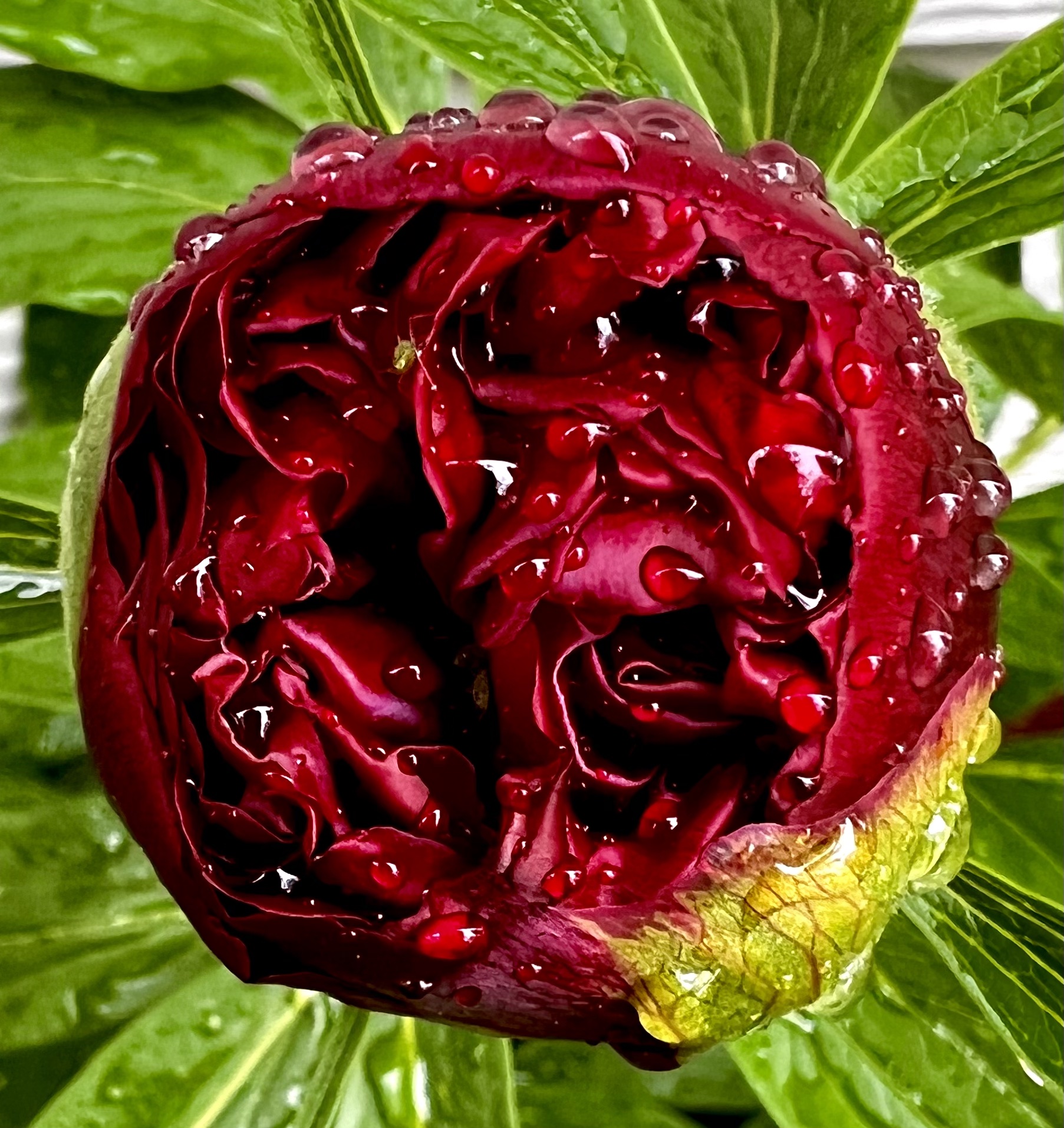
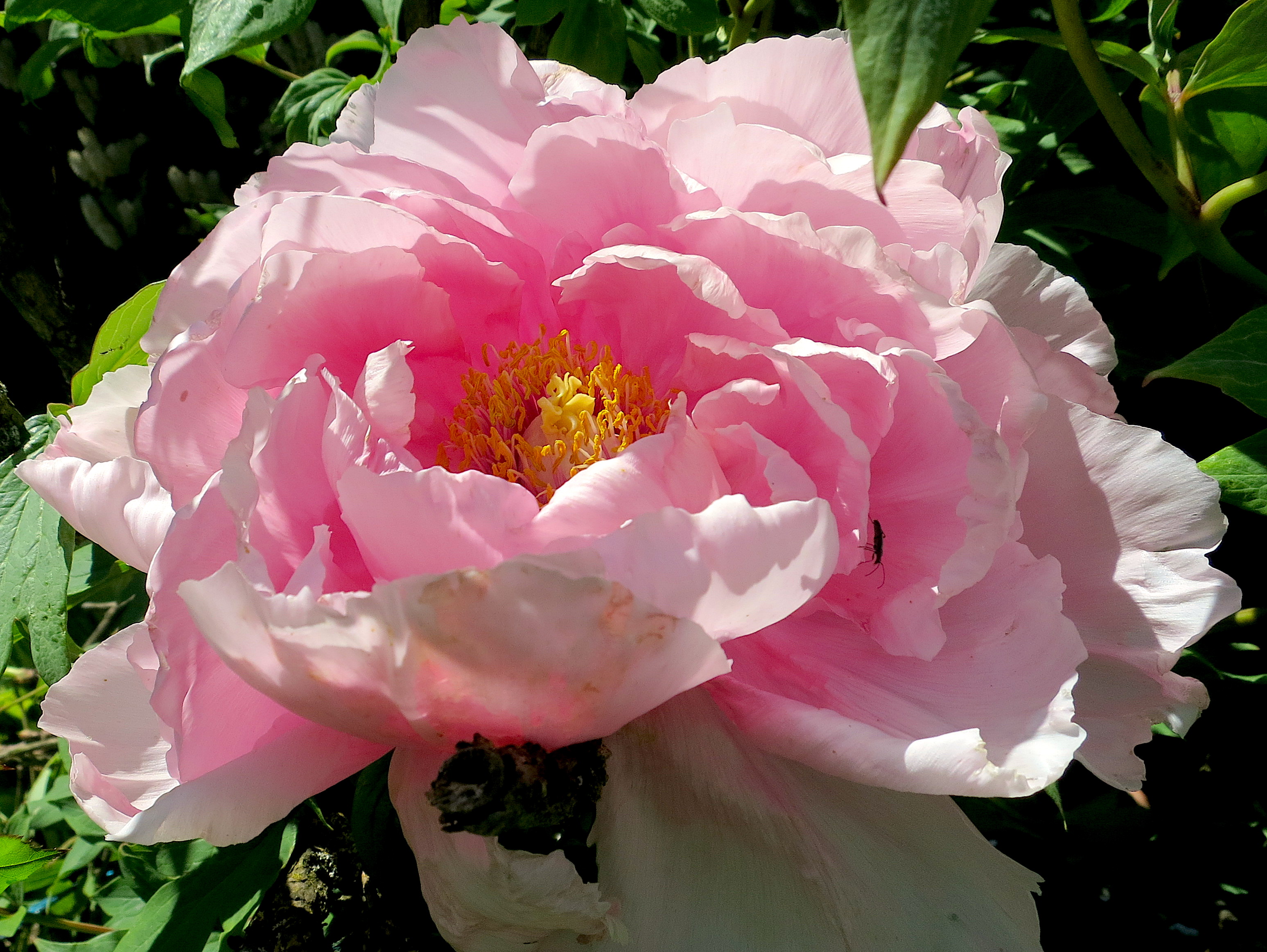
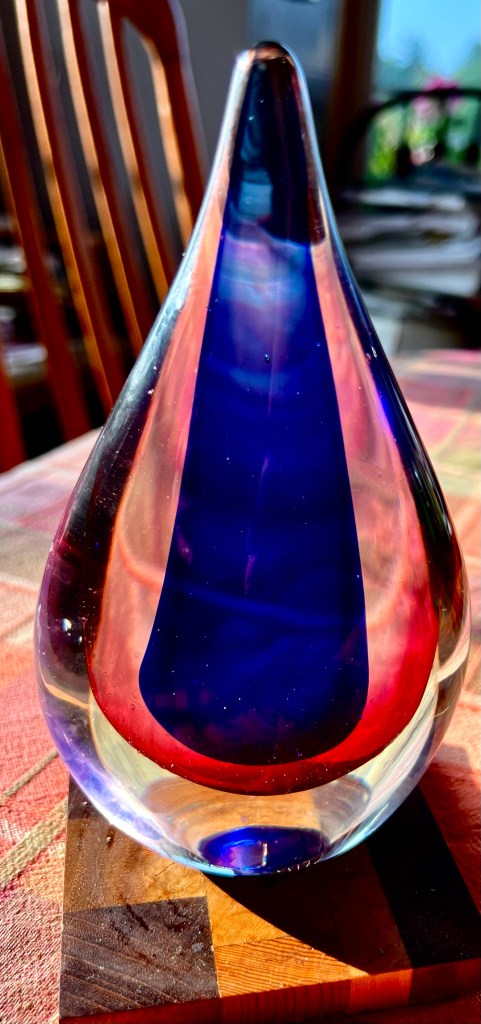
If ever there were a spring day so perfect, so uplifted by a warm intermittent breeze that it made you want to throw open all the windows in the house and unlatch the door to the canary’s cage, indeed, rip the little door from its jamb, a day when the cool brick paths and the garden bursting with peonies seemed so etched in sunlight that you felt like taking a hammer to the glass paperweight on the living room end table, releasing the inhabitants from their snow-covered cottage so they could walk out, holding hands and squinting into this larger dome of blue and white, well, today is just that kind of day. ~Billy Collins “Today”
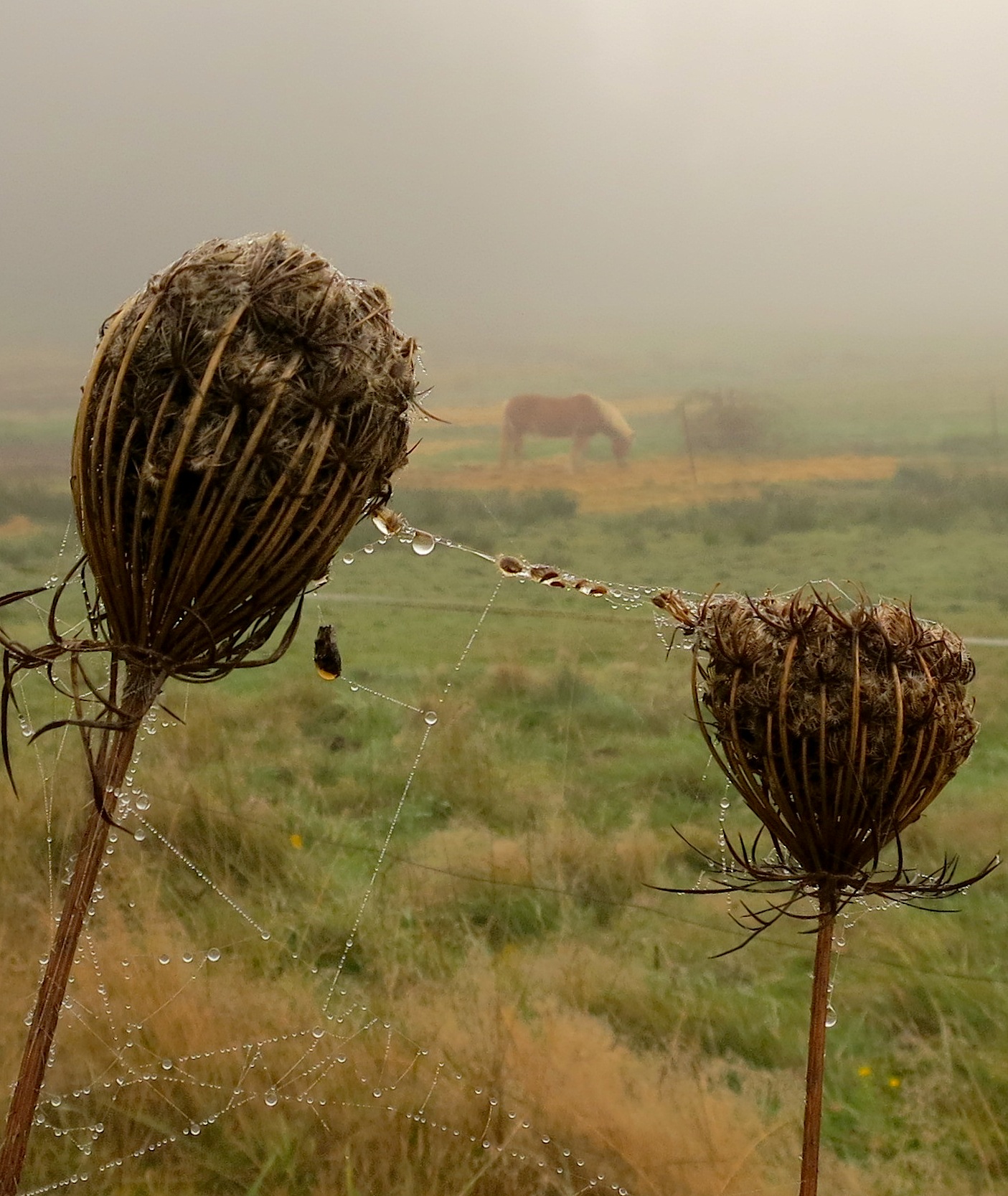
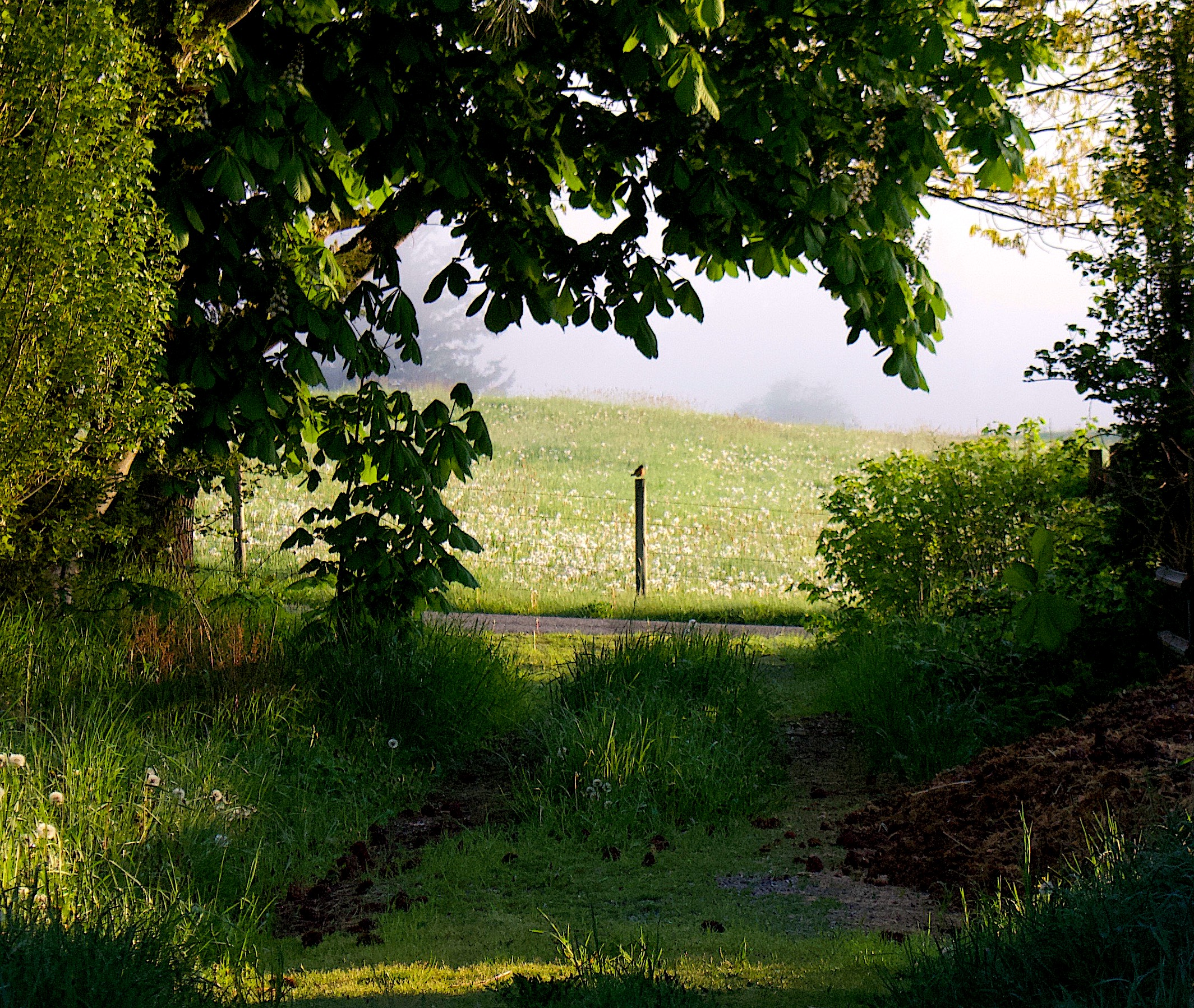
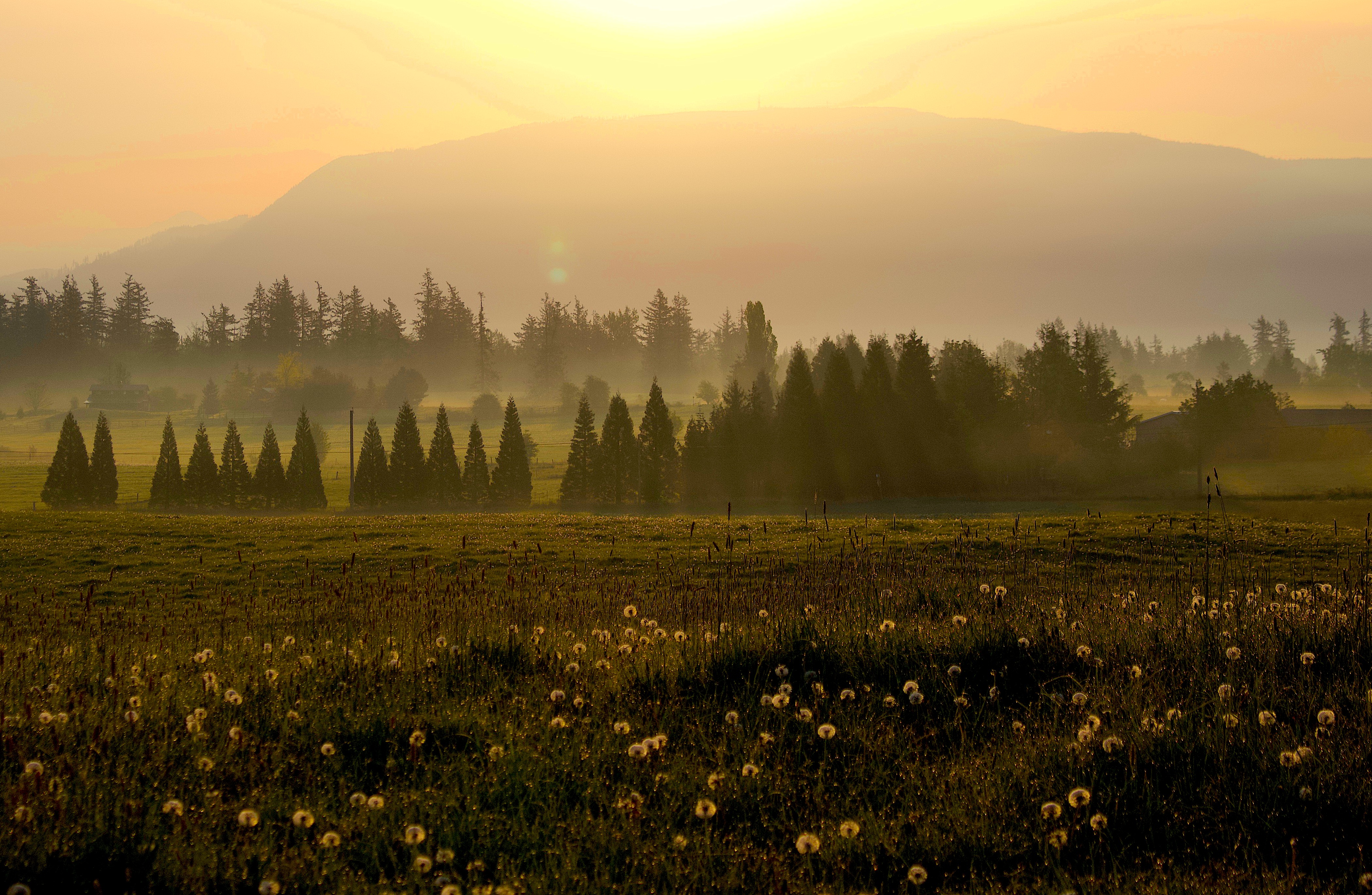
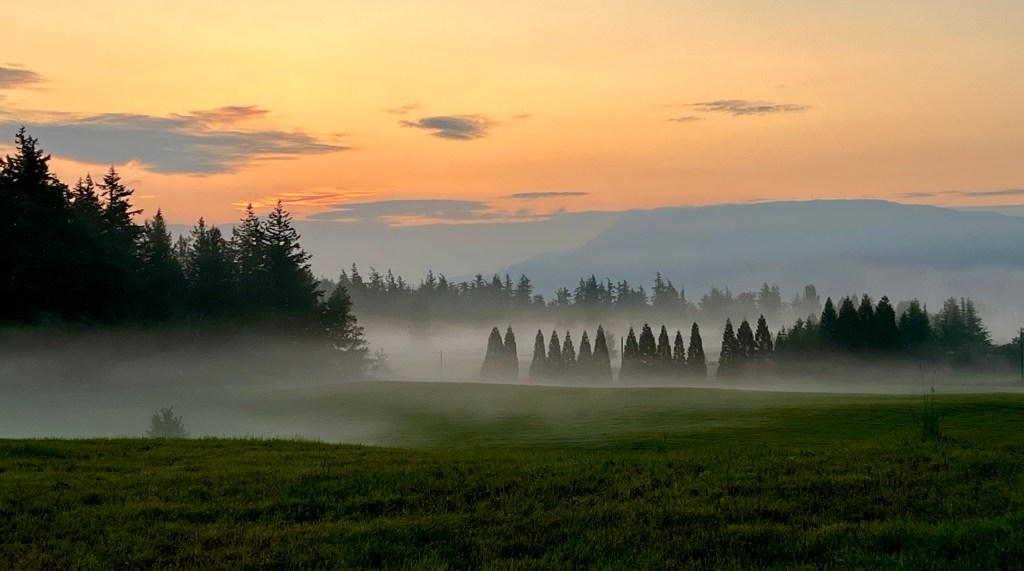
This is the kind of morning that begs to be admired from dawn’s first moment: everything emerges from the fog so sharp, vividly bathed in golden light.
It takes my breath away at the same time as it delivers it deep within me.
How might I spring others free as I now have been sprung?
One-Time
Monthly
Yearly
Make a one-time or recurring donation to support daily Barnstorming posts
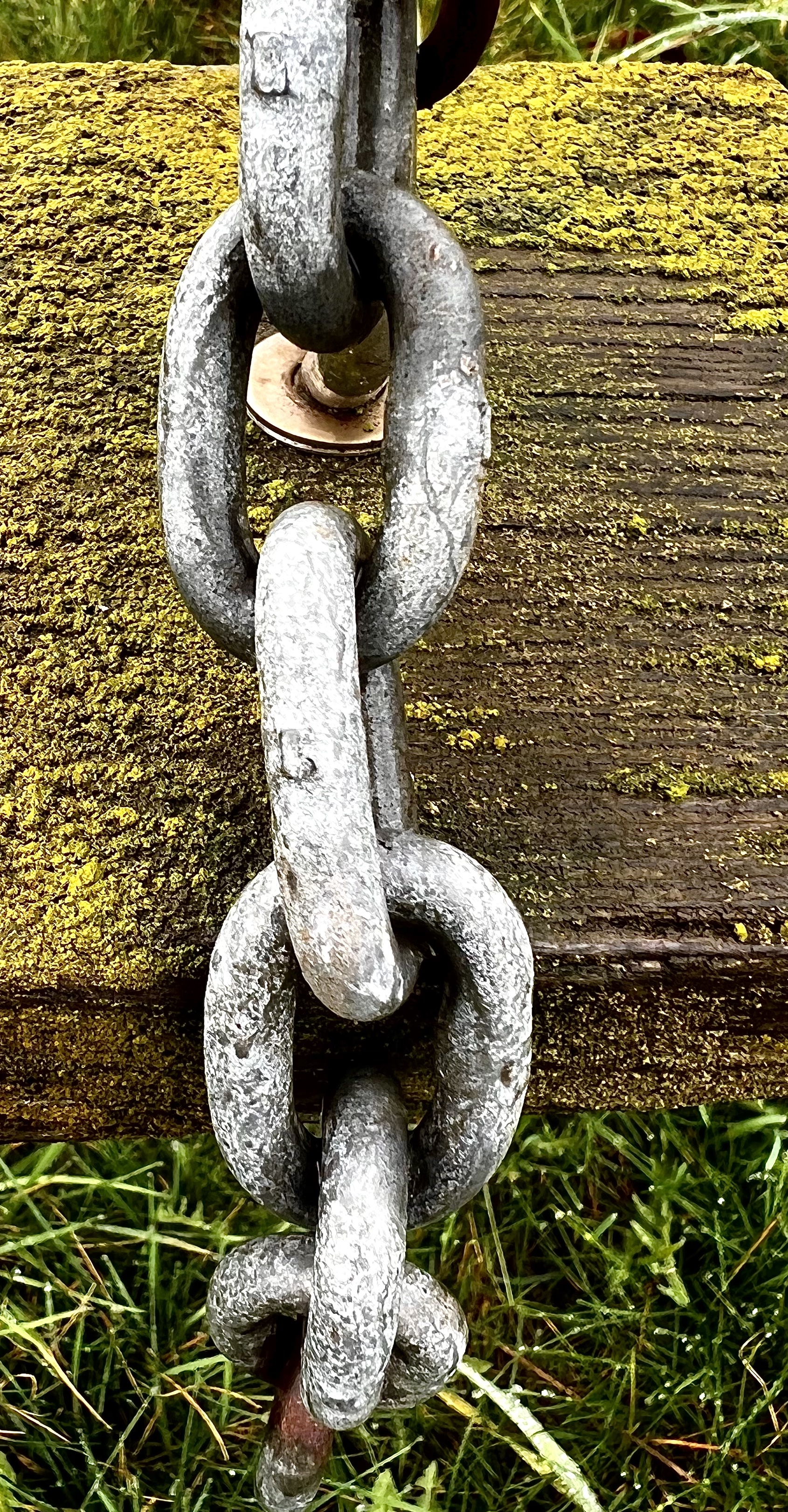
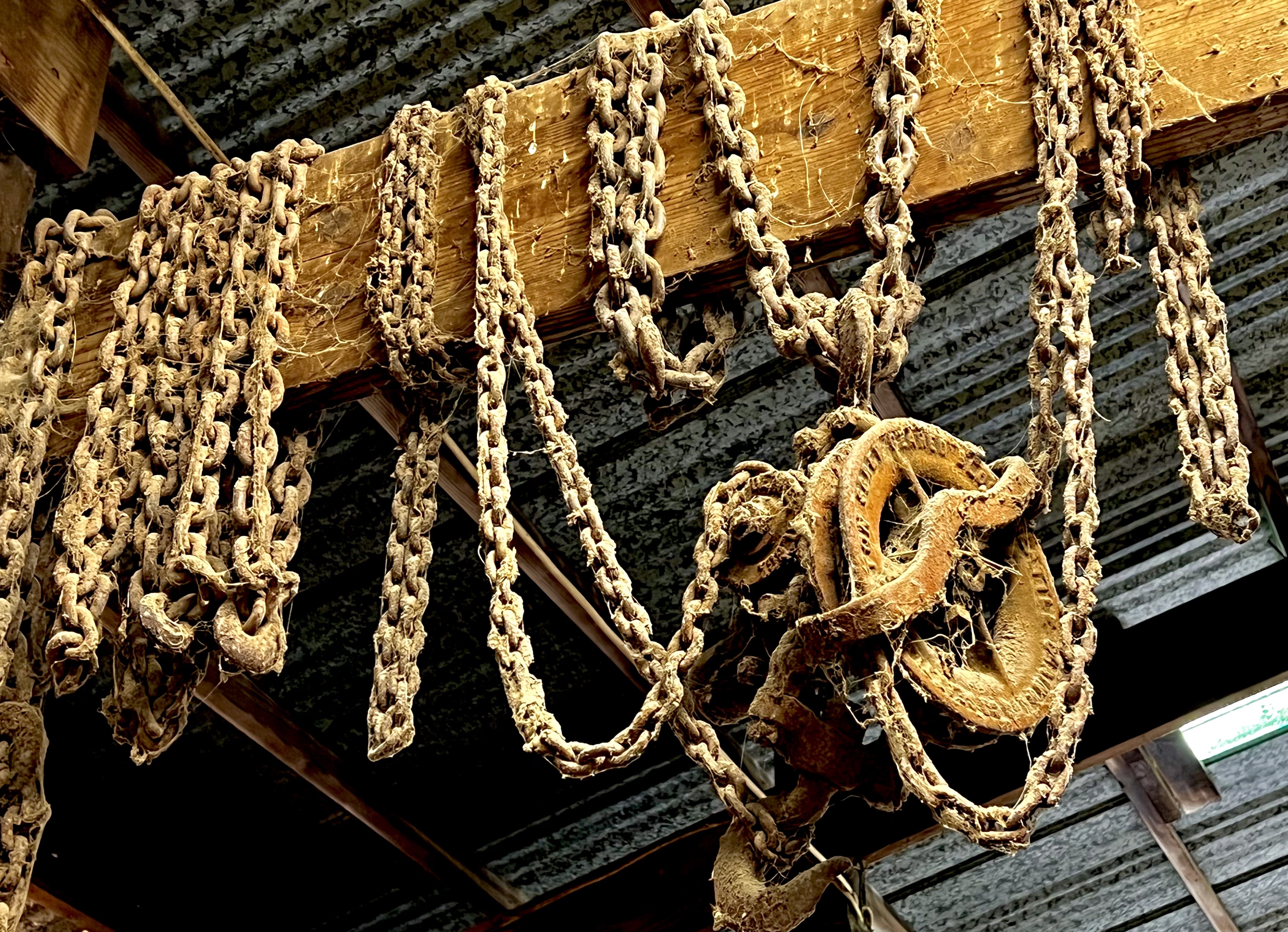
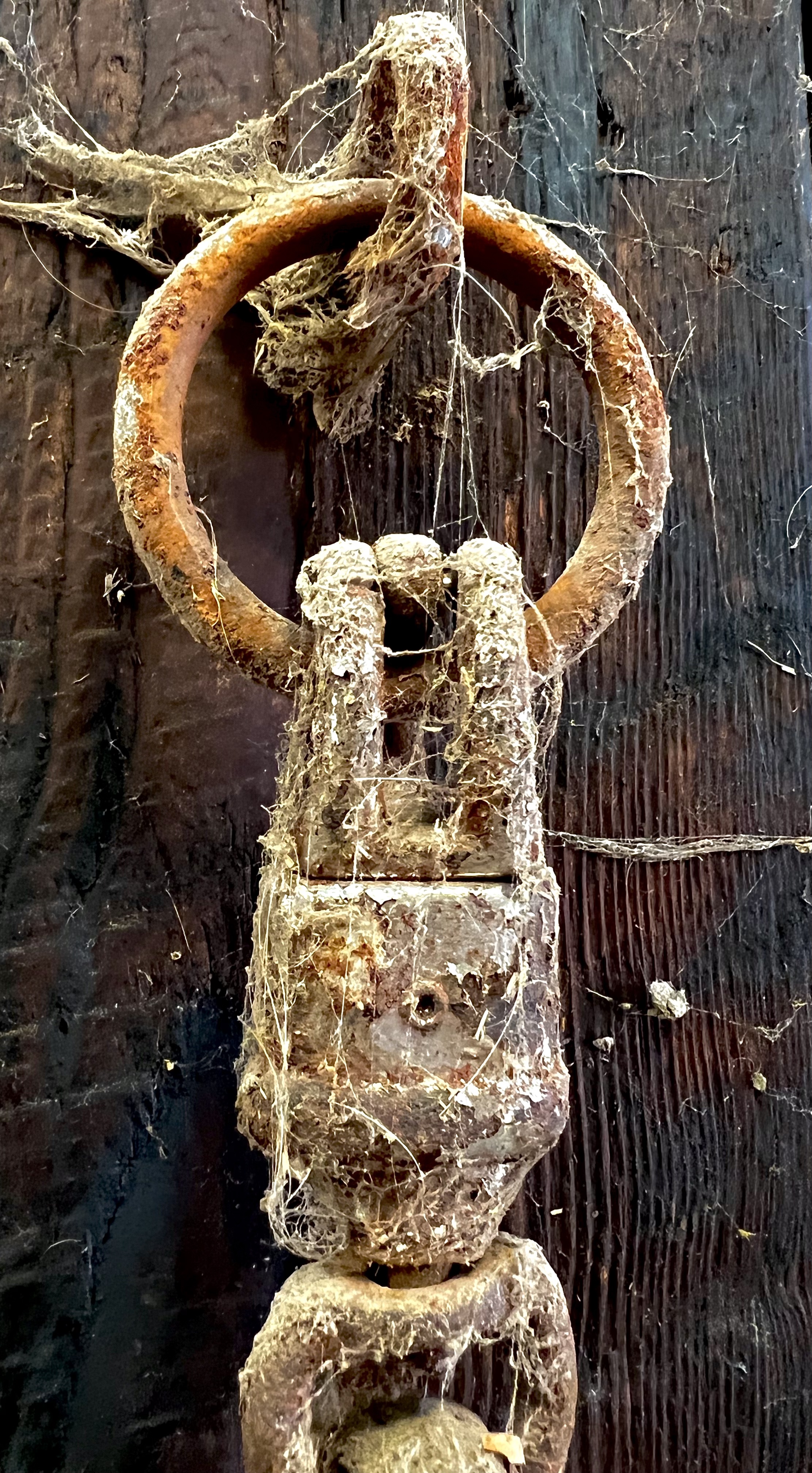
I, Paul, write this greeting in my own hand. Remember my chains. Colossians 4:18
Paul reminds us in his letter to the Colossian church that he is still a prisoner, shackled by chains, limited in his ability to write in his own hand but certainly not helpless. Despite such hardship, he remains a faithful and encouraging witness for God.
He really is asking that we remember our own chains, ones that are invisible but just as restrictive to our freedom. We are bound to sin as if by chains, locked with the key thrown away, pitiful in our imprisonment. The gospel is now the only key that will spring the lock, unclasp the chains, unbind our hands and feet, free our souls.
Remember my chains? I have just been handed the key.
This year’s Lenten theme: So we fix our eyes not on what is seen, but on what is unseen, since what is seen is temporary, but what is unseen is eternal. 2 Corinthians 4: 18
























 Barnstorming