Reflecting Back…

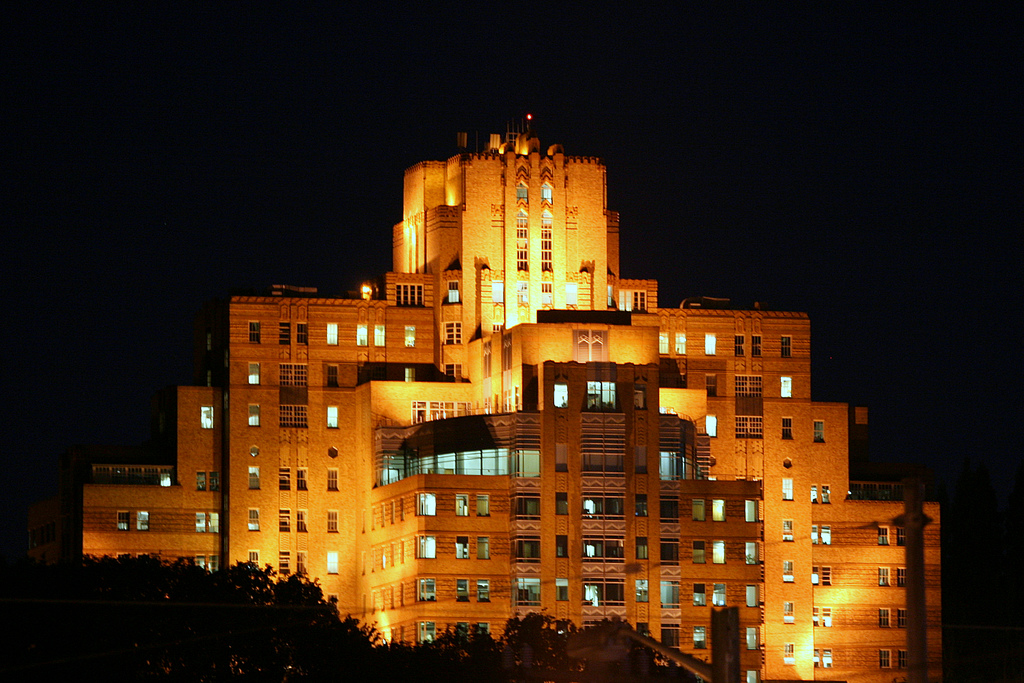
The Pacific Medical Center (2012) Photo by Joe Mabel
http://www.pactower.org

Some years ago, while sitting with my husband and young family high in the upper reaches of Seattle’s (then) Safeco Field watching the Mariners lose to the Cleveland (then) Indians, my attention diverted from the baseball game to the expansive view of the surrounding city.

In particular, I couldn’t help but place myself back inside the old Art Deco building that sits up on Beacon Hill (now known as the Pac Tower.) I had spent a hundreds of hours of my life in that building in the late 1970s; it was easy imagine my younger self in those hallways and rooms.

The 90 year old building had a number of different purposes since originally being constructed to provide hospital care for the region’s Merchant seamen. By 1999, it had become the home of a five year old business that had outgrown Jeff Bezos’ garage — Amazon.com. 

I trained inside the walls of that Public Health Hospital, back in the days when it was the hospital in the region for not only Merchant Marines, but many of the indigenous people of the Pacific northwest and Alaska, in addition to local folks who needed affordable (as in free) health care. I had opportunity to work several clinical rotations in this building as a University of Washington medical student, and to think of it being Amazon’s first (but not last) major headquarters for Amazon made my brain do twists. 

I remembered so much life and death happening inside those walls over the years. 

I first walked into this building as a very green 24 year old med student beginning a surgical rotation in fall 1976, knowing only which end of the stethoscope to put in my ears and which end rests on the patient. On the first day I was shown how to put on a surgical gown, masks and sterile gloves without contaminating myself and the people around me. I never have forgotten that sequence of moves, even though my opportunity to go into an operating room (other than as a patient) became rare after my training days. My chief surgical resident was an exceptionally talented young man who worked himself and everyone working with him around the clock caring for his patients. This brilliant surgeon could only operate on patients while listening and singing to the music of Elvis Presley. I can’t hear any Elvis Presley songs to this day without smelling the odors of surgery–cauterized blood vessels and pus. 

He was soon to become a leading trauma surgeon in a city known for its fine surgeons. The pressure was too much for him. He experienced a personal crisis for which he sought treatment. When he returned to medicine, he abandoned his incredible surgical skills to train as a psychiatrist and still remains an authority on helping impaired physicians, assisting other care providers to acknowledge and deal with addiction and mental health burnout before they harm a patient. 

Those endless clinical rotation days and nights meant witnessing the misery of the most vulnerable of humanity in desperate need of healing, and sometimes we succeeded, but often we did not.  I still have a recurring dream of running up and down the staircases of the Public Health Hospital, bringing pint after pint of blood to the OR from the lab as our team operated on an Alaskan indigenous patient bleeding from dilated esophageal varices, developed as a result of a damaged liver from chronic alcohol dependency. We did not save her, nor have I saved her even once in my dreams over the decades, though I keep trying to run faster. My response to her death was to spend 20 years of my clinical career working with patients in an alcohol and drug treatment program, hoping to prevent her fate in others.

Nor did we save a classmate of mine, on a rotation on a different service, the daughter of a beloved radiologist in this very hospital, who for reasons unknown, had a cardiac arrest while napping briefly during her 32 hour shift.  Another medical student sleeping in the same room heard her odd breathing, found her unresponsive and all medical interventions were employed, to no avail. Even when all the right people, and the right equipment, and the right medicine is seconds away, death can still come, even to healthy people in their 20s.  This was a shock to us all, and an extraordinarily humbling lesson to the pompous and overconfident among us. We might die, in our sleep, whenever it is our time. Years later, I still remember that in my evening prayers.

There was also the young surgical resident who was hospitalized there with jaundice and subsequently died of Hepatitis B, contracted from a blood exposure during his training. No vaccination was available in those days, but was in development. And it was in this and other hospitals in the city, we began to see unusual cases of gay men with severe wasting, rare skin cancers and difficult to treat pneumonias. Initially called GRID (gay-related immune deficiency), it was renamed AIDS as it began appearing in the general population as well, and for too long was a death sentence for anyone infected.

One on-call night in particular is memorable. It was Christmas Eve, and a heavy snowstorm had brought the city to a standstill.  We had very little to do that night in the hospital as the elective surgeries were all postponed until after the holiday and no ambulance could easily make it up the steep drive to the ER, so they were being diverted to other hospitals. As a result, our patient load was light. I was in my tiny sleeping room, on the 14th floor of the tower, facing out north to the city of Seattle, able to enjoy the view of the city, everything blanketed under snow, so peaceful and very quiet.  The freeway, ordinarily so busy day and night, was practically abandoned, and the lights of the city were brighter from the snowfall. It was an enchanting vision of a city forced to slow itself and be still, so anticipatory on a sacred and holy night.

I remember thinking about how young and inexperienced I was, and how very little I knew. My chief resident thought I’d make a good surgeon – I was a diligent worker and technically very good with my hands. My heart told me that I’d be better as a generalist/family doctor. The city held many attractions and excitement, but I longed to return to a farm and a someday family. It was a wistful bittersweet night and I slept very little, perched on that little bed overlooking the sleeping snowy city. I wondered where life might take me, as I reflected on who I was becoming and where I was meant to be.

Forty five years later, I still am reminded every day at how little I know,  but I do realize this:
for however long we’re on this earth, each day we have a distinct purpose and reason for being.

That day, my purpose was to be snowbound on that Christmas day at the old Public Health Hospital, unable to go home from my shift because my car was stuck in the parking lot. Instead, I covered for others who couldn’t make it in to work, singing Christmas carols for all the patients who had to stay put in their hospital beds.

Soon, my purpose was to meet the man I was to marry, eventually living with three beloved children on a little farm 100 miles to the north while practicing medicine in a variety of primary care roles for over forty years. 

And perhaps, my purpose now in retirement is to share a few stories while reflecting on a life still in progress.

Only the Lord knows why He places us where He does.
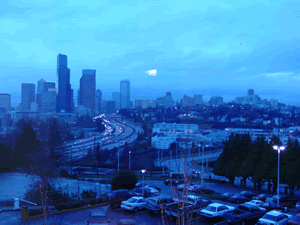
view from the “sleeping room” at the top of the tower
One-Time
Monthly
Yearly

Make a one-time or recurring donation to support daily Barnstorming posts

Make a monthly donation

Make a yearly donation

Choose an amount

$10.00
$25.00
$50.00
$5.00
$15.00
$100.00
$5.00
$15.00
$100.00

Or enter a custom amount

$

Your contribution is deeply appreciated.

Your contribution is appreciated.

Your contribution is appreciated.

DonateDonate monthlyDonate yearly

The Rising Tide

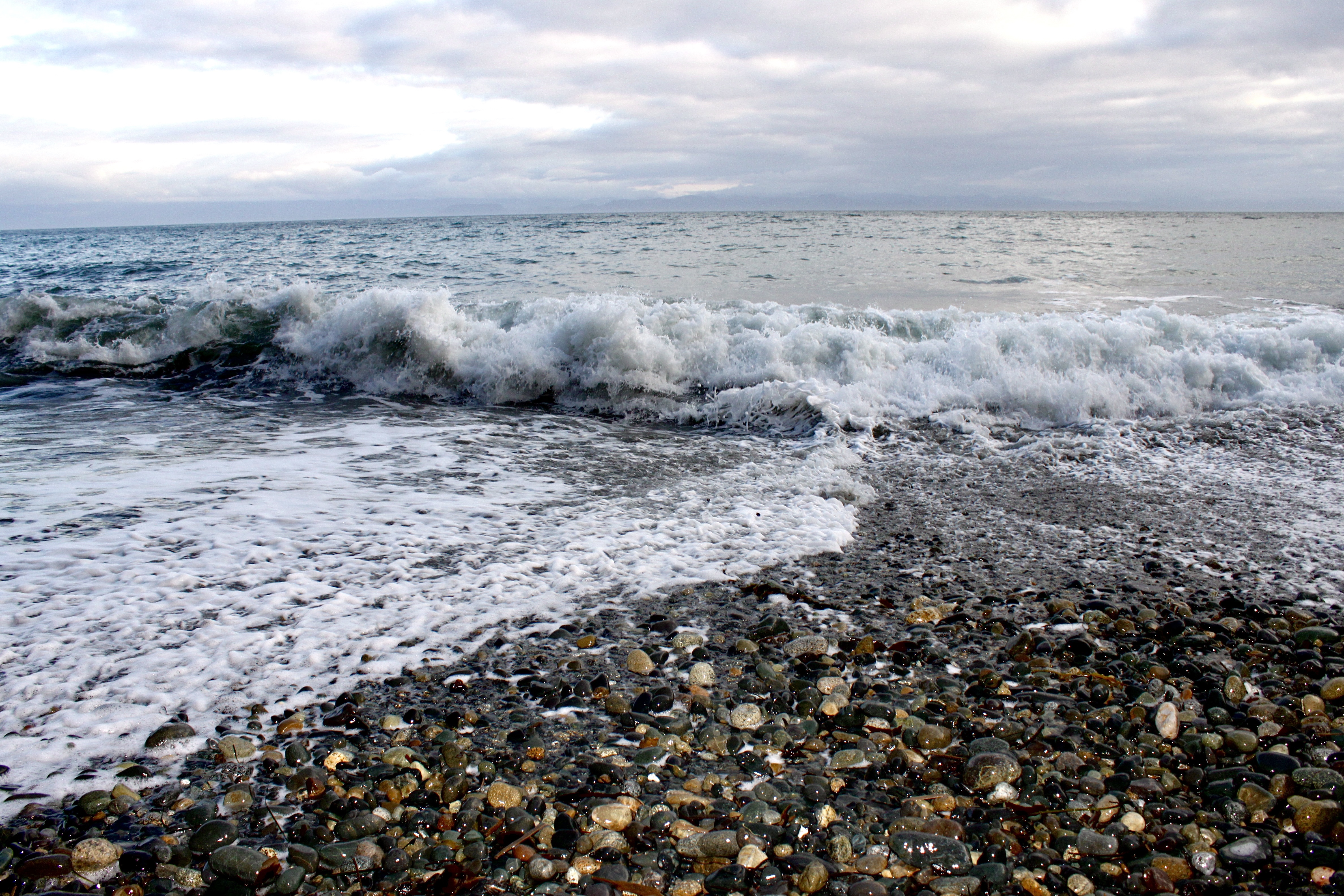
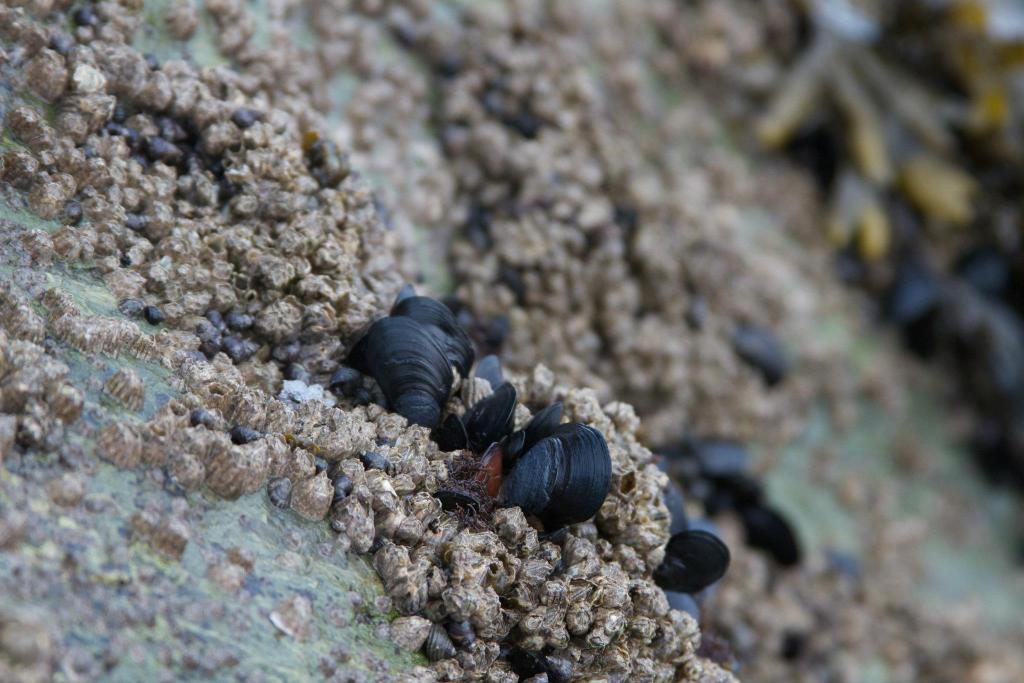
As the tide rises, the closed mollusc
Opens a fraction to the ocean’s food,
Bathed in its riches. Do not ask
What force would do, or if force could.


A knife is of no use against a fortress.
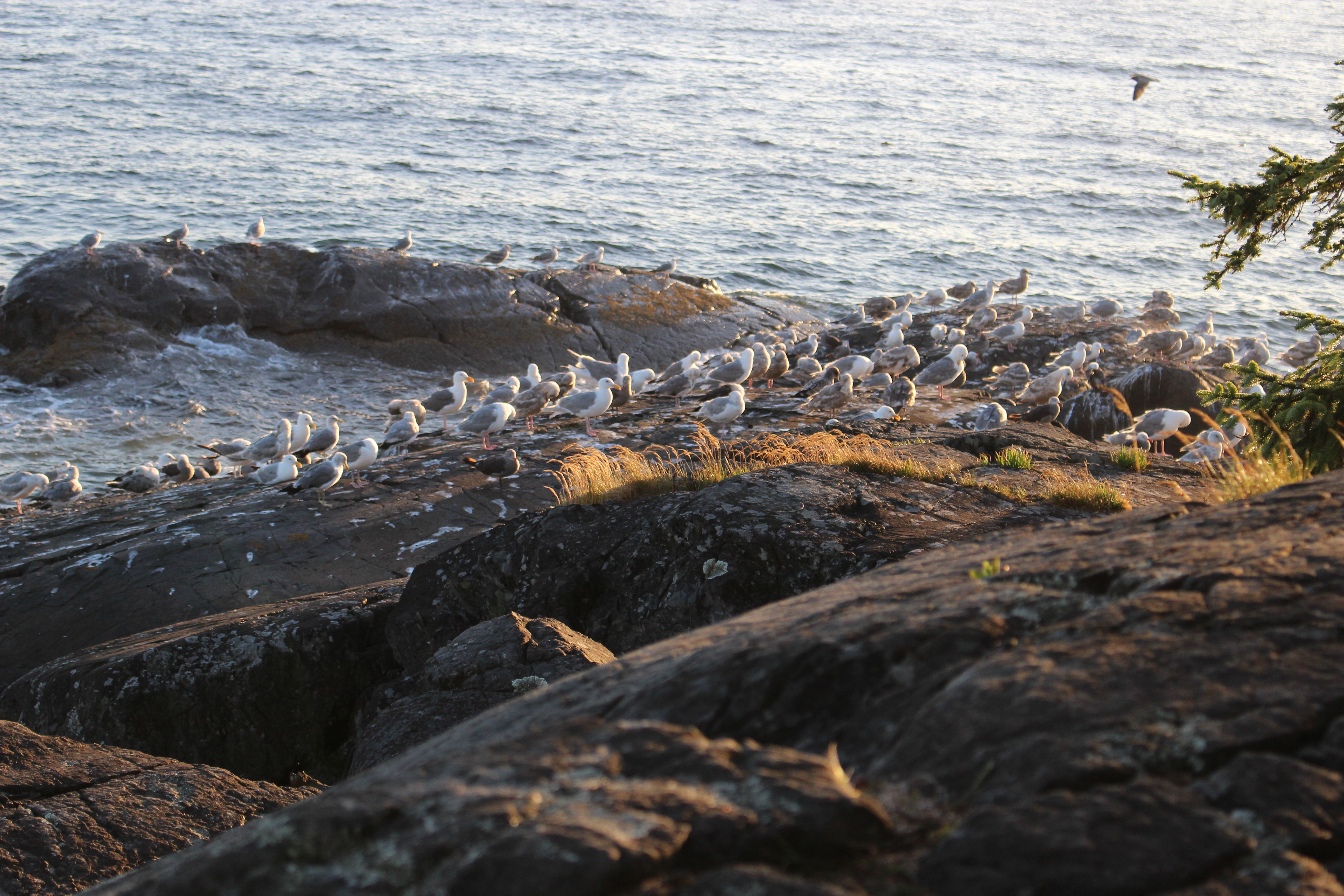
You might break it to pieces as gulls do.
No, only the rising tide and its slow progress
Opens the shell. Lovers, I tell you true.

You who have held yourselves closed hard
Against warm sun and wind, shelled up in fears
And hostile to a touch or tender word—
The ocean rises, salt as unshed tears.

Now you are floated on this gentle flood
That cannot force or be forced, welcome food
Salt as your tears, the rich ocean’s blood,
Eat, rest, be nourished on the tide of love.

~May Sarton “Of Molluscs” from Complete Poems

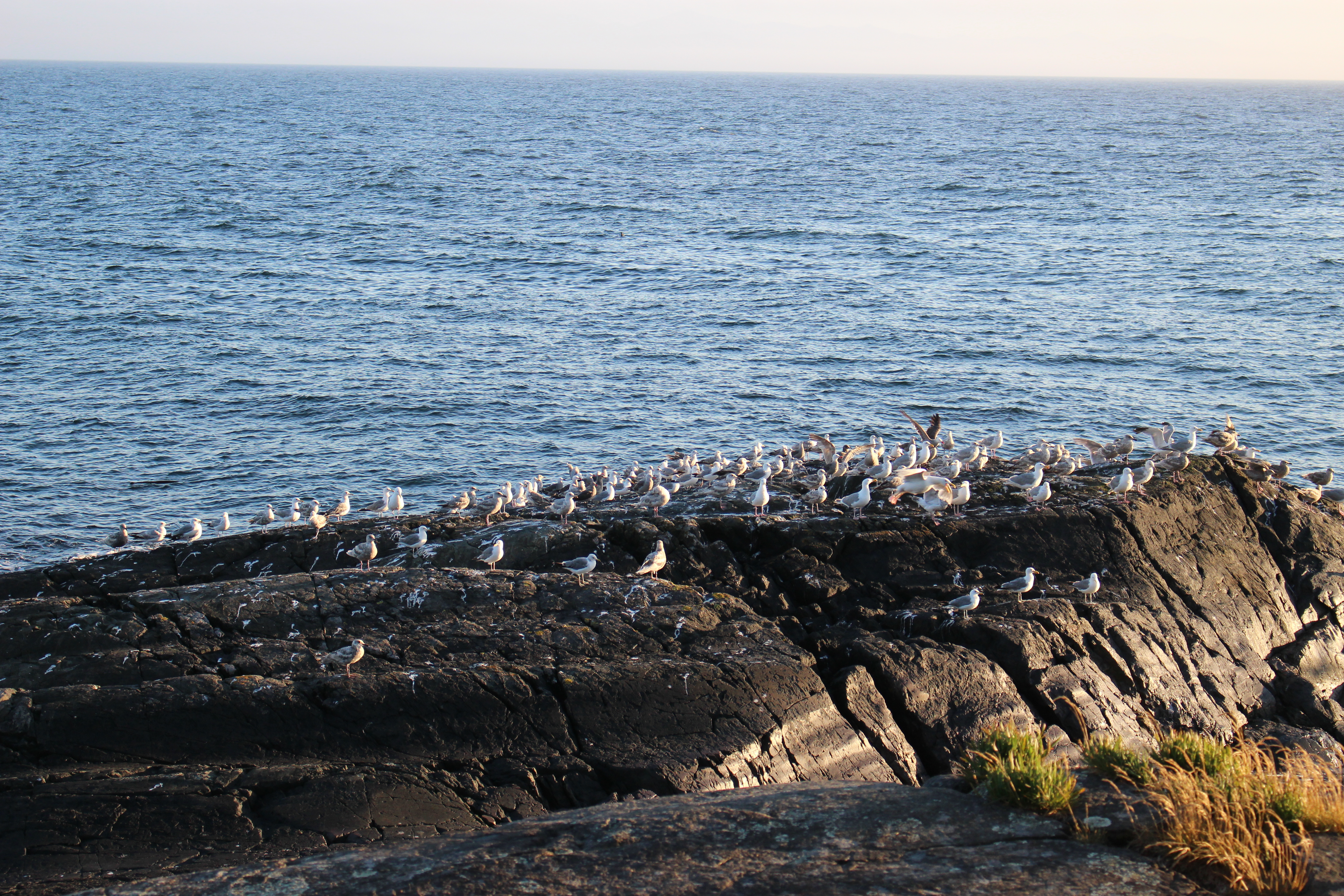
photo by Josh Scholten

No question when I was younger, I tried to be a tough shell to crack. Over my years of medical training, I was warned to keep what is soft and tender closed and protected, or I would be picked clean, with my hard remains exposed and emptied.

Yet during those stressful years as a young physician, as one of a handful of female students, I didn’t feel attacked, nor was I forced to float through battering tides to hostile shores. Bathed in salty tears at times, I was comforted when the stormy winds came. My teachers were kind and gentle. Soothing words and heartfelt praise flowed around and through me.

I was treated just as I wanted to treat my patients: with respect and nurture.

All these years later, I have not forgotten this gift of love I was shown by my teachers and colleagues. Even when buried in the muck and sand up to my eyeballs, I could trust enough to open up my hard and crusty parts so I could feel the tide rise over and carry me home.

Hey little boy, whatcha got there?
Kind sir it’s a mollusk i’ve found
Did you find it in the sandy ground?
Does it emulate the ocean’s sound?
Yes I found it on the ground
Emulating the ocean’s sound
Bring forth the mollusk cast unto me
Let’s be forever let forever be free

Hey little boy come walk with me
And bring your new found mollusk along
Does it speaketh of the trinity
Can it gaze at the sun with its wandering eye
Yes it speaks of the trinity
Casting light at the sun with its wandering eye
Bring forth the mollusk, cast unto me
Let’s be forever let forever be free

You see there are three things that spur the mollusk from the sand
The waking of all creatures that live on the land
And with just one faint glance, back into the sea
The mollusk lingers, with it’s wandering eye
~Gene Ween

One-Time
Monthly
Yearly

Make a one-time or recurring donation to support daily Barnstorming posts

Make a monthly donation

Make a yearly donation

Choose an amount

¤10.00
¤25.00
¤50.00
¤5.00
¤15.00
¤100.00
¤5.00
¤15.00
¤100.00

Or enter a custom amount

¤

Your contribution is deeply appreciated.

Your contribution is appreciated.

Your contribution is appreciated.

DonateDonate monthlyDonate yearly

My Own Usefulness

I’ve learned that even when I have pains,
I don’t have to be one …
I’ve learned that:
people will forget what you said,
people will forget what you did,
but people will never forget
how you made them feel.
~
Maya Angelou on her 70th birthday, citing a quote from Carl Buehner

I learned from my mother how to love
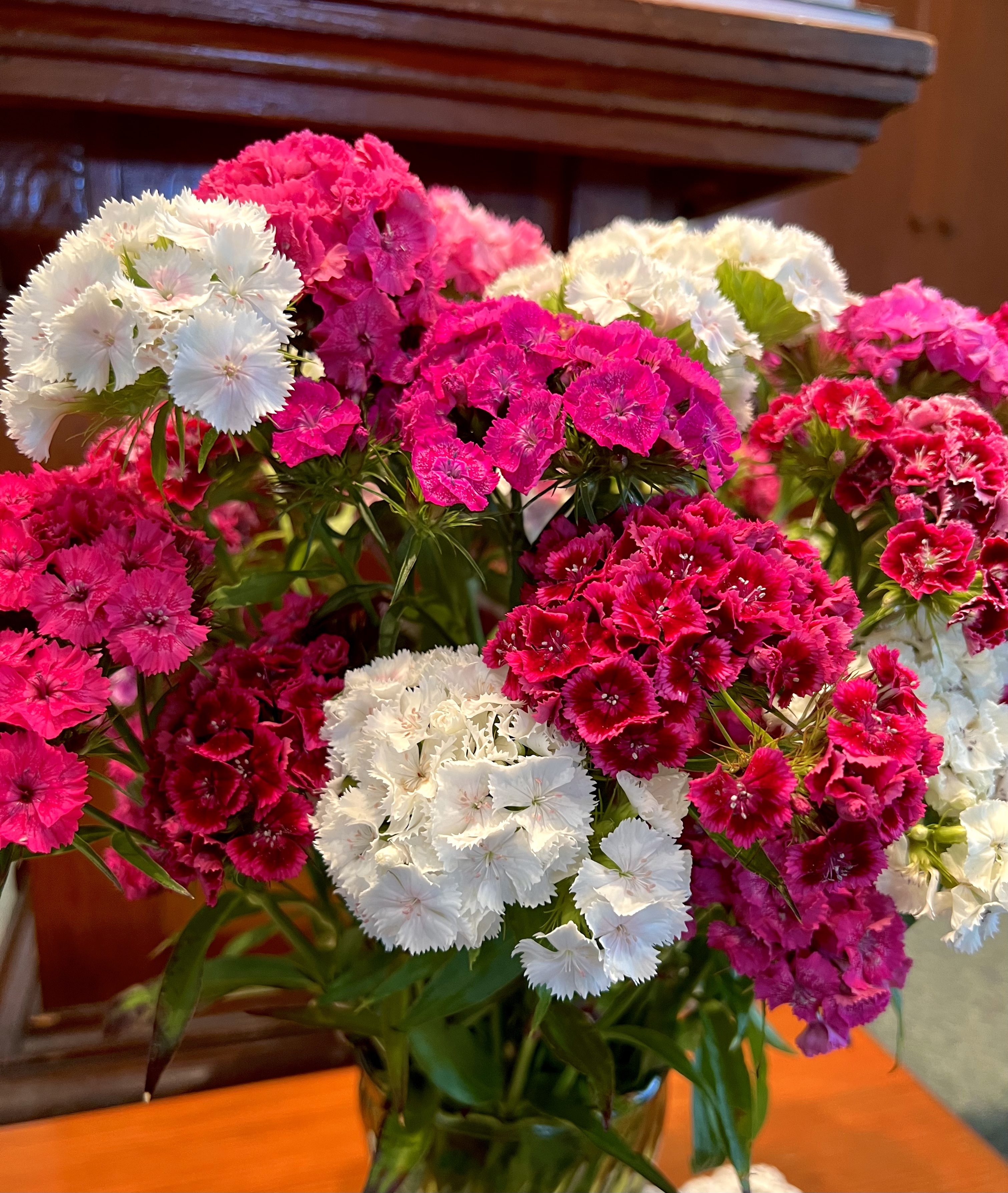
the living, to have plenty of vases on hand
in case you have to rush to the hospital
with peonies cut from the lawn, black ants
still stuck to the buds. I learned to save jars
large enough to hold fruit salad for a whole
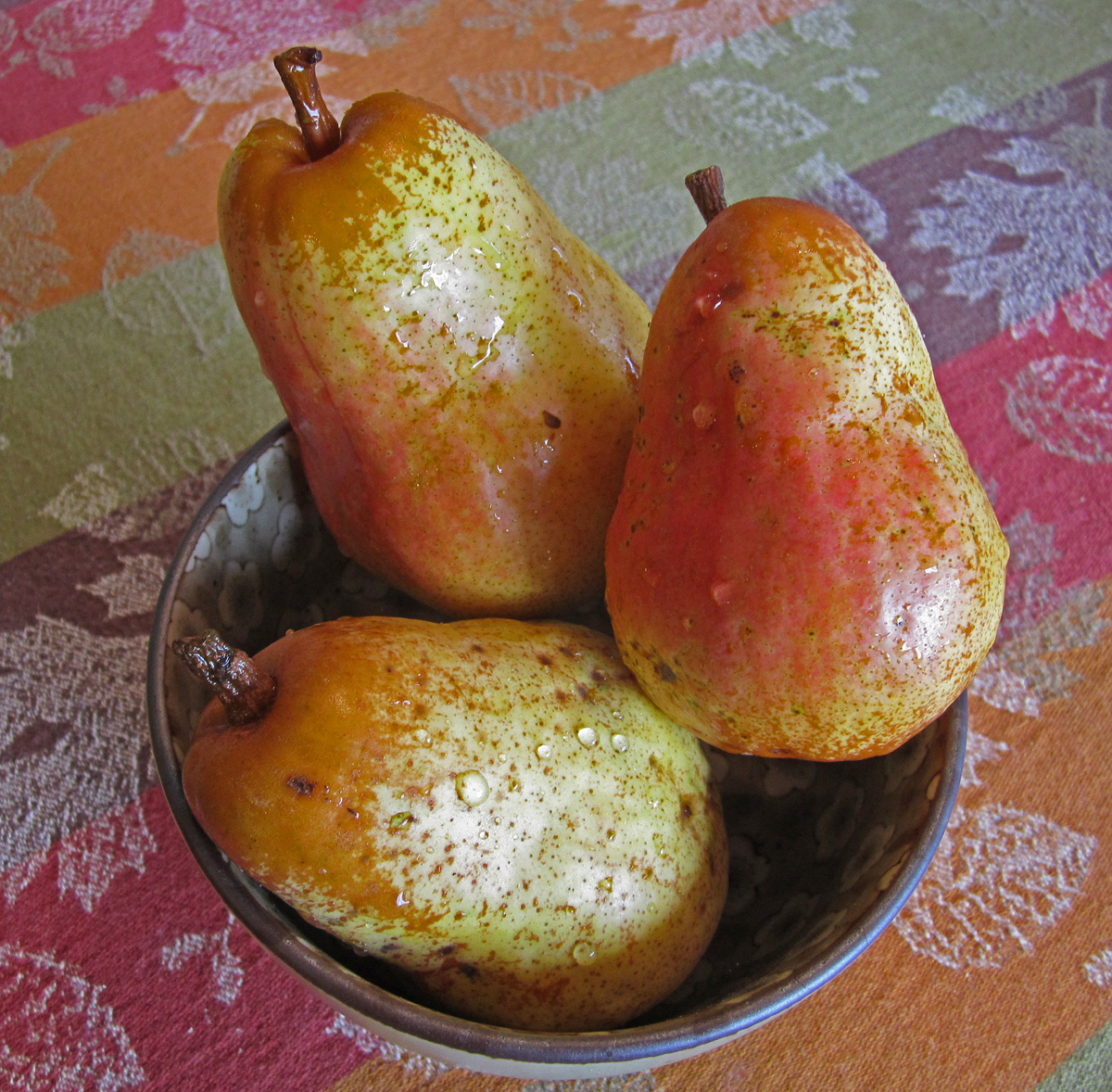
grieving household, to cube home-canned pears
and peaches, to slice through maroon grape skins
and flick out the sexual seeds with a knife point.
I learned to attend viewings even if I didn’t know

the deceased, to press the moist hands

of the living, to look in their eyes and offer
sympathy, as though I understood loss even then.
I learned that whatever we say means nothing,

what anyone will remember is that we came.
I learned to believe I had the power to ease
awful pains materially like an angel.
Like a doctor, I learned to create

from another’s suffering my own usefulness, and once
you know how to do this, you can never refuse.
To every house you enter, you must offer

healing: a chocolate cake you baked yourself,
the blessing of your voice, your chaste touch.
~Julie Kasdorf– “What I Learned from my Mother”

Moms often know best about these things — how to love others when and how they need it — the ways to ease pain, rather than become one. Despite years of practice, I don’t always get it right; others often do it better.

Showing up with food is always a good thing but it is the showing up part that is the real food; bringing a cake is simply the icing.

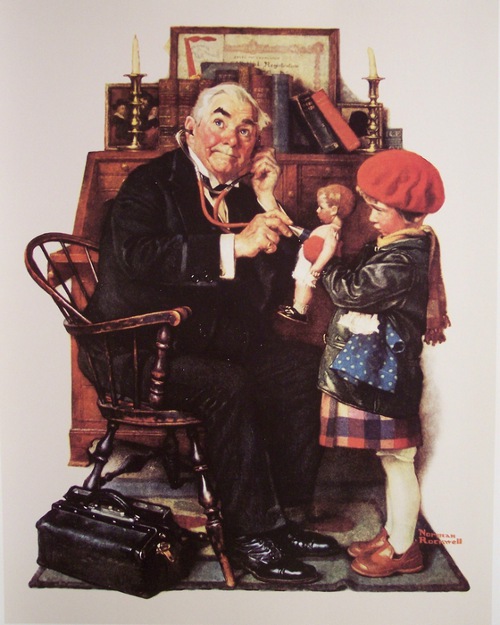
Working as a physician over four decades, my usefulness tended to depend on the severity of another’s worries and misery. If no illness, no symptoms, no fear, why bother seeing a doctor? Since retiring, the help I offer no longer means writing a prescription for a medication, or performing a minor surgery. I have to simply offer up me for what it’s worth, without the M.D.

To be useful without a stethoscope, I aim to be like any good mom or grandma. I press my hand into another’s, hug when needed, smile and listen and nod and sometimes weep when someone has something they need to say. No advanced degree needed.

Oh, and bring flowers. Cut up fruit. Bake a cake.
Leave the ants at home.

One-Time
Monthly
Yearly

Make a one-time and recurring donation to support daily Barnstorming posts

Make a monthly donation

Make a yearly donation

Choose an amount

¤10.00
¤25.00
¤50.00
¤5.00
¤15.00
¤100.00
¤5.00
¤15.00
¤100.00

Or enter a custom amount

¤

Your contribution is deeply appreciated.

Your contribution is appreciated.

Your contribution is appreciated.

DonateDonate monthlyDonate yearly
Trusting Angels in the Wilderness

…any father, particularly an old father, must finally give his child up to the wilderness and trust to the providence of God.

It seems almost a cruelty for one generation to beget another when parents can secure so little for their children, so little safety, even in the best circumstances. Great faith is required to give the child up, trusting God to honor the parents’ love for him by assuring that there will indeed be angels in that wilderness.
~Marilynne Robinson, Gilead

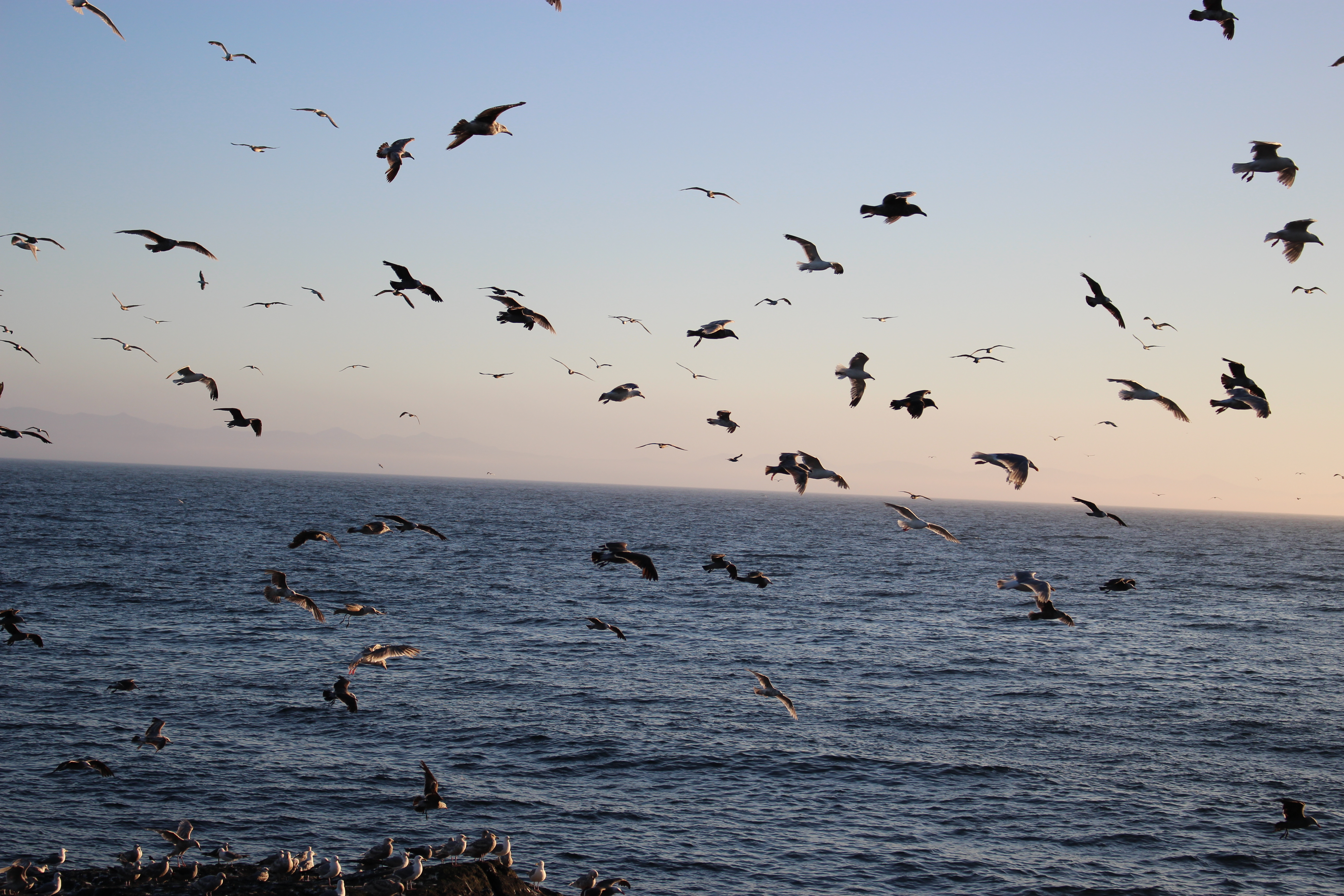
A reassuring truth for many families during this graduation season – 
in past years, we too watched our children leave home to begin a life of their own. We trusted in God’s providence that in our absence, there would be angels in the wilderness waiting to guide them.

Indeed there have been angels and continue to be –
you know who you are!

In turn, over thirty two years of clinical work in a university health center, I had opportunity to be that refuge in the wilderness for thousands of young adults who had left their parents’ home to seek out their own journey. Sometimes they found themselves stranded on a path that was twisting, rocky, full of pitfalls and peril. 

Despite plenty of my own limitations over those years, I found keeping this perspective helped me greet each new face, not only with a physician’s skill and knowledge, but always with a mother’s embrace.

Are there angels in the wilderness? I don’t know
I’ve got my doubts, but if you say so
But I’ve got a feeling we’re doing ok
We’re doing our part, to make the brambles seem less sharp

Beneath the wing of an angel
Far away from the night
Carry me till I am able
Beneath the wing of an angel

On the wing of an angel
Fly me on to the light
Hold me close till I’m able
Beneath the wing of an angel

One-Time
Monthly
Yearly

Make a one-time or recurring donation to support daily Barnstorming posts

Make a monthly donation

Make a yearly donation

Choose an amount

¤10.00
¤25.00
¤50.00
¤5.00
¤15.00
¤100.00
¤5.00
¤15.00
¤100.00

Or enter a custom amount

¤

Your contribution is deeply appreciated.

Your contribution is appreciated.

Your contribution is appreciated.

DonateDonate monthlyDonate yearly
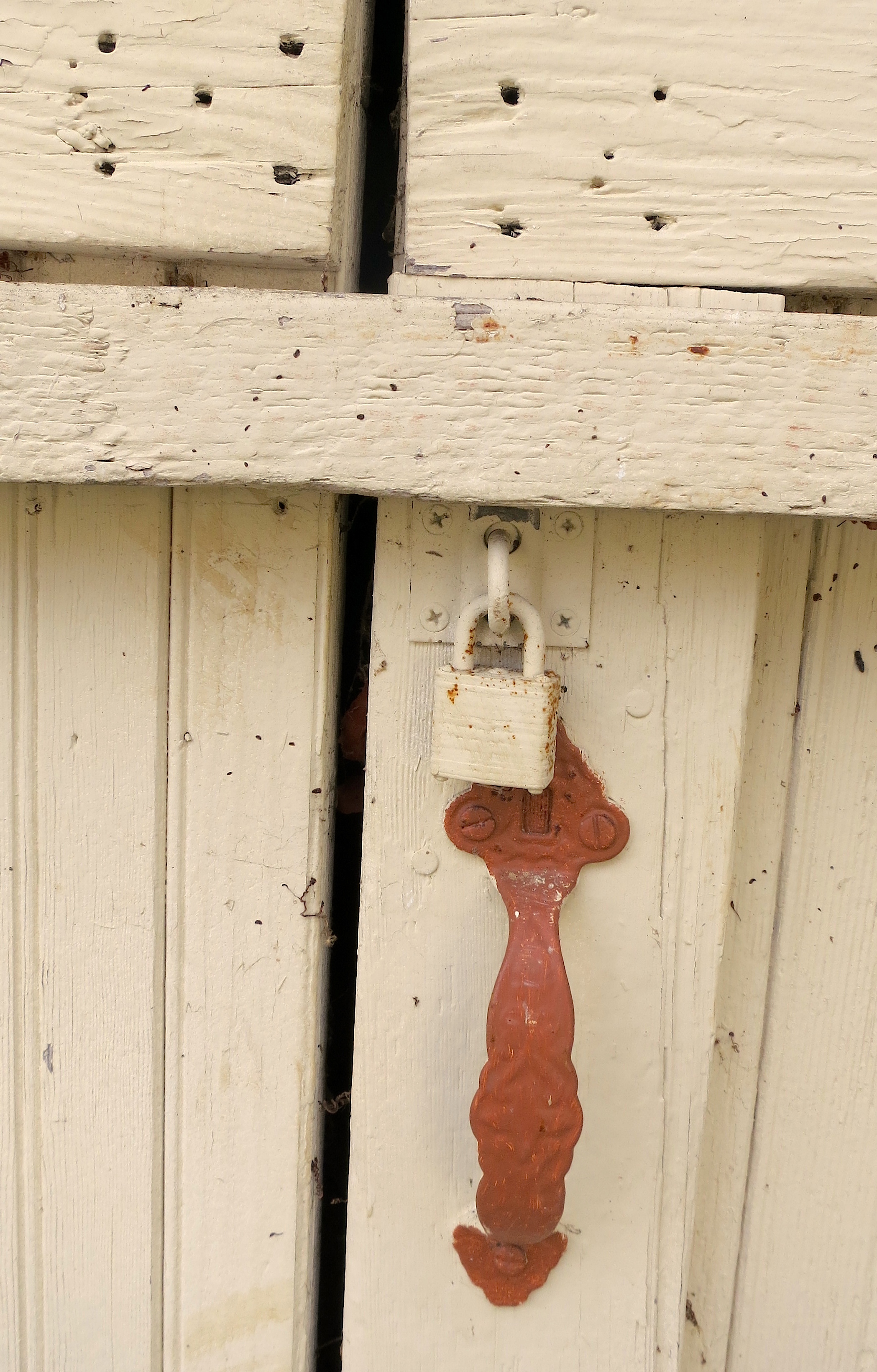
Breaking the Lock

And yes it is necessary to admit
walking in the forest
the heart is a lock


it has inviolable chambers
like the woods, fallen trees
that block


access to the river
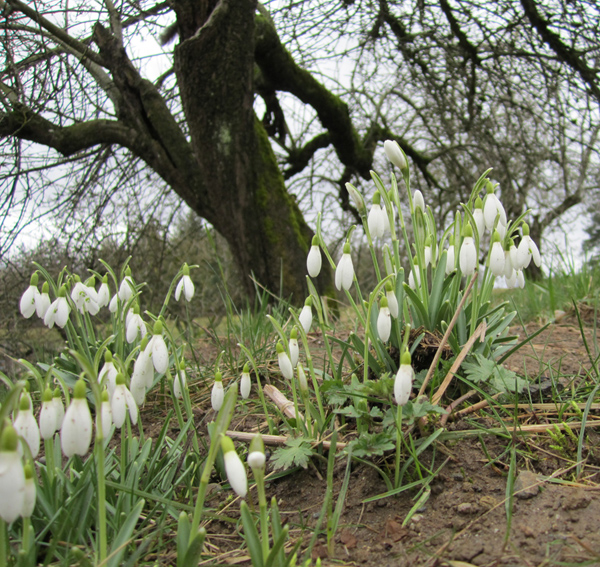
snowdrops surprising its edges
moss crystalline with frost

What I thought I wanted what I have tried to be
was the slender instrument that opened

a key: presence moving deeper into the forest
that releases the birds from the trees
and sends them   ascends them
to sky   by definition
open

but now there is nothing left to be solved like a riddle

this time the lock must be broken
what’s left has to be seized

because God only loves the strong thief
I mean the man who breaks his heart for God
~Jennifer Grotz, “Locked” from Window Left Open

All my life I wanted to be an effective key, unlocking life’s mysteries and opening up the world to those who are hopeless, stifled and trapped. Doctor training gave me a few locksmith tools. I found my patients taught me far more about their pain and suffering than my professors did.

Yet profound mysteries remain: some illnesses are rare or unique enough to defy diagnosis, some just don’t respond to available tools, while illnesses as well understood and treatable as depression or COVID infection still kill and incapacitate with abandon. The keys I may have accumulated don’t fit every lock. They don’t necessarily open the doors to freedom from fear or worry.

At times I feel aimless, wondering what tools I still have and if I remember how to use them. Simple knowledge is only one key, while brute force – breaking and entering – may be necessary to break the hardest lock of all – access to the troubled heart and soul.

God wants in, to pick up our broken pieces and put us back together. He doesn’t need a key to enter what He Himself has built from scratch. He owns the place.

One-Time
Monthly
Yearly

Make a one-time or recurring donation to support daily Barnstorming posts

Make a monthly donation

Make a yearly donation

Choose an amount

¤10.00
¤20.00
¤50.00
¤5.00
¤15.00
¤100.00
¤5.00
¤15.00
¤100.00

Or enter a custom amount

¤

Your contribution is deeply appreciated.

Your contribution is appreciated.

Your contribution is appreciated.

DonateDonate monthlyDonate yearly

Still Here, Giving Warmth Before Going Cold Again

When I was sick with a head cold, my head
full of pressure, my father would soak a washcloth
in hot water, then ball it up, ring it out. He would
open it above my head, then place it against
my face like a second skin, the light around me
disappearing entirely except through the spaces
between the stitching. I would inhale the steam
in that darkness, hearing his voice on the other side,
otherwise almost devoid of any other bodily sense
but the warmth and depth of his voice, as if
I had already died and was on the other side
of life waiting for the sickness to lift, but I wasn’t.
I was still on this earth, the washcloth going cold
on my face, my body still sick, and my father still
there when I opened my eyes, as he always was,
there to give me warmth before going cold again.

~William Fargason “Elegy with Steam”

A common clinic conversation this time of year:

I’ve been really miserable with a cold for three days, and as my COVID test is negative, I need that 5 day Z-pack antibiotic to get better faster.

It really can be miserable suffering from cold symptoms. Ninety eight percent of the time these symptoms are due to a viral infection and since your rapid RSV and influenza nasal swab tests are also negative today, your illness should resolve over the next few days without you needing a prescription medication.

But I can’t breathe and I can’t sleep.

You can use salt water rinses and a few days of decongestant nose spray to ease the congestion.

But my face feels like there is a blown up balloon inside.

Try applying a warm towel to your face – the heat will help improve circulation in your sinuses and ease your discomfort. When it cools off, warm it up again – basically rinse and repeat.

And I’m feverish and having sweats at night.

Your temp today is 99.2 so not a concern. You can use ibuprofen or acetominophen to help the feverish feeling.

But my snot is green.

That’s not unusual with viral upper respiratory infections and not necessarily an indicator of a bacterial infection.

And my teeth are starting to hurt and my ears are popping.

Let me know if that is not resolving over the next few days.

But I’m starting to cough.

Your lungs are clear today so it is likely from post nasal drainage irritating your upper airway. Best way to help that is to breathe steam to keep your bronchial tubes moist, push fluids and prop up with an extra pillow.

But sometimes I cough to the point of gagging. Isn’t whooping cough going around?

Your illness doesn’t fit the typical timeline for pertussis.  You can consider using an over the counter cough suppressant if needed.

But I always end up needing antibiotics. This is just like my regular sinus infection thing I get every year.

There’s plenty of evidence antibiotics can do more harm than good, eliminating healthy bacteria in your gut.  They really aren’t indicated at this point in your illness and could have nasty side effects.

But I always get better faster with antibiotics. Doctors always give me antibiotics.

Studies show that two weeks later there is no significant difference in symptoms between those treated with antibiotics and those who did self-care without them.

But I have a really hard week coming up and my whole family is sick and I won’t be able to rest.

This could be your body’s way of saying that you need to take the time you need to recover – is there someone who can help pick up the load your carry?

But I just waited an hour to see you.

I really am sorry about the wait; we’re seeing a lot of sick people with so much viral illness going around and needing to test to rule out COVID and influenza.

But I paid a $20 co-pay today for this visit.

We’re very appreciative of you paying so promptly on the day of service.

But I can go down the street to the urgent care clinic or do one of those telehealth doctor visits and for $210 they will write me an antibiotic prescription without making me feel guilty for asking.

I wouldn’t recommend taking unnecessary medication that can lead to bacterial resistance, side effects and allergic reactions. I truly believe you can be spared the expense, inconvenience and potential risk of taking something you don’t really need.

So that’s it?  Salt water rinses, warm towels on my face and just wait it out?  That’s all you can offer?

Let me know if your symptoms are unresolved or worsening over the next few days.

So you spent all that time in school just to tell people they don’t need medicine?

I believe I can help most people heal themselves with self-care at home. I try to educate my patients about when they do need medicine and then facilitate appropriate treatment. Also, I want to thank you for wearing your mask today to reduce the chance of transmitting your virus to those around you.

I’m going to go find a real doctor who will actually listen to me and give me what I need.

It certainly is a choice you can make. A real doctor vows to first do no harm while always listening to what you think, what your physical examination shows, then takes into account what evidence-based clinical data says is the best and safest course of action. I realize you want something other than what I’m offering you today. If you are feeling worse over the next few days or develop new symptoms, please let me know so we can reevaluate how best to treat you.

I’ll bet you’ll tell me next you want me to get one of those COVID vaccines too, won’t you?

Actually, I prefer you be feeling a bit better before you receive both the COVID and influenza vaccines. That would offer extra immunity protection for you through the next few months. Shall we schedule you for a time for your vaccination updates next week? Remember, I’m still here if you need to review your options again…

One-Time
Monthly
Yearly

Make a one-time or recurring donation to support daily Barnstorming posts

Make a monthly donation

Make a yearly donation

Choose an amount

¤10.00
¤20.00
¤50.00
¤5.00
¤15.00
¤100.00
¤5.00
¤15.00
¤100.00

Or enter a custom amount

¤

Your contribution is deeply appreciated.

Your contribution is appreciated.

Your contribution is appreciated.

DonateDonate monthlyDonate yearly

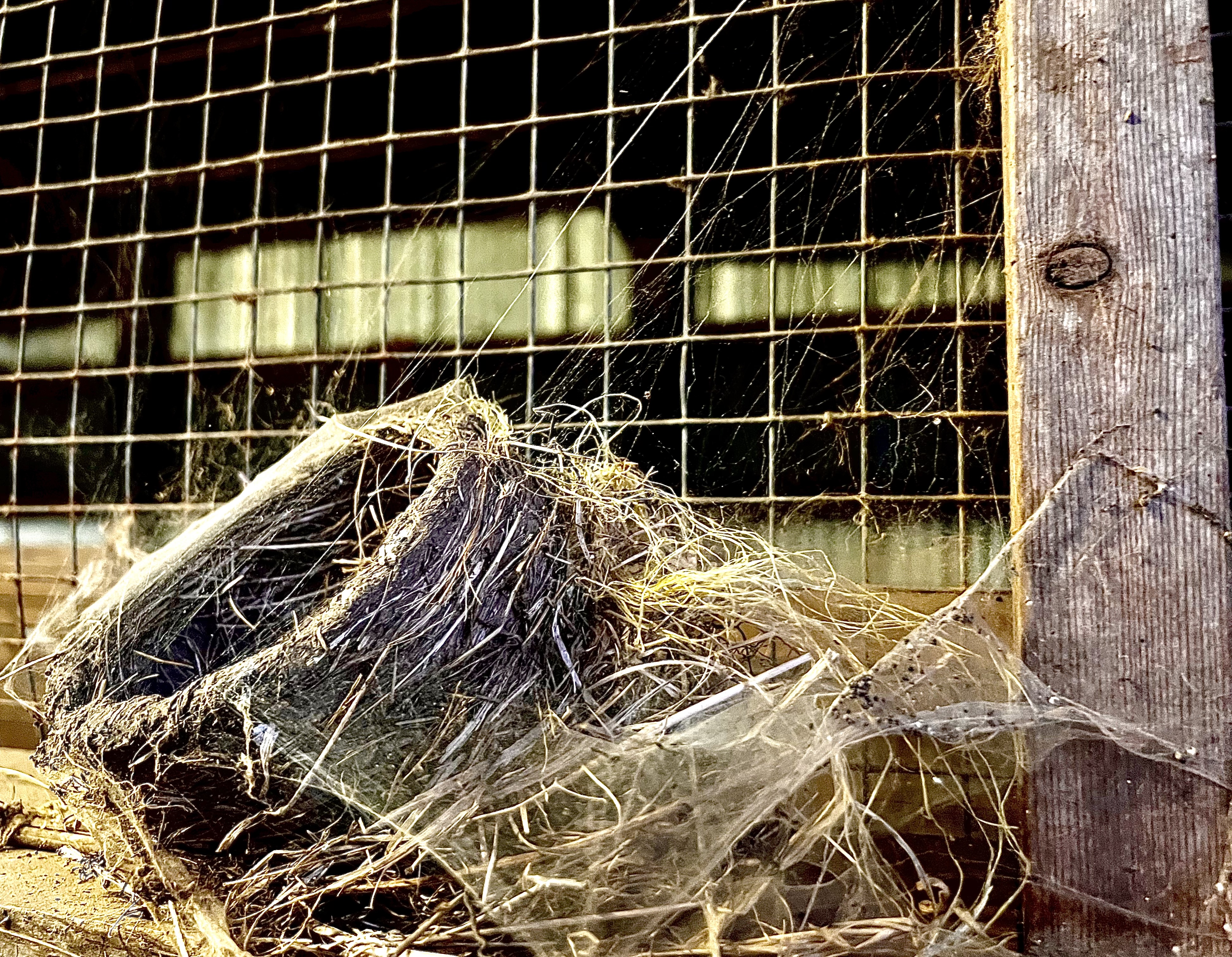
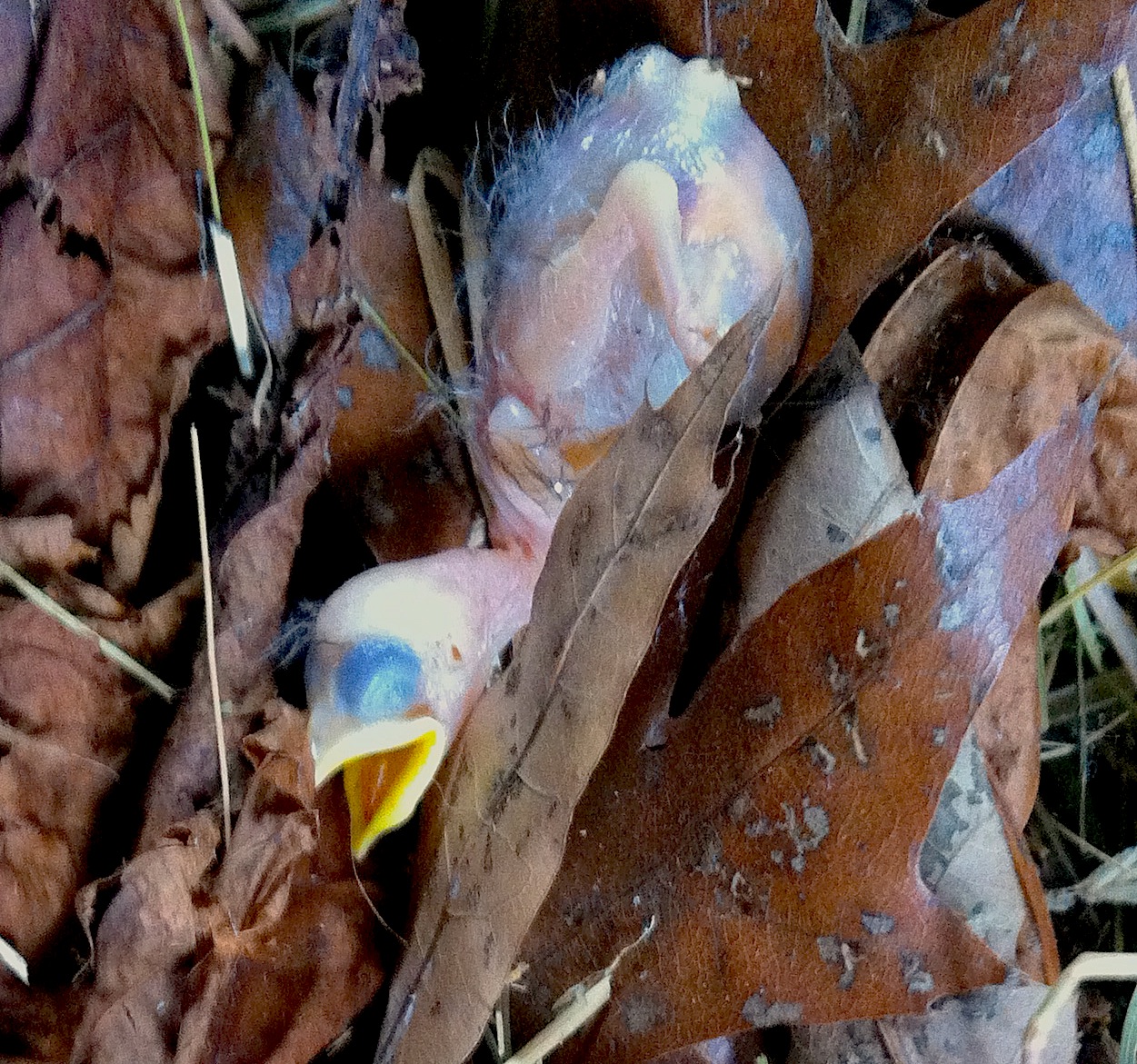
We Couldn’t Do Anything


Yesterday our children, playing
in a tree, watched as the tiniest bird
fell from above them,
where it belonged,
to land below them,
where it did not.
The dog, animal and eager,
stepped on the bird, then
lowered his head. Our daughter
screamed, hauled him back,
then cupped her trembling hands
around the trembling bird,
Its one wing stretched and bent.
Our son ran inside, obedient
to our daughter’s instructions.
I was in the shower, useless.
You found a shoebox, sheltered the bird,
helped our children find leaves and twigs,
perched the box in the tree. At supper,
we prayed for the bird while its mother
visited the shoebox,
her beak full. She fretted
and fluttered. She couldn’t do anything,
and we couldn’t do anything,
and after supper, we found the trowel.
Dust to dust,
I said.
O how I longed to gather you,
you said, as a mother hen gathers
her young beneath her wings.
Our son pushed a stick into the soft earth.
Our daughter told him not to push too far.

~Shea Tuttle “After reading our daughter’s poem” from Image Journal

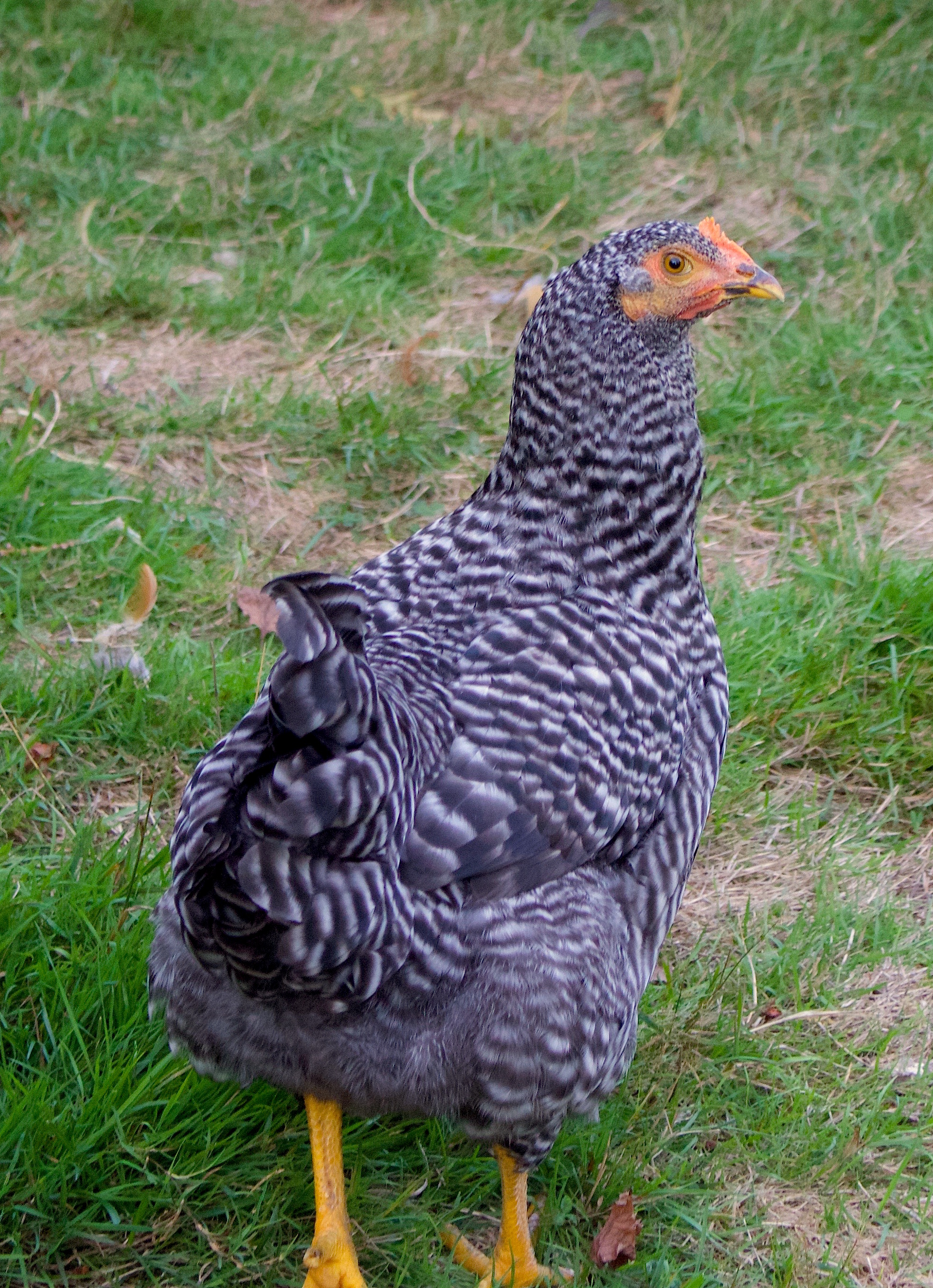
Hope is the thing with feathers
That perches in the soul,
And sings the tune without the words,
And never stops at all,

And sweetest in the gale is heard;
And sore must be the storm
That could abash the little bird
That kept so many warm.

I’ve heard it in the chillest land,
And on the strangest sea;
Yet, never, in extremity,
It asked a crumb of me.

~Emily Dickinson

I have known the helplessness of watching life ebb away from a living creature and not be able to do a thing to change what is happening.

As a teenage nurse aide in a rest home for the elderly, I saw much of dying over those years before going to medical school – some deaths were anticipated and some unexpected. What was most apparent to me in that setting is that my primary role was to be a caring witness and comforter. I could not change what was happening but I could be there, not leaving my patients to die alone. I hoped that I was useful in some way.

Later, when I worked as a physician in a hospital, there were certainly things we would do to respond to a sudden cardiac event, and it was very dramatic to see someone’s pulse restored and stabilized due to our intervention. But more often than not, what we could do wouldn’t change the reality – dying still happened and we were gathered to witness the end. We often left the bedside feeling useless.

Now I have grandchildren who are learning about death through observing the natural cycles of animals living and dying on our farm. They discover a dead bird or vole on the ground; they were aware one of our elderly horses recently died. They are aware our beloved farm dogs are aging and so are grandma and grandpa.

Children naturally ask “why?” and we do our best to explain there is always hope and comfort, even when physical bodies are dust in the ground, marked by a stick or stone or only a memory.

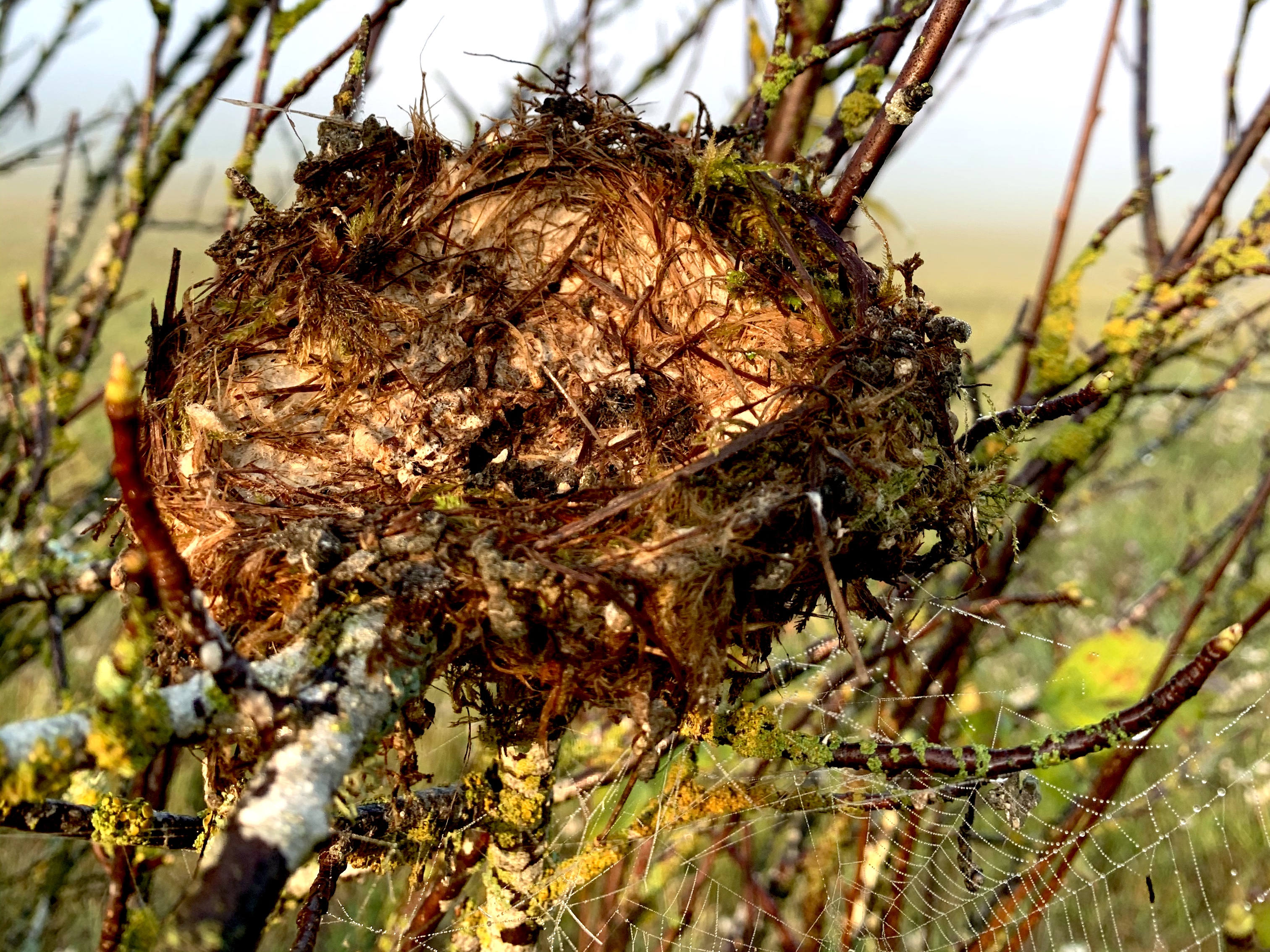
It is “Hope” that sings alive within us, even when we’re naked and featherless, even if we fall far from the nest we were born to. We are caught and safe under our Savior’s wings for the rest of eternity, never to be “just dust” again.

One-Time
Monthly
Yearly

Make a one-time or recurring donation to support daily Barnstorming posts

Make a monthly donation

Make a yearly donation

Choose an amount

¤10.00
¤20.00
¤50.00
¤5.00
¤15.00
¤100.00
¤5.00
¤15.00
¤100.00

Or enter a custom amount

¤

Your contribution is deeply appreciated.

Your contribution is appreciated.

Your contribution is appreciated.

DonateDonate monthlyDonate yearly
Naming Your Hopelessness

Instead of depression,
try calling it hibernation.
Imagine the darkness is a cave
in which you will be nurtured
by doing absolutely nothing.
Hibernating animals don’t even dream.
It’s okay if you can’t imagine
Spring. Sleep through the alarm
of the world. Name your hopelessness
a quiet hollow, a place you go
to heal, a den you dug,
Sweetheart, instead
of a grave.
~Andrea Gibson “Instead of Depression” from You Better Be Lightning

We didn’t say fireflies
but lightning bugs.
We didn’t say carousel
but merry-go-round.
Not seesaw,
teeter-totter
not lollipop,
sucker.
We didn’t say pasta, but
spaghetti, macaroni, noodles:
the three kinds.
We didn’t get angry:
we got mad.
And we never felt depressed
dismayed, disappointed
disheartened, discouraged
disillusioned or anything,
even unhappy:
just sad.
~Sally Fisher “Where I Come From”  from Good Question.

…if you could distinguish finer meanings within “Awesome” (happy, content, thrilled, relaxed, joyful, hopeful, inspired, prideful, adoring, grateful, blissful.. .), and fifty shades of “Crappy” (angry, aggravated, alarmed, spiteful, grumpy, remorseful, gloomy, mortified, uneasy, dread-ridden, resentful, afraid, envious, woeful, melancholy.. .), your brain would have many more options for predicting, categorizing, and perceiving emotion, providing you with the tools for more flexible and functional responses.
~Lisa Feldman Barrett from How Emotions Are Made: The Secret Life of the Brain

Our own experience with loneliness, depression, and fear can become a gift for others, especially when we have received good care. As long as our wounds are open and bleeding, we scare others away. But after someone has carefully tended to our wounds, they no longer frighten us or others….
We have to trust that our own bandaged wounds will allow us to listen to others with our whole being. That is healing.
— Henri Nouwen from Bread for the Journey

If there is anything I came to understand over the decades I served as a primary care physician, it is that every person experiences painful emotions that make them miserable, making it even more difficult to share with others. Sometimes those feelings build up such pressure that they leak out of our cells as physical symptoms: headaches, muscle tightness, stomach upset, hypertension. Other times they are so overwhelming we can no longer function in a day to day way – described clinically as rage, panic, mood disorder, depression, self-destructive, suicidal.

Somehow we’ve lost permission to be sad.
Just sad. Sometimes unbearably, hopelessly sad.
 
Sadness happens to us all, some longer than others, some worse than others, some deeper than others. What makes sadness more real and more manageable is if we can say it out loud — whatever ‘sad’ means to us on a given day and if we describe our feelings in detail, explaining to others who can understand because they’ve been there too, then they can listen and help.

Painful emotions don’t always need a “fix” in the short term, particularly chemical, but that is why I was usually consulted. Alcohol, marijuana and other self-administered drugs tend to be the temporary anesthesia that people seek to stop feeling anything at all but it can erupt even stronger later.

Sometimes an overwhelming feeling just needs an outlet so it no longer is locked up, unspoken and silent, threatening to leak out in ways that tear us up and pull us apart.

Sometimes we need a healing respite/hibernation, with permission to sleep through the world’s alarms for a time. At times, medical management with antidepressants can be incredibly helpful along with talk therapy.

It helps to find words to express how things felt before this sadness, where you are now in the midst of it and where you wish you could be rather than being swallowed by sorrow. Healing takes time and like anything else that is broken, it hurts as it repairs. Armed with that self-knowledge and some gentle compassion, tomorrow and the next day and the next might feel a little less hopeless and overwhelming.

One-Time
Monthly
Yearly

Make a one-time or recurring donation to support daily Barnstorming posts

Make a monthly donation

Make a yearly donation

Choose an amount

¤10.00
¤20.00
¤50.00
¤5.00
¤15.00
¤100.00
¤5.00
¤15.00
¤100.00

Or enter a custom amount

¤

Your contribution is deeply appreciated.

Your contribution is appreciated.

Your contribution is appreciated.

DonateDonate monthlyDonate yearly

When the Lines Went Flat

I was still a kid
interning at State
he reminisces late in the meal—
It was a young red-headed woman
looked like my sister
when the lines went flat
I fell apart
shook
like a car with a broken axle
Went to the head surgeon
a fatherly man
Boy, he said, you got to fill a graveyard
before you know this business
and you just did row one, plot one.
~Alicia Suskin Ostriker, “The Surgeon” from The Book of Seventy

As a physician-in-training in the late 1970’s, I rotated among a variety of inner city public hospitals, learning clinical skills on patients who were grateful to have someone, anyone, care enough to take care of them. There were plenty of homeless street people who needed to be deloused before the “real” doctors would touch them, and there were the alcoholic diabetics whose gangrenous toes would self-amputate as I removed stinking socks. There were people with gun shot wounds and stabbings who had police officers posted at their doors and rape victims who were beaten and poisoned into submission and silence. Someone needed to touch them with compassion when their need was greatest.

As a 25 year old idealistic and naive student, I truly believed I could make a difference in the 6 weeks I spent in any particular hospital rotation. That proved far too grandiose and unrealistic, yet there were times I did make a difference, sometimes not so positive, in the few minutes I spent with a patient. As part of the training process, mistakes were inevitable. Lungs collapsed when putting in central lines, medications administered caused anaphylactic shock, pain and bleeding caused by spinal taps–each error creates a memory that never will allow such a mistake to occur again. It is the price of training a new doctor and the patient always–always– pays the price.

I was finishing my last on-call night on my obstetrical rotation at a large military hospital that served an army base. The hospital, built during WWII was a series of far flung one story bunker buildings connected by miles of hallways–if one part were bombed, the rest of the hospital could still function. The wing that contained the delivery rooms was factory medicine at its finest: a large ward of 20 beds for laboring and 5 delivery rooms which were often busy all at once, at all hours.  Some laboring mothers were married girls in their mid-teens whose husbands were stationed in the northwest, transplanting their young wives thousands of miles from their families and support systems. Their bittersweet labors haunted me: children delivering babies they had no idea how to begin to parent.

I had delivered 99 babies during my 6 week rotation. My supervising residents and the nurses on shift had kept me busy on that last day trying to get me to the *100th* delivery as a point of pride and bragging rights; I had already followed and delivered 4 women that night and had fallen exhausted into bed in the on call-room at 3 AM with no women currently in labor, hoping for two hours of sleep before getting up for morning rounds. Whether I reached the elusive *100* was immaterial to me at that moment.

I was shaken awake at 4:30 AM by a nurse saying I was needed right away. An 18 year old woman had arrived in labor only 30 minutes before and though it was her first baby, she was already pushing and ready to deliver. My 100th had arrived. The delivery room lights were blinding; I was barely coherent when I greeted this almost-mother and father as she pushed, with the baby’s head crowning. The nurses were bustling about doing all the preparation for the delivery:  setting up the heat lamps over the bassinet, getting the specimen pan for the placenta, readying suture materials for the episiotomy.

I noticed there were no actual doctors in the room so asked where the resident on call was.

What? Still in bed? Time to get him up! Delivery was imminent.

I knew the drill. Gown up, gloves on, sit between her propped up legs, stretch the vulva around the crowning head, thinning and stretching it with massaging fingers to try to avoid tears. I injected anesthetic into the perineum and with scissors cut the episiotomy to allow more room, a truly unnecessary but, at the time, standard procedure in all too many deliveries. Amniotic fluid and blood dribbled out then splashed on my shoes and the sweet salty smell permeated everything. I was concentrating so hard on doing every step correctly, I didn’t think to notice whether the baby’s heart beat had been monitored with the doppler, or whether a resident had come into the room yet or not. The head crowned, and as I sucked out the baby’s mouth, I thought its face color looked dusky, so checked quickly for a cord around the neck, thinking it may be tight and compromising. No cord found, so the next push brought the baby out into my lap. Bluish purple, floppy, and not responding. I quickly clamped and cut the cord and rubbed the baby vigorously with a towel.

Nothing, no response, no movement, no breath. Nothing.  I rubbed harder.

A nurse swept in and grabbed the baby and ran over to the pediatric heat lamp and bed and started resuscitation.

Chaos ensued. The mother and father began to panic and cry, the pediatric and obstetrical residents came running, hair askew, eyes still sleepy, but suddenly shocked awake with the sight of a blue floppy baby.

I sat stunned, immobilized by what had just happened in the previous five minutes. I tried to review in my foggy mind what had gone wrong and realized at no time had I heard this baby’s heart beat from the time I entered the room. The nurses started answering questions fired at me by the residents, and no one could remember listening to the baby after the first check when they had arrived in active pushing labor some 30 minutes earlier. The heart beat was fine then, and because things happened so quickly, it had not been checked again. It was not an excuse, and it was not acceptable. It was a terrible terrible error. This baby had died sometime in the previous half hour. It was not apparent why until the placenta delivered in a rush of blood and it was obvious it had partially abrupted–prematurely separated from the uterine wall so the circulation to the baby had been compromised. Potentially, with continuous fetal monitoring, this would have been detected and the baby delivered in an emergency C section in time. Or perhaps not. The pediatric resident worked for another 20 minutes on the little lifeless baby.

The parents held each other, sobbing, while I sewed up the episiotomy. I had no idea what to say,  mortified and helpless as a witness and perpetrator of such agony. I tried saying I was so sorry, so sad they lost their baby, felt so badly we had not known sooner. There was nothing that could possibly comfort them or relieve their horrible loss or the freshness of their raw grief.

And of course, there were no words of comfort for my own anguish.

Later, in another room, my supervising resident made me practice intubating the limp little body so I’d know how to do it on something other than a mannequin. I couldn’t see the vocal cords through my tears but did what I was told, as I always did.

I cried in the bathroom, a sad exhausted selfish weeping. Instead of achieving that “perfect” 100, I learned something far more important: without constant vigilance, and even with it,  tragedy intervenes in life unexpectedly without regard to age or status or wishes or desires. I went on as a family physician to deliver a few hundred babies during my career,  never forgetting the baby that might have had a chance, if only born at a hospital with adequately trained well rested staff without a med student trying to reach a meaningless goal.

This baby would now be in his 40’s, likely with children of his own, his parents now proud and loving grandparents.

I wonder if I’ll meet him again — this little soul only a few minutes away from a full life — if I’m ever forgiven enough to share a piece of heaven with humanity’s millions of unborn babies who, through intention or negligence, never had opportunity to draw a breath.

Then, just maybe then, forgiveness will feel real and grace will flood the terrible void where, not for the first time nor the last, my guilt overwhelmed what innocence I had left.

One-Time
Monthly
Yearly

Make a one-time or recurring donation to support daily Barnstorming posts

Make a monthly donation

Make a yearly donation

Choose an amount

¤10.00
¤20.00
¤50.00
¤5.00
¤15.00
¤100.00
¤5.00
¤15.00
¤100.00

Or enter a custom amount

¤

Your contribution is deeply appreciated.

Your contribution is appreciated.

Your contribution is appreciated.

DonateDonate monthlyDonate yearly

Moving from Loneliness to Love

It’s the immemorial feelings
I like the best: hunger, thirst,
their satisfaction; work-weariness,
earned rest; the falling again
from loneliness to love;
the green growth the mind takes
from the pastures in March;
the gayety in the stride 
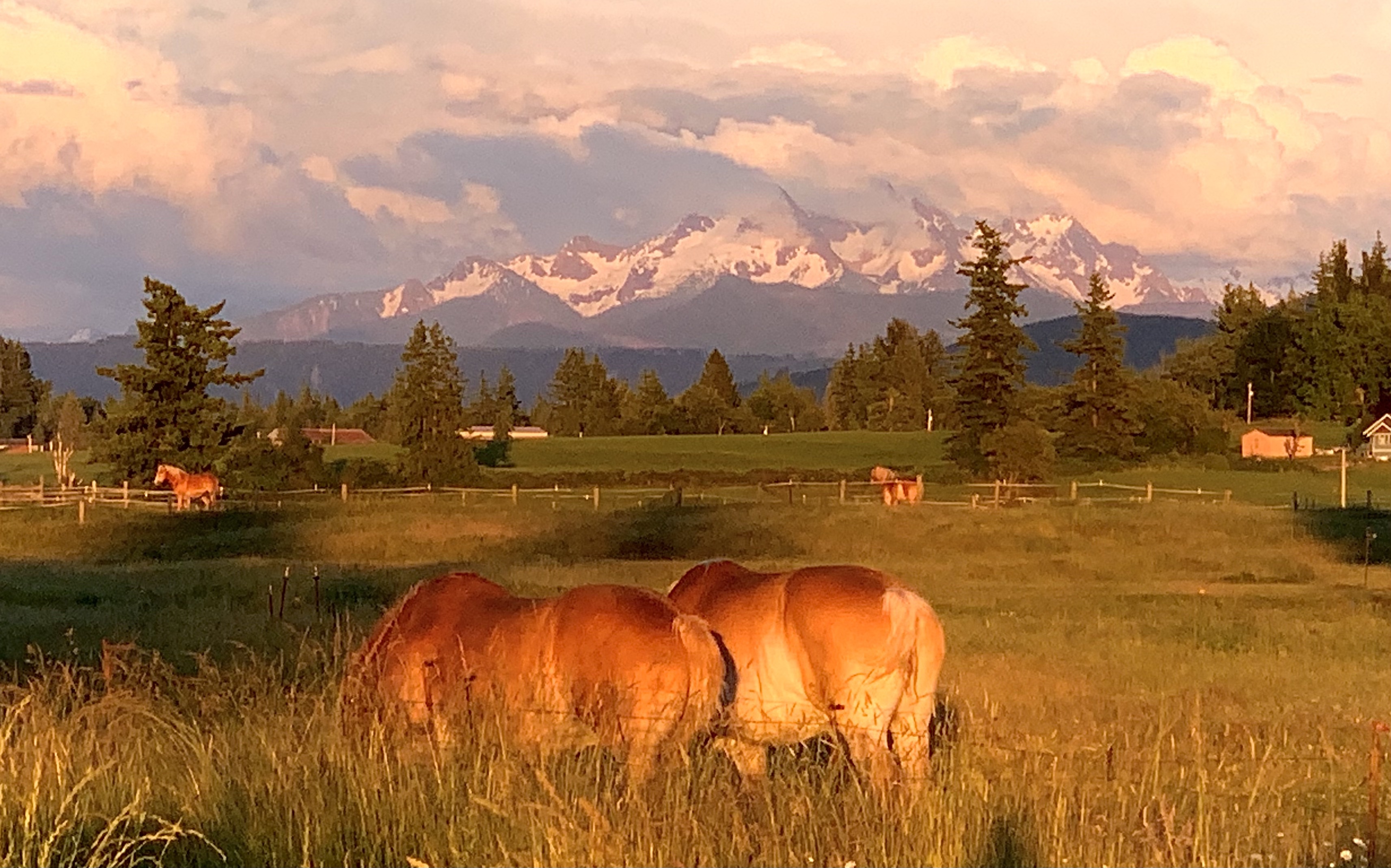
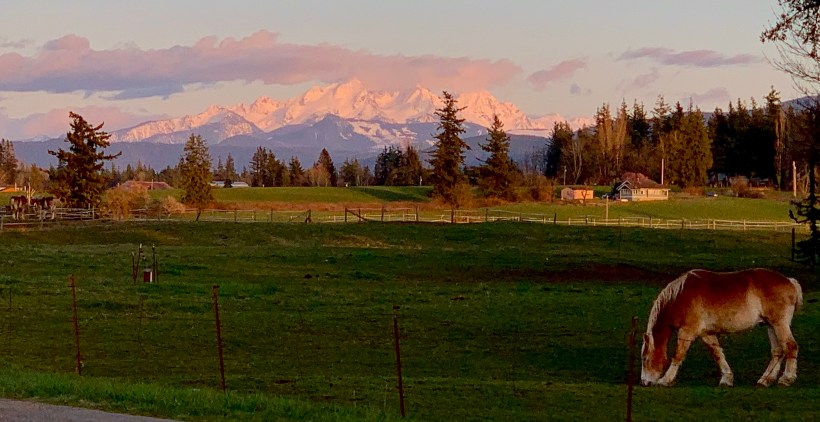
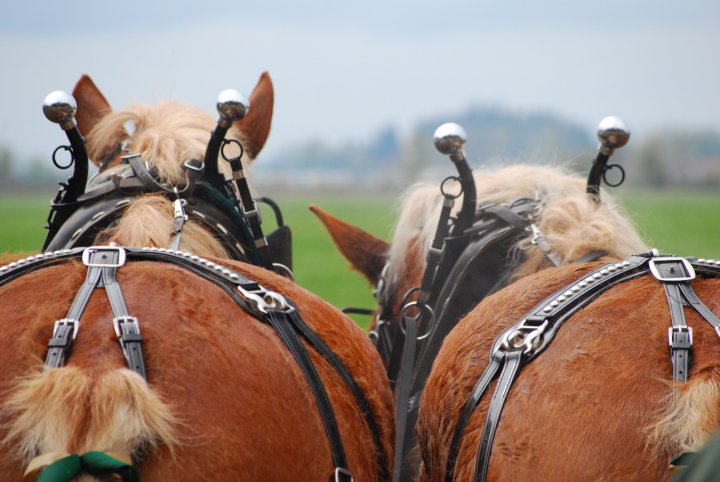
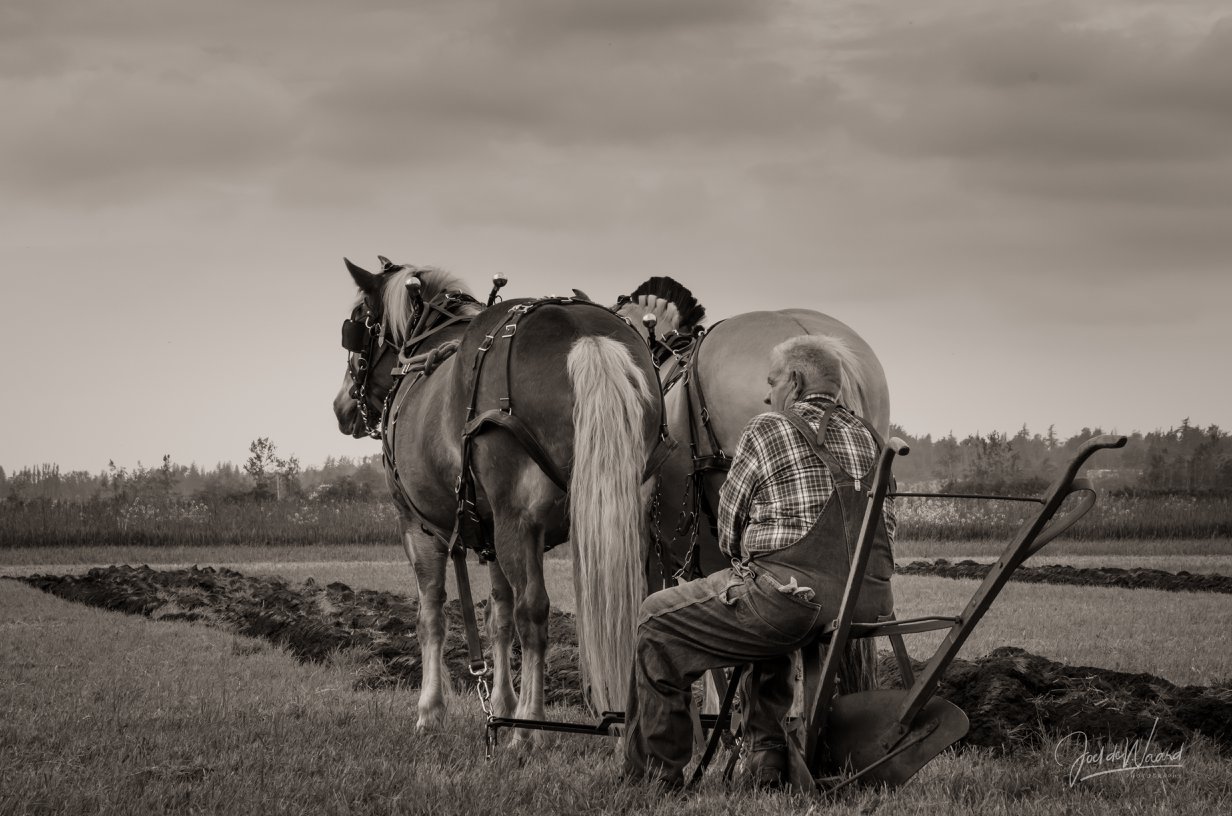
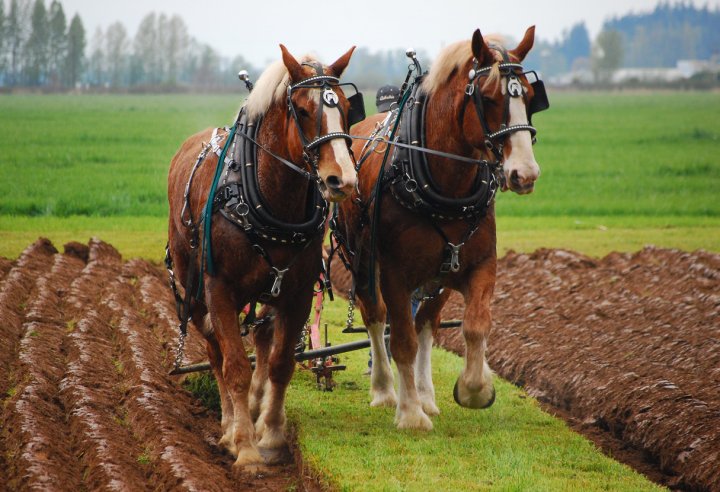
of a good team of Belgian mares
that seems to shudder from me
through all my ancestry.
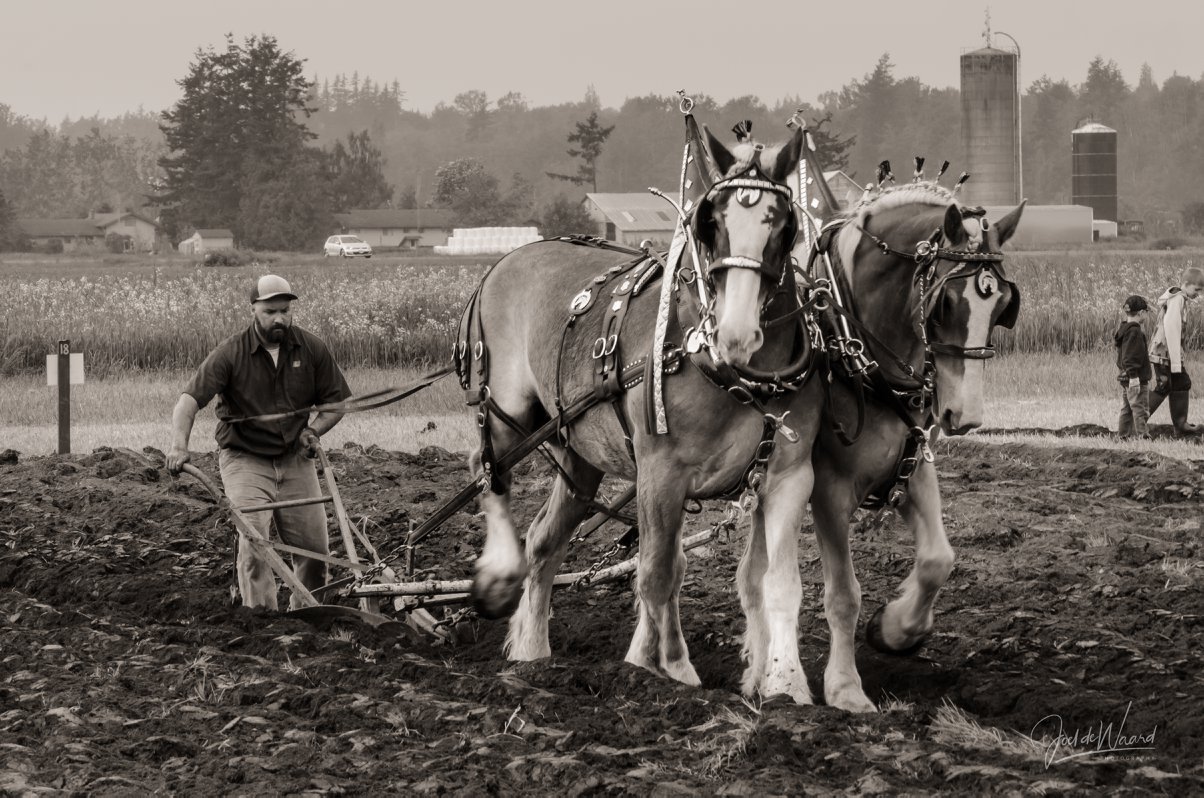
~Wendell Berry “Goods”

photo by Joel De Waard

It seems unlikely anyone would say
I didn’t work hard enough all those years.
After all, I come from a long line of human work-horses
and I know it takes sweat and tears, and sometimes bleeding.

Even so, I know I could have done more all those years.

I could have thrown myself more fully into the pull on the tugs,
could have shouldered the yoke with more enthusiasm,
could have bent down low with unbroken determination.

You might say somewhere I lost the gayety in my stride,
and you would be right — I ended up trudging through my day,
bruised from running into too many submerged rocks,
bumping into immoveable tree stumps and tripping on hidden roots,
falling into deep furrows of long and lonely post-midnight hours.

You might even say eventually the knowledge of a job well-done
seemed to lay deeper than my plow could ever reach.

When it came time for me to shrug out of the yoke
and shake off the harness,
I knew others die in their harness,
never to rest easy on this earth.

I am unsure what to do next with the seasons I have left.
Even so, I love the wondering and wandering,
almost as much as I love the feel of the sun on my unyoked withers.


photo by Joel De Waard
One-Time
Monthly
Yearly

Make a one-time or recurring donation to support daily Barnstorming posts

Make a monthly donation

Make a yearly donation
Choose an amount

¤10.00
¤20.00
¤50.00
¤5.00
¤15.00
¤100.00
¤5.00
¤15.00
¤100.00

Or enter a custom amount

¤

Your contribution is deeply appreciated.

Your contribution is appreciated.

Your contribution is appreciated.

DonateDonate monthlyDonate yearly