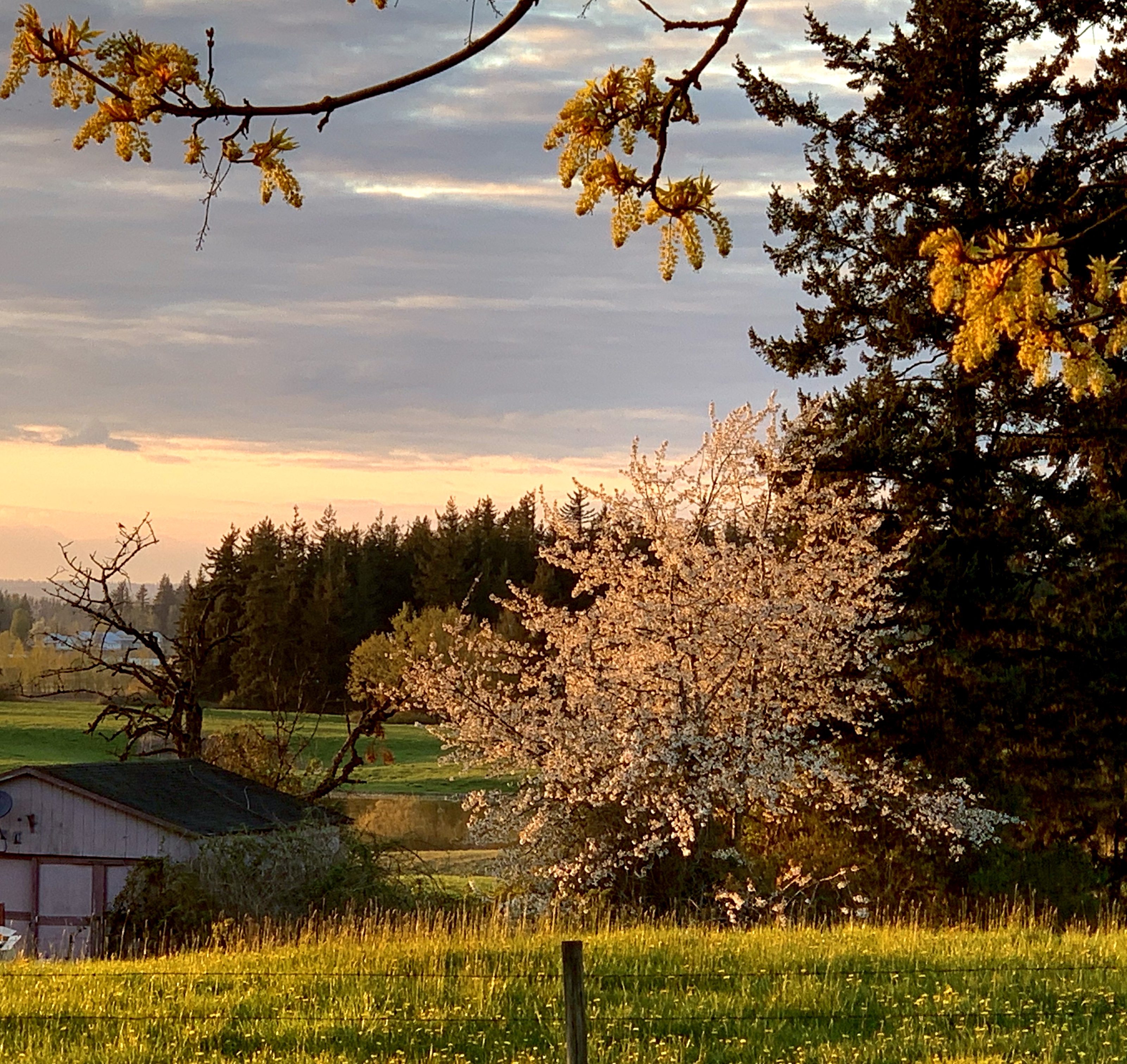
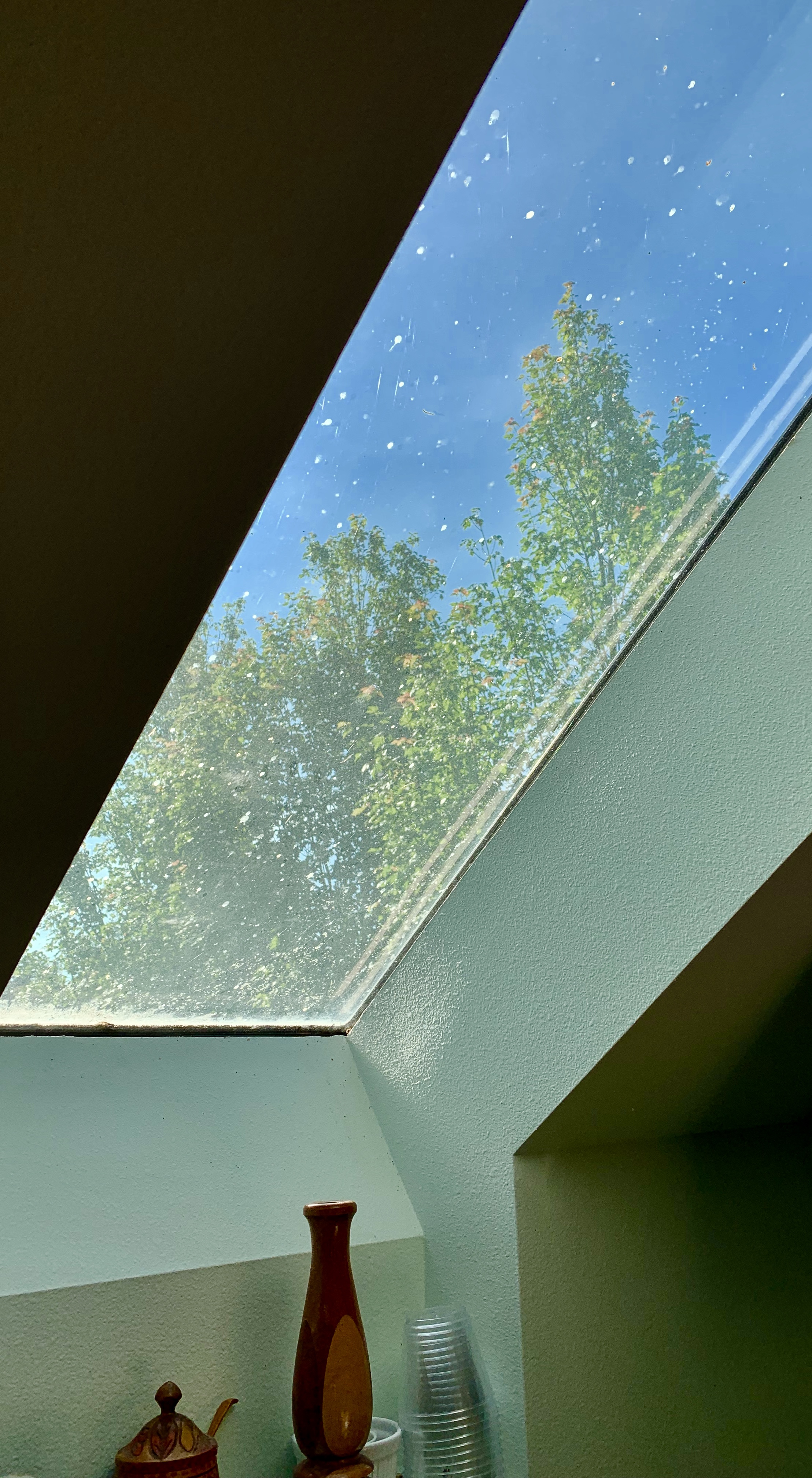
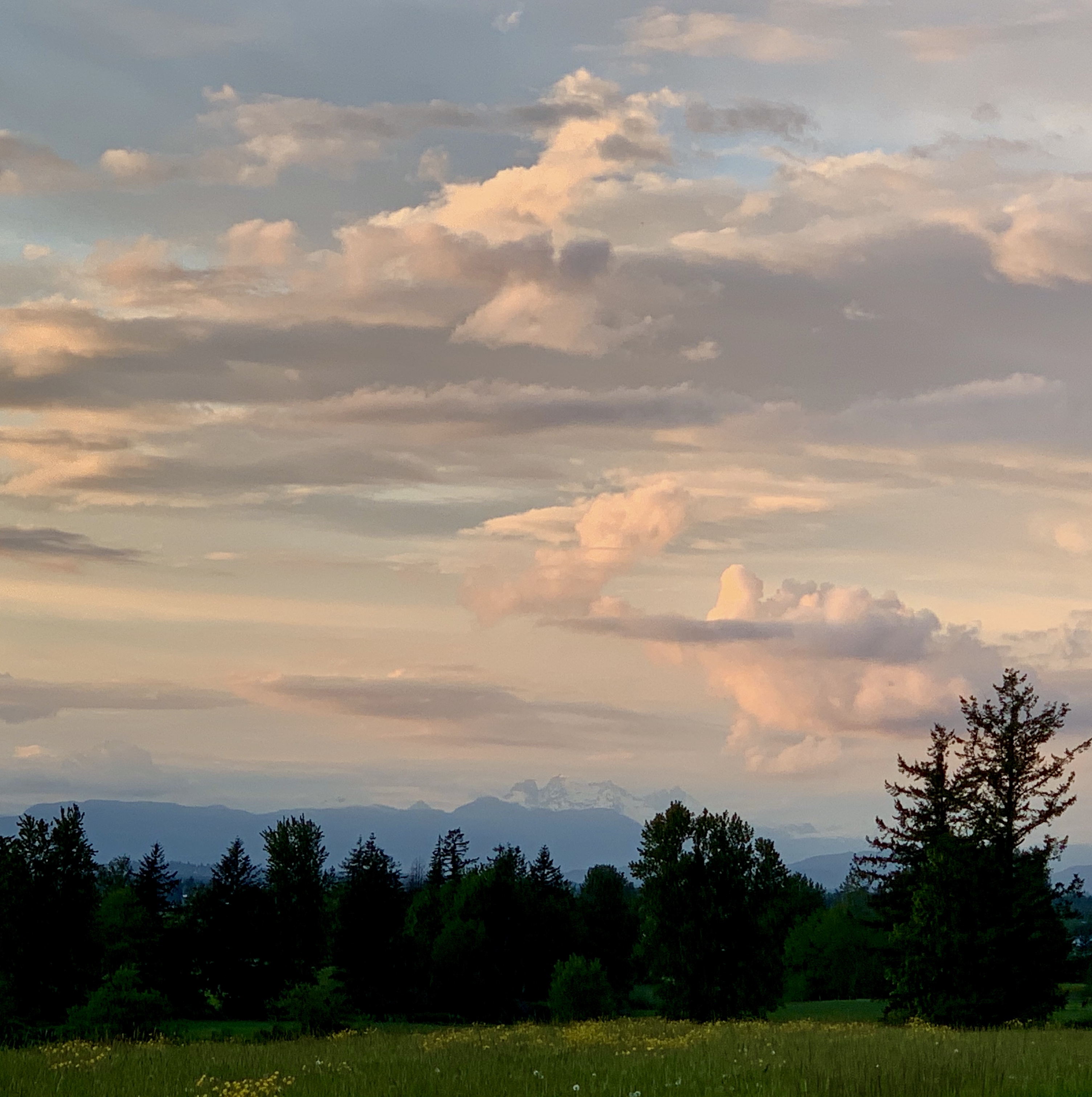
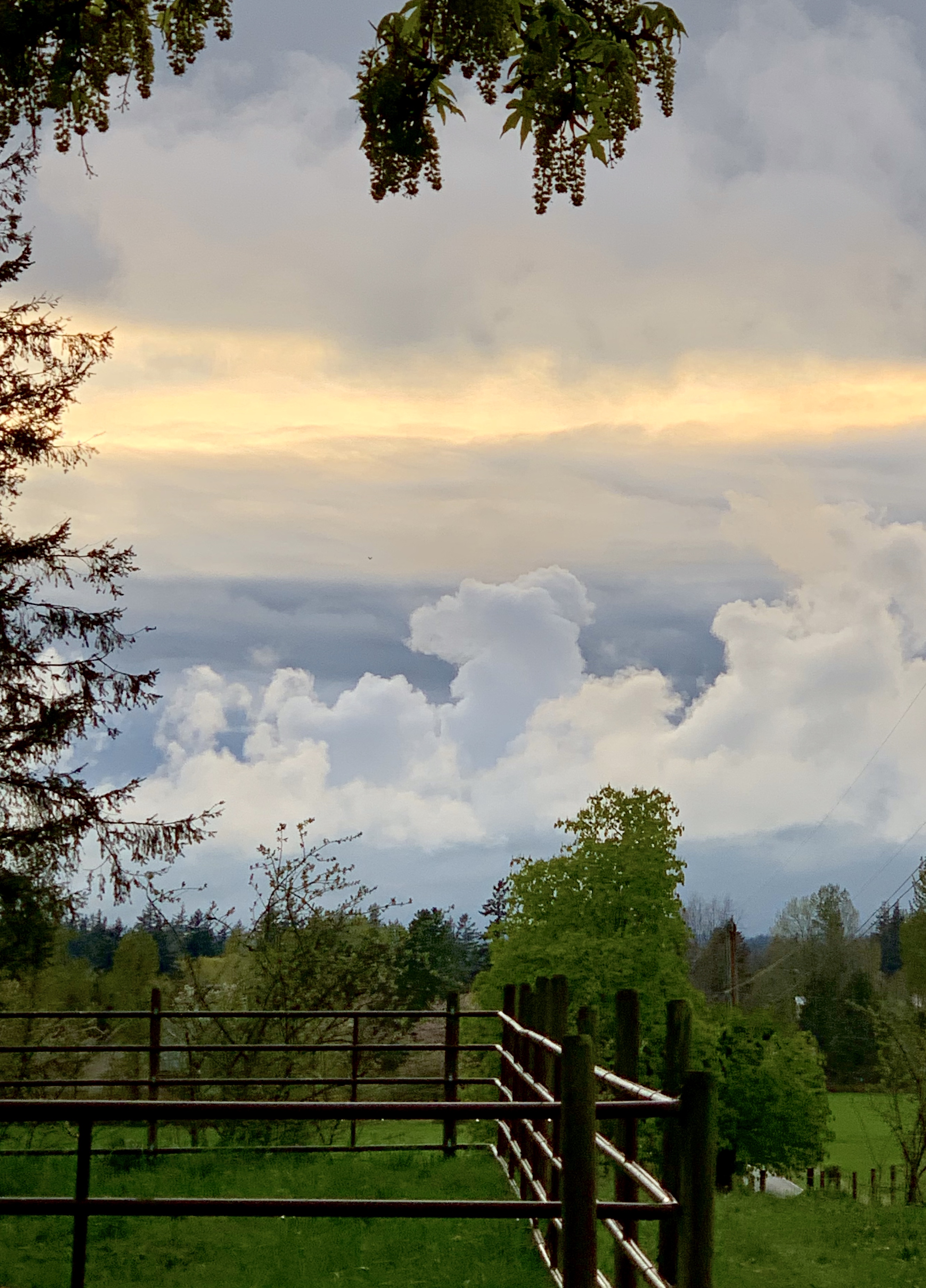
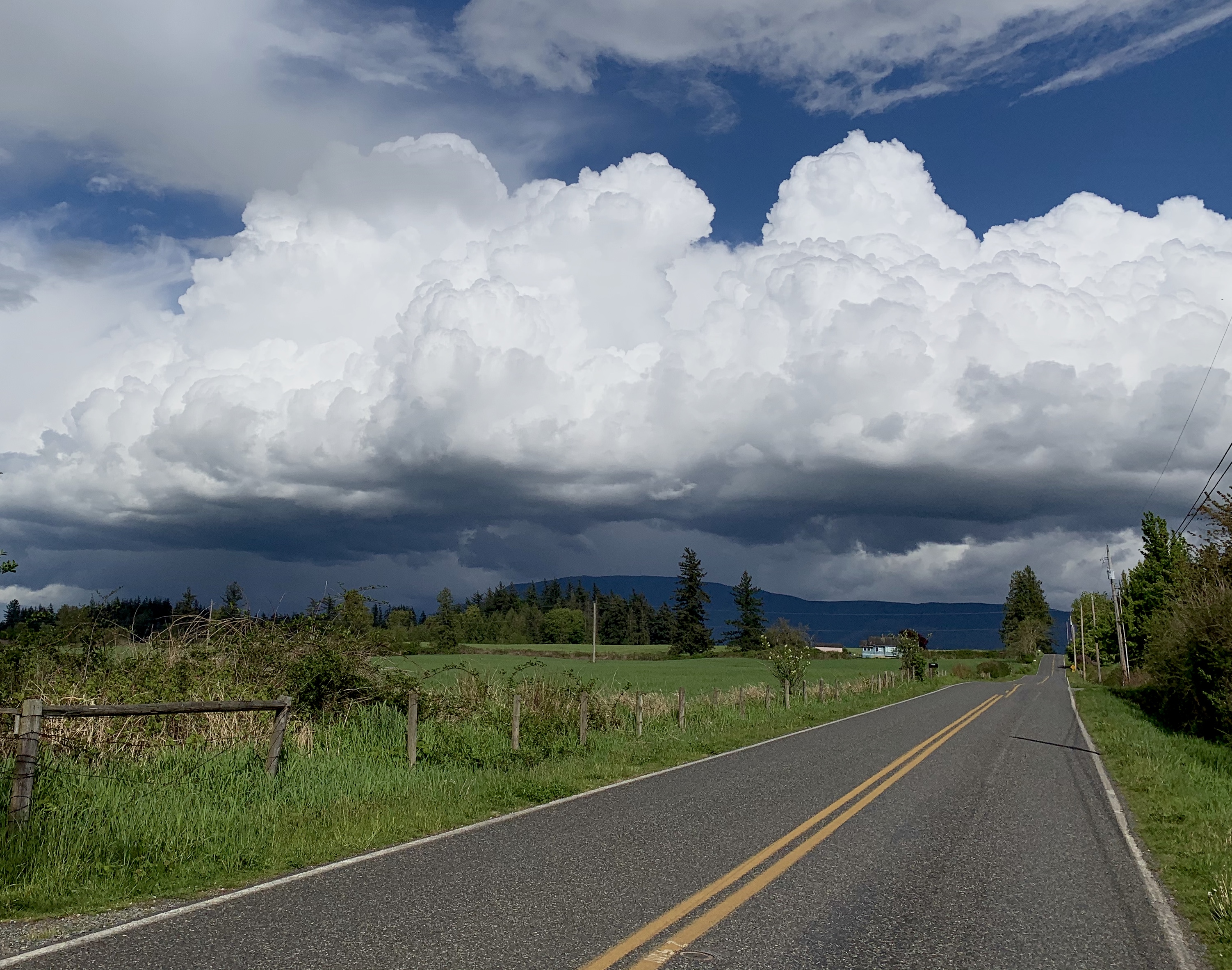
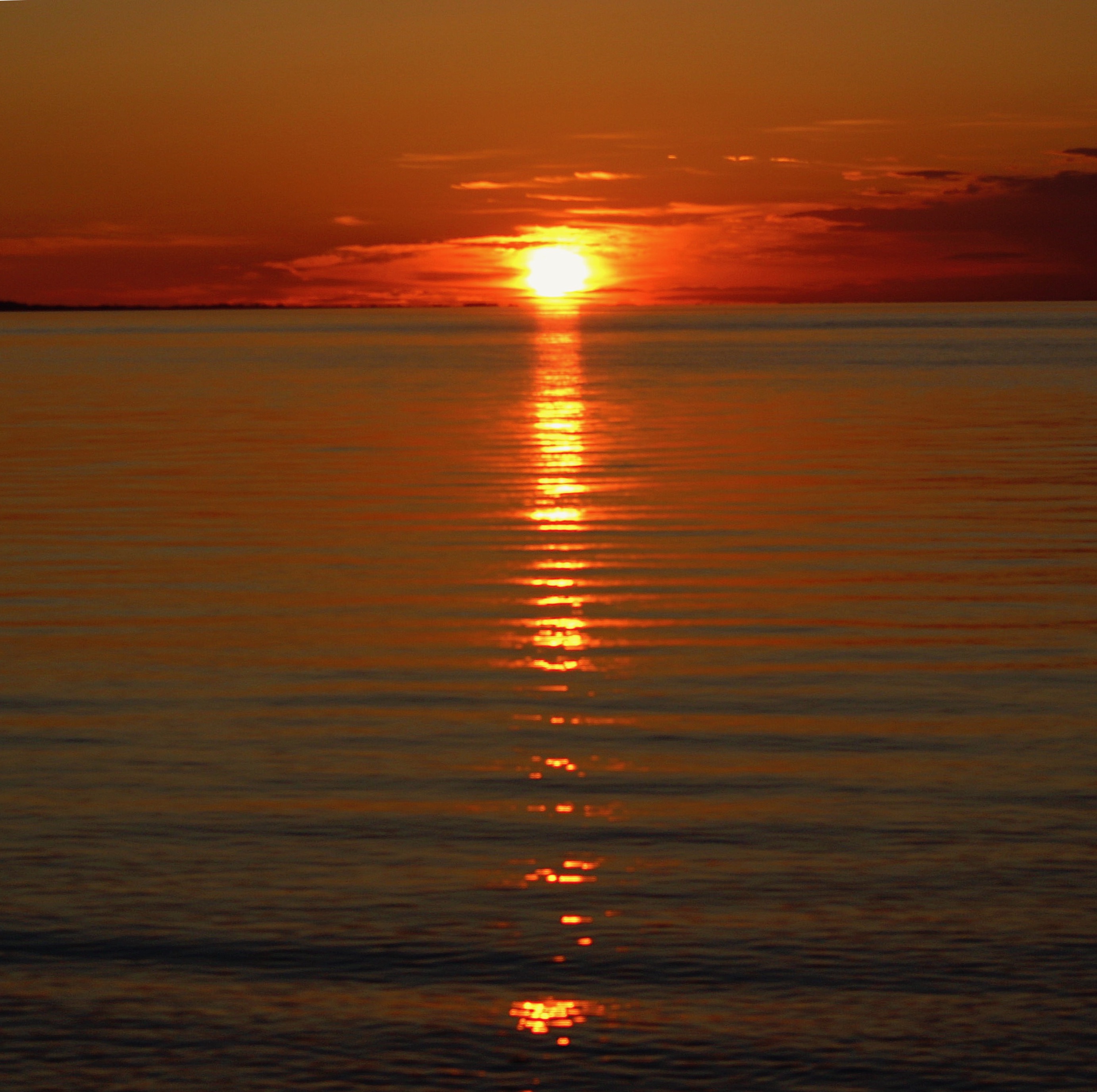
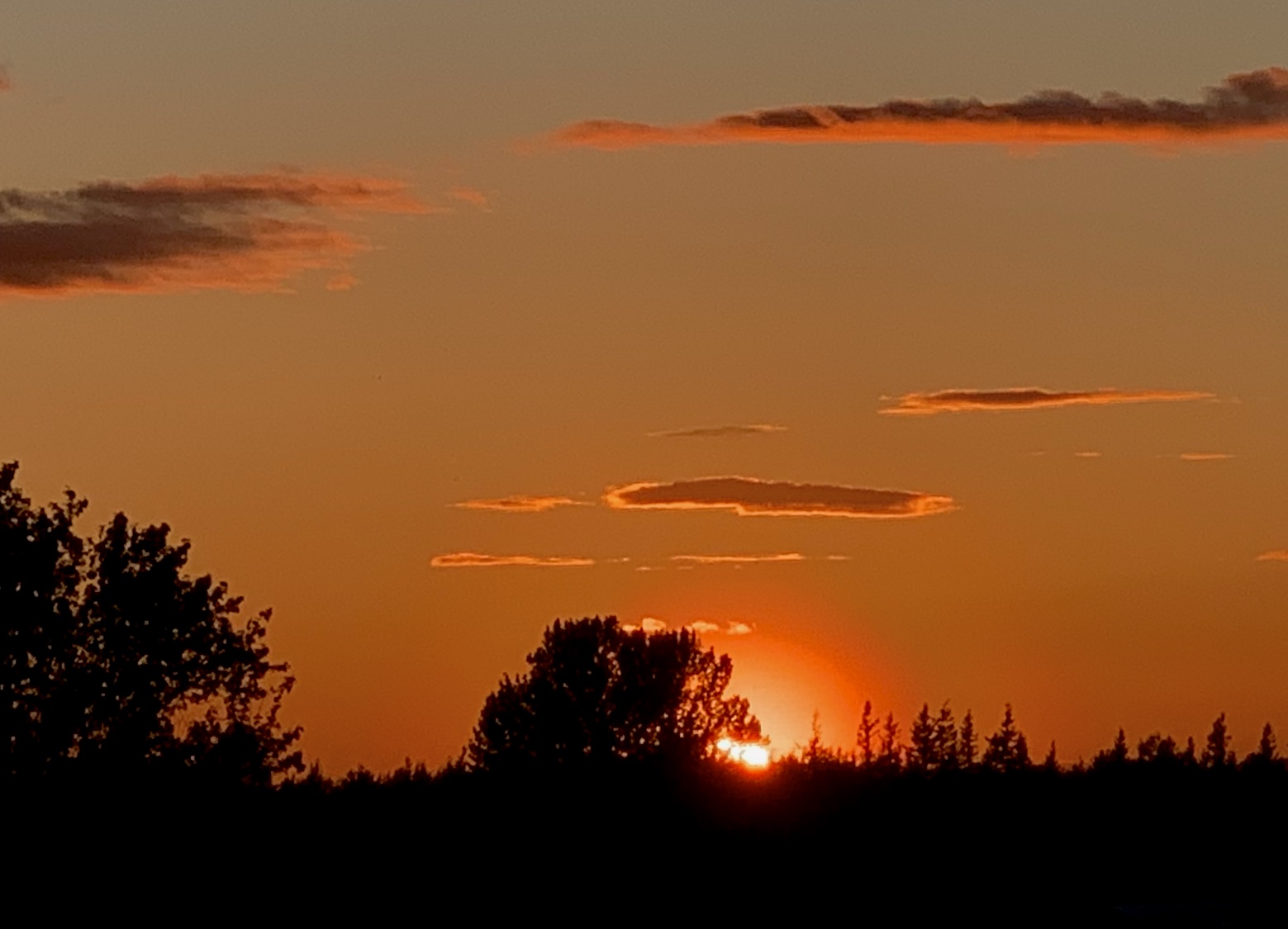
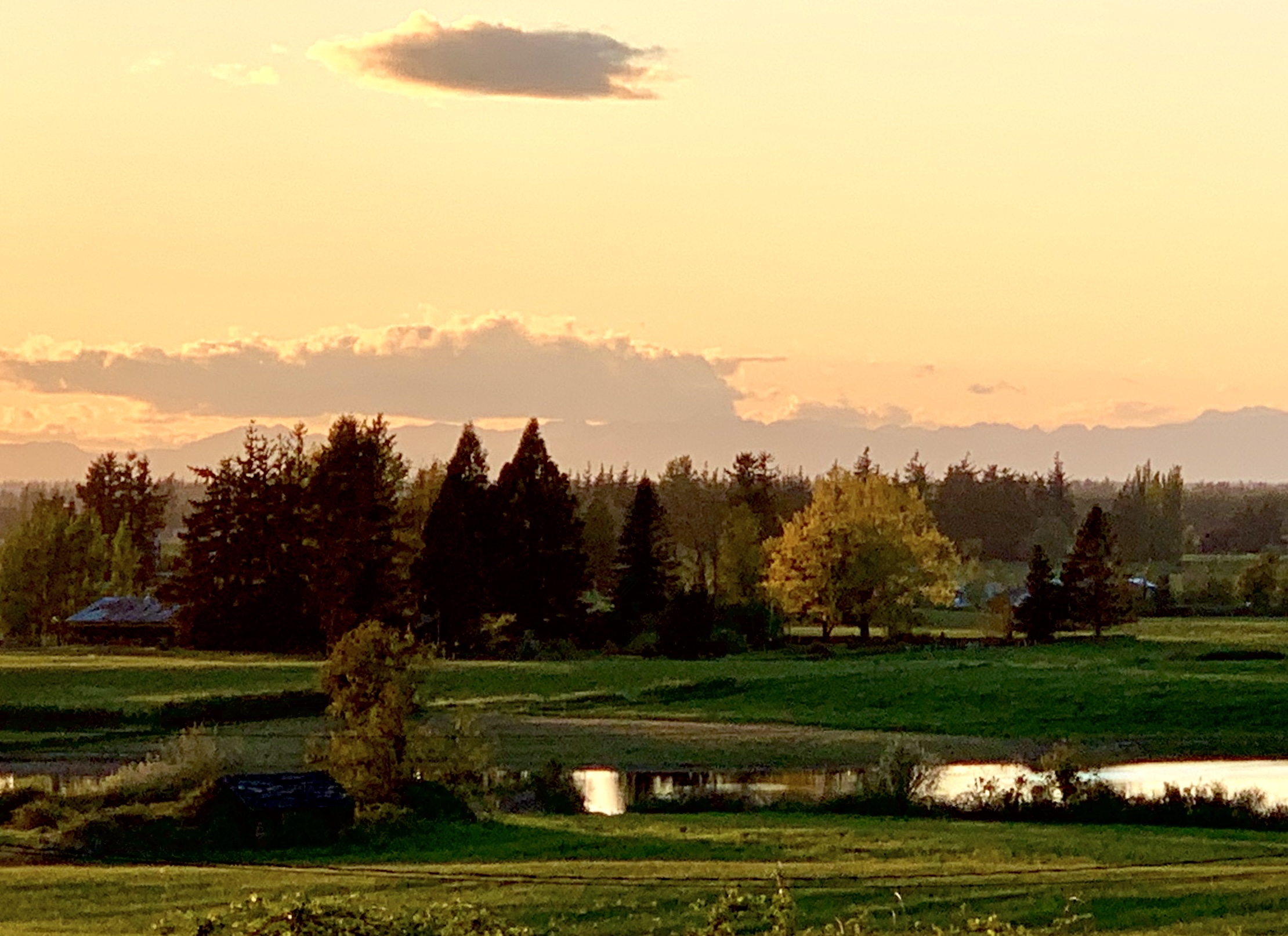
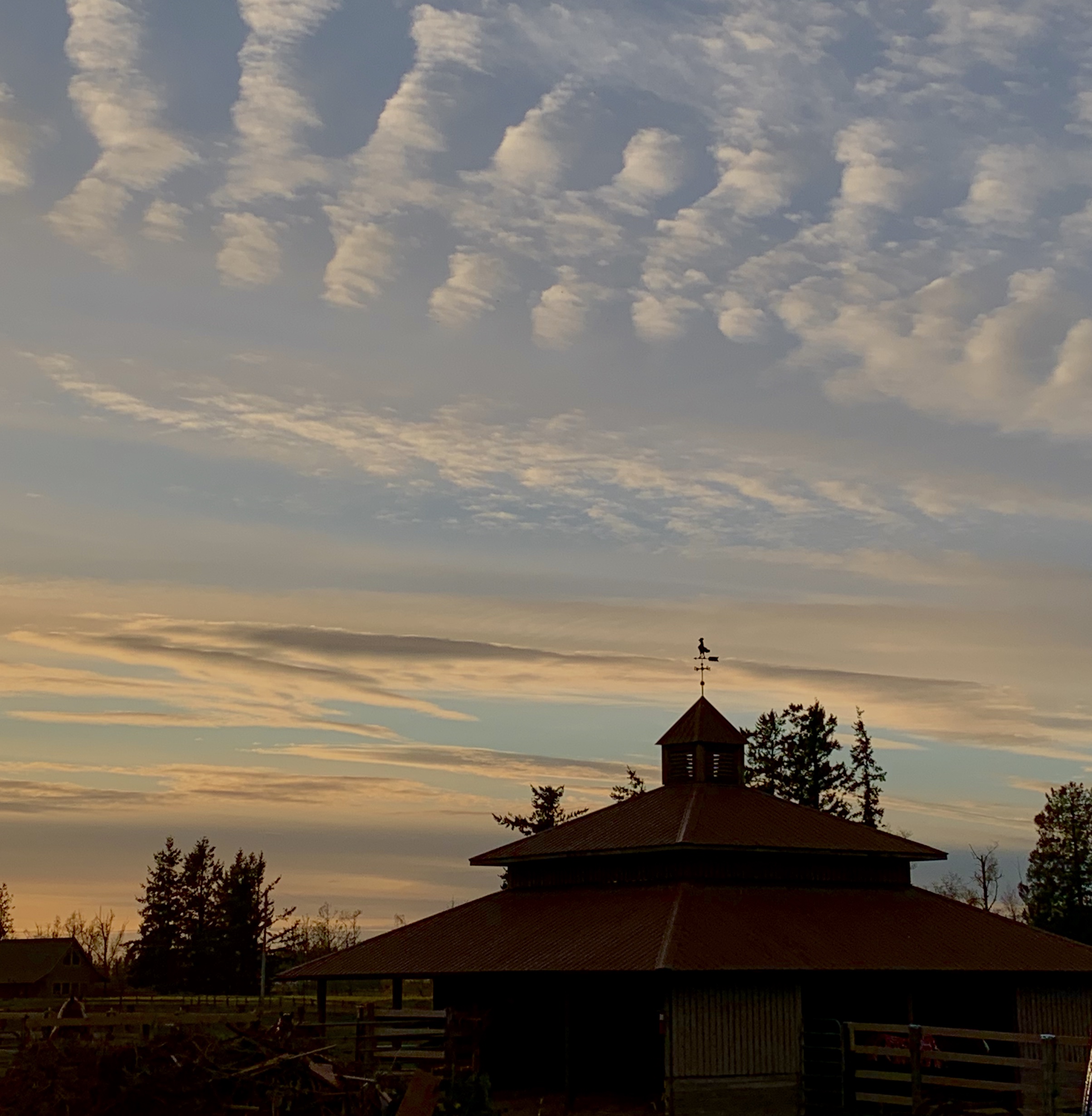
How should I not be glad to contemplate the clouds clearing beyond the dormer window and a high tide reflected on the ceiling? There will be dying, there will be dying, but there is no need to go into that. The poems flow from the hand unbidden and the hidden source is the watchful heart. The sun rises in spite of everything and the far cities are beautiful and bright. I lie here in a riot of sunlight watching the day break and the clouds flying. Everything is going to be all right. ~Derek Mahon,”Everything is Going to be All Right” from Selected Poems
It’s tough to find reassurance these days; in a mere five months, things have gone from “doing okay” to outright disastrous. There is no expert anywhere with a crystal ball who can tell us what things will be like in another five months. We simply have to live it out as best we can.
I regularly remind myself: history has a way of repeating itself, and yes, the world has been in this place before. We’ve fought back against global pandemics and economic depressions and devastating world conflicts and we somehow manage to come out the other side.
It takes time and patience and prayer and groaning and a fair amount of teeth gritting.
So the sun rises in spite of everything. The clouds still fly by above us. We still love one another even when it takes a little work. So let’s give ourselves a little break from the bad news and just love, oh Lord above, in the glory of now.
Everything is going to be all right. Let your heart be watchful and untroubled.
On the day when The weight deadens On your shoulders And you stumble, May the clay dance To balance you.
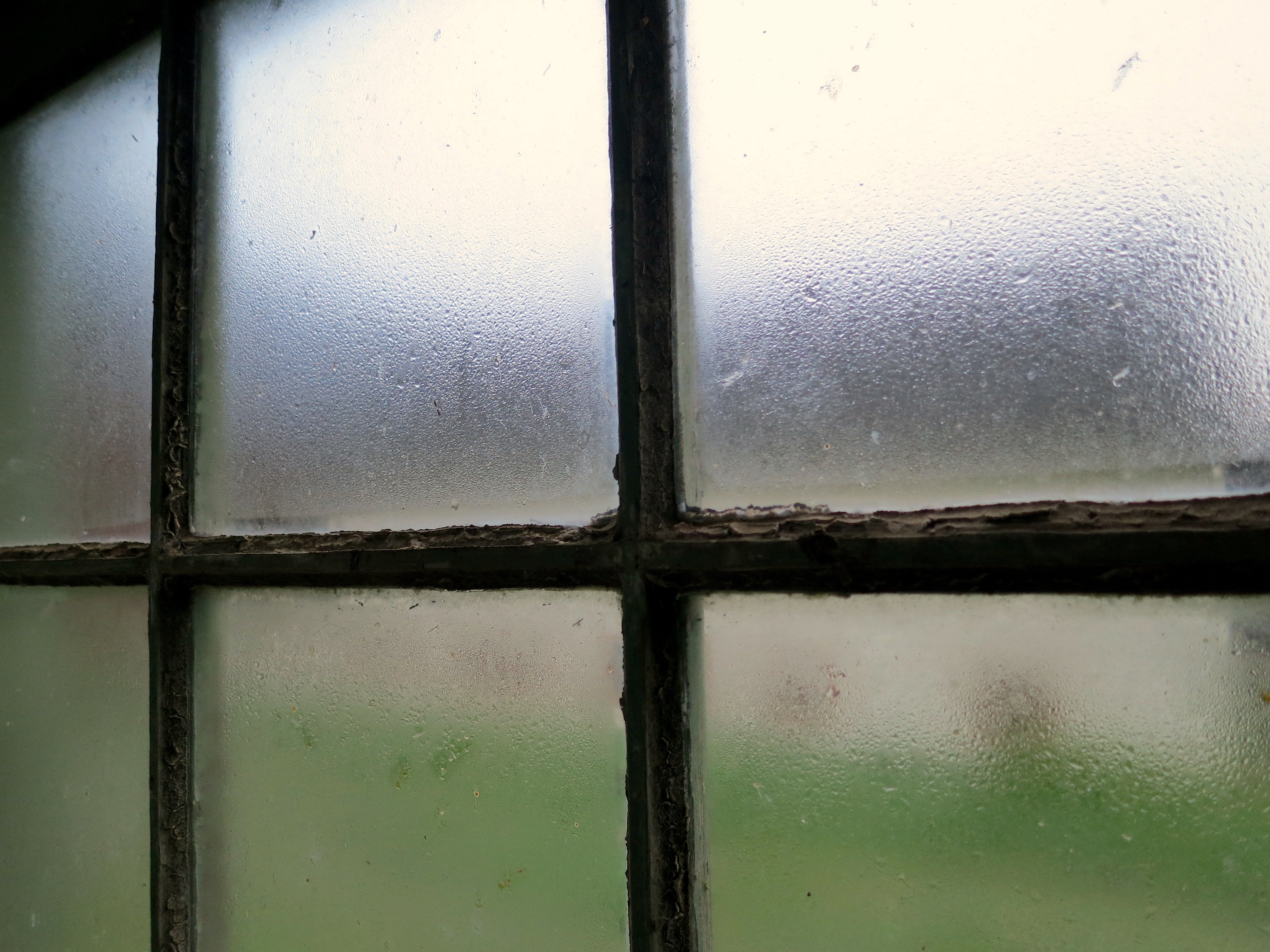
And when your eyes Freeze behind The gray window And the ghost of loss Gets in to you, May a flock of colors, Indigo, red, green And azure blue, Come to awaken in you A meadow of delight.
When the canvas frays in the currach of thought and a stain of ocean blackens beneath you, may there come across the waters a path of yellow moonlight to bring you safely home.
May the nourishment of the earth be yours, may the clarity of light be yours, may the fluency of the ocean be yours, may the protection of the ancestors be yours.
And so may a slow wind work these words of love around you, an invisible cloak to mind your life. ~John O’Donohue “Beannacht”
So many of us grieve the loss of the way things were and the loss of the people we loved.
There seems no light at all in the world, only heaviness of burden, of clouds and sickness.
May God bring back the lightness to our days, the color back to the gray, the clarity of purpose throughout generations.
May God be real to us now, cleansing us from our doubts, our frustrations, our anger and our impatience with one another and with Him.
May God love us in the midst of our weeping, cloaked in His Word and His arms.
After nourishment, shelter and companionship, stories are the thing we need most in the world. Philip Pullman
You’re going to feel like hell if you wake up someday and you never wrote the stuff that is tugging on the sleeves of your heart: your stories, memories, visions, and songs–your truth, your version of things–in your own voice. That’s really all you have to offer us, and that’s also why you were born. ~Anne Lamott in a recent TED Talk
Write as if you were dying. At the same time, assume you write for an audience consisting solely of terminal patients. That is, after all, the case. ~Annie Dillard from “Write Till You Drop”
I began to write after September 11, 2001 because that day it became obvious to me I was dying, albeit more slowly than the thousands who vanished that day in fire and ash, their voices obliterated with their bodies. So, nearly each day since, while I still have voice and a new dawn to greet, I speak through my fingers and my camera lens to others dying around me.
Over the past several months, there have been too many who have met their end sooner than they wished, having been felled by a rogue virus that cares not who or how badly it infects.
We are, after all, terminal patients, some more imminent than others, some of us more prepared to move on, as if our readiness had anything to do with the timing.
Each day I too get a little closer, so I write and share photos of my world in order to hang on awhile longer, yet with loosening grasp. Each day I must detach just a little bit, leaving a small trace of my voice and myself behind. Eventually, through unmerited grace, so much of me will be left on the page there won’t be anything or anyone left to do the typing.
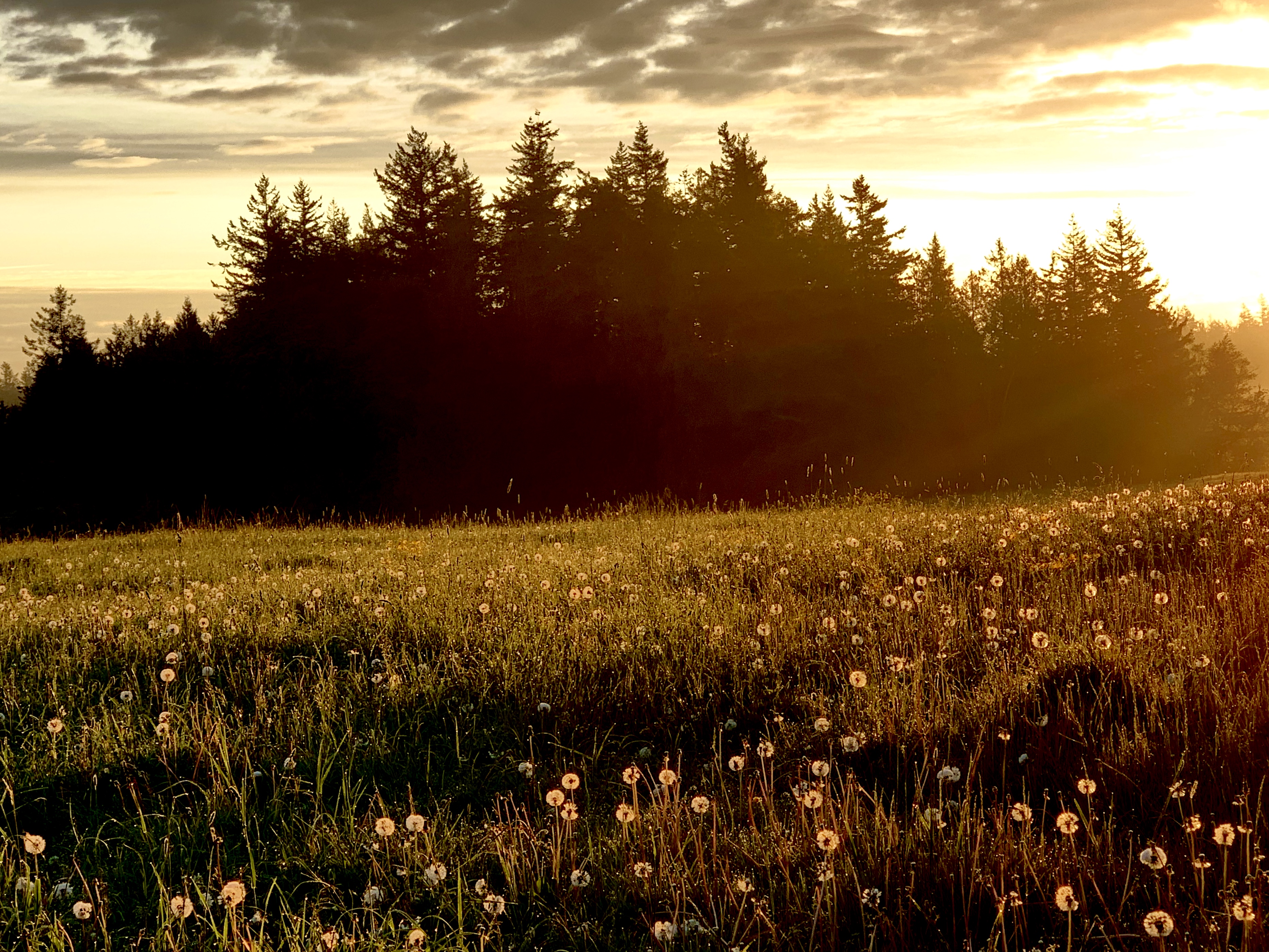
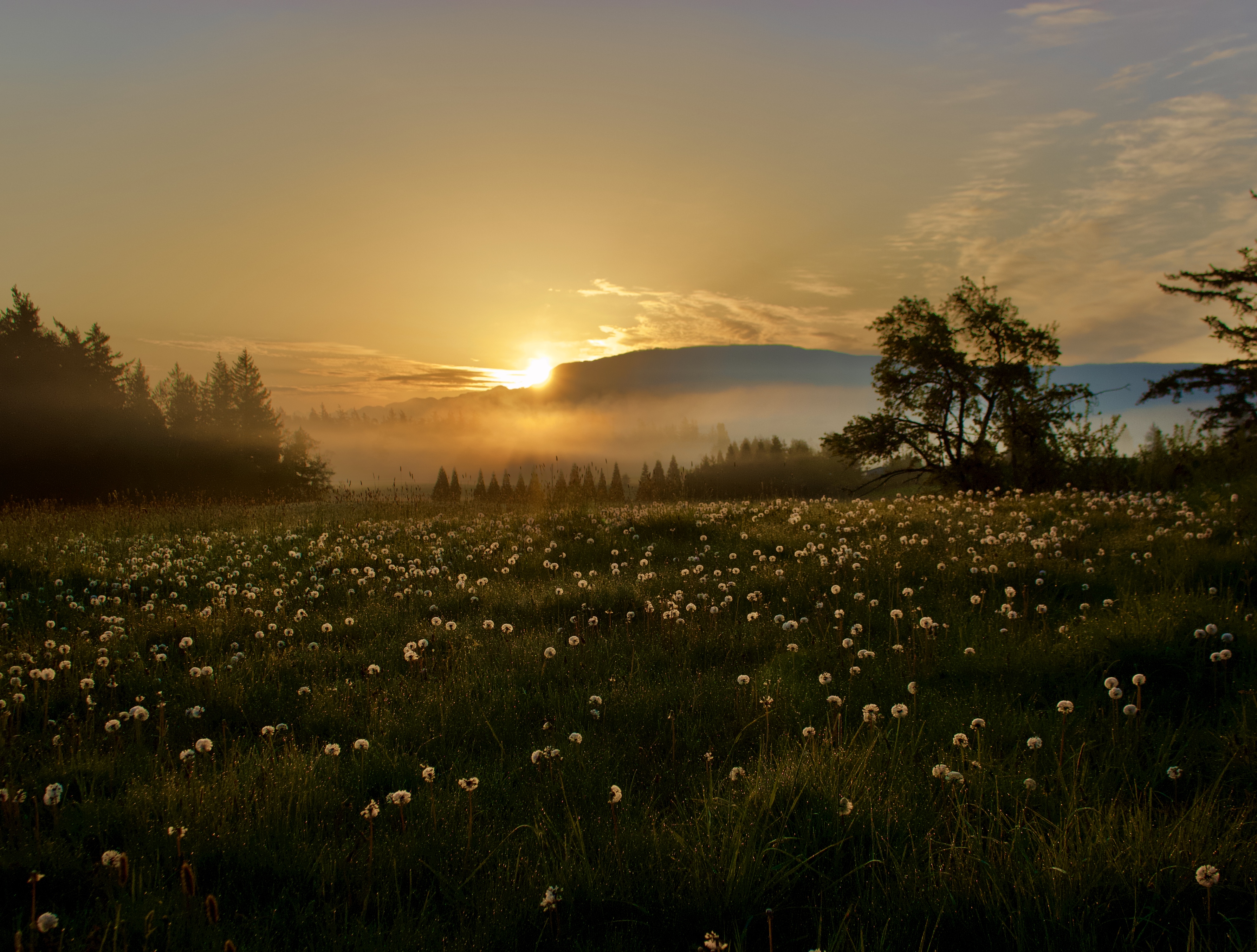
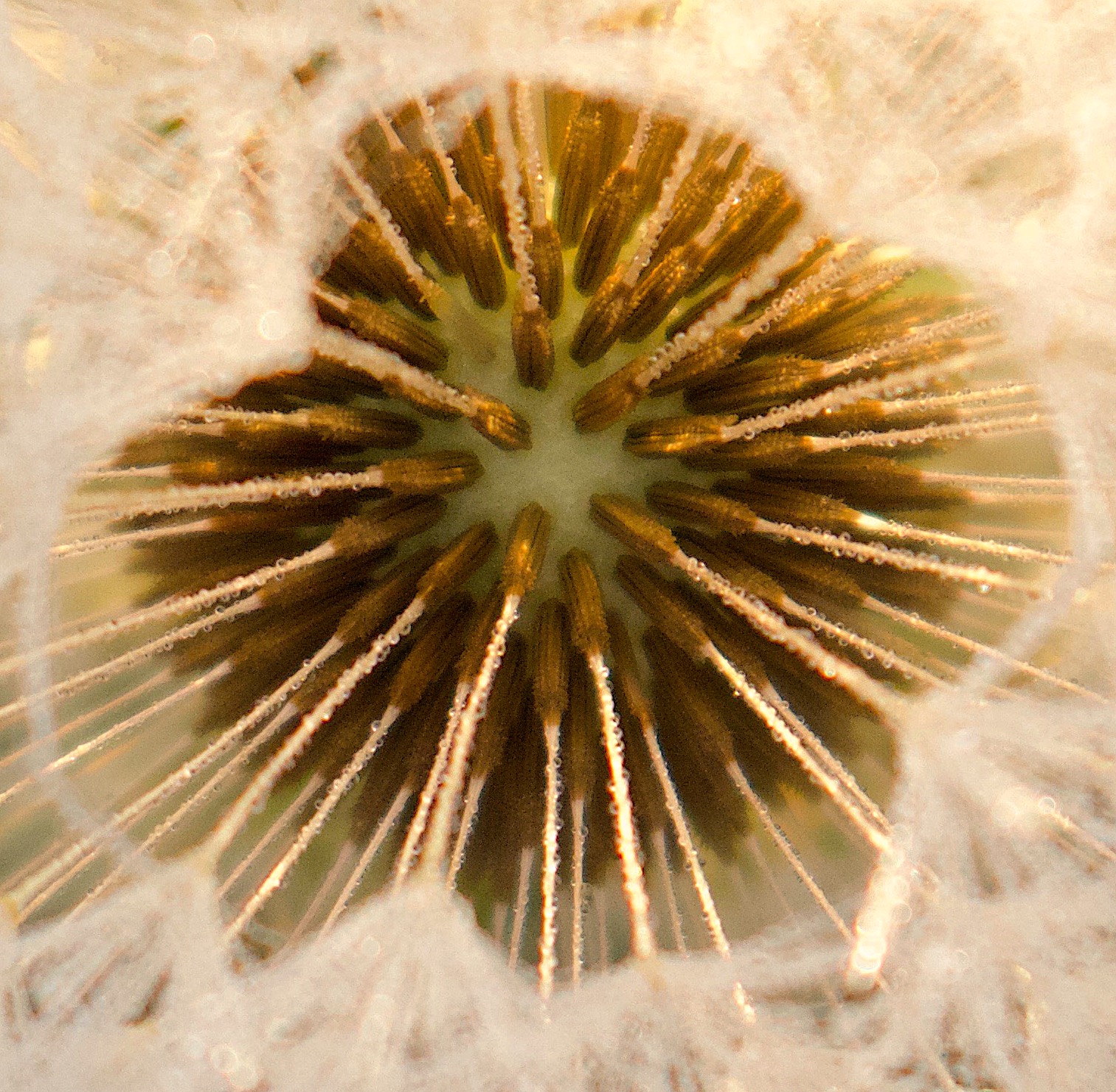
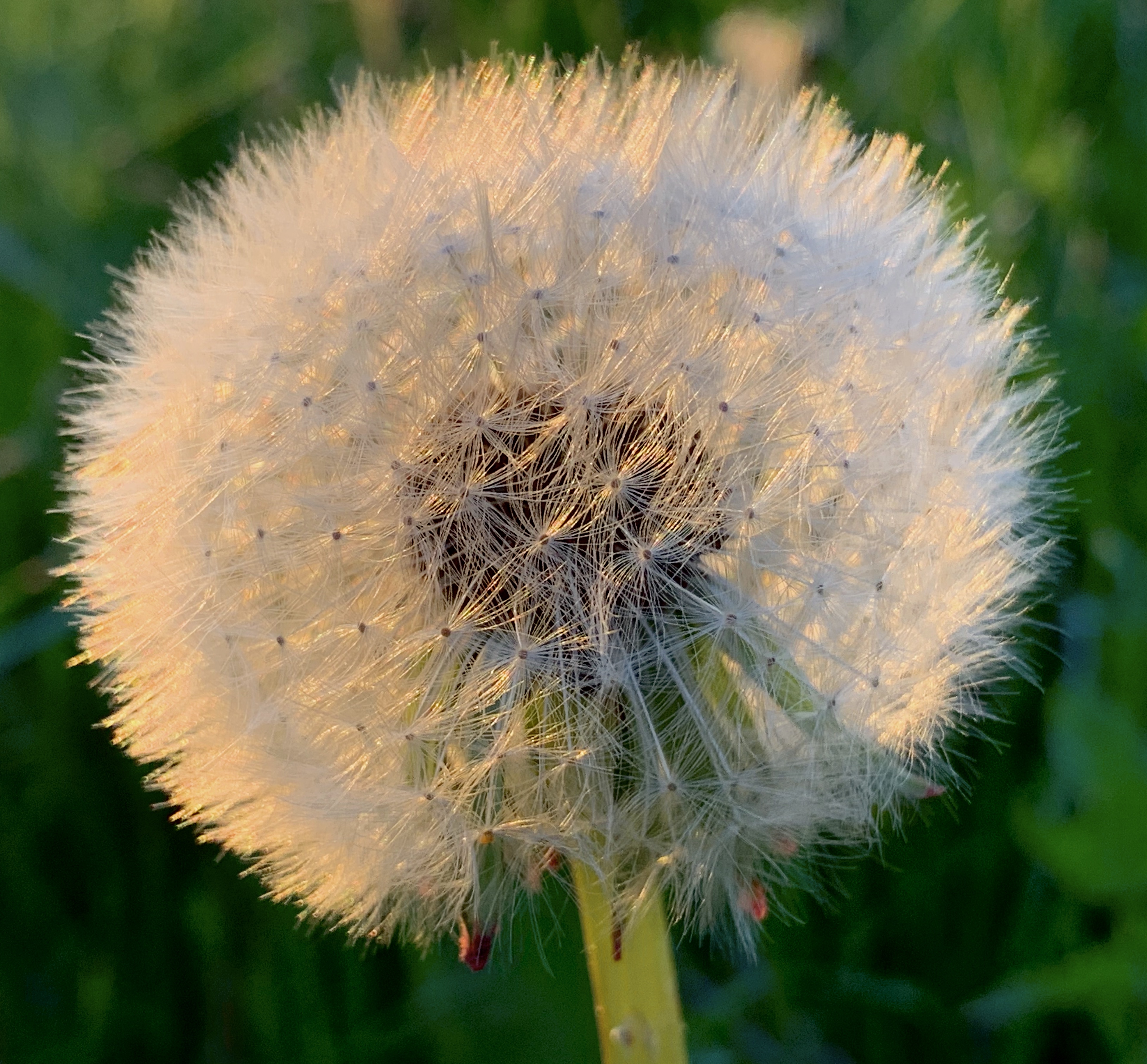
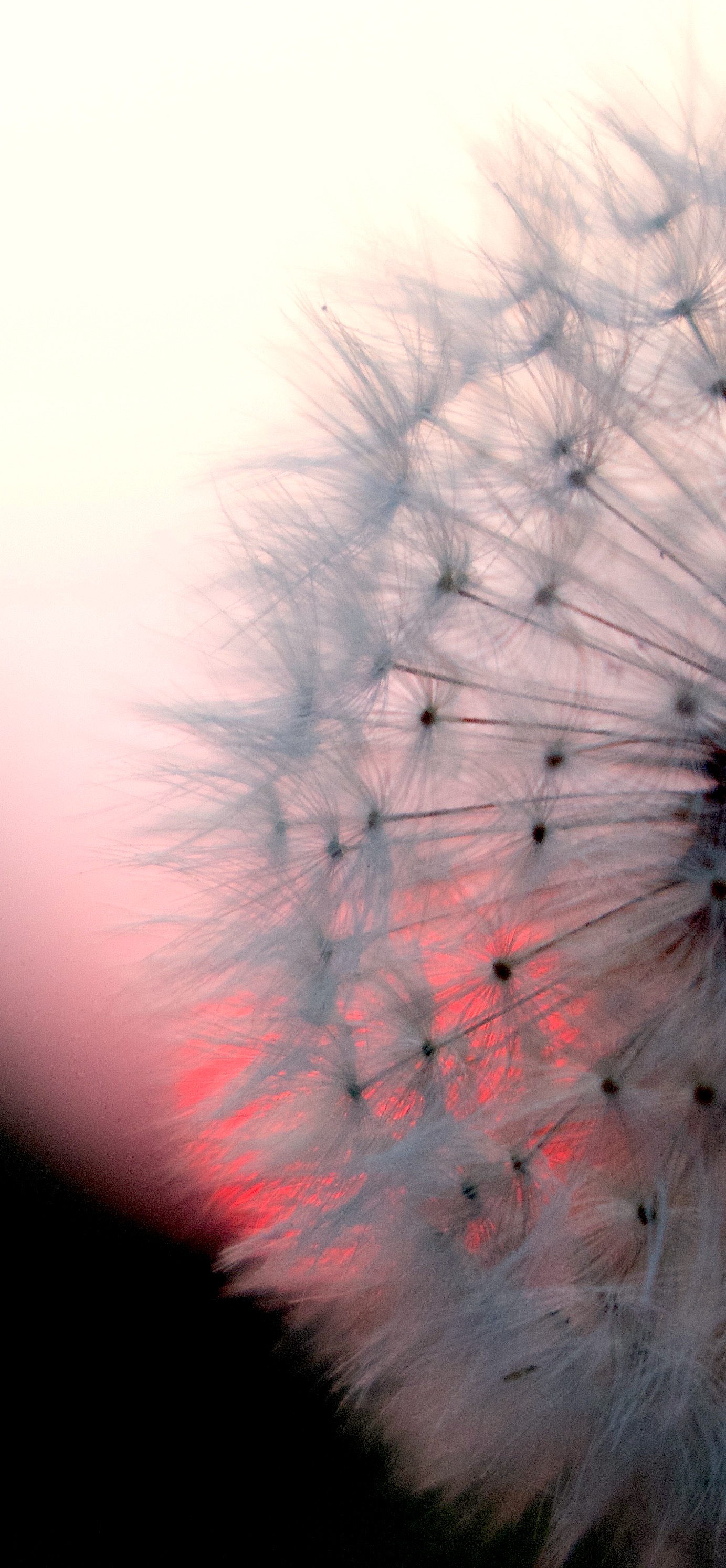
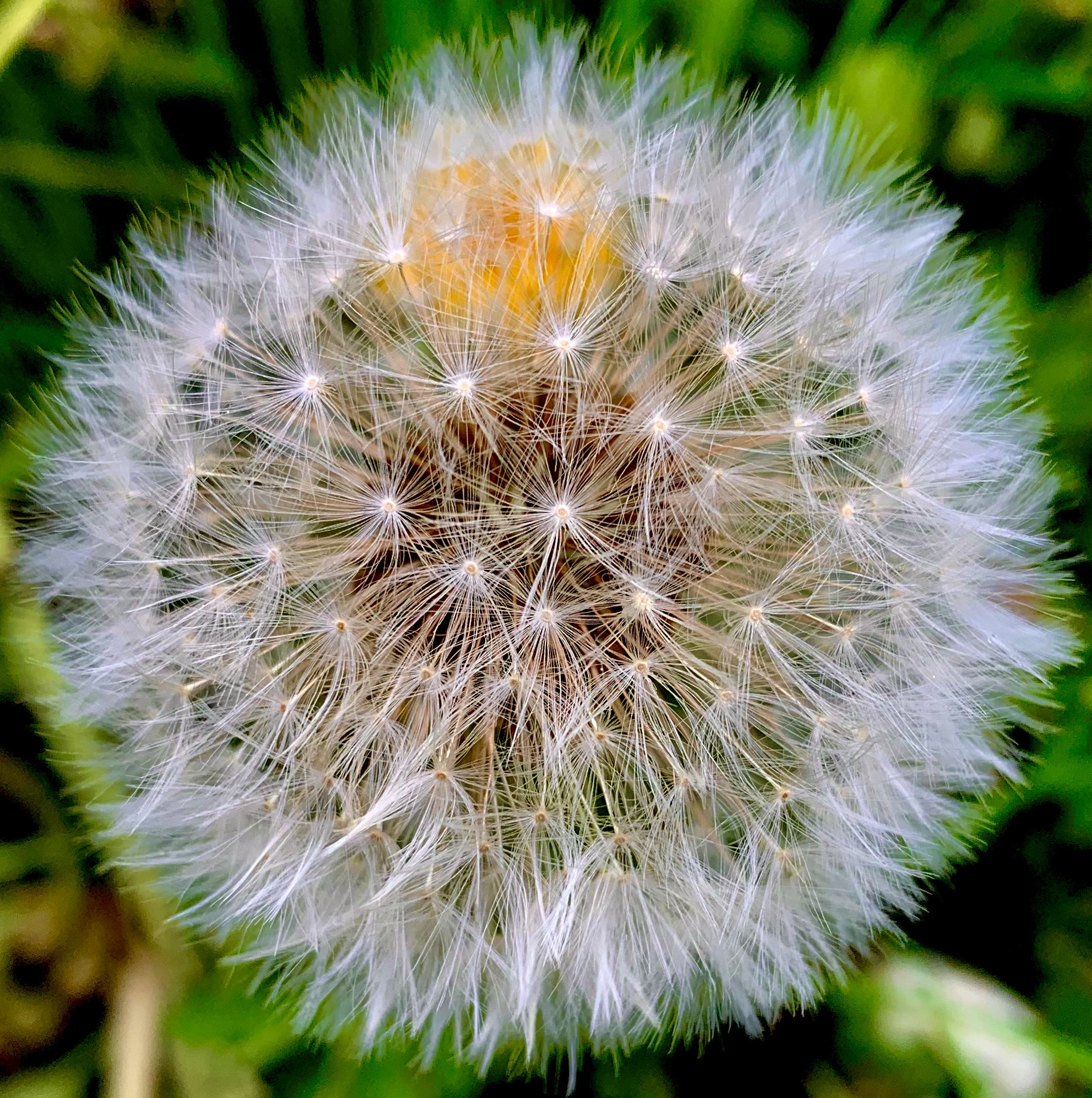
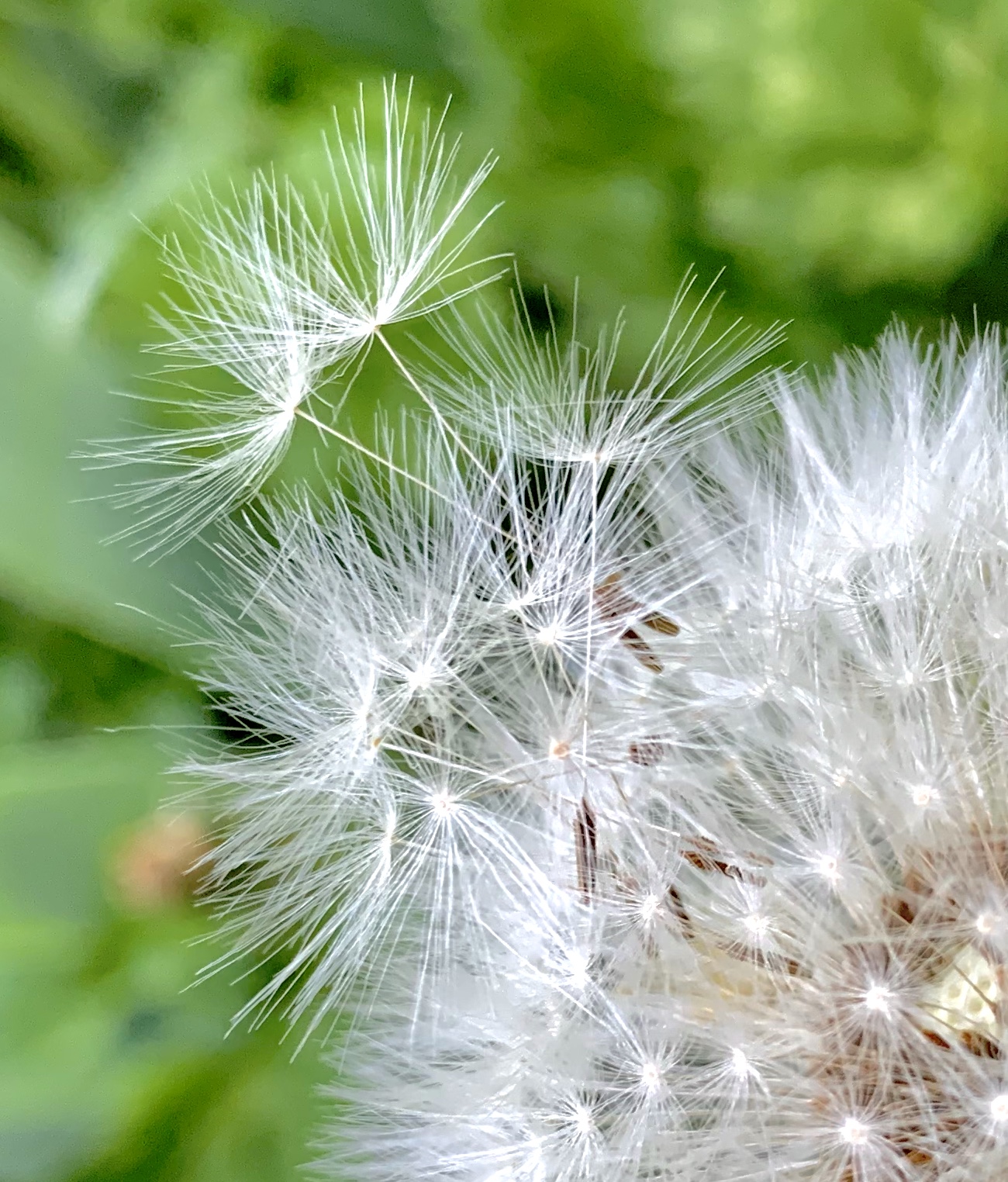
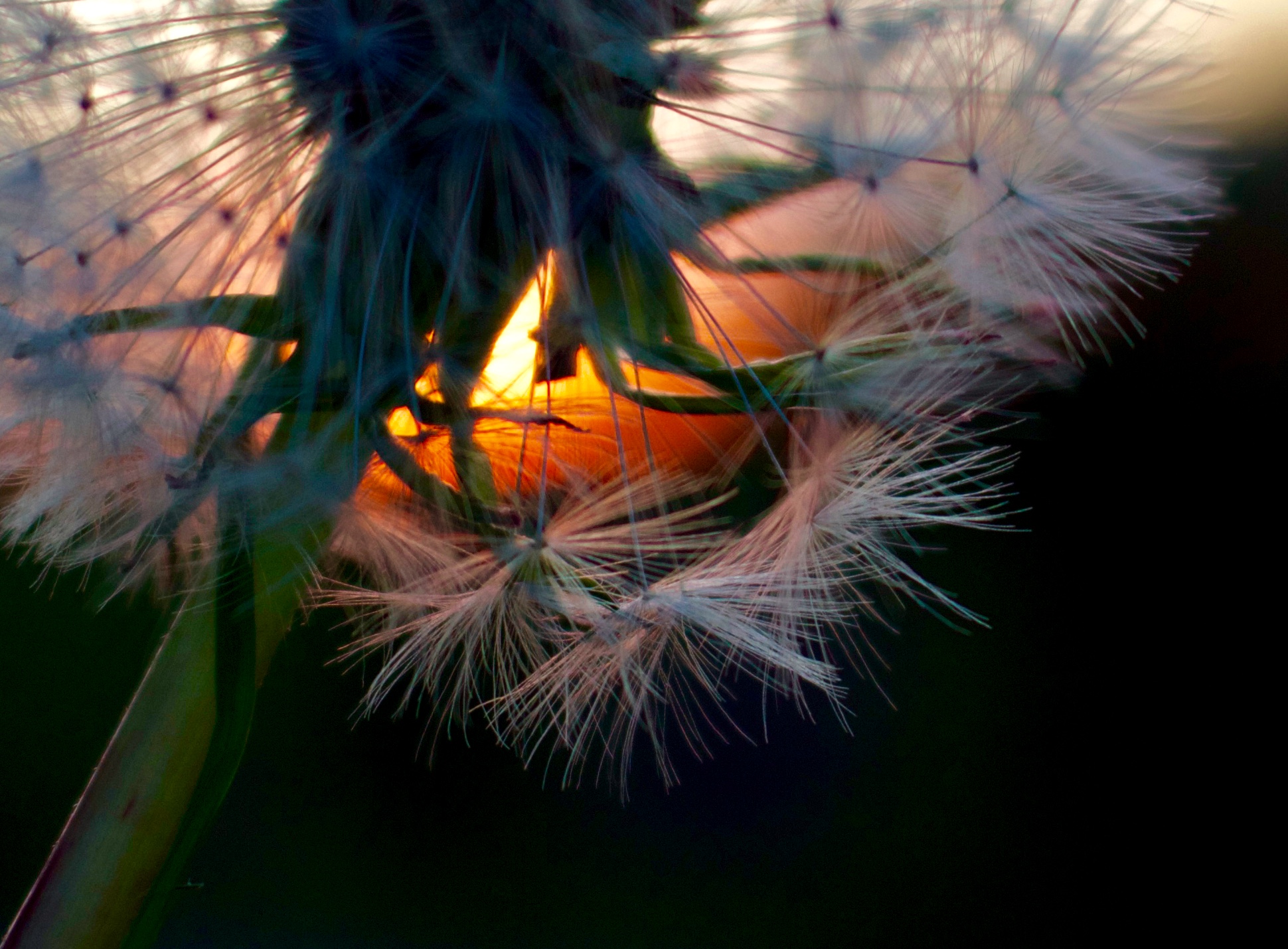
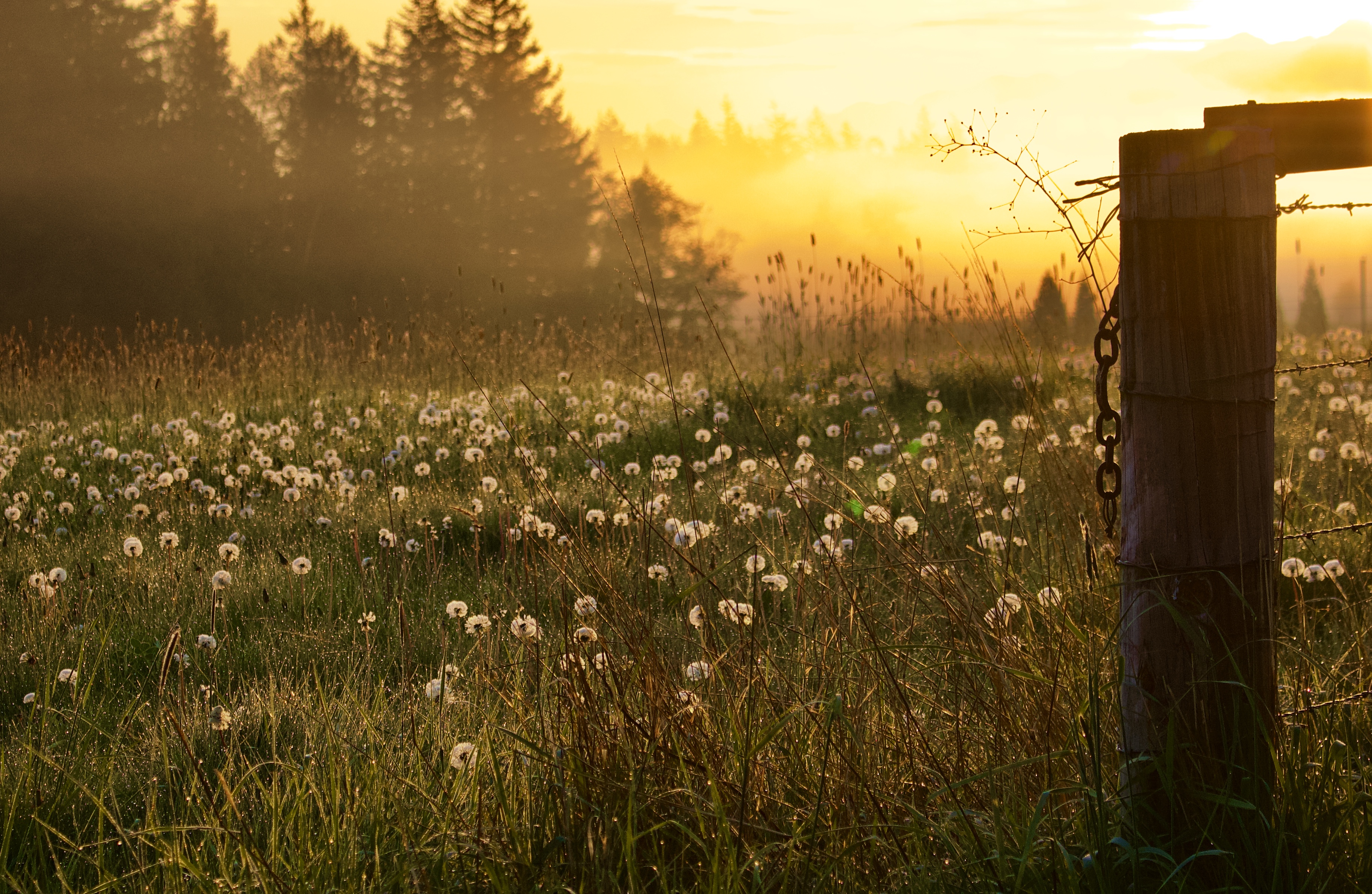
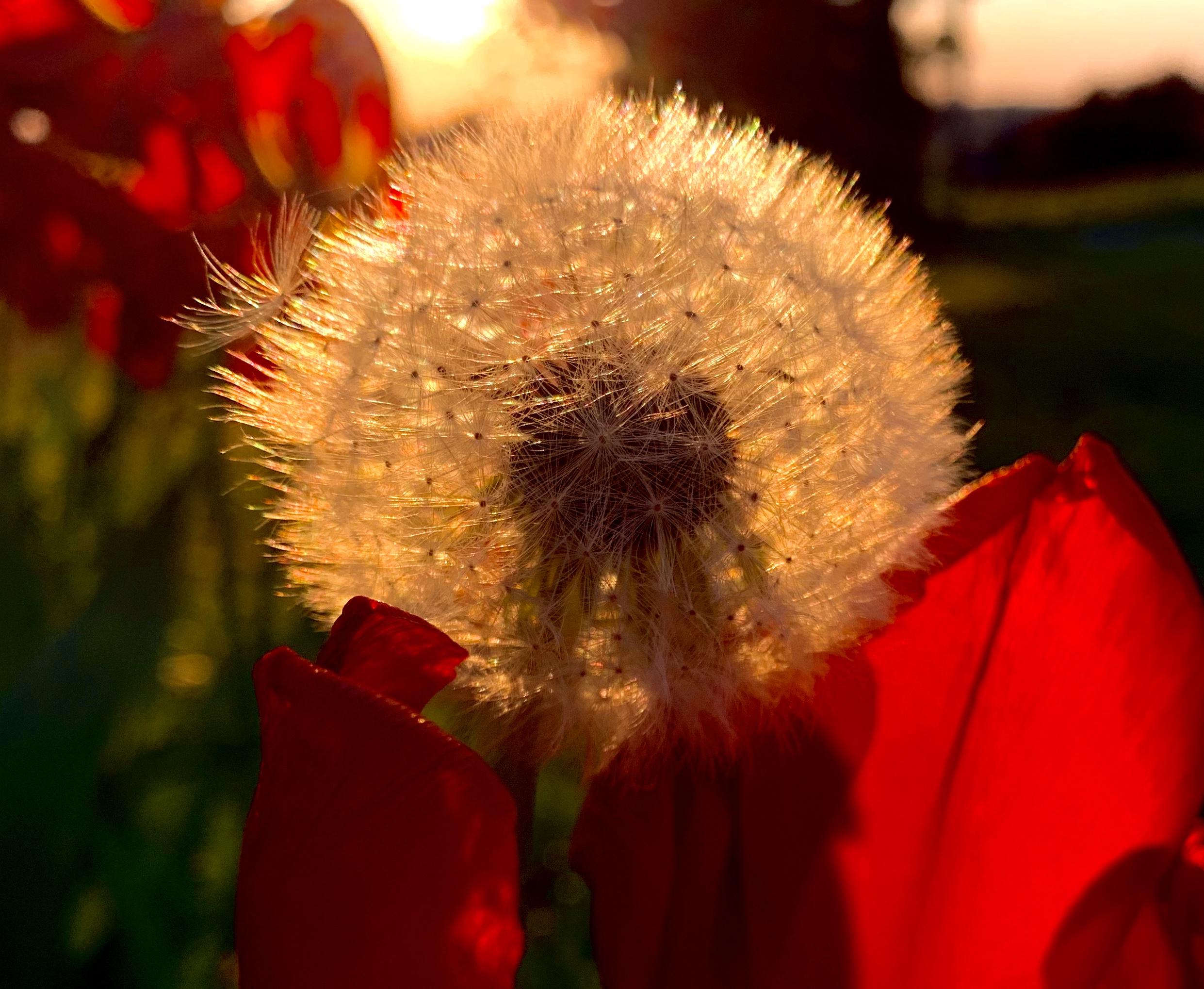
How I loved those spiky suns, rooted stubborn as childhood in the grass, tough as the farmer’s big-headed children—the mats of yellow hair, the bowl-cut fringe. How sturdy they were and how slowly they turned themselves into galaxies, domes of ghost stars barely visible by day, pale cerebrums clinging to life on tough green stems. Like you. Like you, in the end. If you were here, I’d pluck this trembling globe to show how beautiful a thing can be a breath will tear away. ~Jean Nordhaus “A Dandelion for My Mother”
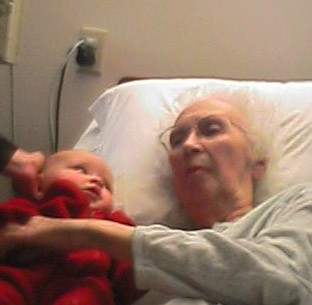
Vigil at my mother’s bedside (for Elna)
Lying still, your mouth gapes open as I wonder if you breathe your last. Your hair a white cloud Your skin baby soft No washing, digging, planting gardens Or raising children Anymore.
Where do your dreams take you? At times you wake in your childhood home of Rolling wheat fields, boundless days of freedom. Other naps take you to your student and teaching days Grammar and drama, speech and essays. Yesterday you were a young mother again Juggling babies, farm and your wistful dreams.
Today you looked about your empty nest Disguised as hospital bed, Wondering aloud about Children grown, flown. You still control through worry and tell me: Travel safely Get a good night’s sleep Take time to eat Call me when you get there
I dress you as you dressed me I clean you as you cleaned me I love you as you loved me You try my patience as I tried yours. I wonder if I have the strength to Mother my mother For as long as she needs.
When I tell you the truth Your brow furrows as it used to do When I disappointed you~ This cannot be A bed in a room in a sterile place Waiting for death Waiting for the next breath Waiting for heaven Waiting
And I tell you: Travel safely Eat, please eat Sleep well Call me when you get there.
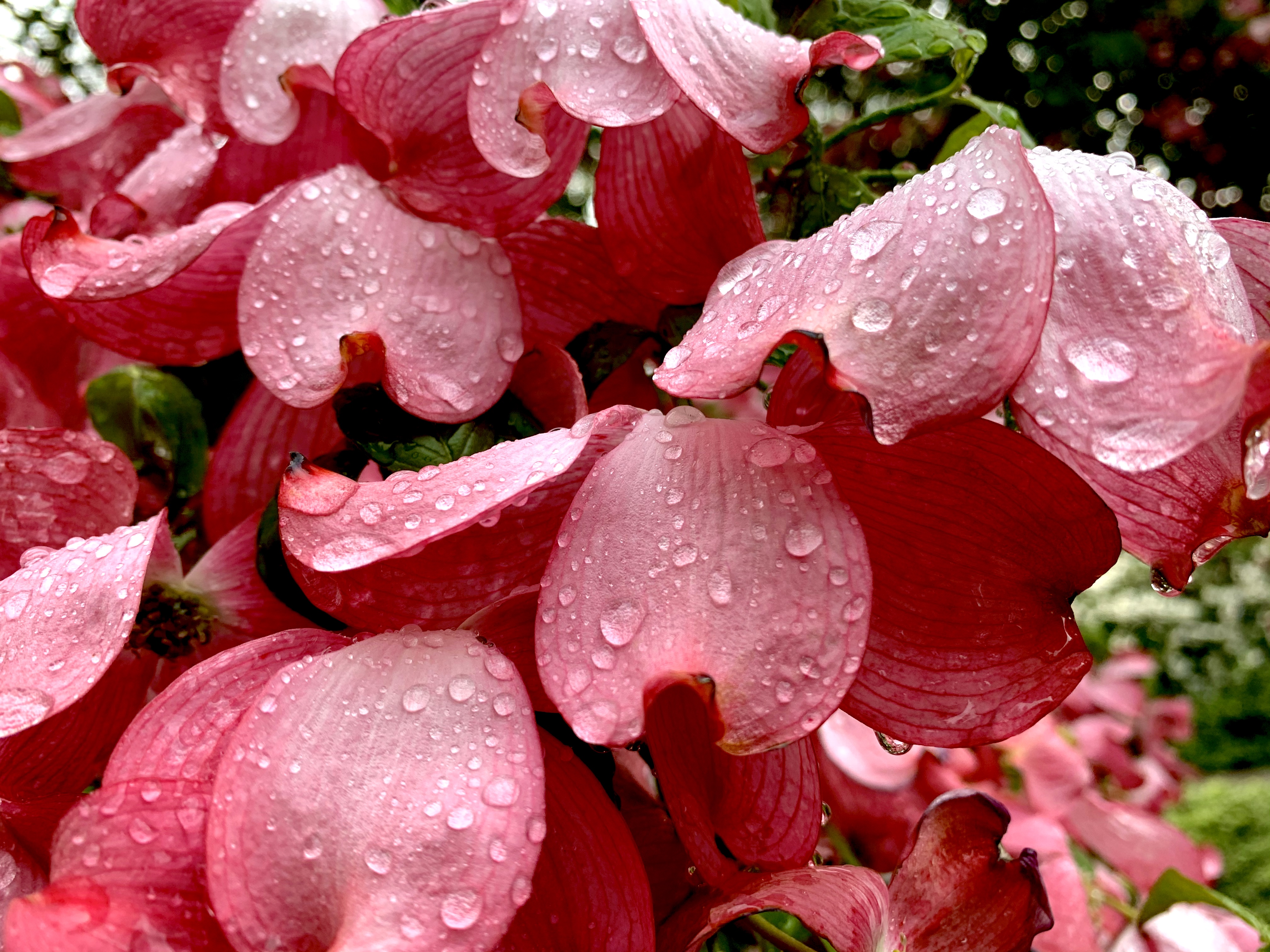
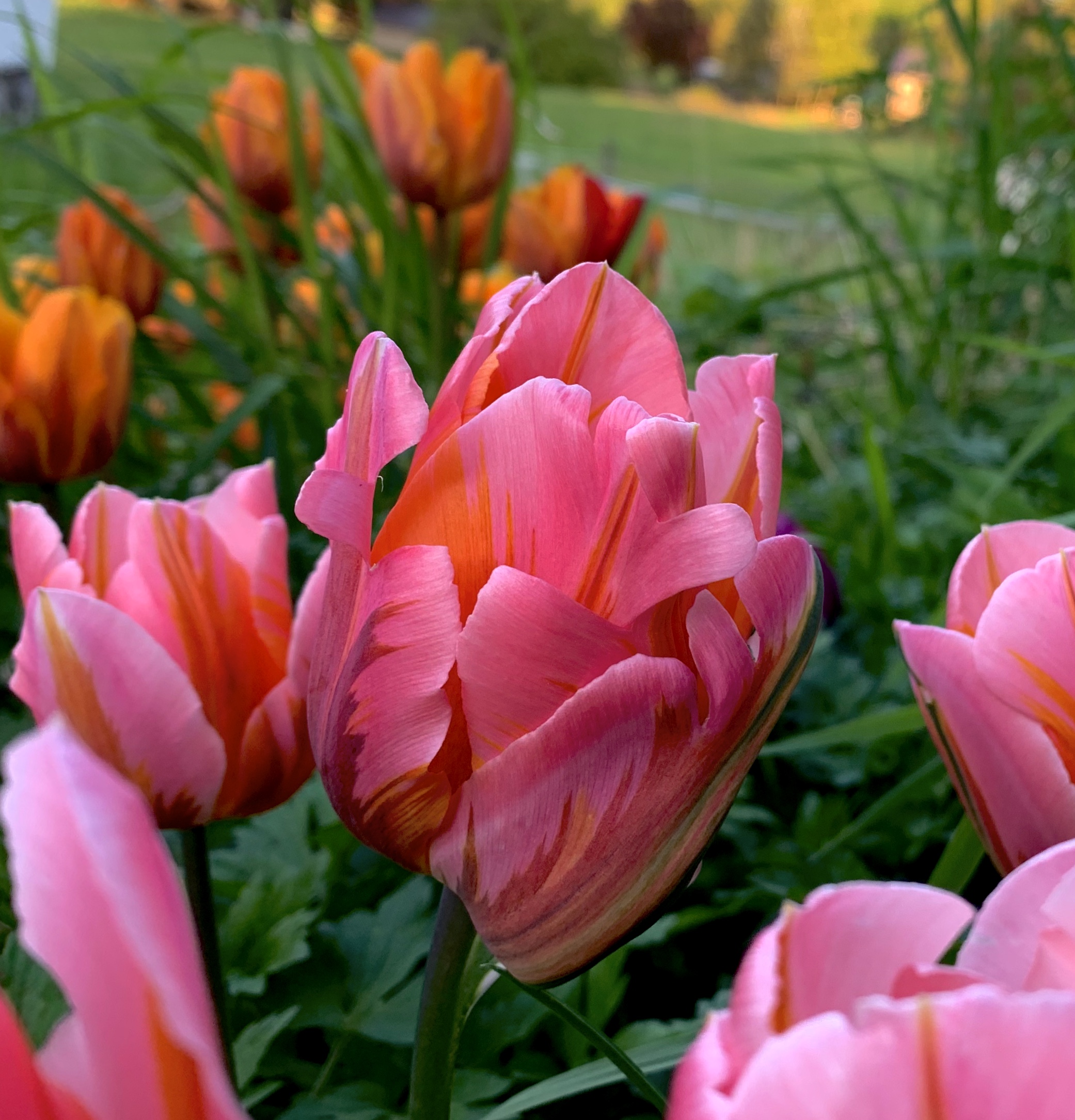
There are days we live as if death were nowhere in the background; from joy to joy to joy, from wing to wing, from blossom to blossom to impossible blossom, to sweet impossible blossom. ~Li-Young Lee, last stanza of “From Blossoms” from Rose.
… it seemed as if the tiniest seed of belief had finally flowered in me, or, more accurately, as if I had happened upon some rare flower deep in the desert and had known, though I was just then discovering it, that it had been blooming impossibly year after parched year in me, surviving all the seasons of my unbelief. ~Christian Wiman from My Bright Abyss
To live as if death were nowhere in the background: that is impossible right now when death is in every headline and everyone knows someone who has been lost to the virus.
Yet, to still emerge and blossom, despite the dryness and drought of pandemic~ this is Christ’s call to us.
We are not dying, but alive in Him, an amazing impossible flowering.
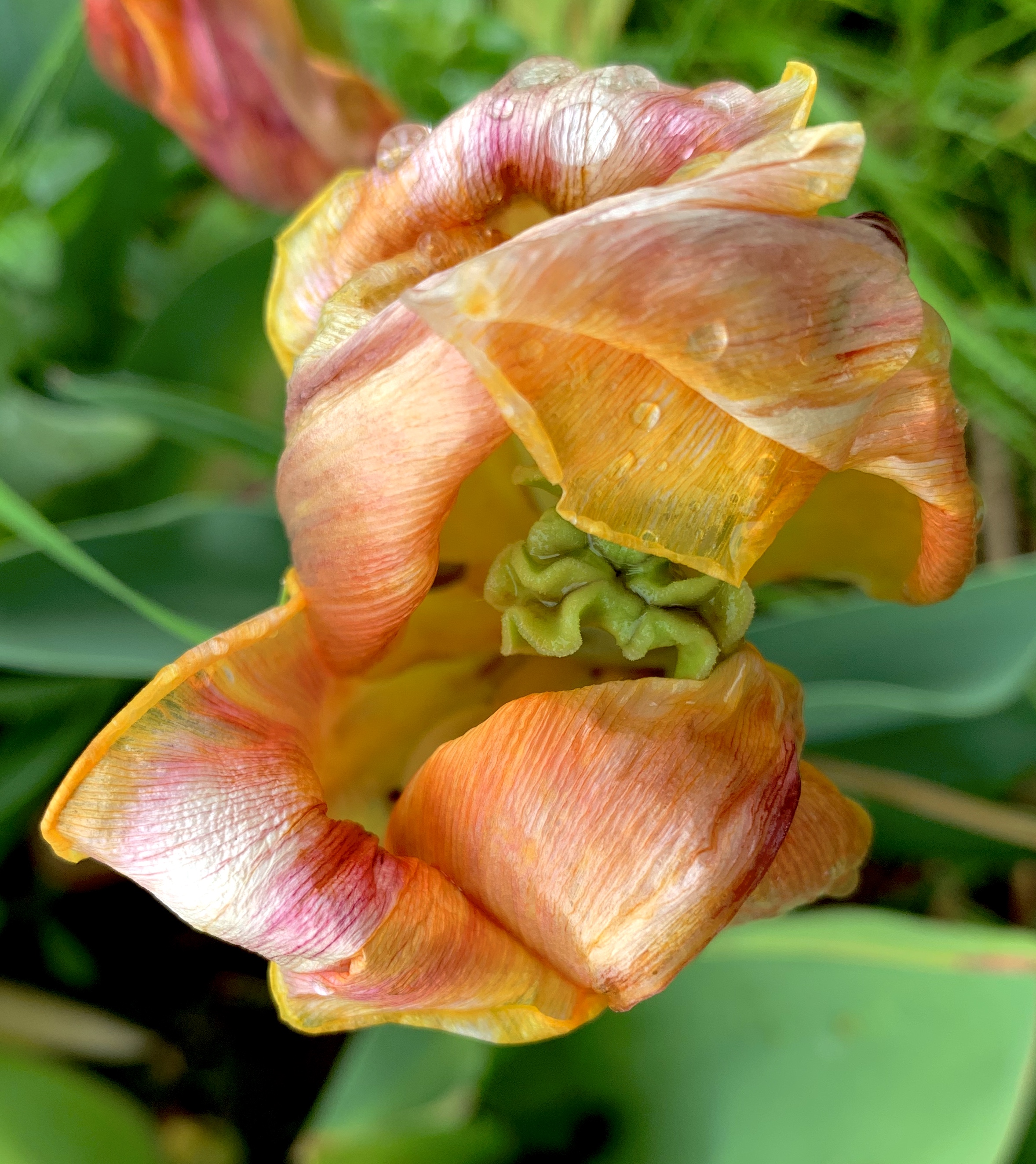
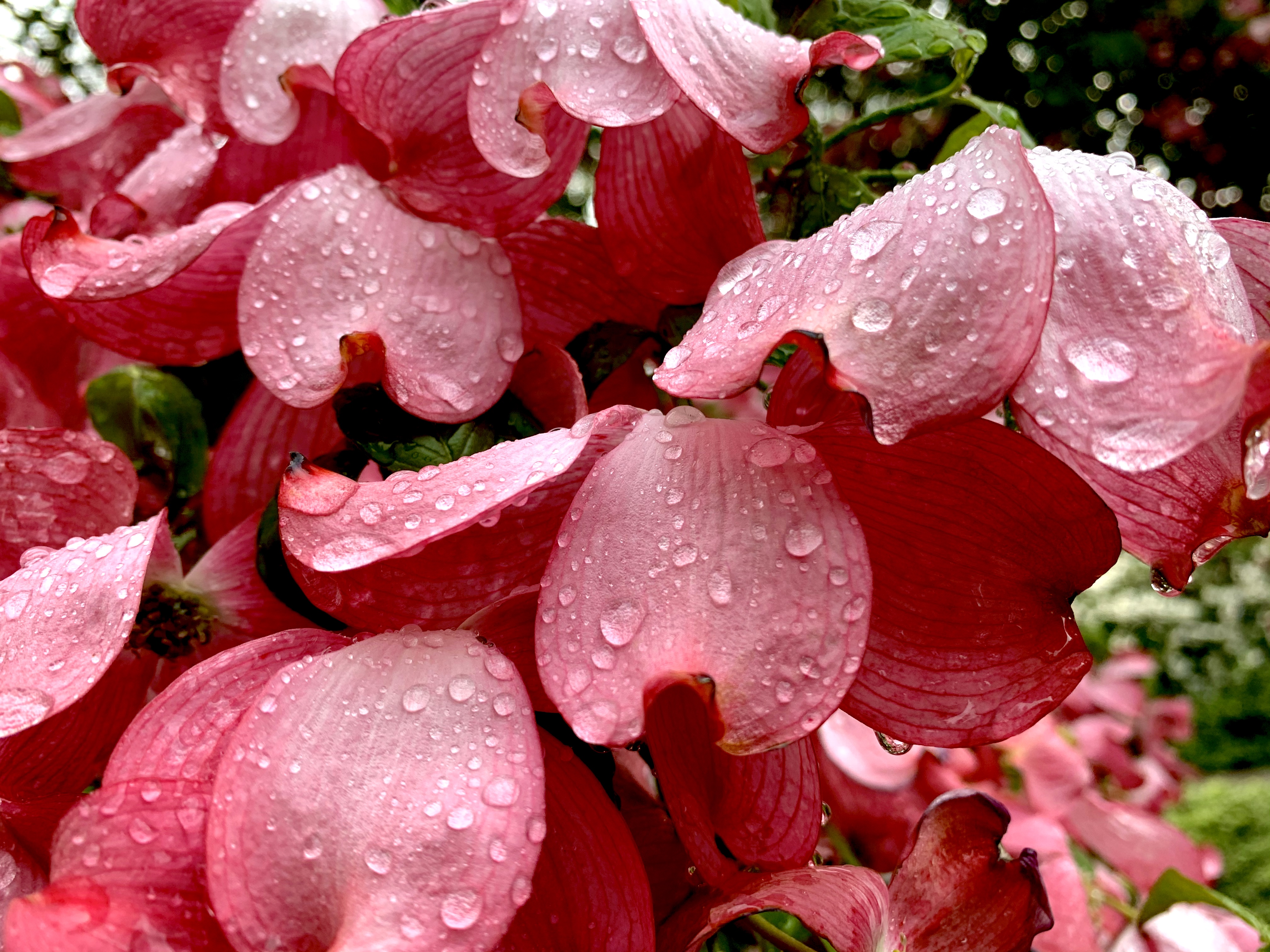
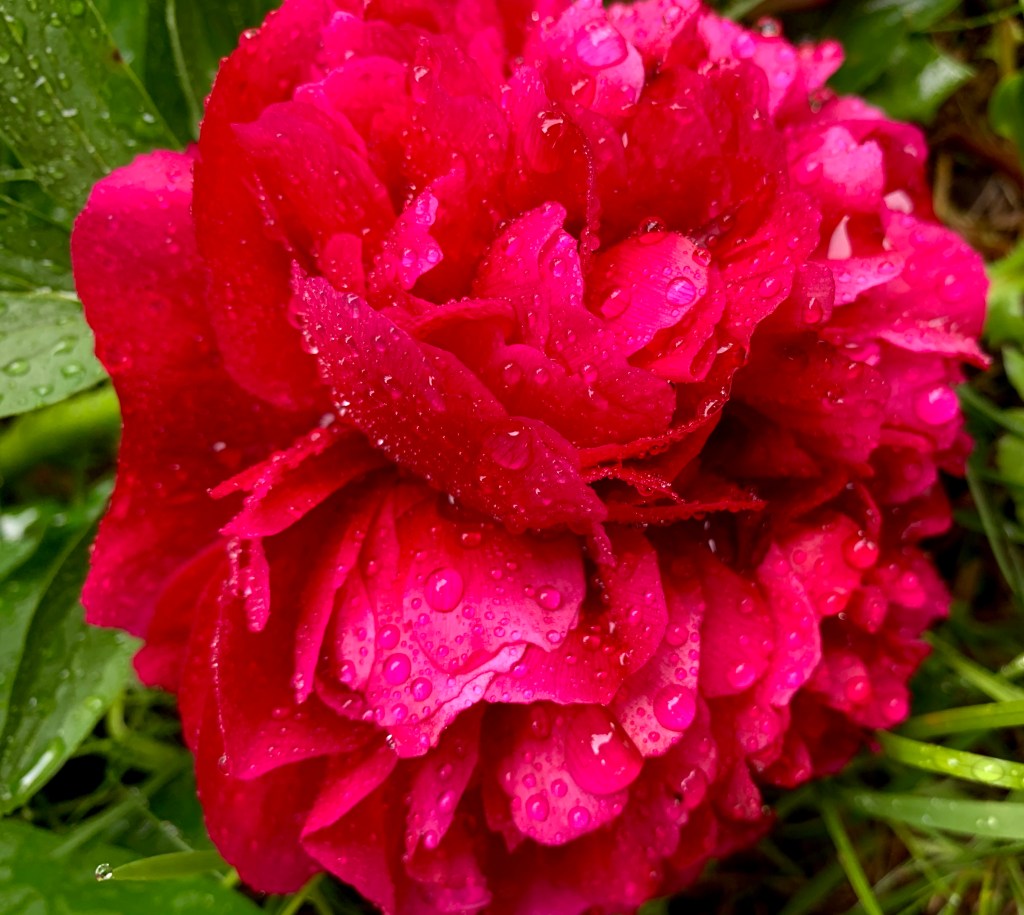
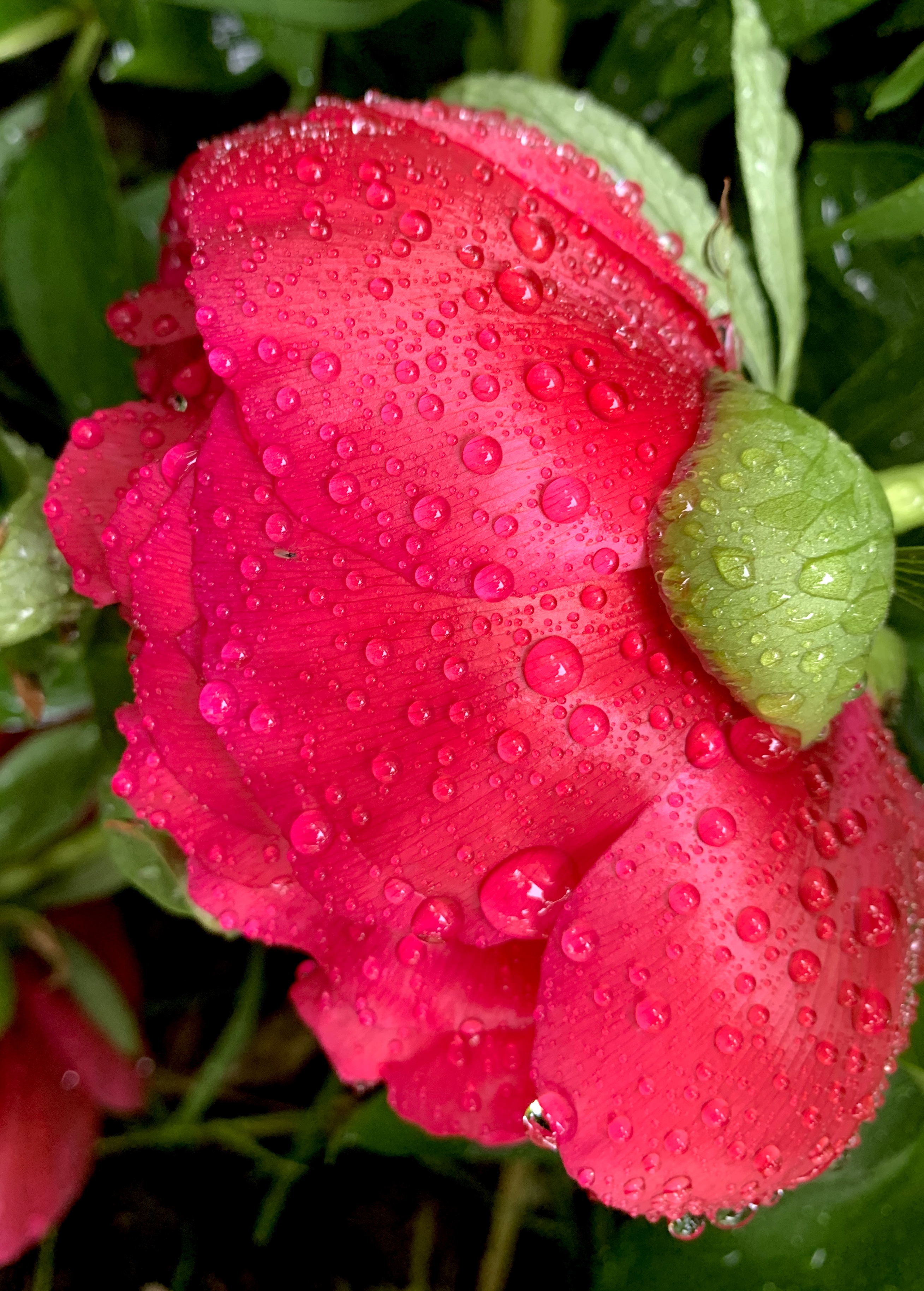
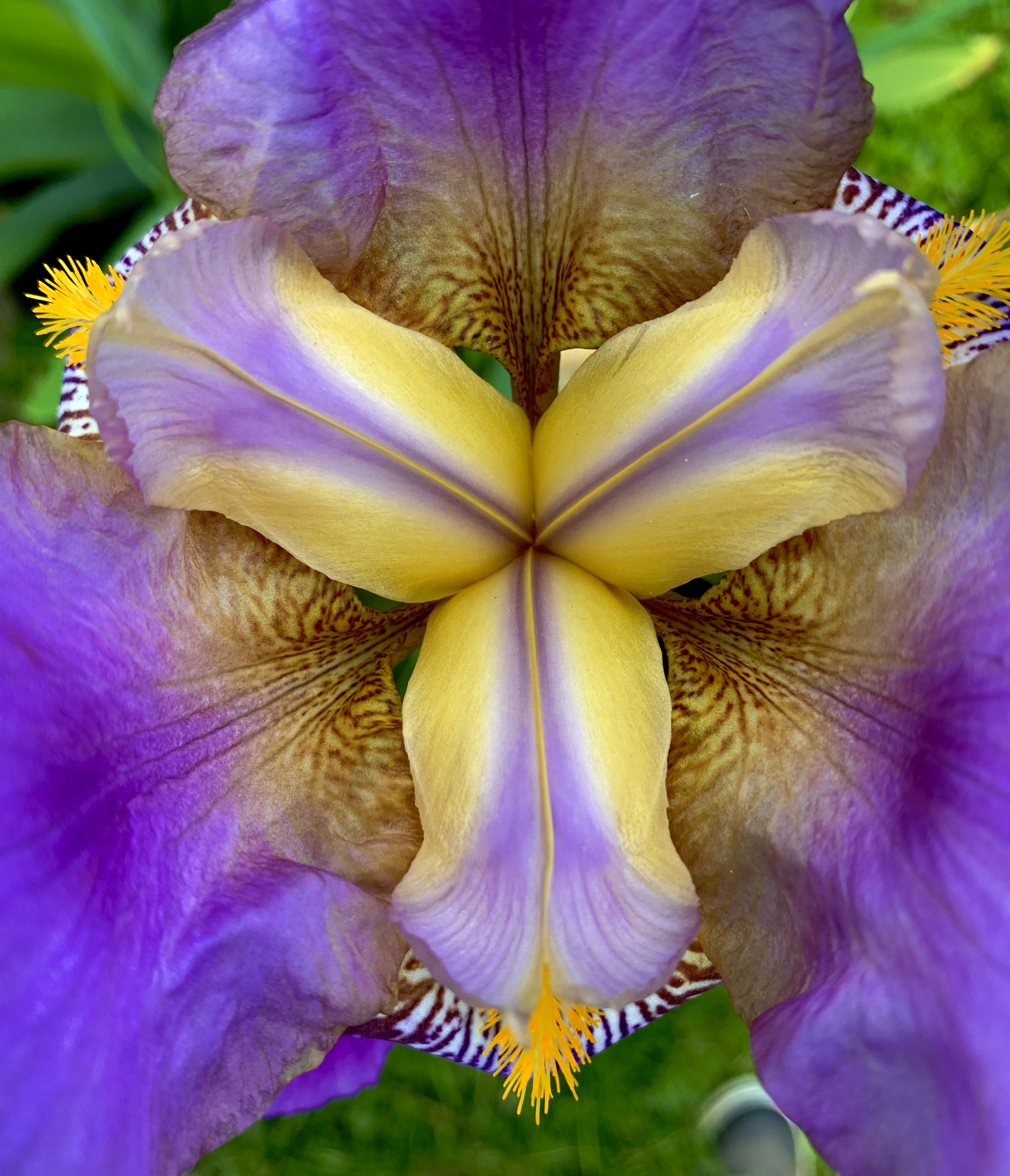
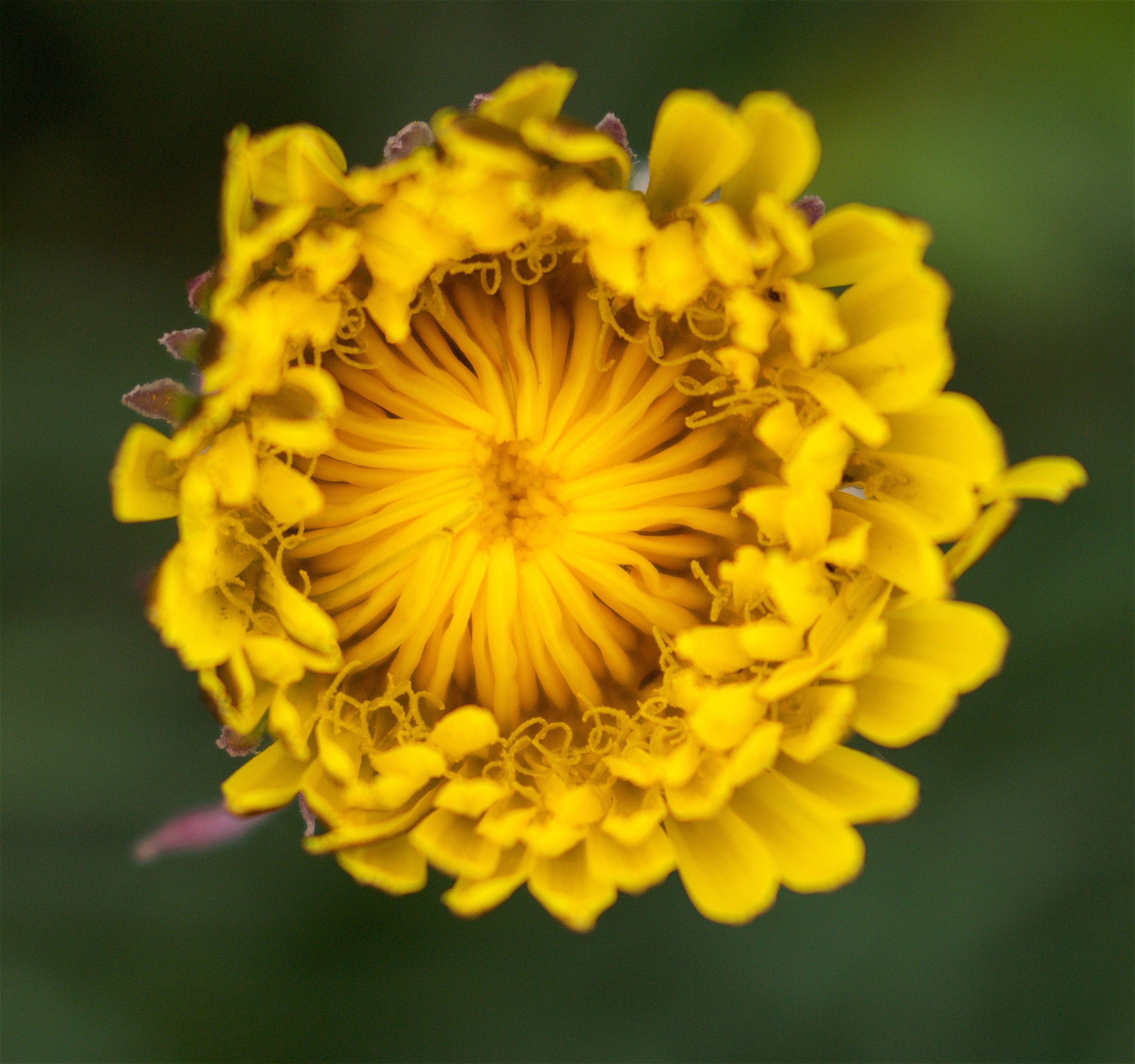
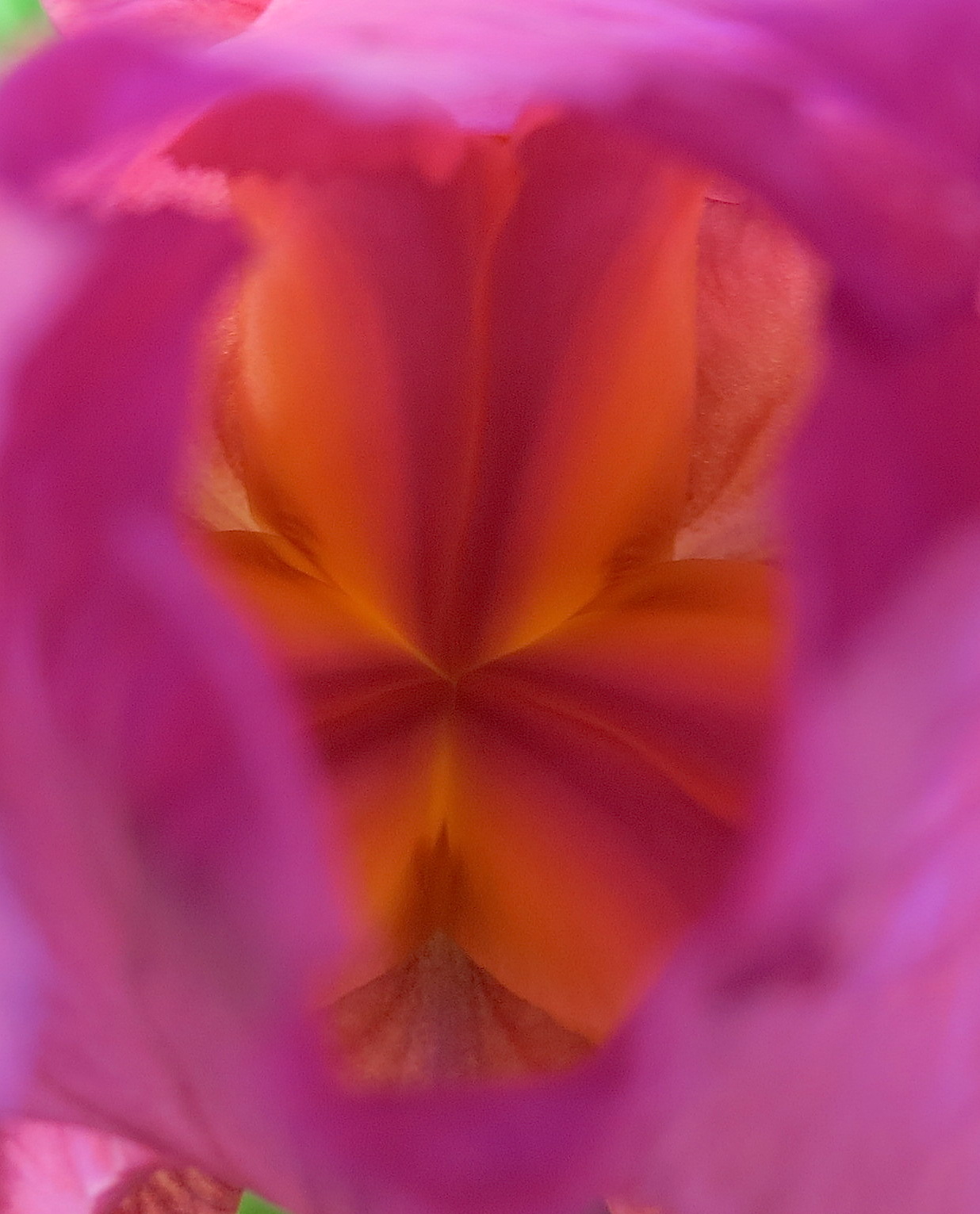
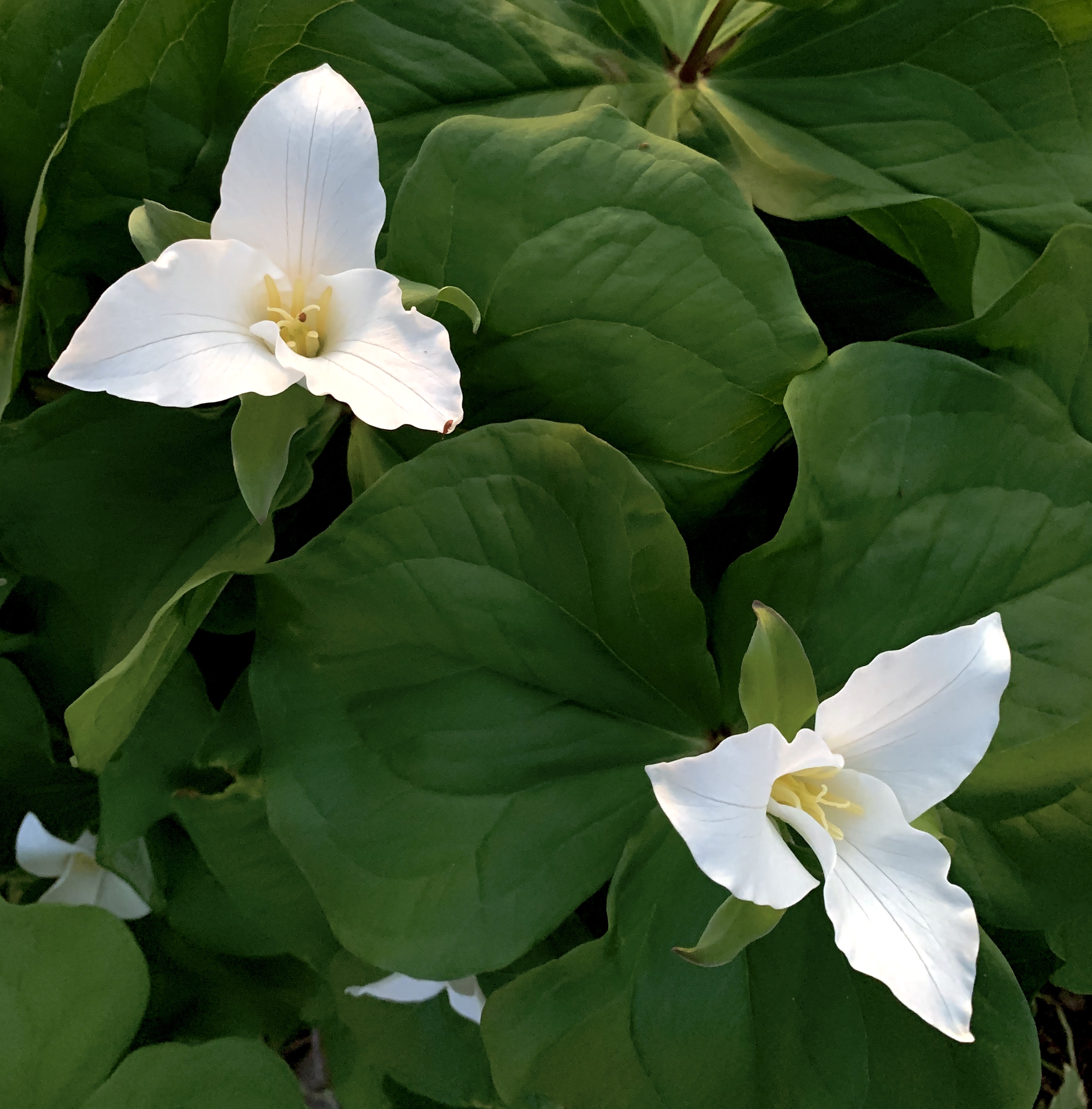
So I allow my eye to peer through a dying time such as this, needing a flotation device and depth finder as I’m likely to get lost, sweeping and swooning through the inner space of life’s deep tunnels, canyons and corners, coming up for air and diving in again to journey into exotic locales draped in silken hues ~this fairy land on a stem~ to immerse and emerge in the possibilities of such an impossible blossom.
I hope my life was penned in such a way that when time comes to write my epitaph someone might think to say not that I was good so much as kind and that I wrote quite well beyond my means because it was the wind of grace blown down that gave me words and moved my sluggish hands, and that I always sought to know the unseen things and though I loved the breadth of language for my art, my heart always seemed fixed on a day when all the sound and words would fall away, and that I was quite hopeful to the last if anyone would choose one line to inscribe my memory in stone it surely should be the simple supposition I know right: there merely is no synonym for light. ~Margaret Ingraham “Epitaph” from Exploring This Terrain
The world can feel like a fearsome place with endless stories of tragedy and loss, so much pain and suffering, blinding me in darkness so I fail to see the light all around me.
How to describe a Light that transforms all that is bleak?
With these Words:
Be not afraid Come have breakfast Touch and see Follow me Do you love me? Feed my sheep Peace be with you
As I am mere breath and bone, a wisp in a moment of time, His truth anchors my heart and illuminates my soul: I am called forth into His Light.
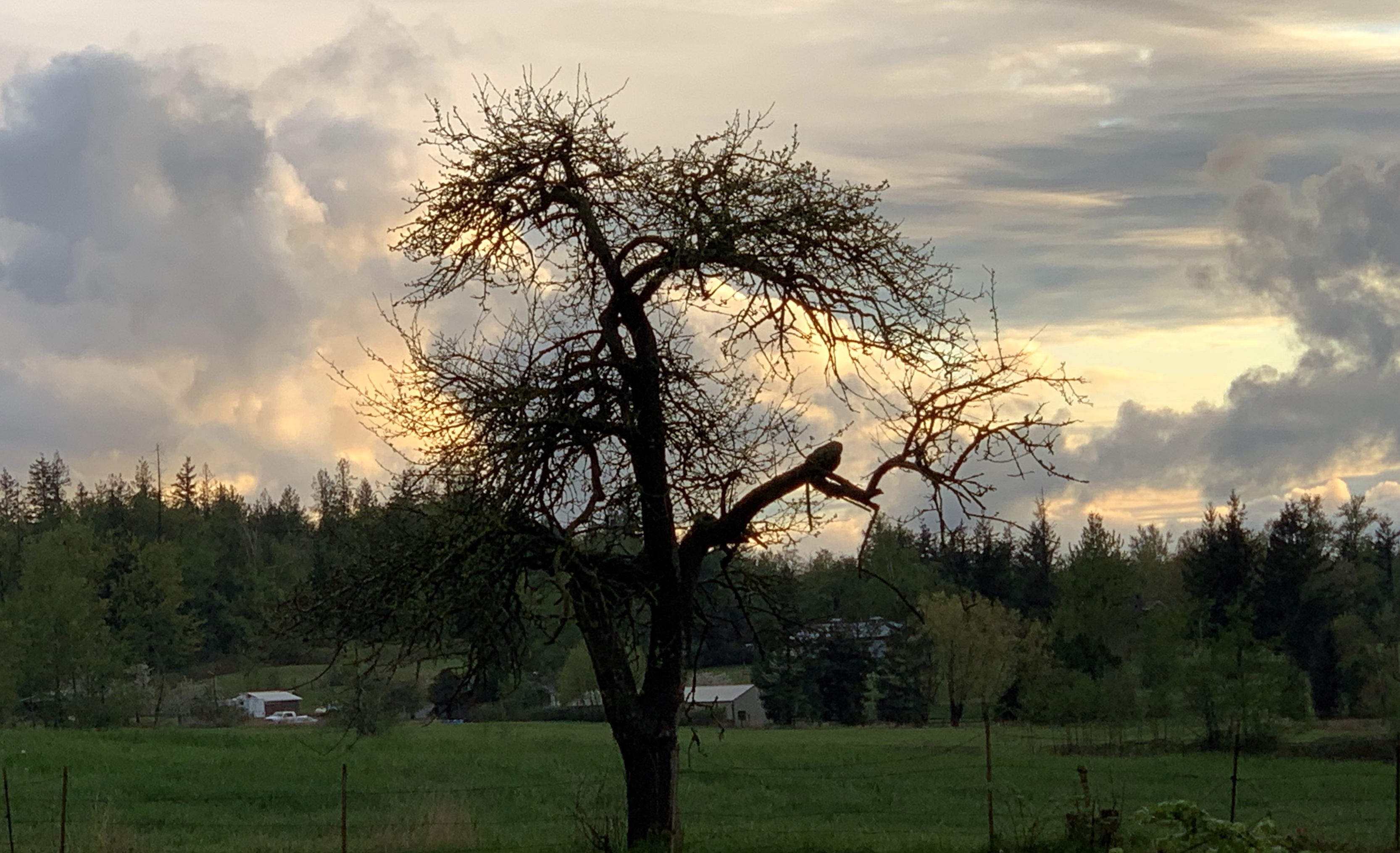
Lined with light the twigs are stubby arrows. A gilded trunk writhes Upward from the roots, from the pit of the black tentacles.
In the book of spring a bare-limbed torso is the first illustration.
Light teaches the tree to beget leaves, to embroider itself all over with green reality, until summer becomes its steady portrait and birds bring their lifetime to the boughs.
Then even the corpse light copies from below may shimmer, dreaming it feels the cheeks of blossom. ~May Swenson “April Light”
This April we are surrounded by corpse light: the threat of untimely death, so we distance ourselves one from the other, awaiting the “all clear” which may be a long time coming ~
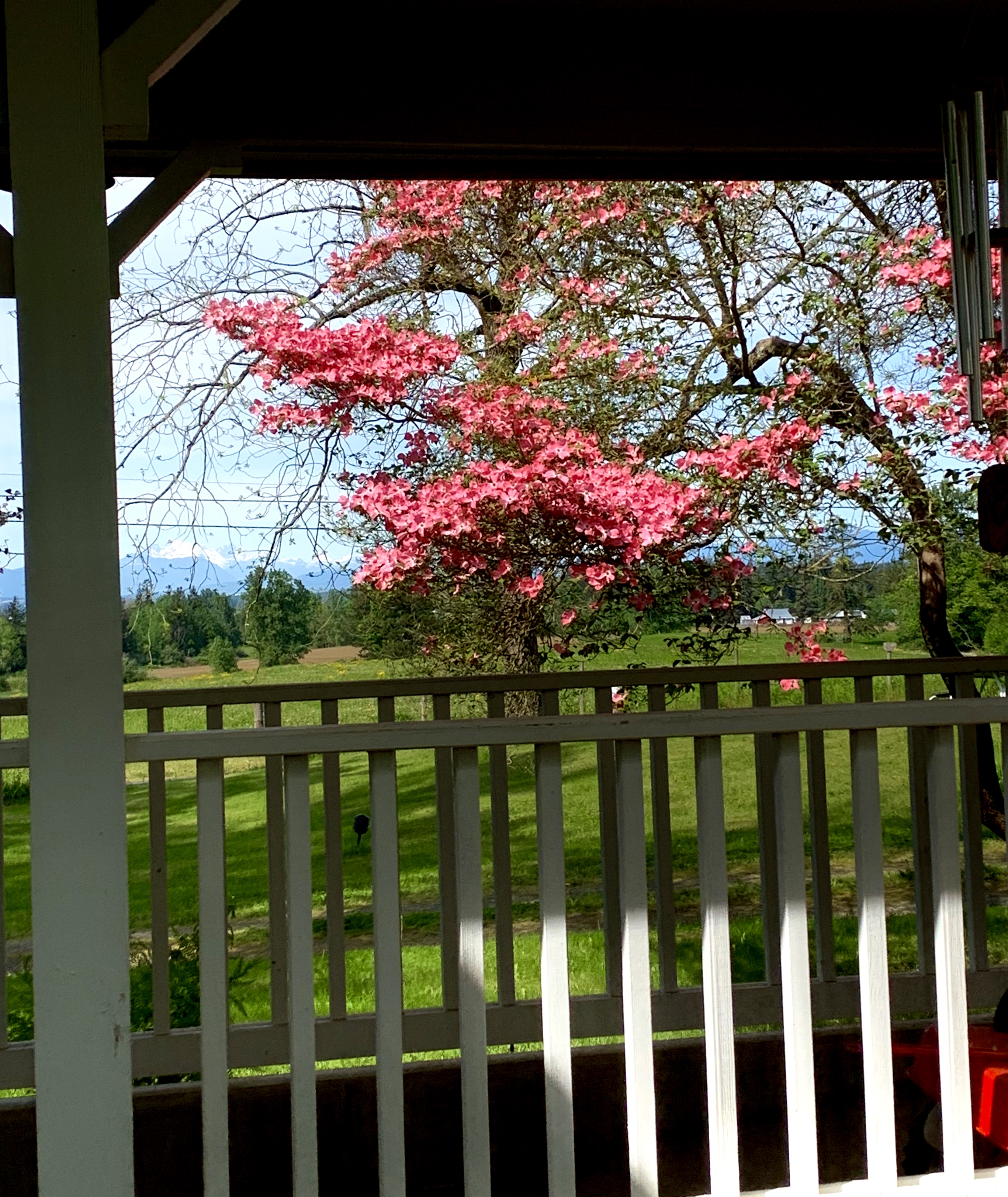
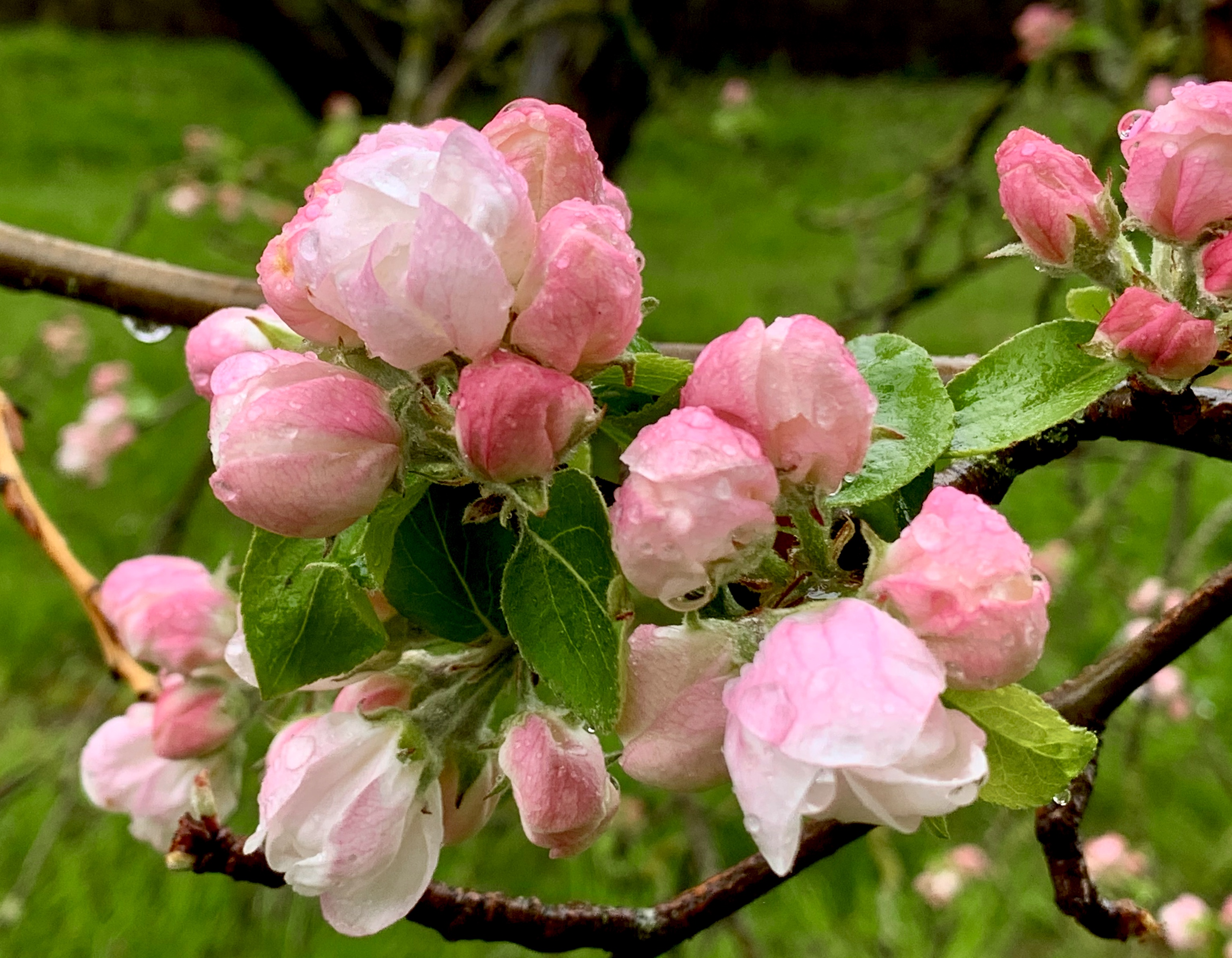
We have already forgotten the unprecedented illumination that walked from the tomb on a bright Sabbath morning to guarantee that we people, we who are no more than bare twigs and stubs, we who feel hardly alive, are now begotten green, ready to burst into blossom, our cheeks pink with life, promising future fruitfulness.
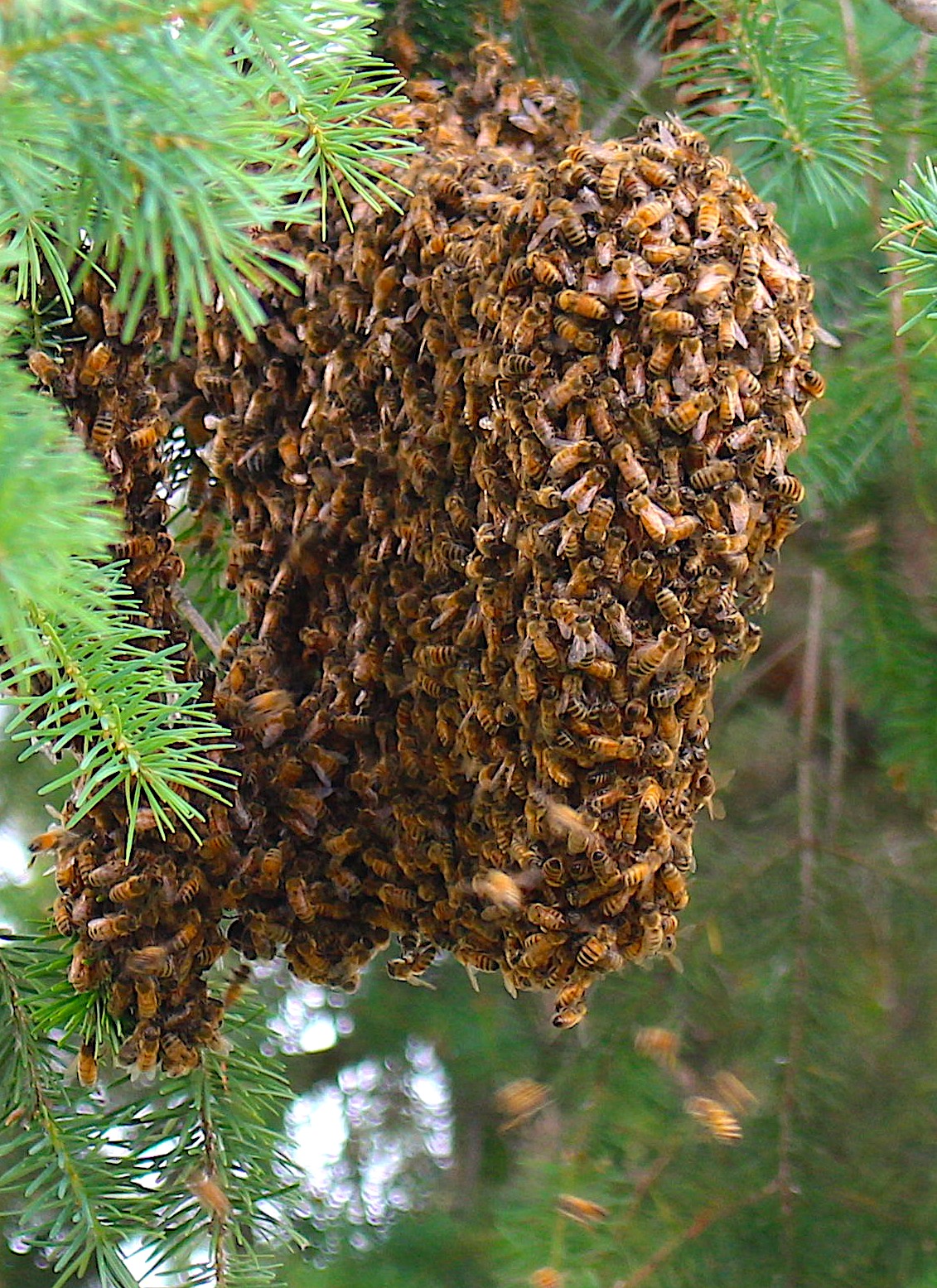
Tell the bees. They require news of the house; they must know, lest they sicken from the gap between their ignorance and our grief. Speak in a whisper. Tie a black swatch to a stick and attach the stick to their hive. From the fortress of casseroles and desserts built in the kitchen these past few weeks as though hunger were the enemy, remove a slice of cake and lay it where they can slowly draw it in, making a mournful sound.
And tell the fly that has knocked on the window all day. Tell the redbird that rammed the glass from outside and stands too dazed to go. Tell the grass, though it’s already guessed, and the ground clenched in furrows; tell the water you spill on the ground, then all the water will know. And the last shrunken pearl of snow in its hiding place.
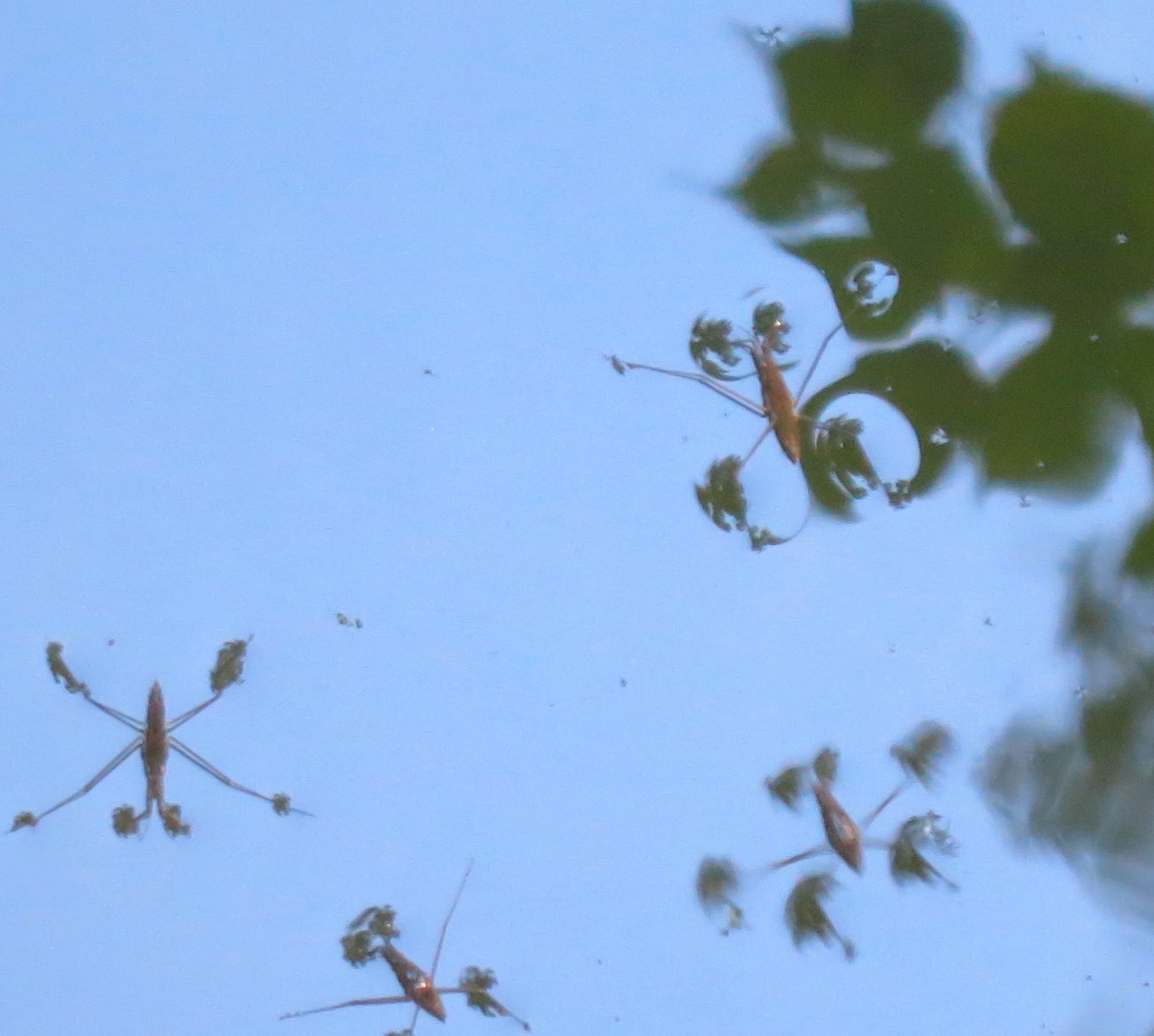
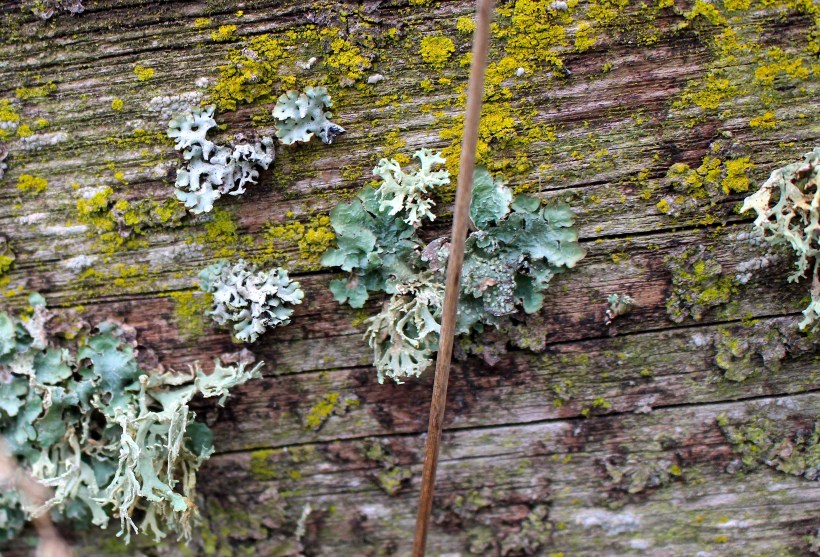
Tell the blighted elms, and the young oaks we plant instead. The water bug, while it scribbles a hundred lines that dissolve behind it. The lichen, while it etches deeper its single rune. The boulders, letting their fissures widen, the pebbles, which have no more to lose, the hills—they will be slightly smaller, as always,
when the bees fly out tomorrow to look for sweetness and find their way because nothing else has changed. ~Sarah Lindsay“Tell the Bees”
So many around the globe are grieving their losses, their reality forever changed by a virus. Yet the world churns on, oblivious to the sorrows of individuals.
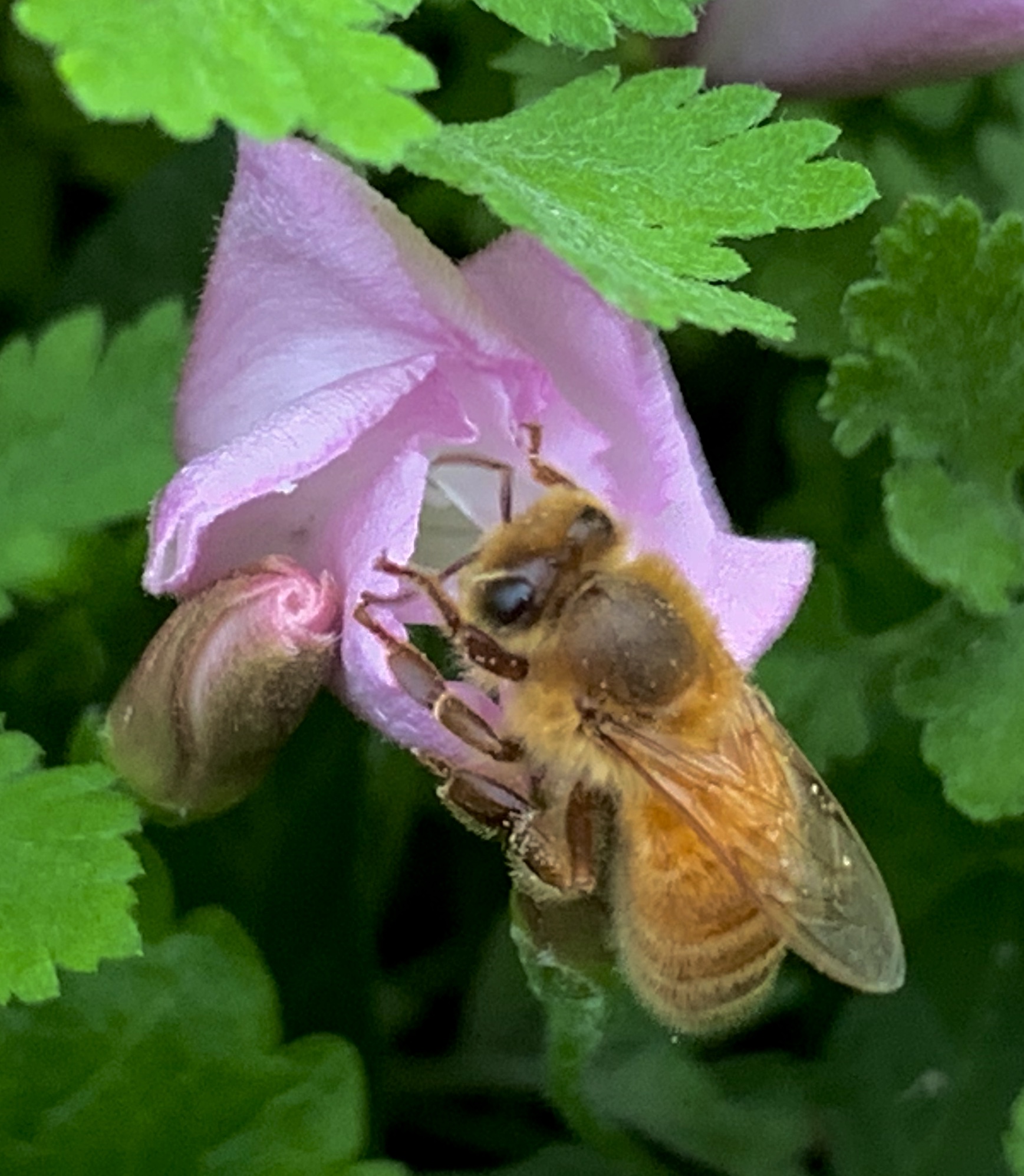
The tradition of telling the bees is that it matters to the community of hives how people who care for them are faring: is there a wedding coming up? a baby due? an overwhelming illness? a death of a loved one? If a hive is kept in ignorance, the cloud of grief will sicken them or drive them away. Shared grief is a nurturing spirit that allows the community to thrive and move on in sweetness.
Nothing happens without an impact down the line; the butterfly effect is also the bee effect. We speak softly of our desolation and suffering so our tears water thirsty ground.
Let the bees know, let them hear; the bees will go about their work and they will turn our sorrow to honey.
And came the horses. There, still they stood, But now steaming, and glistening under the flow of light,
Their draped stone manes, their tilted hind-hooves Stirring under a thaw while all around them
The frost showed its fires. But still they made no sound. Not one snorted or stamped,
Their hung heads patient as the horizons, High over valleys, in the red leveling rays
In din of the crowded streets, going among the years, the faces, May I still meet my memory in so lonely a place
Between the streams and the red clouds, hearing curlews, Hearing the horizons endure. ~Ted Hughes from “The Horses”
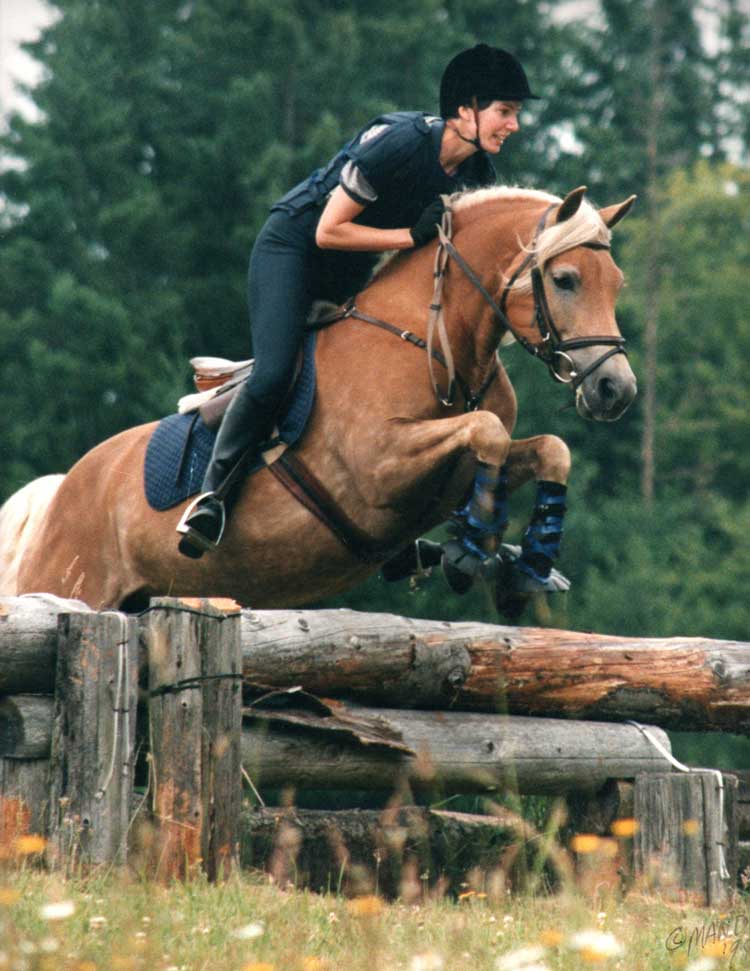
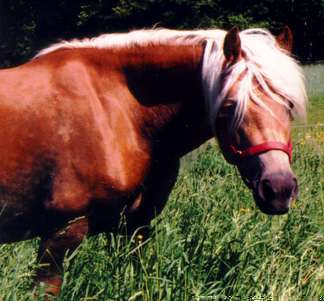
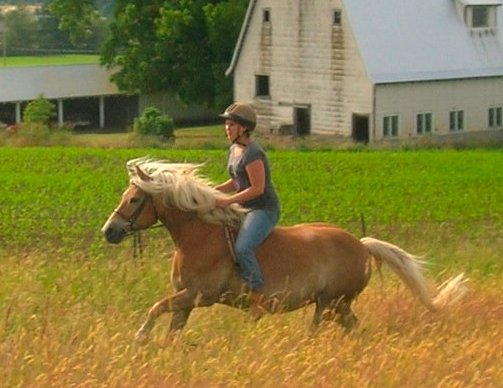
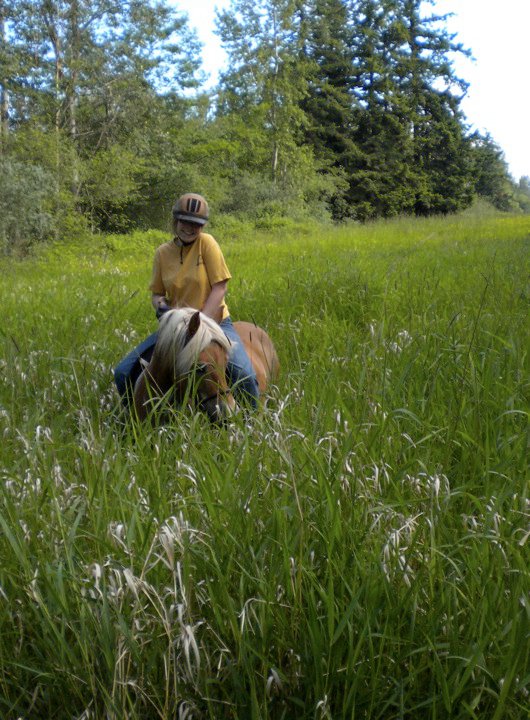
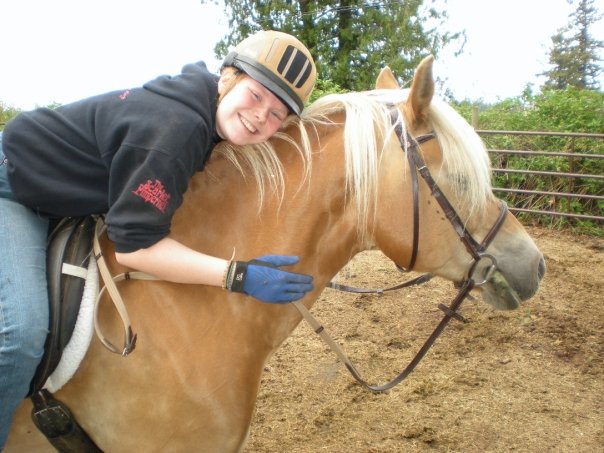
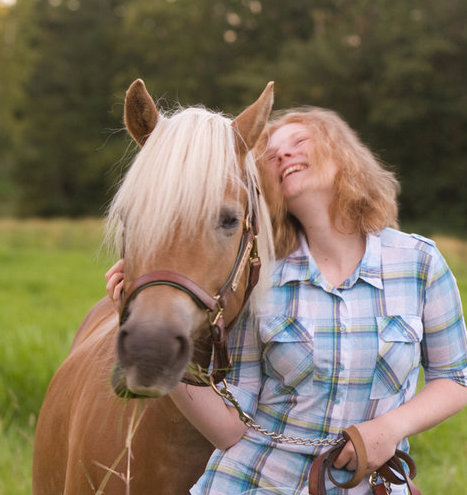
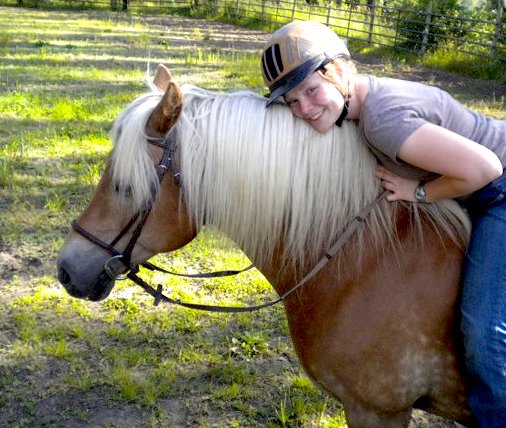
Five years ago this week, Marlee went to her forever home, far sooner than we planned. She was only twenty two, born only two months after our daughter’s birth, much too young an age for a Haflinger to die.
But something dire was happening to her over the previous two weeks — not eating much, an expanding girth, then shortness of breath, and it was confirmed she had untreatable lymphoma.
Her bright eyes were shining to the end so it was very hard to ask the vet to turn the light off. But the time had clearly come.
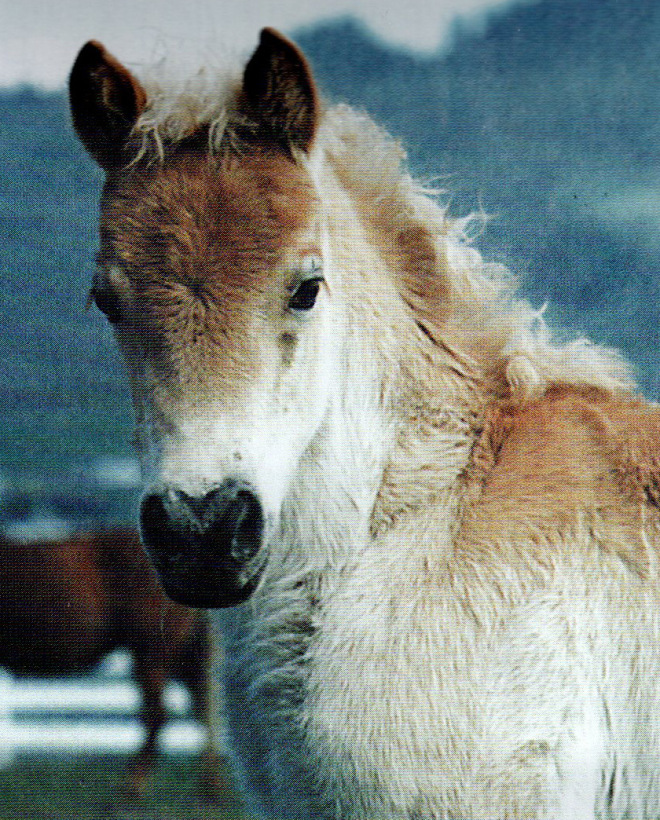
Marlee M&B came to us as a six month old “runty orphan” baby by the lovely stallion Sterling Silver, but she was suddenly weaned at three days when her mama Melissa died of sepsis. She never really weaned from her bottle/bucket feeding humans Stefan and Andrea Bundshuh at M&B Farm in Canada. From them she learned people’s behavior, understood their nonverbal language, and discerned human subtleties that most horses never learn. This made her quite a challenge as a youngster as it also meant there was no natural reserve nor natural respect for people. She had no boundaries taught by a mother, so we were tasked with teaching her the proper social cues.
When turned out with the herd as a youngster, she was completely clueless–she’d approach the dominant alpha mare incorrectly, without proper submission, get herself bitten and kicked and was the bottom of the social heap for years, a lonesome little filly with few friends and very few social skills. She had never learned submission with people either, and had to have many remedial lessons on her training path. Once she was a mature working mare, her relationship with people markedly improved as there was structure to her work and predictability for her, and after having her own foals, she picked up cues and signals that helped her keep her foal safe, though she had always been one of our most relaxed “do whatever you need to do” mothers when we handled her foals as she simply never learned that she needed to be concerned.
Over the years, as the herd has changed, Marlee became the alpha mare, largely by default and seniority, so I don’t believe she really trusted her position as “real”. She tended to bully, and react too quickly out of her own insecurity about her inherited position. She was very skilled with her ears but she was also a master at the tail “whip” and the tensed upper lip–no teeth, just a slight wrinkling of the lip. The herd scattered when they saw her face change. The irony of it all is that when she was “on top” of the herd hierarchy, she was more lonely than when she was at the bottom and I think a whole lot less happy as she had few grooming partners any more.
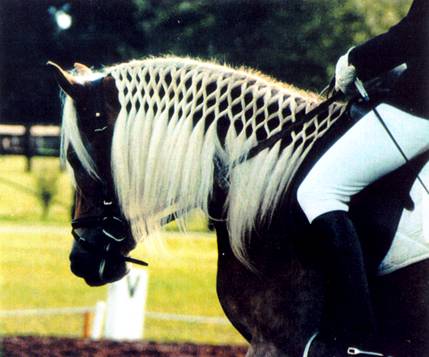
She accompanied us to the fair for a week of display of our Haflingers year after year after year — she could be always counted on to greet the public and enjoy days of braiding and petting and kids sitting on her back.
The day she started formal under saddle training under Val Bash was when the light bulb went off in her head–this was a job she could do! This was constant communication and interaction with a human being, which she craved! This was what she was meant for! And she thrived under saddle, advancing quickly in her skills, almost too fast, as she wanted so much to please her trainer.
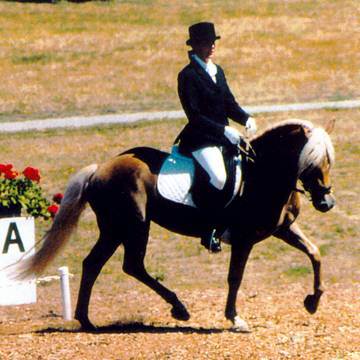
She was the first among North American Haflingers to not only become regional champion in her beginner novice division of eventing as a pregnant 5 year old, but also received USDF Horse of the Year awards in First and Second Level dressage that year as the highest scoring Haflinger.
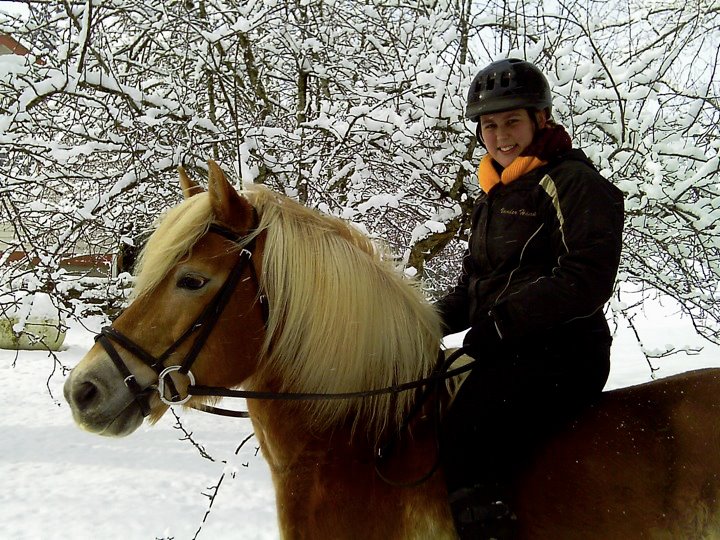
With Jessica Heidemann she did a “bridleless” ride display in front of hundreds of people at the annual Haflinger event, and with Garyn Heidemann as instructor, she became an eventing pony for a young rider whose blonde hair matched Marlee’s. She galloped with abandon in the field on bareback rides with Emily Vander Haak and became our daughter Lea’s special riding horse over the last few years.
She had a career of mothering along with intermittent riding work, with 5 foals –Winterstraum, Marquisse, Myst, Wintermond (aka “Mondo”), and Nordstrom—each from different stallions, and each very different from one another.
This mare had such a remarkable work ethic, was “fine-tuned” so perfectly with a sensitivity to cues–that our daughter said: “Mom, it’s going to make me such a better rider because I know she pays attention to everything I do with my body–whether my heels are down, whether I’m sitting up straight or not.” Marlee was, to put it simply, trained to train her riders.
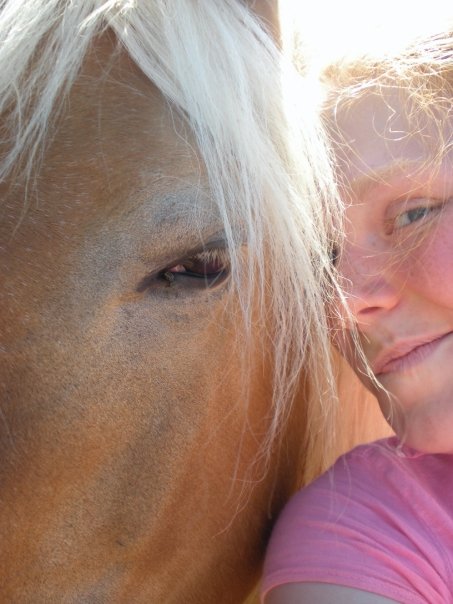
I miss her high pitched whinny from the barn whenever she heard the back door to the house open. I miss her pushy head butt on the stall door when it was time to close it up for the night. I miss that beautiful unforgettable face and those large deep brown eyes where the light was always on.
What a ride she had for twenty two years, that dear little orphan. What a ride she gave to many who trained her and who she trained over the years. Though I never climbed on her back, what joy she gave me all those years, as the surrogate mom who loved and fed her. May I meet her in my memories, whenever I feel lonesome for her, still unable to resist those bright eyes forever now closed in peace.
One-Time
Monthly
Yearly
Make a one-time or recurring donation to support daily Barnstorming posts
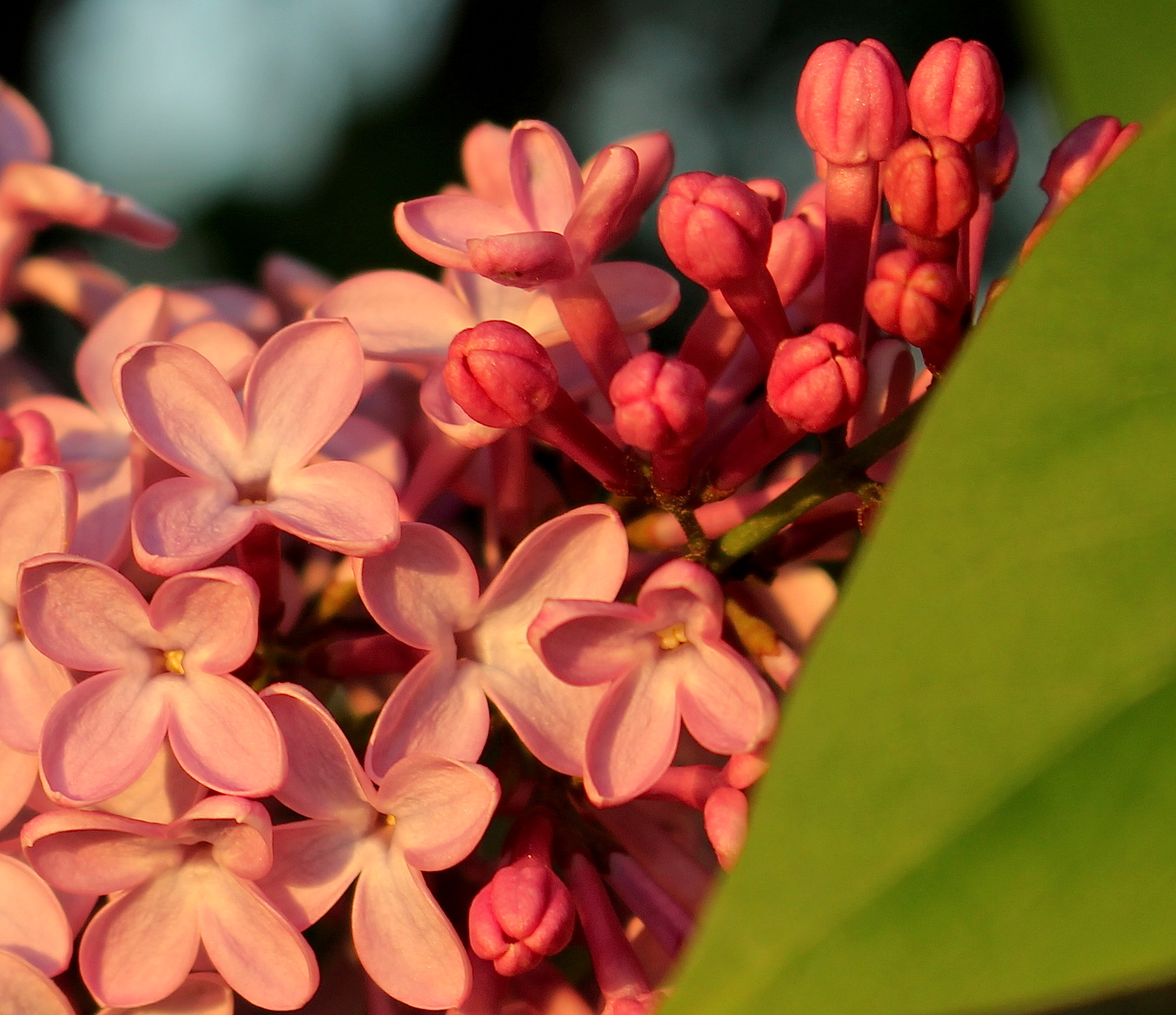
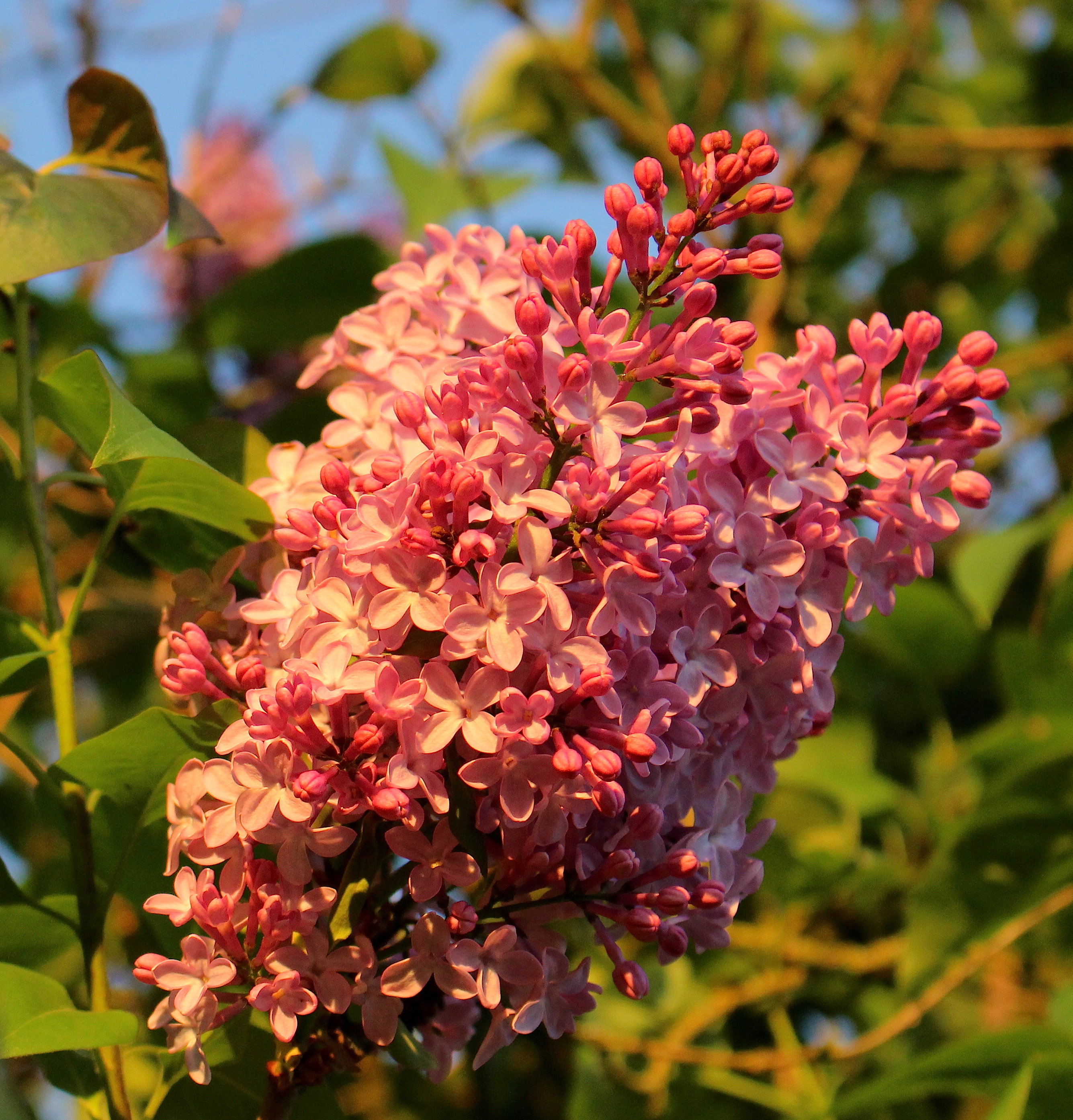
April is the cruelest month, breeding Lilacs out of the dead land, mixing Memory and desire, stirring Dull roots with spring rain. Winter kept us warm, covering Earth in forgetful snow, feeding A little life with dried tubers.
What are the roots that clutch, what branches grow Out of this stony rubbish? Son of man, You cannot say, or guess, for you know only A heap of broken images, where the sun beats, And the dead tree gives no shelter, the cricket no relief, And the dry stone no sound of water.
I will show you fear in a handful of dust. ~T.S. Eliot from “The Wasteland“
Dear friends, now we are children of God, and what we will be has not yet been made known. But we know that when Christ appears, we shall be like him, for we shall see him as he is. 1 John 3:2
We do not want to think of ourselves as the dust we were and the dust we will become but the last several months have changed that. We have become hosts to a virus that can transform us to dust.
We thought we were living fully before; now, in our isolation, we have to examine what a full life really means, mixing our memories and desires.
Dust, like the relentless emerging life of April, is so cruel~ it reminds us of what could have been, as life rises miraculous from the dead.
We become nothing more than a handful of dust… yet the Creator lifts us up in the palm of His hand, and blows on us: we then breathe and pulse and weep and bleed.
We shall be like Him, part of his Hand, breath of His breath, for we shall see Him as He is.













 Barnstorming