Mountains are giant, restful, absorbent. You can heave your spirit into a mountain and the mountain will keep it, folded, and not throw it back as some creeks will. The creeks are the world with all its stimulus and beauty; I live there. But the mountains are home. ~Annie Dillard from Pilgrim at Tinker Creek
He found himself wondering at times, especially in the autumn, about the wild lands, and strange visions of mountains that he had never seen came into his dreams.
He loved mountains, or he has loved the thought of them marching on the edge of stories brought from far away; but now he was borne down by the insupportable weight of Middle-earth. He longed to shut out the immensity in a quiet room by a fire. ~J.R.R. Tolkienfrom The Lord of the Rings
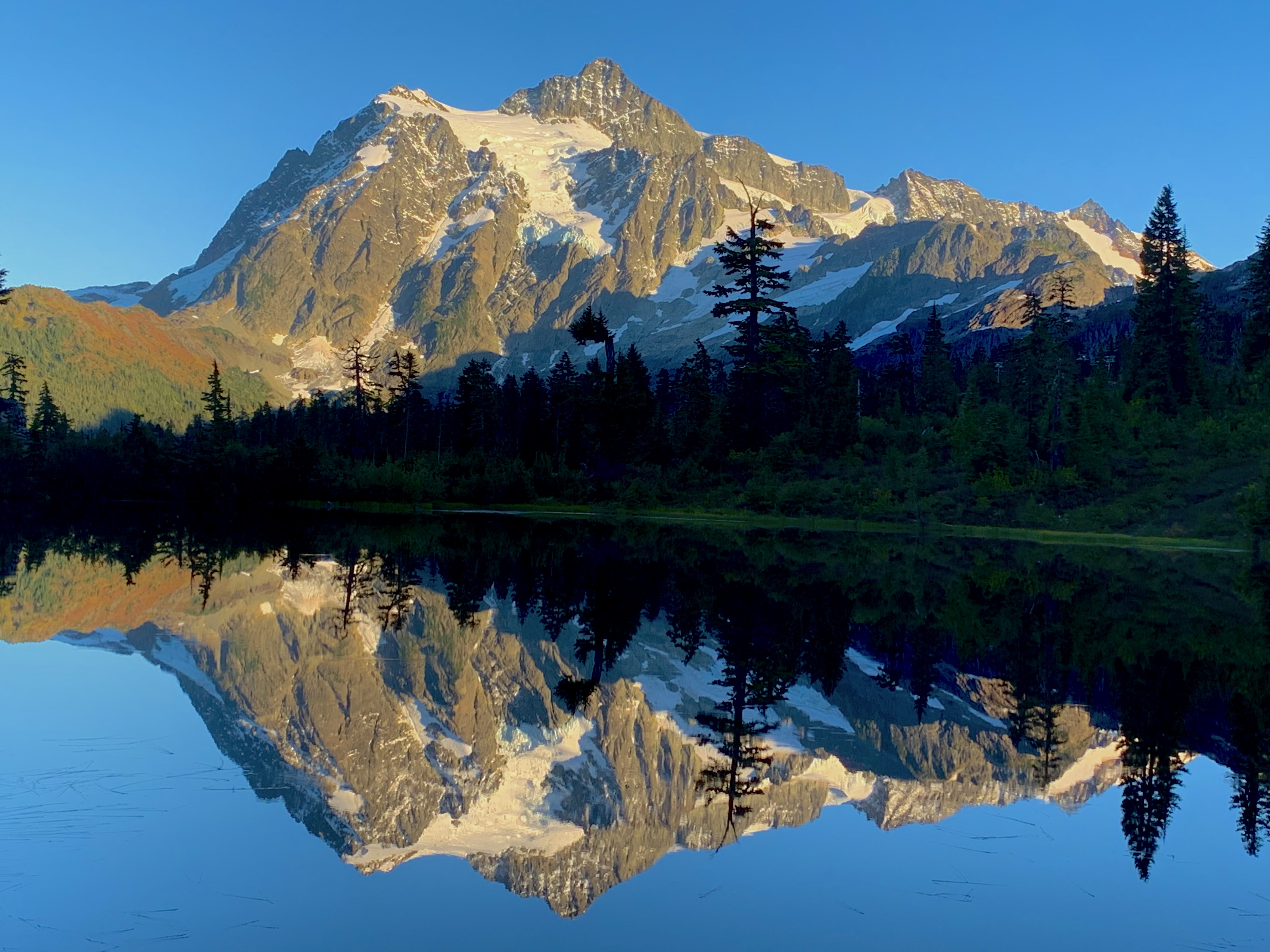
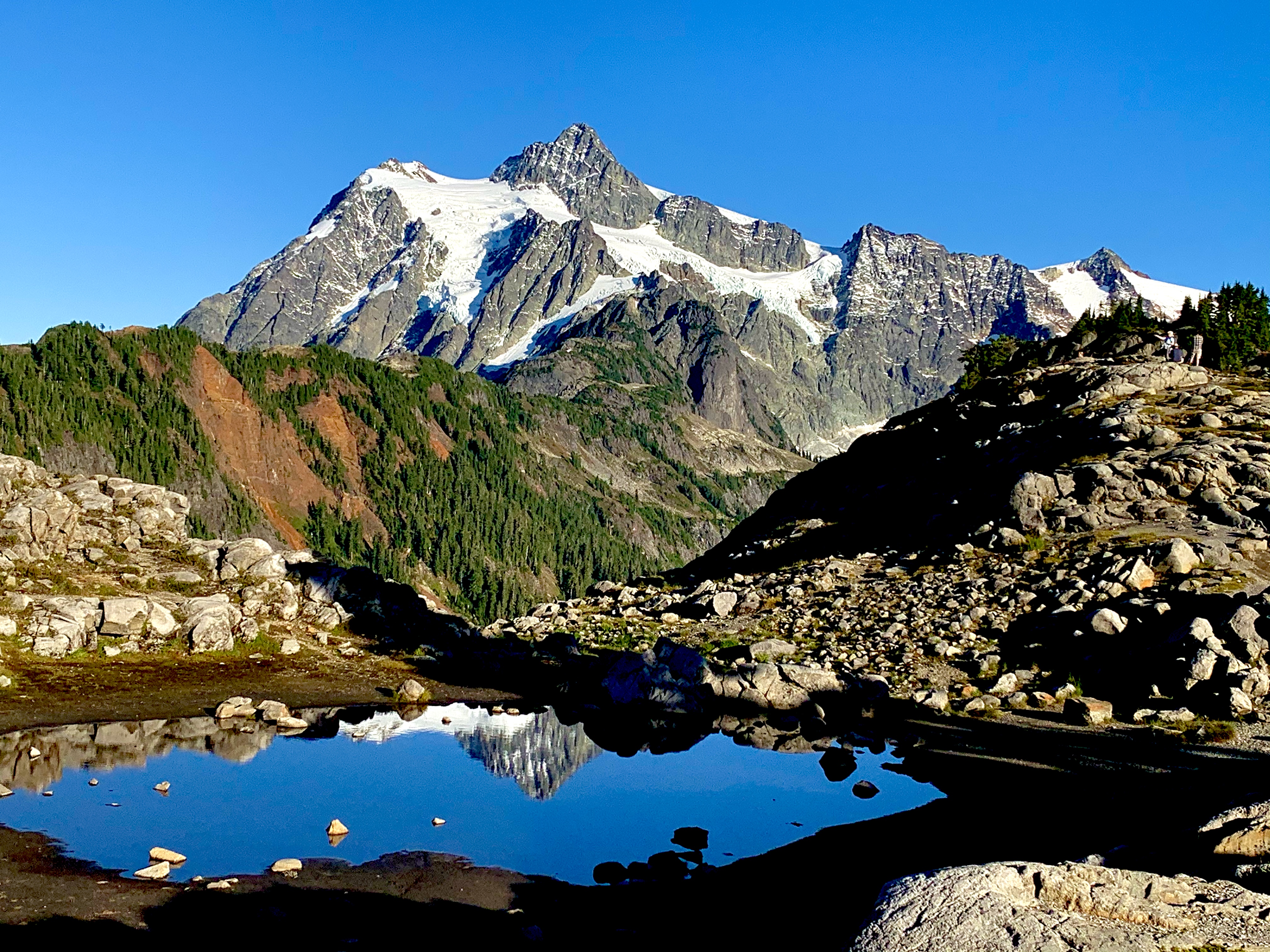
Yesterday afternoon we drove up the highway an hour or so to be witness to grander things than our own worries or the chaos of election season.
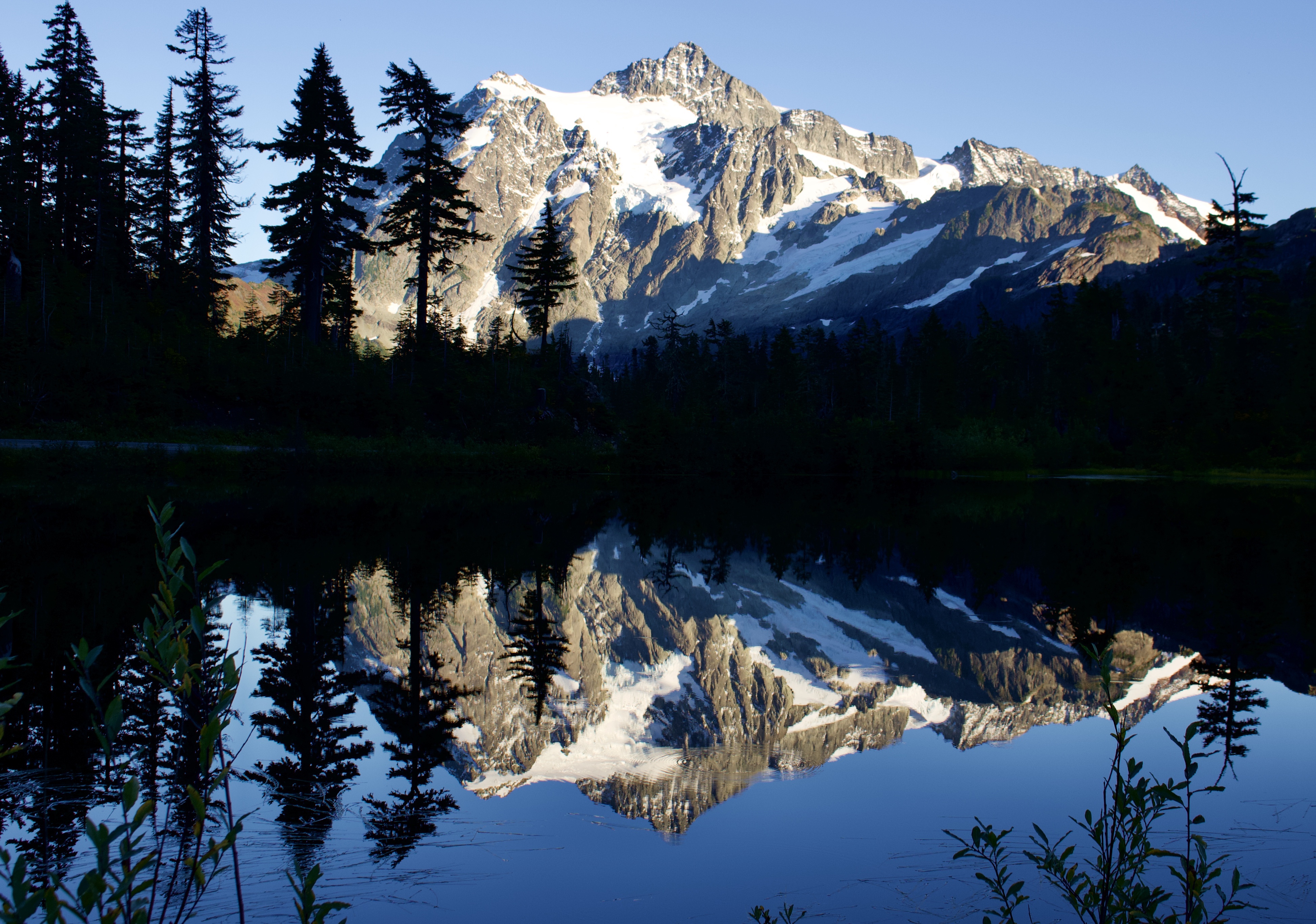
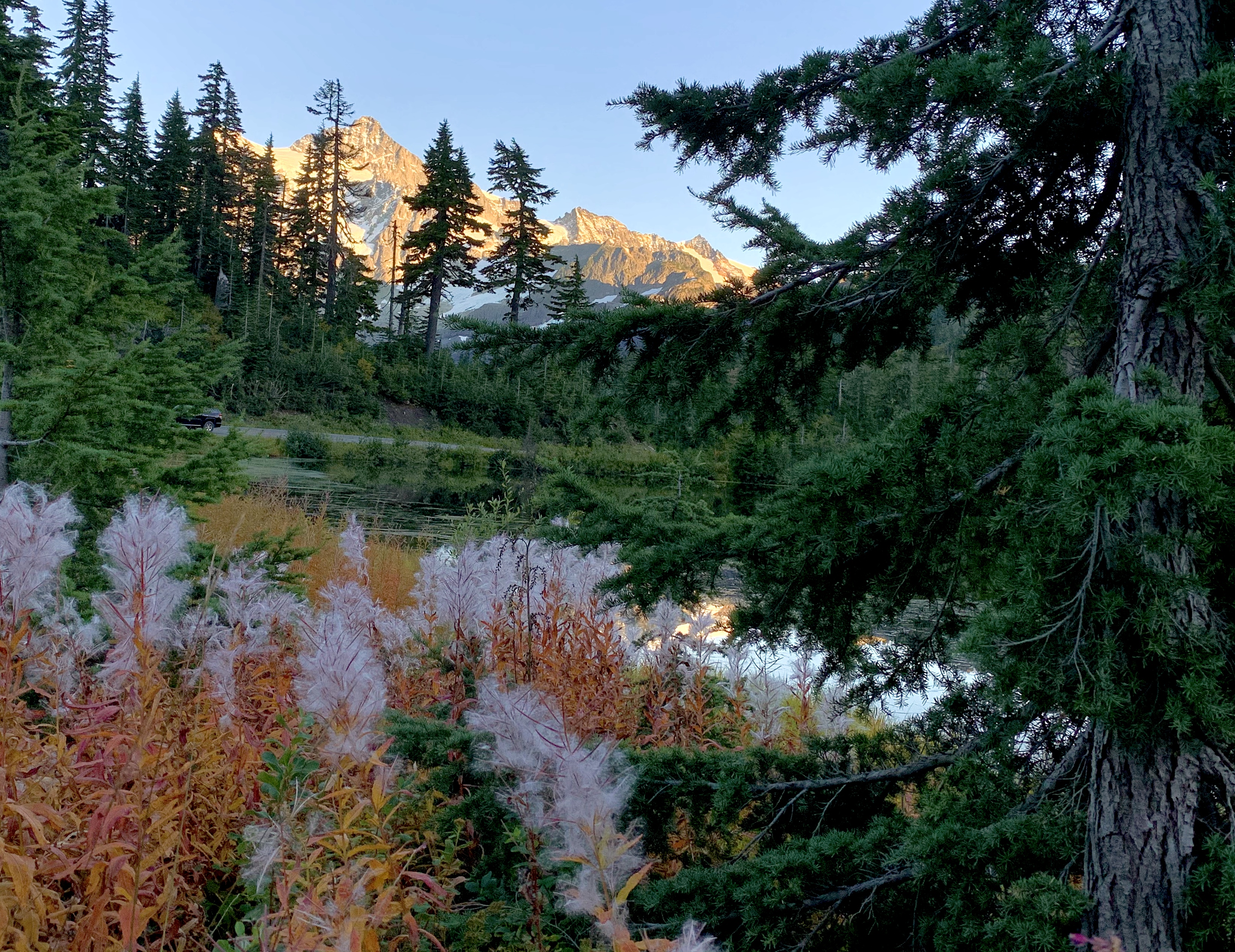
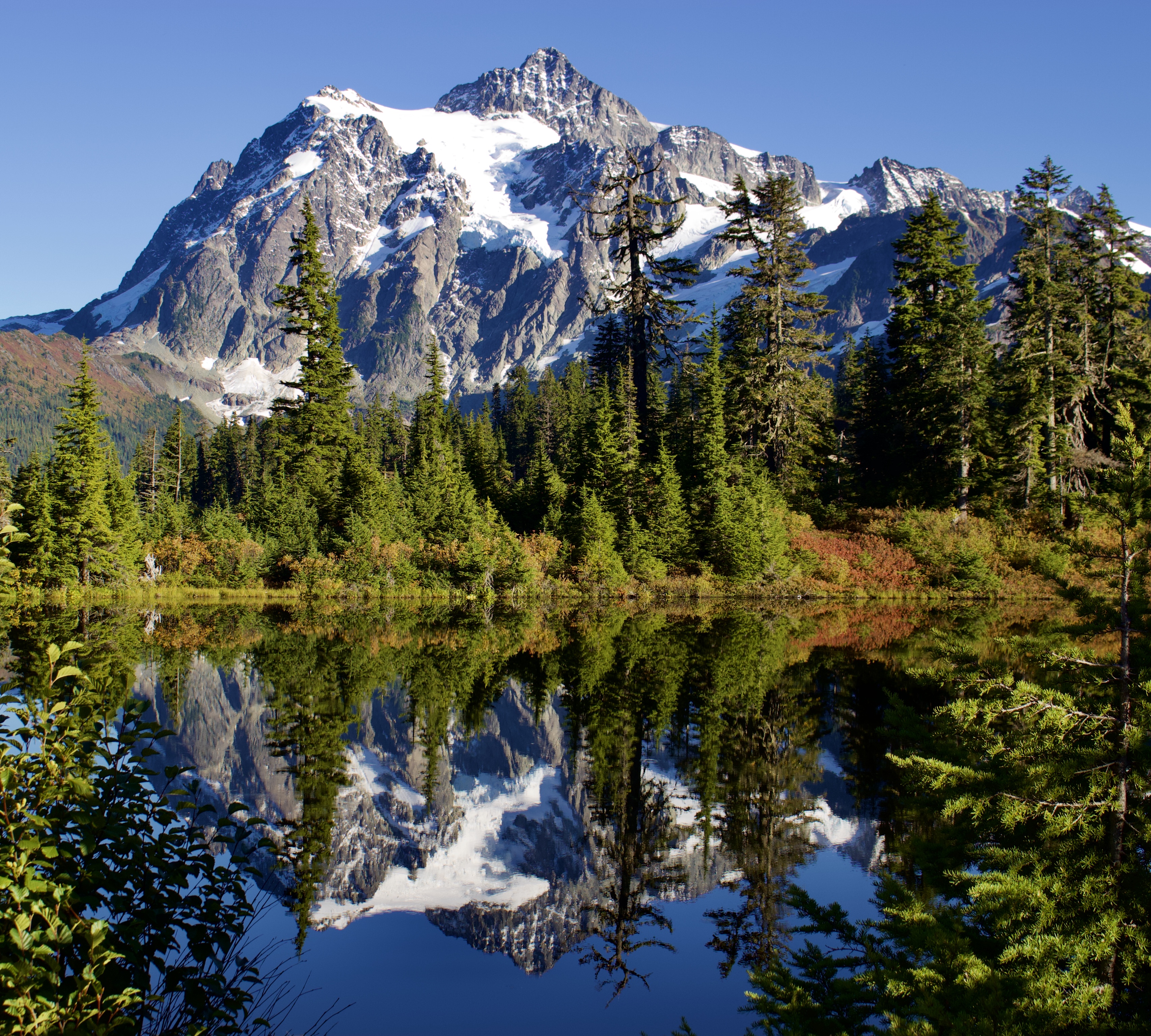
There is always that moment when we turn the bend into Heather Meadows and Mount Shuksan suddenly appears, overwhelming the landscape and everything and everyone else. There is simply nothing else to look at so I stand there gawking, forgetting to breathe.
Then I realize that I have become more self-conscious rather than less: here am I at the foot of this incredible creation, wondering at how blessed I am to be there, and that moment becomes all about me. The mountain has been here for eons and will continue to be here for eons, and I’m merely a momentary witness.
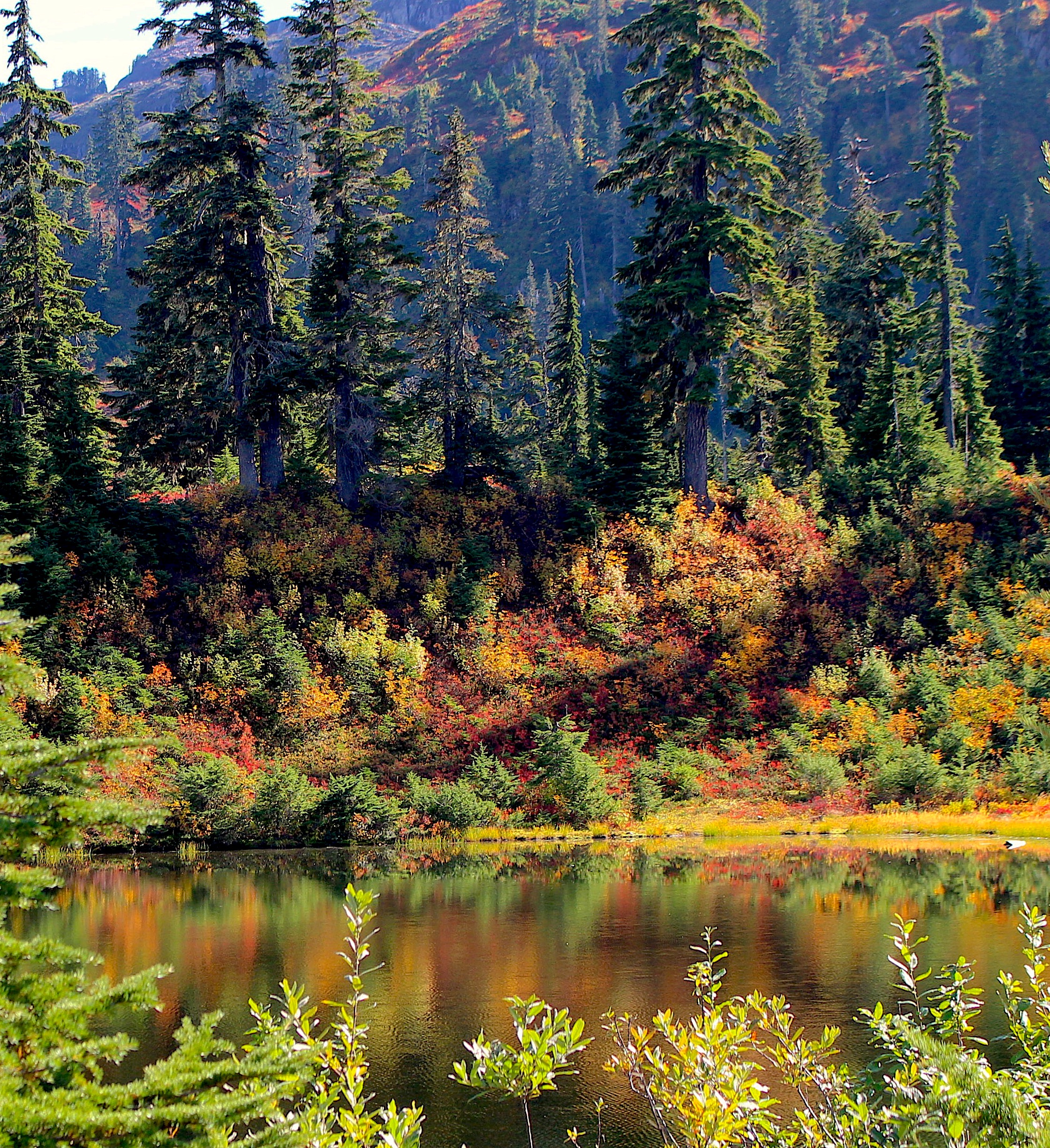
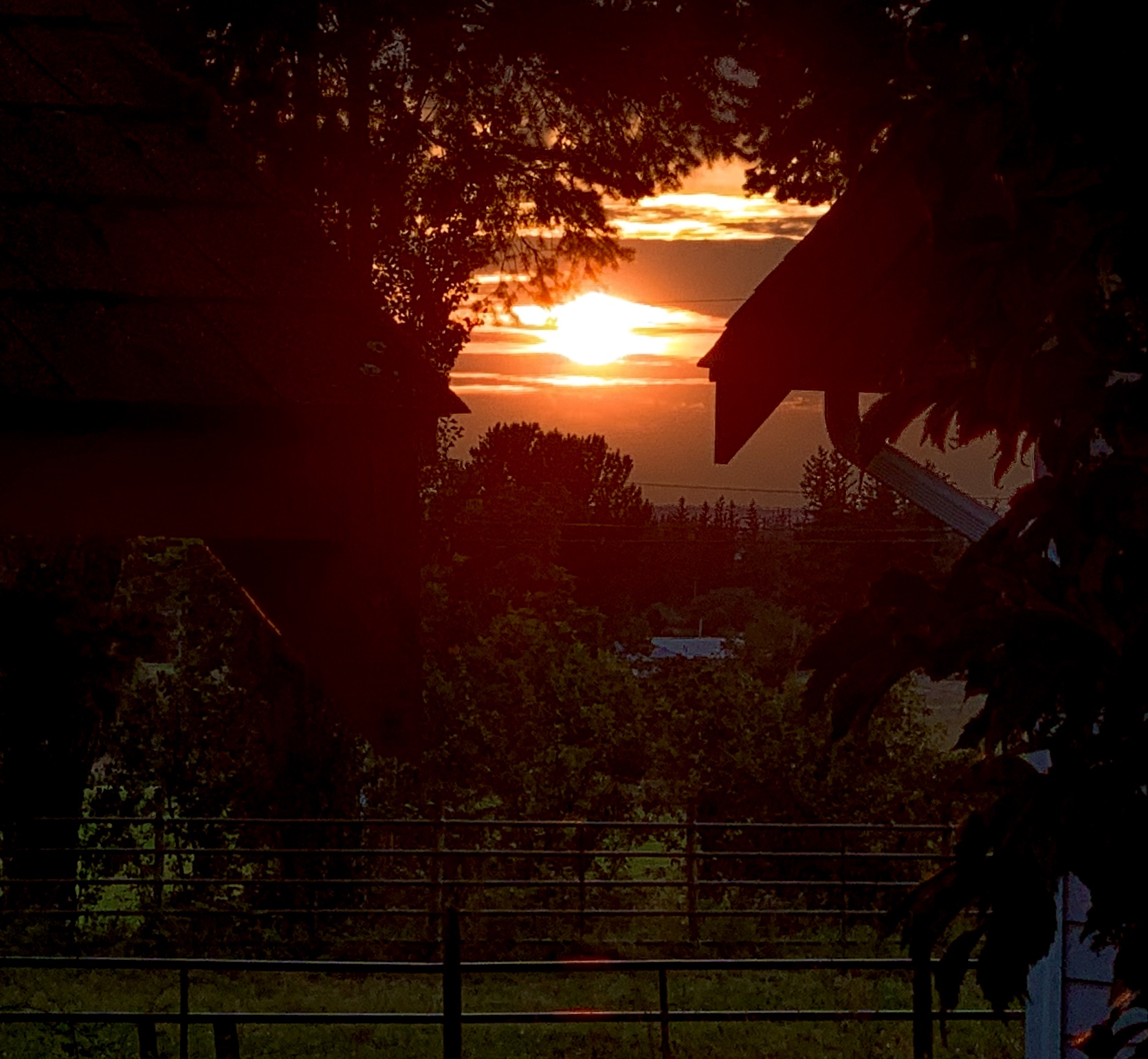
We had left behind all the divisiveness and drama and talking heads: up in the mountains there was such sheer stillness all around us – nary a breeze or a bird call or even a bug making ripples on the lakes to spoil the perfect reflection.
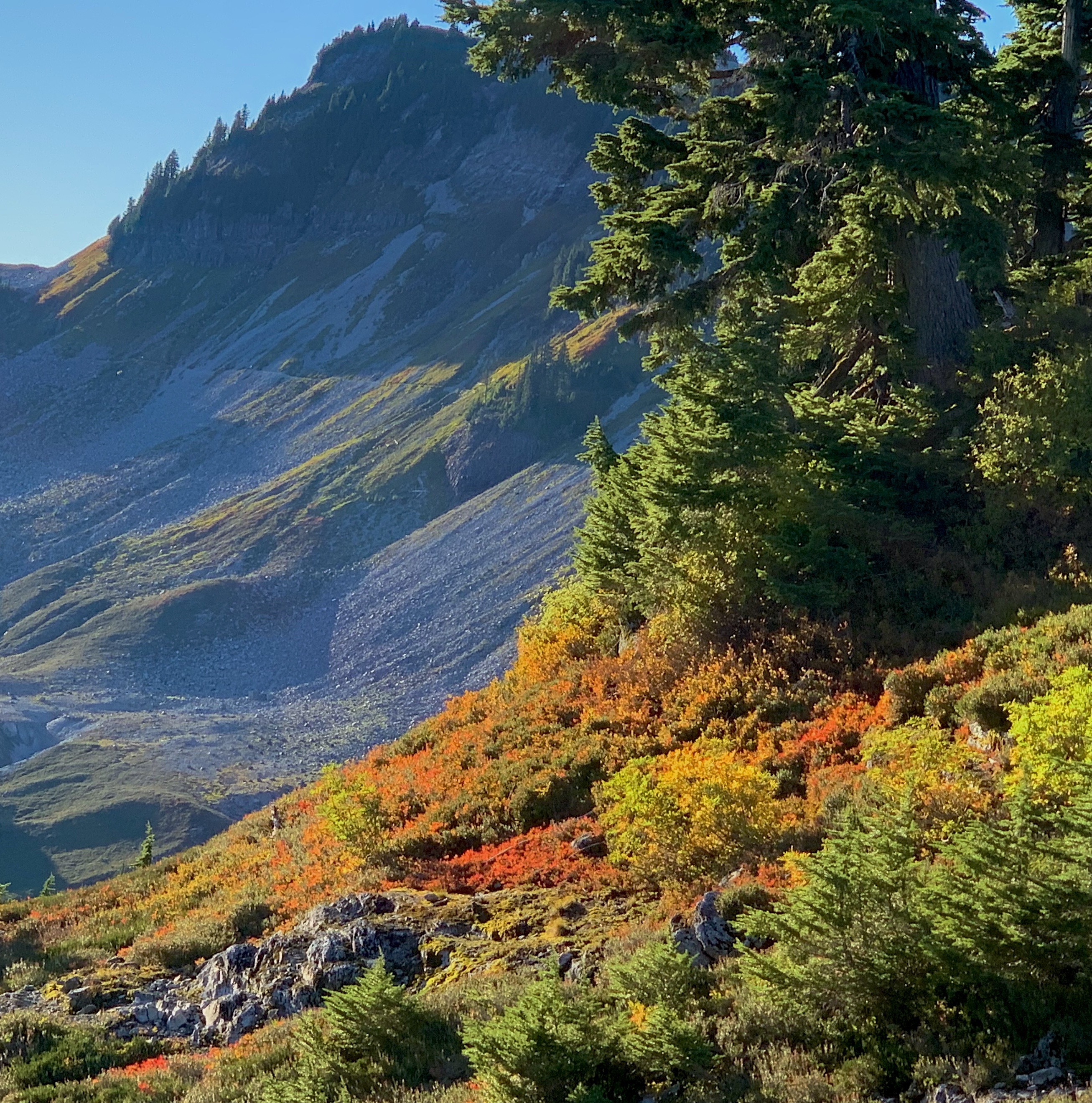
I brought these images back with me to remember my moment of awestruck witness. The photographic image isn’t the real mountain, it isn’t even the pristine perfect reflection. Yet it means I was privileged to watch the mountain watching me back, welcoming me home.
The sweetest thing in all my life has been the longing — to reach the Mountain, to find the place where all the beauty came from — my country, the place where I ought to have been born. Do you think it all meant nothing, all the longing? The longing for home? For indeed it now feels not like going, but like going back. ~ C. S. Lewis, Till We Have Faces
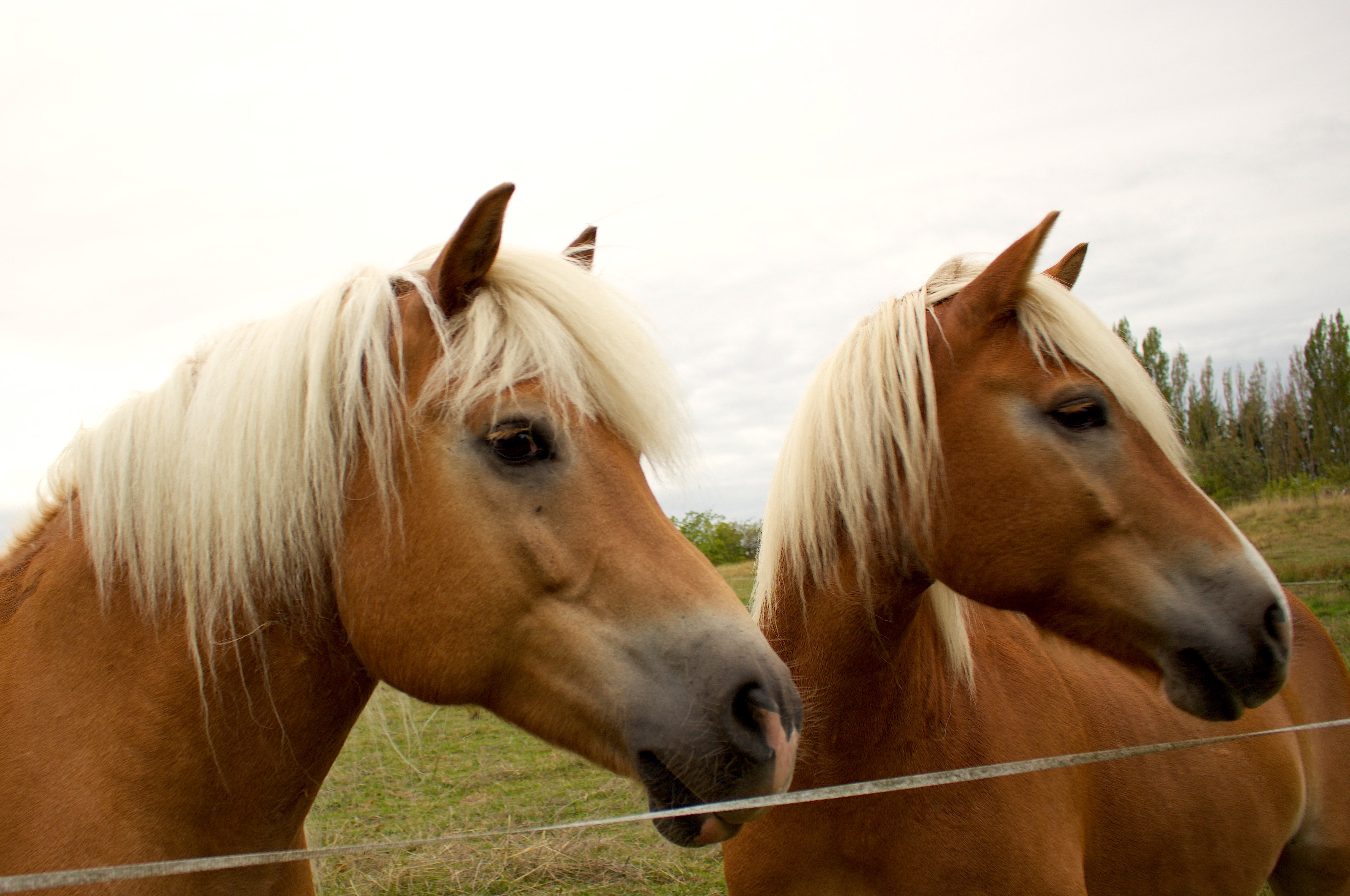
There is nothing better for the inside of a man than the outside of a horse… ~Long time equestrian wisdom attributed to many famous riders
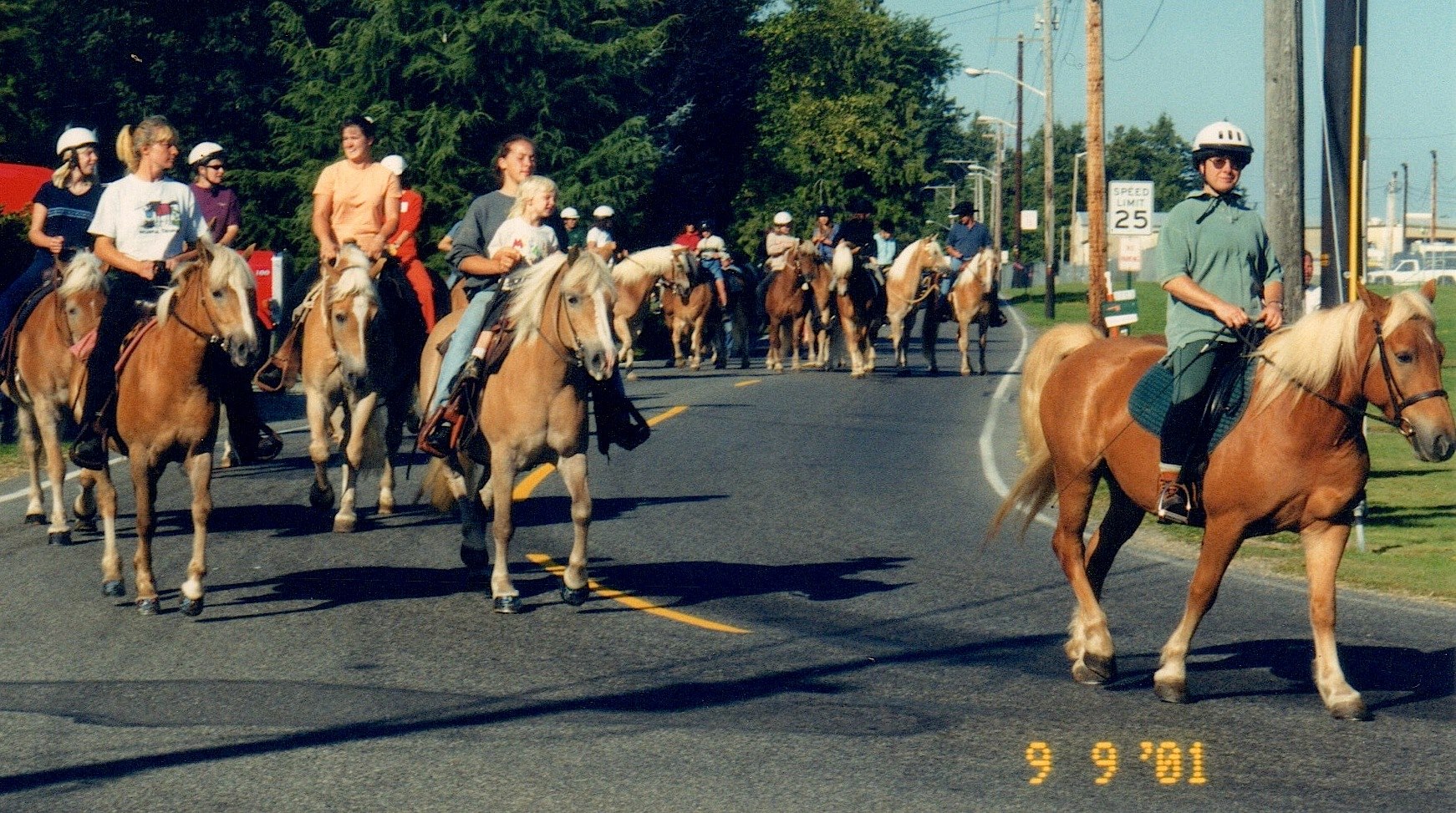
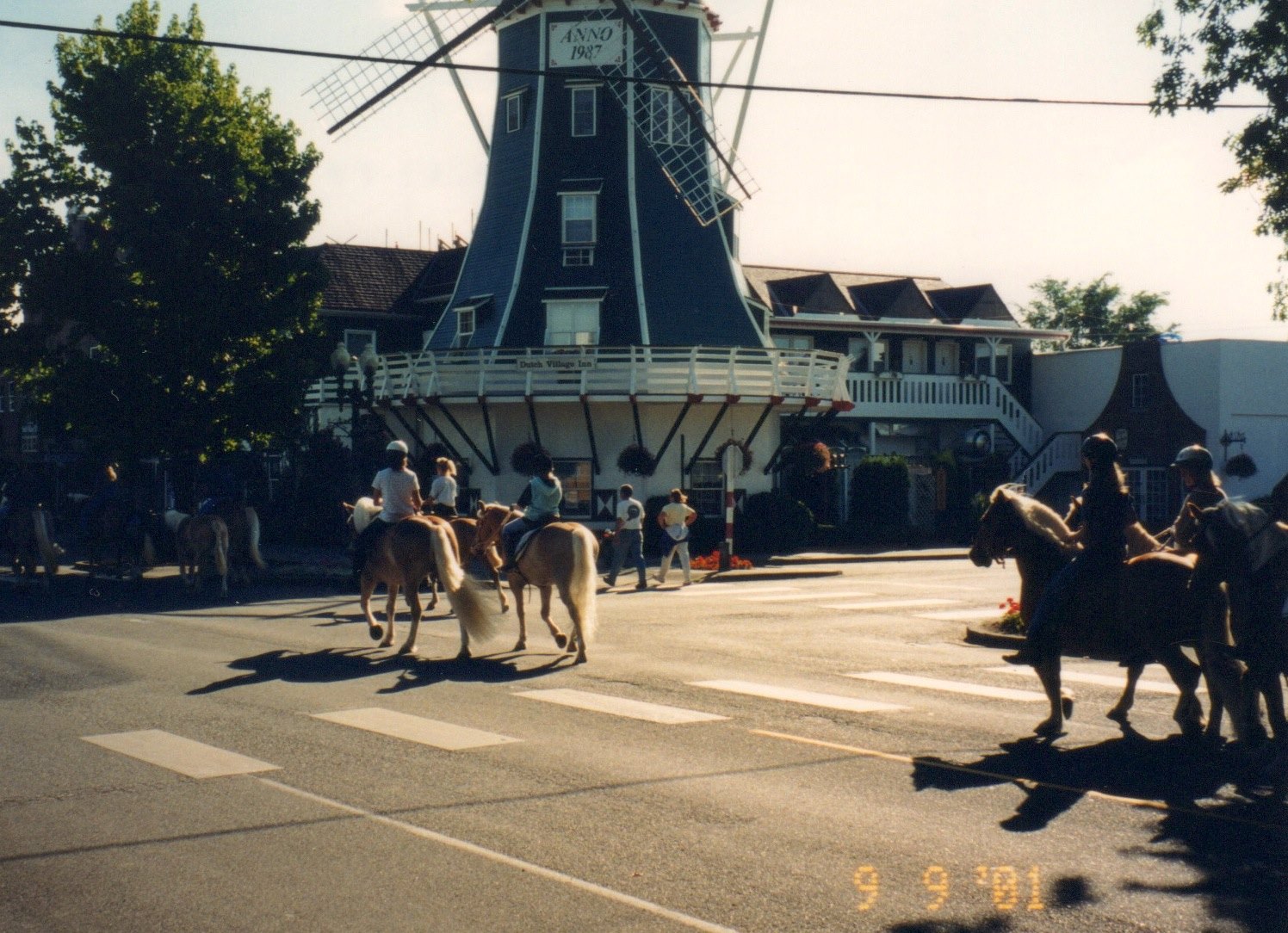
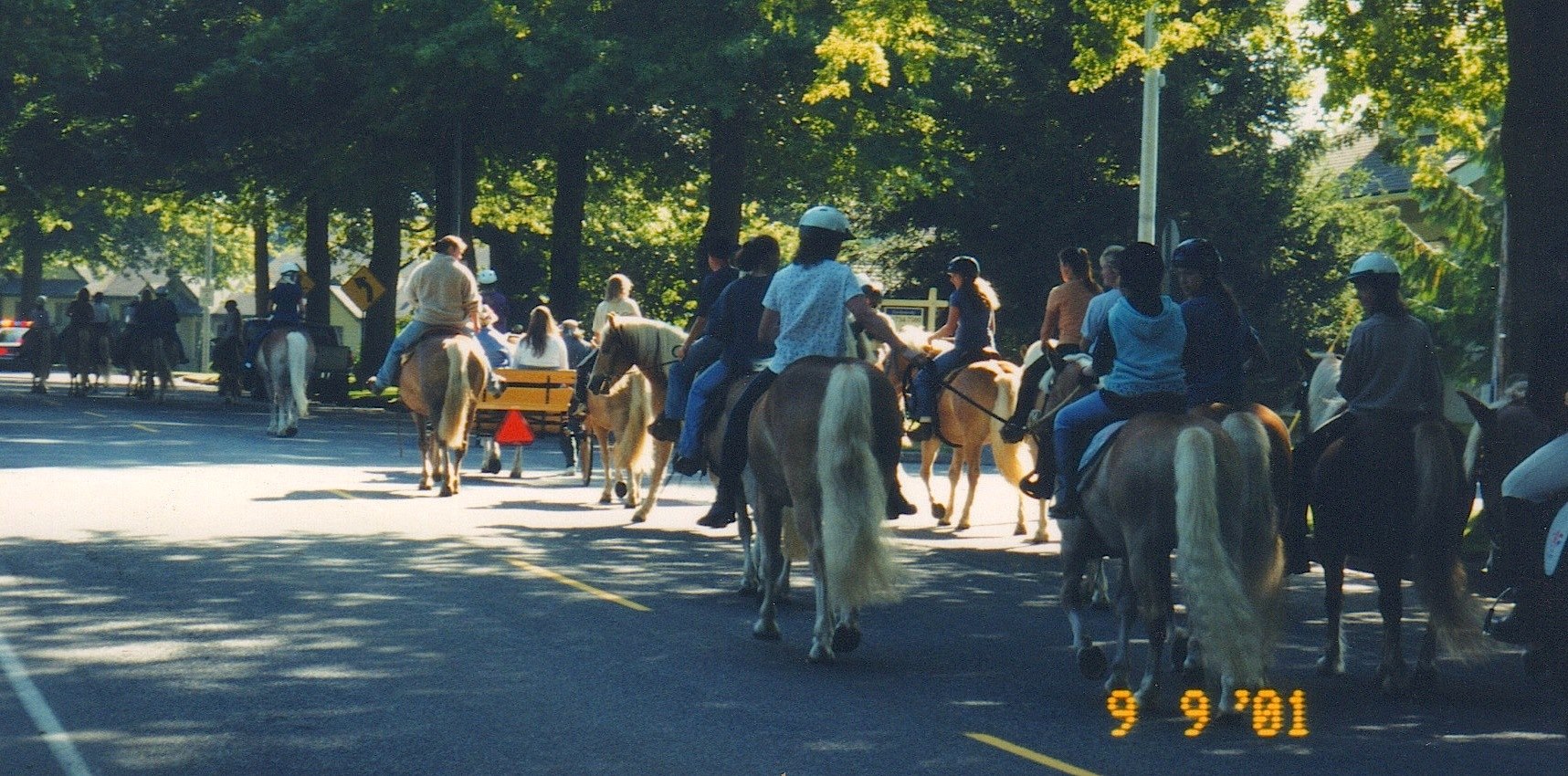
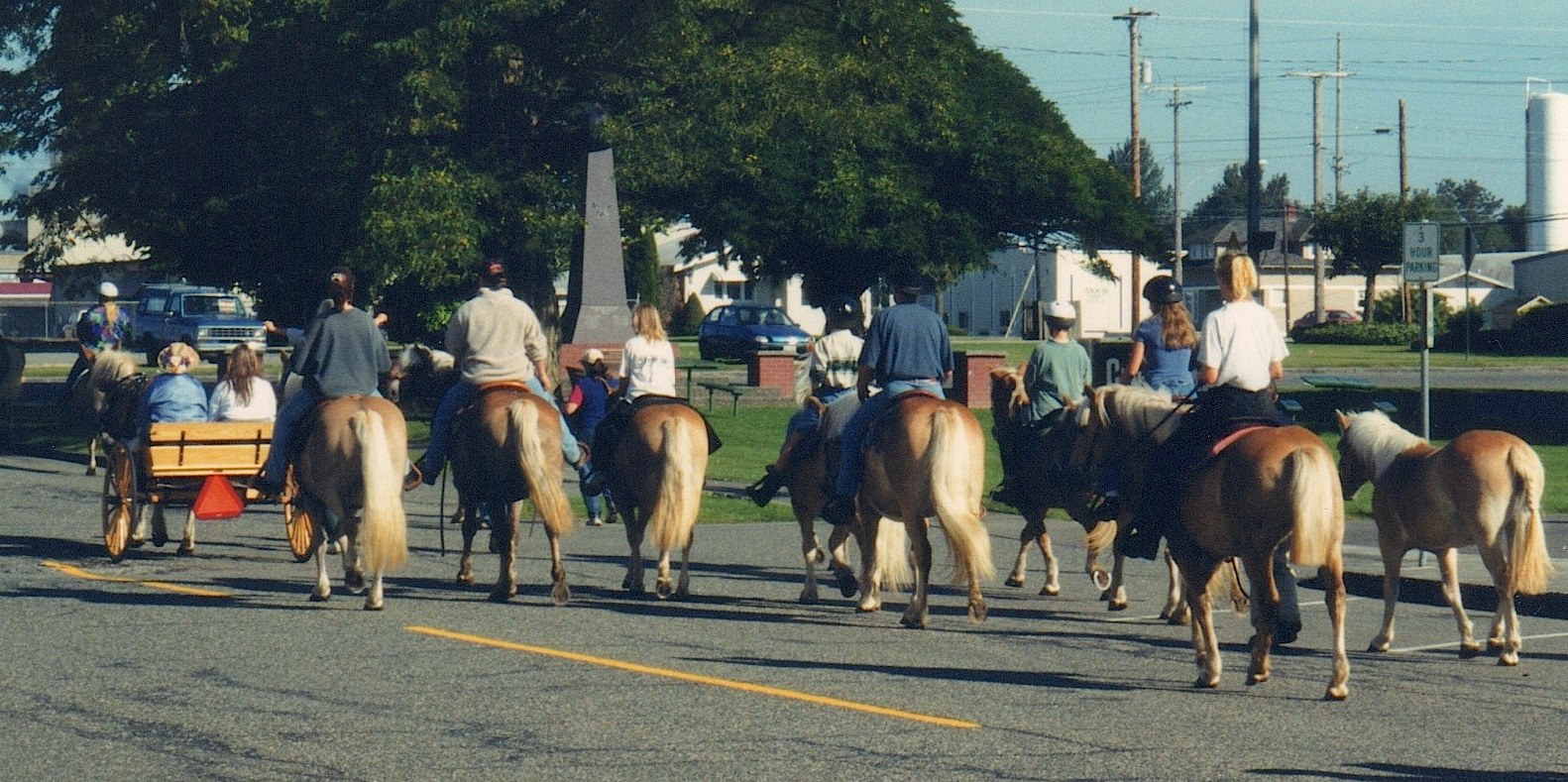
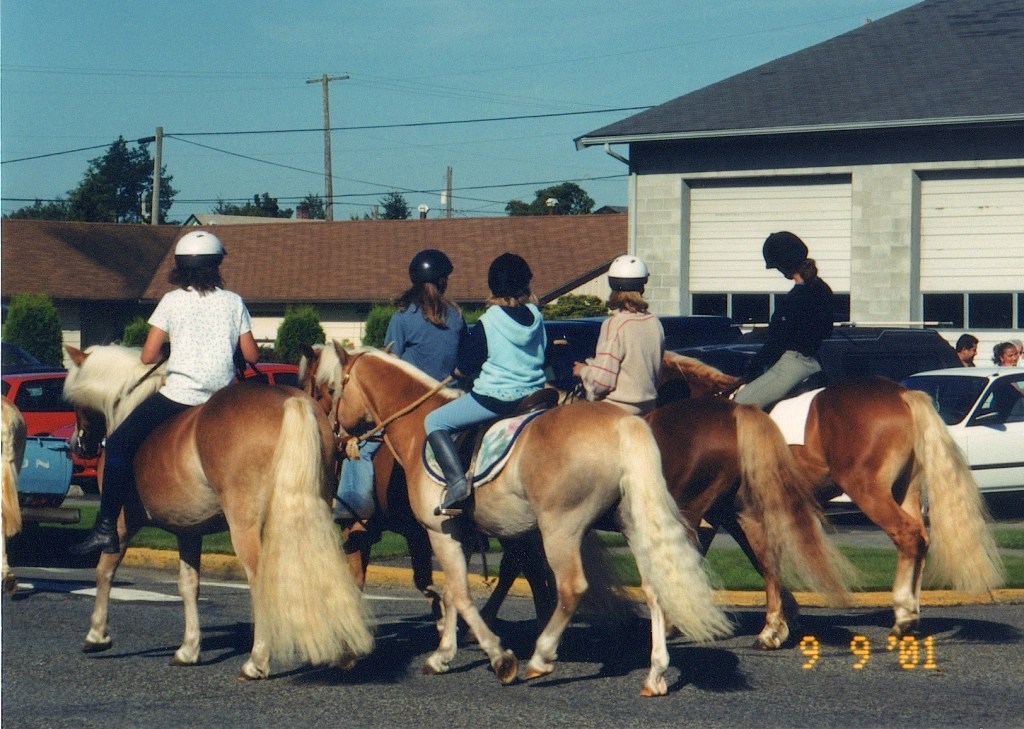
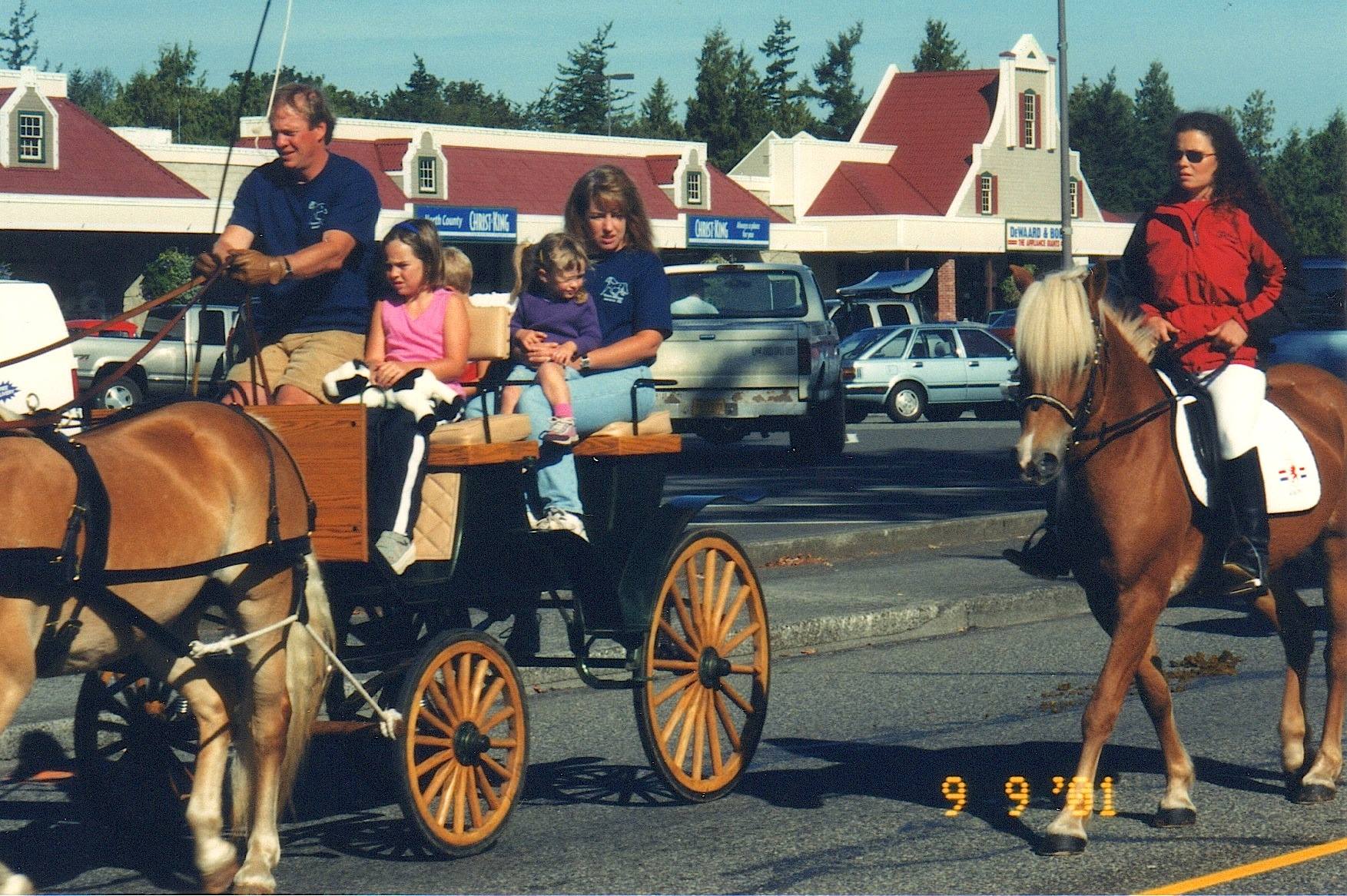
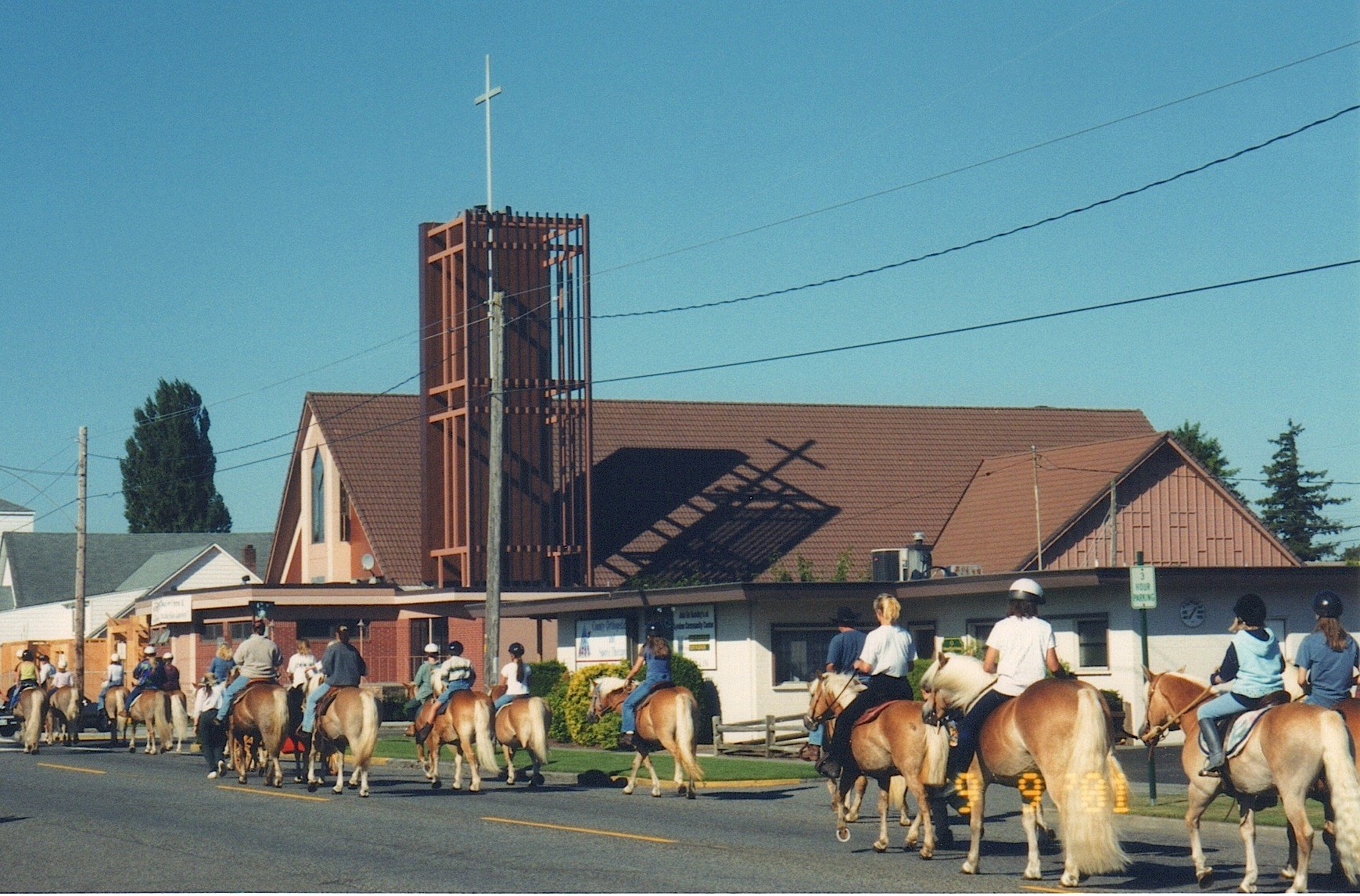
Nineteen years ago today in 2001, two days before the world changed forever, I helped organize a gathering of Haflinger horse owners from western Canada and the United States in our nearby town of Lynden, Washington. We received permission to have a Haflinger parade on a quiet Sunday morning while the townspeople were all in church. We wanted to be sure we would not interfere with traffic coming to town and leaving after worship services.
It was a remarkable morning of over ninety Haflingers – riding, driving, walking their horses, enjoying the quiet peace of a Sabbath morning in a friendly little town.
After September 11, 2001, nothing has felt quiet or calm in the same way ever again.
This is to remember the day we spent together, in the insides of us enjoying the outsides of our horses.
May you see God’s light on the path ahead when the road you walk is dark. May you always hear even in your hour of sorrow the gentle singing of the lark. When times are hard may hardness never turn your heart to stone. May you always remember when the shadows fall– You do not walk alone. ~Traditional Irish Blessing
The day starts with the promise of beauty lit across the sky and concludes with the same light on the other side of the horizon. Yet everything in between can be darkness with no relief or stark brightness leaving no place to hide.
We can endure both if we endure it together. We can travel this long road if we have each other alongside in case we stumble. We can live out our days in gratitude even through our tears.
He was a new old man behind the counter, skinny, brown and eager. He greeted me like a long-lost daughter, as if we both came from the same world, someplace warmer and more gracious…
…his face lit up as if I were his prodigal daughter returning, coming back to the freezer bins in front of the register which were still and always filled with the same old Cable Car ice cream sandwiches and cheap frozen greens. Back to the knobs of beef and packages of hotdogs, these familiar shelves strung with potato chips and corn chips…
I lumbered to the case and bought my precious bottled water and he returned my change, beaming as if I were the bright new buds on the just-bursting-open cherry trees, as if I were everything beautiful struggling to grow, and he was blessing me as he handed me my dime over the counter and the plastic tub of red licorice whips. This old man who didn’t speak English beamed out love to me in the iron week after my mother’s death so that when I emerged from his store my whole cock-eyed life – what a beautiful failure ! – glowed gold like a sunset after rain. ~Alison Luterman from “At the Corner Store”
During the COVID-19 quarantine, we’ve chosen to shop at small locally owned markets in our rural county rather than the large chain groceries we usually frequent. They are less busy, more personal and desperately need the business. As we walk in, we are greeted with “hi kids, let me know if I can help you find anything!” – there is something nice about two gray heads being called “kids” because in our hearts, we still are – see below.
Yesterday, the market cashier/manager noticed a cane that had been left in one of the aisles and said “oh, Harry must have left his cane behind again, I guess he won’t get too far without it so I’ll leave it right here by the door for when he comes to get it.”
You wanna go where everybody knows your name…
These stores make me think of the rural markets only a couple miles from where I grew up in two different communities in Washington state. These were the stores that often provided the basic provisions for farm families like ours, as well as an informal community gathering spot. In Garrison Keillor’s Lake Woebegon, it’s called Ralph’s Pretty Good Grocery, where “if you can’t find it at Ralph’s, you can probably get along (pretty good) without it.”
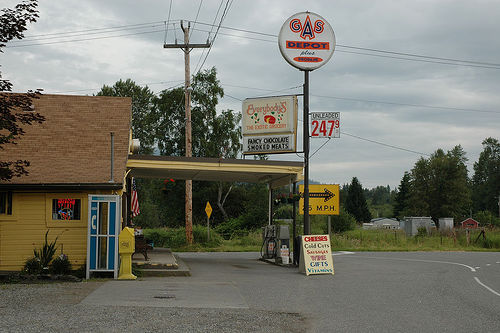
It still wasn’t that unusual in the fifties and sixties for a rural “mom and pop” operation to have a small grocery store in the front part of their refurbished home, often with a single gas pump sitting in the front yard. The store had a reversible sign in the front window that said OPEN from dawn to dusk, unless the store owner needed a shower or a nap. When you’d walk through the creaky front screen door, it slammed behind you with a bang, automatically notifying the store owner in the back of the house a customer had arrived. They knew us by name, knew what our typical purchases would be, and always enjoyed a chat to catch up on the neighborhood news. It meant a cup of tea or some pretty powerful coffee for mom and a stick of chewing gum for the kids.
There was always a cork board for flyer postings, with hand written notices of the latest community events, plus “for sale”, “for free”, or “lost” items. There might be a polaroid picture of “Tinkerbelle — looking for our lost cat, children can’t stop crying” , or a hastily scribbled note from a harried mother “seeking a mother’s helper to do laundry and ironing”, or “free puppies–take your choice.” This was “Craig’s List” before Craig was born.
Sitting at the intersection of farm roads, corner stores were a natural outlet for local produce to be sold, from fresh eggs to seasonal berries and fruit, to pumpkins and squash piled up in the front yard in the fall. Some store owners even did their own butchering and meat cutting before regulations made it too difficult to meet government standards.
The “bread and butter” for a store to thrive and stay in business was just that: they supplied the basic staples that families might need in a pinch– cornflakes and cheerios, loaves of Wonder bread and milk, bags of sugar and flour, toilet paper and wieners, Crisco for a pie crust or a cube of butter for baking cookies, Elmer’s Glue, scotch tape and construction paper for rainy day art projects. Children were frequently sent on errands to the corner store on foot, or on their bicycles, or occasionally on their horses to get some immediately needed missing item.
Or perhaps they were sent to the corner store with a list just to get them out of their mothers’ hair.
The motivation for kids to make the store trip was the reward of a cold soda pop or an ice cream bar in the summer, hot chocolate with a marshmallow in the winter, and a carefully selected variety of treats from the bulk candy bins. I had a particular affinity for multicolored jawbreakers and red licorice whips.
The store my mother frequented in the tiny hamlet of East Stanwood, Washington had pretty much everything she needed, and the shopkeeper always had a fresh cookie for my brother and me. We often brought extra eggs from our flock that mom would bring in for credit, but our raw Guernsey cow milk could not be sold through the store so was sold directly to our neighbors instead.
Once we moved to a rural neighborhood outside Olympia, Washington, the local corner store was at the “otherwise nothin’ happening” corner of Libby Road and Ames Huntley Road, almost three miles away from our little farm on Friendly Grove Road. It was a long walk, though an easy bike ride along narrow country roads. We kids could usually think of a good excuse at least twice a week during the summer to make that trek to the store and stock up. My older sister would ride her horse to the store, using a telephone pole as a hitching post while she shopped.
On our visits to family in Japan, there are plenty of small family-owned corner markets in the huge cities, each with their own flavor and personality matching their owners. It’s good to see the persistence in the U.S. of small local markets that actually sell produce, not just convenience store beer, cigarettes and lottery tickets. With the emphasis to “eat local” and county farmers marketing and selling their own produce, there are more of these now in our area.
Just a few miles from us is a market owned by an East Indian family and has an eclectic combination of curries, chili peppers, and all kinds of spices and ethnic ingredients sought by our local Hispanic and Indian farm neighbors.
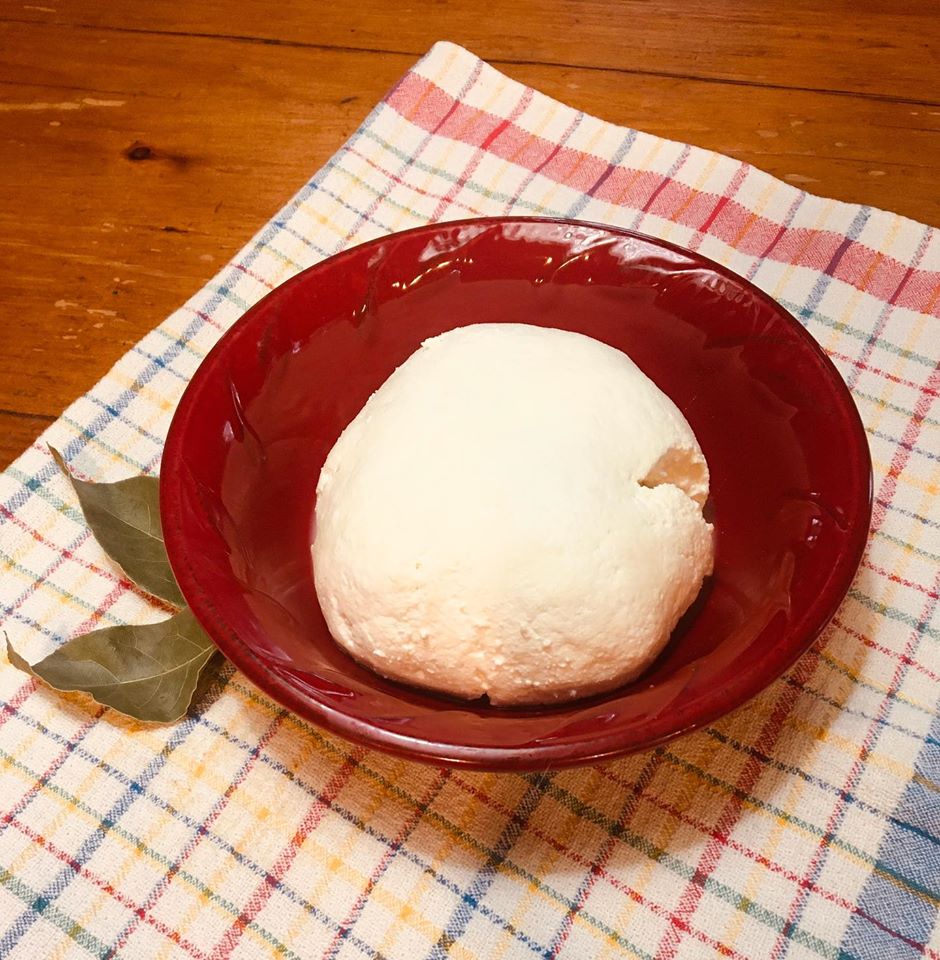
There is an orchard nearby that has opened a store not only marketing their boxes of apples, but also sells cider, frozen apple pies ready to bake and home ground honey peanut butter.
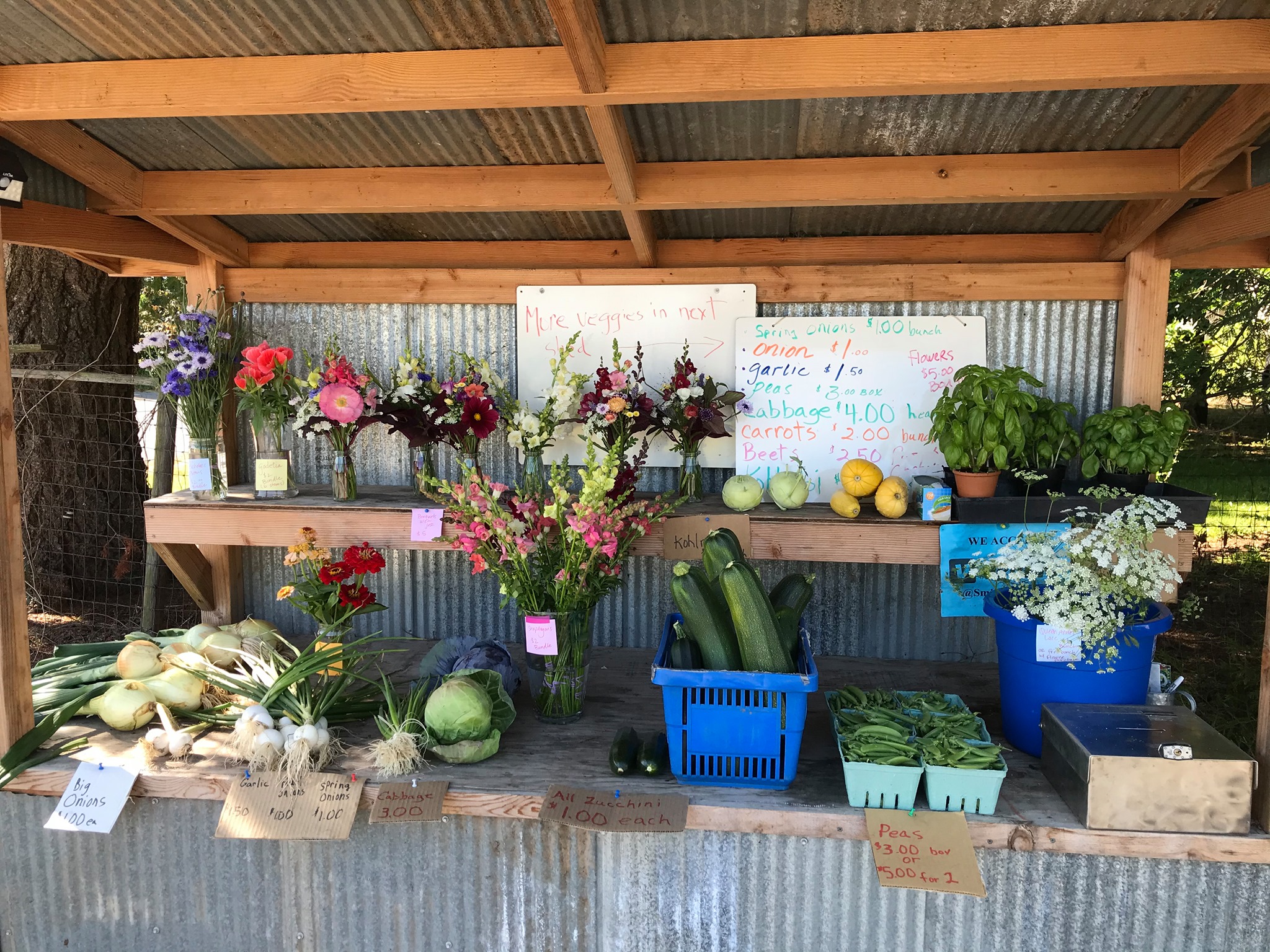
We have local dairies producing their own homogenized pasteurized milk and ice cream, others making and selling cheese, some that raise grass fed organic beef and lamb, as well as heritage breed pork and turkeys. This time of year there are lots of end-of-the-driveway vegetable and flower stands as farmers sell their wares on the honor system, with the money going into a lock box right there by the road.
It almost feels like going home again. When I walk into a small market, it is tempting to think of pulling up a chair next to a wood burning stove, sipping a cup of tea and catching up on the neighborhood news. That can’t happen with social distancing, but my hope is to help these markets survive for when, someday, we can sit and visit and learn each others’ names and stories.
Heaven and earth are only three feet apart, but in the thin places that distance is even smaller. A thin place is where the veil that separates heaven and earth is lifted and one is able to glimpse the glory of God. ~Celtic saying
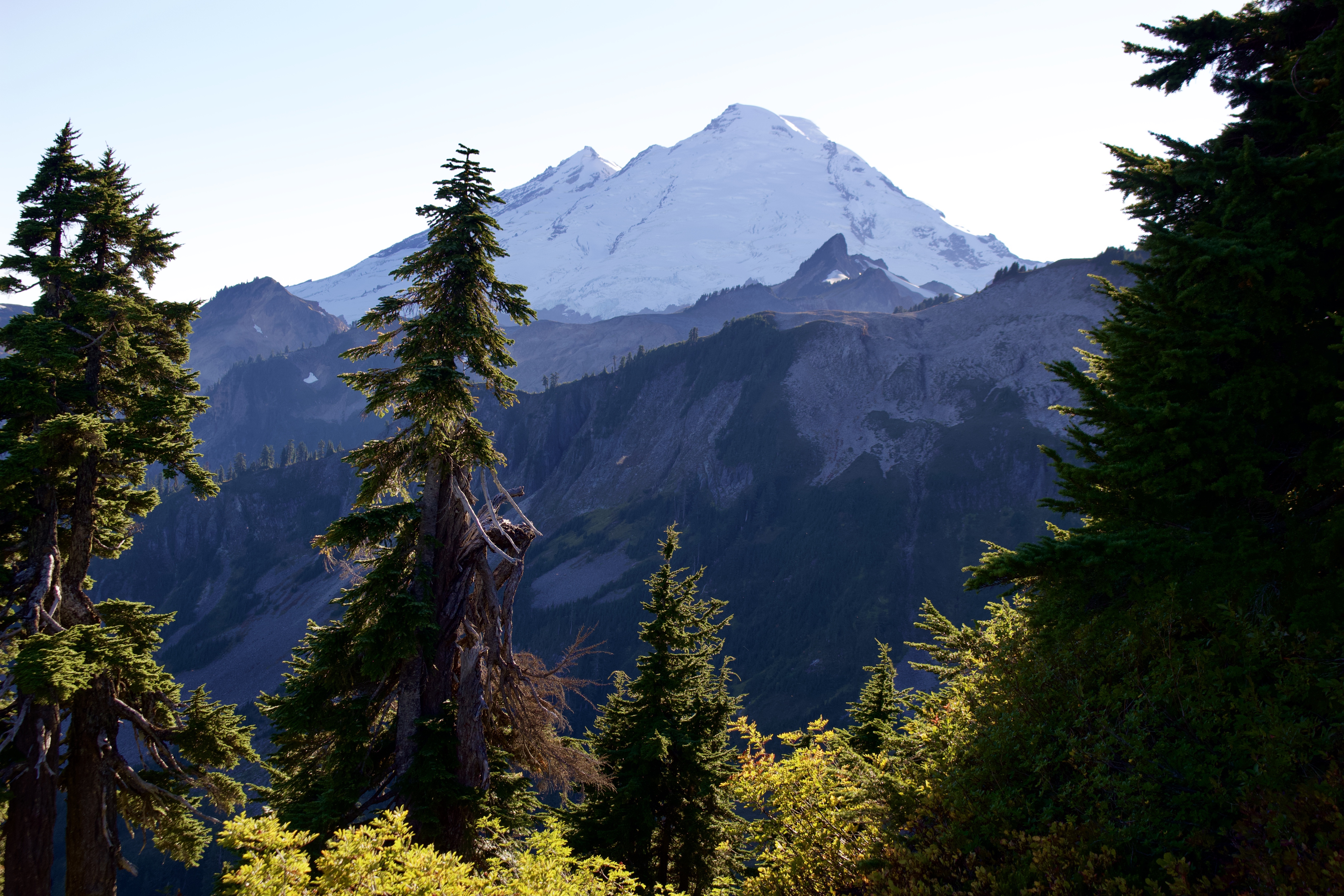
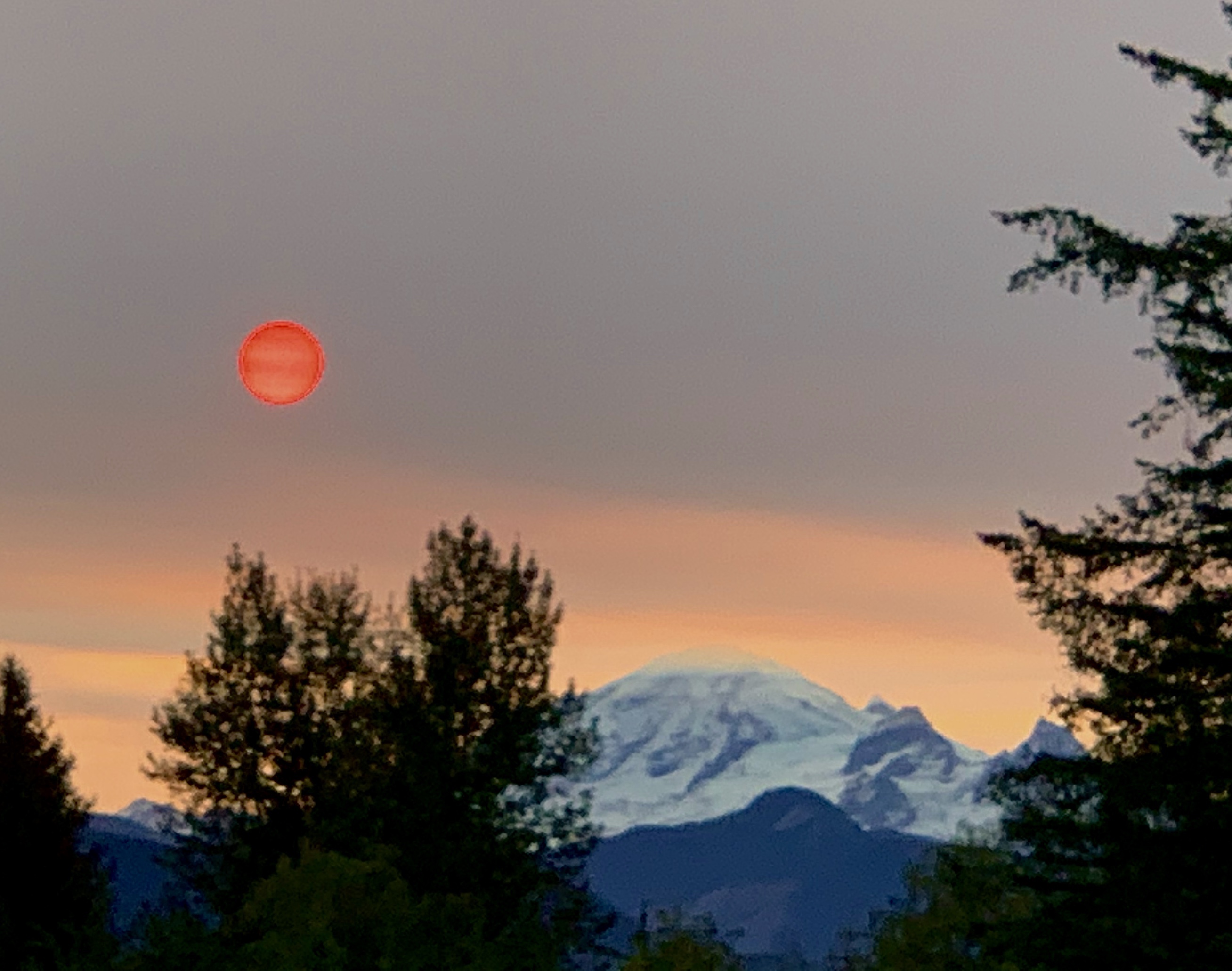
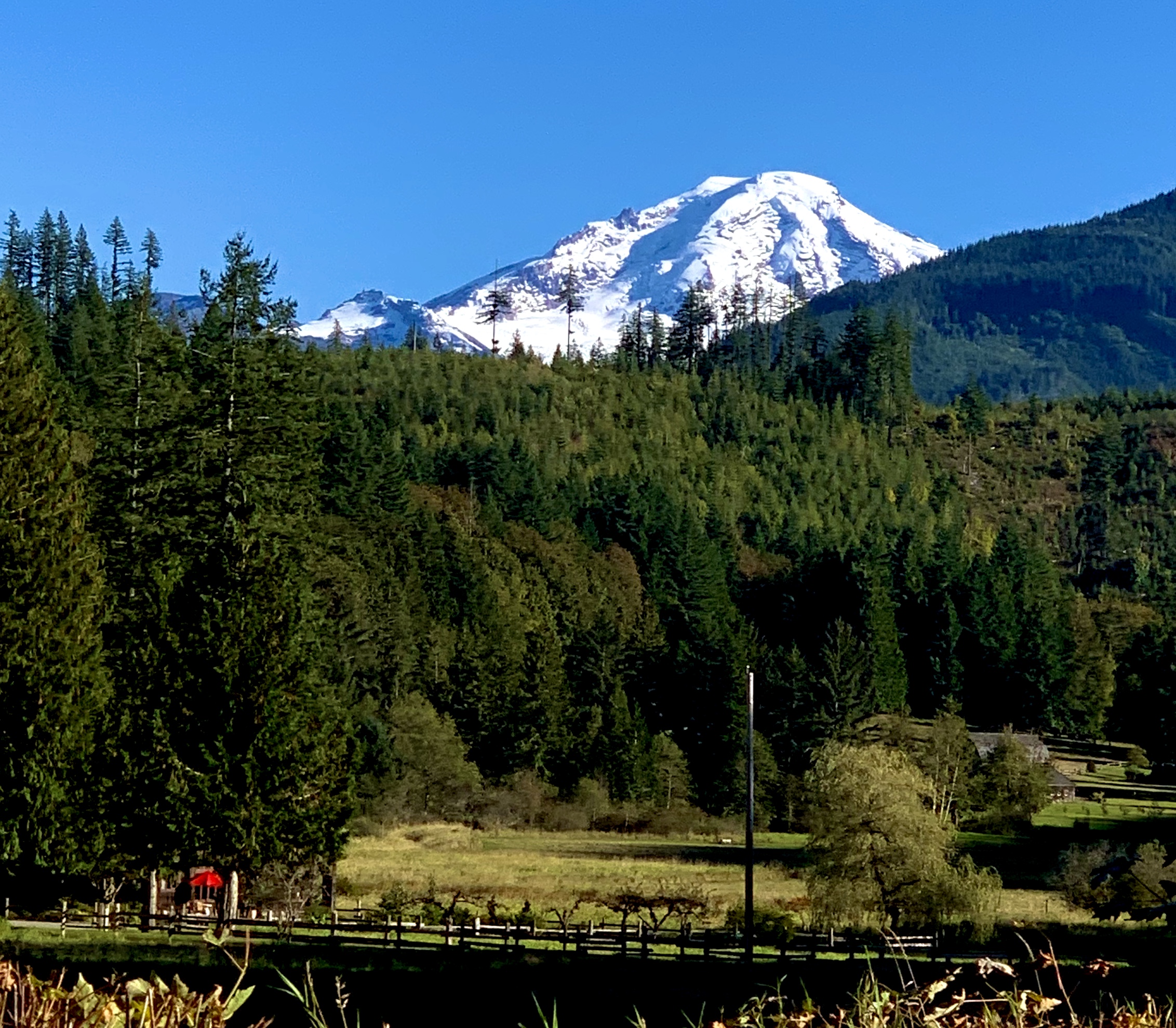
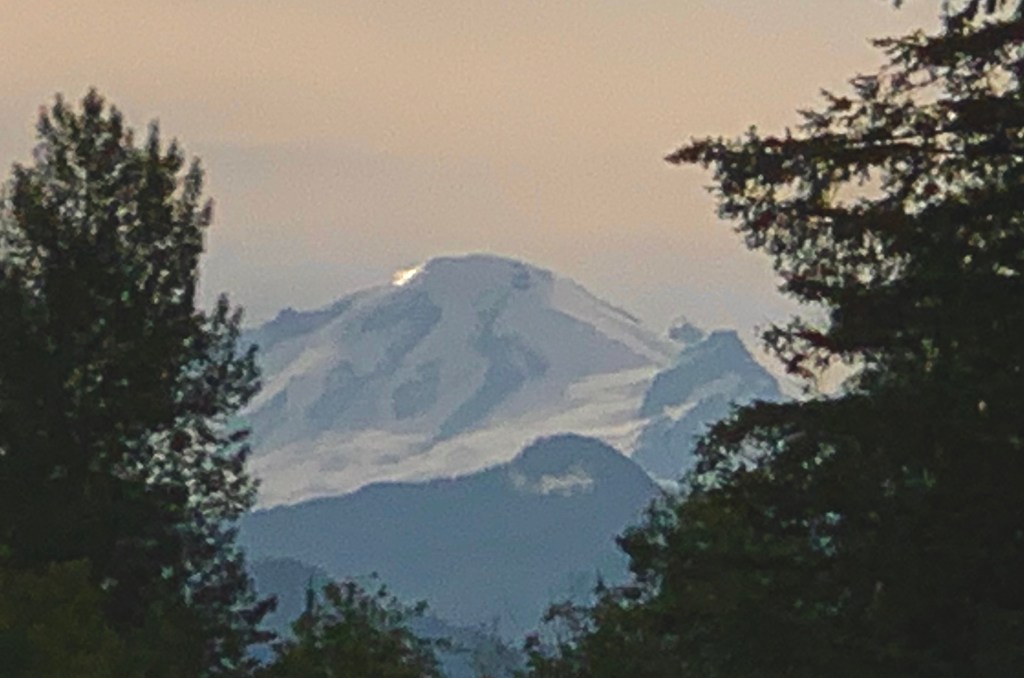
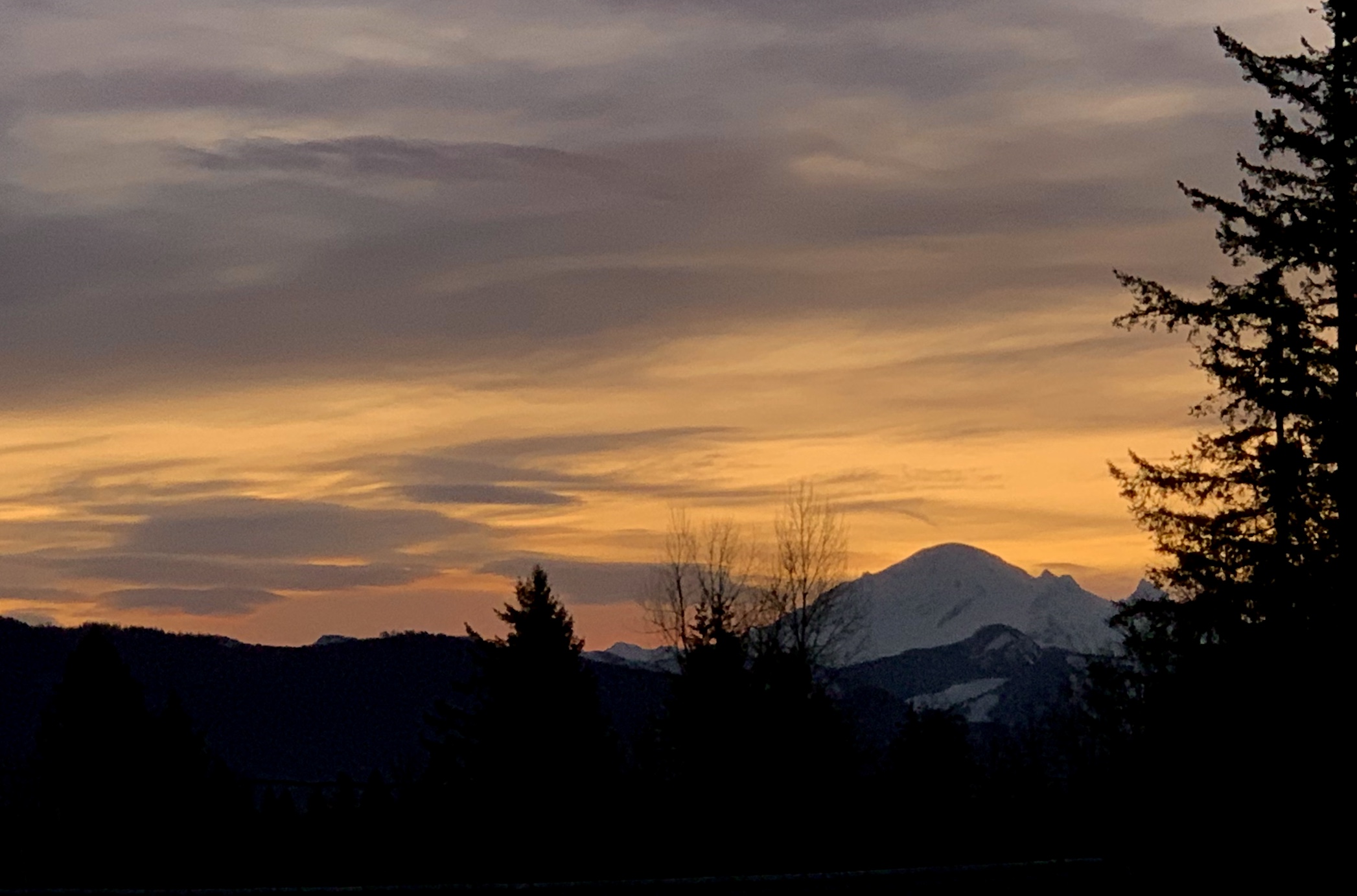
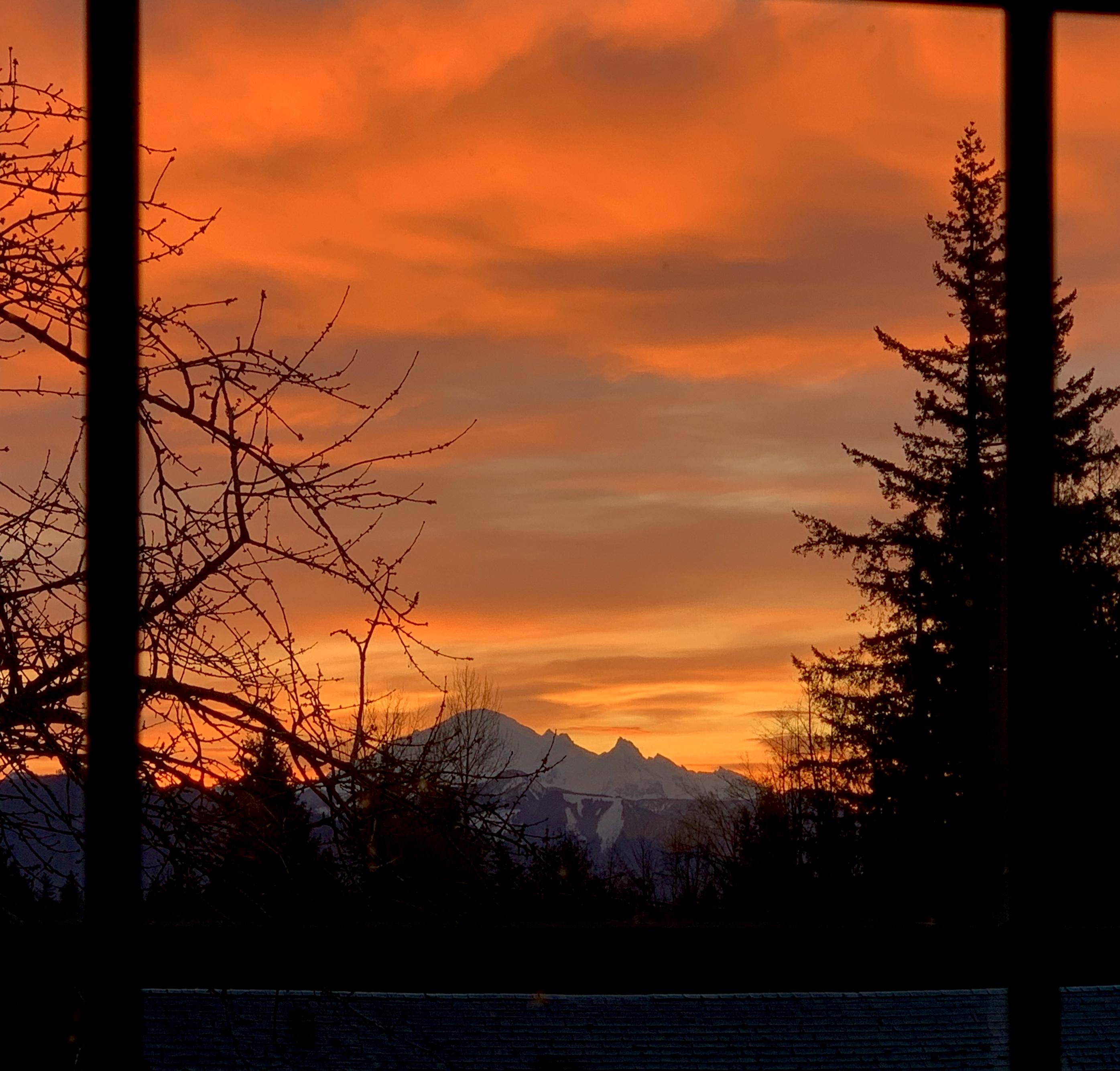
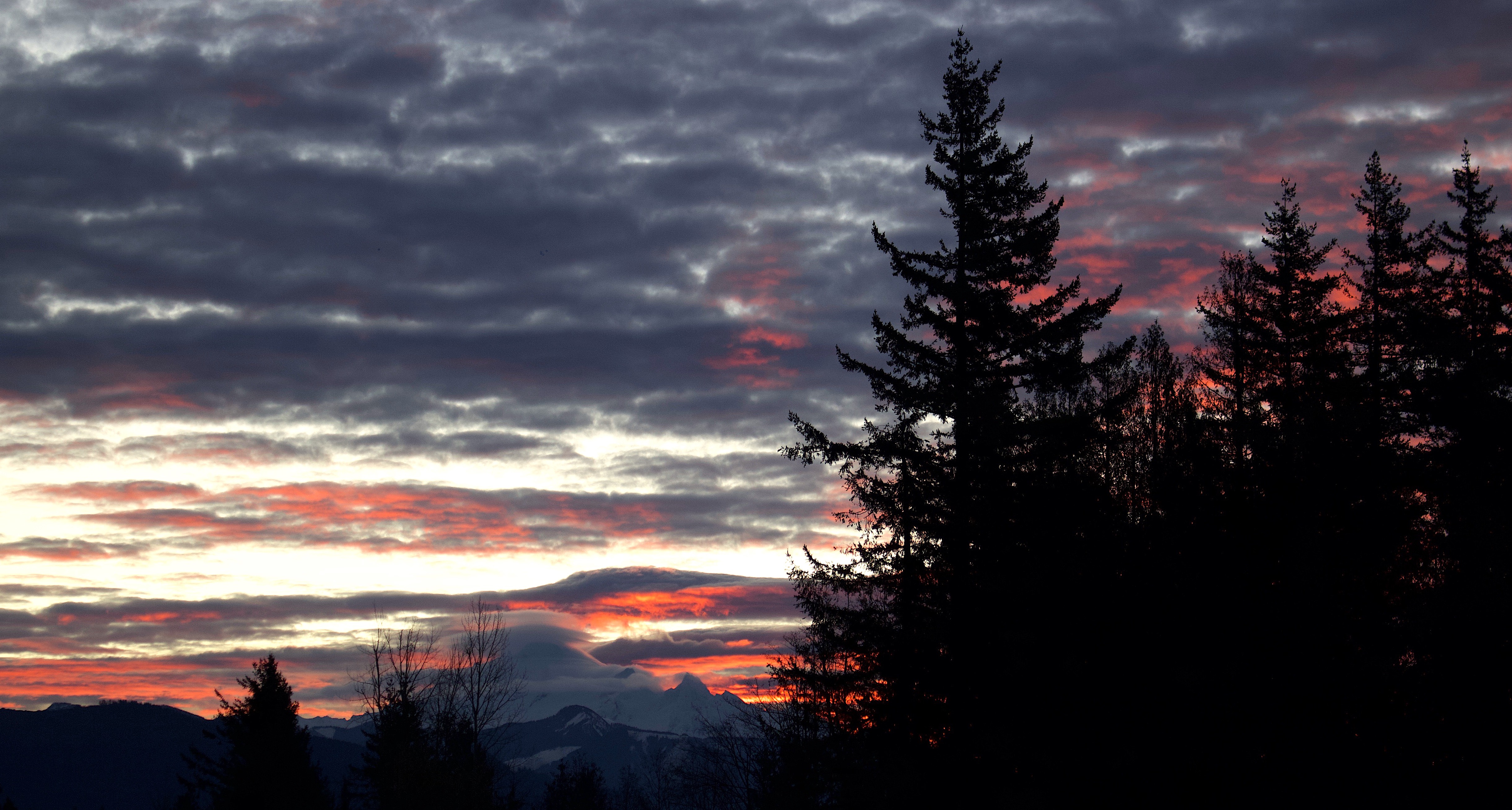
Our neighboring Cascade mountain peak, Mt. Baker, has been veiled with clouds for a number of days. I am used to this hide-and-seek with the mountain as it makes its appearance even more special when it does take off its veil.
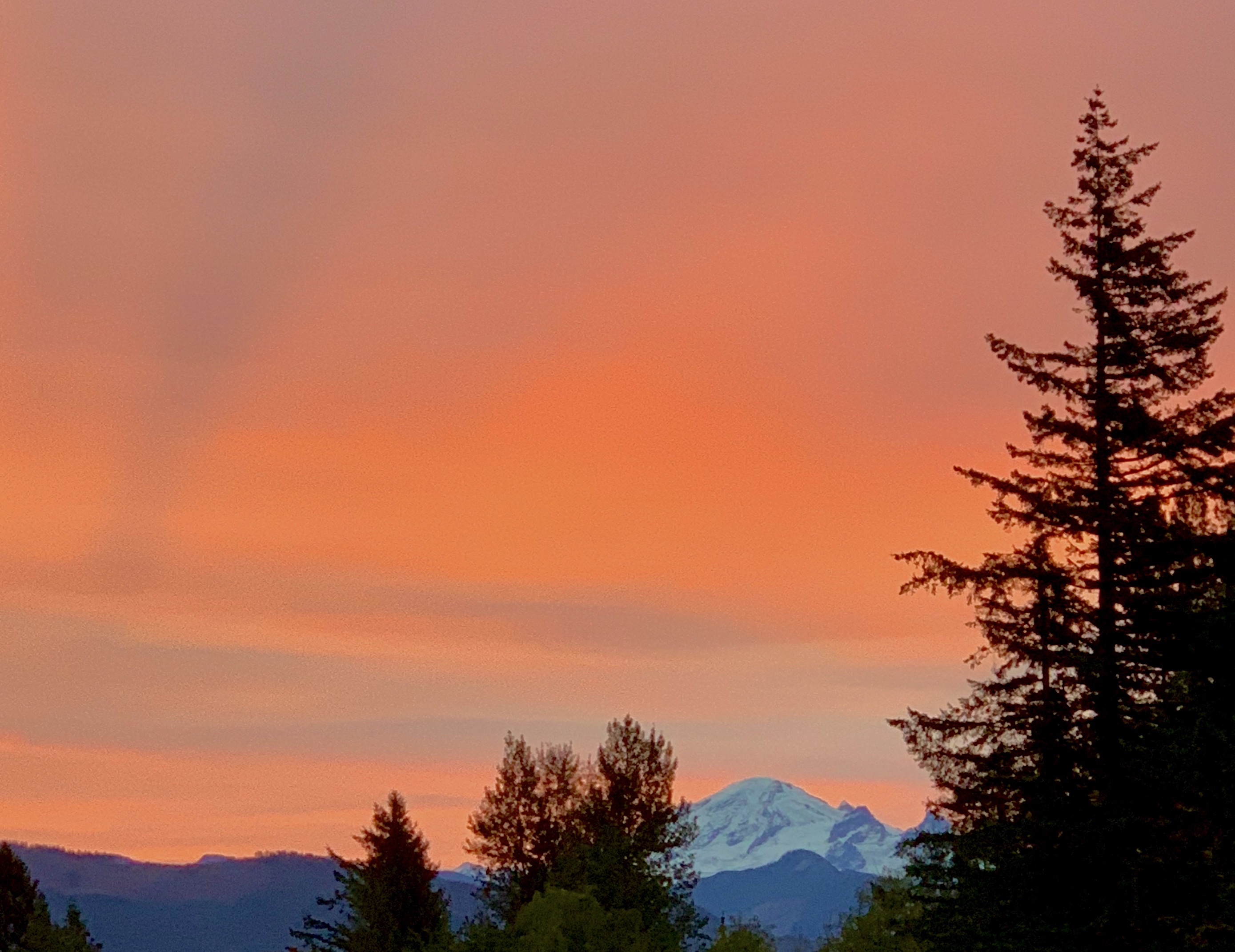
Yesterday morning, it was shrouded in clouds but visible against the gray. What was unusual, something I had not seen before in 35 years of admiring the mountain, was a flash of sun reflection on the north side of the summit, when no sun was visible in the sky.
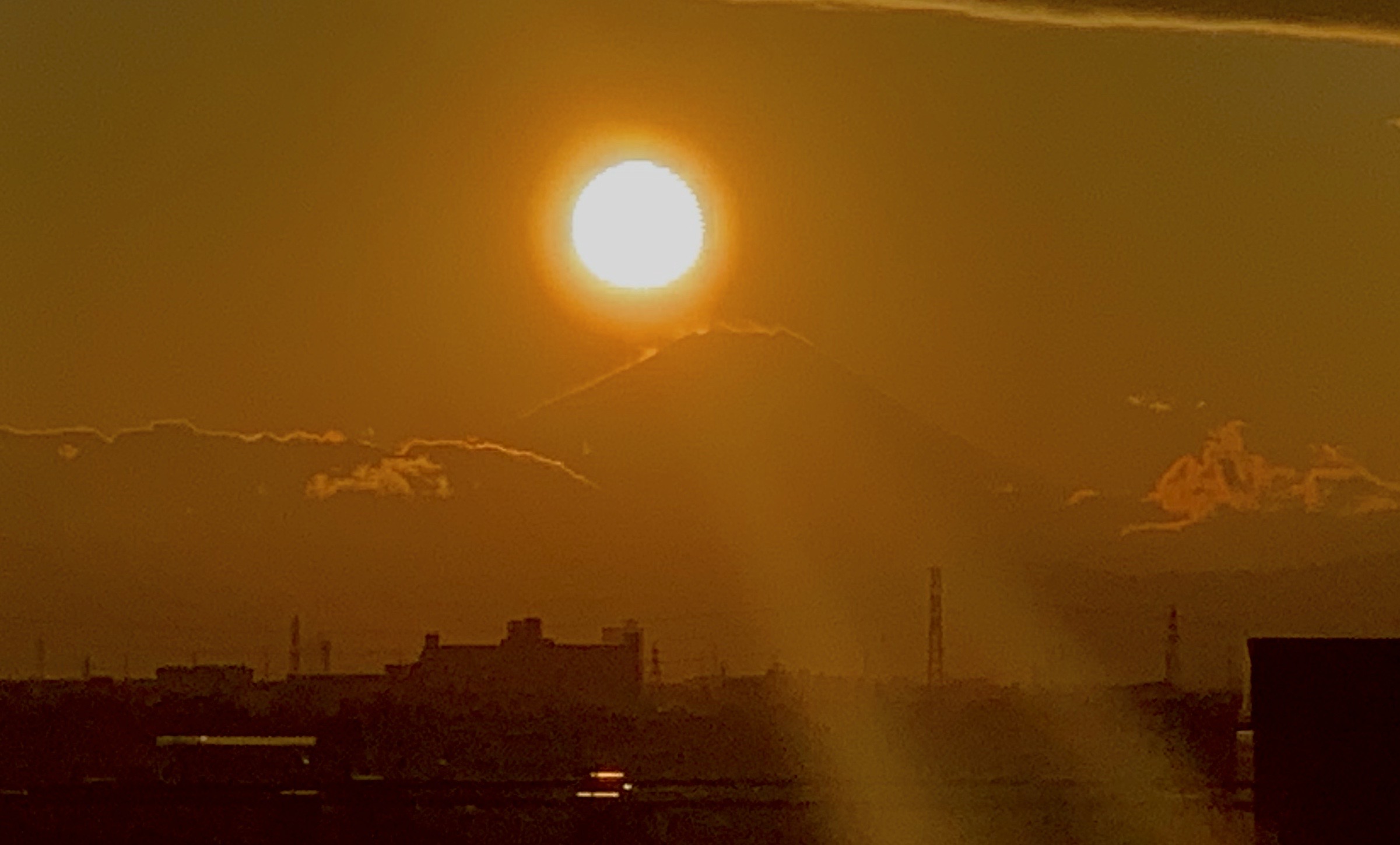
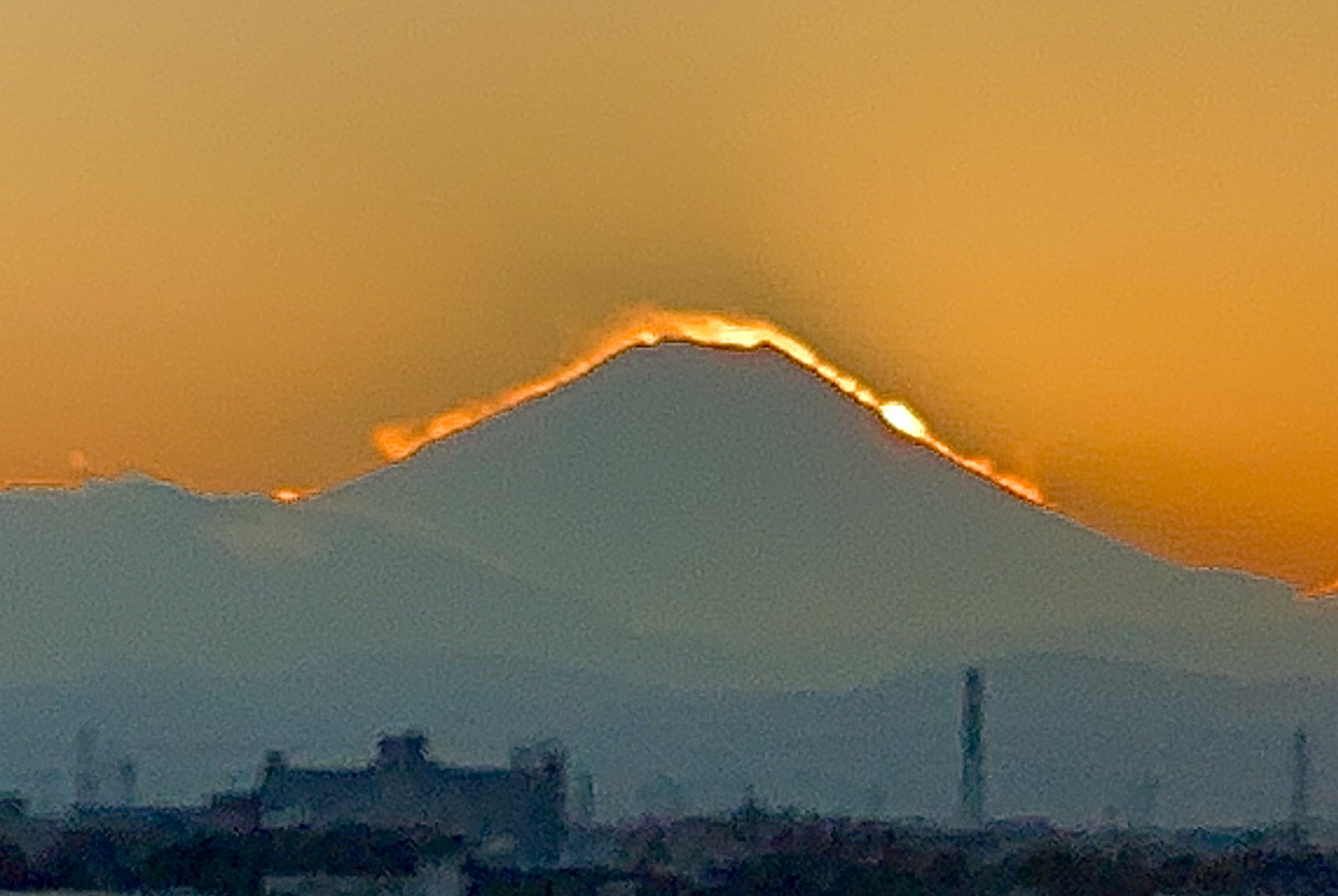
This reminded me of our experience last December at solstice when we were visiting our son and family in Tokyo, right at the time for “Diamond Fuji” to potentially appear.
In the misty rain Mount Fuji is veiled all day — How intriguing! ~Basho
We had the good fortune to be staying on the top floor of a business hotel just a few minutes walk from our son’s apartment, so we made sure we were ready with a camera on the few days that we might witness the sun setting directly behind Fuji, creating a diamond effect from the summit and an appearance of fire along its crest. There are many extraordinary photos taken over the years of this phenomenon — google “Diamond Fuji” and you’ll see why this is a special event.
There were cloudy evenings when Fuji made no appearance at all – there were many photographers gathered in the train station deck where Fuji is potentially visible. They would set up and wait for the possibility of catching the sunset perfectly as it settled behind the mountain. Some nights there was nothing to photograph and they would pack up their gear, ready to return the next day.
We didn’t know if Fuji would uncover enough to allow us to see this for ourselves, but we hoped it would. The mountain did give us several beautiful sunsets, none exactly “Diamond Fuji”- perfect, but enough for us to get a sense of why it is revered so much by the people of Japan.
God does unveil His glory to us perfectly if we have eyes open enough to see. He doesn’t need to use mountains, or sunlight, or the exact precise timing. He makes sure it can be put into every human hand in the form of His Word – no waiting for the right moment or the clouds to be swept away.
Your financial support helps to keep this blog an ad-free daily offering. Your contribution of any amount is encouragement to me and deeply appreciated. Thank you for helping!
“Why, what’s the matter, That you have such a February face, So full of frost, of storm and cloudiness?” – William Shakespeare, Much Ado About Nothing
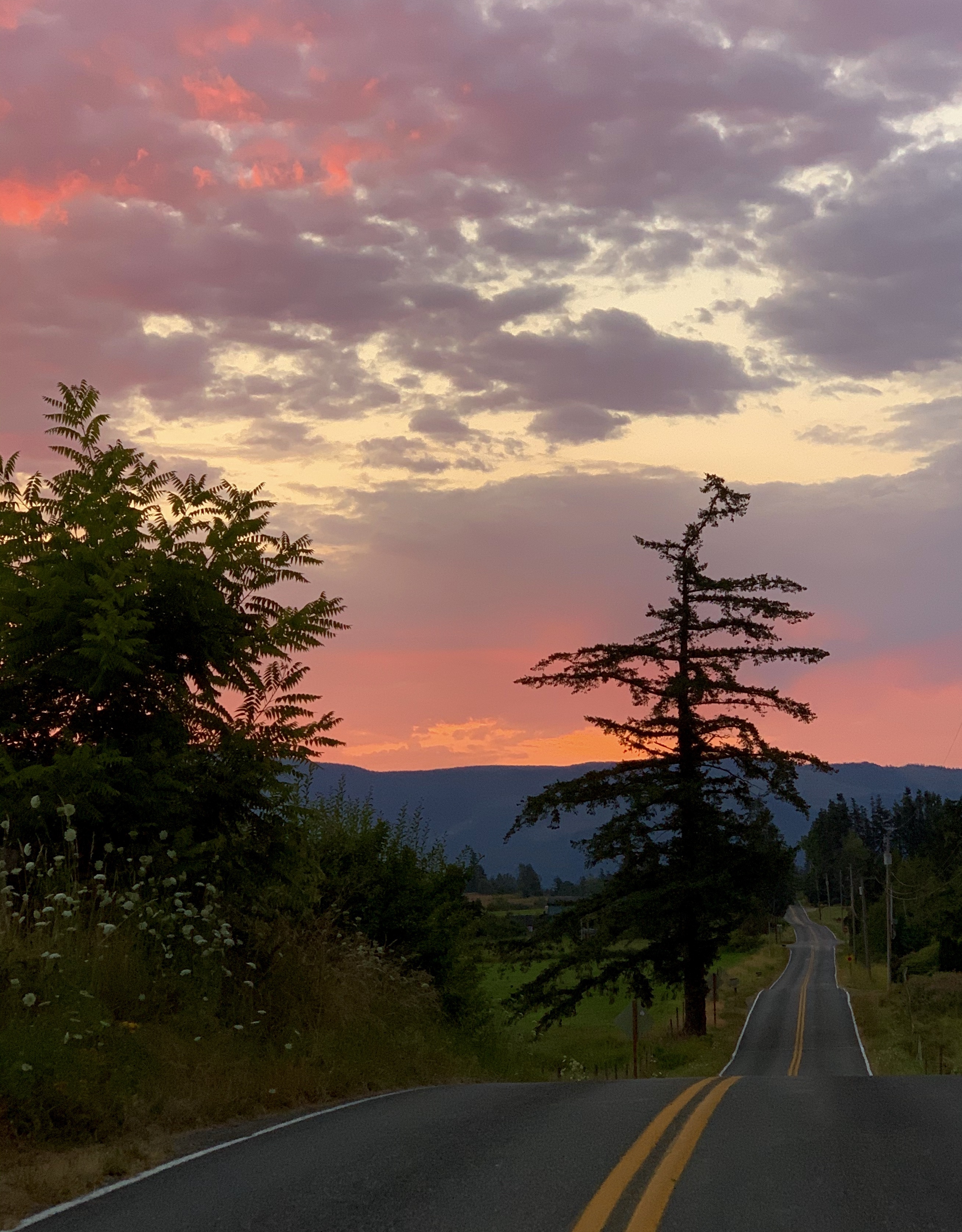
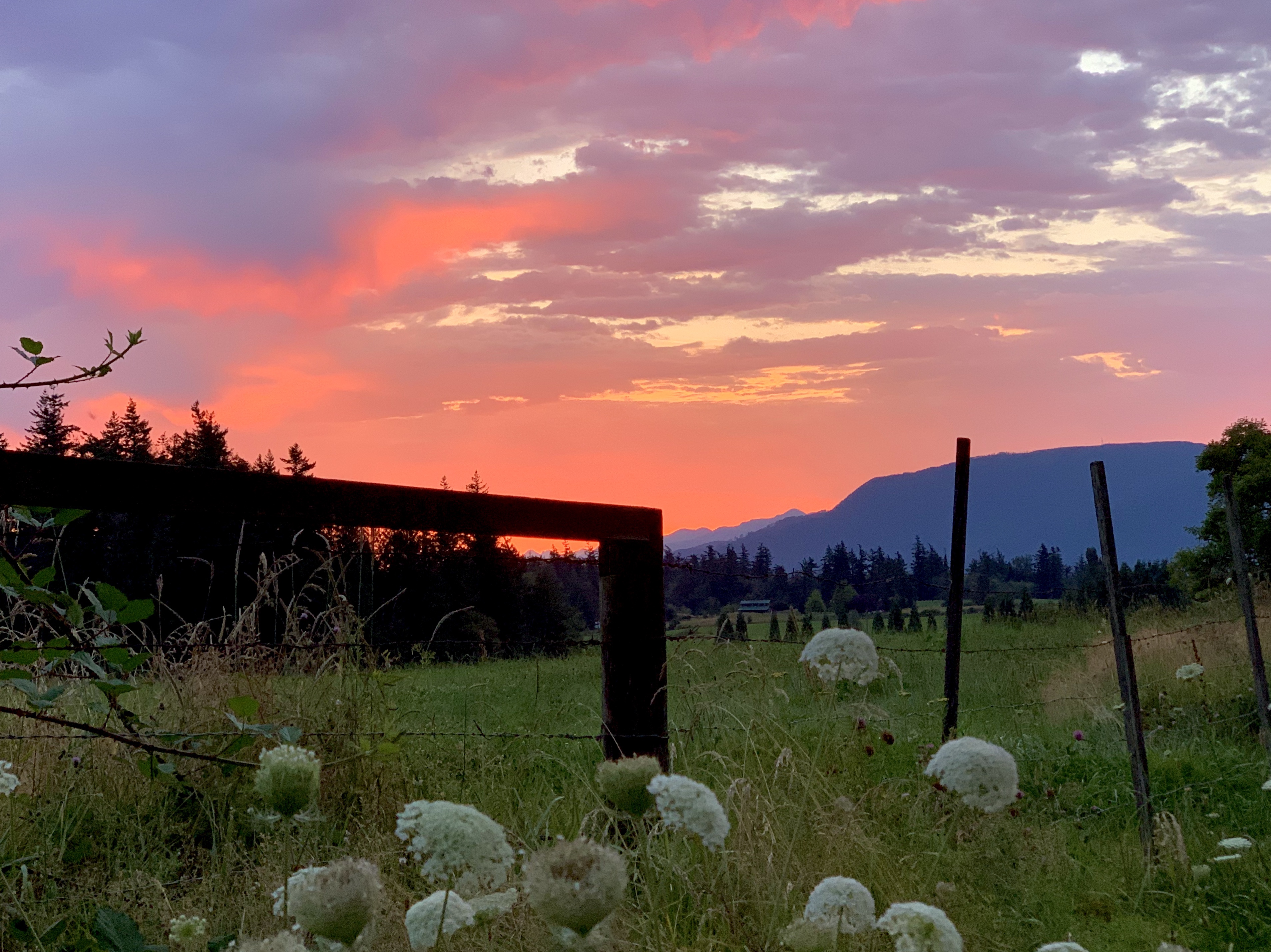
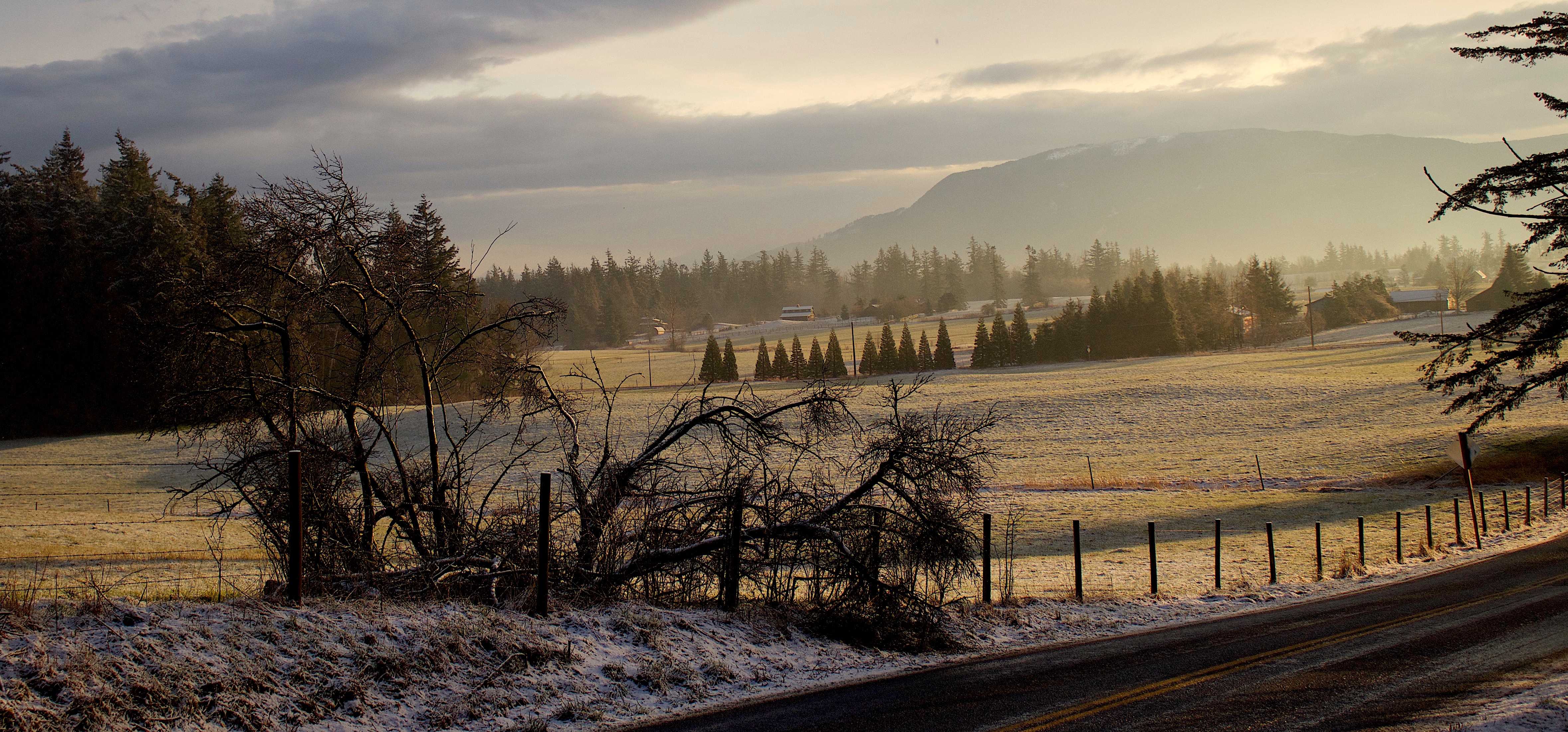
January was particularly dark and dank, especially last night as the month wrapped up with a deluge, flooding numerous roads in our rural county. The beginning of February often feels like this: the conviction winter will never be finished messing with us. Our doldrums are deep; brief respite of sun and warmth too rare.
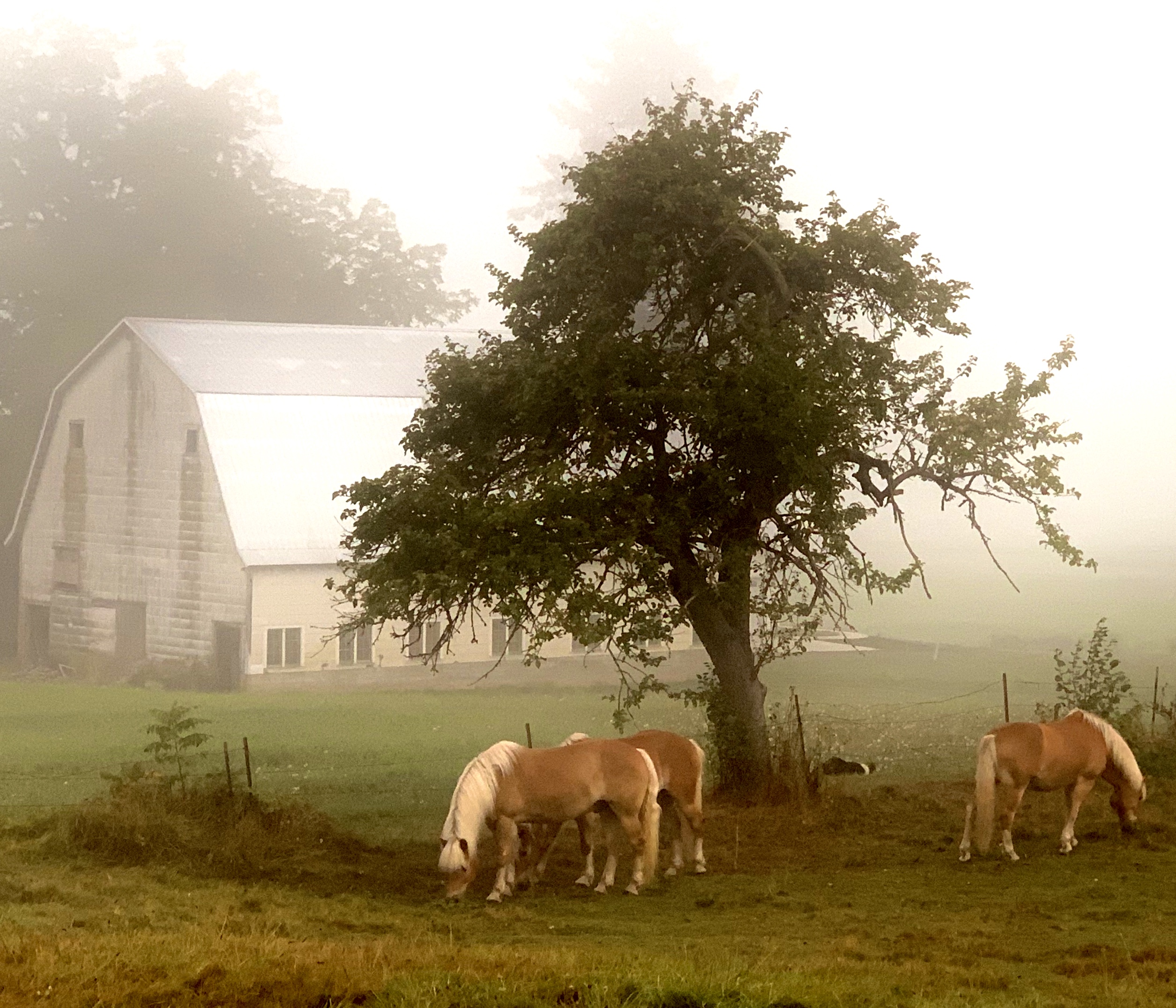
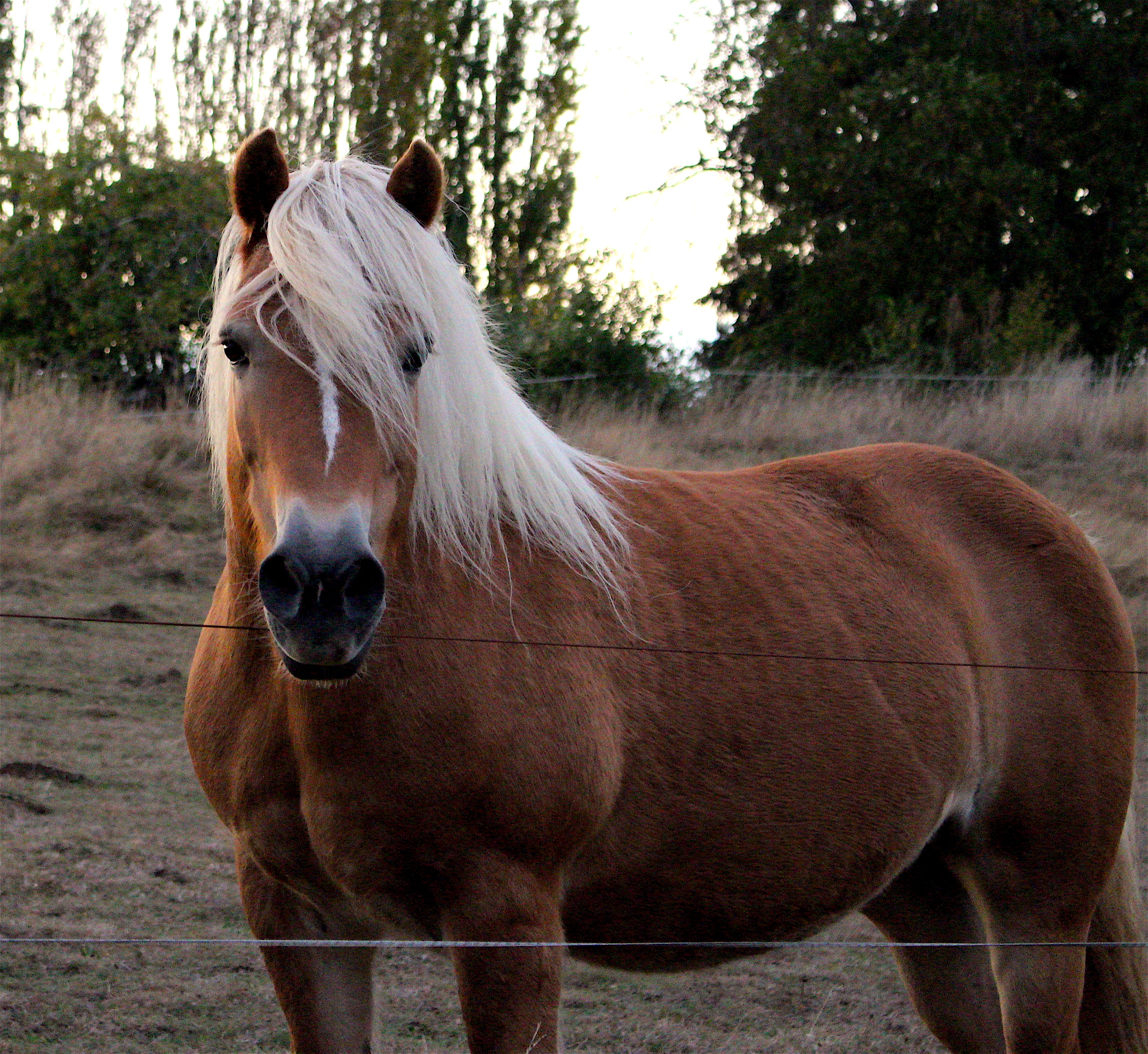
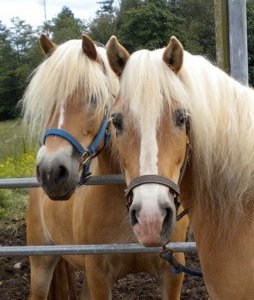
I feel it in the barn as I go about my daily routine. The Haflingers are impatient and yearn for freedom, over-eager when handled, sometimes banging on the stall doors in their frustration at being shut in, not understanding that the alternative is to stand outside all day in cold rain and wind. To compensate for their confinement, I do some grooming of their thick winter coats, urging their hair to loosen and curry off in sheets over parts of their bodies, yet otherwise still clinging tight. The horses are a motley crew right now, much like a worn ’60s shag carpet, uneven and in dire need of updating. I prefer that no one see them like this and discourage visitors to the farm, begging people to wait a few more weeks until they (and I) are more presentable. Eventually I know the shag on my horses will come off, revealing the sheen of new short hair beneath, but when I look at myself, I’m unconvinced there is such transformation in store for me. Cranky, I put one foot ahead of the other, get done what needs to be done, oblivious to the subtle renewal around me, refusing to believe even in the possibility.
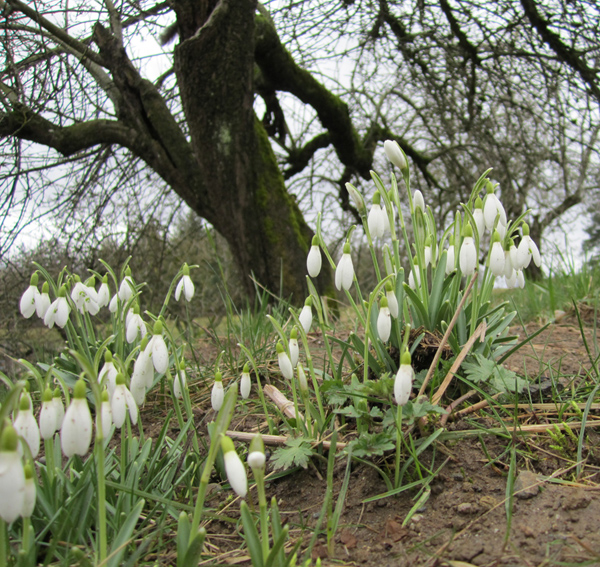
It happened today. Dawn broke bright and blinding and I heard the fields calling, so I heeded, climbing the hill and turning my face to the eastern light, soaking up all I could. It was almost too much to keep my eyes open, as they are so accustomed to gray darkness. And then I stumbled across something extraordinary.
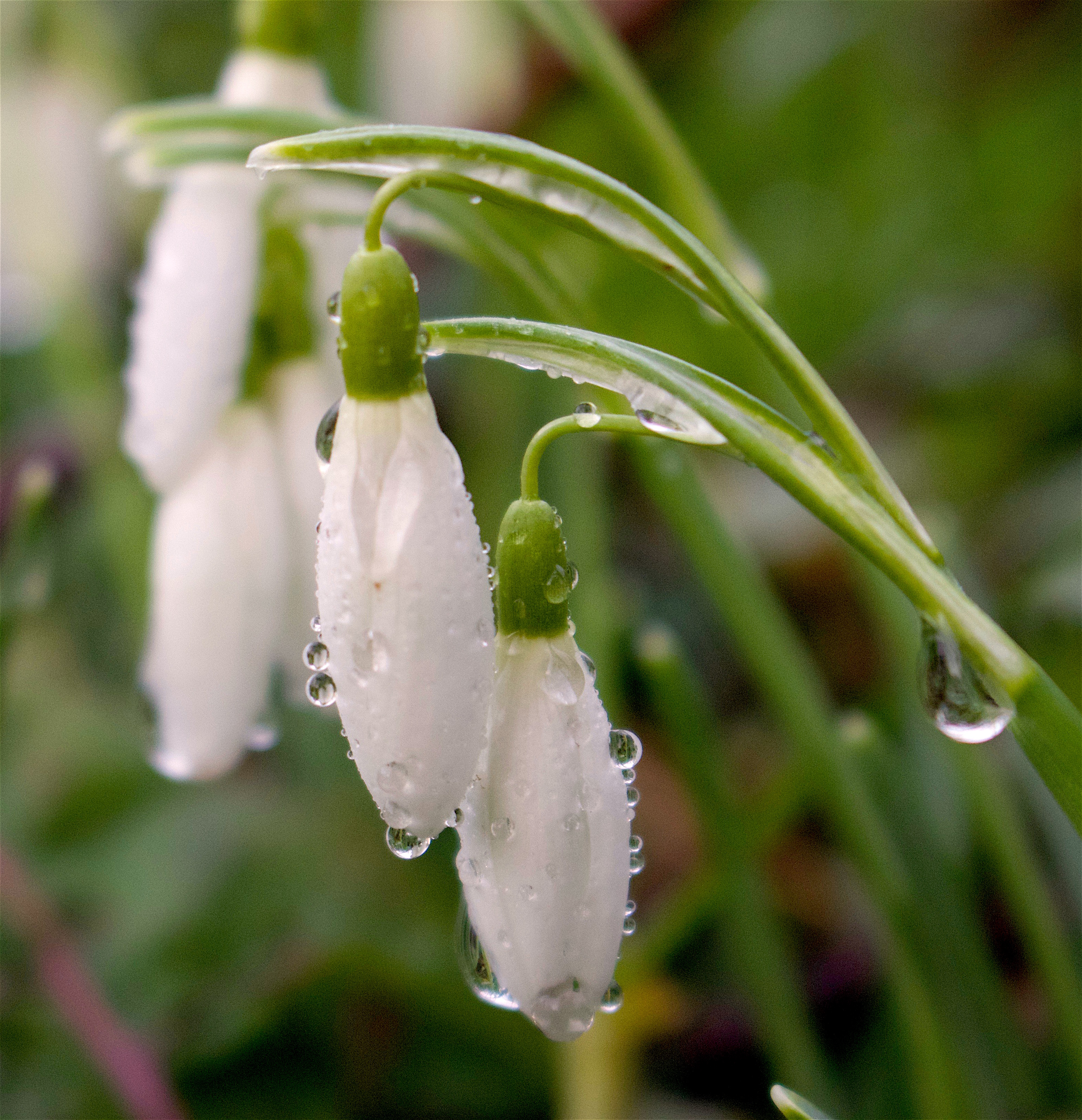
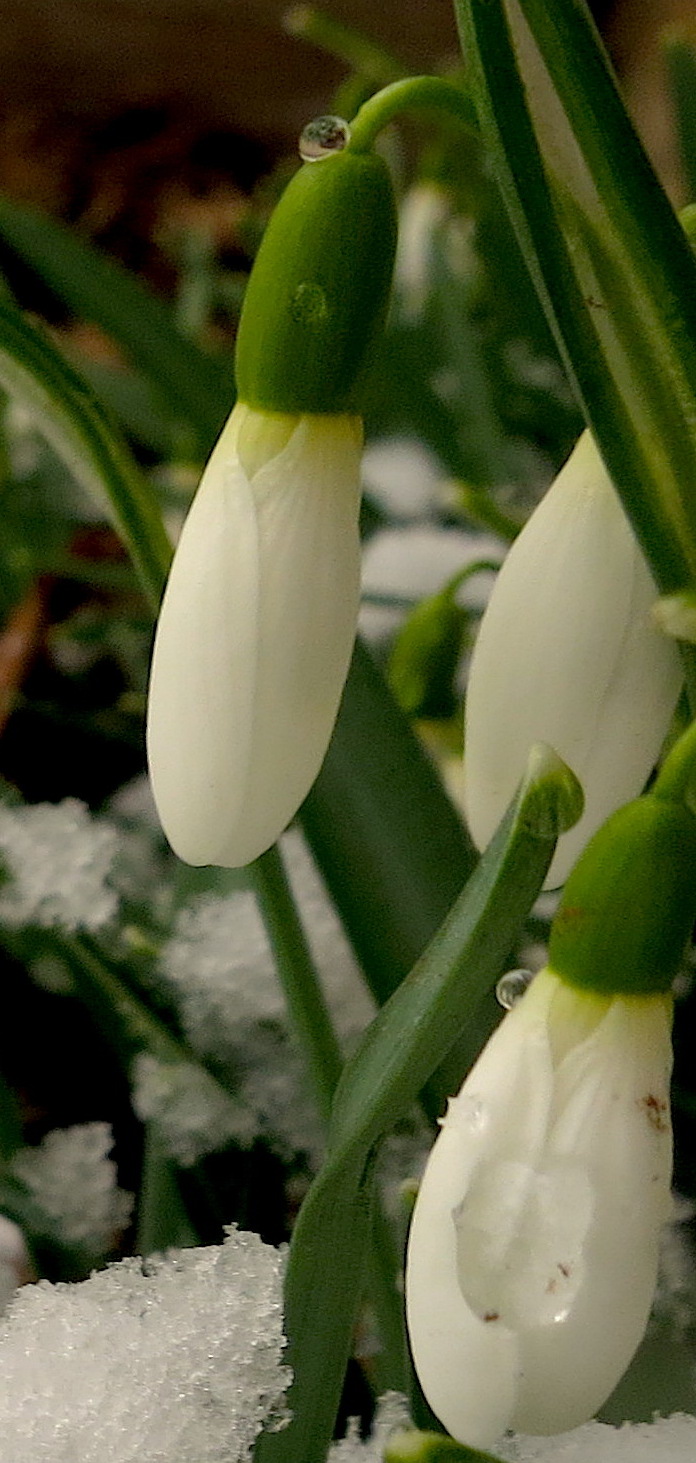
A patch of snowdrops sat blooming in an open space on our acreage, visible now only because of the brush clearing that was done last fall. Many of these little white upside down flowers were planted long ago around our house and yard, but I had no idea they were also such a distance away, hiding underground. Yet there they’ve been, year after year, harbingers of the long-awaited spring to come in a few short weeks, though covered by the overgrowth of decades of neglect and invisible to me in my self-absorbed blindness. I was astonished that someone, many many years ago, had carried these bulbs this far out to a place not easy to find, and planted them, hoping they might bless another soul sometime somehow. Perhaps the spot marks a grave of a beloved pet, or perhaps it was simply a retreat of sorts, but there the blossoms had sprung from their sleep beneath the covering of years of fallen leaves and blackberry vines.
It was if I’d been physically hugged by this someone long dead, now flesh and blood beside me, with work-rough hands, and dirty fingernails, and broad brimmed hat, and a satisfied smile. I’m certain the secret gardener is no long living, and I reach back across those years in gratitude, to show my deep appreciation for the time and effort it took to place a foretaste of spring in an unexpected and hidden place.
I am thus compelled to look for ways to leave such a gift for someone to find 50 years hence as they likewise stumble blindly through too many gray days full of human frailty and flaw. Though I will be long gone, I can reach across the years to grab them, hug them in their doldrums, lift them up and give them hope for what is to come. What an astonishing thought that it was done for me and in reaffirming that promise of renewal, I can do it for another.
There are two ways of getting home; and one of them is to stay there. ~G. K. Chesterton
Those who know me, know I don’t care much for traveling. I prefer to stay home, but a near second best is heading home from where I’ve been.
Home can seem elusive and just out of reach for much of our lives. It may not feel we truly belong in any one place in this modern era of constant transitions and transfers. I’m a prime example of a truly ambivalent home body.
In high school, I could not plan a get-away from my home town fast enough, opting to go to college two states away. Once I was away, I was hopelessly home-and-heartsick. Miserable, I decided to come back home and go to school there instead.
Once back under my parents’ roof, my homesickness abated but the heartsick continued, having nothing to do with where I ate and slept. I wasn’t at home inside myself. It took time and various attempts at geographic cures to settle in and accept who I always had been.
Those who do move away often cast aspersions at people who never wander far from home. The homebodies are seen as provincial, stuck in a rut, unenlightened and hopelessly small-town. Yet later in life as the wanderers have a tendency to move back home, the stay-at-homers become solid friends and neighbors. Remarkably, they often have become the pillars and life blood of a community. They have slogged through long hours of keeping a place going when others left.
I did end up doing my share of wandering yet still sympathized with those who decided to stay put. I returned home by settling only a few miles from the stomping grounds of my homesteading great-grandparents, at once backwoods and backwater. Cast aspersions welcomed.
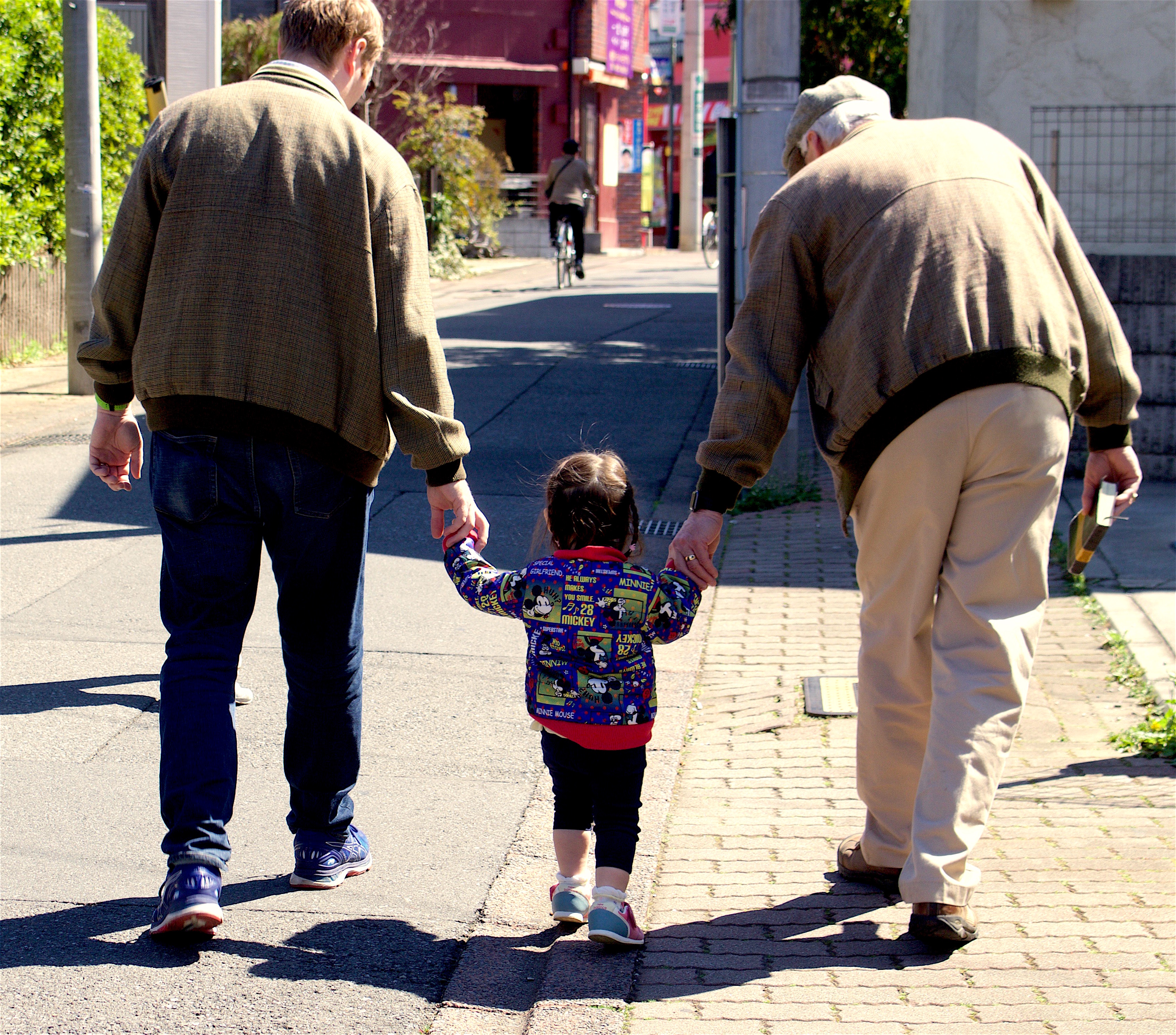
Now I get back home by mostly staying home. It takes something major, like a son spending the last decade teaching in Japan, now married with two children, to lure me away from my corner of the world once or twice a year. Getting away for a far away visit becomes a bigger effort as we get older, and coming back home is so bittersweet when hugging those loved ones goodbye. That is exactly what happened earlier today, as we sit at Narita airport waiting for our flight home.
I simply remember the assurance expressed so simply by Thomas Hardy in Far From the Madding Crowd, “And at home, by the fire, whenever you look up, there I shall be–and whenever I look up, there will be you.”
Home so sweet. We all long for it, sometimes with our hearts breaking, wherever it may be.















 Barnstorming