Happy the man, whose wish and care A few paternal acres bound, Content to breathe his native air, In his own ground. Whose herds with milk, whose fields with bread, Whose flocks supply him with attire, Whose trees in summer yield him shade, In winter fire.
Blest, who can unconcernedly find Hours, days, and years slide soft away, In health of body, peace of mind, Quiet by day,
Sound sleep by night; study and ease, Together mixed; sweet recreation; And innocence, which most does please, With meditation.
Thus let me live, unseen, unknown; Thus unlamented let me die; Steal from the world, and not a stone Tell where I lie.
~Alexander Pope, “Ode to Solitude” from Pope: Poems
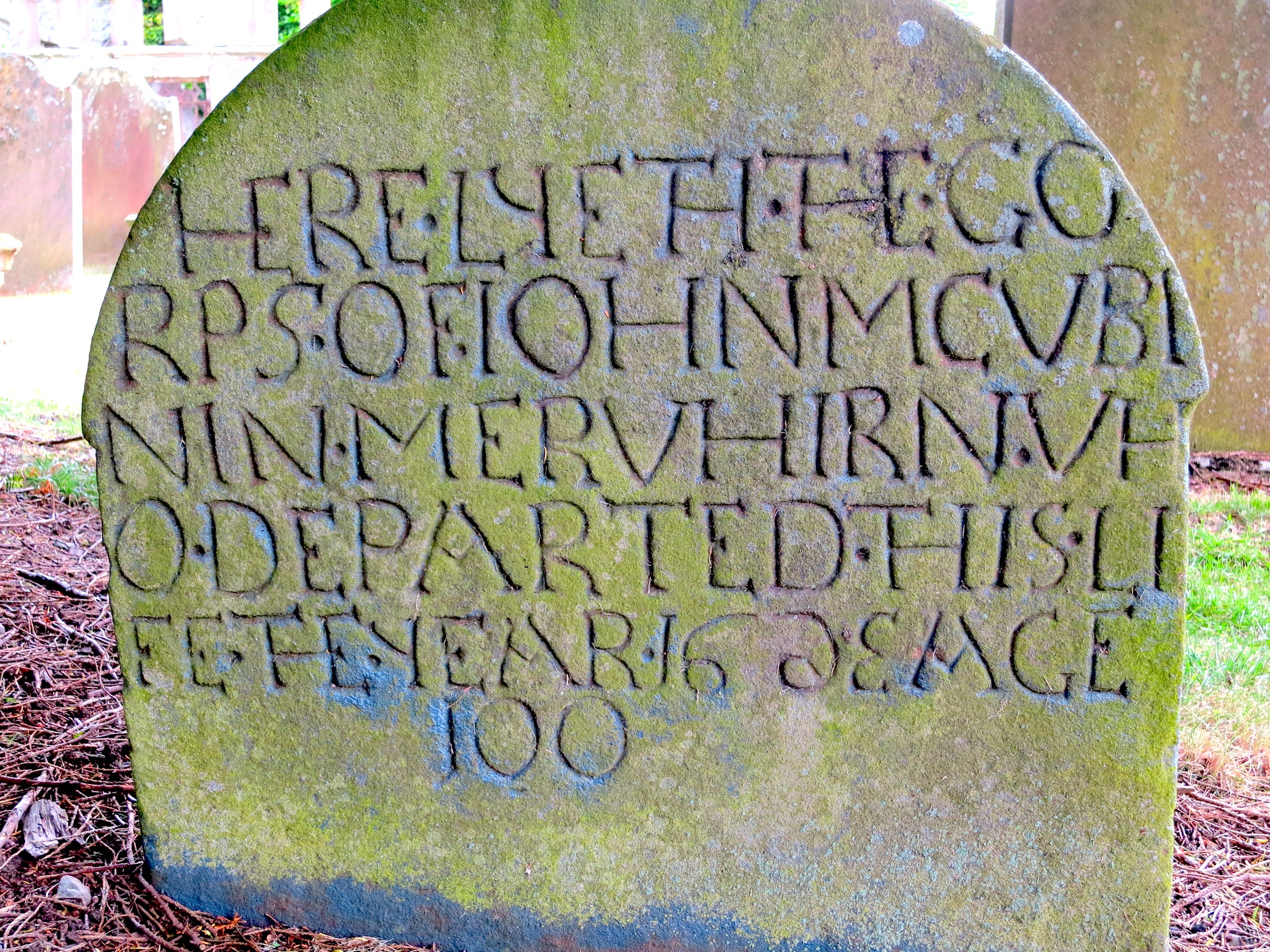
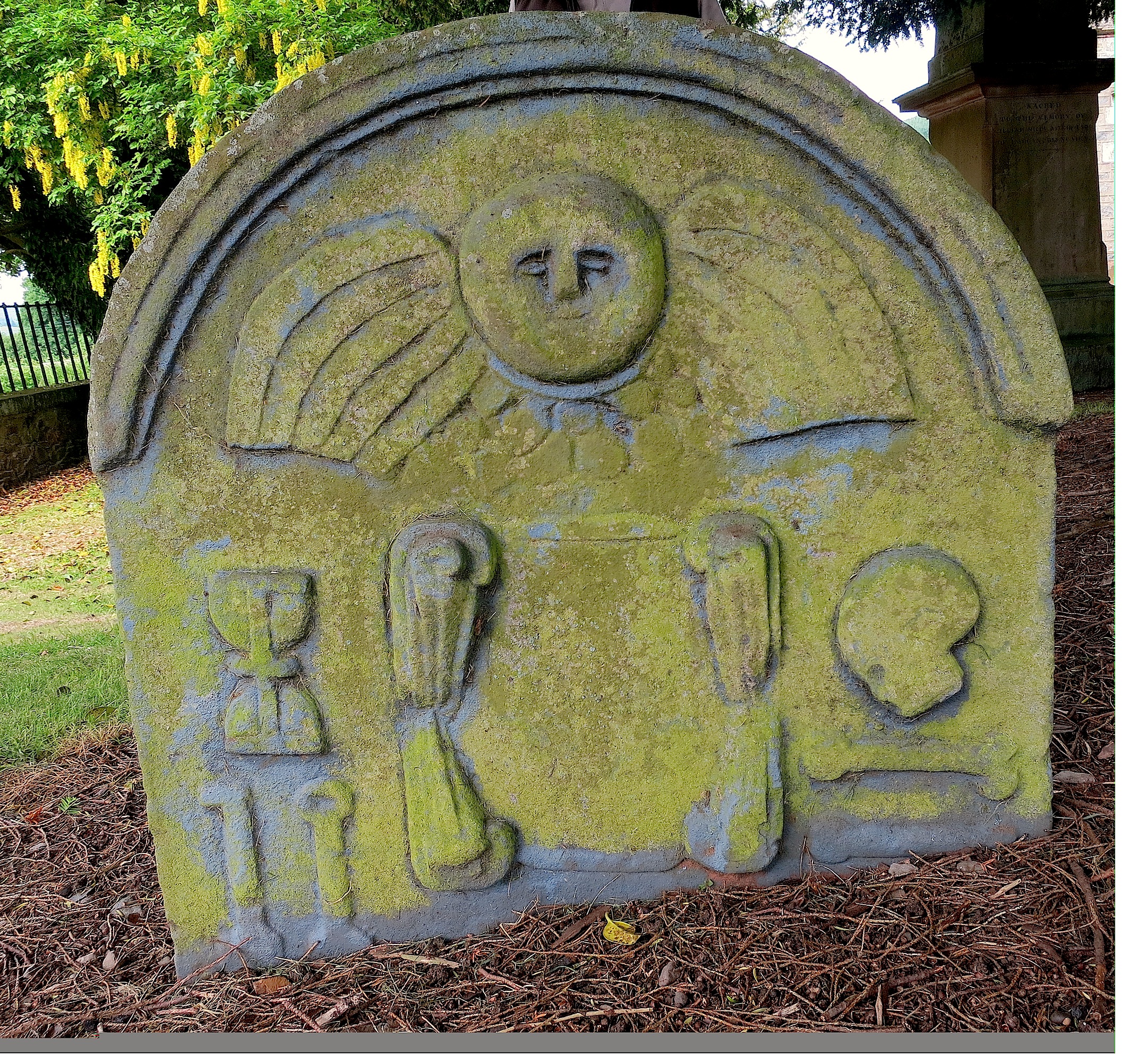
450 year old gravestone in Glencairn Parish Cemetery in Scotland which reads: Here Lyeth The Corps Of John Mcubin in Meruhirn (Marwhin) Who Departed This Life The Year 1663 Age 100other side of the same stone
But the effect of her being on those around her was incalculably diffusive: for the growing good of the world is partly dependent on unhistoric acts, and that things are not so ill with you and me as they might have been, is half owing to the number who lived faithfully a hidden life, and rest in unvisited tombs. ~George Eliot’s final sentence in Middlemarch
We have no idea who came before us, unseen, unknown, unheralded, unvisited, yet they, by living and dying, made our lives better today.
They lie, forgotten, now dust in the ground.
Yet they lived fully and lovingly, stewards of the earth and its creatures, parents to the next generation and the next and the next, placed here as images of their Creator.
May we, someday, having also lived faithfully in the fullness of time, leave behind a legacy of good and unhistoric acts that leave this world a better place for those who walk behind us in our footsteps.
It’s the least we can do, to honor those whose footprints we now follow.
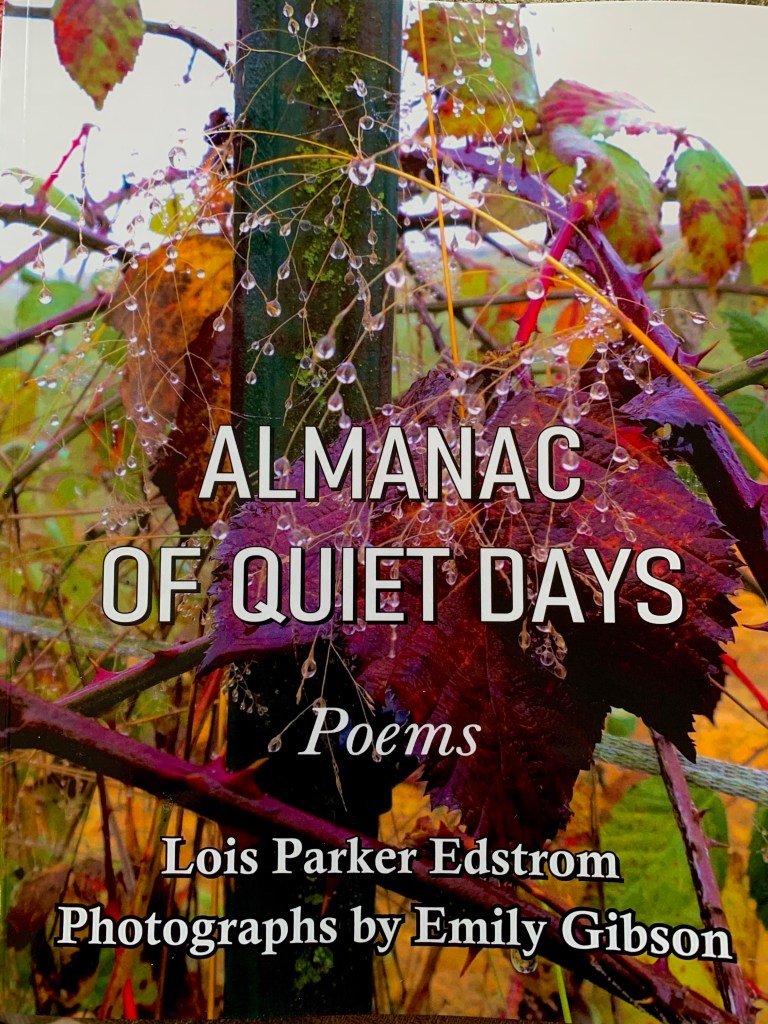
A new book from Barnstorming available for order here
…The world is flux, and light becomes what it touches, becomes water, lilies on water, above and below water, becomes lilac and mauve and yellow and white and cerulean lamps, small fists passing sunlight so quickly to one another that it would take long, streaming hair inside my brush to catch it. To paint the speed of light! Our weighted shapes, these verticals, burn to mix with air and change our bones, skin, clothes to gases. Doctor, if only you could see how heaven pulls earth into its arms and how infinitely the heart expands to claim this world, blue vapor without end. ~Lisel Mueller, “Monet Refuses the Operation” from Second Language
“Heaven pulls earth into its arms…”
We all see things differently, don’t we? What seems ordinary to one person is extraordinarily memorable to another. How might I help others to see the world as I do? How might I learn to adjust my focus to see things as you do?
The world is flux; my delight and dismay flows from moment to moment, from object to absence, from light to darkness, from color to gray. Perhaps the blur from the figurative (or real) cataract that impedes my vision creates a deeper understanding, as I use my imagination to fill in what I can’t discern.
My heart and mind expands exponentially to claim this world and all the beauty has to offer, while heaven – all this while – is pulling me into its arms.
In heaven, my focus will be clear. It will all be extraordinarily ordinary.
Had I not been awake I would have missed it, A wind that rose and whirled until the roof Pattered with quick leaves off the sycamore
And got me up, the whole of me a-patter, Alive and ticking like an electric fence: Had I not been awake I would have missed it
It came and went too unexpectedly And almost it seemed dangerously, Hurtling like an animal at the house,
A courier blast that there and then Lapsed ordinary. But not ever Afterwards. And not now. ~Seamus Heaney “Had I Not Been Awake”
It is very still in the world now – Thronged only with Music like the Decks of Birds and the Seasons take their hushed places like figures in a Dream – ~Emily Dickinson from an envelope poem fragment
My dreams have been exceptionally vivid recently, not scary but seemingly real. I’ll awake suddenly, surfacing out of deepest sleep to take a breath of reality and remind my brain that I’m still in bed, in a dark hushed room, my husband solid and warm beside me. All is well. I lie awake, reorienting myself from dream world to my world and ponder the hazy neuro-pathways in-between.
If I had not been awake after my dreams, I would have missed the night sounds of coyotes howling in the fields around the farmhouse, the chorus of peepers in the wetlands, the trickling waterfall in our koi pond, the clicking of the owls flying overhead, the sudden gust of wind that shakes the windows, the pelting of heavy rain.
So much still happens when I am asleep to the world, numb and inattentive. Even so, when dreams wake me, I find myself alive and listening, electrified by the awareness of everything around me.
Suddenly, nothing is ordinary because everything is. I am the most unordinary ordinary of all.
God loves each of us as if there were only one of us to love. ~Saint Augustine
When I am only one, there can be nothing special to attract attention or affection
When I blend into the background among a multitude of others, indistinct and plain, as common as grains of sand
There is nothing to hold me up as rare, unique, or exceptional.
Yet it is not about my worth, my work, my words, none worthy enough to deserve His love;
it is about His infinite capacity to love whoever He has formed
by the touch of His vast hand, by the contraction of His immense heart, by the boundlessness of His breath reaching me as if as if as if I were the only one.
On the outskirts of Jerusalem the donkey waited. Not especially brave, or filled with understanding, he stood and waited.
How horses, turned out into the meadow, leap with delight! How doves, released from their cages, clatter away, splashed with sunlight.
But the donkey, tied to a tree as usual, waited. Then he let himself be led away. Then he let the stranger mount.
Never had he seen such crowds! And I wonder if he at all imagined what was to happen. Still, he was what he had always been: small, dark, obedient.
I hope, finally, he felt brave. I hope, finally, he loved the man who rode so lightly upon him, as he lifted one dusty hoof and stepped, as he had to, forward. ~Mary Oliver “The Poet thinks about the donkey” from her book Thirst.
With monstrous head and sickening cry And ears like errant wings…
The tattered outlaw of the earth, Of ancient crooked will; Starve, scourge, deride me: I am dumb, I keep my secret still.
Fools! For I also had my hour; One far fierce hour and sweet: There was a shout about my ears, And palms before my feet. G. K. Chesterton from “The Donkey”
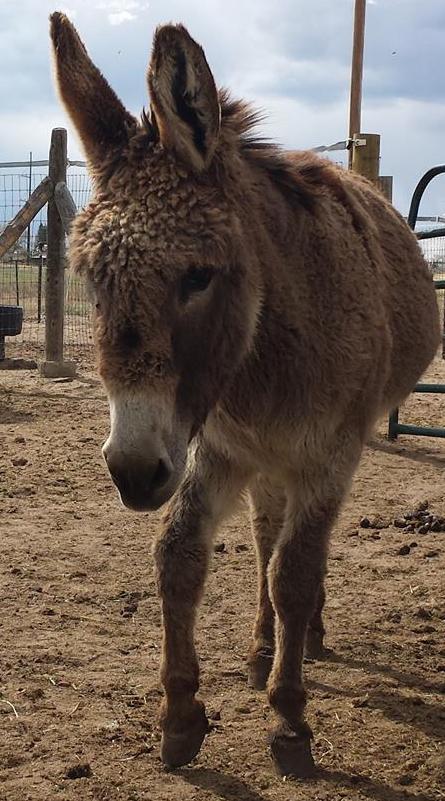
Palm Sunday is a day of dissonance and dichotomy in the church year, very much like the donkey who figured as a central character that day. Sadly, a donkey gets no respect, then or now – for his plain and awkward looks, for his loud and inharmonious voice, for his apparent lack of strength — yet he was the chosen mode of transportation for a King riding to His death.
There was a motley parade to Jerusalem: cloaks and palms laid at the feet of the donkey bearing the Son of God, disorderly shouts of adoration and blessings, the rebuke of the Pharisees to quiet the people, His response that “even the stones will cry out” knowing what is to come.
But the welcoming crowd waving palm branches, shouting sweet hosannas and laying down their cloaks did not understand the fierce transformation to come, did not know within days they would be a mob shouting words of derision and rejection and condemnation.
The donkey knew because he had been derided, rejected and condemned himself, yet still kept serving. Just as he was given voice and understanding centuries before to protect Balaam from going the wrong way, he could have opened his mouth to tell them, suffering beatings for his effort. Instead, just as he bore the unborn Jesus to Bethlehem and stood over Him sleeping in the manger, just as he bore a mother and child all the way to Egypt to hide from Herod, the donkey would keep his secret well.
Who, after all, would ever listen to a mere donkey?
We would do well to pay attention to this braying wisdom.
The donkey knows.
He bears the burden we have shirked. He treads with heavy heart over the palms and cloaks we lay down as meaningless symbols of honor. He is the ultimate servant to the Servant.
A day of dichotomy — of honor and glory laid underfoot only to be stepped on of blessings and praise turning to curses of the beginning of the end becoming a new beginning for us all.
And so He wept, knowing all this. I suspect the donkey bearing Him wept as well, in his own simple, plain and honest way, and I’m quite sure he kept it as his special secret.
Take heart, my Friend, we’ll go together This uncertain road that lies ahead Our faithful God has always gone before us And He will lead the Way once again. Take heart, my Friend, we can walk together And if our burdens become too great We can hold up and help one another In God’s LOVE, in God’s Grace. Take heart my Friend, the Lord is with us As He has been all the days of our lives Our assurance every morning Our Defender in the Night. If we should falter when trouble surrounds us When the wind and the waves are wild and high We will look away to HIM who rules the waters; Who speaks His Peace into the angry tide. He is our Comfort, our Sustainer He is our Help in time of need When we wander, He is our Shepherd He who watches over us NEVER sleeps. Take heart my friend, the Lord is with us As He has been all the days of our lives Our Assurance every morning Our Defender every night. Amen. 🙂
Humble King You chose the road that led to suffering Nothing was spared to prove Your love for me Oh, the mystery That Your final breath became eternity What we had lost forever You redeemed, mmm
Hosanna, Hosanna In the highest forever Hosanna, Hosanna Hallelujah forever
Triumphant King The Lamb who was slain who rose in majesty There’s never a heart beyond Your victory You are the one that we are welcoming You are the one that we are welcoming, oh
Hosanna, Hosanna In the highest forever Hosanna, Hosanna Hallelujah forever Hosanna, Hosanna In the highest forever Hosanna, Hosanna Hallelujah forever
Ooh, forever We worship You forever, forever It’s all about You Blessed is He, blessed is He Who comes in the name of the Lord Oh, join now and sing, Jesus is King He reigns
Though I have never caught the word Of God from any calling bird, I hear all that the ancients heard. Though I have seen no deity Enter or leave a twilit tree, I see all that the seers see. A common stone can still reveal Something not stone, not seen, yet real. What may a common stone conceal? Nothing is far that once was near. Nothing is hid that once was clear. Nothing was God that is not here. Here is the bird, the tree, the stone. Here in the sun I sit alone Between the known and the unknown. ~Robert Francis, “Nothing Is Far” from Collected Poems, 1936-1976
We live out our lives between heaven and earth, sometimes in an uneasy tug-of-war between the two. We feel not quite ready for heaven as our roots go deep here, yet the challenges of daily life on this soil can seem overwhelmingly difficult and we often seek relief, begging for mercy.
We are living “in between” where we are now and where we soon will be, between the “known” of the birds and trees and stones of this world and the “unknown” of what comes next.
Christ, incarnate as the Son on earth and still King in heaven, maintains an eternal connection to above and below. Nothing was God that is not still here on earth. In His hands and under His protection, we are safe no matter where we are and where He takes us.
We, His children, have stony hearts no more. We are known to Him.
Castlerigg Stone Circle in Cumbria
This child through David’s city Shall ride in triumph by; The palm shall strew its branches, And every stone shall cry. And every stone shall cry, Though heavy, dull, and dumb, And lie within the roadway To pave his kingdom come.
Yet he shall be forsaken, And yielded up to die; The sky shall groan and darken, And every stone shall cry. And every stone shall cry For stony hearts of men: God’s blood upon the spearhead, God’s love refused again. ~Richard Wilbur from “A Christmas Hymn”
When it snows, he stands at the back door or wanders around the house to each window in turn and watches the weather like a lover.
O farm boy, I waited years for you to look at me that way. Now we’re old enough to stop waiting for random looks or touches or words, so I find myself watching you watching the weather, and we wait together to discover whatever the sky might bring. ~Patricia Traxler “Weather Man”
My farm boy always looked at me that way, and still does — wondering if today will bring a hard frost, a chilly northeaster, a scorcher, or a deluge, and I reassure him as best I can, because he knows me so well in our many years together: today, like every other day, will always be partly sunny with some inevitable cloud cover and always a possibility of rain.
Prayer the church’s banquet, angel’s age, God’s breath in man returning to his birth, The soul in paraphrase, heart in pilgrimage, The Christian plummet sounding heav’n and earth Engine against th’ Almighty, sinner’s tow’r, Reversed thunder, Christ-side-piercing spear, The six-days world transposing in an hour, A kind of tune, which all things hear and fear; Softness, and peace, and joy, and love, and bliss, Exalted manna, gladness of the best, Heaven in ordinary, man well drest, The milky way, the bird of Paradise, Church-bells beyond the stars heard, the soul’s blood, The land of spices; something understood. ~George Herbert “Prayer”
~Heaven in Ordinary~ Because high heaven made itself so low That I might glimpse it through a stable door, Or hear it bless me through a hammer blow, And call me through the voices of the poor, Unbidden now, its hidden light breaks through Amidst the clutter of the every day, Illuminating things I thought I knew, Whose dark glass brightens, even as I pray. Then this world’s walls no longer stay my eyes, A veil is lifted likewise from my heart, The moment holds me in its strange surprise, The gates of paradise are drawn apart, I see his tree, with blossom on its bough, And nothing can be ordinary now. ~Malcolm Guite from “After Prayer”
We live in a world of theophanies. Holiness comes wrapped in the ordinary. There are burning bushes all around you. Every tree is full of angels. Hidden beauty is waiting in every crumb. Life wants to lead you from crumbs to angels, but this can happen only if you are willing to unwrap the ordinary by staying with it long enough to harvest its treasure. ~Macrina Wiederkehr from A Tree Full of Angels
I follow the crumb trail most days; my problem, like so many others I know, is to realize the crumbs satisfy more than any seven course meal. It may take longer to get full, but I need the exercise, and the hungrier I get, the better the crumbs taste.
Considering the distance between us and God, seemingly insurmountable to overcome, yet He leaves us the crumb trail to follow. How amazing it only takes a few words to Him, our gratitude and praise, our pleas and pain, our breath hot in His ear~ unhesitating He plummets to us; then we are lifted to Him.
Heaven dwells in the ordinary crumbs, fills us in our plainness, dresses us up, prepares us to be loved, prepares us to be accepted and understood prepares us to be transformed by no less than our very Creator.
Because Christmas is almost here Because dancing fits so well with music Because inside baby clothes are miracles. Gaudete Because some people love you Because of chocolate Because pain does not last forever… Gaudete Because of laughter Because there really are angels Because your fingers fit your hands Because forgiveness is yours for the asking Because of children Because of parents. Gaudete Because the blind see. And the lame walk. Gaudete Because lepers are clean And the deaf hear. Gaudete Because the dead will live again And there is good news for the poor. Gaudete Because of Christmas Because of Jesus You rejoice. ~Brad Reynolds from “Gaudete”
Perhaps it is the nature of what I do, but I never lack for opportunities for rejoicing even when I may not realize it. Every day, whether it is on the farm, within my family or in my doctoring, I am witness to wonders that can bring me to my knees.
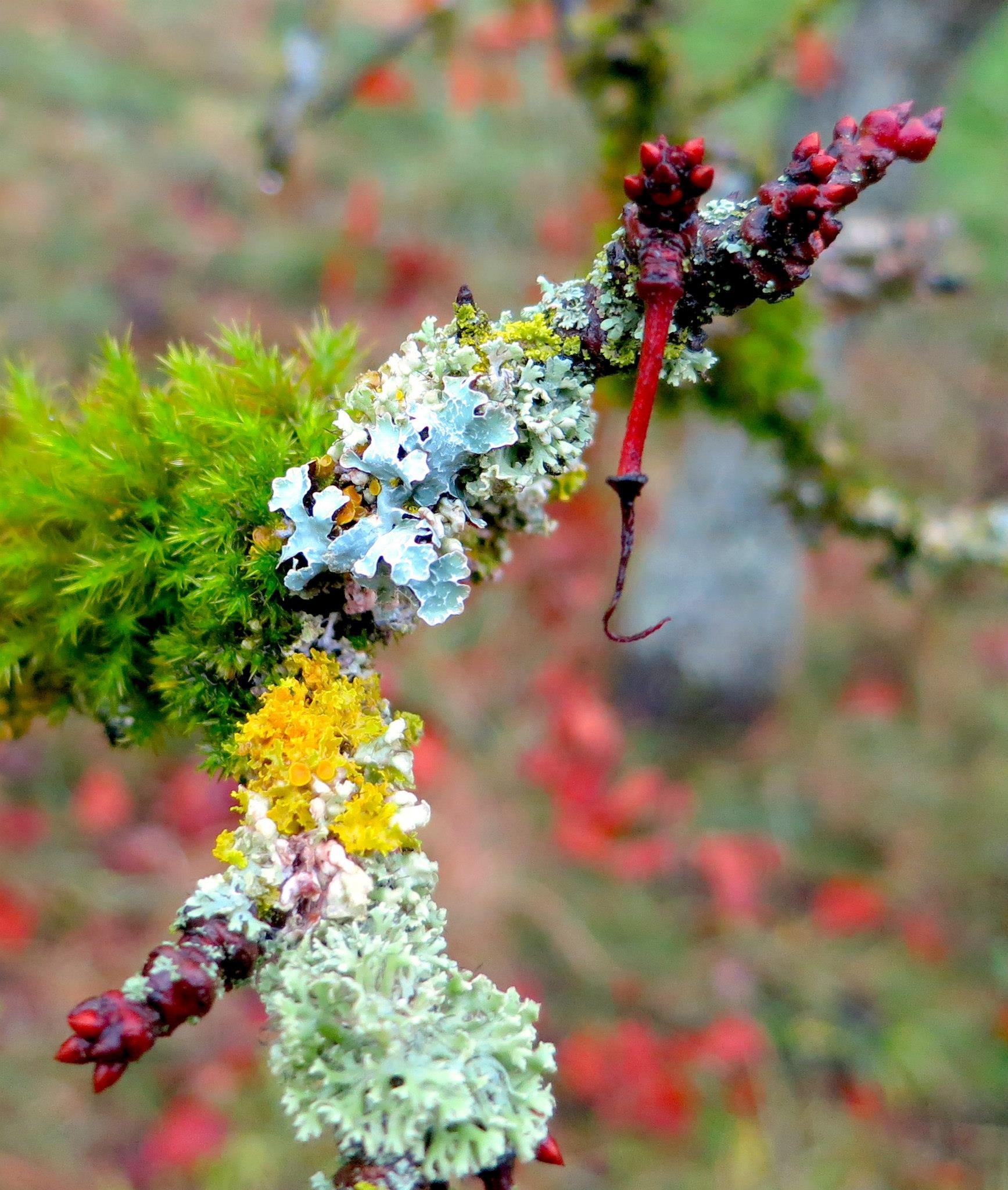
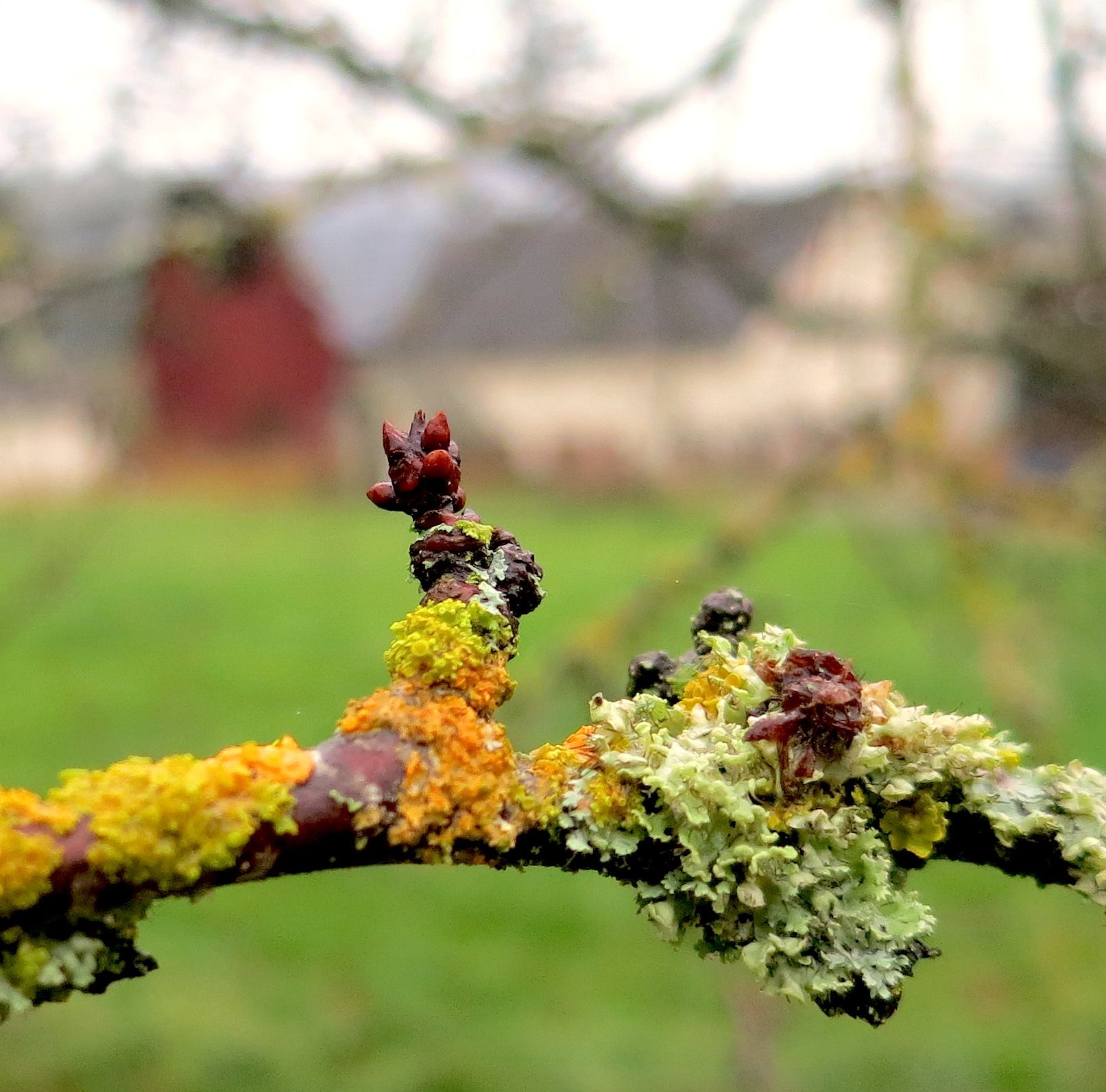
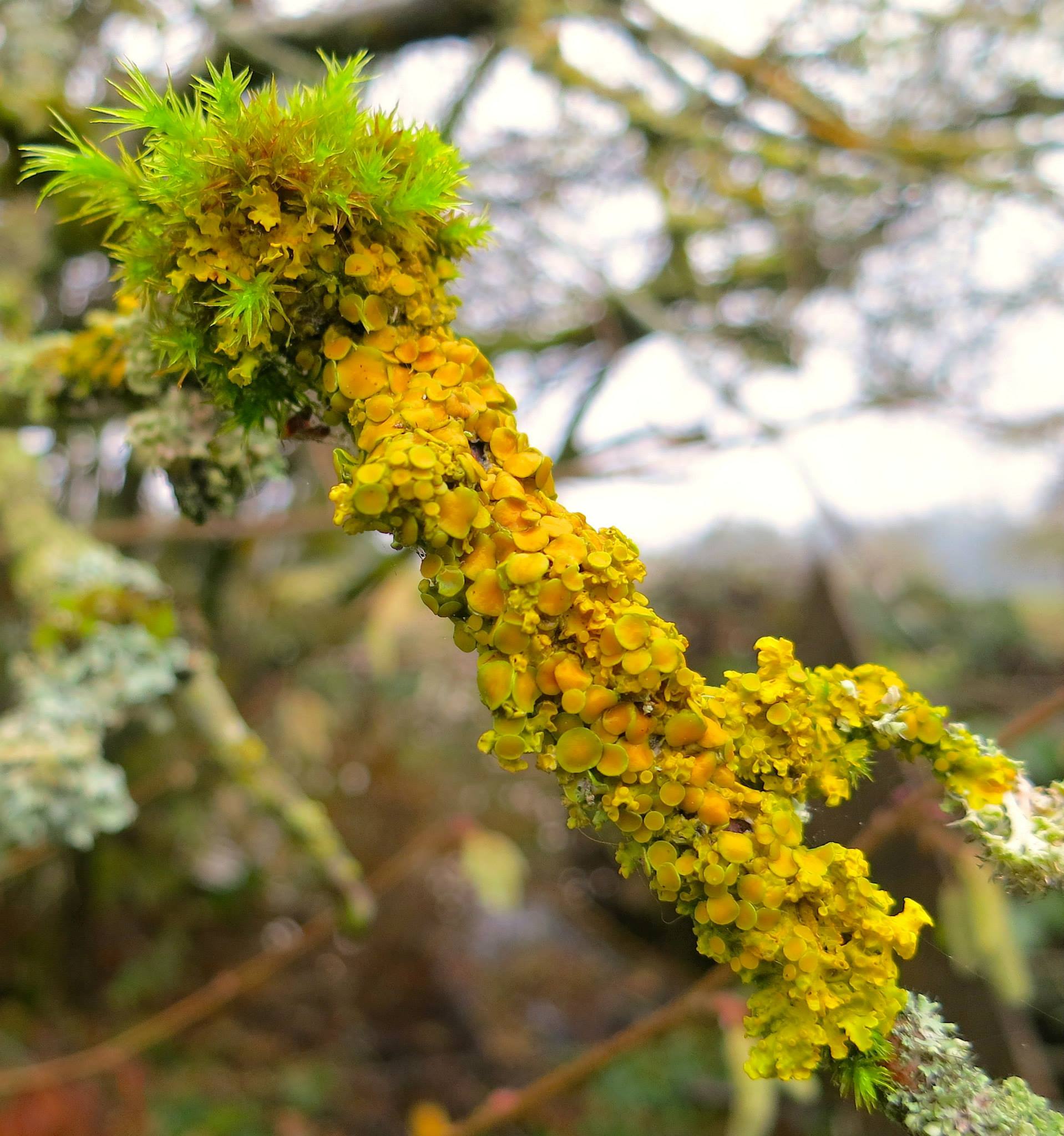
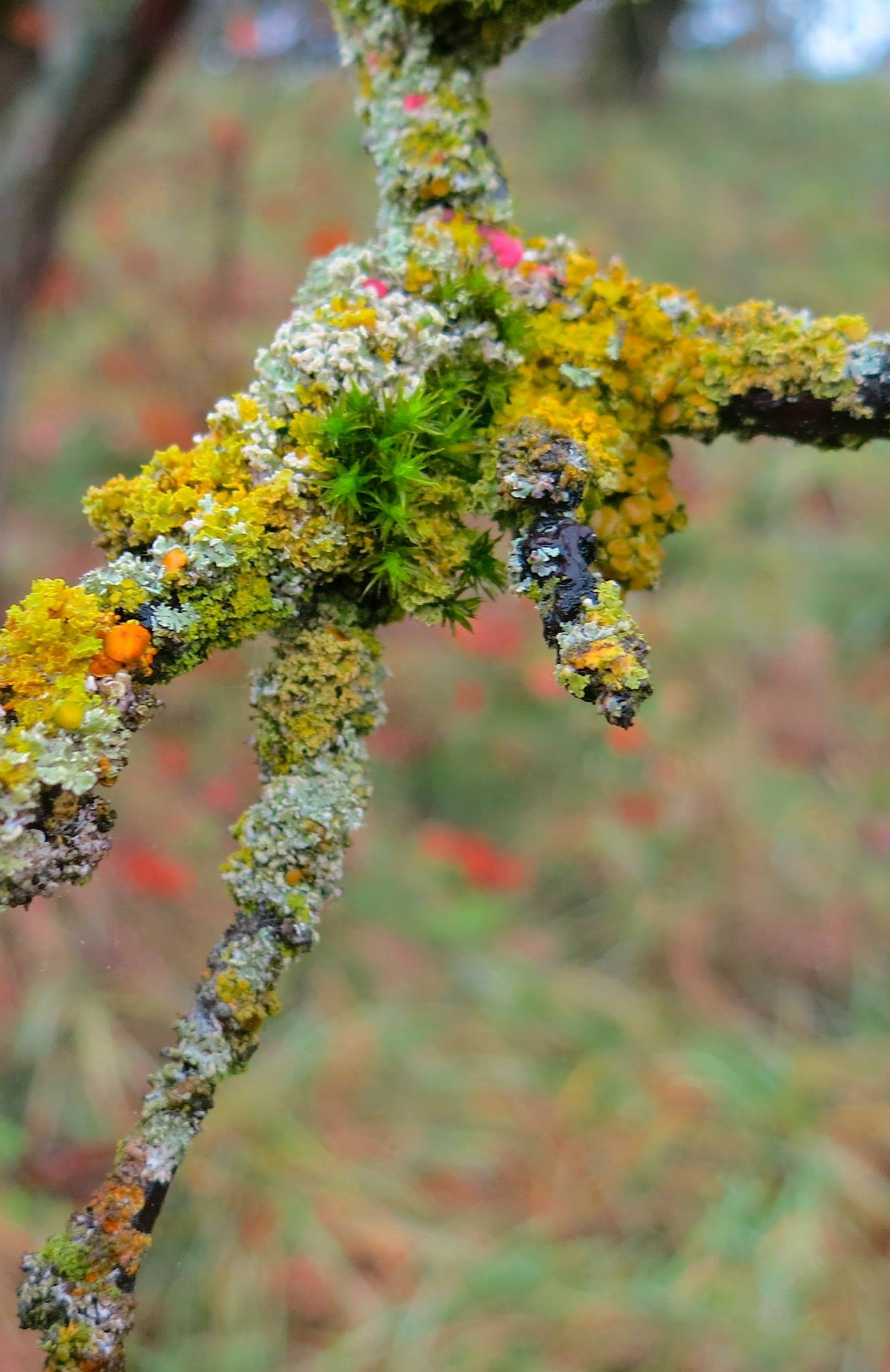
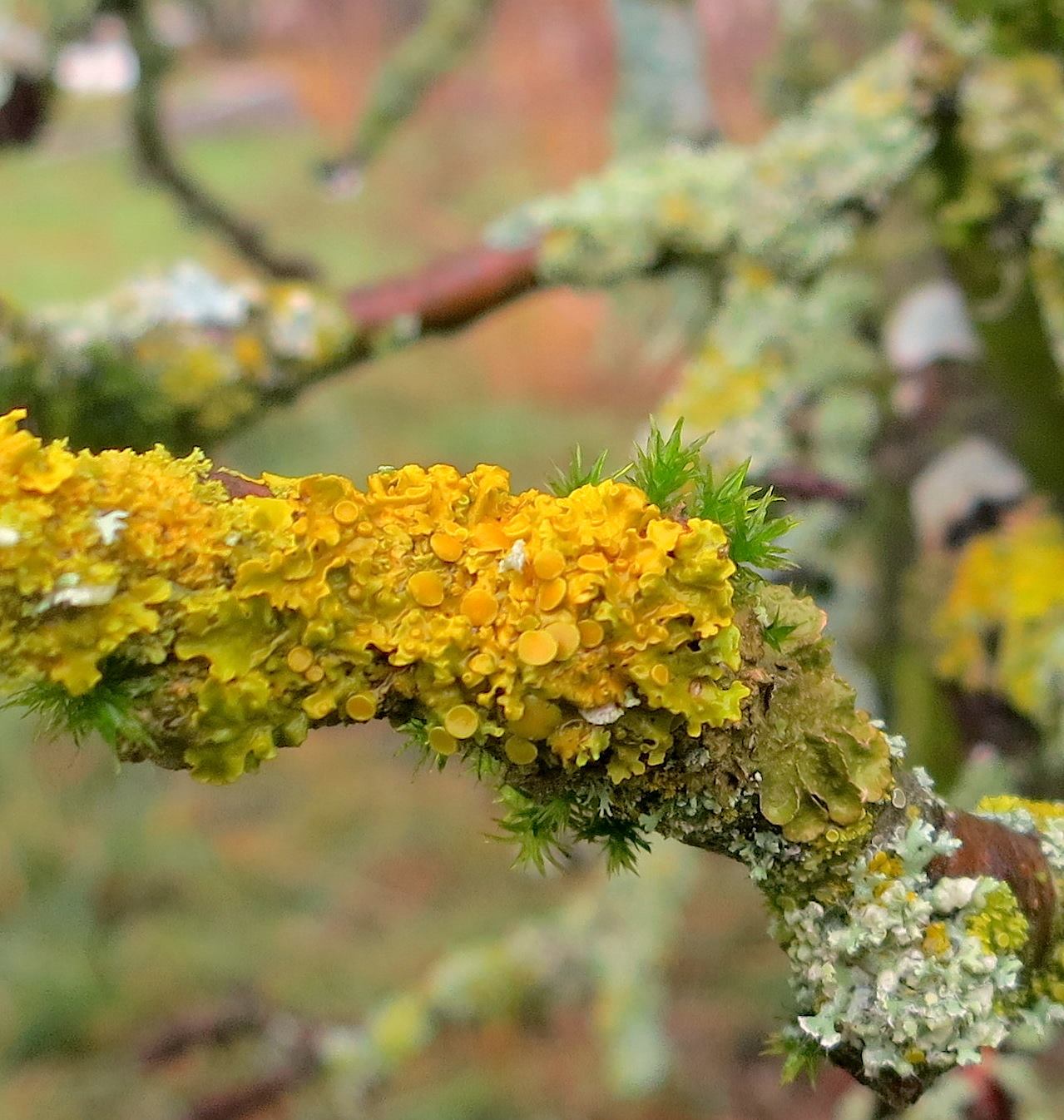
I can find joy in dozens of ordinary daily events, whether it is a well-painted sunrise or sunset, a sprightly lichen on an ancient tree, a spontaneous note of encouragement, or a patient’s smile when they are find relief from their symptoms.
Why should I pay particular attention to the little things when this bleak year threatens to extend beyond the turn of the calendar page?
Because the little things can be extraordinary .
Because I don’t want to miss an opportunity to say so.
God loves to hear our rejoicing in the Gift He has given.
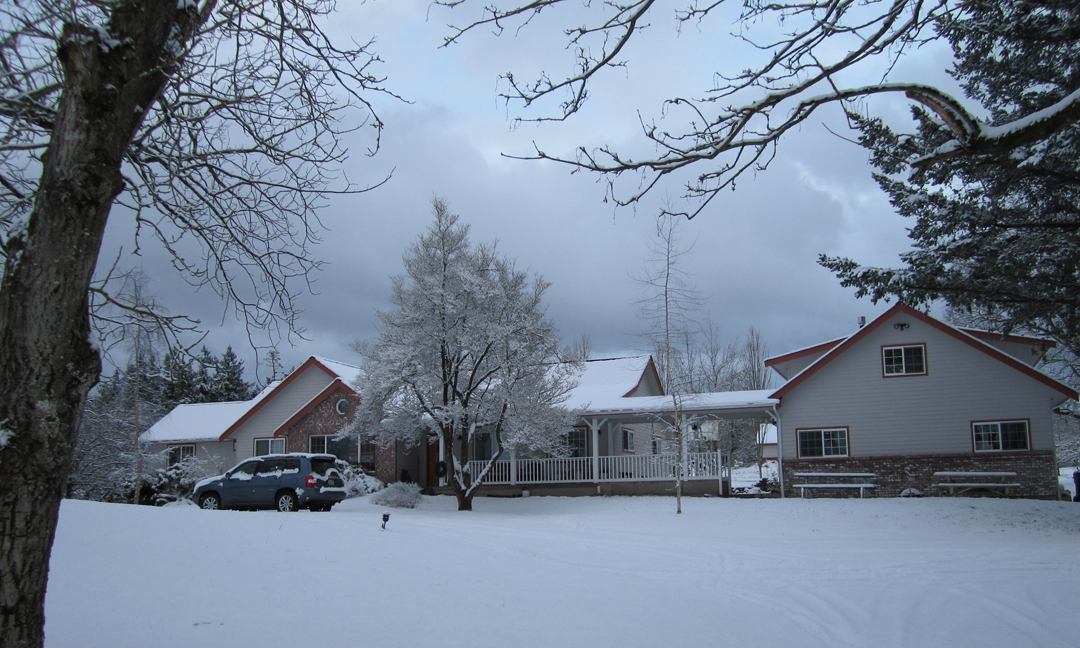
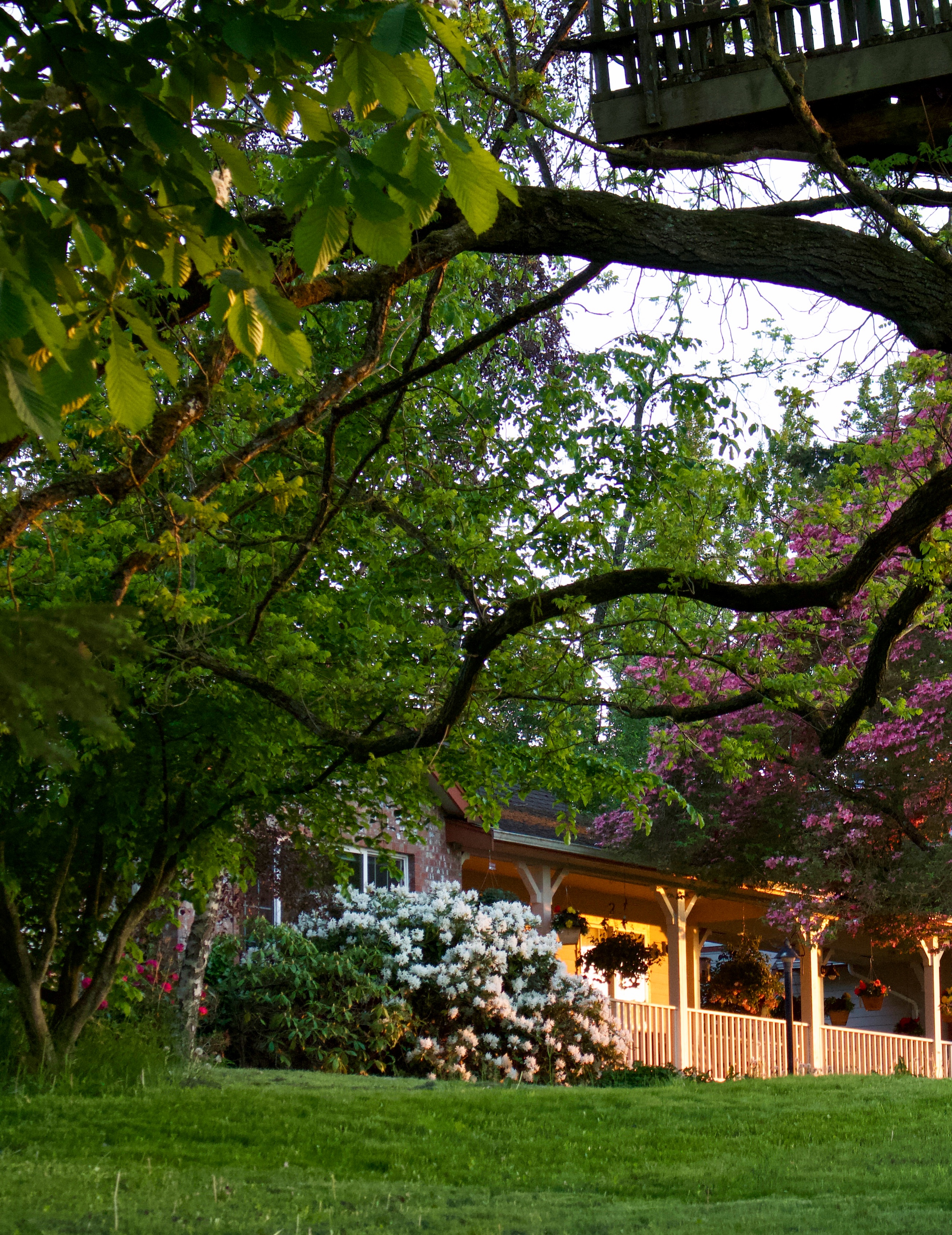
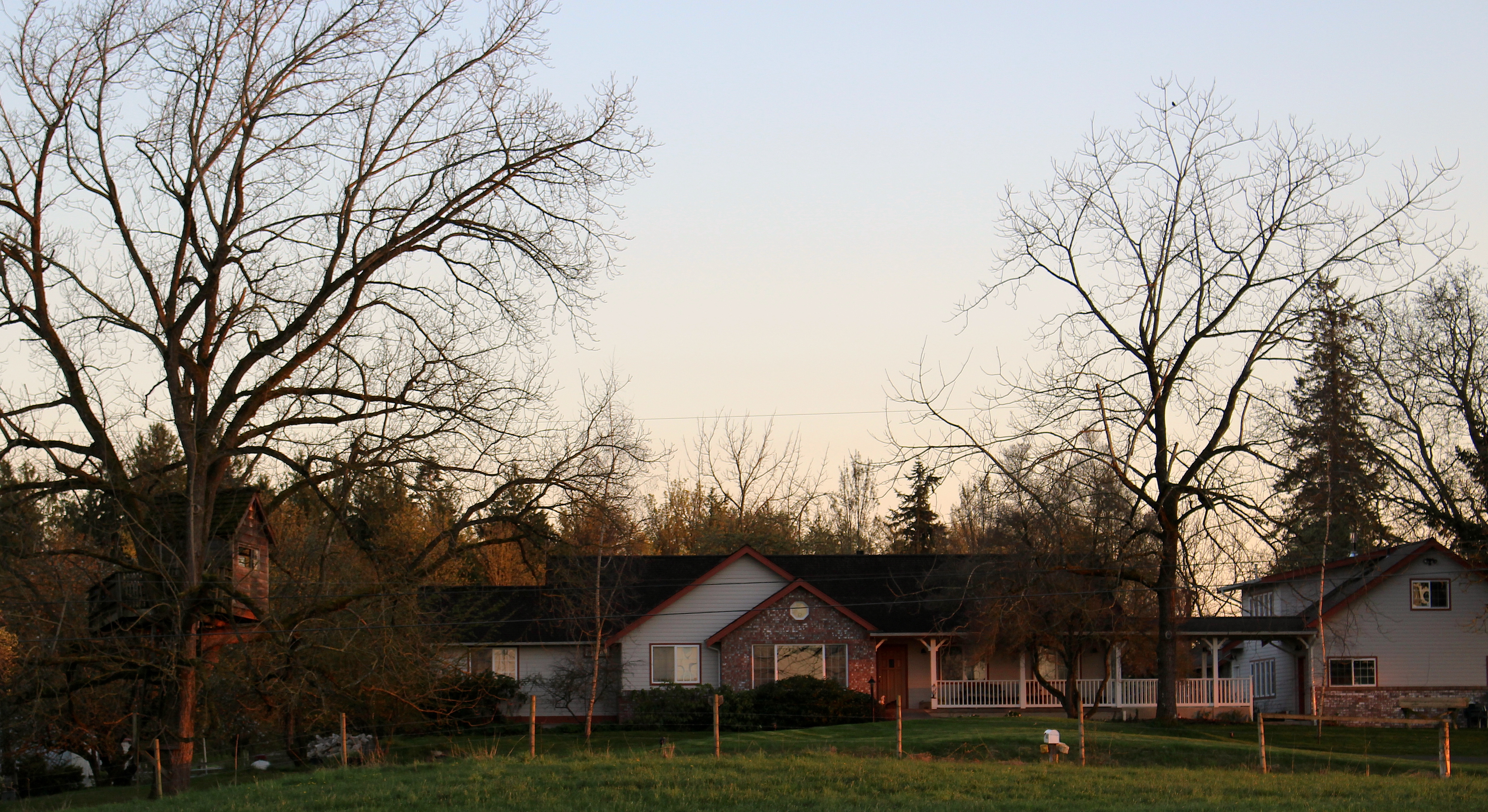
That house was, as Bilbo had long ago reported, “a perfect house, whether you liked food or sleep or story-telling or singing, or just sitting and thinking best, or a pleasant mixture of them all.” Merely to be there was a cure for weariness, fear, and sadness. ~J.R.R. Tolkien, The Fellowship of the Ring
I wish I was at home in my nice hole by the fire, with the kettle just beginning to sing! ~J.R.R. Tolkien from The Hobbit
We sleep to time’s hurdy-gurdy; we wake, if ever we wake, to the silence of God. And then, when we wake to the deep shores of time uncreated, then when the dazzling dark breaks over the far slopes of time, then it’s time to toss things, like our reason, and our will; then it’s time to break our necks for home. ~Annie Dillard from Holy the Firm
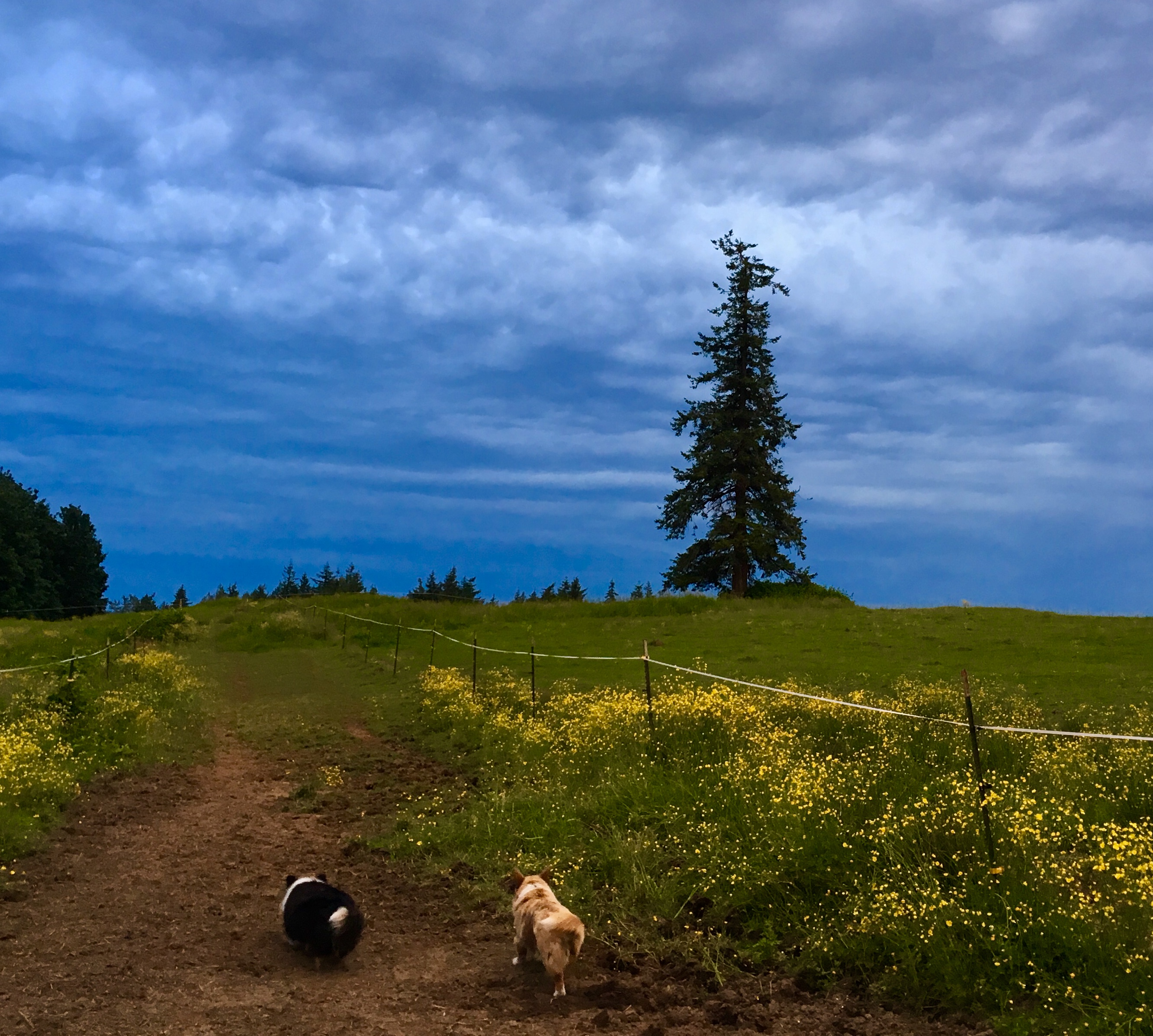
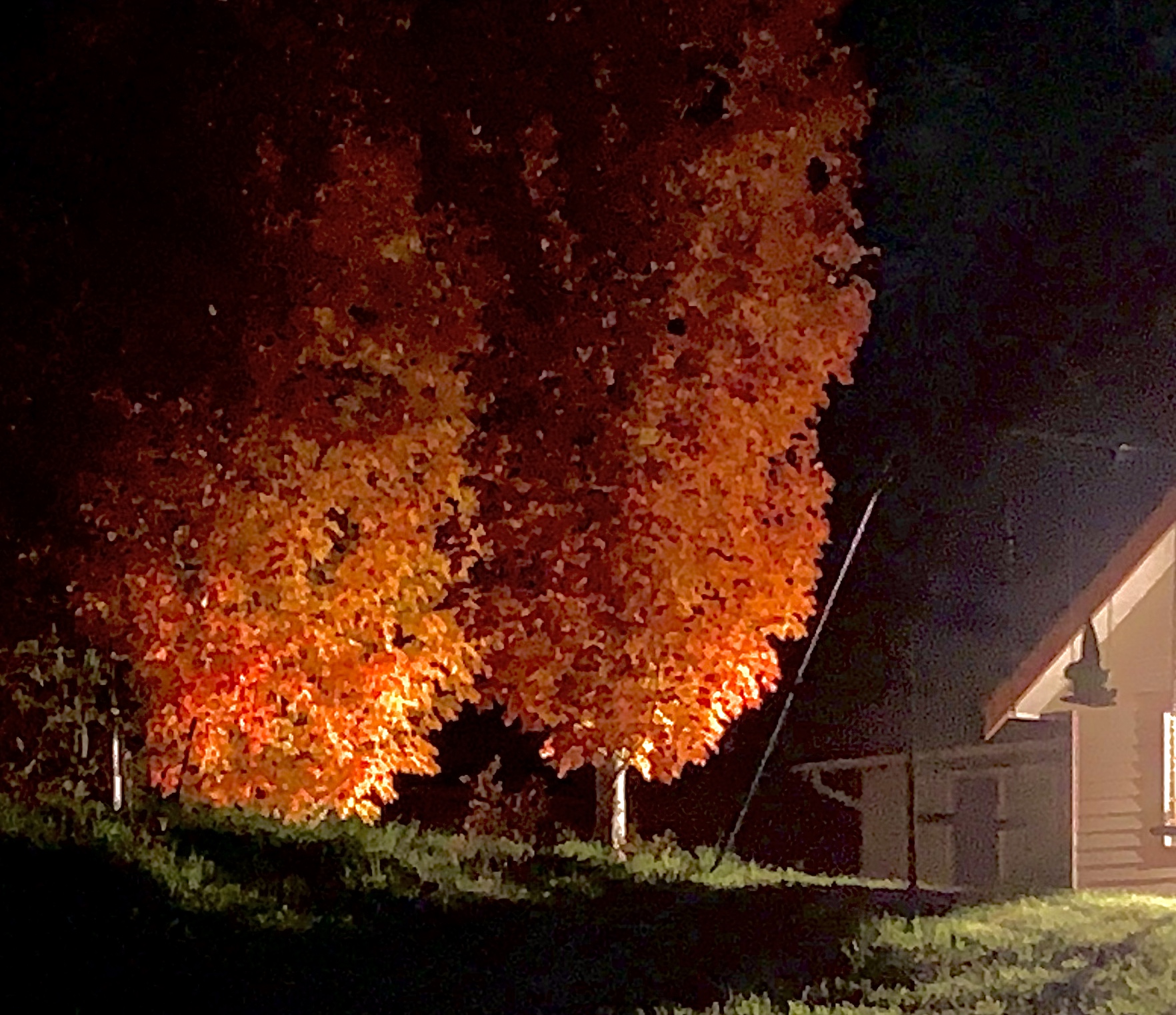
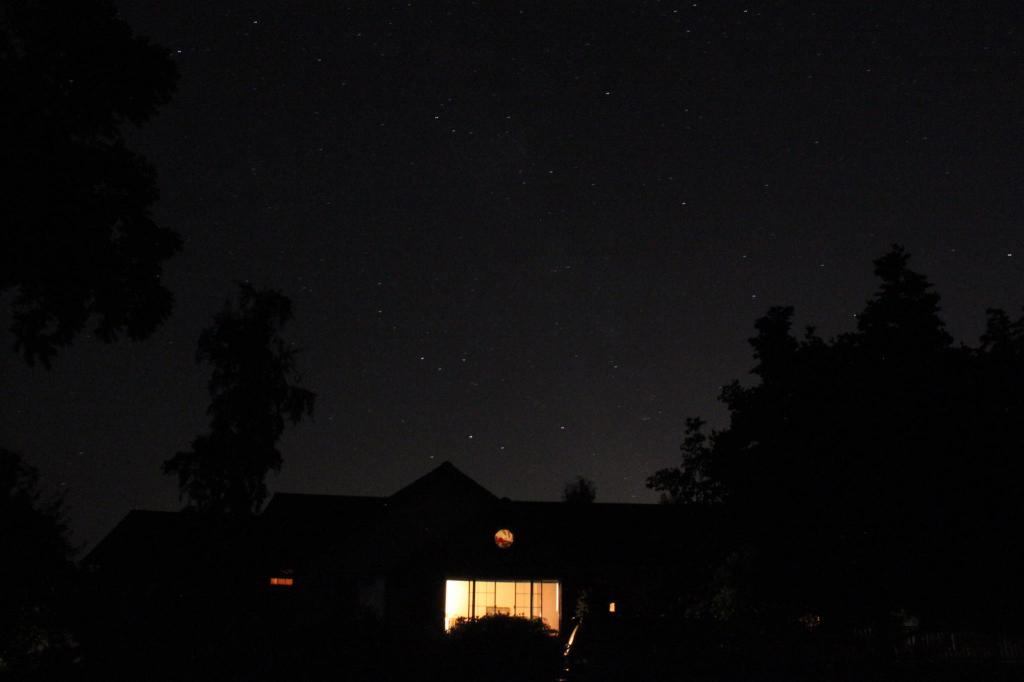
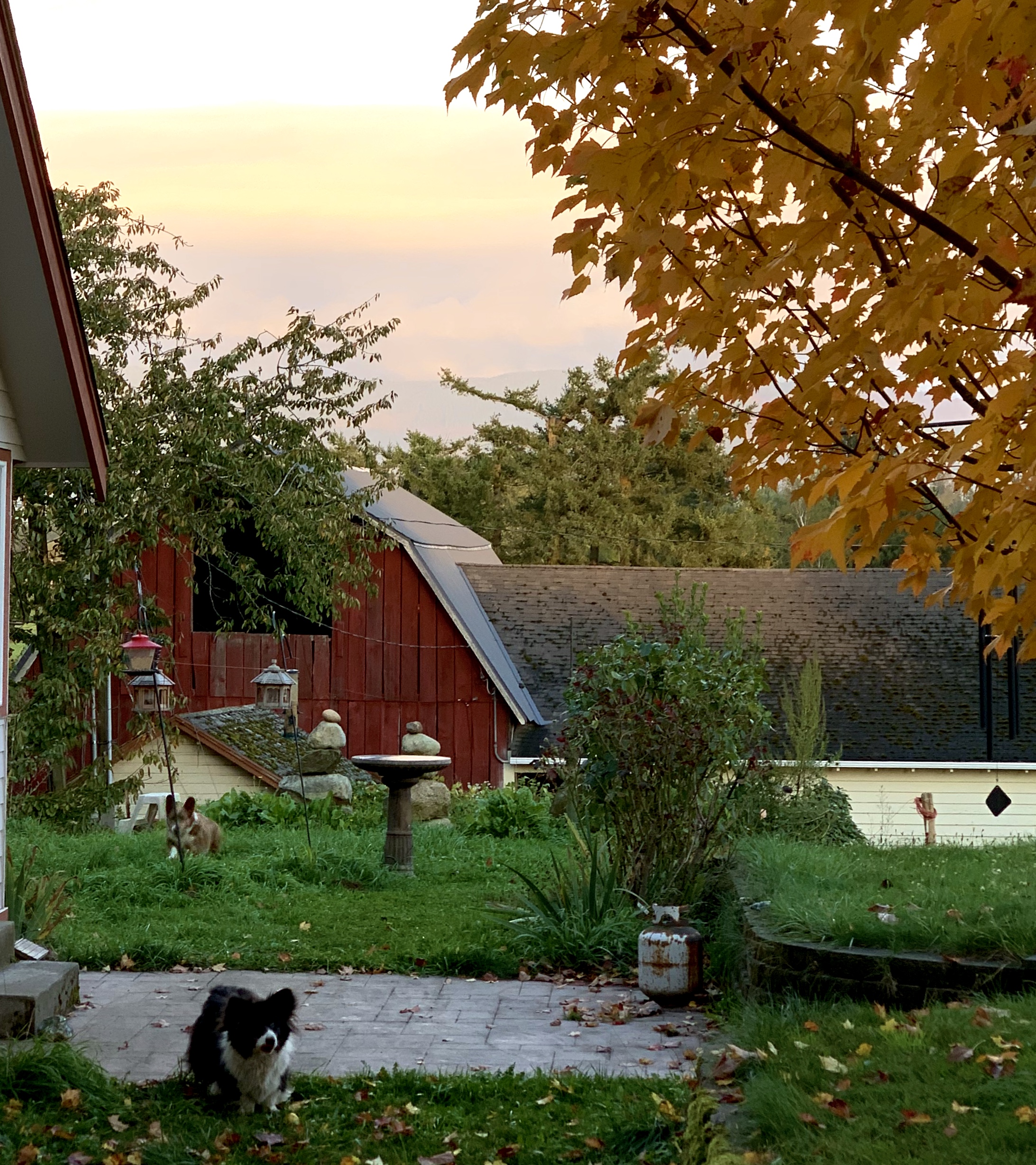
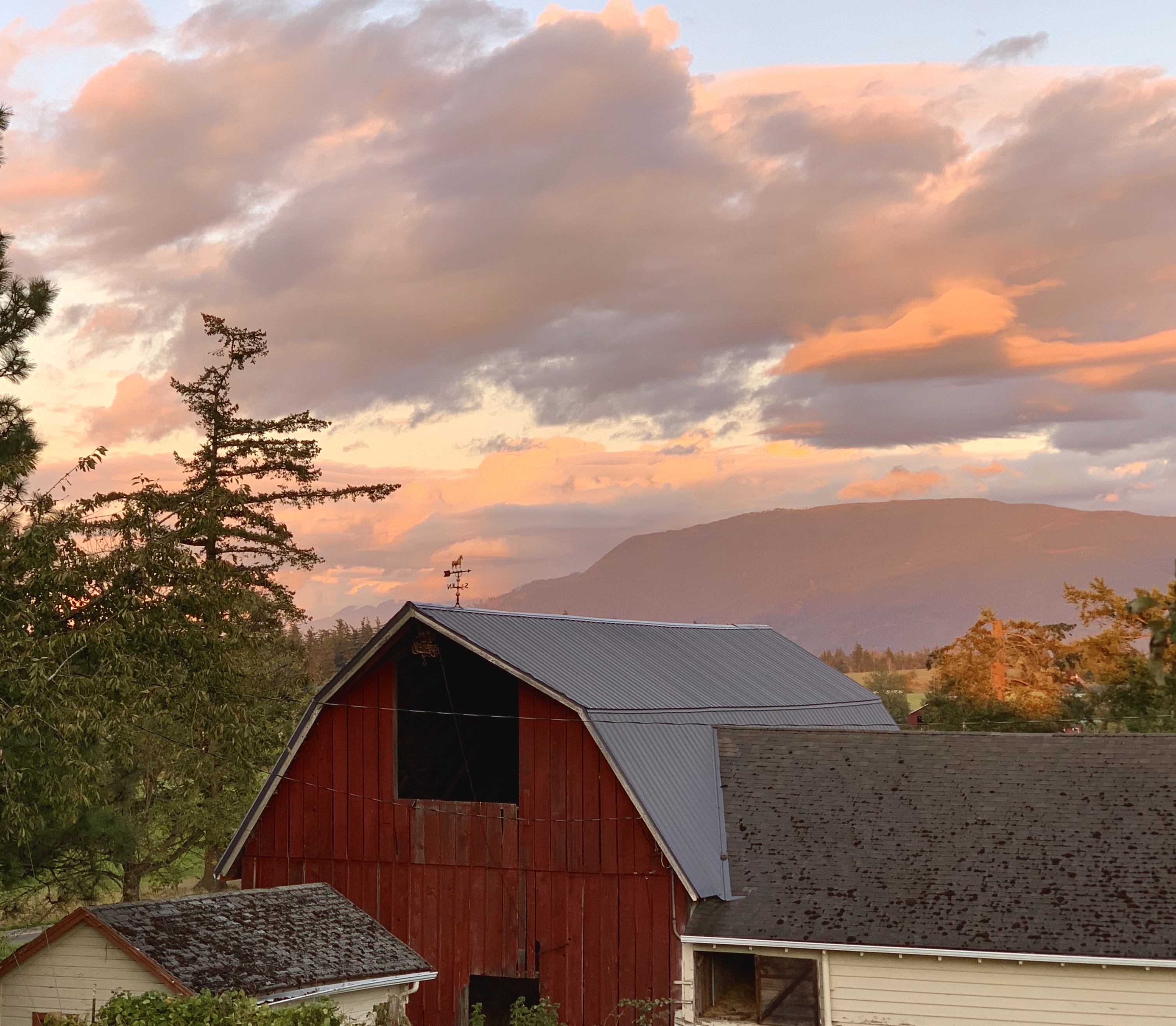
Every now and then, I forget to turn off the lights in the barn. I usually notice just before I go to bed, when the farm’s boundaries seem to have drawn in close. That light makes the barn seem farther away than it is — a distance I’m going to have to travel before I sleep. The weather makes no difference. Neither does the time of year.
Usually, after turning out that forgotten barn light, I sit on the edge of the tractor bucket for a few minutes and let my eyes adjust to the night outside. City people always notice the darkness here, but it’s never very dark if you wait till your eyes owl out a little….I’m always glad to have to walk down to the barn in the night, and I always forget that it makes me glad. I heave on my coat, stomp into my barn boots and trudge down toward the barn light, muttering at myself. But then I sit in the dark, and I remember this gladness, and I walk back up to the gleaming house, listening for the horses. ~Verlyn Klinkenborg from A Light in the Barn
I have always been, and always will be a home-body. As a child, I was hopelessly homesick and miserable whenever I visited overnight somewhere else: not my bed, not my window, not anything that was familiar and comfortable. Going away to college was an ordeal and I had to do two runs at it to finally feel at home somewhere else. I traveled plenty during those young adult years and adapted to new and exotic environs, but never easily.
I haven’t changed much in my older years. Even now, travel is fraught with anxiety for me, not anticipation. I secretly had hoped for a prolonged stay-cation for a change rather than rushing about at break-neck speed when we had a few days off from work. I must be careful for what I wish for, as it is now seven months of stay-and-work-at-home with only two brief sojourns to visit out of town children.
It has been blissful — yet I dare not say that out loud as so many people don’t do well staying at home and are kicking the traces to be set free.
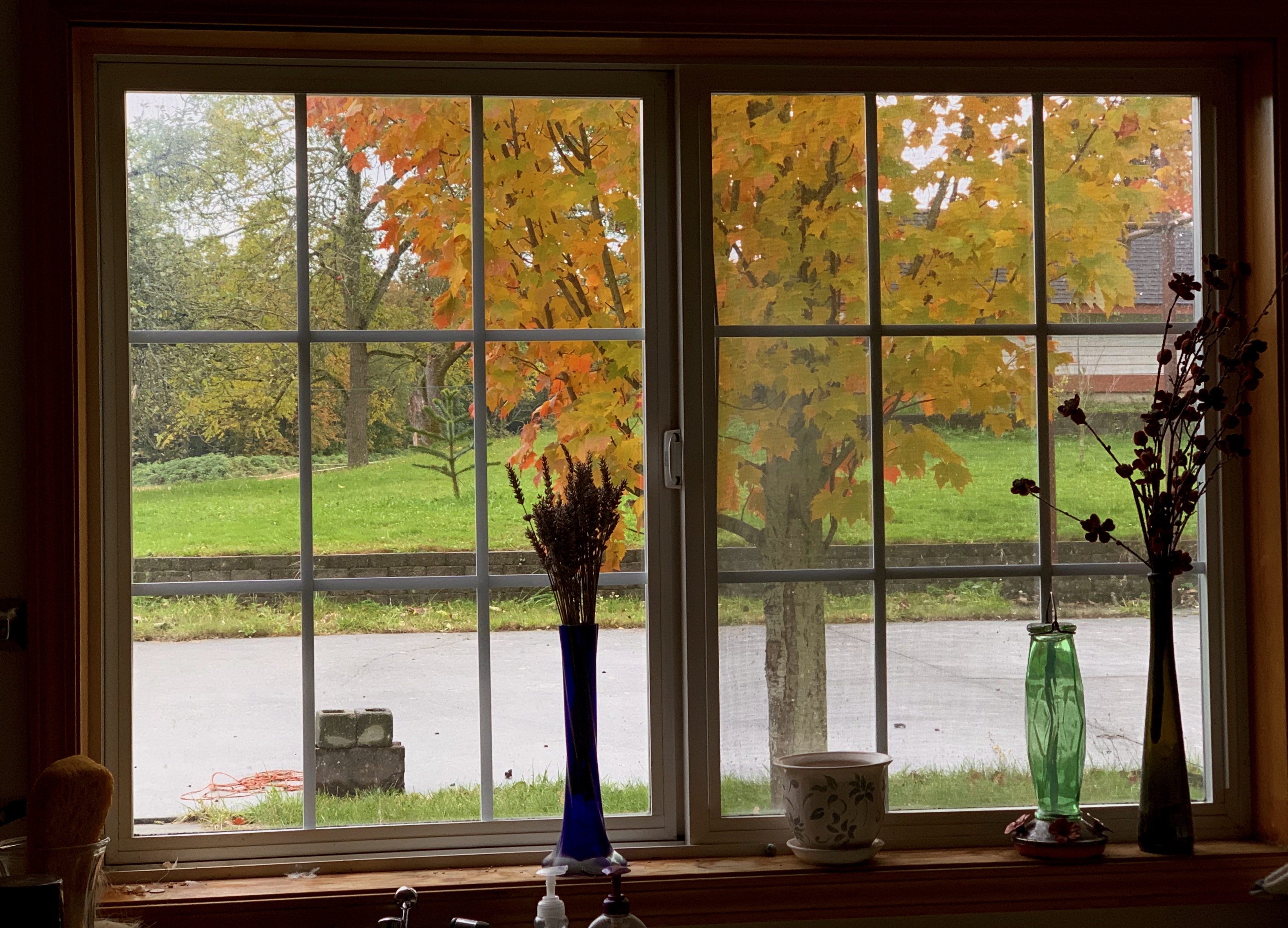
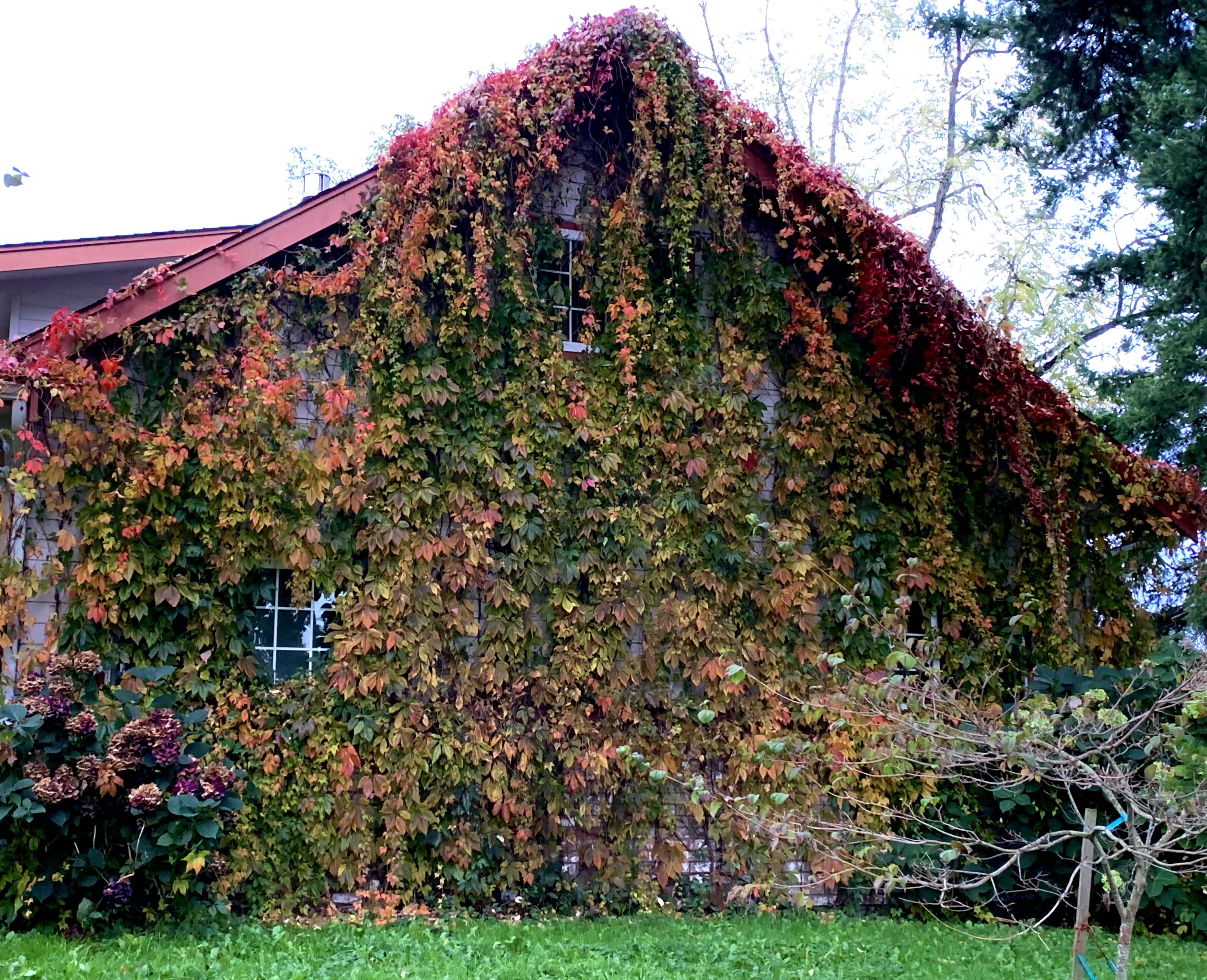
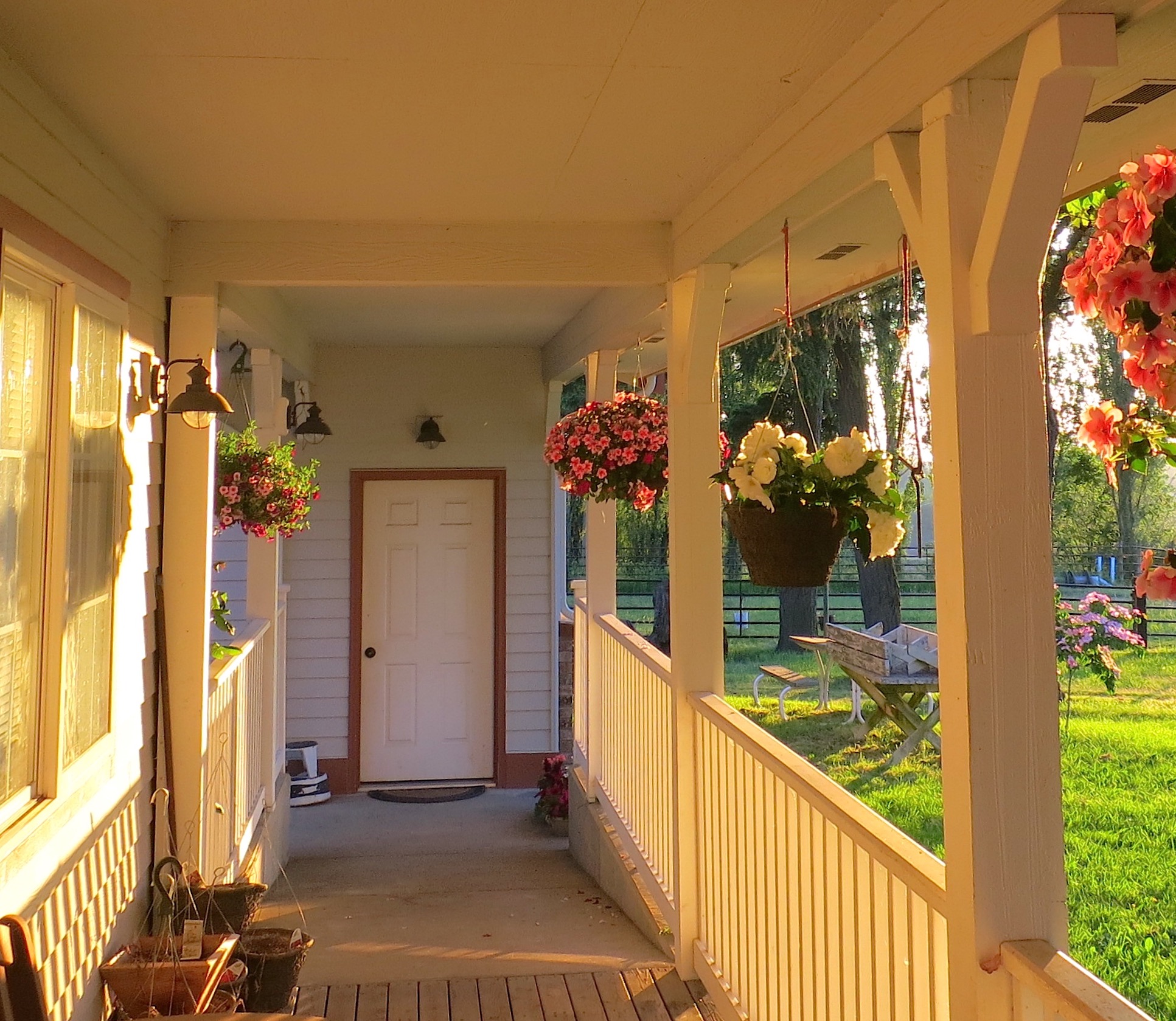
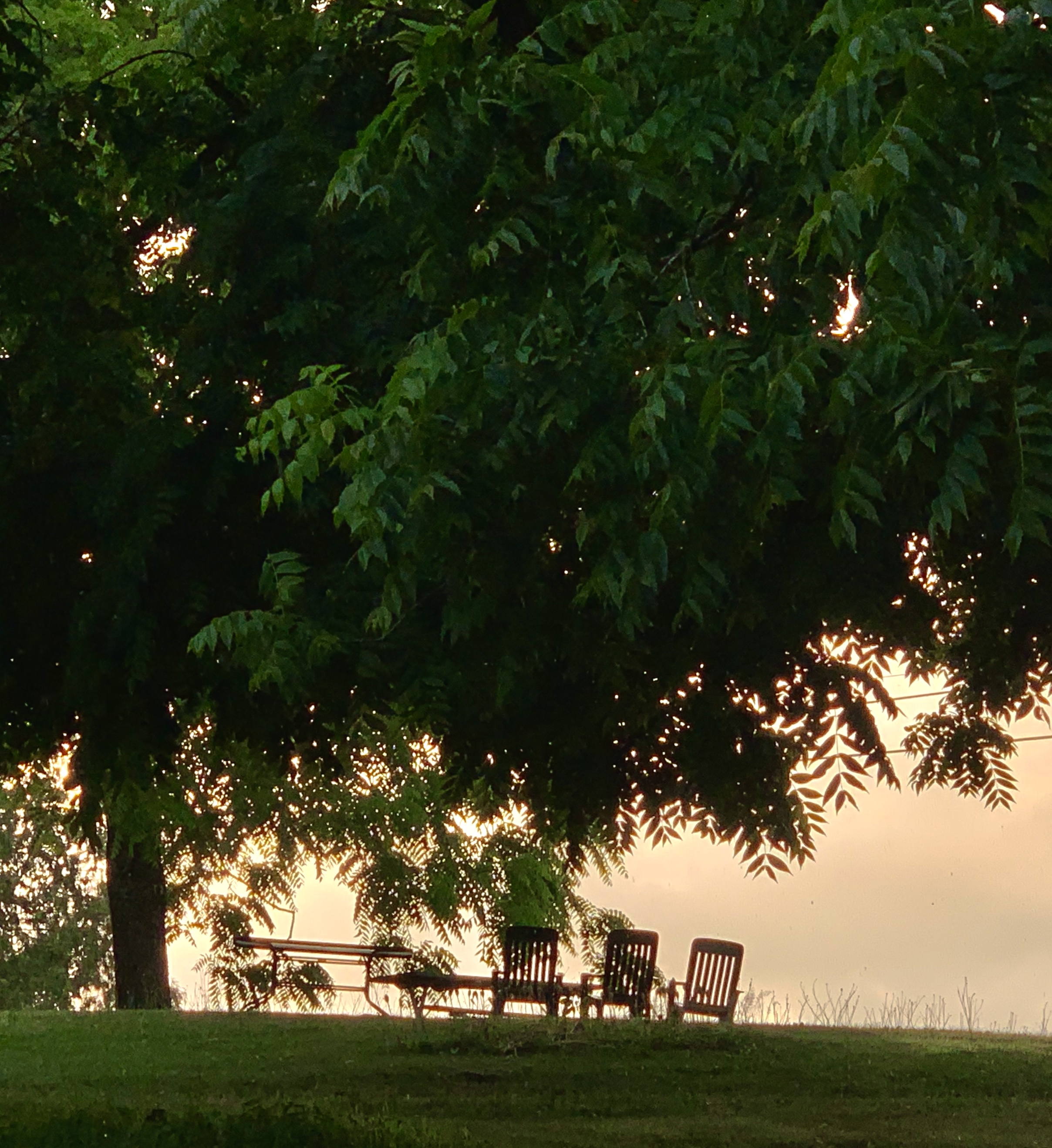
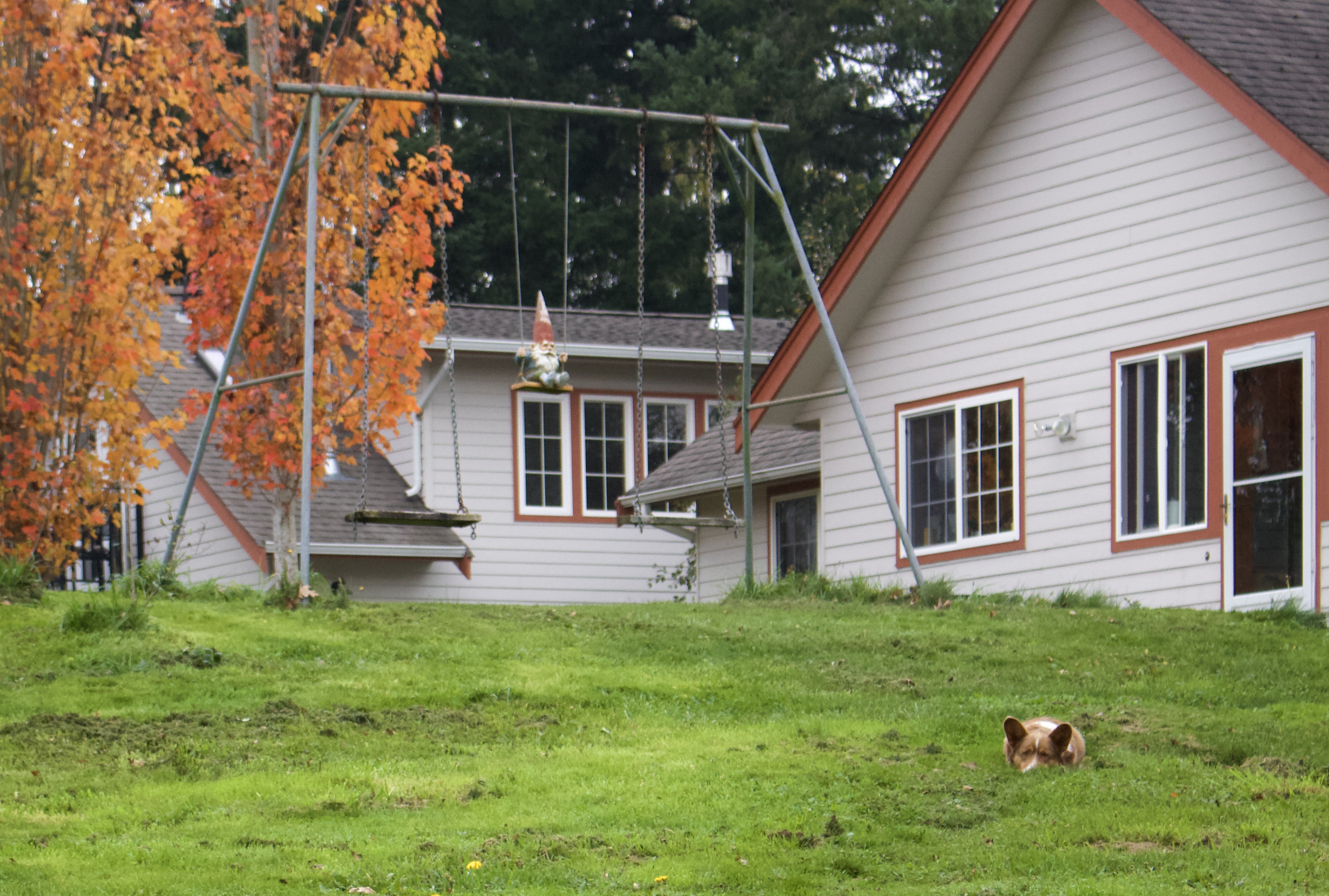
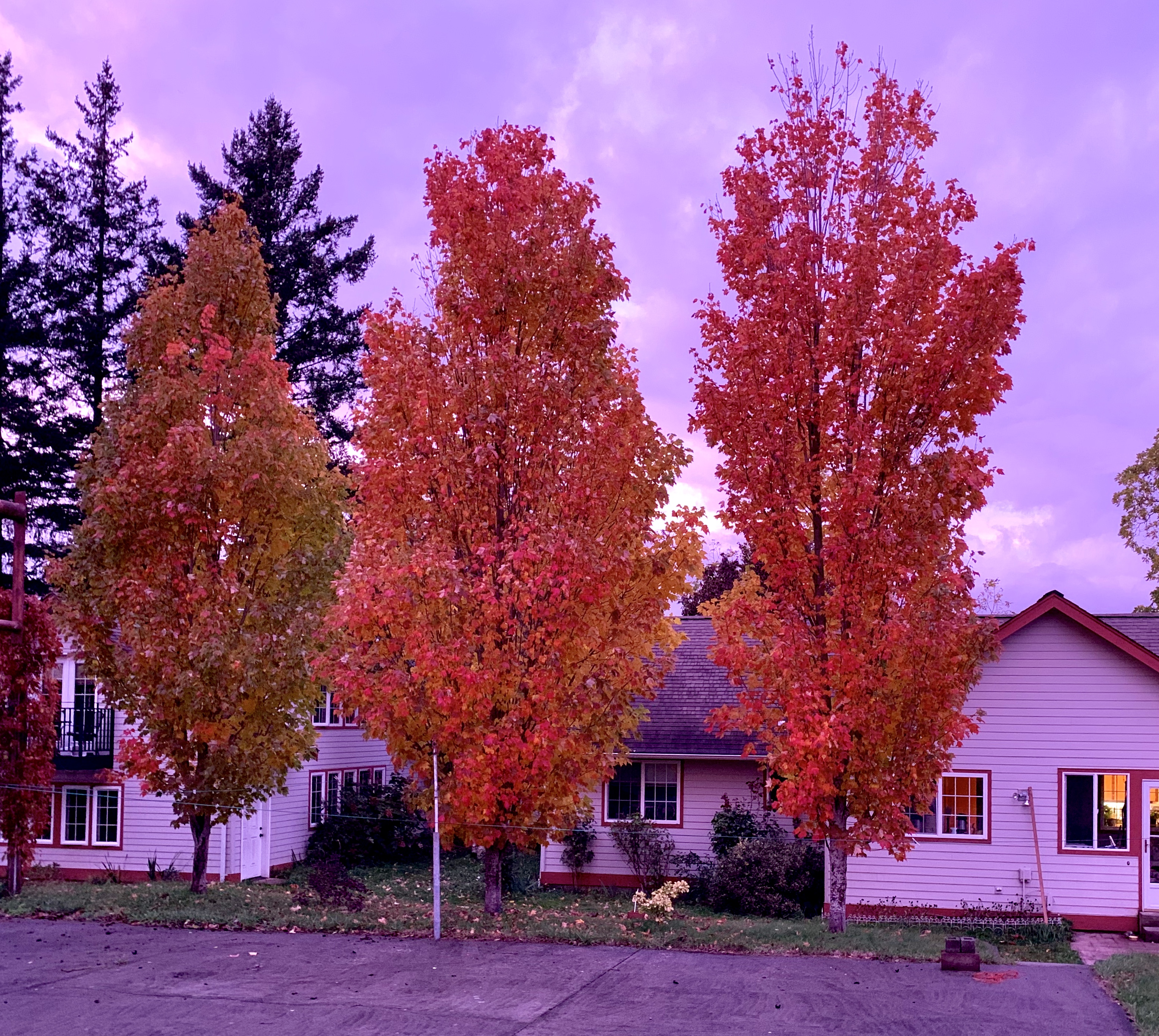
Not so me. I am content on our farm, appreciating our “perfect house, whether you liked food or sleep or story-telling or singing, or just sitting and thinking best, or a pleasant mixture of them all.”
Merely allowed to just be here is my ultimate answer to weariness, fear and sadness.












 Barnstorming