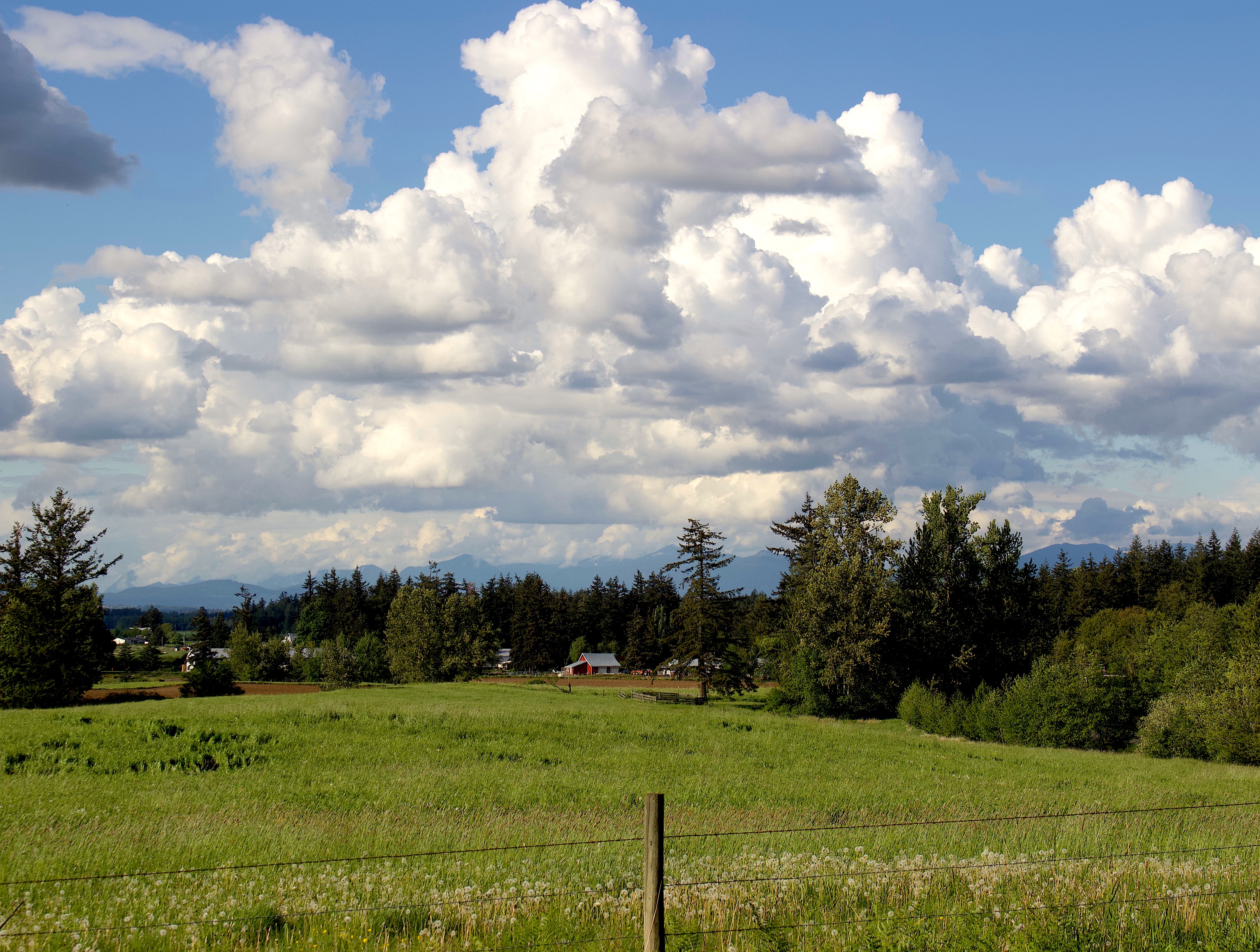
Yes, I see you down there looking up into my vastness.
What are you hoping to find on my vacant face,
there within the margins of telephone wires?
You should know I am only bright blue now because of physics:
molecules break and scatter my light from the sun
more than any other color. You know my variations—
azure at noon, navy by midnight. How often I find you
then on your patio, pajamaed and distressed, head thrown
back so your eyes can pick apart not the darker version of myself
but the carousel of stars. To you I am merely background.
You barely hear my voice. Remember I am most vibrant
when air breaks my light. Do something with your brokenness. ~David Hernandez “Sincerely, The Sky”
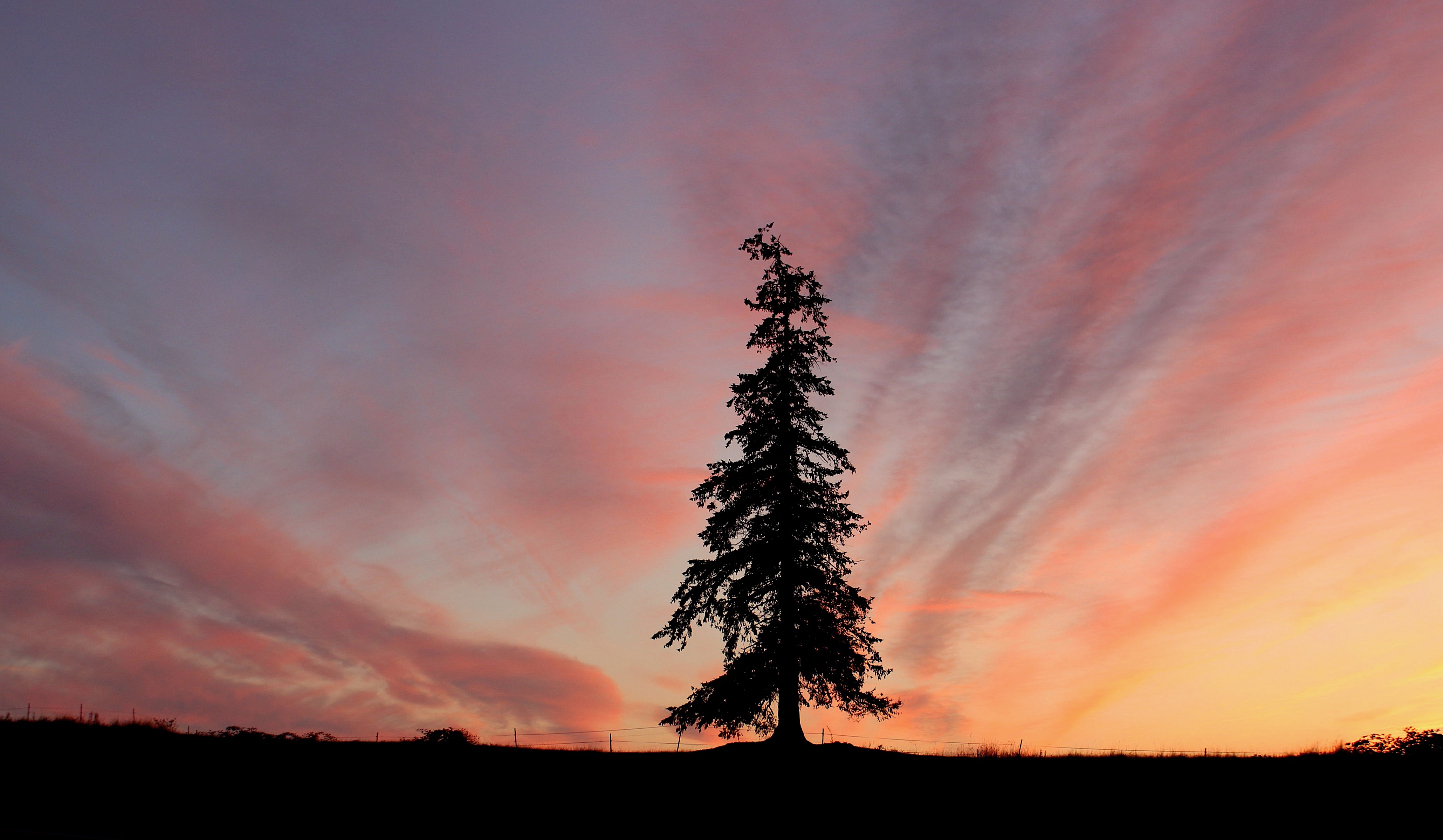
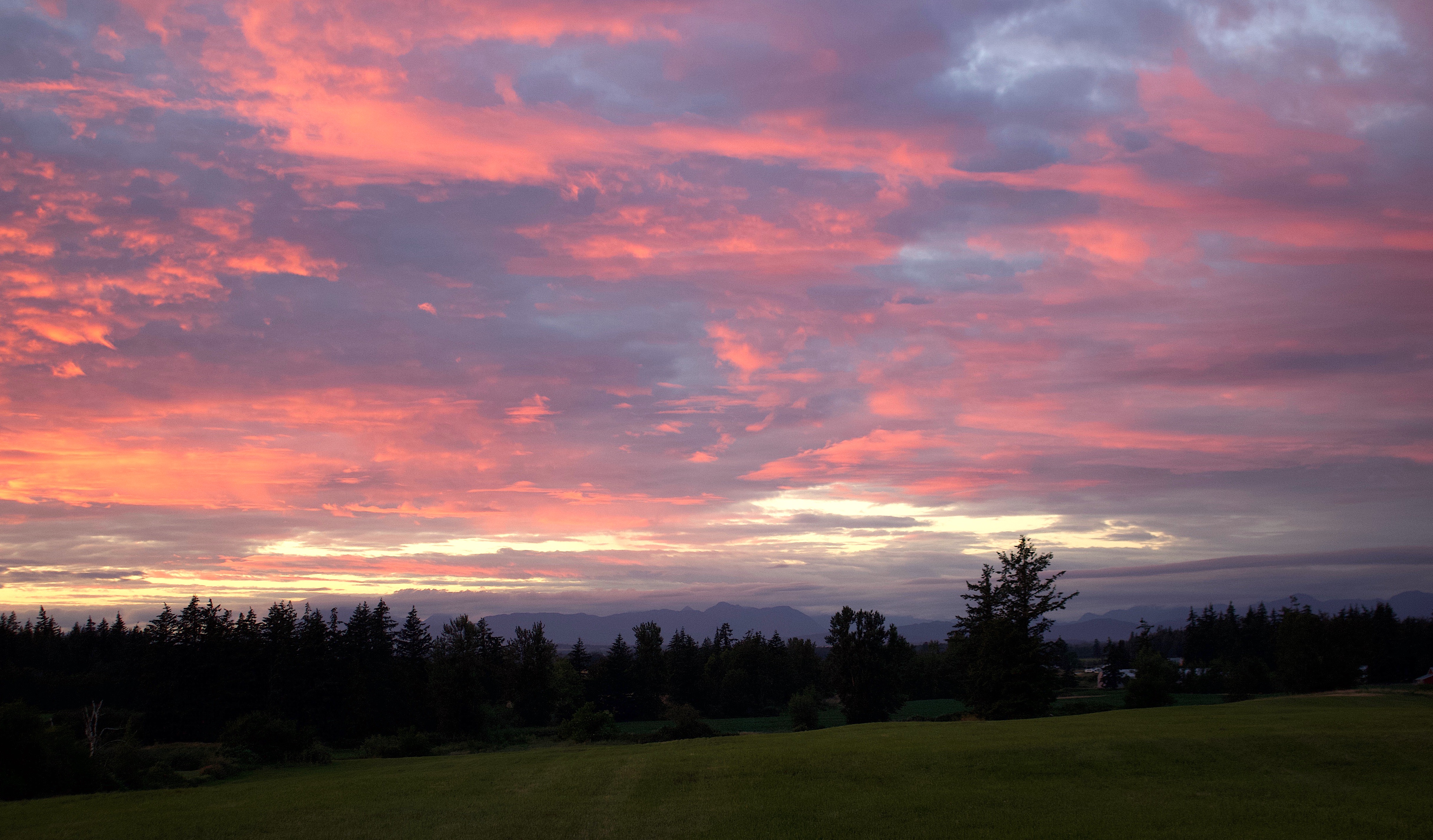
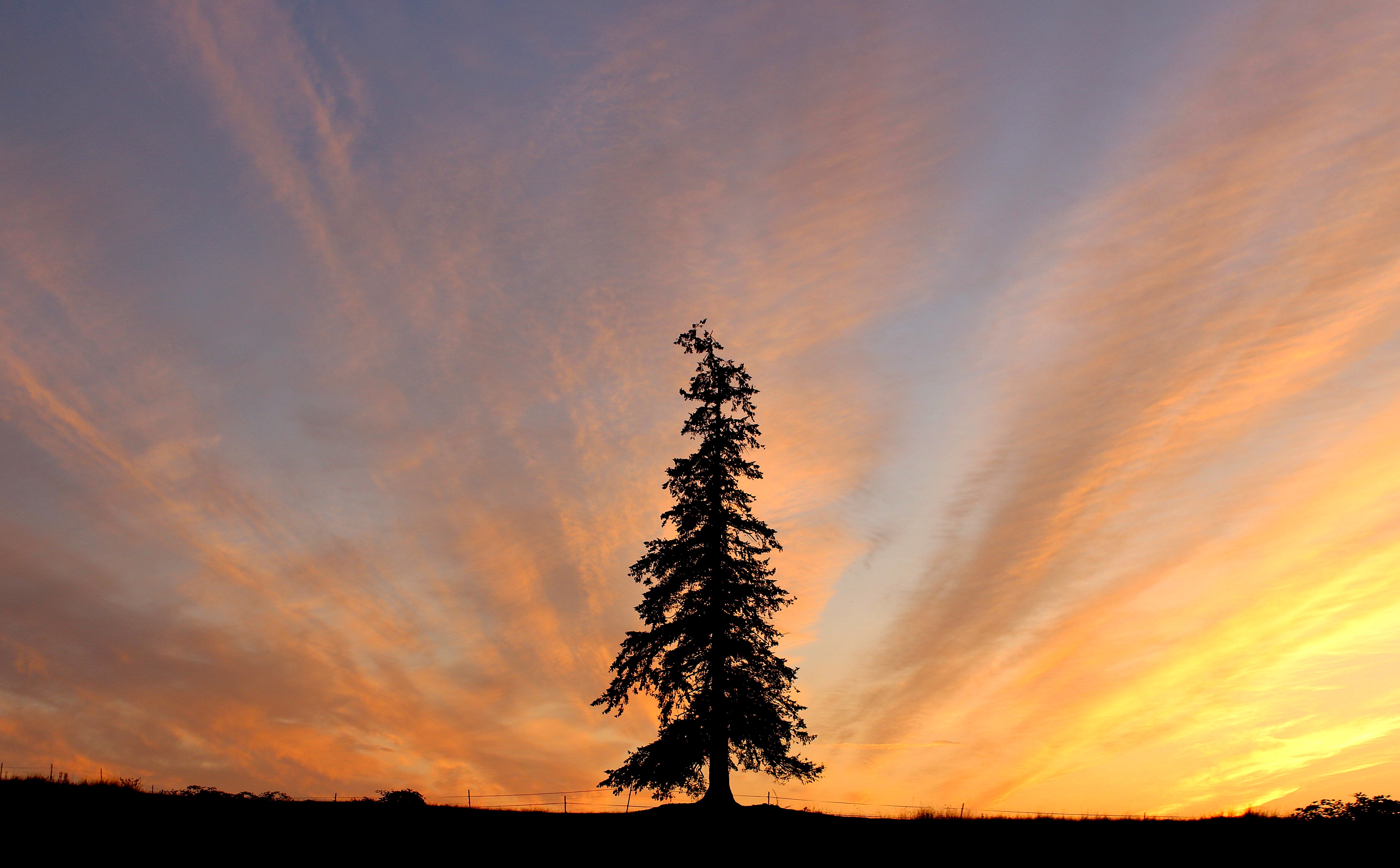
I probably spend too much time looking up at the sky – waking early to see what colors are being painted across the horizon and rushing through chores to try to catch the last streaks of orange in the west.
Yet the vast and overwhelming vistas tape together the fragments left of my day; I have been sliced and diced into 15 minute segments, trying hard to be the glue for others who arrive shattered into pieces.
I am a broken witness as Someone choreographs the movement, the shapes, the colors and the light.
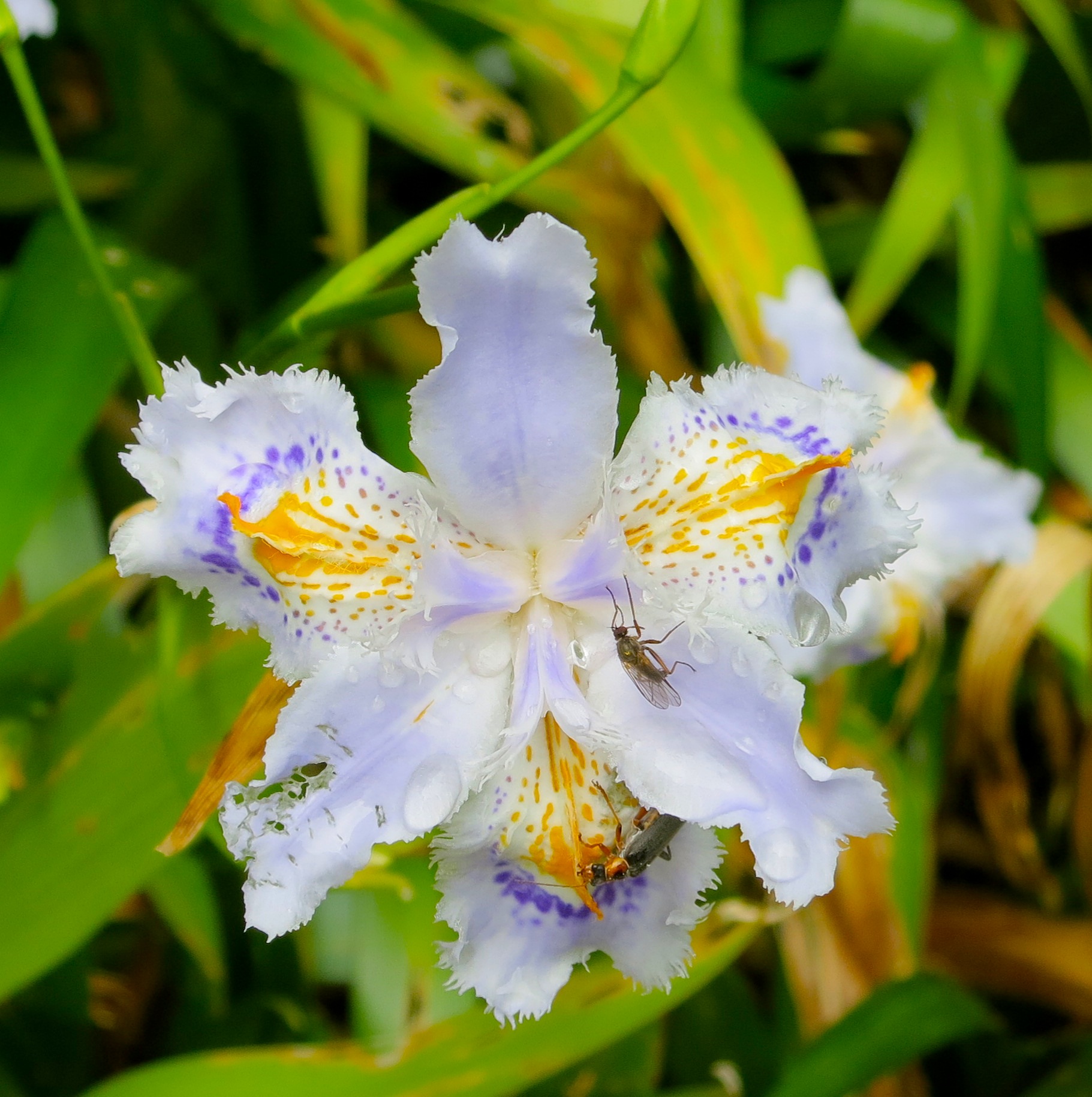
I A shaded lamp and a waving blind, And the beat of a clock from a distant floor: On this scene enter–winged, horned, and spined – A longlegs, a moth, and a dumbledore; While ‘mid my page there idly stands A sleepy fly, that rubs its hands . . .
II Thus meet we five, in this still place, At this point of time, at this point in space. – My guests parade my new-penned ink, Or bang at the lamp-glass, whirl, and sink. “God’s humblest, they!” I muse. Yet why? They know Earth-secrets that know not I.
~Thomas Hardy – “An August Midnight”
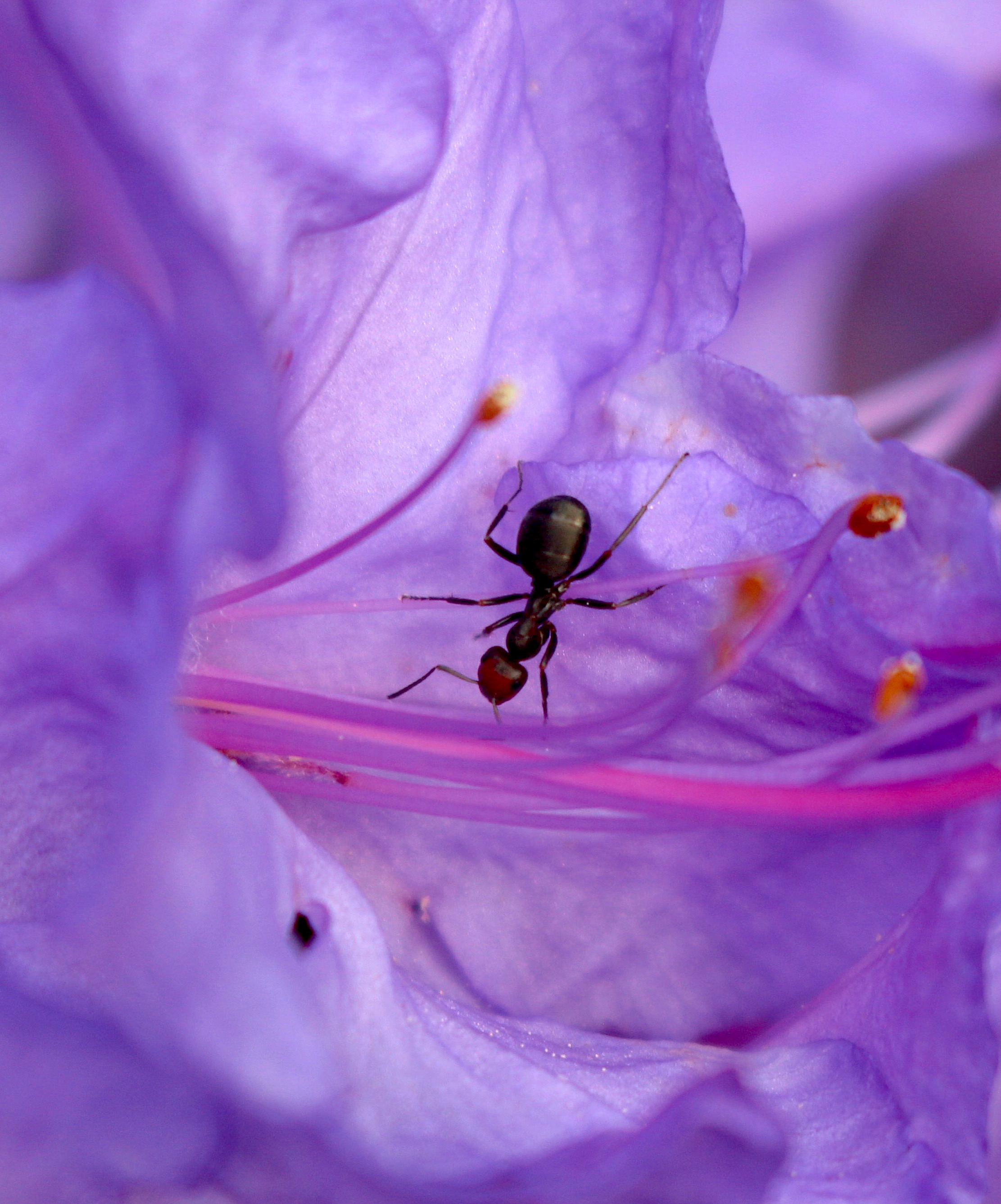
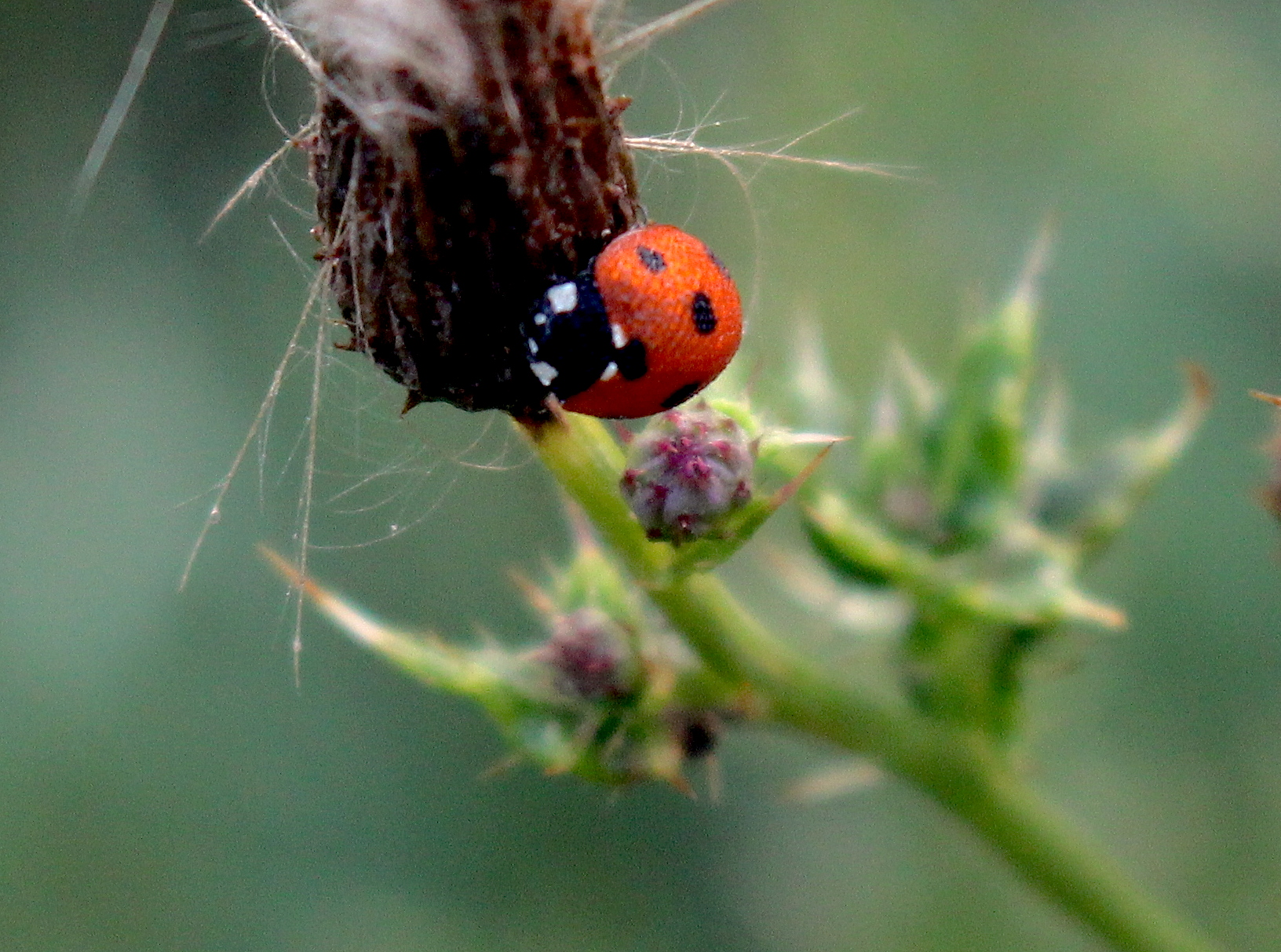
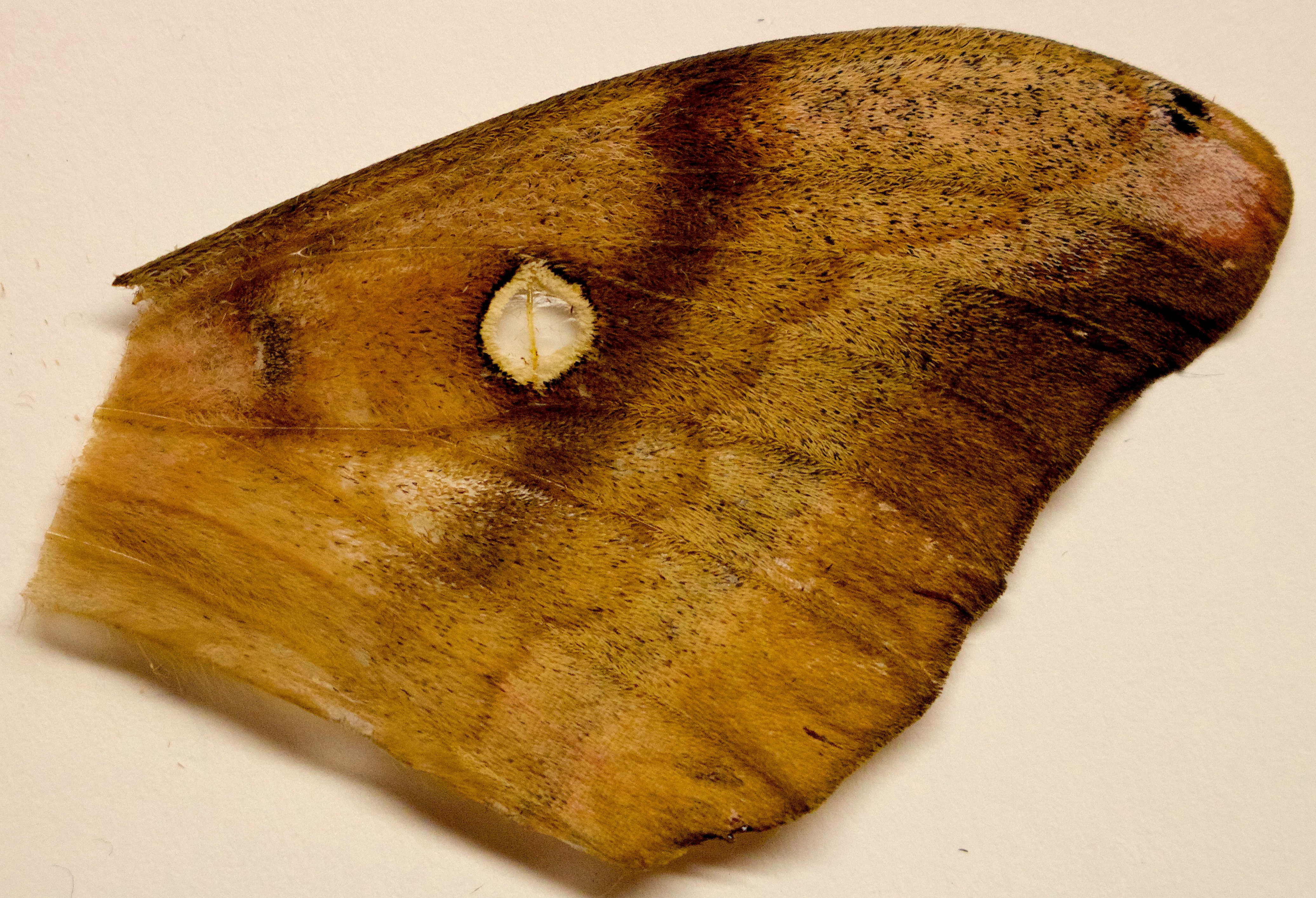
There are so many more of them than us. Yes, insects appear where we don’t expect them, they sting and bite and crawl and fly in our mouths and generally be annoying. But without God’s humblest knowing the secrets of the inner workings of the blossom and the soil, we’d have no fruit, no seeds, no earth as we know it.
Even more humble are our microscopic live-in neighbors — the biome of our skin and gut affecting and managing our internal chemistry and physiology in ways we are only beginning to understand.
God created us all, each and every one, from the turning and cycles of smallest of atoms and microbes to the expanding swirl of galaxies far beyond us.
Perhaps the humblest of all, found smack-dab in the middle of this astounding creation, is the intended Imago Dei.
Two legs not six or eight, two eyes not many, no wings, no antennae, no stinger.
Open the window, and let the air Freshly blow upon face and hair, And fill the room, as it fills the night, With the breath of the rain’s sweet might.
Not a blink shall burn to-night In my chamber, of sordid light; Nought will I have, not a window-pane, ‘Twixt me and the air and the great good rain, Which ever shall sing me sharp lullabies; And God’s own darkness shall close mine eyes; And I will sleep, with all things blest, In the pure earth-shadow of natural rest.
Whispering grassfeet
steal through us
fir-fingers touch one another
where the paths meet
thick dripping resin
glues us together
summer-greedy woodpeckers
hammer at hardy
seed-hiding hearts~Inger Christensen (1963)
trans. Susanna Nied
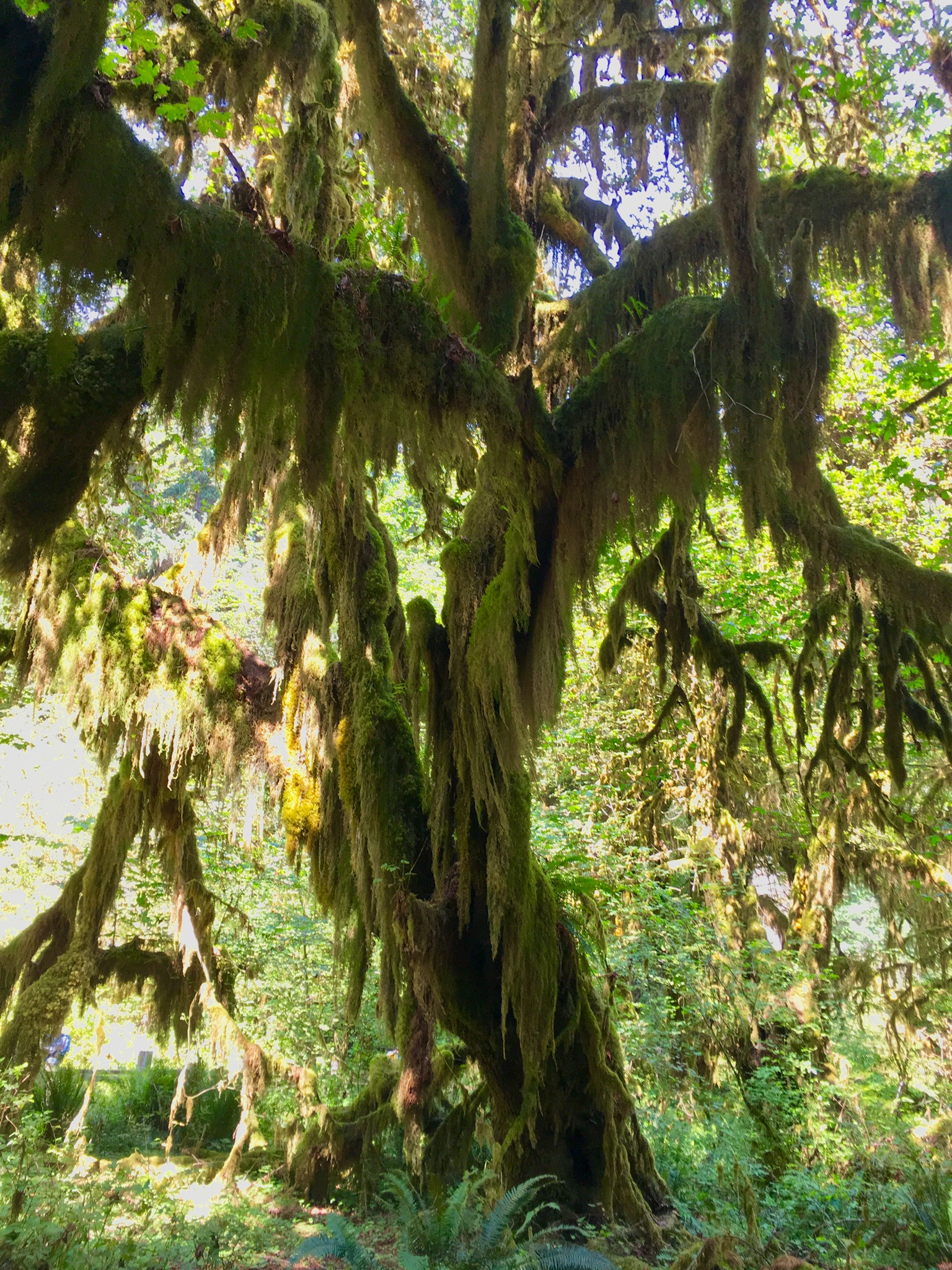
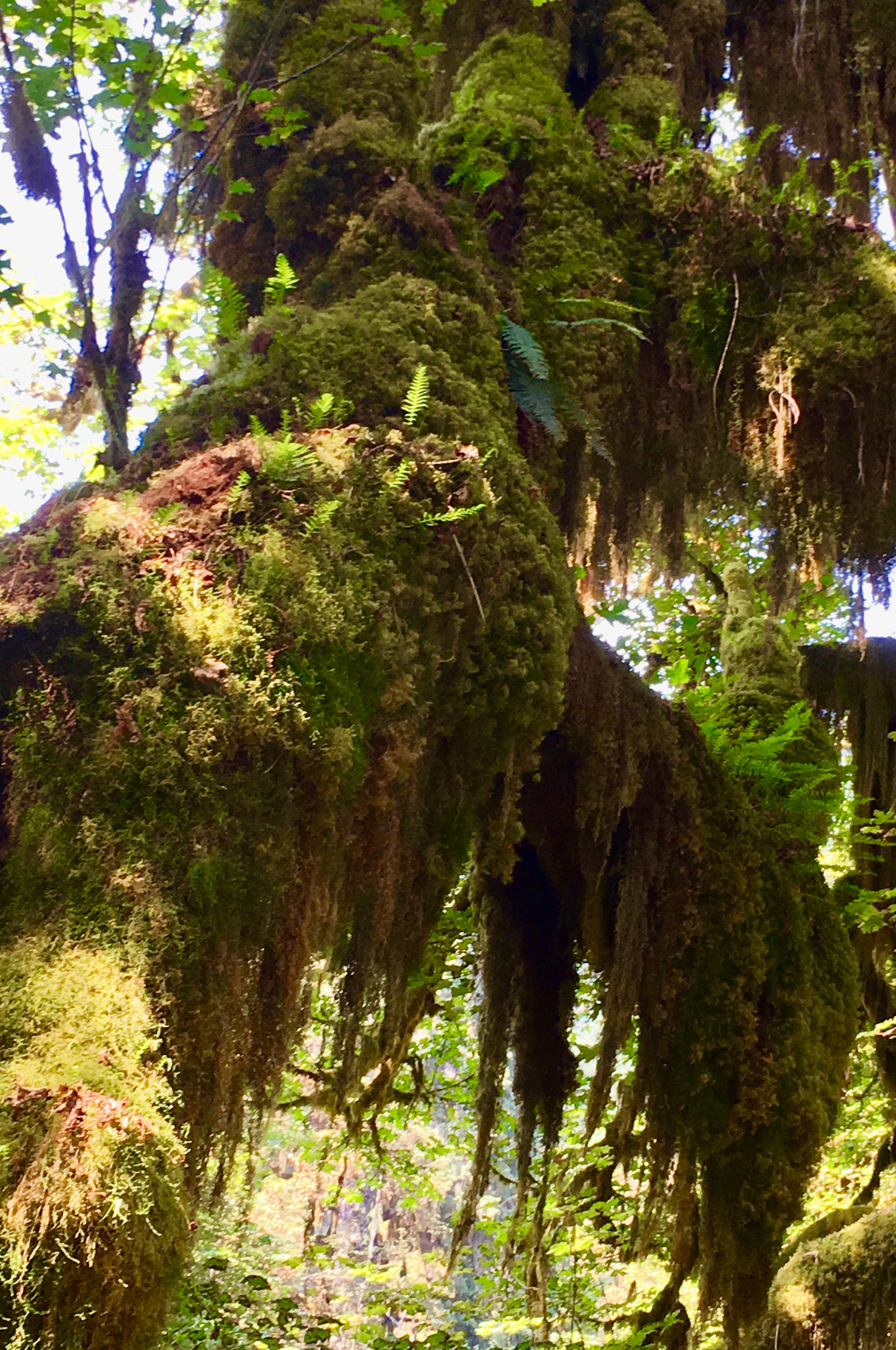
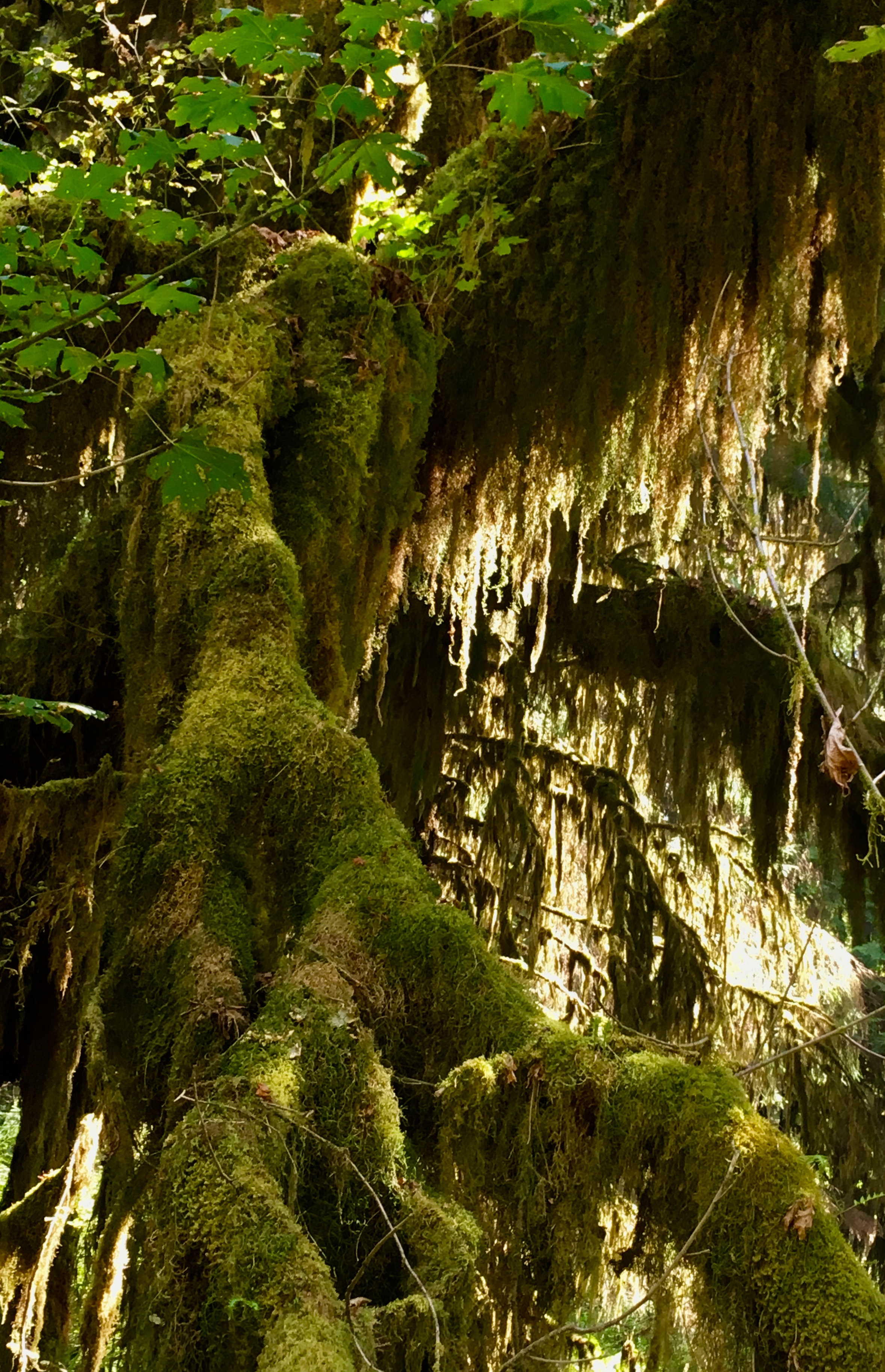
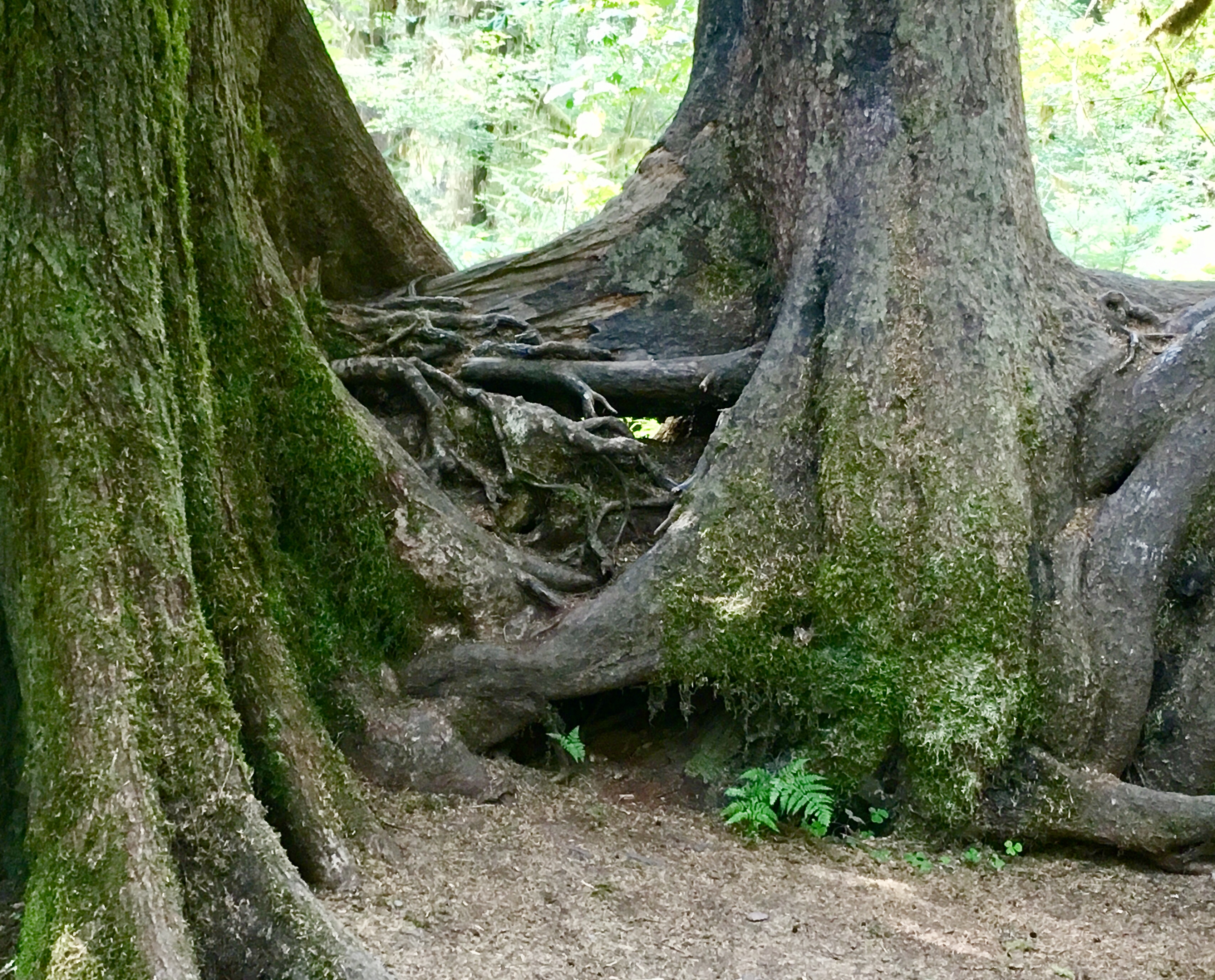
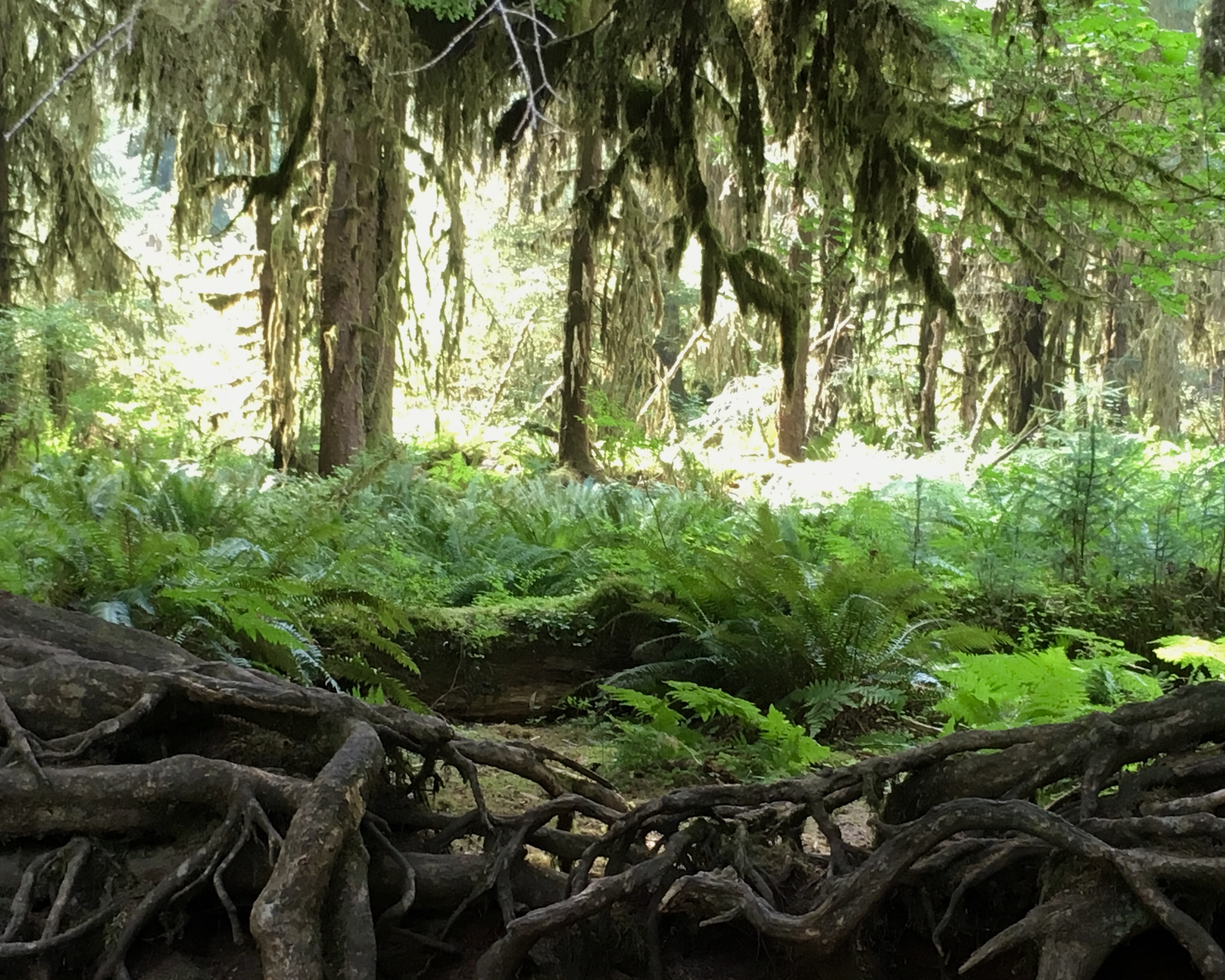
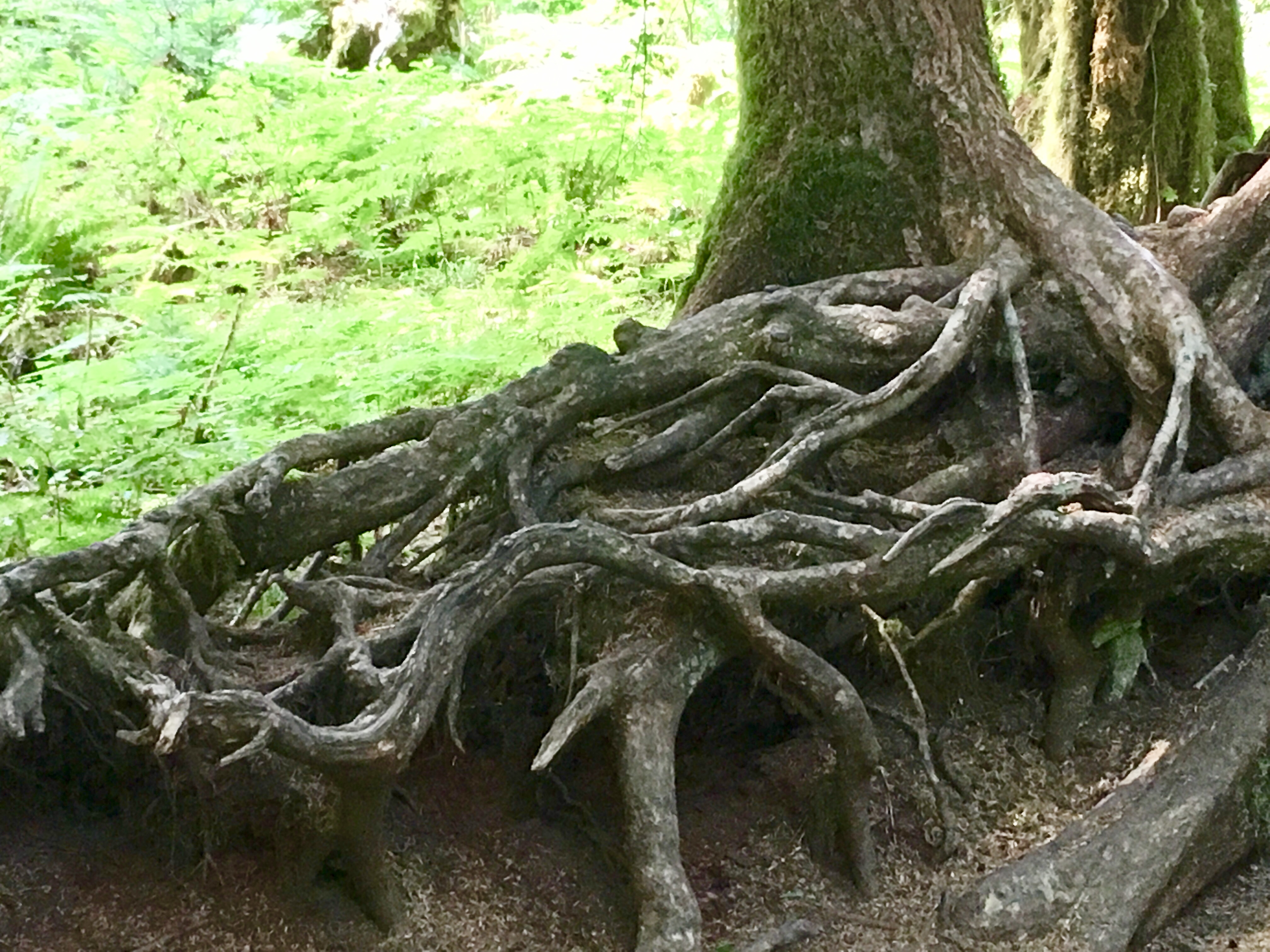
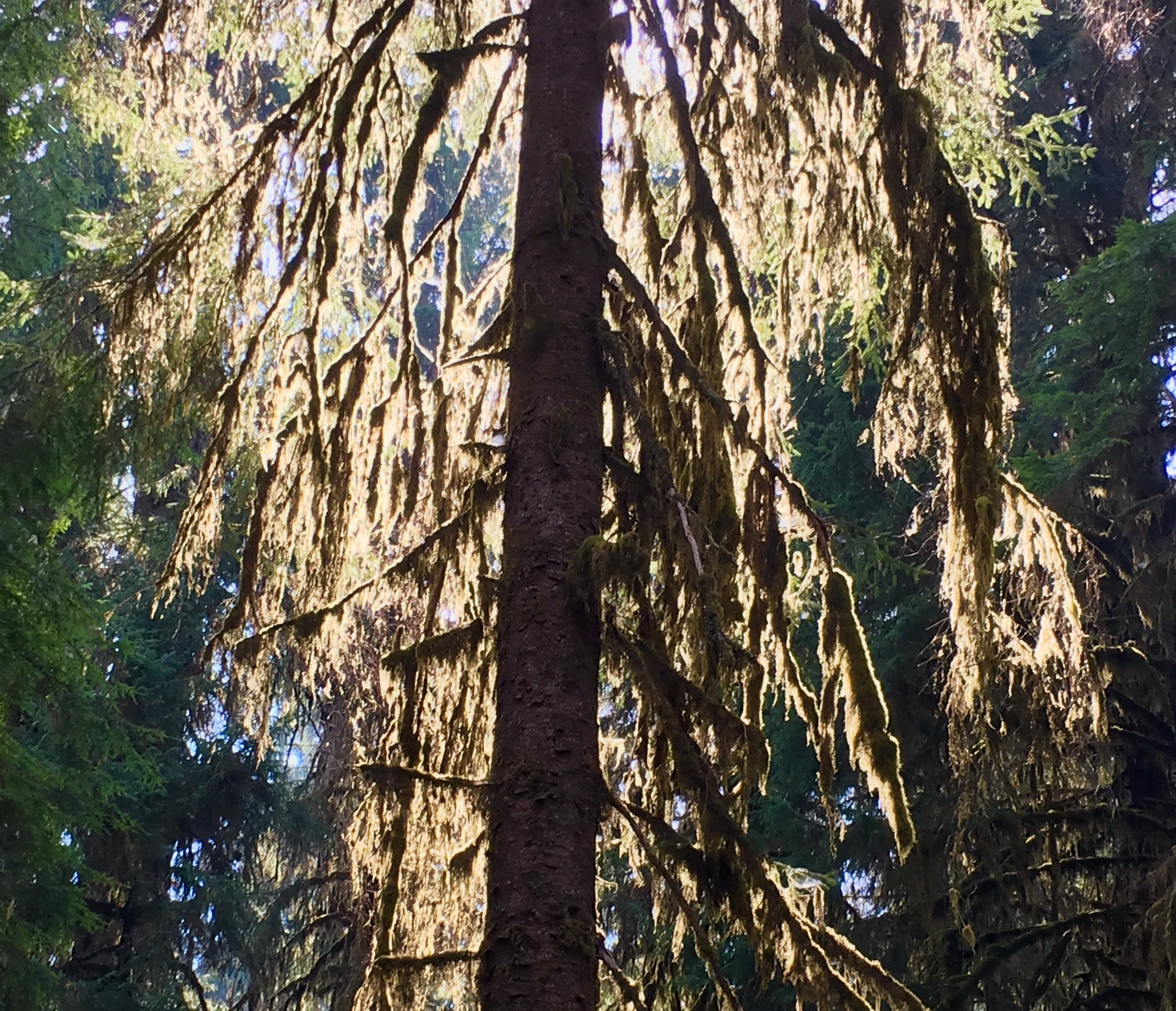
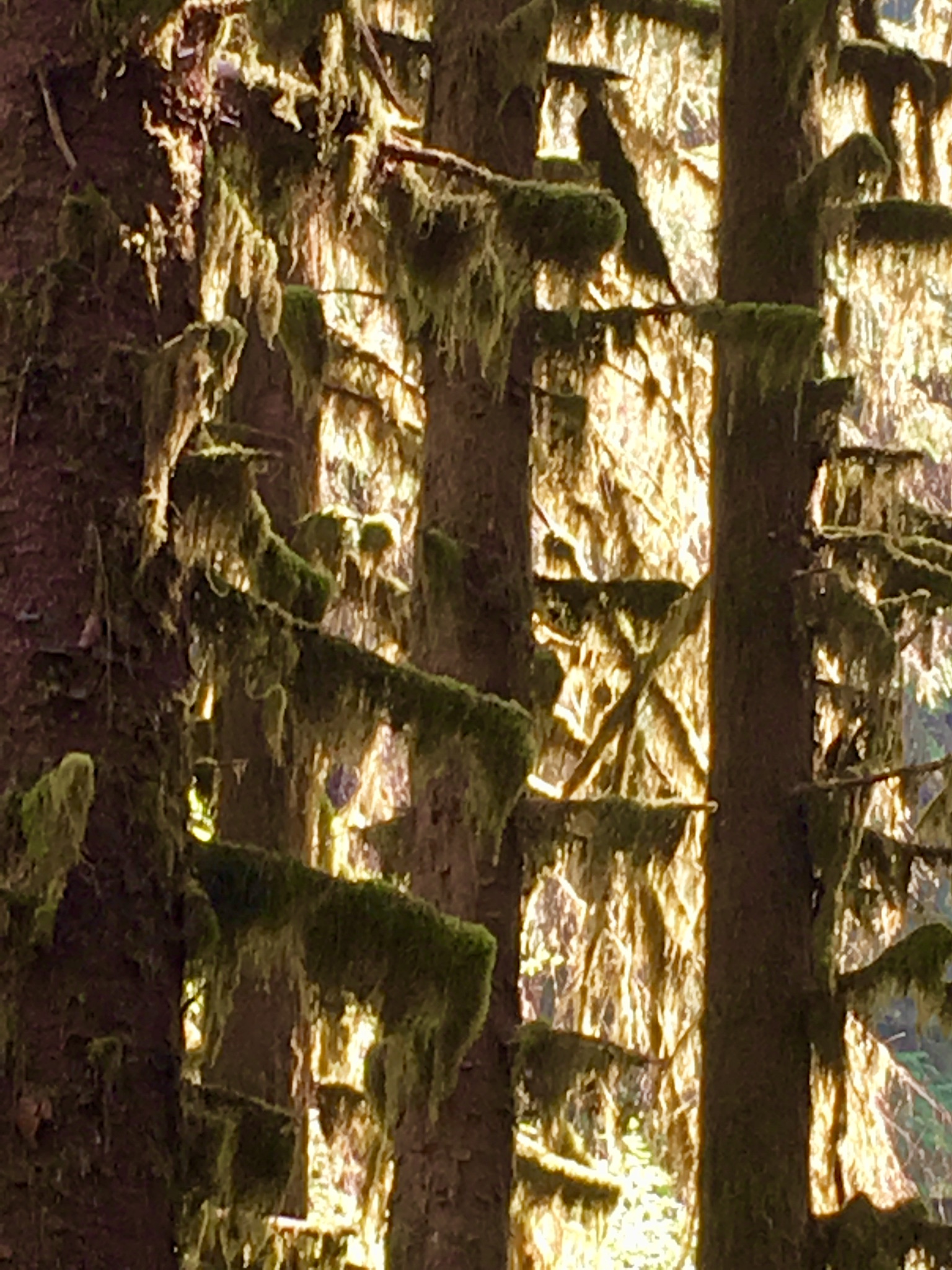
A visit to a temperate rain forest (Hoh Rain Forest in Olympic National Park only a ferry-ride and short drive away from where we live) reminds me of how glued we are to this place we live and to each other. We wander paths past 300 year old trees that cling to one another and will for many more generations, hanging with the crepe of dangling moss. They are closely tethered together, taking others down with them when they eventually fall to the wind and then nurse the sprouting and growth of the next generation’s seeds from their long rotting trunks.
Among their midst, the streams flow clear and pristine, feeding the roots and shoots of all growing things.
Our hearts are too often harder than this firm and weathered bark covered in the drapery of moss. How willingly do I give myself up for the next generation? How silently do I reach out to touch the ones next to me and hang on steady through the strong and destructive winds of time?
May we know this Alpha and Omega who lay down for us, our beginning and ending, our nurture and our protector.
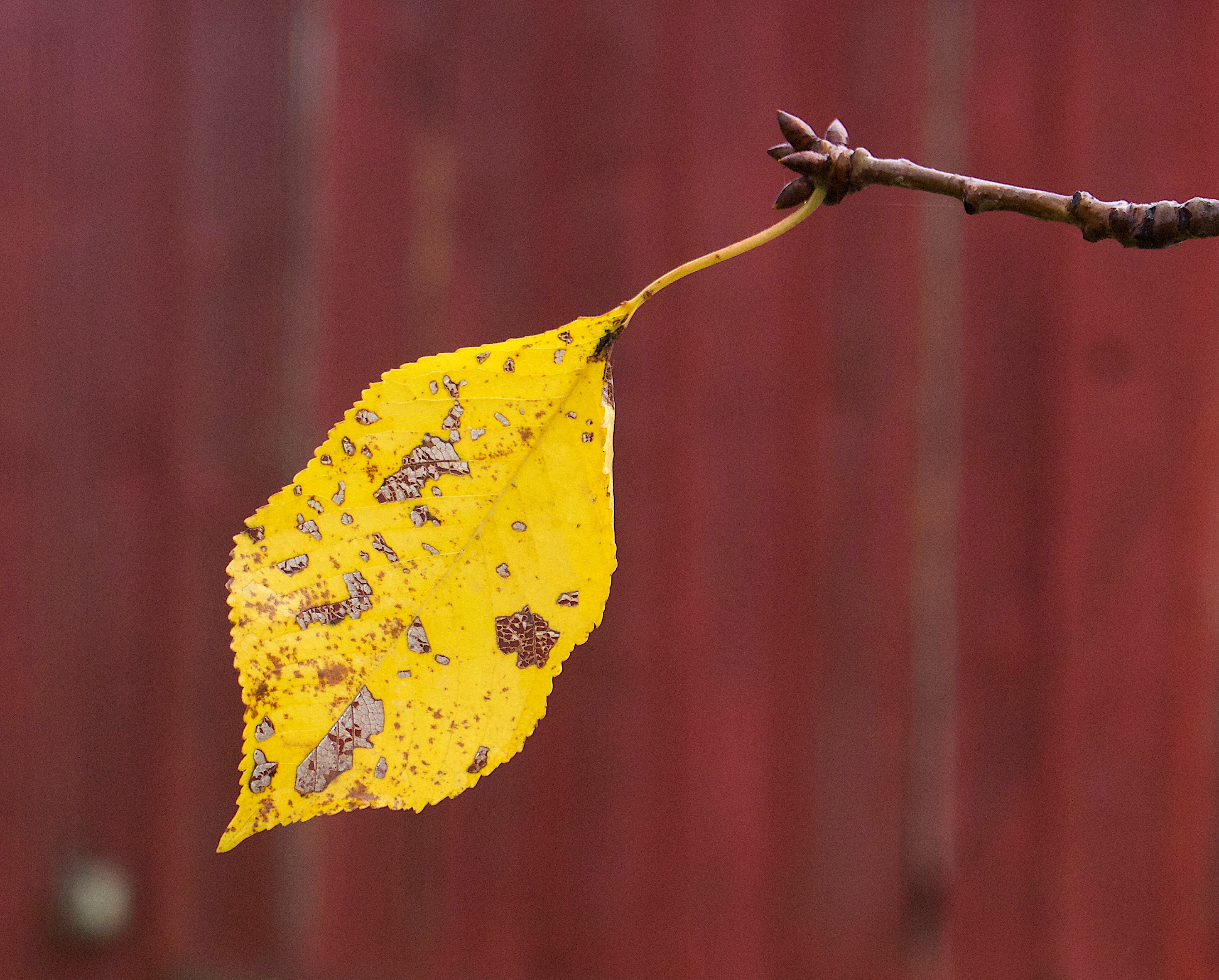
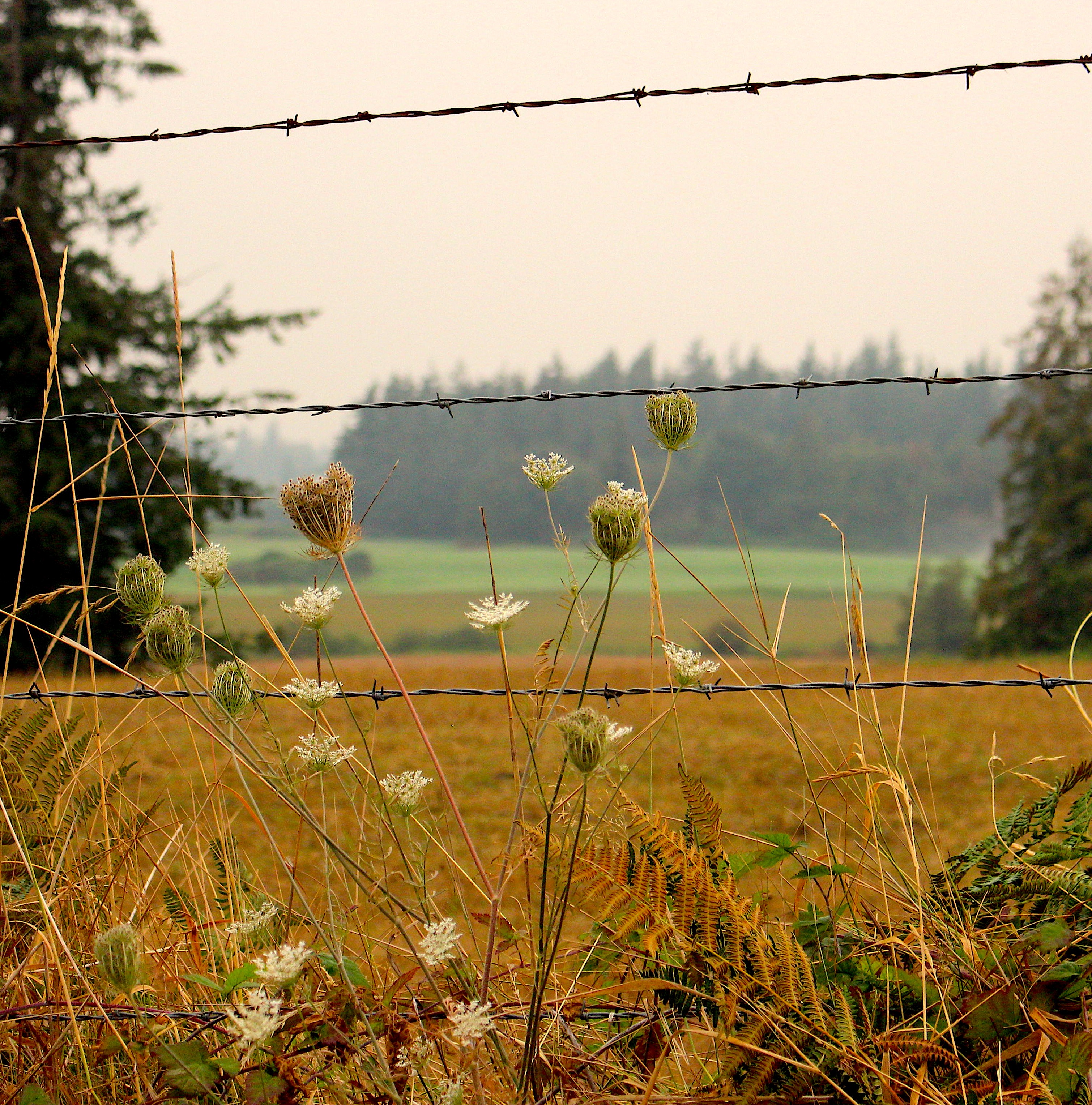
The foliage has been losing its freshness through the month of August, and here and there a yellow leaf shows itself like the first gray hair amidst the locks of a beauty who has seen one season too many. ~Oliver Wendell Holmes
August has been particularly wearing on so many folks this year, aging us beyond recognition after weeks of smoke-filled horizons. Those whose forests and homes have burned have nothing but cinders to return to. My concerns are mere in comparison, as the ash sent forth from such destruction is only irritant and inconvenience, rather than the residue of lost life.
Yet no one thrives in a world of fire and ash as we go gray as the sky, as if we have lived one summer too many.
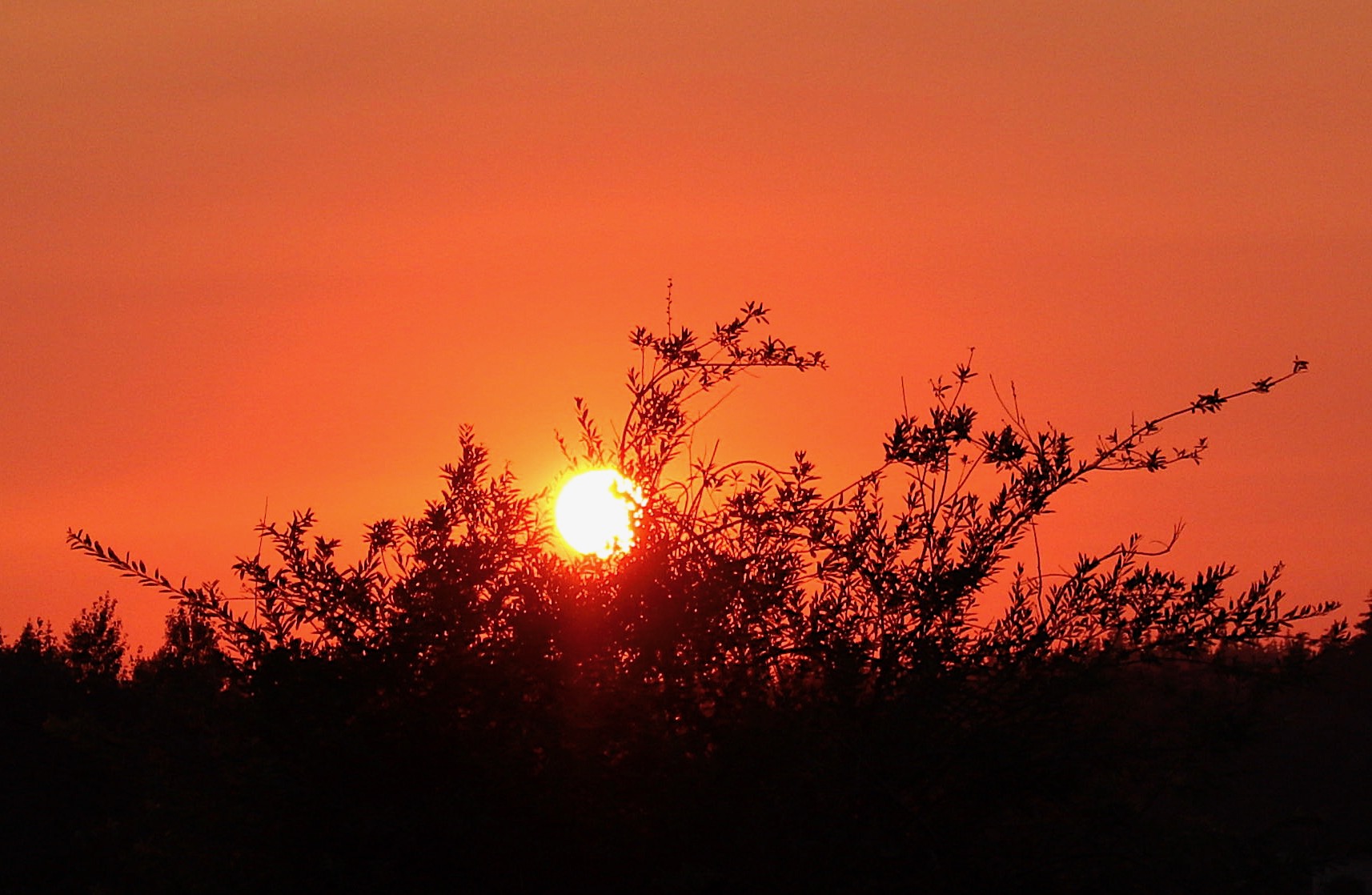
I dream of what was: green and lush foliage and cool rains with the occasional welcome glimpse of a yellow, rather than red, sun.
Color the gray away to thwart the inevitable? Not this woman. I await a different beauty, even if only in my dreams…
Dear God, I cannot love Thee the way I want to.
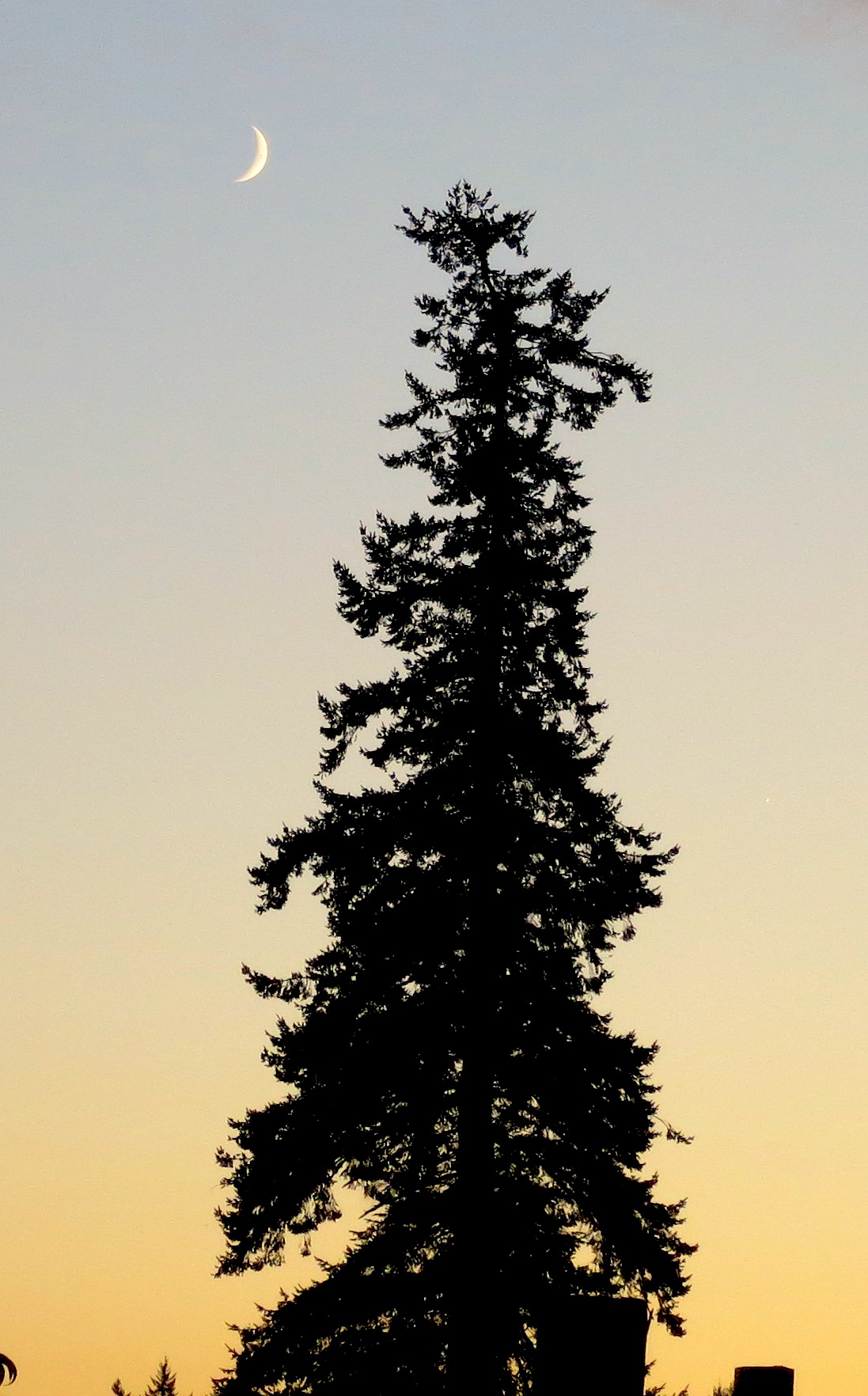
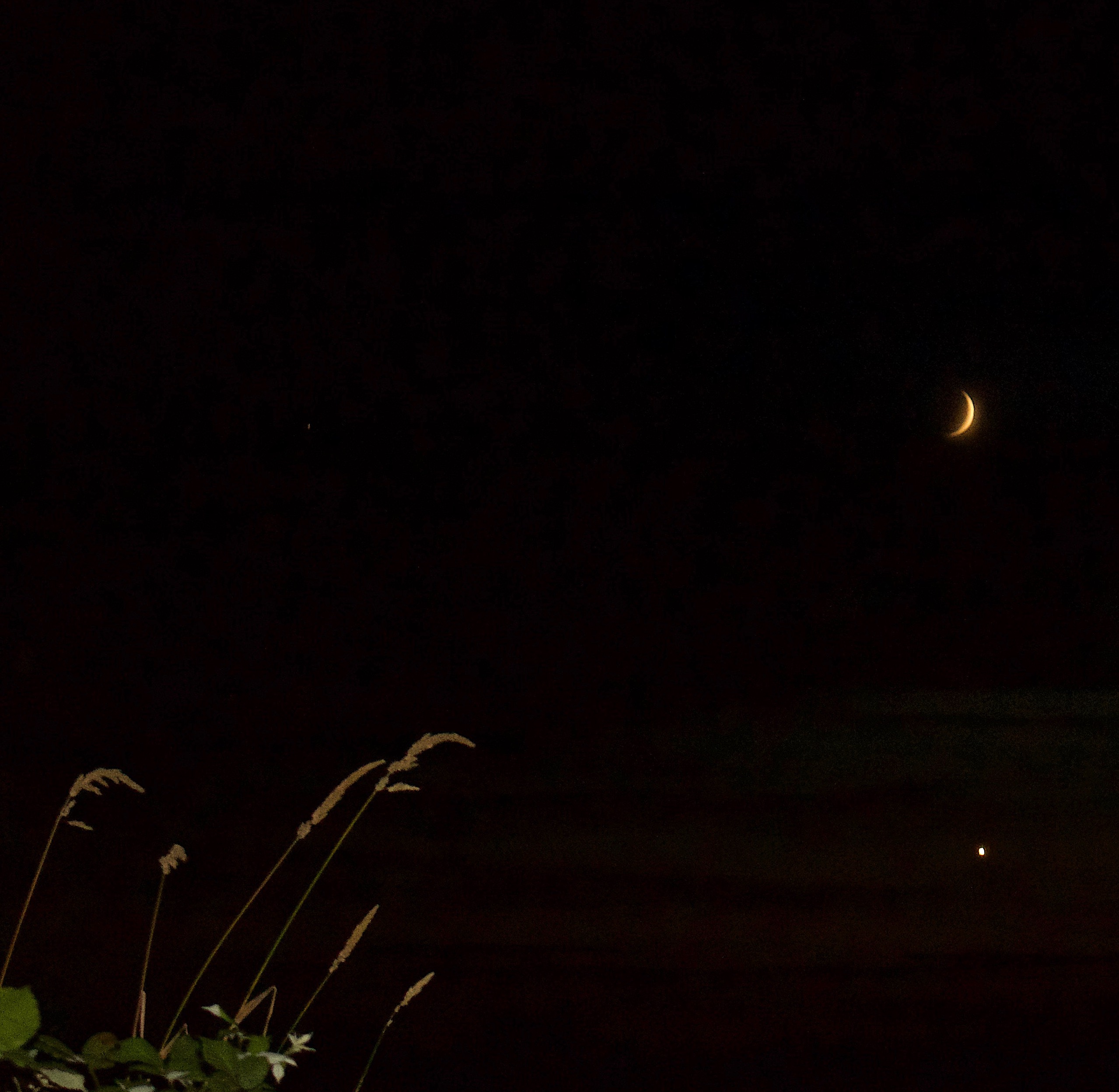
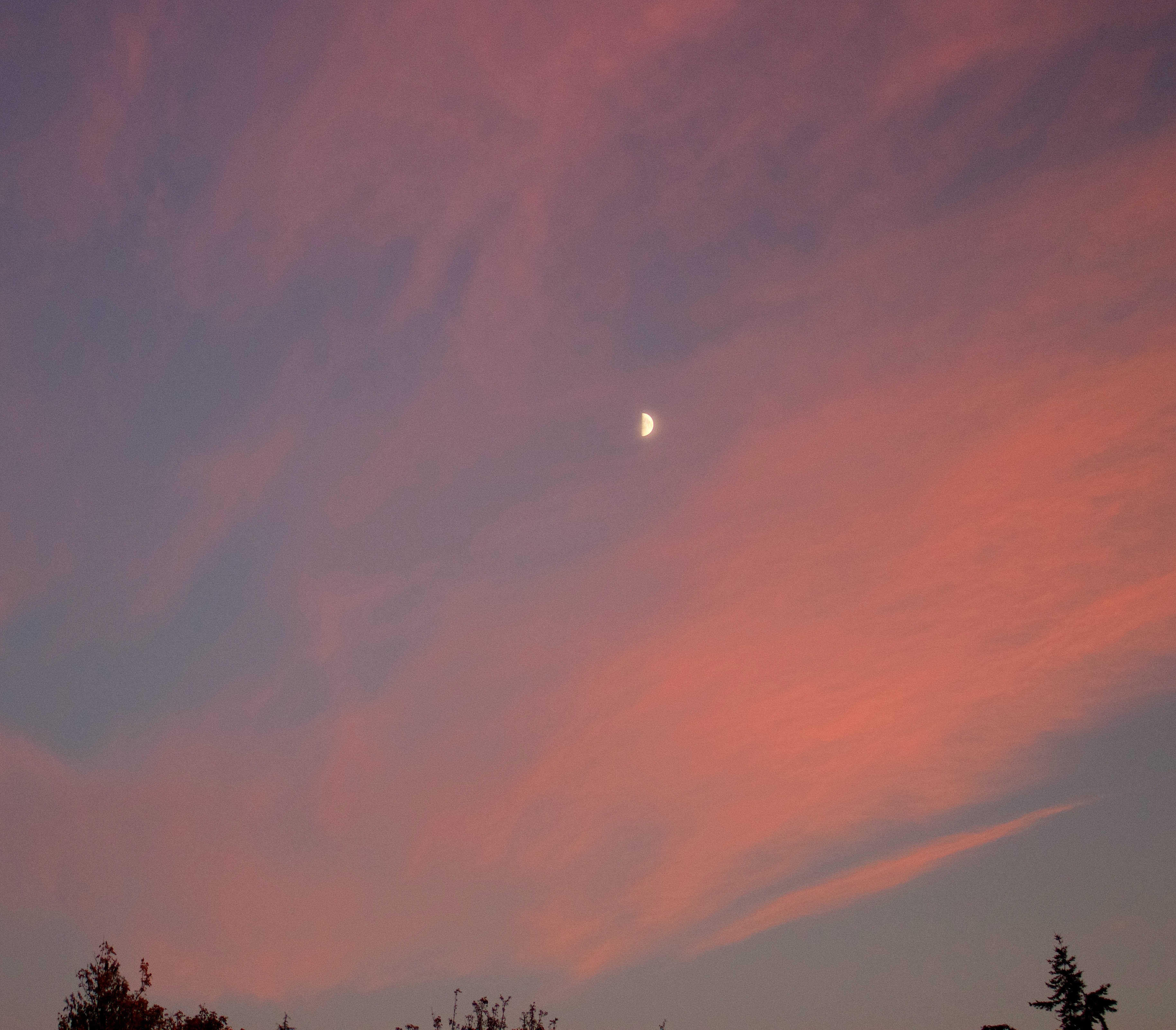
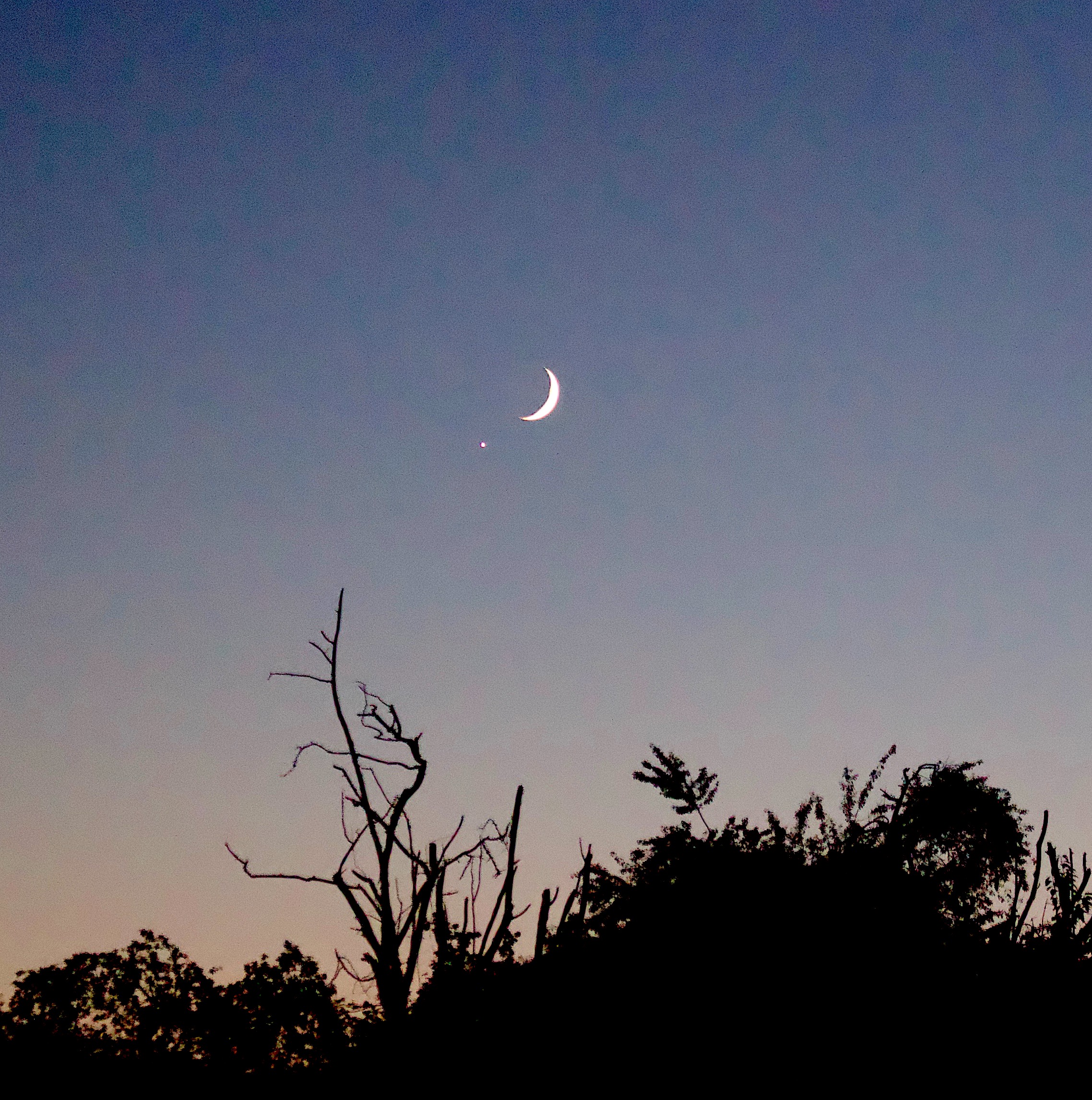
You are the slim crescent of a moon that I see
and my self is the earth’s shadow
that keeps me from seeing all the moon.
The crescent is very beautiful
and perhaps that is all one like I am should or could see;
but what I am afraid of, dear God,
is that my self shadow will grow so large
that it blocks the whole moon,
and that I will judge myself by the shadow that is nothing.
I do not know You God
because I am in the way.
Please help me to push myself aside.
~Flannery O’Connor from her journals
I get in the way all the time — like a photobomb of a shadow casting darkness on all that is light and beauty. With my human “blinders” on, I can’t see beyond where I stand, where I move, what I feel, what I fear, what I see and hear.
And I certainly get in the way of my knowing God. I think this is all about me.
It’s not.
He’s there, though partially hidden in my need to be front and center.
He’s there, His glory and truth manifest behind me, if only I would turn to see.
He’s there, gently instructing me to get out of my own way.
He’s there, fully radiant, once I step back in awe.
Further in Summer than the Birds Pathetic from the Grass A minor Nation celebrates Its unobtrusive Mass.
No Ordinance be seen So gradual the Grace A pensive Custom it becomes Enlarging Loneliness.
Antiquest felt at Noon When August burning low Arise this spectral Canticle Repose to typify
Remit as yet no Grace No Furrow on the Glow Yet a Druidic Difference Enhances Nature now ~Emily Dickinson
“…one of the great poems of American literature. The statement of the poem is profound; it remarks the absolute separation between man and nature at a precise moment in time. The poet looks as far as she can into the natural world, but what she sees at last is her isolation from that world. She perceives, that is, the limits of her own perception. But that, we reason, is enough. This poem of just more than sixty words comprehends the human condition in relation to the universe:
So gradual the Grace A pensive Custom it becomes Enlarging Loneliness.
But this is a divine loneliness, the loneliness of a species evolved far beyond all others. The poem bespeaks a state of grace. In its precision, perception and eloquence it establishes the place of words within that state. Words are indivisible with the highest realization of human being.” ~N. Scott Momaday from The Man Made of Words
On the first day I took his class on Native American Mythology and Lore in 1974 at Stanford, N.Scott Momaday strolled to the front, wrote the 60 words of this Dickinson poem on the blackboard. He told us we would spend at least a week working out the meaning of what he considered the greatest poem written — this in a class devoted to Native American writing and oral tradition. In his resonant bass, he read the poem to us many times, rolling the words around his mouth as if to extract their sweetness. This man of the plains, a member of the Kiowa tribe, loved this poem put together by a New England recluse poet — someone as culturally distant from him and his people as possible.
But grace works to unite us, no matter our differences, and Scott knew this as he led us, mostly white students, through this poem. What on the surface appears a paean to late summer cricket song doomed to extinction by oncoming winter, is a statement of the transcendence of man beyond our understanding of nature and the world in which we, its creatures, find ourselves.
As summer begins its descent into the dark death of winter, we, unlike the crickets, become all too aware we too are descending, particularly when the skies are filled with smoke from uncontrolled wildfires in the north, the east and the south. There is no one as lonely as an individual facing their mortality and no one as lonely as a poet facing the empty page, in search of words to describe the sacrament of sacrifice and perishing.
Yet the Word brings Grace unlike any other, even when the cricket song, pathetic and transient as it is, is gone. The Word brings Grace, like no other, to pathetic and transient man who will emerge transformed.
There is no furrow on the glow. There is no need to plow and seed our salvaged souls, already lovingly planted and nurtured by our Creator God, yielding a fruited plain.
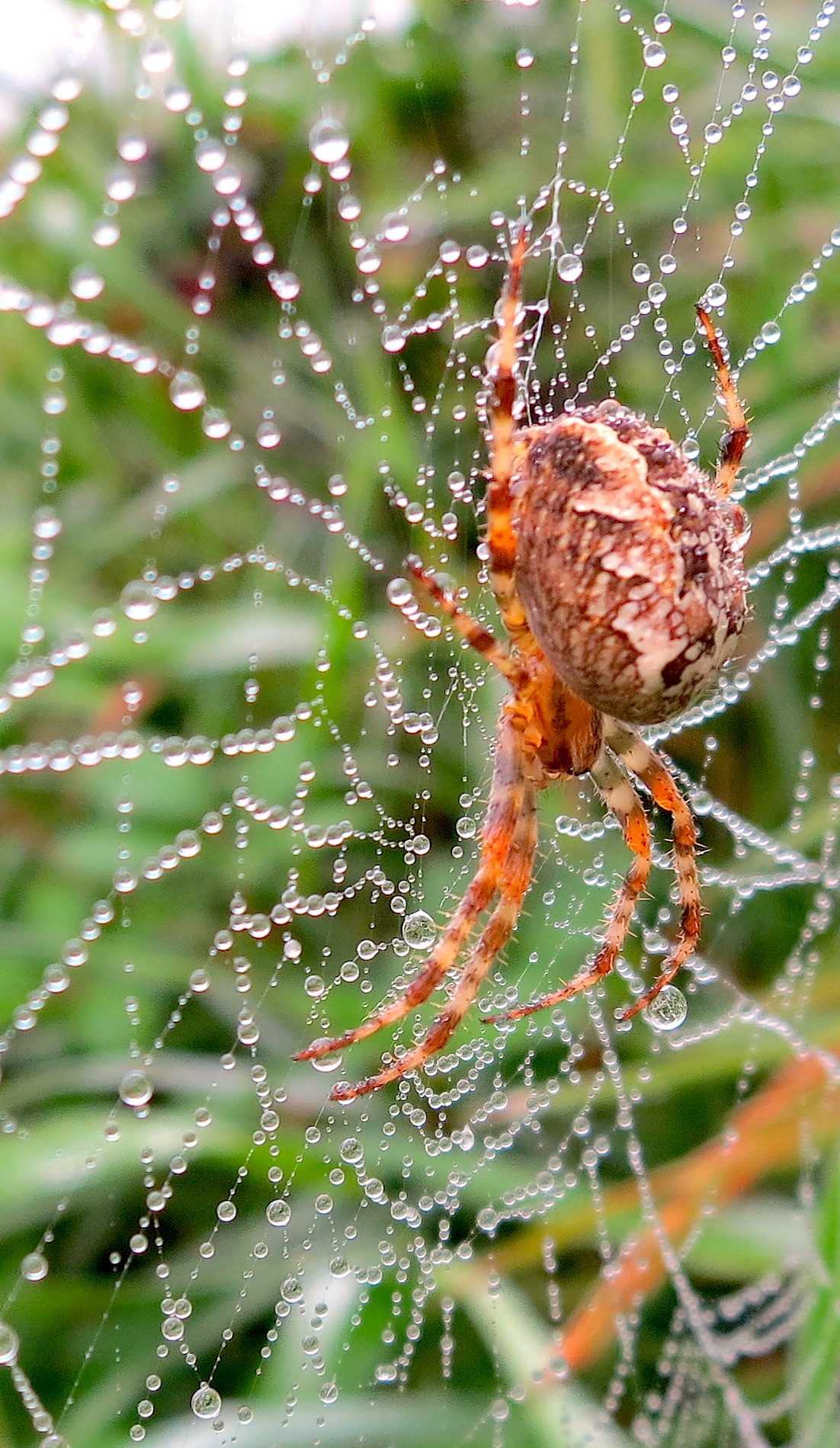
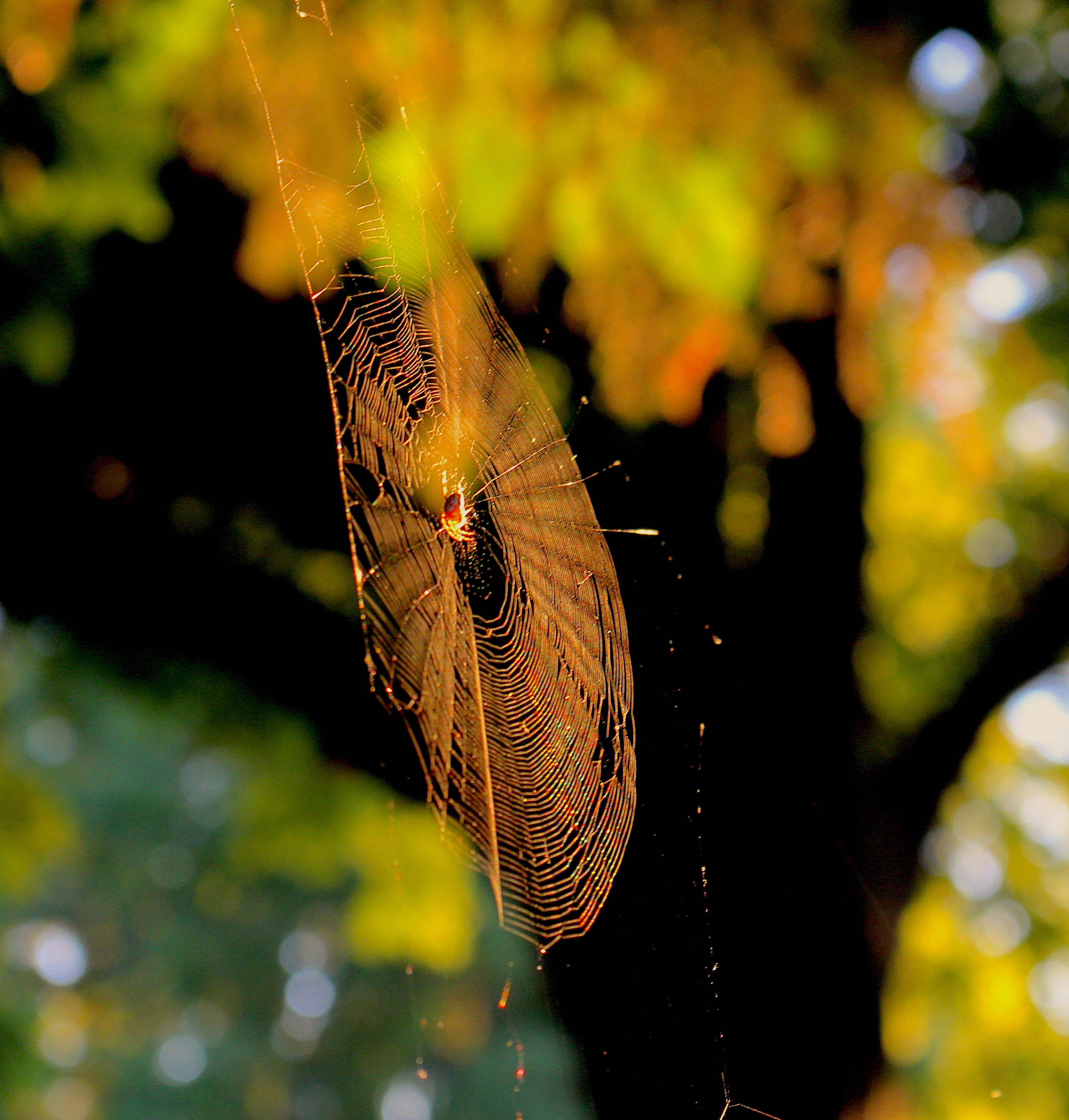
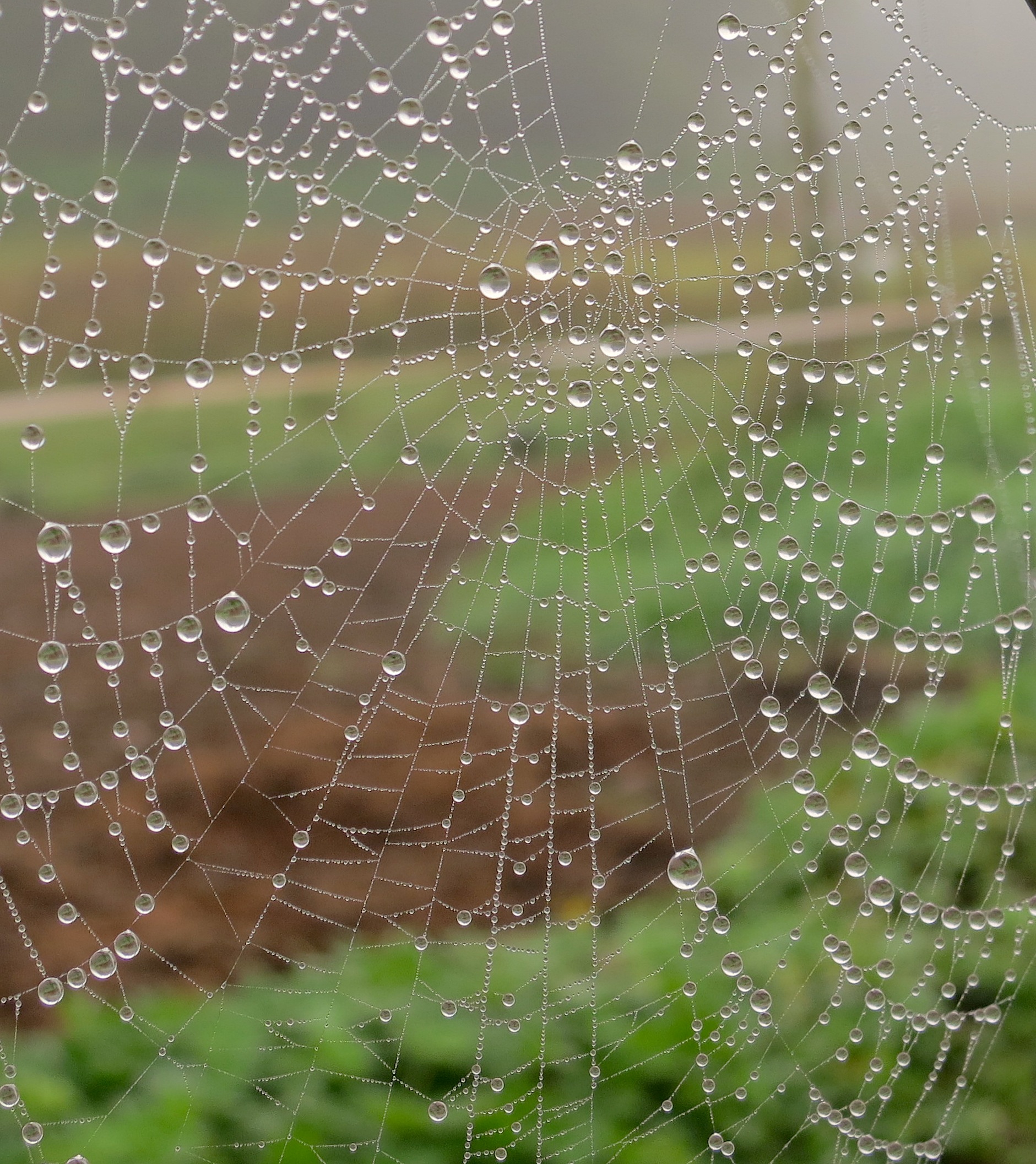
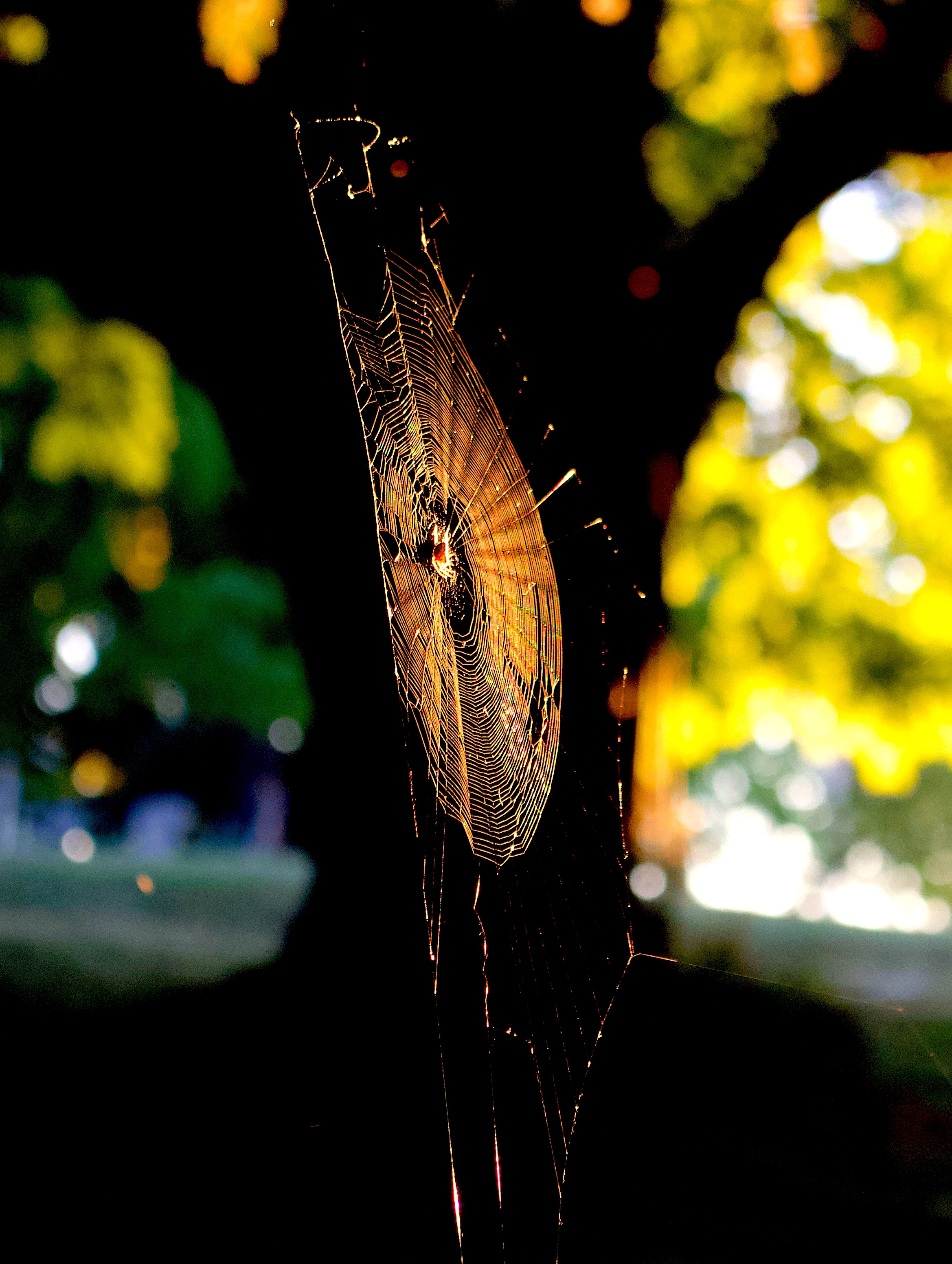
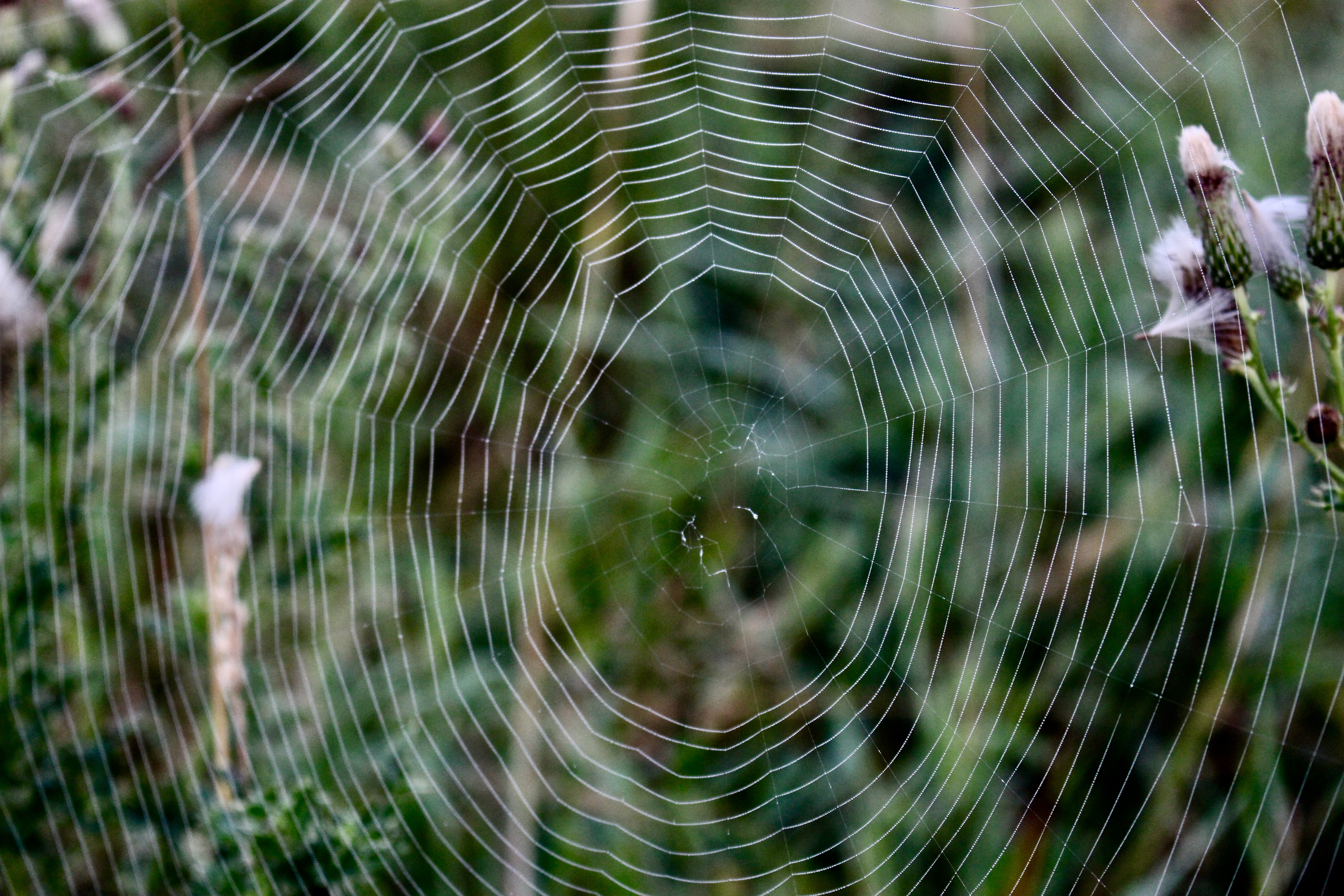
A weaver, this spider, she plays her eight thin black legs and their needle-nail toes across the threads faster, more precisely, than a harpist at concert can pluck the strings in pizzicato.
Although blind at night, she nevertheless fastens a thread to a branch of chokecherry on one side of the path, links it to a limb of shining sumac opposite, latches the scaffold to ground stone and brace of rooted grasses. And the structure takes dimension.
Skittering upside down across and around, she hooks the hooks, knots the widening spirals, the tightened radii, orbs and hubs, bridges and bridgeheads. We can never hear the music she makes as she plucks her silk strings with all the toes and spurs and tarsal tufts of her eight legs at once. She performs the reading of her soul.
She expands the sky, her completed grid a gamble, a ploy played on the night. The silk is still, translucent and aerial, hanging in a glint of half-moon. The work is her heart strung on its tethers, ravenous, abiding. ~Pattiann Rogers from “Hail, Spirit”
I too often feel stretched between several points as well.
I attach to important touch points and I weave between them, sometimes not sure where I’ll land or what I’ll connect with or what I’ll leave behind.
Sometimes what I create is beautifully delicate and functional.
Sometimes it is blurry and out of focus.
The center doesn’t always hold. The tethers loosen. The periphery frays.
But it was once something. That’s all that matters.
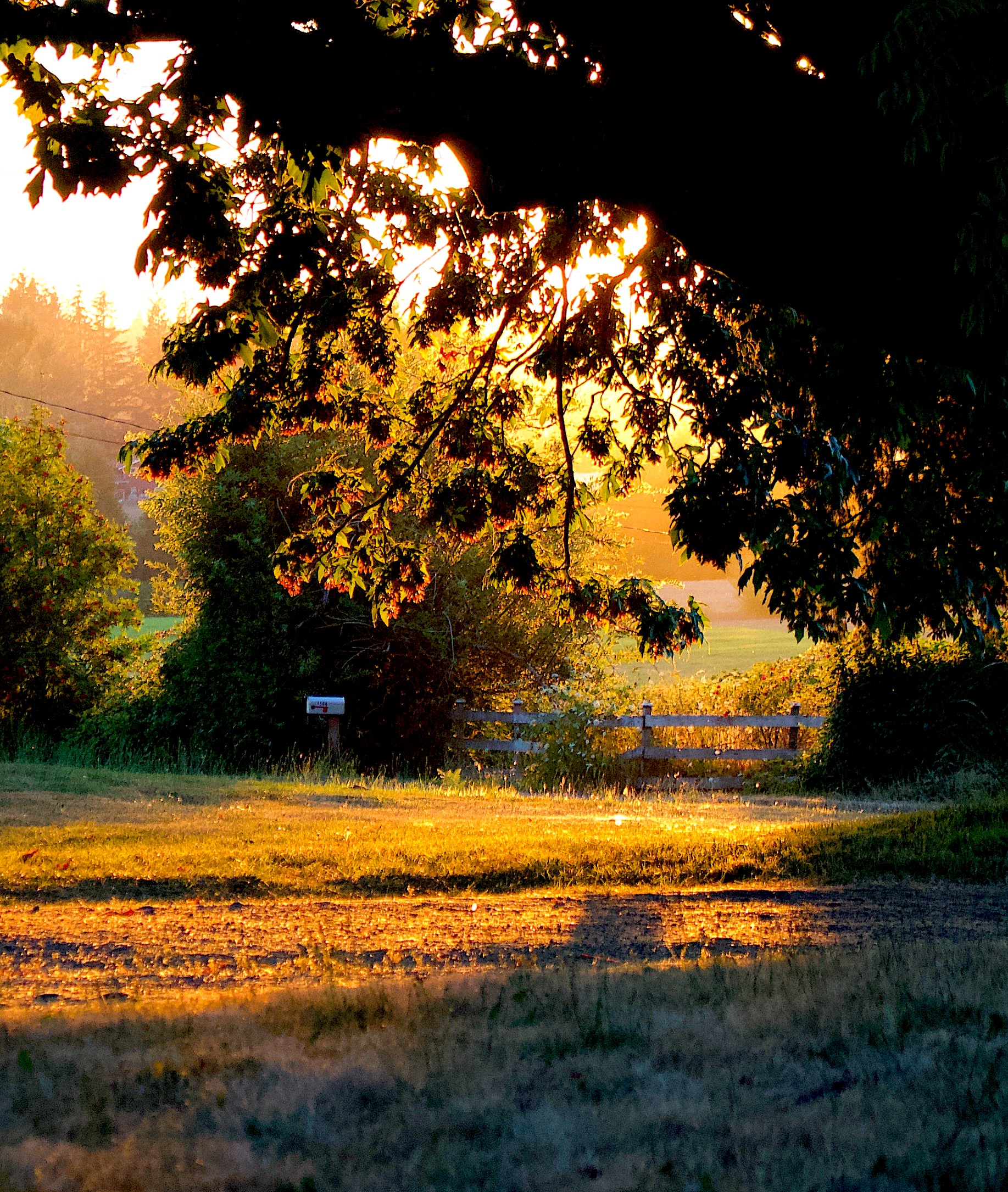
The daylight is huge. Five a.m. and the sky already blushing gray. Mornings so full of blue the clouds almost sheepish as they wisp over hills. High noon only happens in June, mid-day a tipping point, the scale weighed down on both sides with blazed hours. And the evenings— so drawn out the land lies stunned by that shambling last light. ~Amy MacLennan “The Daylight is Huge” from The Body, A Tree.
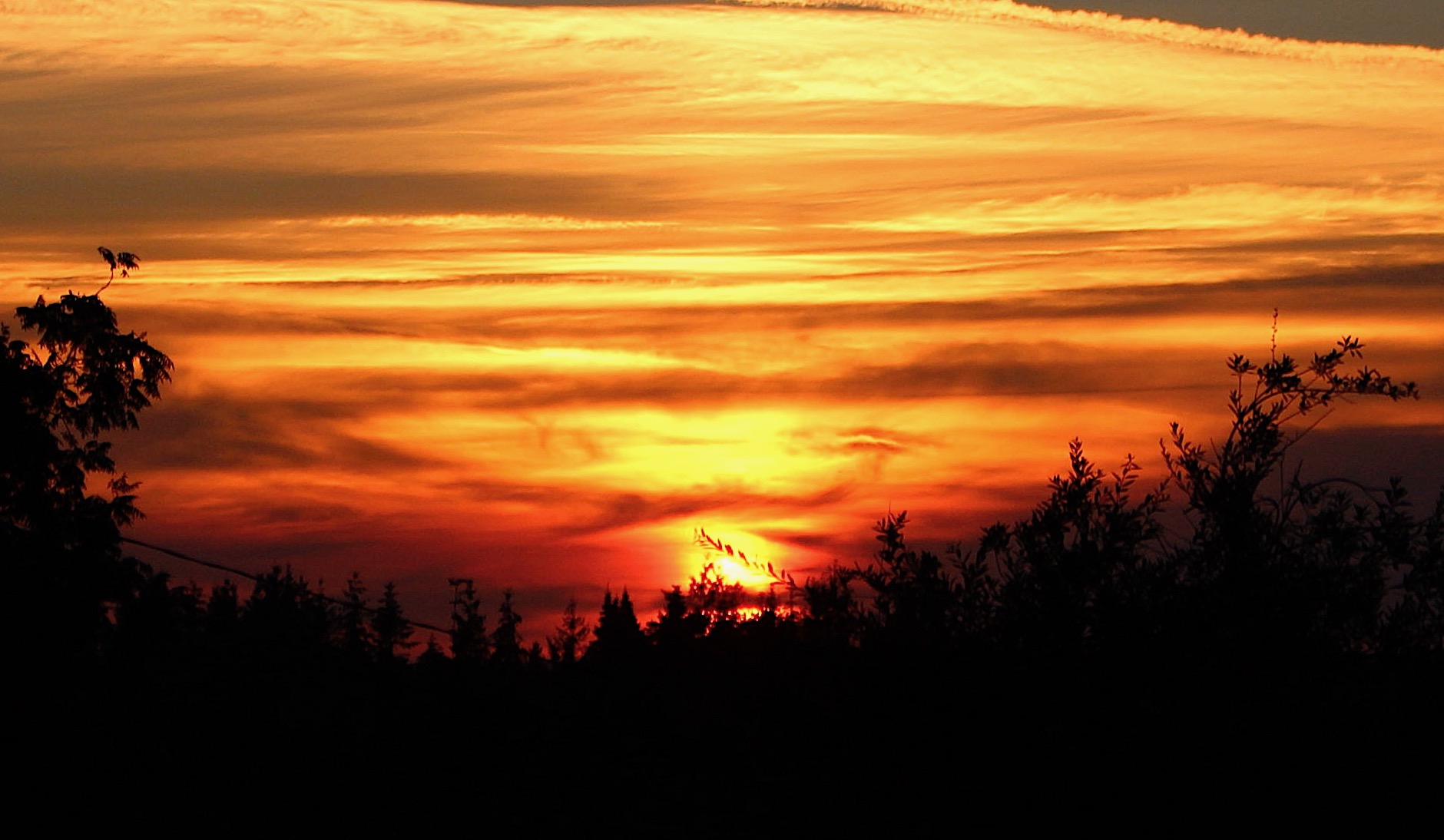
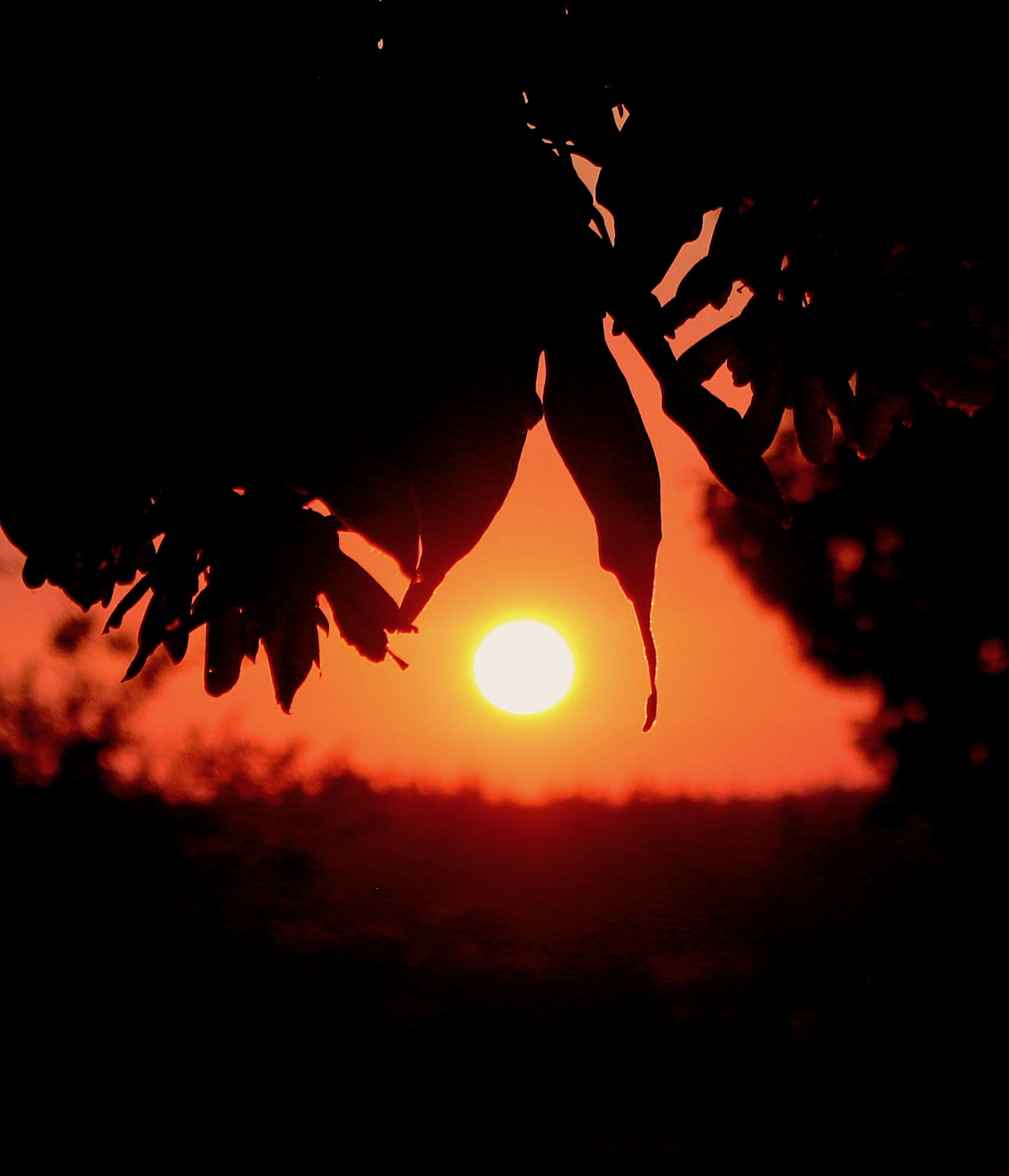
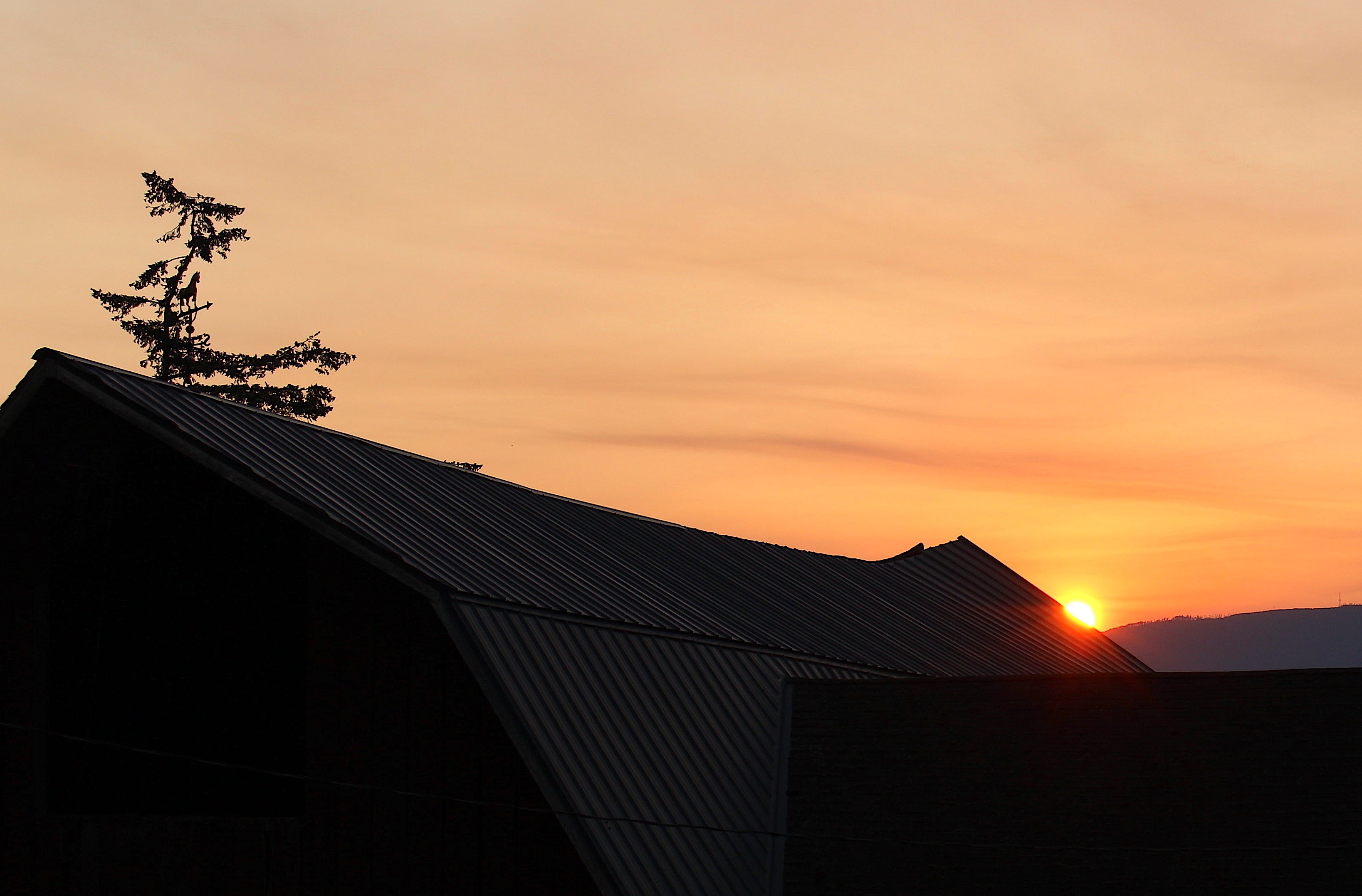
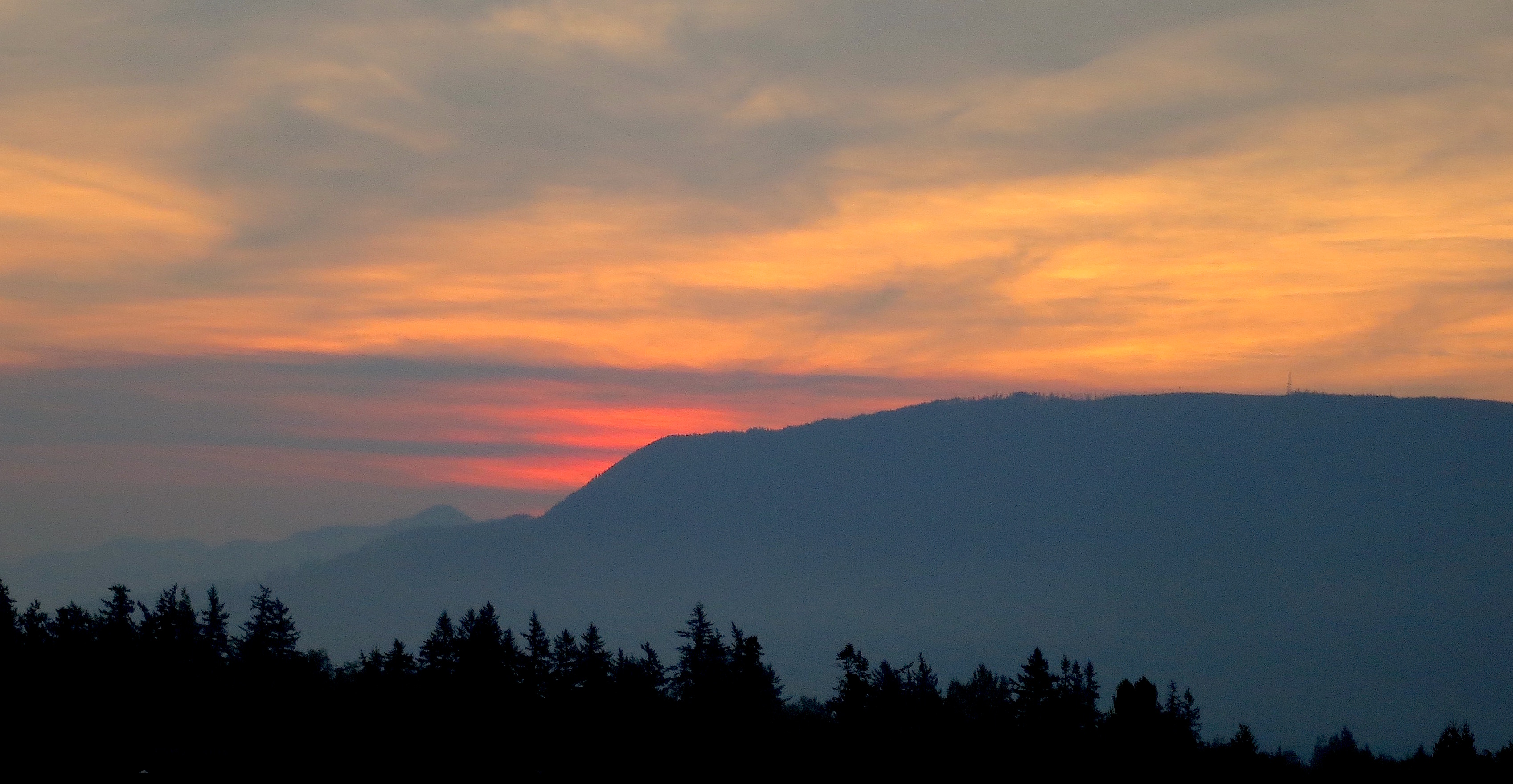
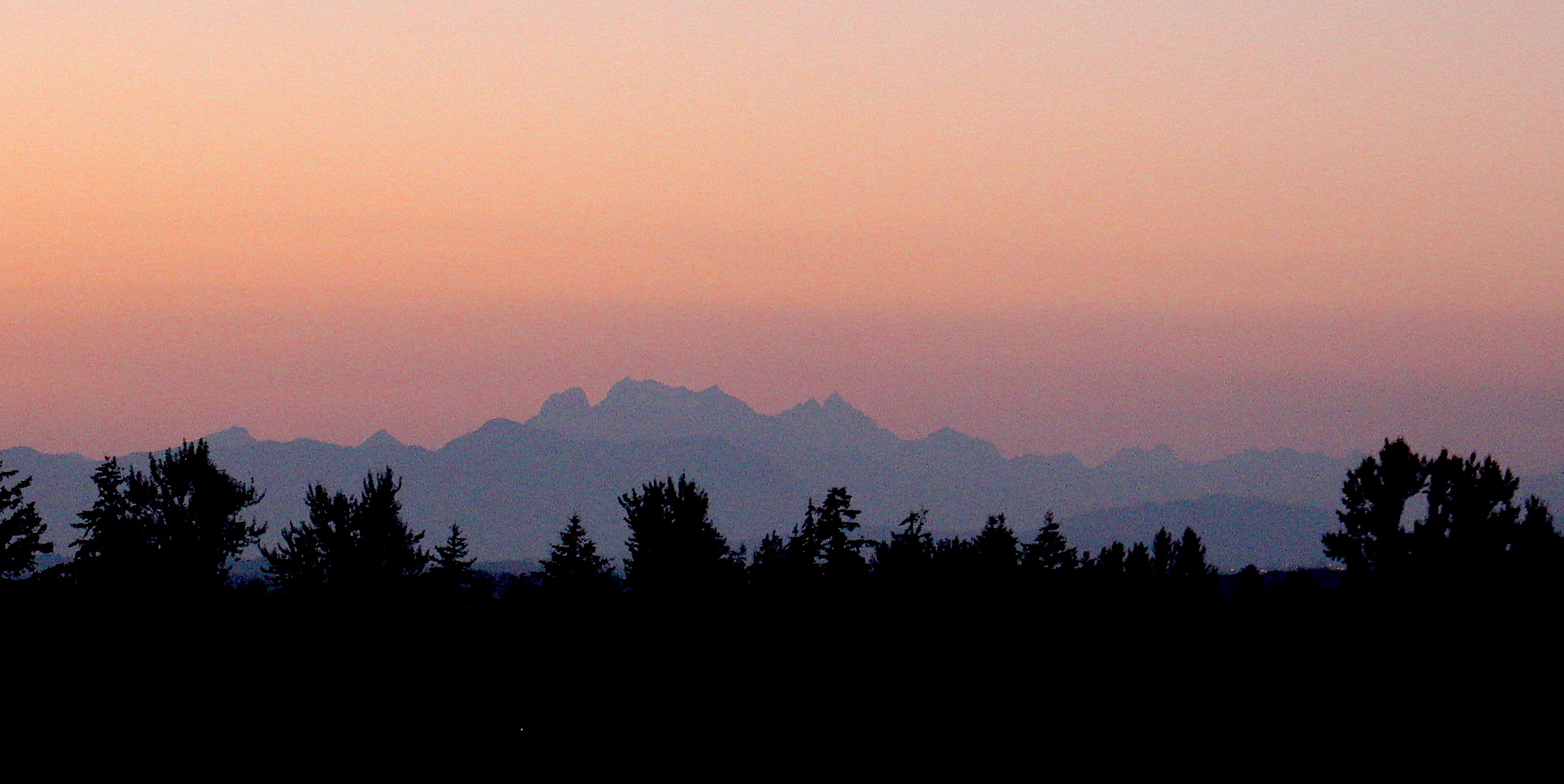
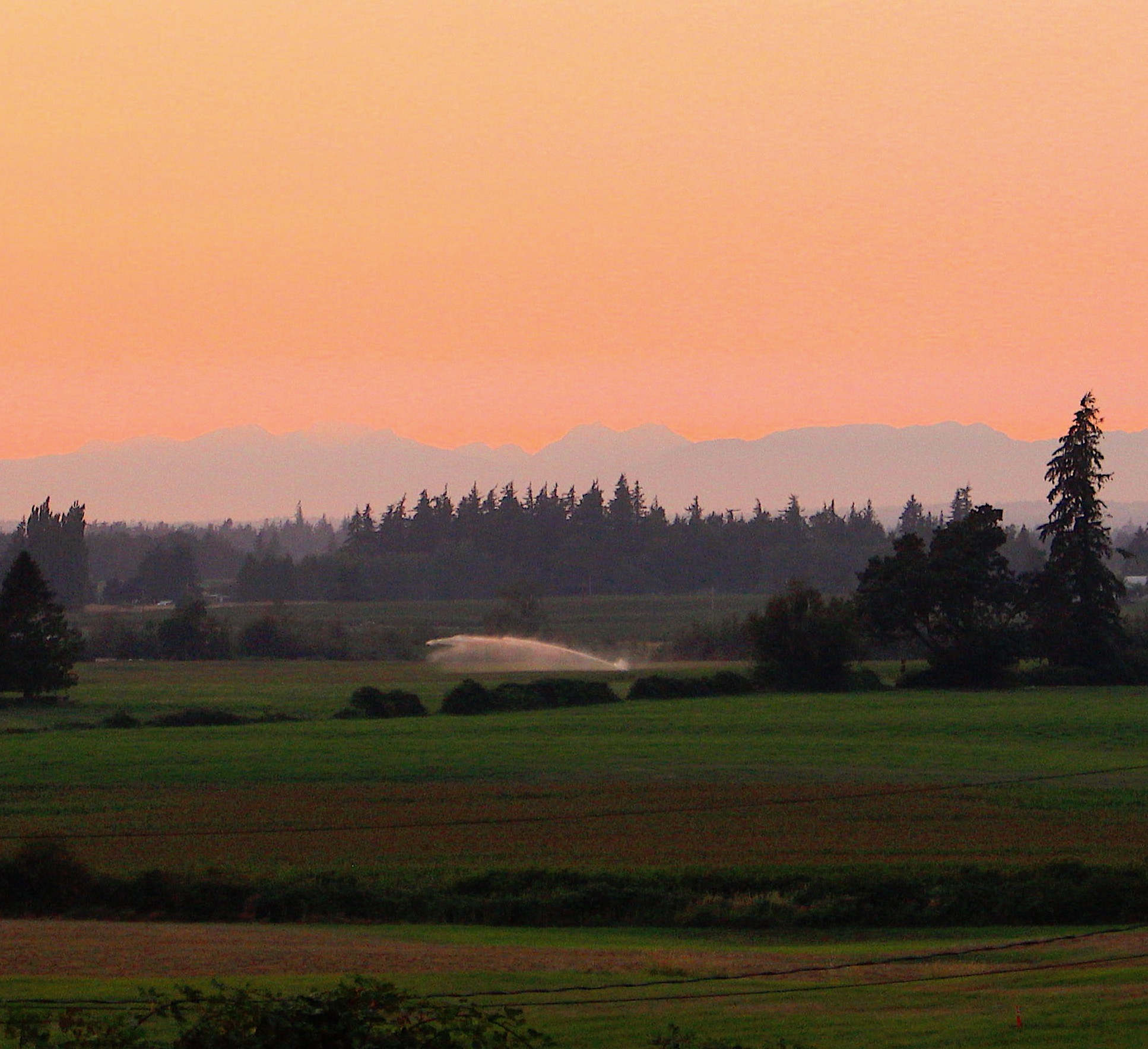
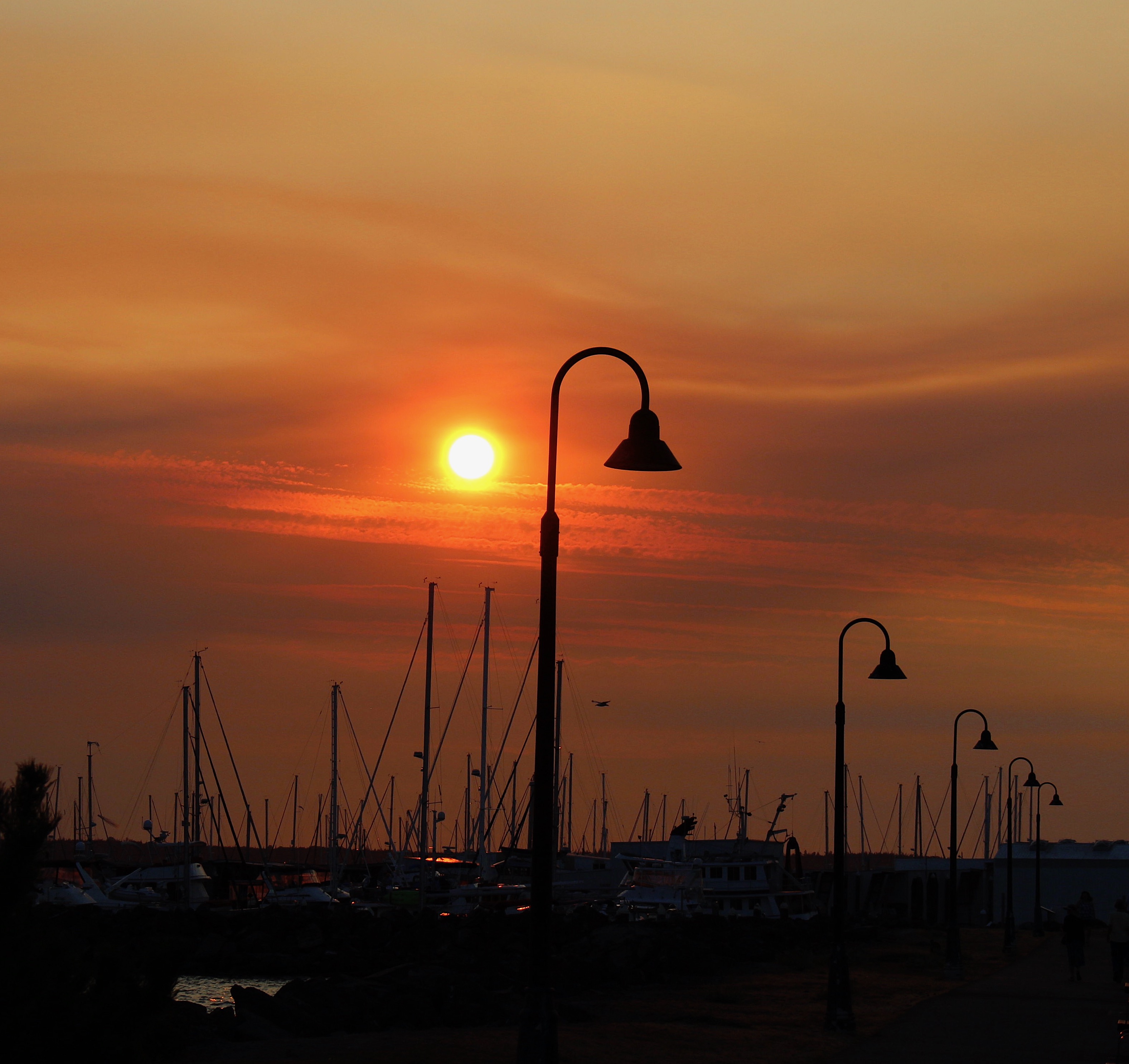
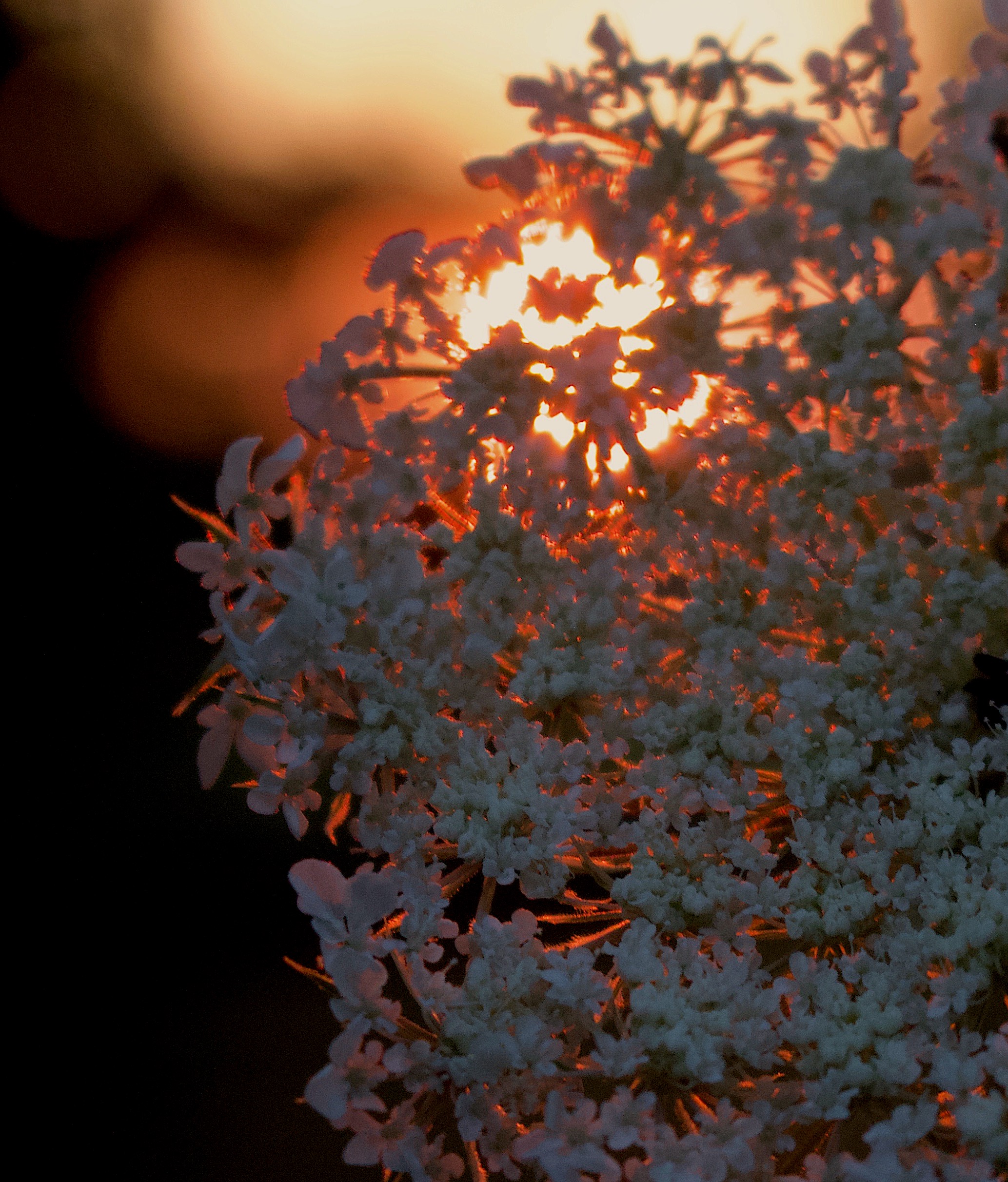
May a sunrise or sunset never become so routine that I fail to stop what I’m doing and acknowledge it and be stunned:
the richness of the backdrop where the paint is splashed though the foreground remains unchanged.
the timing being all its own, whether slow simmer that never reaches full boil, or a burst and explosion that is over in a matter of minutes.
the expanse and drama of unique color and swirl, layers and uniformity, gentle yellows and purples and pinks or glaring reds and oranges.
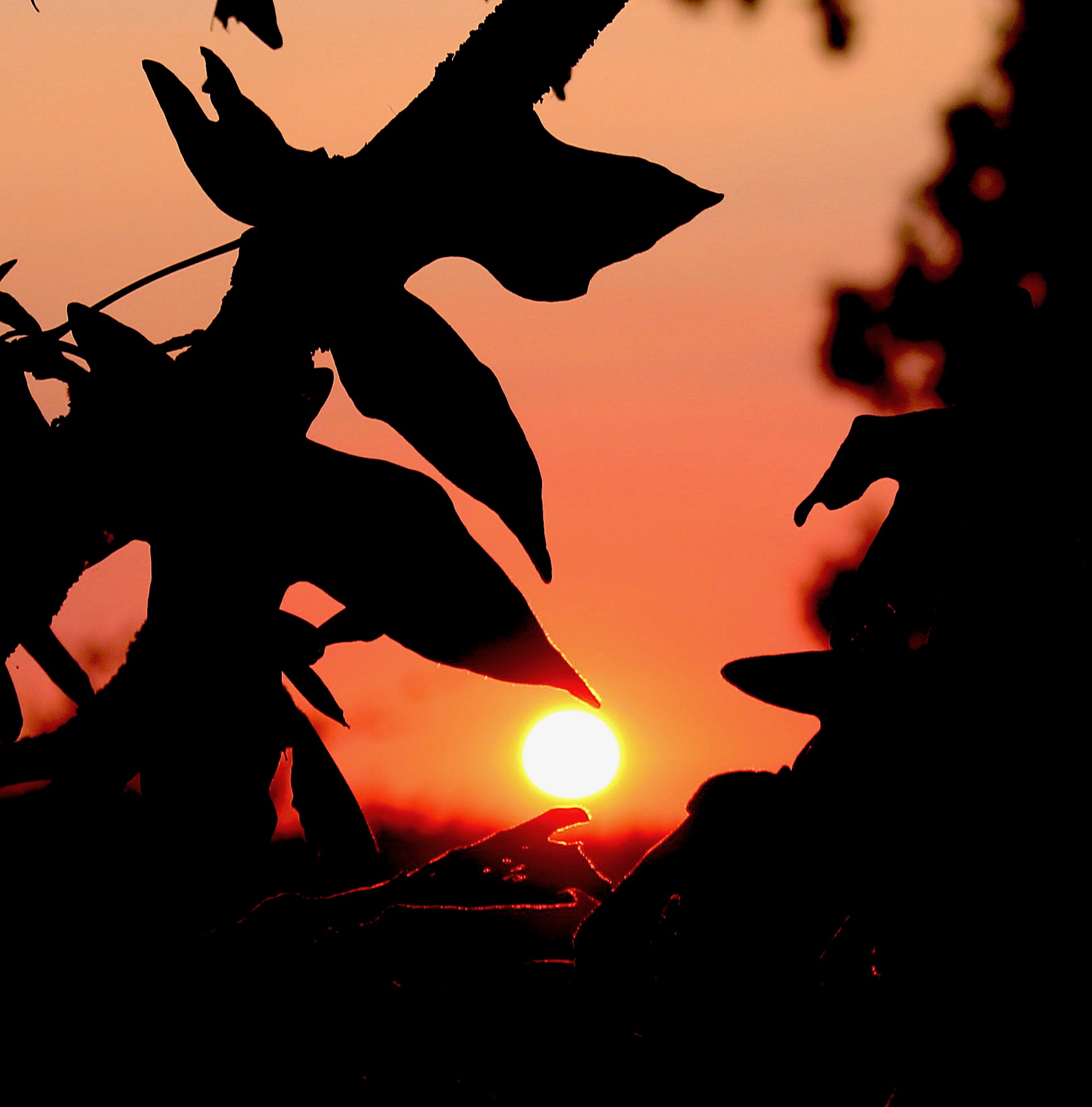
May a sun be ripe for picking, to grasp briefly and hold on to and then let go – too hot to handle, too remote to tuck away in my pocket for another day.
“Once I saw a chimpanzee gaze at a particularly beautiful sunset for a full 15 minutes, watching the changing colors [and then] retire to the forest without picking a pawpaw for supper.” ~Adriaan Krotlandt, Dutch ethologist
We humans contribute to the world’s gloom,
like dark shadows on a dark landscape.…
But now this man from Nazareth comes to us
and invites us to mirror God’s image,
and shows us how.
He says:
you too can become light, as God is light.
What is all around you is not hell,
but rather a world waiting to be filled with hope and faith.
This world is your home as surely as the God who created and wrought it is love.
You may not believe it, but you can love this world.
It is a place of God.
It has a purpose.
Its beauty is not a delusion.
You can lead a meaningful life in it. ~Jörg Zink “Doors to the Feast”
In this dark world we search for inspiration and a sense of purpose in the most unlikely places:
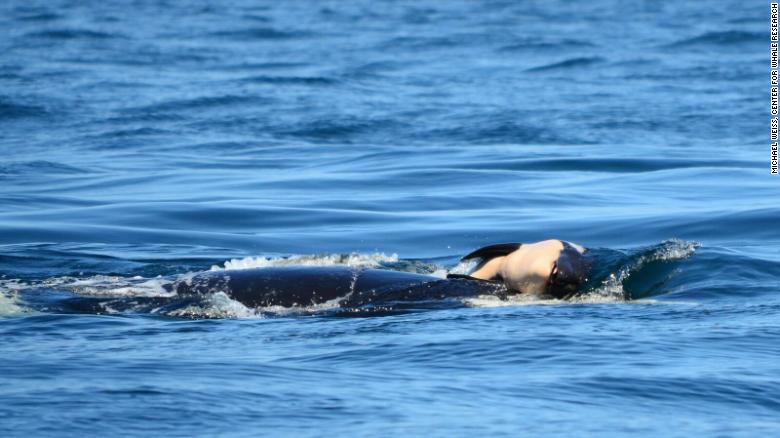
this past week, we were awestruck by the devotion of a mother killer whale in nearby Puget Sound who has carried her dead baby on her nose for over a week, unwilling to abandon the lifeless body to the sea.
There is tragic beauty in such demonstration of profound love, a recognition of our own losses and helplessness in the face of death.
We too are carried by our Savior through His relentless devotion and love for us, never to abandon us.
Even in the face of loss and consumed by the darkness of the world, we love as we are loved, body of His body.
Lo, let that night be desolate;
let no joyful voice come therein.
Let them curse it that curse the day,
who are ready to rouse up leviathan.
—Job 3:7-8










 Barnstorming