A Holy Day

Holy as a day is spent
Holy is the dish and drain
The soap and sink, and the cup and plate
And the warm wool socks, and the cold white tile
Shower heads and good dry towels
And frying eggs sound like psalms
With bits of salt measured in my palm
It’s all a part of a sacrament
As holy as a day is spent


Holy is the familiar room
And quiet moments in the afternoon
And folding sheets like folding hands
To pray as only laundry can
I’m letting go of all my fear
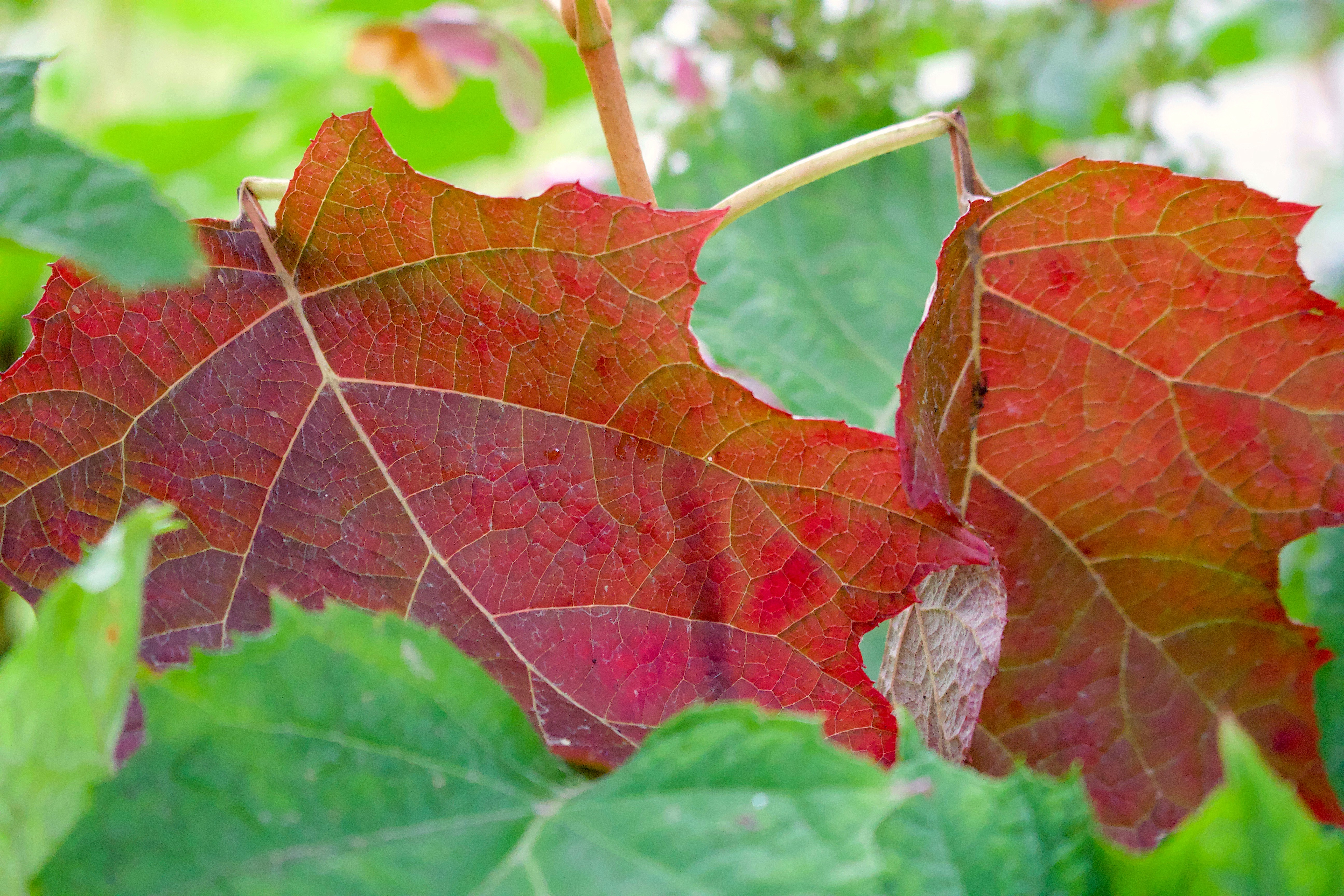
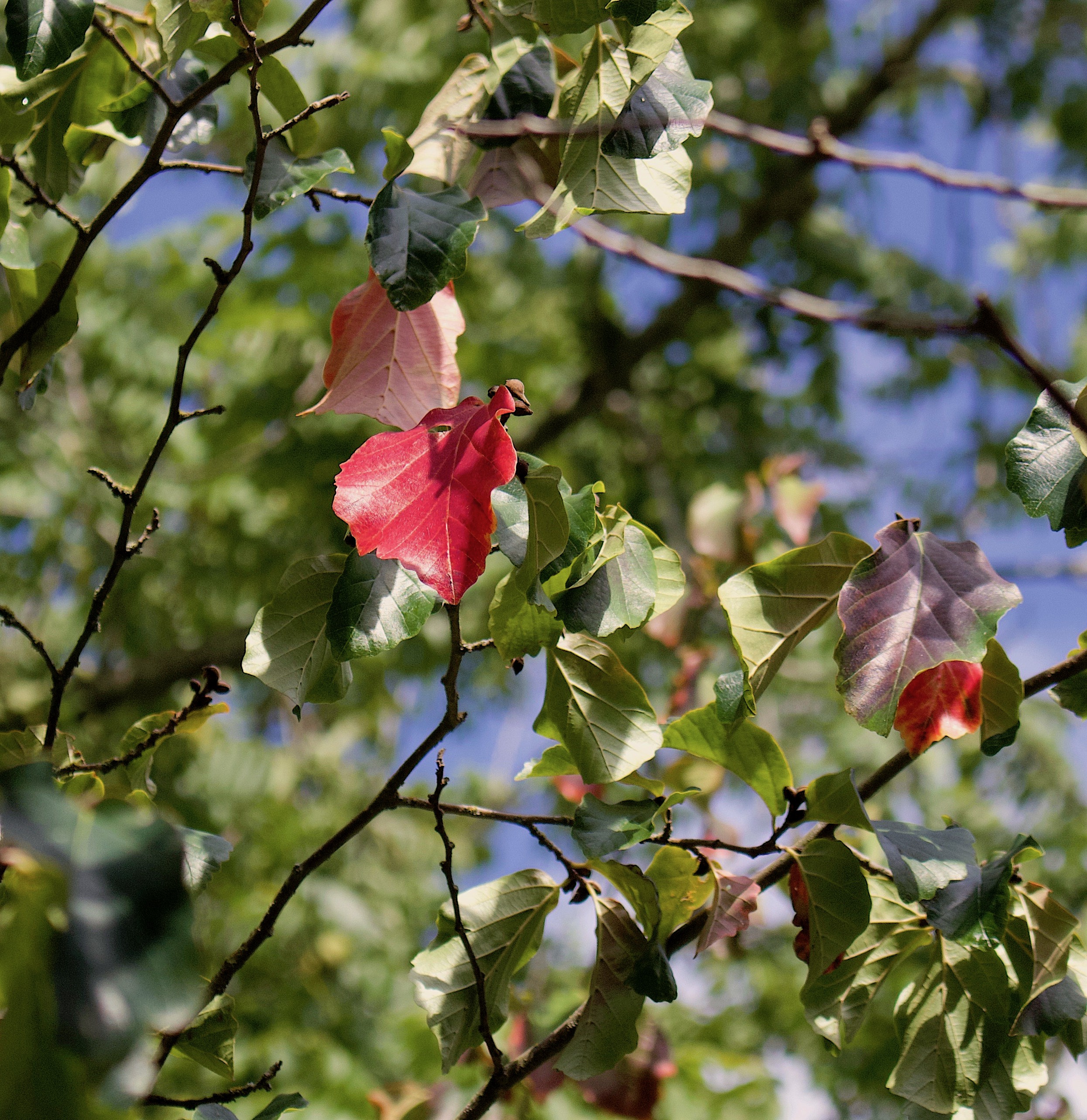
Like autumn leaves made of earth and air
For the summer came and the summer went
As holy as a day is spent


Holy is the place I stand
To give whatever small good I can
And the empty page, and the open book
Redemption everywhere I look
Unknowingly we slow our pace
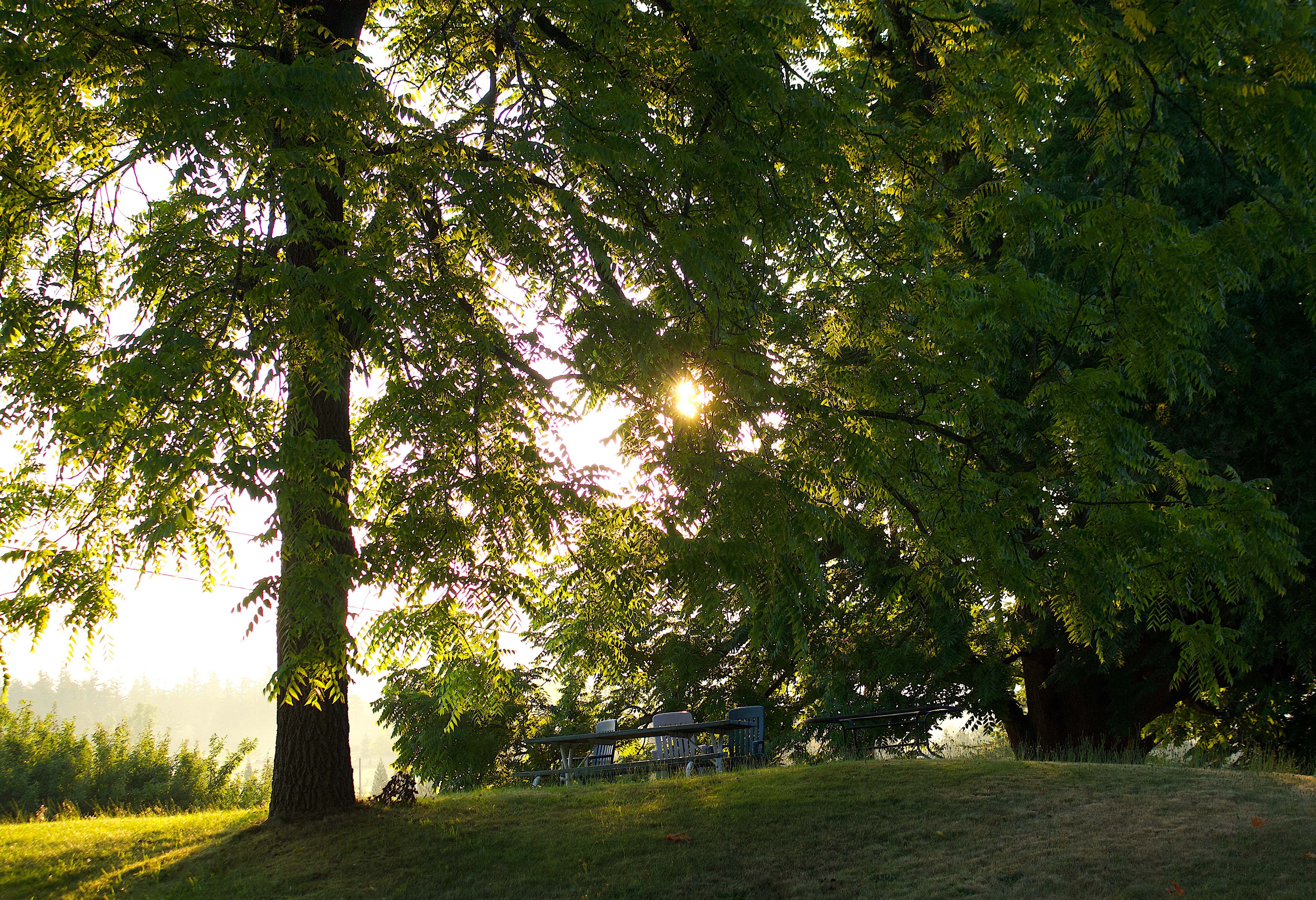
In the shade of unexpected grace
And with grateful smiles and sad lament
As holy as a day is spent
And morning light sings ‘providence’
As holy as a day is spent
~Carrie Newcomer “Holy as a Day Is Spent “

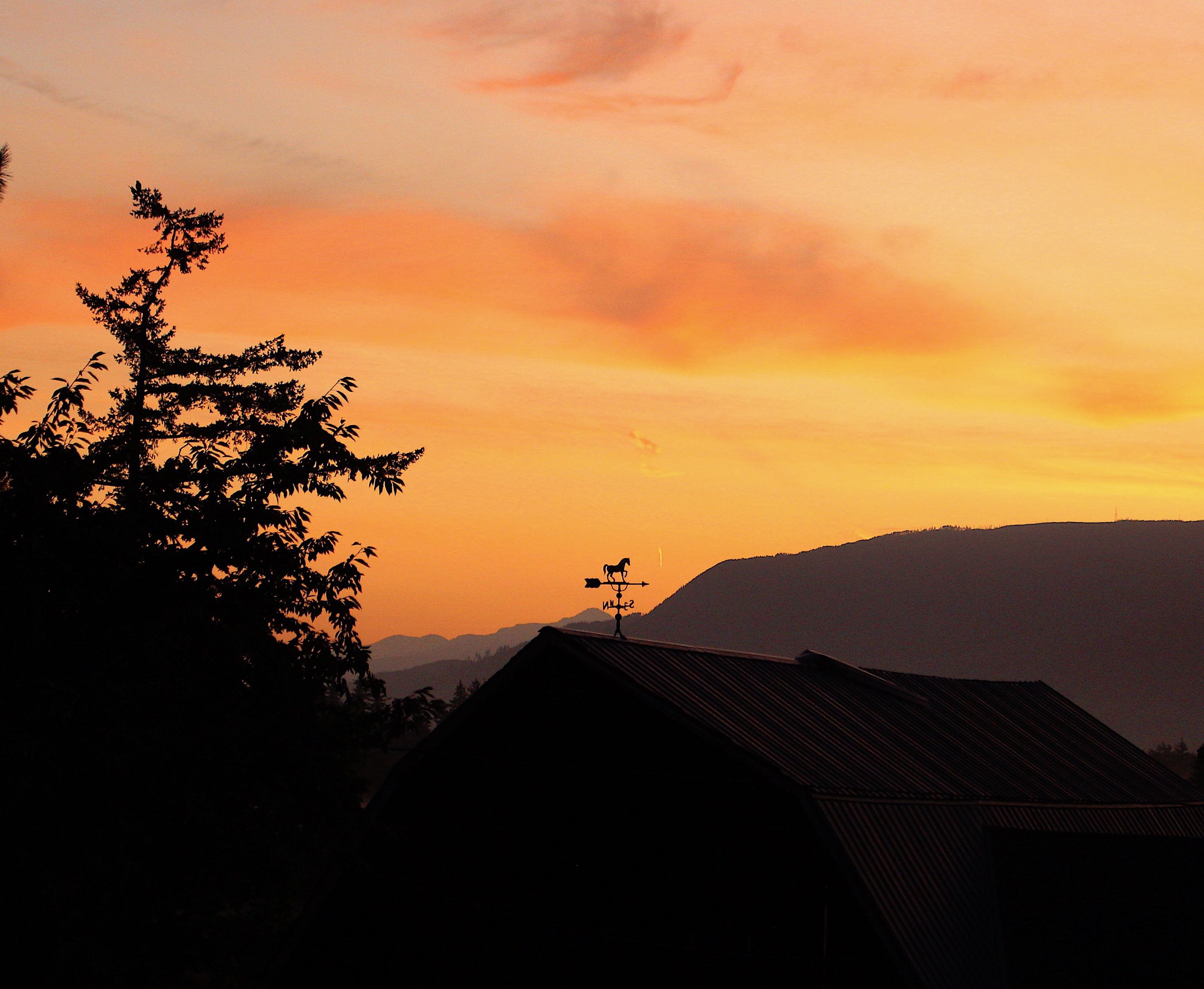
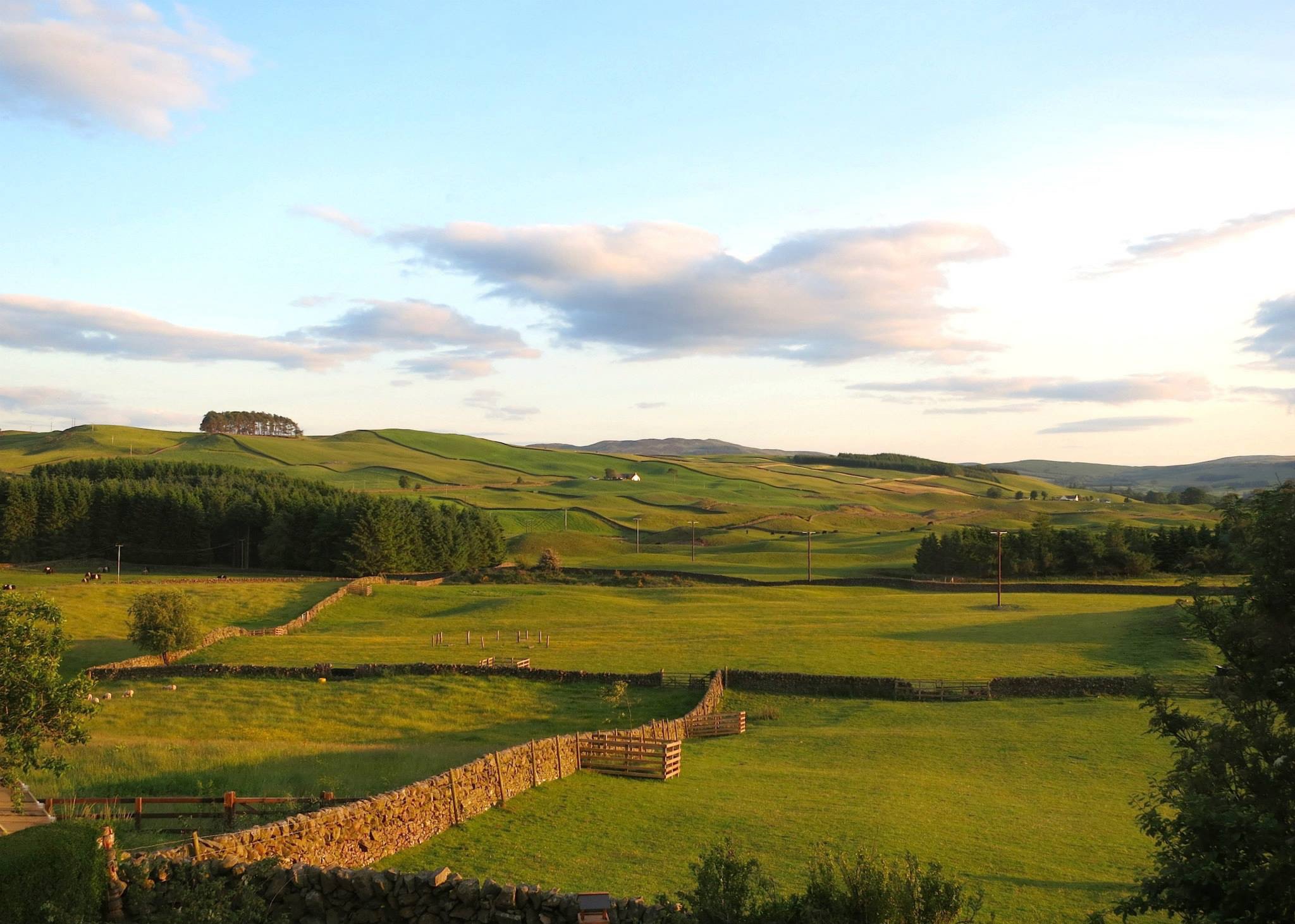
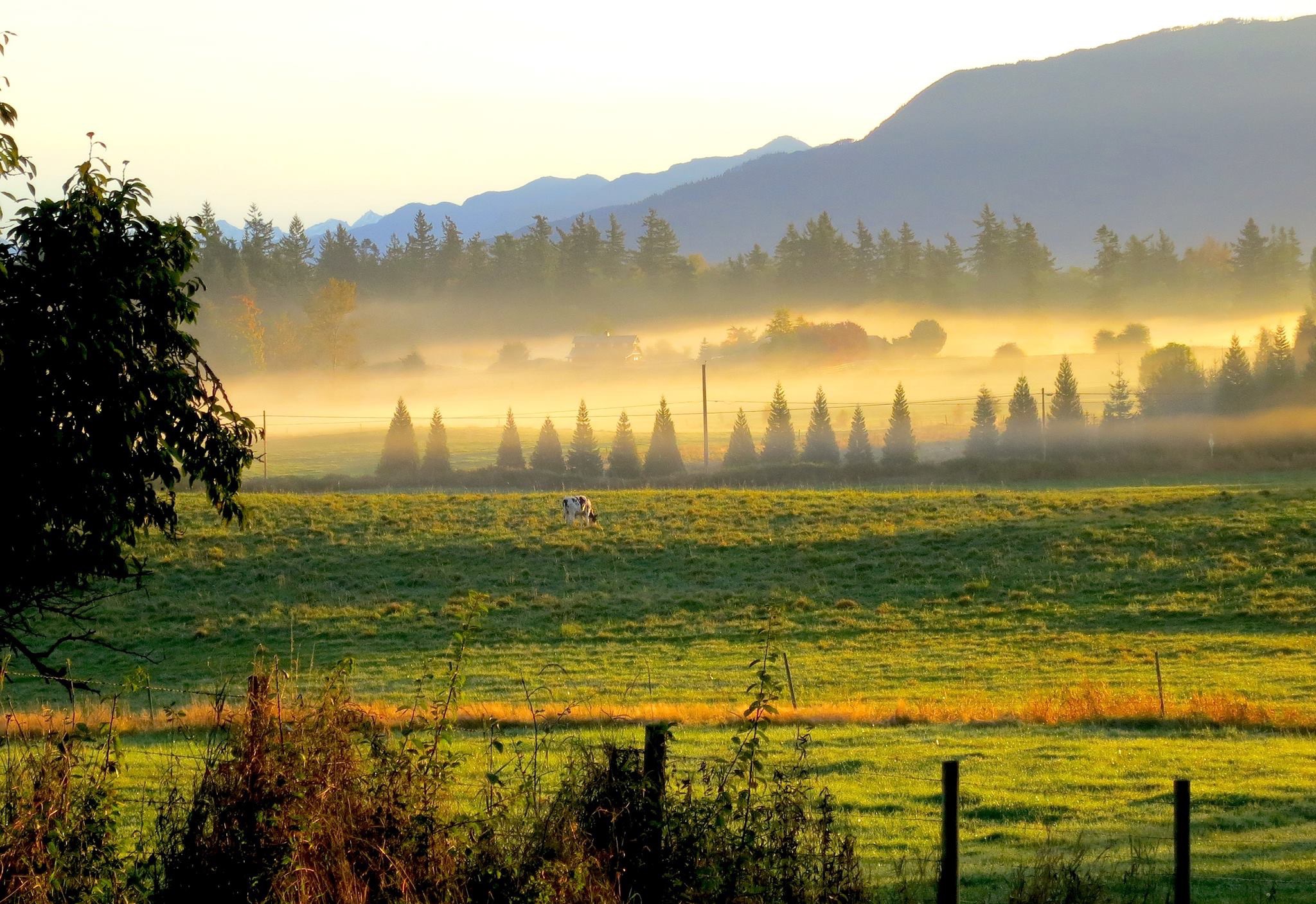
If the New York Times says “Something Special is Happening in Rural America,” then of course, it must be true. But those of us out in the hinterlands have known the truth about the quieter life for decades. The pace is slower, the space is greater, the faces are friendlier.

It’s the small things that matter on a daily basis. Being in the center of things doesn’t matter.

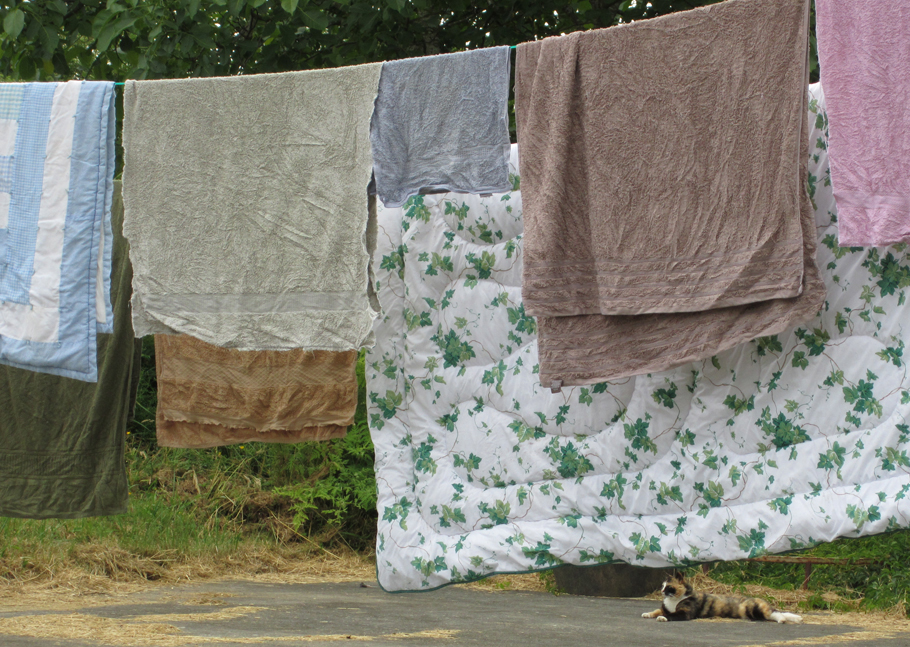
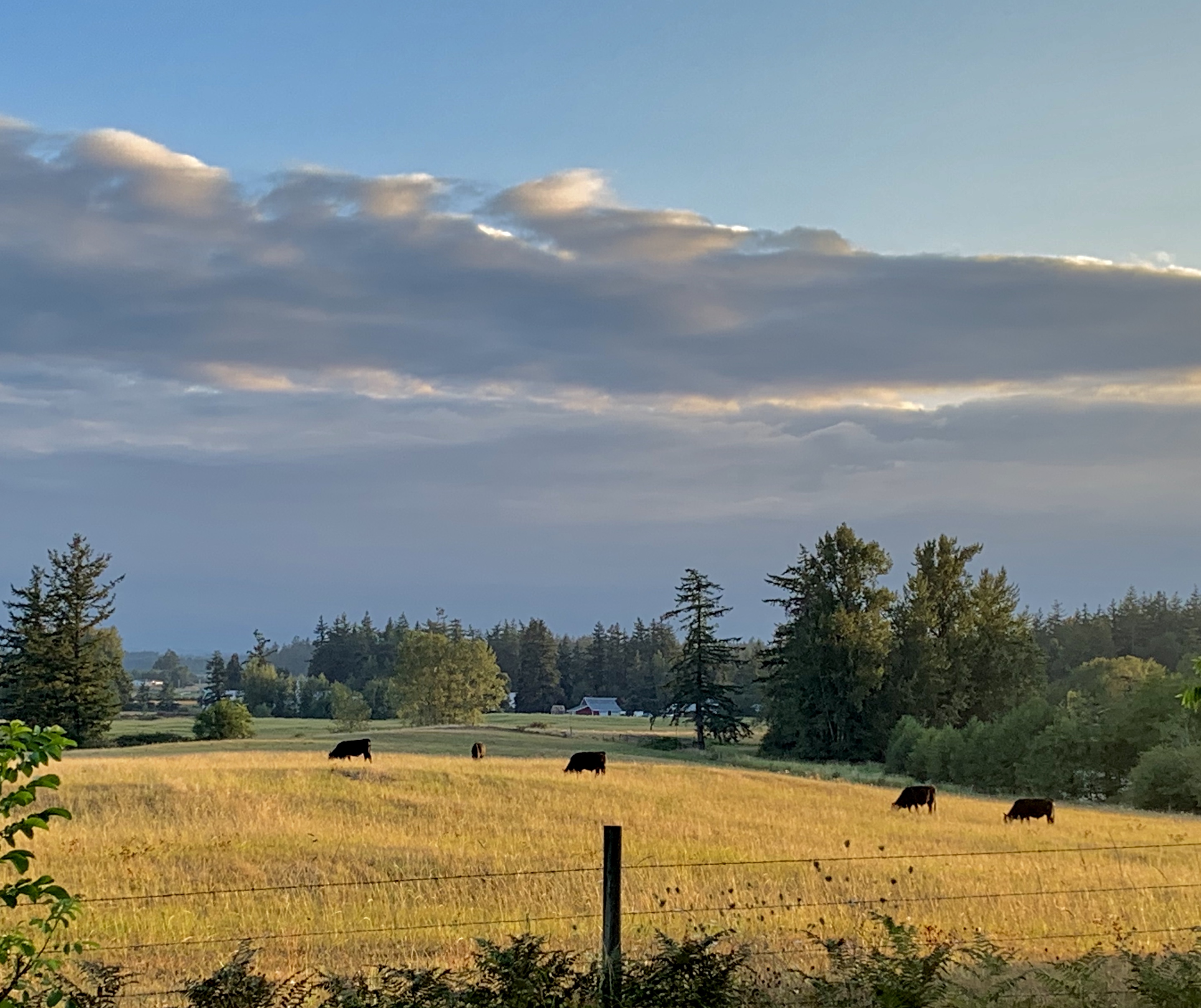
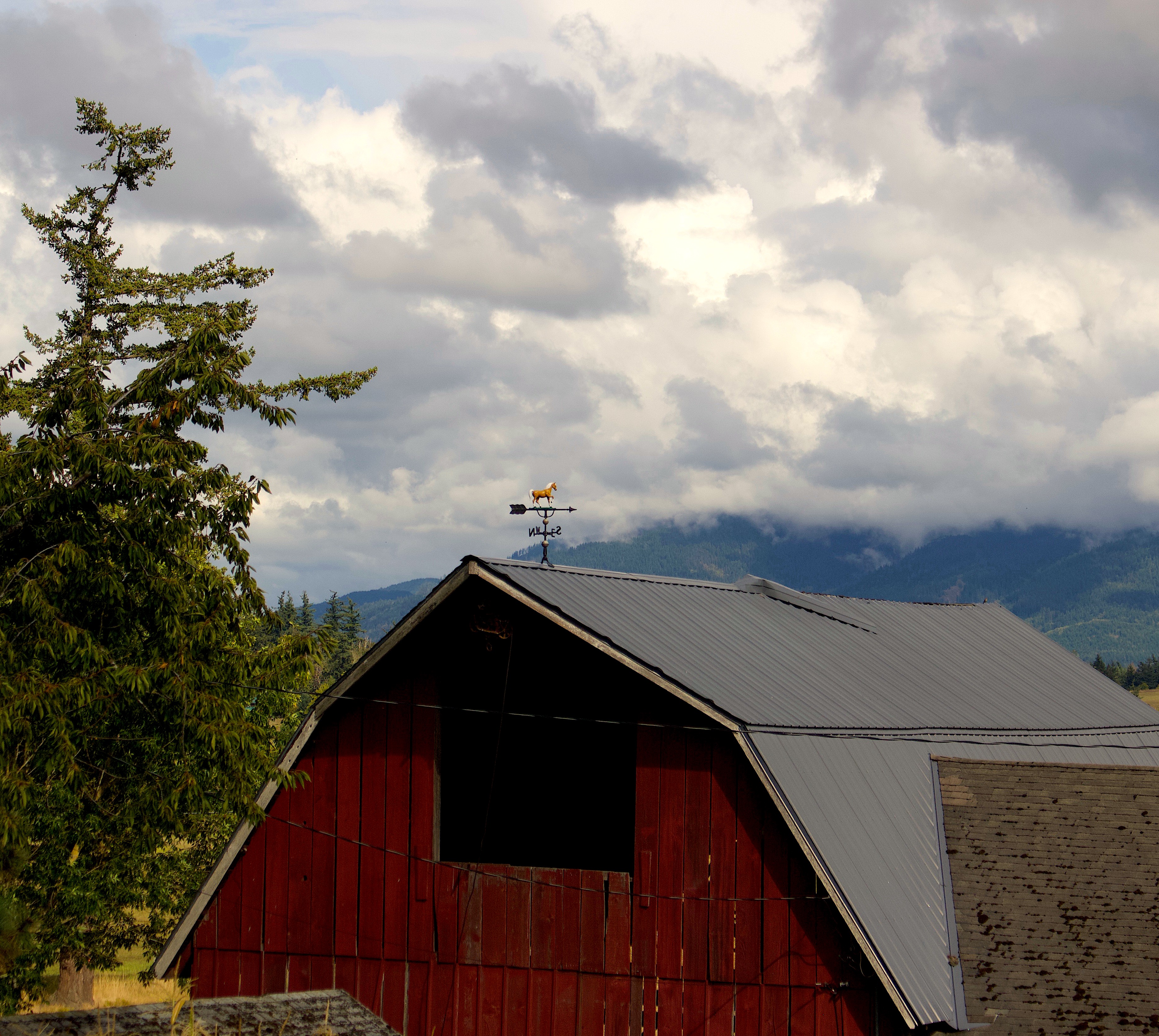
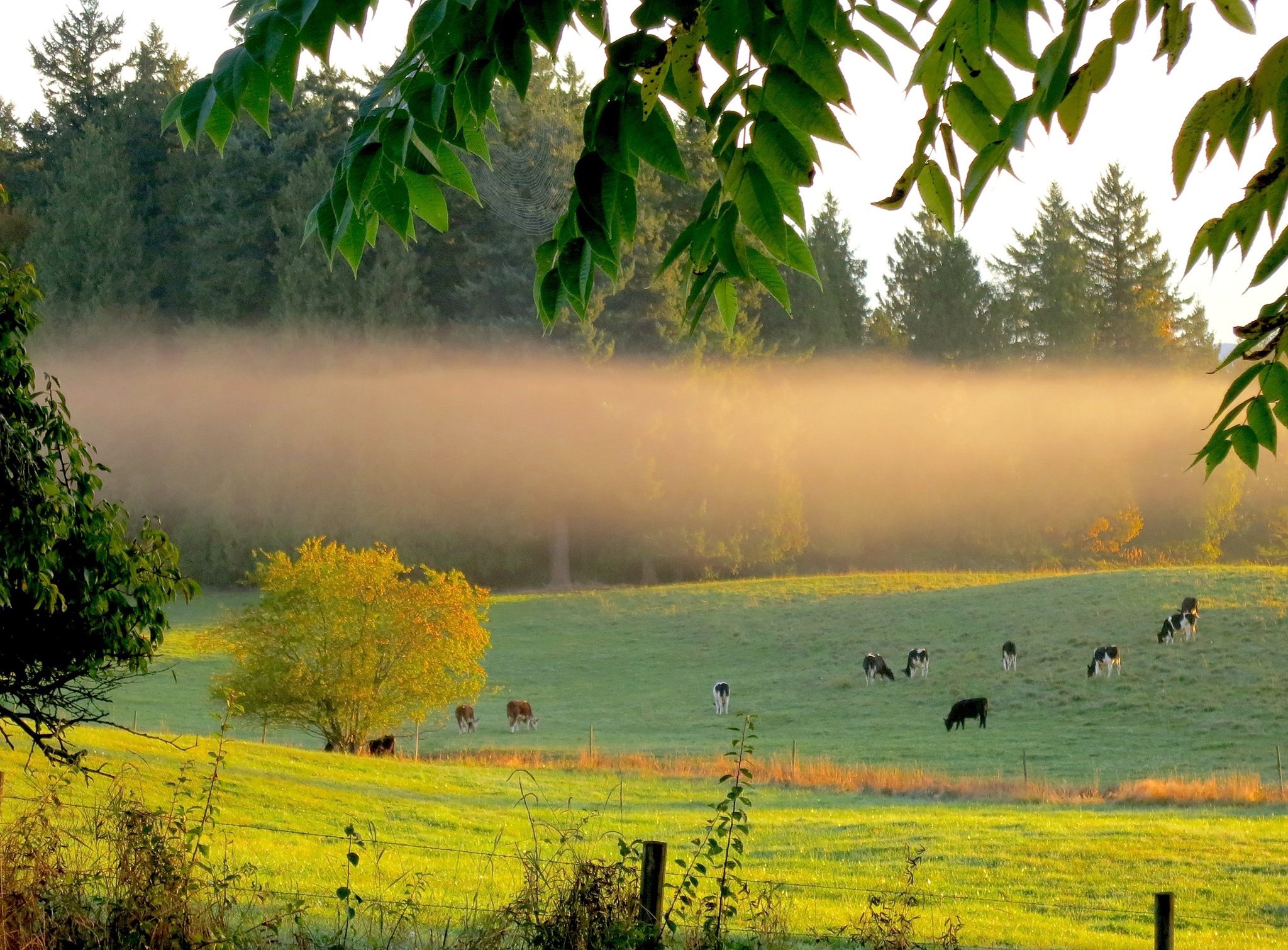
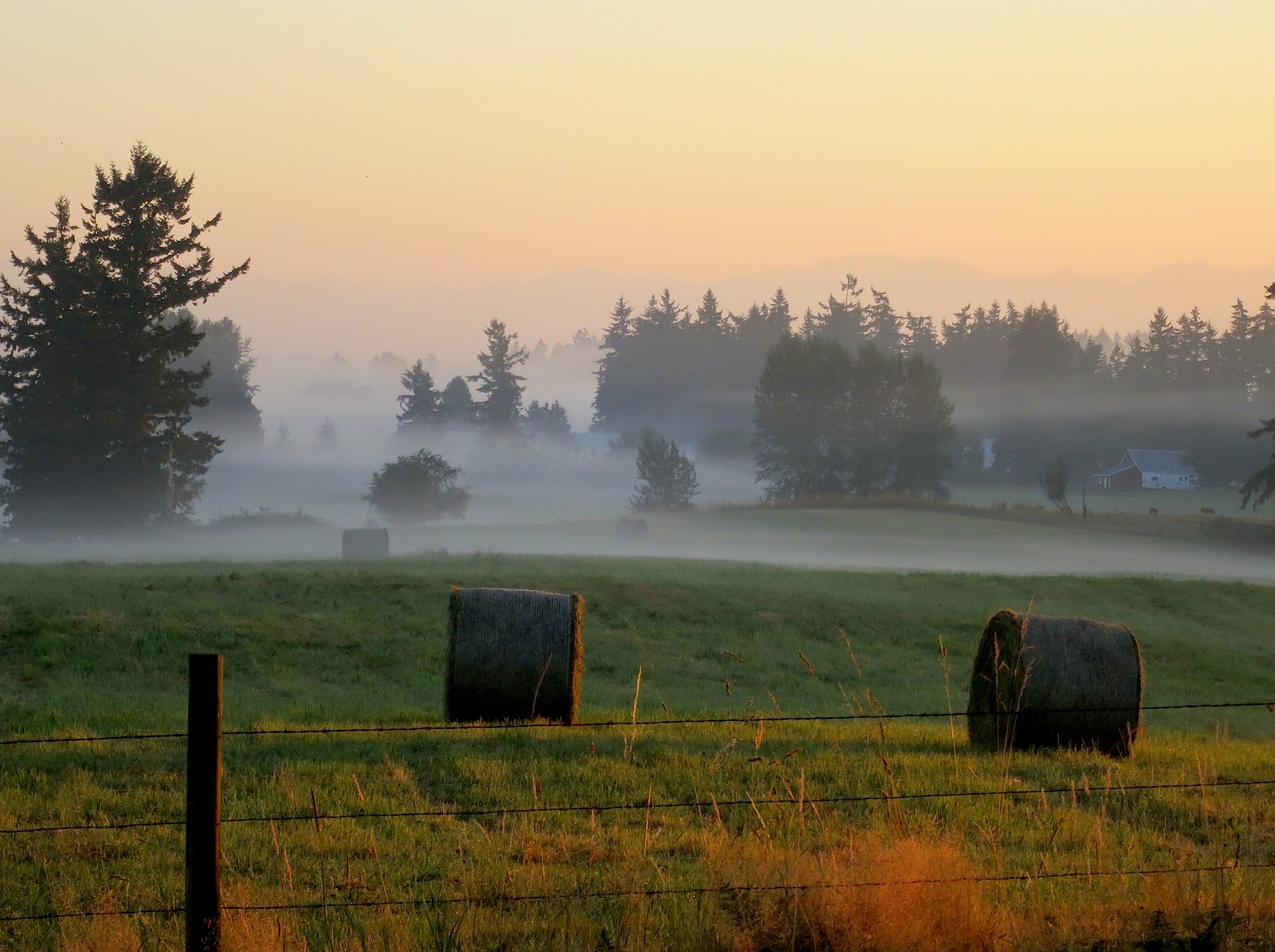
Give me a home where the clouds and cows roam, where laundry is line-dried and there is no traffic noise.

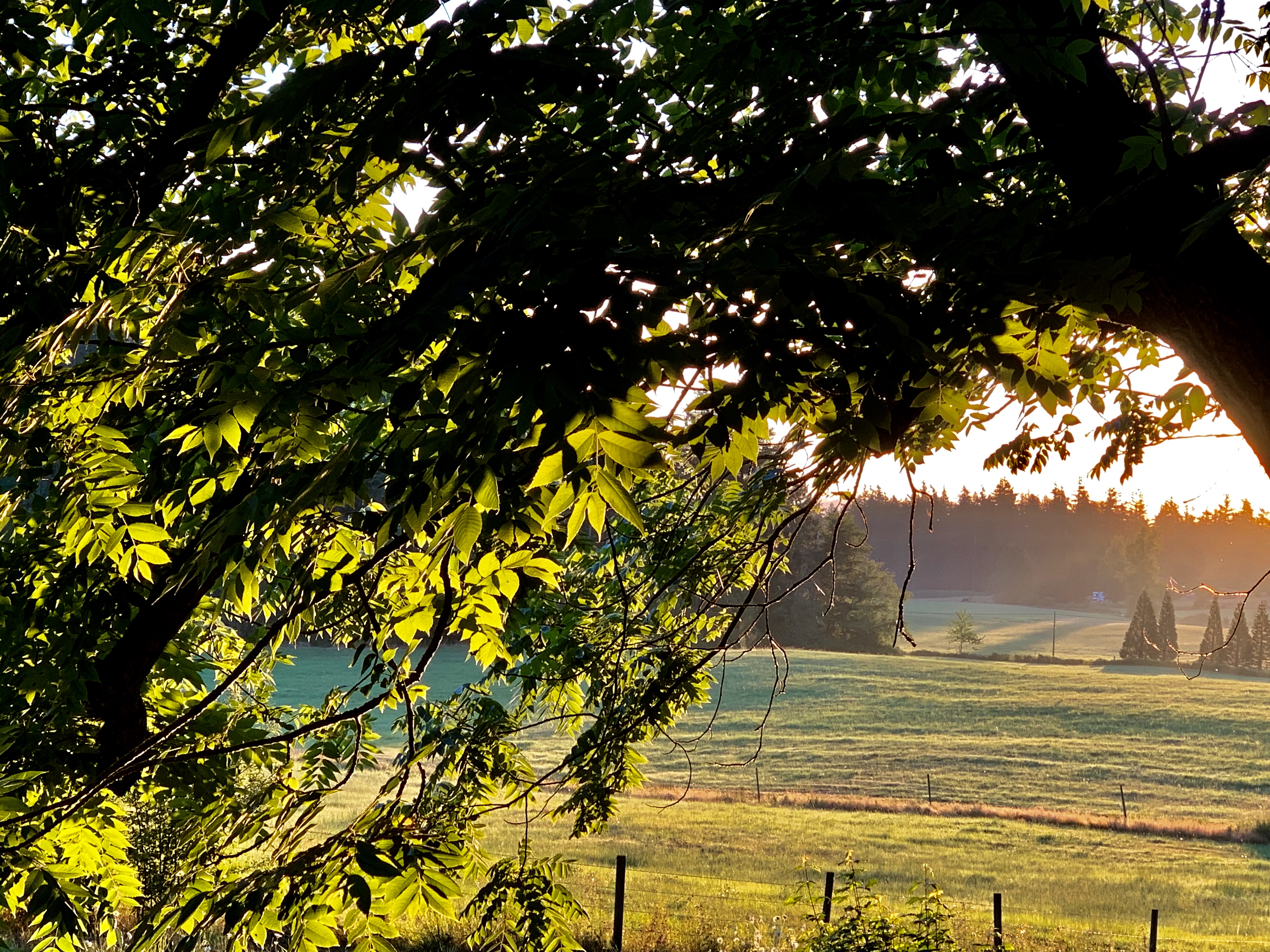
Holy is the day today….and every day.

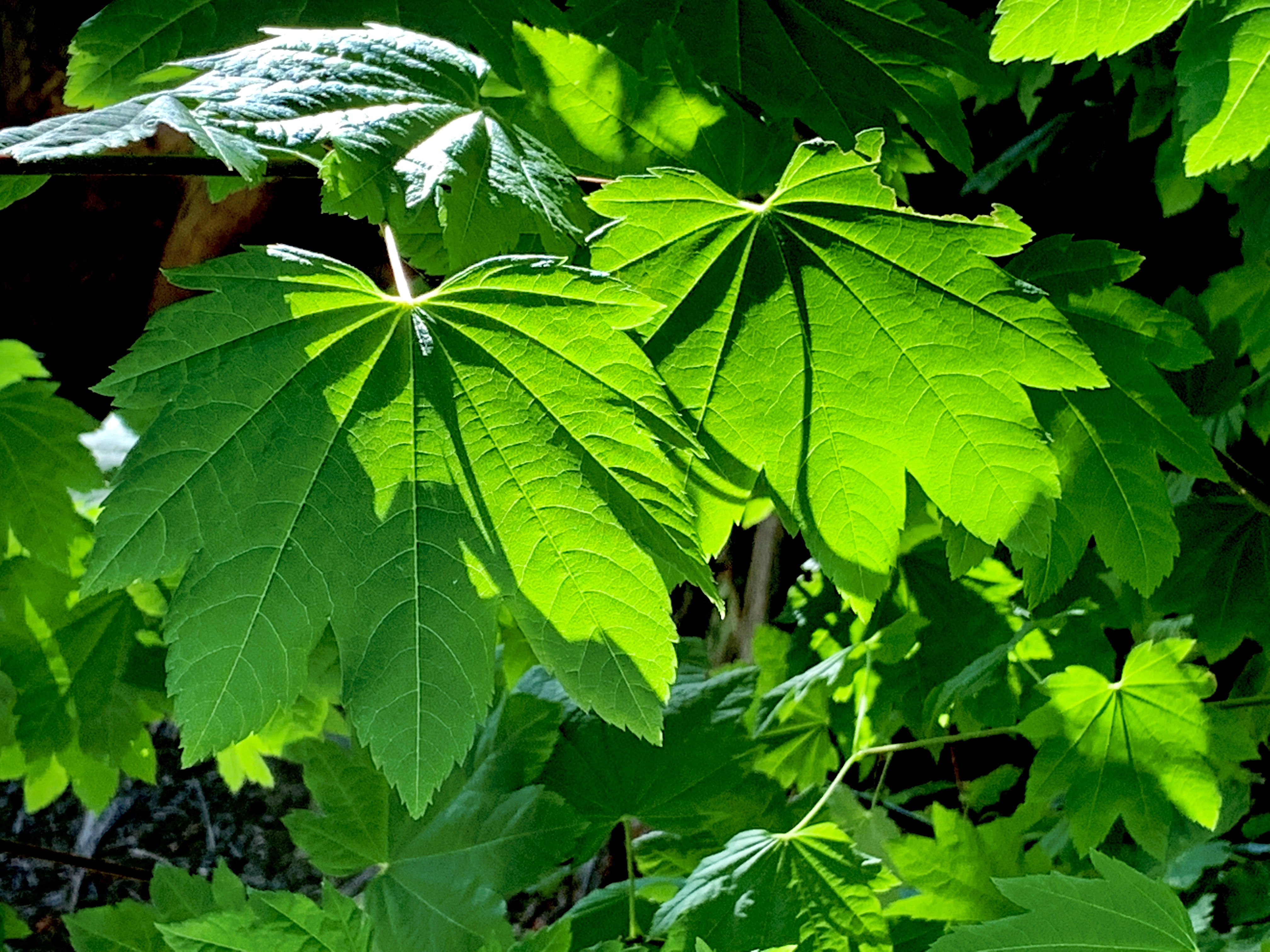
A Lichen Day

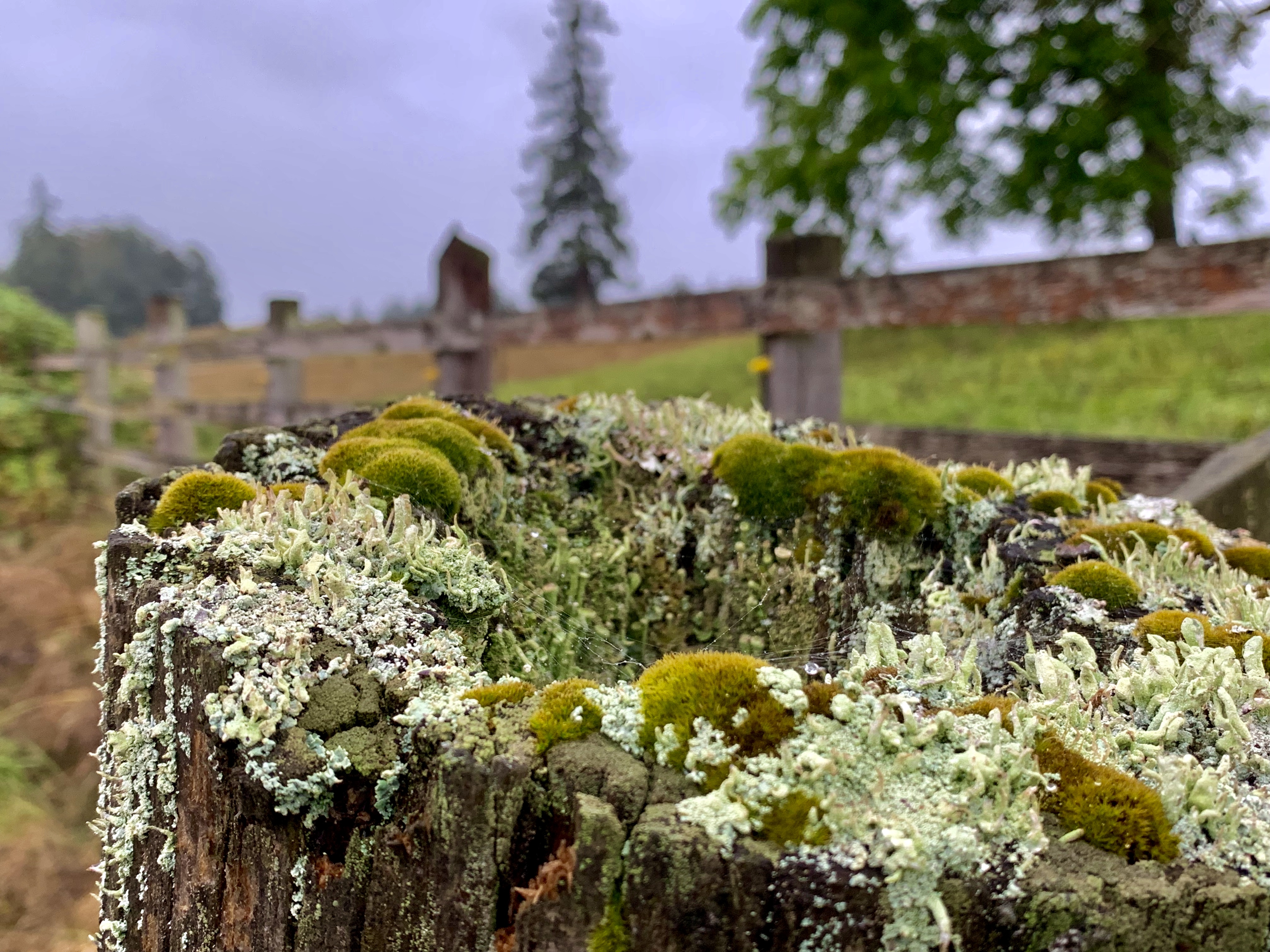
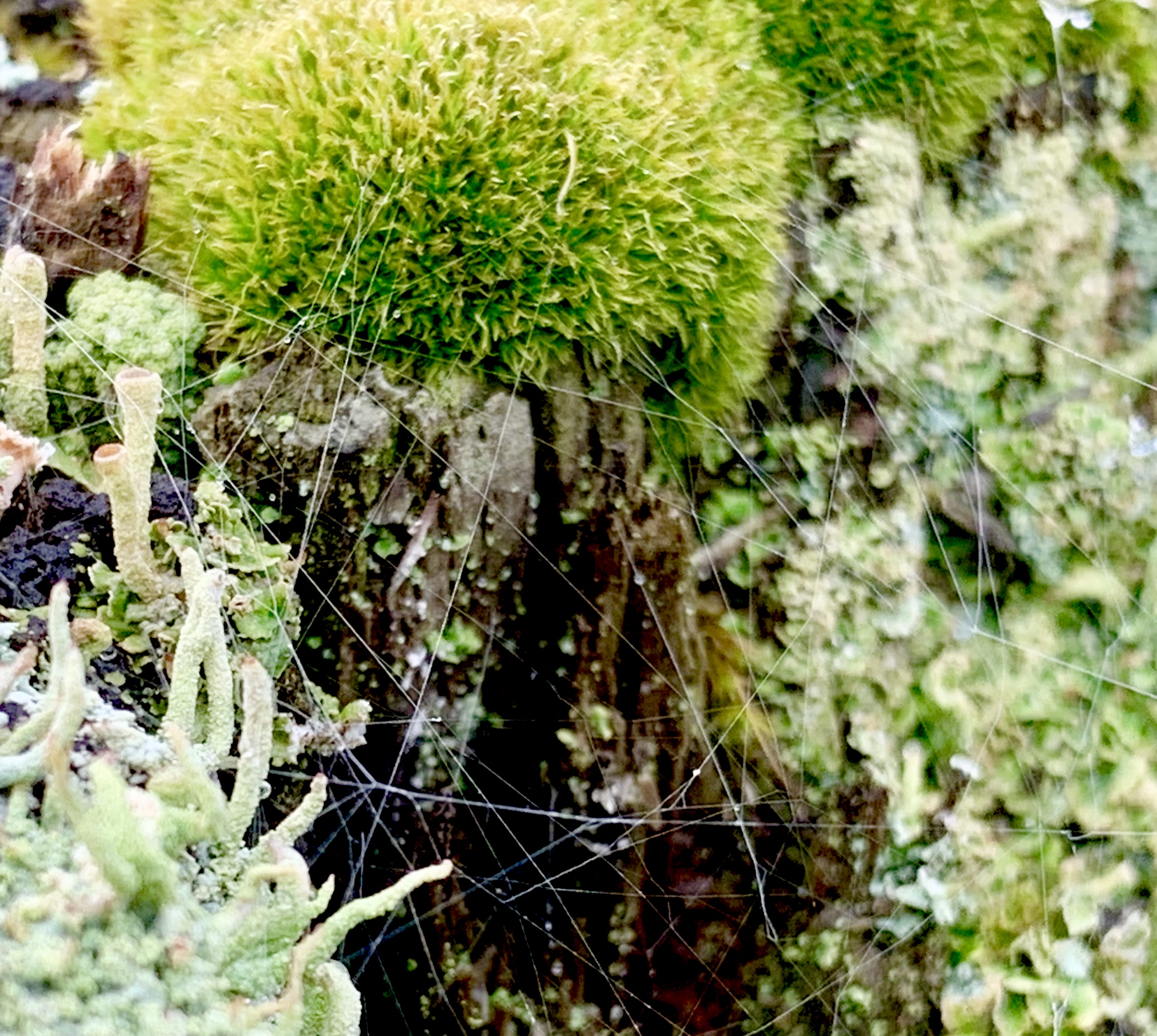
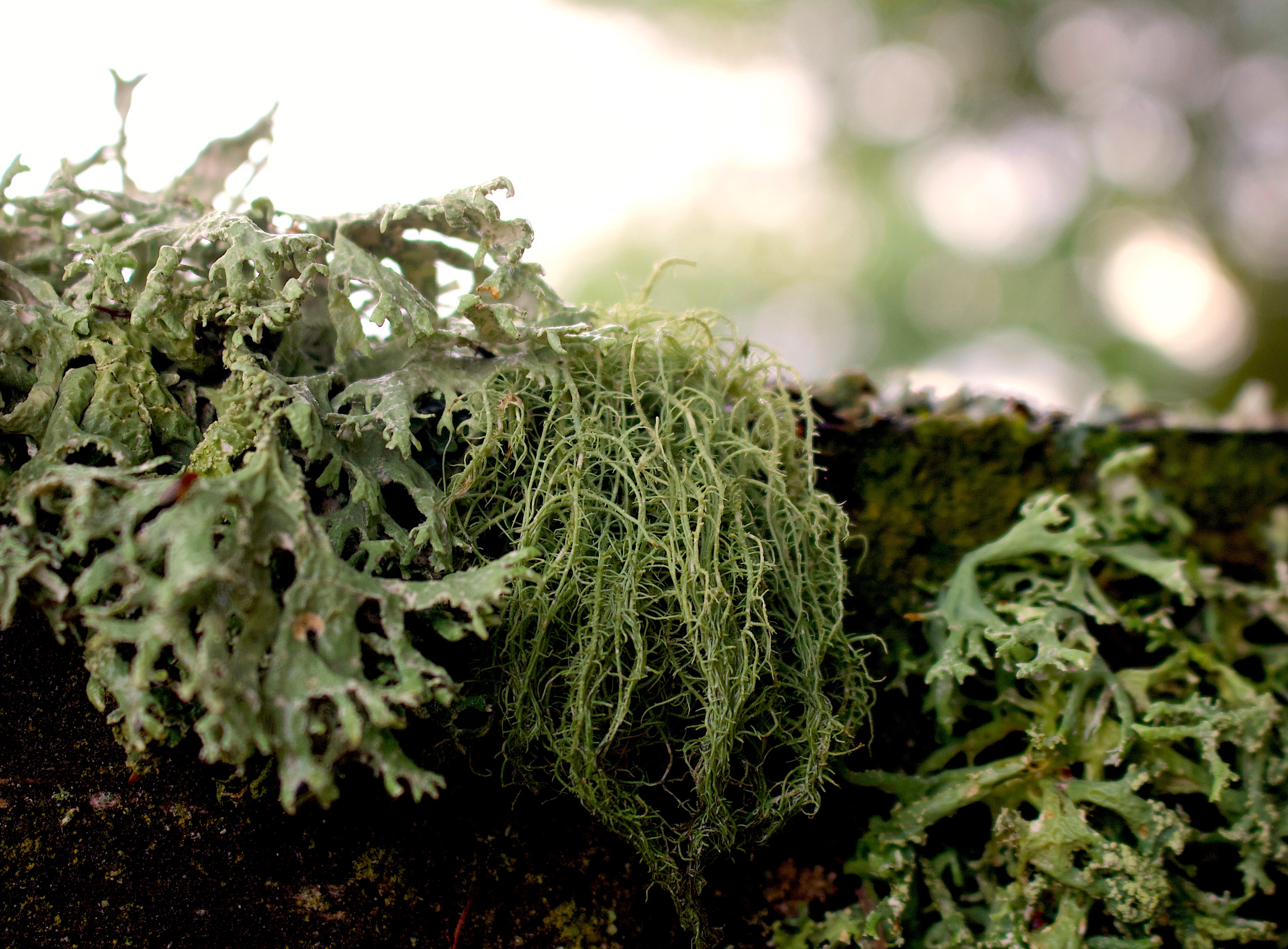
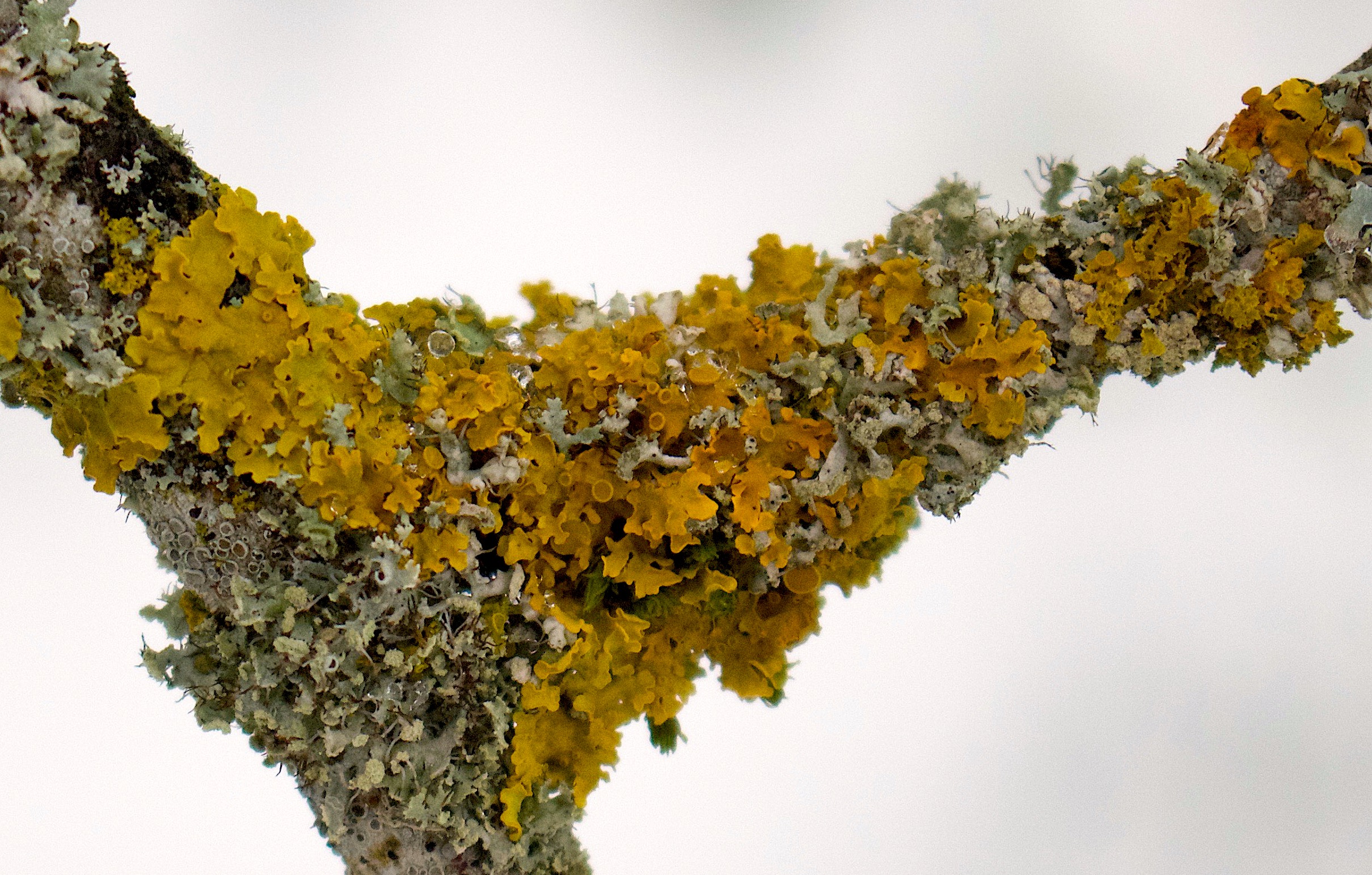
It is a lichen day.
Not a bit of rotten wood lies on the dead leaves,
but it is covered with fresh, green cup lichens…
All the world seems a great lichen and to grow like one.
~Henry David Thoreau from his journal

Nature doth thus kindly heal every wound.
By the mediation of a thousand little mosses and fungi,
the most unsightly objects become radiant of beauty.
There seem to be two sides of this world, presented us at different times,
as we see things in growth or dissolution, in life or death.


And seen with the eye of the poet,
as God sees them,
all things are alive and beautiful.

~Henry David Thoreau (journal)

I’m a bit of a lichen myself –
a bit of an opportunist,
thriving in drizzle,
sometimes colorful but most often not.

Mostly I hang on.
Persevering.
At times obnoxiously tenacious.

A dreamer of fairy tale kingdoms
while living simply
in plain sight.

I Lean Toward Darkness

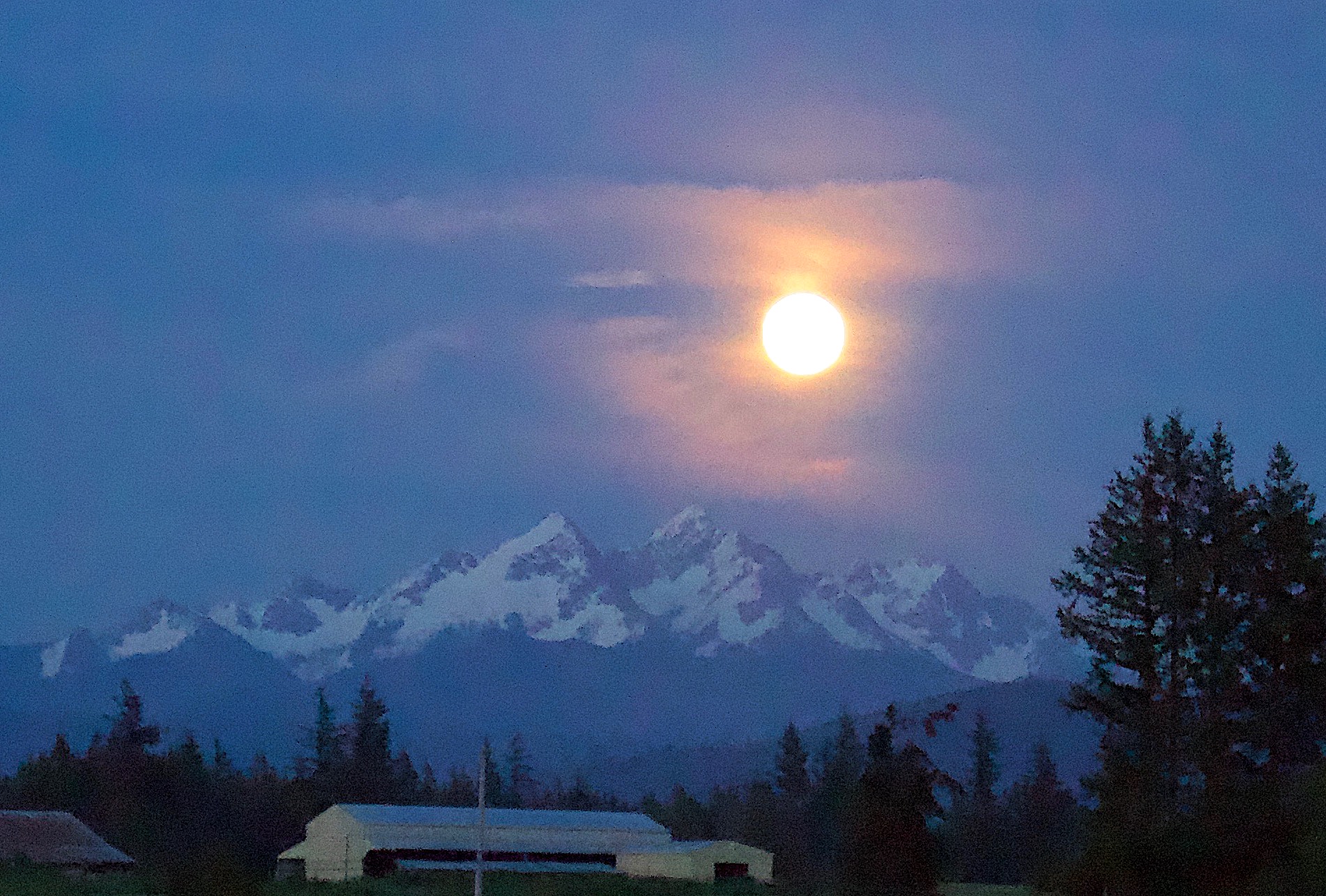
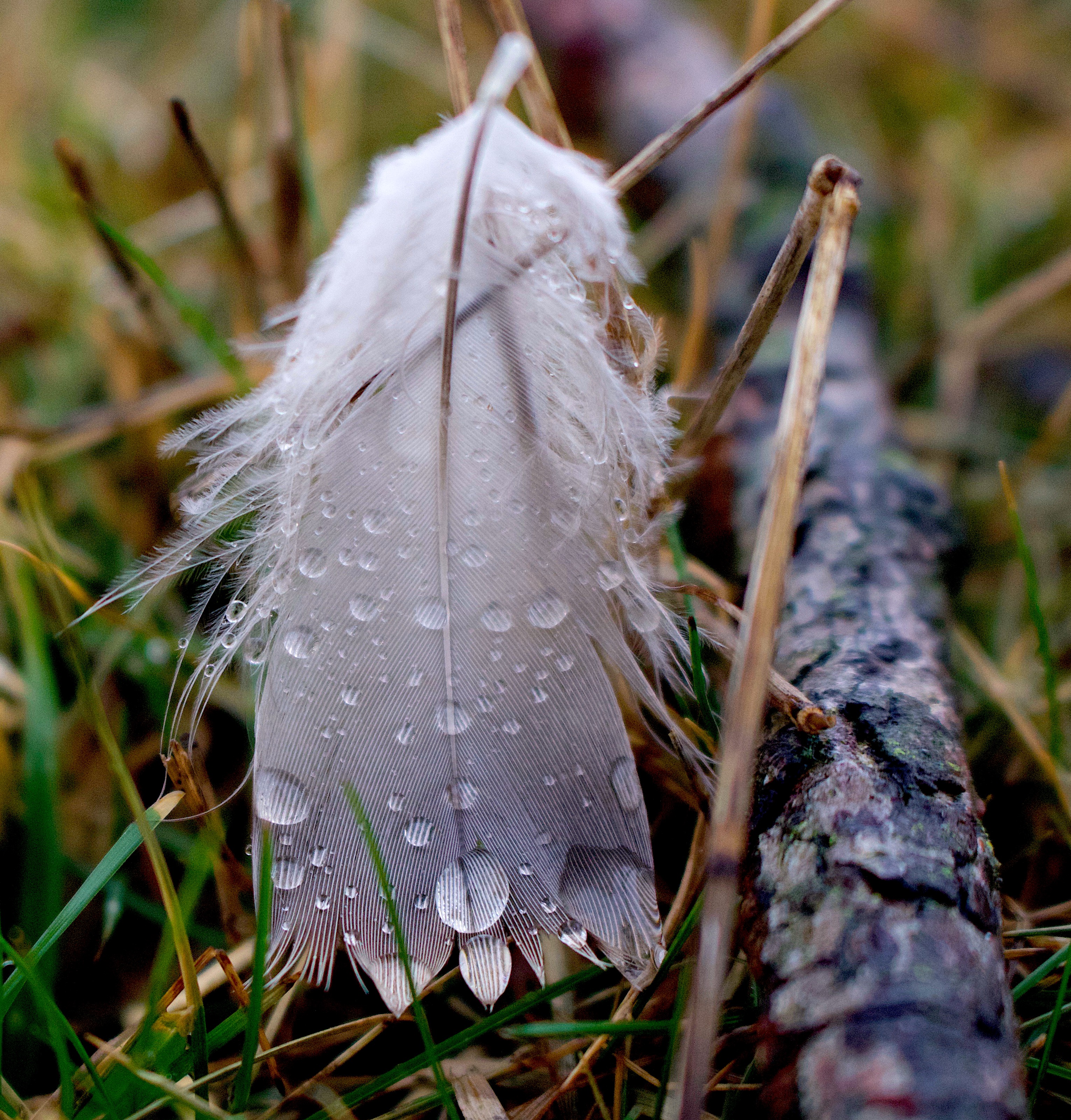
The moon drops one or two feathers into the field.   
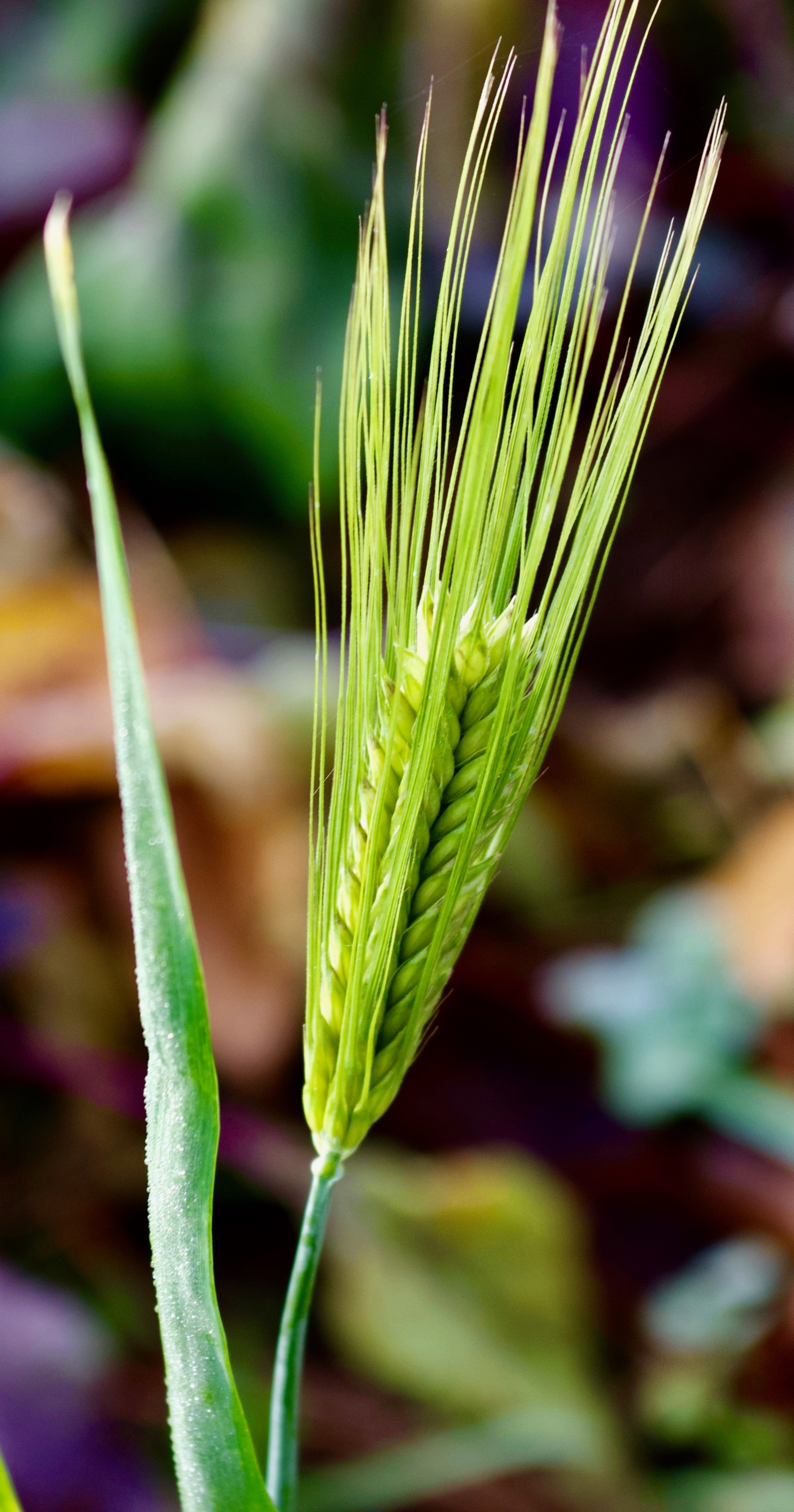
The dark wheat listens.
Be still.
Now.
There they are, the moon’s young, trying
Their wings.

I stand alone by an elder tree, I do not dare breathe
Or move.
I listen.
The wheat leans back toward its own darkness,
And I lean toward mine.
~James Wright from “Beginning”

Wherever it was
I was supposed to be
this morning—
whatever it was I said
I would be doing—
I was standing
at the edge of the field—
I was hurrying
through my own soul,
opening its dark doors—
I was leaning out;
I was listening.
— Mary Oliver from “Mockingbirds” from New and Selected Poems, Volume 2

I am leaning back further into darkness.

Sun rays through the window blinds no longer rouse me awake. The farm animals are eager for their evening tucking in rather than lingering long in the fields. The leaves blink away their green.

I ready myself for bed early, glad for respite and stillness.

Summer isn’t over yet but its fatigue is evident.
We’re leaning back, eyes closed, ready for rest.

A Cloudy Temple

We must go up into the chase in the evenings,
and pray there with nothing but God’s cloud temple between us and His heaven!

…and then all still – hushed – awe-bound,
as the great thunderclouds slide up from the far south!
Then, there to praise God!

~Charles Kingsley

Heaven and earth are only three feet apart,
but in the thin places that distance is even smaller.
A thin place is where the veil that separates heaven and earth is lifted
and one is able to receive a glimpse of the glory of God.
~Celtic saying

To make myself understood and to diminish the distance between us,
I called out: “I am an evening cloud too.”
They stopped still, evidently taking a good look at me.
Then they stretched towards me their fine, transparent, rosy wings.
That is how evening clouds greet each other.
They had recognized me.
~Rainer Maria RilkeStories of God

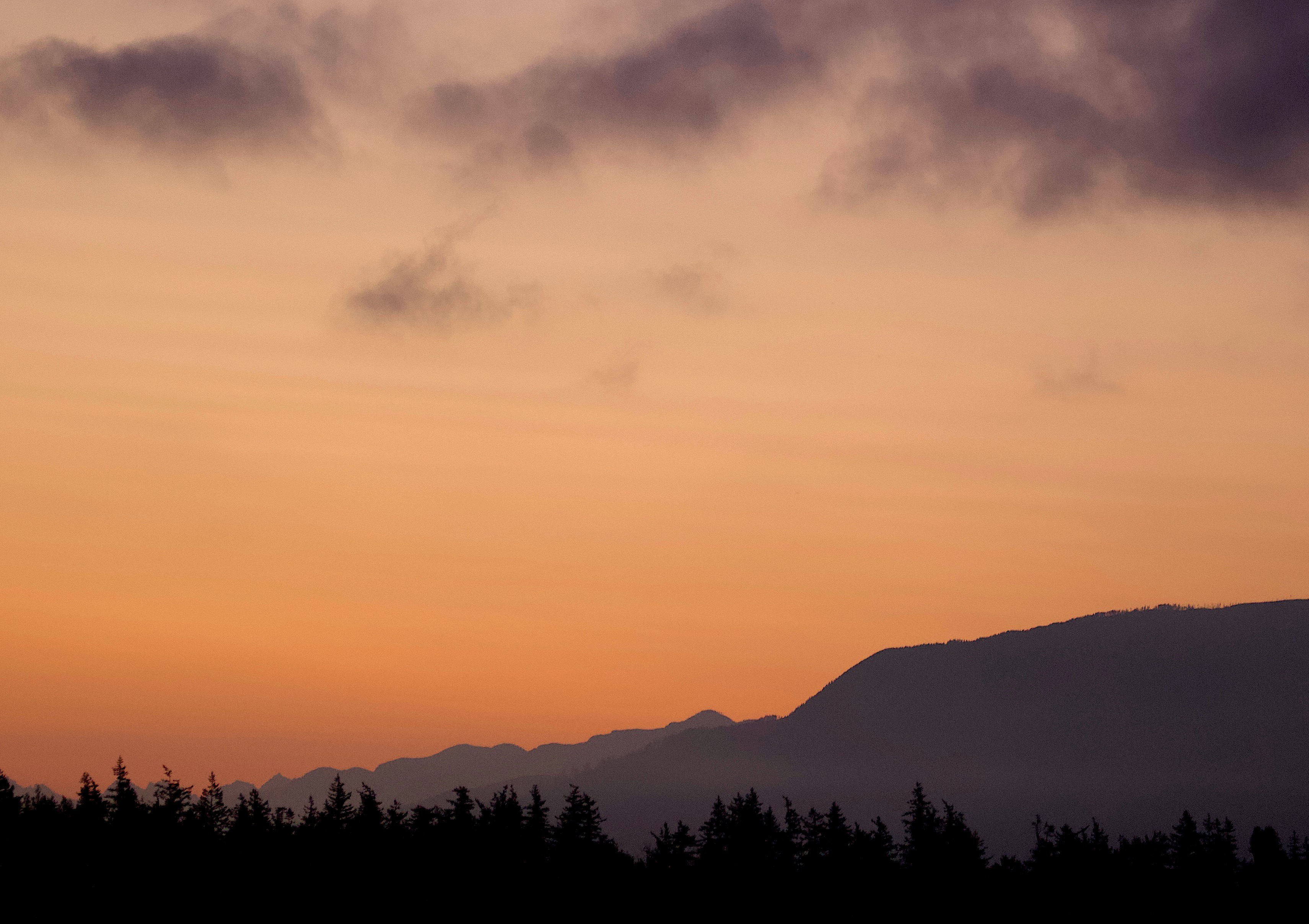
We do not live in a part of the world with extremes in weather and for that I’m immensely grateful. We are moderate in temperature range, precipitation, wind velocity – for the most part.

Our cloud cover is mostly solid gray much of the time, very plain and unassuming, barely worth noticing.

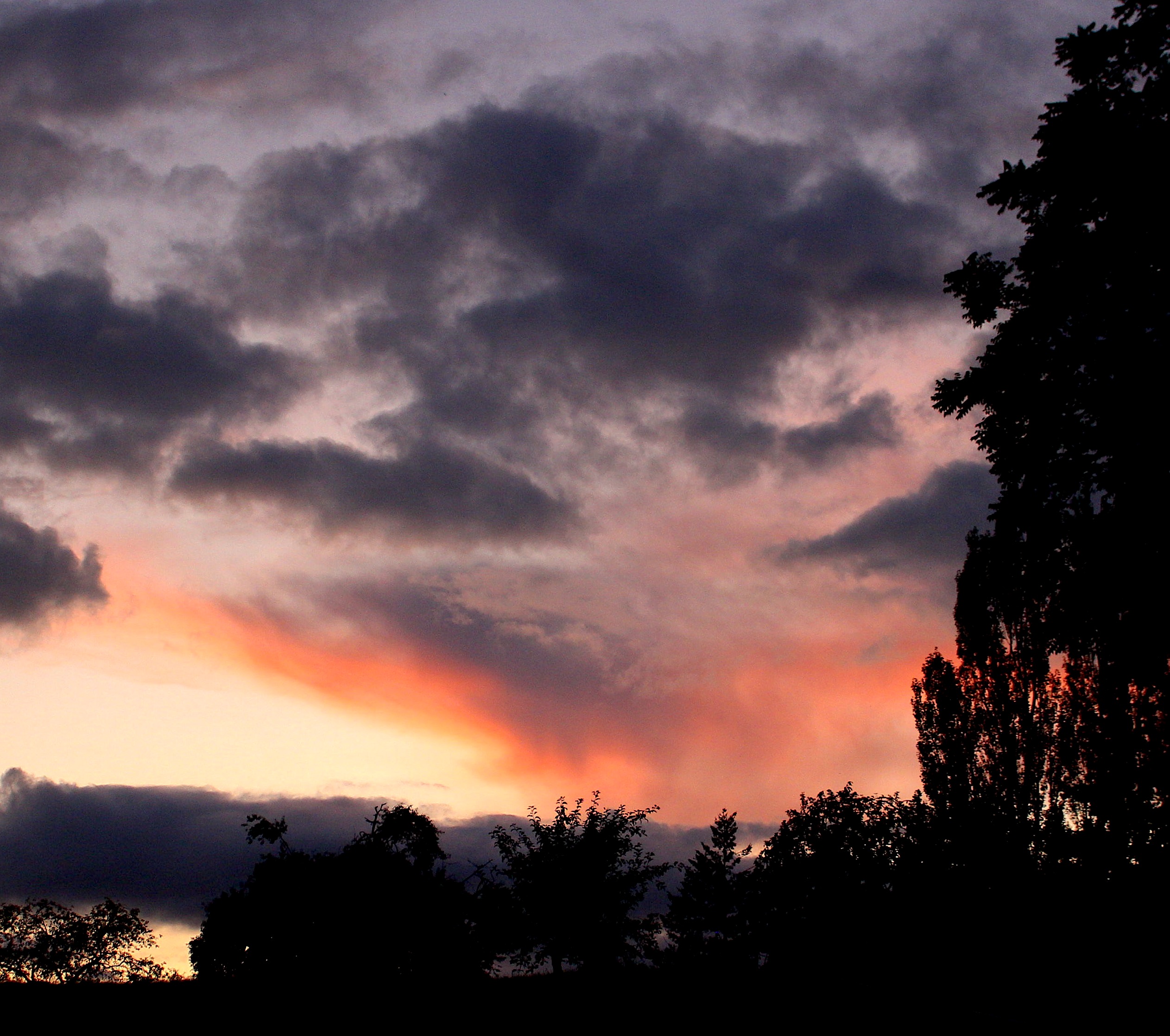
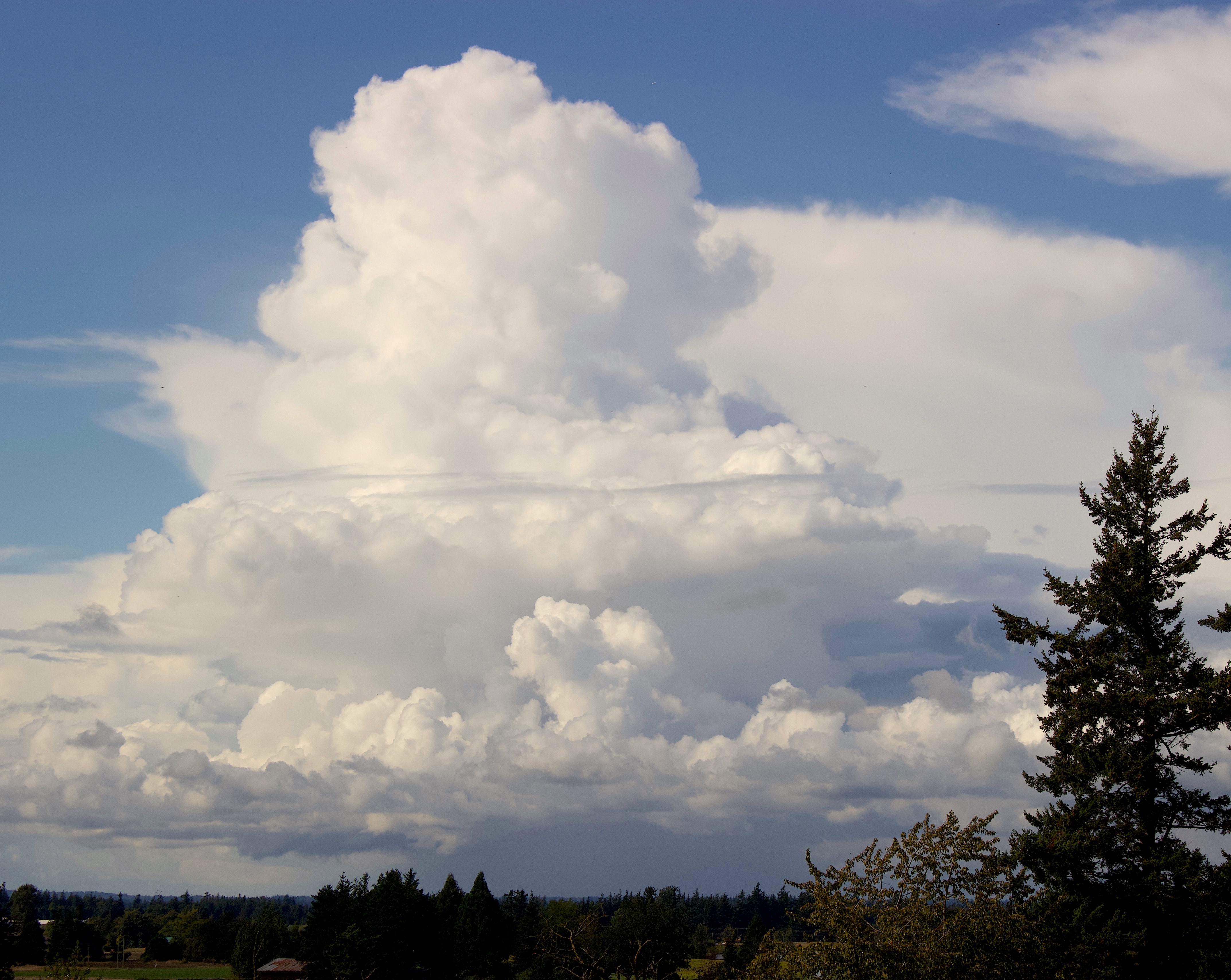
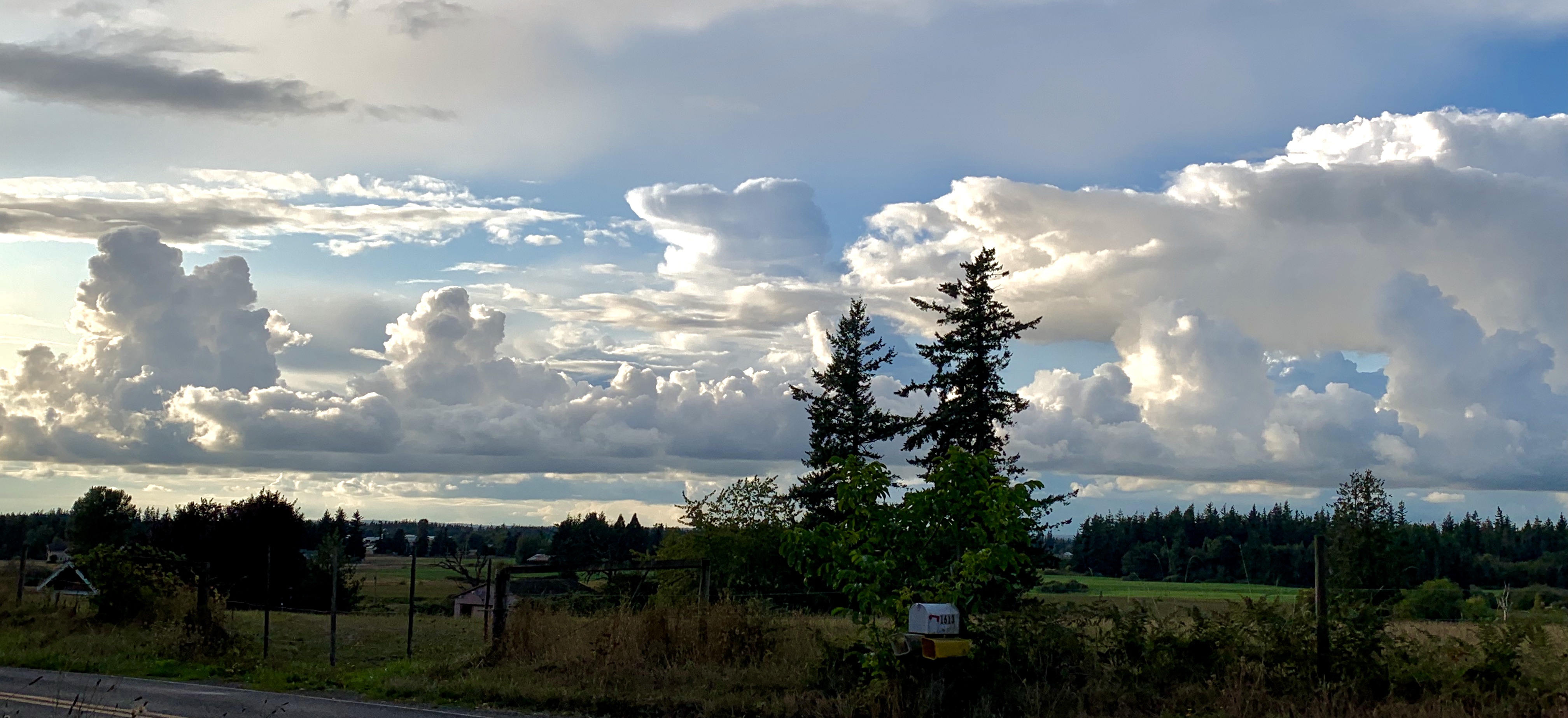
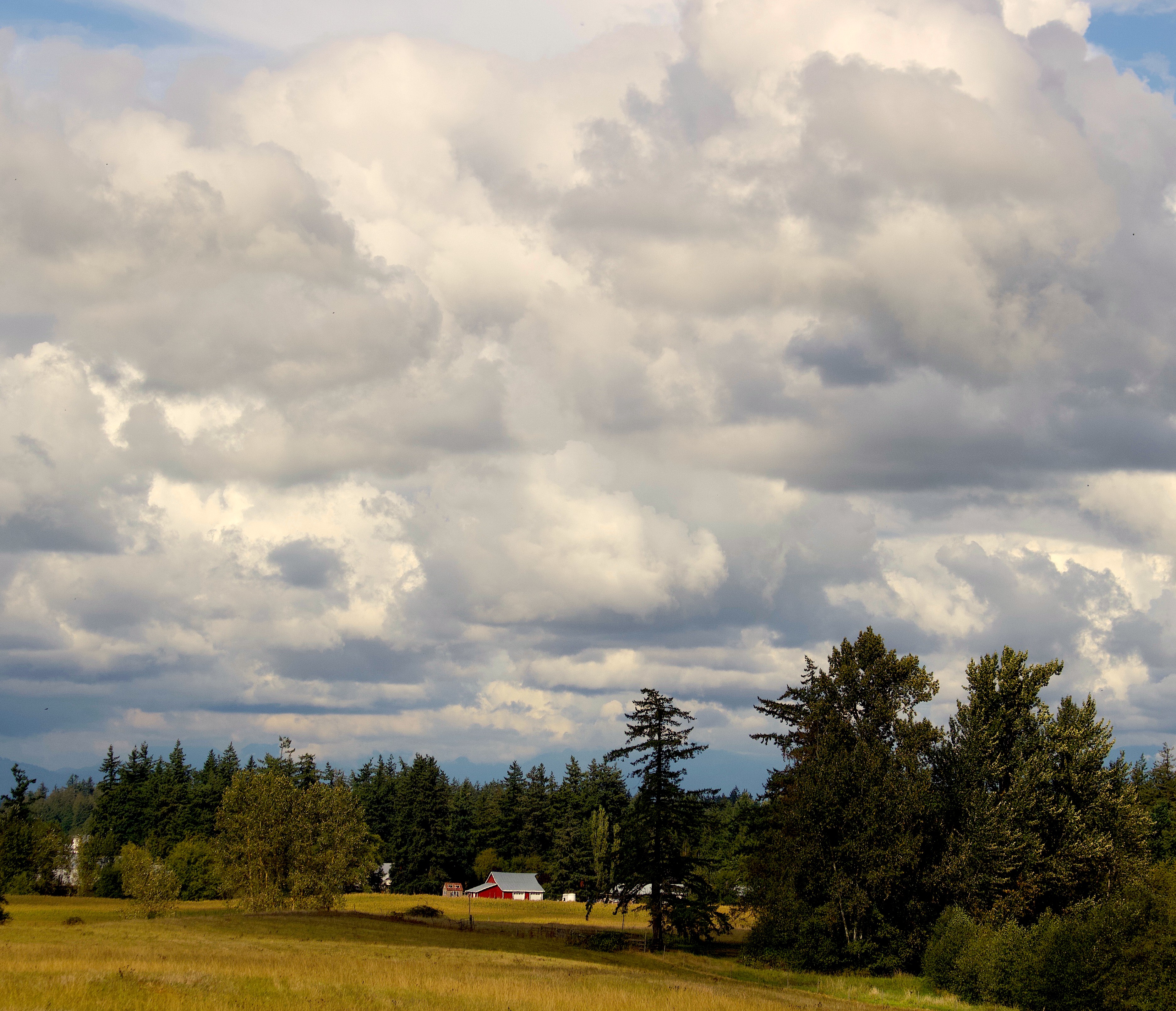
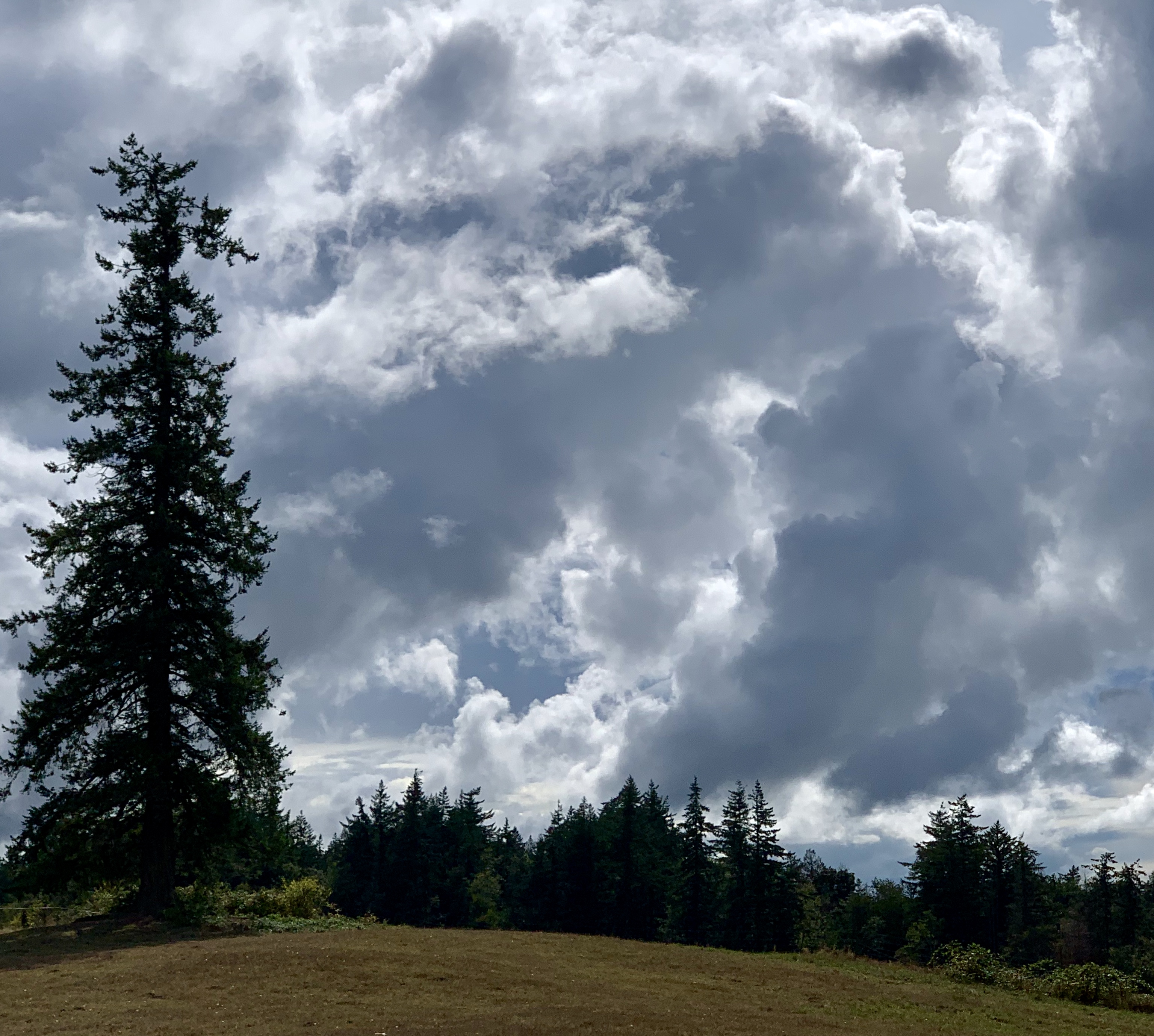
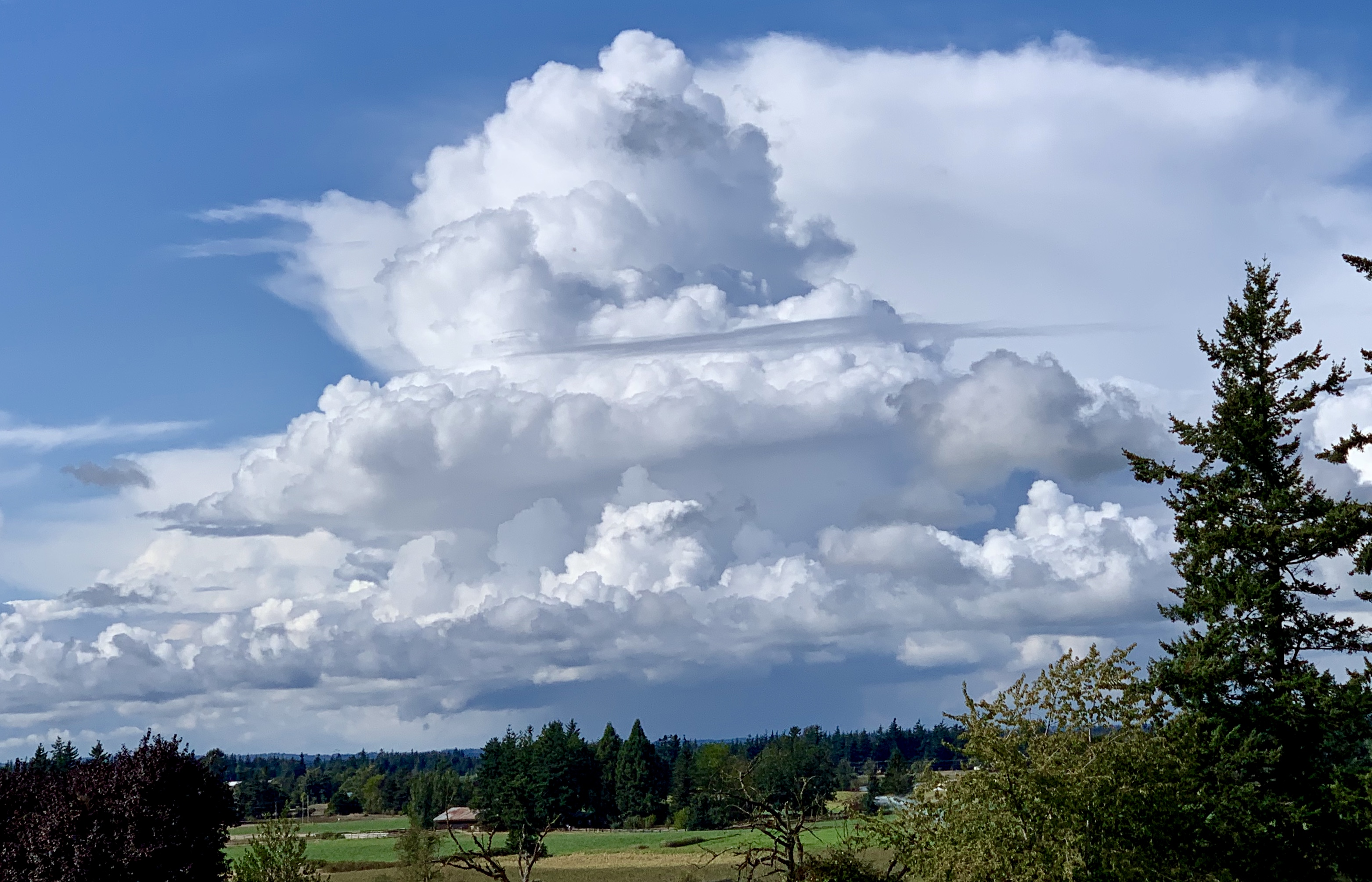
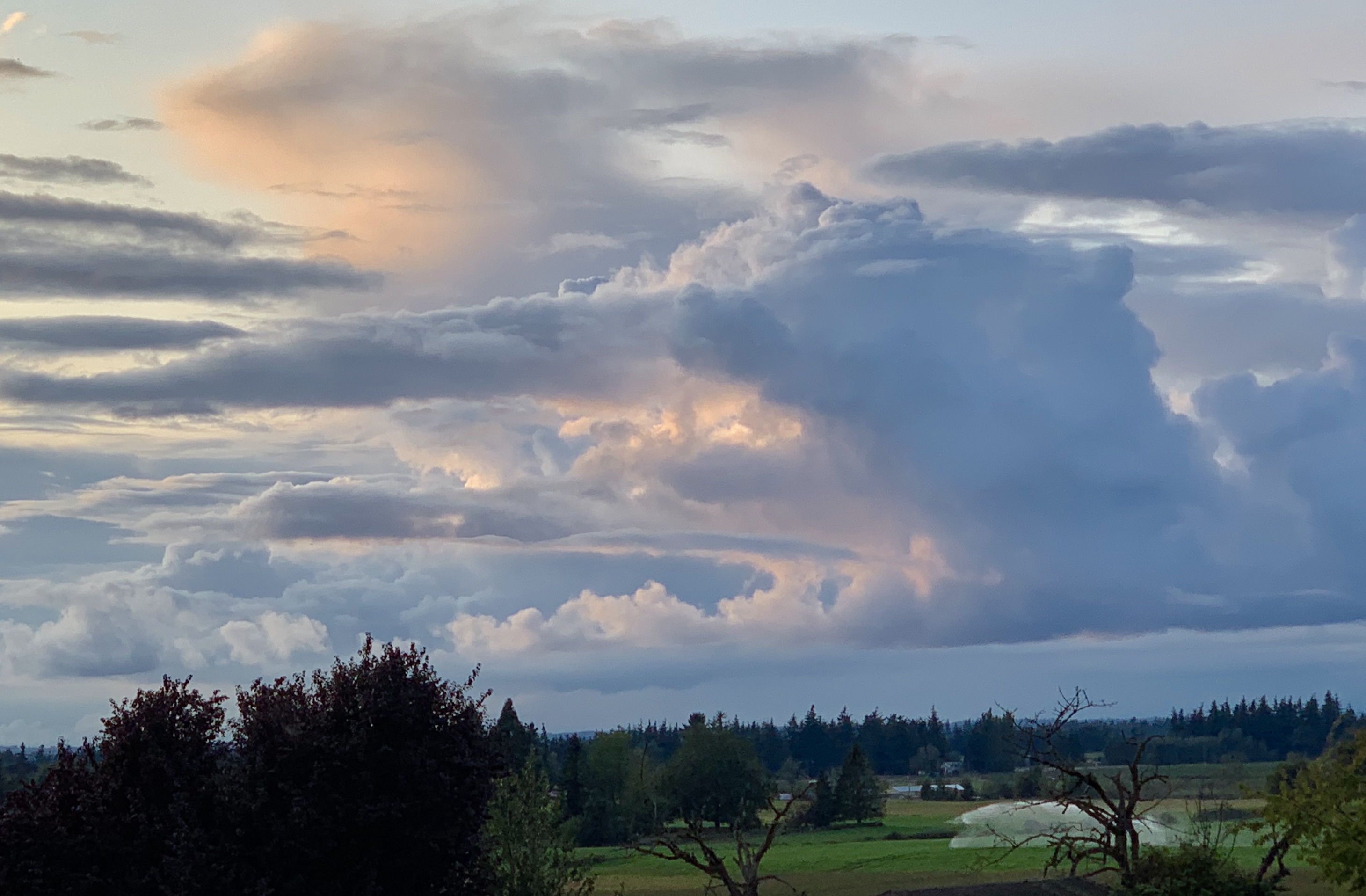
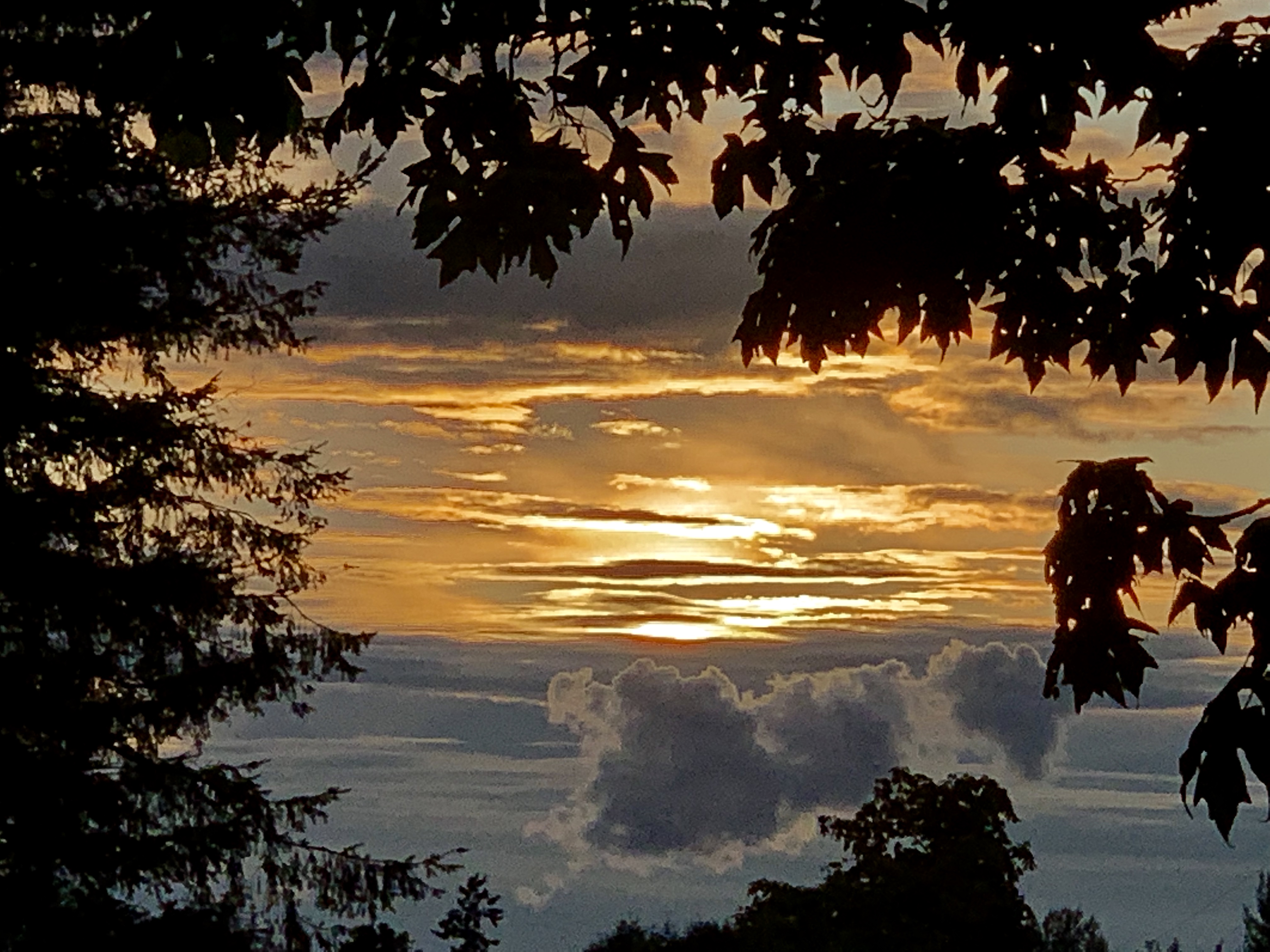
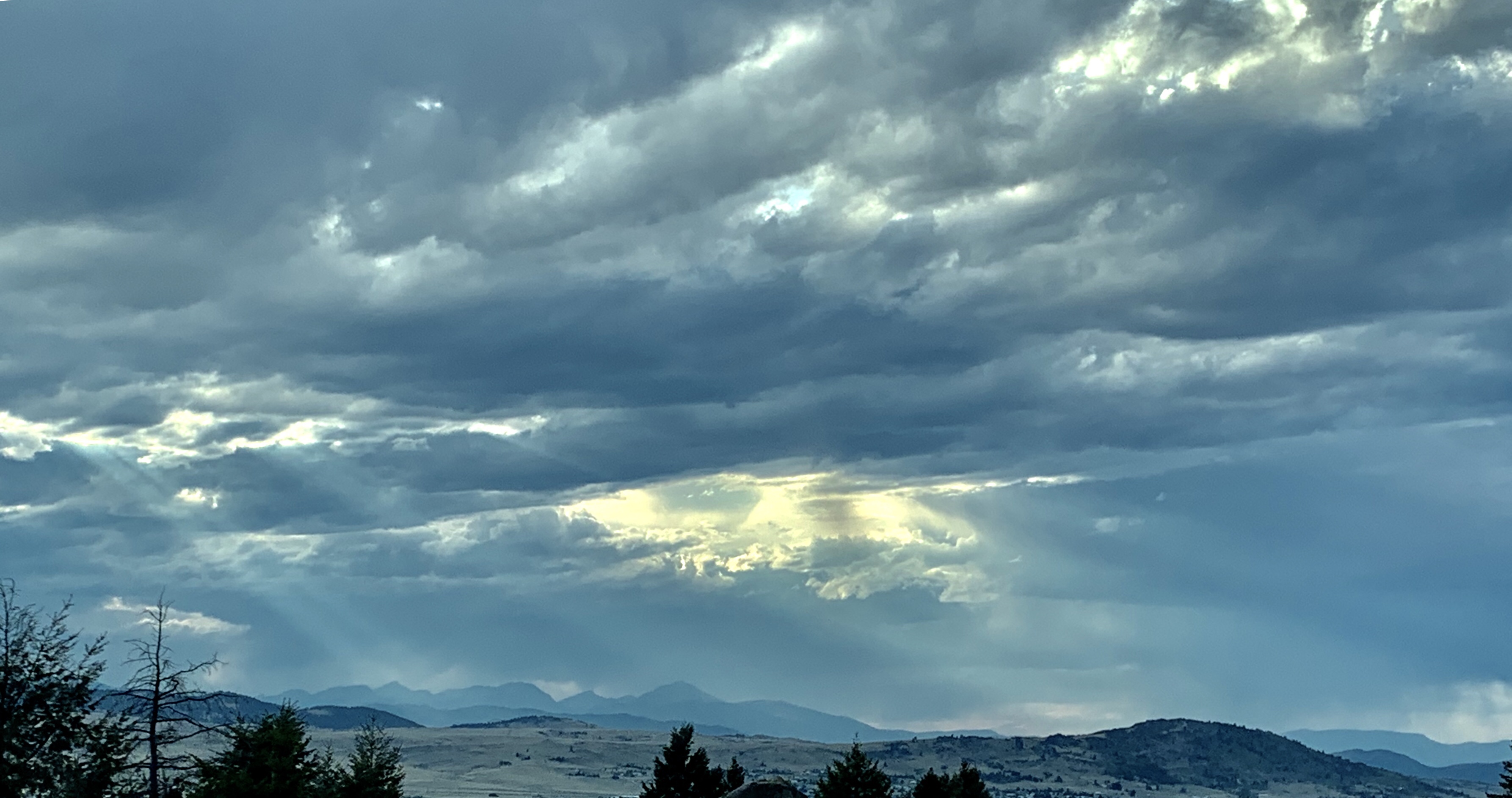
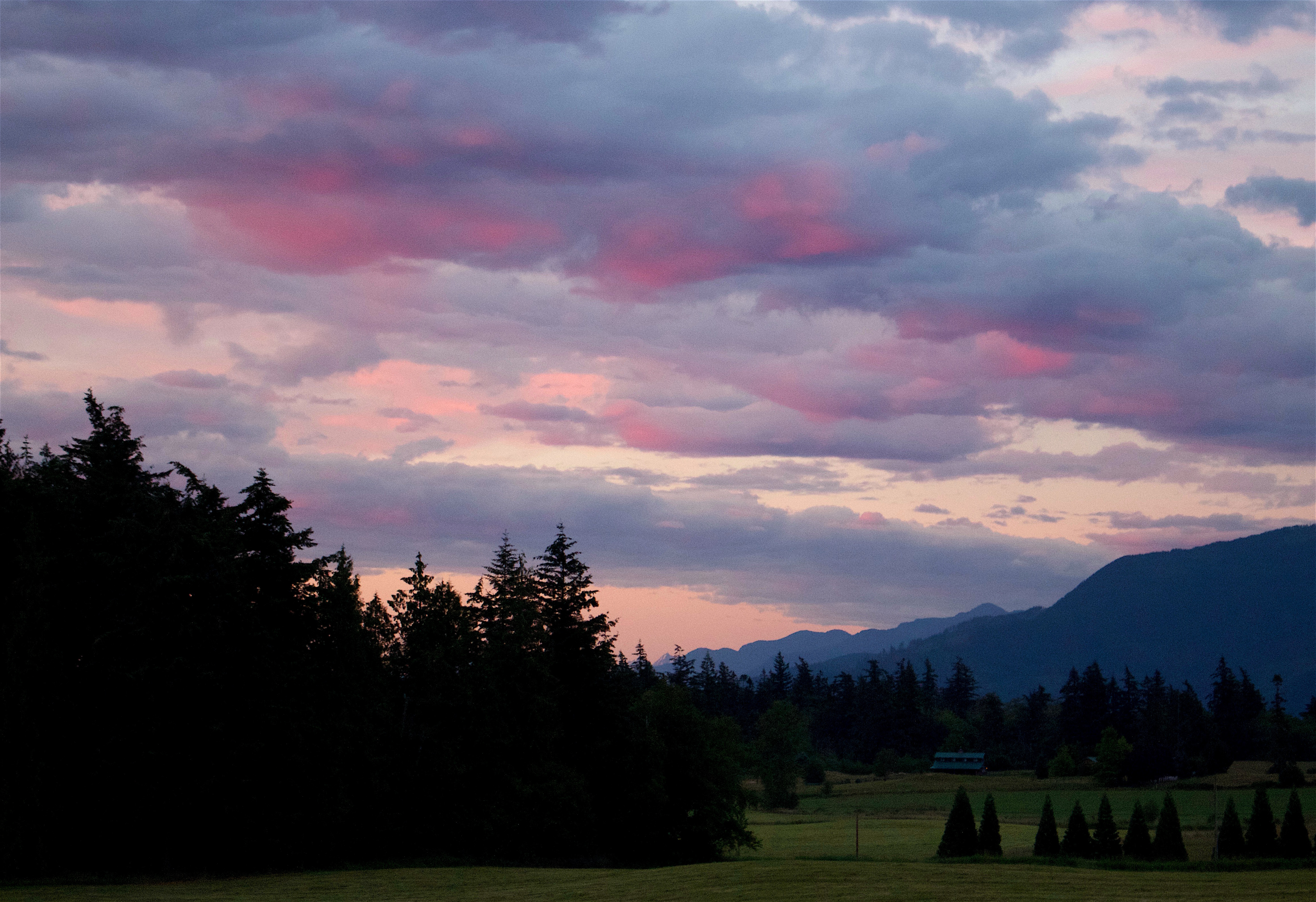
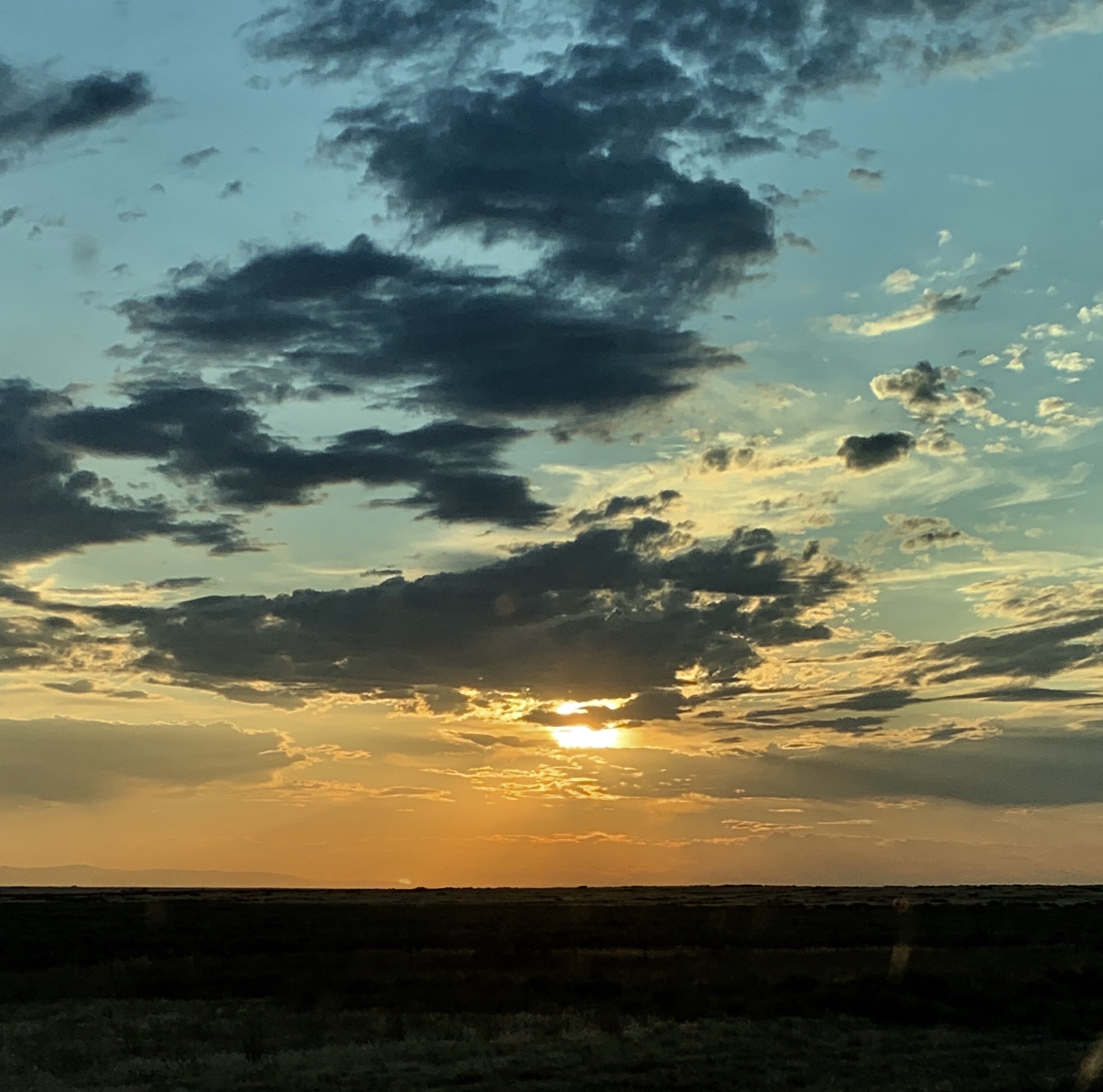
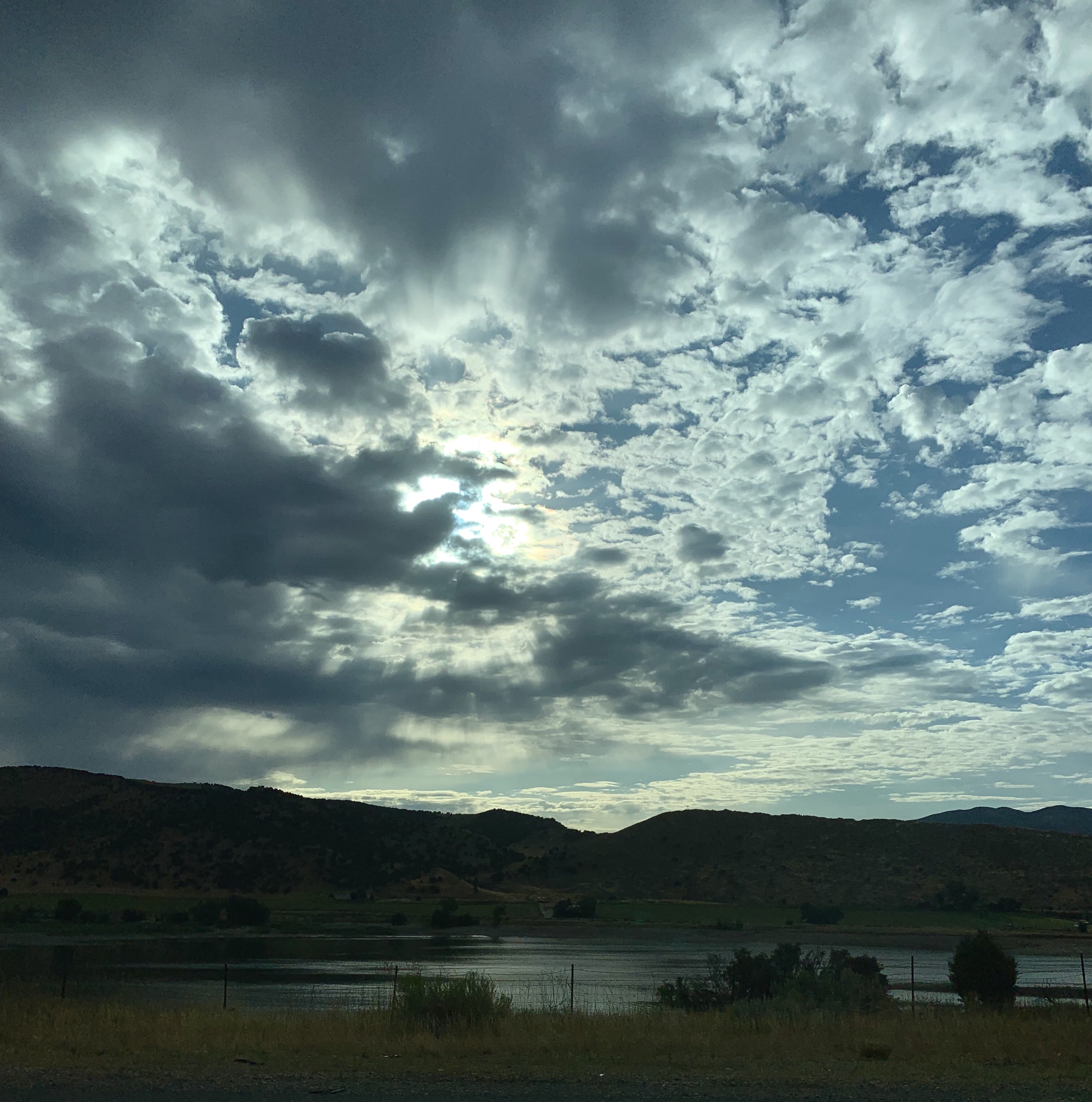
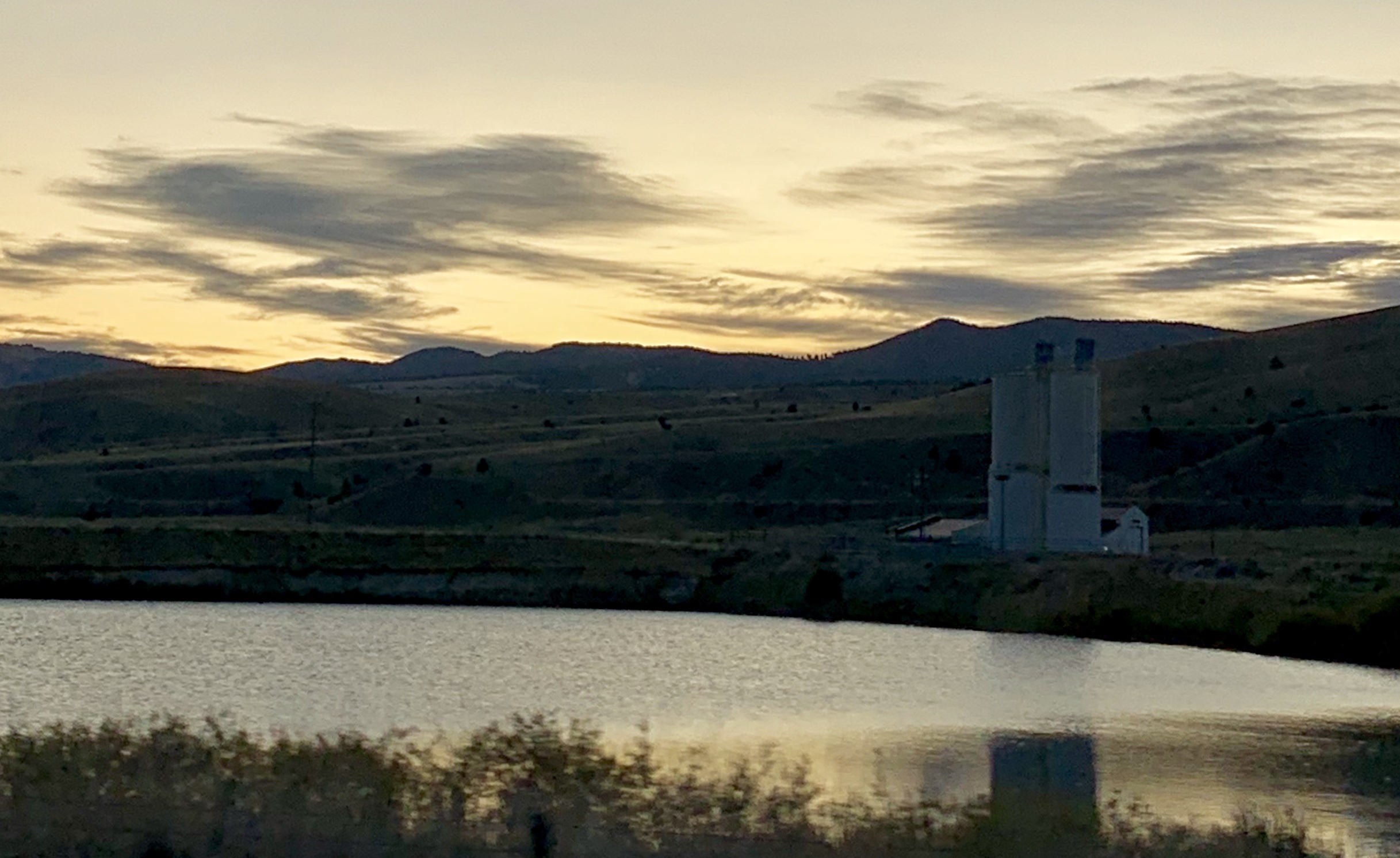
When there are a few days each season of dramatic clouds, the horizon takes on a different feel, telling a new story, inviting our attention and admiration and welcoming us closer.

Heaven is nearer; the clouds recognize us and greet us with their rosy wings. The thin place between earth and heaven becomes thin indeed.

Pursuing the Horizon

img_1641
img_1638.jpg

I saw a man pursuing the horizon;
Round and round they sped.
I was disturbed at this;
I accosted the man.
“It is futile,” I said,
“You can never —”

“You lie,” he cried,
And ran on.

~Stephen Crane

Never give up, even if what you pursue eludes you.

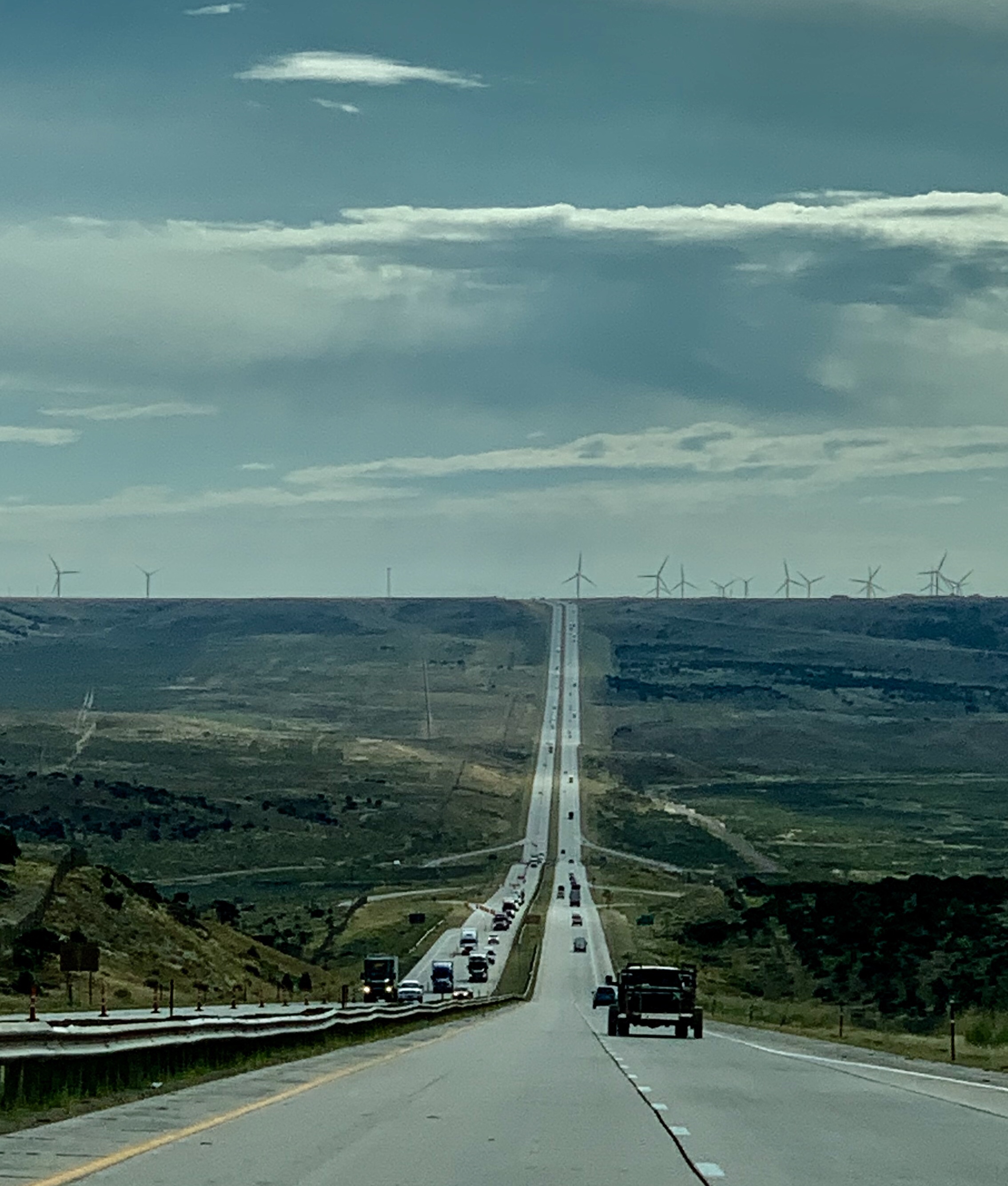
It seems near enough to touch, yet the closer you get, it stretches out to infinity. Keep reaching, keep after it, don’t let it get away.

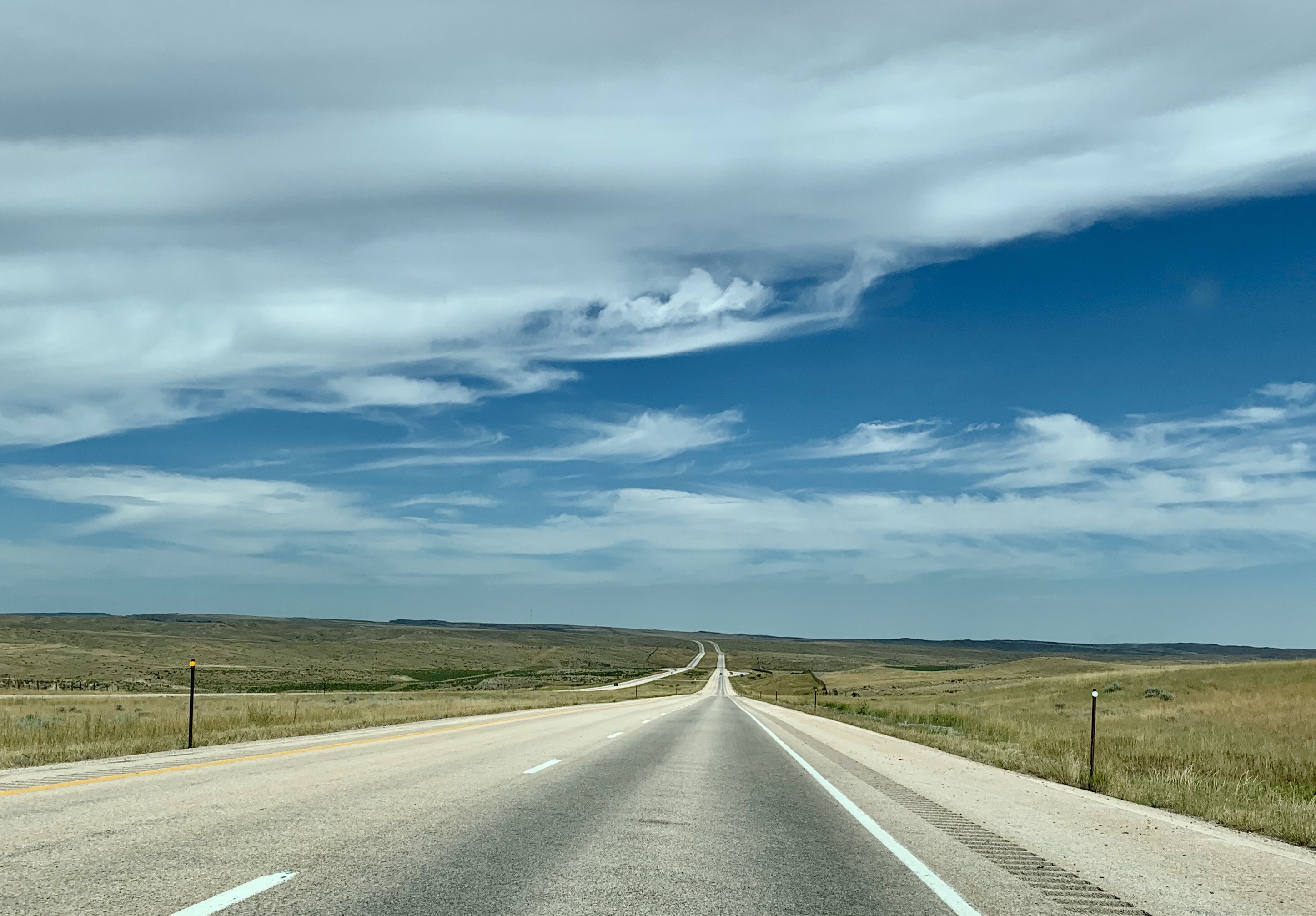
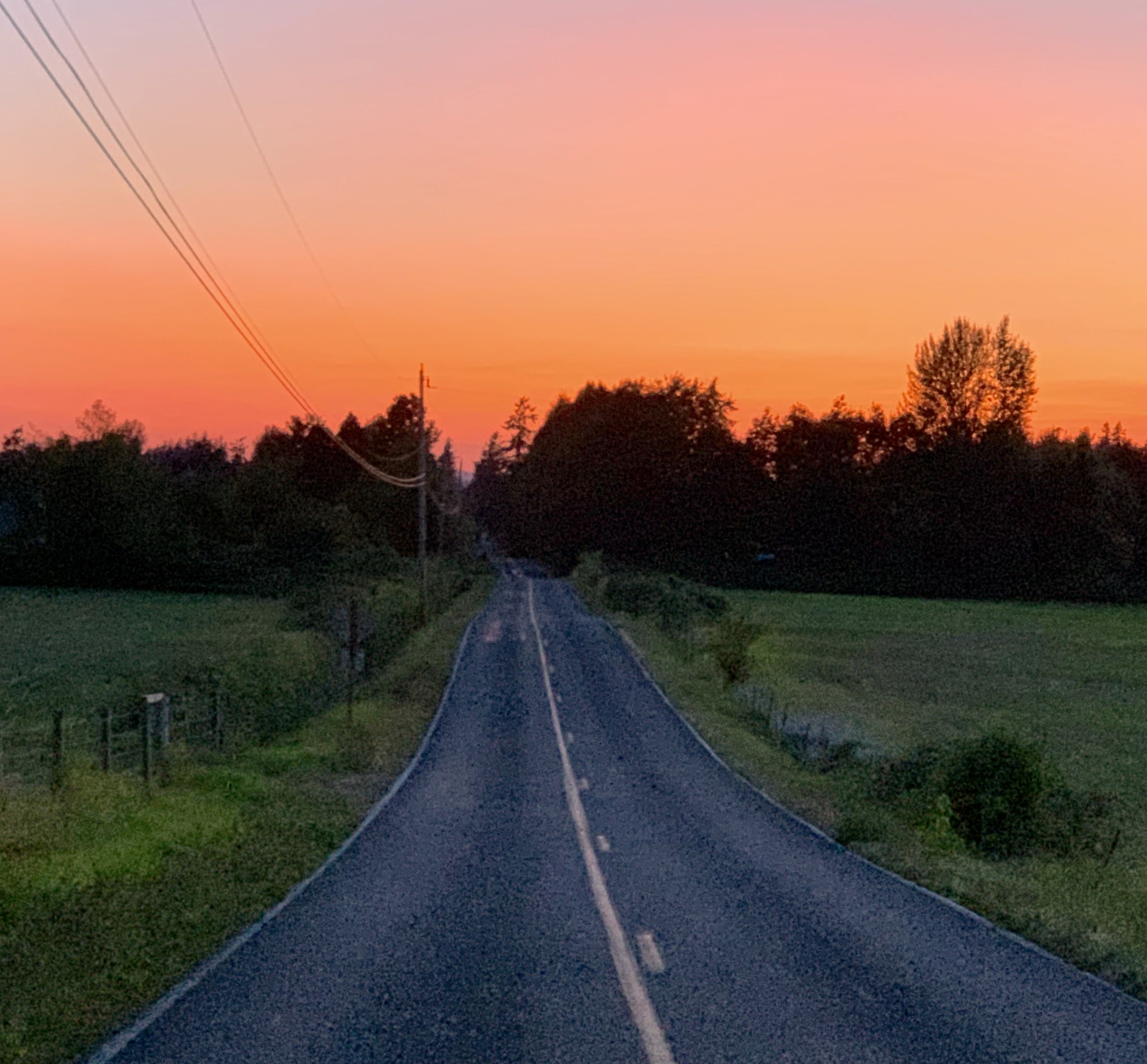
Though the horizon can’t be captured or embraced, it is always there before you anywhere you go. It finds you and shines down on you.

Celebrate the chase. Allow yourself to be captured by the magic.


The Ebb and Flow of Sound

What I remember is the ebb and flow of sound
That summer morning as the mower came and went
And came again, crescendo and diminuendo,
And always when the sound was loudest how it ceased
A moment while he backed the horses for the turn,
The rapid clatter giving place to the slow click
And the mower’s voice. That was the sound I listened for,
The voice did what the horses did. It shared the action
As sympathetic magic does or incantation.
The voice hauled and the horses hauled. The strength of one
Was in the other and in the strength was impatience.
Over and over as the mower made his rounds
I heard his voice and only once or twice he backed
And turned and went ahead and spoke no word at all.
~Robert Francis “The Sound I Listened For” from Collected Poems

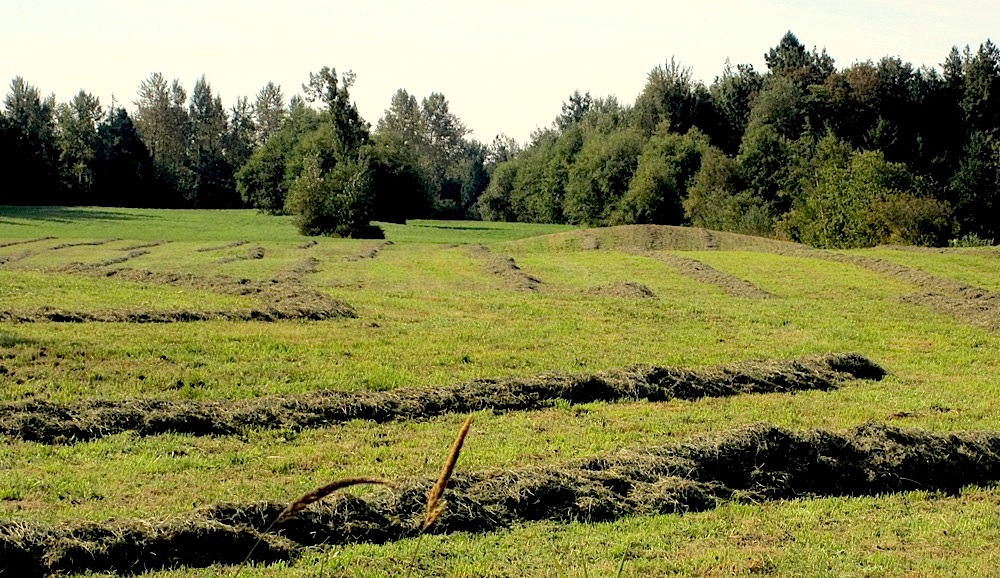
In the rural countryside where we live, we’ve been fortunate enough to know people who still dabble in horse farming, whose draft teams are hitched to plows and mowers and manure spreaders as they head out to the fields to recapture the past and experience working the land in a way that honors the traditions of our forebears.

A good teamster primarily works with his horses using his voice. No diesel engine means hearing bird calls from the surrounding fields and woods, along with the steady footfall of the horses, the harness chains jingling, the leather straps creaking, the machinery shushing quietly as gears turn and grass lays over in submission. No ear protection is needed. There is no clock needed to pace the day.

There is a rhythm of nurture when animals instead of motors are part of the work day. The gauge for taking a break is the amount of foamy sweat on the horses and how fast they are breathing — time to stop and take a breather, time to start back up and do a few more rows, time to water, time for a meal, time for a nap, time for a rest in a shady spot.

This is gentle use of the land with four footed stewards who deposit right back to the soil the digested forage they have eaten only hours before. This is gentle to our ears and our souls, measuring the ebb and flow of sound and silence.

The horse-drawn field mower is a sound I listen for, if not next door then in my dreams.

Photo courtesy of Aaron Janicki

Faultless Light

Once in your life you pass
Through a place so pure
It becomes tainted even
By your regard, a space
Of trees and air where
Dusk comes as perfect ripeness.
Here the only sounds are
Sighs of rain and snow,
Small rustlings of plants
As they unwrap in twilight.
This is where you will go
At last when coldness comes.
It is something you realize
When you first see it,
But instantly forget.
At the end of your life
You remember and dwell in
Its faultless light forever.
~Paul Zimmer “The Place” from Crossing to Sunlight Revisited

I am astonished
by an ever-changing faultless light
and don’t want to ever forget
my thirst for its illumination:
slaked by such simple glories
as transcendent orange pink
a shift of shadows
the ripeness of fluff about to let go,
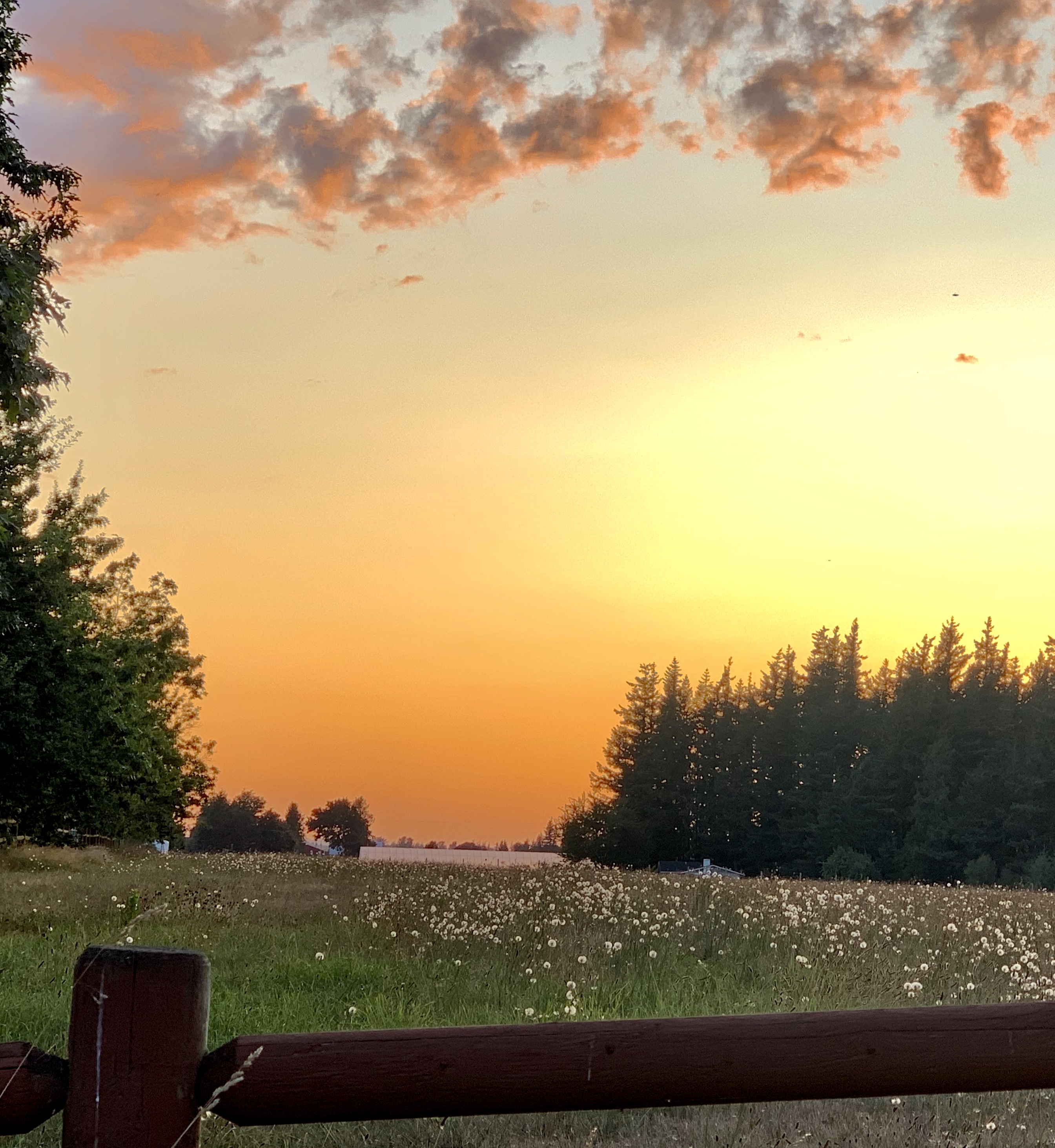
all giving me a glimpse of tomorrow over the horizon of today.

Like Right Now

It could happen any time, tornado,
earthquake, Armageddon. It could happen.


Or sunshine, love, salvation.

It could, you know. That’s why we wake
and look out––no guarantees
in this life.

But some bonuses, like morning,
like right now, like noon,
like evening.
~William Stafford “Yes”
from The Way It Is: New and Selected Poems

Of course there are no guarantees — no matter how selfless we are, how devout our practices, how righteous we appear in others’ eyes.

The natural disaster still happens, the illness progresses, the unexpected still happens because there is no warranty on how things must go while we’re here.

What is guaranteed is our vision of God’s glory as portrayed through His infinite sacrifice, His infinite worth, His infinite value, His infinite presence and transcendence. We glorify him through our enjoyment of Him — right now, right here — the bonus of another morning, another noon, another evening. It is bonus, not anything we are owed.

Guaranteed glorious. Unlimited warranty.

Imagining

I have never been fishing on the Susquehanna
or on any river for that matter
to be perfectly honest.

Not in July or any month
have I had the pleasure — if it is a pleasure —
of fishing on the Susquehanna.

I am more likely to be found
in a quiet room like this one —
a painting of a woman on the wall,


a bowl of tangerines on the table —
trying to manufacture the sensation
of fishing on the Susquehanna.

There is little doubt
that others have been fishing
on the Susquehanna,

rowing upstream in a wooden boat,

sliding the oars under the water
then raising them to drip in the light.

But the nearest I have ever come to
fishing on the Susquehanna
was one afternoon in a museum in Philadelphia,

when I balanced a little egg of time
in front of a painting
in which that river curled around a bend

under a blue cloud-ruffled sky,
dense trees along the banks,
and a fellow with a red bandana

sitting in a small, green
flat-bottom boat
holding the thin whip of a pole.

That is something I am unlikely
ever to do, I remember
saying to myself and the person next to me.

Then I blinked and moved on
to other American scenes
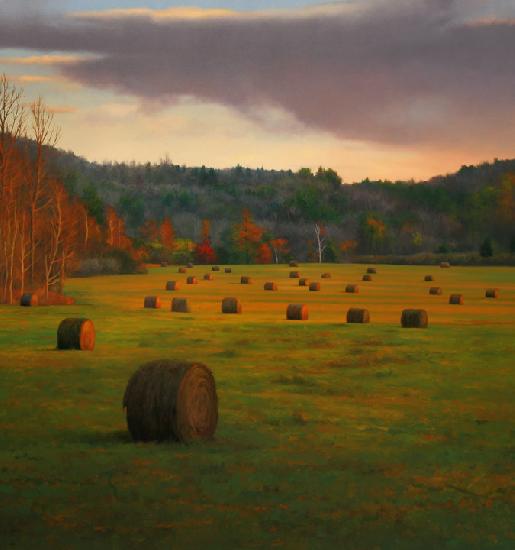
of haystacks, water whitening over rocks,

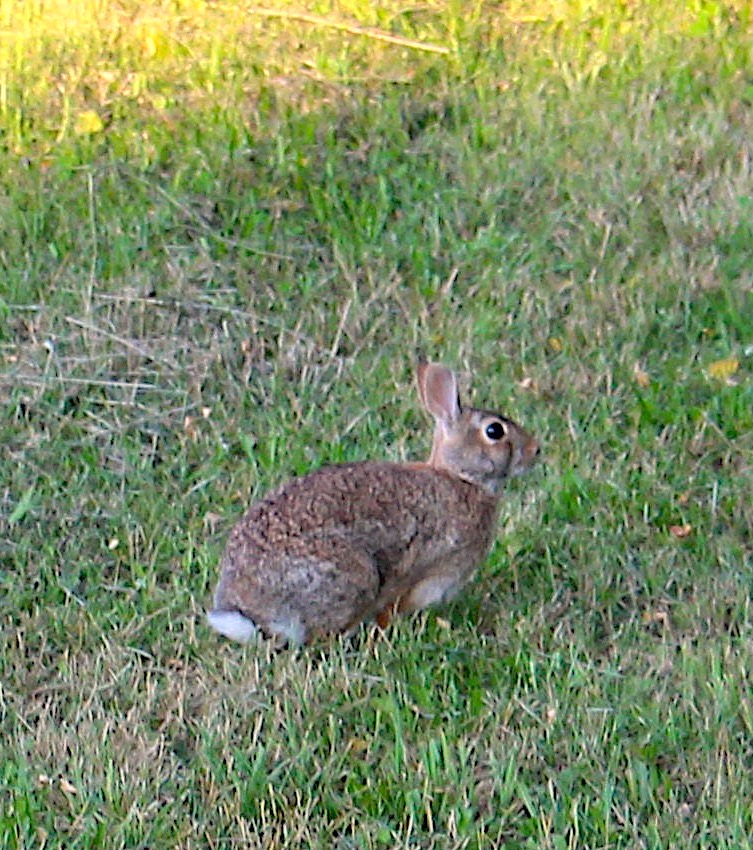
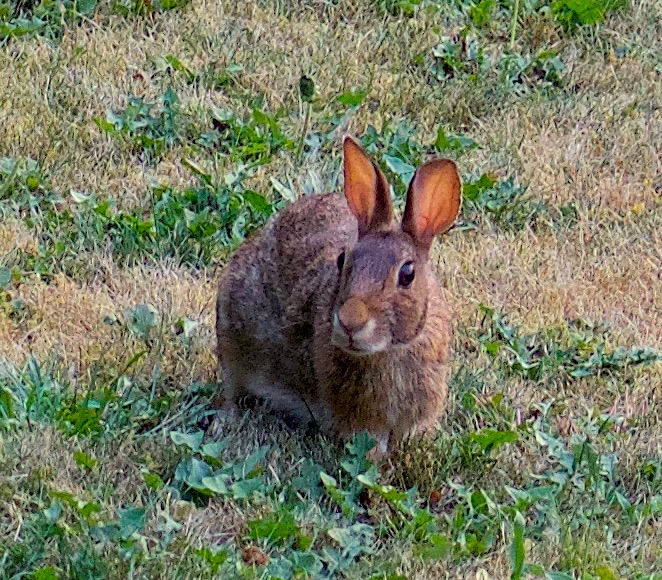
even one of a brown hare
who seemed so wired with alertness
I imagined him springing right out of the frame. 
~Billy Collins Fishing On The Susquehanna In July

Edmund Darch Lewis – Susquehanna
Hayfield–oil painting by Scott Prior http://www.scottpriorart.com

I live a quiet life in a quiet place. There are many experiences not on my bucket list that I’m simply content to just imagine.

I’m not a rock climber or a zip liner or willing to jump out of an airplane. I won’t ride a horse over a four foot jump or race one around a track. Not for me waterskis or unicycles or motorcycles.

I’m grateful there are adventurers who seek out the extremes of life so the rest of us can admire their courage and applaud their explorations.

My imagination is powerful enough, thanks to the words and pictures of others – sometimes too vivid. I contentedly explore the corners of my quiet places, both inside and outside, to see what I can build from what’s here.

When the light is right, what I see in my mind is ready to spring right out of the frame.

Not to Stop Trying…

Sometimes I think all the best poems
have been written already,
and no one has time to read them,
so why try to write more?

At other times though,
I remember how one flower
in a meadow already full of flowers
somehow adds to the general fireworks effect

as you get to the top of a hill
in Colorado, say, in high summer
and just look down at all that brimming color.
I also try to convince myself

that the smallest note of the smallest
instrument in the band,
the triangle for instance,
is important to the conductor

who stands there, pointing his finger
in the direction of the percussions,
demanding that one silvery ping.
And I decide not to stop trying,

at least not for a while, though in truth
I’d rather just sit here reading
how someone else has been acquainted
with the night already, and perfectly.

~Linda Pastan “Rereading Frost” from Queen of a Rainy Country. 

This morning

poem hopes 

that even though
its lines are broken 

its reader 

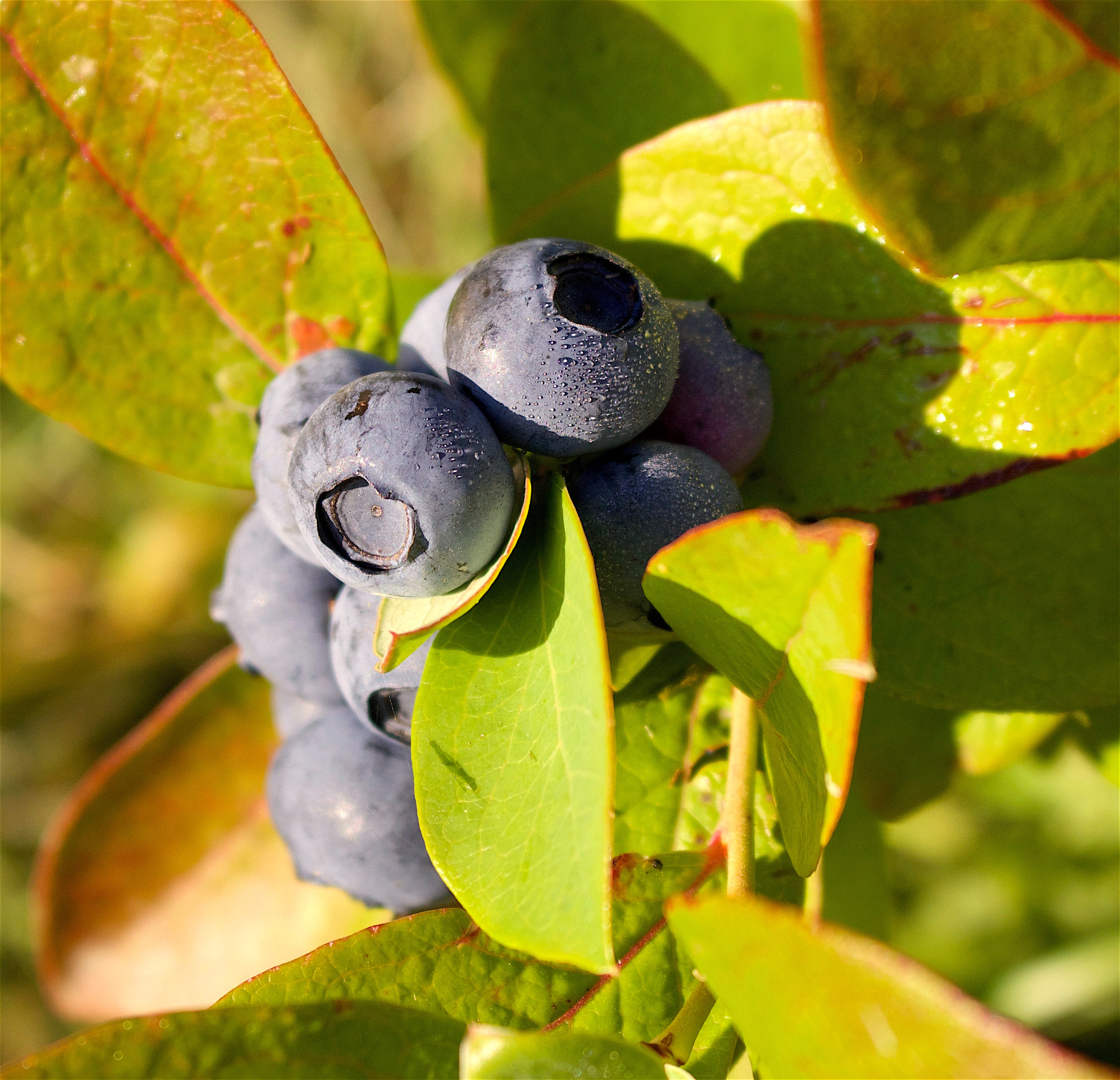
will be drawn forward to the part where blueberries
firm against fingers 

say roundness sweetness unspeakable softness
     in the morning
light.

~L.L. Barkat, “This Morning” from The Golden Dress

I want to write with quiet hands. I
want to write while crossing the fields that are
fresh with daisies and everlasting and the
ordinary grass. I want to make poems while thinking of
the bread of heaven and the
cup of astonishment; let them be

songs in which nothing is neglected,
not a hope, not a promise. I want to make poems
that look into the earth and the heavens
and see the unseeable. I want them to honor
both the heart of faith, and the light of the world;
the gladness that says, without any words, everything.
~Mary Oliver “Everything”

I’m asked frequently by people who read this blog why I use poems by other authors when I could be writing more original work myself.

My answer, like poet Linda Pastan above is:

Sometimes I think all the best poems
have been written already,
and no one has time to read them,
so why try to write more?

Yet, like Linda, I’ve decided not to stop trying, since I’ve committed myself to being here every day with something that may help me and someone else breathe in the fragrance of words and the world. There are several hundred of you who do take time to read every day – such a privilege to share what I can with you!

Even when my lines are broken, or I say again what another has already said much better yet bears repeating — I too try to write with quiet hands, in reverence and awe for what unseeable gifts God has granted us all.

Let us celebrate by illuminating words and pictures which lift the veil.