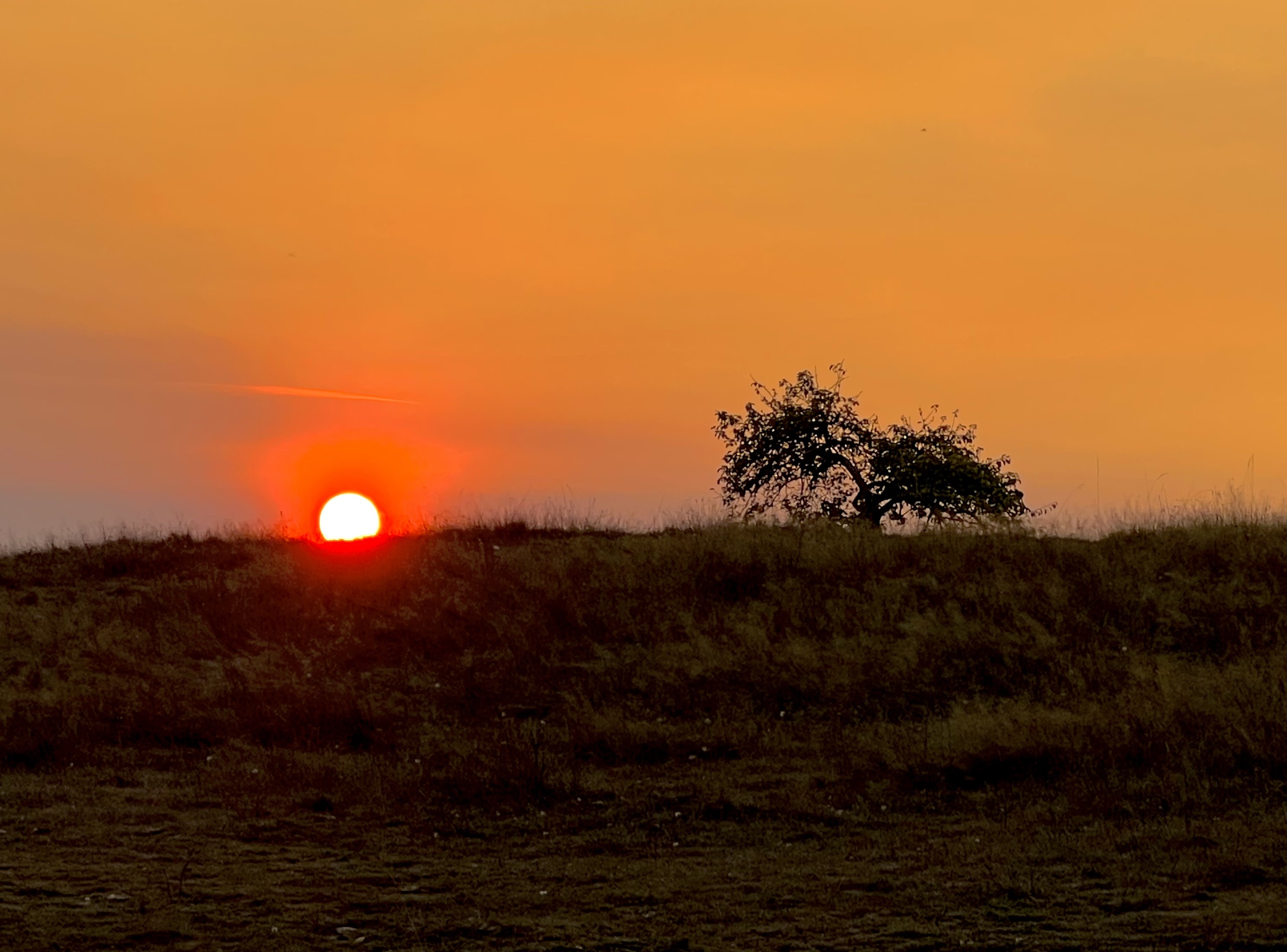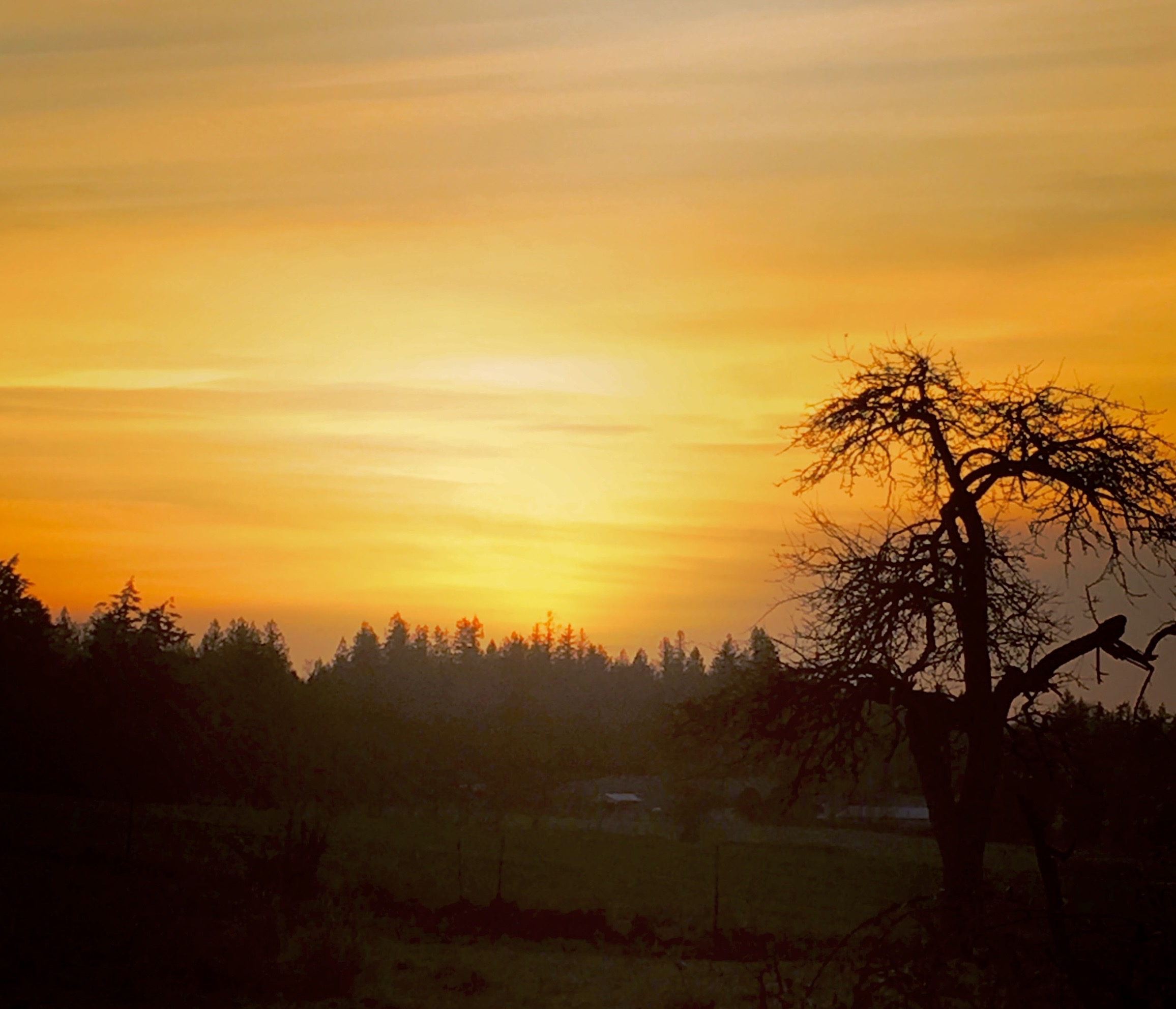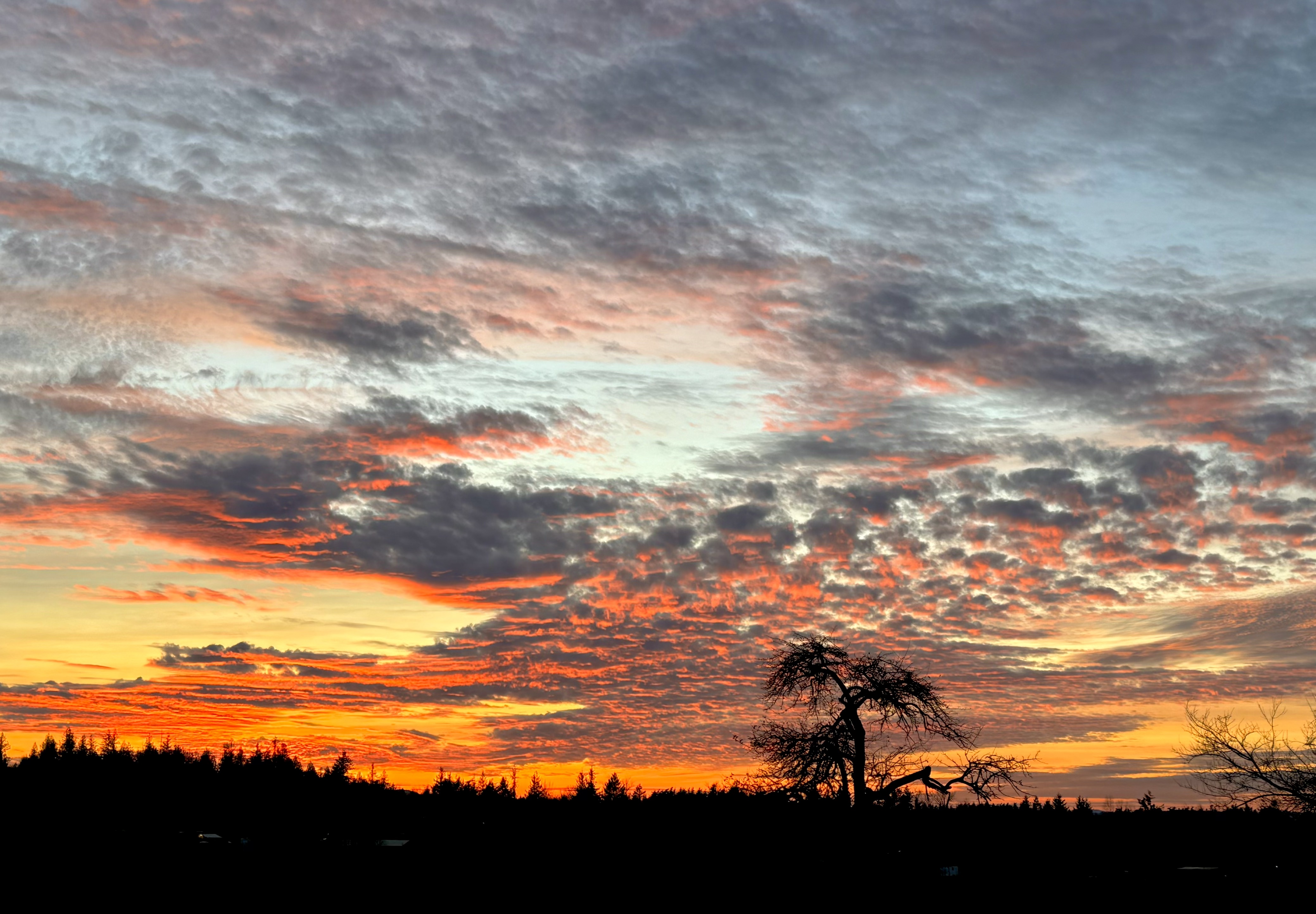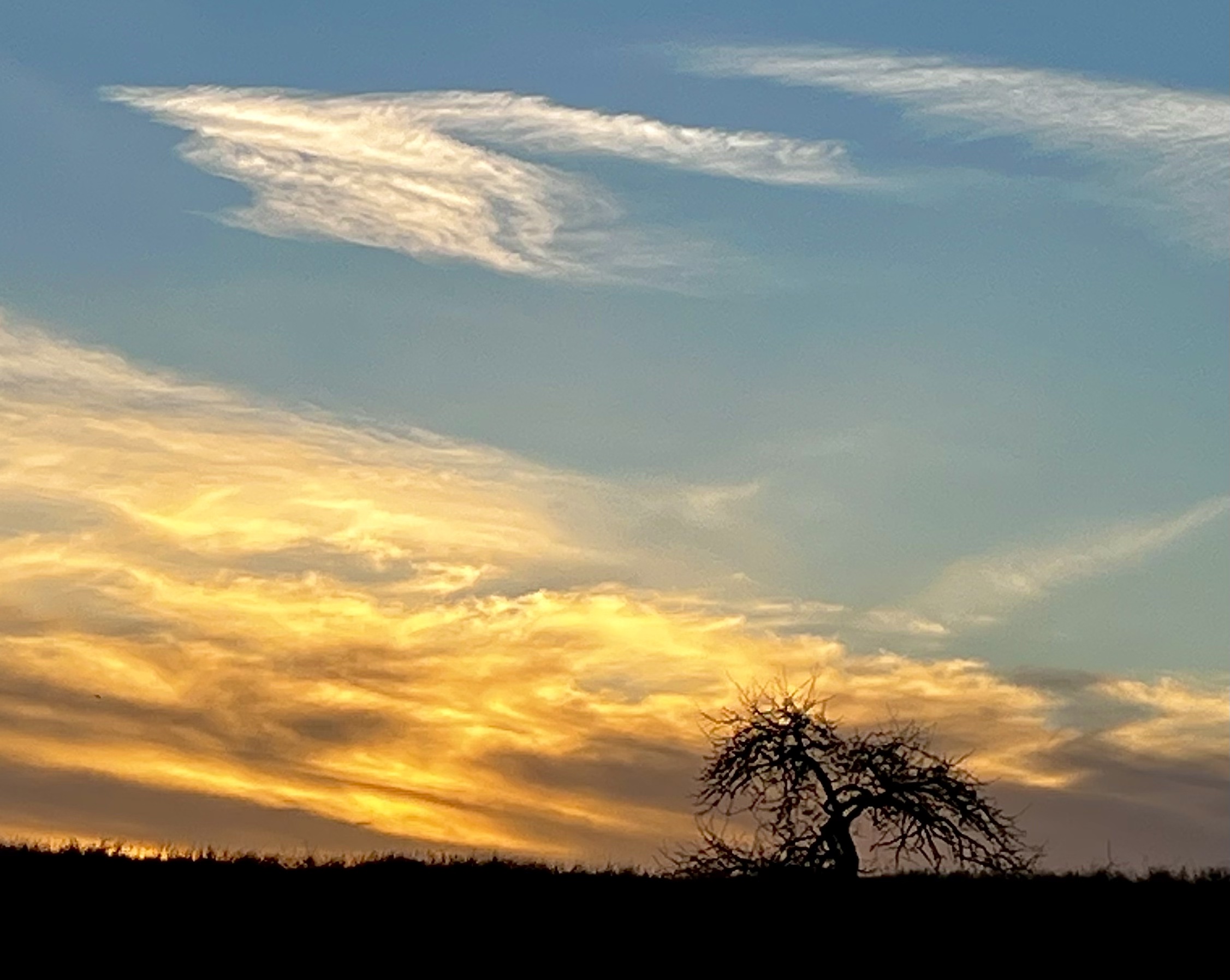
A Bleak and Bitter Remembrance

When you go home tell them of us and say –
“For your tomorrow we gave our today”
~John Maxwell Edmonds from “The Kohima Epitaph” 

They shall grow not old, as we that are left grow old:
Age shall not weary them, nor the years condemn.
At the going down of the sun and in the morning
We will remember them.
~Lawrence Binyon from “For the Fallen” (1914)

We are the Dead. Short days ago
We lived, felt dawn, saw sunset glow,
Loved and were loved, and now we lie
In Flanders fields.
~LtCol (Dr.) John McCrae from “In Flanders Fields”

We who are left, how shall we look again
Happily on the sun, or feel the rain,
Without remembering how they who went
Ungrudgingly, and spent
Their all for us, loved, too, the sun and rain?

A bird upon the rain-wet lilac sings —
But we, how shall we turn to little things
And listen to the birds and winds and streams
Made holy by their dreams,
Nor feel the heartbreak in the heart of things?

~Wilfred Wilson Gibson “A Lament”

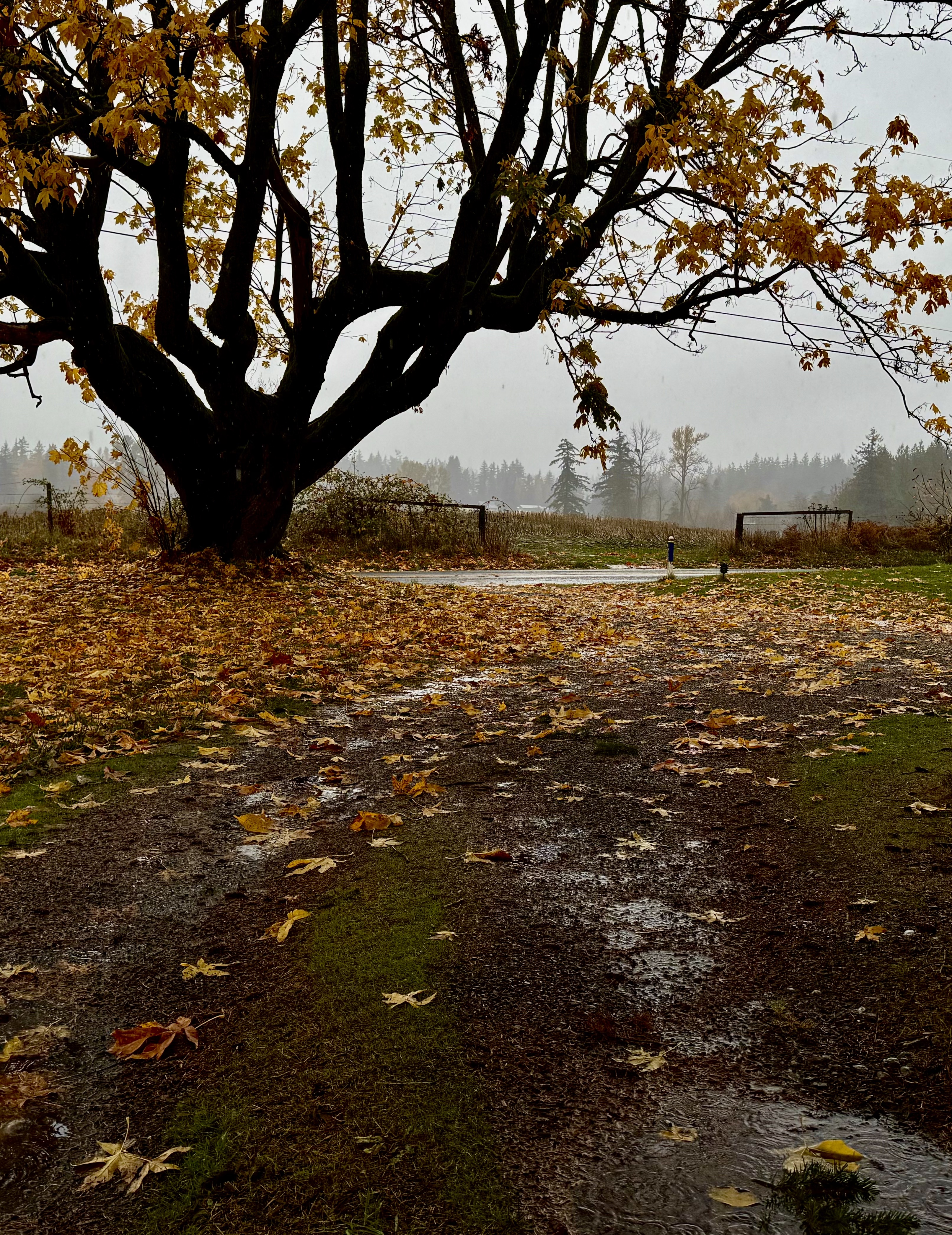
November pierces with its bleak remembrance
Of all the bitterness and waste of war.
Our silence tries but fails to make a semblance
Of that lost peace they thought worth fighting for.
Our silence seethes instead with wraiths and whispers,
And all the restless rumour of new wars,
The shells are falling all around our vespers,
No moment is unscarred, there is no pause,
In every instant bloodied innocence
Falls to the weary earth ,and whilst we stand
Quiescence ends again in acquiescence,
And Abel’s blood still cries in every land
One silence only might redeem that blood
Only the silence of a dying God.
~Malcolm Guite “Silence: a Sonnet for Remembrance Day”

To our military veterans here and abroad –
in deep appreciation and gratitude–
for the freedoms you have defended on behalf of us all:

No one is left untouched and unscarred in the bitterness of war.

My father was one of the fortunate ones who came home, returning to a quiet farm life after three years serving in the Pacific with the Marines Corp from 1942 to 1945.  Hundreds of thousands of his colleagues didn’t come home, dying on beaches and battlefields.  Tens of thousands more came home forever marked, through physical or psychological injury, by the experience of war and witness of death and mayhem all around them.

No matter how one views wars our nation has fought and may be obligated to fight in the future, we must support and care for the men and women who have made, on our behalf, the commitment and sacrifice to be on the front line for freedom’s sake.

Even our God died so we could stop fighting each other (and Him). What a waste we have not stopped to listen and understand His sacrifice enough to finally lay down our weapons against one another forever.

AI image created for this post

Support for wounded veterans:

Disabled American Veterans

Disabled Veterans National Foundation

Wounded Warrior Project

In the Light-Charged Air

When I saw the figure on the crown of the hill,
high above the city, standing perfectly still


against a sky so saturated with the late-
afternoon, late-summer Pacific light


that granules of it seemed to have come out
of solution, like a fine precipitate


of crystals hanging in the brightened air,
I thought whoever it was standing up there


must be experiencing some heightened state
of being, or thinking—or its opposite,


thoughtlessly enraptured by the view.
Or maybe, looking again, it was a statue


of Jesus or a saint, placed there to bestow
a ceaseless blessing on the city below.


Only after a good five minutes did I see
that the figure was actually a tree—


some kind of cypress, probably, or cedar.
I was both amused and let down by my error.


Not only had I made the tree a person,
but I’d also given it a vision,


which seemed to linger in the light-charged air
around the tree’s green flame, then disappear.

~Jeffrey Harrison “The Figure on the Hill” from Into Daylight

Who was it who suggested that the opposite of war
Is not so much peace as civilisation? He knew
Our assassinated Catholic greengrocer who died
At Christmas in the arms of our Methodist minister,
And our ice-cream man whose continuing requiem
Is the twenty-one flavours children have by heart.
Our cobbler mends shoes for everybody; our butcher
Blends into his best sausages leeks, garlic, honey;
Our cornershop sells everything from bread to kindling.
Who can bring peace to people who are not civilised?
All of these people, alive or dead, are civilised.

~Michael Longley “All of These People”  from Collected Poems

Who among us appear
in the light-charged air,
visible on the crown of the hill of life –
who might be mistaken
for a martyr or a saint or a visionary,
when each one of us is
merely a person
responsible to a family,
committed to help friends,
dedicated to serve a community,
placed in this world to steady a broken civilization.

There is the simple truth that we need a person
with roots deep in the ground,
branches that reach up and out,
bearing fruit to share with those around us.

But surely not
this misery, not this blight, not this trouble,
certainly not these murders,
which only bears and shares
a heart-rending, horrible grief.

One-Time
Monthly
Yearly

Make a one-time or recurring donation to support daily Barnstorming posts

Make a monthly donation

Make a yearly donation

Choose an amount

$10.00
$25.00
$50.00
$5.00
$15.00
$100.00
$5.00
$15.00
$100.00

Or enter a custom amount

$

Your contribution is deeply appreciated.

Your contribution is appreciated.

Your contribution is appreciated.

DonateDonate monthlyDonate yearly
Where the Cat Begins

It takes a peculiar vision to be able to detect
Precisely where

The field grasses brushed by blowing
Stars and the odor of spring
In the breath of sweet clover buds
And the star-mingled calls of the toads

In the threading grasses and the paws
Of the clover brushing through the field
Of stars and the star-shaped crickets
In the ears of the sweet grasses
And the tail of the night flicking
Through the calls of the clover and the spring
Stars slinking past the eyes of midnight
And the hour of the field mouse passing
Through the claws of the stars and the brushing
Haunches of the weeds and starry grasses
Threading through the eyes of the mouse
And the buds of the stars calling
With the sweet breath of the field

End
And the cat begins.
~Pattiann Rogers “Finding the Cat in a Spring Field at Midnight”

photo by Nate Gibson

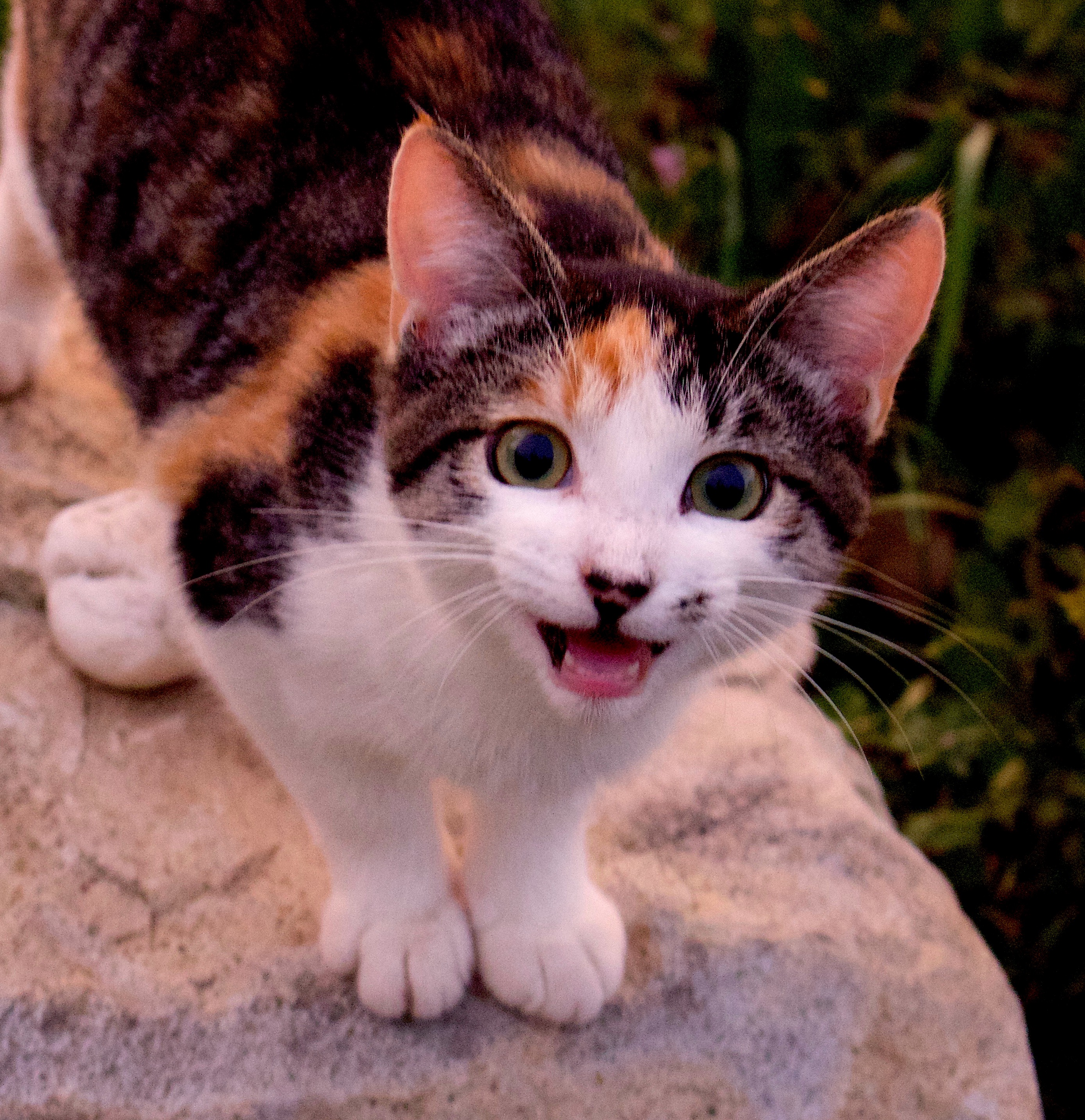
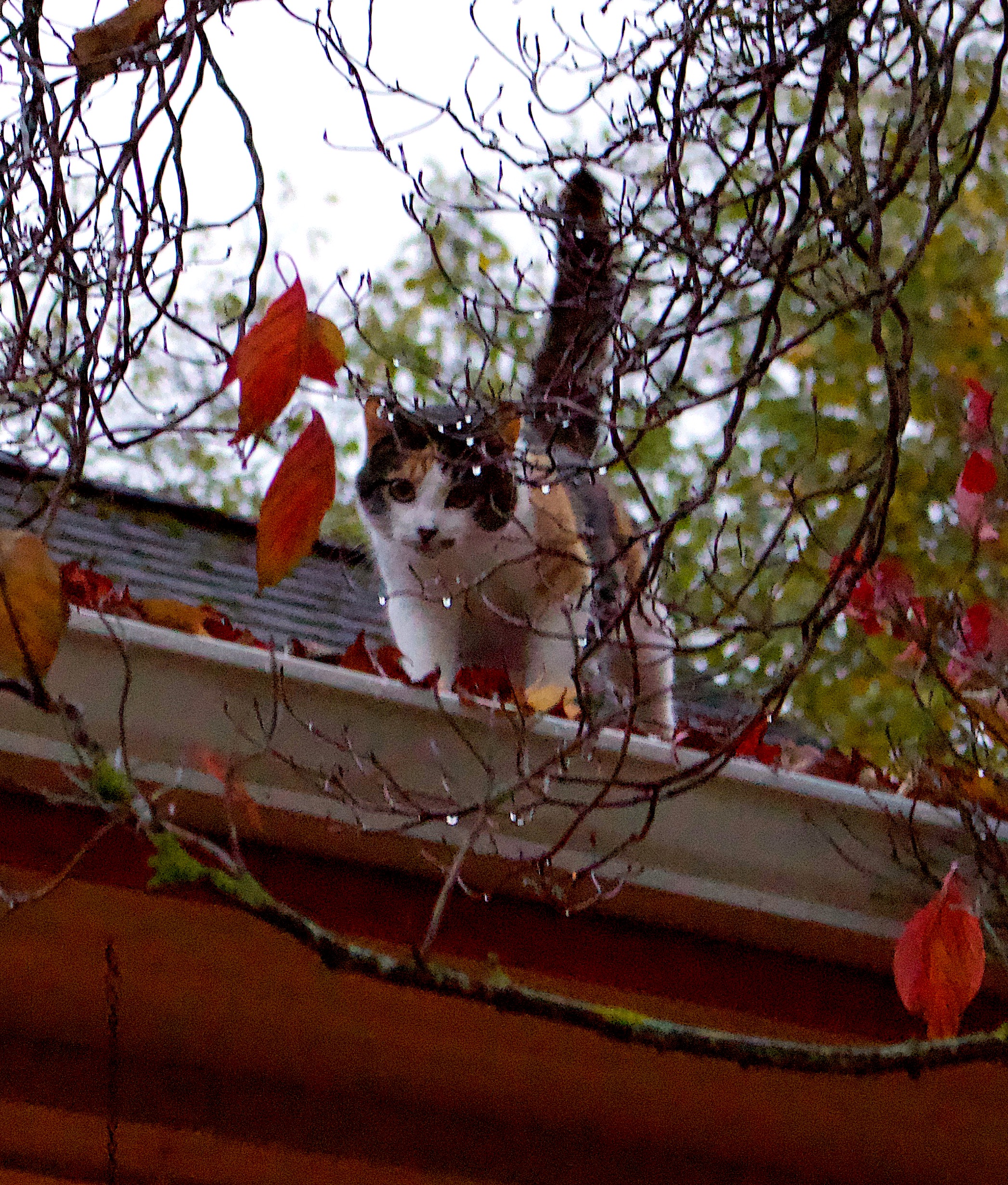
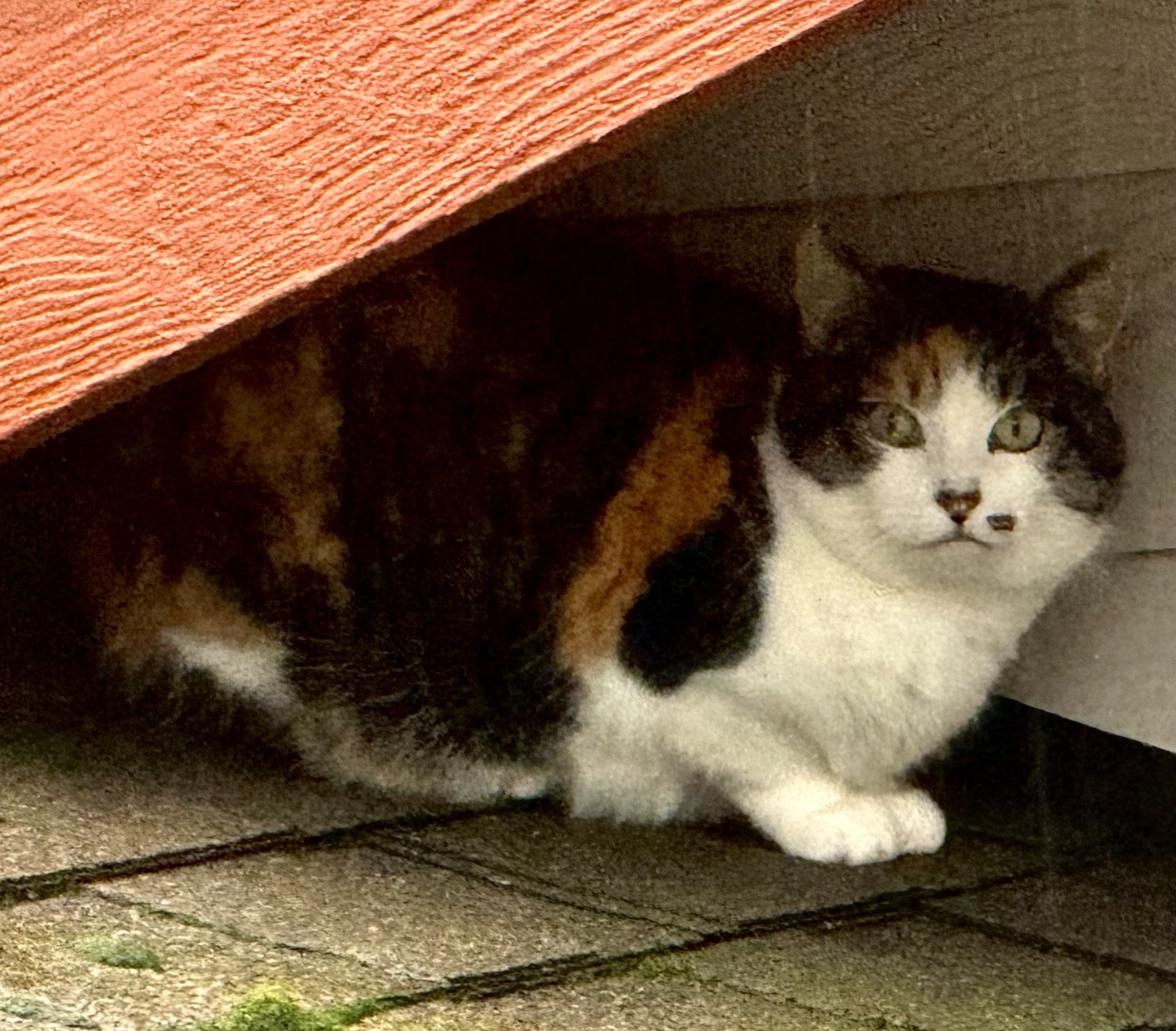
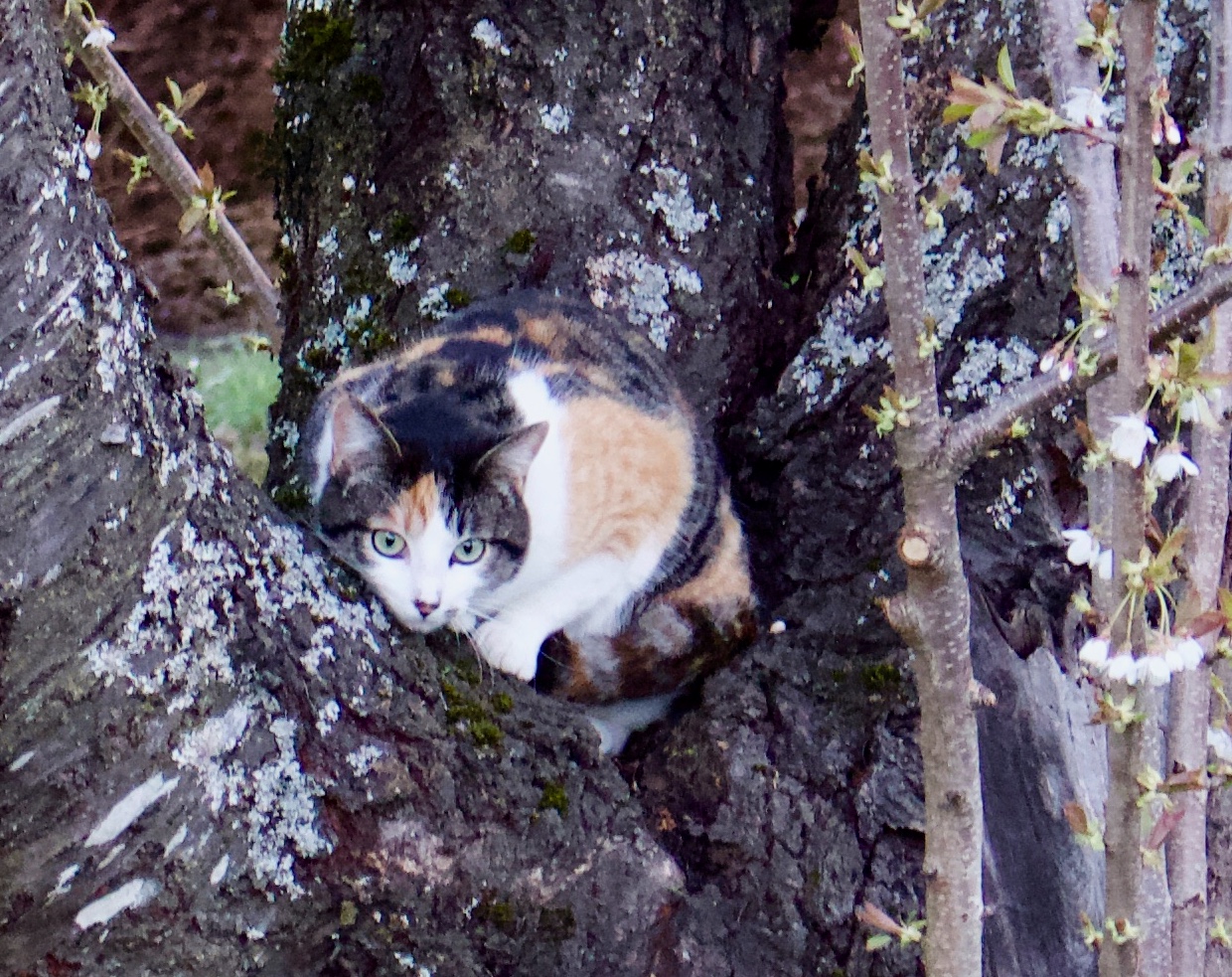
Six years ago, our calico cat Nala had an unexpected adventure.

The knock on the door seemed urgent: – “did we know we have an injured cat?” – the pest control serviceman was spraying the perimeter of our house for carpenter ants and saw our young calico farm cat crawling along the ground in the bushes, dragging her hind legs.

I grabbed my jacket and a towel to wrap her in, preparing for a quick trip to the vet clinic, but she had vanished by the time I got outside. I searched for an hour in all the likely places Nala typically hangs out but she was no where. I kept an eye out for her every day, calling her, but I never saw her or heard her distinctive voice.

Nine days later, there she was on the front porch, thin and weak and hungry, meowing for a meal. She was walking but with still-weakened hind legs and two healing wounds on either side of her lower spine. Something very traumatic had certainly happened, but she had survived, using up several of her nine lives.

As I inspected the wounds, I began to surmise what may have happened:
We have nesting bald eagles who spend time in the high trees around our farm house, watching for wild rabbits or other small prey. This cat is smallish, with plenty of white fur to be easily seen in the tall grass with sharp eagle vision. I suspect she was picked up by eagle talons as a tempting meal, pierced on either side of her spine to carry her away up to a treetop, but feisty as she is, she would have been more trouble than she was worth, so dropped from a significant height, causing a spinal cord contusion and temporary lower leg paralysis.

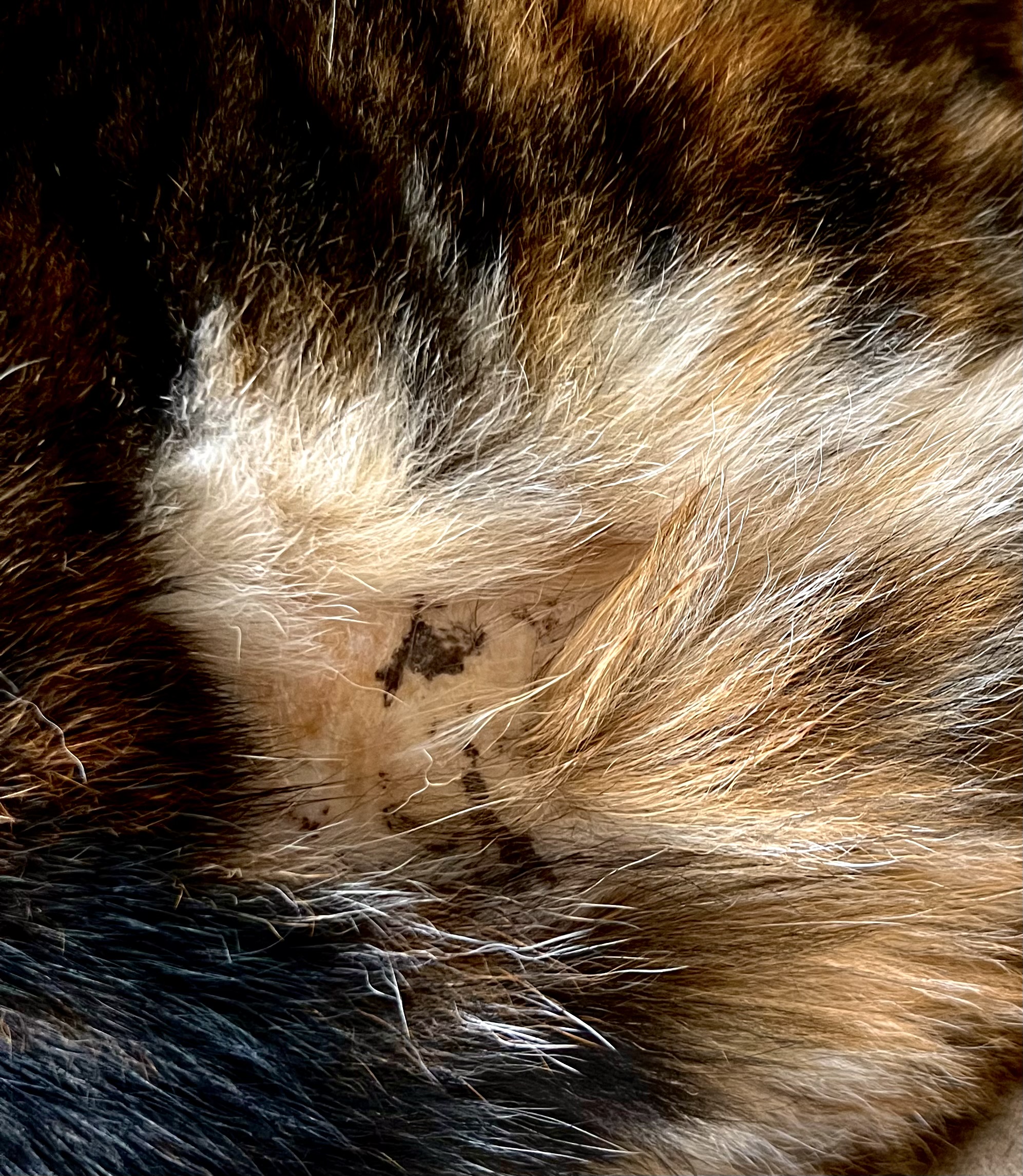
Little Nala has since recovered completely except for the bald patch scars on either side of her spine. She is a noisy communicator, insistent and bold. I think her loud voice and attitude saved her from becoming a raptor’s lunch.

Not many more lives to go, dear feisty Nala. Spend them well.

One-Time
Monthly
Yearly

Make a one-time or recurring donation to support daily Barnstorming posts

Make a monthly donation

Make a yearly donation

Choose an amount

$10.00
$25.00
$50.00
$5.00
$15.00
$100.00
$5.00
$15.00
$100.00

Or enter a custom amount

$

Your contribution is deeply appreciated.

Your contribution is appreciated.

Your contribution is appreciated.

DonateDonate monthlyDonate yearly
Not Just a Leaf

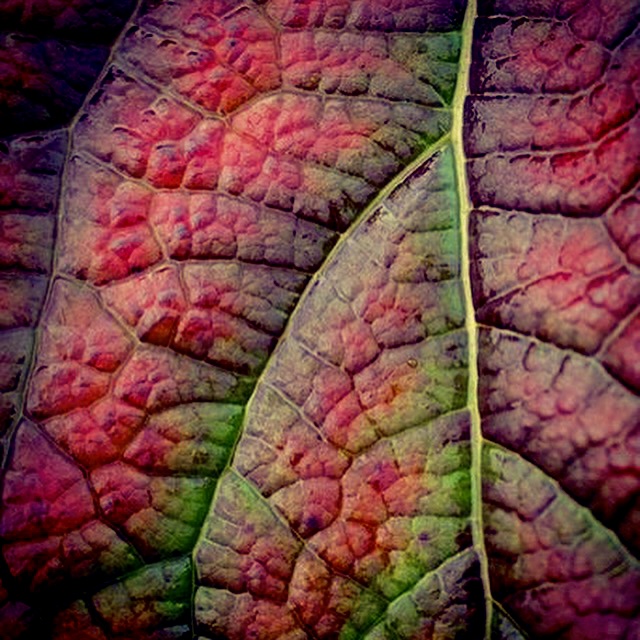
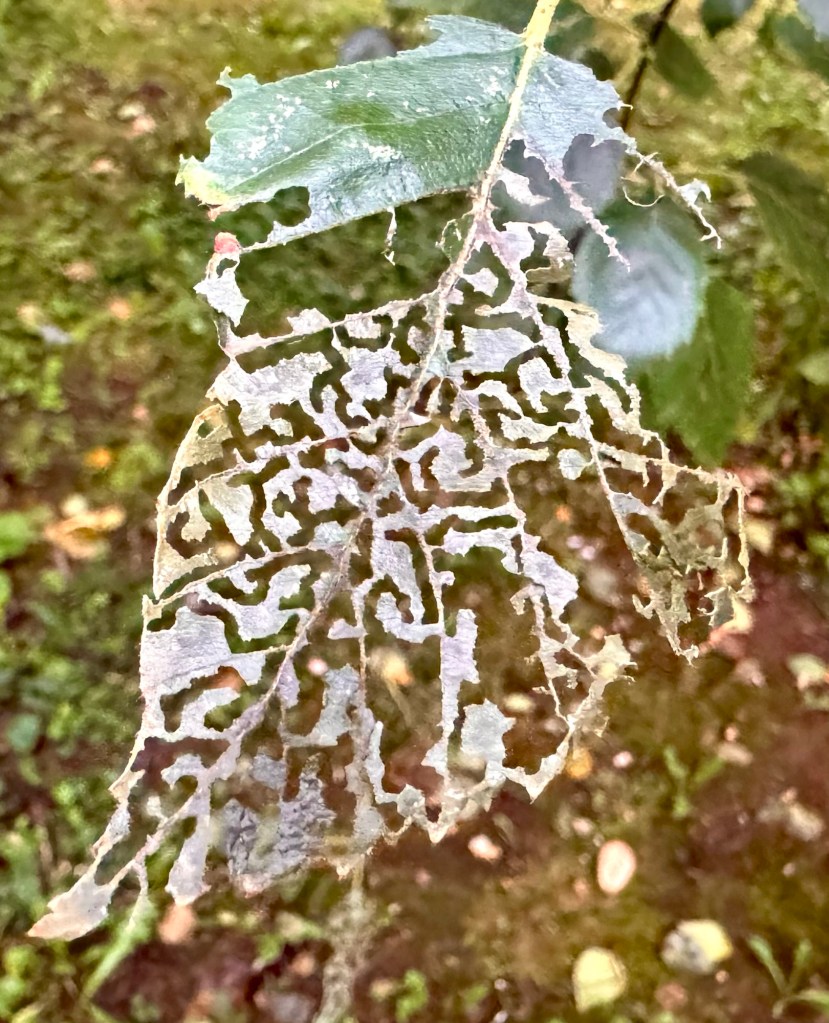
holyleaf2

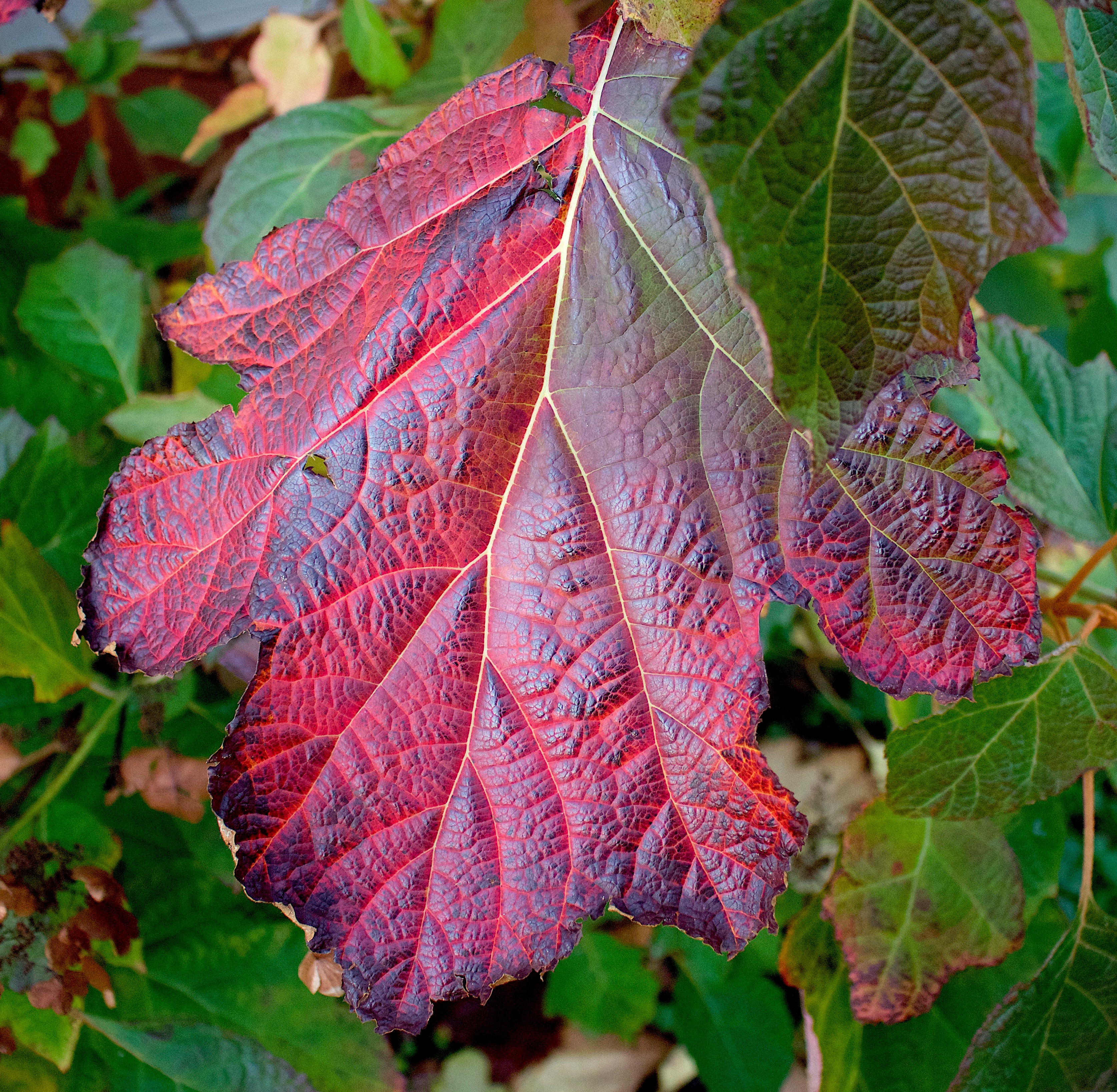
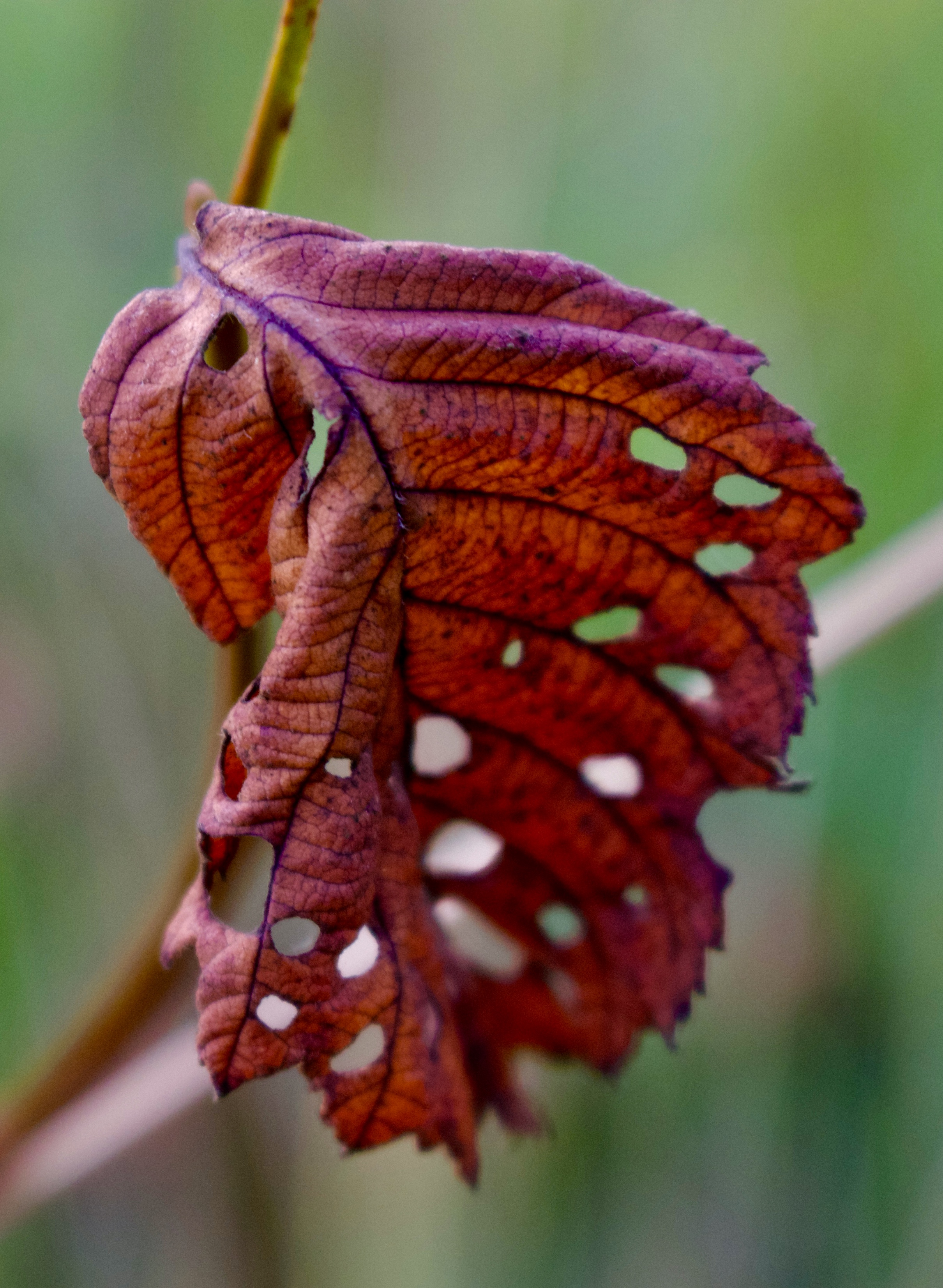
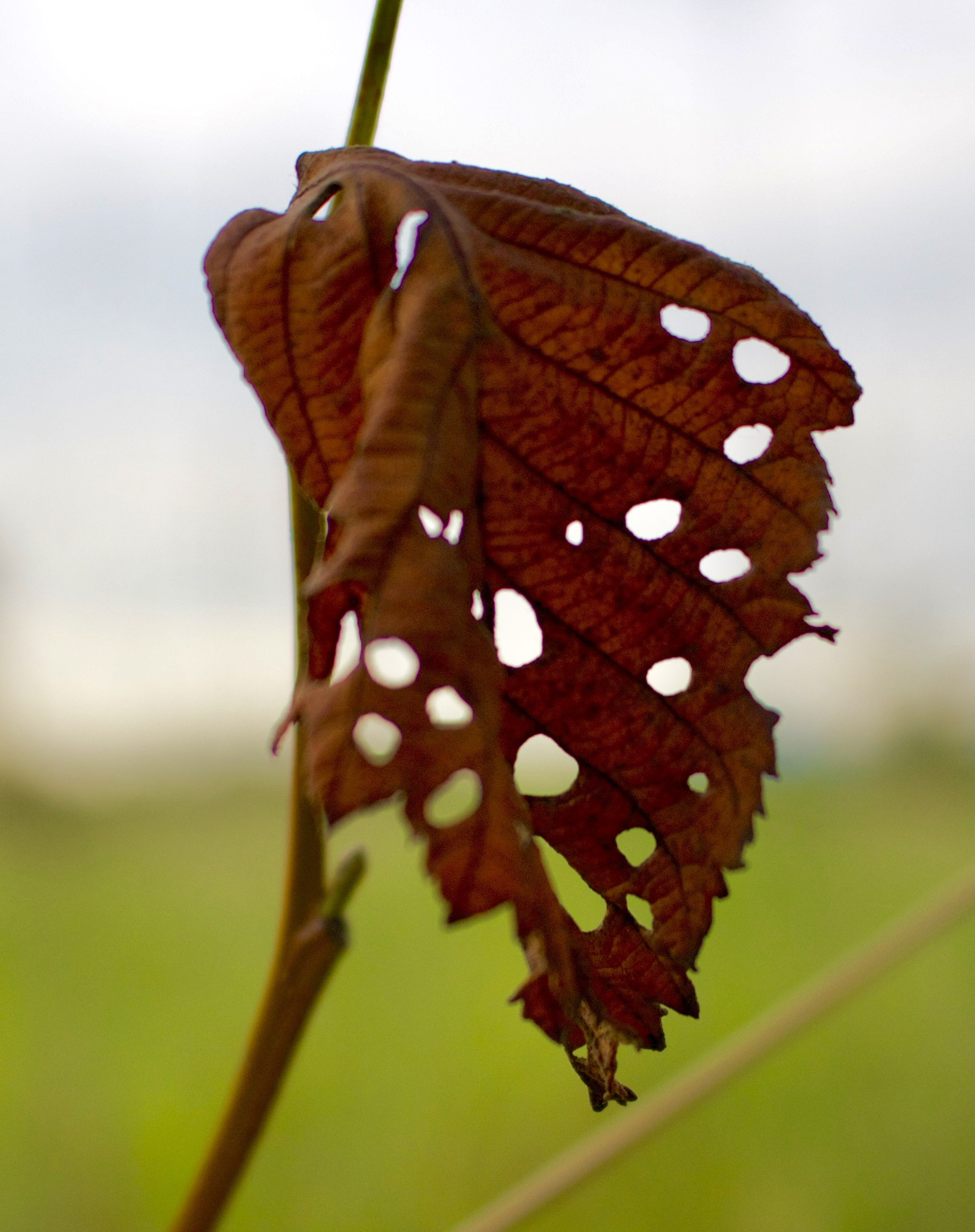
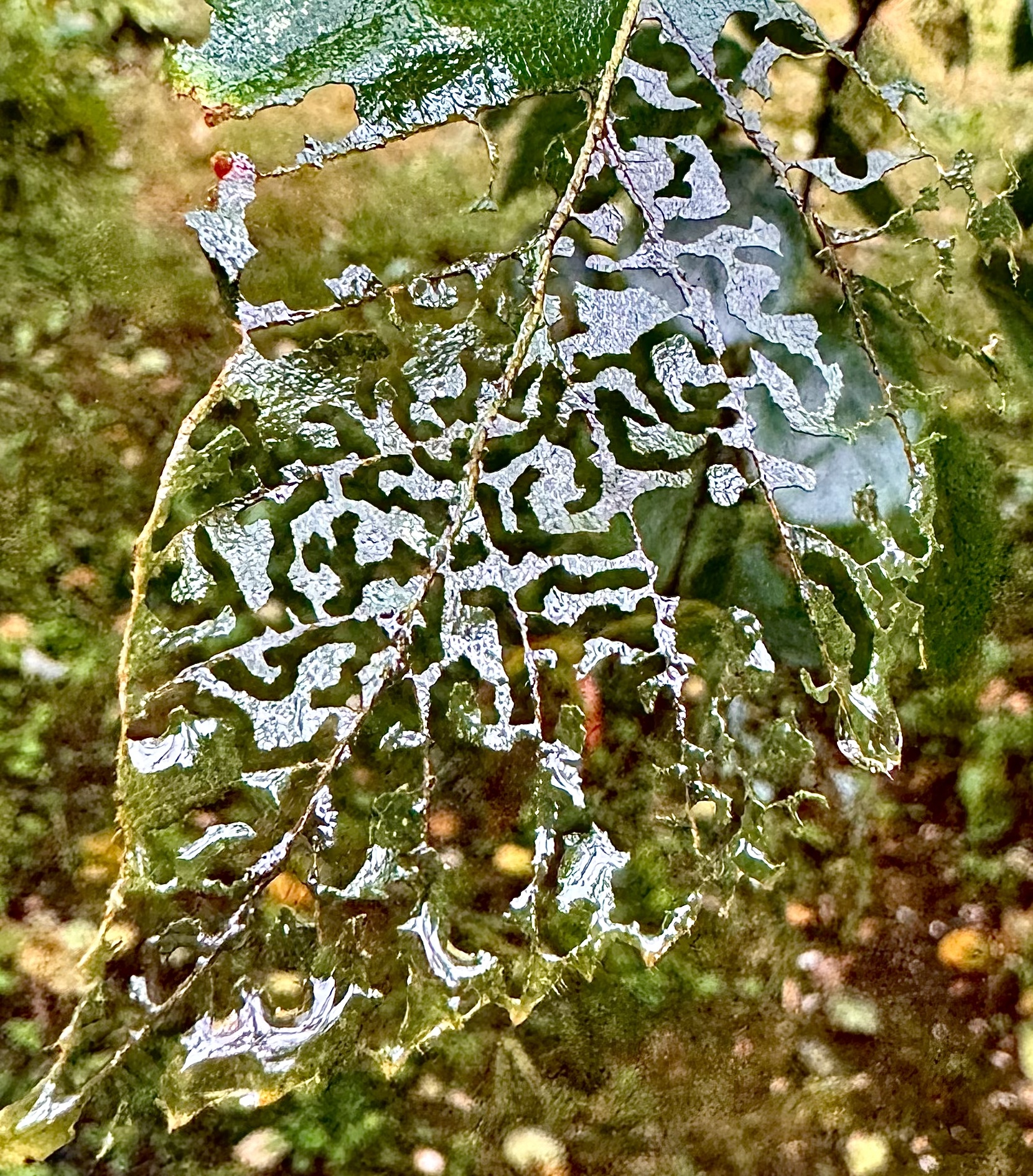
It’s just a leaf. A damaged leaf at that,
clinging to a filbert tree ravaged by blight.
The leaf turns partially back upon itself,
riddled with holes, the traumatic result
of voracious insect appetites.

Damaged does not accurately describe
this leaf, the color of rich burgundy wine,
deep purple veins that branch to the tips
of its serrated edge. The holes open the leaf
to light and air, forming a filigree of nature,
an exquisite fragile beauty.

It makes me think of our own traumas,
how they open us, raw and hurting, humble us,
soften and expand us to the pain of others
and when we are most vulnerable we hold on,
weakened, but not necessarily damaged.

Perhaps it is then our scars become beautiful
and an inner loveliness shines through.
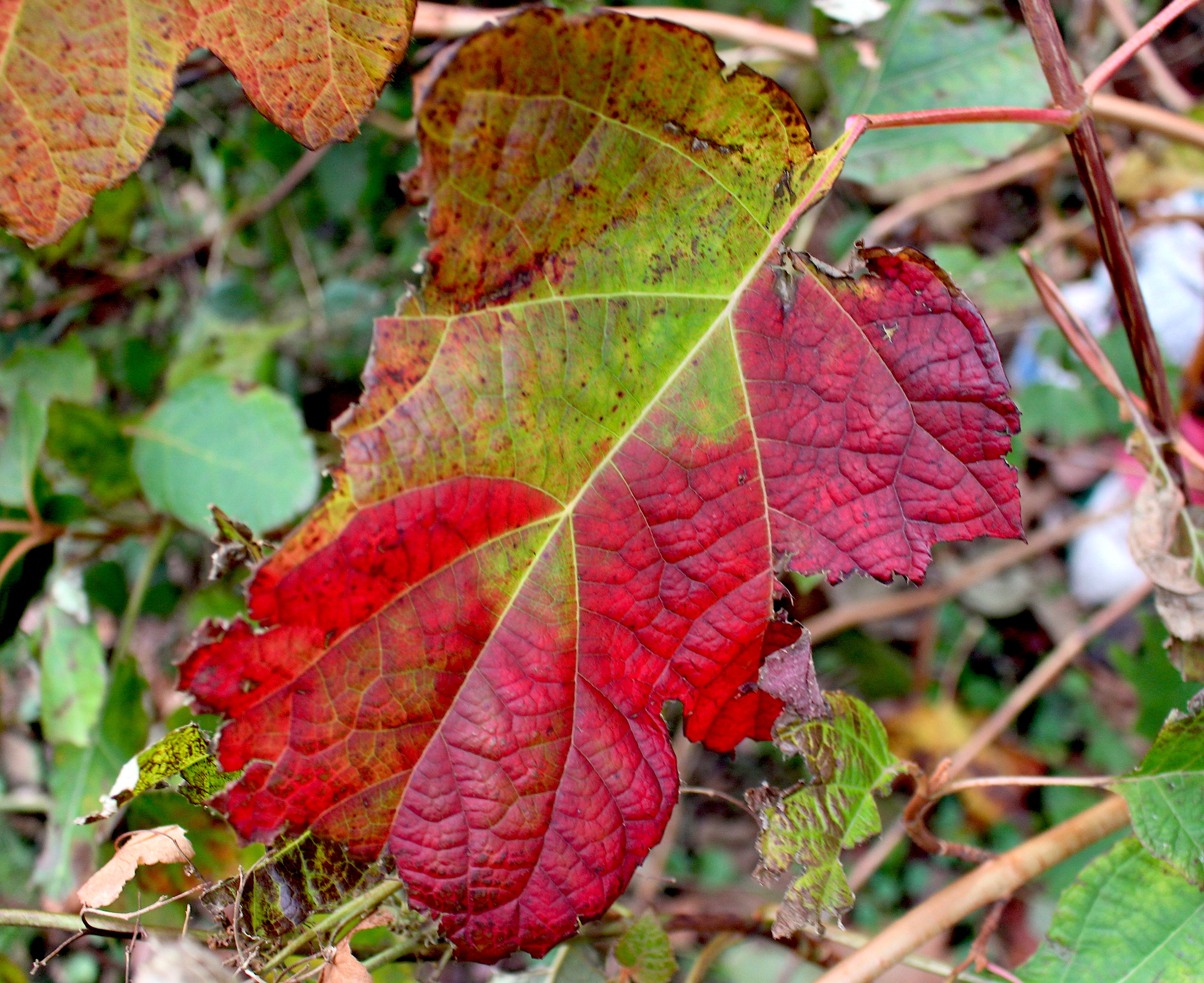
~Lois Parker Edstrom “Fragile Beauty” (an ephrastic poem written about the picture below) from Almanac of Quiet Days

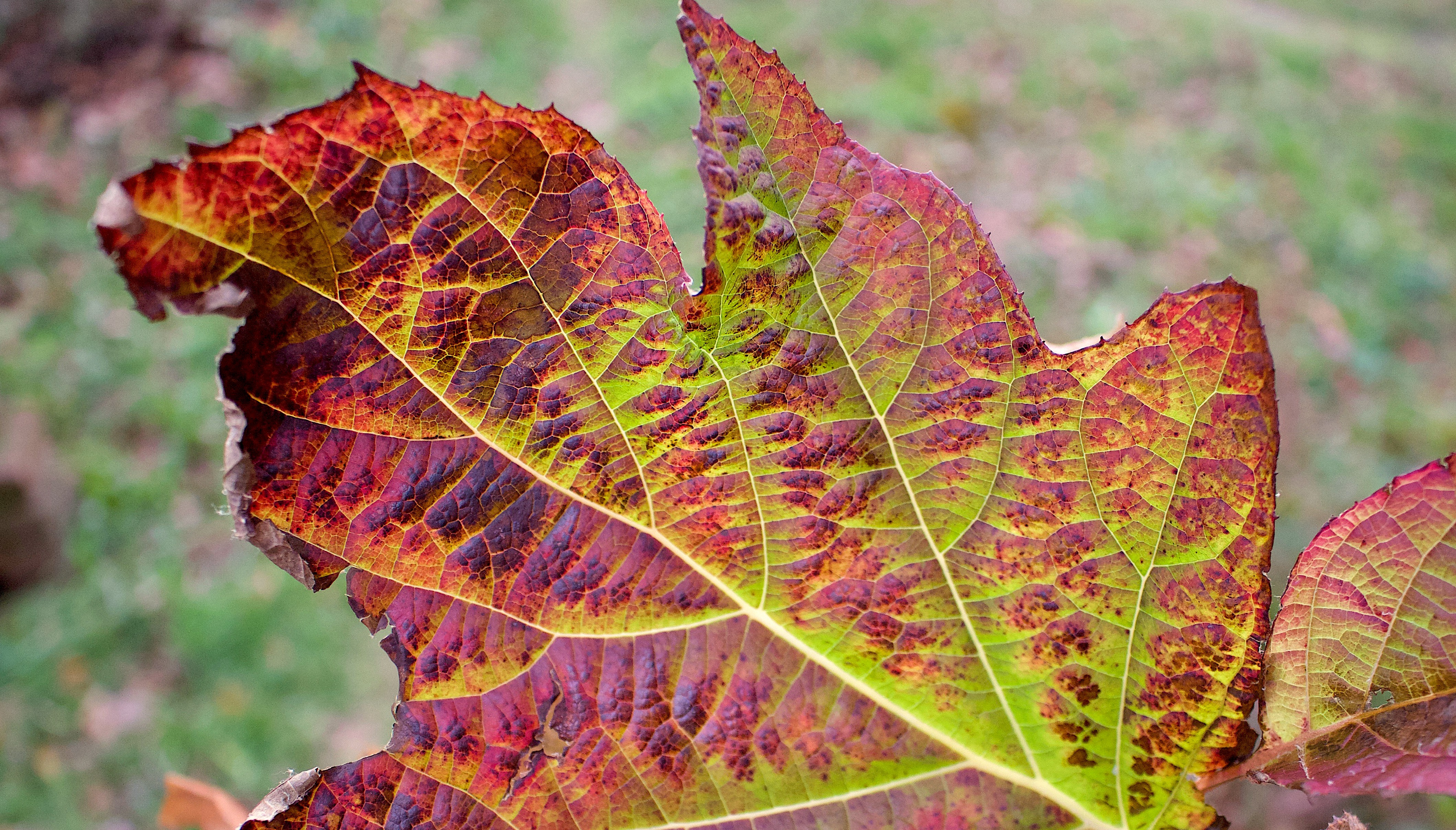
holyleaf1

Nature doth thus kindly heal every wound.
By the mediation of a thousand little mosses and fungi,
the most unsightly objects become radiant of beauty.
There seem to be two sides of this world,

presented us at different times,
as we see things in growth or dissolution, in life or death.
And seen with the eye of the poet,
as God sees them,
all things are alive and beautiful.

~Henry David Thoreau (journal)

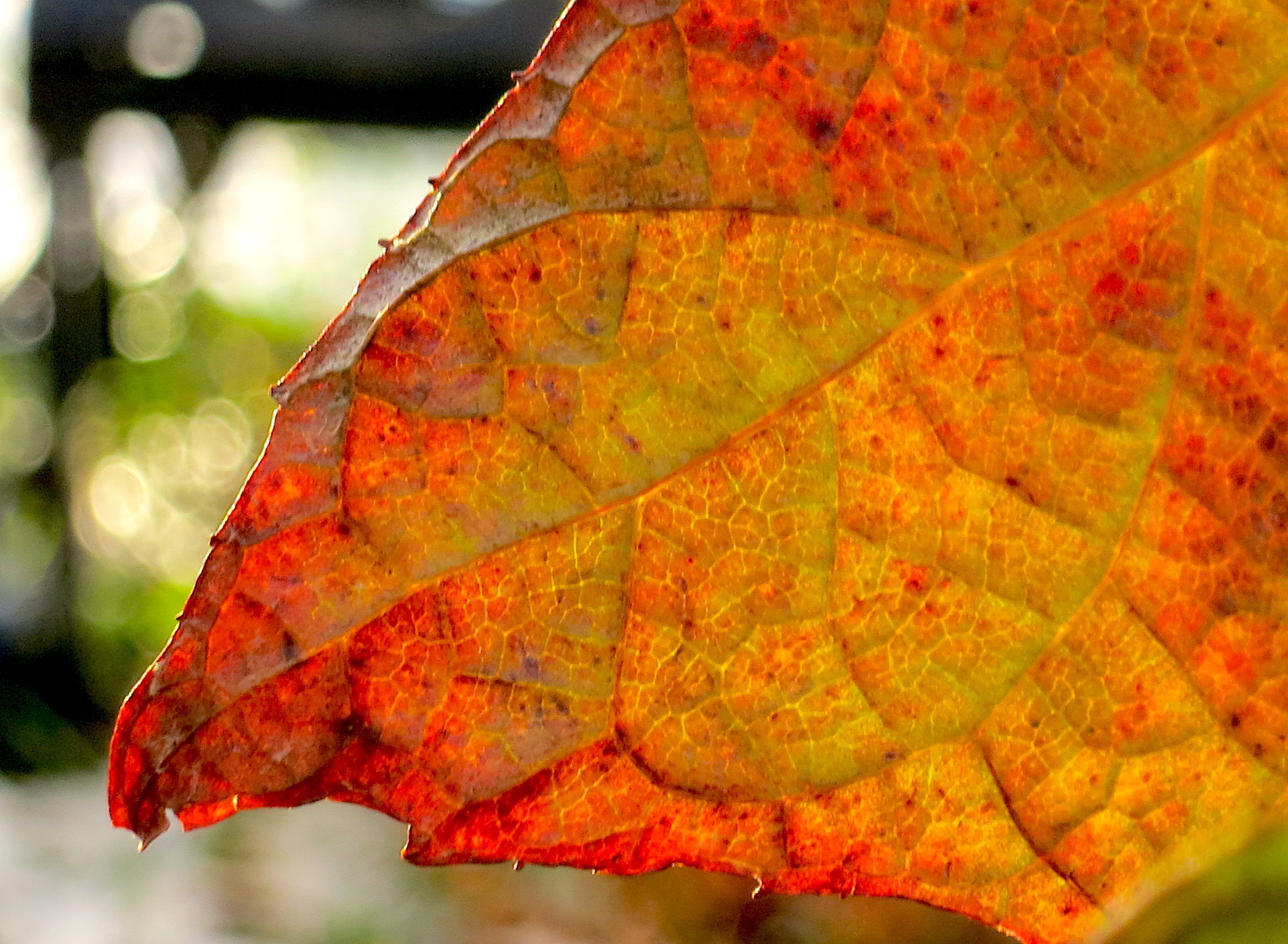
holyleaf1-1

…writing was one way to let something of lasting value emerge
from the pains and fears of my little, quickly passing life.
Each time life required me to take a new step

into unknown spiritual territory,
I felt a deep, inner urge to tell my story to others–
Perhaps as a need for companionship but maybe, too,
out of an awareness that my deepest vocation
is to be a witness to the glimpses of God I have been allowed to catch.

~Henri Nouwen

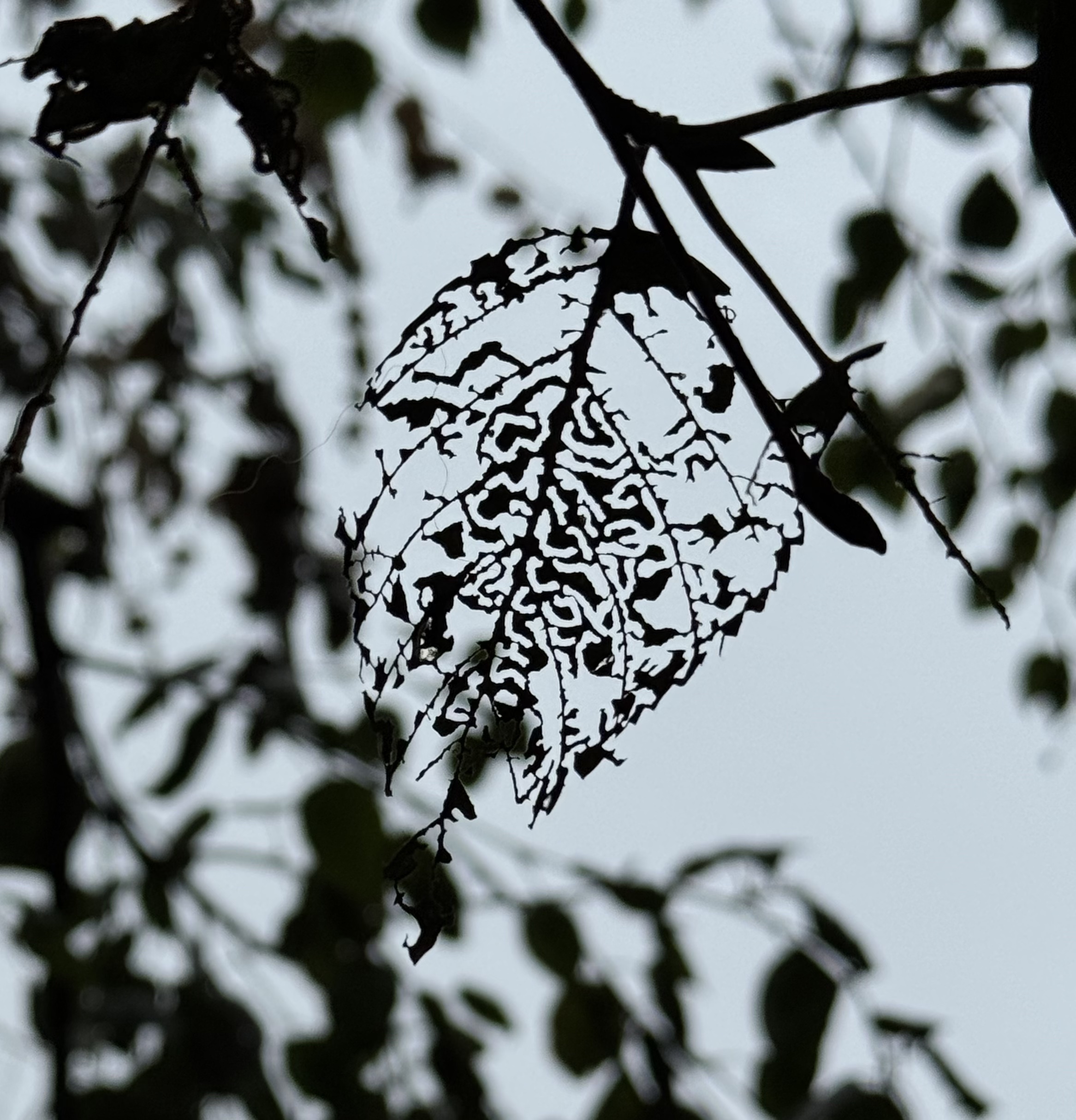
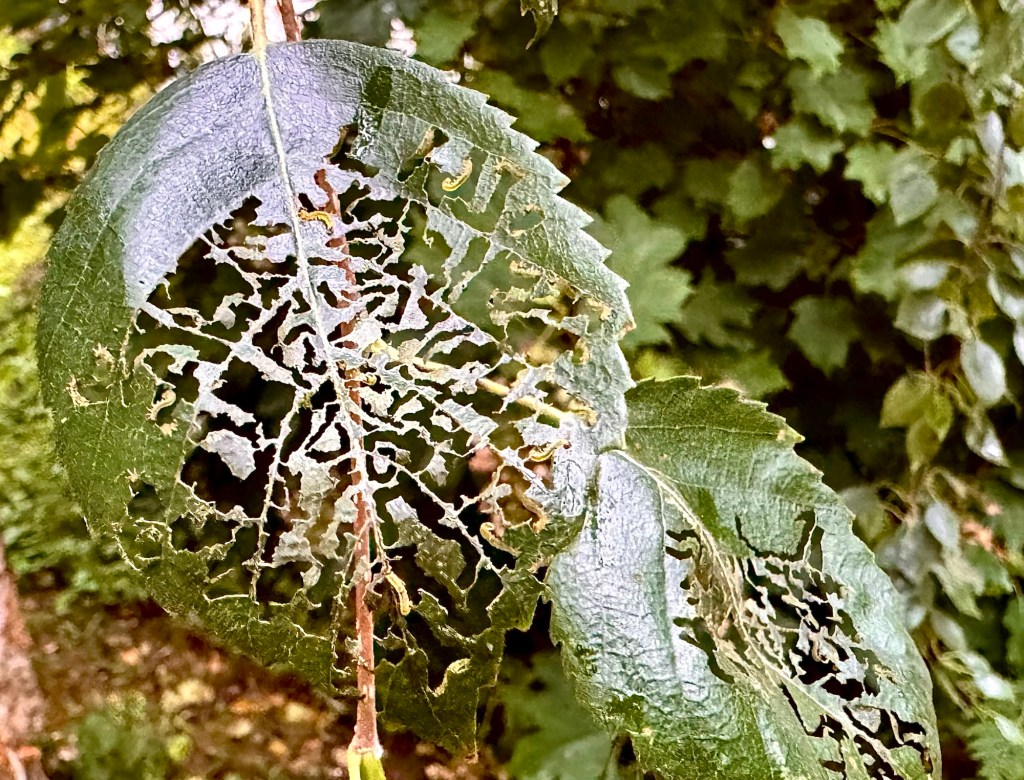
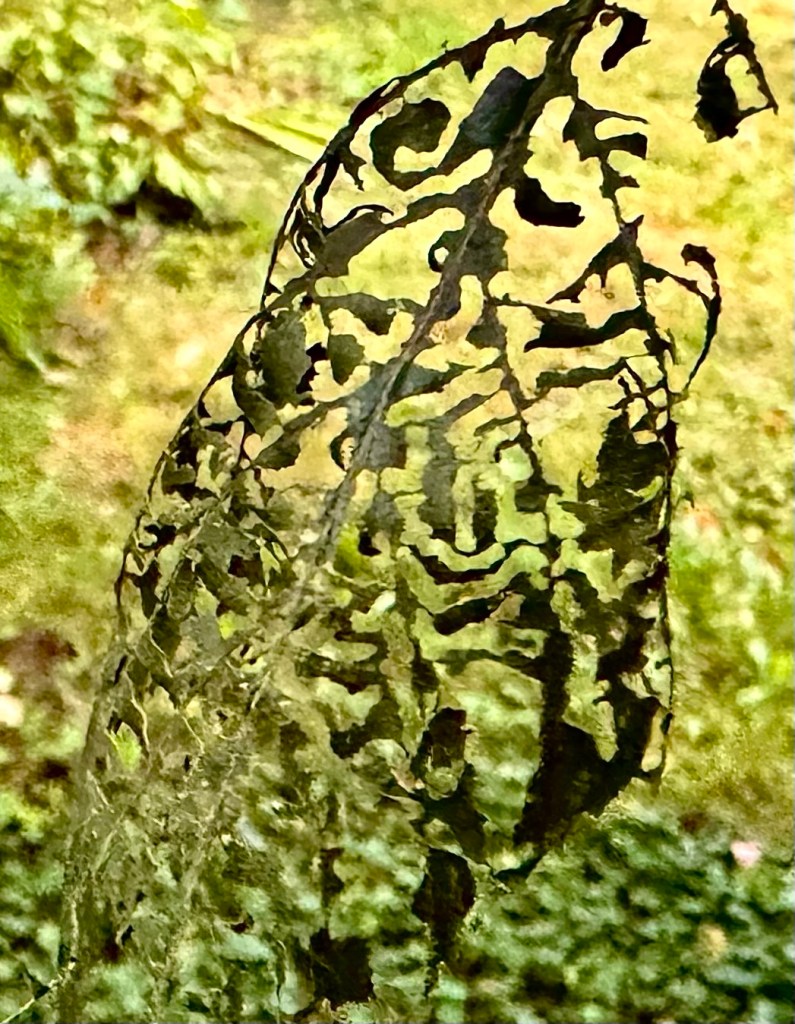
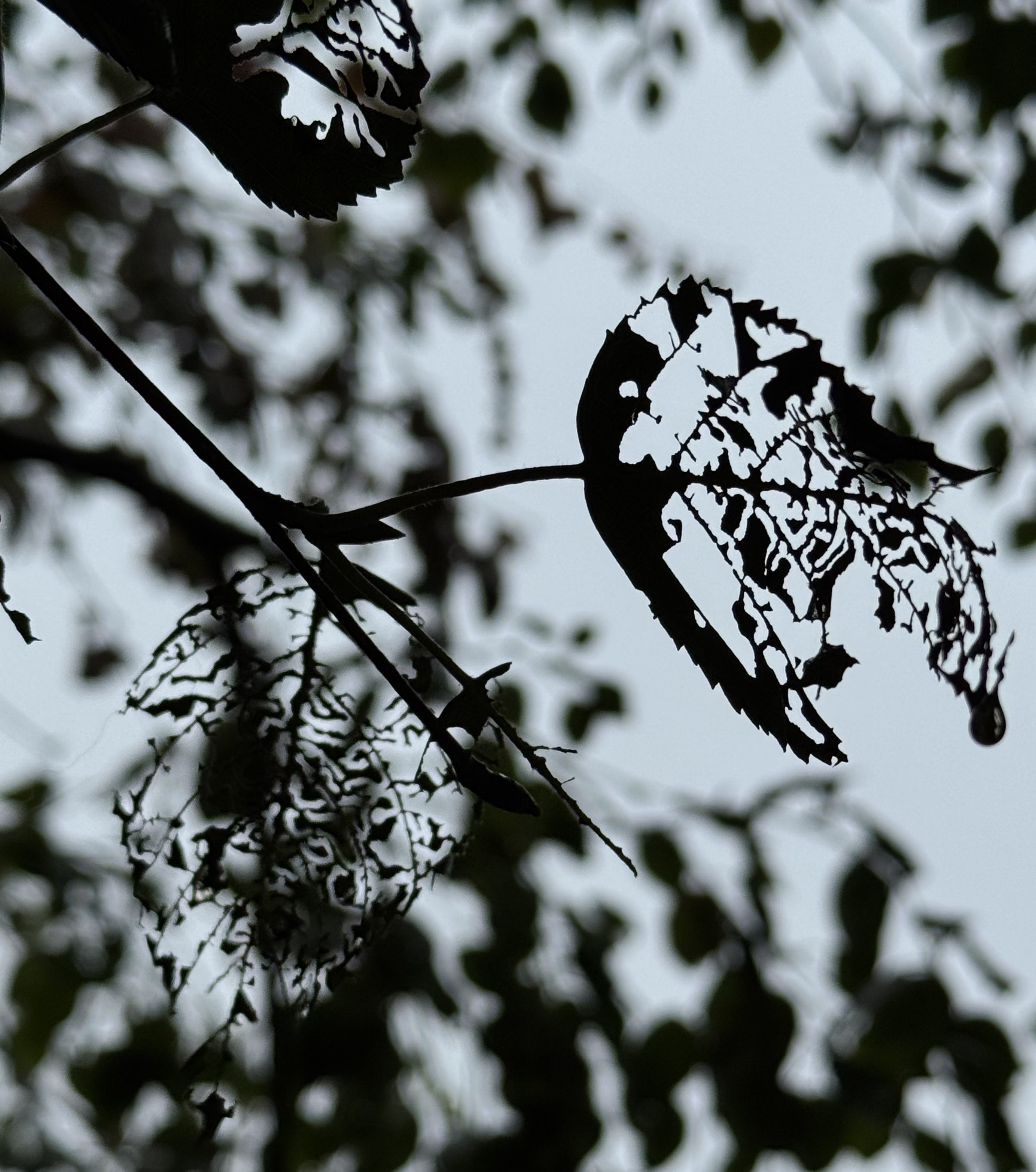
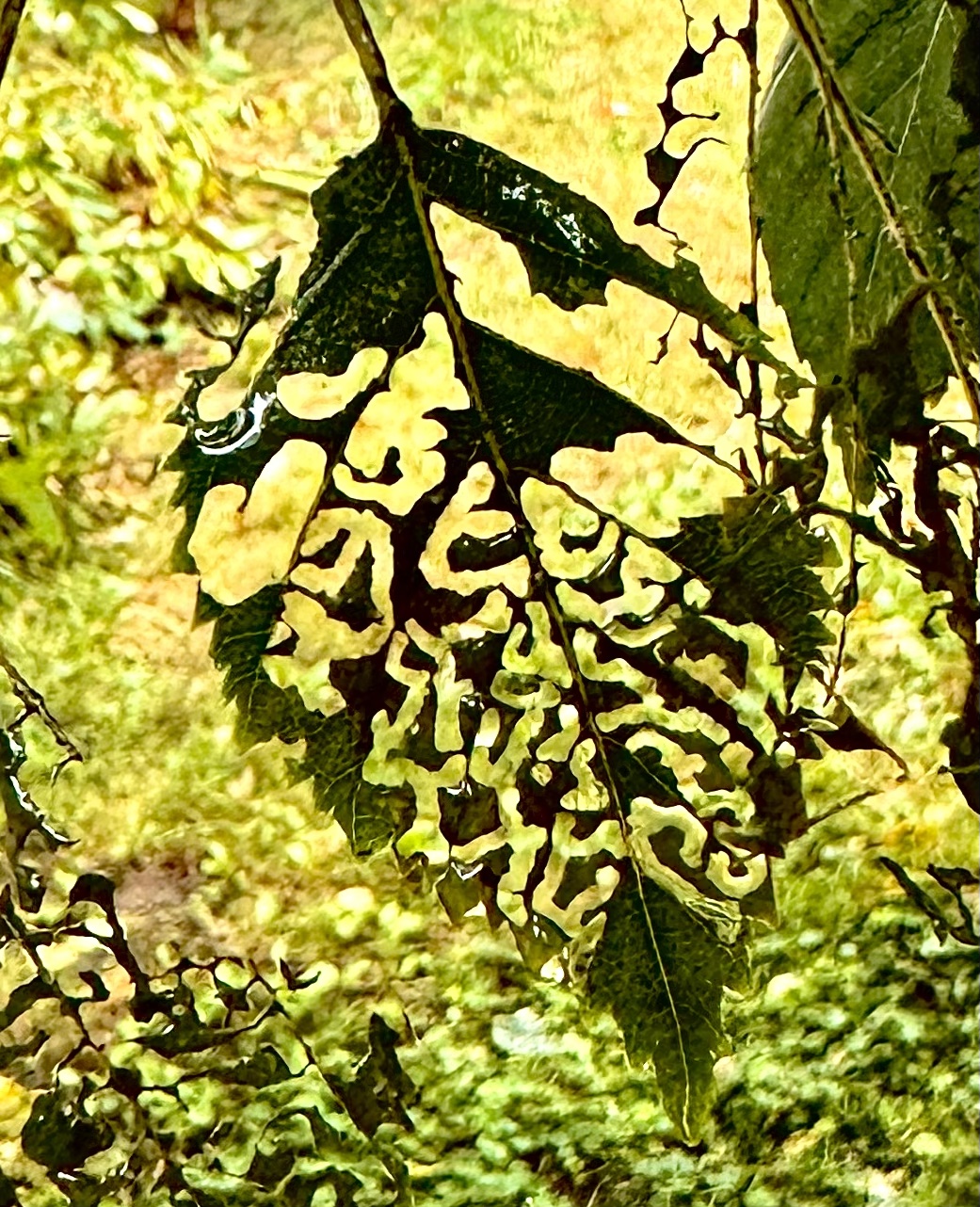
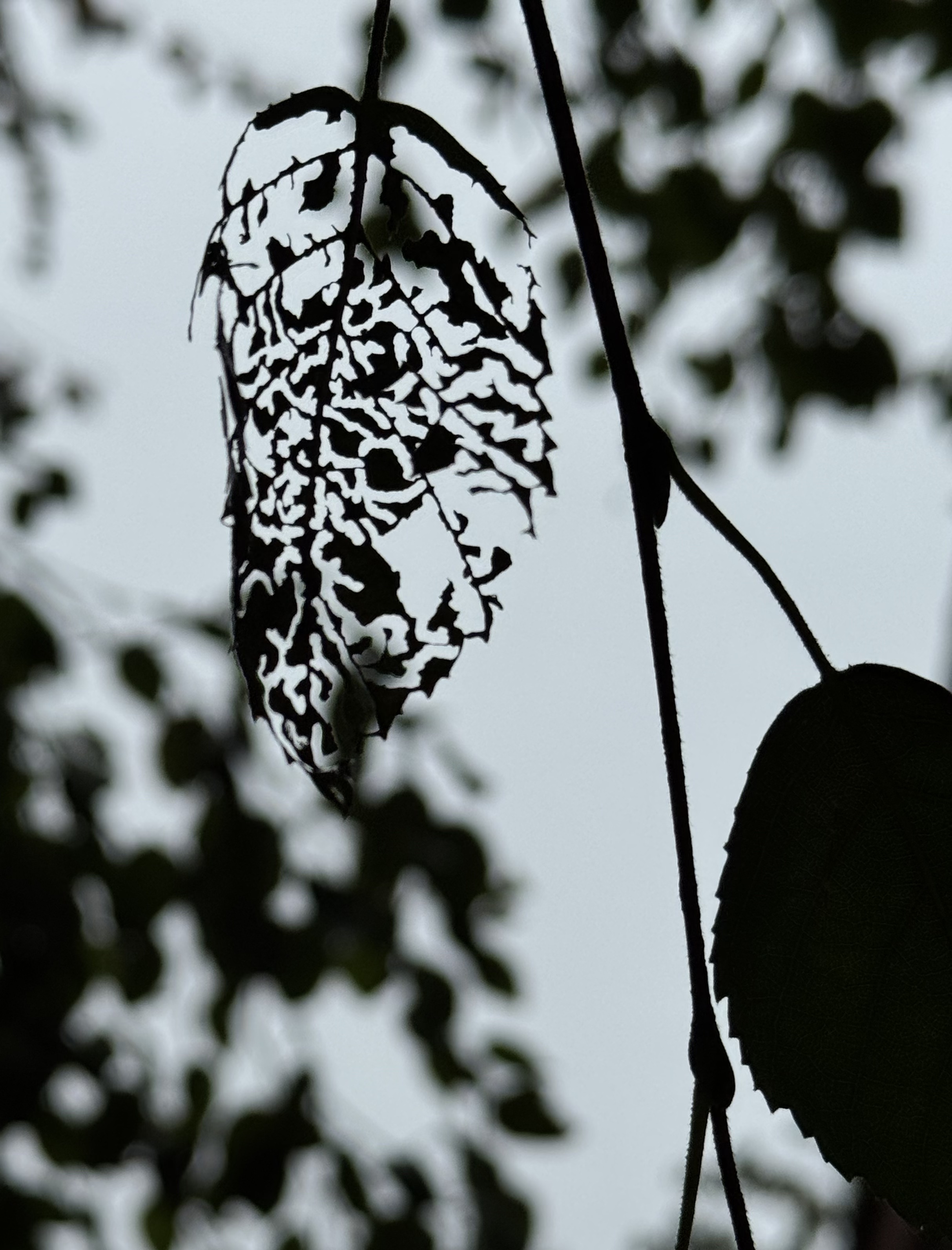
As I stepped under a dripping birch tree on our farm on this rainy summer day, I ran head-long into a branch of leaves that appeared more lace than leaf.

They were filagreed nearly to invisibility, presumably by a leaf miner of some sort who chewed intricate designs as its leavings. The residual was left hanging, trying to make the best of things in the drizzle.

Though they are mostly eaten away, these leaves have nearly fulfilled their full season of growth in support of their home base tree. Instead of an ordinary summer of drying and coloring and dropping as a birch leaf must in another month or two, they instead manifest the creativity of our God who designed his creatures to interact in such a way that beauty could be found in the most unlikely places, slapping us full in the face.

God sees such intricate wounds in the leaf as beautiful.
God knows our visible and invisible scars are the way His Light illuminates our darkness.
I feel the deep urge to share this glimpse of such “holiness” with you.

Lyrics:
No star is o’er the lake,
Its pale watch keeping,
The moon is half awake,
Through grey mist creeping,
The last red leaves fall round
The porch of roses,
The clock hath ceased to sound,
The long day closes.
Sit by the silent hearth
In calm endeavour,
To count the sounds of mirth,
Now dumb for ever.
Heed not how hope believes
And fate disposes:
Shadow is round the eaves,
The long day closes.
The lighted windows dim
Are fading slowly.
The fire that was so trim
Now quivers lowly.
Go to the dreamless bed
Where grief reposes;
Thy book of toil is read,
The long day closes

One-Time
Monthly
Yearly

Make a one-time or recurring donation to support daily Barnstorming posts

Make a monthly donation

Make a yearly donation

Choose an amount

$10.00
$25.00
$50.00
$5.00
$15.00
$100.00
$5.00
$15.00
$100.00

Or enter a custom amount

$

Your contribution is deeply appreciated.

Your contribution is appreciated.

Your contribution is appreciated.

DonateDonate monthlyDonate yearly
The Bees of the Invisible

Let us go forward quietly,
forever making for the light,
and lifting up our hearts in the knowledge
that we are as others are
(and that others are as we are),
and that it is right to love one another
in the best possible way –
believing all things,
hoping for all things,
and enduring all things. 
~Vincent Van Gogh from a Letter to Theo Van Gogh – 3 April 1878

I have lived so long
On the cold hills alone . . .
I loved the rock
And the lean pine trees,
Hated the life in the turfy meadow,
Hated the heavy, sensuous bees.
I have lived so long
Under the high monotony of starry skies,
I am so cased about
With the clean wind and the cold nights,
People will not let me in
To their warm gardens
Full of bees.

~Janet Loxley Lewis “Austerity”


Everywhere transience is plunging into the depths of Being.
It is our task to imprint this temporary, perishable earth
into ourselves, so deeply, so painfully and passionately,
that its essence can rise again, invisible, inside of us.
We are the bees of the invisible.
We wildly collect the honey of the visible,
to store it in the great golden hive of the invisible.
~Rainier Maria Rilke in a letter to his friend Witold Hulewicz, 1925

I am convinced,
reading the news,
too many people are forced to survive
in a world cold and cruel,
without warmth or safety,
too many empty stomachs,
no healing hands for injury or disease.

Our country was trying to help
up until the last few months
when so much has been pulled away.

No longer are we, the helper bees, sent to the invisible,
bringing tangible hope and light, food and meds,
to those who have so little.

No longer do we bring collected honey
to the suffering, the ill, the poor and
invisible who share this planet.

Oh Lord, turn us away from such austerity.
Let us not forget how to share
the humming riches of Your warm garden.

AI image created for this post

One-Time
Monthly
Yearly

Make a one-time or recurring donation to support daily Barnstorming posts

Make a monthly donation

Make a yearly donation

Choose an amount

$10.00
$25.00
$50.00
$5.00
$15.00
$100.00
$5.00
$15.00
$100.00

Or enter a custom amount

$

Your contribution is deeply appreciated.

Your contribution is appreciated.

Your contribution is appreciated.

DonateDonate monthlyDonate yearly
Where You Go, I Will Go: The Depth of His Wounds

…by his wounds you have been healed.
1Peter 2:24b

The first time I saw him it was just a flash of gray ringed tail
disappearing into autumn night mist as I opened the back door
to pour kibble into the empty cat dish on the porch:
just another stray cat among many who visit the farm.

A few stay.

So he did, keeping a distance in the shadows under the trees,
a gray tabby with white nose and bib, serious yet skittish,
watching me as I moved about feeding dogs, cats, birds, horses,
creeping to the cat dish only when the others drifted away.

There was something in the way he held his head,
an oddly forward ear; a stilted swivel of the neck.
I startled him one day as he ate his fill at the dish.

He ran, the back of his head flashing red, scalp completely gone.

Not oozing, nor something new, but recent. A nearly mortal scar
from an encounter with coyote, or eagle or bobcat.
This cat thrived despite trauma and pain, tissue still raw, trying to heal.

He had chosen to live; life had chosen him.

My first thought was to trap him, to put him humanely to sleep
to end his suffering, in truth to end my distress at seeing him every day, envisioning florid flesh even as he hunkered invisible
in the shadowlands of the barnyard.

Yet the scar did not keep him from eating well or licking clean his pristine fur.

As much as I want to look away, to avoid confronting his mutilation,
I always greet him from a distance, a nod to his maimed courage,
through wintry icy blasts and four foot snow,
through spring rains and summer heat with flies.

His wounds remain unhealed, a reminder of his inevitable fate.

I never will stroke that silky fur,
or feel his burly purr, assuming he still knows how,
but still feed his daily fill,
as he feeds my need to know:
the value of a life so broken,
each breath taken filled with sacred air.

The depth of his wounds shows how much he still bleeds.

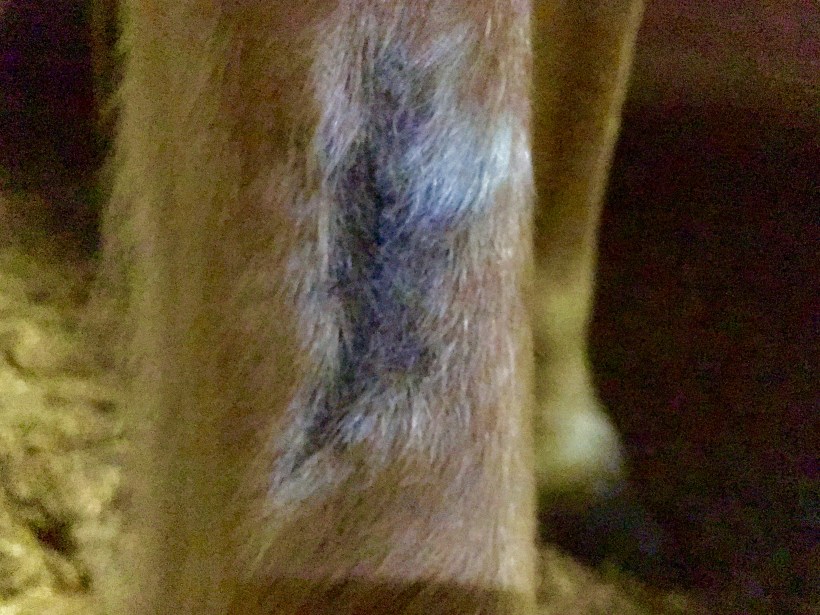
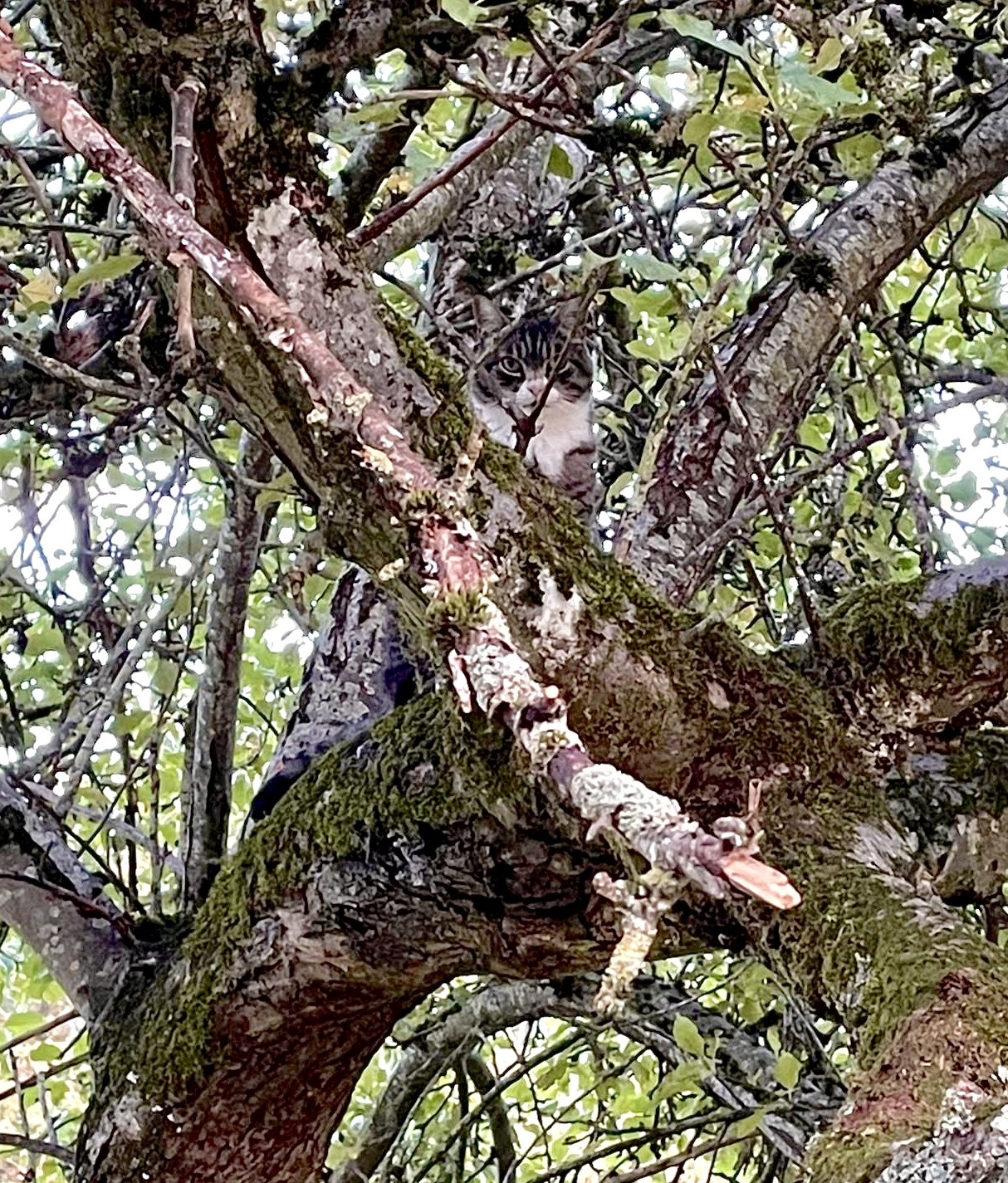
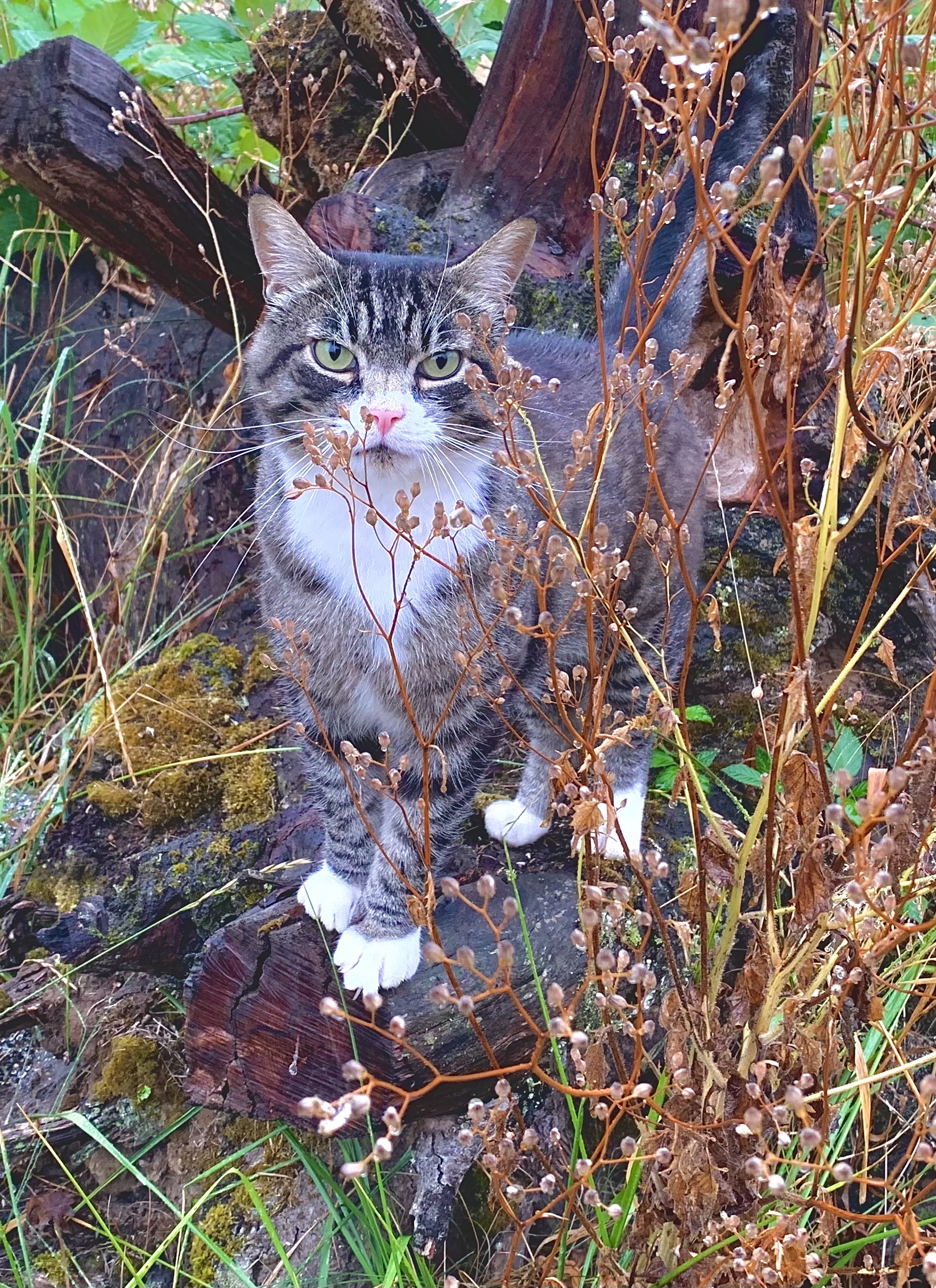
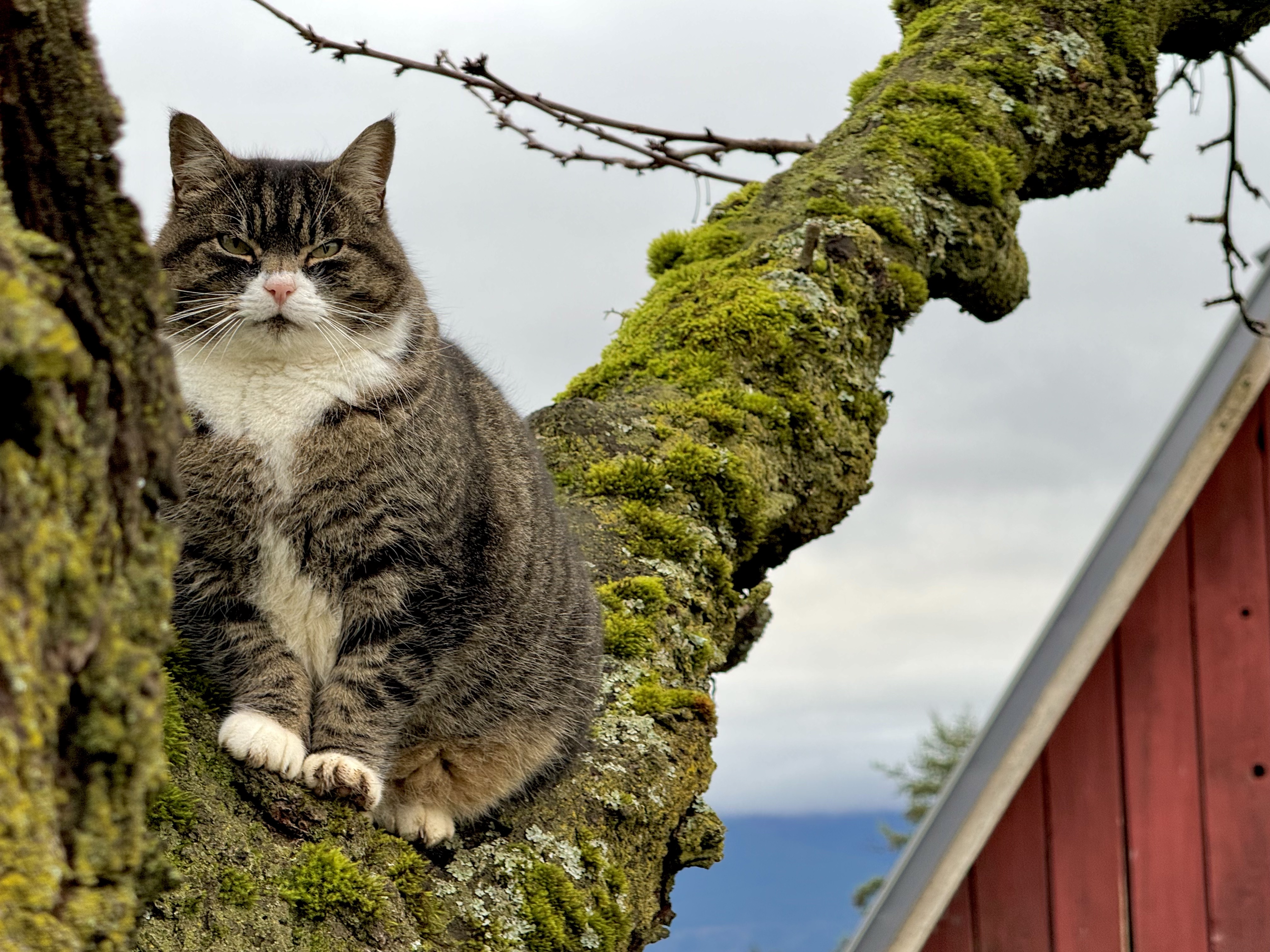
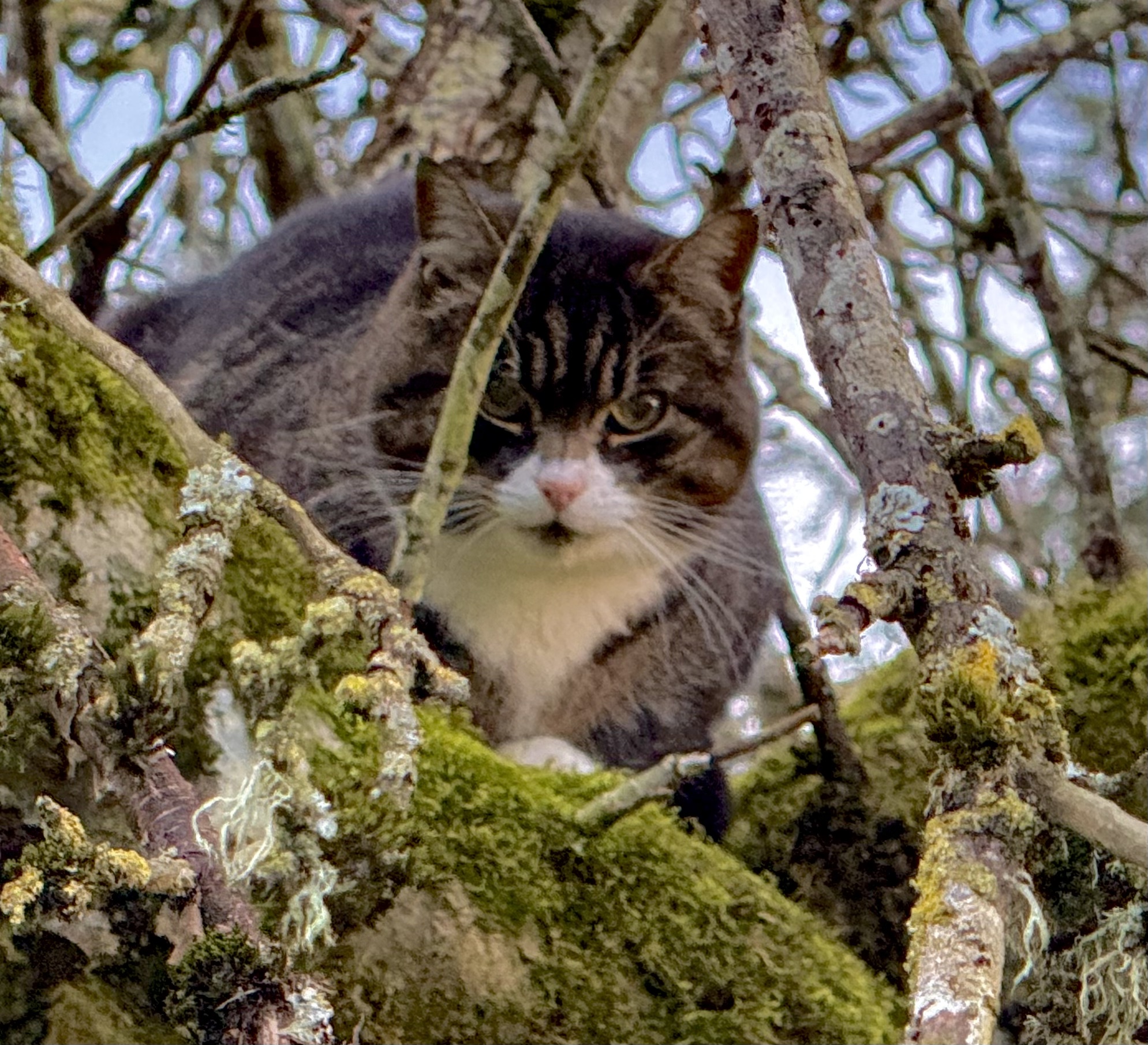
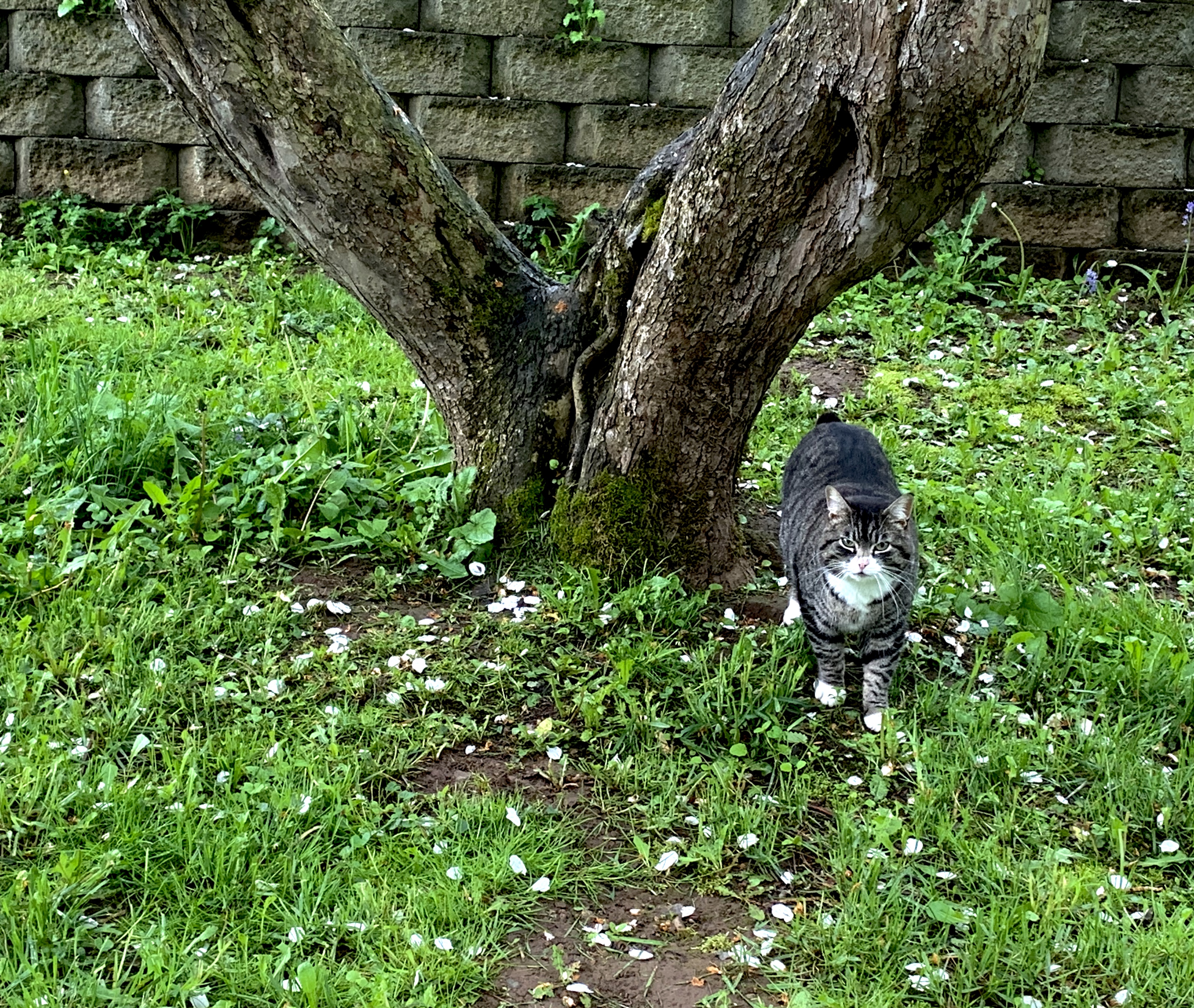
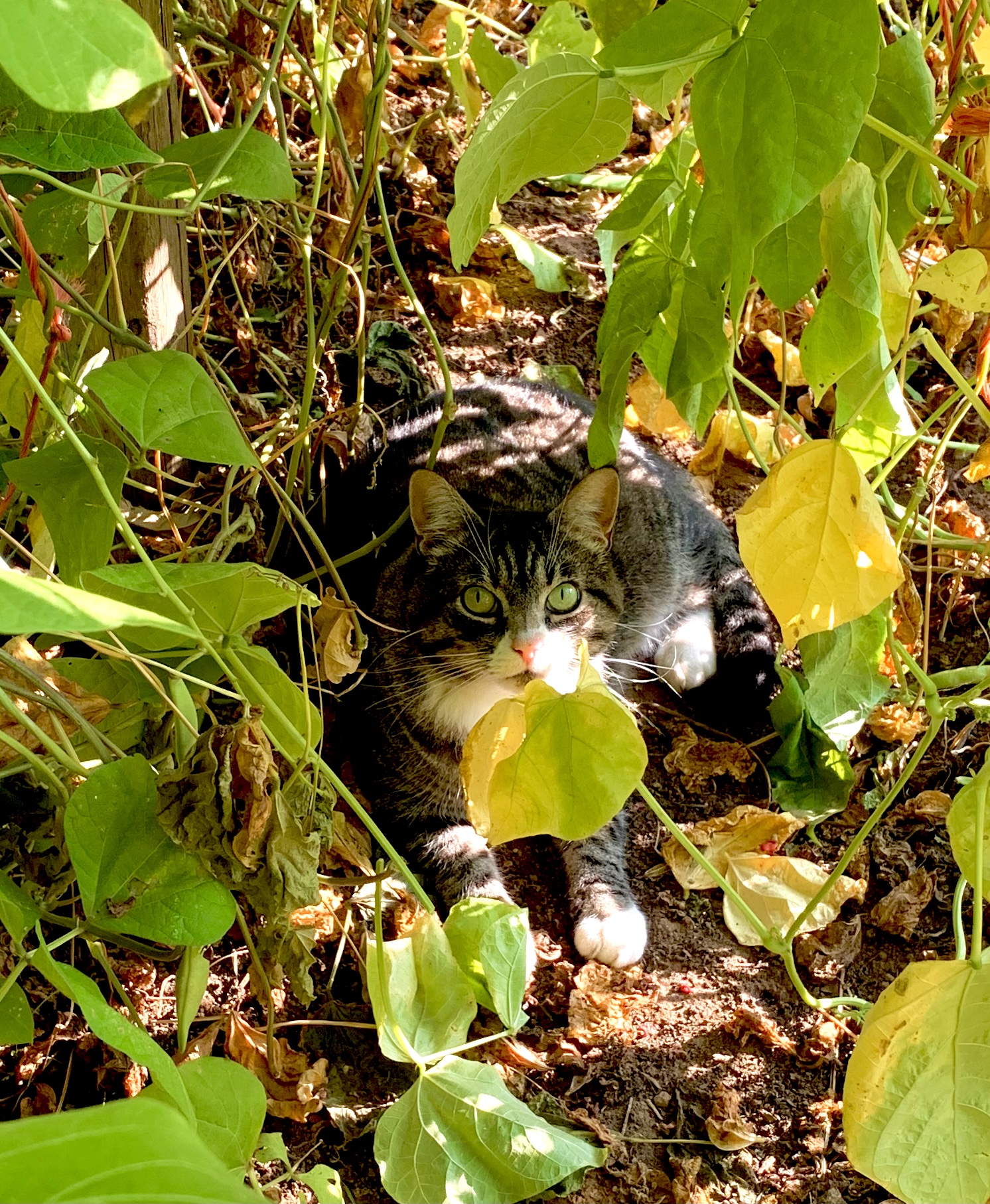
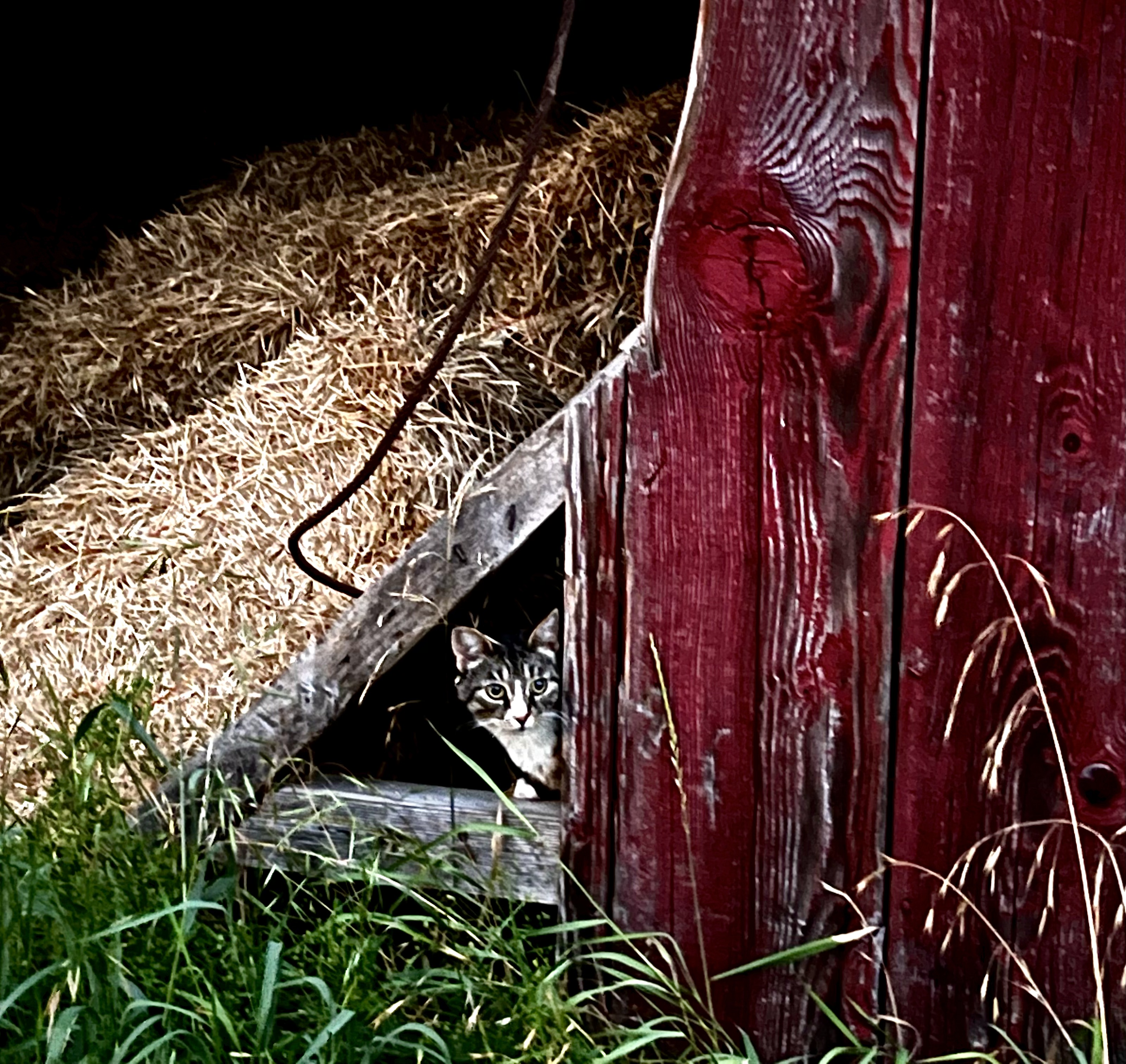
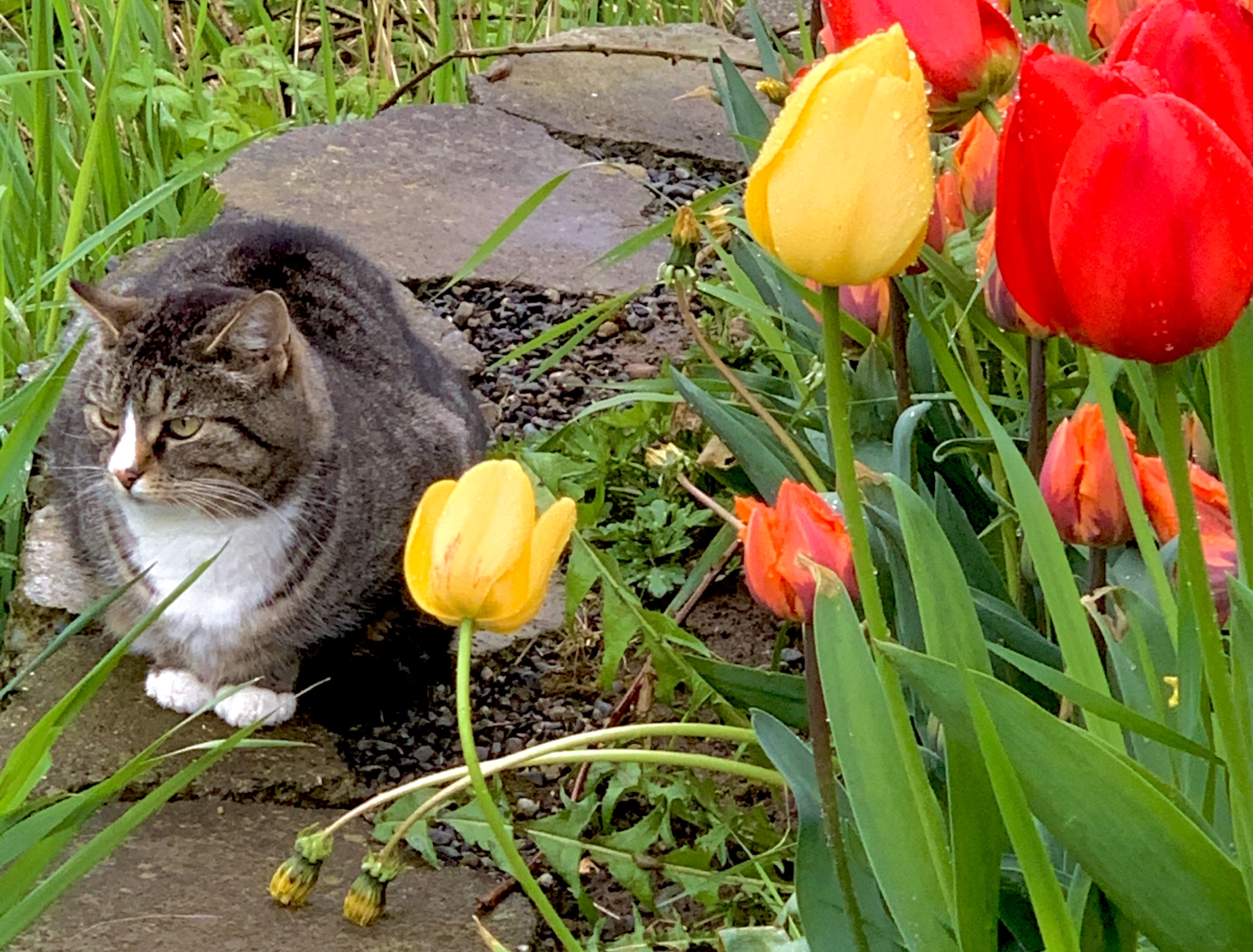
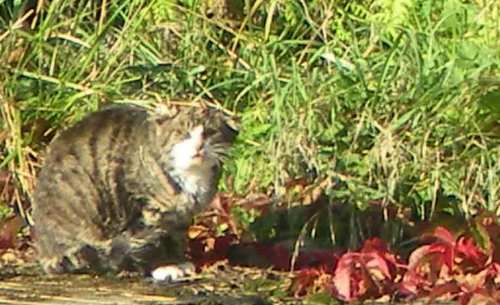
This is my only close photo of our wounded farm guest

This year’s Lenten theme:

…where you go I will go…
Ruth 1:16

One-Time
Monthly
Yearly

Make a one-time or recurring donation to support daily Barnstorming posts

Make a monthly donation

Make a yearly donation

Choose an amount

$10.00
$25.00
$50.00
$5.00
$15.00
$100.00
$5.00
$15.00
$100.00

Or enter a custom amount

$

Your contribution is deeply appreciated.

Your contribution is appreciated.

Your contribution is appreciated.

DonateDonate monthlyDonate yearly
Breaking Through

Walking in February
A warm day after a long freeze
On an old logging road
Below Sumas Mountain
Cut a walking stick of alder,
Looked down through clouds
On wet fields of the Nooksack—
And stepped on the ice
Of a frozen pool across the road.
It creaked
The white air under
Sprang away, long cracks
Shot out in the black,
My cleated mountain boots
Slipped on the hard slick
—like thin ice—the sudden
Feel of an old phrase made real—
Instant of frozen leaf,
Icewater, and staff in hand.
“Like walking on thin ice—”
I yelled back to a friend,
It broke and I dropped
Eight inches in
~Gary Snyder “Thin Ice”
from No Nature

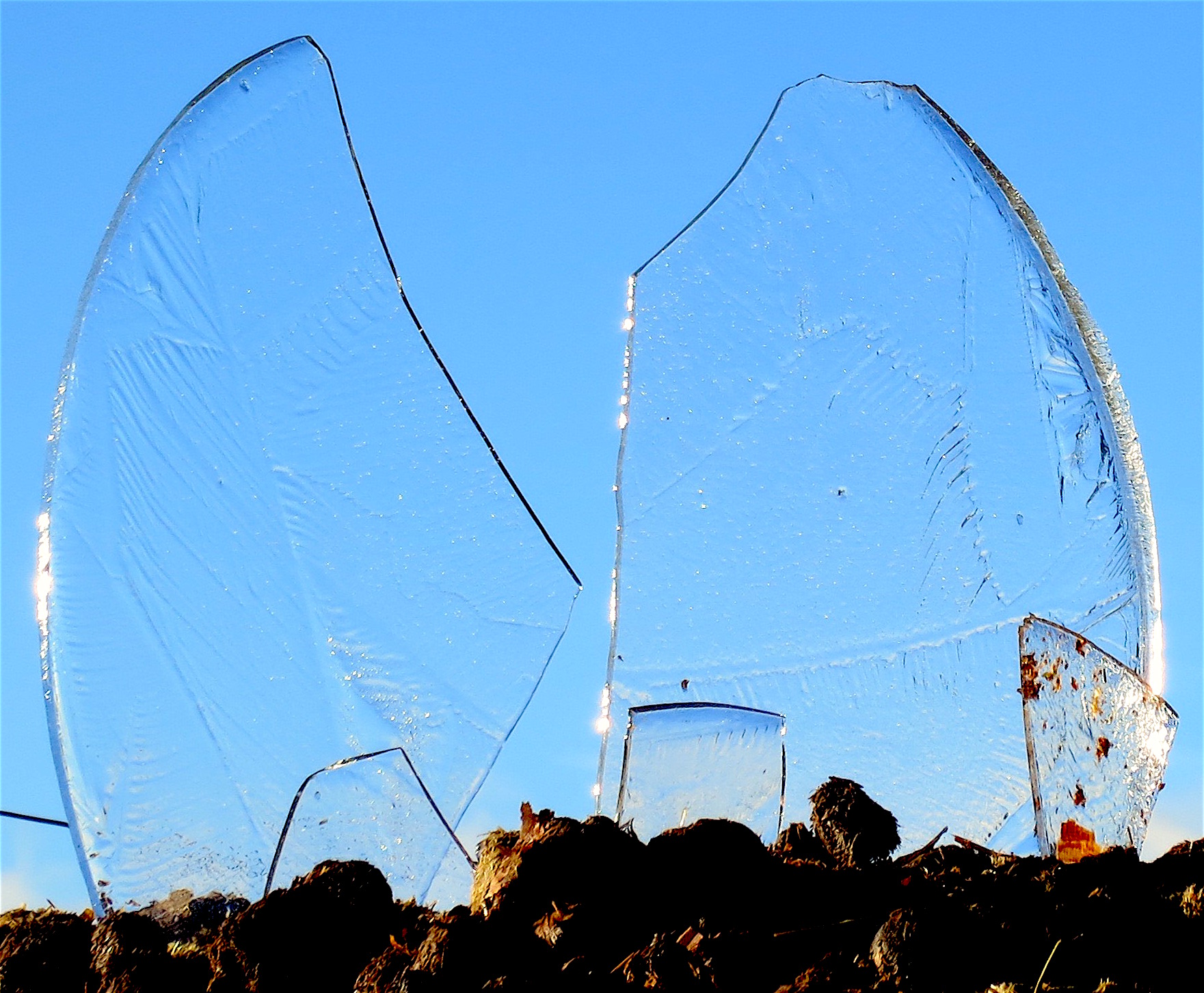
Everyone is treading on thin ice right now, unsure where to go next.

The trouble with overheated action and rhetoric in the middle of winter is that we all end up at risk of breaking through, no matter where we try to tread.

When we allow ourselves to be put in such peril, when we hear the creak with each step as a warning, we deserve to be doused by the chilly waters beneath our feet.

Lord, have mercy on us as we call your name in our fear and distress.
Help us recognize the cracks forming with each step we take.

Put us on our knees before you and lead us to safety.
Only you know where we need to be rather than where we are.
You’ll be there to pull us out of the mess we’re in.

AI image created for this post
One-Time
Monthly
Yearly

Make a one-time or recurring donation to support daily Barnstorming posts

Make a monthly donation

Make a yearly donation

Choose an amount

$10.00
$25.00
$50.00
$5.00
$15.00
$100.00
$5.00
$15.00
$100.00

Or enter a custom amount

$

Your contribution is deeply appreciated.

Your contribution is appreciated.

Your contribution is appreciated.

DonateDonate monthlyDonate yearly
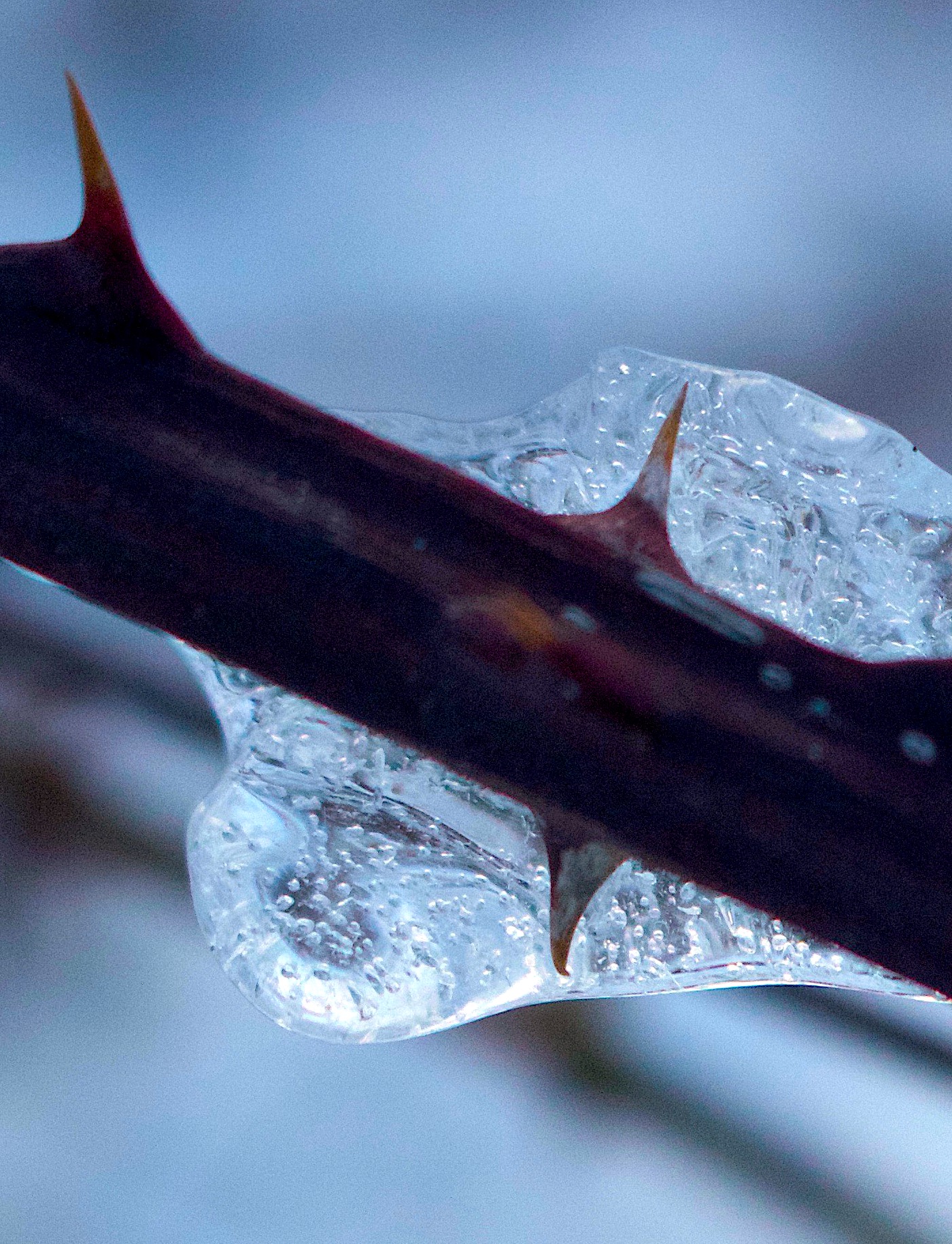
Preparing Their Buds

All the complicated details
of the attiring and
the disattiring are completed!
A liquid moon
moves gently among
the long branches.
Thus having prepared their buds
against a sure winter
the wise trees
stand sleeping in the cold.

~William Carlos Williams “Winter Trees”

Winter – a quiet, still time for trees,
a time for preparation for new attire,
a time for root-stretching and branch-reaching.

Unless there are windstorms
Unless there is frozen rain
Unless there is heavy burden of snowfall

A tree might be taken unawares in the night,
branches breaking like popping gunshots,
as if innocent prey is hunted.

Remnants lie waiting on the ground,
unaware of their brokenness,
still budding, hopeful for yet another spring.

AI image created for this post
One-Time
Monthly
Yearly

Make a one-time or recurring donation to support daily Barnstorming posts

Make a monthly donation

Make a yearly donation

Choose an amount

$10.00
$25.00
$50.00
$5.00
$15.00
$100.00
$5.00
$15.00
$100.00

Or enter a custom amount

$

Your contribution is deeply appreciated.

Your contribution is appreciated.

Your contribution is appreciated.

DonateDonate monthlyDonate yearly
Learning the Hard Way

There are three kinds of men.
The ones that learn by reading.
The few who learn by observation. 
The rest of them have to pee on the electric fence for themselves.
~Will Rogers

We living creatures learn from the moment we take our first breath. We continue to learn until our last breath. With that lifetime of learning, one would think eventually we should find some semblance of wisdom.

But we don’t. We tend to learn the hard way especially when it comes to matters having to do with our (or others’) health and well-being.

Within a community, we want autonomy to do as we like, no matter what the science says. You’d think we’d know better, but as fallible human beings, we may impulsively make decisions about health issues. Is it evidence-based or simply an anecdotal story about what “worked” or “didn’t work” for someone else?

We’re facing at least four years of a new administration encouraging us all to “pee on the electric fence” and learn for ourselves rather than trust science. Careful research, years of observed experience, and plain common sense isn’t enough to trust public health and infectious disease experts to make wise recommendations about community and individual risk and prevention strategies.

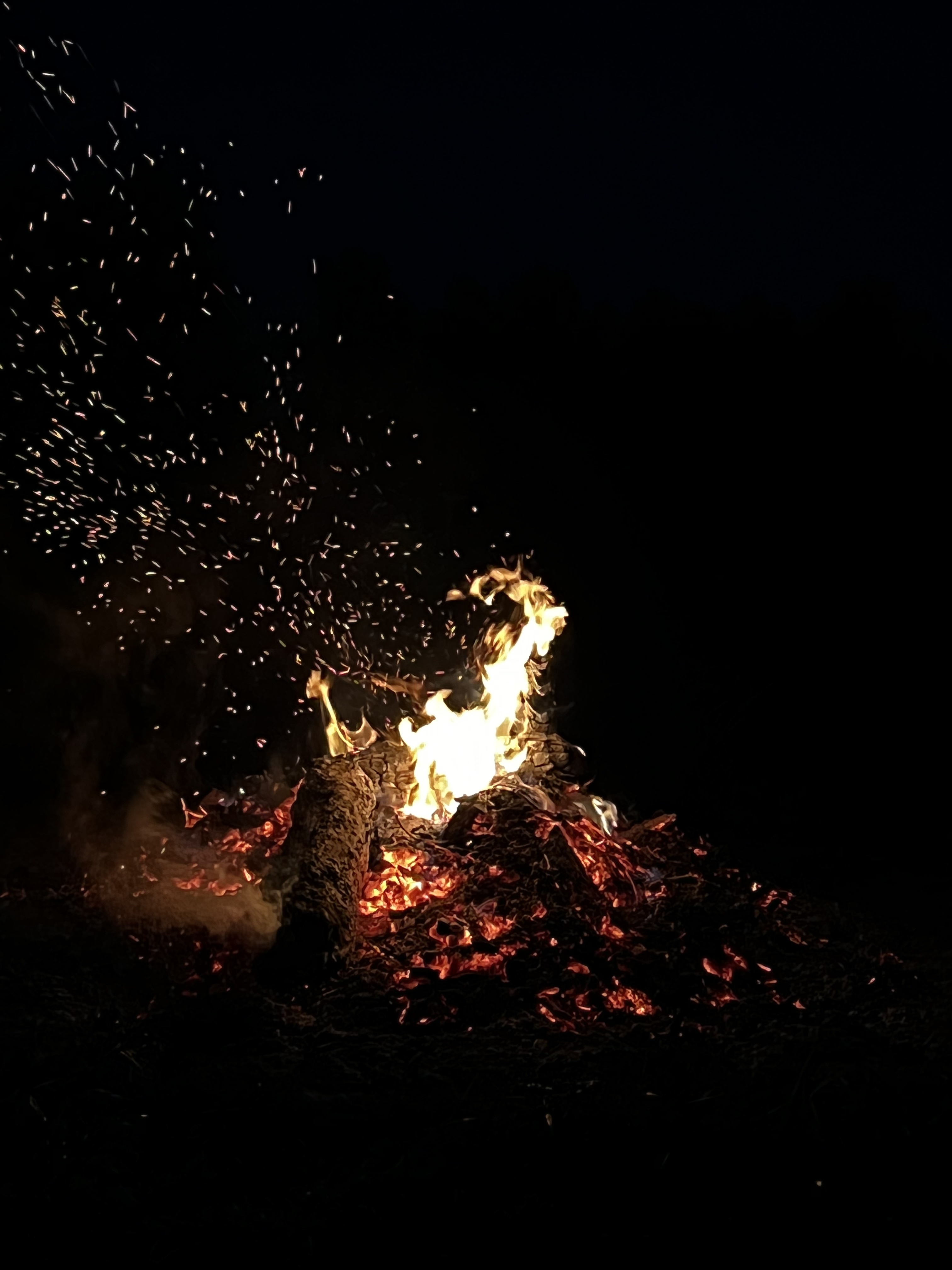
The cows and horses on our farm need to touch an electric fence only once when reaching for greener grass on the other side. That moment provides a potent learning curve for them to make important future decisions. They won’t try testing it again no matter how alluring thngs appear on the other side. Humans should learn as quickly as animals but unfortunately don’t.

I know all too well what a shock feels like and I want to avoid repeating that experience.  Even so, in unguarded careless moments of feeling invulnerable (it can’t happen to me!) or annoyed at being told what I can and can’t do, or simply indulging in magical thinking, I find myself reaching for the greener grass. 

I suspect I’m not alone in my surprise when I’m jolted back to reality.

Many great minds have worked out various theories of effective learning, but, great mind or not, Will Rogers confirms a common sense suspicion: an adverse experience, like a “bolt out of the blue,” can be a powerful teacher. 

So we call peeing on an electric fence it “a teachable moment.”

Sadly, when we learn the hard way, it often ends up hurting everyone.

AI image created for this post

One-Time
Monthly
Yearly

Make a one-time or recurring donation to support daily Barnstorming posts

Make a monthly donation

Make a yearly donation

Choose an amount

$10.00
$25.00
$50.00
$5.00
$15.00
$100.00
$5.00
$15.00
$100.00

Or enter a custom amount

$

Your contribution is deeply appreciated.

Your contribution is appreciated.

Your contribution is appreciated.

DonateDonate monthlyDonate yearly
We Are No Longer Alone: Waiting for Rescue

In time the curtain-edges will grow light.   
Till then I see what’s really always there:   
Unresting death, a whole day nearer now,   
Making all thought impossible but how   
And where and when I shall myself die.  
 

…specious stuff that says No rational being
Can fear a thing it will not feel, not seeing
That this is what we fear—no sight, no sound,   
No touch or taste or smell, nothing to think with,   
Nothing to love or link with,
The anaesthetic from which none come round.

Slowly light strengthens, and the room takes shape.   
It stands plain as a wardrobe, what we know,   
Have always known, know that we can’t escape,   
Yet can’t accept. One side will have to go.

The sky is white as clay, with no sun.
Work has to be done.
Postmen like doctors go from house to house.
~Philip Larkin from “Aubade”

Sharing an essay I wrote during Advent in 2003:

We are in our darkest of dark days today in our corner of the world–about 16 hours of darkness underwhelming our senses, restricting, confining and defining us in our little circles of artificial light that we depend on so mightily.

It is so tempting to be consumed and lost in these dark days, stumbling from one obligation to the next, one foot in front of the other, bumping and bruising ourselves and each other in our blindness. Lines are long at the stores, impatience runs high, people coughing and shivering with winter viruses, others stricken by loneliness and desperation.

So much grumbling in the dark.

Yesterday, I had a conversation with a patient of mine from my clinic at the University Student Health Center, a young college student recovering at the local hospital after a near-death experience. Her testimony made me acutely aware of my self-absorbent grumbling.

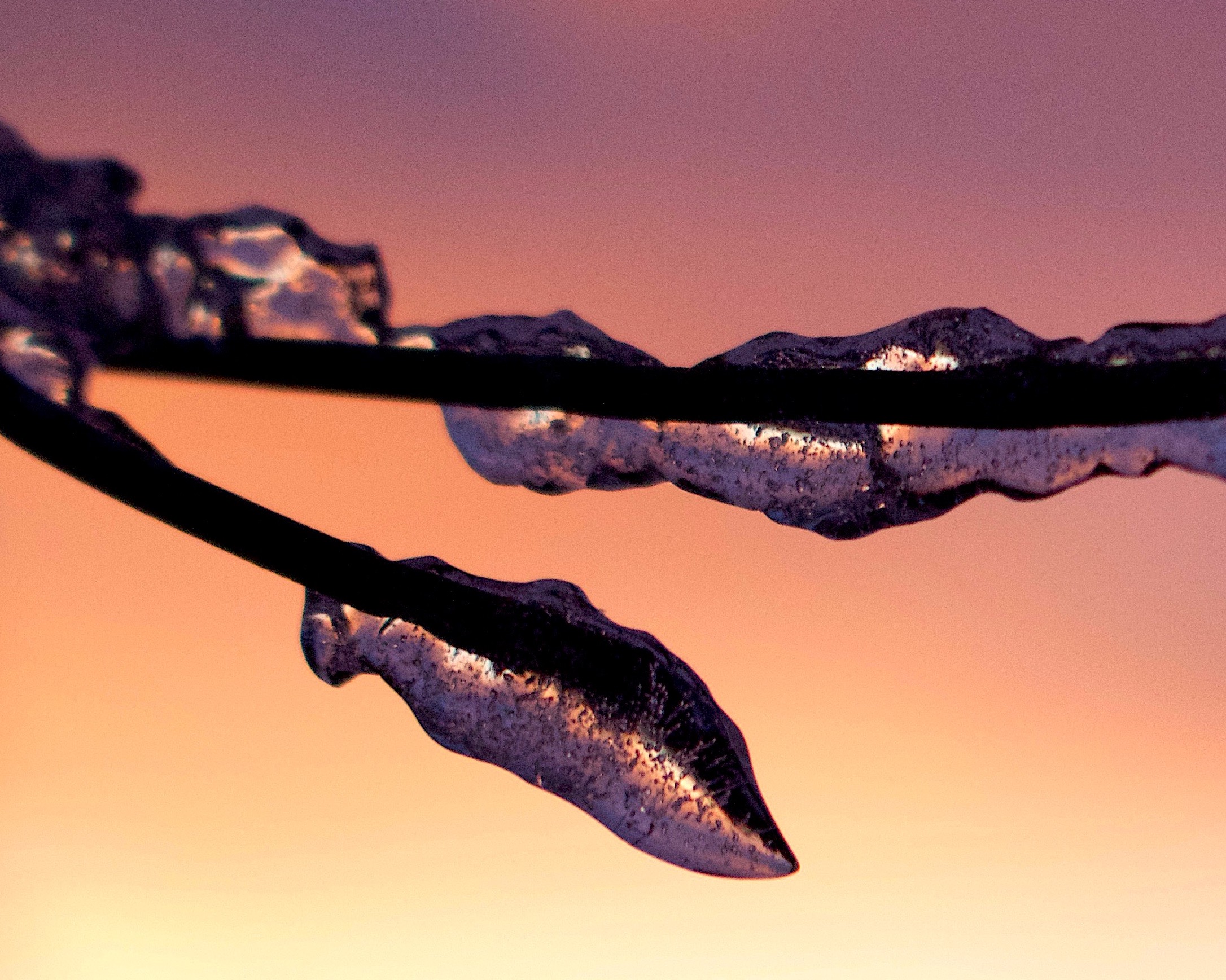
Several days ago, she was snowshoeing up to Artist Point with two other students in the bright sun above the clouds at the foot of nearby Mt. Baker. A sudden avalanche buried all three–she remembers the roar and then the deathly quiet of being covered up, and the deep darkness that surrounded her. She was buried hunched over, with the weight of the snow above her too much to break through. She had a pocket of air beneath her and in this crouching kneeling position, she could only pray–not move, not shout, not anything else. Only God was with her in that small dark place. She believes that 45 minutes later, rescuers dug her out to safety from beneath that three feet of snow. In actuality, it was 24 hours later.

She had been wrapped in the cocoon of her prayers in that deep dark pocket of air, and miraculously, kept safe and warm enough to survive. Her hands and legs, blackish purple when she was pulled out of the snow, turned pink with the rewarming process at the hospital.

When I visited her, she glowed with a light that came only from within –somehow, it had kept her alive.

Tragically, one of her friends died in that avalanche, never having a chance of survival because of how she was trapped and covered with the suffocating snow. Her other friend struggled for nearly 24 hours to free himself, bravely fighting the dark and the cold to reach the light, then calling for help from nearby skiers to try to rescue his friends.

At times we must fight with the dark–wrestle it and rale against it, bruised and beaten up in the process, but so necessary to save ourselves and others from being consumed. At other times we must kneel in the darkness and wait– praying, hoping, knowing the light is to come, one way or the other. Grateful, grace-filled, not giving up to grumbling.

May the Light find and rescue you this week in your moments of darkness.

Merry merry Christmas.

The story of the avalanche and rescue is written here in the Seattle Times.

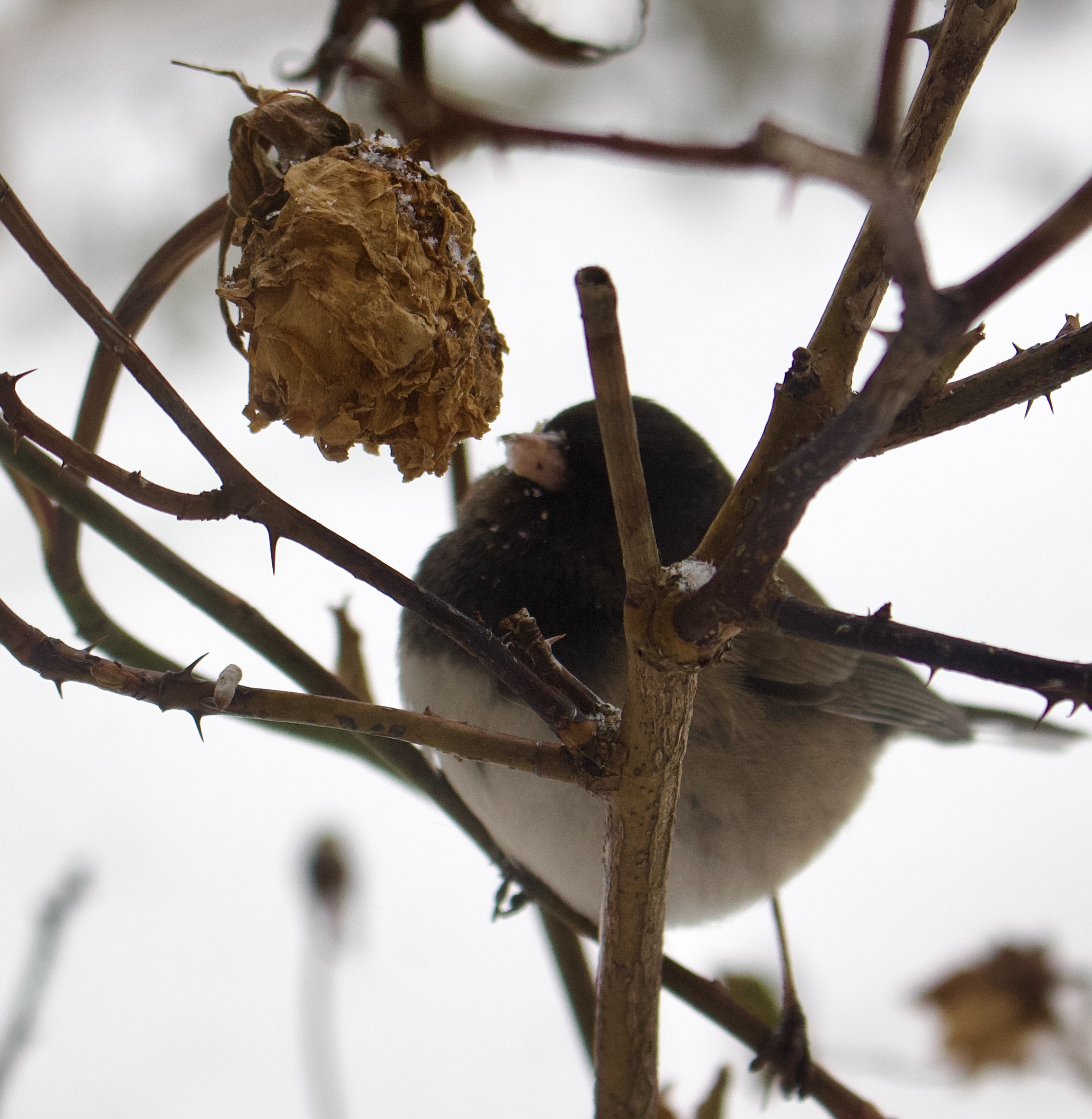
The first thing I heard this morning
was a rapid flapping sound, soft, insistent—


wings against glass as it turned out
downstairs when I saw the small bird
rioting in the frame of a high window,
trying to hurl itself through
the enigma of glass into the spacious light.


Then a noise in the throat of the cat
who was hunkered on the rug
told me how the bird had gotten inside,
carried in the cold night
through the flap of a basement door,
and later released from the soft grip of teeth.


On a chair, I trapped its pulsations
in a shirt and got it to the door,
so weightless it seemed
to have vanished into the nest of cloth.


But outside, when I uncupped my hands,
it burst into its element,
dipping over the dormant garden
in a spasm of wingbeats
then disappeared over a row of tall hemlocks.


For the rest of the day,
I could feel its wild thrumming
against my palms as I wondered about
the hours it must have spent
pent in the shadows of that room,
hidden in the spiky branches
of our decorated tree, breathing there
among the metallic angels, ceramic apples, stars of yarn,
its eyes open, like mine as I lie in bed tonight
picturing this rare, lucky sparrow
tucked into a holly bush now,
a light snow tumbling through the windless dark.

~Billy Collins “Christmas Sparrow” from Aimless Love

AI image created for this post
One-Time
Monthly
Yearly

Make a one-time or recurring donation to support daily Barnstorming posts

Make a monthly donation

Make a yearly donation
Choose an amount

$10.00
$25.00
$50.00
$5.00
$15.00
$100.00
$5.00
$15.00
$100.00

Or enter a custom amount

$

Your contribution is deeply appreciated.
Your contribution is appreciated.

Your contribution is appreciated.

DonateDonate monthlyDonate yearly