These Things You Do

There you are
this cold day
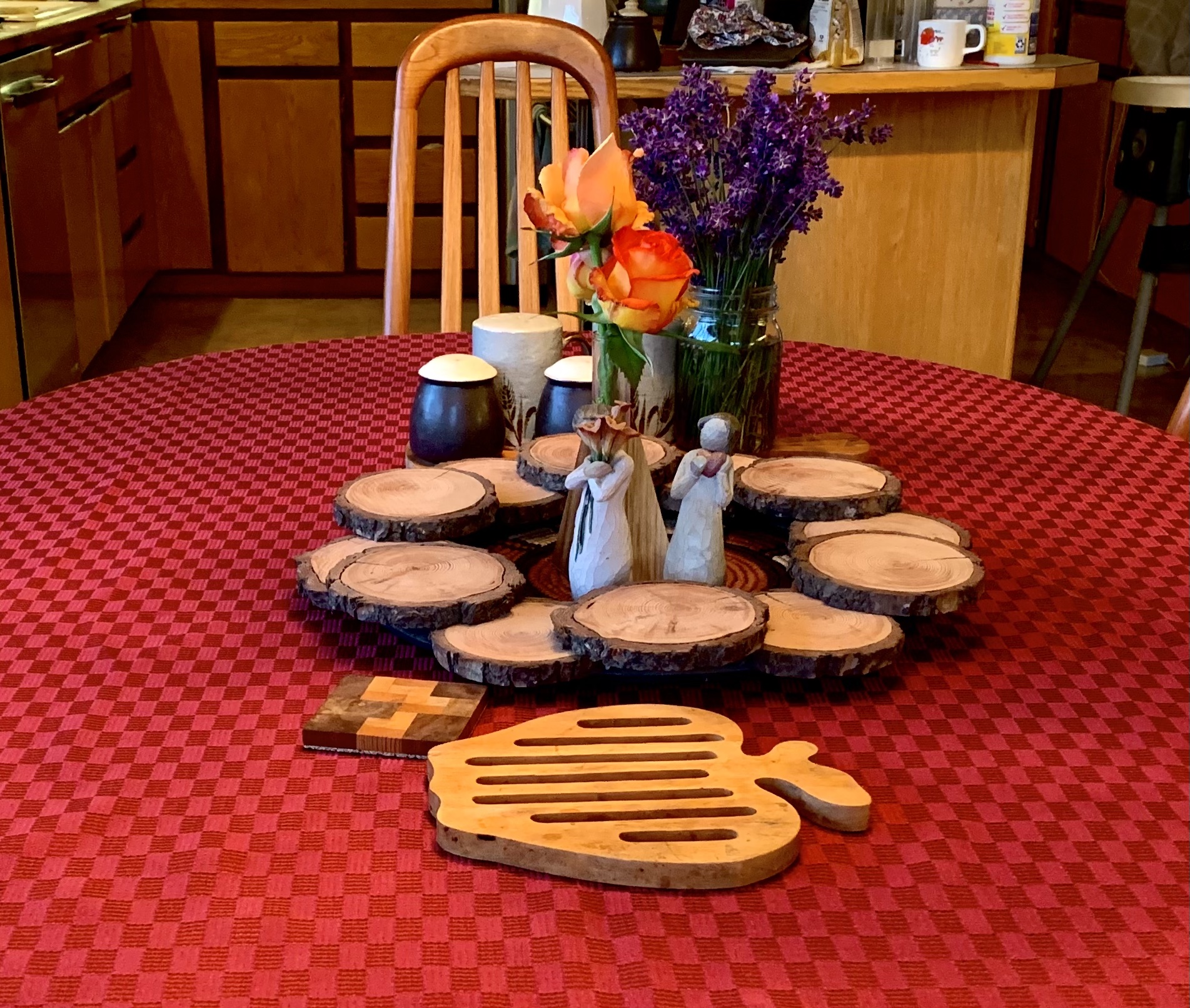
boiling the water on the stove,
pouring the herbs into the pot,
hawthorn, rose;
buying the tulips
& looking at them, holding
your heart in your hands at the table
saying please, please, to nobody else
there in the kitchen with you.
How hard, how heavy this all is.
How beautiful, these things you do,
in case they help, these things you do
that, although you haven’t said it yet,
say that you want to live.

~Victoria Adukwei Bulley “There You Are”

Our daily rituals are so routine and mundane, unless they are disrupted by unexpected and unwanted events. Then we desire nothing more than to get back to what is routine, familiar and comforting.

Right now, I’m aware of at least four friends in our small church congregation who are undergoing treatment for cancer, and a couple others who are waiting on testing results. They would love nothing more than a boringly routine day like they had known pre-diagnosis. Instead, nothing seems as if it will ever be the same again, except an awareness of how precious and valued each day of life is.

Thankfully, very few people are forced to share their life-threatening illnesses with the world via headlines, videos and photos like the King of England and Princess of Wales. Surely, that adds another layer of hard heaviness on top of dealing with such difficult, exhausting treatments and interventions.

For those coping with challenging medical illness, I pray for comforting rituals and routines that remind you how much you are loved. These beautiful moments of everyday life are reasons you want to live, even as you do these hard things.

May your heart and soul be held in loving hands as you see this through.

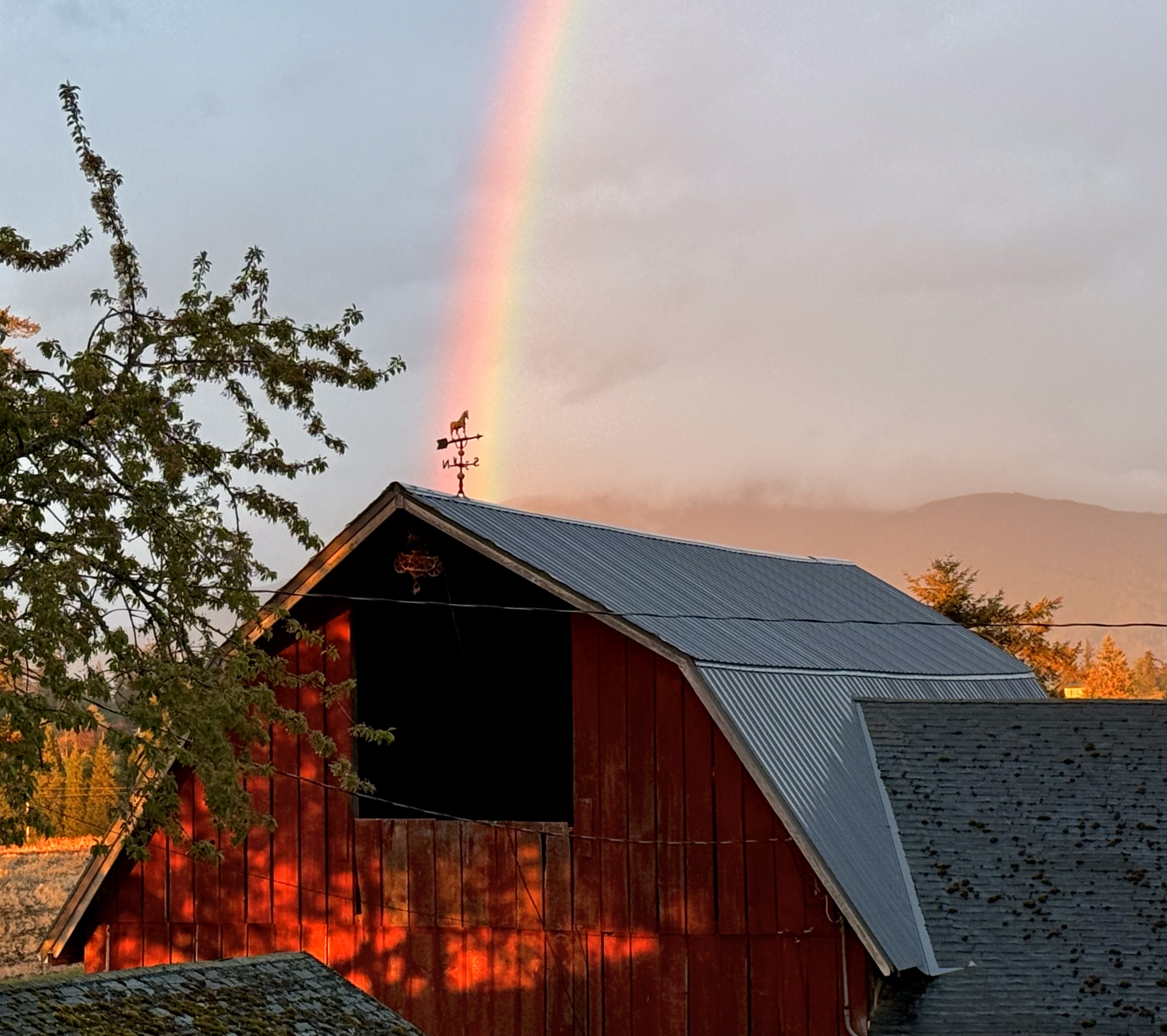
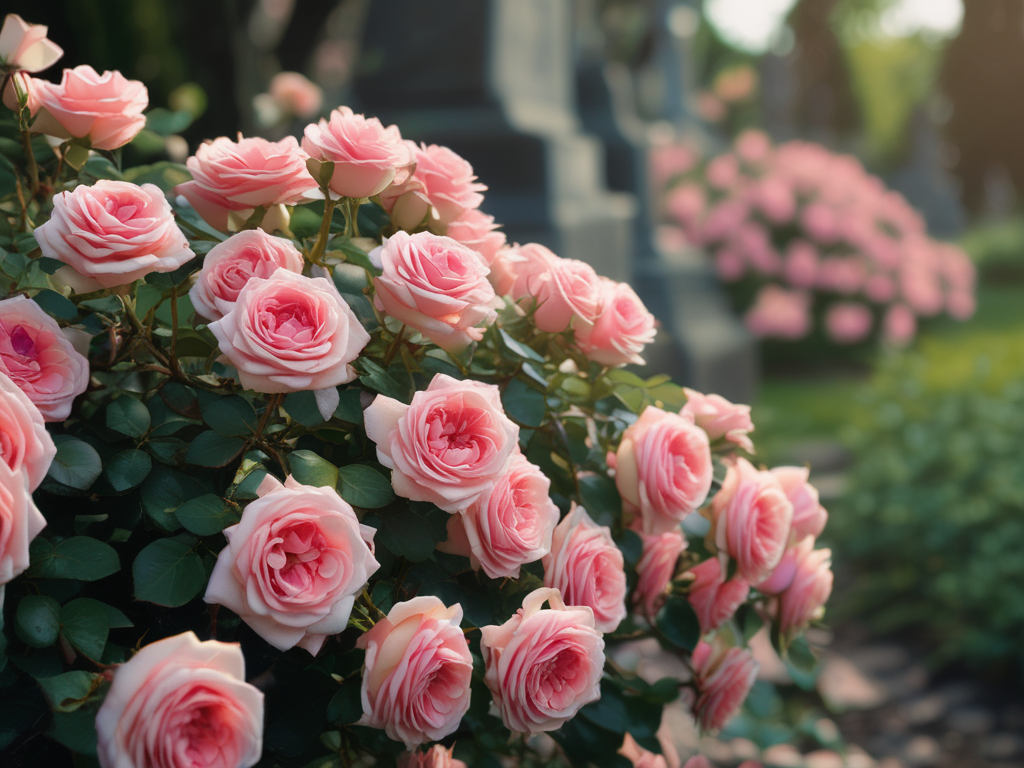
AI image created for this post
One-Time
Monthly
Yearly

Make a one-time or recurring donation to support daily Barnstorming posts

Make a monthly donation

Make a yearly donation

Choose an amount

$10.00
$25.00
$50.00
$5.00
$15.00
$100.00
$5.00
$15.00
$100.00

Or enter a custom amount

$

Your contribution is deeply appreciated.

Your contribution is appreciated.

Your contribution is appreciated.

DonateDonate monthlyDonate yearly

A Cloak of Colors

On the day when
The weight deadens
On your shoulders
And you stumble,
May the clay dance
To balance you.


And when your eyes
freeze behind
the grey window
and the ghost of loss
gets into you,

may a flock of colours,
Indigo, red, green
And azure blue,
Come to awaken in you
A meadow of delight.

May the nourishment of the earth be yours,
May the clarity of light be yours,
May the fluency of the ocean be yours,
May the protection of the ancestors be yours.

And so may a slow
Wind work these words
Of love around you,
An invisible cloak
To mind your life.
~John O’Donohue from “Beannacht“

We all will stumble, bearing the bruises and scars of our fall.
We all waken to gray days when there appears no point in getting up.
We all can be sucked into the darkest thoughts,
tunneling ever more deeply.

In those moments, those days, those months,
may we be wrapped tightly in love’s cloak of invisibility,
hiding us from a darkness that can swallow us no longer.

We are led onto a brightening path of light and color,
filled with contentment and encouragement, our failing feet steadied.
The gray is absorbed into an ever-changing kaleidoscope,
the way to go illuminated with hope.

May our brokenness be forever healed by words of blessing.

AI image created for this post

Sudden Tears

Some things are very dear to me—
Such things as flowers bathed by rain
Or patterns traced upon the sea
Or crocuses where snow has lain …
the iridescence of a gem,
The moon’s cool opalescent light,
Azaleas and the scent of them,
And honeysuckles in the night.
And many sounds are also dear—
Like winds that sing among the trees
Or crickets calling from the weir
Or Negroes humming melodies.
But dearer far than all surmise
Are sudden tear-drops in your eyes.
~Gwendolyn Brooks “Sonnet 2”

We human beings do real harm.
History could make a stone weep.
~Marilynne Robinson from Gilead

I am an easy cryer. It takes very little to tip me over the edge: a hymn, a poem, simply witnessing a child’s joy. Suddenly my eyes fill up. I blame this on my paternal grandmother who was in tears much of her time when visiting our family, crying happy, crying sad, crying frustrated and angry tears.

Somehow after her visit, she was always smiling, so I think her weeping was cathartic emptying of her stress.

My greatest trigger to weep myself is watching someone else tear up. I think my grandmother left behind some powerful empathy genes.

I had to desensitize my response to tears to be effective as a physician/healer. Witnessing tears in the exam room is a normal part of the job: patients are anxious, ill, in pain or simply need to decompress in safety. I learned early on to be unobtrusive and not interrupt, letting the flow of tears be part of how the patient was trying to communicate. It was a struggle when my inclination was to cry right along with them. But I needed to be the rock in the room, solid and steady. I could understand their tears as yet another symptom of a clinical presentation, allowing me to observe without being clouded by my own emotional response.

Sometimes that worked. Sometimes not. At times overwhelmed, I wept at births, I wept at deaths, I wept at the sharing of bad news.

Now, liberated from the exam room, I freely weep at the state of the world, or when I read of disaster and tragedy, and especially when I witness intentional harm and meanness in others. I’m no longer a barely responsive stone, but more like an over-filled sponge being squeezed – everything builds up until I can hold it no more. Reading headlines in the news is sometimes more than I can bear.

I cry myself dry.

And that is okay. Once emptied out, I can be filled again by so much that is good and precious in this life.

That is worth weeping over.

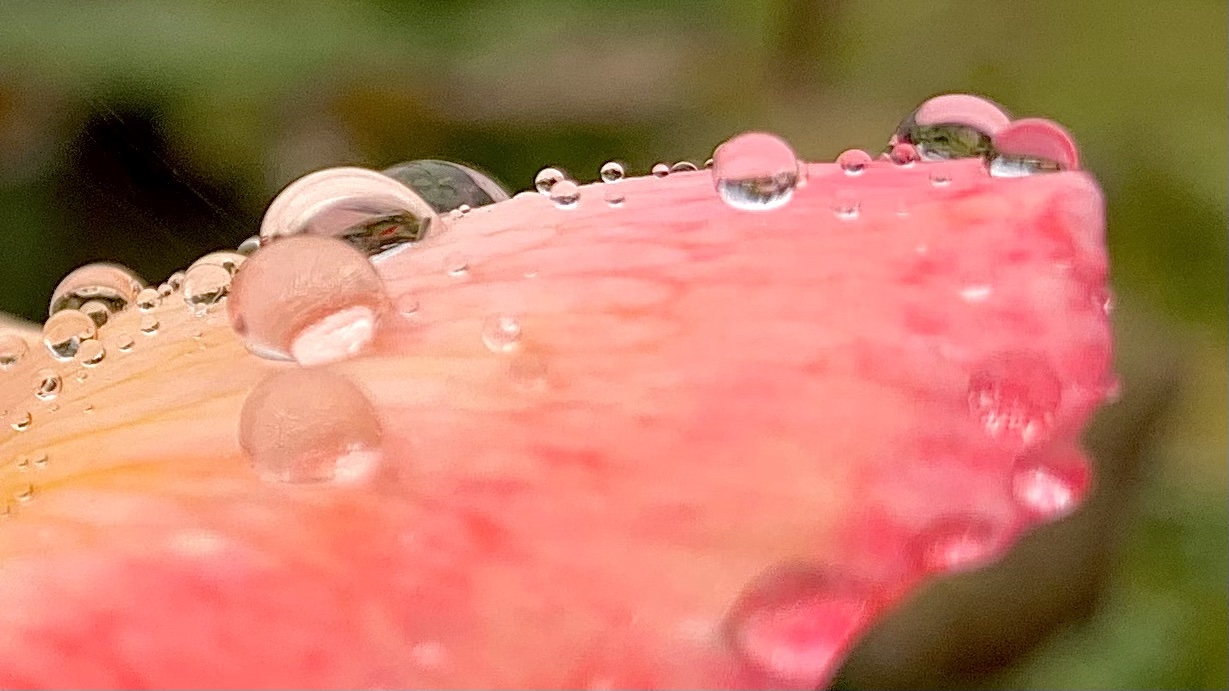
AI image created for this post
Detail from “Descent from the Cross” by Rogier van der Weyden
One-Time
Monthly
Yearly

Make a one-time or recurring donation to support daily Barnstorming posts

Make a monthly donation

Make a yearly donation

Choose an amount

$10.00
$25.00
$50.00
$5.00
$15.00
$100.00
$5.00
$15.00
$100.00

Or enter a custom amount

$

Your contribution is deeply appreciated.

Your contribution is appreciated.

Your contribution is appreciated.

DonateDonate monthlyDonate yearly

An Old Barn Revived

Just down the road… around the bend,
Stands an old empty barn; nearing the end.
It has sheltered no animals for many years;
No dairy cows, no horses, no sheep, no steers.
The neigh of a horse; the low of a cow;
Those sounds have been absent for some time now.
There was a time when the loft was full of hay,
And the resounding echoes of children at play.
At one time the paint was a bold shade of red;
Gradually faded by weather and the sun overhead.
The doors swing in the wind… the hinges are loose,
Windows and siding have taken a lot of abuse.
The fork, rope and pulleys lifted hay to the mow,
A task that always brought sweat to the brow.
But those good days are gone; forever it seems,
And that old barn now stands with sagging beams.
It is now home to pigeons, rats and mice;

The interior is tattered and doesn’t look very nice.
Old, abandoned barns have become a trend,
Just down the road… around the bend.

~Vance Oliphant “Old Barn”

photo by Nate Gibson

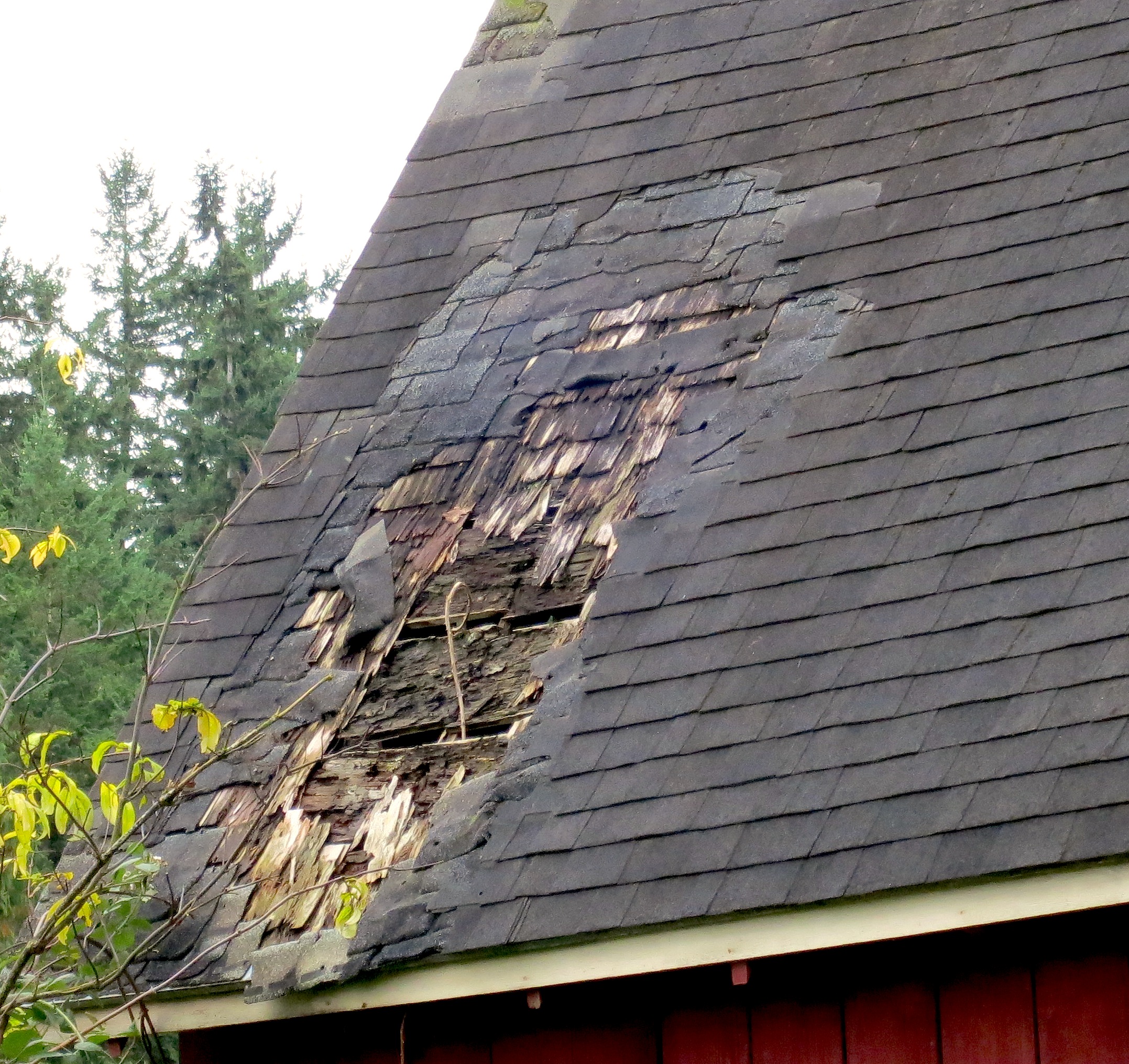
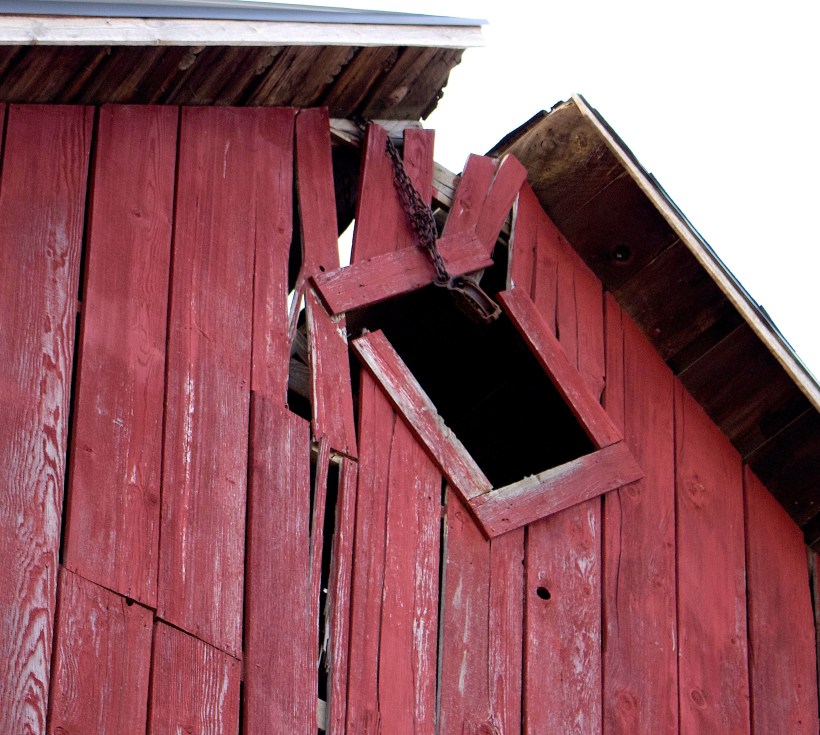
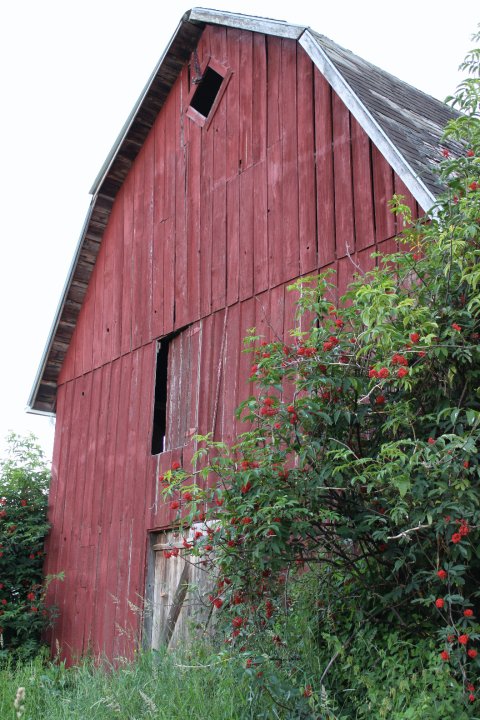
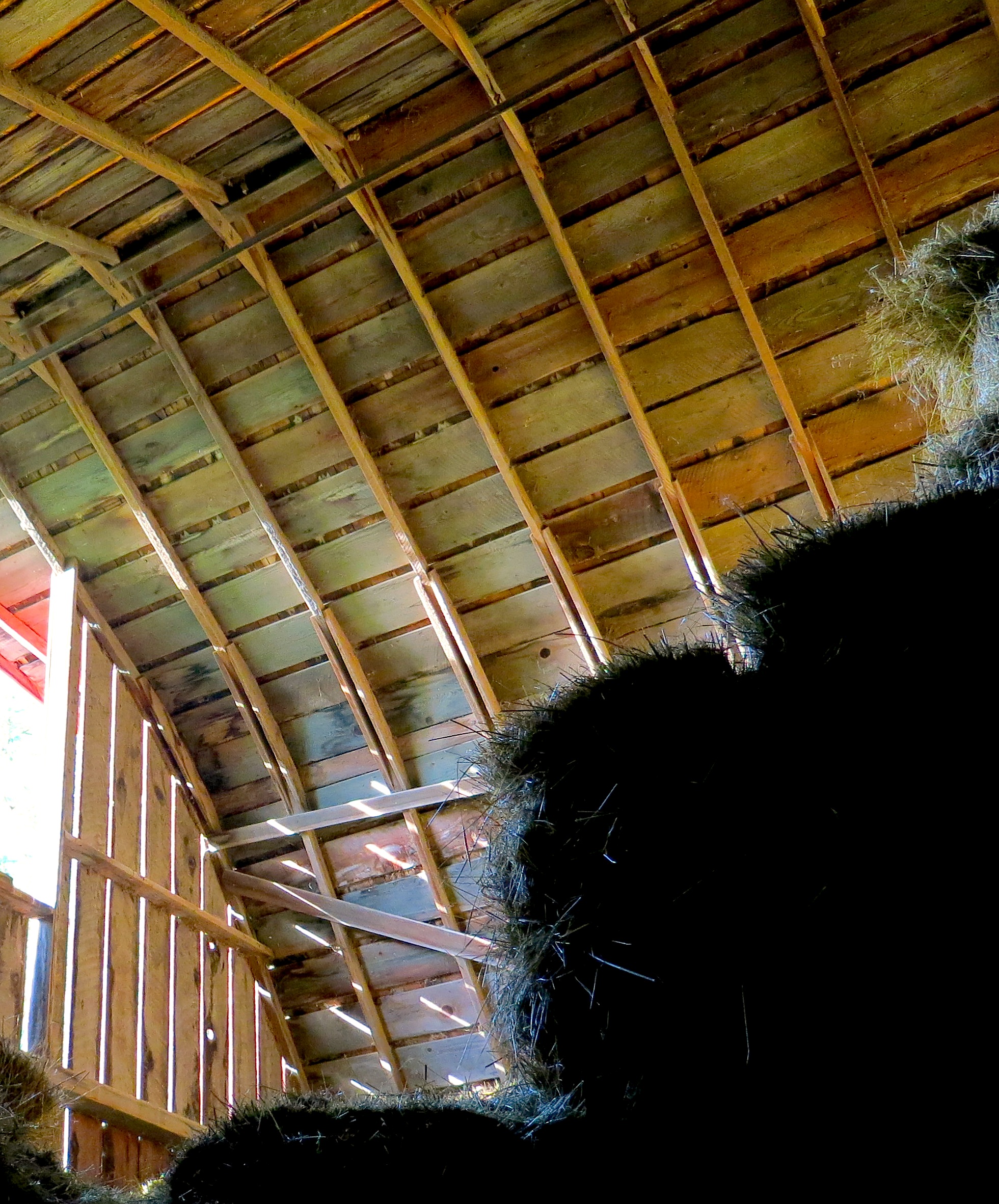
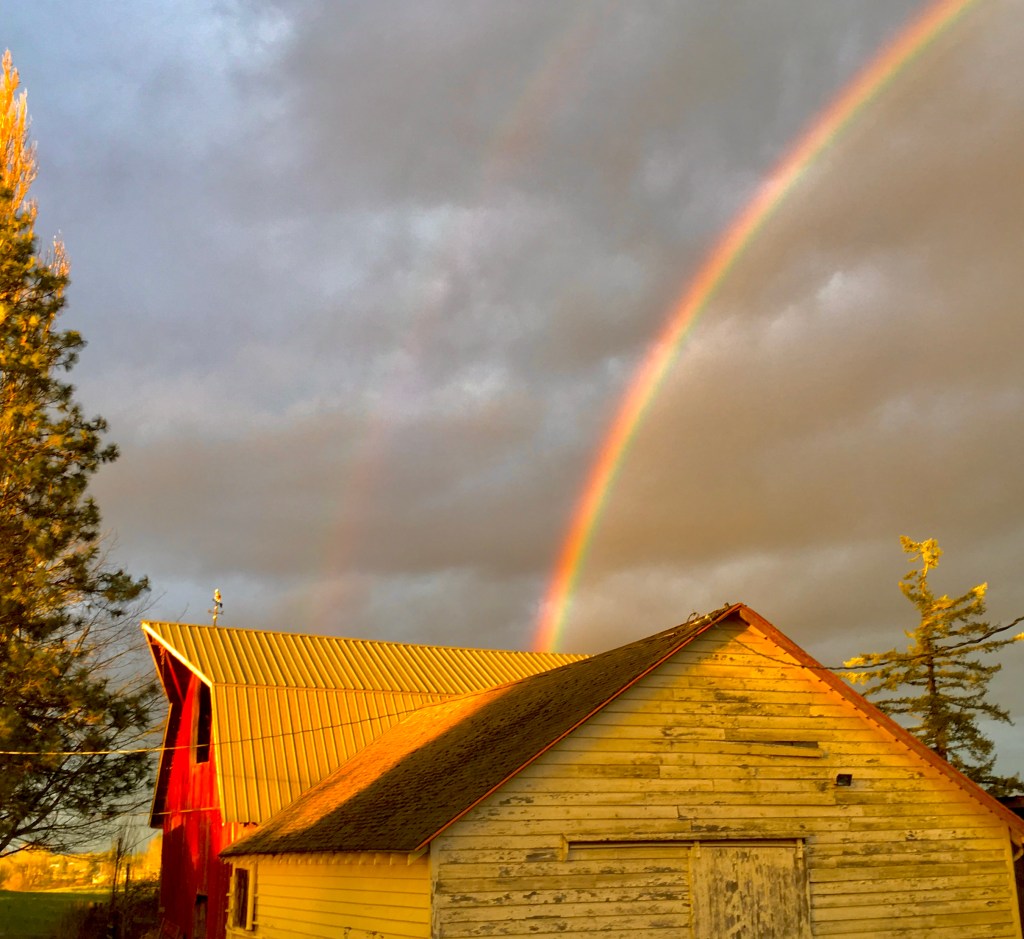
There is something very lonely about a barn completely empty of its hay stores. Our old red hay barn had stood empty for several years; because of roof leaks and gaps in the walls, we and our neighbors who had used it for years to house a winter hay supply found other places to put our hay. The winter winds wore away its majesty: missing shingles tore away larger holes in the roof, the mighty beams providing foundational support started sinking and rotting in the ground, a gap opened in the sagging roof crest, and most devastating of all, two walls collapsed in a particularly harsh blow.

The old barn was in death throes after over one hundred years of history.

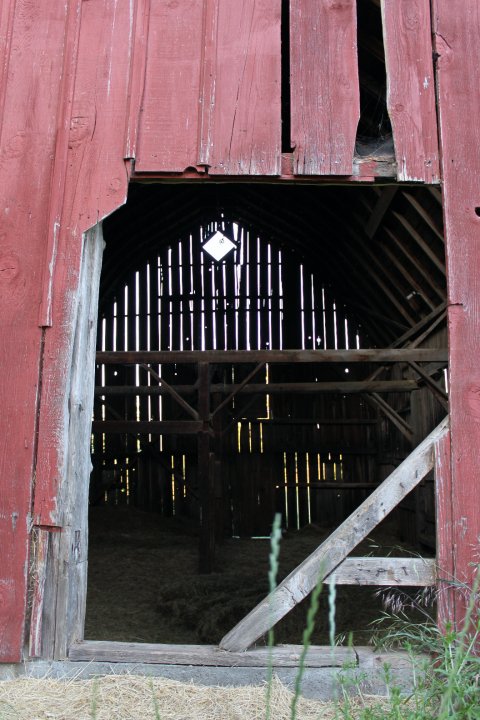
Its hollow interior echoed with a century of farmers’ voices:
soothing an upset cow during a difficult milking,
uncovering a litter of kittens high in a hay loft,
shouting orders to a steady workhorse,
singing a soft hymn while cleaning stalls,
startling out loud as a barn owl or bat flies low overhead.
Dust motes lazily drift by in the twilight,
seemingly forever suspended above the straw covered wood floor, floating protected from the cooling evening breezes

There was no heart beat left in this dying barn. It was in full arrest, all life blood drained out, vital signs flat lined. I could hardly bear to go inside much less take pictures of its deteriorating shell.

We had people show up at our front door offering to demolish it for the lumber, now all the fad for expensive modern “vintage” look in new house construction. A photo of our barn showed up in local media declaring “another grand old barn in the county has met its end.” That stung. Meanwhile we were saving our money, waiting until we could afford to bring our old red barn back to life.

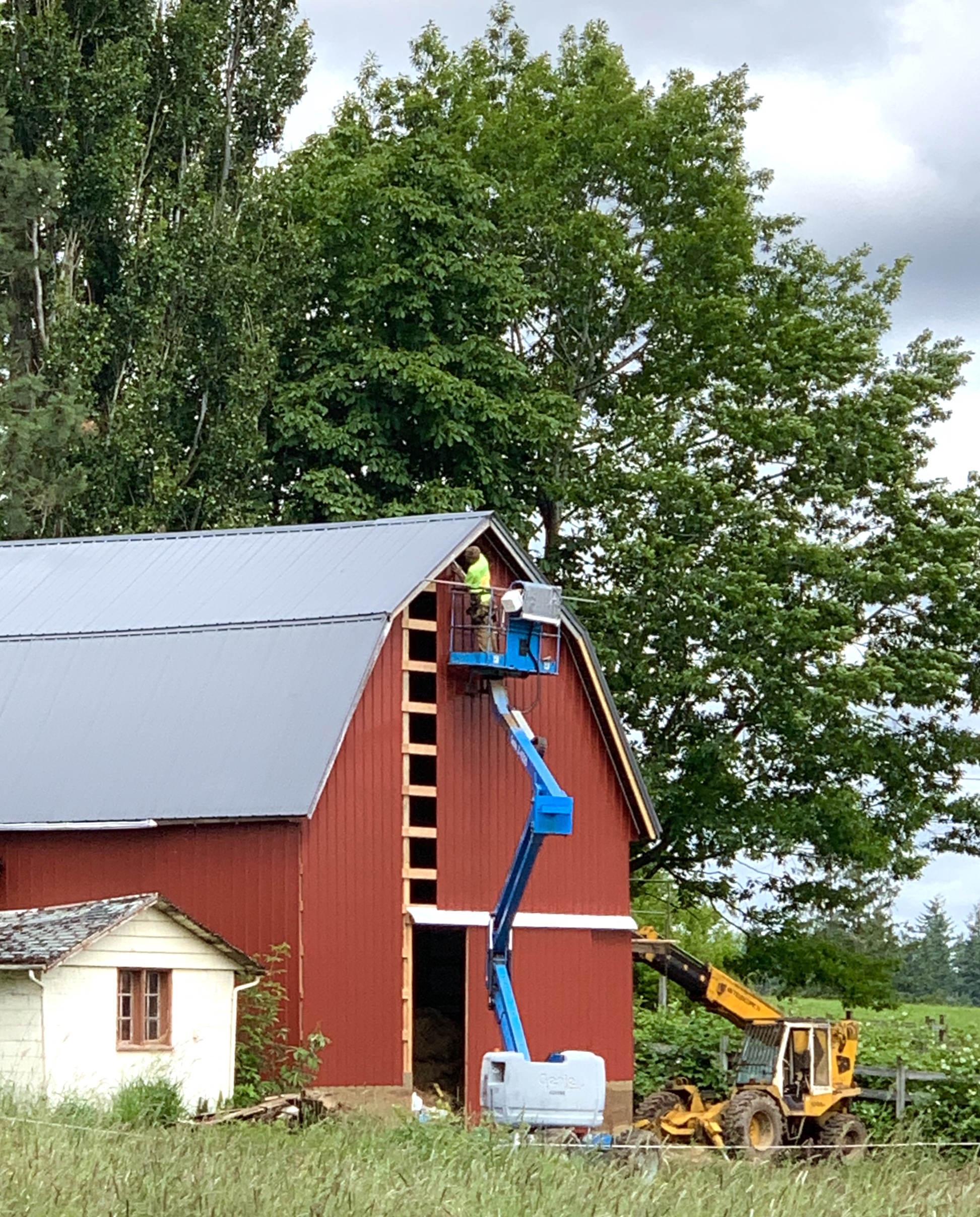
It started with one strong young man digging out the support posts to locate the rot. Then another remarkable young man was able to jack up the posts one by one, putting in reinforcing steel and concrete and straightening the gaping sagging roof line, providing the old barn with its first ever foundation.

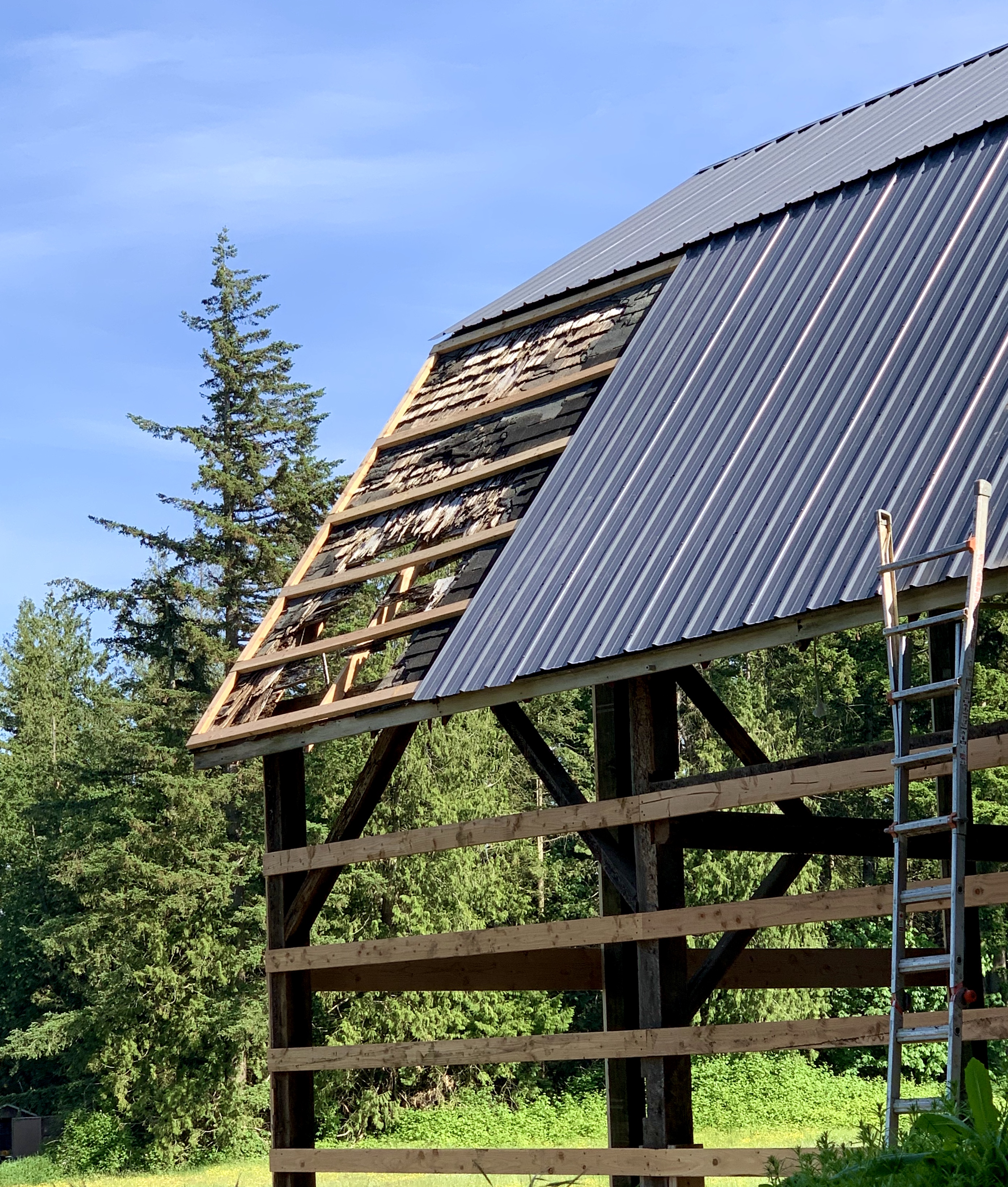
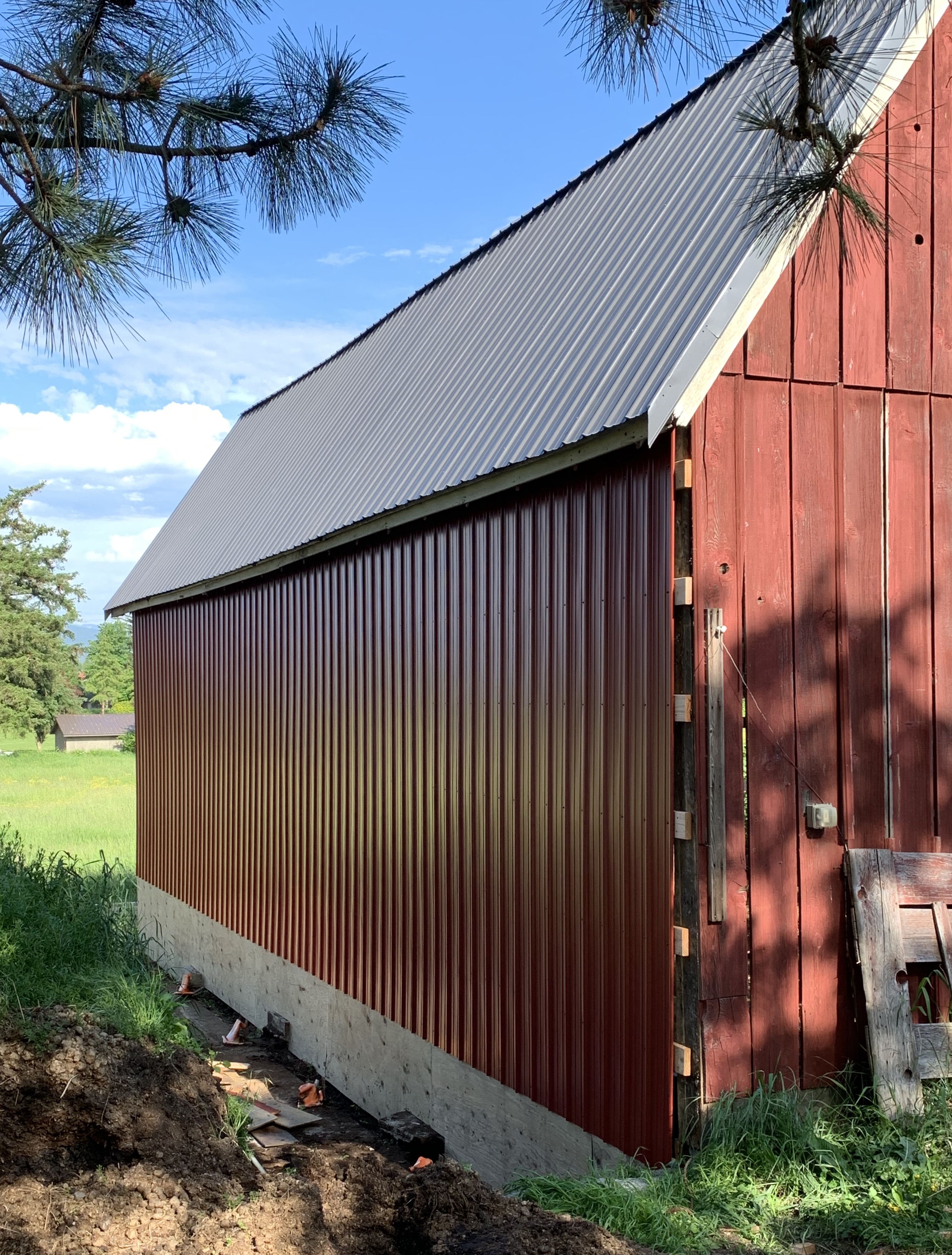
And then a crew of two men replaced the damaged roof and absent walls with metal siding. The barn became whole again.

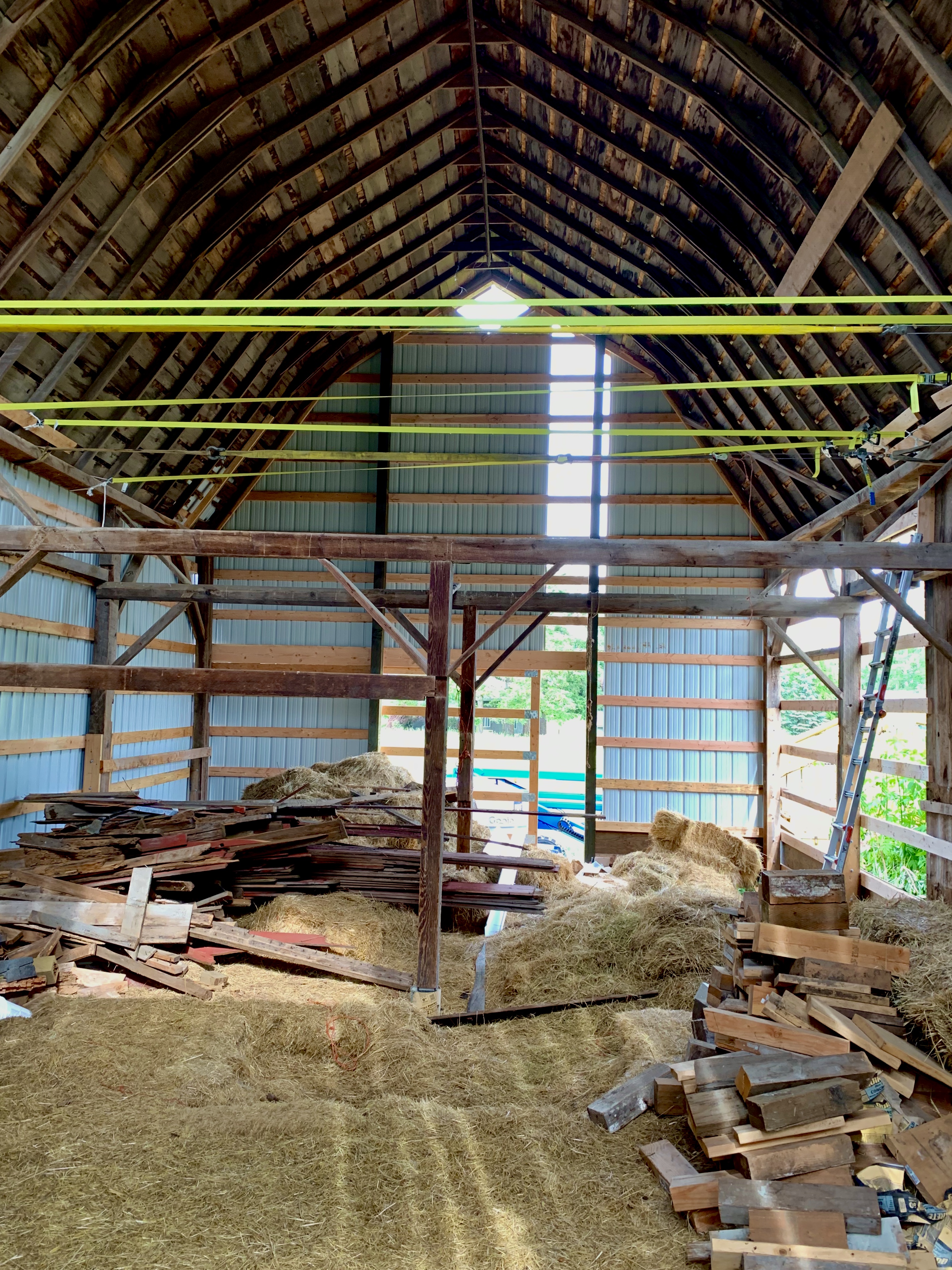
There was a lot of clean up left to do inside: decades of old hay build up and damaged lumber and untold numbers of abandoned mouse nests and scattered barn owl pellets.

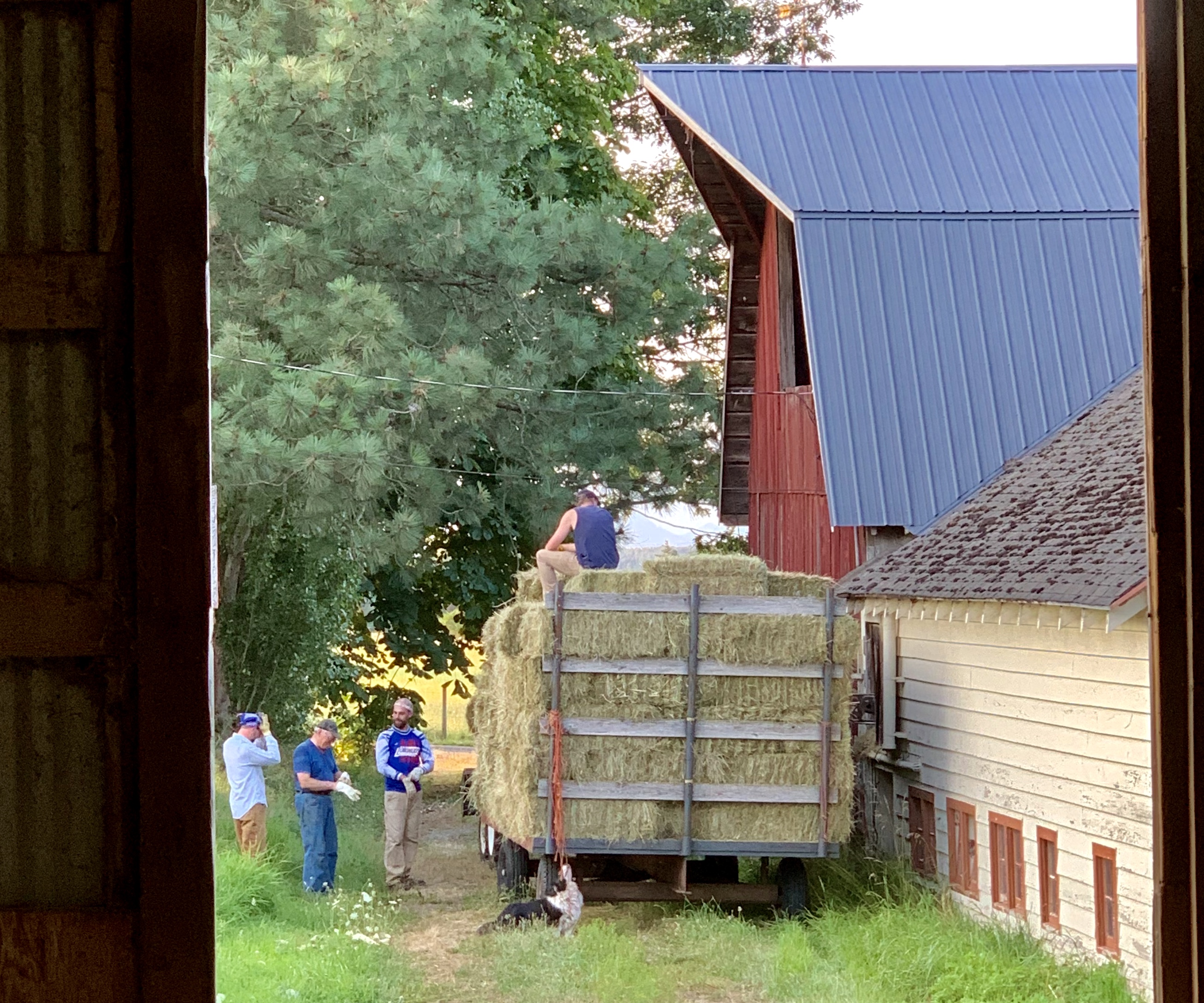
The barn had been shocked back to a pulse like in its “heyday” – the throb of voices, music blaring, dust and pollen flying chaotically, the rattle of the electric “elevator” hauling bales from wagon to loft, the grunts and groans of the crew as they heft and heave the bales into place in the stack. It will go on late into the night, the barn ablaze with lights, the barnyard buzzing with excitement and activity.

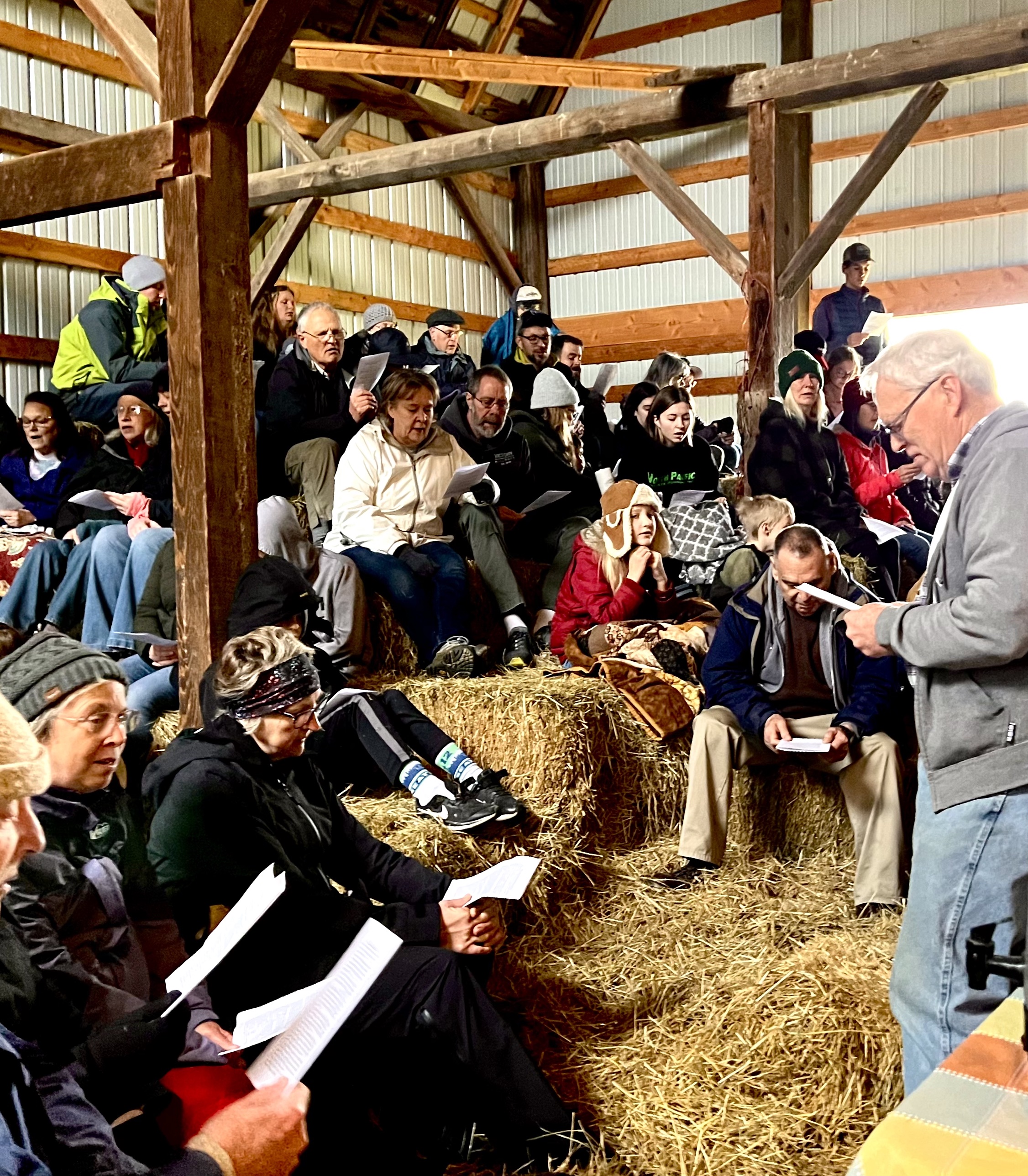
It once again has served as the back up sanctuary on Easter morning when we were rained out up on the hill for Sunrise Service.

Now vital signs are measurable, rhythm restored, volume depletion reversed, prognosis good for another 100 years.

Another old barn has been resuscitated back to life when so many are left to die. It is revived and breathing on its own again. Its floor will creak with the weight of the hay bales and walls will groan with the pressure of stacks.

I must remember there is always hope for the shattered and weary and frail among us. If an old barn can be saved, then so can we.

So can we.

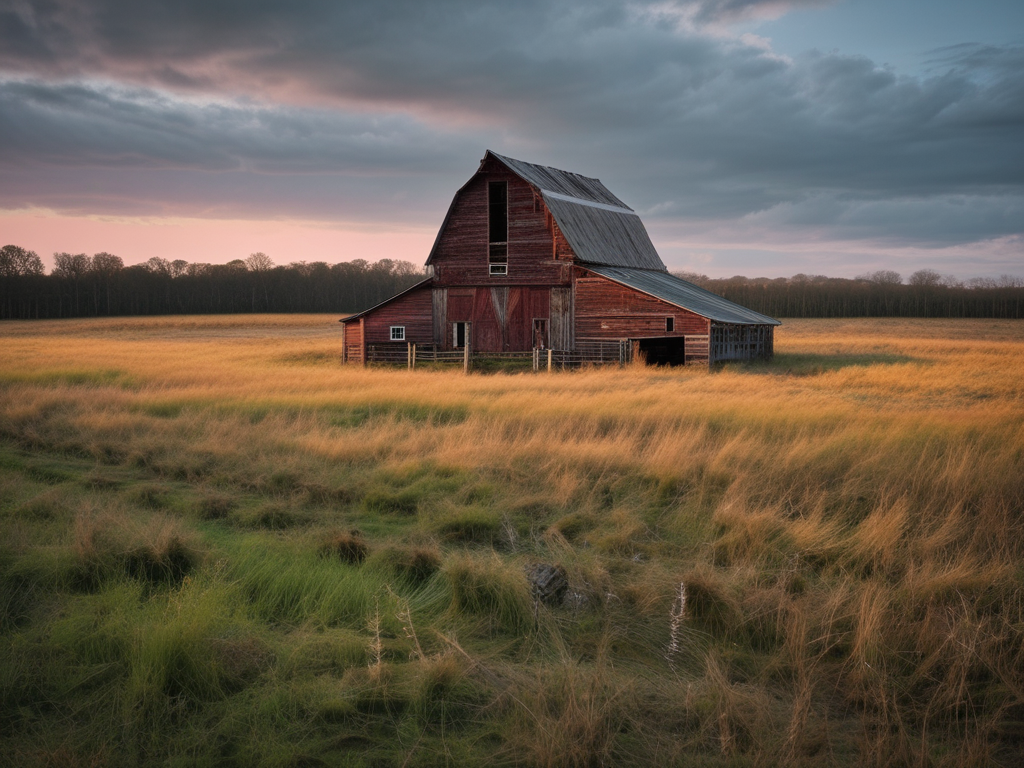
AI image created for this post
One-Time
Monthly
Yearly

Make a one-time and recurring donation to support daily Barnstorming posts

Make a monthly donation

Make a yearly donation

Choose an amount

$10.00
$25.00
$50.00
$5.00
$15.00
$100.00
$5.00
$15.00
$100.00

Or enter a custom amount

$

Your contribution is deeply appreciated.

Your contribution is appreciated.

Your contribution is appreciated.

DonateDonate monthlyDonate yearly

A Gathered Radiance

I am not resigned to the shutting away
Of loving hearts in the hard ground.
So it is, and so it will be, for so it has been, time out of mind:
Into the darkness they go, the wise and the lovely.  Crowned
With lilies and with laurel they go; but I am not resigned.
Lovers and thinkers, into the earth with you.
Be one with the dull, the indiscriminate dust.
A fragment of what you felt, of what you knew,
A formula, a phrase remains,—but the best is lost.
The answers quick and keen, the honest look, the laughter, the love,— They are gone.  They are gone to feed the roses. 

Elegant and curled
Is the blossom.  Fragrant is the blossom.  I know. 

But I do not approve.
More precious was the light in your eyes

Than all the roses in the world.
Down, down, down into the darkness of the grave
Gently they go, the beautiful, the tender, the kind;
Quietly they go, the intelligent, the witty, the brave.
I know.  But I do not approve.  And I am not resigned.
~Edna St. Vincent Millay “Dirge Without Music”

These hearts were woven of human joys and cares,
Washed marvelously with sorrow, swift to mirth.
The years had given them kindness. Dawn was theirs,
And sunset, and the colors of the earth.


These had seen movement, and heard music; known
Slumber and waking; loved; gone proudly friended;
Felt the quick stir of wonder; sat alone;
Touched flowers and furs and cheeks. All this is ended.

There are waters blown by changing winds to laughter
And lit by the rich skies, all day. And after,
Frost with a gesture, stays the waves that dance
And wandering loveliness. He leaves a white
Unbroken glory, a gathered radiance,
A width, a shining peace, under the night.

~Rupert Brooke “All This is Ended”

Each Memorial Day weekend without fail,
we gather with family, have lunch, reminisce,
and trek to a cemetery high above Puget Sound
to catch up with our relatives who lie there still.
Some for well over 100 years, some too recent,
some we knew and loved and miss every day,
others not so much, unknown to us
except on genealogy charts,
their names and dates and these stones
all that is left of them:

the red-haired great-grandmother who died too young,
the aunt who was eight with lymphoma,
the Yukon river boat captain,
the logger and stump farmer,
the unmarried teacher who bequeathed an oil well to her church,
the two in-laws who lie next to each other
but could not co-exist in the same room while they lived and breathed.

Yet we know each of these
(as we know ourselves and others)
was tender and kind, though flawed and broken,
was beautiful and strong, though wrinkled and frail,
was hopeful and faithful, though too soon in the ground.

We know this about them
as we know it about ourselves:
someday we too will feed roses,
the light in our eyes transformed into elegant swirls
emitting the fragrant scent of heaven.

No one asks if we approve.
Nor am I resigned to this but only know:
So it is, so it has been, so it will be.

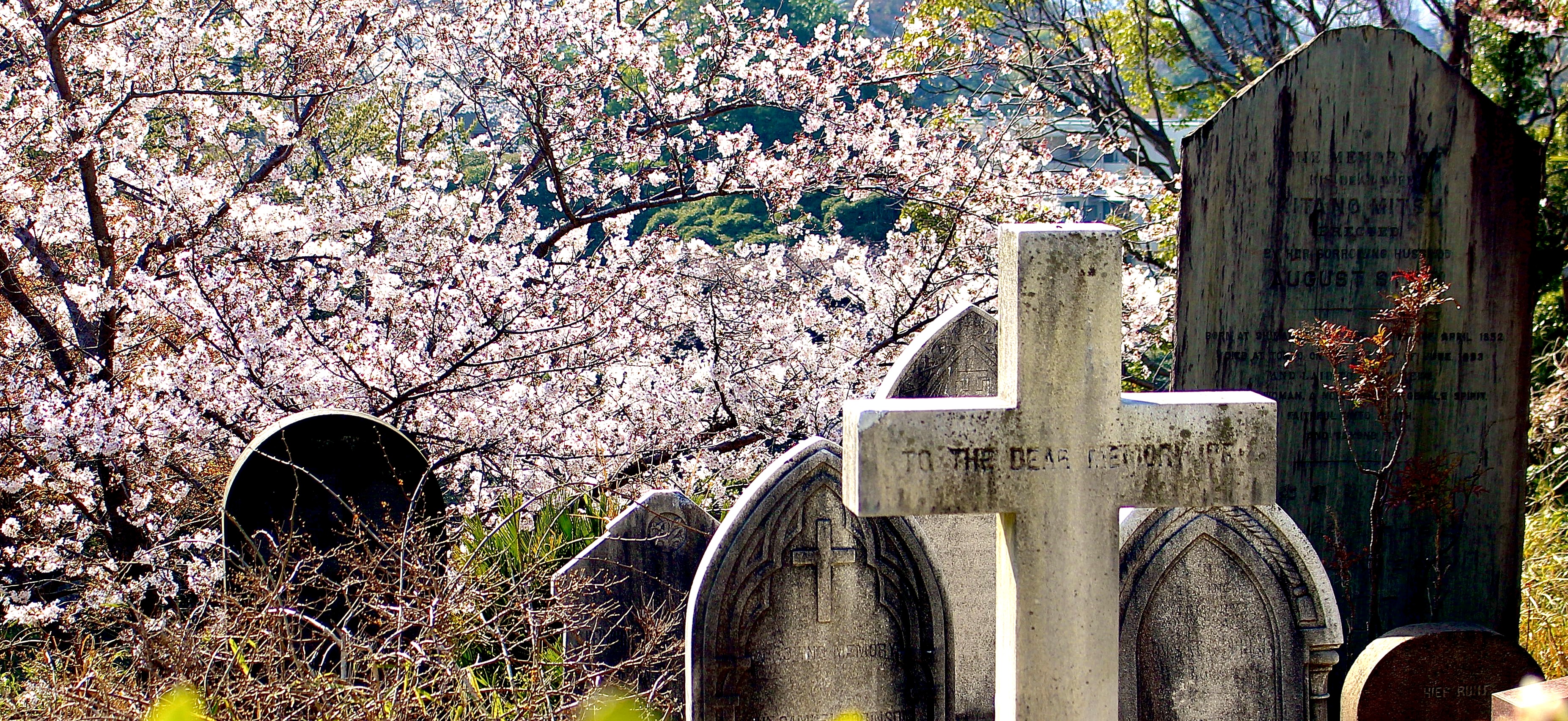
AI image created for this post

“They were so young” – poem written by Garrison Keillor

One-Time
Monthly
Yearly

Make a one-time or recurring donation to support daily Barnstorming posts

Make a monthly donation

Make a yearly donation

Choose an amount

$10.00
$25.00
$50.00
$5.00
$15.00
$100.00
$5.00
$15.00
$100.00

Or enter a custom amount

$

Your contribution is deeply appreciated.

Your contribution is appreciated.

Your contribution is appreciated.

DonateDonate monthlyDonate yearly

Something of Lasting Value

And with sighs soaring, soaring síghs deliver
Them; beauty-in-the-ghost, deliver it, early now, long before
death
Give beauty back, beauty, beauty, beauty, back to God, beauty’s
self and beauty’s giver.
See; not a hair is, not an eyelash, not the least lash lost; every hair
Is, hair of the head, numbered.
~Gerard Manley Hopkins from “The Golden Echo”

…writing was one way to let something of lasting value emerge
from the pains and fears of my little, quickly passing life.
Each time life required me to take a new step into unknown spiritual territory, I felt a deep, inner urge to tell my story to others–
Perhaps as a need for companionship but maybe, too,
out of an awareness that my deepest vocation is to be a witness to the glimpses of God I have been allowed to catch.

~Henri Nouwen from Reaching Out: The Three Movements of the Spiritual Life

“Last forever!” Who hasn’t prayed that prayer? You were lucky to get it in the first place. The present is a freely given canvas. That it is constantly being ripped apart and washed downstream goes without saying.
~Annie Dillard from Pilgrim at Tinker Creek

For too much of my life I have focused on my foreshortening future, bypassing the present in my headlong rush to what lies ahead. There is always a goal to achieve, a conclusion becoming commencement of the next phase, a sunset turning right around in a few hours to become sunrise.

Yet the most precious times occur when the present is so over-whelming, so riveting, so tenderly full of beauty that I believe I can see a brief glimpse of God. I must grab hold with all my strength to try and secret it away and keep it forever. Of course the present still slips away from me, elusive and evasive, torn to bits by the unrelenting movement of time.

Even when I’m able to take a photo to lock it to a page or screen, it is not enough. No matter how I choose to preserve the essence of this moment, it is already passed, ebbing away, never to return.

So I write to harvest those times to make them last a little bit longer although they will inevitably be lost downstream into the ether of unread words.
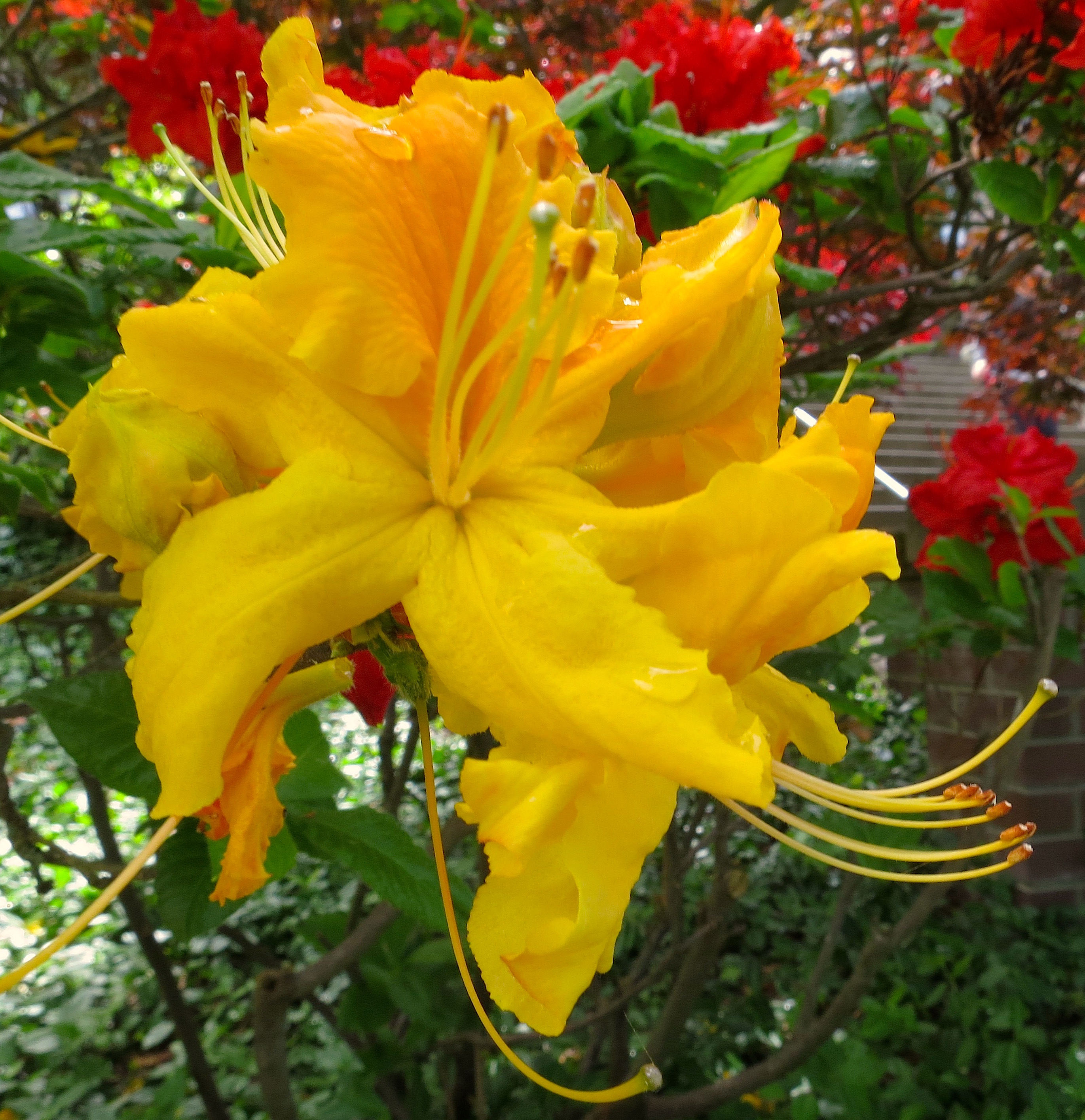
Where have all the words, all the flowers, all those moments gone?

Even if unread, I am learning that words, which had power in the Beginning to create life itself, still can bring tenderness and meaning back to my life. How blessed to live the gift twice: not just in the moment itself but in recording in words that preserve and treasure it all up, if only for that ephemeral blooming moment.
One-Time
Monthly
Yearly

Make a one-time or recurring donation to support daily Barnstorming posts

Make a monthly donation

Make a yearly donation

Choose an amount

$10.00
$25.00
$50.00
$5.00
$15.00
$100.00
$5.00
$15.00
$100.00

Or enter a custom amount

$

Your contribution is deeply appreciated.

Your contribution is appreciated.

Your contribution is appreciated.

DonateDonate monthlyDonate yearly

A Finisterre Prayer

What words or harder gift
does the light require of me
carving from the dark
this difficult tree?


What place or farther peace
do I almost see
emerging from the night
and heart of me?


The sky whitens, goes on and on.
Fields wrinkle into rows
of cotton, go on and on.
Night like a fling of crows
disperses and is gone.


What song, what home,
what calm or one clarity
can I not quite come to,
never quite see:
this field, this sky, this tree.

~Christian Wiman, “Hard Night”

Some days, although we cannot pray, a prayer
utters itself. So, a woman will lift
her head from the sieve of her hands and stare
at the minims sung by a tree, a sudden gift.

Some nights, although we are faithless, the truth
enters our hearts, that small familiar pain;
then a man will stand stock-still, hearing his youth
in the distant Latin chanting of a train.

Pray for us now. Grade 1 piano scales
console the lodger looking out across
a Midlands town. Then dusk, and someone calls
a child’s name as though they named their loss.

Darkness outside. Inside, the radio’s prayer —
Rockall. Malin. Dogger. Finisterre.

~Carol Ann Duffy “Prayer”

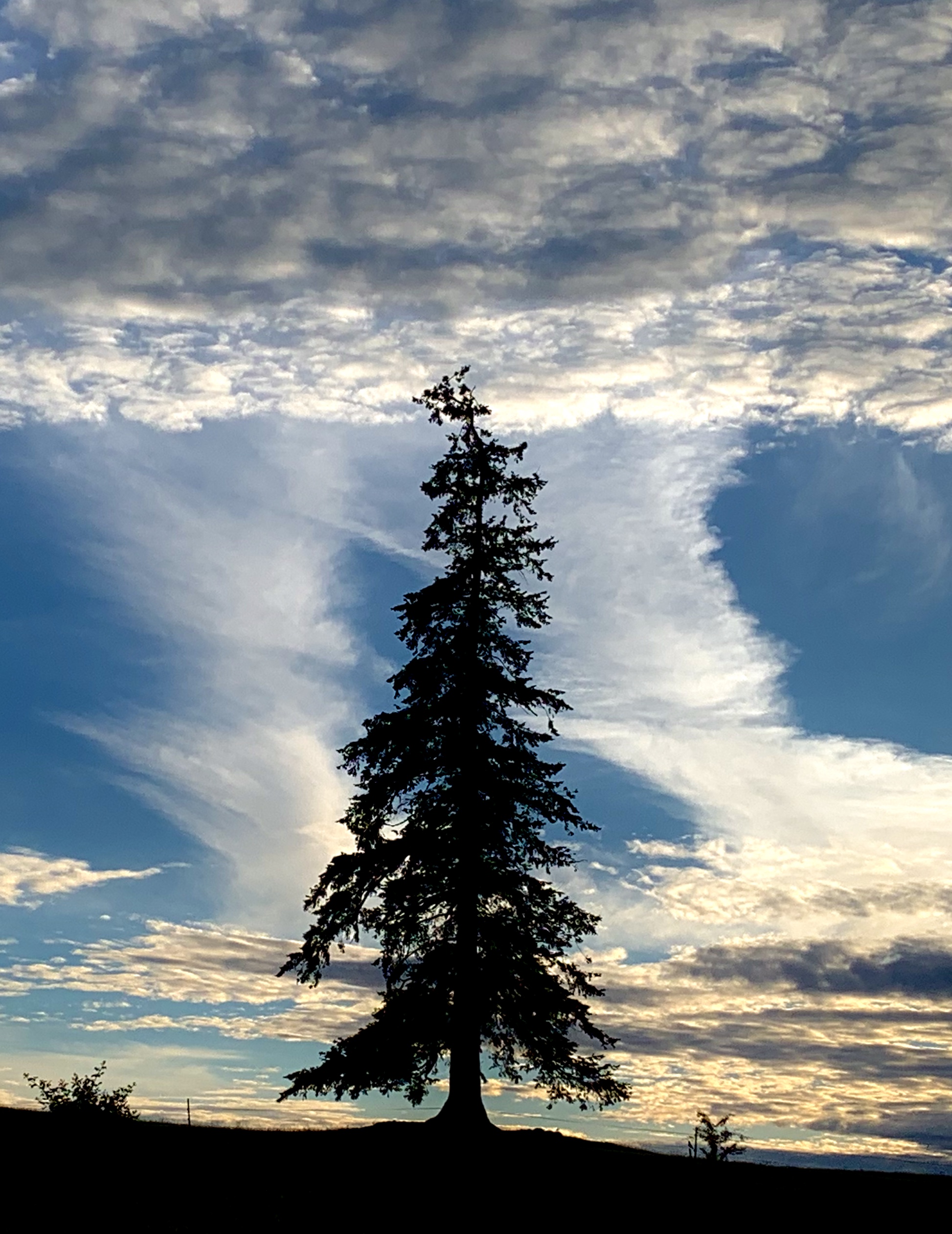
photo by Bob Tjoelker

As a child falling asleep, I prayed to God with moans and groans echoing in my ears.

Growing up on a small farm located about two miles from a bay in Puget Sound, I found myself praying for safety on foggy nights as fog horns moaned in the distance. Scattered throughout the inlet, the horns called out mournful groans of warning to passing freighter ships. The resonant lowing of the horns carried miles over the surrounding landscape due to countless water particles in the fog transmitting sound waves so effectively. The louder the foghorn moan heard on our farm, the thicker and more hazardous the mist in the air. Those horns would make me unspeakably sad for reasons I could only articulate to God. Thus I prayed for the ships, and I prayed for my own shaky navigation through life.

Navigating blind in a fog necessitates taking unpredictable risks. The future can seem a murky mess. I cannot see what lies ahead: I navigate by my wits, by my best guess, but particularly by listening for the low-throated warnings coming from the rocky shores and shallows of those who have gone ahead of me.

I am easily lost in the fog of my fears – disconnected, afloat and circling aimlessly, searching for a touch point of purpose and direction. The isolation I sometimes feel may simply be my own self-absorbed state of mind, sucking me in deep until I’m soaked, dripping and shivering from the smothering gray. If only I trust the fog horn warnings and reassurances from the Word of God, I could charge into the future undaunted.

He is in the pea soup alongside me, awaiting the Sun’s dissipation of the fog. Now I know, nearly seventy years into this voyage, the fog eventually clears. The journey continues on beyond these shores.

Even so, I will keep praying with the resonant voices of wisdom and caution from shore, like the nightly tradition of the BBC radio shipping forecasts that calm so many to sleep to this day. Even a Finisterre (the end of the land) prayer holds us in safety as we find our way home.

Instead of echoing the anxious moans and groans of my childhood prayers, may my voice be heard singing an anthem of hope and promise.

One-Time
Monthly
Yearly

Make a one-time or recurring donation to support daily Barnstorming posts

Make a monthly donation

Make a yearly donation

Choose an amount

$10.00
$25.00
$50.00
$5.00
$15.00
$100.00
$5.00
$15.00
$100.00

Or enter a custom amount

$

Your contribution is deeply appreciated.

Your contribution is appreciated.

Your contribution is appreciated.

DonateDonate monthlyDonate yearly

Brokenness Under Blessing

The great mystery of God’s love is that
we are not asked to live as if we are not hurting,
as if we are not broken.

In fact, we are invited to recognize our brokenness
as a brokenness in which we can come in touch
with the unique way that God loves us.

The great invitation is to live your brokenness under the blessing.

I cannot take people’s brokenness away 
and people cannot take my brokenness away.
 
But how do you live in your brokenness?

Do you live your brokenness under the blessing or under the curse? The great call of Jesus is to put your brokenness under the blessing.
~Henri Nouwen
from a lecture at Scarritt-Bennett Center

…be a glorified human being, with wounds.  God the Kintsugi master who beholds such brokenness in tender care, invites us, and asks of us, to be present in suffering and incalculable losses.  
… worship a Wounded Glorified Human Being, and be that ourselves. 
~Makoto Fujimura from Kinsugi Grace

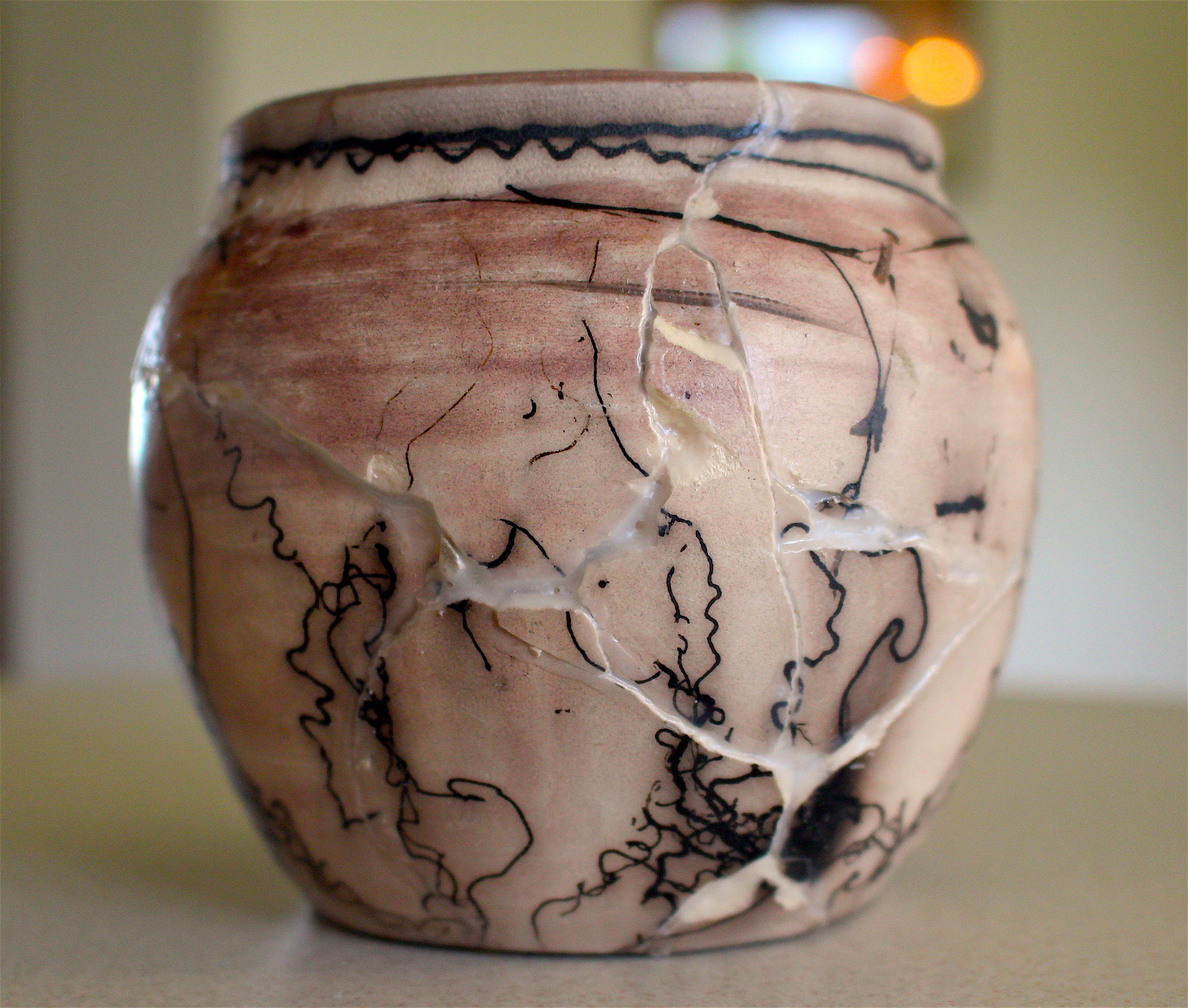
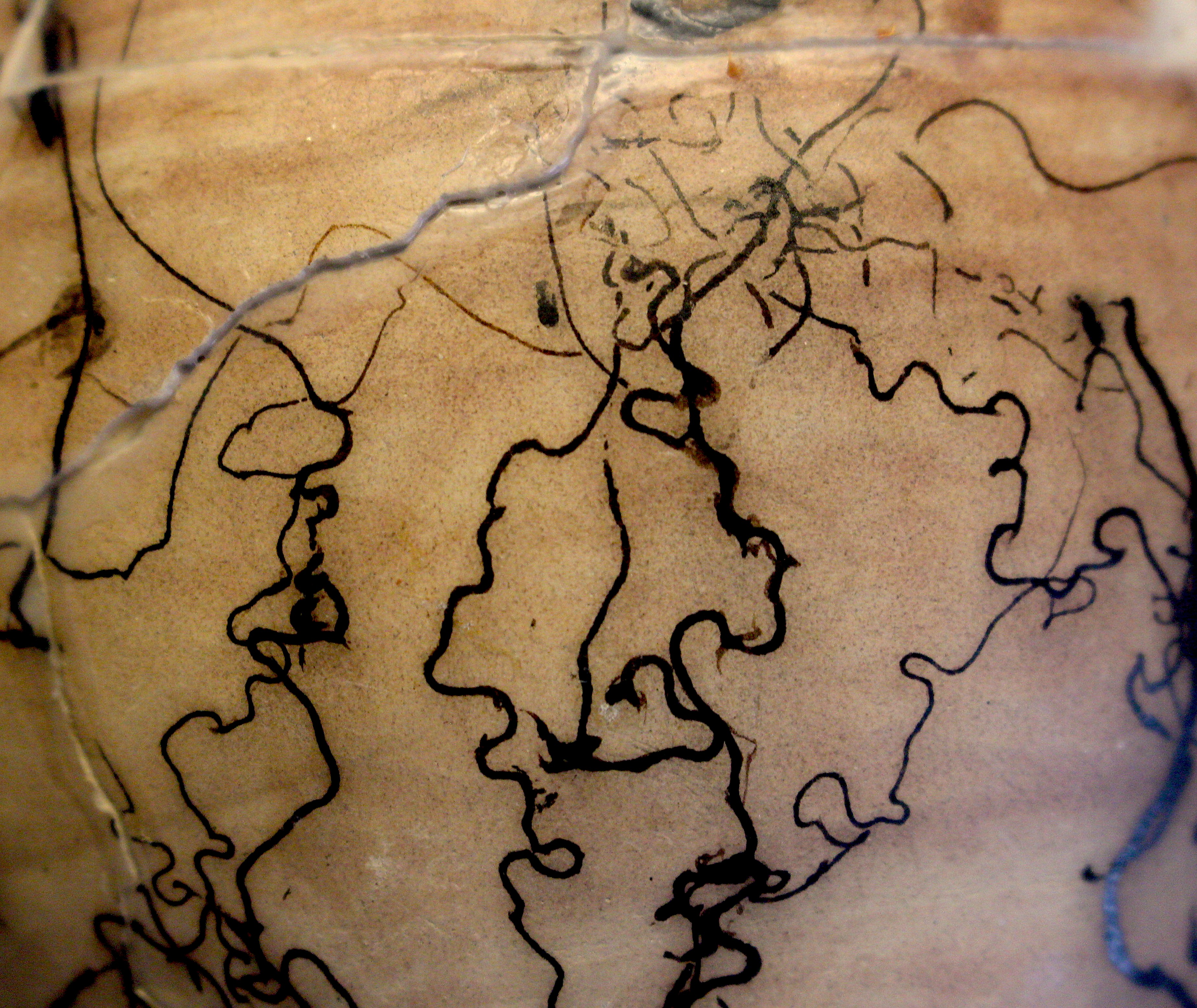
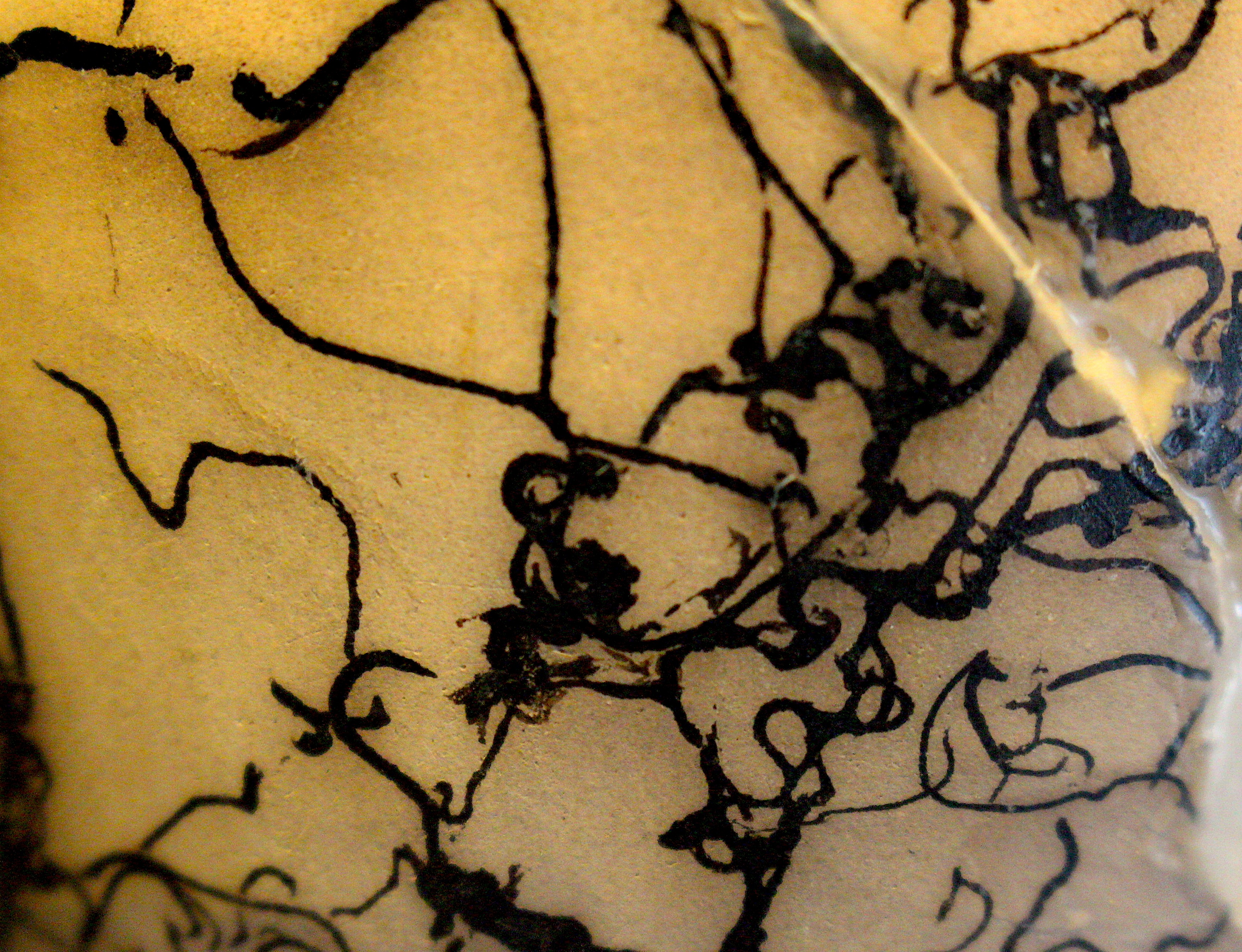
It is a ceramic pot meant specially for our kitchen table — handmade by a potter friend using the abstract artistry of mane hairs from our farm’s Haflinger horses burnt onto the sides. But it hit the floor and broke into many pieces, looking completely beyond repair.
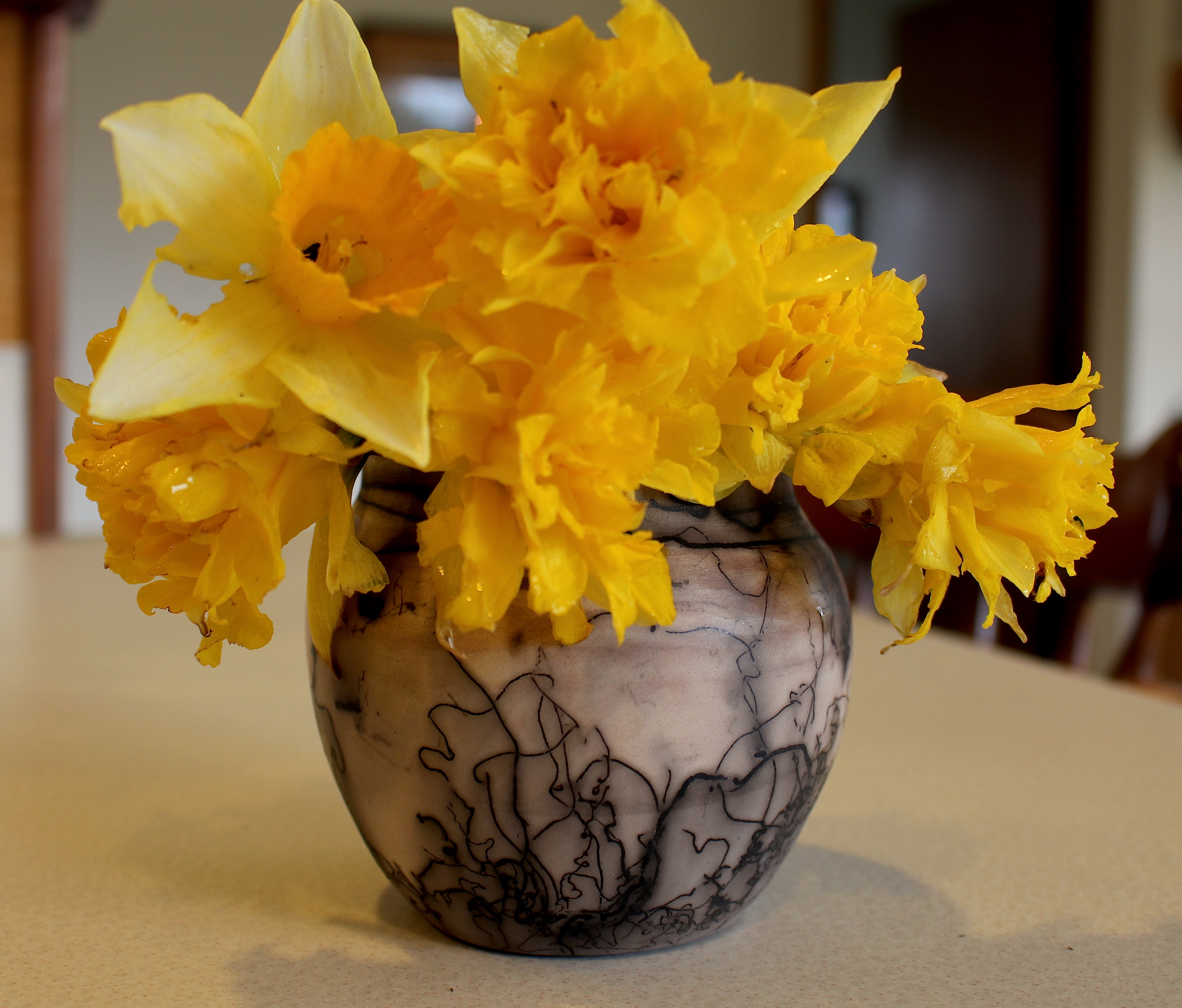
It is back on our table, repaired with love and care by another friend, using nothing more than copious amounts of Elmer’s Glue. This is the glue of every child’s school desk, the glue of every mother’s junk drawer, the glue of every heart that needs mending.

Elmer’s is not the gold of the Japanese art of kintsugiwhere broken vessels are repaired with precious metals, creating an object even more valuable and beautiful than before, with streaks and tracks of gold highlighting their shattered history.

Yet it is now even more precious to me. Someone we love cared deeply enough to make it in the first place, and another we love cared deeply to repair it, making it even more beautiful and blessed in its brokenness, highlighting ragged pieces made whole again.

Someone made us.
Someone repairs us when we fall apart.
Someone blesses our brokenness with a glued-together beauty that makes us whole.

Every day, as the sun goes down,
I pause, broken, remembering how often
I messed up that day, in big and small ways.
Cracked open, my mistakes are illuminated,
weighing down my heart, impossible to forget.
Yet, as I pray for mercy, there follows a peacefulness,
as my errors are blotted out. My slate, one more time, is wiped clean.

Therefore do not lose heart.

For God, who said, “Let light shine out of darkness,” made his light shine in our hearts to give us the light of the knowledge of God’s glory displayed in the face of Christ.

But we have this treasure in jars of clay to show that this all-surpassing power is from God and not from us. We are hard pressed on every side, but not crushed; perplexed, but not in despair; persecuted, but not abandoned; struck down, but not destroyed. 10 We always carry around in our body the death of Jesus, so that the life of Jesus may also be revealed in our body. 11 For we who are alive are always being given over to death for Jesus’ sake, so that his life may also be revealed in our mortal body. 12 So then, death is at work in us, but life is at work in you.

16 Therefore we do not lose heart.
2 Corinthinians: 6-12, 16

One-Time
Monthly
Yearly

Make a one-time or recurring donation to support daily Barnstorming posts

Make a monthly donation

Make a yearly donation

Choose an amount

$10.00
$25.00
$50.00
$5.00
$15.00
$100.00
$5.00
$15.00
$100.00

Or enter a custom amount

$

Your contribution is deeply appreciated.

Your contribution is appreciated.

Your contribution is appreciated.

DonateDonate monthlyDonate yearly


Who is the Great I Am: A Saturday of Stillness

God goes, belonging to every riven thing he’s made
sing his being simply by being
the thing it is:
stone and tree and sky,
man who sees and sings and wonders why

God goes. Belonging, to every riven thing he’s made,
means a storm of peace.
Think of the atoms inside the stone.
Think of the man who sits alone
trying to will himself into a stillness where

God goes belonging. To every riven thing he’s made
there is given one shade
shaped exactly to the thing itself:
under the tree a darker tree;
under the man the only man to see

God goes belonging to every riven thing. He’s made
the things that bring him near,
made the mind that makes him go.
A part of what man knows,
apart from what man knows,

God goes belonging to every riven thing he’s made.
~Christian Wiman “Every Riven Thing”

The Holy Saturday of our life must be the preparation for Easter,
the persistent hope for the final glory of God. 

The virtue of our daily life is the hope which does what is possible
and expects God to do the impossible. 

To express it somewhat paradoxically, but nevertheless seriously: 
the worst has actually already happened; 
we exist,
and even death cannot deprive us of this. 

Now is the Holy Saturday of our ordinary life, 
but there will also be Easter, our true and eternal life. 
~Karl Rahner “Holy Saturday” in The Great Church Year

This is the day in between when nothing makes sense
 we are lost, hopeless, grieving, riven beyond recognition.

We are brought to our senses by this one Death, this premeditated killing, this senseless act that darkened the skies, shook the earth and tore down the curtained barriers to the Living Eternal God.

The worst has already happened, despite how horrific are the constant tragic events filling our headlines.

Today, this Holy Saturday we are in between, stumbling in the darkness but aware of hints of light, of buds, of life, of promised fruit to come.

The best has already happened; it happened even as we remained oblivious to its impossibility.

We move through this Saturday, doing what is possible even when it feels senseless, even as we feel split apart, torn and sundered.

Tomorrow it will all make sense: our hope brings us face to face with our God who is and was and does the impossible.

So Joseph bought some linen cloth, took down the body, wrapped it in the linen, and placed it in a tomb cut out of rock. Then he rolled a stone against the entrance of the tomb. Mary Magdalene and Mary the mother of Joseph saw where he was laid.
Mark 15:46-47

Wait for the Lord; be strong and take heart and wait for the Lord.
Psalm 27:14

This Lenten season I reflect on the words of the 19th century southern spiritual hymn “What Wondrous Love is This”

I see his blood upon the rose
And in the stars the glory of his eyes,
His body gleams amid eternal snows,
His tears fall from the skies.

I see his face in every flower;
The thunder and the singing of the birds
Are but his voice-and carven by his power
Rocks are his written words.

All pathways by his feet are worn,
His strong heart stirs the ever-beating sea,
His crown of thorns is twined with every thorn,
His cross is every tree.

~Joseph Plunkett “I See His Blood Upon the Rose”

One-Time
Monthly
Yearly

Make a one-time or recurring donation to support daily Barnstorming posts

Make a monthly donation

Make a yearly donation

Choose an amount

$10.00
$25.00
$50.00
$5.00
$15.00
$100.00
$5.00
$15.00
$100.00

Or enter a custom amount

$

Your contribution is deeply appreciated.

Your contribution is appreciated.

Your contribution is appreciated.

DonateDonate monthlyDonate yearly

What Wondrous Love: Straw as Sharp as Thorns

“My God, My God,” goes the Psalm 22, “hear me, why have you forsaken me?”  

This is the anguish all we of Godforsaken heart know well. But hear the revelation to which Christ directs us, further in the same psalm:

For He has not despised nor scorned the beggar’s supplication,
Nor has He turned away His face from me;
And when I cried out to Him, He heard me.

He hears us, and he knows, because he has suffered as one Godforsaken. Which means that you and I, even in our darkest hours, are not forsaken. Though we may hear nothing, feel nothing, believe nothing, we are not forsaken, and so we need not despair. And that is everything. That is Good Friday and it is hope, it is life in this darkened age, and it is the life of the world to come.
~Tony Woodlief from “We are Not Forsaken”

The whole of Christ’s life was a continual passion;
others die martyrs, but Christ was born a martyr.
He found a Golgotha, where he was crucified,
even in Bethlehem, where he was born;

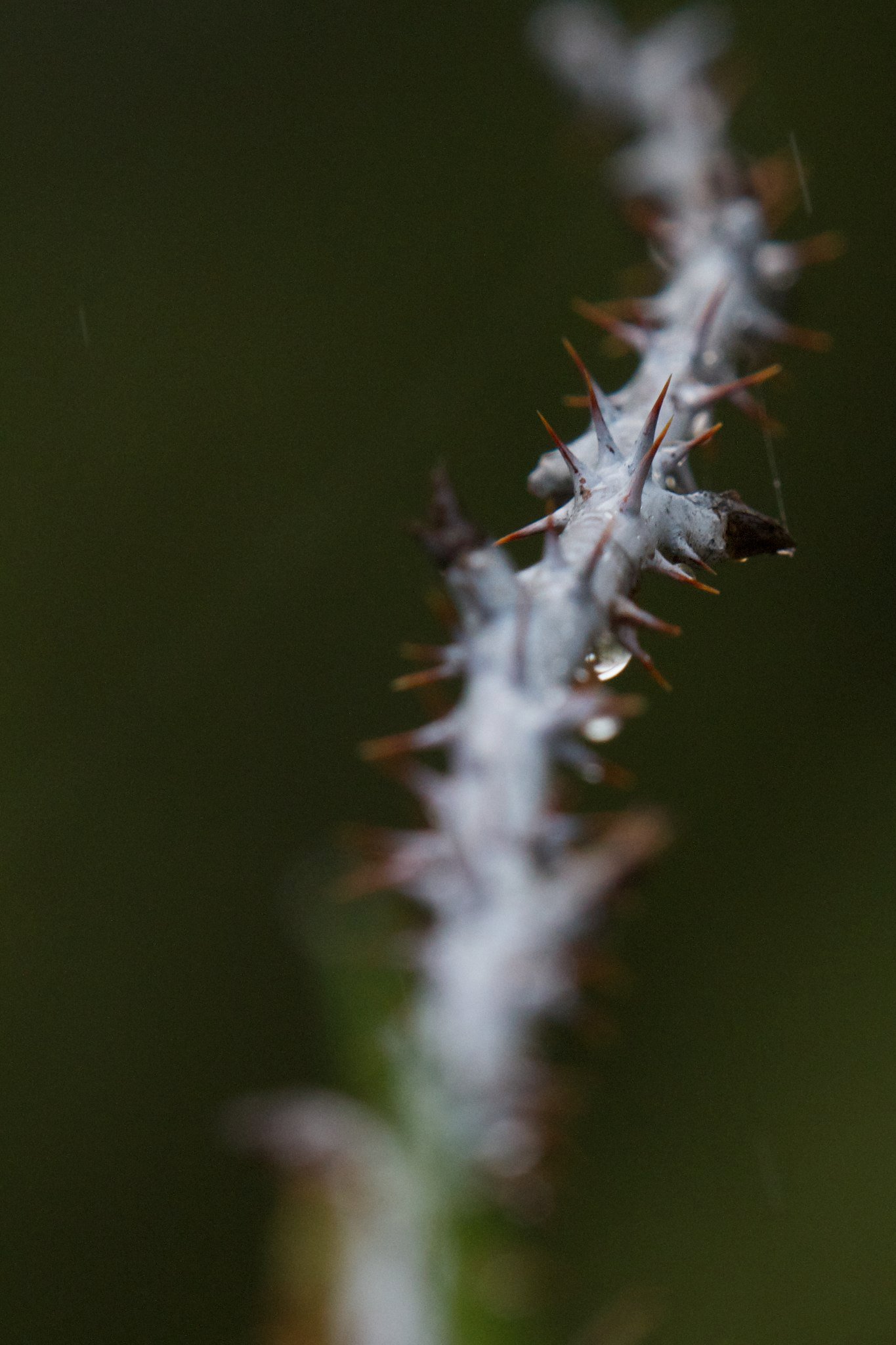
for to his tenderness then the straws
were almost as sharp as the thorns after,
and the manger as uneasy at first as the cross at last.

His birth and his death were but one continual act,
and his Christmas Day and his Good Friday
are but the evening and the morning of one and the same day.

From the creche to the cross is an inseparable line. Christmas only points forward to Good Friday and Easter. It can have no meaning apart from that, where the Son of God displayed his glory by his death.
~John Donne in the opening words of his sermon on Christmas Day 1626

photo by Josh Scholten

How is faith to endure, O God, when you allow all this scraping and tearing on us? You have allowed rivers of blood to flow, mountains of suffering to pile up, sobs to become humanity’s song–all without lifting a finger that we could see. You have allowed bonds of love beyond number to be painfully snapped. If you have not abandoned us, explain yourself.

Instead of explaining our suffering God shares it.

We strain to hear. But instead of hearing an answer we catch sight of God himself scraped and torn. Through our tears we see the tears of God.
~Nicholas Wolterstorff  in Lament for a Son

In a daring and beautiful creative reversal, 
God takes the worse we can do to Him
and turns it into the very best He can do for us.
~Malcolm Guite from The Word in the Wilderness

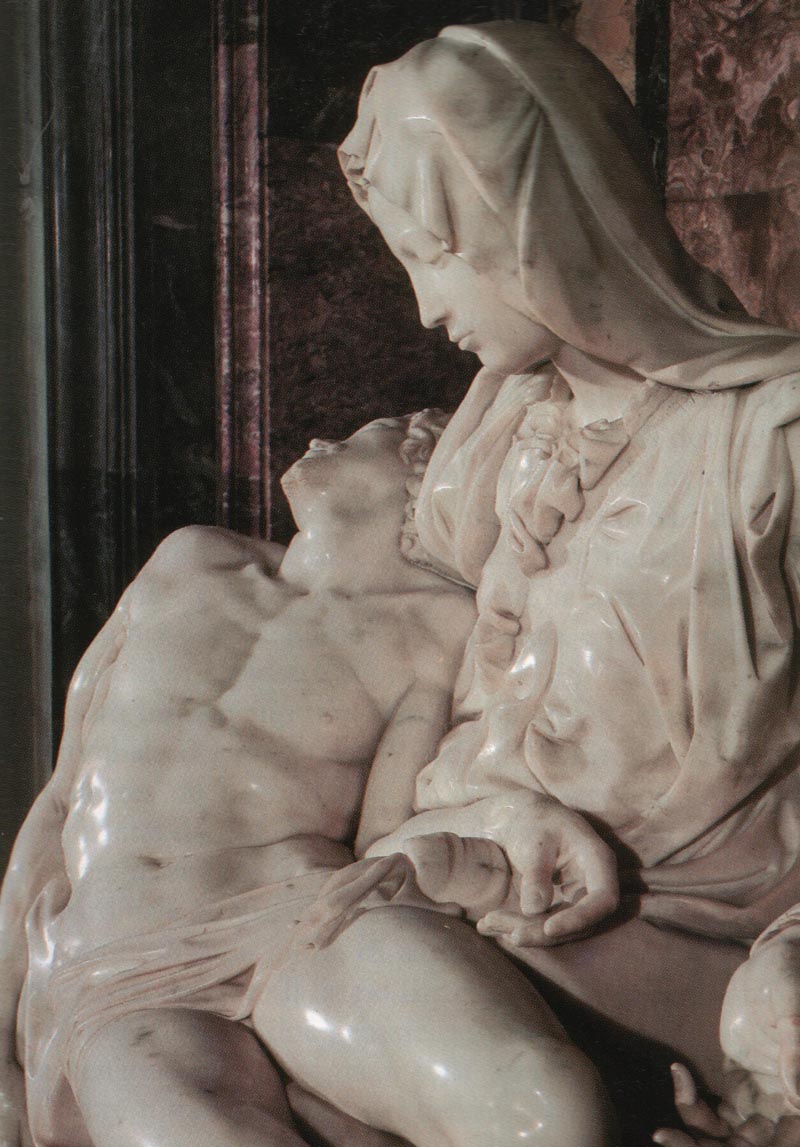
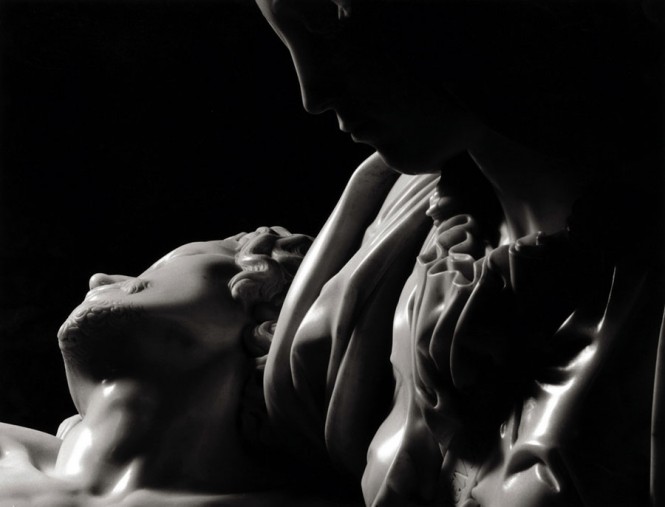
La Pietà of Michelangelo

Emmett Till’s mother
speaking over the radio

She tells in a comforting voice
what it was like to touch her dead boy’s face,

how she’d lingered and traced
the broken jaw, the crushed eyes —

the face that badly beaten, disfigured —
before confirming his identity.

And then she compares his face
to the face of Jesus, dying on the cross.

This mother says, no, she’d not recognize
her Lord, for he was beaten far, far worse

than the son she loved with all her heart.
For, she said, she could still discern her son’s curved earlobe,

but the face of Christ
was beaten to death by the whole world.
~Richard Jones “The Face” from Between Midnight and Dawn

May we remember today – Good Friday – of all days,
the worst that can happen became the best that can happen.

We tussle and haggle over the price of what this cost us, but realizing He paid all for us makes an impossible loss possible.

We are paid in full, no longer debtors. 

From now on, we recognize His face even when He is beaten unrecognizable: the worst became the best because He loves us over all else.

Detail from “Descent from the Cross” by Rogier van der Weyden