And that is just the point… how the world, moist and beautiful, calls to each of us to make a new and serious response.
That’s the big question, the one the world throws at you every morning. “Here you are, alive. Would you like to make a comment?” ~Mary Oliver
The last few days, it has been impossible to stay a silent observer of the world when one awakes, still alive on a morning moist and beautiful, while on the other side of the earth, innocents have been brutally butchered in their beds, whole families murdered, bodies desecrated and dragged into the street.
It demands a response.
I cannot remain speechless in the face of evil. Such violence, fed by generations of hatred, begets more hatred and violence, on and on. It festers, blusters, rips apart, tortures, buries. And so it goes, an ongoing human history of wars and more wars.
And here I am, alive on a brilliant autumn morning, while others immeasurably suffer.
Called to make a new and serious response. Called to comment, as I do every day. Knowing my voice is only one in a vast wilderness of voices, crying out in lament over the dead and dying.
The world is its usual rich self. Disturbed news Came before sleep, then hours before light, finally A return to coffee and the joy of unfinished poems. It is early October, bright leaves falling everywhere.
What could it mean that such sharp leaves fall? Does it imply that the best are called first?
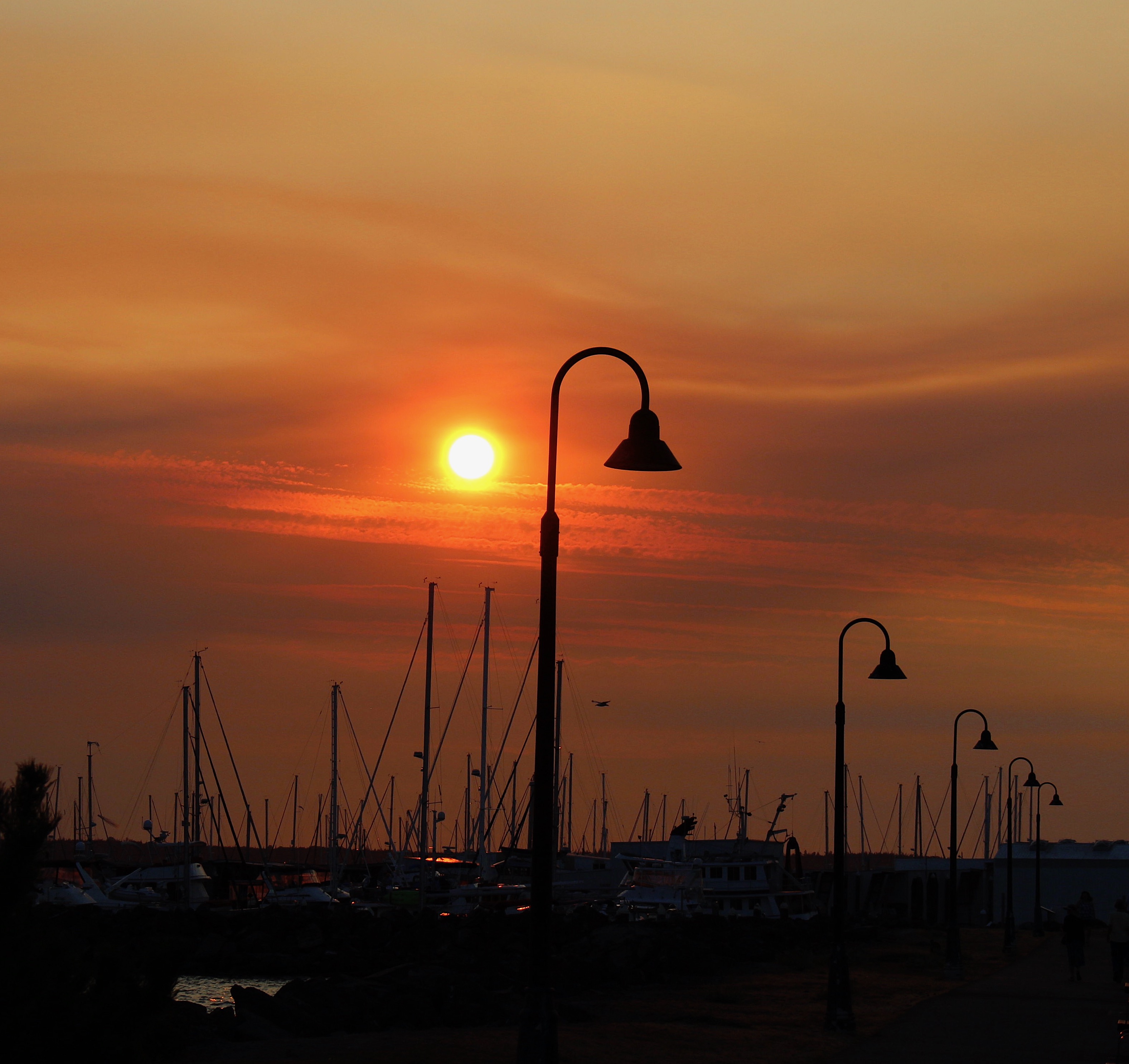
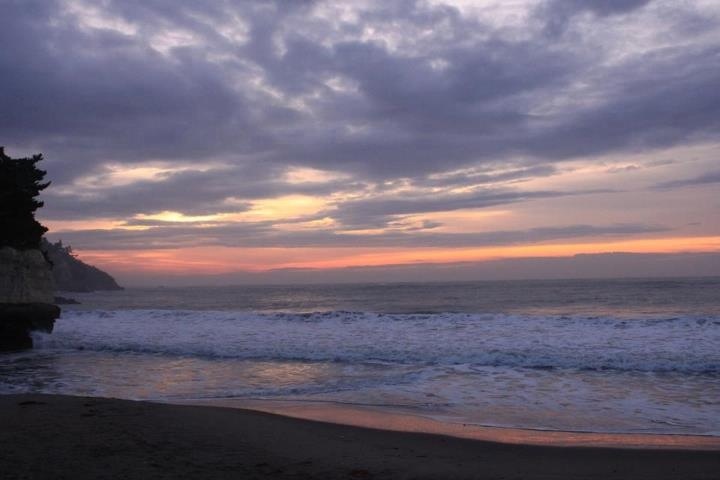
I don’t want to imply that such abundance of meaning Exists in me. A lamppost shines over The ocean. The waves take what they want of the light. The rest they give back, to the hospitals and the poor. ~Robert Bly from Morning Poems
Bellingham Bay-photo by Nate Gibson
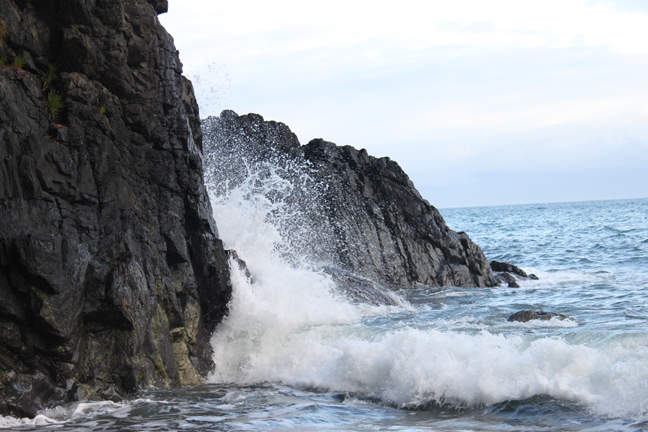
The shattered water made a misty din. Great waves looked over others coming in, And thought of doing something to the shore That water never did to land before. The clouds were low and hairy in the skies, Like locks blown forward in the gleam of eyes. You could not tell, and yet it looked as if The shore was lucky in being backed by cliff, The cliff in being backed by continent; It looked as if a night of dark intent Was coming, and not only a night, an age. Someone had better be prepared for rage. There would be more than ocean-water broken Before God’s last Put out the light was spoken. ~Robert Frost “Once By the Pacific”
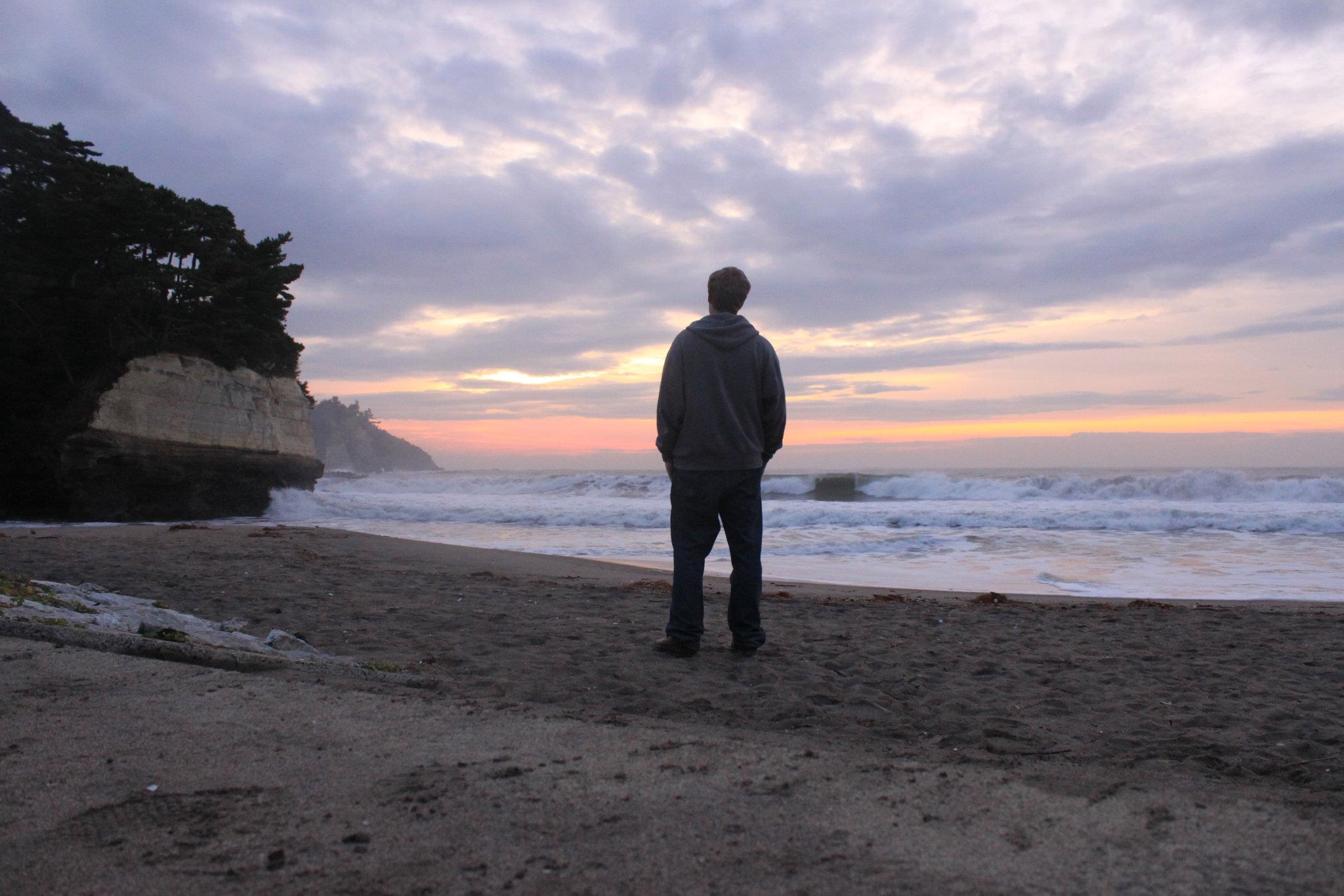
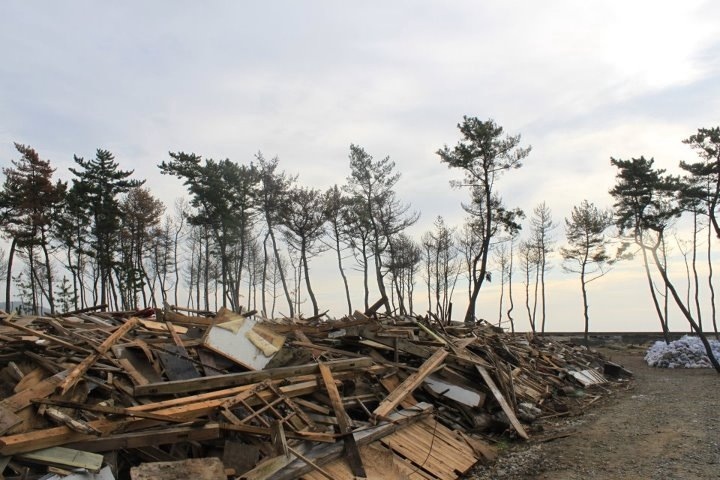
photo by Nate Gibson at Sendai, Japan
We were staying with our friends Brian and Bette at their cabin on a bluff just above the beach at Sendai, Japan, just a few dozen feet above the devastation that wiped out an entire fishing village below during the 3/11/11 earthquake and tsunami. We walked that stretch, learning of the stories of the people who had lived there, some of whom did not survive the waves that swept their houses and cars away before they could escape. We walked past the footprints of foundations of hundreds of demolished homes, humbled by the rubble mountains yet to be hauled away to be burned or buried and scanned acres of wrecked vehicles now piled one on another, waiting to become scrap metal. It was visual evidence of life suddenly and dramatically disrupted.
This was a place of recreation and respite for some who visited regularly, commerce and livelihood for others who stayed year round. Yet it looked like a foreign ghostly landscape. Even many trees perished, lost, broken off, fish nets still stuck high on their scarred trunks. There were small memorials to lost family members within some home foundations, with stuffed animals and flowers wilting from the recent anniversary observance.
It was a powerful place of memories for those who live there and know what it once was, how it once looked and felt, and painfully, what it became in a matter of minutes on 3/11/11. The waves swept in inexplicable suffering, then carried their former lives away. Happiness gave ground to such terrible pain that could never have hurt as much without the joy that preceded it.
We want to ask God why He doesn’t do something about the suffering that happens anywhere a disaster occurs – but if we do, He will ask us the same question right back. We need to be ready with our answer and our action. He knows suffering. Far more than we do. He took it all on Himself as His Light on earth was snuffed out, despite His love and joy in His creation.
As Sendai’s citizens slowly recover, the inner and outer landscape is forever altered. What remains the same is the tempo of the waves, the tides, and the rhythm of the light and the night, happening just as originally created.
The Light returned.
In that realization, pain gives way. It cannot stand up to His love and His joy in dispelling the dark.
the rubble still piled on the beach at Tohoku, Japan, a year after the 3/11/11 tsunamiphoto by Nate GibsonSendai
One-Time
Monthly
Yearly
Make a one-time or recurring donation to support daily Barnstorming posts
I. Cats pad from one sun-warmed stone to another. Bees lament the sweet ripe fruit
denied by spring’s late hard frost. Birds stow mating calls for another season.
Clouds scribble pithy prose, criss-cross pages surrendered by autumn’s azure.
Flower beds brown as they thin and cricket song stitches a coverlet against evening chill.
II. In my first autumn at home since I was three I rustle leaves at my feet like a past I can rake and pile. Energized by autumn’s aura I glean clarity of what lies fallow and what I’ve put up for my winter. ~Nancy Jentsch “October Afternoon”
Out through the fields and the woods And over the walls I have wended; I have climbed the hills of view And looked at the world, and descended; I have come by the highway home, And lo, it is ended.
The leaves are all dead on the ground, Save those that the oak is keeping To ravel them one by one And let them go scraping and creeping Out over the crusted snow, When others are sleeping.
And the dead leaves lie huddled and still, No longer blown hither and thither; The last lone aster is gone; The flowers of the witch hazel wither; The heart is still aching to seek, But the feet question ‘Whither?’
Ah, when to the heart of man Was it ever less than a treason To go with the drift of things, To yield with a grace to reason, And bow and accept the end Of a love or a season? ~Robert Frost “Reluctance”
As I kick through piles of fallen leaves in the barnyard, I realize how close I am to becoming one of them. Within my own changing seasons, I have flourished and bloomed and fruited, but am now reminded of my fading, withering and eventual letting go.
I find I’m not nearly so bold anymore, instead trembling nervously when harsh winds blow me about, hoping the roots I’ve always depended upon will continue to nourish and sustain me.
This time of year, everything feels transitory — especially me.
When these thoughts overwhelm, I tend to hang on tighter rather than simply giving up and letting go. My feet stumble when I try to do the same tasks I did so smoothly years ago. I’m stubbornly wanting things to stay the same, reluctant for a transition to something different.
My only solace is that the heart of man — indeed my own hole-y heart — is transient compared to the holy Heart of the Creator. I am sustained by His steady Pulse, His ubiquitous Circulation, His impeccable Rhythm of Life and Death.
In that I trust. In that I come to abandon my stubborn reluctance.
One-Time
Monthly
Yearly
Make a one-time or recurring donation to support daily Barnstorming posts
Thumb stuck out as I go I’m just travelin’ up the road Maps don’t do much for me, friend I follow the weather and the wind
I’m hitch hikin’ all day long Got what I can carry and my song I’m a rolling stone just rolling on Catch me now ’cause tomorrow I’ll be gone ~Bruce Springsteen from “Hitch Hikin'”
His reputation was well known and all the medical students had heard the stories about Dr. Rosse. As the Anatomy Professor, his class would become the primary focus of student energy in the first year of medical school, with other classes seeming like so much background noise.
Dr. Rosse believed in active student participation in class, in the cadaver lab, on oral tests. He told us from the first day on: ” You will learn to THINK in this class like you’ve never thought before! Your patient’s lives depend on this. You will be prepared for my class each and every day, just as you must be prepared for whatever your patients will need from you.”
He was correct.
There were 110 of us in the lecture hall that first day, looking nervously at each other and at the empty podium down in front. We had been assigned three chapters in the anatomy textbook before Dr. Rosse’s first lecture and were expected to know the names of the bones and major blood vessels.
Dr. Rosse’s assignment for himself was to memorize our names and faces from a photo directory provided to him two days previously.
He began his lecture in the barely darkened room, running quickly through a carousel of slides of graphic photos and drawings of body parts. Within five minutes, he stopped and in his thick European accent, pointed at a student in the second row said: “Mr. Davis, can you tell me the name of this blood vessel on this slide?”
The student sat up startled, and sat silent, gathering his wits. Dr. Rosse looked pointedly at his wrist watch and started saying, “Drip. Drip. Drip.” The student started to sweat.
“Drip, drip, drip, your patient is losing blood, Mr. Davis.”
The student, in a moment of enlightenment asked,” the inferior vena cava?” and Dr. Rosse said, “Very good, Mr. Davis!” and made a notation on the tablet on the podium in front of him.
The rest of our hearts immediately were in our throats, something that Dr. Rosse would later tell us was an anatomic impossibility, no matter how much it felt like it. There would be no dozing off, daydreaming or not preparing for this class.
My turn came the following week as he called out my name, his steely eyes fixed on only me. I got off fairly easy with a question from Dr. Rosse about the attachments for the extensor pollicis longus. I had memorized all the arm muscles the night before so was prepared.
“Yes, very good, Miss Polis. Now tell me, if I were to fall off this podium right now, land on my outstretched arm and rupture my extensor pollicis longus, what would I not be able to do with my arm?”
I had no idea. I looked at him somewhat aghast. I thought I had done the necessary preparation to be ready for his questioning. My memorizing names and locations of muscles and tendons had only taken me so far. I had not really thought about the functionality of what I was learning and how it might be relevant to my future patients.
“Think now Miss Polis! This is not so very hard that you can’t THINK it out!” Dr. Rosse demanded from the podium.
So I guessed. “Uh, you can’t grip?”
“Exactly wrong! Take a hike back to your study carrel, Miss Polis. You have not prepared yourself well enough. Go back to your book, and with each muscle you memorize, you must feel it on yourself or your study partner and think about how it works. Your patient will thank you for that someday.”
I was mortified that day, but survived that anatomy class, survived six oral exams over the cadaver with Dr. Rosse, and although I didn’t get an A in his class, I was very relieved to get a B+. As a student, I had never been asked before to actually apply what I was learning to make it relevant to my future work. Dr. Rosse was right. I had learned to not just memorize, but to think.
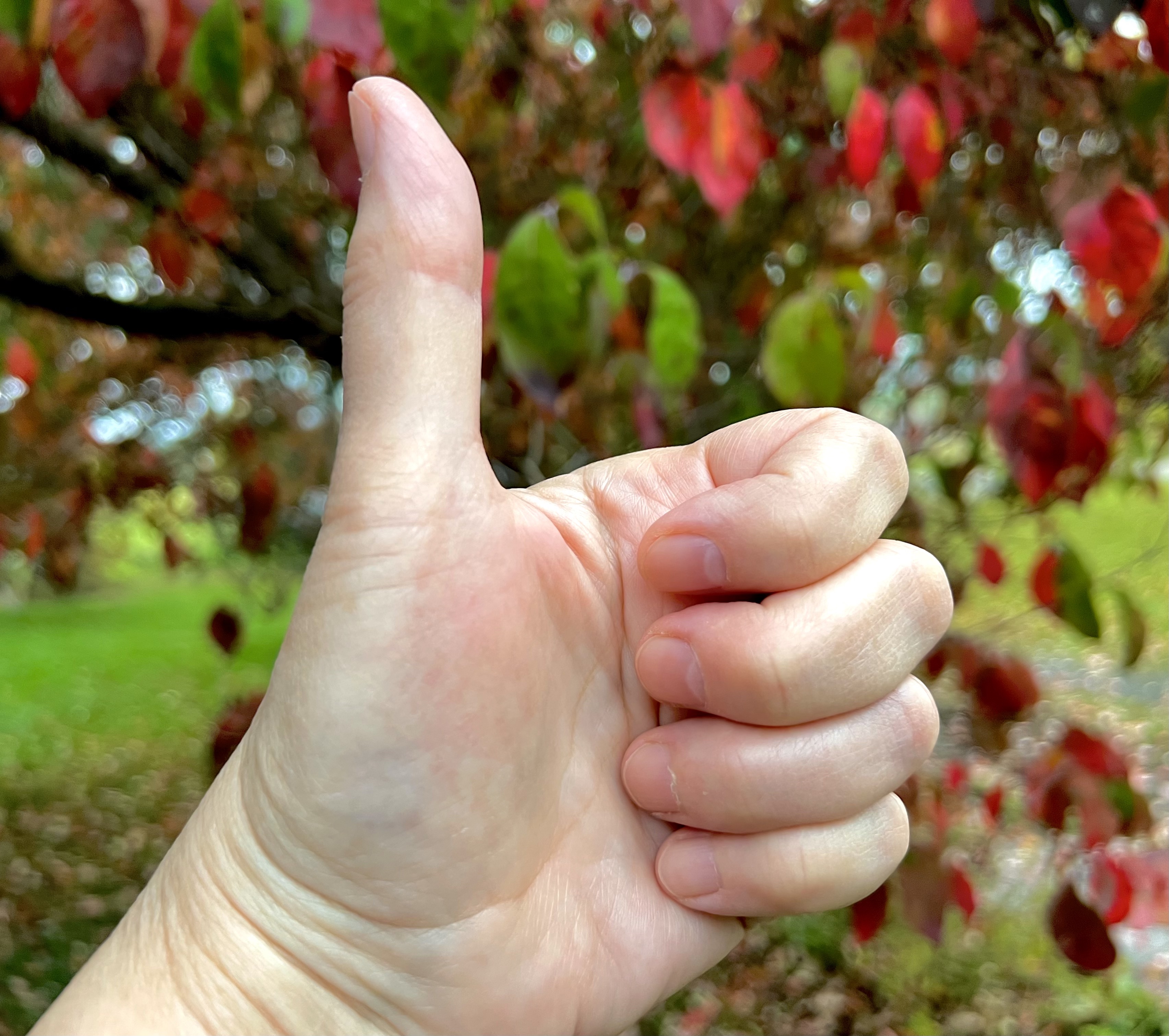
And when I saw my first extensor pollicis longus rupture seven years later in my practice, I was absolutely confident of the diagnosis because my patient could not lift up his thumb when asked to act like he was hitchhiking. And my patient did thank me. Dr. Rosse was right again.
One-Time
Monthly
Yearly
Make a one-time or recurring donation to support daily Barnstorming posts
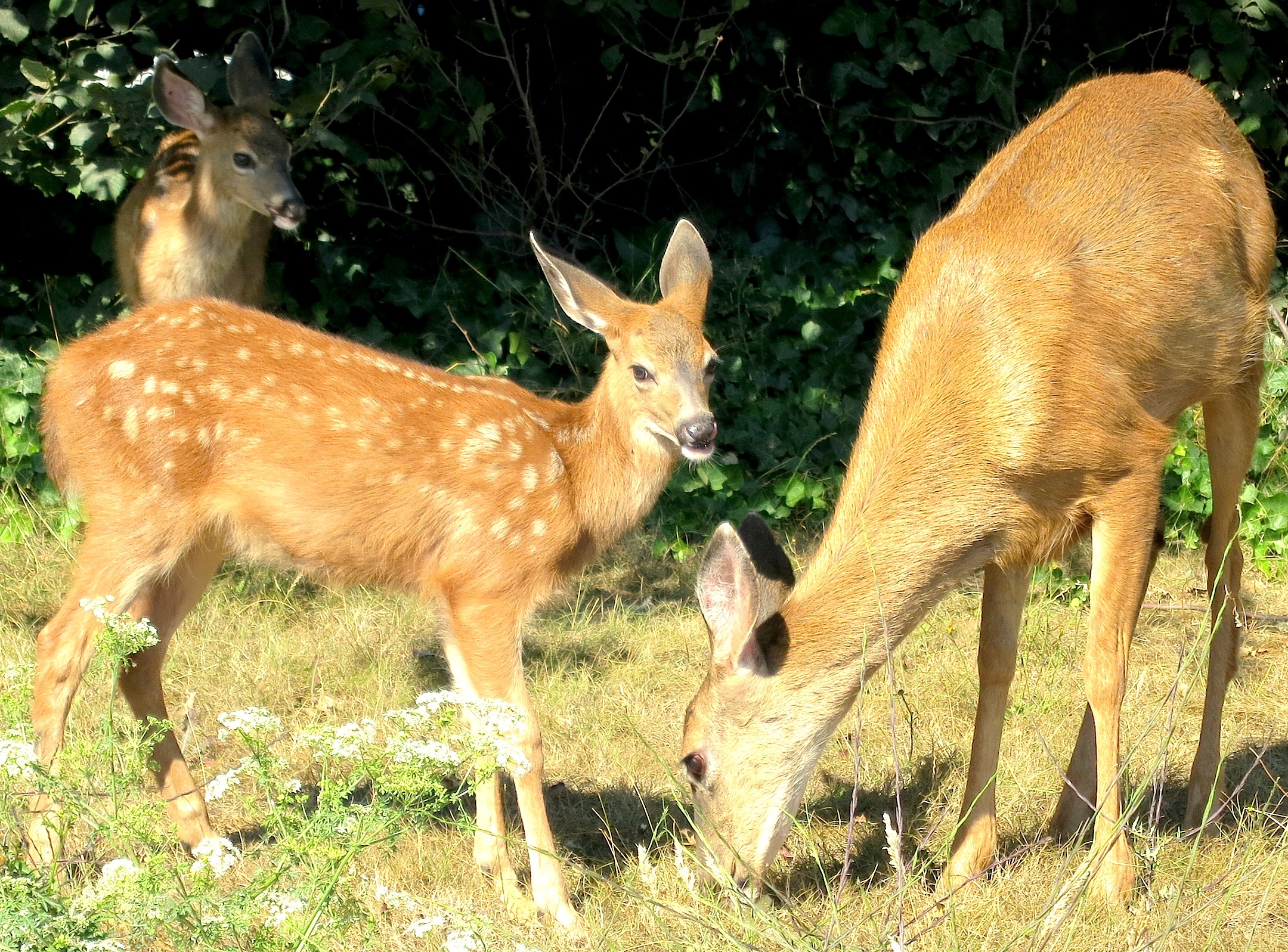
He loved to ask his mother questions. It was the pleasantest thing for him to ask a question and then to hear what answer his mother would give. Bambi was never surprised that question after question should come into his mind continually and without effort.
Sometimes he felt very sure that his mother was not giving him a complete answer, was intentionally not telling him all she knew. For then there would remain in him such a lively curiosity, such suspicion, mysteriously and joyously flashing through him, such anticipation, that he would become anxious and happy at the same time, and grow silent. ~Felix Salten from Bambi
A Wounded Deer—leaps highest— I’ve heard the Hunter tell— ‘Tis but the Ecstasy of death— And then the Brake is still! ~Emily Dickinson “165″
As the house of a person in age sometimes grows cluttered with what is too loved or too heavy to part with, the heart may grow cluttered. And still the house will be emptied, and still the heart.
Empty and filled, like the curling half-light of morning, in which everything is still possible and so why not.
Filled and empty, like the curling half-light of evening, in which everything now is finished and so why not.
Beloved, what can be, what was, will be taken from us. I have disappointed. I am sorry. I knew no better.
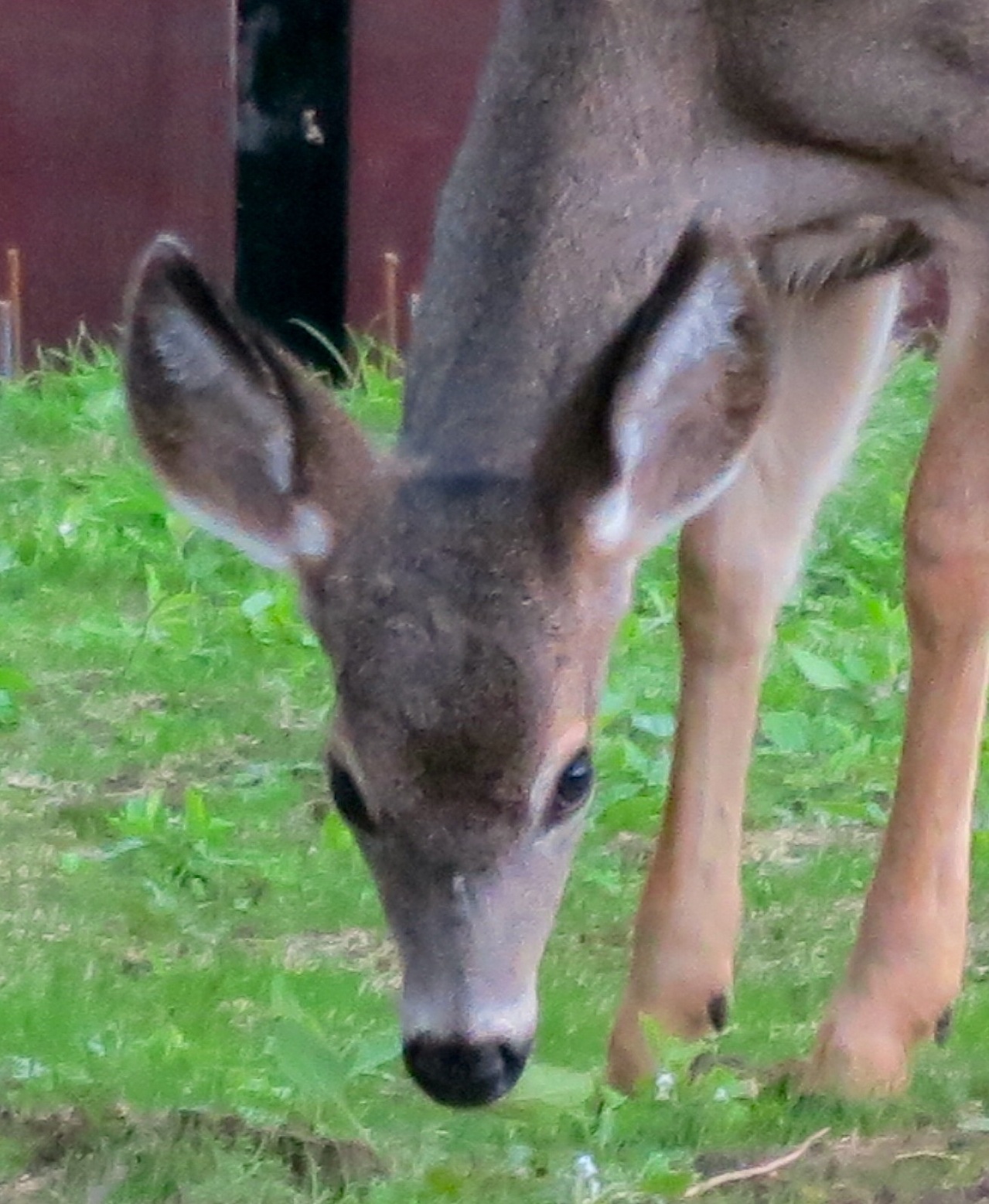
A root seeks water. Tenderness only breaks open the earth. This morning, out the window, the deer stood like a blessing, then vanished. ~Jane Hirschfield from “The Standing Deer”
My first time ever seated next to my mother in a movie theater, just a skinny four year old girl practically folded in half by a large padded chair whose seat won’t stay down, bursting with anticipation to see Disney’s Bambi.
Enthralled with so much color, motion, music, songs and fun characters, I am wholly lost in this new world of animated reality when suddenly Bambi’s mother looks up, alarmed, from eating a new clump of spring grass growing in the snow.
My heart leaps with worry. She tells him to run quickly for the thicket – find the safest place where she has always kept him warm next to her.
She follows behind, urges him to run faster, not to look back, don’t ever look back.
Then the gun shot hits my belly too.
My stomach twists as he cries out for his mother, pleading for her. I know in my heart she is lost forever, sacrificed to save him.
I sob as my mother reaches out to me, telling me not to look. I bury my face inside her hug, knowing Bambi is cold and alone with no mother any more.
My mama took me home before the end. I could not bear to watch the rest of the movie for years.
Those cries still echo in my ears any time someone hunts and shoots to kill the innocent.
Now, my own three children are grown, they have babies of their own, my mom is gone from this earth. I can even keep the seat from folding me in half in a movie theater.
I am nearing my eighth decade, and there are still places in this world where mothers and fathers sons and daughters grandmothers and grandfathers sisters and brothers and babies are hunted down despite the supposed safety of the thicket~ the sanctuary, the school, the grocery store, the home, places where we believe we are shielded from violence.
There can be no innocence when any of us may be hunted.
One-Time
Monthly
Yearly
Make a one-time or recurring donation to support daily Barnstorming posts
We are the hollow men We are the stuffed men Leaning together Headpiece filled with straw. ~T.S. Eliot from “The Hollow Men”
Here is the scarecrow, see him stand Upon the newly planted land; A figure rugged and forlorn, A silent watcher of the corn.
His dangling legs, his arms spread wide, A lone man of the countryside; Uncouth, the butt of pen and tongue, Unheralded, unsought, unsung.
To you, old scarecrow, then this lay To cheer you on your lonely way; Would that all men, their whole lives through, Served some good purpose same as you. ~Annie Stone “The Scarecrow” (written on her 103rd birthday)
Once I said to a scarecrow, “You must be tired of standing in this lonely field.”
And he said, “The joy of scaring is a deep and lasting one, and I never tire of it.”
Said I, after a minute of thought, “It is true; for I too have known that joy.”
Said he, “Only those who are stuffed with straw can know it.”
Then I left him, not knowing whether he had complimented or belittled me.
A year passed, during which the scarecrow turned philosopher.
And when I passed by him again I saw two crows building a nest under his hat. ~Kahlil Gibran “The Scarecrow”
“I’ve seen myself, Mother Rigby! I’ve seen myself for the wretched, ragged, empty thing I am. I’ll exist no longer.”
Snatching the pipe from his mouth, he flung it with all his might against the chimney, and at the same instant sank upon the floor, a medley of straw and tattered garments, with some sticks protruding from the heap and a shriveled pumpkin in the midst. The eyeholes were now lustreless but the rudely carved gap that just before had been a mouth still seemed to twist itself into a despairing grin, and was so far human.
“Poor fellow!” quoth Mother Rigby, with a rueful glance at the relics of her ill-fated contrivance. “My poor, dear, pretty Feathertop! There are thousands upon thousands of coxcombs and charlatans in the world made up of just such a jumble of worn-out, forgotten and good-for-nothing trash as he was, yet they live in fair repute, and never see themselves for what they are. And why should my poor puppet be the only one to know himself and perish for it?”
“I could easily give him another chance, and send him forth again tomorrow. But no! His feelings are too tender–his sensibilities too deep. He seems to have too much heart to bustle for his own advantage in such an empty and heartless world. Well, well! I’ll make a scarecrow of him, after all. ‘Tis an innocent and useful vocation, and will suit my darling well; and if each of his human brethren had as fit a one, ‘twould be the better for mankind.” ~Nathaniel Hawthorne from “Feathertop”(the story of a scarecrow brought to life)
We don’t see many real working scarecrows around anymore. Corn and grain fields are so vast and abundant, the loss of a few kernels to raccoons or crows is not devastating to the farmer, so why frighten them away?
Instead, scarecrows have become the stuff of cheerful autumn decorations, standing alongside cornstalks and hay bales on porches, scaring no one. Or they are portrayed as horribly sinister and menacing in Halloween movies and haunted houses – a poor scarecrow’s original purpose twisted to frighten away far more than hungry critters.
Perhaps scarier, as our election season progresses, we’re seeing “hollow” politicians portraying themselves as something far more than they really are. We watch them “lean together, headpiece filled with straw.” It doesn’t take long to be exposed as“wretched, ragged, and empty.”
The worthy politician with good goals and purpose “seems to have too much heart to bustle for his own advantage in such an empty and heartless world.” Sometimes they decide to simply retire into obscurity and the garden.
…or they should…
The honest and genuine scarecrow returns to his post in the cornfield – such an innocent and useful vocation. If only we each had as fit a job, it would be all the better for mankind.
(A personal note: back in 1972, I combined Eliot’s “Hollow Men” and Hawthorne’s “Feathertop” in a scarecrow-themed interpretive reading that garnered Washington State’s top high school prize, sending me to nationals at Wake Forest in North Carolina. There I, a true country bumpkin, was soundly and deservedly trounced by far more talented high schoolers from all over the country.
At least I was able to say “I went to nationals…,” a very “hollow men” thing to claim.)
One-Time
Monthly
Yearly
Make a one-time or recurring donation to support daily Barnstorming posts
The soul’s sap quivers. There is no earth smell Or smell of living thing. This is the spring time But not in time’s covenant. Now the hedgerow Is blanched for an hour with transitory blossom Of snow, a bloom more sudden Than that of summer, neither budding nor fading, Not in the scheme of generation. Where is the summer, the unimaginable Zero summer?
We shall not cease from exploration And the end of all our exploring Will be to arrive where we started And know the place for the first time. Through the unknown, unremembered gate When the last of earth left to discover Is that which was the beginning;
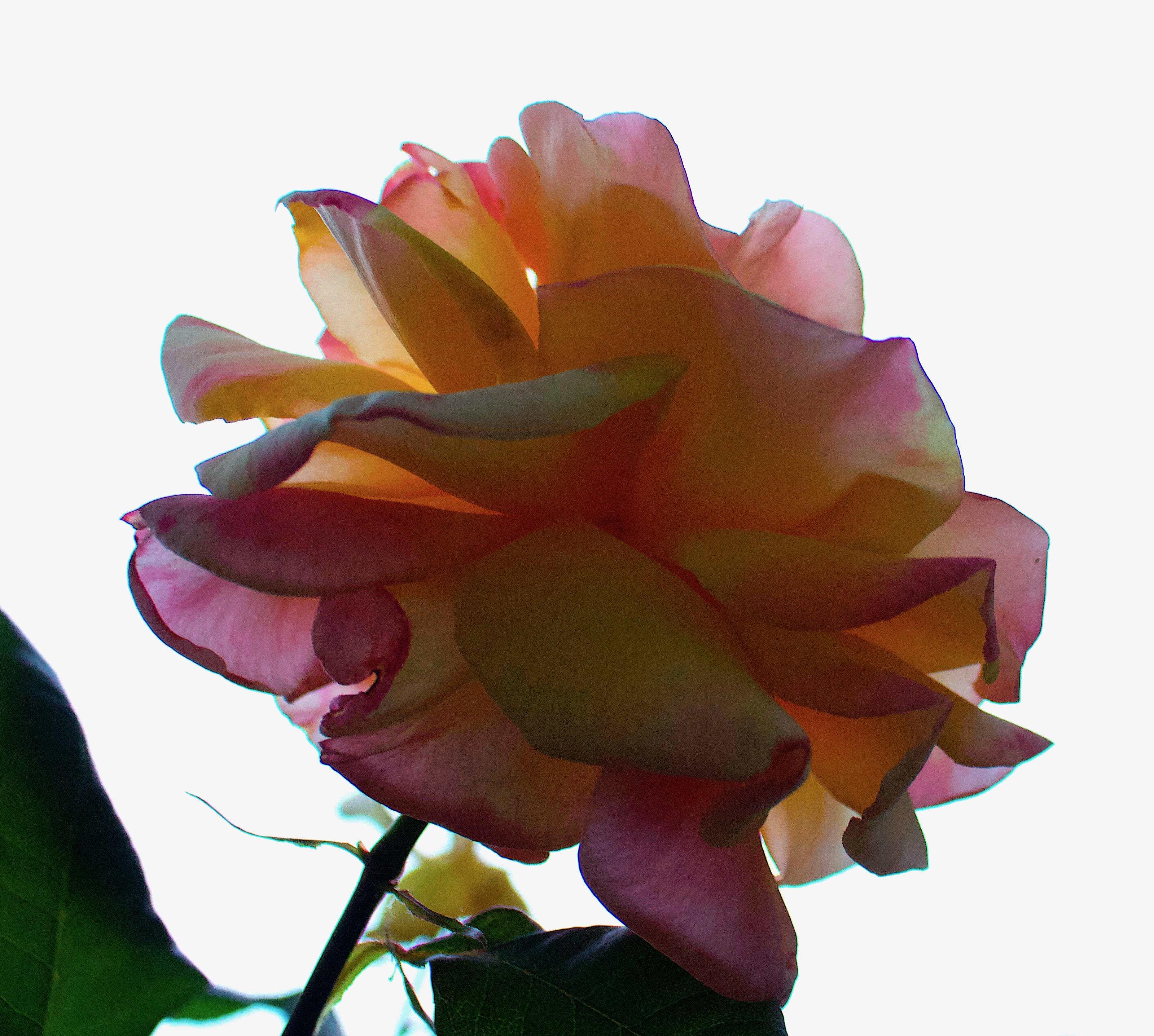
And all shall be well and All manner of thing shall be well When the tongues of flames are in-folded Into the crowned knot of fire And the fire and the rose are one. ~T.S. Eliot – from “Little Gidding”from the Four Quartets
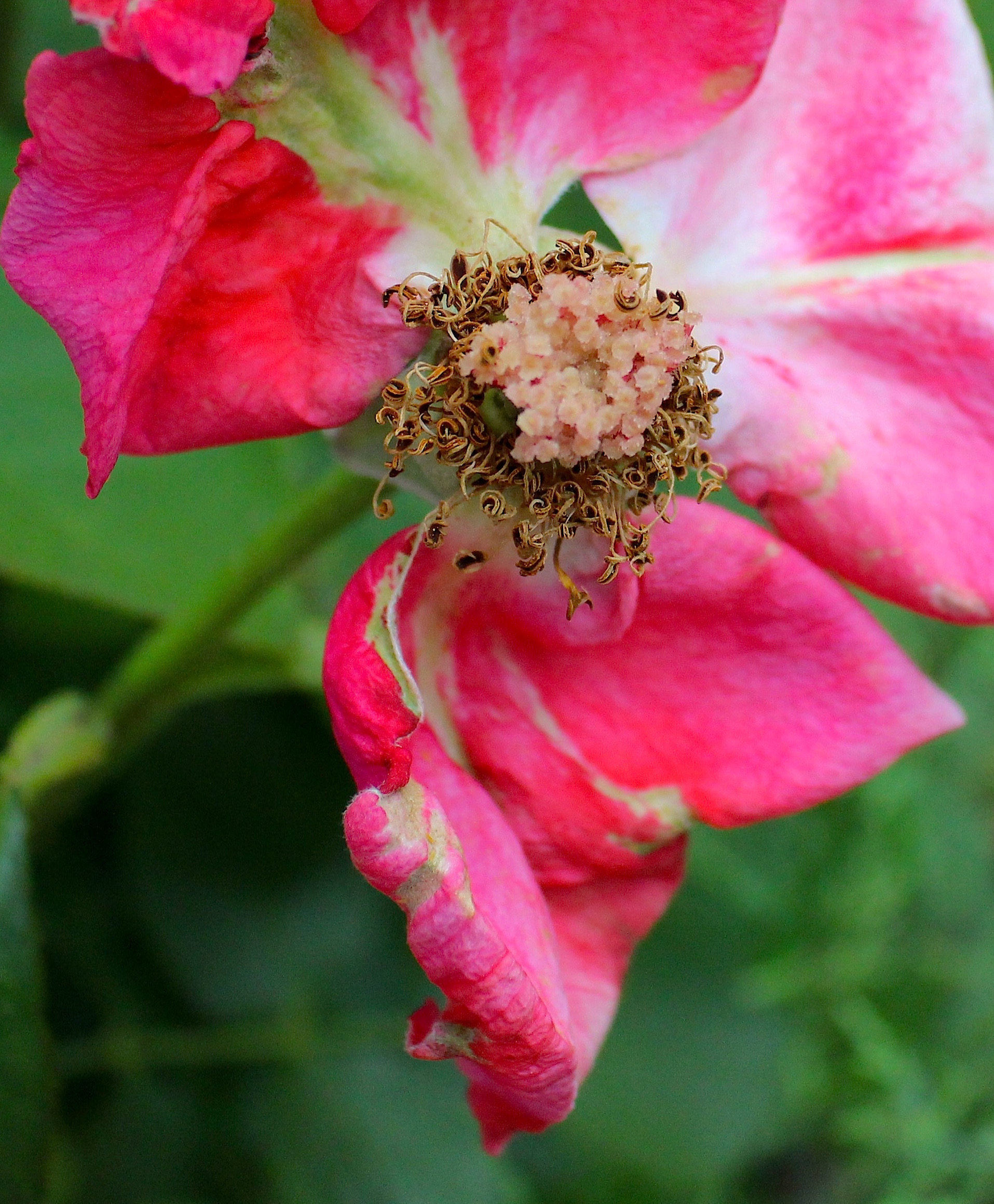
To think that this meaningless thing was ever a rose, Scentless, colourless, this! Will it ever be thus (who knows?) Thus with our bliss, If we wait till the close?
Though we care not to wait for the end, there comes the end Sooner, later, at last, Which nothing can mar, nothing mend:
An end locked fast, Bent we cannot re-bend. ~Christina Rossetti “Summer is Ended”
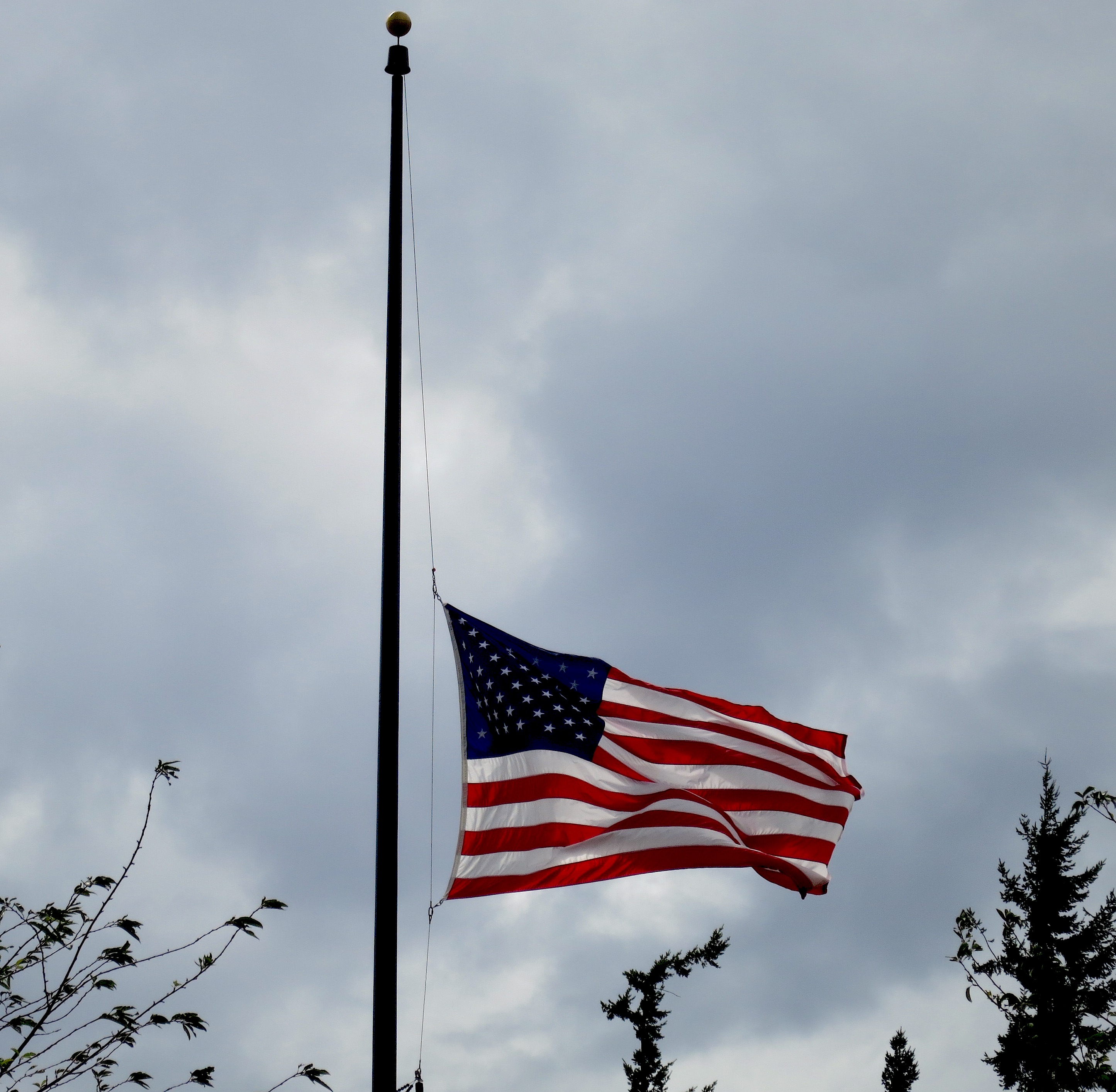
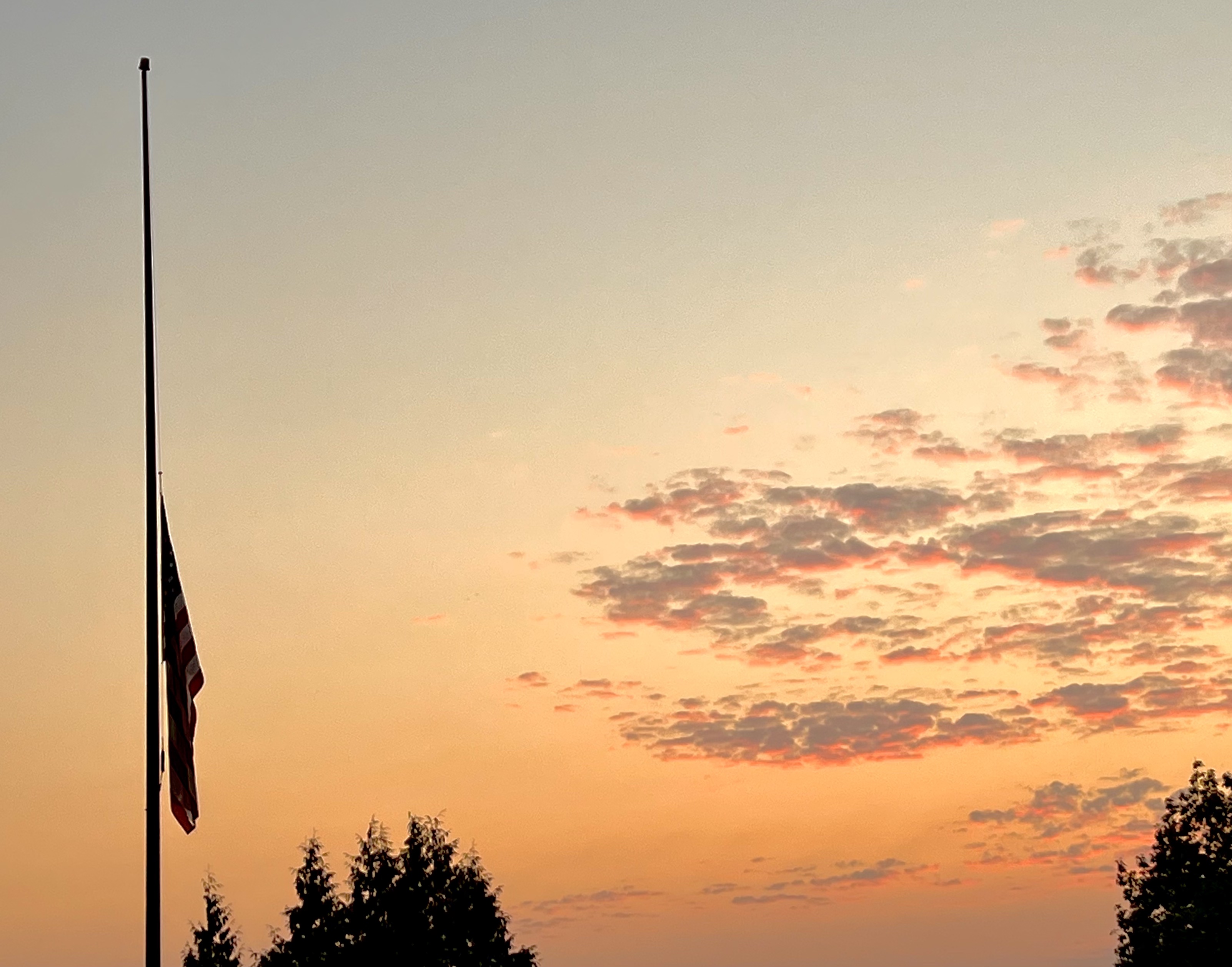
As a 3rd grader in November 1963, I learned the import of the U.S. flag being lowered to half mast in response to the shocking and violent death of our President. The lowering of the flag was so rare when I was growing up, it had dramatic effect on all who passed by —
our soul’s sap quivers
— something very sad had happened to our country, something or someone had tragically ended, warranting our silence, our stillness, and our grief.
For the twenty-two years since 9/11/01, our flag has spent significant time at half mast, most often due to our own home-grown mass shooting terrorism. When I see it flying low, I’m befuddled instead of contemplative, puzzling over what the latest loss might be as there are so many, sometimes all happening in the same time frame. We no longer are silenced by this gesture of honor and respect; we certainly are not stilled when personally and corporately instigating and suffering the same mistakes against humanity over and over again.
We are so bent. Will we ever be mended again?
Eliot wrote these prescient words of the Four Quartets in the midst of the WWII German bombing raids that destroyed so many people and neighborhoods. Perhaps he sensed the destruction he witnessed would not be the last time in history that evil visits the innocent, leaving them in ashes. There would be so many more losses to come, not least being the horror of 9/11/01.
There remains so much more sadness to be borne, such abundance of grief. Our world has become overwhelmed and stricken. Yet Eliot was right: we have yet to live in a Zero summer of endless hope and fruitfulness, of spiritual awakening and understanding. Where is it indeed? When will the summer Rose of beauty and fragrance rise again?
We must return, as people of faith to Eliot’s still point to which we are called on a remembrance day such as today. We must be stilled; we must be silenced. We must grieve the losses of this turning world and pray for release from the suffering we cause and we endure. Only in the asking, only in the kneeling down and pleading, are we surrounded by God’s unbounded grace.
Only then will His Rose bloom, once again recognizable.
“Zero Summer” imagines the unimaginable horror of Hiroshima and Nagasaki, and yet points to epiphanic awakening that transcend human imagination at the same time. T.S. Eliot, who coined this term in his “Four Quartets,” longed for that eternal summer, birthed out of the “still point,” where imagination is met with grace and truth. ~Makoto Fujimura
“There Are No Words” written on 9/11/2001 by Kitty Donohoe
there are no words there is no song is there a balm that can heal these wounds that will last a lifetime long and when the stars have burned to dust hand in hand we still will stand because we must
in one single hour in one single day we were changed forever something taken away and there is no fire that can melt this heavy stone that can bring back the voices and the spirits of our own
all the brothers, sisters and lovers all the friends that are gone all the chairs that will be empty in the lives that will go on can we ever forgive though we never will forget can we believe in the milk of human goodness yet
we were forged in freedom we were born in liberty we came here to stop the twisted arrows cast by tyranny and we won’t bow down we are strong of heart we are a chain together that won’t be pulled apart
One-Time
Monthly
Yearly
Make a one-time or recurring donation to support daily Barnstorming posts
As if the past were riding up to meet you as if the past could ride a horse
as if the past were a horse wandering riderless along a dusty road
as if the horse had never been ridden
/
They say a horse is broken when the rider can stay on
they say the past is broken when you can let go of it
I have broken with the past, she says
I have erased it from my phone I have blindered my eyes from her eyes
/
I didn’t know the past was made of horses I didn’t even call it a horse until now
I didn’t even call it strange until I looked back on it
the past was a horse crossing a desert a body draped over it
this is how we get the beloved home
/
Strange now to never hear a horse upon waking or when out in the field
I didn’t know the past would come for me I didn’t even call it the past until now
sometimes one gallops past but no one else ever sees it ~Nick Flynn ” Unbroken” from “Low.”
photo by Brandon Dieleman
The past has a way of galloping away with me if I let it. I try to slow it down to a slow amble, enjoying the scenery along the way. But memories have a way of wanting to go their own way, not listening to pressure from the leg or a pull on the bit.
The past can’t be controlled or redirected any more than a horse can be ridden through my thoughts alone.
It must be a partnership, an agreement to keep moving forward, no matter what is being left behind. A horse prefers not to back up into the unseen unknown when there is so much ahead yet to be explored. I need to stop looking back and start looking between golden ears at where I’m going next.
It just might be the adventure of a lifetime.
photo by Emily Vander Haak
One-Time
Monthly
Yearly
Make a one-time or recurring donation to support daily Barnstorming posts
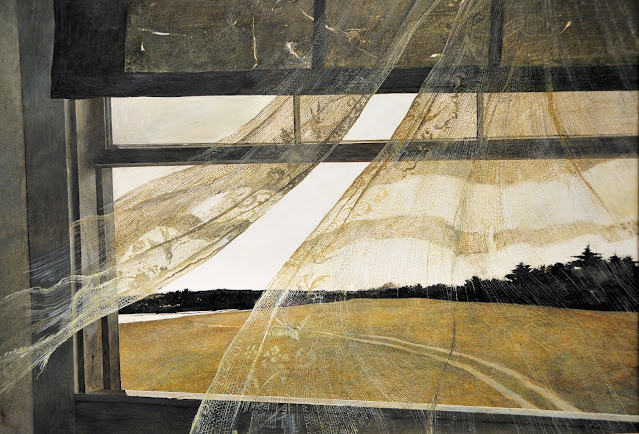
Flung is too harsh a word for the rush of the world. Blown is more like it, but blown by a generous, unending breath. ~Annie Dillardfrom Pilgrim at Tinker Creek
Andrew Wyeth – Wind from the Sea, 1947
Perhaps as a child you had the chicken pox and your mother, to soothe you in your fever or to help you fall asleep, came into your room and read to you from some favorite book, Charlotte’s Web or Little House on the Prairie, a long story that she quietly took you through until your eyes became magnets for your shuttering lids and she saw your breathing go slow. And then she read on, this time silently and to herself, not because she didn’t know the story, it seemed to her that there had never been a time when she didn’t know this story—the young girl and her benevolence, the young girl in her sod house— but because she did not yet want to leave your side though she knew there was nothing more she could do for you. And you, not asleep but simply weak, listened to her turn the pages, still feeling the lamp warm against one cheek, knowing the shape of the rocking chair’s shadow as it slid across your chest. So that now, these many years later, when you are clenched in the damp fist of a hospital bed, or signing the papers that say you won’t love him anymore, when you are bent at your son’s gravesite or haunted by a war that makes you wake with the gun cocked in your hand, you would like to believe that such generosity comes from God, too, who now, when you have the strength to ask, might begin the story again, just as your mother would, from the place where you have both left off. ~Keetje Kuipers“Prayer”
How is it possible 64 years have flown by and I still need the same story to be told to me again?
Long ago the 5-year old me had a sudden terrifying revelation that I would someday cease to walk this earth. Now a nearly 70-year old me is more intimidated at the head-long rush of the days-months-years than at the inevitable end to come. The world hurtles through space and time at a pace that leaves me breathless. Indeed, I have been flung at times, bruised and weary from all the hurry and hubbub.
I want to find the strength to ask God to begin telling the reassuring story again, starting right where we left off. I know I will be blown away again – blown by God’s breath that loves, fills and nurtures with a generous promise both hopeful and fulfilled.
Utterly blown away by what comes next.
If only the five year old me could have known.
One-Time
Monthly
Yearly
Make a one-time or recurring donation to support daily Barnstorming posts
Crouching on a cabbage leaf, there’s a mantis, praying. Sneak up very quietly – You will hear him saying:
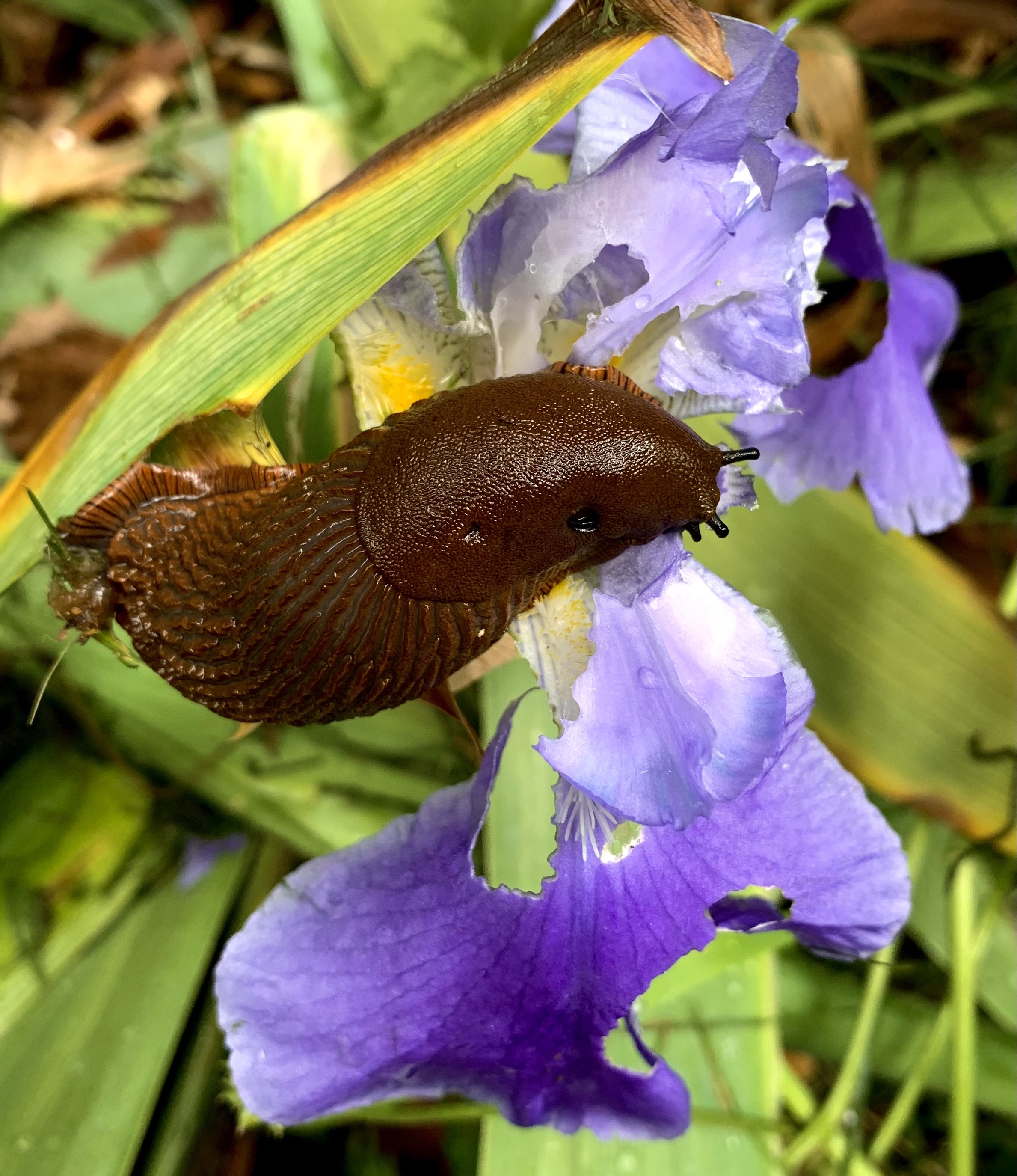
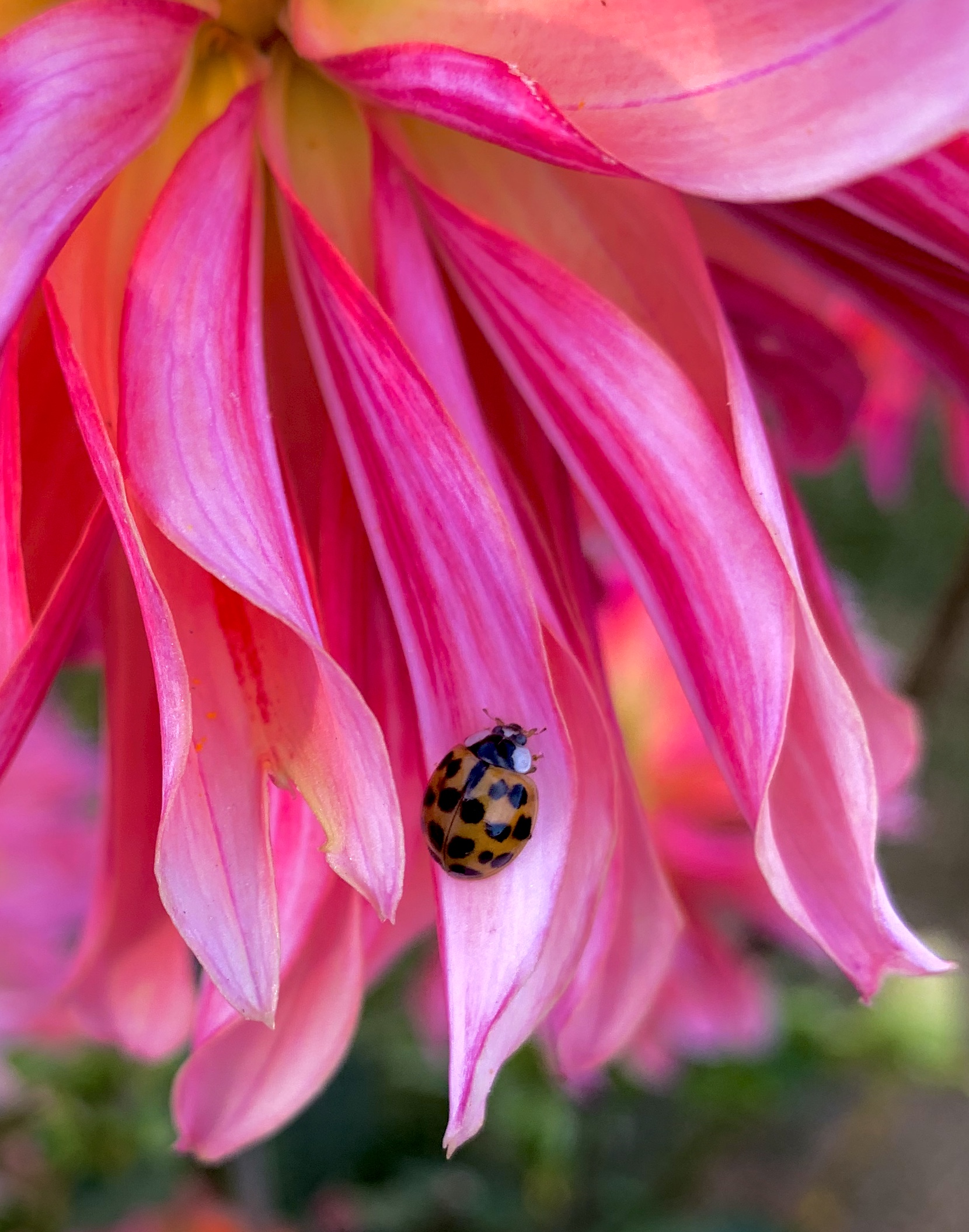
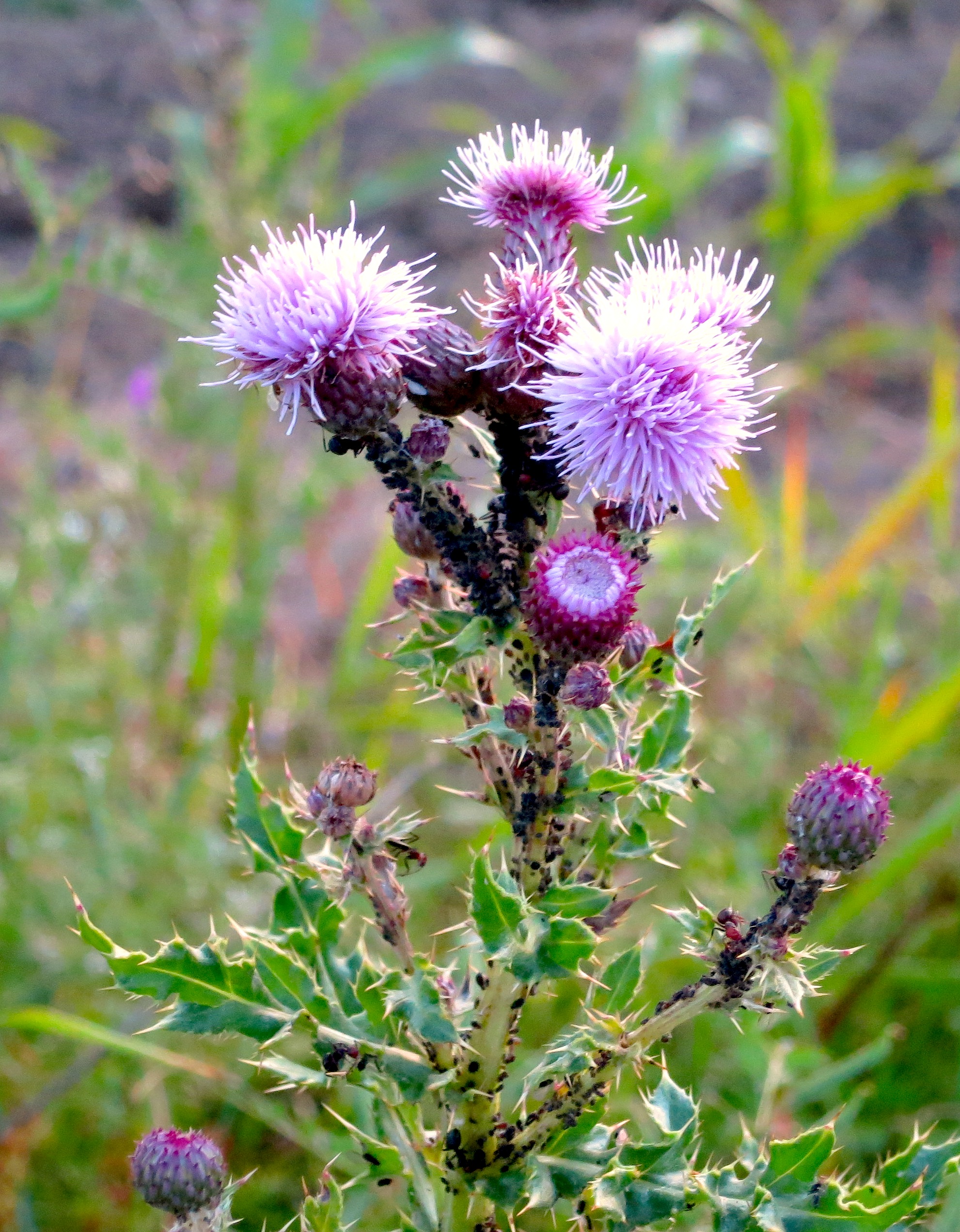
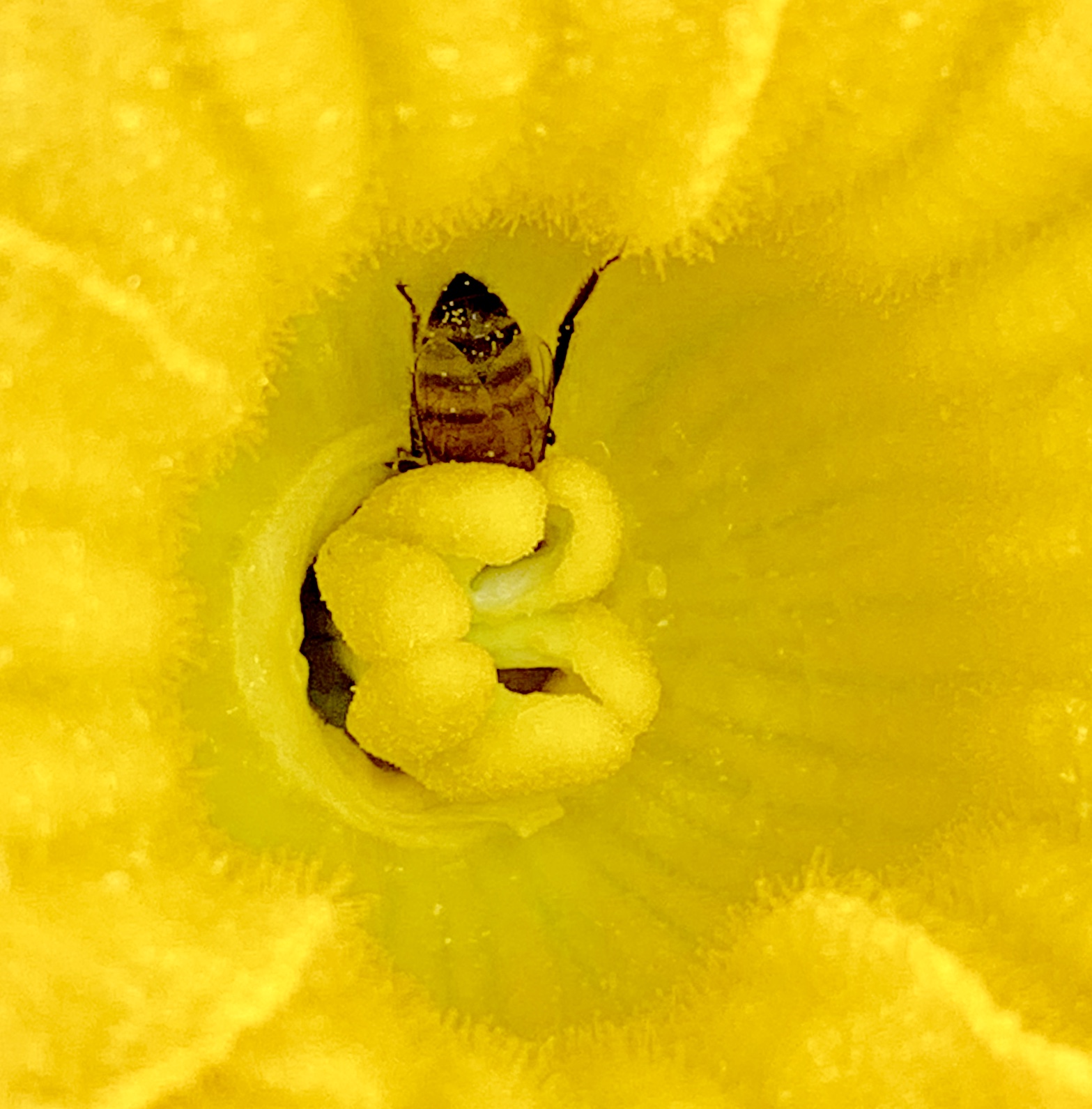
Bless the cricket, Bless the slug. Bless the fly and ladybug. Bless the aphid. Bless the bee. Bless the spider and the flea. Bless the lacewing. Bless the gnat. Make them healthy. Make them fat. Guide them over. Light their way. That’s all I ask – these things I prey. ~B.J. Lee “A Garden Prayer”
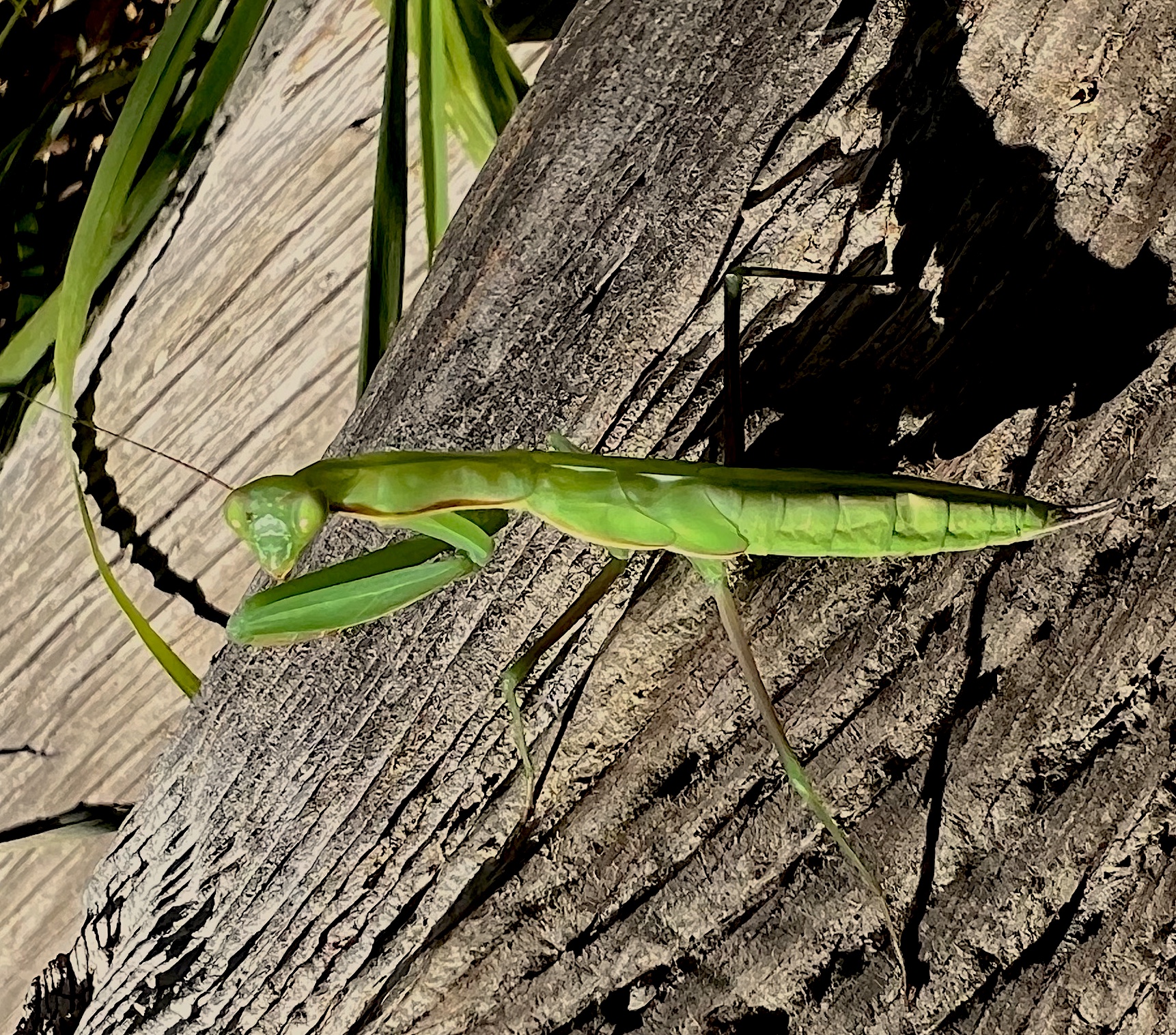
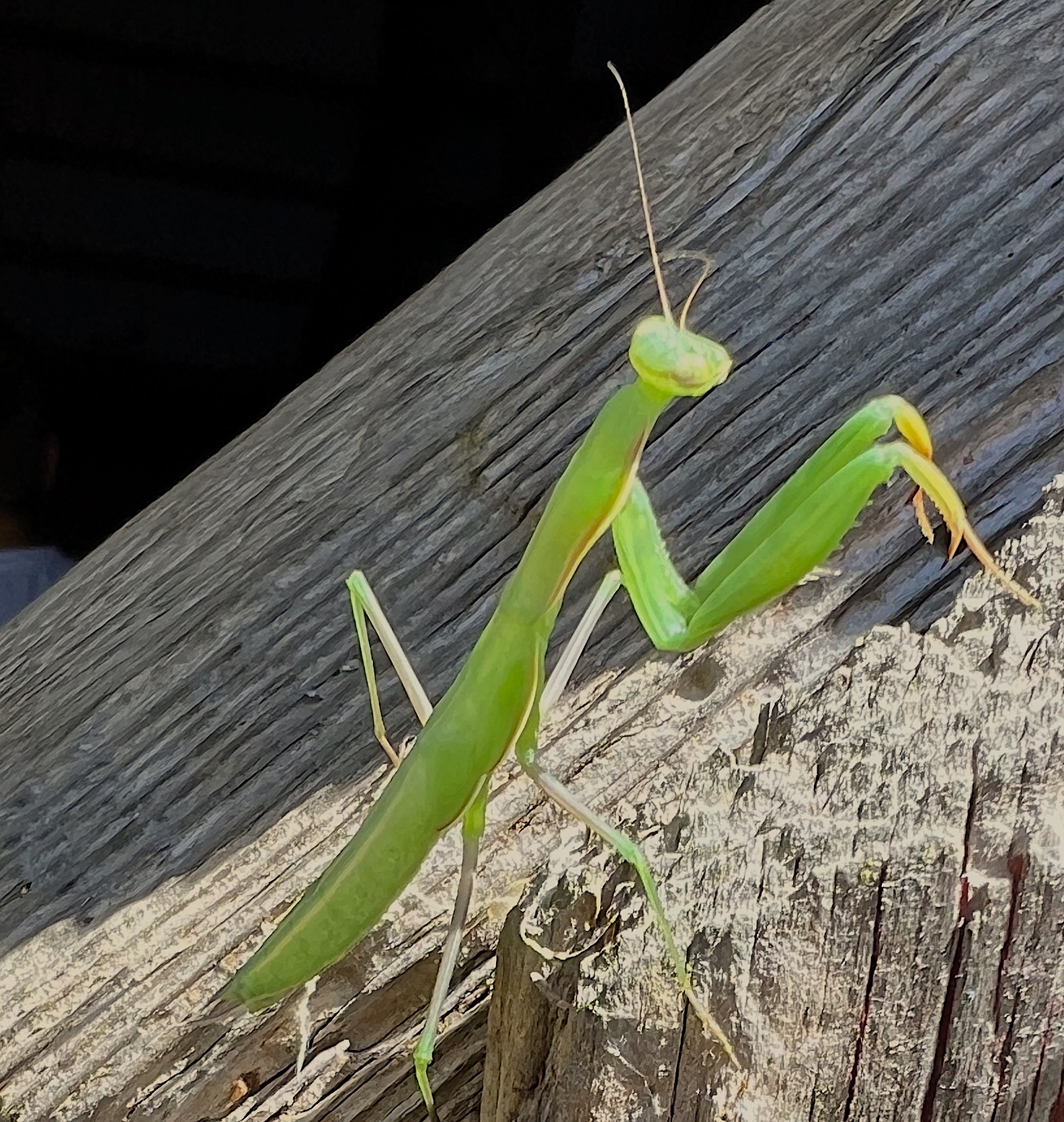
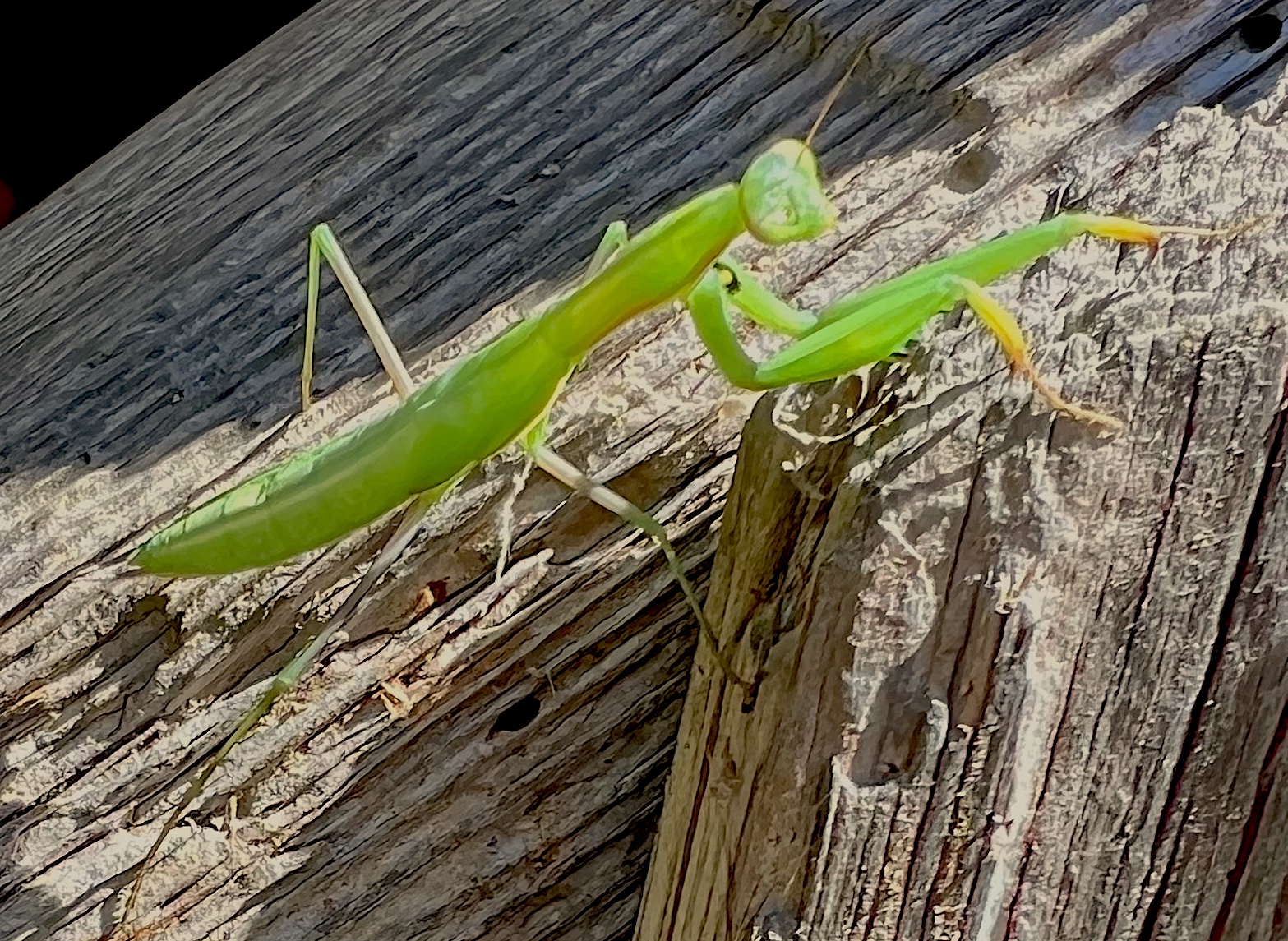
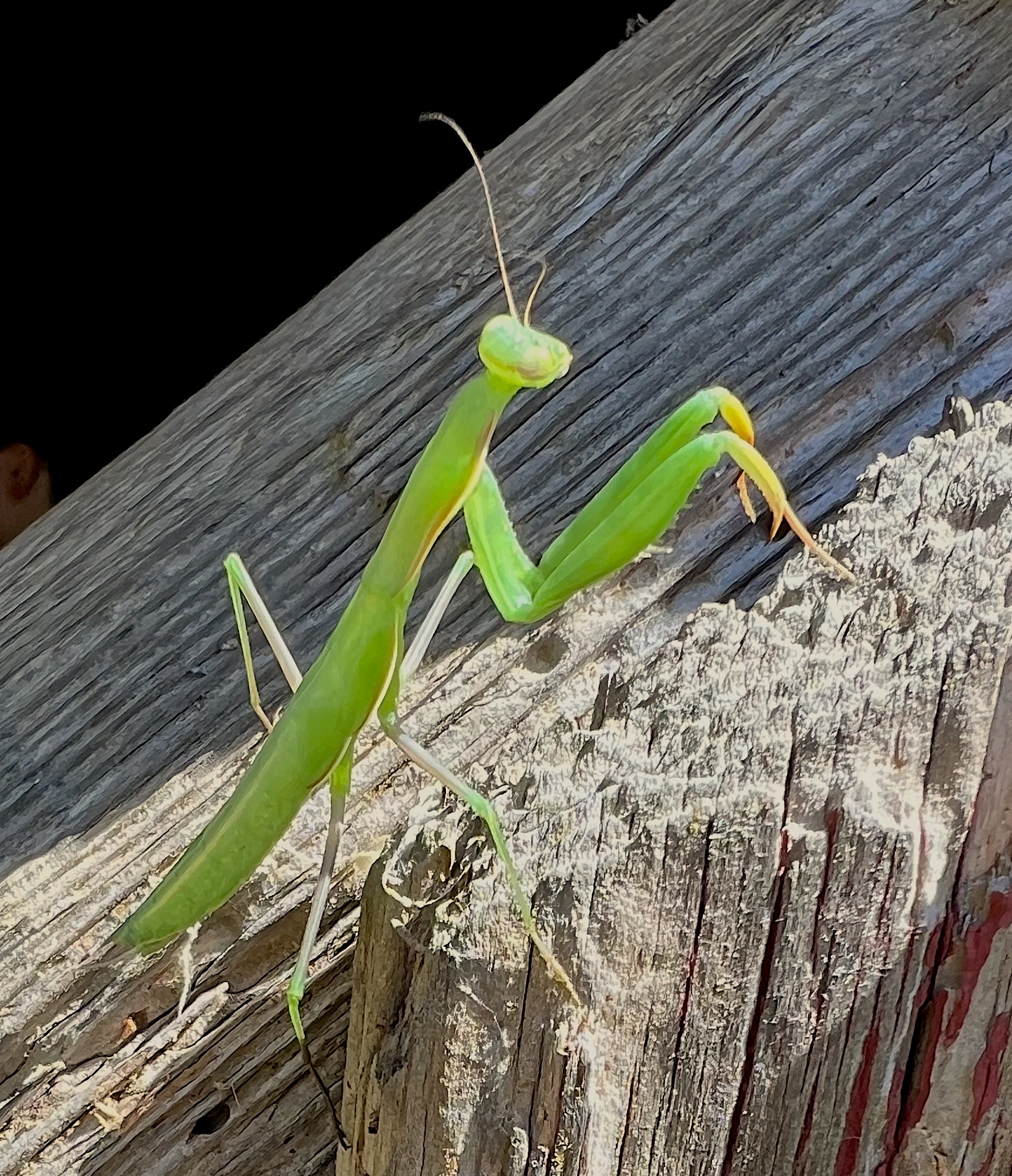
When I spotted a praying mantis crawling up the opening to our century-old hay barn, I said a prayer myself:
thank you that I’m not a random bug about to become a meal.
The mantis, like few other predators, disarms its potential prey by cleverly blending in with its surroundings, innocently folding its arms together in an attitude of prayer, but actually readying to make the fatal grab.
So a word to the wise or those with multiple legs, buggy eyes, wings or a hairy thorax, or those of us who simply read the news headlines every day and wonder what’s going to happen next:
you may well be considered a tasty morsel to be consumed, so be aware of who might be praying (preying?) near by and why…
One-Time
Monthly
Yearly
Make a one-time or recurring donation to support daily Barnstorming posts
































 Barnstorming