Cold, wet leaves Floating on moss-coloured water And the croaking of frogs— Cracked bell-notes in the twilight. ~Amy Lowell “The Pond”
Poets who know no better rhapsodize about the peace of nature, but a well-populated marsh is a cacophony. ~Bern Keating
O, I love to hear the frogs When they first begin to sing; How they vocalize the bogs, And vociferate the Spring. How they carol as they croak, How they mingle jest and joke With their solemn chant and dirge On the river’s slimy verge.
O, I love to hear the frogs, For their monotone uncouth Is the music of the cogs Of the mill wheel of my youth. And I listen half asleep, And the eyes of mem’ry peep Through the bars that hold me fast, From the pleasures of the past.
O, I love to hear the frogs, For their melody is health To the heart that worry flogs With the lash of want or wealth. And the cares of life take wing, And its pleasures lose their sting, And love’s channel way unclogs In the croaking of the frogs. ~Harry Edward Mills “The Early Frogs”
I wanted to speak at length about The happiness of my body and the Delight of my mind …
But something in myself for maybe From somewhere other said: not too Many words, please, in the muddy shallows the Frogs are singing. ~Mary Oliver, from “April”
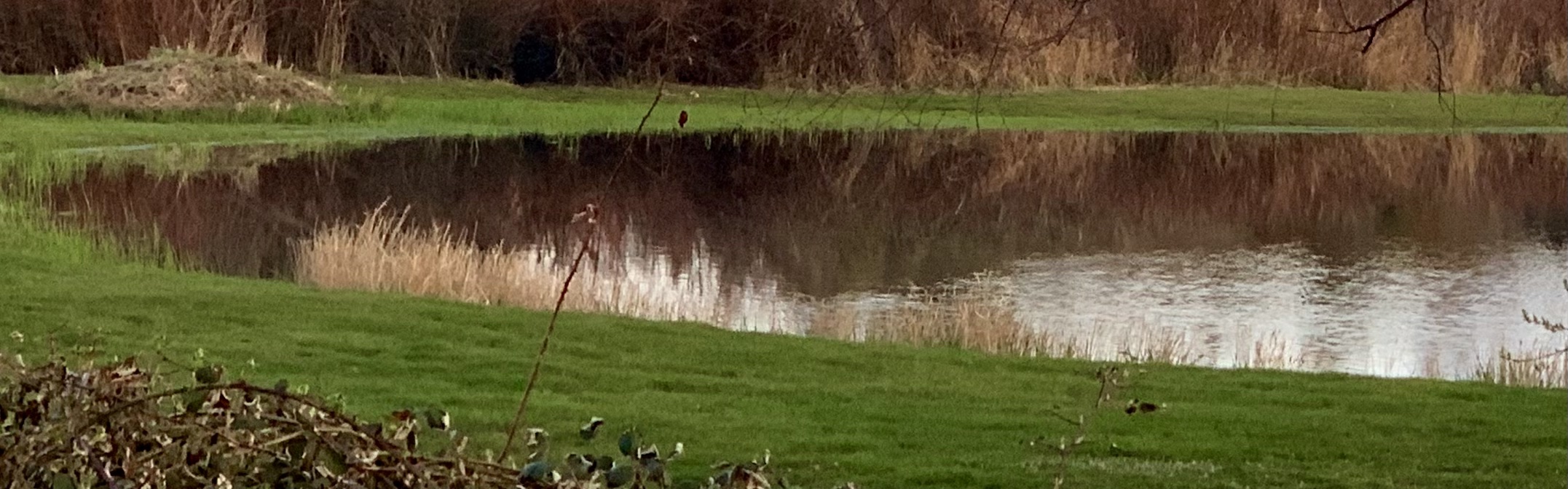
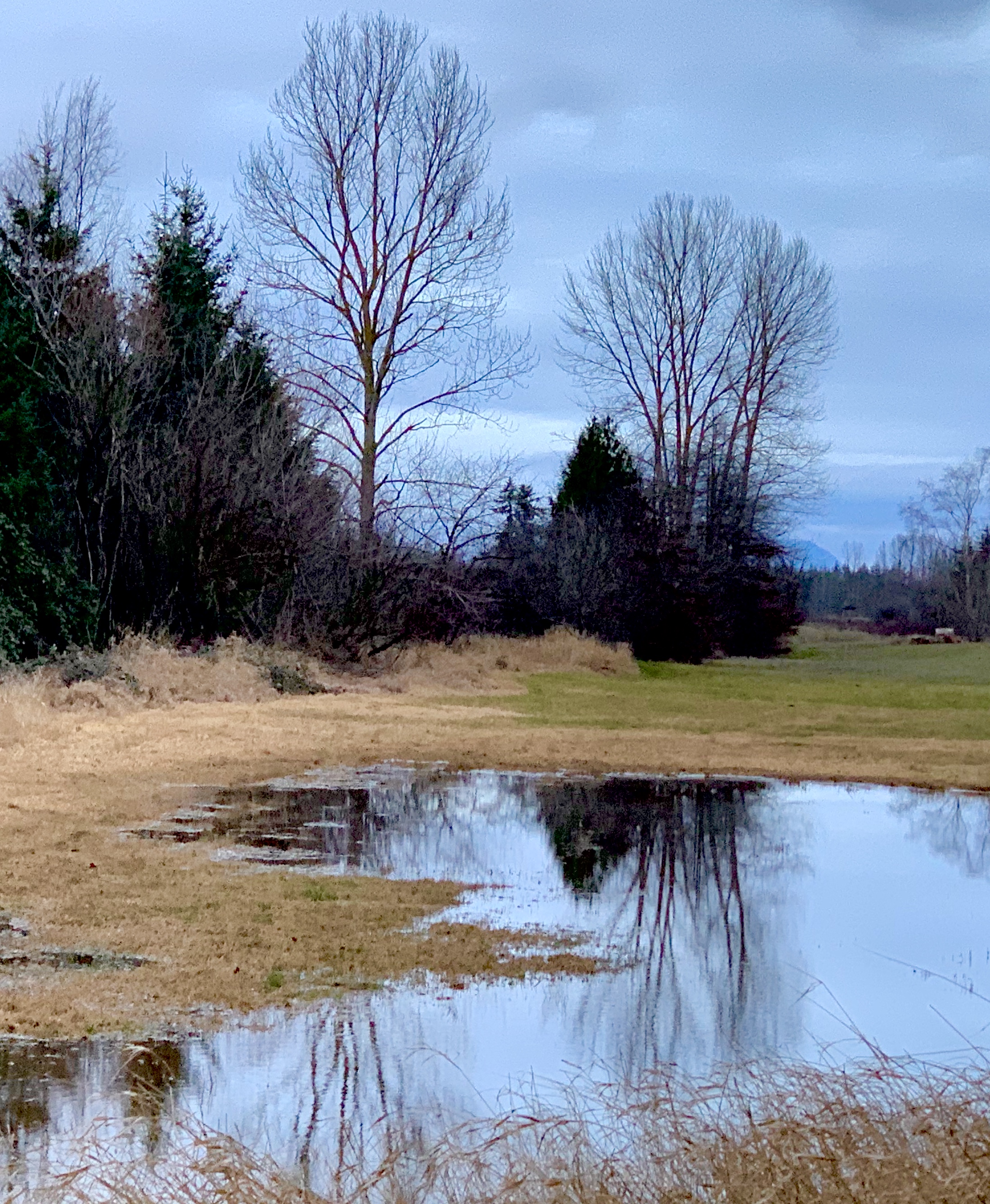
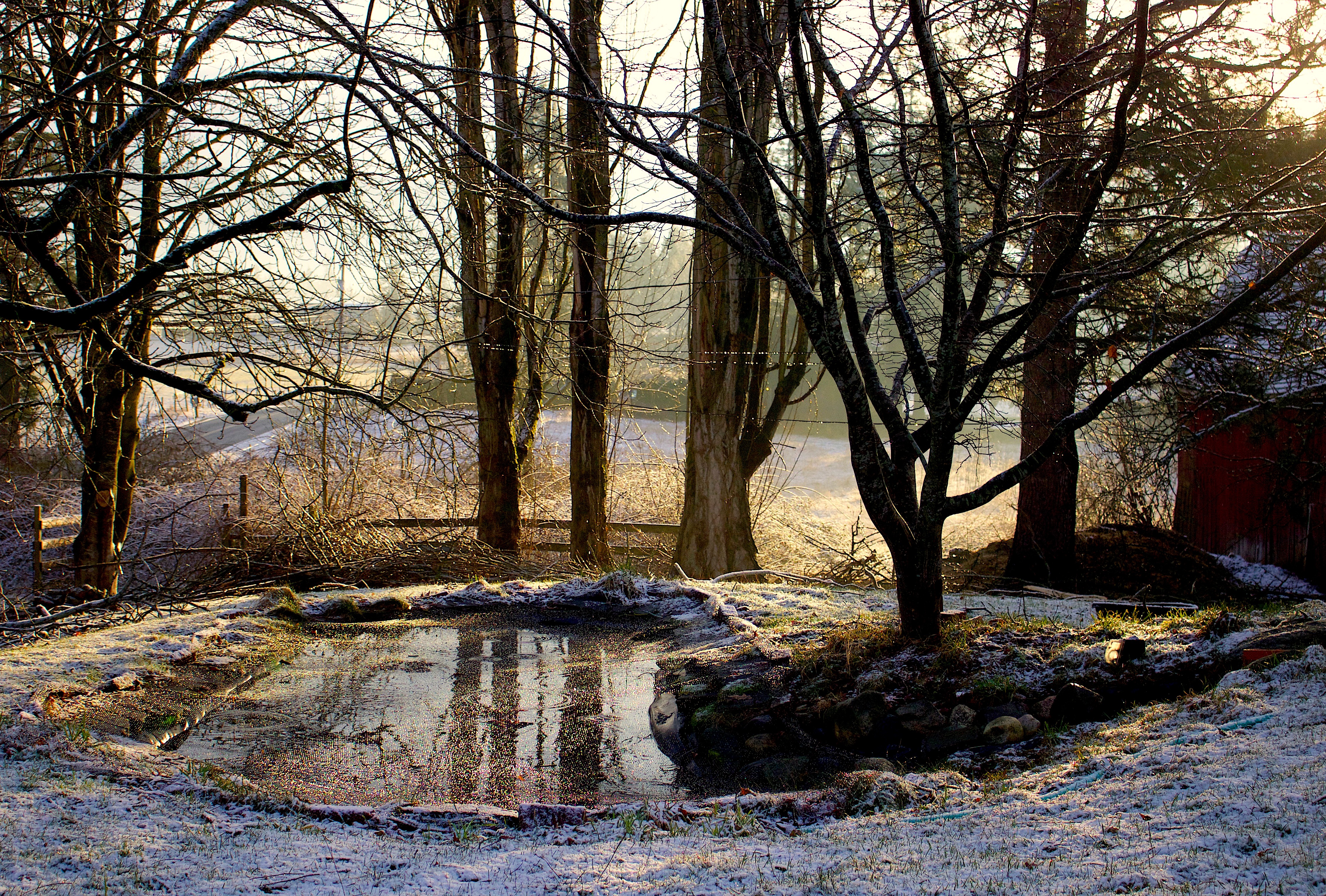
About two weeks ago, music from the wetlands became faintly detectable in the distance. We were only a little over a month into winter, yet due to unduly mild temperatures, the chorus had begun.
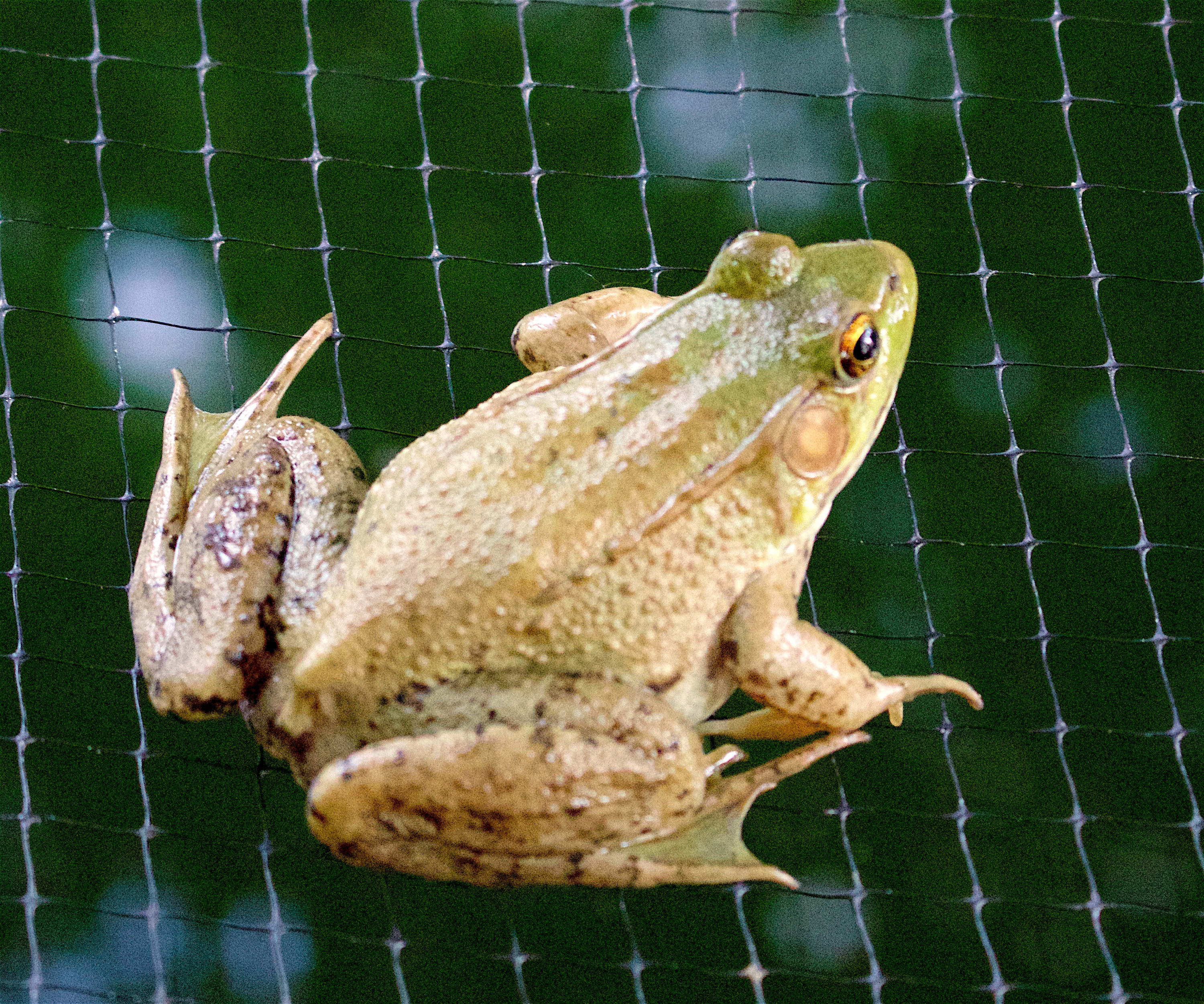
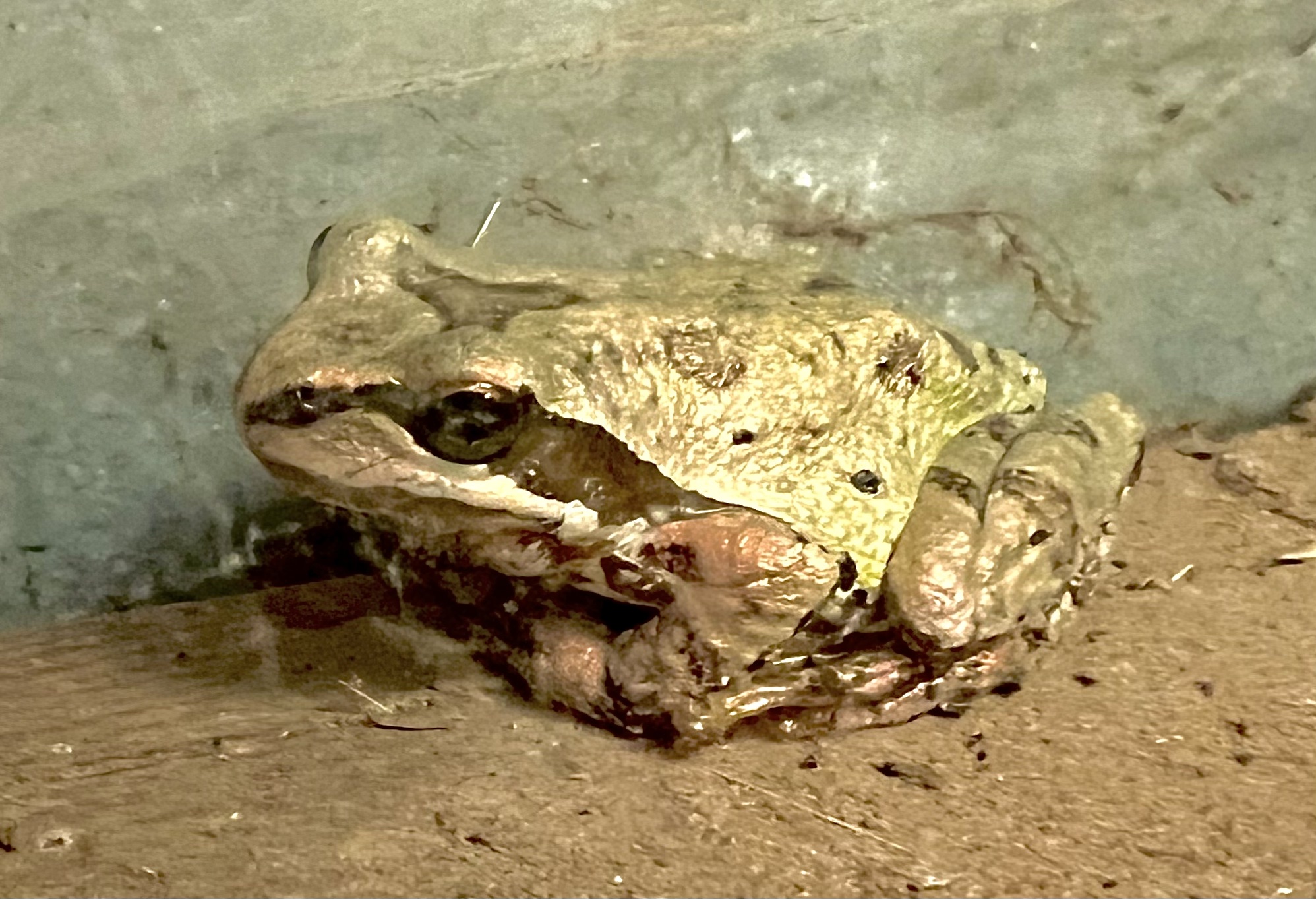
The sleigh-bell jingle song of the Pacific Chorus Frogs now fills the air each evening, rising from the ponds and standing water that surround our farm. I stand still for a moment to soak up that song that heralds spring–a certainty that the muddy marshes are thawed enough to invite the frogs out of their sleep and start their courting rituals.
Now winter won’t return anytime soon with any seriousness.
This marsh music is disorienting this early, along with daffodils budding in late January and lawns needing mowing in February. With voices so numerous, strong and insistent, it feels as though a New York City of frogs has moved in next door; we are seated in the balcony of Carnegie Hall.
They seem to be directed by an unseen conductor, as their voices rise and fall together and then cut off suddenly with a slice of the baton, plunging the landscape into uncomfortable silence at the slightest provocation, as if they hold an extended fermata for minutes on end.
The frogs’ repertoire is limited but their wind power, stamina and ability to project their voices impressive. They are most tenacious at making their presence known to any other peeper within a mile radius. Their mystical, twilight symphony of love and territory has begun, soft and surging, welcome and reassuring.
There’s a spring a-comin’, the peepers proclaim. Nothing can be sweeter.
I know all the behaviorist theories about frog chorus being about territoriality –the “I’m here and you’re not” view of the animal kingdom’s staking their claims. Knowing that theory somehow distorts the cheer I feel when I hear these songs. I want the frogs (and birds) to be singing out of the sheer joy of living. Instead, they are singing to defend their piece of mud or branch.
Then I remember, that’s not so different from people. Our voices tend to be loudest when we are being insistently territorial: we own this and you do not, and we are irresistibly better than you.
I’m not sure anyone enjoys human cacophony in the same way I enjoy listening to the chorus of frogs at night or birdsong in the morning. We humans are most harmonic when we choose to listen. Instead of sounding off, we should soak up. Instead of shouting “this is mine,” we should sit expectant and grateful.
Perhaps that is why the most beloved human choruses are derived from prayers and praise – singing out in joy and gratitude rather than in warning.
I’ll try to remember this when I get into my own righteous and “territorial” mode. I don’t bring joy to the listener nor to myself. When it comes right down to it, all that noise I make is nothing more than a croaking cacophony in a smelly mucky swamp.
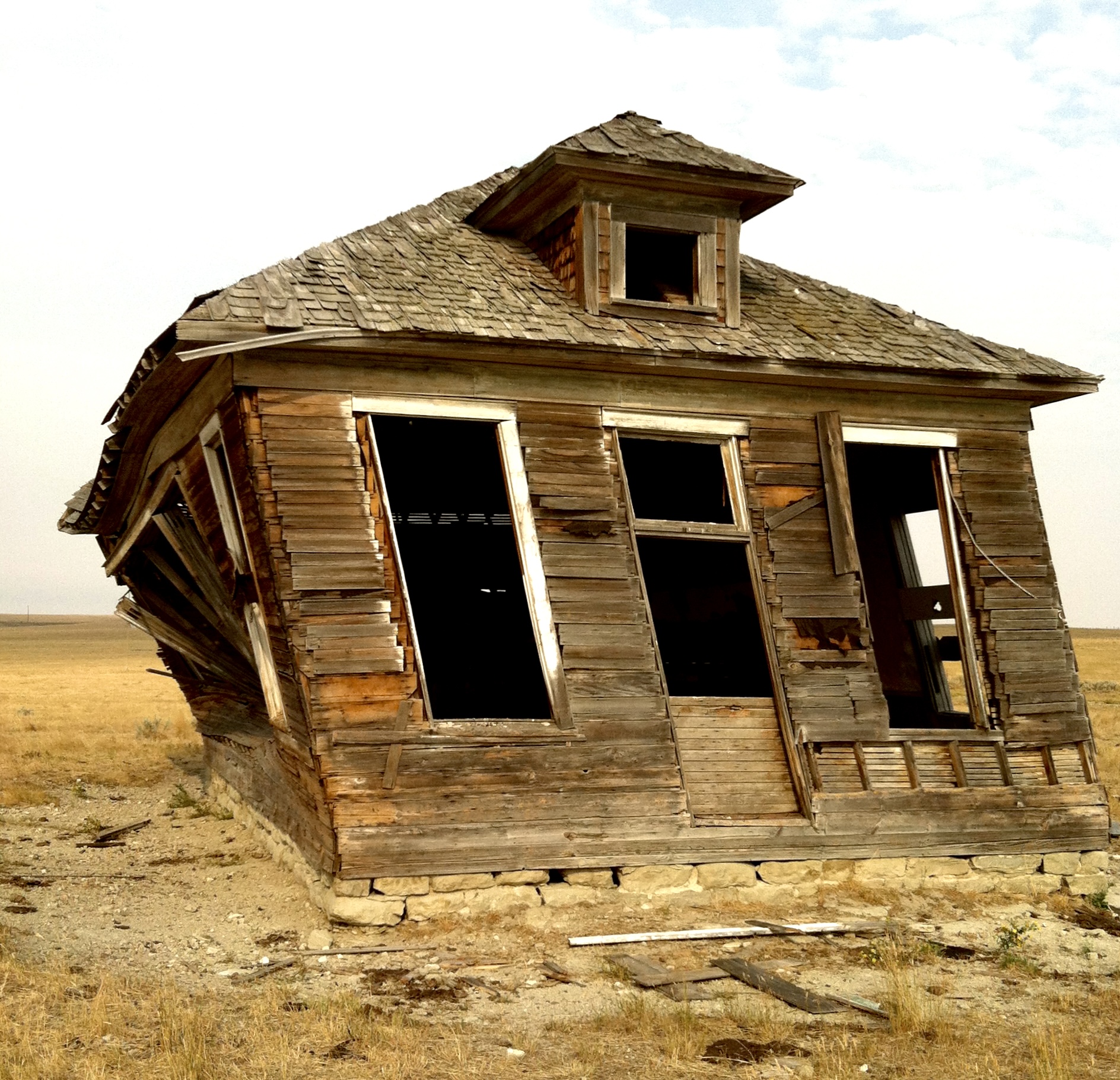
The house had gone to bring again To the midnight sky a sunset glow. Now the chimney was all of the house that stood, Like a pistil after the petals go.
The barn opposed across the way, That would have joined the house in flame Had it been the will of the wind, was left To bear forsaken the place’s name.
No more it opened with all one end For teams that came by the stony road To drum on the floor with scurrying hoofs And brush the mow with the summer load.
The birds that came to it through the air At broken windows flew out and in, Their murmur more like the sigh we sigh From too much dwelling on what has been.
Yet for them the lilac renewed its leaf, And the aged elm, though touched with fire; And the dry pump flung up an awkward arm: And the fence post carried a strand of wire.
For them there was really nothing sad. But though they rejoiced in the nest they kept, One had to be versed in country things Not to believe the phoebes wept. ~Robert Frost “The Need of Being Versed in Country Things”
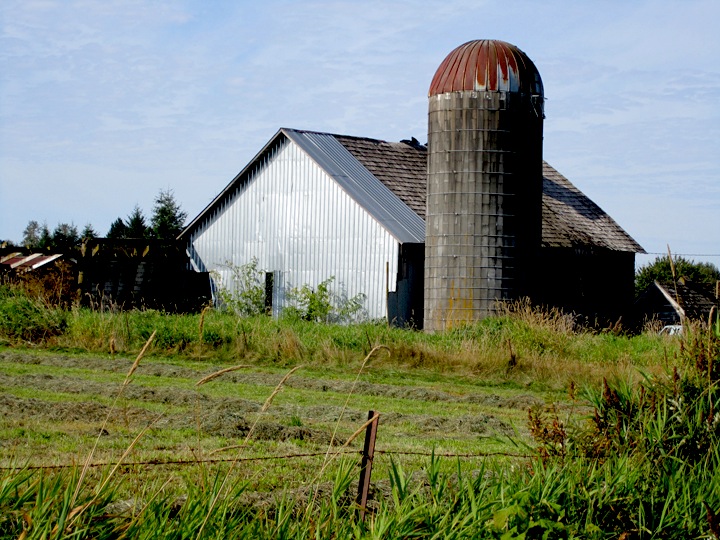
Photo of Aaron Janicki haying with his Oberlander team in Skagit County – courtesy of Tayler RaeThe field of my childhood farm (1954-59) with the red barn visible on the right. The house was destroyed by fire in the mid-60s but the barn was sparedphoto by Harry Rodenberger
My family sold our first farm in East Stanwood, Washington, when my father took a job working for the state in Olympia, moving to supervising high school agriculture teachers rather than being an ag teacher himself.
It was a difficult transition for us all: we moved to a smaller home and a few acres, selling the large two story house, a huge hay barn and chicken coop as well as fields and a woods where our dairy cows had grazed.
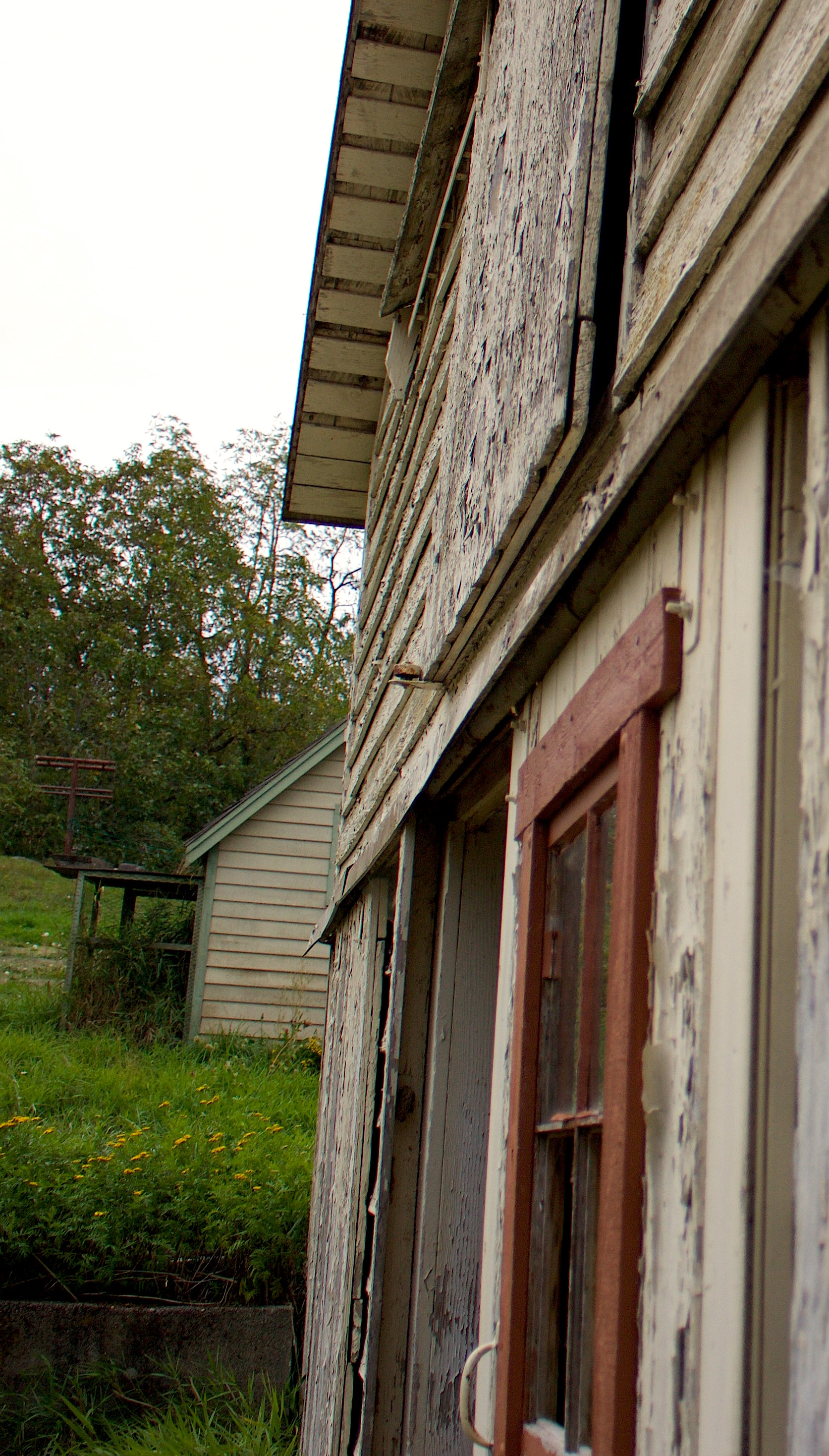
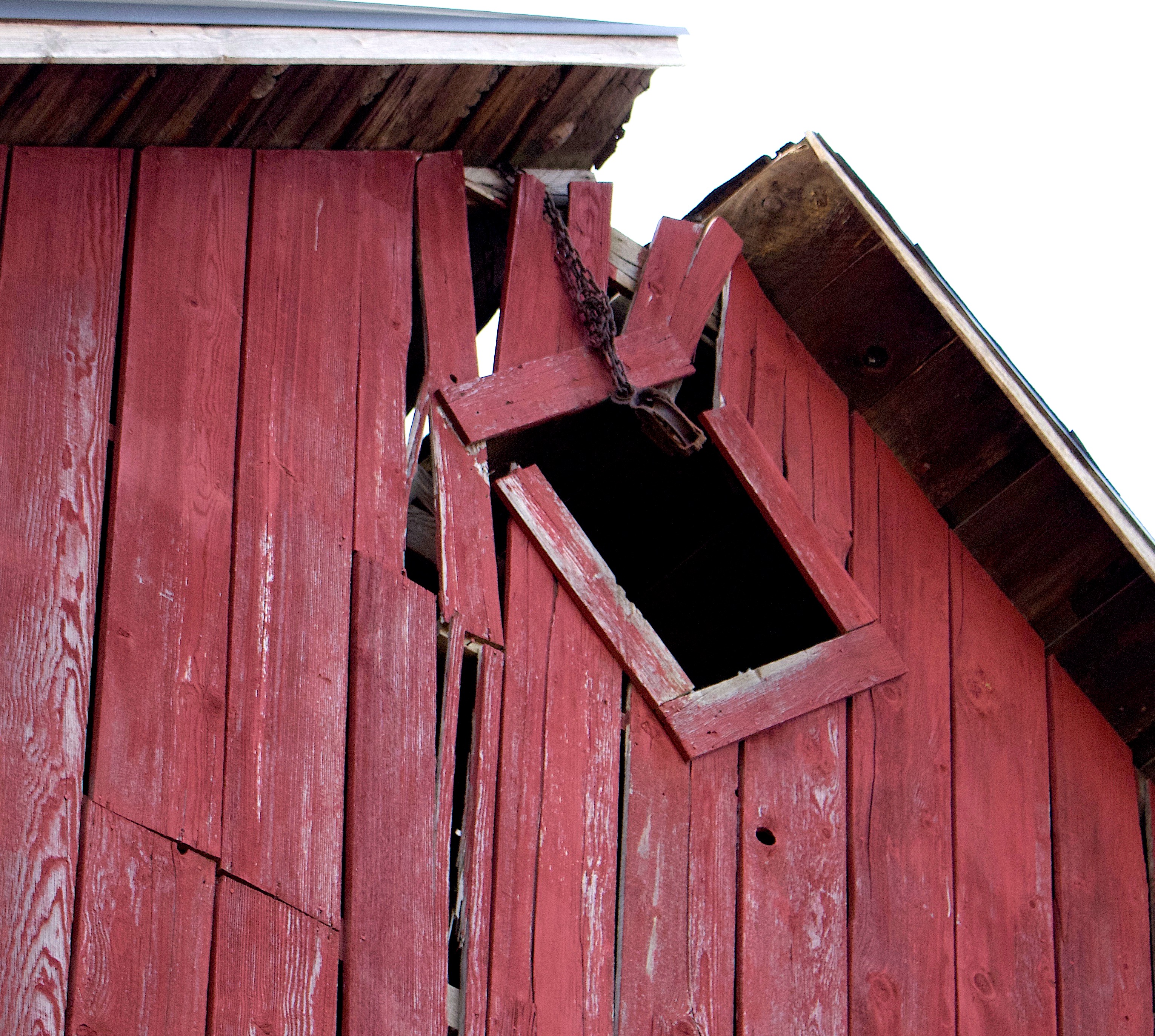
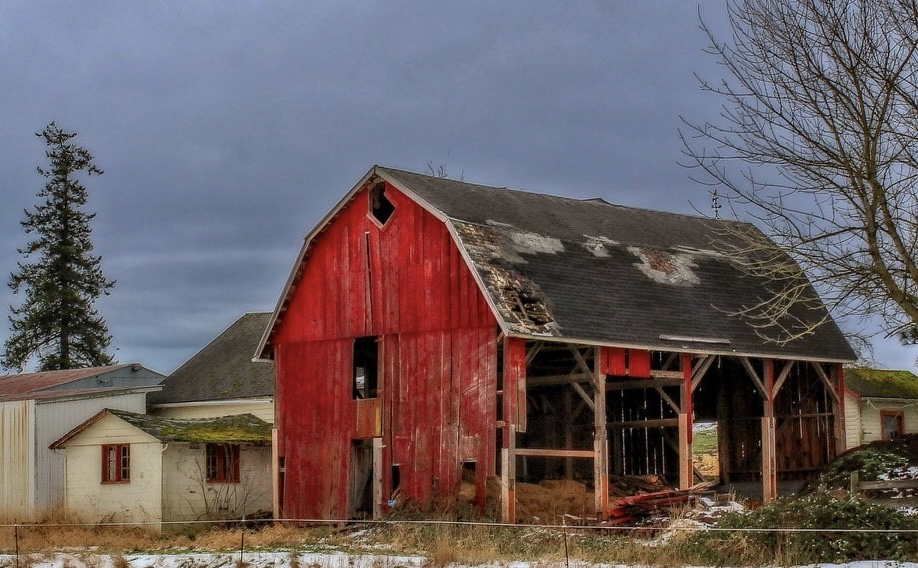
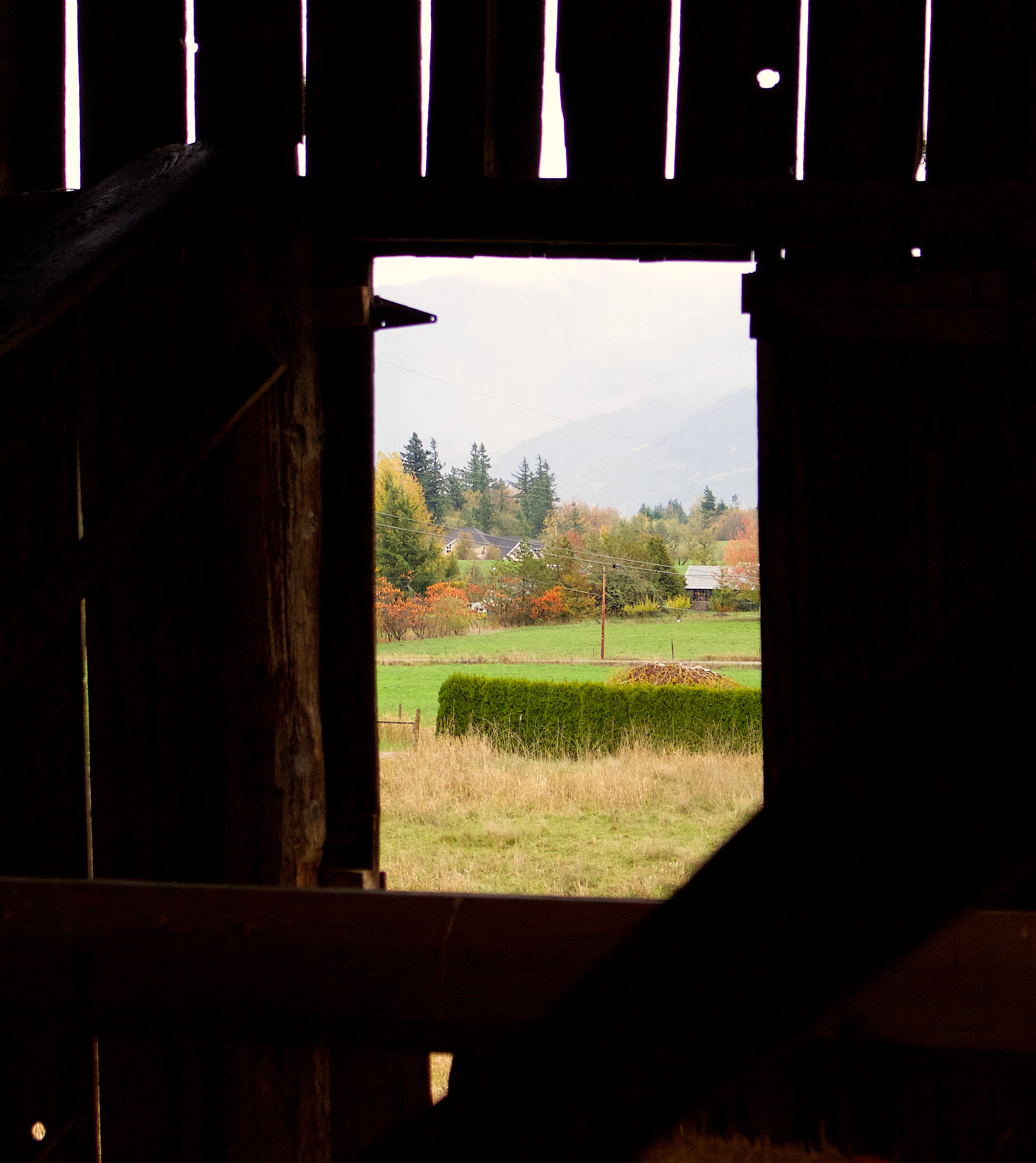
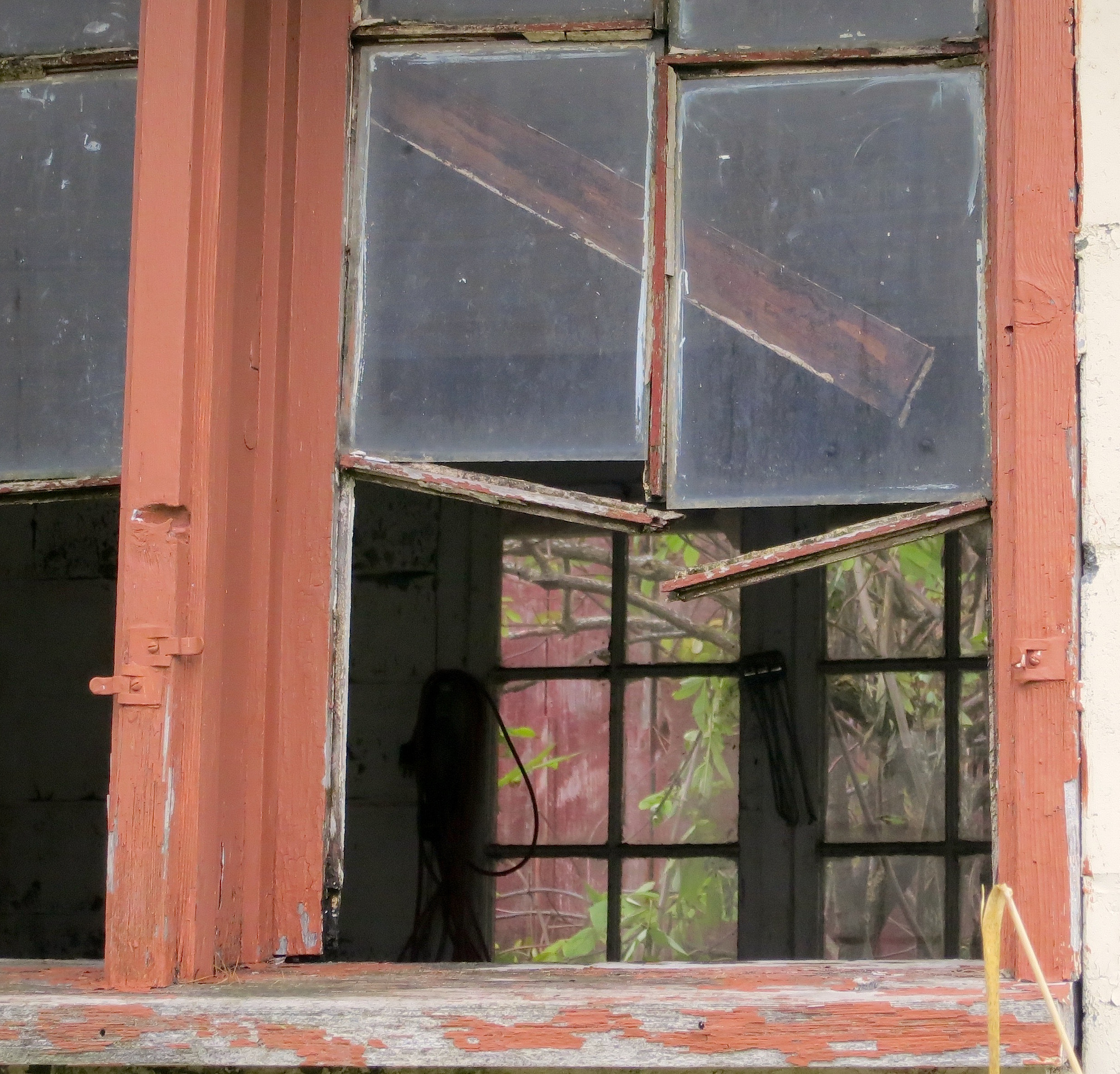
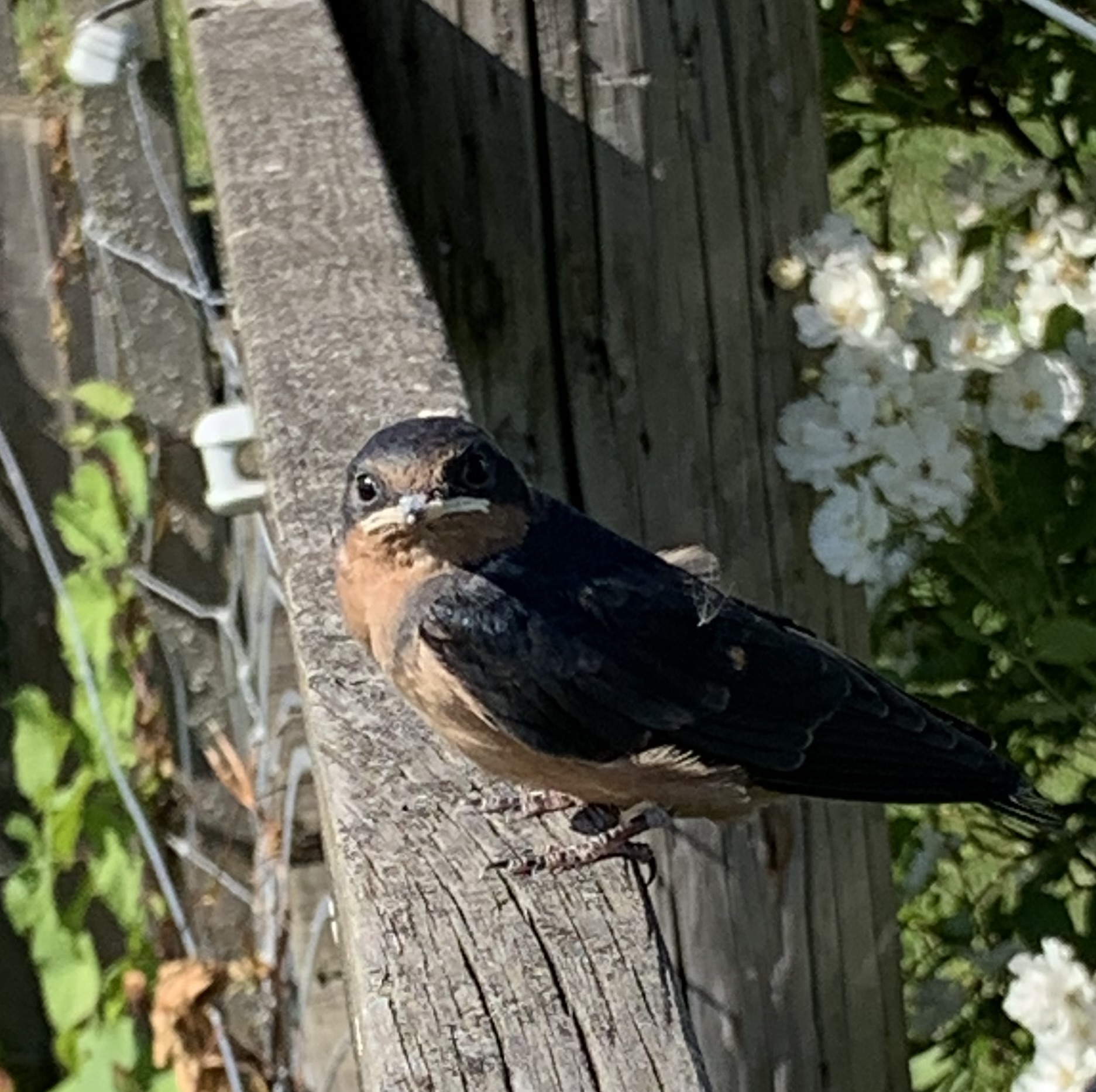
Only a few years later, that old farmhouse burned down but the rest of the buildings were spared. It passed through a few hands and when we had occasion to drive by, we were dismayed to see how nature was taking over the place. The barn still stood but unused it was weathering and withering. Windows were broken, birds flew in and out, the former flower garden had grown wild and unruly.
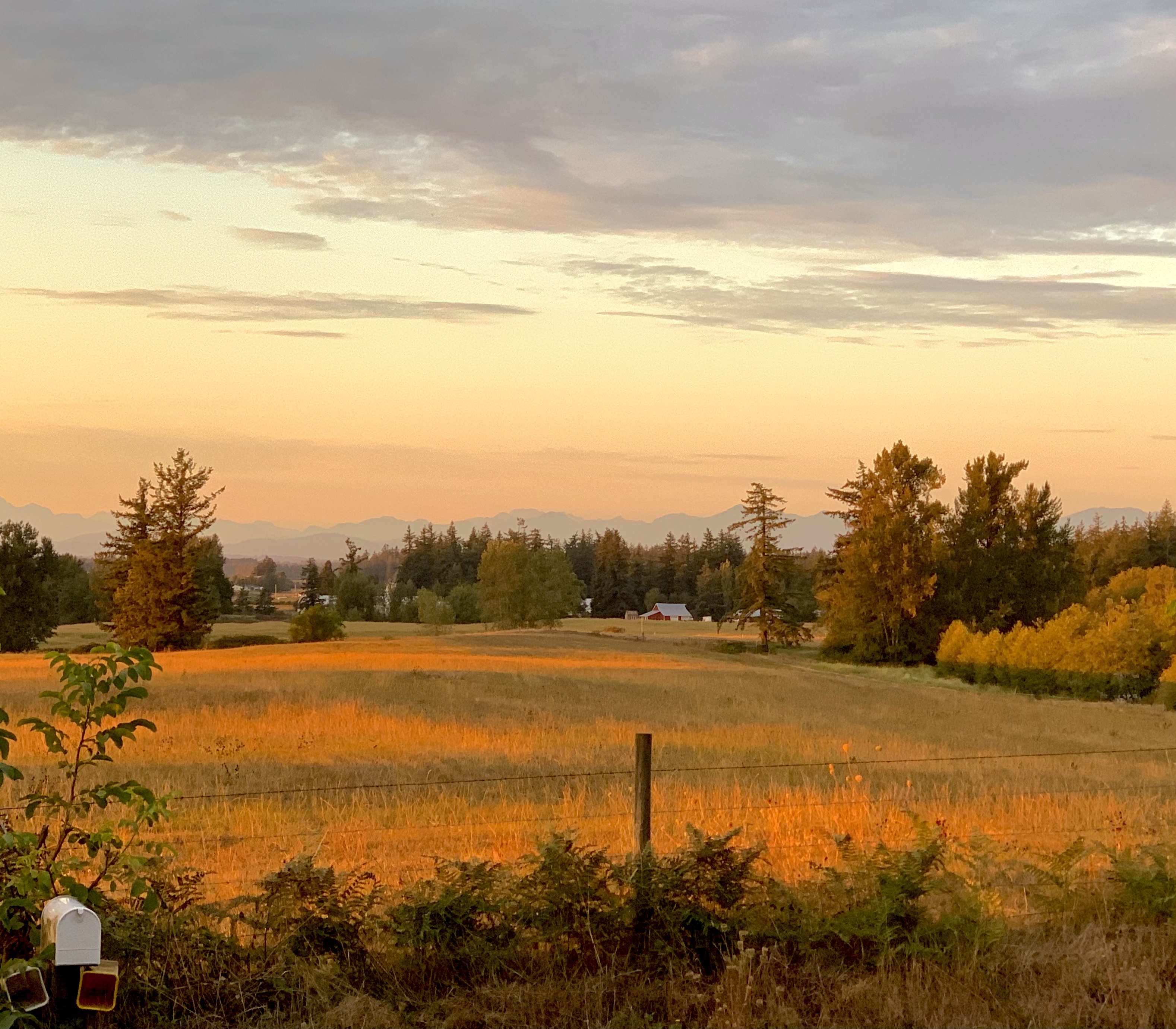
This was the place I was conceived, where I learned to walk and talk, developing a love for wandering in the fields among the farm animals we depended upon. I remember as a child of four sitting at the kitchen table looking out the window at the sunrise rising over the woods and making the misty fields turn golden.
This land returned to its essence before the ground was ever plowed or buildings were constructed. It no longer belonged to our family (as if it ever did) but it forever belongs to our memories.
I am overly prone to nostalgia, dwelling more on what has been than what is now or what I hope is to come. It is easy to weep over the losses when time and circumstances reap something unrecognizable.
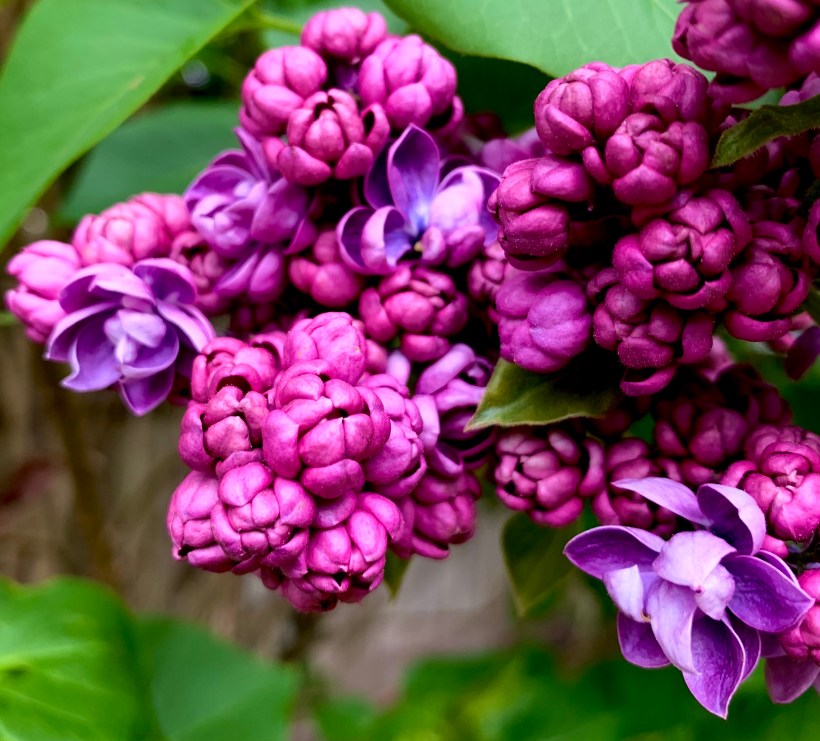
I may weep, but nature does not. The sun continues to rise over the fields, the birds continue to build nests, the lilacs grow taller with outrageous blooms, and each day ends with a promise of another to come.
So I must dwell on what lies ahead, not what has perished in the ashes.
photo by Harry Rodenberger
Tell me, where is the road I can call my own That I left, that I lost So long ago? All these years I have wandered Oh, when will I know There’s a way, there’s a road That will lead me home After wind, after rain When the dark is done As I wake from a dream In the gold of day Through the air there’s a calling From far away There’s a voice I can hear That will lead me home Rise up, follow me Come away, is the call With the love in your heart As the only song There is no such beauty As where you belong Rise up, follow me I will lead you home
One-Time
Monthly
Yearly
Make a one-time or recurring donation to support daily Barnstorming posts
Twenty years ago My generation learned To be afraid of mud. We watched its vileness grow, Deeper and deeper churned From earth, spirit, and blood.
From earth, sweet-smelling enough As moorland, field, and coast; Firm beneath the corn, Noble to the plough; Purified by frost Every winter morn.
From blood, the invisible river Pulsing from the hearts Of patient man and beast: The healer and life-giver; The union of parts; The meaning of the feast.
From spirit, which is man In triumphant mood, Conquerer of fears, Alchemist of pain Changing bad to good; Master of the spheres.
Earth, the king of space, Blood, the king of time, Spirit, their lord and god, All tumbled from their place, All trodden into slime, All mingled into mud. ~Richard Thomas Church “Mud” written in the 1930s
The world is mud-luscious and puddle-wonderful. ~E. E. Cummings from “In Just”
The work of the world is common as mud. Botched, it smears the hands, crumbles to dust. But the thing worth doing well done has a shape that satisfies, clean and evident. ~Marge Piercy from “To Be of Use” from Circles on the Water: Selected Poems of Marge Piercy
Several weeks of rain along with dismal headlines can take its toll in a variety of ways on the human psyche; the bleakness seeps into my brain, making my gray matter much grayer than usual. Everything slows down to a crawl and climbing out of bed to another dark day requires commitment and effort.
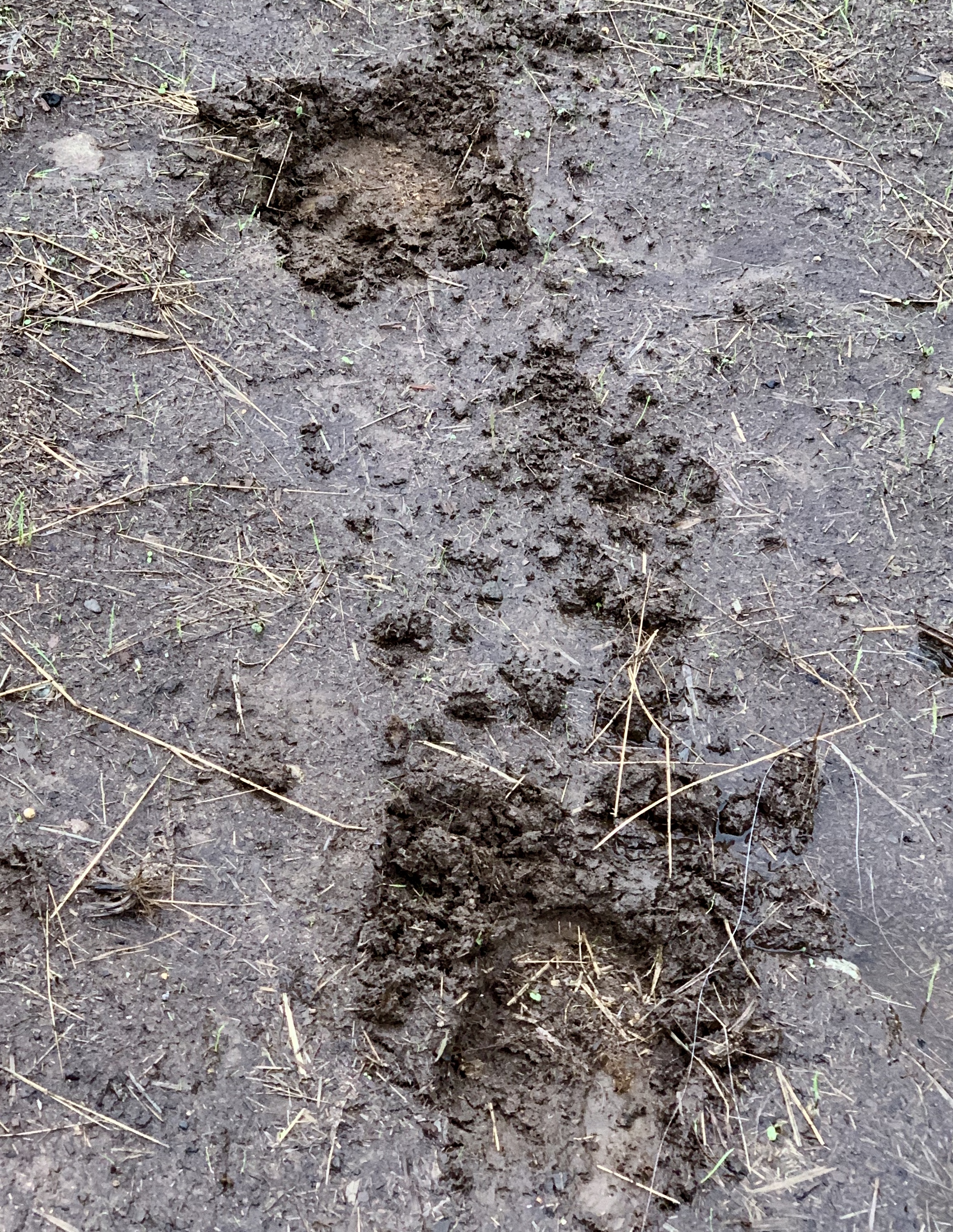
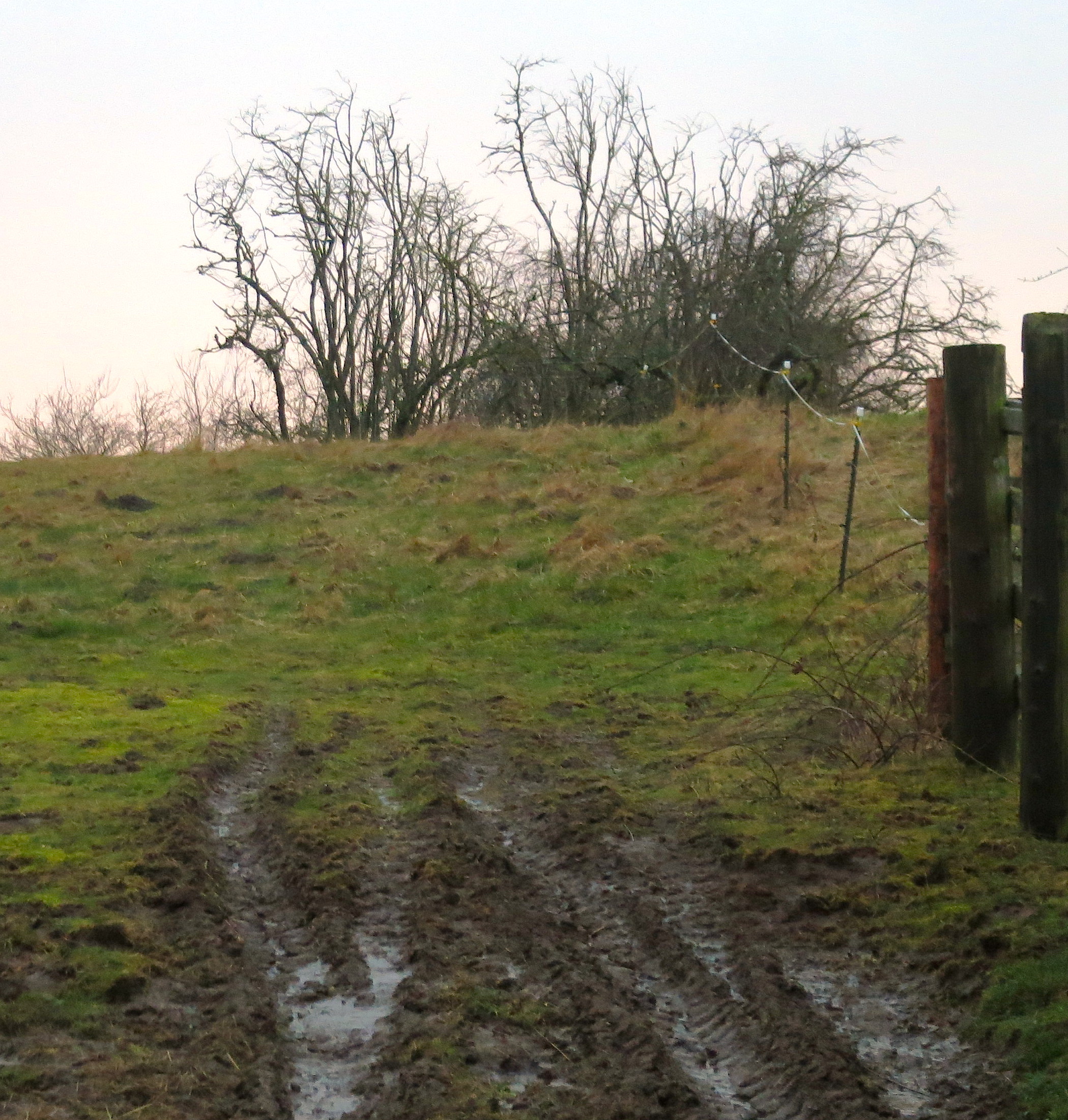
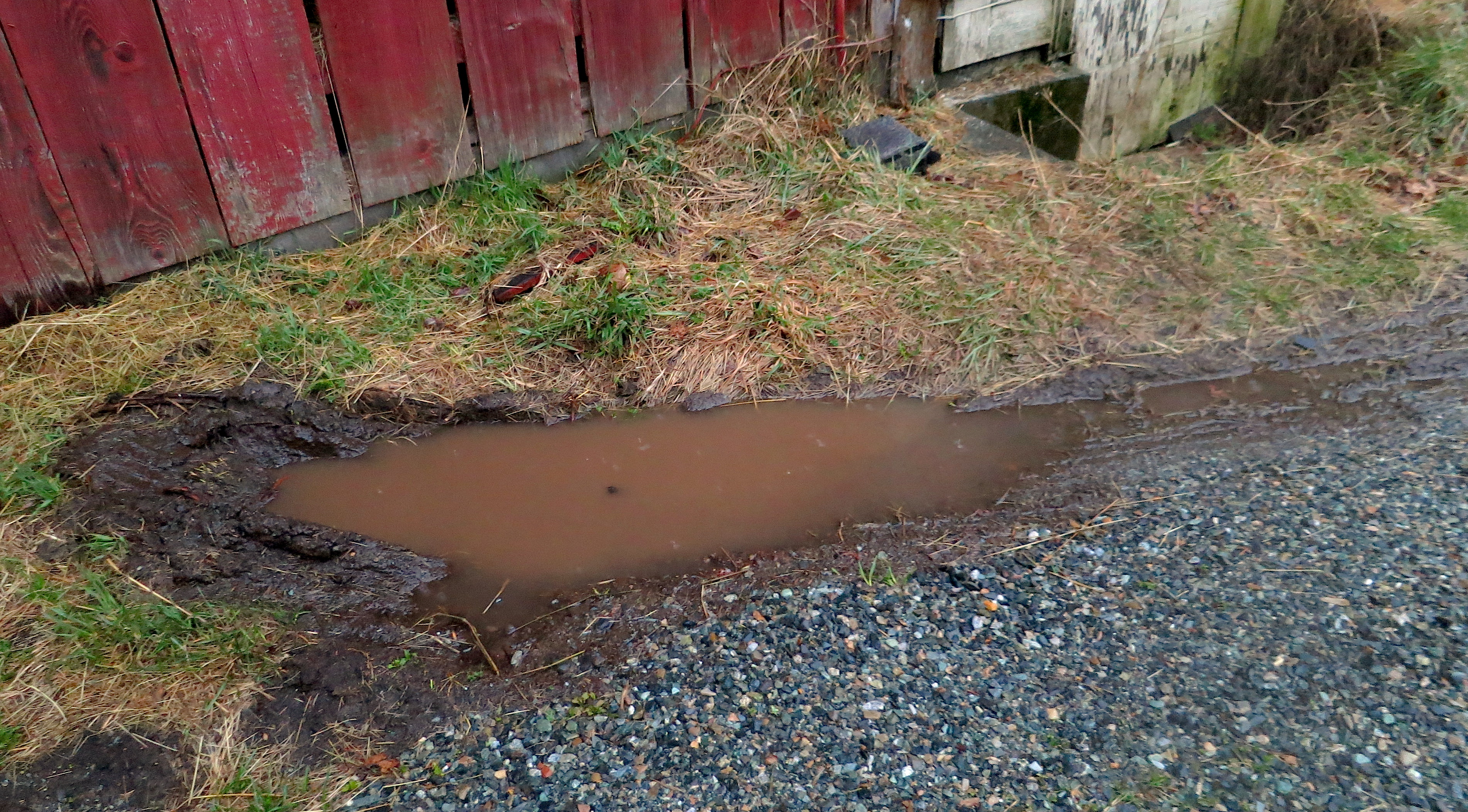
Managing barn chores and horses on days like these is a challenge. Despite years of effort to create well drained paddocks with great footing, there is no such thing when the ground is super saturated from unrelenting inches of rain, and when the barn and paddocks are unfortunately placed on the downside of a hill.
Every bare inch of ground has become mud soup with more water pouring off the hill every moment.
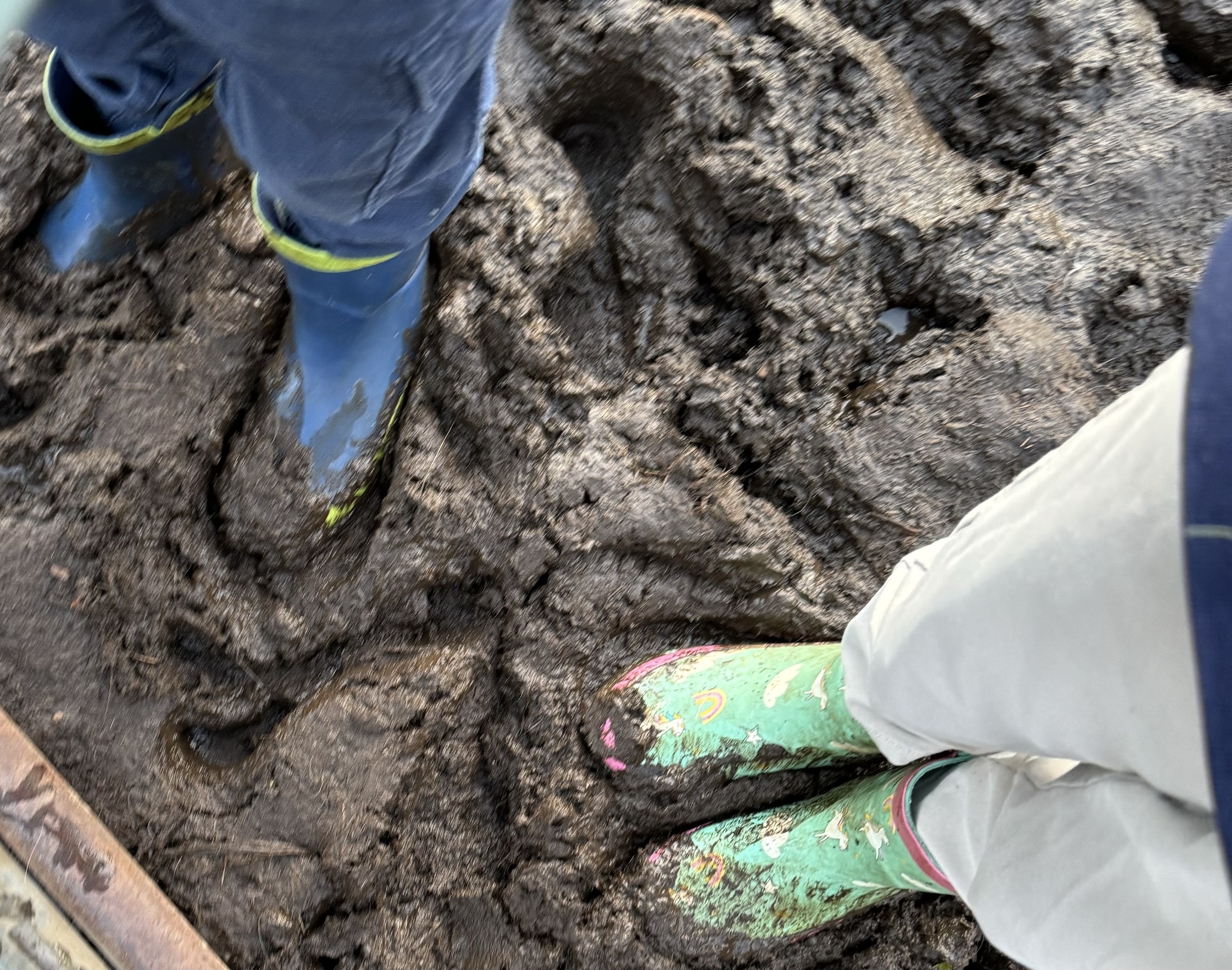
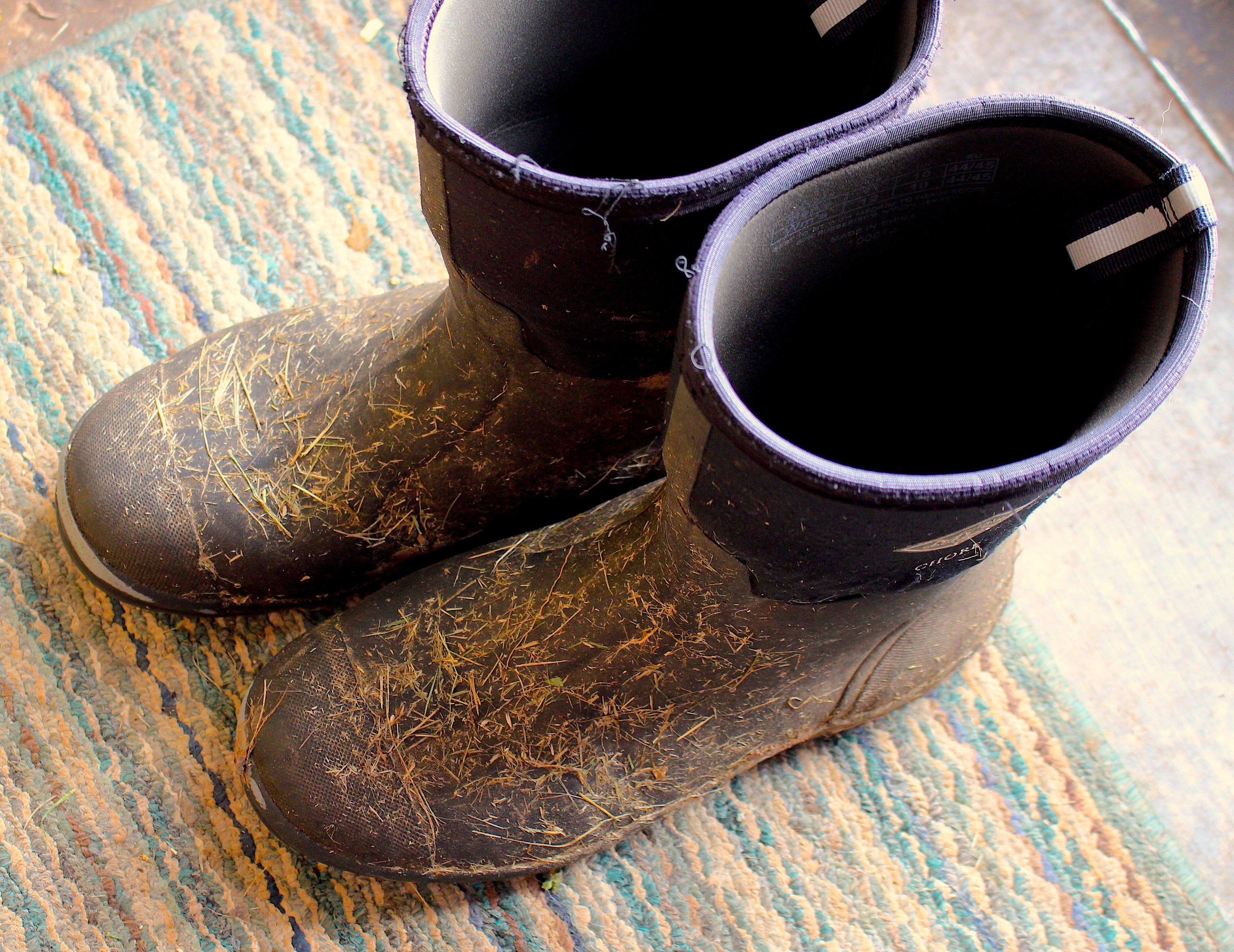
Mud in all its glory rivals ice for navigation hazard. Yesterday it was a boot magnet as I tried carefully to make my way with a load of hay to a bit drier area in a paddock, and found with one step that my boot had decided to remain mired in the muck and my foot was waving bootless in the air trying to decide whether to land in the squishy stuff or go back to the relative safety of the stuck boot. Standing there on one foot, with a load of hay in my arms, I’m sure I looked even more absurd than I felt at the moment, and at least I gave comic relief to people driving by.
I won’t say how I figured my way out, but it did require doing laundry later.
I remember years ago when my daughter was about 5 years old, I was busy with chores as she was exploring a similar muddy paddock and I realized I hadn’t seen her for a few minutes and I went looking. There she stood, wailing, with one stocking foot in the mud, an empty boot stuck up to its top, and her other boot so mired, she couldn’t move without abandoning it too. By the time I got her extracted, we were both laughing muddy messes.
More laundry.
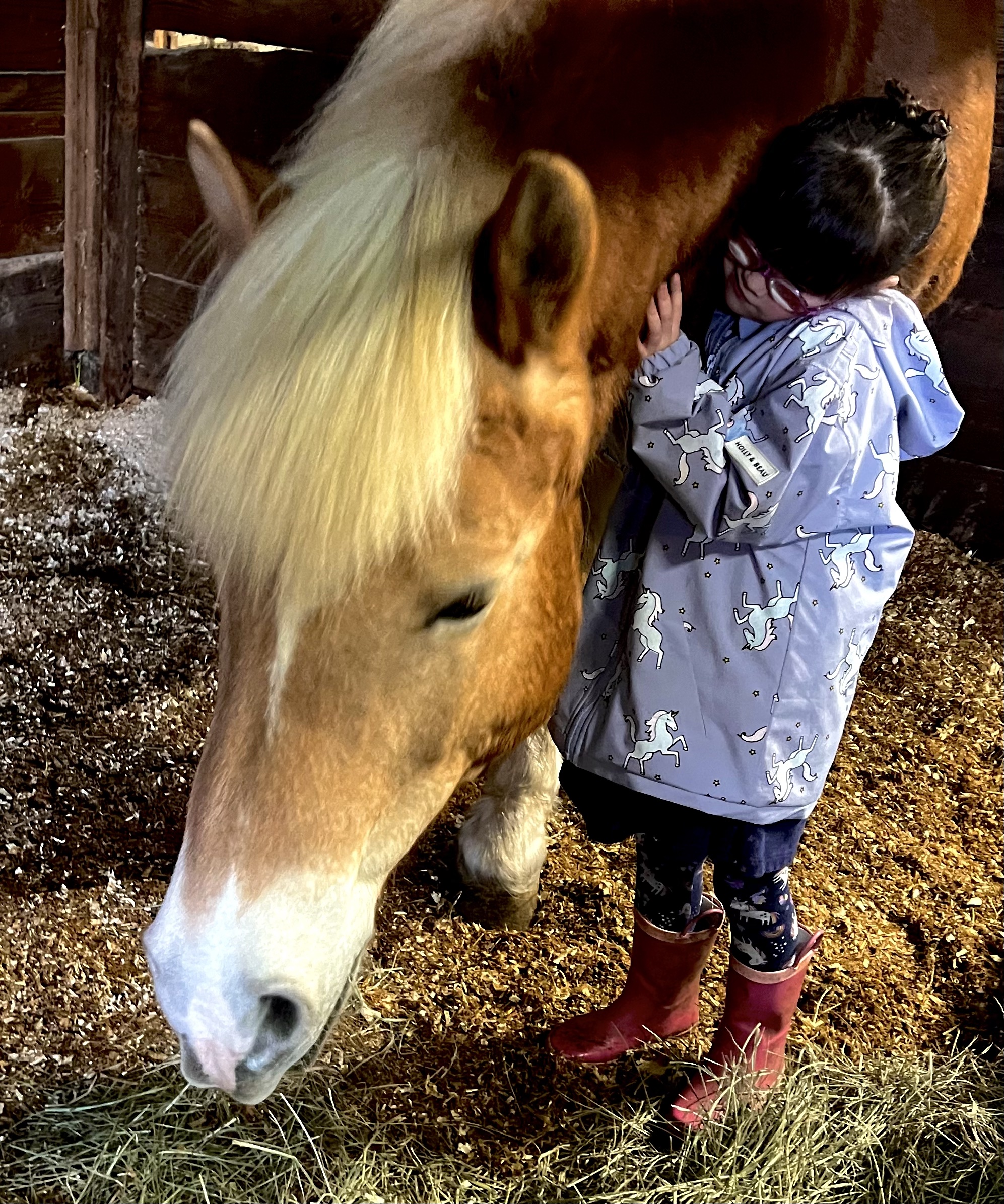
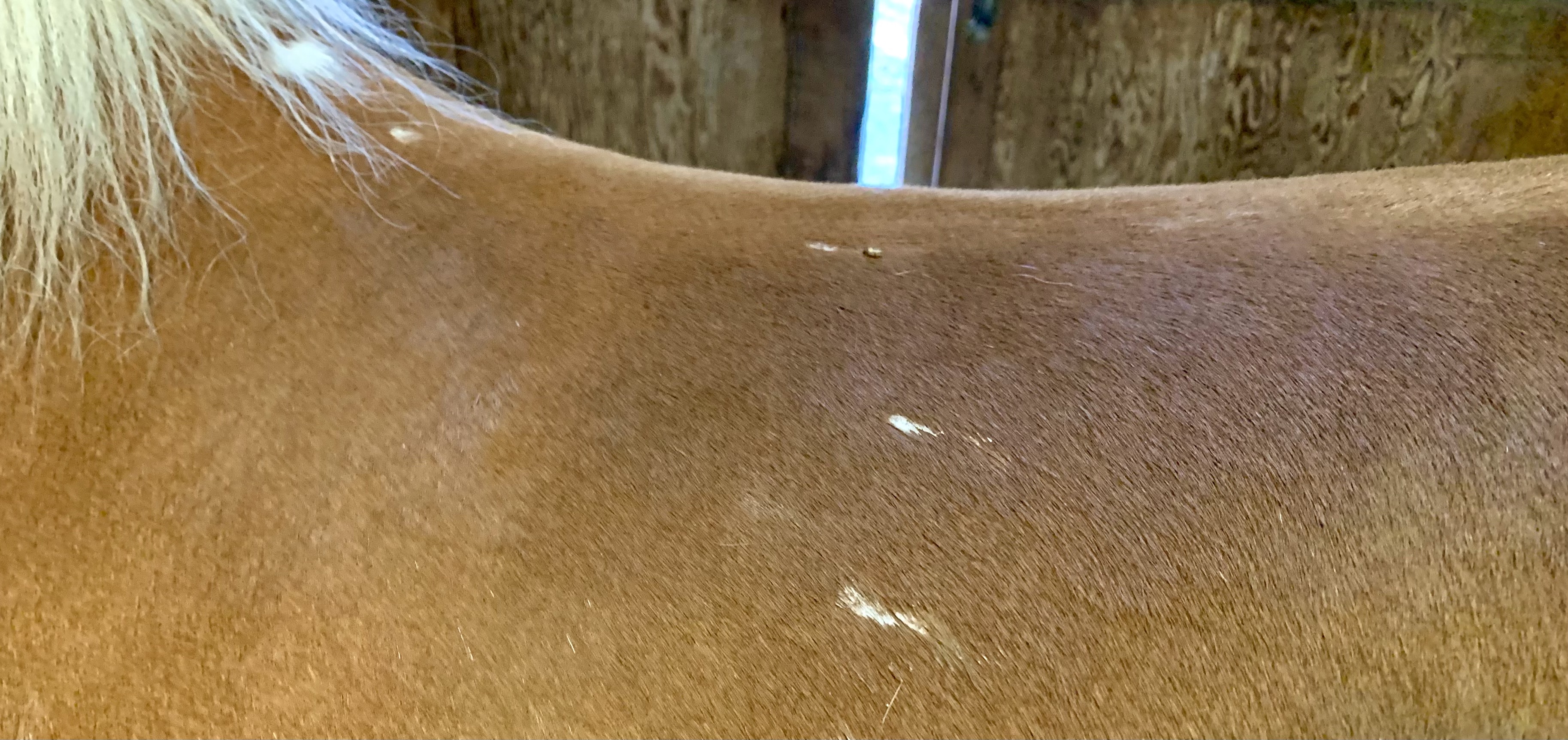
The Haflinger horses are not averse to the mud if they are hungry enough. They’ll hesitate momentarily before they dive in to reach their meal but dive in they do. Those clean blonde legs and white tails are only a memory from last summer. Even their bellies are flecked with brown now. Later, back in the barn, as the mud dries, it curries off in chunks and I start to see my golden horses revealed again, but it seems they and I will never be truly clean again.
What lures me into the mud, enticing me deeper in muck that covers and coats me so thoroughly that it feels I’ll never be clean again? Whatever I want so badly that I’m willing to get hopelessly dirty to reach it, once there, it has become tainted by the mud as well, and is never as good as I had hoped.
I become hopelessly mired and stuck, sinking deeper by the minute. Reading the daily headlines only makes it worse.
Rescue comes from an outreached hand with strength greater than my own. Cleansing may be merely skin deep, only to last until my next dive into the mud, or it can be thorough and lasting–a sort of future “mud protective coating” so to speak. I can choose how dirty to get and how dirty to stay and how clean I want to be.
I think the whole world needs to do laundry daily.
One-Time
Monthly
Yearly
Make a one-time or recurring donation to support daily Barnstorming posts
Let me remember you, voices of little insects, Weeds in the moonlight, fields that are tangled with asters, Let me remember, soon will the winter be on us, Snow-hushed and heavy.
Over my soul murmur your mute benediction, While I gaze, O fields that rest after harvest, As those who part look long in the eyes they lean to, Lest they forget them. ~Sara Teasdale from “September Midnight”
The tumult and the shouting dies; The Captains and the Kings depart: Still stands Thine ancient sacrifice, An humble and a contrite heart. Lord God of Hosts, be with us yet, Lest we forget—lest we forget! ~Rudyard Kipling from “Recessional”
If I were called upon to identify briefly the principal trait of the entire twentieth century, here too, I would be unable to find anything more precise and pithy than to repeat once again: Men have forgotten God. ~Aleksandr Solzhenitzyn from his 1983 acceptance speech for the Templeton Prize
Lest I forget…
I look long in the eyes I lean to…
whether a loved one, or the mountains, or summer-weary fields, or the face of God Himself.
I cannot risk forgetting Who must be remembered — He is encased in my heart like a treasured photograph, like a precious gem, like a benediction soothing me quiet when anxious.
It is His ultimate promise: Neither will He forget me – looking long in my eyes that lean in to Him.
[And the Lord answered] Can a woman forget her nursing child, that she should not have compassion on the son of her womb? Yes, they may forget, yet I will not forget you. Isaiah 49:15
One-Time
Monthly
Yearly
Make a one-time or recurring donation to support daily Barnstorming posts
What would the world be, once bereft Of wet and wildness? Let them be left, O let them be left, wildness and wet; Long live the weeds and the wilderness yet. ~Gerard Manley Hopkins from “Inversnaid”
A weed is a plant whose virtues have not yet been discovered. ~Ralph Waldo Emerson from Fortune of the Republic
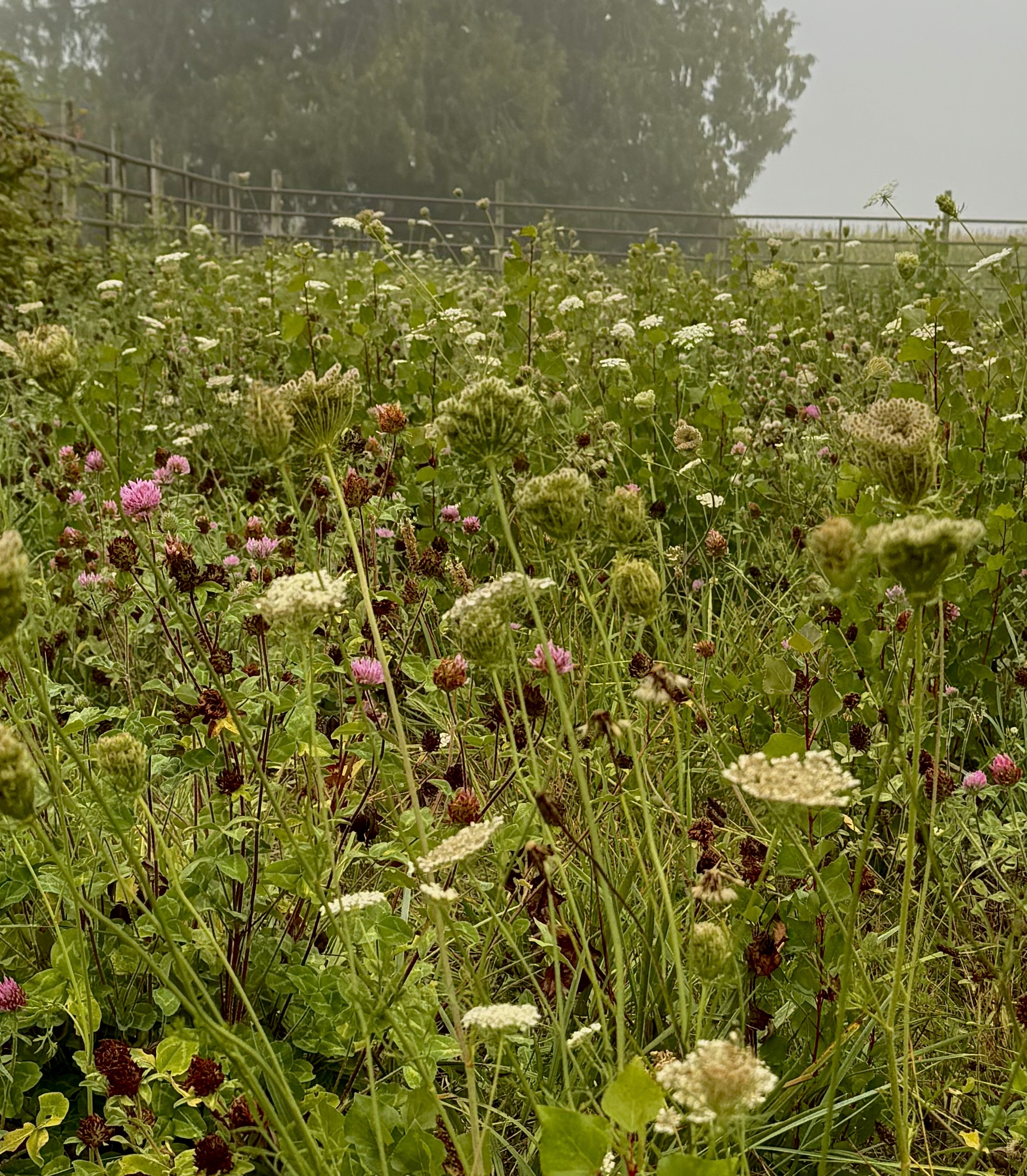
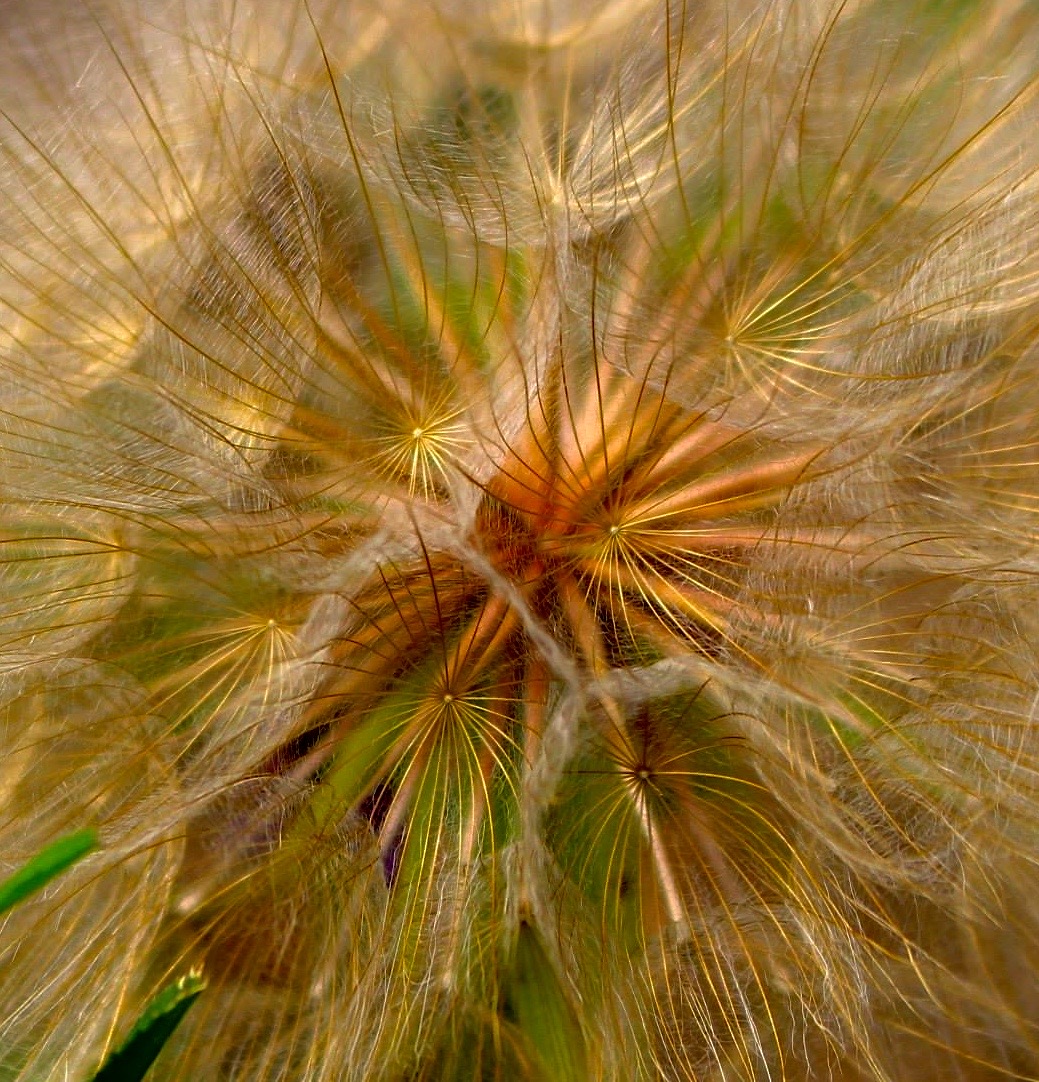
I’ve always identified with weeds and wildflowers more than cultivated blooms. Even those which are thorny, bristly, spreading willy-nilly.
I too have undiscovered virtues – I’m fluffy, I thrive where I’m not necessarily wanted or needed, I tend to be resilient through frost, drought or flood.
The wild persistence of weeds inspires me to just let most of them be, though stinging nettles, poison oak and ivy need to keep to themselves.
Just as a wild beauty lies just beneath their weedy surface, I try to keep flourishing in harsh surroundings, a witness to a world bereft of softness.
O let them be left. O let me be left.
One-Time
Monthly
Yearly
Make a one-time or recurring donation to support daily Barnstorming posts
O! for a horse with wings! ~William Shakespeare from Cymbeline
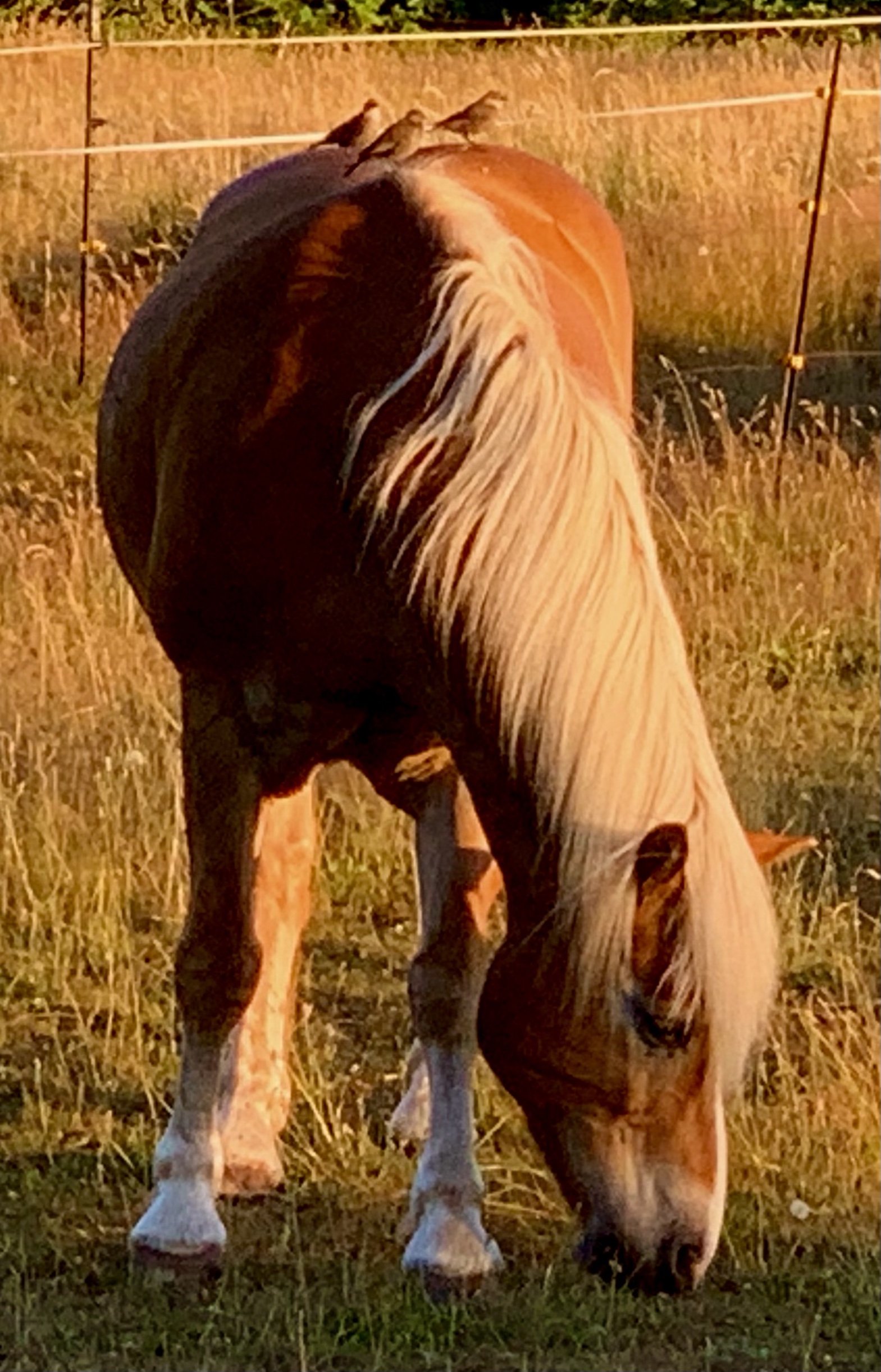
photo by Bette Vander Haakphoto by Bette Vander Haak
Be winged. Be the father of all flying horses. ~C.S. Lewis from The Magician’s Nephew
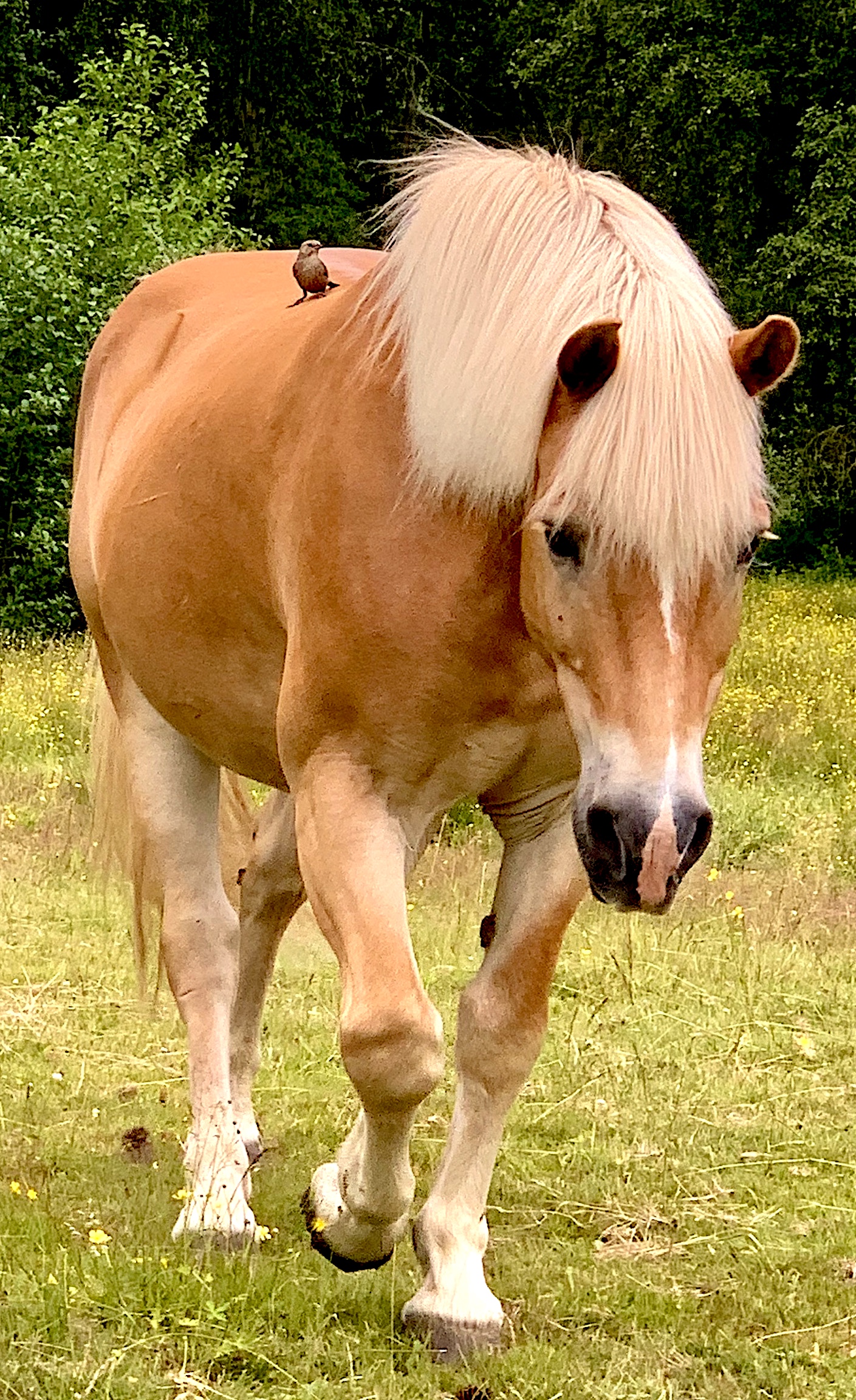
photo by Bette Vander Haak
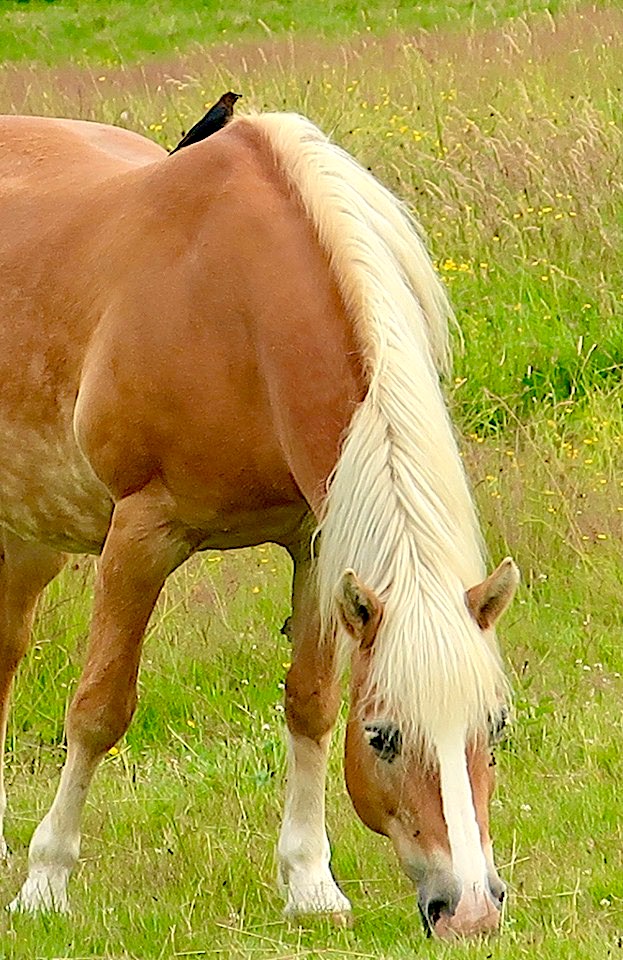
photo by Bette Vander Haak
One reason why birds and horses are happy is because they are not trying to impress other birds and horses. ~Dale Carnegie
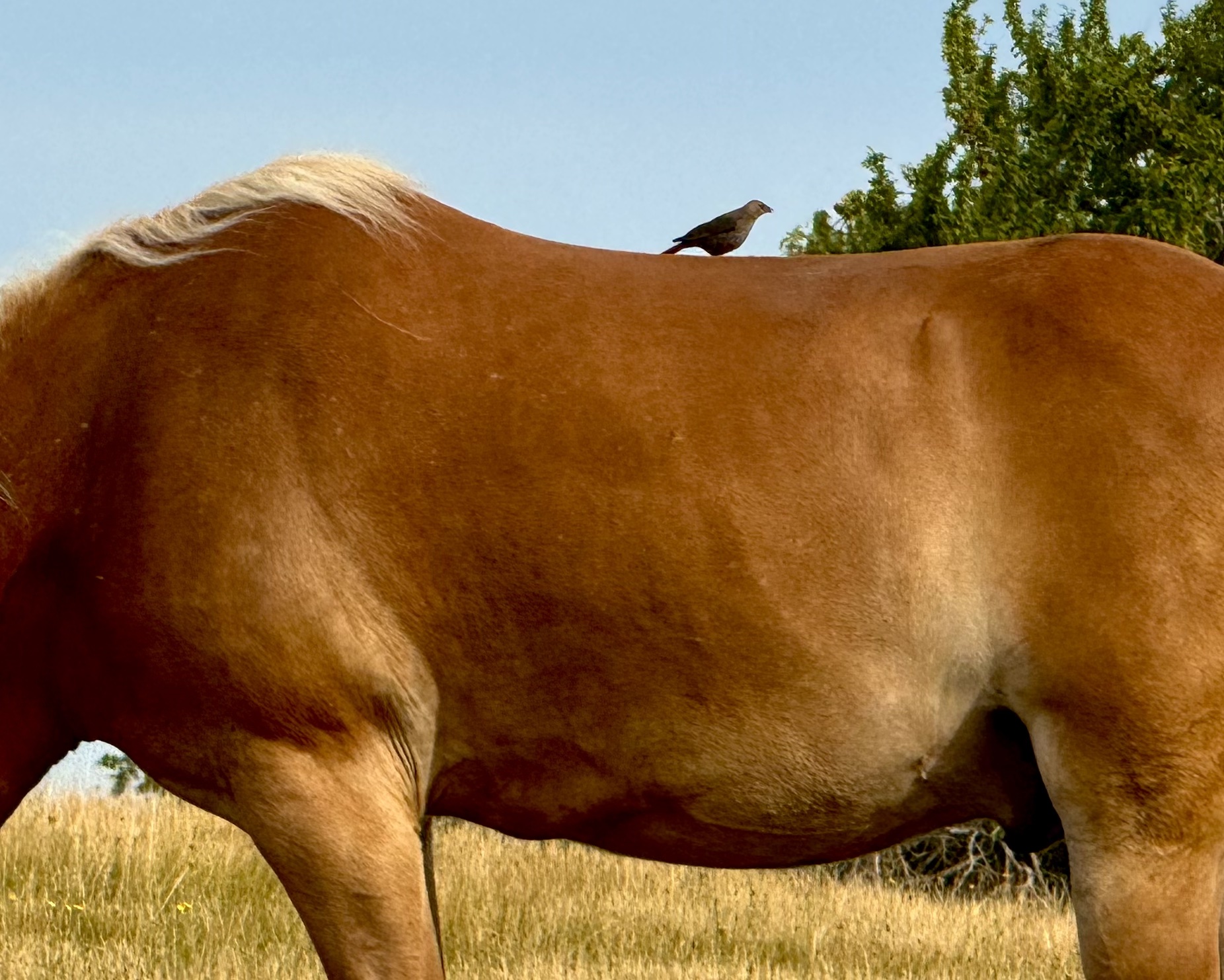
photo by Bette Vander Haak
When I bestride him, I soar, I am a hawk: he trots the air; the earth sings when he touches it; ~William Shakespeare from Henry V
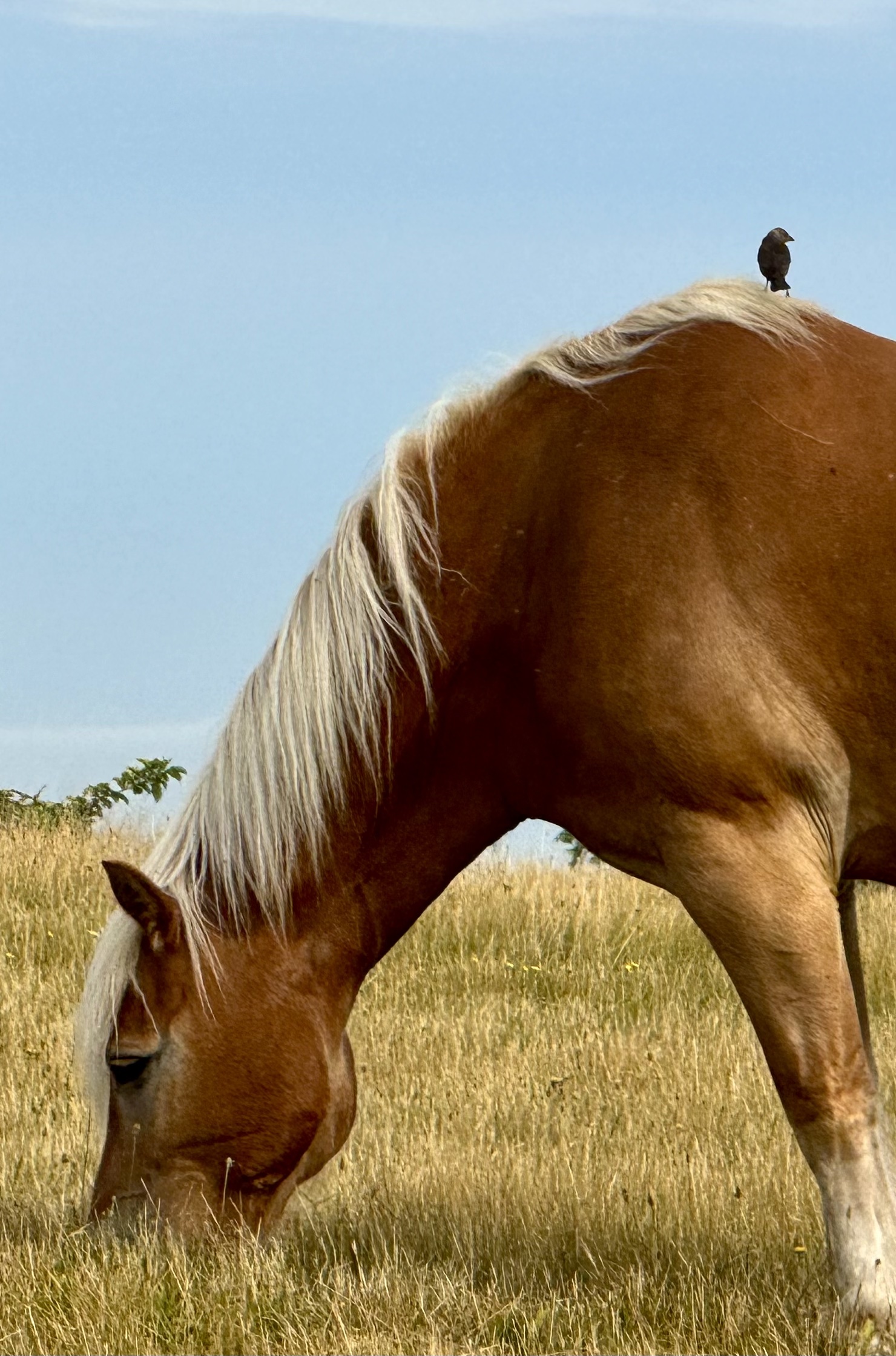
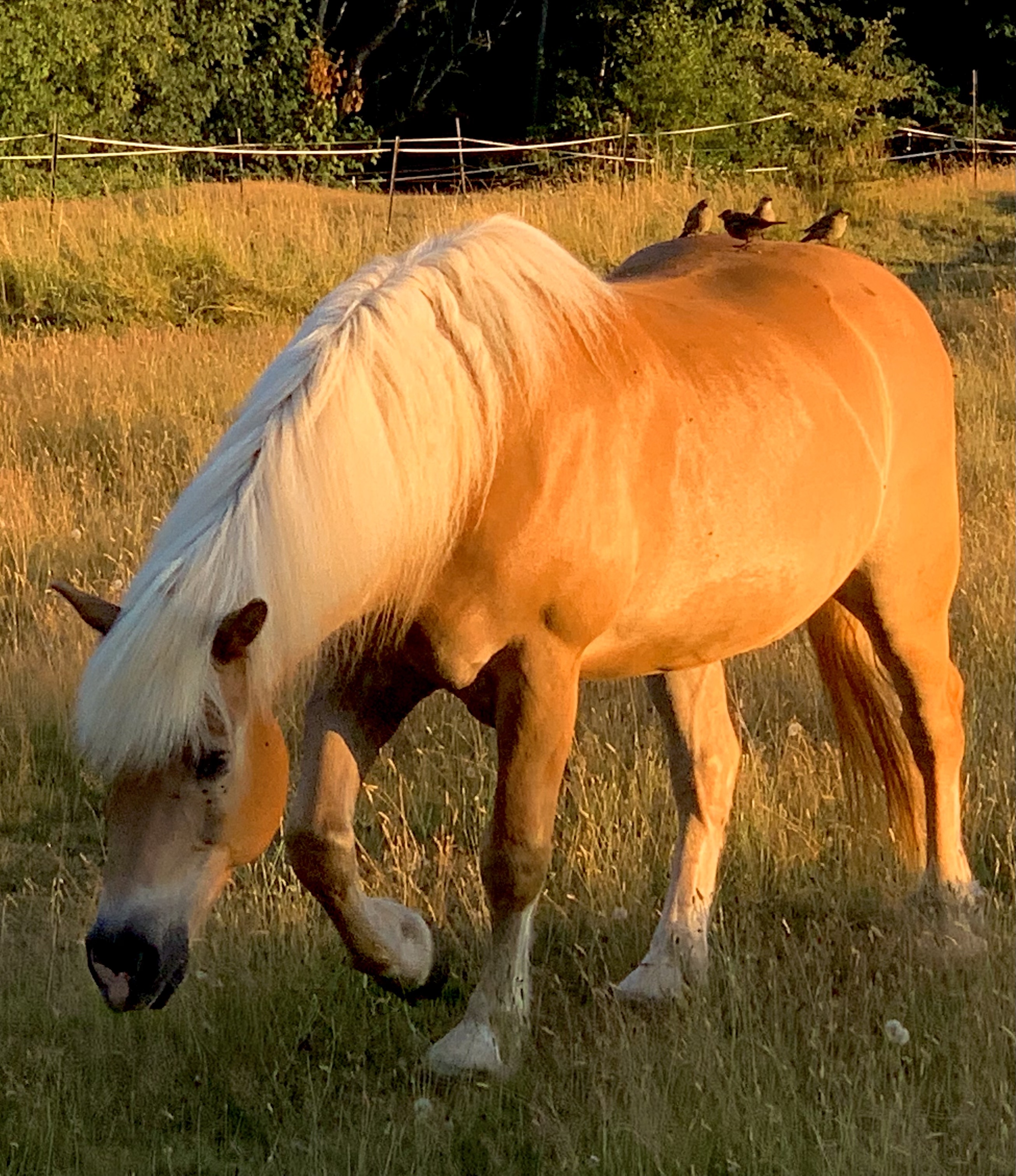
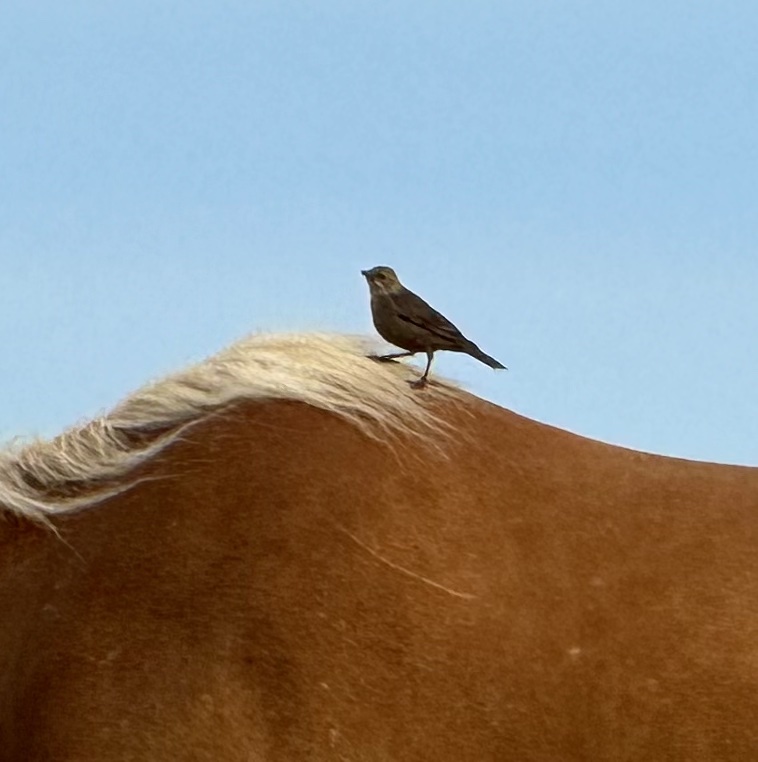
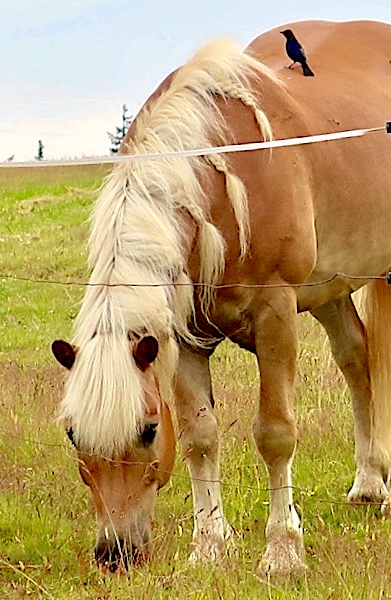
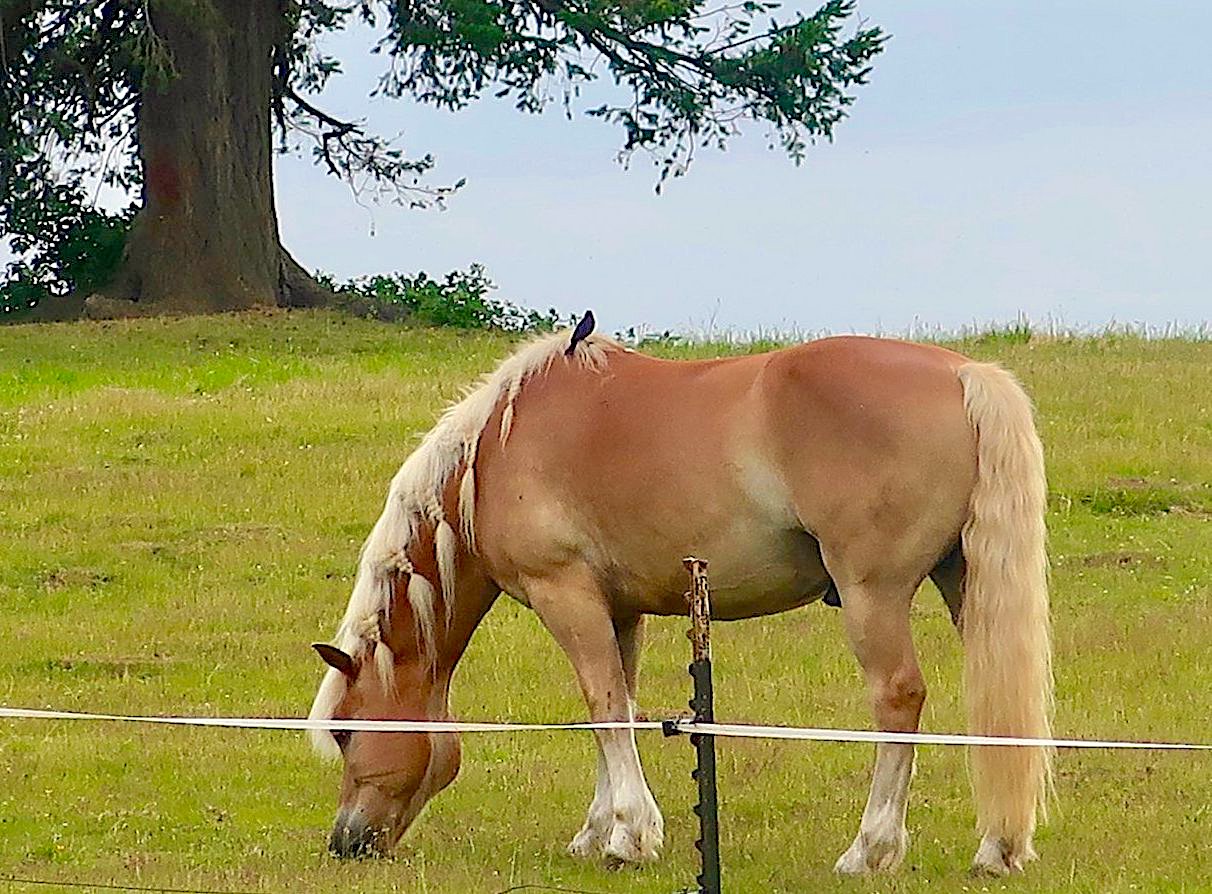
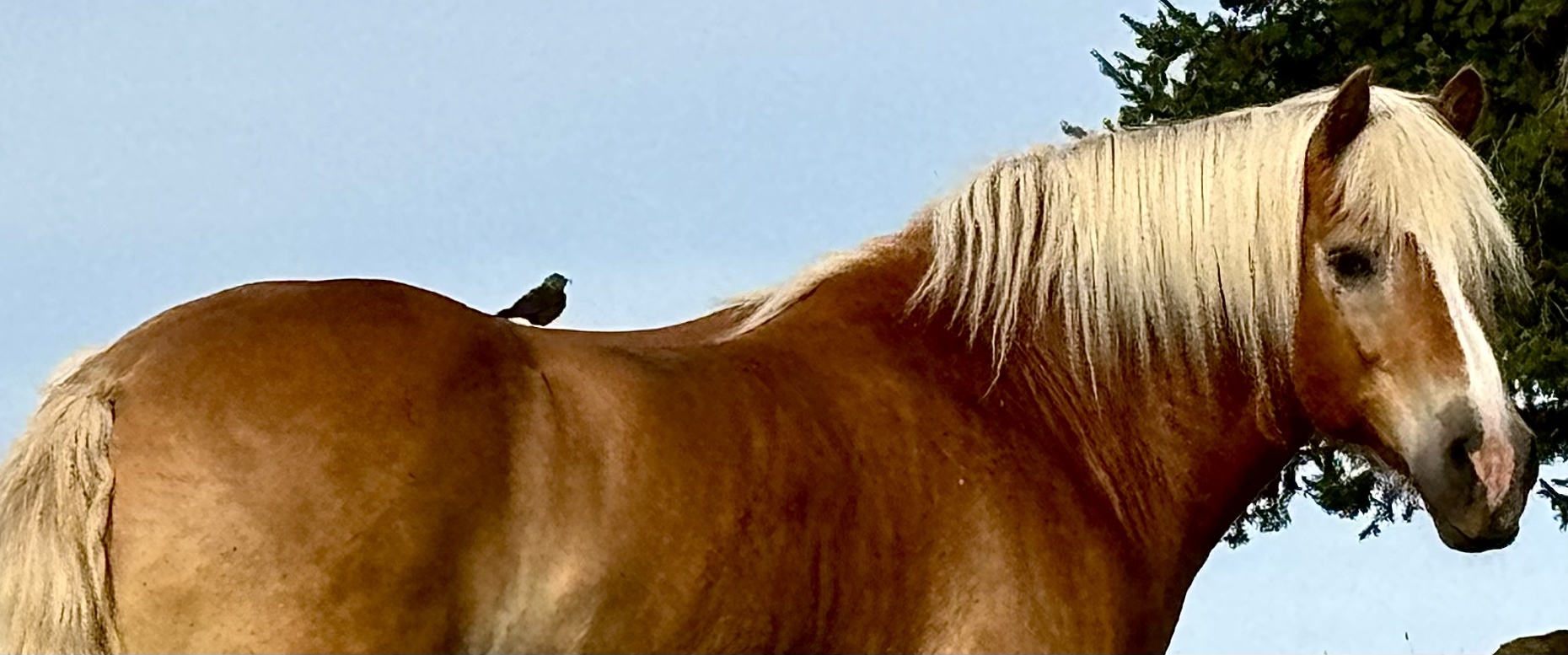
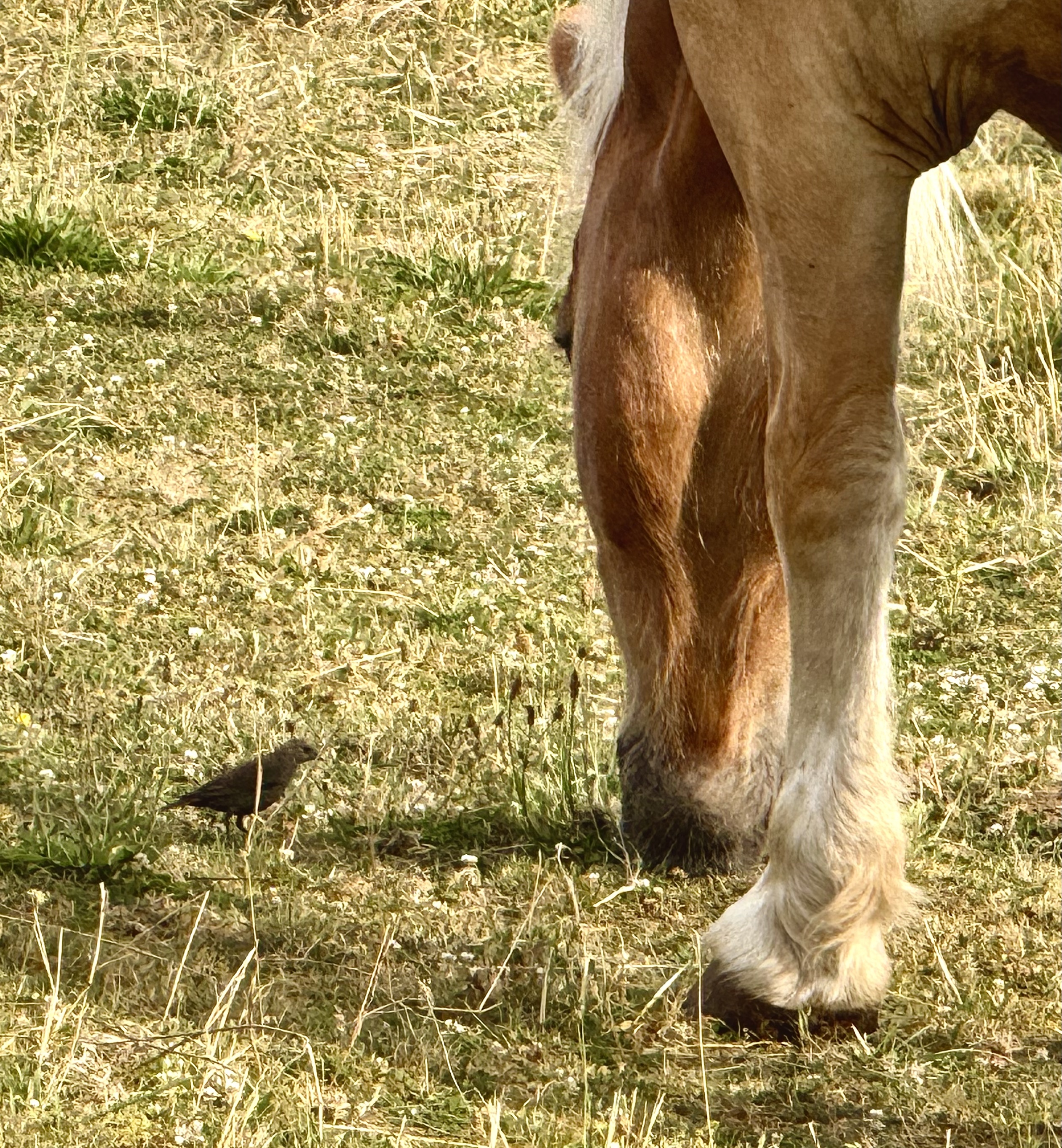
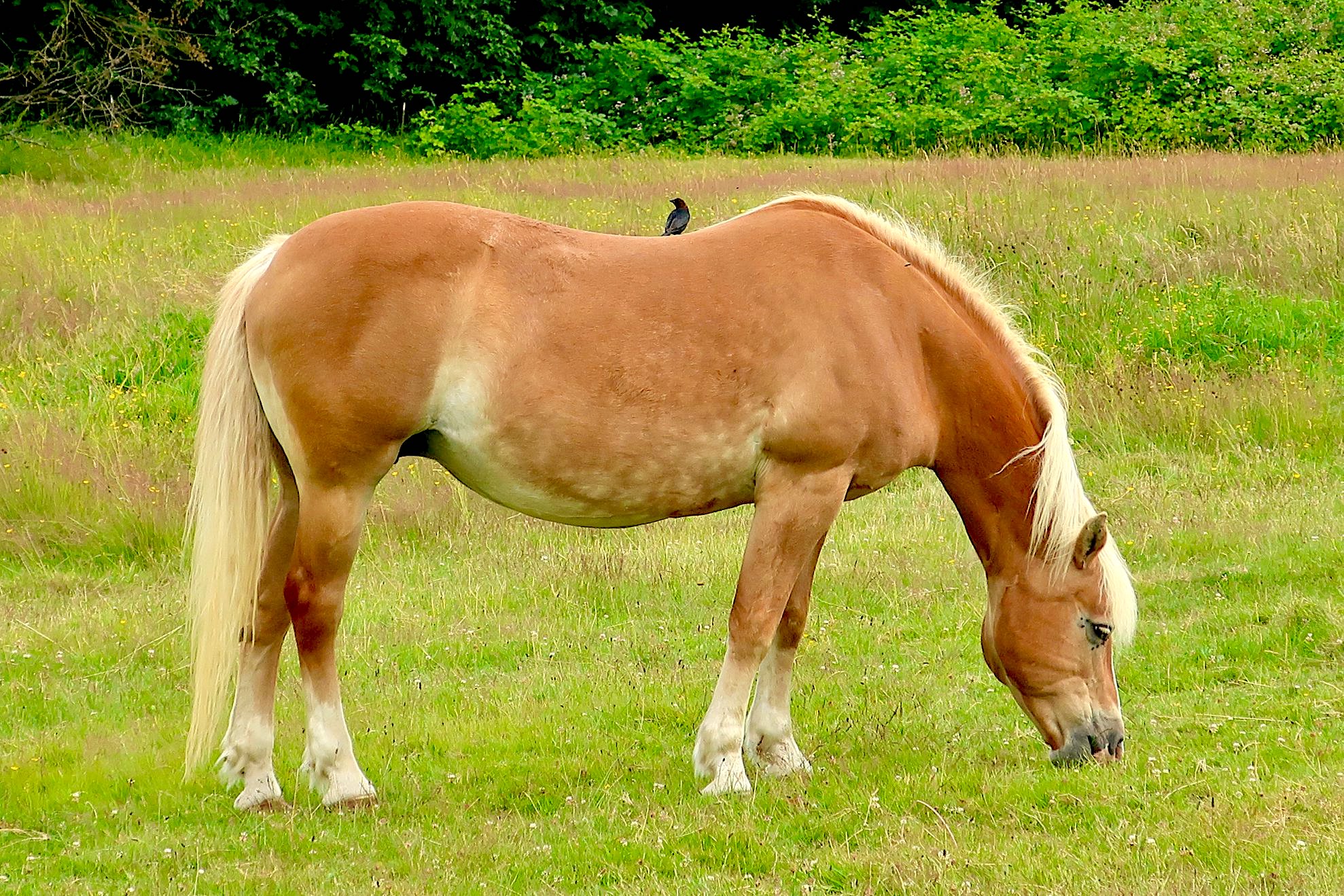
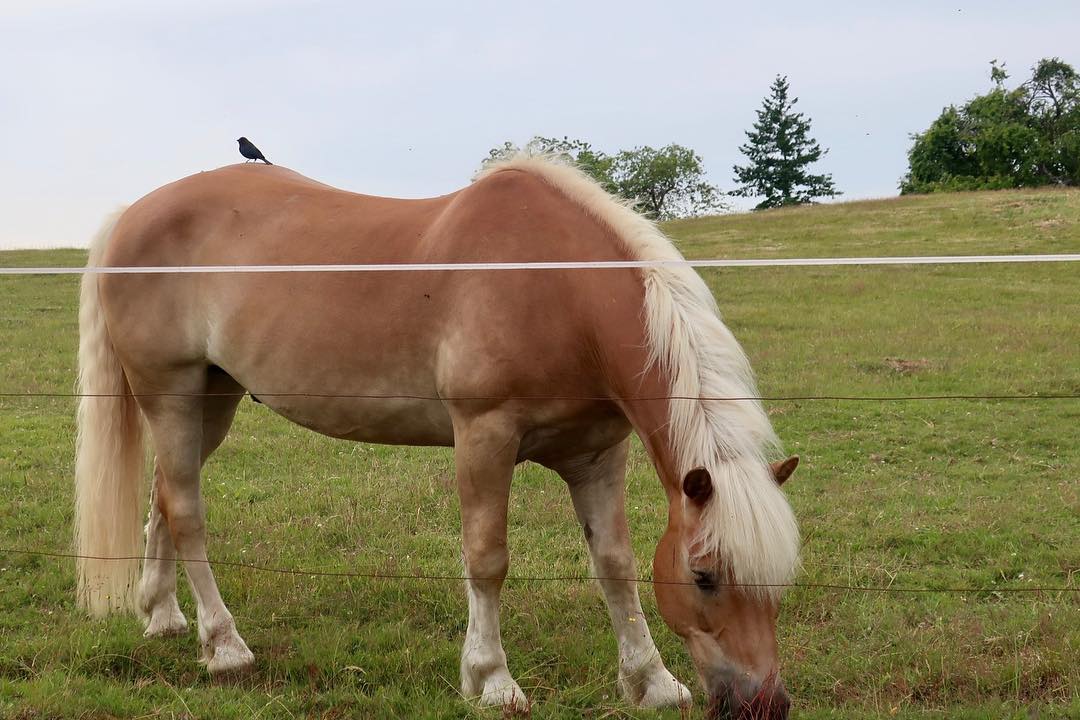
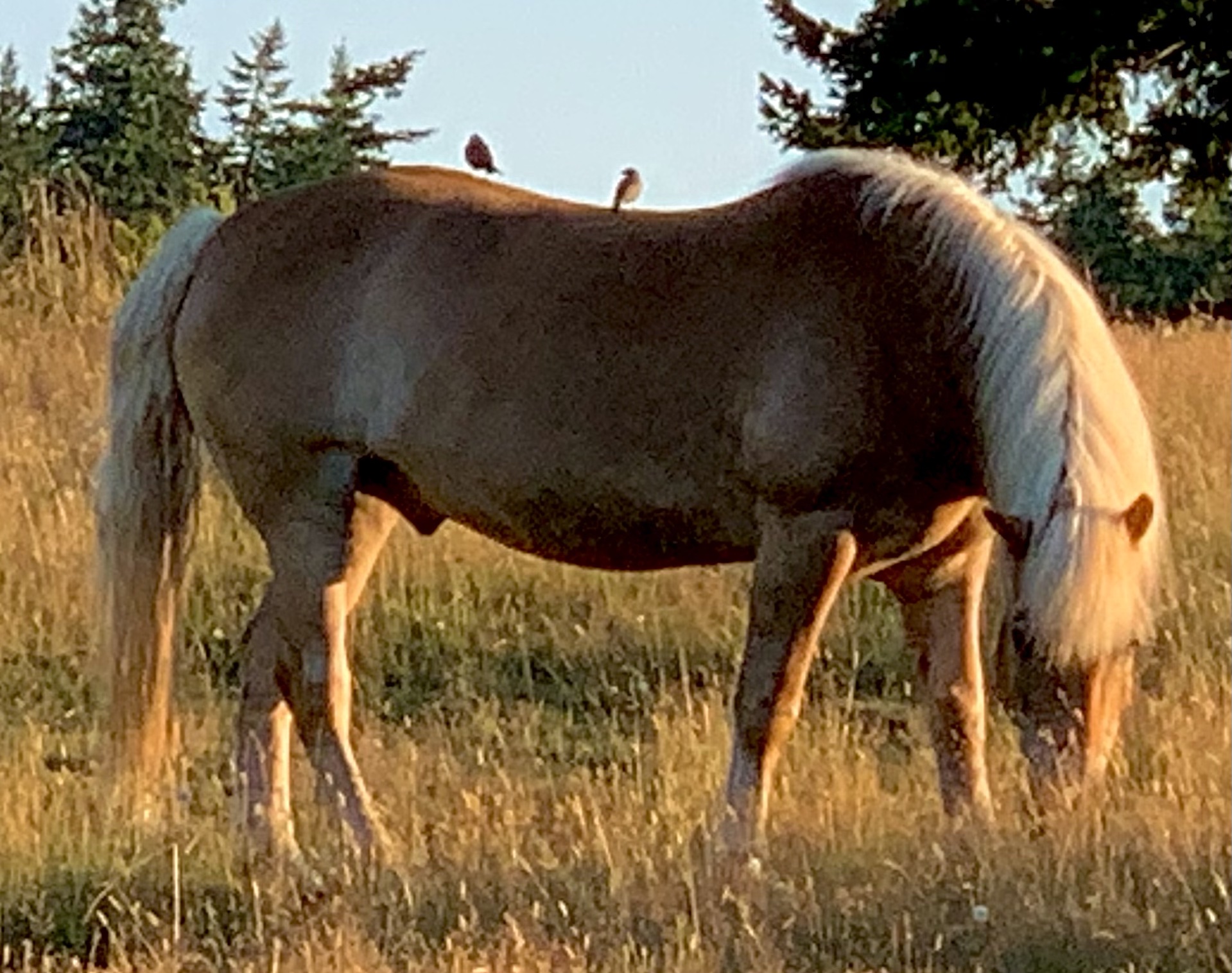
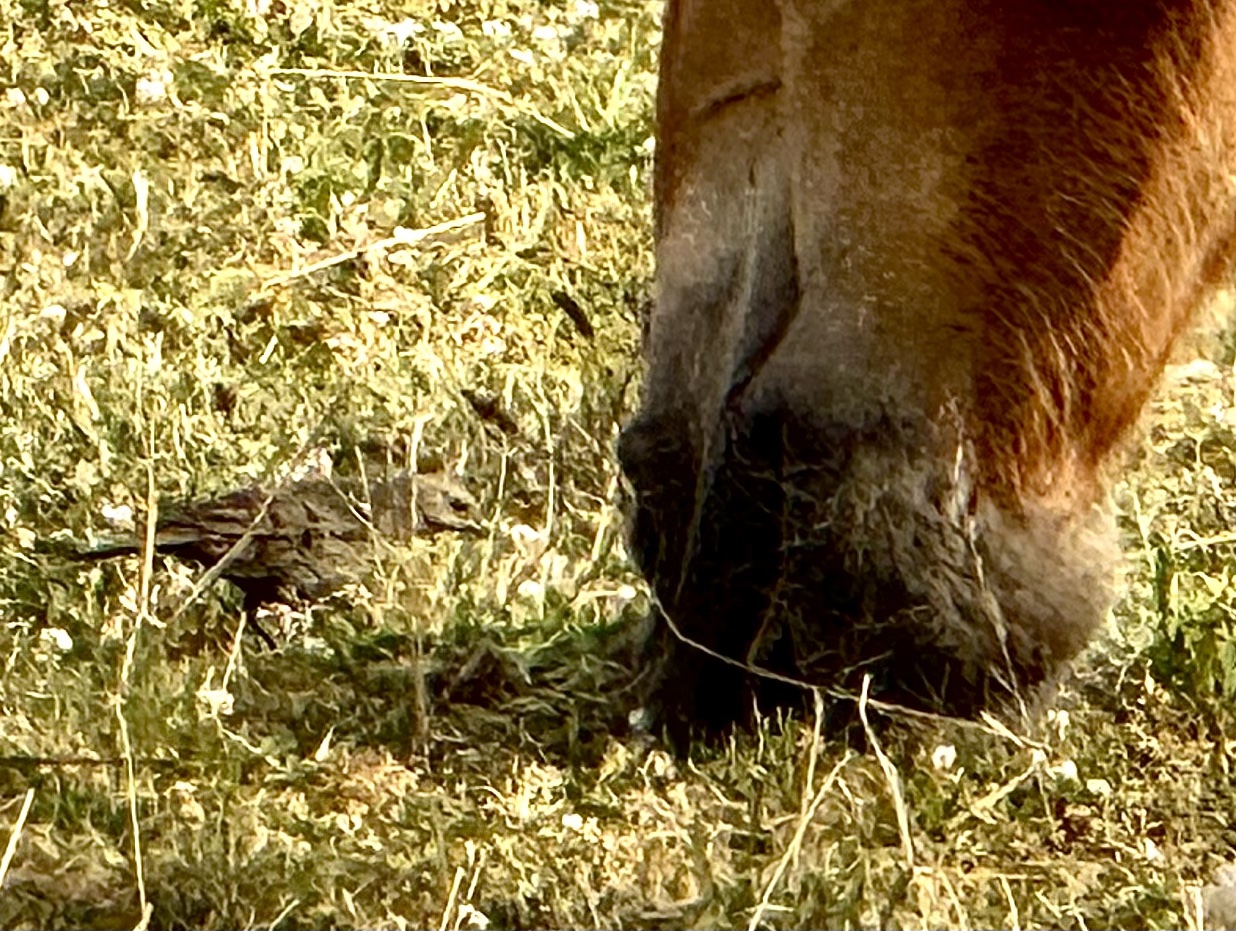
We all need someone along for the ride with us, blessing us with their company — a precious friend who has our back and scratches it wonderfully – helping to keep the biting flies away by gobbling them up.
It is symbiosis at its best: a relationship built on mutual trust and helpfulness. In exchange for relief from annoying insects that a tail can’t flick off, a Haflinger horse serves up bugs on a smorgasbord landing platform located safely above farm cats and marauding coyotes.
Thanks to their perpetual full meal deals, these cowbirds do leave generous “deposits” behind that need to be brushed off at the end of the day. Like any good friendship, tidying up the little messes left behind is a small price to pay for the bliss of companionable comradeship.
We’re buds after all – best forever friends, trotting the air while the earth sings along.
And this is exactly what friends are for: one provides the feast while the other provides the wings, even if things get messy.
Be winged. Be fed. Cleaning up together.
One-Time
Monthly
Yearly
Make a one-time or recurring donation to support daily Barnstorming posts
Now have come the shining days When field and wood are robed anew, And o’er the world a silver haze Mingles the emerald with the blue.
Summer now doth clothe the land In garments free from spot or stain— The lustrous leaves, the hills untanned, The vivid meads, the glaucous grain.
The day looks new, a coin unworn, Freshly stamped in heavenly mint; The sky keeps on its look of morn; Of age and death there is no hint.
How soft the landscape near and far! A shining veil the trees infold; The day remembers moon and star; A silver lining hath itsgold.
Again I see the clover bloom, And wade in grasses lush and sweet; Again has vanished all my gloom With daisies smiling at my feet.
Again from out the garden hives The exodus of frenzied bees; The humming cyclone onward drives, Or finds repose amid the trees.
At dawn the river seems a shade— A liquid shadow deep as space; But when the sun the mist has laid, A diamond shower smites its face.
The season’s tide now nears its height, And gives to earth an aspect new; Now every shoal is hid from sight, With current fresh as morning dew. ~John Burroughs “June’s Coming”
Out of the deep and the dark, A sparkling mystery, a shape, Something perfect, Comes like the stir of day: One whose breath is a fragrance, One whose eyes reveal the road to stars, The wind in his countenance, The glory of heaven upon his back. He steps like a vision hung in air, Diffusing the passion of eternity; His abode is the sunlight of morn, The music of eve his speech: In his sight, One shall turn from the dust of the grave, And move upward to the woodland. ~Yone Noguchi“The Poet”
Each month is special in its own way: I tend to favor April and October for how the light plays on the landscape during transitional times — a residual of what has been, with a hint of what lies ahead.
Then there is June. Dear, gentle, abundant and overwhelming June. Nothing is dried up, there is such a rich feeling of ascension into lushness of summer with an “out of school” attitude, even if someone like me has graduated long ago.
And the light, and the birdsong and the dew and the greens — such vivid verdant greens. The stir of the day stirs my heart…
As lovely as June is, 30 days is more than plenty or I would become helplessly saturated. Then I can be released from my sated stupor to wistfully hunger for June for 335 more.
One-Time
Monthly
Yearly
Make a one-time or recurring donation to support daily Barnstorming posts
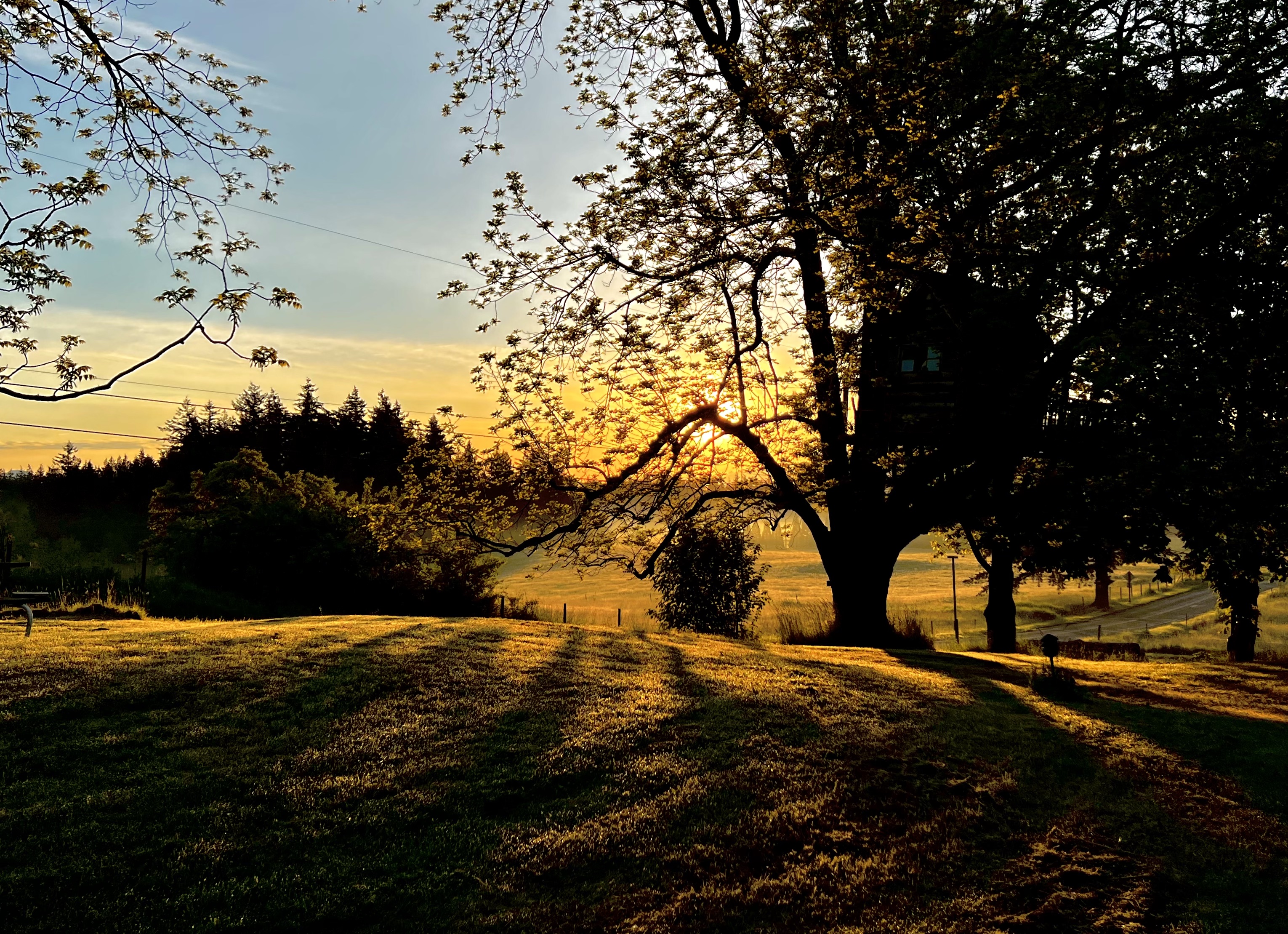
when the sun peeks over the horizon to greet the day and spread golden honey warmth to the dark, sleepy earth
when the birds begin to stir and twitter and tune their songs to one another
when the trees rustle as the morning breeze opens her eyes from slumber, and the dew is heavy on the blades of grass
when I know morning has come once again and we are not lost to the night, even as we are not lost to the day
light dawns, and I can move again breathing in streams of fresh morning air lighting a candle for rejuvenation and praying the day in with ginger and salt and clay
Each morning is a fresh try at life, a new chance to get things right when our yesterdays are broken.
So I drink deeply of the golden dawn, take a full breath of cool air and dive in head first into luminous light and bushels of blossoms, hoping I too might float on the morning magic.
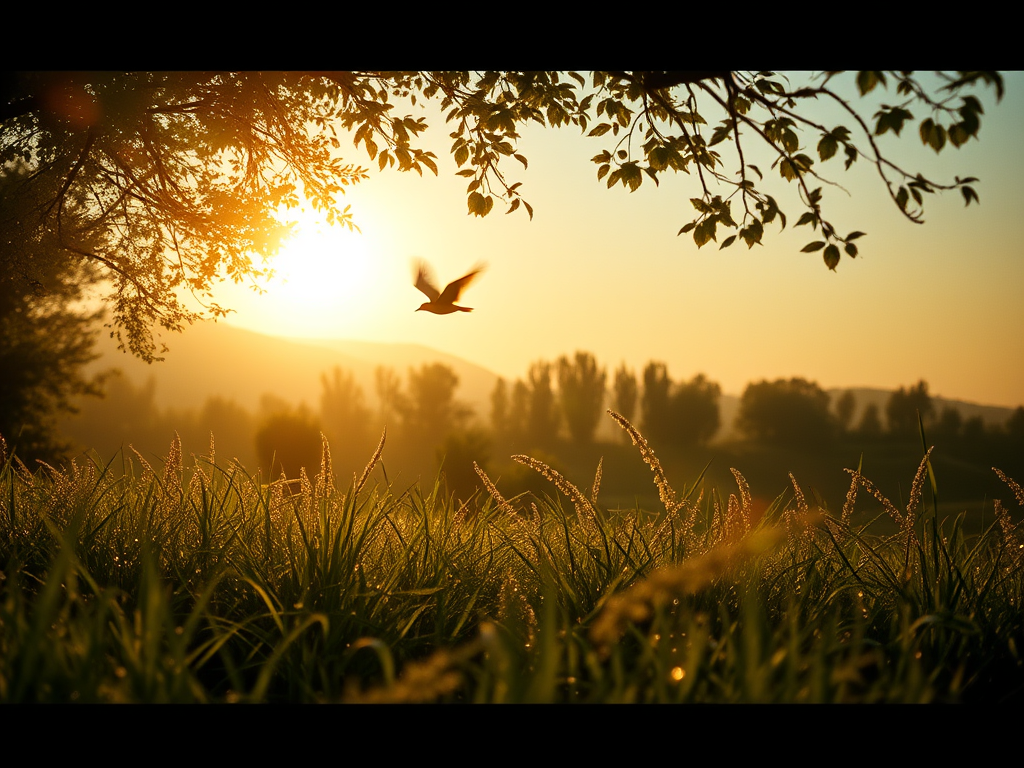
AI image created for this post
One-Time
Monthly
Yearly
Make a one-time or recurring donation to support daily Barnstorming posts





















 Barnstorming