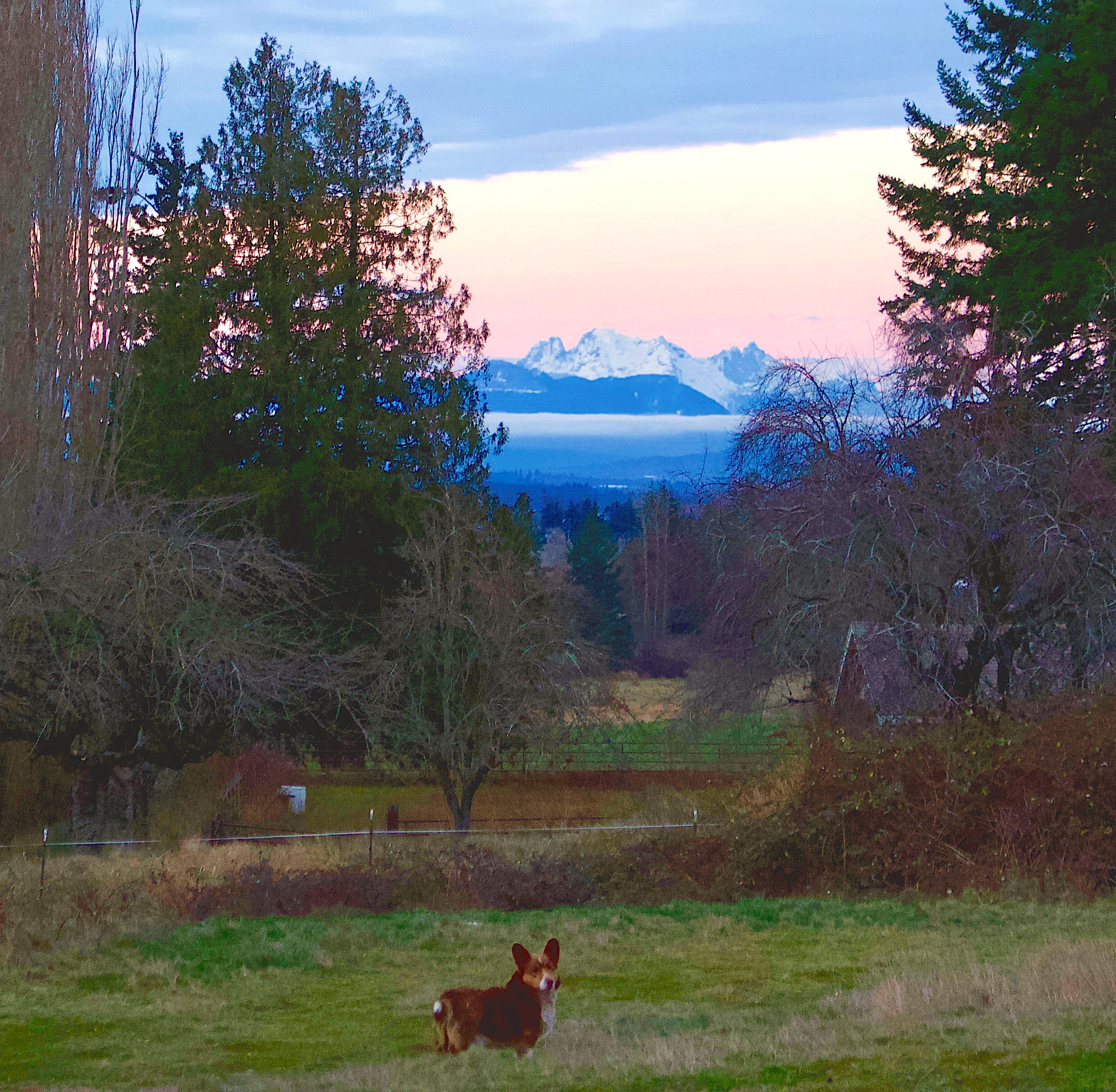
Returning Home Somehow

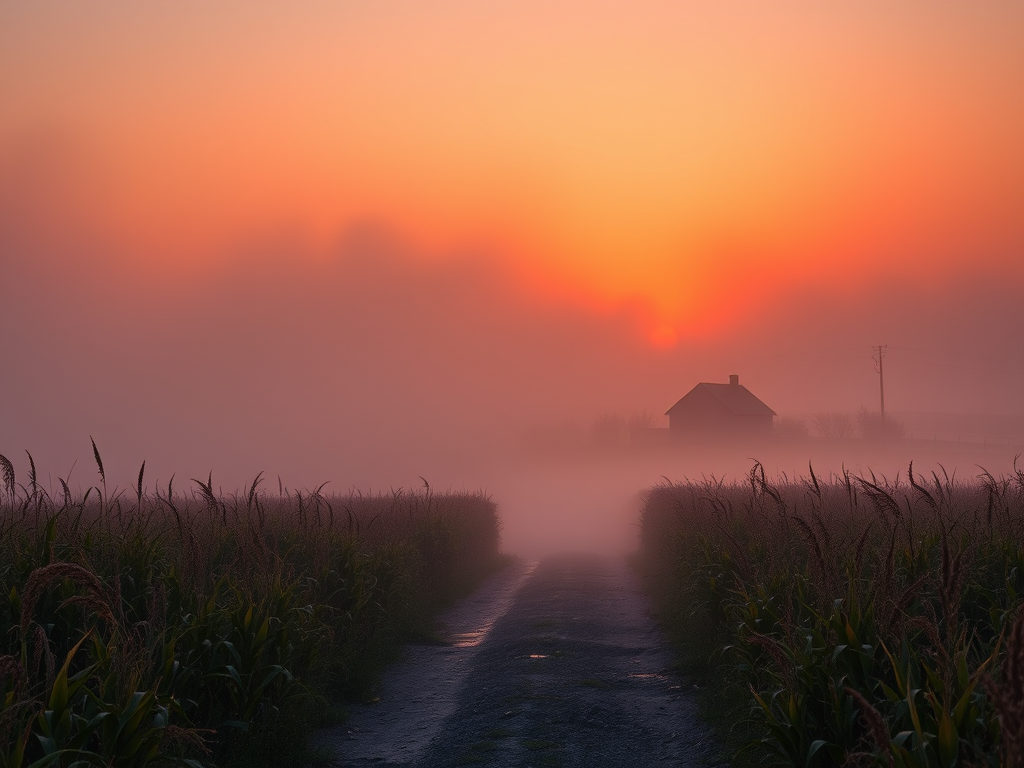
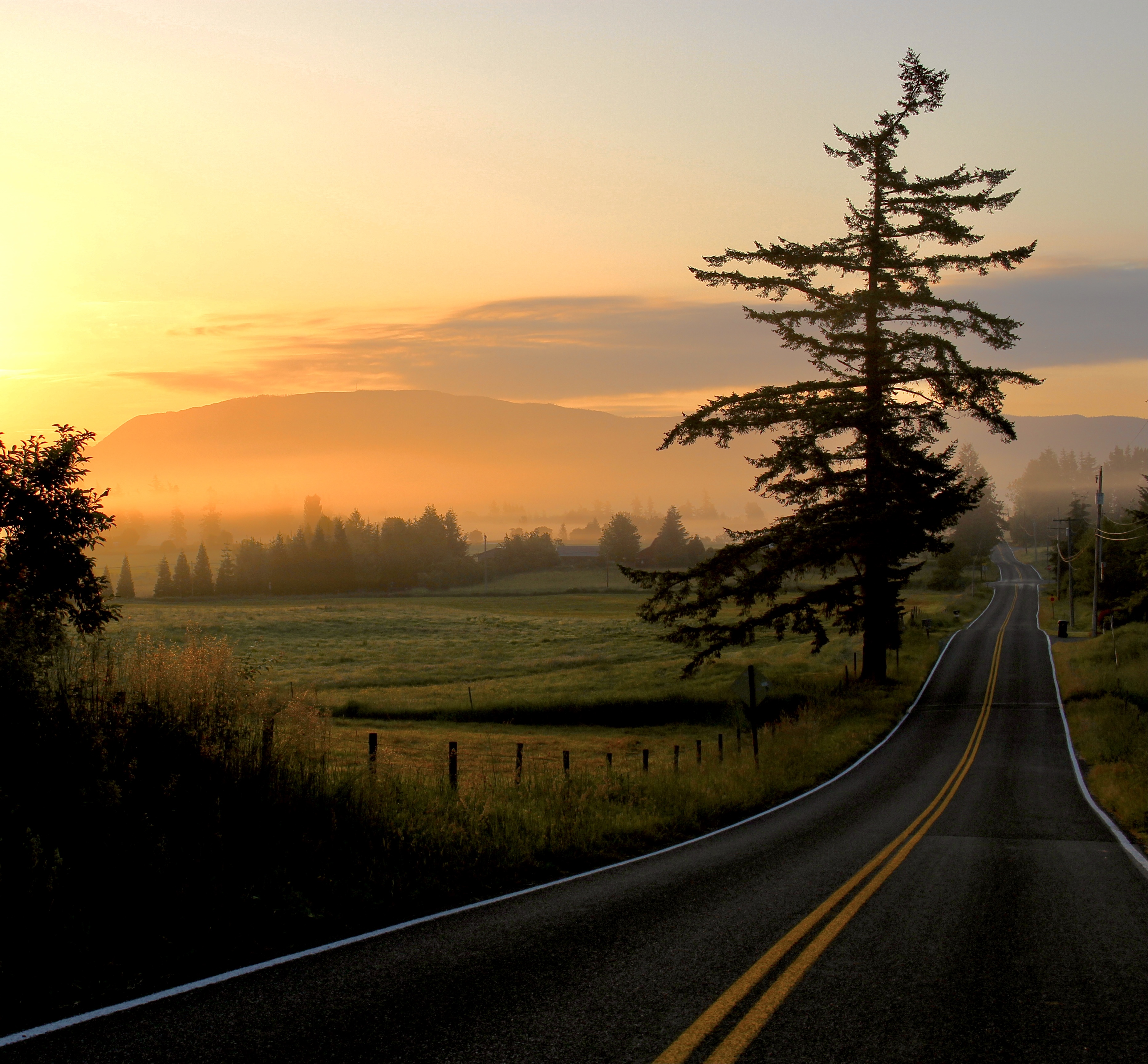
In the quiet misty morning
When the moon has gone to bed,
When the sparrows stop their singing
And the sky is clear and red,
When the summer’s ceased its gleaming
When the corn is past its prime,
When adventure’s lost its meaning –
I’ll be homeward bound in time

Bind me not to the pasture
Chain me not to the plow
Set me free to find my calling
And I’ll return to you somehow

If you find it’s me you’re missing
If you’re hoping I’ll return,
To your thoughts I’ll soon be listening,
And in the road I’ll stop and turn
Then the wind will set me racing
As my journey nears its end
And the path I’ll be retracing
When I’m homeward bound again

Bind me not to the pasture
Chain me not to the plow
Set me free to find my calling
And I’ll return to you somehow

In the quiet misty morning
When the moon has gone to bed,
When the sparrows stop their singing
I’ll be homeward bound again.

~Marta Keen “Homeward Bound”
Eighty-two years ago, my parents married on Christmas Eve. It was not a conventional wedding day but a date of necessity, only because a justice of the peace was available to marry a score of war-time couples in Quantico, Virginia, shortly before the newly trained Marine officers were shipped out to the South Pacific to fight in WWII.

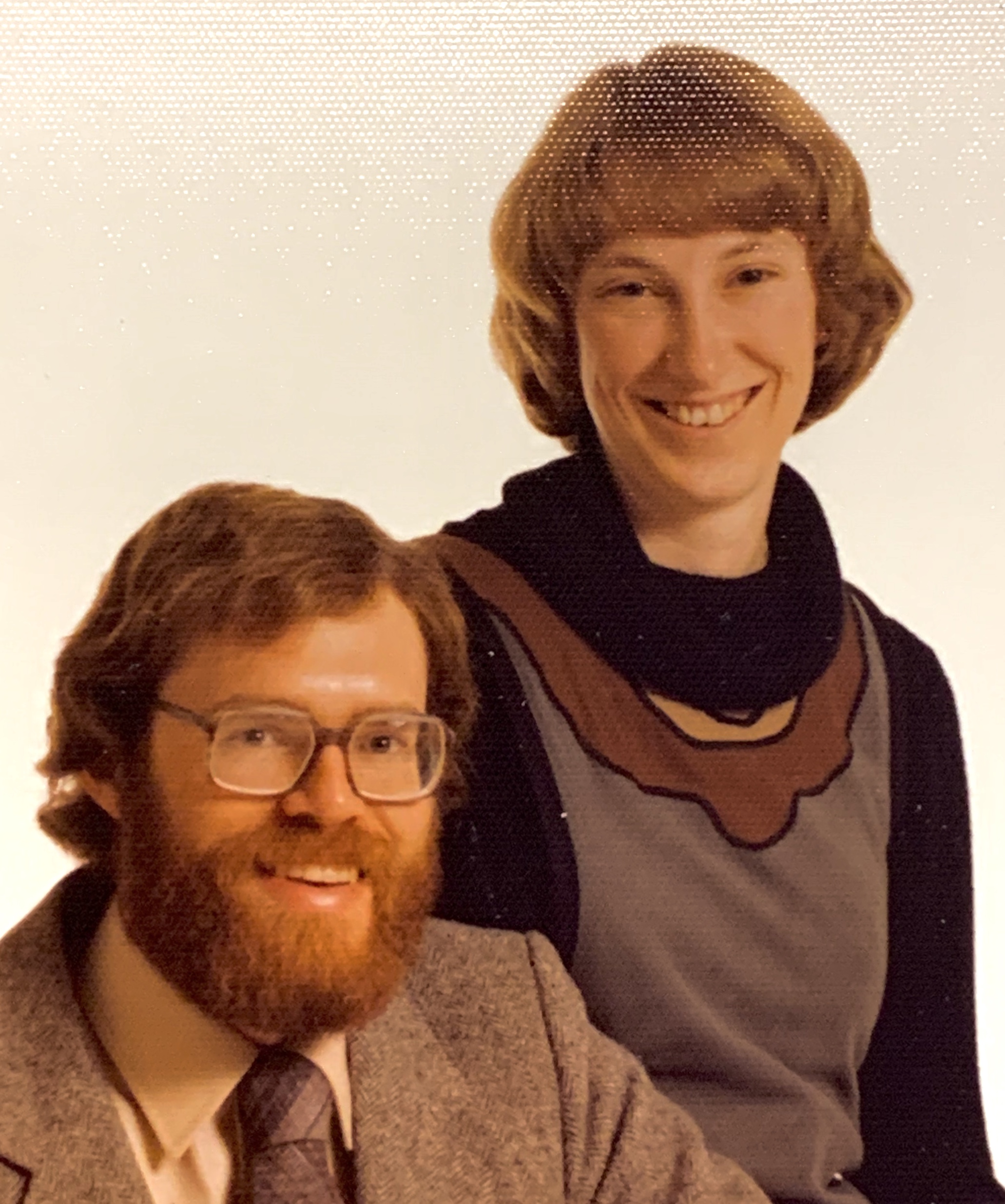
When I look at my parents’ young faces – ages 22 and just turned 21 — in their only wedding portrait, I see a hint of the impulsive decision that led to that wedding just a week before my father left for 30 months. They had known each other at college for over a year, had talked about a future together, but with my mother starting a teaching job in a rural Eastern Washington town, and the war potentially impacting all young men’s lives very directly, they had not set a date.

My father put his college education on hold to enlist, knowing that would give him some options he wouldn’t have if drafted, so they went their separate ways as he headed east to Virginia for his Marine officer training, and Mom started her high school teaching career as a speech and drama teacher. One day in early December of 1942, he called her and said, “If we’re going to get married, it’ll need to be before the end of the year. I’m shipping out the first week in January.” Mom went to her high school principal, asked for a two week leave of absence which was granted, told her astonished parents, bought a dress, and headed east on the train with a friend who had received a similar call from her boyfriend.

This was a completely uncharacteristic thing for my overly cautious mother to do, so… it must have been love.

They were married in a brief civil ceremony with another couple as the witnesses. They stayed in Virginia only a couple days and took the train back to San Diego, and my father was shipped out. Just like that. Mom returned to her teaching position and the first three years of their married life was composed of letter correspondence only, with gaps of up to a month during certain island battles when no mail could be delivered or posted.

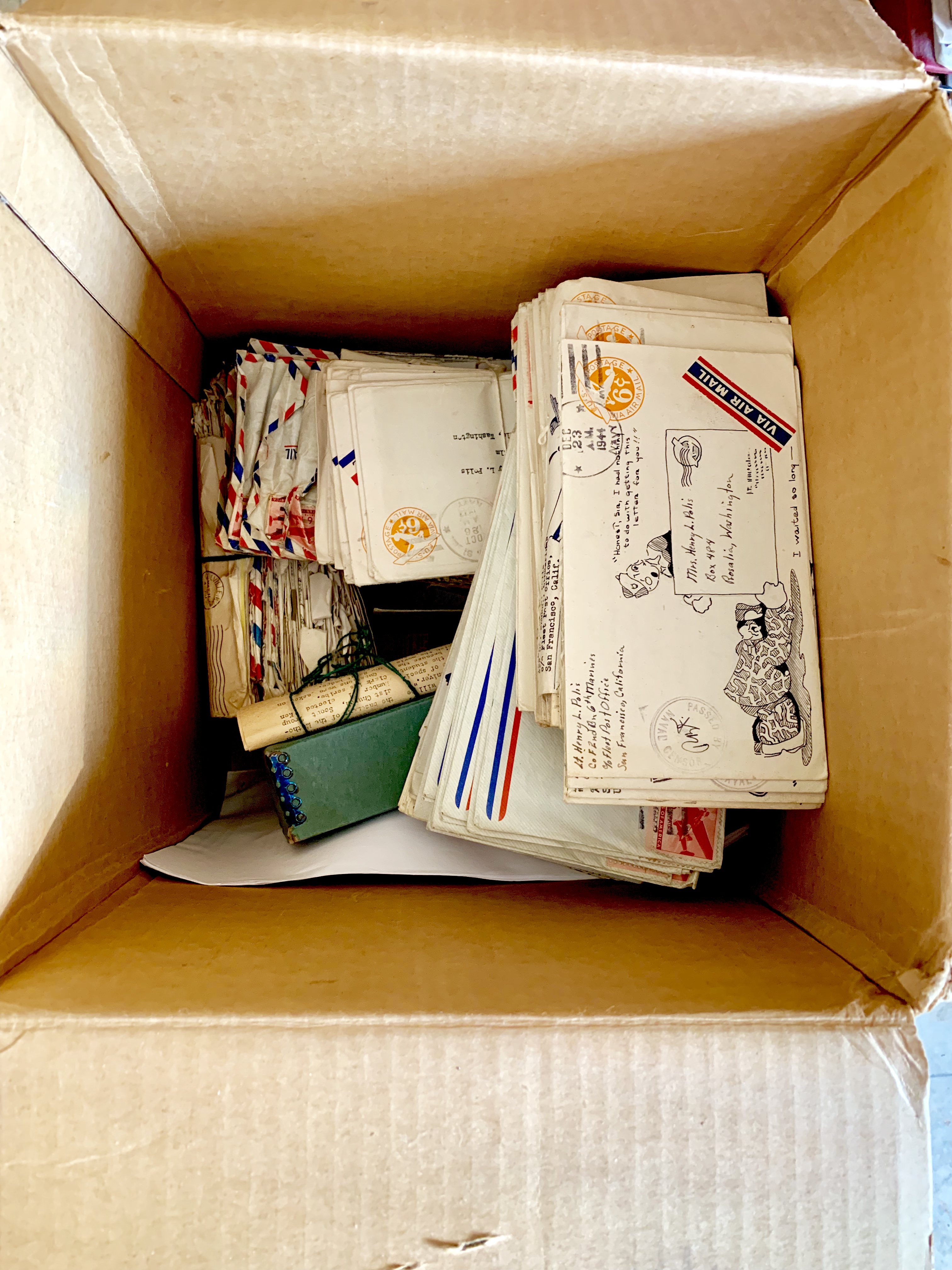
As I sorted through my mother’s things following her death over a decade ago, I found their war-time letters to each other, stacked neatly and tied together in a box.

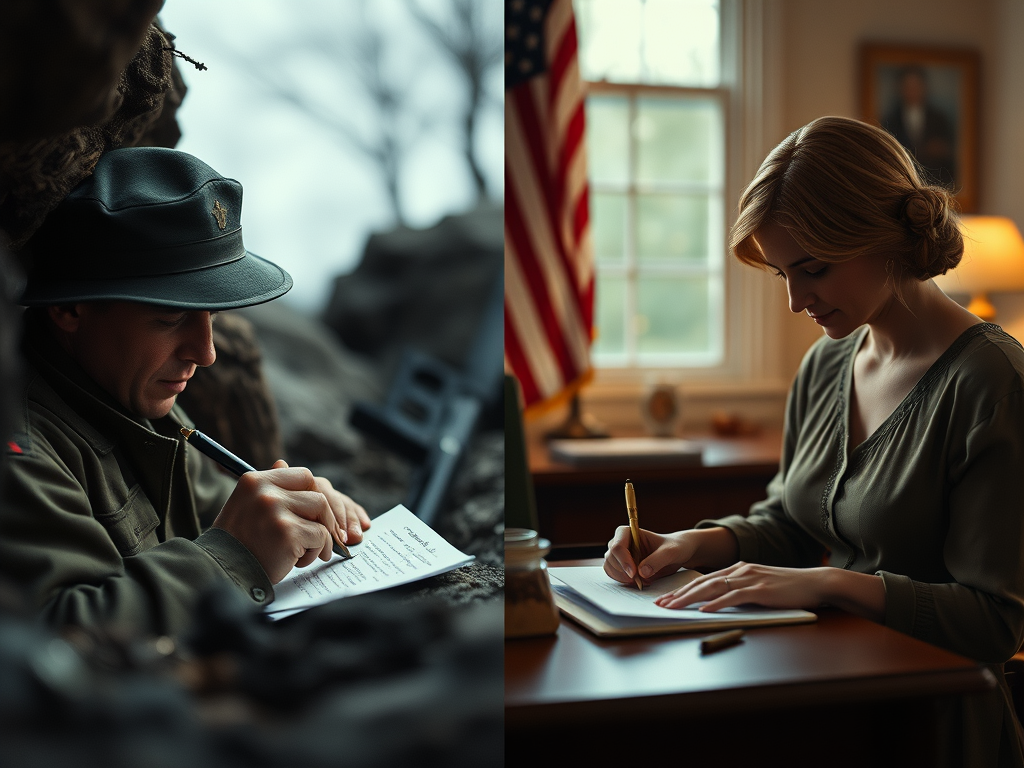
In my father’s nearly daily letters home to my mother during WWII, month after month after month, he would say, over and over, while apologizing for the repetition:

“I will come home to you, I will return, I will not let this change me, we will be joined again…”

This was his way of convincing himself even as he carried the dead and dying after island battles: men he knew well and the enemy he did not know. He knew they were never returning to the home they died protecting and to those who loved them.

He shared little of battle in his letters as each letter was reviewed and signed off by a censor before being sealed and sent. This story, however, made it through:

“You mentioned a story of Navy landing craft taking the Marines into Tarawa.  It reminded me of something which impressed me a great deal and something I’m sure I’ll never forget. 

So you’ll understand what I mean I’ll try to start with an explanation.  In training – close order drill- etc.  there is a command that is given always when the men form in the morning – various times during the day– after firing– and always before a formation is dismissed.  The command is INSPECTION – ARMS.  On the command of EXECUTION- ARMS each man opens the bolt of his rifle.  It is supposed to be done in unison so you hear just one sound as the bolts are opened.  Usually it is pretty good and sounds O.K.

Just to show you how the morale of the men going to the beach was – and how much it impressed me — we were on our way in – I was forward, watching the beach thru a little slit in the ramp – the men were crouched in the bottom of the boat, just waiting.  You see- we enter the landing boats with unloaded rifles and wait till it’s advisable before loading.  When we got about to the right distance in my estimation I turned around and said – LOAD and LOCK – I didn’t realize it, but every man had been crouching with his hand on the operating handle and when I said that — SLAM! — every bolt was open at once – I’ve never heard it done better – and those men meant business when they loaded those rifles. 

A man couldn’t be afraid with men like that behind him.”

My father did return home to my mother after nearly three years of separation. He finished his college education to become an agriculture teacher to teach others how to farm the land while he himself became bound to the pasture and chained to the plow.

He never forgot those who died, making it possible for him to return home. I won’t forget either.

My mother and father could not have foretold the struggles that lay ahead for them. The War itself seemed struggle enough for the millions of couples who endured the separation, the losses and grieving, as well as the eventual injuries–both physical and psychological.  It did not seem possible that beyond those harsh and horrible realities, things could go sour after reuniting.

The hope and expectation of happiness and bliss must have been overwhelming, and real life doesn’t often deliver.  After raising three children, their 35 year marriage fell apart with traumatic finality.  When my father returned home (again) over a decade later, asking for forgiveness, they remarried and had five more years together before my father died in 1995.

Christmas is a time of joy, a celebration of new beginnings and new life when God became man, humble, vulnerable and tender. But it also gives us a foretaste for the profound sacrifice made in giving up this earthly life, not always so gently.

As I peer at my father’s and mother’s faces in their wedding photo, I remember those eyes, then so trusting and unaware of what was to come.  I find peace in knowing they both have returned home to behold the Light, the Salvation and the Glory~~the ultimate Christmas~~in His presence.
AI image created for this post

One-Time
Monthly
Yearly

Make a one-time or recurring donation to support daily Barnstorming posts

Make a monthly donation

Make a yearly donation

Choose an amount

$10.00
$25.00
$50.00
$5.00
$15.00
$100.00
$5.00
$15.00
$100.00

Or enter a custom amount

$

Your contribution is deeply appreciated.

Your contribution is appreciated.

Your contribution is appreciated.

DonateDonate monthlyDonate yearly
We Are No Longer Alone: Bowing Down

When Joseph woke from sleep, he did as the angel of the Lord commanded him…
~Matthew 1:24

Who has not considered Mary
And who her praise would dim,
But what of humble Joseph
Is there no song for him?

If Joseph had not driven
Straight nails through honest wood
If Joseph had not cherished
His Mary as he should;

If Joseph had not proved him
A sire both kind and wise
Would he have drawn with favor
The Child’s all-probing eyes?

Would Christ have prayed, ‘Our Father’
Or cried that name in death
Unless he first had honored
Joseph of Nazareth ?
~Luci Shaw “Joseph The Carpenter”

It was from Joseph first I learned
of love. Like me he was dismayed.
How easily he could have turned
me from his house; but, unafraid,
he put me not away from him
(O God-sent angel, pray for him).
Thus through his love was Love obeyed.

The Child’s first cry came like a bell:
God’s Word aloud, God’s Word in deed.
The angel spoke: so it befell,
and Joseph with me in my need.
O Child whose father came from heaven,
to you another gift was given,
your earthly father chosen well.

With Joseph I was always warmed
and cherished. Even in the stable
I knew that I would not be harmed.
And, though above the angels swarmed,
man’s love it was that made me able
to bear God’s love, wild, formidable,
to bear God’s will, through me performed.
~Madeleine L’Engle “O Sapientia” in A Widening Light: Poems of the Incarnation edited by Luci Shaw

The hero of the story this season is the man in the background.

He is the adoptive father
who does the right thing rather than what he has legal right to do,
who listens to his dreams and believes,
who leads the way over dusty roads to be counted,
who searches valiantly for a suitable place to stay,
who does whatever he can to assist her labor,
who stands tall over a vulnerable mother and infant
while the poor and curious pour out of the hills,
the wise and foreign appear bringing gifts,
who takes his family to safety when the innocents are slaughtered.

He is only a carpenter, not born for heroics,
but steps up when called.
He is a humble man teaching his son a living,
until his son leaves to save the dying.
He is strong and obedient,
a tree bowing low to give up his fruit.

This man Joseph is the Chosen father,
the best Abba a God could hope for.

AI image created for this post

This year’s Advent theme is from Dietrich Bonhoeffer’s sermon on the First Sunday in Advent, December 2, 1928:

The celebration of Advent is possible only to those who are troubled in soul, who know themselves to be poor and imperfect, and who look forward to something greater to come. For these, it is enough to wait in humble fear until the Holy One himself comes down to us, God in the child in the manager.

God comes.

He is, and always will be now, with us in our sin, in our suffering, and at our death. We are no longer alone. God is with us and we are no longer homeless.
~Dietrich Bonhoeffer – from Christmas Sermons

One-Time
Monthly
Yearly

Make a one-time or recurring donation to support daily Barnstorming posts

Make a monthly donation

Make a yearly donation

Choose an amount

$10.00
$25.00
$50.00
$5.00
$15.00
$100.00
$5.00
$15.00
$100.00

Or enter a custom amount

$

Your contribution is deeply appreciated.

Your contribution is appreciated.

Your contribution is appreciated.

DonateDonate monthlyDonate yearly
We Will See What We Can Do

I wanted a horse. This was long after
we sold the work horses, and I was feeling

restless on the farm. I got up early
to help my father milk the cows, talking

a blue streak about TV cowboys
he never had time to see and trying to

convince him that a horse wouldn’t cost
so much and that I’d do all the work.

He listened while he leaned his head
against the flank of a Holstein, pulling

the last line of warm milk into
the stainless bucket. He kept listening

while the milk-machine pumped like an engine,
and the black and silver cups fell off and

dangled down, clanging like bells when he
stepped away, balancing the heavy milker

against the vacuum hose and the leather belt.
I knew he didn’t want the trouble

of a horse, but I also knew there was nothing
else I wanted the way I wanted a horse—

another way of saying I wanted
to ride into the sunset and (maybe)

never come back—I think he knew that too.
We’ll see, he said, we’ll see what we can do.
Joyce Sutphen – “What Every Girl Wants”

I once was a skinny freckled eleven year old girl who wanted nothing more than to have her own horse. Every inch of my bedroom wall had posters of horses, all my shelves were filled with horse books and horse figurines and my bed was piled with stuffed horses.

I suffered an extremely serious case of horse fever.

I had learned to ride my big sister’s horse while my sister was off to college, but the little mare had pushed down a hot wire to get into a field of spring oats which resulted in a terrible case of colic and had to be put down. I was inconsolable until I set my mind to buy another horse. We had only a small shed, not a real barn, and no actual fences other than the electric hot wire. Though I was earning money as best I could picking berries and babysitting, I was a long way away from the $150 it would take to buy a trained horse back in 1965.

I pestered my father about my dreams of another horse, and since he was the one to dig the hole for my sister’s horse to be buried, he was not enthusiastic.  “We’ll see,”  he said. “We will see what we can do.”

So I dreamed my horsey dreams, mostly about golden horses with long white manes, hoping one day those dreams might come true.

In fall 1965, the  local radio station KGY’s Saturday morning horse news program announced their “Win a Horse” contest. I knew I had to try. The prize was a weanling bay colt, part Appaloosa, part Thoroughbred, and the contest was only open to youth ages 9 to 16 years old. All I had to do was write a 250 word or less essay on “Why I Should Have a Horse”.

I worked and worked on my essay, crafting the right words and putting all my heart into it, hoping the judges would see me as a worthy potential owner. My parents took me to visit the five month old colt named “Prankster”, a fuzzy engaging little fellow who was getting plenty of attention from all the children coming to visit him, and that visit made me even more determined.

When I read these words now, I realize there is nothing quite like the passion of an eleven year old girl:

“Why I Should Have a Horse”

When God created the horse, He made one of the best creatures in the world. Horses are a part of me. I love them and want to win Prankster for the reasons which follow:

To begin with, I’m young enough to have the time to spend with the colt.  My older sister had a horse when she was in high school and her school activities kept her too busy to really enjoy the horse.  I’ll have time to give Prankster the love and training needed.

Another reason is that I’m shy.  When I was younger I found it hard to talk to anybody except my family.  When my sister got the horse I soon became a more friendly person.  When her horse recently died (about when Prankster was born), I became very sad.  If I could win that colt, I couldn’t begin to describe my happiness. 

Also I believe I should have a horse because it would be a good experience to learn how to be patient and responsible while teaching Prankster the same thing. 

When we went to see Prankster, I was invited into the stall to brush him. I was never so thrilled in my life! The way he stood there so majestically, it told me he would be a wonderful horse. 

If I should win him, I would be the happiest girl alive.  I would work hard to train him with love and understanding. If I could only get the wonderful smell and joy of horses back in our barn!

I mailed in my essay and waited.

Fifty nine years ago on this day, November 27, 1965, my mother and I listened to the local horse program that was always featured on the radio at 8 AM on Saturday mornings. They said they had over 300 essays to choose from, and it was very difficult for them to decide who the colt should go to. I knew then I didn’t have a chance. They had several consolation prizes for 2nd through 4th place, so they read several clever poems and heartfelt essays, all written by teenagers.  My heart was sinking by the minute.

The winning essay was next. The first sentence sounded very familiar to me, but it wasn’t until several sentences later that we realized they were reading my essay, not someone else’s. My mom was speechless, trying to absorb the hazards of her little girl owning a young untrained horse.

I woke up my dad, who was sick in bed with an early season flu bug. He opened one eye, looked at me, and said, “I guess I better get a fence up today, right?” Somehow, fueled by the excitement of a daughter whose one wish had just come true, he pulled himself together and put up a wood corral that afternoon, despite feeling so miserable.

That little bay colt came home to live with me the next day. Over the next few months he and I did learn together, as I checked out horse training books from the library, and joined a 4H group with helpful leaders to guide me. I made plenty of mistakes along the way, learning from each one, including those that left behind scars I still bear.

Prankster was a typical adolescent gelding who lived up to his name — full of mischief with a sense of humor and a penchant for finding trouble, but he was mine and that was all that mattered.

…that and a dad who saw what he needed to do for his passionate kid.  I’ll never forget how he showed his love for me by doing what was needed in that moment.

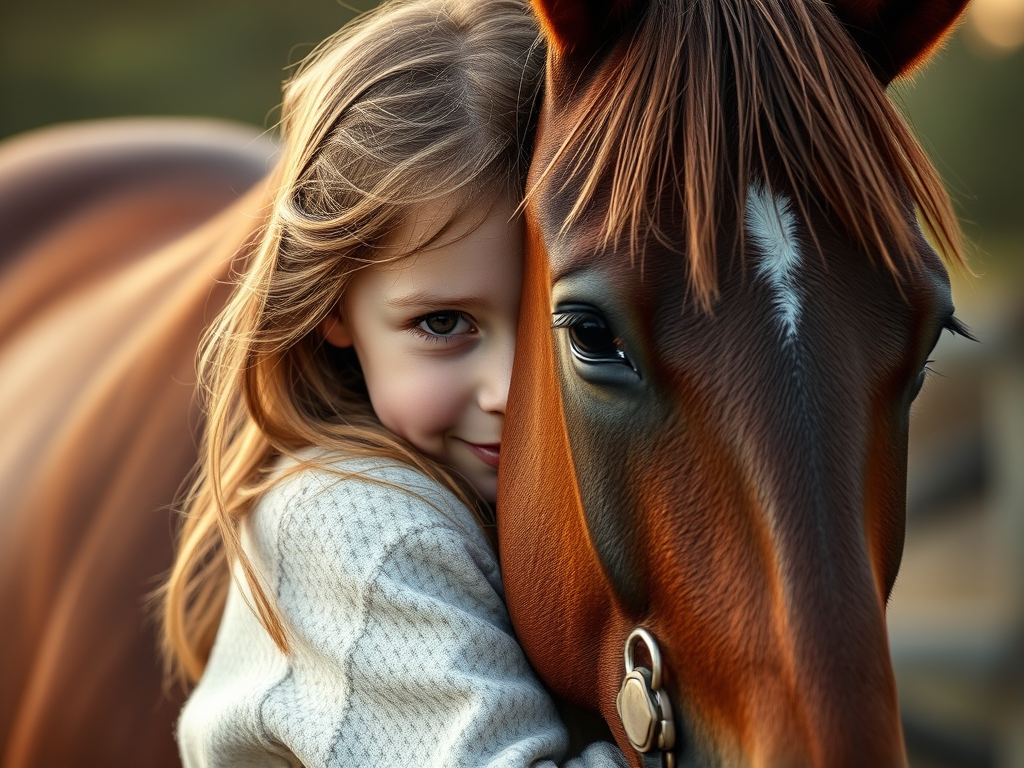
AI image created for this post
One-Time
Monthly
Yearly

Make a one-time or recurring donation to support daily Barnstorming posts

Make a monthly donation

Make a yearly donation

Choose an amount

$10.00
$25.00
$50.00
$5.00
$15.00
$100.00
$5.00
$15.00
$100.00

Or enter a custom amount

$

Your contribution is deeply appreciated.

Your contribution is appreciated.

Your contribution is appreciated.

DonateDonate monthlyDonate yearly
The Quiet Eyes I Trust

Who loves the rain    
    And loves his home, 
And looks on life with quiet eyes,  
     Him will I follow through the storm;    
     And at his hearth-fire keep me warm;
Nor hell nor heaven shall that soul surprise,    
     Who loves the rain, 
     And loves his home, 
And looks on life with quiet eyes.

~Frances Shaw, “Who loves the rain” from Look To the Rainbow of Grace

Now more than ever you can be
generous toward each day
that comes, young, to disappear
forever, and yet remain
unaging in the mind.
Every day you have less reason
not to give yourself away.
~Wendell Berry from “There is no going back”

I wait for you

In the grassland

Where small lilies bloom.

On the corners of the field,

The rainbow shows up.

Yosano Akiko


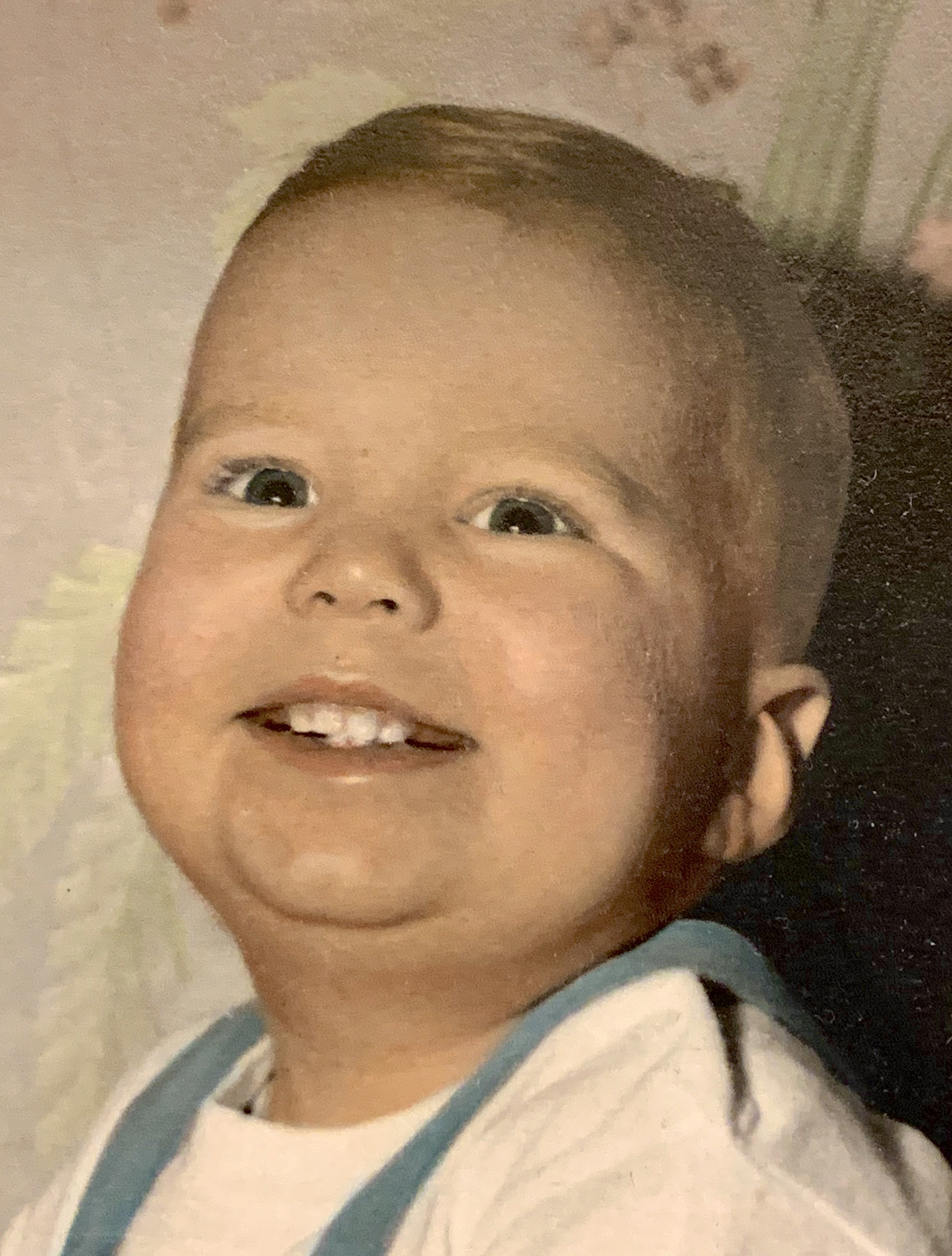
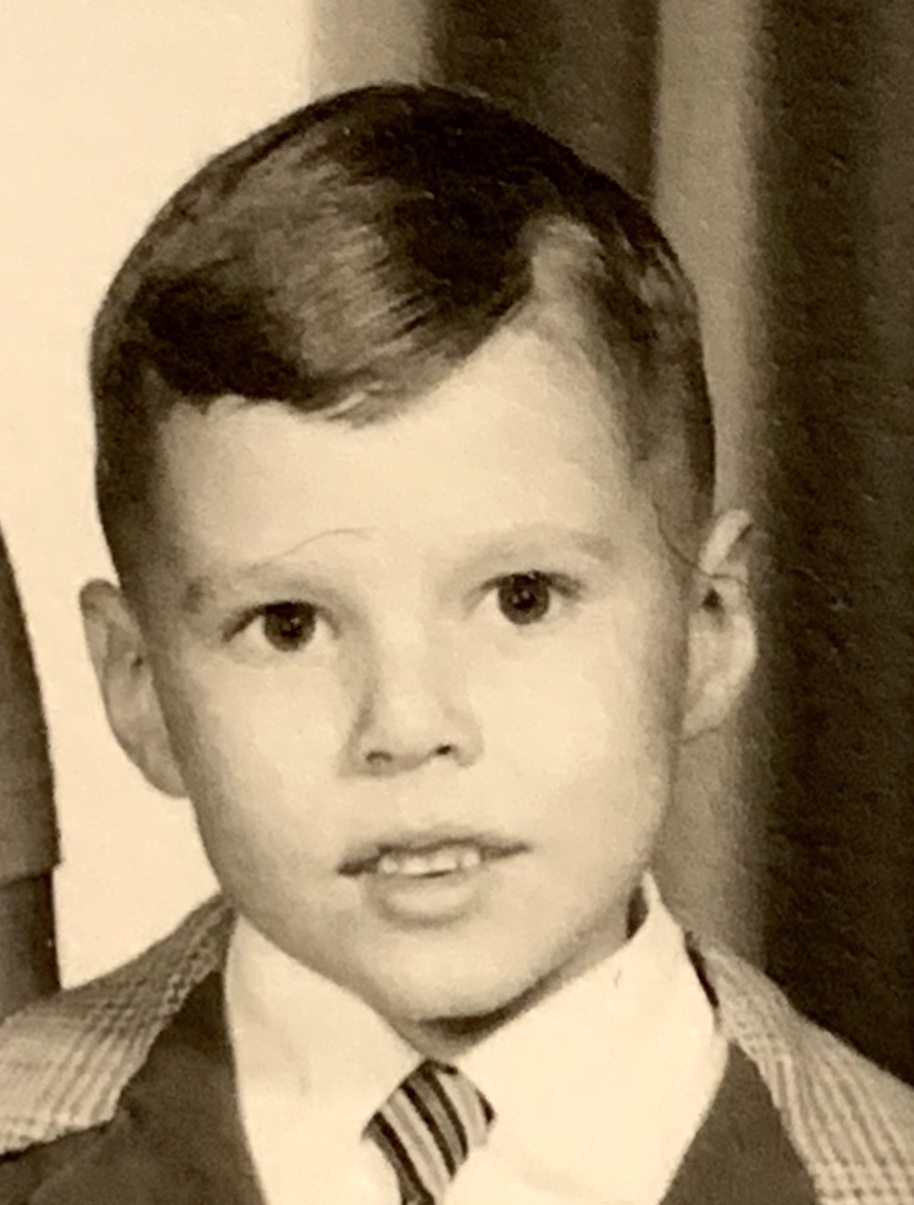
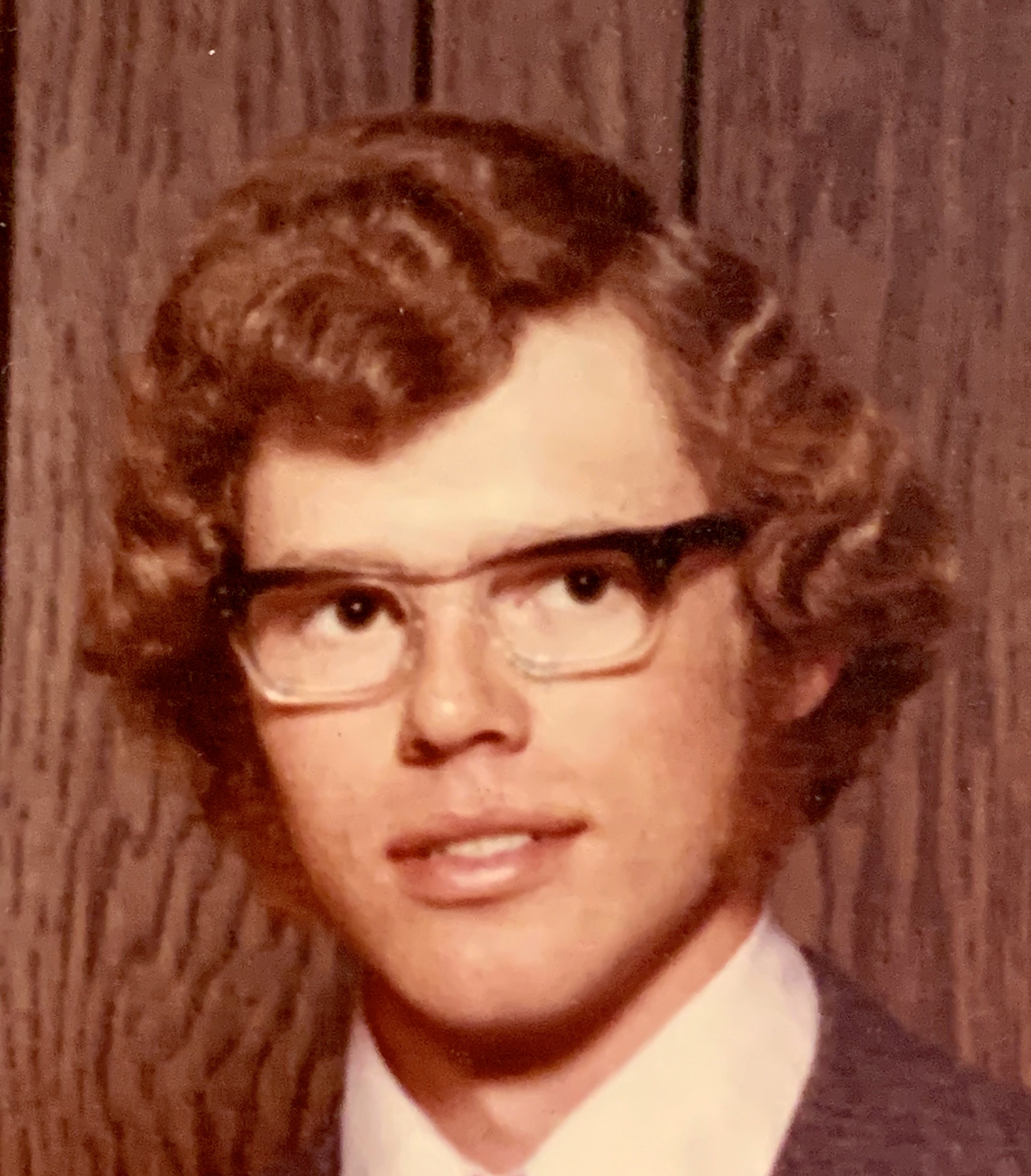
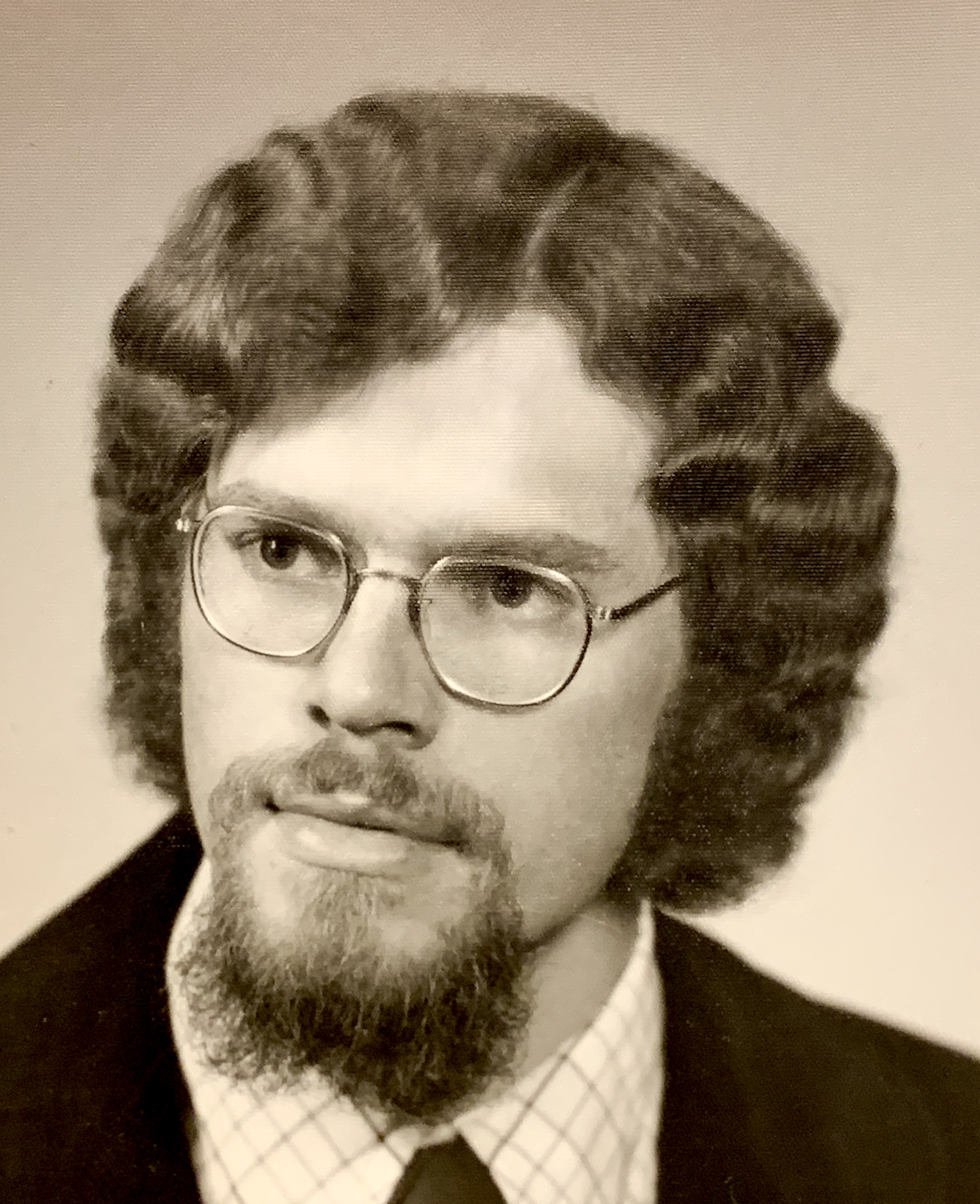
Thinking out loud on this day you were born,
I thank God yet again
for bringing you to earth
so we could meet,
raise three amazing children,
and walk this journey together
with pulse and breath and dreams.

The boy you were
became the man you are:
so blessed by God,
needed by your family, church and community.

You give yourself away every day with such grace,
loved by your children and grandchildren.

It was your quiet brown eyes I trusted first
and just knew
I’d follow you anywhere
and I have.

In this journey together,
we inhabit each other,
however long may be the road we travel;
you have become the air I breathe,
refreshing, renewing, restoring~~
you are that necessary to me,
and that beloved.

One-Time
Monthly
Yearly

Make a one-time or recurring donation to support daily Barnstorming posts

Make a monthly donation

Make a yearly donation

Choose an amount

$10.00
$25.00
$50.00
$5.00
$15.00
$100.00
$5.00
$15.00
$100.00

Or enter a custom amount

$

Your contribution is deeply appreciated.

Your contribution is appreciated.

Your contribution is appreciated.

DonateDonate monthlyDonate yearly
When I Had the Chance…

“Hold on,” she said, “I’ll just run out and get him.
The weather here’s so good, he took the chance
To do a bit of weeding.”


So I saw him
Down on his hands and knees beside the leek rig,
Touching, inspecting, separating one
Stalk from the other, gently pulling up
Everything not tapered, frail and leafless,
Pleased to feel each little weed-root break,
But rueful also . . . 


Then found myself listening to
The amplified grave ticking of hall clocks
Where the phone lay unattended in a calm
Of mirror glass and sunstruck pendulums . . . 


And found myself then thinking: if it were nowadays,
This is how Death would summon
Everyman.

Next thing he spoke and I nearly said I loved him.
~Seamus Heaney “A Call” from ‘Poems That Make Grown Men Cry’

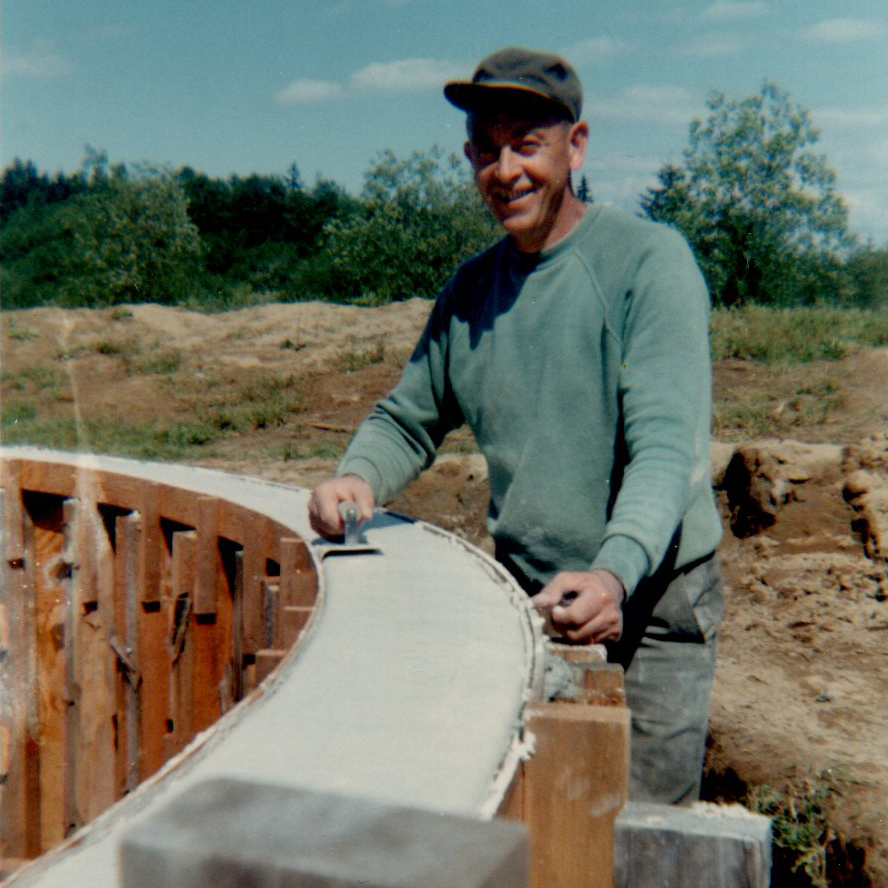
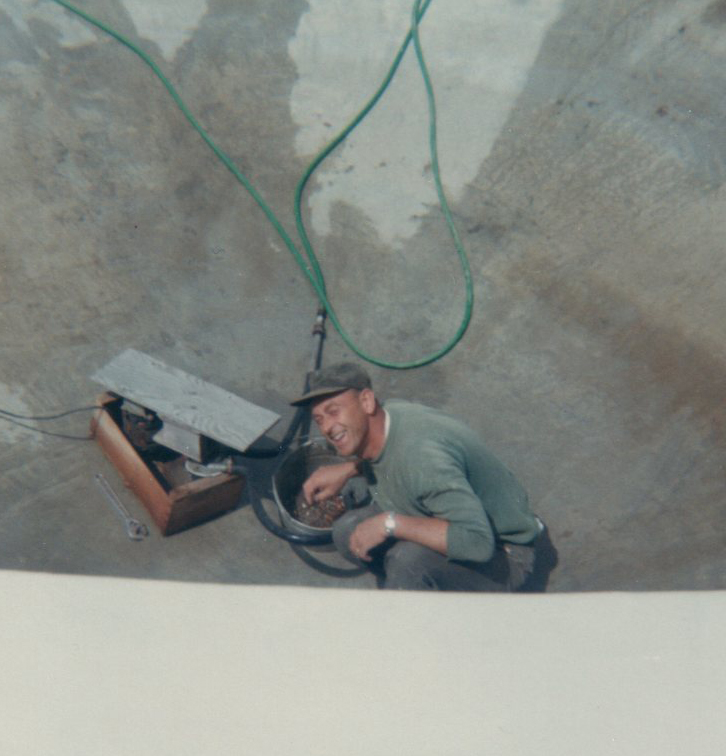
My father was a complex man. I understand better now where my own complicated nature comes from.

As inscrutable as he could be, there were things I absolutely understood about him:

he was a man of action
– he never just sat, never took a nap, never wasted a day of his life without accomplishing something tangible.

he was a man of the soil
– he plowed and harrowed and sowed and fertilized and weeded and cut brush and harvested

he was a man of inventiveness
– he figured out a better way, he transformed tools and buildings, he started from scratch and built the impossible

he didn’t explain himself
– and never felt the need to.

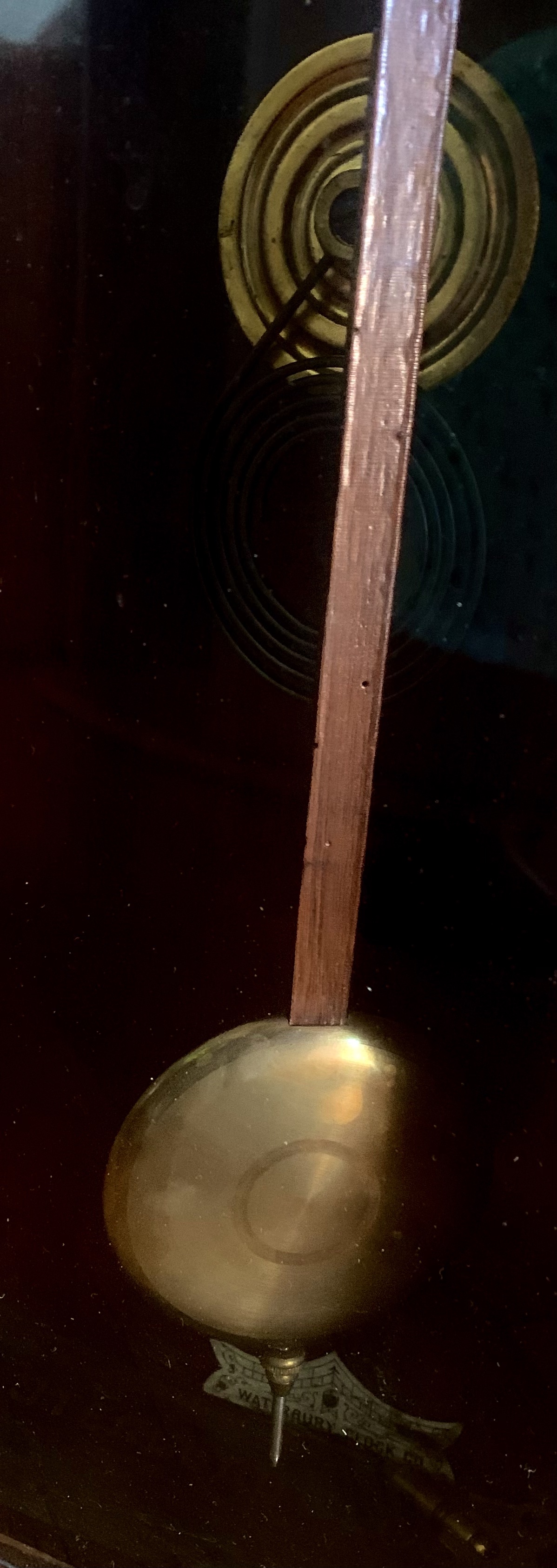
Time keeps ticking on without him here, now 29 years since he took his last breath as the clock pendulum swung back and forth in his bedroom. He was taken too young for all the projects he still had in mind.

He handed off a few to me.
Some I have done.
Some still wait, I’m not sure why.

My regret is not understanding how much he needed to hear how loved he was. He seemed fine without it being said.

But he wasn’t fine. And neither was I.

I wish I had said it when I had the chance.

One-Time
Monthly
Yearly

Make a one-time or recurring donation to support daily Barnstorming posts

Make a monthly donation

Make a yearly donation

Choose an amount

$10.00
$25.00
$50.00
$5.00
$15.00
$100.00
$5.00
$15.00
$100.00

Or enter a custom amount

$

Your contribution is deeply appreciated.

Your contribution is appreciated.

Your contribution is appreciated.

DonateDonate monthlyDonate yearly
A Symbol of Who We Are

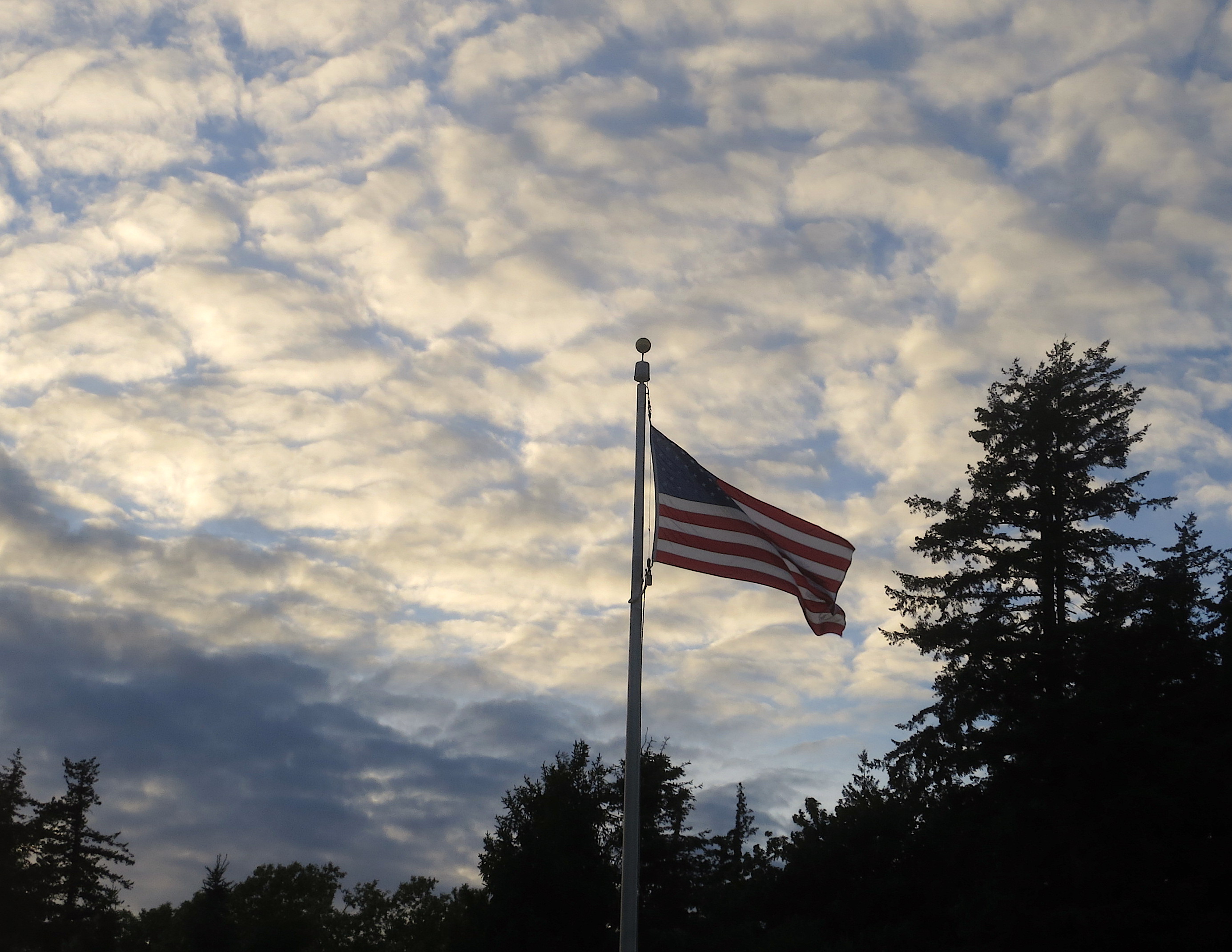
I am what you make me; nothing more. I swing before your eyes as a bright gleam of color, a symbol of yourself.
~Franklin K. Lane, Secretary of the Interior, 1914 Flag Day address

Sometimes, as a child,  when I was bored, I’d grab a step ladder, pull it into our hallway, climb half way up and carefully lift the plywood hatch that was the portal to our dark attic.  It took some effort to climb up into the attic from the ladder, juggling a flashlight at the same time, but once seated safely on the beams above our ceiling, being careful not to put my foot through the carpet of insulation, I could explore what was stowed and normally inaccessible to me.

All the usual attic-type things were put up there:  Christmas ornaments and lights,  baby cribs and high chairs,  lamps and toys no longer used.  Secrets to my parents’ past were stored away there too.  It was difficult imagining them as young children growing up on opposite sides of the state of Washington, in very different circumstances, or as attractive college students who met at a dance, or as young marrieds unencumbered by the daily responsibilities of a family.  The attic held those images and memories like a three dimensional photo album.

My father’s dark green Marine Corps cargo trunk was up there, the one that followed him from Officer Training in Quantico, Virginia, to beach and mountain battles on Tarawa, Tinian and Saipan in the South Pacific, and three years later back home again.  It had his name and rank stenciled on the side in dark black lettering.  The buckles were stiff but could be opened with effort, and in the dark attic, there was always the thrill of unlatching the lid, and shining the flashlight across the contents.  His Marine Corps dress uniform lay inside underneath his stiff brimmed cap.  There were books about protocol, and a photo album which contained pictures of “his men” that he led in his battalion, and the collection of photos my mother sent of herself as she worked as a teacher of high school students back home.

Most fascinating was a folded Japanese flag inside a small drawstring bag, made of thin white see-through cloth with the bold red sun in the middle.  Surrounding the red sun were the delicate inked characters of many Japanese hands as if painted by artists, each wishing a soldier well in his fight for the empire.  Yet there it was, a symbol of that soldier’s demise, itself buried in an American attic, being gently and curiously held by an American daughter of a Marine Corps captain.  It would occur to me in the 1960s that some of the people who wrote on this flag might still be living, and certainly members of the soldier’s family would still be living.  I asked my father once about how he obtained the flag, and he, protecting both me and himself, waved me away, saying he couldn’t remember.  I know better now.  He knew but could not possibly tell me the truth.

These flags, charms of good luck for the departing Japanese soldier as he left his neighborhood or village for war, are called Hinomaru Yosegaki (日の丸寄せ書き).  Tens of thousands of these flags came home with American soldiers; it is clear they were not the talisman hoped for.  A few of these flags are now finding their way back to their home country, to the original villages, to descendants of the lost soldiers.  So now has this flag.

Eighty years ago doesn’t seem that long, a mere drop in the river of time.  There are more than mere mementos that have flowed from the broken dam of WWII, flooding subsequent generations of Americans, Japanese, Europeans with memories that are now lost as the oldest surviving soldiers pass, scores of them daily, taking their stories of pain and loss and heroism with them. My father could never talk with a person of Asian descent, Japanese or not, without being visibly uneasy. As a child, I saw and felt this from him, but heard little from his mouth.

When he was twenty two years old, pressed flat against the rocks of Tarawa, trying to melt into the ground to become invisible to the bullets whizzing overhead, he could not have conceived that sixty-five years later his twenty two year old grandson would disembark from a jumbo jet at Narita in Tokyo, making his way to an international school to teach Japanese children. My father would have been shocked that his grandson would settle happily into a culture so foreign, so seemingly threatening, so apparently abhorrent. Yet this irony is the direct result of the horrors of that too-long horrible bloody war of devastation: Americans and Japanese, despite so many differences, have become the strongest of allies, happily exchanging the grandchildren of those bitterly warring soldiers back and forth across the Pacific.  It too was my privilege to care for Japanese exchange students daily in my University health clinic, peering intently into their open faces and never once seeing the enemy that my father feared.

Now all these decades later, our son taught for 13 years in Tokyo, with deep admiration and appreciation for each of his students, some of whom were great-grandchildren of WWII Japanese soldiers. He married a granddaughter of those my father fought. Their two children are the perfect amalgam of once warring, yet now peaceful, cultures; a symbol of blended and blending peoples overcoming the hatred of past generations, creating a new world.

Our son and daughter-in-law, having now settled their family in the States, are adapting to a different language, culture and flag. I pray our son – having devoted part of his life as teacher and missionary to the land of the rising sun – has redeemed his grandfather, the soldier-warrior of the past century.

(U.S. Air Force photo by Staff Sgt. Peter Reft)

One-Time
Monthly
Yearly

Make a one-time or recurring donation to support daily Barnstorming posts

Make a monthly donation

Make a yearly donation

Choose an amount

$10.00
$25.00
$50.00
$5.00
$15.00
$100.00
$5.00
$15.00
$100.00

Or enter a custom amount

$

Your contribution is deeply appreciated.

Your contribution is appreciated.

Your contribution is appreciated.

DonateDonate monthlyDonate yearly
Dreaming of Home

In great deeds, something abides. 
On great fields, something stays. 
Forms change and pass; bodies disappear; 
but spirits linger, to consecrate ground for the vision-place of souls. 
And reverent men and women from afar, 
and generations that know us not and that we know not of, 
heart-drawn to see where and by whom great things were suffered and done for them, shall come to this deathless field, 
to ponder and dream; and lo!

the shadow of a mighty presence shall wrap them in its bosom, 
and the power of the vision pass into their souls. 
This is the great reward of service. 
To live, far out and on, in the life of others;
this is the mystery of the Christ,

–to give life’s best for such high sake
that it shall be found again unto life eternal.

~Major-General Joshua Chamberlain, Gettysburg, Pennsylvania 1889

The sunlight now lay over the valley perfectly still.
I went over to the graveyard beside the church
and found them under the old cedars…
I am finding it a little hard to say that I felt them resting there, but I did…

I saw that, for me, this country would always be populated
with presences and absences,
presences of absences,
the living and the dead.
The world as it is

would always be a reminder
of the world that was,
and of the world that is to come.
~Wendell Berry in Jayber Crow

A box of over 700 letters, exchanged between my parents from late 1941 to mid-1945, sat unopened for decades until last year. I started reading.

My parents barely knew each other before marrying quickly on Christmas Eve 1942 – the haste due to the uncertain future for a newly trained Second Lieutenant in the Marine Corps. They only had a few weeks together before she returned home to her rural teaching position and he readied himself to be shipped out for the island battles to come.

They had no idea they would not see each other for another 30+ months or even see each other again at all. They had no idea their marriage would fall apart 35 years later and they would reunite a decade after the divorce for five more years together.

The letters do contain the long-gone but still-familiar voices of my parents, but they are the words and worries of youngsters of 20 and 21, barely prepared for the horrors to come from war and interminable waiting. When he was fighting battles on Tarawa, Saipan, and Tinian, no letters or news would be received for a month or more, otherwise they tried to write each other daily, though with minimal news to share due to military censorship. They speak mostly of their desire for a normal life together rather than a routine centered on mailbox, pen and paper and waiting, lots and lots of waiting.

I’m not sure what I hoped to find in these letters. Perhaps I hoped for flowery romantic whisperings and the poetry of longing and loneliness. Instead I am reading plain spoken words from two people who desperately wanted to have a home together. They somehow made it through those awful years to make my sister and brother and myself possible.

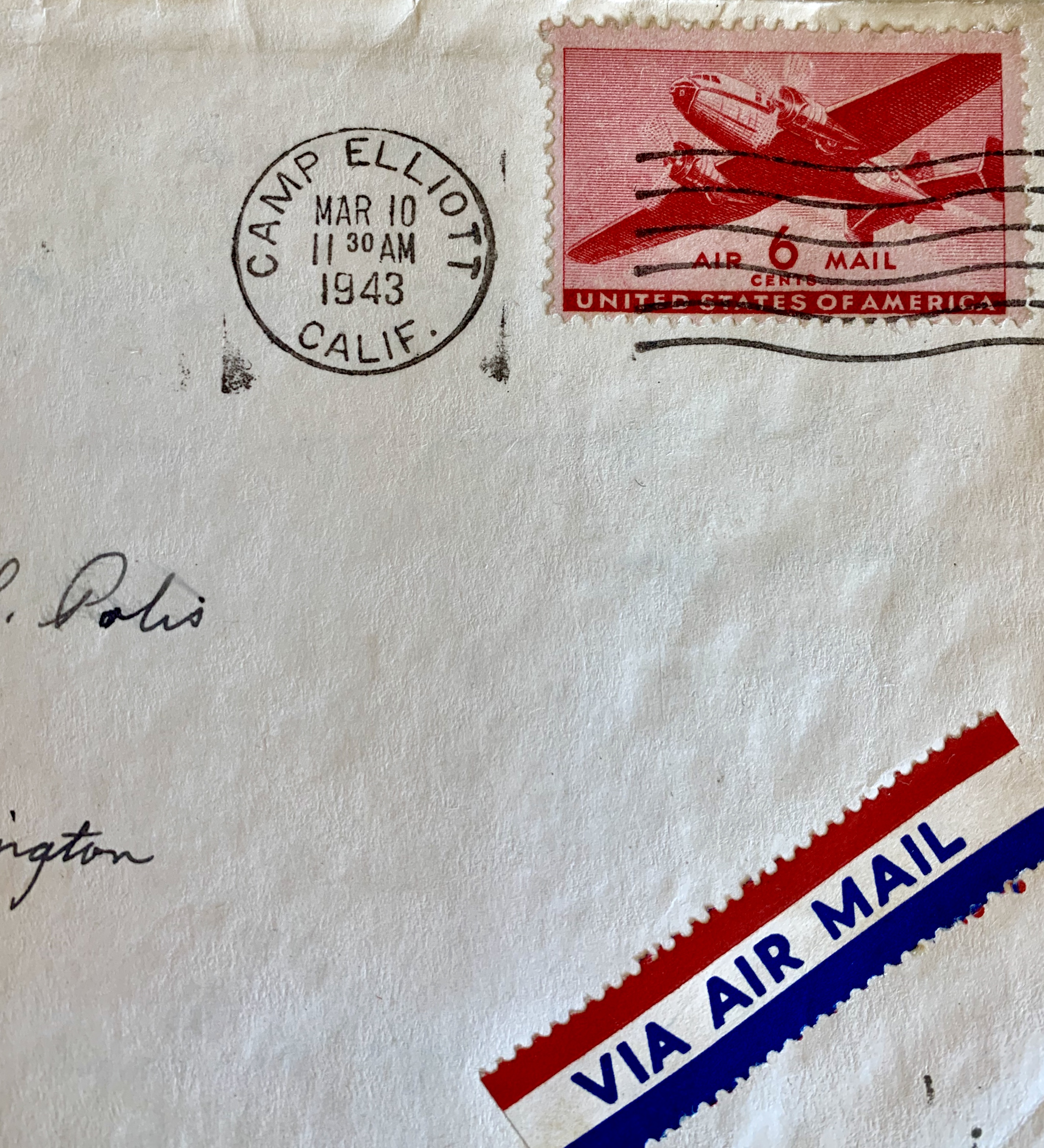
Our inheritance is contained in this musty box of words bereft of poetry. But decades later my heart is moved by these letters – I carefully refold them back into their envelopes and replace them gently back in order. A six cent airmail stamp – in fact hundreds and hundreds of them – was a worthwhile investment in the future, not only for themselves and their family to come, but for generations of U.S. citizens who tend to take their freedom for granted.

Thank you, Dad and Mom, for what you gave up to make today possible.

AI image created by this post

I hear the mountain birds
The sound of rivers singing
A song I’ve often heard
It flows through me now
So clear and so loud
I stand where I am
And forever I’m dreaming of home
I feel so alone, I’m dreaming of home

It’s carried in the air
The breeze of early morning
I see the land so fair
My heart opens wide
There’s sadness inside
I stand where I am
And forever I’m dreaming of home
I feel so alone, I’m dreaming of home

This is no foreign sky
I see no foreign light
But far away am I
From some peaceful land
I’m longing to stand
A hand in my hand
…forever I’m dreaming of home
I feel so alone, I’m dreaming of home
~Lori Barth and Philippe Rombi “I’m Dreaming of Home”

One-Time
Monthly
Yearly

Make a one-time or recurring donation to support daily Barnstorming posts

Make a monthly donation

Make a yearly donation

Choose an amount

$10.00
$25.00
$50.00
$5.00
$15.00
$100.00
$5.00
$15.00
$100.00

Or enter a custom amount

$

Your contribution is deeply appreciated.

Your contribution is appreciated.

Your contribution is appreciated.

DonateDonate monthlyDonate yearly
The Grey Crossing

“Your attention, please,” the mate’s voice says,
“we are slowing a moment for a memorial,”
and sure enough we all do, all of us, even those
entangled in a bustle to get to the other side,
restless chunks of festering business waiting,
little urgencies pricking us into a stressed huff.
Below on the car deck a small group slowly forms,
and a mate lowers a rope, beckons them forward,
the ferry engines slowing whatever our hurry,
and we are all coasting together on a rainy sea.

A heavy-set woman unwraps a nondescript urn
from a carefully held towel, handing it in turn
to an ungainly boy, a shy girl, an older man,
and she watches as each tips the urn to scatter
dust into a windy vortex off the ferry’s stern,
a fine grey mist streaming over the roiled wake
in a high breeze before settling, disappearing
into grey oblivion of sea, sky, and late afternoon.

As the ferry’s horn sounds three long blasts,
the four bow heads. The woman hesitates,
hides her face a moment in the towel, kisses
each of her party, and shakes the mate’s hand.
He speaks, his words lost to us in sea sounds
and engines, then looks up to the bridge, waves,
and the small group, holding hands, rejoins
some two hundred of us who have in silence
watched this mini-delay in our grey crossing.
The ferry’s engines begin their normal thrum
to push us forward again against a grey sea
and under a low, grey sky, where a fine dust
disappeared, and white seagulls rise and cry.

~Rob Jacques, “Memorial, Washington State Ferry” from Adagio for Su Tung-p’o

There is a sense of timelessness while riding on the ferry runs between the islands and peninsulas in Washington state. While driving my car on the busy freeways in the region, I am at the mercy of the weather, other drivers and all manner of delays. When I’m on a ferry, I become mere witness, only a rider seeking peaceful passage. Someone else worries about safely getting from Point A to Point B.

I’m able to breathe: watching the waves and the wake, the antics of gulls and cormorants, and rarely, an orca pod.

Next week is a time of memorial and remembrance of those who have passed into eternity. The ashes of my parents rest in the ground under a plaque that I visit annually with my family. Dad would have preferred his ashes to be cast out upon on the open water that he loved, but Mom chose a cemetery plot for them both, a more familiar resting place for a girl who grew up in the Palouse farmlands, no where near large bodies of water.

Last year, a good friend chose to be composted; he rests now in his beloved orchard, feeding the trees that continue to bear fruit.

No matter where our mortal bodies eventually find our rest, we hope to be remembered.

Our souls have risen, free.

video taken on the Samish Sea (Puget Sound) from my friend Andrew
One-Time
Monthly
Yearly

Make a one-time or recurring donation to support daily Barnstorming posts

Make a monthly donation

Make a yearly donation

Choose an amount

$10.00
$25.00
$50.00
$5.00
$15.00
$100.00
$5.00
$15.00
$100.00

Or enter a custom amount

$

Your contribution is deeply appreciated.

Your contribution is appreciated.

Your contribution is appreciated.

DonateDonate monthlyDonate yearly
Unanchored

It started before Christmas. Now our son
officially walks to school alone.
Semi-alone, it’s accurate to say:
I or his father track him on his way.
He walks up on the east side of West End,
we on the west side. Glances can extend
(and do) across the street; not eye contact.
Already ties are feeling and not fact.
Straus Park is where these parallel paths part;
he goes alone from there. The watcher’s heart
stretches, elastic in its love and fear,
toward him as we see him disappear,
striding briskly. Where two weeks ago,
holding a hand, he’d dawdle, dreamy, slow,
he now is hustled forward by the pull
of something far more powerful than school.

The mornings we turn back to are no more
than forty minutes longer than before,
but they feel vastly different–flimsy, strange,
wavering in the eddies of this change,
empty, unanchored, perilously light
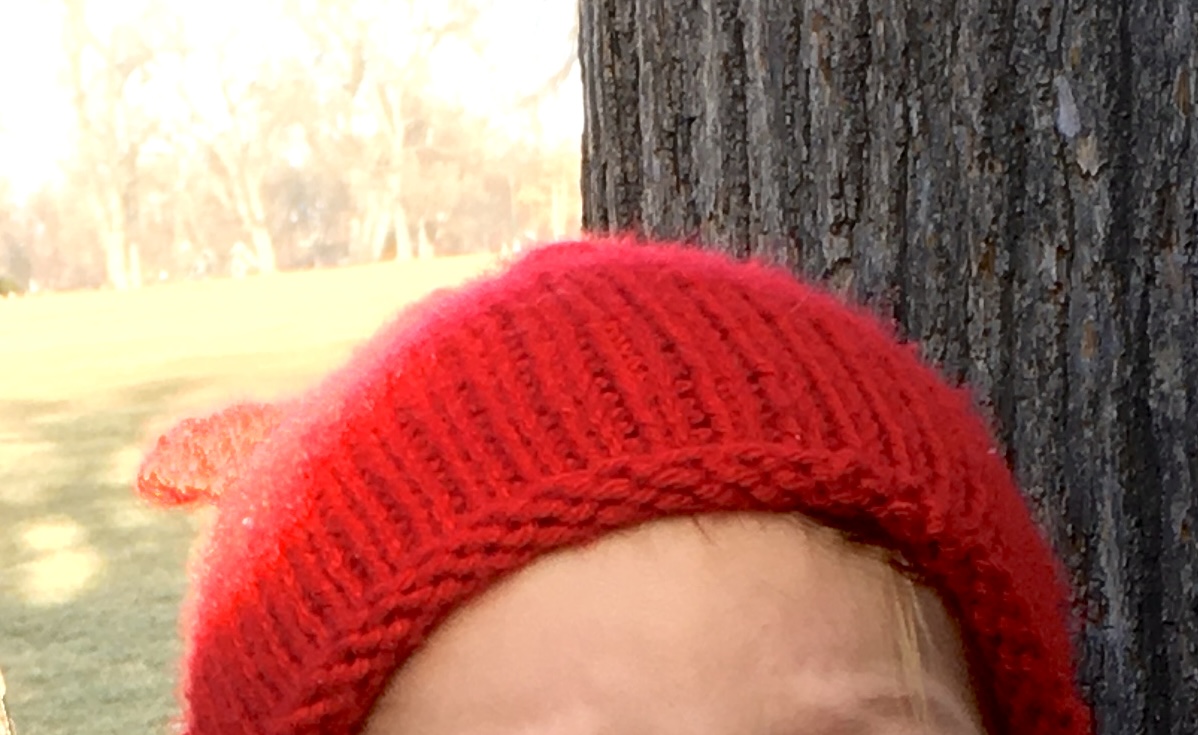
since the red hat vanished from our sight.
~Rachel Hadas “The Red Hat”

You can kiss your family and friends good-bye and put miles between you, but at the same time you carry them with you in your heart, your mind, your stomach, because you do not just live in a world but a world lives in you.
Frederick Buechner

As a child, I lived just outside of city limits in a semi-rural area, only a half mile from my elementary school on a country road. By first grade, I was allowed to walk to school and home again, then when I was older, with my younger brother in tow. I don’t remember my parents watching me as I made the journey, but I do remember some practice walks on a weekend, to reinforce how to safely cross the roads and where to walk alongside the drainage ditch.

I don’t remember ever being worried about what might happen to me outside of my parents’ presence, and nothing scary ever did happen. I’m sure my parents were worried, but both as children had walked to their rural schools on their own – it simply was how things happened in the 20’s and 30’s.

For children growing up now, it feels different.

Our three children grew up on a farm seven miles from town, so rode a school bus or were taken to school by a parent or grandparent. They didn’t have that early independence that I did. Our grandchildren, especially those living in large cities, are even more protected. It didn’t hamper their desire to explore the world – they have traveled all over.

The difference is the anxiety of the parent, watching that child disappear around a corner on foot, or bike or eventually in a car. It is that empty feeling of letting go before one is ready, but when you know you must.

The heart stretches to encompass one’s child out in the world, out of sight, no longer anchored at home. After all, we are that elastic and that resilient.

One-Time
Monthly
Yearly

Make a one-time or recurring donation to support daily Barnstorming posts

Make a monthly donation

Make a yearly donation

Choose an amount

$10.00
$25.00
$50.00
$5.00
$15.00
$100.00
$5.00
$15.00
$100.00

Or enter a custom amount

$

Your contribution is deeply appreciated.

Your contribution is appreciated.

Your contribution is appreciated.

DonateDonate monthlyDonate yearly
To Ride Off into the Sunset

I wanted a horse. This was long after
we sold the work horses, and I was feeling

restless on the farm. I got up early
to help my father milk the cows, talking

a blue streak about TV cowboys
he never had time to see and trying to

convince him that a horse wouldn’t cost
so much and that I’d do all the work.

He listened while he leaned his head
against the flank of a Holstein, pulling

the last line of warm milk into
the stainless bucket. He kept listening

while the milk-machine pumped like an engine,
and the black and silver cups fell off and

dangled down, clanging like bells when he
stepped away, balancing the heavy milker

against the vacuum hose and the leather belt.
I knew he didn’t want the trouble

of a horse, but I also knew there was nothing
else I wanted the way I wanted a horse—

another way of saying I wanted
to ride into the sunset and (maybe)

never come back—I think he knew that too.
We’ll see, he said, we’ll see what we can do.
~Joyce Sutphen “What Every Girl Wants”

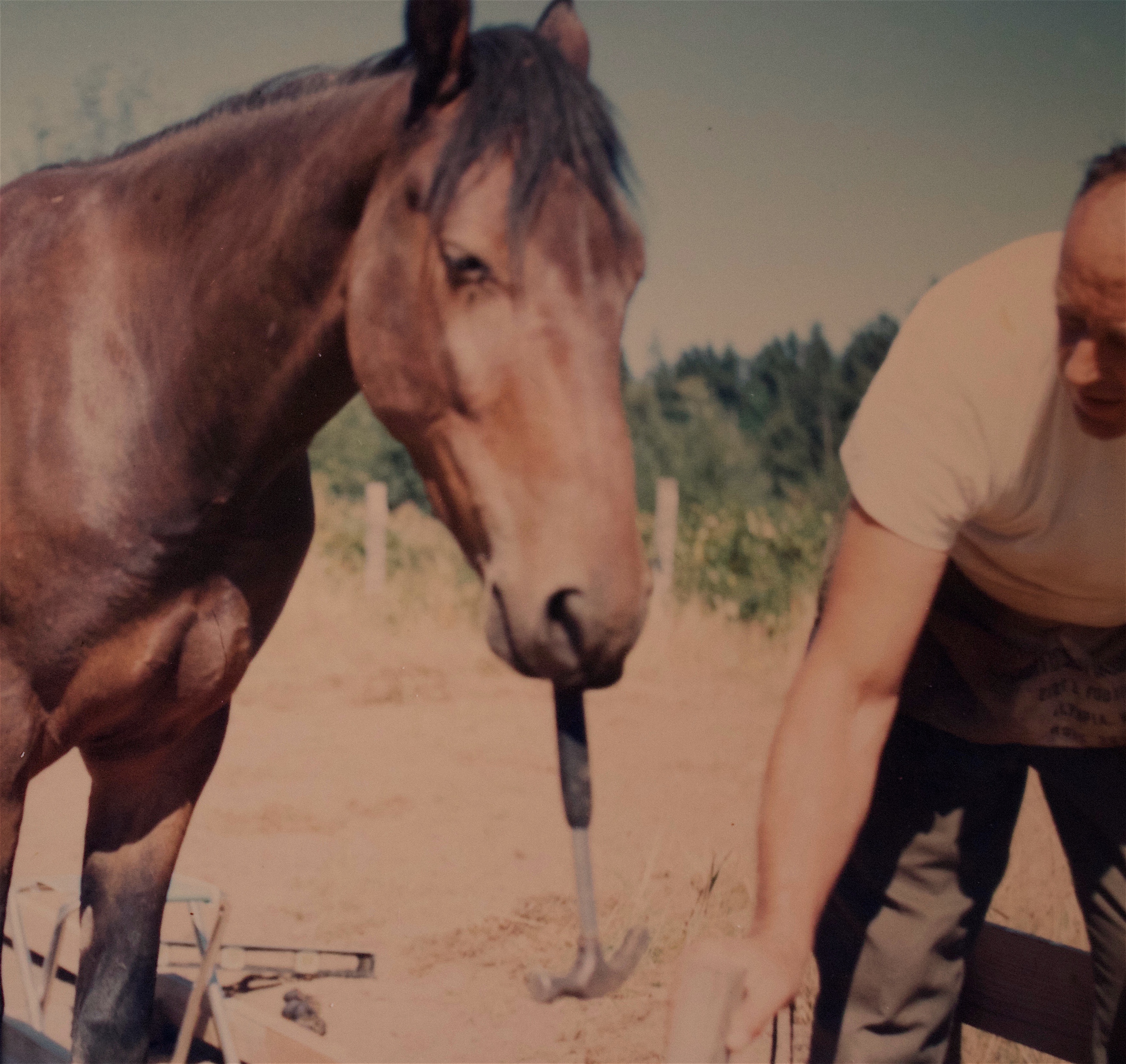
I once was a skinny freckled eleven year old girl who wanted nothing more than to have her own horse. Every inch of my bedroom wall had posters of horses, all my shelves were filled with horse books and horse figurines and my bed was piled with stuffed horses. I suffered an extremely serious case of horse fever.

I had learned to ride my big sister’s horse while my sister was off to college, but the little mare had pushed down a hot wire to get into a field of spring oats which resulted in a terrible case of colic and had to be put down. I was inconsolable until I set my mind to buy another horse.   We had only a small shed, not a real barn, and no actual fences other than the electric hot wire.  Though I was earning money as best I could picking berries and babysitting, I was a long way away from the $150 it would take to buy a trained horse back in 1965.

I pestered my father about my dreams of another horse, and since he was the one to dig the hole for my sister’s horse to be buried, he was not enthusiastic.  “We’ll see,”  he said.  “We’ll see what we can do.”

So I dreamed my horsey dreams, mostly about golden horses with long white manes, hoping one day those dreams might come true.

In fall 1965, the  local radio station KGY’s Saturday morning horse news program announced their “Win a Horse” contest.  I knew I had to try. The prize was a weanling bay colt, part Appaloosa, part Thoroughbred, and the contest was only open to youth ages 9 to 16 years old. All I had to do was write a 250 word or less essay on “Why I Should Have a Horse”. I worked and worked on my essay, crafting the right words and putting all my heart into it, hoping the judges would see me as a worthy potential owner. My parents took me to visit the five month old colt named “Prankster”, a fuzzy engaging little fellow who was getting plenty of attention from all the children coming to visit him, and that visit made me even more determined.

When I read these words now, I realize there is nothing quite like the passion of an eleven year old girl:

“Why I Should Have a Horse”

When God created the horse, He made one of the best creatures in the world.  Horses are a part of me.  I love them and want to win Prankster for the reasons which follow:

To begin with, I’m young enough to have the time to spend with the colt.  My older sister had a horse when she was in high school and her school activities kept her too busy to really enjoy the horse.  I’ll have time to give Prankster the love and training needed.

Another reason is that I’m shy.  When I was younger I found it hard to talk to anybody except my family.  When my sister got the horse I soon became a more friendly person.  When her horse recently died (about when Prankster was born), I became very sad.  If I could win that colt, I couldn’t begin to describe my happiness. 

Also I believe I should have a horse because it would be a good experience to learn how to be patient and responsible while teaching Prankster the same thing. 

When we went to see Prankster, I was invited into the stall to brush him.  I was never so thrilled in my life!  The way he stood there so majestically, it told me he would be a wonderful horse. 

If I should win him, I would be the happiest girl alive.  I would work hard to train him with love and understanding.  If I could only get the wonderful smell and joy of horses back in our barn!

I mailed in my essay and waited.

Fifty-eight years ago on this day, November 27, 1965, my mother and I listened to the local horse program always featured on the radio at 8 AM on Saturday mornings. They said they had over 300 essays to choose from, and it was very difficult for them to decide who the colt should go to. I knew then I didn’t have a chance. They had several consolation prizes for 2nd through 4th place, so they read several clever poems and heartfelt essays, all written by teenagers.  My heart was sinking by the minute.

The winning essay was next.  The first sentence sounded very familiar to me, but it wasn’t until several sentences later that we realized they were reading my essay, not someone else’s. My mom was speechless, trying to absorb the hazards of her little girl owning a young untrained horse. I woke up my dad, who was sick in bed with an early season flu.  He opened one eye, looked at me, and said, “I guess I better get a fence up today, right?”  Somehow, fueled by the excitement of a daughter whose one wish had just come true, he pulled himself together and put up a wood corral that afternoon, despite feeling so miserable.

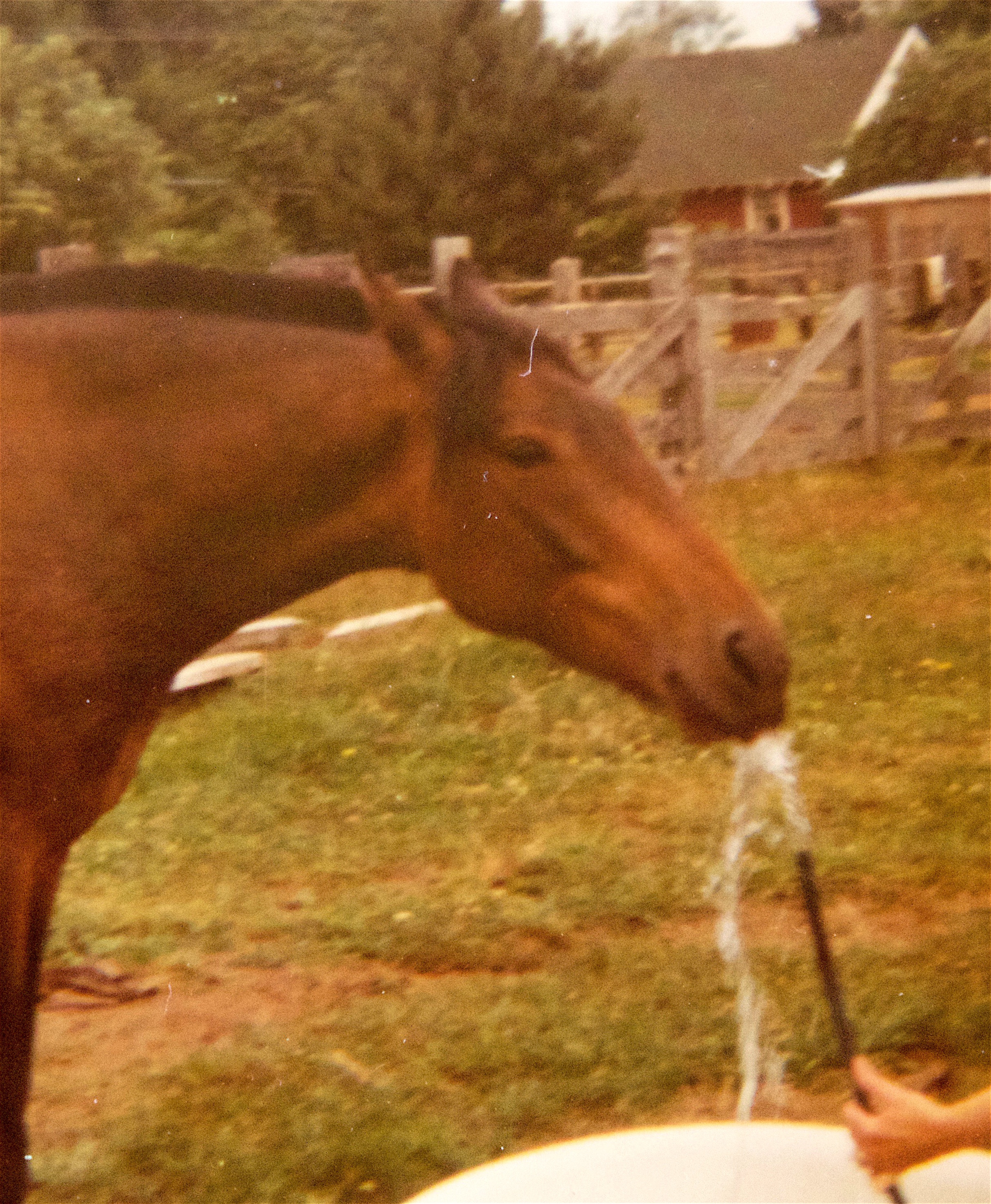
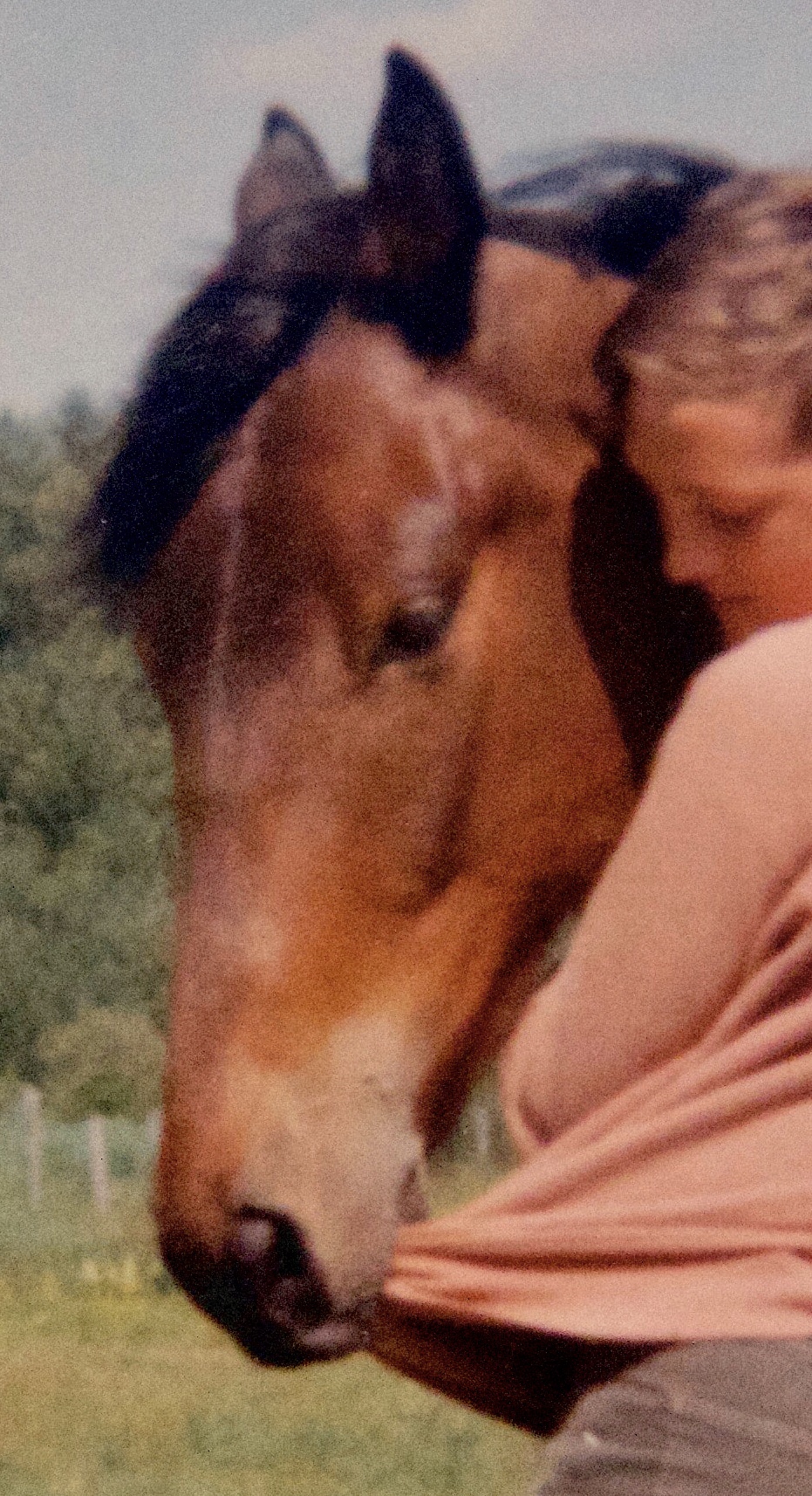
That little bay colt came home to live with me the next day. Over the next few months he and I did learn together, as I checked out horse training books from the library, and joined a 4H group with helpful leaders to guide me. I made plenty of mistakes along the way, learning from each one, including those that left behind scars I still bear. Prankster was a typical adolescent gelding who lived up to his name — full of mischief with a sense of humor and a penchant for finding trouble, but he was mine and that was all that mattered.

That and a dad who saw what he needed to do for his passionate kid.  I’ll never forget.

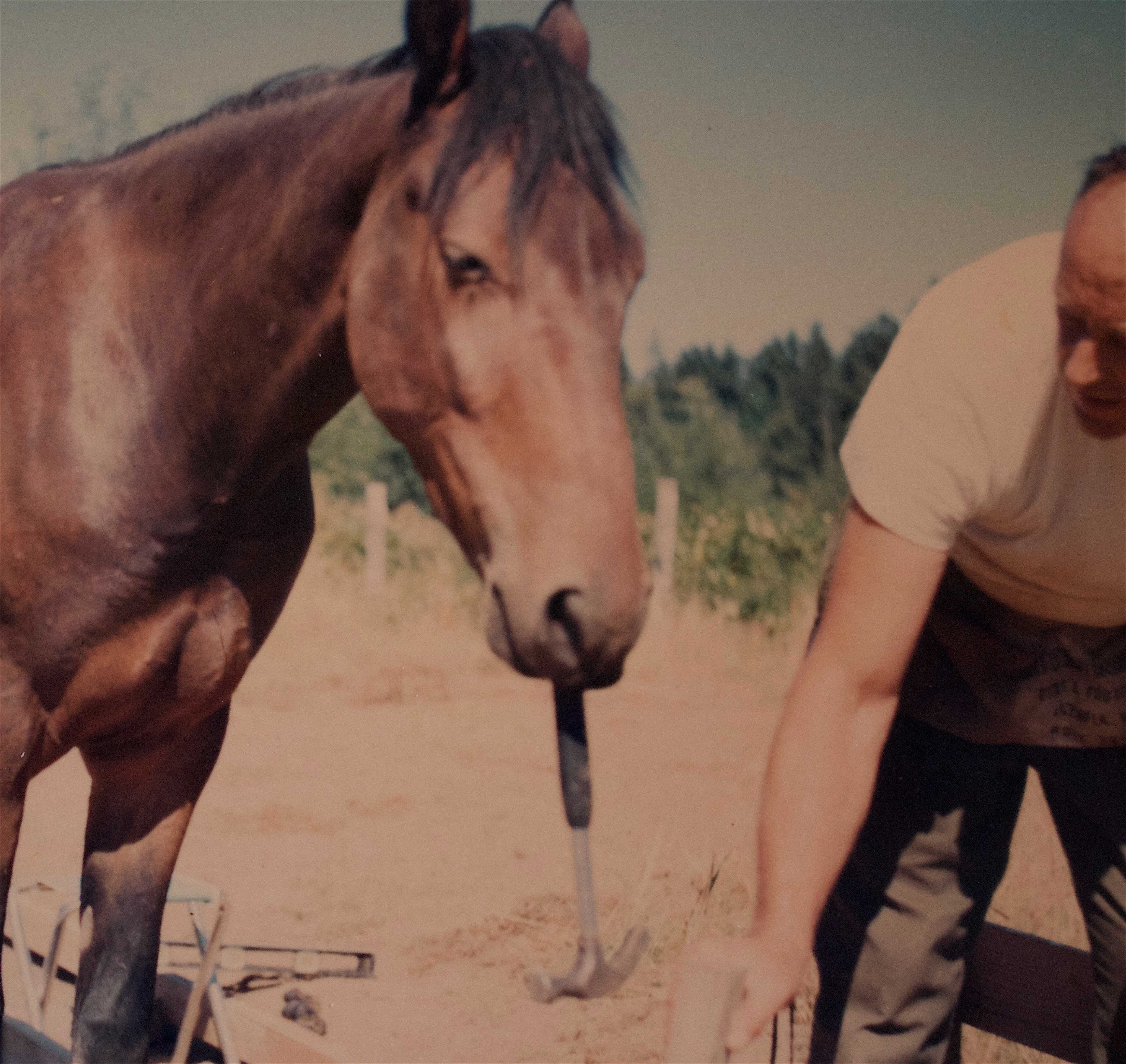
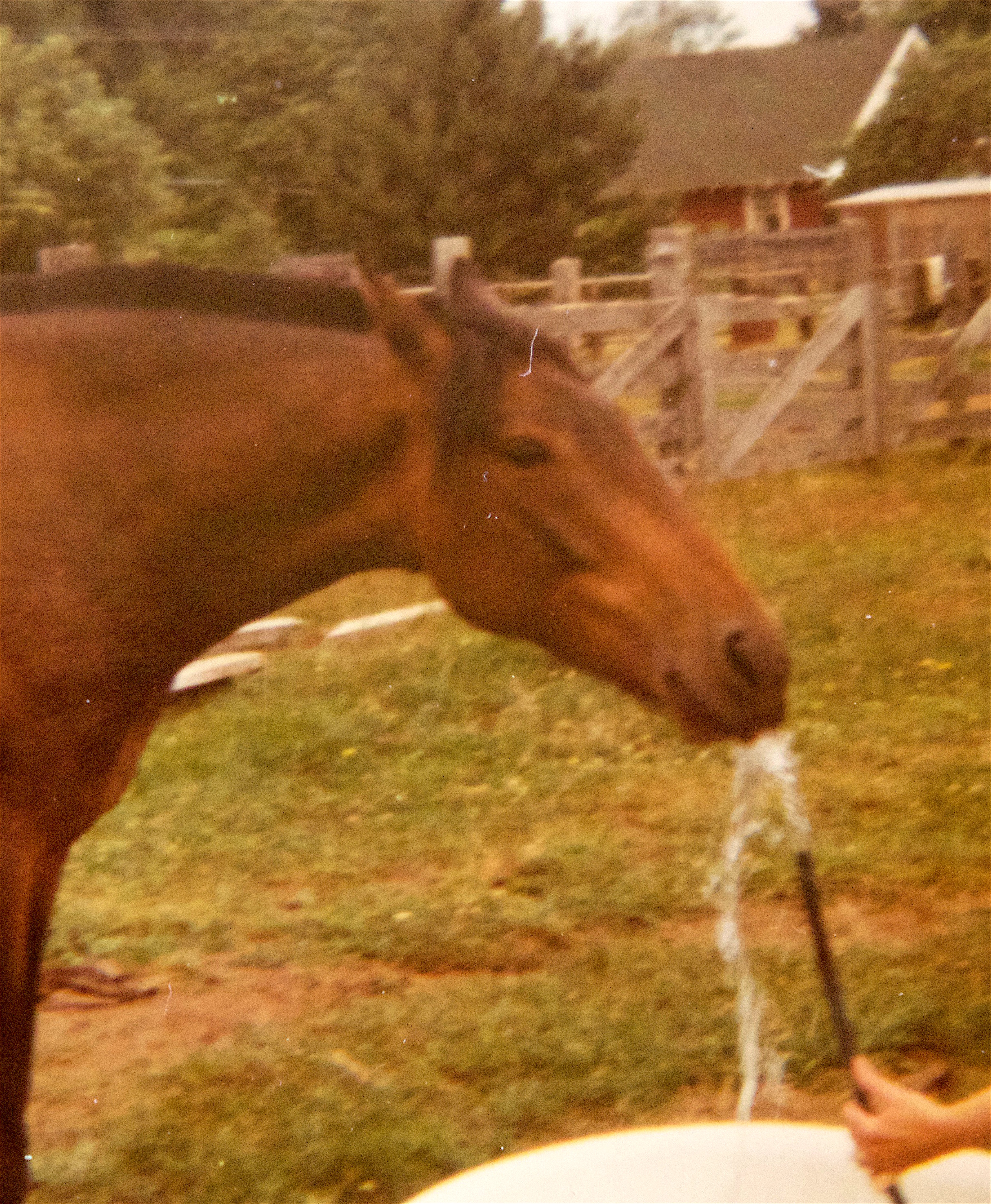
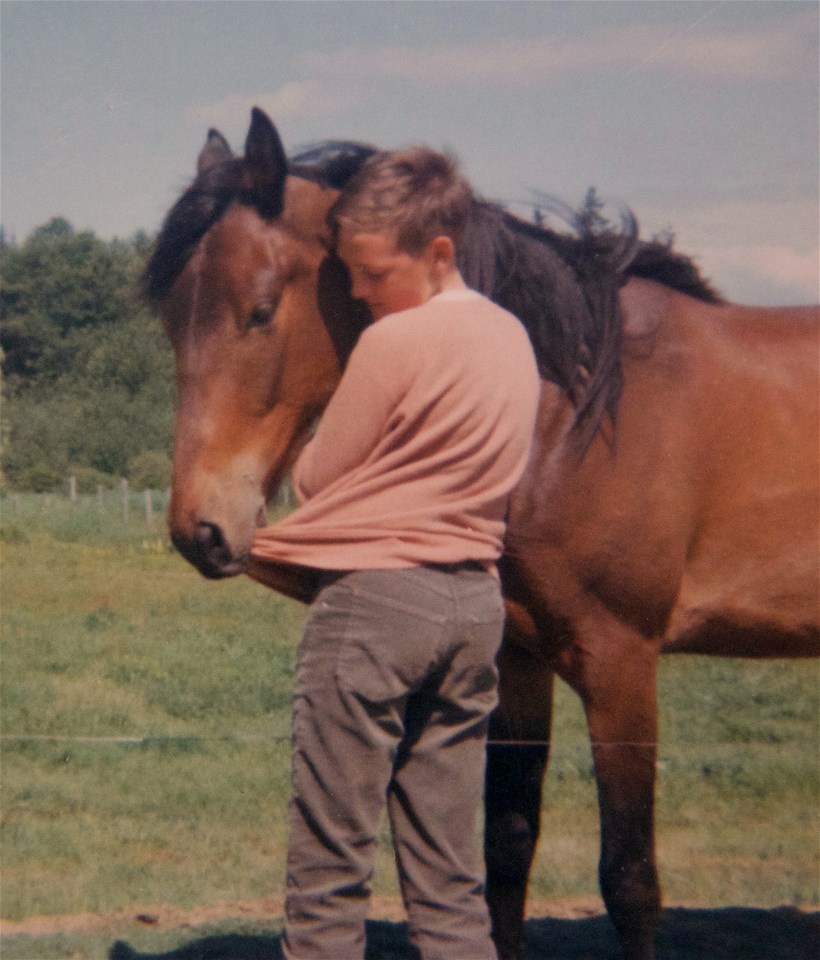
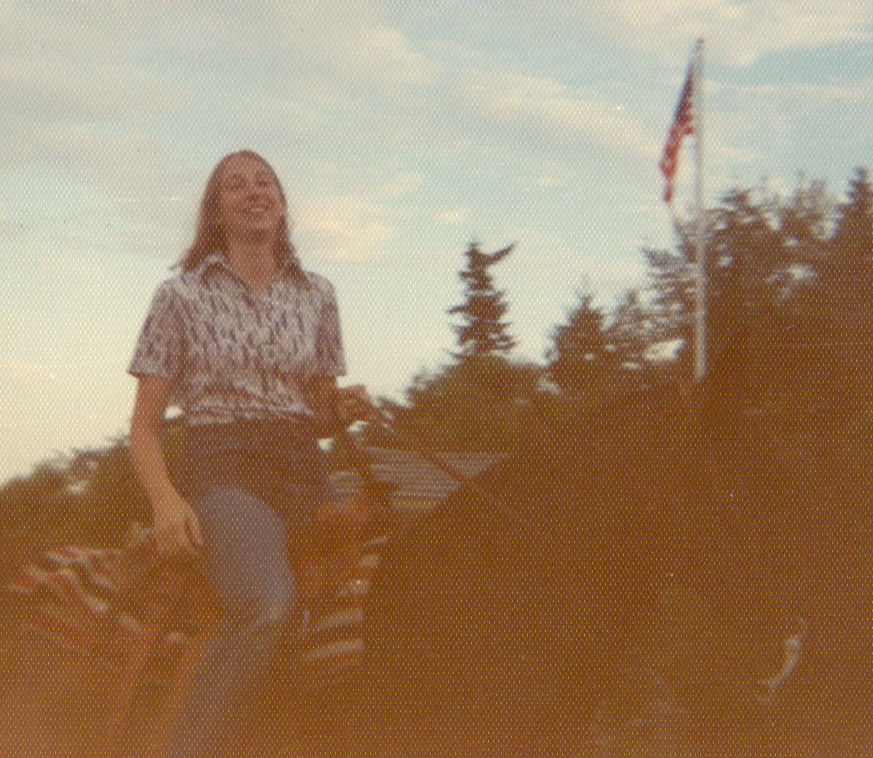
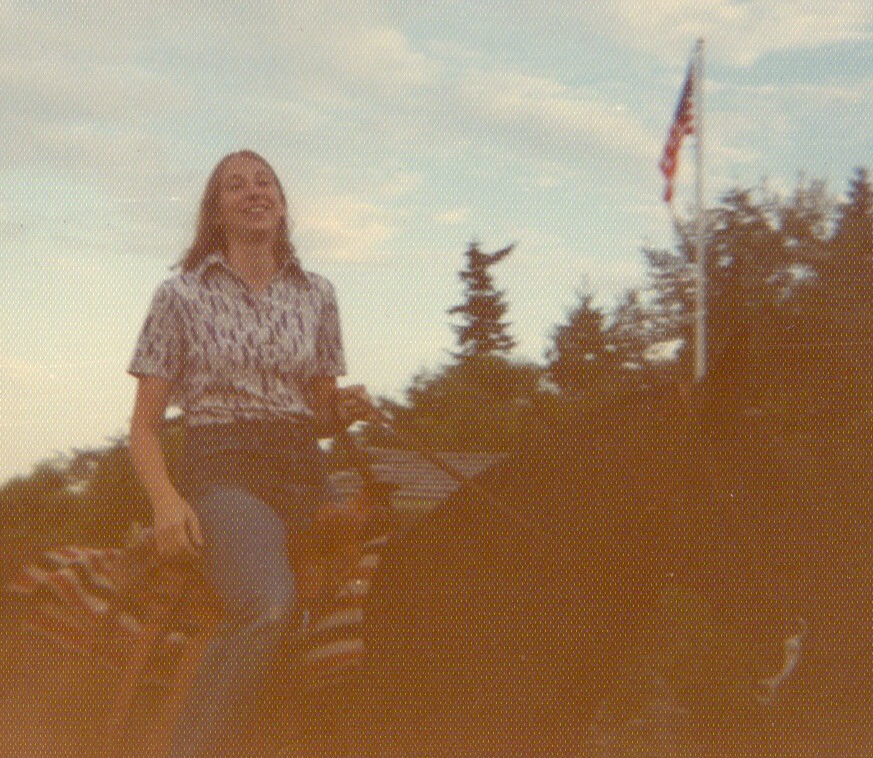
riding Prankster when I was 20
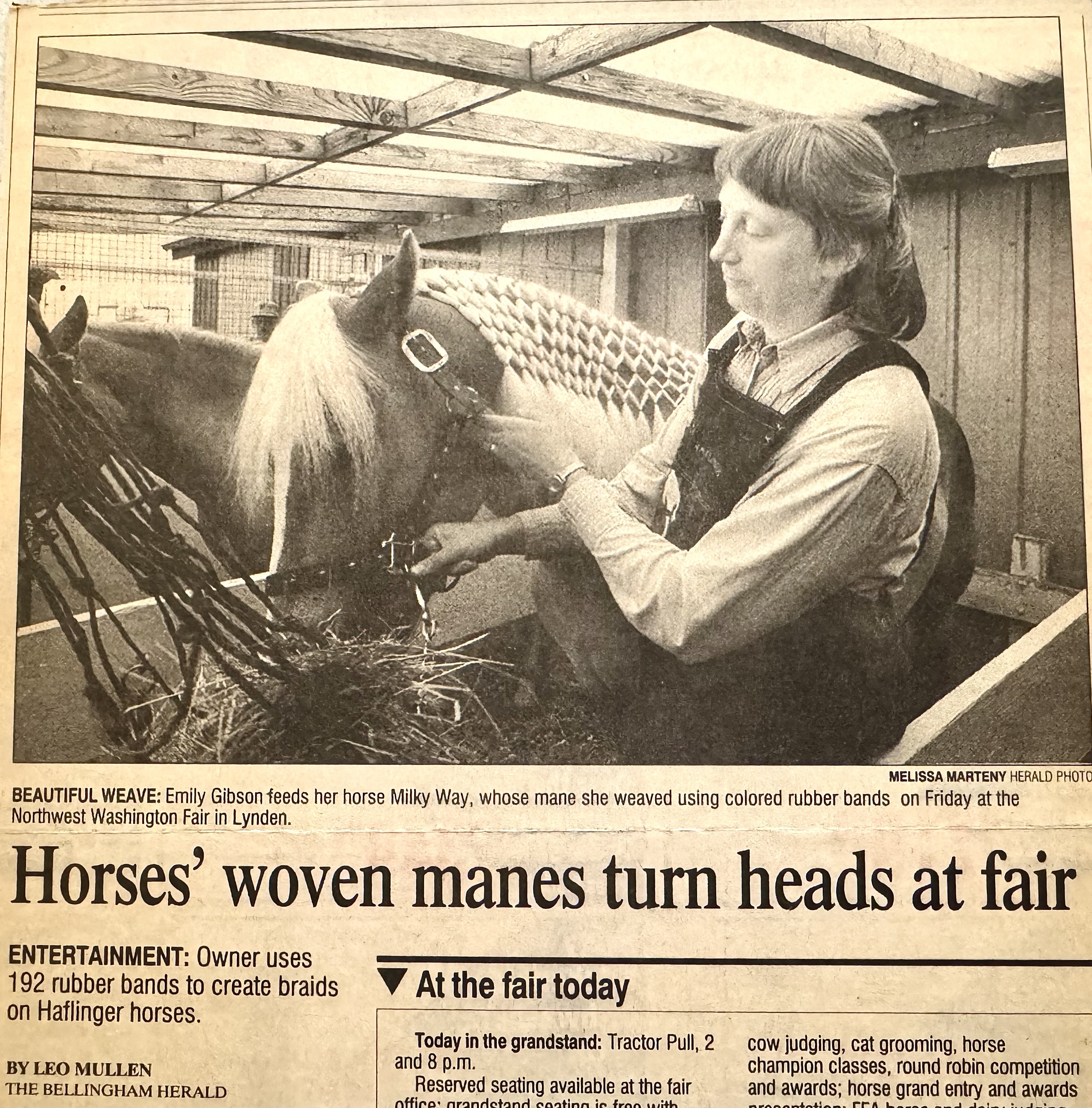
at age 32, my husband and I began our Haflinger horse herd
One-Time
Monthly
Yearly

Make a one-time or recurring donation to support daily ad-free Barnstorming posts

Make a monthly donation

Make a yearly donation
Choose an amount

$10.00
$25.00
$50.00
$5.00
$15.00
$100.00
$5.00
$15.00
$100.00

Or enter a custom amount

$

Your contribution is deeply appreciated.
Your contribution is appreciated.

Your contribution is appreciated.

DonateDonate monthlyDonate yearly