A Calico Diplomat


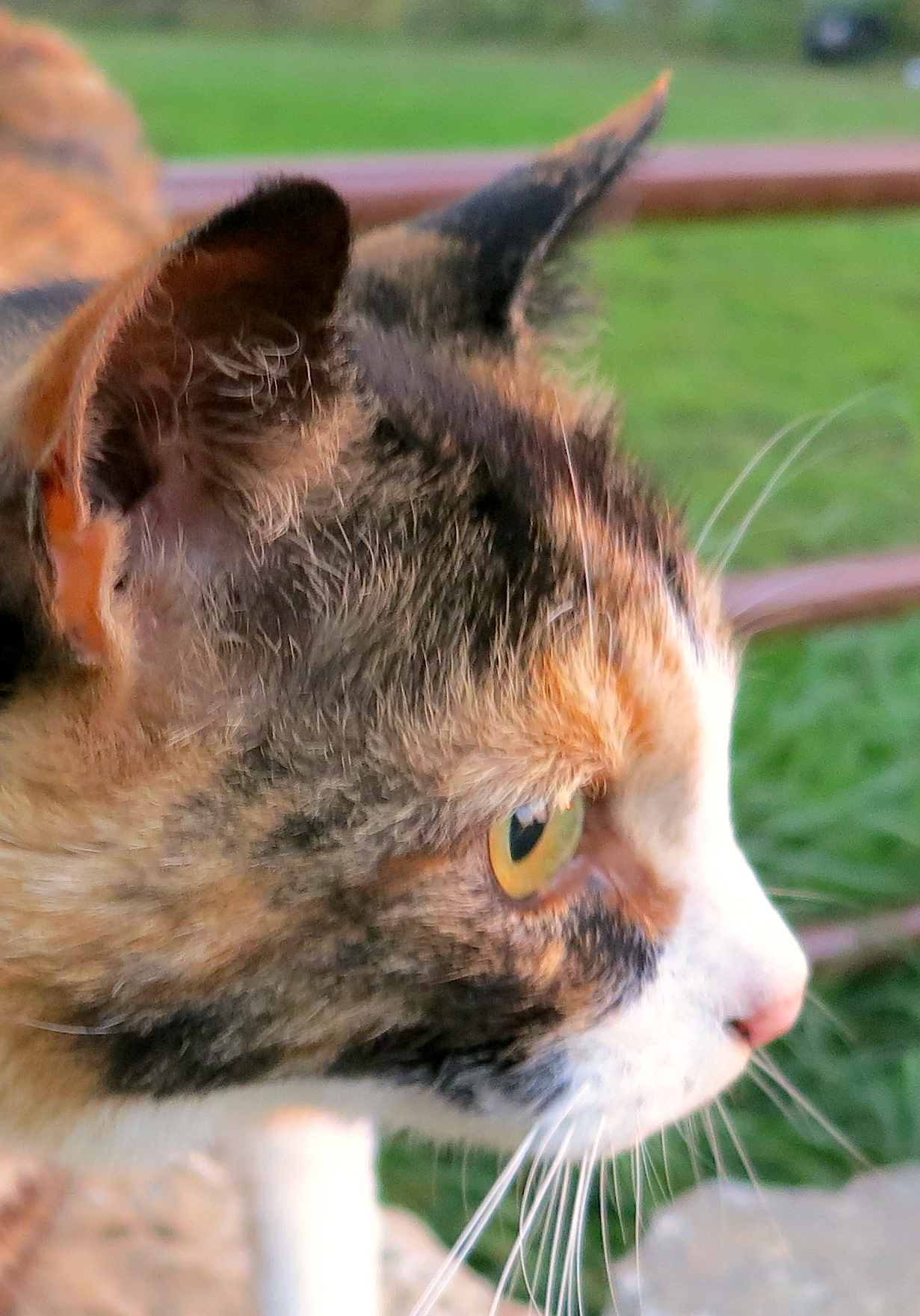
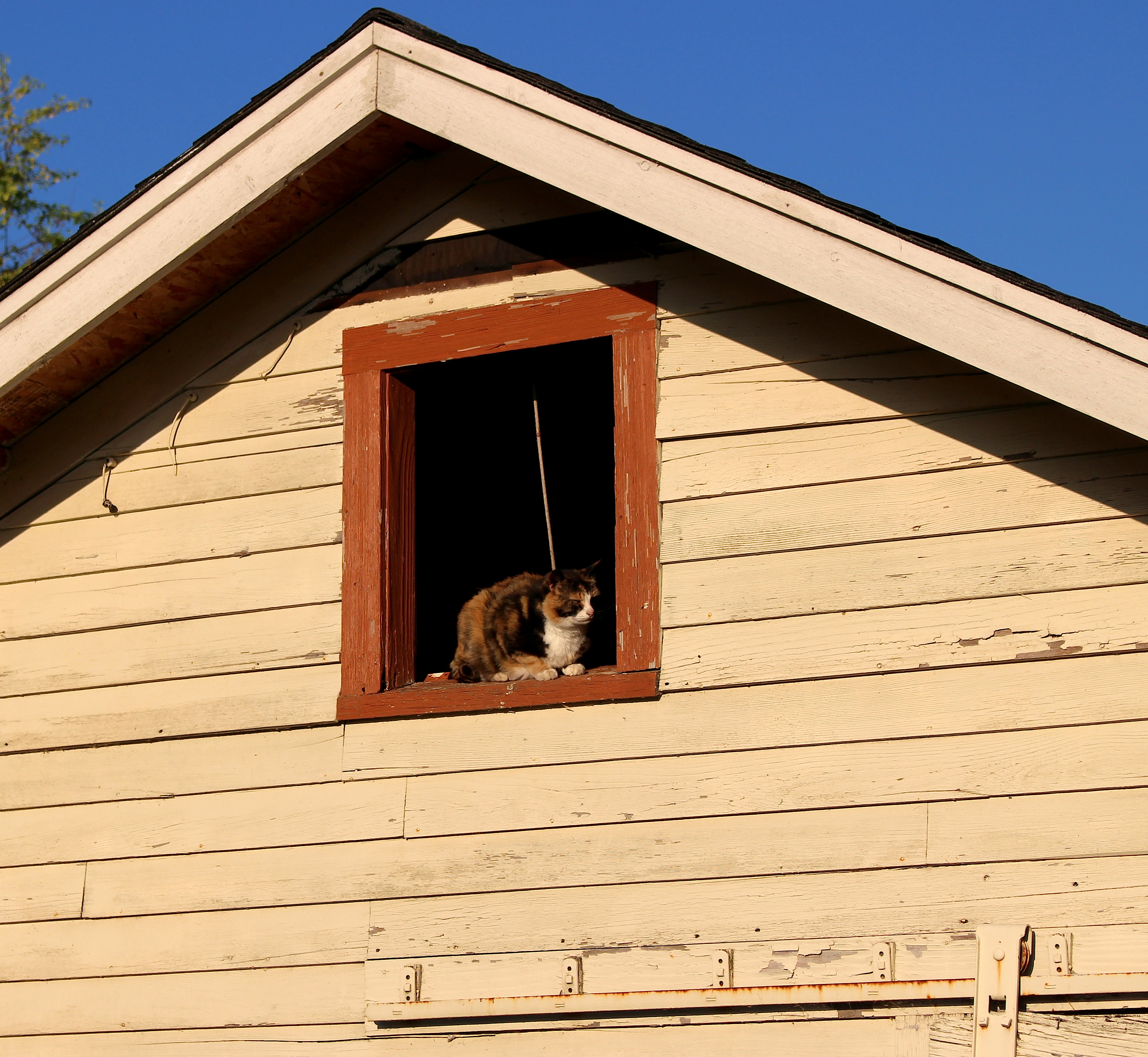
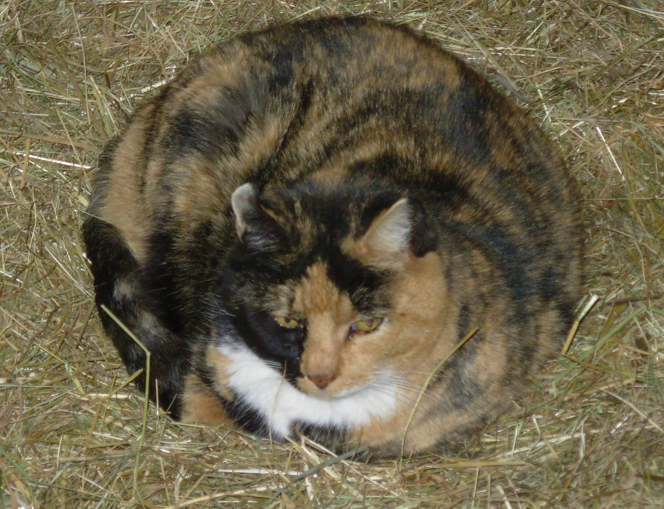
Cally, our adopted calico cat from close friends who moved across the country, was quite elderly and fading fast.  Winter is always a tough time for barn cats, even with snug shelter, plentiful food and water.  We had lost our 16+ year old tuxedo kitty just a couple months previously, and Cally, not much younger,  would not last much longer.  She got up to eat and potty, and still licked her front paws clean, but couldn’t manage much else.  Her frame was thin and frail, her coat dull and matted in places, she’d been deaf for some time and her eyes rheumy.  She spent her days and nights in a nest of hay on the floor of our horse barn, watching the comings and goings of horse hooves and people rolling by with wheelbarrows full of manure.  I brought her a little rug to give her a bit more cushion and protection from drafts, and I was not surprised to find her permanently curled up there in the morning.  Her time had come.

When Cally first arrived as a youngster, she strolled onto our farm and decreed it satisfactory.  She moved right in, immediately at home with the cows, horses, chickens,  our aging dog Tango (who loved cats) and our other cats.   In no time, she became the undisputed leader, with great nobility and elegance.  There was no one questioning her authority.

We knew Cally was unusual from the start.  Tango initially approached her somewhat warily, given the reaction Tango elicited from our other cats (typically a hair raising hiss, scratch and spit).  Instead, Cally marched right up, rubbed noses with Tango, and they became fast friends, cuddling together on our front porch whenever it was time to take a nap.  They were best pals.  Tango surely loved anyone who would snuggle up to her belly and keep her warm and Cally was the perfect belly warmer (as Garrison Keillor says, “a heater cat”).

Our free range Araucana rooster seriously questioned this dog/cat relationship.    He was a bit indignant about a front porch communal naptime and would strut up the sidewalk, walk up and down the porch and perch on the railing,  muttering to himself about how improper it was, and at times getting quite loud and insistent about it.  They completely ignored him, which obviously bugged him, proud and haughty bird that he was.

One fall morning, as I opened the front door to go down the driveway to get the newspaper in the pre-dawn mist, I was astonished to see not just a cat and dog snuggled together on the porch mat, but the rooster as well, tucked up next to Tango’s tail.  As usual,  Tango and Cally didn’t move a muscle when I appeared, as was their habit–I always had to step over them to get to where I needed to go.  The rooster, however, was very startled to see me,  almost embarrassed.  He stood up quickly, flapped his wings a few times, and swaggered off crowing, just to prove he hadn’t compromised his cock-sure raison d’etre.

No, I didn’t have my camera with me and I never found them all together ever again.  You, dear reader, will have to just take it on faith.

After Tango died, Cally rebounded by taking on the training of our new corgi pup and making sure he understood her regal authority in all things, and demanding, in her silent way, his respect and servitude.  He would happily chase other cats, but never Cally.    They would touch noses, she would rub against his fur, and tickle his chin with her tail and all he could think to do was smile and wag at her.

So I figure a dog, a cat and a rooster sleeping together was our little farm’s version of the lion and lamb lying down together, diplomacy of the purest kind, the most diverse becoming one.  The peaceable kingdom was right outside our front door,  a harbinger of what is promised someday for the rest of us.  Despite claws, sharp teeth, and talons, it will be possible to snuggle together in harmony and mutual need for warmth and comfort.

Our special Cally made it happen on earth with her special statesmanship.  I suspect she’s met up with Tango, and possibly one rooster with attitude, for a nice nap together on the other side.
Homesick at Home

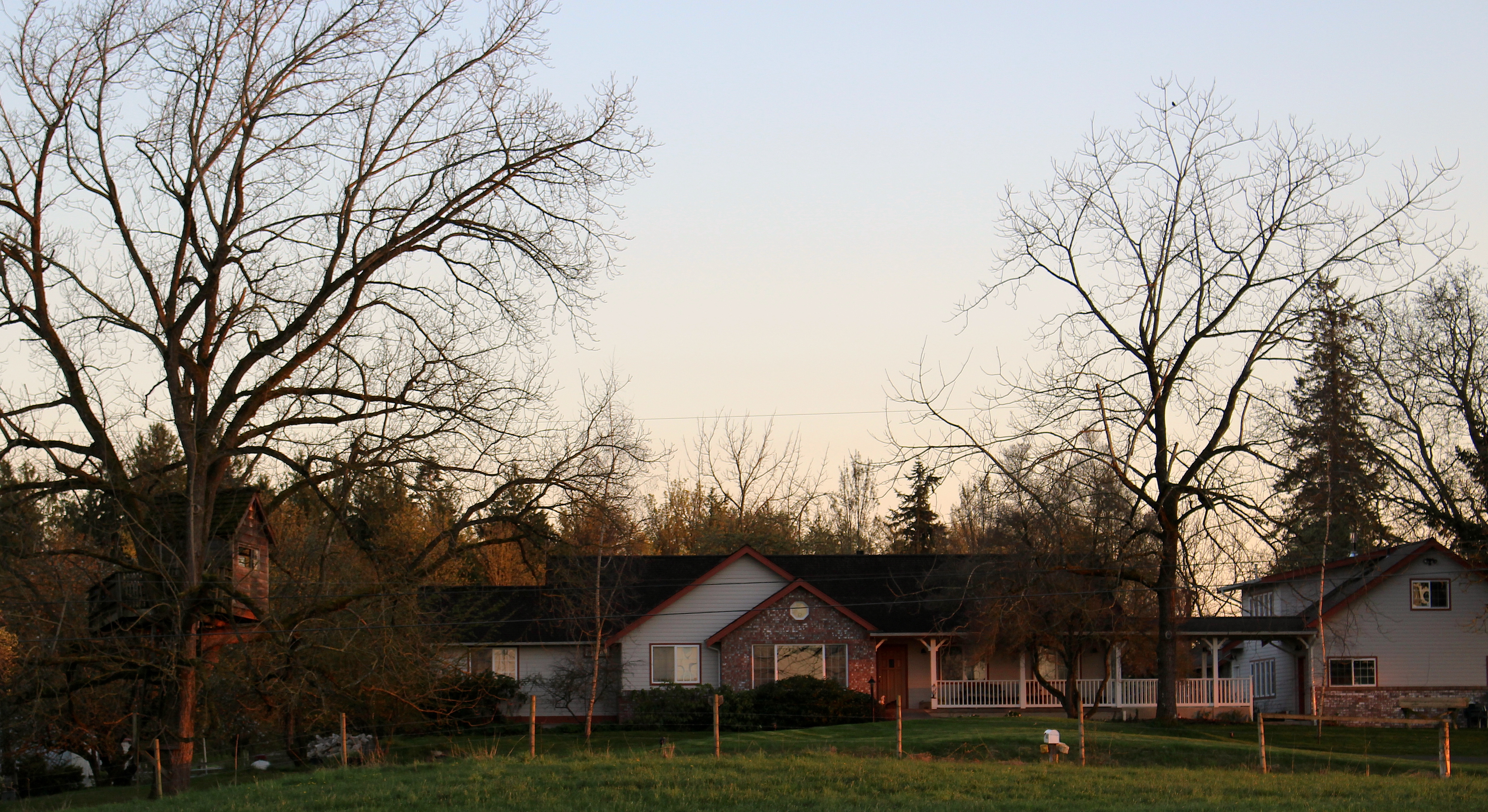
homeaprilevening

Solastalgia–a pining for a lost environment or a state of homesickness when still at home.  This word is derived from solacium (“comfort”) and algia (“pain”) and coined by Professor Glenn Albrecht in Australia in his research in Environmental Studies.  He has been studying Australian farmers displaced by climate changes that have rendered their land and homes uninhabitable dust bowls.  Their despair is losing not just their livelihoods but more emphatically, the familiarity and solace of surroundings lasting for generations of family members.  They become lost souls at home.

It is easy to dismiss talk of “home”  in this modern day as sentimental hogwash.  When we can travel globally in a matter of hours and via computer can arrive in anyone’s backyard, living room or even bedroom, “home” seems an outmoded concept.

Yet human beings thrive on predictability, stability and familiarity.   When home no longer resembles home,  when the birds no longer sing as they once did, the native flowers no longer bloom, the trees no longer move in the breeze, where can we seek solace and comfort?

We are homesick right in our own back yards, if there is still a back yard left to dwell within.

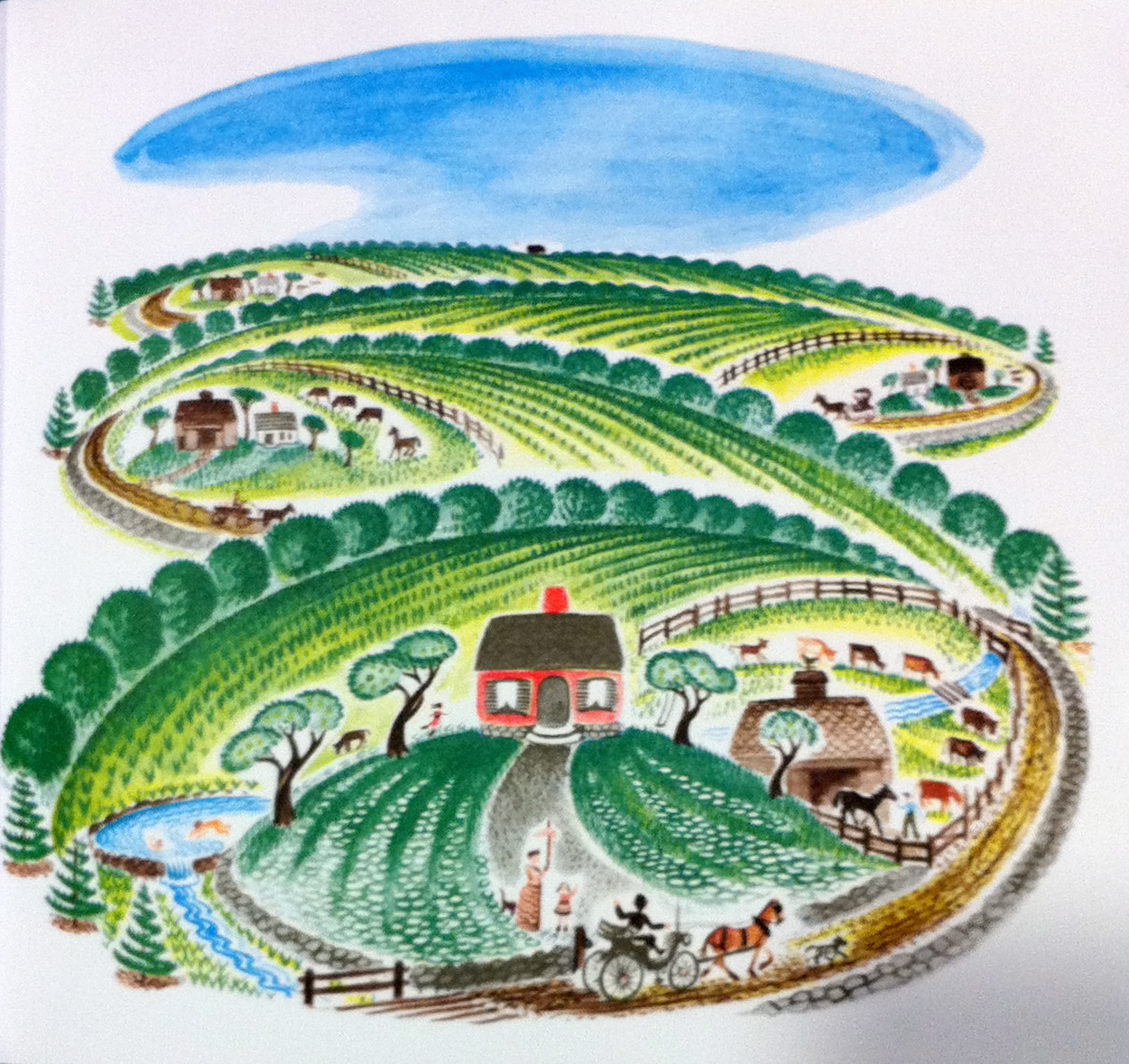
As a child, one of my favorite books was Virginia Lee Burton’s “Little House”, written in 1942, about a cottage built sturdy out in the countryside to last for generations of one family.

The Little House by Virginia Burton

” The Little House was very happy as she sat on the hill and watched the countryside around her.  She watched the sun rise in the morning and she watched the sun set in the evening.  Day followed day, each one a little different than the one before… but the Little House stayed just the same.”

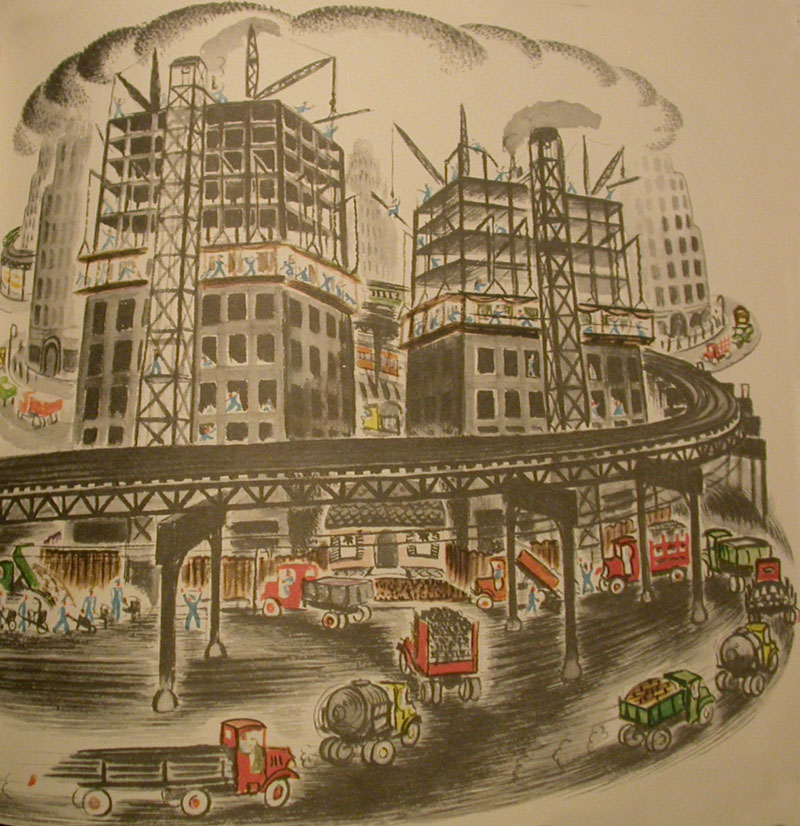
As the years go by, more houses are built near by and then a town surrounds the cottage, and finally it is engulfed in the noisy, smelly, sooty, smoky city.

The Little House by Virginia Burton

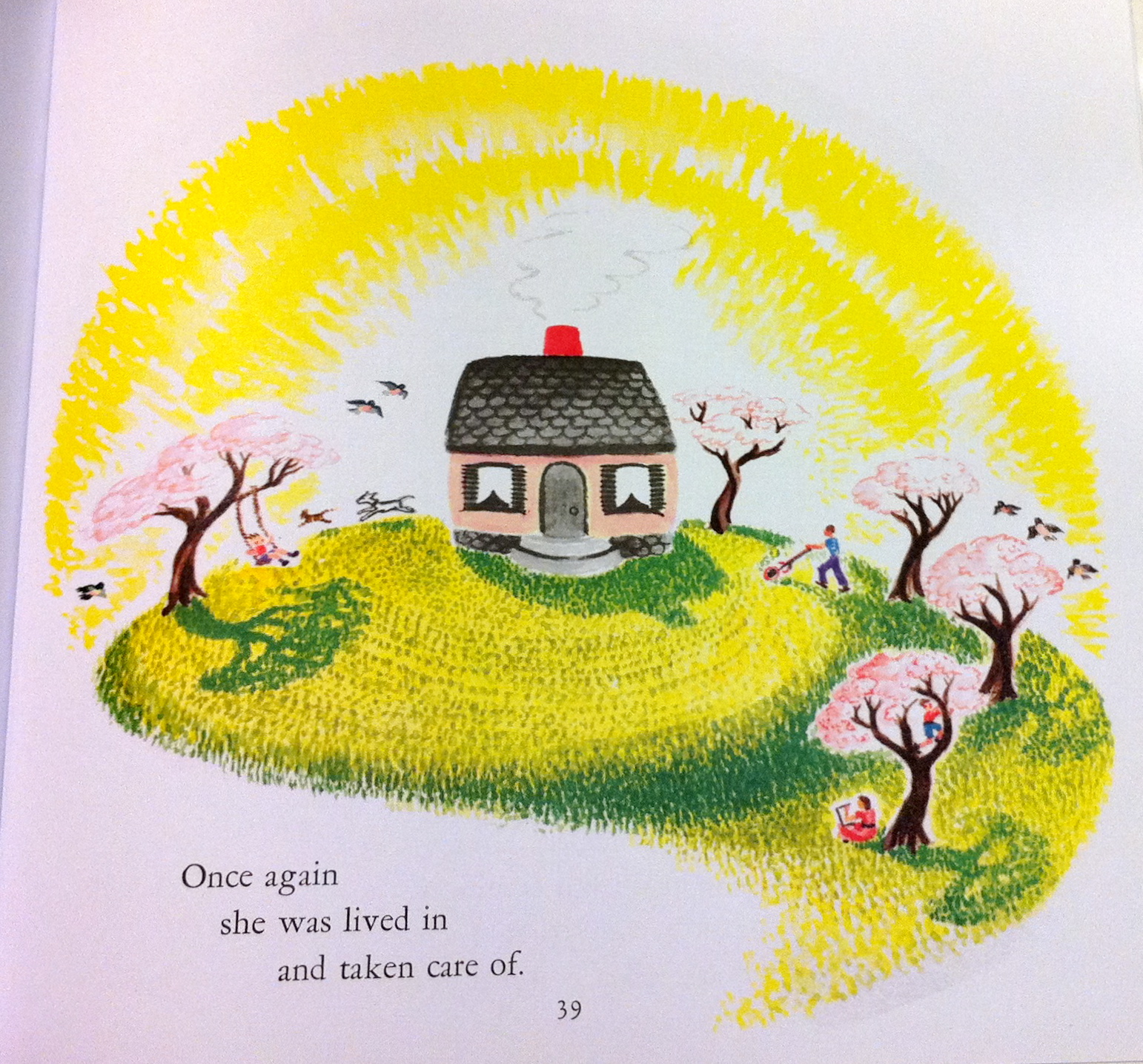
Eventually a great-granddaughter finds the Little House and moves it out far into the countryside to become “home” once again.

littlehousefinal

Voltaire reminded us to cultivate our own garden and more recently, Joni Mitchell observed:  “They paved paradise and put up a parking lot.”   How many live somewhere that looks like it did 20, 60, 100 years ago?   How many would recognize our childhood homes if we drove by now?   How will our children remember “home”?

I have found one cure for solastalgia —  create home where you are and where your people might be for generations to come.  One of the most effective ways is to plant bulbs, bushes, flowers and trees.  Again and again.  This cure is as old as Johnny and his appleseeds or the French fable “The Man Who Planted Trees” about the shepherd who restored an entire valley by planting acorns.

It has to do with restoring life on the land.  Home is more than just the boards and doors and windows and fireplaces.  It is the earth we steward and the care we provide.

Solace is available for the homesick because of the capability of our hands and hearts.

The Man Who Planted Trees:

Harvest Hurrah

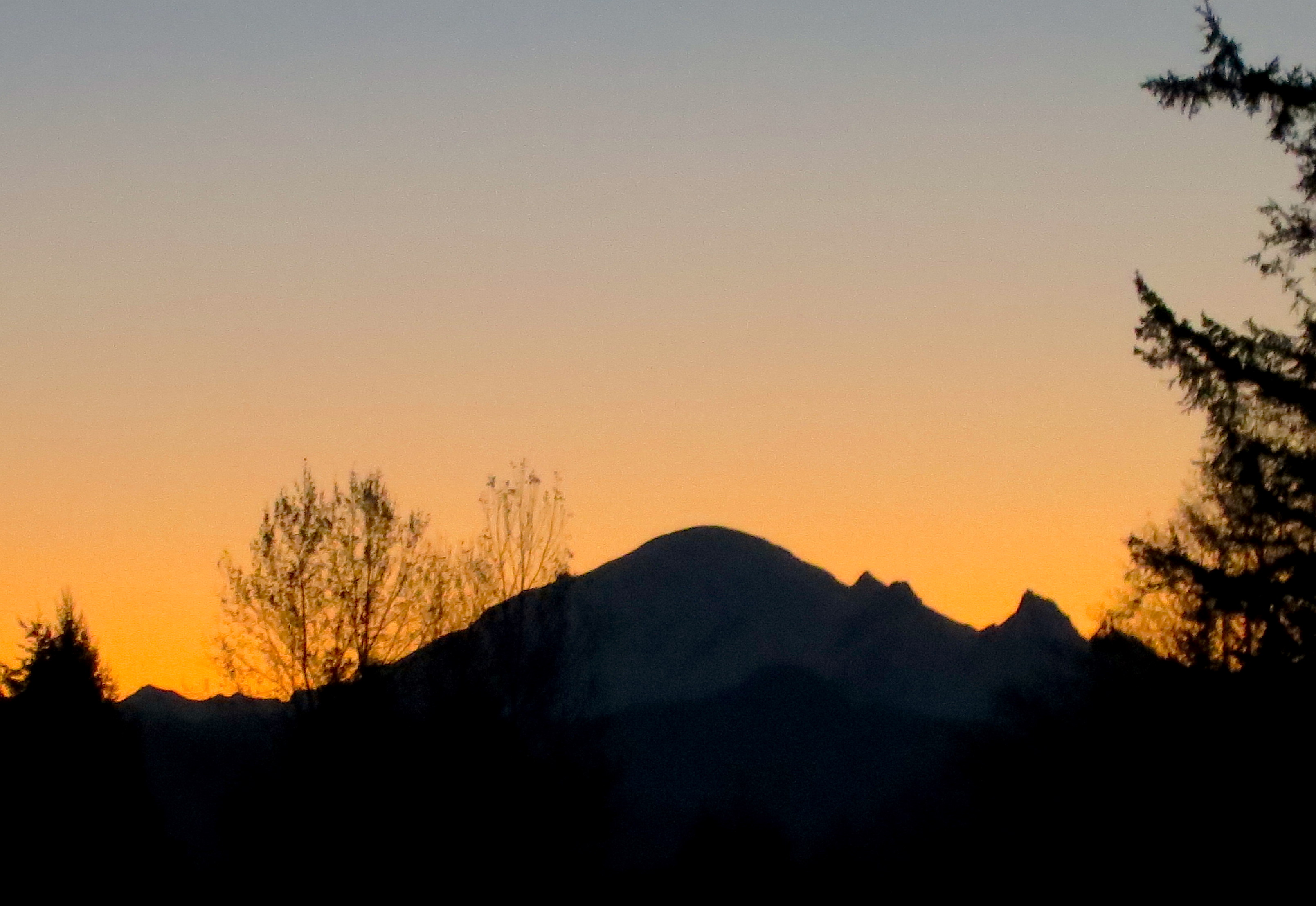
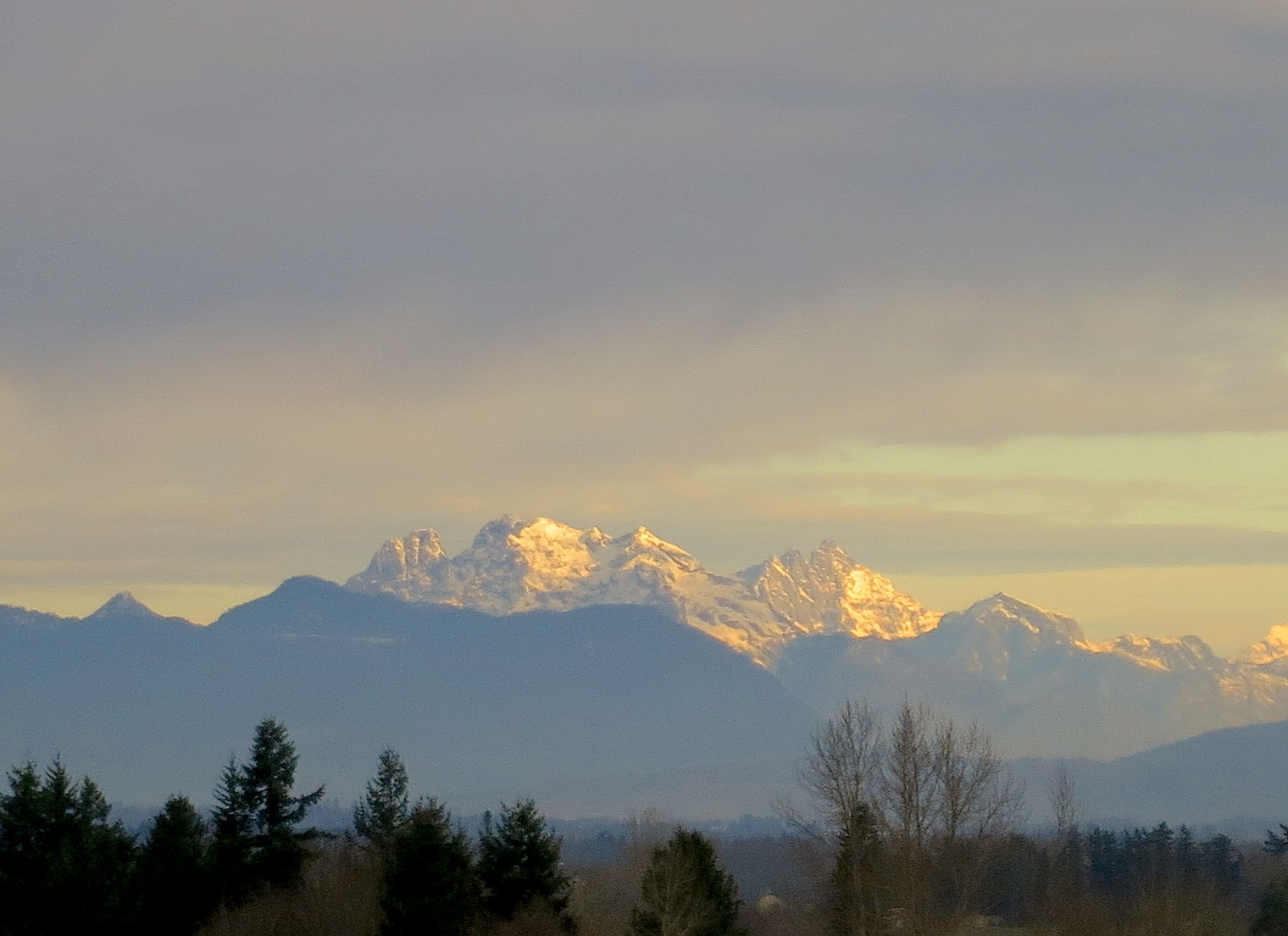
Mt. Baker at dawn today
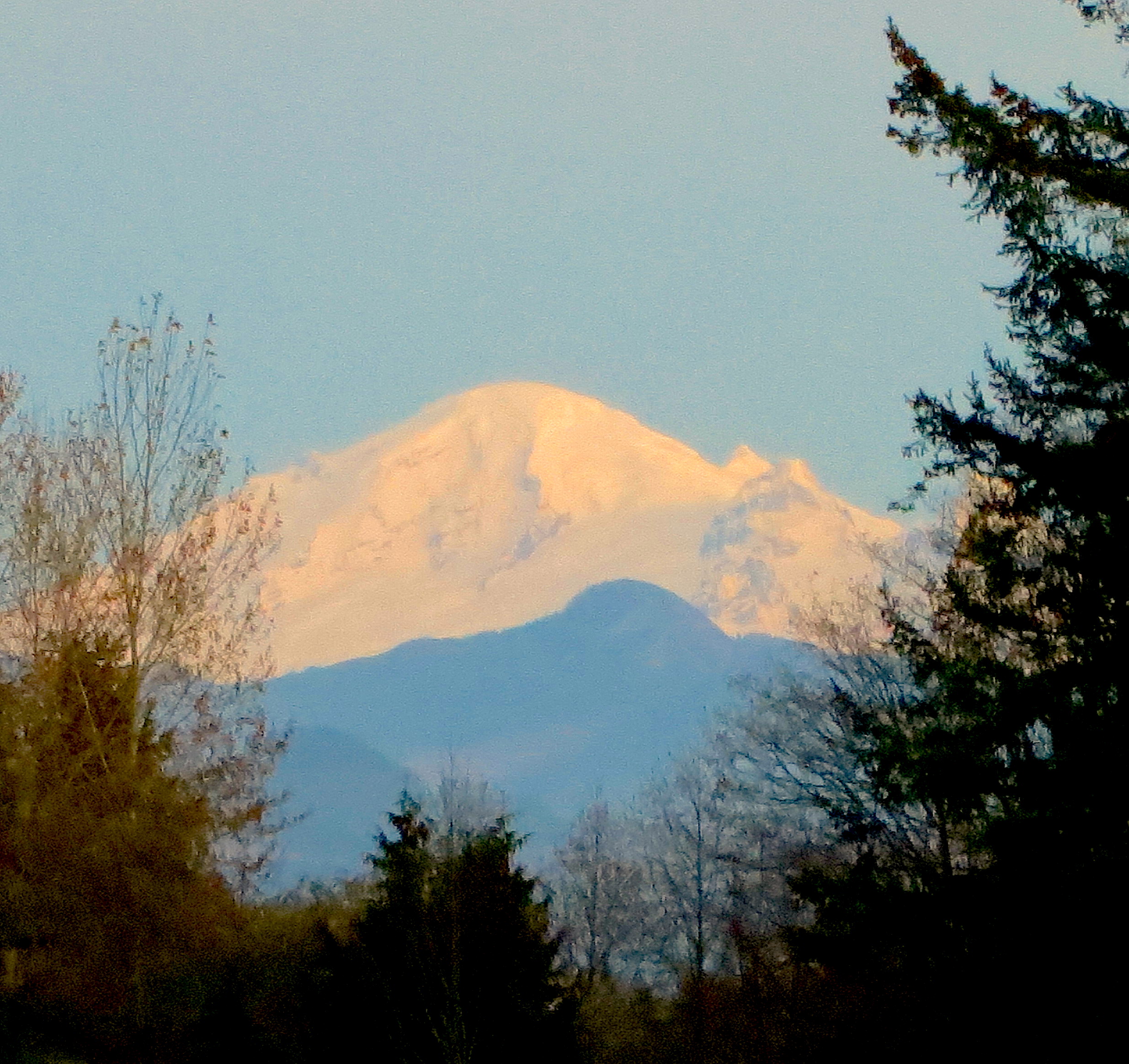
Mt. Baker last night with fresh snow

As a celebration of harvest time, our church shared a harvest meal together this weekend, and this beautiful Hopkins poem came to mind.  Hopkins himself wrote, “The Hurrahing sonnet was the outcome of half an hour of extreme enthusiasm as I walked home alone one day from fishing in the Elwy.”    And how else can we approach the gift of harvest than with “extreme enthusiasm”?

Summer ends now; now, barbarous in beauty, the stooks rise
Around; up above, what wind-walks! what lovely behaviour
Of silk-sack clouds! has wilder, wilful-wavier
Meal-drift moulded ever and melted across skies?

I walk, I lift up, I lift up heart, eyes,
Down all that glory in the heavens to glean our Saviour;
And eyes, heart, what looks, what lips yet give you a
Rapturous love’s greeting of realer, of rounder replies?

And the azurous hung hills are his world-wielding shoulder
Majestic – as a stallion stalwart, very-violet-sweet! –
These things, these things were here and but the beholder
Wanting; which two when they once meet,
The heart rears wings bold and bolder
And hurls for him, O half hurls earth for him off under his feet.
~Gerard Manley Hopkins “Hurrahing in Harvest”

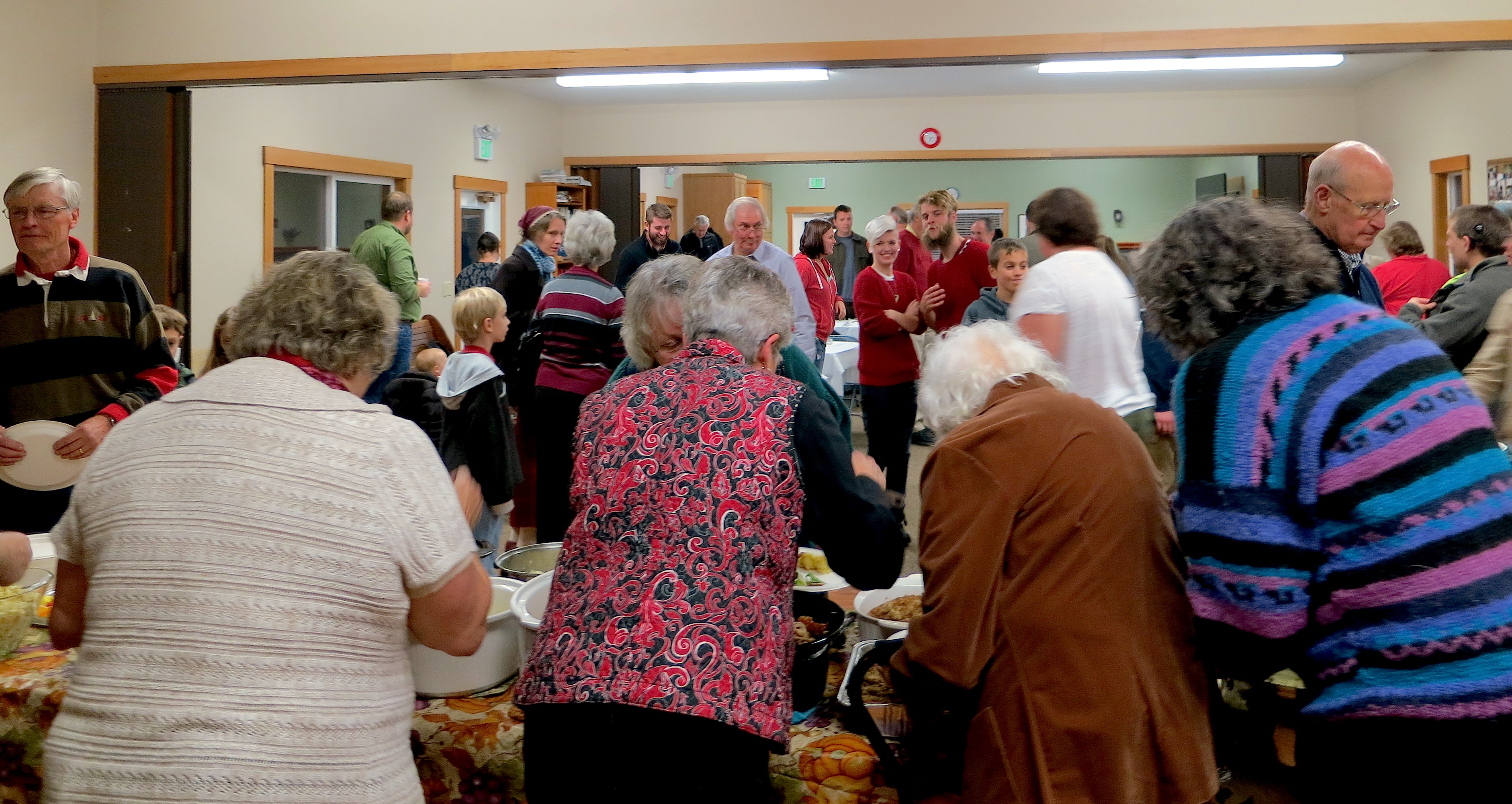
harvestpotluck2
a specially laid table at the Harvest potluck
A gathering of over 90 church family and friends, including two special people over 90 years of age!

We Never Know…

419572_10150518298204422_1227153123_n


Without realizing it, we fill
important places in each others’ lives.
It’s that way with the guy at the corner grocery, the mechanic at the local garage,
the family doctor, teachers, neighbors, coworkers. Good people who are always “there,”
who can be relied upon in small,
important ways. People who teach us,
bless us, encourage us, support us,
uplift us in the dailiness of life.

We never tell them.
I don’t know why, but we don’t.

And, of course, we fill that role ourselves. There are those who depend on us,
watch us, learn from us, take from us. And we never know.

You may never have proof of your importance,
but you are more important than you think.
There are always those who couldn’t do without you.
The rub is that you don’t always know who.
~Robert Fulghum

chapelnursery92114

Twenty Nine Halloweens

bobbieclose

punkinhallow

On Halloween day in 1985, I packed up my clothes, a roll up mattress,  grabbed one lonely pumpkin from our small garden, locked our rental house door for the last time, climbed in my car and headed north out of Seattle. I don’t recall looking back in the rear view mirror at the skyline after nine years living in the city. My husband had moved to Whatcom County two months before to start his new job. I had stayed behind to wrap up my Group Health practice in the Rainier Valley of Seattle. I was leaving the city for a new rural home and an uncertain professional future.

I knew two things for sure: I was finally several months pregnant after a miscarriage and two years of infertility, so our family was on its way, and we were going to live in our own house, not just a rental, complete with five acres and a barn. A real (sort of) farm. Since no farm can be complete without animals, I stopped at the first pet store I drove past and found two little sister tortoise shell calico kittens peering up at me,  just waiting for new adventures in farmland. Their box was packed into the one spot left beside me in my little Mazda. With that simple commitment to raise and nurture those kittens, life seemed very complete.

I will never forget the freedom I felt on that drive north. The highway seemed more open, the fall colors more vibrant, the wind more brisk, our baby happily kicking my belly, the kittens plaintively mewing from their box. There seemed to be so much potential though I had just left behind the greatest job that could be found in any urban setting: the ideal family practice with a delightfully diverse patient population of African Americans, Cambodians, Laotians, Vietnamese, Muslims and Orthodox Jews. I would never know so much variety of background and perspective again and if I could have packed them all with me into the Mazda, I would have.

We started our farm with those kittens dubbed Nutmeg and Oregano, soon adding a dog Tango, then a Haflinger horse Greta, then Toggenburg goats Tamsen and her kids, a few Toulouse geese, Araucana chickens, Fiona the Highland cow, then another Haflinger Hans and another, Tamara. I worked as a fill in locums doctor in four different clinics before our first baby, Nate, was born. Again, new commitments and life felt complete– but not for long, as we soon added another baby, Ben and then another, Lea. Then it really was complete. Or so I thought.

Twenty nine years later our children have long ago grown and gone, off to their own adventures beyond the farm.  Our sons each married in the last year, our daughter becoming more independent as she finishes her college career in another year, each child to a different big city spread out in three different time zones from us. A few cats, two corgi dogs, and a hand full of ponies remain at the farm with us. We are now gray and move a bit more slowly, enjoy our naps and the quiet of the nights and weekends. Our second larger farm seems more than we can realistically manage by ourselves in our spare time. My work has evolved from four small jobs to two decades of two part time jobs to one more than full time job that fits me like a well worn sweater 24 hours a day.

My husband is talking retirement in a little over three years. I’m not so sure for myself. I have never not worked and don’t know how I can stop when the need in health care is greater than ever.

The freedom I felt that rainy Halloween day three decades ago, watching Seattle disappear in the rear view mirror,  meant I no longer sat captive in freeway rush hour bumper to bumper traffic jams for an hour, but now commute through farm fields, watching eagles fly, and new calves licked by their mamas. I am part of a community in a way I never could manage in the city, stopping to visit with friends at the grocery store, playing piano at church and serving on various community boards. I love how our home sits in the midst of woods and corn fields, with deer strolling through the fields at dawn,  coyotes howling at night, Canadian geese and trumpeter swans calling from overhead and salmon more prolific every year in nearby streams. The snowy Cascades greet me in the morning and the sunset over Puget Sound bids me good night.

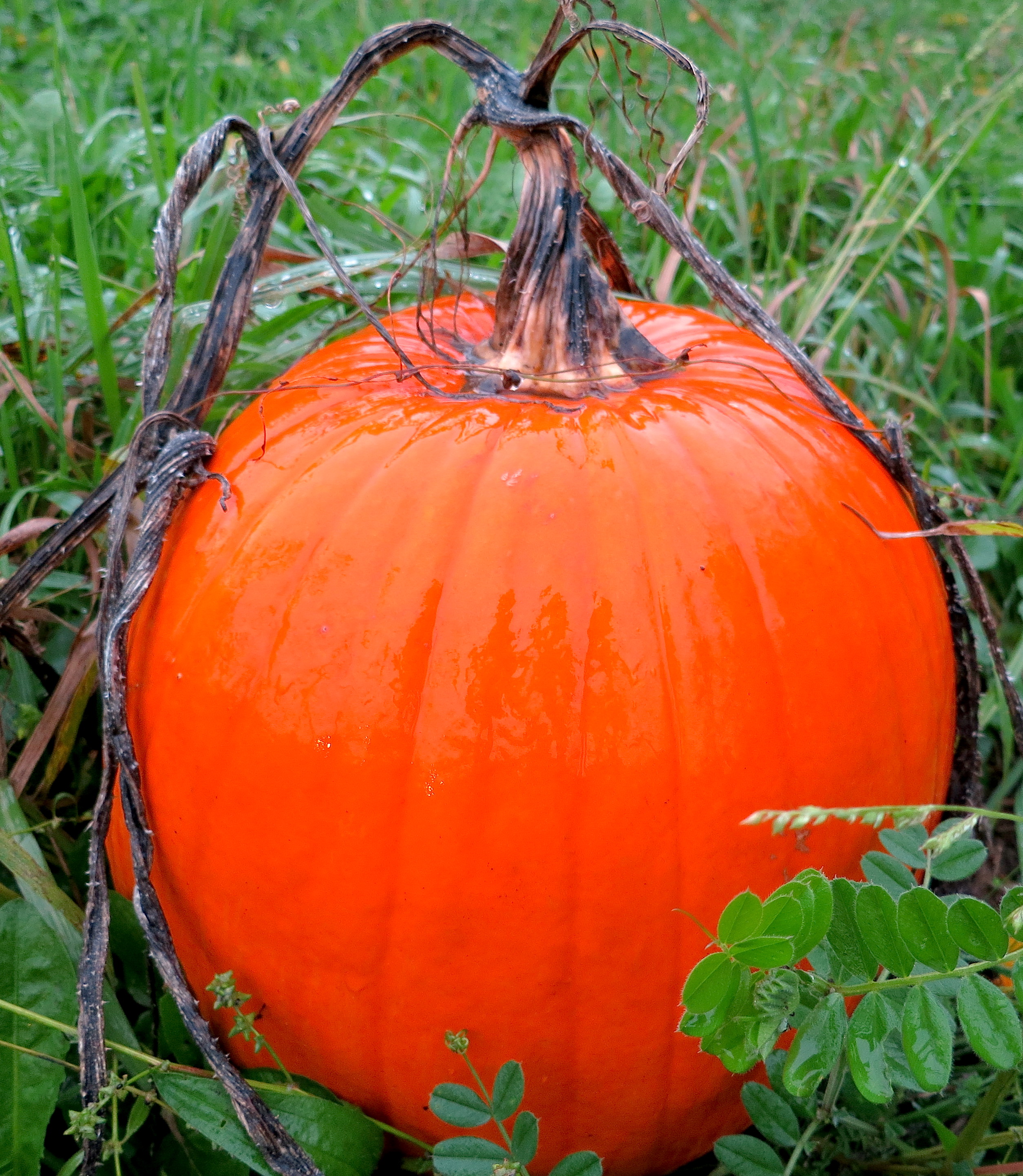
It all started October 31, 1985 with two orange and black kittens and a pumpkin beside me in a little Mazda and a husband waiting for my homecoming 100 miles north. Now, twenty nine years and three grown children later,  I celebrate my Halloween transition anniversary once more.  We find ourselves on our own yet again, still pregnant with possibility for our future together.


bobbiewindow

sunrise11272

10678689_10203978385994832_8935345657400768224_n

Solidarity and Silence

madrona


We hear so much today of the word solidarity. It has become a part of our vocabulary in the past twenty or thirty years. Today our solidarity with brothers and sisters of our faith, and of other faiths, in a part of the world where there is clearly an effort to eliminate them is something that we simply cannot in conscience ignore.

Often we are asked: “How was it possible that in human history atrocities occur?” They occur for two reasons: because there are those prepared to commit them, and then there are those who remain silent. And the actions in Iraq and in Syria today are happening to women, children, men—their displacement not the least. Things happening to them is something that we really are not free to ignore, and sometimes all we have to raise is our voice. . . .

I ask myself: Where are these voices? Where the voices of parliaments and congresses? Where are the voices of campuses? Where are the voices of community leaders? . . . Why a silence?
~Cardinal Donald Wuerl at the 2014 convocation at the Catholic University of America

frontyardwalnut 

“Silence in the face of evil,” he said, “is evil itself. God will not hold us guiltless. Not to speak is to speak. Not to act is to act.”
~Dietrich Bonhoeffer

Those Who Water Flowers

morningdew95145

Thank God that there are solid folk
Who water flowers and roll the lawn,
And sit and sew and talk and smoke,
And snore all through the summer dawn.
Who pass untroubled nights and days
Full-fed and sleepily content,
Rejoicing in each other’s praise,
Respectable and innocent.
Who feel the things that all men feel,
And think in well-worn grooves of thought,
Whose honest spirits never reel
Before man’s mystery, overwrought.
~C. S. Lewis from “In Praise of Solid People”
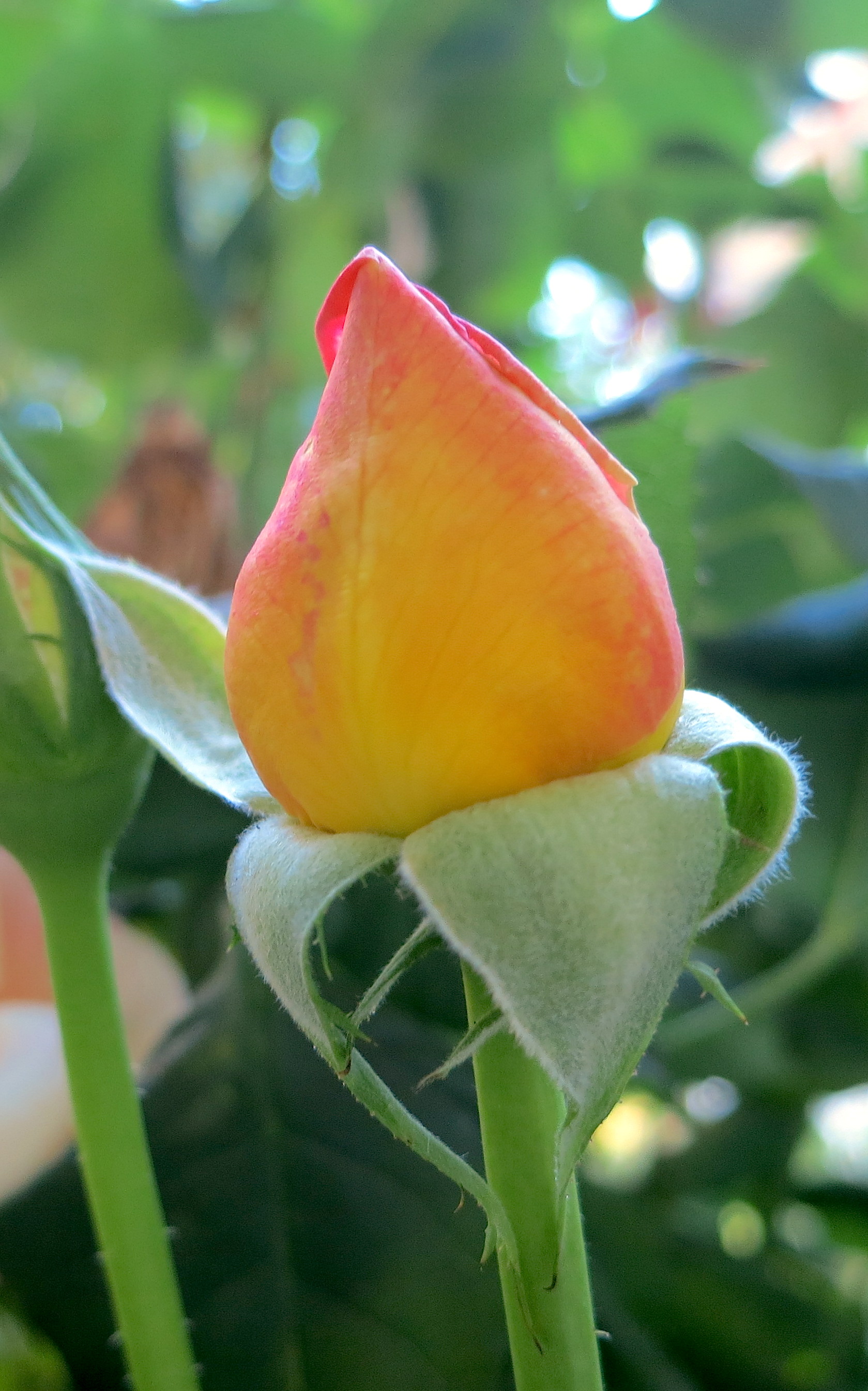
rosebud96141
rosebud9614

Where Minds and Gardens Grow

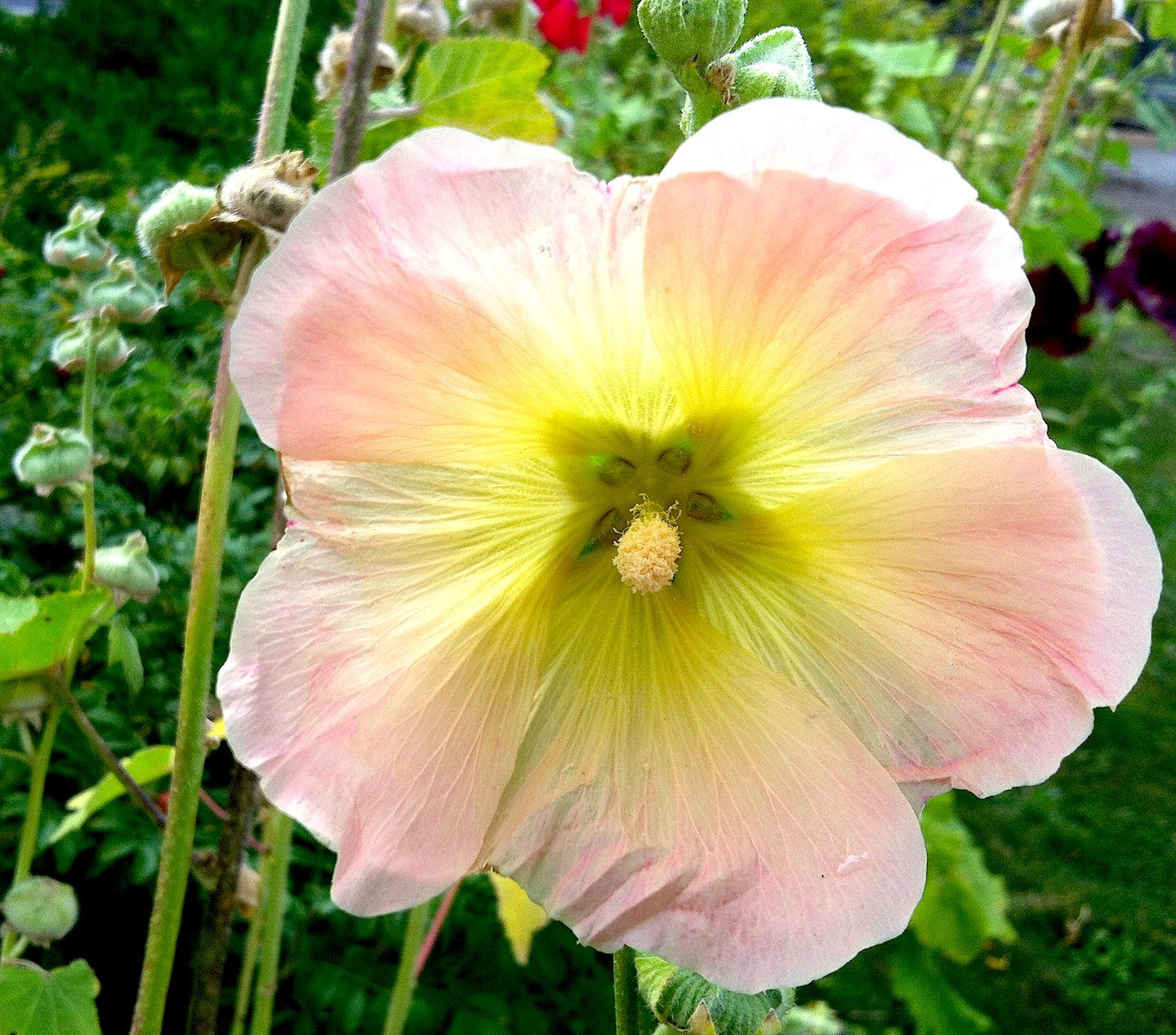
hollyhock
hollyhock

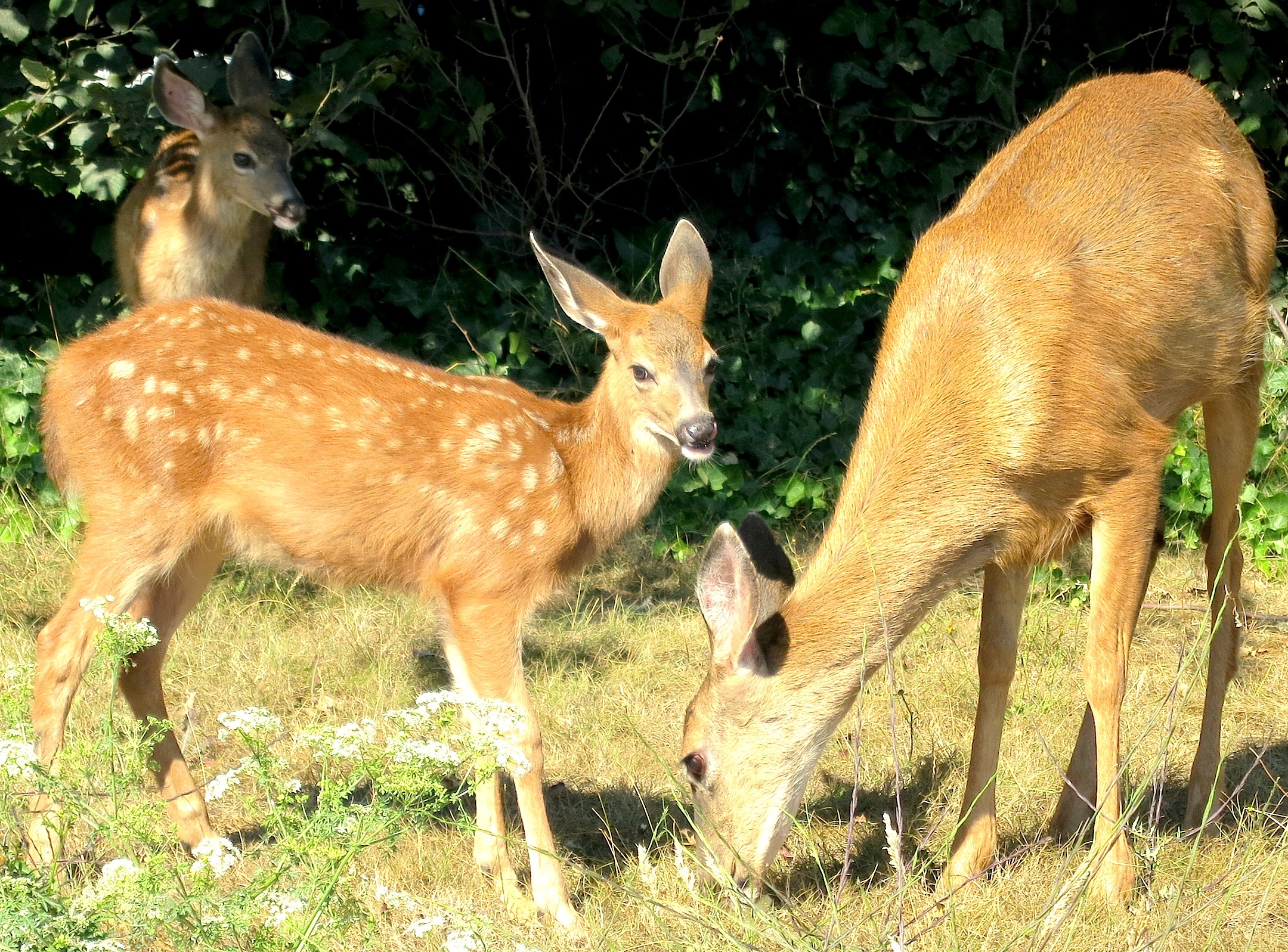
fawns3

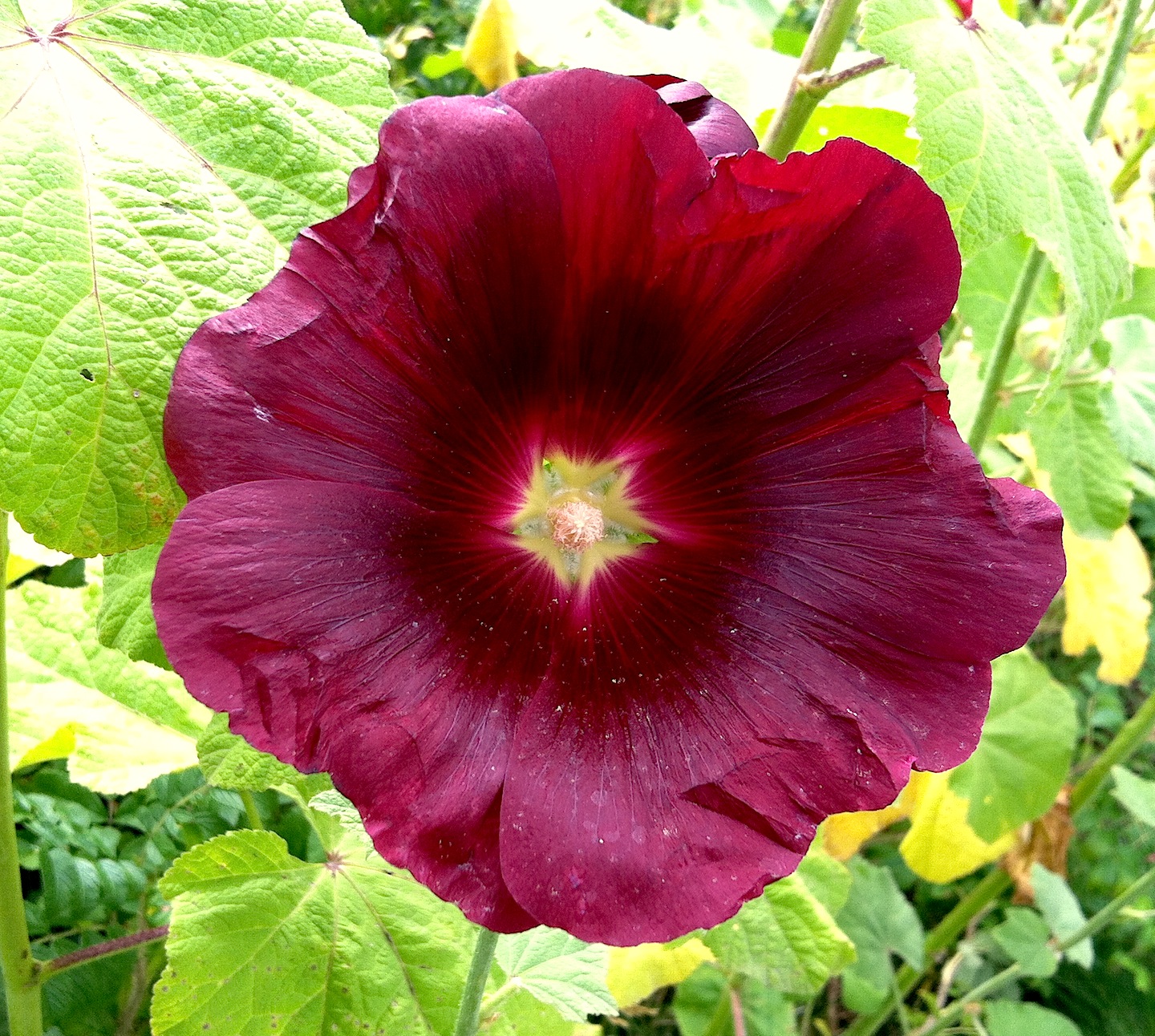
As I go between meetings on the Western Washington University Campus in Bellingham, Washington, I can’t help but admire the work of the stewards of the gardens and landscape, as well as some of the four legged visitors.  These are iPhone photos, taken on the run.

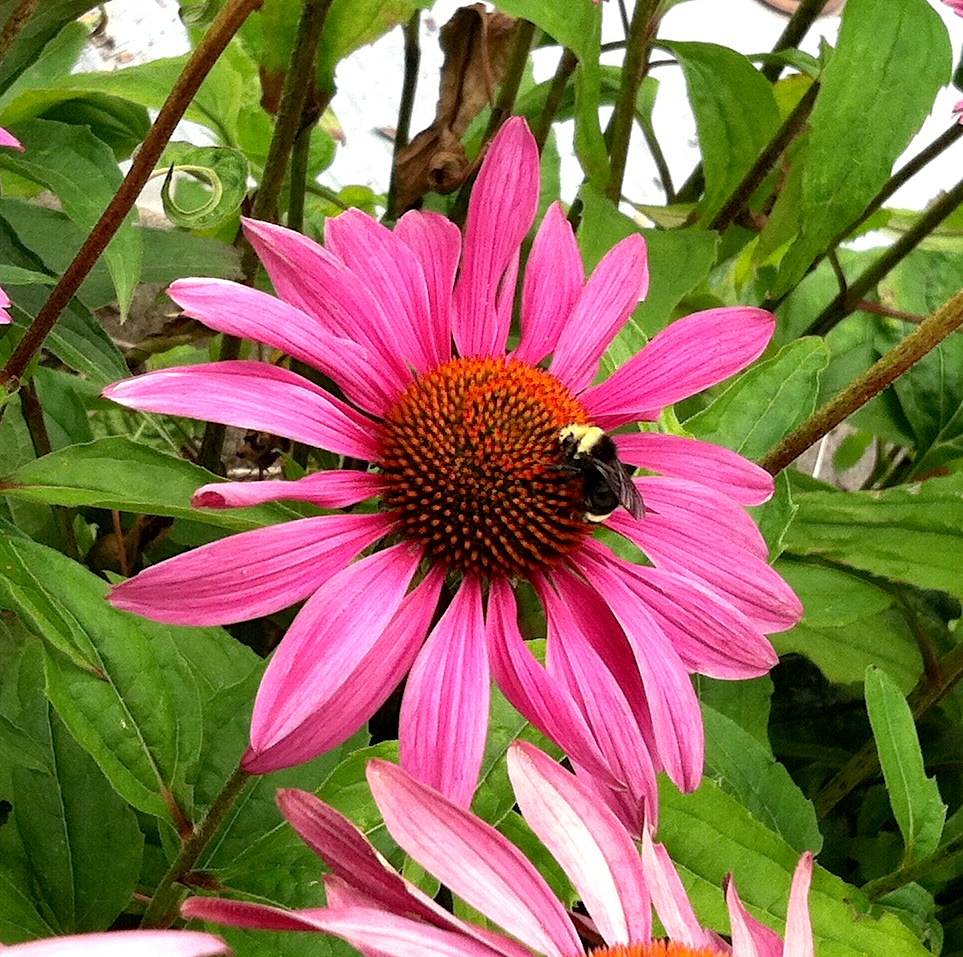
cornbee
cornflower and pollinator
officially a weed but lovely nonetheless
hollyhock
hollyhock

wwuberry

wwuborder

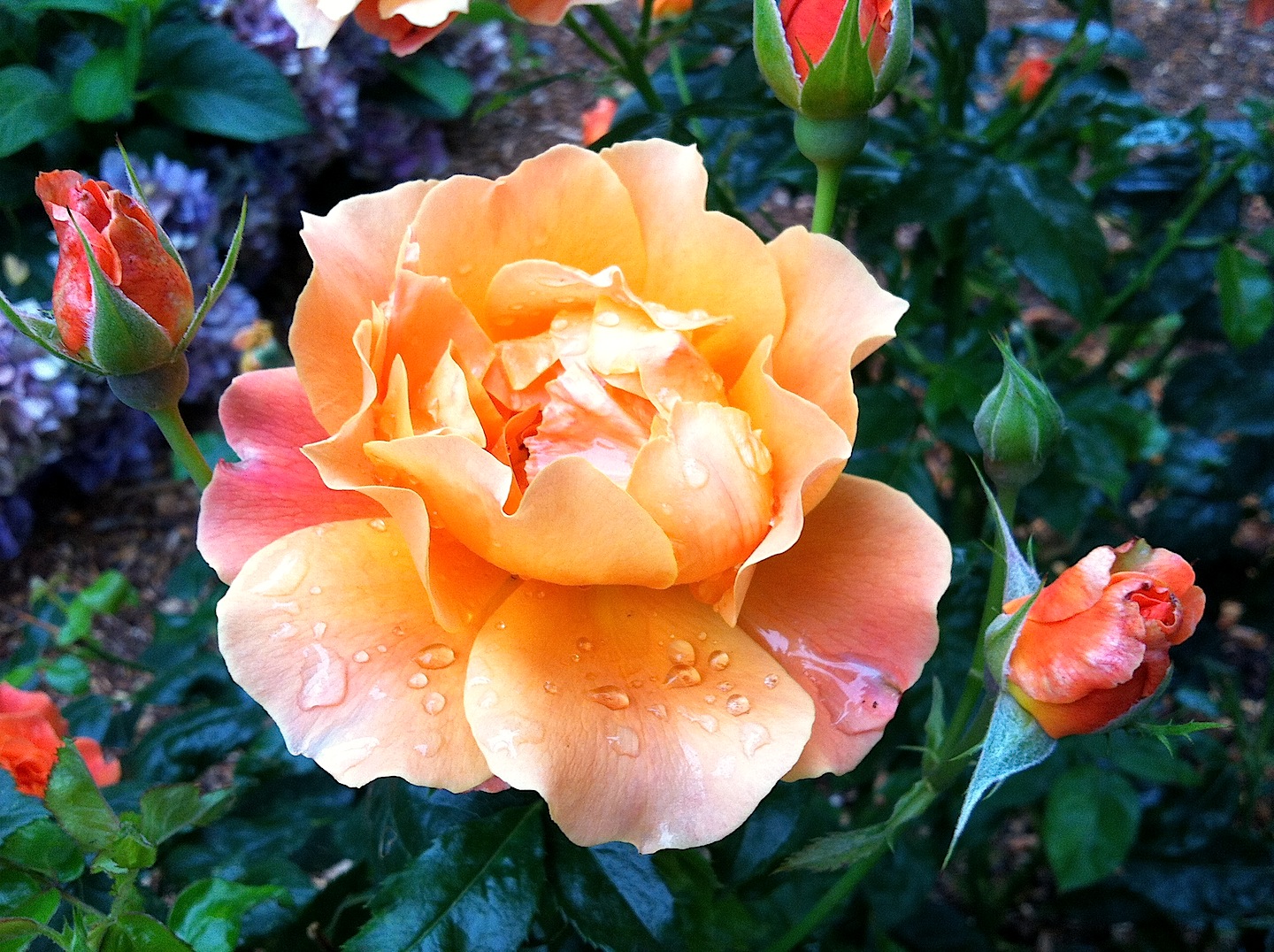
rainyrose
rose garden outside Old Main after a shower
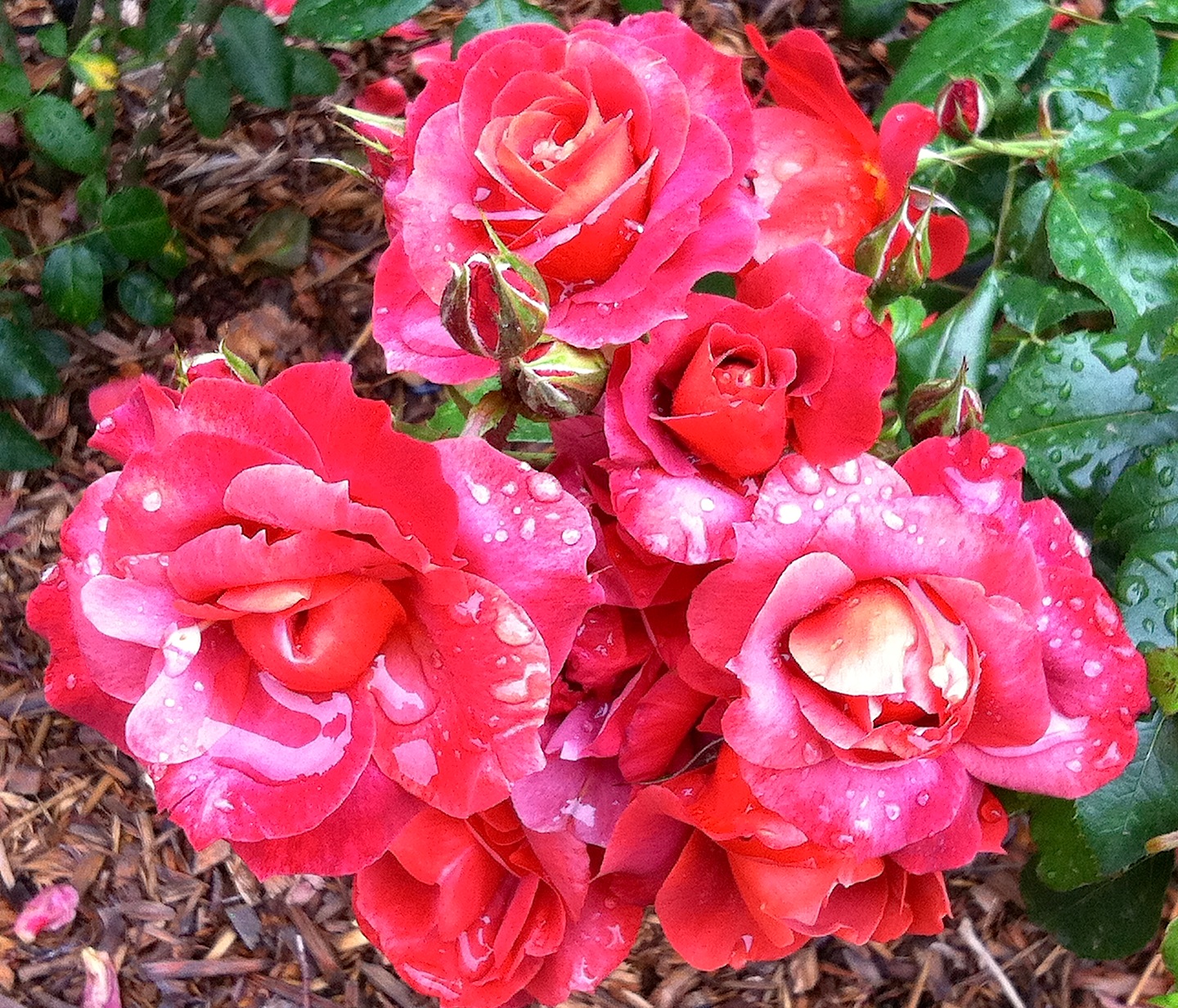
rainyrose2
rose garden
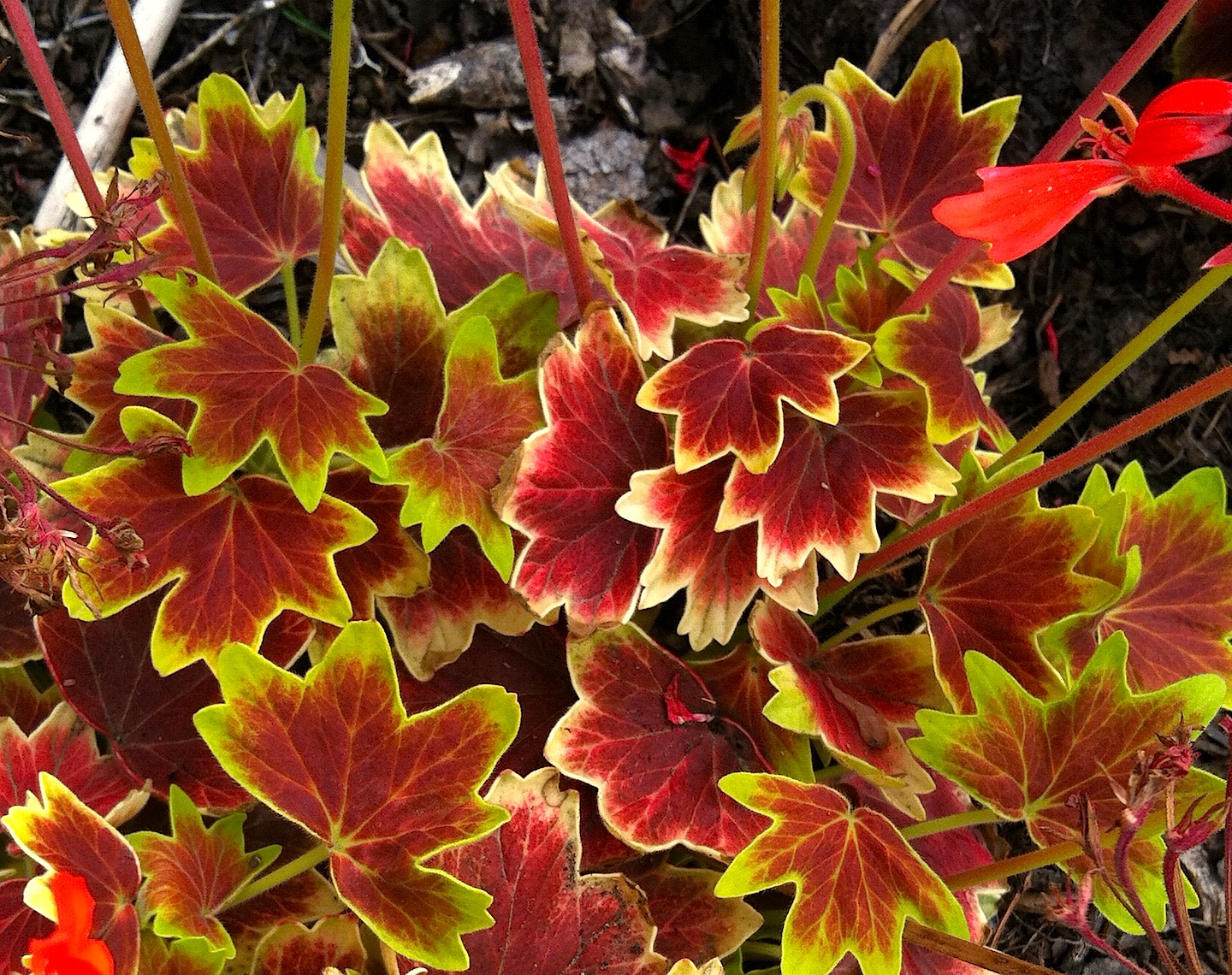
wwuvariegation
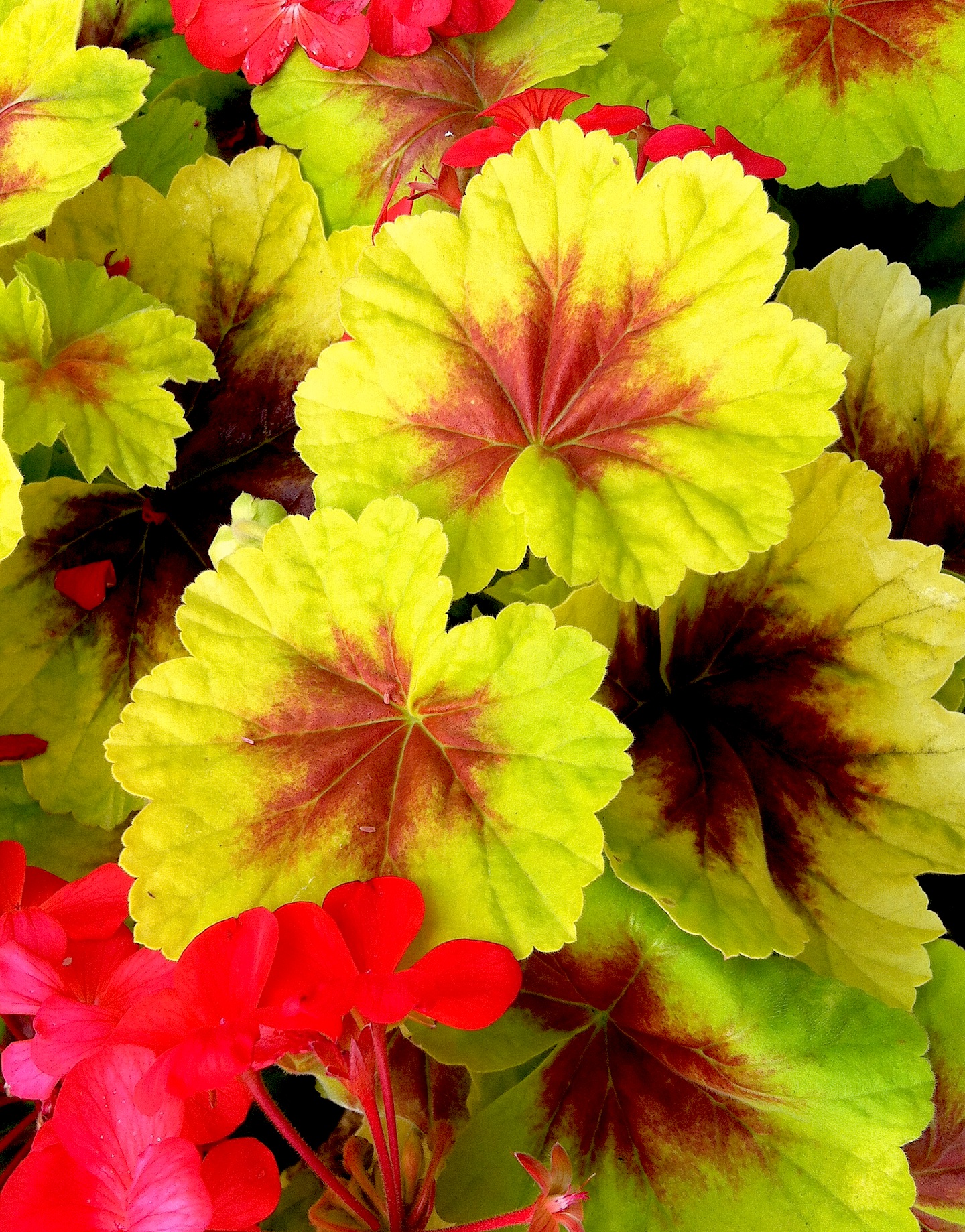
geranium outside the Academic Instructional Center
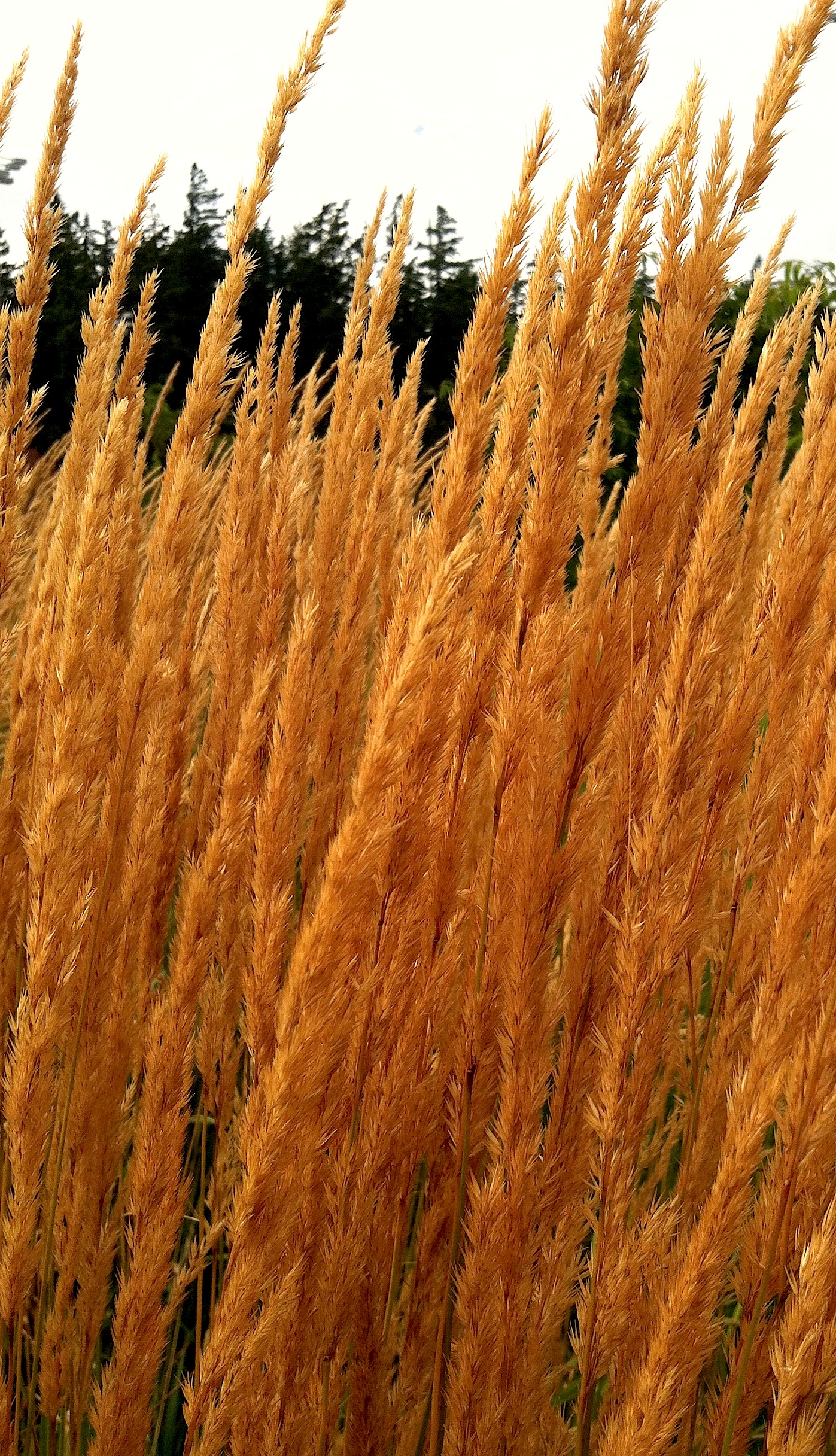
wwugrasses
hedge of ornamental grasses near the Rec Center
wwusoft
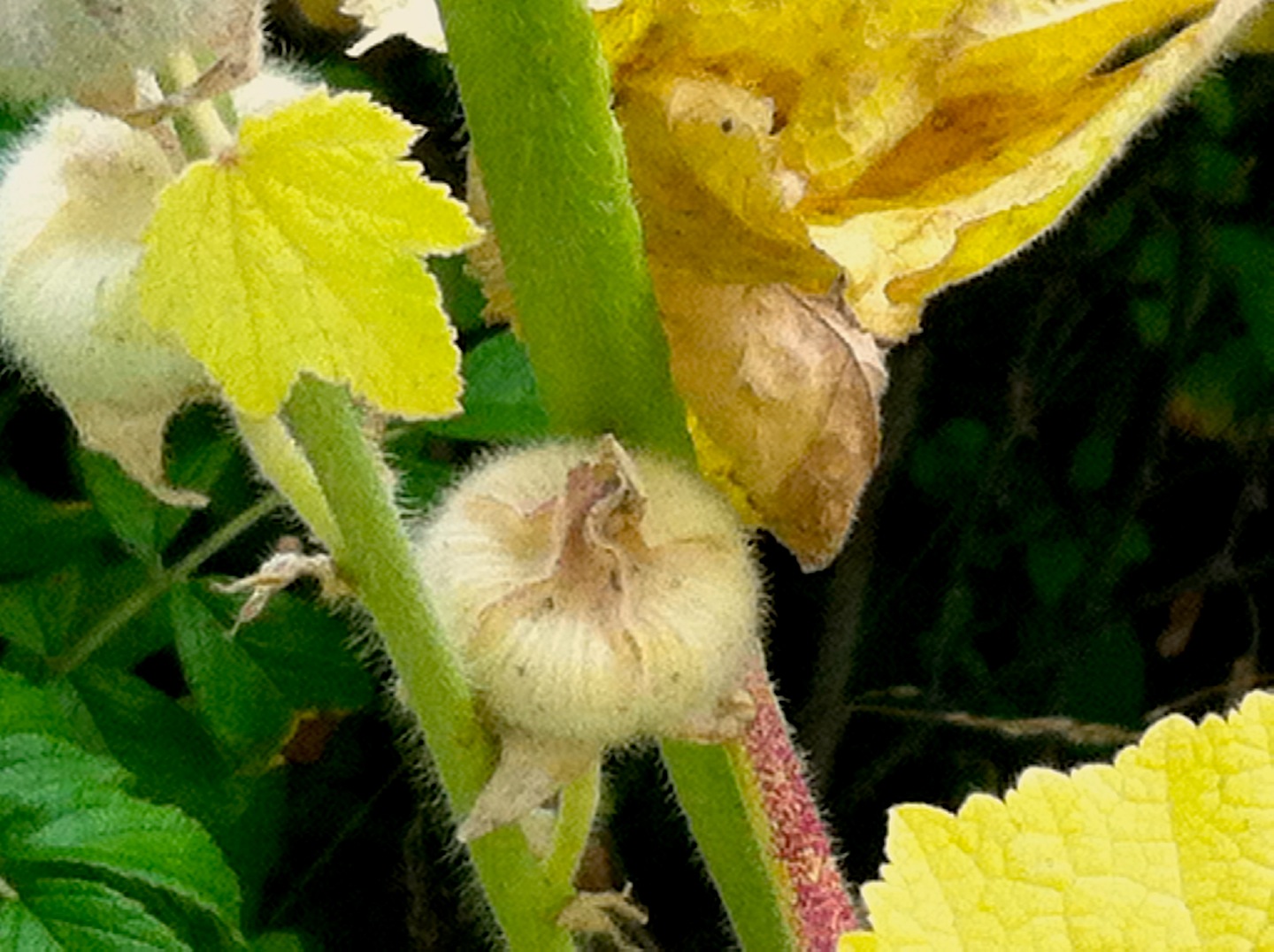
Hollyhock seed pods
berryblack
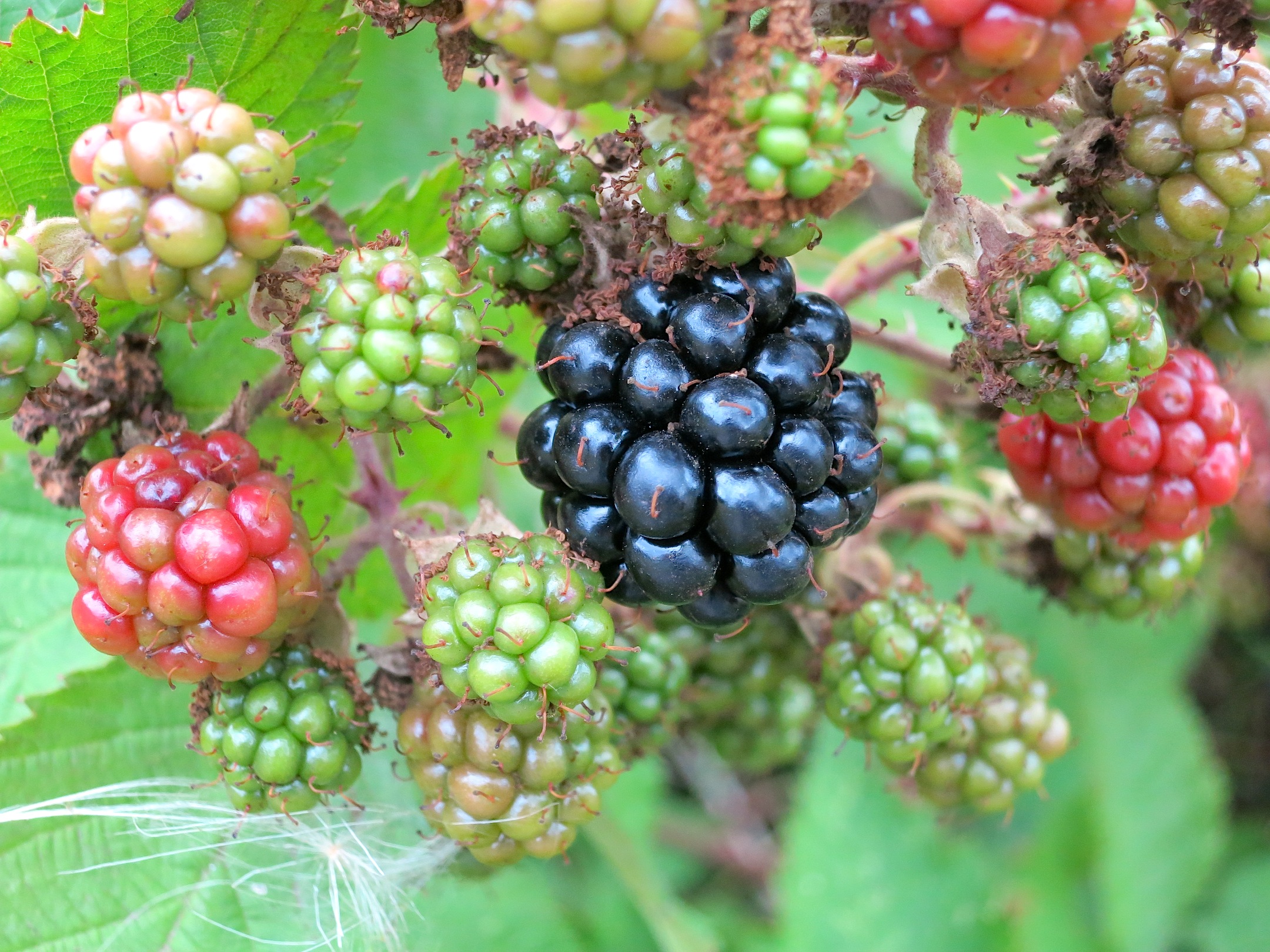
blackberries sneak in here and there
wwuborder2
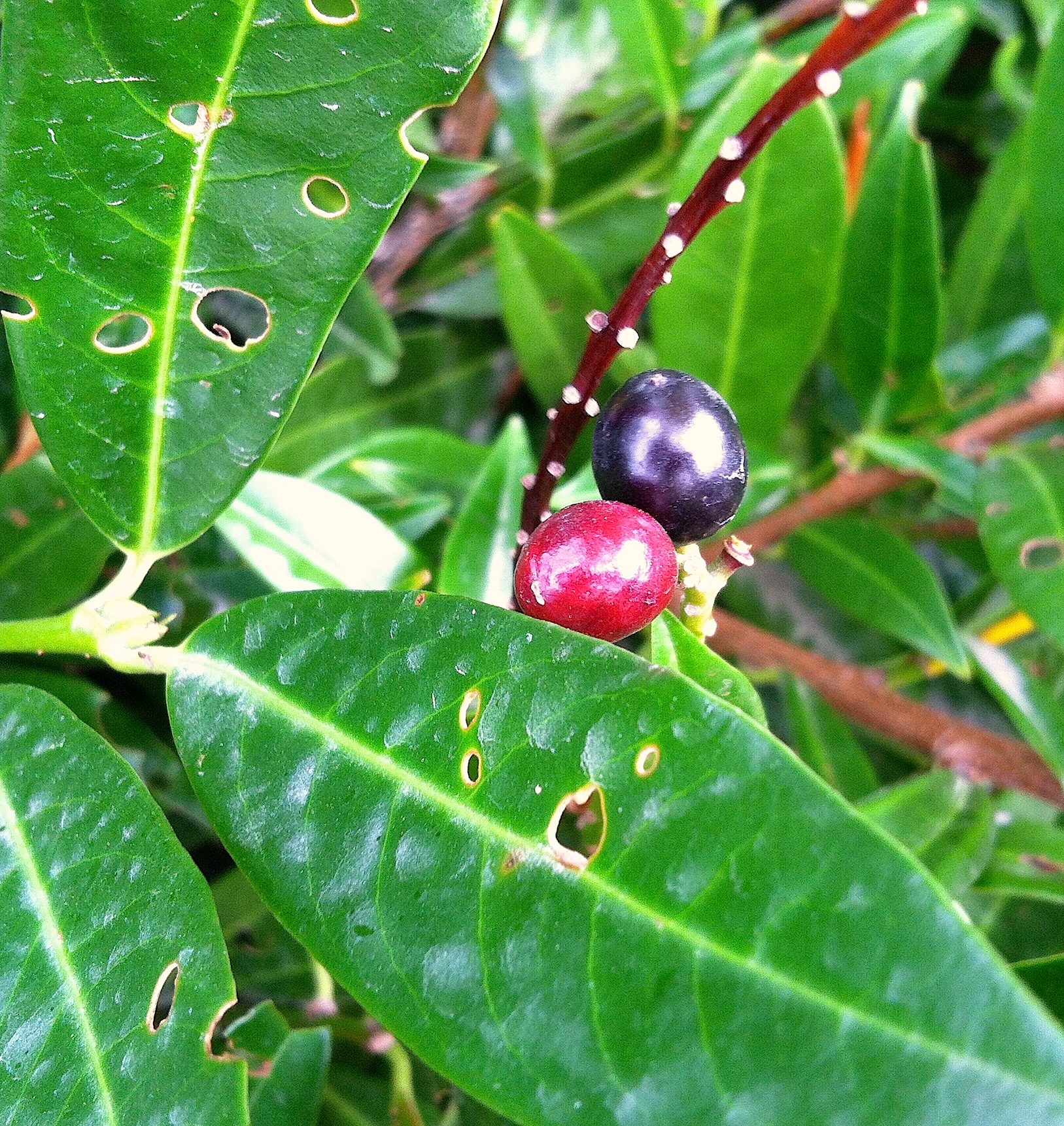
ornamental hedge berries
wwugeranium2
geranium
wwuseedpod
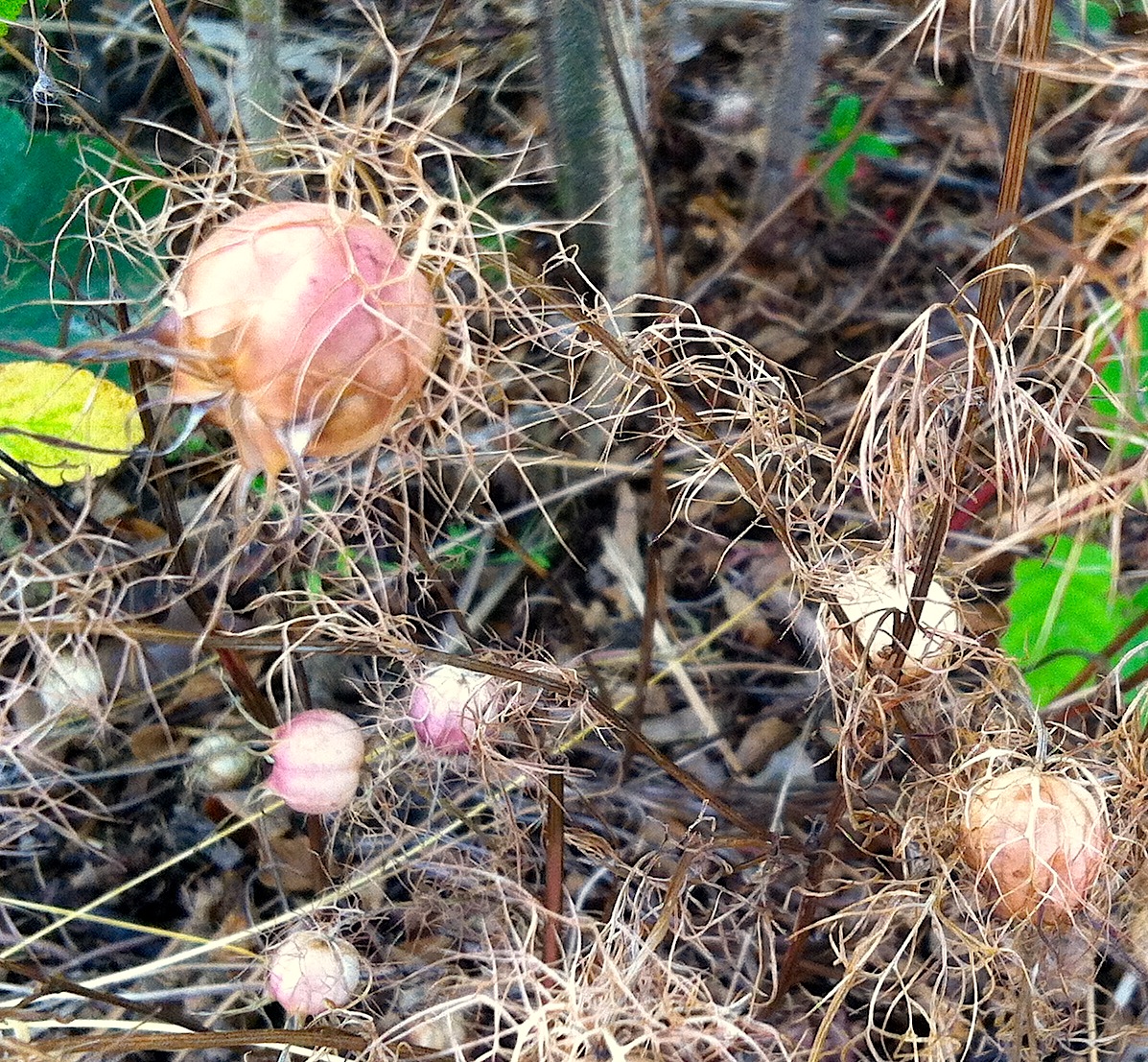
nigella seed pods
lacey4
Queen Anne’s Lace with its “bruised” center

wwupink

wwuscallop

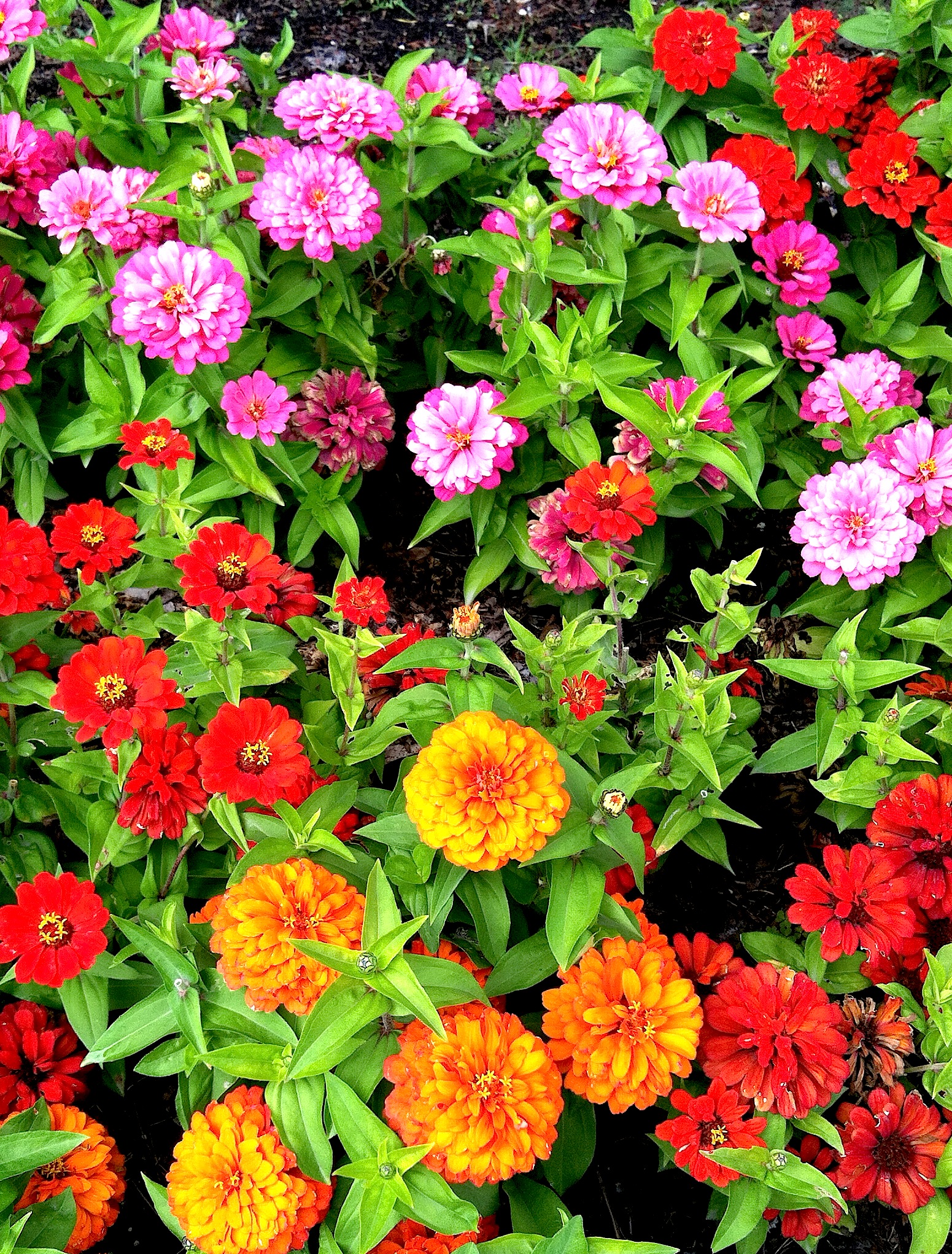
zinniapatch
zinnia patch

WWUpinkcover

cascadeWWU

The Family of Things

photo by Kathy Yates

…Tell me about despair, yours, and I will tell you mine.
Meanwhile the world goes on.
Meanwhile the sun and the clear pebbles of the rain
are moving across the landscapes,
over the prairies and the deep trees,
the mountains and the rivers.
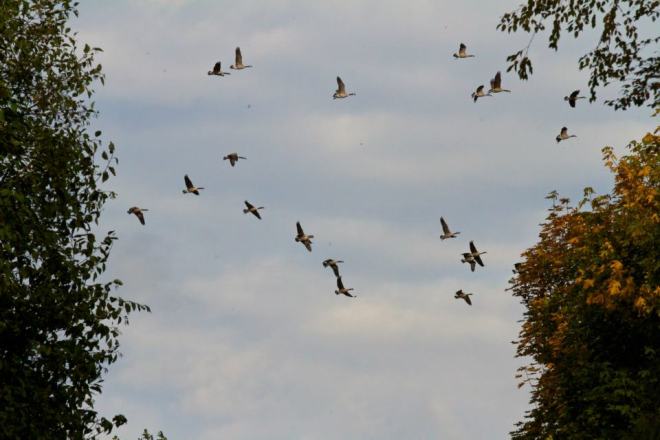
Meanwhile the wild geese, high in the clean blue air,
are heading home again.
Whoever you are, no matter how lonely,
the world offers itself to your imagination,
calls to you like the wild geese, harsh and exciting-
over and over announcing your place
in the family of things.
~Mary Oliver from “Wild Geese”

photo by Kathy Yates from "In the Pacific Northwest"
photo by Kathy Yates
photo by Josh Scholten

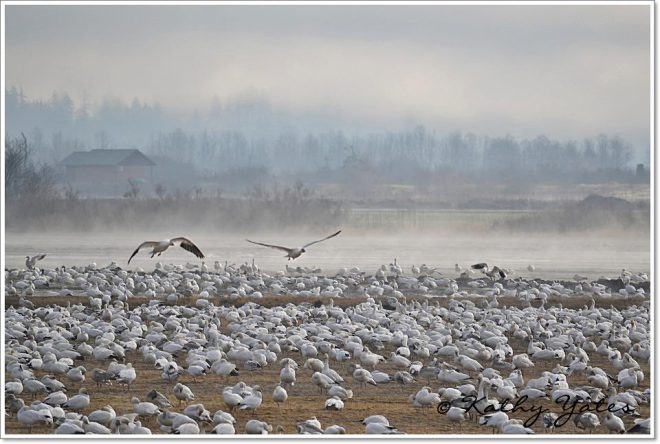
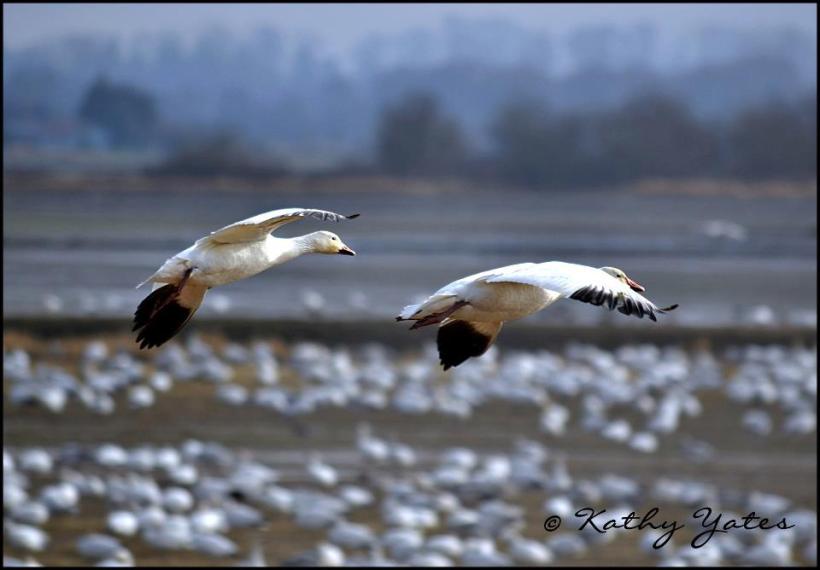
Snow geese are populating the Skagit flats and farm land, as numerous as the scores of colorful tulips which soon will fill nearby fields.  The din of the flocks as they land and feed, then rise again in the air is astounding: a symphony of honks and hollers carried from one goose family to another in a ruckus of joyful abandon.  Skagit is the New York City of snowgeese for a few weeks, never sleeping.

There are a few geese who wander further up north into Whatcom County to pepper our surrounding dormant cornfields like salt,  sprinkled half a dozen here and there across the Nooksack river valley.  When there are only a few together, their calling seems so melancholy, almost a disconsolate cry of abandonment carrying over the lonely countryside.
So too am I ensconced away from the clamorous masses,  preferring to be part of an out-of-the-way rural landscape.  There may be moments of melancholy, to be sure.  Yet here,  as nowhere else, I know my place in the family of things —  of gray clouds, owl hoots, swampy wetlands, frog choruses, orange sunsets, pink sunrises, warm pony muzzles, budding snowdrops, and steaming manure piles.   I give myself up to wild abandon in a world offering itself up to my imagination instead of leaving nothing to the imagination.
Let the cities clamor and clang in their excitement.  They do just fine without me.
Instead I celebrate the relative silence allowing me to seek the words to fit the music singing in my soul.

Explore the Neighborhood

photo by Nate Gibson

Some unwonted, taught pride diverts us from our original intent, which is to explore the neighborhood, view the landscape, to discover at least where it is that we have been so startlingly set down, if we can’t learn why.
~Annie Dillard from Pilgrim at Tinker Creek

As much as I want to know how and why of my life, I must settle for what and where.   As I grow older, more and more I dwell on who.

I am here to explore, to notice what happens around me and to me, to record it in words that will live beyond my time, to express unceasing gratitude to who has done this wondrous thing I am witness to.

It’s a beautiful day in the neighborhood (thanks, Fred Rogers).