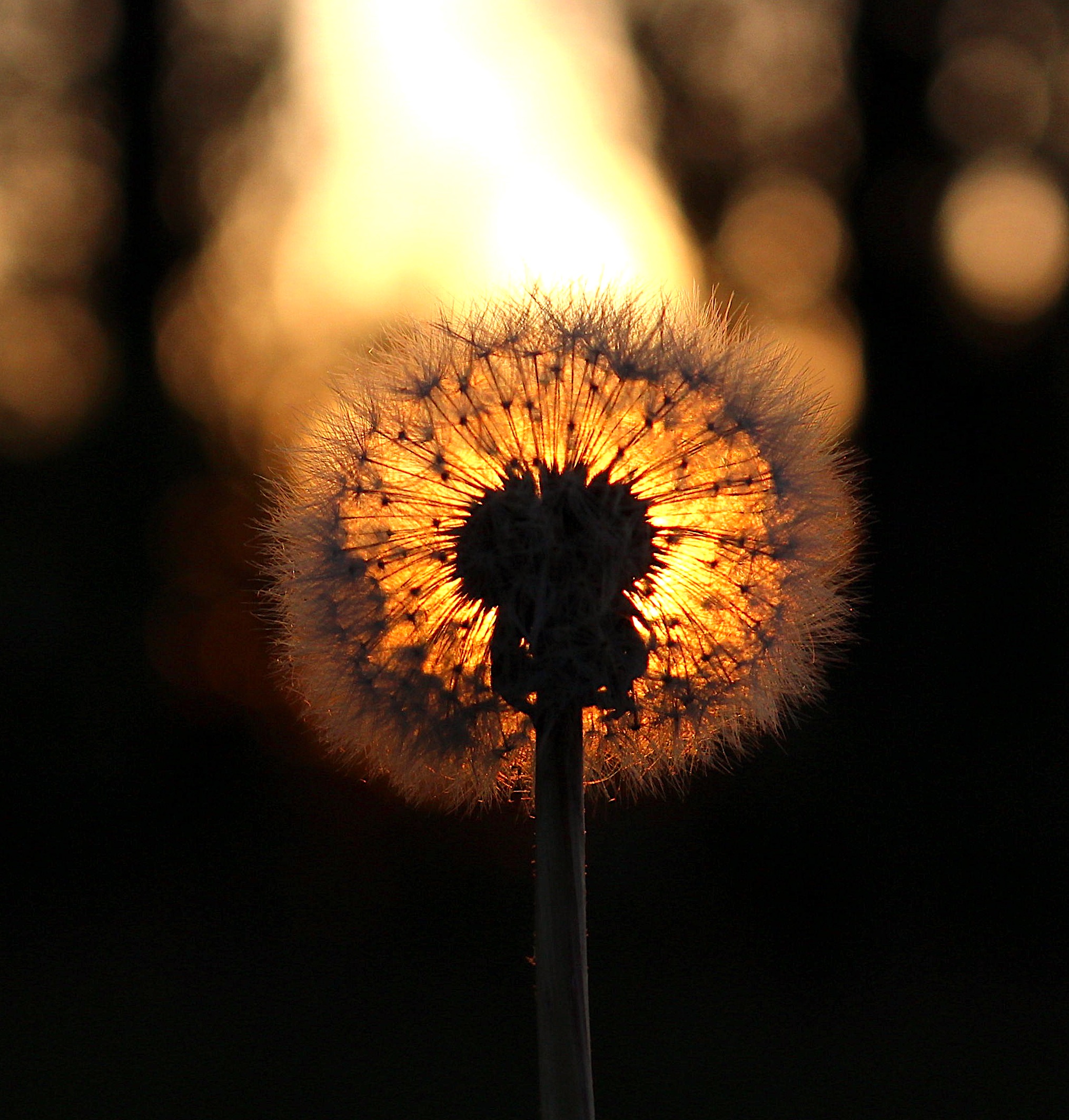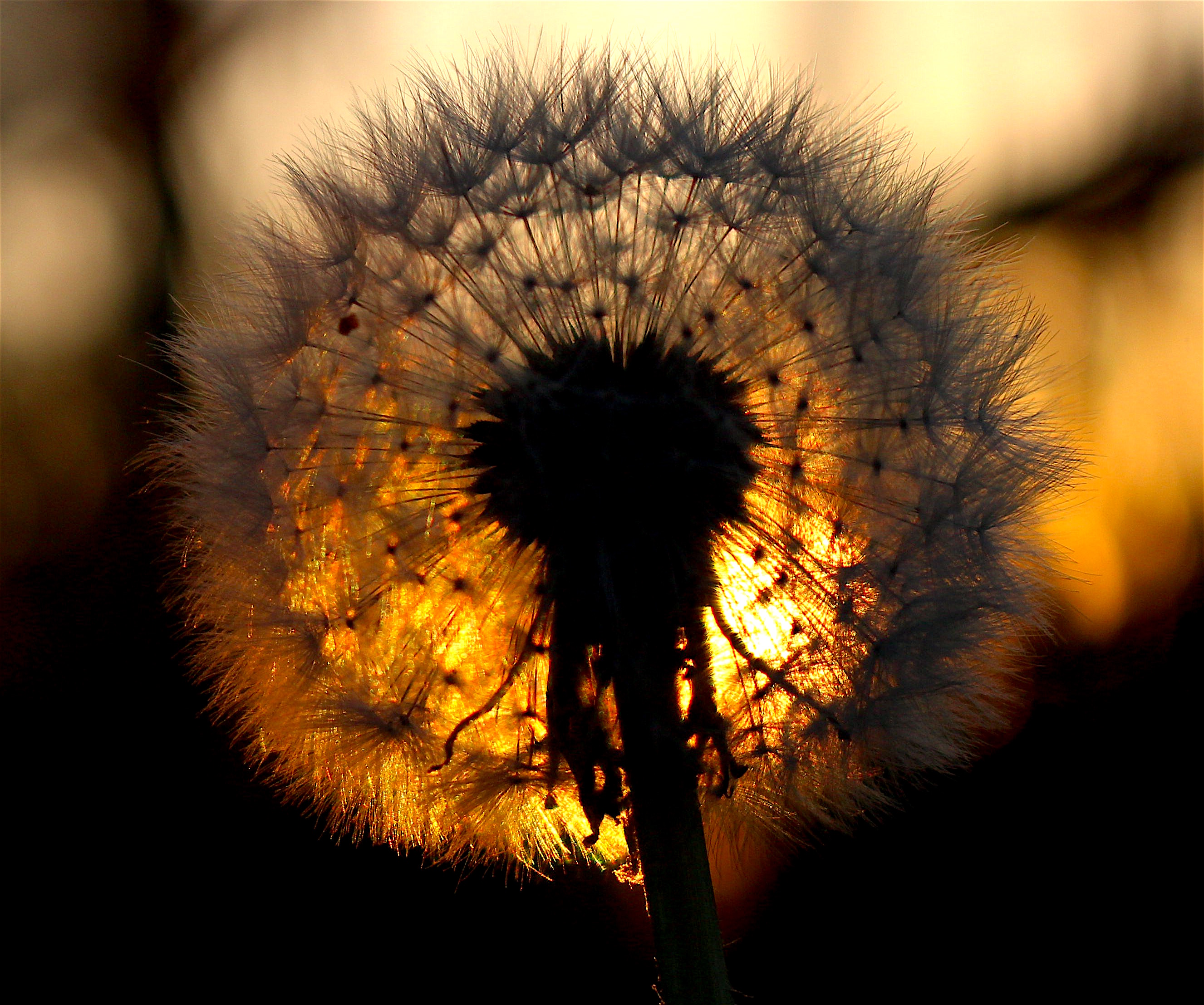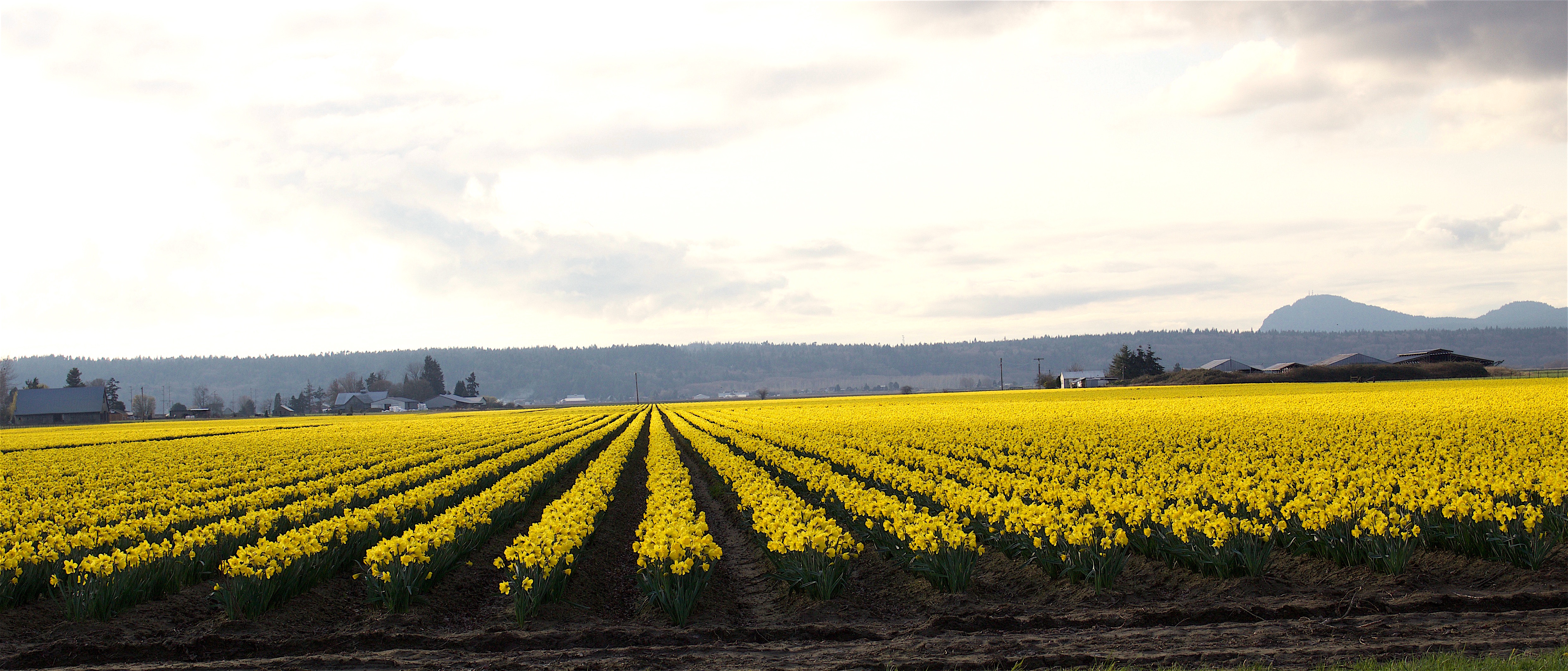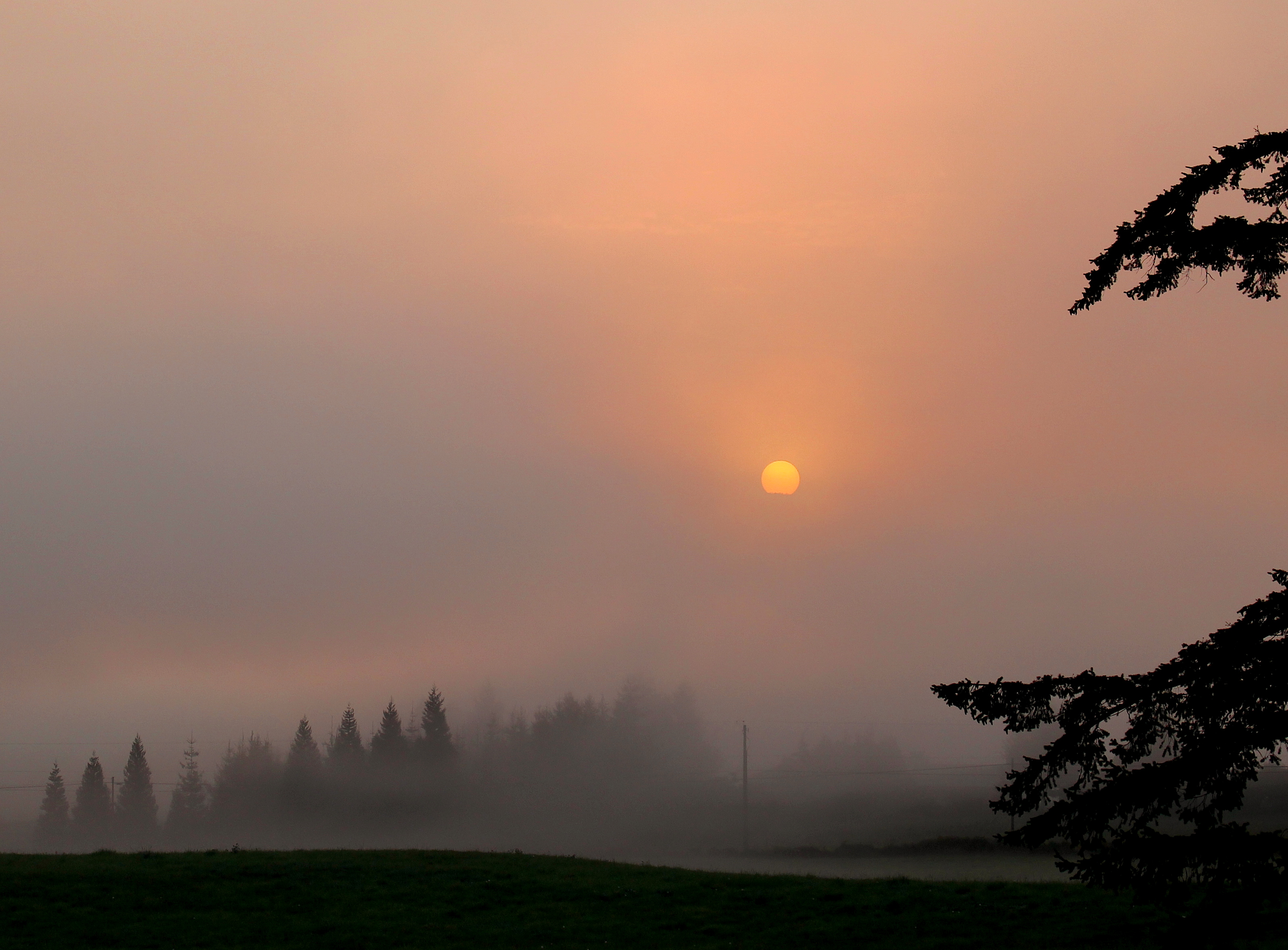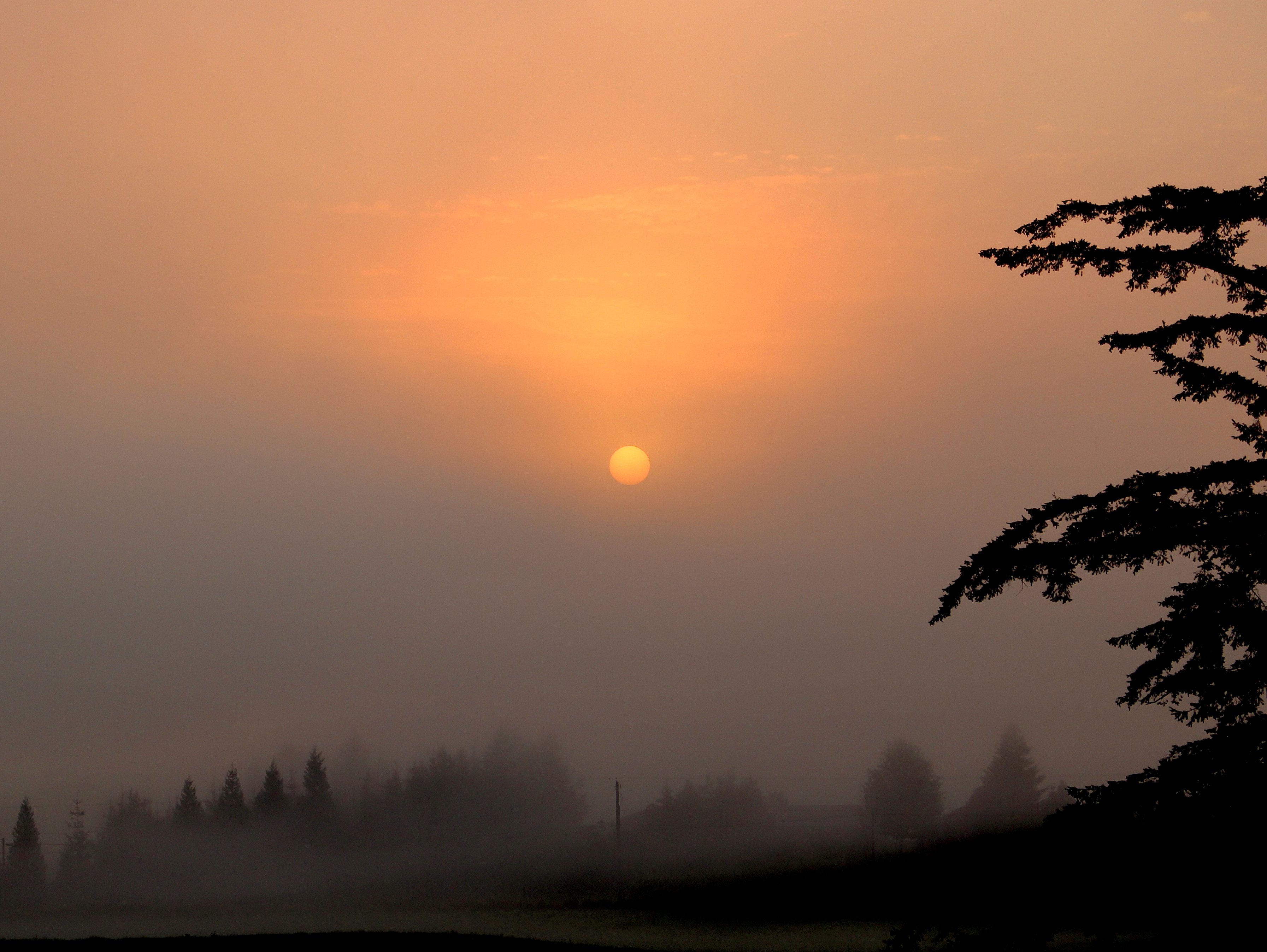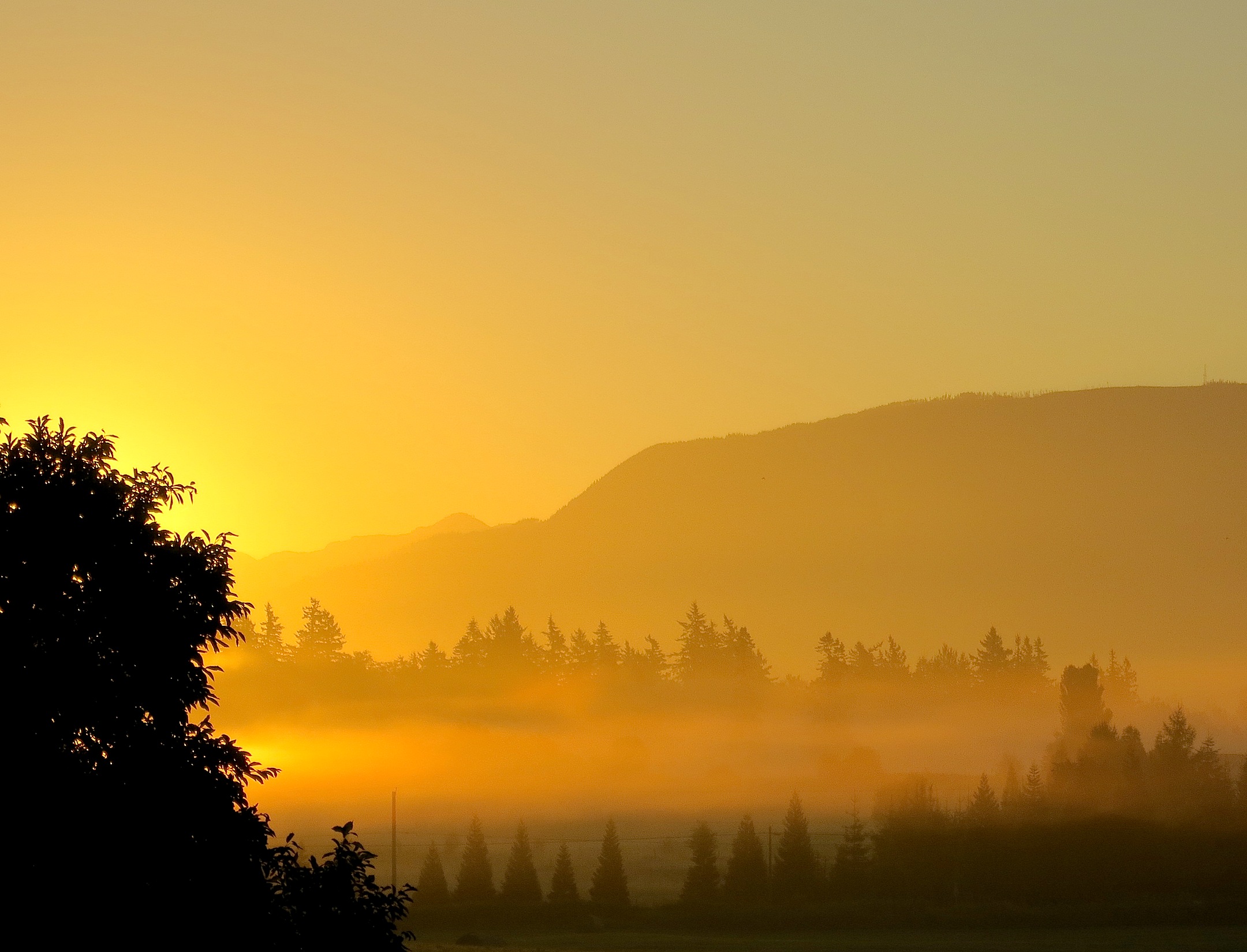
A Hush Now

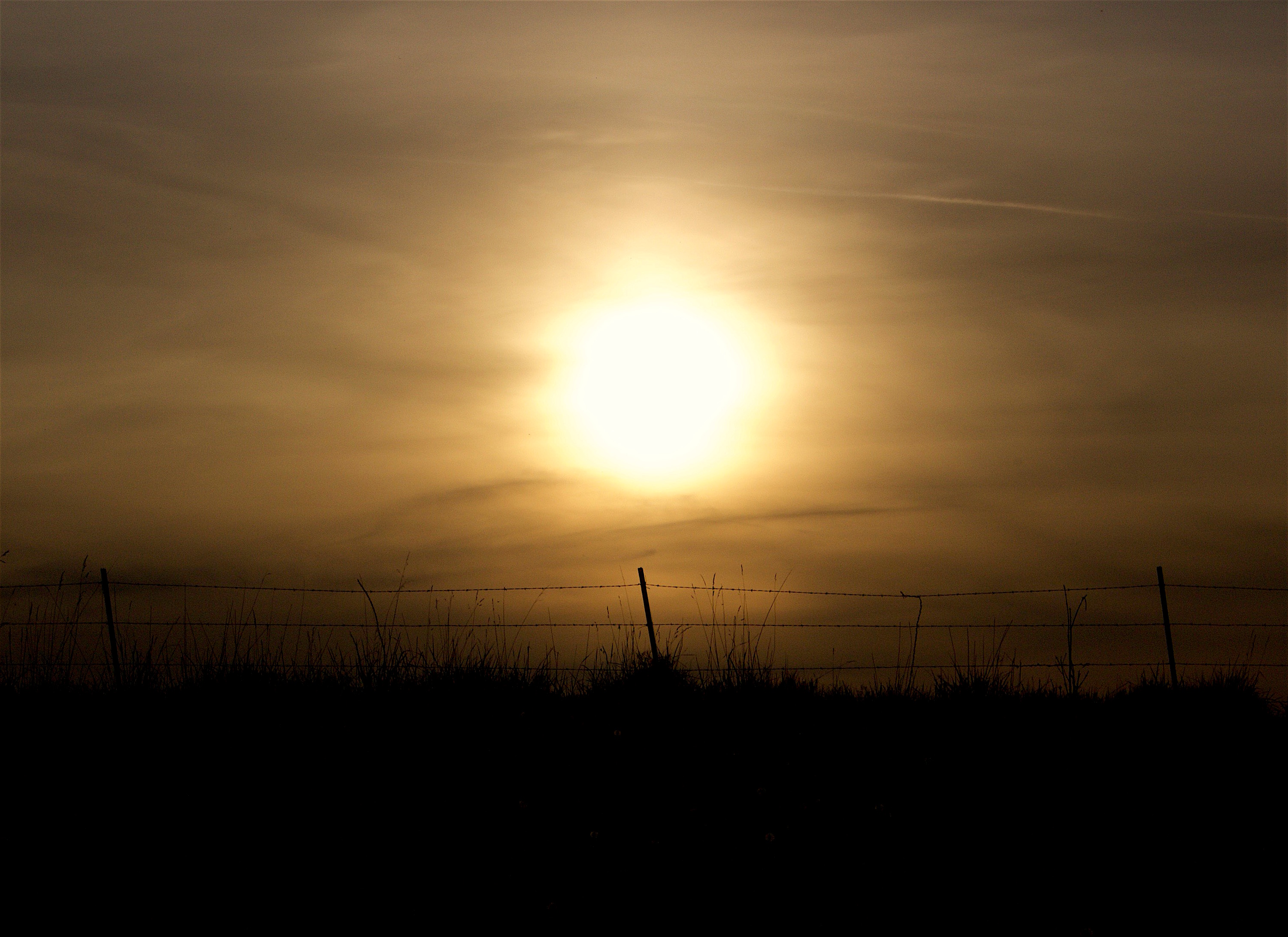
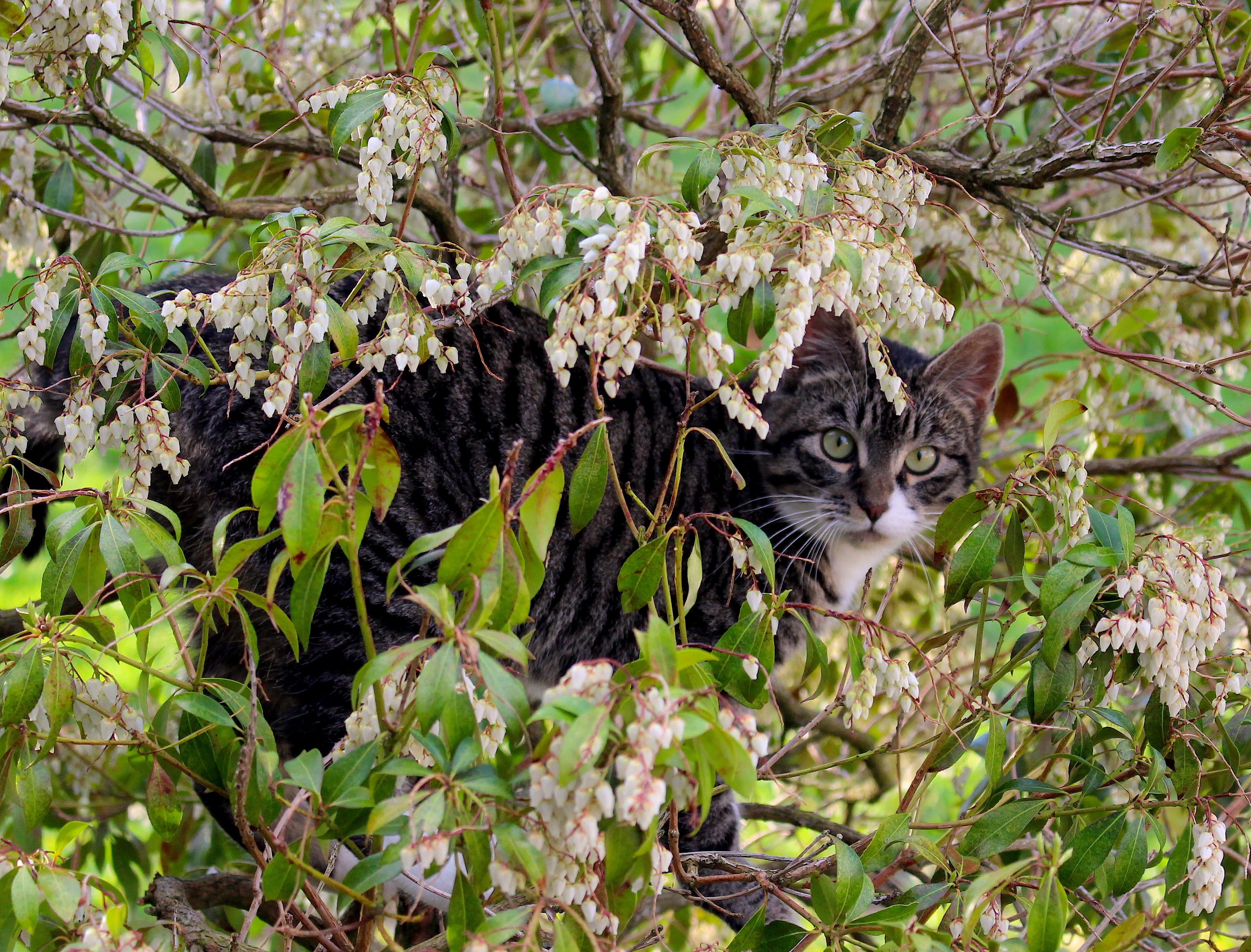
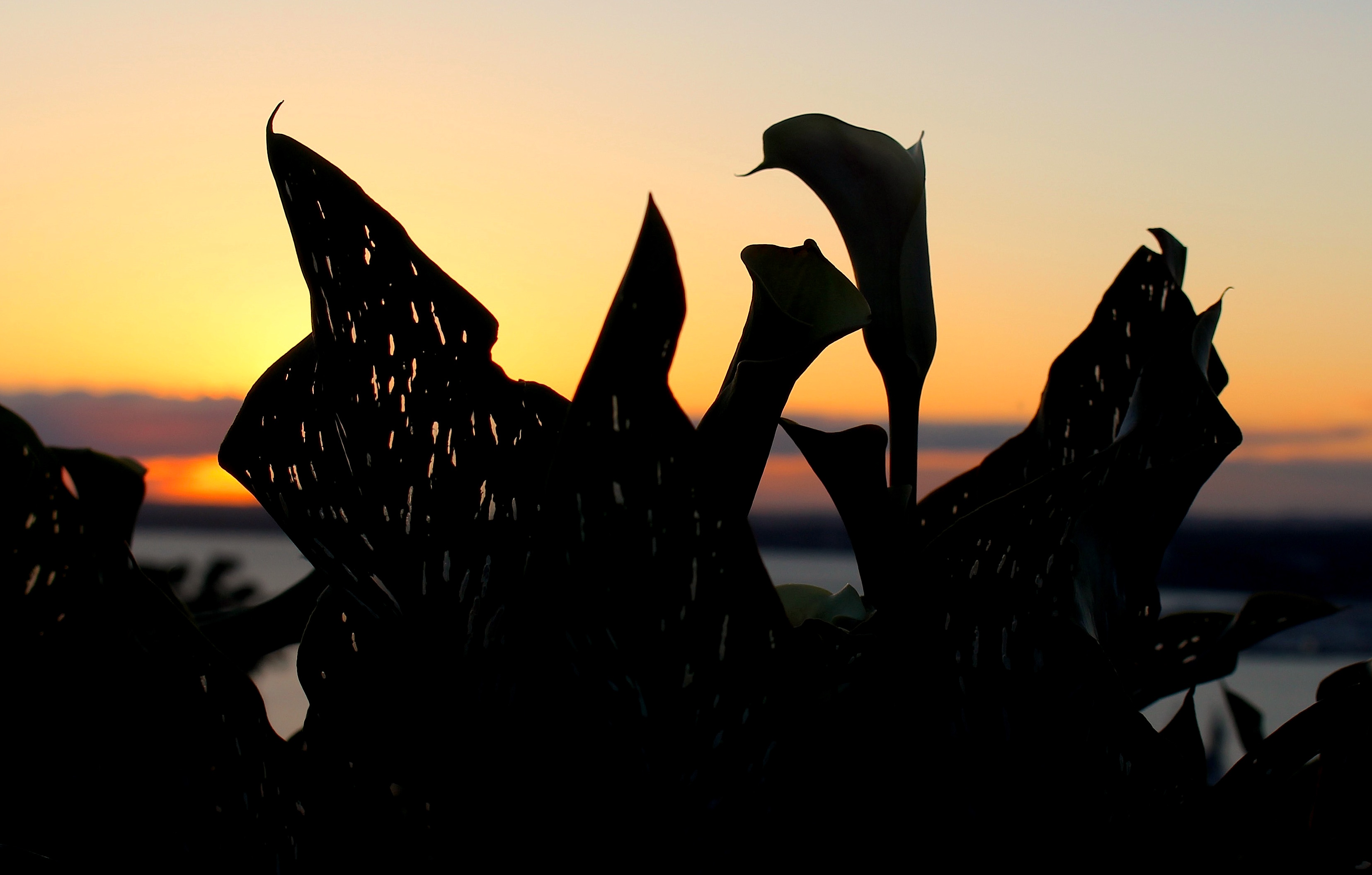
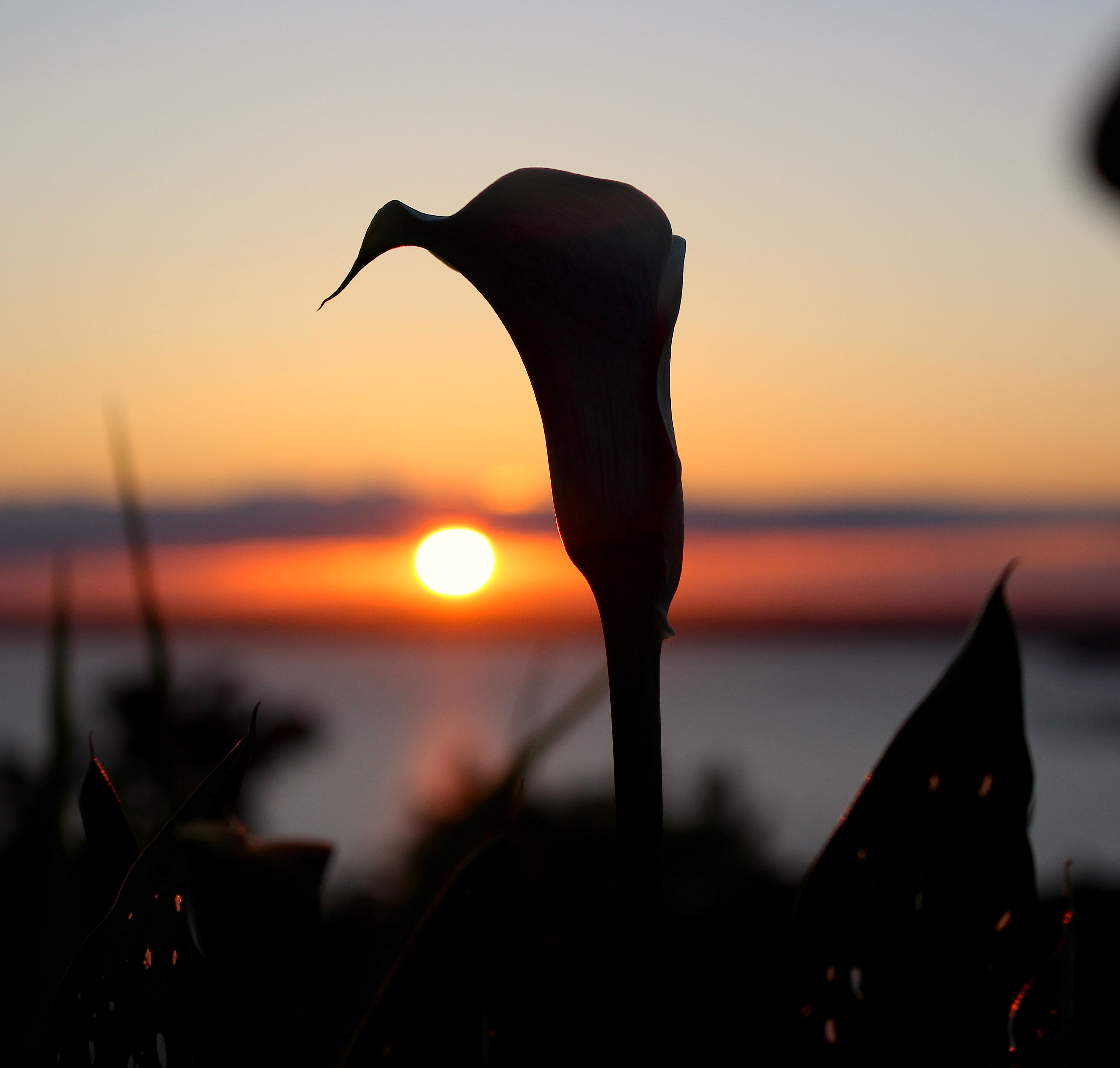
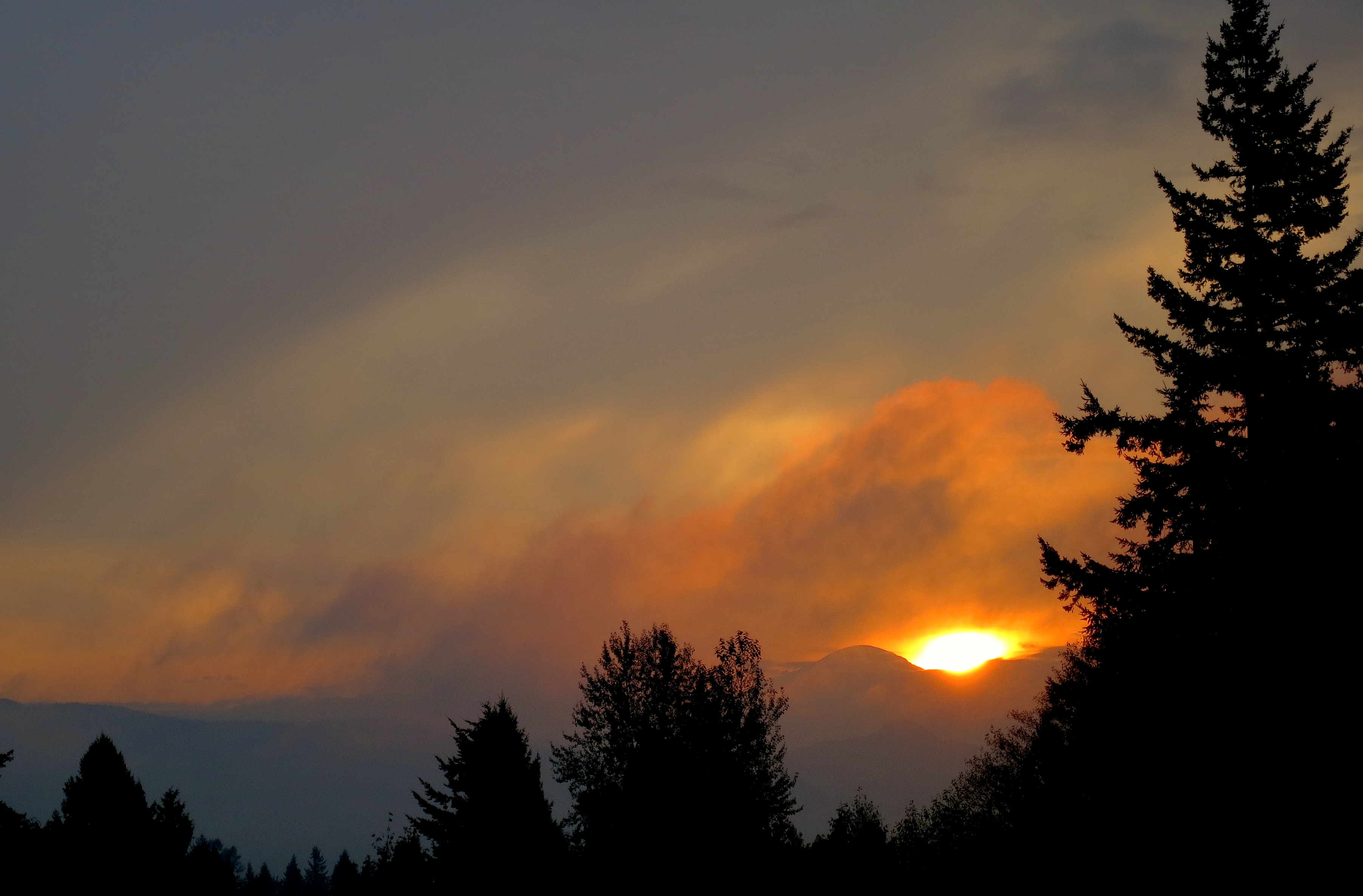
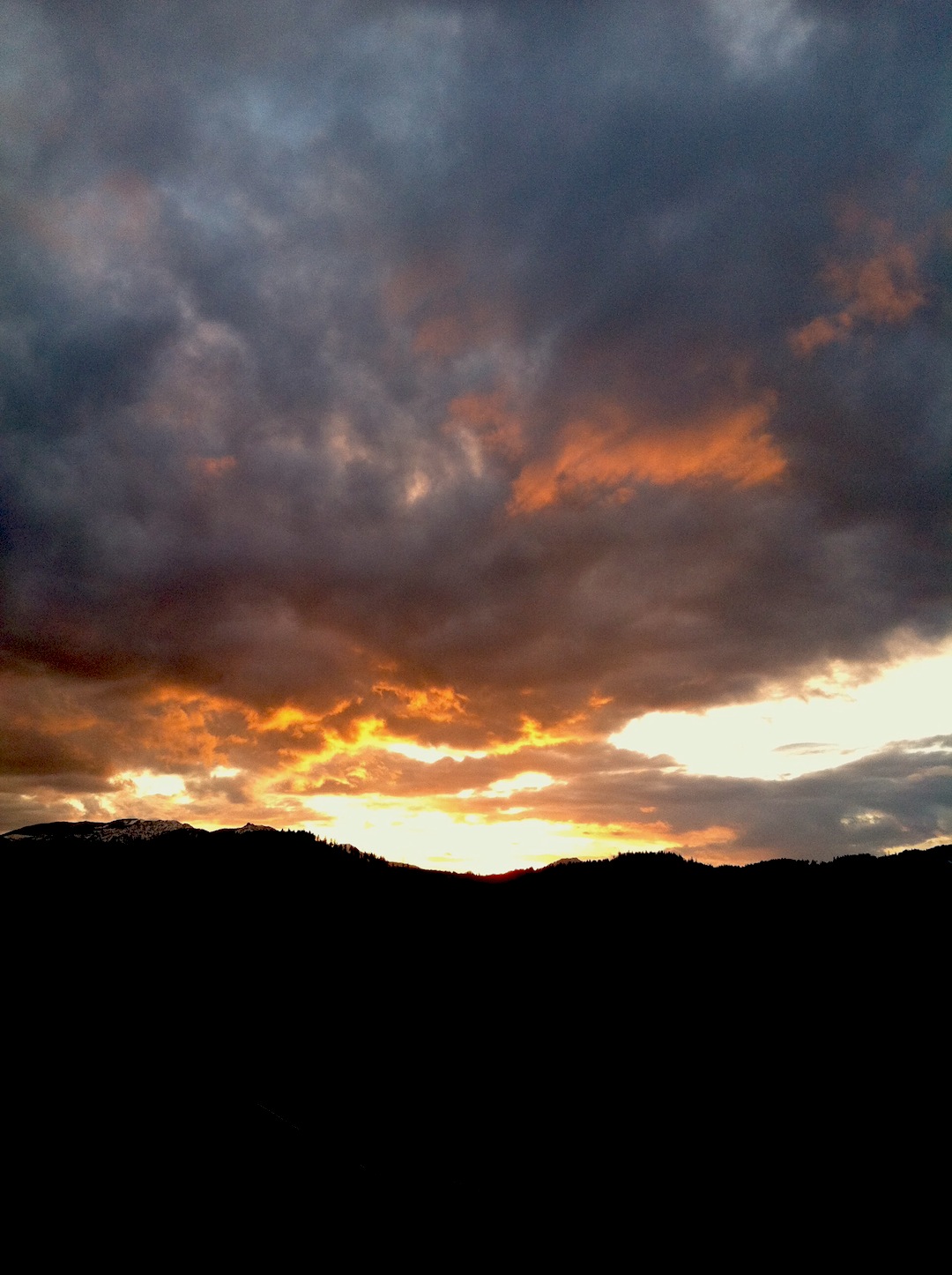
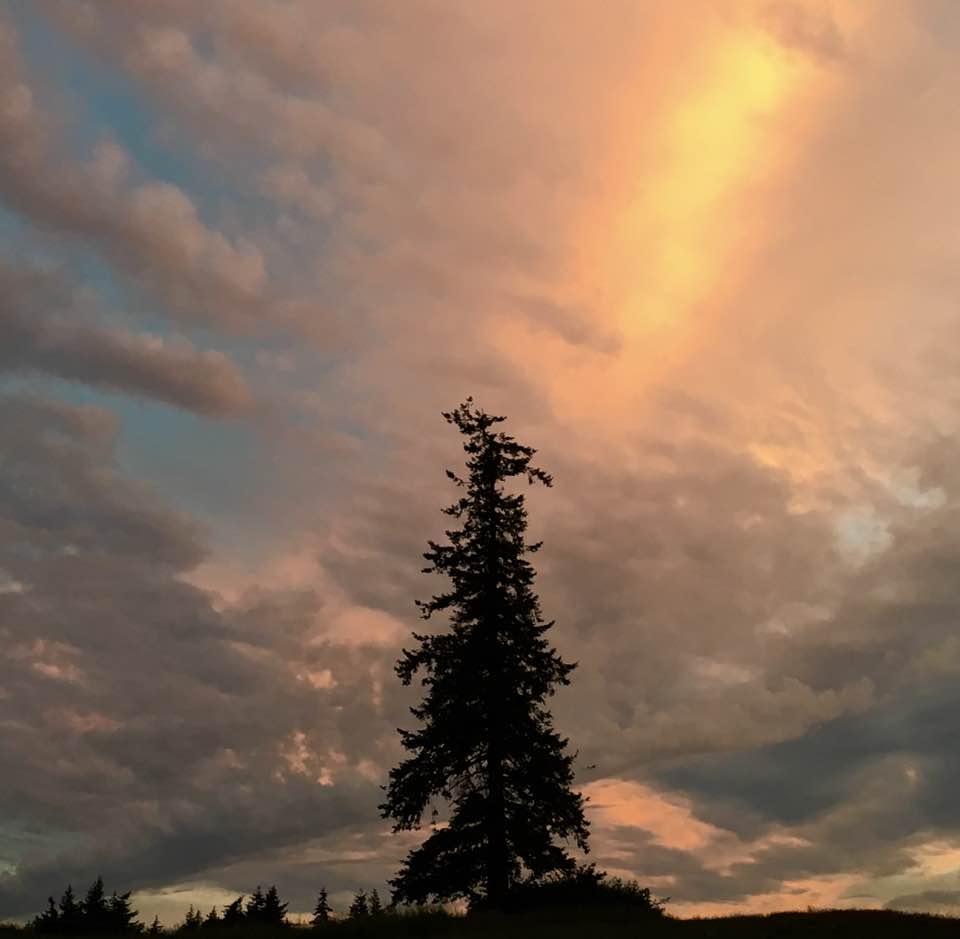
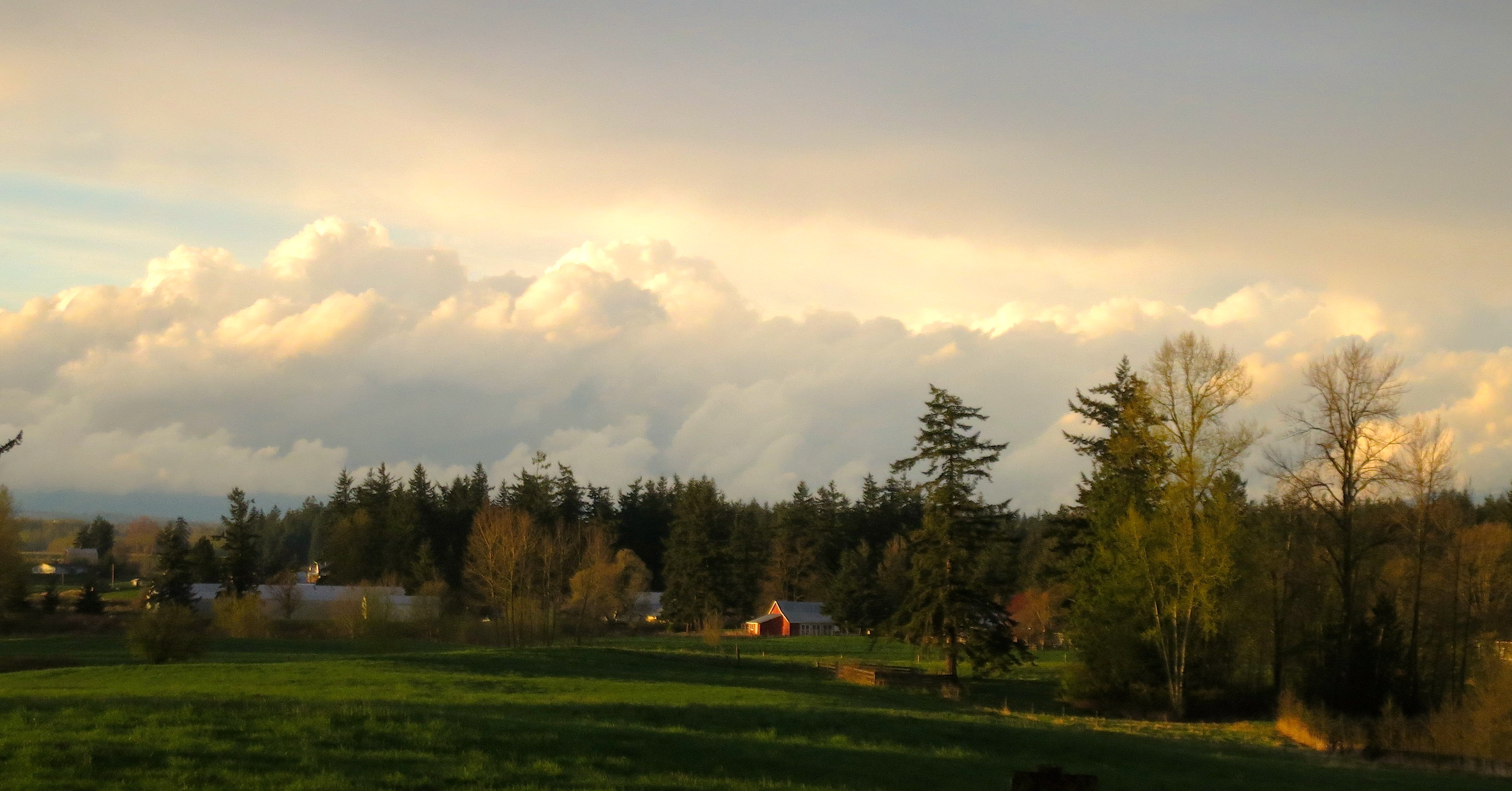
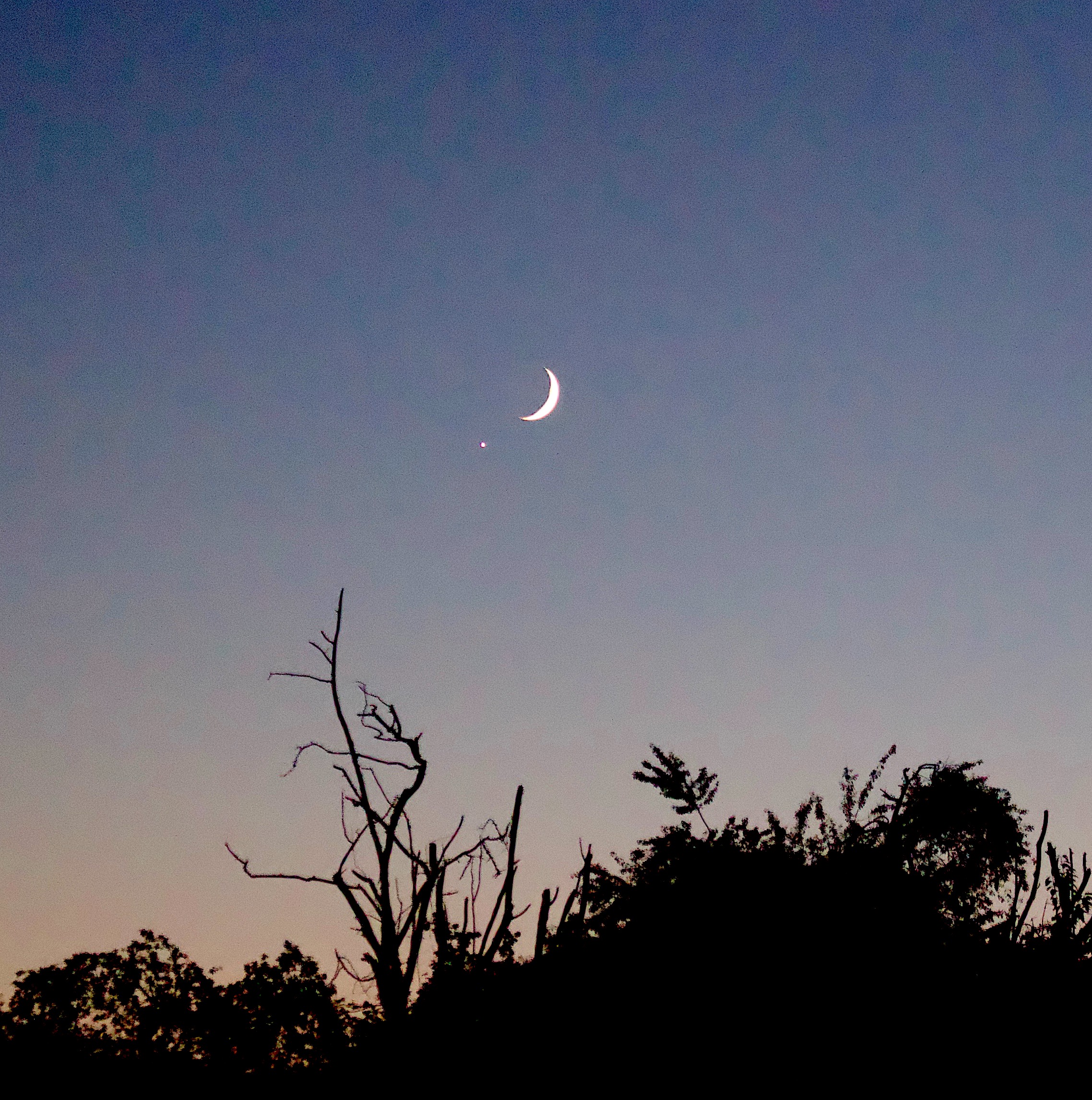
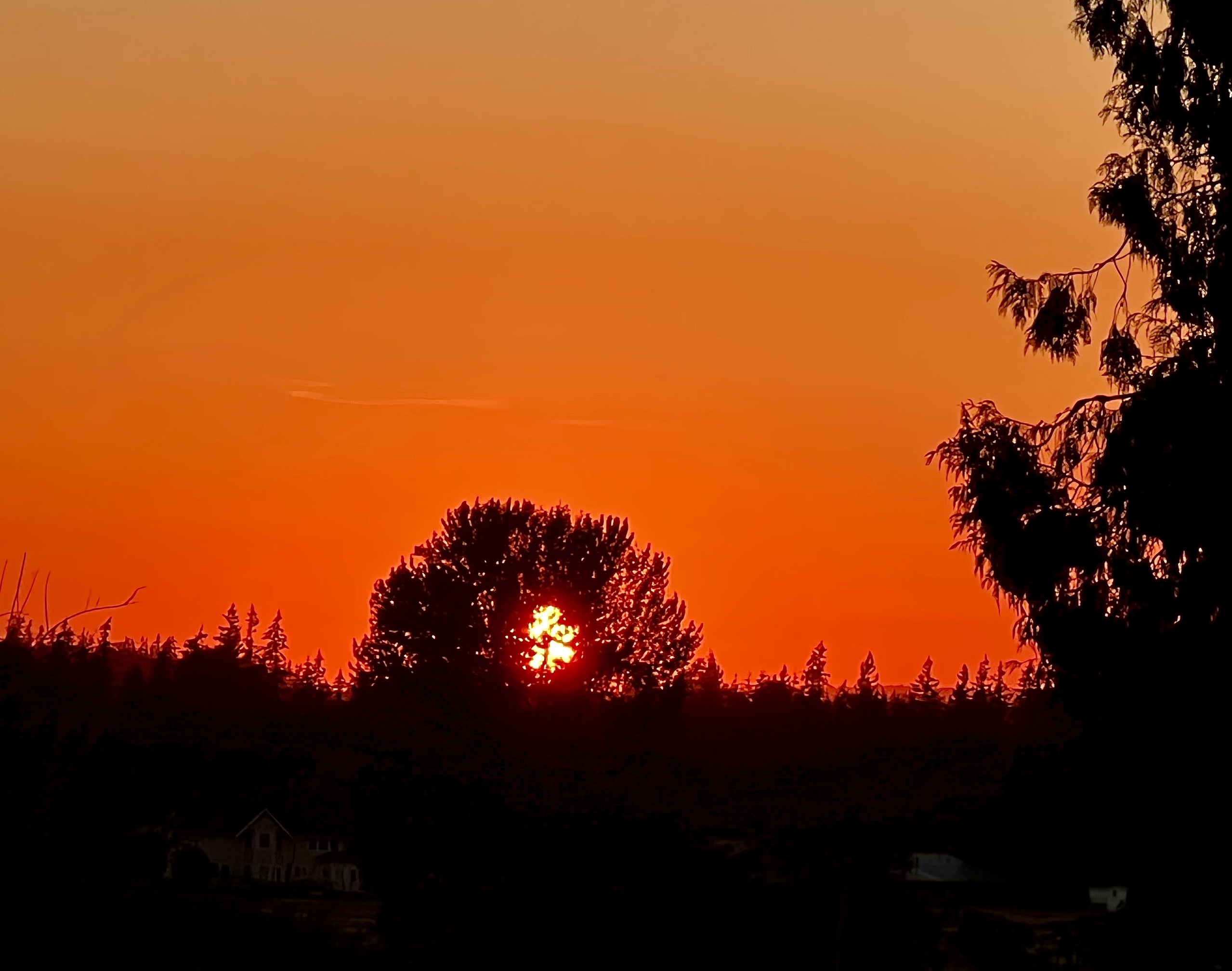
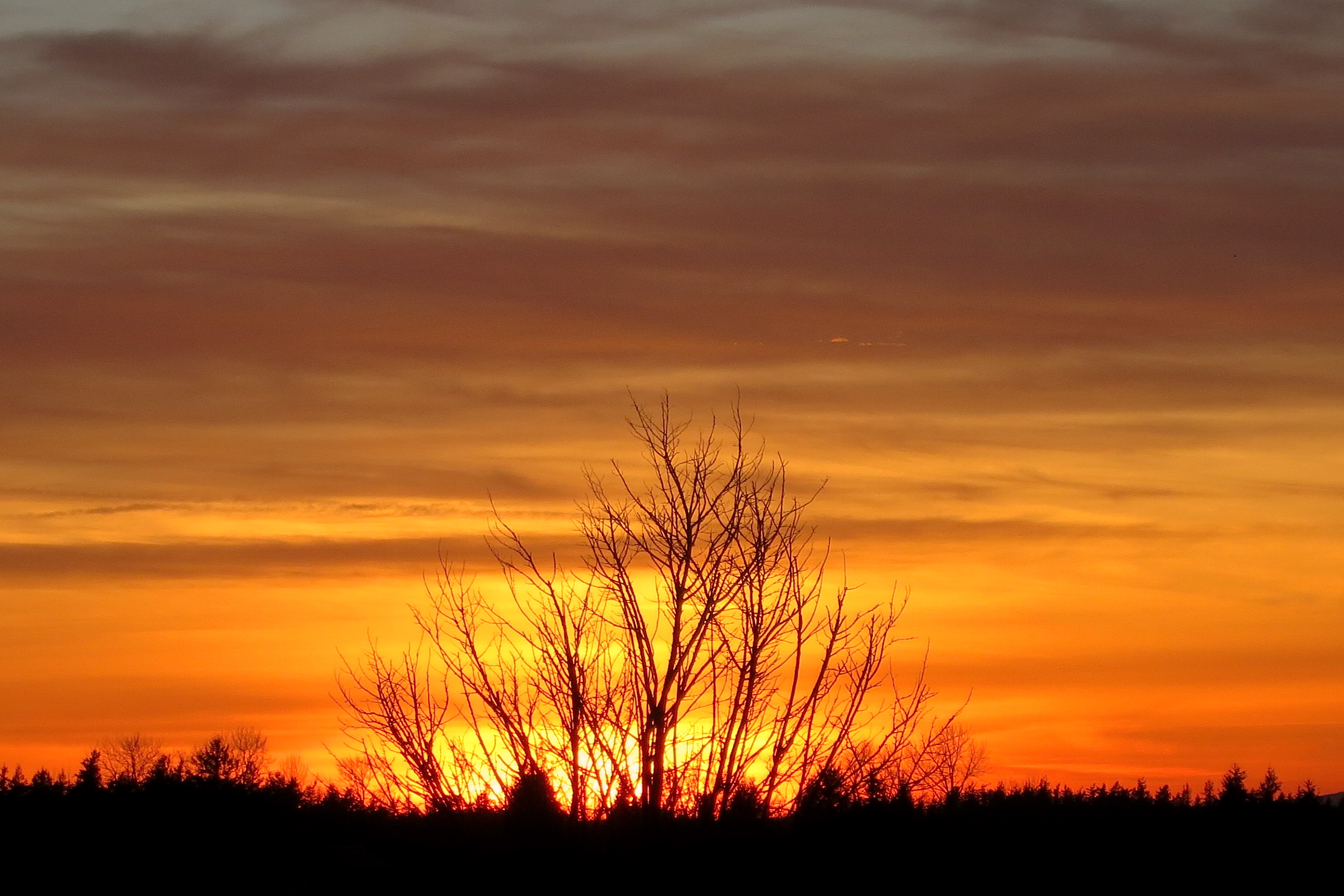
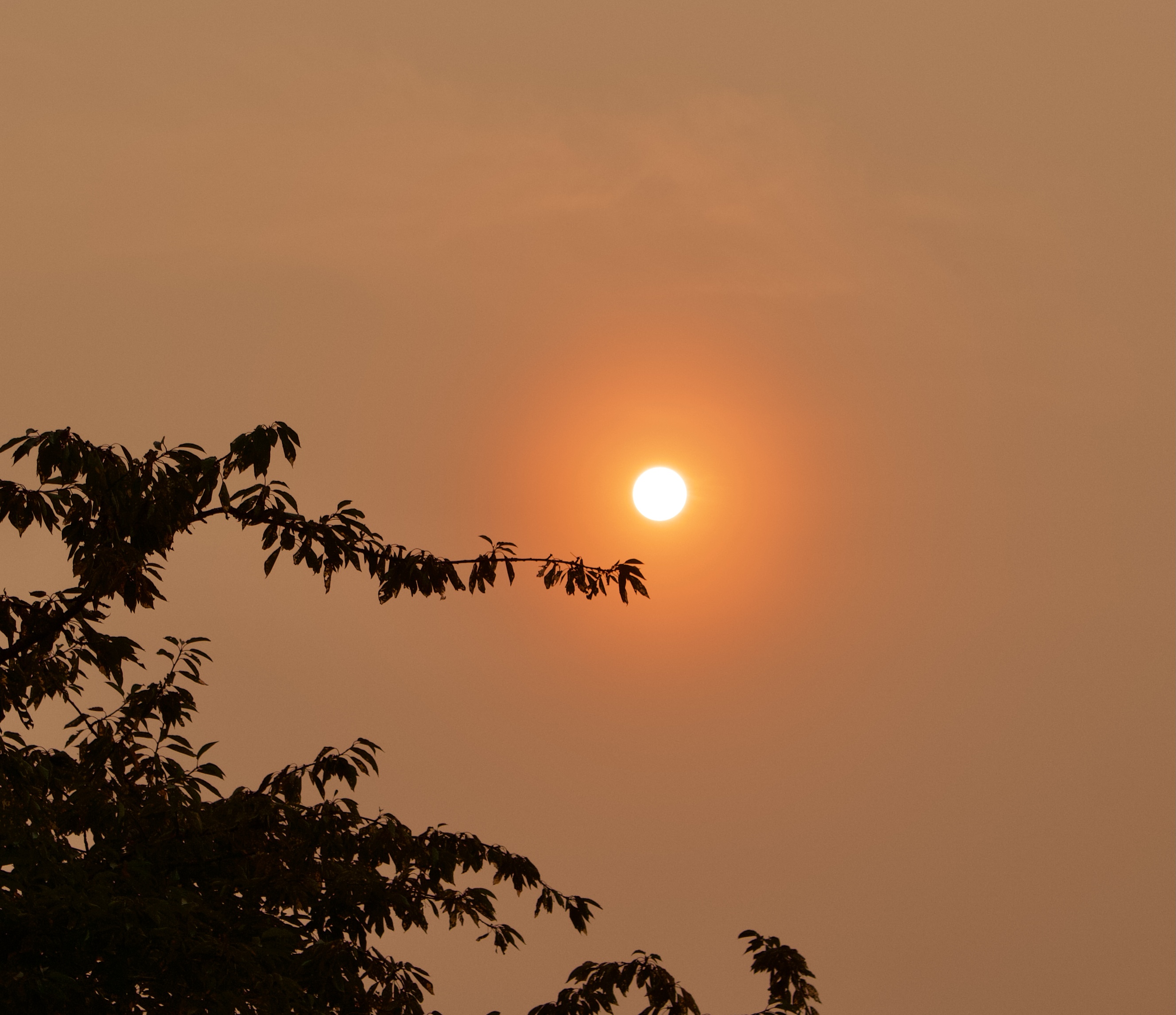
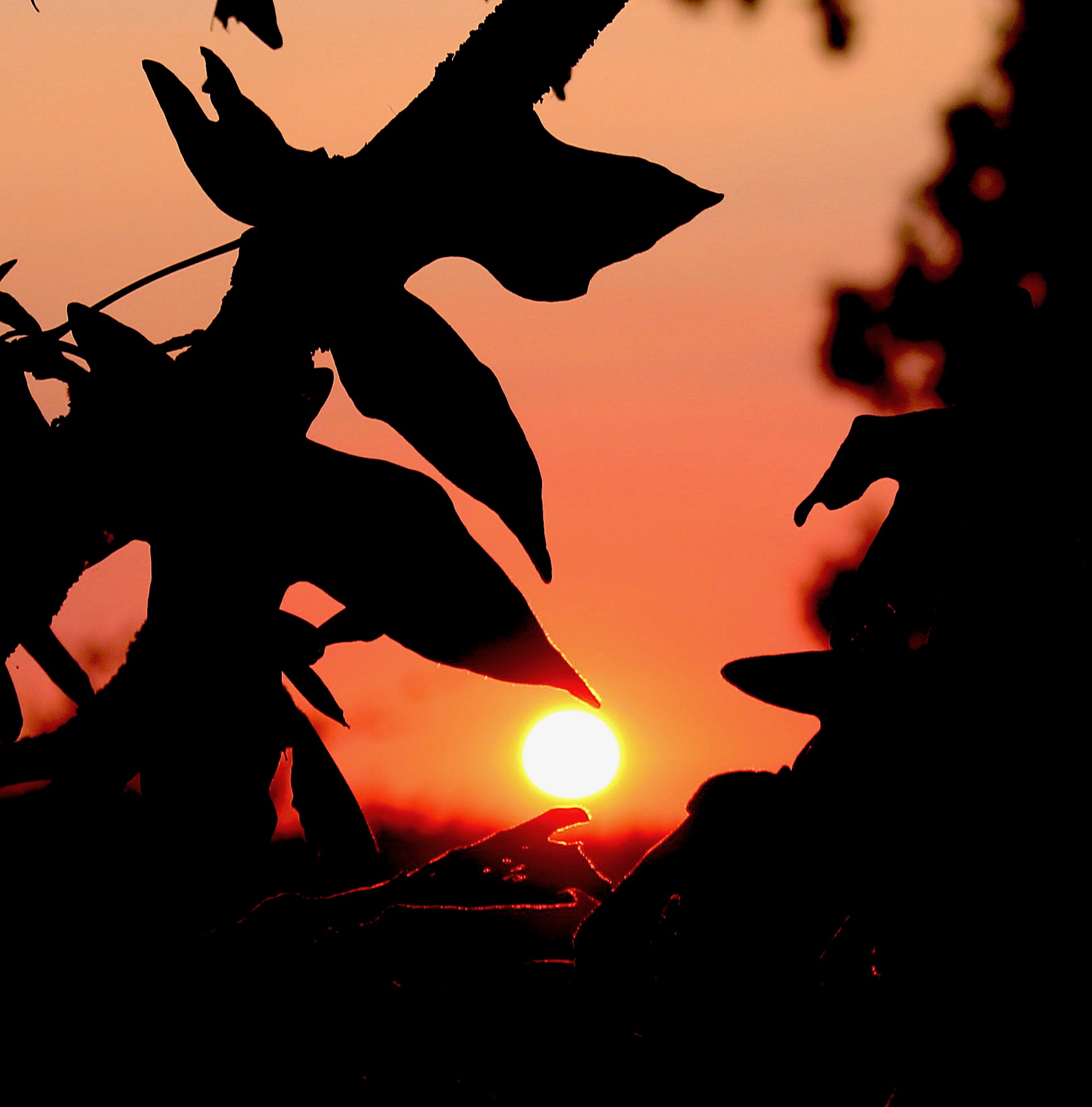
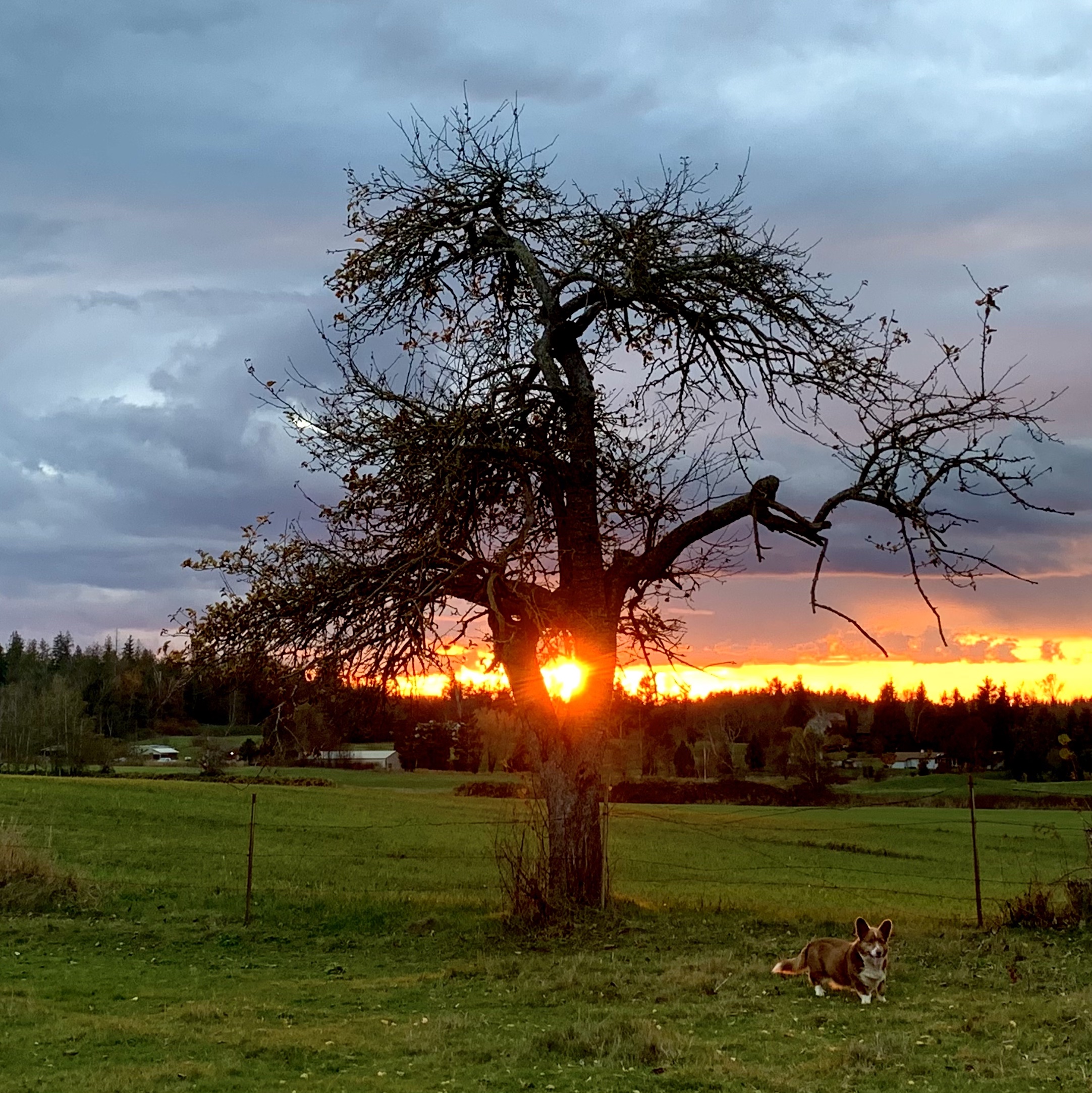
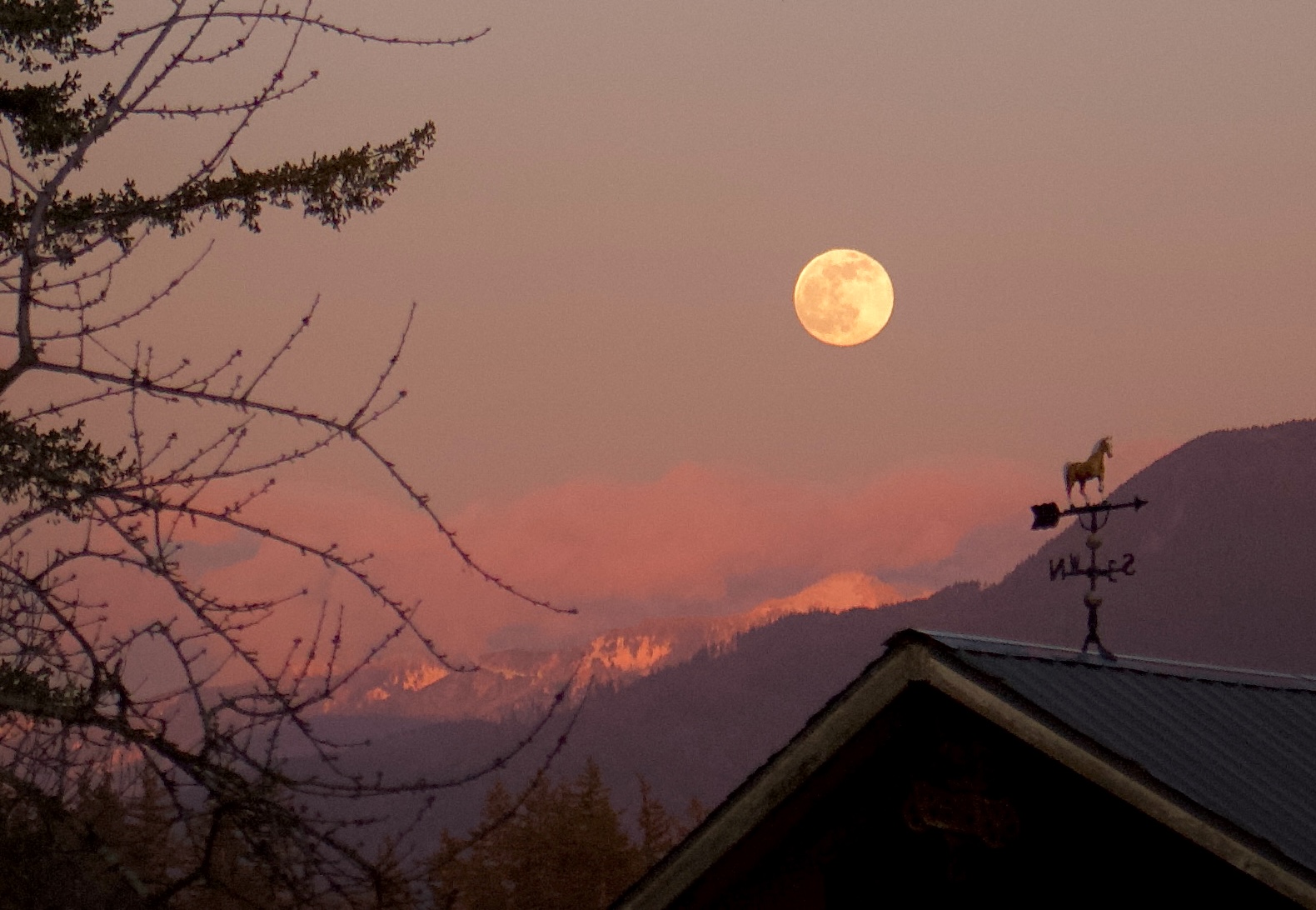
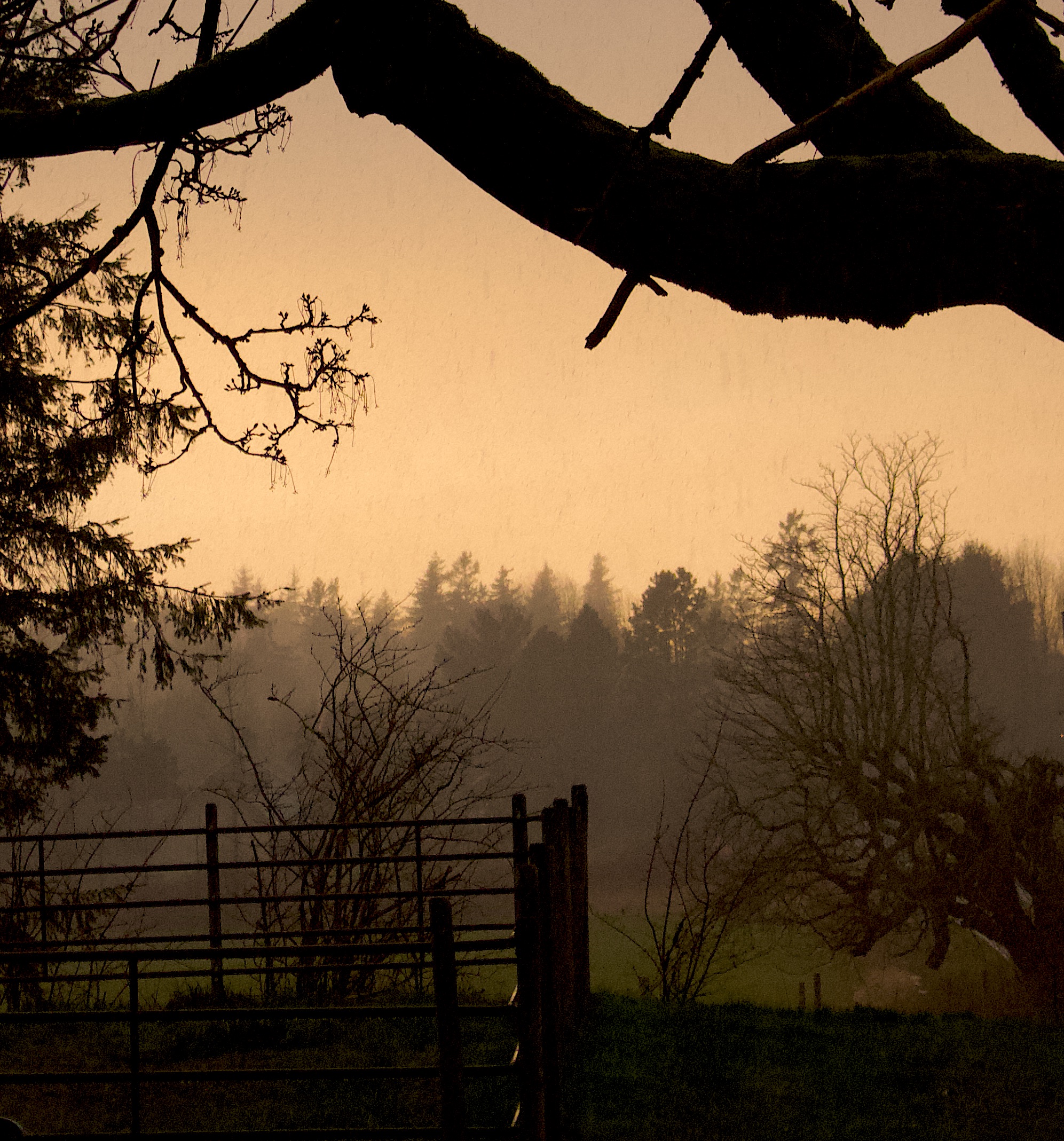
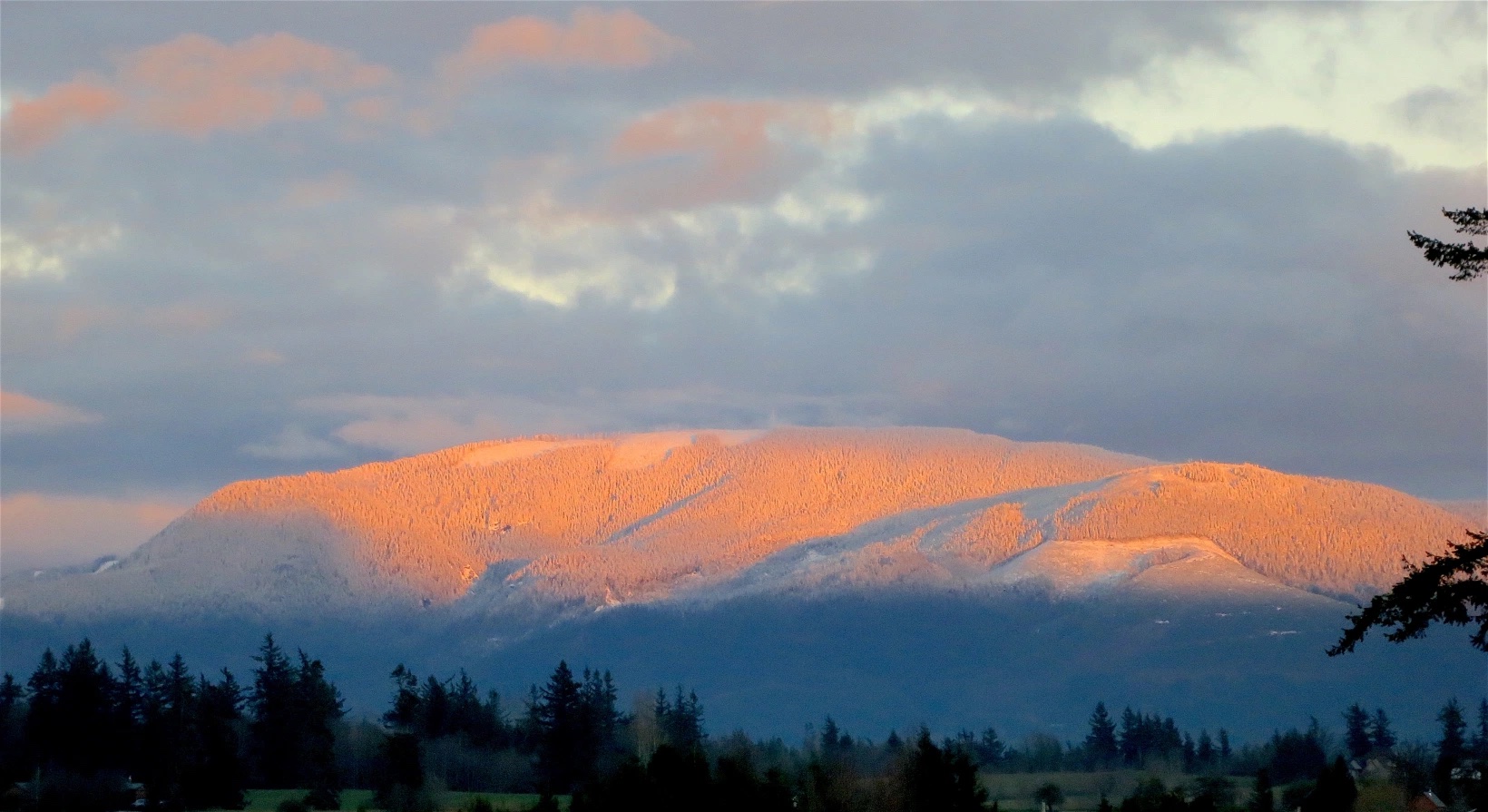
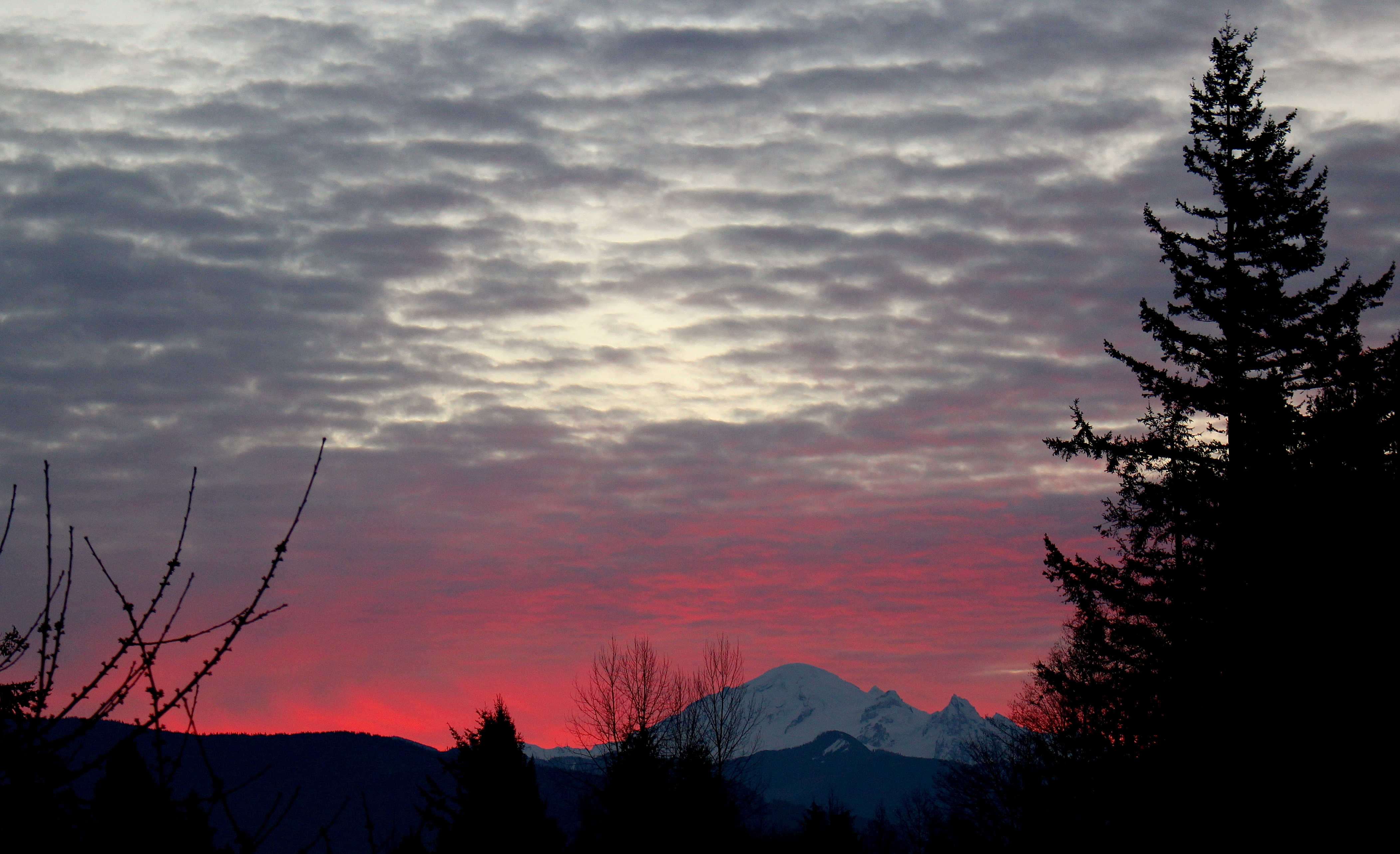
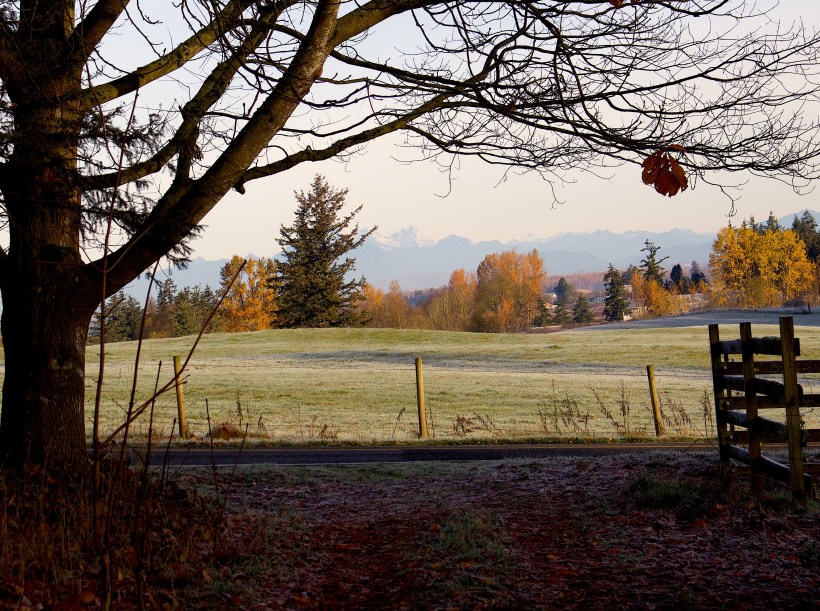
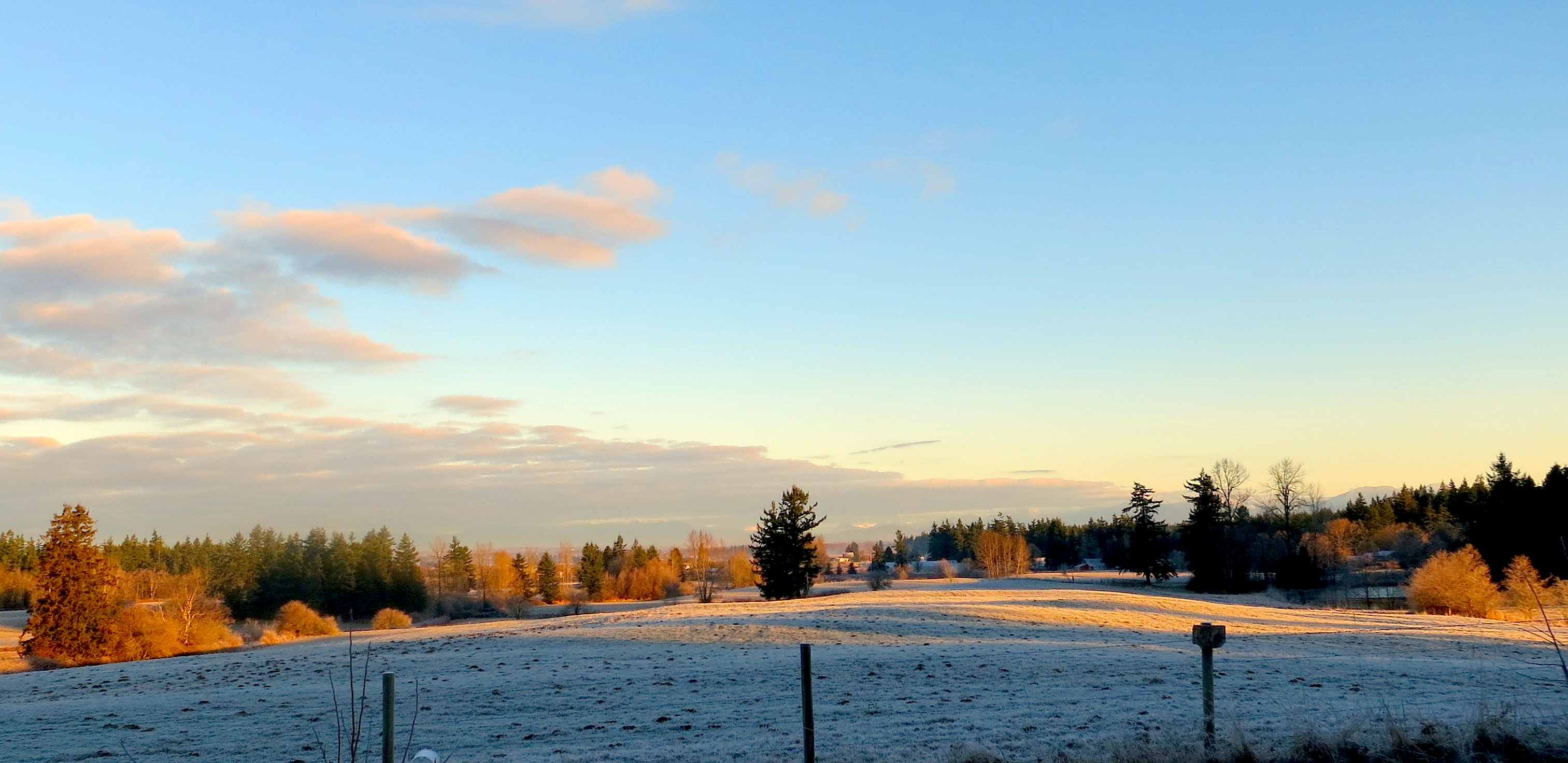
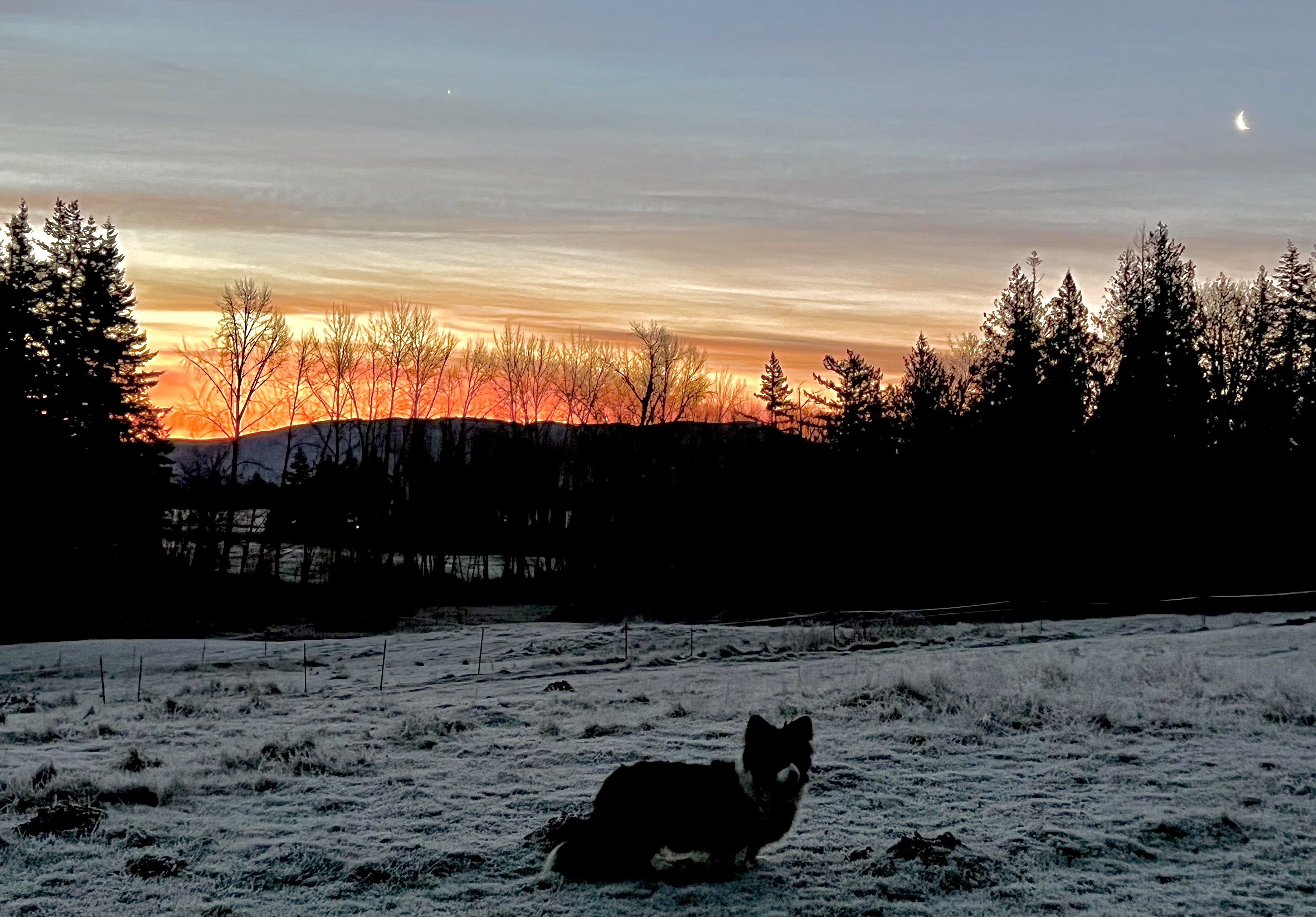
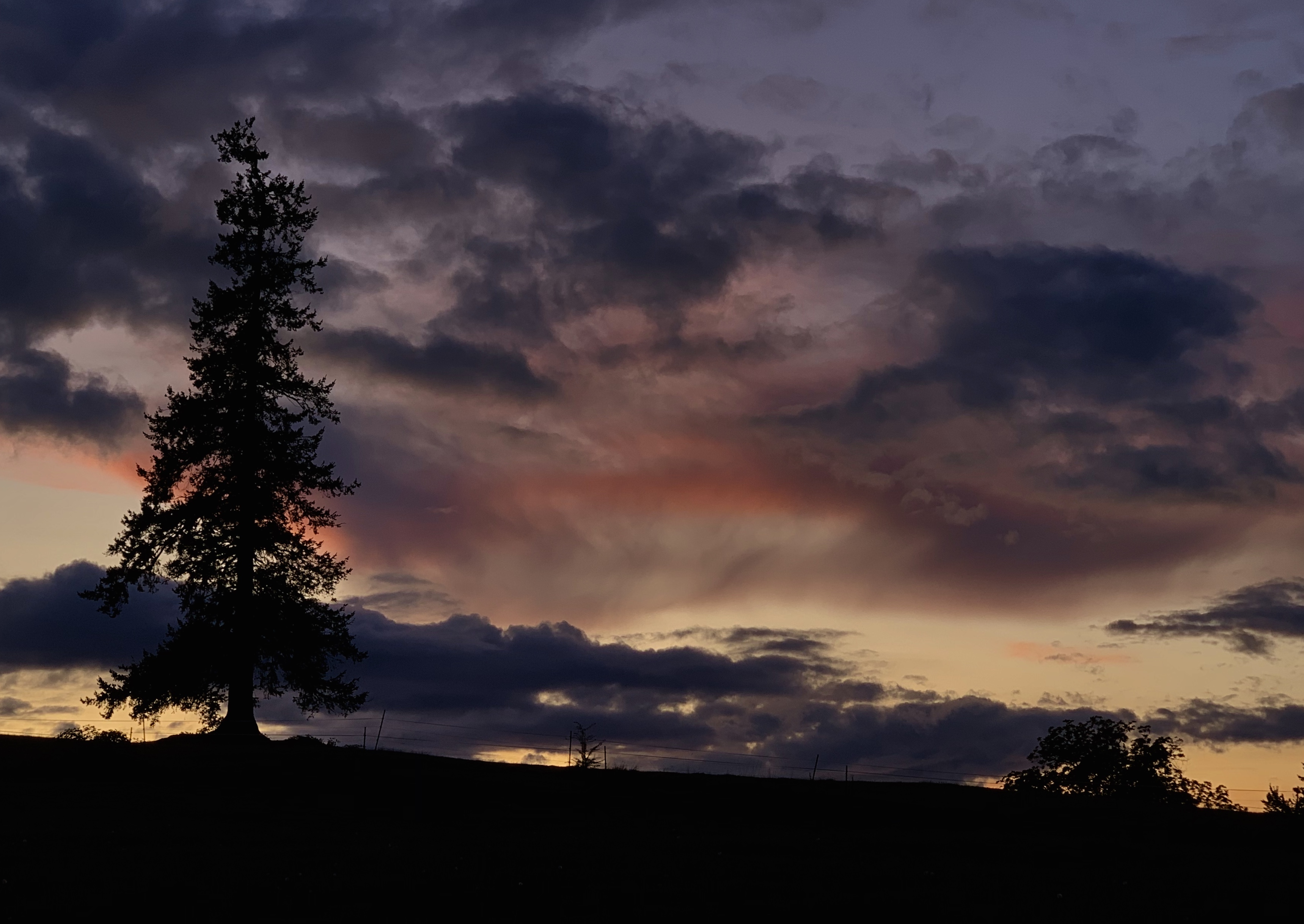
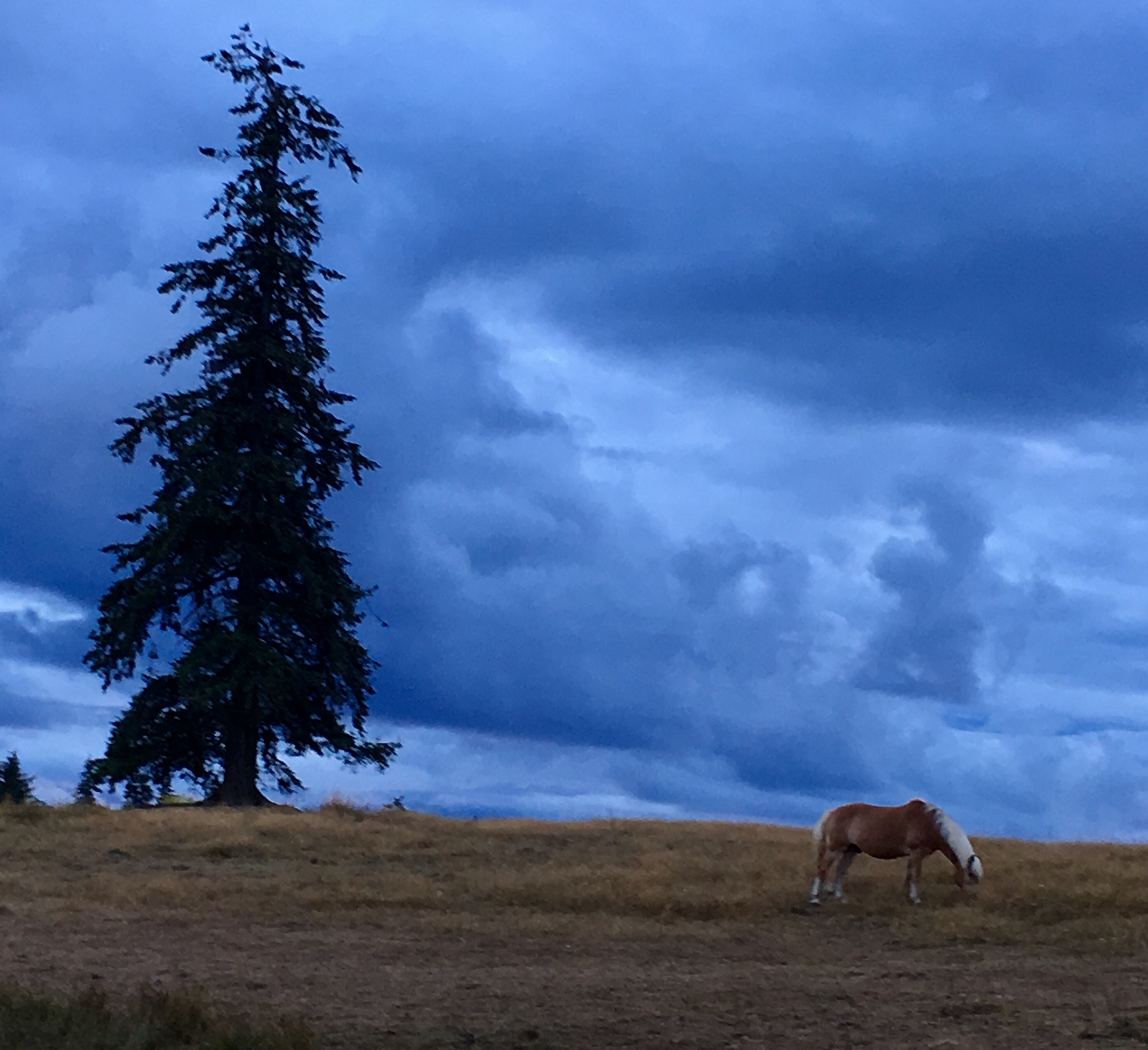
There is a hush now while the hills rise up
and God is going to sleep. He trusts the ship
of Heaven to take over and proceed beautifully
as he lies dreaming in the lap of the world.
He knows the owls will guard the sweetness
of the soul in their massive keep of silence,
looking out with eyes open or closed over
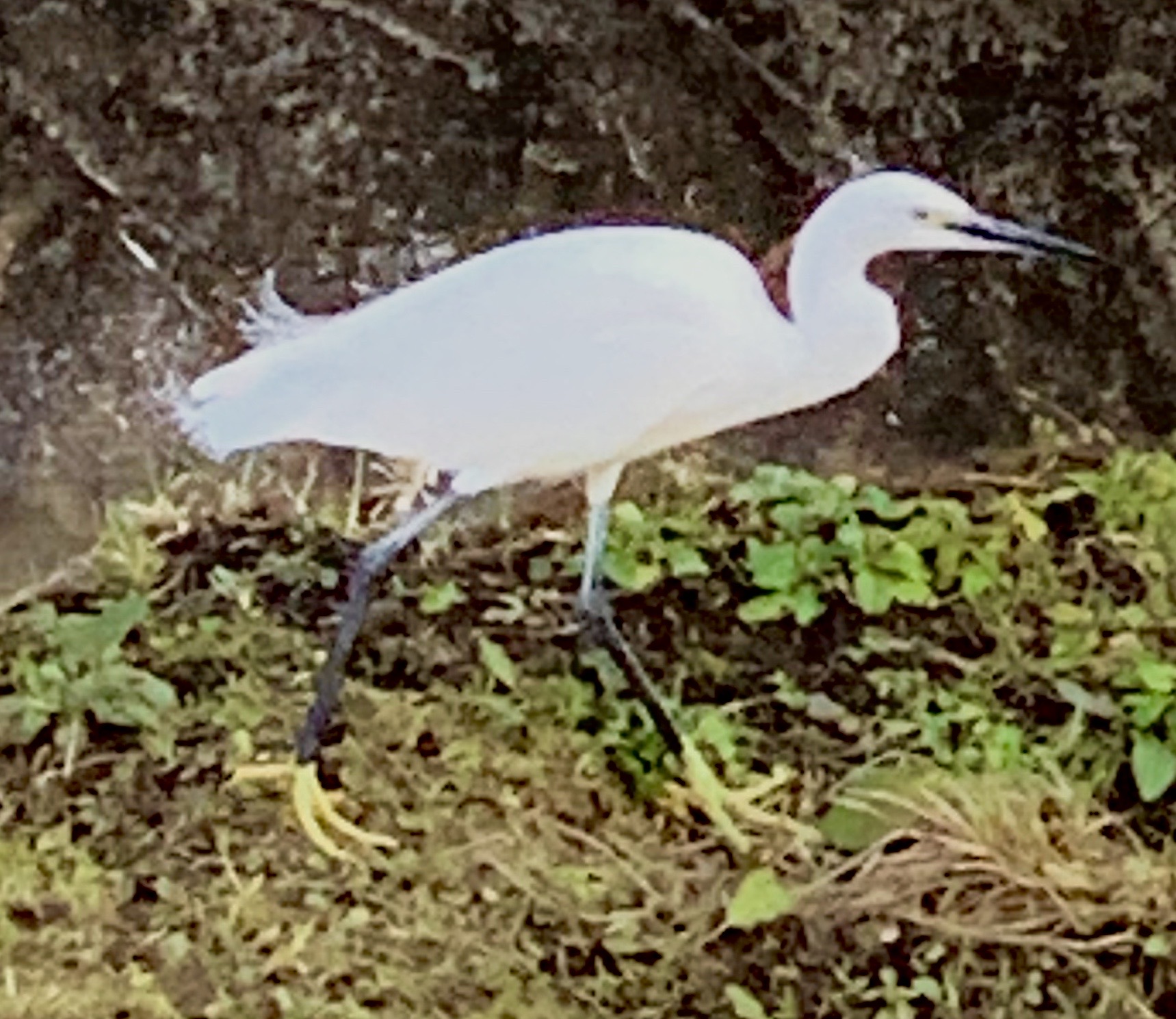
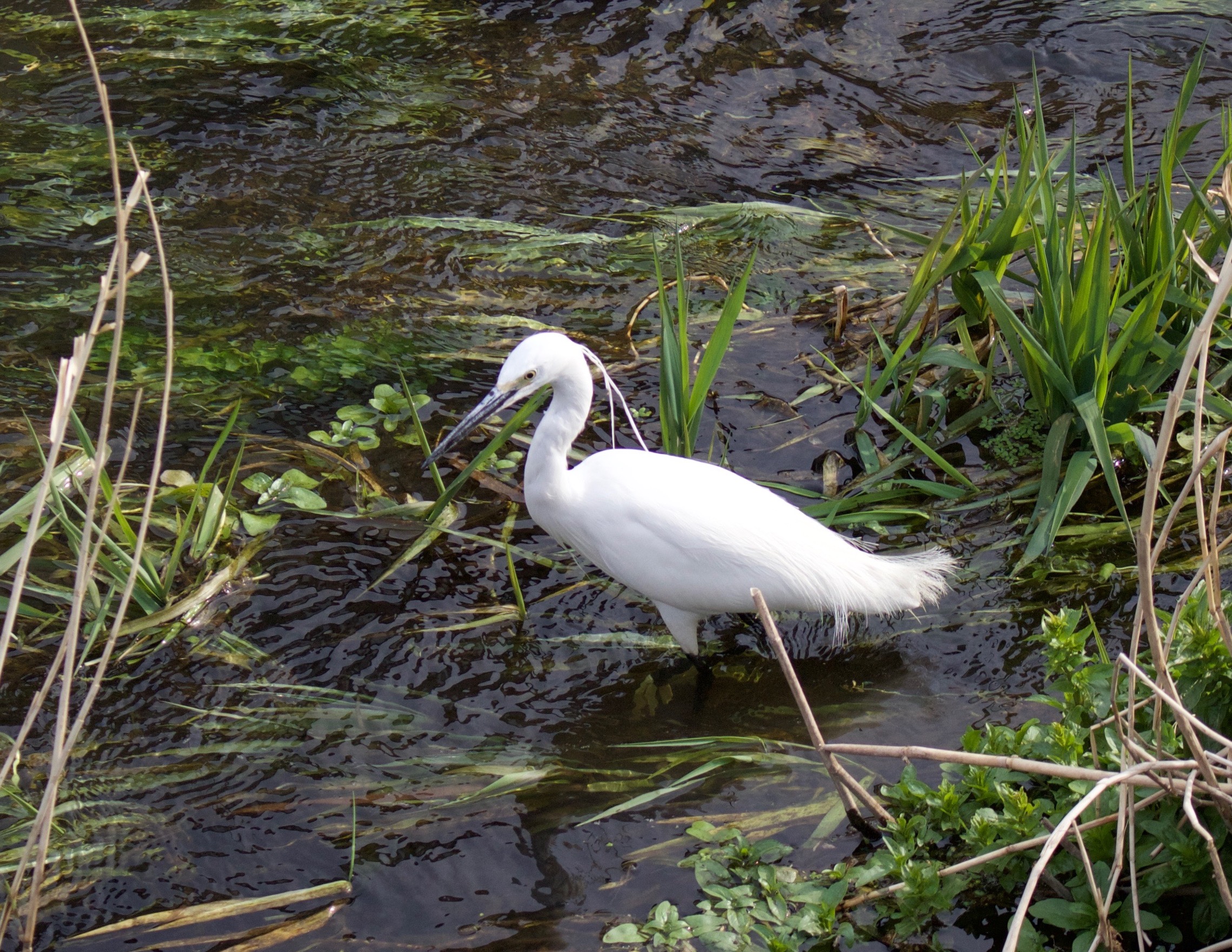
the length of Tomales Bay that the egrets
conform to, whitely broad in flight, white
and slim in standing. God, who thinks about
poetry all the time, breathes happily as He
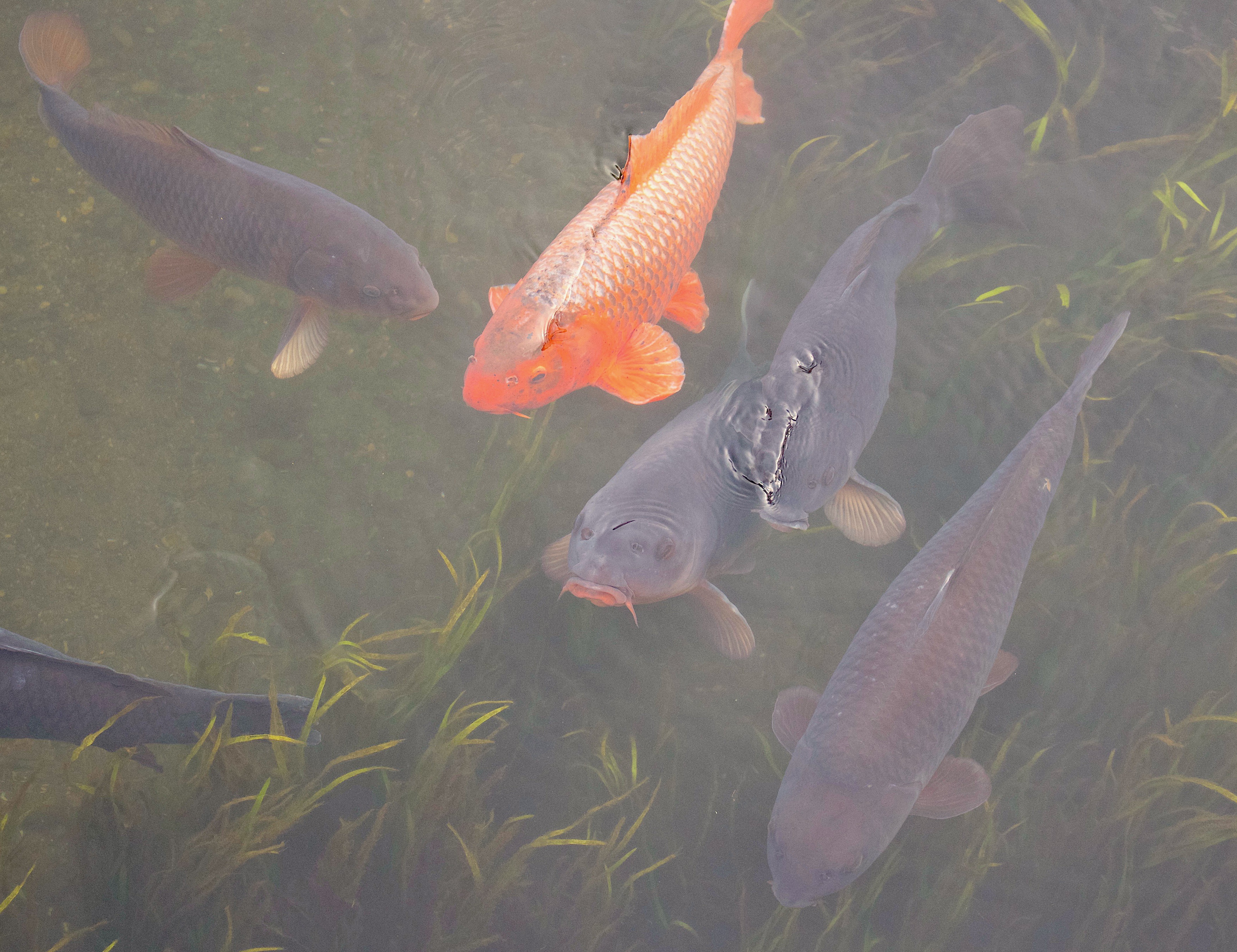
repeats to Himself: there are fish in the net,
lots of fish this time in the net of the heart.

~Linda Gregg “Fishing in the Keep of Silence” from All of It Singing.
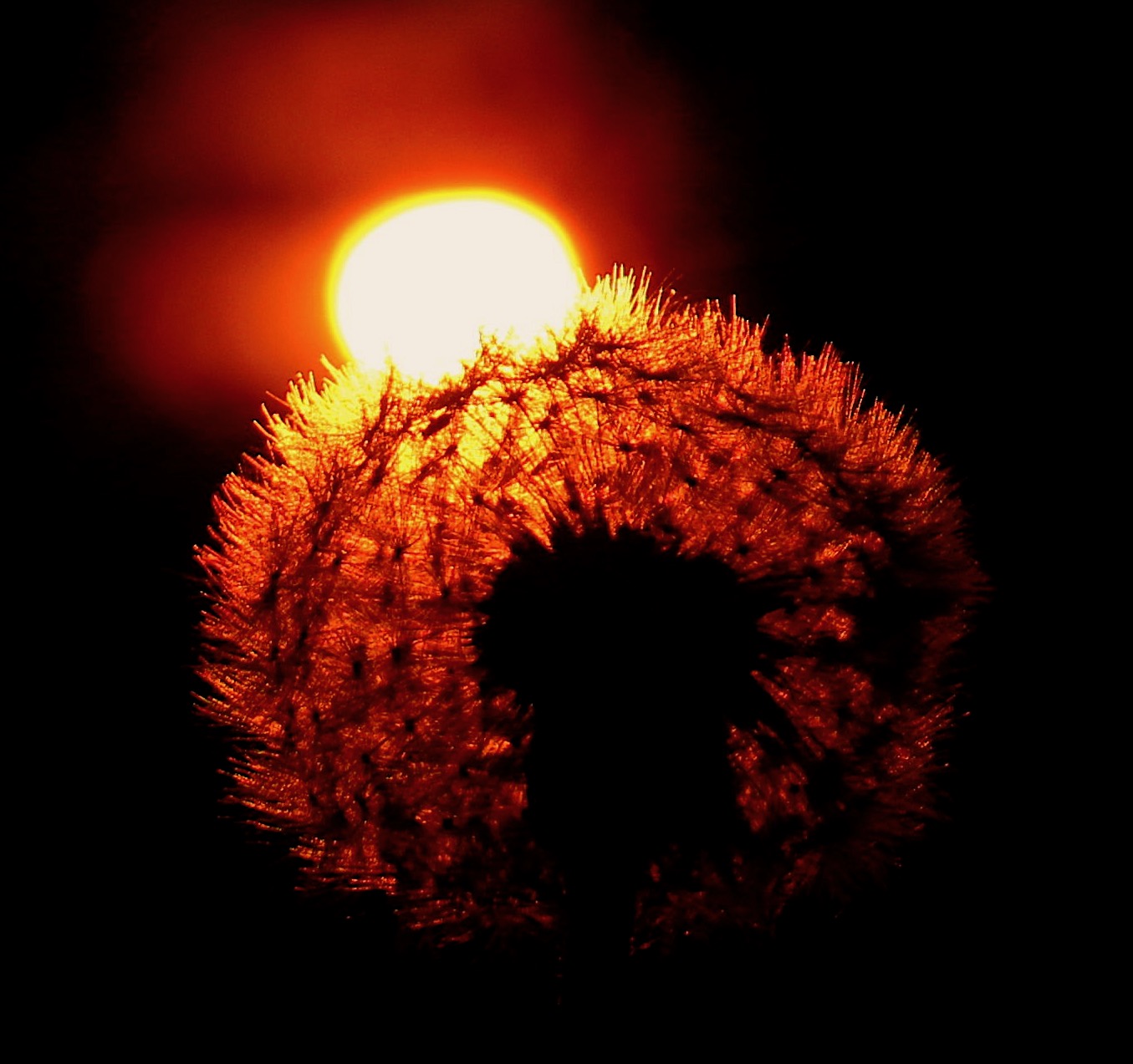
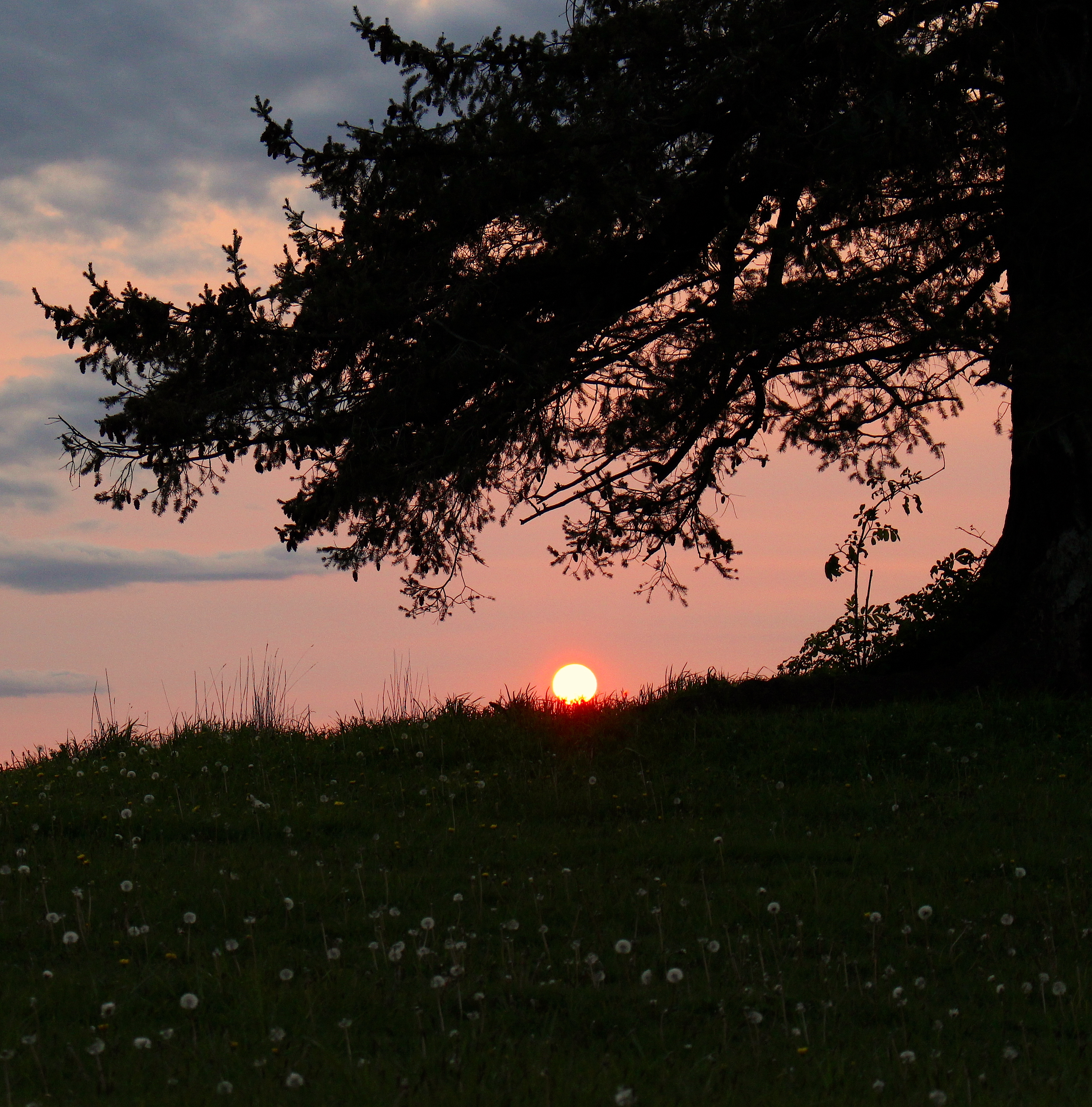
The second before the sun went out we saw a wall of dark shadow come speeding at us. We no sooner saw it than it was upon us, like thunder. It roared up the valley. It slammed our hill and knocked us out. It was the monstrous swift shadow cone of the moon. I have since read that this wave of shadow moves 1,800 miles an hour. Language can give no sense of this sort of speed—1,800 miles an hour. It was 195 miles wide. No end was in sight—you saw only the edge. It rolled at you across the land at 1,800 miles an hour, hauling darkness like plague behind it. Seeing it, and knowing it was coming straight for you, was like feeling a slug of anesthetic shoot up your arm. If you think very fast, you may have time to think, “Soon it will hit my brain.” You can feel the deadness race up your arm; you can feel the appalling, inhuman speed of your own blood. We saw the wall of shadow coming, and screamed before it hit.

This was the universe about which we have read so much and never before felt: the universe as a clockwork of loose spheres flung at stupefying, unauthorized speeds. How could anything moving so fast not crash, not veer from its orbit amok like a car out of control on a turn?

Less than two minutes later, when the sun emerged, the trailing edge of the shadow cone sped away. It coursed down our hill and raced eastward over the plain, faster than the eye could believe; it swept over the plain and dropped over the planet’s rim in a twinkling. It had clobbered us, and now it roared away. We blinked in the light. It was as though an enormous, loping god in the sky had reached down and slapped the Earth’s face.

When the sun appeared as a blinding bead on the ring’s side, the eclipse was over. The black lens cover appeared again, back-lighted, and slid away. At once the yellow light made the sky blue again; the black lid dissolved and vanished. The real world began there. I remember now: We all hurried away.

We never looked back. It was a general vamoose … but enough is enough. One turns at last even from glory itself with a sigh of relief. From the depths of mystery, and even from the heights of splendor, we bounce back and hurry for the latitudes of home.
~Annie Dillard from her essay  “Total Eclipse” in The Atlantic about the February 1979 eclipse in Washington State
In February 1979, I was working as a medical student on an inpatient psychiatric unit in a large hospital in Seattle, less than a hundred miles from the band of total eclipse Annie Dillard describes above happening just to the south.

Our clinical team had tried to prepare our mostly psychotic and paranoid schizophrenic patients for what was about to happen outside that morning.

Our patients were much more anxious than usual, pacing and wringing their hands as the light outside slowly faded, with high noon transformed gradually to an oddly shadowy dusk. The street lights turned on automatically and cars moved about with headlights shining.

We all stood at the windows in the hospital perched high on a hill, watching the city become dark as night in the middle of the day. Our unstable patients were sure the world was ending and certain they had caused it to happen. Extra doses of medication were dispensed as needed while the light faded away and then slowly returned to the streets outside. Within an hour the sunlight was fully back, and many of our patients were napping soundly, safe in the heart of the net we had thrown over them to protect them.

A hush had fallen over us all as we watched the light go out and then return. We were safe.

We all breathed a sigh of relief, having witnessed such transient glory from the heavens. We did not cause it but a Power far greater did. The eclipse swept – a racing shadow followed by restoration of light – the edge of our sanity to accept that our light can indeed be taken away. 

For some, they live their whole lives consumed by shadow.

Miraculously, the Light has been returned to us in this shining night. We may not be able to look it in the Face —  simply too blinding — but we need never dwell in darkness again.
One-Time
Monthly
Yearly

Make a one-time or recurring donation to support daily Barnstorming posts

Make a monthly donation

Make a yearly donation

Choose an amount

$10.00
$25.00
$50.00
$5.00
$15.00
$100.00
$5.00
$15.00
$100.00

Or enter a custom amount

$

Your contribution is deeply appreciated.

Your contribution is appreciated.

Your contribution is appreciated.

DonateDonate monthlyDonate yearly
Anything is Possible

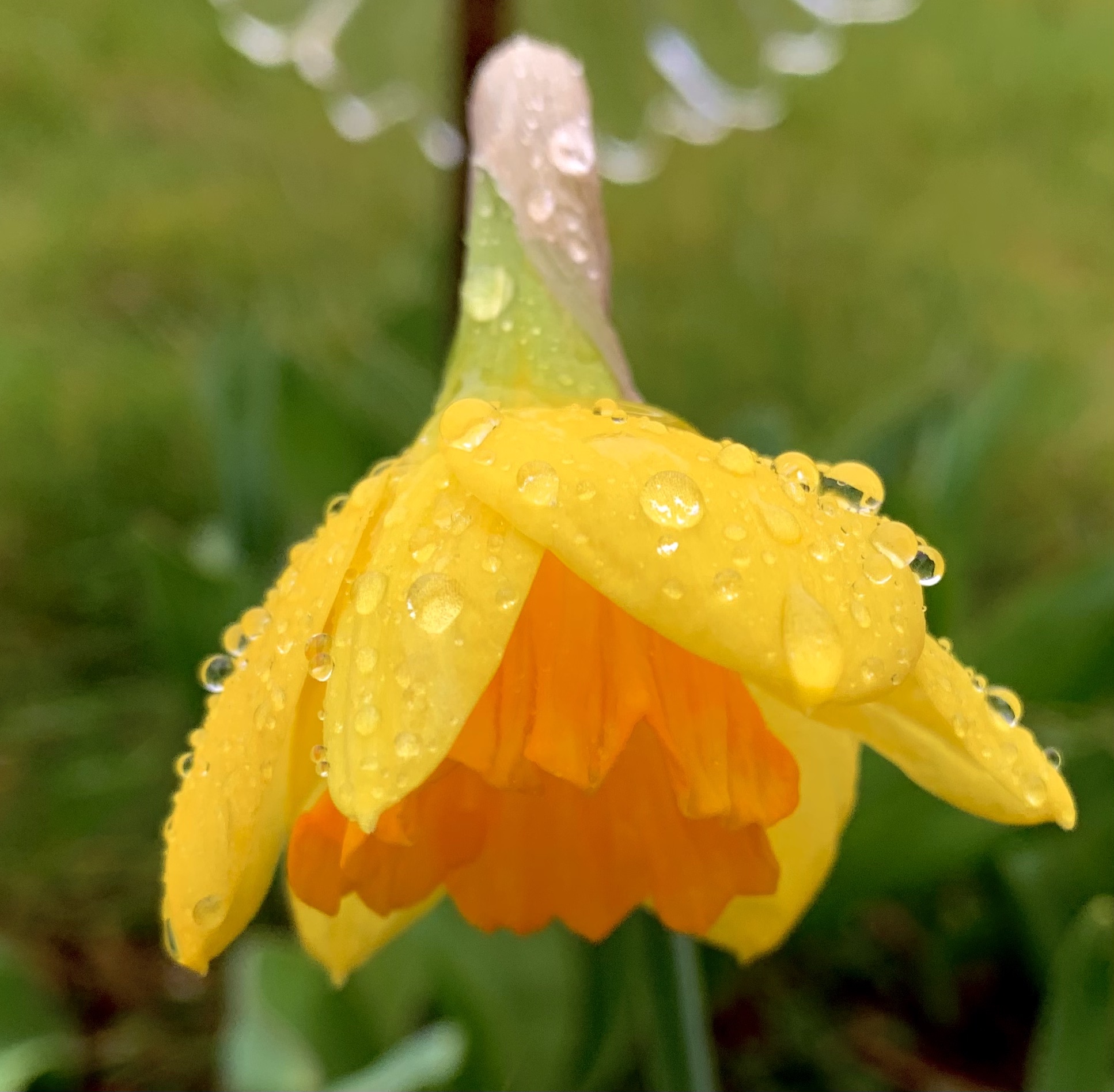
I planted the daffodils in early fall,
never thinking much about it.
Having planted so many fall seasons,
one year fell away from another.

During the year, you died.
I thought too much of it—
all we never did together;
it was too late to get more days back.

Sooner or later, grief buried itself deeper
and deeper. My heart needed rest.
There is a love that tears us to pieces
like yellow petals of grief.

And then one day, minding my business,
I pass by where the daffodils were.
I remembered that you had loved them,
and you came back to me.

Do not say second chances are not possible;
surely as one daffodil is different than another,
each launching silent boats of forgiveness,
anything is possible.

~Martin Willitts Jr., “Daffodils in Light – Narcissus Poeticus” from Leave Nothing Behind

Fair Daffodils, we weep to see
You haste away so soon;
As yet the early-rising sun
Has not attain’d his noon.

Stay, stay,
Until the hasting day
Has run
But to the even-song;
And, having pray’d together, we
Will go with you along.

 
We have short time to stay, as you,
We have as short a spring;
As quick a growth to meet decay,
As you, or anything
.

We die
As your hours do, and dry
Away,
Like to the summer’s rain;
Or as the pearls of morning’s dew,
Ne’er to be found again.
~Robert Herrick “To Daffodils”

Thou yellow trumpeter of laggard Spring!
Thou herald of rich Summer’s myriad flowers!
The climbing sun with new recovered powers
Does warm thee into being, through the ring
Of rich, brown earth he woos thee, makes thee fling
Thy green shoots up, inheriting the dowers
Of bending sky and sudden, sweeping showers,
Till ripe and blossoming thou art a thing
To make all nature glad, thou art so gay;
To fill the lonely with a joy untold;
Nodding at every gust of wind to-day,
To-morrow jewelled with raindrops. Always bold
To stand erect, full in the dazzling play
Of April’s sun, for thou hast caught his gold.
~Amy Lowell “To An Early Daffodil”

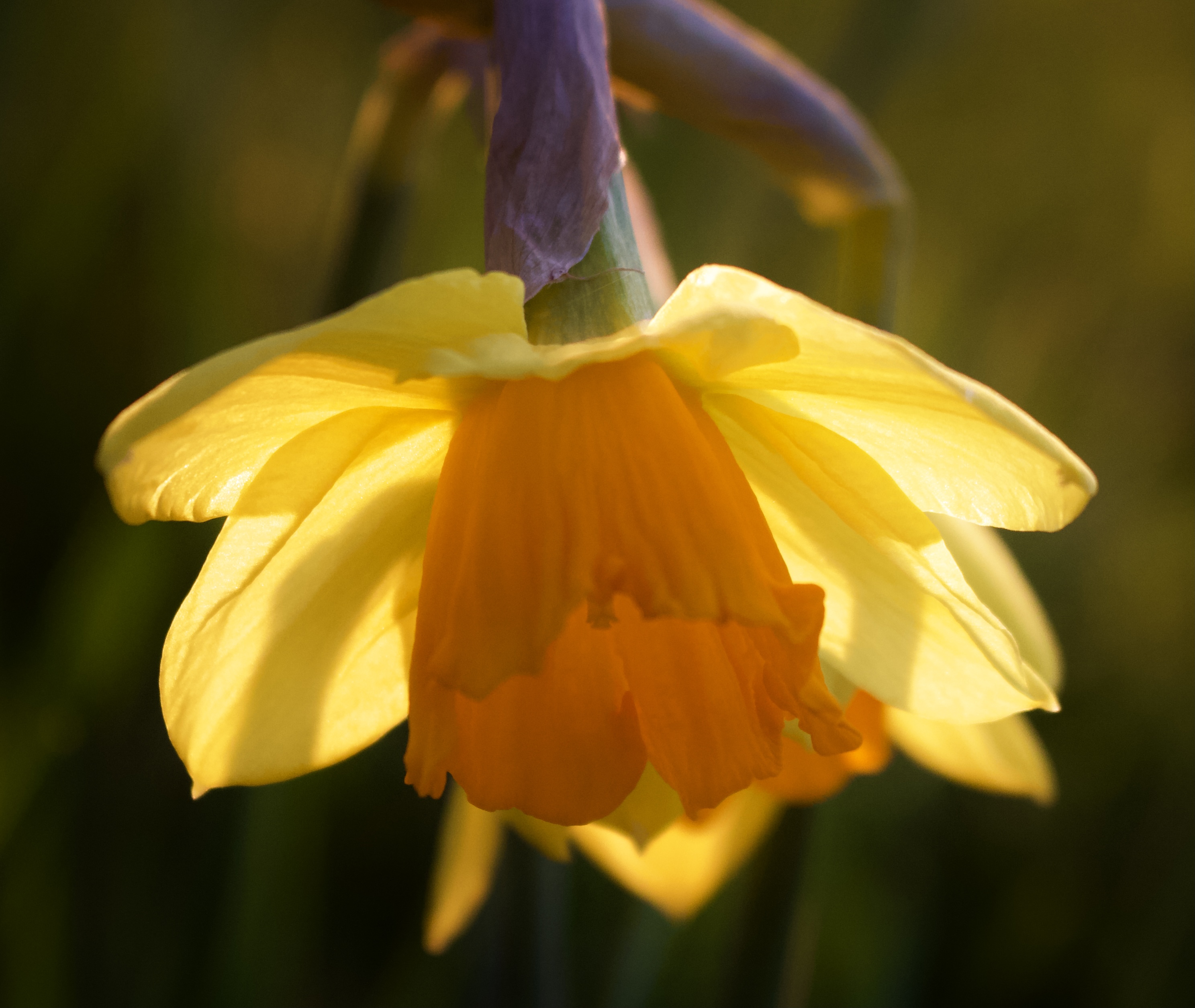
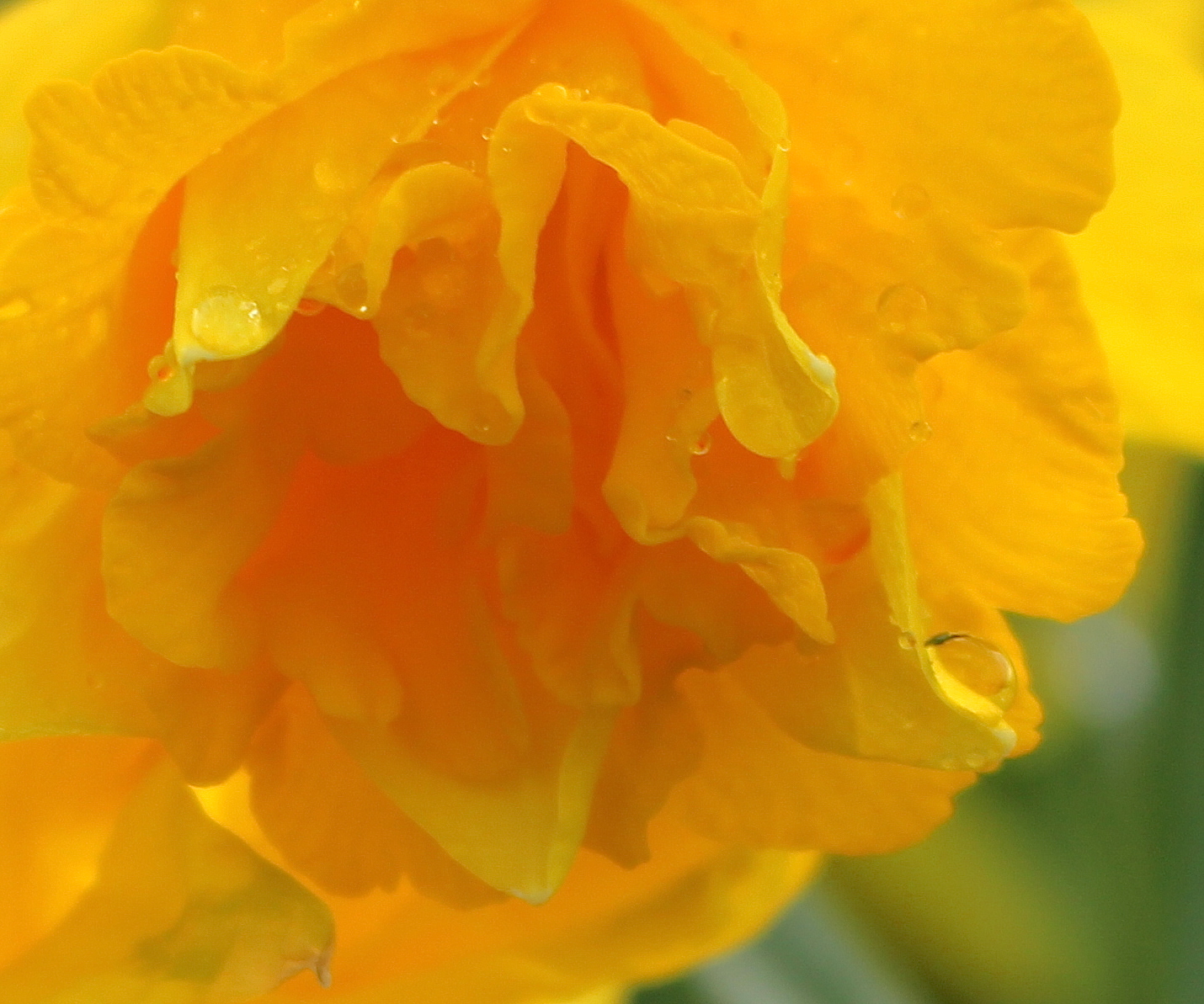
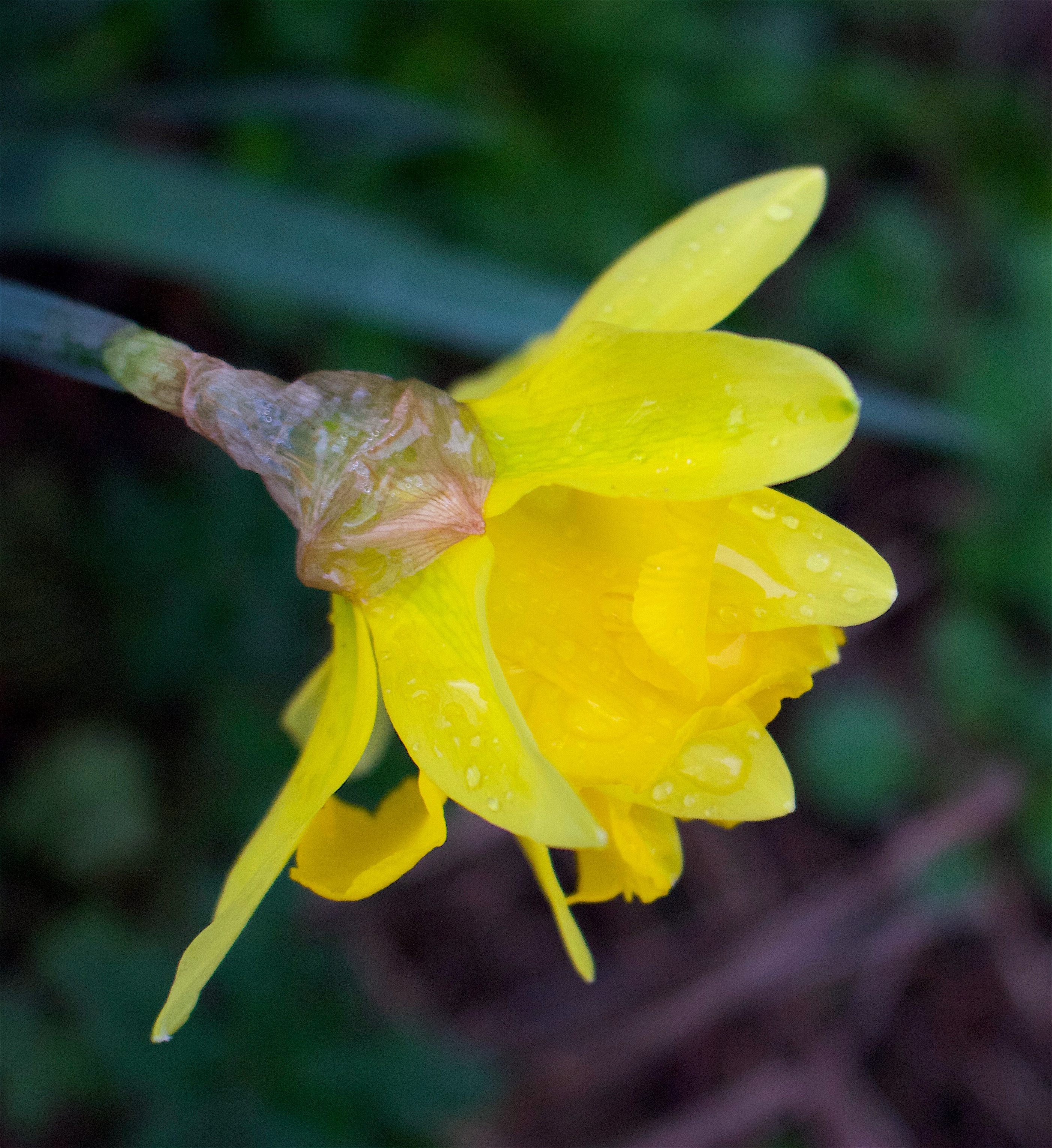
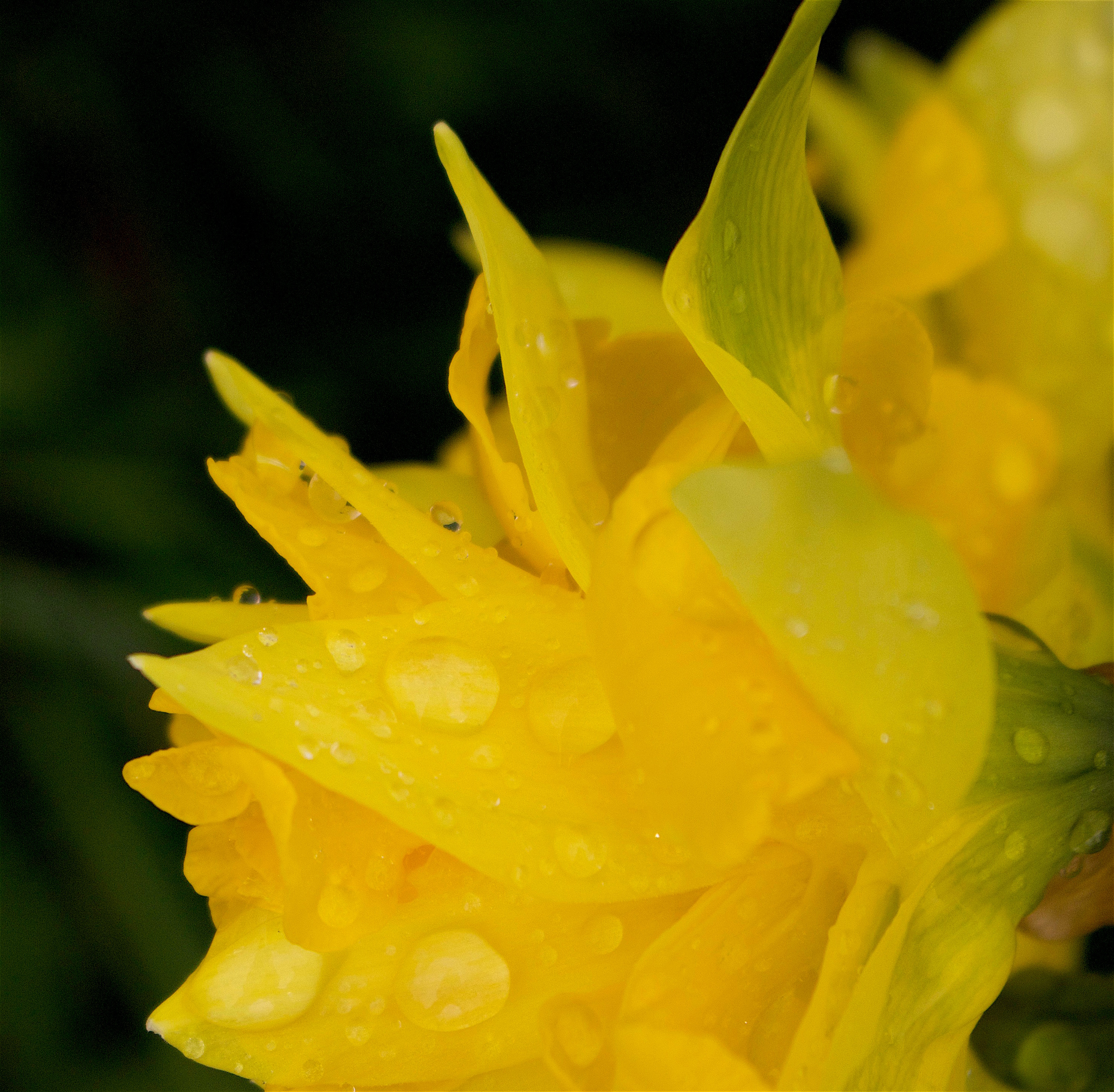
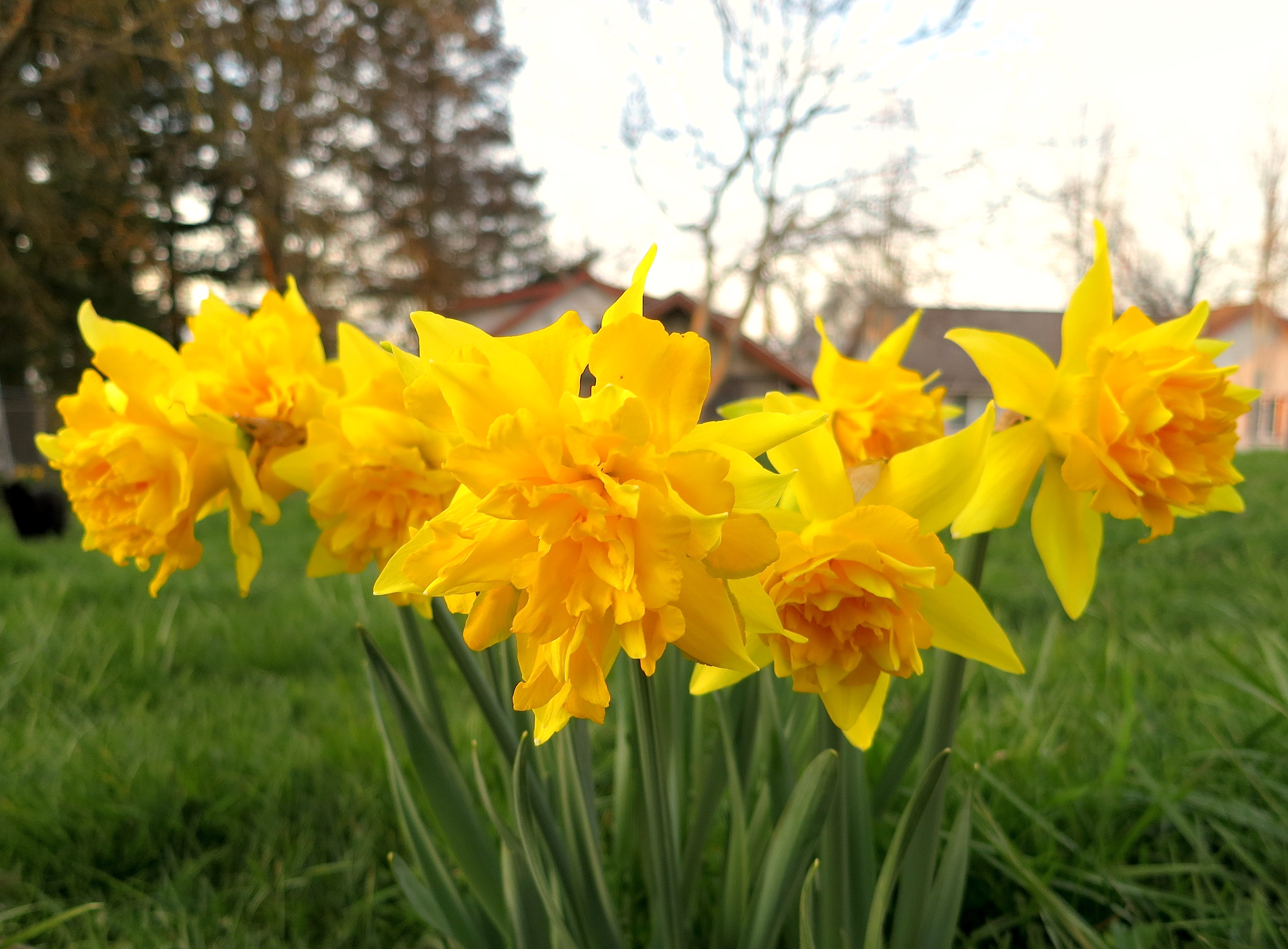
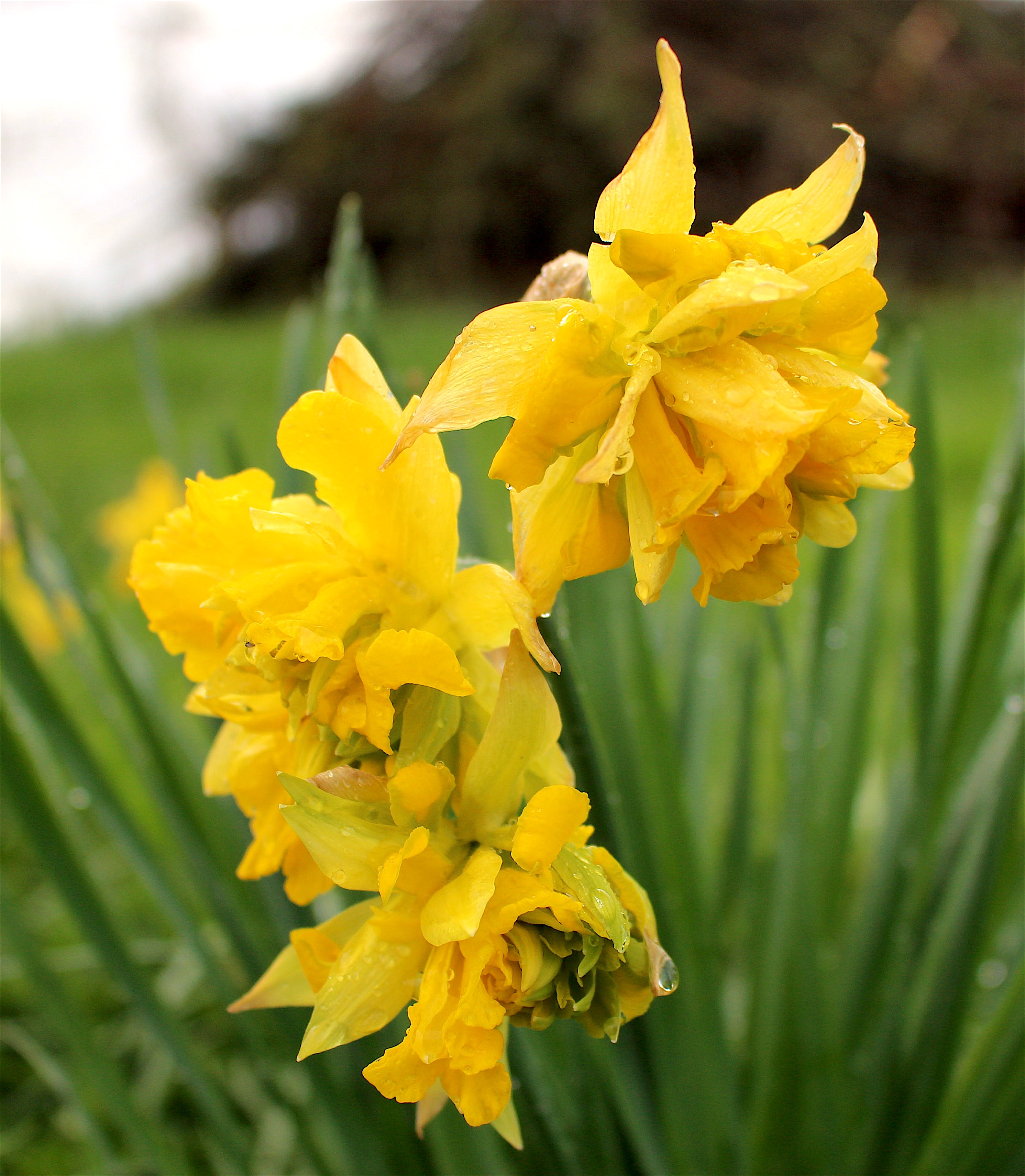
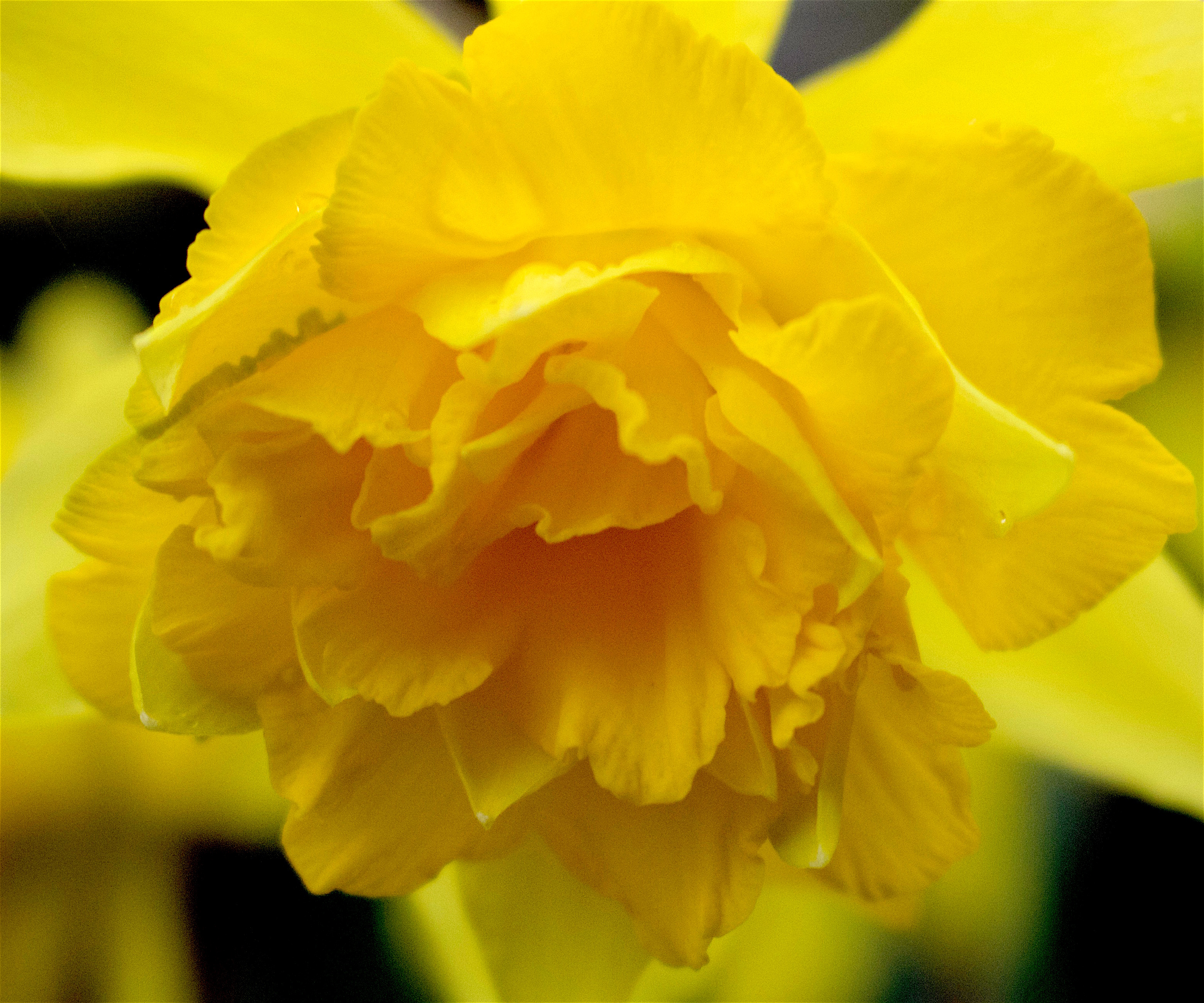
Our farm was owned by the Lawrence family over one hundred years ago. At some point, perhaps as a remembrance of a loved one who passed, someone decided to bury daffodil bulbs scattered around the yard. All these decades later, dozens of faithful heralds of spring still come up as the sun and extra hours of light call them forth. Some years they bloom in February, but most typically they wait for a more predictable welcome from the weather in March.

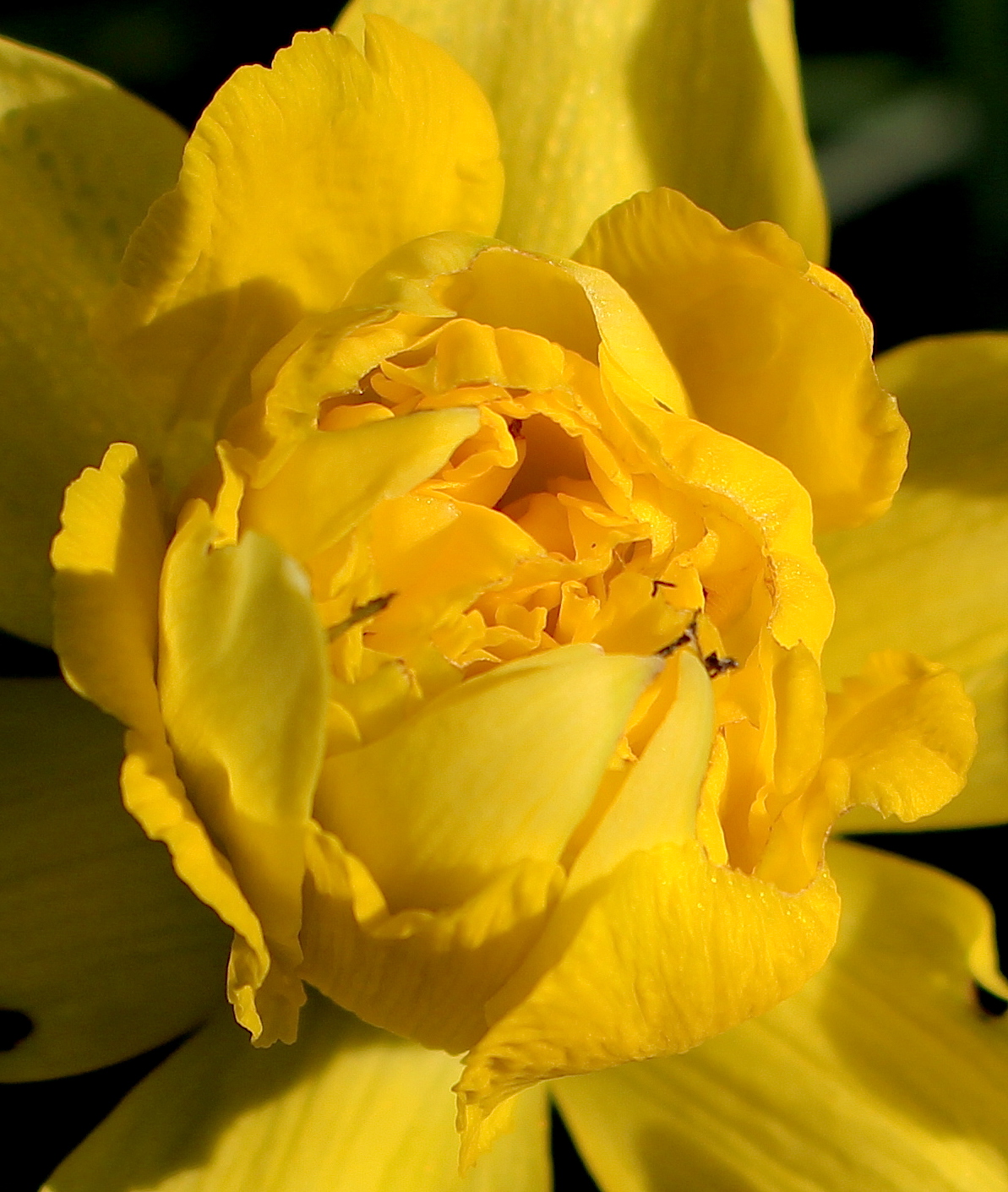
They are very tender, easily injured by a strong wind, heavy rain or hailstorm or late snowfall – mostly an old antique variety of fluffy double blooms, but some traditional trumpet blossoms still come up called forth by the calling of the geese and swans passing over far above them.

For me, their blooming with abandon is a reminder of faithfulness and persistence, especially because of the 44 weeks per year they remain silent and buried out of sight. I have a general sense where they will appear each February, but am still surprised and impressed when they do push up through the icy ground. I walk around them carefully, knowing I could crush them with one firm inadvertent boot step if I am not cautious.

Once the daffodils are blooming, they encourage my hope that anything is possible: a promise of the spring just ahead. When the blooms wither and fade, the green spiky stems must gather the strength the bulb needs for another cycle of dormancy, so I mow around them to allow as much time as needed to replenish before disappearing underground again.

I still don’t understand how these gentle blooms somehow manage to pull me down with them into the bulb, waiting my turn alongside them buried deep in the dark. Perhaps it is because God plants each one of us here in His holy ground, to await the ultimate wakening that calls us forth to bloom everlasting.

One-Time
Monthly
Yearly

Make a one-time or recurring donation to support daily Barnstorming posts

Make a monthly donation

Make a yearly donation

Choose an amount

$10.00
$25.00
$50.00
$5.00
$15.00
$100.00
$5.00
$15.00
$100.00

Or enter a custom amount

$

Your contribution is deeply appreciated.

Your contribution is appreciated.

Your contribution is appreciated.

DonateDonate monthlyDonate yearly
A Celebration of Resilience

Spring comes quickly: overnight
the plum tree blossoms,
the warm air fills with bird calls.

In the plowed dirt, someone has drawn a picture of
the sun
with rays coming out all around
but because the background is dirt, the sun is black.
There is no signature.

Alas, very soon everything will disappear:
the bird calls, the delicate blossoms. In the end,
even the earth itself will follow the artist’s name into
oblivion.

Nevertheless, the artist intends
a mood of celebration.

How beautiful the blossoms are — emblems of the
resilience of life.
The birds approach eagerly.

~Louise Glück “Primavera”

“Plowing the Field” by Joyce Lapp

Nothing is so beautiful as Spring –         
When weeds, in wheels, shoot long and lovely and lush;         
Thrush’s eggs look little low heavens, and thrush         
Through the echoing timber does so rinse and wring         
The ear, it strikes like lightnings to hear him sing;
The glassy peartree leaves and blooms, they brush         
The descending blue; that blue is all in a rush  
       
With richness; the racing lambs too have fair their fling.         

What is all this juice and all this joy?         
A strain of the earth’s sweet being in the beginning
In Eden garden. – Have, get, before it cloy,         
Before it cloud, Christ, lord, and sour with sinning,         
Innocent mind and Mayday in girl and boy,         
Most, O maid’s child, thy choice and worthy the winning.  
 
~Gerard Manley Hopkins “Spring”

And he who was seated on the throne said, “Behold, I am making all things new.” Also he said, ‘Write this down, for these words are trustworthy and true. ”
Revelation 21:5

Given a choice, humanity chose sour
over the sweetness we were created for ~
giving up walks together in the cool of the day
to feed an appetite that could never be sated.

God made a choice to bring us back with His own blood
as if we are worthy of Him.

He says we are.
He dies to prove it.

Every day I choose to believe
earth can be sweet and beautiful again.
Each spring becomes a celebration of our resilience.

One-Time
Monthly
Yearly

Make a one-time or recurring donation to support daily Barnstorming posts

Make a monthly donation

Make a yearly donation

Choose an amount

$10.00
$25.00
$50.00
$5.00
$15.00
$100.00
$5.00
$15.00
$100.00

Or enter a custom amount

$

Your contribution is deeply appreciated.

Your contribution is appreciated.

Your contribution is appreciated.

DonateDonate monthlyDonate yearly

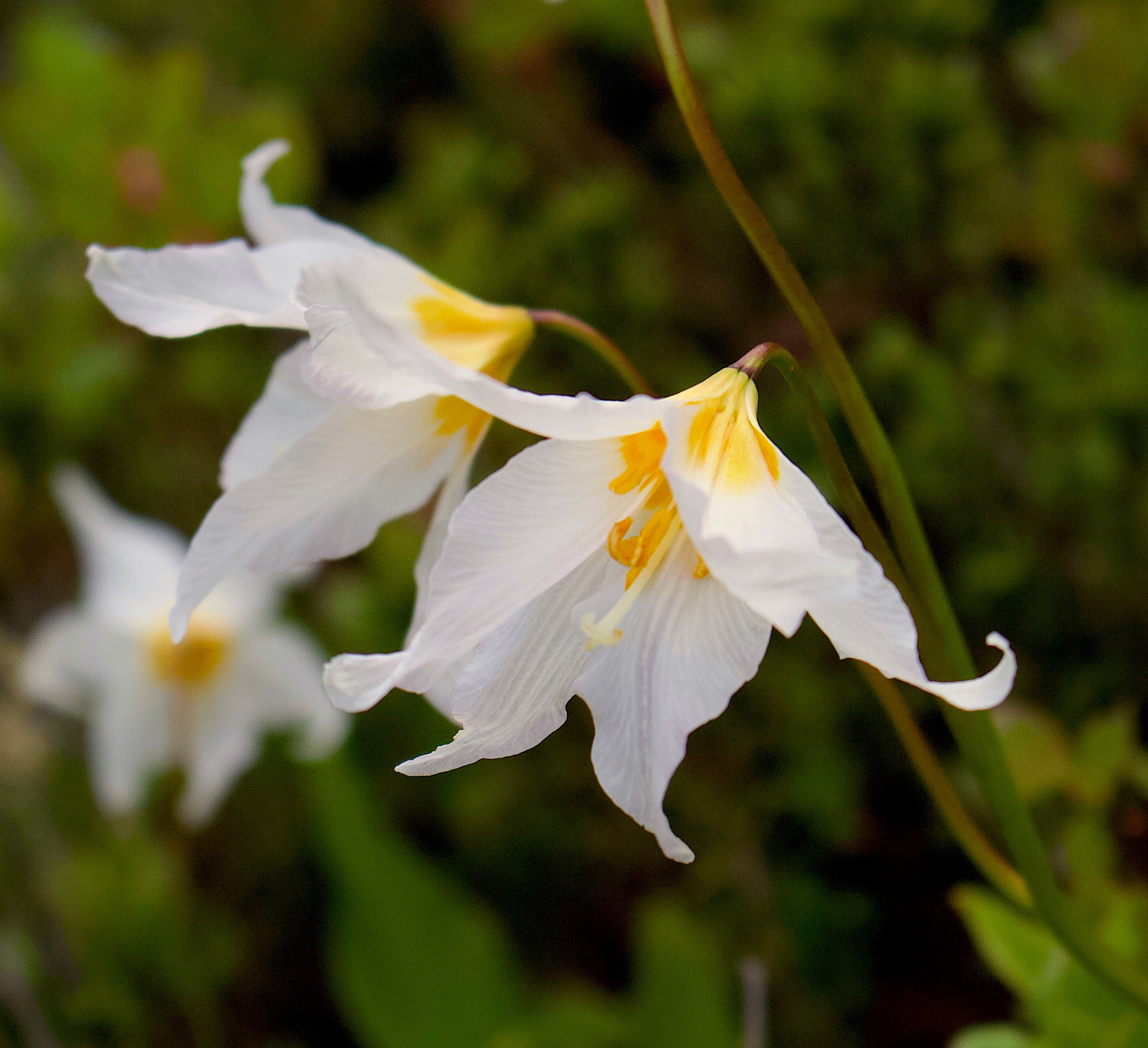
A Lily Shivers…

A lily shivered
at His passing,
supposing Him to be
the Gardener.
~Margaret D. Smith “Easter morning, yesterday”
from A Widening Light -Poems of the Incarnation

It’s so easy to look and see what we pass through in this world, but we don’t. If you’re like me, you see so little. You see what you expect to see rather than what’s there.
~Frederick Buechner from The Remarkable Ordinary

Jesus said to them, “Come and have breakfast.”
None of the disciples dared ask him, “Who are you?”
They knew it was the Lord.
John 21:12

It is too easy, by the next day, to let go of Easter — to slide back into the Monday routine, managing our best to get through each day, our jaws set, our teeth gritted, as we have before.

We are blinded by our grief, shivering in misery, thinking Him only the Gardener as He passed by. We don’t pay attention to Who is right before us, Who is always tending us: the new Adam, caring for a world desperate for rescue.

God knows this about us.  So He invites us to breakfast on Monday and every day thereafter.

He feeds us, a tangible and meaningful act of nourishing us in our most basic human needs though we’ve done nothing to deserve the gift. He cooks up fish on a beach at dawn and welcomes us to join Him, as if nothing extraordinary has just happened.

Just yesterday evening he reviewed His Word and broke bread in Emmaus, opening the eyes and hearts of those like us who failed to see Who this is walking beside them.

This is no ordinary Gardener.

When He offers up a meal of His Word, the gift is nothing less than Himself.

One-Time
Monthly
Yearly

Make a one-time or recurring donation to support daily Barnstorming posts

Make a monthly donation

Make a yearly donation

Choose an amount

$10.00
$25.00
$50.00
$5.00
$15.00
$100.00
$5.00
$15.00
$100.00

Or enter a custom amount

$

Your contribution is deeply appreciated.

Your contribution is appreciated.

Your contribution is appreciated.

DonateDonate monthlyDonate yearly
For My Soul: He Got Up!

So what do I believe actually happened that morning on the third day after he died?
…I speak very plainly here…

He got up.  He said, “Don’t be afraid.”

Love is the victor.  Death is not the end.  The end is life.  His life and our lives through him, in him.

Existence has greater depths of beauty, mystery, and benediction than the wildest visionary has ever dared to dream. 

Christ our Lord has risen.
~Frederick Buechner from The Magnificent Defeat

Make no mistake: if He rose at all
it was as His body;
if the cells’ dissolution did not reverse, the molecules
reknit, the amino acids rekindle,
the Church will fall…

It was not as the flowers,
each soft Spring recurrent;
it was not as His Spirit in the mouths and fuddled
eyes of the eleven apostles;
it was as His Flesh: ours.
~John Updike from “Seven Stanzas at Easter”

Our flesh is so weak, so temporary,
as ephemeral as a dew drop on a petal
yet with our earthly vision
it is all we know of ourselves
and it is what we trust knowing
of Him.

He was born as our flesh, from our flesh.
He walked and hungered and thirsted and slept
as our flesh.
He died, His flesh hanging in tatters,
blood spilling freely
breath fading
to nought
speaking Words
our ears can never forget.

And He rose again
as His flesh: ours
to walk and hunger and thirst alongside us
and here on this hill we meet together,
–flesh of His flesh–
here among us He is risen
–flesh of our flesh–
married forever
as the Church
and its fragile, flawed
and everlasting body.

“Why do you look for the living among the dead?  He is not here; he has risen!”
Luke 24: 5-6

Thank you for following along during this Lenten season. May you have a blessed Easter celebration to carry with you through the weeks, months and years ahead.

When to That World We Go: Keeping Watch

We were riding through frozen fields in a wagon at dawn.
A red wing rose in the darkness.

And suddenly a hare ran across the road.
One of us pointed to it with his hand.

That was long ago. Today neither of them is alive,
Not the hare, nor the man who made the gesture.

O my love, where are they, where are they going
The flash of a hand, streak of movement, rustle of pebbles.
I ask not out of sorrow, but in wonder.
~ Czeslaw Milosz “Encounter”

She philosophically noted dates as they came past in the revolution of the year;… her own birthday and every other day, individualized by incidents in which she had taken some share. She suddenly thought one afternoon that there was yet another date of greater importance, her own death… A day which lay sly and unseen among all other days of the year… but not the less surely there. When was it?
~Thomas Hardy from Tess of the d’Urbervilles

We do not know the day or the hour of our death day. We must not be lulled into complacency by the routines of daily life; it could be tomorrow or the next day or maybe it was yesterday.

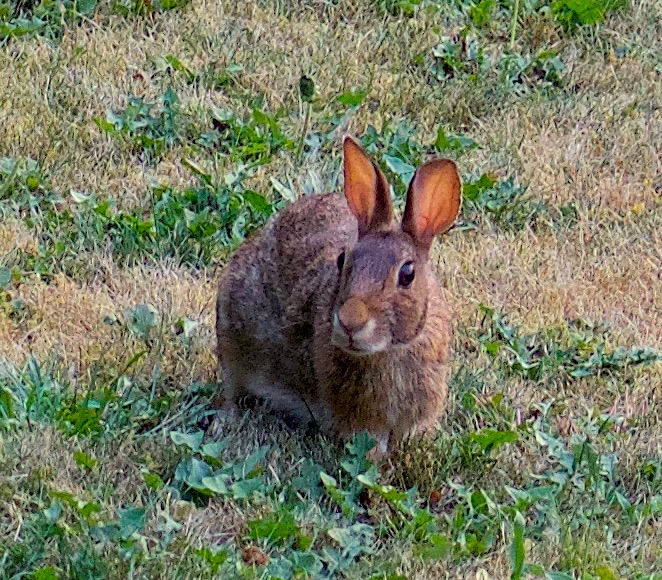
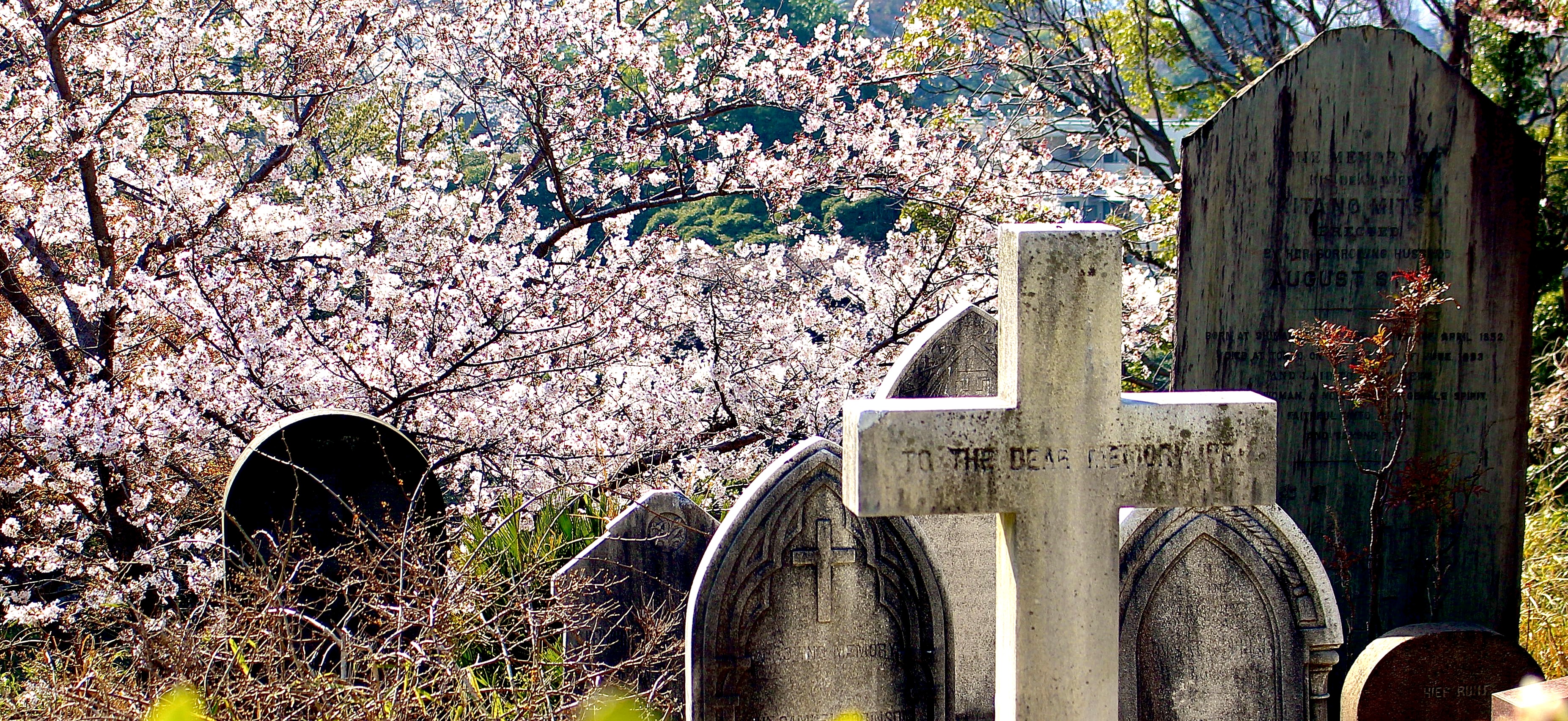
Each moment is a gift, like the flash of a blossom or the transparency of a rabbit’s ear, pulsing with each heart beat as our blood flows and sustains.

And we know – blood was shed, just as blossoms shed, covering us all.

Keeping watch, keeping watch – there is a day when we go home.

fallen sakura petals in Tokyo (photo by Nate Gibson)

Therefore keep watch, because you do not know the day or the hour.
Matthew 25: 1-13

This Lenten season I reflect on the words of the 19th century southern spiritual hymn “What Wondrous Love is This”

One-Time
Monthly
Yearly

Make a one-time or recurring donation to support daily Barnstorming posts

Make a monthly donation

Make a yearly donation

Choose an amount

$10.00
$25.00
$50.00
$5.00
$15.00
$100.00
$5.00
$15.00
$100.00

Or enter a custom amount

$

Your contribution is deeply appreciated.

Your contribution is appreciated.

Your contribution is appreciated.

DonateDonate monthlyDonate yearly
Laid Aside His Crown: Help Me Push Myself Aside

I have seen the sun break through
to illuminate a small field
for a while, and gone my way
and forgotten it. But that was the
pearl of great price, the one field that had
treasure in it. I realize now
that I must give all that I have
to possess it. Life is not hurrying
on to a receding future, nor hankering after
an imagined past. It is the turning
aside like Moses to the miracle
of the lit bush, to a brightness
that seemed as transitory as your youth
once, but is the eternity that awaits you.

~R.S. Thomas “A Bright Field”

The secret of seeing is, then the pearl of great price. 
If I thought he could teach me to find it and keep it forever 
I would stagger barefoot across a hundred deserts

after any lunatic at all. 

But although the pearl may be found, it may not be sought.

The literature of illumination reveals this above all: 
although it comes to those who wait for it, 
it is always, even to the most practiced and adept, 
a gift and a total surprise.

I return from one walk knowing where
the killdeer nests in the field by the creek
and the hour the laurel blooms. 
I return from the same walk a day later

scarcely knowing my own name.

Litanies hum in my ears; 
my tongue flaps in my mouth. 
Ailinon, alleluia!
~Annie Dillard from Pilgrim at Tinker Creek

Dear God, I cannot love Thee the way I want to.
You are the slim crescent of a moon that I see
and my self is the earth’s shadow
that keeps me from seeing all the moon.
The crescent is very beautiful
and perhaps that is all one like I am should or could see;
but what I am afraid of, dear God,
is that my self shadow will grow so large
that it blocks the whole moon,
and that I will judge myself by the shadow that is nothing.

I do not know You God
because I am in the way.
Please help me to push myself aside.
~Flannery O’Connor from A Prayer Journal

Earth’s crammed with heaven,
And every common bush afire with God…
~Elizabeth Barrett Browning

I am learning to step aside so my own shadow stops obscuring God’s gift of illumination. I can be so blinded by discouragement, busyness and distraction that I lose sight of God Himself.

I stand in the way and need a push to let the Light shine forth.

Surprise me, dear Lord. Cram this common bush with heaven. 

Though I regularly lament in the shadows, help me lift my voice in praise and gratitude for your gift: the pearl of great price you generously hold for me to find each day.

The kingdom of heaven is like treasure hidden in a field. When a man found it, he hid it again, and then in his joy went and sold all he had and bought that field.
Matthew 13: 44

This Lenten season I reflect on the words of the 19th century southern spiritual hymn “What Wondrous Love is This”

One-Time
Monthly
Yearly

Make a one-time or recurring donation to support daily Barnstorming posts

Make a monthly donation

Make a yearly donation

Choose an amount

$10.00
$25.00
$50.00
$5.00
$15.00
$100.00
$5.00
$15.00
$100.00

Or enter a custom amount

$

Your contribution is deeply appreciated.

Your contribution is appreciated.

Your contribution is appreciated.

DonateDonate monthlyDonate yearly
And When From Death I’m Free: I Tell You a Mystery

Trust your bones
Trust the pull of the earth
And the earth itself
Trust the hearts of trees
The stone at the edge of the sea
And all else true


Trust that water will bear you up
Trust the moon to keep faith
With ebb and flow
Trust the leafing
The chrysalis, the seed
And every other way
Death gives birth to resurrection
~Bethany Lee, “To Keep Faith” from The Breath Between

Over the last several weeks, roots have become shoots and their green blades are rising chaotically, uneven and awkward like a bad haircut.  And like a bad haircut, another two weeks will make all the difference — sprouts will cover all the bare earth, breaking through crusted soil to create a smooth carpet of green.

There is nothing more mysterious than the barren made fruitful, the ugly made beautiful, the dead made alive.

The muddy winter field of my heart will recover, bathed in new light;
I trust love will come again like shoots that spring up green.

Behold! I tell you a mystery. We shall not all sleep, but we shall all be changed, in a moment, in the twinkling of an eye, at the last trumpet. For the trumpet will sound, and the dead will be raised imperishable, and we shall be changed
1 Corinthians 15:51–52

This Lenten season I reflect on the words of the 19th century southern spiritual hymn “What Wondrous Love is This”

One-Time
Monthly
Yearly

Make a one-time or recurring donation to support daily Barnstorming posts

Make a monthly donation

Make a yearly donation

Choose an amount

$10.00
$25.00
$50.00
$5.00
$15.00
$100.00
$5.00
$15.00
$100.00

Or enter a custom amount

$

Your contribution is deeply appreciated.

Your contribution is appreciated.

Your contribution is appreciated.

DonateDonate monthlyDonate yearly
To God and to the Lamb: Easters Up Out of Dimness

Let Him easter in us,
be a dayspring to the dimness of us,
be a crimson-cresseted east.
~Gerard Manley Hopkin

photo by Joel De Waard

There is a fragrance in the air, 
a certain passage of a song, 
an old photograph falling out from the pages of a book, 
the sound of somebody’s voice in the hall 
that makes your heart leap and fills your eyes with tears. 
Who can say when or how it will be 
that something easters up out of the dimness 
to remind us of a time before we were born and after we will die?
God himself does not give answers.

He gives himself.
~Frederick Buechner from Telling the Truth: The Gospel as Tragedy, Comedy and Fairy Tale

Traditionally, Lent does not include the five Sundays before Easter, as every Sabbath, year round, becomes a celebration of Christ’s resurrection.

Let Him Easter in us every week.

This year, spring is slow in making an appearance, seeming in no hurry whatsoever.  Snow remains in residual piles from the flurries of a week ago, the foothills are still white and the greening of the fields has yet to begin. The flowering plum and cherry trees remain dormant in the continued chill. 

Like Narnia, winter still has its terrible grip on us.

We wait, frozen in a darkened world, for a sun that shines and actually warms us from our dormancy.

This is exactly what eastering is.  It is awakening out of a restless sleep, opening a door to let in fresh air, and the stone that locked us in the dark is rolled back.

Overnight all will be changed, changed utterly.

He is not only risen.  He is given indeed.

Why do you look for the living among the dead?  He is not here; he has risen! Remember how he told you, while he was still with you…
Luke 24:5-6


This Lenten season I reflect on the words of the 19th century southern spiritual hymn “What Wondrous Love is This”

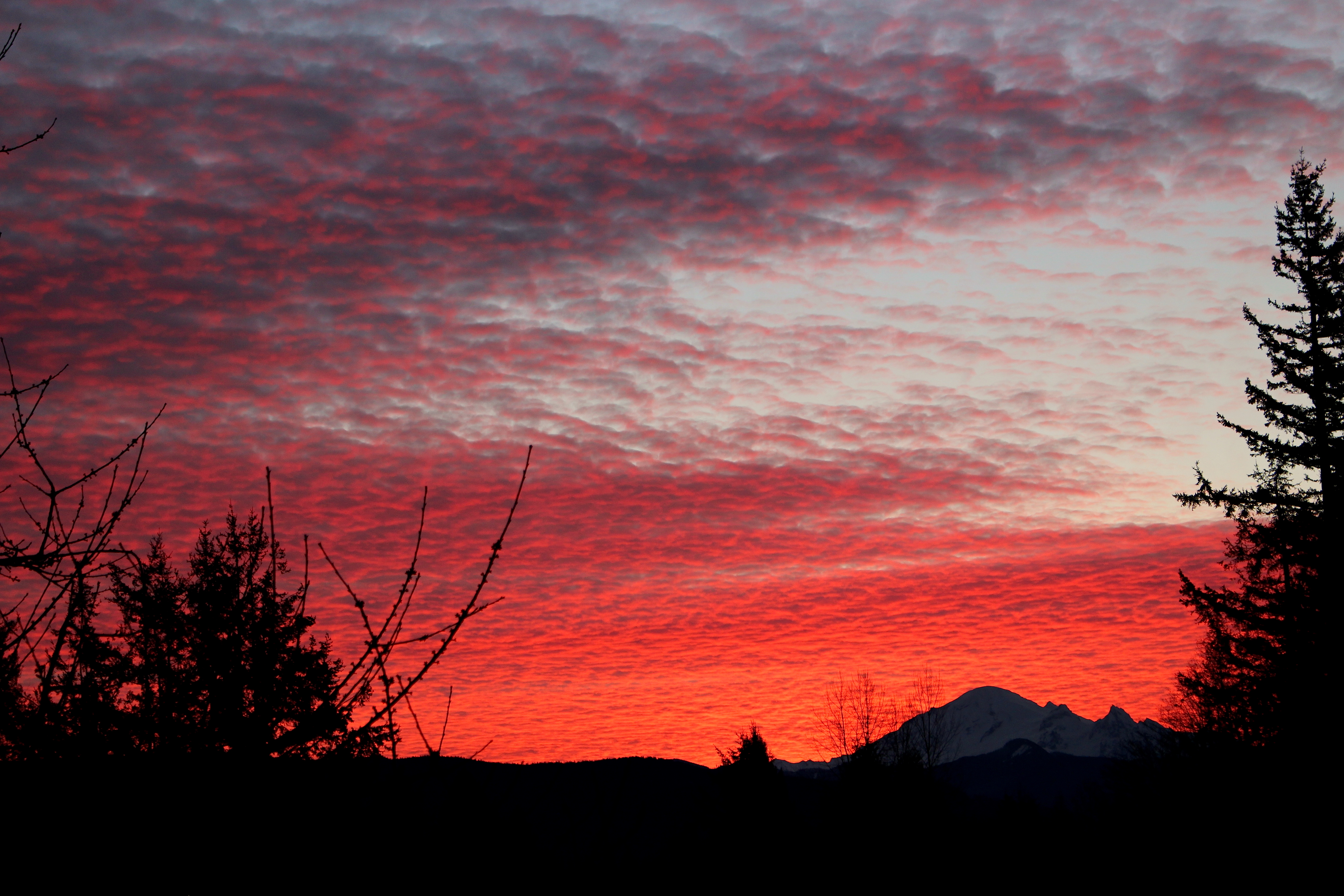
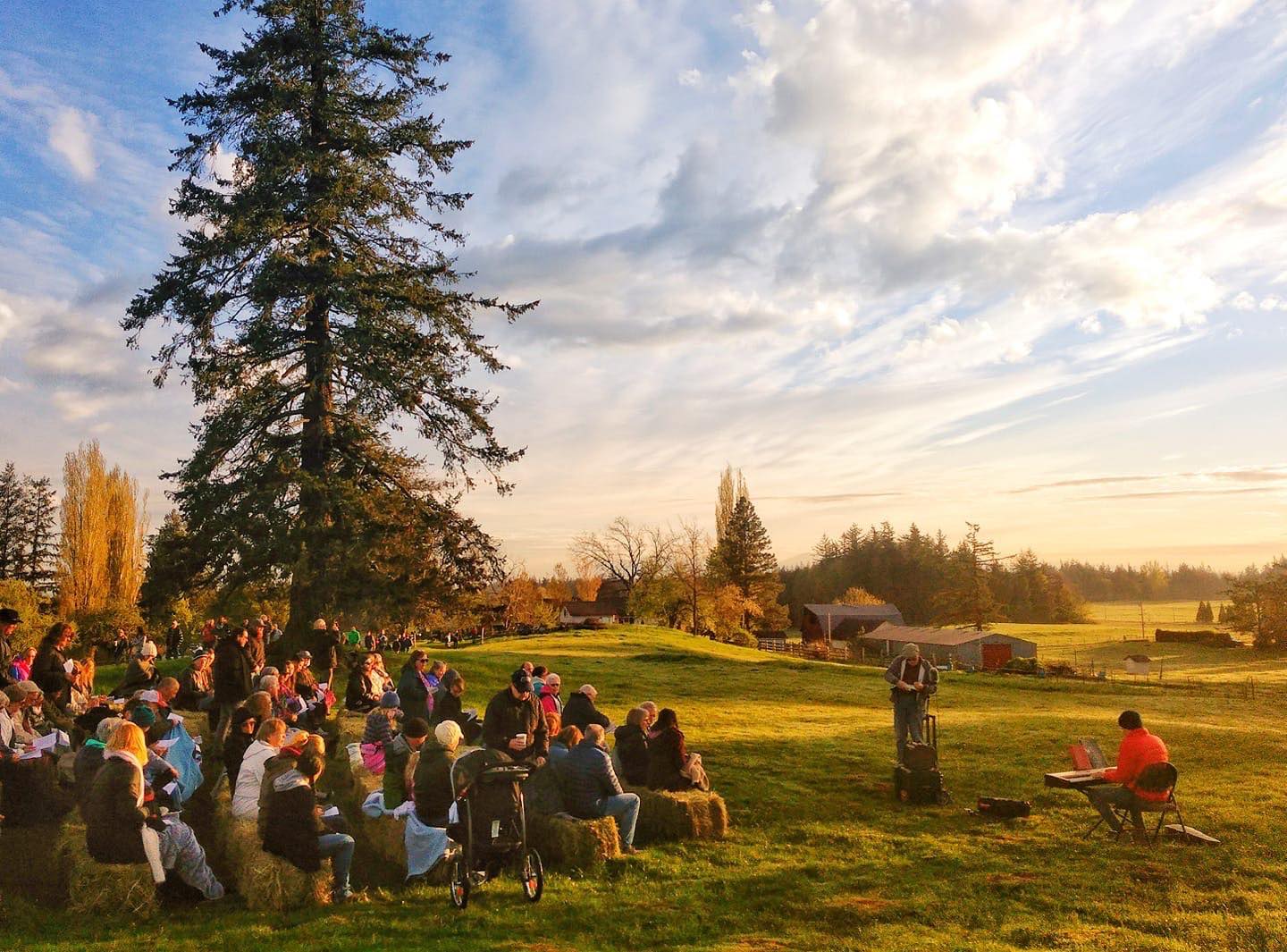
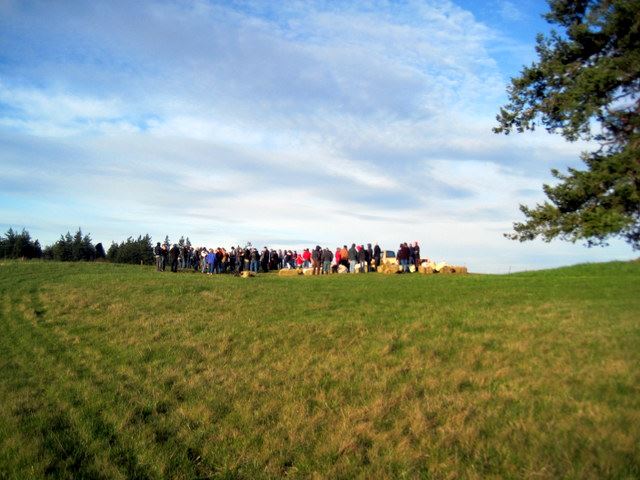
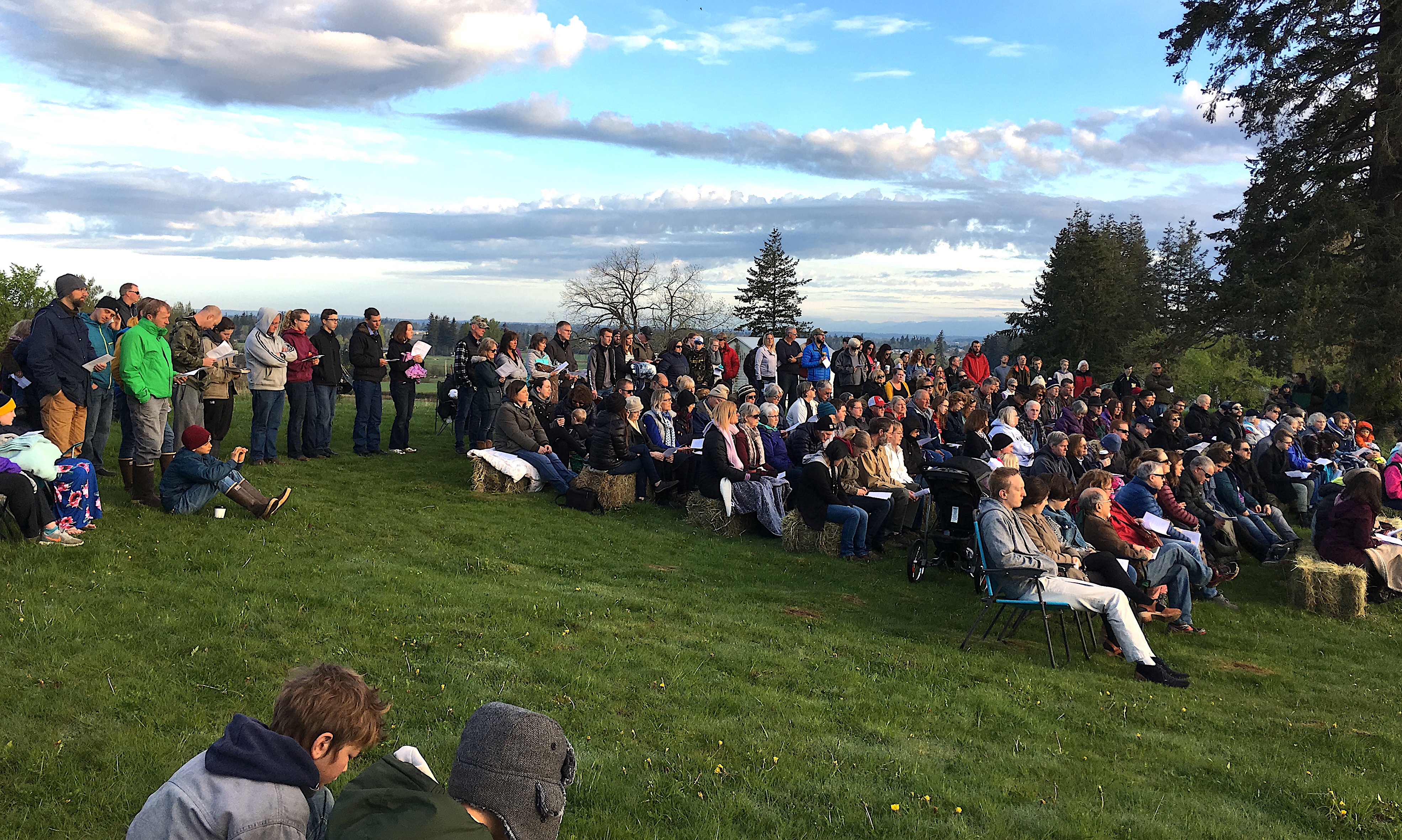
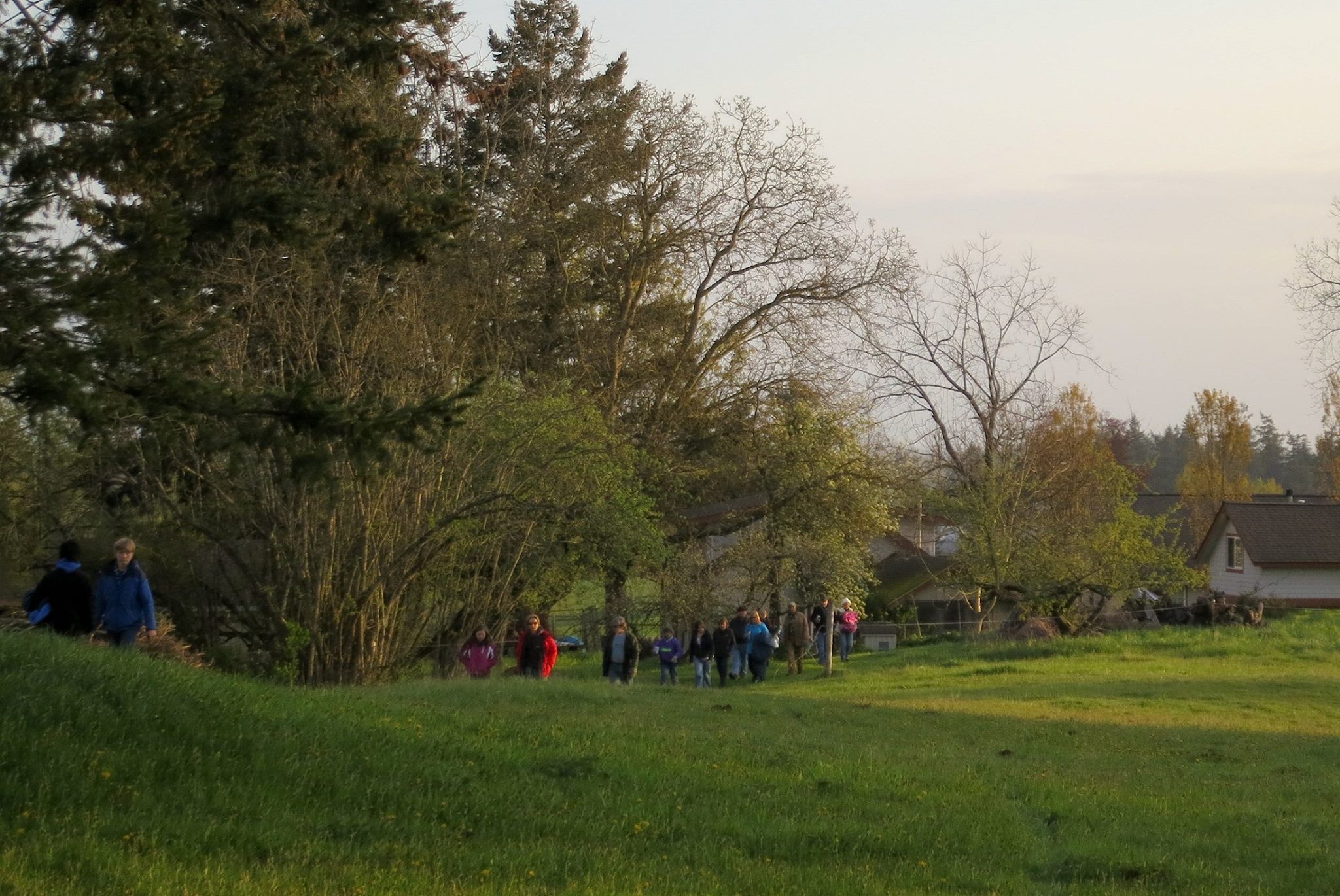
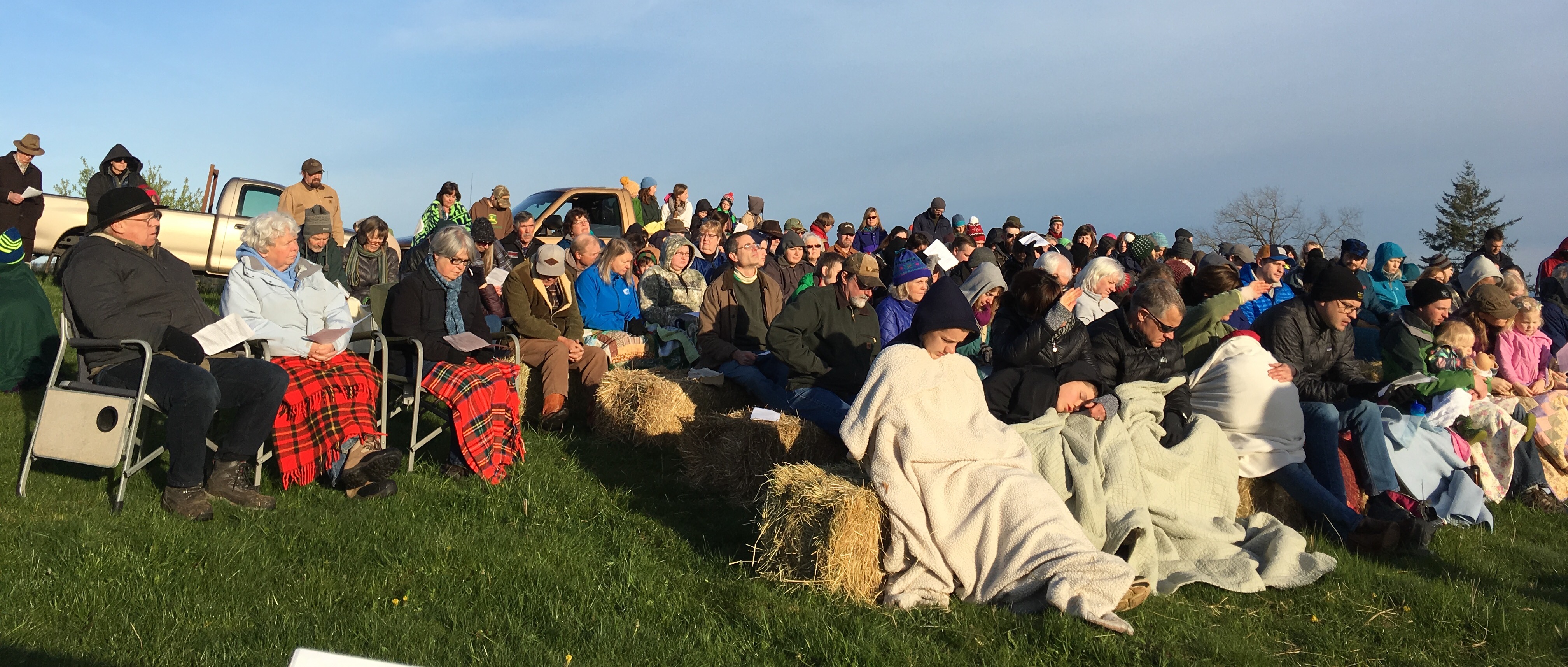
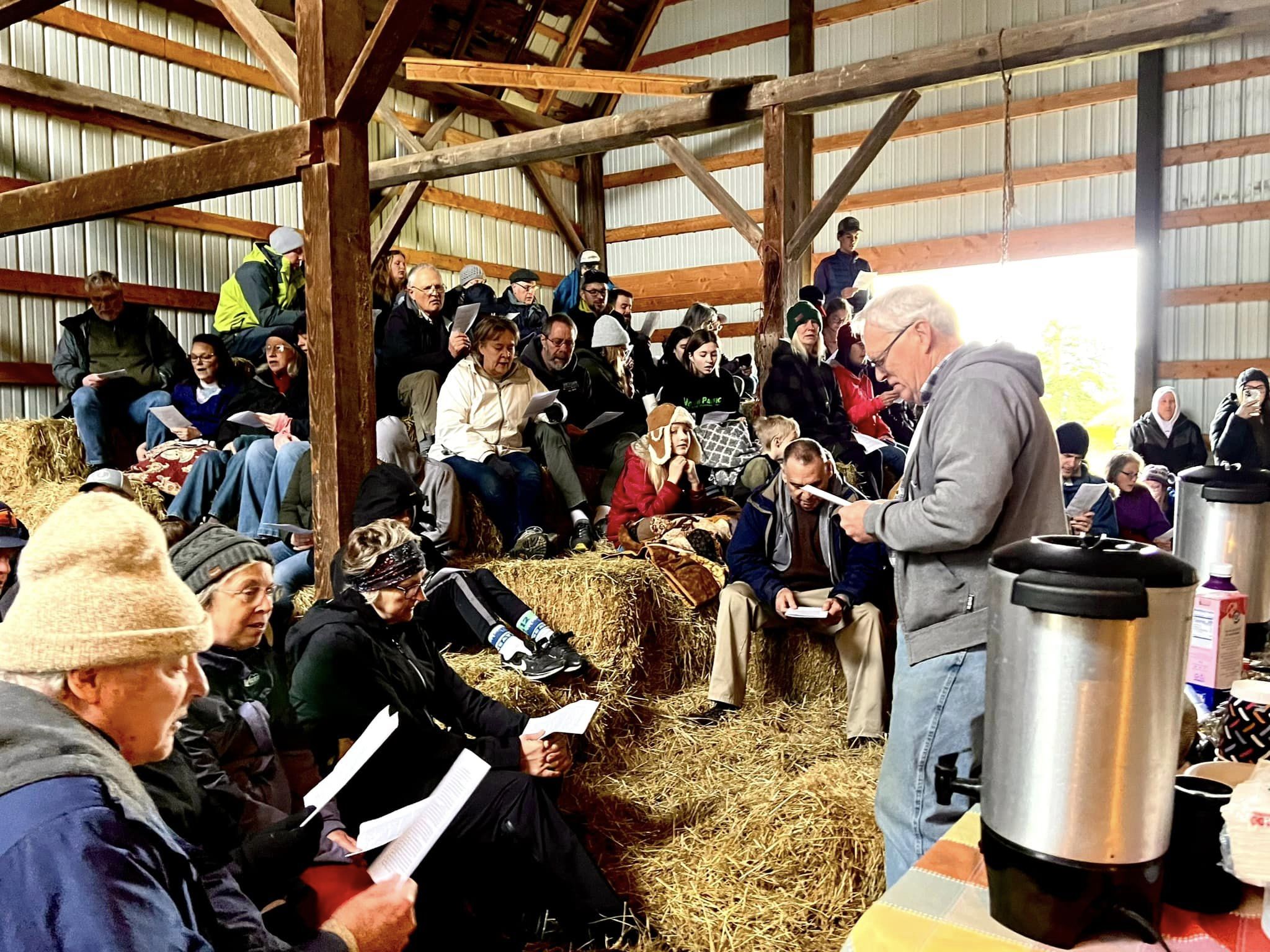
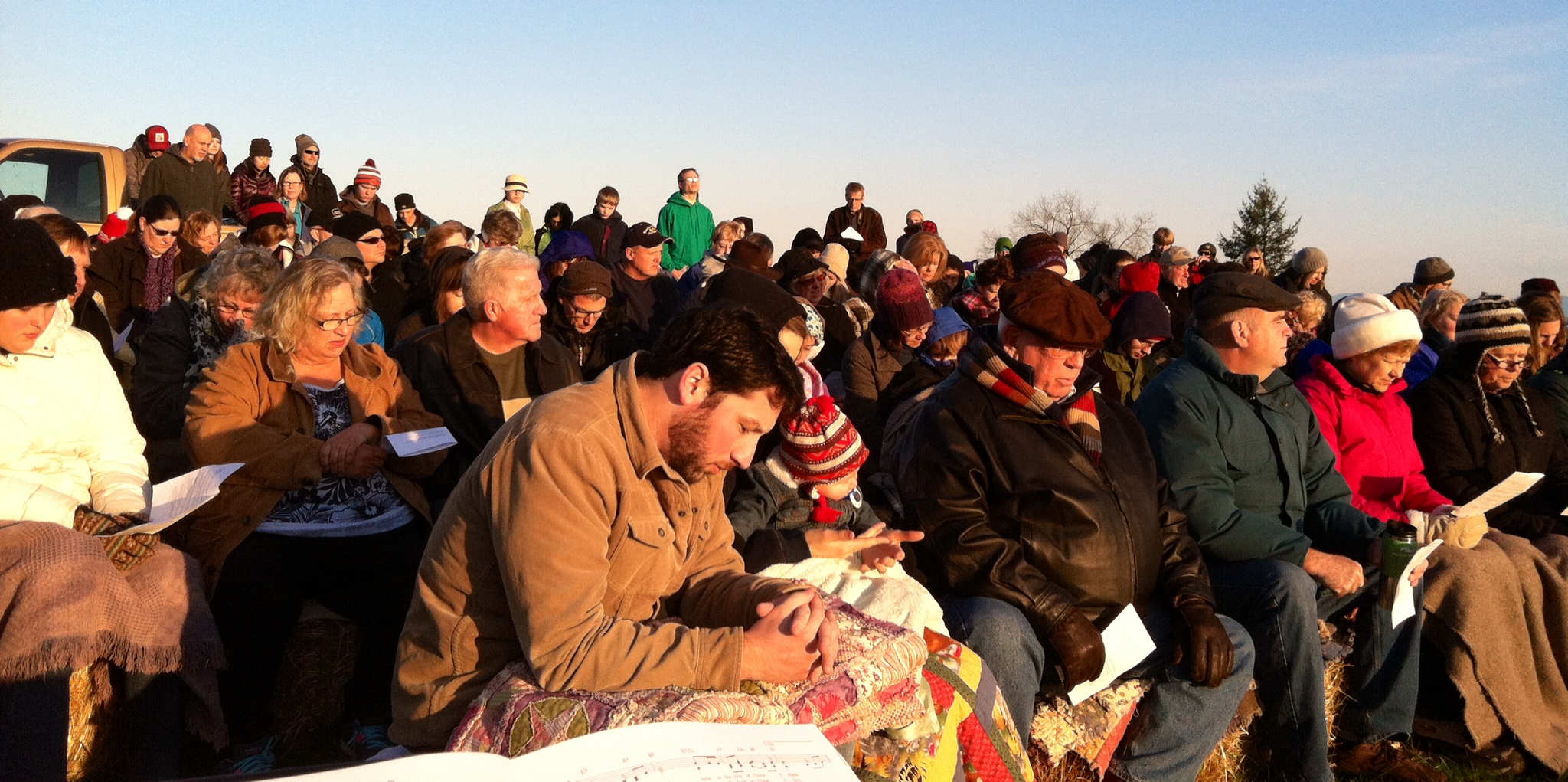
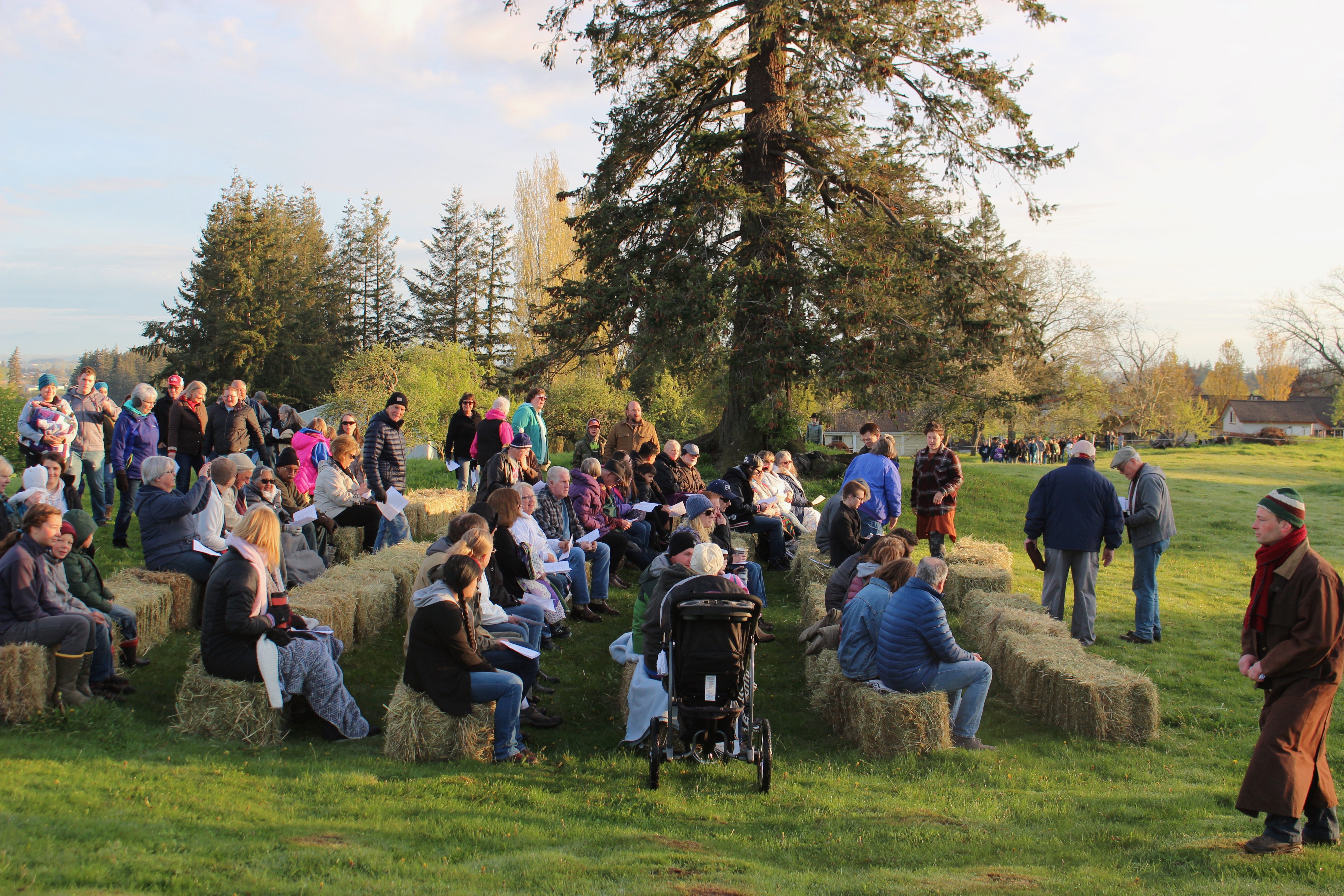
Join us on our farm in three weeks, Sunday, March 31, at 7 AM for a
traditional outdoor Easter Sunrise Service

To that Bright World We Go: Winter’s Grip

This morning’s sun is not the honey light
of summer, thick with golden dust and slow
as syrup pouring from a jug. It’s bright,
but thin and cold, and slanted steep and low
across the hillsides. Frost is blooming white,
these flowers forced by icy winds that blow
as hard this morning as they blew all night.
Too cold for rain, but far too dry for snow.


And I am restless, pacing to and fro
enduring winter’s grip that holds us tight.
But my camellias, which somehow know
what weather to expect—they’re always right—
have broken bud. Now scarlet petals glow
outside the window where I sit and write.

~Tiel Aisha Ansari “Camellias” from Dervish Lions

Near a shrine in Japan he’d swept the path
and then placed camellia blossoms there.

Or — we had no way of knowing — he’d swept the path
between fallen camellias.

~Carol Snow “Tour”

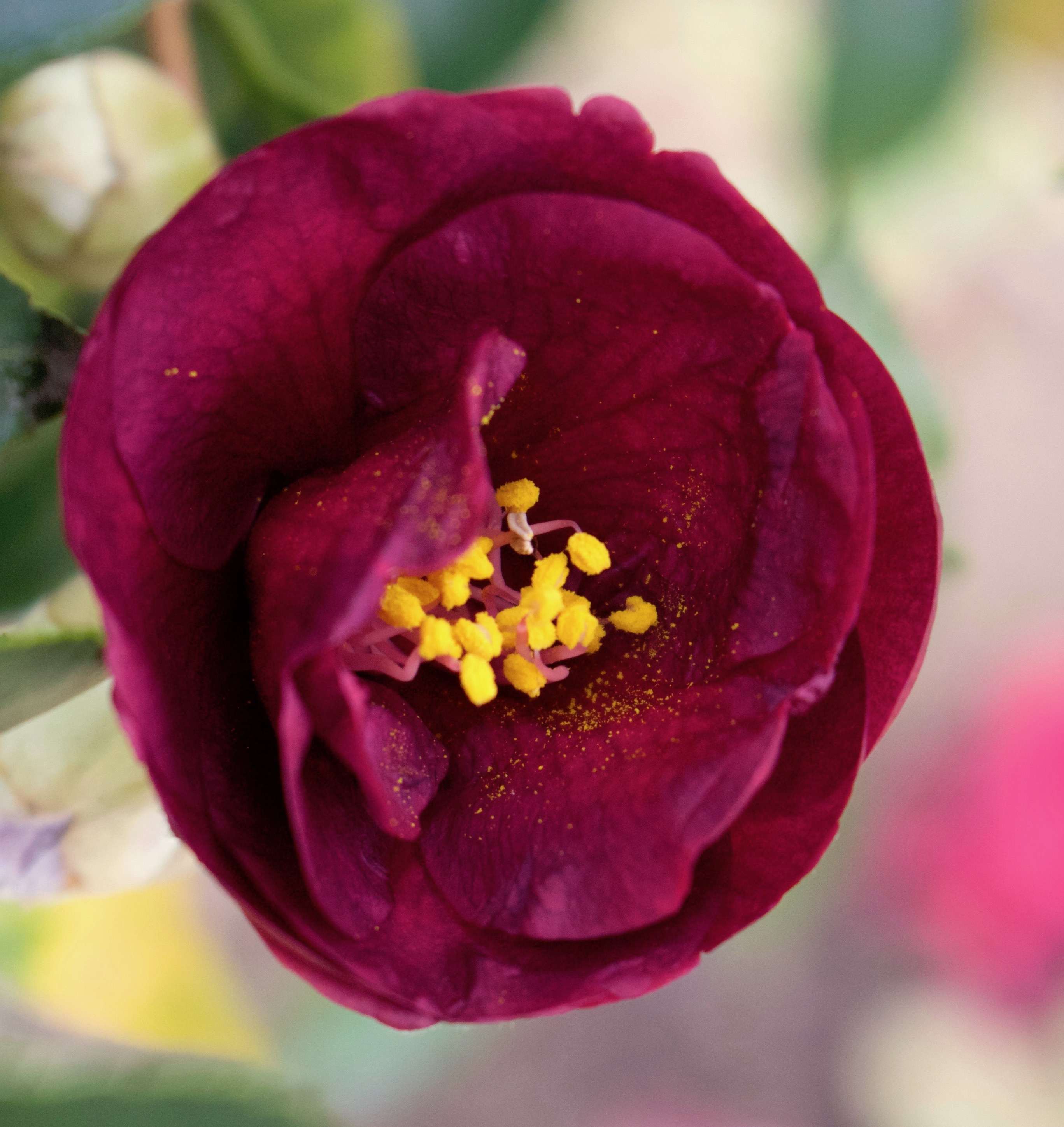
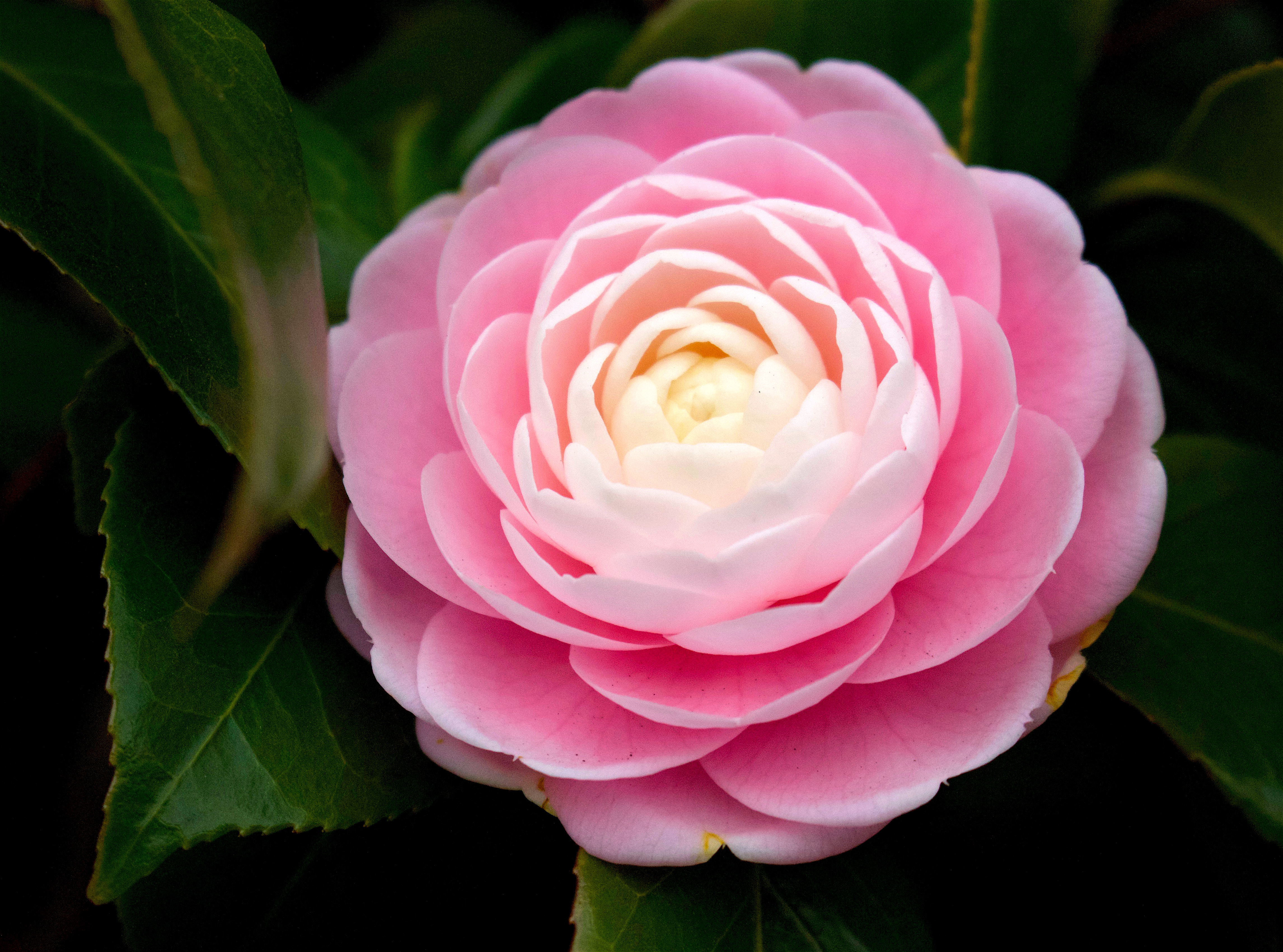
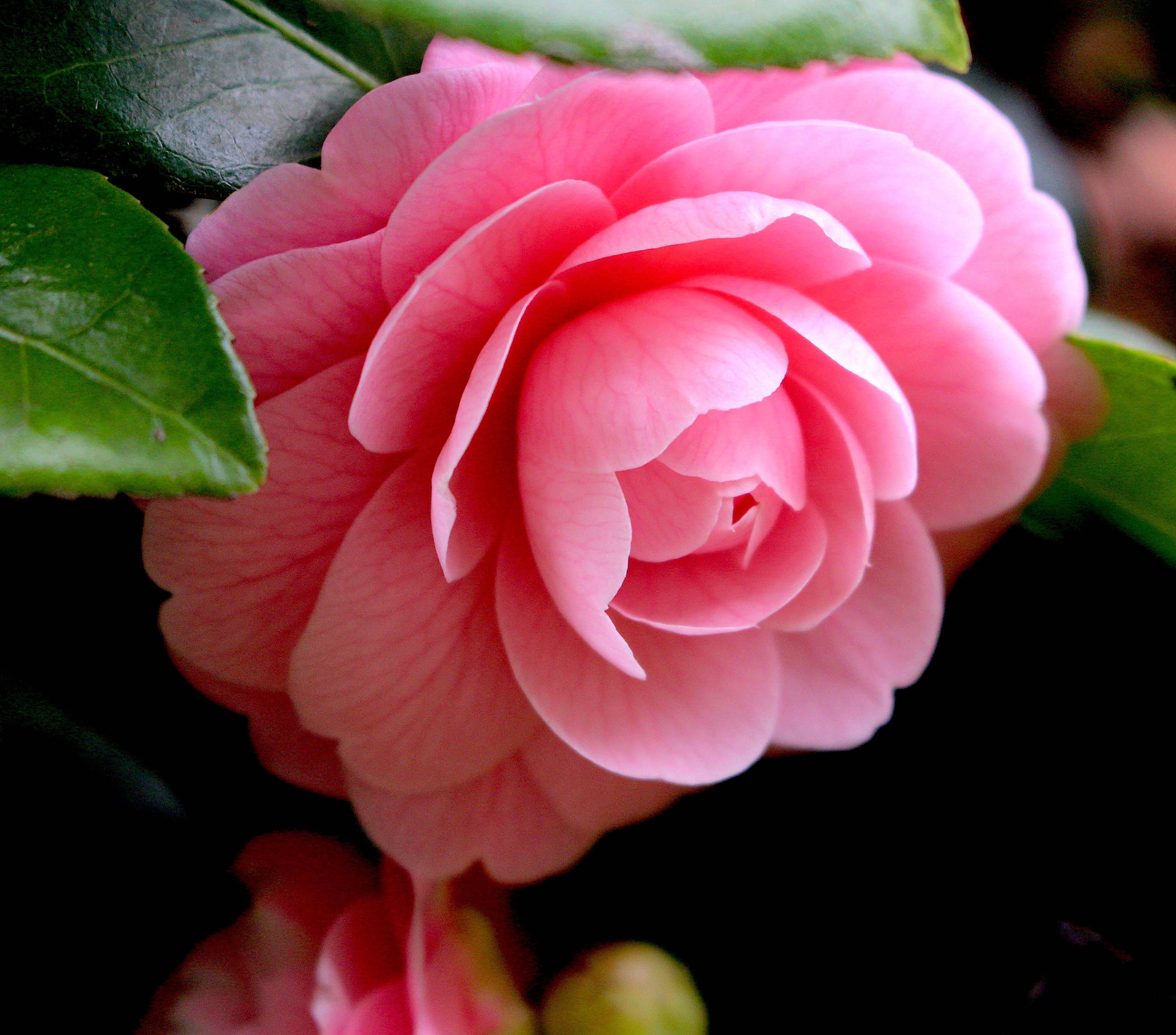
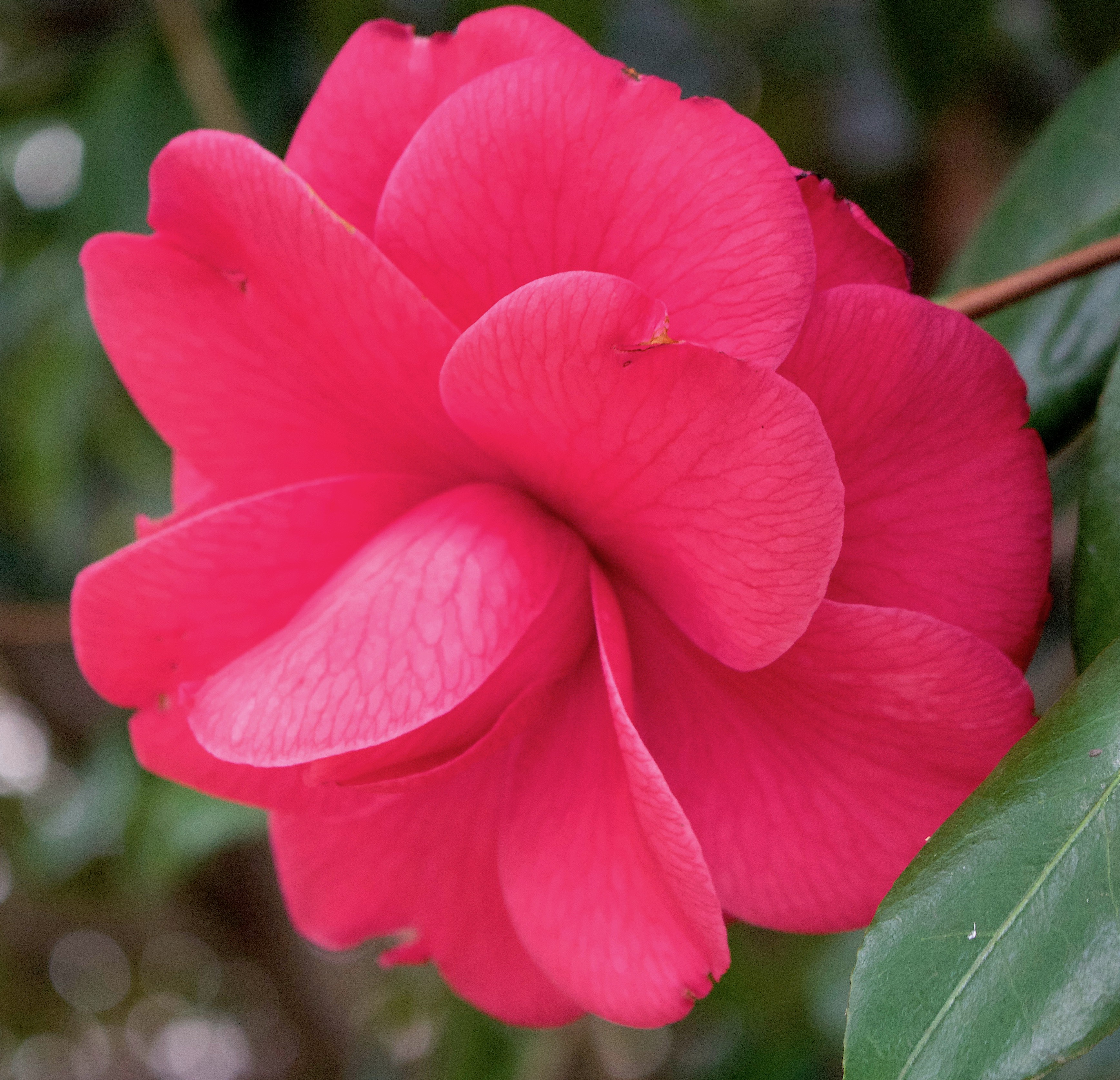
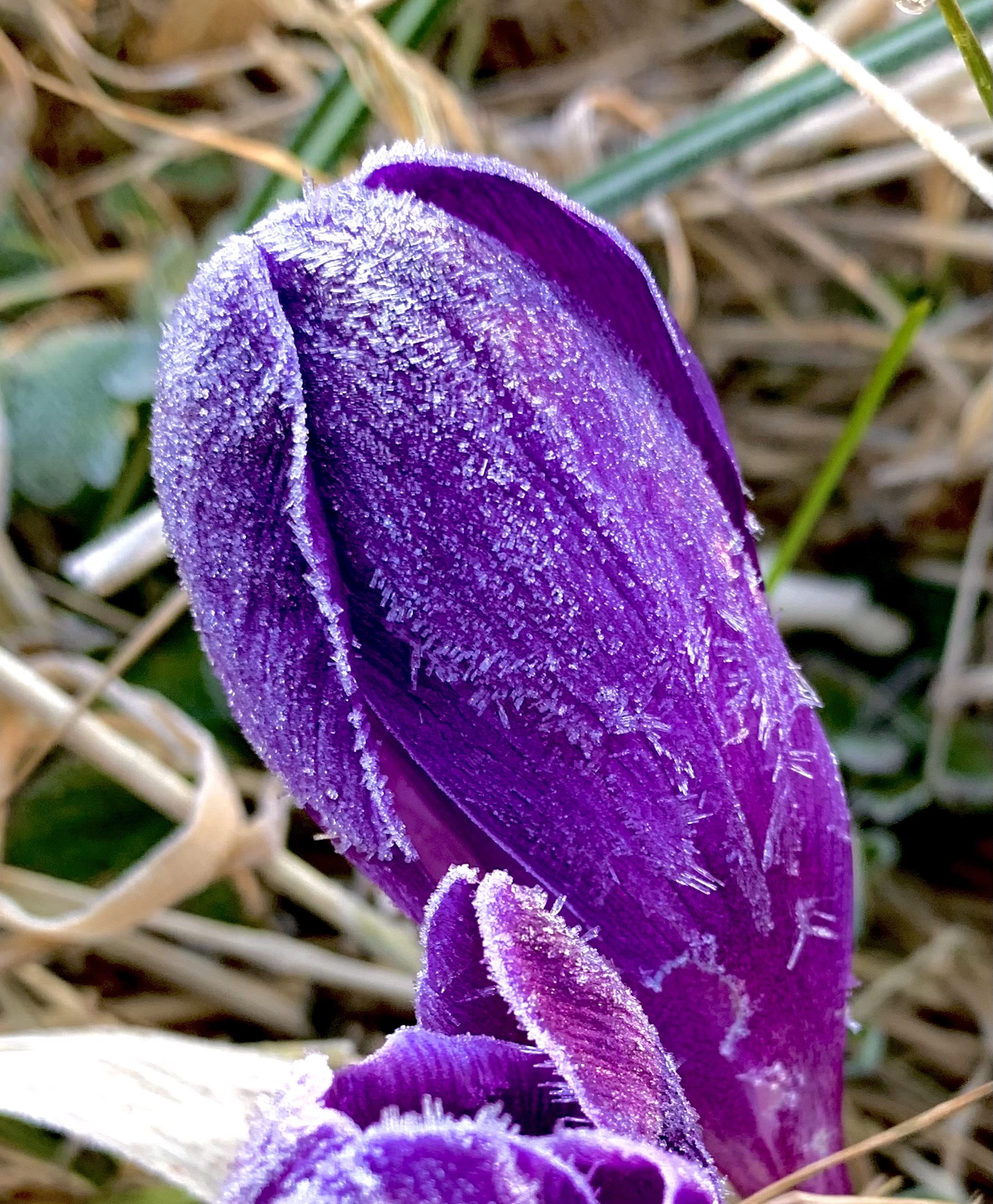
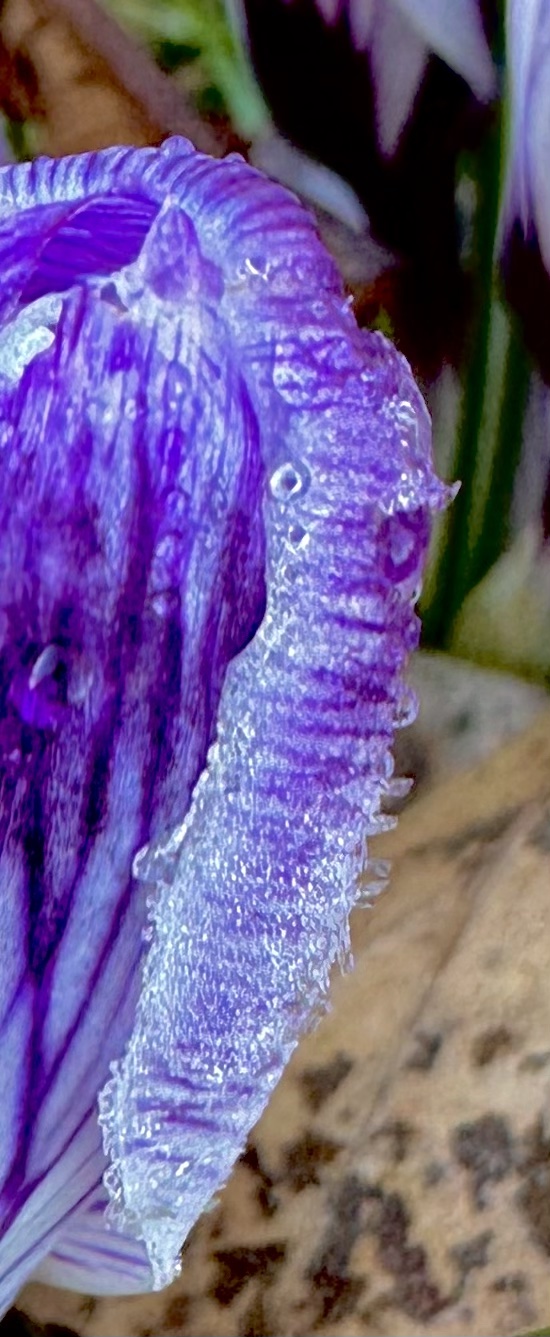
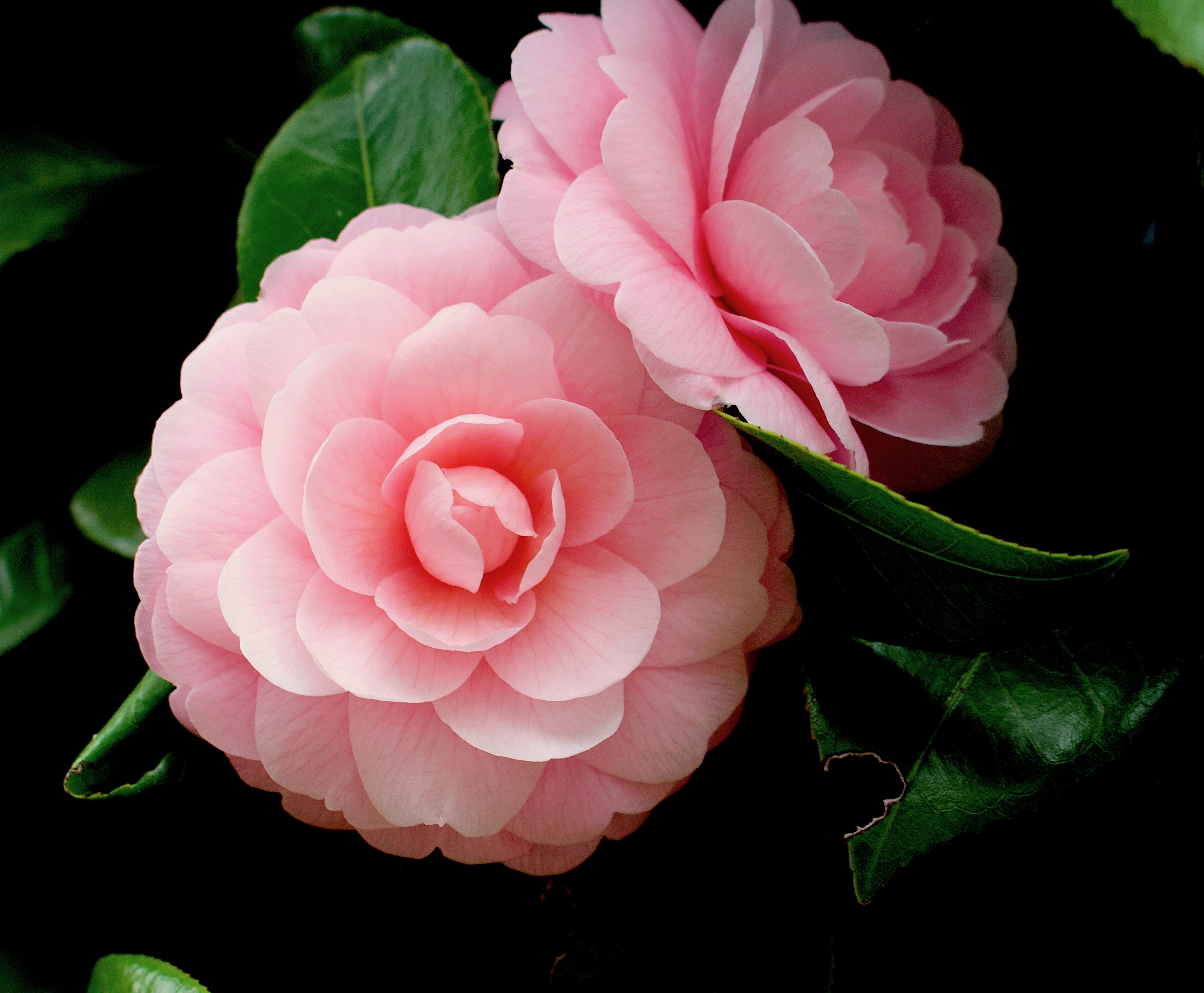
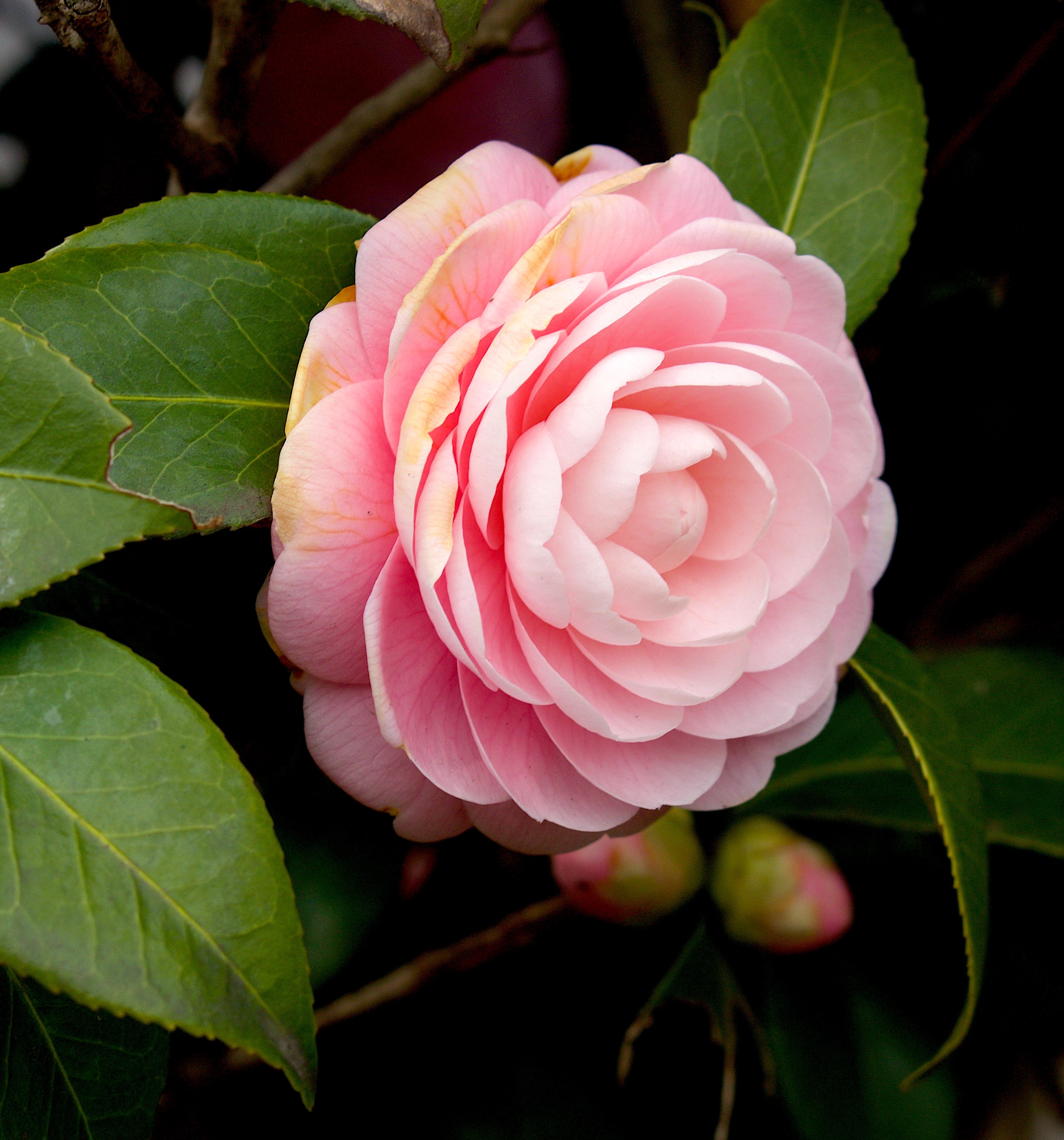
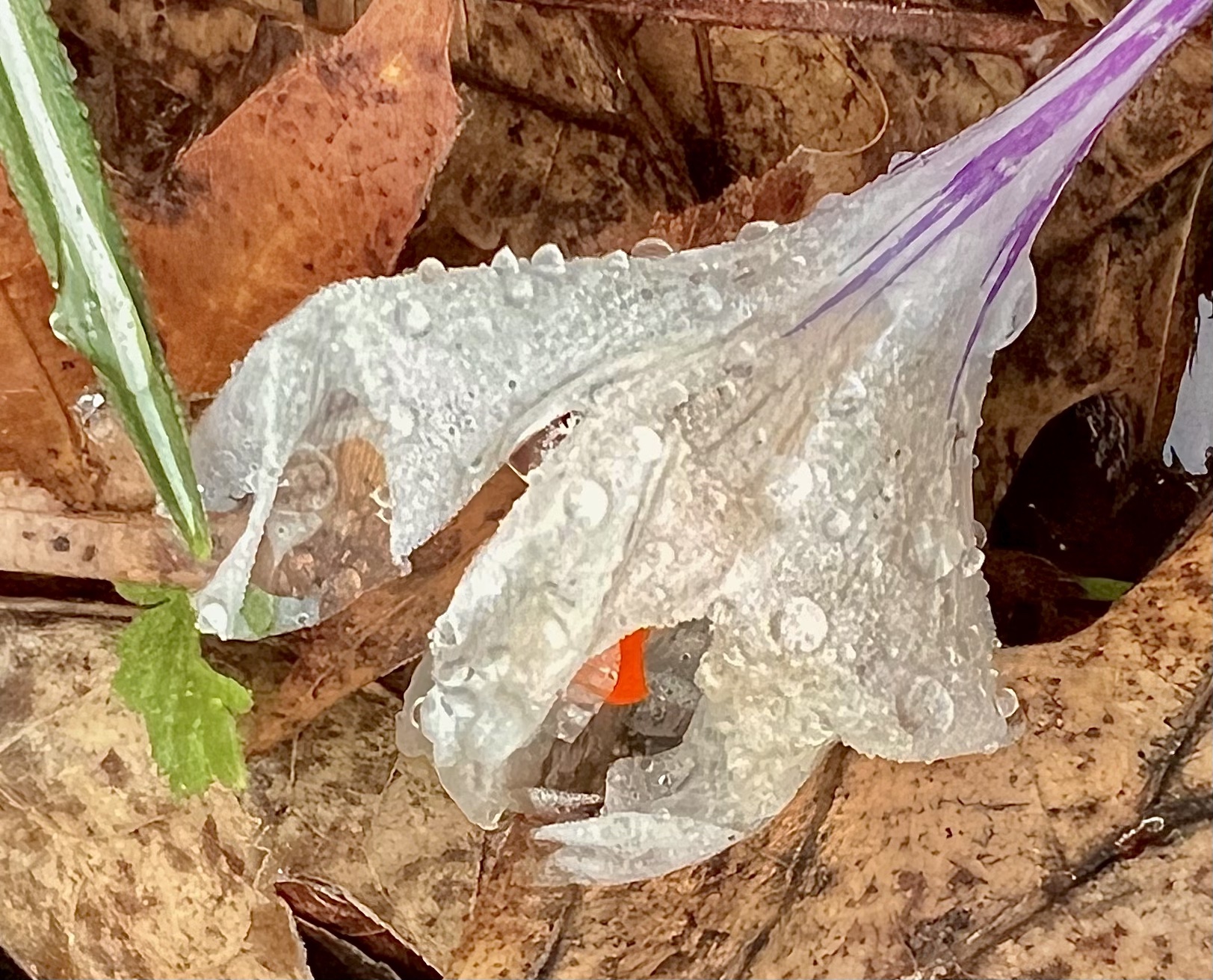
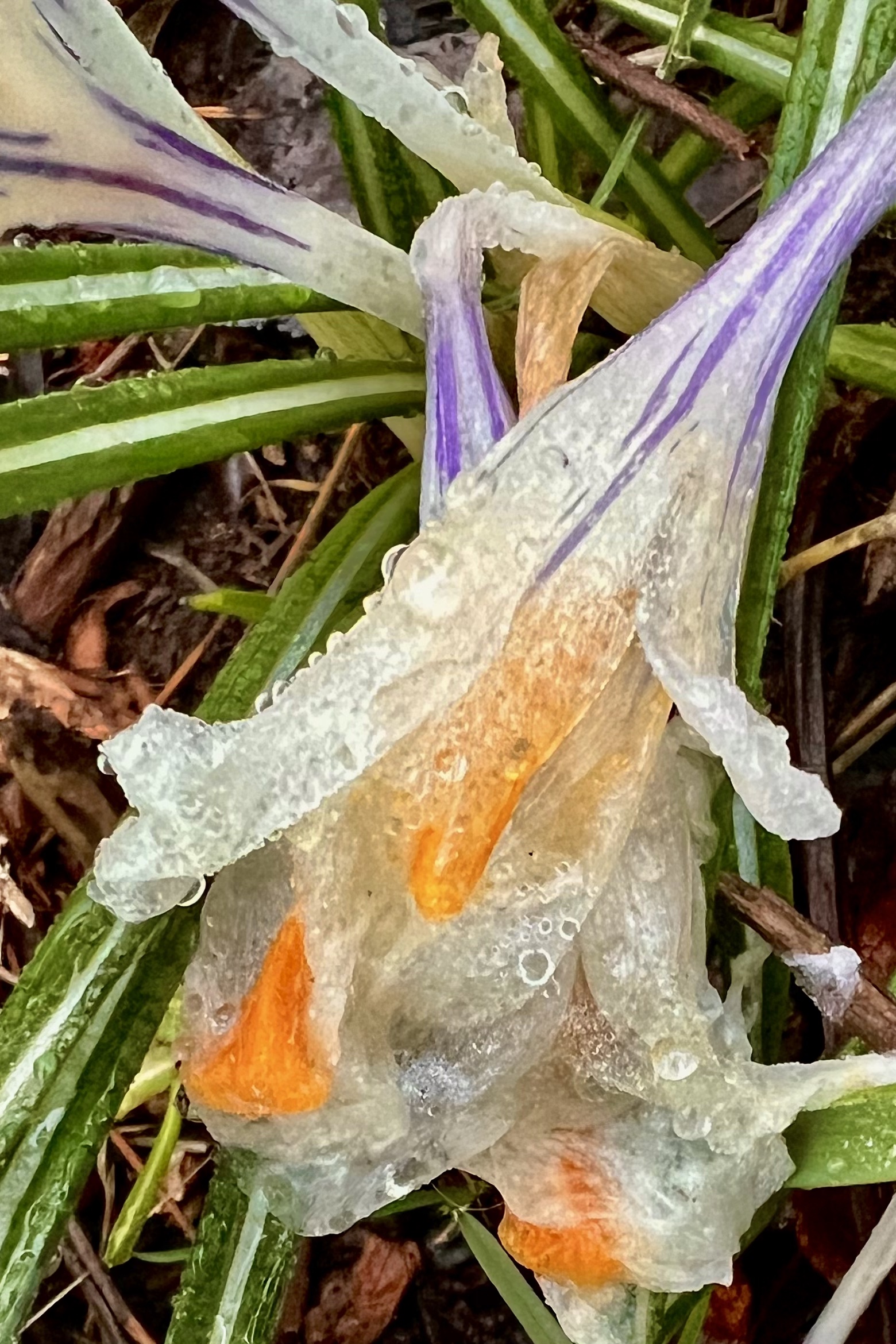
Camellia and crocus blossoms are hardy enough to withstand our current low temperatures, defying freezing winds and hard frosts with their resilience.

Inevitably, their petals eventually will begin to brown at the edges and wither.

On windy days, the full camellia blooms plop to the ground without warning, scattering about like a nubby floral throw rug. They are too bulky to step on, so the tendency is to pick a path around them, allowing them the dignity of a few more days before being swept off the sidewalks.

These fallen winter blossoms become almost sacred, gracing the paths the living still must navigate. They are indeed grounding for the passersby, a reminder that our time to let go will soon come too. As we restlessly pursue our days and measure our steps, we try to carefully make our way around their fading beauty.

As a reminder to us, there is an unexpected blessing bestowed
in their budding,
in their blooming,
in their ebbing away.

Mortals, born of woman,
    are of few days and full of trouble.
They spring up like flowers and wither away;
    like fleeting shadows, they do not endure.
Do you fix your eye on them?
Job 14: 1-3

The grass withers and the flowers fall,
    because the breath of the Lord blows on them.
    Surely the people are grass.
The grass withers and the flowers fall,
    but the word of our God endures forever.
Isaiah 40:7-8

This Lenten season I reflect on the words of the 19th century southern spiritual hymn “What Wondrous Love is This”

One-Time
Monthly
Yearly

Make a one-time or recurring donation to support daily Barnstorming posts

Make a monthly donation

Make a yearly donation
Choose an amount

$10.00
$25.00
$50.00
$5.00
$15.00
$100.00
$5.00
$15.00
$100.00

Or enter a custom amount

$

Your contribution is deeply appreciated.
Your contribution is appreciated.

Your contribution is appreciated.

DonateDonate monthlyDonate yearly