…yea, thou art now Thy Maker’s maker, and thy Father’s mother, Thou hast light in dark, and shutt’st in little room Immensity, cloister’d in thy dear womb. ~John Donne from “Annunciation”
Christ, whose glory fills the skies, Christ, the true, the only Light, Sun of Righteousness, arise, Triumph o’er the shades of night; Dayspring from on high, be near; Day-star, in my heart appear.
Dark and cheerless is the morn Unaccompanied by Thee; Joyless is the day’s return Till Thy mercy’s beams I see; Till they inward light impart, Glad my eyes, and warm my heart.
Visit then this soul of mine, Pierce the gloom of sin and grief; Fill me, Radiancy divine, Scatter all my unbelief; More and more Thyself display, Shining to the perfect day. ~Charles Wesley “Christ, whose glory fills the skies”
It seems impossible that God could be contained within a womb. The Creator, who made the heavens, went inward into His vast universe of atoms and sub-atomic particles. He hosted tiny cellular nuclei within His body, instead of the heaven-flung massive nebulae in distant galaxies.
And He chose to do this. Out of His love and goodness, He became Light in the darkest space of the human body, to be birthed to illuminate a world bent on destruction.
From radiance to ribosomes, from cosmos to cytoplasm, from galaxies to Golgi apparatus, from moons to mitochondria, from utter darkness to “let there be light.”
And there is Light. God is there, coming from above and coming from within.
Advent 2023 theme …because of the tender mercy of our God, whereby the sunrise shall visit us from on high to give light to those who sit in darkness and in the shadow of death, to guide our feet into the way of peace. Luke 1: 78-79 from Zechariah’s Song
One-Time
Monthly
Yearly
Make a one-time or recurring donation to support daily ad-free Barnstorming posts
Advent 2023 theme …because of the tender mercy of our God, whereby the sunrise shall visit us from on high to give light to those who sit in darkness and in the shadow of death, to guide our feet into the way of peace. Luke 1: 78-79 from Zechariah’s Song
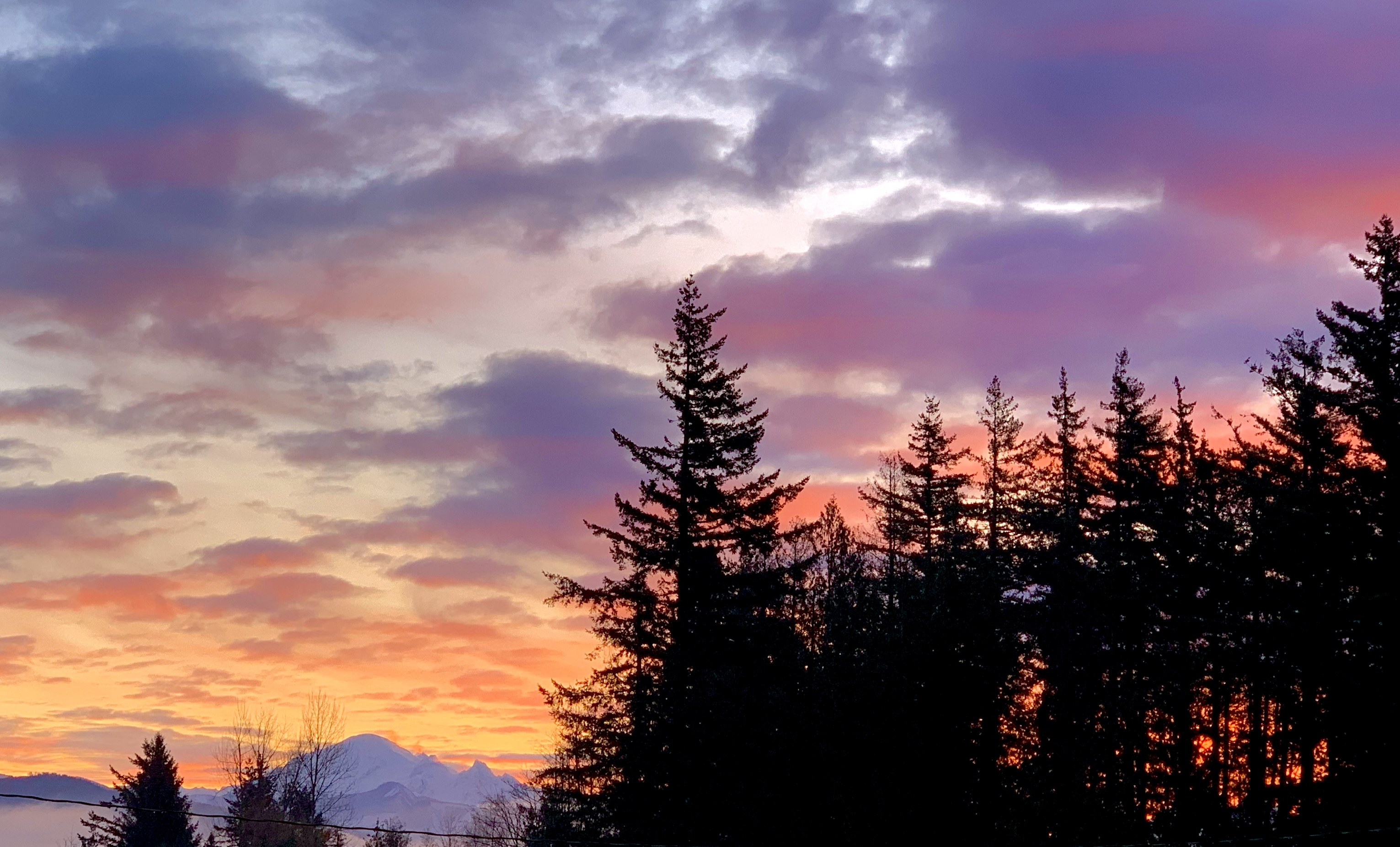
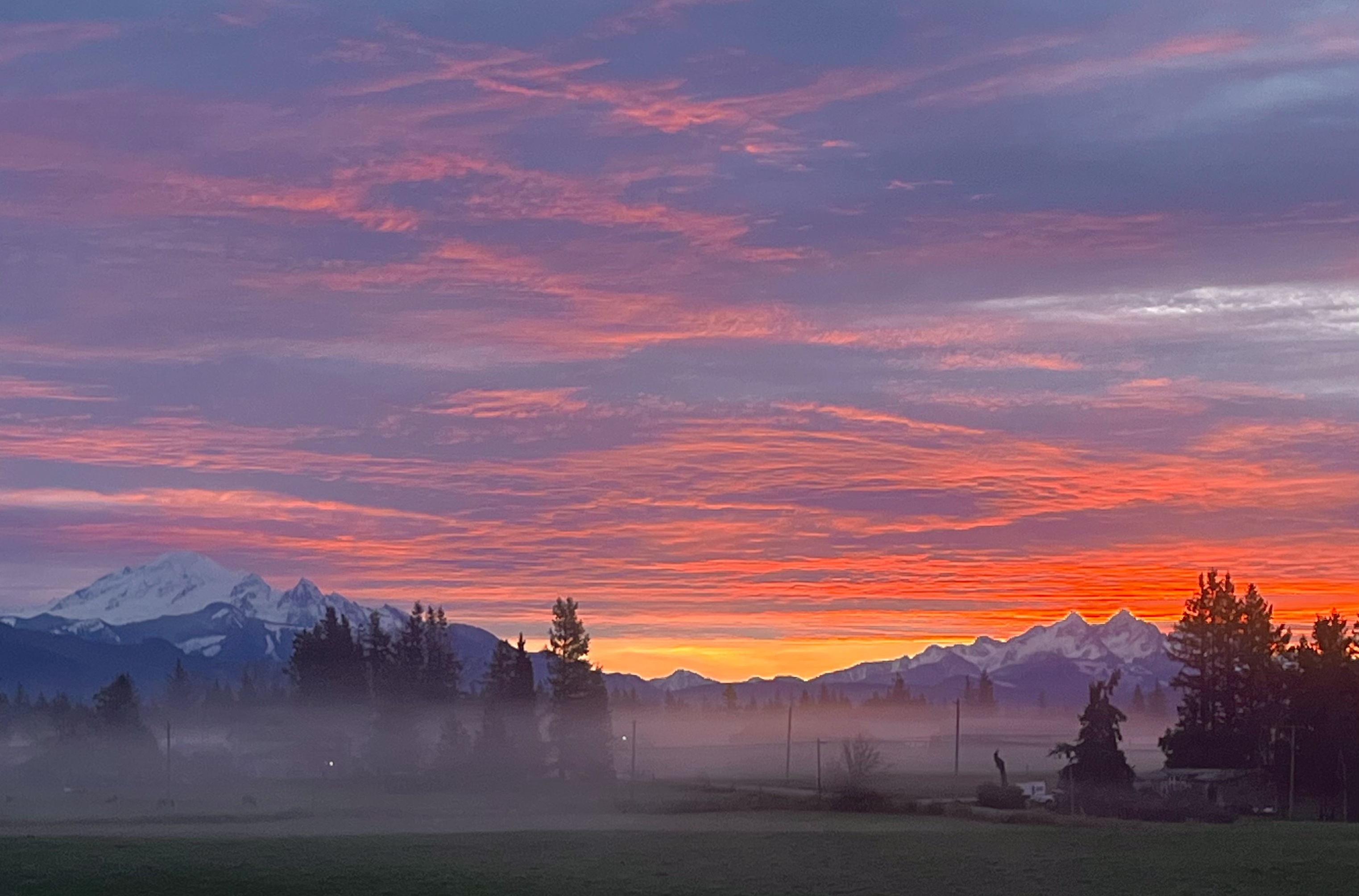
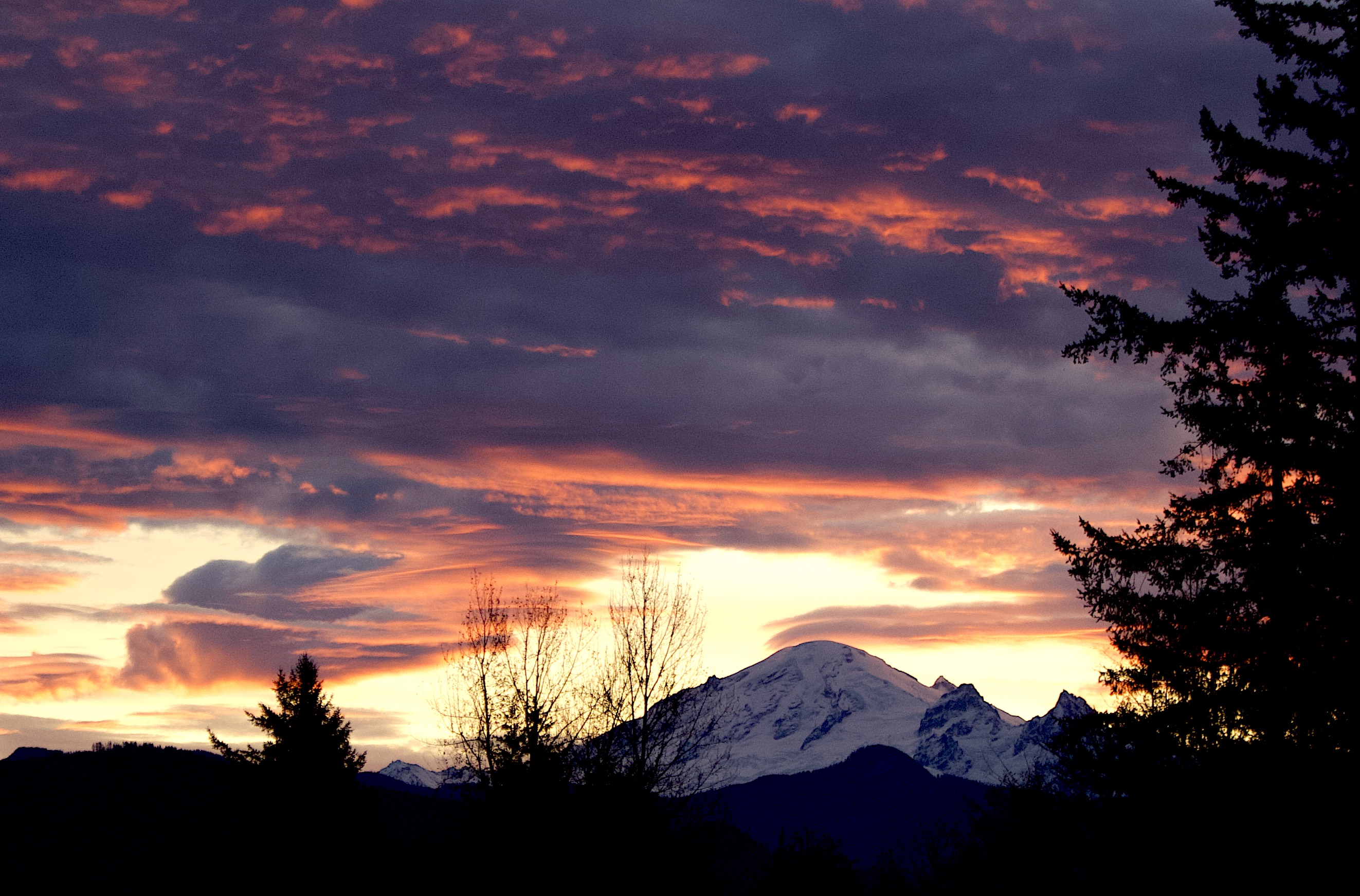
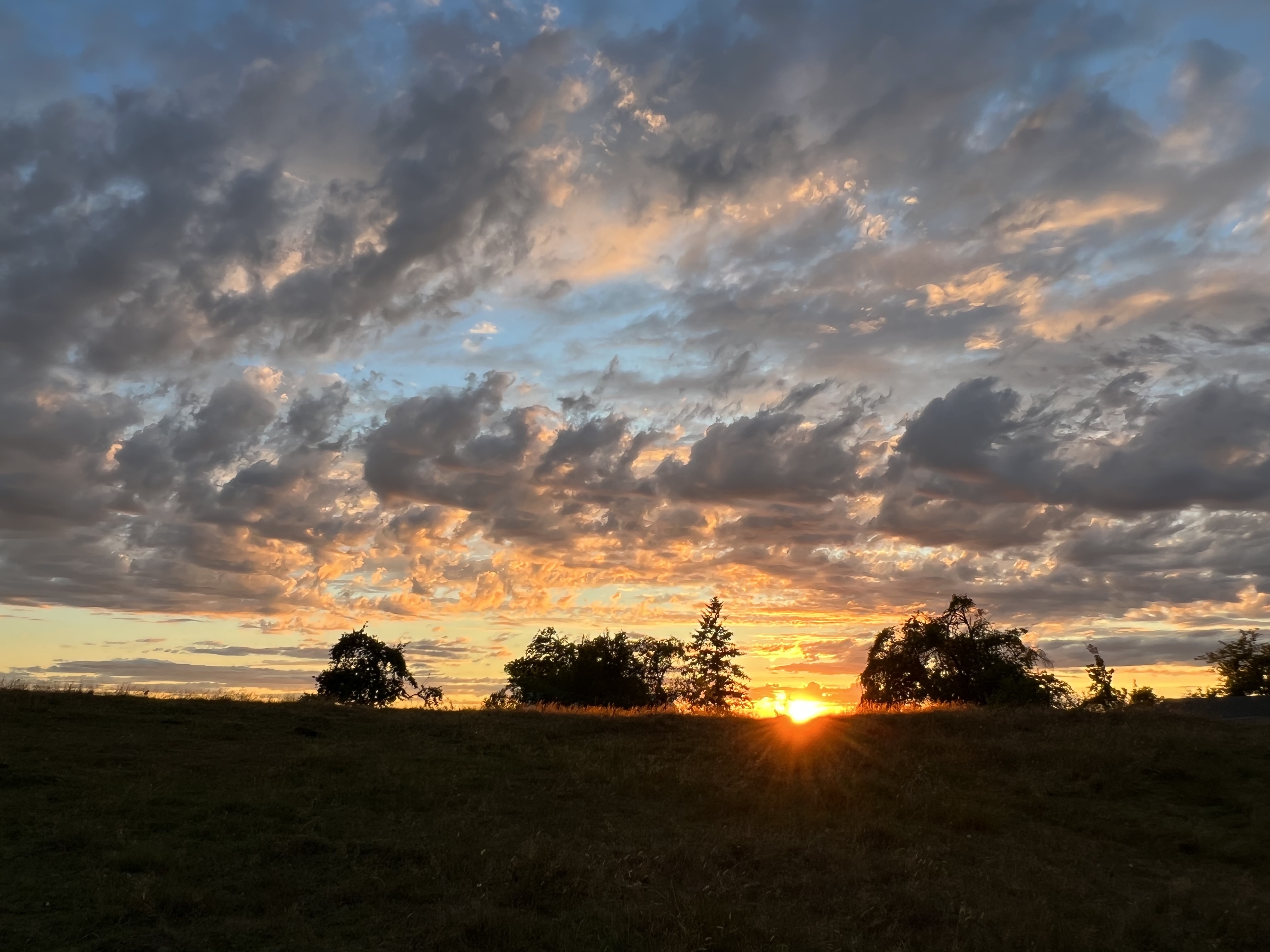
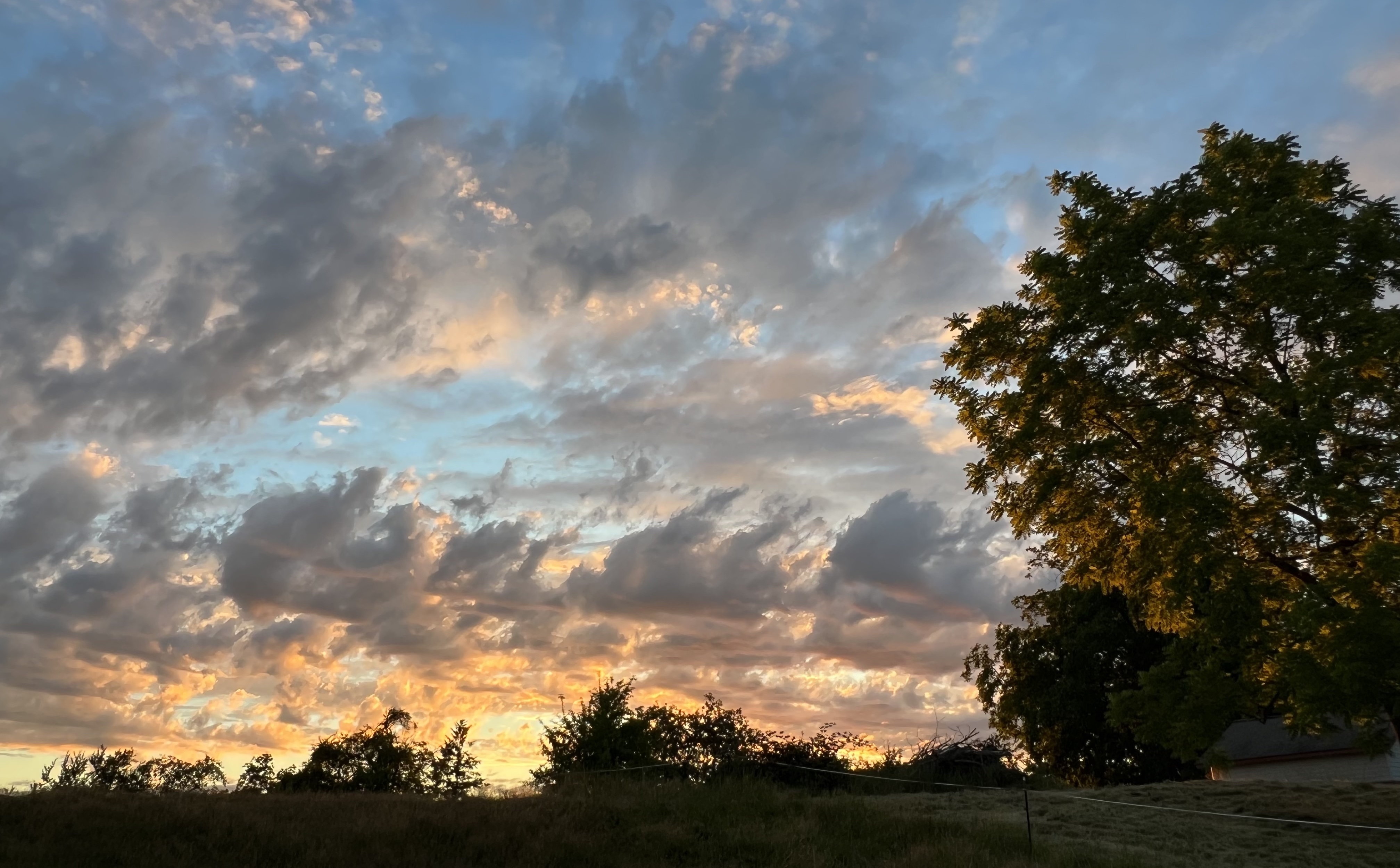
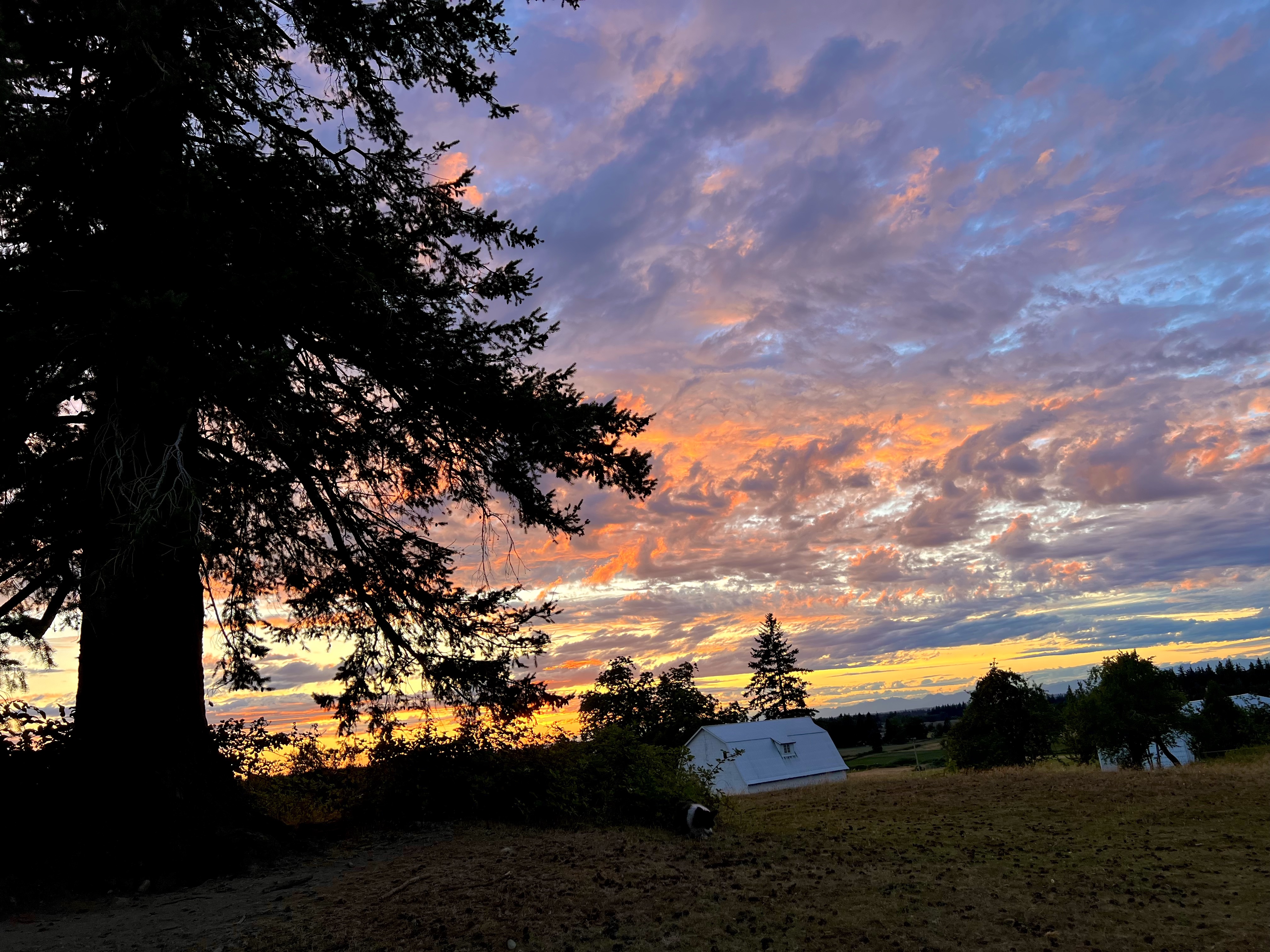
November sun, rare this year, knocking at the edges of the earth, sending up flares — pink, yellow, that soft peach tone peculiar to pre-winter,
and my dawn-clear eyes drew to the window and beyond and then I wasn’t really there in the kitchen, not quite,
like some long bony hand reached in and through glass, pulled me through and I slipped from carpet to deck without shattering,
or maybe I did stumble to the door and unlock, and step down, and feel the leaf-lined decking against my calloused soles.
No matter how, I got there, was there, right there with a grace that is the invitation to stop.
And stare.
And occupy a moment, allow my edges to soften and begin to expand and take up space so there is only moment, not me or sunrise or window or cold,
and that was my detangling, my daily decision to keep tender hold to this life as if it were orphan and I, some great full breast, was made to receive this tiny bawling thing
delivered new each break of morning,
and shape it with my hands, and be all things nourishing, and love it well, as it was made, before releasing it to its own destined wind. ~Melinda Coppola“It was the morning sky”
Each morning I wake before sunrise, urged forth from my warm bed as if called to soothe a hungry crying child.
Instead, it is I who is empty, humbled to insignificance to witness sky spilling abundant colors.
In response, I pour out everything I have, to feed and fill each new emerging dawn, through wondering words of grateful praise.
One-Time
Monthly
Yearly
Make a one-time or recurring donation to support daily Barnstorming posts
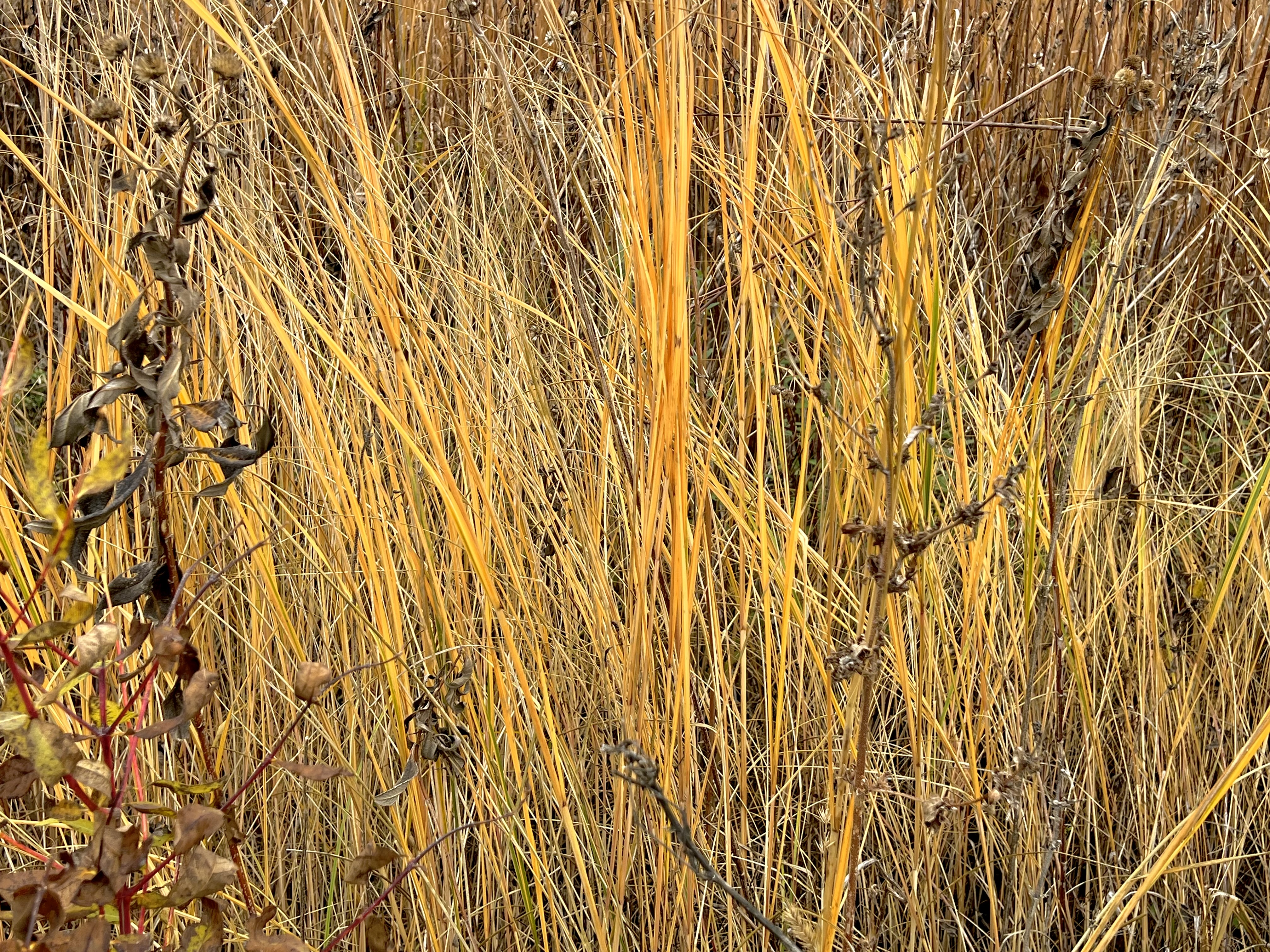
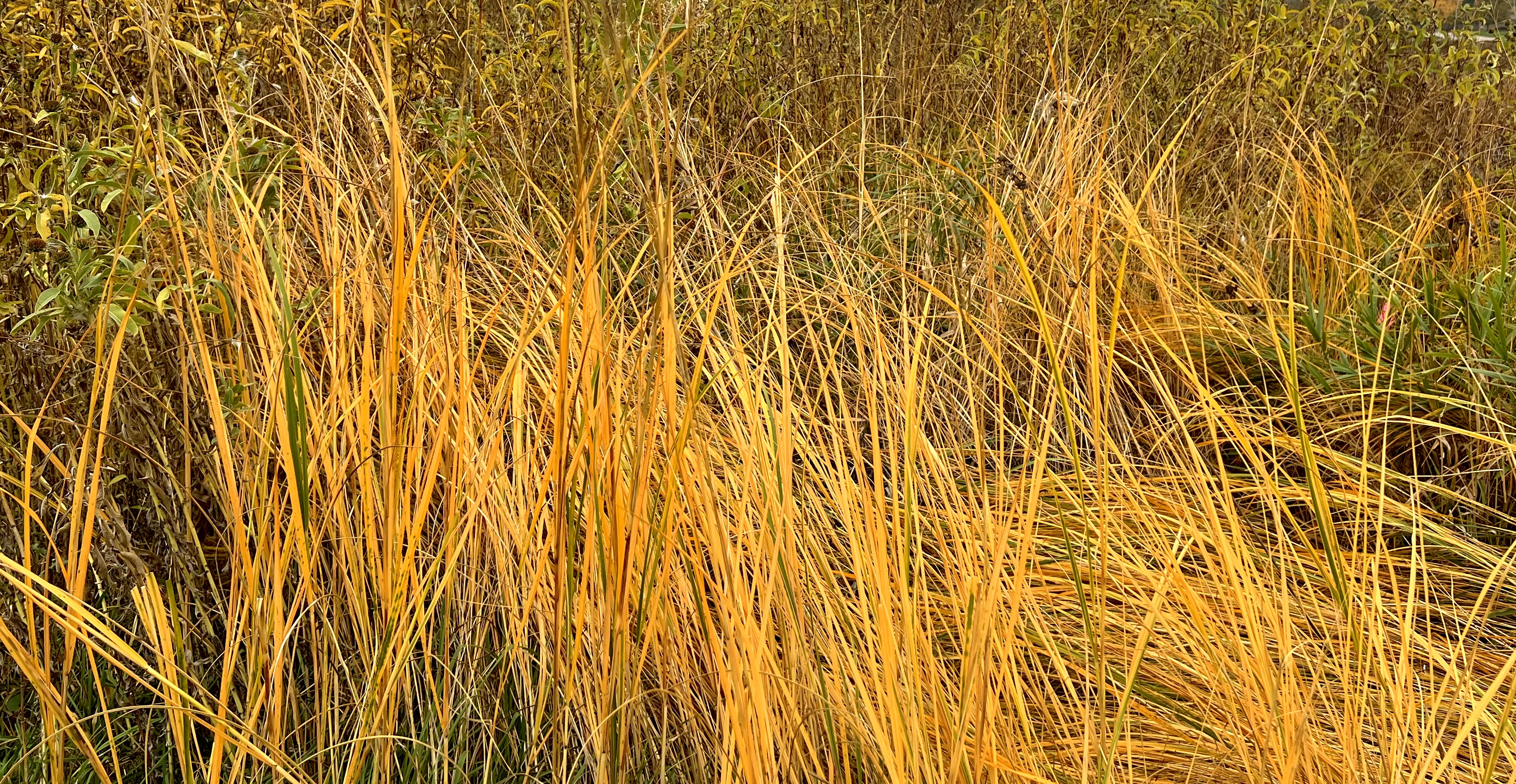
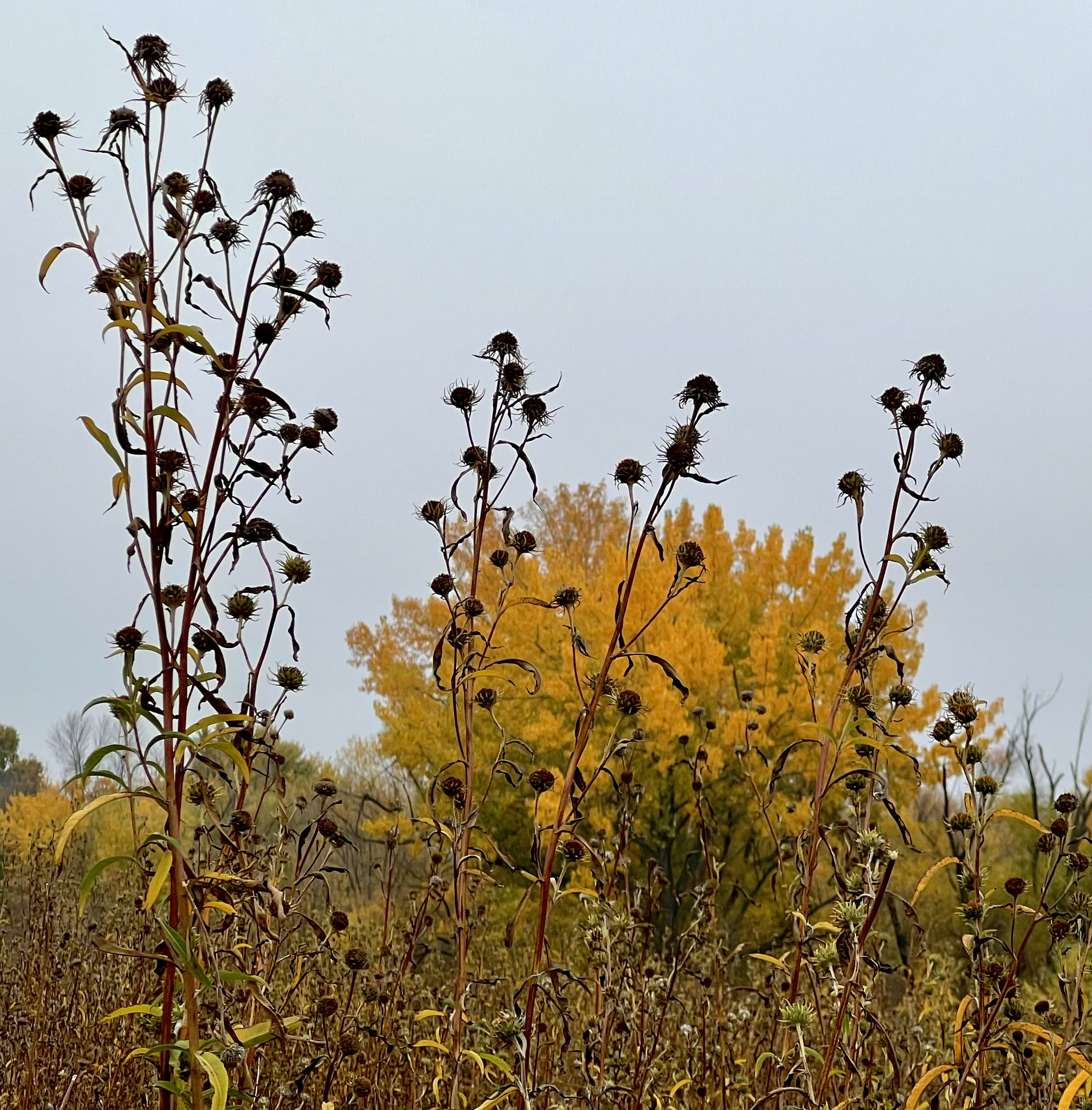
Once again, the field rehearses how to die. Some of the grass turns golden first. Some simply fades into brown. Just this morning, I, too, lay in corpse pose, practicing how to let myself be totally held by the earth without striving, how to meet the day without rushing off to do the next necessary or beautiful thing. Soon, the grass will bend or break, molder or disintegrate. Every year, the same lesson in how to join the darkness, how to be unmade, how quietly we might lean into the uncertainty, how generous the ground. ~Rosemerry Wahtola Trommer “Shavasana”
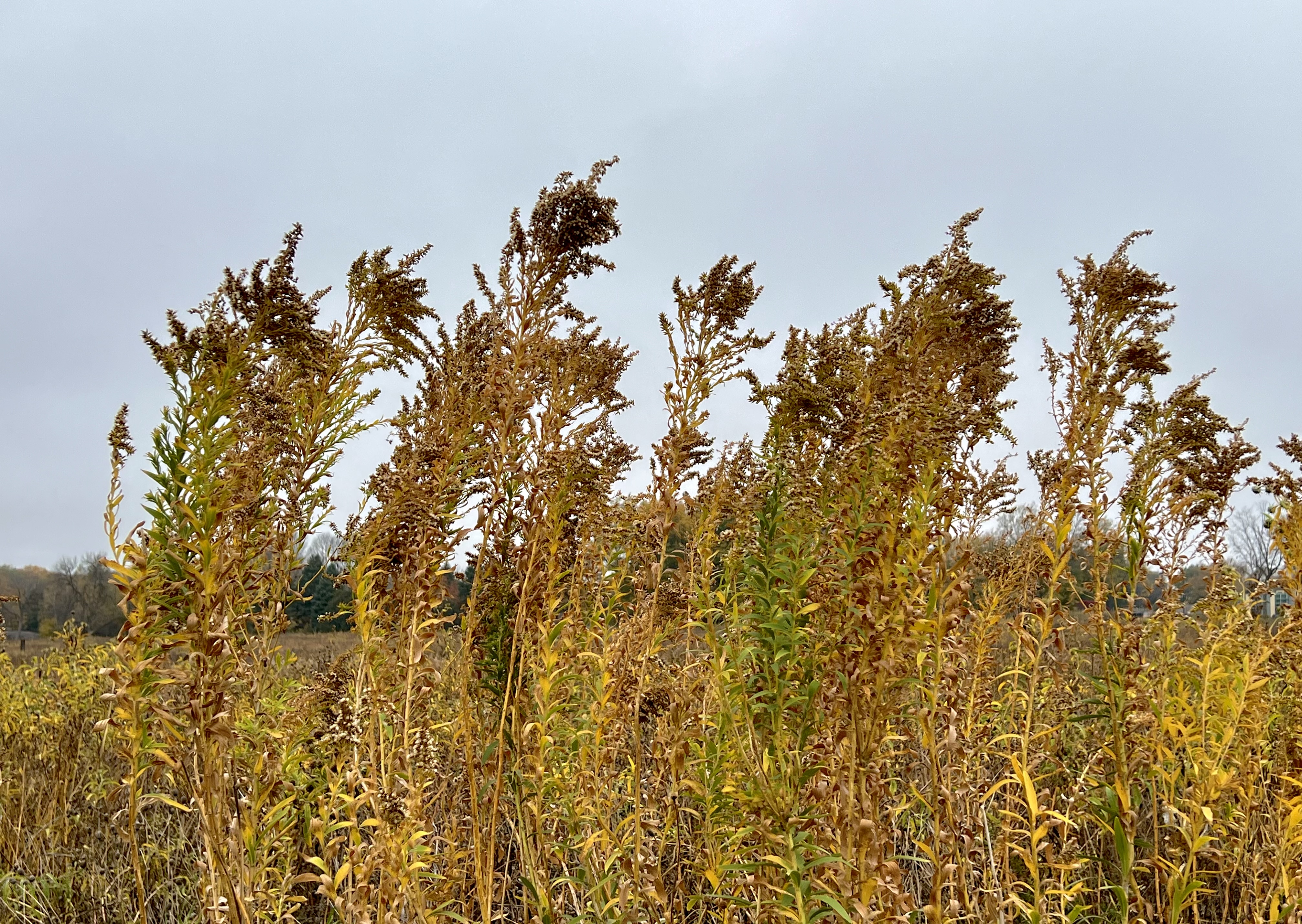
The prairie grasses are collapsing, withering to the ground, all spent after a season of flourishing. The next wind and rain storm will finish the job. Stems and leaves become rich compost in the seasons that follow, a generous bed for future seeds.
We expect this fading away.
I know it doesn’t mean the end – there is still vitality lying dormant, hidden away, waiting for the right moment to re-emerge, resurrect and live again.
I know this too about myself. The dying-time-of-year doesn’t get easier. It seems more real-time and vivid. Colors fade, leaves wrinkle and dry, fruit falls unconsumed and softened.
Our beauty, so evident only a short time ago, is meant to thrive inward, germinating, ready to rise again when called forth.
One-Time
Monthly
Yearly
Make a one-time or recurring donation to support daily Barnstorming posts
In a hundred trillion years— an actual number though we can’t begin to grasp it—the last traces of our universe will be not even a memory with no memory to lament it.
The last dust of the last star will not drift in the great nothing out of which everything we love or imagine eventually comes.
Yet every day, every four hours around the clock, Debbie prepares her goat’s-milk mix for the orphaned filly who sucks down all three liters of it, gratefully, it seems, as if it matters more than anything in the universe— and it does—at this moment while the sun is still four hours from rising on the only day that matters.
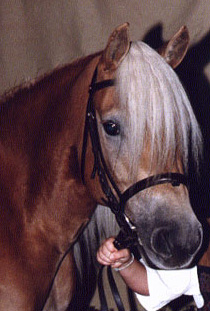
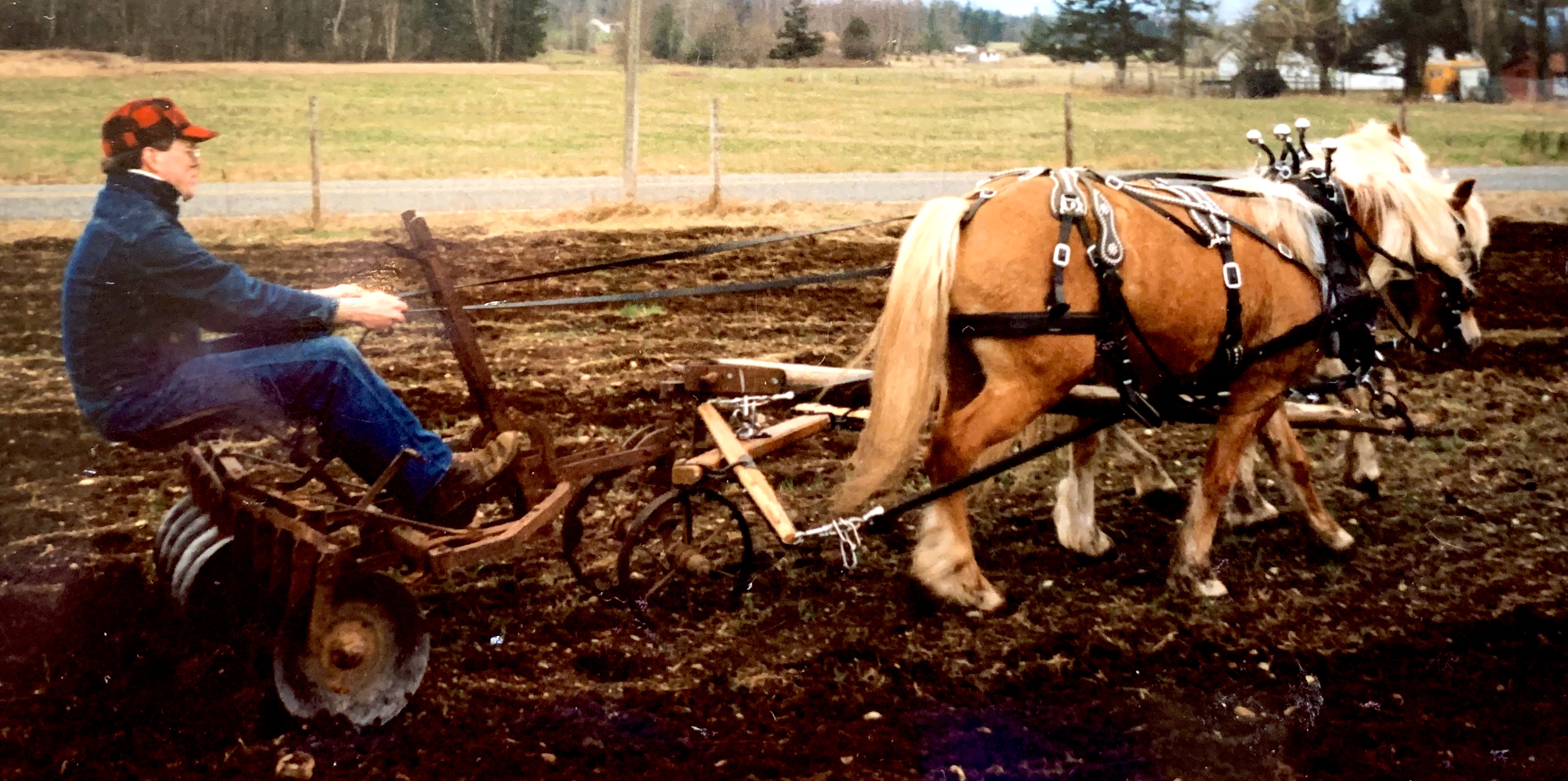
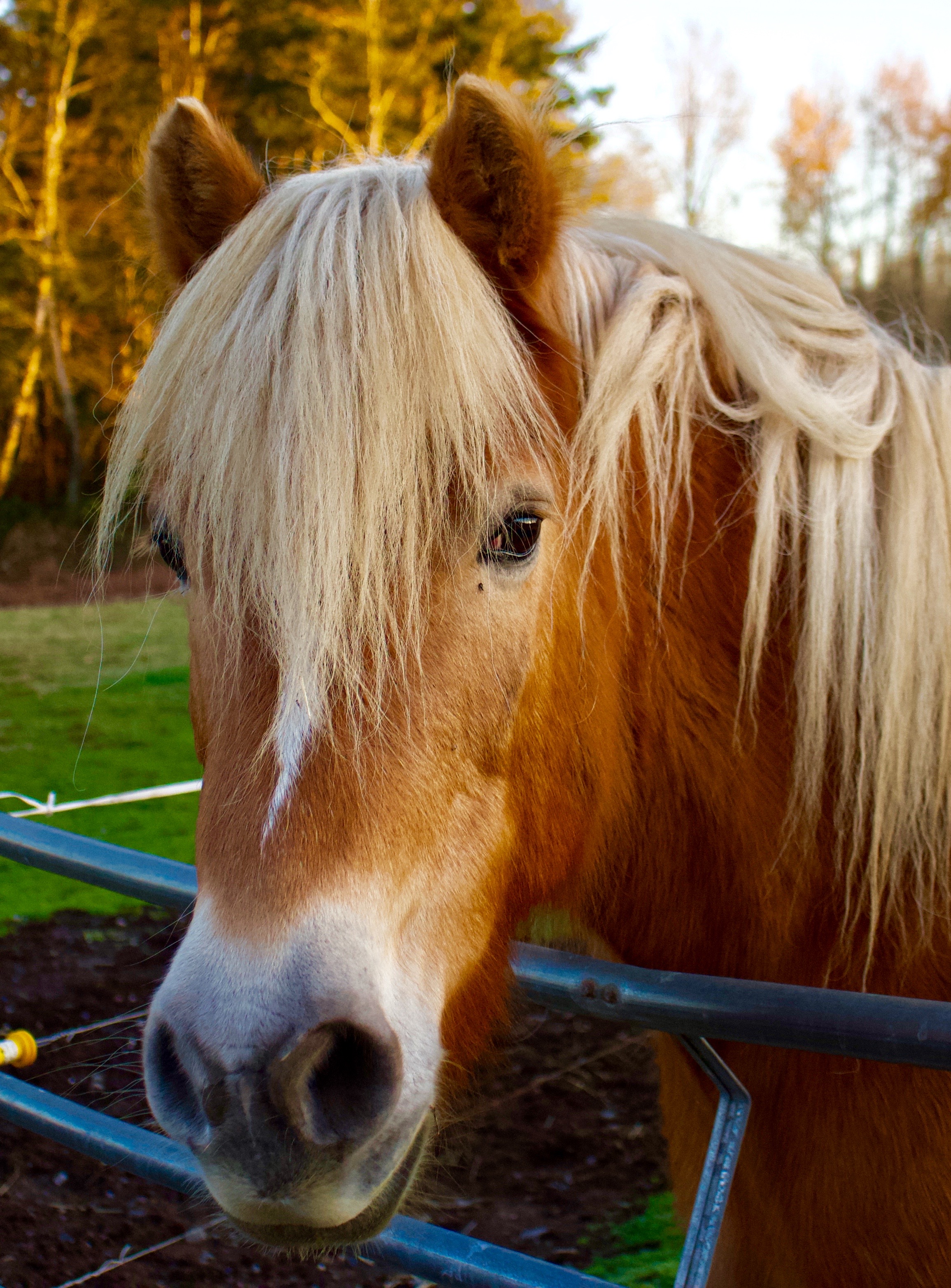
Over eight years ago, our Haflinger mare Marlee passed on to her forever home, far sooner than we planned. She was only twenty two, born only two months after our daughter’s birth, much too young an age for a Haflinger to die.
But something dire was happening to her over the previous two weeks — not eating much, an expanding girth, then shortness of breath. It was confirmed she had untreatable lymphoma.
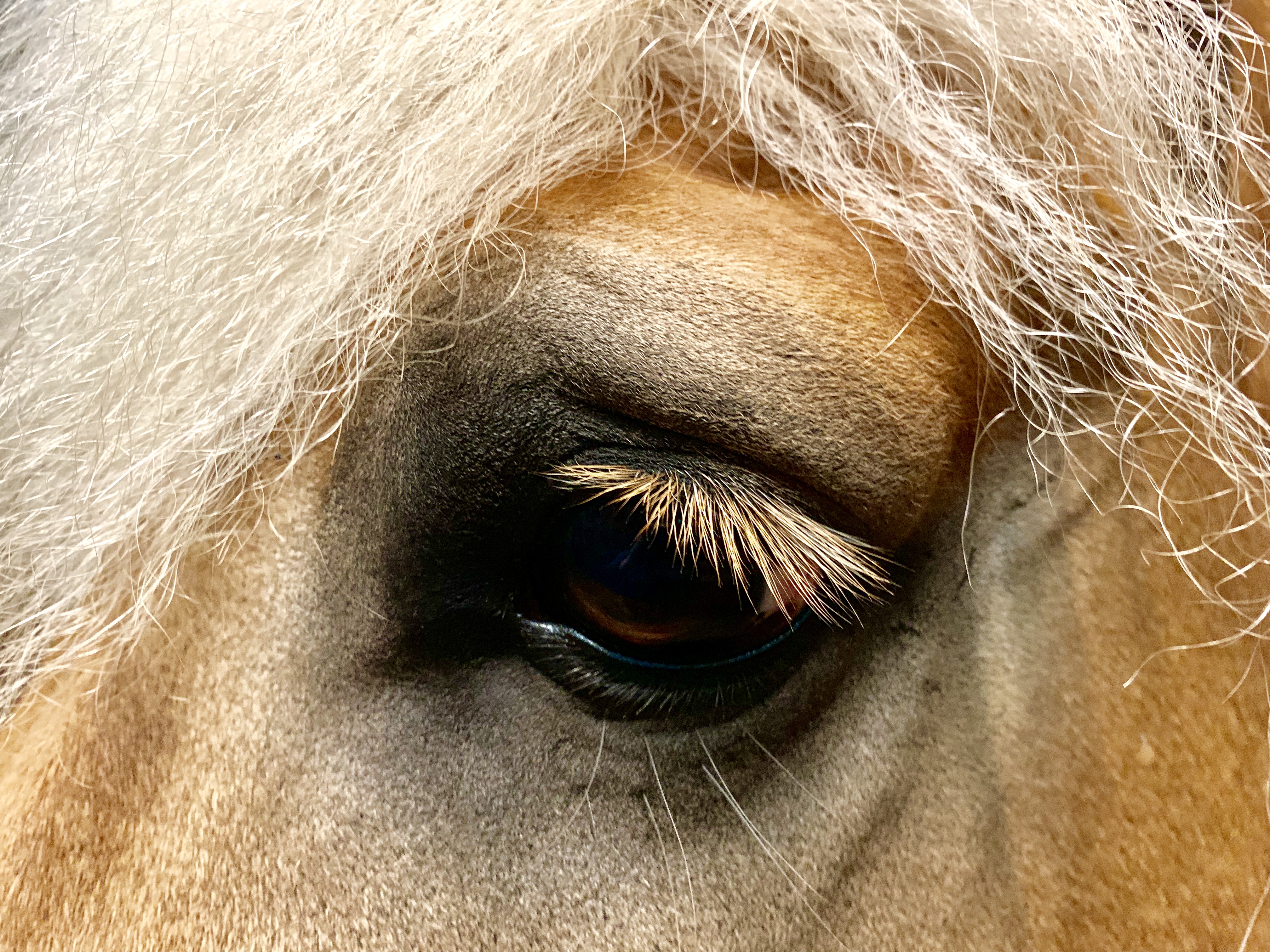
Her bright eyes were shining to the end so it was very hard to ask the vet to turn the light off. But the time had clearly come.
Marlee M&B came to us as a six month old “runty orphan” baby by the lovely stallion Sterling Silver, but she was suddenly weaned at three days when her mama Melissa died of sepsis. She never really weaned from her around the clock bottle/bucket feeding humans Stefan and Andrea Bundshuh at M&B Farm in Canada. From them she knew people’s behavior, learned their nonverbal language, and understood human subtleties that most horses never learn. This made her quite a challenge as a youngster as it also meant there was no natural reserve nor natural respect for people. She had no boundaries taught by a mother, so we tried to teach her the proper social cues.
When turned out with the herd as a youngster, she was completely clueless–she’d approach the dominant alpha mare incorrectly, without proper submission, get herself bitten and kicked and was the bottom of the social heap for years, a lonesome little filly with few friends and very few social skills. She had never learned submission with people either, and had to have many remedial lessons on her training path. Once she was a mature working mare, her relationship with people markedly improved as there was structure to her work and predictability for her, and after having her own foals, she picked up cues and signals that helped her keep her foal safe, though she was one of our most relaxed “do whatever you need to do” mothers when we handled her foals as she simply never learned that she needed to be concerned.
Over the years, as the herd changed, Marlee became the alpha mare, largely by default and seniority, so I don’t believe she really trusted her position as “real”. She tended to bully, and react too quickly out of her own insecurity about her inherited position. She was very skilled with her ears but she was also a master at the tail “whip” and the tensed upper lip–no teeth, just a slight wrinkling of the lip. The herd scattered when they saw her face change. The irony of it all is that when she was “on top” of the herd hierarchy, she was more lonely than when she was at the bottom. And I think a whole lot less happy as she had few grooming partners any more.
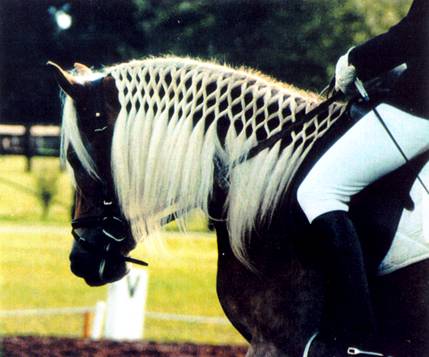
She accompanied us to the fair for a week of display of our Haflingers year after year after year — she could be always counted on to greet the public and enjoy days of braiding and petting and kids sitting on her back.
The day she started formal under saddle training was when the light bulb went off in her head–this was a job she could do! This was constant communication and interaction with a human being, which she craved! This was what she was meant for! And she thrived under saddle, advancing quickly in her skills, almost too fast, as she wanted so much to please her trainer.
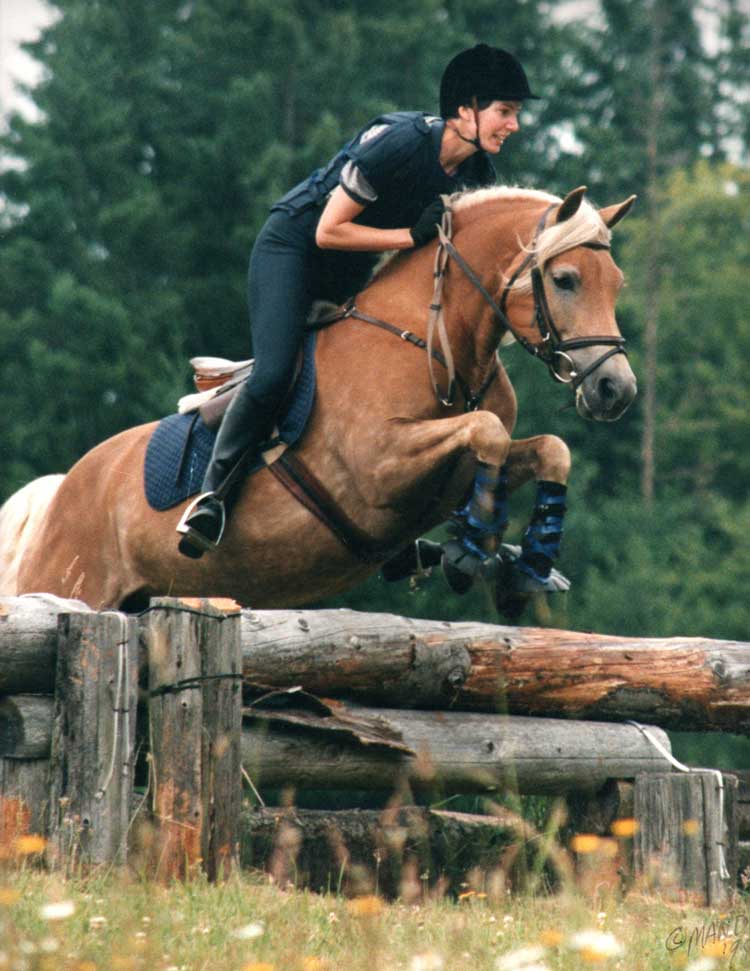
For a time, she had an unequaled record among North American Haflingers. She was not only regional champion in her beginner novice division of eventing as a pregnant 5 year old, but also received USDF Horse of the Year awards in First and Second Level dressage that year as the highest scoring Haflinger.
She had a career of mothering along with intermittent riding work, with 5 foals –Winterstraum, Marquisse, Myst, Wintermond, and Nordstrom—each from different stallions, and each very different from one another.
This mare had such a remarkable work ethic, was “fine-tuned” so perfectly with a sensitivity to cues–that our daughter said: “Mom, it’s going to make me such a better rider because I know she pays attention to everything I do with my body–whether my heels are down, whether I’m sitting up straight or not.” Marlee was, to put it simply, trained to train her riders.
I miss her high pitched whinny from the barn whenever she heard the back door to the house open. I miss her pushy head butt on the stall door when it was time to close it up for the night. I miss that beautiful unforgettable face and those large deep brown eyes where the light was always on. Keeping that orphan alive when she was so vulnerable in the first two months was all that mattered.
What a ride she had for twenty two years, that dear little orphan. What a ride she gave to many who trained her and who she trained over the years. Though I never climbed on her back, what joy she gave me all those years, as the surrogate mom who loved and fed her. May I meet her in my memories, whenever I feel lonesome for her, still unable to resist those bright eyes forever now closed in peace.
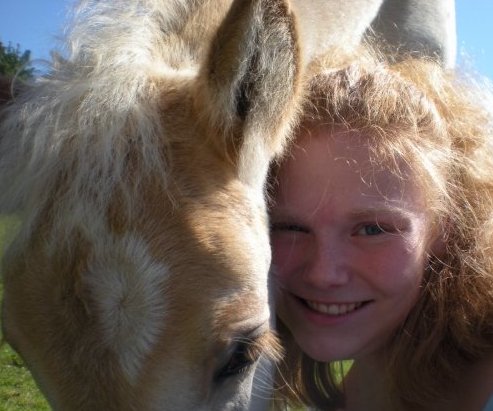
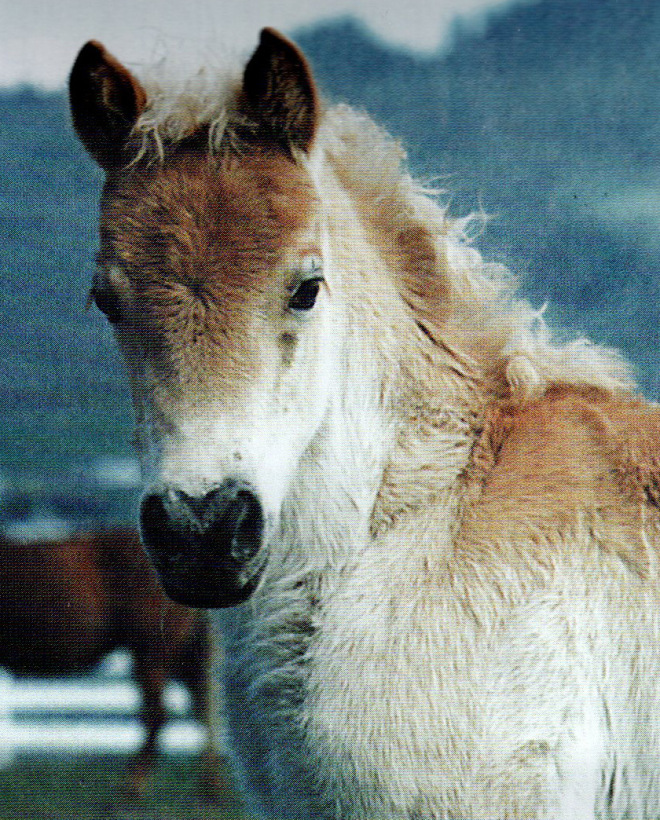
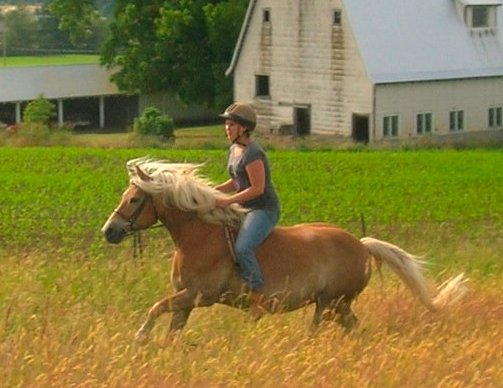
Marlee’s photo album:
One-Time
Monthly
Yearly
Make a one-time or recurring donation to support daily Barnstorming posts
I’ve fallen many times: the usual stumbles over secret schoolgirl crushes, head-over-heels for teen heartthrobs. I loved them all.
I’ve fallen so many times: tripped down the aisle over husband, daughter, son. Madly and deeply, I love them all.
I’ve fallen again and again: new friends, a mentor, a muse, numerous books, a few authors, four dear pups and a stranger, or two. I loved them all.
I’ve fallen farther, fallen faster, now captivated, I tumble— enthralled with my grandchildren. I love them each, ever and all. ~Jane Attanucci, “Falling” from First Mud
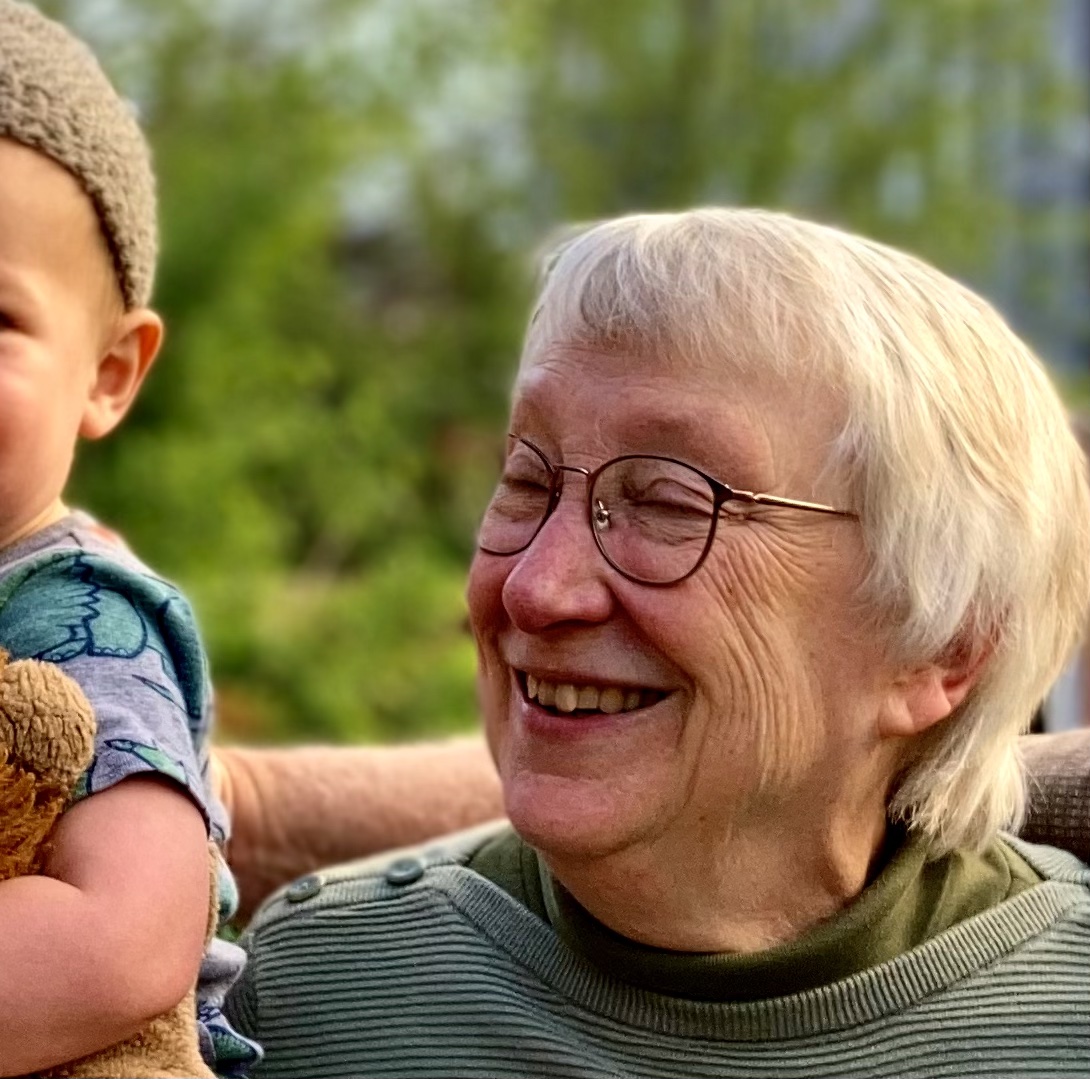
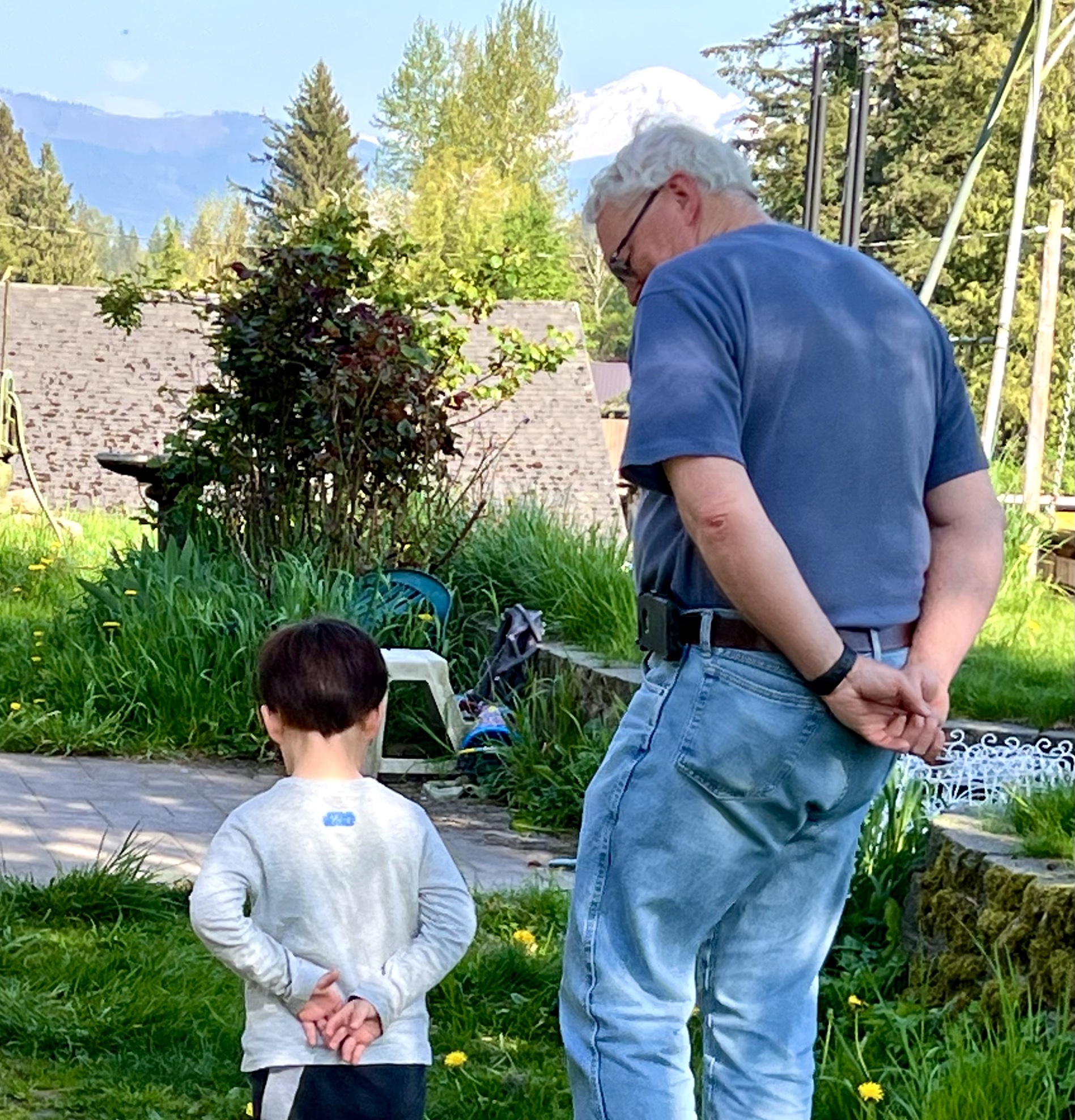
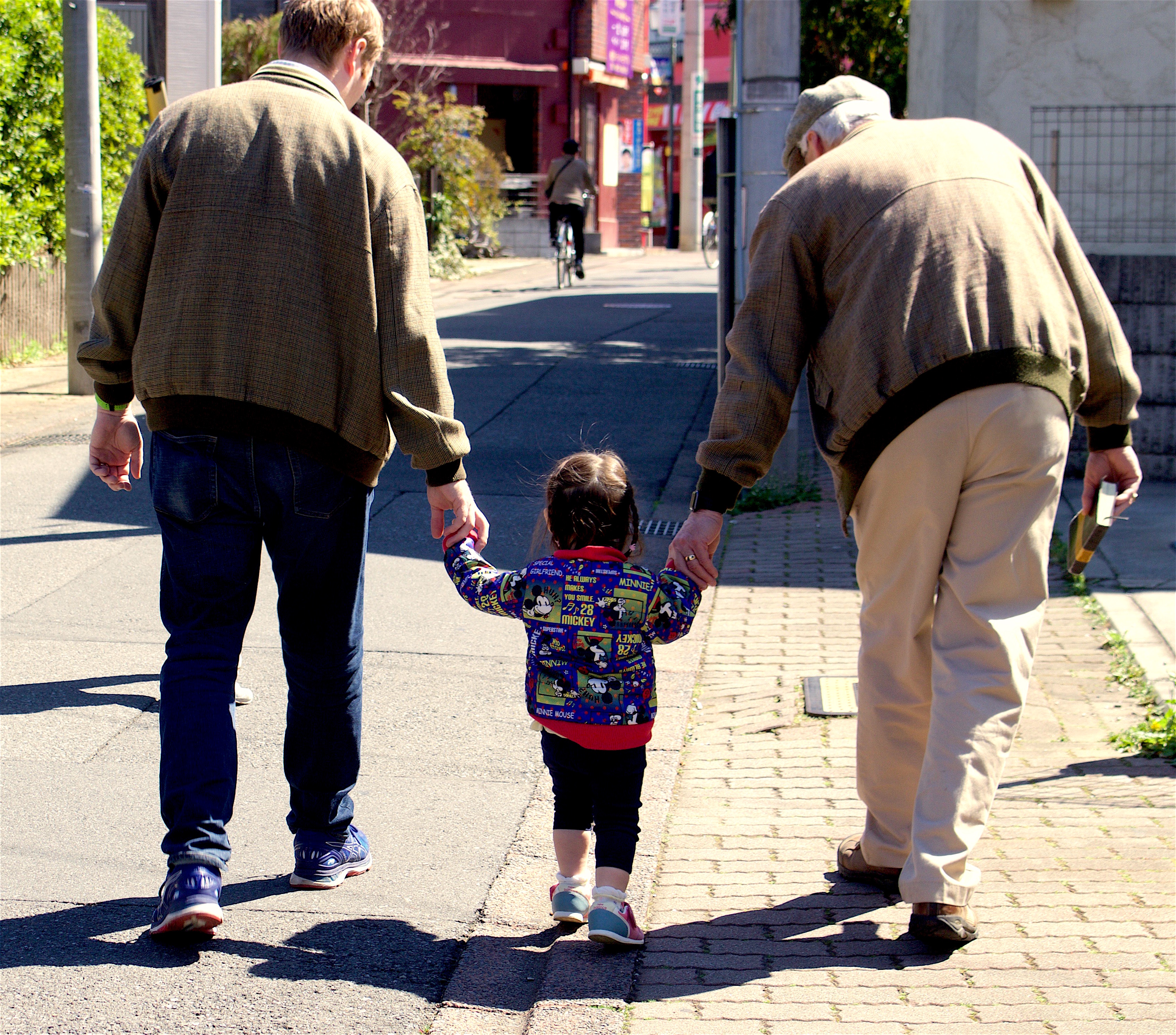
Six grandchildren in less than seven years brings a bounty of baby hugs and snuggles.
With each one, I fall farther and faster than ever before.
In a lifetime of falling head over heels for those most precious to me, a loving husband, two sons and a daughter, dear friends and mentors, numerous pups and ponies…
still none could prepare me for this ~
the blessing of loving our children’s children, their smiles and giggles and arms wrapped around us
these have become most cherished each, ever and all.
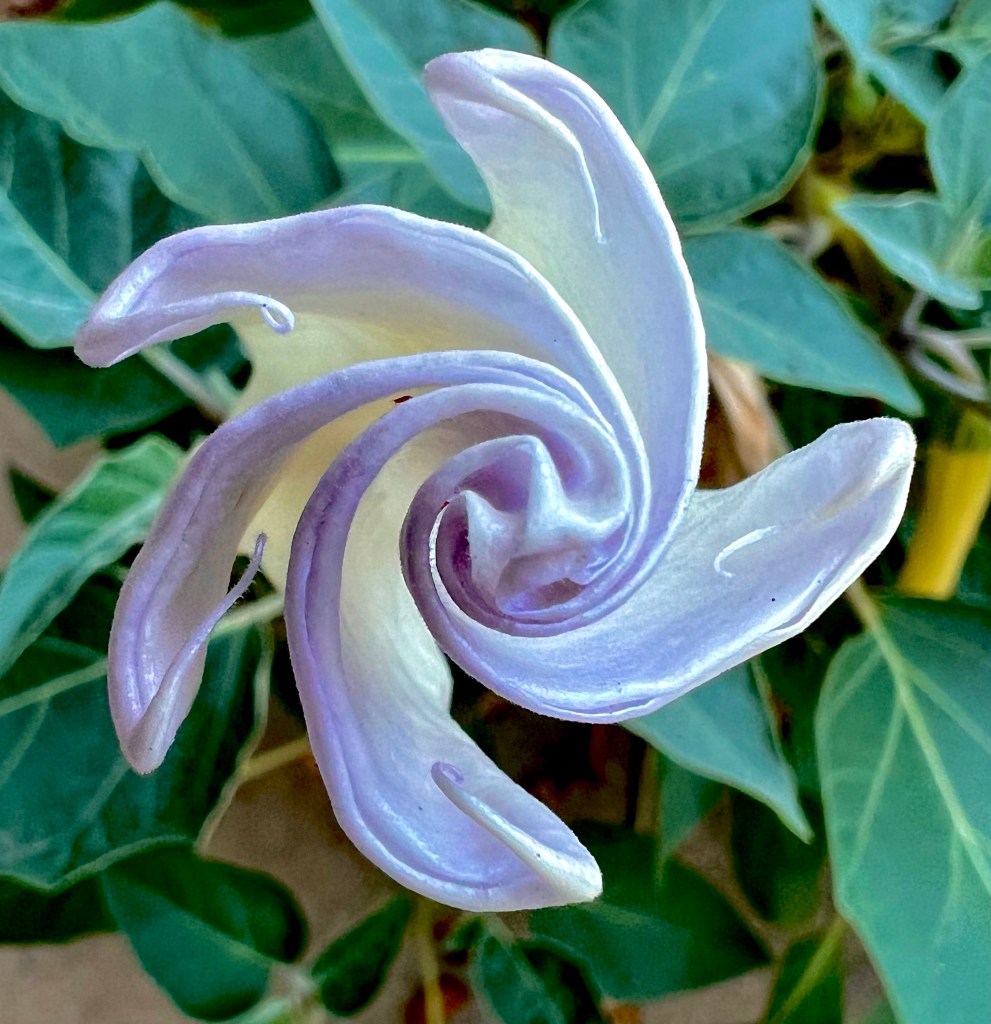
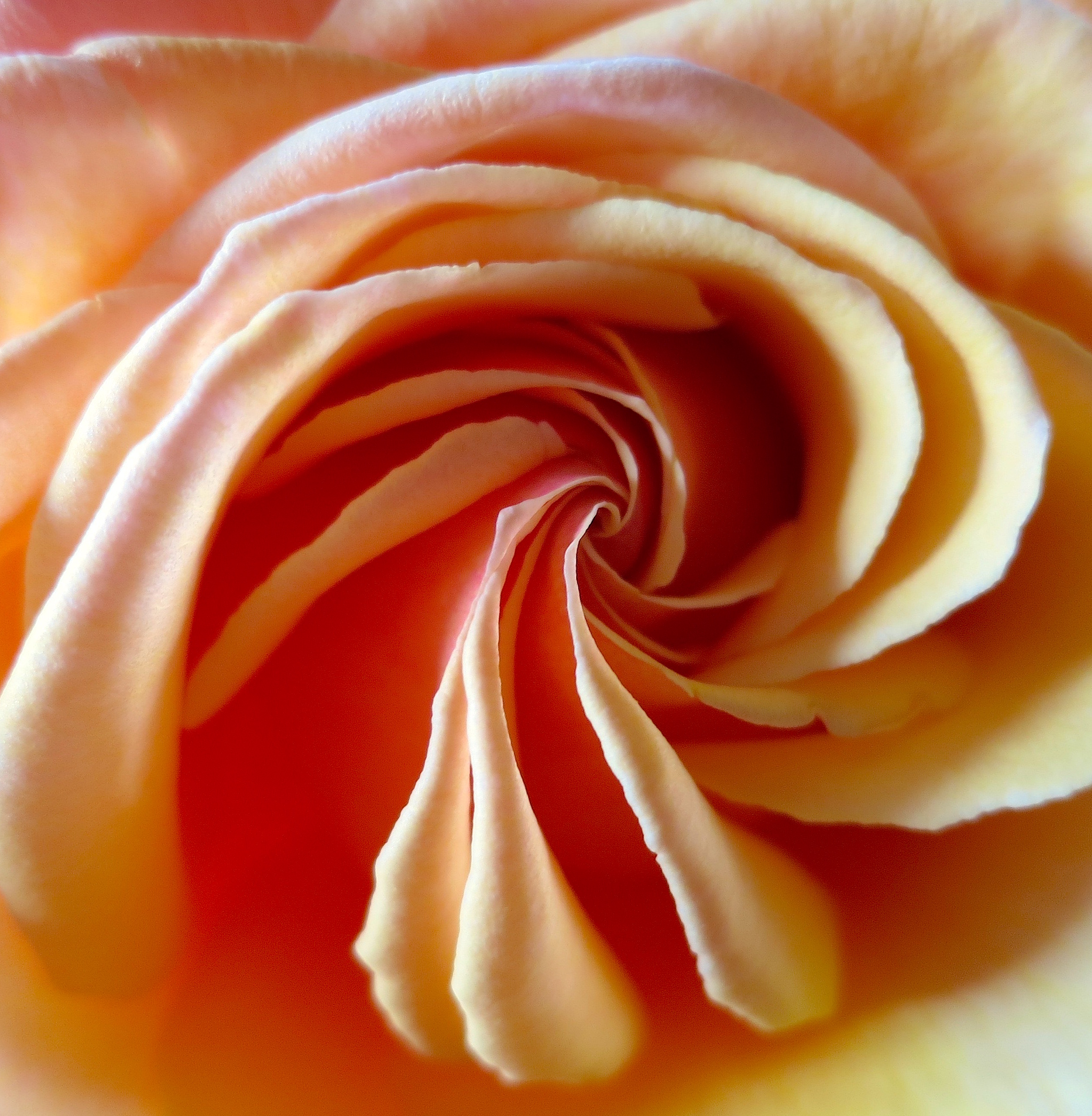
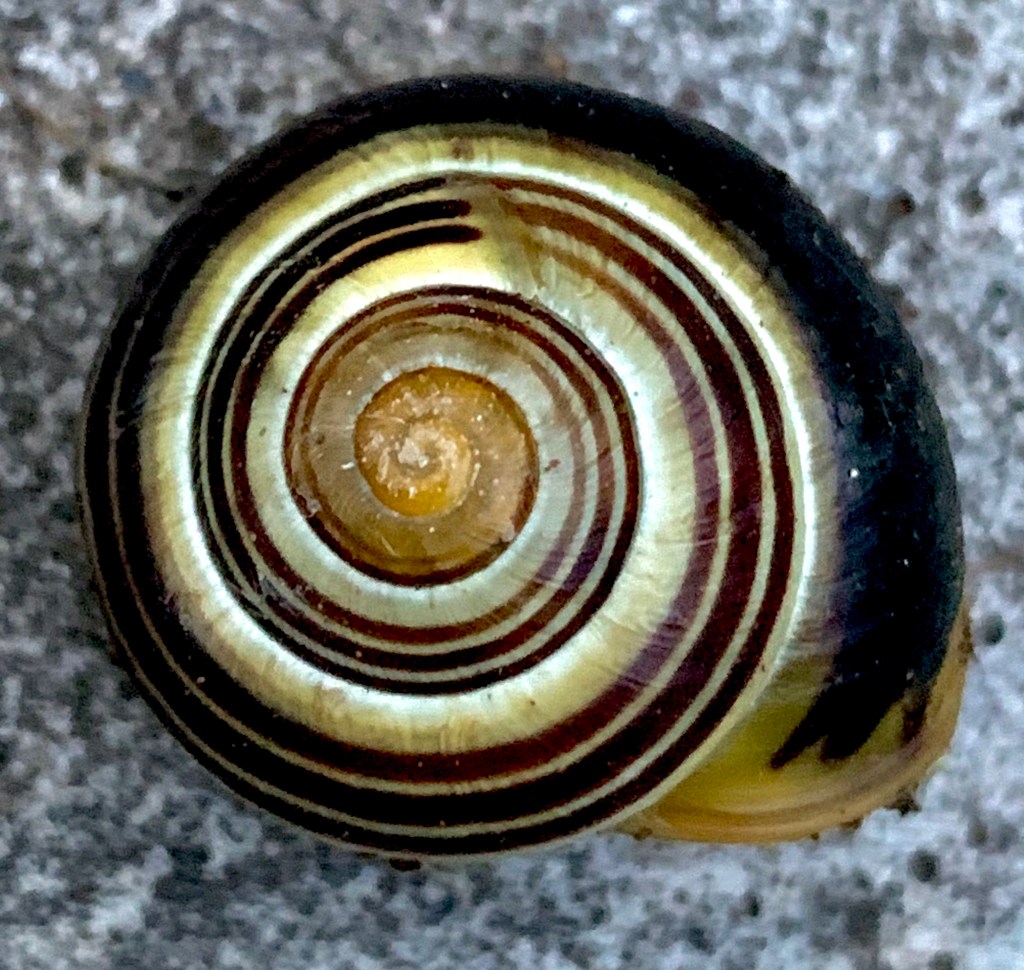
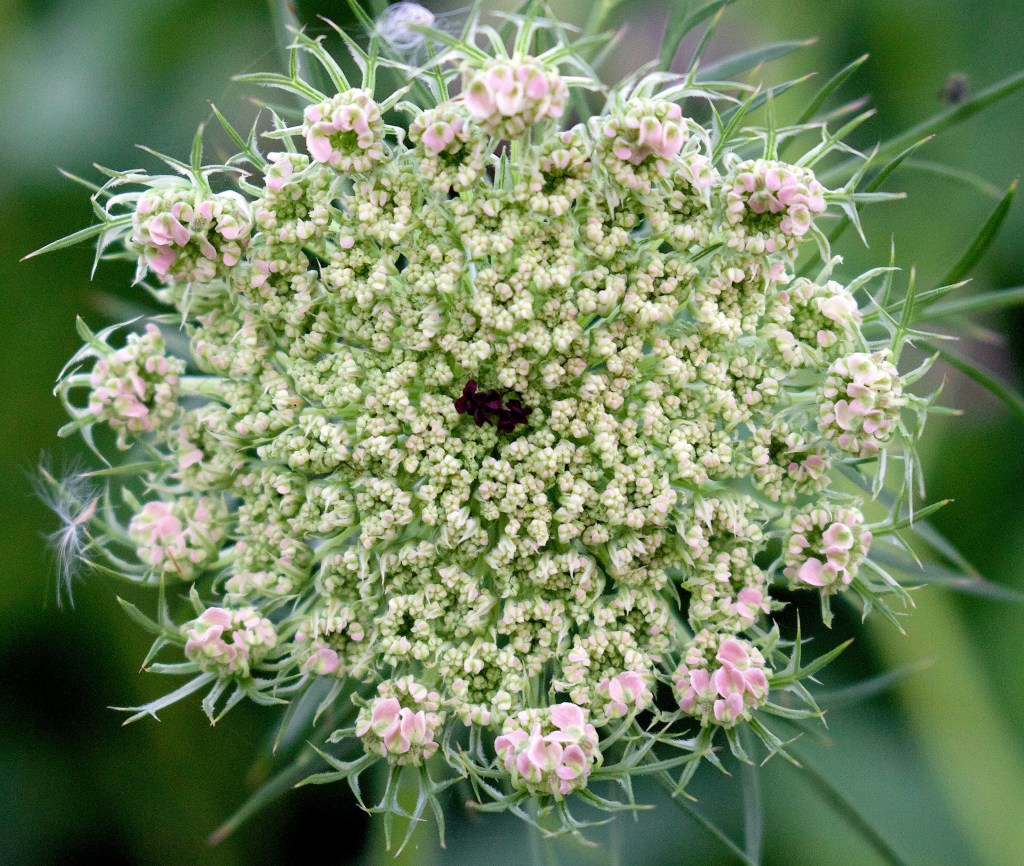
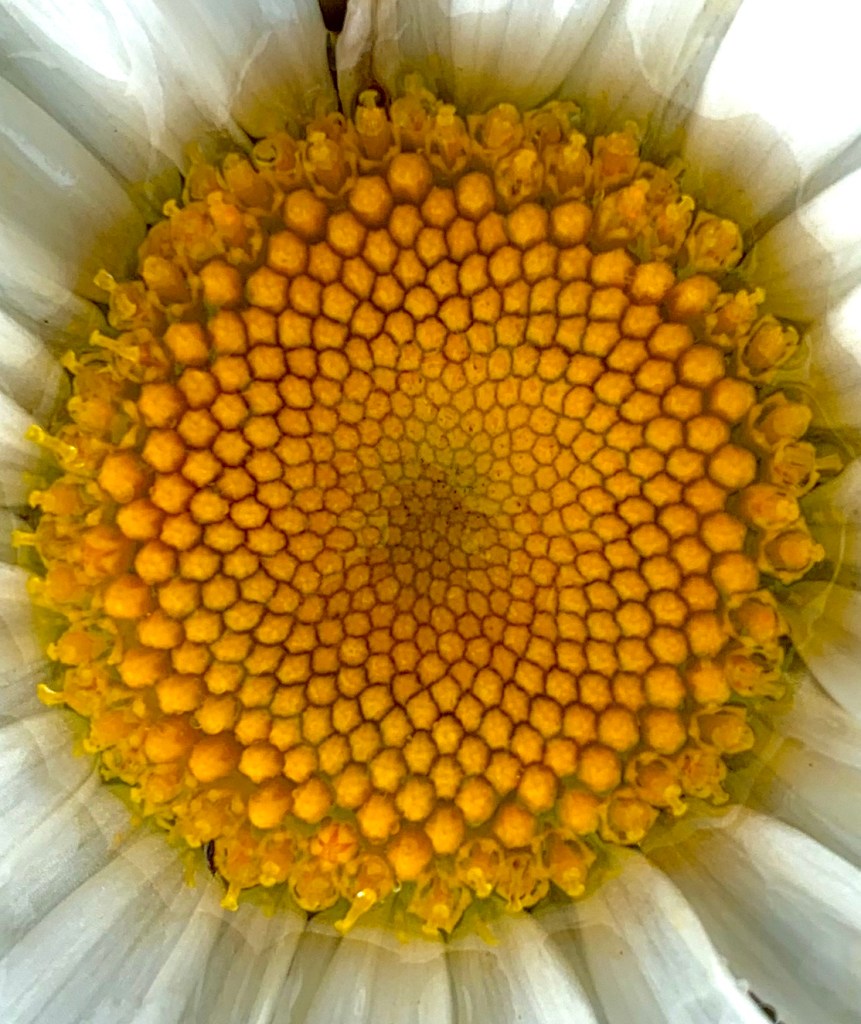
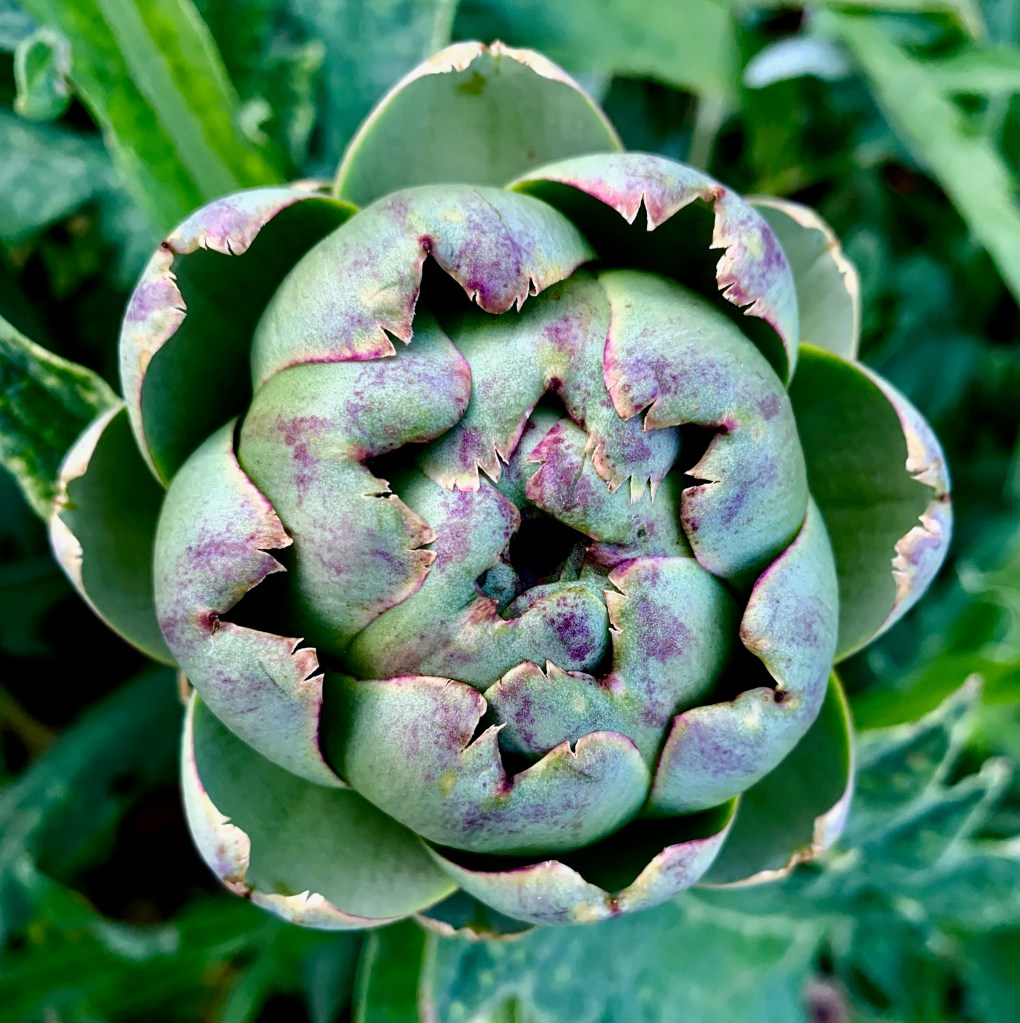
When, in the science museum, I arrive at the overview of our galaxy, with its tiny arrow pointing to You are here (which really ought to be We are here), and see that the two to four hundred billion stars of our local cluster are drifting or chasing or dreaming after each other in circles within milky circles, I can’t help but think of those ancient paintings and rock engravings, discovered all over our celestial body, of that one line which begins at whatever point it can, then curls outward, or inward, toward nothing anyone can define—the oldest shape revered by Aborigine and Celt, by mathematician and engineer and Burning Man reveler alike, and even accorded a place of honor among the mess of thoughts on my desk, as a nifty paper clip of copper.
But it’s already there in the florets of the sunflower crisscrossing with the precision of a logarithm, and in the pin-wheel shape of the Nautilus shell, and in the coiling neurons of the cochlea that let us tell Art Tatum from a three year old’s improvisation.
Call it what you will—“God’s fingerprint,” “the soul unfolding through time,” “the passageway into the Self”— I can’t help but admire, even fear, something as mundane as a flush of the toilet, when its swirling is a variation on our sidereal drift, our existential pain.
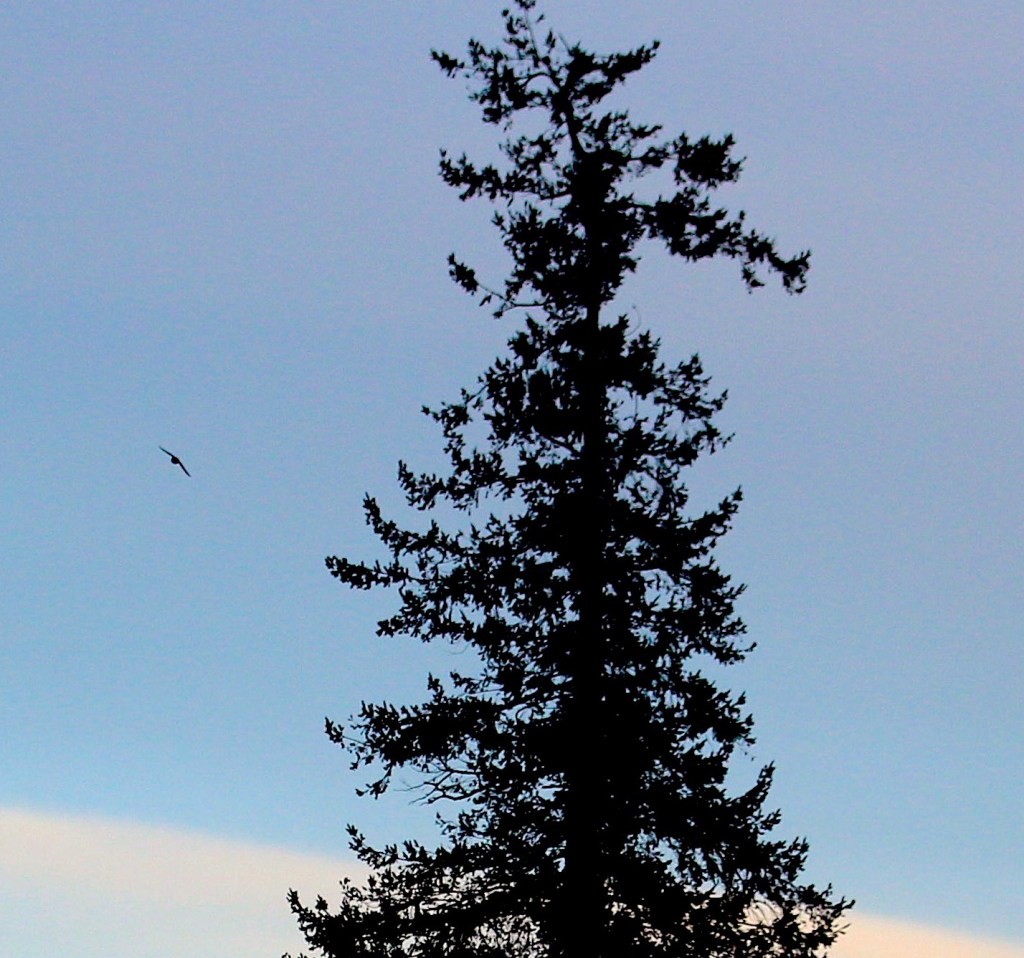
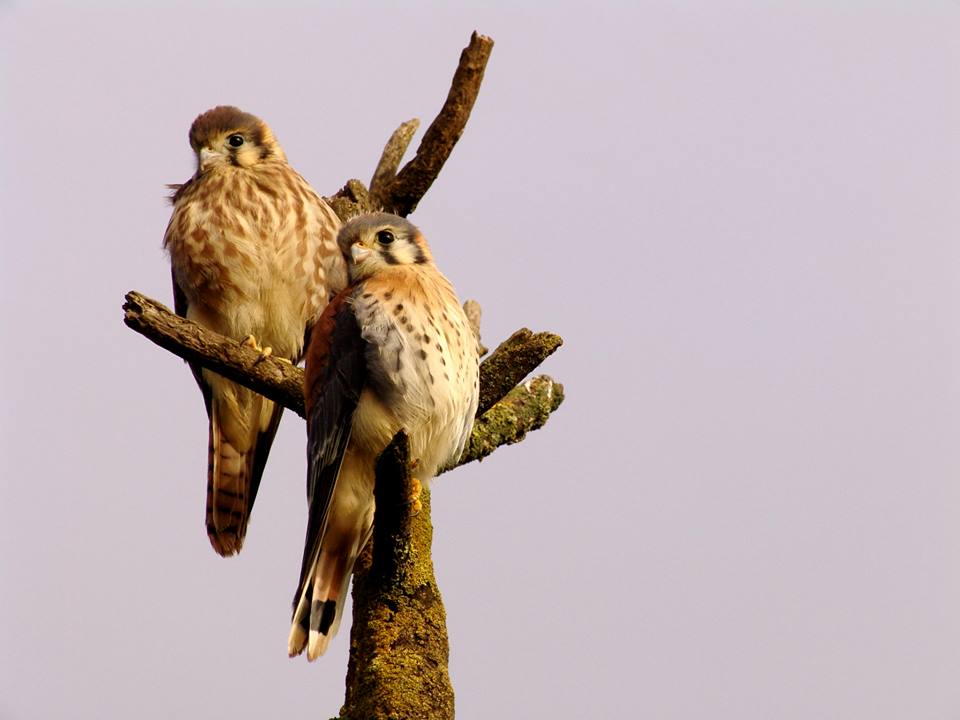
And then there’s that famous falcon, “turning and turning in a widening gyre,” a portentous symbol of our own circling into some dread, some pernicious chaos we thought we had just escaped, one town burning a decade behind us, a millennium before that, and into next week, next year, next whenever.
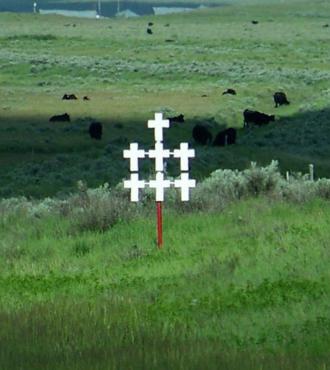
And when the two of us took that winding road an infinity of others had wound down before us and would wind down again, our spirits hushed by the crosses and bouquets at each dead man’s curve and just burning in the dry heat to touch each other, wasn’t that a wondrous and terrible turning? ~Thomas Centolella “Why I’m in Awe of the Spiral”
photo by Kate Steensma
Photo by Kate Steensma
Turning and turning in the widening gyre The falcon cannot hear the falconer; Things fall apart; the centre cannot hold; Mere anarchy is loosed upon the world, The blood-dimmed tide is loosed, and everywhere The ceremony of innocence is drowned The best lack all conviction, while the worst Are full of passionate intensity.
Surely some revelation is at hand; Surely the Second Coming is at hand. The Second Coming! Hardly are those words out When a vast image out of Spiritus Mundi Troubles my sight: somewhere in sands of the desert A shape with lion body and the head of a man, A gaze blank and pitiless as the sun, Is moving its slow thighs, while all about it Reel shadows of the indignant desert birds. The darkness drops again; but now I know That twenty centuries of stony sleep Were vexed to nightmare by a rocking cradle, And what rough beast, its hour come round at last, Slouches towards Bethlehem to be born? ~William Butler Yeats “The Second Coming”
I look for the way things will turn out spiralling from a center, the shape things will take to come forth in
so that the birch tree white touched black at branches will stand out wind-glittering totally its apparent self:
I look for the forms things want to come as
from what black wells of possibility, how a thing will unfold:
not the shape on paper, though that, too, but the uninterfering means on paper:
not so much looking for the shape as being available to any shape that may be summoning itself through me from the self not mine but ours. ~A. R. Ammons, “Poetics” from A Coast of Trees
Our very origin as a unique organism is a process of unfolding and spiraling: from our very first doubling after conception expanding to a complexity of trillions of cells powering our every thought and movement.
Now I look everywhere in my backyard world for beginnings and endings, wanting to understand where I fit and where I am in the unfolding process of this spiraling life. As I grow older, I find myself more peripheral than central, just as I am meant to be – I have more perspective now having spun out from the vortex.
I can see where I came from, and have a sense of where I am headed.
We unfurl slowly, surely, gently, in the Hands of our Creator God. He knows how each of us began as He was there from the beginning, forming the very center of us. He remains at the core of our being, as our unfolding lasts forever.
… I too spend my days grazing, feasting on every green moment till darkness calls, and with the others I walk away into the night, swinging the little tin bell of my name. ~Ted Kooser “A Birthday Poem”
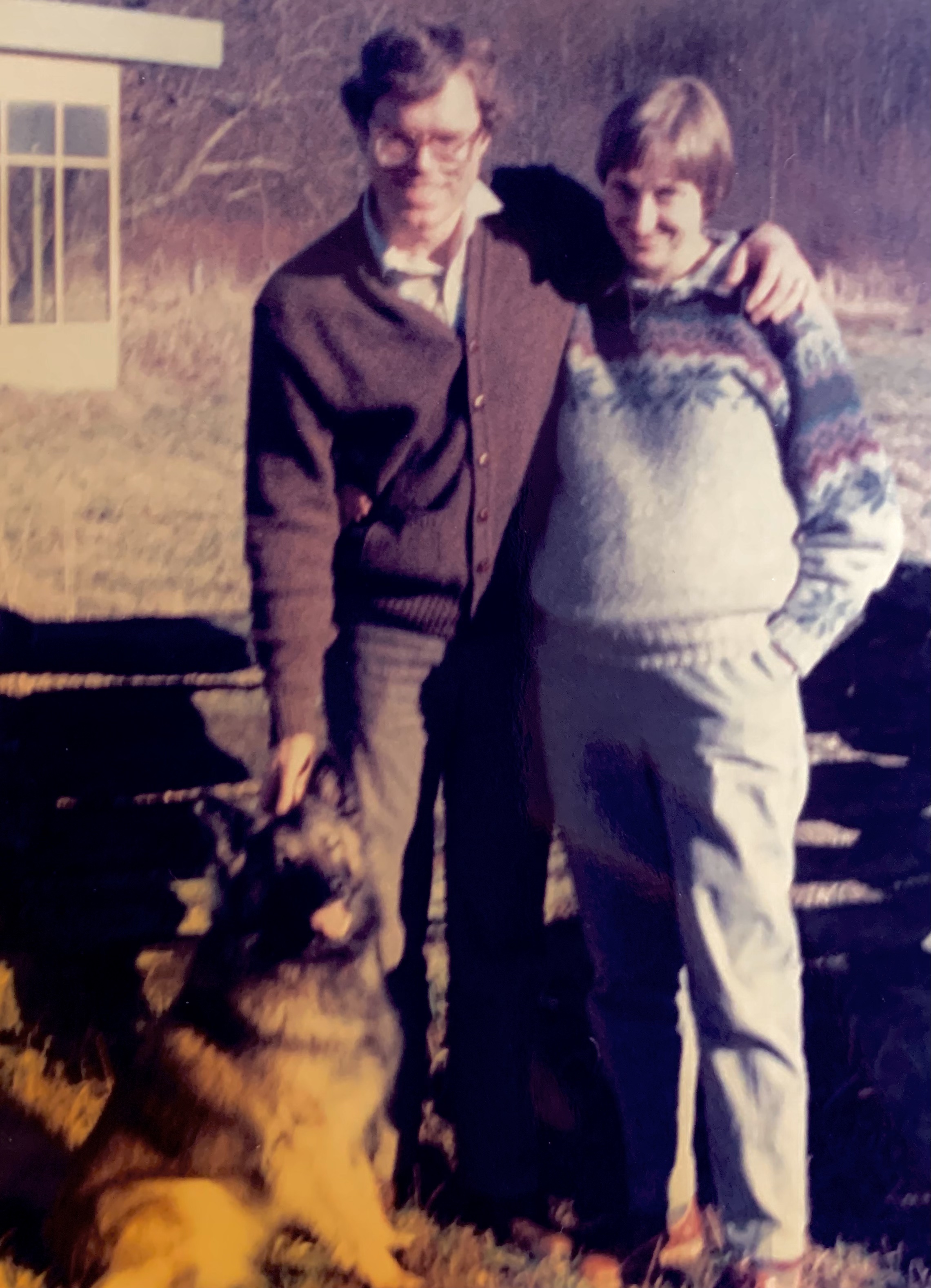
1970
1978
Instructions for living a life: Pay attention. Be astonished. Tell about it. ~Mary Oliver from “Sometimes” from Red Bird
I am astonished living through nearly seven decades, sometimes amazed by joy and sometimes by sorrow. I hope to see much more before I’m done, to keep trying in my own way to tell about it.
I am grateful, so very grateful to live out these years learning: how love can heal, how tears are dried, and most astonishing of all, why God came here to carry us home.
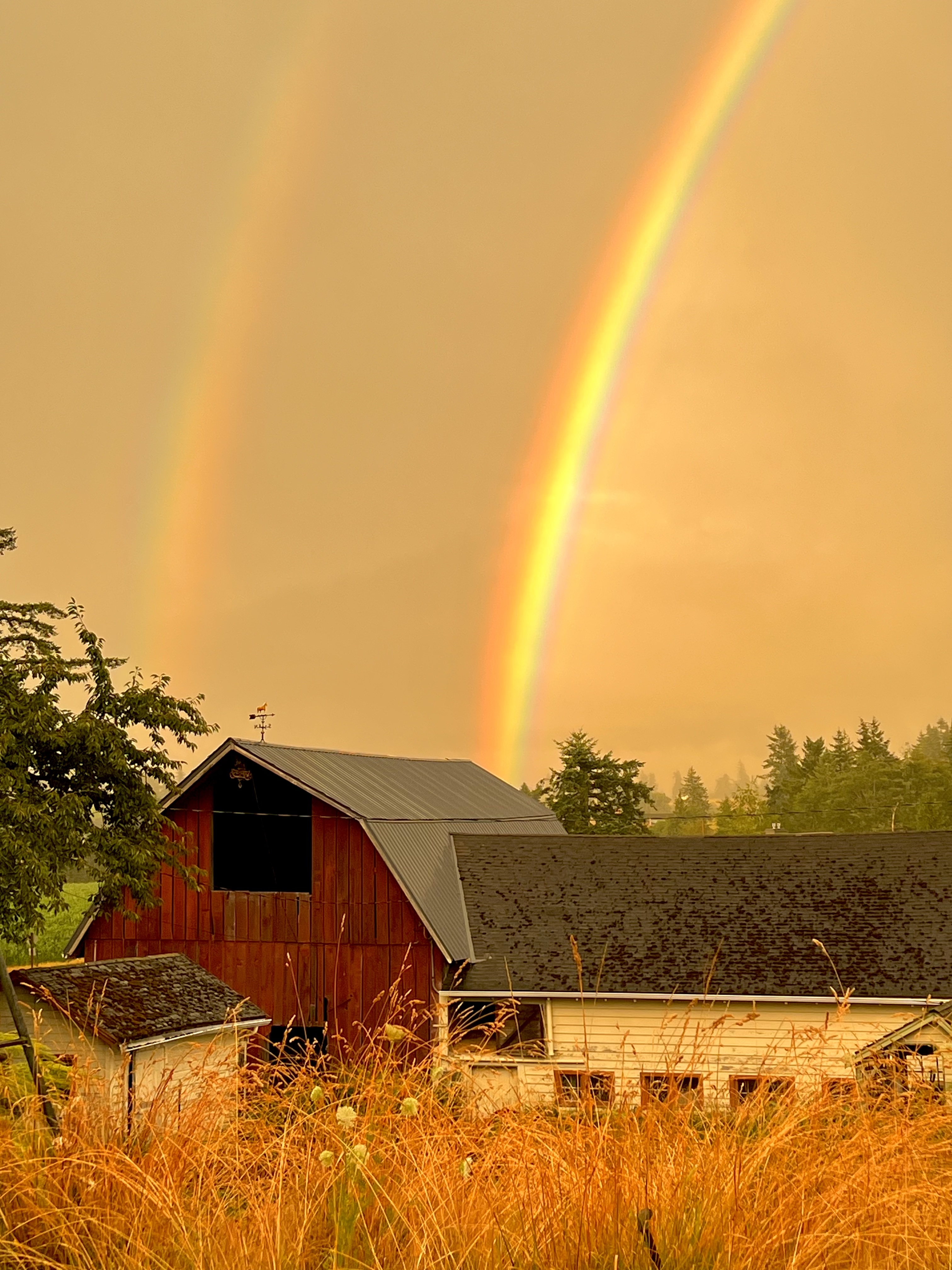
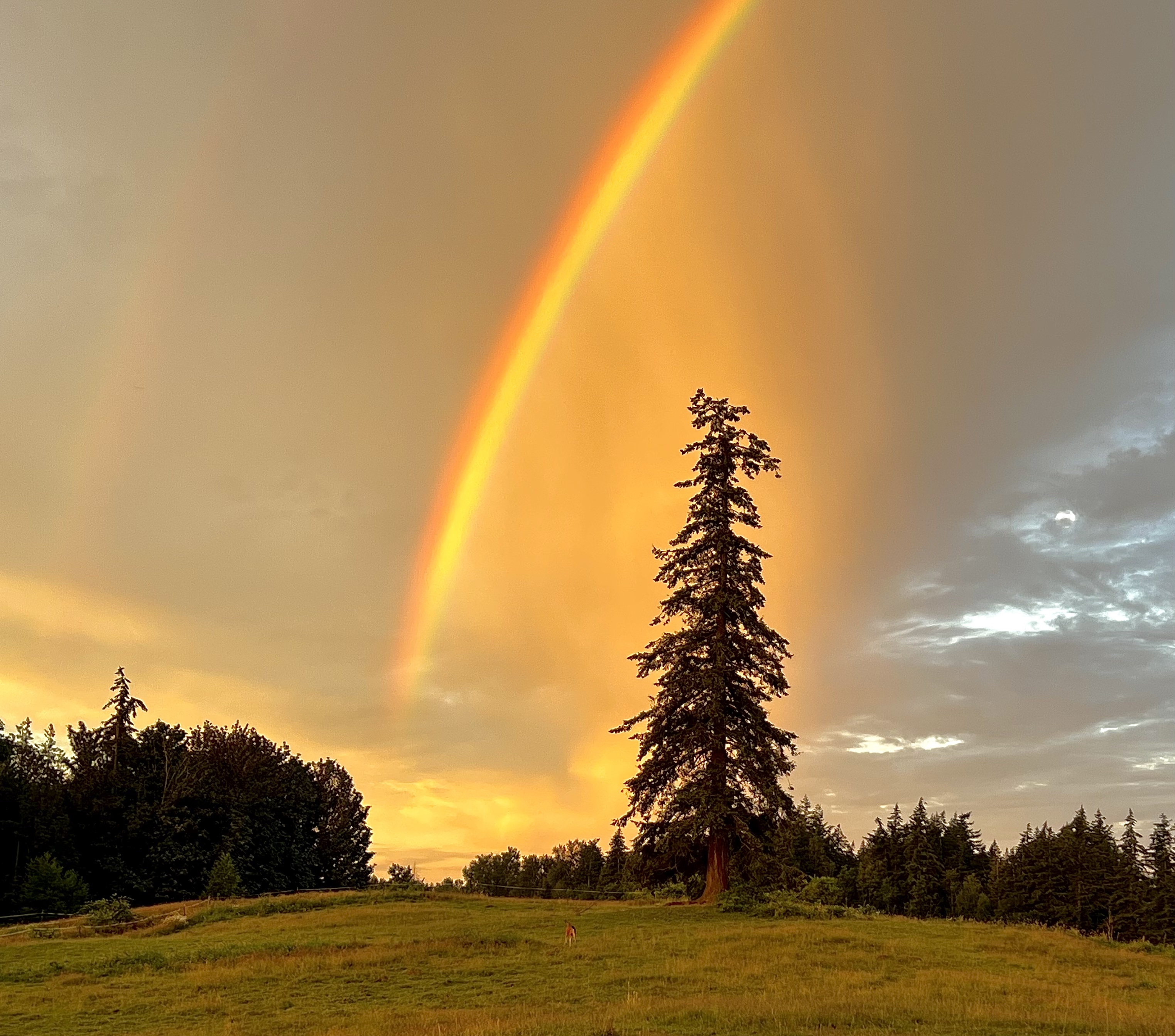
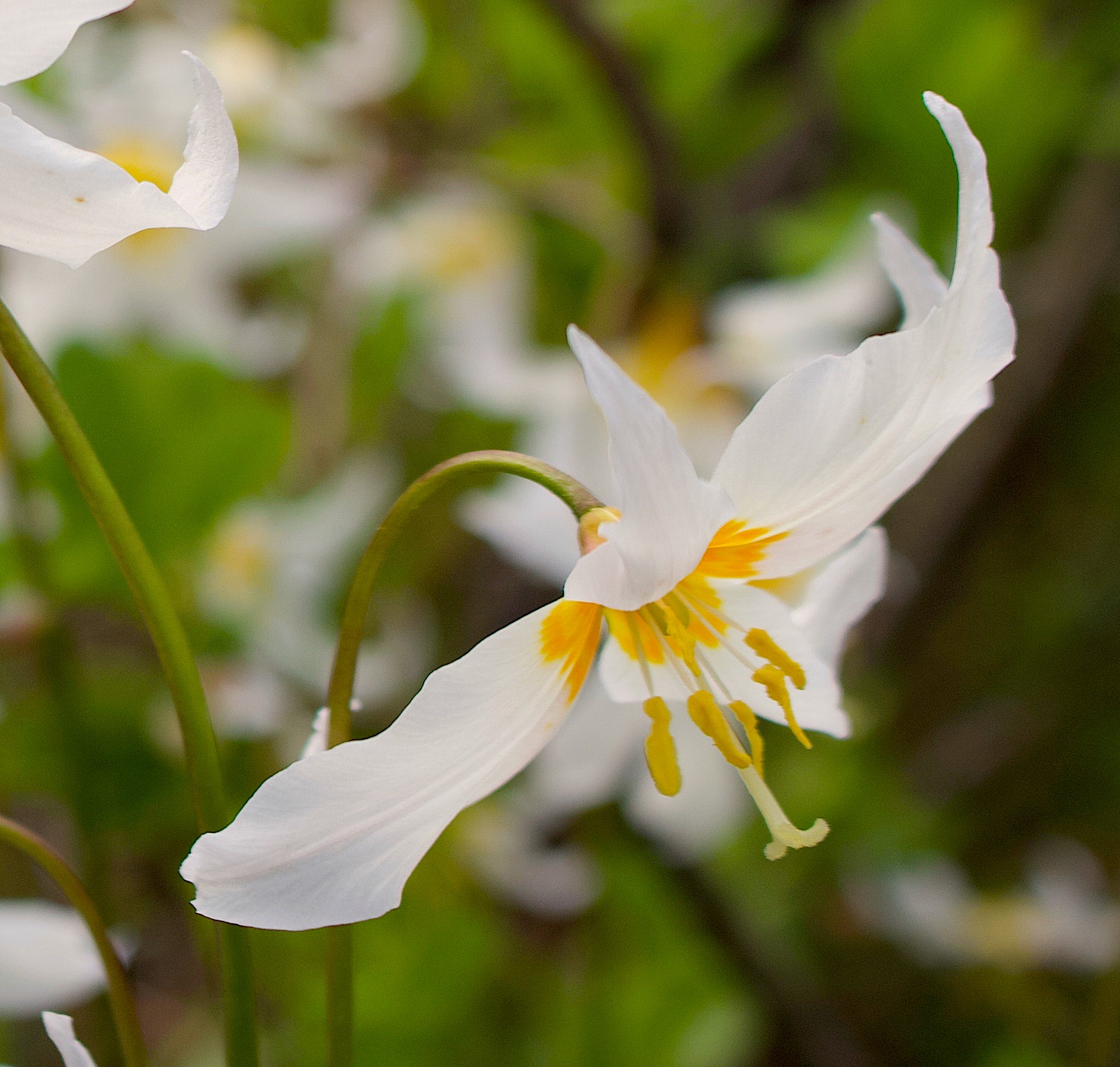
I wait for you In the grassland Where small lilies bloom. On the corners of the field, The rainbow shows up. 小百合さく 小草がなかに 君まてば 野末にほいて 虹あらはれぬ ~Yosano Akiko Tanka Poem (1878-1942)
Who loves the rain And loves his home, And looks on life with quiet eyes, Him will I follow through the storm; And at his hearth-fire keep me warm; Nor hell nor heaven shall that soul surprise, Who loves the rain, And loves his home, And looks on life with quiet eyes. ~Frances Shaw, “Who loves the rain” from Look To the Rainbow
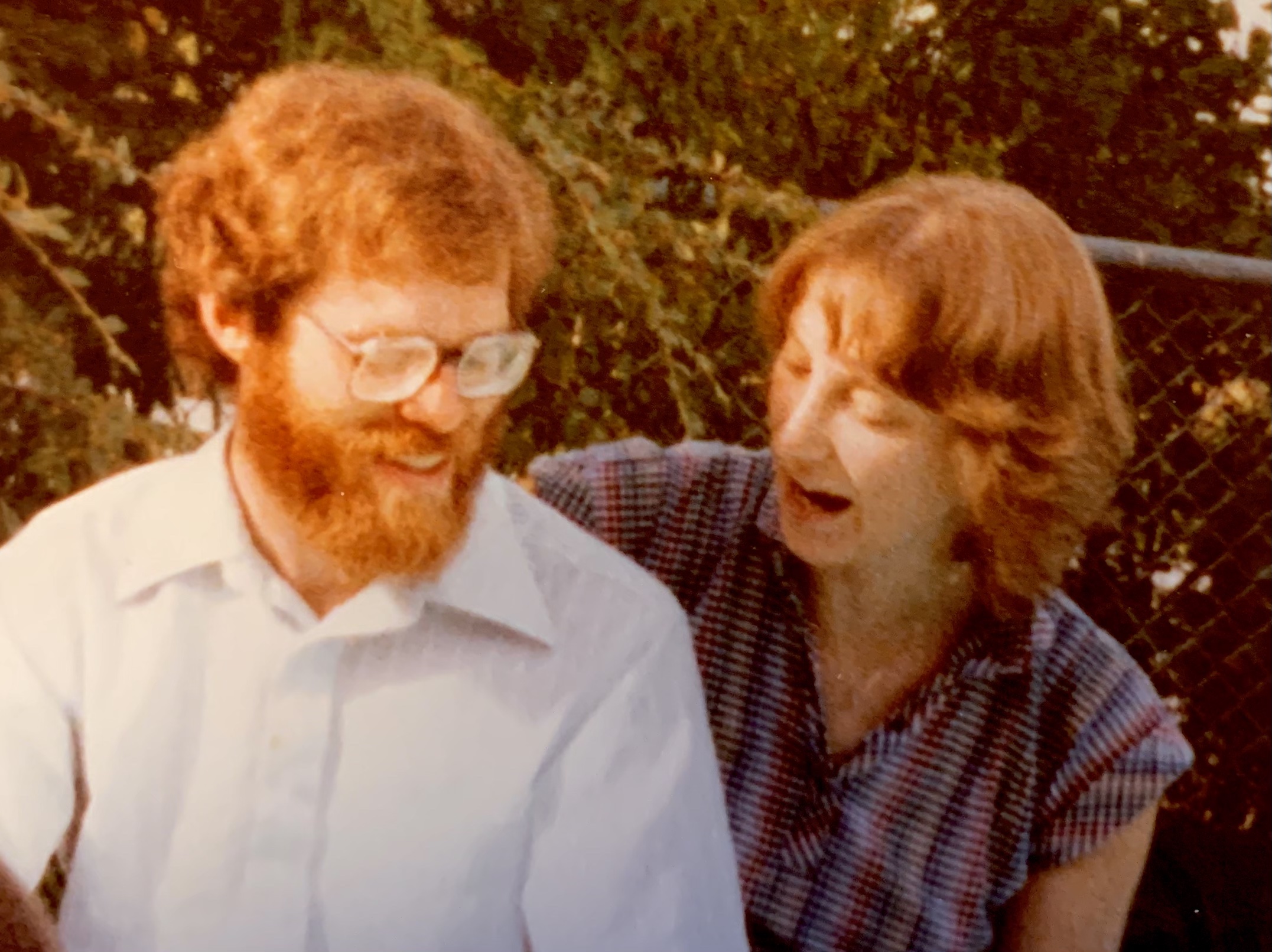
For Dan’s 70th birthday…
In this journey together, we inhabit each other, however long may be the road we travel; you have become the air I breathe, refreshing, renewing, restoring~~ you are that necessary to me, and that beloved.
Each year, as we grow older together: grayer, softer, gentler with ourselves, each other, and the world.
I pause, on this day you were born, to thank God yet again for bringing you to earth so we could meet, raise our three amazing children, and now our grandchildren, walking life together with faith and hope and dreams.
It was your quiet brown eyes I trusted first and just knew I’d follow you anywhere and I have…
One-Time
Monthly
Yearly
Make a one-time or recurring donation to support daily Barnstorming posts
After the months of his pursuit of her now they meet face to face. From the beginnings of the world his arrival and her welcome have been prepared. They have always known each other. ~Wendell Berry from “Her First Calf”
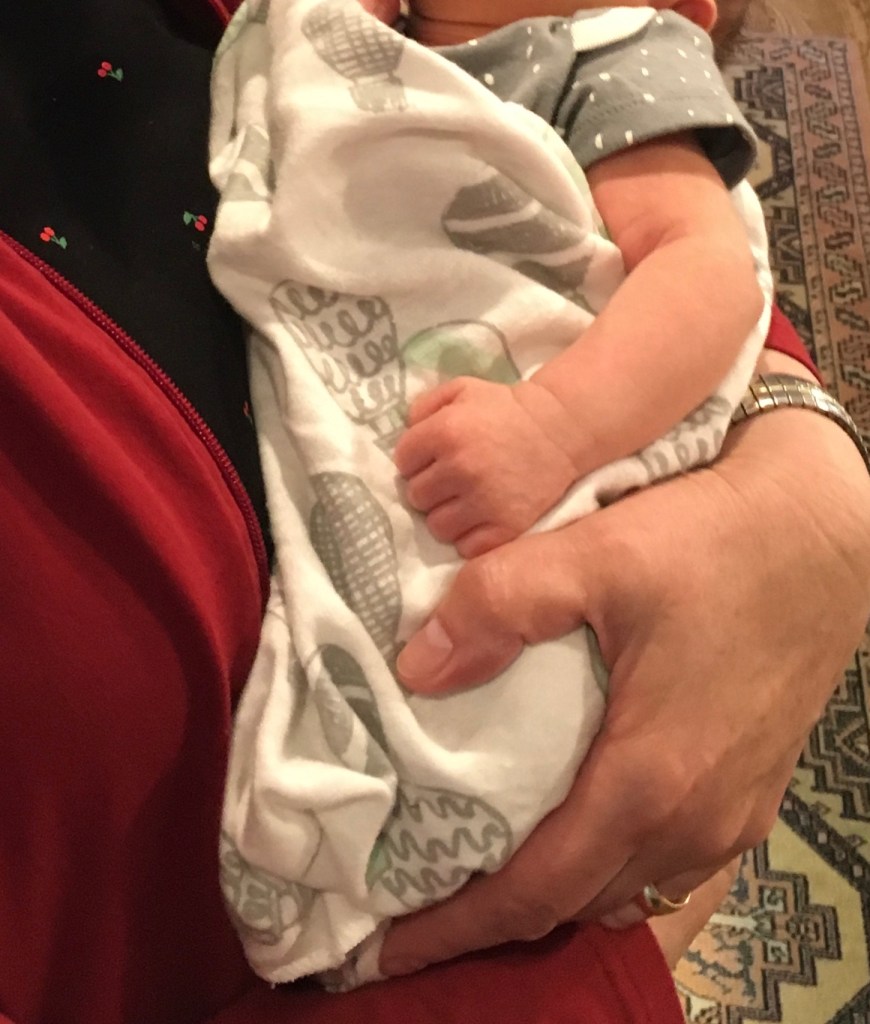
For our daughter Lea and her husband Brian – who waited in faith through many complications along the way: Born early this morning – their healthy son, Levi Jireh – The Lord provides!
It is the fate of parents to be wrung from, mightily compressed within the inevitable emotional and physical labor of birth.
There is nothing gentle in what it takes to give birth to a new mother and father.
Parenting is sweetness never tasted before, a flood of unprecedented devotion, an unforgettable face to face meeting destined from the beginnings of time.
You both have known him, and he has known you all along, right from the very Beginning.
Now born in covenant promise, he is set free to return your loving gaze.
One-Time
Monthly
Yearly
Make a one-time or recurring donation to support daily Barnstorming posts
The squirrel sticks its head from the tree’s knot, shrieking directions, a village gossip with a huge plumed tail. It moves down the scalloped bark, swaying on tiny nails, and stops, eye-level with my swollen belly. A black blur of bird swoops, the velvet of its wing against my cheek. It nests among a ruckus of robins, less interested in being fed than being heard. Around the curve of the road, I near the farmer’s fence. His mare lowers her fan of lashes. In the pond, a fish flips, exposing its silver stomach. ~Tina Barry, “The Animals Know” from Beautiful Raft
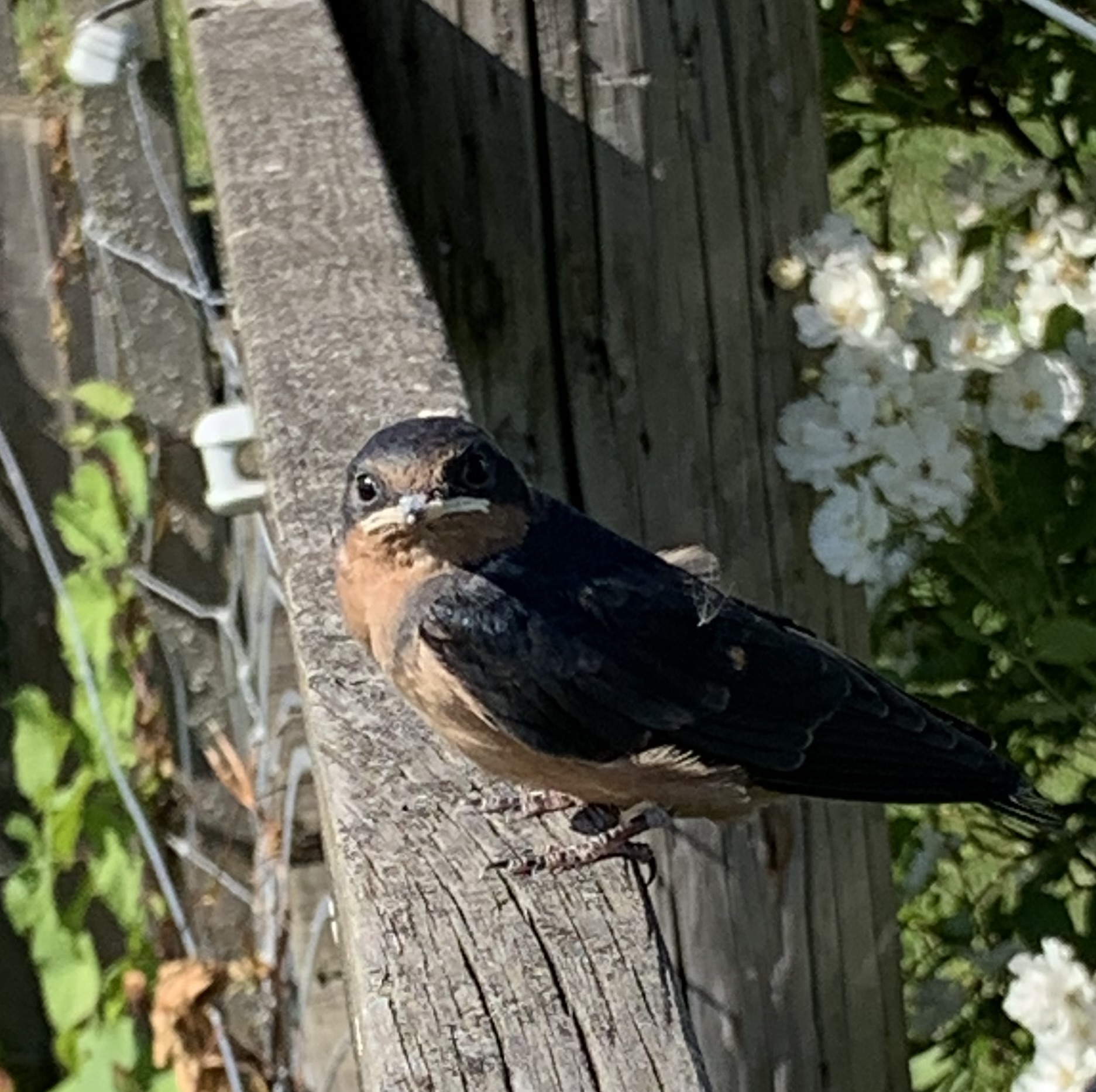
photo by Harry Rodenberger
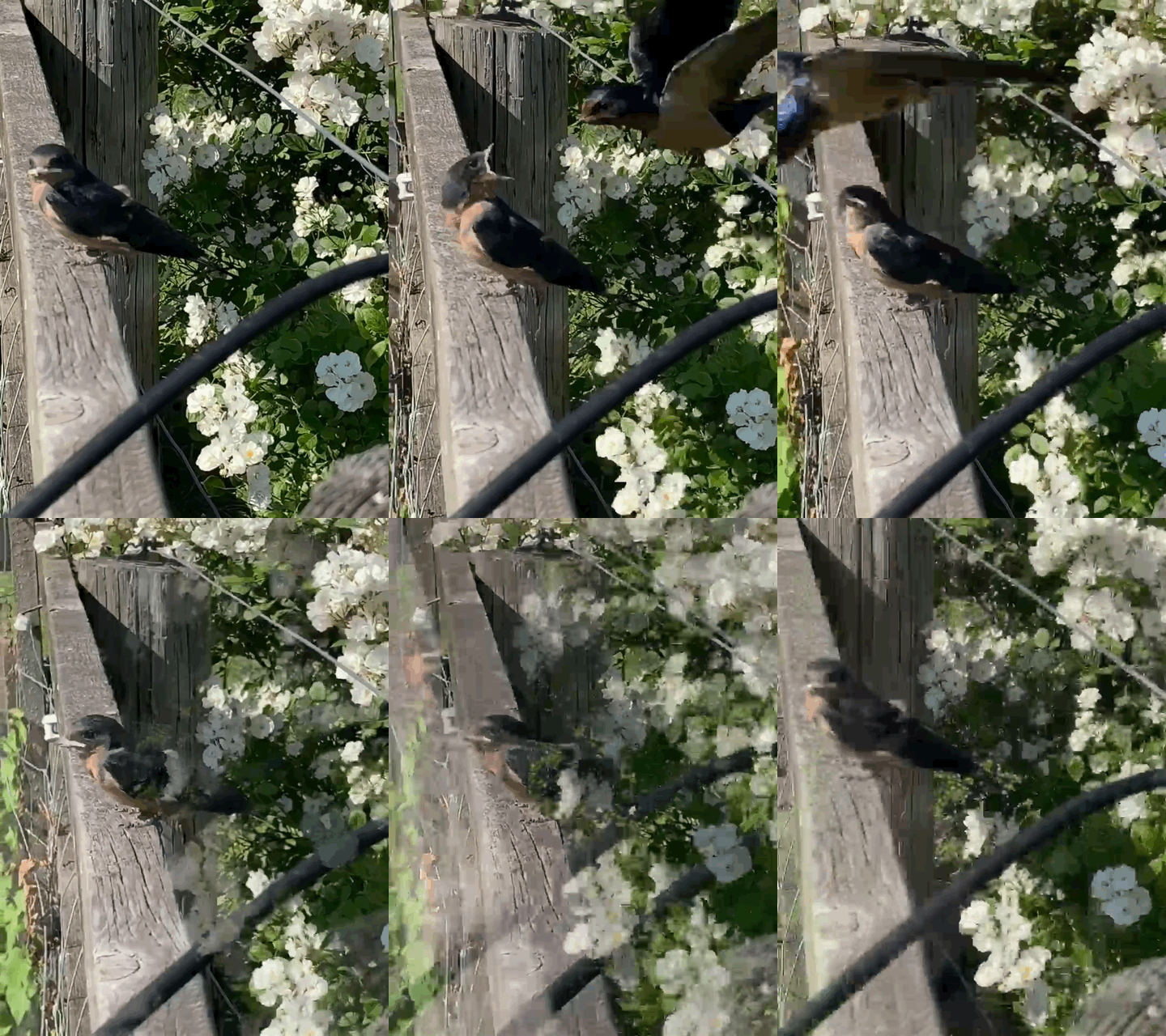
video by Harry Rodenberger
It has been over thirty years since I carried a child in my belly. Each time, I remember having the feeling our farm animals knew I was “expecting” even before it became obvious. Maybe it was because I was so overjoyed, I carried myself differently. After experiencing a miscarriage and two years of infertility workups, it felt almost magical being pregnant. It seemed as if our invisibly growing baby was already welcomed by all the creatures on our farm and were celebrating the anticipation along with us.
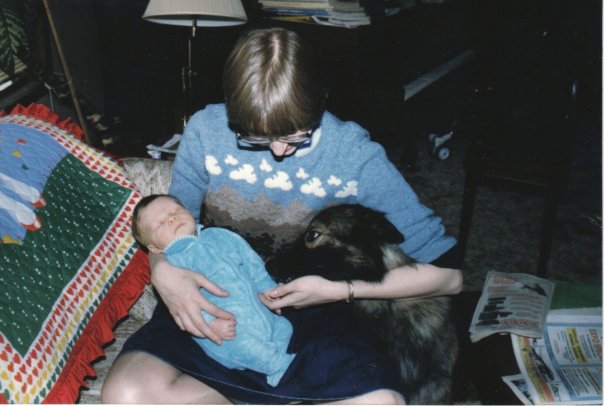
While I was pregnant with our first son, after such a long wait for parenthood, we bought a new dog, Tango and moved to a farm from the city. She was a year old and had never been around babies, so we weren’t sure how she would adapt to both new surroundings and new owners. As we drove six hours to her bring her to her new home, she happily settled in for the trip lying on my bulging tummy, pummeled by kicks from a baby she would soon meet face to face.
She loved him as soon as she saw him. She had known him and understood him as he grew inside.
Now, decades later, our family’s next generation is fulfilling their own hopes for the future: we have four cherished grandchildren in addition to the two we are now waiting to meet — one will be any day now.
The expectation of new life is so sweet. All that lives and breathes anticipates this new soul budding and about to bloom.
Somehow, they just know…
One-Time
Monthly
Yearly
Make a one-time or recurring donation to support daily Barnstorming posts


























 Barnstorming