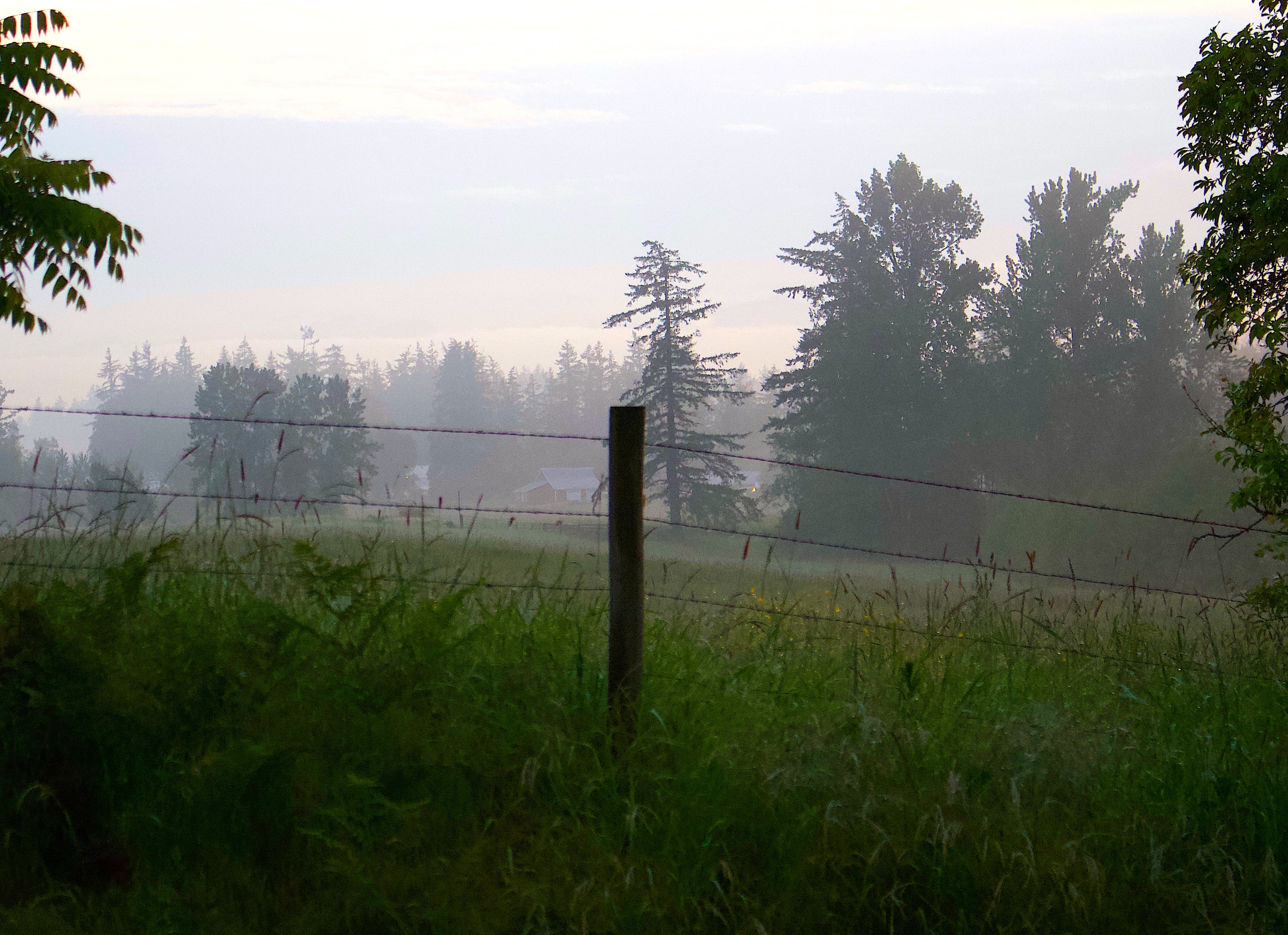
The Lapse of Time

A single gentle rain makes the grass many shades greener.
So our prospects brighten on the influx of better thoughts.
We should be blessed if we lived in the present always, and
took advantage of every accident that befell us.

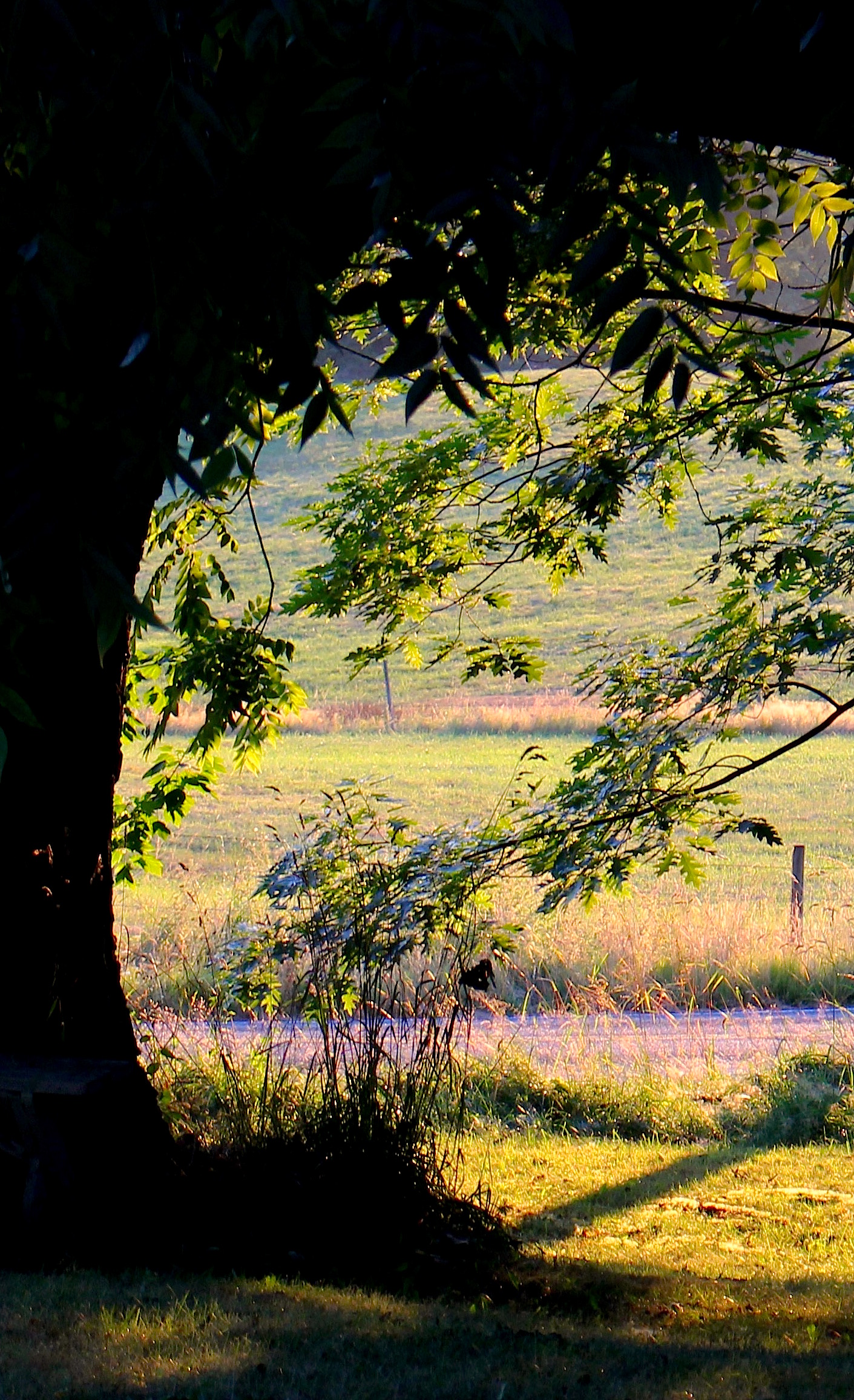
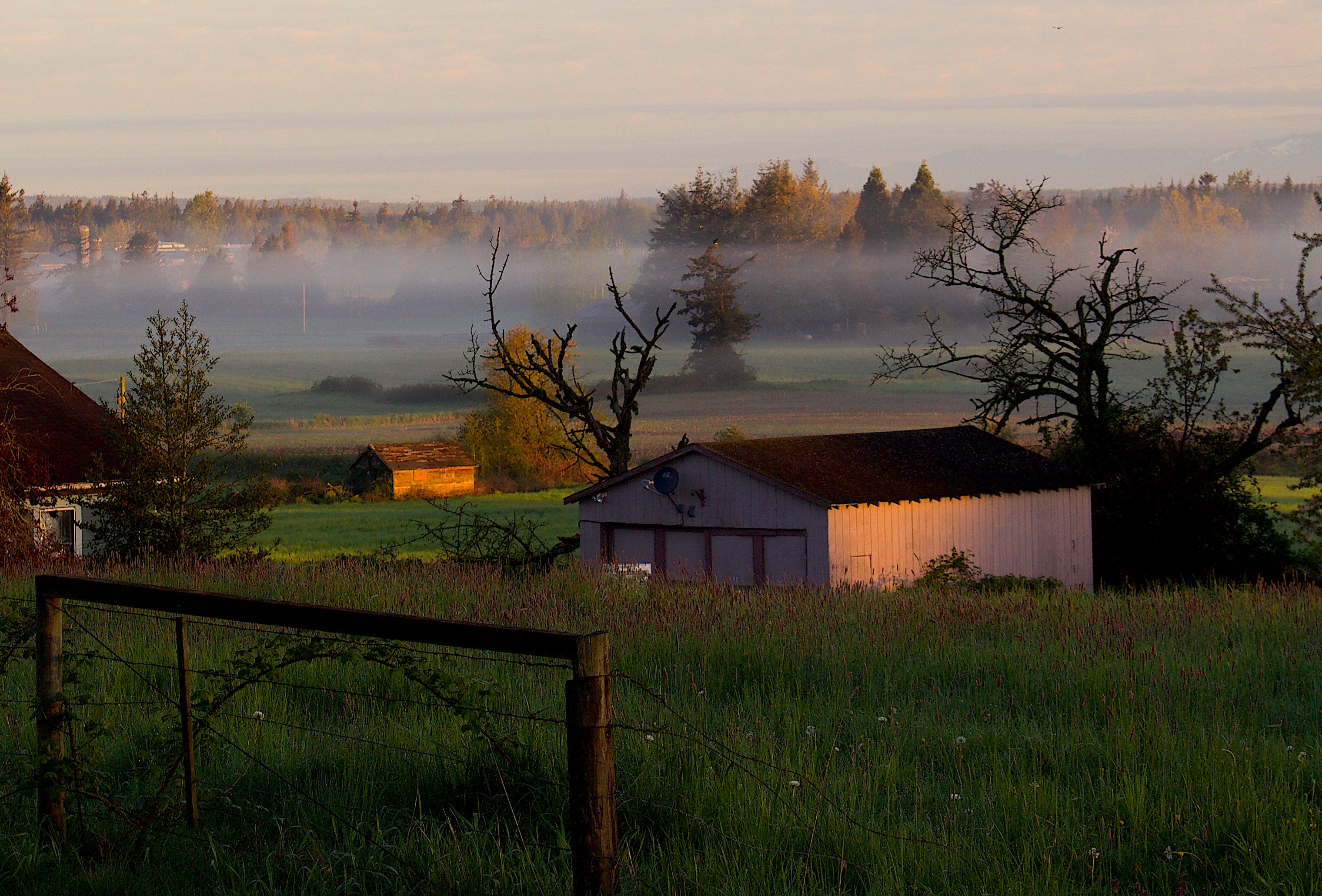
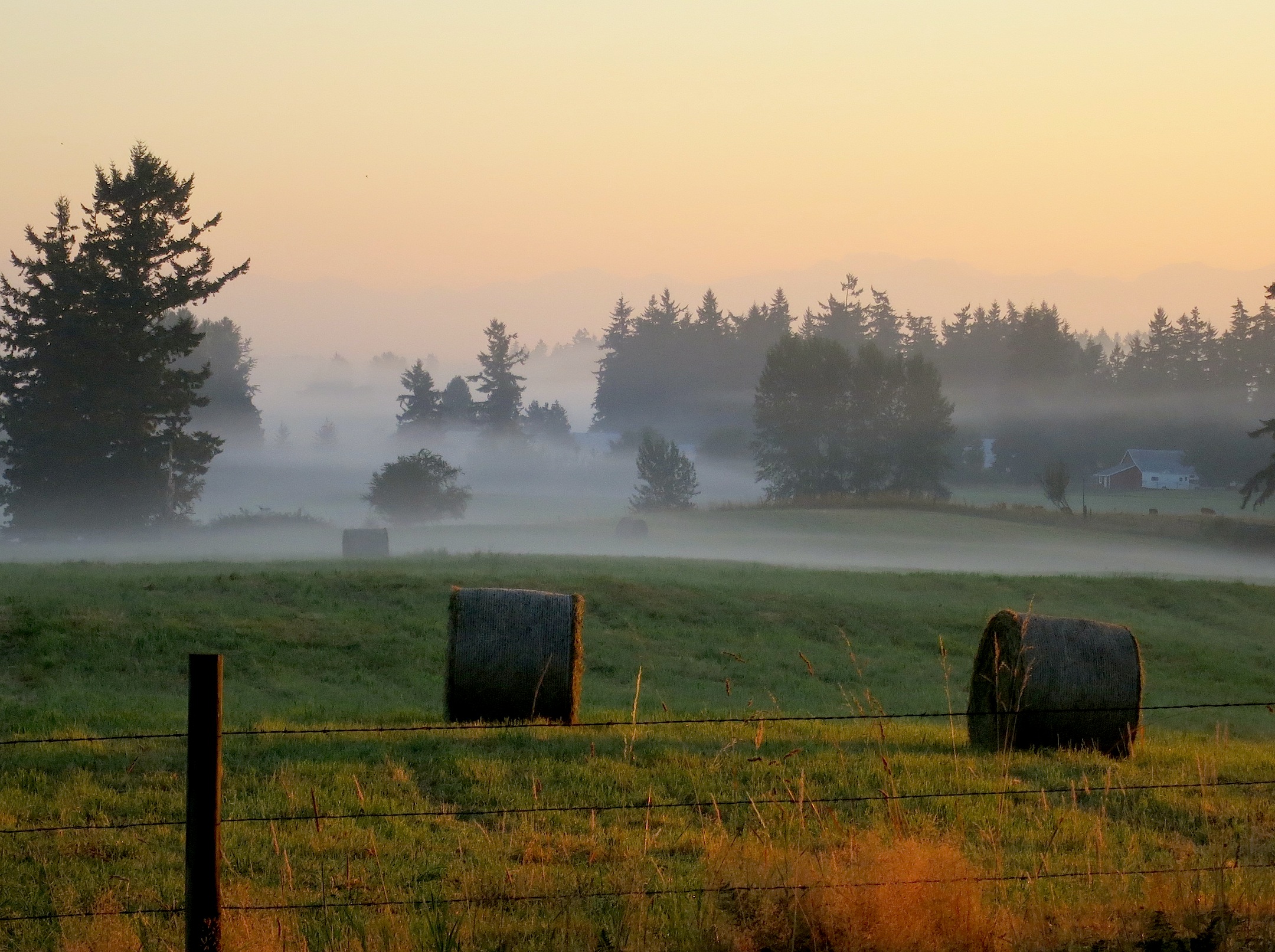
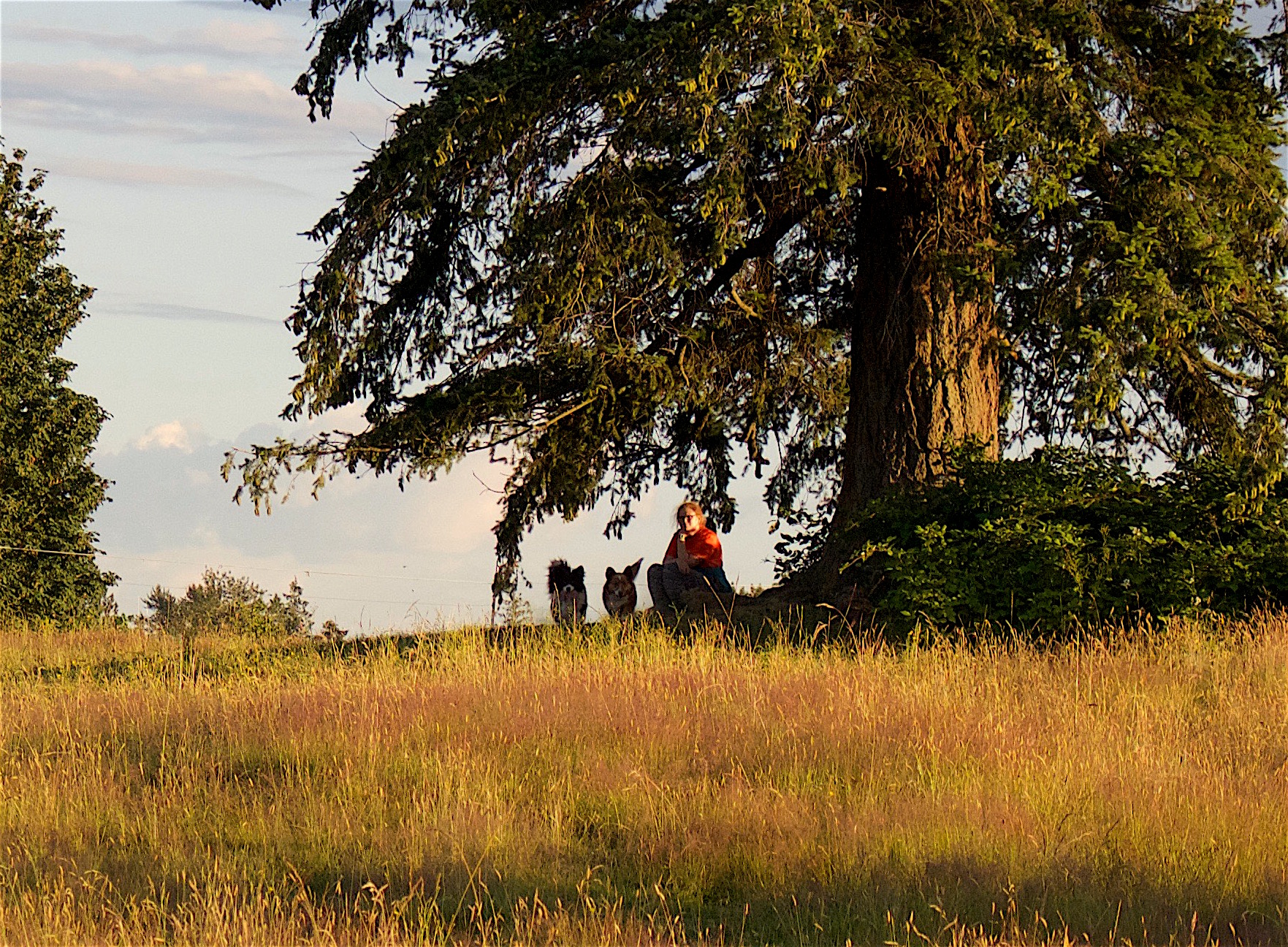
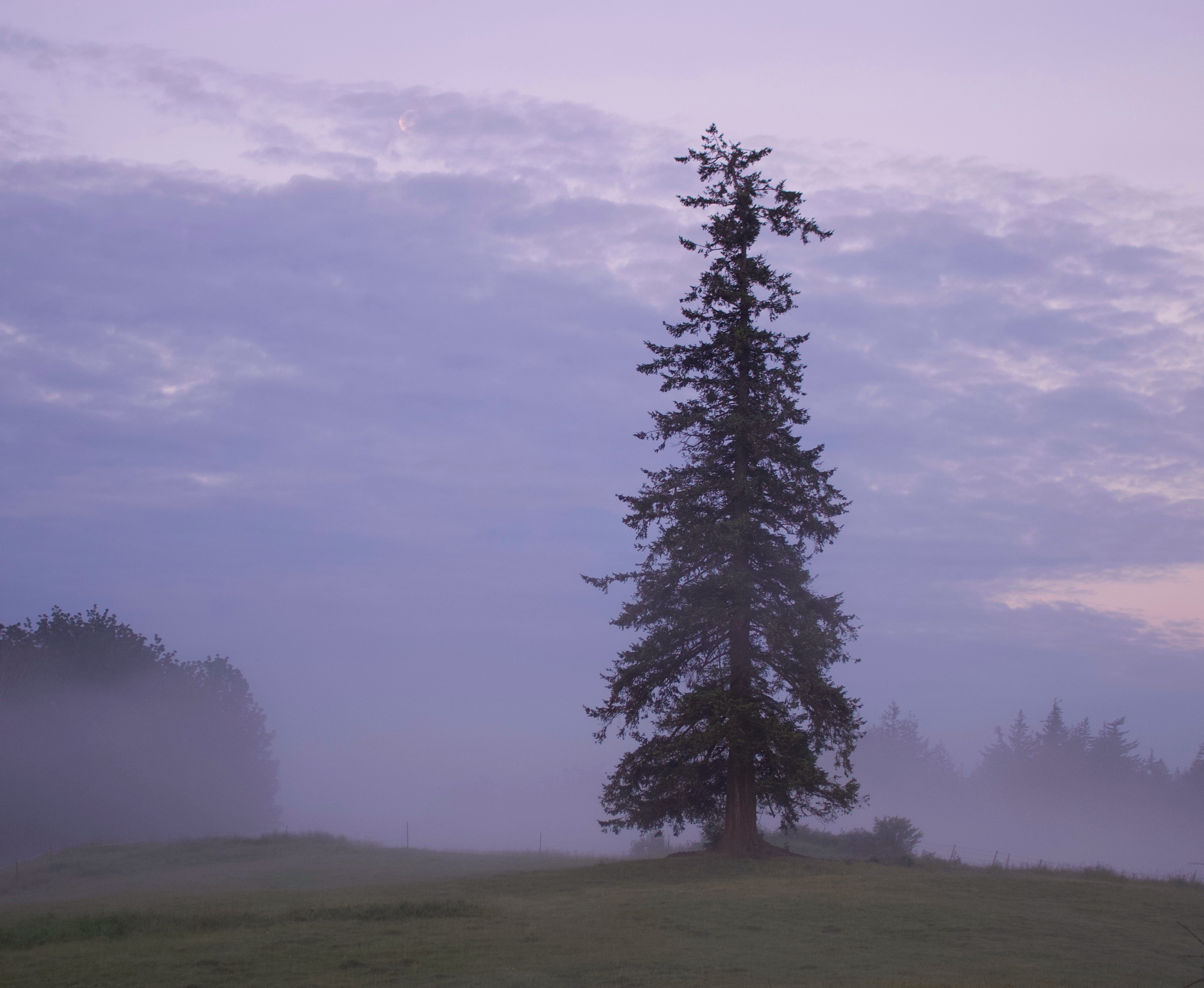
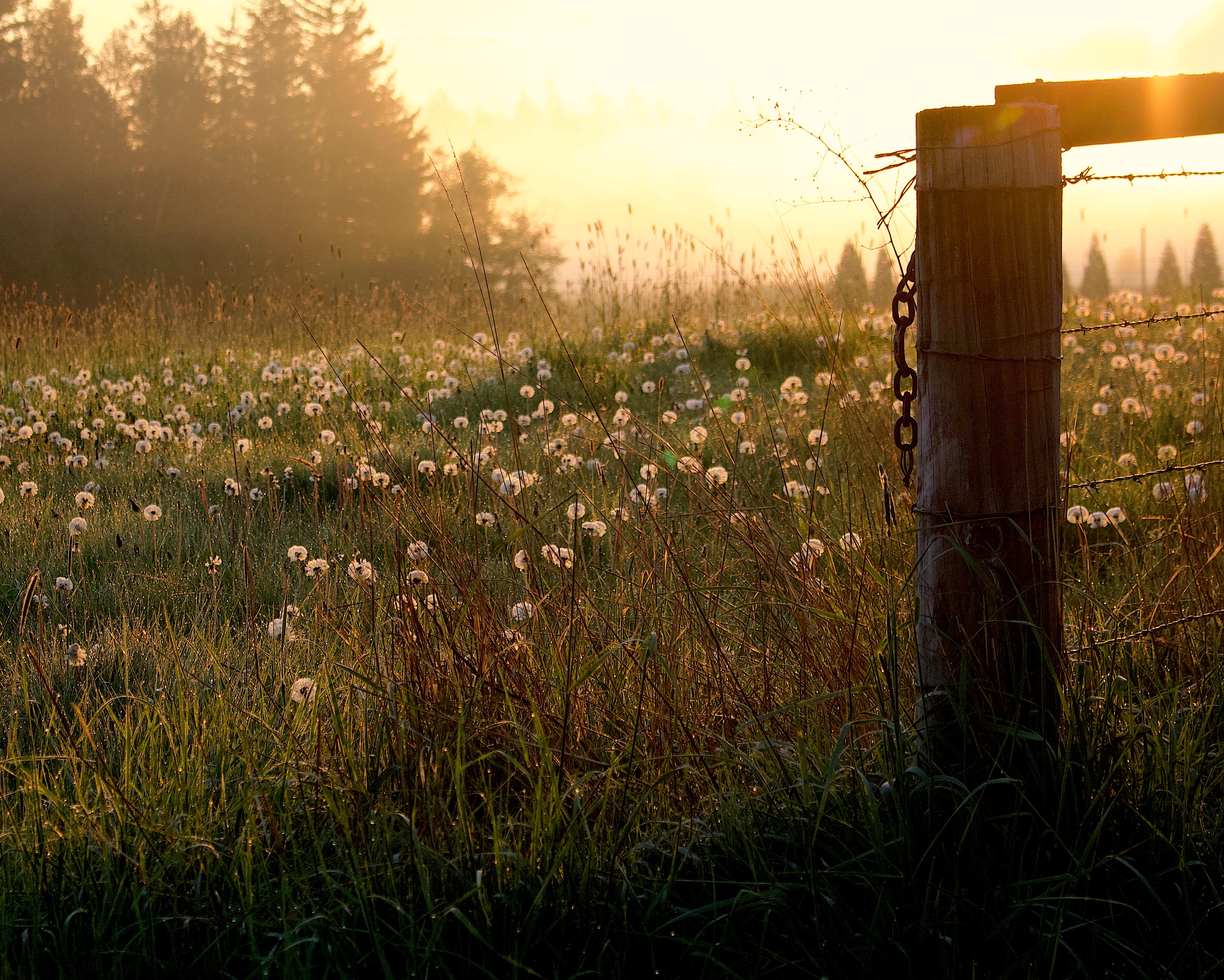
Sometimes, in a summer morning, having taken my accustomed bath, I sat in my sunny doorway from sunrise till noon, rapt in a revery, amidst the pines and hickories and sumachs, in undisturbed solitude and stillness, while the birds sing around or flitted noiseless through the house, until by the sun falling in at my west window, or the noise of some traveller’s wagon on the distant highway, I was reminded of the lapse of time.
~Henry David Thoreau from “Simplicity” in Walden.

I’m completely unskilled at doing nothing and have no idea how to go about it.

There is no continuing education course or training in it. I can’t get credit hours for accumulating guilt about wasting time — I get antsy at the mere thought of inactivity. Simply watching the hours pass makes me itchy for productivity.
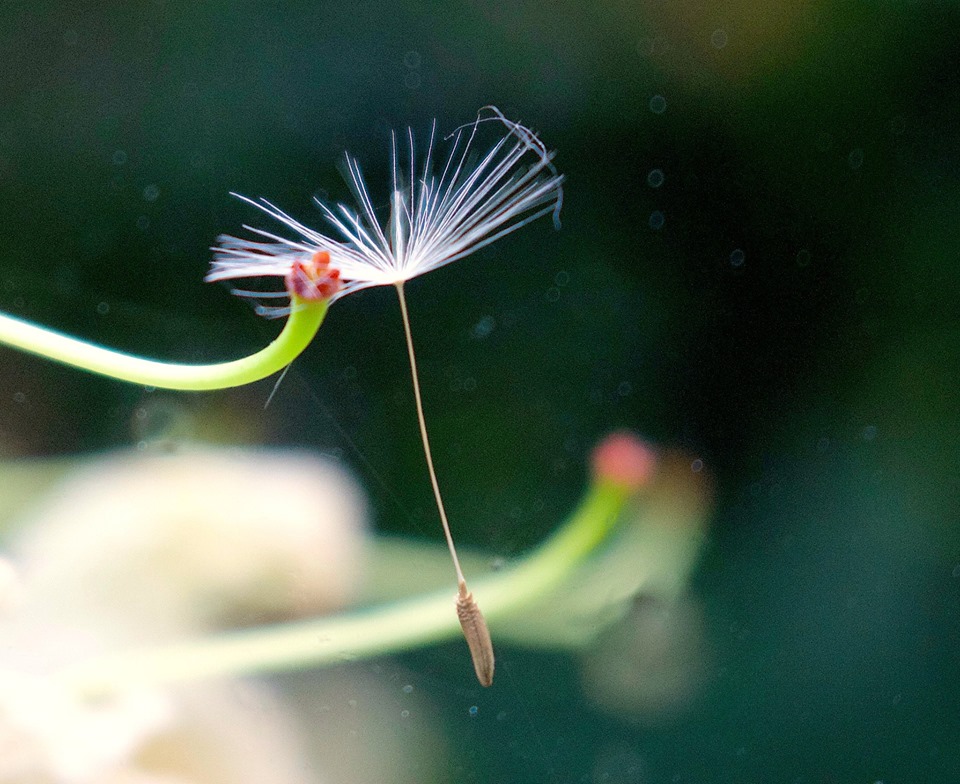
So I’m practicing at nothing whatsoever this summer, just to see if I’m really cut out for it. I’ve read up on “how to rest”: connecting to nature, taking a break from being responsible, choosing not to be helpful and just remaining still and to be content to watch what is around me. Except for the nature part, I’m an utter failure otherwise.

It starts to feel like work to not work.

Even Thoreau ended up writing down and then publishing his meandering thoughts. Sounds like work to me.

Time for a nap.

Hives and Swarms

Here is the place; right over the hill    
Runs the path I took; 
You can see the gap in the old wall still,    
And the stepping-stones in the shallow brook. 

There is the house, with the gate red-barred,    
And the poplars tall; 
And the barn’s brown length, and the cattle-yard,    
And the white horns tossing above the wall. 

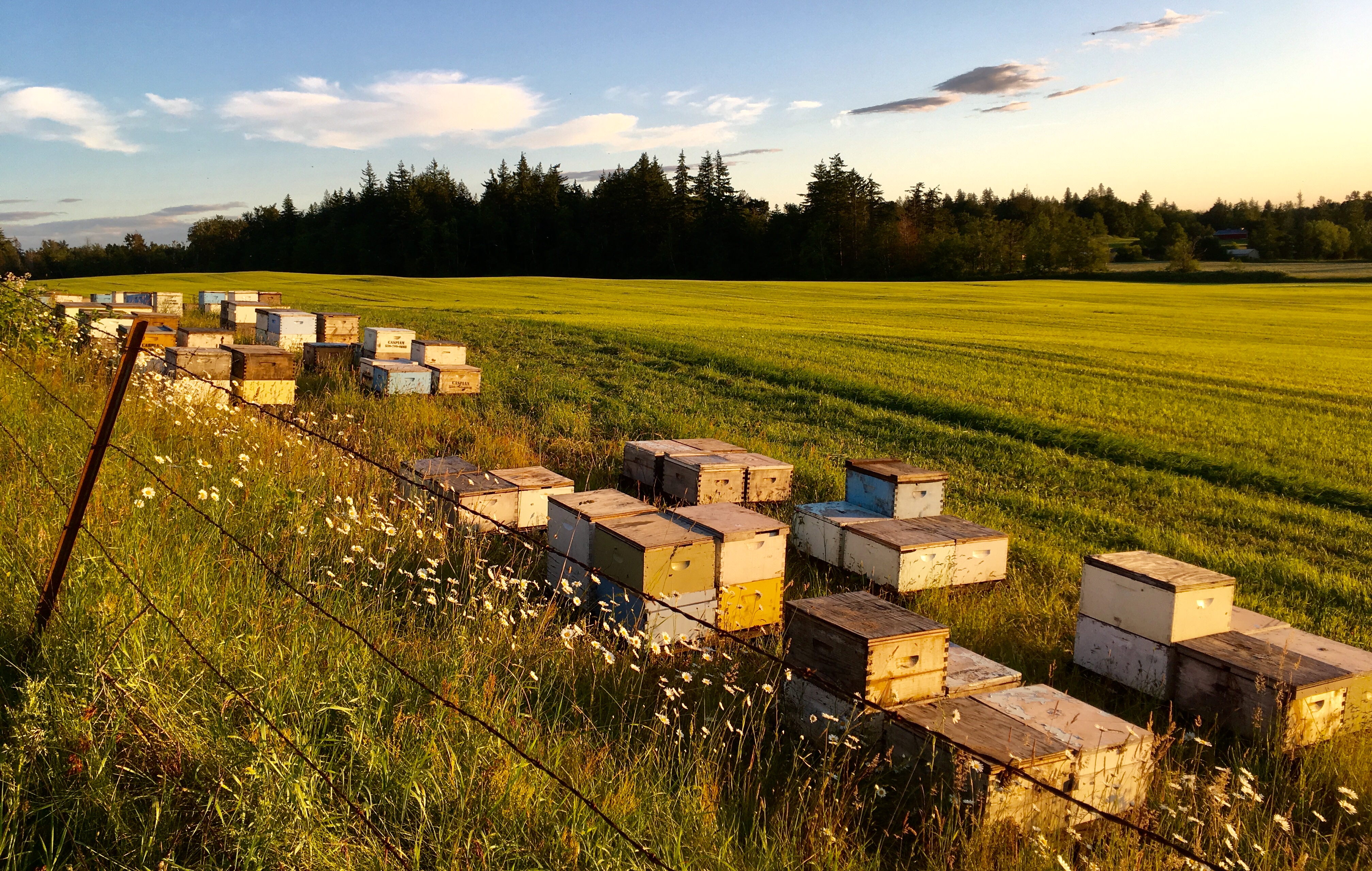
There are the beehives ranged in the sun;    
And down by the brink 
Of the brook are her poor flowers, weed-o’errun,    
Pansy and daffodil, rose and pink. 

A year has gone, as the tortoise goes,    
Heavy and slow; 
And the same rose blows, and the same sun glows,    
And the same brook sings of a year ago. 

I can see it all now,—the slantwise rain    
Of light through the leaves, 
The sundown’s blaze on her window-pane,    
The bloom of her roses under the eaves. 

Just the same as a month before,—    
The house and the trees, 
The barn’s brown gable, the vine by the door,—    
Nothing changed but the hives of bees. 

Before them, under the garden wall,    
Forward and back, 
Went drearily singing the chore-girl small,    
Draping each hive with a shred of black. 

Trembling, I listened: the summer sun    
Had the chill of snow; 
For I knew she was telling the bees of one    
Gone on the journey we all must go! 
~John Greenleaf Whittier from “Telling the Bees”

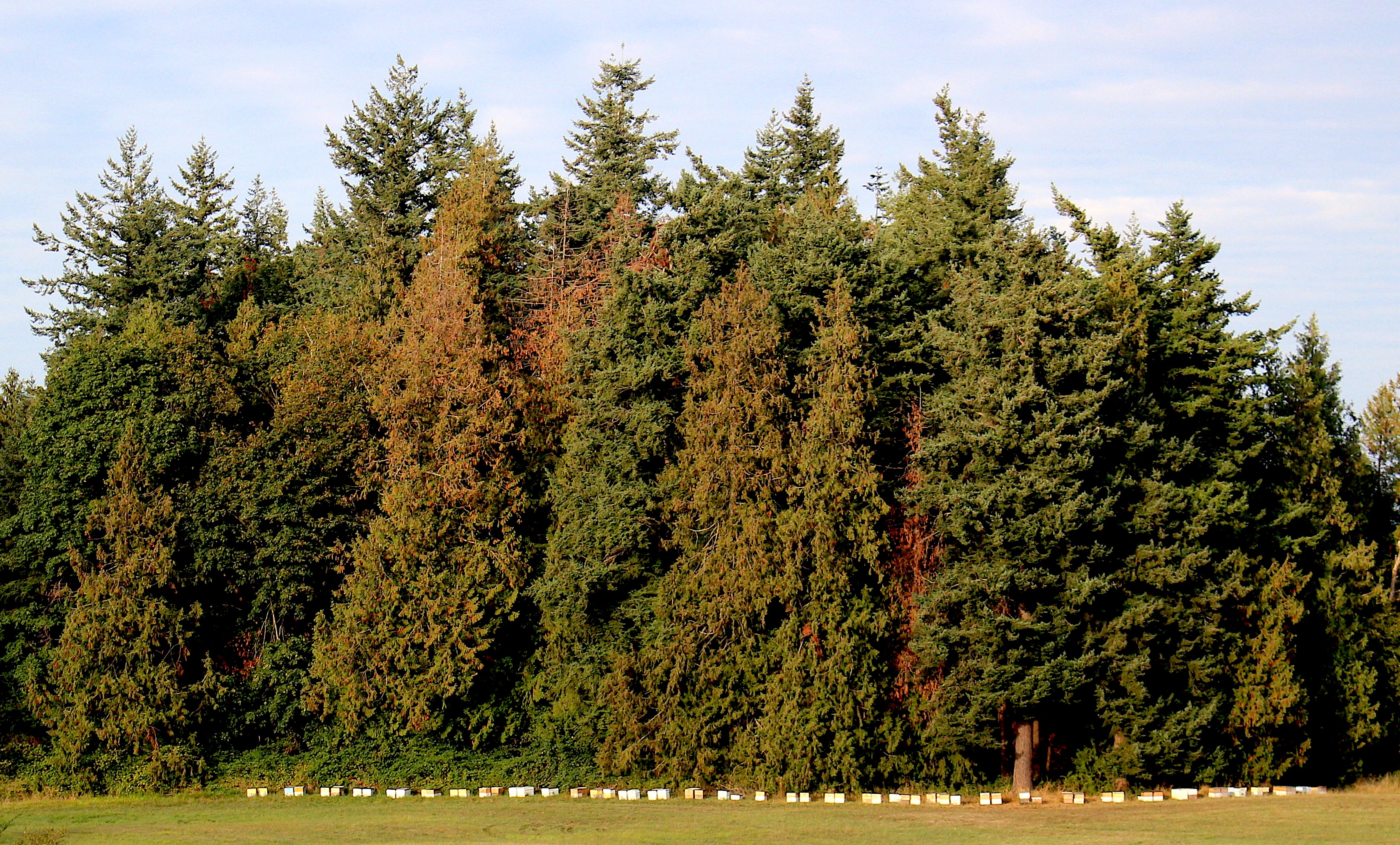
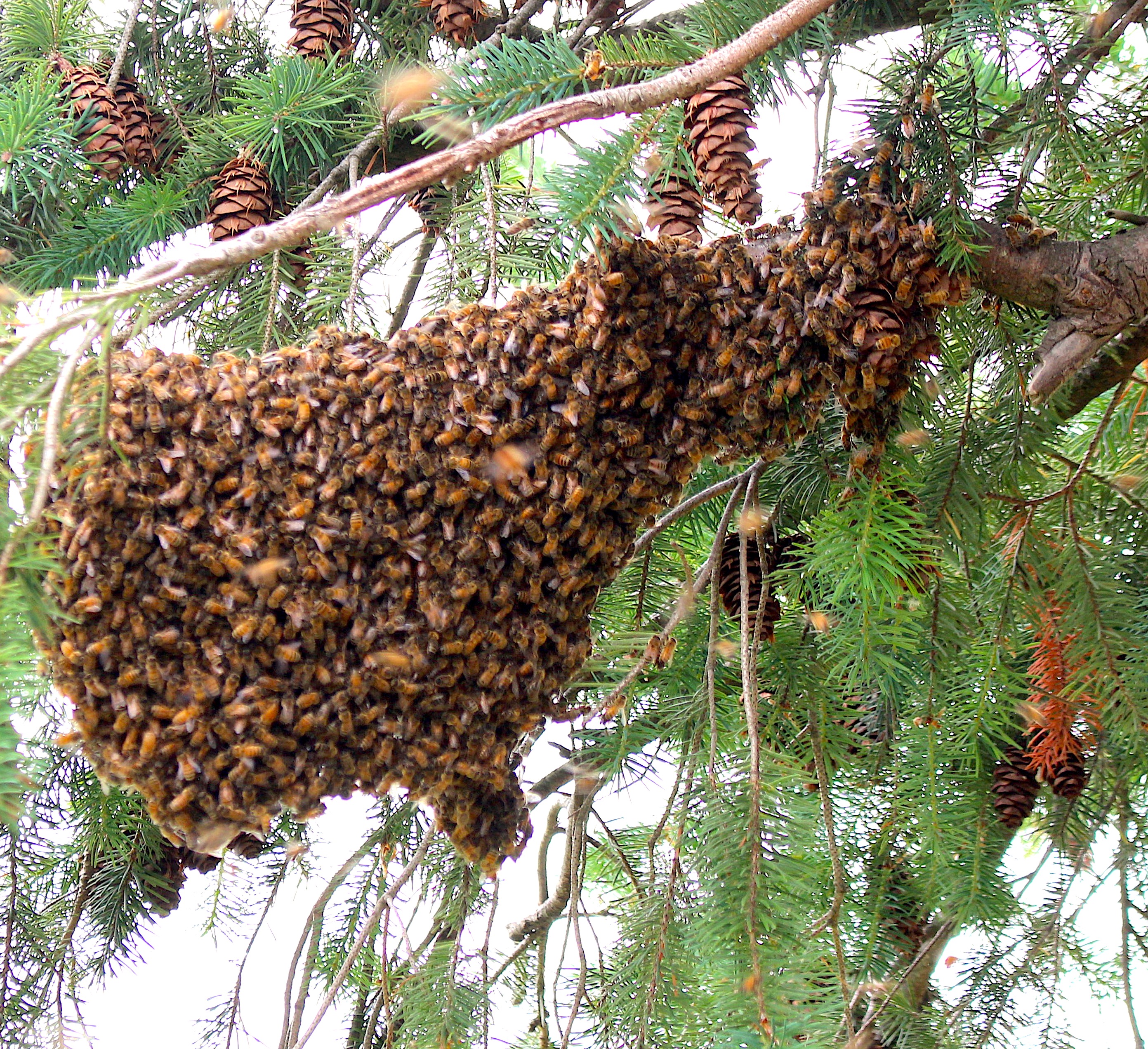
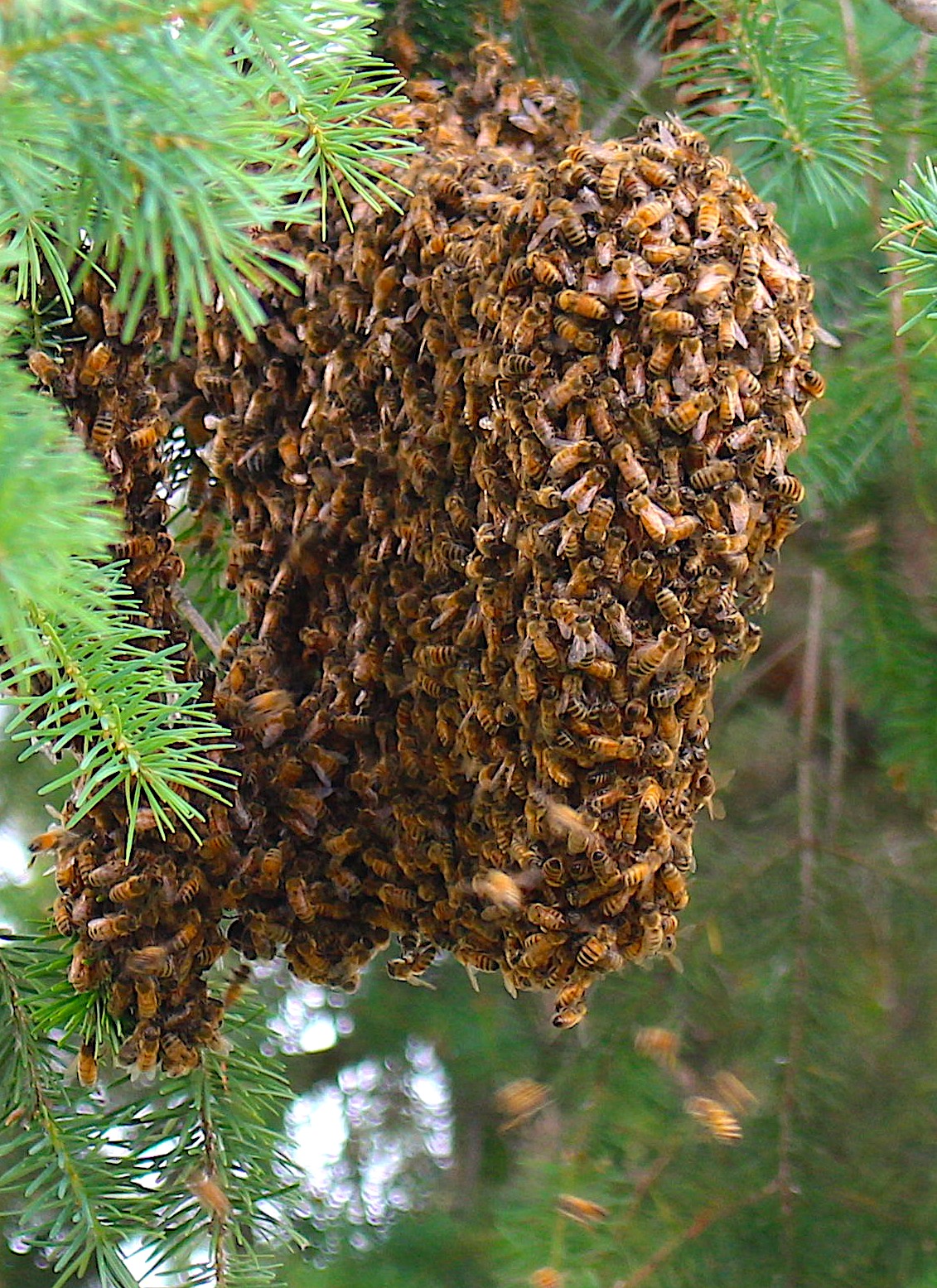
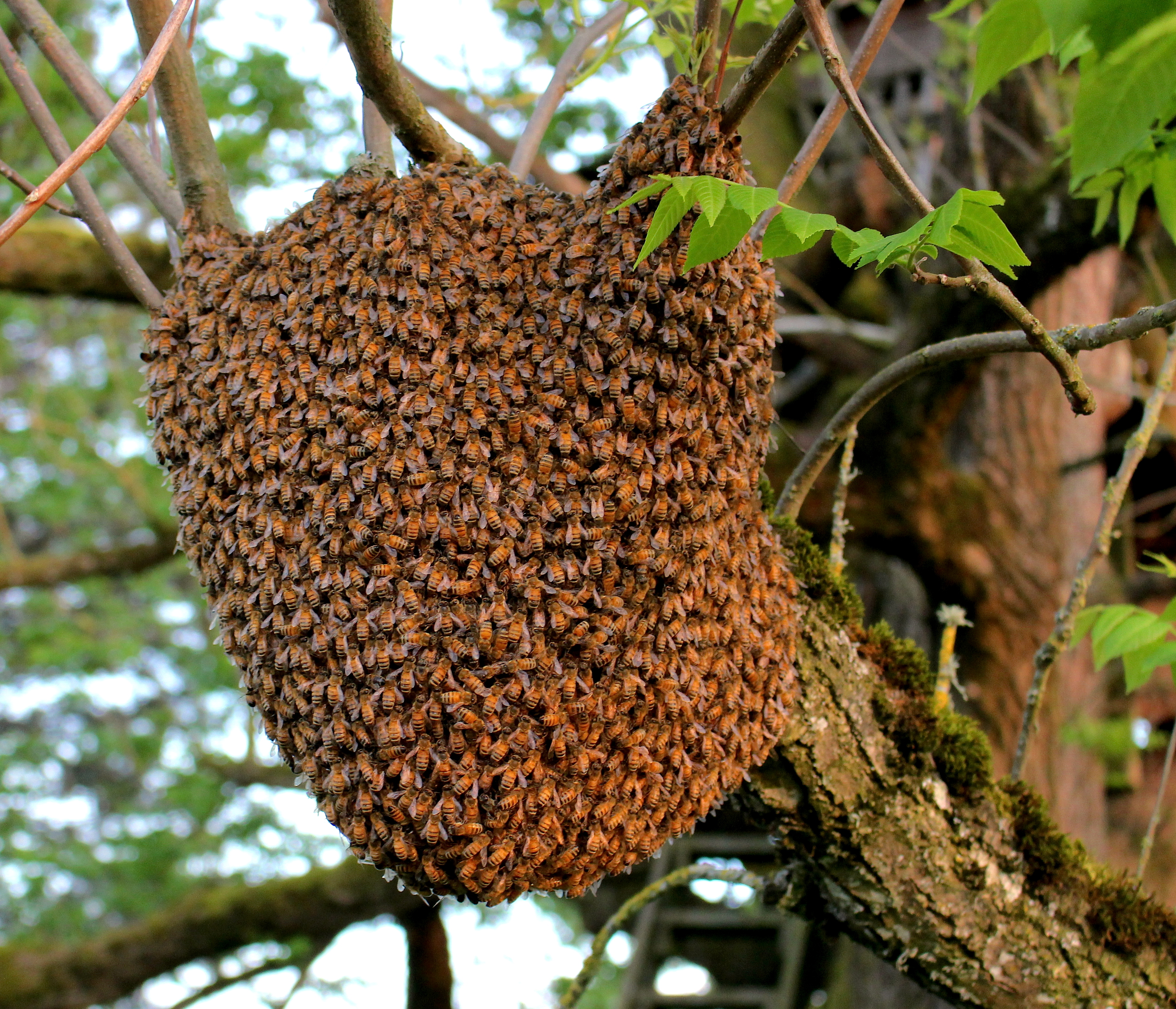
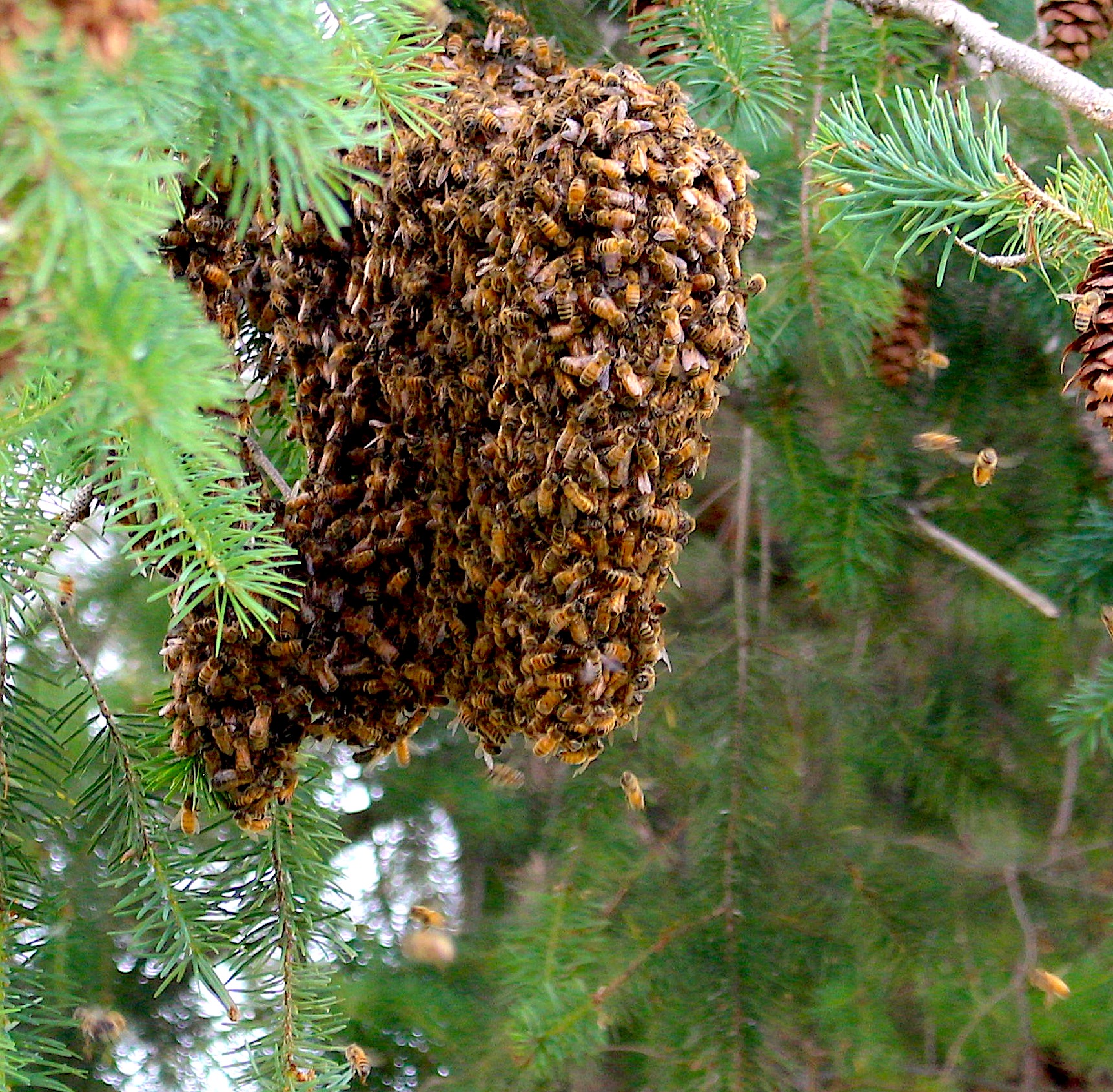
An old Celtic tradition necessitates sharing any news from the rural household with the farmer’s bee hives, whether cheery like a new birth or a wedding celebration or sad like a family death.  This ensures the hives’ well-being and continued connection to home and farm – the bees are kept in the loop, so to speak, so they stay at home, not swarming to move on to a more hospitable and presumably communicative place.

Good news seems always easy to share; we tend to keep bad news to ourselves so this tradition helps remind us that what affects one of us, affects us all. These days, with instant news at our fingertips at any moment, bad news is constantly bombarding us. Like the bees in the hives of the field, we want to flee from it and find a more hospitable home.

I do hope the Beekeeper comes and personally reassures us:
“Here is what has happened.
All will be okay.
We will navigate this life together.
Please stay with me.”

O gentle bees, I have come to say
That grandfather fell to sleep to-day.
And we know by the smile on grandfather’s face.
He has found his dear one’s biding place.
So, bees, sing soft, and, bees, sing low.
As over the honey-fields you sweep,—
To the trees a-bloom and the flowers a-blow
Sing of grandfather fast asleep;
And ever beneath these orchard trees
Find cheer and shelter, gentle bees.
~Eugene Field from “Telling the Bees”


Take the Hand You Know Belongs in Yours

I think of the story
of the storm and everyone
waking and seeing
the distant
yet familiar figure
far across the water
calling to them…

…so that when 
we finally step out of the boat 
toward them, we find
everything holds
us, and everything confirms
our courage, and if you wanted 
to drown you could, 
but you don’t 
because finally 
after all this struggle
and all these years
you don’t want to any more
you’ve simply had enough
of drowning
and you want to live and you 
want to love and you will
walk across any territory
and any darkness
however fluid and however
dangerous to take the
one hand you know
belongs in yours.
~David Whyte from “The Truelove” in The House of Belonging

Yesterday was the wrap-up to my thirtieth academic year working as a college health physician.  Despite budget challenges, inadequate staffing, a higher severity of illness in a patient population with burgeoning mental health needs,  our staff did an incredible job this year serving students and their families with the resources we do have.  

Reaching the end of the school year is always poignant: we will miss the graduating students we have gotten to know so well over four or five (or six!) years,  while we watch others leave temporarily for the summer, some to far away places around the globe.

We weep for those who have failed out, given up or fallen away from those who care deeply about them, some never to return to school again, and a few giving up on life itself. They did not take the hand offered to guide them through, even though they tired of drowning.

In my work I have tried to do what is needed when it is needed no matter what time of the day or night.  There are obviously times when I fall short– too vehement when I need to be quiet, too urgent and pressured when I need to be patient,  too anxious to do something/anything when it is best to simply do no harm.

I can only hold out my hand and wait. 

Each year I learn enough from each patient to fill volumes, as they speak of their struggles, their pain, their stories and sometimes hearing, most tragically, their forever silence.

I honor you, our students, on this day, to confirm your courage stepping out from the safety of the boat — not to drown, never to drown — but wanting to live, wanting to love, wanting to move healthier, better equipped and joyful into the rest of your lives.

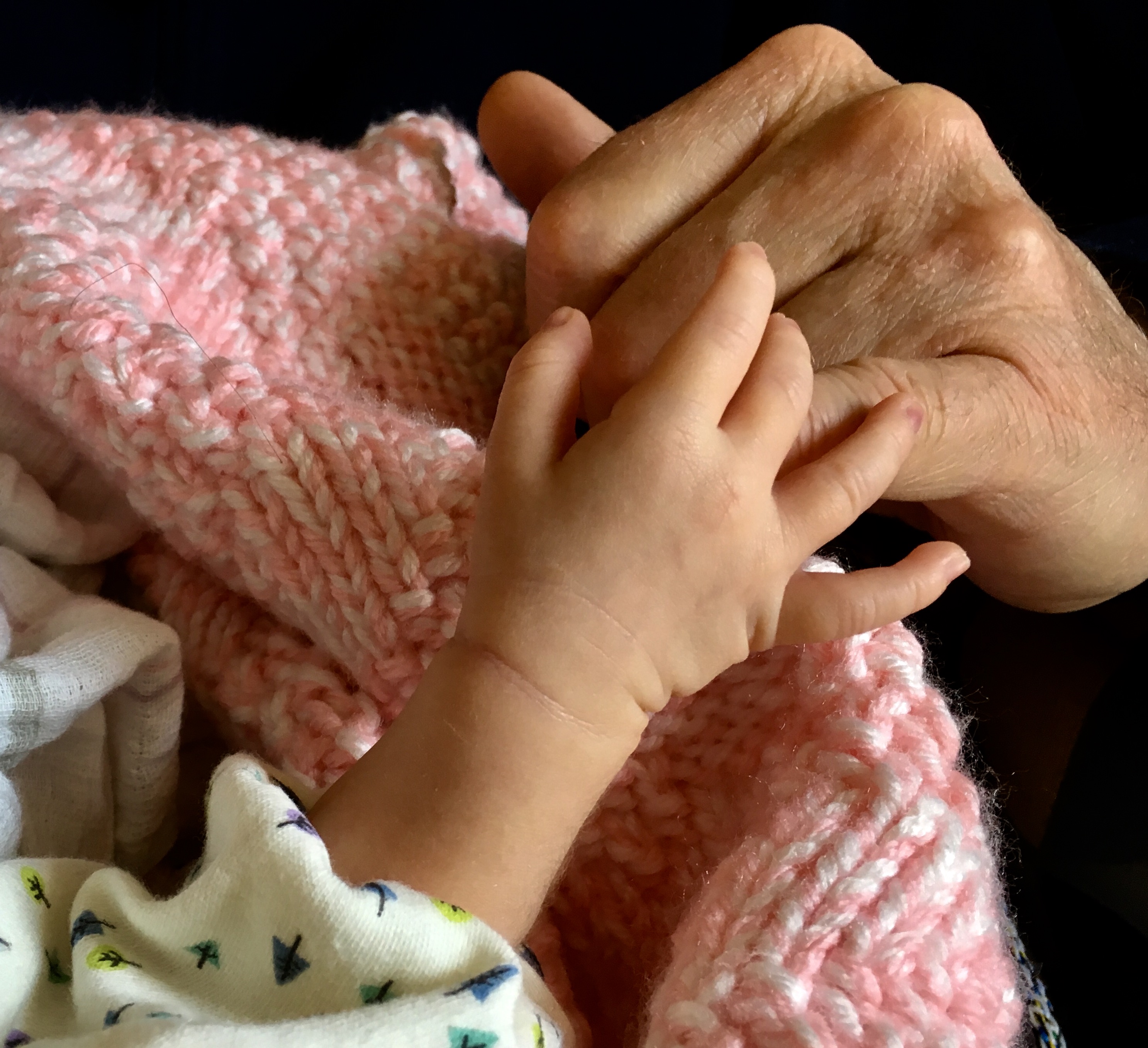
Just take the outreached Hand that belongs in yours.


Where Morning Lies

Will there really be a “Morning”?
Is there such a thing as “Day”?
Could I see it from the mountains
If I were as tall as they?

Has it feet like Water lilies?
Has it feathers like a Bird?
Is it brought from famous countries
Of which I have never heard?

Oh some Scholar! Oh some Sailor!
Oh some Wise Man from the skies!
Please to tell a little Pilgrim
Where the place called “Morning” lies!
~Emily Dickinson

You are the future, the immense morning sky
turning red over the prairies of eternity…

You are the meaning deepest inside things
that never reveals the secret of its owner.
And how you look depends on where we are:
from a boat, you are shore, from the shore a boat.
~Rainer Maria Rilke,  from Love Poems to God from the Book of Hours

I know now what weariness is when the mind stops
and night is a dark blanket of peace and forgetting
and the morning breaks to the same ritual and the same
demands and the silence.
~Jane Clement from No One Can Stem the Tide

I head to clinic this morning
knowing from now on
my work will feel different after today,
no longer the same ritual,
no longer the same demands.

Mornings will be more resonant, depending on where I am:
from the boat I no longer must be shore,
from the shore I no longer need to row the boat.

I can simply be what the patient needs in the moment
and the patient is all I need.

Amen and amen.


Supposing a Tree Fell Down

“Supposing a tree fell down, Pooh, when we were underneath it?”

“Supposing it didn’t,” said Pooh after careful thought.

Piglet was comforted by this.
~A.A. Milne

It is the final week of a very long academic year and tension is running high.

Among those students to whom I provide care,
there are many who dwell deeply in â€śwhat if?” mode,
immobilized in their anticipation of impending disaster.

I understand this line of thinking,
particularly in this day and age of
“in the moment” tragedy
played out real-time in the palm of our hand
and we can’t help but watch as it unfolds.

Those who know me well
know I can fret and worry
better than most.
Medical training only makes it worse.
It teaches one to think catastrophically.
That is what I do for a living,
to always be ready for the worse case scenario.

When I rise, sleepless,
to face a day of uncertainty
as we all must do at times~
after careful thought,
I reach for the certainty I am promised
over the uncertainty I can only imagine:

What is my only comfort in life and in death? 
That I am not my own, but belong
—body and soul, in life and in death—
to my faithful Savior, Jesus Christ.

“Supposing it didn’t” — He says (and thus we are comforted)


Grace Disguised

If grace is so wonderful, why do we have such difficulty recognizing and accepting it?

Maybe it’s because grace is not gentle or made-to-order.

It often comes disguised as loss, or failure, or unwelcome change.
For grace to be grace, it must give us things we didn’t know we needed
and take us places where we didn’t know we didn’t want to go.
~Kathleen Norris from Acedia and Me

I’ve been salvaged when I didn’t even know I needed saving.
I’ve been given what I didn’t think I needed so never had asked.
I’ve been taken places I never planned to be when I was sure things were fine right where I was.

Grace is not about giving me what I think I want;
it is not a reward for good behavior. 

It is giving me exactly what I need when I deserve nothing.

It is the thorny landing that catches me when I fall.
It is the tiny drop that spares me in drought.
It is scars formed as proof that healing happens to the deepest wounds.
It is being scattered when I planned to remain whole.

I am grateful, so very grateful, for what I didn’t know.
I am grateful, so very grateful, for grace disguised.

Waving Goodbye

A poem begins as a lump in the throat, a sense of wrong, a homesickness, a lovesickness.
~Robert Frost
in a letter to Louis Untermeyer

Spending time away from home has always been difficult for me. I was hopelessly homesick as a child whenever I stayed overnight with a friend or even with my grandma. Going to college two states away was a complete ordeal – it took me much longer than typical to let go of home and finally settle into a new life away from all that was familiar. I really did feel sick clinging too tightly to home base, unwilling to launch, barely able to wave good-bye.

Even now, as I travel away from the farm for a week for this or that, I sometimes get the lump-in-the-throat feeling that I remember keenly from my childhood years — knowing I am out of my element, stretching my comfort zone, not feeling at home away from home.

Will I ever grow out of this now that I’m in my mid-sixties or will it only get worse? Will I ever embrace a lovesickness for the rest of the world?

I keep trying – but the return trip is still the sweetest remedy for this sickness. There’s no place like home…

For Every Hurt

oakleafhydrangeabug
 
 
Gardens are also good places
to sulk. You pass beds of
spiky voodoo lilies   
and trip over the roots   
of a sweet gum tree,   
in search of medieval   
plants whose leaves,   
when they drop off   
turn into birds
if they fall on land,
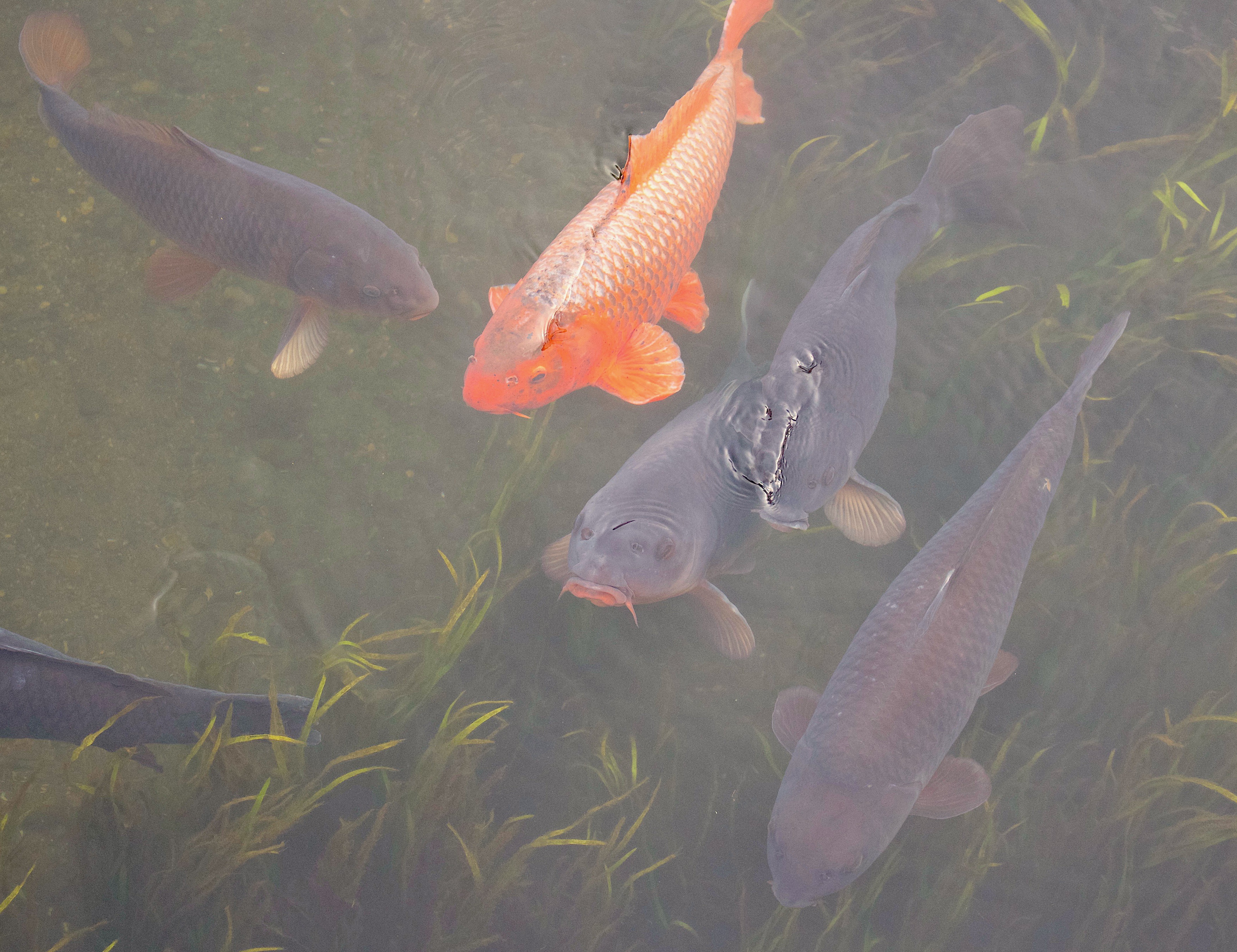
and colored carp if they   
plop into water.
 
Suddenly the archetypal   
human desire for peace   
with every other species   
wells up in you. The lion
and the lamb cuddling up. 
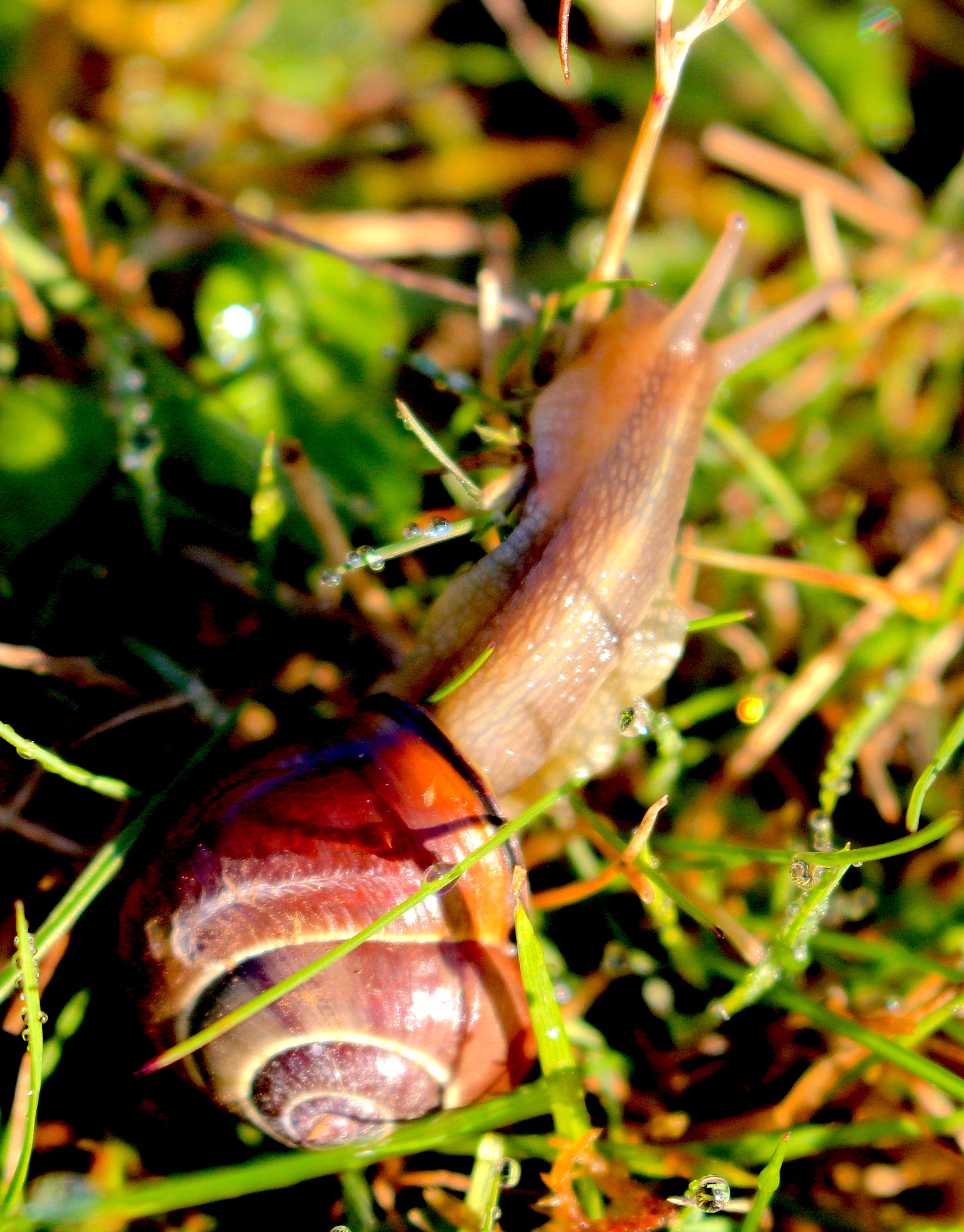
The snake and the snail, kissing.
Even the prick of the thistle,   
queen of the weeds, revives   
your secret belief
in perpetual spring,
your faith that for every hurt   
there is a leaf to cure it.
~Amy Gerstler  from “In Perpetual Spring

Try as we might to find common ground with those so unlike ourselves, it is the differences we focus on despite our efforts to understand and befriend. Whether it is cranky politicians sparring in the headlines, or the perpetual struggle between weak and strong, we miss seeing Creation’s intended balance all around us.

We can dwell compatibly, lion and lamb, without one becoming a meal for the other. Indeed, prey transforms the predator.

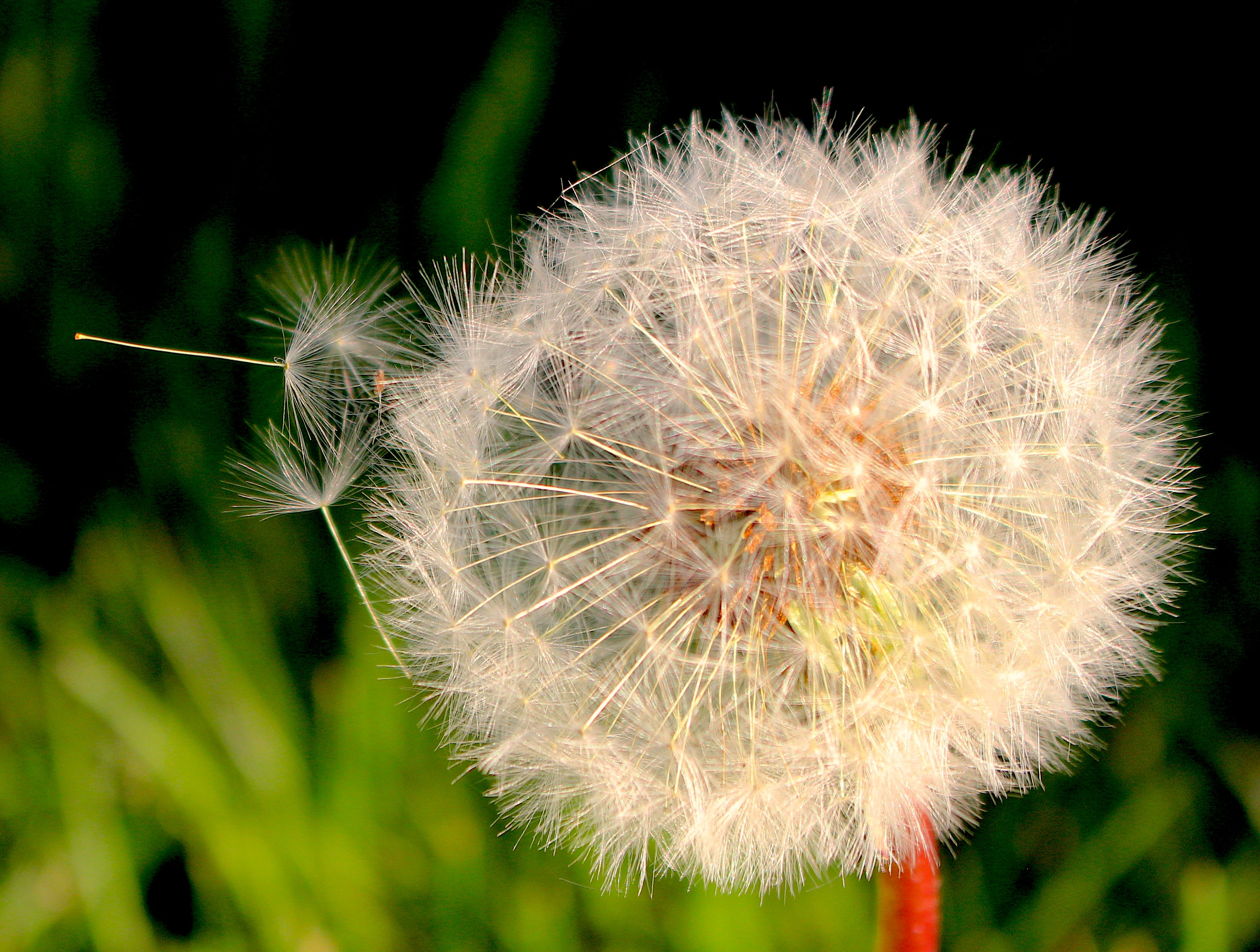
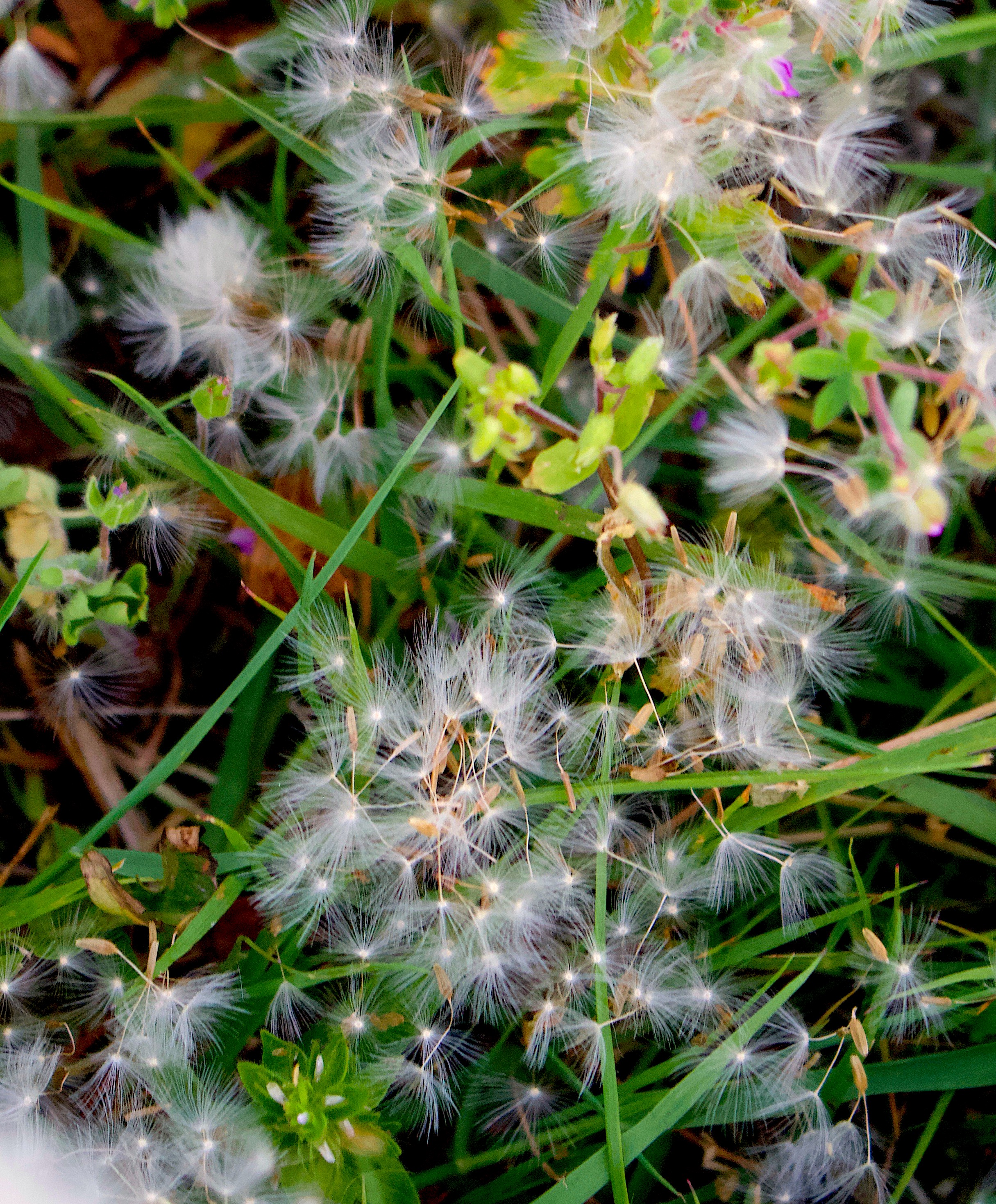
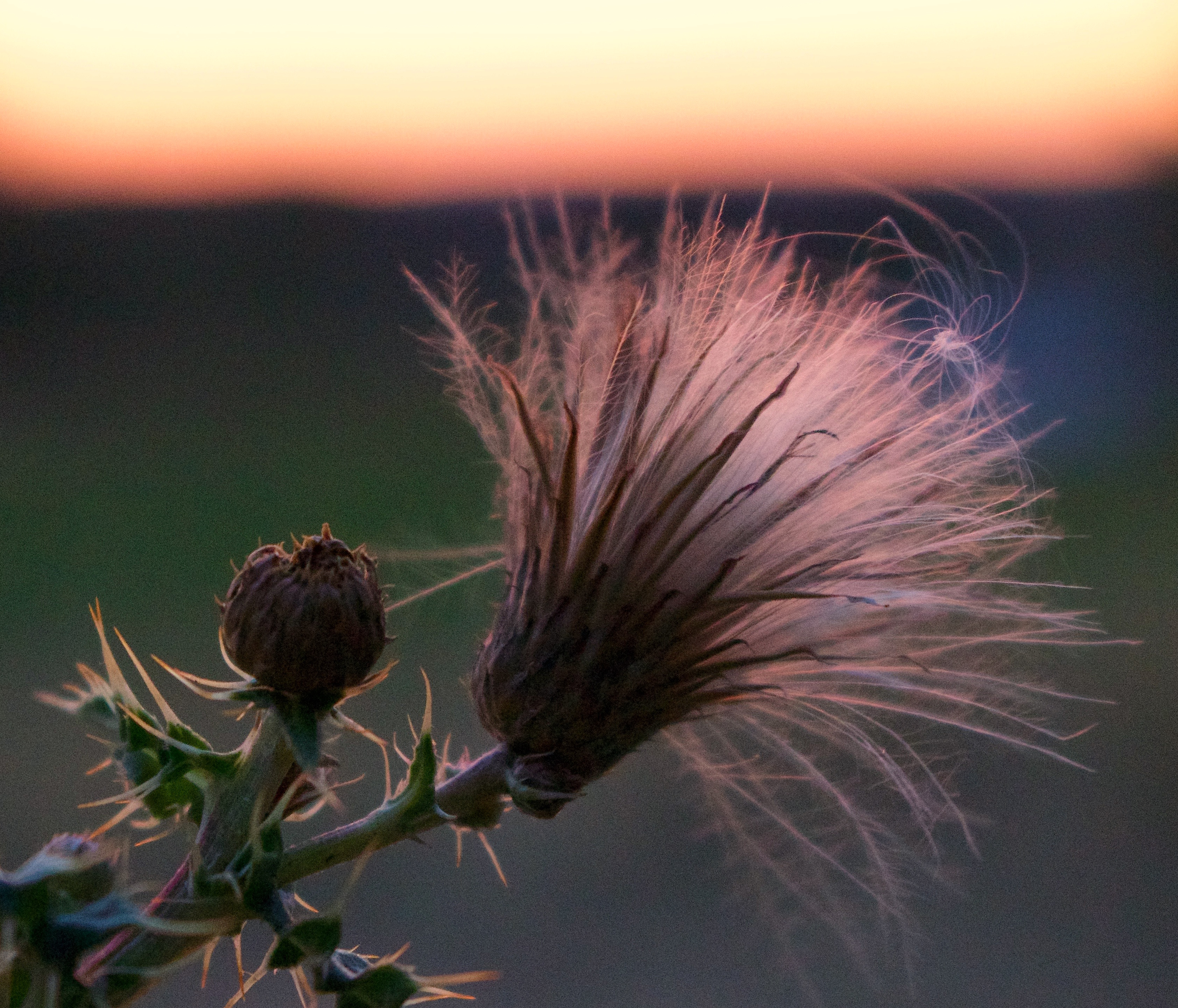
Even the barbed and bloody thistle releases its seeds in the cushion of thistledown, drifting gently where the wind will take it next, at once forgiven for the scars it inflicted.

May I strive to be comforting rather than prickly, healing rather than inflicting, wherever I may land.

Just Another Wednesday

Each one is a gift, no doubt,  
mysteriously placed in your waking hand  
or set upon your forehead  
moments before you open your eyes

Through the calm eye of the window  
everything is in its place  
but so precariously  
this day might be resting somehow 

on the one before it,  
all the days of the past stacked high  
like the impossible tower of dishes  
entertainers used to build on stage. 

No wonder you find yourself  
perched on the top of a tall ladder  
hoping to add one more.  
Just another Wednesday 

you whisper,  
then holding your breath,  
place this cup on yesterday’s saucer  
without the slightest clink.
~Billy Collins, “Day” from The Art of Drowning

Some days feel like that:
teetering at the top of finite minutes and hours,
trying to not topple over life so carefully balanced,
even as the wind blows and the foundation slants
and the ladder of time feels rickety.

It is a balancing act –
this waking up to try on a new day
while juggling everything still in the air
from the days before.

To stay on solid ground
I anchor deep
into the calm eye of unchanging love,
reminded, once again,
I’m held up from above
when everything beneath me feels precarious.


The Light of His Countenance

…there is an opening of heart and soul, which in some sense the liturgy itself has made possible; and then it is that, just sometimes, someone takes a few more steps on that journey from the hem of his garment to the light of his countenance.
~Malcolm Guite from
Poet’s Corner

We are like that desperate woman seeking healing by reaching out to touch the hem of His robe – ashamed to be so needy, hoping to go unnoticed, not wanting to bother anyone, but helpless in our circumstances – so very helpless.

He knows when we reach out in desperation; He feels it.

So He lifts us up in our journey to His light – from a touch of His hem to seeing His face.

It starts with reaching out.

43 And there was a woman who had had a discharge of blood for twelve years, and though she had spent all her living on physicians, she could not be healed by anyone. 44 She came up behind him and touched the fringe of his garment, and immediately her discharge of blood ceased. 45 And Jesus said, “Who was it that touched me?” When all denied it, Peter said, “Master, the crowds surround you and are pressing in on you!”46 But Jesus said, “Someone touched me, for I perceive that power has gone out from me.” 47 And when the woman saw that she was not hidden, she came trembling, and falling down before him declared in the presence of all the people why she had touched him, and how she had been immediately healed. 48 And he said to her, “Daughter, your faith has made you well; go in peace.”
Luke 8:43-48

Before the ending of the day,
Creator of the world, we pray,
That with thy wonted favour thou
Wouldst be our guard and keeper now. . .