Almost But Not Entirely Alone

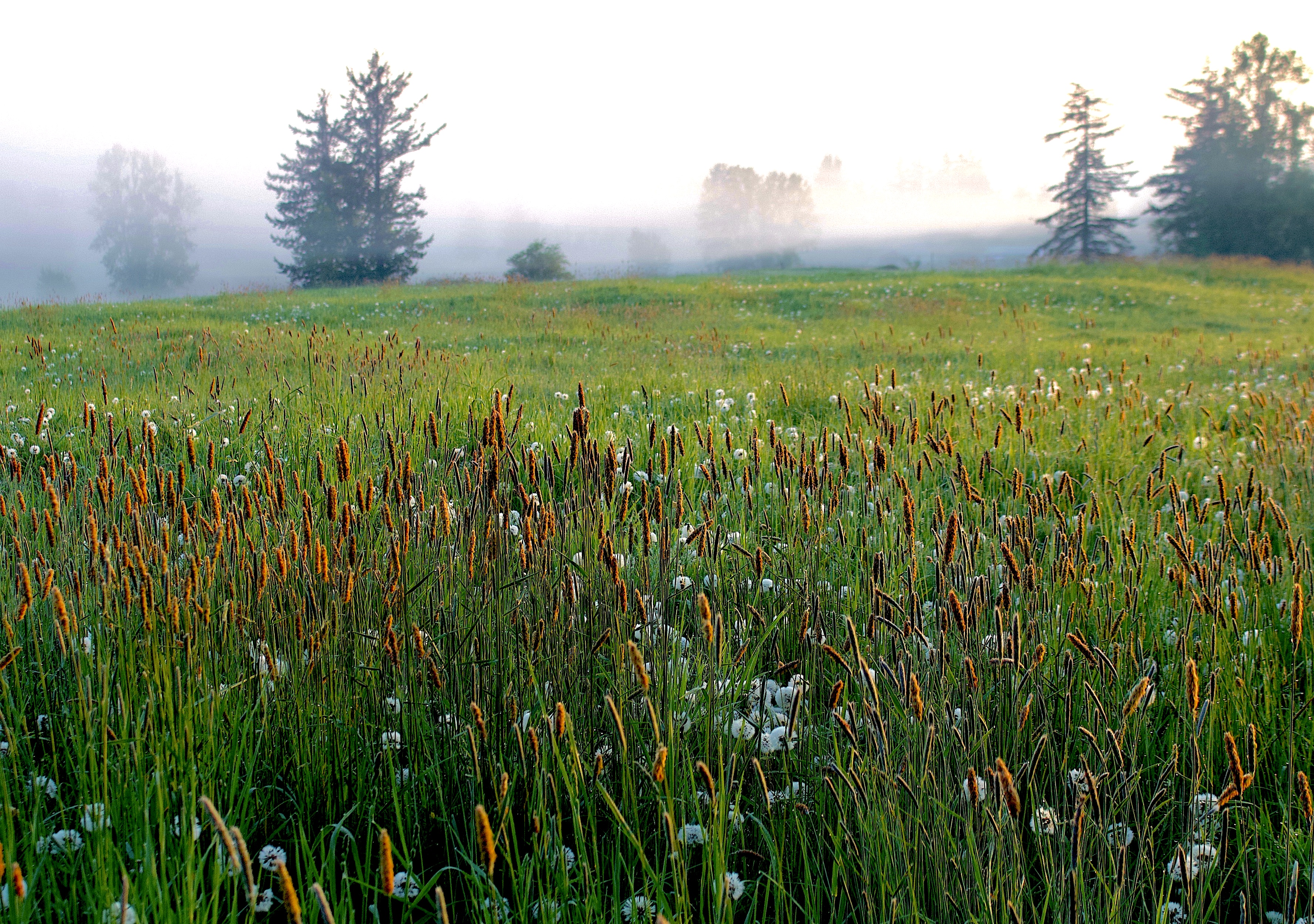
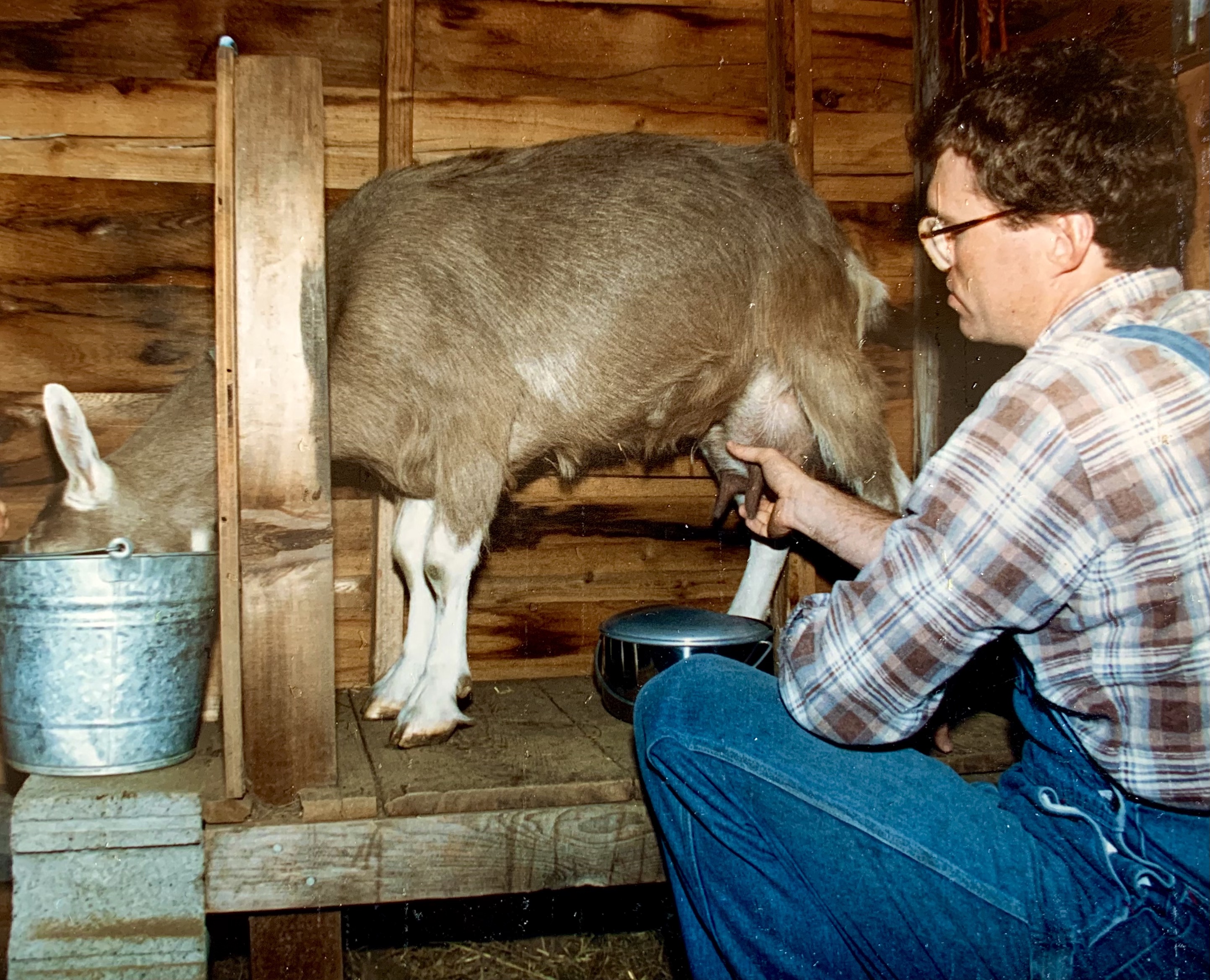
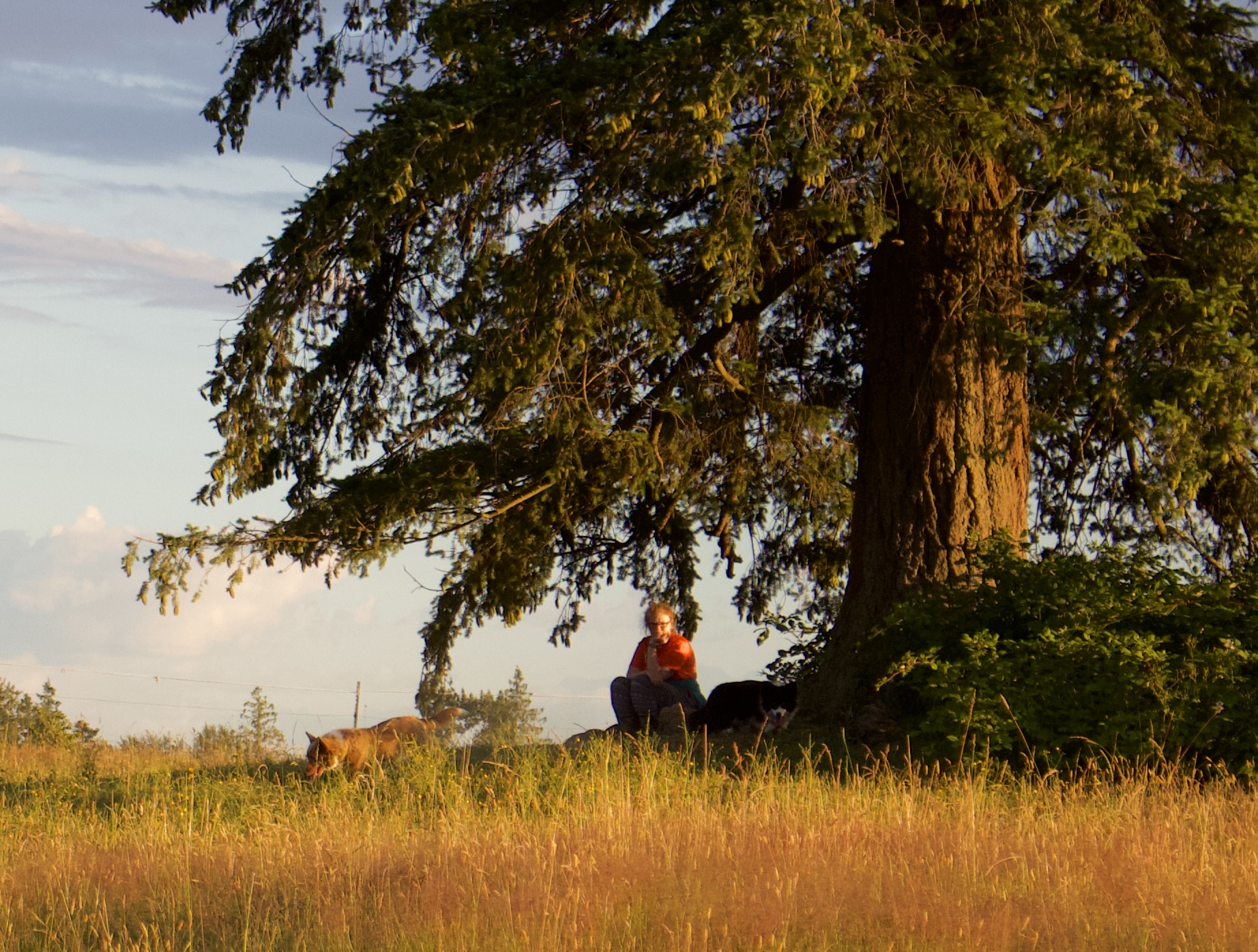
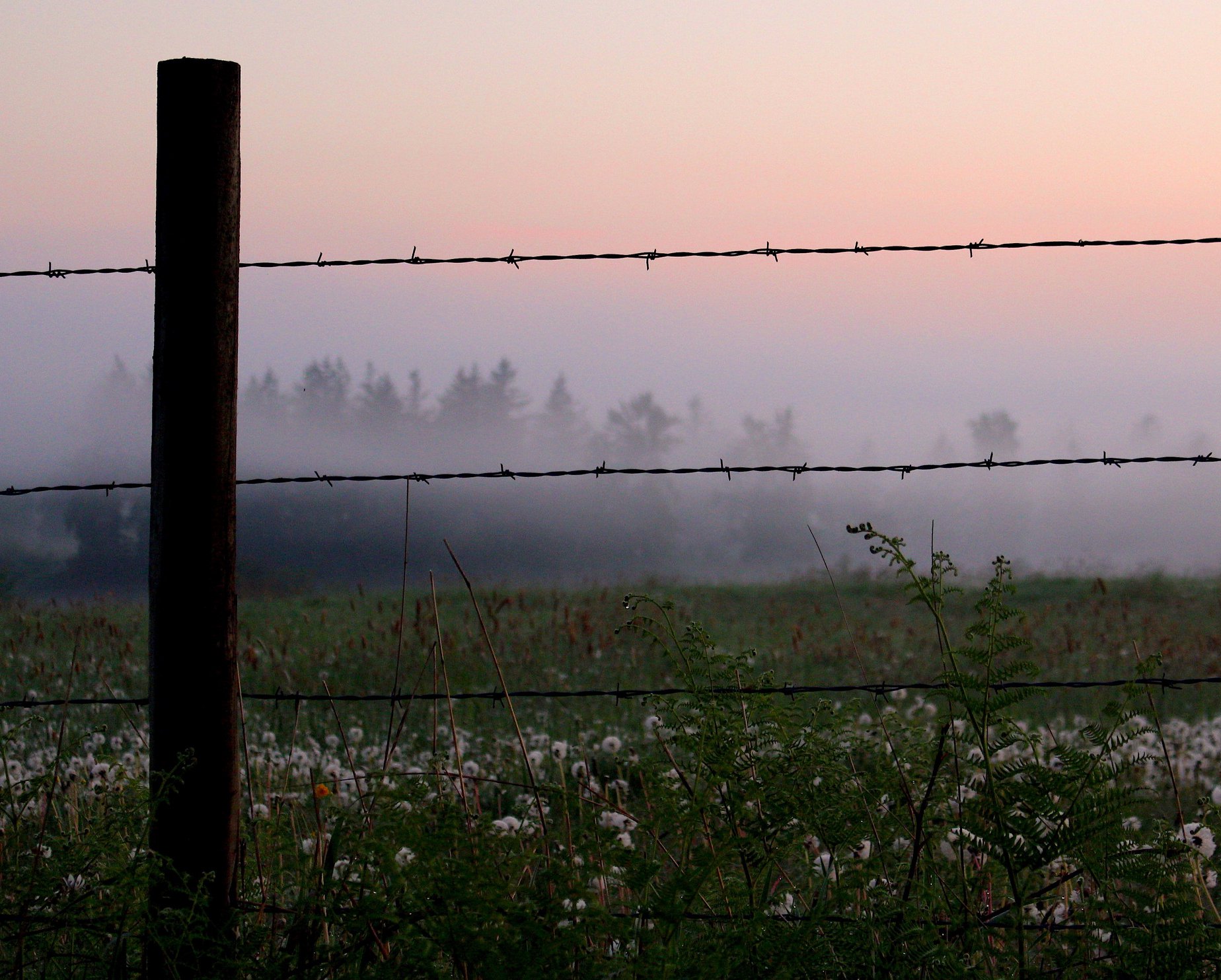
Each afternoon he took his pipe
and led his goats beyond the pasture
to a neighbor’s field behind his farm—
not exactly his but not exactly not.

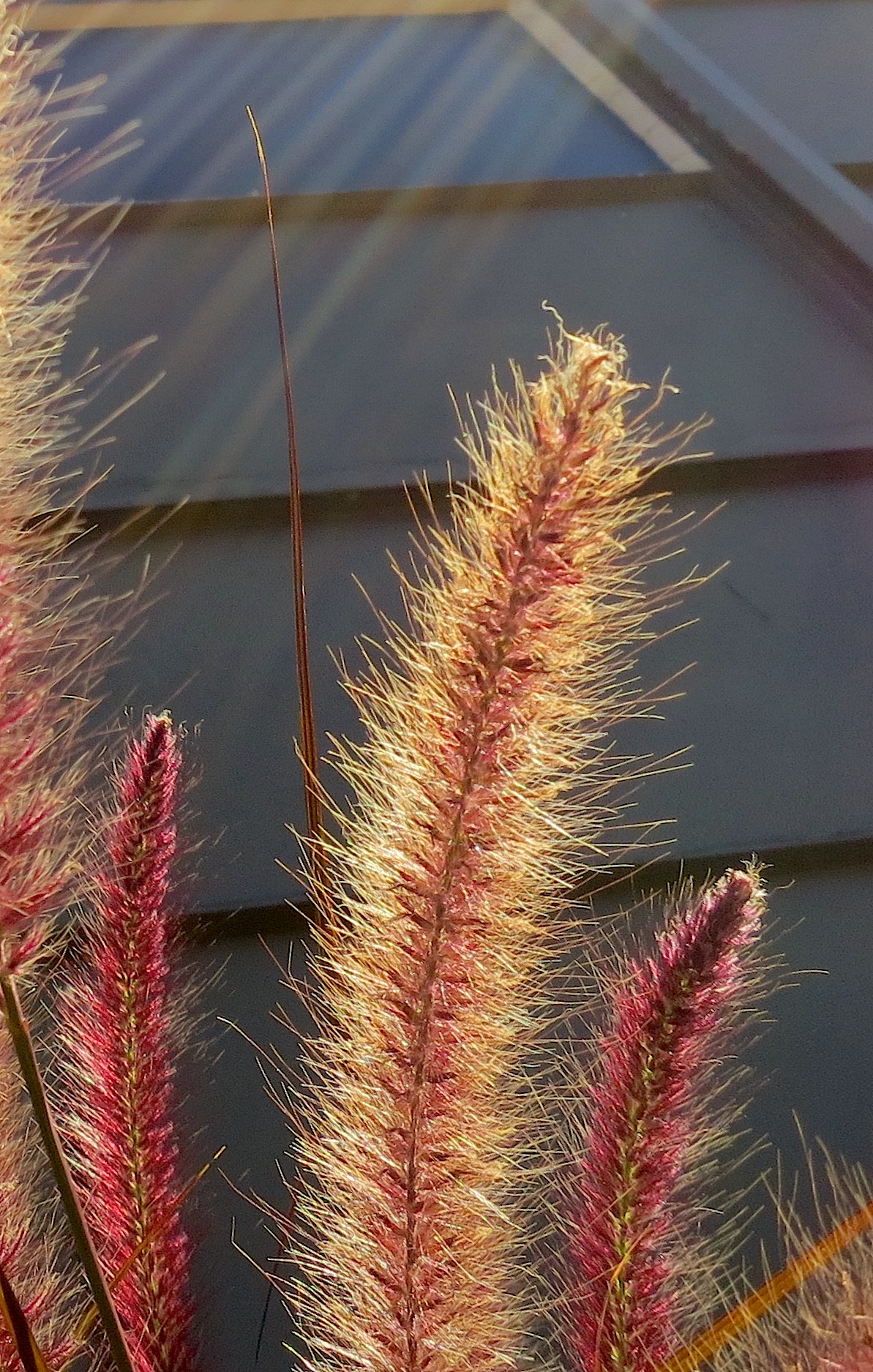
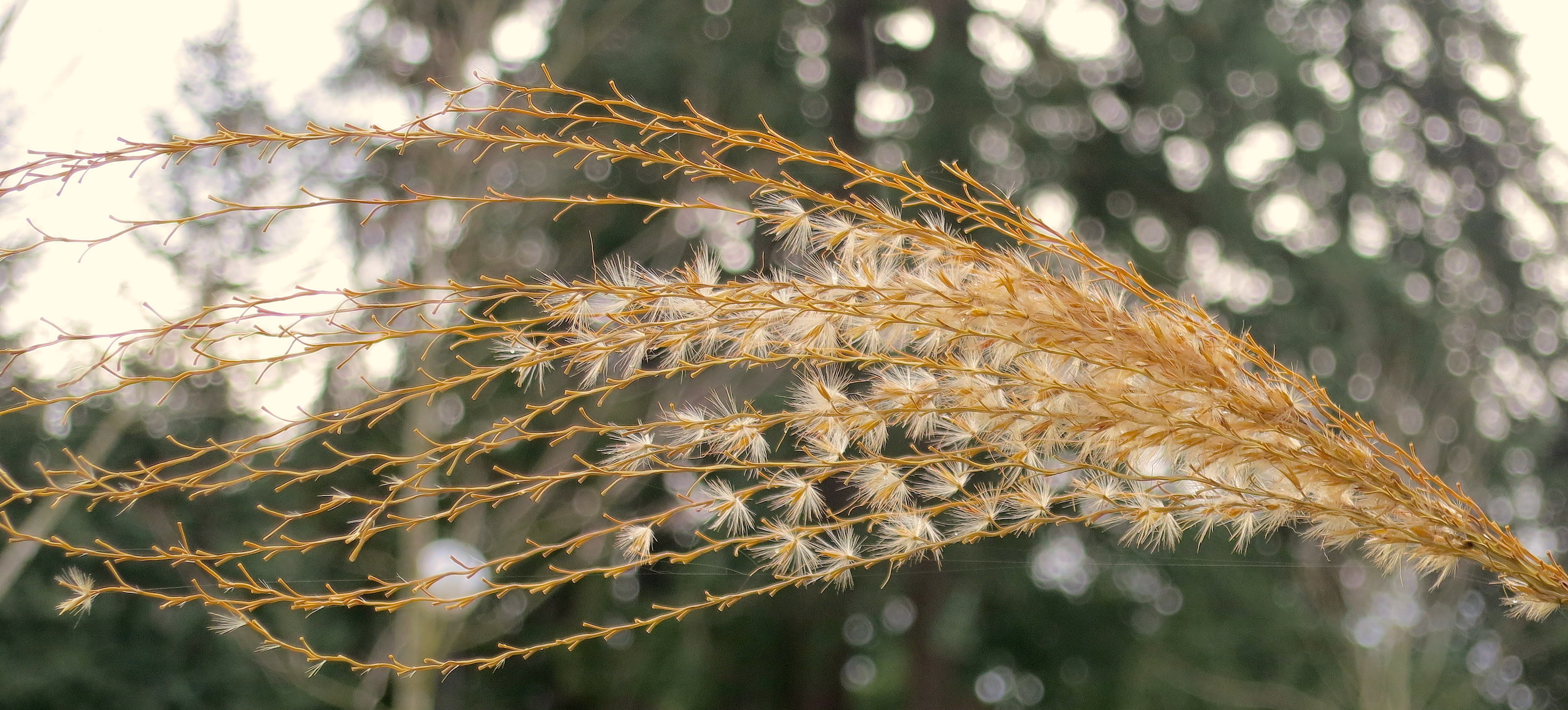
As the goats clipped the tall grasses,
he sat in the chair he never failed
to bring. Sometimes he read, most often
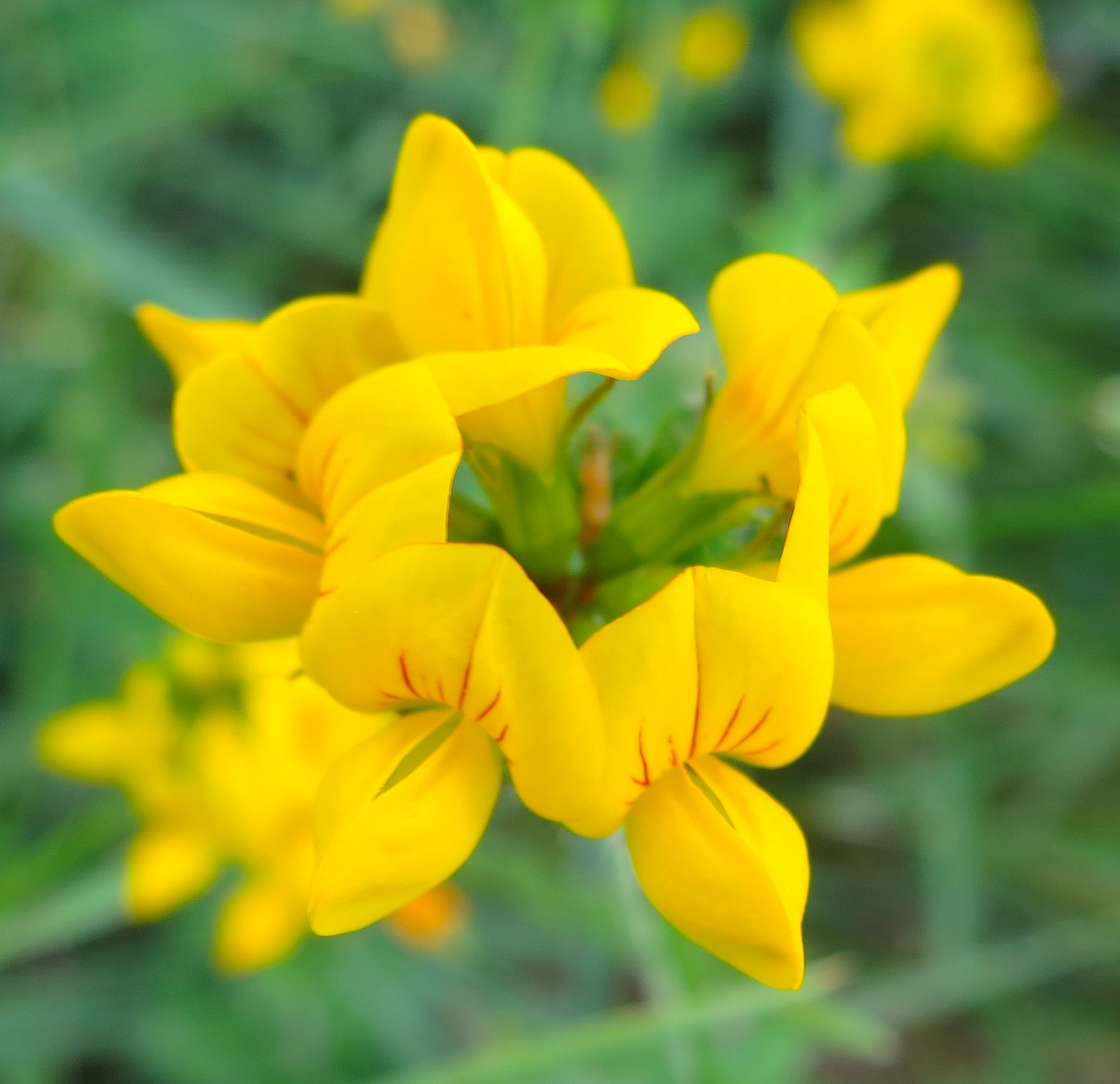
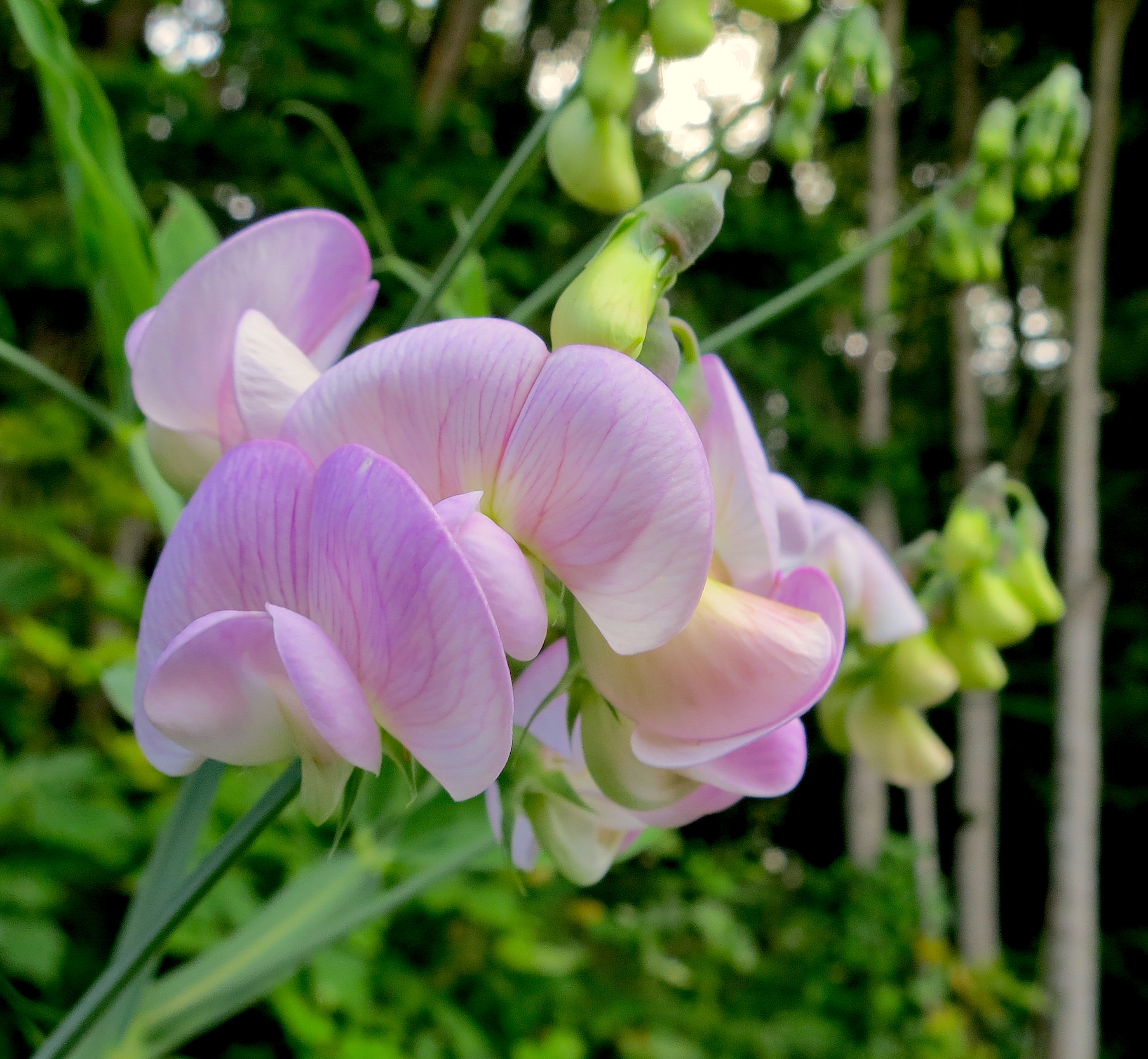
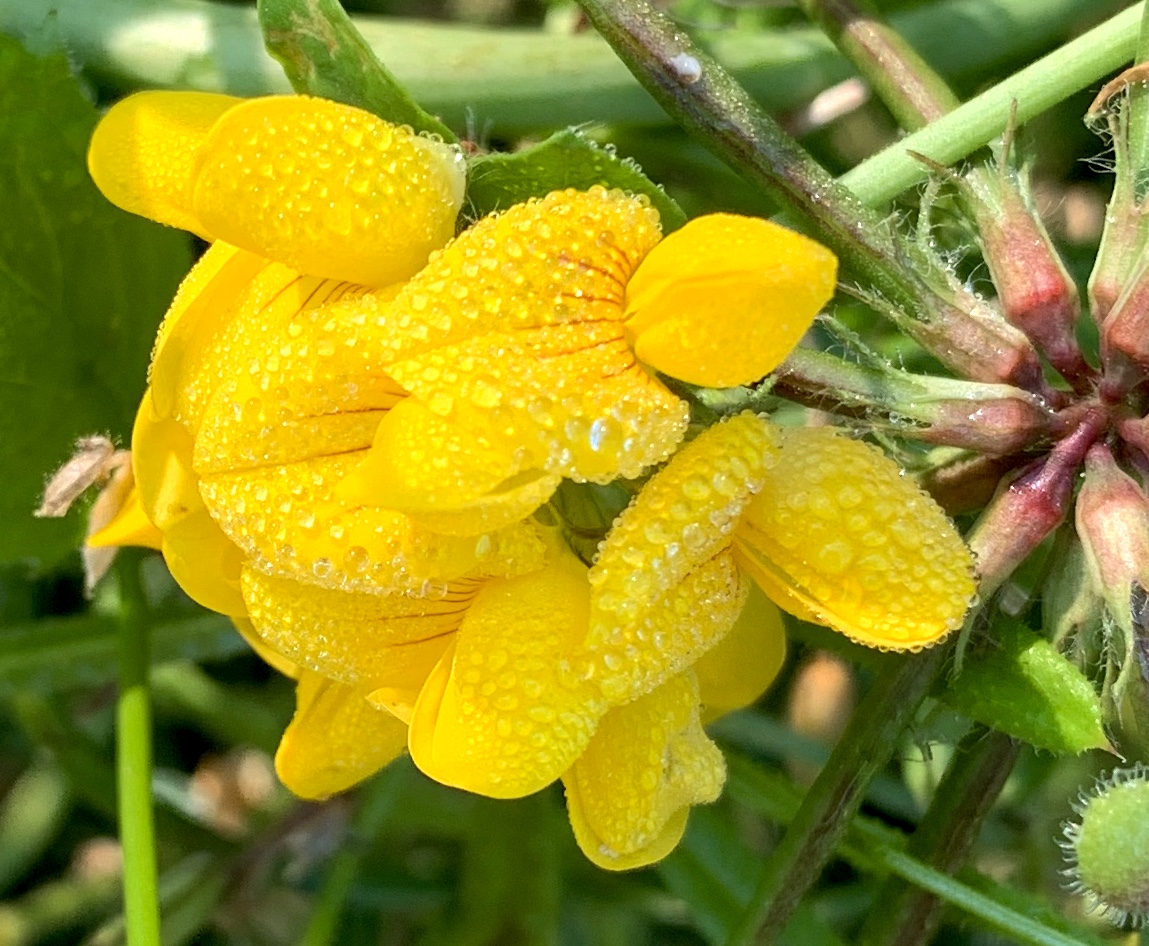
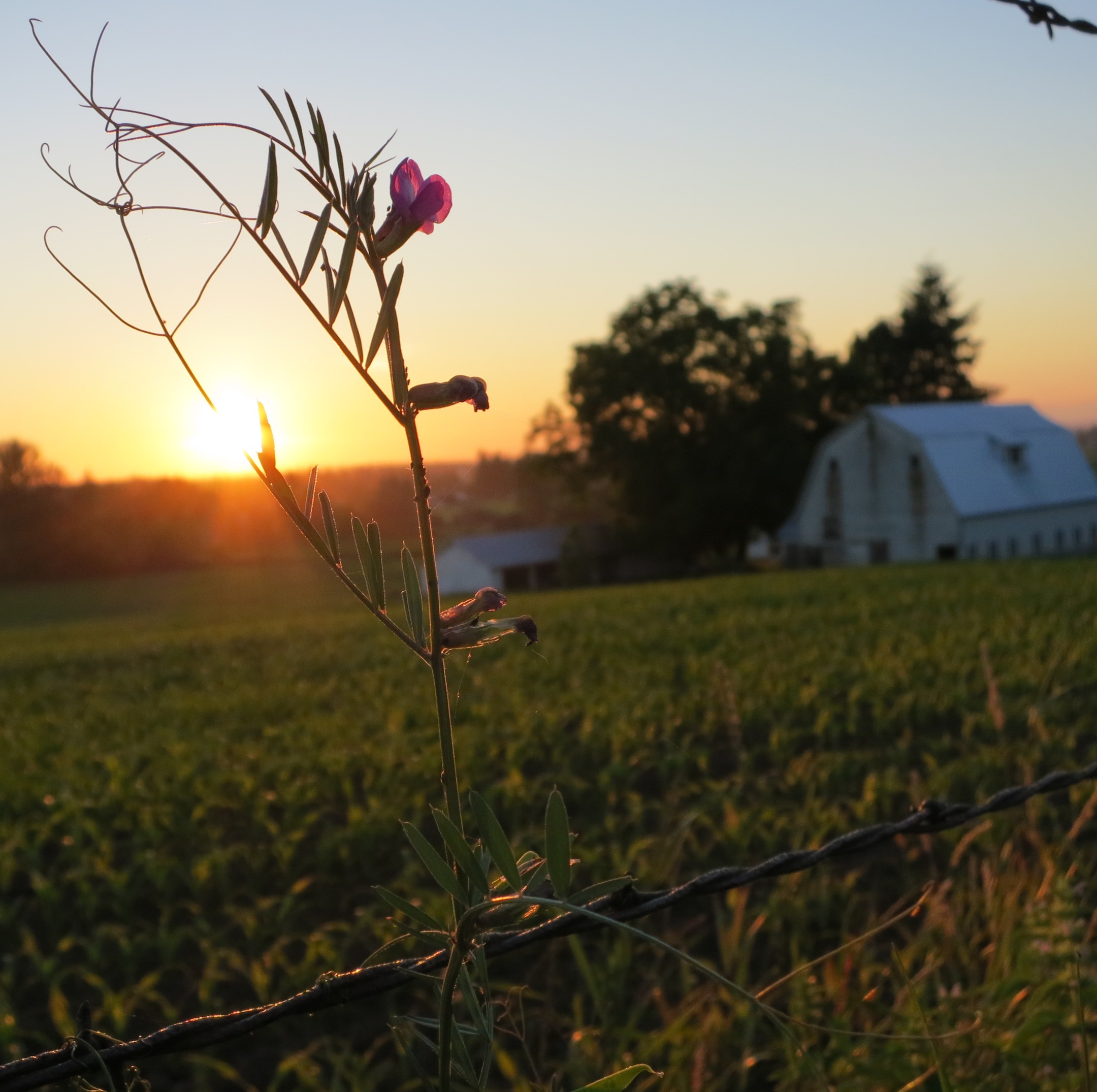
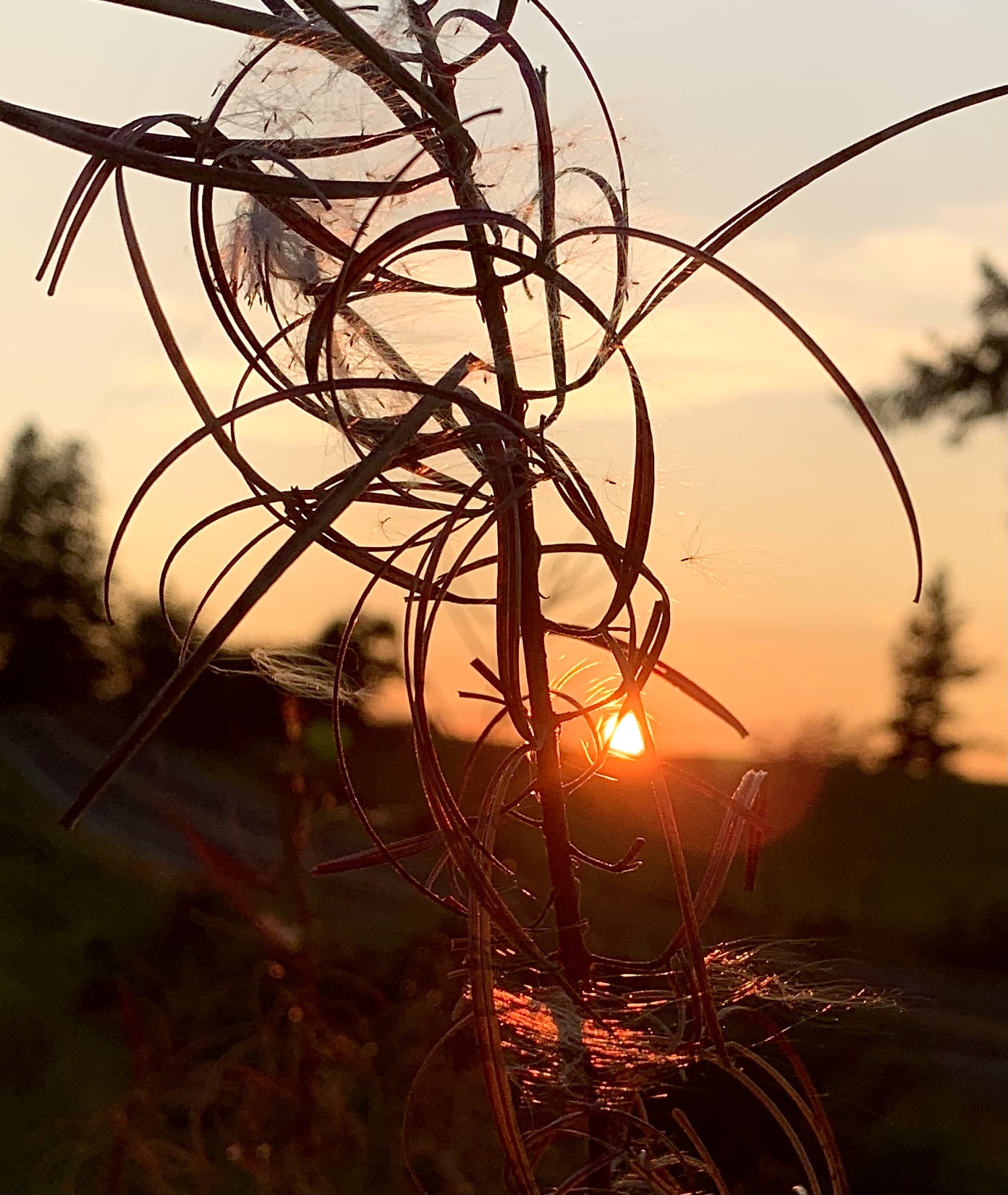
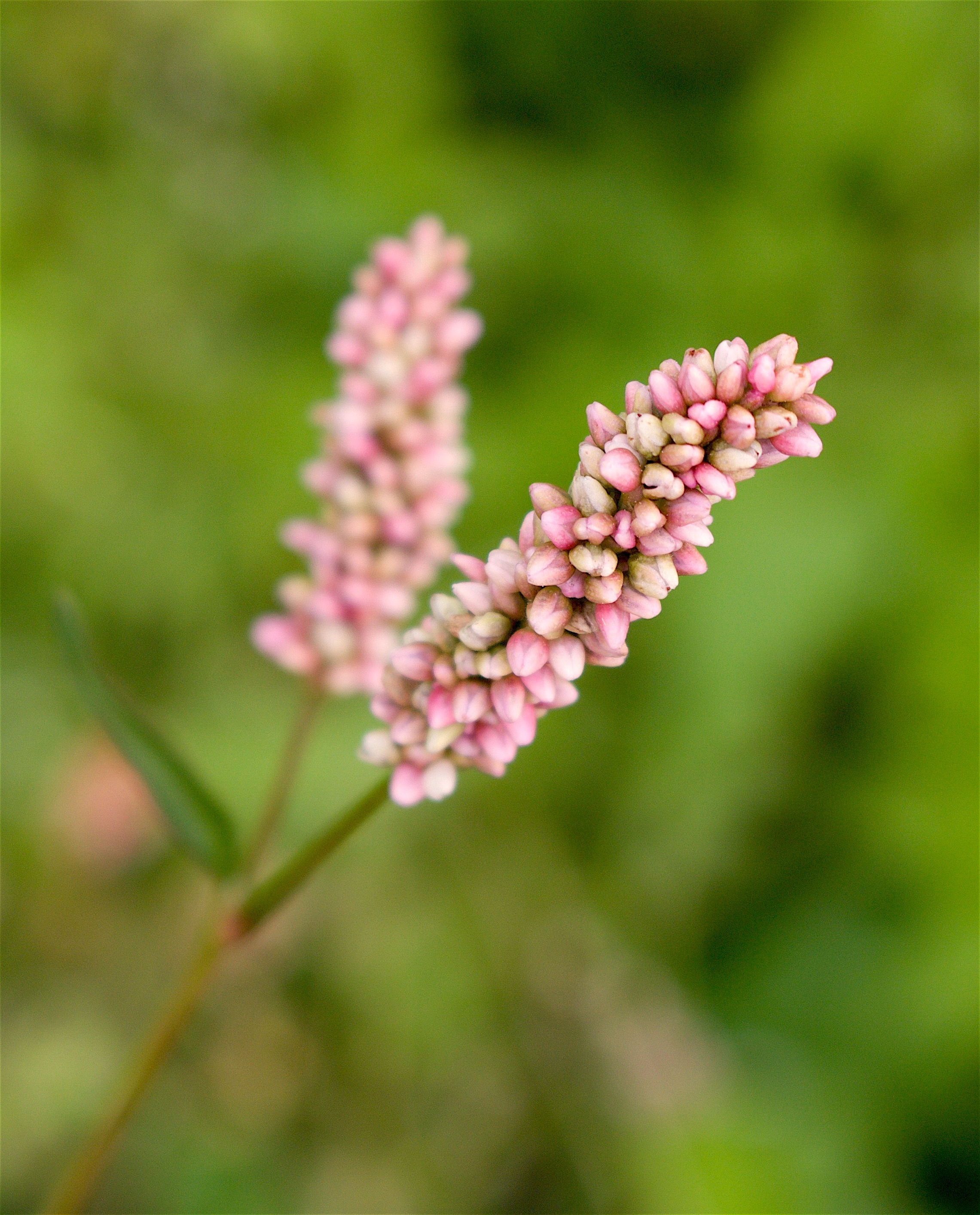
not. The vetch climbed the goldenrod,

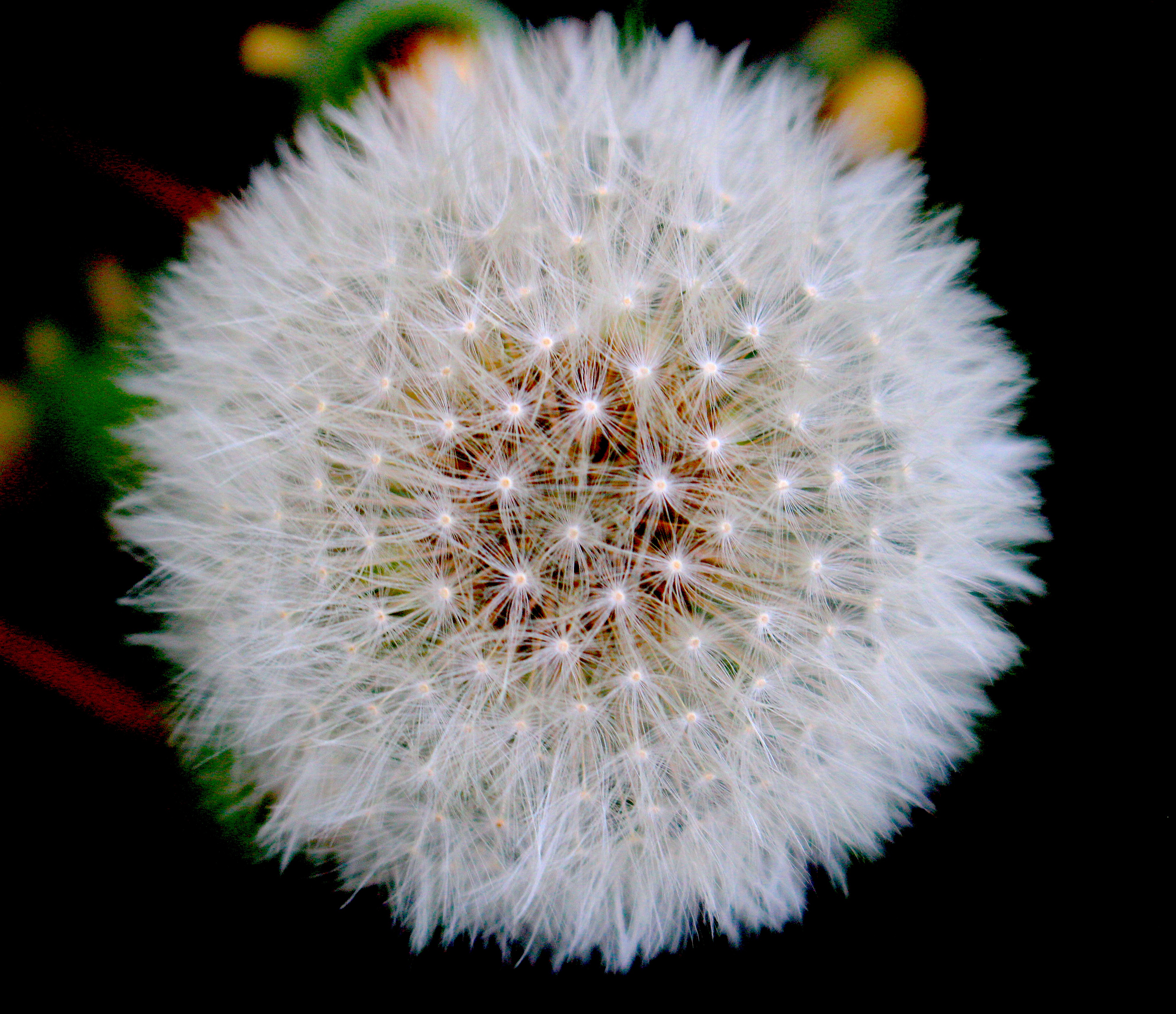
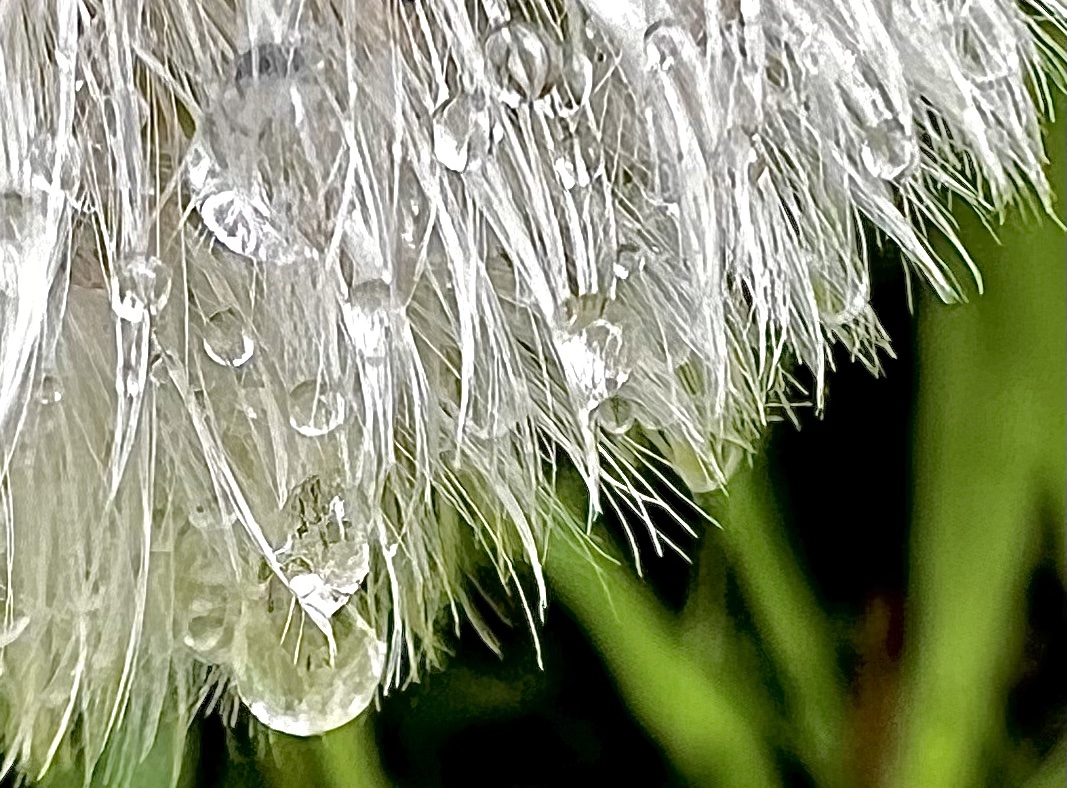
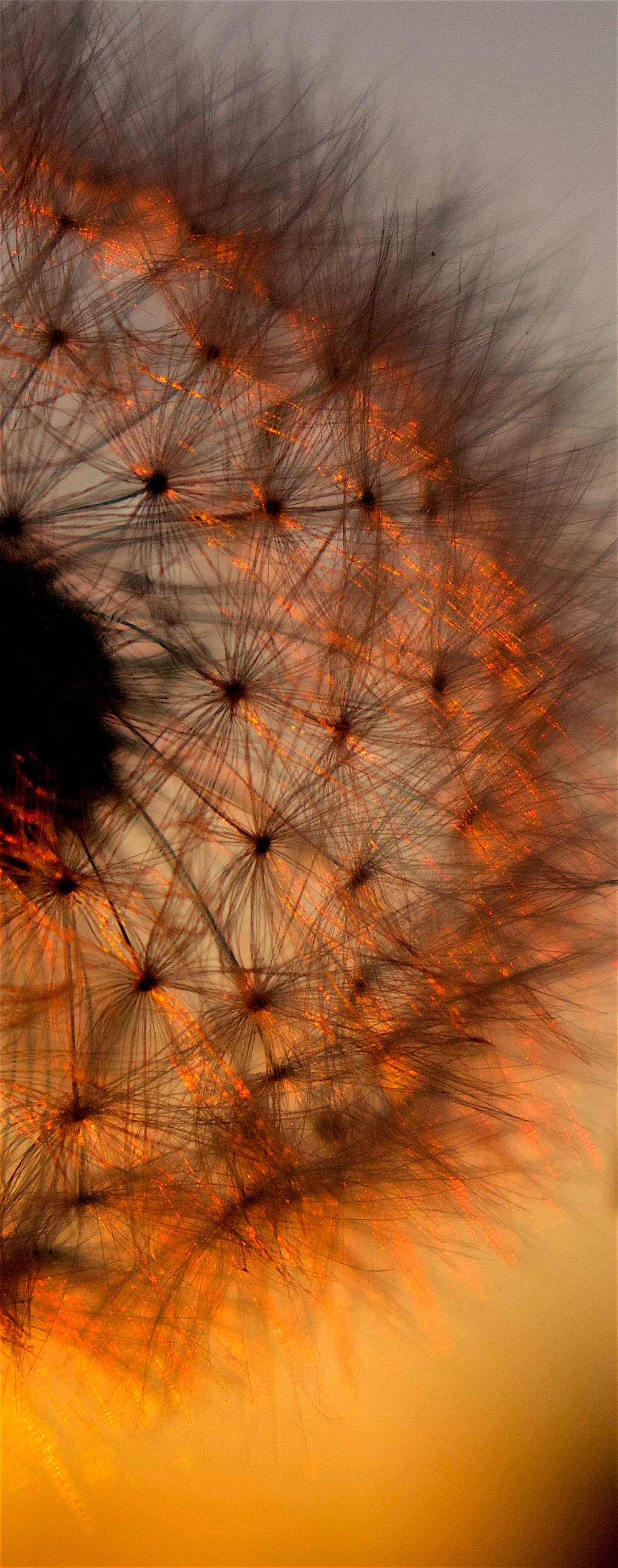
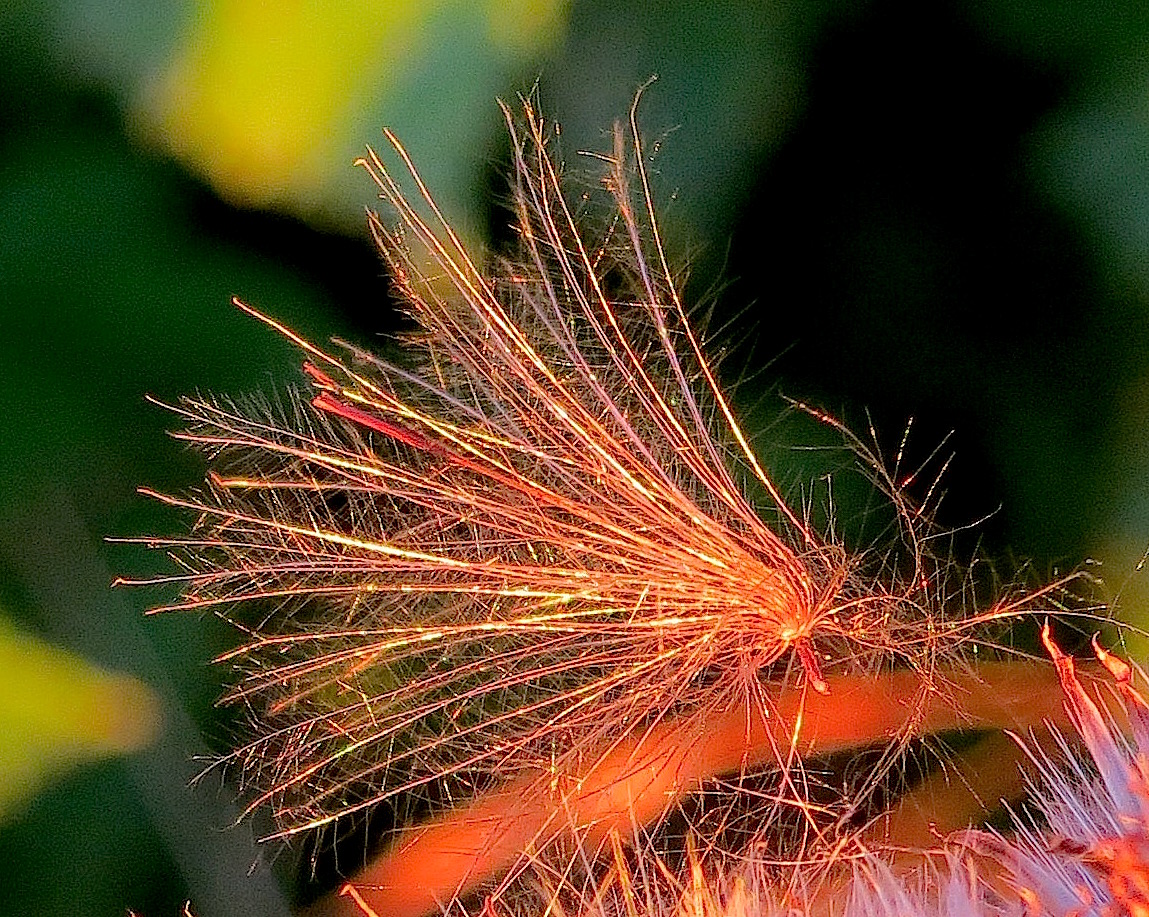
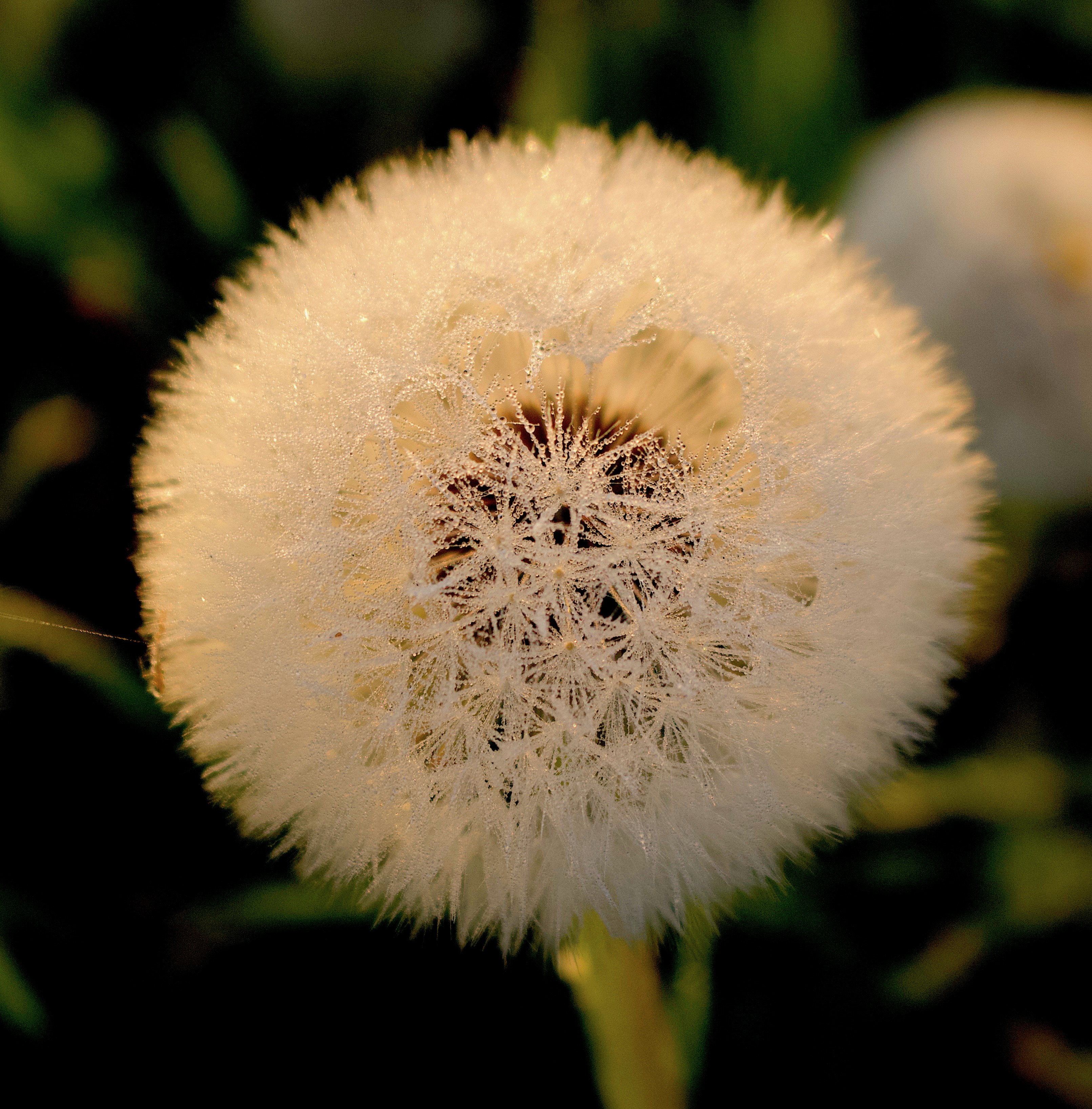
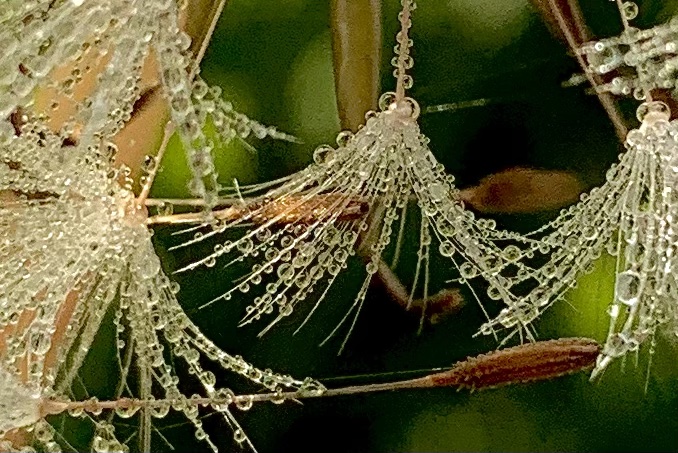
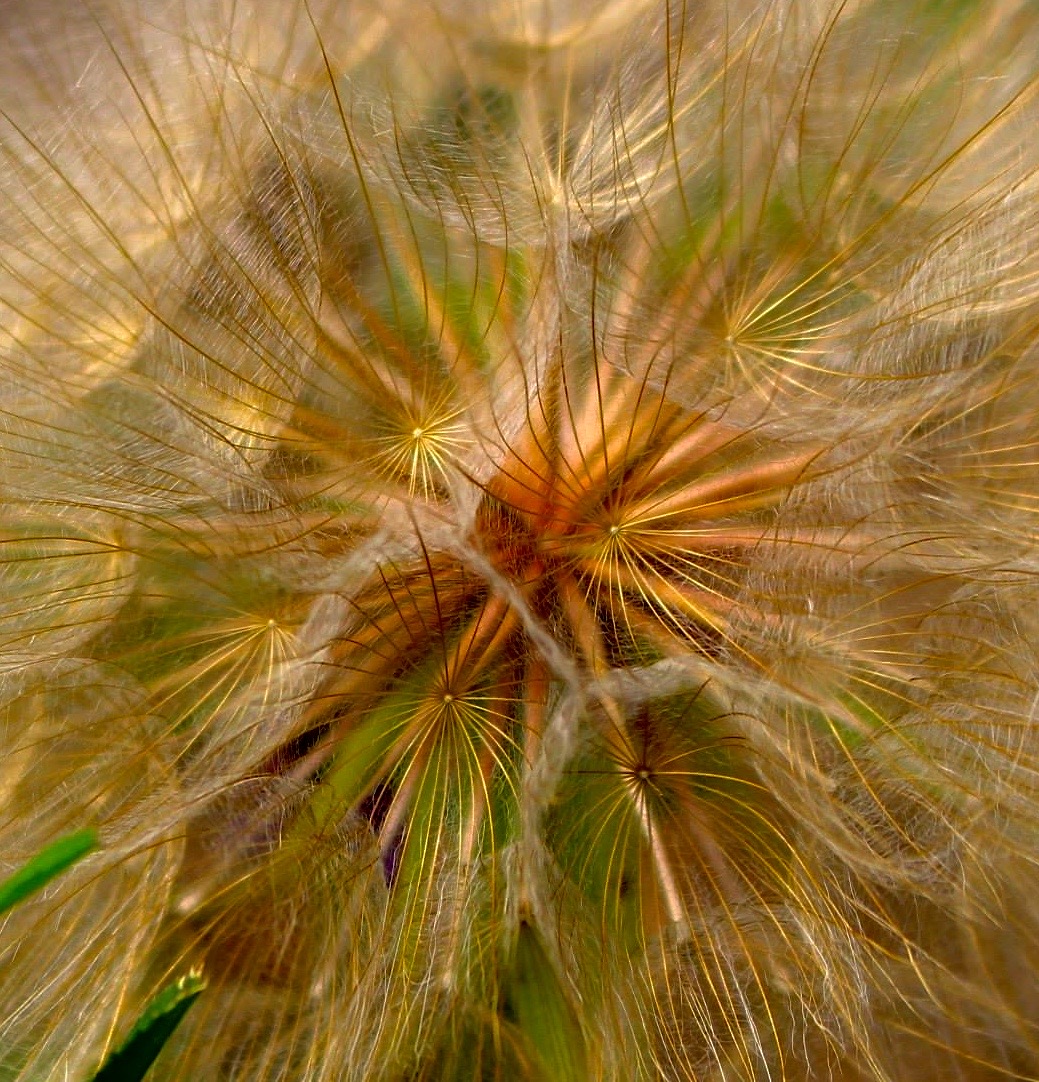
the dandelions turned from gold
to globe, and every day he went,
thinking to himself how good it was
to be almost but not entirely alone.
~Michelle Y. Burke “A Life” from Animal Purpose

At times, when things seem a little too quiet around here, I remember my past days of working motherhood when the only moments during my day when I was alone was when I went into the bathroom and closed the door. Often that wasn’t even sacrosanct.

During those very busy years, I truly forgot how to be by myself, just existing without outside distractions and others’ input to keep my mind occupied. Now, it is too easy to rely on a phone in one’s pocket to avoid ever being “alone” just sitting with my own thoughts.

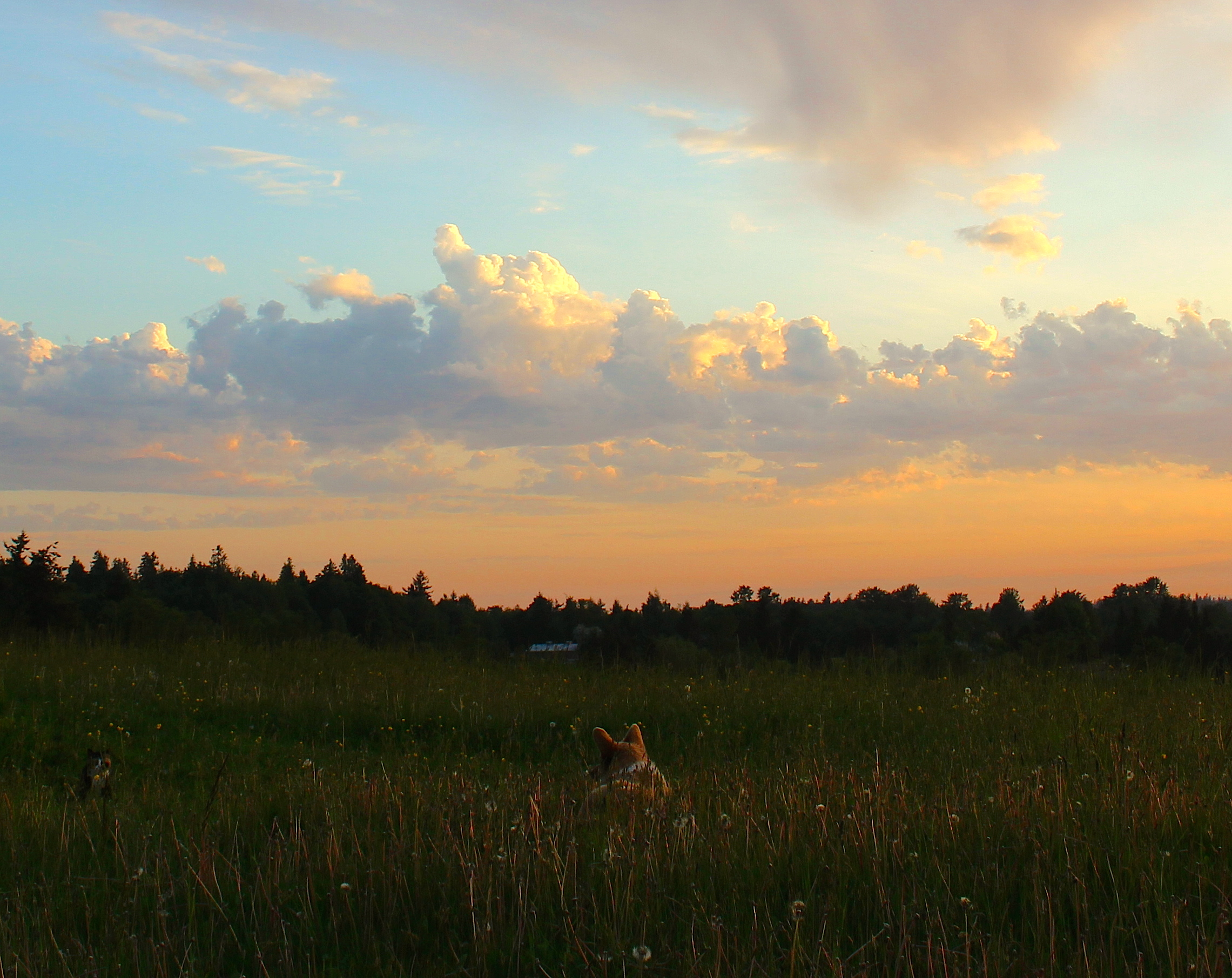
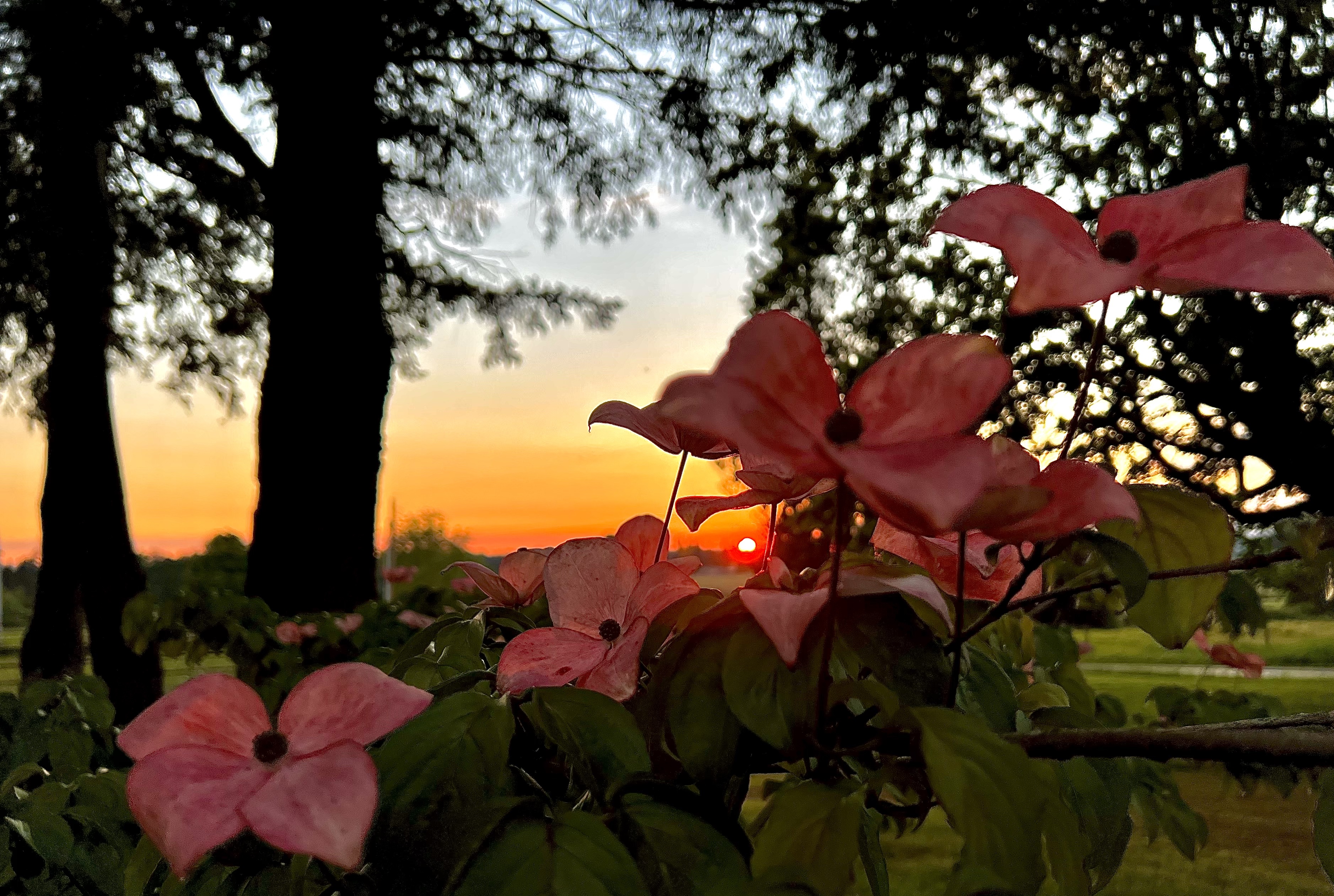
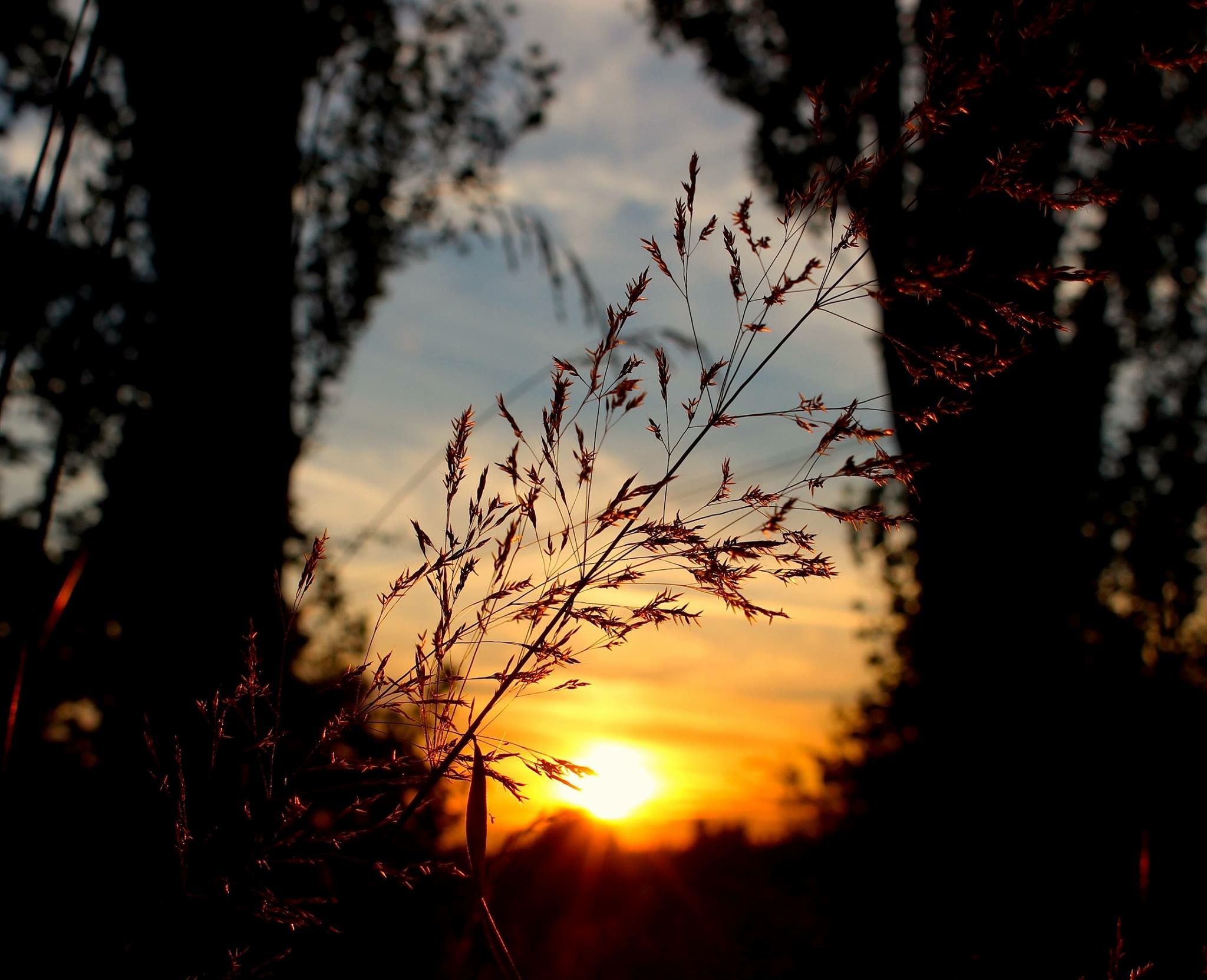
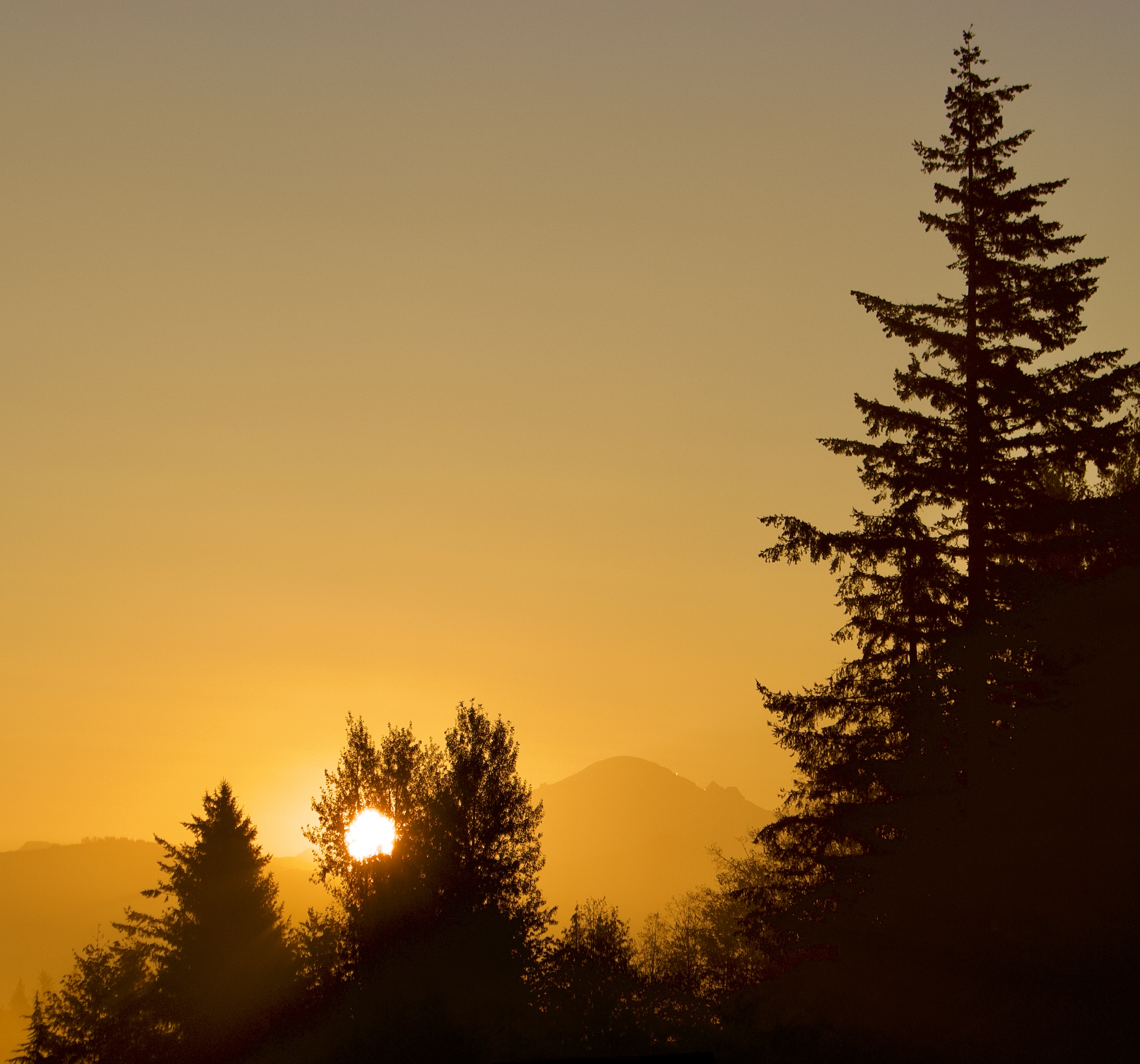
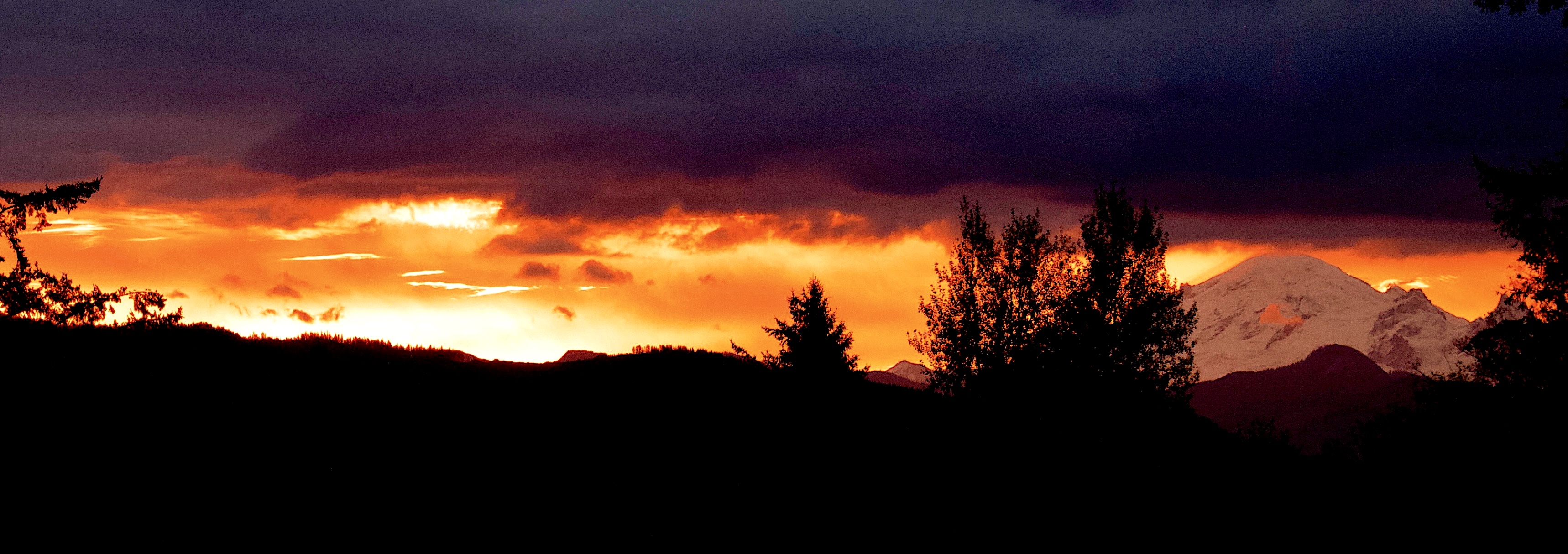
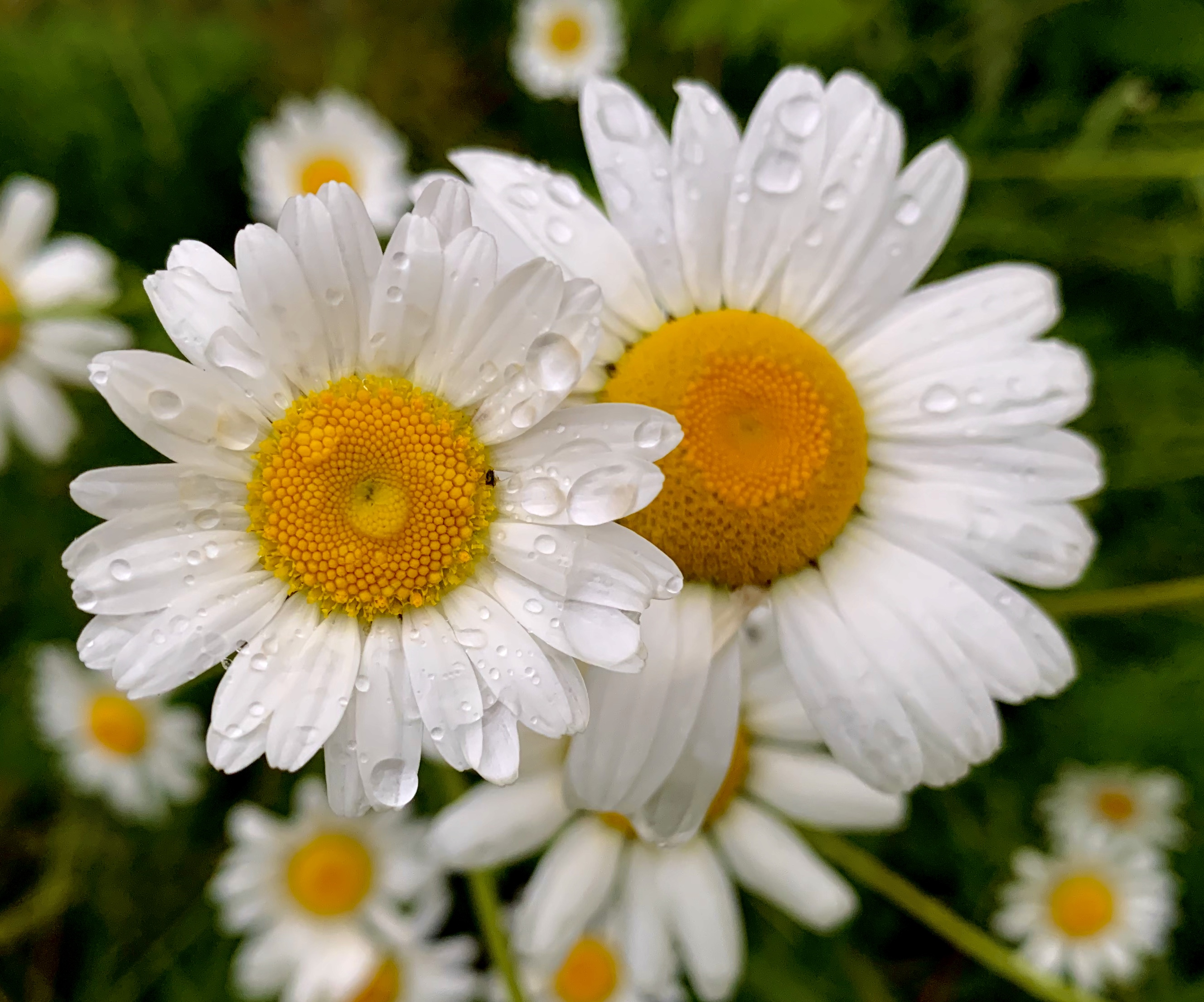
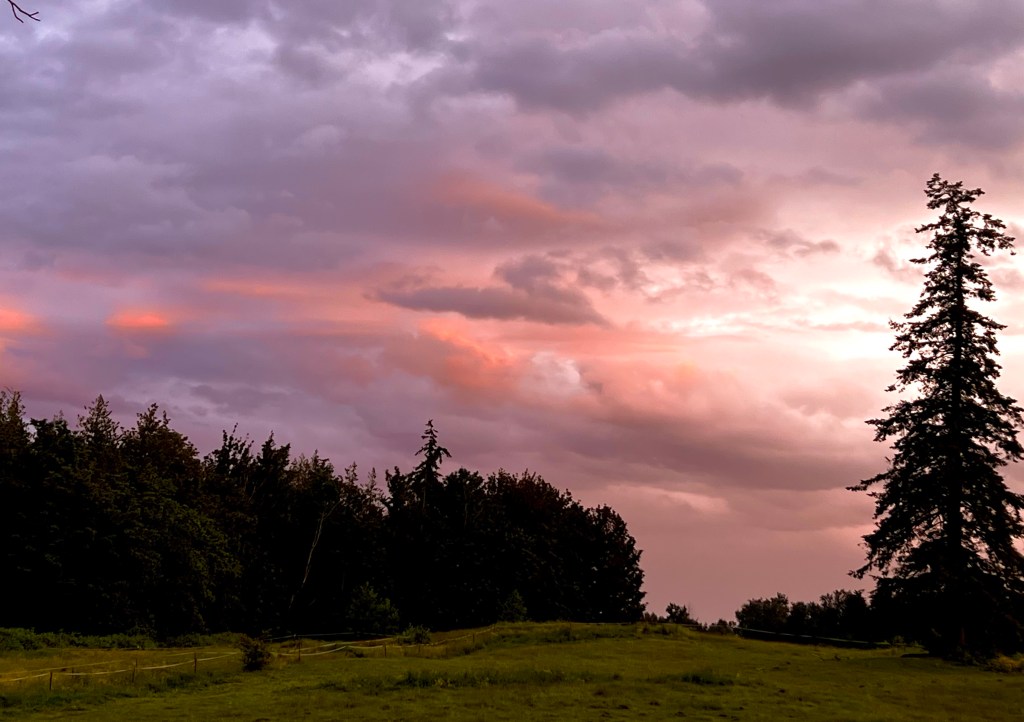
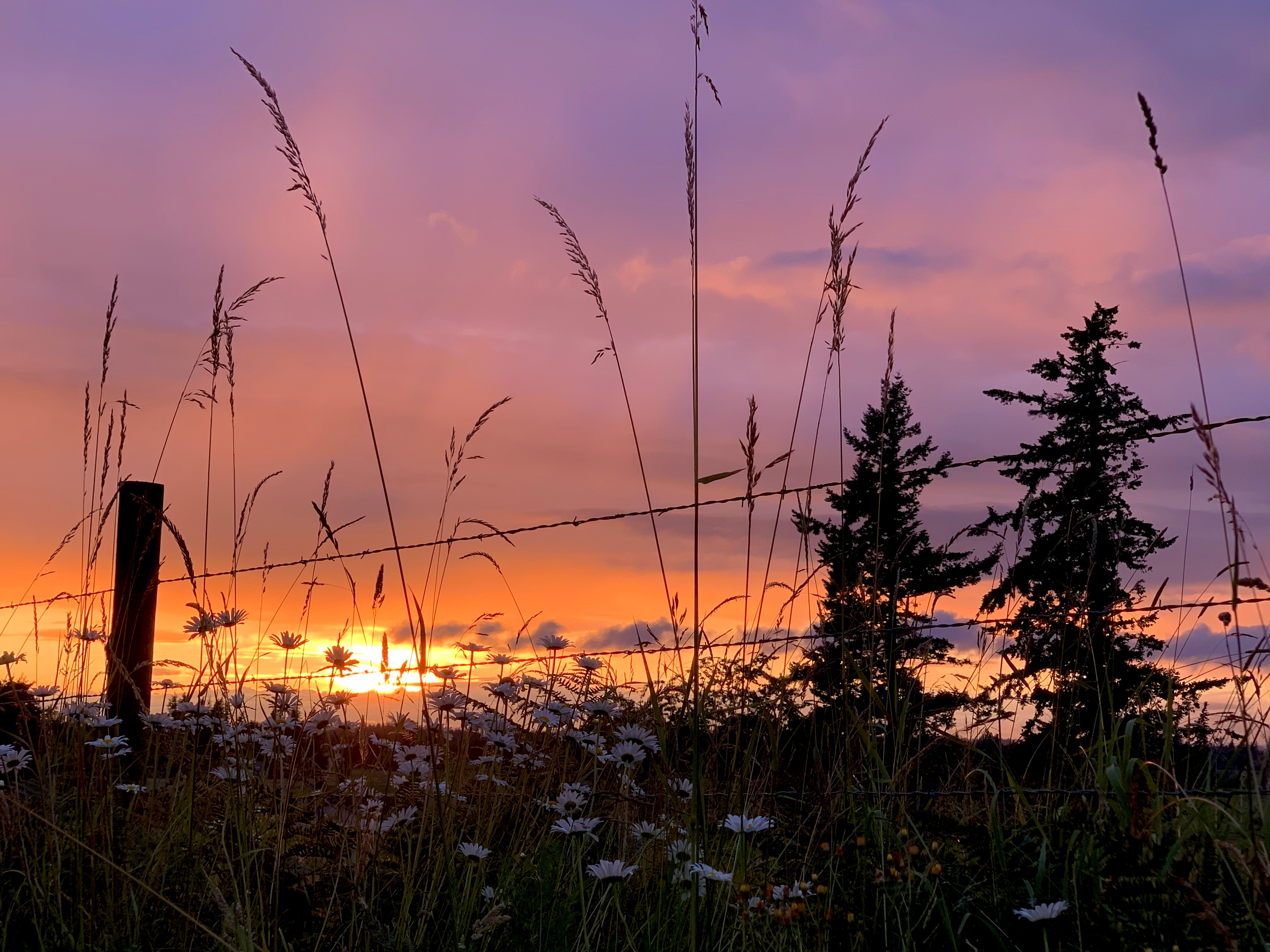
So I go out into the field whenever I can – simply to be – almost, but not entirely alone. I won’t forget that I’m never really alone – and that is always forever okay with me.

One-Time
Monthly
Yearly

Make a one-time or recurring donation to support daily Barnstorming posts

Make a monthly donation

Make a yearly donation

Choose an amount

¤5.00
¤10.00
¤20.00
¤5.00
¤15.00
¤100.00
¤5.00
¤15.00
¤100.00

Or enter a custom amount

¤

Your contribution is deeply appreciated.

Your contribution is appreciated.

Your contribution is appreciated.

DonateDonate monthlyDonate yearly

Go Help Your Dad

It was hard work, dying, harder
than anything he’d ever done.

Whatever brutal, bruising, back-
Breaking chore he’d forced himself

to endure—it was nothing
compared to this. And it took

so long. When would the job
be over? Who would call him

home for supper? And it was
hard for us (his children)—

all of our lives we’d heard
my mother telling us to go out,

help your father, but this
was work we could not do.

He was way out beyond us,
in a field we could not reach.

~Joyce Sutphen, “My Father, Dying” from Carrying Water to the Field: New and Selected Poems.

We will grieve not, rather find                     
Strength in what remains behind;                     
In the primal sympathy                     
Which having been must ever be;  
                   

Thanks to the human heart by which we live,
Thanks to its tenderness, its joys, and fears,
To me the meanest flower that blows can give
Thoughts that do often lie too deep for tears.
~William Wordsworth from “Ode: Intimations of Immortality from Recollections of Early Childhood”

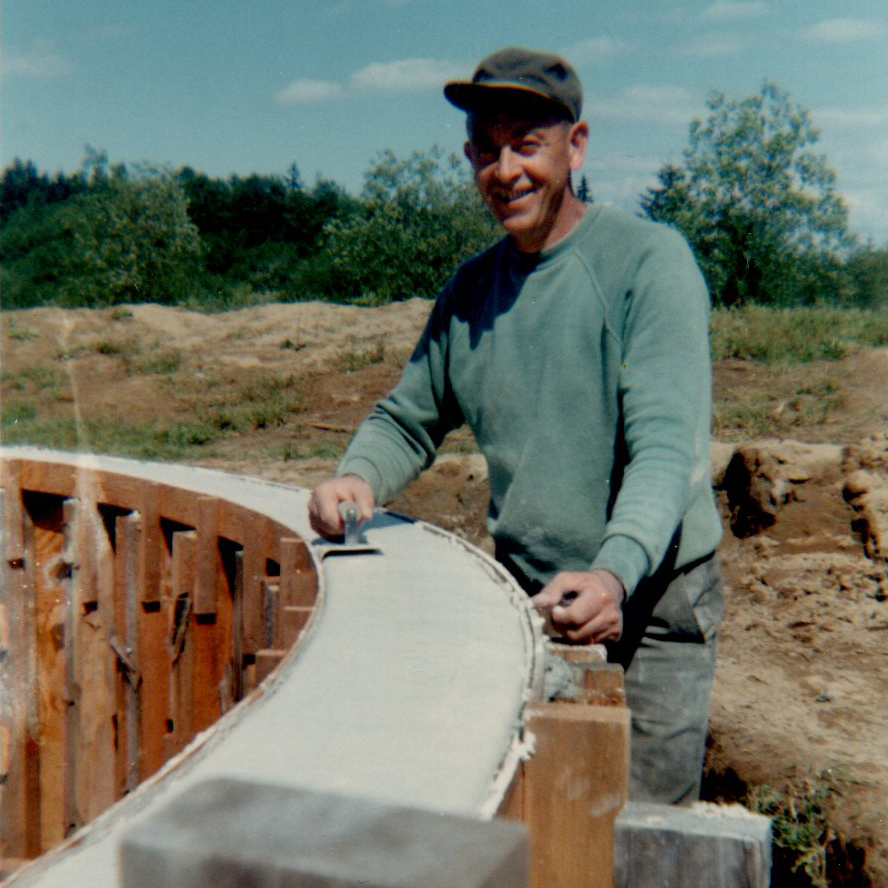
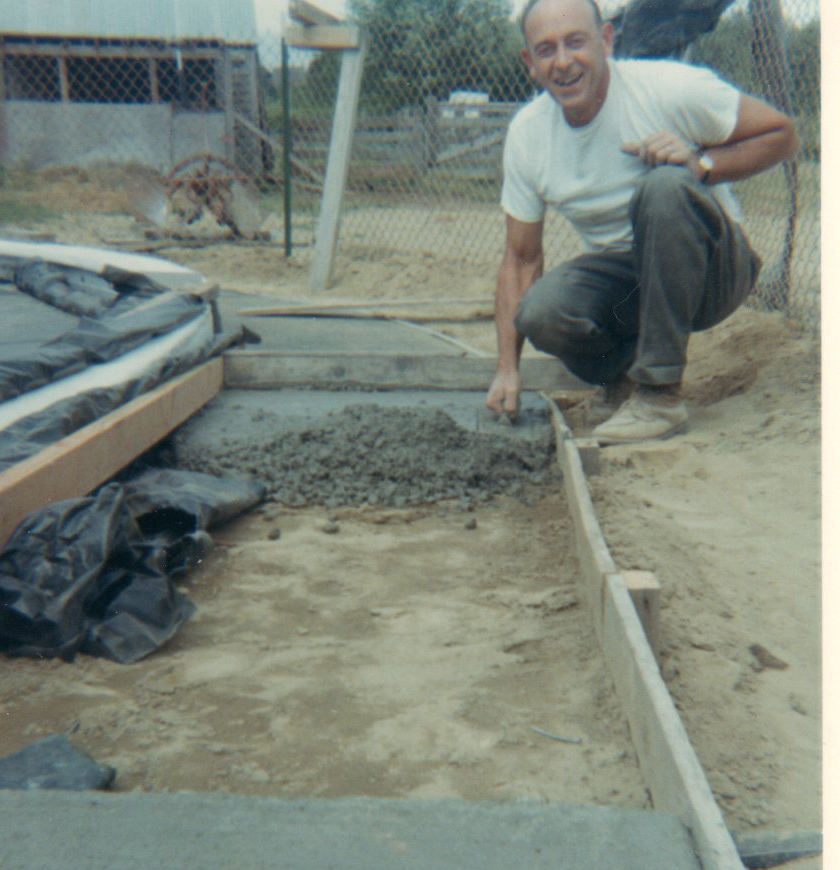
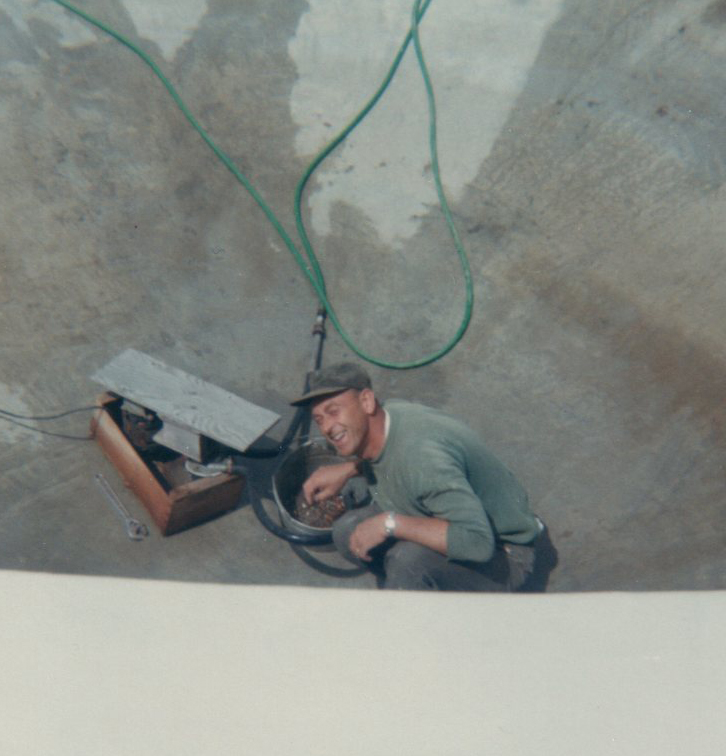
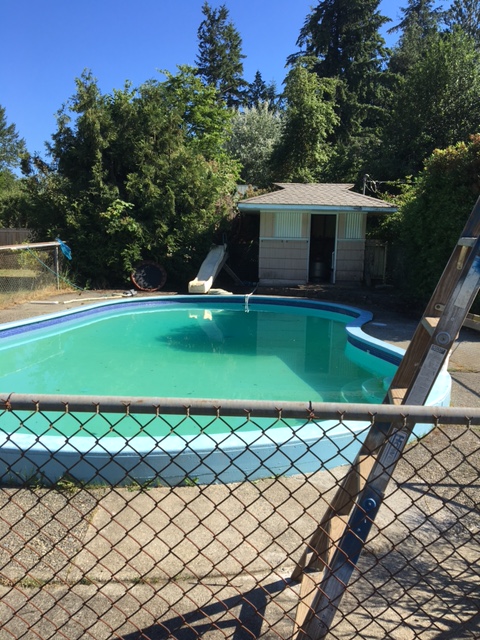
Pouring the sidewalk by hand
Grouting the tile perimeter
In the very bottom, installing a drain
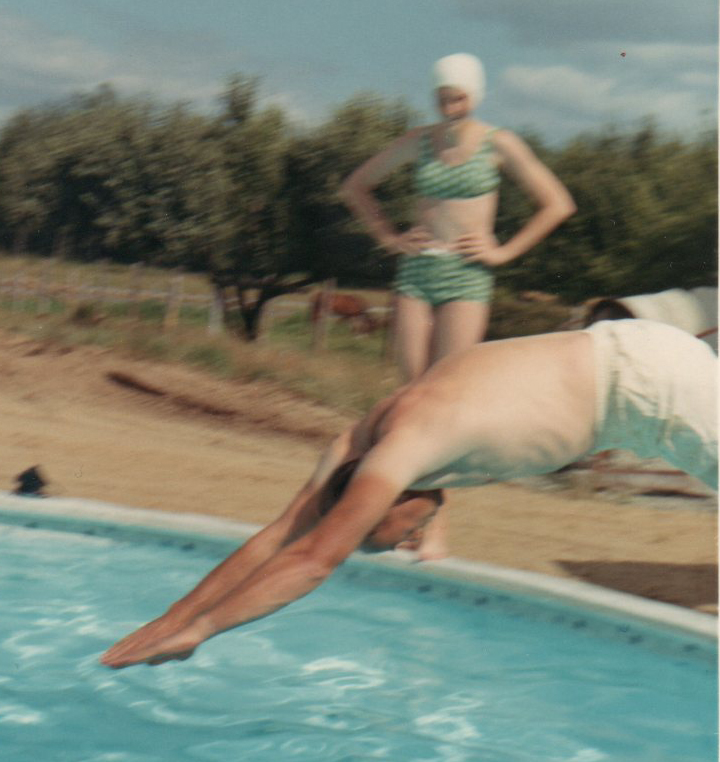
The best dive ever…

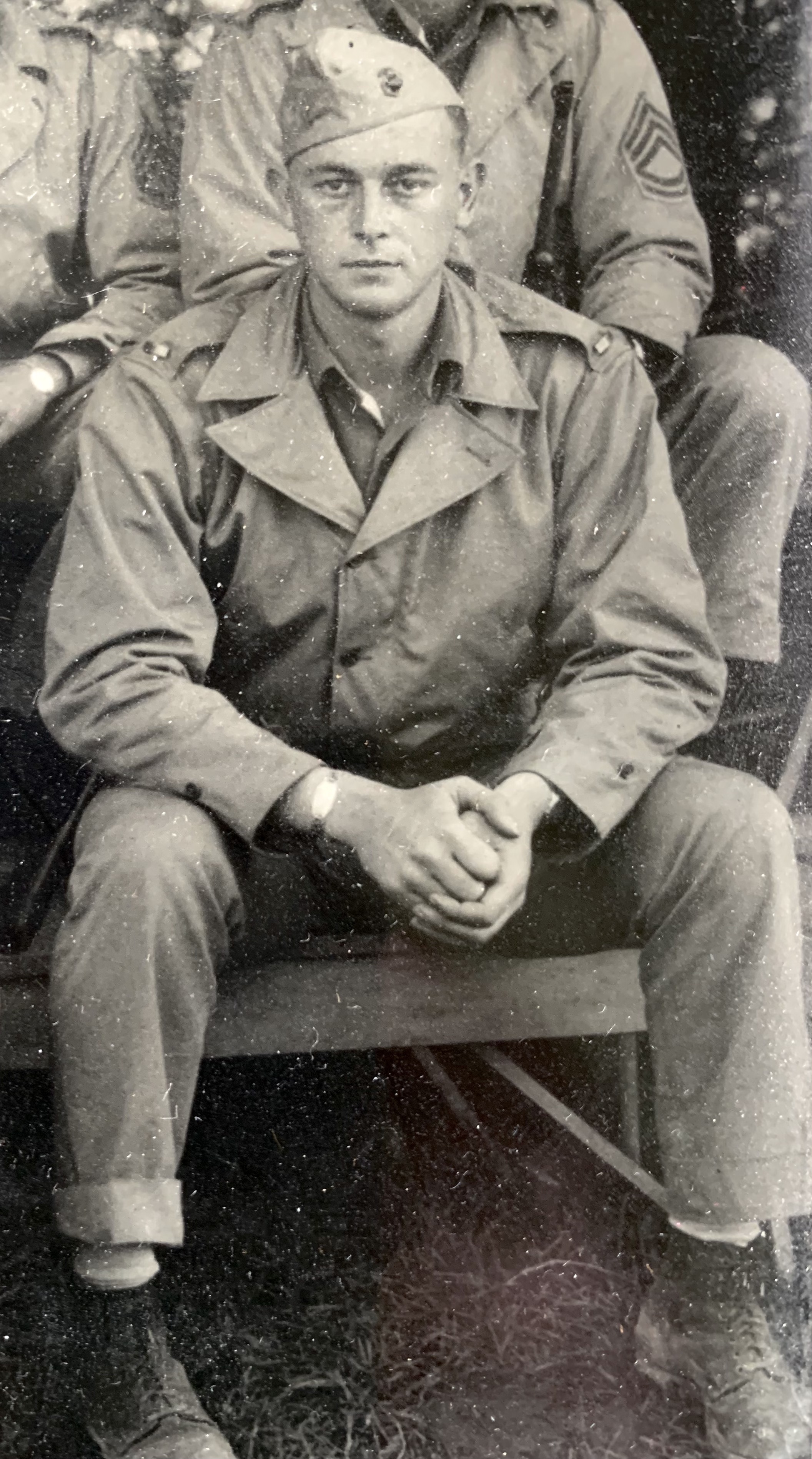
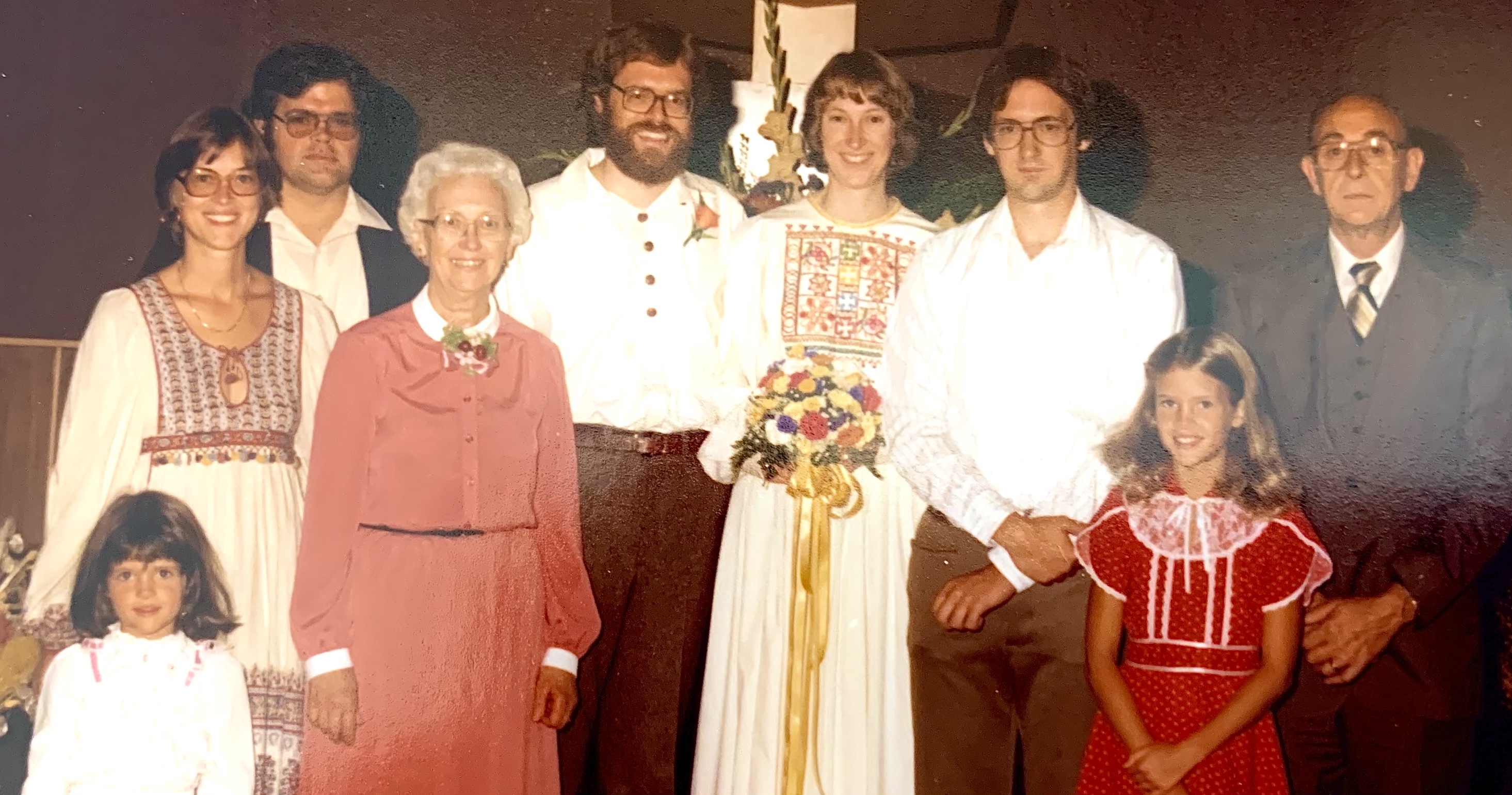
Nearly twenty-seven years ago
we watched at your bedside as you labored,
readying yourself to die and we could not help
except to be there while we watched you
move farther away from us.

This dying, the hardest work you had ever done:

harder than handling the plow behind a team of draft horses,
harder than confronting a broken, alcoholic and abusive father,
harder than slashing brambles and branches to clear the woods,
harder than digging out stumps, cementing foundations, building roofs,
harder than shipping out, leaving behind a new wife after only a week of marriage,
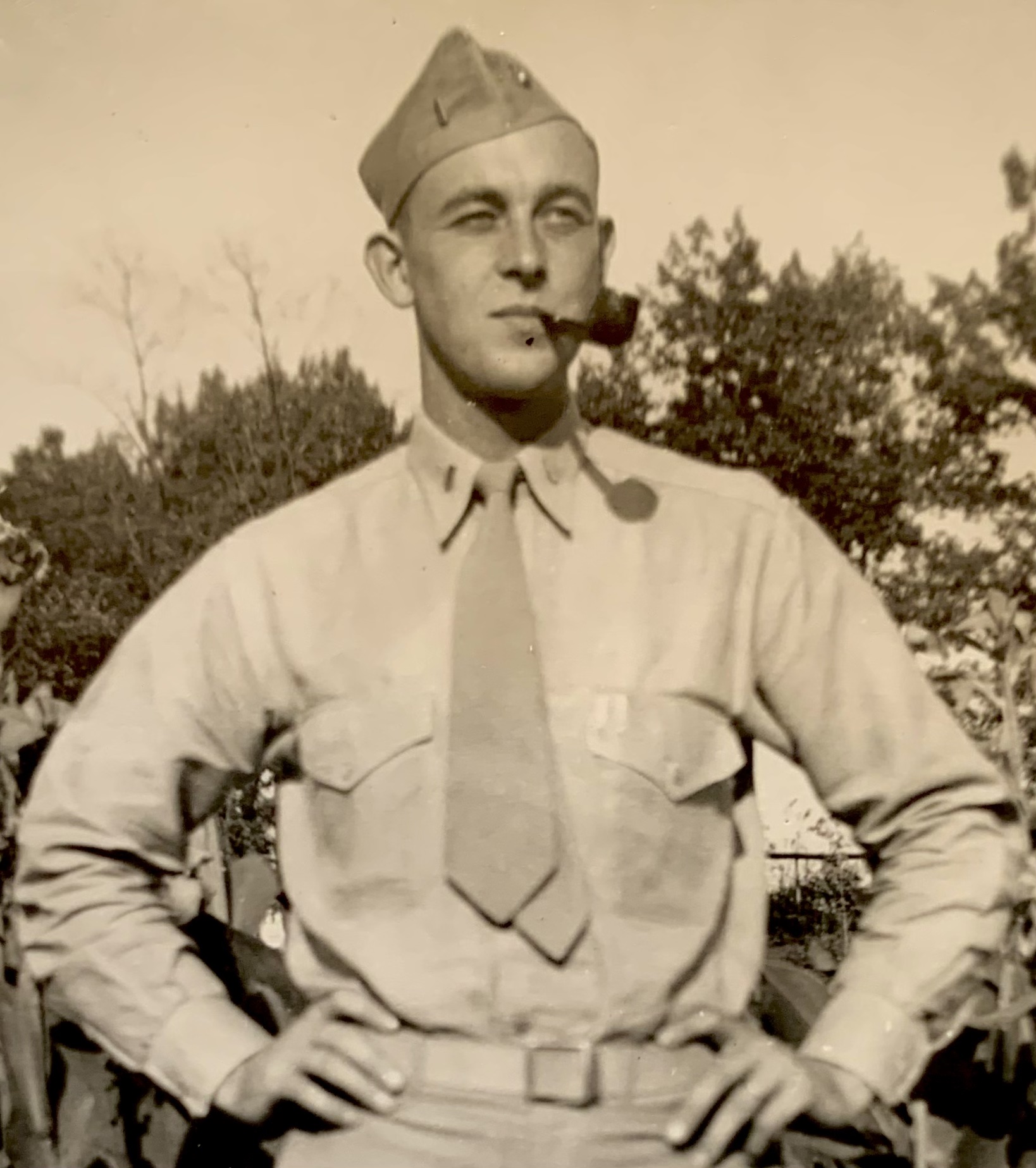
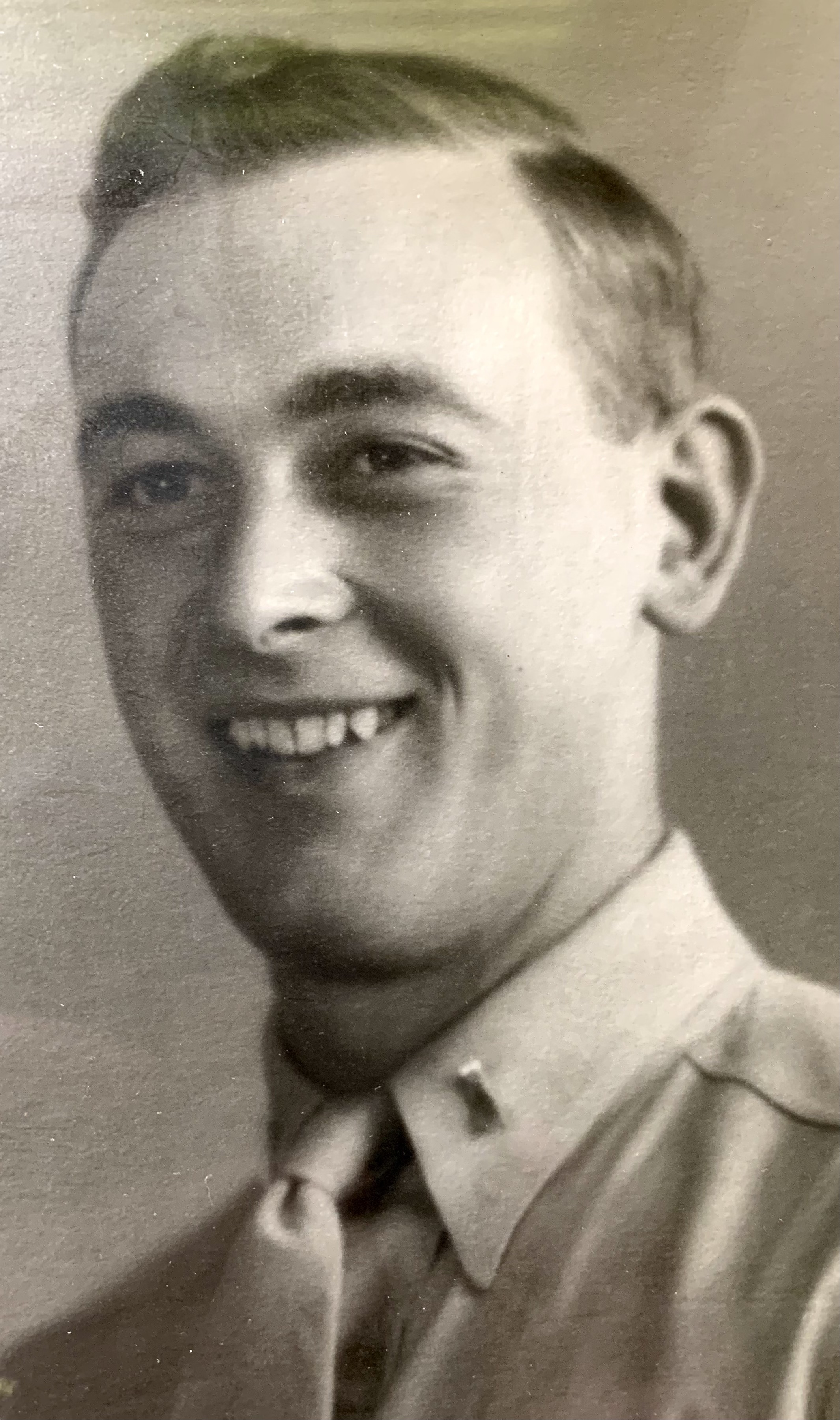
harder than leading a battalion of men to battle on Saipan, Tinian and Tarawa,
harder than returning home so changed there were no words,
harder than returning to school, working long hours to support family,
harder than running a farm with only muscle and will power,
harder than coping with an ill wife, infertility, job conflict, discontent,
harder than building your own pool, your own garage, your own house,
harder than your marriage ending, a second wife dying of cancer,
and returning home asking for forgiveness.

Dying was the hardest of all
as no amount of muscle or smarts or determination
could stop it crushing you,
taking away the strength you relied on for 73 years.

So as you lay helpless, moaning, struggling to breathe,
we knew your hard work was complete
and what you left undone was up to us
to finish for you.

Ben packaged in a paper bag by Grandpa Hank
One-Time
Monthly
Yearly

Make a one-time or recurring donation to support daily Barnstorming posts

Make a monthly donation

Make a yearly donation

Choose an amount

¤5.00
¤10.00
¤20.00
¤5.00
¤15.00
¤100.00
¤5.00
¤15.00
¤100.00

Or enter a custom amount

¤

Your contribution is deeply appreciated.

Your contribution is appreciated.

Your contribution is appreciated.

DonateDonate monthlyDonate yearly

The Hope for Meaningfulness

Why are we reading, if not in hope of beauty laid bare, life heightened and its deepest mystery probed?

Can the writer isolate and vivify all in experience that most deeply engages our intellects and our hearts?

Why are we reading, if not in hope that the writer will magnify and dramatize our days, will illuminate and inspire us with wisdom, courage and the hope of meaningfulness, and press upon our minds the deepest mysteries, so we may feel again their majesty and power?

What do we ever know that is higher than that power which, from time to time, seizes our lives, and which reveals us startlingly to ourselves as creatures set down here bewildered?

Why does death so catch us by surprise, and why love?

We still and always want waking.
~Annie Dillard from “Write Till You Drop”

…today, the unseen was everything. The unknown, the only real fact of life.
~Kenneth Grahame from Wind in the Willow

To find your voice you must forget about finding it,
and trust that if you pay sufficient attention to life
you will be found to have something to say

which no one else can say.
~Denise Levertov

We search for the unseen, hoping to find meaning in the unknown.

I am bewildered by life much of the time. Anyone looking at these online postings can see the struggle as I wake each day to seek out what I’m called to do and how to make this sad and suffering world a little bit better place.
I have little to offer a reader other than my own wrestling match with the mysteries we all face.

When a light does shine out through darkness,  I am not surprised. I simply needed to pay attention. Illumination was there all the time, but I needed the eyes to see its beauty laid bare, peering through the cracks of darkness.

Light beyond shadow,
Joy beyond tears,
Love that is greater when darkest our fears;
deeper the Peace when the storm is around,
nearer the Hope to the lost who is found.
Light of the world, ever shining, shining!
Hope in our pain and our dying.
in our darkness, there is Light, in our crying,
there is Love, in the noise of life imparting
Peace that passes understanding.
Light beyond shadow,
Joy beyond tears,
Love that is greater when darkest our fears;
deeper the Peace when the storm is around,
nearer the Hope to the lost who is found.
-Paul Wigmore

Light after darkness, gain after loss,
Strength after weakness, crown after cross;
Sweet after bitter, hope after fears,
Home after wandering, praise after tears.
Alpha and Omega, beginning and the end,
He is making all things new.
Springs of living water shall wash away each tear,
He is making all things new. ​
Sight after mystery, sun after rain,
Joy after sorrow, peace after pain;
Near after distant, gleam after gloom,
Love after wandering, life after tomb.
~Frances Havergal

One-Time
Monthly
Yearly

Make a one-time or recurring donation to support daily Barnstorming posts

Make a monthly donation

Make a yearly donation

Choose an amount

¤5.00
¤10.00
¤20.00
¤5.00
¤15.00
¤100.00
¤5.00
¤15.00
¤100.00

Or enter a custom amount

¤

Your contribution is deeply appreciated.

Your contribution is appreciated.

Your contribution is appreciated.

DonateDonate monthlyDonate yearly

Let Them Be Left…

Weeds are flowers too, once you get to know them…
~A.A.Milne from Winnie the Pooh (Eeyore)

What would the world be, once bereft
Of wet and wildness? Let them be left,
O let them be left, wildness and wet;
Long live the weeds and the wilderness yet.
~Gerard Manley Hopkins from “Inversnaid”

A weed is a plant whose virtues have not yet been discovered.
~Ralph Waldo Emerson, Fortune of the Republic   

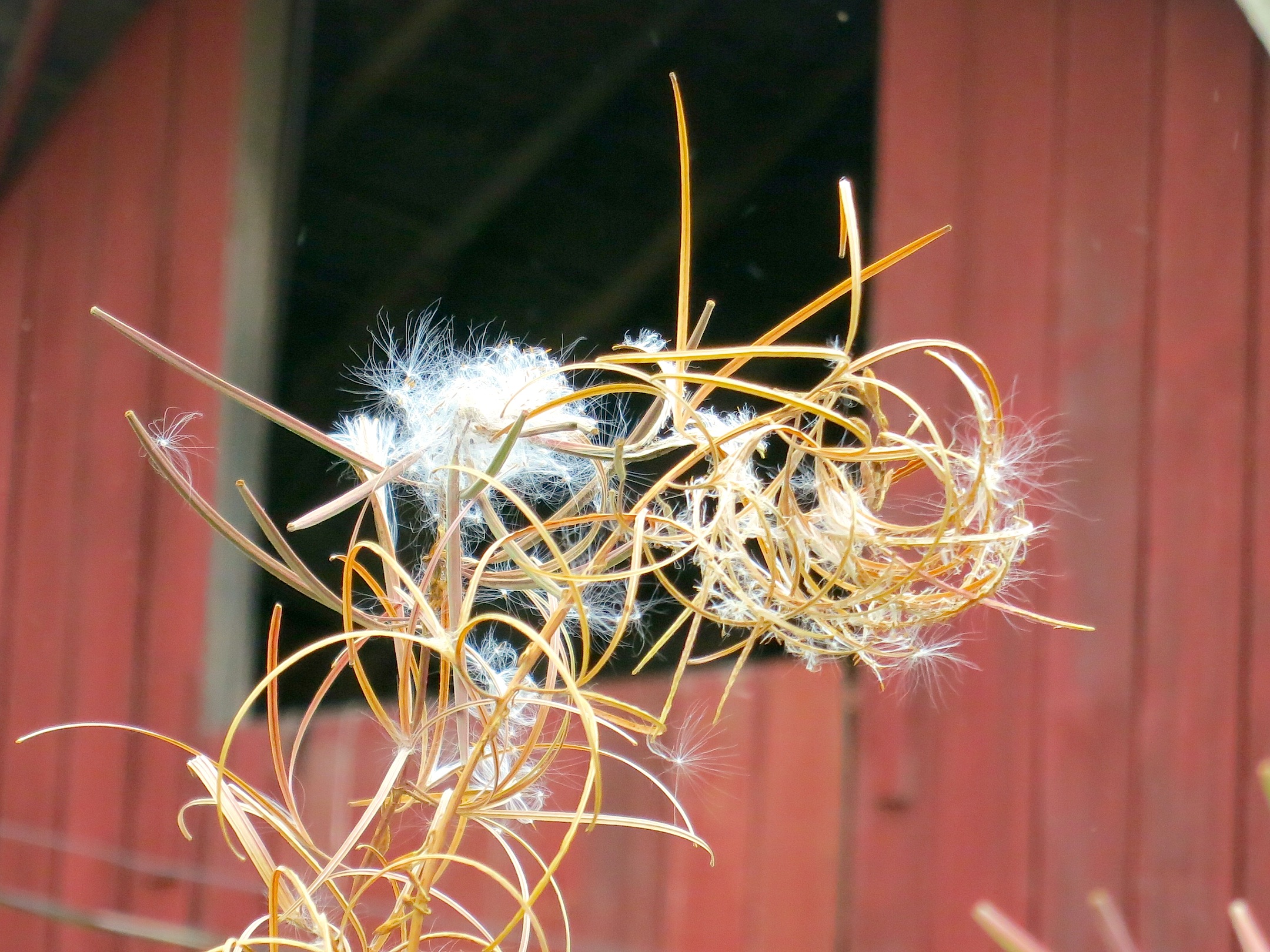
I’ve always identified with weeds more than cultivated blooms.  I too have undiscovered virtues – I’m fluffy, I thrive where I’m not necessarily wanted or needed, and tend to be resilient through frost, drought or flood.  

The persistence of weeds inspires me to just let them be. 
As their weedy wildness lies just beneath the surface,
I too flourish, a witness to a world bereft of softness.

O let them be left.
Let me be left.

One-Time
Monthly
Yearly

Make a one-time or recurring donation to support daily Barnstorming posts

Make a monthly donation

Make a yearly donation

Choose an amount

¤5.00
¤10.00
¤20.00
¤5.00
¤15.00
¤100.00
¤5.00
¤15.00
¤100.00

Or enter a custom amount

¤

Your contribution is deeply appreciated.

Your contribution is appreciated.

Your contribution is appreciated.

DonateDonate monthlyDonate yearly

A Keeper of Bees

If you talk to him,
he will not pretend to be
an ordinary man.
He won’t let on
he is one who isn’t afraid to hold
in his outstretched hands
the buzzing gold.

He won’t tell you he is the man who keeps farmers
warm in their livelihood,
or the man who keeps the grocery shelves
full, then adds, simply for good measure,
jars of his shining honey.
He won’t explain that he is the one
who sets his suffering neighbors
free from their pain
with gifts of jars that sting.

He won’t let on to be the lifegiver or a god.
He will pretend he is just an old man with sand-colored hair,
a blue truck heavy with breezy hives,
and a comb-spinner in his cellar.

~Sidney Hall Jr., from This Understated Land

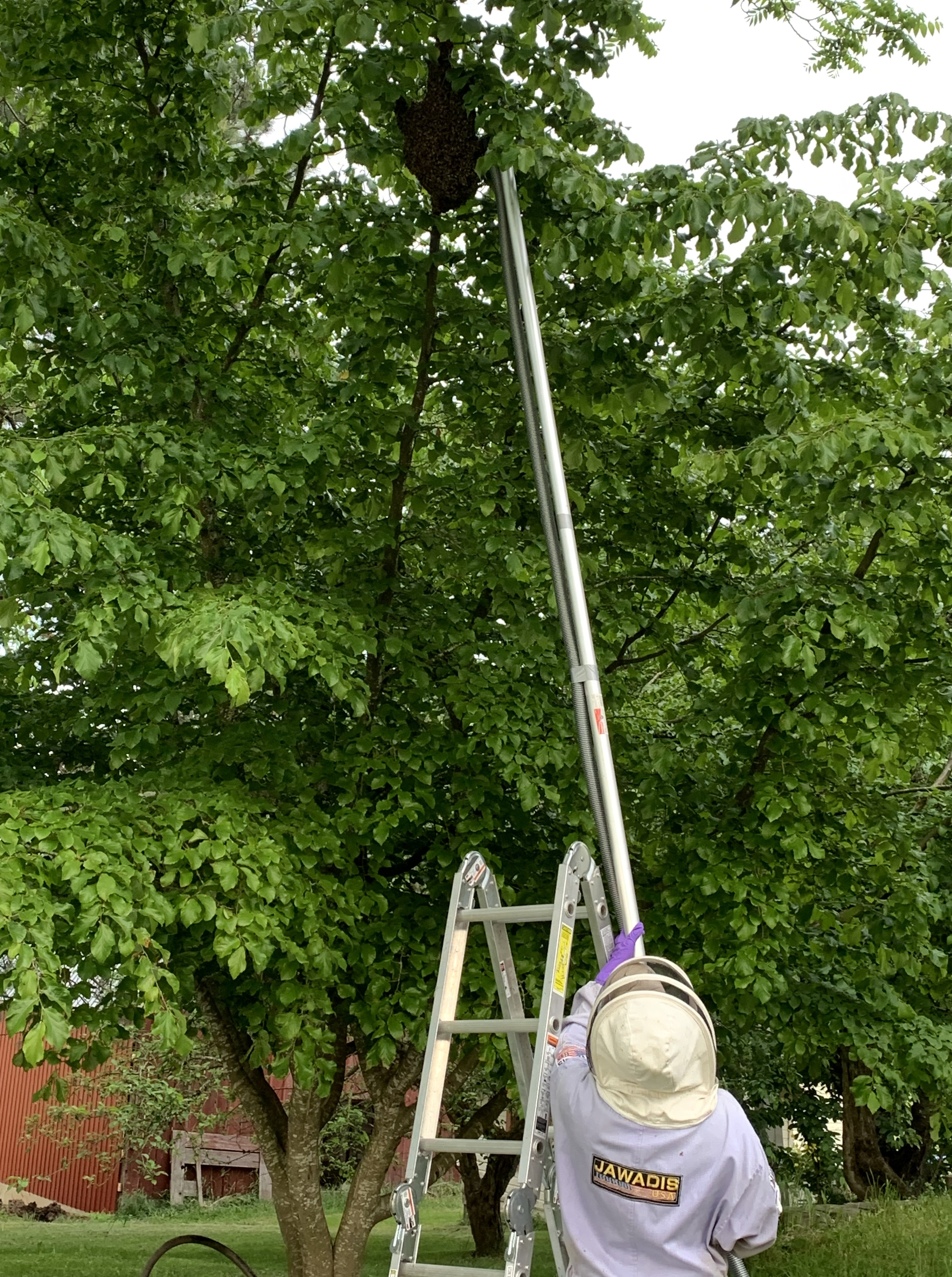
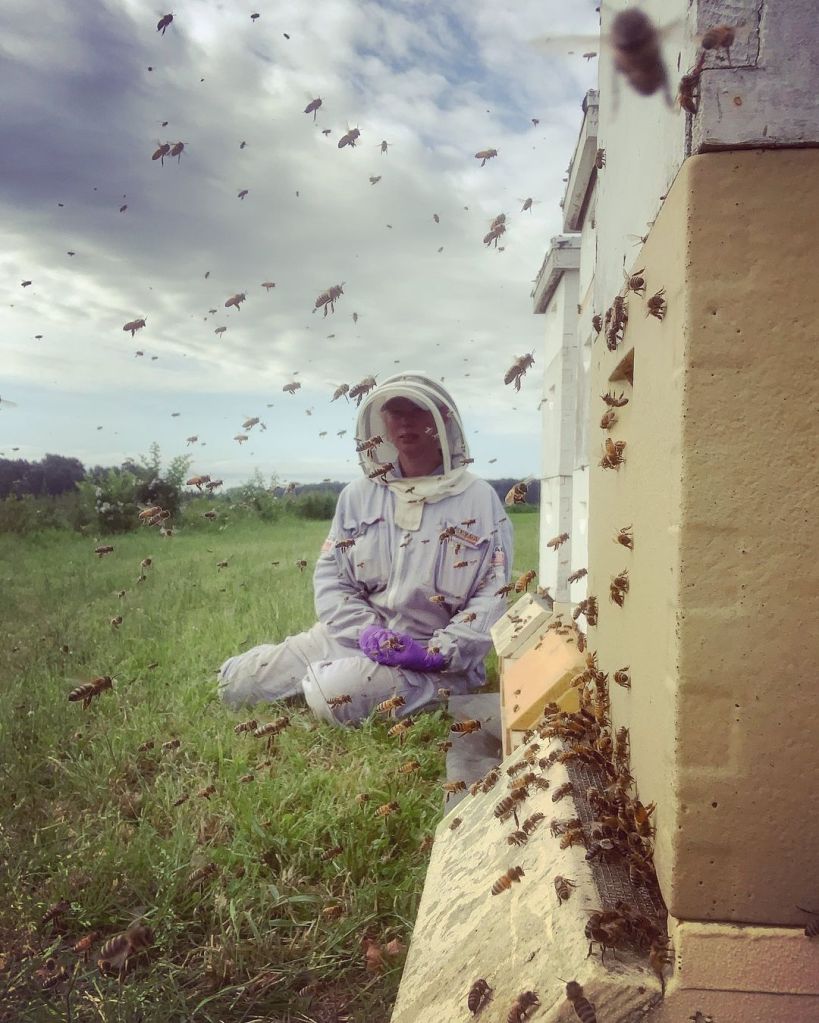
Our niece Andrea of Z’s Happy Bees, gently vacuuming a swarm from one of our farm trees

…The world was really one bee yard,
and the same rules work fine in both places.
Don’t be afraid, as no life-loving bee wants to sting you.
Still, don’t be an idiot; wear long sleeves and pants.
Don’t swat. Don’t even think about swatting.
If you feel angry, whistle.

Anger agitates while whistling melts a bee’s temper.
Act like you know what you’re doing, even if you don’t.
Above all, send the bees love. Every little thing wants to be loved.

~Sue Monk Kidd from The Secret Life of Bees

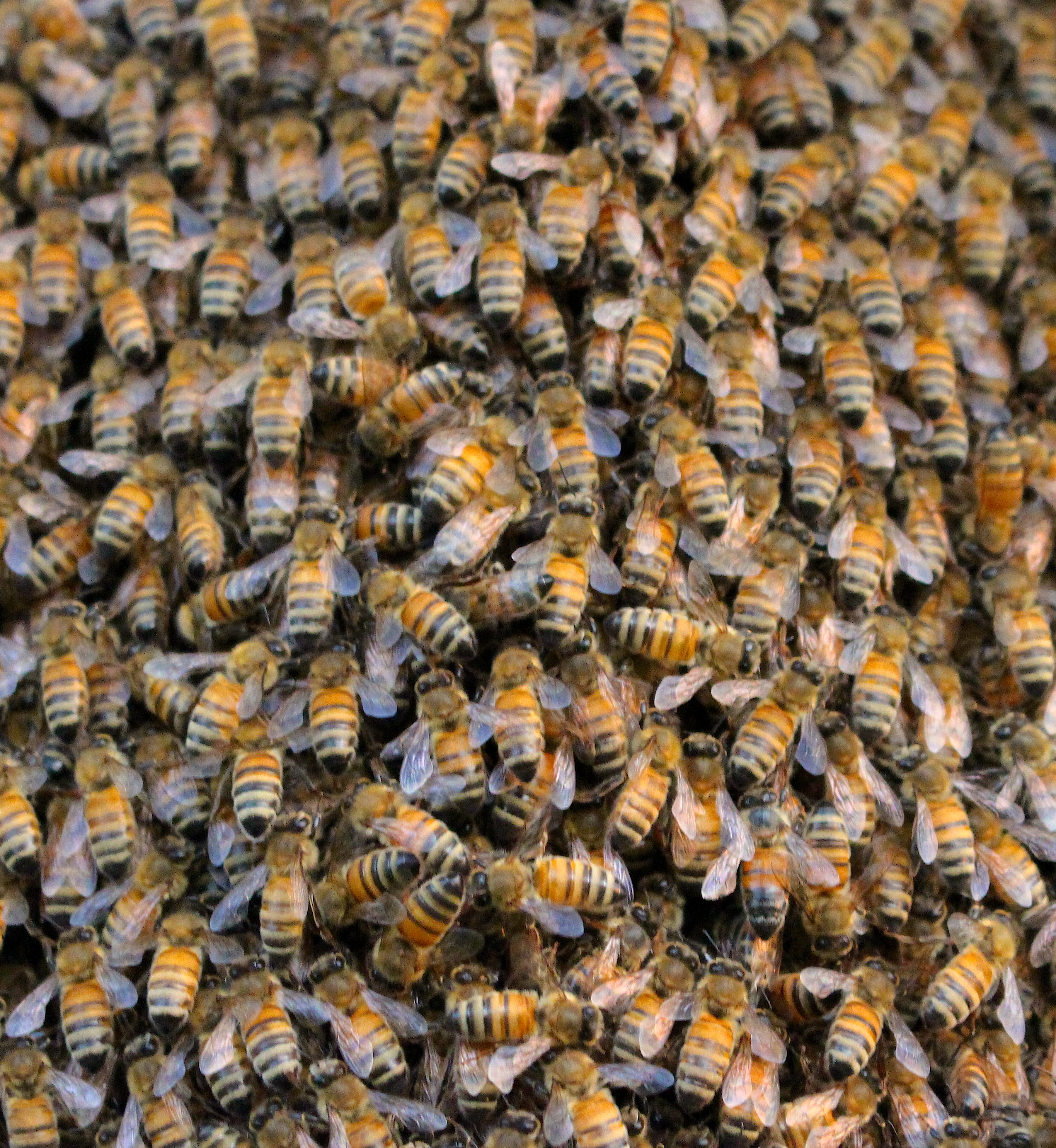
He calls the honeybees his girls although
he tells me they’re ungendered workers
who never produce offspring. Some hour drops,
the bees shut off. In the long, cool slant of sun,
spent flowers fold into cups. He asks me if I’ve ever
seen a Solitary Bee where it sleeps. I say I’ve not.
The nearest bud’s a long-throated peach hollyhock.
He cradles it in his palm, holds it up so I spy
the intimacy of the sleeping bee. Little life safe in a petal,
little girl, your few furious buzzings as you stir
stay with me all winter, remind me of my work undone.
~Heid E. Erdrich, from “Intimate Detail” from The Mother’s Tongue

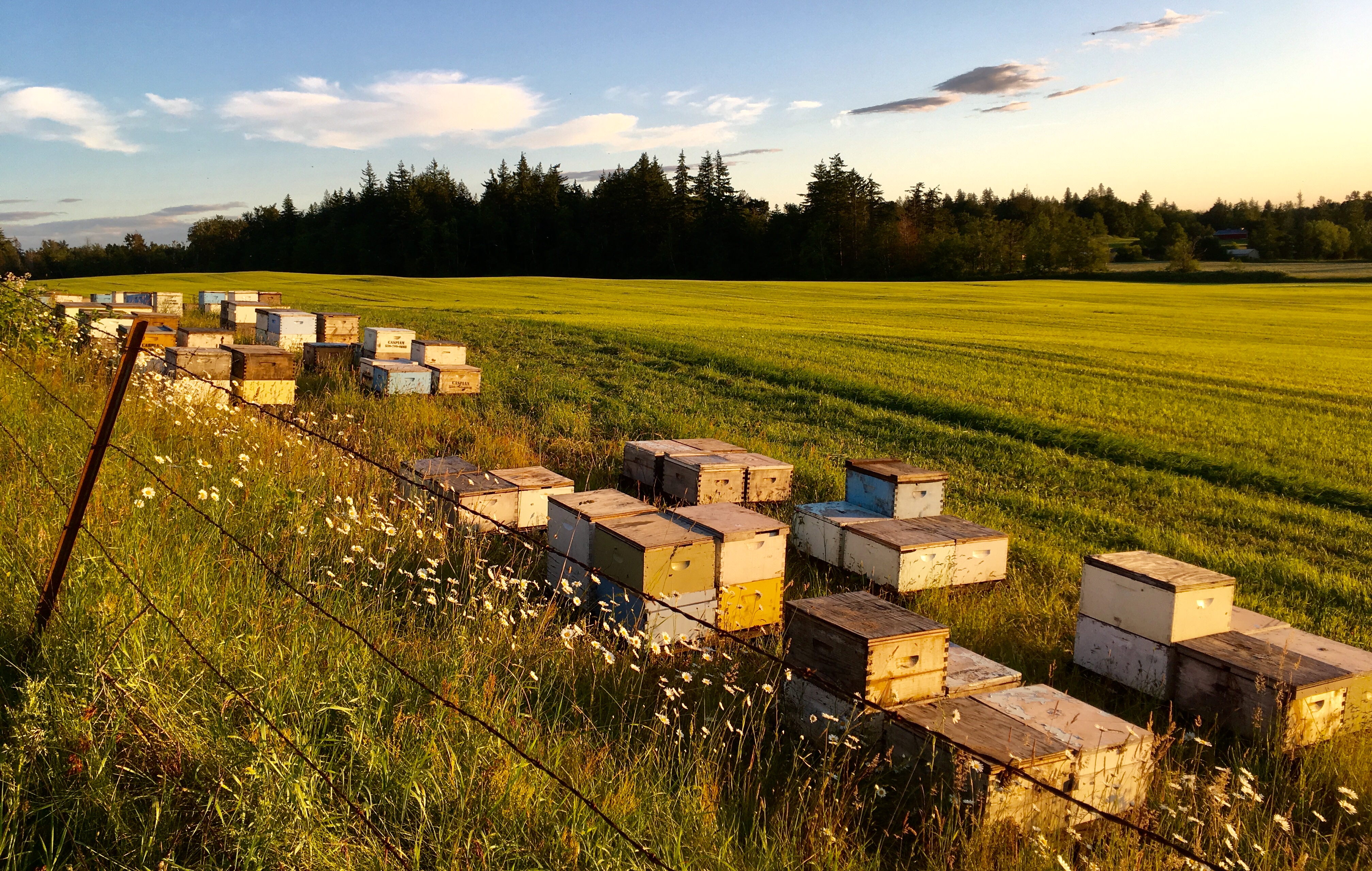
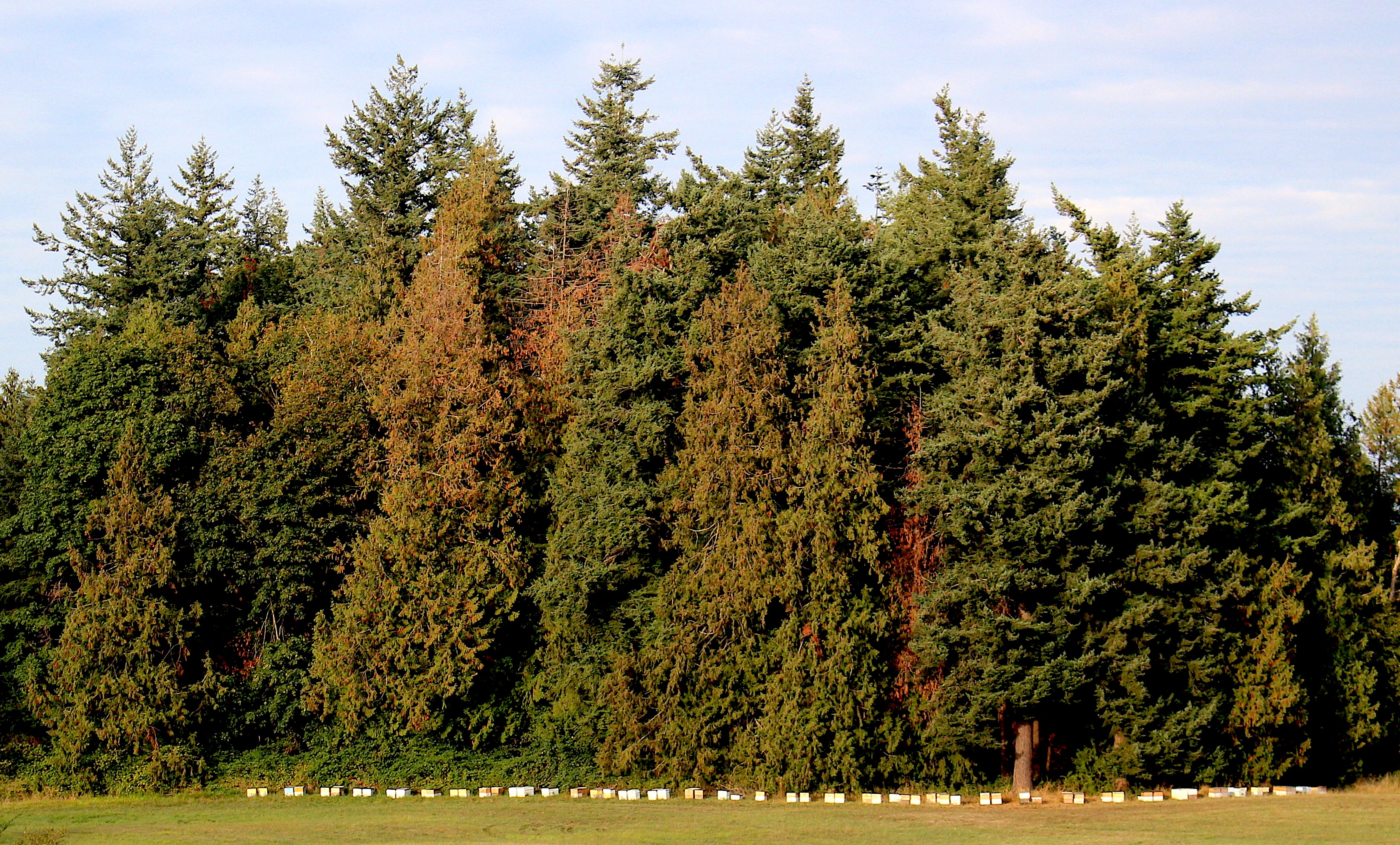
I am awed and inspired by apiarists. Our niece Andrea has been bee-keeping for over a decade, keeping hives at home in nearby Skagit Valley as well as moving them during growing season to pollinate the blooms at Floret Flower Farm and other beautiful places.

A beekeeper must be a loving and patient person; the bees know who loves them, and who will always be there to care for them.

An old Celtic tradition necessitates sharing any news from the household with the farm’s bee hives, whether cheery like a new birth or a wedding celebration or sad like a family death.  This ensures the hives’ well-being and continued connection to home and community – the bees are kept in the loop, so to speak, so they stay at home, not swarm and move on to a more hospitable place.

Each little life safe at home, each little life with work undone.

Good news seems always easy to share; we tend to keep bad news to ourselves so this tradition helps remind us that what affects one of us, affects us all.

These days, with instant news at our fingertips at any moment, bad news is constantly bombarding us. Like the bees in the hives of the field, we want to flee from it and find a more hospitable home.

Our Creator (the ultimate Beekeeper) comes personally to each of us to say:
“Here is what has happened. All will be well, dear one. We will navigate your little life together.”

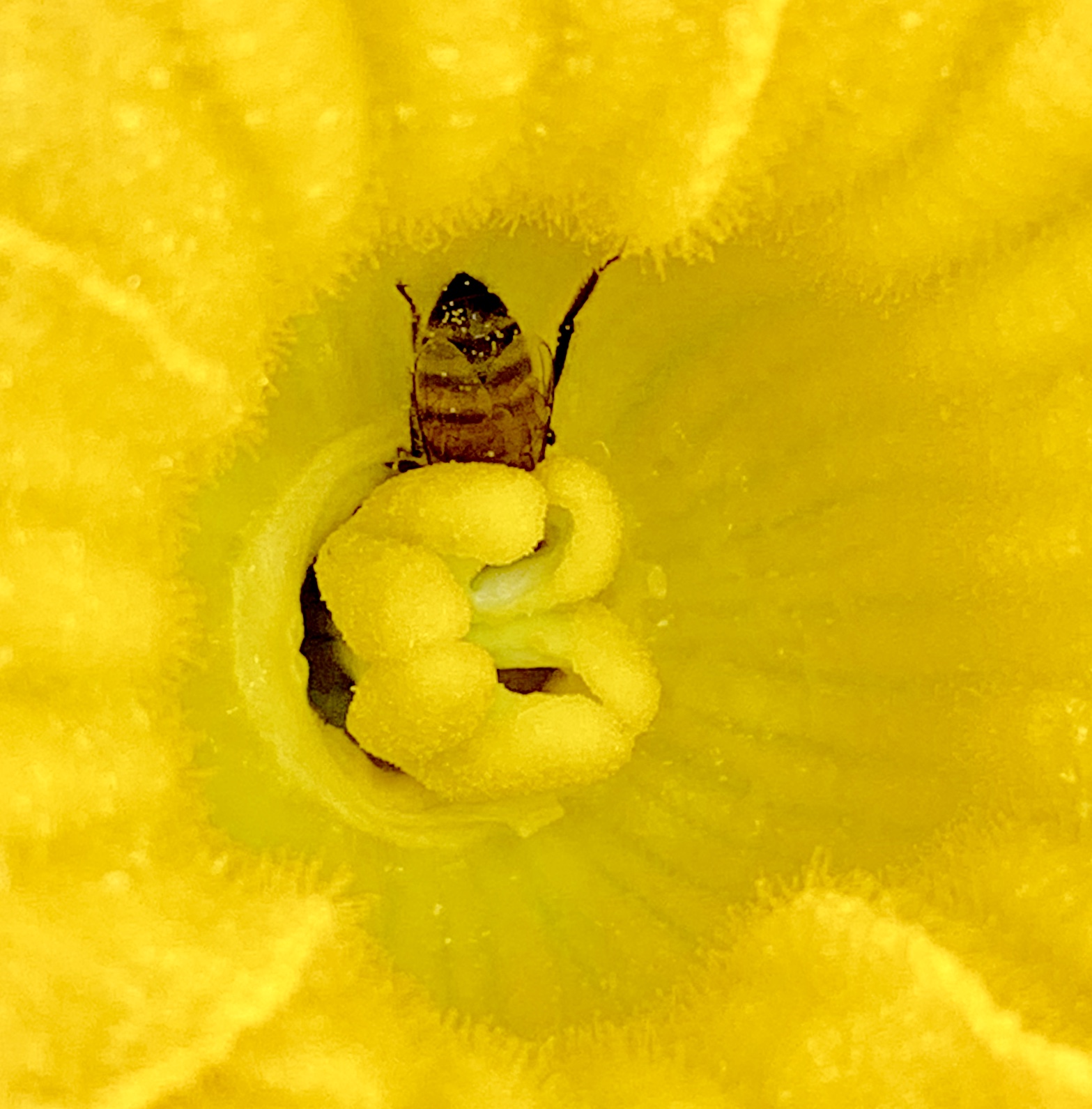
photo from Andrea from Z’s Happy Bees
What does the bee do?
Bring home honey.
And what does Father do?
Bring home money.
And what does Mother do?
Lay out the money.
And what does baby do?
Eat up the honey.
~Christina Rossetti

One-Time
Monthly
Yearly

Make a one-time or recurring donation to support daily Barnstorming posts

Make a monthly donation

Make a yearly donation

Choose an amount

¤5.00
¤10.00
¤20.00
¤5.00
¤15.00
¤100.00
¤5.00
¤15.00
¤100.00

Or enter a custom amount

¤

Your contribution is deeply appreciated.

Your contribution is appreciated.

Your contribution is appreciated.

DonateDonate monthlyDonate yearly

At Least I Twirl

The quiet of dawn
the honesty of dawn
the peace of empty roads

I start out
after years of twirling
in place

As once before when I began without knowing…
~Lawrence Bridges from “Lake Hughes Road”

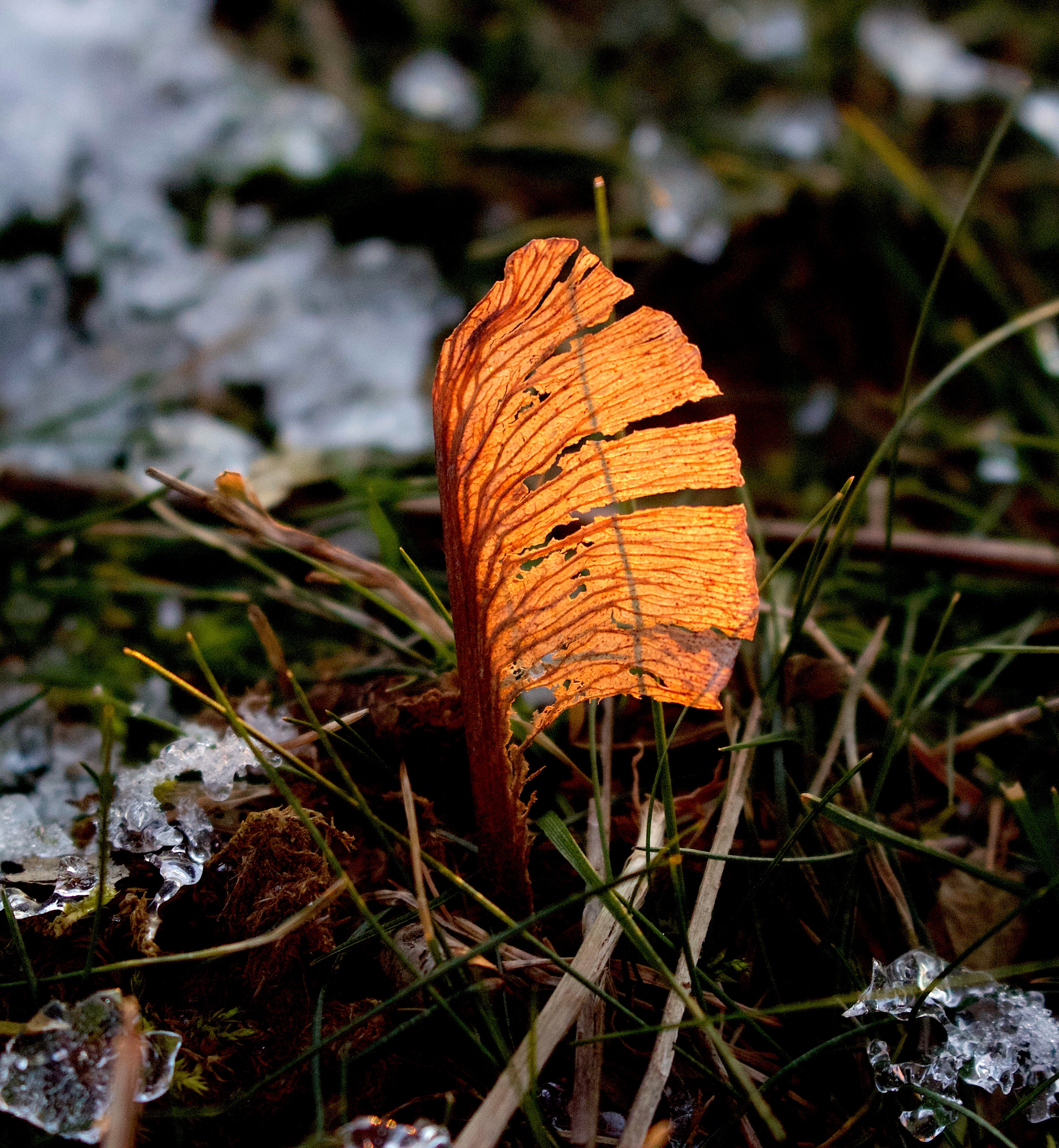
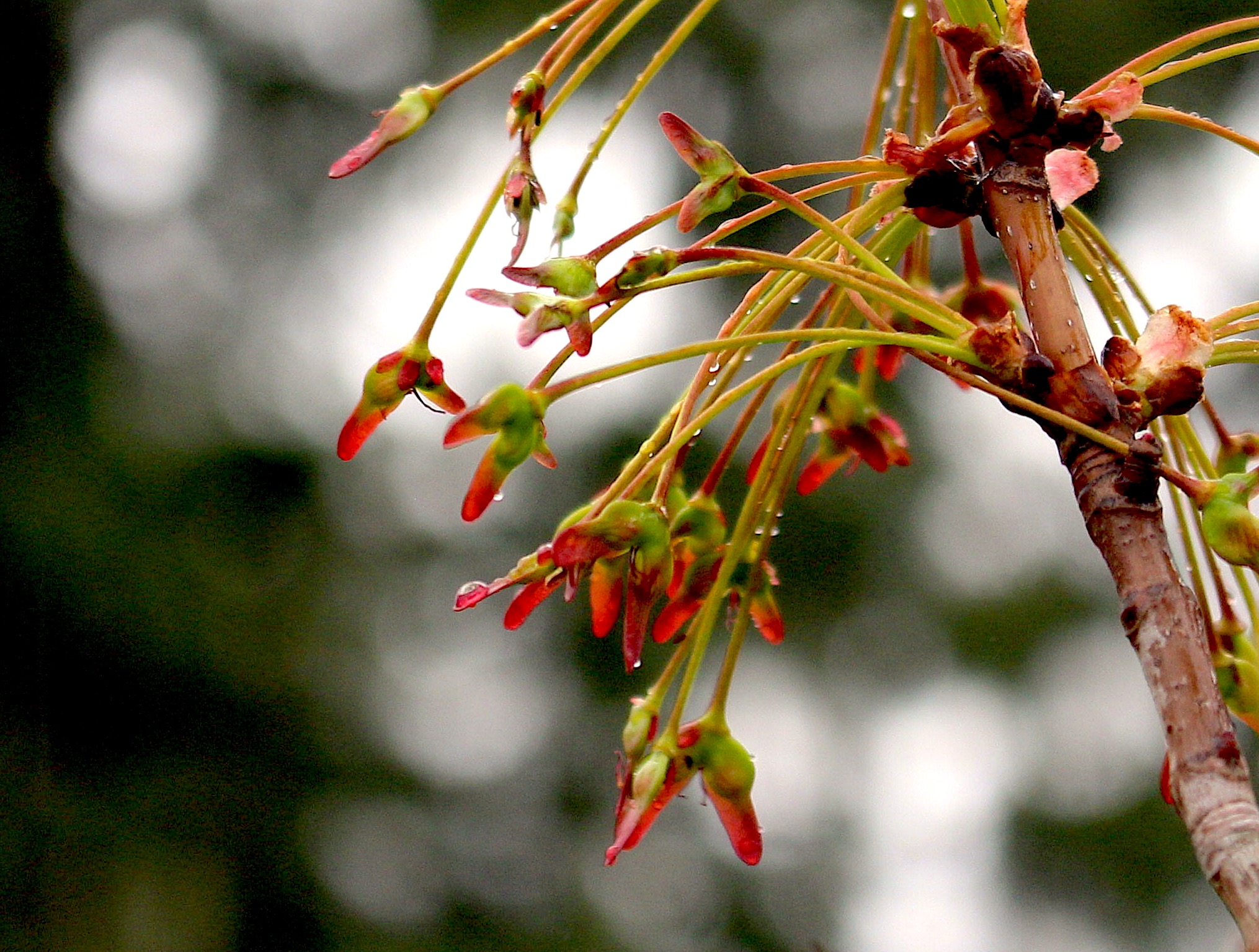
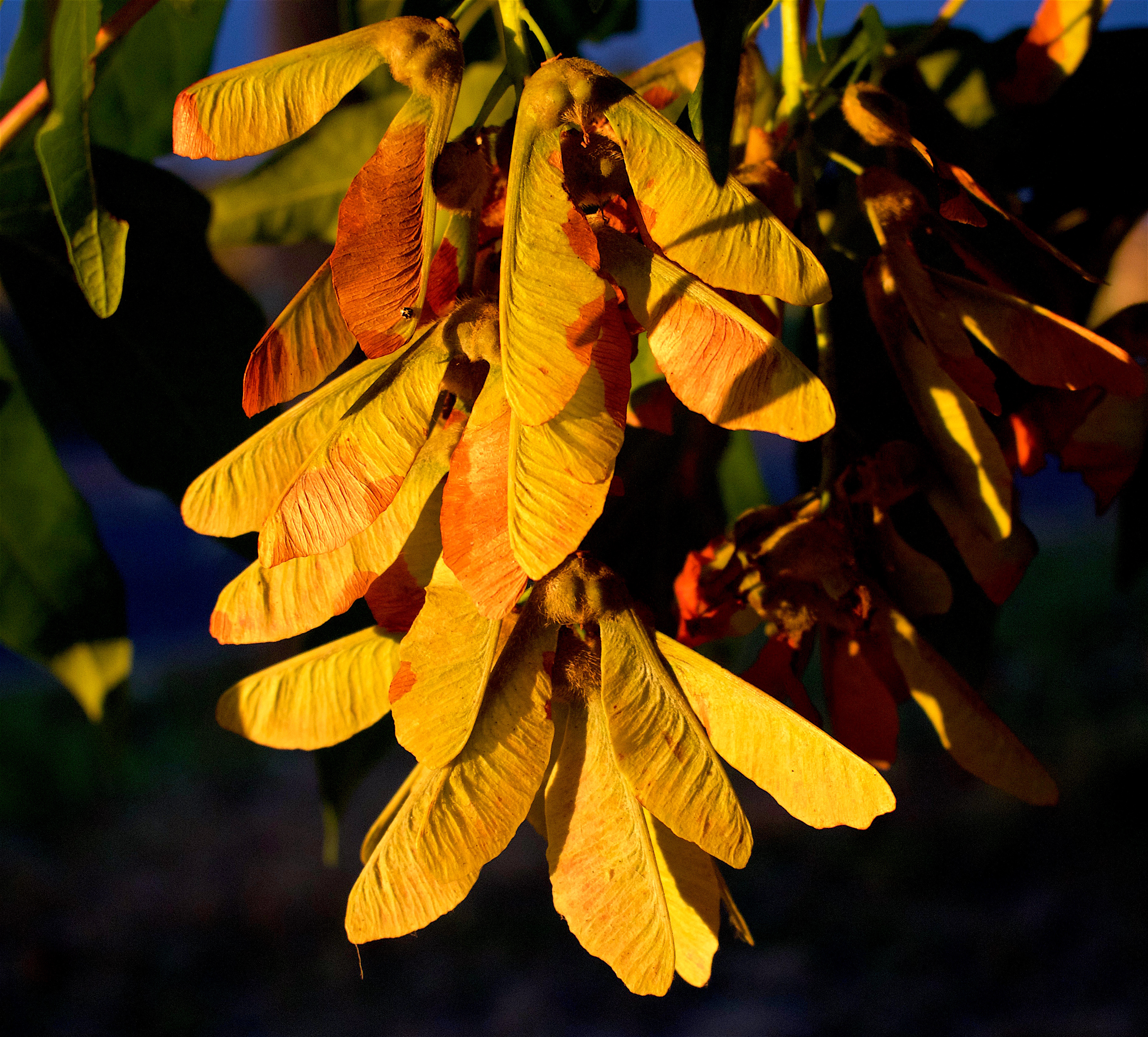
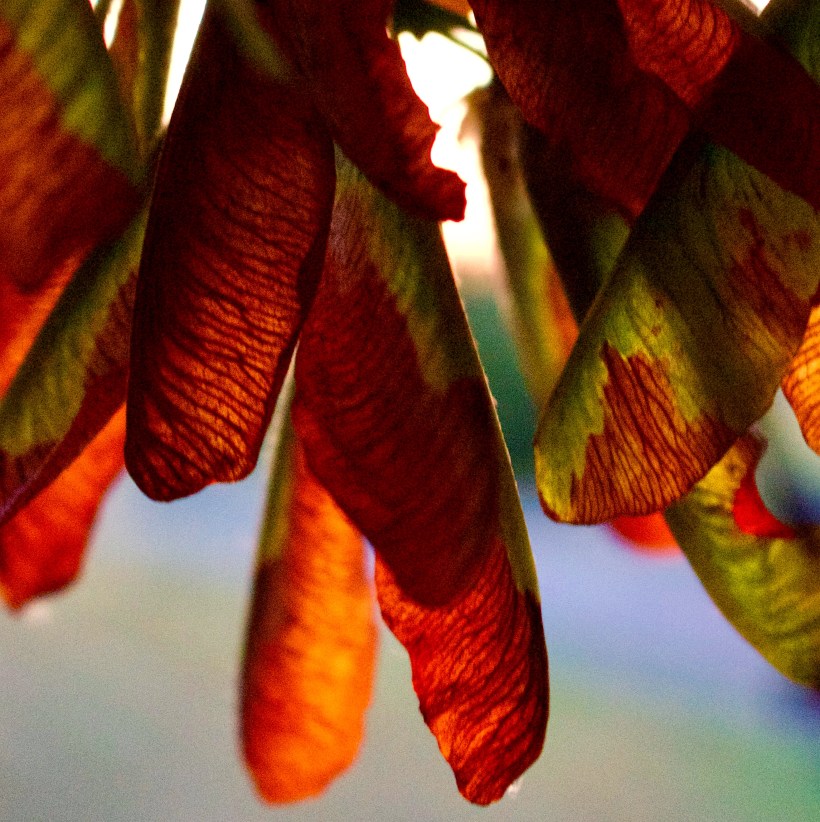
All at once I saw what looked like a Martian spaceship whirling towards me in the air. It flashed borrowed light like a propeller. Its forward motion greatly outran its fall. As I watched, transfixed, it rose, just before it would have touched a thistle, and hovered pirouetting in one spot, then twirled on and finally came to rest. I found it in the grass; it was a maple key, a single winged seed from a pair.

Hullo.

I threw it into the wind and it flew off again, bristling with animate purpose, not like a thing dropped or windblown

O maple key, I thought, I must confess I thought, o welcome, cheers.

And the bell under my ribs rang a true note, a flourish as of blended horns, clarion, sweet, and making a long dim sense I will try at length to explain. Flung is too harsh a word for the rush of the world. Blown is more like it, but blown by a generous, unending breath. That breath never ceases to kindle, exuberant, abandoned; frayed splinters spatter in every direction and burgeon into flame. And now when I sway to a fitful wind, alone and listing, I will think, maple key. When I shake your hand or meet your eyes I will think, two maple keys. If I am a maple key falling, at least I can twirl.
~Annie Dillard from Pilgrim at Tinker Creek

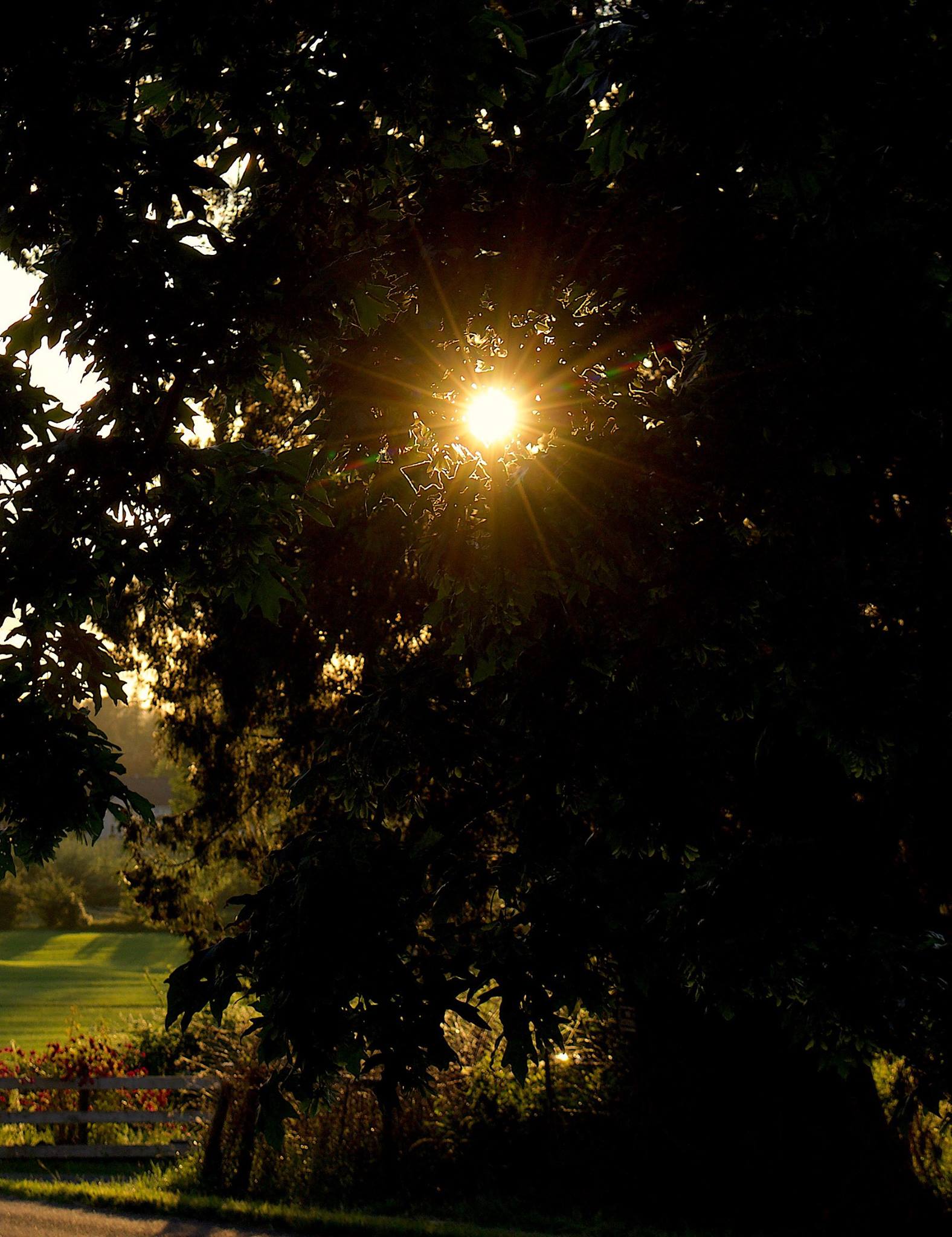
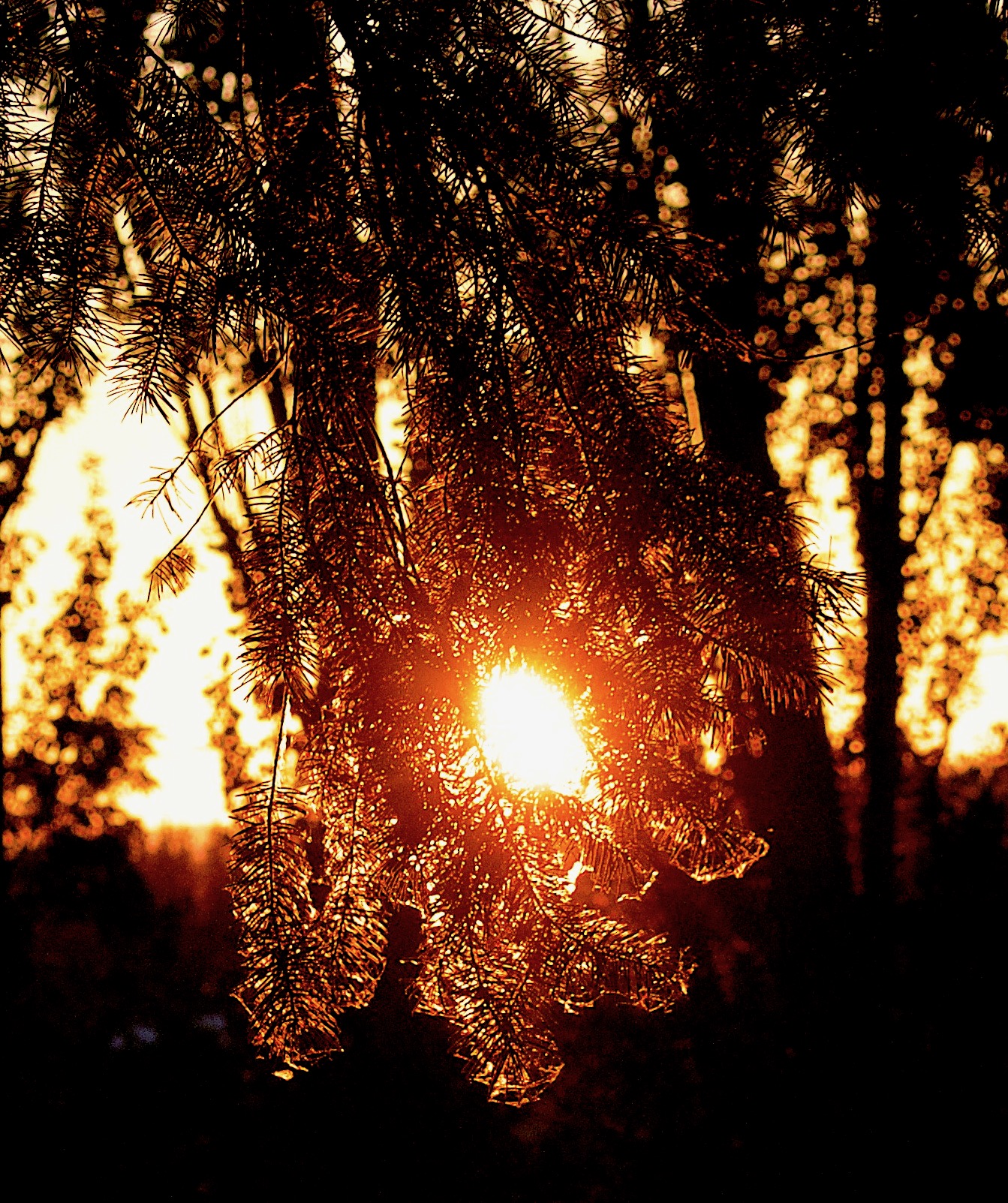
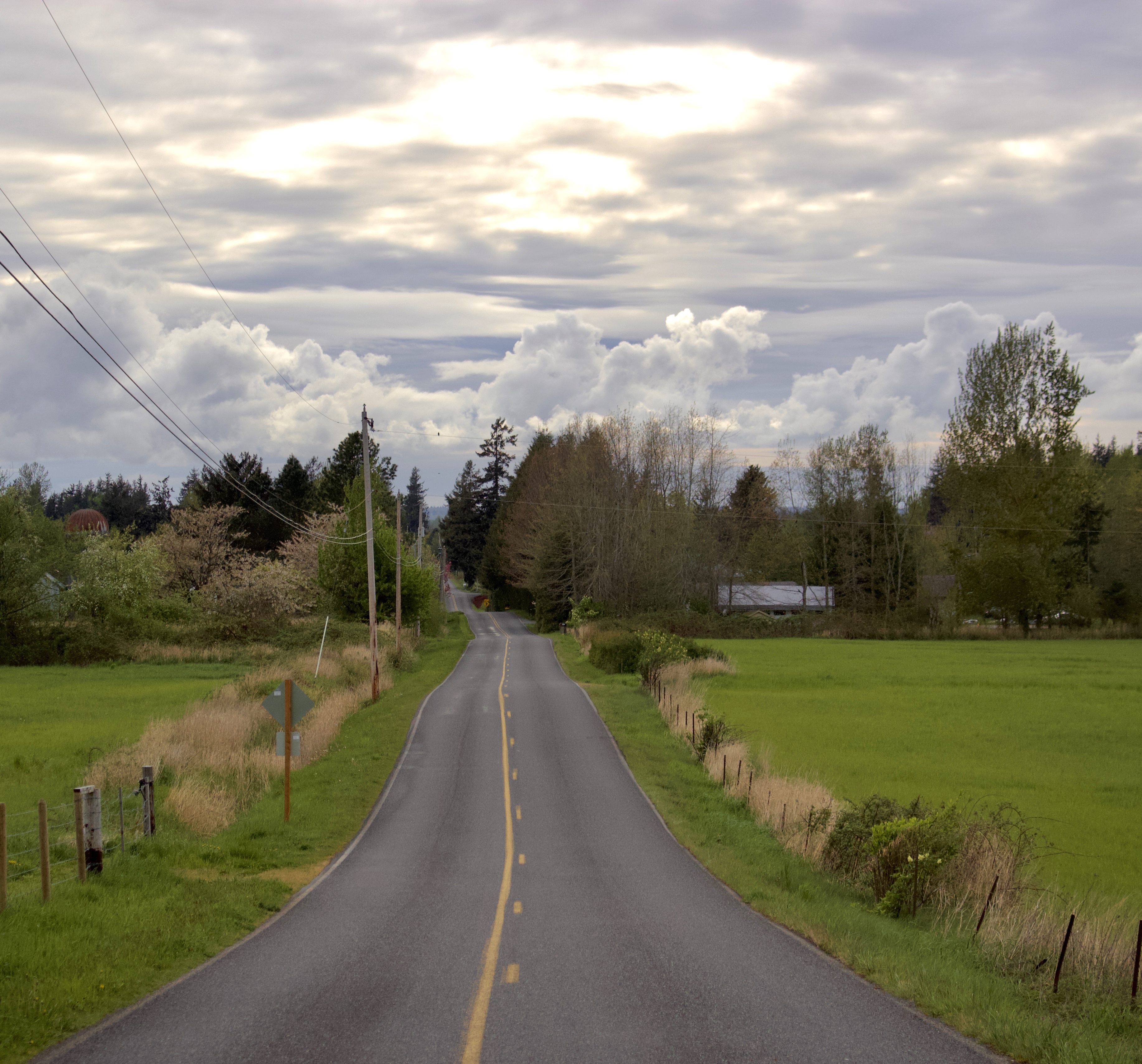
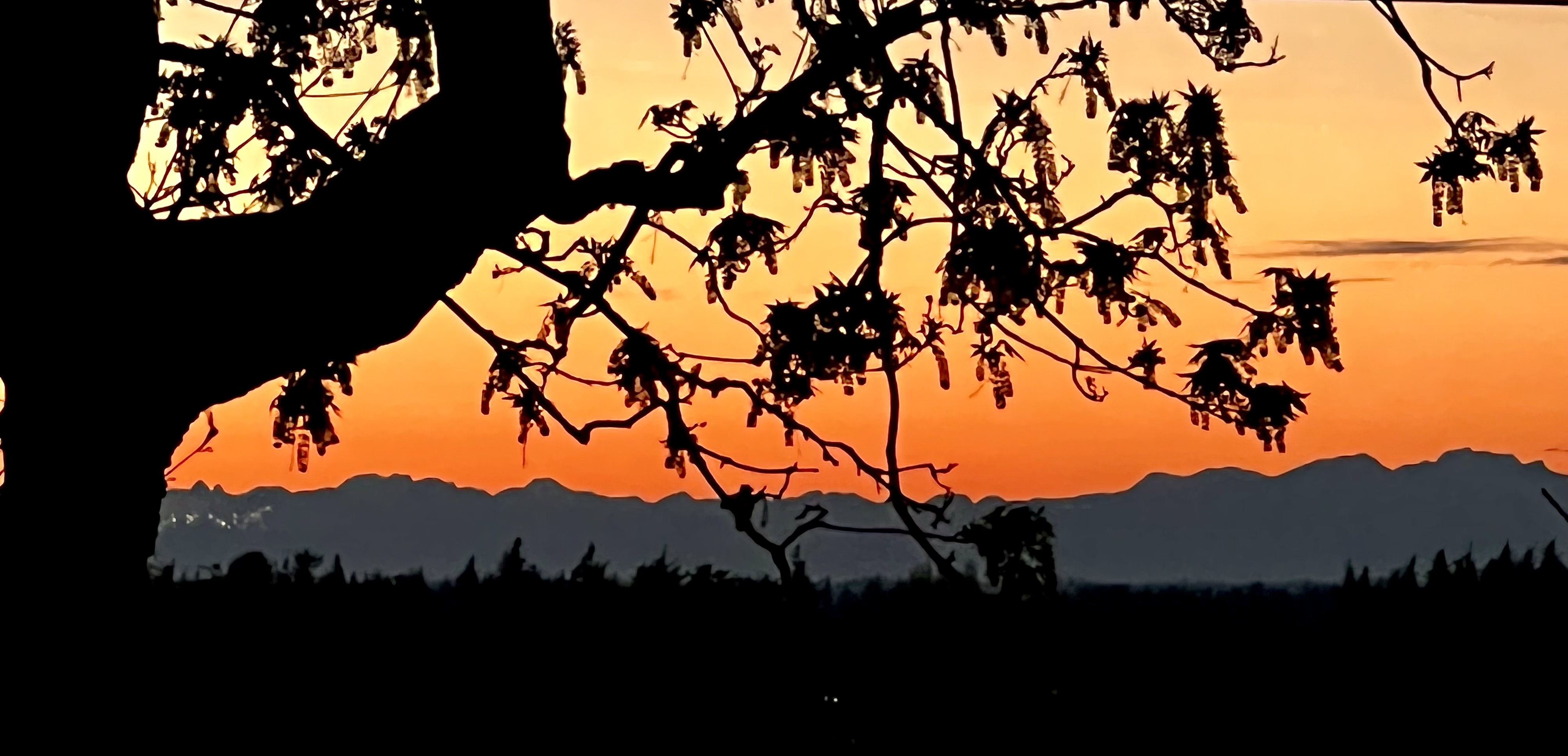
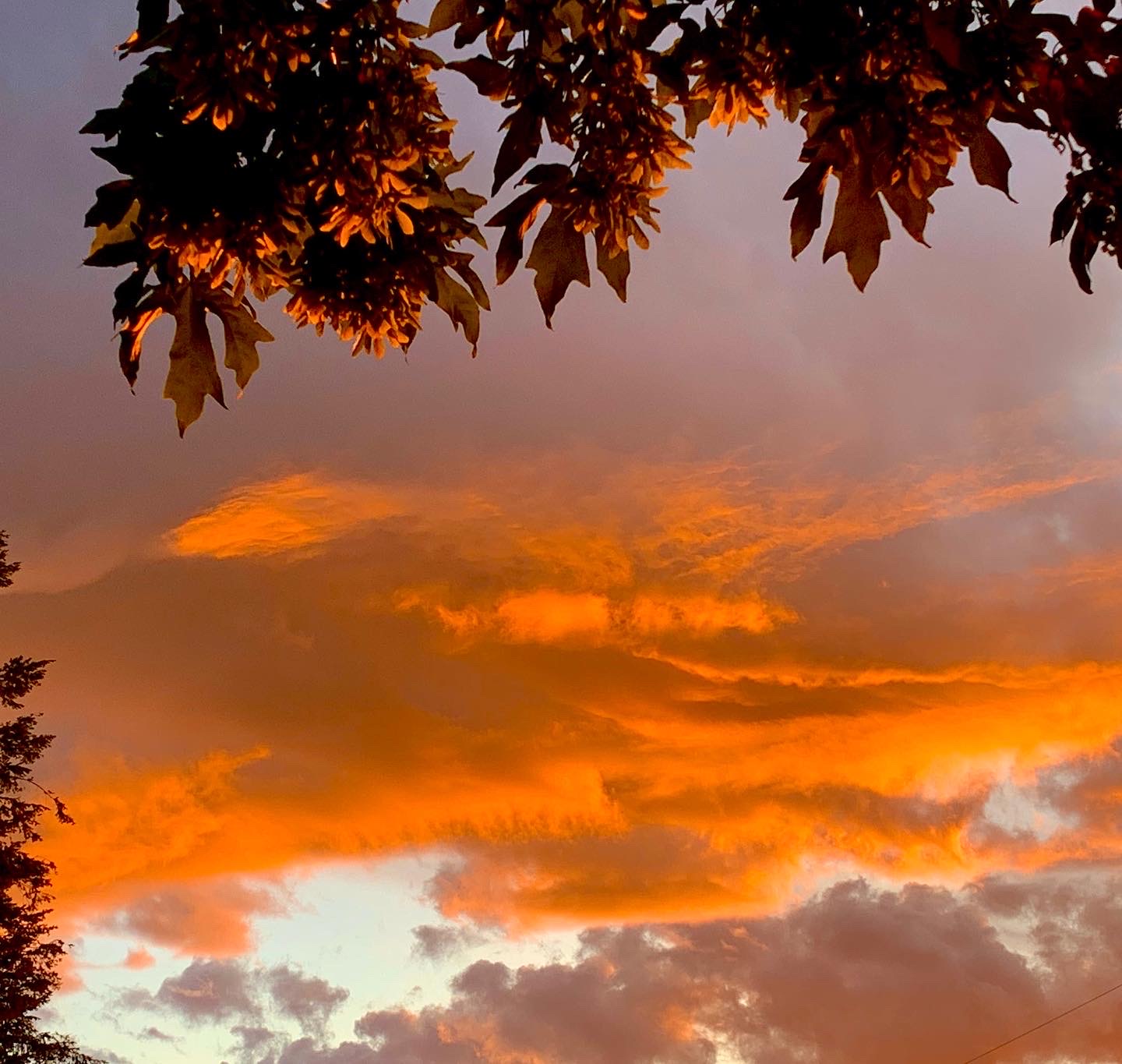
Today’s late spring morning sun woke me early to streaming light
poured out on quilt and blankets.

Curious, I head out to see what’s happening with the world.
The road stretches empty for miles east and west

Thus kindled, exuberant, unleashed,
I am blown by dawn’s gentle breezes,
so inspired to twirl in place in my hilltop celebration,
as I’m pulled to the ground, settling in and buried
for what will come next.

Tell me, where is the road I can call my own
That I left, that I lost
So long ago?
All these years I have wandered
Oh, when will I know
There’s a way, there’s a road
That will lead me home
After wind, after rain
When the dark is done
As I wake from a dream
In the gold of day
Through the air there’s a calling
From far away
There’s a voice I can hear
That will lead me home
Rise up, follow me
Come away, is the call
With the love in your heart
As the only song
There is no such beauty
As where you belong
Rise up, follow me I will lead you home

One-Time
Monthly
Yearly

Make a one-time or recurring donation

Make a monthly donation

Make a yearly donation

Choose an amount

¤5.00
¤10.00
¤20.00
¤5.00
¤15.00
¤100.00
¤5.00
¤15.00
¤100.00

Or enter a custom amount

¤

Your contribution is deeply appreciated.

Your contribution is appreciated.

Your contribution is appreciated.

DonateDonate monthlyDonate yearly

A Good Place For Us All to Live

This country will not be a good place for any of us to live in unless we make it a good place for all of us to live in.
~ Theodore Roosevelt

What is that which the breeze, o’er the towering steep,
As it fitfully blows, half conceals, half discloses?
Now it catches the gleam of the morning’s first beam,
In full glory reflected, now shines on the stream:
Tis the star-spangled banner…
~Francis Scott Key – excerpt from the rarely sung second verse

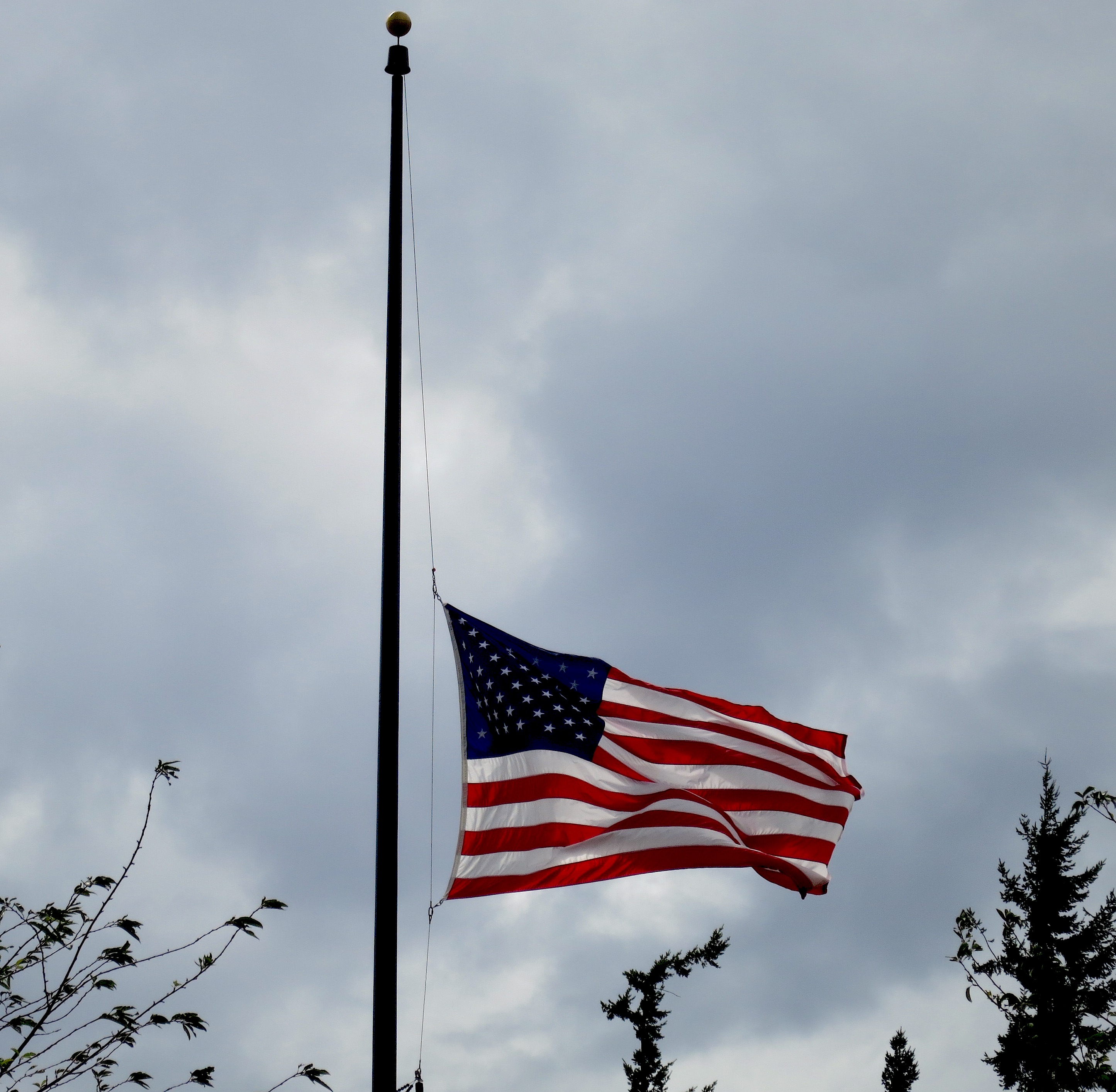
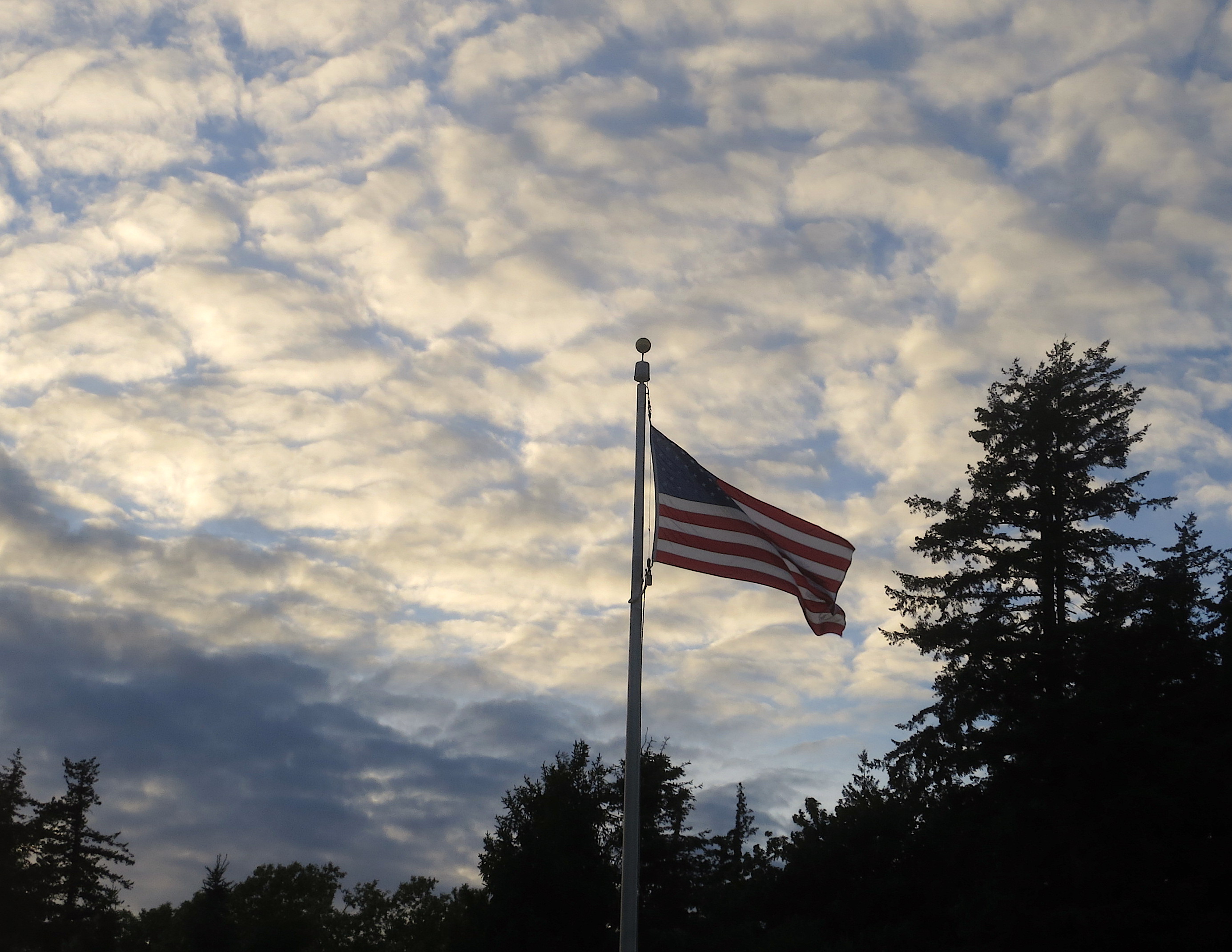
I grew up with a flag pole in our front yard; the American flag was raised every morning by my WWII veteran father and lowered at dusk every evening. This was far more than a ritual for my father; he saw it as his obligation and privilege after the three years he spent as a Marine officer in the South Pacific. He had the freedom, as well as the necessity, to declare our hard-won liberty to any who passed by. The flag was his reminder, a tangible symbol of having fought beneath it, watching others shed blood and die for it.

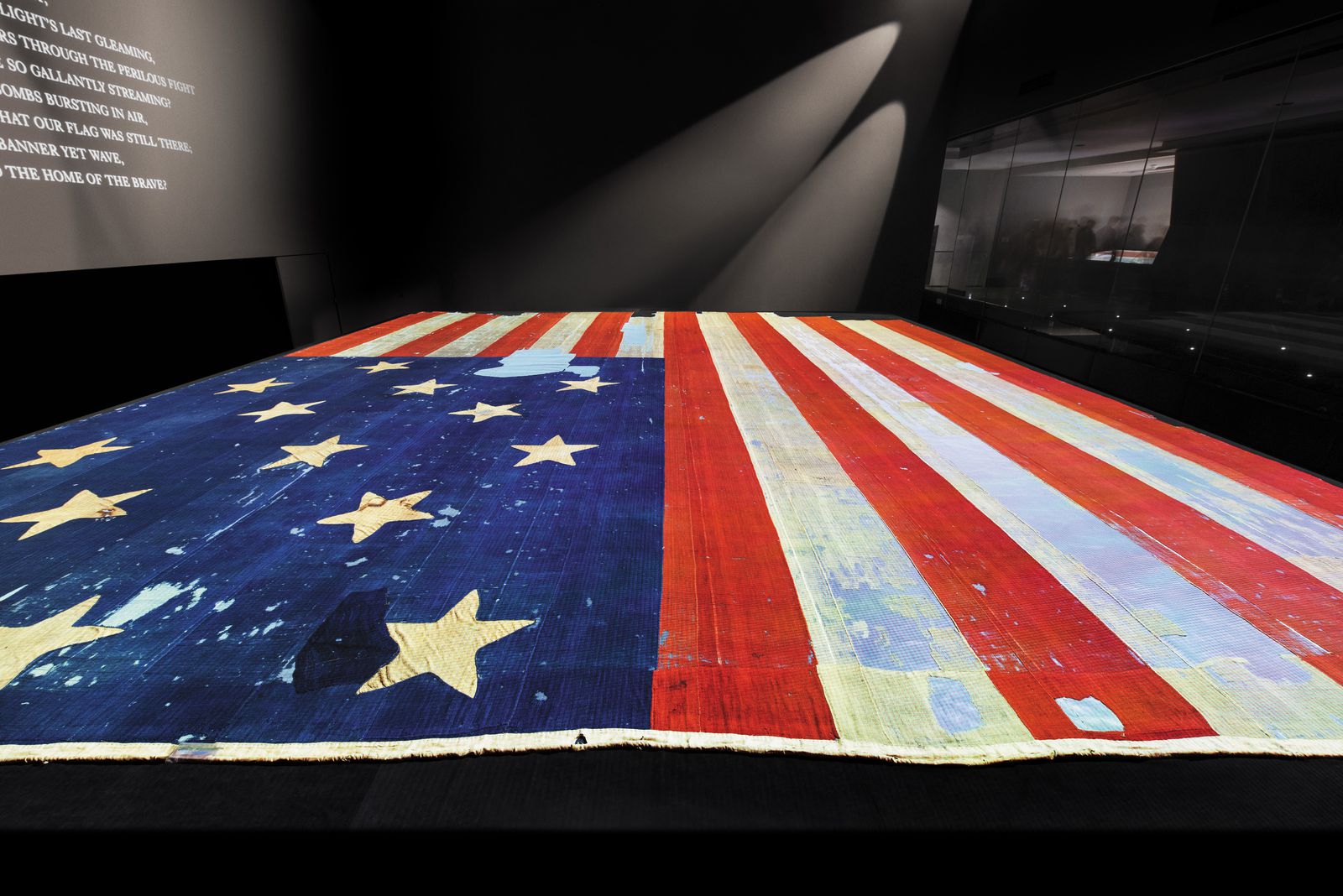
My father was not one to weep – ever. But his eyes filled up when we visited the original The Star-Spangled banner in its display at the Smithsonian Institute in the 1960s, and again as we stood before the Iwo Jima Memorial Marine flag-raising sculpture. The fact the flag meant so much to him is impressed and imprinted upon me.

He would have been horrified at how the flag is currently misused as a symbol of “my patriotism is more true and pure than yours” — it was displayed like a talisman by the rioters who stormed the Capitol building on January 6, 2021. The American flag has been through many tough times since it was designed – during my lifetime it was burned as an expression of free speech and ignored when people are asked to recite “The Pledge of Allegiance.”

The flag now seems to be Exhibit A representing our deep divisions rather than our unity.
June 14 (Flag Day) no longer has the impact that it had over a century ago when it was first declared, observing the day in 1777 the Second Continental Congress passed a resolution to create a flag for the new United States. My mother, growing up in the isolation of the Palouse wheat farms in eastern Washington state, would reminisce about Depression-era Flag Day parades, picnics and celebrations in the small farming communities of Waverly and Fairfield. It was a mere warm up for the all-out patriotic gatherings planned for July 4 – indeed a community on display.
As I place our flag out on our porch today, I am honoring it as a symbol of a country which values the freedoms of all people.

May this banner fly proudly for many generations to come.
Here is the proof, through all the dark and contentious nights of our country’s history, that our flag is still here.

Let’s ensure this is a good place for all of us to live in.

The Star Spangled Banner – Smithsonian Institute
Iwo Jima monument – Arlington Cemetery

One-Time
Monthly
Yearly

Make a one-time or recurring donation to support daily Barnstorming posts

Make a monthly donation

Make a yearly donation

Choose an amount

¤5.00
¤10.00
¤20.00
¤5.00
¤15.00
¤100.00
¤5.00
¤15.00
¤100.00

Or enter a custom amount

¤

Your contribution is deeply appreciated.

Your contribution is appreciated.

Your contribution is appreciated.

DonateDonate monthlyDonate yearly

A Lavender Dusk

Twilight fell:
The sky turned to a light, dusky purple littered with tiny silver stars.

~J.K.Rowling from Harry Potter and the Order of the Phoenix

How strange this fear of death is!
We are never frightened at a sunset.
~George MacDonald

In our modern world that never seems to rest, a sunrise can feel more daunting than a sunset.  We are unprepared for the day to start:
the ready-set-go of a sunrise can be overwhelming to a tired soul. 

There are mornings when the new light of dawn penetrates right through our closed eyelids, enough to wake the dead, if not the sleeping.  It cannot be ignored in its urgency to rouse us to action.

In contrast, the end of the day requires little preparation.  Sunsets signal a slowing-down and unraveling of tension, a deep cleansing breath, a letting-go of the light for another night.  We hope twilight will ease over us, covering us like a comfortable quilt, tucking us in for the night with a kiss and hug and promise of sweet dreams.

The reason we do not need to fear the sunset is that we know it isn’t all there is. The black nothingness of night would be petrifying if we didn’t understand and trust that the light will return, as startling as it may be in its brightness.  It is the rerunning cycle of the light and dark that reassures.  It is as it was created to be, over and over.

Let the sunset tuck us in.  Let the sunrise prepare us for a new day. 

Now the day is over
night is drawing nigh,
shadows of the evening
steal across the sky.
Jesus, give the weary
calm and sweet repose;
with they tend’rest blessing,
may our eyelids close.

Approach the night with caution
It’s the best that you can do
Move quickly though the darkness
‘Til the daylight is renewed
Approach the night with caution
You will know it’s for the best
Once tomorrow’s morning
Quells the thumping in your chest
For evening is when all things dark can
Slide around with ease
And good things all get shoved in the shadows
By a wicked breeze
Approach the night with caution
No longer shall you roam
When darkness stains the eastern sky
Be sure that you are home
For night is the dividing line that
Blends the right and wrong
Spirits crossing freely over
Can hold you there too long

One-Time
Monthly
Yearly

Make a one-time or recurring donation to support daily Barnstorming posts

Make a monthly donation

Make a yearly donation

Choose an amount

¤5.00
¤10.00
¤20.00
¤5.00
¤15.00
¤100.00
¤5.00
¤15.00
¤100.00

Or enter a custom amount

¤

Your contribution is deeply appreciated.

Your contribution is appreciated.

Your contribution is appreciated.

DonateDonate monthlyDonate yearly

Unchangeable Harmony

Spend your life trying to understand it, and you will lose your mind; but deny it and you will lose your soul.
~St. Augustine in his work “On the Trinity”

Here are two mysteries for the price of one —
the plurality of persons within the unity of God,
and the union of Godhead and manhood in the person of Jesus. . . .
Nothing in fiction is so fantastic as is this truth of the Incarnation.
~J. L. Packer from Knowing God

It is not easy to find a name that will suitably express so great an excellence, unless it is better to speak in this way:
the Trinity, one God, of whom are all things,

through whom are all things, in whom are all things. 
Thus the Father and the Son and the Holy Spirit,

and each of these by Himself, is God,
and at the same time they are all one God;
and each of them by Himself is a complete substance,

and yet they are all one substance.

The Father is not the Son nor the Holy Spirit;
the Son is not the Father nor the Holy Spirit;
the Holy Spirit is not the Father nor the Son:
but the Father is only Father,
the Son is only Son,
and the Holy Spirit is only Holy Spirit.

To all three belong
the same eternity,
the same unchangeableness,
the same majesty,
the same power.
In the Father is unity,

in the Son equality,
in the Holy Spirit the harmony of unity and equality.

And these three attributes are
all one because of the Father,
all equal because of the Son, and
all harmonious because of the Holy Spirit.
–Augustine of Hippo, On Christian Doctrine, I.V.5.

The story goes that Augustine of Hippo was walking on the beach contemplating the mystery of the Trinity.  Then he saw a boy in front of him who had dug a hole in the sand and was going out to the sea again and again and bringing some water to pour into the hole.

Augustine asked him, “What are you doing?”
“I’m going to pour the entire ocean into this hole.”
“That is impossible, the whole ocean will not fit in the hole you have made” said Augustine.
The boy replied, “And you cannot fit the Trinity in your tiny little brain.”

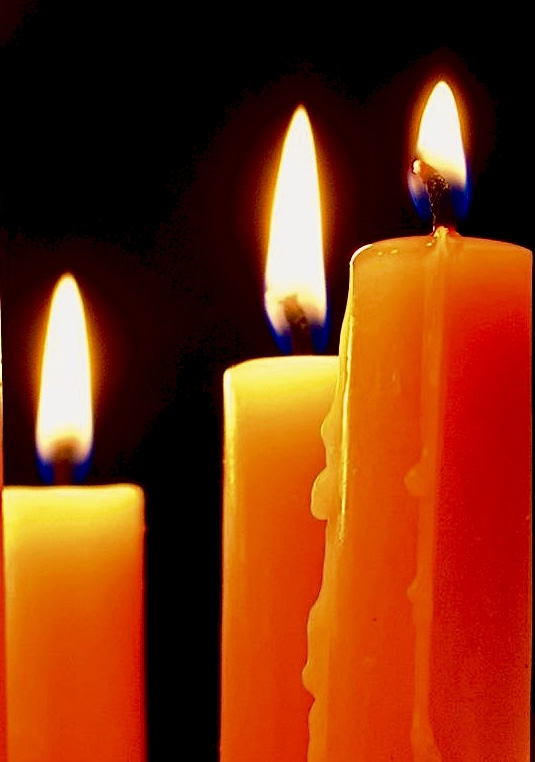
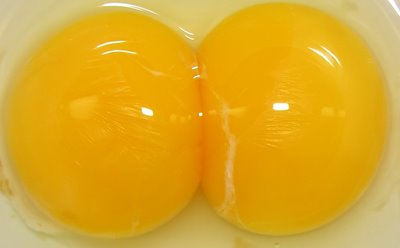
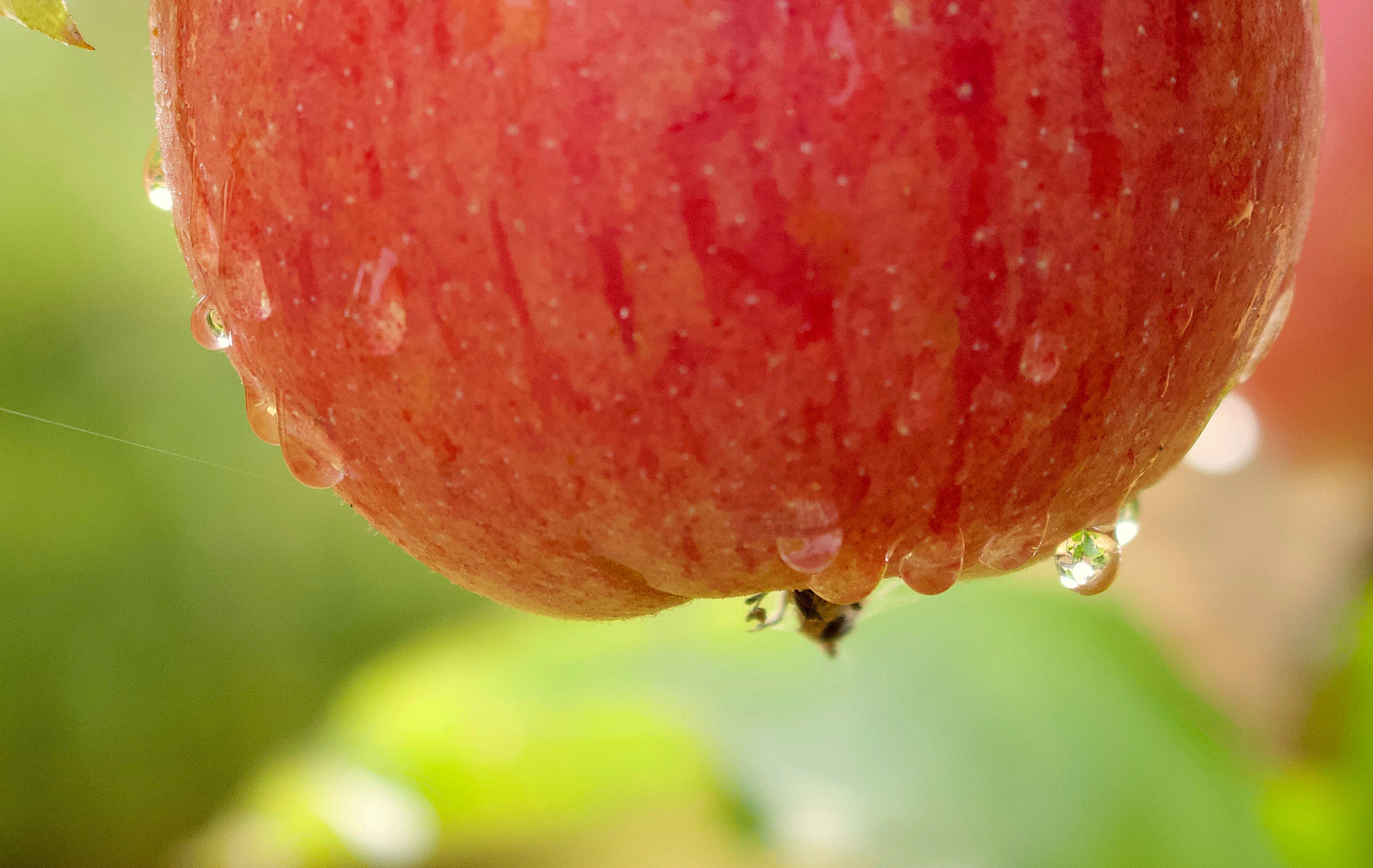
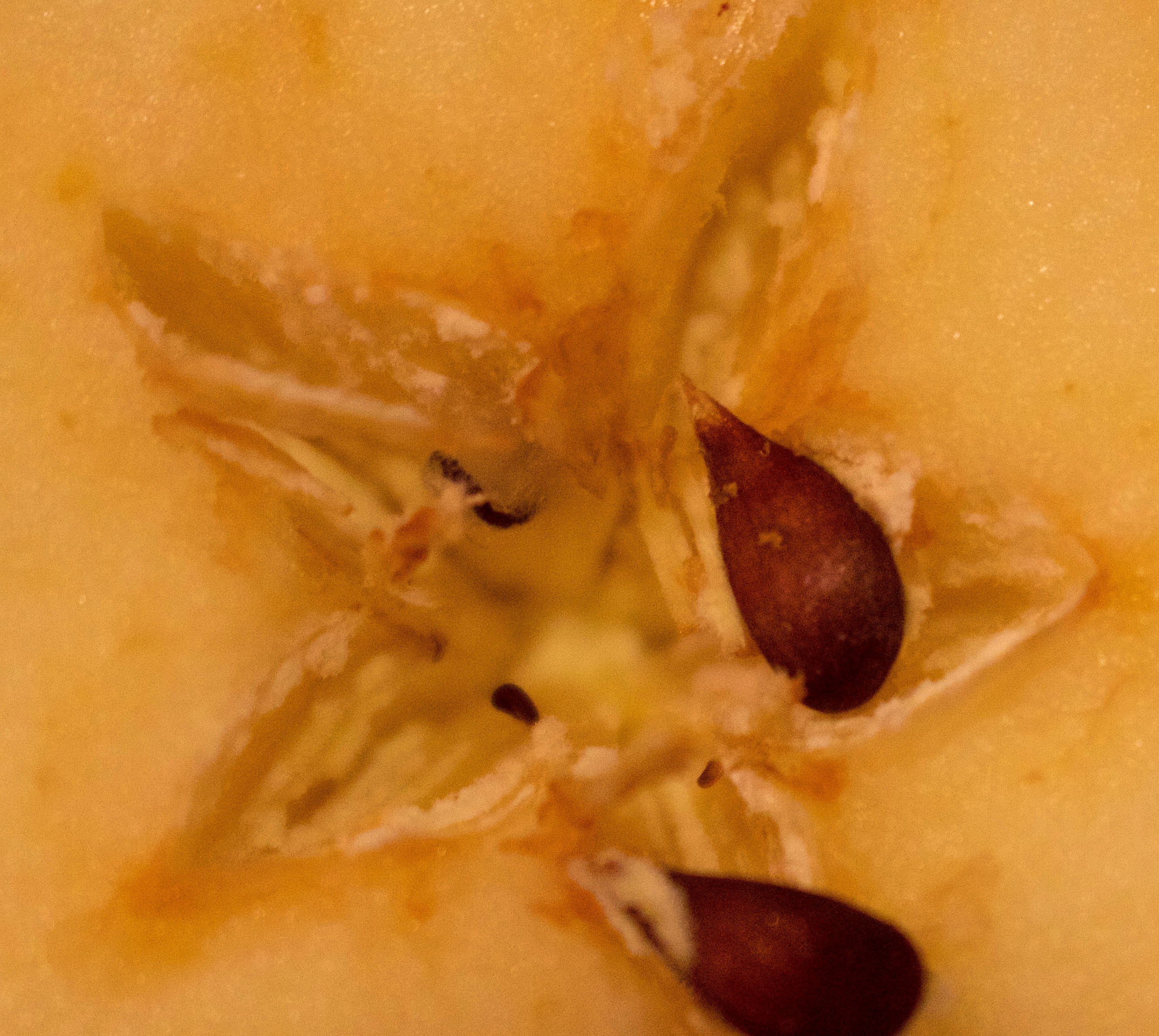
I accept that my tiny brain, ever so much tinier than St. Augustine’s,  cannot possibly absorb or explain the Trinity–I will not try to put the entire ocean in that small hole.  The many analogies used to help human understanding of the Trinity are dangerously limited in scope:


three candles, one light

vapor, water, ice


shell, yolk, albumin


height, width, depth


apple peel, flesh, core


past, present, future.

It is sufficient for me to know, as expressed by the 19th century Anglican pastor J.C. Ryle:  It was the whole Trinity, which at the beginning of creation said, “Let us make man”. It was the whole Trinity again, which at the beginning of the Gospel seemed to say, “Let us save man”.

All one, equal, harmonious, unchangeable, bound together to save us from ourselves.

One-Time
Monthly
Yearly

Make a one-time or recurring donation to support daily Barnstorming posts

Make a monthly donation

Make a yearly donation

Choose an amount

¤5.00
¤10.00
¤20.00
¤5.00
¤15.00
¤100.00
¤5.00
¤15.00
¤100.00

Or enter a custom amount

¤

Your contribution is deeply appreciated.

Your contribution is appreciated.

Your contribution is appreciated.

DonateDonate monthlyDonate yearly

Buttercups and Velvet Bums

A week ago I had a fire
To warm my feet, my hands and face;
Cold winds, that never make a friend,
Crept in and out of every place.


Today the fields are rich in grass,
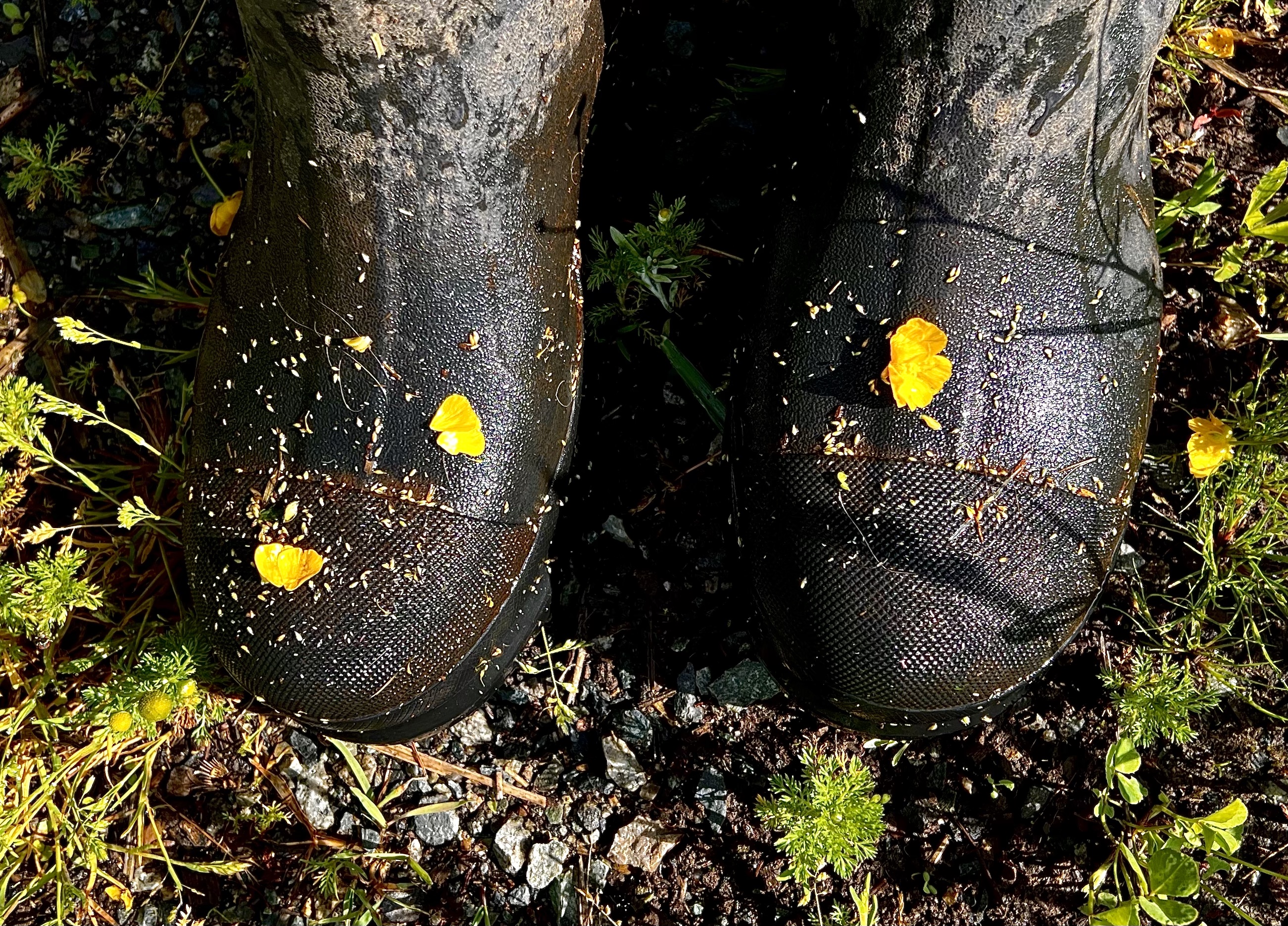
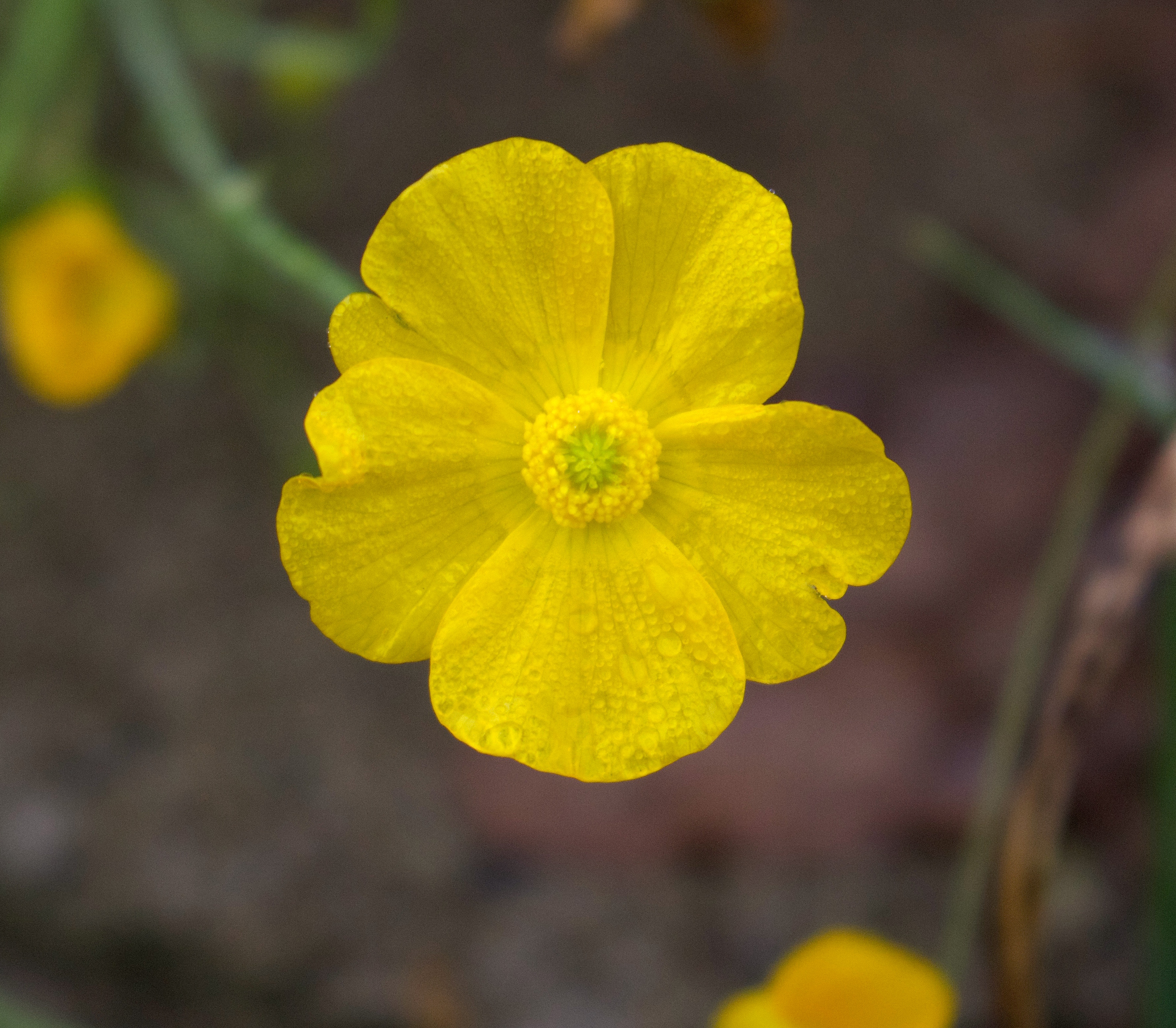
And buttercups in thousands grow;
I’ll show the world where I have been–
With gold-dust seen on either shoe.


Till to my garden back I come,
Where bumble-bees for hours and hours
Sit on their soft, fat, velvet bums,
To wriggle out of hollow flowers.

~William Henry Davies “All in June”

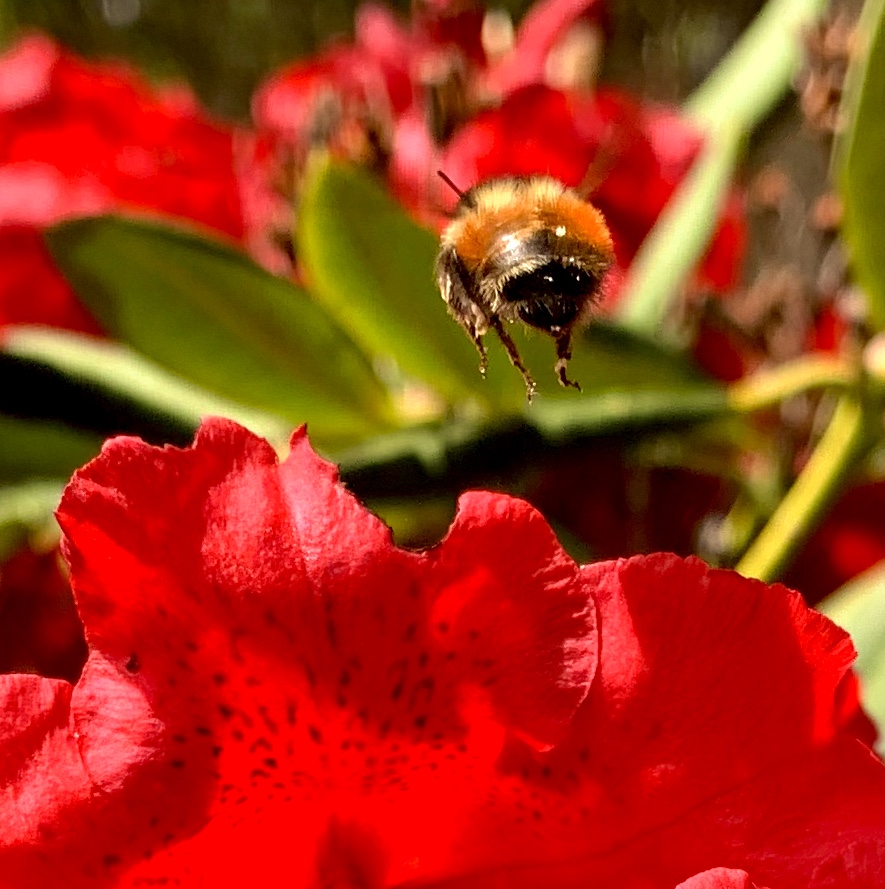
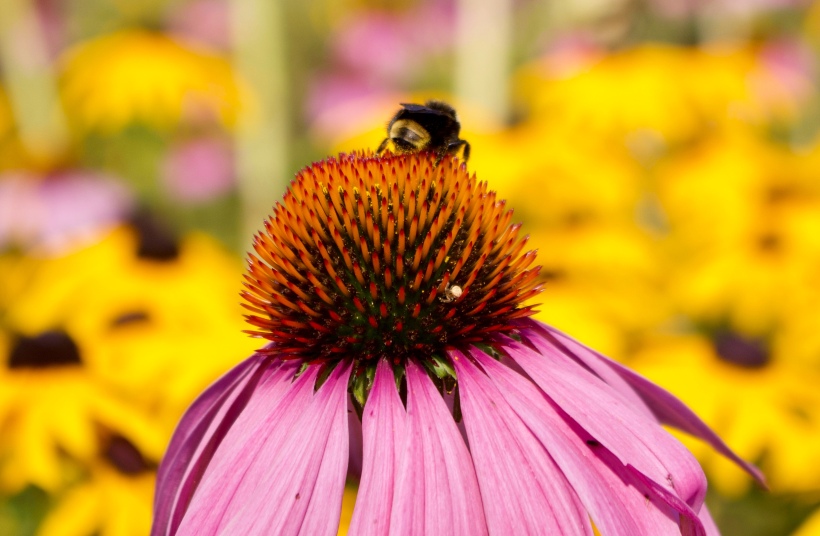
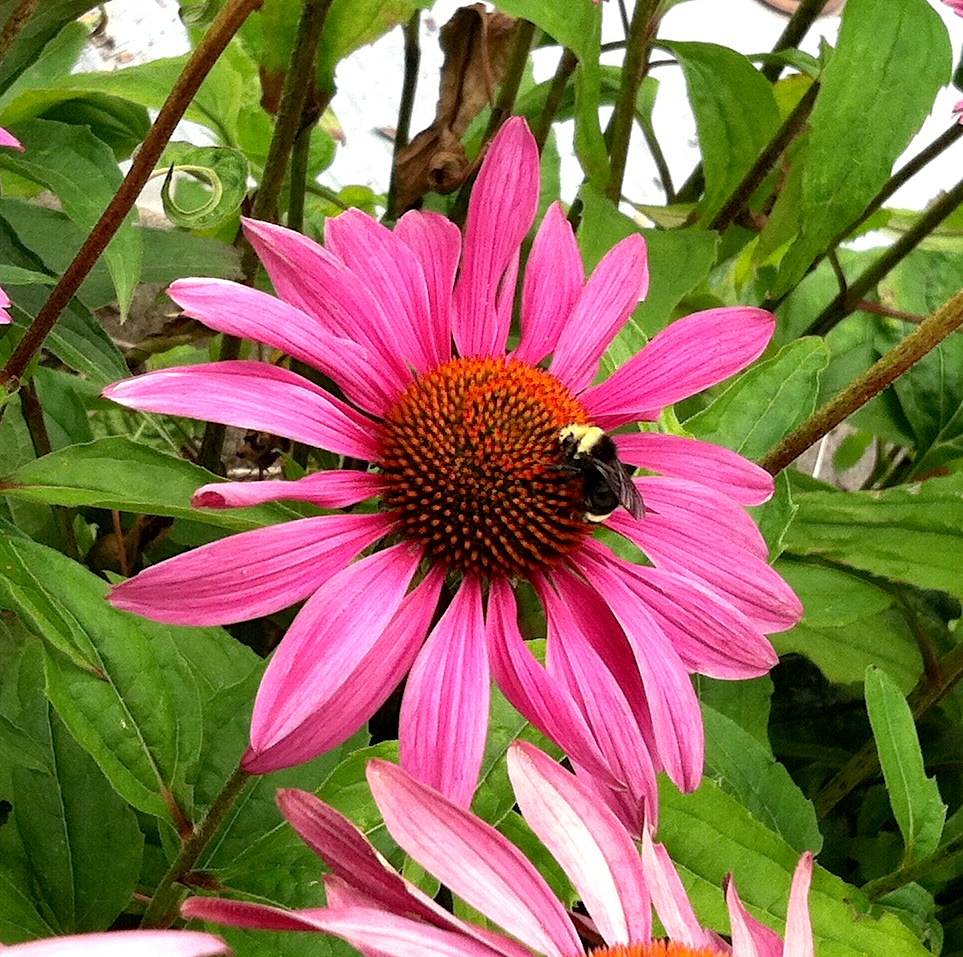
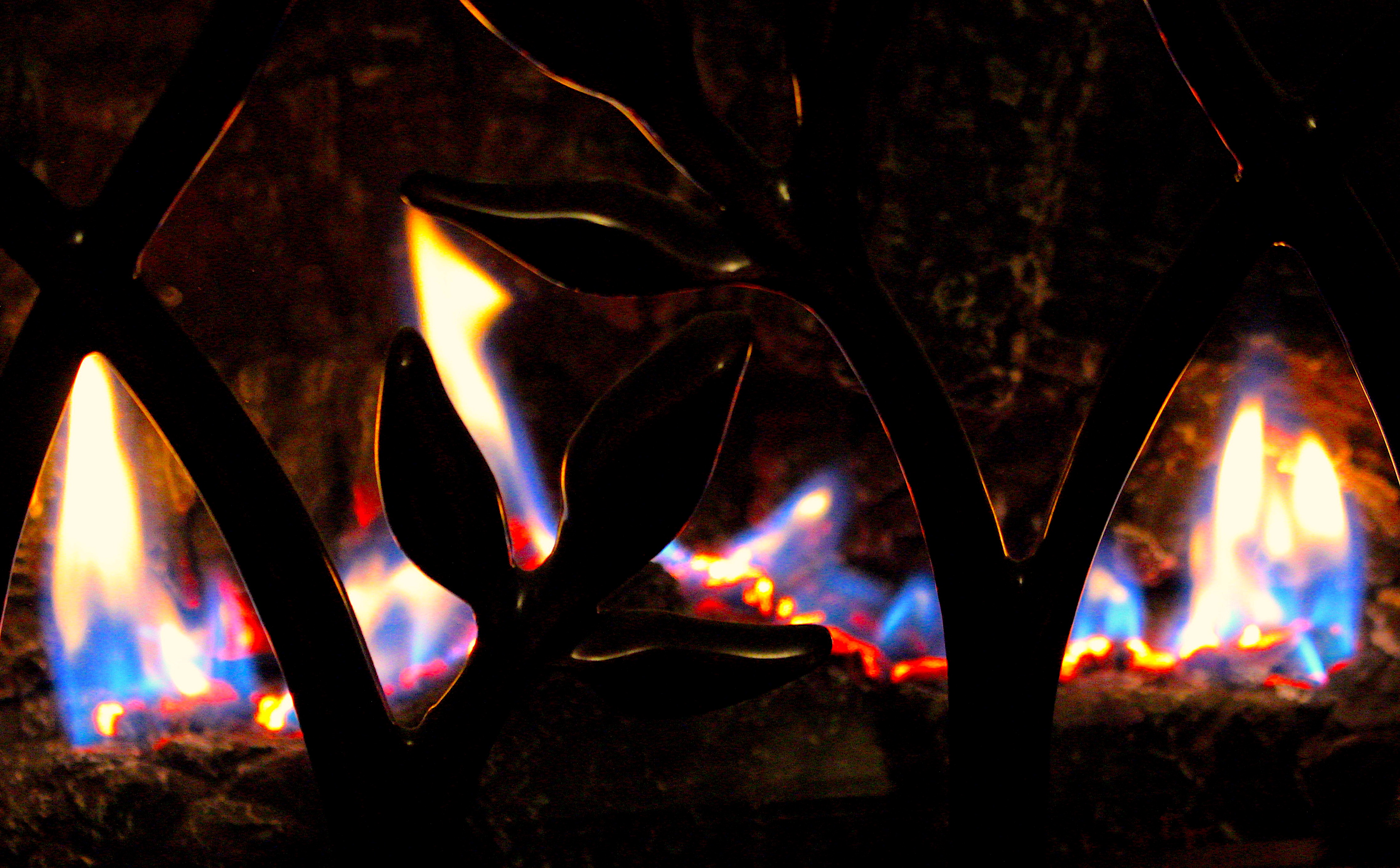
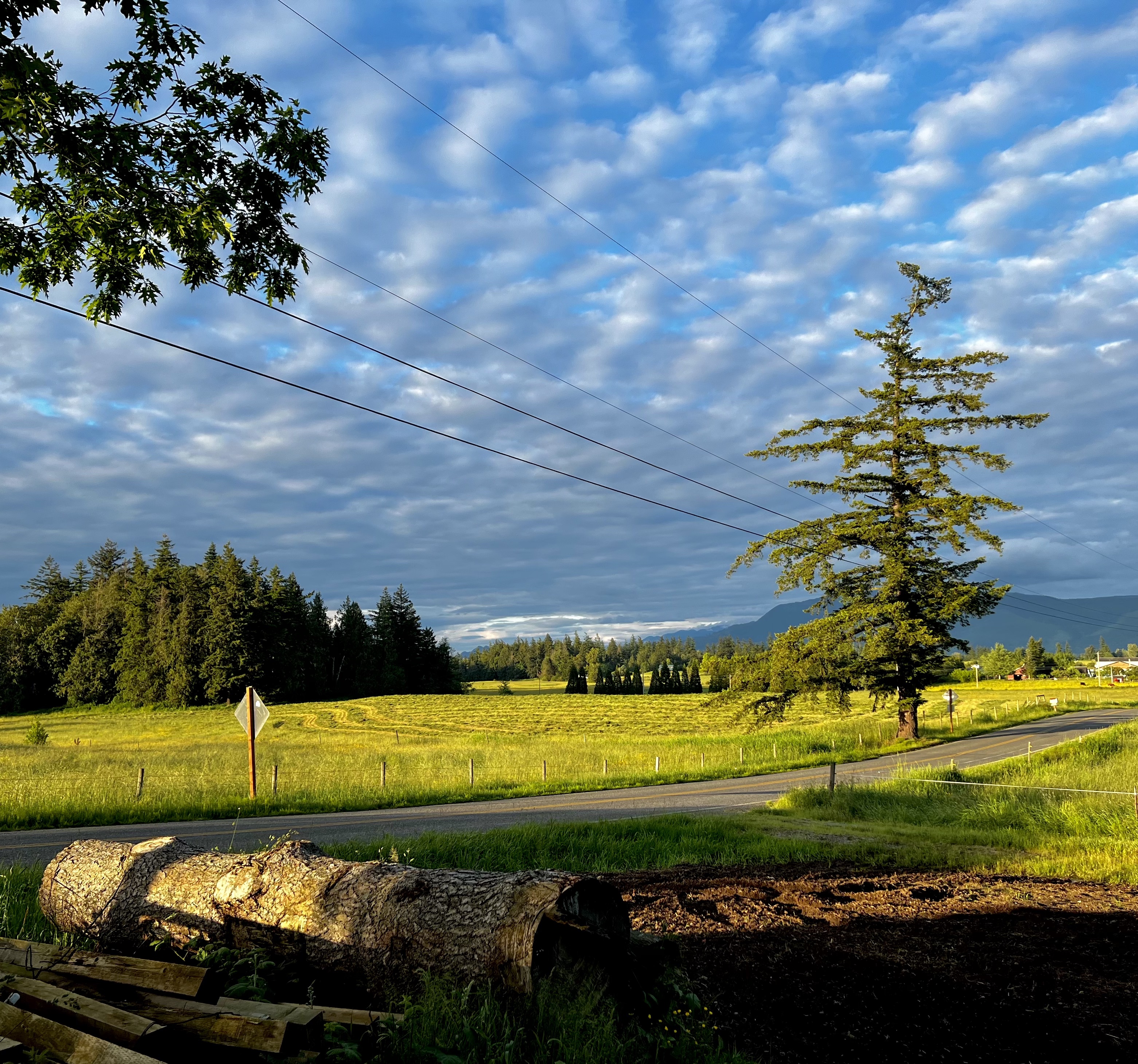
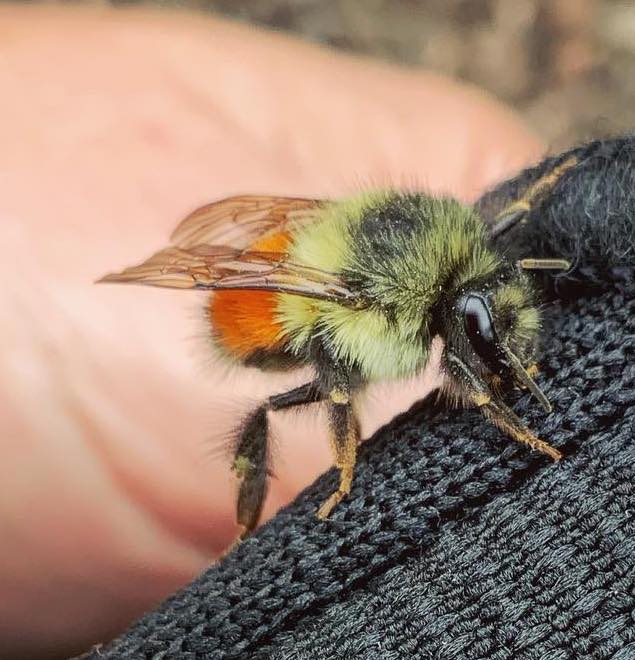
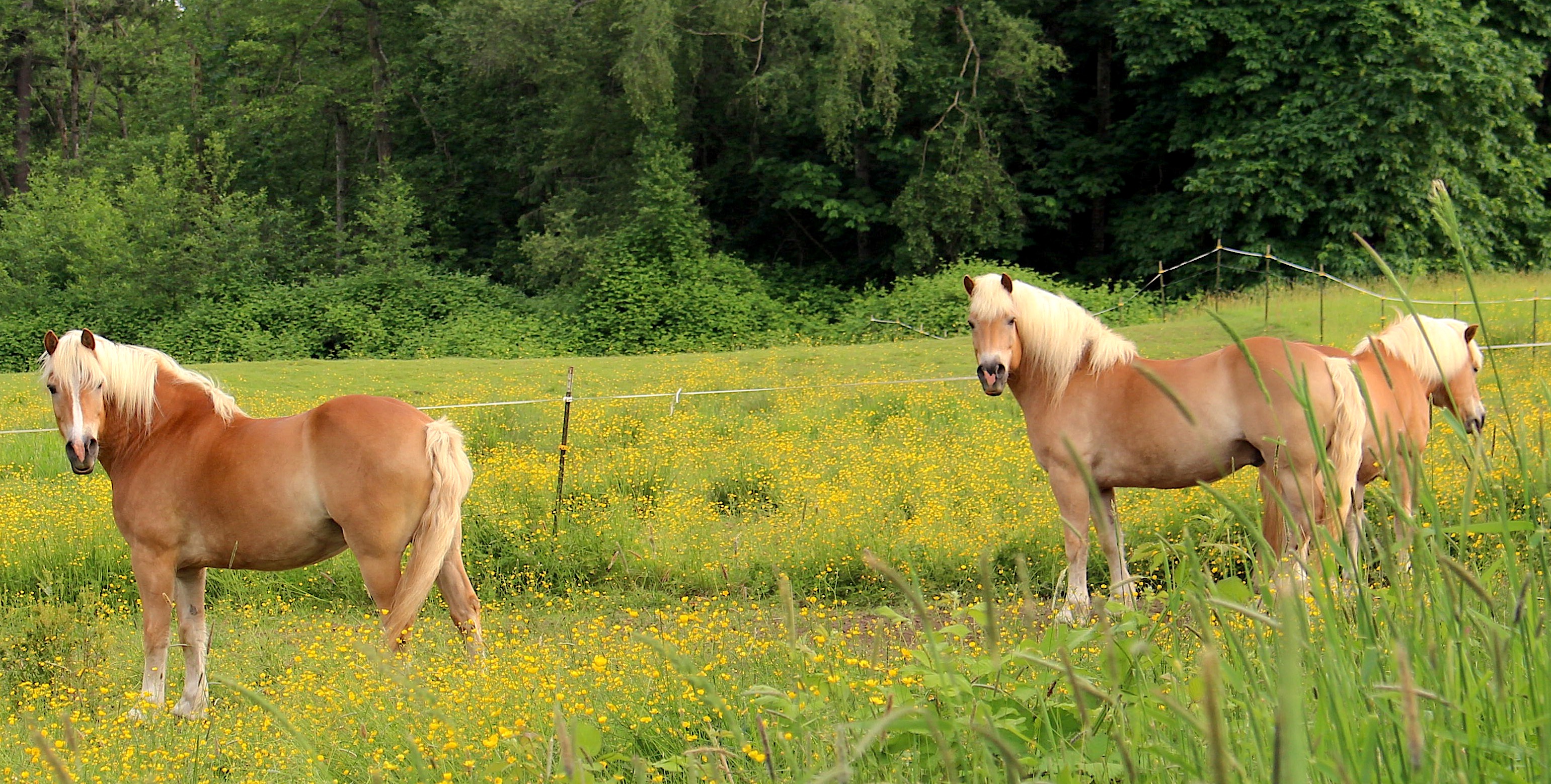
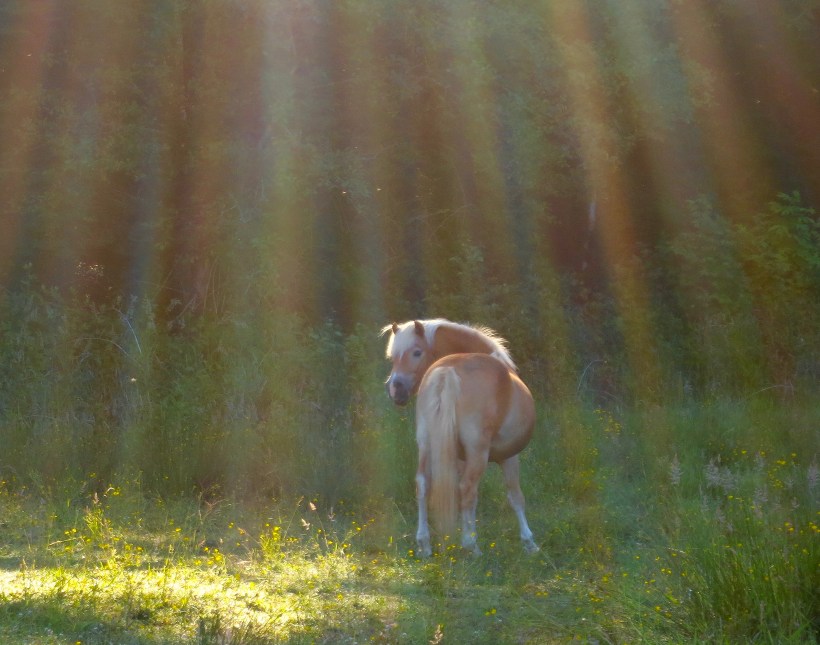
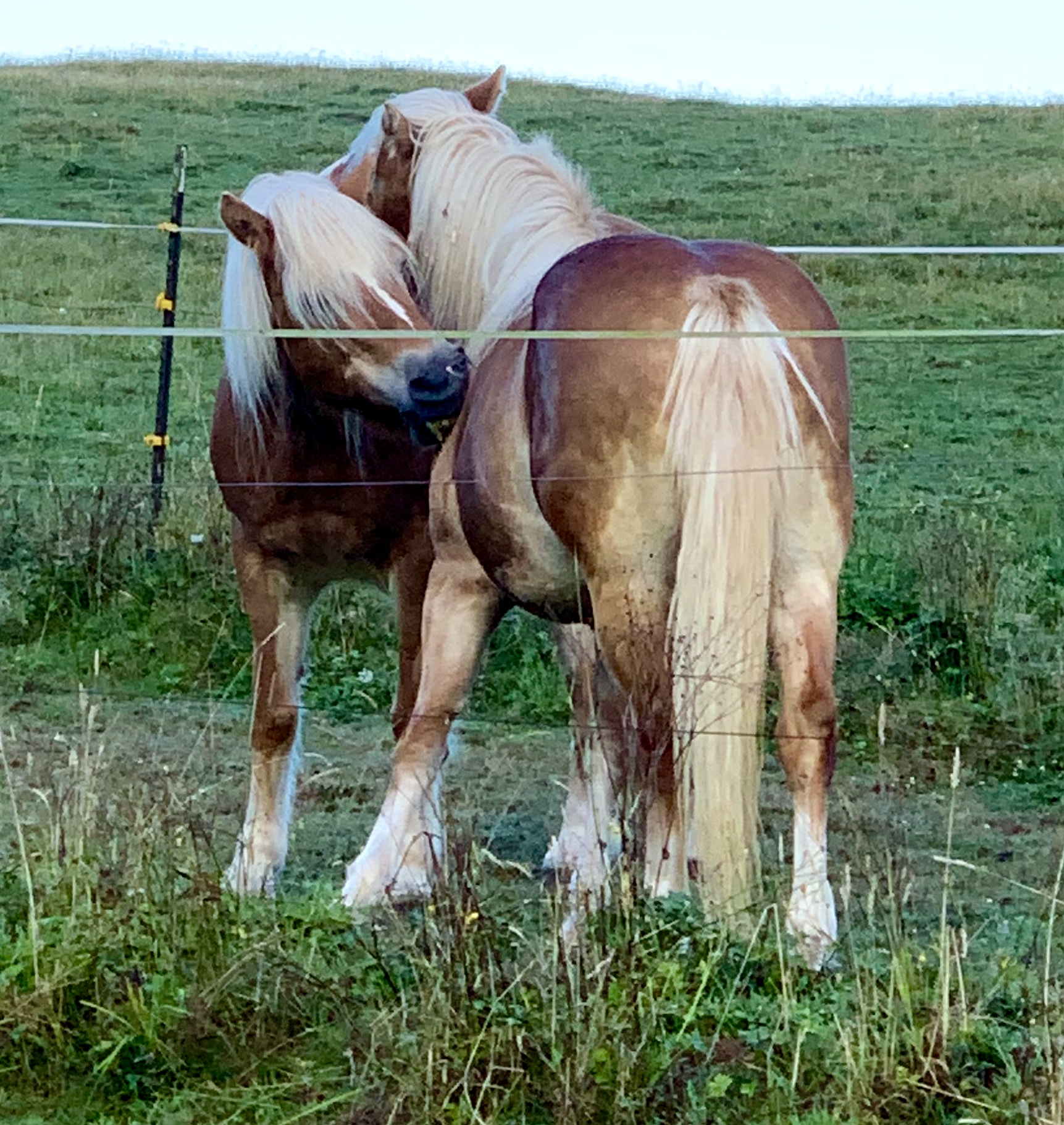
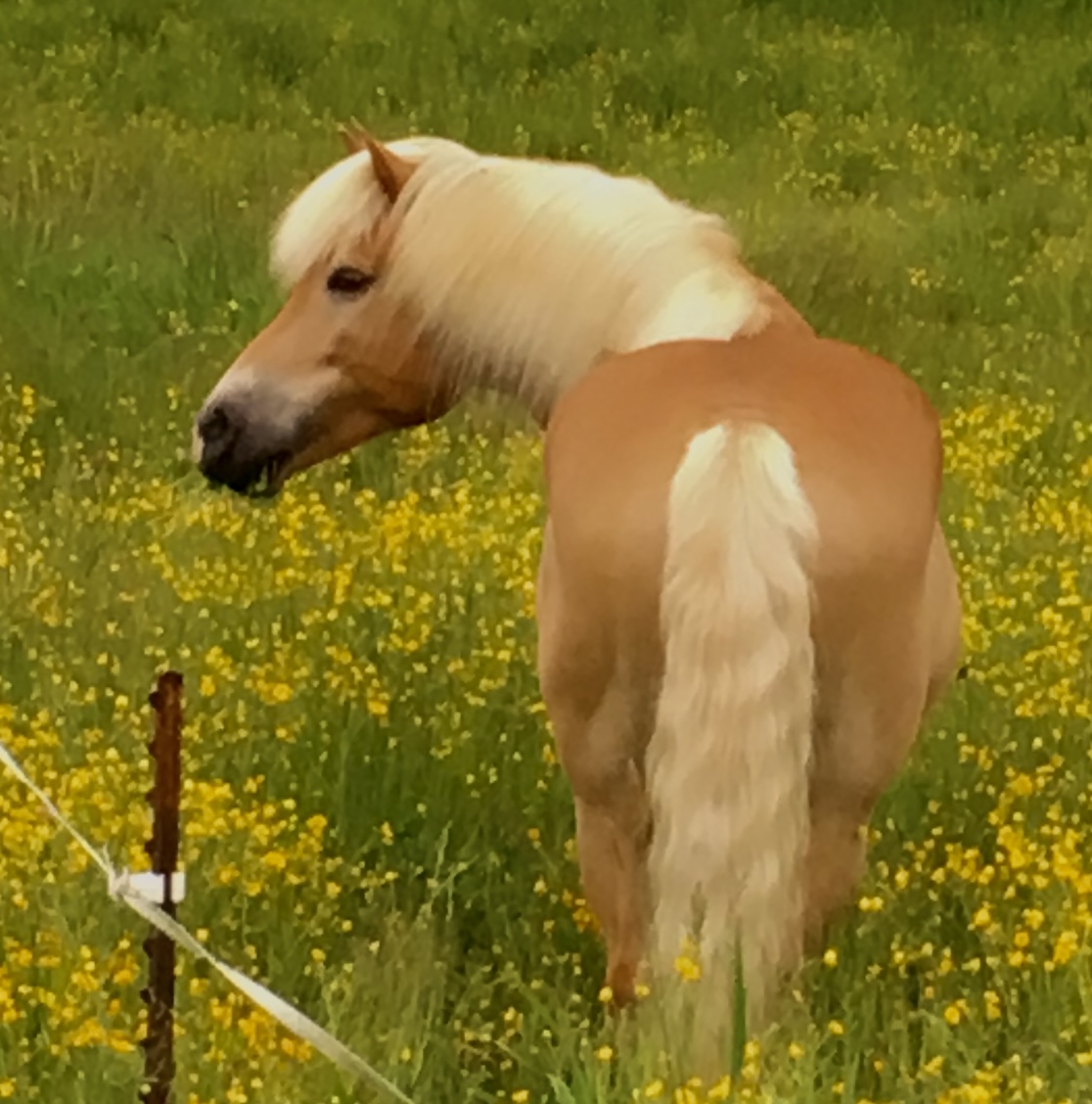
This has been the coldest wettest June in decades here in the Pacific Northwest: we have the stove lit for warmth, the fields are too wet to till, the gardens lie idle because planted seeds will rot. Despite the chill, the buzzing pollinators have been out doing their important work in fields of buttercups where the Haflinger horses graze, sometimes getting too soppy in the rain to return to their hives. It is hard work to move those chunky bodies with those little tiny wings – but they manage.

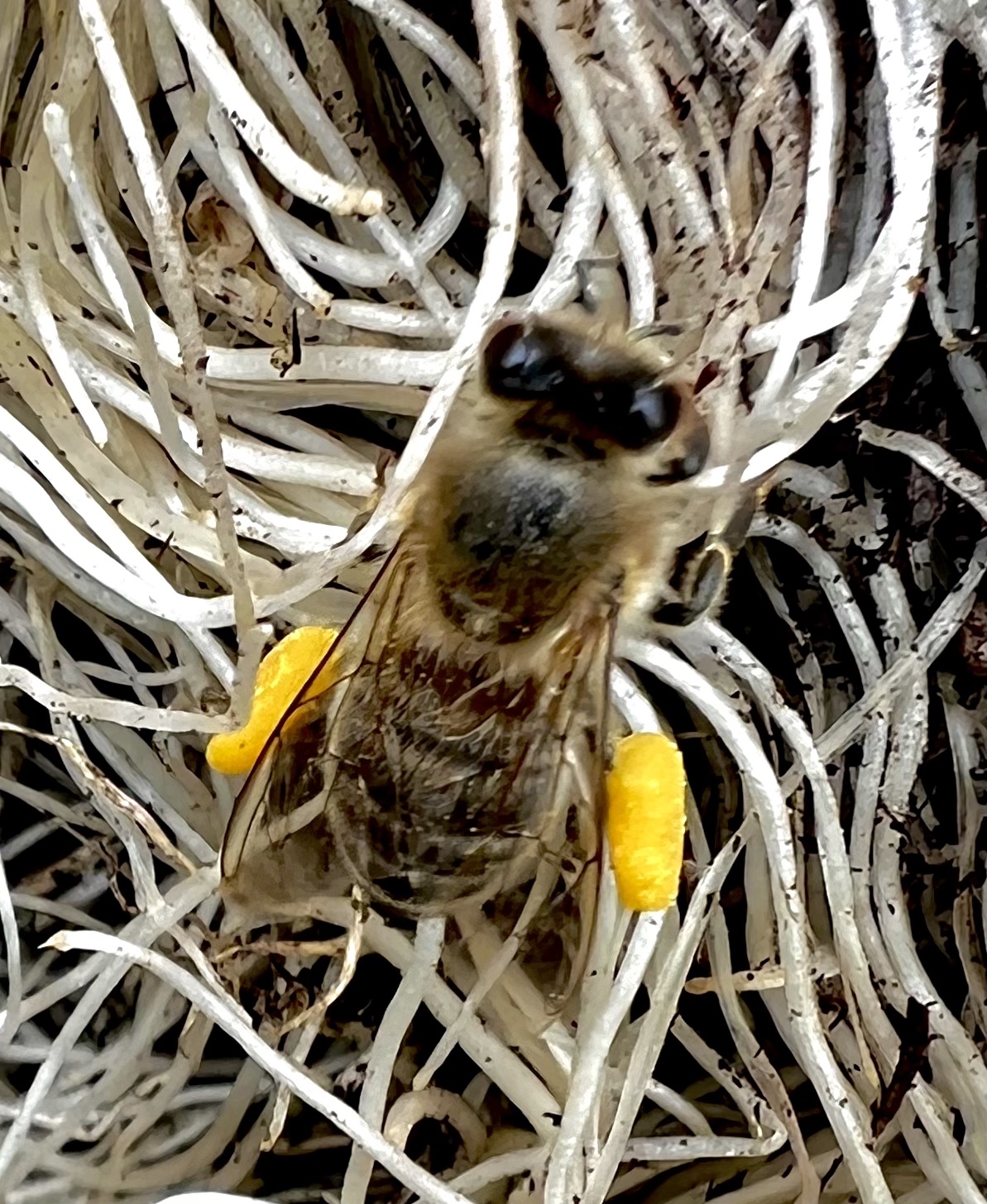
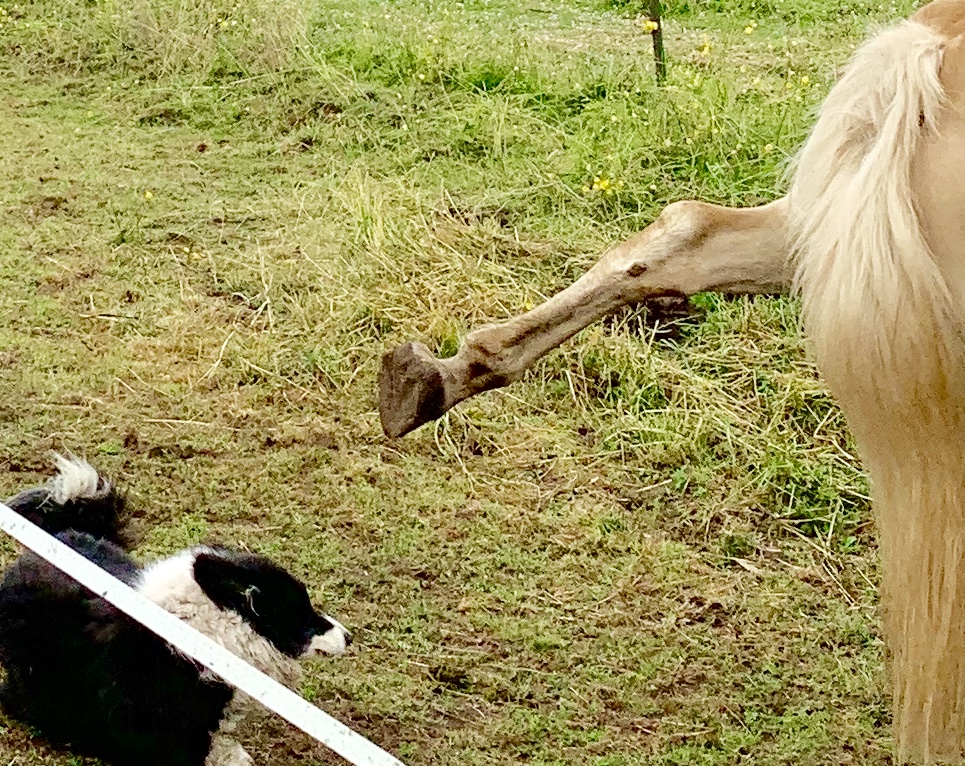
The Haflingers and bumblebees have something in common — pudgy generous backsides. There is nothing quite as deceptive as a bumblebee bum – fat, soft, velvety….yet with a sting in the middle. I know this from personal experience: I sat down on one as a kid wearing a bathing suit and never forgot it.

But all is forgiven. I now appreciate bumblebee bums. They make me feel less self-conscious about my fluffy horses’ hind ends …
and my own.

photo by Andrea Nipges (Z’s Happy Bees)

Some things that fly there be,—             
Birds, hours, the bumble-bee:  
Of these no elegy.
~Emily Dickinson from “XIV”

One-Time
Monthly
Yearly

Make a one-time or recurring donation to support daily Barnstorming posts

Make a monthly donation

Make a yearly donation

Choose an amount

¤5.00
¤10.00
¤20.00
¤5.00
¤15.00
¤100.00
¤5.00
¤15.00
¤100.00

Or enter a custom amount

¤

Your contribution is deeply appreciated.

Your contribution is appreciated.

Your contribution is appreciated.

DonateDonate monthlyDonate yearly