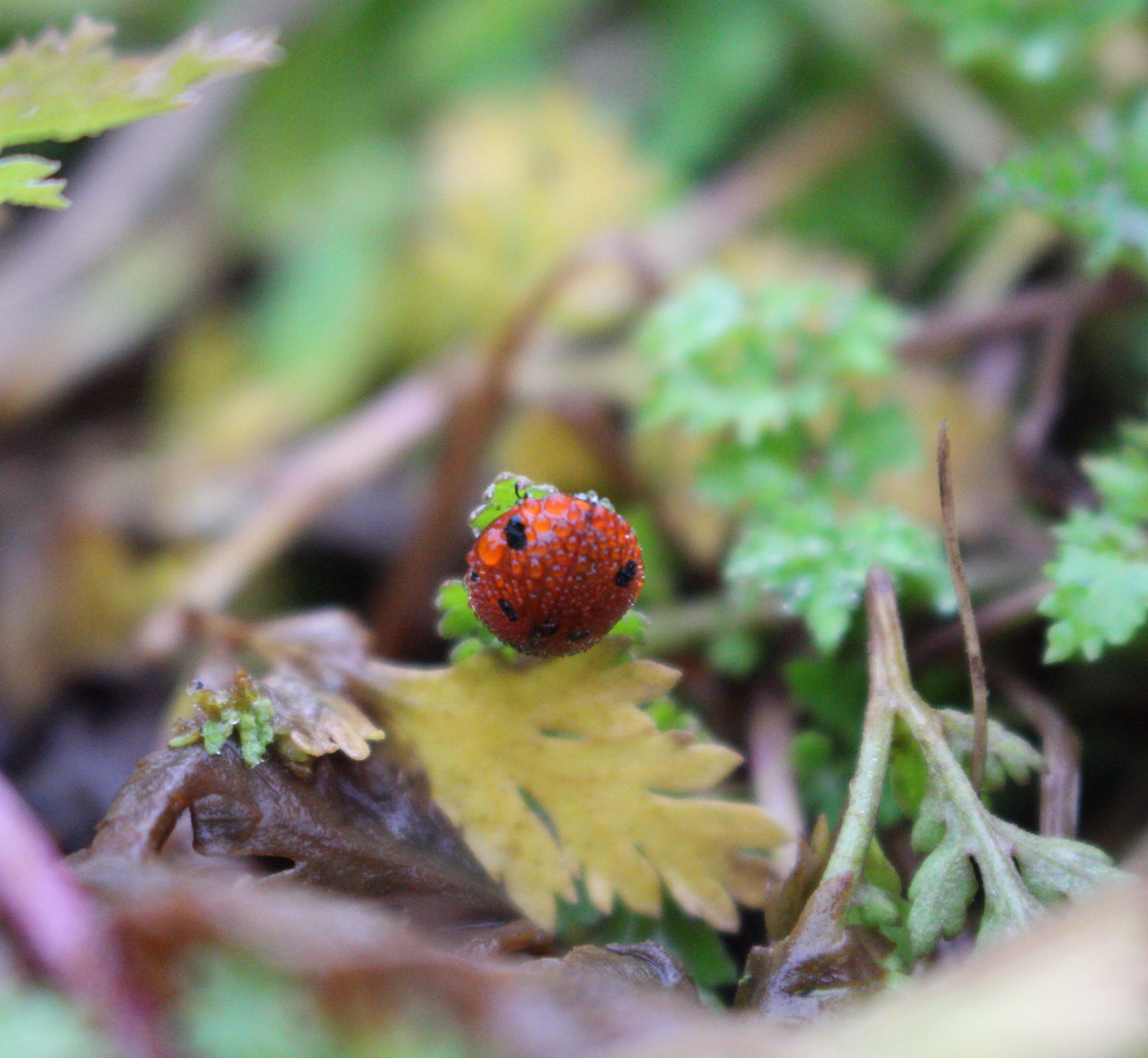
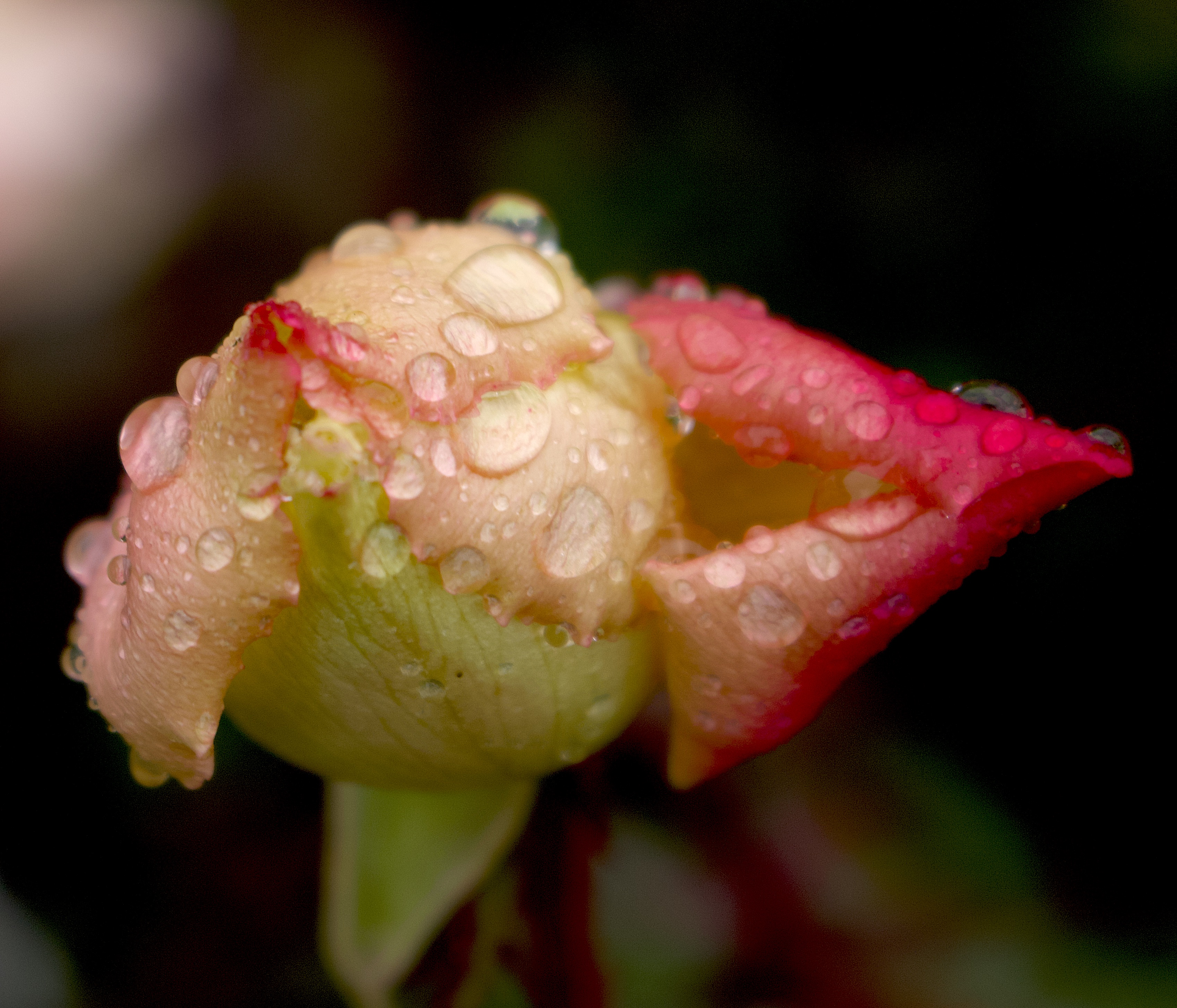
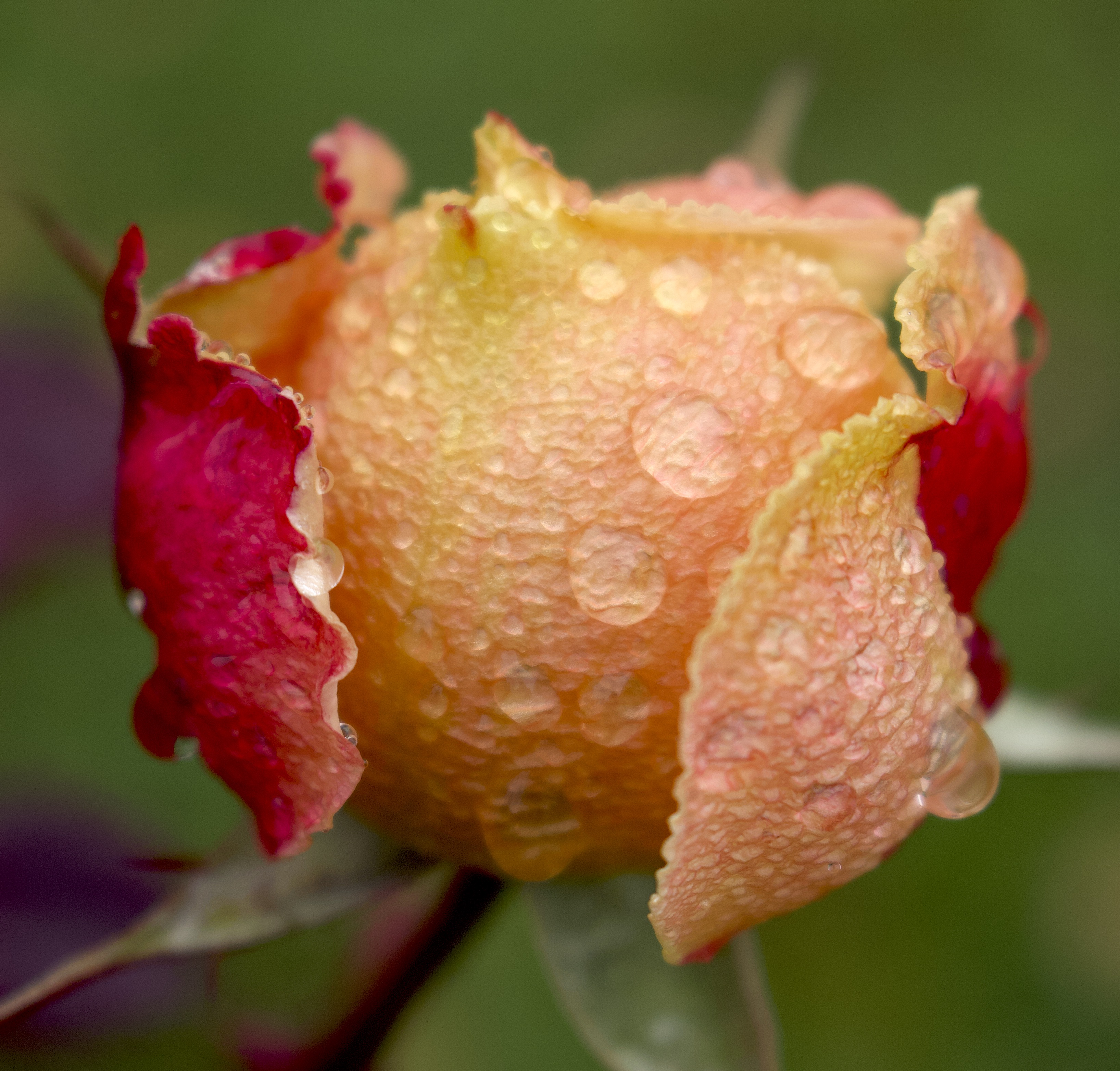
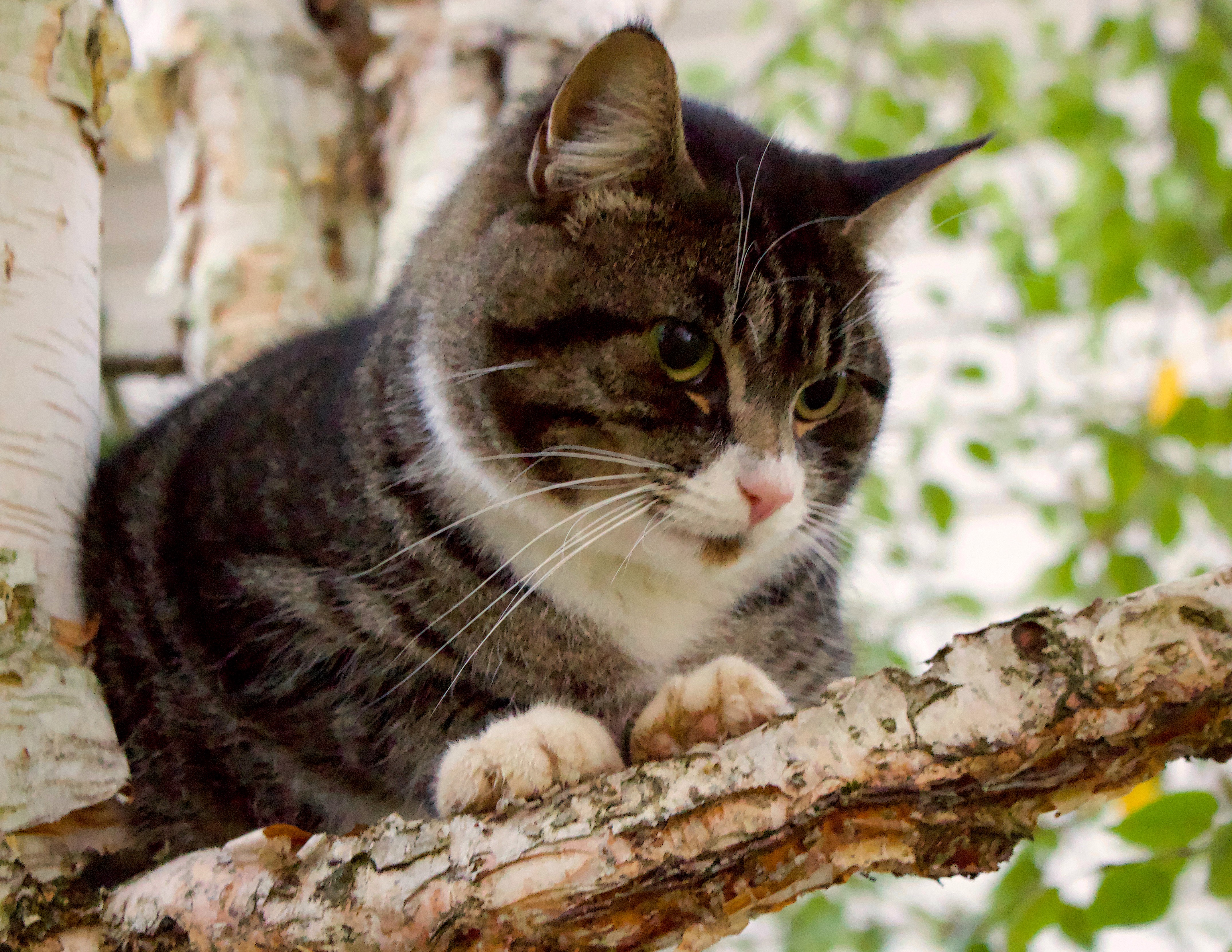
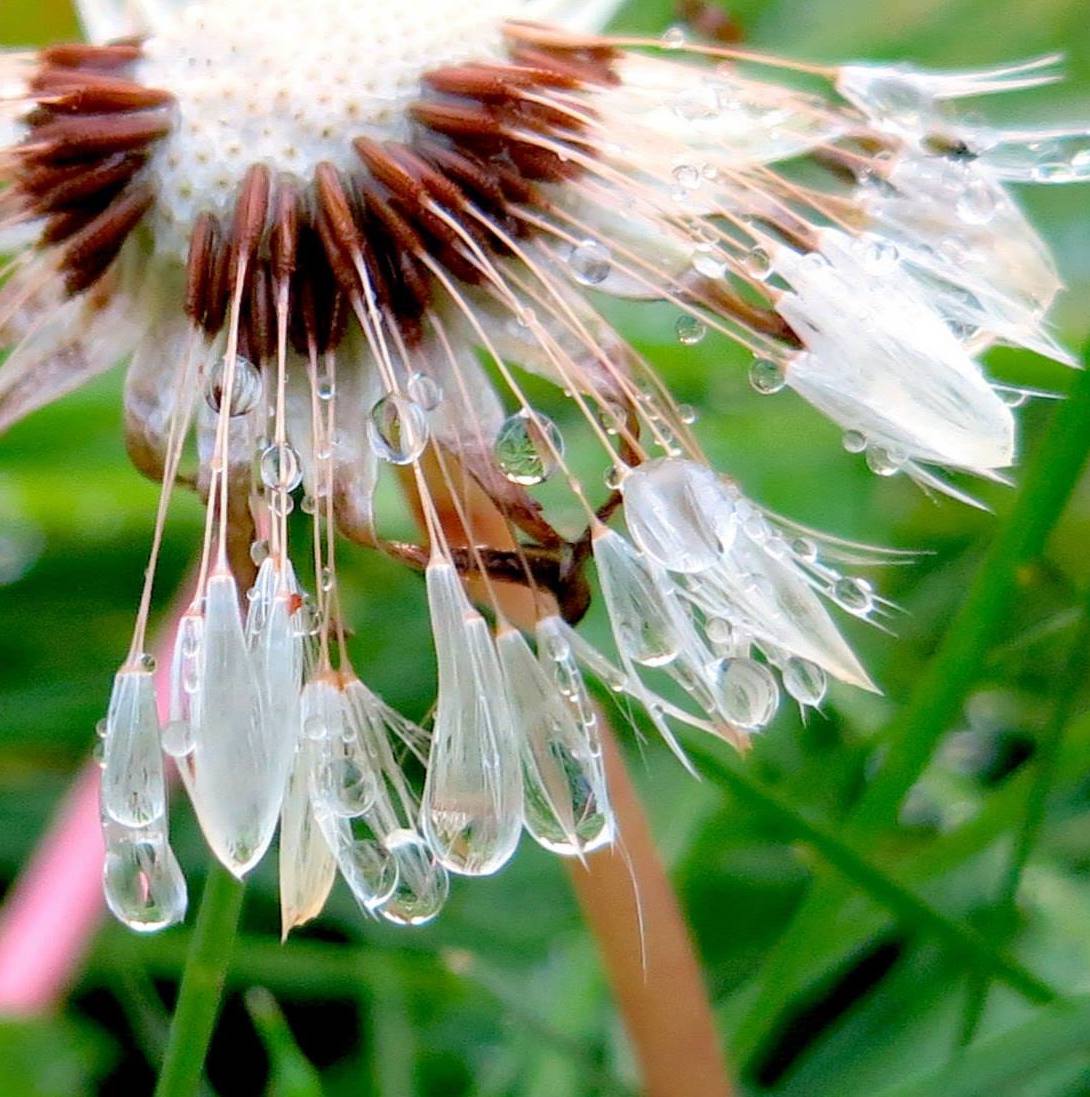
The Sun at Noon

He brought light out of darkness,
not out of a lesser light,
and he can bring thee summer out of winter,
though thou hast no spring.
Though in the ways of fortune, understanding, or conscience
thou hast been benighted till now,
wintered and frozen,
clouded and eclipsed,
damped and benumbed,
smothered and stupefied,
now God comes to thee,
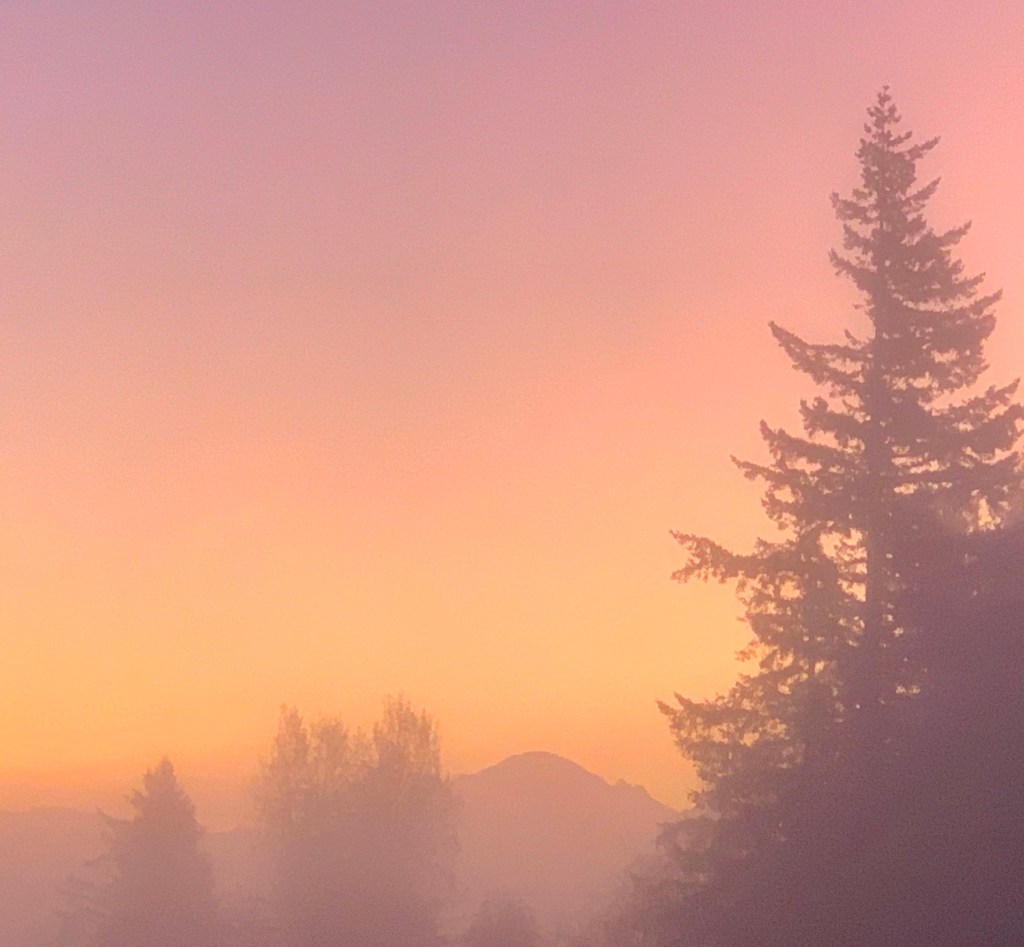
not as the dawning of the day,
not as the bud of the spring,
but as the sun at noon.
~John Donne from John Donne: The Major Works

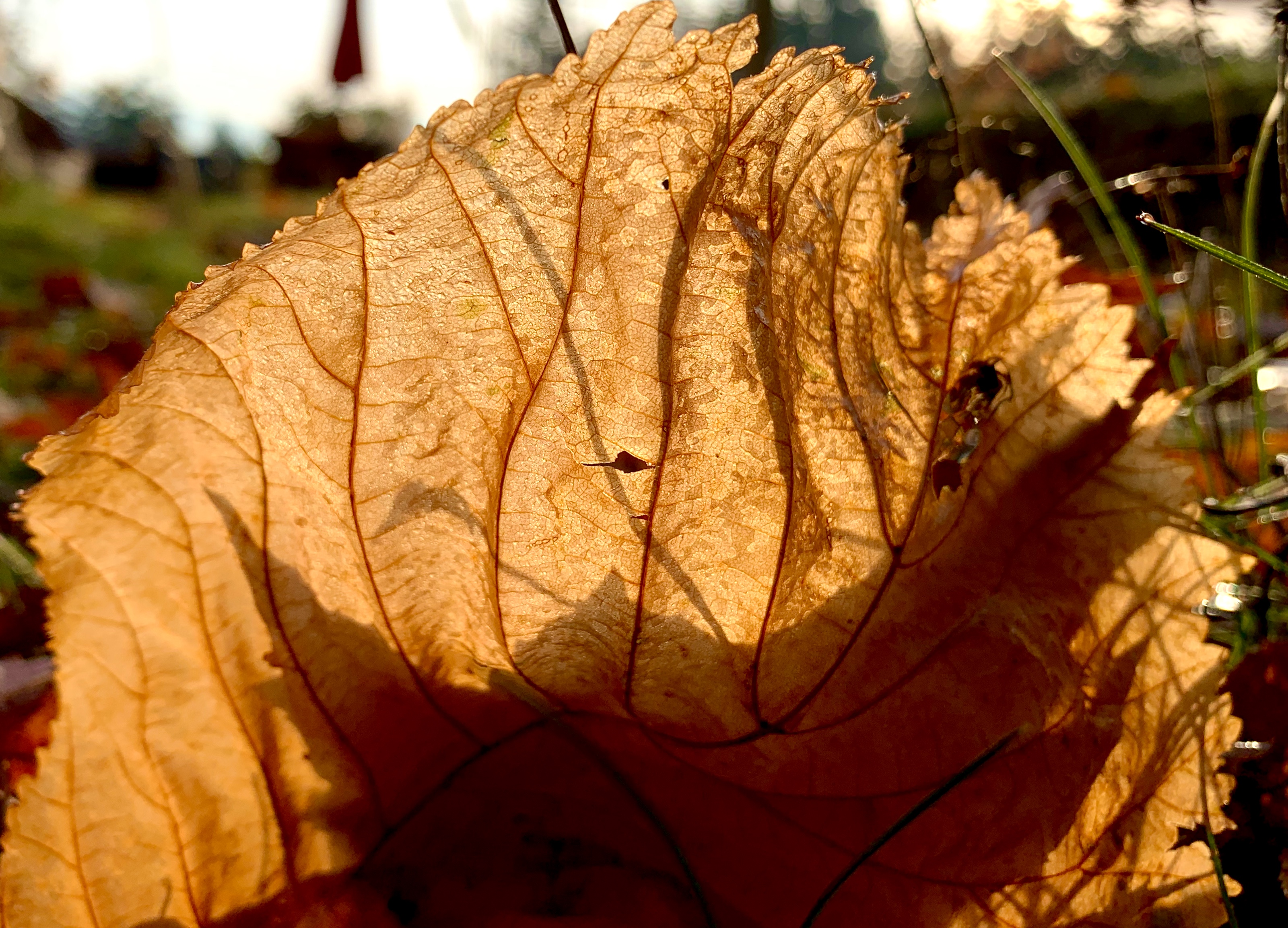
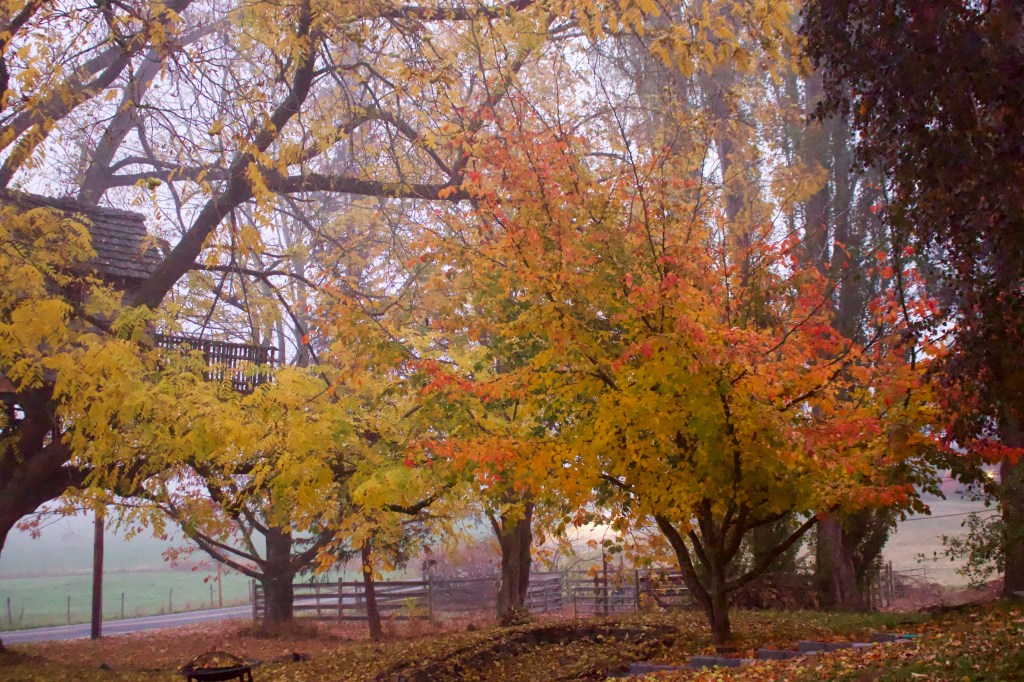
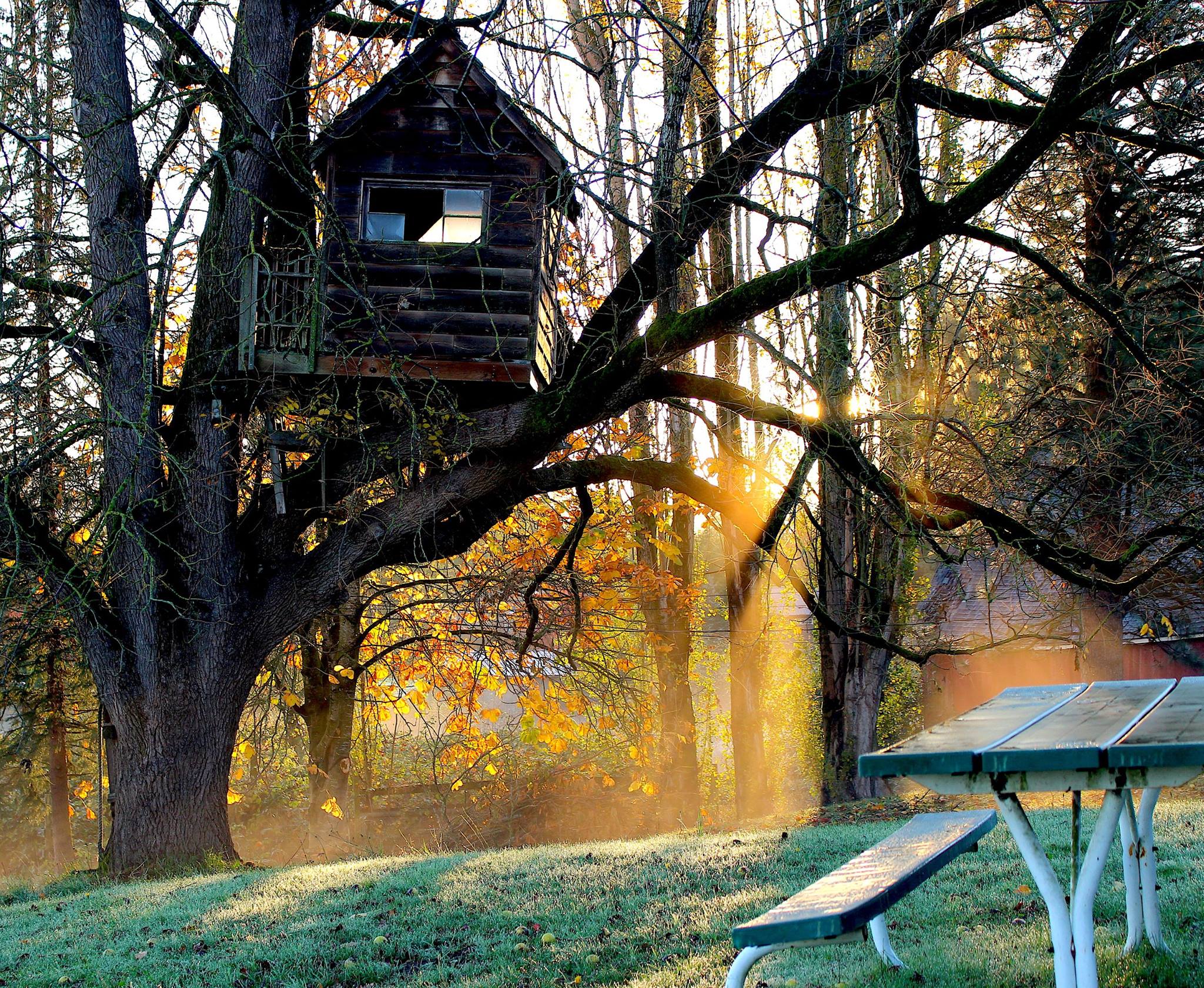
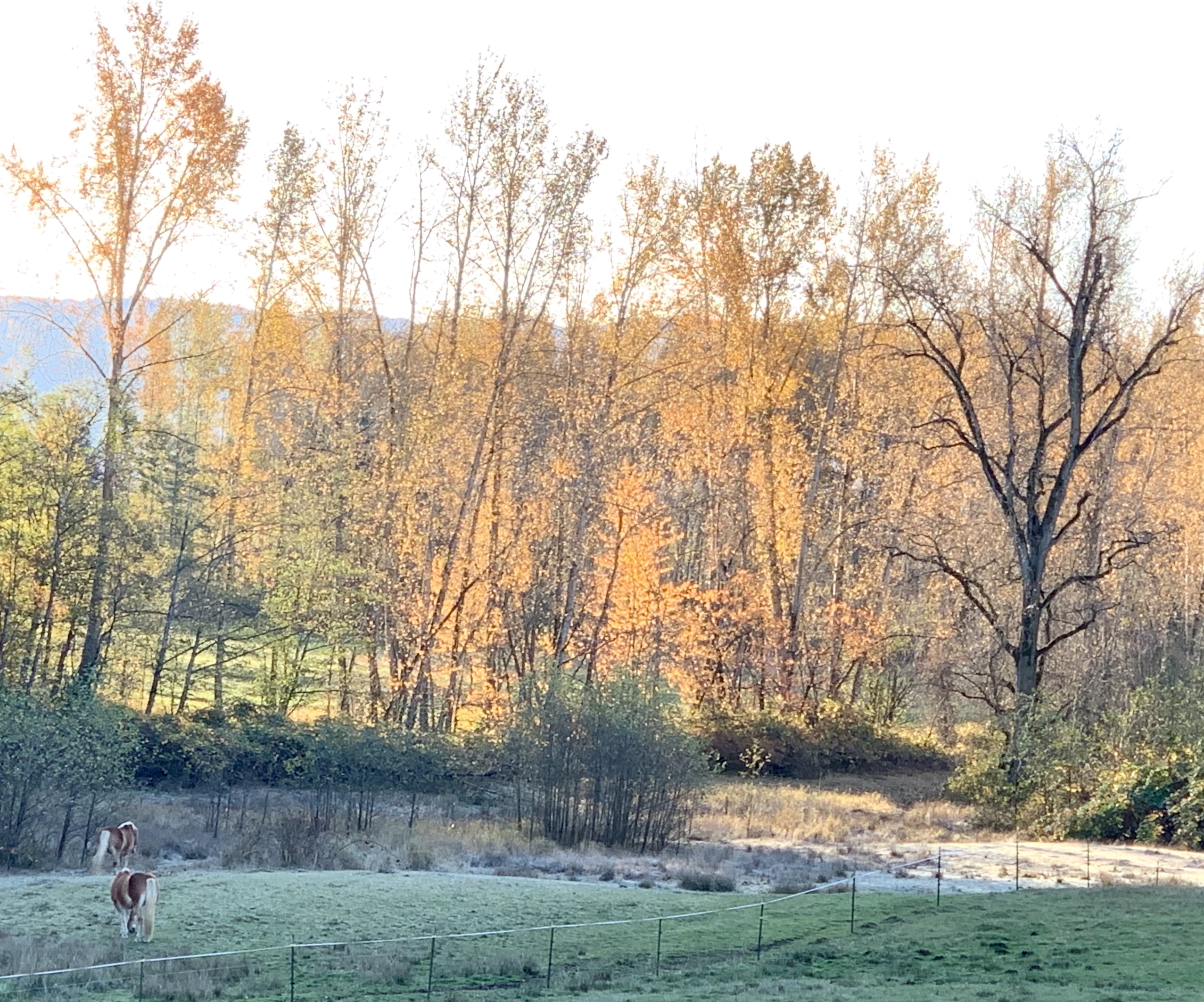
I get caught by autumn advancing too fast to winter,
damped and benumbed,
smothered and stupified
stuck in place, frozen to the spot.
Only God can come,
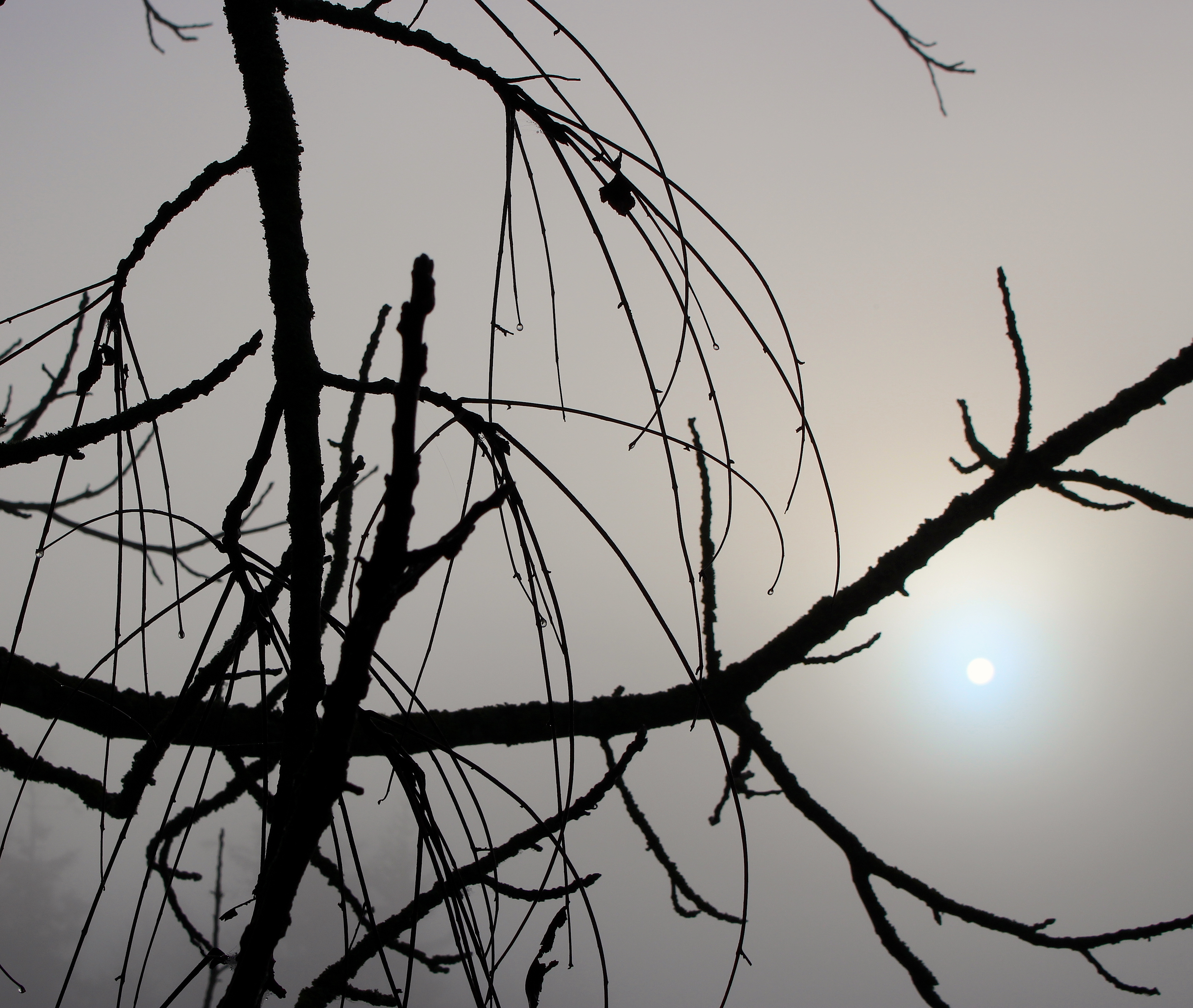
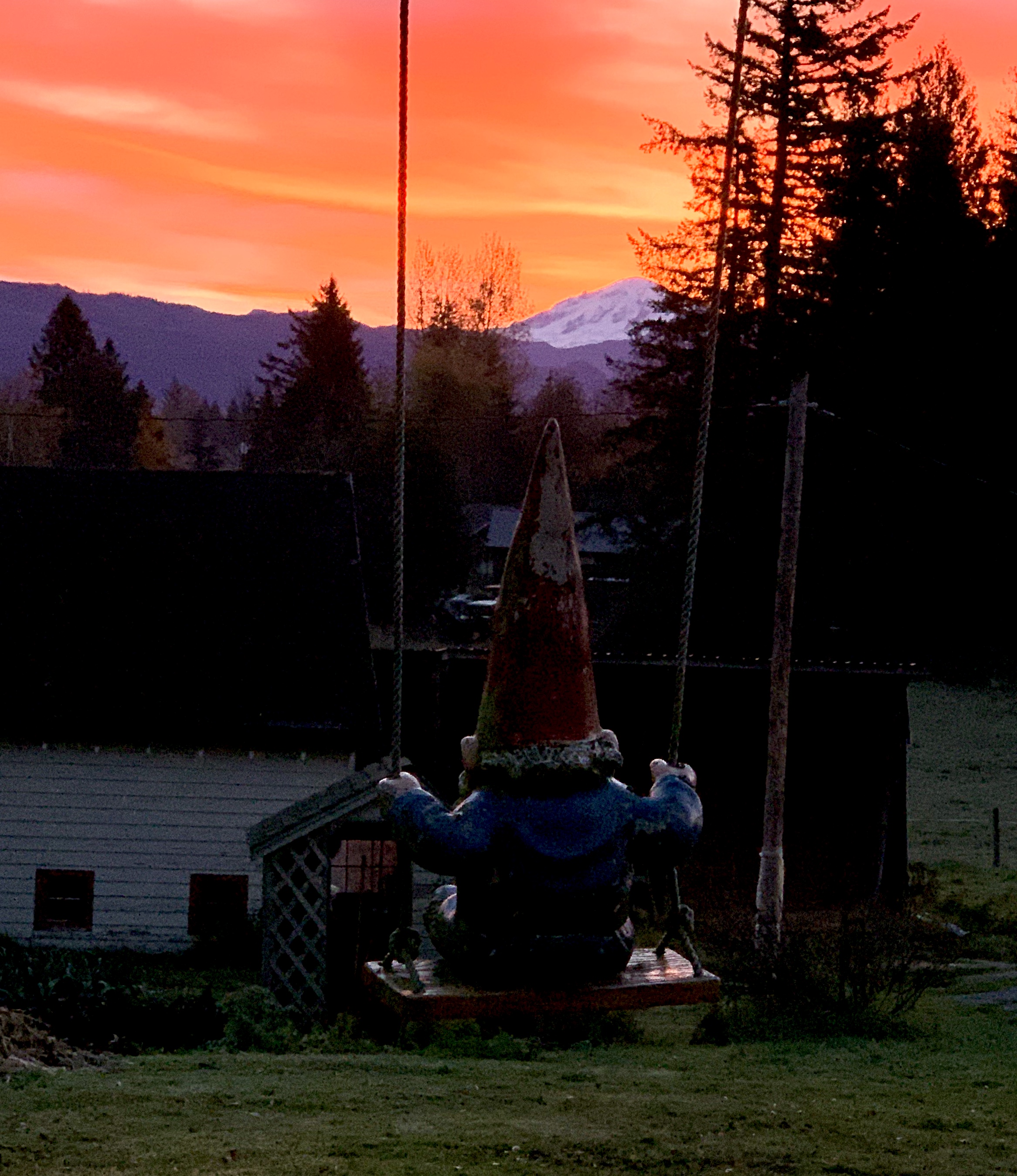
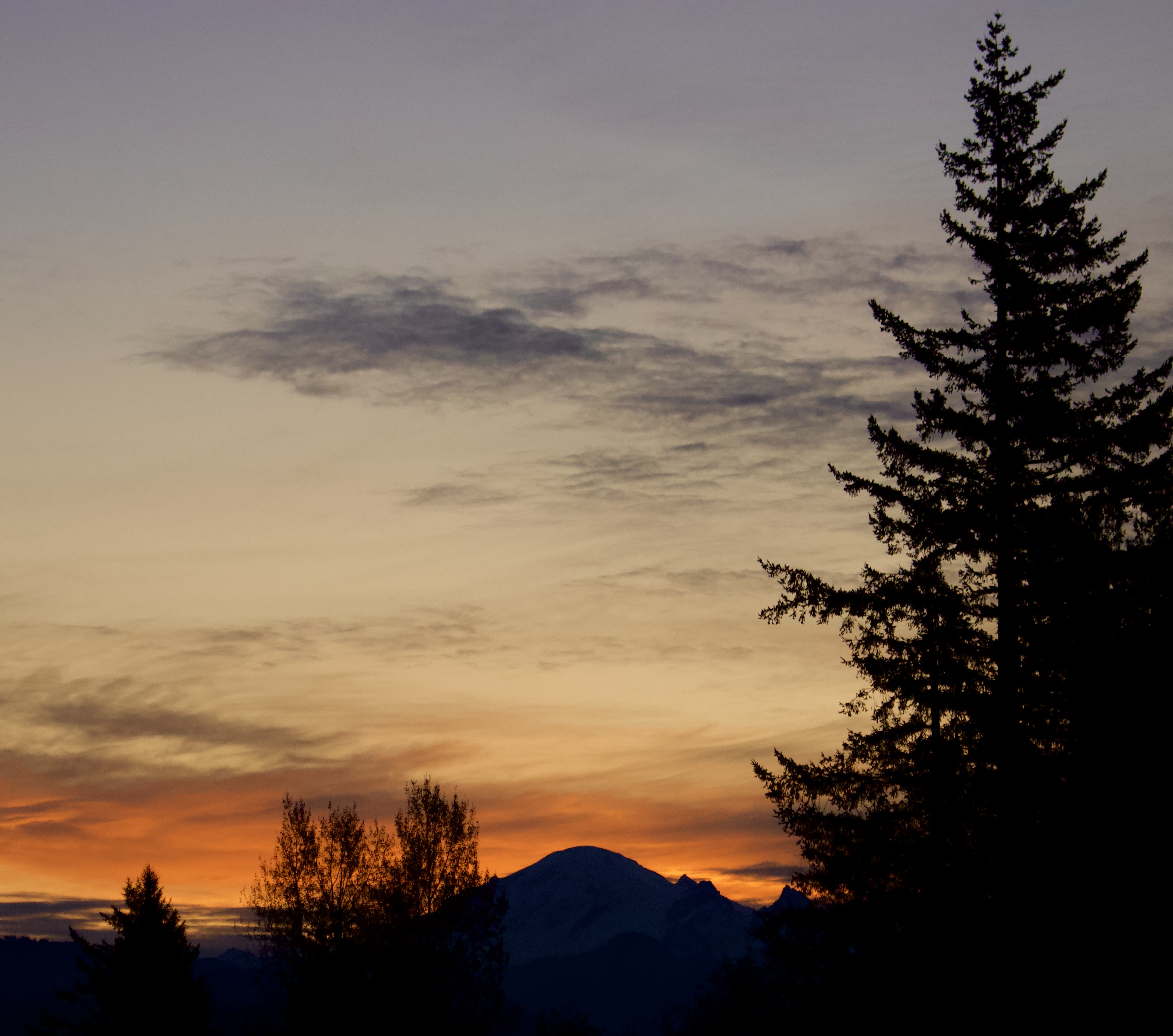
like a winter sun dim at noon,
almost invisible, but there,
reminding us of His promises,
dressing us in His beauty,
drying our wings,
wringing the darkness
to free the reluctant light.

Catastrophic Thinking

(story from the Barnstorming archives)

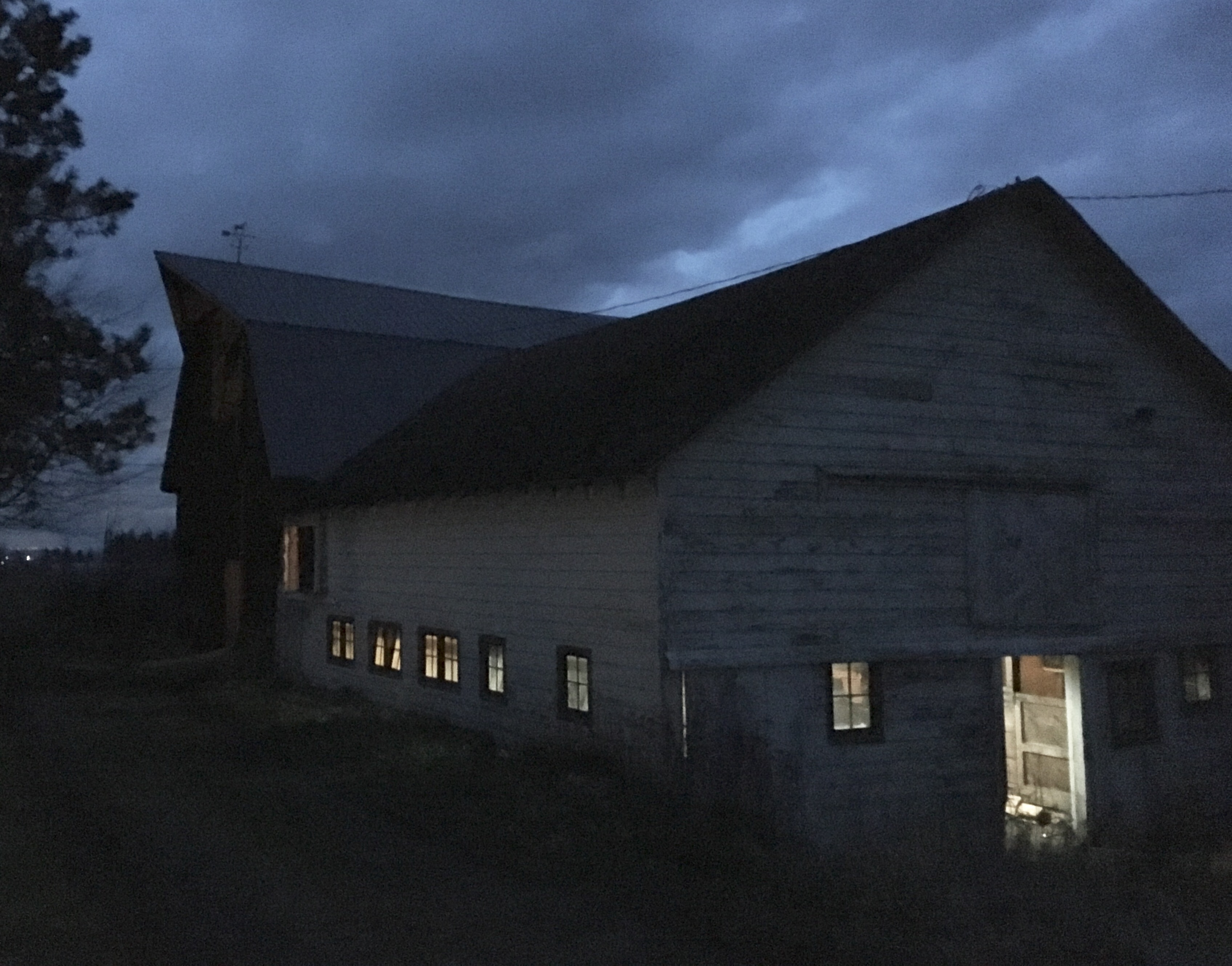
Chores at our farm are rarely routine since our batch of four male kittens were born 6 months ago. They were delivered unceremoniously in the corner of one of the horse stalls by their young mother whose spontaneous adoption we accepted a mere four weeks before, not realizing we were accepting five kitties, not just one.

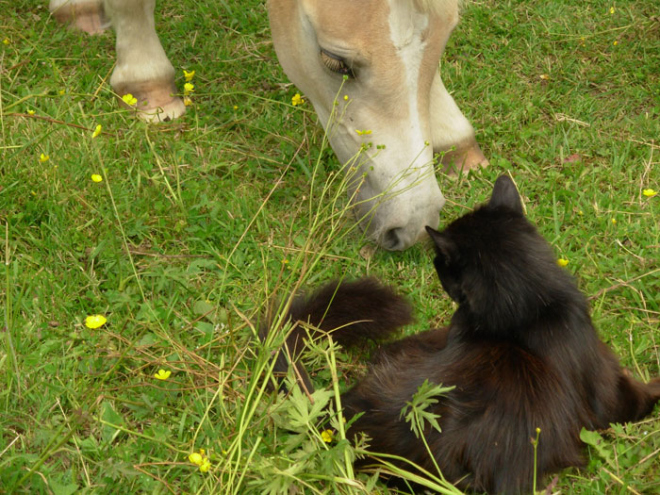
They were born under a Haflinger’s nose, and amazingly survived the ordeal and managed to stay safe until the next day when we came in to clean and discovered them nicely warmed near a nice fresh pile of poop. What a birthing spot this mama had chosen. Thankfully Haflingers are tolerant about sharing their space as long as you don’t ask for a share of their food too…

We moved them and mama to a safer spot in the barn, away from big Haflinger feet, and they thrived, getting more adventuresome by the week, until they are now in full adolescent glory, mock fighting with each other, scrambling up and down the hay bales, using the shavings as their personal litter box, doing rodent patrol, and most of all, strolling along the shelves that line the stalls, breathing in the Haflinger smell, and rubbing their fur up against Haflinger noses through the wire. They are best of friends with these ponies in the light of day, as after all they were born right in a Haflinger bed.

But at night it’s another story. Each evening as I come out to do chores after returning home from work, it is pitch dark and the Haflingers, out in their winter paddocks, must walk with me one by one back to their box stalls for the night. Only this is now far more of an adventure thanks to four cats who glory in stealth attacks in the dark, like mountain lions in the shadows, waiting for their prey to pass by.
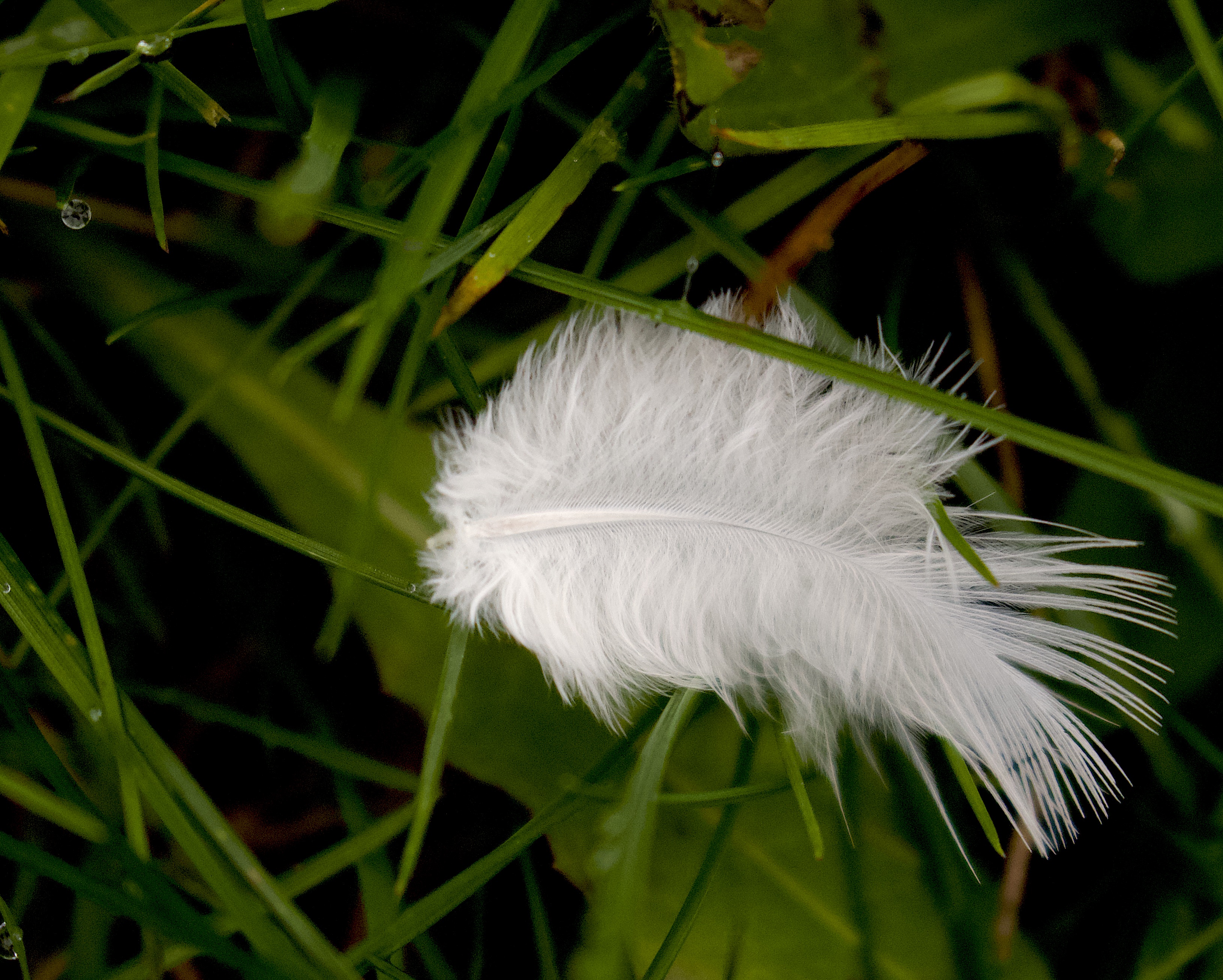
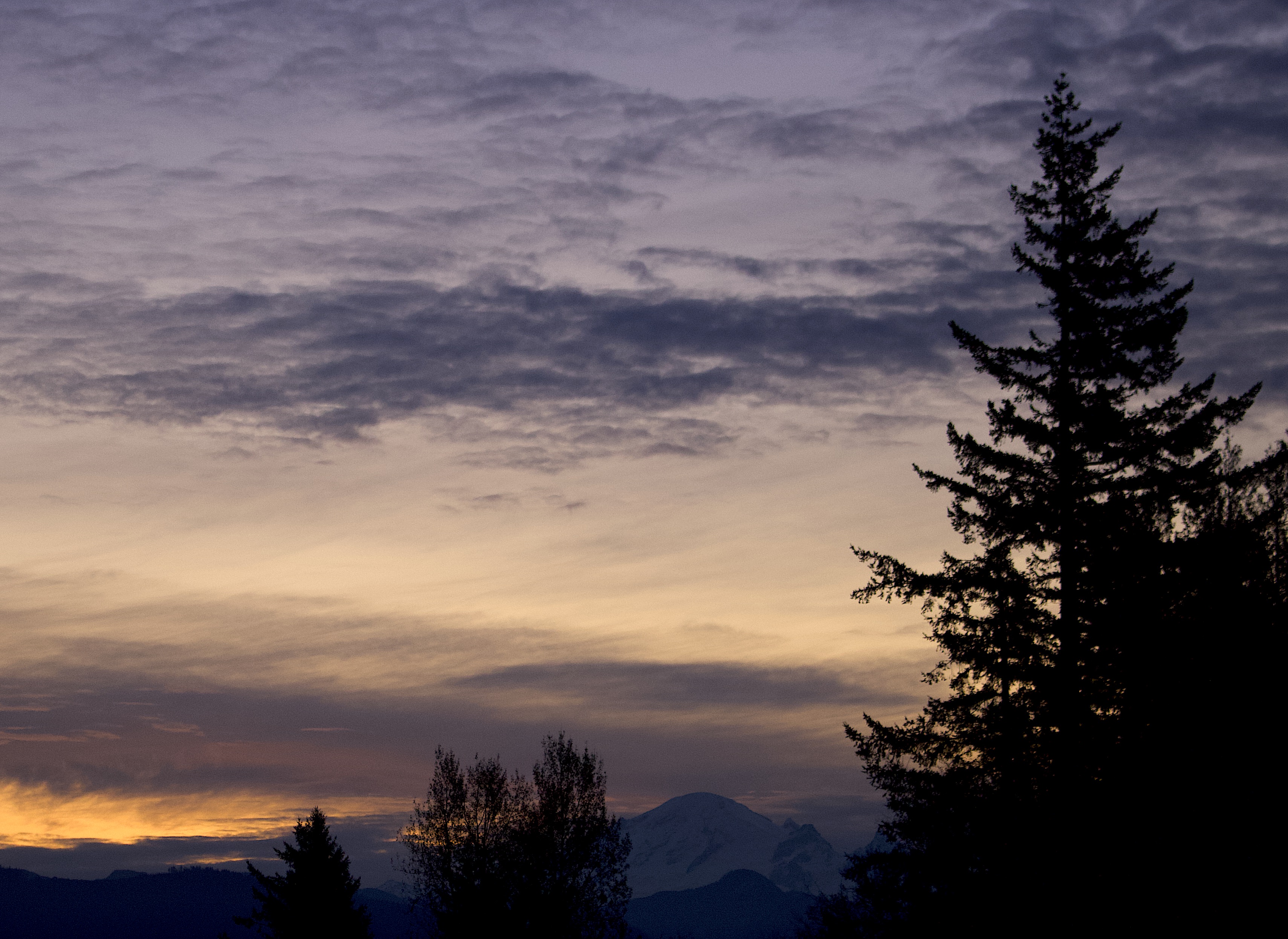
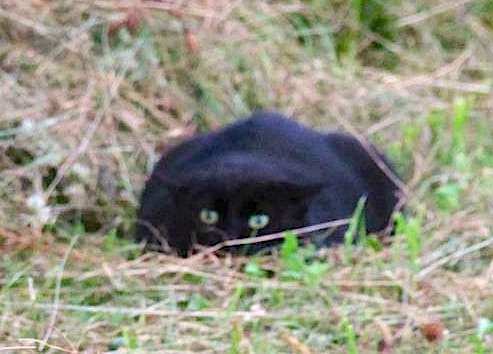
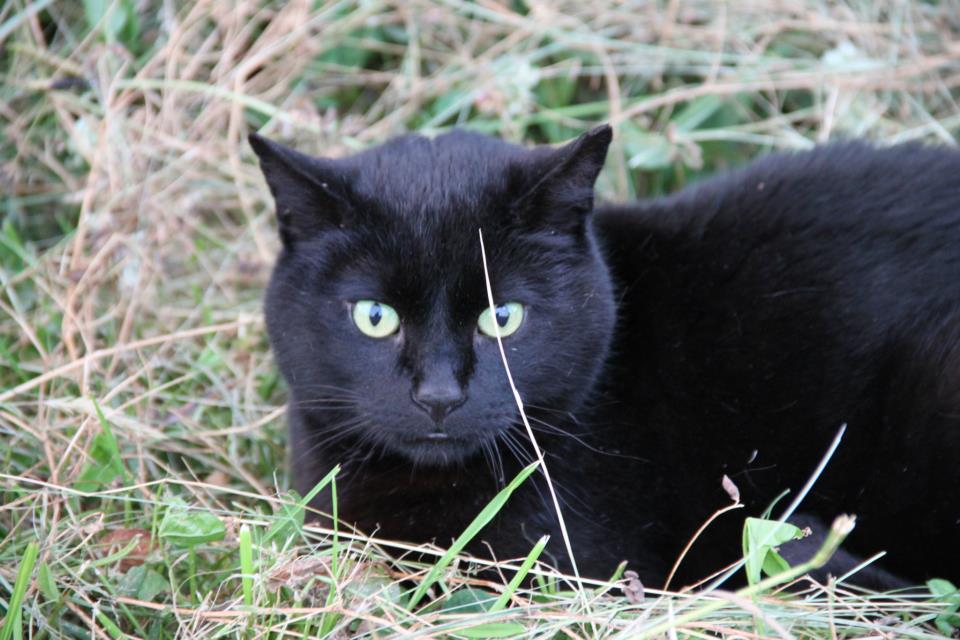
These four rascals are two tabbies, one black and one gray, all four perfectly suited to be camouflaged in the northwest dim misty fall evenings along a barely lit pathway between paddocks and barn. They flatten themselves tight on the ground, just inches from where our feet will pass, and suddenly, they spring into the air as we approach, just looking for a reaction from either the horse or myself. It never fails to unnerve me, as I’m always anticipating and fearing the horse’s response to a surprise cat attack. Interestingly, the Haflingers, used to kitten antics all night long in the barn, are completely bored by the whole show, but when the tension from me as I tighten on the lead rope comes through to them, their head goes up and they sense there must be something to fear. Then the dancing on the lead rope begins, only because I’m the one with the fear transmitted like an electric current to the Haflinger. We do this four times along the path to the barn as four kittens lay in wait, one after another, just to torment me. By the end of bringing in eight horses, I’m done in by my own case of nerves.

You’d think I’d learn to stop fearing, and start laughing at these pranksters. They are hilarious in their hiding places, their attempts to “guard” the barn door from intruders, their occasional miscalculations that land them right in front of a hoof about to hit the ground. Why I haven’t had at least one squished kitten by now is beyond my comprehension. Yet they survive to torment me and delight me yet another night. I cuddle them after the horses are all put away, flopping them on their backs in my arms, and tickling their tummies and scolding them for their contribution to my increasingly gray hair.

I’m a slow learner. These are like so many of my little daily fears, which seem to hide, blended in to the surroundings of my daily life, ready to spring at me without warning, looking like much bigger scarier things than they really are. I’m a highly skilled catastrophizer in the best of circumstances, and if I have a kitten sized worry, it becomes a mountain lion sized melodrama in no time. Only because I allow it to become so.

Stepping back, taking a deep breath, if I learn to laugh at the small stuff, then it won’t become a “cat”astrophe, now will it? If I can grab those fears, turn them over on their back and tickle their tummies until they purr, then I’m the one enjoying a good time.

I’ll try that the next time I feel that old familiar sensation of “what if?” making my muscles tense and my step quicken. I just might tolerate that walk in the dark a little better, whether it is the scary plane flight, the worry over a loved one’s health, the state of the economy, where the next terrorist will strike, or the uncertainty of what tomorrow might bring.

I’ll know that behind that mountain lion is a soft loving purring fur ball, granting me relief from the mundane, for which I’m extremely grateful. Life is always an adventure, even if it is just a stroll down a barn lane in the dark wondering what might come at me next on the path.

photo by Nate Gibson

Watching the Mountain

…I am watching the mountain. And the second I verbalize this awareness in my brain, I cease to see the mountain…. I am opaque, so much black asphalt.

I look at the mountain, which is still doing its tricks, as you look at a still-beautiful face belonging to a person who was once your lover in another country years ago: with fond nostalgia, and recognition, but no real feeling save a secret astonishment that you are now strangers. Thanks. For the memories. It is ironic that the one thing that all religions recognize as separating us from our creator — our very self-consciousness — is also the one thing that divides us from our fellow creatures. It was a bitter birthday present from evolution, cutting us off at both ends. I get in the car and drive home.
~Annie Dillard from Pilgrim at Tinker Creek

We drive up the highway an hour or so to lose ourselves rather than become more self-conscious. We want to be witness to grander things.

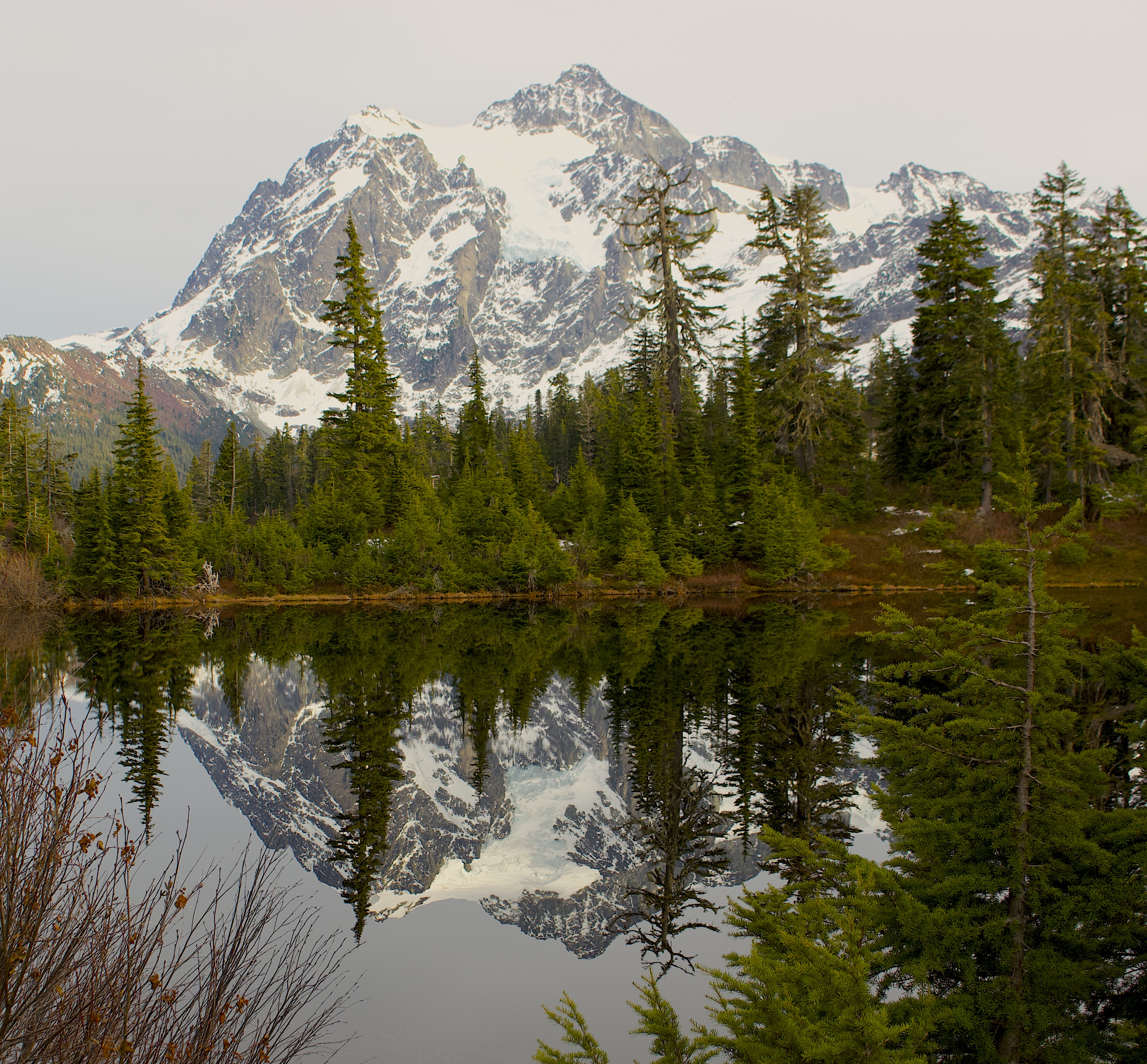
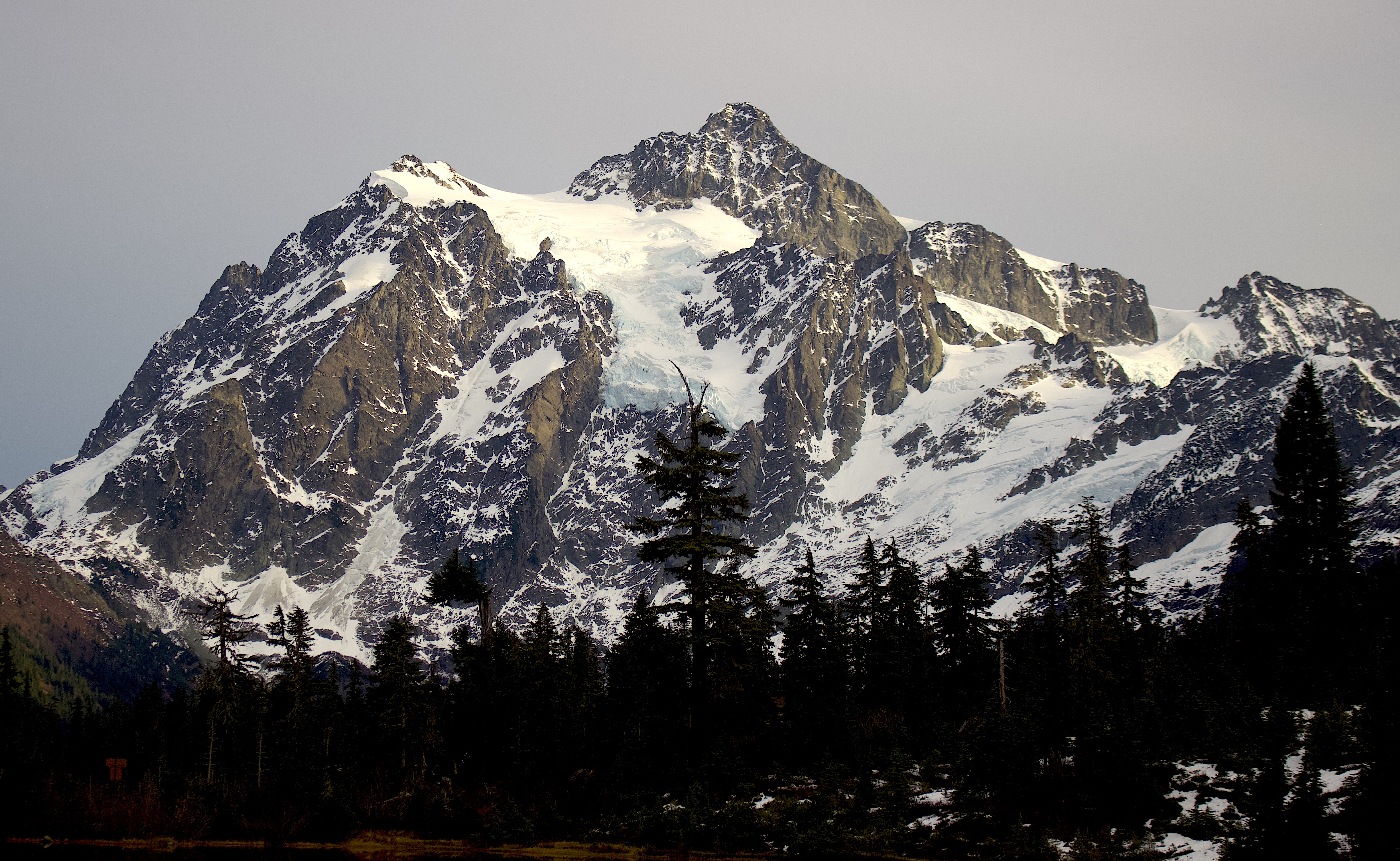
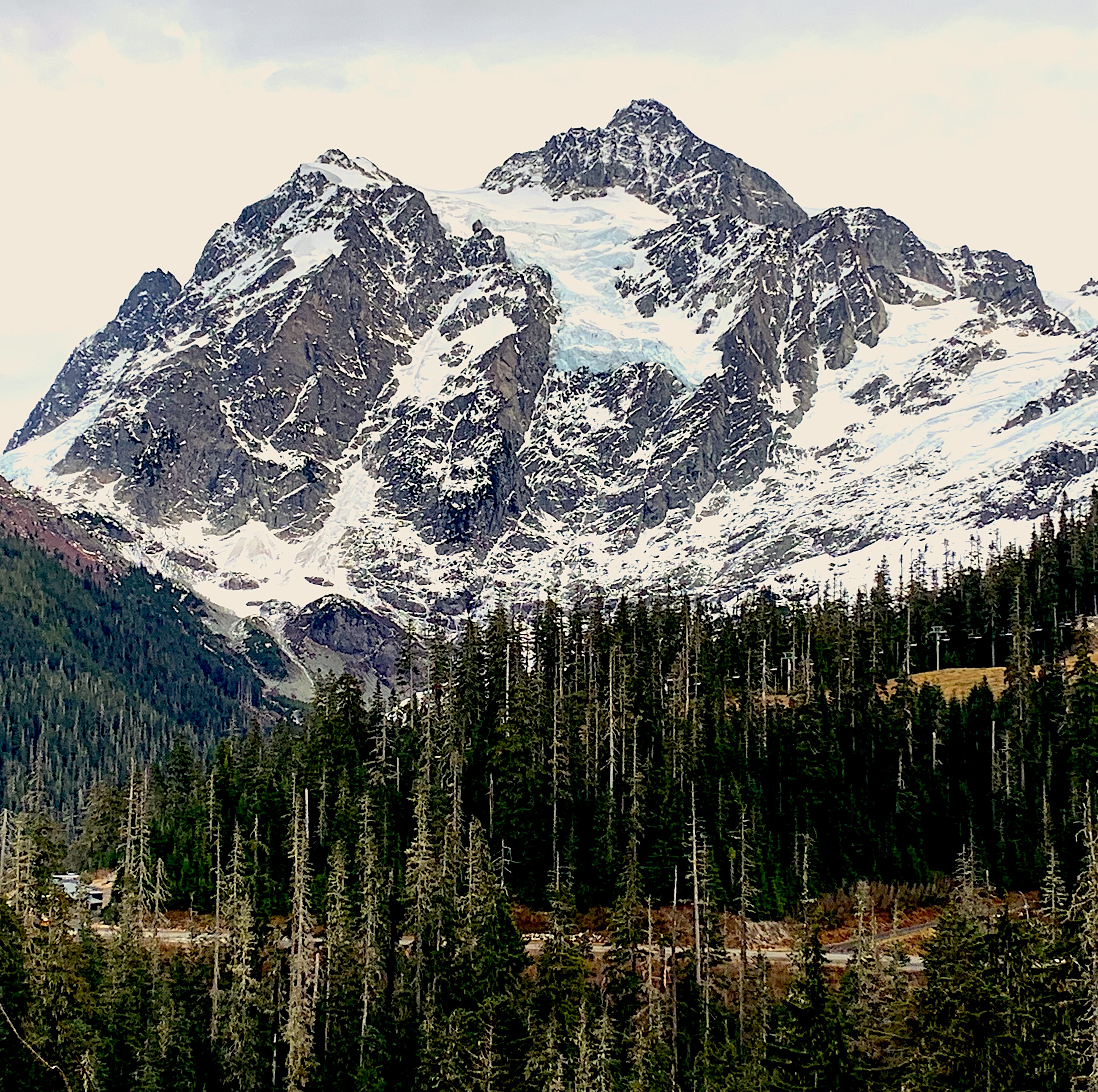
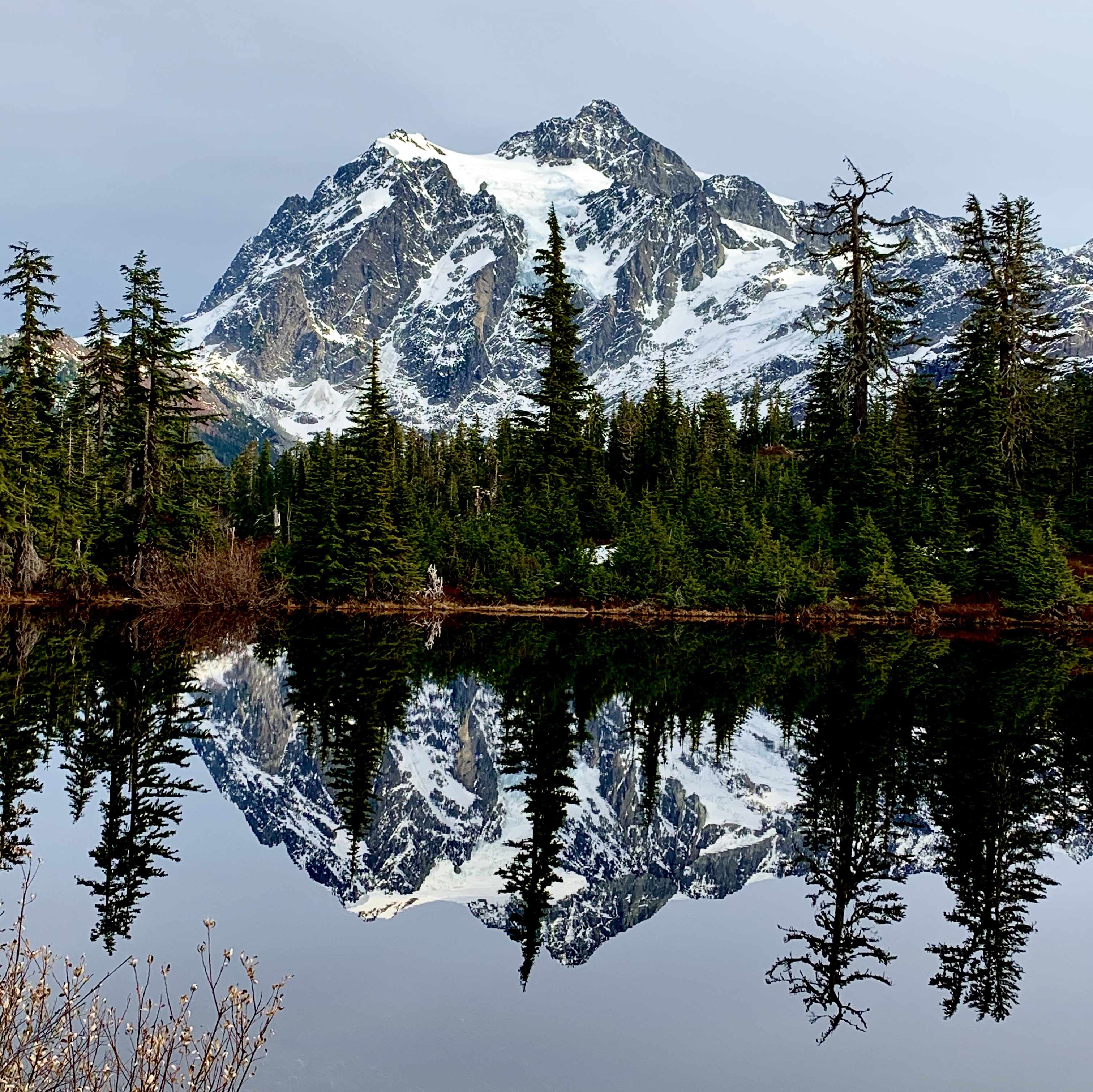
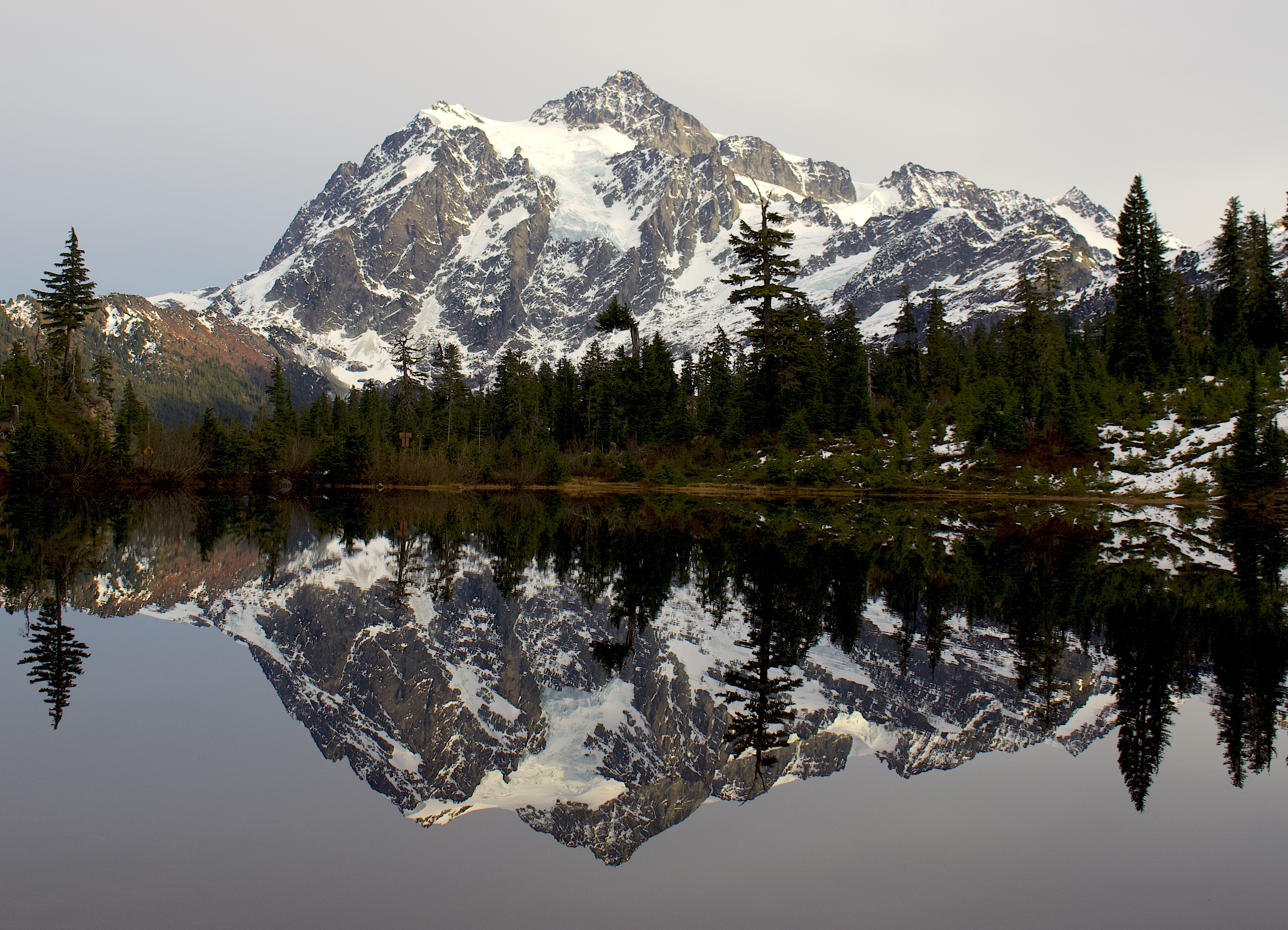
Once we turn the bend into Heather Meadows, Mount Shuksan suddenly appears, overwhelming the landscape. There is simply nothing else to look at so I stand there gawking, forgetting to breathe.
Then I realize that I have become more self-conscious rather than less: here am I at the foot of this incredible creation, wondering at how blessed I am to be there, and it becomes all about me. The mountain has been here for eons and will continue to be here for eons, and we’re merely passing through, bubbles floating on the unending stream of time.

Yesterday we were completely alone in what typically is a place of many gawkers, all setting up tripods and clicking cameras. It was absolutely silent – even the birds had abandoned the chilly hills for warmer climes lower down.

Most remarkable yesterday was the stillness meant there was a double delight: two mountains, reflection and the real thing herself. It is the most glass-like the lakes have been on our many visits.

We had to finally climb in the car and head back down the highway to home. I carry these images back with me to remember that moment of awestruck witness. The image isn’t the real thing, it isn’t even the real reflection. Yet it is me watching the mountain watching me back.

It just might be about me after all.

Never an End to What’s Left Behind

“There’s never an end to dust
and dusting,” my aunt would say
as her rag, like a thunderhead,
scudded across the yellow oak
of her little house. There she lived
seventy years with a ball
of compulsion closed in her fist,
and an elbow that creaked and popped
like a branch in a storm. Now dust
is her hands and dust her heart.
There’s never an end to it.
~Ted Kooser “Carrie” from Flying at Night: Poems 1965-1985

My Great Aunt Marion was considered odd, no question about it.  She usually dressed in somber woolens, smelling faintly of mothballs and incense. Her straight gray hair was bobbed with bangs,  unfashionable for the wavy permanents of the fifties and the beehives of the sixties.  Aunt Marion was a second grade teacher all her life, never marrying,  and she lived for over 50 years in a spotless tiny apartment until the day she died in 1975.    She bequeathed what little she had to the church she had faithfully attended a few blocks away and was buried in the family plot on a windswept hill overlooking Puget Sound.

I was overseas when she died, and to my knowledge, none of the extended family attended her funeral.  In her retirement years she had become reclusive and remote.  It was clear visitors weren’t welcome so visits to her became rare.  In an effort to counteract that, I have annually visited her gravesite for the past 30+ years, paying homage to this aunt who remained an enigma in life and became even more mysterious in death.

She grew up in the early 20th century in an impoverished German immigrant family who relocated from Wisconsin to the northwest. Her father was gone most of the year running steamboats up the Yukon, leaving her mother to make do as a some time school teacher and full time mother. Her older brother dropped schooling early for the rough and ready life of the local logging camps but Marion finished teachers’ college at the Western Washington Normal School on the hill in Bellingham. She began her life’s work teaching 2nd grade a few miles away at Geneva Elementary School, and became the primary caretaker in her mother’s declining years.

Her shock over her brother’s marriage to a much younger teenage girl in 1917 created foment within an already fractious family that persisted down through the generations.  As the offspring of that union, my father tried to prove his worth to his judgmental aunt.  She was had a spiky and thorny personality, stern and unforgiving, but politely tolerated his existence though would never acknowledge his mother.  Family gatherings weren’t possible due to the ongoing bitter conflict between the two strong-willed ladies.

Though Marion was childless, her heart belonged to her many students as well as a number of children she sponsored through relief organizations in developing countries around the world.  Her most visible  joy came from her annual summer trip to one of those exotic countries to meet first hand the child she was sponsoring.  It seemed to fuel her until the next trip could be planned.  She visited Asia and India numerous times, as well as Central and South America.  It  provided the purpose that was missing in the daily routine of her life at home.

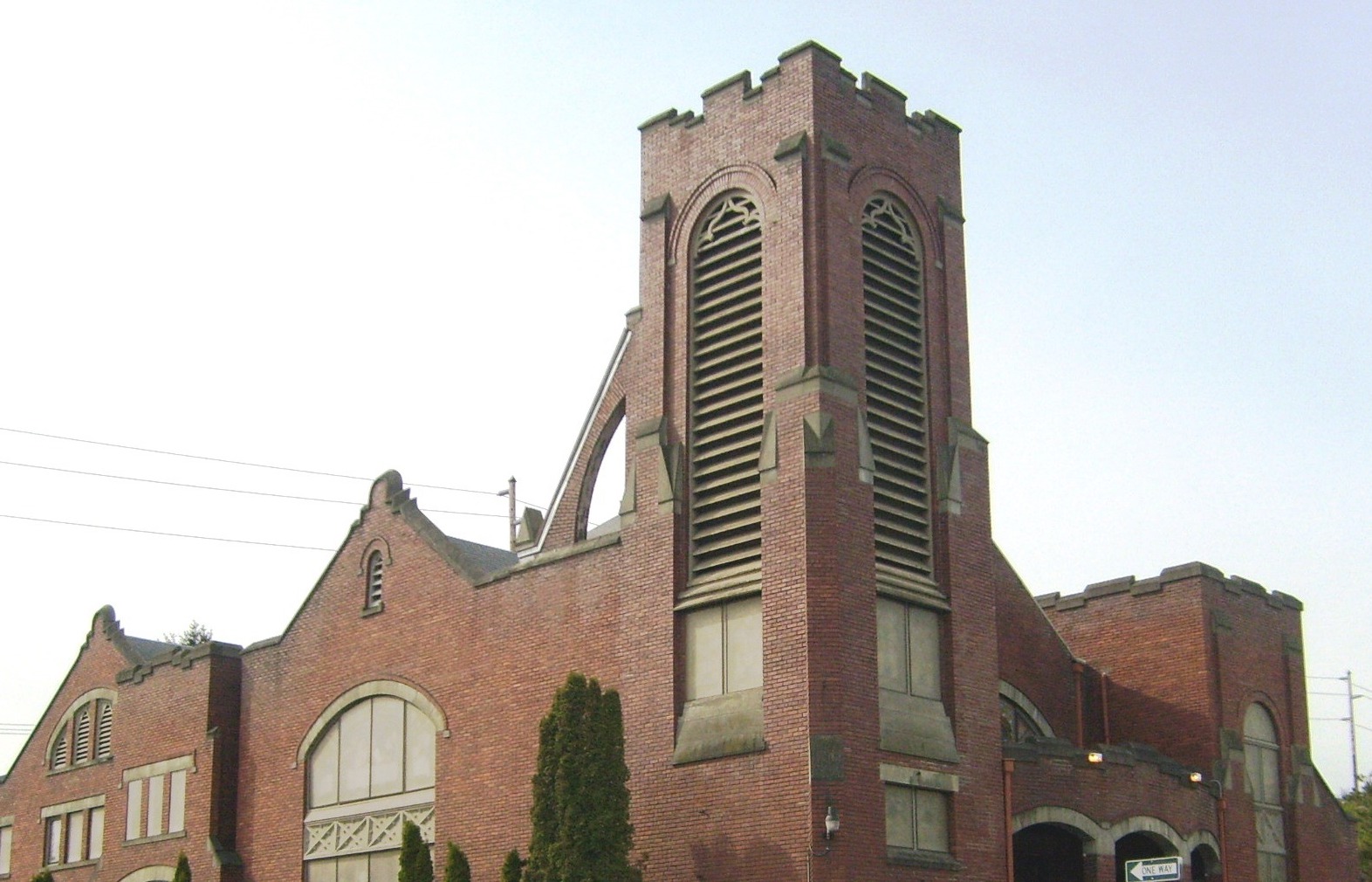
I moved to my great aunt’s community over three decades ago, 10 years after she had died.  I’d occasionally think of her as I drove past her old apartment building or the Methodist church she attended.  Several years ago, I noticed a new wing on the old church, modern, spacious and airy.  I commented on it to a co-worker who I knew attended that church.

He said the old church building had undergone significant remodeling over the years to update the wiring and plumbing, to create a more welcome sanctuary for worship and most recently to add a new educational wing for Sunday School and after school programs during the weekdays. As one of the council members in the church’s leadership, he commented that he was fortunate to attend a church equipped with financial resources to provide programs such as this in a struggling neighborhood that had more than its share of latch-key kids and single parents barely making do.   He mentioned an endowment from a bequest given over 40 years ago by a spinster schoolteacher in her will.  This lady had attended the church faithfully for years, and was somewhat legendary for her silent weekly presence in the same pew and that she rarely spoke to others in the church.  She arrived, sat in the same spot, and left right after the service, barely interacting.  Upon her death, she left her entire estate to the church, well over $1 million in addition to the deed to an oil well in Texas which has continued to flow and prosper over the past several decades.  The new wing was dedicated to her memory as it represented her expressed desire for her neighborhood.

I asked if her name was Marion and he stared at me baffled.  Yes, I knew her, I said.  Yes, she was a remarkable woman.  Yes, how proud she would be to see her legacy – what she had worked so hard for and then left behind — come to fruition.

There were times as I was growing up I wondered if my Great Aunt Marion had a secret lover somewhere, or if she led a double life as her life at home seemed so lonely and painful.  I know now that she did have a secret life.  She loved the children she had made her own and she lived plainly and simply in order to provide for others who had little.  Her extended family is better off having never inherited that money or an oil well.  It could have torn an already conflicted family apart and Marion knew, estranged from her only blood relatives,  her money would hurt us more than it would help.

Her full story has died with her.  Even so, I mourn her anew, marveling at what became of the dust of her, the legacy she chose to leave. 

Of this, I am deeply proud.

There is No East or West

1. In Christ there is no east or west,
in him no south or north,
but one great fellowship of love
throughout the whole wide earth.

2. In Christ shall true hearts everywhere
their high communion find;
his service is the golden cord
close binding humankind.

3. Join hands, companions in the faith,
whate’er your race may be!
Who loves and serves the one in him,
throughout the whole wide earth.

4. In Christ now meet both east and west;
in him meet south and north,
all Christly souls are one in him
throughout the whole wide earth.
~William Dunkerley

We Christians are often rightfully accused of being judgmental and unwilling to consider other points of view. We can be the first to criticize another Christian of being unfaithful or heretical, not following doctrine and creeds, or being too liberal or too conservative or just too plain stubborn.

I’ve done it myself (doing it now in this post!) and have received more than my share of mean-spirited, even hateful, messages from Christian brothers and sisters who disagree with my point of view on some issue.
Christians can tend to revel in eating their own.

When I’m tempted to judge lest I be judged, I remember who Christ hung out with: the cast offs and most undesirable people in society. They were surely more receptive to His message than those who believed they knew better than Him, who questioned His actions and motives, and who plotted against Him behind His back.

We need reminding that Christ isn’t more present in one political party over another, one denomination or faith community over another, one zip code over another, or in one racial or ethnic group over another.

We, east and west, north and south, constitute His body on earth, we dwell fully in His image just as we were created to be. It is only through His loving Spirit we are brought home where we belong, back to the center from the fraying edges of our faith.

That Look

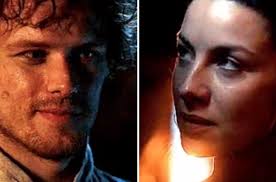
She raised her face, shining, and found her mirror in <his> eyes. I saw them look at each other, and felt the tears prickle behind my lids.
~Diana Gabaldon from Voyager

I leaned over his shoulder now and deposited a bowl of oatmeal in front of him, a smile hiding in his eyes, caught my hand and kissed it lightly. He let me go, and went back to his parritch. I touched the back of his neck, and saw the smile spread to his mouth. 
     I looked up, smiling myself, and found Brianna watching. One corner of her mouth turned up, and her eyes were warm with understanding. Then I saw her gaze shift to Roger, who was spooning in his parritch in an absentminded sort of way, his gaze intent on her.

~Diana Gabaldon from Drums of Autumn

from Outlander (Starz)


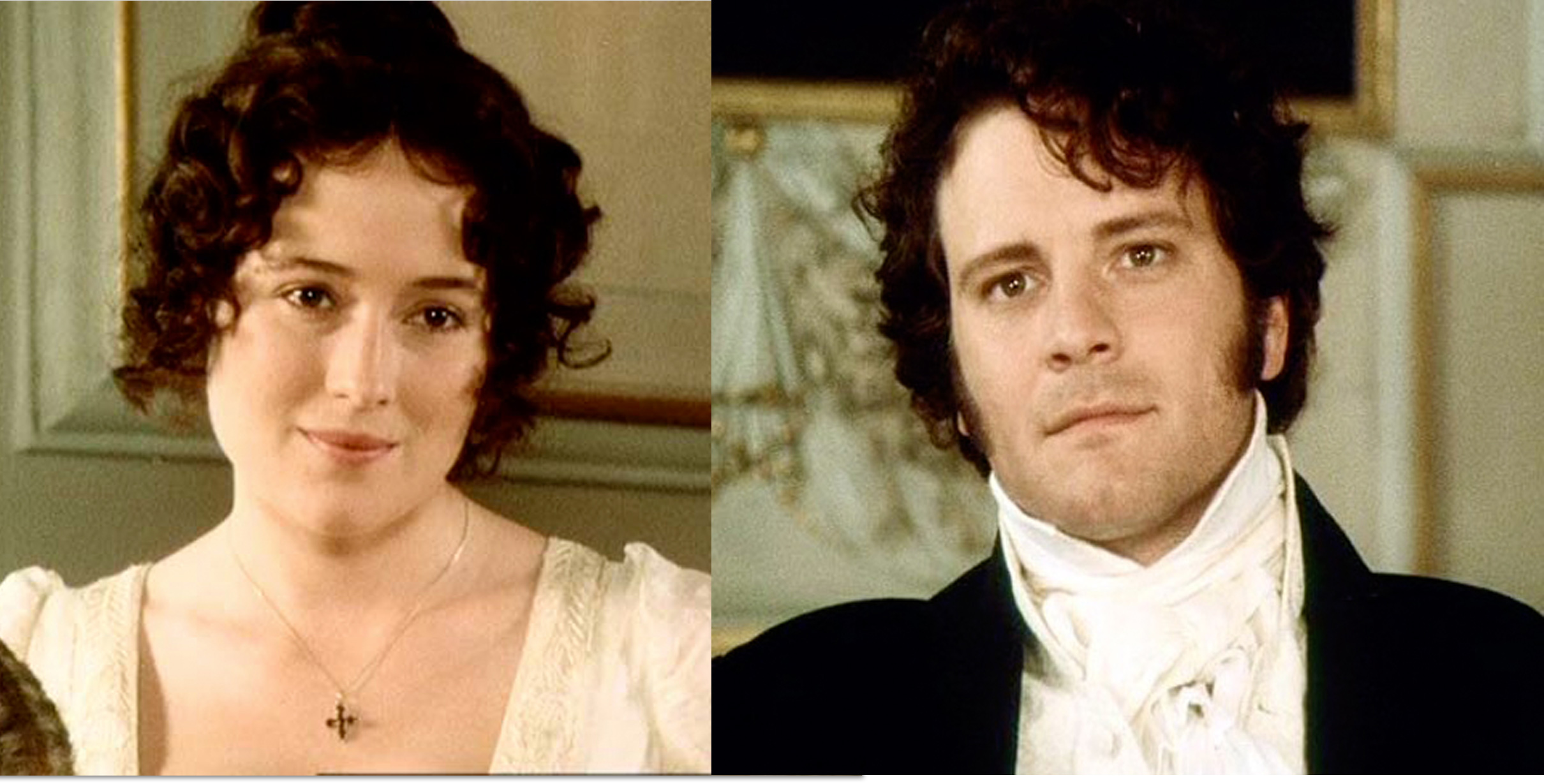
…she had ventured only one glance…she raised her eyes to his face…
…their eyes instantly met, and the cheeks of each were overspread with the deepest blush..
~Jane Austen from Pride and Prejudice

from Pride and Prejudice (BBC production)

Occasionally books and movies get it right.  If they really want to show two people in love with each other, it does not require states of undress, or acrobatic clinches, or lots of heavy breathing.

All the movie needs is “that look”.

Some call it “locked eyes” or the “the held intense gaze” or “gazing longingly”.   It’s not ogling or lurid or lusty.  

It is the look that confirms: “I want to look into your eyes forever and stay lost there.”

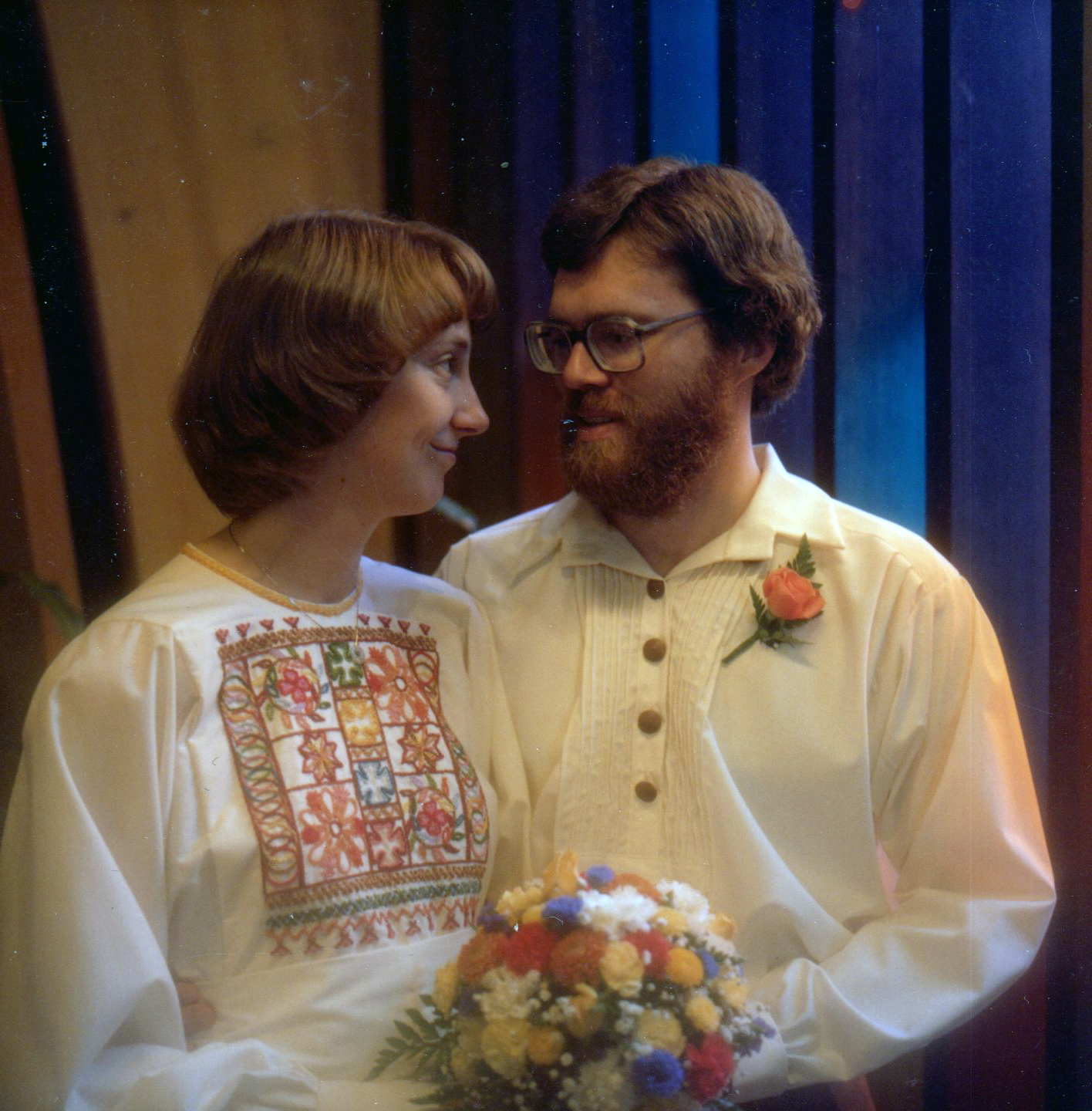
It works for me every time because I am lucky enough to know what it feels like.  I get that butterfly in the stomach feeling anytime it happens.  My husband held my eyes with his from across a room early in our relationship, and forty years later, he still holds them when he looks at me.  And I look at him just that way as well.  The eyes say what there are no words for.  The eyes don’t lie, being both mirror and reflection, as they are portal to both the mind and heart.  The eyes never change even though the years bring gray hair and crow’s feet.

The “look” says “I want to look at you forever, just like this, just as you are, wherever you are — because of who you are.”

from Outlander

Choosing Gratitude

Gratitude as a discipline involves a conscious choice. I can choose to be grateful even when my emotions and feelings are still steeped in hurt and resentment. It is amazing how many occasions present themselves in which I can choose gratitude instead of a complaint. I can choose to be grateful when I am criticized, even when my heart still responds in bitterness. I can choose to speak about goodness and beauty, even when my inner eye still looks for someone to accuse or something to call ugly. ~ Henri Nouwen

When the slings and arrows are directly aimed at me, hit their mark and open a wound, I can choose to pick at the scab, maybe even cause it to get infected and make the scar worse, or I can marvel I’m still standing,  still capable of doing what I do best, and able to fully heal.  

I see beauty in recovery and becoming whole again. I see goodness in those who come alongside even if it means they become a target along with me.

Even when my heart bleeds from its inflicted wounds,  I choose forgiveness arising from grace and gratitude.  I hope I too will be forgiven for any wounds I inflict.

All becomes grace, the gift that never stops giving.

Through a Broken Heart

Why shouldn’t we go through heartbreaks?
Through those doorways God is opening up ways of fellowship with His Son. Most of us fall and collapse at the first grip of pain; we sit down on the threshold of God’s purpose and die away of self-pity…

But God will not.
He comes with the grip of the pierced hand of His Son and says,
“Enter into fellowship with Me, arise and shine.” If through a broken heart God can bring His purposes to pass in the world,
then thank Him for breaking your heart.
~Oswald Chambers from “Ye are not your own” from My Utmost for the Highest

The great mystery of God’s love is that we are not asked to live as if we are not hurting, as if we are not broken. In fact, we are invited to recognize our brokenness as a brokenness in which we can come in touch with the unique way that God loves us. The great invitation is to live your brokenness under the blessing. I cannot take people’s brokenness away and people cannot take my brokenness away.  But how do you live in your brokenness? Do you live your brokenness under the blessing or under the curse? The great call of Jesus is to put your brokenness under the blessing.
~Henri Nouwen from a Lecture at Scarritt-Bennett Center

There is a God shaped vacuum in the heart of every man which cannot be filled by any created thing, but only by God, the Creator, made known through Jesus.
~ Blaise Pascal 

Everyone is created with a hole in their heart that has no murmur, doesn’t show up on scans or xrays nor is it visible in surgery.  Yet we feel it, absolutely know it is there, and are constantly reminded of being incomplete.  Billions of dollars and millions of hours are spent trying to fill that empty spot in every imaginable and unimaginable way. 

Nothing we try fills it wholly.  Nothing we find fits it perfectly.  Nothing on earth can ever be sufficient.

We are born wanting, yearning and searching; we exist hungry, thirsty and needy.

Created with a hankering heart for God, we discover only He fits, fills and is sufficient.  Only a beating heart like ours can know our hollow heart’s emptiness.  His bleeding stops us from hemorrhaging all we have in futile pursuits.

The mystery of the vacuum is this:
how our desperation resolves
and misery comforted
by being made complete and whole
through His woundedness.

How is it possible that
through His pierced limbs and broken heart,
it is we who are made holy,
our emptiness filled forever.

A Friendly Visit

When a friend calls to me from the road 
And slows his horse to a meaning walk, 
I don’t stand still and look around  
On all the hills I haven’t hoed,    
And shout from where I am, What is it? 
No, not as there is a time to talk. 
I thrust my hoe in the mellow ground,    
Blade-end up and five feet tall,    
And plod: I go up to the stone wall
For a friendly visit.
~Robert Frost, “A Time to Talk” from The Poetry of Robert Frost: The Collected Poems

We don’t take the time to visit anymore. Human connection is too often via VPN and pixels, chat groups and texts, GIFs and tweets. We’ve lost the fine art of conversation and intently listening, and no one remembers how to write a letter long-hand, fold it into an envelope, put a stamp on it and drop it into a mailbox.

No wonder our grandchildren are unsure how to cultivate a relationship like they might a garden: working the soil of another’s life, turning it over and over, fluffing it up, pulling out the unwanted weeds that smother growth, nurturing it with the best fertilizer, planting the seeds most likely to germinate, drenching with the warmth of light and energy, keeping the roots from getting thirsty.

We need to listen; we need to talk; we need to take time; we need to lean on the walls between us and bridge our gaps as best we can.

Just call out to me. I’ll stop what I’m doing, drop my hoe and plod over for a good chin wag. It’s what every good gardener needs to do.

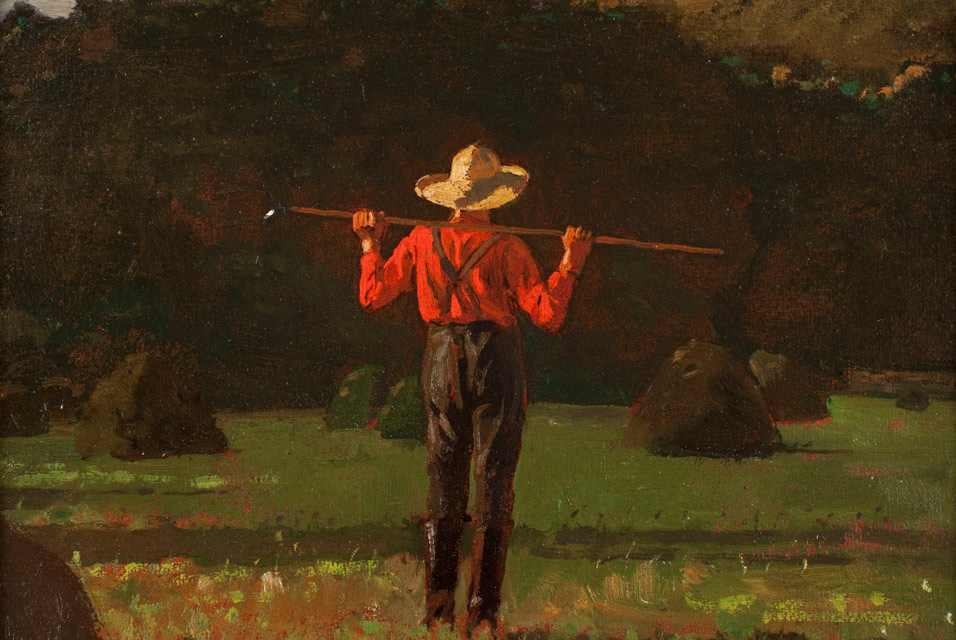
Farmer with a pitchfork by Winslow Homer

A Sense of Sadness

Then summer fades and passes
and October comes and goes.
We’ll smell smoke then,
and feel an unexpected sharpness,
a thrill of nervousness,
swift elation,
a sense of sadness and departure.
~ Thomas Wolfe

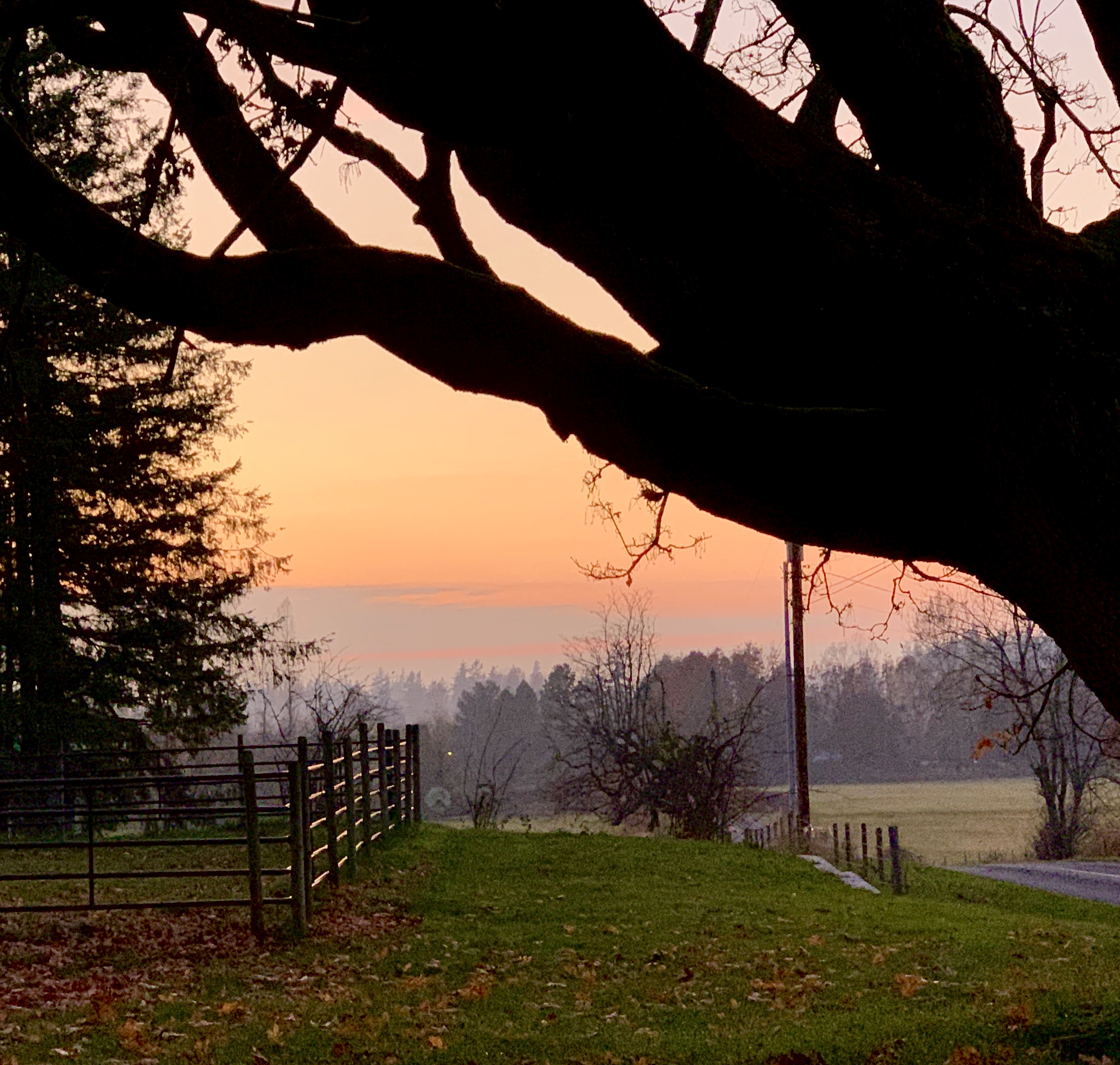
November begins bittersweet, heralding the inevitable slow down to winter stillness.

The garden is put to bed, lawnmowers put away, pruning shears not yet readied for the work of refinement and shaping.

The air sparkles, sharp-edged in the lungs.

I am never ready for this crush of dark hours descending so quickly. Yet it comes with the promise of the light to come.

And so we wait on the known and patiently ponder the unknown.