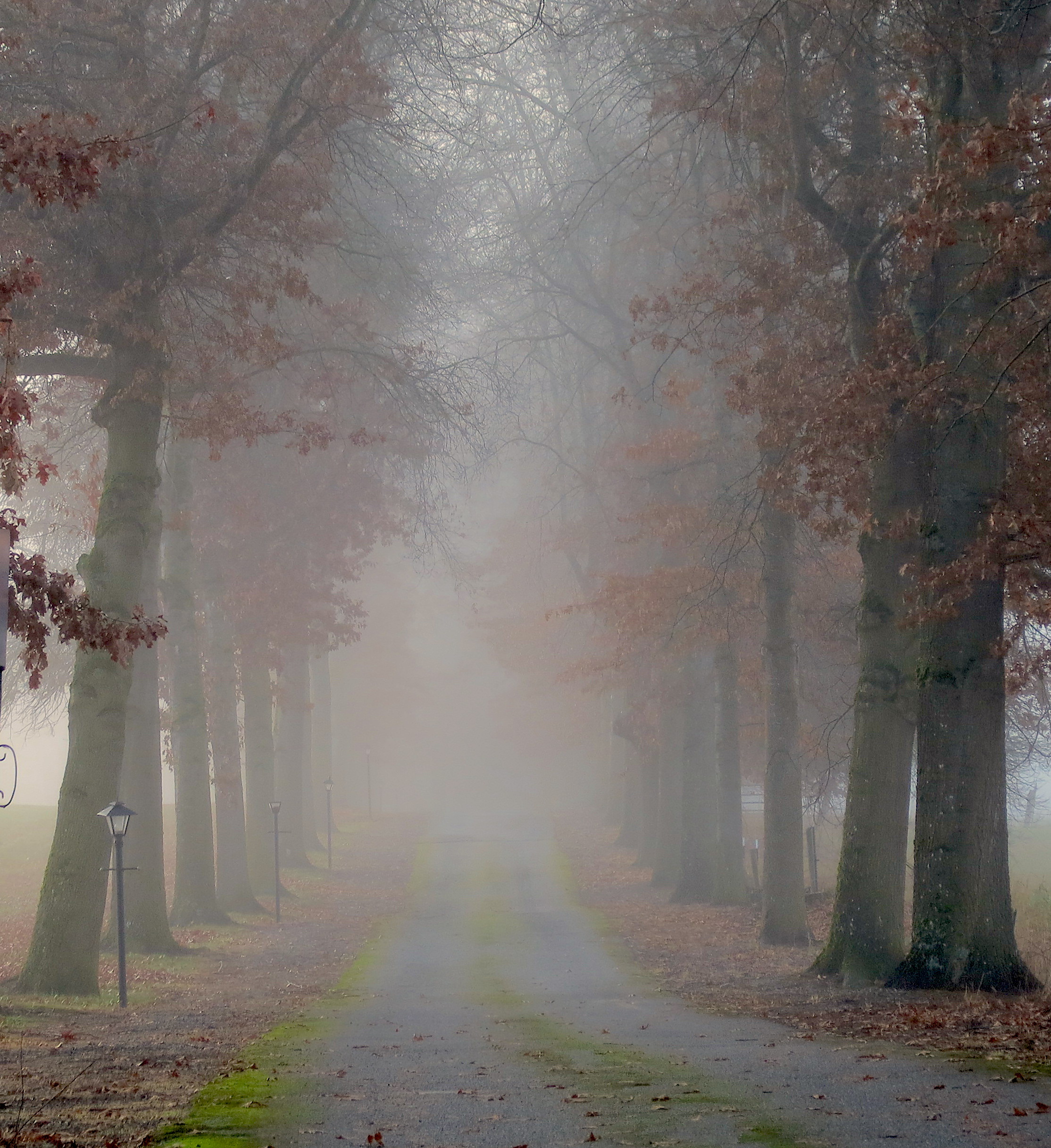
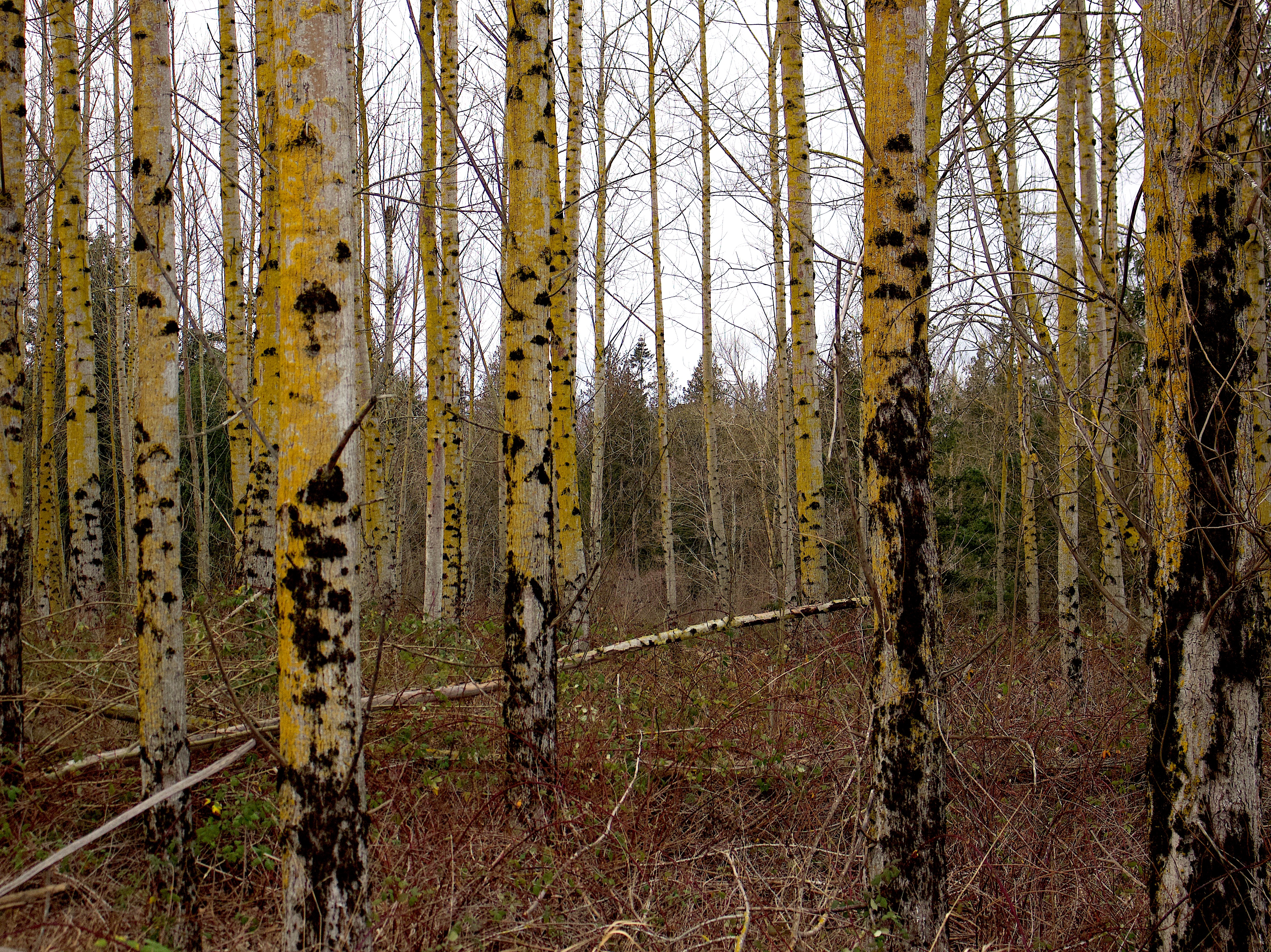
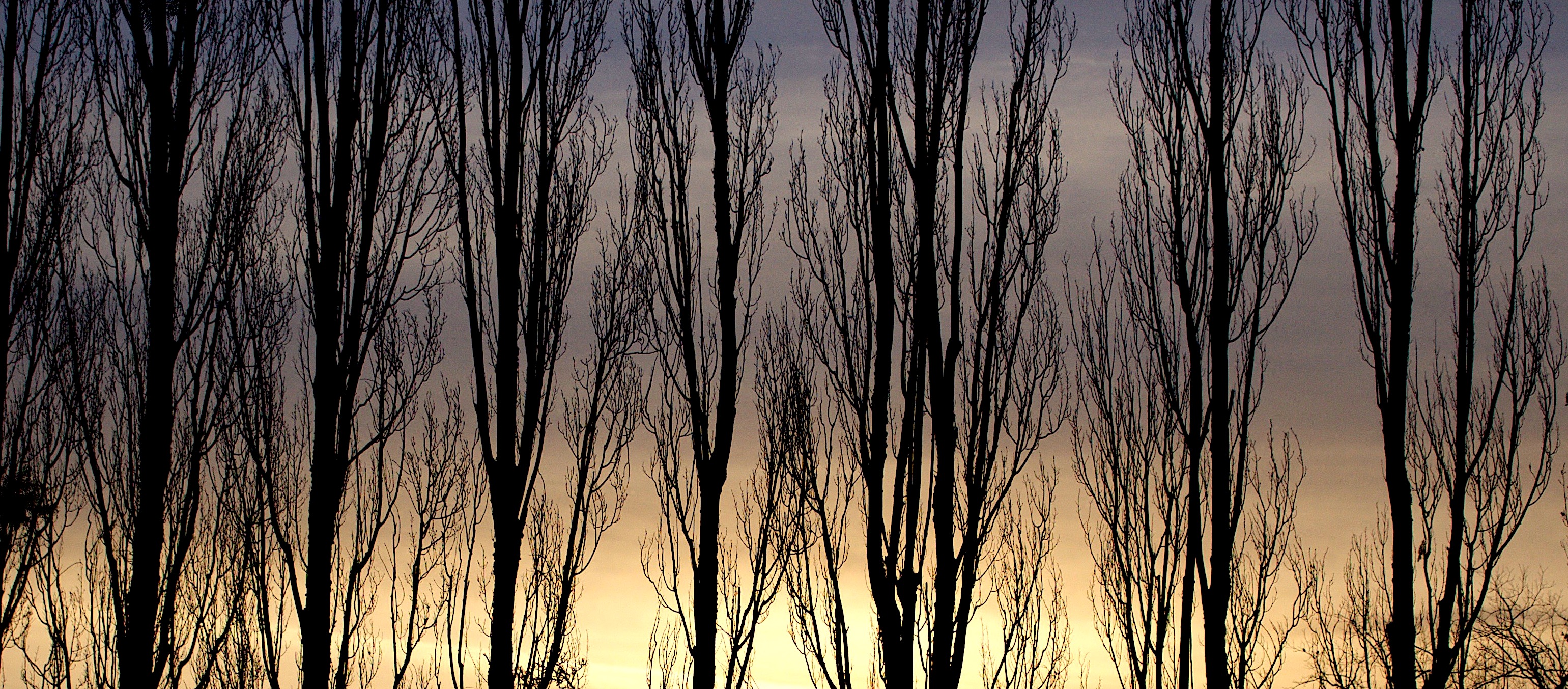
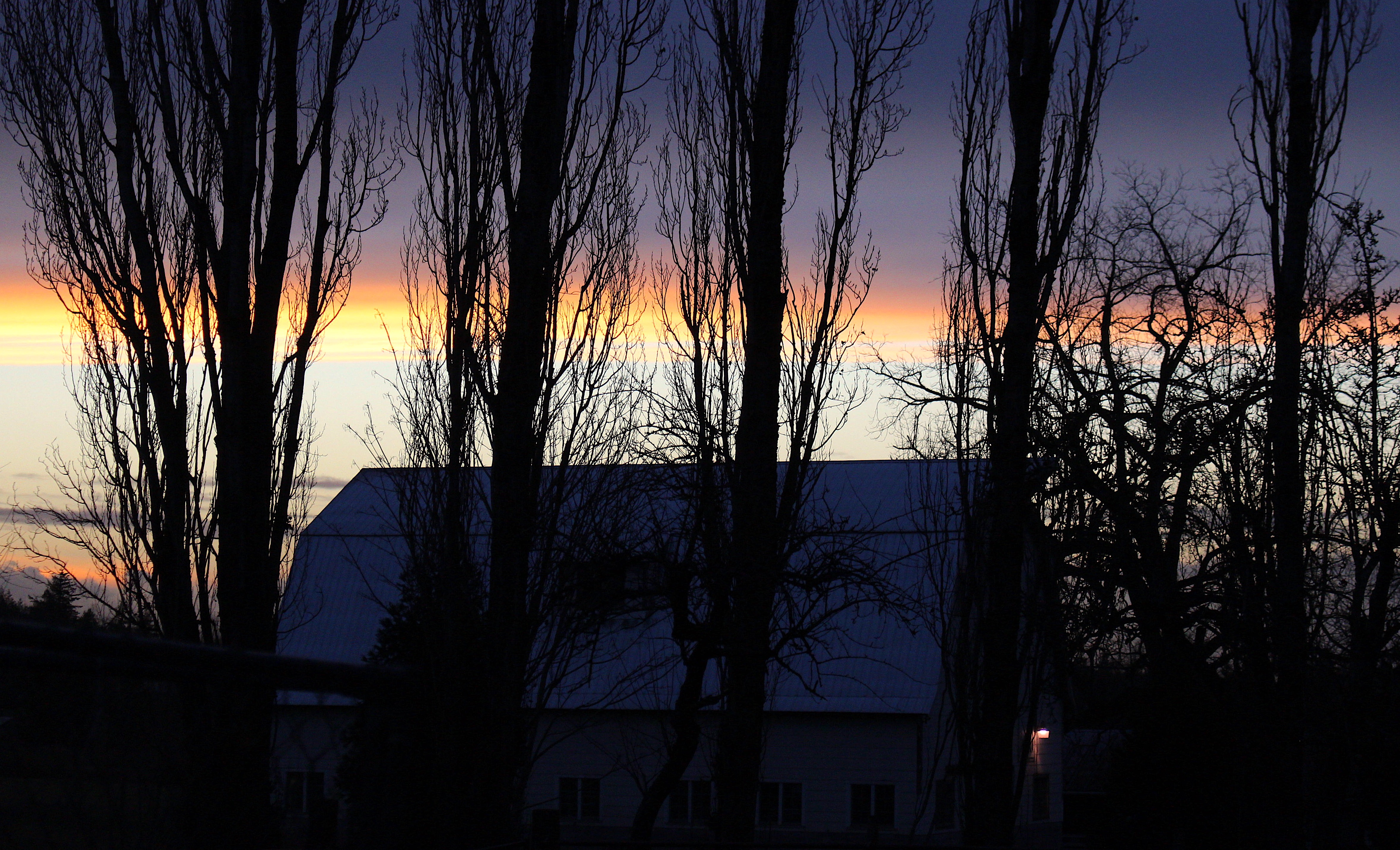
Sometimes when I watch trees sway, From the window or the door. I shall set forth for somewhere, I shall make the reckless choice Some day when they are in voice And tossing so as to scare The white clouds over them on. I shall have less to say, But I shall be gone. ~Robert Frost from “The Sound of Trees”
There is a thing in me that dreamed of trees, A quiet house, some green and modest acres A little way from every troubling town, Al little way from factories, schools, laments. I would have time, I thought, and time to spare, With only streams and birds for company, To build out of my life a few wild stanzas. And then it came to me, that so was death, A little way away from everywhere. ~Mary Oliver from “A Dream of Trees” from New and Selected Poems
As I wind down my work load, for once sharing the calls at night, and allowing others to manage the day time urgencies,
I wonder if I shall have less to say, and whether I will become less myself.
A life of non-stop doctoring means having little time for anything else. Soon I will have time and time to spare.
I wonder about the trees and how To build out of my life a few wild stanzas.
Now a decade after her death, I’m still slowly sorting through my mother’s packed up possessions stored in one of our farm outbuildings. Some boxes I am not ready to open, such as the 30 months of letters written by my newlywed father and mother while he fought in several bloody island battles as a Marine in the South Pacific during WWII. Other boxes contain items from too distant an era to be practical in my kitchen, such as the ones labeled “decorative teacups” or “assorted tupperware bowls without lids”.
But I do open the boxes of books. My mother was a high school speech teacher during those war years, and she had a good sense of a classic book, so there are always treasures in those boxes.
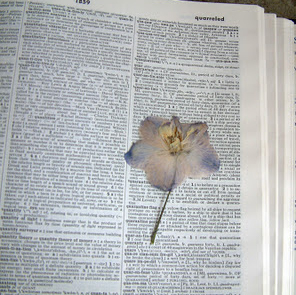
Recently I found the 1956 Webster’s New Dictionary of the Twentieth Century that I grew up with. This book was massive, easily weighing 10 pounds, and served as a booster seat for haircuts, a step stool for trying to reach the cookie jar on the kitchen cupboard, and of course, for looking up any obscure word that ever existed in all of history. Or so it seemed.
It was an amazing tome. And as I flipped through the pages, I found some old familiar friends that were neither black nor white nor read all over.
Wildflowers had been carefully pressed between the pages–over two dozen specimens paper thin themselves, their existence squeezed into two dimensions–still showing faint pink or blue, or purple color, almost exuding a long ago fragrance from a summer over fifty years ago. As a child I regularly wandered out to our fields and woods to gather crimson clover blossoms, buttercup, dandelions, daisies, wild violets, wild ginger, calypso lady slippers for bouquets for my mother, and she would select the most perfect to slide between the pages of the dictionary. Occasionally she would pull out one to gently paste on a hand written card she sent to a friend.
Here were my perfect flowers, preserved and pressed for time, just waiting for the fifty-five-years-older me to rediscover them lying between wonderful words that I love to roll in my mouth and type on a page. They are too fragile to paste to a greeting card, or even to handle due to their brittleness. They need to stay right where they are, for another generation or two or three to discover.
I am so pressed for time, becoming more fragile, perhaps more brittle than I care to admit. My mother and father have blown away like the puff ball seeds of the dandelion, on to other horizons, but the sturdy old dictionary is going nowhere. It will be passed down, its delicate passengers preserved inside, a long ago far away summer afternoon of flower gathering to be shared as a great grandchild opens the book to look up a favorite word sometime in the not so far off future.
No one can stem the tide; now watch it run to meet the river pouring to the sea! And in the meeting tumult what a play of waves and twinkling water in the sun! Ordained by powers beyond our ken, beyond all wisdom, all our trickery, immutable it comes, it sweeps, it ebbs and clears the filthiness and froth of men. ~Jane Clement “No One Can Stem the Tide”
If one were to spend all their time just looking at news headlines, it would appear humankind is made up of nothing but “filthiness and froth.” Whether it is politics or entertainment or sports – there is little that is pristine, selfless or wise. We are all covered in the mess we’ve made of ourselves.
No one will be able to stem the tide when its cleansing power comes, nor should we. We are overdue for some serious sweeping up.
The thing to cling to is the sense of expectation. Who knows what may occur in the next breath? In the pallor of another morning we neither Anticipated nor wanted! … we live in wonder, Blaze in a cycle of passion and apprehension Though once we lay and waited for a death. ~Carolyn Kizer from “Lines to Accompany Flowers For Eve”
Over seventy years ago my maternal grandmother, having experienced months of fatigue, abdominal discomfort and weight loss, underwent exploratory abdominal surgery, the only truly diagnostic tool available at the time. One brief look by the surgeon told him everything he needed to know: her liver and omentum were riddled with tumor, clearly advanced, with the primary source unknown and ultimately unimportant. He quickly closed her up and went to speak with her family – my grandfather, uncle and mother. He told them there was no hope and no treatment, to take her back home to their rural wheat farm in the Palouse country of Eastern Washington and allow her to resume what activities she could with the time she had left. He said she had only a few months to live, and he recommended that they simply tell her that no cause was found for her symptoms.
So that is exactly what they did. It was standard practice at the time that an unfortunate diagnosis be kept secret from terminally ill patients, assuming the patient, if told, would simply despair and lose hope. My grandmother passed away within a few weeks, growing weaker and weaker to the point of needing rehospitalization prior to her death. She never was told what was wrong and, more astonishing, she never asked.
But surely she knew deep in her heart. She must have experienced some overwhelmingly dark moments of pain and anxiety, never hearing the truth so that she could talk about it with her physician and those she loved. But the conceit of the medical profession at the time, and indeed, for the next 20-30 years, was that the patient did not need to know, and indeed could be harmed by information about their illness.
We modern more enlightened health care professionals know better. We know that our physician predecessors were avoiding uncomfortable conversations by exercising the “the patient doesn’t need to know and the doctor knows better” mandate. The physician had complete control of the health care information–the details of the physical exam, the labs, the xray results, the surgical biopsy results–and the patient and family’s duty was to follow the physician’s dictates and instructions, with no questions asked.
Even during my medical training in the seventies, there was still a whiff of conceit about “the patient doesn’t need to know the details.” During rounds, the attending physician would discuss diseases right across the hospital bed over the head of the afflicted patient, who would often worriedly glance back and worth at the impassive faces of the intently listening medical student, intern and resident team. There would be the attending’s brief pat on the patient’s shoulder at the end of the discussion when he would say, “someone will be back to explain all this to you.” But of course, none of us really wanted to and rarely did.
Eventually I did learn how important it was to the patient that we provide that information. I remember one patient who spoke little English, a Chinese mother of three in her thirties, who grabbed my hand as I turned to leave with my team, and looked me in the eye with a desperation I have never forgotten. She knew enough English to understand that what the attending had just said was that there was no treatment to cure her and she only had weeks to live. Her previously undiagnosed pancreatic cancer had caused a painless jaundice resulting in her hospitalization and the surgeon had determined she was not a candidate for a Whipple procedure. When I returned to sit with her and her husband to talk about her prognosis, I laid it all out for them as clearly as I could. She thanked me, gripping my hands with her tear soaked fingers. She was so grateful to know what she was dealing with so she could make her plans, in her own way.
Forty years into my practice of medicine, I now spend a significant part of my patient care time providing information that helps the patient make plans, in their own way. I figure everything I know needs to be shared with the patient, in real time as much as possible, with all the options and possibilities spelled out. That means extra work, to be sure, and I spend extra time on patient care after hours more than ever before in my efforts to communicate with my patients. I’m not alone as a provider who feels called to this sharing of the medical chart – the nationwide effort is referred to as Open Notes.
Every electronic medical record chart note I write is sent online to the patient via a secure password protected web portal, usually from the exam room as I talk with the patient. Patient education materials are attached to the progress note so the patient has very specific descriptions, instructions and further web links to learn more about the diagnosis and my recommended treatment plan. If the diagnosis is uncertain, then the differential is shared with the patient electronically so they know what I am thinking. The patient’s Major Problem List is on every progress note, as are their medications, dosages and allergies, what health maintenance measures are coming due or overdue, in addition to their “risk list” of alcohol overuse, recreational drug use including marijuana, eating and exercise habits and tobacco history. Everything is there, warts and all, and nothing is held back from their scrutiny.
Within a few hours of their clinic visit, they receive their actual lab work and copies of imaging studies electronically, accompanied by an interpretation and my recommendations. No more “you’ll hear from us only if it is abnormal” or “it may be next week until you hear anything”. We all know how quickly most lab and imaging results, as well as pathology results are available to us as providers, and our patients deserve the courtesy of knowing as soon as we do, and now regulations insist that we share the results. Waiting for results is one of the most agonizing times a patient can experience. If it is something serious that necessitates a direct conversation, I call the patient just as I’ve always done. When I send electronic information to my patients, I solicit their questions, worries and concerns by return message. All of this electronic interchange between myself and my patient is recorded directly into the patient chart automatically, without the duplicative effort of having to summarize from phone calls.
Essentially, the patient is now a contributor/participant in writing the “progress” (or lack thereof) note in the electronic medical chart.
In this new kind of health care team, the patient has become a true partner in their illness management and health maintenance because they now have the information to deal with the diagnosis and treatment plan. I don’t ever hear “oh, don’t bother me with the details, just tell me what you’re going to do.”
My patients are empowered in their pursuit of well-being, whether living with chronic illness, or recovering from acute illness. No more secrets. No more power differential. No more “I know best.”
After all, it is my patient’s life I am impacting by providing them open access to the self-knowledge that leads them to a better appreciation for their health and and clearer understanding of their illnesses.
As a physician, I am impacted as well; it is a privilege to live and work in an age where such illumination in a doctor~patient relationship is possible.
Oh, God, I am heavy with glory. My head thunders from singing in the hills.
This night will come once. Enough bright lights. Enough shouting at the shepherds in the fields. Let me slip into the stable and crouch among the rooting swine. Let me close my eyes and feel the child’s breath, this wind that blows through the mountains and stars, lifting my weary wings.
Even when you’ve been God’s messenger carrying news of this impending birth to earth, the reality of it astounds.
Then it’s’s all over but the shouting, and there was plenty of noise that night. The shouting continues to this day and is not always celebratory. The divisive voices of those who believe in our Savior’s birth have become angry and vindictive. It is enough to make an angel weep.
Let us not drag angels into the pigpen with us. Let them fly high, singing of peace and gladness and good will.
In the meantime, we are stuck in the mucky mire of disagreement. The breath of this dear Child will lift us up and renew us, strengthening us for what is to come.
He knows He would find us wallowing in the mud, so He came looking for us there first.
Once coaxed out of the mud, only then will He take us to the mountaintop.
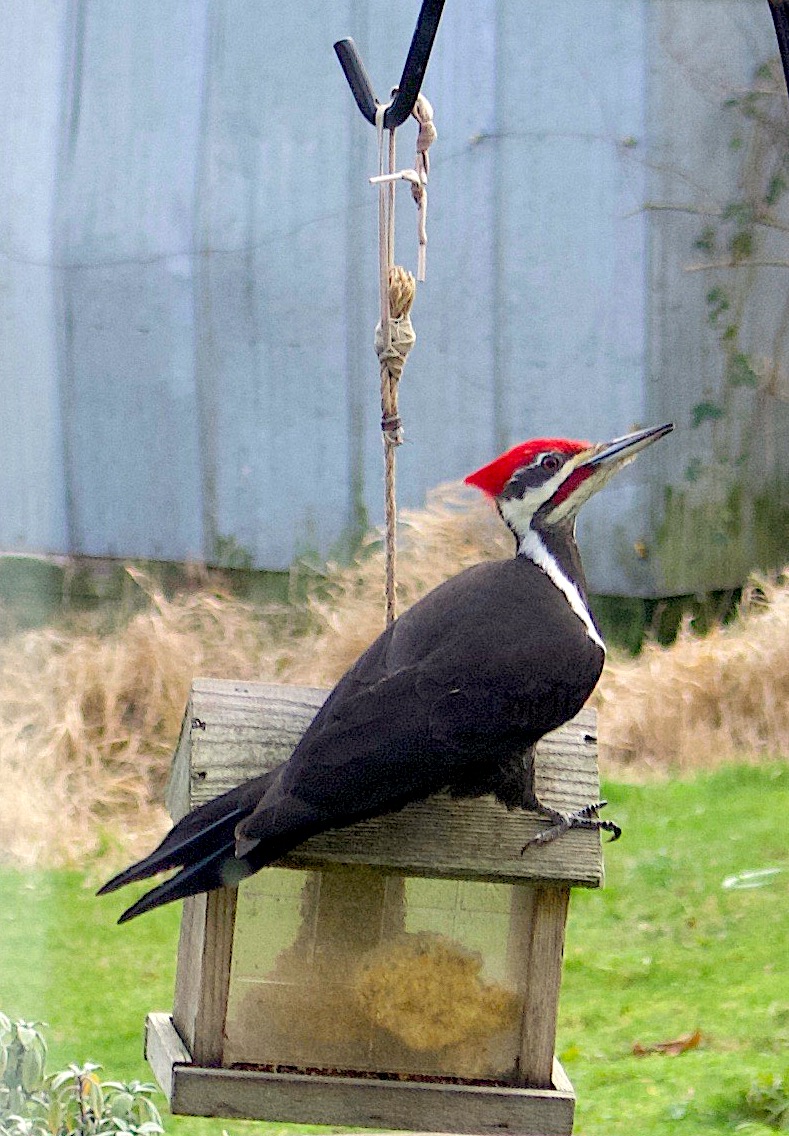
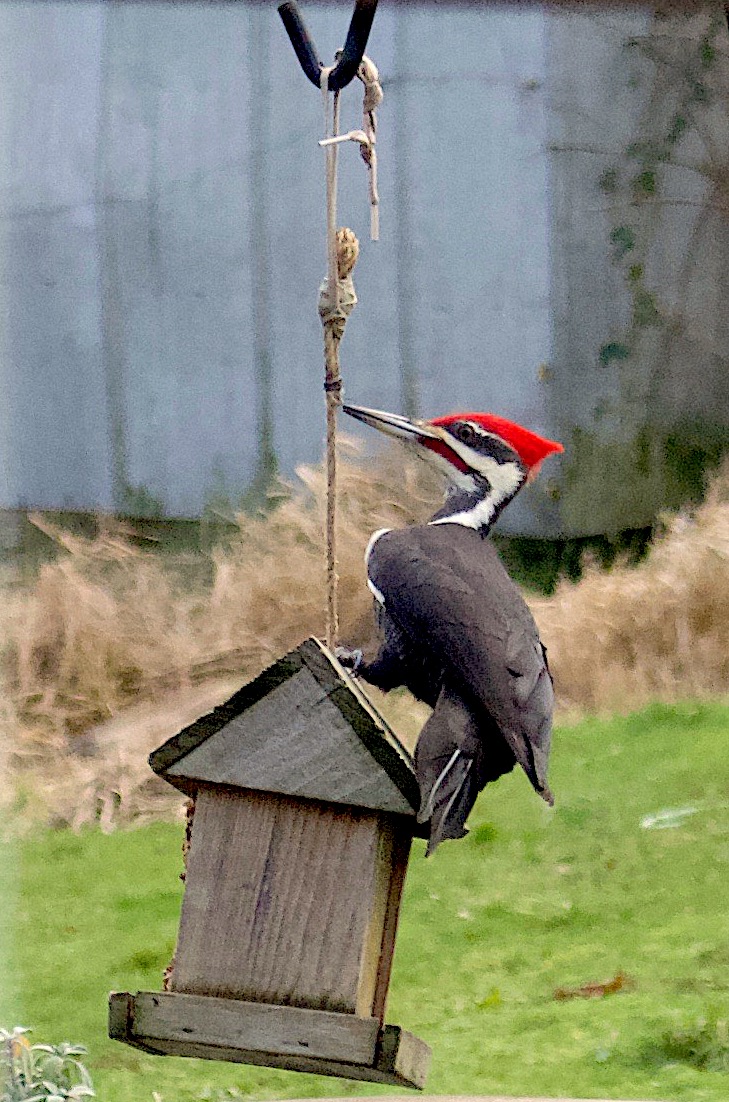
“If only, if only,” the woodpecker sighs, “The bark on the tree was as soft as the skies.” ~ Louis Sachar,Holes_ ~
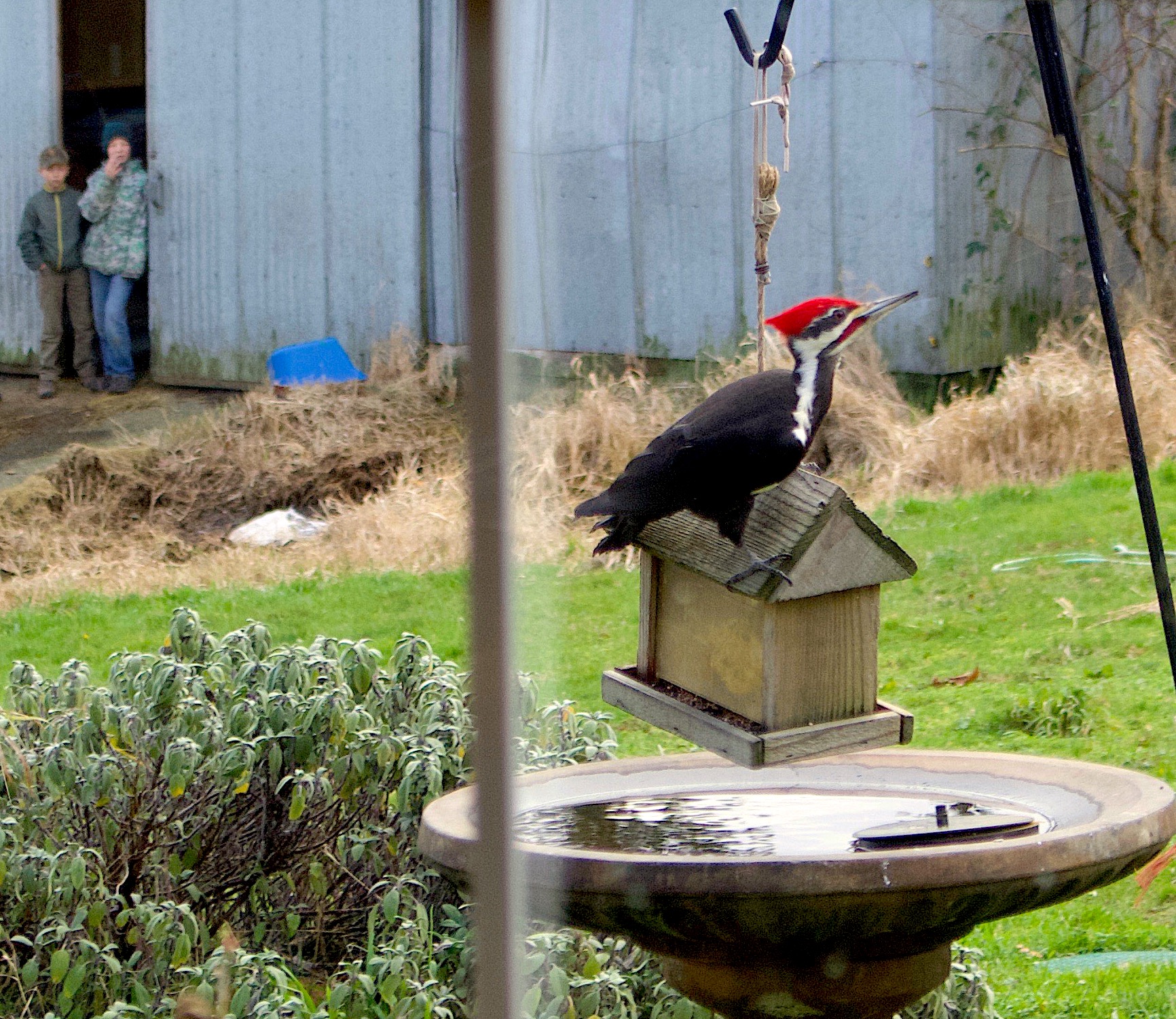
When a shy visitor comes knocking, it is good manners to welcome him with a meal and a smile and a “come back soon.”
It isn’t polite to ask about repetitive pecking brain trauma, concussion prevention and woodpecker tongues that wrap around woodpecker brains as protective cushions.
You can bet I’ll never allow our suet supply to be depleted if it helps lure visiting pileated woodpeckers. He had quite an audience this past weekend.
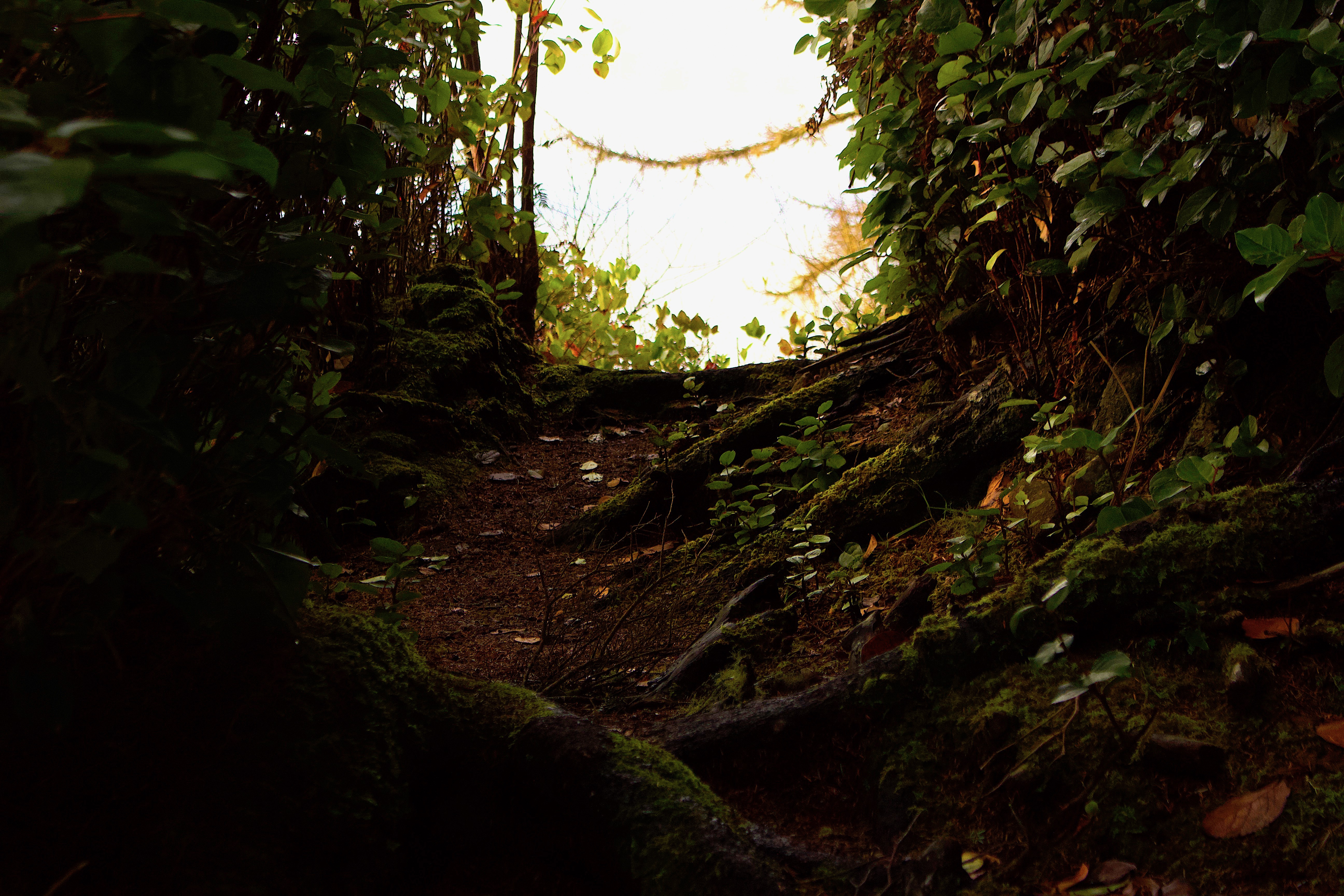
If you could see the journey whole you might never undertake it; might never dare the first step that propels you from the place you have known toward the place you know not.
Call it one of the mercies of the road: that we see it only by stages as it opens before us, as it comes into our keeping step by single step.
There are vows that only you will know; the secret promises for your particular path and the new ones you will need to make when the road is revealed by turns you could not have foreseen.
Keep them, break them, make them again: each promise becomes part of the path; each choice creates the road that will take you to the place where at last you will kneel
to offer the gift most needed— the gift that only you can give— before turning to go home by another way. ~Jan Richardson from “Blessing for Those Who Travel Far”
… having been warned in a dream not to go back to Herod, they returned to their country by another route. Matthew 2:12
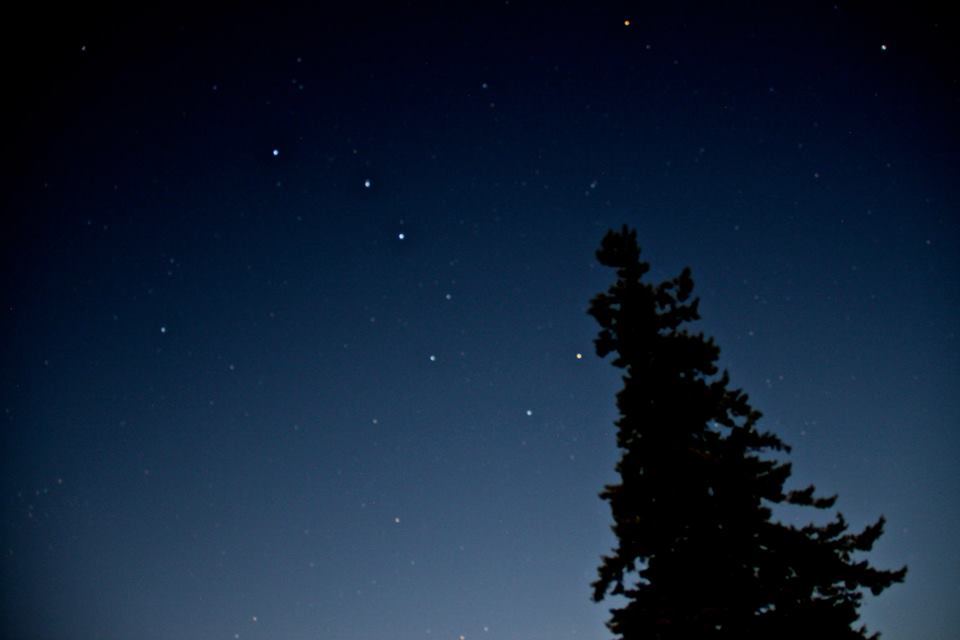
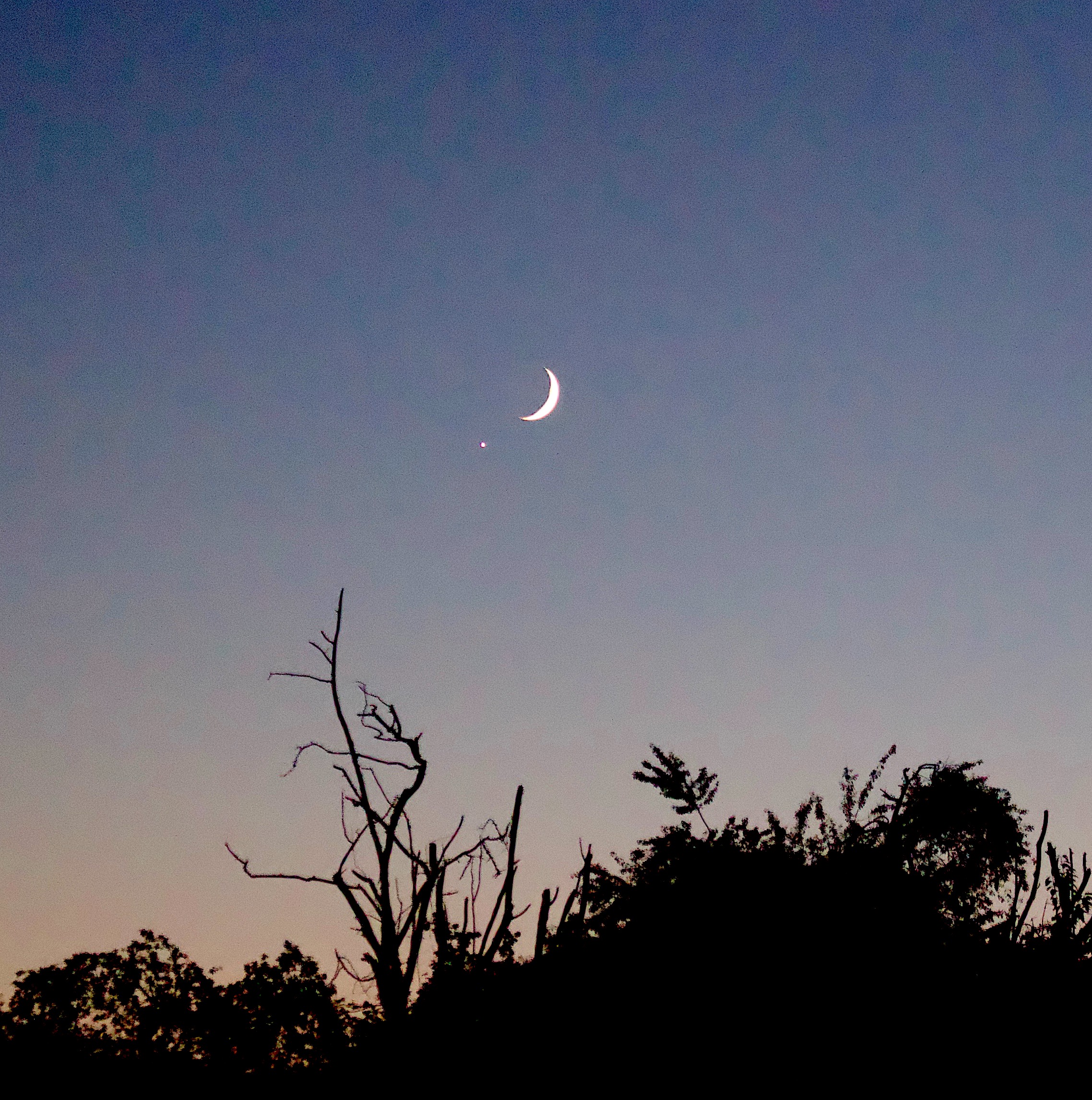
The night sky was still dim and pale. There, peeping among the cloud wrack above a dark tor high up in the mountains, Sam saw a white star twinkle for a while. The beauty of it smote his heart, as he looked up out of the forsaken land, and hope returned to him. For like a shaft, clear and cold, the thought pierced him that in the end the Shadow was only a small and passing thing: there was light and high beauty for ever beyond its reach. ~J.R.R. Tolkien, The Return of the King
The star represented a hope too long elusive; so weary and with so much need they headed out for unknown lands to follow a light seemingly beyond their reach.
When they found its source they could touch His earthliness. No shadow cast of darkness, and no iron nails could quell the beauty of its brilliance.
Having been so illumined they could only return home another way~ No longer could they be who they had been.
You never know what may cause them. The sight of the ocean can do it, or a piece of music, or a face you’ve never seen before. A pair of somebody’s old shoes can do it. Almost any movie made before the great sadness that came over the world after the Second World War, a horse cantering across a meadow…
You can never be sure. But of this you can be sure.Whenever you find tears in your eyes, especially unexpected tears, it is well to pay the closest attention. They are not only telling you something about the secret of who you are, but more often than not God is speaking to you through them of the mystery of where you have come from and is summoning you to where, if your soul is to be saved, you should go next. ~Frederick Buechner fromWhistling in the Dark
photo by Emily Vander Haak
I’m not paying close enough attention to the meaning of my leaking eyes if I’m constantly looking for kleenex to stem the flow. During the holidays it seems I have more than ample opportunity to find out the secret of who I am, where I have come from and where I am to be next.
So I keep my pockets loaded with kleenex.
It mostly has to do with welcoming family members back home for the holidays to become a full-out noisy messy chaotic household again, with puzzles and games and music and laughter and laundry and meal preparation. It is about singing grace together before a meal in five-part harmony and choking on precious words of gratitude. It is about remembering the drama of our youngest’s birthday twenty six years ago today, when she was saved by a snowstorm.
It certainly has to do with bidding farewell again as we will this weekend, gathering them all in for that final hug and then letting go.
We urge and encourage them to go where their hearts are telling them they are needed and called to be, even if that means thousands of miles away from their one-time home on the farm.
I too was let go once and though I would try to look back, too often in tears, I set my face toward the future. It led me here, to this marriage, this family, this farm, this work, our church, to more tears, to more letting go if I’m granted more years to weep again and again with gusto and grace.
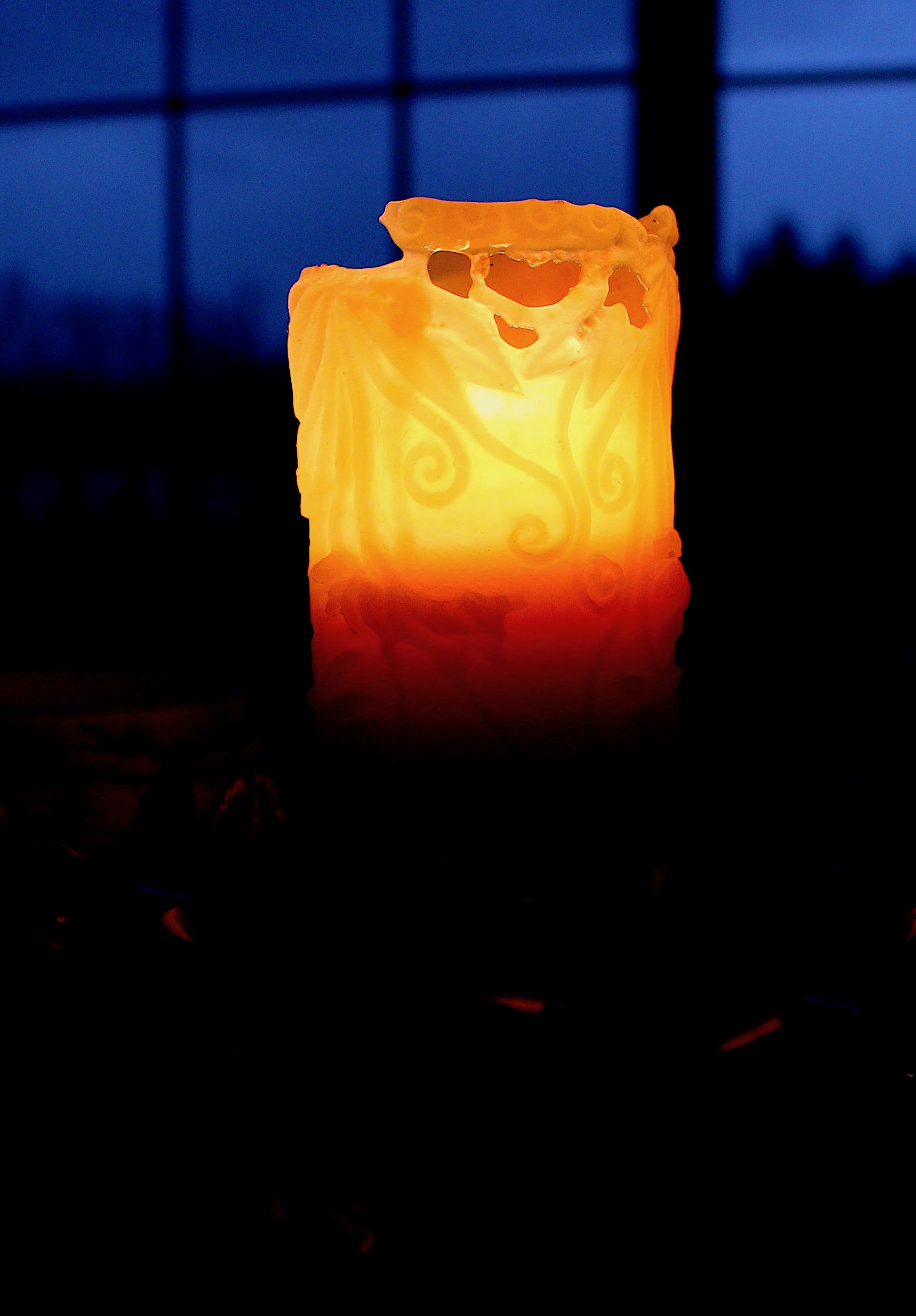
This is the secret of me: to love so much and so deeply that letting go is so hard that tears are no longer unexpected or a mystery to me or my children and grandchildren. They are the spill-over of fullness that can no longer be contained: God’s still small voice spills down my cheeks drop by drop like wax from a burning candle.
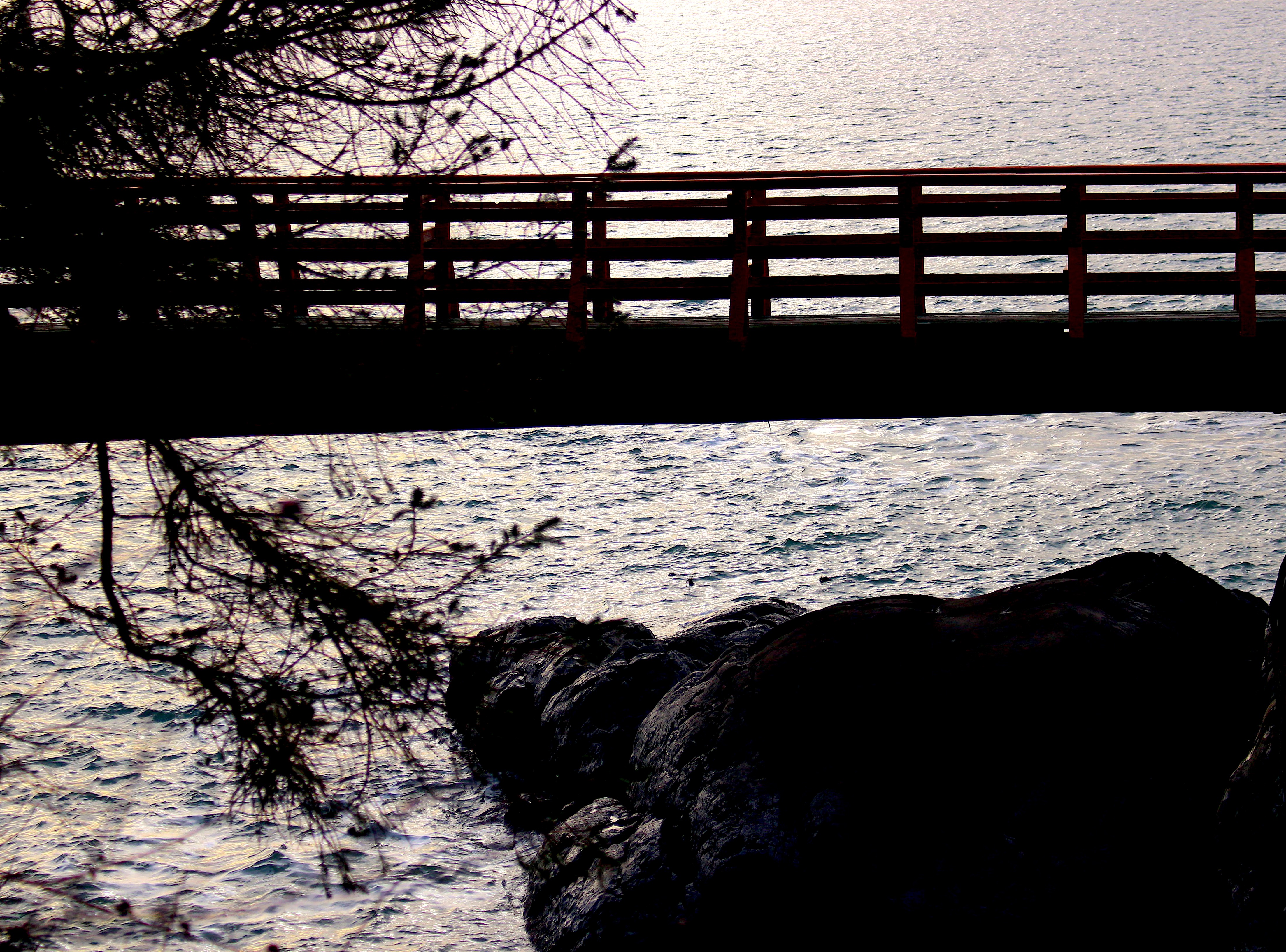
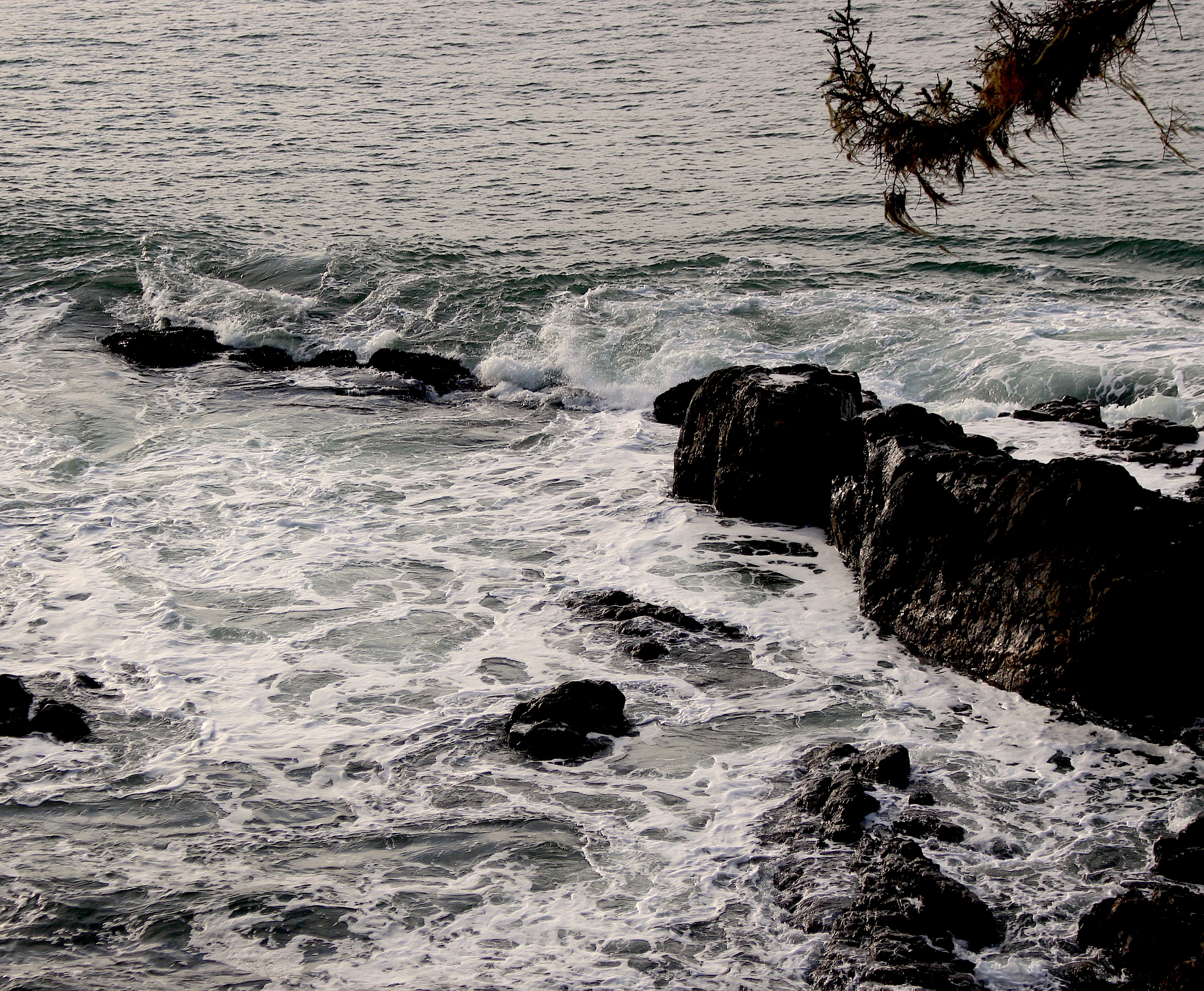
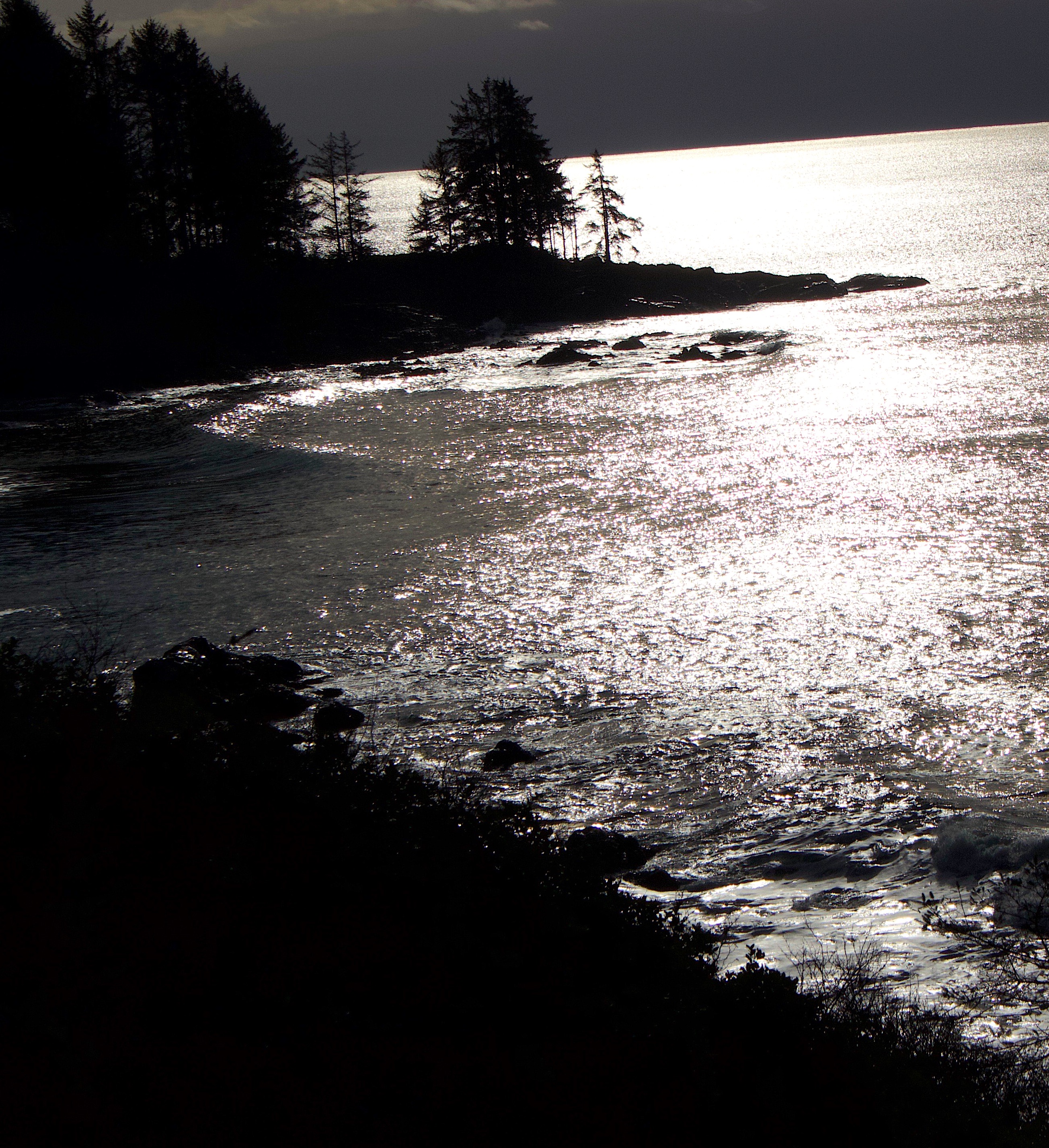
Tired and hungry, late in the day, impelled to leave the house and search for what might lift me back to what I had fallen away from, I stood by the shore waiting. I had walked in the silent woods: the trees withdrew into their secrets. Dusk was smoothing breadths of silk over the lake, watery amethyst fading to gray. Ducks were clustered in sleeping companies afloat on their element as I was not on mine.
I turned homeward, unsatisfied. But after a few steps, I paused, impelled again to linger, to look North before nightfall-the expanse of calm, of calming water, last wafts of rose in the few high clouds.
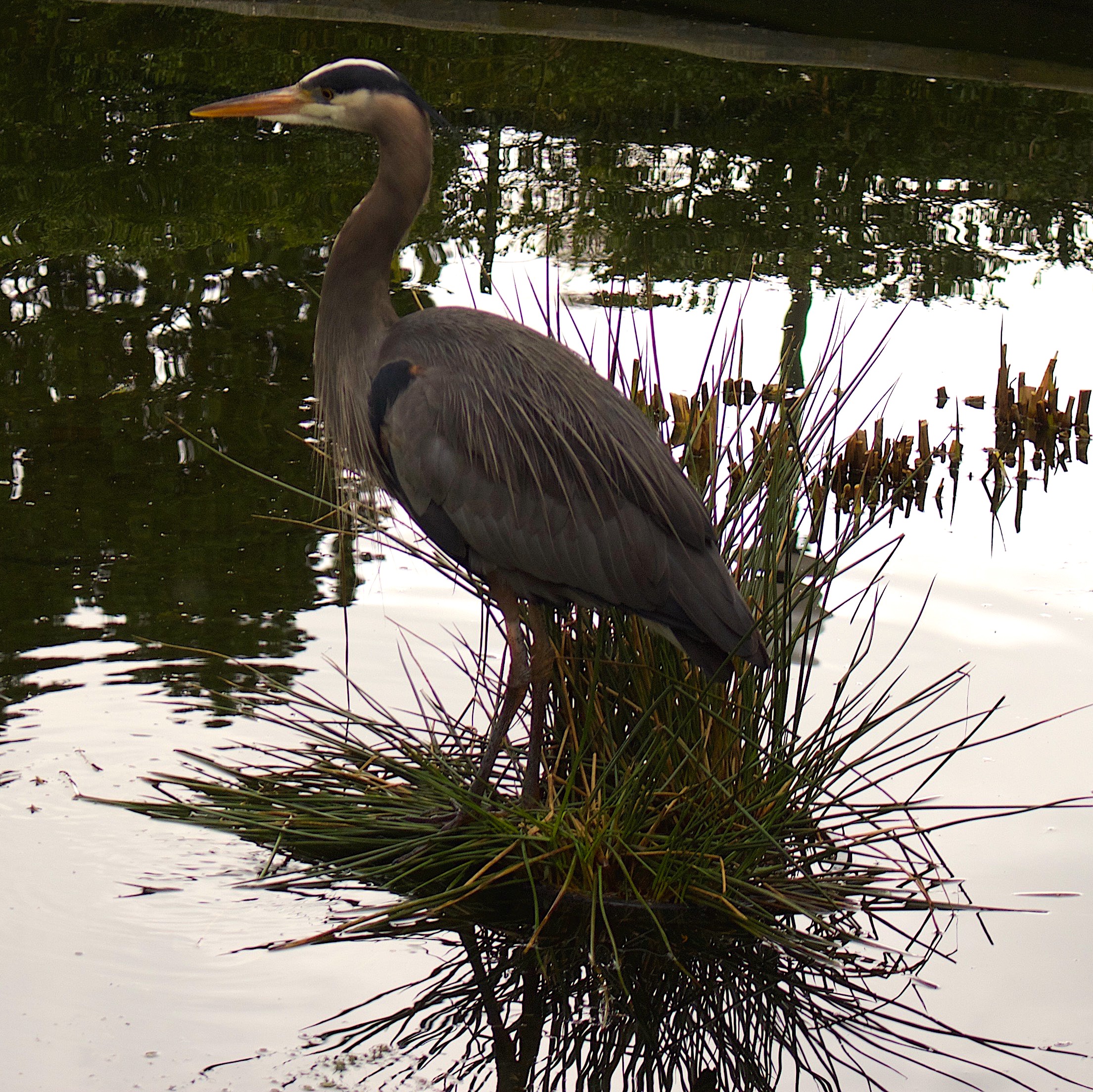
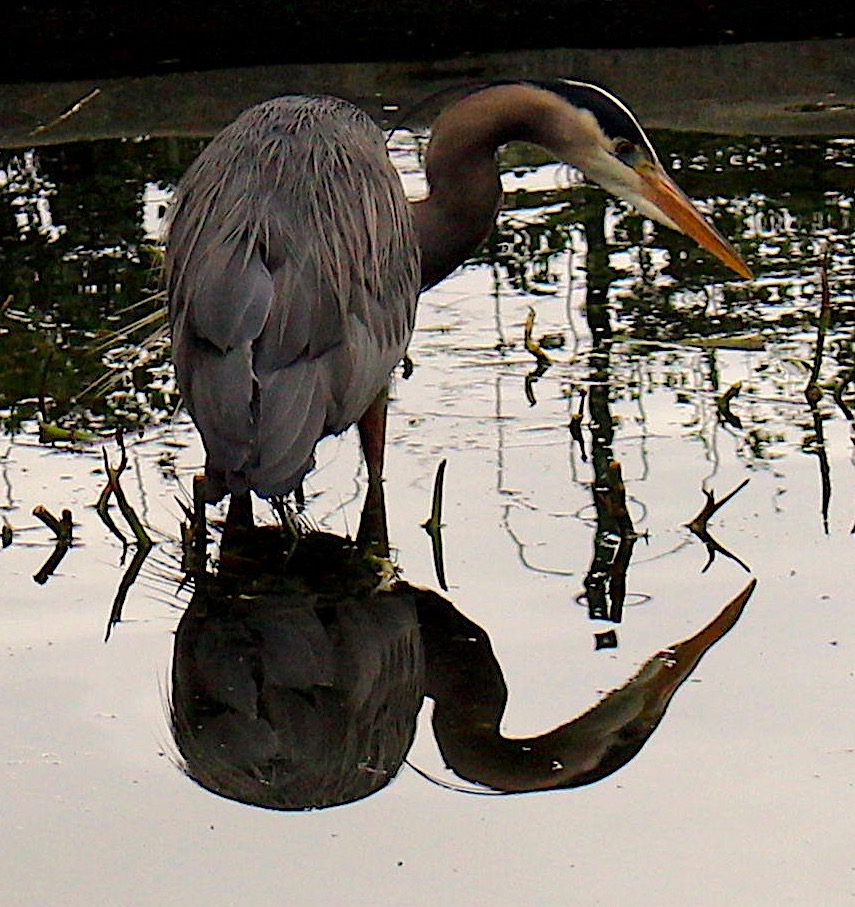
And was rewarded: the heron, unseen for weeks, came flying widewinged toward me, settled just offshore on his post, took up his vigil. If you ask why this cleared a fog from my spirit, I have no answer. ~Denise Levertov “A Reward” from Evening Train.
~Lustravit lampade terras~ (He has illumined the world with a lamp) The weather and my mood have little connection. I have my foggy and my fine days within me; my prosperity or misfortune has little to do with the matter. – Blaise Pascal from “Miscellaneous Writings”
And so you have a life that you are living only now, now and now and now, gone before you can speak of it, and you must be thankful for living day by day, moment by moment … a life in the breath and pulse and living light of the present… ~Wendell Berry from Hannah Coulter
Worry and sorrow and angst are more contagious than the flu. I mask up and wash my hands of it throughout the day. There should be a vaccination against unnamed fears.
I want to say to my patients and to myself: Stop now, this moment in time. Stop and stop and stop.
Stop needing to be numb to all discomfort. Stop resenting the gift of each breath. Just stop. Instead, simply be.
I want to say: this moment, foggy or fine, is yours alone, this moment of weeping and sharing and breath and pulse and light.
Shout for joy in it. Celebrate it.
Be thankful for tears that can flow over grateful lips just as rain can clear the fog. Stop holding them back.
Just be– be blessed in both the fine and the foggy days– in the now and now and now.
When I lay these questions before God I get no answer.
But a rather special sort of “No answer.”
It is not the locked door.
It is more like a silent,
certainly not uncompassionate,
gaze.
As though he shook his head not in refusal but waiving the question.
Like, “Peace, child; you don’t understand.”
Can a mortal ask questions which God finds unanswerable?
Quite easily, I should think.
All nonsense questions are unanswerable.
How many hours are there in a mile?
Is yellow square or round?
Probably half the questions we ask –
half our great theological and metaphysical problems –
are like that. ~C.S. Lewis from A Grief Observed
I know now, Lord, why you utter no answer. You are yourself the answer. Before your face questions die away. ~C.S. Lewis from Till We Have Faces
And now brothers, I will ask you a terrible question, and God knows I ask it also of myself. Is the truth beyond all truths, beyond the stars, just this: that to live without him is the real death, that to die with him the only life?
~Frederich Buechner from The Magnificent Defeat
And that is just the point… how the world, moist and beautiful, calls to each of us to make a new and serious response. That’s the big question, the one the world throws at you every morning. “Here you are, alive. Would you like to make a comment?” ~Mary Oliver from Long Life
Some mornings it is impossible to stay a silent observer of the world. I demand answers to the unanswerable.
Overnight, wind and rain have pulled down nearly every leaf, the ground carpeted with the dying evidence of last spring’s rebirth, dropping temperatures robing the surrounding foothills and peaks in a bright new snow covering.
There can be no complacency in witnessing life in progress.
It blusters, rips, drenches, encompasses, buries.
Nothing remains as it was.
And here I am, alive.
Awed.
A witness.
Called to comment.
Dying to hear a response.

















 Barnstorming