To Live On in the Life of Others

flag526182


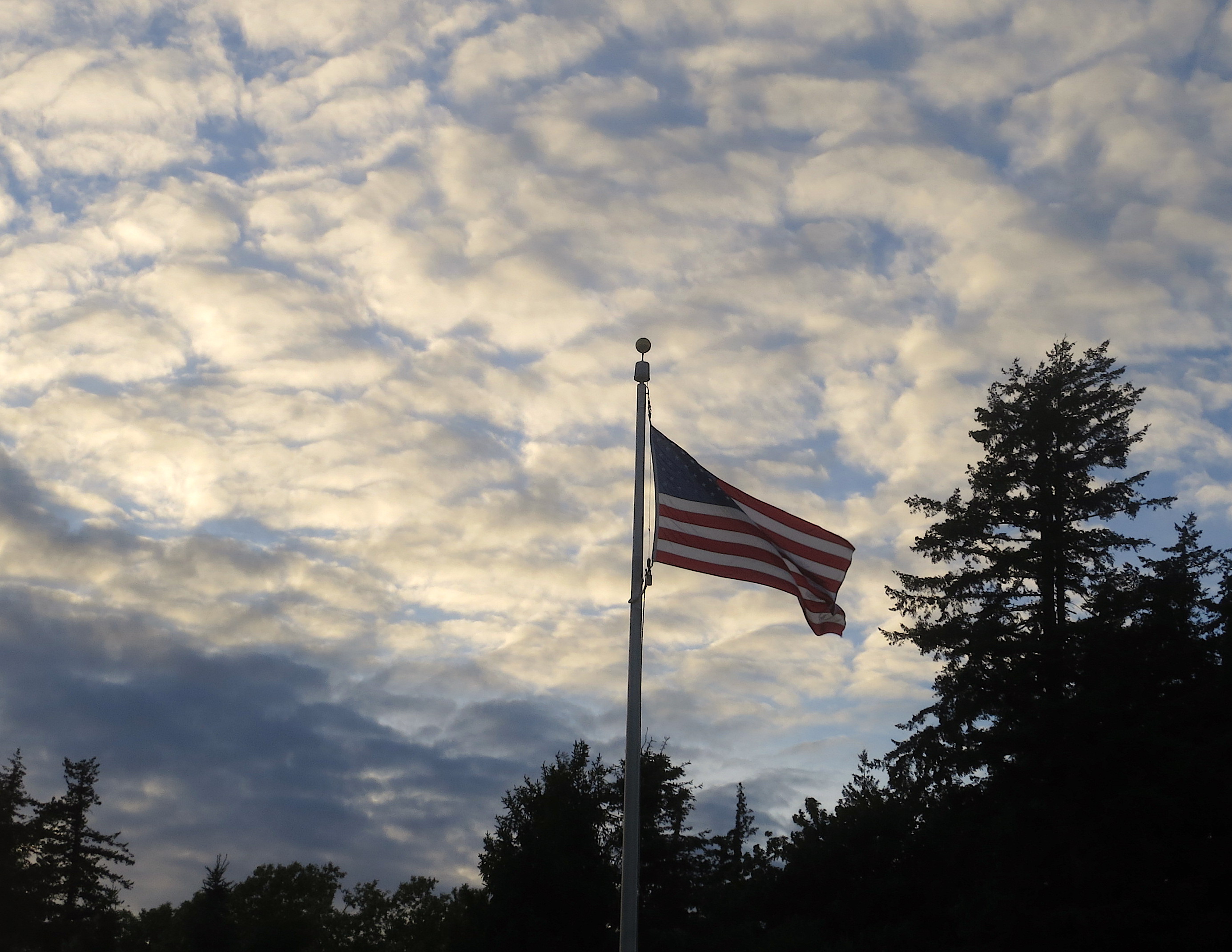
For Memorial Day 2018~

~standing in gratitude and reverence for the few
who suffered great loneliness and loss
to secure the future and well-being of many,
including the unknown generations to come
who must live in a way that gives those sacrifices
the honor they deserve~


maylane


morning55183


In great deeds, something abides. 
On great fields, something stays. 
Forms change and pass; 
bodies disappear; 
but spirits linger, to consecrate ground for the vision-place of souls. 
And reverent men and women from afar, 
and generations that know us not and that we know not of, 
heart-drawn to see where and by whom great things were suffered and done for them, 
shall come to this deathless field, 
to ponder and dream; 
and lo! the shadow of a mighty presence shall wrap them in its bosom, 
and the power of the vision pass into their souls. 
This is the great reward of service. 
To live, far out and on, in the life of others;
this is the mystery of the Christ,

–to give life’s best for such high sake
that it shall be found again unto life eternal.

~Major-General Joshua Chamberlain at Gettysburg, Pennsylvania 1889


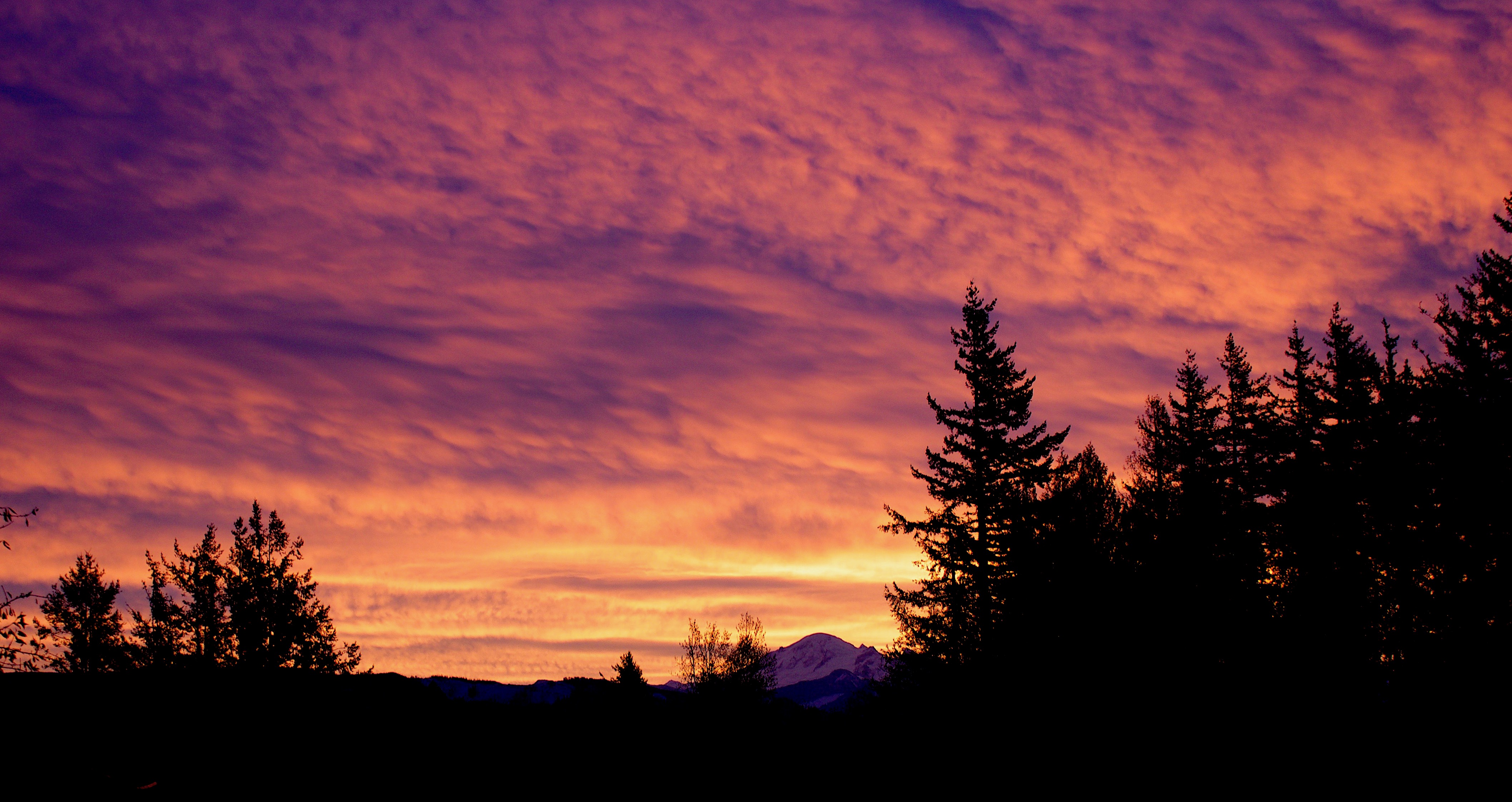
bakeranacortes


irischance1


morningbird


porchdogwoods


I hear the mountain birds
The sound of rivers singing
A song I’ve often heard
It flows through me now
So clear and so loud
I stand where I am
And forever I’m dreaming of home
I feel so alone, I’m dreaming of home

It’s carried in the air
The breeze of early morning
I see the land so fair
My heart opens wide
There’s sadness inside
I stand where I am
And forever I’m dreaming of home
I feel so alone, I’m dreaming of home

This is no foreign sky
I see no foreign light
But far away am I
From some peaceful land
I’m longing to stand
A hand in my hand
…forever I’m dreaming of home
I feel so alone, I’m dreaming of home
~Lori Barth and Philippe Rombi “I’m Dreaming of Home”


rainyflowers


rhodywindow1


morning58181


Going Home to Mother

IMG_2960


Crit-0.53.57


“Comrade General, instead of a decoration, could I go home to see my mother?”

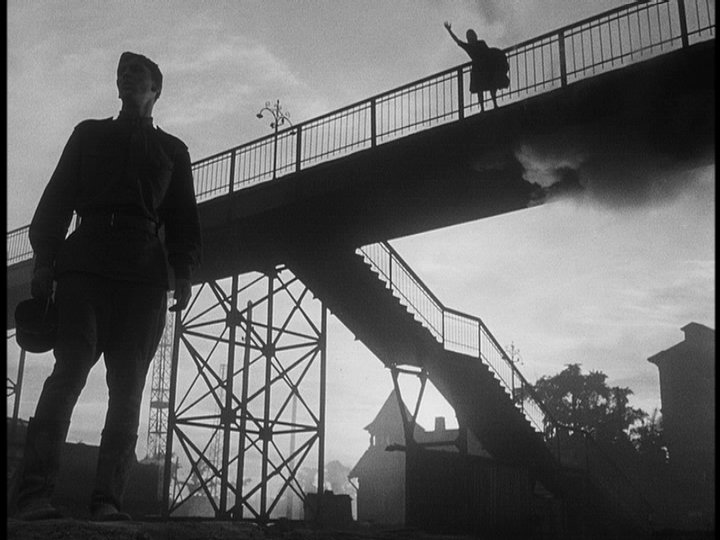
I was sixteen, taking second year high school Russian during the Cold War, partly for the challenge, but mostly to understand better who our “enemy” was.  Our teacher assigned us unusual homework one weekend: watch the 1959 Russian movie  Ballad of a Soldier being broadcast on PBS in 1970.  It had English subtitles, but the point of the assignment was to experience the sounds and inflections of native Russian speakers.  Although the movie was a fictional story of a Russian soldier’s brief leave from the front during WWII, it complemented a concurrent assignment in our World History class, reading All Quiet on the Western Front. The unforgettable juxtaposition of these two works of art helped me appreciate, in the midst of the nightly news from Vietnam,  the terrible cost of war.

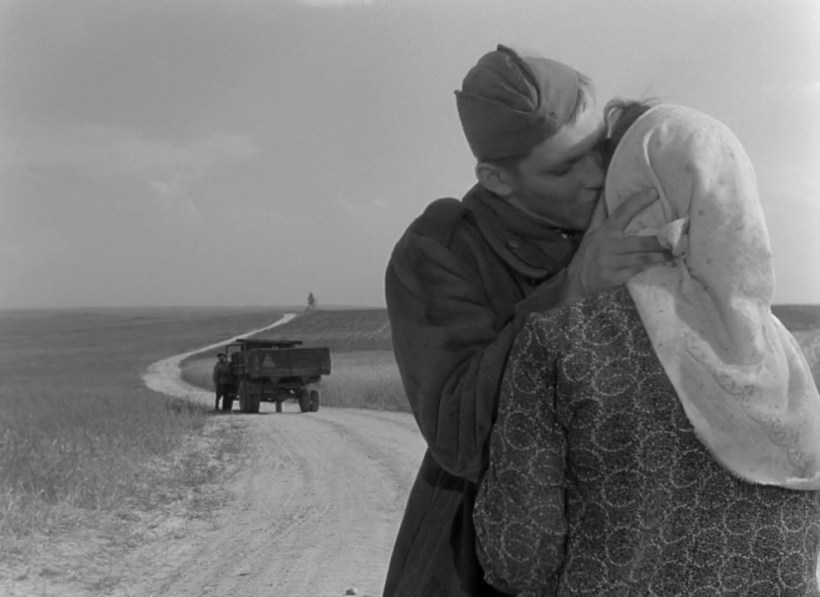
Recently, some forty seven years later, I watched this movie again. The tale is a classic “returning home from war” saga with the twist that young Alyosha is only on a brief leave granted by a compassionate general rewarding the front line soldier for an extraordinary act of bravery.  Alyosha asks only to return to his home village to fix the leaking roof of his mother’s home.  Given the extraordinary difficulties of war time travel in an economically struggling country, as well as the challenges and people he ends up meeting along the way, his time home ends up being only a few precious minutes before he has to turn around and return to the front.  He only has enough time to hug his mother, and say goodbye one last time, never to return again.

Although the story focuses on a son’s determination to get home to his mother, it also allows a view of war’s permanent damage to bodies and minds,  as well as the toll of war time separation on relationships.  There seems little sense of hopeful future for the characters in this story, so the immediacy of what they experience takes on greater significance.

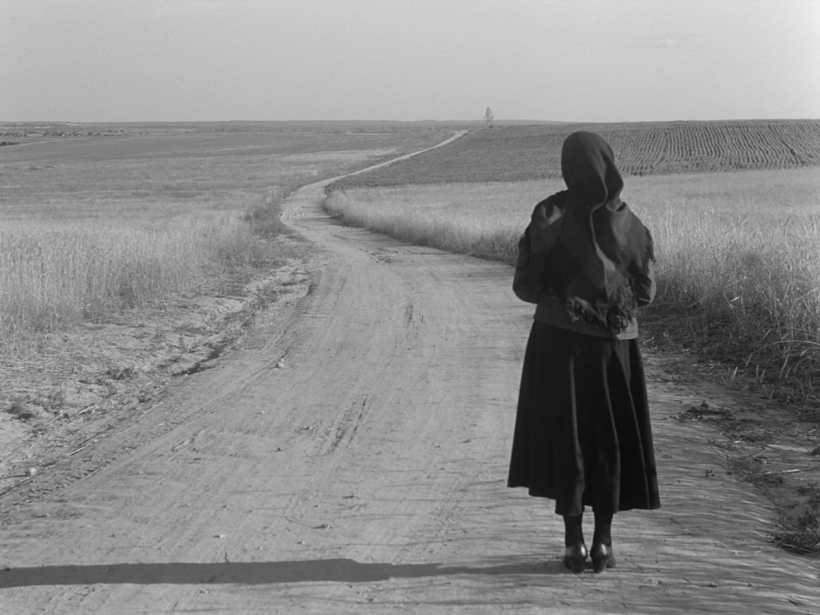
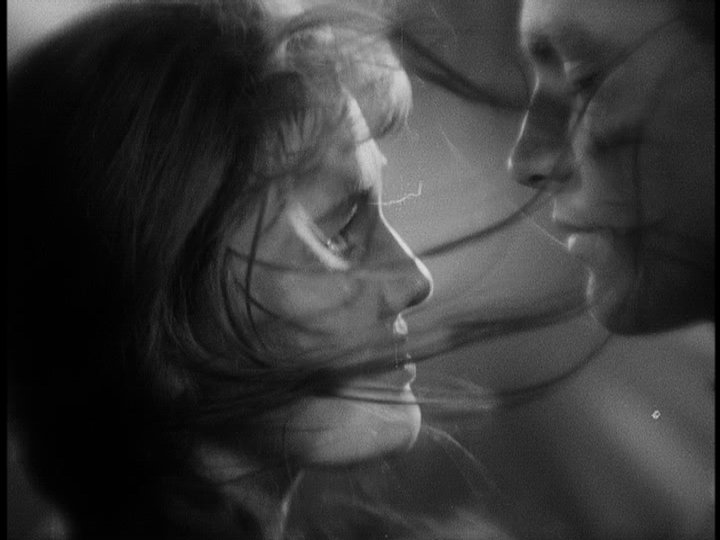
Alyosha meets a young woman on the train and their evolving connection offers a glimpse of a potential love that can transcend the ugliness of war.  They part not even knowing how to find each other again, after having spent precious few hours in conversation.   Acknowledging that lack of future hope is the most painful of all;  there is no ability to make plans with confidence, no sense of a long life stretching ahead like the dusty road leading from his village that reaches endless to the horizon.

I remember sitting in my childhood home, watching this movie as a teenager with so little life experience at that point.  Tears streamed down my face, touched forever by the tender story of a man made too old by war and hardship for his young years and his simple desire to once again hug his mother.   This Russian soldier did not feel like an enemy to me.  This felt like someone I could easily love and hold on to–as a brother, someday as a cherished husband, eventually as a precious son.   Years later I would identify with the role of the mother with moistening eyes, watching my children leave our home, heading down that long endless road to their own uncertain futures.

On this day — May 26 — what would have been my mother’s 98th birthday — I have the simple desire to once again hug my mother and feel her tender love.  The wrenching moments of saying goodbye as I left home remain my precious bittersweet memories of her, even as my own road now grows shorter.

There will come a time, in our forever home,  when there will be no more goodbyes,  I’ll never have to let go of her and neither of us will walk away to an uncertain future.


MV5BOWE2YjkzMWItZDkwMS00NTdjLTk1OTYtYWM4OTI5Y2Q0N2NhXkEyXkFqcGdeQXVyMTI3MDk3MzQ@._V1_


3e318c37e55e5befe876a86a8820f4c9


maymarshmallows.jpg


Ring Out the Darkness of the Land

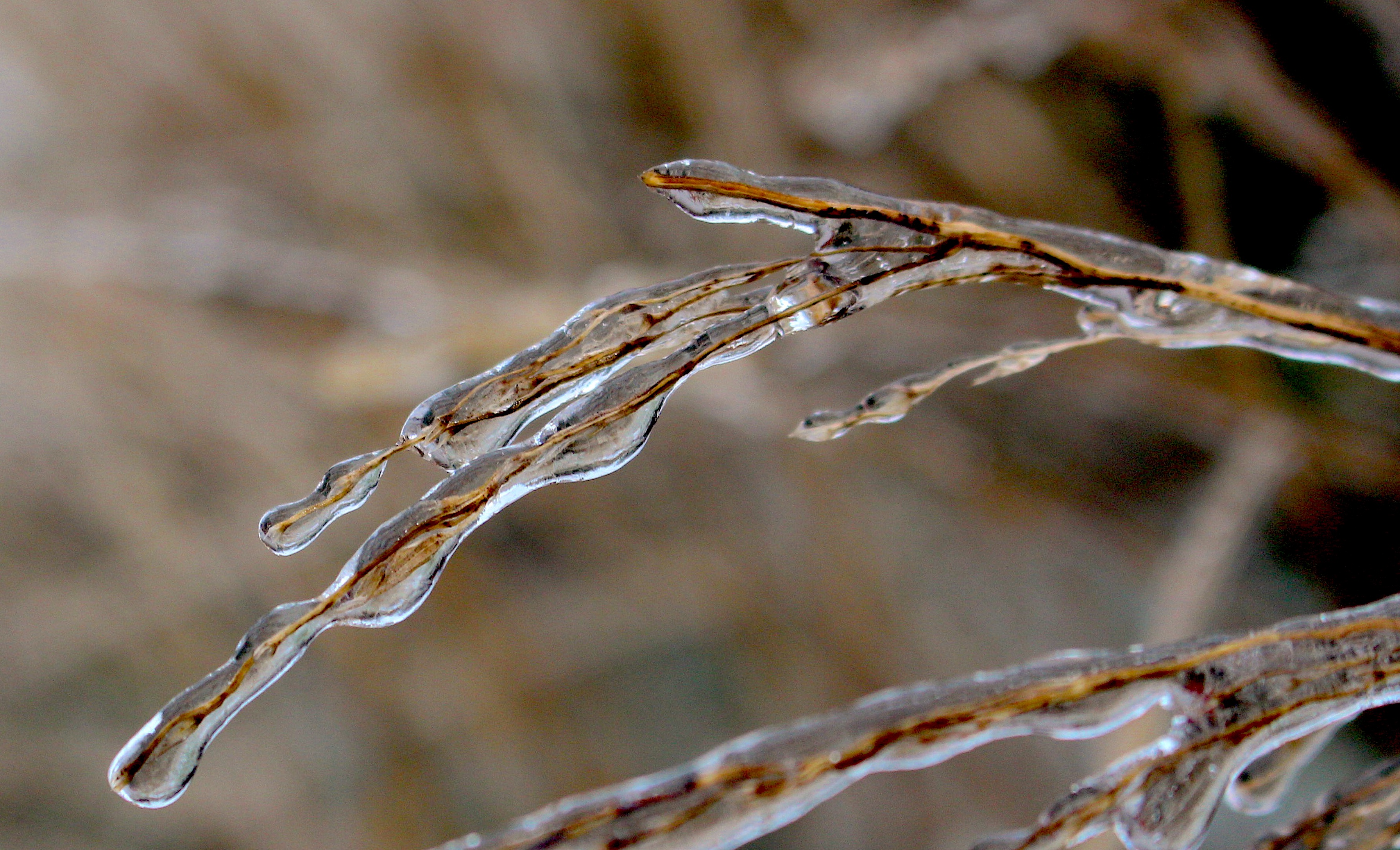
freezingrain6


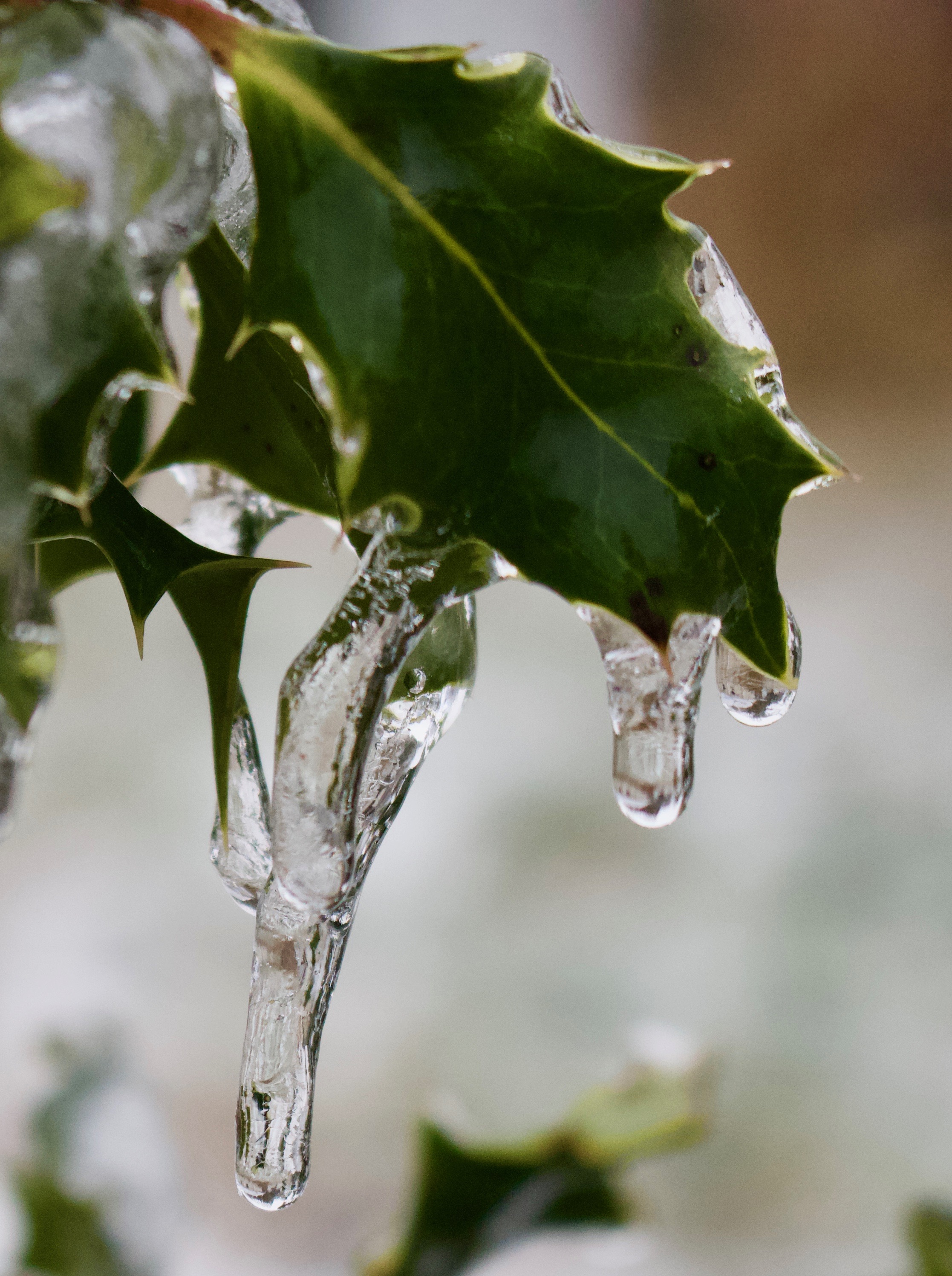
hollyntheicy


Brief, on a flying night,
From the shaken tower,
A flock of bells take flight,
And go with the hour.

Like birds from the cote to the gales,
Abrupt—O hark!
A fleet of bells set sails,
And go to the dark.

Sudden the cold airs swing.
Alone, aloud,
A verse of bells takes wing
And flies with the cloud.
~Alice Christiana Thompson Meynell  – “Chimes” from more Collected Poems


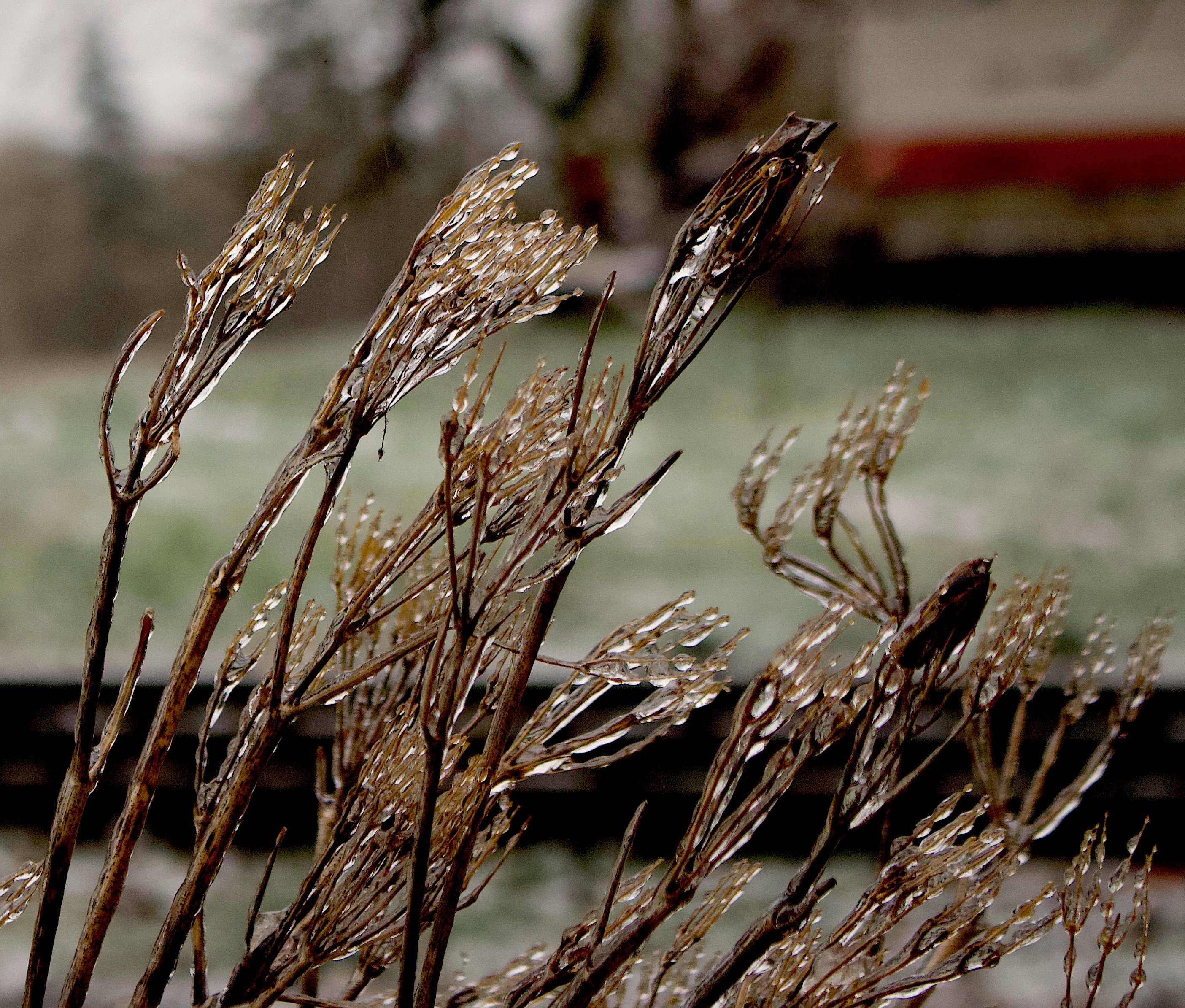
freezingrain5


Ring out, wild bells, to the wild sky,
The flying cloud, the frosty light:
The year is dying in the night;
Ring out, wild bells, and let him die.

Ring out the old, ring in the new,
Ring, happy bells, across the snow:
The year is going, let him go;
Ring out the false, ring in the true.

Ring out the grief that saps the mind
For those that here we see no more;
Ring out the feud of rich and poor,
Ring in redress to all mankind.

Ring out a slowly dying cause,
And ancient forms of party strife;
Ring in the nobler modes of life,
With sweeter manners, purer laws.

Ring out the want, the care, the sin,
The faithless coldness of the times;
Ring out, ring out my mournful rhymes,
But ring the fuller minstrel in.

Ring out false pride in place and blood,
The civic slander and the spite;
Ring in the love of truth and right,
Ring in the common love of good.

Ring out old shapes of foul disease;
Ring out the narrowing lust of gold;
Ring out the thousand wars of old,
Ring in the thousand years of peace.

Ring in the valiant man and free,
The larger heart, the kindlier hand;
Ring out the darkness of the land,
Ring in the Christ that is to be.
~Lord Alfred Tennyson


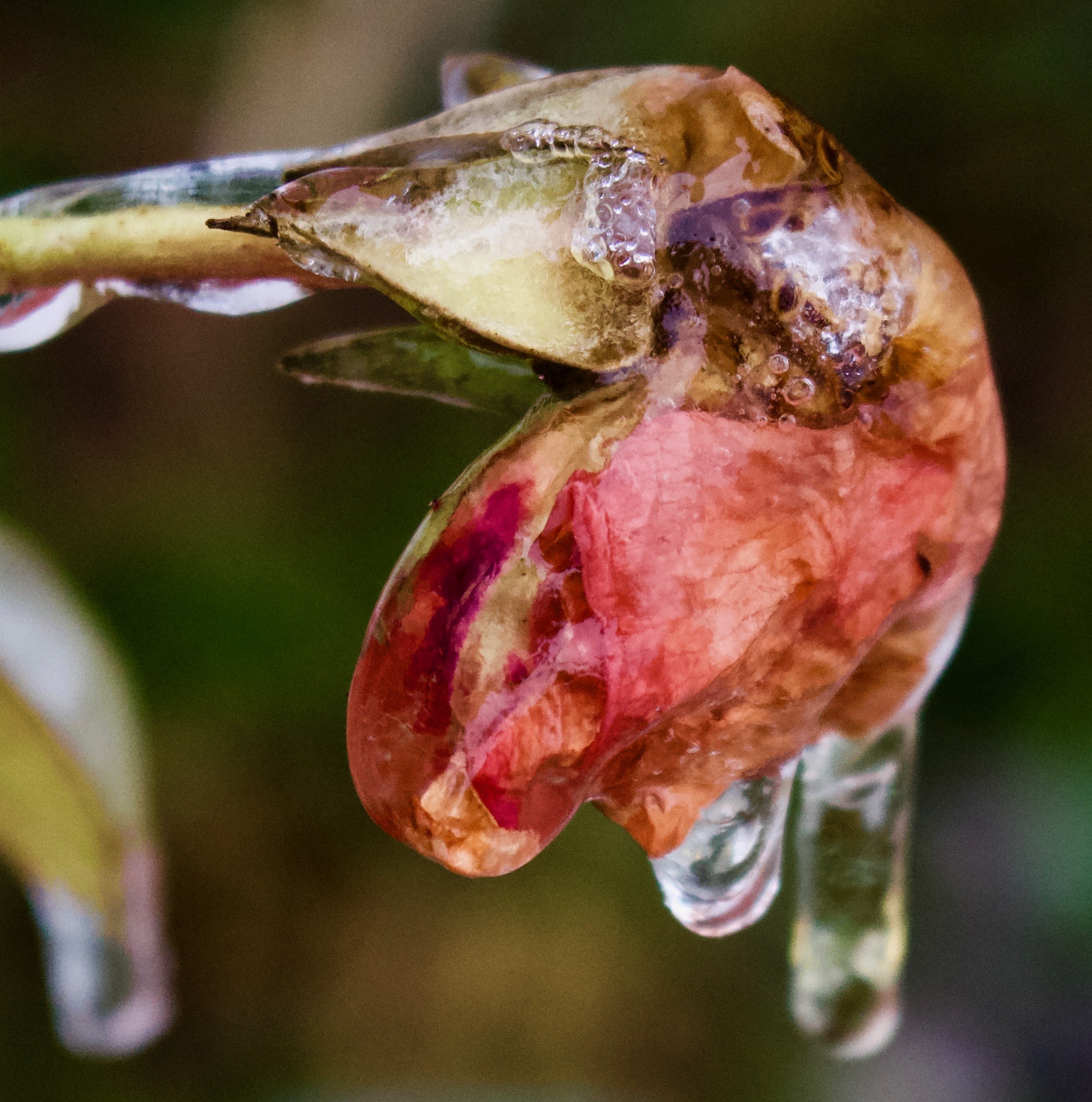
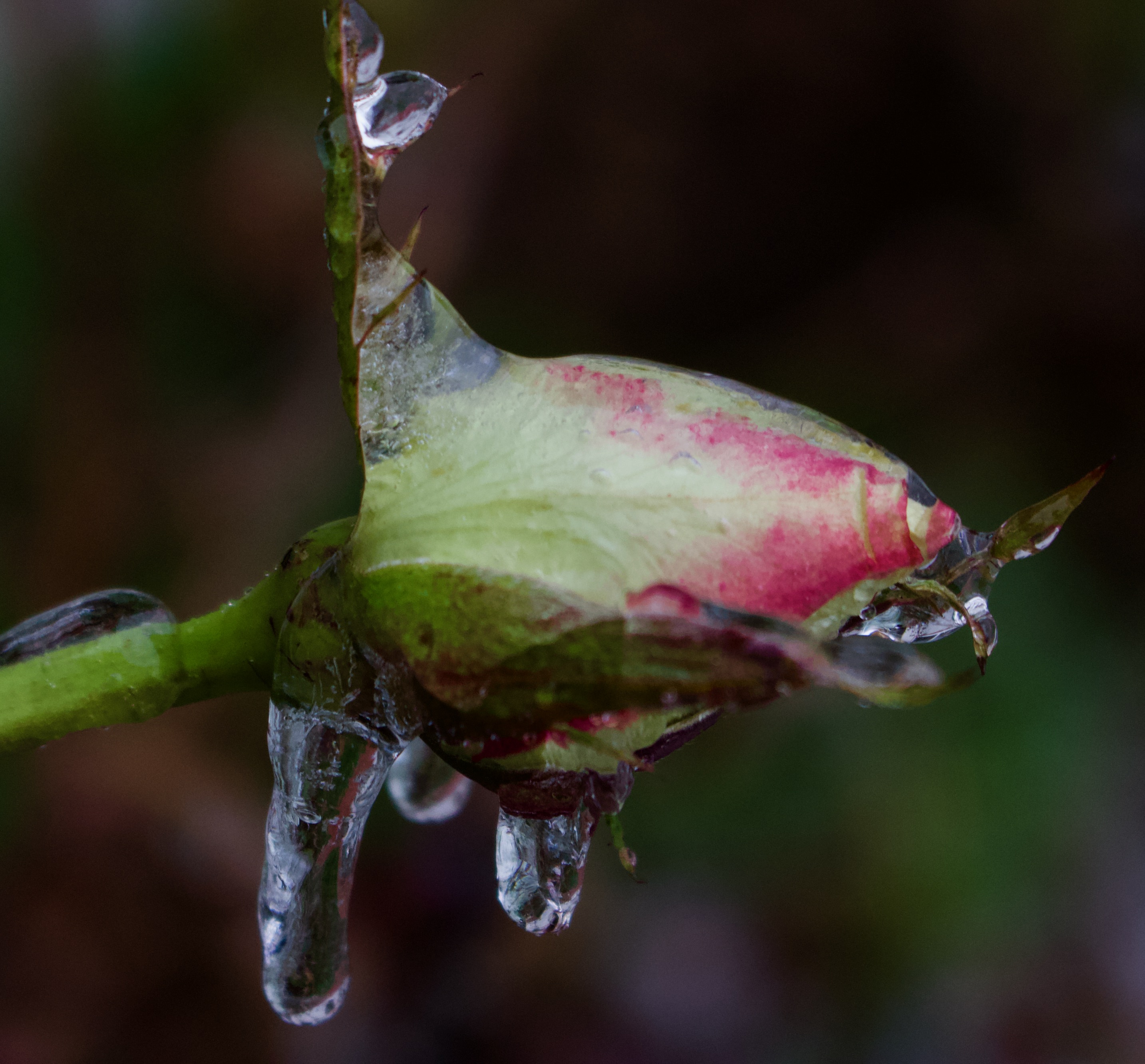
iceencasedrose


icerose


I know there are still communities where the New Year begins at midnight with church bells ringing, just as in days of old.

Here in the frontier of the rural Pacific Northwest, all we can hear from our farm are gun shots, bottle rockets and (what sounds like) explosions of cannon fire.

So much for larger hearts and kindlier hands.

Even without being able to hear wild bells ringing out the old and ringing in the new, let us begin with harmony and manners and care for our neighbors, abandoning a thousand years of war to find a thousand years of peace.

Let the darkness make room for the Light that was and is and will ever be.

Amen!


freezingrain12


Finding a Peace Together

bakerchristmaseve17

wedding

Seventy five years ago, my parents were married on Christmas Eve. It was not a conventional wedding day but a date of necessity, only because a justice of the peace was available to marry a score of war-time couples in Quantico, Virginia, shortly before the newly trained Marine officers were shipped out to the South Pacific to fight in WWII.

When I look at my parents’ young faces in their only wedding portrait, I see a hint of the impulsive decision that led to that wedding just a week before my father left for 30 months. They had known each other at college for over a year, had talked about a future together, but with my mother starting a teaching job, and the war potentially impacting all young men’s lives very directly, they had not set a date.

My father had to put his college education on hold to enlist, knowing that would give him some options he wouldn’t have if drafted, so they went their separate ways as he headed east to Virginia for his Marine officer training, and Mom started her high school teaching career as a speech and drama teacher in rural Colville in Eastern Washington. One day in early December, he called her and said, “If we’re going to get married, it’ll need to be before the end of the year. I’m shipping out the first week in January.” Mom went to her high school principal, asked for a two week leave of absence which was granted, told her astonished parents, bought a dress, and headed east on the train with a friend who had received a similar call from her boyfriend. This was a completely uncharacteristic thing for my overly cautious mother to do so … it must have been love.

They were married in a brief civil ceremony with another couple as the witnesses. They stayed in Virginia only a couple days and took the train back to San Diego, and my father was shipped out. Just like that. Mom returned to her teaching position and the first three years of their married life was composed of letter correspondence only, with gaps of up to a month during certain island battles when no mail could be delivered or posted.

As I sorted through my mother’s things following her death I kept their war-time letters to each other, stacked neatly and tied together in a box that I walk past every day. I have not yet opened them but will when I’m ready. What I will find there will be words written by two young people who could not have foretold the struggles that lay ahead for them during and after the war but who both depended on faith and trust to persevere despite the unknowns. The War itself seemed struggle enough for the millions of couples who endured the separation, the losses and grieving, as well as the eventual injuries–both physical and psychological.  It did not seem possible that beyond those harsh and horrible realities, things could go sour after reuniting.

The hope and expectation of happiness and bliss must have been overwhelming, and real life doesn’t often deliver.  After raising three children, their 35 year marriage fell apart with traumatic finality.  When my father returned (again) over a decade later, asking for forgiveness, they remarried and had five more years together before my father died.

Christmas is a time of joy, a celebration of new beginnings and new life when God became man, humble, vulnerable and tender. But it also gives us a foretaste for the profound sacrifice made in giving up this earthly life, not always so gently.

As I peer at my father’s and mother’s faces in their wedding photo, I remember those eyes, then so trusting and unaware of what was to come.  I find peace in knowing they now behold the light, the salvation and the glory~~the ultimate Christmas~~in His presence.


samhill


We Shall Not Sleep Though Poppies Grow

poppypink


3rpoppies

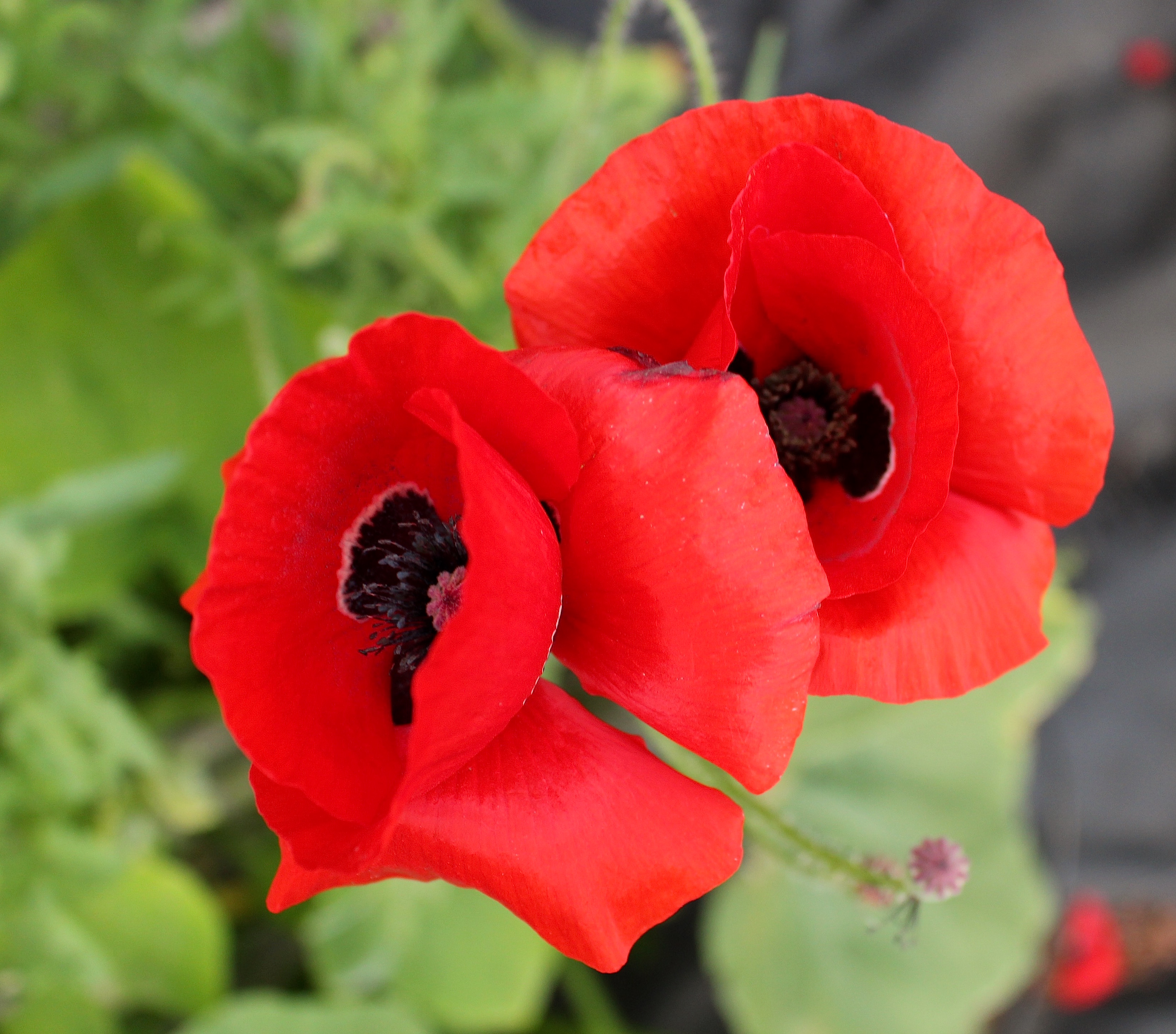
In Flanders fields the poppies blow
Between the crosses, row on row,
    That mark our place; and in the sky
    The larks, still bravely singing, fly
Scarce heard amid the guns below.
We are the Dead. Short days ago
We lived, felt dawn, saw sunset glow,
    Loved and were loved, and now we lie,
        In Flanders fields.
Take up our quarrel with the foe:
To you from failing hands we throw
    The torch; be yours to hold it high.
    If ye break faith with us who die
We shall not sleep, though poppies grow
        In Flanders fields.
~Lieutenant Colonel John McCrae “In Flanders Fields”
chelanpoppies

They shall grow not old, as we that are left grow old:
Age shall not weary them, nor the years condemn.
At the going down of the sun and in the morning
We will remember them.
~Lawrence Binyonfrom “For the Fallen” (1914)


sunset111017


Courage is almost a contradiction in terms. 
It means a strong desire to live taking the form of a readiness to die.
~ G.K. Chesterton 
sunrise117171
 November pierces with its bleak remembrance
Of all the bitterness and waste of war.
Our silence tries but fails to make a semblance
Of that lost peace they thought worth fighting for.
Our silence seethes instead with wraiths and whispers,
And all the restless rumour of new wars,
The shells are falling all around our vespers,
No moment is unscarred, there is no pause,
In every instant bloodied innocence
Falls to the weary earth ,and whilst we stand
Quiescence ends again in acquiescence,
And Abel’s blood still cries in every land
One silence only might redeem that blood
Only the silence of a dying God.
~Malcolm Guite “Silence”
When you go home tell them of us and say –
“For your tomorrow we gave our today”
~John Maxwell Edmonds from “The Kohima Epitaph” 
oakleaf11173 

To our U.S. veterans–with deep appreciation and gratitude–for the freedoms you have defended on behalf of us all:

My father was one of the fortunate ones who came home, returning to a quiet farm life after three years serving in the Pacific with the Marines Corp from 1942 to 1945.  Hundreds of thousands of his colleagues didn’t come home, dying on beaches and battlefields.  Tens of thousands more came home forever marked, through physical or psychological injury, by the experience of war.

No matter how one views subsequent wars that our nation has fought and currently is fighting, we must support and care for the men and women who have made the commitment to be on the front line for freedom’s sake and for our sake.

I’m unsure why the United States does not call November 11 Remembrance Day as the Commonwealth nations did 99 years ago at the Armistice. This is a day that demands much more than the more passive name Veterans’ Day represents.

This day calls all citizens who appreciate their freedoms to stop what they are doing and disrupt the routine rhythm of their lives. We are to remember in humble thankfulness the generations of military veterans who sacrificed time, resources, sometimes health and well being, and too often their lives in answering the call to defend their countries.

Remembrance means never forgetting what it costs to defend freedom. It means acknowledging the millions who have given of themselves and continue to do so on our behalf. It means never ceasing to care. It means a commitment to provide resources needed for the military to remain strong and supported. It means unending prayers for safe return home to family. It means we hold these men and women close in our hearts, always teaching the next generation about the sacrifices they made.

Most of all, it means being willing ourselves to become the sacrifice when called.

To you from failing hands we throw
    The torch; be yours to hold it high.
    If ye break faith with us who die
We shall not sleep, though poppies grow…
octviewnorth1
 
So, when old hopes that earth was bettering slowly
Were dead and damned, there sounded ‘War is done!’
One morrow. Said the bereft, and meek, and lowly,
‘Will men some day be given to grace? yea, wholly,

And in good sooth, as our dreams used to run?’

Calm fell. From Heaven distilled a clemency;
There was peace on earth, and silence in the sky;
Some could, some could not, shake off misery:
~Thomas Hardy from “And There Was a Great Calm” (On the Signing of the Armistice, 11 Nov. 1918)
afterthestorm

A Full Circle Remembrance Day

weddingMy parents Henry and Elna Polis on their wedding day,
Dec. 24, 1942, Quantico, Virginia
He shipped out to the South Pacific front one week later,
not to return until June 1945


Sometimes, as a child,  when I was bored, I’d grab a step ladder, pull it into our hallway, climb half way up and carefully lift the plywood hatch that was the portal to our unlit attic.  It took some effort to climb up into the attic from the ladder, juggling a flashlight at the same time, but once seated safely on the beams above our ceiling, being careful not to put my foot through the carpet of insulation, I could explore what was stowed and normally inaccessible to me.

All the usual attic-type things were put up there:  Christmas ornaments and lights,  baby cribs and high chairs,  lamps and toys no longer used.  Secrets to my parents’ past were stored away there too.  It was difficult imagining them as young children growing up on opposite sides of the state of Washington, in very different circumstances, or as attractive college students who met at a dance, or as young marrieds unencumbered by the daily responsibilities of a family.  The attic held those images and memories like a three dimensional photo album.

My father’s dark green Marine Corps cargo trunk was up there, the one that followed him from Officer Training in Quantico, Virginia, to beach and mountain battles on Tarawa, Tinian and Saipan in the South Pacific, and three years later back home again.  It had his name and rank stenciled on the side in dark black lettering.  The buckles were stiff but could be opened with effort, and in the dark attic, there was always the thrill of unlatching the lid, and shining the flashlight across the contents.  His Marine Corps dress uniform lay inside underneath his stiff brimmed cap.  There were books about protocol, and a photo album which contained pictures of “his men” that he led in his battalion, and the collection of photos my mother sent of herself as she worked as a high school teacher back home.

Most fascinating was a folded Japanese flag inside a small drawstring bag, made of thin white see-through cloth with the bold red sun in the middle.  Surrounding the red sun were the delicate inked characters of many Japanese hands as if painted by artists, each wishing a soldier well in his fight for the empire.  Yet there it was, a symbol of that soldier’s demise, itself buried in an American attic, being gently and curiously held by an American daughter of a Marine Corps captain.  It would occur to me in the 1960s that some of the people who wrote on this flag might still be living, and certainly members of the soldier’s family would still be living.  I asked my father once about how he obtained the flag, and he, protecting me and himself, waved me away, saying he couldn’t remember.  I know better now.  He knew but could not possibly tell me the truth.

These flags, charms of good luck for the departing Japanese soldier as he left his neighborhood or village for war, are called Hinomaru Yosegaki (日の丸寄せ書き).  Tens of thousands of these flags came home with American soldiers; it is clear they were not the talisman hoped for.  A few of these flags are now finding their way back to their home country, to the original villages, to descendants of the lost soldiers.  My brother, who now has the flag, has returned it as well to its rightful owners.

Seventy some years ago doesn’t seem that long, a mere drop in the river of time.  There is more than mere mementos that have flowed from the broken dam of WWII, flooding subsequent generations of Americans, Japanese, Europeans with memories that are now lost as the oldest surviving soldiers in their 90’s pass, hundreds of them daily, taking their stories of pain and loss and heroism with them.   My father could never talk with a person of Asian descent, Japanese or not, without stiffening his spine and a grim set to his jaw.  He never could be at ease or turn his back.  As a child, I saw and felt this from him, but heard little from his mouth.

When he was twenty two years old,  pressed flat against the rocks of Tarawa, trying to melt into the ground to become invisible to the bullets whizzing overhead, he could not have conceived that sixty five years later his twenty two year old grandson would disembark from a jumbo jet at Narita in Tokyo, making his way to an international school in that city to teach Japanese children.  My father would have been shocked that his grandson would settle happily into a culture so foreign, so seemingly threatening, so apparently abhorrent.   Yet this irony is the direct result of the horrors of that too-long horrible bloody war of devastation: Americans and Japanese, despite so many differences, have become the strongest of allies, happily exchanging the grandchildren of those bitterly warring soldiers back and forth across the Pacific.  I care for Japanese exchange students daily in my University clinic, peering intently into their open faces and never once have seen the enemy that my father knew.

More than seventy years later, my son still teaches, with deep admiration and appreciation for each of his students, those grandchildren and greatgrandchildren of the soldiers my father hated and likely killed.  Not only does my son teach, but he married a granddaughter of those my father fought.  Their daughter is the perfect amalgam of once warring, yet now peaceful, cultures; symbol of blended and blending peoples overcoming the hatred of past generations.

In coming to the land of the red sun, in coming full circle, my father’s descendant, the teacher and missionary,  redeems my father, the warrior.

It is, on this Remembrance Day,  as it was meant to be.


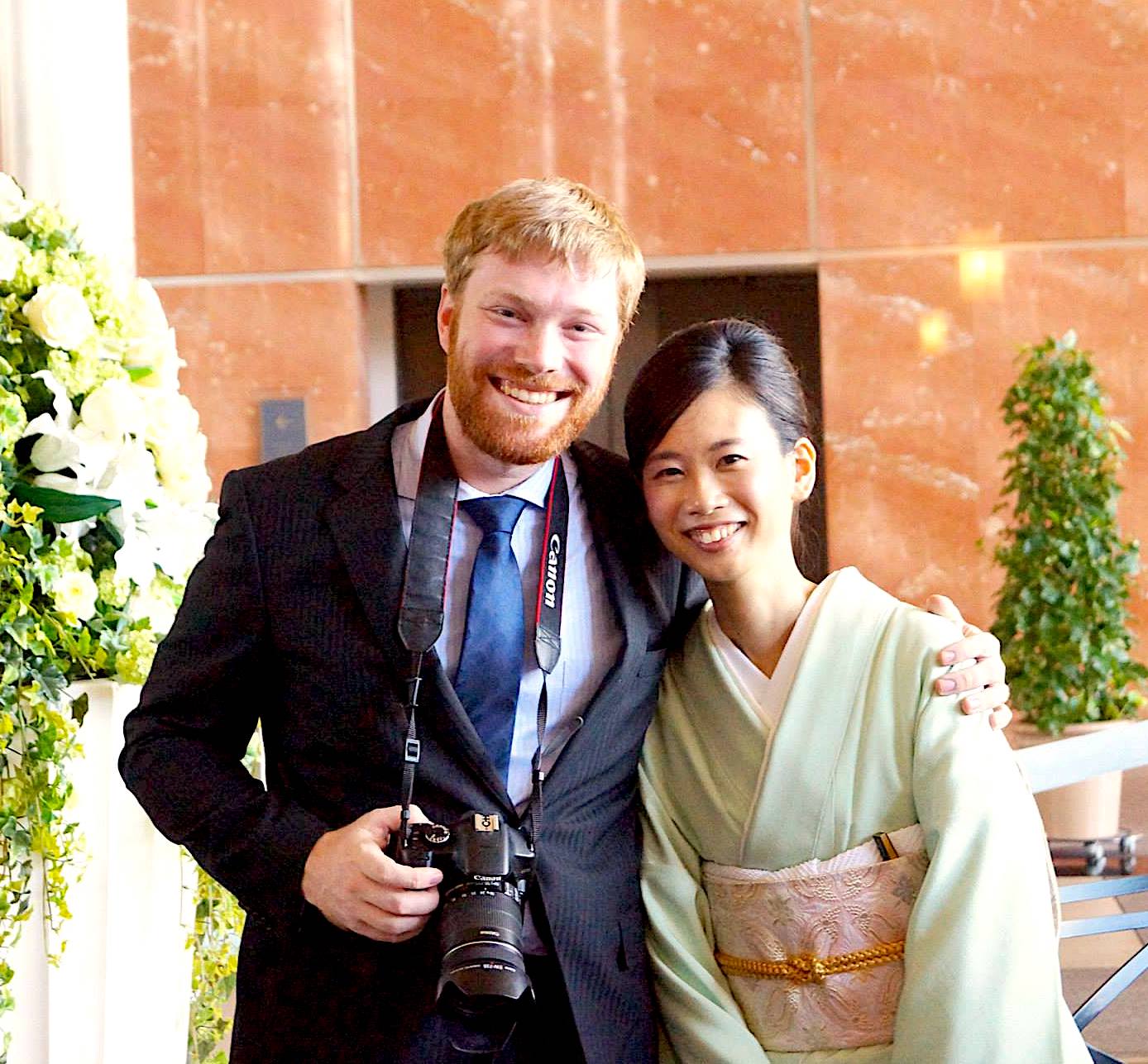
natetomomi2014


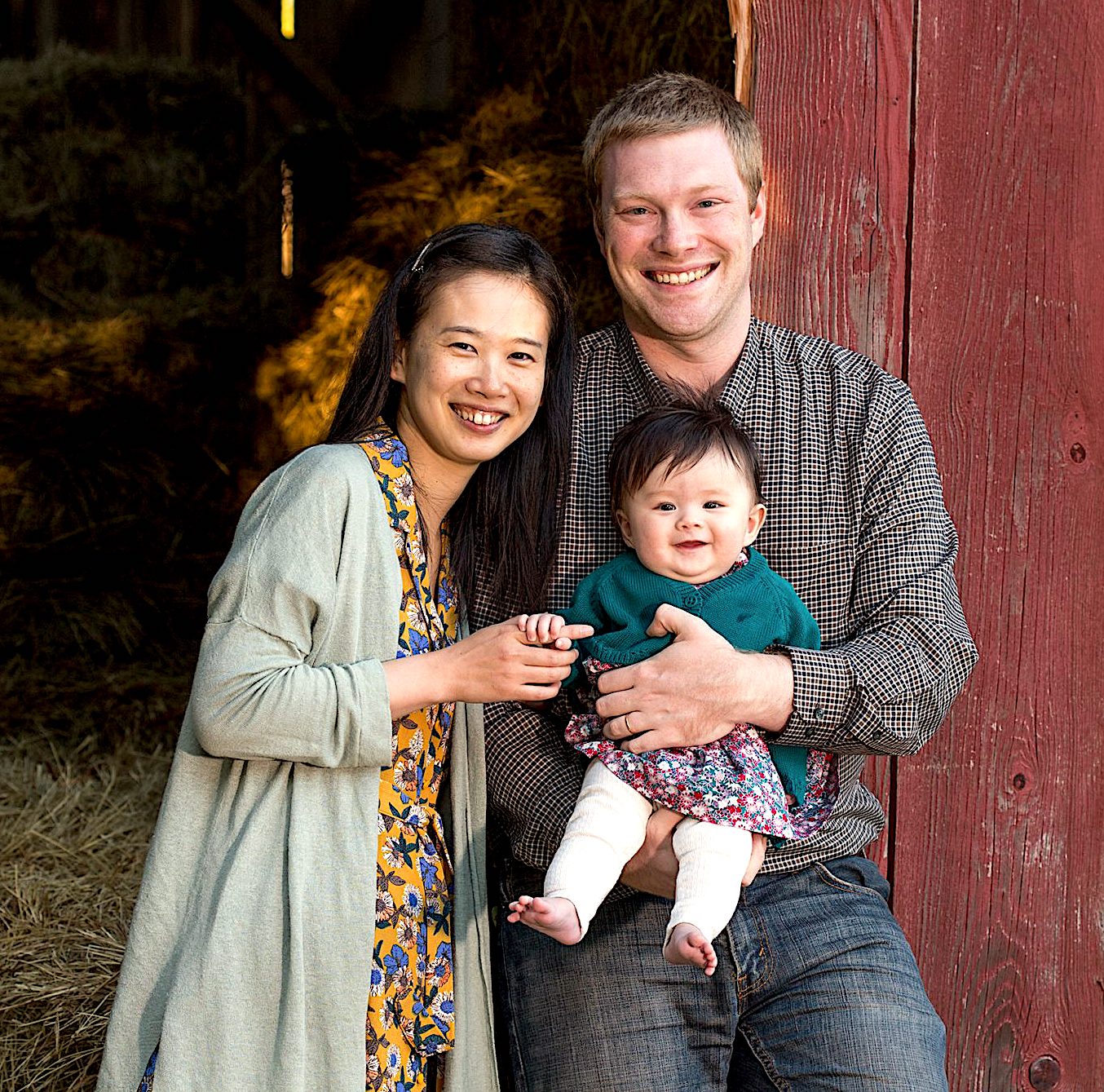
natetomomiemma2017


An Unimaginable Zero Summer

halfstaff


At the still point of the turning world. Neither flesh nor fleshless;
Neither from nor towards; at the still point, there the dance is,
But neither arrest nor movement. And do not call it fixity,
Where past and future are gathered. Neither movement from nor towards,
Neither ascent nor decline. Except for the point, the still point,
There would be no dance, and there is only the dance.
I can only say, there we have been: but I cannot say where.
And I cannot say, how long, for that is to place it in time.
The inner freedom from the practical desire,
The release from action and suffering, release from the inner
And the outer compulsion, yet surrounded
By a grace of sense, a white light still and moving…
{Burnt Norton}

Than that of summer, neither budding nor fading,
Not in the scheme of generation.
Where is the summer, the unimaginable
Zero summer?
{Little Gidding}

~T.S. Eliot, from Four Quartets


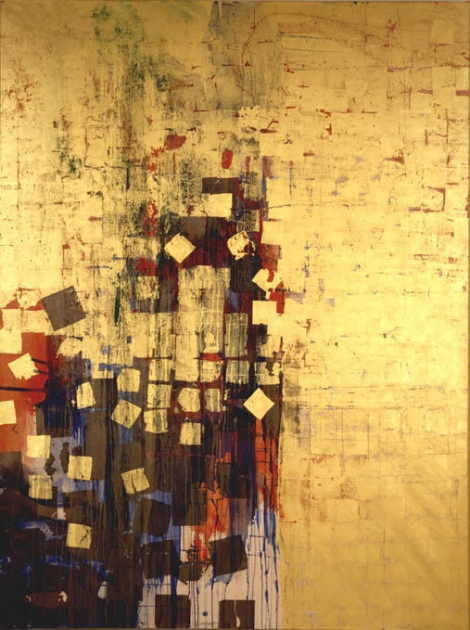
ZeroSummerE-471x630Zero Summer by Makoto Fujimura


“Zero Summer” imagines the unimaginable horror of Hiroshima and Nagasaki, and yet points to epiphanic awakening that transcend human imagination at the same time. T.S. Eliot, who coined this term in his “Four Quartets,” longed for that eternal summer, birthed out of the “still point,” where imagination is met with grace and truth.
~Makoto Fujimura


frontyard915


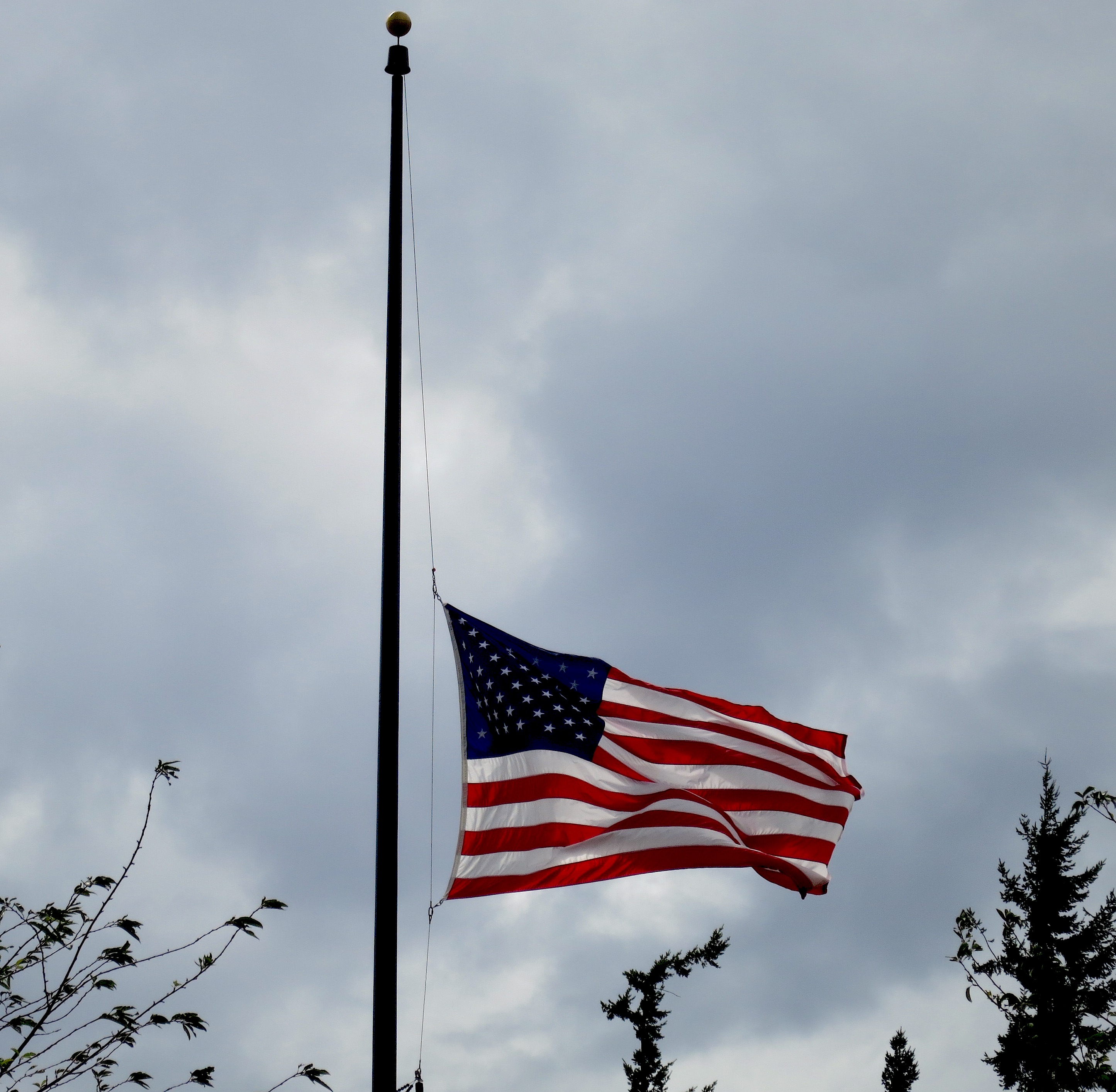
As a grade school child in November 1963, I learned the import of the U.S. flag being lowered to half mast in response to the shocking and violent death of our President. The lowering of the flag was so rare when I was growing up, it had dramatic effect on all who passed by — something very sad had happened to our country, warranting our silence and our stillness.

Since 9/11/01, our flag has spent significant time at half mast, so much so that I’m befuddled instead of contemplative, puzzling over what the latest loss might be as there are so many, sometimes all happening in the same time frame.  We no longer are silenced by this gesture of honor and respect and we certainly are not stilled, personally and corporately instigating and suffering the same mistakes against humanity over and over again.

Eliot wrote the prescient words of the Four Quartets in the midst of the WWII German bombing raids that destroyed people and neighborhoods. Perhaps he sensed the destruction he witnessed would not be the last time in history that evil visits the innocent, leaving them in ashes. There would be so many more losses to come, as Makoto Fujimura illustrates in his artistic depiction of the horrors of Hiroshima and Nagasaki transcending to an epiphany of the human imagination.  And then the horror of 9/11/01.

There remains so much more sadness to be borne, such abundance of grief that our world has become overwhelmed and stricken and it seems we’ve lost all imagination for “a grace of sense”.

Eliot was right: we have yet to live in a Zero summer of endless hope and fruitfulness, of spiritual awakening and understanding.  Where is it indeed?

We must return, as people of faith, as Eliot did, as Fujimura has, to that still point to which we are called on a day such as today.  We must be stilled; we must be silenced. We must grieve the losses of this turning world and pray for release from the suffering we cause and we endure.  Only in the asking, only in the kneeling down and pleading, are we surrounded by grace.   A flag half lowered may have lost its power to punch our gut, but we are illuminated by the Light,  a grace of senses on the move in our lives.


sunsetflag


“There Are No Words” written on 9/11/2001
by Kitty Donohoe

there are no words there is no song
is there a balm that can heal these wounds that will last a lifetime long
and when the stars have burned to dust
hand in hand we still will stand because we must

in one single hour in one single day
we were changed forever something taken away
and there is no fire that can melt this heavy stone
that can bring back the voices and the spirits of our own

all the brothers, sisters and lovers all the friends that are gone
all the chairs that will be empty in the lives that will go on
can we ever forgive though we never will forget
can we believe in the milk of human goodness yet

we were forged in freedom we were born in liberty
we came here to stop the twisted arrows cast by tyranny
and we won’t bow down we are strong of heart
we are a chain together that won’t be pulled apart


To Balance Upon a Broken World

sunset831149


Summer ends now; now, barbarous in beauty, the
Stooks arise
Around; up above, what wind-walks! what
lovely behavior
Of silk-sack clouds!  Has wilder, willful-waiver
Meal-drift molded ever and melted across the skies?
~Gerard Manley Hopkins, “Hurrahing in Harvest”


sunset917165
This afternoon was the colour of water falling through sunlight;
The trees glittered with the tumbling of leaves;
The sidewalks shone like alleys of dropped maple leaves,
And the houses ran along them laughing out of square, open windows.
Under a tree in the park,
Two little boys, lying flat on their faces,
Were carefully gathering red berries
To put in a pasteboard box.
Some day there will be no war,
Then I shall take out this afternoon
And turn it in my fingers,
And remark the sweet taste of it upon my palate,
And note the crisp variety of its flights of leaves.
To-day I can only gather it
And put it into my lunch-box,
For I have time for nothing
But the endeavour to balance myself
Upon a broken world.
~Amy Lowell “September 1918”
sunset831146
sunset8315
Am I the only one who awakes this morning with a prayer asking
that today be a day of healing between peoples rather than conflict and pain,
that the barbaric become peaceable~
no missiles launched,
no one gunned down in the streets,
no vehicles used as weapons,
no child misused,
no one sold into slavery,
no one abandoned, homeless and starving.
Am I the only one who awakes this morning and seeks only
to watch the clouds
to praise the heavens
to see the leaves turn color
to take out this day and taste it
and save it away somehow
so as to balance myself on this brokenness all around?
I am not the only one.
I know I am not.
sunset831141
sunset917166

Far Away From Some Peaceful Land

For Memorial Day 2017~

~standing in gratitude and reverence for the few
who have suffered great loneliness and loss
to secure the future and well-being of many,
including unknown generations to come…

eveningnorth528:17

bakeranacortes.jpg

I hear the mountain birds
The sound of rivers singing
A song I’ve often heard
It flows through me now
So clear and so loud
I stand where I am
And forever I’m dreaming of home
I feel so alone, I’m dreaming of home

It’s carried in the air
The breeze of early morning
I see the land so fair
My heart opens wide
There’s sadness inside
I stand where I am
And forever I’m dreaming of home
I feel so alone, I’m dreaming of home

This is no foreign sky
I see no foreign light
But far away am I
From some peaceful land
I’m longing to stand
A hand in my hand
…forever I’m dreaming of home
I feel so alone, I’m dreaming of home
~Lori Barth and Philippe Rombi “I’m Dreaming of Home”

aprilbarnscene3

dogwood517

In great deeds, something abides.
On great fields, something stays.
Forms change and pass;
bodies disappear;
but spirits linger, to consecrate ground for the vision-place of souls.
And reverent men and women from afar,
and generations that know us not and that we know not of,
heart-drawn to see where and by whom great things were suffered and done for them,
shall come to this deathless field,
to ponder and dream;
and lo! the shadow of a mighty presence shall wrap them in its bosom,
and the power of the vision pass into their souls.
This is the great reward of service.
To live, far out and on, in the life of others;
this is the mystery of the Christ,

–to give life’s best for such high sake
that it shall be found again unto life eternal.

~Major-General Joshua Chamberlain at Gettysburg, Pennsylvania 1889

mownfield3

pinkdogwood517

A Readiness to Die

sunrise1021152

morning113154

morningmoon11815

Courage is almost a contradiction in terms.
It means a strong desire to live taking the form of a readiness to die.
~ G.K. Chesterton 

To our U.S. veterans–with deep appreciation and gratitude–for the freedoms you have defended on behalf of us all:

My father was one of the fortunate ones who came home, returning to a quiet farm life after three years serving in the Marines Corp from 1942 to 1945 on Tarawa, Saipan and Tinian.  Hundreds of thousands of his colleagues didn’t come home, dying on beaches and battlefields.  Tens of thousands more came home forever marked, through physical or psychological injury, by the experience of war.

No matter how one views WWII, or the subsequent wars that our nation has fought and currently is fighting, we must support and care for the men and women who have made the commitment to be on the front line for freedom’s sake and for our sake.

I’m unsure why the United States does not call November 11 Remembrance Day as the Commonwealth nations did after WWI. This is a day that demands much more than the more passive name Veterans’ Day represents.

This day calls all citizens who appreciate their freedoms to stop what they are doing and disrupt the routine rhythm of their lives. We are to remember in humble thankfulness the generations of military veterans who sacrificed time, resources, sometimes health and well being, and too often their lives in answering the call to defend their countries.

Remembrance means never forgetting what it costs to defend freedom. It means acknowledging the millions who have given of themselves and continue to do so on our behalf. It means never ceasing to care. It means a commitment to provide resources needed for the military to remain strong. It means unending prayers for safe return home to family. It means we hold these men and women close in our hearts, always teaching the next generation about the sacrifices they made.

Most of all, it means being willing to become the sacrifice if called.

We are the Dead. Short days ago
We lived, felt dawn, saw sunset glow,
Loved and were loved, and now we lie
In Flanders fields.~Lieutenant-Colonel (Dr.) John McCrae from “In Flanders Fields”

evening115151

sunrise1016153

fallleaves11715