Freed From Pain and Woe: Weary with Weeping

Jesus comes near and he beholds the city
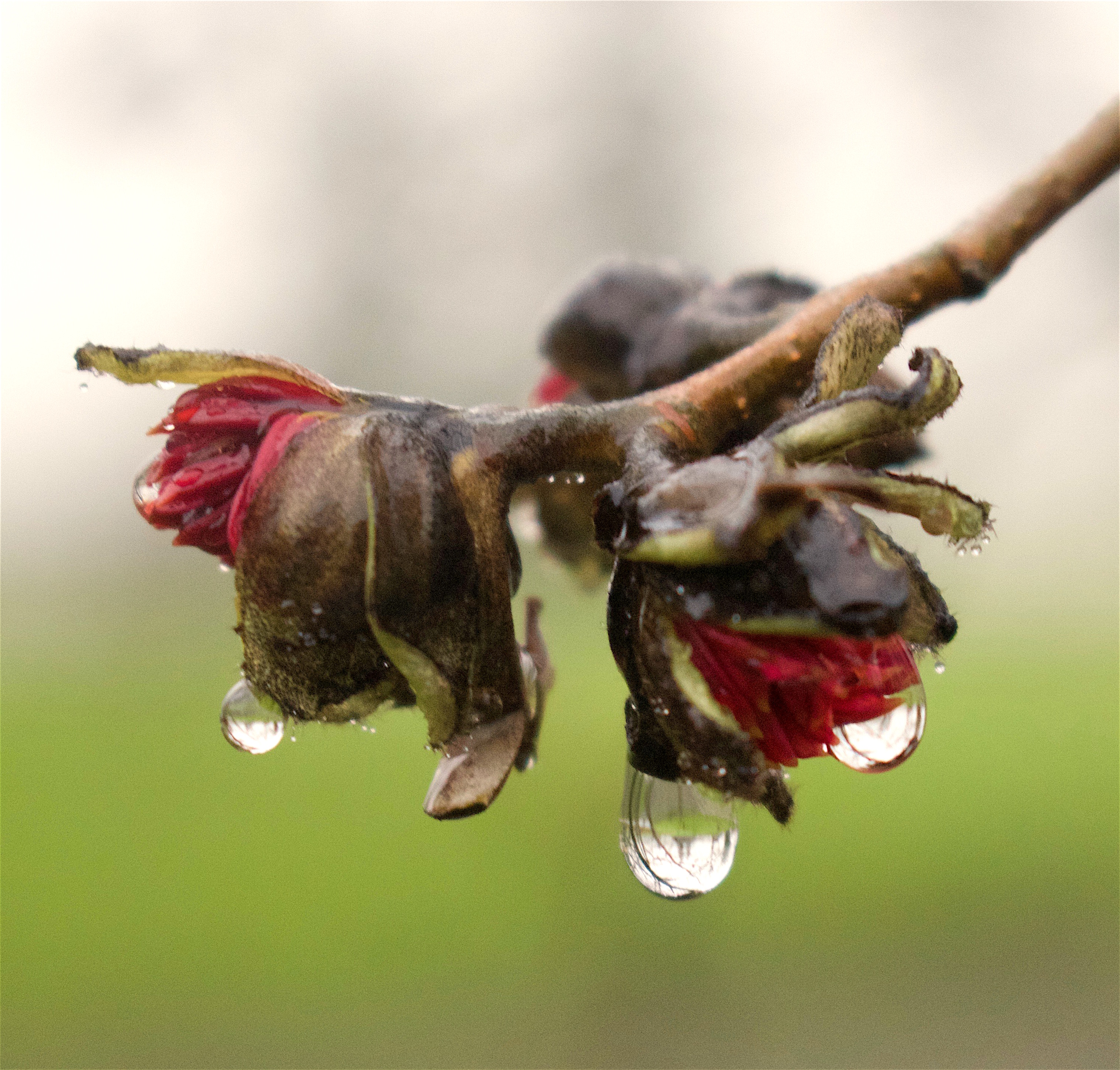
And looks on us with tears in his eyes,
And wells of mercy, streams of love and pity
Flow from the fountain whence all things arise.
He loved us into life and longs to gather
And meet with his beloved face to face
How often has he called, a careful mother,
And wept for our refusals of his grace,
Wept for a world that, weary with its weeping,
Benumbed and stumbling, turns the other way,
Fatigued compassion is already sleeping
Whilst her worst nightmares stalk the light of day.
But we might waken yet, and face those fears,
If we could see ourselves through Jesus’ tears.

~Malcolm Guite “Jesus Weeps”

On this Holy Monday, facing ahead to
a week of knowing our world is in disarray~
a week of facing our own shame and mortality,
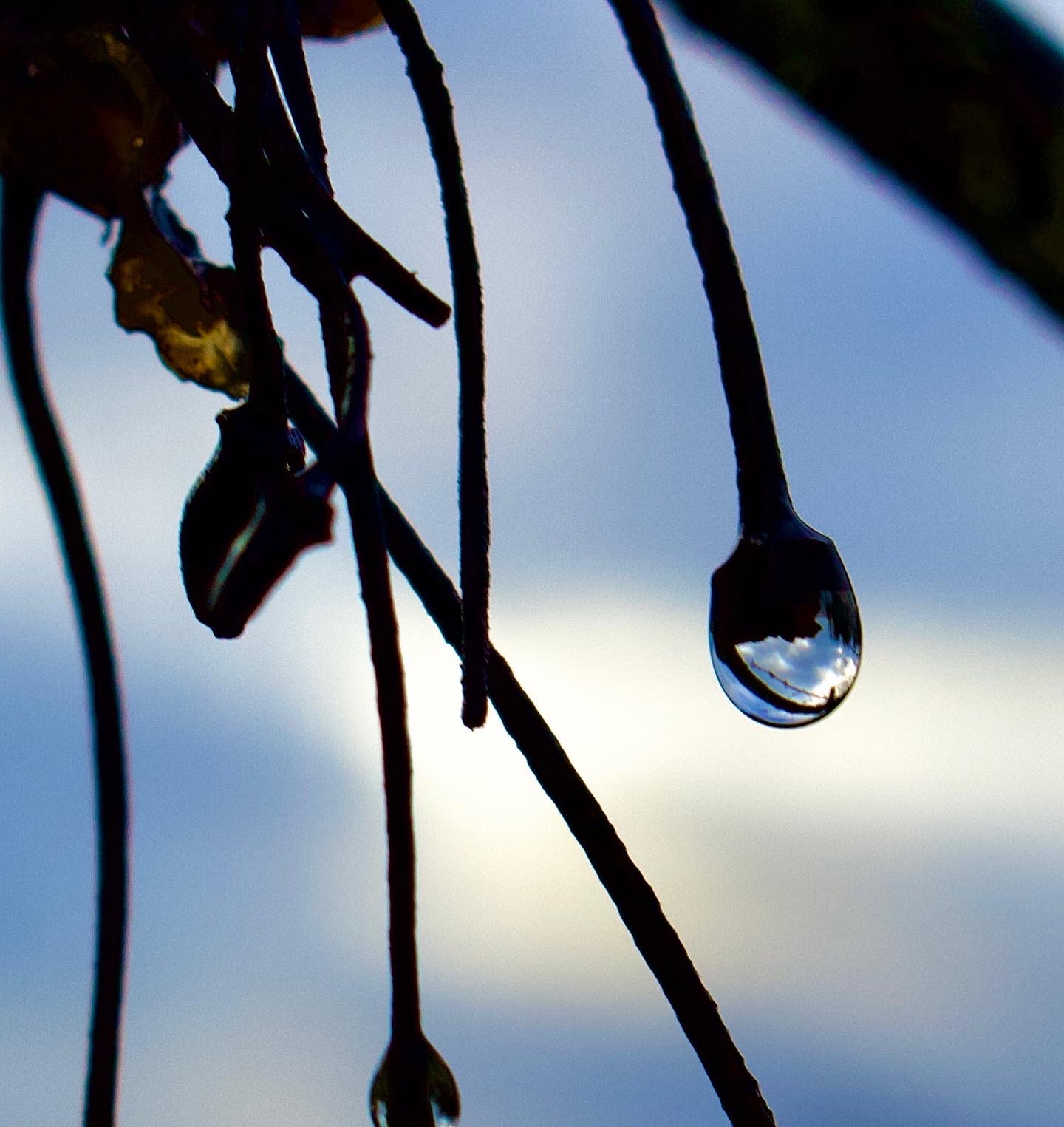
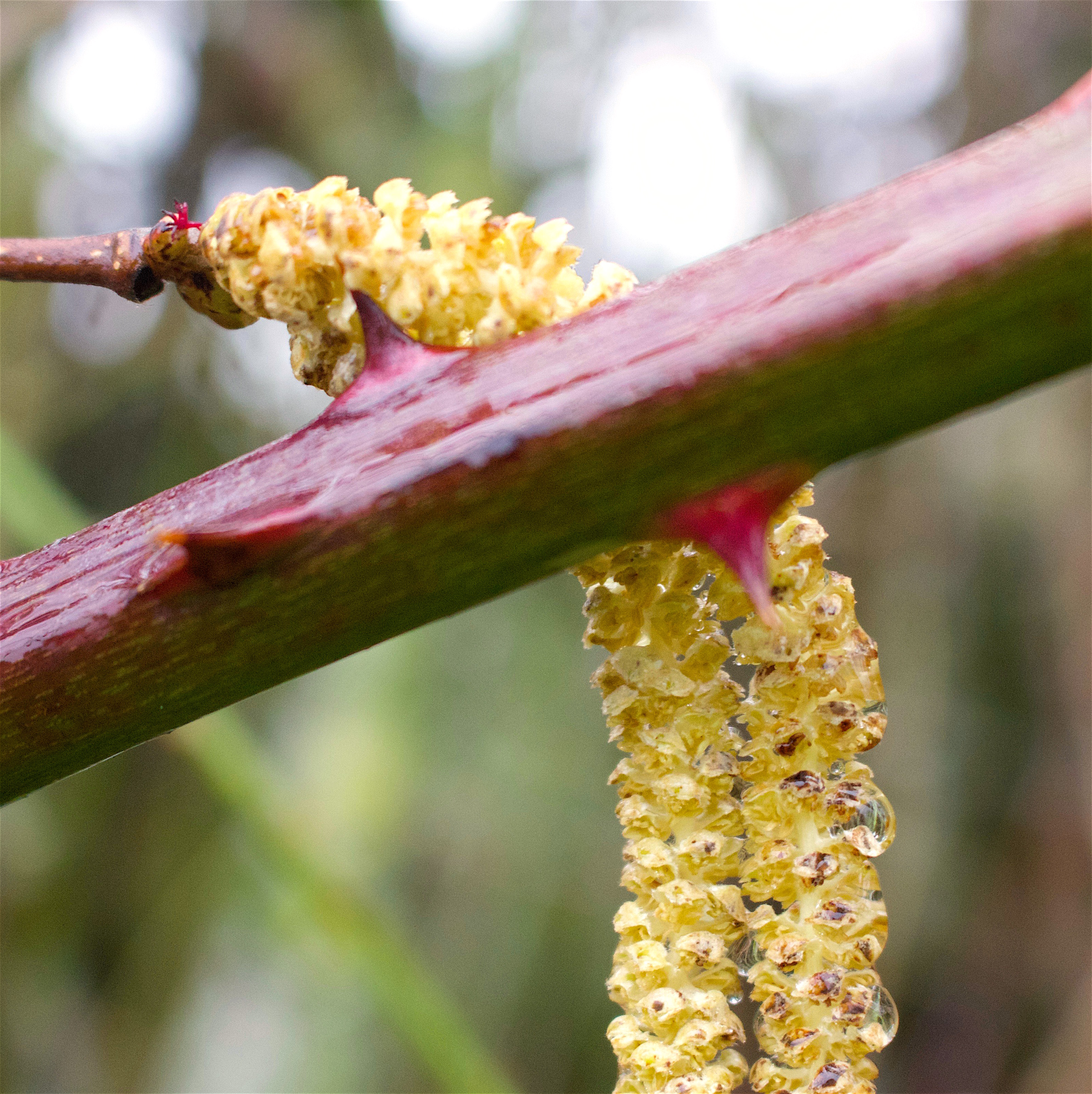
a week where thorns and tears overwhelm the blossoms~~

To remember what He did this week long ago,
to conquer the shroud and the stone,
to defy death,
makes all the difference to me.

Indeed Jesus wept and groaned for us.

To be known for who we are
by a God who weeps for our sin and despair
and groans with pain we caused:
we can know no greater love.

This week ends our living for self, only to die,
and begins our dying to self, in order to live.

And when he drew near and saw the city, he wept over it, saying, “Would that you, even you, had known on this day the things that make for peace!
But now they are hidden from your eyes. 

Luke 19:41

This Lenten season I reflect on the words of the 19th century southern spiritual hymn “What Wondrous Love is This”

Seems the sorrow untold, as you look down the road
At the clamoring crowd drawing near
Feel the heat of the day, as you look down the way
Hear the shouts of Hosanna the King

Chorus
Oh, daughter of Zion your time’s drawing near
Don’t forsake Him, oh don’t pass it by
On the foal of a donkey as the prophets had said
Passing by you, He rides on to die

Come now little foal, though you’re not very old
Come and bear your first burden bravely
Walk so softly upon all the coats and the palms
Bare the One on your back oh so gently

Midst the shouting so loud and the joy of the crowd
There is One who is riding in silence
For He knows the ones here will be fleeing in fear
When their shepherd is taken away

Soon the thorn cursed ground will bring forth a crown
And this Jesus will seem to be beaten
But He’ll conquer alone both the shroud and the stone
And the prophesies will be completed
On the foal of a donkey as the prophets had said
Passing by you He rides on to die
~Michael Card

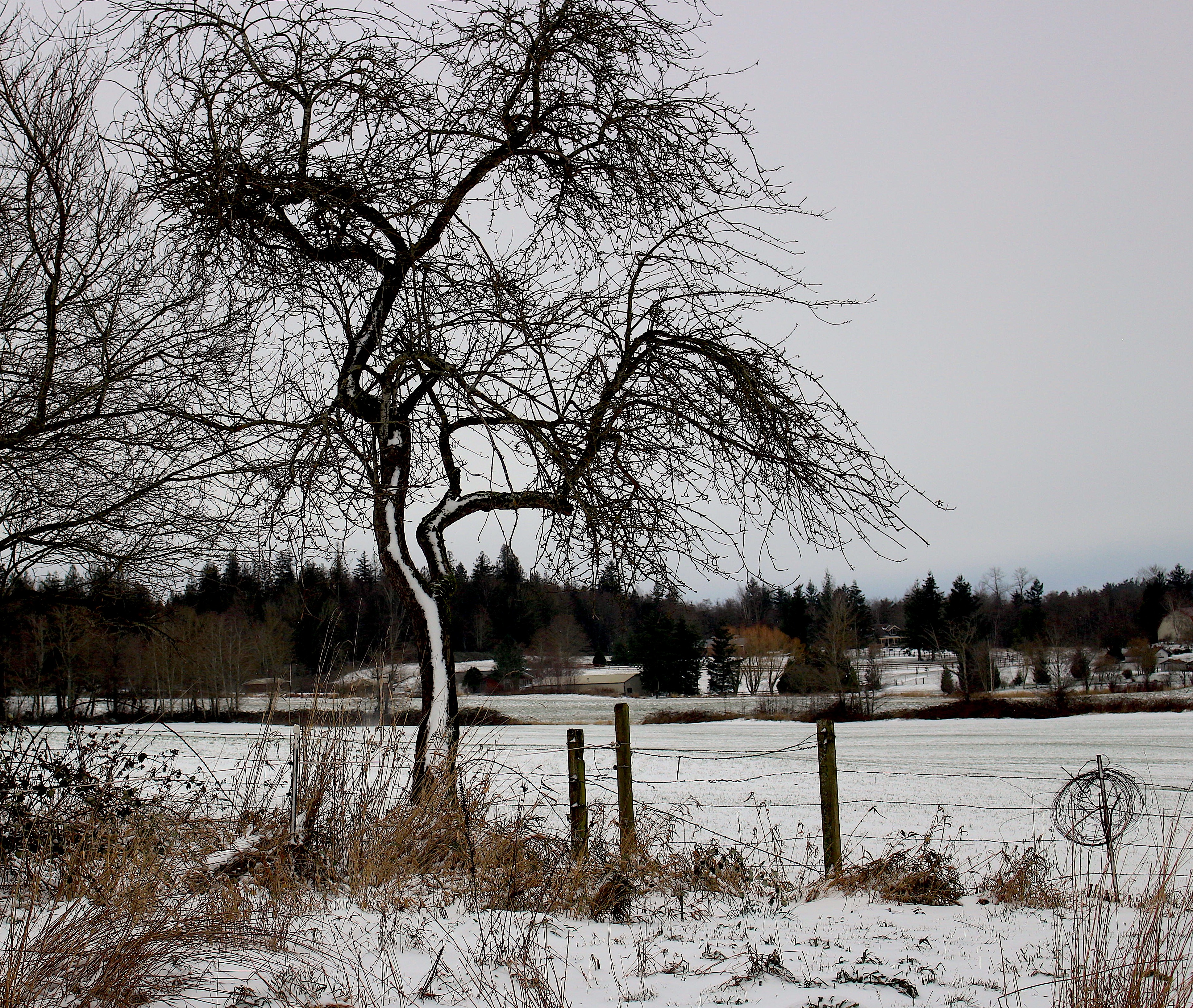
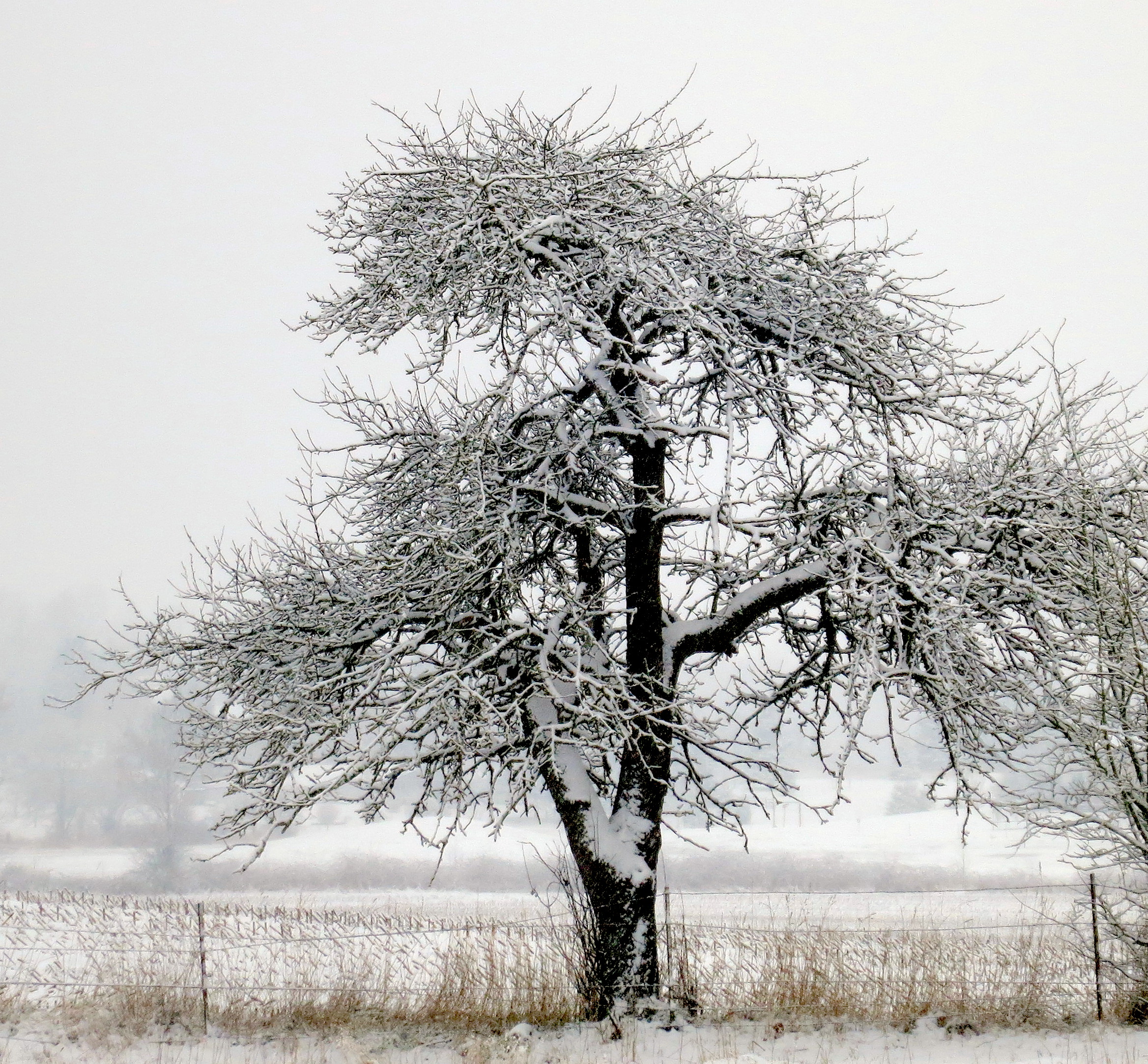
To Bear the Dreadful Curse: Every Limb Lit

My sorrow’s flower was so small a joy
It took a winter seeing to see it as such.
Numb, unsteady, stunned at all the evidence
Of winter’s blind imperative to destroy,
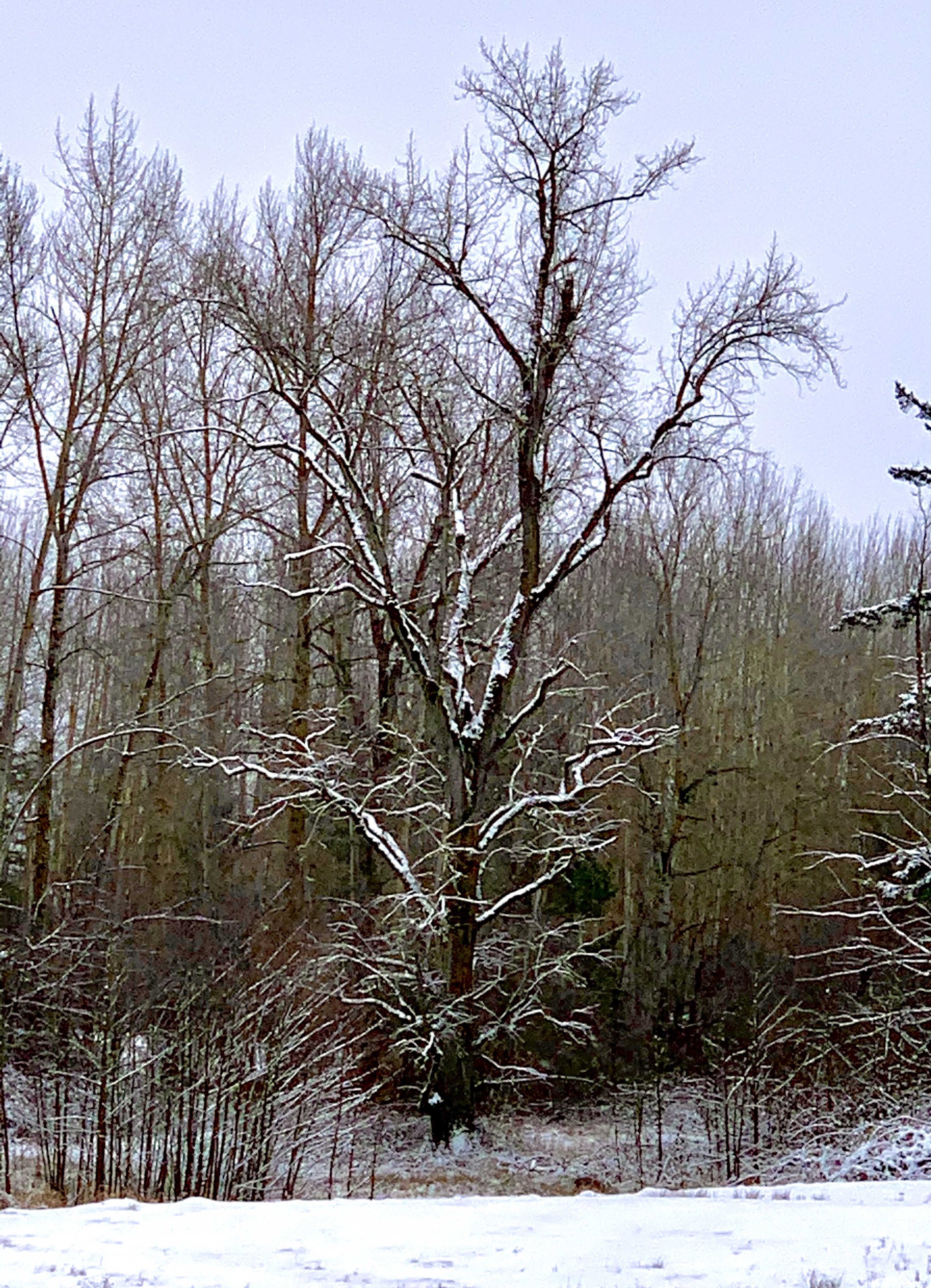
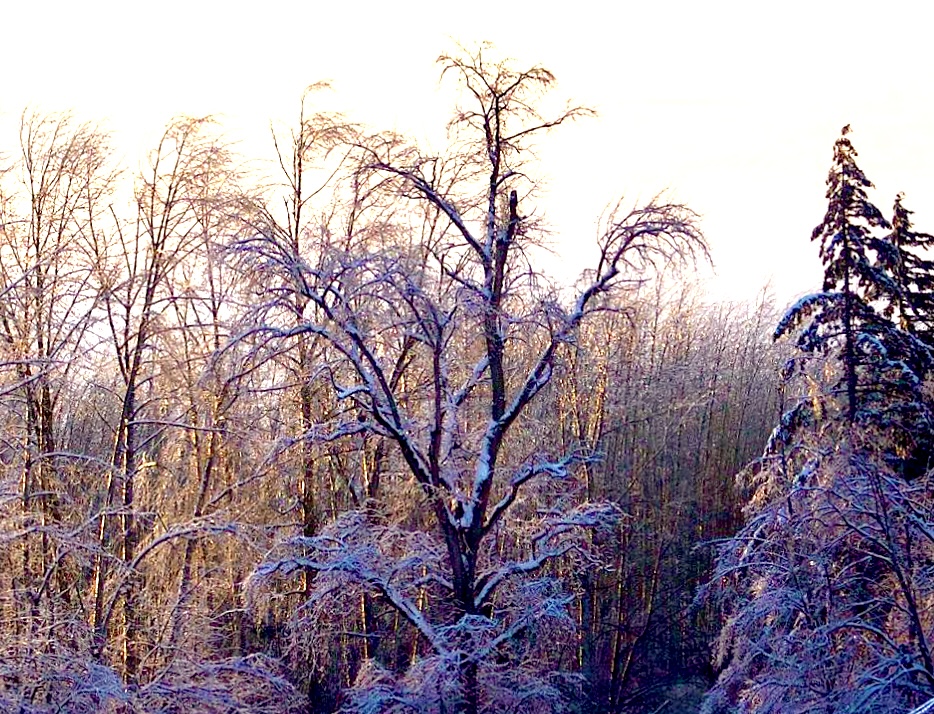
I looked up, and saw the bare abundance
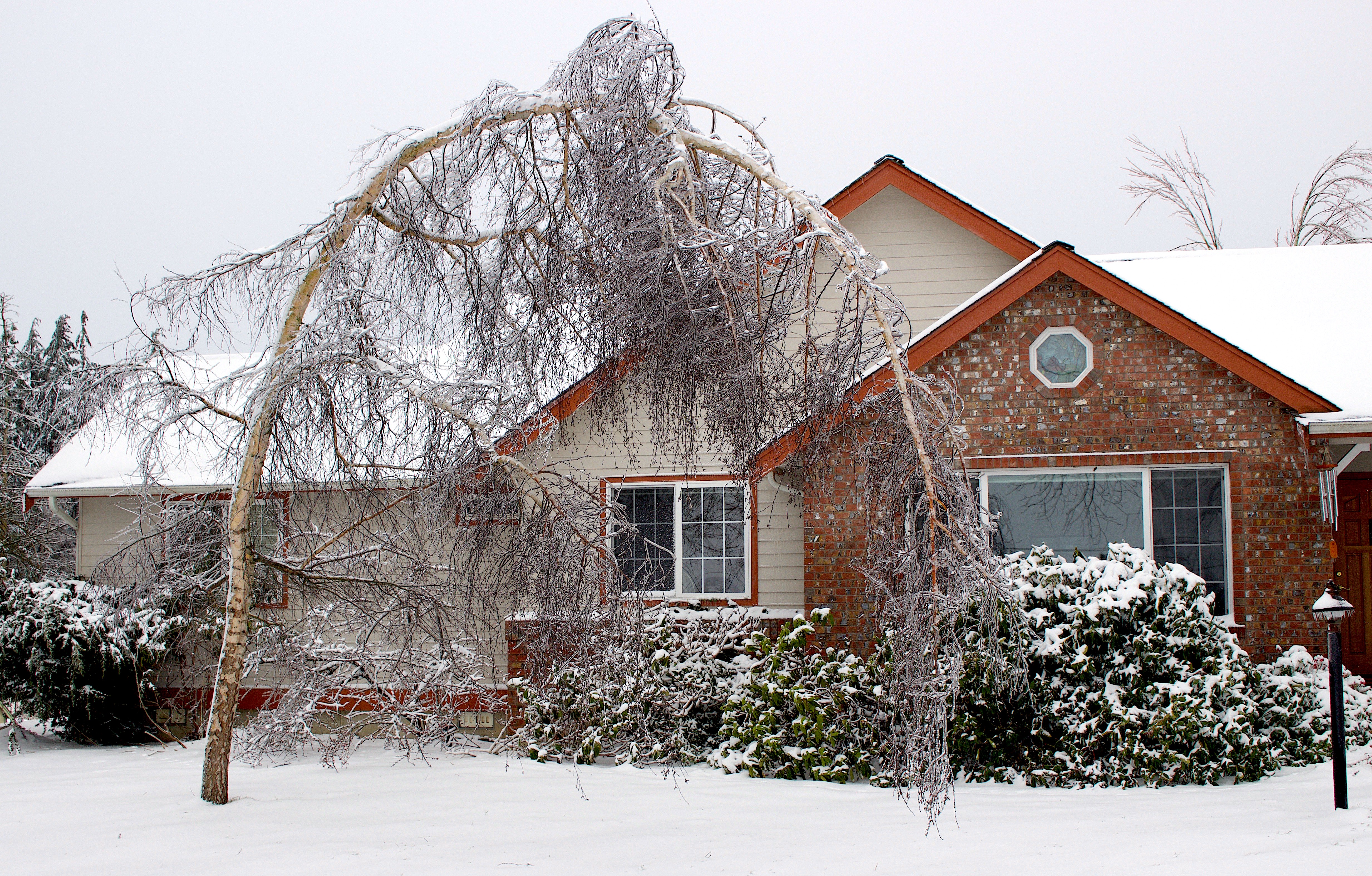
Of a tree whose every limb was lit and fraught with snow.
What I was seeing then I did not quite know
But knew that one mite more would have been too much.
~Christian Wiman “After a Storm” from Once in the West: Poems

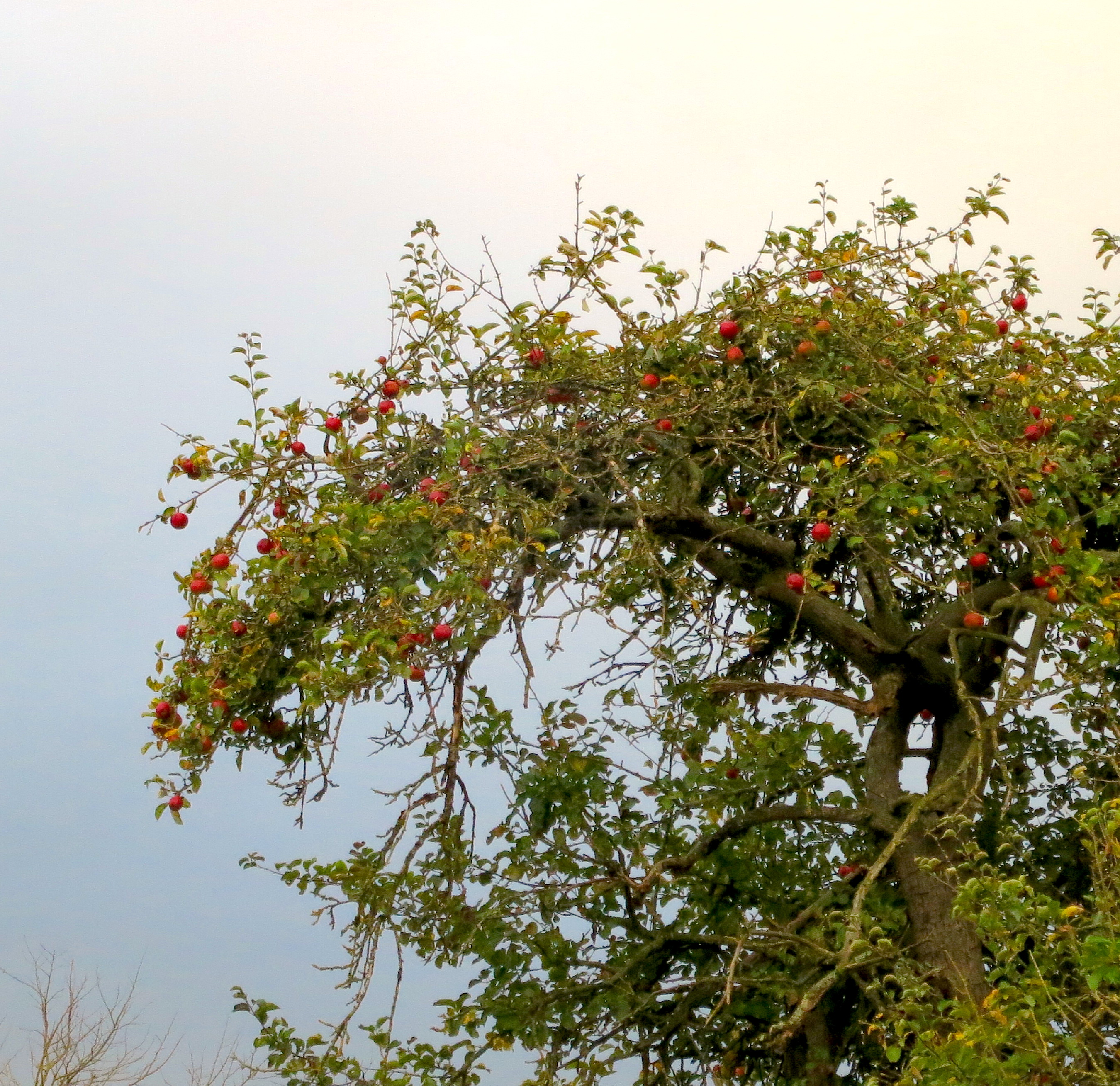
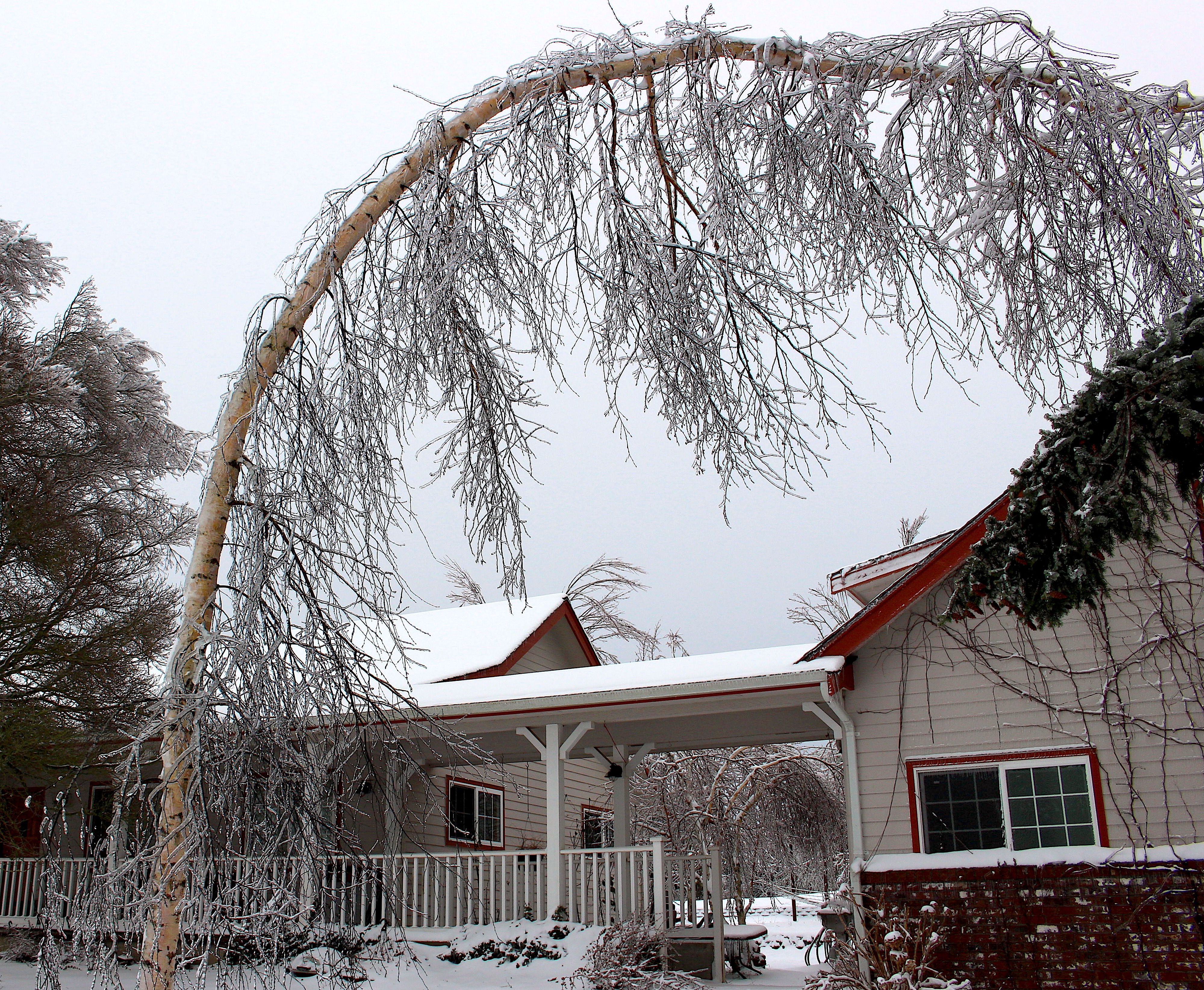
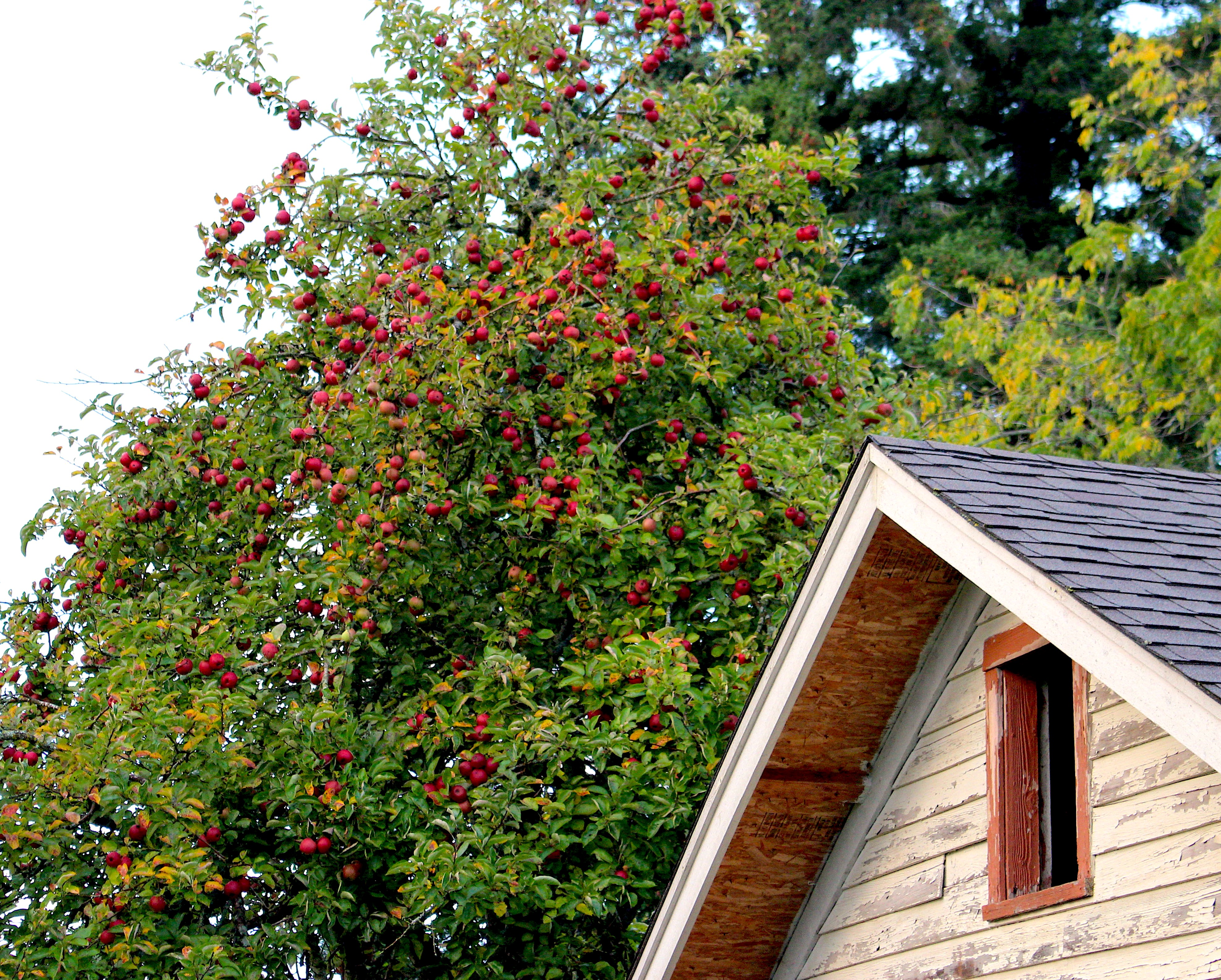
Though a weak branch strains mightily to bear
a summer’s bounty of fruit without breaking, it will sustain the load.

Then comes winter wind and ice storms
and a snowflake becomes the mite too much.

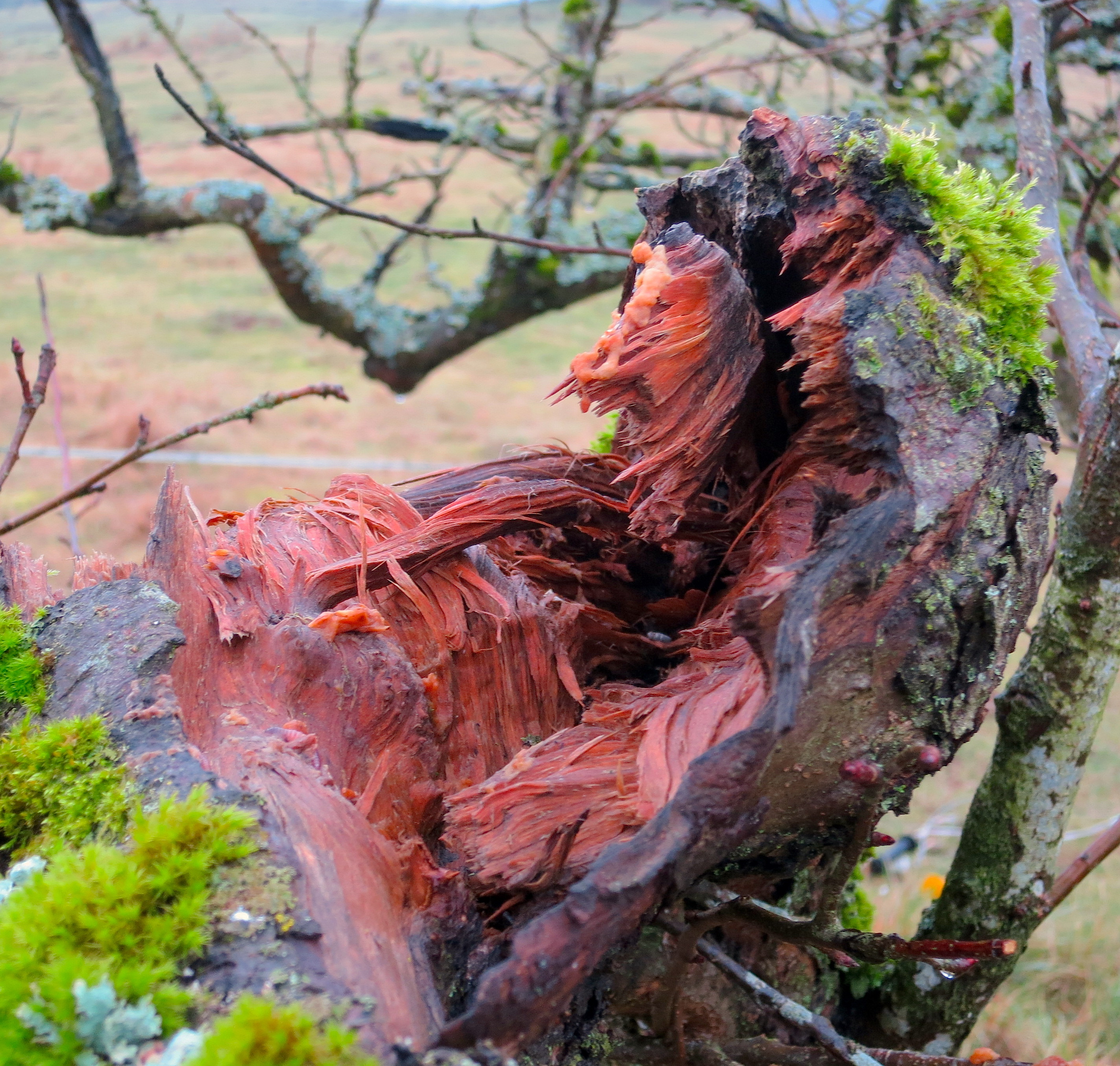
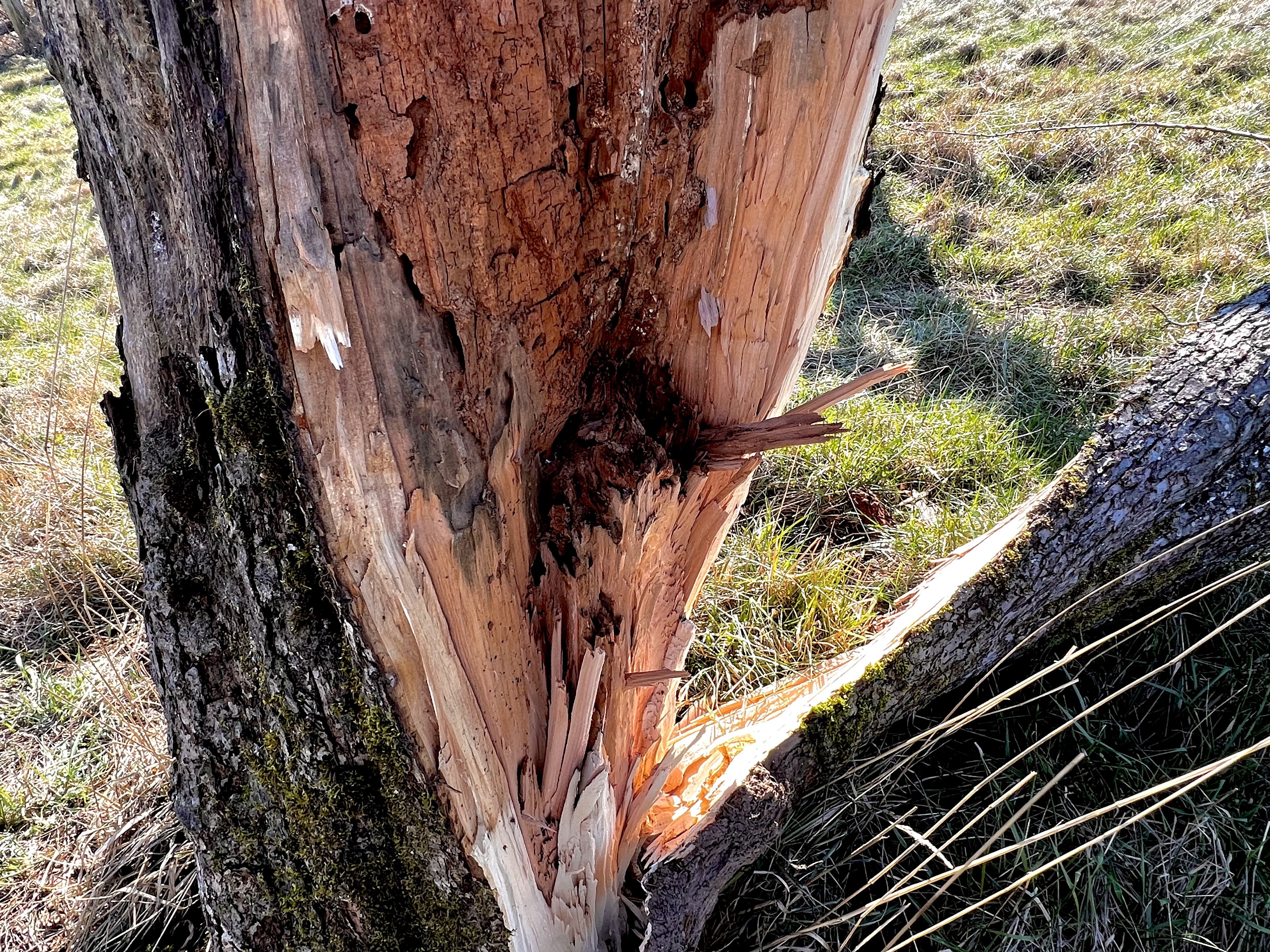
Even so, a painful pruning is endured,
when even the strongest limbs are trimmed back,
urged to fearlessly grow on and be more fruitful.

I am the true vine, and my Father is the gardener.  He cuts off every branch in me that bears no fruit, while every branch that does bear fruit he prunes so that it will be even more fruitful. 
John 15: 1-2

This Lenten season I reflect on the words of the 19th century southern spiritual hymn “What Wondrous Love is This”

One-Time
Monthly
Yearly

Make a one-time or recurring donation to support daily Barnstorming posts

Make a monthly donation

Make a yearly donation

Choose an amount

$10.00
$25.00
$50.00
$5.00
$15.00
$100.00
$5.00
$15.00
$100.00

Or enter a custom amount

$

Your contribution is deeply appreciated.

Your contribution is appreciated.

Your contribution is appreciated.

DonateDonate monthlyDonate yearly

God’s Righteous Frown: With Steady Gaze

Directly in front of me
he is here,
him on this quiet morning
in a room of the Byzantine Museum, Athens,
in the hundred-degree heat and dust
of a city not yet fully awake.
Here, and I am suddenly confronted—
the oldest icon in existence—with
his image.

The rest of the room evaporates,
and all I see is him:
Pure mystery, great and wondrous,
dizzying and terrible.

How can wood and pigment
egg yolk and animal skin convey
such ethereal truth,
intensify the power,
captivate Christian eye and heart?

Christ of Sinai looks at me
with steady gaze.
His eyes—the famed twins
Justice and Mercy—
see straight through me
piercing the whitewashed tomb
of my exterior till it hurts.
One eye is dark, foreboding
shadows between the brow and lid
deepening and on the verge of righteous anger—
the other eye embraces all
even my unworthy soul.
I stand and cannot pray. My eyes swell with tears.
I cannot look anymore.

~Ed Higgins from “Icon: Christ of Sinai” from Near Truth Only 

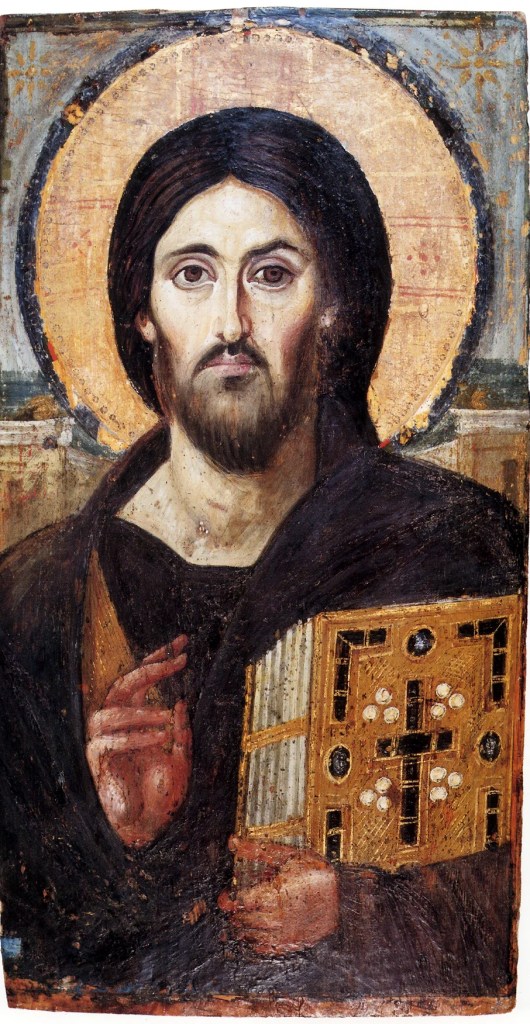
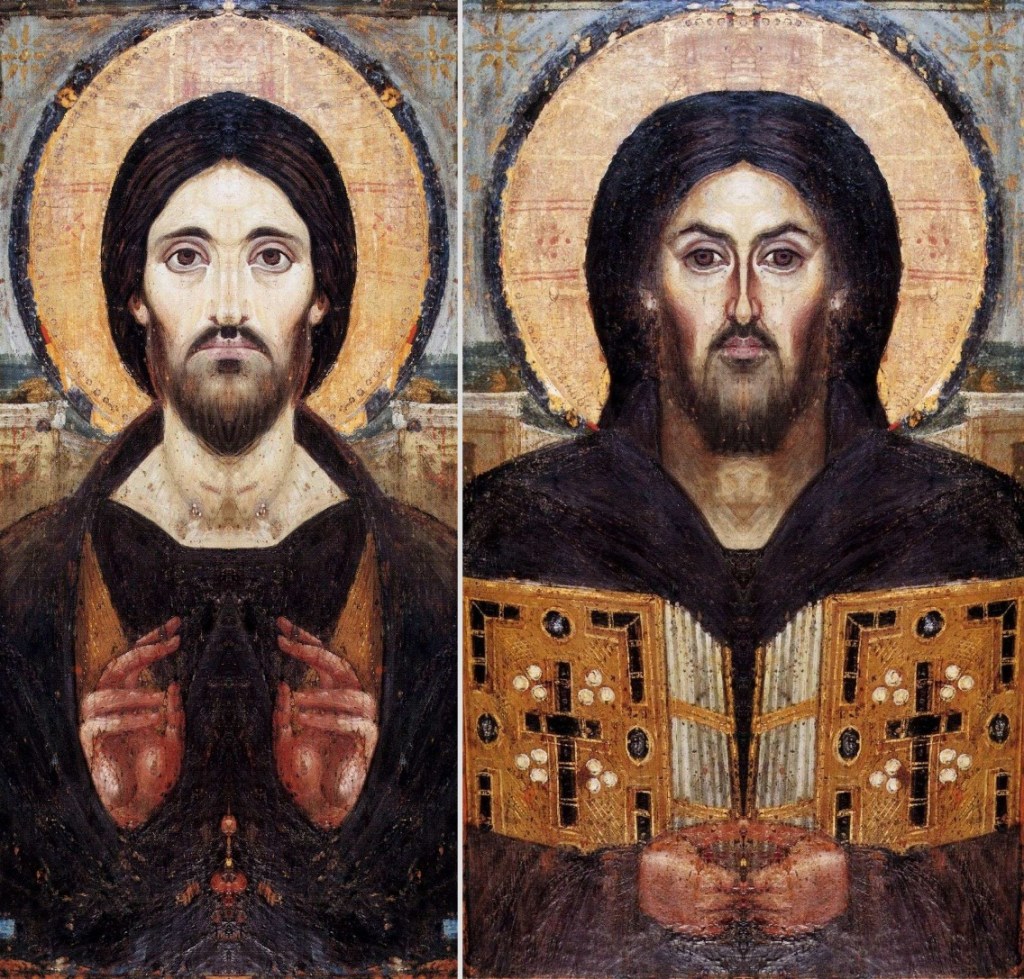
Icon of Christ Pantocrator

I was not raised with religious icons. I have little understanding about how they may comfort and encourage those who value and even worship them. Yet I do understand inspiring art and words may deepen our faith in God. This has been true for millennia.

This particular Byzantine icon, the oldest known of Christ, is preserved from the 6th century, an early representation with an intense gaze from eyes that are both from man and God.

I look for tears in those eyes. My own fill up knowing Christ is able to see the depths beyond my white-washed exterior.

I look away, ashamed.

Because He sees what we try to keep from Him, Jesus weeps,
knowing the truth about us, yet loving us anyway.

the right and left sides of the icon shown in mirror image, illustrating the dual nature of divine and human

You are like whitewashed tombs, which look beautiful on the outside but on the inside are full of the bones of the dead and everything unclean.
Matthew 23:27

Detail from “Descent from the Cross” by Rogier van der Weyden

This Lenten season I reflect on the words of the 19th century southern spiritual hymn “What Wondrous Love is This”

One-Time
Monthly
Yearly

Make a one-time or recurring donation to support daily Barnstorming posts

Make a monthly donation

Make a yearly donation

Choose an amount

$10.00
$25.00
$50.00
$5.00
$15.00
$100.00
$5.00
$15.00
$100.00

Or enter a custom amount

$

Your contribution is deeply appreciated.

Your contribution is appreciated.

Your contribution is appreciated.

DonateDonate monthlyDonate yearly
A Feather on the Bright Sky

N.Scott Momaday passed into eternity last week at age 89.

On the first day I took his class on Native American Mythology and Lore in 1974 at Stanford, a tall, young N.Scott Momaday strolled to the front, wrote the 60 words of an Emily Dickinson poem “Further in Summer”on the blackboard. He told us we would spend at least a week working out the meaning of what he considered the greatest poem written — this in a class devoted to Native American writing and oral tradition. In his resonant bass, he read the poem to us many times, rolling the words around his mouth as if to extract their sweetness. This man of the plains, a member of the Kiowa tribe, loved this poem put together by a New England recluse poet — someone as culturally distant from him and his people as possible.

But grace works to unite us, no matter our differences, and Scott knew this as he led us, mostly white students, through the poem. What on the surface appears a paean to late summer insect droning – doomed to extinction by the desolation of oncoming winter – is a statement of the transcendence of man beyond our understanding of nature and the world in which we, its creatures, find ourselves. As summer begins its descent into the dark death of winter, we, unlike cicadas and crickets, become all too aware we too are descending. There is no one as lonely as an individual facing their mortality and no one as lonely as a poet facing the empty page, in search of words to describe the sacrament of sacrifice and perishing.

Yet the written Word is not silent; the Word brings Grace unlike any other, even when the summer, pathetic and transient as it is, is gone. The Word brings Grace, like no other, to pathetic and transient man who will emerge transformed.

There is no furrow on the glow. There is no need to plow and seed our salvaged souls, already lovingly planted by our Creator God, yielding a fruited plain.

Scott was one of my most remarkable and influential teachers, teaching me to trust memories, to use the best words, and to describe beauty as best I can. I know his words will forever live on.

…<Dickinson’s Further in Summer is> one of the great poems of American literature. The statement of the poem is profound; it remarks the absolute separation between man and nature at a precise moment in time.  The poet looks as far as she can into the natural world, but what she sees at last is her isolation from that world.  She perceives, that is, the limits of her own perception. But that, we reason, is enough. This poem of just more than sixty words comprehends the human condition in relation to the universe:

So gradual the Grace
A pensive Custom it becomes
Enlarging Loneliness.

But this is a divine loneliness, the loneliness of a species evolved far beyond all others. The poem bespeaks a state of grace. In its precision, perception and eloquence it establishes the place of words within that state.  Words are indivisible with the highest realization of human being.
~N.Scott Momaday from The Man Made of Words

Gathered Here Together

Dearly.
How was it used?
Dearly beloved.
Dearly beloved, we are gathered.
Dearly beloved, we are gathered here
in this forgotten photo album
I came upon recently.

Dearly beloved, gathered here together
in this closed drawer,
fading now, I miss you.
I miss the missing, those who left earlier.
I miss even those who are still here.
I miss you all dearly.
Dearly do I sorrow for you.


Sorrow: that’s another word
you don’t hear much anymore.
I sorrow dearly.
~Margaret Atwood from “Dearly”

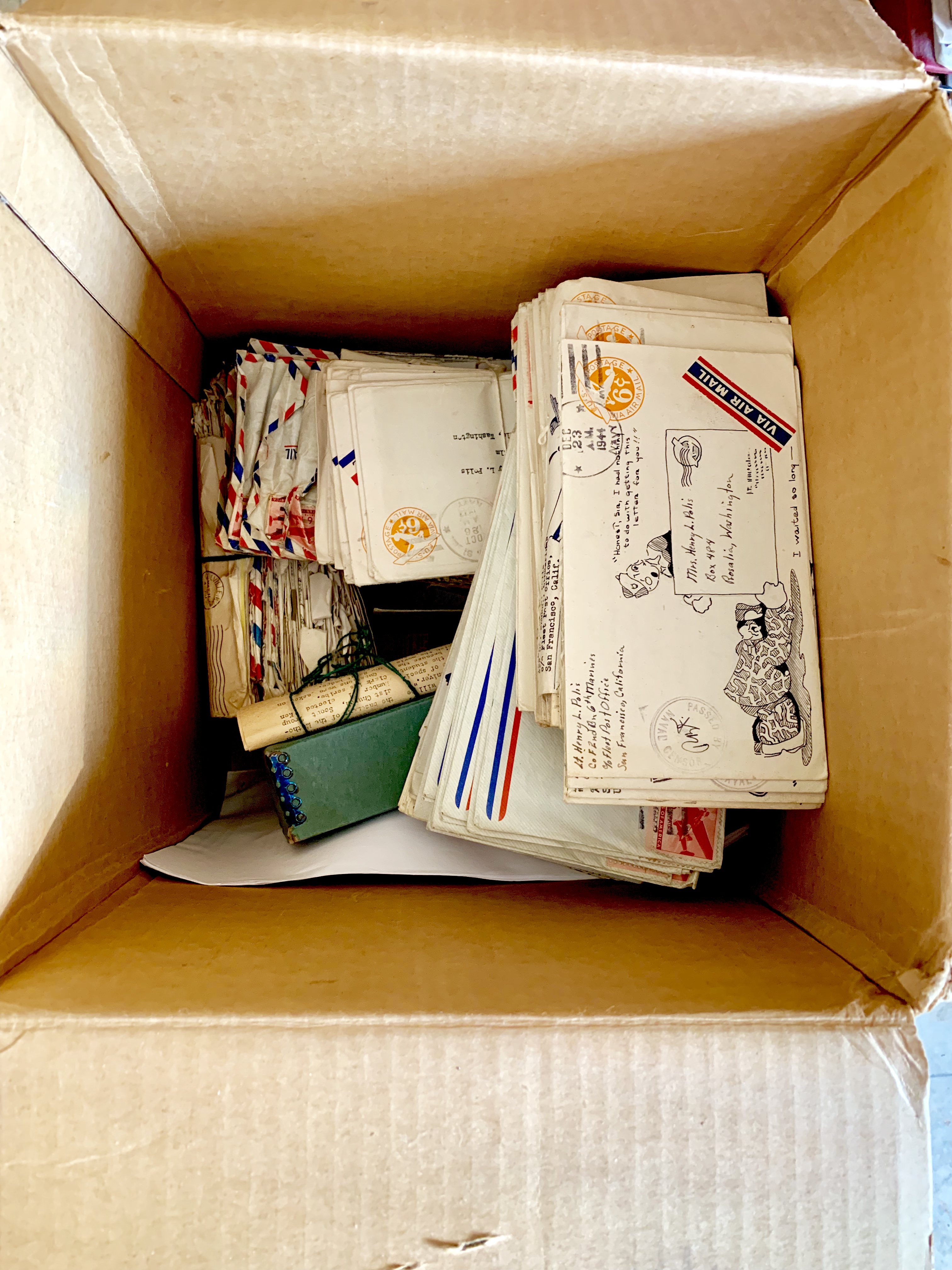
All day we packed boxes.
We read birth and death certificates.
The yellowed telegrams that announced
our births, the cards of congratulations
and condolences, the deeds and debts,
love letters, valentines with a heart
ripped out, the obituaries.
We opened the divorce decree,
a terrible document of division and subtraction.
We leafed through scrapbooks:
corsages, matchbooks, programs to the ballet,
racetrack, theater—joy and frivolity
parceled in one volume—
painstakingly arranged, preserved
and pasted with crusted glue.
We sat in the room in which the beloved
had departed. We remembered her yellow hair
and her mind free of paradox.
We sat together side by side
on the empty floor and did not speak.
There were no words
between us other than the essence
of the words from the correspondences,
our inheritance—plain speak,
bereft of poetry.
~Jill Bialosky “The Guardians” from The Players.

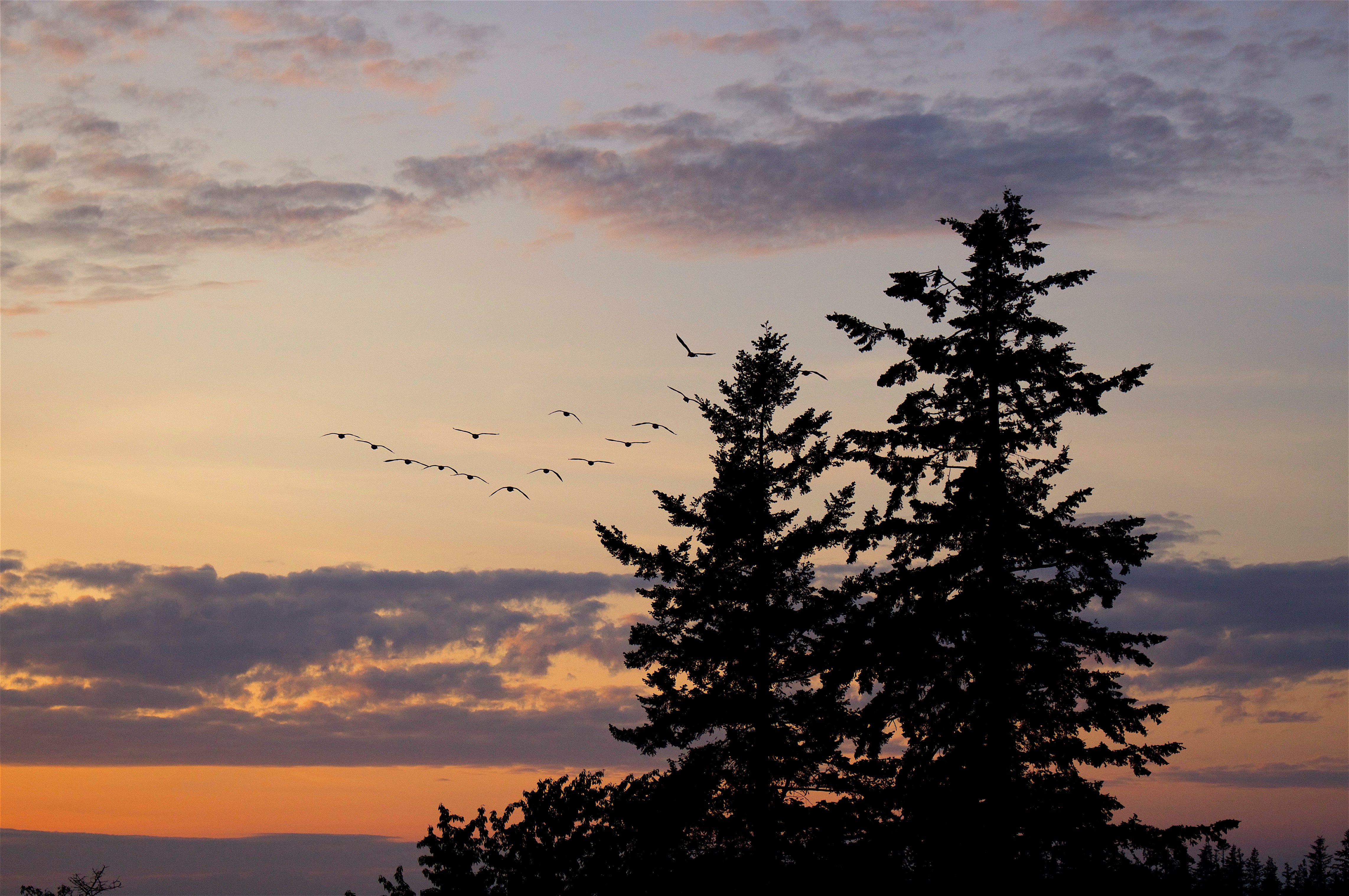
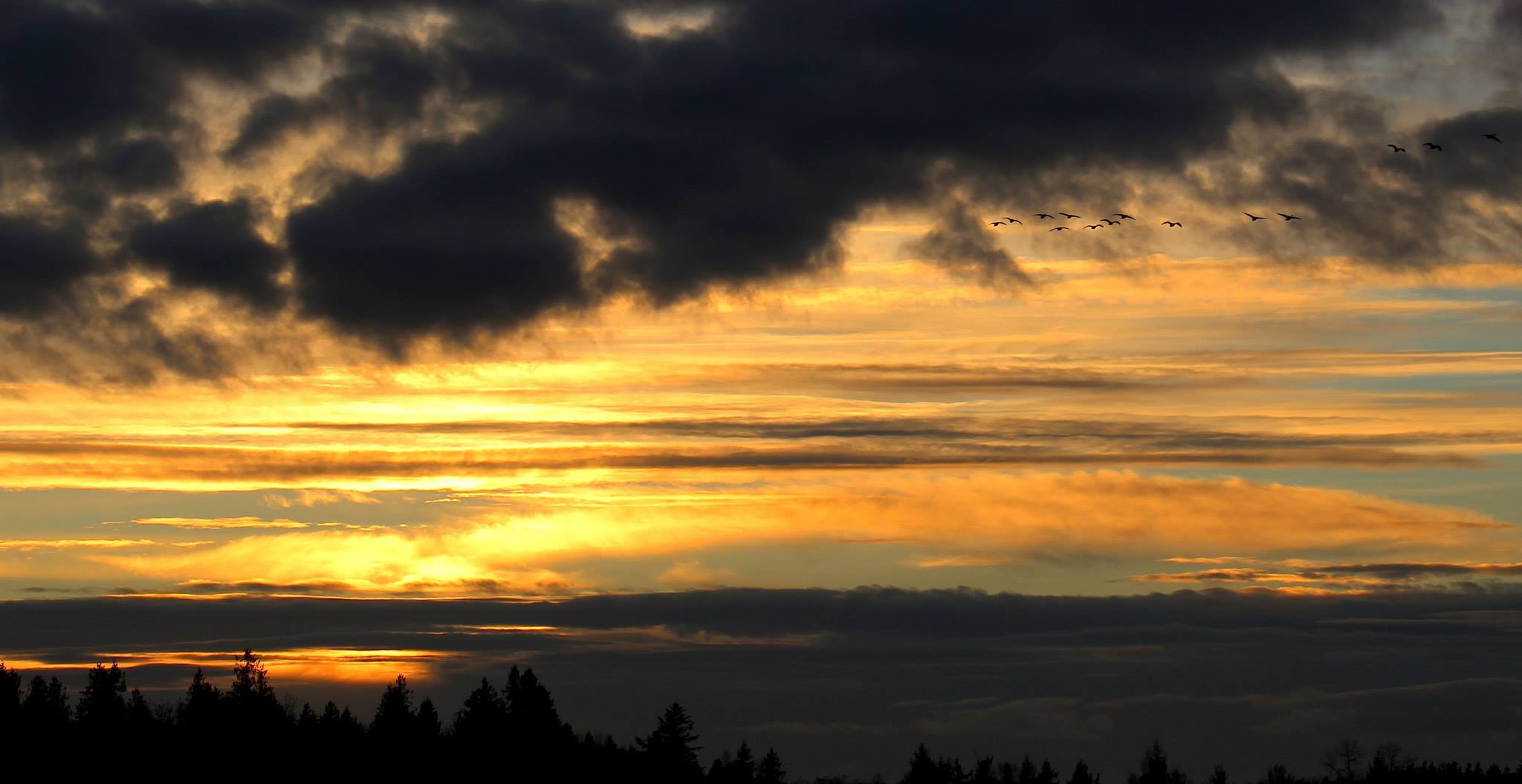
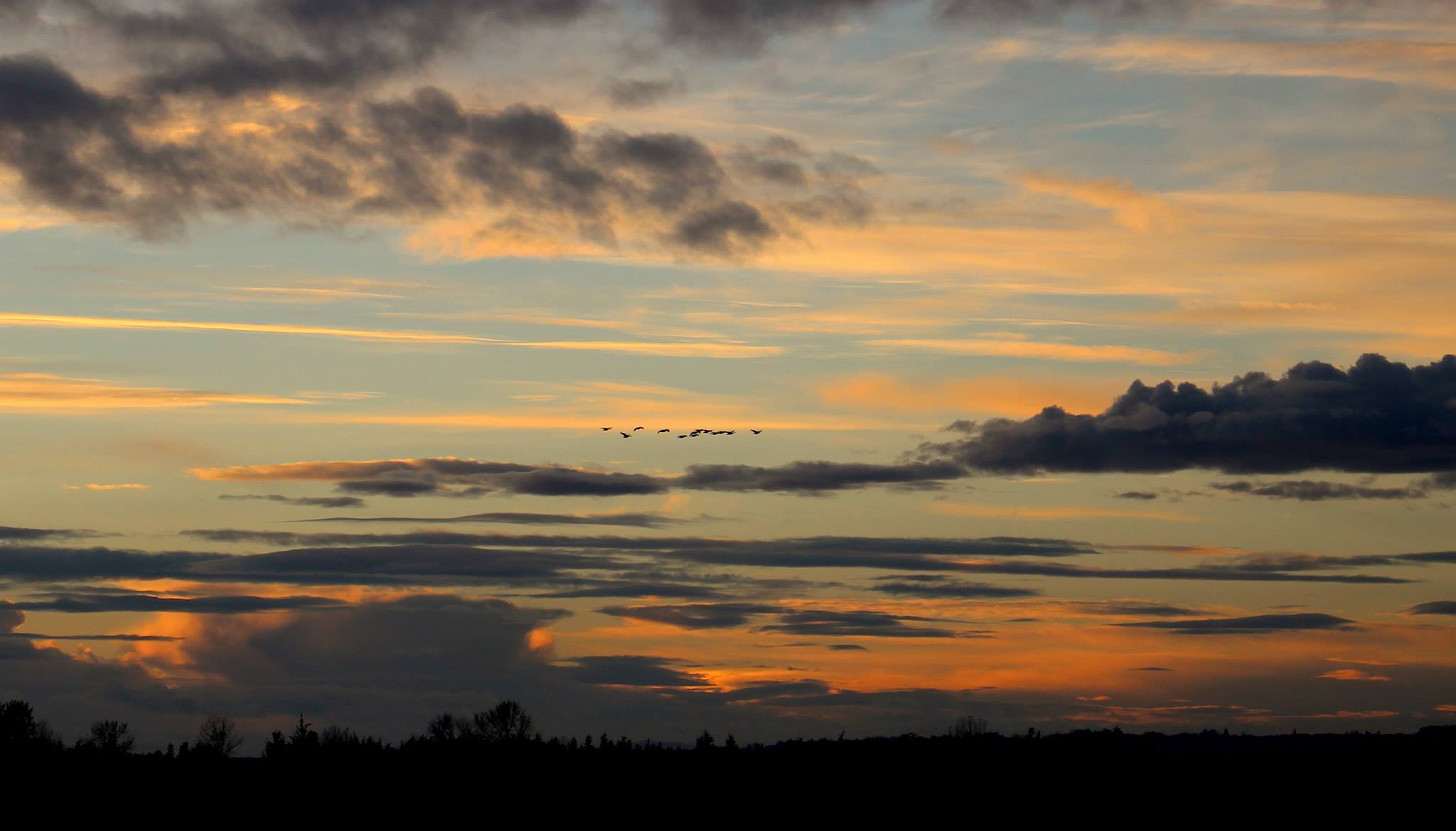
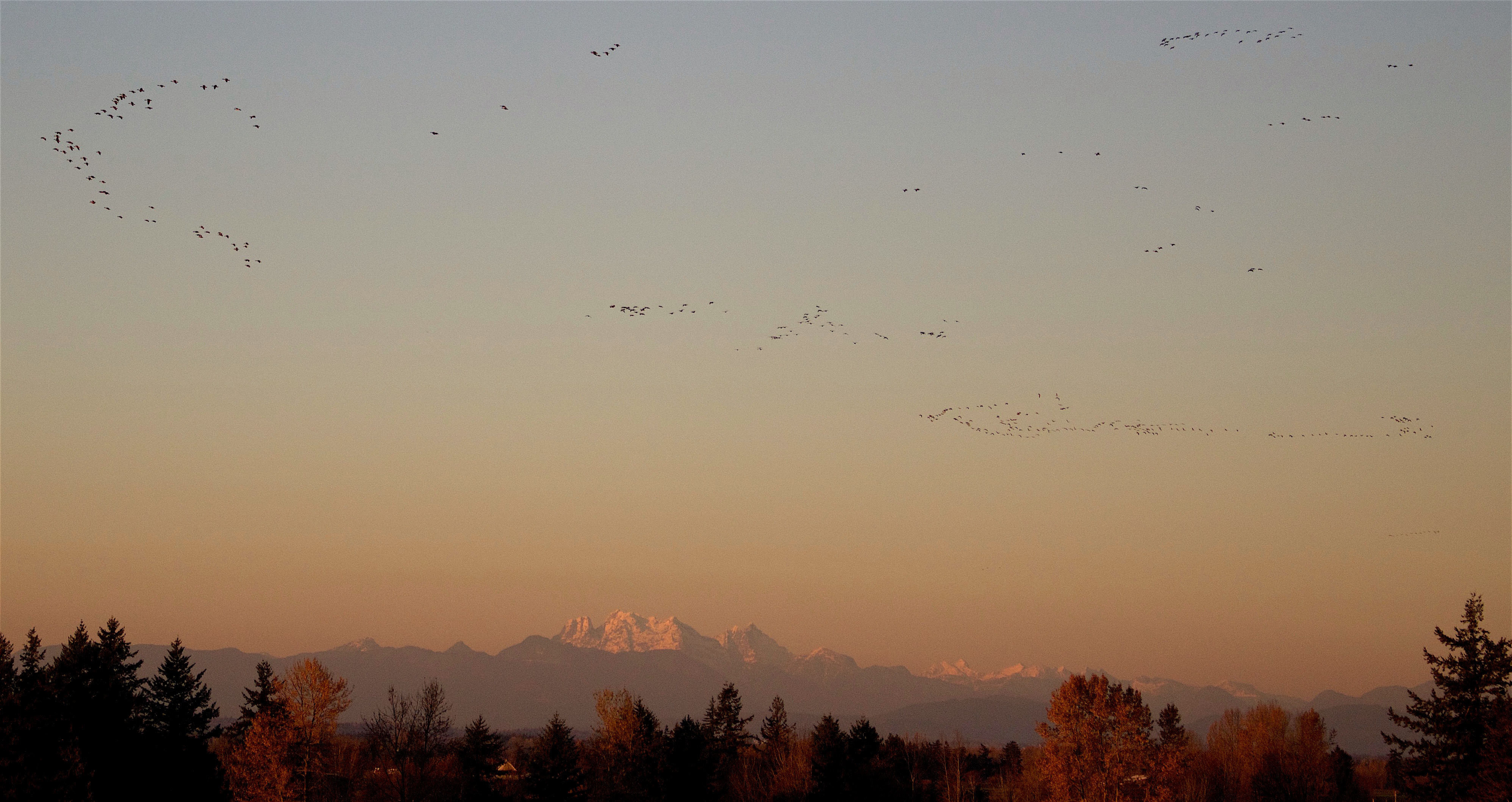
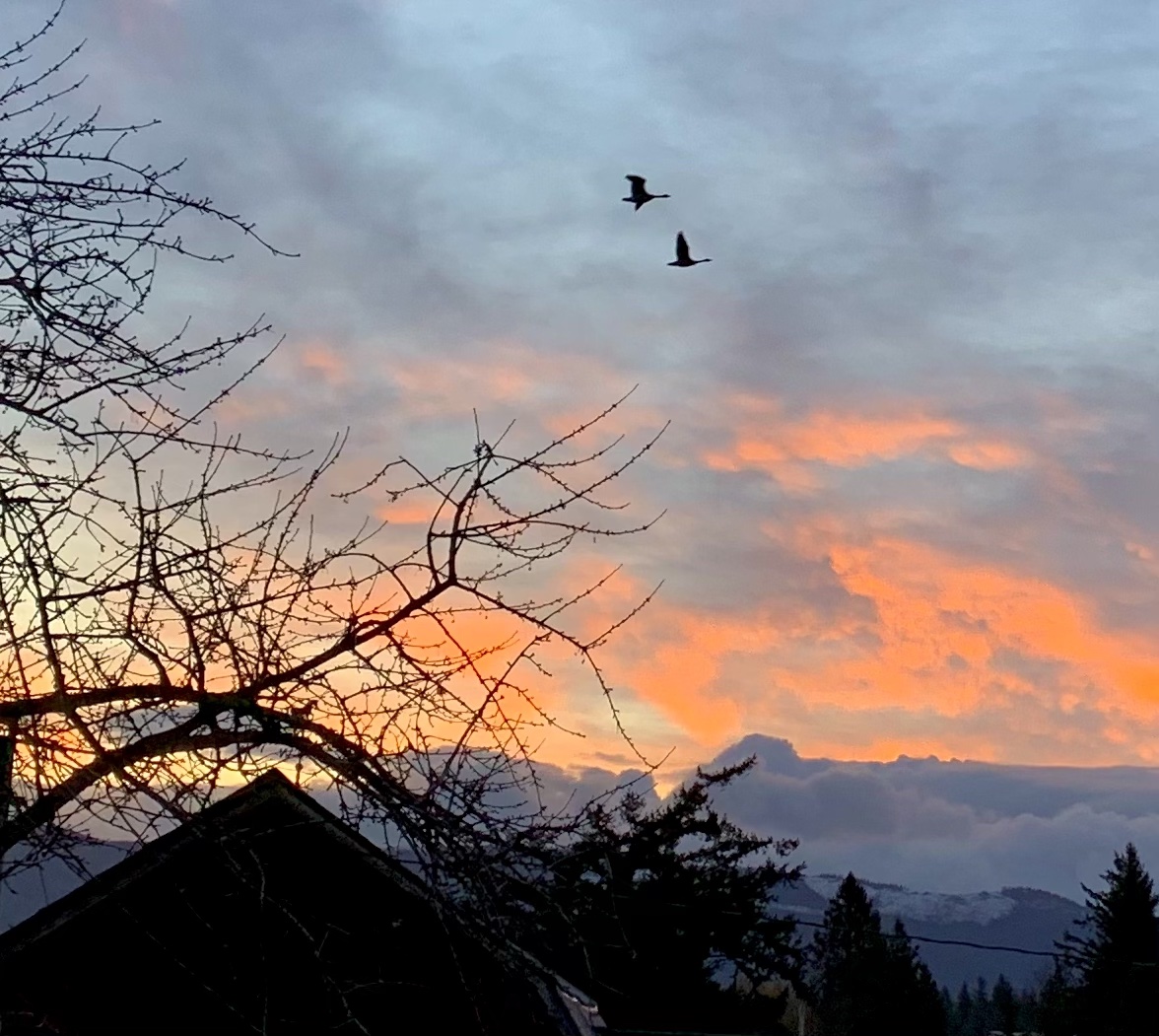
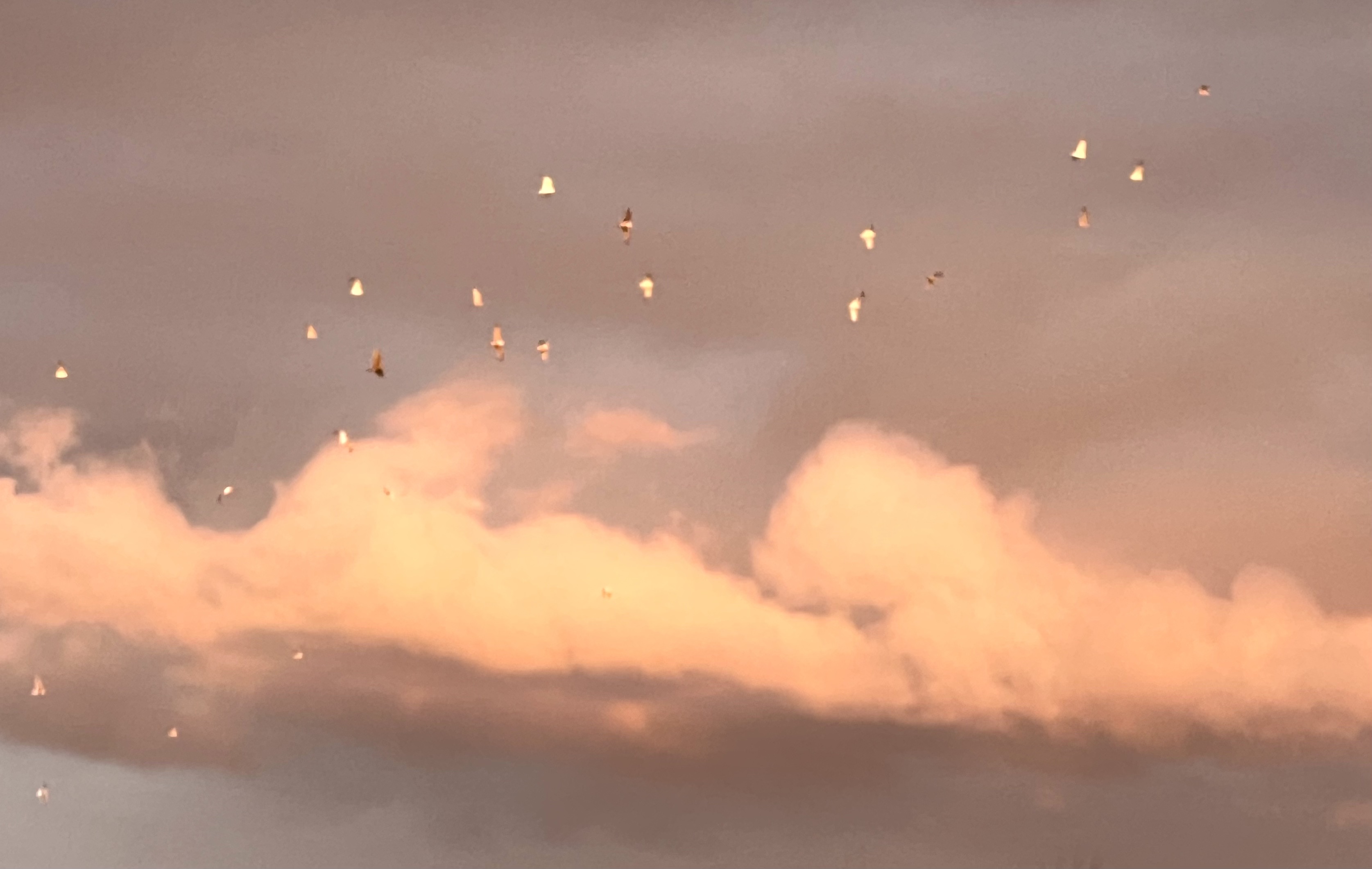
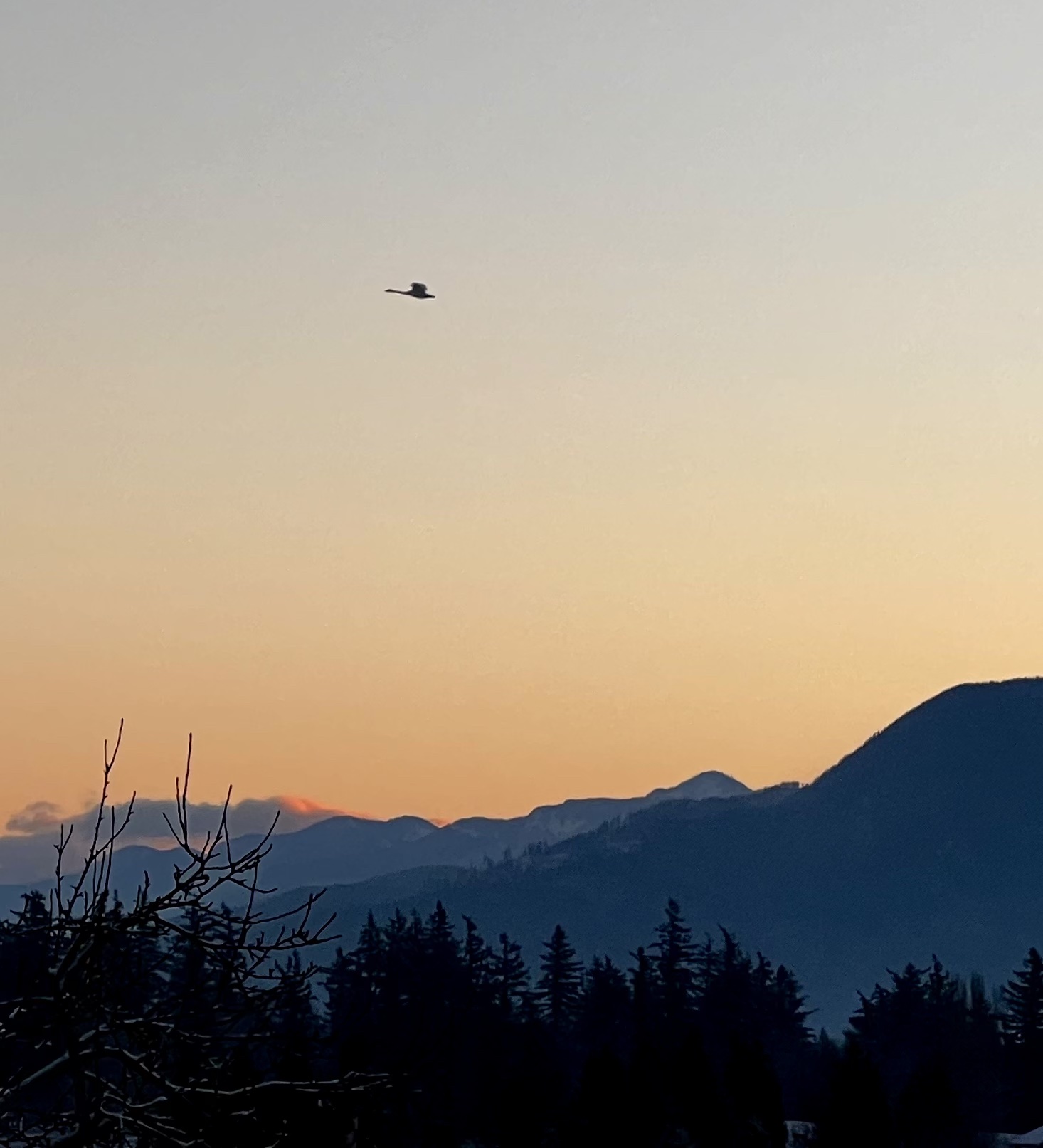
This time of year, huge flocks of migrating birds pass noisily overhead, striving together in their united effort to reach home. I envy their shared instinct to gather together with purpose.

Human families can be far more scattered and far less harmonious, yet still plenty noisy.

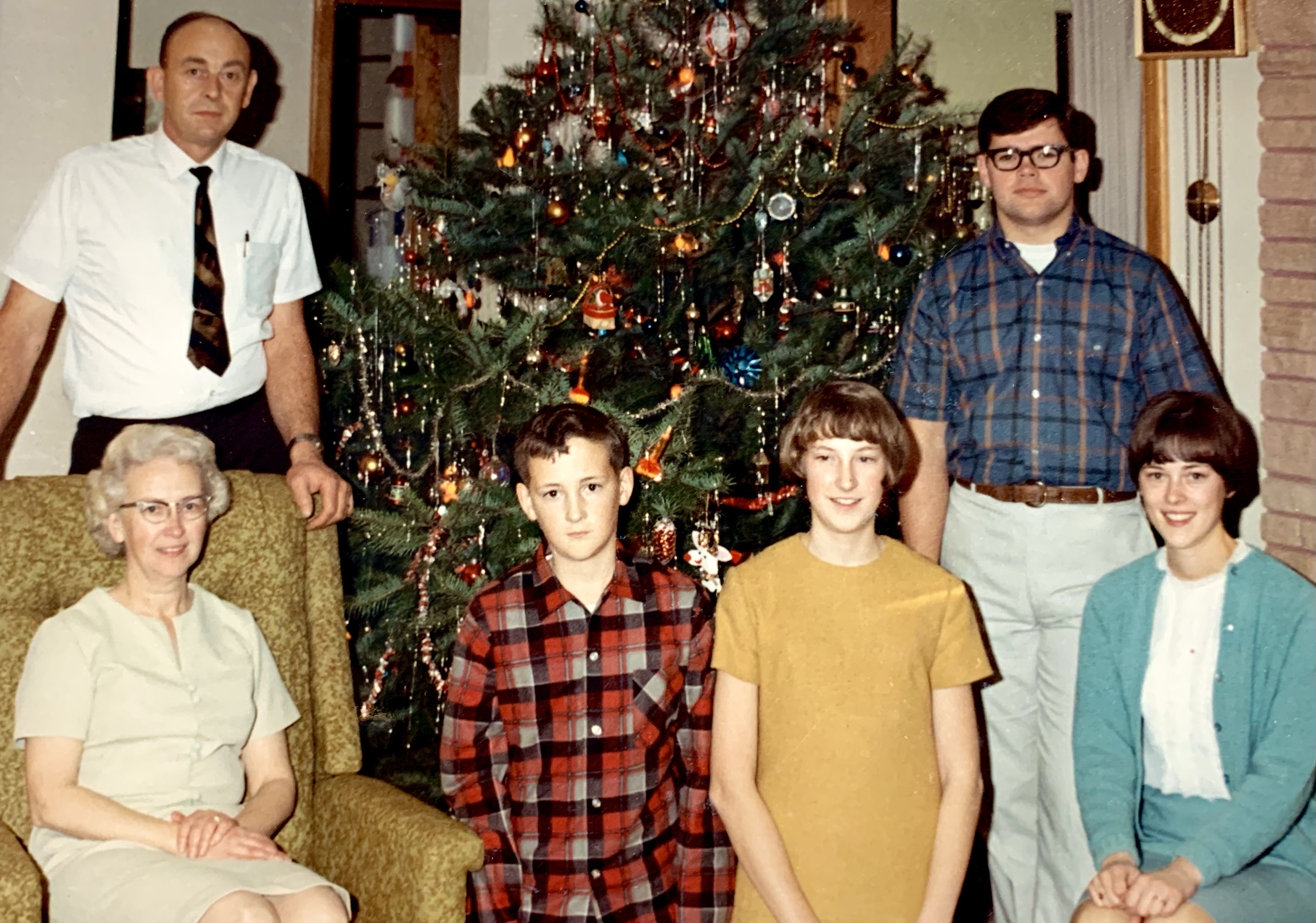
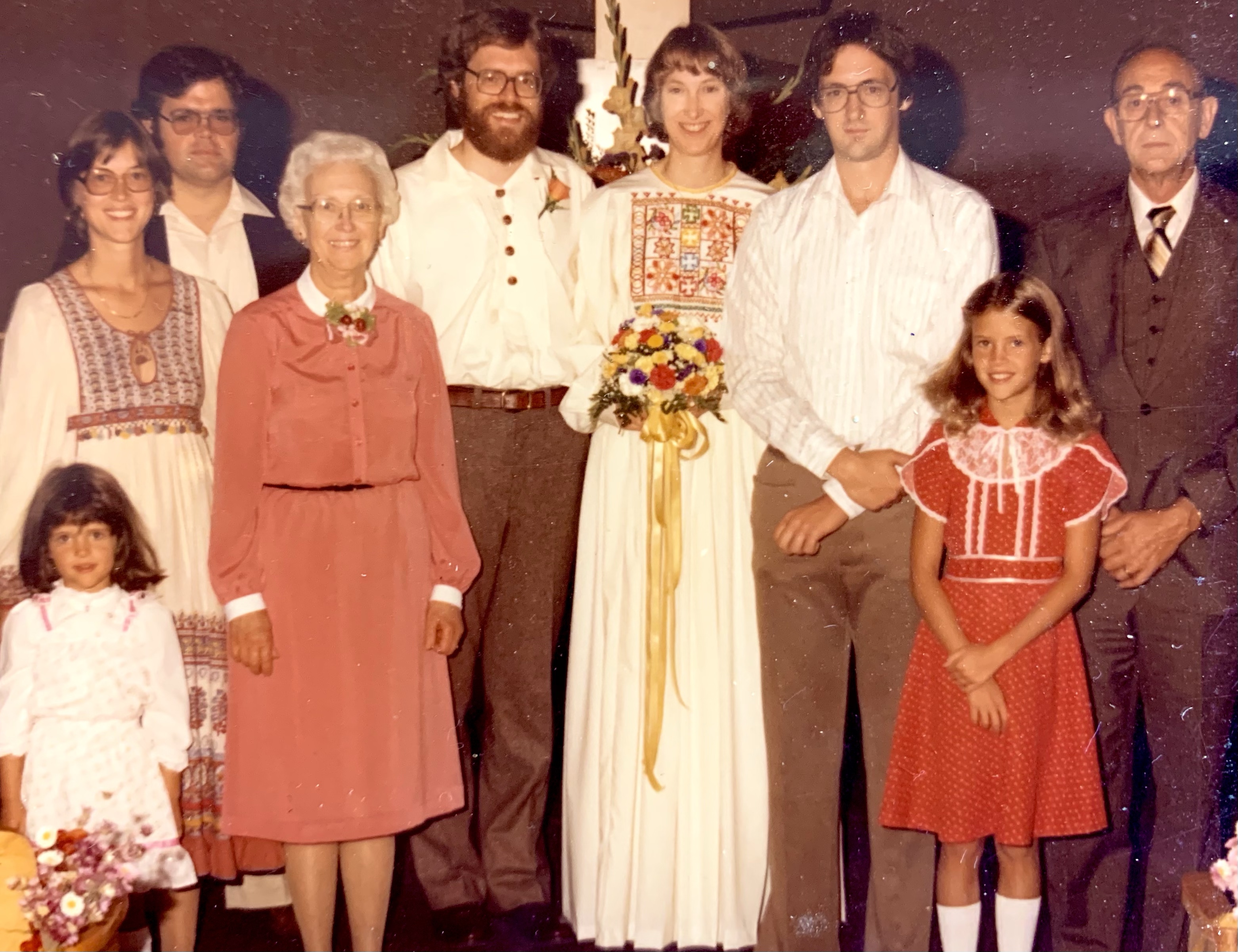
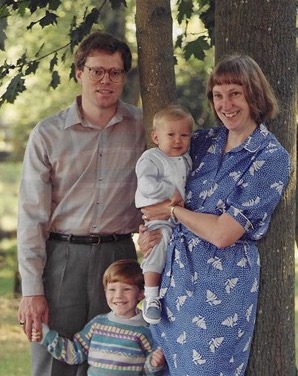
Through these holiday weeks, I take time to remember those who left this life long ago. It is bittersweet to be all together only in a photo album, with youth and smiles preserved indefinitely.

In a flash of time, three generations have passed: children have had children who now have children. Newlyweds have become grandparents, trying valiantly to fit the shoes of those who came before.

In our own eventual leave-taking, we will become the missing to be missed. There will come along new generations – those we will never meet – who will turn the pages of photograph albums and writings and wonder aloud about these unknown people from whom they descend.

Dearly beloved,
we who are missing are right here,
waiting in a drawer or a file or a book on the shelf,
ready to share, in plain words bereft of poetry,
all our love and hopes and sorrows for you,
the future generations to come.

One-Time
Monthly
Yearly

Make a one-time and recurring donation to support daily ad-free Barnstorming posts

Make a monthly donation

Make a yearly donation

Choose an amount

$10.00
$25.00
$50.00
$5.00
$15.00
$100.00
$5.00
$15.00
$100.00

Or enter a custom amount

$

Your contribution is deeply appreciated.

Your contribution is appreciated.

Your contribution is appreciated.

DonateDonate monthlyDonate yearly
Moments Out of Sight

A neighborhood.
At dusk.

Things are getting ready
to happen
out of sight.

Stars and moths.
And rinds slanting around fruit.

But not yet.

One tree is black.
One window is yellow as butter.

A woman leans down to catch a child
who has run into her arms
this moment.

Stars rise.
Moths flutter.
Apples sweeten in the dark.

~Eavan Boland “This Moment” from In a Time of Violence

photo by Nate Gibson

At times, particularly at night, I’m keenly aware of all the unknowable and uncountable lives happening behind closed doors and curtained windows, each one living their own sacred moment in time.

So many meals being eaten, baths taken, tears shed, stories told, prayers recited, kisses shared.

These moments are the blessings of a quotidian predictability that we try to pass on to our children. In our routines, we may become oblivious to the mysteries happening all around us: innumerable stars shining, fragile moths fluttering and sweetening apples hanging heavy — yet there is mystery within each of us as well.

In the dark of night, despite our weariness:
We are remarkably loved and loving.
We try our best in difficult times and circumstances.
We grieve losses while struggling to survive sorrows.
We seek purpose and meaning, despite feeling unworthy.

Each passing moment becomes one to cherish.
Each moment mysteriously holy and sweet.

One-Time
Monthly
Yearly

Make a one-time or recurring donation to support daily ad-free Barnstorming posts

Make a monthly donation

Make a yearly donation

Choose an amount

$10.00
$25.00
$50.00
$5.00
$15.00
$100.00
$5.00
$15.00
$100.00

Or enter a custom amount

$

Your contribution is deeply appreciated.

Your contribution is appreciated.

Your contribution is appreciated.

DonateDonate monthlyDonate yearly
Leaving Deep Tracks

A life should leave
deep tracks:
ruts where she
went out and back
to get the mail
or move the hose
around the yard;
where she used to
stand before the sink,
a worn-out place;
beneath her hand
the china knobs
rubbed down to
white pastilles;
the switch she
used to feel for
in the dark
almost erased.
Her things should
keep her marks.
The passage
of a life should show;
it should abrade.
And when life stops,
a certain space—
however small—
should be left scarred
by the grand and
damaging parade.
Things shouldn’t
be so hard.

~Kay Ryan “Things Shouldn’t Be So Hard” from The Niagra River

“The passage of a life should show…”

Since losing my friend Sara unexpectedly a month ago, I’ve thought a lot about the deep tracks she left behind. Traces of her life will forever mark her husband and children and grandchildren. They follow her pathways in her large farmhouse kitchen from sink to stove to cupboard to table. Her garden and orchard display her obvious affection for things that bloom and fruit while her wrap-around porch mirrors her love of sitting and witnessing it all.

Most of all her tracks are showing up on so many broken hearts, where we still feel her presence. Although I realize she is truly gone from this world, it is as if the season suddenly changed in response to her leaving. The misty mornings seem weary, the trees are now bare, the frost has been thick and a north wind has started to blow. Before too long, we’ll be remembering her boot steps in the barnyard snow.

No one Sara touched has been left abraded or scarred from her use. She was far too gentle in her touch; she worked hard not to leave traces of where she had been, as determined as she was to avoid attention. Her intention was to always remain in the background so others could shine. Now that she is gone, the background itself has been changed. The passage of her life will not dim the light she focused on her family and friends and the patients who loved her.

She wouldn’t want it to be this hard without her here.
But it is.

When a Great Soul Dies

When great souls die,
the air around us becomes
light, rare, sterile.
We breathe, briefly.
Our eyes, briefly,
see with a hurtful clarity.
Our memory, suddenly sharpened,
examines, gnaws on kind words
unsaid, promised walks
never taken.

Great souls die and
our reality, bound to
them, takes leave of us.
Our souls, dependent upon their
nurture,now shrink, wizened.
Our minds, formed
and informed by their
radiance, fall away.
We are not so much maddened
as reduced to the unutterable ignorance of
dark, cold
caves.

And when great souls die,
after a period peace blooms,
slowly and always
irregularly. Spaces fill
with a kind of
soothing electric vibration.
Our senses, restored, never
to be the same, whisper to us.
They existed. They existed.
We can be. Be and be
better. For they existed.

~Maya Angelou from “When Great Trees Fall”

Sara,
my dear friend of nearly forty years,

When I learned you died this morning, your body overwhelmed by a sudden illness no one anticipated – I sat in stillness, trying once again to remember your soft voice, as if you were still part of this world.

I knew you were gone.

It was God’s timing to collect you back and so you went. We all are poorer without you – you the richer as you settle into a body no longer a burden and a struggle.

As recently as last week, you wondered aloud if you had it in you, after decades of surviving chronic illness and two cancers, to keep going with all your physical challenges. God heard your prayer. Instead of feeling depleted and emptied of purpose, you are now restored. The love and energy you shared during your long life, through your doctoring and farming and mothering and grandmothering, is replenished in the presence of Jesus Christ.

You have left so much of yourself behind:
Your mentoring made me a better doctor.
Your example made me a better mother.
Your gentle compassion made me a better friend.
Your forgiving grace and quiet patience made me a better person.

I wasn’t yet ready to say goodbye to you:
I regret not saying everything I needed to say.
I regret not taking more walks with you.
I regret not letting you know how much you blessed me
and the world simply by existing.

Now there is no doubt you are blessing heaven.
And so we who love you – your husband, children, grandchildren,
your friends, colleagues, former patients –
gratefully share the rare gift of grace that is
Dr. Sara Cuene Watson.

All flesh is grass,
and all its beauty is like the flower of the field.
The grass withers,
the flower fades when the breath of the LORD blows on it;
surely the people are grass.
The grass withers, the flower fades,
but the word of our God will stand forever.
Isaiah 40: 6-8

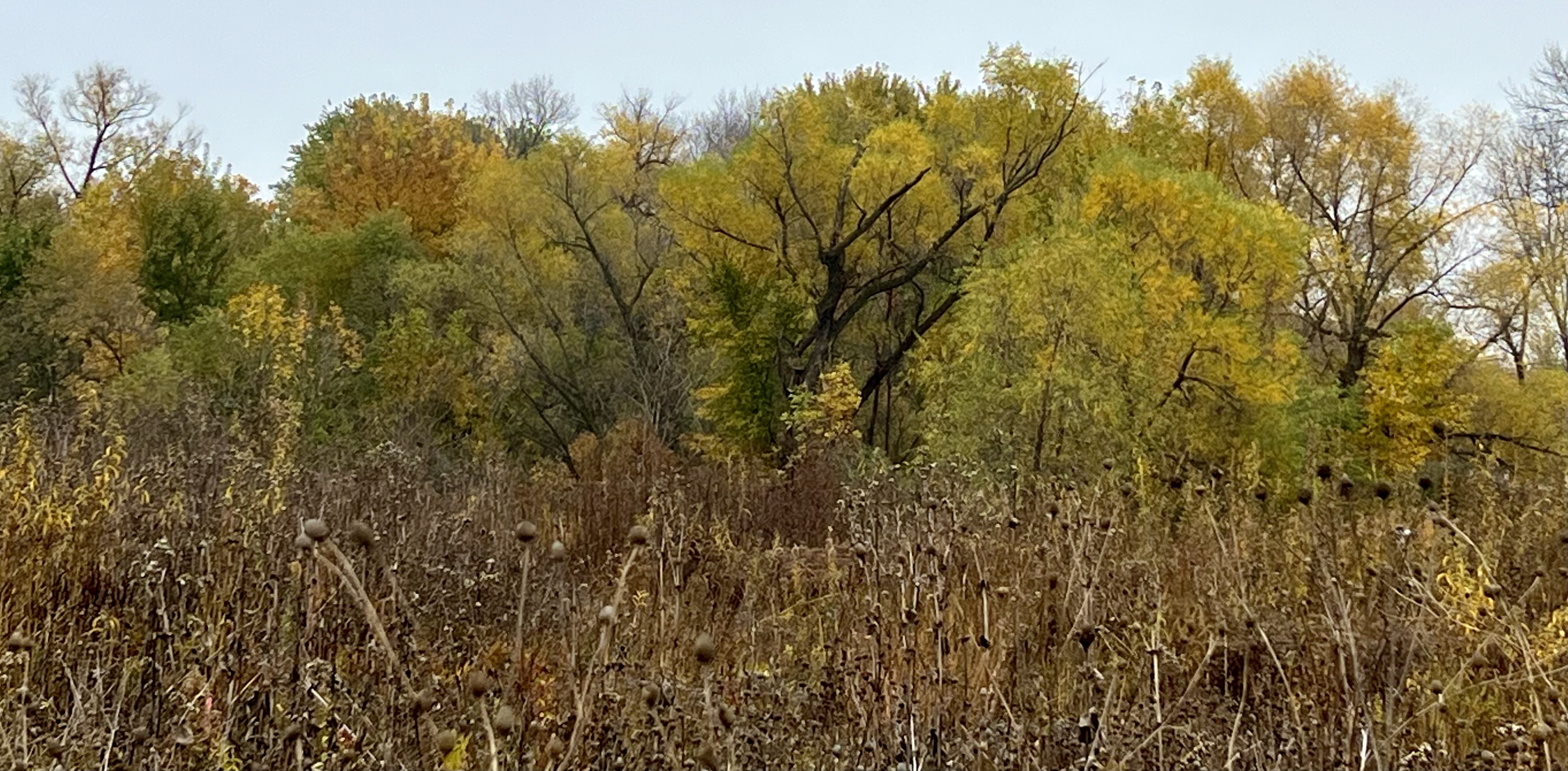
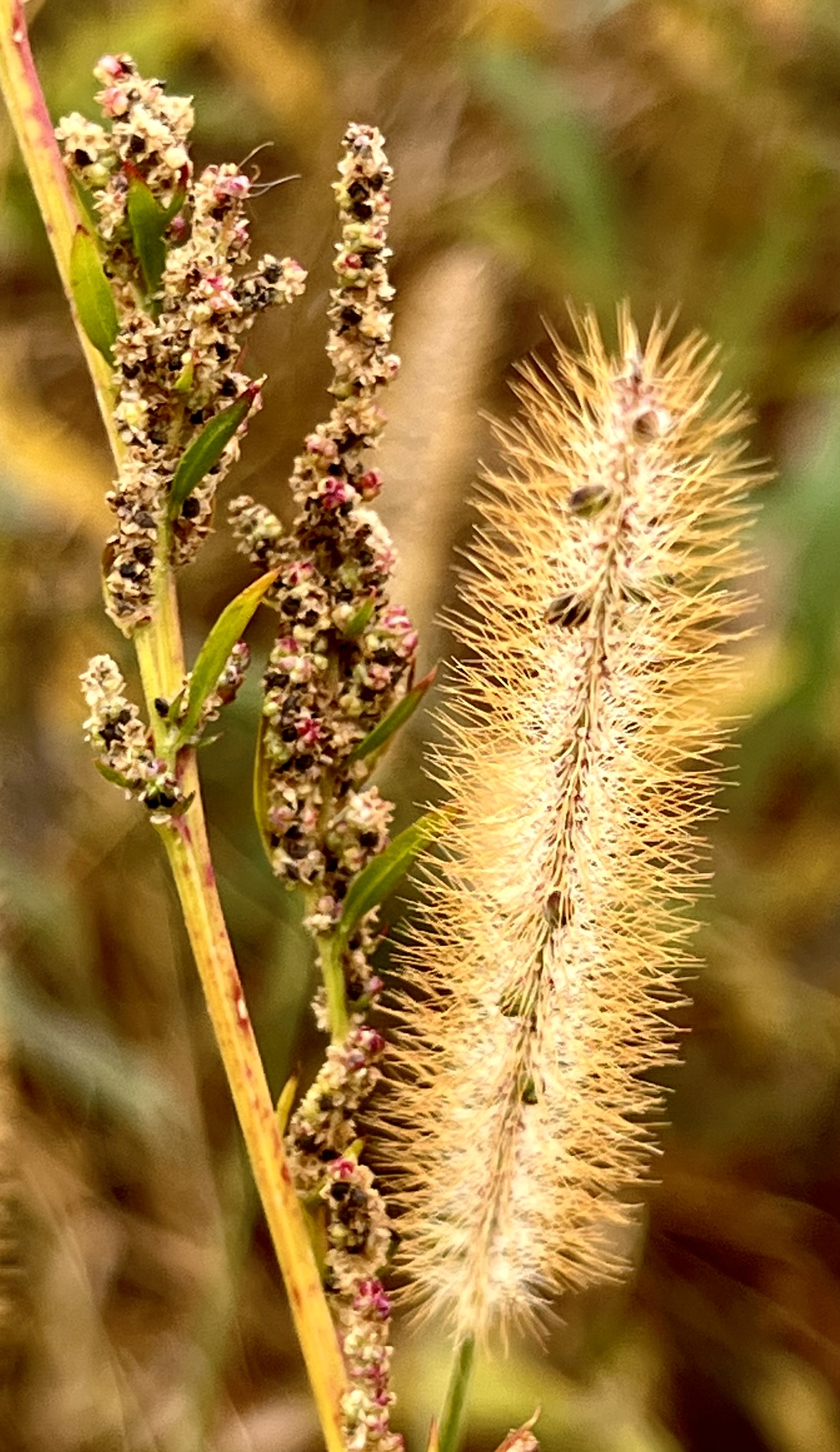
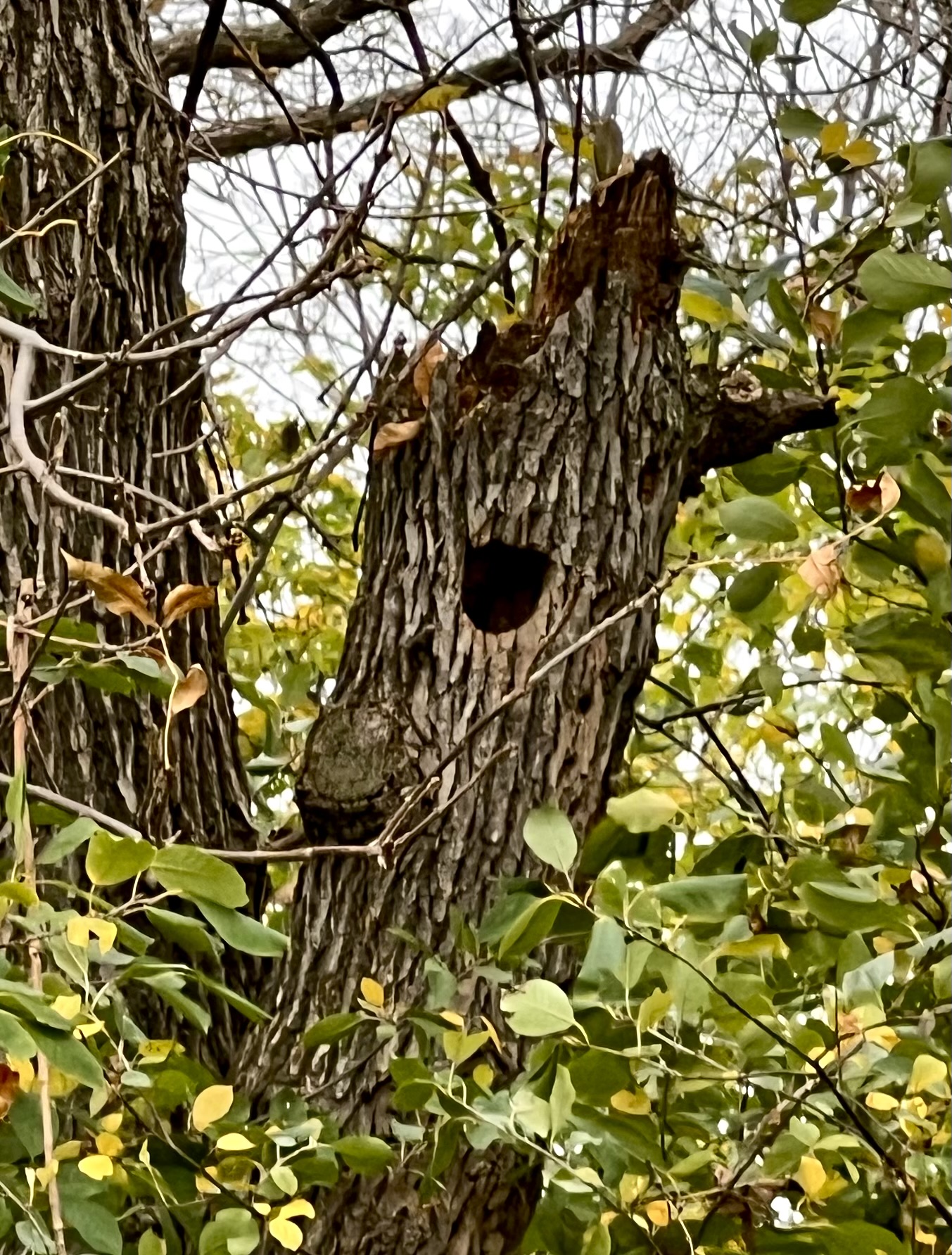
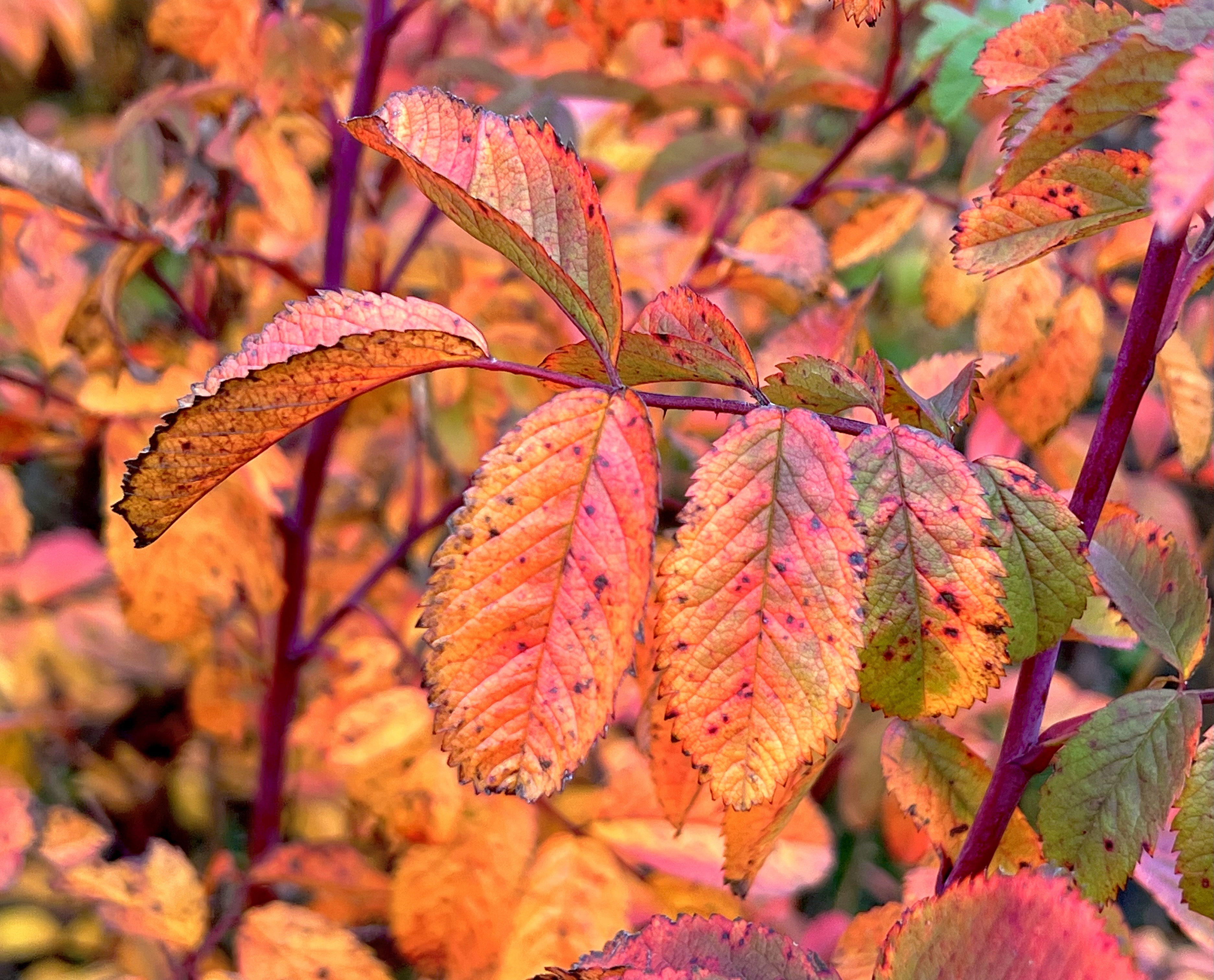
(Photos from Dordt University prairie)

Blossoming with Loss

I let her garden go.
let it go, let it go
How can I watch the hummingbird
Hover to sip
With its beak’s tip
The purple bee balm—whirring as we heard

It years ago?
The weeds rise rank and thick
let it go, let it go

Where annuals grew and burdock grows,
Where standing she
At once could see

The peony, the lily, and the rose
Rise over brick

She’d laid in patterns. Moss
    let it go, let it go
Turns the bricks green, softening them
By the gray rocks
Where hollyhocks
That lofted while she lived, stem by tall stem,
Blossom with loss.

~Donald Hall, “Her Garden” from White Apples and the Taste of Stone

photo by Josh Scholten

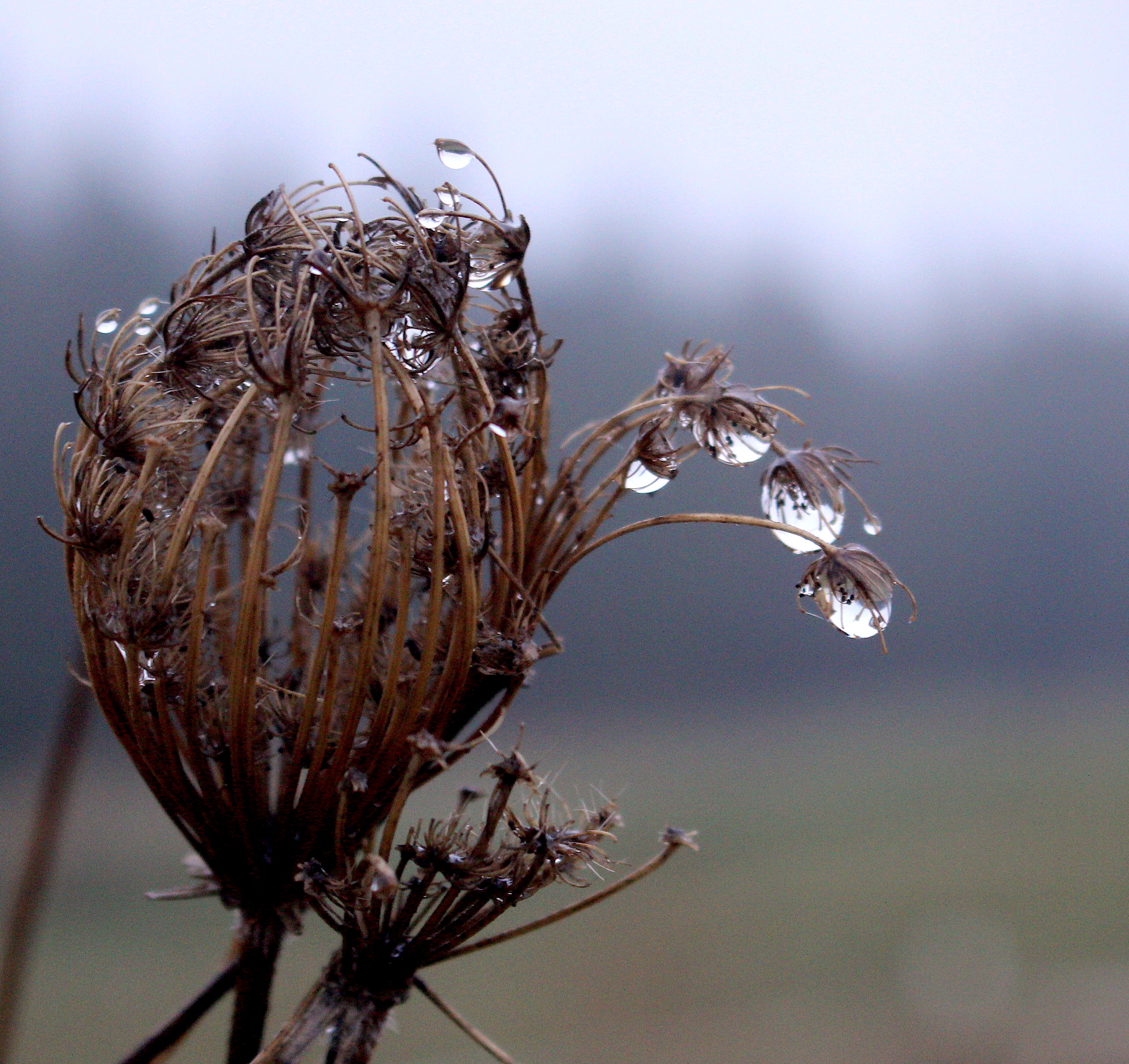
As fall now brings gray mornings
heavy with clouds
and tear-streaked windows,
I pause, melancholy
at the passage of time.

Whether to grieve over
another hour passed
another breath exhaled
another broken heart beat

Or to climb my way
out of deepless dolor
by starting the work of
planting next spring’s garden

It takes sweat
and dirty hands
and yes,
tears from heaven
to make it flourish,
but even so
– just maybe –
my memories
so carefully planted like seeds
might blossom fully
from the soil of loss.

One-Time
Monthly
Yearly

Make a one-time or recurring donation to support daily Barnstorming posts

Make a monthly donation

Make a yearly donation

Choose an amount

$10.00
$25.00
$50.00
$5.00
$15.00
$100.00
$5.00
$15.00
$100.00

Or enter a custom amount

$

Your contribution is deeply appreciated.

Your contribution is appreciated.

Your contribution is appreciated.

DonateDonate monthlyDonate yearly
Finding Refuge

When the wind
turns and asks, in my father’s voice,
Have you prayed?

I know three things. One:
I’m never finished answering to the dead.

Two: A man is four winds and three fires.
And the four winds are his father’s voice,
his mother’s voice . . .

Or maybe he’s seven winds and ten fires.
And the fires are seeing, hearing, touching,
dreaming, thinking . . .
Or is he the breath of God?

When the wind turns traveler
and asks, in my father’s voice, Have you prayed?
I remember three things.

One: A father’s love
is milk and sugar,
two-thirds worry, two-thirds grief, and what’s left over
is trimmed and leavened to make the bread
the dead and the living share.

And patience? That’s to endure
the terrible leavening and kneading.


And wisdom? That’s my father’s face in sleep.

When the wind
asks, Have you prayed?
I know it’s only me
reminding myself

a flower is one station between
earth’s wish and earth’s rapture, and blood
was fire, salt, and breath long before
it quickened any wand or branch, any limb
that woke speaking. It’s just me
in the gowns of the wind,

or my father through me, asking,
Have you found your refuge yet?
asking, Are you happy?

Strange. A troubled father. A happy son.
The wind with a voice. And me talking to no one.

~Li Young Lee “Have You Prayed?”

I pray because I can’t help myself.
I pray because I’m helpless.
I pray because the need flows out of me all the time — waking and sleeping.
It doesn’t change God — it changes me.

~C.S. Lewis

I never did hear my father pray out loud except for saying grace together as a family before our dinner meal. Once he described a prayer he uttered while hunkering in a trench on the island of Tarawa during WWII: if God could see him safe through the three years of combat, he would turn his life to over to God and become a preacher of the Word.

He came home safe, his body still whole but he could see the harsh reality of his foxhole promise: agriculture teachers made better incomes than preachers. He had a family to support so he became a high school FFA teacher. I’m not sure he ever forgave himself for not keeping his word, even when God did. I figure the world needs good farmers as much as good preachers and he trained his share of farmers over the decades, including me.

I learned to pray out loud at our small church as we spend part of every evening service praying out loud for the needs of our church people, our community and our world. It still does not come easily or naturally to me, yet I hope our children, having heard their parents pray out loud, have learned they are not just talking to the wind when they speak to God aloud, when helpless, when weary, when joyful, when thankful.

Praying changes everything.

One-Time
Monthly
Yearly

Make a one-time or recurring donation to support daily Barnstorming posts

Make a monthly donation

Make a yearly donation

Choose an amount

$10.00
$25.00
$50.00
$5.00
$15.00
$100.00
$5.00
$15.00
$100.00

Or enter a custom amount

$

Your contribution is deeply appreciated.
Your contribution is appreciated.

Your contribution is appreciated.

DonateDonate monthlyDonate yearly