We were promised sufferings. They were part of the program. We were even told, ‘Blessed are they that mourn.’ The real problem is not why some pious, humble, believing people suffer, but why some do not. C.S. Lewis ~~writing on suffering in The Problem of Pain
The Christian has never been promised a pain-free existence. No one escapes suffering, no matter how strongly they believe in God. It is what we signed up for.
How could an all-powerful all-knowing God allow suffering, especially in innocent children? This is a standard argument used against the existence of a beneficent God. The reasoning is — if abundant suffering and evil is allowed in the world, no merciful God is in control.
Yet that reasoning sets aside gospel reality: God identifies so strongly with His Creation, He allows His own suffering and death.
He mourns. He weeps. He hurts. He bleeds. He dies. Just like us.
What all-powerful all-knowing God would do that? Our God would, because He is first and foremost a loving God who makes imperfection perfect again. Then He defeats death to ensure our eternal union with Him.
No, there isn’t a “no pain” guarantee –neither God nor even the natural world ever promised that. But only our God promises “no stain” –that we are washed clean for eternity by His shed blood.
In the midst of our sadness and mourning, that is our greatest comfort of all.
For just as we share abundantly in the sufferings of Christ, so also our comfort abounds through Christ. 2 Corinthians 1:5
I have told you these things, so that in me you may have peace. In this world you will have trouble. But take heart! I have overcome the world. John 16:33
This Lenten season I reflect on the words of the 19th century southern spiritual hymn “What Wondrous Love is This”
One-Time
Monthly
Yearly
Make a one-time or recurring donation to support daily Barnstorming posts
…the whole experience <of compline> is in some way a touching of the hem of Christ’s garment: something has been given, something disclosed. And the person holding a candle at compline may hear a call, and make a journey, as another stressed woman once did, from touching the hem of Christ’s garment to meeting him face to face.
… just occasionally, it opens into deeper things, on to more ultimate questions. Just occasionally, there is an opening of heart and soul, which in some sense the liturgy itself has made possible; and then it is that, just sometimes, someone takes a few more steps on that journey from the hem of his garment to the light of his countenance. ~Malcolm Guite from Poet’s Corner
Most of us are like that desperate woman hoping for healing by reaching out to touch the hem of His robe – ashamed to be so needy, hoping to go unnoticed, not actually wanting to bother anyone, but still helpless – so very helpless.
He knows when we reach out in desperation; He feels it.
So He lifts us up as we begin our journey to His light – from a touch of His hem to seeing His face.
It starts with reaching out. It starts with taking a few more steps.
And Jesus, perceiving in himself that power had gone out from him, immediately turned about in the crowd and said, “Who touched my garments?” And he looked around to see who had done it.But the woman, knowing what had happened to her, came in fear and trembling and fell down before him and told him the whole truth. 3And he said to her, “Daughter, your faith has made you well; go in peace, and be healed of your disease.” Mark 5: 30. 32-34
This Lenten season I reflect on the words of the 19th century southern spiritual hymn “What Wondrous Love is This”
Before the ending of the day, Creator of the world, we pray That with Thy wonted favour Thou Wouldst be our guard and keeper now.
From all ill dreams defend our eyes, From nightly fears and fantasies; Tread under foot our ghostly foe That no pollution we may know.
O Father, that we ask be done Through Jesus Christ, thine only Son, Who with the Holy Ghost and Thee Dost live and reign eternally.
One-Time
Monthly
Yearly
Make a one-time or recurring donation to support daily Barnstorming posts
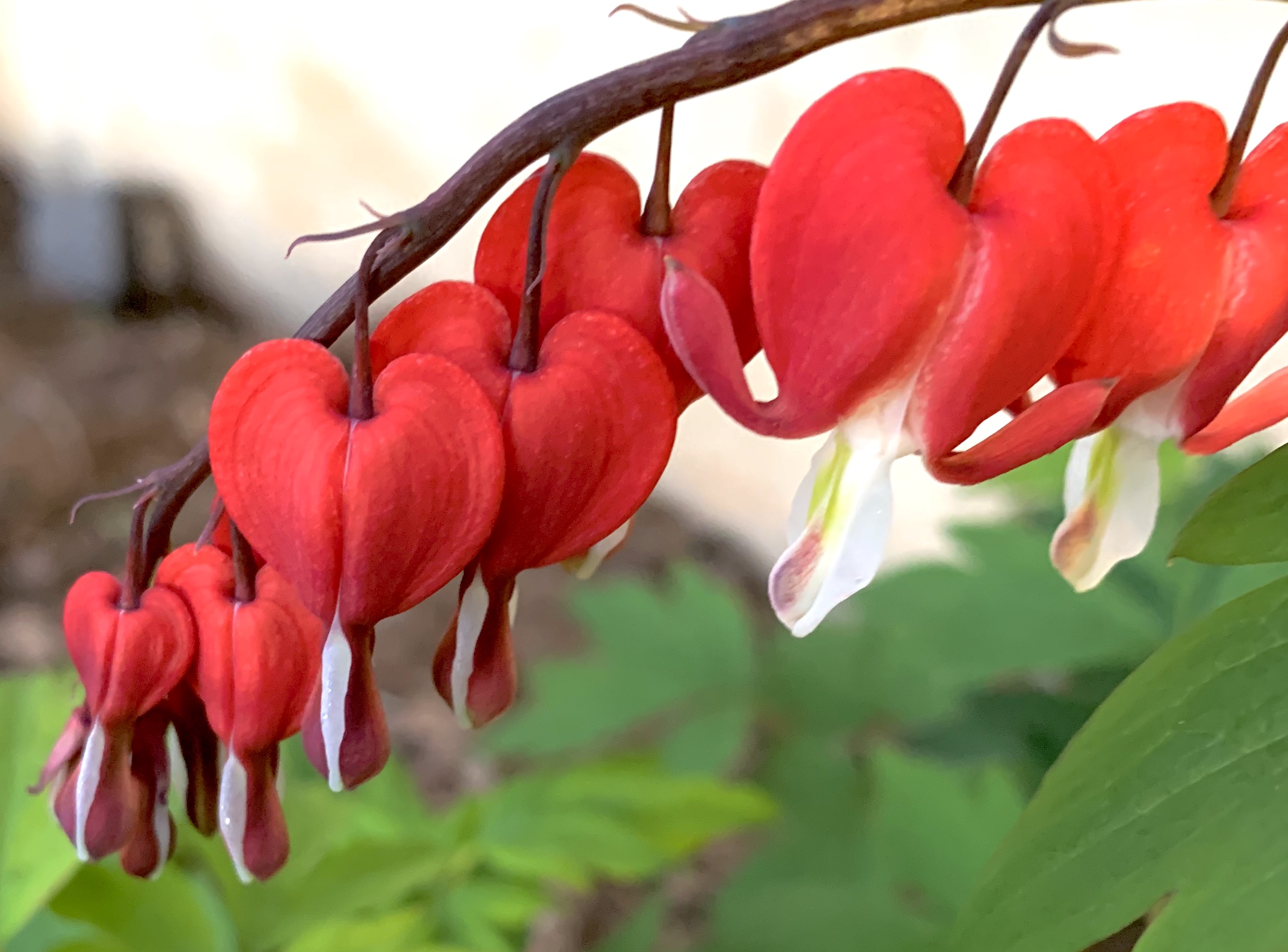
I know a bleeding-heart plant that has thrived for sixty years if not more, and has never missed a spring without rising and spreading itself into a glossy bush, with many small red hearts dangling. Don’t you think that deserves a little thought? The woman who planted it has been gone for a long time, and everyone who saw it in that time has also died or moved away and so, like so many stories, this one can’t get finished properly. Most things that are important, have you noticed, lack a certain neatness. More delicious, anyway, is to remember my grandmother’s pleasure when the dissolve of winter was over and the green knobs appeared and began to rise, and to cre- ate their many hearts. One would say she was a simple woman, made happy by simple things. I think this was true. And more than once, in my long life, I have wished to be her. ~Mary Oliver “The Bleeding-Heart”from New and Selected Poems Volume Two
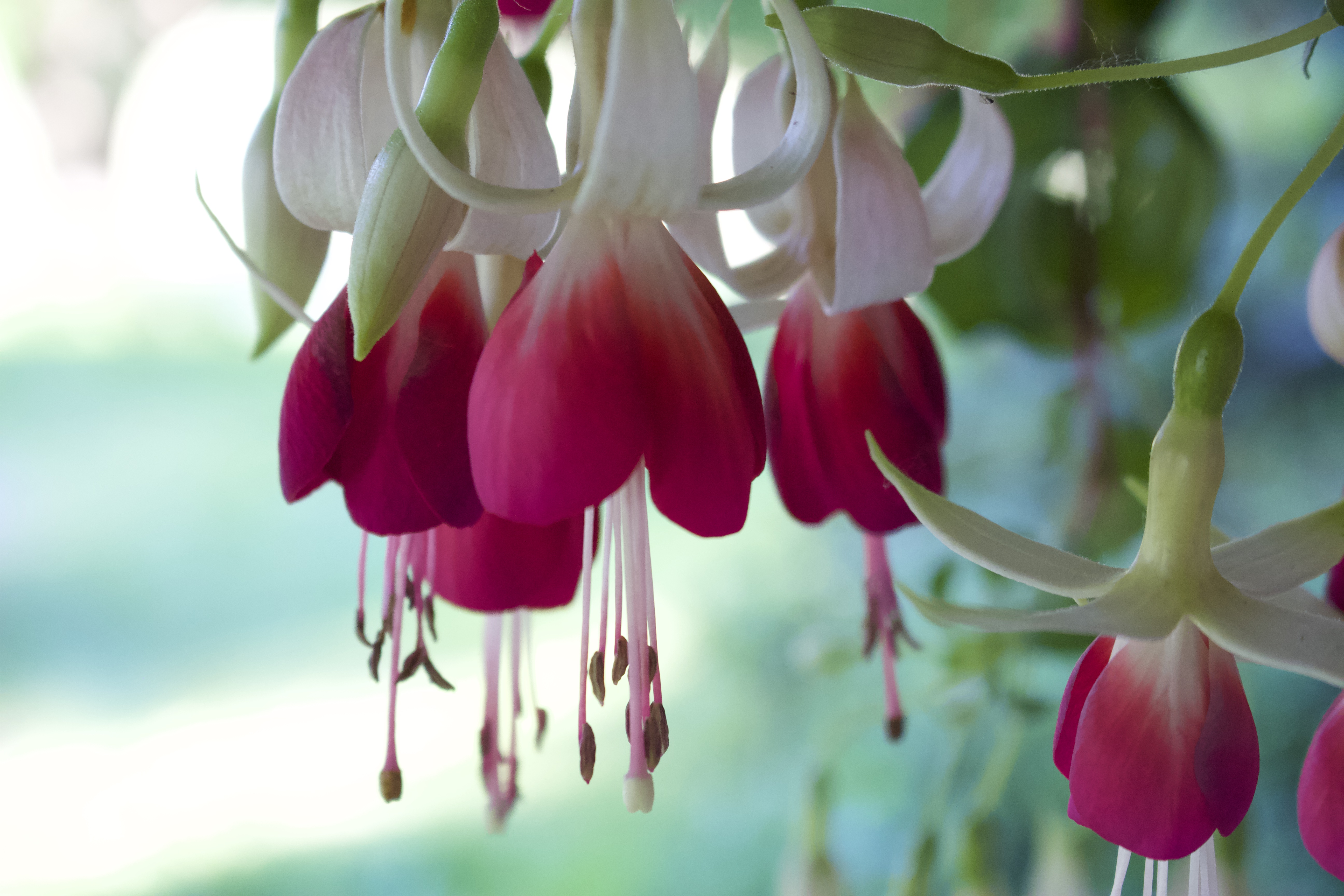
My Grandma Kittie grew flowers–lots of them. Her garden stretched along both sides of the sidewalk to her old two story farm house, in window boxes and beds around the perimeter, in little islands scattered about the yard anchored by a tree, or a piece of driftwood, a gold fish pond or a large rock. Wisteria hung like a thick curtain of purple braids from the roof of her chicken coop, and her greenhouse, far bigger than her home, smelled moist and mossy with hanging fuschia baskets. For her it was full time joy disguised as a job: she sold seedlings, and ready-to-display baskets, and fresh flower arrangements.
She often said she was sure heaven would be full of flowers needing tending, and she was just practicing for the day when she could make herself useful as a gardener for God.
Visiting Grandma meant spending summer evenings in her yard heavy with wafting flower perfume. She especially loved her bleeding hearts bushes that returned every spring, dripping their red blossoms over her unruly lawn.
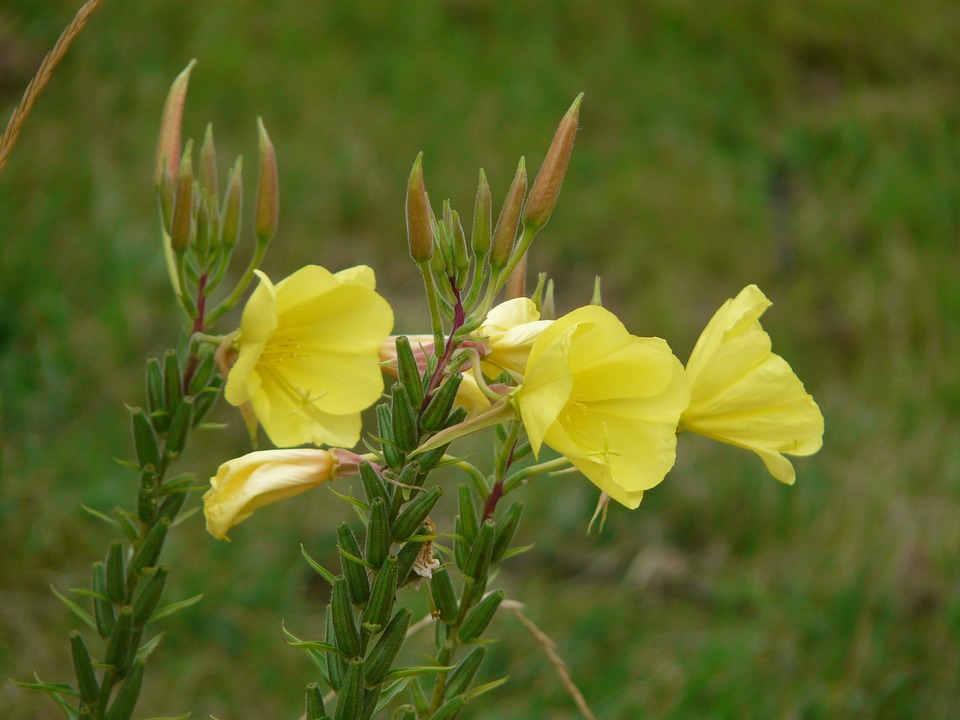
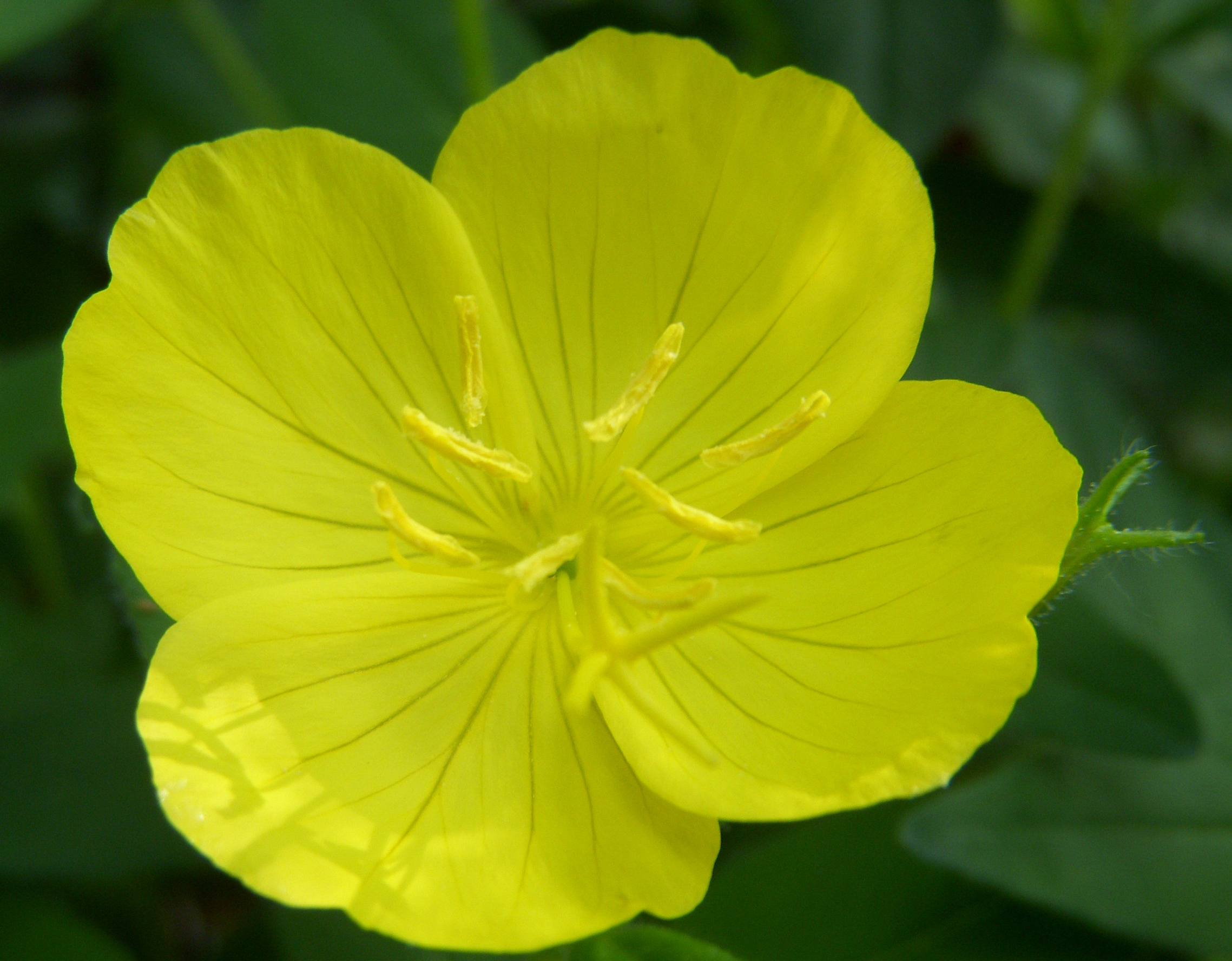
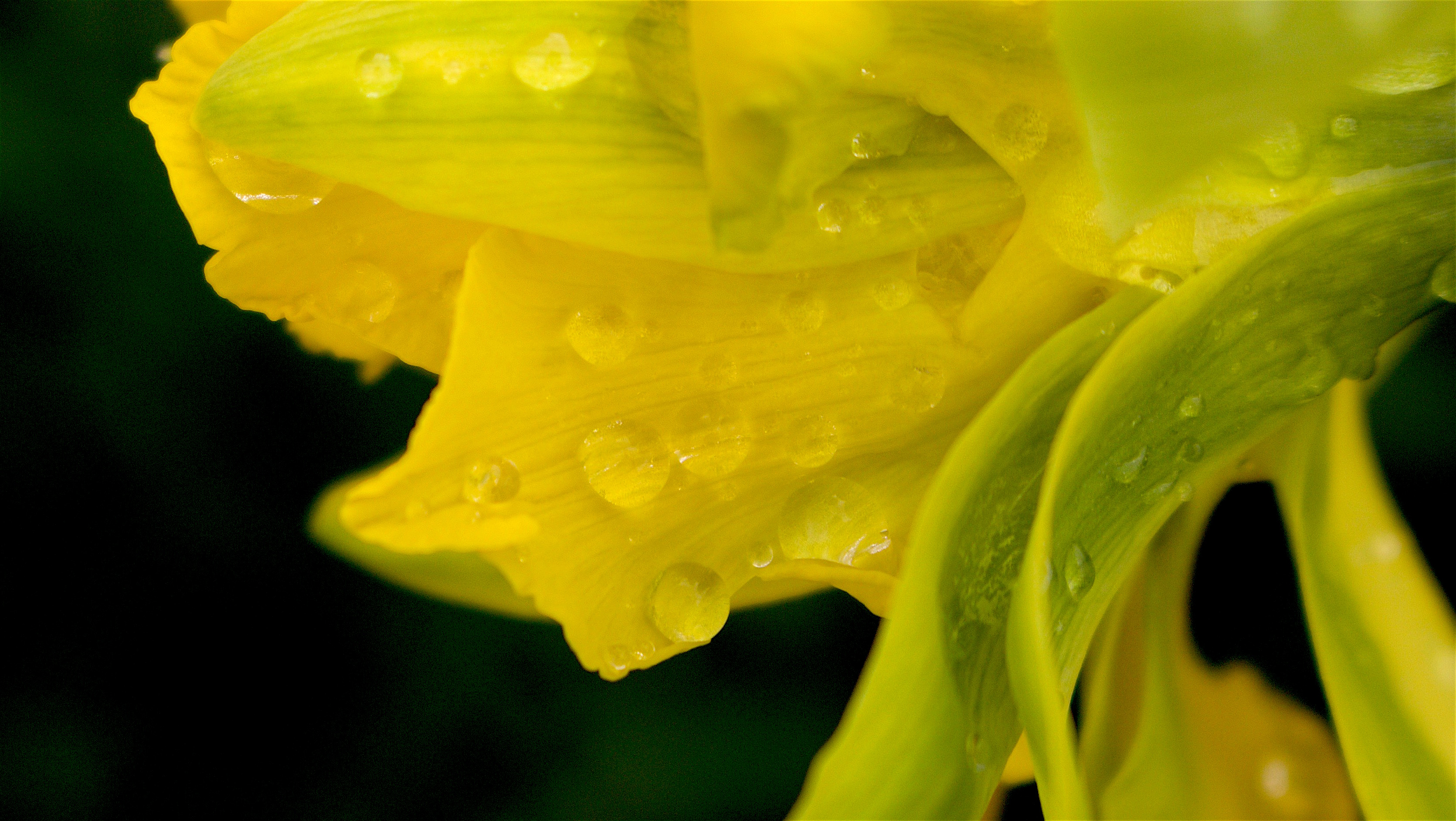
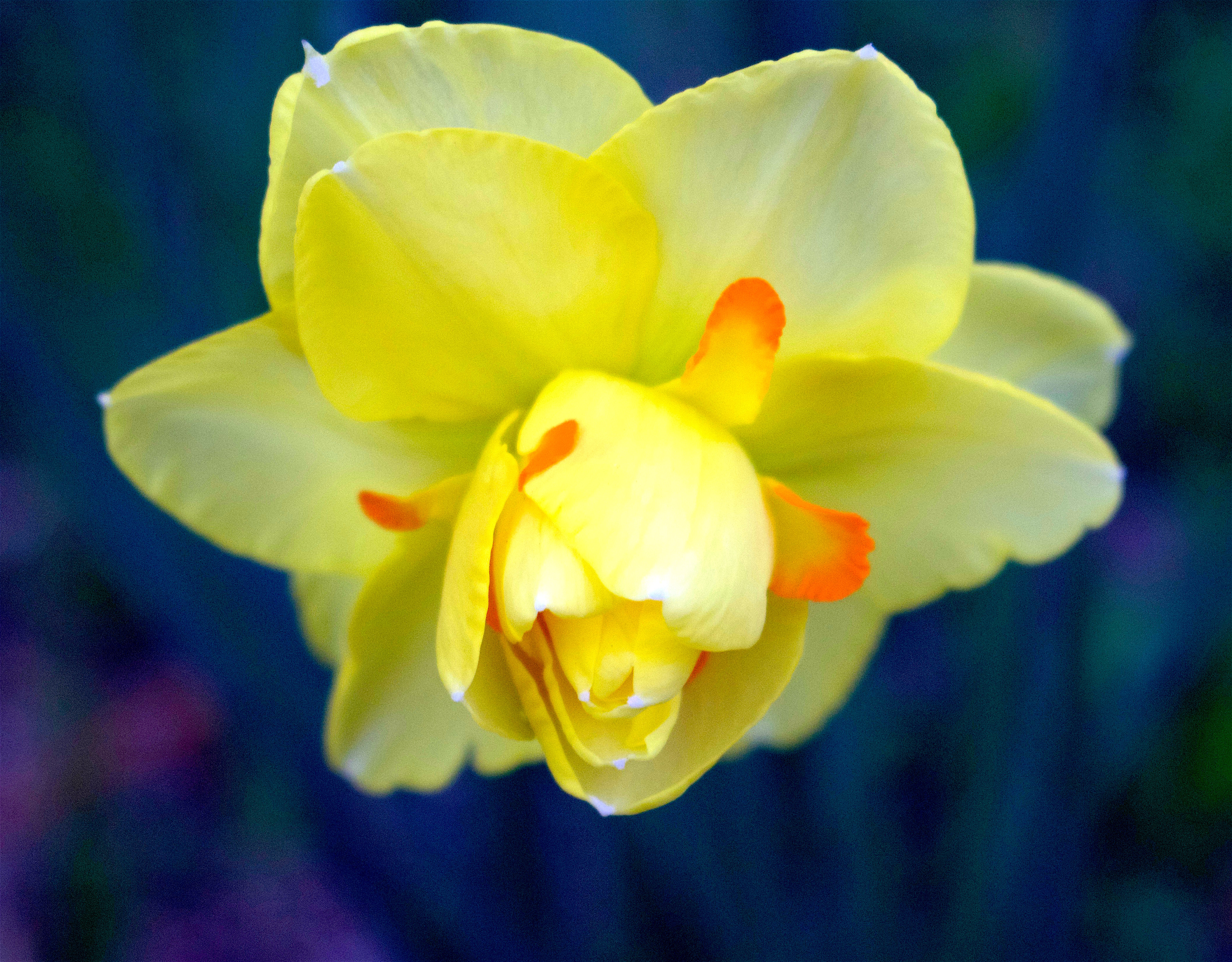
Another of her favorite flowers was the evening primrose. It was one of a few night blooming plants meant to attract pollinating moths. Its tall stems were adorned by lance shaped leaves, with multiple buds and blooms per stem. Each evening, and it was possible to set one’s watch by its punctuality, only one green wrapped bud per stem would open, revealing a bright yellow blossom with four delicate veined petals, a rosette of stamens and a cross-shaped stigma in the center, rising far above the blossom. The yellow was so vivid and lively, it seemed almost like a drop of sun had been left on earth to light the night. By morning, the bloom would begin to wither and wilt under the real sunlight, somehow overcome with the brightness, and would blush a pinkish orange as it folded upon itself, ready to die and drop from the plant in only a day or two, leaving a bulging seed pod behind.
I would settle down on the damp lawn at twilight, usually right before dusk fell, to watch the choreography of opening of blossoms on stem after stem of evening primrose. Whatever the trigger was for the process of unfolding, there would be a sudden loosening of the protective green calyces, in an almost audible release. Then over the course of about a minute, the overlapping yellow petals would unfurl, slowly, gently, purposefully, revealing their pollen treasure trove inside. It was like watching time lapse cinematography, only this was an accelerated, real time flourish of beauty, happening right before my eyes. I always felt privileged to witness each unveiling as Grandma liked to remind me that few flowers ever allowed us to behold both their birth and death. The evening primrose was not at all shy about sharing itself and it would enhance the show with a sweet lingering fragrance.
Grandma knew how much I enjoyed the evening primrose display, so she saved seeds from the seed pods for me, and helped me plant them at our house during one of her spring time visits. I remember scattering the seeds with her in a specially chosen spot, in anticipation of the “drops of sun” that would grace our yard come summertime. However, Grandma was more tired than usual on this particular visit, taking naps and not as eager to go for walks or eat the special meals cooked in honor of her visit. Her usually resonant laughing brown eyes appeared dull, almost muddy.
The day she was to return to her home, she came into the kitchen at breakfast time, wearily setting down her packed bags. She gave me a hug and I looked at her. Something was dreadfully wrong. Grandma’s eyes were turning yellow.
Instead of returning home that day, she went to the hospital. Within a day, she had surgery and within two days, was told she had terminal pancreatic cancer. She did not last long, her skin becoming more jaundiced by the day, her eyes more icteric and far away. She soon left her earthly gardens to cultivate those in heaven.
I’ve kept bleeding hearts and evening primrose in my garden ever since. Grandma’s heart dangles from the bushes and she is released from each primrose bloom as it unfolds precipitously in the evening. She wafts across the yard in its perfume. Her spirit, a drop of sun coming to rest, luminous, for a brief stay upon the earth, only to fall before we’re ready to let it go. But as the wilted bloom lets go, its seeds have already begun to form.
I’m sure Grandma is still growing flowers. And my soil-covered hands look more like hers every day.
The grass withers and the flowers fall, because the breath of the Lord blows on them. Surely the people are grass. The grass withers and the flowers fall, but the word of our God endures forever. Isaiah 40: 7-8
This Lenten season I reflect on the words of the 19th century southern spiritual hymn “What Wondrous Love is This”
One-Time
Monthly
Yearly
Make a one-time or recurring donation to support daily Barnstorming posts
Trust your bones Trust the pull of the earth And the earth itself Trust the hearts of trees The stone at the edge of the sea And all else true
Trust that water will bear you up Trust the moon to keep faith With ebb and flow Trust the leafing The chrysalis, the seed And every other way Death gives birth to resurrection ~Bethany Lee, “To Keep Faith” from The Breath Between
Over the last several weeks, roots have become shoots and their green blades are rising chaotically, uneven and awkward like a bad haircut. And like a bad haircut, another two weeks will make all the difference — sprouts will cover all the bare earth, breaking through crusted soil to create a smooth carpet of green.
There is nothing more mysterious than the barren made fruitful, the ugly made beautiful, the dead made alive.
The muddy winter field of my heart will recover, bathed in new light; I trust love will come again like shoots that spring up green.
Behold! I tell you a mystery. We shall not all sleep, but we shall all be changed, in a moment, in the twinkling of an eye, at the last trumpet. For the trumpet will sound, and the dead will be raised imperishable, and we shall be changed… 1 Corinthians 15:51–52
This Lenten season I reflect on the words of the 19th century southern spiritual hymn “What Wondrous Love is This”
One-Time
Monthly
Yearly
Make a one-time or recurring donation to support daily Barnstorming posts
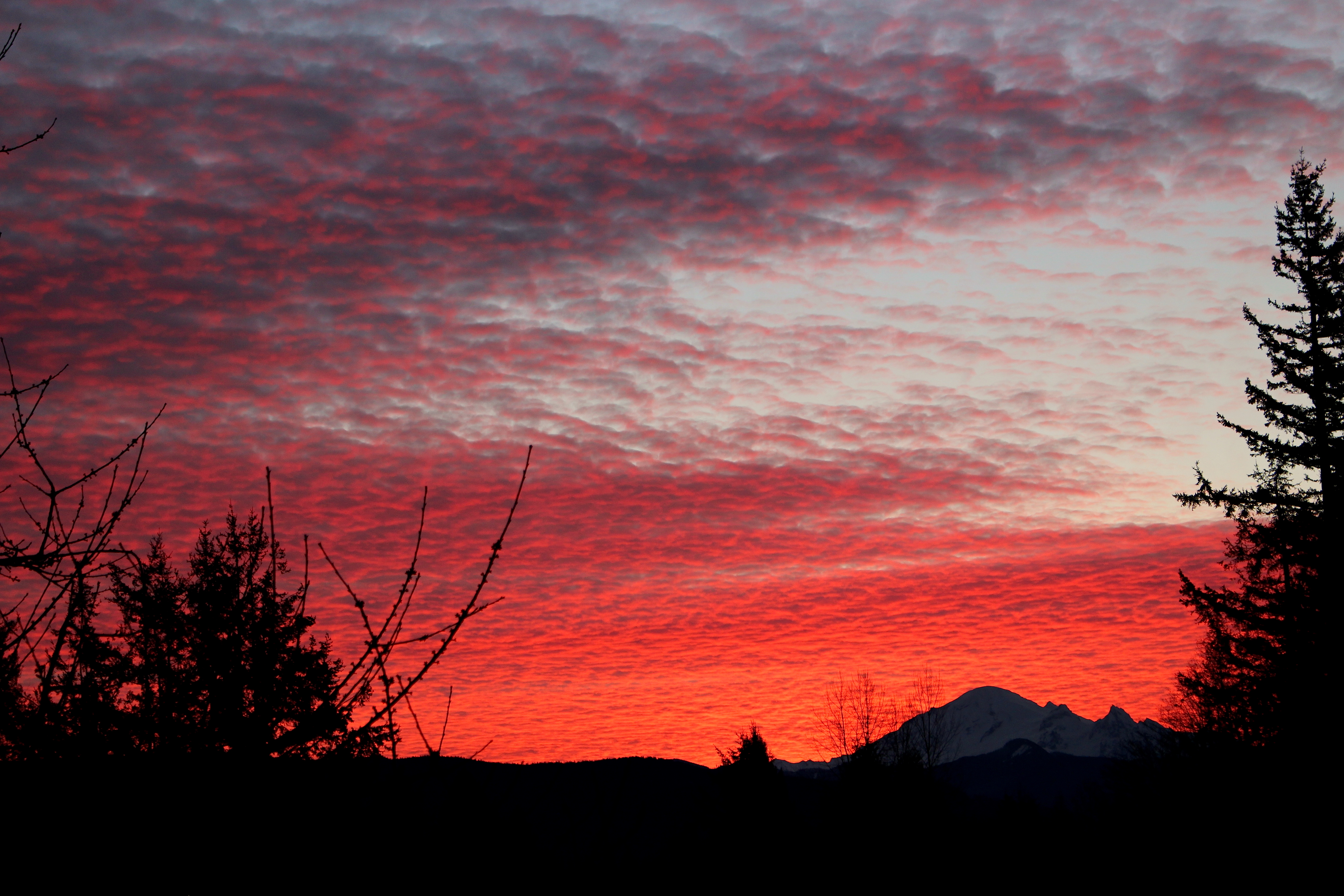
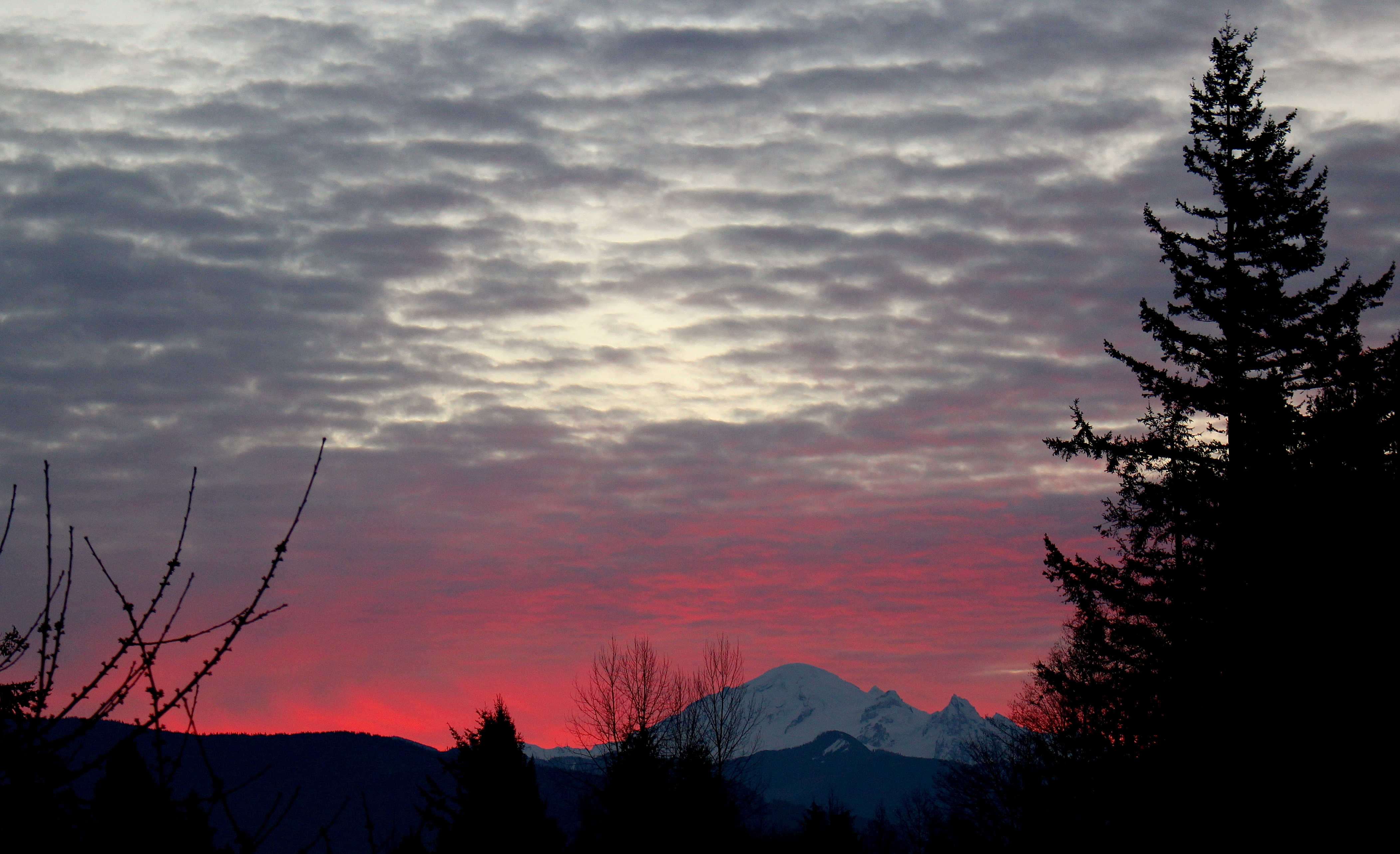
Let Him easter in us, be a dayspring to the dimness of us, be a crimson-cresseted east. ~Gerard Manley Hopkin
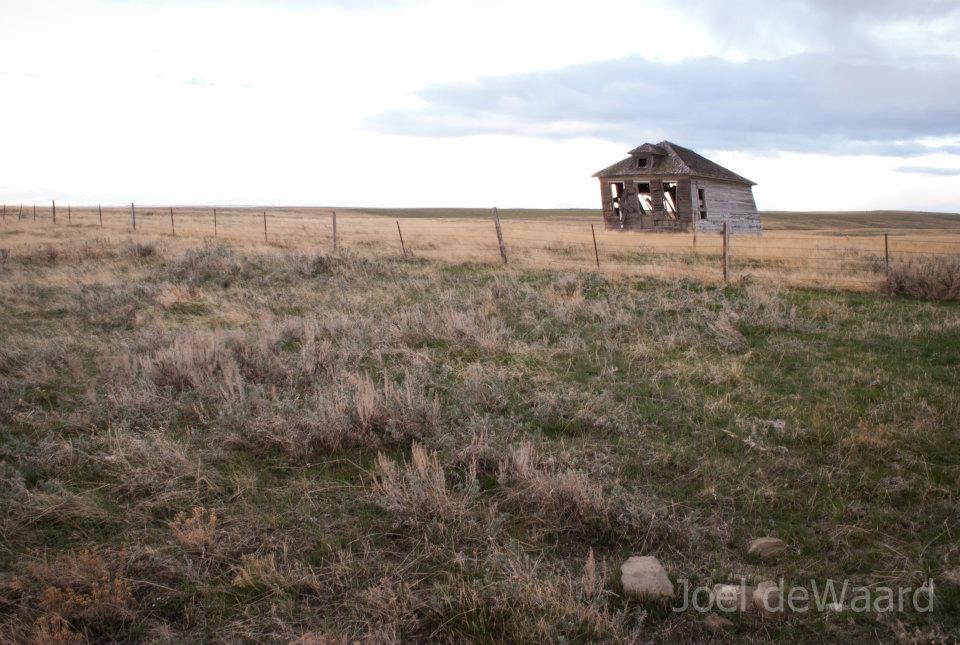
photo by Joel De Waard
There is a fragrance in the air, a certain passage of a song, an old photograph falling out from the pages of a book, the sound of somebody’s voice in the hall that makes your heart leap and fills your eyes with tears. Who can say when or how it will be that something easters up out of the dimness to remind us of a time before we were born and after we will die? God himself does not give answers. He gives himself. ~Frederick Buechner from Telling the Truth: The Gospel as Tragedy, Comedy and Fairy Tale
Traditionally, Lent does not include the five Sundays before Easter, as every Sabbath, year round, becomes a celebration of Christ’s resurrection.
Let Him Easter in us every week.
This year, spring is slow in making an appearance, seeming in no hurry whatsoever. Snow remains in residual piles from the flurries of a week ago, the foothills are still white and the greening of the fields has yet to begin. The flowering plum and cherry trees remain dormant in the continued chill.
Like Narnia, winter still has its terrible grip on us.
We wait, frozen in a darkened world, for a sun that shines and actually warms us from our dormancy.
This is exactly what eastering is. It is awakening out of a restless sleep, opening a door to let in fresh air, and the stone that locked us in the dark is rolled back.
Overnight all will be changed, changed utterly.
He is not only risen. He is given indeed.
Why do you look for the living among the dead?He is not here; he has risen! Remember how he told you, while he was still with you… Luke 24:5-6
This Lenten season I reflect on the words of the 19th century southern spiritual hymn “What Wondrous Love is This”
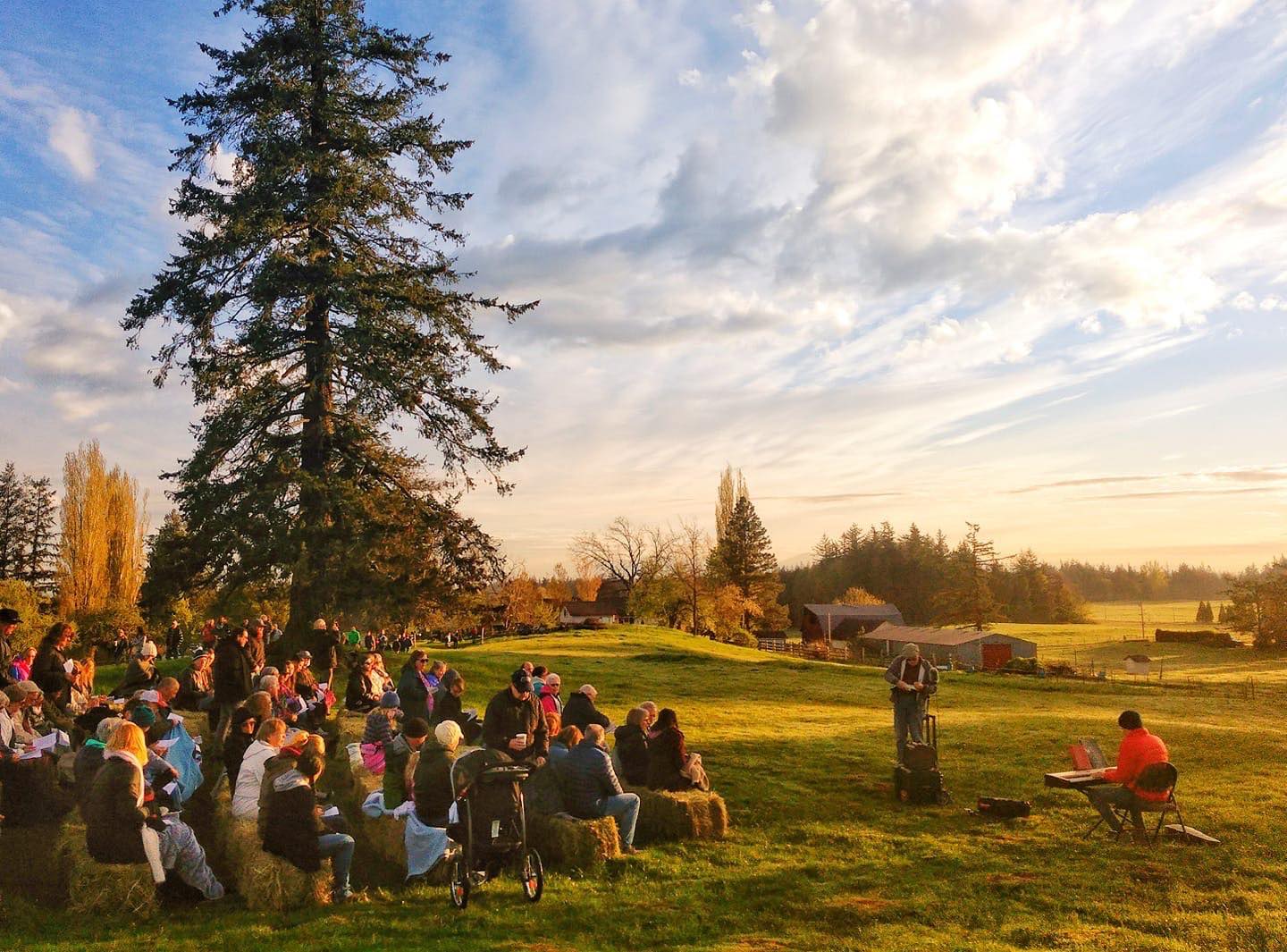
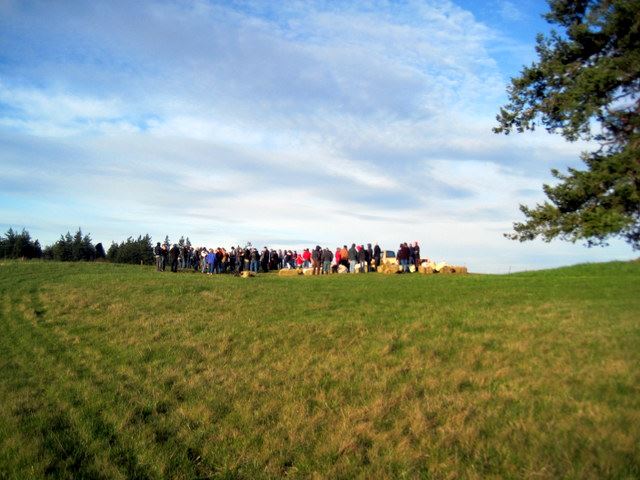
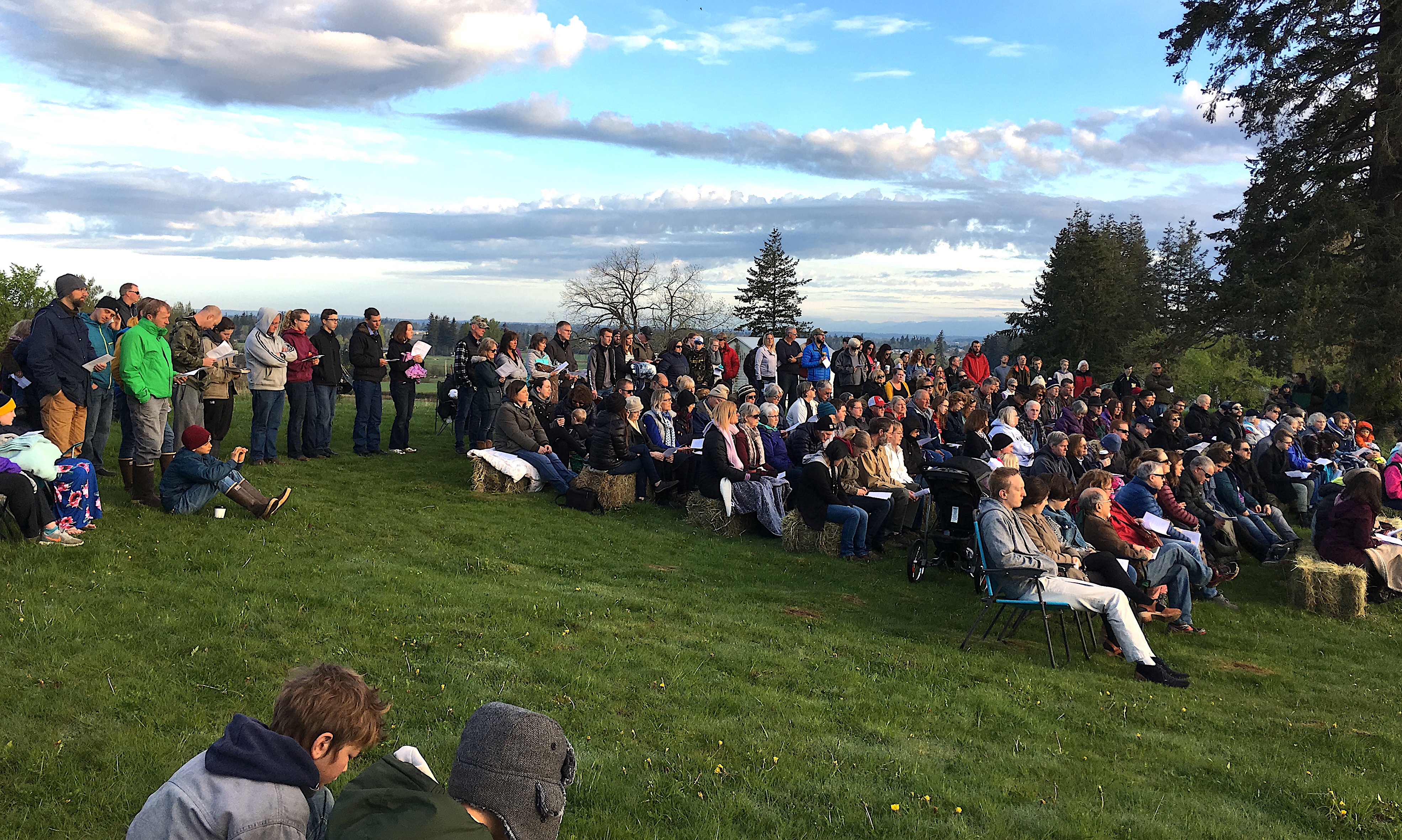
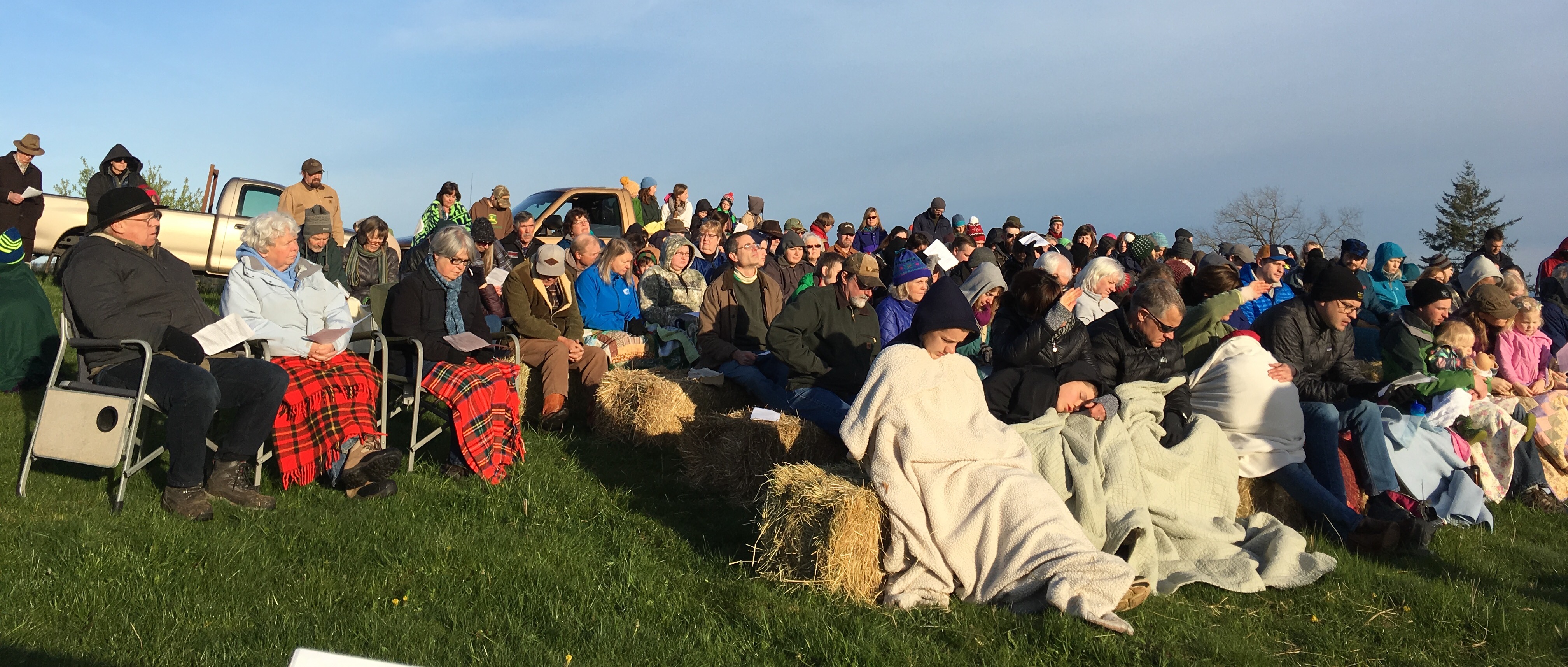
Join us on our farm in three weeks, Sunday, March 31, at 7 AM for a traditional outdoor Easter Sunrise Service
…yesterday I heard a new sound above my head a rustling, ruffling quietness in the spring air
and when I turned my face upward I saw a flock of blackbirds rounding a curve I didn’t know was there and the sound was simply all those wings, all those feathers against air, against gravity and such a beautiful winning: the whole flock taking a long, wide turn as if of one body and one mind.
How do they do that?
If we lived only in human society what a puny existence that would be
but instead we live and move and have our being here, in this curving and soaring world that is not our own so when mercy and tenderness triumph in our lives and when, even more rarely, we unite and move together toward a common good,
we can think to ourselves:
ah yes, this is how it’s meant to be. ~Julie Cadwallader Staub from “Blackbirds” from Wing Over Wing
Out of the dimming sky a speck appeared, then another, and another. It was the starlings going to roost. They gathered deep in the distance, flock sifting into flock, and strayed towards me, transparent and whirling, like smoke. They seemed to unravel as they flew, lengthening in curves, like a loosened skein. I didn’t move;they flew directly over my head for half an hour.
Each individual bird bobbed and knitted up and down in the flight at apparent random, for no known reason except that that’s how starlings fly, yet all remained perfectly spaced. The flocks each tapered at either end from a rounded middle, like an eye. Overhead I heard a sound of beaten air, like a million shook rugs, a muffled whuff. Into the woods they sifted without shifting a twig, right through the crowns of trees, intricate and rushing, like wind.
Could tiny birds be sifting through me right now, birds winging through the gaps between my cells, touching nothing, but quickening in my tissues, fleet? ~Annie Dillard from Pilgrim at Tinker Creek
Chunky and noisy, but with stars in their black feathers, they spring from the telephone wire and instantly
they are acrobats in the freezing wind. And now, in the theater of air, they swing over buildings,
dipping and rising; they float like one stippled star that opens, becomes for a moment fragmented,
then closes again; and you watch and you try but you simply can’t imagine
how they do it with no articulated instruction, no pause, only the silent confirmation that they are this notable thing,
this wheel of many parts, that can rise and spin over and over again, full of gorgeous life.
Ah, world, what lessons you prepare for us, even in the leafless winter, even in the ashy city. I am thinking now of grief, and of getting past it;
I feel my boots trying to leave the ground, I feel my heart pumping hard. I want
to think again of dangerous and noble things. I want to be light and frolicsome. I want to be improbable beautiful and afraid of nothing, as though I had wings. ~Mary Oliver “Starlings in Winter” from Owls and Other Fantasies: Poems and Essays
Watching a winter starlings’ murmuration is a visceral experience – my heart leaps to see the looping amoebic folding and unfolding path.
Thousands of individual birds move in sync with one another to form one massive organism existing solely because each tiny component anticipates and cooperates to avoid mid-air collisions.
It could explode into chaos but it doesn’t. It could result in massive casualties but it doesn’t. They could avoid each other altogether but they don’t – they come together with a purpose and reasoning beyond our imagining.
Even the whooshing of their wing movements is exhilarating.
We humans are made up of similar cooperating component parts, deep in our tissues, programmed in our DNA. Yet we don’t exercise such unity from our designed and carefully constructed building blocks. We are frighteningly disparate and independent creatures, going our own way, bumping and crashing without care, leaving so much bodily and spiritual wreckage behind.
What has happened to our place in this curving, soaring world? To where has flown our mercy and tenderness, our compassion and caring for the position of others?
We have corporately lost our internal moral compass. Indeed, the sound of our movements is muffled weeping.
Therefore I tell you, do not be anxious about your life, what you will eat or what you will drink, nor about your body, what you will put on. Is not life more than food, and the body more than clothing?Look at the birds of the air: they neither sow nor reap nor gather into barns, and yet your heavenly Father feeds them. Are you not of more value than they? Matthew 6: 25-26
This Lenten season I reflect on the words of the 19th century southern spiritual hymn “What Wondrous Love is This”
One-Time
Monthly
Yearly
Make a one-time or recurring donation to support daily Barnstorming posts
This morning’s sun is not the honey light of summer, thick with golden dust and slow as syrup pouring from a jug. It’s bright, but thin and cold, and slanted steep and low across the hillsides. Frost is blooming white, these flowers forced by icy winds that blow as hard this morning as they blew all night. Too cold for rain, but far too dry for snow.
And I am restless, pacing to and fro enduring winter’s grip that holds us tight. But my camellias, which somehow know what weather to expect—they’re always right— have broken bud. Now scarlet petals glow outside the window where I sit and write. ~Tiel Aisha Ansari “Camellias” from Dervish Lions
Near a shrine in Japan he’d swept the path and then placed camellia blossoms there.
Or — we had no way of knowing — he’d swept the path between fallen camellias. ~Carol Snow “Tour”
Camellia and crocus blossoms are hardy enough to withstand our current low temperatures, defying freezing winds and hard frosts with their resilience.
Inevitably, their petals eventually will begin to brown at the edges and wither.
On windy days, the full camellia blooms plop to the ground without warning, scattering about like a nubby floral throw rug. They are too bulky to step on, so the tendency is to pick a path around them, allowing them the dignity of a few more days before being swept off the sidewalks.
These fallen winter blossoms become almost sacred, gracing the paths the living still must navigate. They are indeed grounding for the passersby, a reminder that our time to let go will soon come too. As we restlessly pursue our days and measure our steps, we try to carefully make our way around their fading beauty.
As a reminder to us, there is an unexpected blessing bestowed in their budding, in their blooming, in their ebbing away.
Mortals, born of woman, are of few days and full of trouble. They spring up like flowers and wither away; like fleeting shadows, they do not endure. Do you fix your eye on them? Job 14: 1-3
The grass withers and the flowers fall, because the breath of the Lord blows on them. Surely the people are grass. The grass withers and the flowers fall, but the word of our God endures forever. Isaiah 40:7-8
This Lenten season I reflect on the words of the 19th century southern spiritual hymn “What Wondrous Love is This”
One-Time
Monthly
Yearly
Make a one-time or recurring donation to support daily Barnstorming posts
March. I am beginning to anticipate a thaw. Early mornings the earth, old unbeliever, is still crusted with frost where the moles have nosed up their cold castings, and the ground cover in shadow under the cedars hasn’t softened for months, fogs layering their slow, complicated ice around foliage and stem night by night,
but as the light lengthens, preacher of good news, evangelizing leaves and branches, his large gestures beckon green out of gray. Pinpricks of coral bursting from the cotoneasters. A single bee finding the white heather. Eager lemon-yellow aconites glowing, low to the ground like little uplifted faces. A crocus shooting up a purple hand here, there, as I stand on my doorstep, my own face drinking in heat and light like a bud welcoming resurrection, and my hand up, too, ready to sign on for conversion. ~Luci Shaw “Revival” from What the Light was Like
The earth invalid, dropsied, bruised, wheeled Out in the sun, After frightful operation. She lies back, wounds undressed to the sun, To be healed, Sheltered from the sneapy chill creeping North wind, Leans back, eyes closed, exhausted, smiling Into the sun. Perhaps dozing a little. While we sit, and smile, and wait, and know She is not going to die. ~Ted Hughes from ” A March Morning Unlike Others” from Ted Hughes. Collected Poems
Spring is emerging slowly from this haggard and droopy winter. All growing things are still stuck in morning frost for another week at least. Then, like the old “Wizard of Oz” movie, the landscape will suddenly turn from monochrome to technicolor, the soundtrack from forlorn to glorious birdsong.
Yearning for spring to commence, I tap my foot impatiently as if owed a timely seasonal transformation from dormant to verdant. We all have been waiting for the Physician’s announcement that this patient survived some intricate life-changing procedure: “I’m happy to say the Earth is alive after all, now revived and restored, wounded but healing, breathing on her own but too sedated for a visit just yet.”
I wait impatiently to celebrate her return to health, knowing this temporary home of ours is still very much alive. She breathes, she thrives, blooming and singing with everything she’s got. And so will I.
He sends his command to the earth; his word runs swiftly. 16 He spreads the snow like wool and scatters the frost like ashes. 17 He hurls down his hail like pebbles. Who can withstand his icy blast? 18 He sends his word and melts them; he stirs up his breezes, and the waters flow. Psalm 147: 15-18
This Lenten season I reflect on the words of the 19th century southern spiritual hymn “What Wondrous Love is This”
One-Time
Monthly
Yearly
Make a one-time or recurrent donation to support daily Barnstorming posts
The darksome burn, horseback brown, His rollrock highroad roaring down, In coop and in comb the fleece of his foam Flutes and low to the lake falls home.
A windpuff-bonnet of fáwn-fróth Turns and twindles over the broth Of a pool so pitchblack, féll-frówning, It rounds and rounds Despair to drowning. Degged with dew, dappled with dew, Are the groins of the braes that the brook treads through, Wiry heathpacks, flitches of fern, And the beadbonny ash that sits over the burn. What would the world be, once bereft Of wet and wildness? Let them be left, O let them be left, wildness and wet; Long live the weeds and the wilderness yet. ~Gerard Manley Hopkins “Inversnaid”
There is despair in untamed hearts lost in the wilderness. Wildness lies just beneath the surface; it spills over, swirls round and round, spins out of reach.
Our world feels that way right now.
How are we spared drowning in its pitch black pool? Can we thrill to beauty surrounding us without being tempted into darkness?
Christ came not to tame creation’s wildness, but to pull us gasping people from its unforgiving clutches before we sink ever deeper in despair.
We are mere weeds trying to survive this wild world, to grow, to flourish, to witness to those who are bereft. O Lord, let us be left to live long in your Light.
Let us be left.
Because of your great compassion you did not abandon them in the wilderness. By day the pillar of cloud did not fail to guide them on their path, nor the pillar of fire by night to shine on the way they were to take. You gave your good Spirit to instruct them. Nehemiah 9: 19-20
This Lenten season I reflect on the words of the 19th century southern spiritual hymn “What Wondrous Love is This”
One-Time
Monthly
Yearly
Make a one-time or recurring donation to support daily Barnstorming posts
Suddenly I knew, when we stood in a circle holding hands; suddenly I knew, that because of the circle, because of friendship, because of love— yes, and because of the brokenness, and the need— I have been in heaven all my life. ~Carol Bialock “I Used to Think Heaven was Future” from Coral Castles
The church, I think, is God’s way of saying, “What I have in the pot is yours, and what I have is a group of misfits whom you need more than you know and who need you more than they know.”
“Take, and eat,” he says, “and take, and eat, until the day, and it is coming, that you knock on my door. I will open it, and you will see me face to face.”
He is preparing a table. He will welcome us in. Jesus will be there, smiling and holy, holding out a green bean casserole. And at that moment, what we say, what we think, and what we believe will be the same: “I didn’t know how badly I needed this.” ~Jeremy Clive Huggins from “The Church Potluck”
…when I experienced the warm, unpretentious reception of those who have nothing to boast about, and experienced a loving embrace from people who didn’t ask any questions, I began to discover that a true spiritual homecoming means a return to the poor in spirit to whom the kingdom of heaven belongs. ~Henri Nouwen from The Return of the Prodigal Son
The journey begins when Christians leave their homes and beds. They leave, indeed, their life in this present and concrete world, and whether they have to drive 15 miles or walk a few blocks, a sacramental act is already taking place…
For they are now on their way to constitute the Church, or to be more exact, to be transformed into the Church of God. They have been individuals, some white, some black, some poor, some rich, they have been the ‘natural’ world and a natural community. And now they have been called to “come together in one place,” to bring their lives, their very world with them and to be more than what they were: a new community with a new life.
We are already far beyond the categories of common worship and prayer. The purpose of this ‘coming together’ is not simply to add a religious dimension to the natural community, to make it ‘better’ – more responsible, more Christian. The purpose is to fulfill the Church, and that means to make present the One in whom all things are at their end, and all things are at their beginning. ~ Father Alexander Schmemann from For the Life of the World
We’ve been through fire, we’ve been through pain We’ve been refined by the power of Your name We’ve fallen deeper in love with You You’ve burned the truth on our lips
Rise up church with broken wings Fill this place with songs again Of our God who reigns on high By his grace again we’ll fly ~Robin Mark from “Shout to the North and the South”
photo by Barb Hoelle
There is so much wrong with the modern church, comprised as it is of fallen people with broken wings determined to find flaws in each other in doctrine, tradition, beliefs.
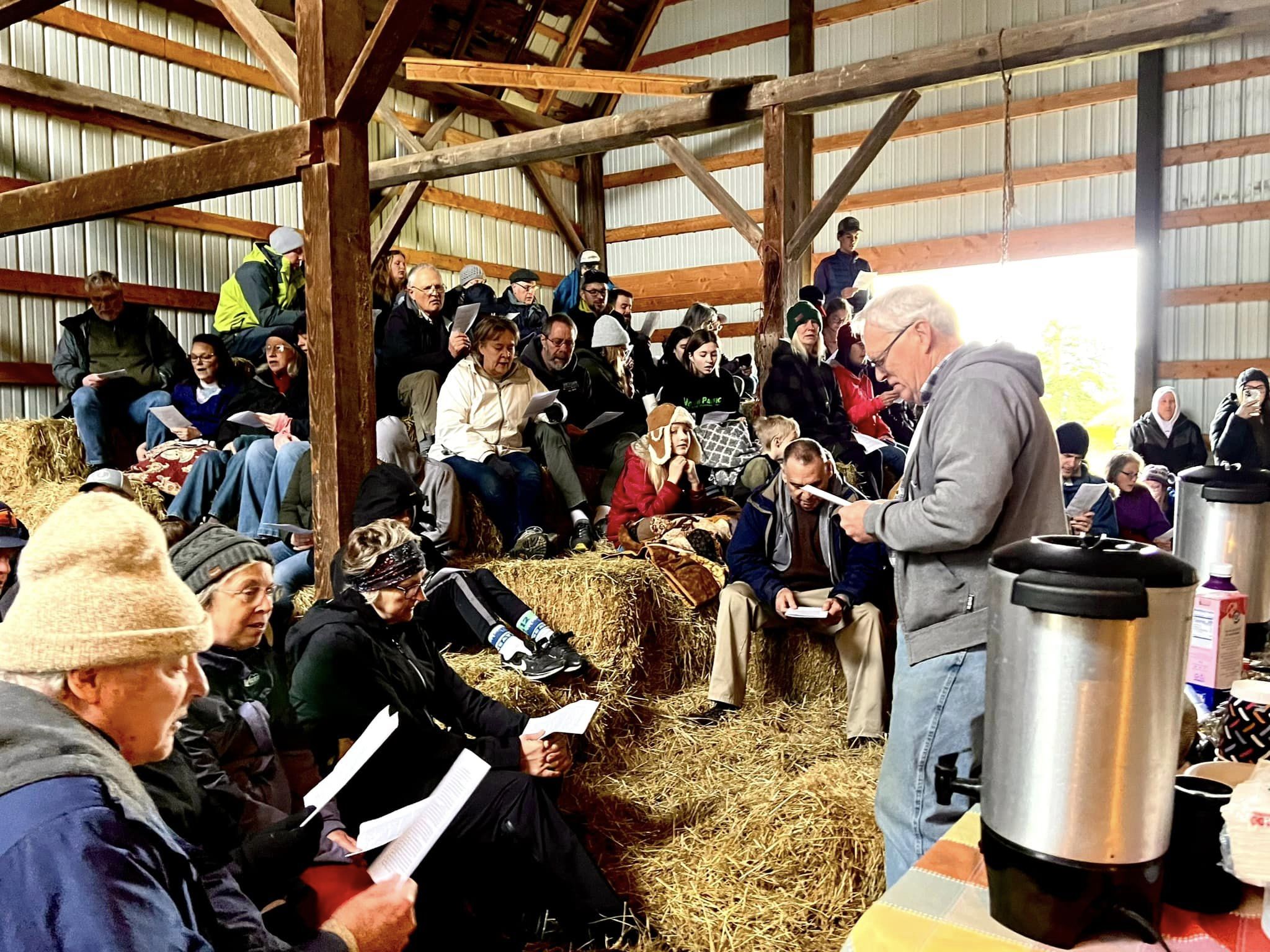
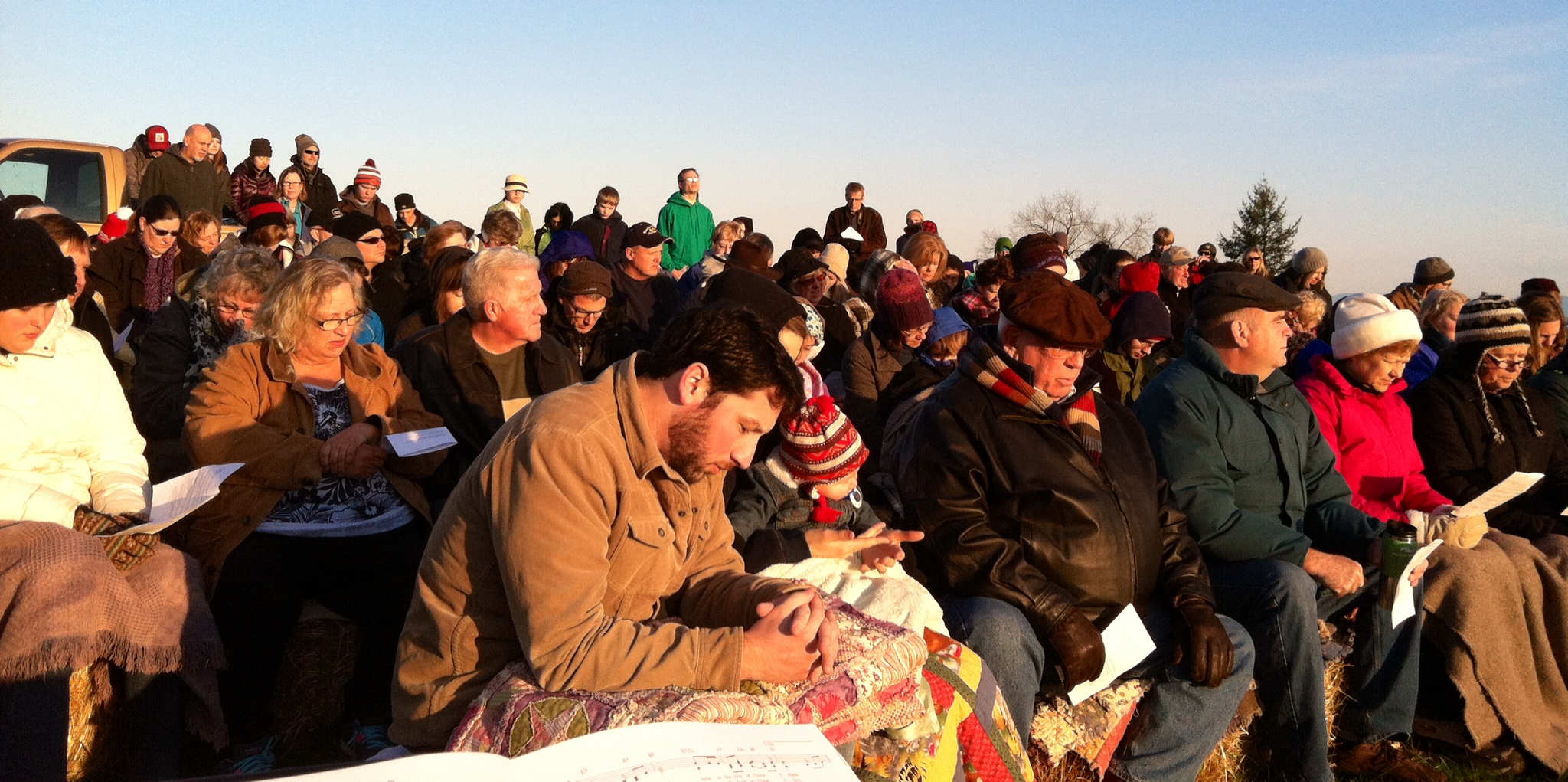
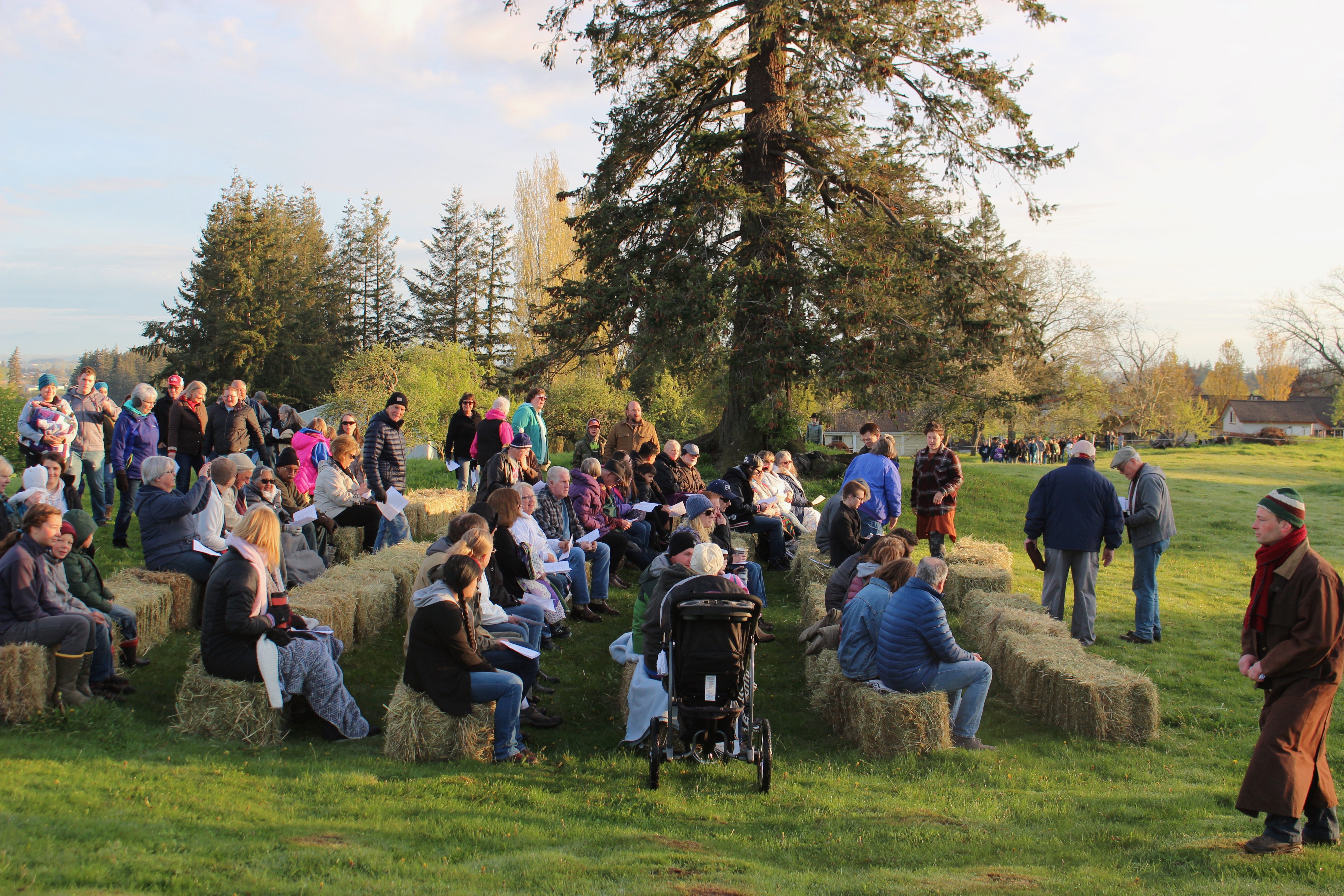
What is right with the church today, is when it offers a taste of heaven for hopeful people who come together in sanctuary, barn and field, eucharist table and potluck, to hold each other up in prayer and to sing in worship to the Three in One, who is why we sing, whose body we are part of and who, in our need, loves and forgives us despite our motley messiness: Our Lord of Heaven and Earth.
I appeal to you, brothers and sisters, in the name of our Lord Jesus Christ, that all of you agree with one another in what you say and that there be no divisions among you, but that you be perfectly united in mind and thought. 1 Corinthians 1:9-10
This Lenten season I reflect on the words of the 19th century southern spiritual hymn “What Wondrous Love is This”
One-Time
Monthly
Yearly
Make a one-time or recurring donation to support daily Barnstorming posts