…we are fallen like the trees, our peace Broken, and so we must Love where we cannot trust, Trust where we cannot know, And must await the wayward-coming grace That joins living and dead, Taking us where we would not go– Into the boundless dark. When what was made has been unmade The Maker comes to His work. ~Wendell Berry from “Sabbaths, II”
Things: simply lasting, then failing to last: into light all things must fall, glad at last to have fallen. ~Jane Kenyon, from “Things”in Collected Poems
I know I am brief and finite, leaning more and more from the prevailing winds, wobbly through each storm that comes.
Things I wish would last don’t, so I hold them lightly in love.
I must trust God’s Light passes through the darkness, an illuminated pathway I follow, even when falling, even when finite and failing until I am part of the Light myself.
AI image created for this post
One-Time
Monthly
Yearly
Make a one-time or recurring donation to support daily Barnstorming posts
I got out of bed on two strong legs. It might have been otherwise. I ate cereal, sweet milk, ripe, flawless peach. It might have been otherwise. I took the dog uphill to the birch wood. All morning I did the work I love. At noon I lay down with my mate. It might have been otherwise. We ate dinner together at a table with silver candlesticks. It might have been otherwise. I slept in a bed in a room with paintings on the walls, and planned another day just like this day. But one day, I know, it will be otherwise. ~Jane Kenyon “Otherwise”
…this has been a day of grace in the dead of winter, the hard knuckle of the year, a day that unwrapped itself like an unexpected gift, and the stars turn on, order themselves into the winter night. ~Barbara Crooker from “Ordinary Life” in Barbara Crooker: Selected Poems
…it’s easy to forget that the ordinary is just the extraordinary that’s happened over and over again. Sometimes the beauty of your life is apparent. Sometimes you have to go looking for it. And just because you have to look for it doesn’t mean it’s not there. God, grant me the grace of a normal day. ~Billy Coffey
…there is no such thing as a charmed life, not for any of us, no matter where we live or how mindfully we attend to the tasks at hand. But there are charmed moments, all the time, in every life and in every day, if we are only awake enough to experience them when they come and wise enough to appreciate them. ~Katrina Kenison from The Gift of an Ordinary Day
These dead of winter days are lengthening, slowly and surely. I’m thankful I’m retired now so I no longer I leave the farm in darkness to head to work in town, and return in darkness at the end of the workday. I’m able to do my barn chores at either end of the day as the sun is rising to chase away the moon, and later as the sun is chased away by starlight.
I tend to get complacent in my daily routines, confident in the knowledge that tomorrow will be very much like yesterday. The distinct blessings of an ordinary day are lost in the rush of moving forward to whatever comes next. Poet Jane Kenyon wrote her poem with the knowledge she was dying of leukemia, which meant each ordinary day was precious indeed.
The reality is there is nothing ordinary about the events of each day. It might have been otherwise and some day it will be otherwise. That is the hard knuckle of the days we are given, each a gift, each peaches and cream.
One-Time
Monthly
Yearly
Make a one-time or recurring donation to support daily Barnstorming posts
He has made everything beautiful in its time. He has also set eternity in the human heart; yet no one can fathom what God has done from beginning to end. Ecclesiastes 3:11
Now all the doors and windows are open, and we move so easily through the rooms. Cats roll on the sunny rugs, and a clumsy wasp climbs the pane, pausing to rub a leg over her head.
All around physical life reconvenes. The molecules of our bodies must love to exist: they whirl in circles and seem to begrudge us nothing. Heat, Horatio, heat makes them put this antic disposition on!
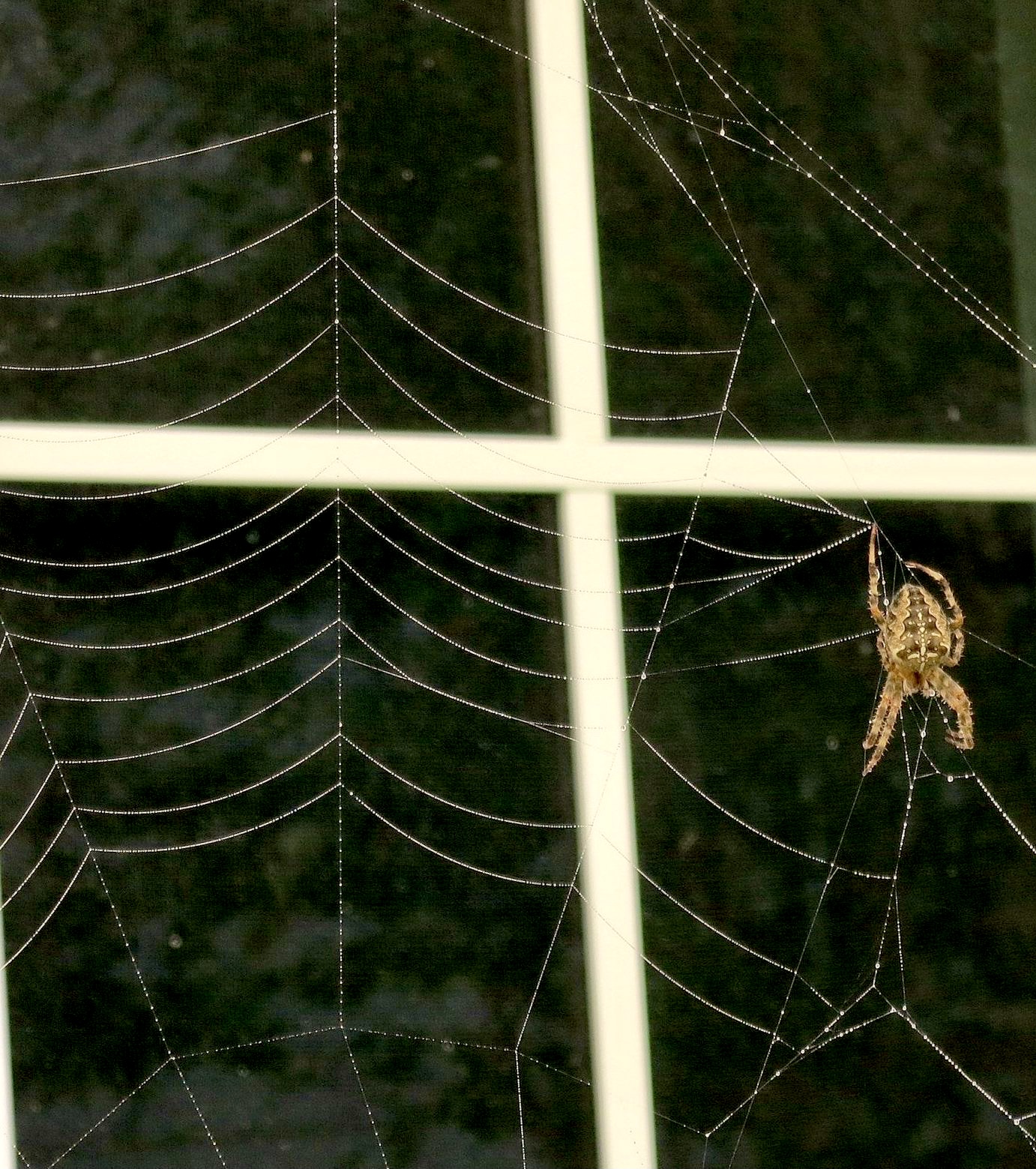
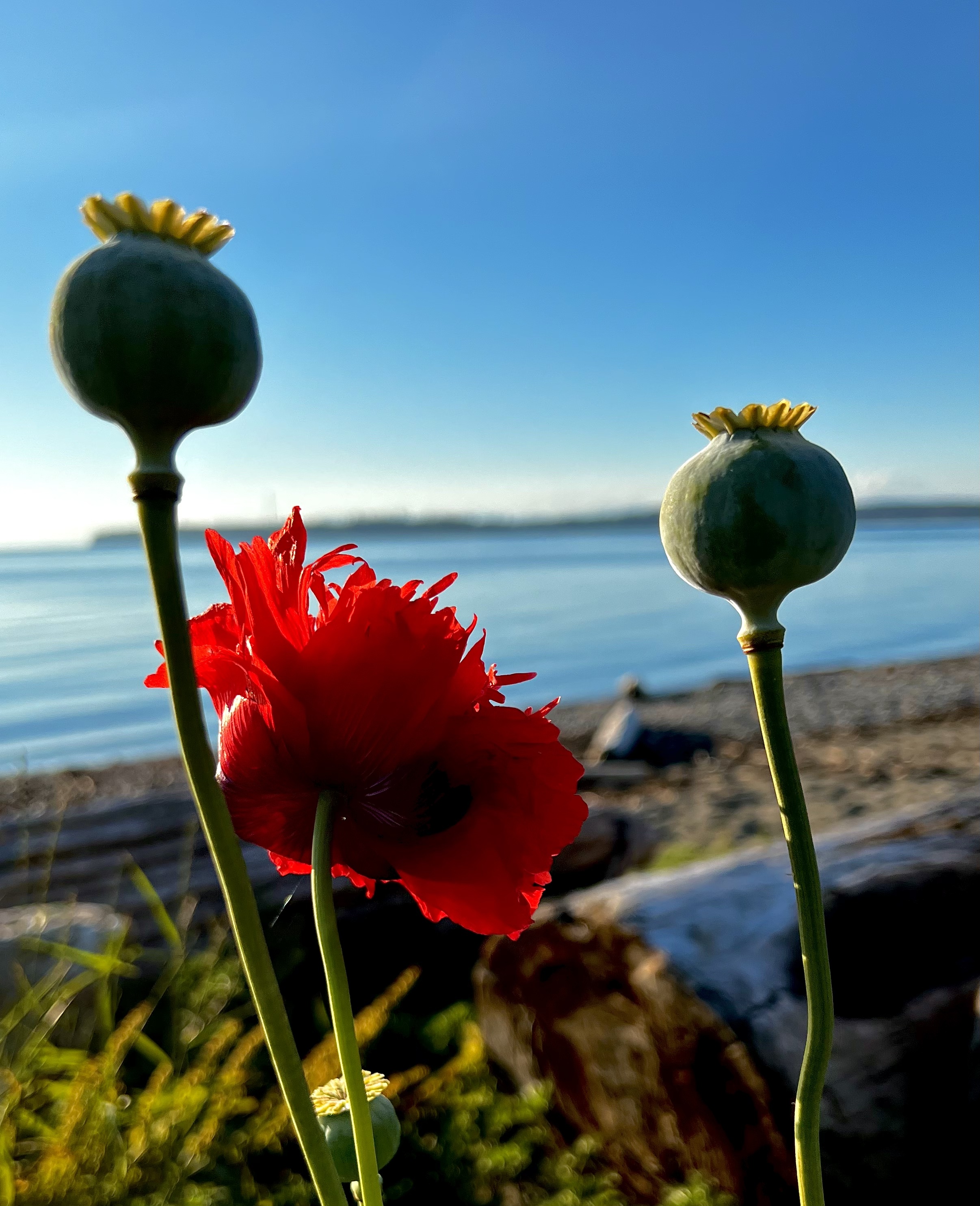
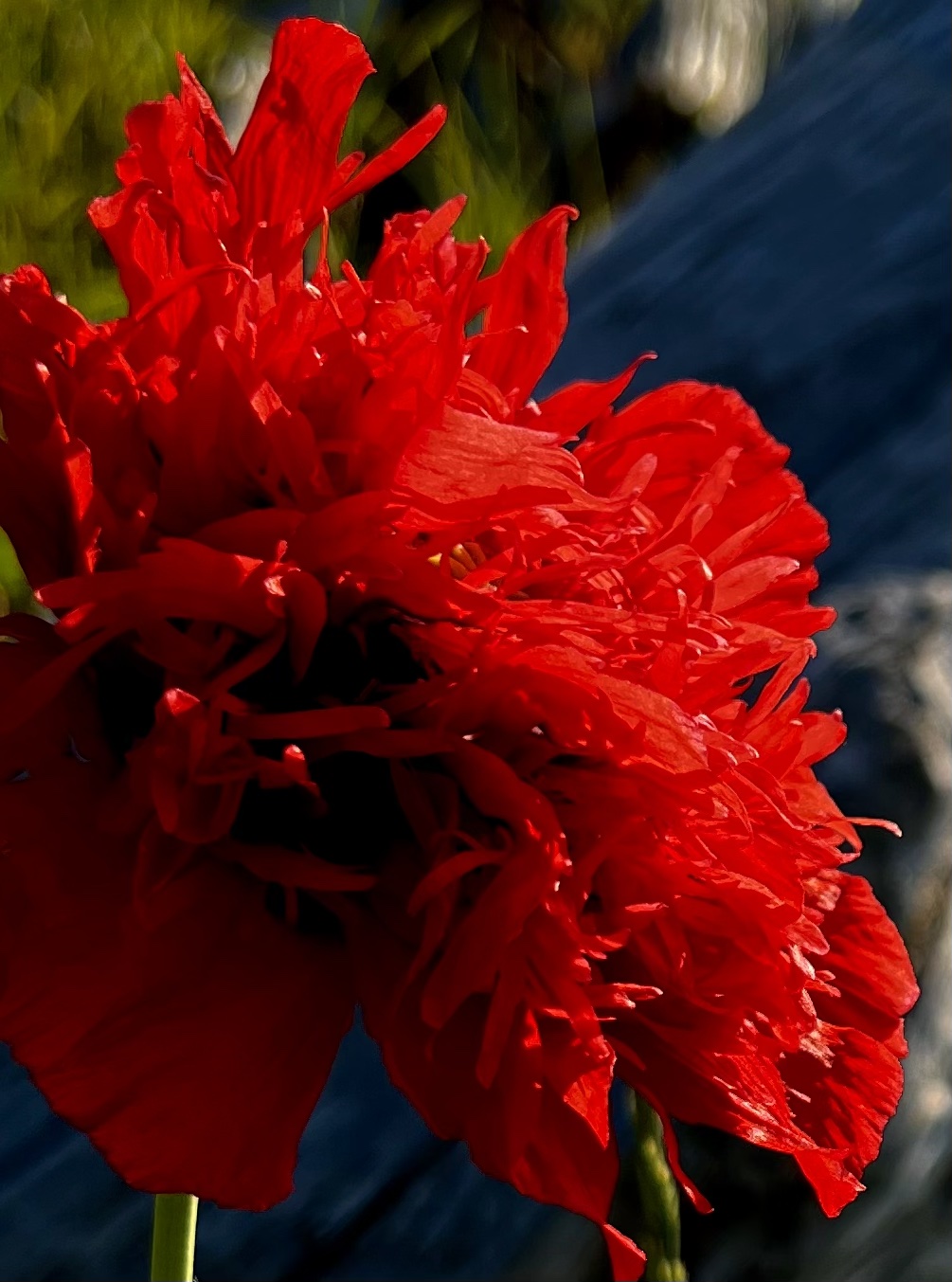
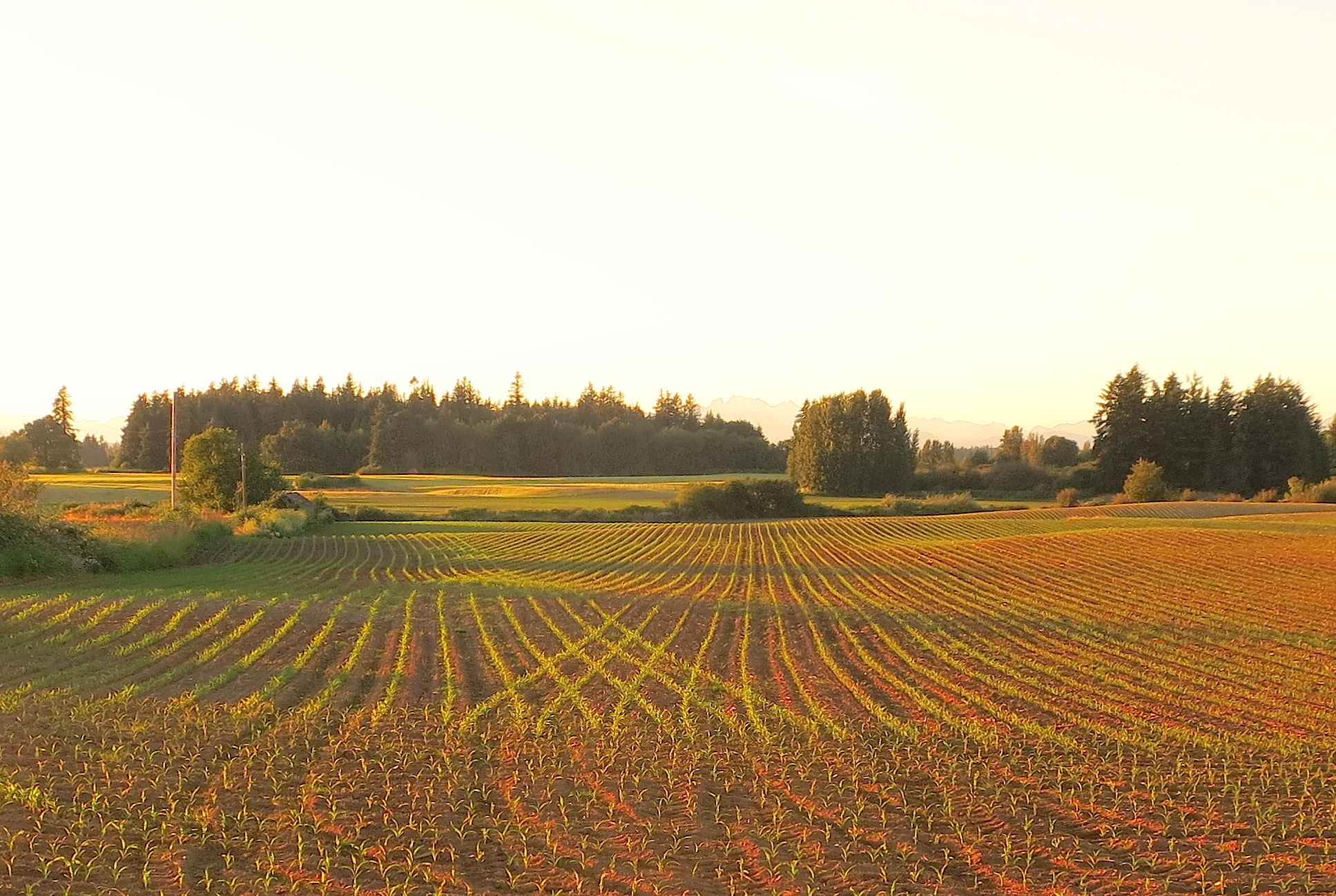
This year’s brown spider sways over the door as I come and go. A single poppy shouts from the far field, and the crow, beyond alarm, goes right on pulling up the corn. ~Jane Kenyon “Philosophy in Warm Weather” from The Boat of Quiet Hours
Whether weather is very hot or very cold, so go our molecules — our atoms are awhirl in order to keep us upright whether we sweat or whether we shiver.
Our doors and windows are flung wide open for fresh air; I’m seeing and hearing and feeling all that I can absorb, to never forget I am a human witness to nothing new under the sun.
Like a dog trying to catch its tail, I’m whirling in circles, round and round, trying to grab hold to a part of me that always manages to elude me.
All things are wearisome, more than one can say. The eye never has enough of seeing, nor the ear its fill of hearing. What has been will be again, what has been done will be done again; there is nothing new under the sun. Ecclesiastes 1: 8-9
AI image created for this post
One-Time
Monthly
Yearly
Make a one-time or recurring donation to support daily Barnstorming posts
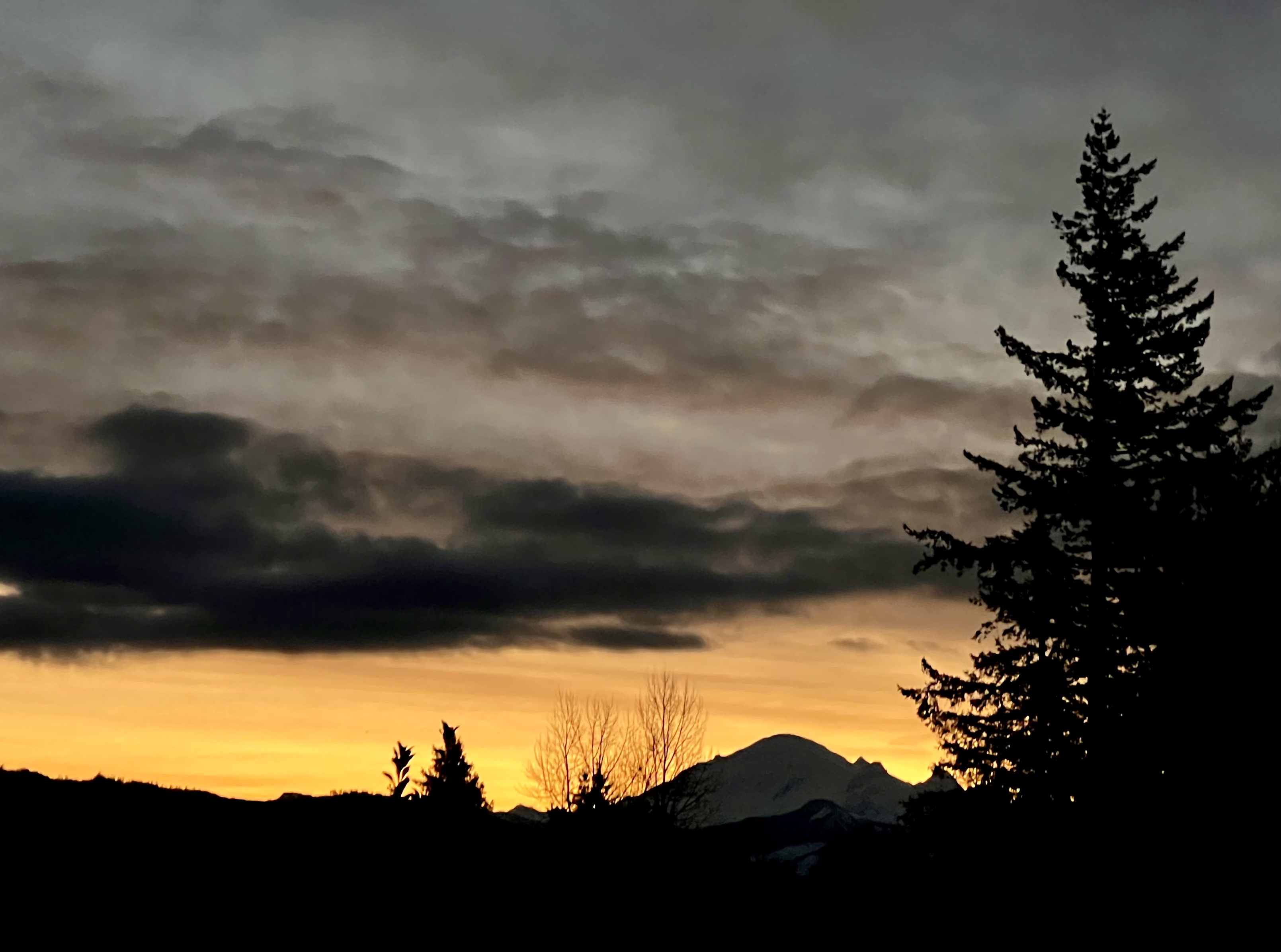
The pines look black in the half- light of dawn. Stillness…
While we slept an inch of new snow simplified the field. Today of all days the sun will shine no more than is strictly necessary.
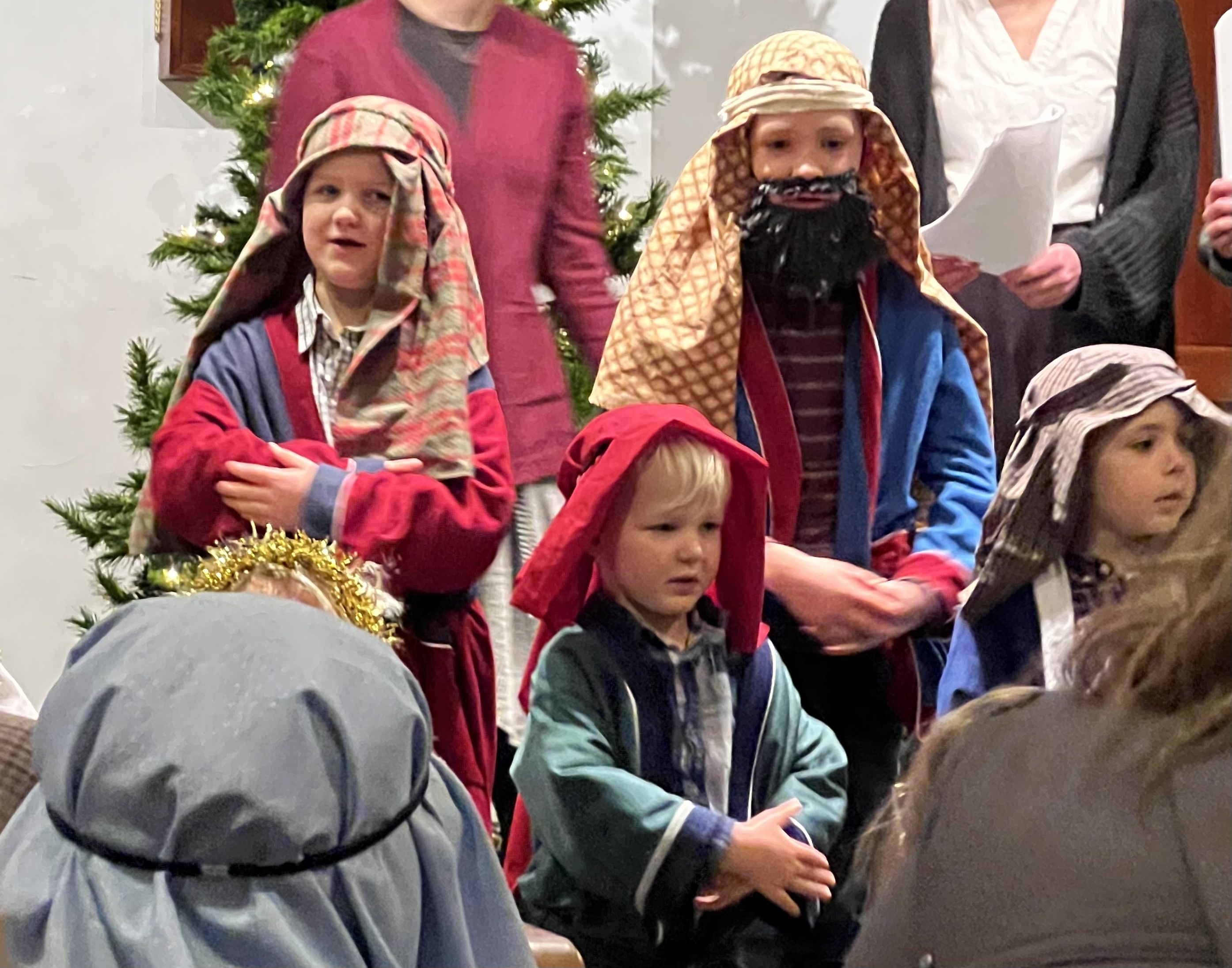
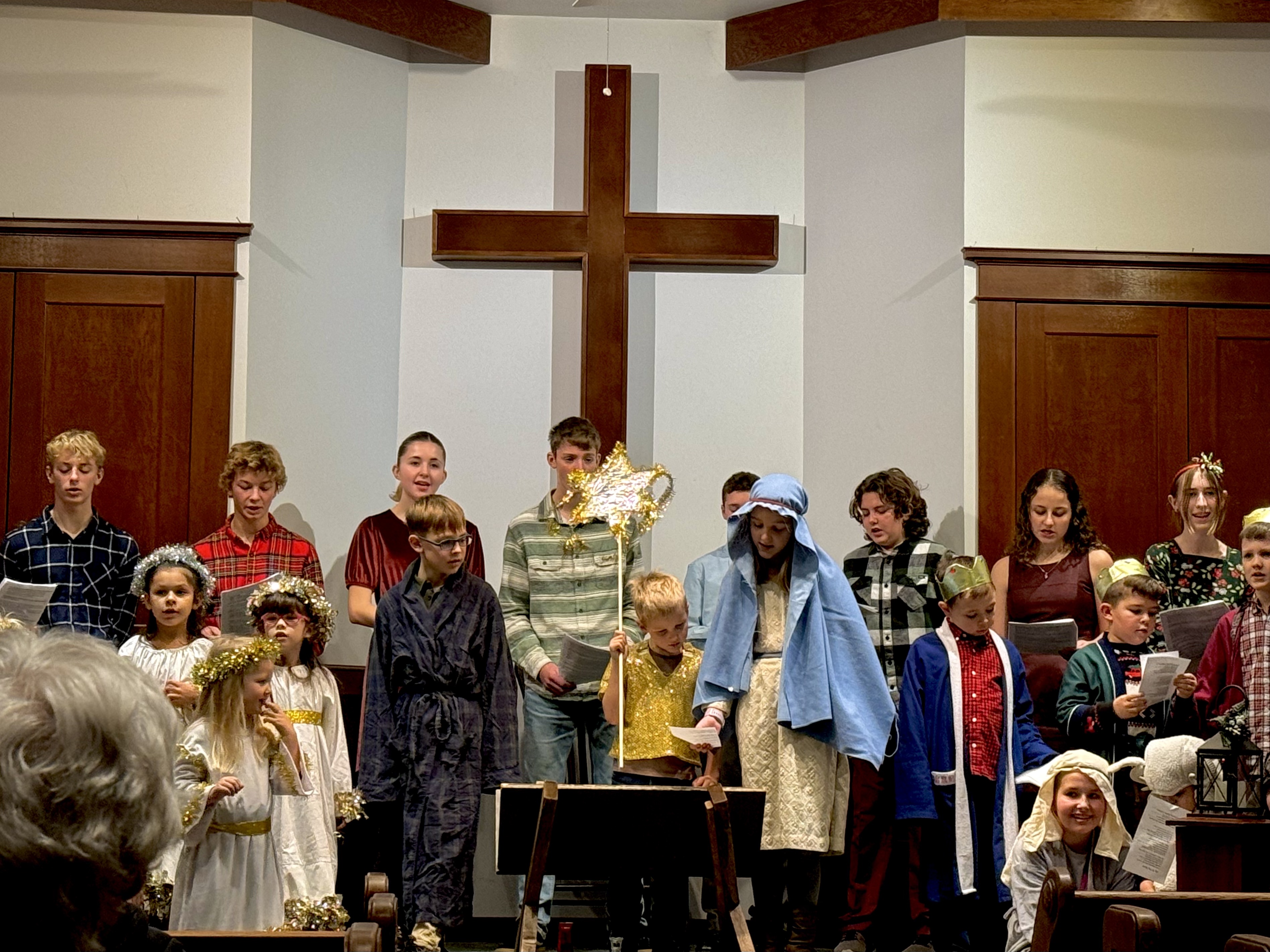
At the village church last night the boys – shepherds and wisemen – pressed close ot the manger in obedience, wishing only for time to pass; but the girl dressed as Mary trembled as she leaned over the pungent hay, and like the mother of Christ wondered why she had been chosen.
After the pageant, a ruckus of cards, presents, and homemade Christmas sweets. A few of us stayed to clear the bright scraps and ribbons from the pews, and lift the pulpit back in place.
When I opened the hundred-year-old Bible to Luke’s account of the Epiphany black dust from the binding rubbed off on my hands, and on the altar cloth. ~Jane Kenyon “At the Winter Solstice”
Today is the winter solstice. The planet tilts just so to its star, lists and holds circling in a fixed tension between veering and longing, spins helpless, exalted, in and out of that fleet blazing touch…
There is not a guarantee in the world. Oh your needs are guaranteed; your needs are absolutely guaranteed by the most stringent of warranties, in the plainest, truest words: knock; seek; ask. But you must read the fine print. “Not as the world giveth, give I unto you.” That’s the catch.
I think that the dying pray at the last not “please,” but “thank you,” as a guest thanks his host at the door… The universe was not made in jest but in solemn, incomprehensible earnest. By a power that is unfathomably secret, and holy, and fleet. There is nothing to be done about it, but ignore it, or see. ~Annie Dillard “Winter Solstice” from The Abundance
It was a time like this, War & tumult of war, a horror in the air. Hungry yawned the abyss- and yet there came the star and the child most wonderfully there.
It was time like this of fear & lust for power, license & greed and blight- and yet the Prince of bliss came into the darkest hour in quiet & silent light.
And in a time like this how celebrate his birth when all things fall apart? Ah! Wonderful it is with no room on the earth the stable is our heart. ~Madeleine L’Engle “Into the Darkest Hour”
On this winter solstice, my prayer is to remember this day turns the world away from its descent into darkness and back toward the Light.
Even when everything is falling apart, the Light will guide our way into the path of peace.
And may the Word of the Lord spill onto my hands and into the opened stable of my heart.
Advent 2023 theme …because of the tender mercy of our God, whereby the sunrise shall visit us from on high to give light to those who sit in darkness and in the shadow of death, to guide our feet into the way of peace. Luke 1: 78-79 from Zechariah’s Song
One-Time
Monthly
Yearly
Make a one-time or recurring donation to support daily Barnstorming posts
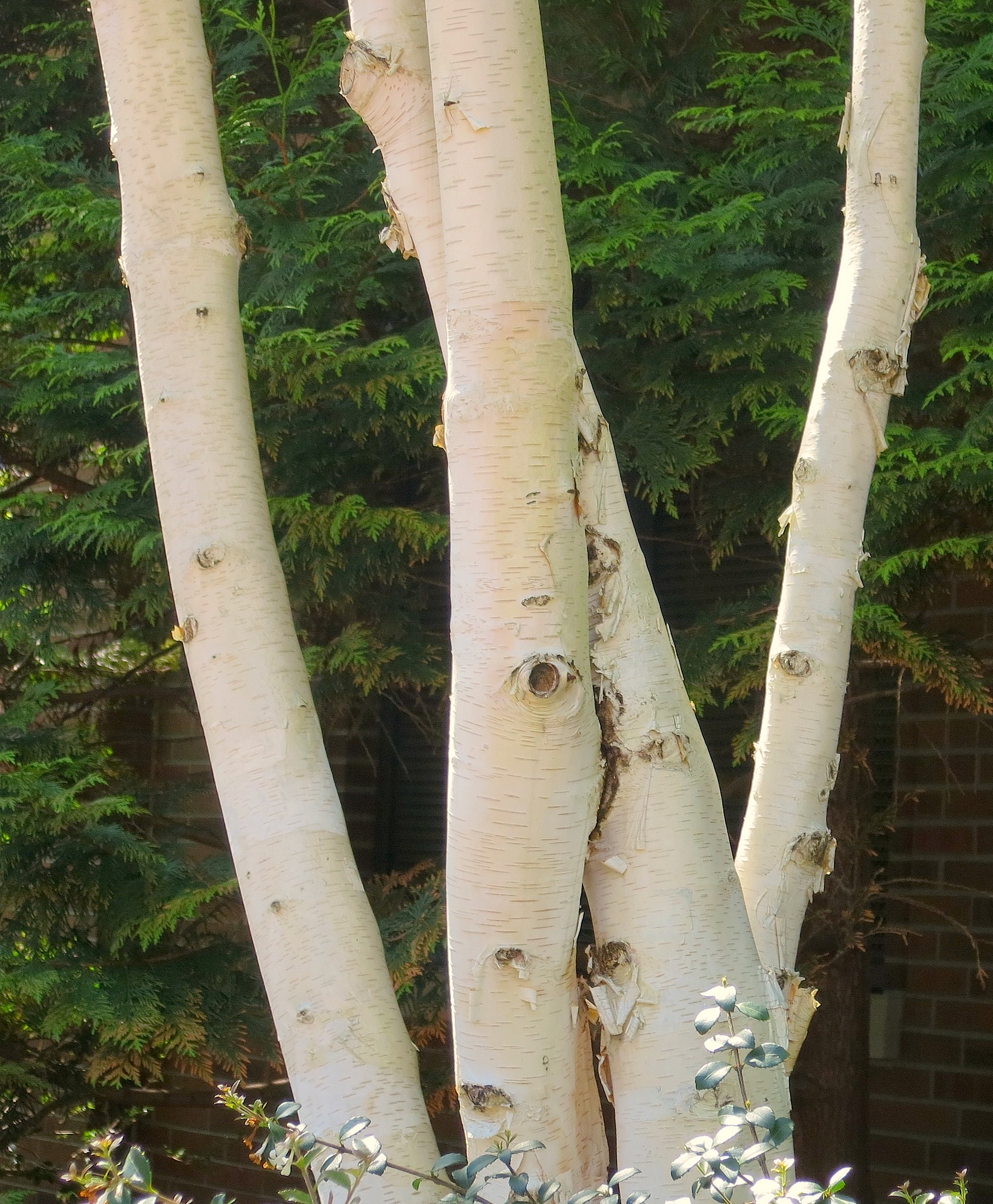
I got out of bed on two strong legs. It might have been otherwise. I ate cereal, sweet milk, ripe, flawless peach. It might have been otherwise. I took the dog uphill to the birch wood. All morning I did the work I love. At noon I lay down with my mate. It might have been otherwise. We ate dinner together at a table with silver candlesticks. It might have been otherwise. I slept in a bed in a room with paintings on the walls, and planned another day just like this day. But one day, I know, it will be otherwise. ~Jane Kenyon “Otherwise”
I watched her cooking, from my chair. She pressed her lips Together, reached for kitchenware, And tasted sauce from her fingertips.
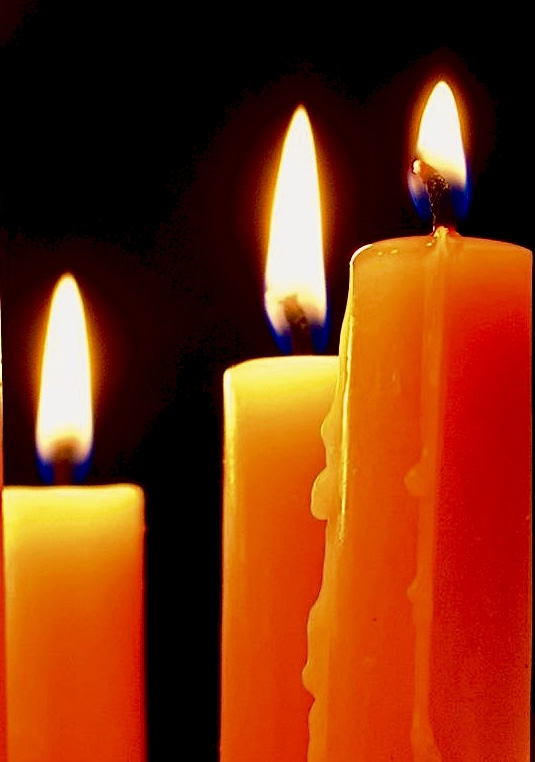
“It’s ready now. Come on,” she said. “You light the candle.” We ate, and talked, and went to bed, And slept. It was a miracle. ~Donald Hall from “Summer Kitchen” in The Selected Poems of Donald Hall.
I tend to get complacent in my daily routines, confident in the knowledge that tomorrow will be very much like yesterday. The distinct blessings of an ordinary day are lost in the rush of moving forward to whatever comes next so that I lose touch with what miracles are happening in the here and now.
The reality is there is nothing ordinary about the events of this day or any other – it might have been otherwise and some day it will be otherwise.
Advent is an opportunity to stop the rushing, take a look around and actually revel in the quiet moments of daily work, chats, walks, meals, and sleep. Even the current constant of someone in the family being sick with one or more viruses, interrupting plans and schedules, can’t interrupt how remarkable it is to just be here together.
We are granted peace despite the stress of illness.
Jane Kenyon wrote much of her best poetry with the knowledge she was dying of leukemia. Her work reminds me that I don’t need a terminal diagnosis to appreciate the blessings of each ordinary moment. Her poet husband, Donald Hall, wrote verse from his perspective of cherishing the time he had left with his wife, living as if each day were his last day with her.
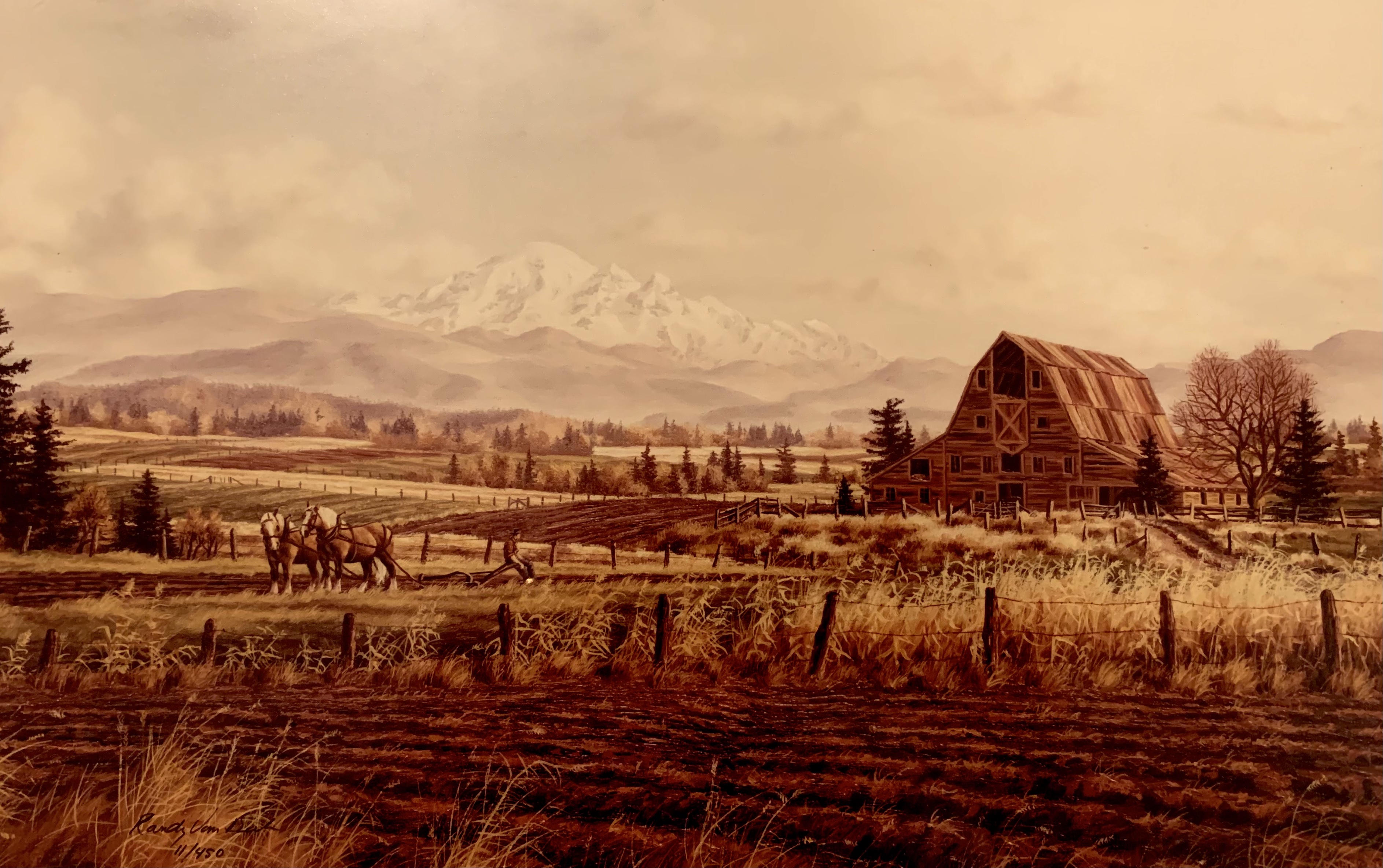
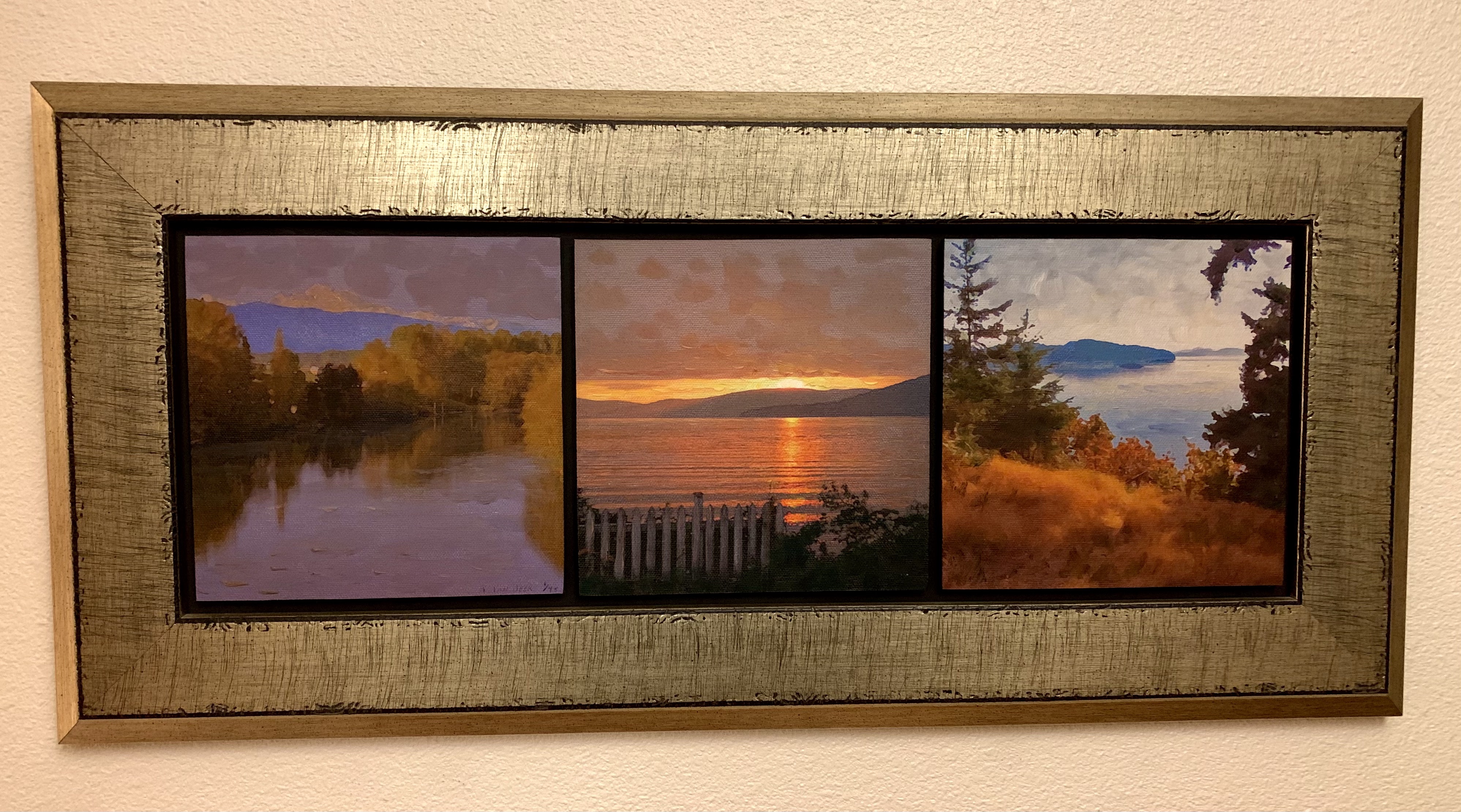
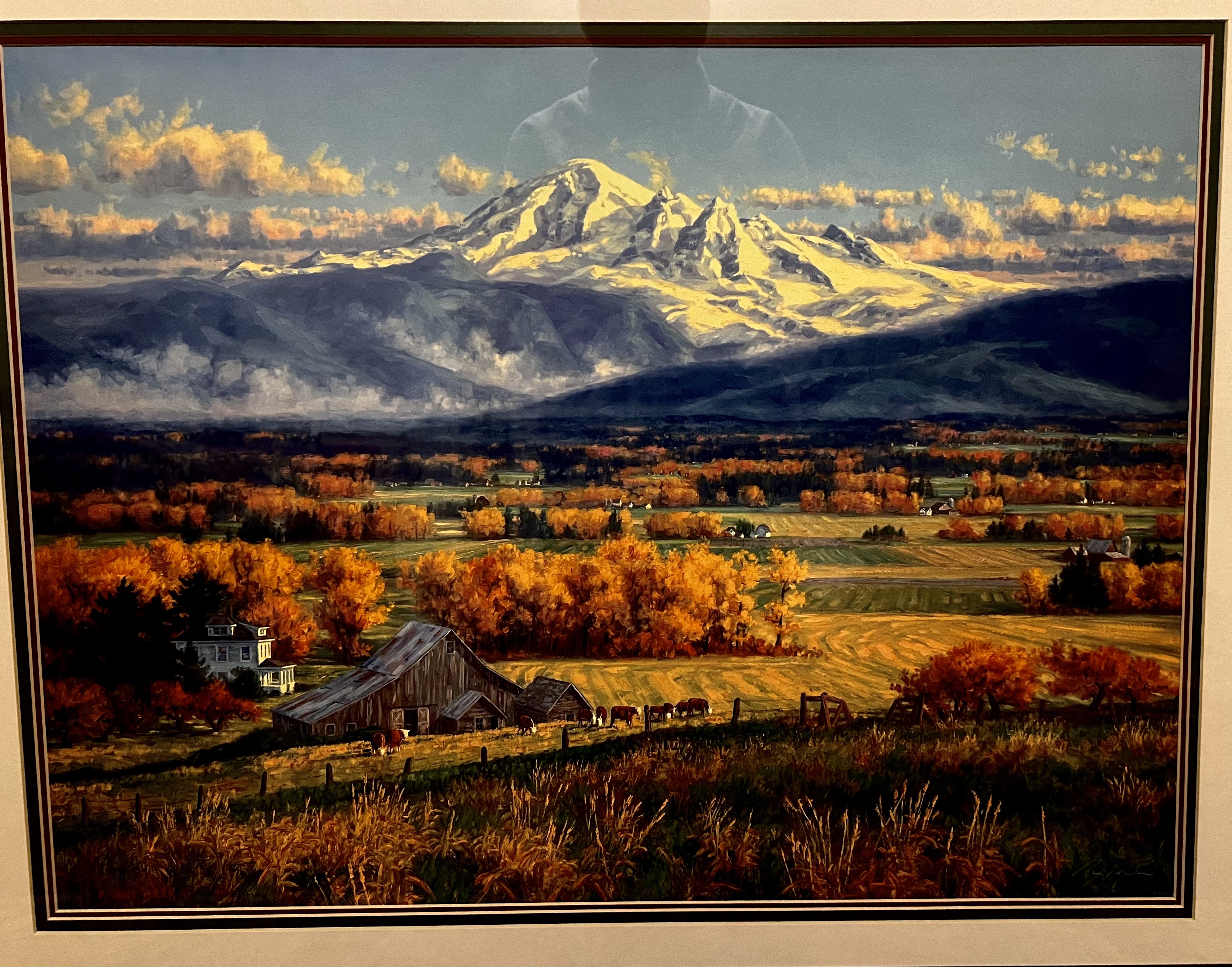
Like Jane’s “paintings on the walls,” on foggy gray days like today, I can gaze at our landscape paintings by local artist Randy Van Beek depicting an idealized serenity that I only sometimes feel. They depict the blessings just outside my windows.
I simply need to pay attention.
Christ came to earth to remind us to dwell richly in the experience of these moments, those sweet peaches and cream of daily life, while they are happening. God knows, the little miracles are a foretaste of the heaven which is to come.
This year’s Advent theme “Dawn on our Darkness” is taken from this 19th century Christmas hymn:
Brightest and best of the sons of the morning, dawn on our darkness and lend us your aid. Star of the east, the horizon adorning, guide where our infant Redeemer is laid. ~Reginald Heber -from “Brightest and Best”
One-Time
Monthly
Yearly
Make a one-time or recurring donation to support daily Barnstorming posts
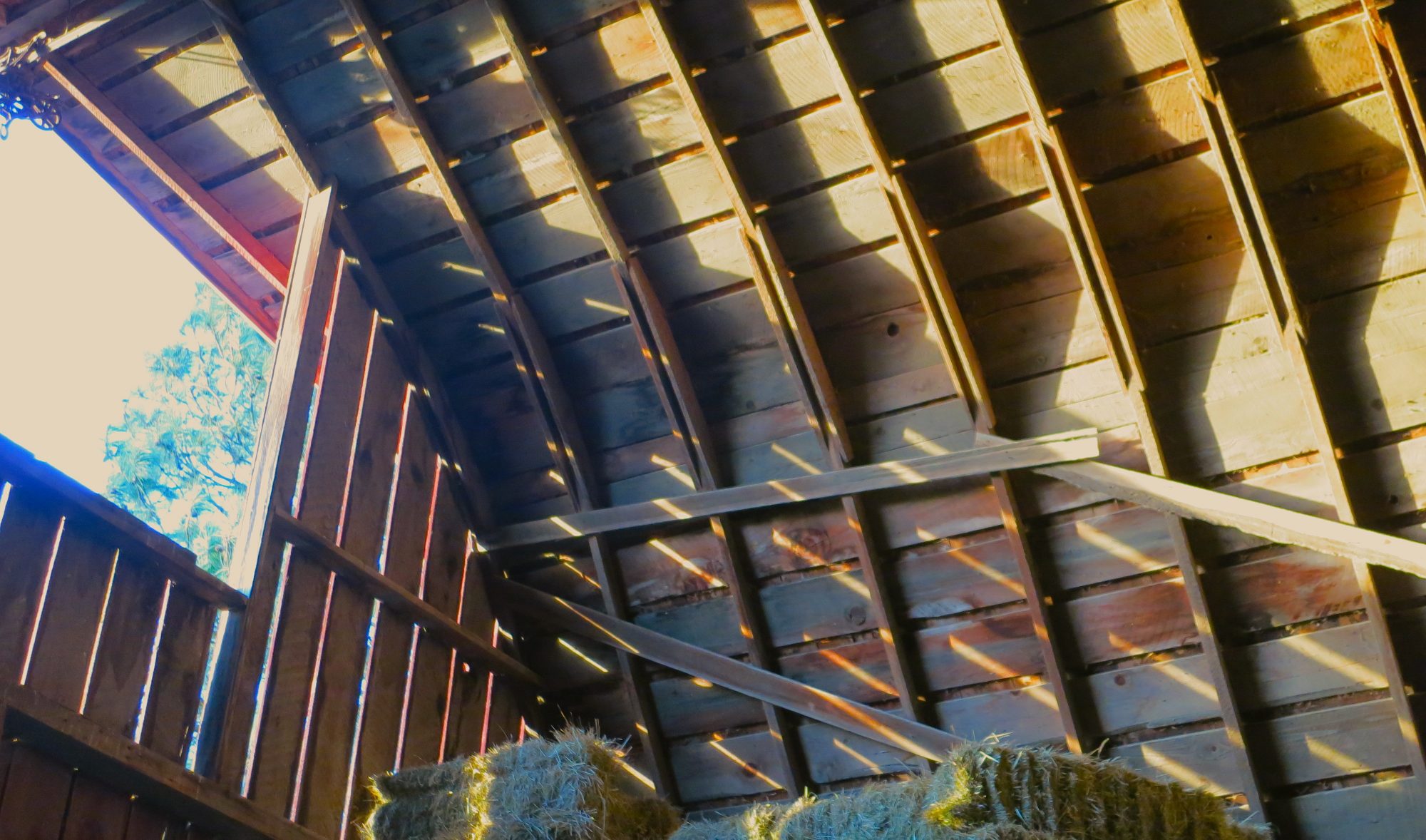
Let the light of late afternoon shine through chinks in the barn, moving up the bales as the sun moves down.
Let the cricket take up chafing as a woman takes up her needles and her yarn. Let evening come.
Let dew collect on the hoe abandoned in long grass. Let the stars appear and the moon disclose her silver horn.
Let the fox go back to its sandy den. Let the wind die down. Let the shed go black inside. Let evening come.
To the bottle in the ditch, to the scoop in the oats, to air in the lung let evening come.
Let it come, as it will, and don’t be afraid. God does not leave us comfortless, so let evening come. ~Jane Kenyon “Let Evening Come”
We resist the arrival of the evening of our lives. I wish I could remain forever sunshiny, vital and irreplaceable, living each moment of the day with the energy I feel with the morning light. But I know that the forward momentum of time inevitably will wind me down to sunset.
The poet Jane Kenyon learned this at far too young an age, diagnosed and beginning treatment for leukemia before turning fifty. I thought of Jane’s poem above when I learned today of the death of a courageous local nurse in her thirties who survived six years of treatment for metastatic cancer after being diagnosed only a few months after the birth of her first and only child. She and her family and medical team tried to postpone her evening coming for as long as possible, knowing God ultimately counts our days.
This week, her evening has come. God comforts those who weep with the loss of this remarkable loving wife, mother, daughter – a woman who trusted her heavenly Father for all the things she needed.
We all are created in the image of a God who remembered to rest. We are not alone in our need to catch our breath.
So let evening come, as it will – there is no stopping it – allowing our lungs to be filled with the loving breath of God, our Creator. To Him, we are most definitely irreplaceable.
One-Time
Monthly
Yearly
Make a one-time or recurring donation to support daily Barnstorming posts
The cradle rocks above an abyss, and common sense tells us that our existence is but a brief crack of light between two eternities of darkness. Although the two are identical twins, man, as a rule, views the prenatal abyss with more calm than the one he is heading for. ~Vladimir Nabokov from Speak Memory
I think Nabokov had it wrong. This is the abyss. That’s why babies howl at birth, and why the dying so often reach for something only they can apprehend.
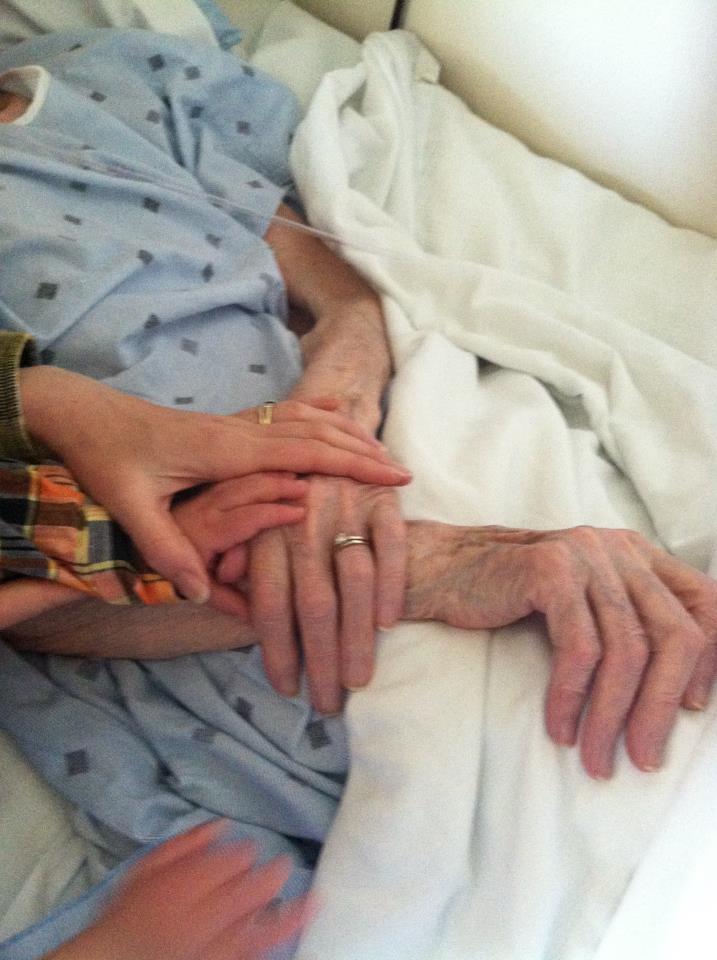
At the end they don’t want their hands to be under the covers, and if you should put your hand on theirs in a tentative gesture of solidarity, they’ll pull the hand free; and you must honor that desire, and let them pull it free. ~Jane Kenyon from “Reading Aloud to My Father”
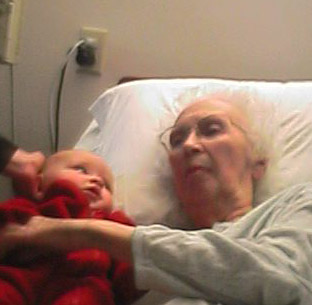
Great Grandma Emma, granddaughter Andrea, great-grandson Zealand – photo by Andrea NipgesGreat Grandpa Harry holding baby Emerson, photo by mama Abby Mobley
Great-Grandma Elna and Noah
And once, for no special reason, I rode in the back of the pickup, leaning against the cab. Everything familiar was receding fast…
Whatever I saw I had already passed… (This must be what life is like at the moment of leaving it.) ~Jane Kenyon from “What It’s Like”
The farther I am down the road, everything familiar seems to be receding fast. What I see on my journey, I have already passed by as I watch it disappear into the horizon.
I too often mistake this world, this existence, as the only light there is, a mere beam of illumination in the surrounding night of eternity, the only relief from overwhelming darkness. If we stand looking up from the bottom, we might erroneously assume we are the source of the light, we are all there is.
Yet looking at this world from a different perspective, gazing down into the abyss from above, it is clear the light does not come from below –it is from beyond us.
The newborn and the dying know this. They signal their transition into and out of this world with their hands. An infant holds tightly to whatever their fist finds, grasping and clinging to not be lost to this darkness they have entered. The dying instead loosen their grip on this world, reaching up and picking the air on their climb back to heaven.
We hold babies tightly so they won’t lose their way in the dark. We loosen our grip on the dying to honor their outreach to the light that leads to something greater.
In the intervening years, we struggle in our blindness to climb out of the abyss to see vistas of great beauty and grace as we pass through the shadows of our lives. Only then we acknowledge, with great calm and serenity, where we are headed.
Ben packaged in a paper bag by Grandpa Hank
One-Time
Monthly
Yearly
Make a one-time or recurring donation to support daily Barnstorming posts
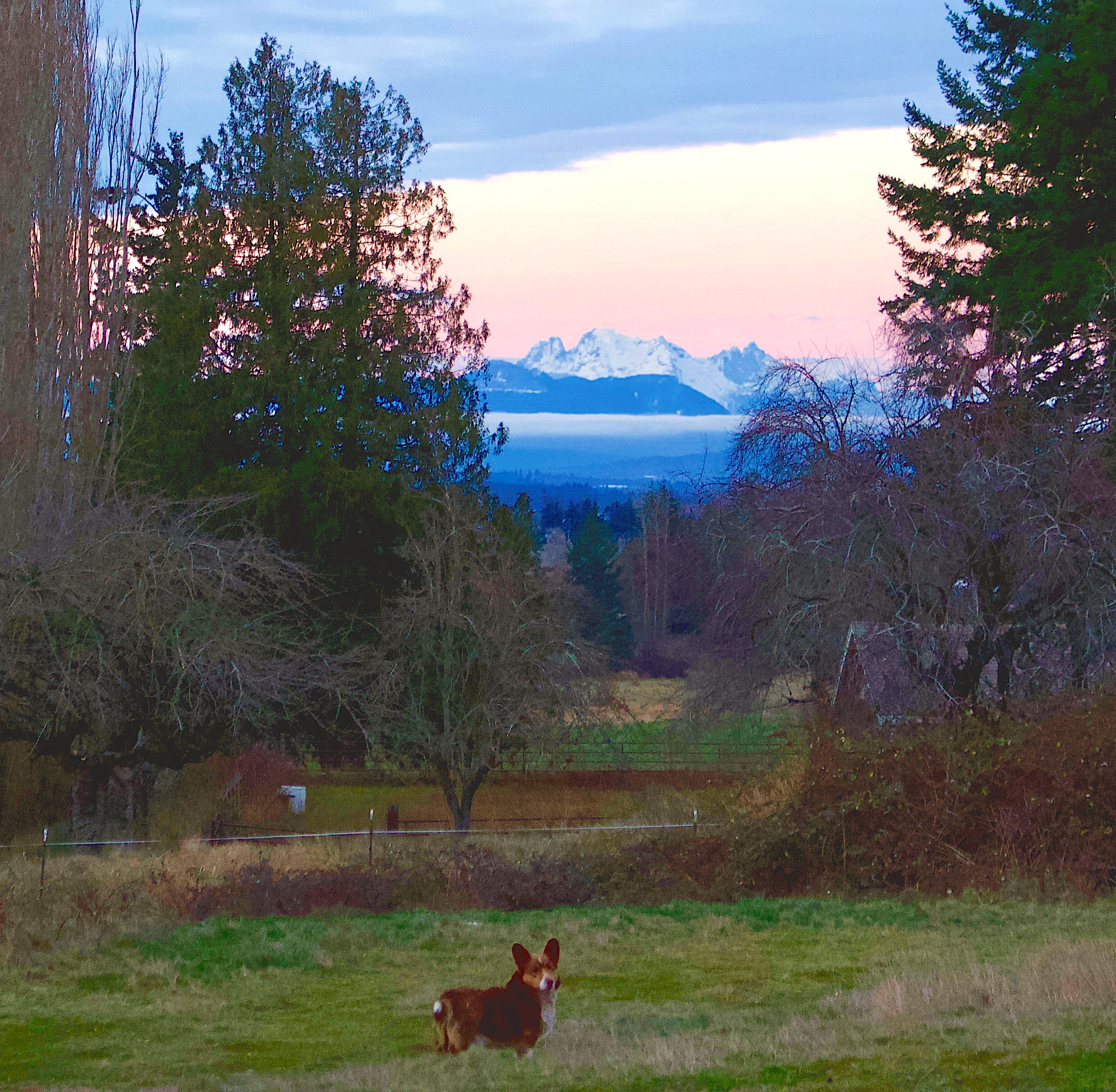
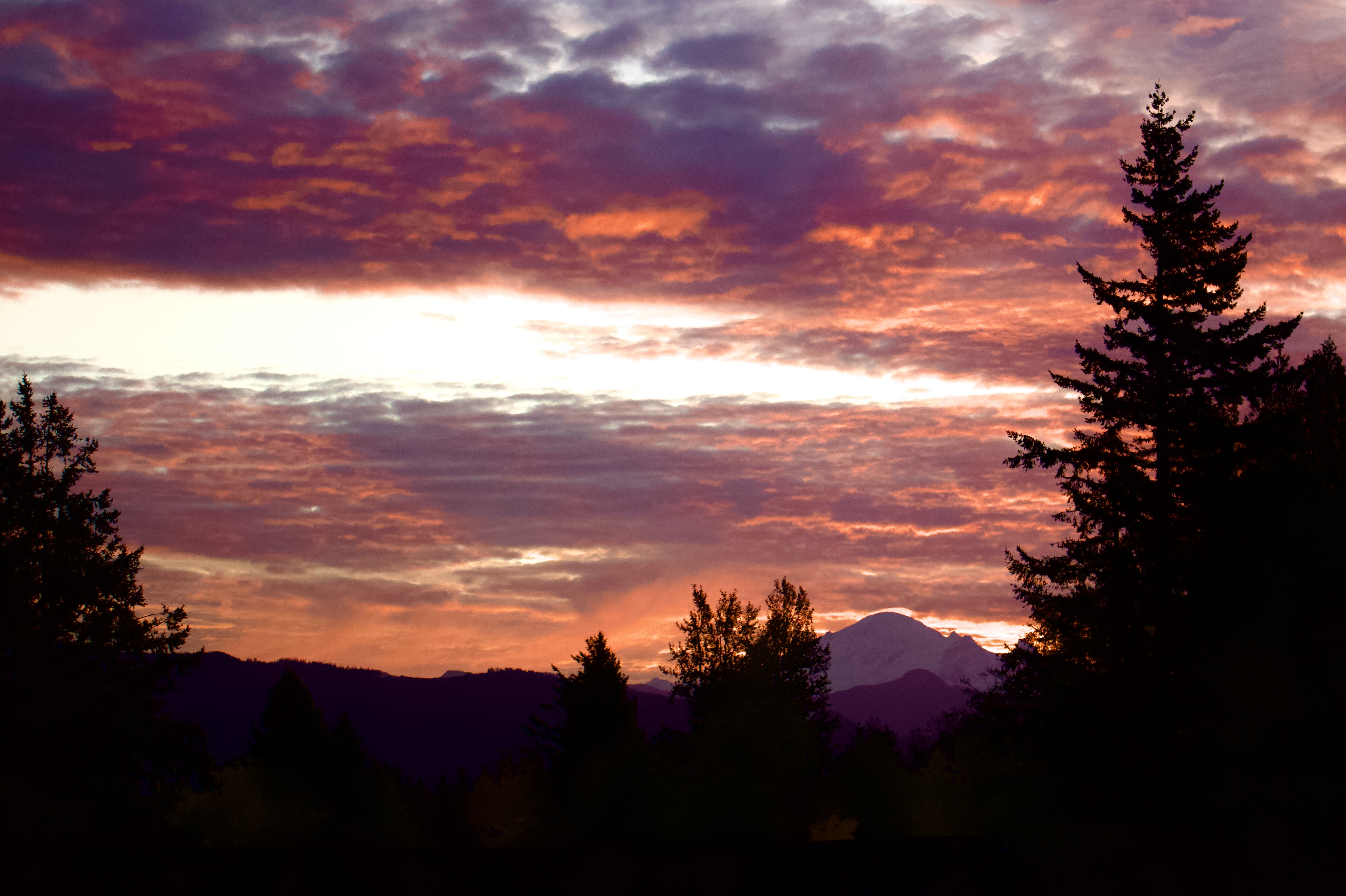
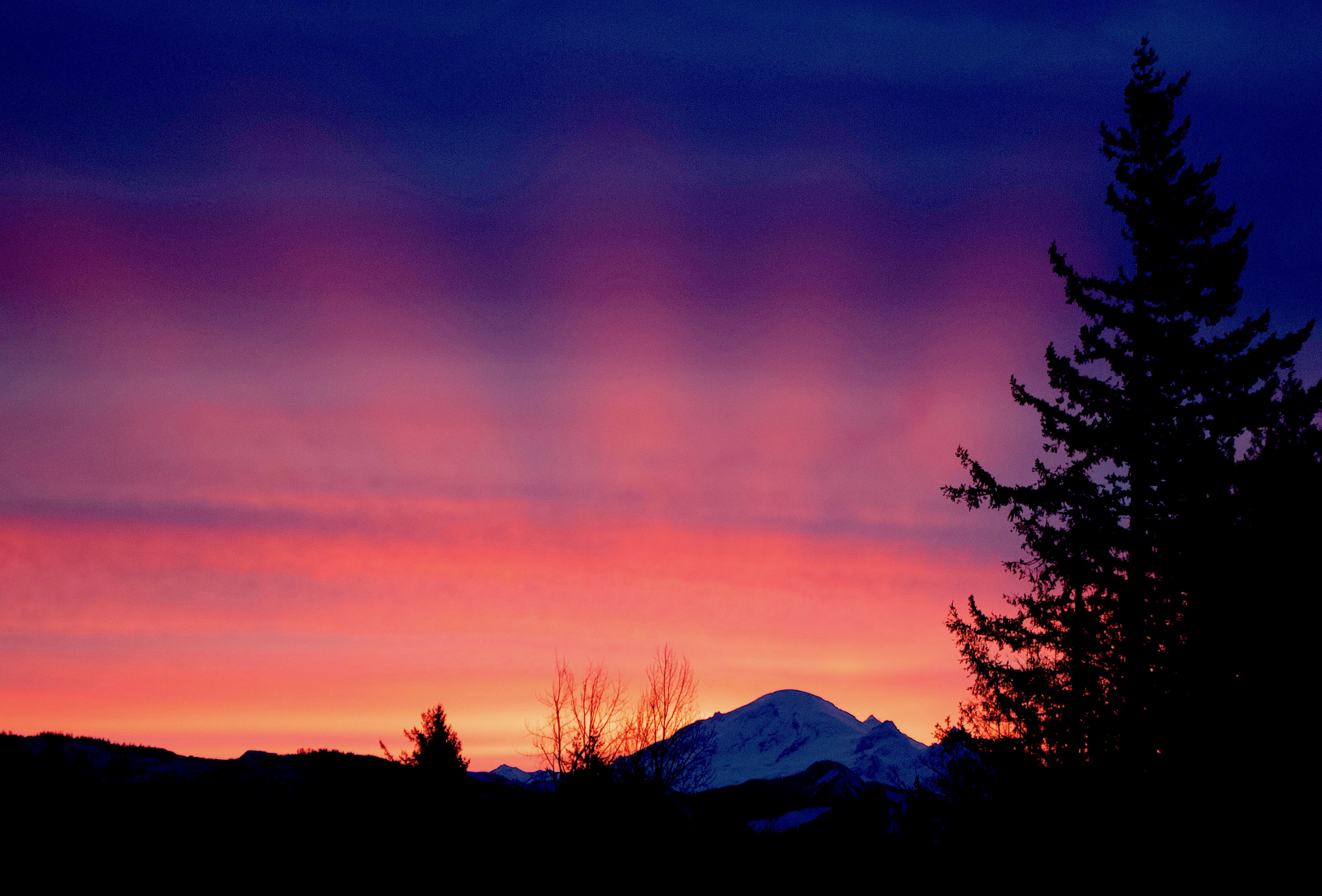
Every morning, cup of coffee in hand, I look out at the mountain. Ordinarily, it’s blue, but today it’s the color of an eggplant. And the sky turns from gray to pale apricot as the sun rolls up…
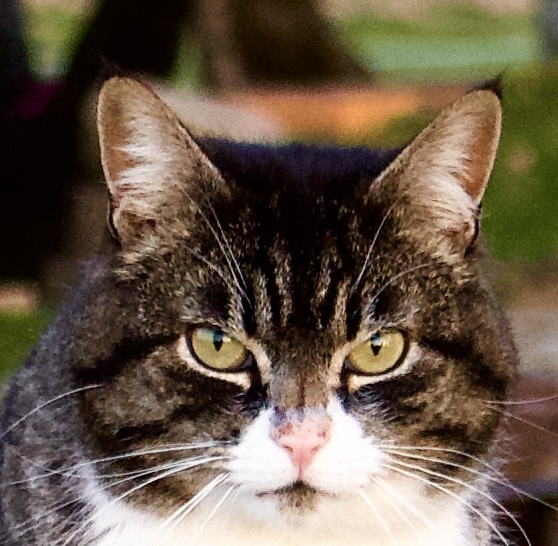
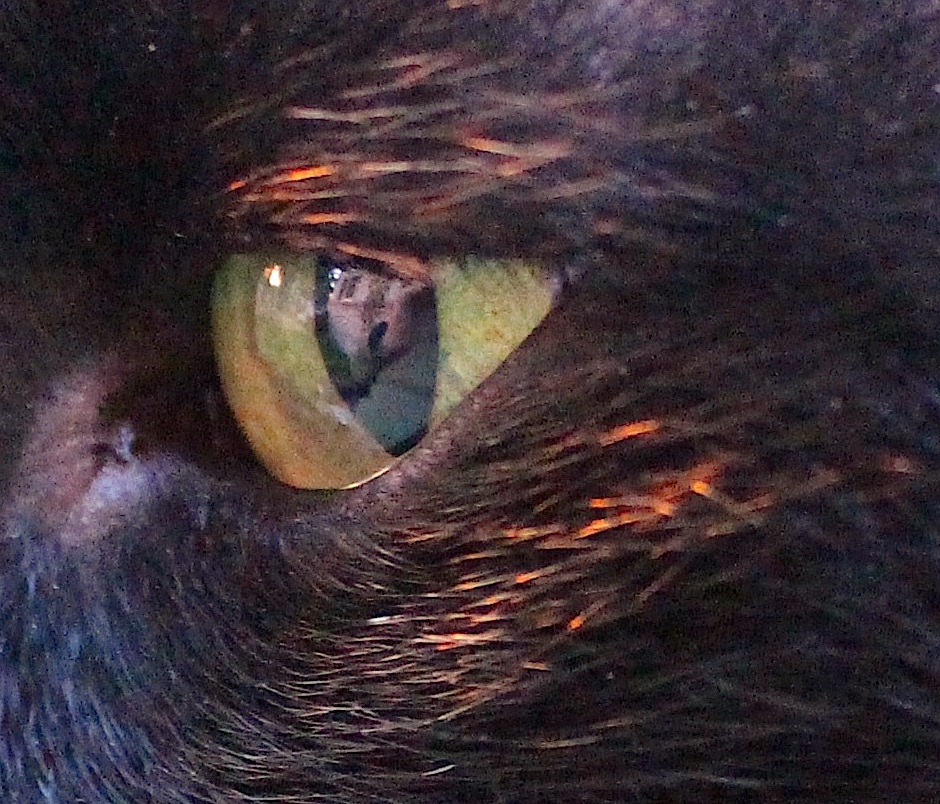
I study the cat’s face and find a trace of white around each eye, as if he made himself up today for a part in the opera. ~Jane Kenyon, from “In Several Colors” from Collected Poems.
If you notice anything it leads you to notice more and more.
And anyway I was so full of energy. I was always running around, looking at this and that.
If I stopped the pain was unbearable.
If I stopped and thought, maybe the world can’t be saved, the pain was unbearable. ~Mary Oliver from “The Moths” from Dream Work
I try to see things in a new way as I wander about my day, my eyes scanning for how to transform all my mundane, dusty corners exposed by a penetrating sunbeam when its angle is just right.
My attempts to describe plain ordinary as extraordinary feels futile in a messed-up upside-down world.
Such efforts can be painful: it means getting tired and muddy in the muck, falling down again and again and being willing to get back up.
If I stop getting dirty, if I by-pass every day grunginess, if I give up the work of salvage and renewal, I then abandon God’s promise to see the world changed.
He’s still here, ready and waiting, handing me a broom, a shovel and cleaning rags, so I can keep at it – mopping up my messy ordinary.
One-Time
Monthly
Yearly
Make a one-time or recurring donation to support daily Barnstorming posts
Christmas Eve, and twelve of the clock. “Now they are all on their knees,” An elder said as we sat in a flock By the embers in hearthside ease.
We pictured the meek mild creatures where They dwelt in their strawy pen, Nor did it occur to one of us there To doubt they were kneeling then. So fair a fancy few would weave In these years!
Yet, I feel,If someone said on Christmas Eve, “Come; see the oxen kneel,“ In the lonely barton by yonder coomb Our childhood used to know, ”I should go with him in the gloom, Hoping it might be so.“ ~Thomas Hardy “The Oxen”
Says a country legend told every year: Go to the barn on Christmas Eve and see what the creatures do as that long night tips over. Down on their knees they will go, the fire of an old memory whistling through their minds!
So I went. Wrapped to my eyes against the cold I creaked back the barn door and peered in. From town the church bells spilled their midnight music, and the beasts listened – yet they lay in their stalls like stone.
Oh the heretics! Not to remember Bethlehem, or the star as bright as a sun, or the child born on a bed of straw! To know only of the dissolving Now!
Still they drowsed on – citizens of the pure, the physical world, they loomed in the dark: powerful of body, peaceful of mind, innocent of history.
Brothers! I whispered. It is Christmas! And you are no heretics, but a miracle, immaculate still as when you thundered forth on the morning of creation! As for Bethlehem, that blazing star
still sailed the dark, but only looked for me. Caught in its light, listening again to its story, I curled against some sleepy beast, who nuzzled my hair as though I were a child, and warmed me the best it could all night. ~Mary Oliver “Christmas Poem”from Goodness and Light
The winds were scornful, Passing by; And gathering Angels Wondered why
A burdened Mother Did not mind That only animals Were kind.
For who in all the world Could guess That God would search out Loneliness. ~Sr. M. Chrysostom, O.S.B. “The Stable”
Beholding his glory is only half our job. In our souls too the mysteries must be brought forth; we are not really Christians till that has been done. A mystic says human nature is like a stable inhabited by the ox of passion and the ass of prejudice— animals which take up a lot of room and which I suppose most of us are feeding on the quiet. And it is there between them, pushing them out, that Christ must be born and in their very manger he must be laid— and they will be the first to fall on their knees before him. Sometimes Christians seem far nearer to those animals than to Christ in his simple poverty, self-abandoned to God. ~Evelyn Underhill“Light of the World” from Watch for the Light
Growing up on my childhood farm, remembering the magic of Christmas eve night, I bundled myself up to stay warm in our barn, to witness an unbelievable sight.
At midnight we knew the animals knelt down, speaking words we could all understand, to worship a Child born in Bethlehem town, in a barn, long ago in a far away land.
They were there that night, to see and to hear, the blessings that came from the sky. They patiently stood watch at the manger near, in a barn, while shepherds and kings stopped by.
My trips to the barn were always too late, our cows would be chewing, our chickens asleep, our horses breathing softly, cats climbing the gate, in our barn, there was never a neigh, moo or peep.
But I knew they had done it, I just missed it again! They were plainly so calm, well-fed and at peace in the sweet smelling straw, all snug in their pens, in a barn, a mystery, once more, took place.
Even now, I still bundle to go out Christmas eve, in the hope I’ll catch them just once more this time. Though I’m older and grayer, I still firmly believe in the barn, a Birth happened amid cobwebs and grime.
Our horses sigh low as they hear me come near, that tells me the time I hope for is now, they will drop to their knees without any fear in our barn, as worship, all living things bow.
I wonder anew at God’s immense trust for His creatures so sheltered that darkening night – the mystery of why of all places, His Son must begin life in a barn: a welcoming most holy and right. ~Emily Gibson “In the Barn” (written Christmas Eve 1999)
Let it come, as it will, and don’t be afraid. God does not leave us comfortless, so let evening come. ~Jane Kenyon, from “Let Evening Come”
This year’s Barnstorming Advent theme “… the Beginning shall remind us of the End” is taken from the final lines in T.S. Eliot’s poem “The Cultivation of Christmas Trees”
Latin text O magnum mysterium, et admirabile sacramentum, ut animalia viderent Dominum natum, iacentem in praesepio! Beata Virgo, cujus viscera meruerunt portare Dominum Iesum Christum. Alleluia!
English translation O great mystery, and wonderful sacrament, that animals should see the newborn Lord, lying in a manger! Blessed is the virgin whose womb was worthy to bear the Lord, Jesus Christ. Alleluia!
Sing O the wild wood, the green holly, The silent river and barren tree; The humble creatures that no man sees: Sing O the wild wood.
A weary journey one winter’s night; No hope of shelter, no rest in sight. Who was the creature that bore Mary? A simple donkey.
And when they came into Beth’lem Town They found a stable to lay them down; For their companions that Christmas night, An ox and an ass.
And then an angel came down to earth To bear the news of the Saviour’s birth; The first to marvel were shepherds poor, And sheep with their lambs.
Sing O the wild wood, the green holly, The silent river and barren tree; The humble creatures that no man sees: Sing O the wild wood. John Rutter
Jesus our brother, strong and good Was humbly born in a stable rude And the friendly beasts around him stood Jesus our brother, strong and good “I, ” said the donkey, shaggy and brown “I carried his mother up hill and down I carried his mother to Bethlehem town” “I, ” said the donkey, shaggy and brown “I, ” said the cow, all white and red “I gave him my manger for his bed I gave him my hay to pillow his head” “I, ” said the cow, all white and red “I, ” said the sheep with curly horn “I gave him my wool for his blanket warm He wore my coat on Christmas morn” “I, ” said the sheep with curly horn “I, ” said the dove from the rafters high “I cooed him to sleep so he would not cry We cooed him to sleep, my mate and I” “I, ” said the dove from rafters high Thus every beast by some good spell In the stable dark was glad to tell Of the gifts they gave Emmanuel Of the gifts they gave Emmanuel
The others bent their heads and started in. Confused, I asked my neighbor to explain—a sturdy, bright-cheeked girl who brought raw milk to school from her family’s herd of Holsteins. Ann had a blue bookmark, and on it Christ revealed his beating heart, holding the flesh back with His wounded hand. Ann understood division. . . .
Miss Moran sprang from her monumental desk and led me roughly through the class without a word. My shame was radical as she propelled me past the cloakroom to the furnace closet, where only the boys were put, only the older ones at that. The door swung briskly shut.
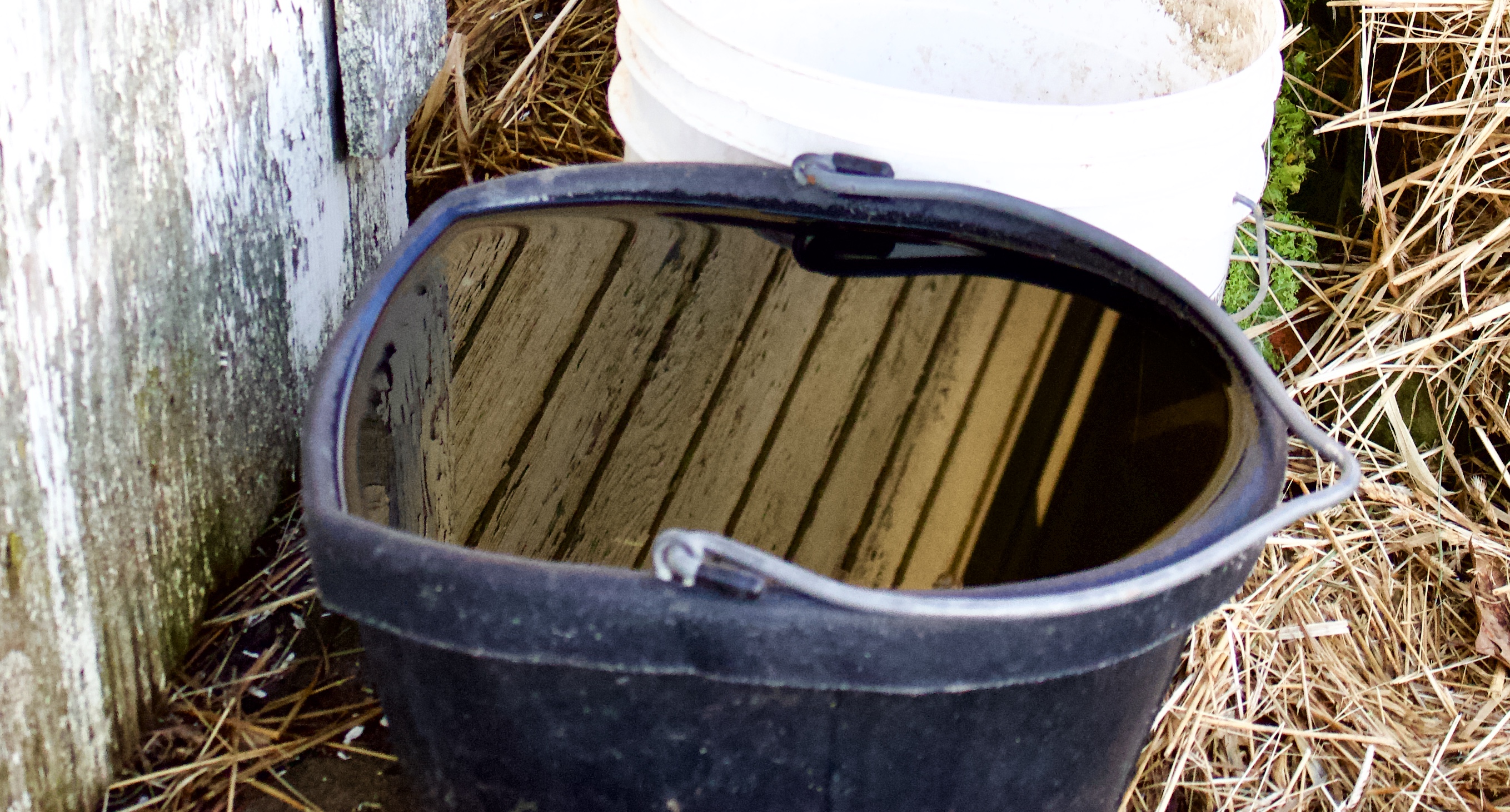
The warmth, the gloom, the smell of sweeping compound clinging to the broom soothed me. I found a bucket, turned it upside down, and sat, hugging my knees. I hummed a theme from Haydn that I knew from my piano lessons. . . . and hardened my heart against authority. And then I heard her steps, her fingers on the latch. She led me, blinking and changed, back to the class. ~Jane Kenyon “Trouble with Math in a One-room Country School”
I avoided all potential trouble in school by avoiding the trouble-makers. I never was disciplined or even looked at crossly by a teacher. They loved me and I wanted badly to be loved by them.
I looked away whenever another student got in trouble; I didn’t want to be a lookie-loo enjoying the travails of another child. It was painful for me to see another kid disciplined. I know I would have been crushed to be publicly called out, sent to the hallway, name on the board, or worse yet, banished to the principal.
So my heart broke when I saw another child cry, or be defiant or be removed from class. I knew I couldn’t fix it or them. I knew I couldn’t help the teacher to like them. I knew some kids have their own secret pain they endure. I knew it would change me to know what their pain felt like. So I just imagined being good and compliant and rule-abiding and lovable.
Forever.
Of course, I wasn’t and I’m not, sixty years later. I too changed, just like everyone else. It still makes me sad to think how much we change, how many hearts we break, how our innocence is so fragile and as a result, how badly we need forgiveness so we can learn to love ourselves as we are loved.
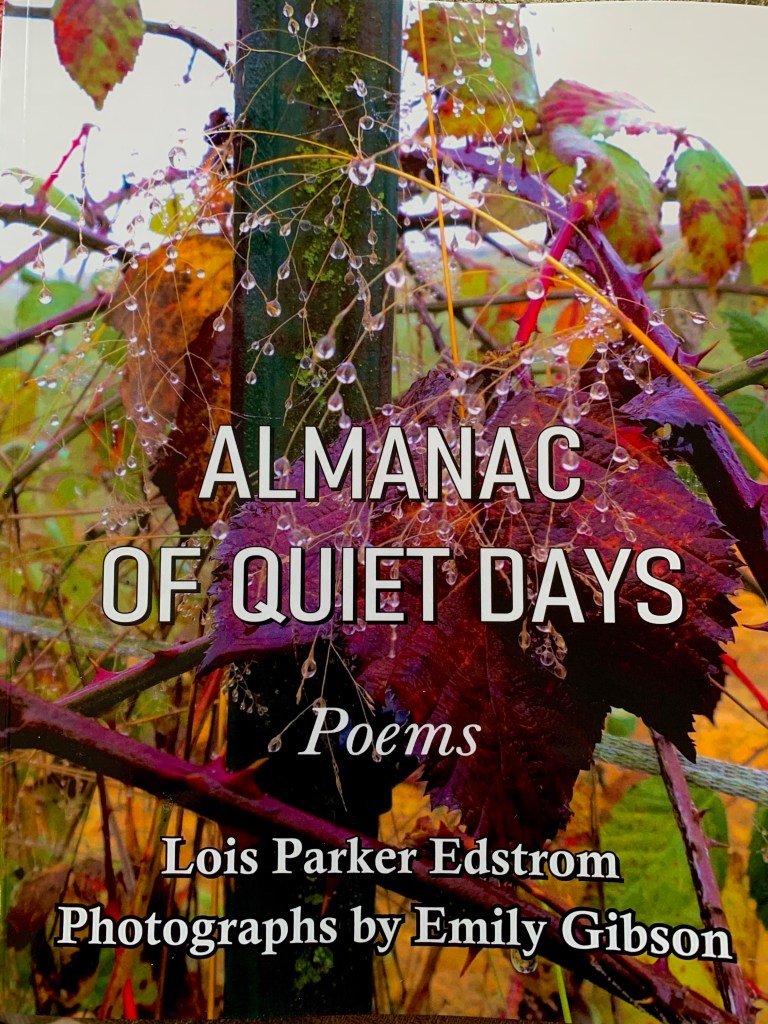
A book of beauty in words and photography available to order here:




































 Barnstorming