To see a World in a Grain of Sand And a Heaven in a Wild Flower, Hold Infinity in the Palm of your Hand, and Eternity in an Hour.
When the Soul Slept in Beams of Light God Appears & God is Light To those poor Souls who dwell in Night But does a Human Form Display To those who Dwell in Realms of day ~William Blake from “Auguries of Innocence”
Had I the heavens’ embroidered cloths, Enwrought with golden and silver light, The blue and the dim and the dark cloths Of night and light and the half light, I would spread the cloths under your feet: But I, being poor, have only my dreams; I have spread my dreams under your feet; Tread softly because you tread on my dreams. ~William Butler Yeats “Aedh Wishes for the Cloths of Heaven”
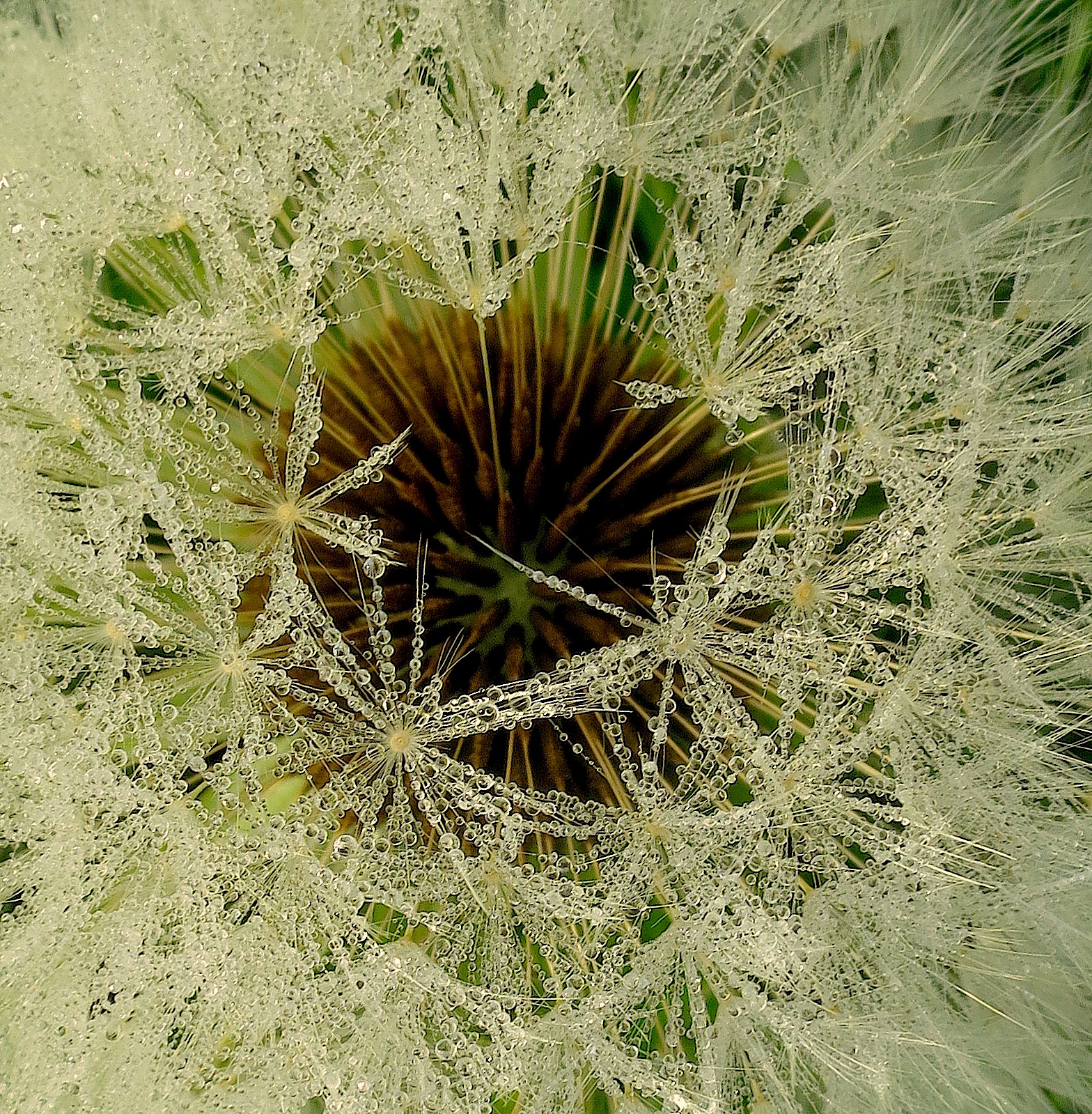
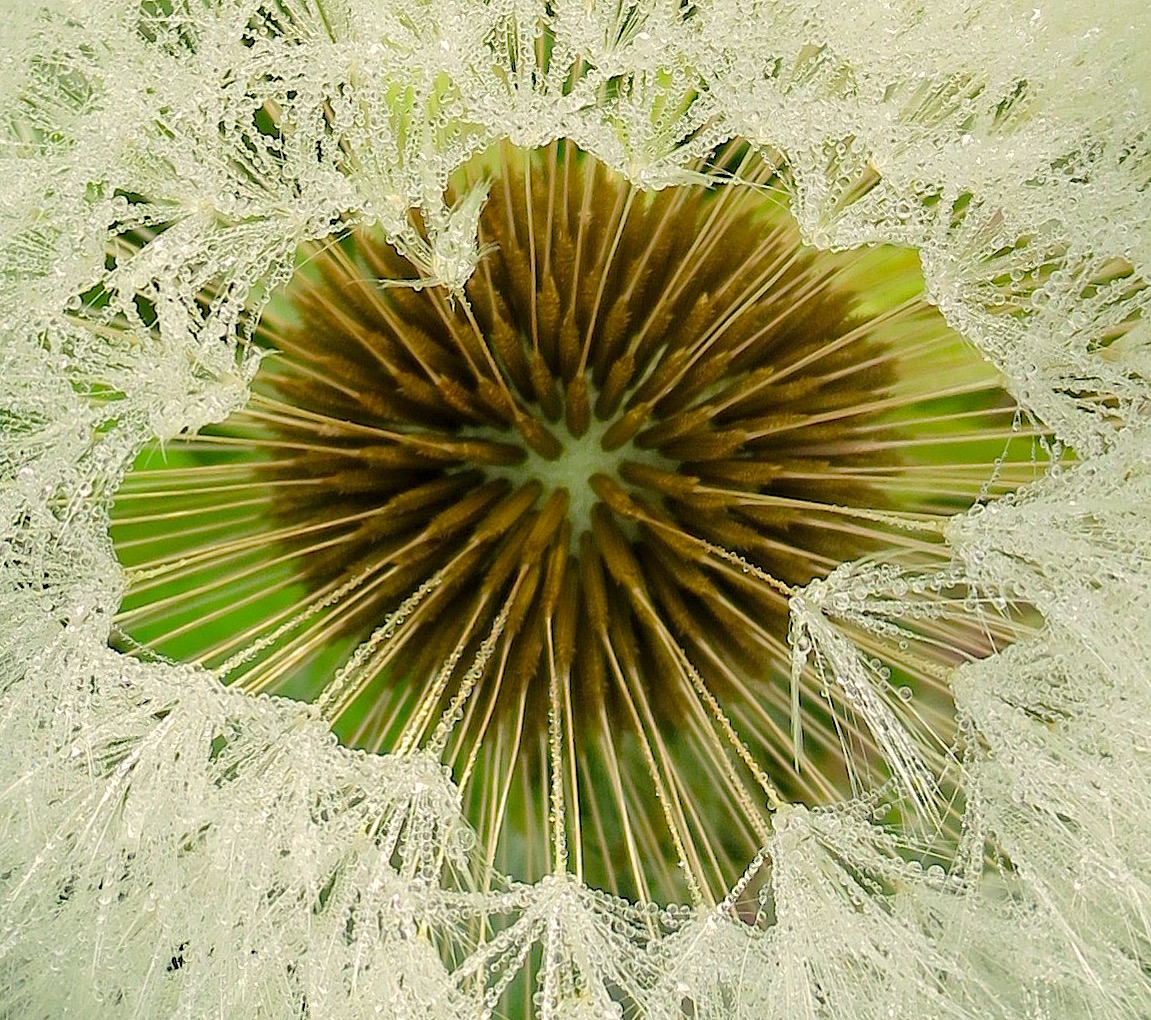
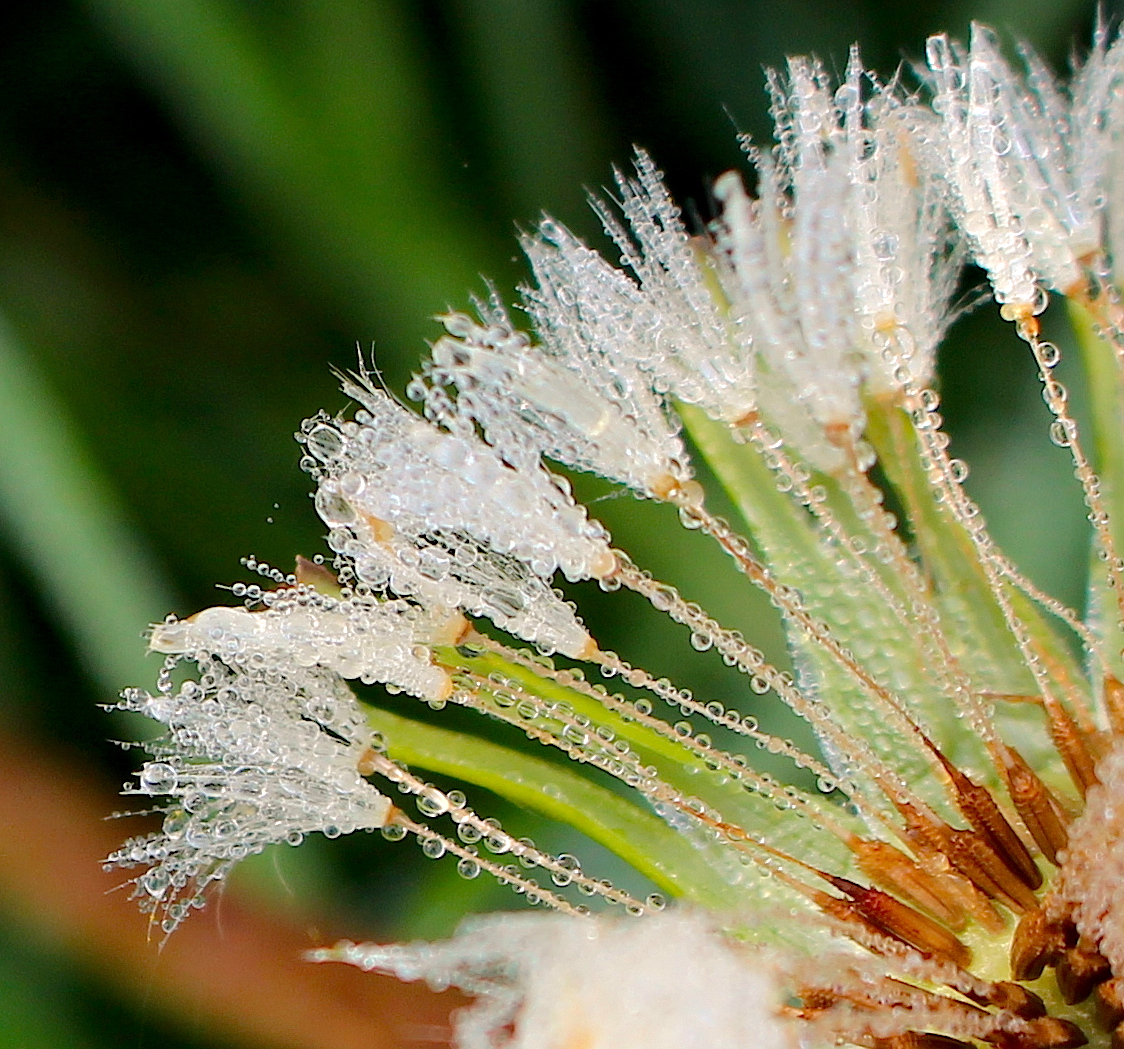
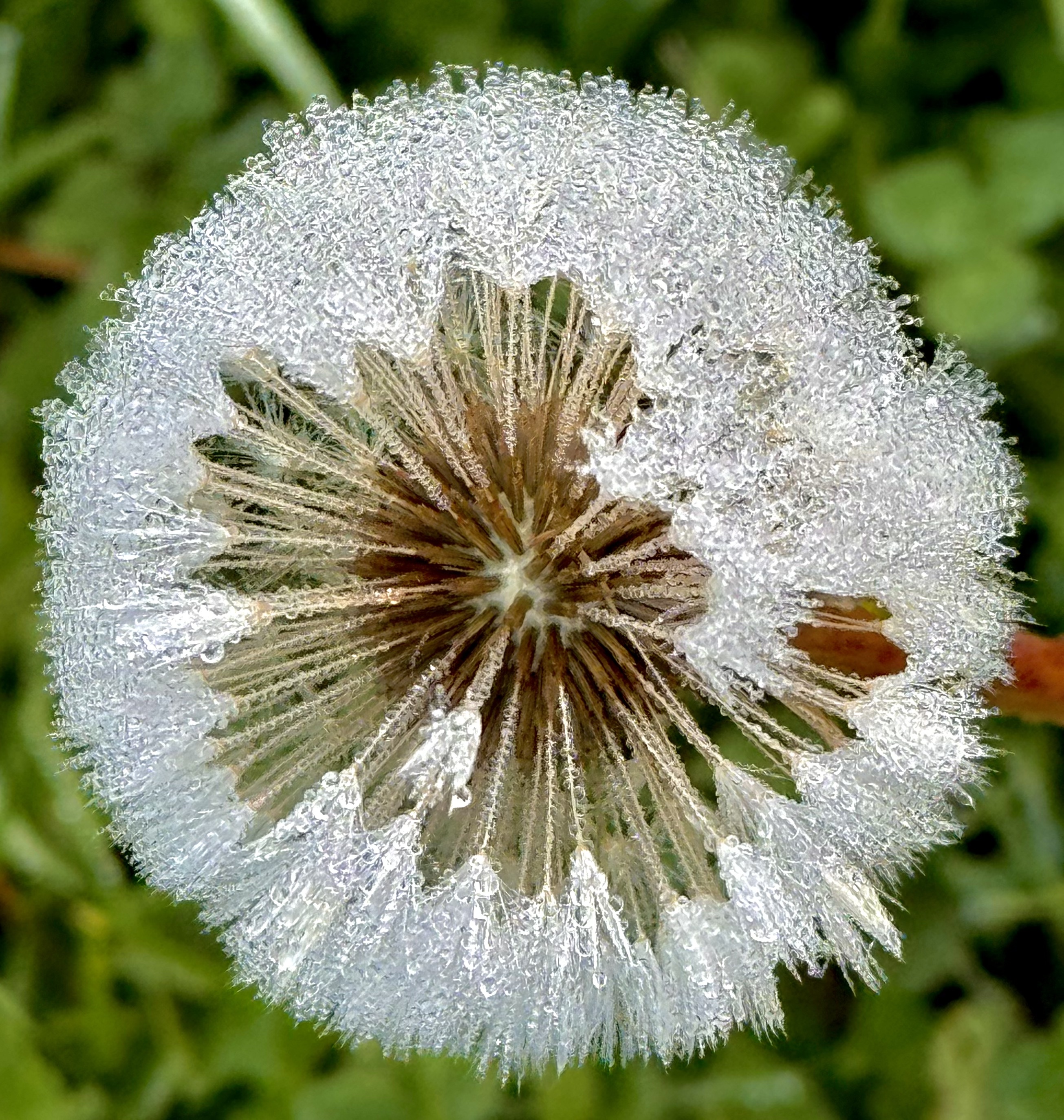
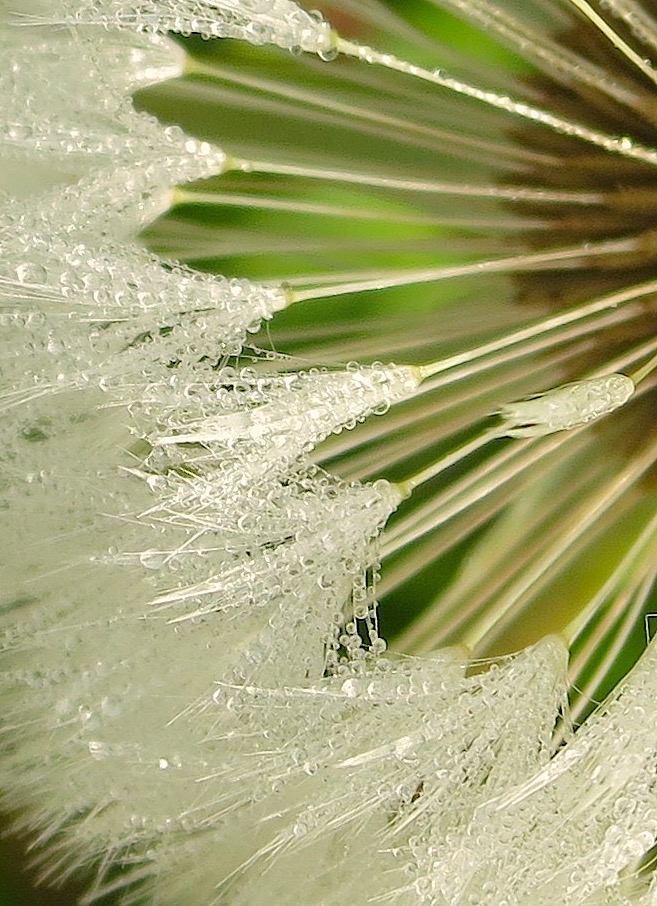
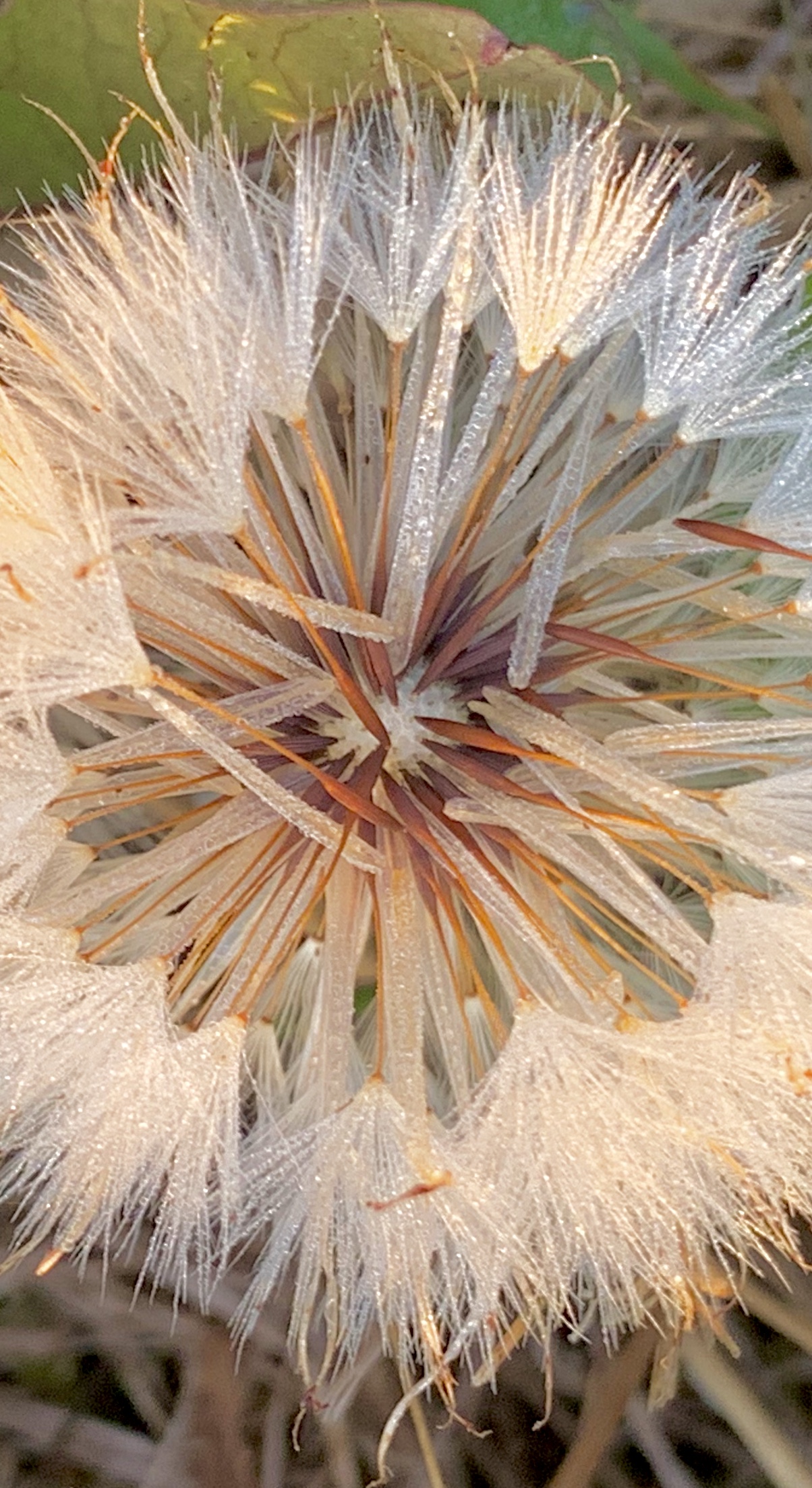
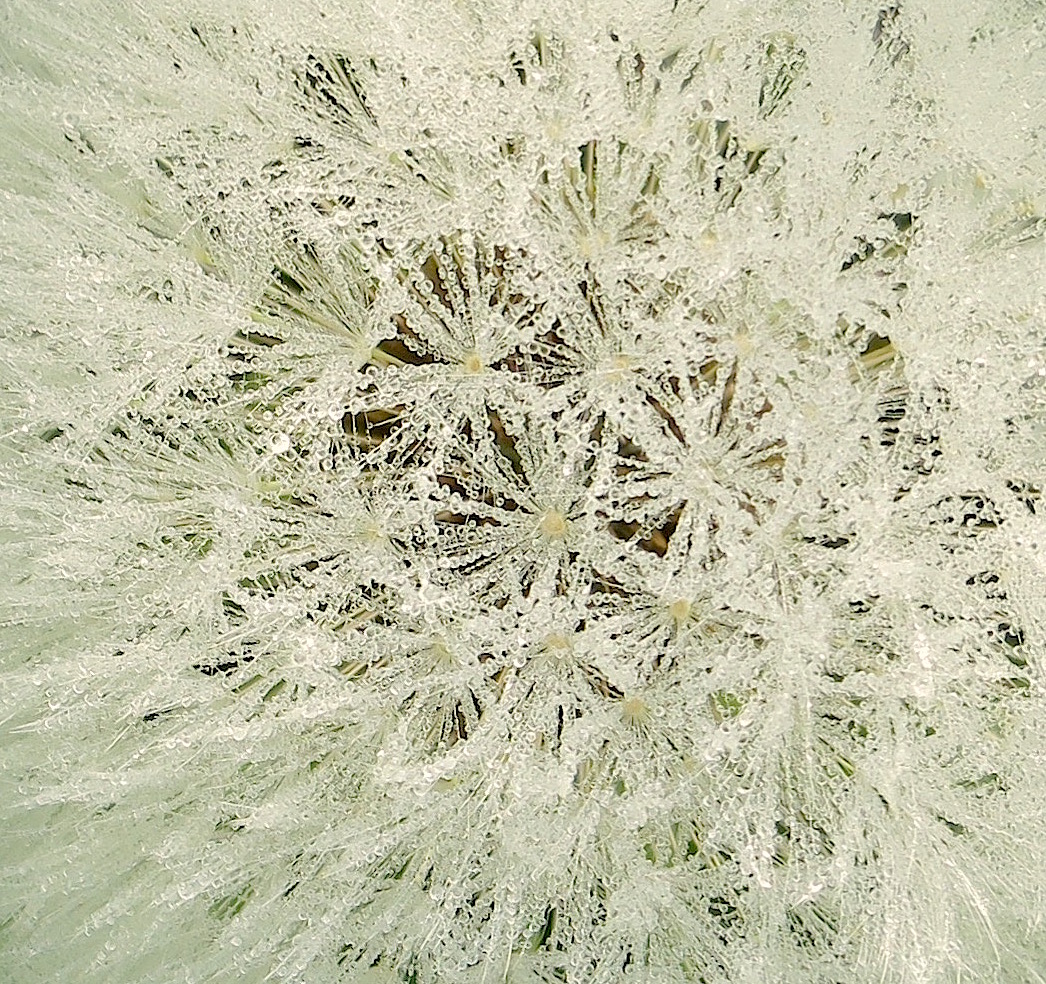
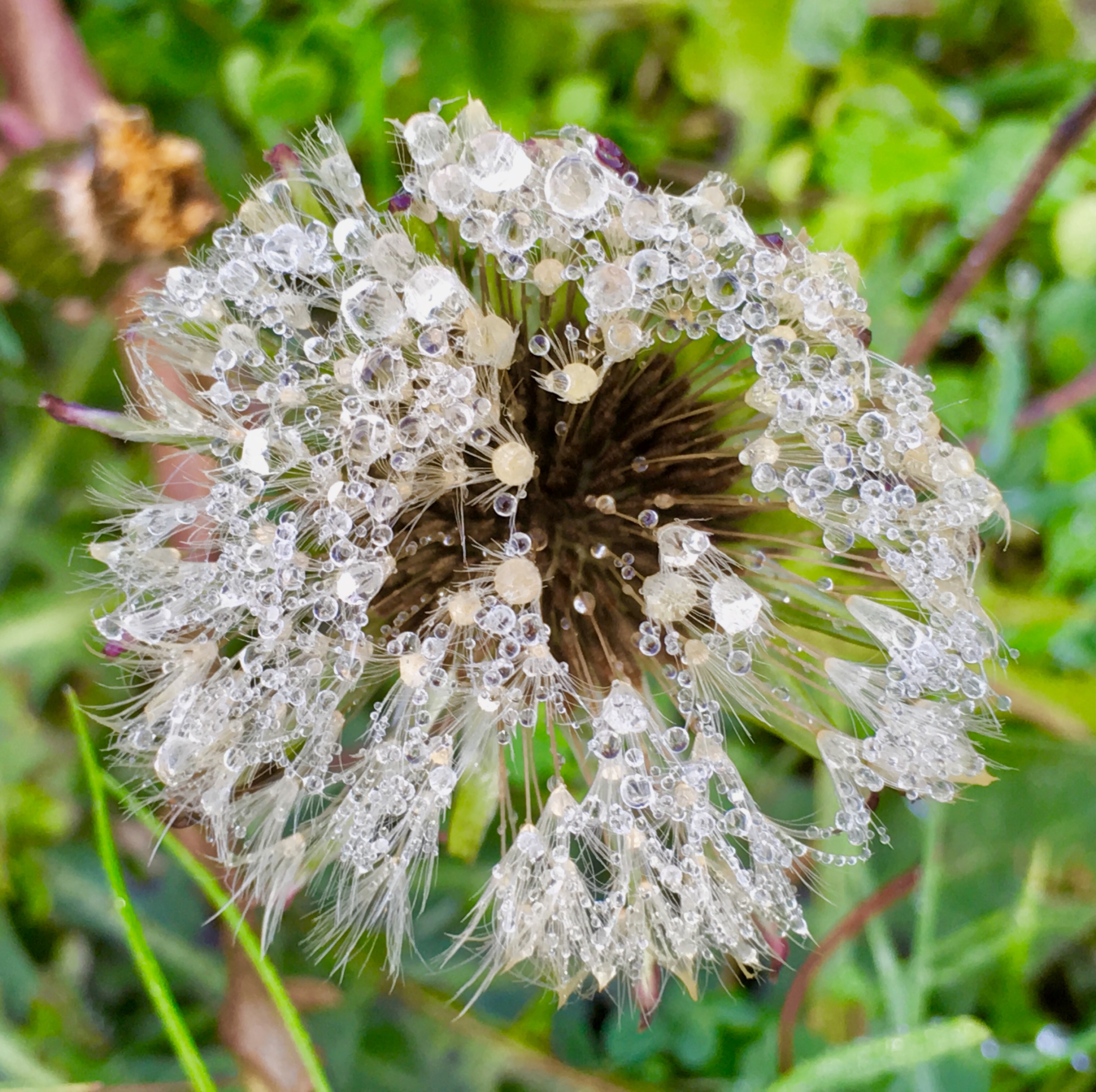
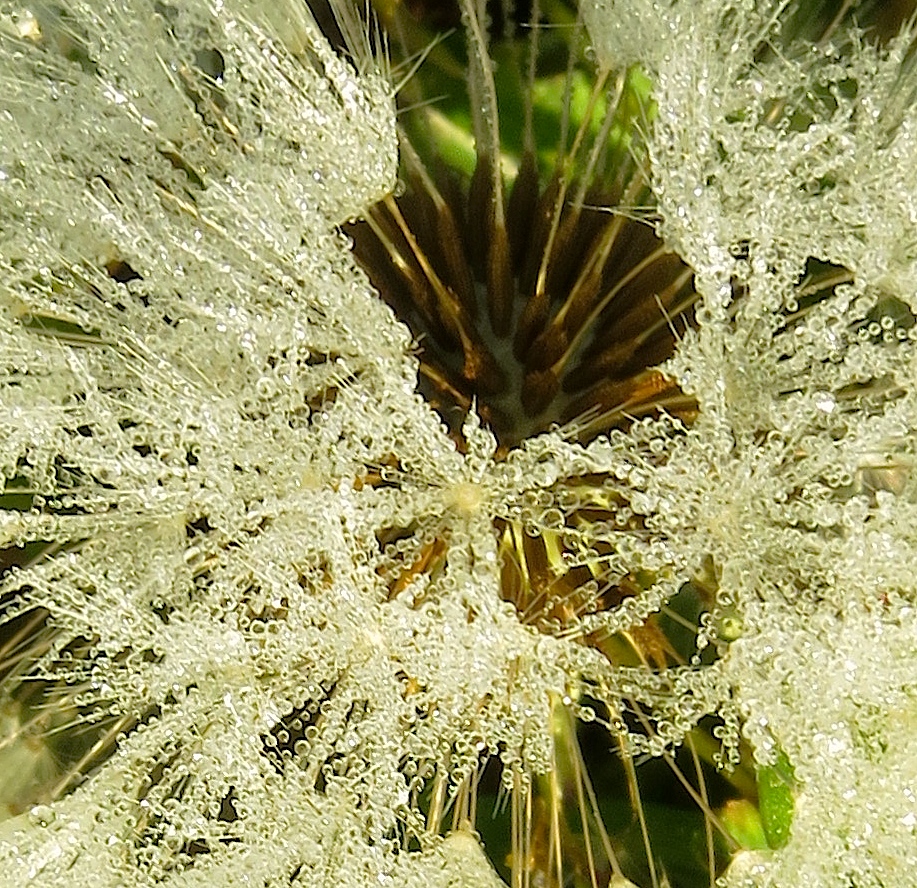
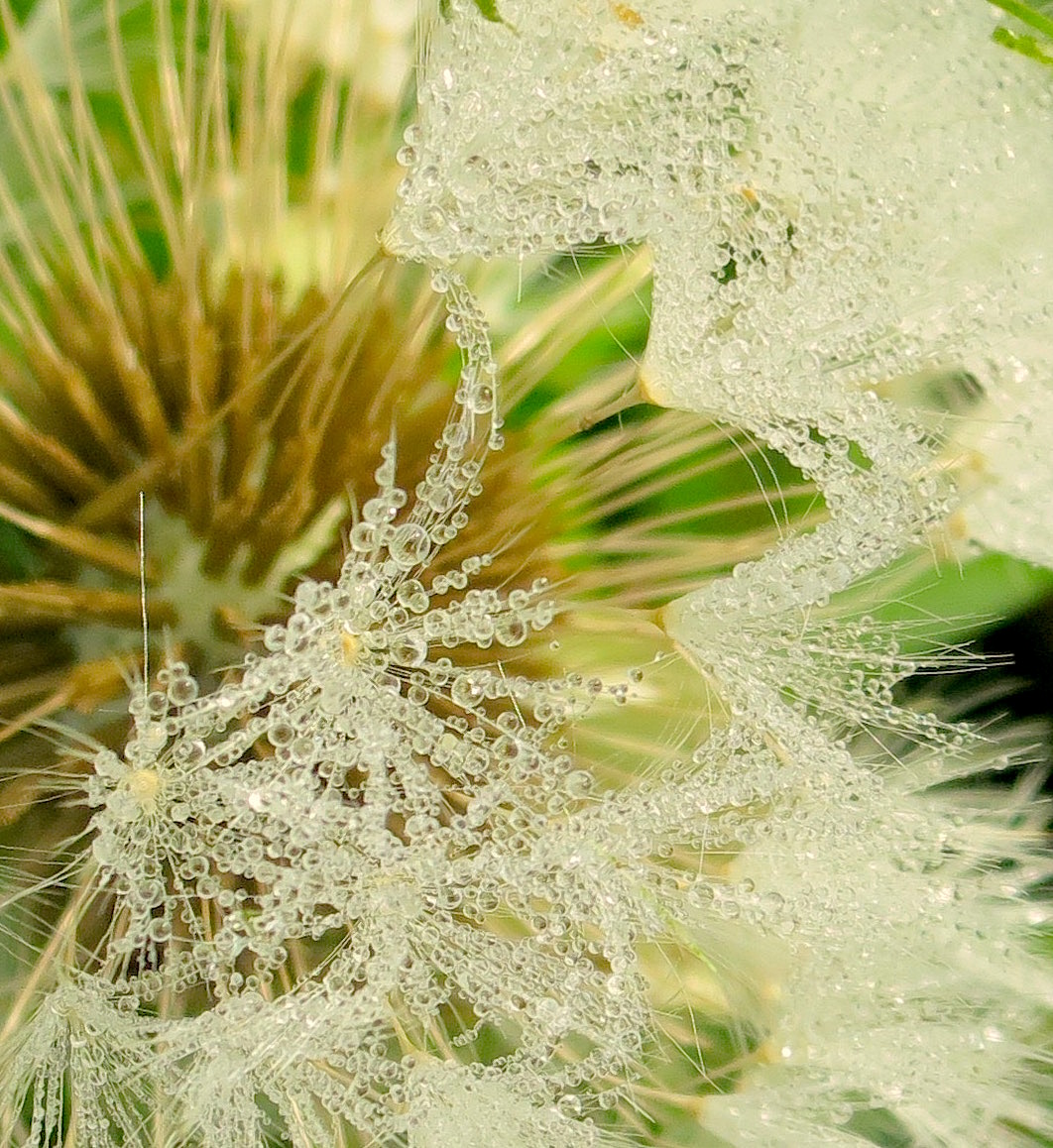
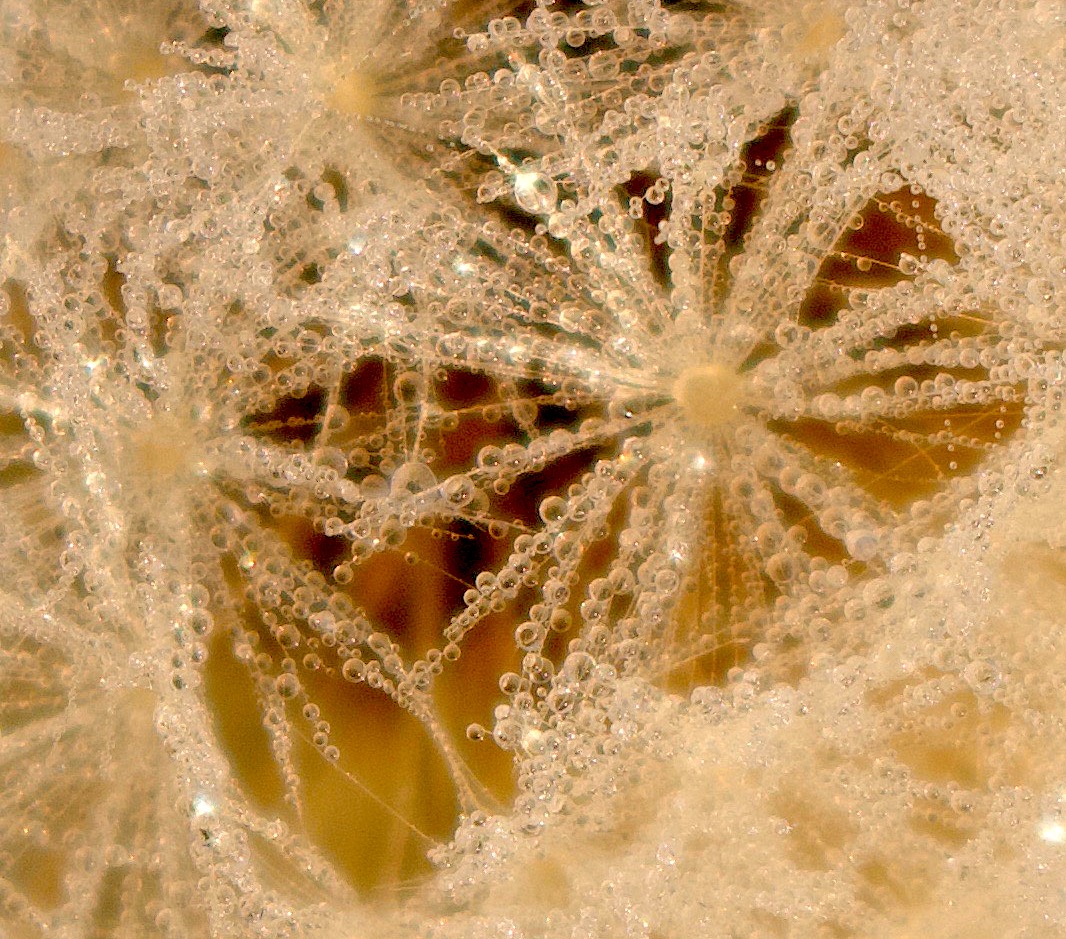
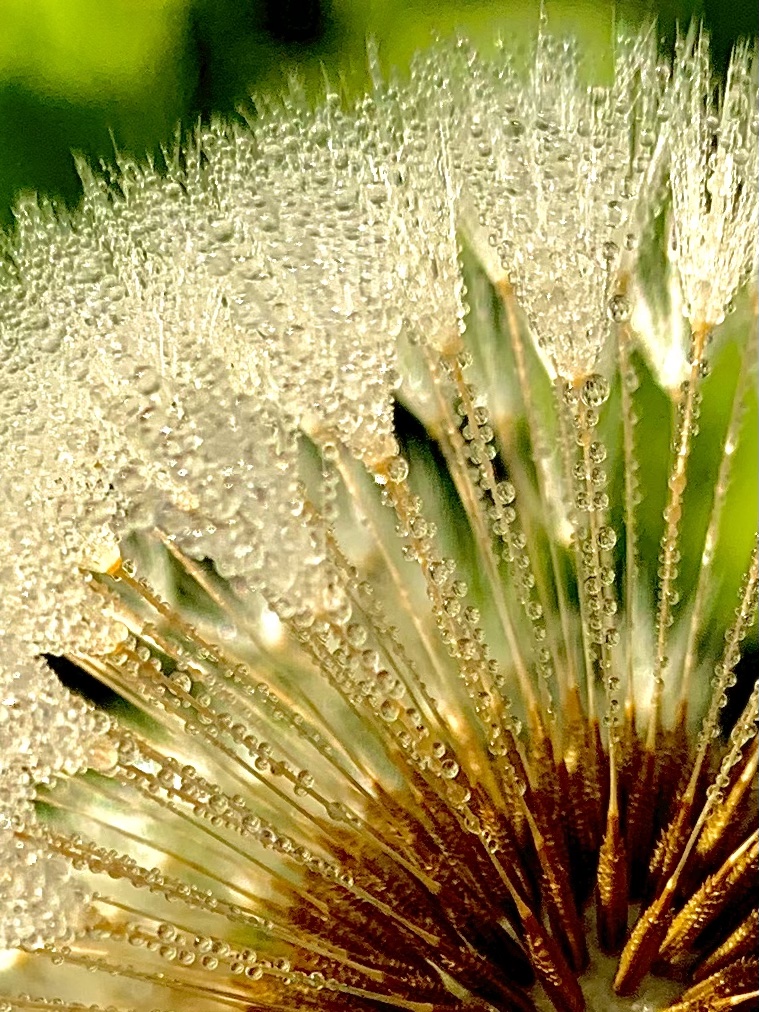
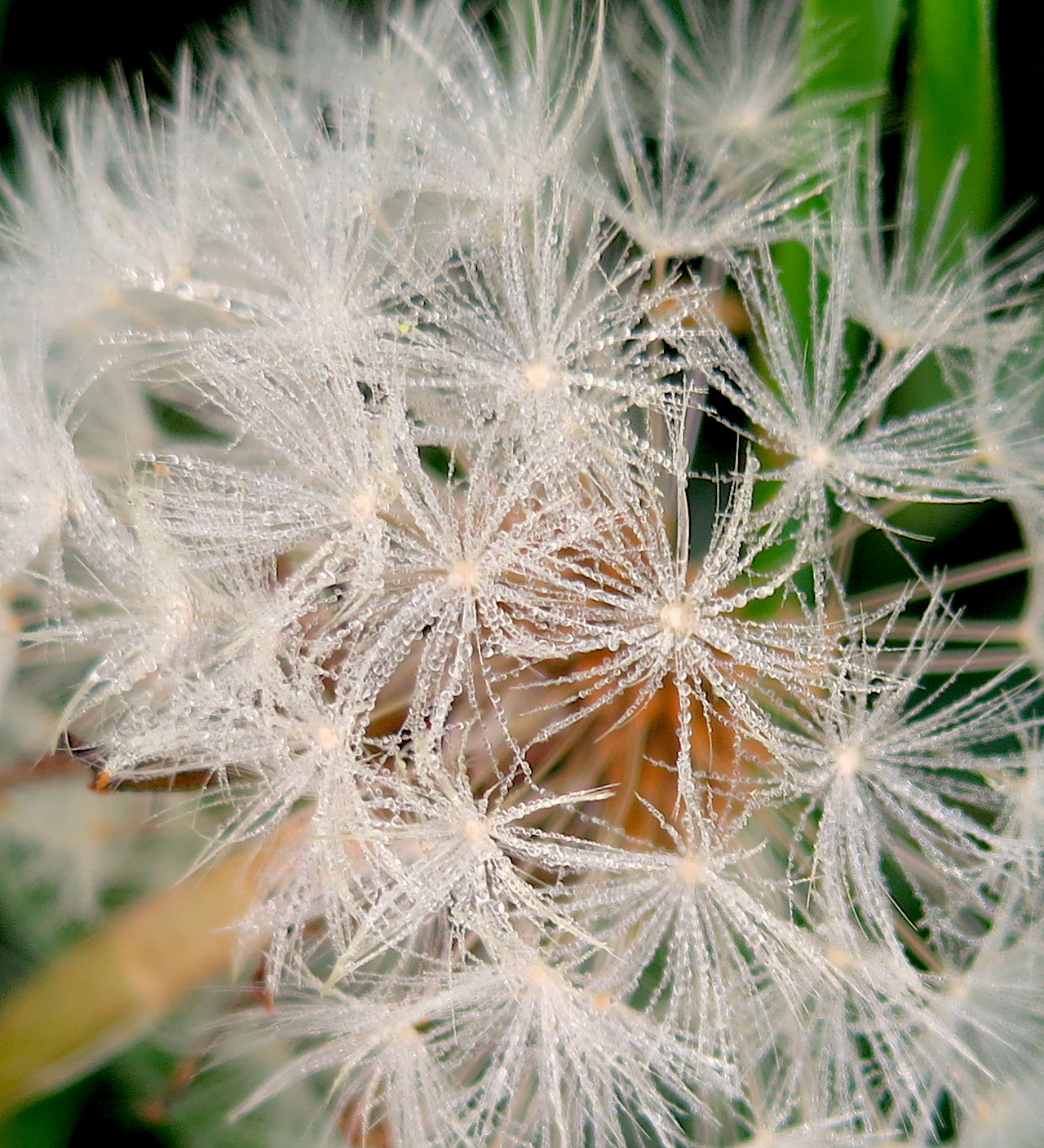
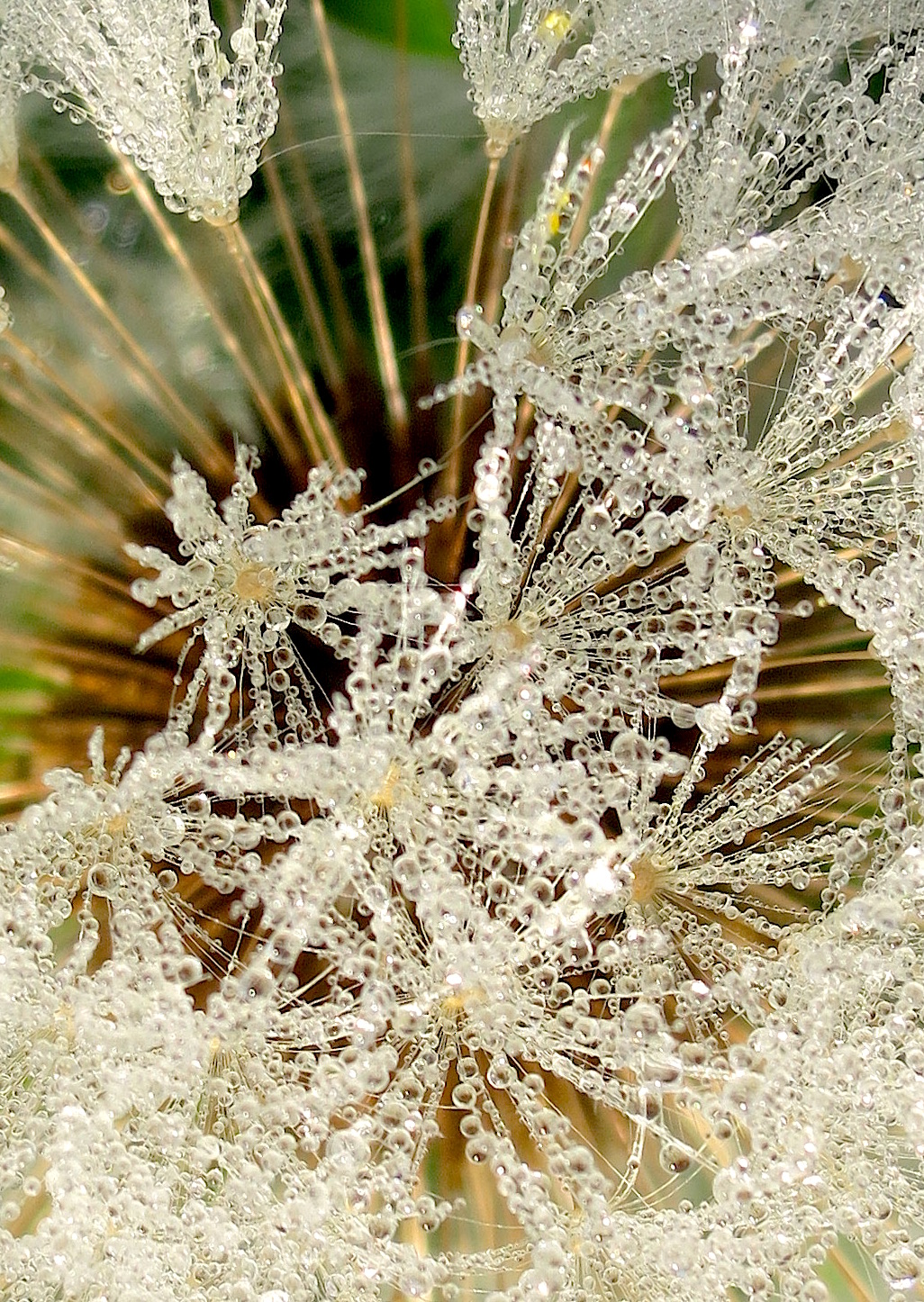
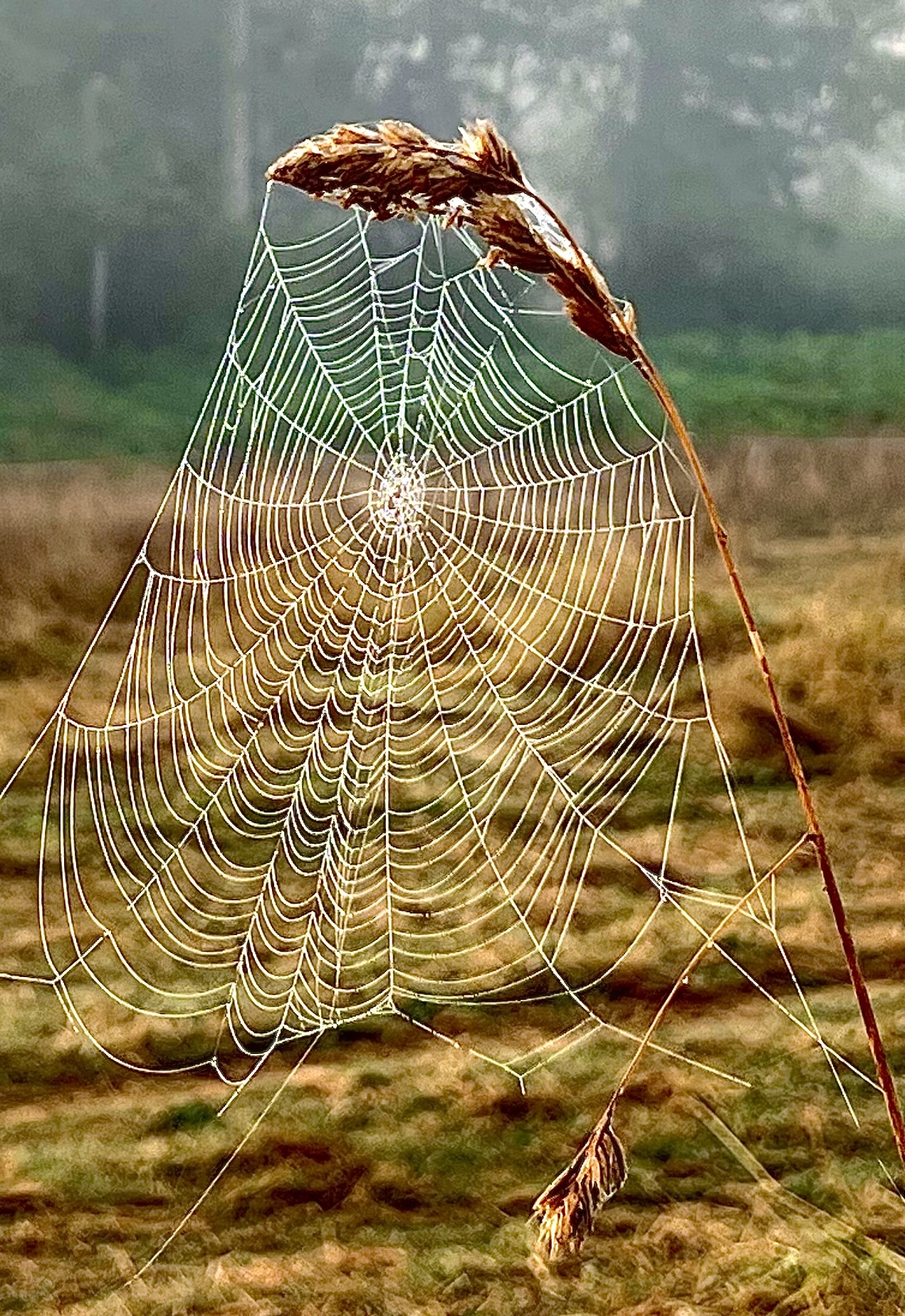
If I look closely enough underfoot, I might find the extraordinary in the commonplace things of life.
So I keep my eyes alert; my heart open to infinite possibilities and try to tread softly.
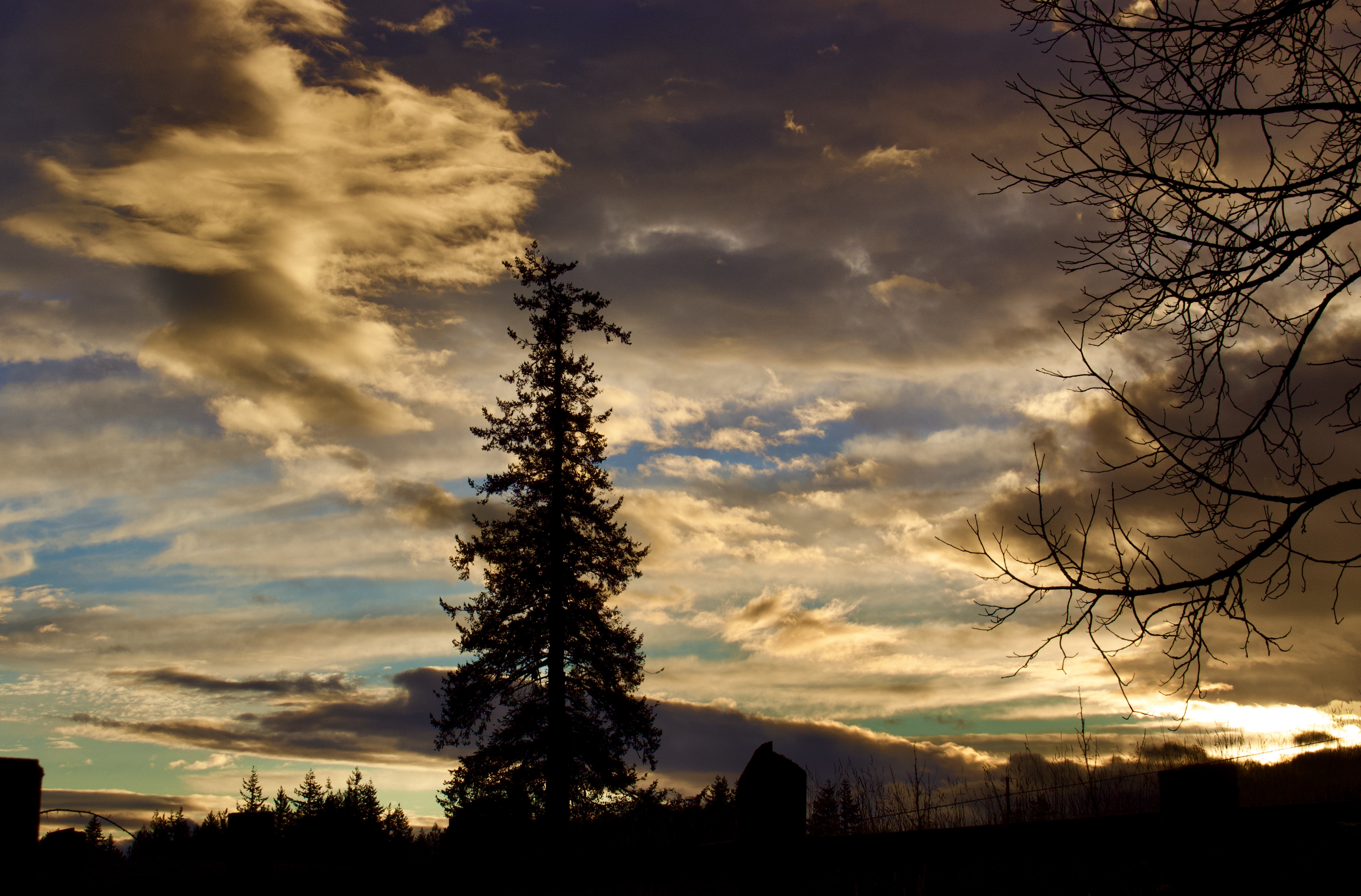
Sometimes what I see is so beautiful, it is uncovering heaven come to earth, when the cosmos is contained within the commonplace.
The God of Light and Living Water is no further away than my back yard.
One-Time
Monthly
Yearly
Make a one-time or recurring donation to support daily Barnstorming posts
The thing is to love life, to love it even when you have no stomach for it and everything you’ve held dear crumbles like burnt paper in your hands, your throat filled with the silt of it. When grief sits with you, its tropical heat thickening the air, heavy as water more fit for gills than lungs; when grief weights you like your own flesh only more of it, an obesity of grief, you think, How can a body withstand this? Then you hold life like a face between your palms, a plain face, no charming smile, no violet eyes, and you say, yes, I will take you I will love you, again. ~Ellen Bass, “The Thing Is” from Mules of Love
...everything here seems to need us —Rainer Maria Rilke
It’s a hard time to be human. We know too much and too little. Does the breeze need us? If you’ve managed to do one good thing, the ocean doesn’t care. But when Newton’s apple fell toward the earth, the earth, ever so slightly, fell toward the apple. ~Ellen Bass from “The World Has Need of You” from Like a Beggar
Fallen leaves will climb back into trees. Shards of the shattered vase will rise and reassemble on the table. Plastic raincoats will refold into their flat envelopes. The egg, bald yolk and its transparent halo, slide back in the thin, calcium shell. Curses will pour back into mouths, letters un-write themselves, words siphoned up into the pen. My gray hair will darken and become the feathers of a black swan. Bullets will snap back into their chambers, the powder tamped tight in brass casings. Borders will disappear from maps. Rust revert to oxygen and time. The fire return to the log, the log to the tree, the white root curled up in the un-split seed. Birdsong will fly into the lark’s lungs, answers become questions again. When you return, sweaters will unravel and wool grow on the sheep. Rock will go home to mountain, gold to vein. Wine crushed into the grape, oil pressed into the olive. Silk reeled in to the spider’s belly. Night moths tucked close into cocoons, ink drained from the indigo tattoo. Diamonds will be returned to coal, coal to rotting ferns, rain to clouds, light to stars sucked back and back into one timeless point, the way it was before the world was born, that fresh, that whole, nothing broken, nothing torn apart. ~Ellen Bass “When You Return” from Like a Beggar
There is so much grief these days so much anger, so much loss of life, so much weeping.
How can we withstand this? How can we know, now, when we are barely able to breathe that we might know – at some point – we might have the stomach to love life again?
This time of year, no matter which way I turn, autumn’s kaleidoscope displays new patterns, new colors, new empty spaces as I watch the world die into itself once again.
Some dying is flashy, brilliant, blazing – a calling out for attention. Then there is the hidden dying that happens without anyone taking notice: just a plain, tired, rusting away letting go.
I spent this morning adjusting to the change in season by occupying myself with the familiar task of moving manure. Cleaning barn is a comforting chore, allowing me to transform tangible benefit from something objectionable and just plain stinky to the nurturing fertilizer of the future.
It feels like I’ve actually accomplished something.
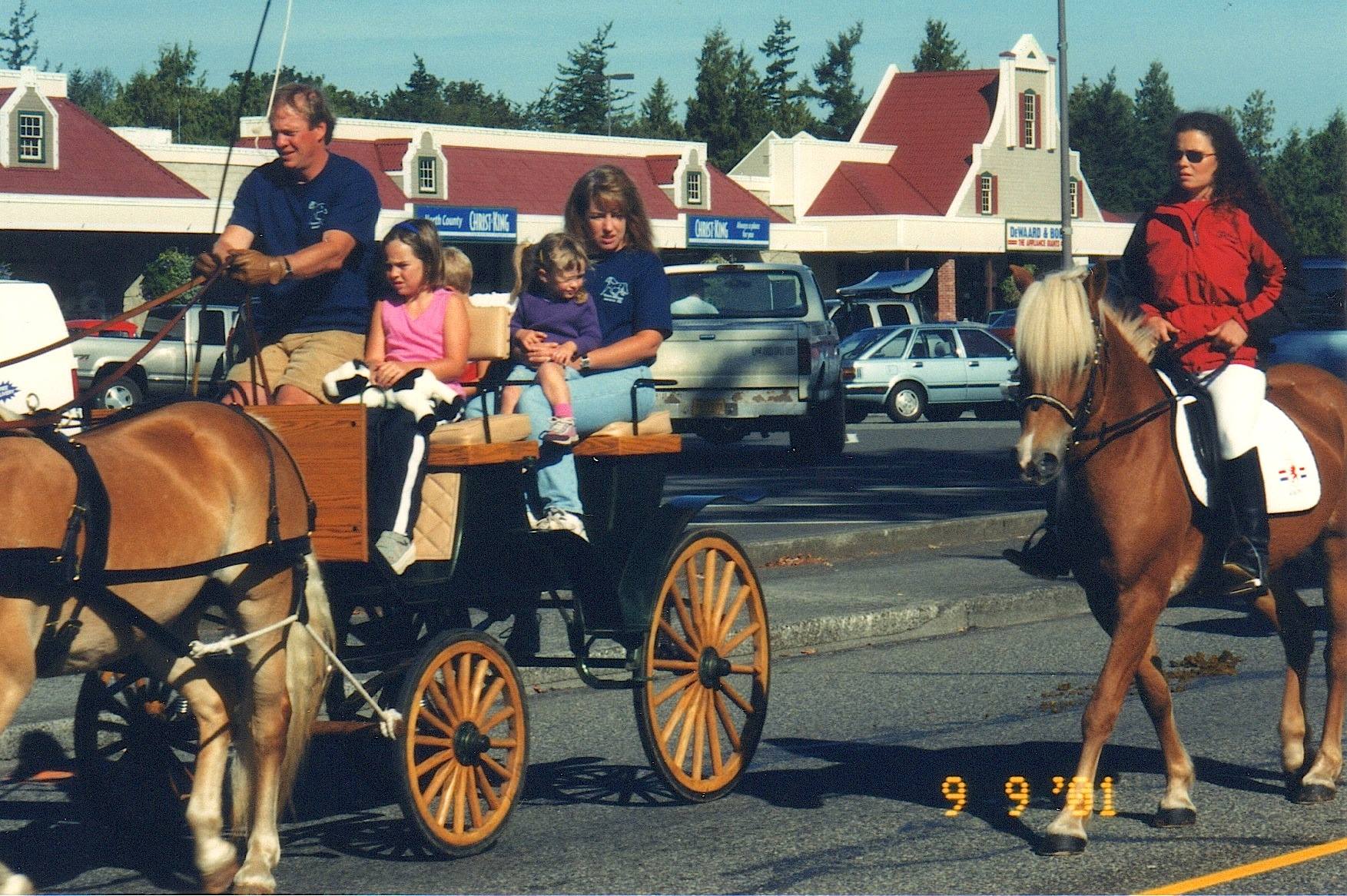
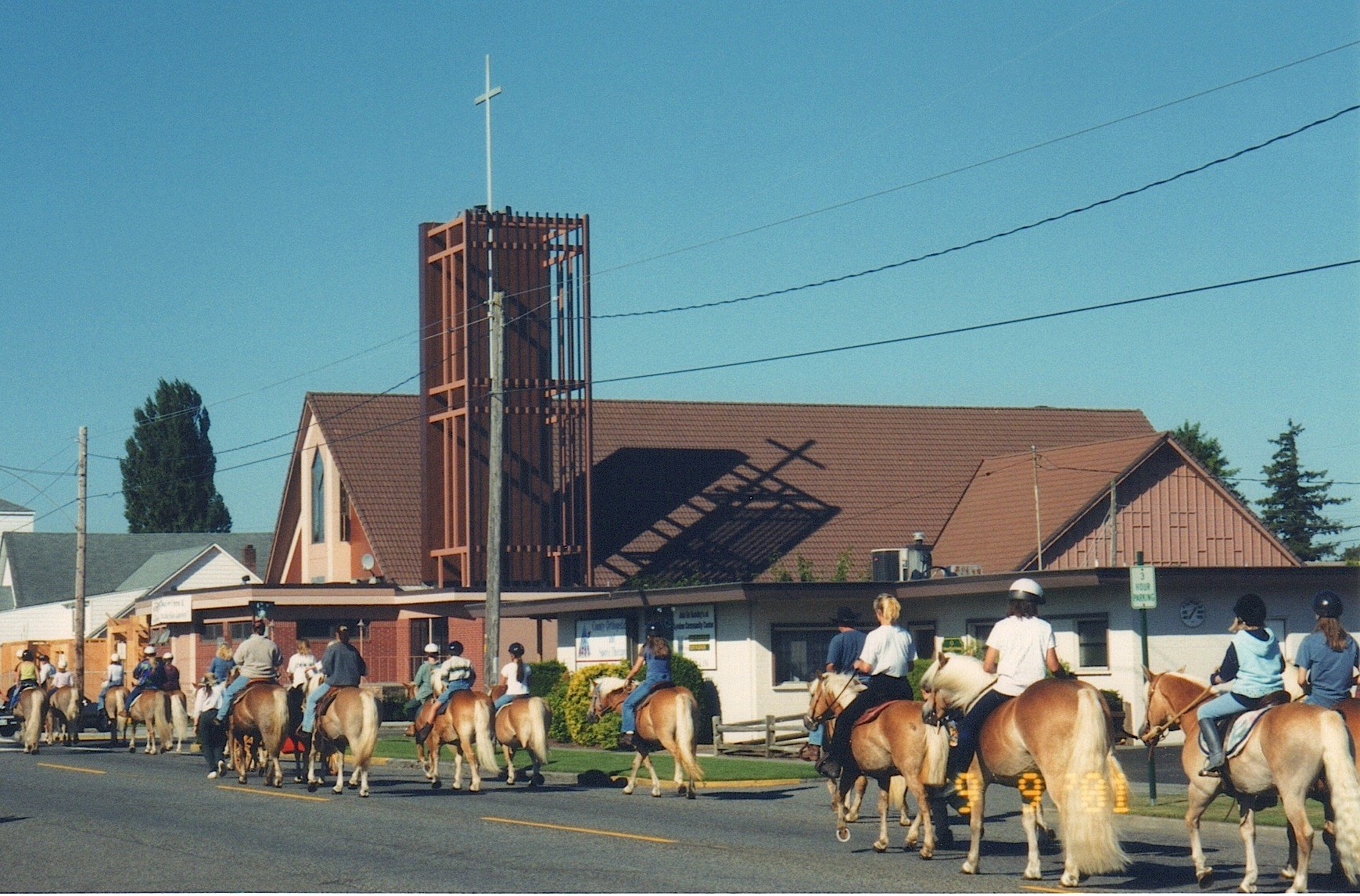
As I scoop and push the wheelbarrow, I recalled another barn cleaning 24 years ago, just days before the world changed on 9/11/01.
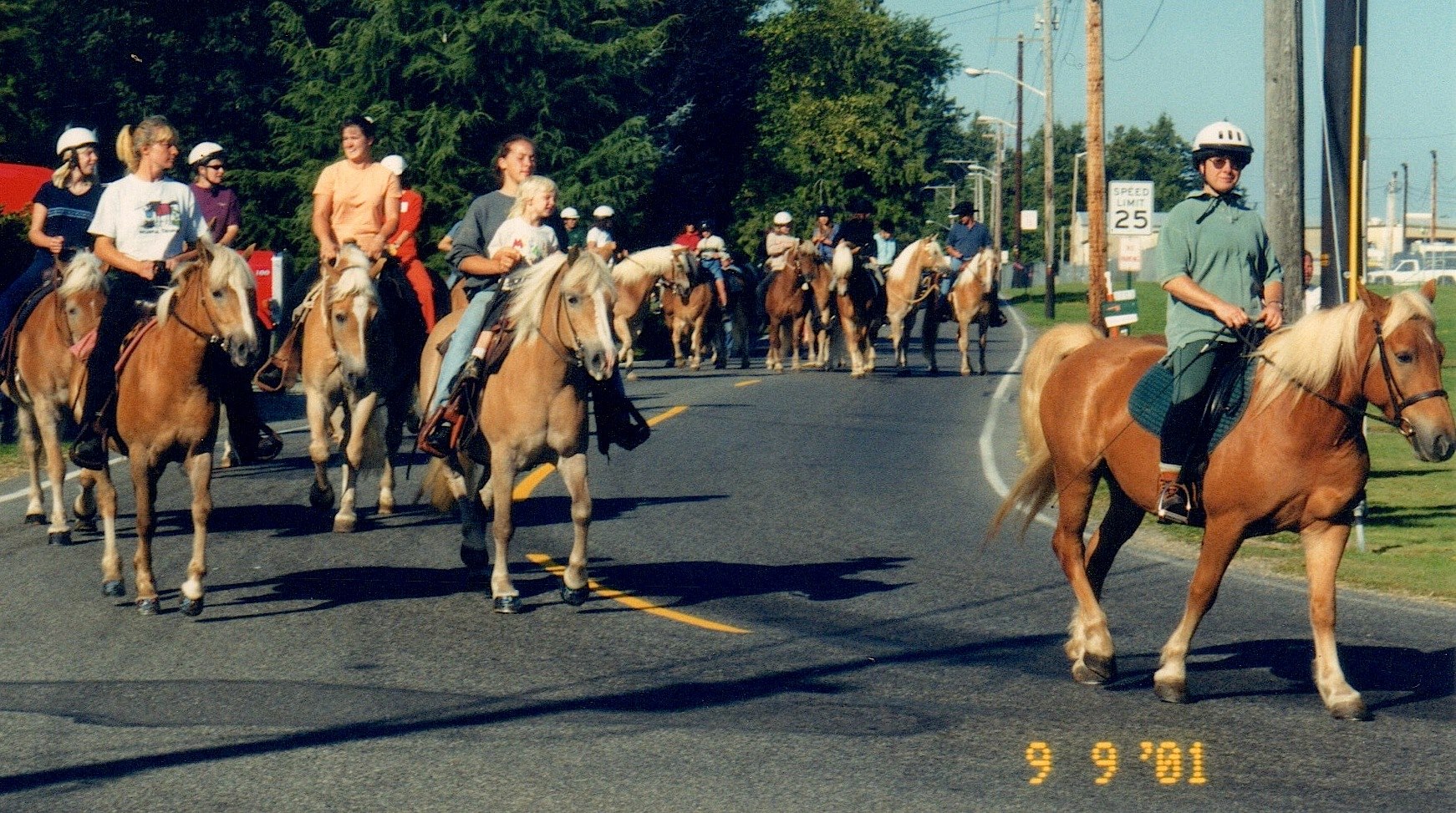
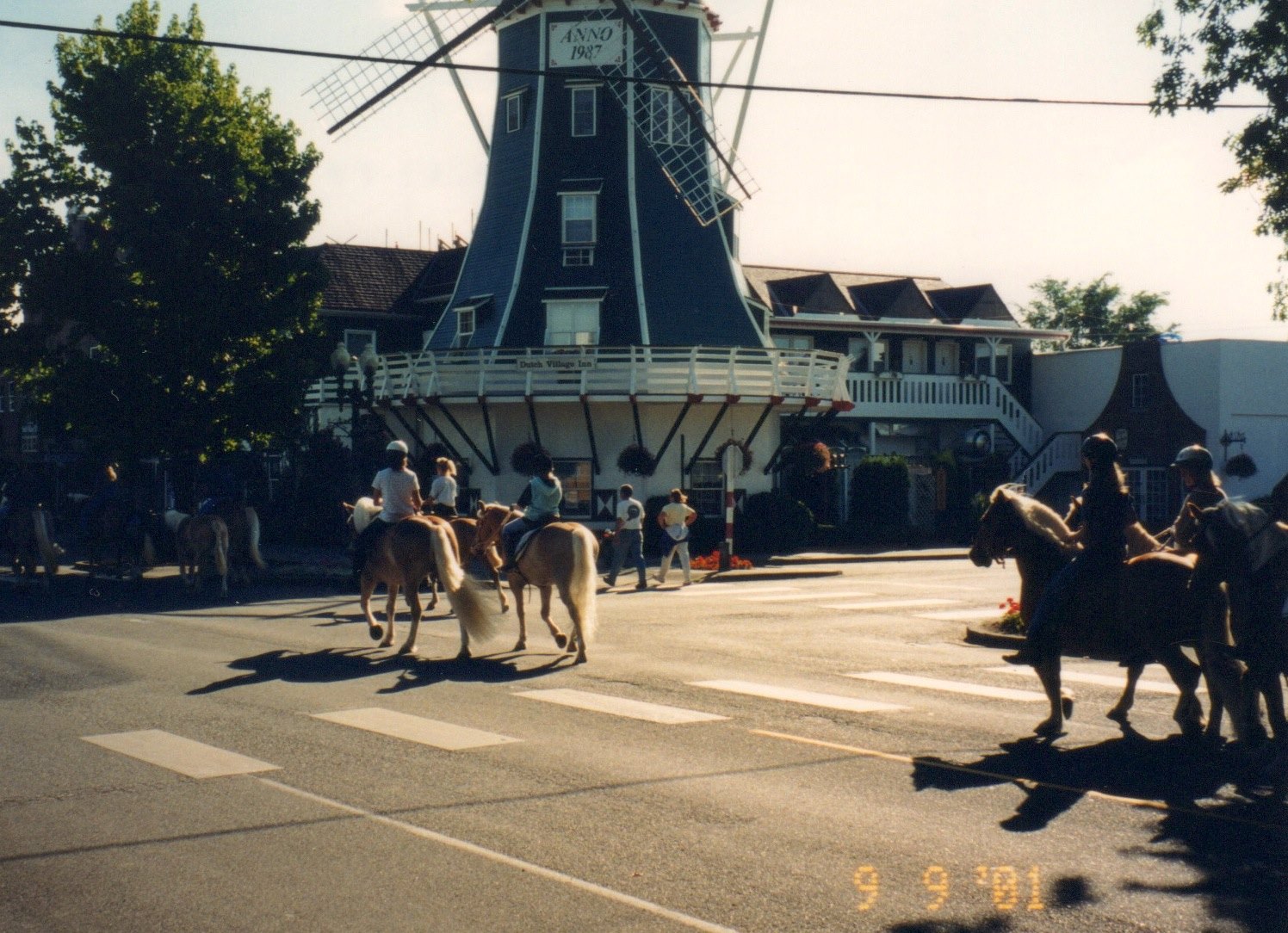
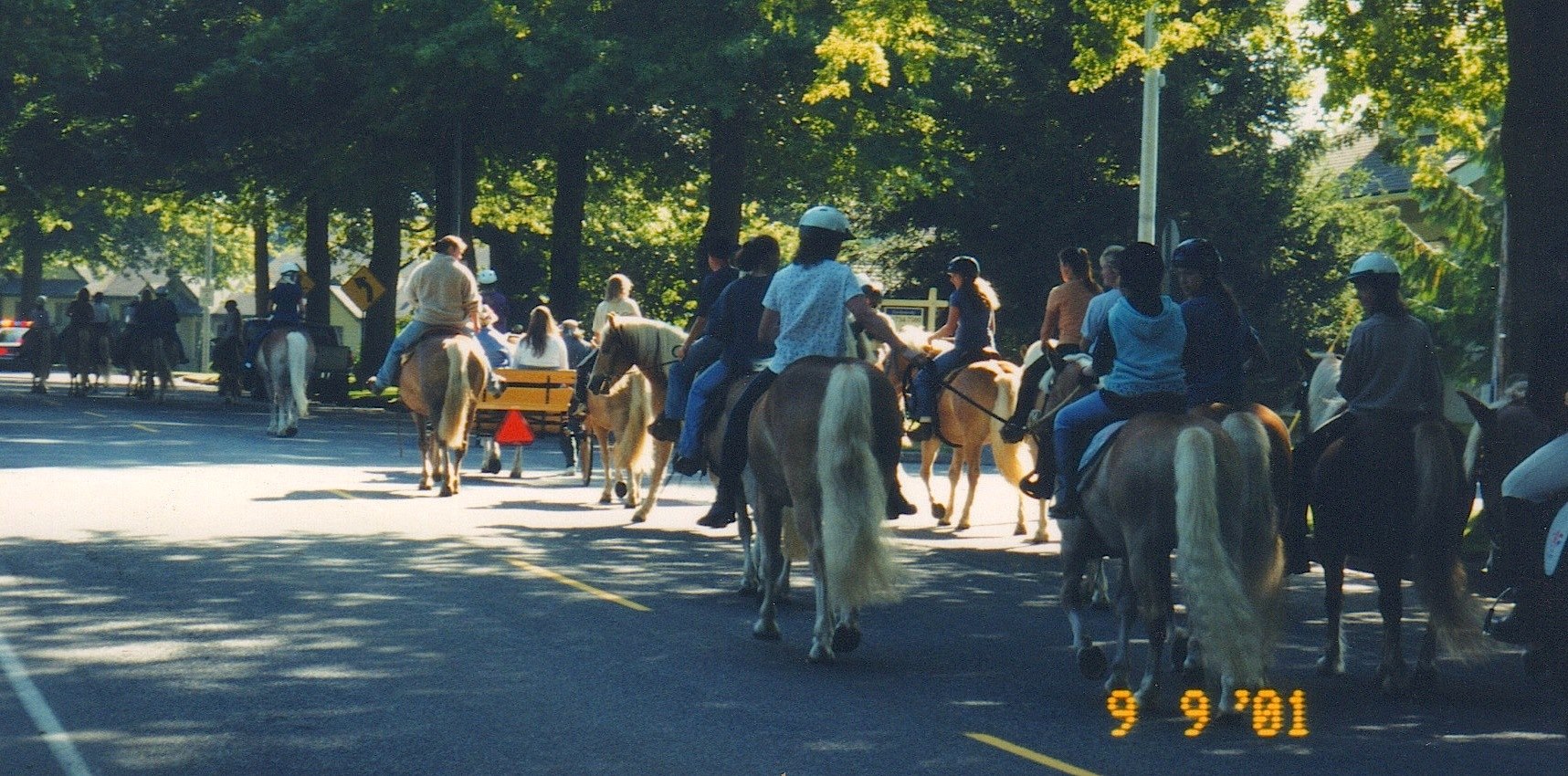
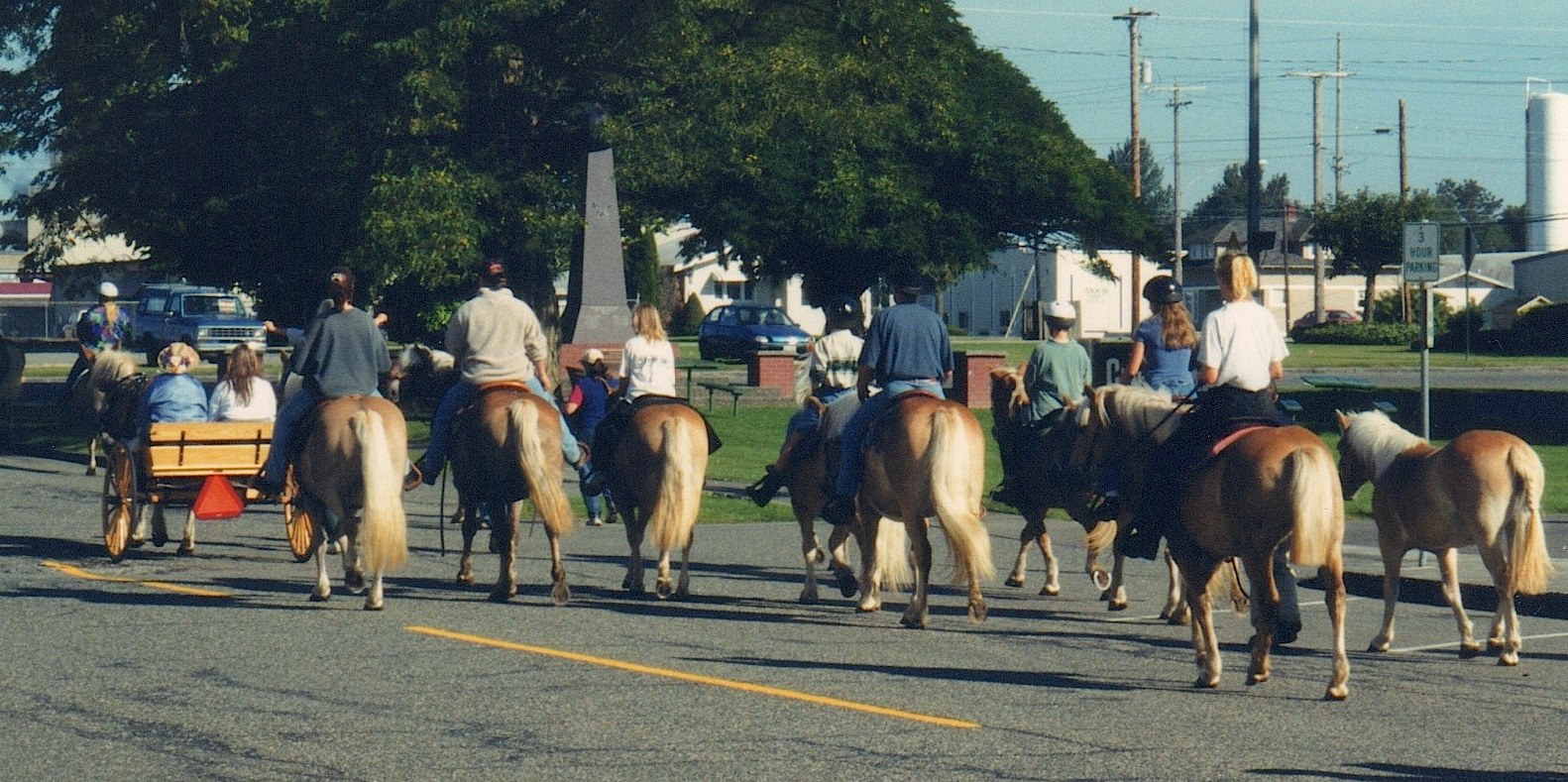
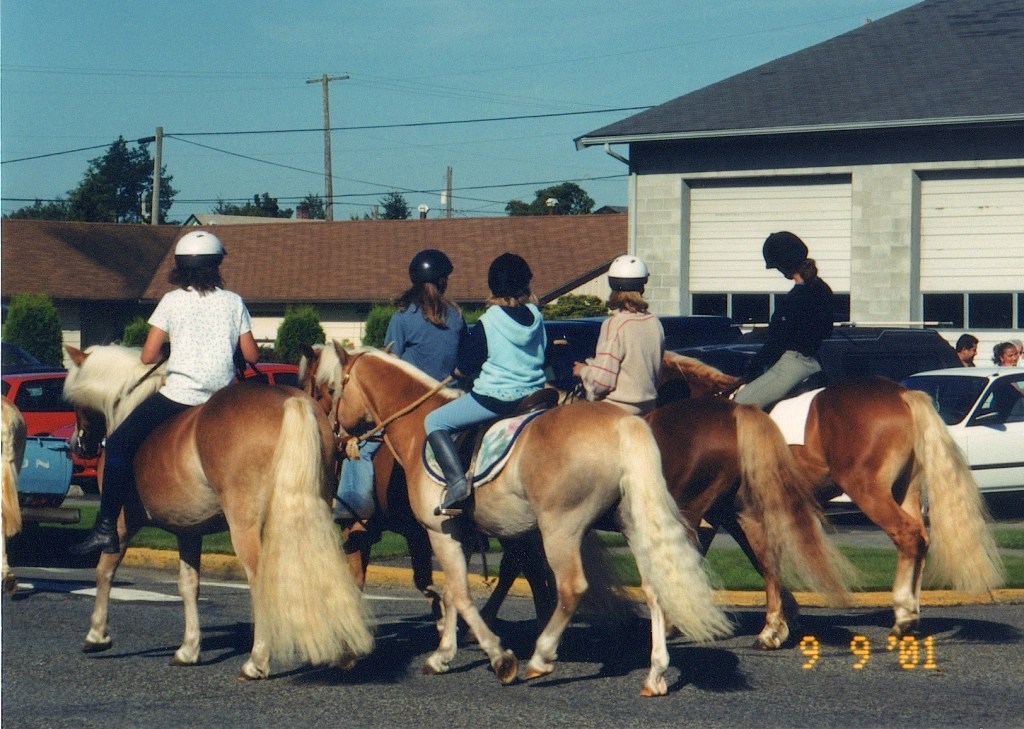
I was one of three or four friends left cleaning over ninety stalls after a Haflinger horse event that I had organized at our local fairgrounds. Some people had brought their horses from over 1000 miles away to participate for several days, including a Haflinger parade through our town on a quiet Sunday morning.
There had been personality clashes and harsh words among some participants along with criticism directed at me as the organizer that I had taken very personally. As I struggled with the umpteenth wheelbarrow load of manure, tears stung my eyes and my heart.
I was miserable with regret, feeling my work had been futile and unappreciated.
One friend had stayed behind with her young family to help clean up the large facility and she could see I was struggling to keep my composure. Jenny put herself right in front of my wheelbarrow and looked me in the eye, insisting I stop for a moment and listen:
“You know, none of these troubles and conflicts will amount to a hill of beans years from now. People will remember a fun event in a beautiful part of the country, a wonderful time with their Haflingers, their friends and family, and they’ll be all nostalgic about it, not giving a thought to the infighting or the sour attitudes or who said what to whom. So don’t make this about you and whether you did or didn’t make everyone happy. You loved us all enough to make it possible to meet here and the rest was up to us. So quit being upset about what you can’t change. There’s too much you can still do for us.”
Jenny had no idea how wise her words were, even two days later, on 9/11.
During tough times since (and there have been plenty), Jenny’s advice replays, reminding me to cease seeking appreciation from others or feeling hurt when harsh words come my way.
She was right about the balm found in the tincture of time. She was right about giving up the upset in order to die to self and self absorption, and instead to focus outward.
I have remembered.
Jenny herself did not know that day she would subsequently spend six years dying while still loving life every day, fighting a relentless cancer that was only slowed in the face of her faith and intense drive to live.
She became a rusting leaf gone holy, fading imperceptibly over time, crumbling at the edges until she finally had to let go. Her dying did not flash brilliance, nor draw attention at the end. Her intense focus during the years of her illness had always been outward to others, to her family and friends, to the healers she spent so much time with in medical offices, to her firm belief in the plan God had written for her and those who loved her.
So Jenny let go her hold on life here. And we reluctantly let her go. Brilliance cloaks her as her focus is now on things eternal.
You were so right, Jenny. The hard feelings from a quarter century ago don’t amount to a hill of beans now. The words you spoke to me that day taught me to love life even when I have no stomach for it.
All of us did have a great time together a few days before the world changed. And manure transforms over time to rich, nurturing compost.
I promise I am no longer upset that I can’t change what is past nor the fact that you and so many others have now left us.
But we’ll catch up later.
One-Time
Monthly
Yearly
Make a one-time or recurring donation to support daily Barnstorming posts
Once only when the summer was nearly over and my own hair had been white as the day’s clouds for more years than I was counting I looked across the garden at evening Paula was still weeding around flowers that open after dark and I looked up to the clear sky and saw the new moon and at that moment from behind me a band of dark birds and then another after it flying in silence long curving wings hardly moving the plovers just in from the sea and the flight clear from Alaska half their weight gone to get them home but home now arriving without a sound as it rose to meet them ~W.S. Merwin “Homecoming” from The Moon Before Morning
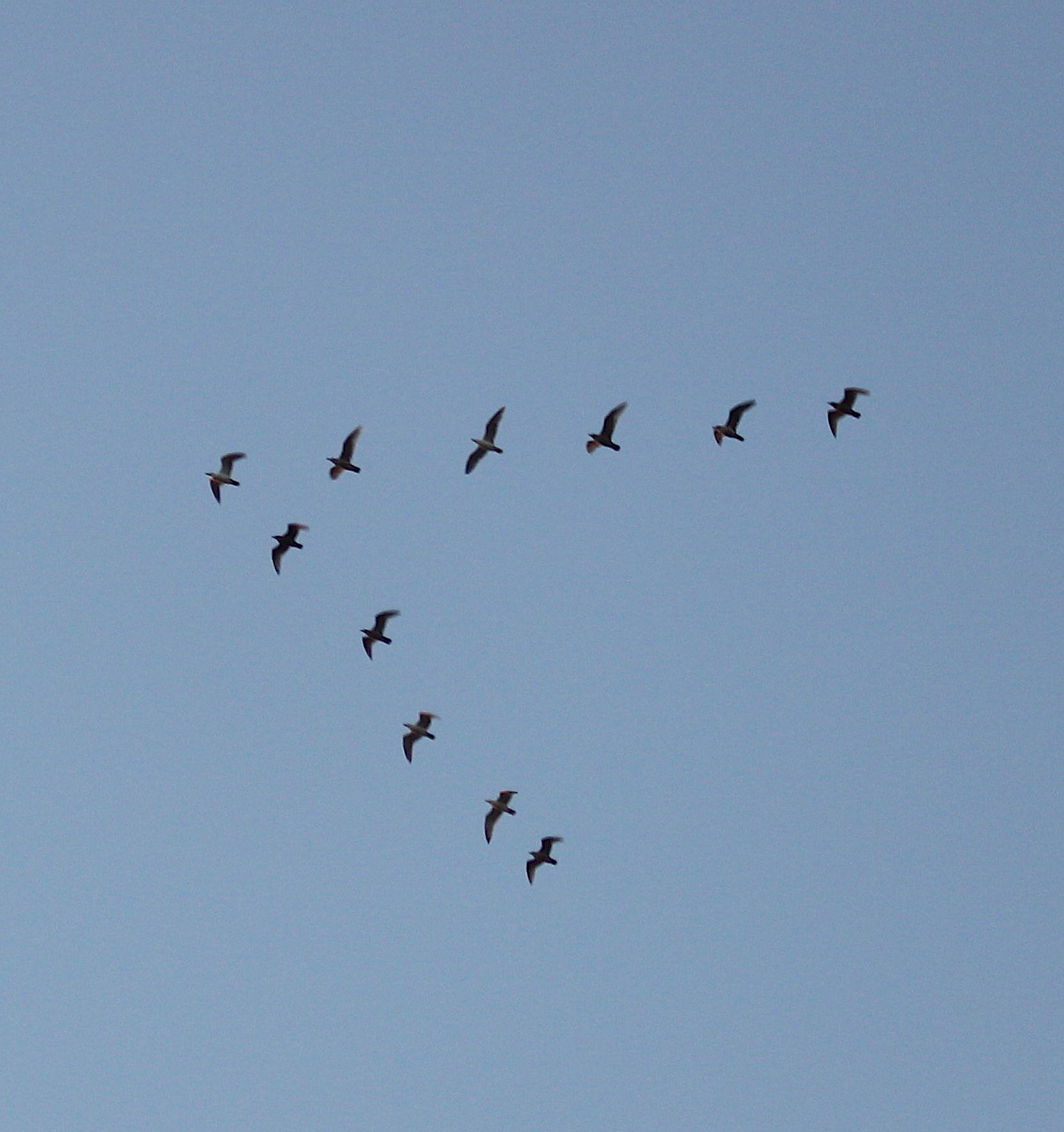
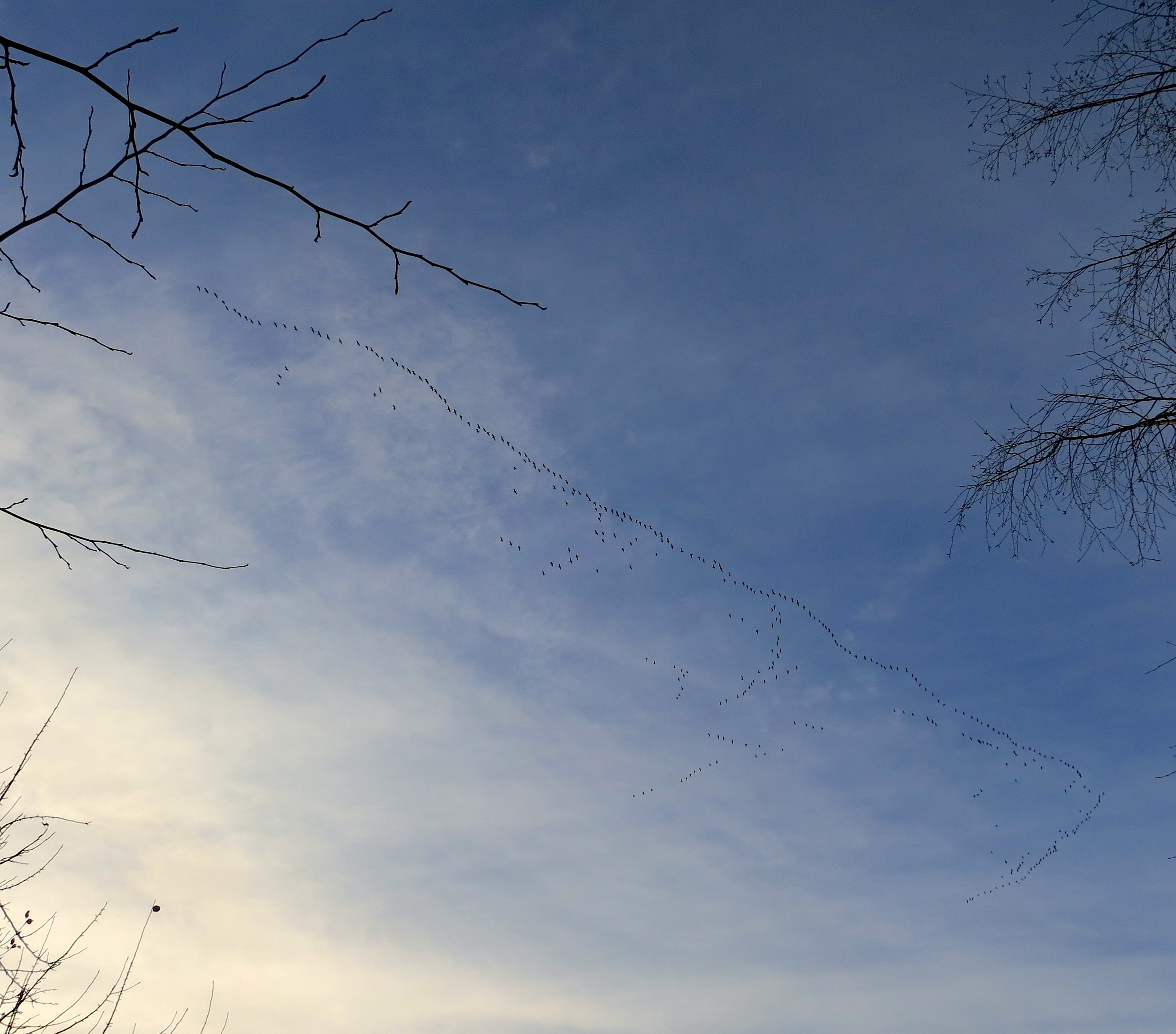
In late summer, the movement of birds above me has begun, like a prayer of promise among the clouds.
There are the noisy ones: geese, ducks, swans who can’t seem to travel without announcing it everywhere, like the booming basses from teenage vehicles speeding by.
Then there are the starlings and others who murmurate with wing wooshes, forming and unforming as a choreographed larger organism.
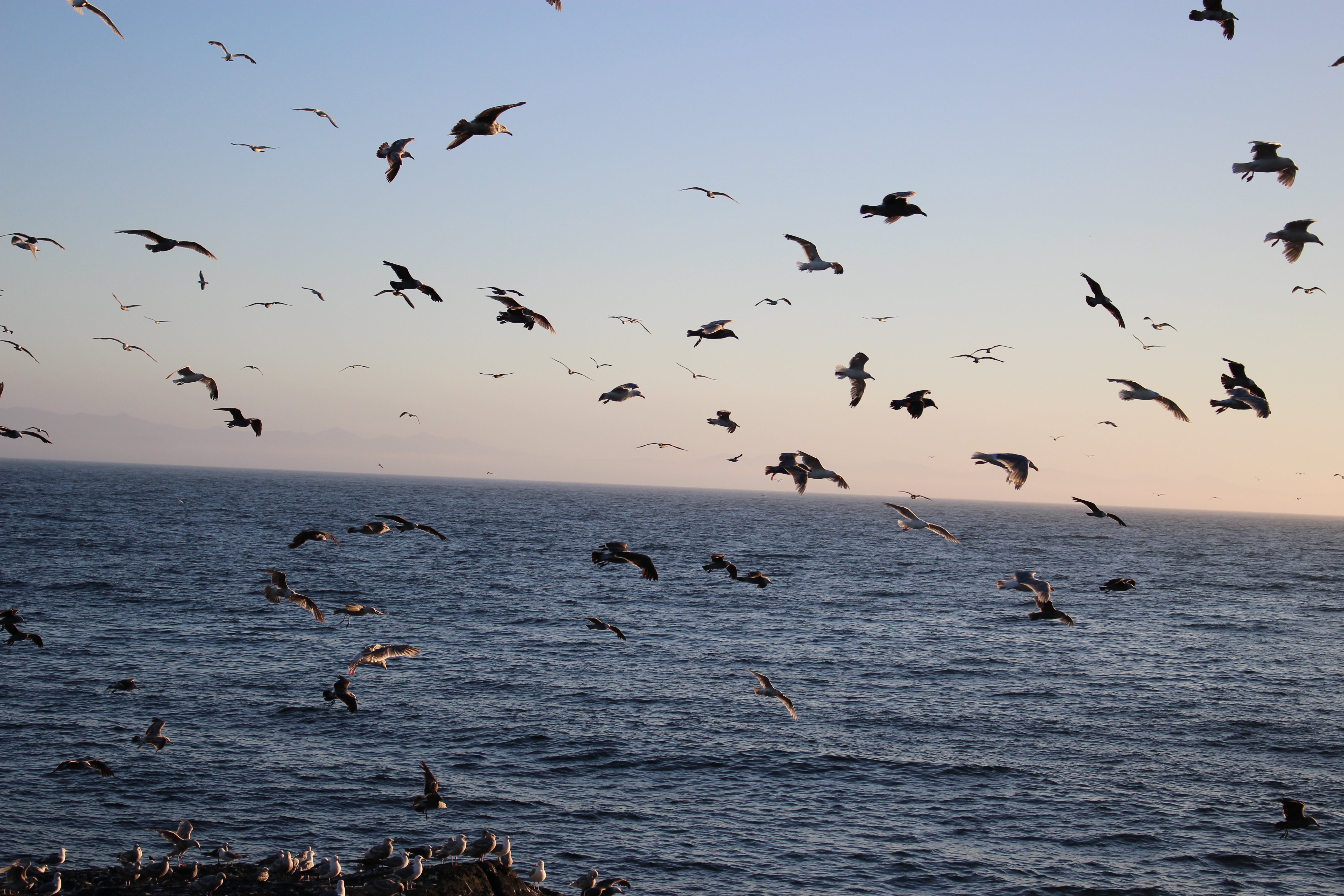
The quietest and most earnest are the gulls and plovers, some traveling only a few miles from shore to cornfields, and others traveling half a continent without resting. They direct their energy to their wings to silently carry them home.
Some of our prayers for a safe return home are bold and loud. Others are expressed through feathered wings and forward progress. Most are prayed without a sound being made, becoming a constant through the rhythms of the heart, a quiet recognition that our true home will rise to meet us when we arrive.
I will have nothing to do with a God who cares only occasionally. I need a God who is with us always, everywhere, in the deepest depths as well as the highest heights. It is when things go wrong, when good things do not happen, when our prayers seem to have been lost, that God is most present. We do not need the sheltering wings when things go smoothly. We are closest to God in the darkness, stumbling along blindly. ~Madeleine L’Engle
One-Time
Monthly
Yearly
Make a one-time or recurring donation to support daily Barnstorming posts
My father would lift me to the ceiling in his big hands and ask, How’s the weather up there? And it was good, the weather of being in his hands, his breath of scotch and cigarettes, his face smiling from the world below. O daddy, was the lullaby I sang back down to him as he stood on earth, my great, white-shirted father, home from work, his gold wristwatch and wedding band gleaming as he held me above him for as long as he could, before his strength failed down there in the world I find myself standing in tonight, my little boy looking down from his flight below the ceiling, cradled in my hands, his eyes wide and already staring into the distance beyond the man asking him again and again, How’s the weather up there? ~George Bilgere “Weather”.
It was hard work, dying, harder than anything he’d ever done.
Whatever brutal, bruising, back- breaking chore he’d forced himself
to endure—it was nothing compared to this. And it took
so long. When would the job be over? Who would call him
home for supper? And it was hard for us (his children)—
all of our lives we’d heard my mother telling us to go out,
help your father, but this was work we could not do.
He was way out beyond us, in a field we could not reach. ~Joyce Sutphen “My Father, Dying”
Deep in one of our closets is an old film reel of me about 16 months old sitting securely held by my father on his shoulders. I am bursting out with giggles as he repeatedly bends forward, dipping his head and shoulders down. I tip forward, looking like I am about to fall off, and when he stands back up straight, my mouth becomes a large O and I can almost remember the tummy tickle I feel. I want him to do it again and again, taking me to the edge of falling off and then bringing me back from the brink.
My father was a tall man, so being swept up onto his shoulders felt a bit like I was touching heaven.
It was as he lay dying 30 years ago this summer that I realized again how tall he was — his feet kept hitting the foot panel of the hospital bed my mother had requested for their home. We cushioned his feet with padding so he wouldn’t get abrasions even though he would never stand on them again, no longer towering over us.
His helplessness in dying was startling – this man who could build anything and accomplish whatever he set his mind to was unable to subdue his cancer. Our father, who was so self-sufficient he rarely asked for help, did not know how to ask for help now.
So we did what we could when we could tell he was uncomfortable, which wasn’t often. He didn’t say much, even though there was much we could have been saying. We didn’t reminisce. We didn’t laugh and joke together. We just were there, taking shifts catching naps on the couch so we could be available if he called out, which he never did.
This man: who had grown up dirt poor, fought hard with his alcoholic father left abruptly to go to college – the first in his family – then called to war for three years in the South Pacific.
This man: who had raised a family on a small farm while he was a teacher, then a supervisor, then a desk worker.
This man: who left our family to marry another woman but returned after a decade to ask forgiveness.
This man: who died in a house he had built completely himself, without assistance, from the ground up.
He didn’t need our help – he who had held tightly to us and brought us back from the brink when we went too far – he had been on the brink himself and was rescued, coming back humbled.
No question the weather is fine for him up there. I have no doubt.
One-Time
Monthly
Yearly
Make a one-time or recurring donation to support daily Barnstorming posts
Had I the heavens’ embroidered cloths, Enwrought with golden and silver light, The blue and the dim and the dark cloths Of night and light and the half light, I would spread the cloths under your feet: But I, being poor, have only my dreams; I have spread my dreams under your feet; Tread softly because you tread on my dreams. ~William Butler Yeats from “Aedh Wishes for the Cloths of Heaven“
I know for a while again, the health of self-forgetfulness, looking out at the sky through a notch in the valley side, the black woods wintry on the hills, small clouds at sunset passing across. And I know that this is one of the thresholds between Earth and Heaven, from which I may even step forth from myself and be free. ~ Wendell Berry, Sabbaths 2000
John O’Donohue gave voice to the connection between beauty and those edges of life — thresholds was the word he loved— where the fullness of reality becomes more stark and more clear.
If you go back to the etymology of the word “threshold,” it comes from “threshing,” which is to separate the grain from the husk. So the threshold, in a way, is a place where you move into more critical and challenging and worthy fullness.
There are huge thresholds in every life.
You know that, for instance, if you are in the middle of your life in a busy evening, fifty things to do and you get a phone call that somebody you love is suddenly dying, it takes ten seconds to communicate that information.
But when you put the phone down, you are already standing in a different world. Suddenly everything that seems so important before is all gone and now you are thinking of this.So the given world that we think is there and the solid ground we are on is so tentative. And a threshold is a line which separates two territories of spirit, and very often how we cross is the key thing.
Over a decade ago, someone told me that my writing reflected a “sacramental” life — touching and tasting the holiness of everyday moments, as if they are the cup and bread of God’s eternal grace and gift.
I allow those words to sit warmly beside me during the hours I struggle to know what to share here.
It is all too tempting to focus on sacrament over the sacrifice it represents. As much as I love the world and the beauty in the moments I share here, we should explore the “thin places” between heaven and earth, through forgetting self, stepping forth through a holy threshold into something far greater.
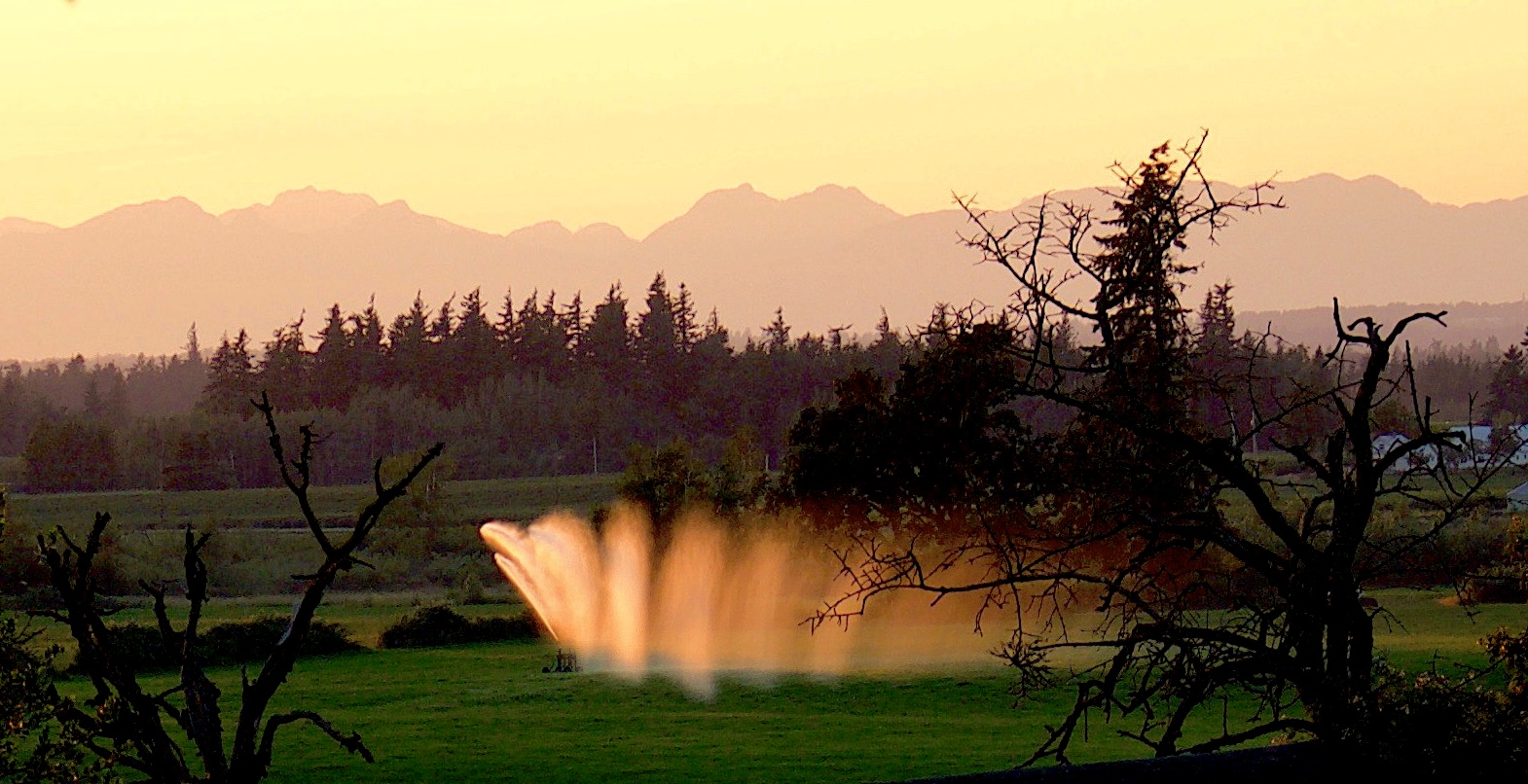
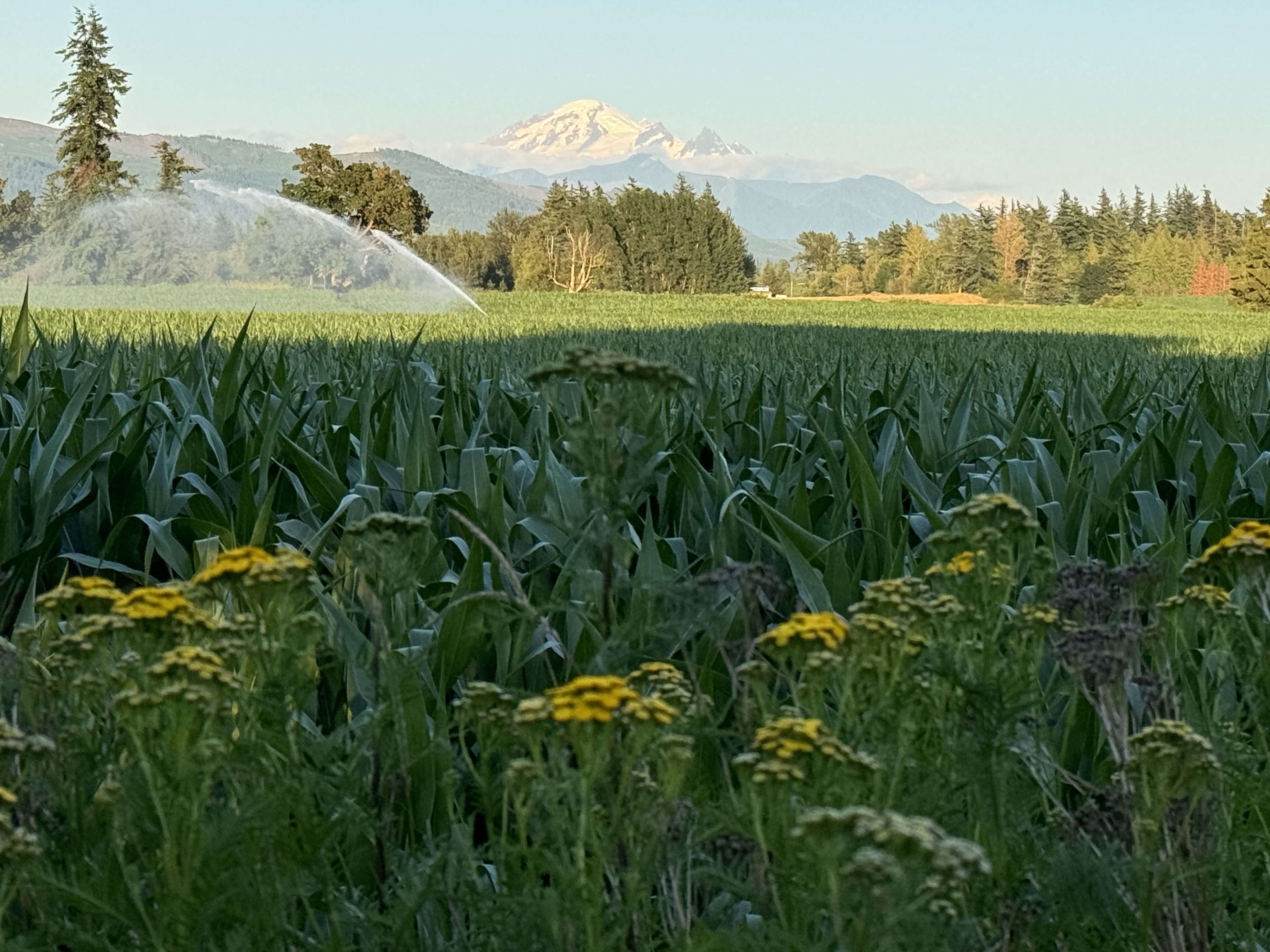
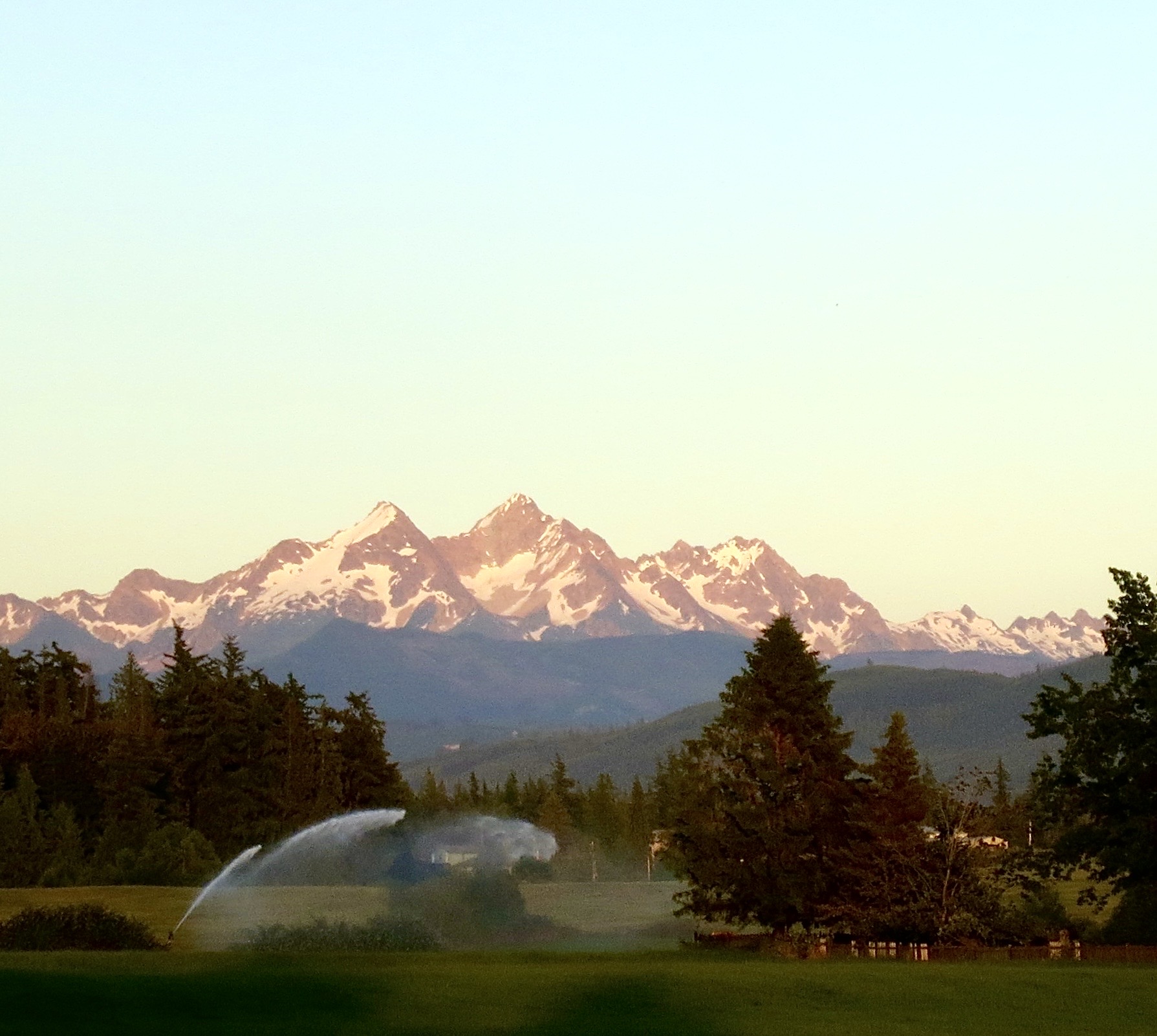
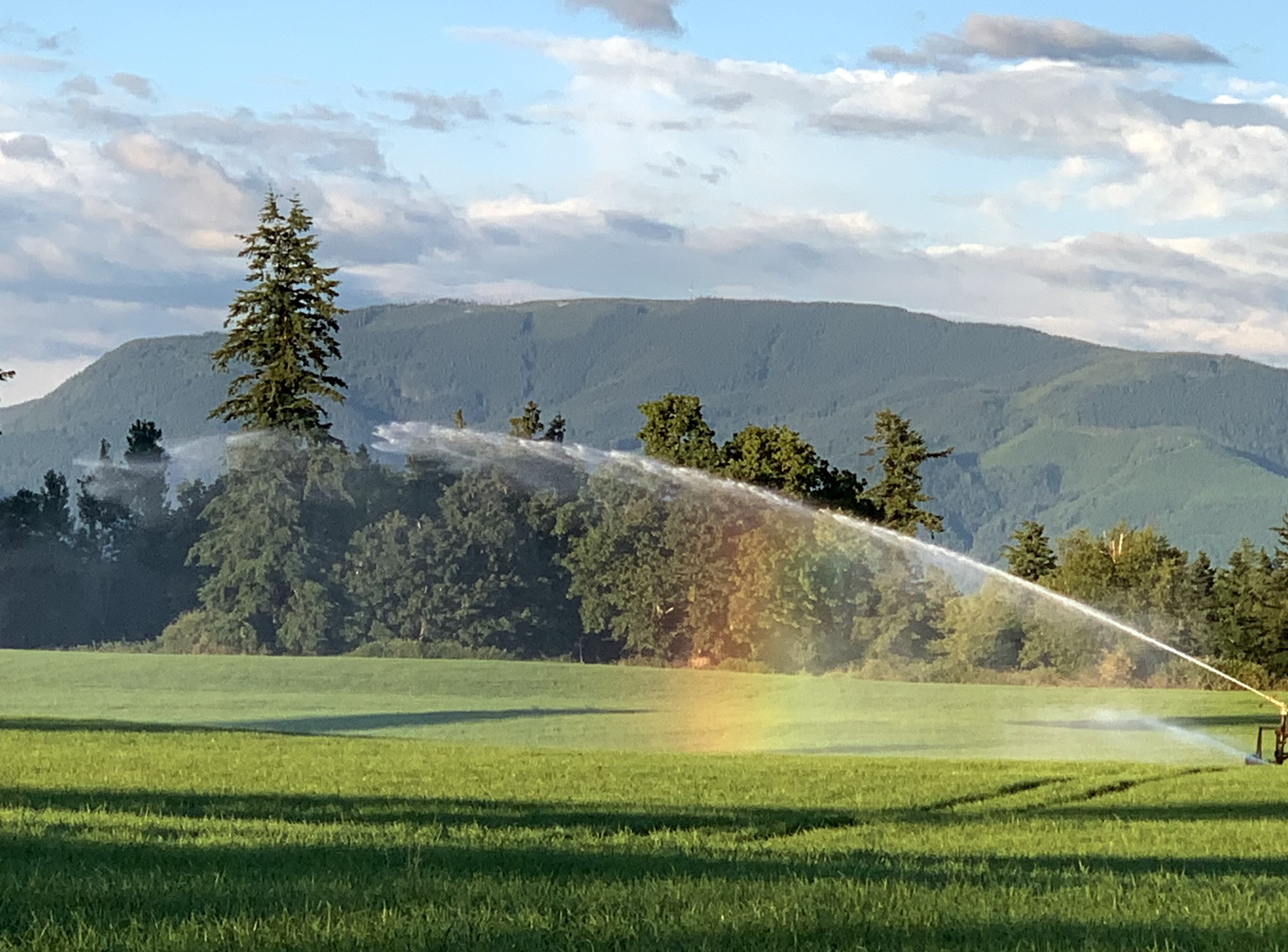
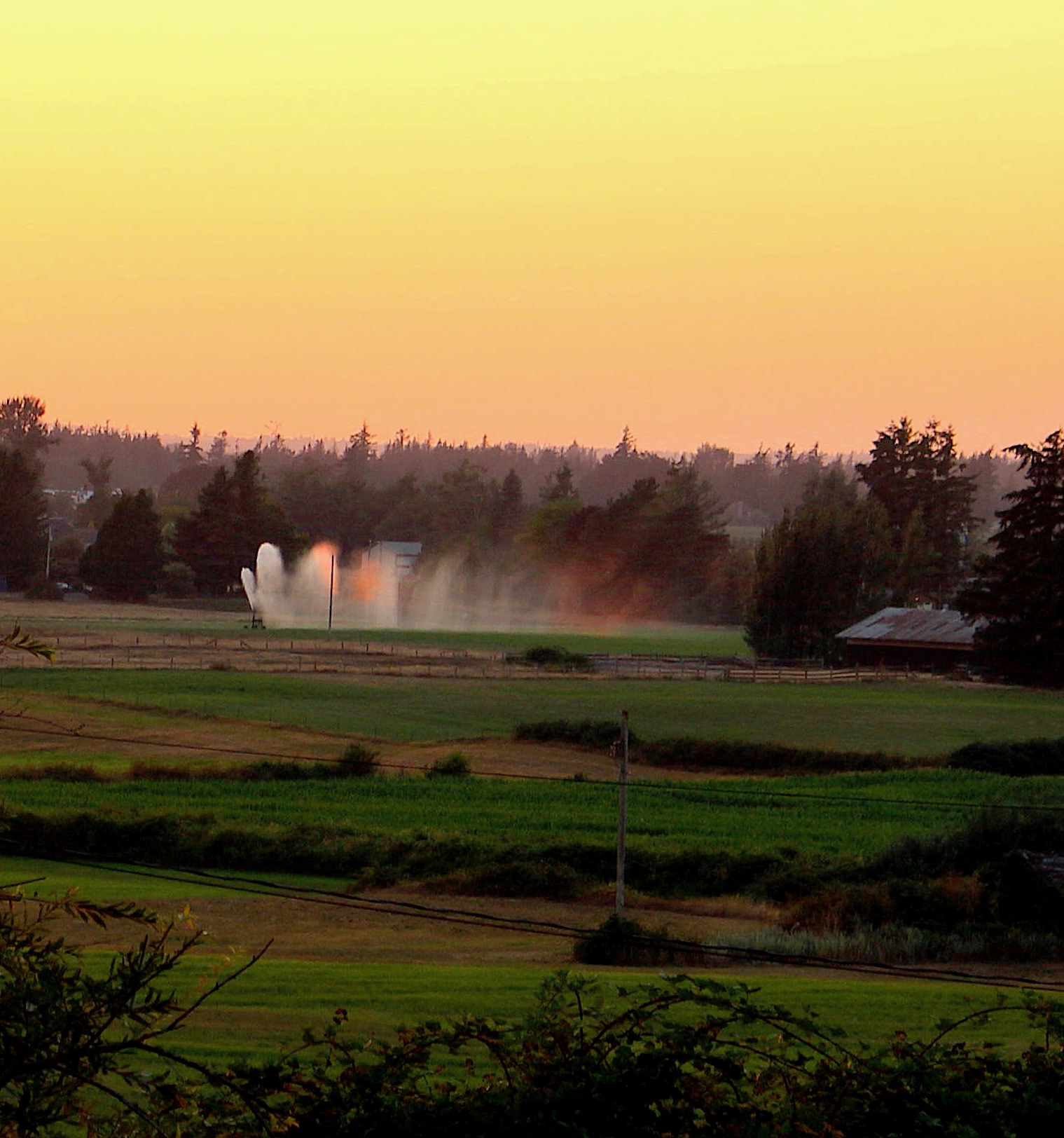
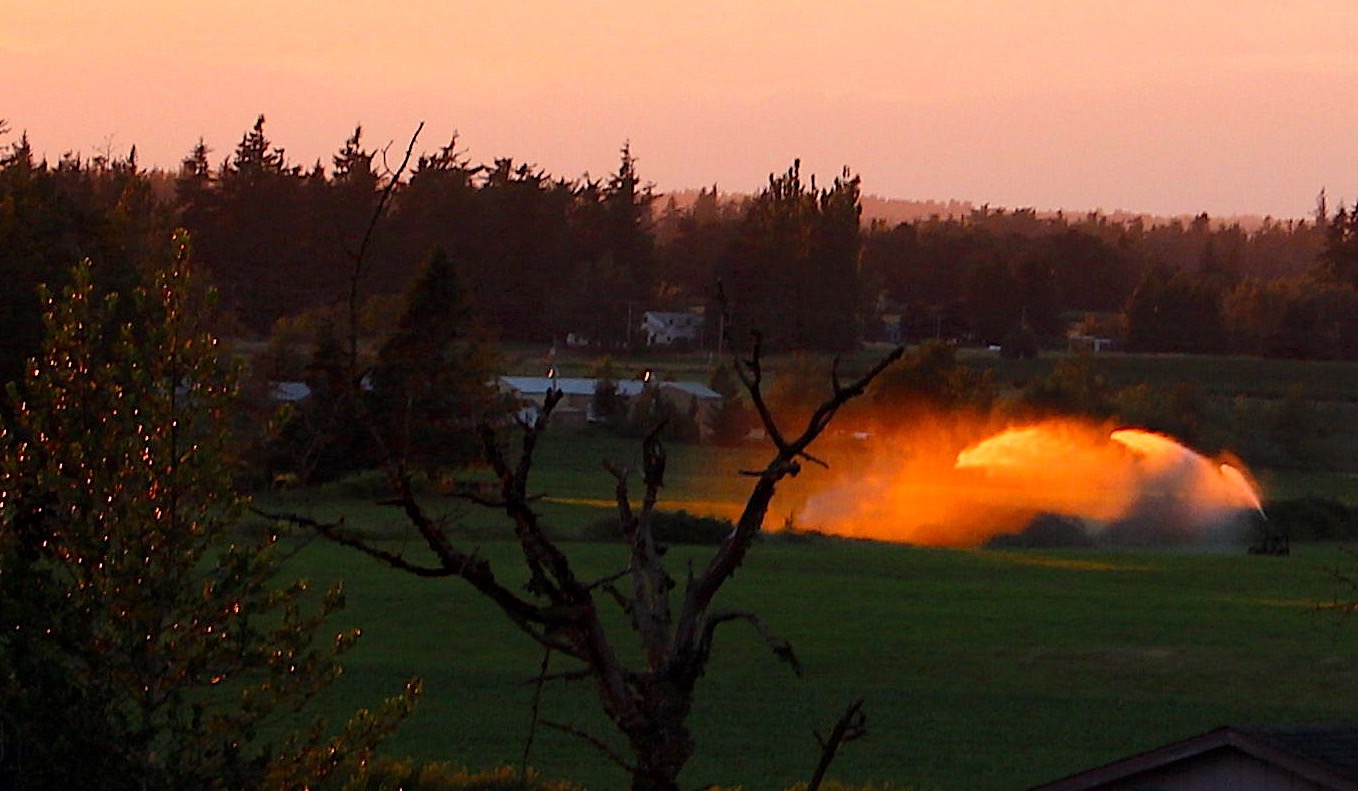
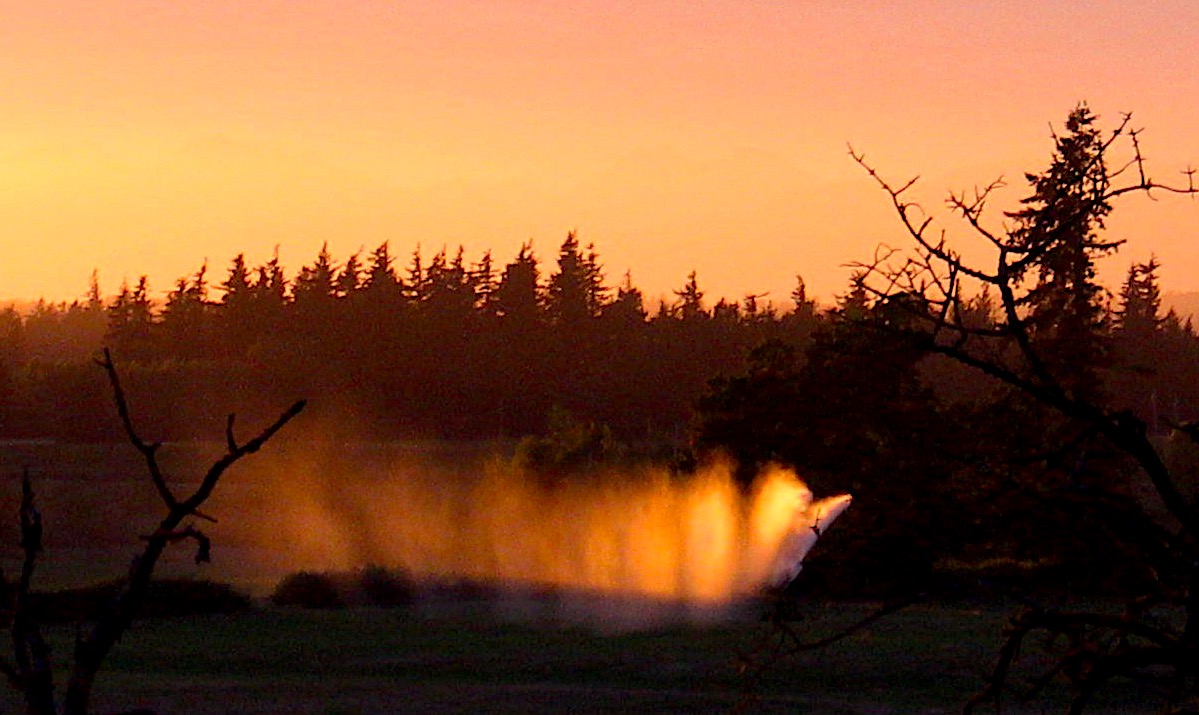
I feel so unworthy — in fact, threshed to pieces most days, incapable of thinking of anything but how I feel reduced to fragments. Perhaps those fragments are like the droplets coming from a farm sprinkler at sunset, sparkling and golden despite waning light, bringing something essential to someone feeling dry, parched and dusty.
I may even step forth from myself and be free.
Then we can walk each other home.
One-Time
Monthly
Yearly
Make a one-time or recurring donation to support daily Barnstorming posts
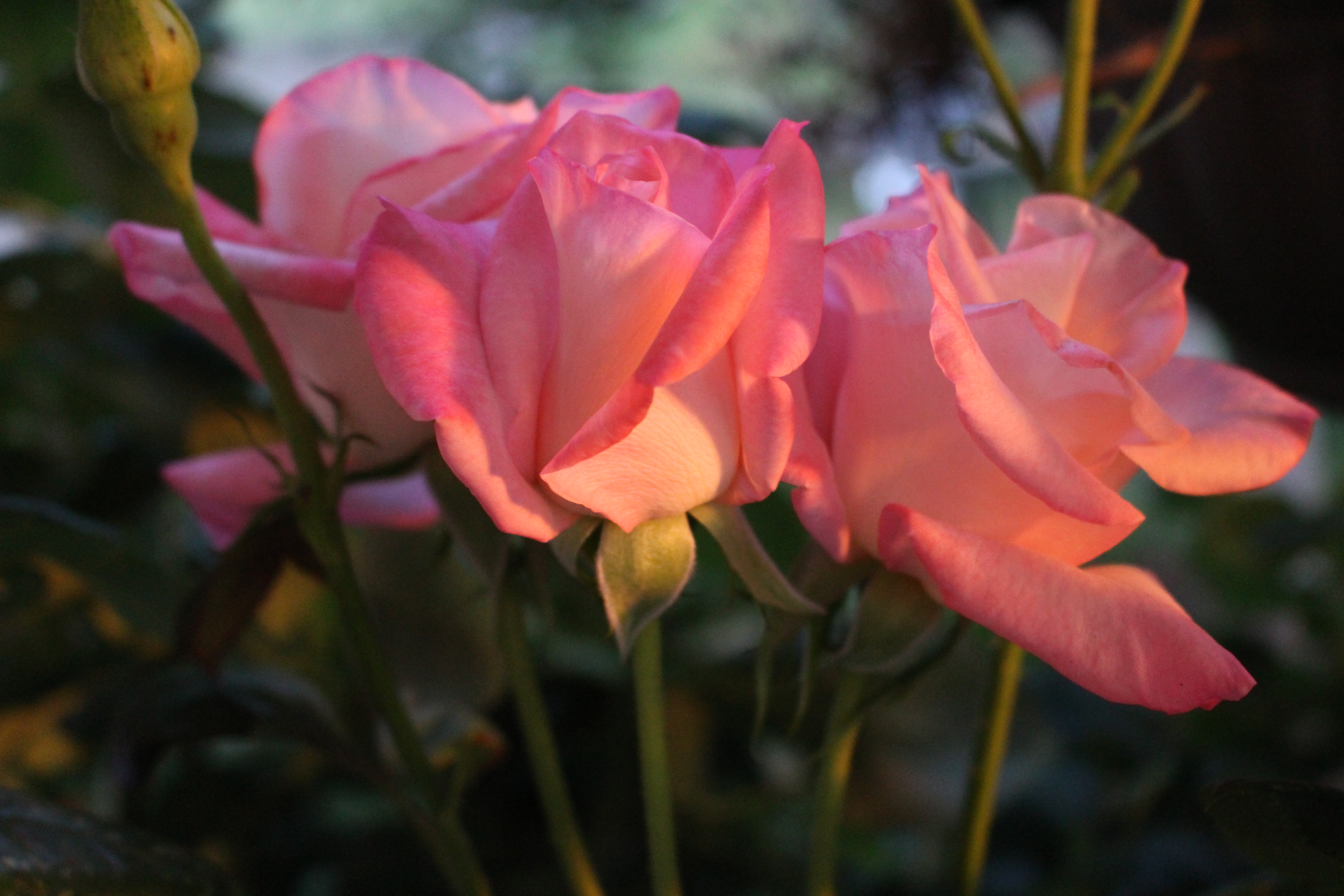
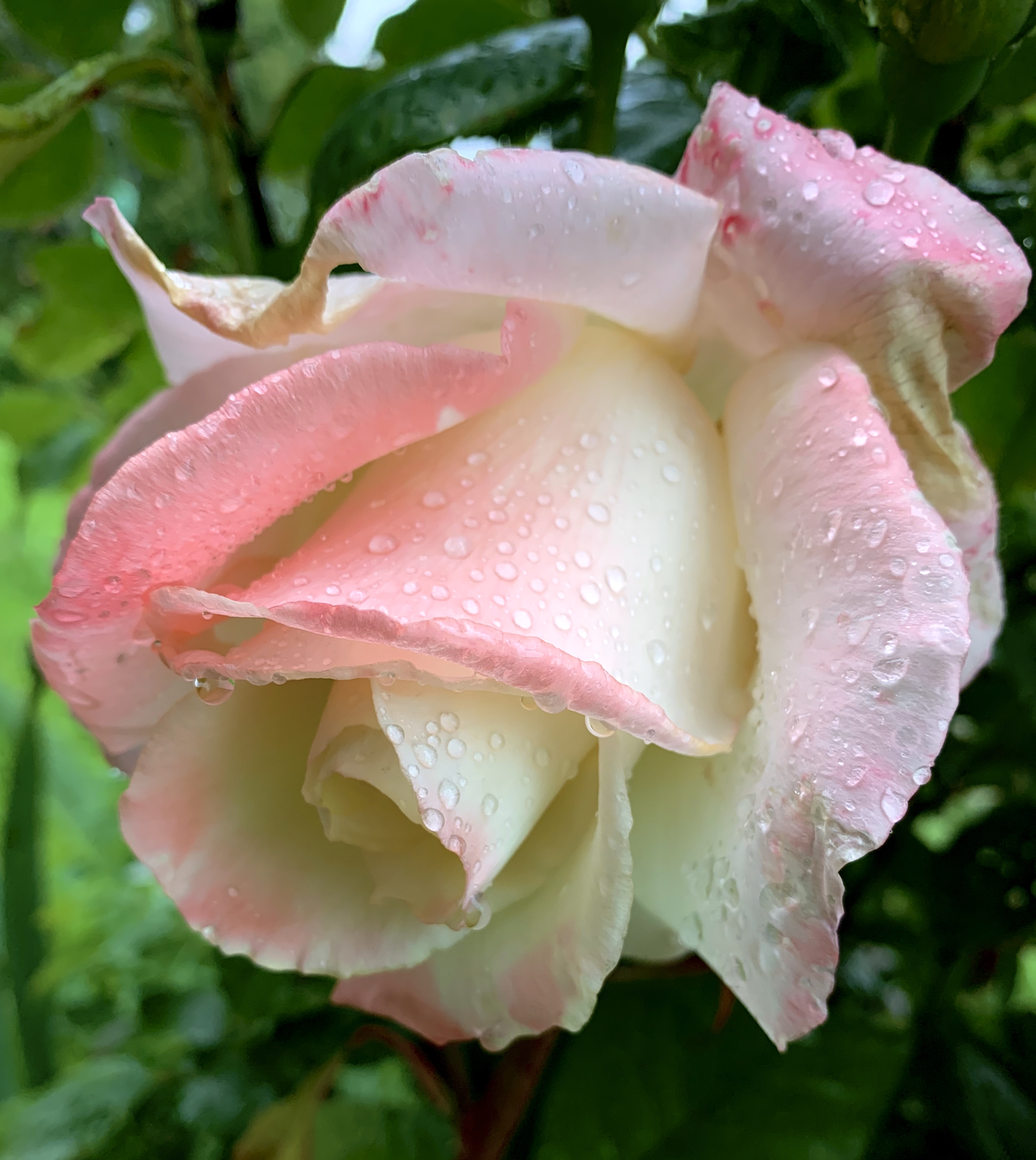
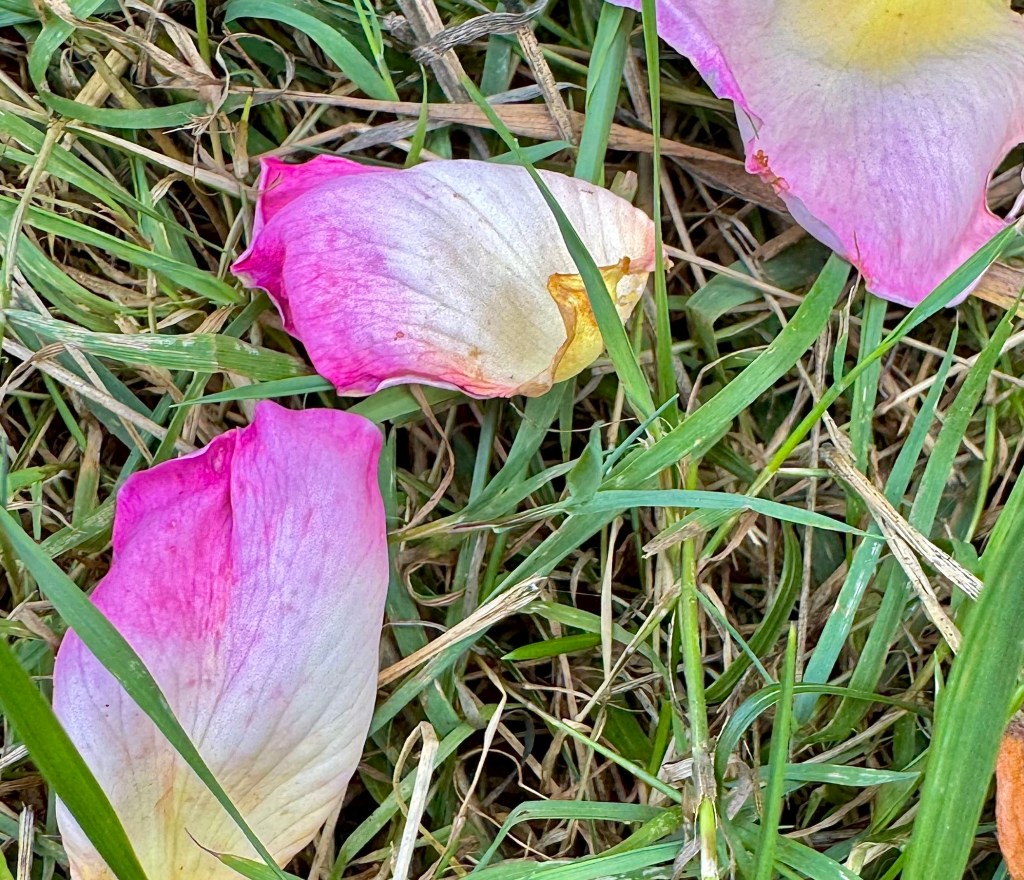
The serene philosophy of the pink rose is steadying. Its fragrant, delicate petals open fully and are ready to fall, without regret or disillusion, after only a day in the sun. It is so every summer. One can almost hear their pink, fragrant murmur as they settle down upon the grass: ‘Summer, summer, it will always be summer.’ ~Rachel Peden
It will always be summer if we let go in the midst of the brief brightness, when all is glorious.
No cold winds, no unending days of rain, no mildew, no iced walkways, no 18 hours of darkness, no turning brown with mold and rot.
Let us be strong and serene through all seasons rather than letting go at the height of summer.
Let us thrive steady through the hard times rather than withering at the peak of beauty.
Let us age, let us turn gray, let us wrinkle, and go bald.
It may always be summer — someday — but not yet.
Not here. Not now.
One-Time
Monthly
Yearly
Make a one-time or recurring donation to support daily Barnstorming posts
In the home of God, there is a never-ending festival… ~St. Augustine in Exposition on Psalm 42
Some small bone in your foot is longing for heaven —Robert Bly
This twinge at first stir too modest for throb, more diffident than tug, not an itch, not the most
incurious twitch of a hook, not a jerk, but the tease of brustle of the fine, stiff pinions of every curtained saint and cherub. ~Hailey Leithauser “Some Small Bone,”
Even the smallest part of us ~each cell, each skin pore, each little bone~ longs to know what to believe about what comes next.
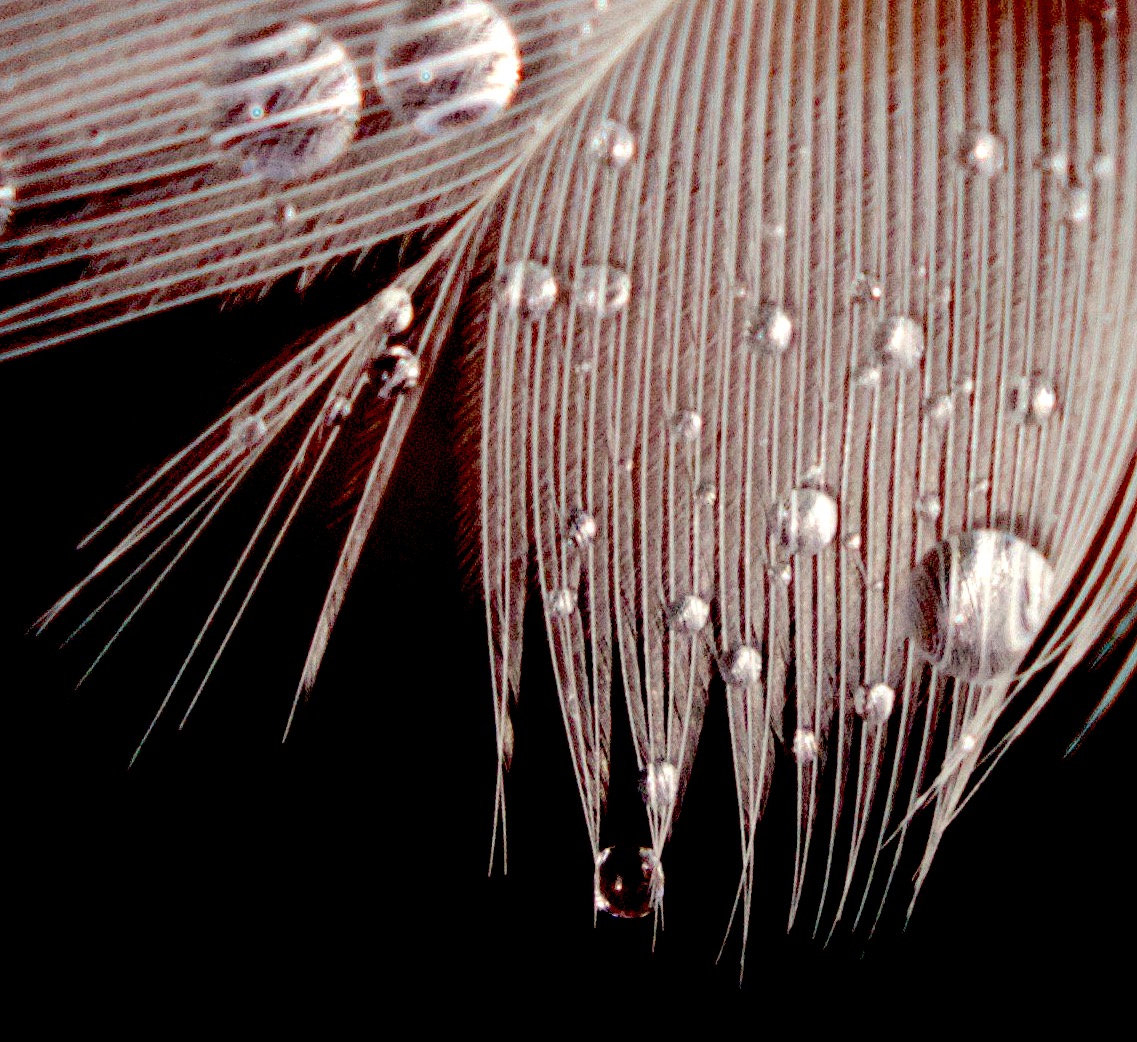
~perhaps heaven is as light and gentle as a touch of a feather.
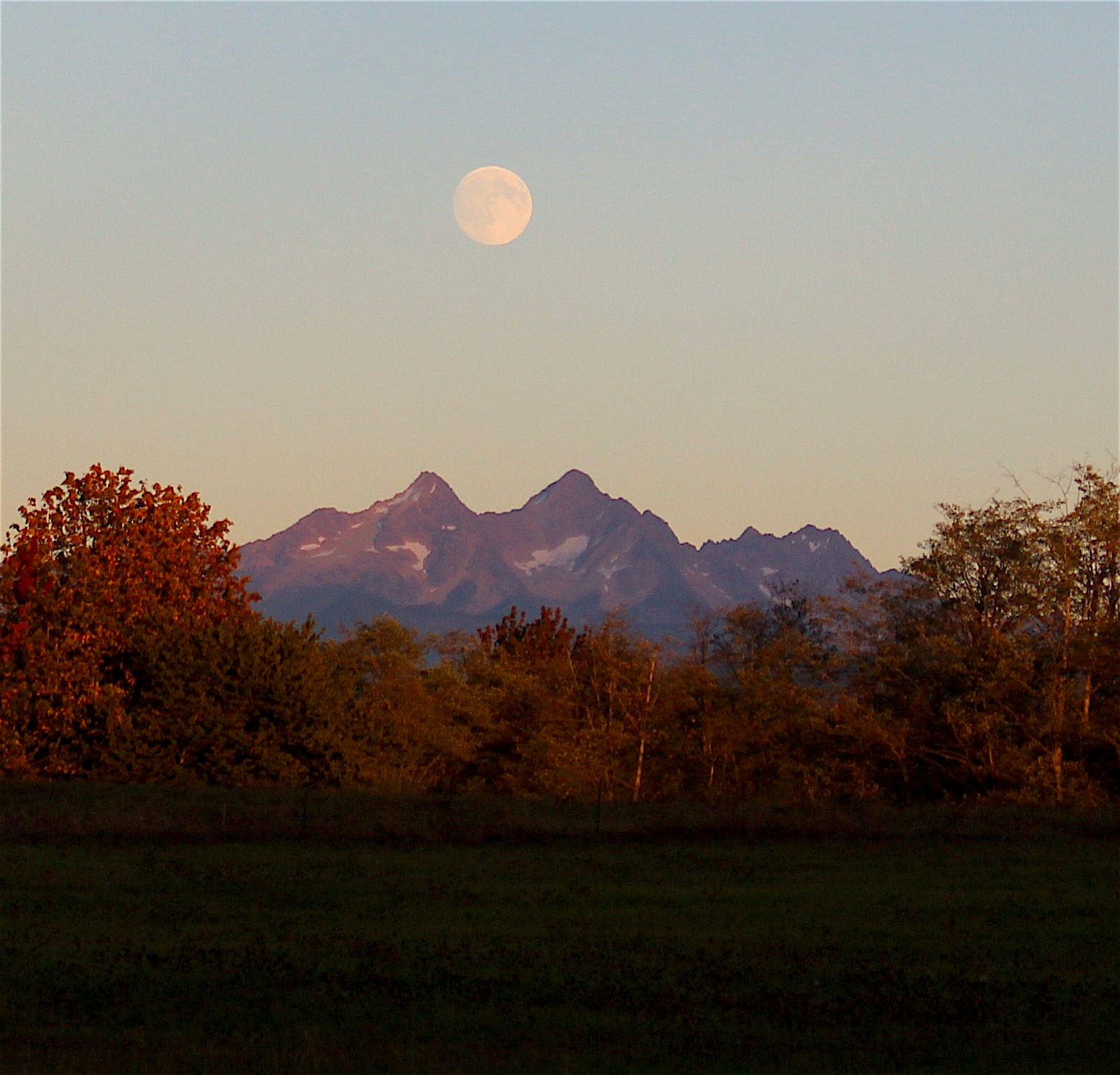
~maybe heaven is as rich as the glow of a full blood moon.
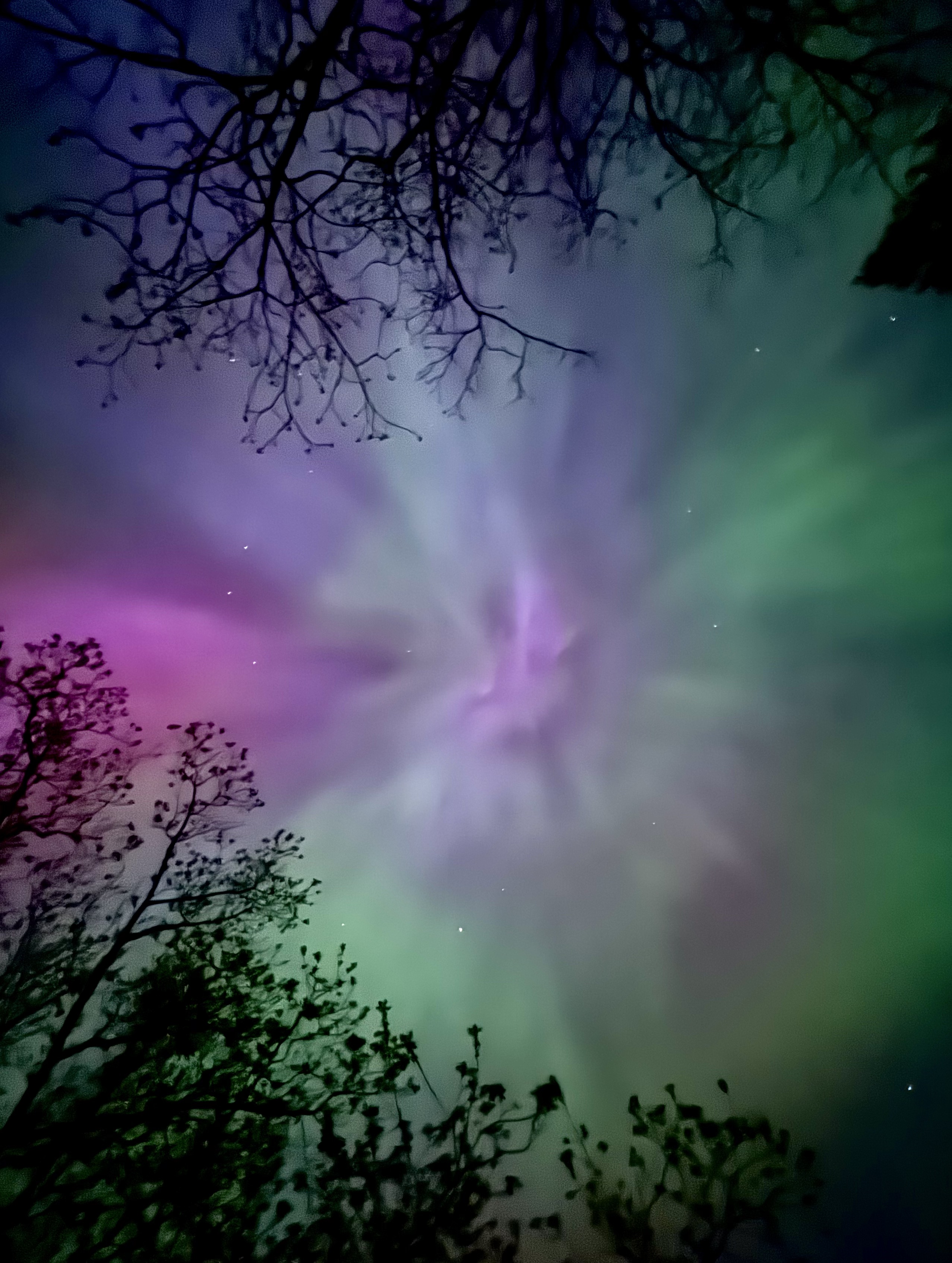
~or heaven is like the ever-changing colors of the northern lights illuminating the skies.
~certainly heaven is eternal felicity, where we join an everlasting party.
yet despite the discomfort of our questions, quandaries and doubts, or perhaps, because of them…
it is the Lord in heaven who longs for, and believes in, us.
One-Time
Monthly
Yearly
Make a one-time or recurring donation to support daily Barnstorming posts
The sacred rights of mankind are not to be rummaged for, among old parchments, or musty records. They are written, as with a sun beam, in the whole volume of human nature, by the hand of the divinity itself; and can never be erased or obscured by mortal power. ~Alexander Hamilton, from “The Farmer Refuted”
What sparkling flashes of God’s wit and brilliance— His coruscations— have caused your mind today to run back up the sunbeam to the sun and given you cause to give thanks and to worship the Lord? ~C.S. Lewisfrom Letters to Malcolm: Chiefly on Prayer
photo by Nate Gibson
God illuminates through His Word, not once but twice.
In the beginning, He created the sun and the moon to shine upon bodies, hearts, and souls.
Then, He came to light the world from below as well as from above so we could be saved from darkness.
By His descent to us, because He leaves heaven’s light to be in our arms and by our sides- He illuminates us so we reflect the light He brings: loved saved despite all our efforts to remain in the dark.
photo by Nate GibsonAI image created for this post
One-Time
Monthly
Yearly
Make a one-time or recurring donation to support daily Barnstorming posts
Our memories are, at best, so limited, so finite, that it is impossible for us to envisage an unlimited, infinite memory, the memory of God.
It is something I want to believe in: that no atom of creation is ever forgotten by him; always is; cared for; developing; loved. ~Madeleine L’Engle from The Summer of the Great-Grandmother
…a friend told me a story about a little girl who wanted time alone with her infant brother. Her parents were suspicious of her motives. What if she did something to harm the baby? The big sister was so persistent that her mom and dad finally decided to allow her ten minutes alone with him in his room. After they closed the door, they listened quietly.
They felt chills when they heard their daughter say, “Baby tell me what heaven is like. I’m starting to forget.” ~Sue Shanahan from “Fresh from Heaven”
He of strength and hope, of infinite memory and everlasting love:
He knows us down to our very atoms ~~ even we who are weak, broken, and undeserving.
He causes us to burst into bloom in remembrance of having been in His presence.
AI image created for this post
One-Time
Monthly
Yearly
Make a one-time or recurring donation to support daily Barnstorming posts
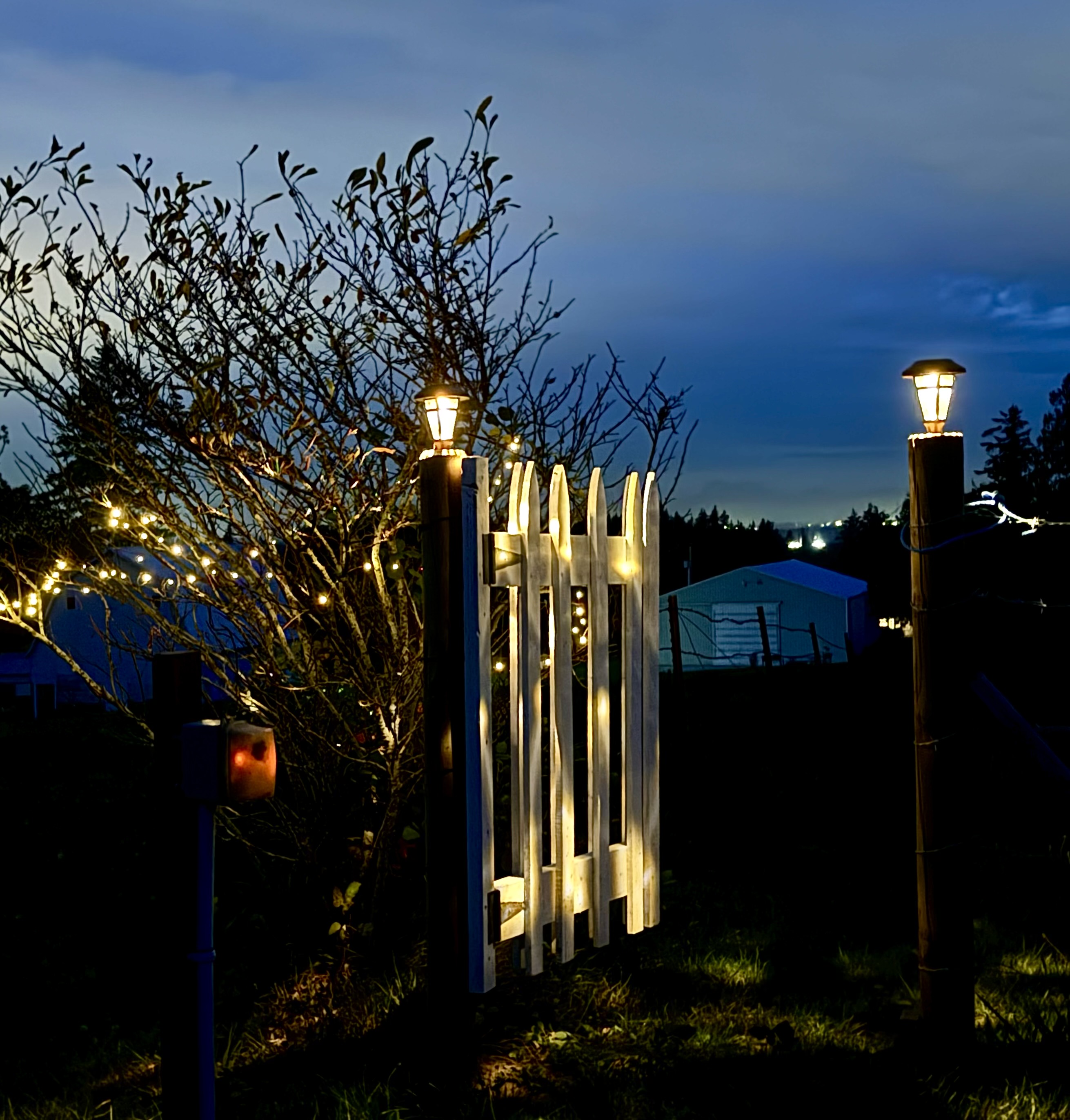
What seemed to be the end proved to be the beginning… Suddenly a wall becomes a gate. ~Henri Nouwen from Gracias! A Letter of Consolation
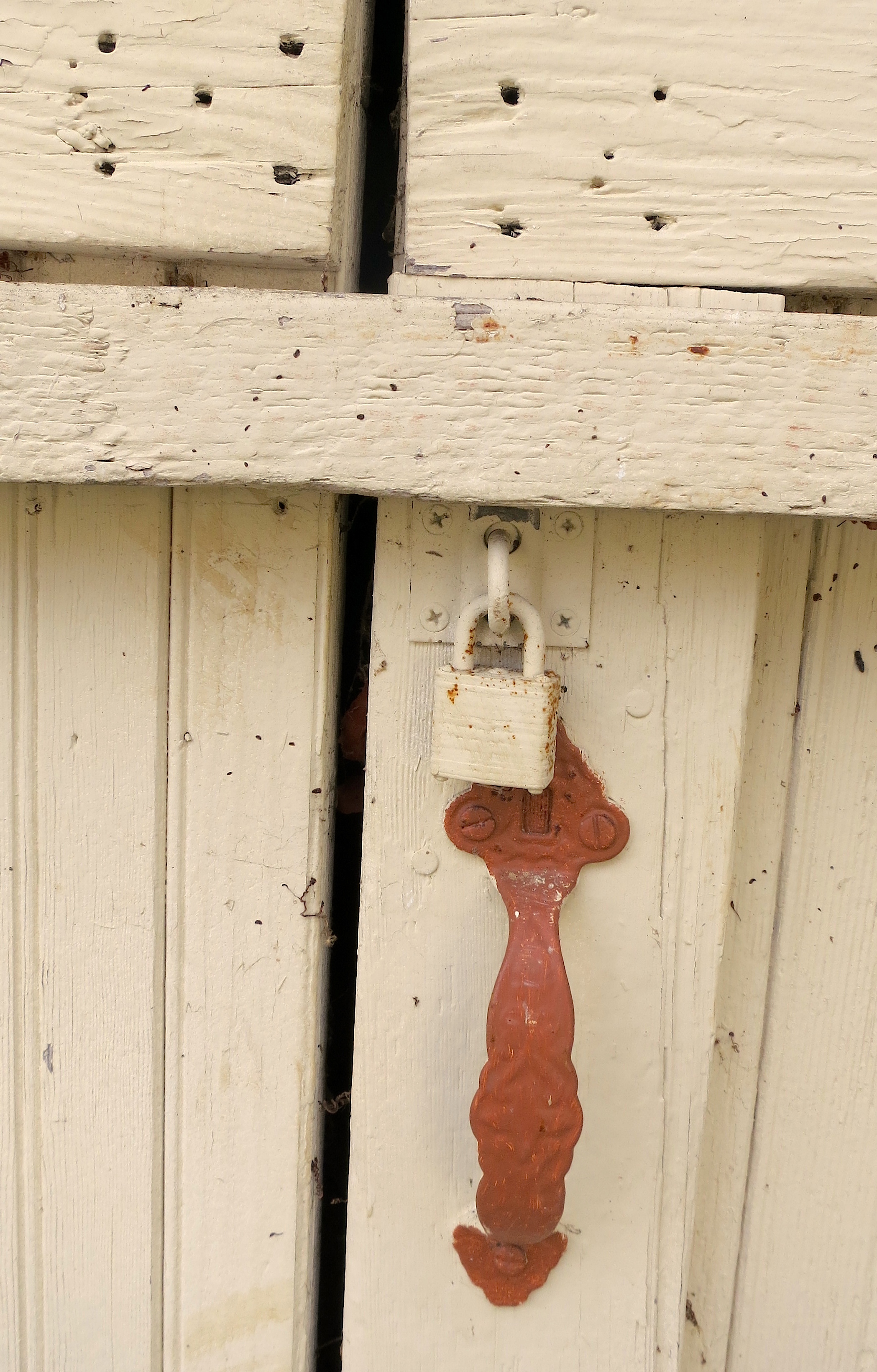
As Christians we do not believe in walls, but that life lies open before us; that the gate can always be unbarred; that there is no final abandonment or desertion. We do not believe that it can ever be “too late.”
We believe that the world is full of doors that can be opened. Between us and others. Between the people around us. Between today and tomorrow. Our own inner person can be unlocked too: even within our own selves, there are doors that need to be opened.
If we open them and enter, we can unlock ourselves, too, and so await whatever is coming to free us and make us whole. ~ Jörg Zink from “Doors to the Feast”
What we call the beginning is often the end And to make an end is to make a beginning. The end is where we start from.
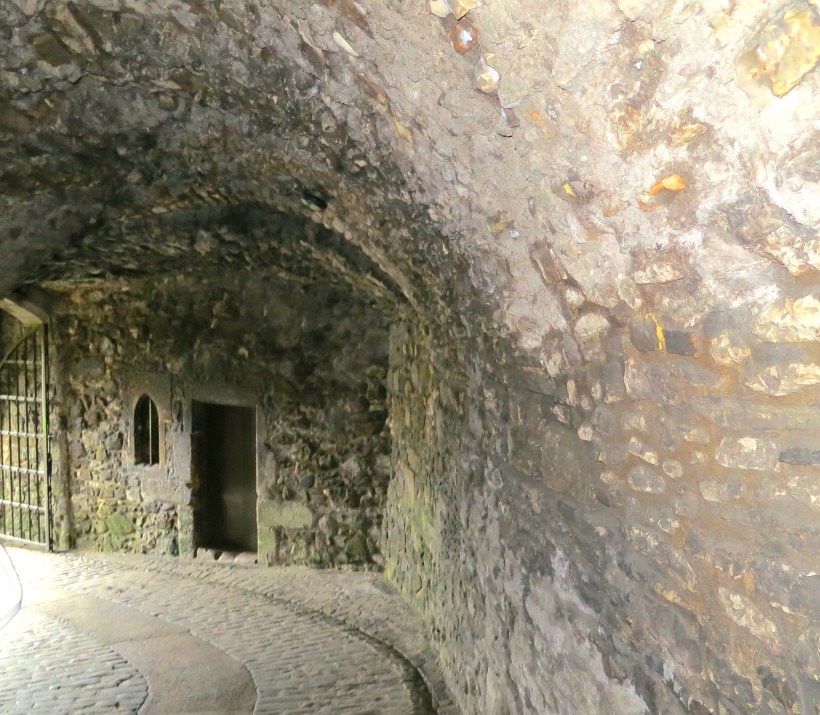
We shall not cease from exploration And the end of all our exploring Will be to arrive where we started And know the place for the first time. Through the unknown, unremembered gate When the last of earth left to discover Is that which was the beginning; ~T.S. Eliot from “Little Gidding” The Four Quartets
There we shall rest and we shall see; we shall see and we shall love; we shall love and we shall praise. Behold what shall be in the end and shall not end. ~Augustine of Hippo ‘The City of God,’ Bk. XXII, Chap. 30
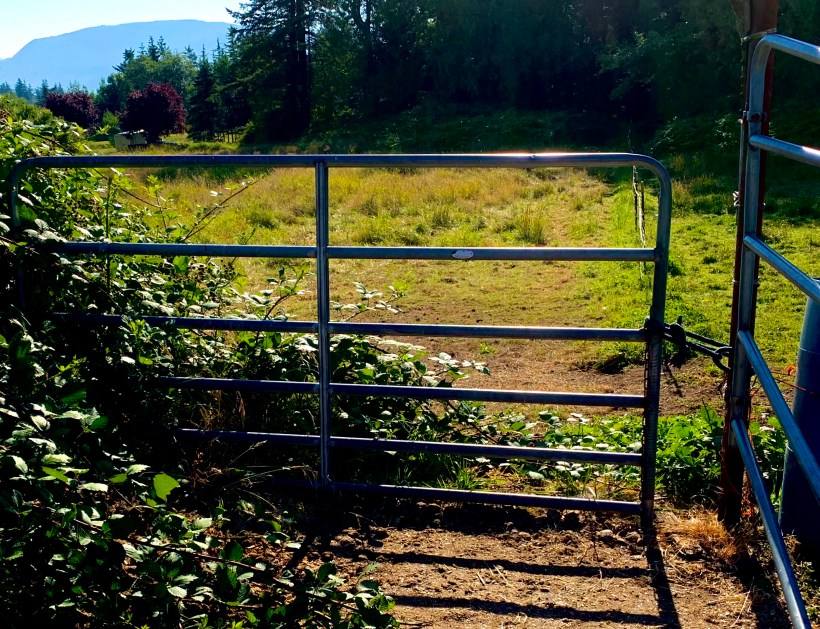
We stand outside the gate, incapable of opening it ourselves, watching as God Himself throws it open wide.
We choose to enter this unknown, unremembered gate into the endless length of days, where we shall see and we shall love, we shall love and we shall praise –
or we choose to remain outside, lingering in the familiar confines of what we know, though it destroys us.
AI image created for this post
With thanks to conductor, composer, singer Ben Kornelis for putting these beautiful Augustinian words to music
One-Time
Monthly
Yearly
Make a one-time or recurring donation to support daily Barnstorming posts
















 Barnstorming