Where You Go, I Will Go: Beaten to Death by the Whole World

frost125143

My God, my God, why have you forsaken me?
    Why are you so far from saving me,
    so far from my cries of anguish?
My God, I cry out by day, but you do not answer,
    by night, but I find no rest.

I am poured out like water,
    and all my bones are out of joint.
My heart has turned to wax;
    it has melted within me.
15 My mouth is dried up like a potsherd,
    and my tongue sticks to the roof of my mouth;
    you lay me in the dust of death.

16 Dogs surround me,
    a pack of villains encircles me;
    they pierce my hands and my feet.
17 All my bones are on display;
    people stare and gloat over me.
18 They divide my clothes among them
    and cast lots for my garment.

19 But you, Lord, do not be far from me.
    You are my strength; come quickly to help me.
~Psalm 22: 1-2, 14-19


  his appearance was so disfigured beyond that of any human being
    and his form marred beyond human likeness—
 so he will sprinkle many nations,
    and kings will shut their mouths because of him.
For what they were not told, they will see,
    and what they have not heard, they will understand.
Isaiah 52: 13-15

When I was wounded
whether by God, the devil, or myself
—I don’t know yet which—
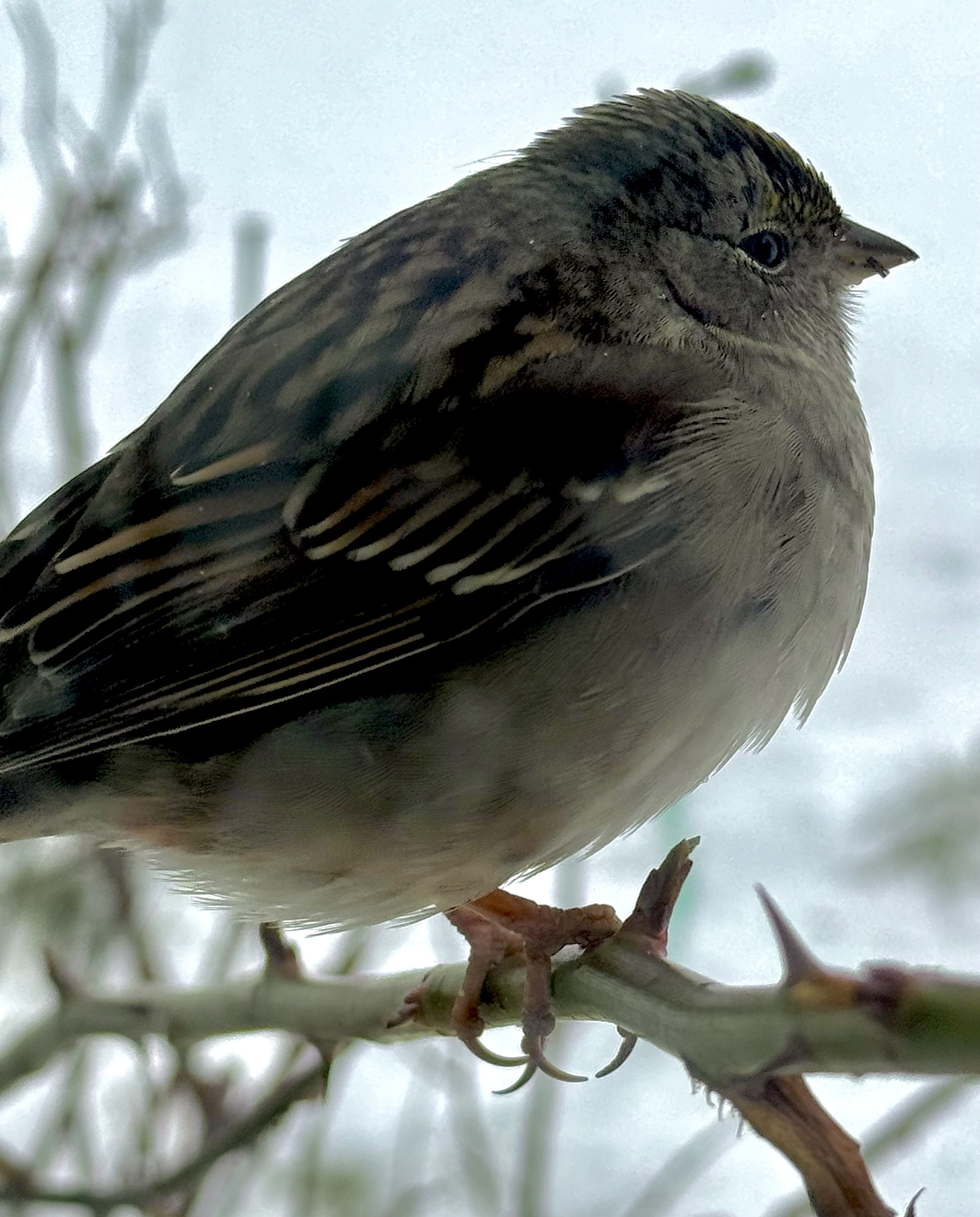
it was seeing the sparrows again
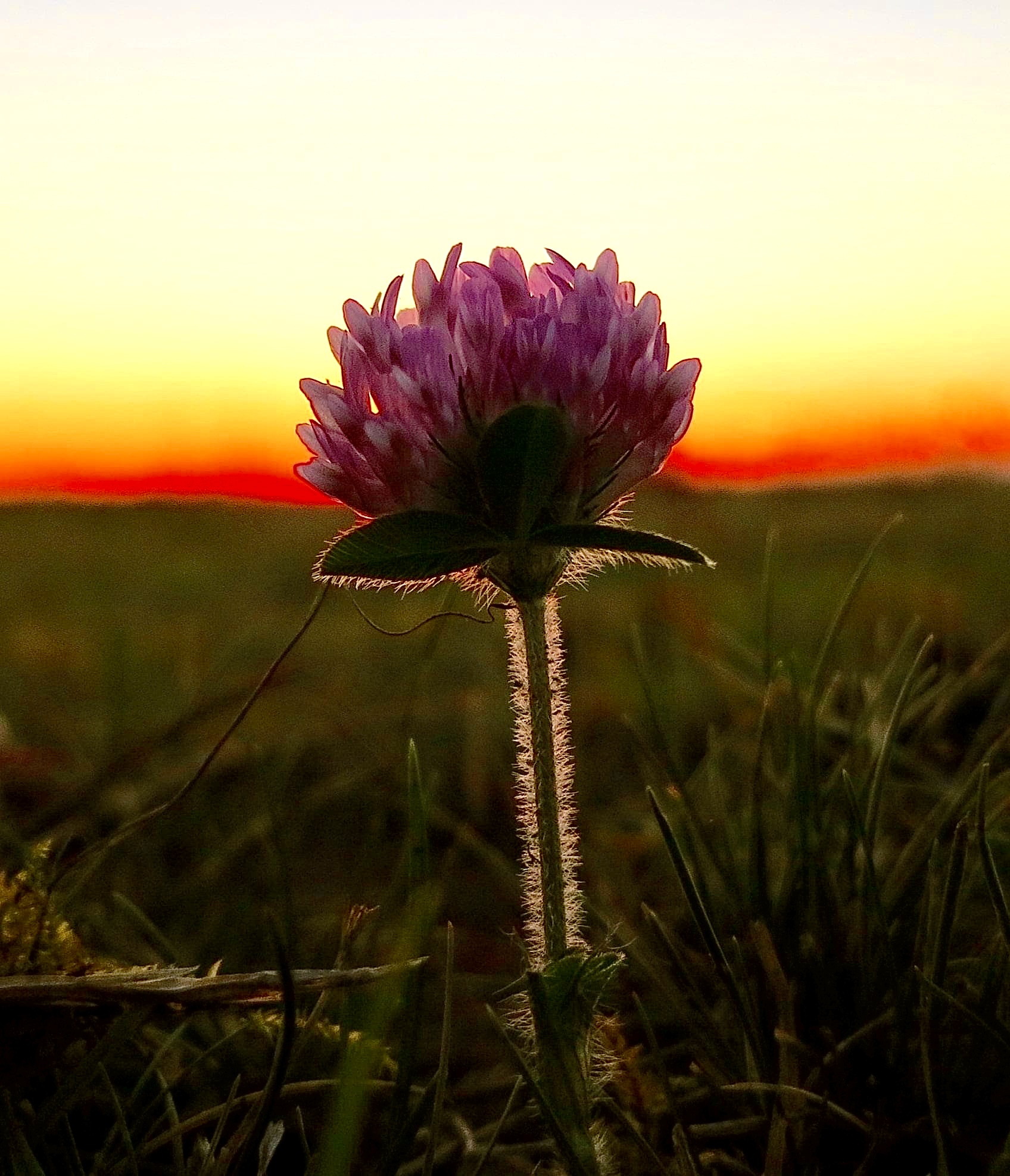
and clumps of clover, after three days,
that told me I hadn’t died.
When I was young,
all it took were those sparrows,
those lush little leaves,
for me to sing praises,
dedicate operas to the Lord.
But a dog who’s been beaten
is slow to go back to barking
and making a fuss over his owner
—an animal, not a person
like me who can ask:
Why do you beat me?
Which is why, despite the sparrows and the clover,
a subtle shadow still hovers over my spirit.
May whoever hurt me, forgive me.
~Adelia Prado “Divine Wrath” translated from Brazilian Portuguese by Ellen Doré Watson

*************************************

“My God, My God,” goes Psalm 22, “hear me, why have you forsaken me?”  

This is the anguish all we of Godforsaken heart know well. But hear the revelation to which Christ directs us, further in the same psalm:

For He has not despised nor scorned the beggar’s supplication,
Nor has He turned away His face from me;
And when I cried out to Him, He heard me.

He hears us, and he knows, because he has suffered as one Godforsaken. Which means that you and I, even in our darkest hours, are not forsaken. Though we may hear nothing, feel nothing, believe nothing, we are not forsaken, and so we need not despair.

And that is everything.

That is Good Friday and it is hope, it is life in this darkened age, and it is the life of the world to come.
~Tony Woodlief from “We are Not Forsaken”

*******************************

Emmett Till’s mother
speaking over the radio

She tells in a comforting voice
what it was like to touch her dead boy’s face,

how she’d lingered and traced
the broken jaw, the crushed eyes

the face that badly beaten, disfigured—
before confirming his identity.

And then she compares his face to
the face of Jesus, dying on the cross.

This mother says no, she’d not recognize
her Lord, for he was beaten far, far worse

than the son she loved with all her heart.
For, she said, she could still discern her son’s curved earlobe,

but the face of Christ
was beaten to death by the whole world.
~Richard Jones “The Face” from Between Midnight and Dawn

******************************

In a daring and beautiful creative reversal,
God takes the worse we can do to Him
and turns it into the very best He can do for us.
~Malcolm Guite from The Word in the Wilderness

IMG_6229

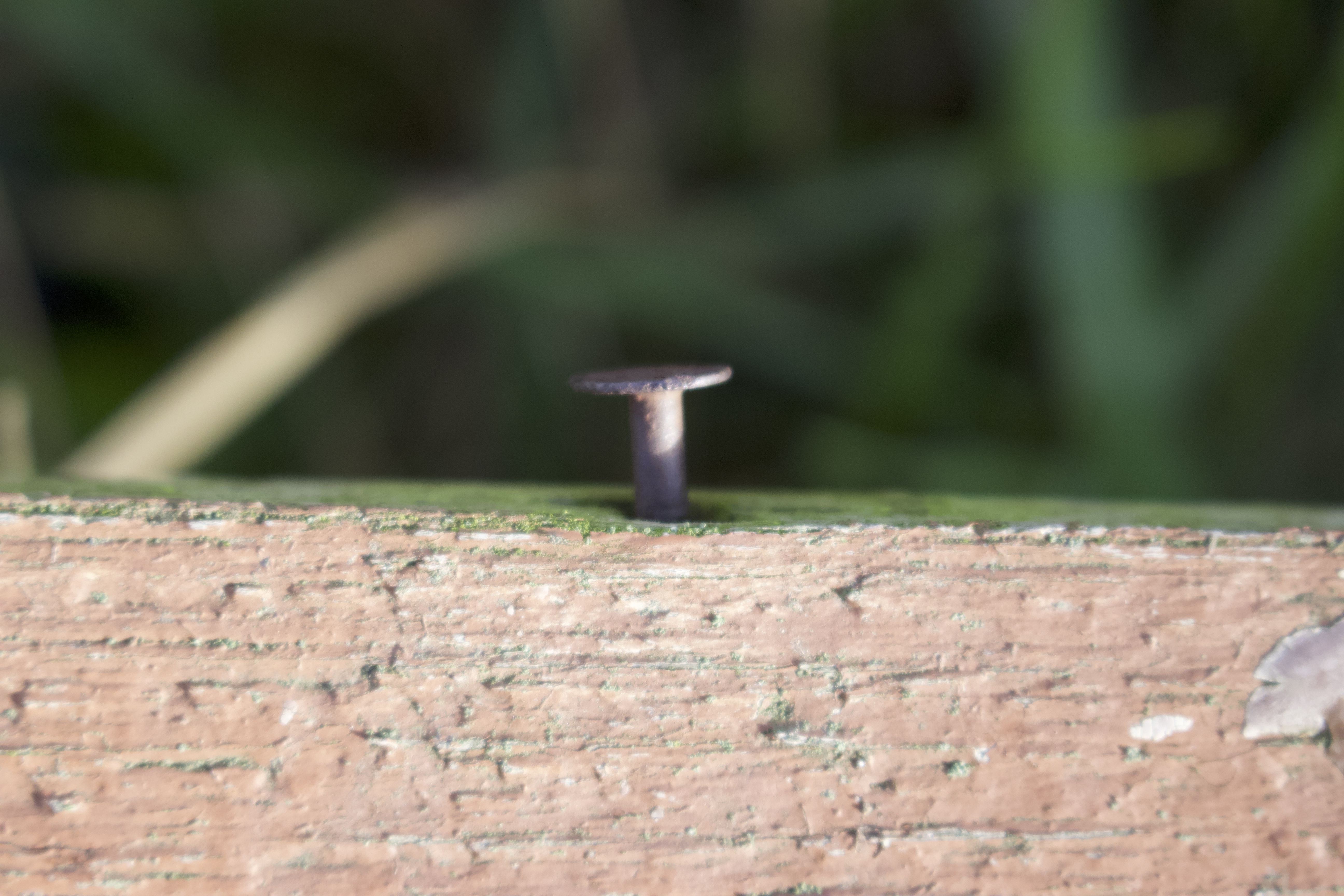
Strangely enough~
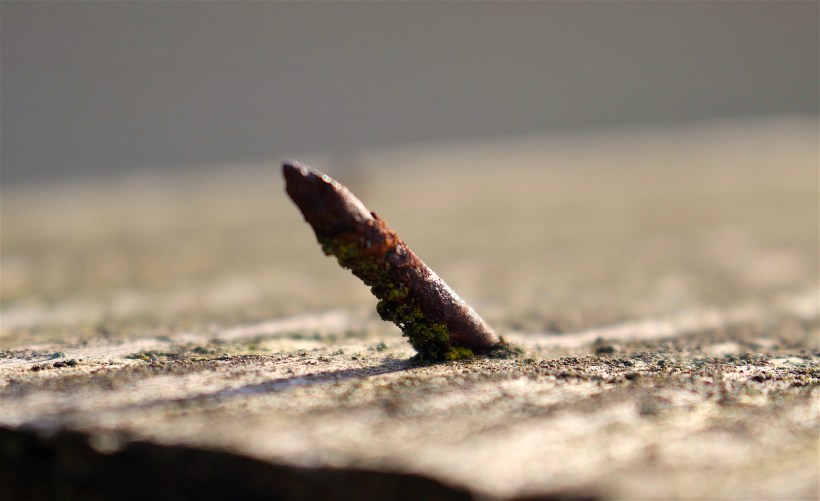
it is the nail,
not the hammer,
that fastens us together~
becoming the glue,
the security,
the permanence of
solid foundation
and strong supports,
or protecting roof.

The hammer is only a tool
to pound in the nail
to where it binds so tightly;
the nail can’t blend in or be forgotten,
where the hole it leaves behind
is a forever wounded reminder
of what the hammer has done,
yet, how thoroughly
the hammer, and we, are forgiven.

nailhole

This year’s Lenten theme:

…where you go I will go…
Ruth 1:16

One-Time
Monthly
Yearly

Make a one-time or recurring donation to support daily Barnstorming posts

Make a monthly donation

Make a yearly donation

Choose an amount

$10.00
$25.00
$50.00
$5.00
$15.00
$100.00
$5.00
$15.00
$100.00

Or enter a custom amount

$

Your contribution is deeply appreciated.

Your contribution is appreciated.

Your contribution is appreciated.

DonateDonate monthlyDonate yearly


Where You Go, I Will Go: The Mourning Bench

…we all suffer.
For we all prize and love;
and in this present existence of ours,
prizing and loving yield suffering.
Love in our world is suffering love.


Some do not suffer much, though,
for they do not love much.
Suffering is for the loving.
This, said Jesus, is the command of the Holy One:
“You shall love your neighbor as yourself.”
In commanding us to love, God invites us to suffer
.

Over there, you are of no help.
What I need to hear from you is that you recognize how painful it is.
I need to hear from you that you are with me in my desperation.


To comfort me, you have to come close.
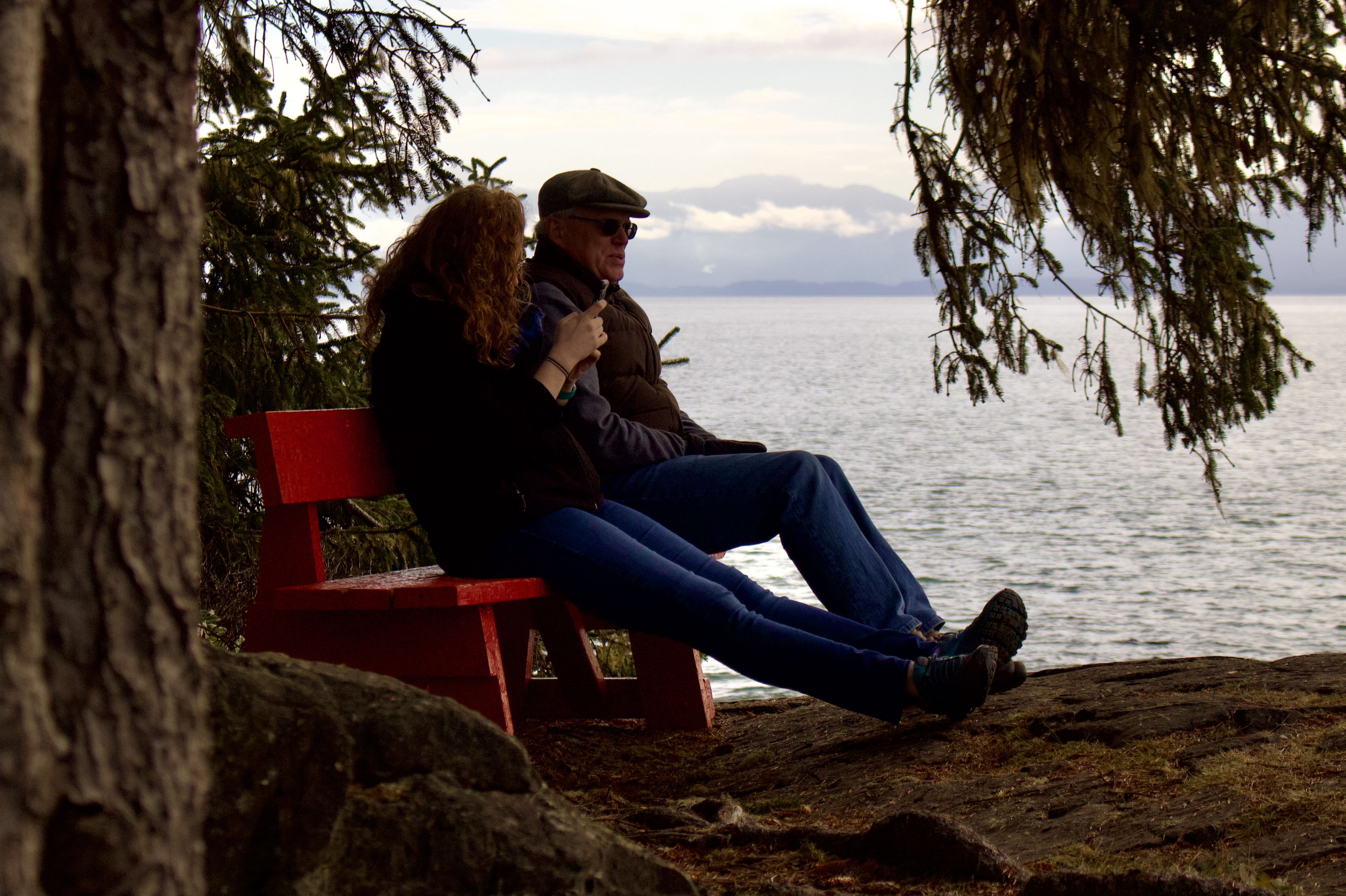
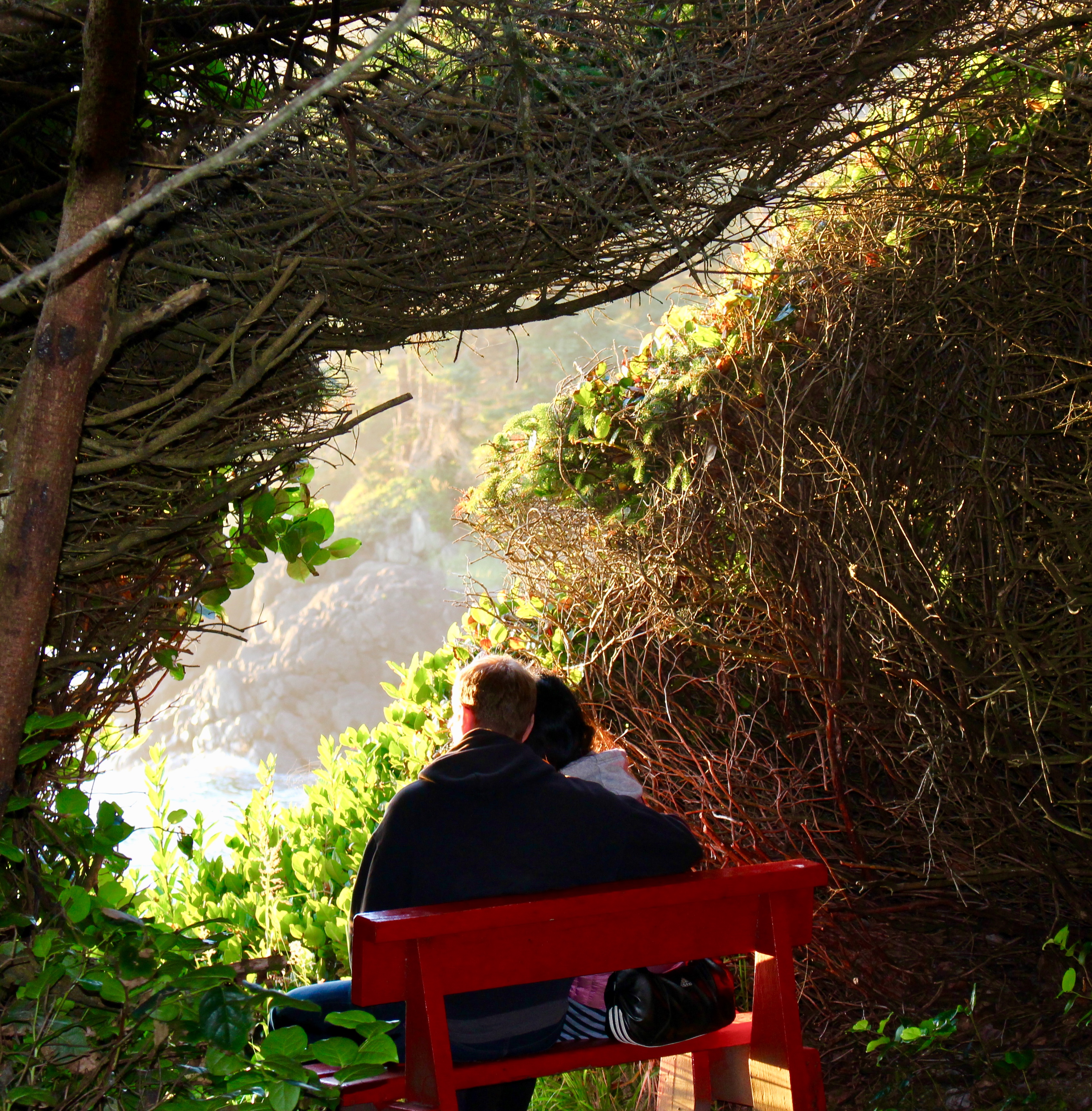
Come sit beside me on my mourning bench.
~Nicholas Wolterstorff from Lament for a Son

I wondered if 7:30 AM was too early to call her. As a sleep-deprived fourth year medical student finishing a long night admitting patients in the hospital, I selfishly needed to hear her voice.

I wanted to know how Margy was doing with the latest round of chemotherapy for breast cancer; I knew she was not sleeping well these days. She was wearing a new halo brace—a metal contraption that wrapped around her head like a scaffolding to secure her degenerating cervical spine from collapsing from metastatic tumor growths in her bones.

She knew, we all knew, she was trying to buy more time from a life of rapidly diminishing days.

Each patient I had seen the previous 24 hours while working in the Emergency Room benefited from the interviewing skills Margy had taught each medical student in our class. She reminded us that each patient had an important story to tell, and no matter how pressured our time, we needed to ask questions that gave permission for that story to be told. As a former nun now married with two teenage children, Margy had become our de facto therapist at a time no medical school hired supportive counselors.

She insisted physicians-in-training remember the suffering soul thriving inside the broken body.

“Just let the patient know with certainty, through your eyes, your body language, your words, that you want to hear what they have to say. You can heal so much hurt simply by sitting beside them and caring enough to listen…”

After her diagnosis with stage 4 cancer, Margy herself became the broken vessel who needed the glue of a good listener. She continued to teach, often from her bed at home. I planned to visit her that day, maybe help out by cleaning her house, or take her for a drive as a diversion.

Her phone rang only once after I dialed her number. There was a long pause; I could hear a clearing of her throat. A deep dam of tears welled behind a muffled “Hello?”

“Margy?”

“Yes? Emily? ”

“Margy? What is it? What’s wrong?”

Her voice shattered like glass into fragments, strangling on words that struggled to form.

“Gordy’s gone, Emily. He’s gone. He’s gone forever…”

“What? What are you saying?”

“A policeman just left. He told us our boy is dead.”

I sat in stunned silence, listening to her sobs, completely unequipped to know how to respond.

None of this made sense. I knew her son was on college spring break, heading to Mexico for a missions trip.

“I’m here, what’s happened?”

“The doorbell rang about an hour ago. Larry got up to answer it. I heard him talking to someone downstairs, so I decided to try to get up and go see what was going on. There was a policeman sitting with Larry on the couch. I knew it had to be about Gordy.”

She paused and took in a shuddering breath.

“The group was driving through the night in California. He was asleep in the back of the camper. They think he was sleepwalking and walked right out of the back of the moving camper and was hit by another car.”

Silence.  A strangling choking silence.

“They’ll bring him home to me, won’t they? I need to know I can see my boy again. I need to tell him how much I love him.”

“They’ll bring him home to you, Margy.
I’m on my way to help you get ready…

God is not only the God of the sufferers
but the God who suffers. …
It is said of God that no one can behold his face and live.
I always thought this meant
that no one could see his splendor and live.
A friend said perhaps it meant
that no one could see his sorrow and live.
Or perhaps his sorrow is splendor. …
Instead of explaining our suffering, God shares it.

~Nicholas Wolterstorff from Lament for a Son

This year’s Lenten theme:

…where you go I will go…
Ruth 1:16

One-Time
Monthly
Yearly

Make a one-time or recurring donation to support daily Barnstorming posts

Make a monthly donation

Make a yearly donation

Choose an amount

$10.00
$25.00
$50.00
$5.00
$15.00
$100.00
$5.00
$15.00
$100.00

Or enter a custom amount

$

Your contribution is deeply appreciated.

Your contribution is appreciated.

Your contribution is appreciated.

DonateDonate monthlyDonate yearly

Fresh Tears

When we have died,
and arms long empty of our memories,
reach to know love’s pure and sacred touch,
and to embrace a long sought, long anticipated place

when we have gone the way of all the earth,
and pain and sorrow are no more, not seen or heard or found,
no more the discontent of place or time or any lesser haste,
but only One whose love transcends our harsh and wearied days,

when we have died and gone and fallen fast asleep,
and found the settled light and our so much a sweeter sacral rest,
forever held in caring arms, yes,

held now everlasting in a wonder of it all,
then we have not gone down empty, we have not died alone.

~Henry Lewis from “When”

This event happened in 1975 while I was an undergraduate student researcher in Tanzania, East Africa, working alongside other researchers assisting Dr. Jane Goodall in her study of wild chimpanzees and baboons.

Several metal buildings were scattered along the shore at Gombe National Park, having been built over the years since Jane Goodall and her mother Vanne arrived on a bare beach in 1960. From the very beginning, one of the most powerful connections between these two British women and the Tanzanian villagers who lived up and down Lake Tanganyika was their provision of basic medical supplies and services when needed. Initially, under the cover of the camp tents, they tended to wounds, provided a few medications, and assisted whenever they were needed for help. 

Later, an actual dispensary was built as part of the park buildings, with storage for first aid supplies and medications, many of which were traditional Chinese medications, in little boxes with Chinese characters, and no translation. All we had was a sheet of paper explaining if a medication was to be used for headaches, fevers,  bleeding problems or infections.

There were “open” times in the dispensary and each of the research assistants took turns to see villagers as they came by to be seen for medical issues. We saw injuries that had never healed properly, some people with permanently crippled limbs, centipede bites that swelled legs, babies who were malnourished, malarial fevers.

It felt like so little to offer. None of us had medical training beyond first aid and CPR, but what small service we could provide was met with incredible gratitude. 

So it wasn’t a surprise when a villager arrived one afternoon, running and out of breath, asking that we come right away to help. There had been a terrible accident up the beach when a water taxi engine exploded while transporting two dozen villagers, along with their provisions, including goats and chickens. As people rushed to get away from the engine fire, the roofed boat overturned, with everyone trapped among the boxes, unable to escape. 

Even more tragic, Tanzanians were never taught to swim, so no one on shore could help in the rescue effort.

We dropped everything and six of us ran up the beach for a mile, and could see an overturned water taxi just off shore. The best swimmers went out and started searching for people who had been too long in the deep water. They began to pull the bloated bodies to shore, one by one, the lake water pouring from lifeless mouths and noses.  All we could do was line them up side by side on the beach, trying to keep the biting flies from covering them,  trying to make sense of what was so senseless. There were eight children of various ages, including two small babies, several older women, one pregnant woman, the rest men of all ages–twenty four souls in all, not a single survivor.

As a nurses’ aide, I had cared for the dying and helped to bathe their bodies after death, but I had never before seen so much death at once, and never a dead child.

Before long, relatives started arriving, their grief-stricken wails of loss filling the air on this remote African lakeshore. Husbands and wives wept, keening over a spouse. Children crouched, in shock, by a dead parent. Grandmothers clutched their dead children and grandchildren and would not let go. 

We had saved no one. We had no power to bring them back to life. 

We could only bear witness to the loss and grief with deep compassion for our neighbors who had come to depend on us to help. It became even clearer to me, in a way I had never understood before, how deep our need is for the mercy of God who is our only comfort when terrible things happen.

I have not forgotten those who were lost to the world that day fifty years ago. Still, all these years later, when I see photos of senseless violence and death, whether war or other disasters, I grieve for them anew with fresh tears, all over again.

Psalm 51:
Have mercy, O God…
according to your great compassion…

AI image created for this post
One-Time
Monthly
Yearly

Make a one-time or recurring donation to support daily Barnstorming posts

Make a monthly donation

Make a yearly donation

Choose an amount

$10.00
$25.00
$50.00
$5.00
$15.00
$100.00
$5.00
$15.00
$100.00

Or enter a custom amount

$

Your contribution is deeply appreciated.

Your contribution is appreciated.

Your contribution is appreciated.

DonateDonate monthlyDonate yearly
A-Sighing and A-Sobbing

“Who killed Cock Robin?” “I,” said the Sparrow,
“With my bow and arrow, I killed Cock Robin.”
“Who saw him die?” “I,” said the Fly,
“With my little eye, I saw him die.”
“Who caught his blood?” “I,” said the Fish,
“With my little dish, I caught his blood.”
“Who’ll make the shroud?” “I,” said the Beetle,
“With my thread and needle, I’ll make the shroud.”
“Who’ll dig his grave?” “I,” said the Owl,
“With my pick and shovel, I’ll dig his grave.”
“Who’ll be the parson?” “I,” said the Rook,
“With my little book, I’ll be the parson.”
“Who’ll be the clerk?” “I,” said the Lark,
“If it’s not in the dark, I’ll be the clerk.”
“Who’ll carry the link?” “I,” said the Linnet,
“I’ll fetch it in a minute, I’ll carry the link.”
“Who’ll be chief mourner?” “I,” said the Dove,
“I mourn for my love, I’ll be chief mourner.”
“Who’ll carry the coffin?” “I,” said the Kite,
“If it’s not through the night, I’ll carry the coffin.”
“Who’ll bear the pall?” “We,” said the Wren,
“Both the cock and the hen, we’ll bear the pall.”
“Who’ll sing a psalm?” “I,” said the Thrush,
“As she sat on a bush, I’ll sing a psalm.”
“Who’ll toll the bell?” “I,” said the bull,
“Because I can pull, I’ll toll the bell.”
All the birds of the air fell a-sighing and a-sobbing,
When they heard the bell toll for poor Cock Robin.

~Anonymous “Who Killed Cock Robin”

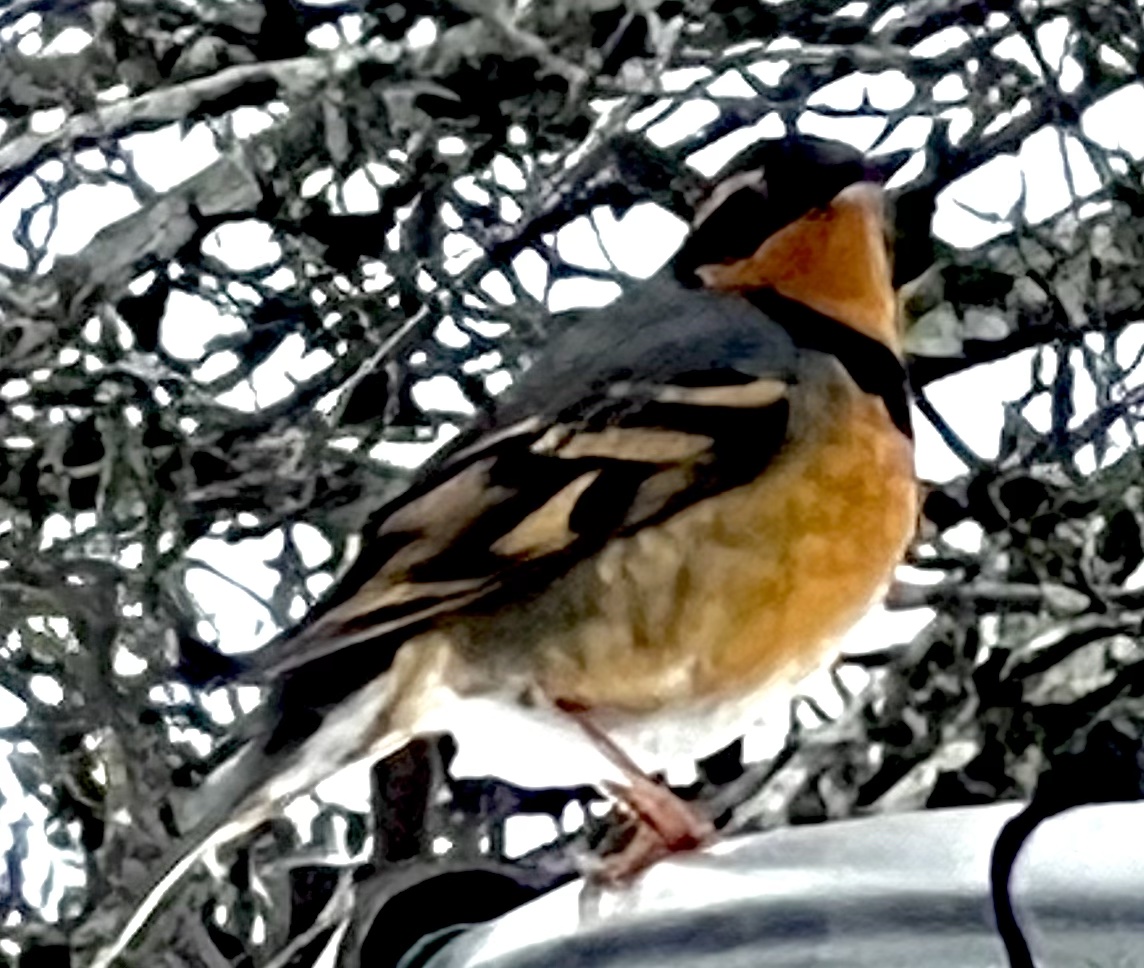
photo by Kate Steensma of Steensma Creamery
photo by Harry Rodenberger

Sighing and sobbing…

The times we live in now are surreal as this dark nursery tale rhyme about the killing of a robin by a smaller bird.

What do we do with the sparrow’s proud confession in the first stanza? Whatever happened to instigate such destructive violence?
Self-defense? Vengeance? Accident? Just for sport?
Or simple random cruelty?

Such boasting about a killing makes about as much sense as our being witness to the overt destruction of the rule of law taking place right under our noses in the U.S.

Hear the bell toll.
We are each diminished as citizens.
Let the mourning begin.
It is our own death we grieve…

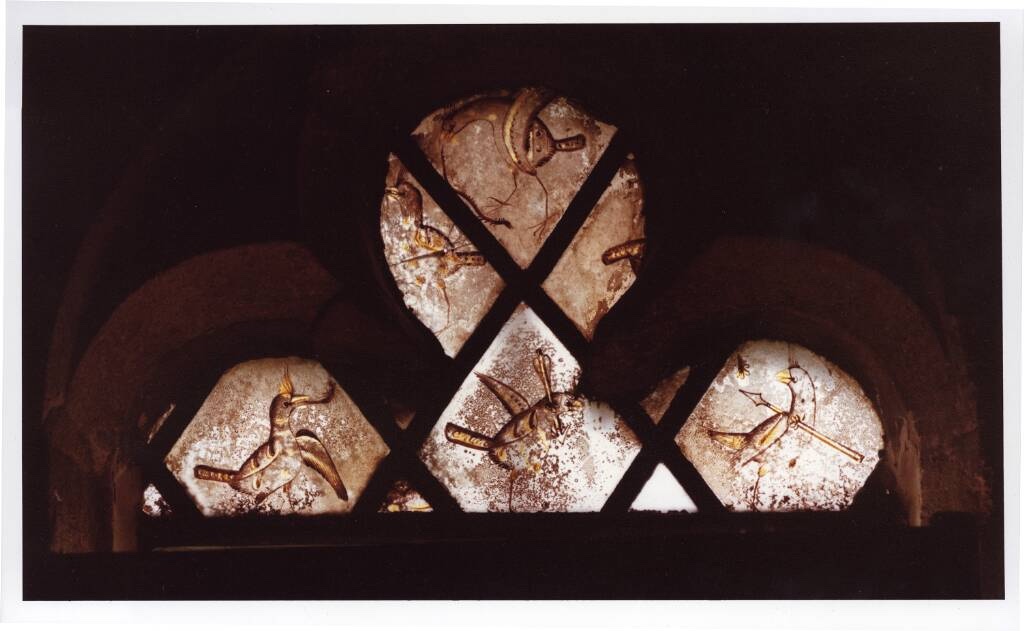
Medieval Stained Glass of a robin shot by an arrow in Buckland Rectory, Gloucester, UK

No man is an island,
Entire of itself.

Each is a piece of the continent,
A part of the main.
Each man’s death diminishes me,
For I am involved in mankind.
Therefore, send not to know
For Whom the bell tolls,

It tolls for thee…
~John Donne from “For Whom the Bell Tolls”

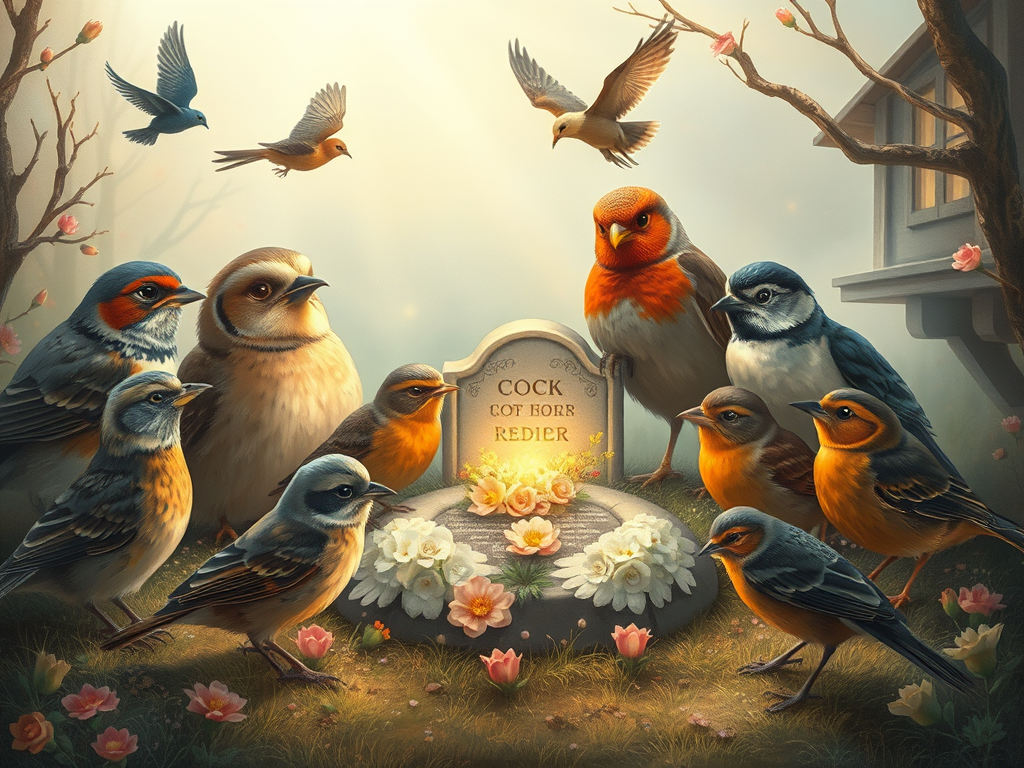
AI image created for this post
One-Time
Monthly
Yearly

Make a one-time or recurring donation to support daily Barnstorming posts

Make a monthly donation

Make a yearly donation

Choose an amount

$10.00
$25.00
$50.00
$5.00
$15.00
$100.00
$5.00
$15.00
$100.00

Or enter a custom amount

$

Your contribution is deeply appreciated.

Your contribution is appreciated.

Your contribution is appreciated.

DonateDonate monthlyDonate yearly

Breathing a Prayer

It was beautiful as God
must be beautiful: glacial
eyes that had looked on
violence and come to terms
with it; a body too huge
and majestic for the cage in which
it had been put; up
and down in the shadow
of its own bulk it went
lifting, as it turned,
the crumpled flower of its face
to look into my own
face without seeing me. It
was the colour of the moonlight
on snow and as quiet
as moonlight, but breathing
as you can imagine that
God breaths within the confines
of our definition of him, agonizing
over immensities that will not return.
~R.S. Thomas “The White Tiger”

There are nights that are so still
that I can hear the small owl calling
far off and a fox barking
miles away. It is then that I lie
in the lean hours awake listening
to the swell born somewhere in the Atlantic
rising and falling, rising and falling
wave on wave on the long shore
by the village that is without light
and companionless. And the thought comes
of that other being who is awake, too,
letting our prayers break on him,
not like this for a few hours,
but for days, years, for eternity.

~R.S.Thomas “The Other”

Angels, where you soar
Up to God’s own light,
Take my own lost bird
On your hearts tonight;
And as grief once more
Mounts to heaven and sings,
Let my love be heard
Whispering in your wings.

~Alfred Noyes “A Prayer”

We confine and cage our concept of God, trying to understand His power and beauty within our limited world. He tells us what He is capable of, yet we diminish His immensity to only what we are able to fathom.

He is an eternal mystery, allowing our beseeching prayers to break over Him again and again and again.

Our grief is carried on wings to God, our prayers desperate for His breath and comfort.

Let our love be heard, let our love be heard, let our love be heard –always and forever.

One-Time
Monthly
Yearly

Make a one-time or recurring donation to support daily Barnstorming posts

Make a monthly donation

Make a yearly donation

Choose an amount

$10.00
$25.00
$50.00
$5.00
$15.00
$100.00
$5.00
$15.00
$100.00

Or enter a custom amount

$

Your contribution is deeply appreciated.

Your contribution is appreciated.

Your contribution is appreciated.

DonateDonate monthlyDonate yearly
A Poem of the Air

Out of the bosom of the Air,
Out of the cloud-folds of her garments shaken,
Over the woodlands brown and bare,
Over the harvest-fields forsaken
Silent, and soft, and slow
Descends the snow.

Even as our cloudy fancies take
Suddenly shape in some divine expression,
Even as the troubled heart doth make
In the white countenance confession,
The troubled sky reveals
The grief it feels.

This is the poem of the air,
Slowly in silent syllables recorded;
This is the secret of despair,
Long in its cloudy bosom hoarded,
Now whispered and revealed
To wood and field.

~Henry Wadsworth Longfellow “Snow-Flakes”

Snowflakes cover all,
settling in around us,
drifting about the tucked corners
of a downy white comforter

Watching as heaven comes to earth,
plumps the pillows,
cushions the landscape,
and tries to lighten our grieving hearts.

I know dark clouds will gather ’round me
I know my way is hard and steep
But beauteous fields arise before me
Where God’s redeemed, their vigils keep

~from Wayfaring Stranger

AI image created for this post
One-Time
Monthly
Yearly

Make a one-time or recurring donation to support daily Barnstorming posts

Make a monthly donation

Make a yearly donation

Choose an amount

$10.00
$25.00
$50.00
$5.00
$15.00
$100.00
$5.00
$15.00
$100.00

Or enter a custom amount

$

Your contribution is deeply appreciated.

Your contribution is appreciated.

Your contribution is appreciated.

DonateDonate monthlyDonate yearly
We Are No Longer Alone: Acquainted with Grief

And now, as the night of this world folds you in
its brutal frost (the barnyard smell strong as sin),
and as Joseph, weary with unwelcome and relief, his hands
bloody from your birth, spreads his thin cloak
around you both, we doubly bless you, Baby,
as you are acquainted, for the first time, with our grief.
~Luci Shaw from “A Blessing for the New Baby”

Grief like a cross
she will bear to her own dying—
she pauses under its gravity
before turning the corner
where she will see his tomb
and now wonders
at this sudden intimation
of something about to be born.

~Franchot Ballinger “Advent” from Crossings

The winds were scornful,
Passing by;
And gathering Angels
Wondered why

A burdened Mother
Did not mind
That only animals
Were kind.

For who in all the world
Could guess
That God would search out
Loneliness.
~Sr. M. Chrysostom, O.S.B. “The Stable” from Mary Immaculate: God’s Mother and Mine 

Shut out suffering, and you see only one side of this strange and fearful thing, the life of man. Christ saw both sides. He could be glad, he could rejoice with them that rejoice; and yet the settled tone of his disposition was a peculiar and subdued sadness. That gave the calm depth to the character of Christ; he had got the true view of life by acquainting himself with grief.
~Frederick Robertson from a 1846 sermon entitled Typified by the Man of Sorrows, the Human Race

The world is indeed full of peril and in it there are many dark places.
But still there is much that is fair. And though in all lands, love is now mingled with grief, it still grows, perhaps, the greater.
— J. R. R. Tolkien from The Fellowship of the Ring

A man of sorrows and acquainted with grief
Isaiah 53:3

Our sorrows fill a chasm so deep and dark that it is a fearsome thing to even peer from the edge. We join the helplessness of countless people in human history who have lived through times which appeared unendurable.

We don’t understand why inexplicable tragedy befalls good and gracious people, taking them when they are not yet finished with their work on earth.

From quakes that topple buildings burying people,
to waves that wipe out whole cities sweeping away thousands,
to a pathogen too swift and mean for modern medicine, 
to unconscionable shootings of innocents,
we are reminded every day: we live on perilous ground and our time here has always been finite.

We don’t have control over the amount of time, but we do have control over how extensively our love for others is heard and spread.

There is assurance in knowing we do not weep alone;
our Lord is acquainted with grief. 

Our grieving is so familiar to a suffering God who too wept at the death of a beloved friend, when He faced a city about to condemn Him to death and He was tasked with enduring the unendurable.

There is comfort in knowing
He too peered into the chasm of darkness;
He willingly entered its depths to come to our rescue.

His is an incomparable capacity for Light and Love that is heard and spread for an eternity.

AI image created for this post

This year’s Advent theme is from Dietrich Bonhoeffer’s sermon on the First Sunday in Advent, December 2, 1928:

The celebration of Advent is possible only to those who are troubled in soul, who know themselves to be poor and imperfect, and who look forward to something greater to come. For these, it is enough to wait in humble fear until the Holy One himself comes down to us, God in the child in the manager.

God comes.

He is, and always will be now, with us in our sin, in our suffering, and at our death. We are no longer alone. God is with us and we are no longer homeless.
~Dietrich Bonhoeffer – from Christmas Sermons

Angels, where you soar
Up to God’s own light
Take my own lost bird
On your hearts tonight;
And as grief once more
Mounts to heaven and sings
Let my love be heard
Whispering in your wings
~Alfred Noyes

One-Time
Monthly
Yearly

Make a one-time or recurring donation to support daily Barnstorming posts

Make a monthly donation

Make a yearly donation

Choose an amount

$10.00
$25.00
$50.00
$5.00
$15.00
$100.00
$5.00
$15.00
$100.00

Or enter a custom amount

$

Your contribution is deeply appreciated.

Your contribution is appreciated.

Your contribution is appreciated.

DonateDonate monthlyDonate yearly
We Are No Longer Alone: Facing the Unknown

Usually, after turning out that forgotten barn light, I sit on the edge of the tractor bucket for a few minutes and let my eyes adjust to the night outside. City people always notice the darkness here, but it’s never very dark if you wait till your eyes owl out a little….

I’m always glad to have to walk down to the barn in the night, and I always forget that it makes me glad. I heave on my coat, stomp into my barn boots and trudge down toward the barn light, muttering at myself. But then I sit in the dark, and I remember this gladness, and I walk back up to the gleaming house, listening for the horses.
~Verlyn Klinkenborg from A Light in the Barn

…all who heard it wondered at what the shepherds told them. But Mary treasured up all these things, pondering them in her heart..
~Luke 2:18-19

Inside the barn the sheep were standing, pushed close to one
another. Some were dozing, some had eyes wide open listening
in the dark. Some had no doubt heard of wolves. They looked
weary with all the burdens they had to carry, like being thought
of as stupid and cowardly, disliked by cowboys for the way they
eat grass about an inch into the dirt, the silly look they have
just after shearing, of being one of the symbols of the Christian
religion. In the darkness of the barn their woolly backs were
full of light gathered on summer pastures. Above them their
white breath was suspended, while far off in the pine woods,
night was deep in silence. The owl and rabbit were wondering,
along with the trees, if the air would soon fill with snowflakes,
but the power that moves through the world and makes our
hair stand on end was keeping the answer to itself.
~Tom Hennen “Sheep in the Winter Night” from Darkness Sticks to Everything: Collected and New Poems.

Yet another school shooting takes hold of my heart and breaks it:
two of our children are school teachers, our grandchildren are students.

there is so much about this world I don’t understand –
the news of each day causes more questions
and a sense of ever deeper despair.

There are times when I feel my hair stand on end,
wondering where it all leads.

Half a lifetime ago, I was far more confident after so many years in school and training; now I am well aware there is much I can never know or understand.

To accept the mystery and power that moves through this world
is an awe-filled load to carry.

All shall be revealed in the fullness of time.
Yet shortening time is gets emptier by the minute.

I want to know why too many are taken from us too young,
why there is persisting darkness and evil causing fear and suffering, why we stumble and fall and fail again and again,
why we don’t trust one another or trust God
when there are simply things that can’t be known or understood yet.

Most of all I need faith that God has my life and your life in His hands. His power moving through our hearts is real and true and trustworthy even if we don’t know all the answers to myriad questions yet.

So like sheep, huddled and frightened, we wait for our Shepherd’s voice to tell us where to go and what comes next.

He leaves the light on for us because, like sheep, like children,
the darkness and the unknown can feel overwhelming.

AI image created for this post

This year’s Advent theme is from Dietrich Bonhoeffer’s sermon on the First Sunday in Advent, December 2, 1928:

The celebration of Advent is possible only to those who are troubled in soul, who know themselves to be poor and imperfect, and who look forward to something greater to come. For these, it is enough to wait in humble fear until the Holy One himself comes down to us, God in the child in the manager.

God comes.

He is, and always will be now, with us in our sin, in our suffering, and at our death. We are no longer alone. God is with us and we are no longer homeless.
~Dietrich Bonhoeffer – from Christmas Sermons

Click to Listen: He Will Carry the Weight of the World by The City Choir

One-Time
Monthly
Yearly

Make a one-time or recurring donation to support daily Barnstorming posts

Make a monthly donation

Make a yearly donation

Choose an amount

$10.00
$25.00
$50.00
$5.00
$15.00
$100.00
$5.00
$15.00
$100.00

Or enter a custom amount

$

Your contribution is deeply appreciated.

Your contribution is appreciated.

Your contribution is appreciated.

DonateDonate monthlyDonate yearly

Feel Like a Leaf

Walk around feeling like a leaf. Know you could tumble any second.
Then decide what to do with your time.
Naomi Shihab Nye
from “The Art of Disappearing” from Words Under the Words: Selected Poems

I’ll tell a secret instead:
poems hide. In the bottoms of our shoes,
they are sleeping. They are the shadows
drifting across our ceilings the moment 
before we wake up. What we have to do
is live in a way that lets us find them.

~Naomi Shihab Nye from “Valentine for Ernest Mann” from The Red Suitcase

photo by Josh Scholten

Poems were hidden from me for decades. 

I was oblivious a hundred times a day to their secrets: dripping right over me in the shower,  rising over hills bright pink, tucked under a toadstool, breathing deeply as I auscultated a chest, unfolding with each blossom, folding with each piece of laundry, settling heavily on my eyelids at night.

The day I awoke to them was the day 23 years ago when thousands of innocents died in sudden cataclysm of airplanes and buildings and fire — people not knowing when they got up that day it would be their last.

And such tragic tumbling of life happens without cease – from wars, gun violence, suicide, pandemics and preventable diseases –
our world weeps and hearts continue to break.

Suddenly poems show themselves. I try to see, listen, touch, smell, taste as if each day would be my last. I try to feel like a leaf about to let go.

I have learned to live in a way that lets me see through the hiddenness and now it overwhelms me.  Poems – sad, insightful, clever, funny, and mysterious – are everywhere I look.

And I don’t know if I have enough time left to write them all down.

One-Time
Monthly
Yearly

Make a one-time or recurring donation to support daily Barnstorming posts

Make a monthly donation

Make a yearly donation

Choose an amount

$10.00
$25.00
$50.00
$5.00
$15.00
$100.00
$5.00
$15.00
$100.00

Or enter a custom amount

$

Your contribution is deeply appreciated.

Your contribution is appreciated.

Your contribution is appreciated.

DonateDonate monthlyDonate yearly
Her Voice in My Ear

She skimmed the yellow water like a moth,
Trailing her feet across the shallow stream;
She saw the berries, paused and sampled them
Where a slight spider cleaned his narrow tooth.
Light in the air, she fluttered up the path,
So delicate to shun the leaves and damp,
Like some young wife, holding a slender lamp
To find her stray child, or the moon, or both.
Even before she reached the empty house,
She beat her wings ever so lightly, rose,
Followed a bee where apples blew like snow;
And then, forgetting what she wanted there,
Too full of blossom and green light to care,
She hurried to the ground, and slipped below.
~James Wright “My Grandmother’s Ghost” from Above the River: The Complete Poems 

photo by Josh Scholten

…now you have taught me (but how late) my lack.
I see the chasm. And everything you are was making
My heart into a bridge by which I might get back
From exile, and grow man. And now the bridge is breaking.

For this I bless you as the ruin falls. The pains
You give me are more precious than all other gains.

~C.S. Lewis from “As the Ruin Falls”

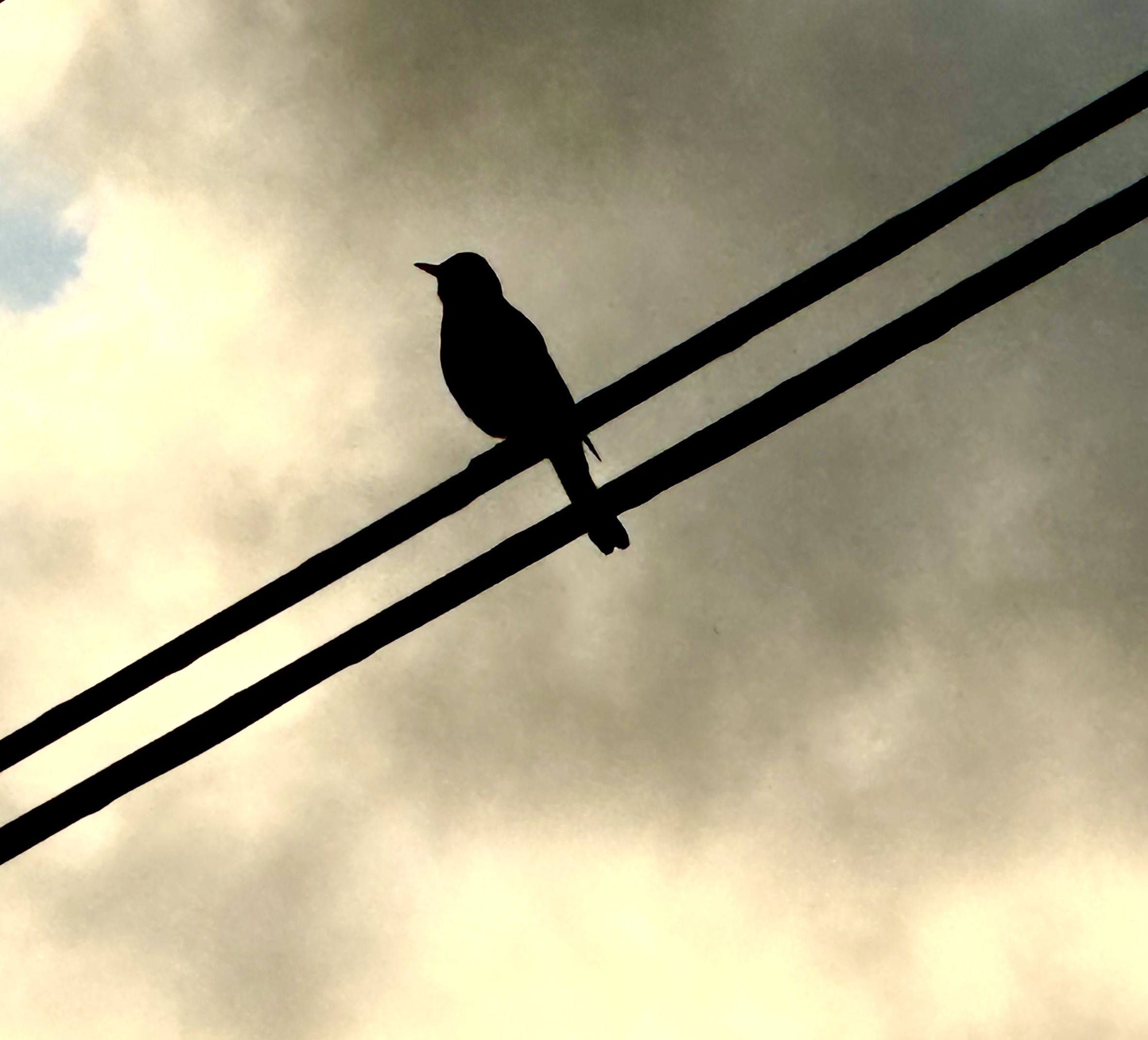
Early one morning, we heard a sound, someone carefully pushing a door open, but both doors were closed. The air stirred. A whirring echoed through the room. That night we had left a small lamp on. In front of it, each time it orbited, the dark shape of a bird. 
~Tina Barry from “Another Haunting” from I Tell Henrietta

when my father had been dead a week
I woke
with his voice in my ear
                                           I sat up in bed
and held my breath
and stared at the pale closed door

white apples and the taste of stone

if he called again
I would put on my coat and galoshes
~Donald Hall “White Apples”

I saw my grandma’s ghost once.

She was the only grandparent I actually knew and who actually knew me — the others were lost before I was born or I was too young to realize what I had lost.

She had lived a hard life after her mother’s death when she was only 12, taking over the household duties for her father and younger brother while leaving school forever. She married too young to an abusive alcoholic, lost her first child to lymphoma at age 8 and took her three remaining children to safety away from their father. For a year, they lived above a seedy restaurant where she cooked seven days a week to make ends meet.

But there was grace too. The marriage somehow got patched together after Grandpa found God and sobriety – after his sudden death while sitting in church, Grandma’s faith never wavered. Her garden soil yielded beautiful flowers she planted and nurtured and picked to sell. Her children and grandchildren welcomed her many open armed visits and hugs.

She was busy planning her first overseas trip of a lifetime at age 72 when we noticed her eyes looked yellow. Only two weeks later she was bed-bound in unrelenting pain due to pancreatic cancer, gazing heaven-ward instead of Europe-bound. Her dreams had been dashed so quickly, she barely realized her itinerary and ultimate destination had unalterably changed.

I was nearly 16 at the time, too absorbed in my own teenage cares and concerns to really notice how quickly she was fading and failing like a wilted flower. Instead I was picking fights with my stressed parents, obsessing about taking my driver’s license driving test, distracted by all the typical social pressures of high school life.

Her funeral was unbearable for me as I had never really said goodbye – only one brief hospital visit when she was hardly recognizable in her anguish and jaundice. She looked so different, I hung back from her bedside. Regrettably, I didn’t even try to hold her hand.

Mere weeks after she had been lowered into the ground next to her husband and young daughter, she came back to me in a dream.

I was sleeping when the door opened into my dark bedroom, waking me as the bright hallway light pushed its way via a shimmering beam to my bed. My Grandma Kittie stood in my bedroom doorway, a fully recognizable silhouette backlit by the illumination. She silently stood there, looking at me.

Startled, I sat up in my bed and said to her, “Grandma, why are you here? You died. We buried you.”

She lifted her hands toward me in a gesture of reassurance and said:

“I want you to know I’m okay and always will be. You will be too.”

She then gave a little wave, turned and left, closing the door behind her. I woke suddenly with a gasp in my darkened bedroom and knew I had just been visited.

She hadn’t come to say goodbye or to tell me she loved me — I knew that already.

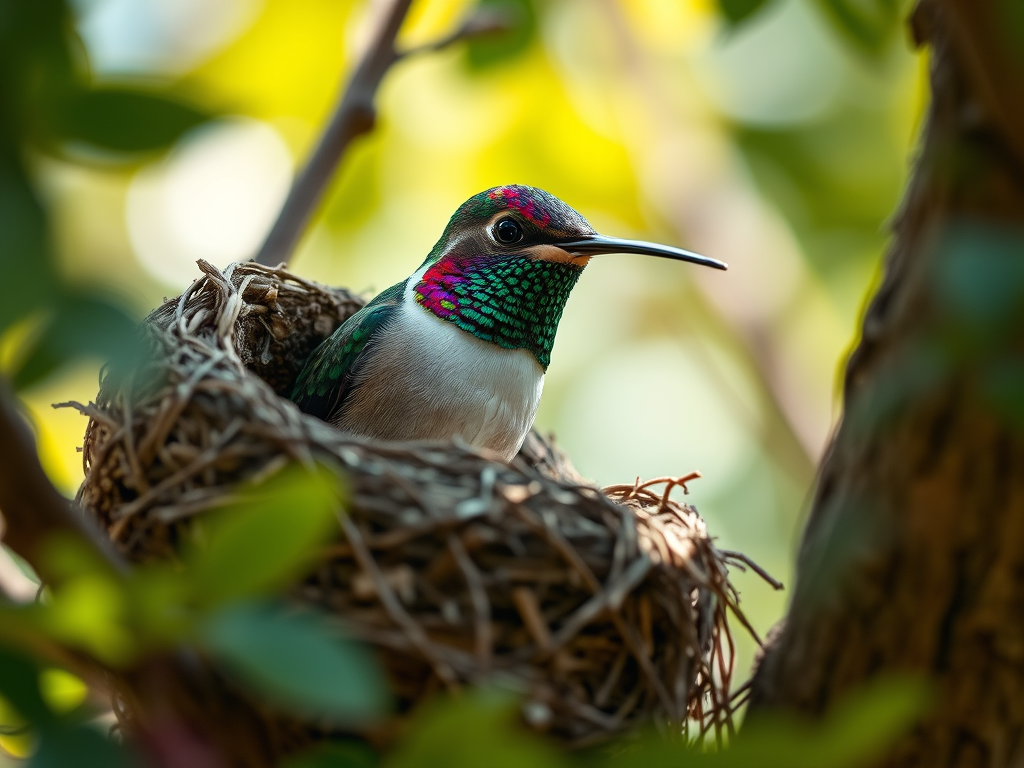
She had come to me, with the transient fragility of something with wings, floating gently back into the world to be my bridge. She blossomed in the light she brought with her.

Grandma came to mend my broken heart and plant it with peace.

AI image created for this post

You’re in a better place
I’ve heard a thousand times
And at least a thousand times
I’ve rejoiced for you

But the reason why I’m broken
The reason why I cry
Is how long must I wait to be with you

I close my eyes and I see your face
If home’s where my heart is then I’m out of place
Lord, won’t you give me strength
To make it through somehow
I’ve never been more homesick than now

Help me Lord cause I don’t understand your ways
The reason why I wonder if I’ll ever know
But, even if you showed me
The hurt would be the same
Cause I’m still here so far away from home

In Christ, there are no goodbyes
And in Christ, there is no end

So I’ll hold onto Jesus
With all that I have
To see you again
To see you again

And I close my eyes and I see your face
If home’s where my heart is then I’m out of place
Lord, won’t you give me strength
To make it through somehow

Won’t you give me strength
To make it through somehow
Won’t you give me strength
To make it through somehow
I’ve never been more homesick than now
~Millard Bart Marshall

One-Time
Monthly
Yearly

Make a one-time or recurring donation to support daily Barnstorming posts

Make a monthly donation

Make a yearly donation

Choose an amount

$10.00
$25.00
$50.00
$5.00
$15.00
$100.00
$5.00
$15.00
$100.00

Or enter a custom amount

$

Your contribution is deeply appreciated.
Your contribution is appreciated.

Your contribution is appreciated.

DonateDonate monthlyDonate yearly