Roads go ever ever on, Over rock and under tree, By caves where never sun has shone, By streams that never find the sea; Over snow by winter sown, And through the merry flowers of June, Over grass and over stone, And under mountains in the moon.
Roads go ever ever on, Under cloud and under star. Yet feet that wandering have gone Turn at last to home afar. Eyes that fire and sword have seen, And horror in the halls of stone Look at last on meadows green, And trees and hills they long have known.
The Road goes ever on and on Down from the door where it began. Now far ahead the Road has gone, And I must follow, if I can, Pursuing it with weary feet, Until it joins some larger way, Where many paths and errands meet. And whither then? I cannot say.
The Road goes ever on and on Out from the door where it began. Now far ahead the Road has gone. Let others follow, if they can! Let them a journey new begin. But I at last with weary feet Will turn towards the lighted inn, My evening-rest and sleep to meet.
Still ’round the corner there may wait A new road or secret gate; And though I oft have passed them by, A day will come at last when I Shall take the hidden paths that run West of the Moon, East of the Sun. ~J.R.R. Tolkien “Bilbo’s Walking Song”
It’s a dangerous business, Frodo, going out of your door. You step into the Road, and if you don’t keep your feet, there is no knowing where you might be swept off too. ~J.R.R. Tolkien – Bilbo to Frodo in Fellowship of the Rings
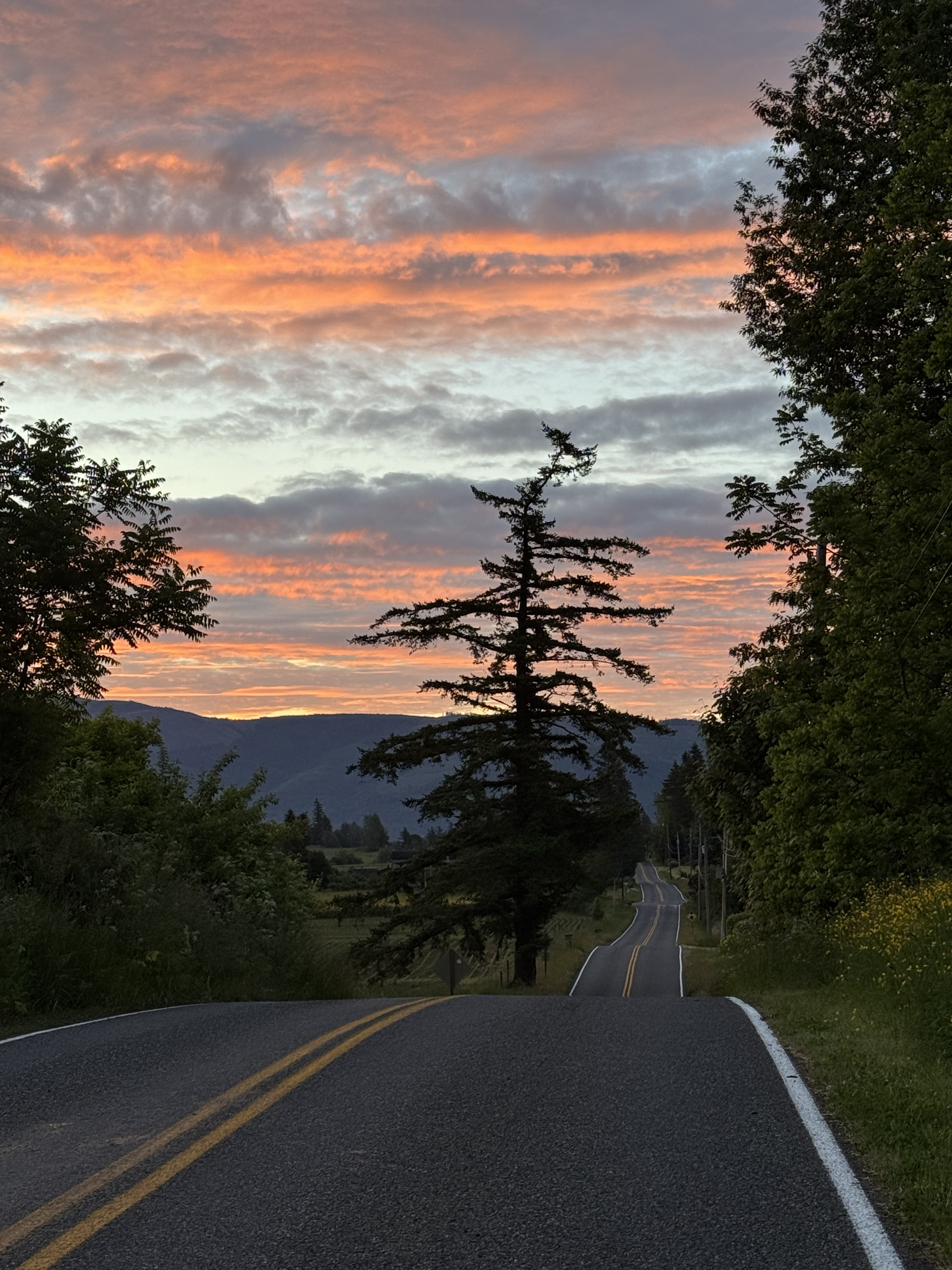
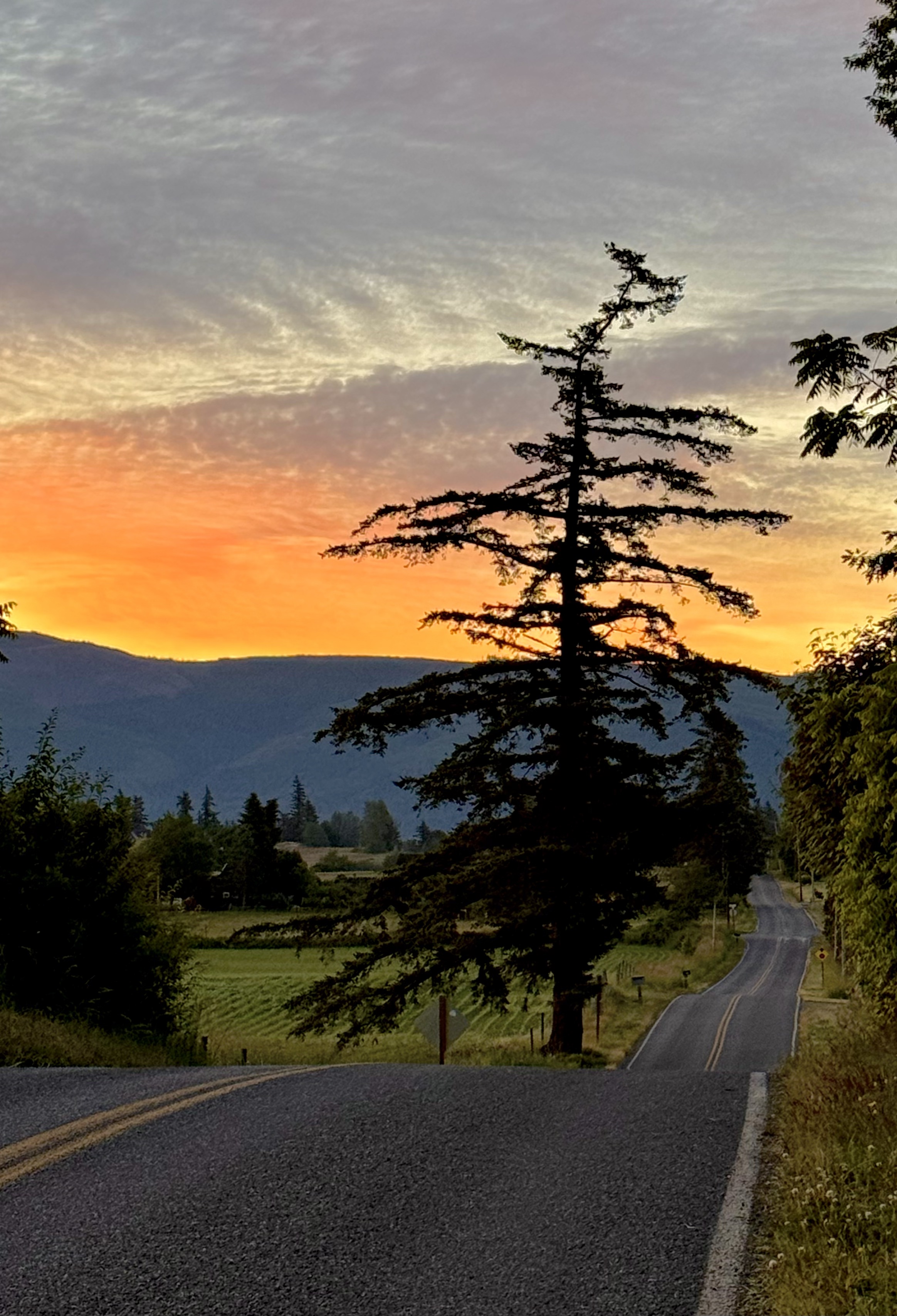
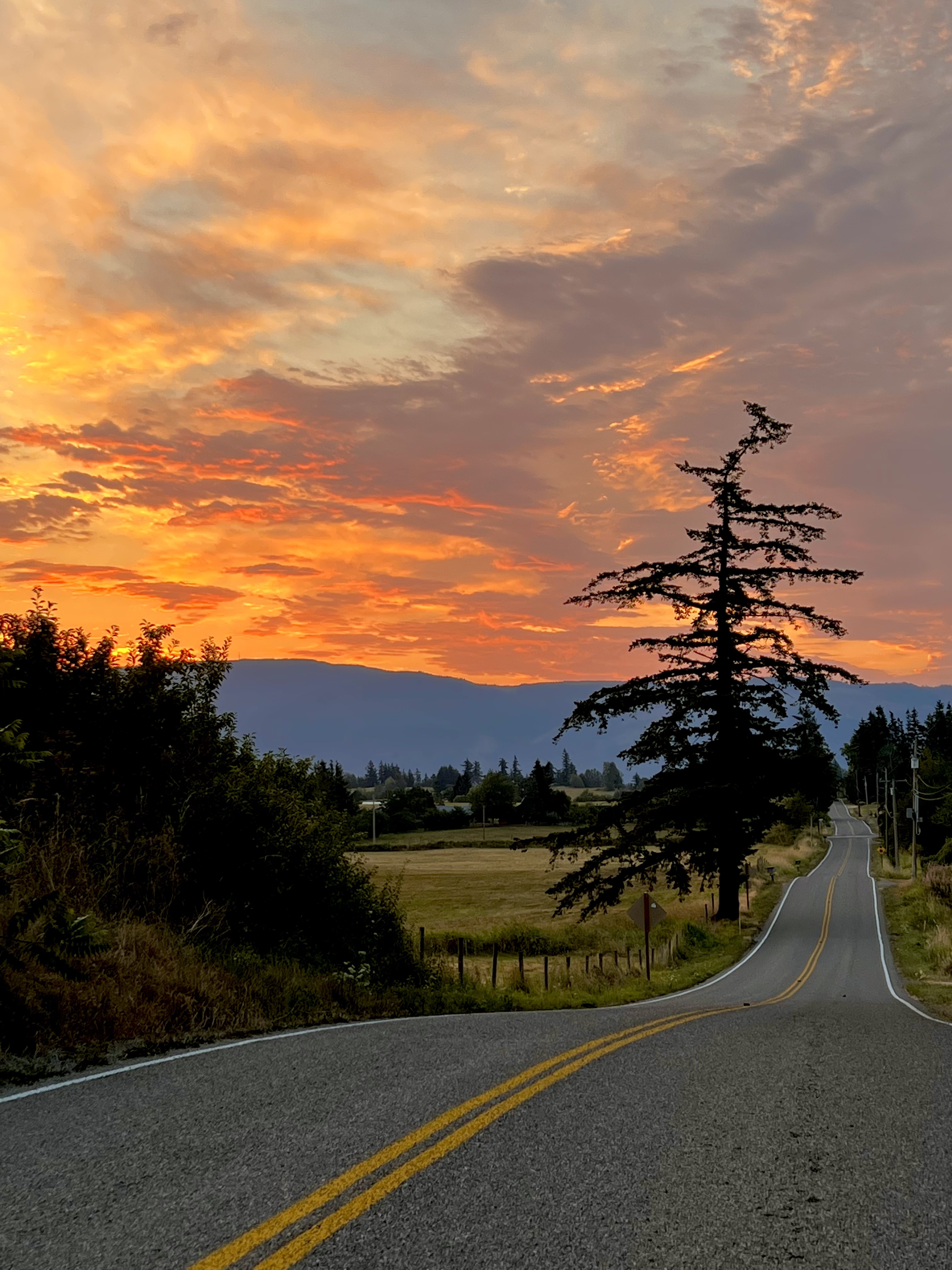
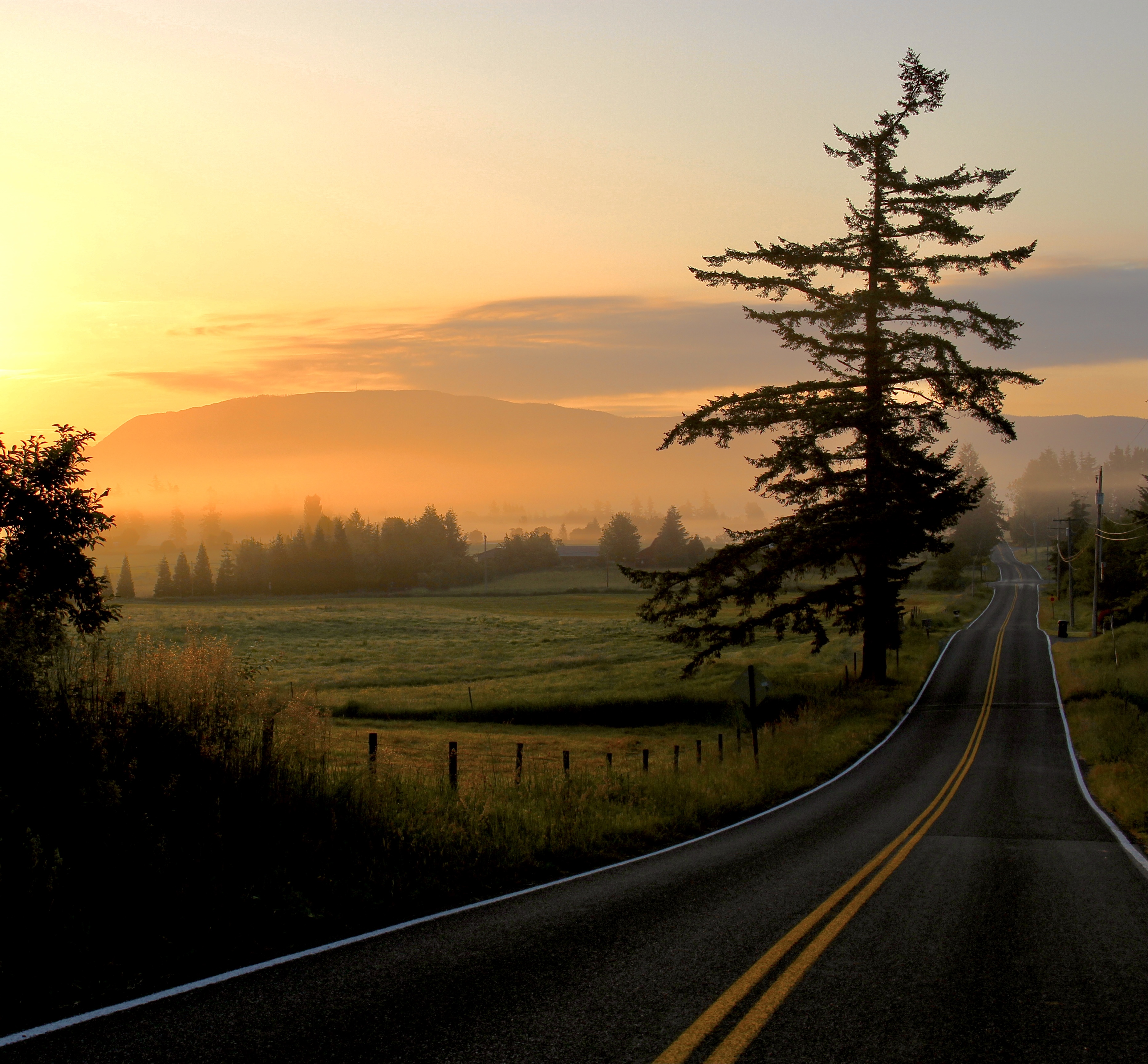
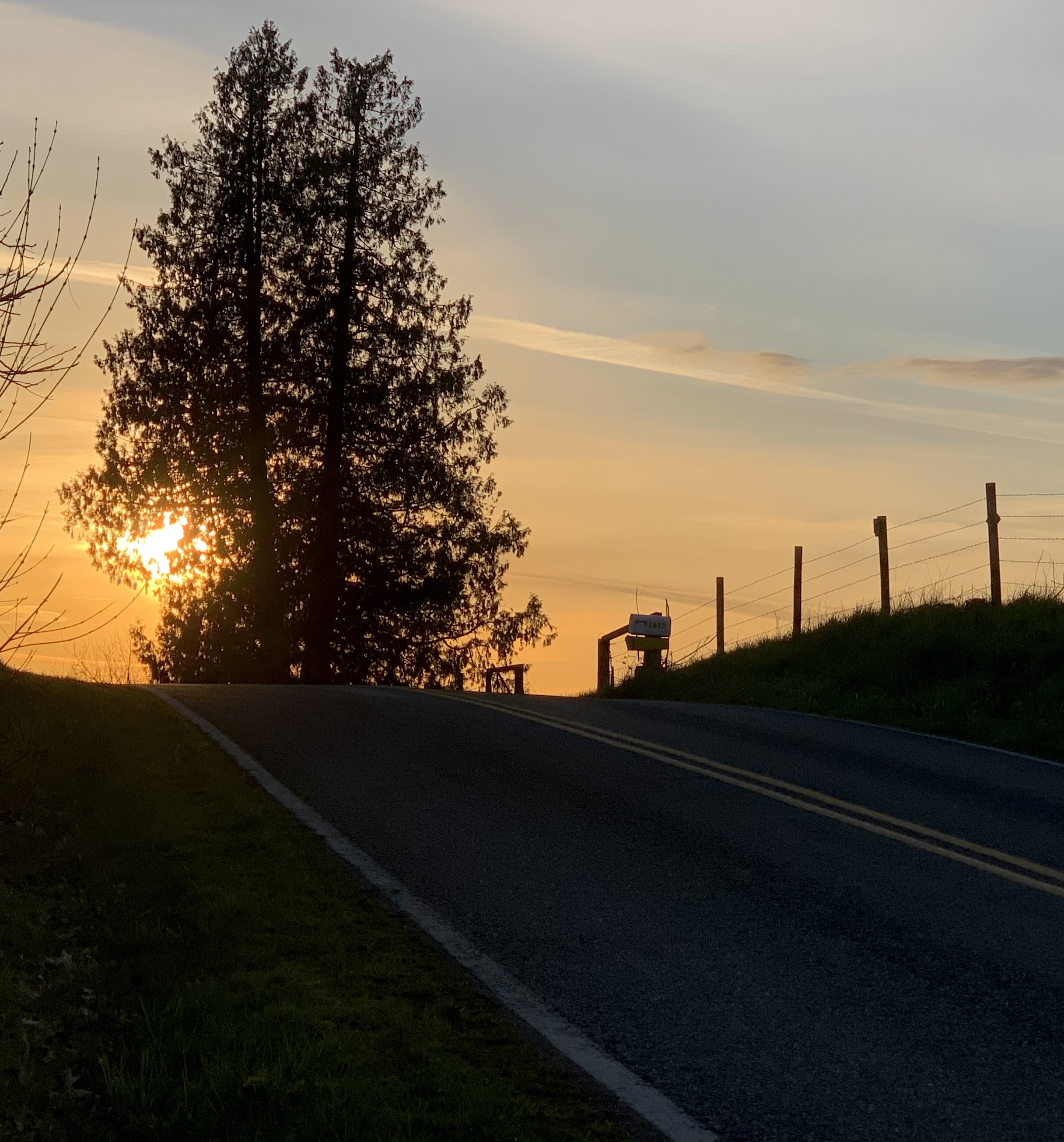
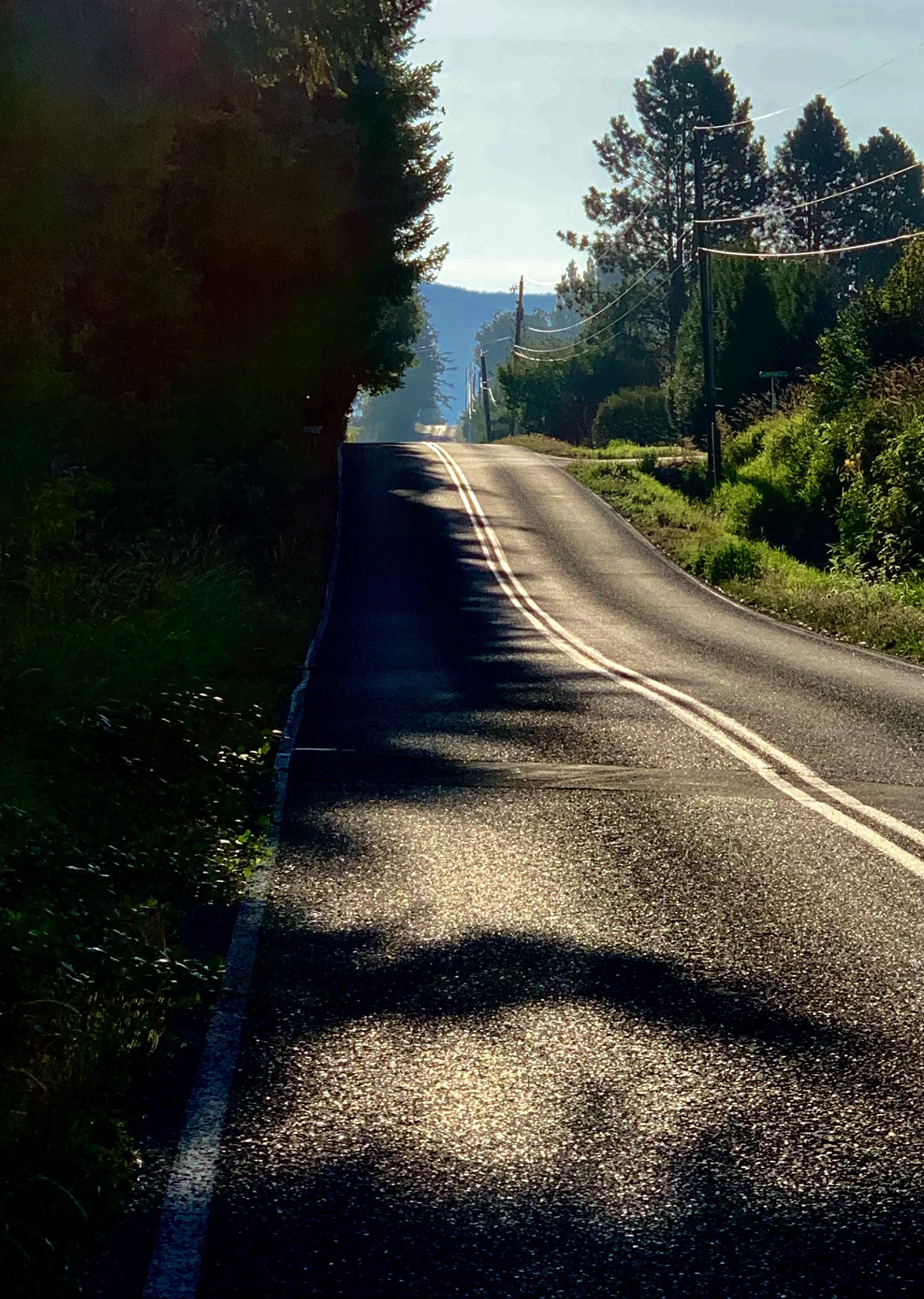
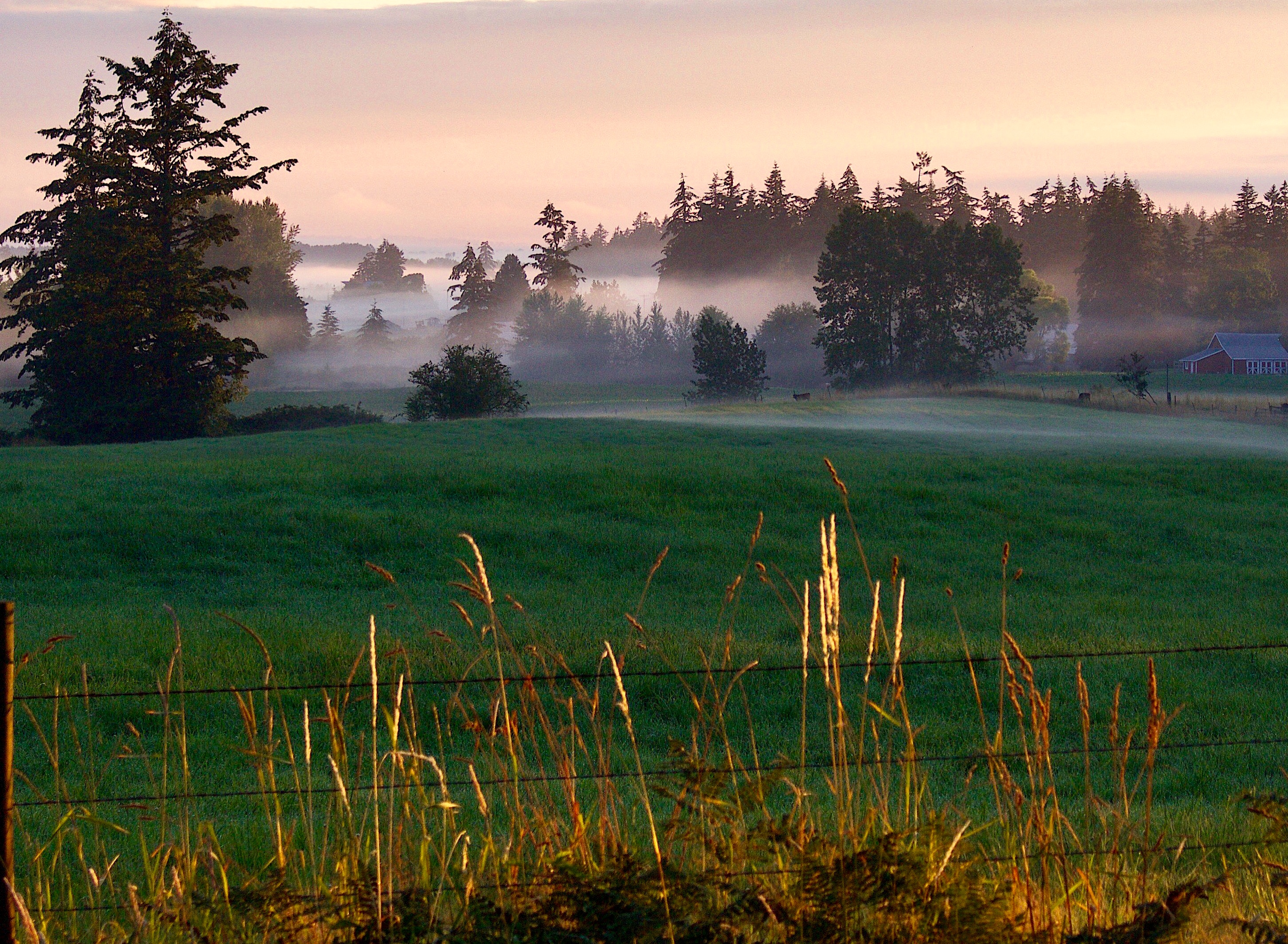
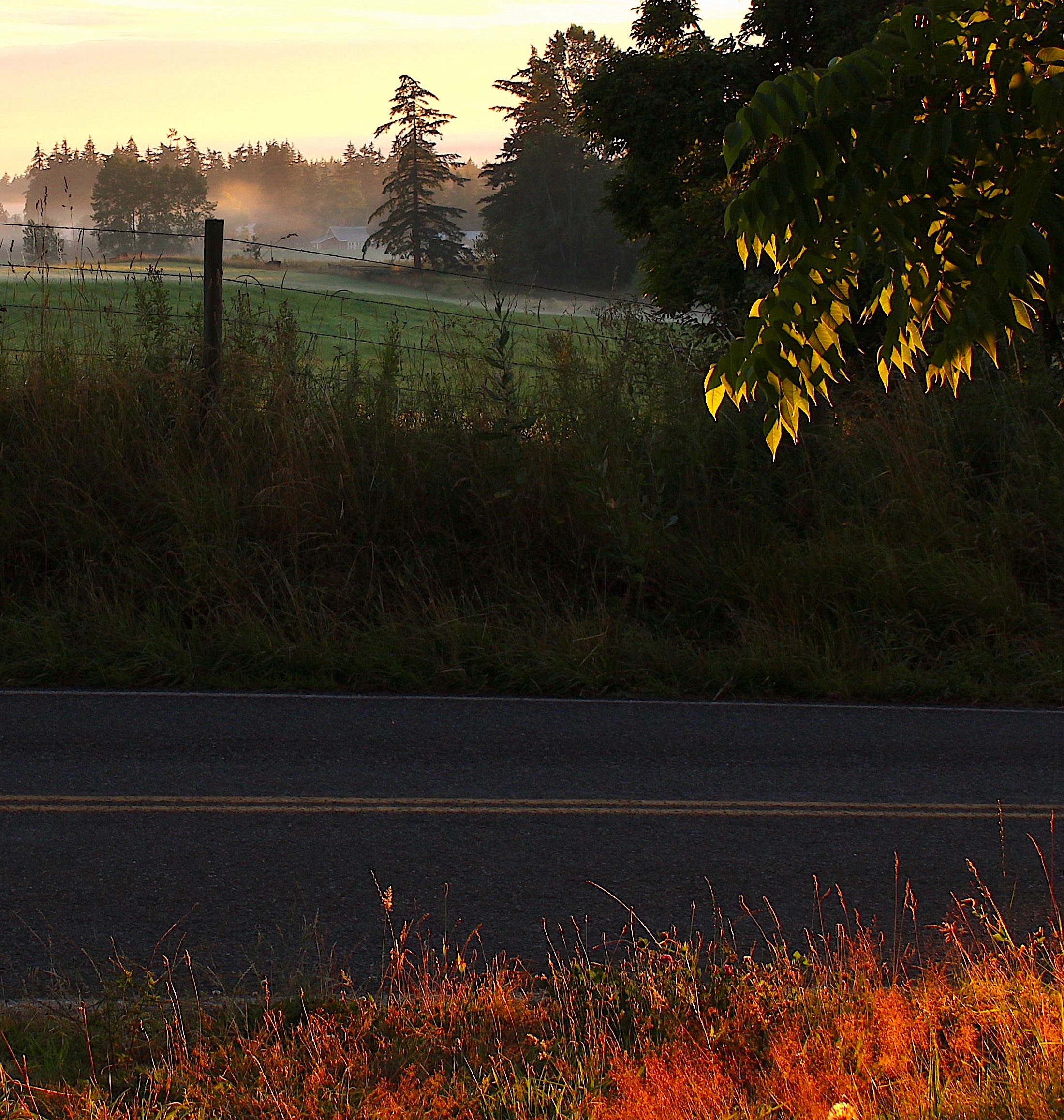
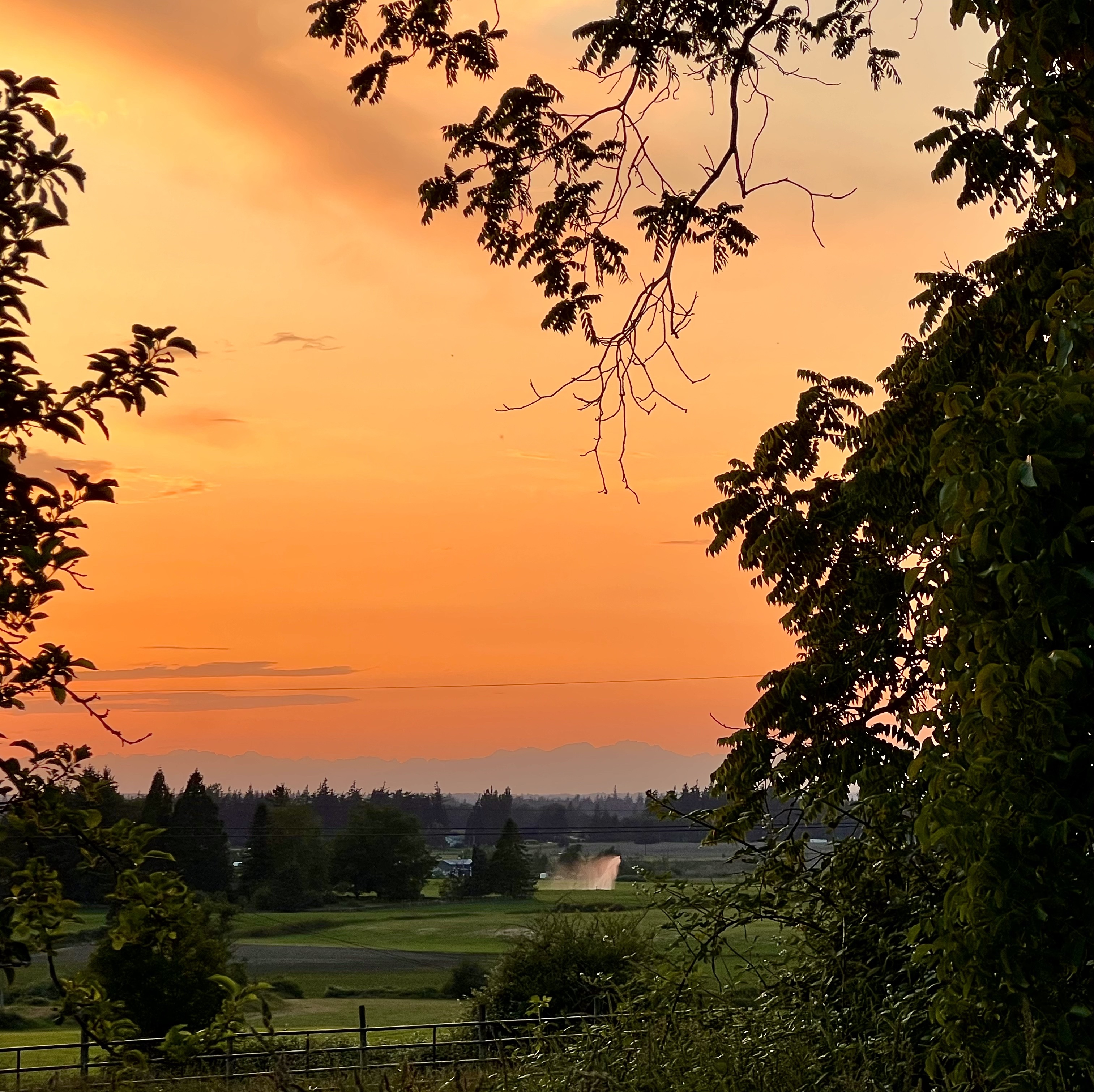
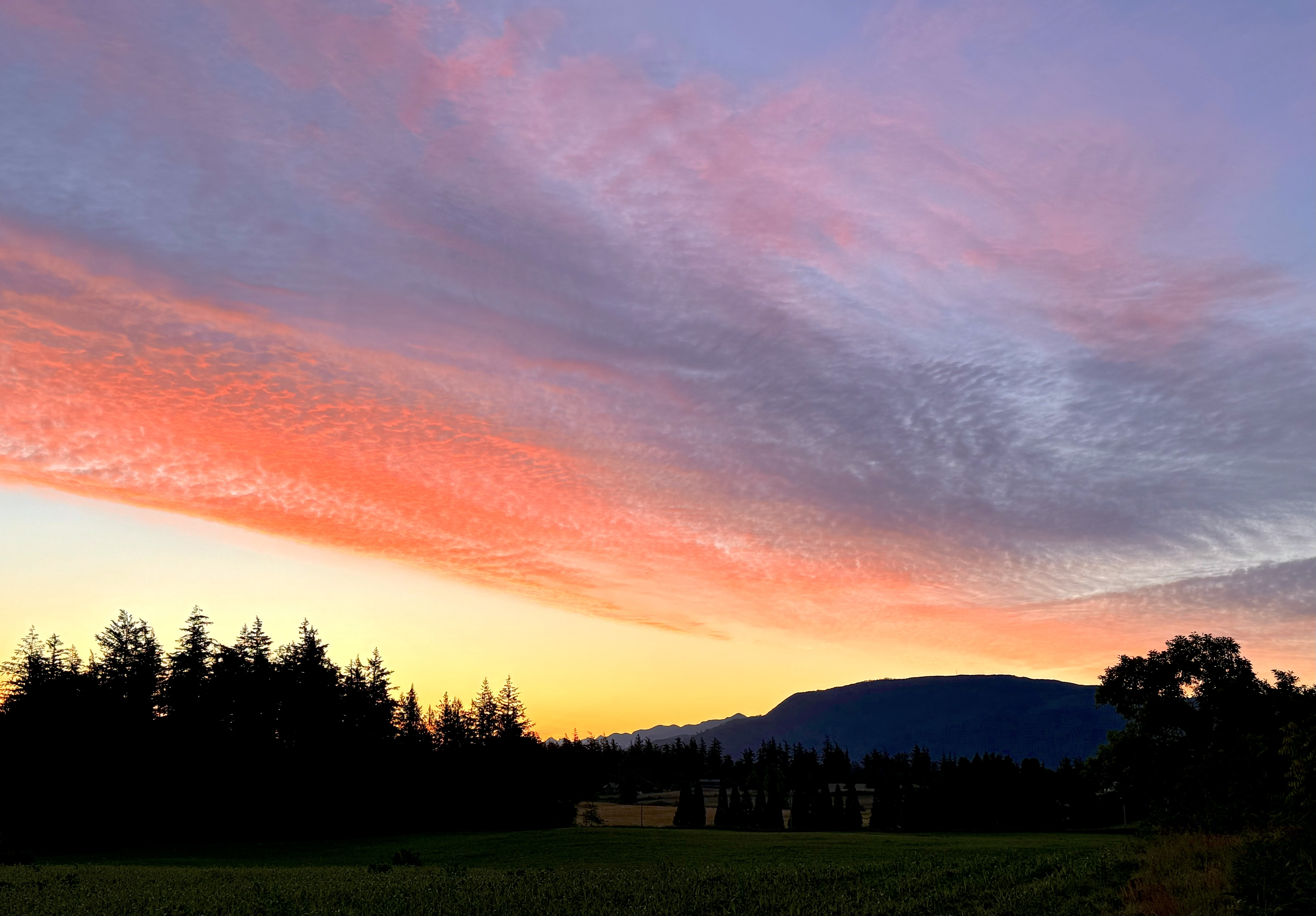
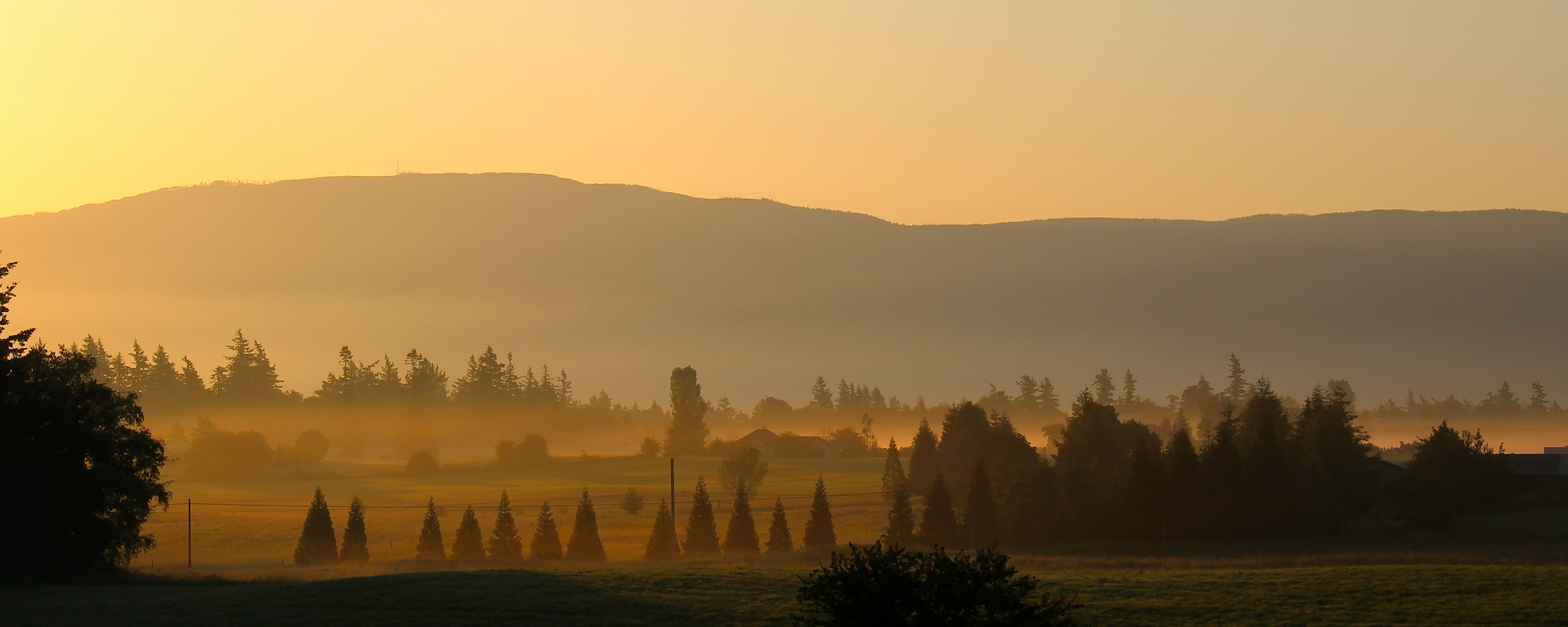
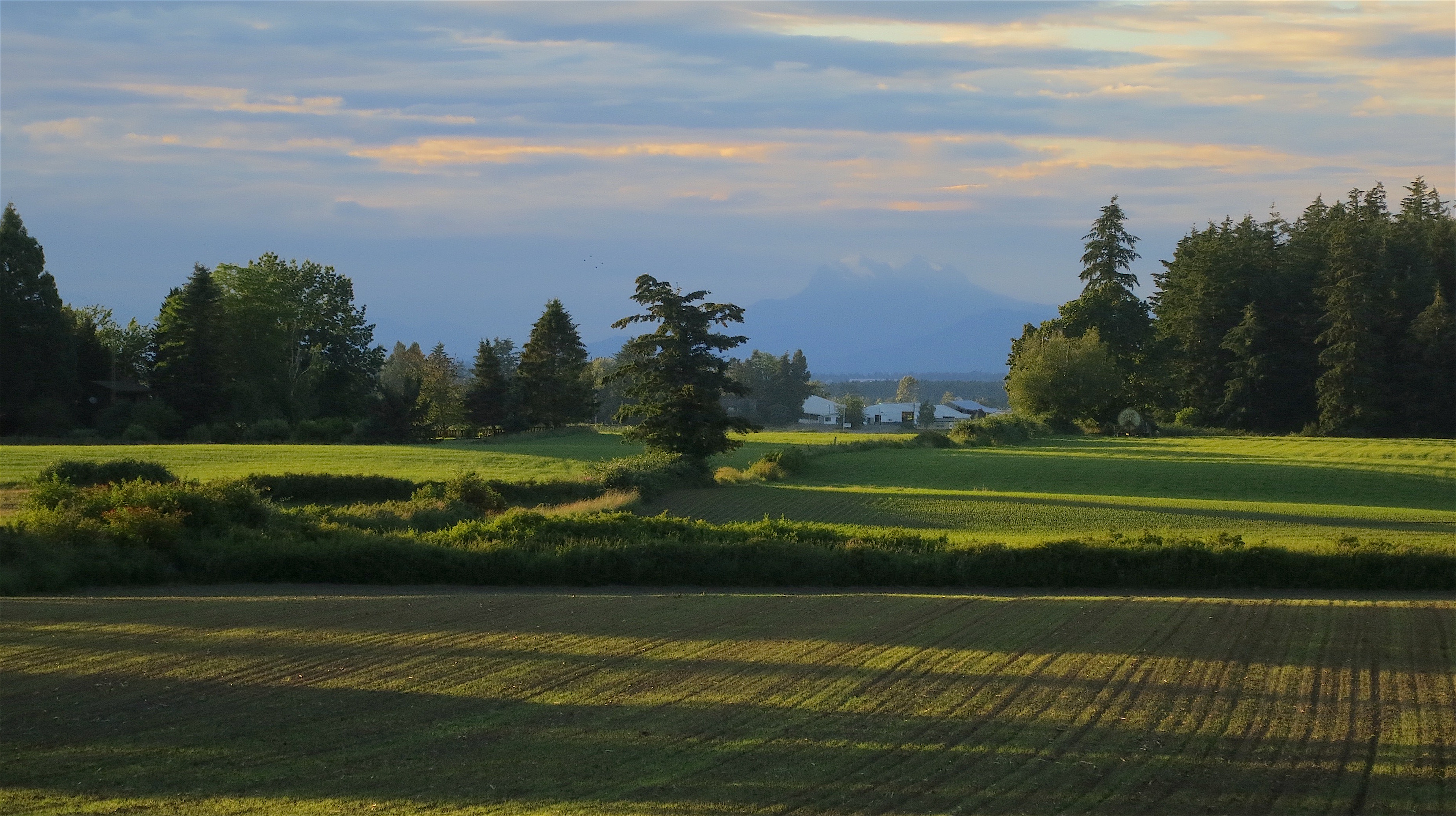
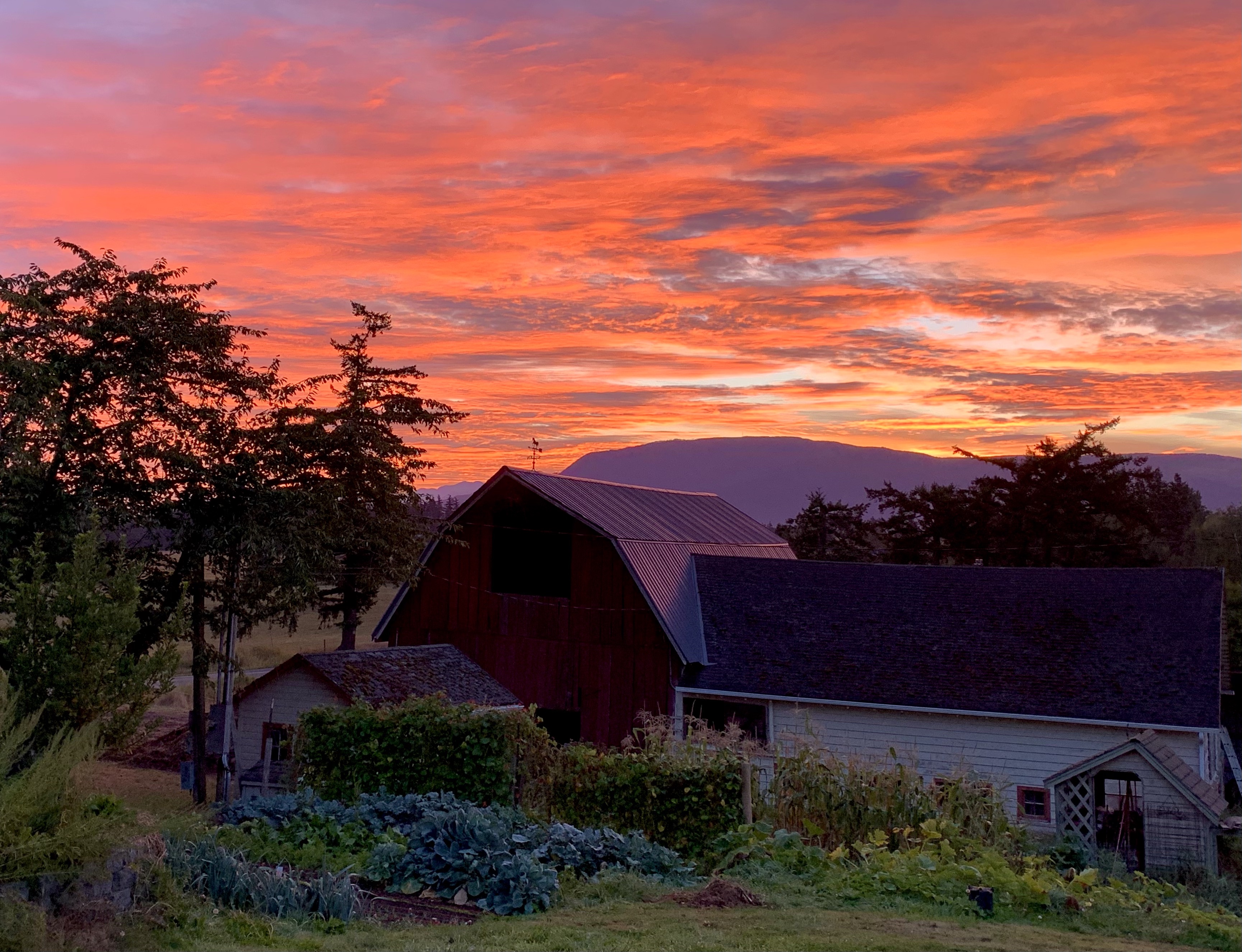
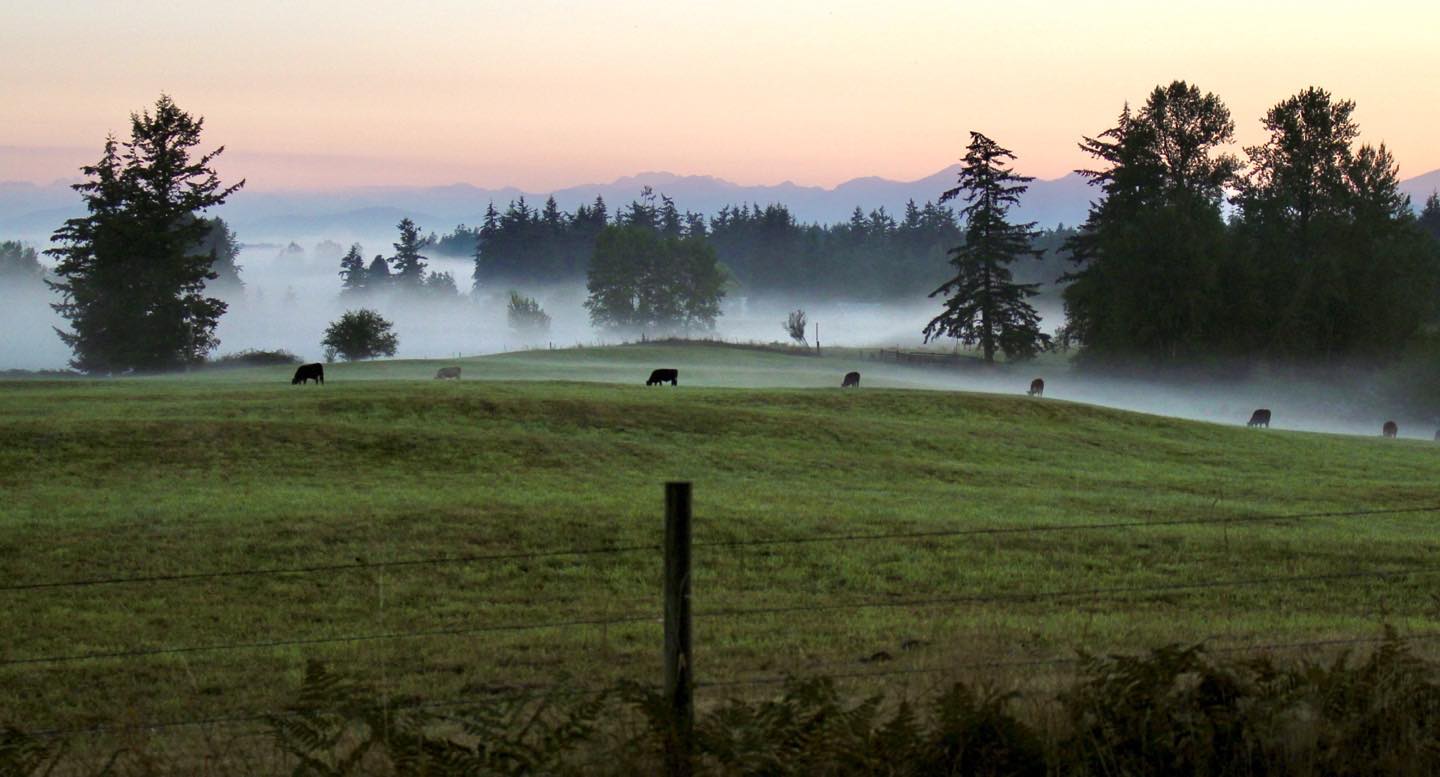
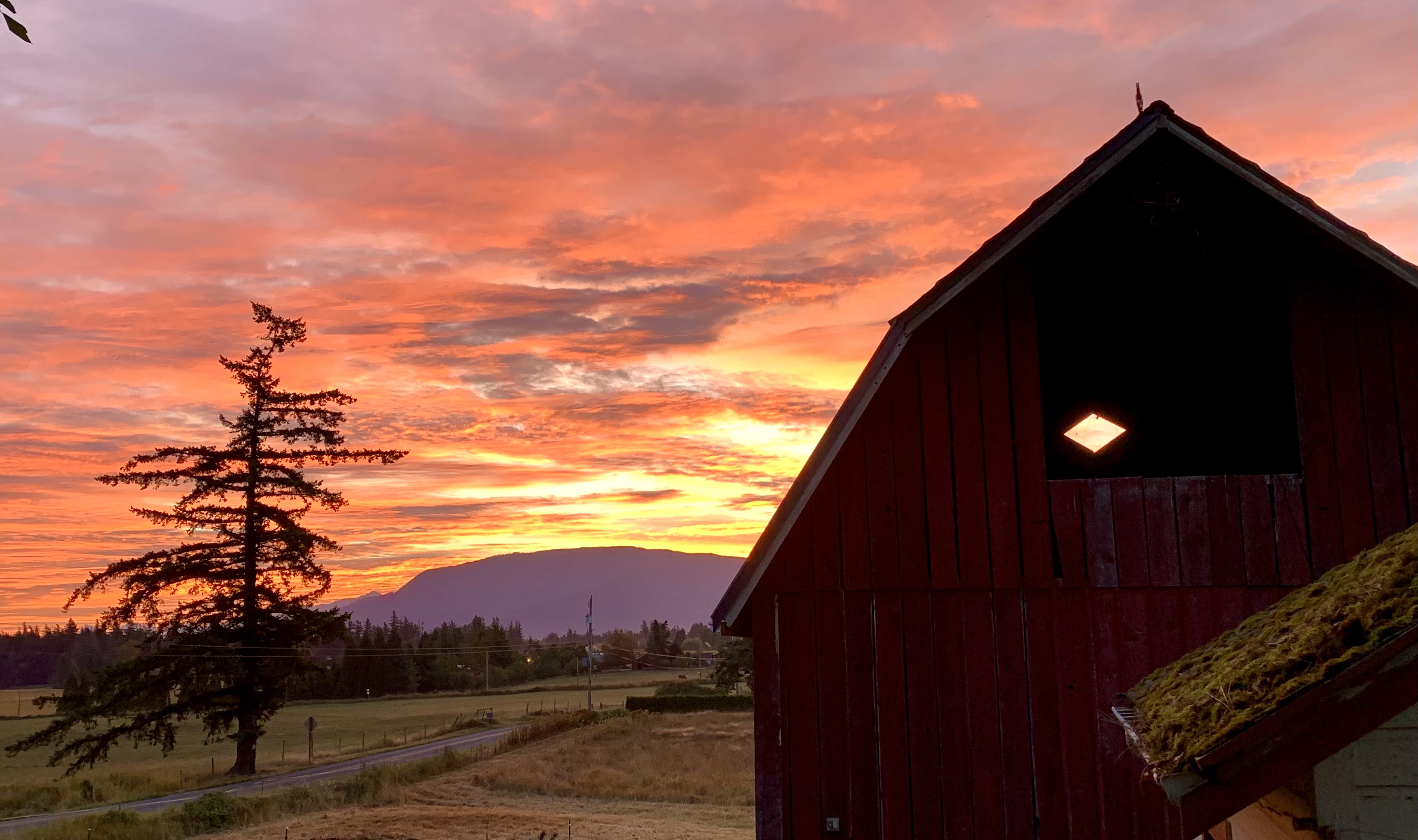
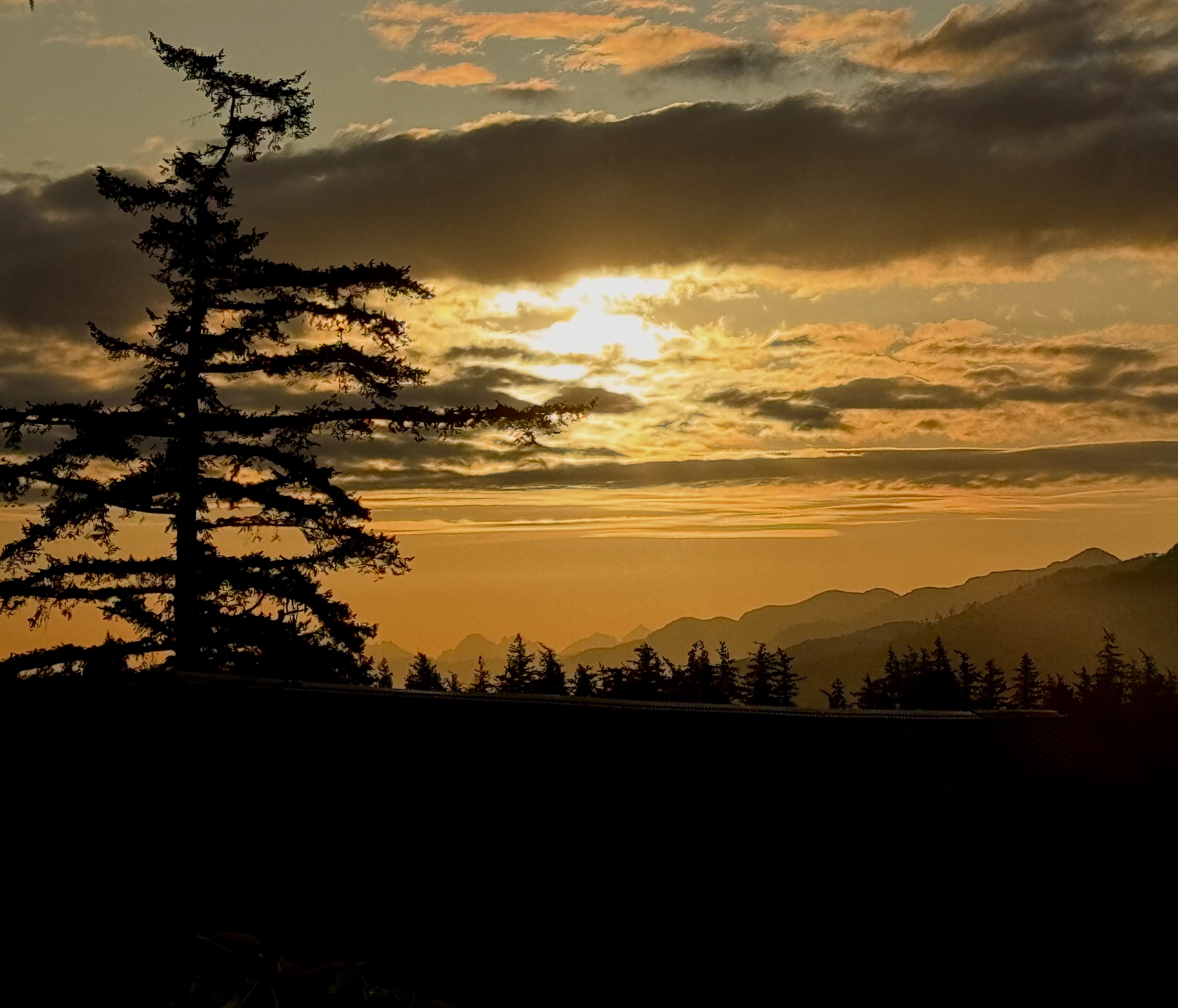
I love these country roads in June, at dawn or dusk, the light and shadow playing over the path, promising summer breezes and simple joys.
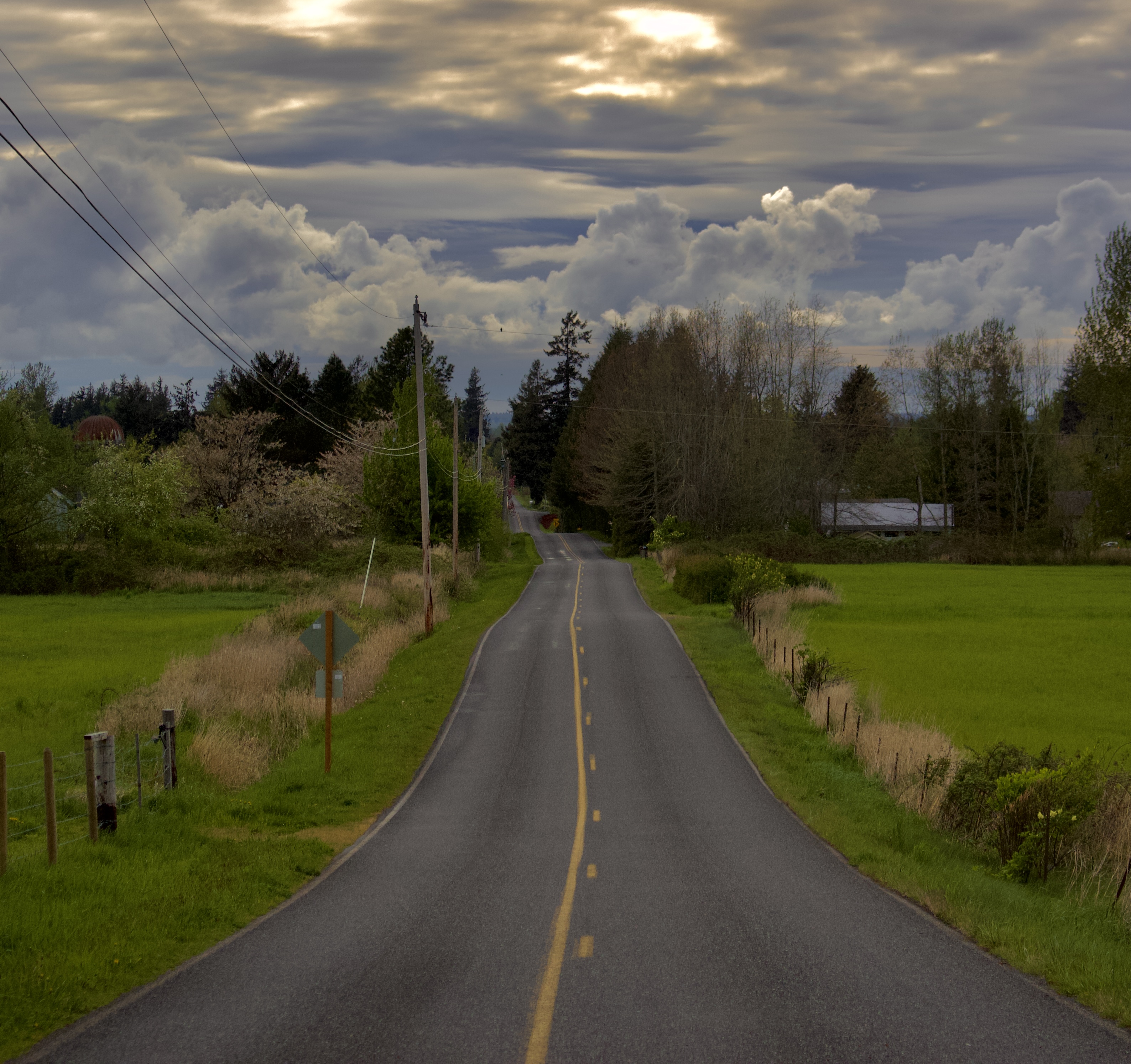
When we walk these roads, we pass by deep ditches, hop the potholes and avoid the bumps.
Still it’s a dangerous business, walking out the front door into life, not knowing just where we may be swept off to.
Passing by secret gates and overgrown paths, I take the familiar route that leads me home, following the Master Guide so I don’t lose my way.
One-Time
Monthly
Yearly
Make a one-time or recurring donation to support daily Barnstorming posts
Green was the silence, wet was the light the month of June trembled like a butterfly ~Pablo Neruda from “Sonnet XL”
Why do we bother with the rest of the day, the swale of the afternoon, the sudden dip into evening, then night with his notorious perfumes, his many-pointed stars?
This is the best— throwing off the light covers, feet on the cold floor, and buzzing around the house on espresso— maybe a splash of water on the face, a palmful of vitamins—
but mostly buzzing around the house on espresso, dictionary and atlas open on the rug, the typewriter waiting for the key of the head, a cello on the radio, and, if necessary, the windows— trees fifty, a hundred years old out there, heavy clouds on the way and the lawn steaming like a horse in the early morning. ~Billy Collins “Morning”
We are now four days into summer but aside from the date on the calendar, it would be difficult to prove otherwise. After a dry stretch of warm late spring weather, it is now unseasonably cool, the skies stony gray, the rivers running full and fast, the ground peppered with puddles. Rain has fallen at night, hiding behind the cover of darkness as if ashamed of itself.
As it should be.
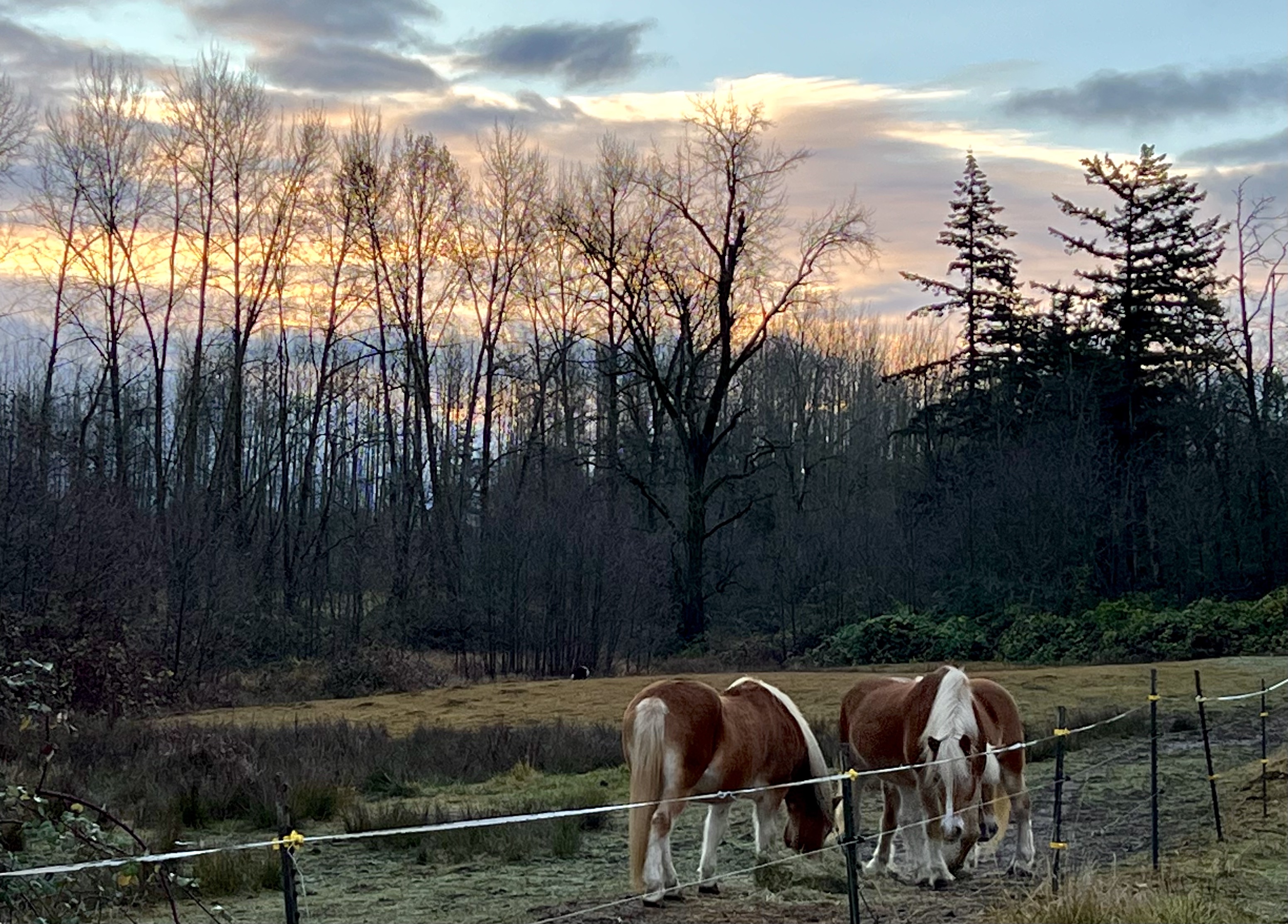
What all this moisture will yield is acres and acres of towering grass growth, more grass than imaginable, more grass than we can keep mowed, burying the horses up to their backs as they dive head long into the pasture. The Haflingers don’t need to lower their necks to graze, choosing instead to simply strip off the ripe tops of the grasses as they forge paths through five foot forage. It is like children at a birthday party swiping the frosting off cupcake after cupcake, licking their fingers as they go. Instead of icing, the horses’ muzzles are smeared with dandelion fluff, grass seed and buttercup petals.
In the northwest, June can tend to shroud its promise of longer days under clouds. Outdoor weddings brace for rain and wind with a supply of umbrellas, graduation potlucks are served in the garage and Fourth of July picnics stay safely under cover. There is a wary anticipation of solstice as it signals the slow inexorable return of darkness from which we have barely recovered.
So I tremble as I too splash through the squishiness of late June, quivering like a wet butterfly emerging from its cocoon ready to unfurl its wings to dry, but unsure how to fly and uncertain of the new world that awaits. In fact the dark empty cocoon can look mighty inviting on a rainy June night. If I could manage to squeeze myself back in, it might be worth a try.
After all, there is no place like home.
One-Time
Monthly
Yearly
Make a one-time or recurring donation to support daily Barnstorming posts
Now have come the shining days When field and wood are robed anew, And o’er the world a silver haze Mingles the emerald with the blue.
Summer now doth clothe the land In garments free from spot or stain— The lustrous leaves, the hills untanned, The vivid meads, the glaucous grain.
The day looks new, a coin unworn, Freshly stamped in heavenly mint; The sky keeps on its look of morn; Of age and death there is no hint.
How soft the landscape near and far! A shining veil the trees infold; The day remembers moon and star; A silver lining hath itsgold.
Again I see the clover bloom, And wade in grasses lush and sweet; Again has vanished all my gloom With daisies smiling at my feet.
Again from out the garden hives The exodus of frenzied bees; The humming cyclone onward drives, Or finds repose amid the trees.
At dawn the river seems a shade— A liquid shadow deep as space; But when the sun the mist has laid, A diamond shower smites its face.
The season’s tide now nears its height, And gives to earth an aspect new; Now every shoal is hid from sight, With current fresh as morning dew. ~John Burroughs “June’s Coming”
Out of the deep and the dark, A sparkling mystery, a shape, Something perfect, Comes like the stir of day: One whose breath is a fragrance, One whose eyes reveal the road to stars, The wind in his countenance, The glory of heaven upon his back. He steps like a vision hung in air, Diffusing the passion of eternity; His abode is the sunlight of morn, The music of eve his speech: In his sight, One shall turn from the dust of the grave, And move upward to the woodland. ~Yone Noguchi“The Poet”
Each month is special in its own way: I tend to favor April and October for how the light plays on the landscape during transitional times — a residual of what has been, with a hint of what lies ahead.
Then there is June. Dear, gentle, abundant and overwhelming June. Nothing is dried up, there is such a rich feeling of ascension into lushness of summer with an “out of school” attitude, even if someone like me has graduated long ago.
And the light, and the birdsong and the dew and the greens — such vivid verdant greens. The stir of the day stirs my heart…
As lovely as June is, 30 days is more than plenty or I would become helplessly saturated. Then I can be released from my sated stupor to wistfully hunger for June for 335 more.
One-Time
Monthly
Yearly
Make a one-time or recurring donation to support daily Barnstorming posts
My father taught me how to eat breakfast those mornings when it was my turn to help him milk the cows. I loved rising up from
the darkness and coming quietly down the stairs while the others were still sleeping. I’d take a bowl from the cupboard, a spoon
from the drawer, and slip into the pantry where he was already eating spoonfuls of cornflakes covered with mashed strawberries
from our own strawberry fields forever. Didn’t talk much—except to mention how good the strawberries tasted or the way
those clouds hung over the hay barn roof. Simple—that’s how we started up the day. ~Joyce Sutphen, “Breakfast” from First Words, Red Dragonfly.
By the time I was four years old, my family owned several Guernsey and Jersey dairy cows my father milked by hand twice a day. My mother pasteurized the milk on our wood stove and we grew up drinking the best milk on earth, as well as enjoying home-made butter and ice cream.
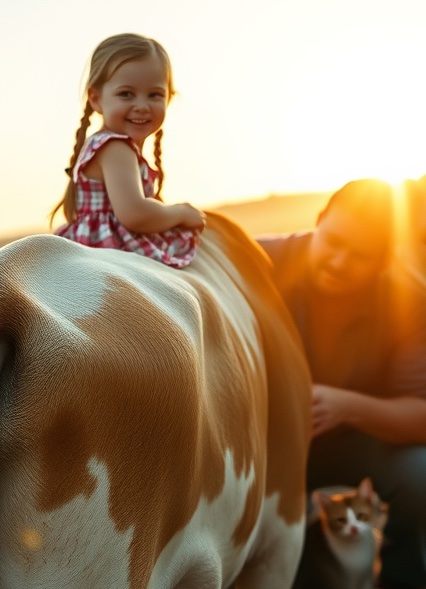
One of my fondest early memories is getting up early with my dad, before he needed to be at school teaching FFA agriculture students (Future Farmers of America). I would eat breakfast with him and then walk out into the foggy fall mornings with our dog to bring in the cows for milking. He would boost me up on top of a very bony-backed chestnut and white patchwork cow while he washed her udder and set to work milking.
I would sometimes sing songs from up there on my perch and my dad would whistle since he didn’t sing.
I can still hear the rhythmic sound of the milk squirting into the stainless steel bucket – the high-pitched metallic whoosh initially and then a more gurgling low wet sound as the bucket filled up. I can see my dad’s capped forehead resting against the flank of the cow as he leaned into the muscular work of squeezing the udder teats, each in turn. I can hear the cow’s chewing her breakfast of alfalfa and grain as I balanced on her prominent spine feeling her smooth hair over her ribs. The barn cats circulated around us, mewing, attracted by the warm milky fragrance in the air.
Those were preciously simple starts to the day for me and my father, whose thoughts he didn’t articulate nor I could ever quite discern. But I did know I wasn’t only his daughter on mornings like that – I was one of his future farmers of America he dedicated his life to teaching.
Dad, even without you saying much, those were mornings when my every sense was awakened. I’ve never forgotten that- the best start to the day.
AI image created for this post
One-Time
Monthly
Yearly
Make a one-time or recurring donation to support daily Barnstorming posts
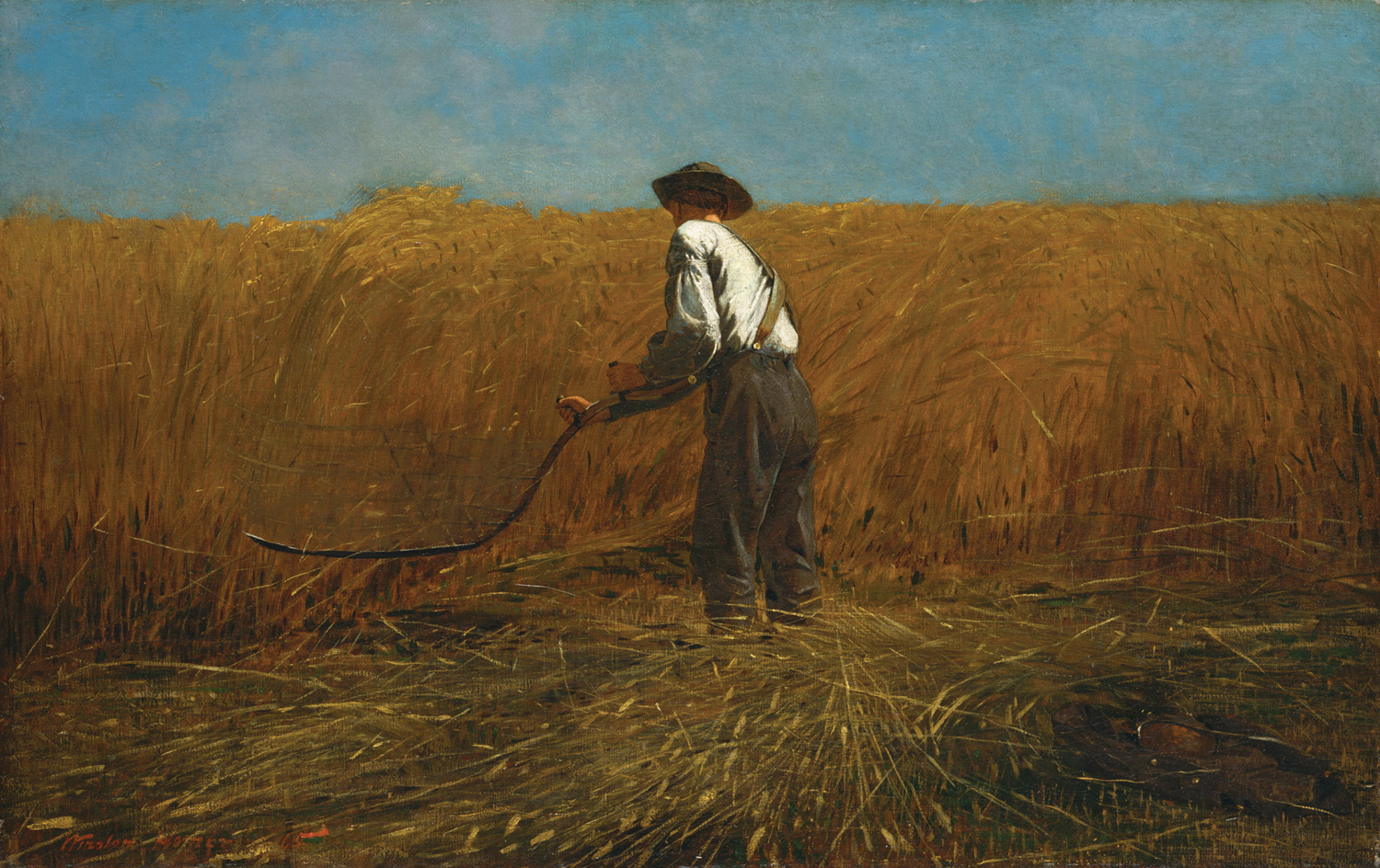
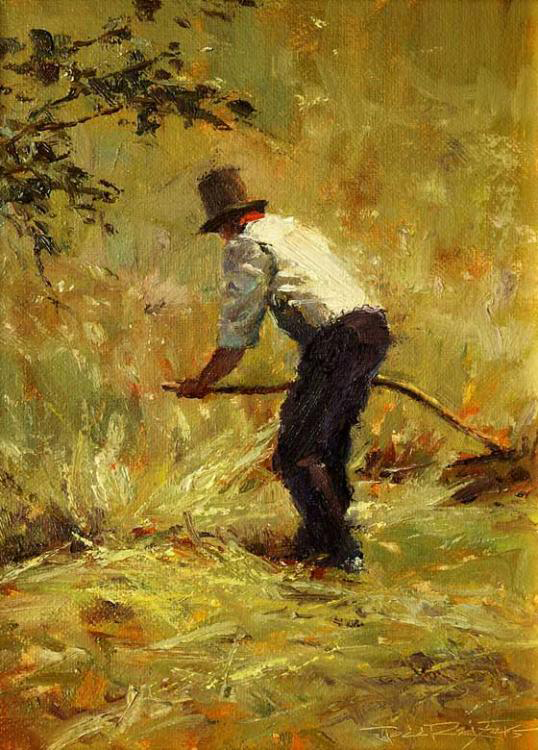
Winslow Homer’s The Veteran in a New FieldMan Scything Hay by Todd Reifers
There was never a sound beside the wood but one, And that was my long scythe whispering to the ground. What was it it whispered? I knew not well myself; Perhaps it was something about the heat of the sun, Something, perhaps, about the lack of sound— And that was why it whispered and did not speak. To the earnest love that laid the swale in rows, The fact is the sweetest dream that labor knows. My long scythe whispered and left the hay to make. ~Robert Frost in “Mowing”
Mowers, weary and brown, and blithe, What is the word methinks ye know, Endless over-word that the Scythe Sings to the blades of the grass below? Scythes that swing in the grass and clover, Something still, they say as they pass; What is the word that, over and over, Sings the Scythe to the flowers and grass?
Hush, ah hush, the Scythes are saying, Hush, and heed not, and fall asleep; Hush, they say to the grasses swaying, Hush, they sing to the clover deep! Hush – ’tis the lullaby Time is singing – Hush, and heed not, for all things pass, Hush, ah hush! and the Scythes are swinging Over the clover and over the grass! ~Andrew Lang (1844-1912) “The ScytheSong”
It is blue May. There is work to be done. The spring’s eye blind with algae, the stopped water silent. The garden fills with nettle and briar. Dylan drags branches away. I wade forward with my scythe.
There is stickiness on the blade. Yolk on my hands. Albumen and blood. Fragments of shell are baby-bones, the scythe a scalpel, bloodied and guilty with crushed feathers, mosses, the cut cords of the grass. We shout at each other each hurting with a separate pain.
From the crown of the hawthorn tree to the ground the willow warbler drops. All day in silence she repeats her question. I too return to the place holding the pieces, at first still hot from the knife, recall how warm birth fluids are. ~Gillian Clarke“Scything” from Letter from a Far Country (1982)
The grass around our orchard and yet-to-be-planted garden is now thigh-high. It practically squeaks while it grows. Anything that used to be in plain sight on the ground is rapidly being swallowed up in a sea of green: a ball, a pet dish, a garden gnome, a hose, a tractor implement, a bucket. In an effort to stem this tidal flood of grass, I grab the scythe out of the garden shed and plan my attack.
When the pastures are too wet yet for heavy hooves, I have hungry horses to provide for and there is more than plenty fodder to cut down for them.
I’m not a weed whacker kind of gal. First there is the necessary fuel, the noise necessitating ear plugs, the risk of flying particles requiring goggles–it all seems too much like an act of war to be remotely enjoyable. Instead, I have tried to take scything lessons from my husband.
Emphasis on “tried.”
I grew up watching my father scythe our hay in our field because he couldn’t afford a mower for his tractor. He enjoyed physical labor in the fields and woods–his other favorite hand tool was a brush cutter that he’d take to blackberry bushes. He would head out to the field with the scythe over this shoulder, grim reaper style. Once he was standing on the edge of the grass needing to be mowed, he would then lower the scythe, curved blade to the ground, turn slightly, positioning his hands on the two handles just so, raise the scythe up past his shoulders, and then in a full body twist almost like a golf swing, he’d bring the blade down. It would follow a smooth arc through the base of the standing grass, laying clumps flat in a tidy pile alongside the 2 inch stubble left behind. It was a swift, silky muscle movement — a thing of beauty.
Once, when I was three years old, I quietly approached my dad in the field while he was busily scything grass for our cows, but I didn’t announce my presence. The handle of his scythe connected with me as he swung it, laying me flat with a bleeding eyebrow. I still bear the scar, somewhat proudly, as he abruptly stopped his fieldwork to lift me up as I bawled and bled on his sweaty shirt. He must have felt so badly to have injured his little girl and drove my mom and I to the local doctor who patched my brow with sticky tape rather than stitches.
So I identify a bit with the grass laid low by the scythe. I forgave my father, of course, and learned never again to surprise him when he was working in the field.
Instead of copying my father’s graceful mowing technique, I tended to chop and mangle rather than effect an efficient slicing blow to the stems. I unintentionally trampled the grass I meant to cut. I got blisters from holding the handles too tightly. It felt hopeless that I’d ever perfect that whispery rise and fall of the scythe, with the rhythmic shush sound of the slice that is almost hypnotic.
Not only did I become an ineffective scything human, I also learned what it is like to be the grass laid flat, on the receiving end of a glancing blow. Over a long career, I bore plenty of footprints from the trampling. It can take awhile to stand back up after being cut down.
Sometimes it makes more sense to simply start over as the oozing stubble bleeds green, with deep roots that no one can reach. As I have grown back over the years, singing rather than squeaking or bawling, I realize, I forgave the scythe every time it came down on my head.
photo by Nate Gibson
One-Time
Monthly
Yearly
Make a one-time or recurring donation to support daily Barnstorming posts
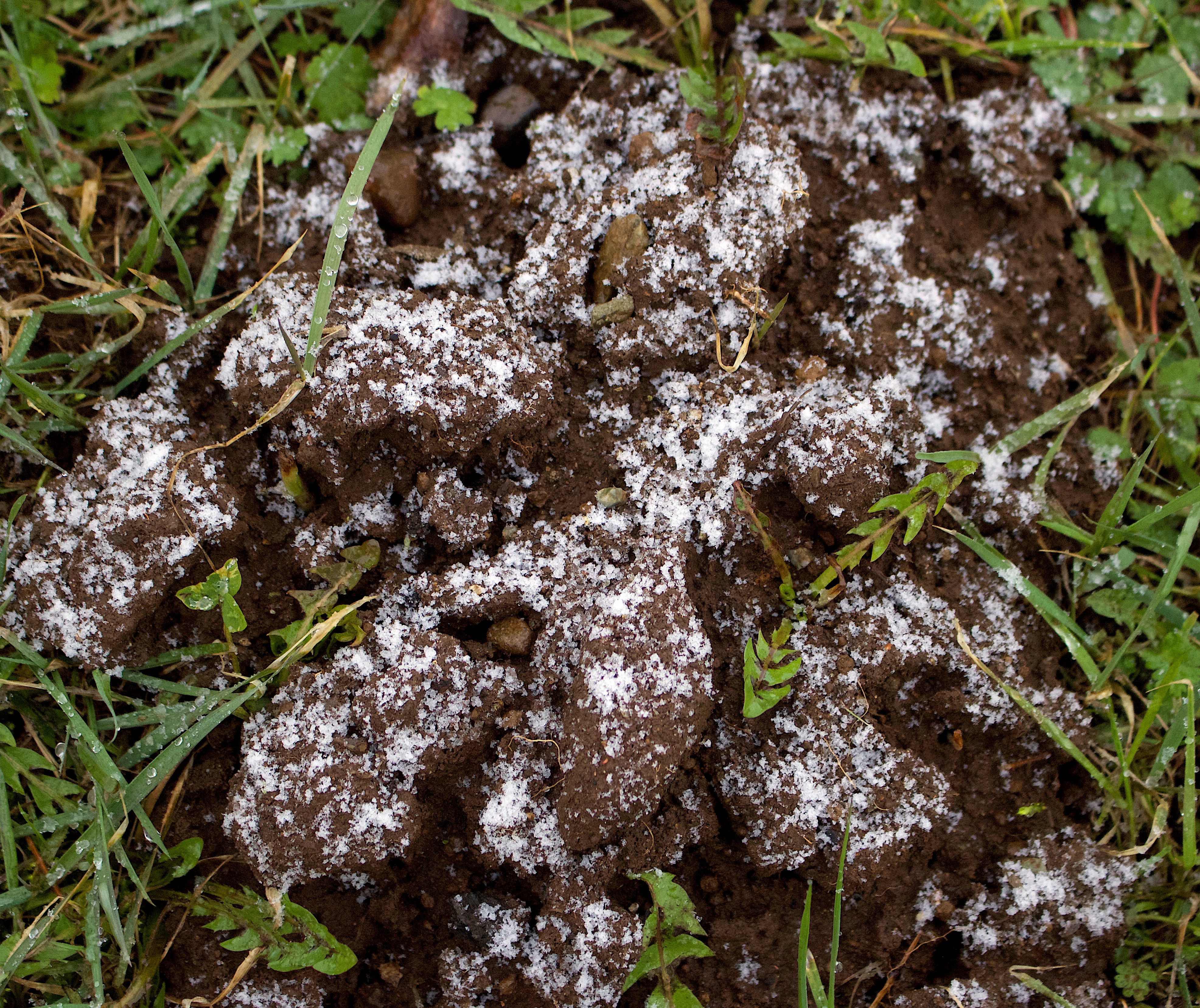
March. I am beginning to anticipate a thaw. Early mornings the earth, old unbeliever, is still crusted with frost where the moles have nosed up their cold castings, and the ground cover in shadow under the cedars hasn’t softened for months, fogs layering their slow, complicated ice around foliage and stem night by night,
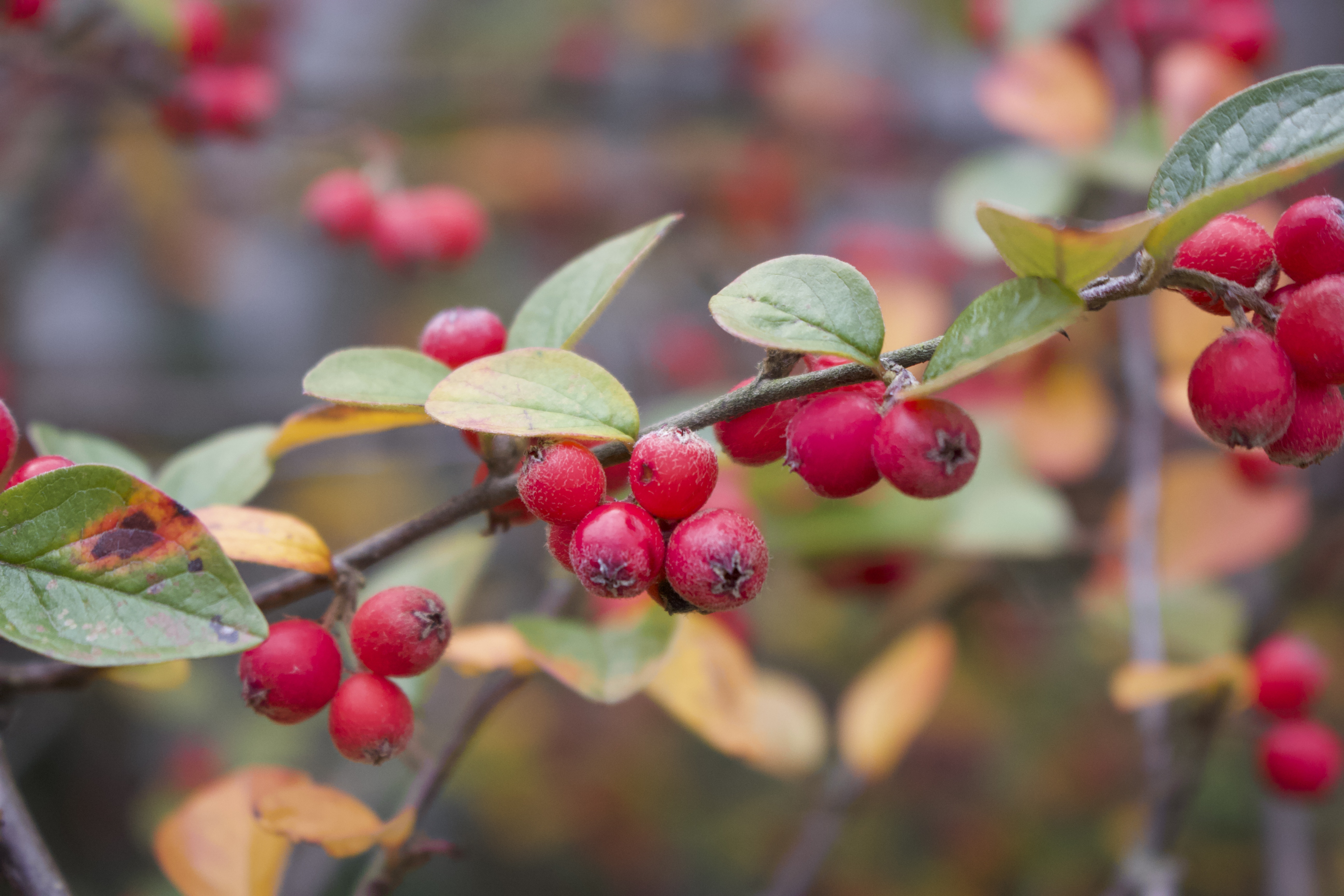
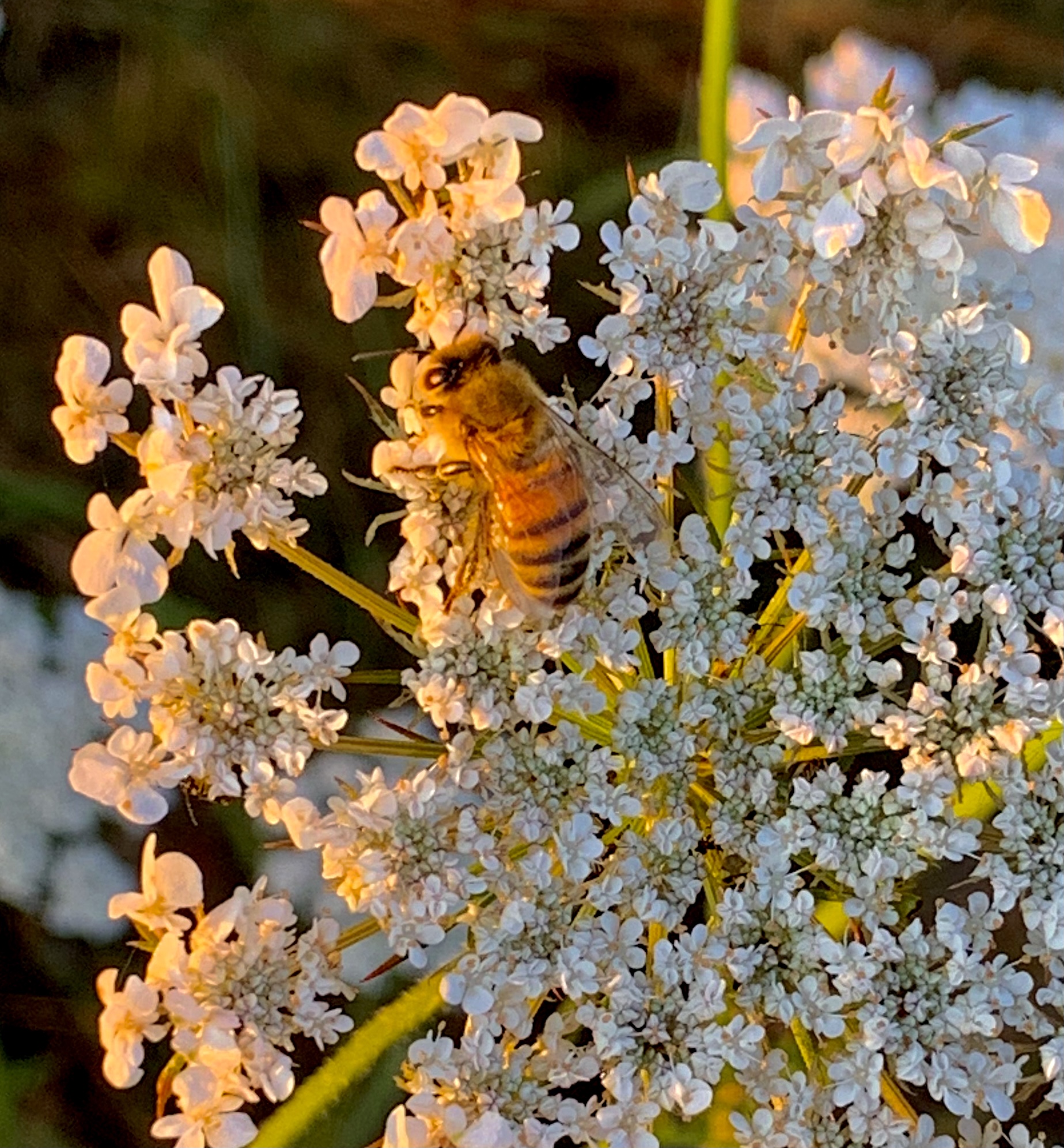
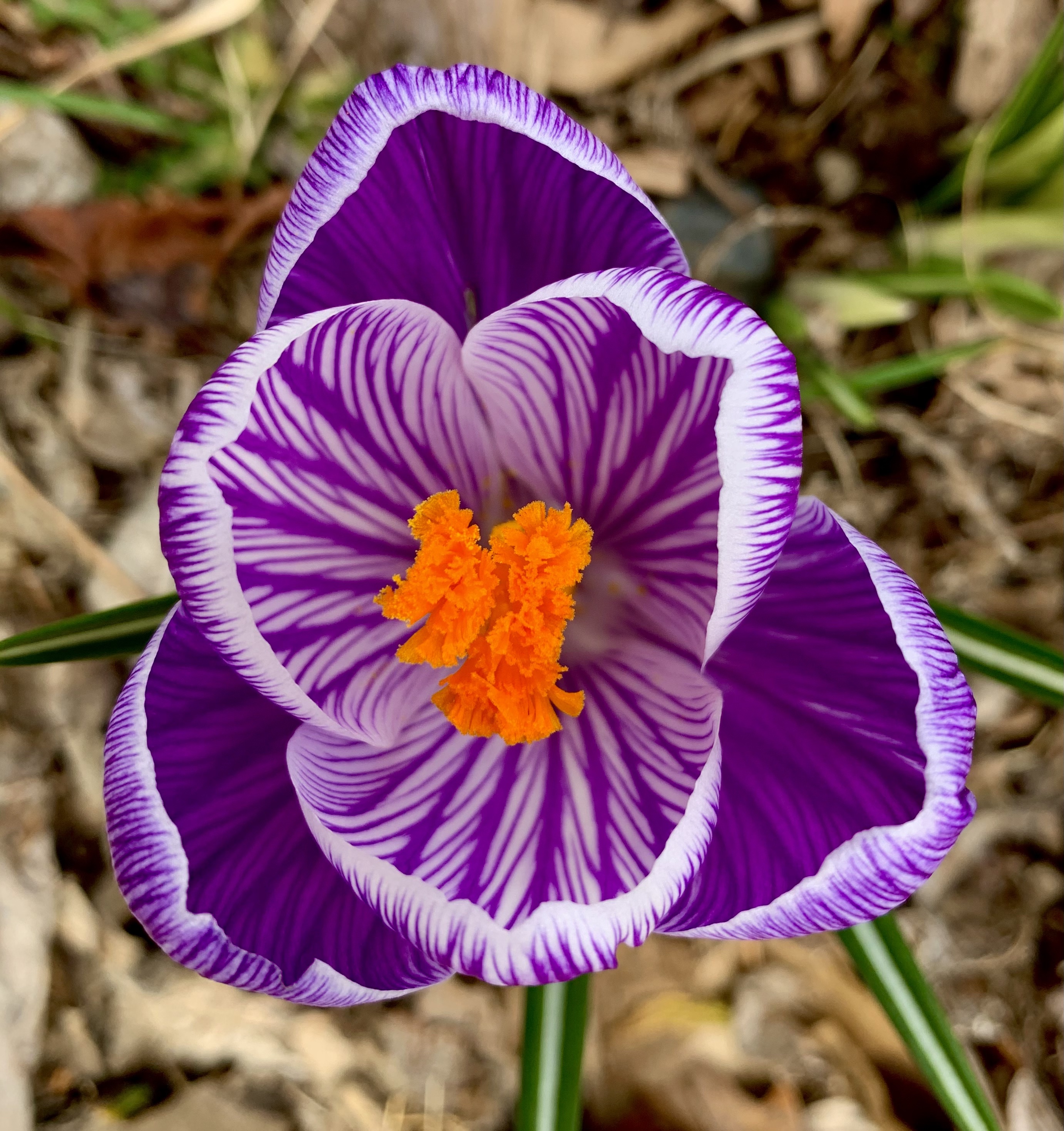
but as the light lengthens, preacher of good news, evangelizing leaves and branches, his large gestures beckon green out of gray. Pinpricks of coral bursting from the cotoneasters. A single bee finding the white heather. Eager lemon-yellow aconites glowing, low to the ground like little uplifted faces. A crocus shooting up a purple hand here, there, as I stand on my doorstep, my own face drinking in heat and light like a bud welcoming resurrection, and my hand up, too, ready to sign on for conversion. ~Luci Shaw “Revival” from What the Light was Like
A few remaining hints of frost drip with rain, the frozen ground oozing with mud and mire.
This morning has a hint of fragrance as buds dare to peek open, testing the air.
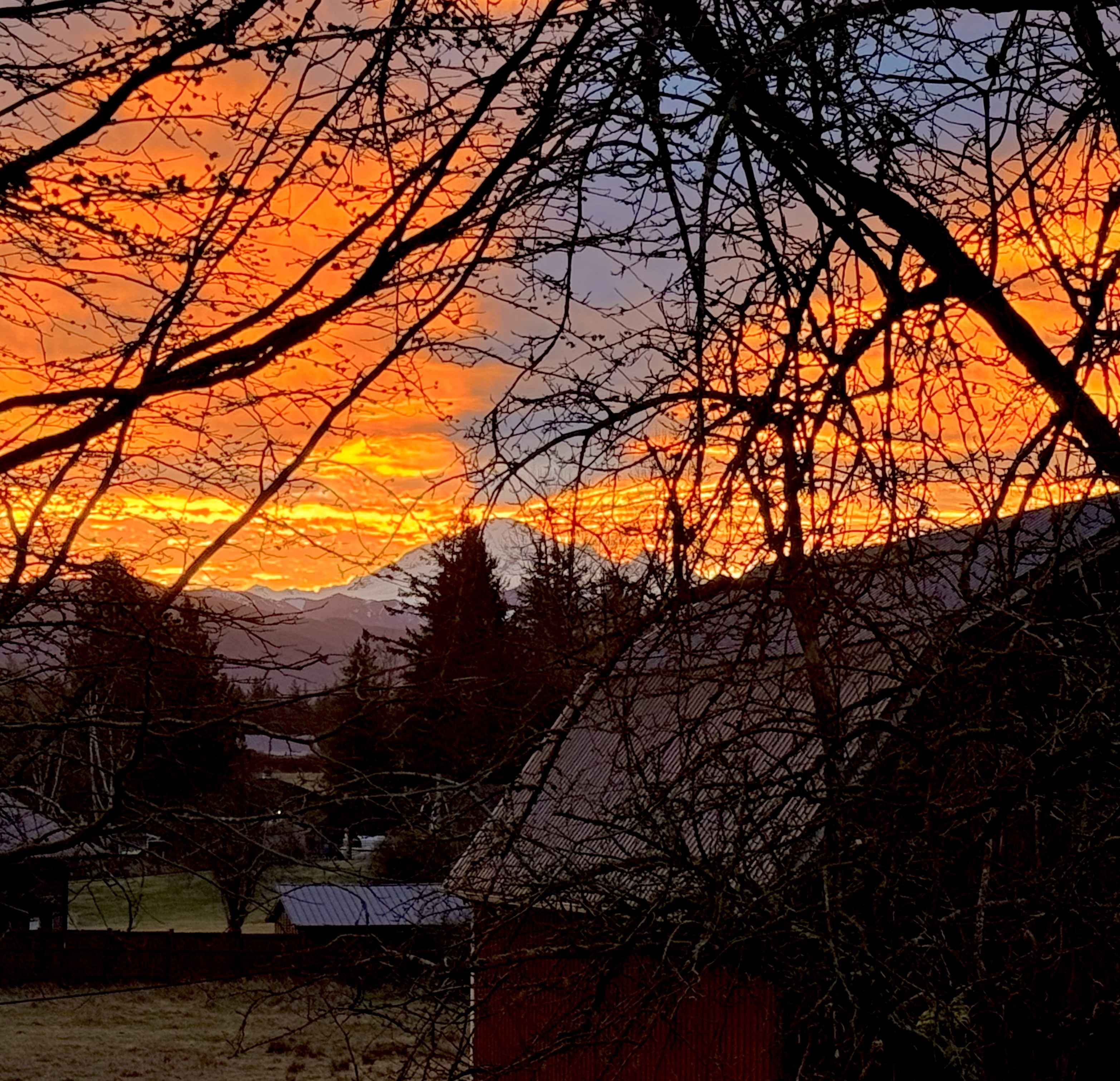
I wake to dawn’s fiery burning light I hear beckoning eagle chatter and frog chorus
I follow the sun wherever it may appear, so eager for warmth and revival, grateful to be alive to notice.
The thaw is at hand; a new day is aching to bloom.
This year’s Lenten theme:
…where you go I will go… Ruth 1:16
AI image created for this post
One-Time
Monthly
Yearly
Make a one-time or recurring donation to support daily Barnstorming posts
“Why, what’s the matter, That you have such a February face, So full of frost, of storm and cloudiness?” – William Shakespeare, Much Ado About Nothing
The wrap-up to February feels like spring is flirting with us. But will winter really ever be finished?
Our doldrums are deep; a brief respite of sun and warmth too rare.
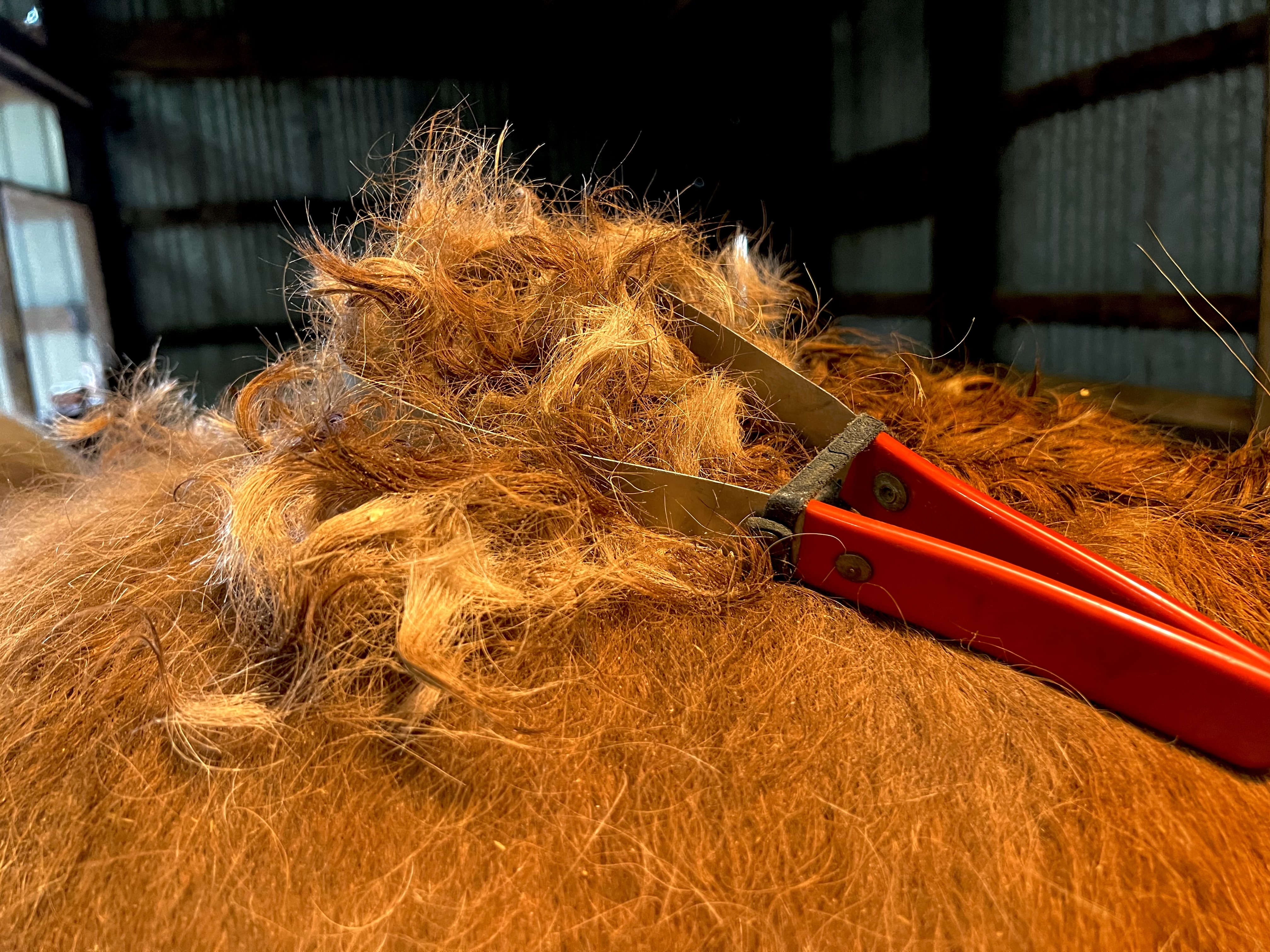
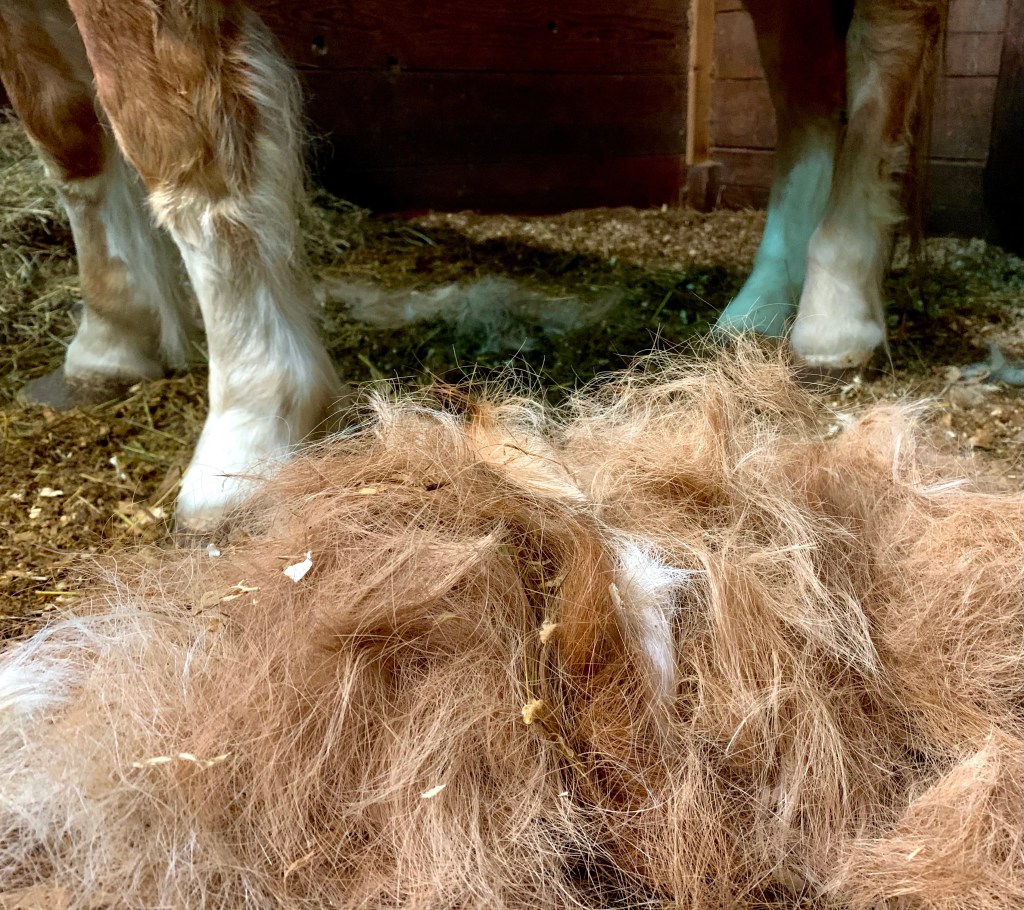
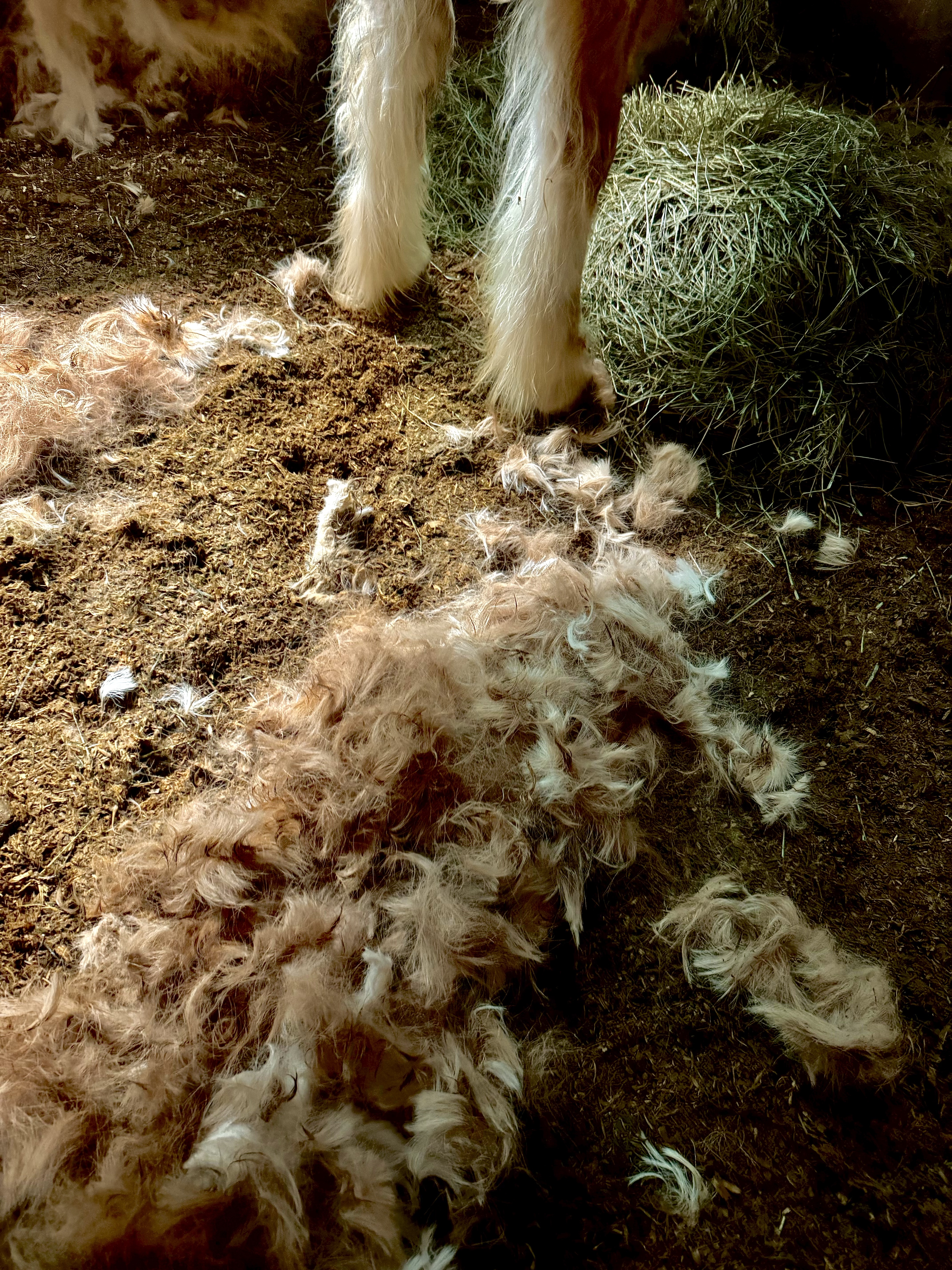
We feel it in the barn as we go about our daily winter routine. The Haflingers are impatient and yearn for freedom, over-eager when handled, sometimes banging on the stall doors in their frustration at being shut in, not understanding that the alternative is to stand outside all day in cold rain and wind. To compensate for their confinement, we start grooming off their thick winter coats, urging their hair to loosen and curry off in sheets over parts of their bodies, yet otherwise still clinging tight.
The horses are a motley crew right now, much like a worn ’60s shag carpet, uneven and in dire need of updating. I prefer that no one see them (or me) like this. Eventually I know the shag on my horses will come off, revealing the sheen of new short hair beneath, but when I look at myself, I’m unconvinced there is such transformation in store for me.
Cranky, I put one foot ahead of the other, oblivious to the subtle seasonal renewal around me, refusing to believe even in the possibility.
It happened today. Dawn broke bright and blinding so I headed outside and stumbled across something extraordinary.
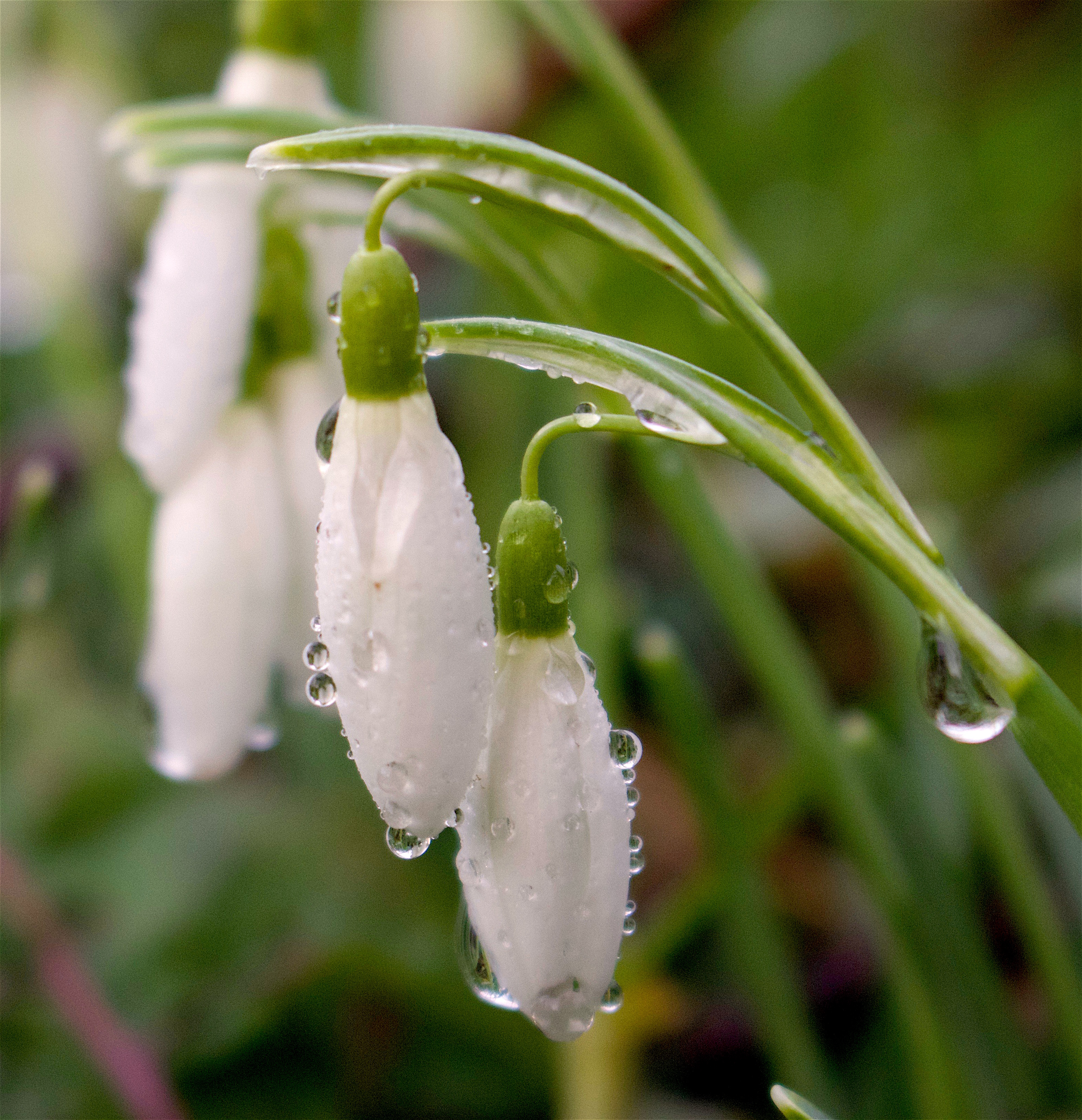
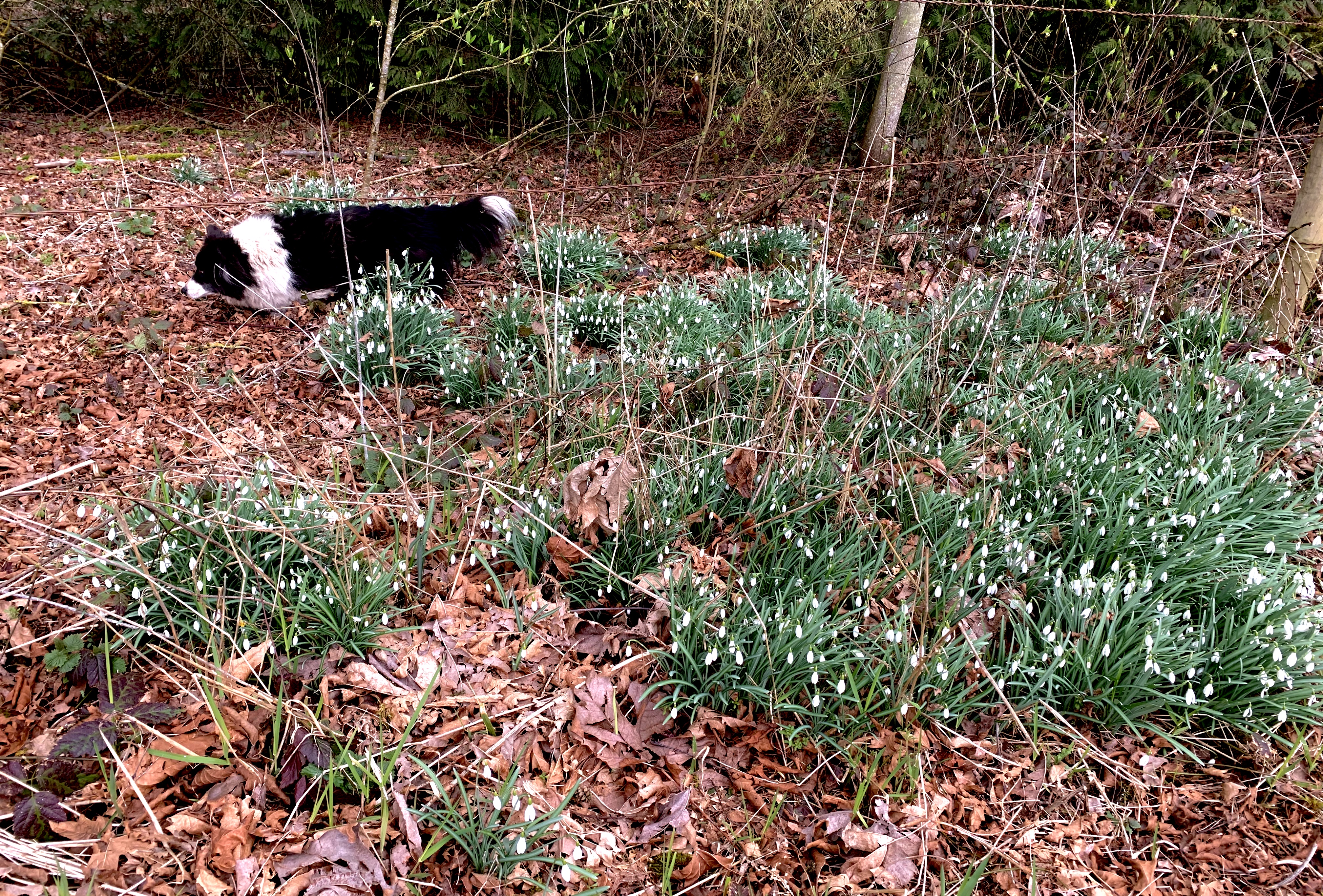
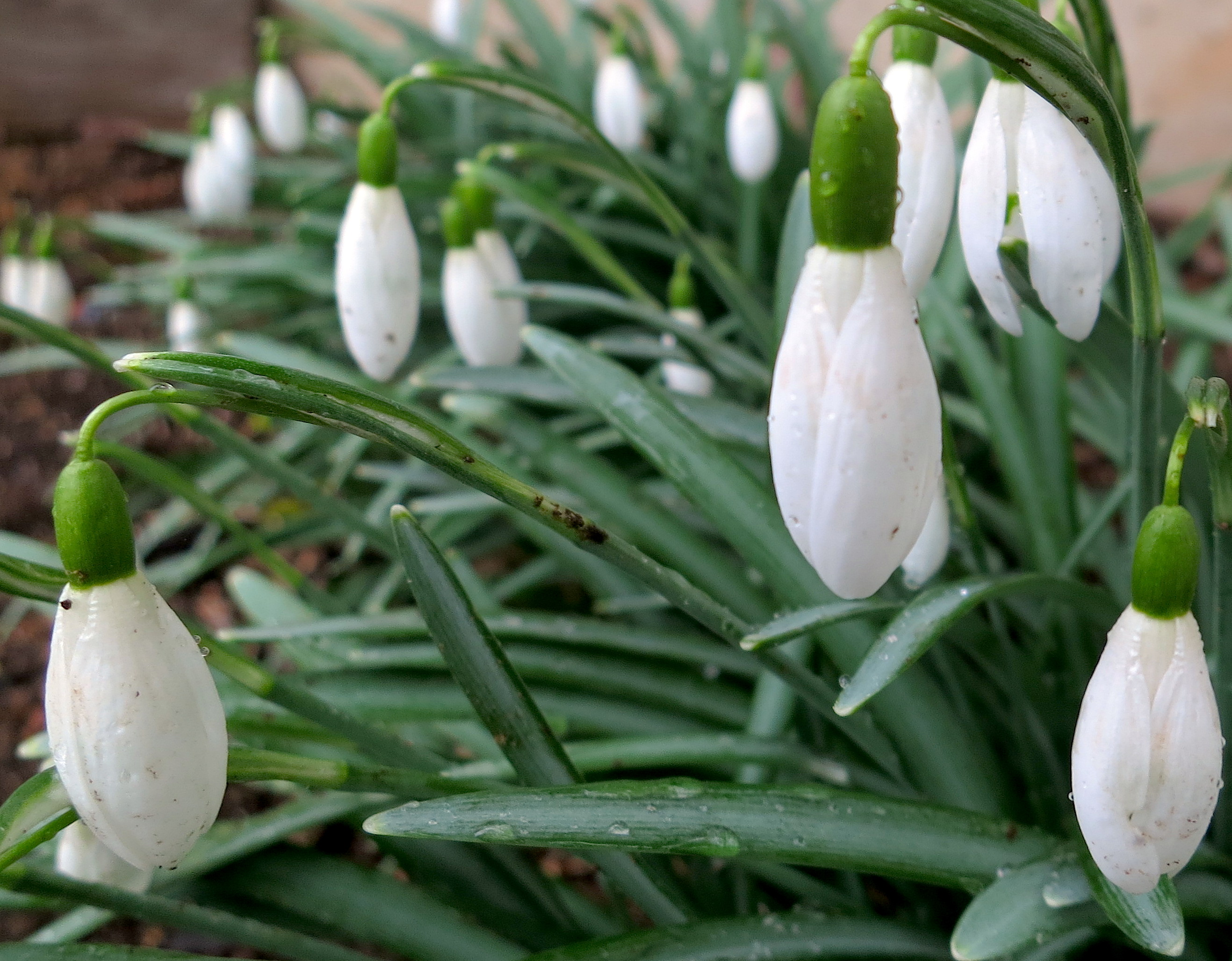
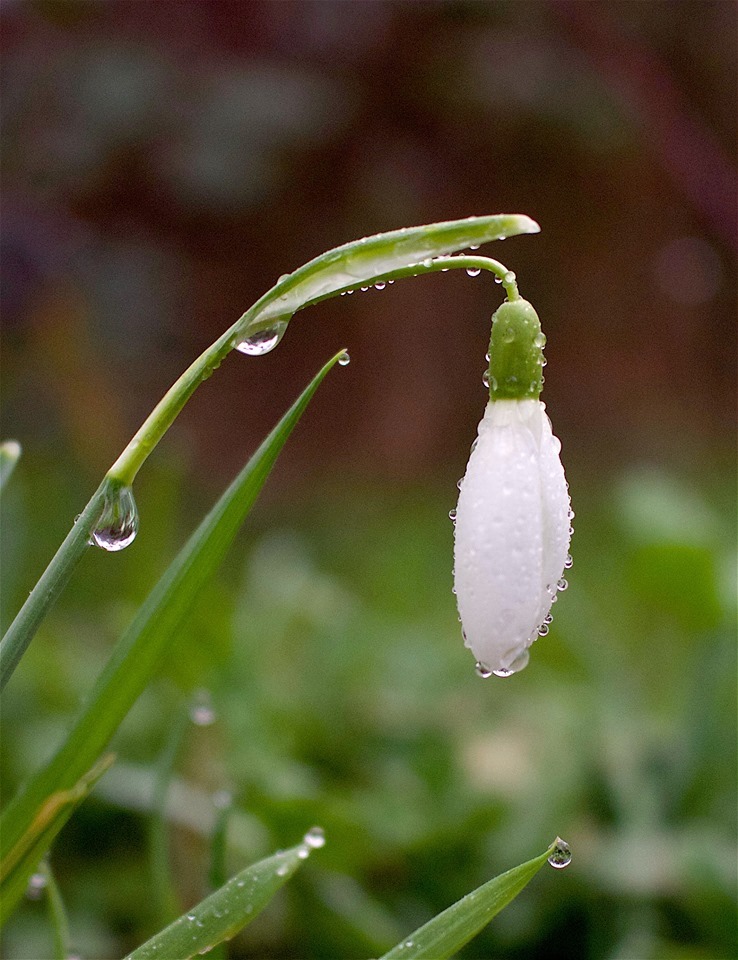
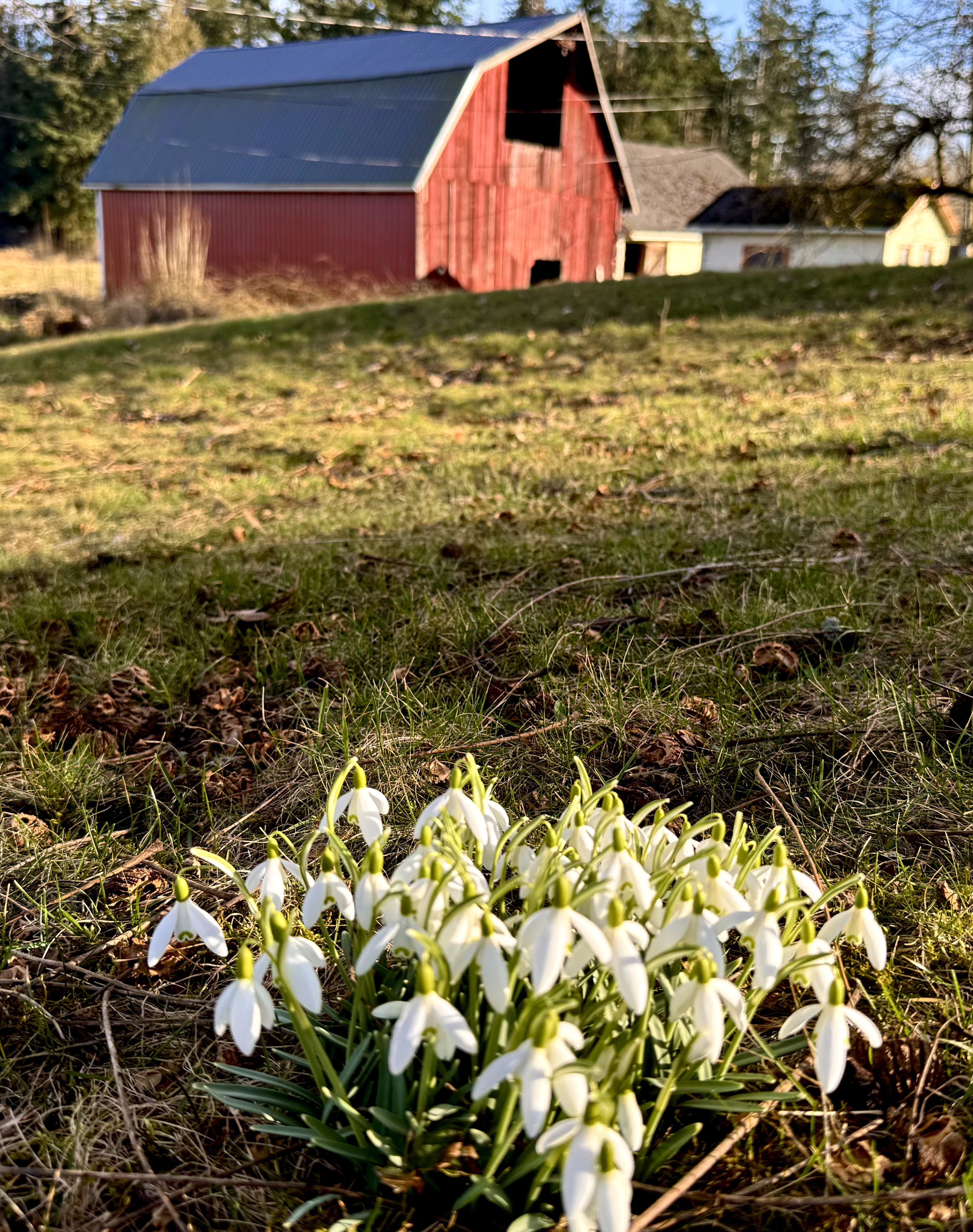
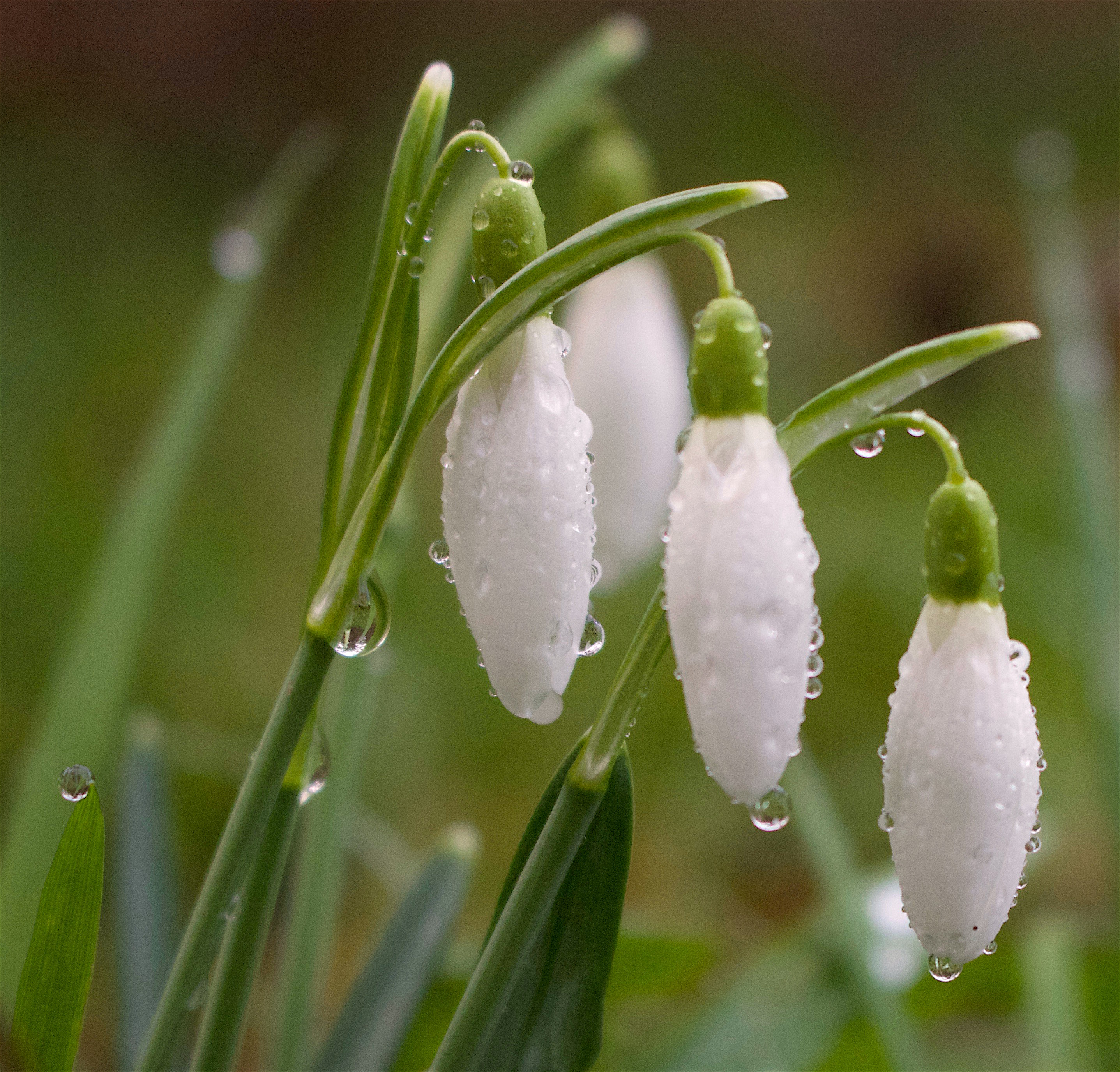
A patch of snowdrops sat blooming in a newly cleared space in our farmyard, visible now only because of bramble removal done last fall. These little white upside down flowers were planted decades ago around our house and yard. There they’ve been, year after year, harbingers of the long-awaited spring to come in a few short weeks, sometimes covered by the overgrowth and invisible to me in my self-absorbed blindness.
I was astonished that someone, many many years ago, had carried these bulbs around the farm, planting them, hoping they might bless another soul sometime somehow. The blossoms had sprung from their sleep beneath the covering of years of fallen leaves and blackberry vines.
It was as if I’d been physically hugged by this someone long dead, now flesh and blood beside me, with work-rough hands, and dirty fingernails, and broad brimmed hat, and a satisfied smile. This secret gardener is no long living, so I mentally reach back across those years in gratitude, showing my deep appreciation for the time and effort it took to place a foretaste of spring in an unexpected and hidden place.
I am thus compelled to look for ways to leave such a gift for someone to find 70 years from now as they likewise stumble blindly through too many gray days full of human drama, frailty and flaw. Though I will be long gone, I can reach across the years to grab them, hug them in their doldrums, lift them up and give them hope for what is to come.
It is the peeling away of winter’s shaggy coat, revealing the fresh smoothness of spring glistening underneath.
What an astonishing thought that it was done for me, and in reaffirming that promise of renewal, I might do it for another.
AI image created for this post
One-Time
Monthly
Yearly
Make a one-time or recurring donation to support daily Barnstorming posts
The main thing is this– when you get up in the morning you must take your heart in your two hands. You must do this every morning. Then talk softly to your heart, don’t yell. Say anything but be respectful. Say–maybe say, Heart, little heart, beat softly but never forget your job, the blood. You can whisper also, Remember, remember. ~Grace Paley from “The Art of Growing Older” in Just As I Thought
Approaching seventy, she learns to live, at last. She realizes she has not accomplished half of what she struggled for, that she surrendered too many battles and seldom celebrated those she won. Approaching seventy, she learns to live without ambition: a calm lake face, not a train bound for success and glory. For the first time, she relaxes her hands on the controls, leans back to watch the coming end. Asked, she’d tell you her life is made out of the things she didn’t do, as much as the things she did do. Did she sing a love song? Approaching seventy, she learns to live without wanting much more than the light in the catbird window seat where, watching the voracious fist-sized tweets, she hums along. ~Marilyn Nelson “Bird Feeder”
I’ve been learning in retirement to let go by relaxing my grip on the controls on the runaway train of ambition. This is a change for someone driven for decades to succeed in various professional and personal roles.
I’m aware who I am is defined both by what I haven’t gotten done and what I managed to do. And now, at seventy years old, I hope I still have some time to explore some of those things I left undone.
Except I haven’t been as robust and healthy as I wish to be. For the past month, during very chilly weather and after a prolonged bout of bronchitis, I found I couldn’t tolerate the cold air outside or in the barn while I did daily chores. My chest strangely hurt.
I finally took myself to a cardiologist who was concerned with a number of risk factors in my family and my own history and arranged testing, which I flunked yesterday.
I ended up with two stents to open blockages in my main coronary artery, plus a night in the hospital. I spent the night thinking about blessings and what needs to happen in my life now:
Reflecting with gratitude on being alive by the grace of our Lord. Holding my heart gently and treating it well. Humming as I go. Just sitting when I wish but walking when I must. Watching out the window for the real twitters and tweeters in this crazy noisy world. Loving up those around me.
It’s sweet to remember why I’m here. I’ve been given a new chance to enjoy every moment.
So after a lifetime of getting mostly A’s, flunking isn’t always bad.
Every day after work he’d sit in his armchair with its antimacassar and its plush burgundy velour and she’d kneel on the floor to unfasten the laces, loosen the tongues, and lift out his feet. When I was ten I stayed for a week and did it for her. He thought I did it for him. ~Andrea Hollander Budy “My Grandmother Taking Off My Grandfather’s Shoes” from When She Named Fire
I did not grow up in a household that took time off. Time was redeemed by work, and work was noble and honorable and proved we had a right to exist.
Vacation road trips were rare and almost always associated with my father’s work. When he came home from his desk job in town, he would immediately change into his farm clothes and put in several hours of work outside, summer or winter, rain or shine, light or dark.
My mother did not work in town while we were children, but worked throughout her day inside and outside the house doing what farm wives and mothers need to do: growing, hoeing, harvesting, preserving, washing, cleaning, sewing, and most of all, being there for us.
As kids, we had our share of chores that were simply part of our day as our work was never done on a farm. When we turned ten, we began working for others: babysitting, weeding, barn and house cleaning, berry picking. I figure I put in over 60 years of gainful employment – there were times I worked four part-time jobs at once because that was what I could put together to keep things together.
I know I’ve missed out on much of life being a “nose to the grindstone” person.
Now retired, I try a different way to redeem my time: to notice, to record, to observe, to appreciate beauty that still exists in the midst of chaos and cataclysm..
Life isn’t all about non-stop labor, yet we get on with our work because work is about showing up when and where we are needed.
And we are always needed, by someone, somewhere, somehow. That’s the reason why we’re here.
AI image created for this post
One-Time
Monthly
Yearly
Make a one-time or recurring donation to support daily Barnstorming posts
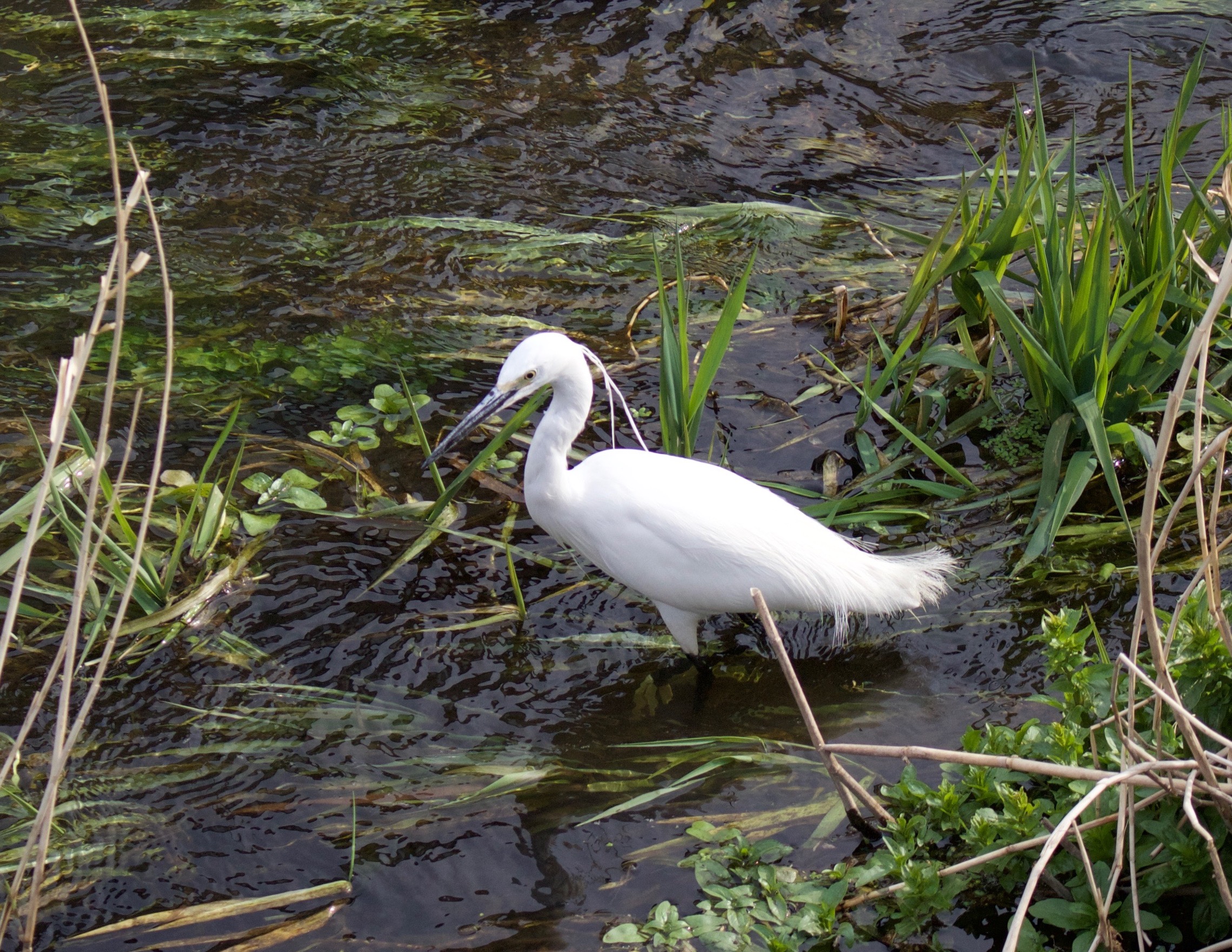
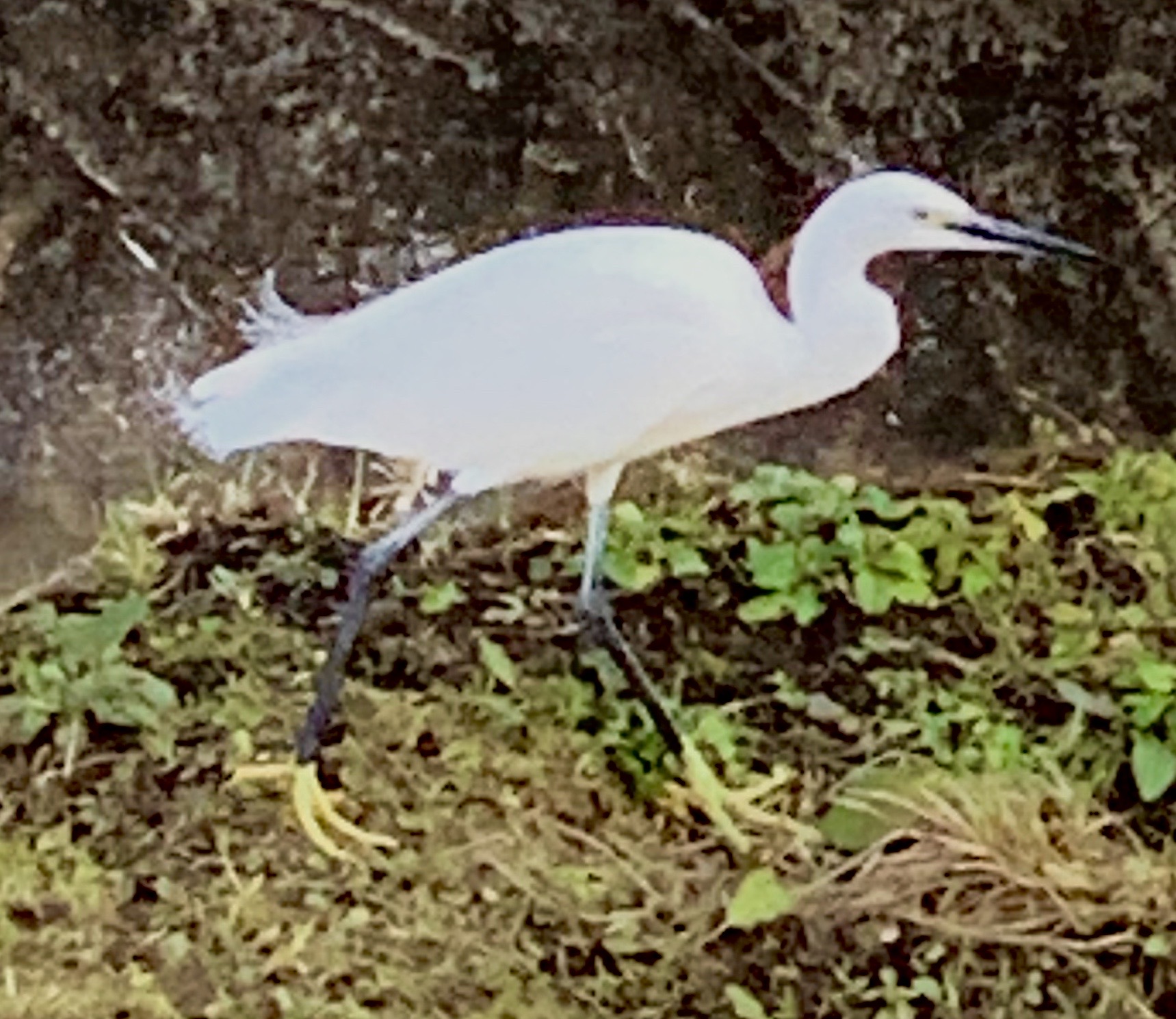
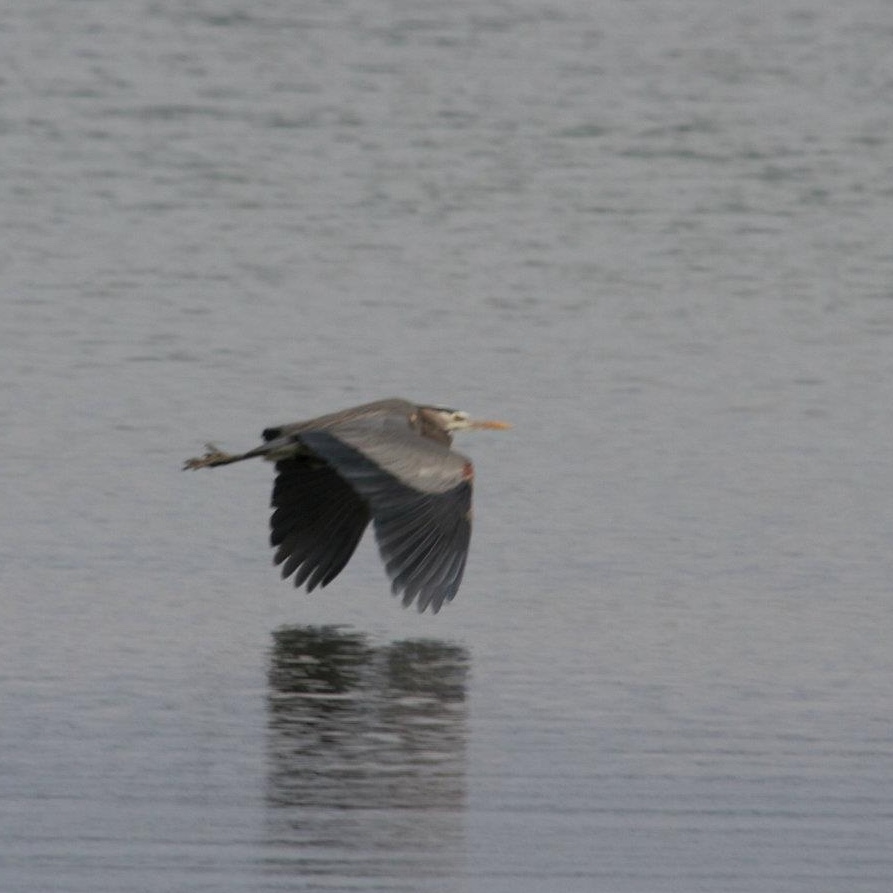
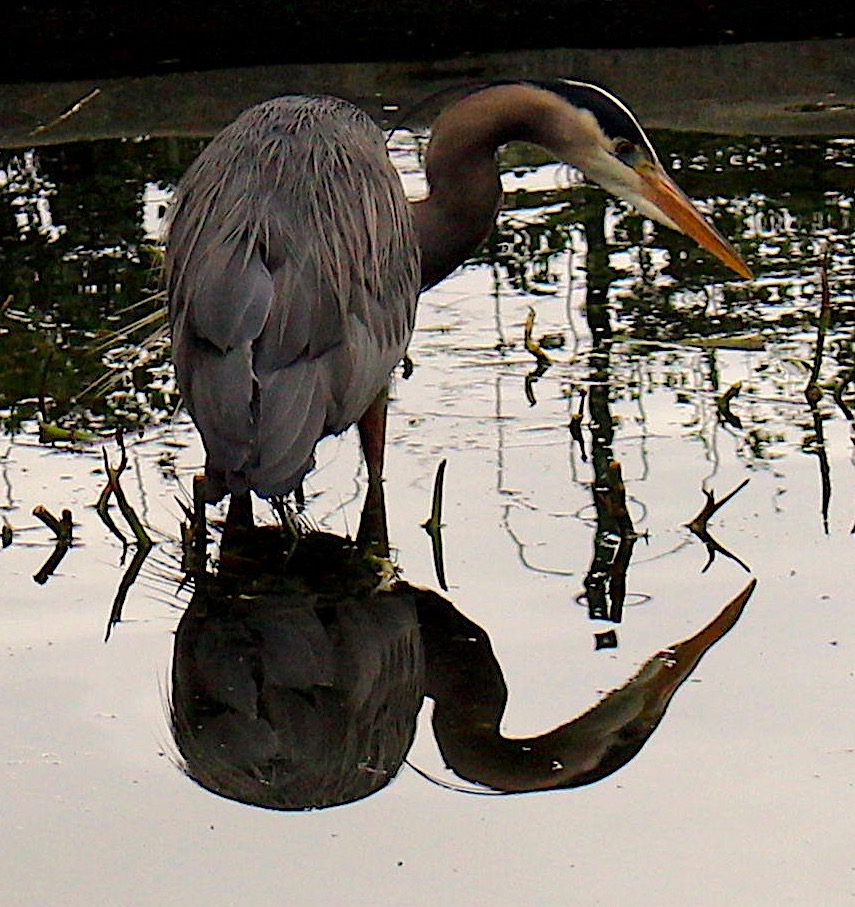
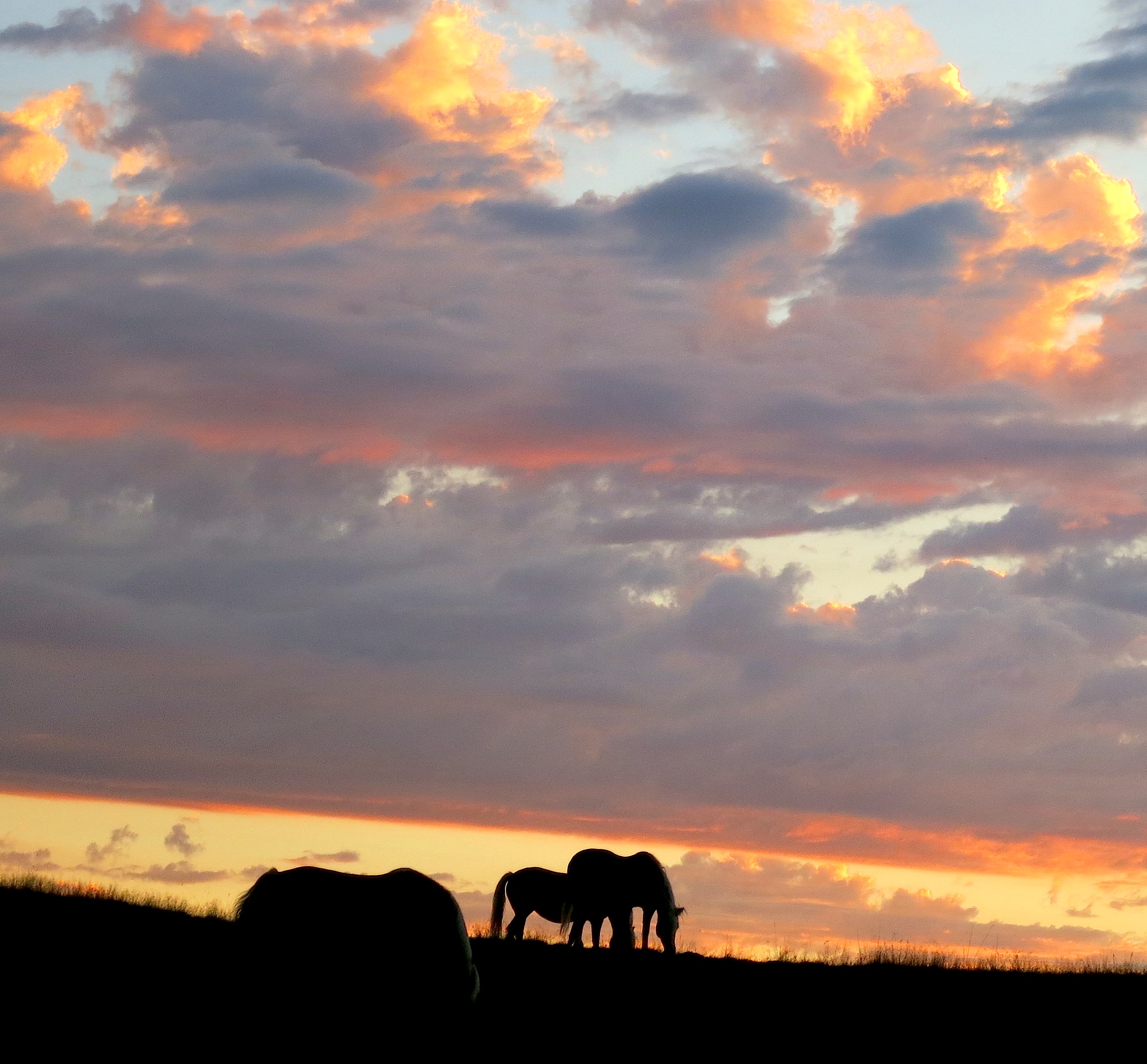
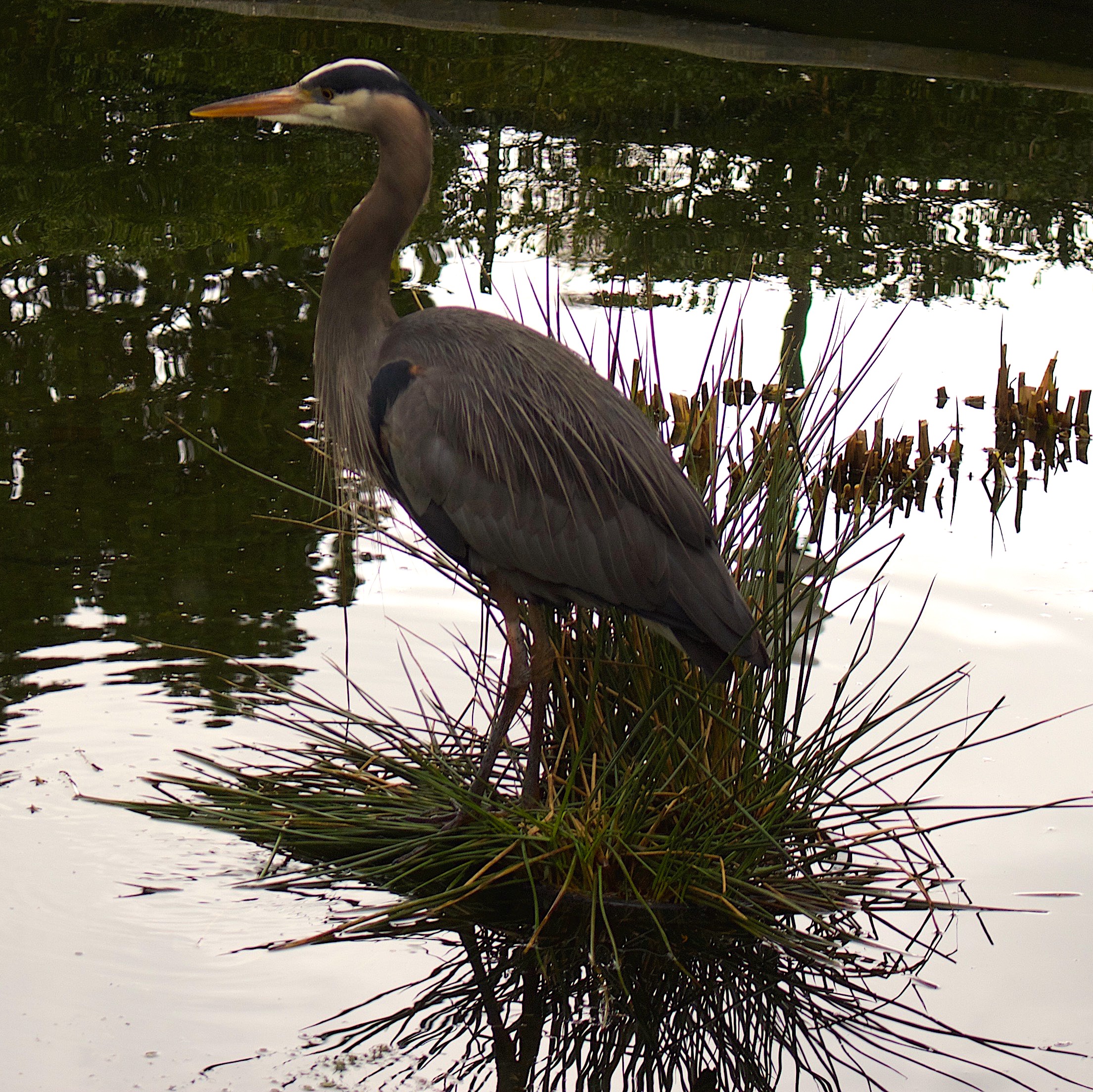
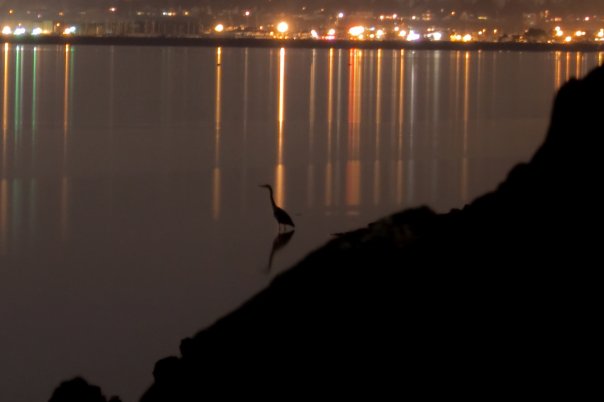
All winter the blue heron slept among the horses. I do not know the custom of herons, do not know if the solitary habit is their way, or if he listened for some missing one— not knowing even that was what he did— in the blowing sounds in the dark, I know that hope is the hardest love we carry. He slept with his long neck folded, like a letter put away. ~Jane Hirshfield “Hope and Love” from The Lives of the Heart
I know what it is like to feel out of step with those around me, an alien in my own land, especially these days.
At times I wonder if I belong at all as I watch the choices others make.
I grew up this way, missing a connection that I could not find, never quite fitting in, a solitary kid becoming a solitary adult. The aloneness bothered me, but not in a “I’ve-got-to-become-like-them” kind of way.
I went my own way, never losing hope.
Somehow misfits find each other. Through the grace and acceptance of others, I found a soul mate and community. Even so, there are times when the old feeling of not-quite-belonging creeps in and I wonder whether I’ll be a misfit all the way to the cemetery, placed in the wrong plot in the wrong graveyard.
We disparate creatures are made for connection of some kind, trying to find those who look and think and act like us, and especially hoping to be accepted by those who are completely different.
I’ll keep on the lookout for my fellow misfits, just in case there is another one out there looking for company along this journey.































 Barnstorming