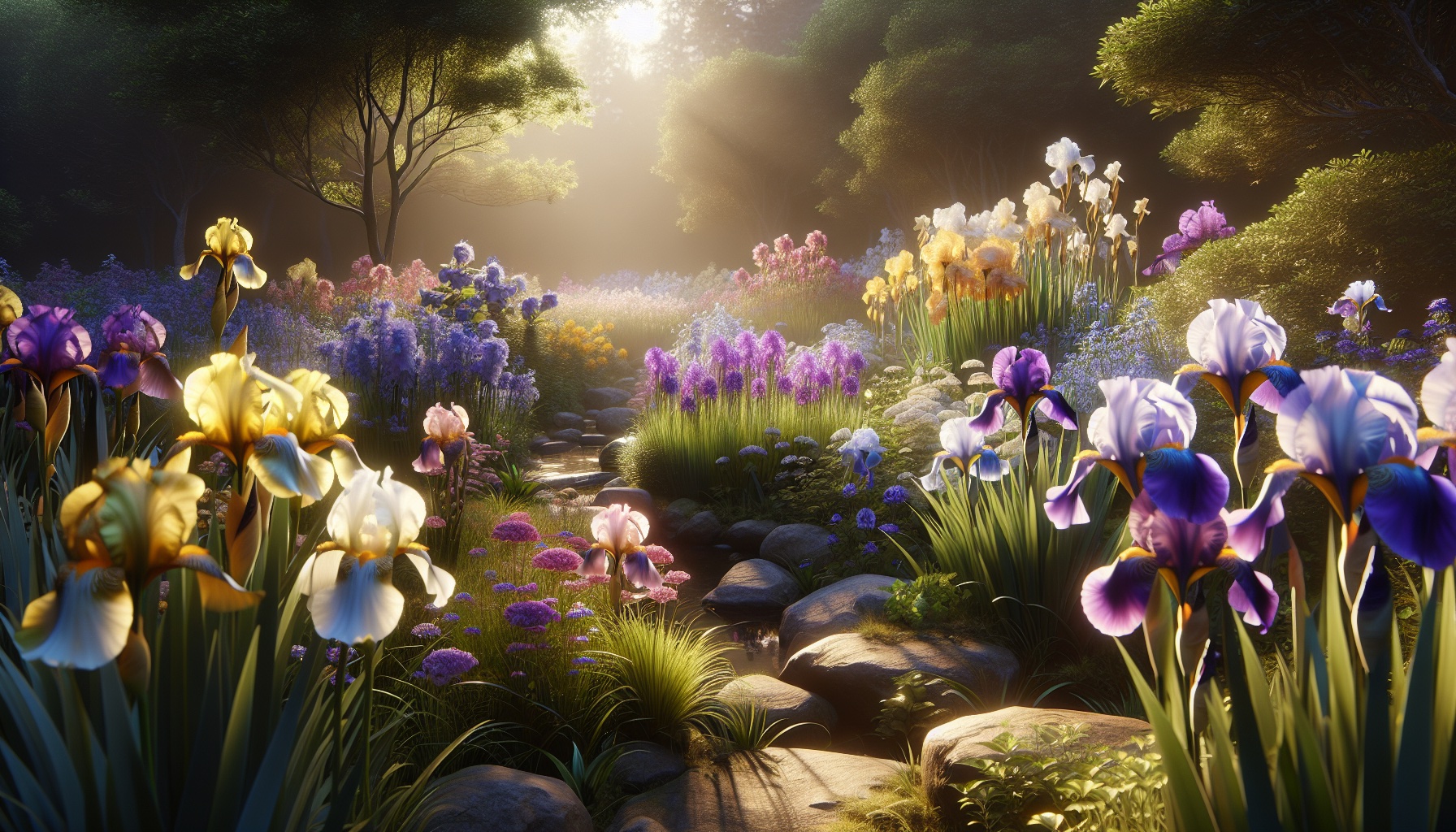
Thou art the Iris, fair among the fairest, Who, armed with golden rod And winged with the celestial azure, bearest The message of some God. ~Henry Wadsworth Longfellow from Flower-de-Luce
At the end of my suffering there was a door.
Hear me out: that which you call death I remember.
Overhead, noises, branches of the pine shifting. Then nothing. The weak sun flickered over the dry surface.
It is terrible to survive as consciousness buried in the dark earth.
Then it was over: that which you fear, being a soul and unable to speak, ending abruptly, the stiff earth bending a little. And what I took to be birds darting in low shrubs.
You who do not remember passage from the other world I tell you I could speak again: whatever returns from oblivion returns to find a voice:
from the center of my life came a great fountain, deep blue shadows on azure sea water. ~Louise Glück“The Wild Iris”
It doesn’t have to be the blue iris, it could be weeds in a vacant lot, or a few small stones; just pay attention, then patch a few words together and don’t try to make them elaborate, this isn’t a contest but the doorway into thanks, and a silence in which another voice may speak. ~Mary Oliver “Blue Iris”
May your blooms be floriferous and in good form, Distinctive, with good substance, flare, and airborne, With standards and falls that endure, never torn. May you display many buds and blooms sublime, In graceful proportion on strong stalks each day, Gently floating above the fans and the fray. May you too reach toward the moon and stars, Bloom after bloom, many seasons in the sun, Enjoying your life, health, and each loved one, Until your living days are artfully done. ~Georgia Gudykunst “Iris Blessing”
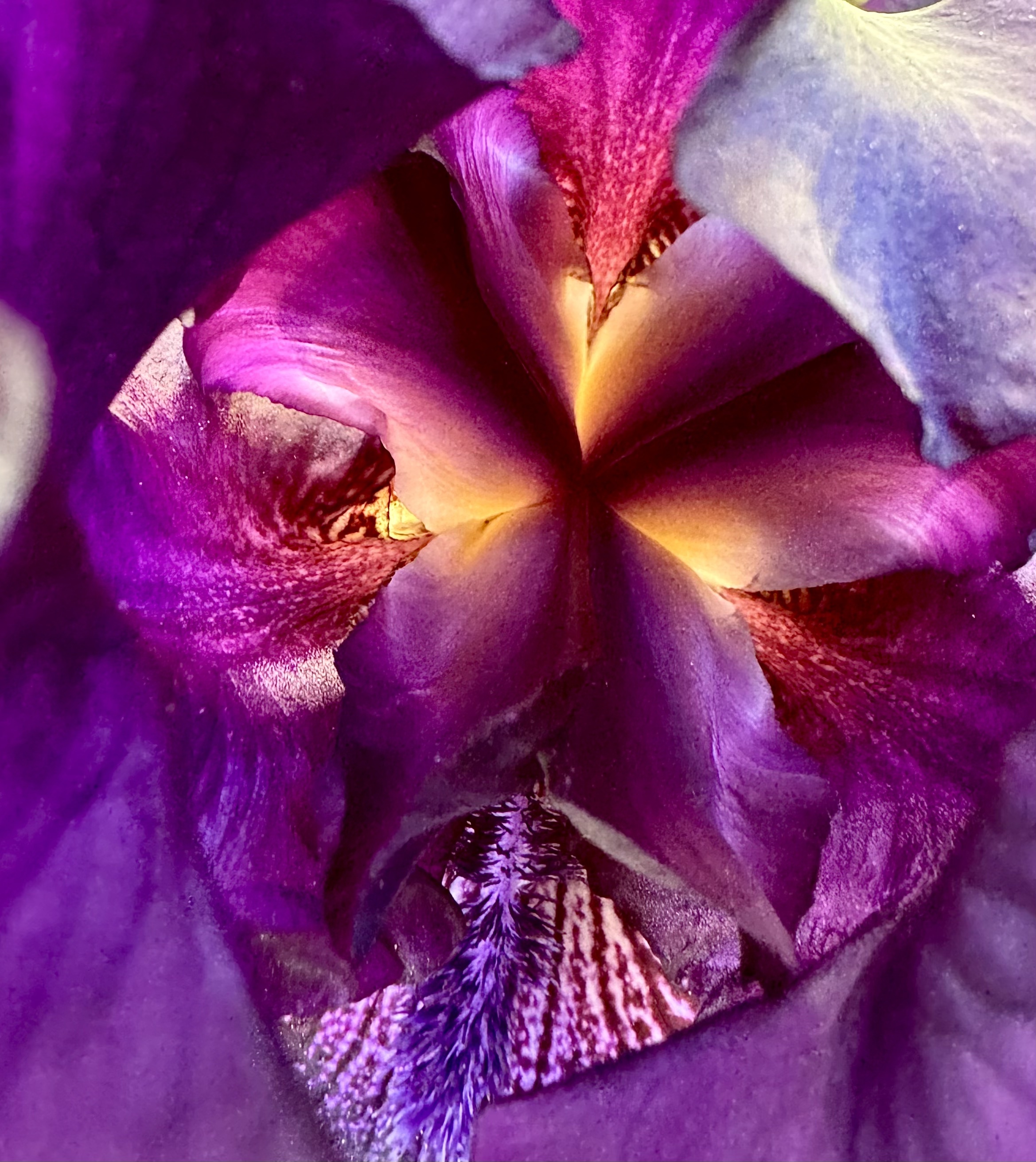
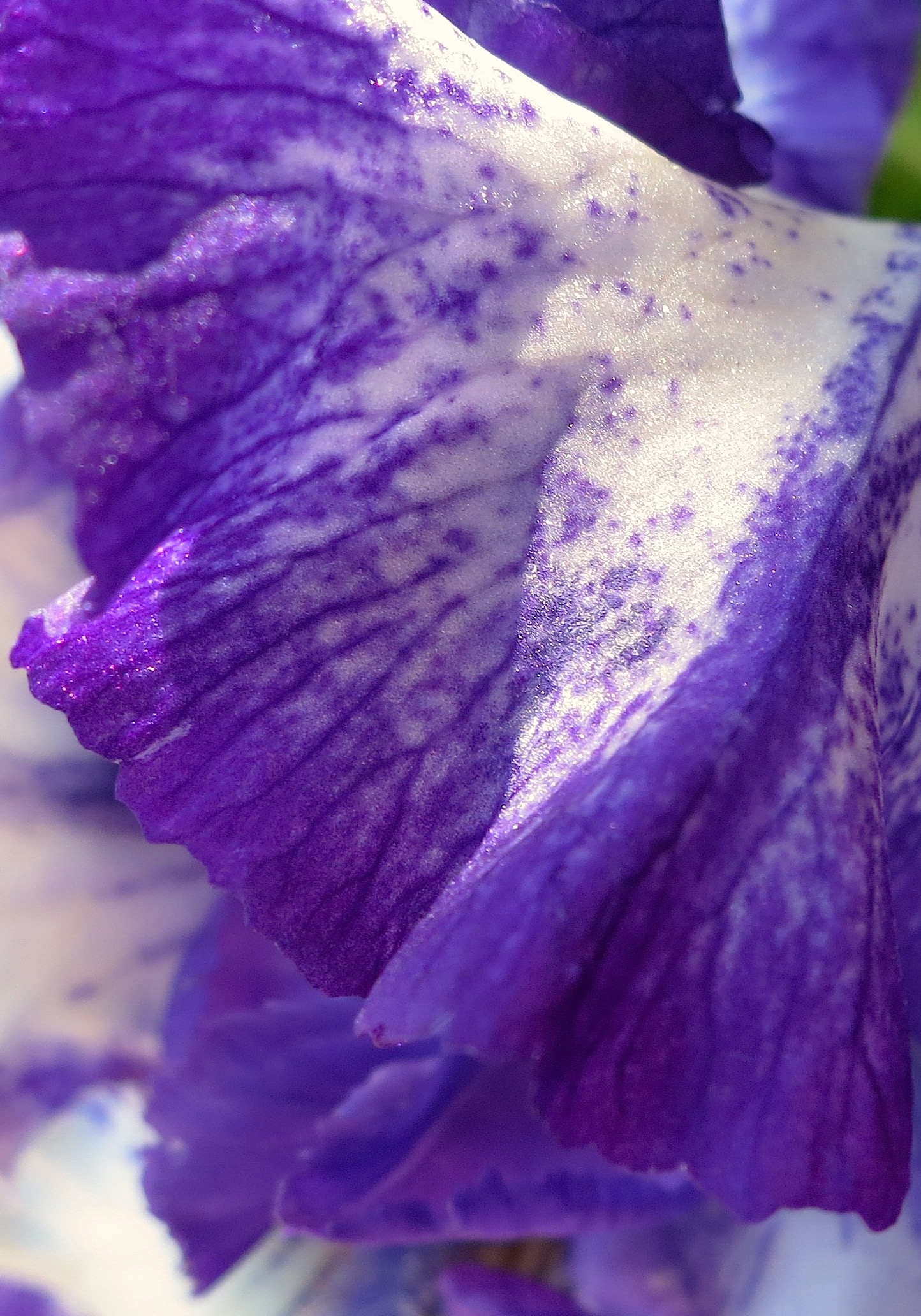
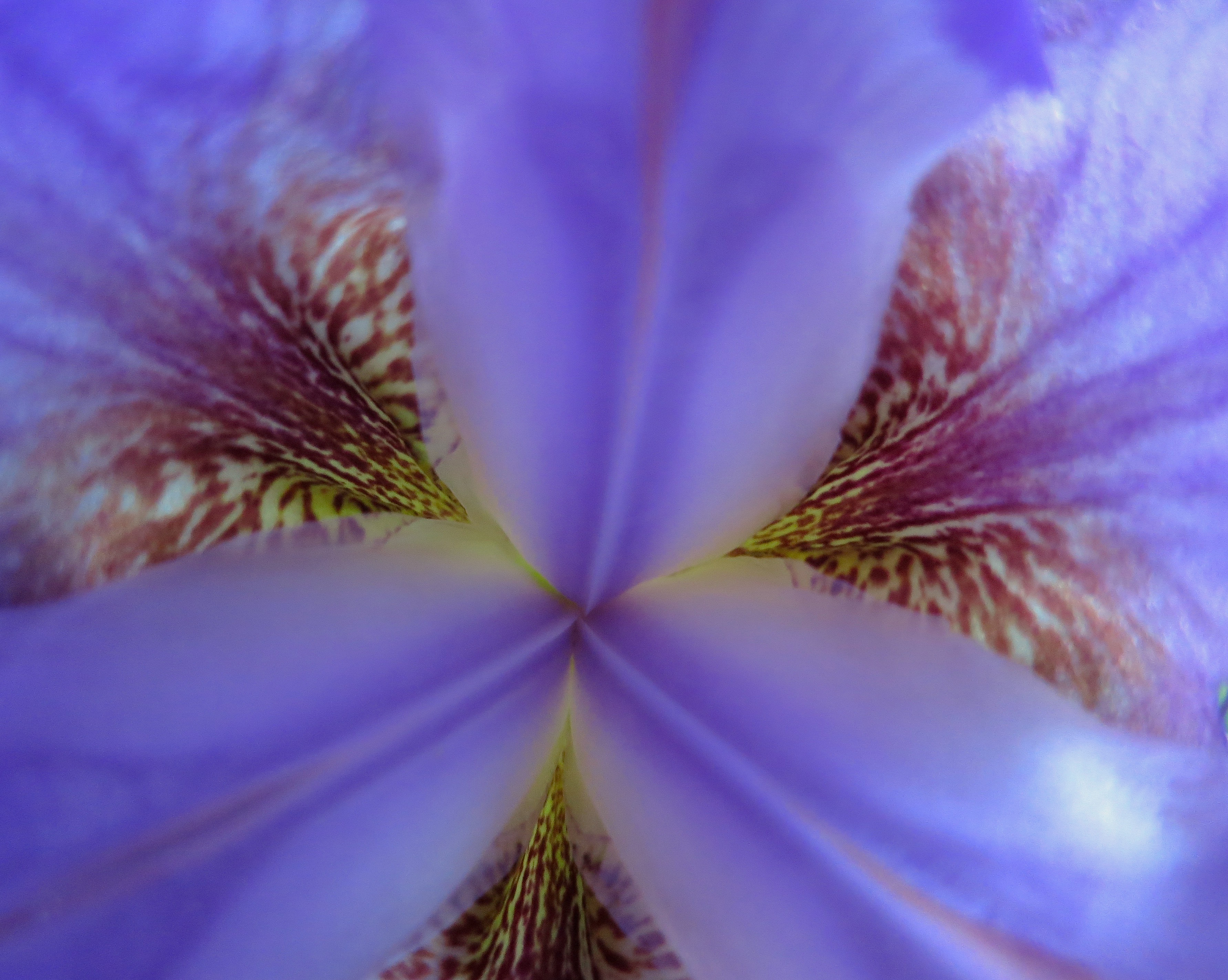
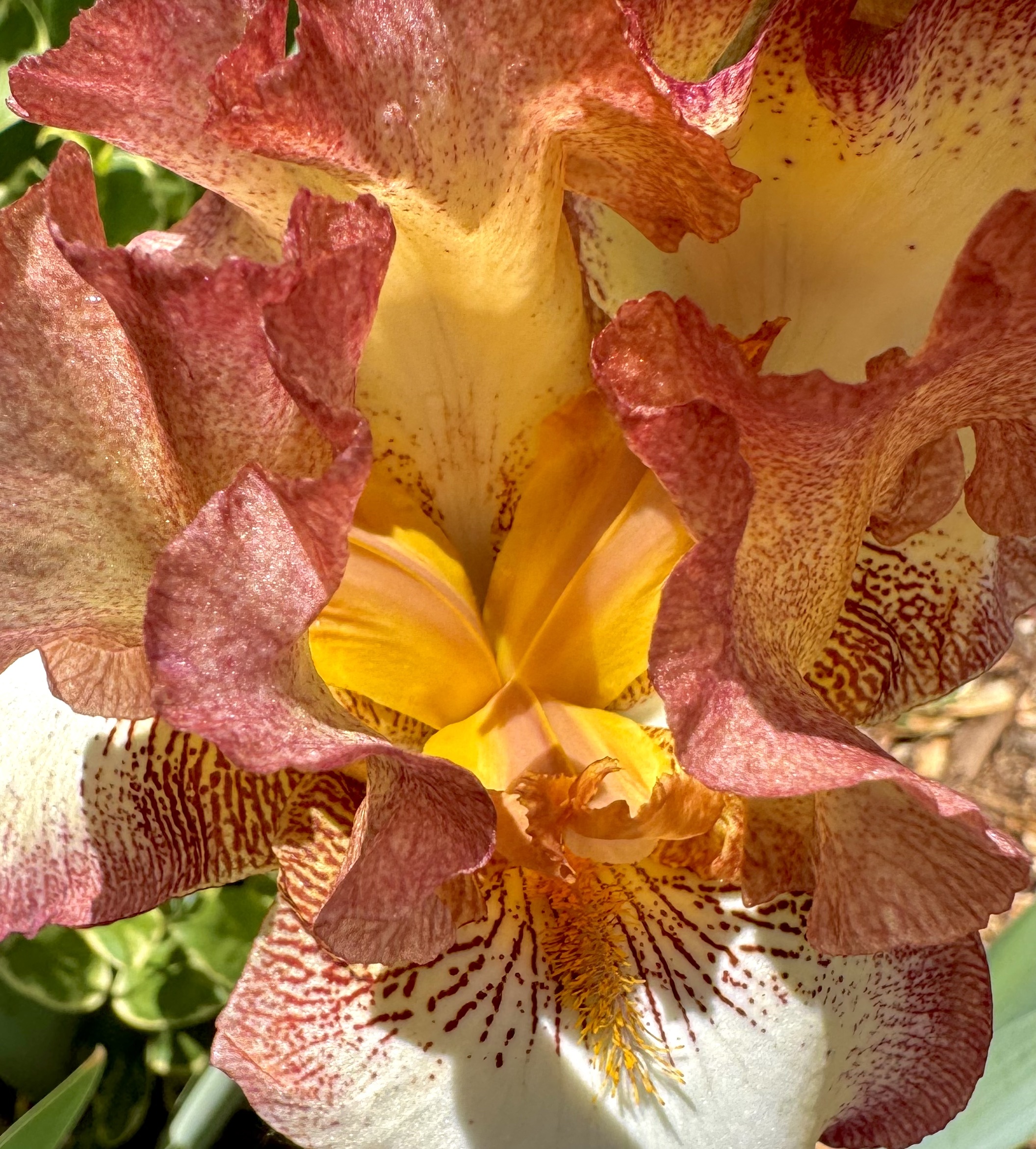
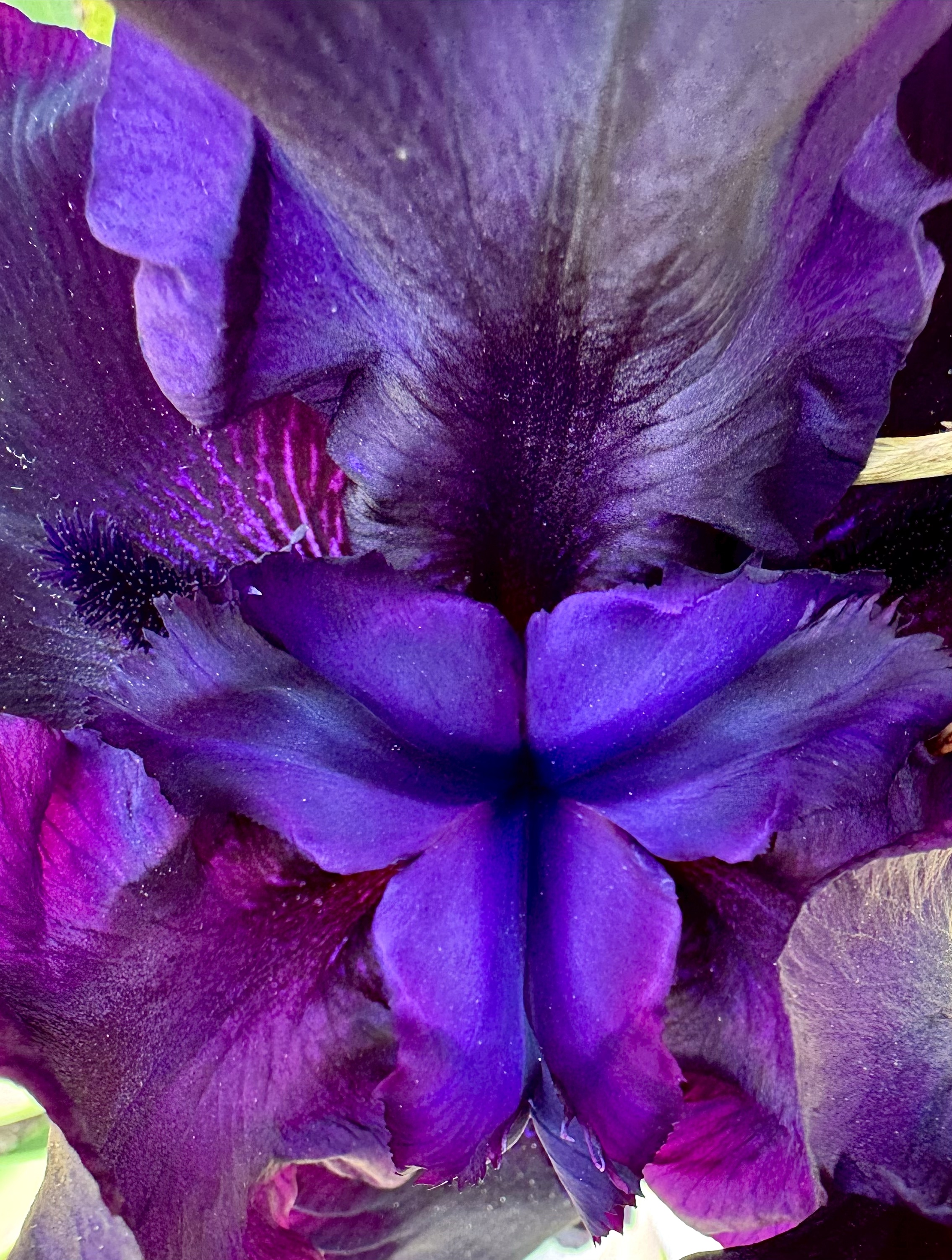
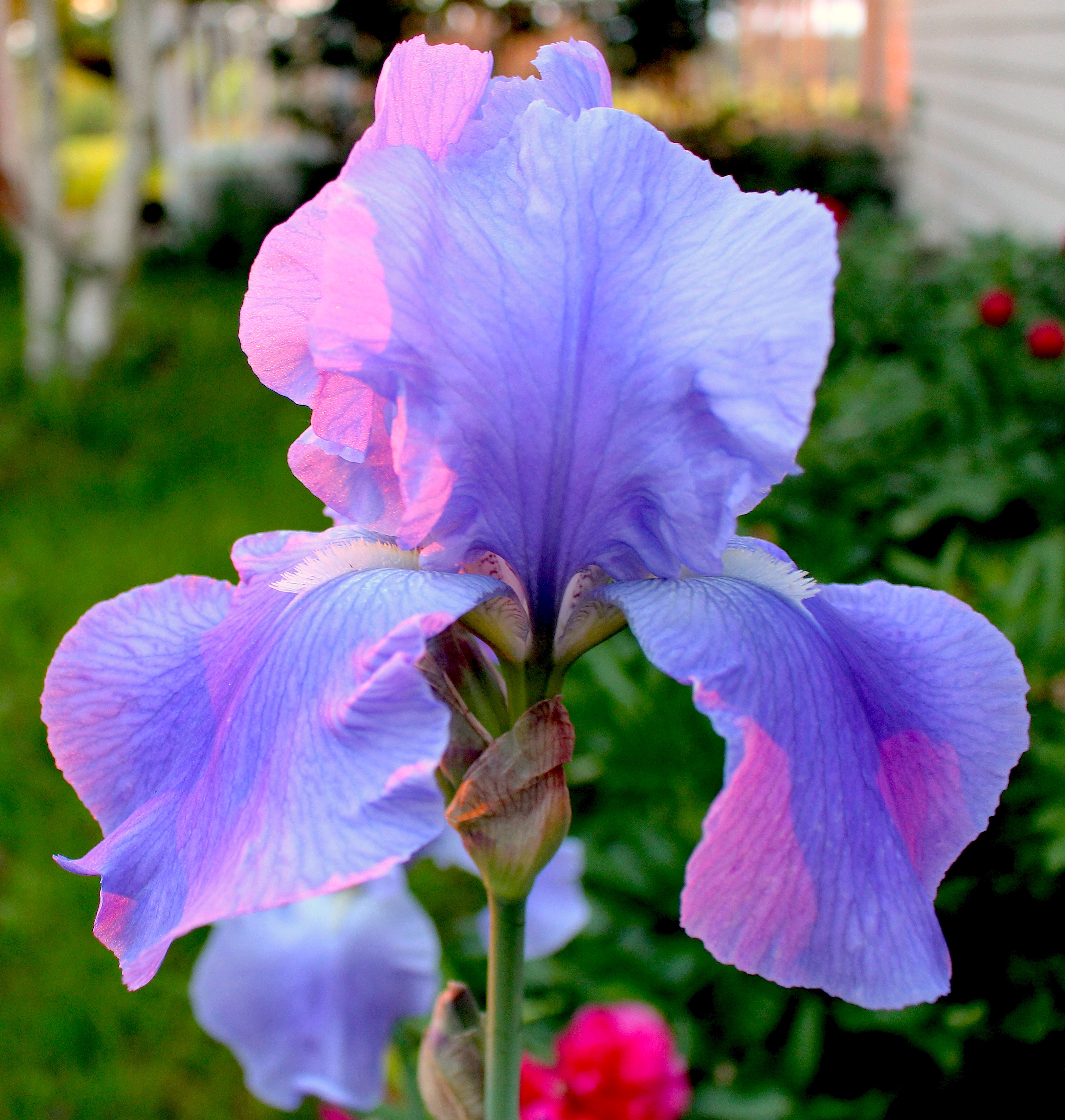
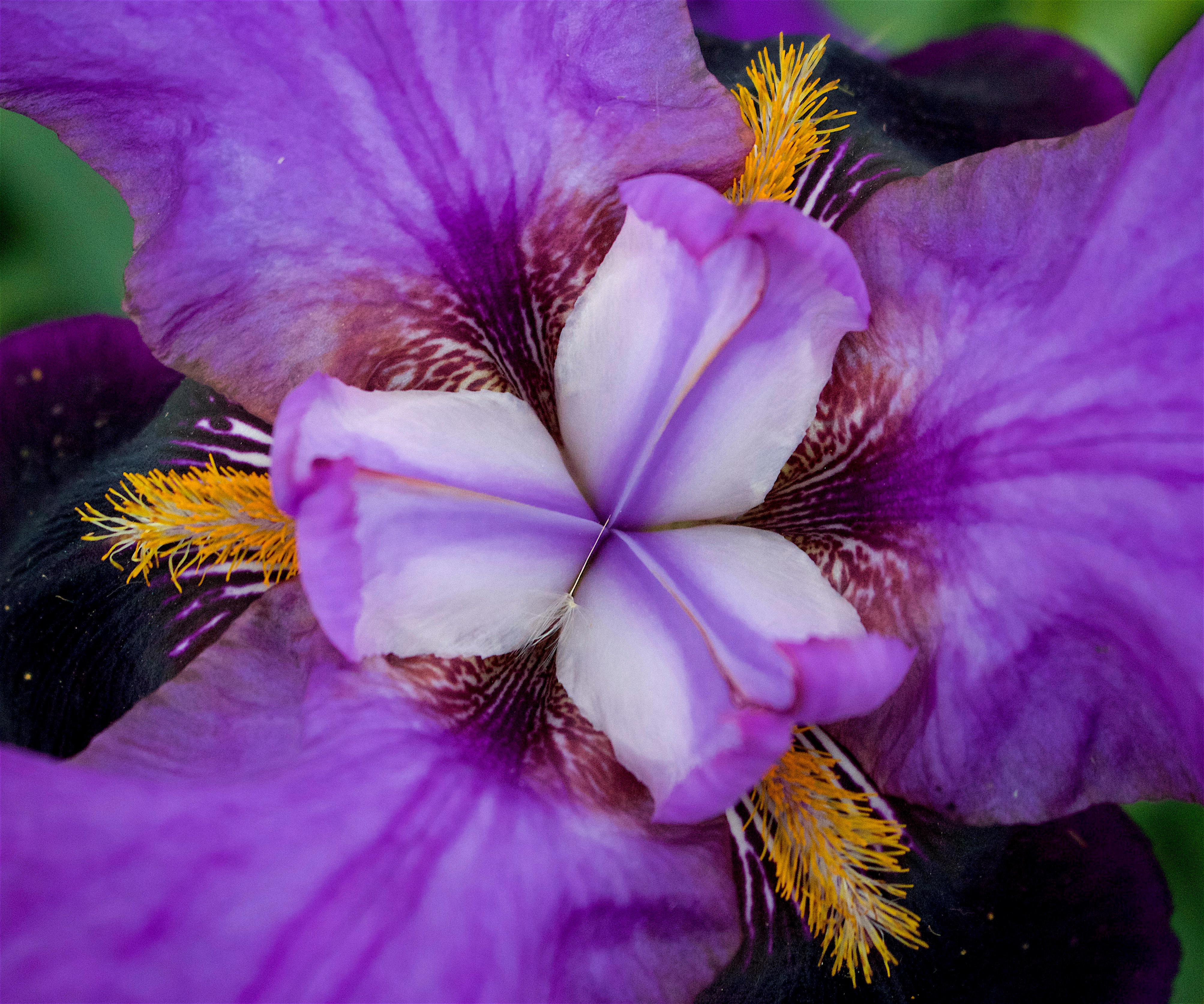
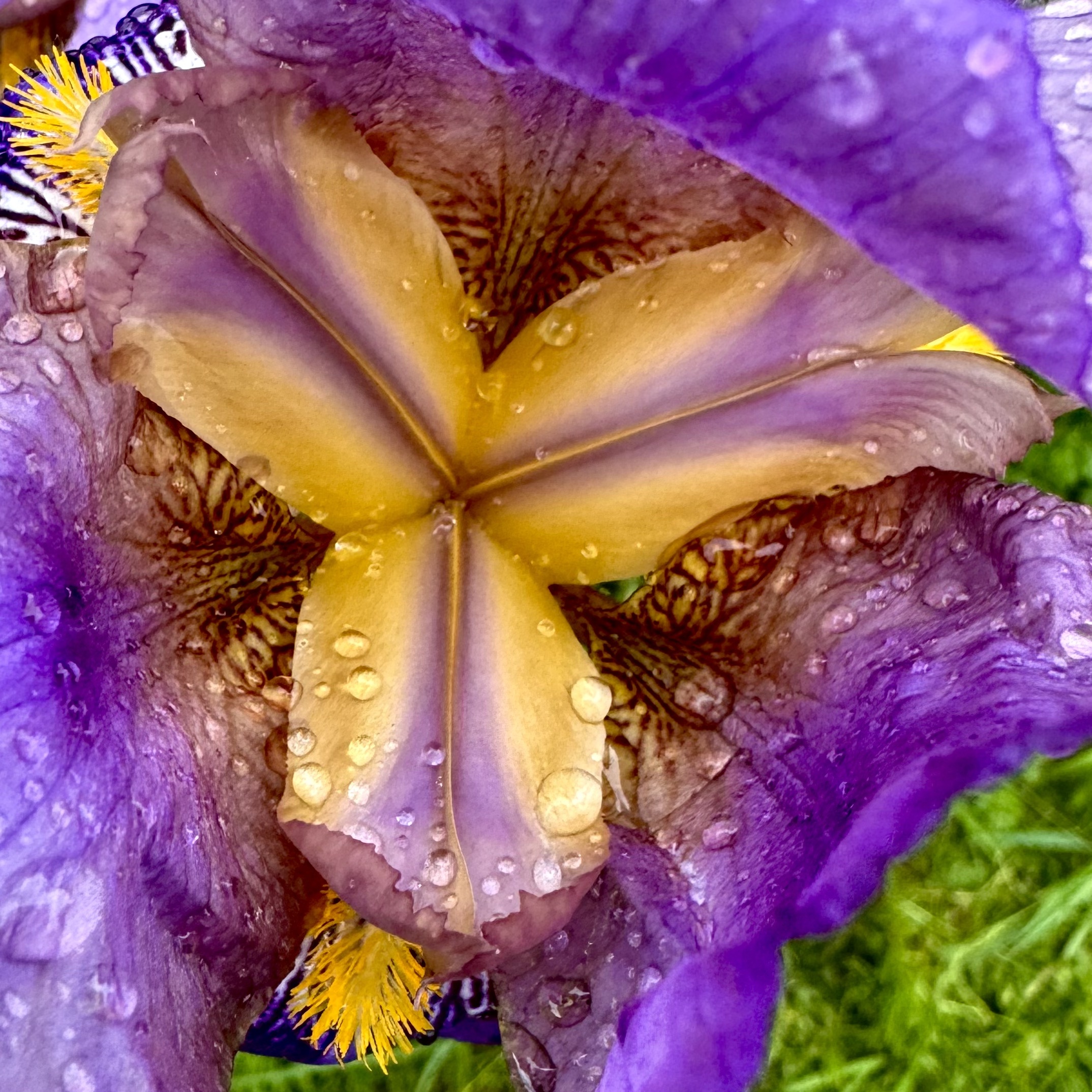
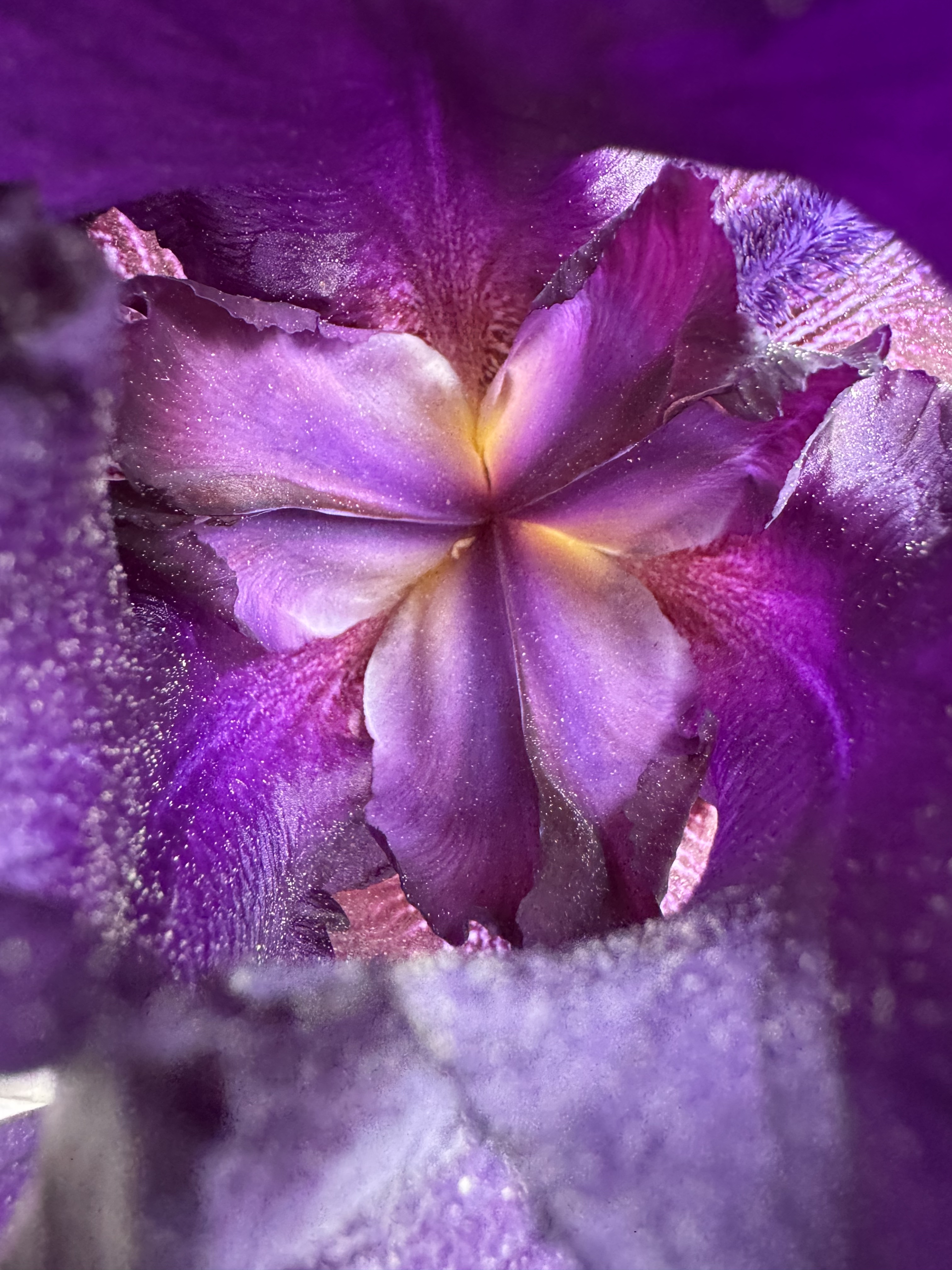
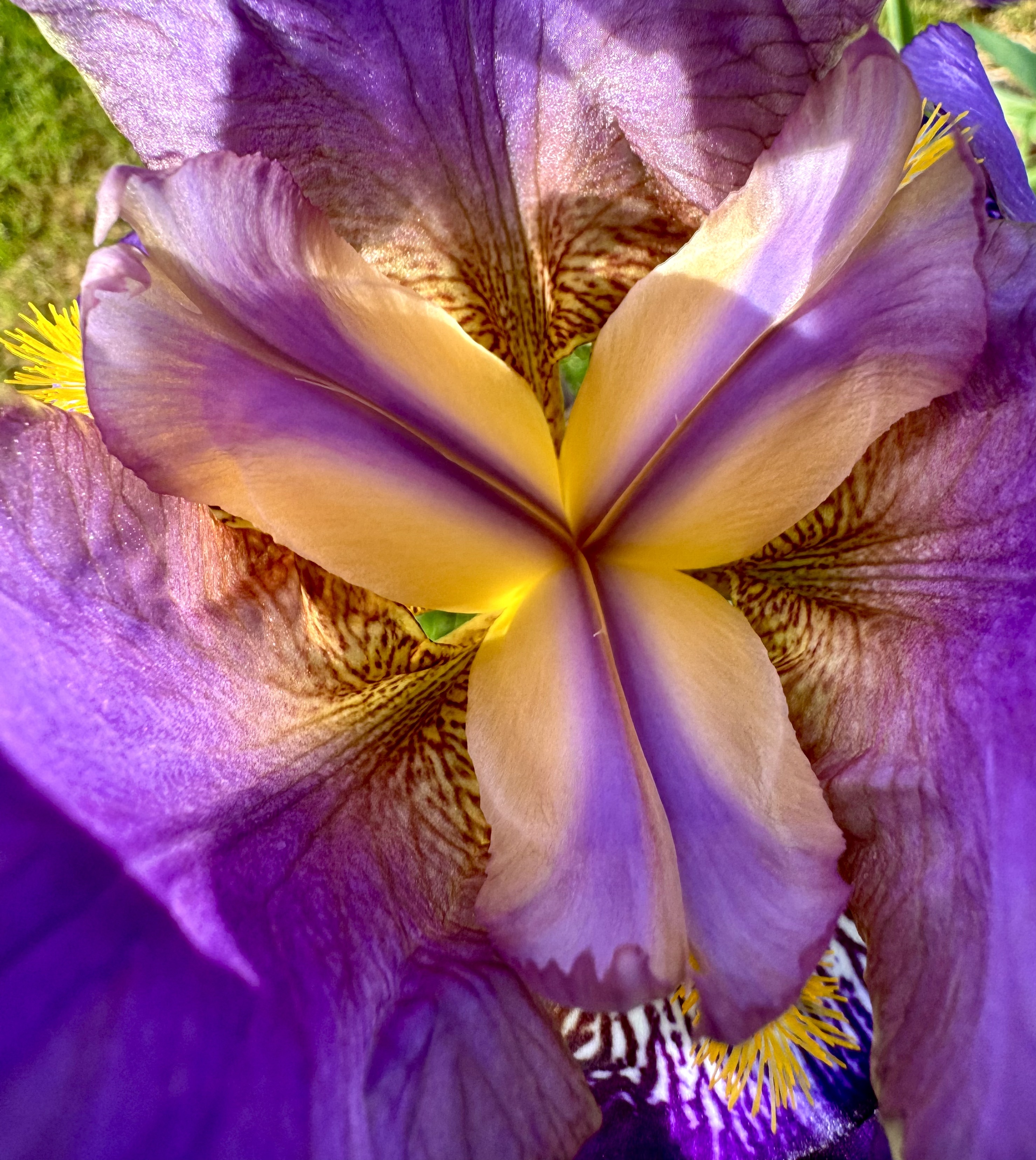
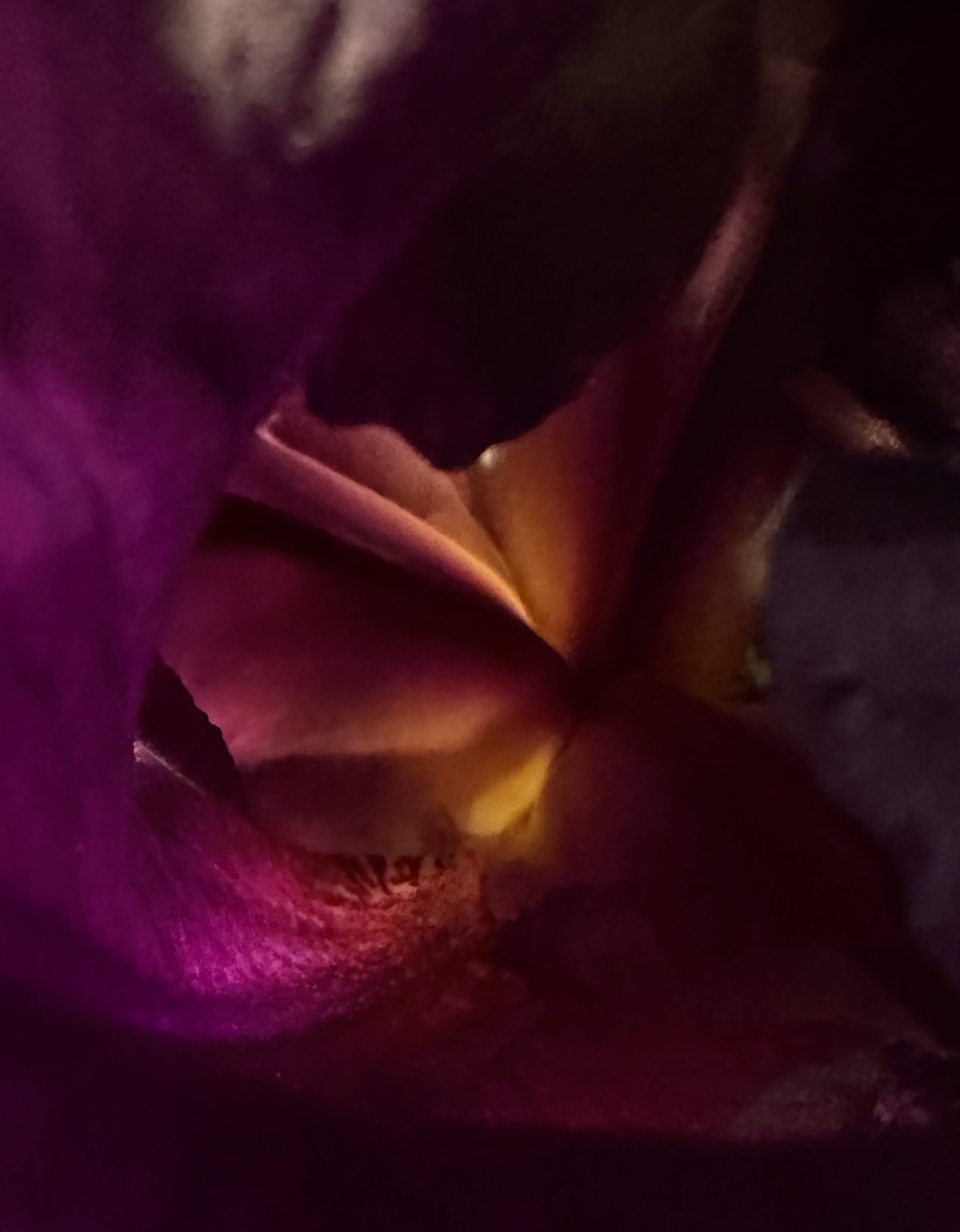
Whenever I allow my eye to peer inside an iris, it takes all my attention.
I need a flotation device and depth finder as I’m likely to get lost, sweeping and swooning through inner space of complex tunnels, canyons and corners, then coming up for air and diving in again to journey into exotic locales draped in silken hues.
This fairy land of petals on a stem, is birthed by the creative genius of God.
AI image created for this post
One-Time
Monthly
Yearly
Make a one-time or recurring donation to support daily Barnstorming posts
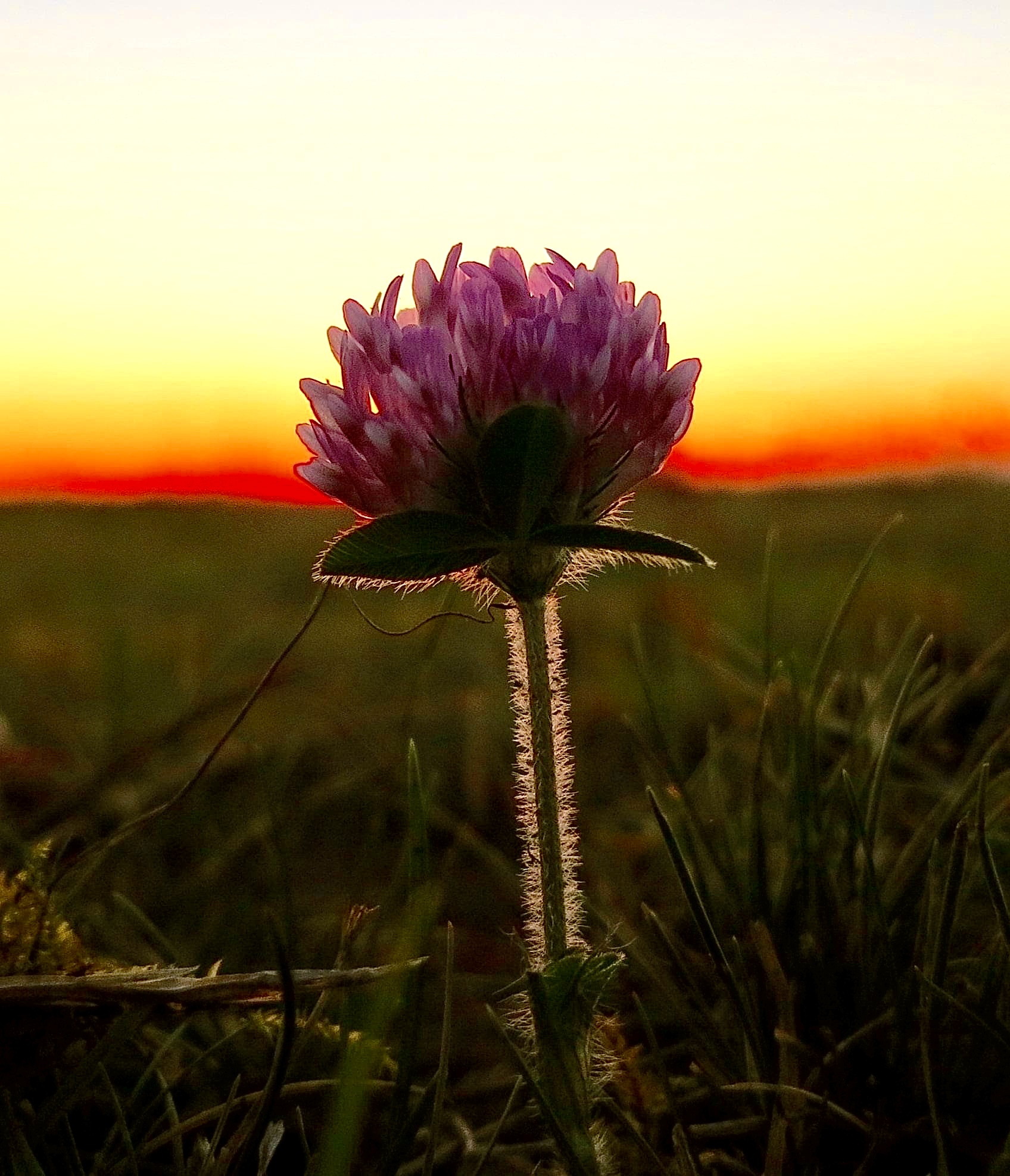
To make a prairie it takes a clover and one bee, a One clover, and a bee, And revery. The revery alone will do, If bees are few. ~Emily Dickinson
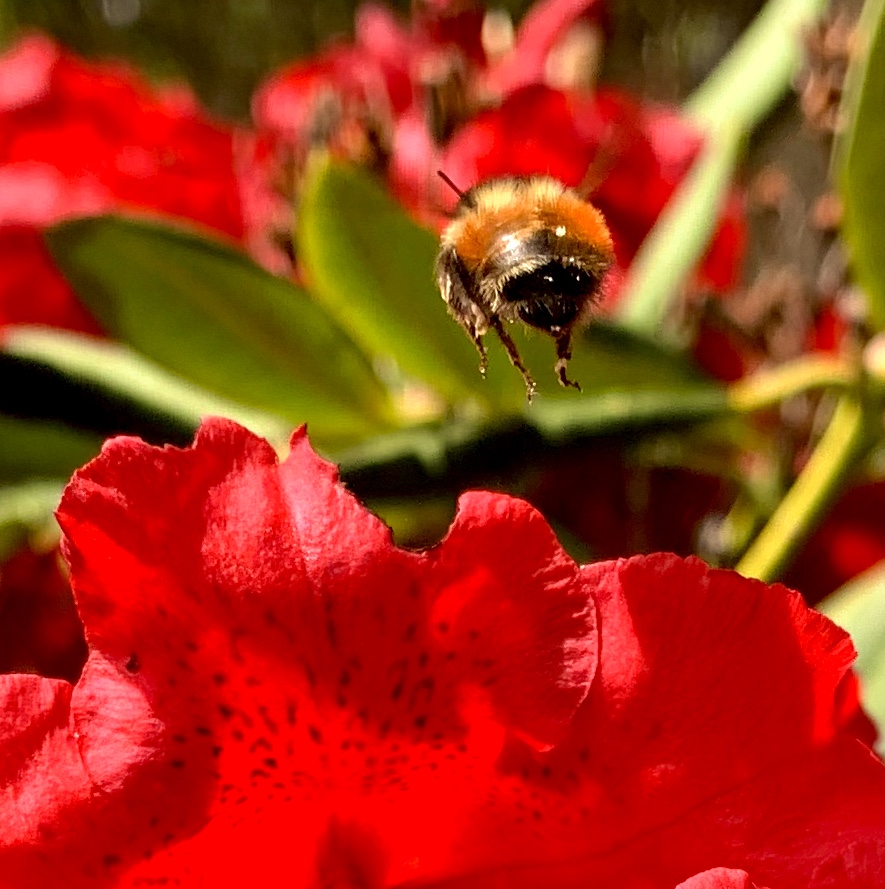
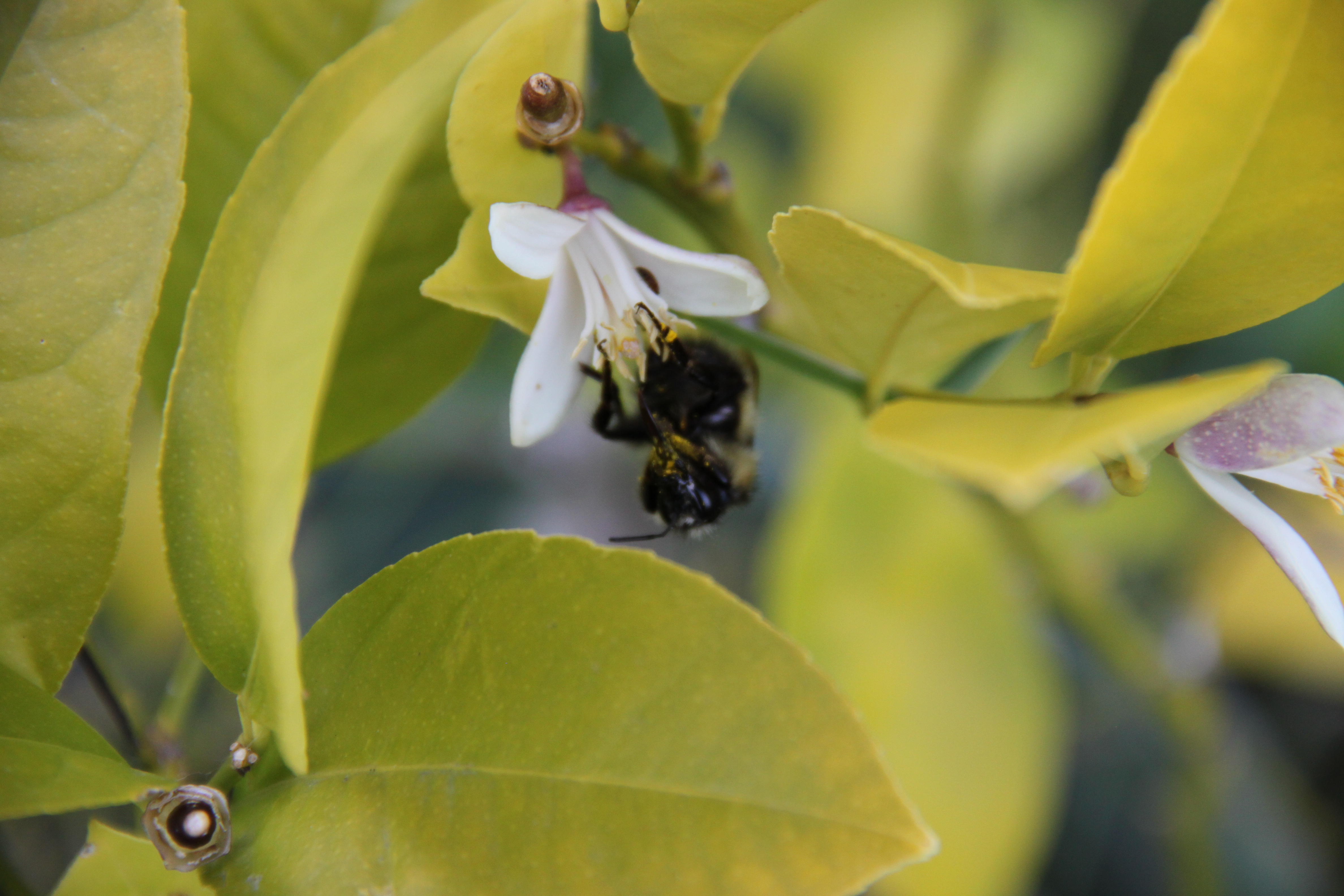
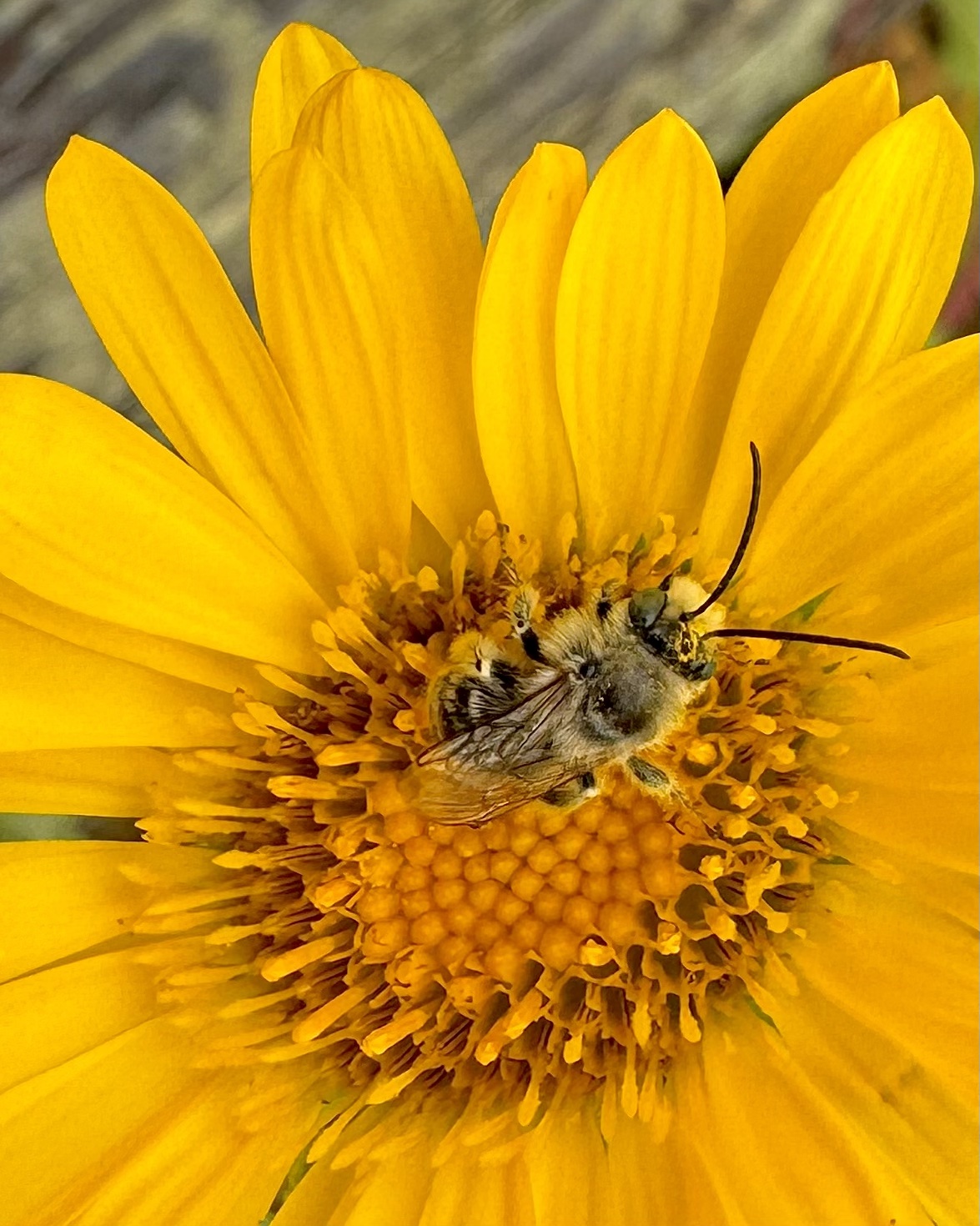
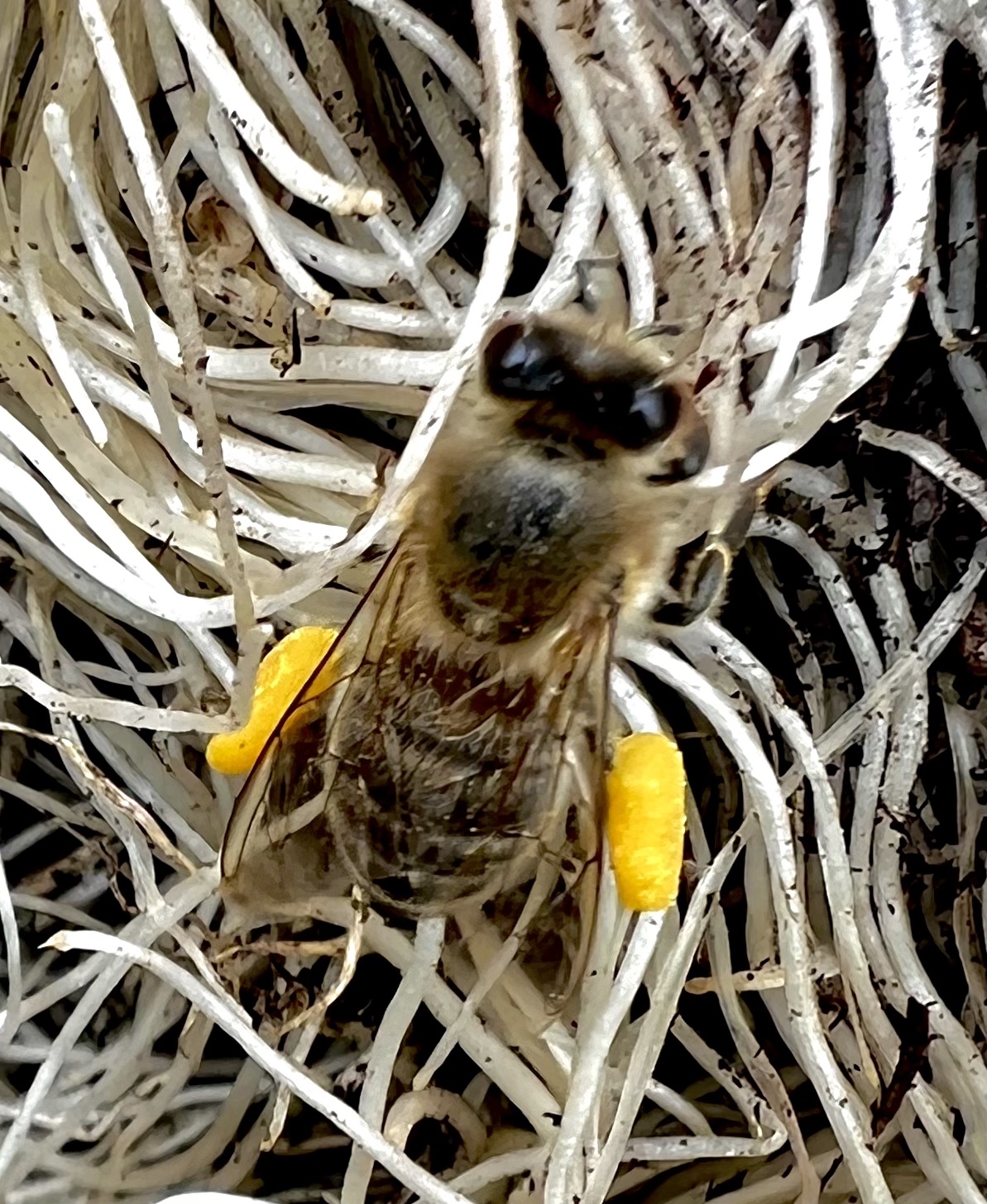
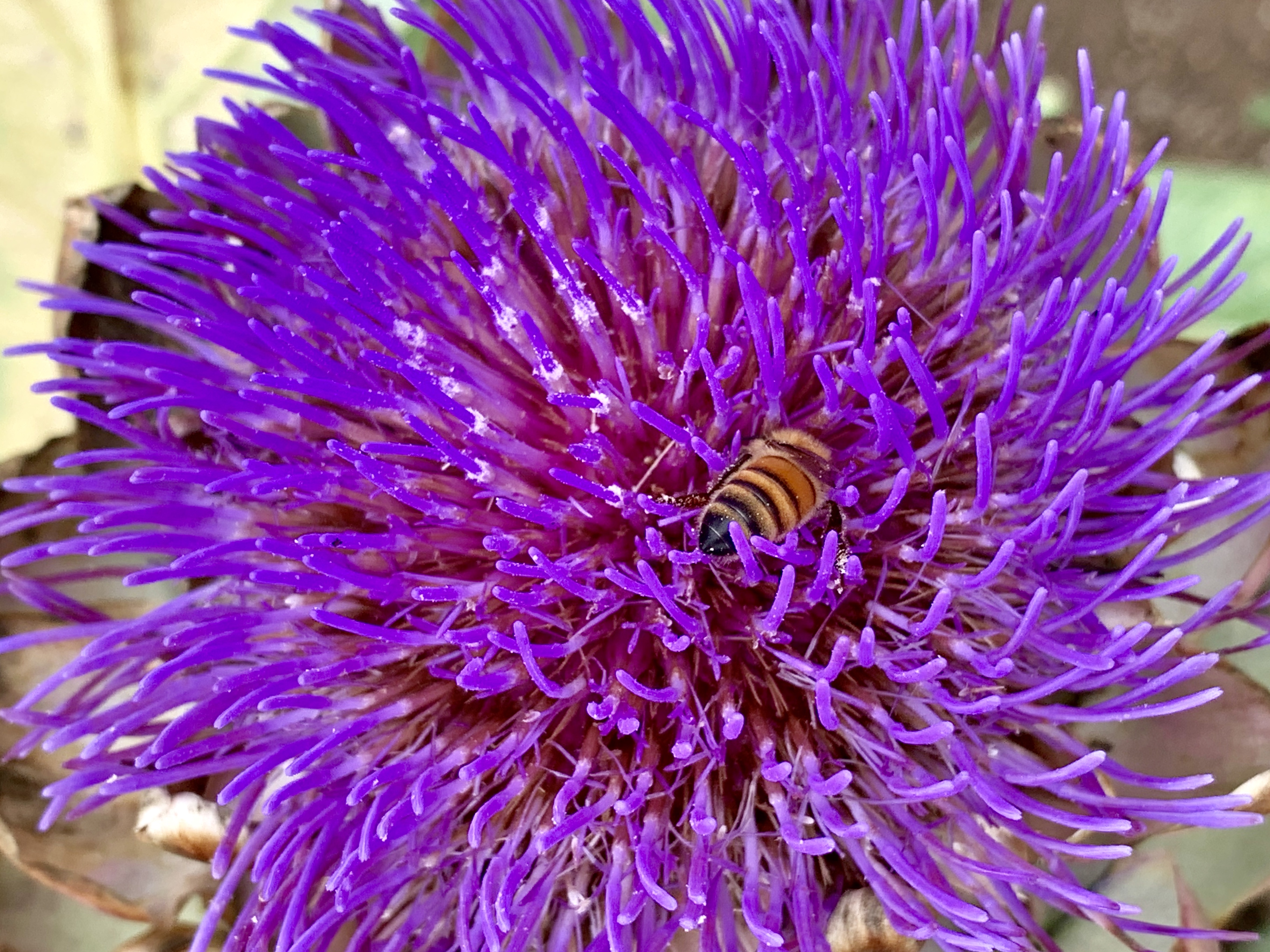
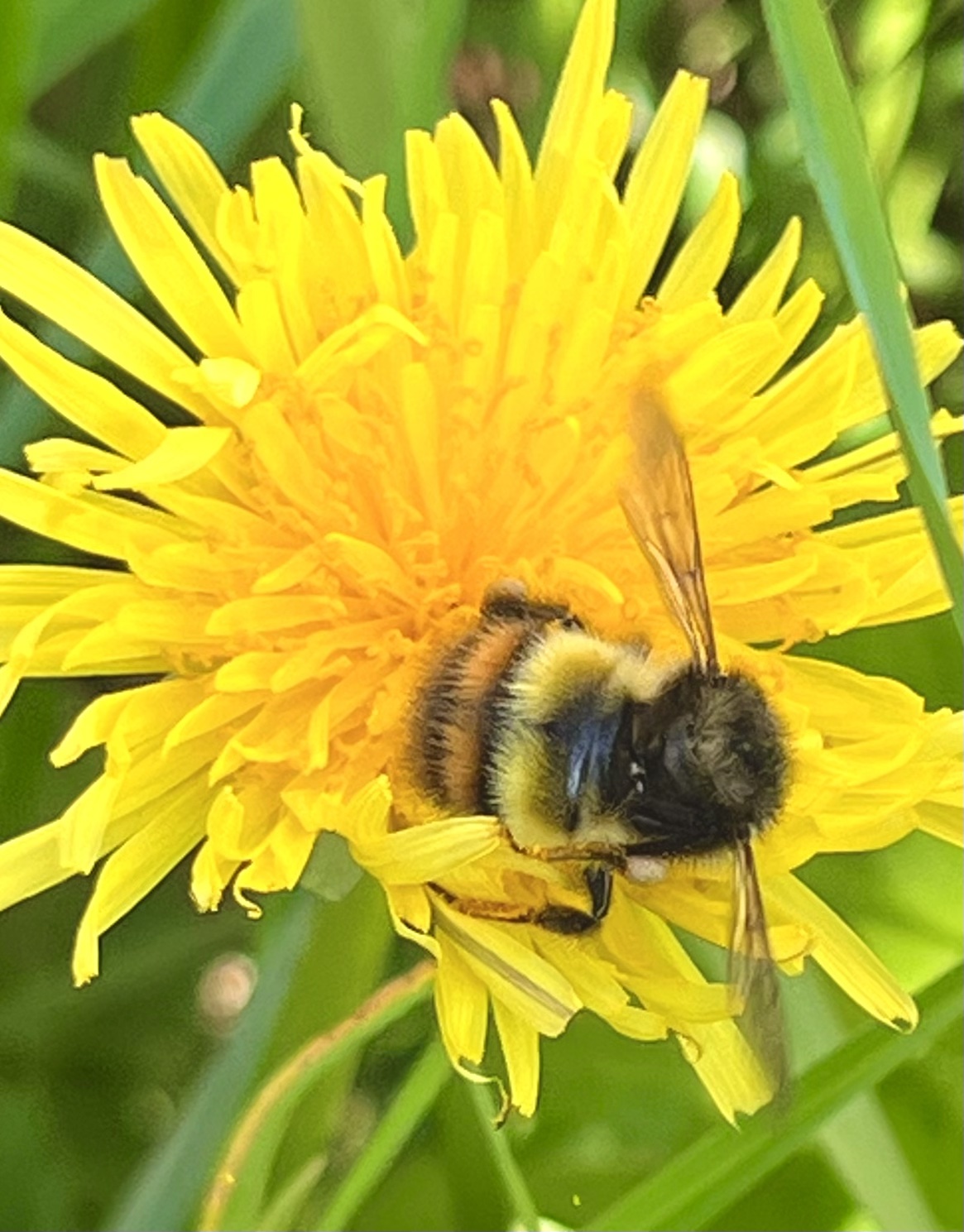
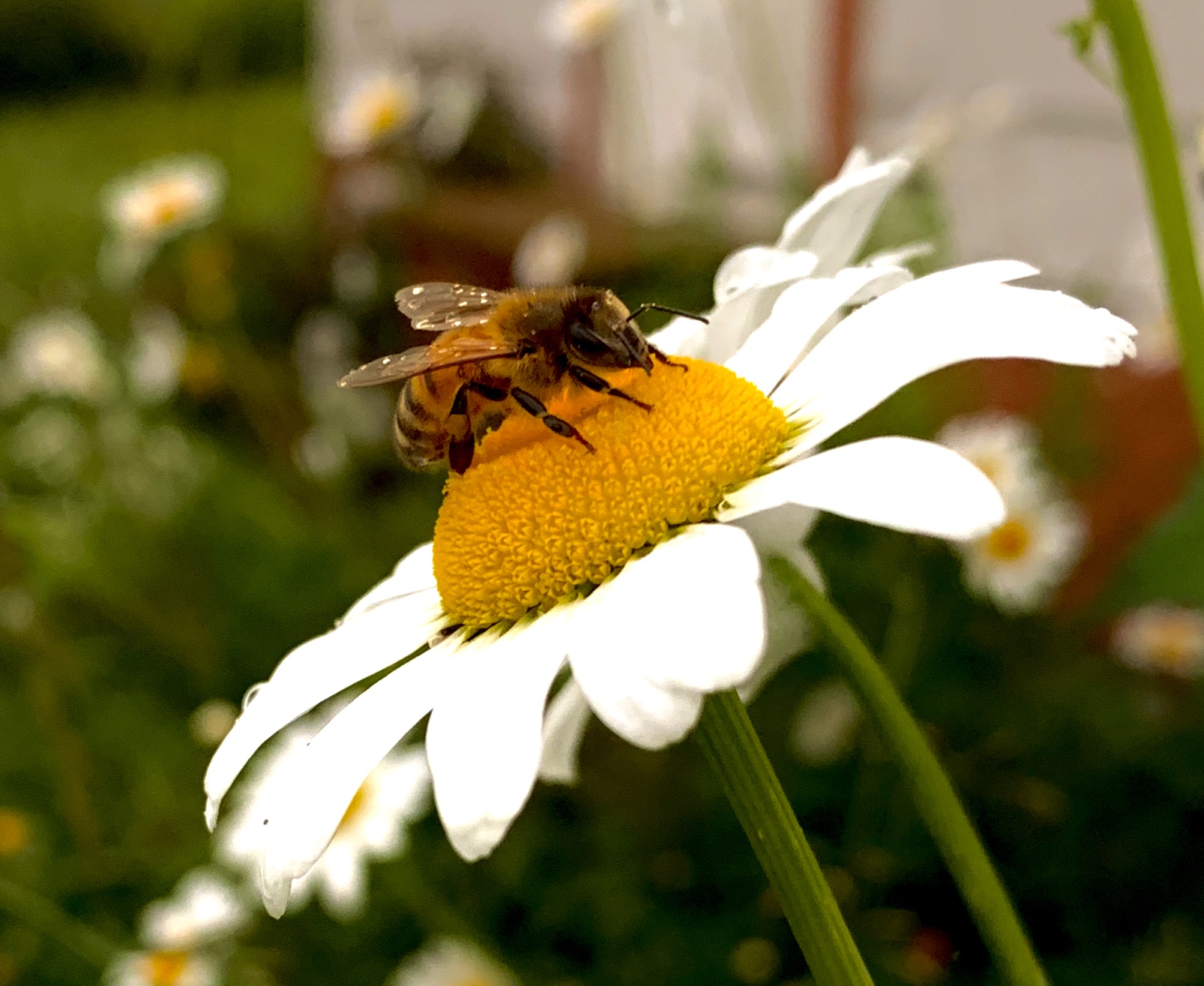
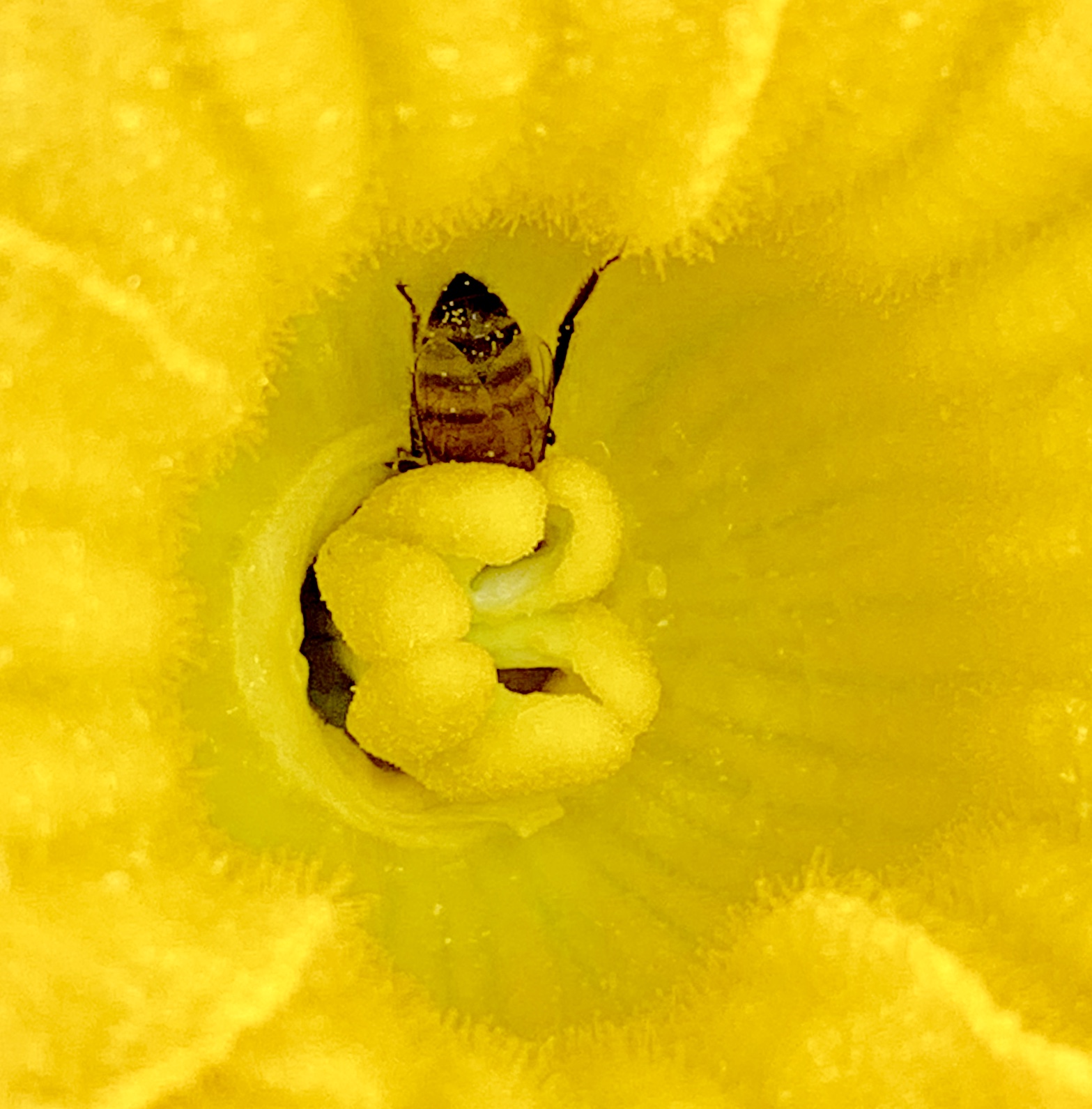
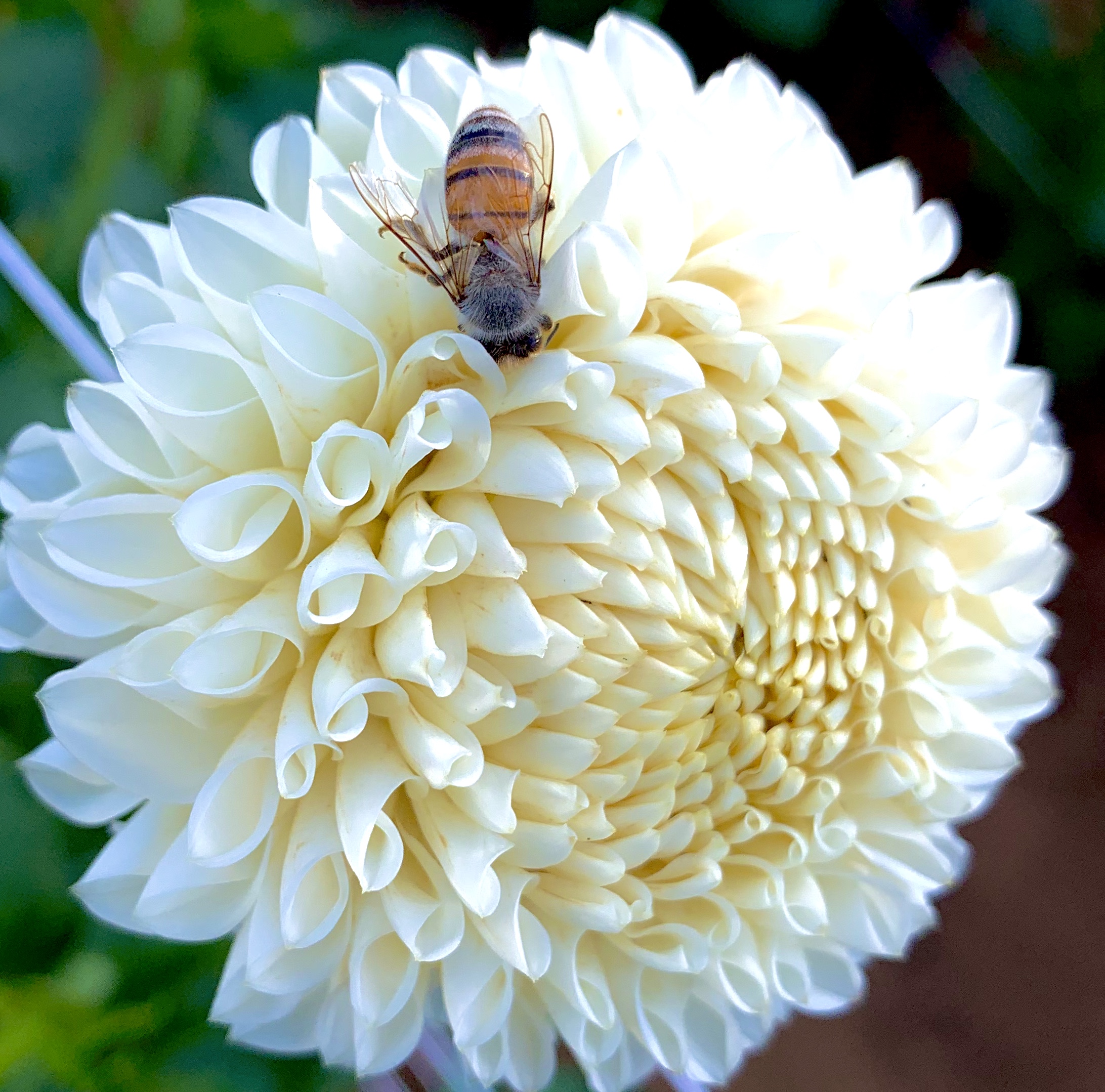
Bees do have a smell, you know, and if they don’t they should, for their feet are dusted with spices from a million flowers. ~Ray Bradburyfrom Dandelion Wine
Pollinators are having a rough time of it these days, combating man-made insecticides or failing to find flowering weeds to visit given the wide-spread use of herbicides. Plus, there is the American penchant for mowing grassy landscapes to look perfectly uniform and weed-free.
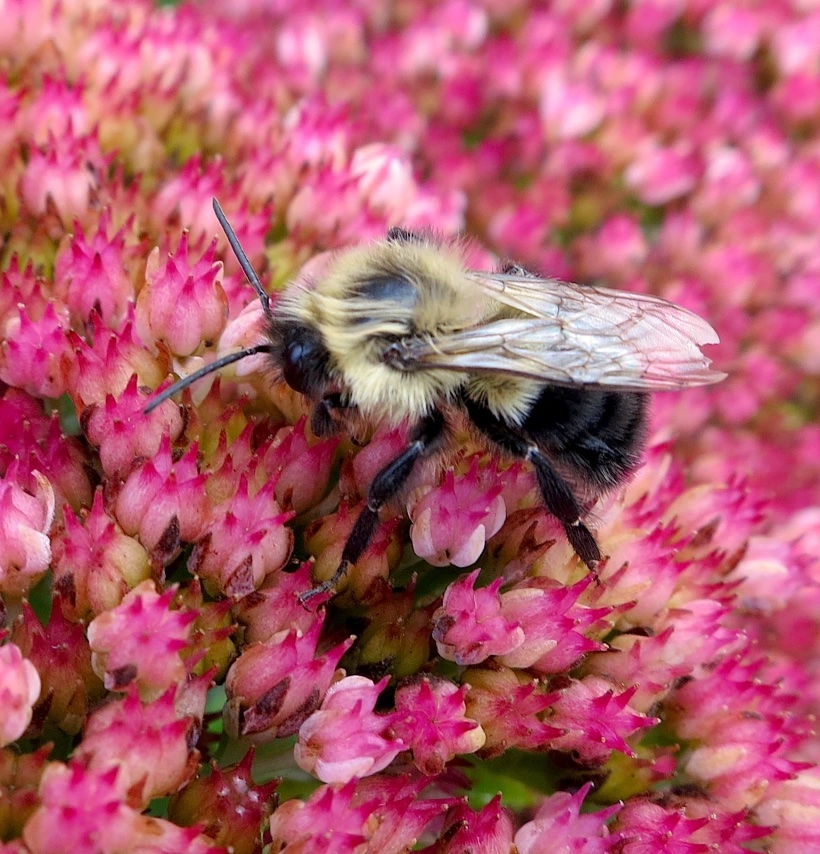
When I see a honey or bumble bee happily doing its job, it is a cause for celebration.
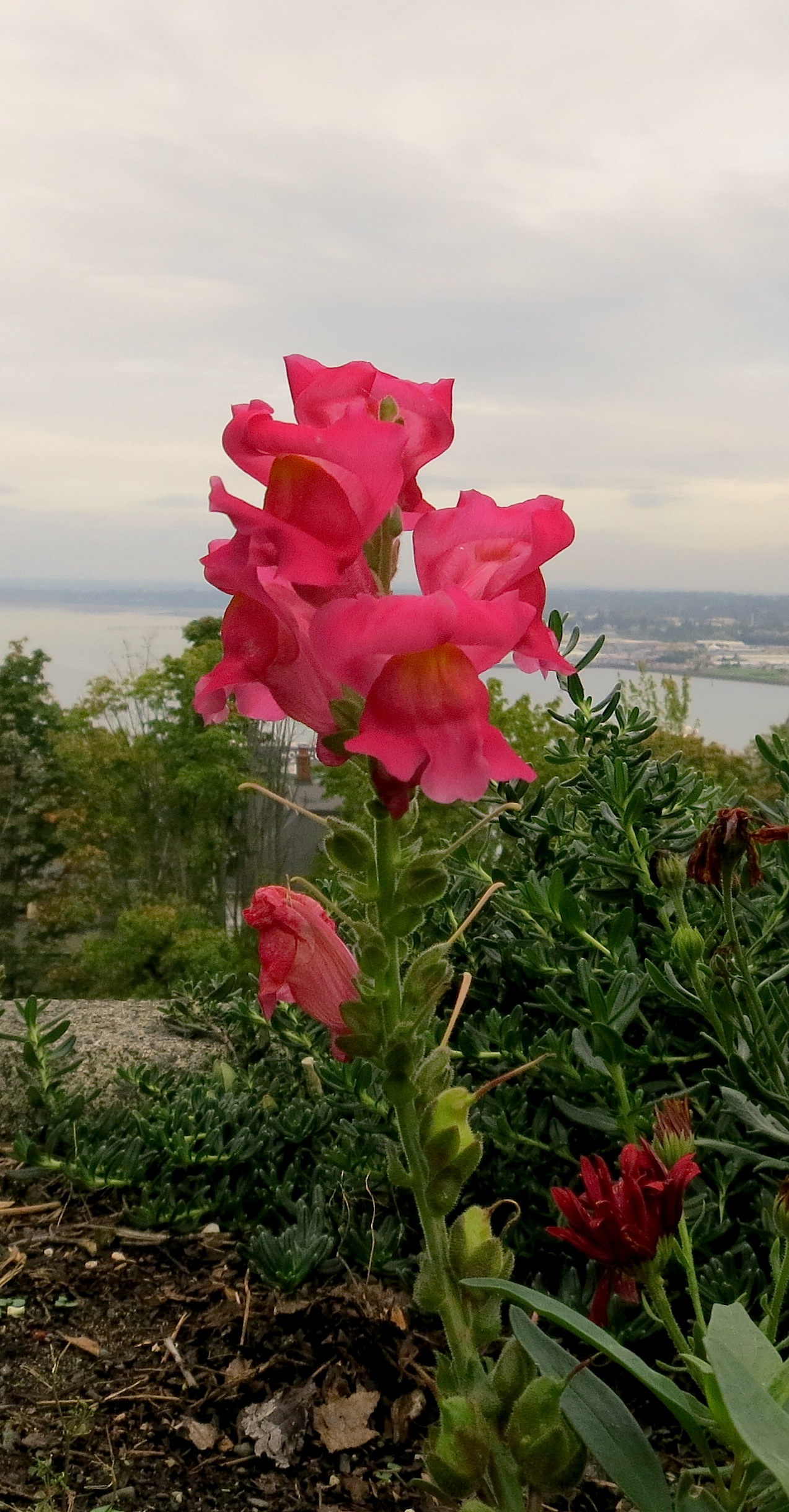
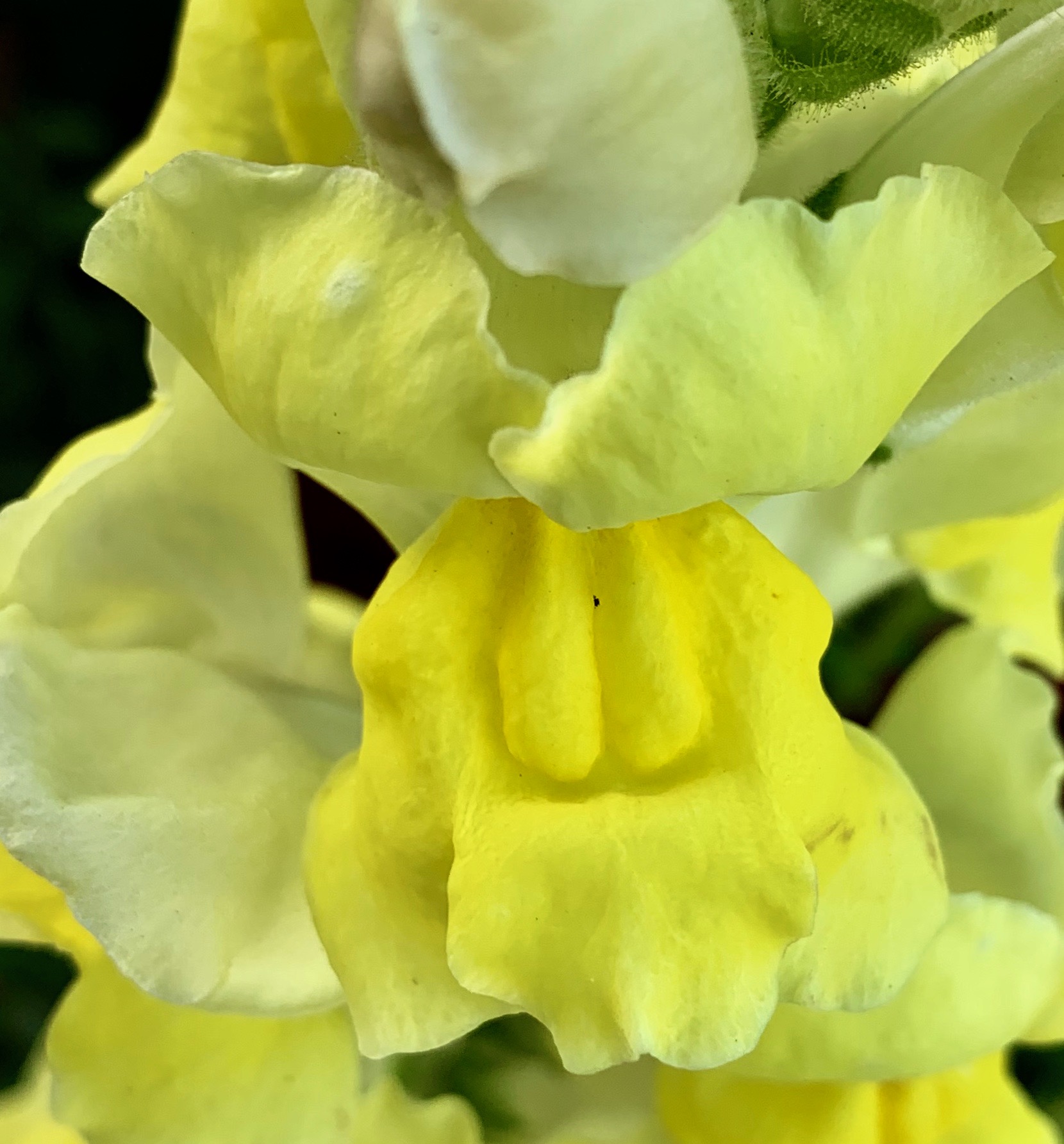
I was thrilled to see the latest research reported today demonstrating the ability of a flowering plant, like a snapdragon in the study, to “hear” (through vibro-acoustic signals) the buzz of an approaching pollinator, responding instantly by increasing its nectar volume and sweetness. The postulated feedback mechanism is that pollinators will be more attracted to a plant that “rewards” their visit, thereby increasing the likelihood of ongoing pollination visits and survival of further generations of both creatures.
This world depends on a revery of communication we can only begin to understand – between plant to plant, plant to insect — a daydream of connections bringing the spicy smell of pollen from a million flowers to the lowly feet of the bee, which generates more of both as well as honey for you and me. May it be, may it be, may it bee…
May we know such reverie.
AI image created for this post
One-Time
Monthly
Yearly
Make a one-time or recurring donation to support daily Barnstorming posts
knotting the tops of bunched handfuls the drooping heads tied together.
My seven siblings and I sheltered ourselves
inside these labyrinths in a galaxy of grasses. ~Heather Cahoon “Shelter”
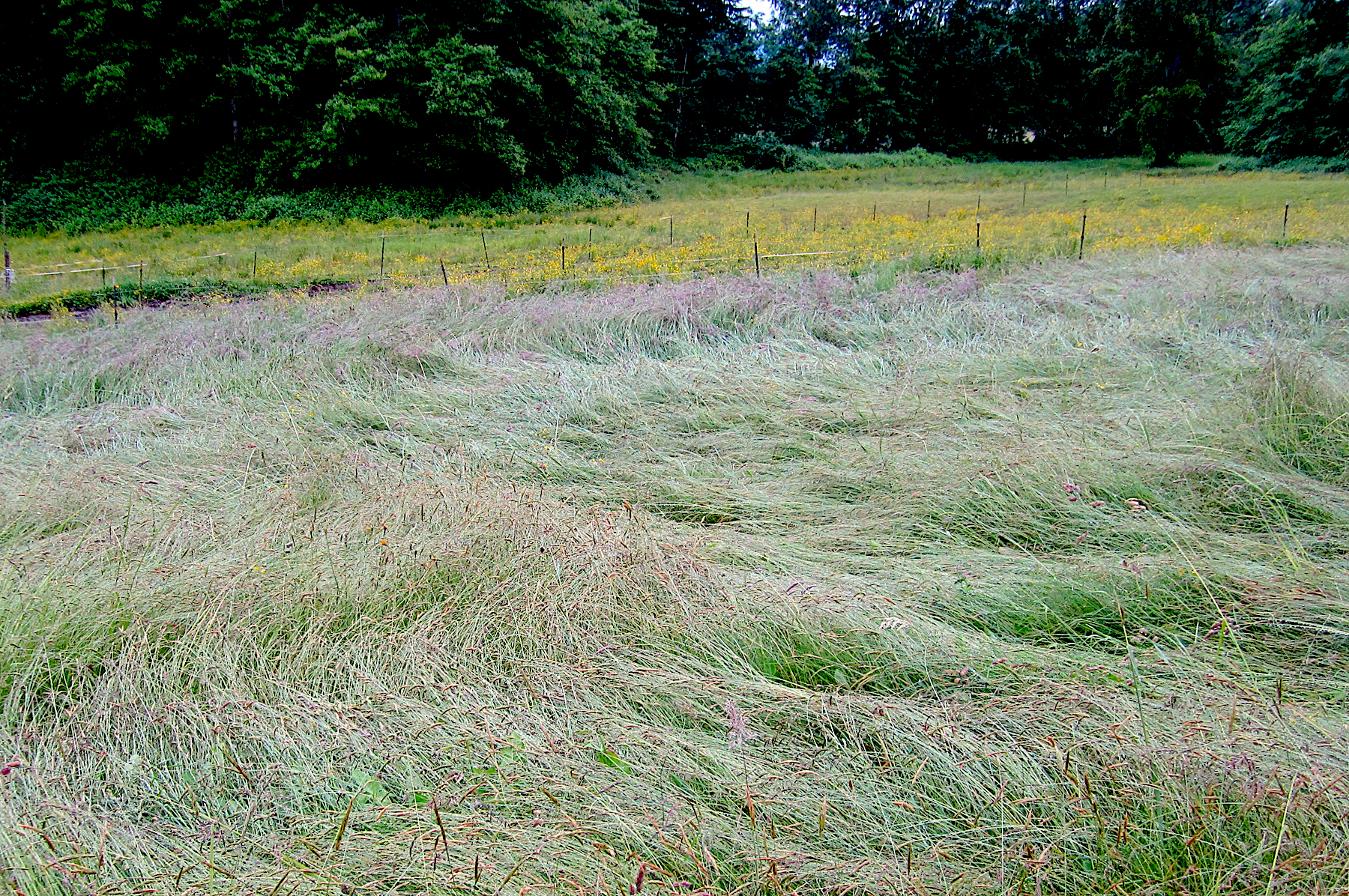
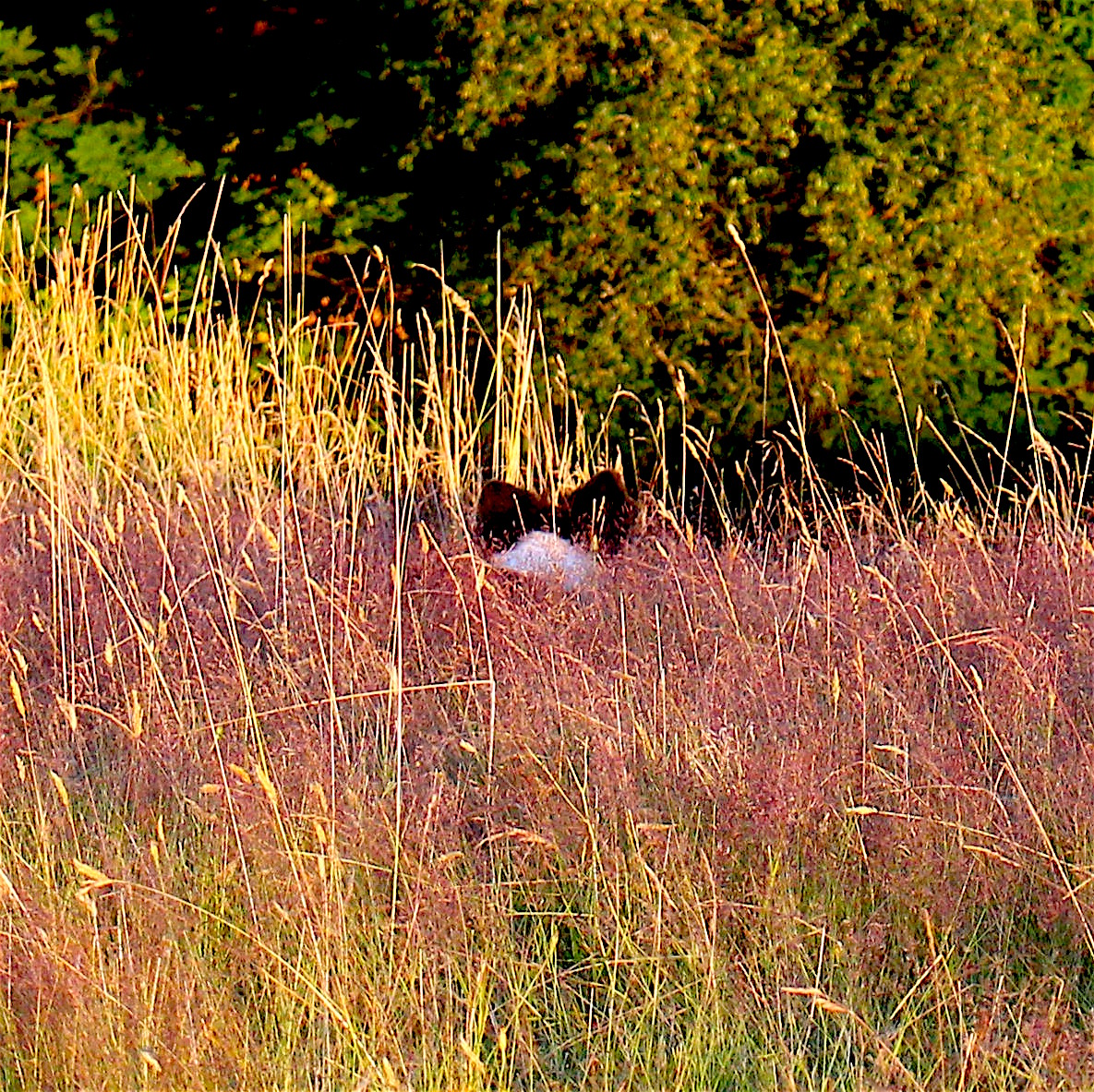
As a child I enjoyed exploring our hay field to find the tallest patch of grass. There, like a dog turning circles before a nap, I’d trample down the waving stems that stretched up almost to my eyes, and create a grass nest, cozy enough for just me.
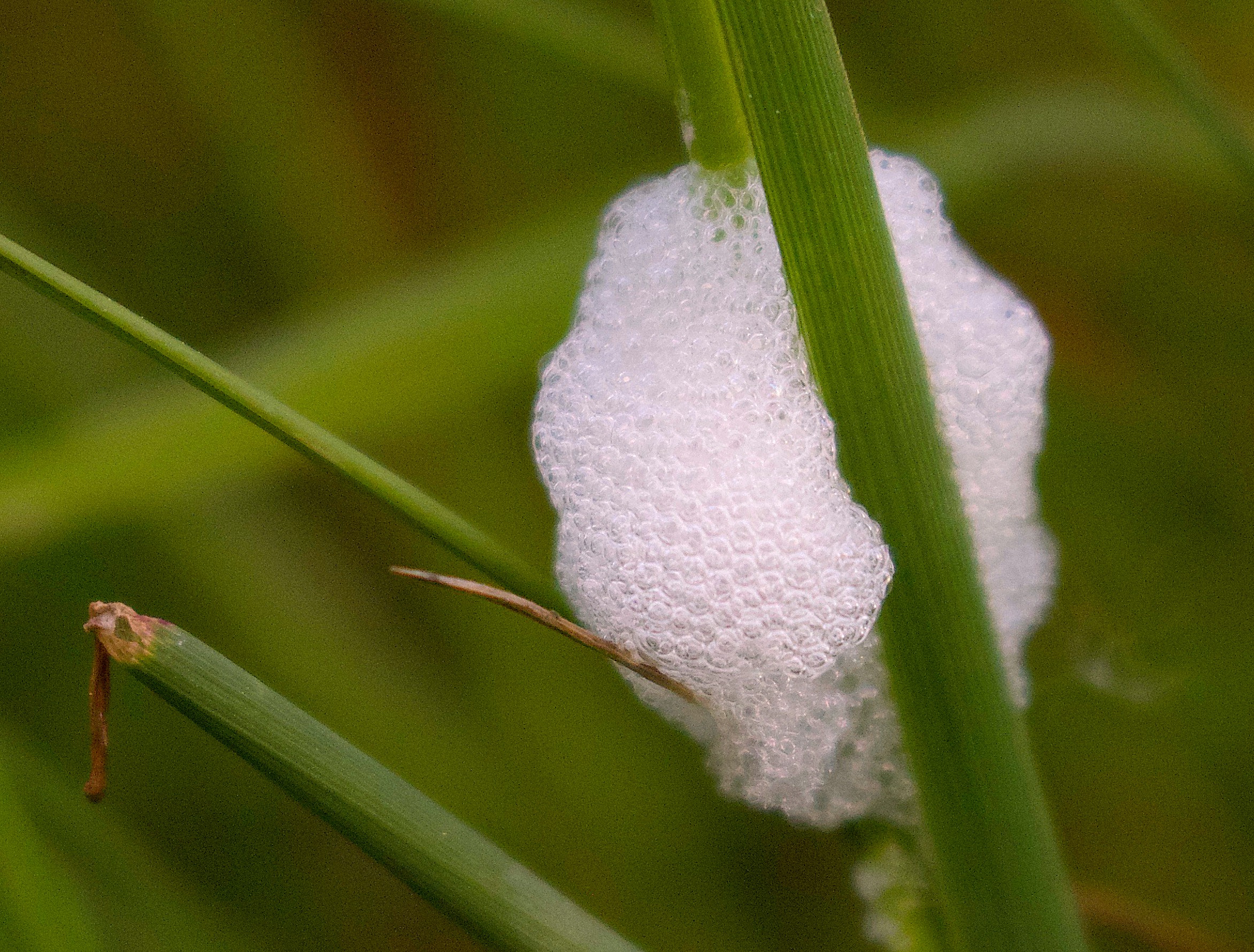
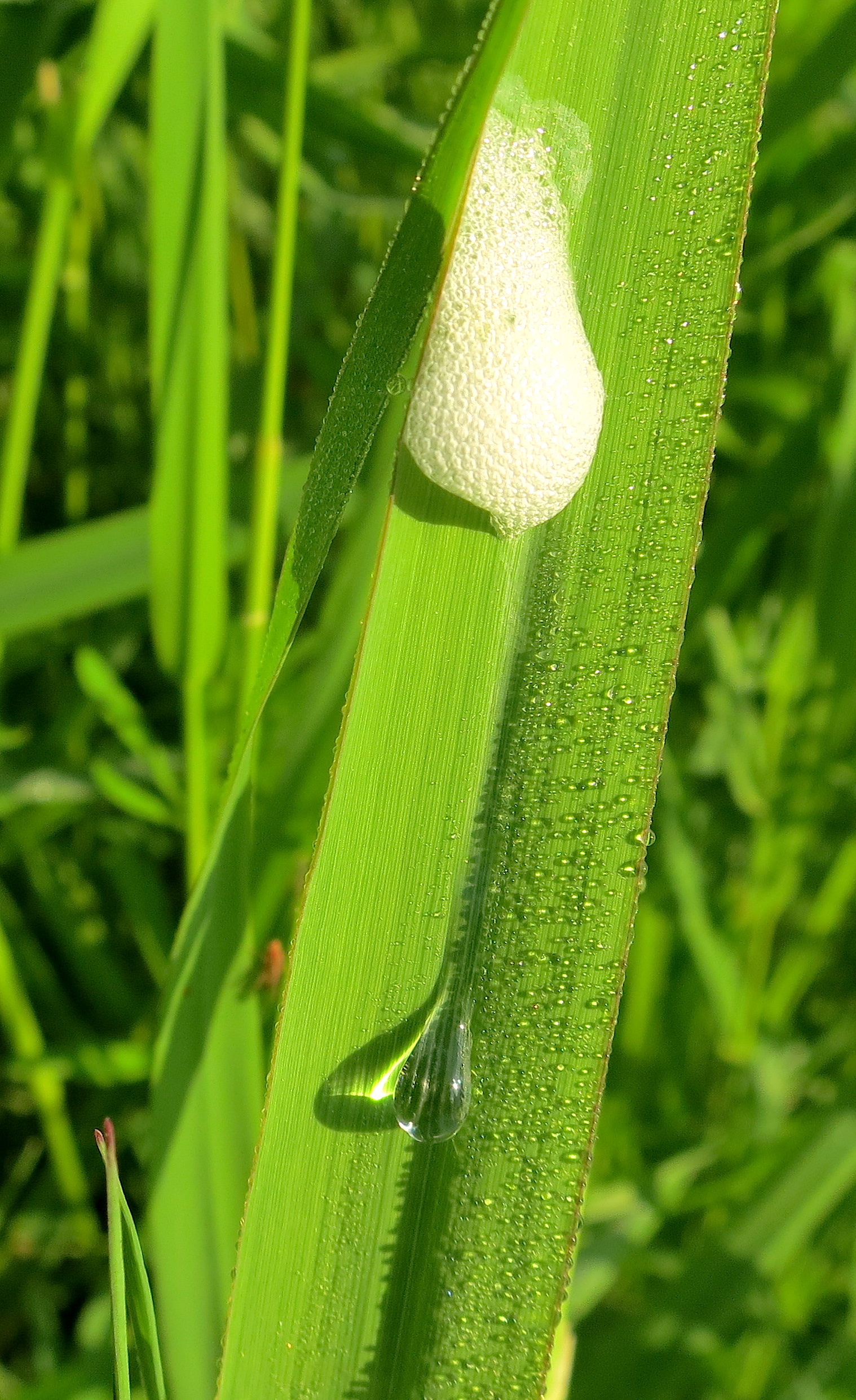
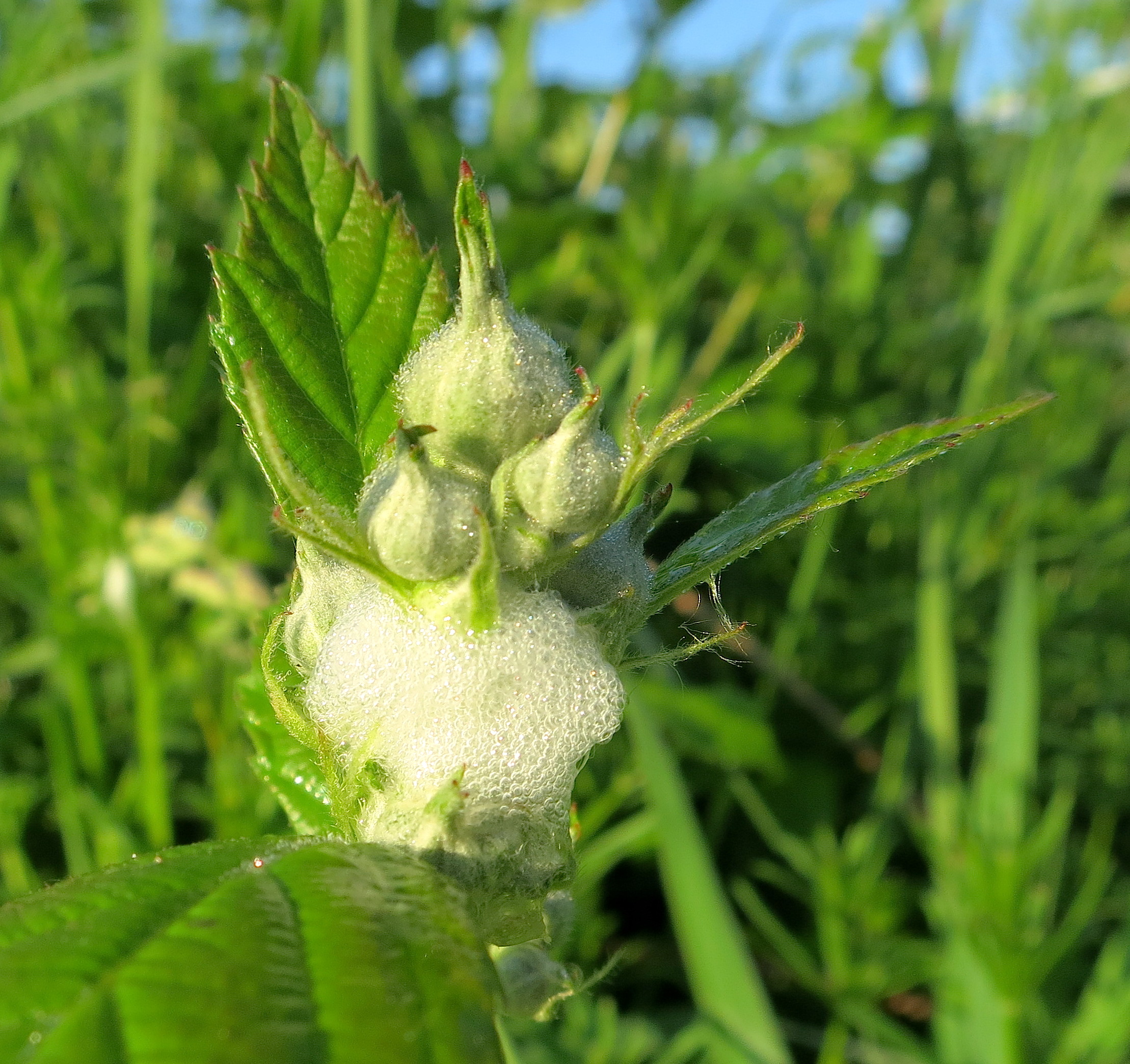
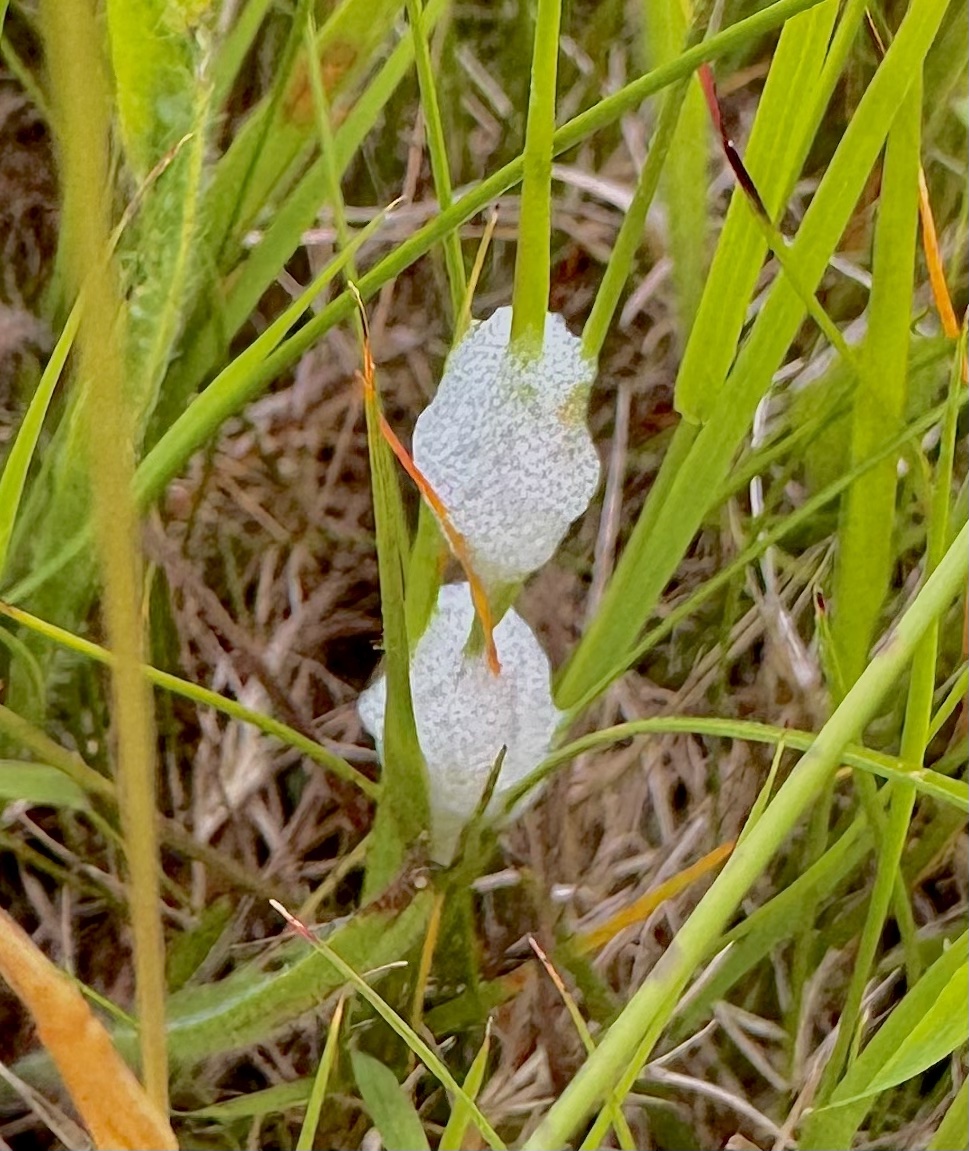
I’d lie down in this green fortress, gazing up at the blue sky, and watch the clouds drift lazily by. I’d suck on a hollow stem or two, to savor the bitter grass juice. Scattered around my grassy cage, attached to the broad grass stems, would be innumerable clumps of white foam. I’d tease out the hidden green spittle bugs with their little black eyes from their white frothy bubble encasement. I hoped to watch them make foam, to actually see them in action doing what they do best, but they would leap away.
The grassy nest was a time of retreat from the world by being buried inside the world. I felt protected, surrounded, encompassed and free –at least until I heard my mother calling for me from the house, or a rain shower started, driving me to run for cover, or my dog found me by sniffing out my green path.
It has been years since I hid in a grass fort or tried to defroth spit bugs. I am overdue, I’m sure.
Over twenty years ago, on a spring morning, I was driving into work on one of our county’s rural two-lane roads, savoring a grumbly mood and wishing I was heading somewhere else on a bright and sunny day. My mind was busy with the anticipation of the workday when I noticed a slight shift to the right over the fog line by the driver in the car ahead of me. Suddenly I realized why, in a moment of stark clarity.
An empty gravel truck and trailer rig was approaching as it came over a hill, its driver seemingly unaware his huge trailer was starting to whip back and forth behind him. As the huge rig approached me, the trailer was coming back to my side of the road at a nearly ninety degree angle from the truck, filling up the entire lane in front of me.
I had no choice but to run my car off the road into a grassy field to avoid being hit head-on by the still-attached but runaway trailer. Only by chance were there no deep ditches at that particular point in the road. My car dove right into tall grass, enfolded in a shroud of green, shielding me from a tangle of metal and certain death.
It was a near miss, but a miss nonetheless.
I sat still for a moment, gathering my wits and picking up what was left of my frayed nerves from where they been strewn about. All I could see in front and around me was grass, just like my little childhood fortresses.
It was very tempting to stay right there, hidden away in the safety of the grass, as if I had been a spittle bug wrapped in a foam cocoon, my heart racing with the relief of still being alive.
Instead I was able to drive out of the grassy field, and go on to work to do what I had been grumbling about that day, abruptly made aware of the privilege of having a life to live, a job to go to, and a grassy field perfectly situated to swallow me up into safety.
It was only later, as I called my husband about what had taken place, that I wept. Until then, I couldn’t stop smiling. I felt encased in liquid bubble wrap, foam-protected by One bigger and stronger, in whose image I had been made.
AI image created for this post
One-Time
Monthly
Yearly
Make a one-time or recurring donation to support daily Barnstorming posts
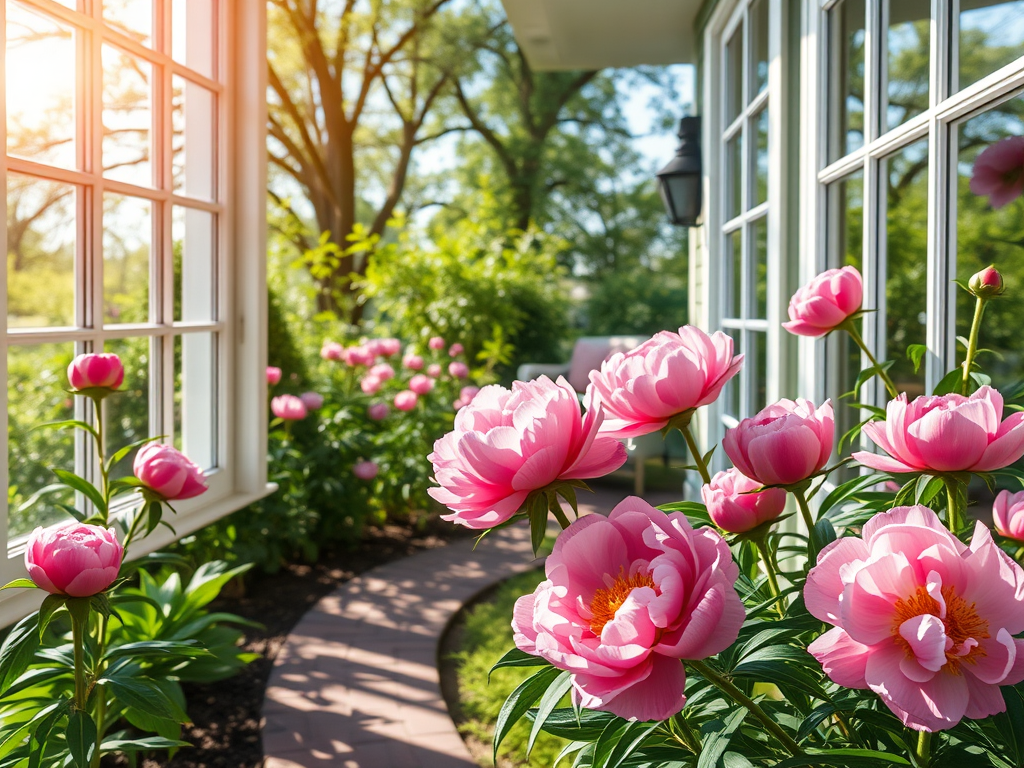
If ever there were a spring day so perfect, so uplifted by a warm intermittent breeze that it made you want to throw open all the windows in the house and unlatch the door to the canary’s cage, indeed, rip the little door from its jamb, a day when the cool brick paths and the garden bursting with peonies seemed so etched in sunlight that you felt like taking a hammer to the glass paperweight on the living room end table, releasing the inhabitants from their snow-covered cottage so they could walk out, holding hands and squinting into this larger dome of blue and white, well, today is just that kind of day. ~Billy Collins “Today”
The Truman Show was about someone stuck in a “perfect” world, safely contained, in a perpetual snow globe.
Today I want to release the caged and captive, to be immersed in what awaits outside.
Indeed, Someone sprung me loose to find my Spring, in one breath-taking and breath-giving moment.
Let’s open wide the windows…
AI image created for this postAI image created for this post
One-Time
Monthly
Yearly
Make a one-time or recurring donation to support daily Barnstorming posts
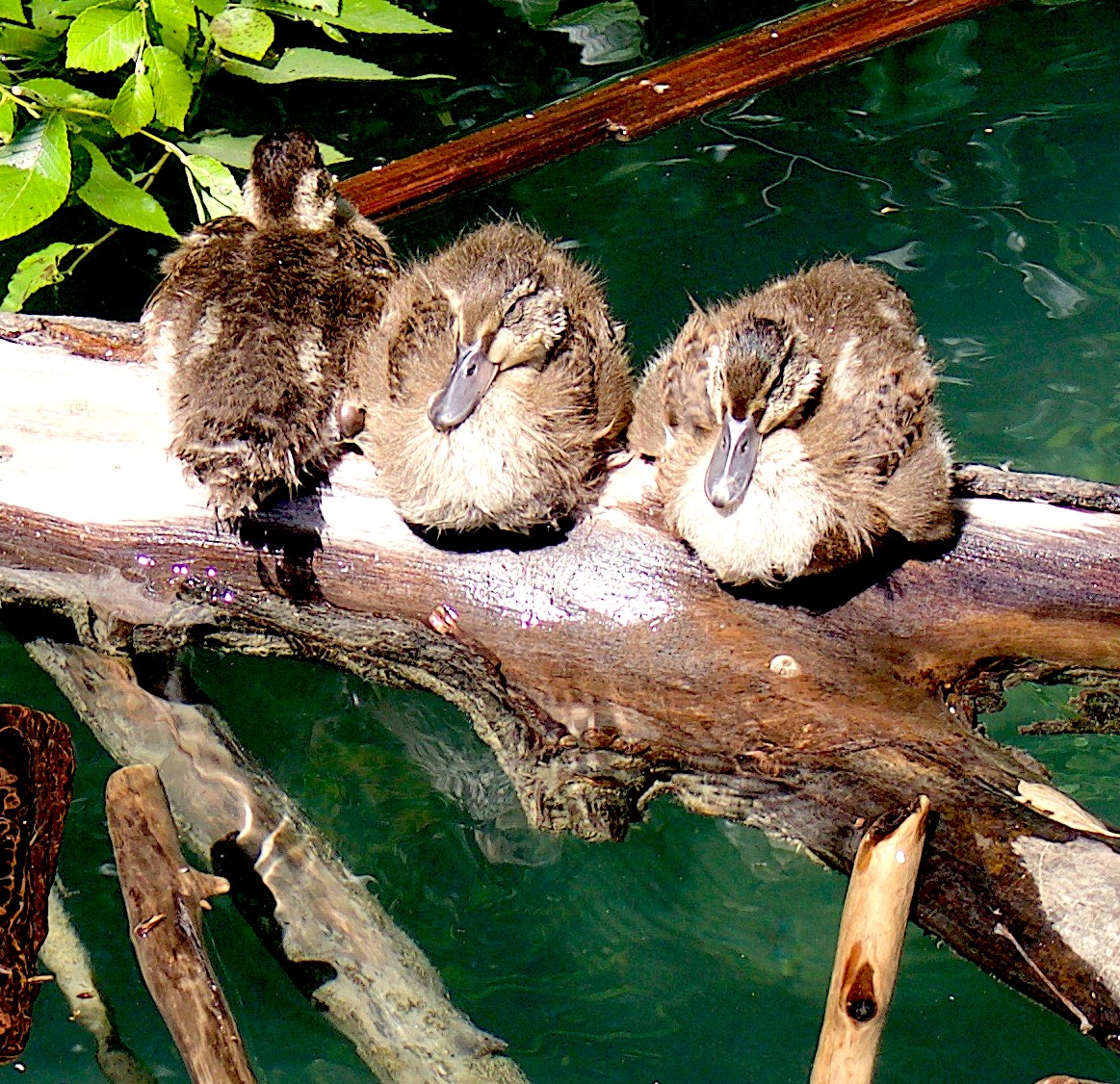
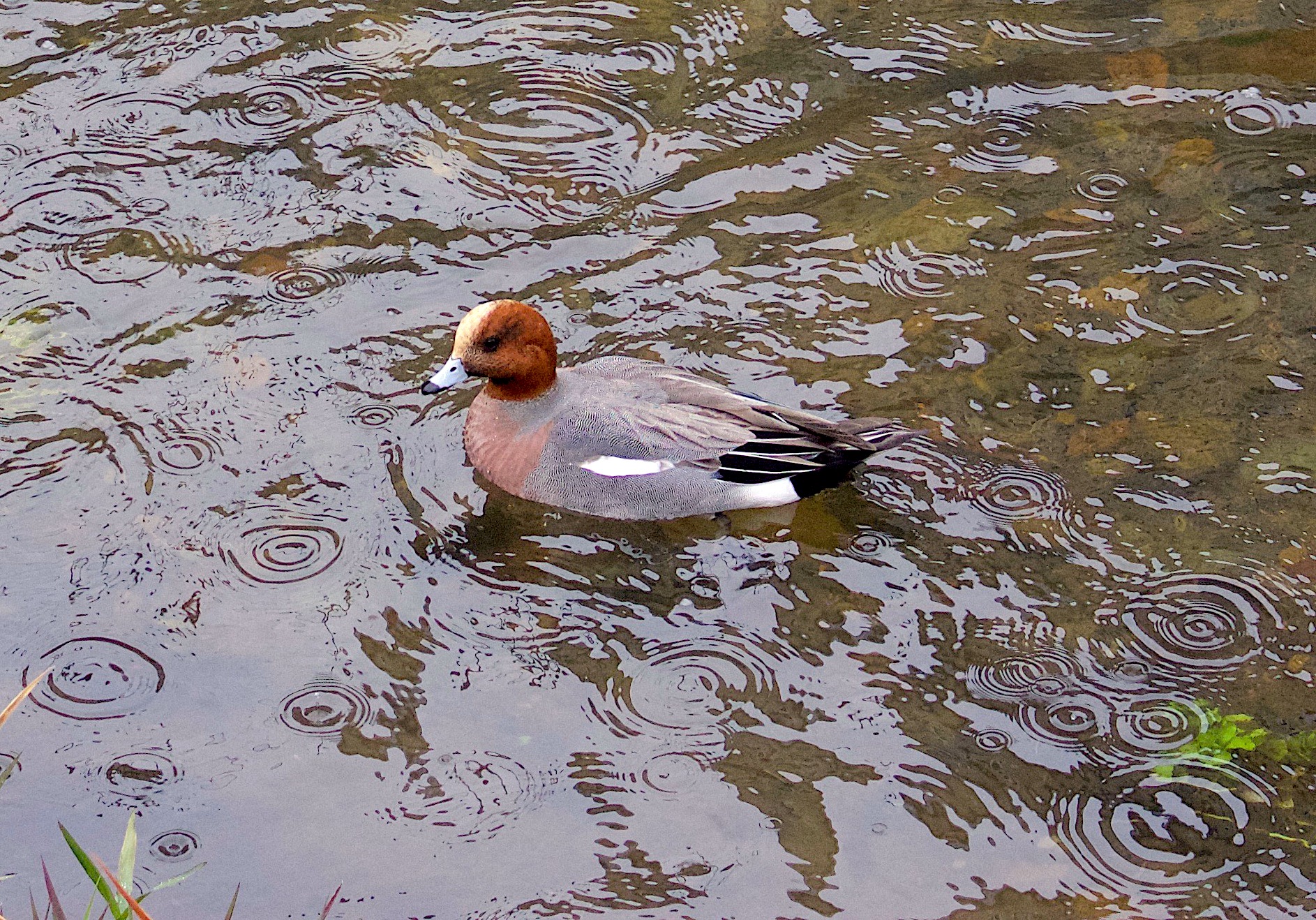
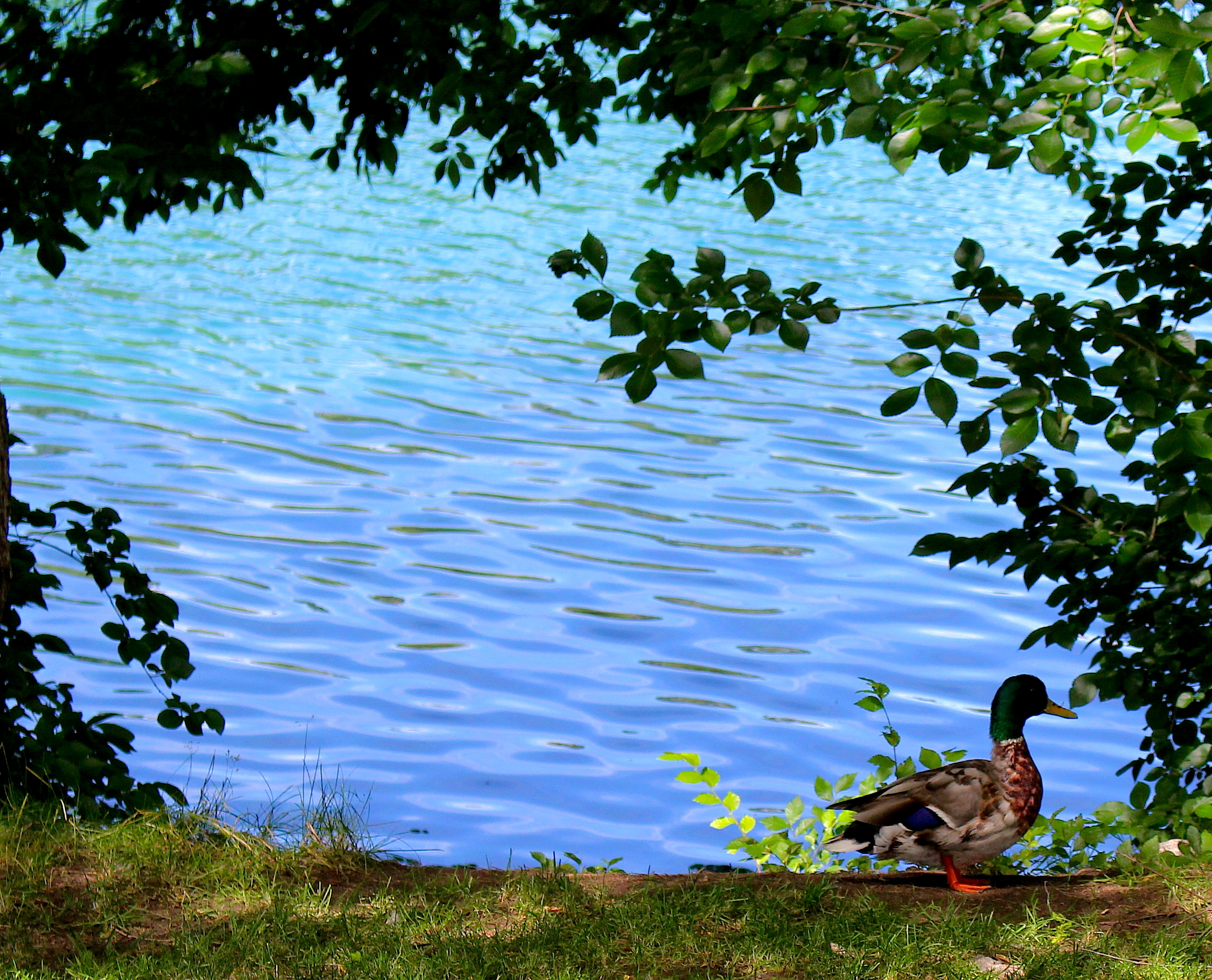
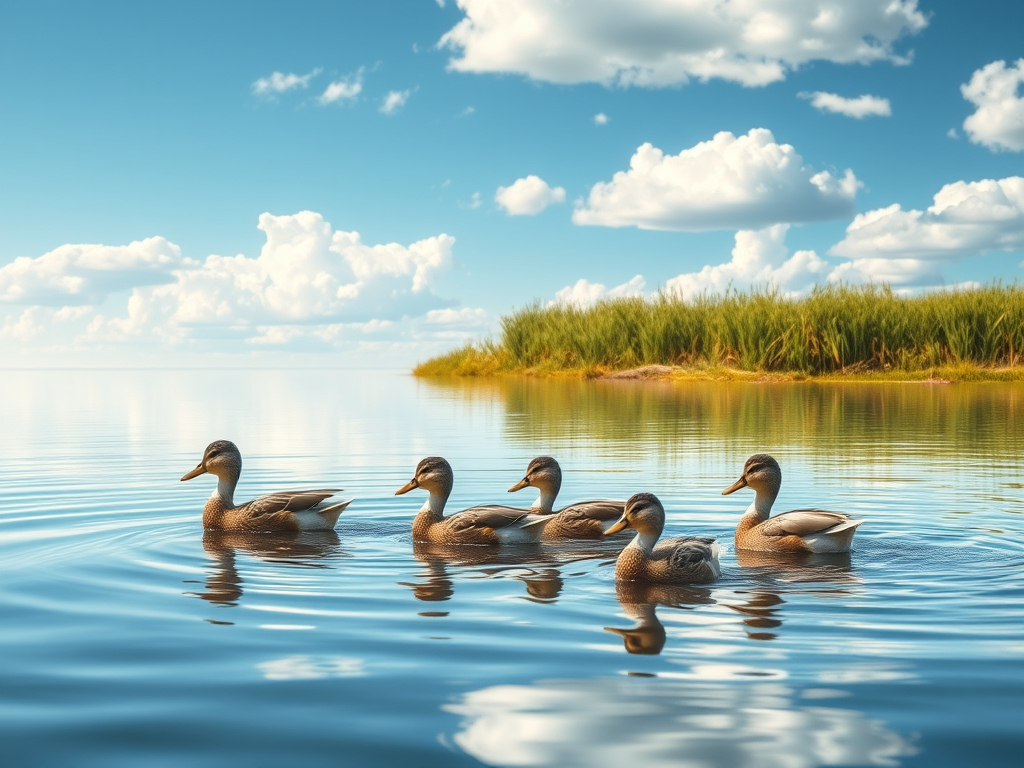
Four ducks on a pond, A grass-bank beyond, A blue sky of spring, White clouds on the wing; What a little thing To remember for years To remember with tears! ~William Allingham “A Memory”
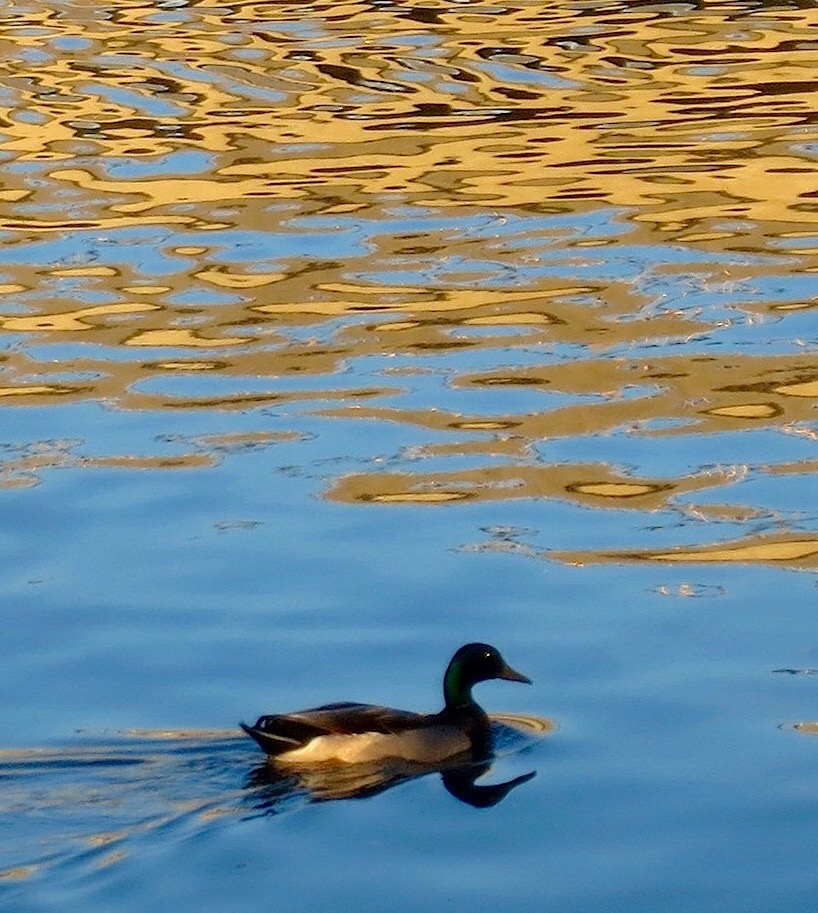
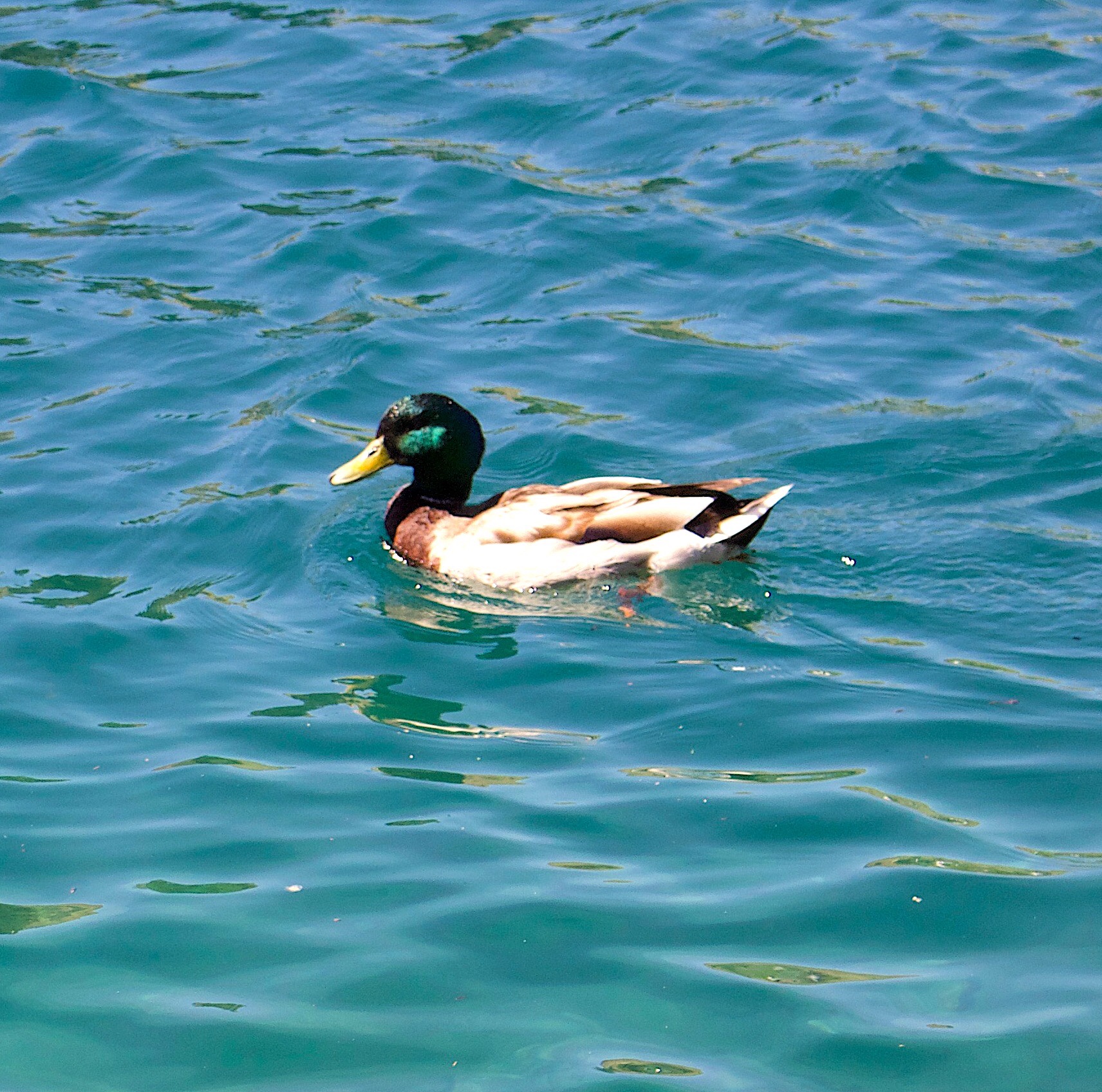
Tell no one of the wonders of the Mallard duck’s green head, how it glistens in the sun against the gentle red of the Willow branches budding in the golden spring sun, as they paddle through the waters where the creek has come undone.
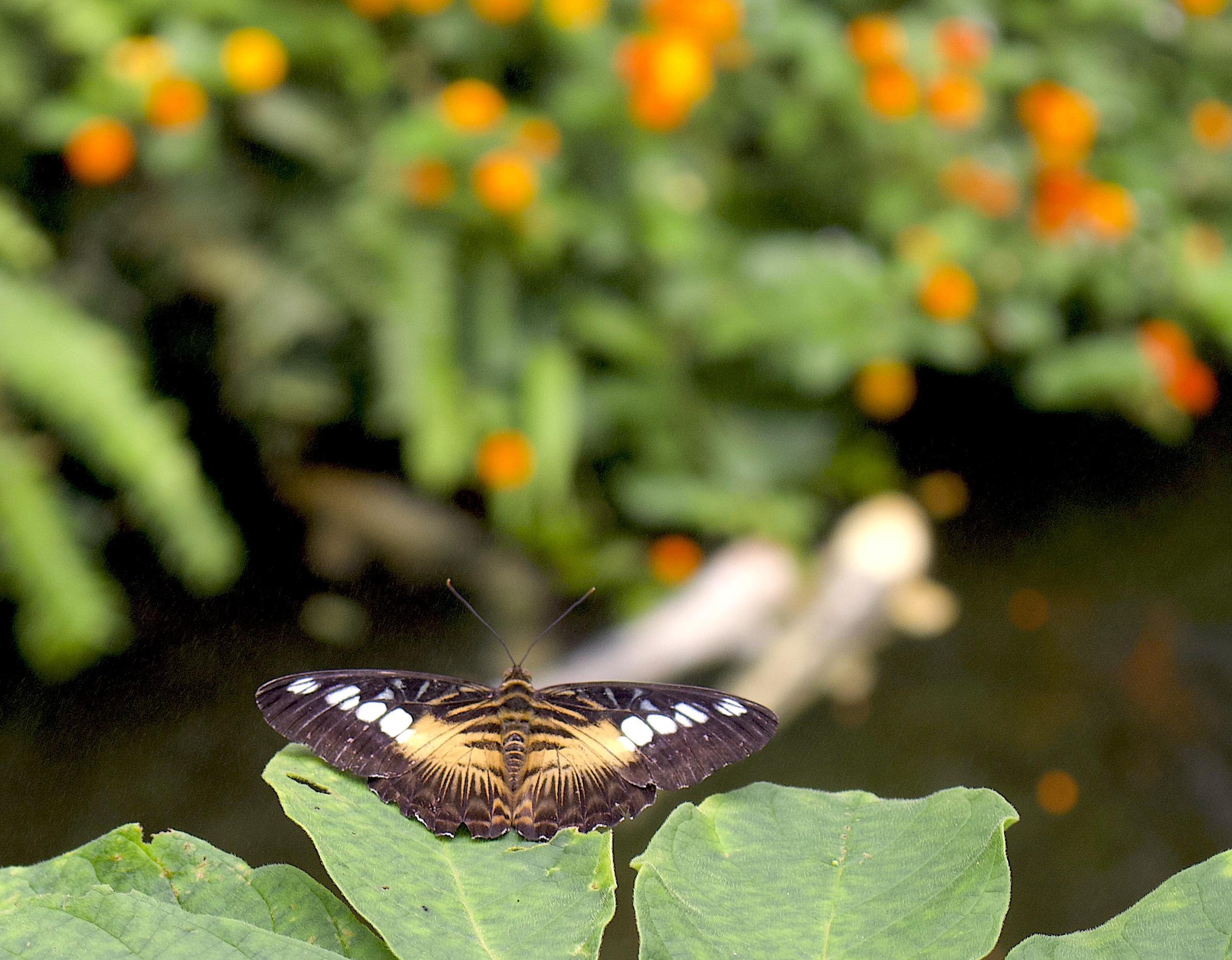
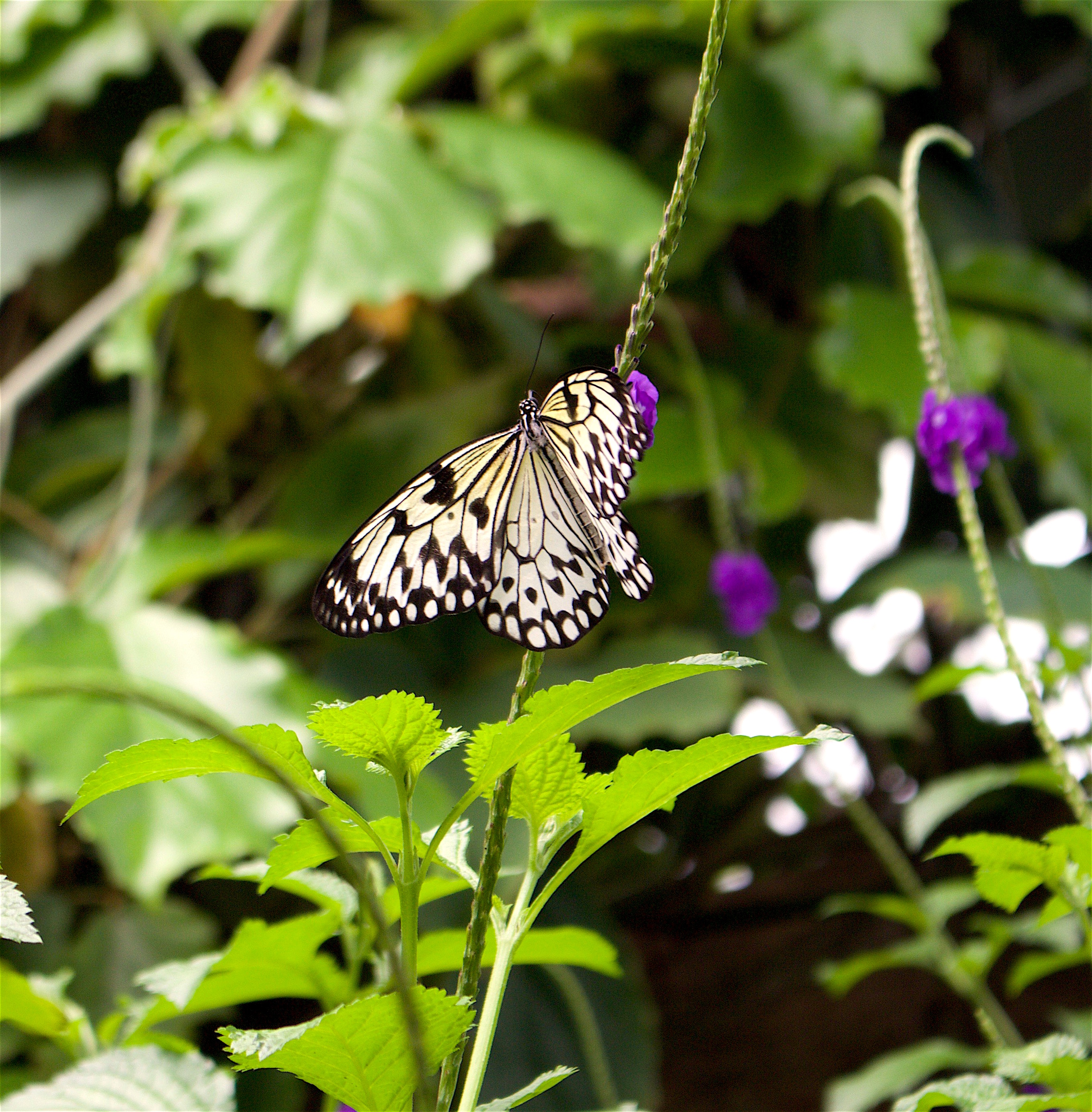
Tell no one of the beauty of the butterflies that flit through the flowers not yet budding on the little sandy spit, how their wings will keep them searching for the hope that blooms in Spring as they hover over what will be a very lovely thing.
Tell no one of the glory or the warmth of young spring’s sun, of the joy that comes from watching the smallest creatures run, of the life that is teeming in the wake of newborn day, of the power that hope holds over all we do and say.
Tell no one of the miracle that is this daily life, that cuts you to the quick as if with sharpest knife. Tell no one what you notice, into which your wonder delves. Tell no one of these things — let them know it for themselves. ~Elizabeth Wickland“Tell No One”
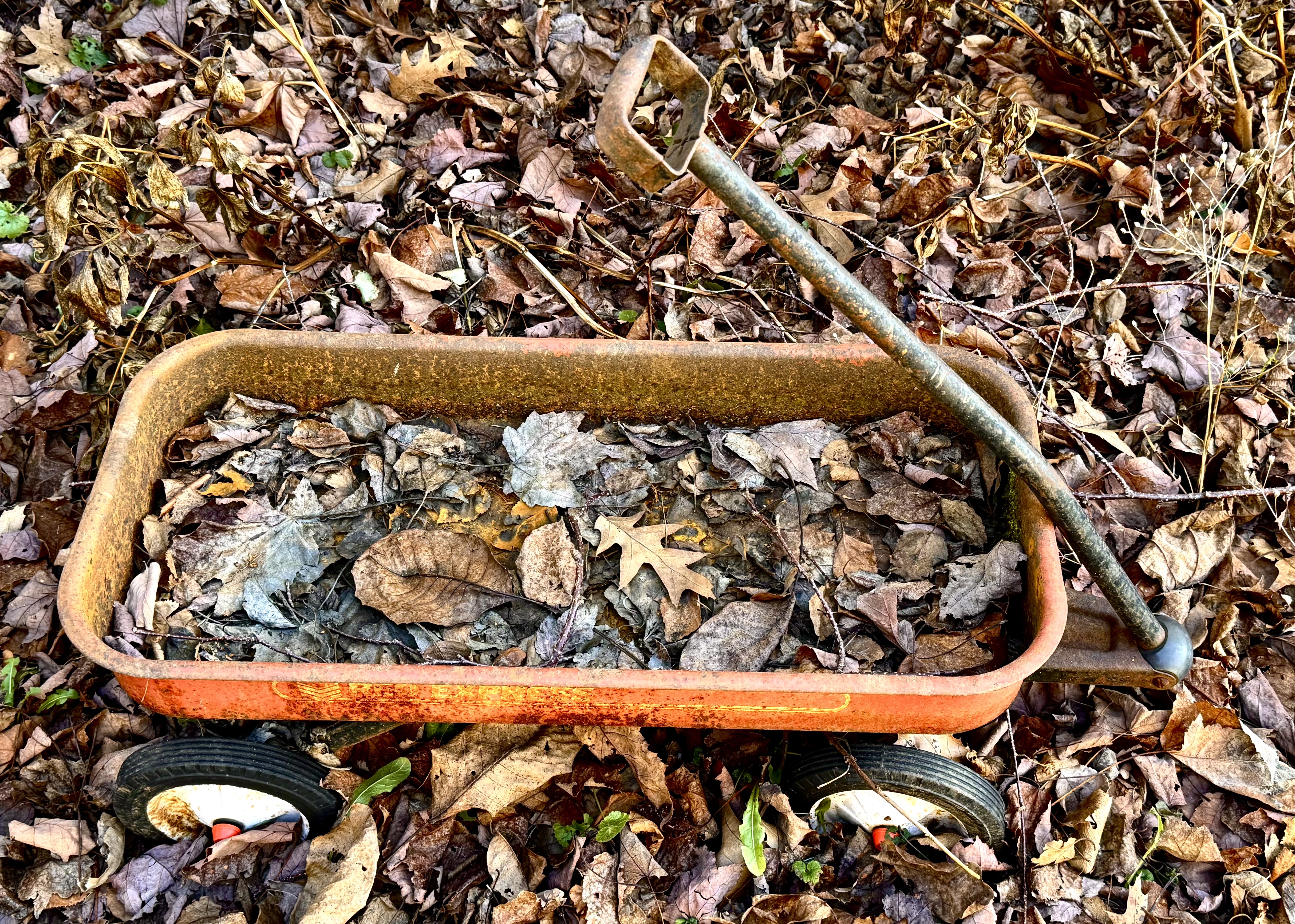
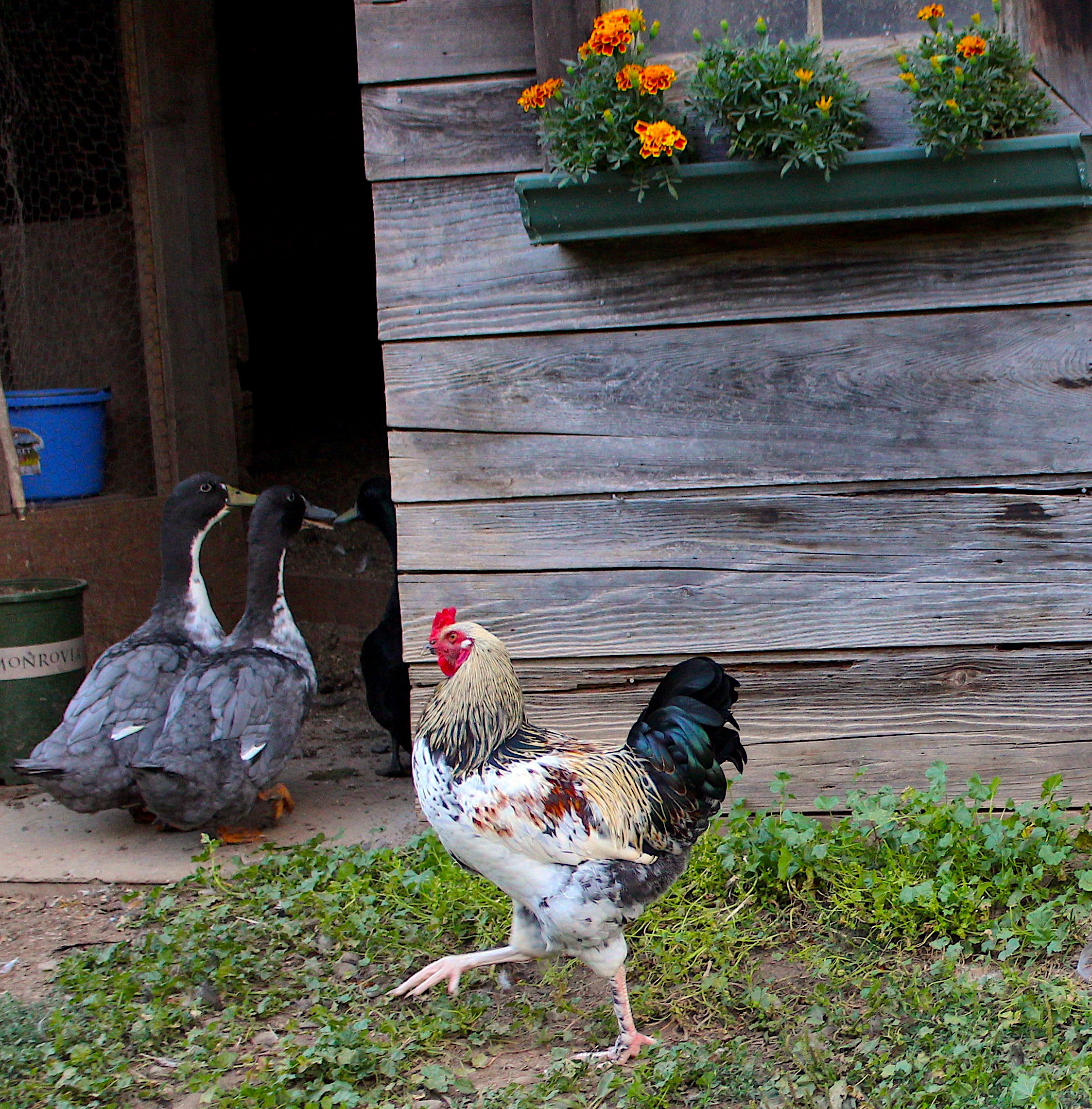
so much depends upon
a red wheel barrow
glazed with rain water
beside the white chickens
~William Carlos Williams, “The Red Wheelbarrow” from The Collected Poems of William Carlos Williams, Volume I, 1909-1939
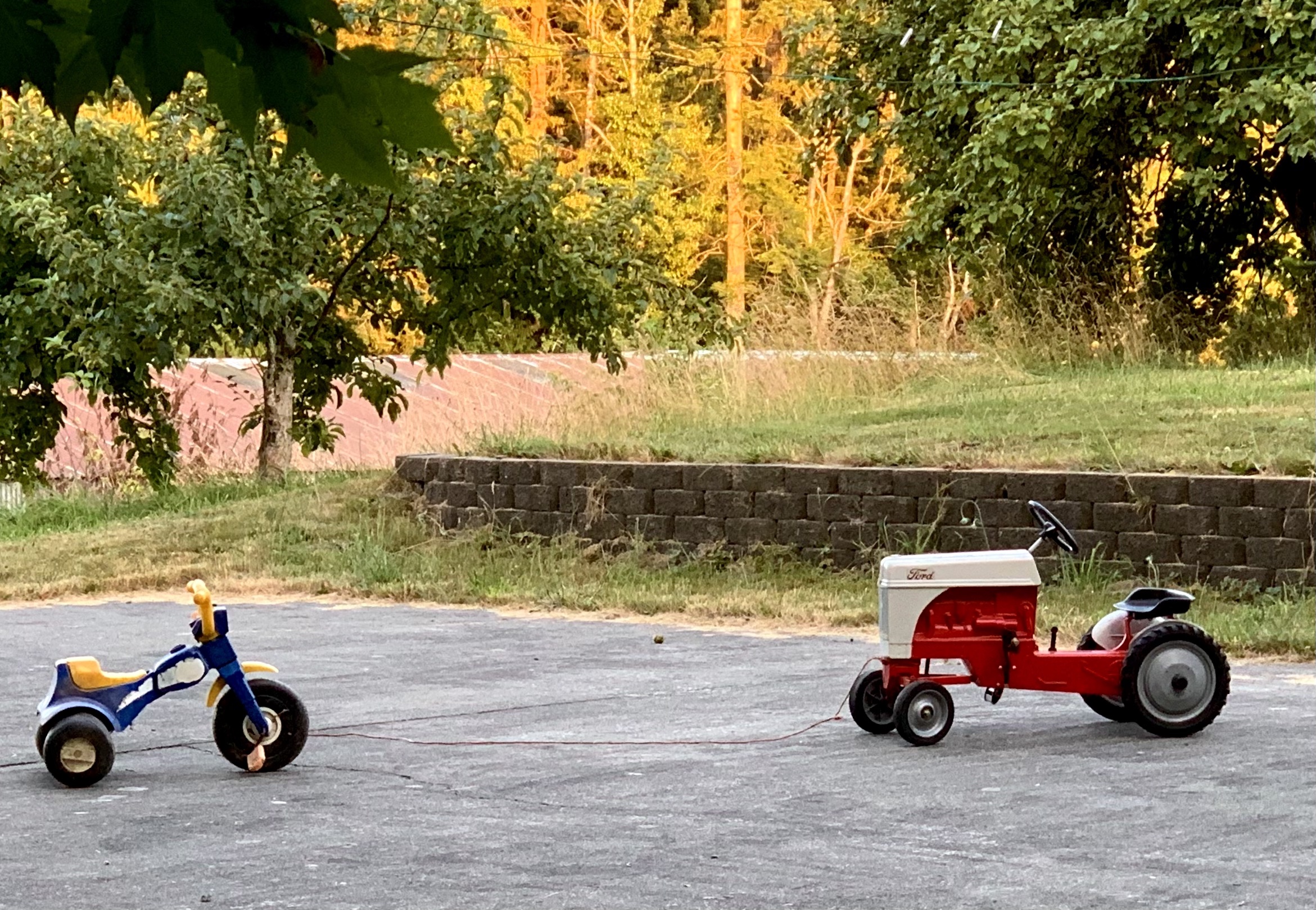
so much depends upon me riding a red trike chased by my little brother
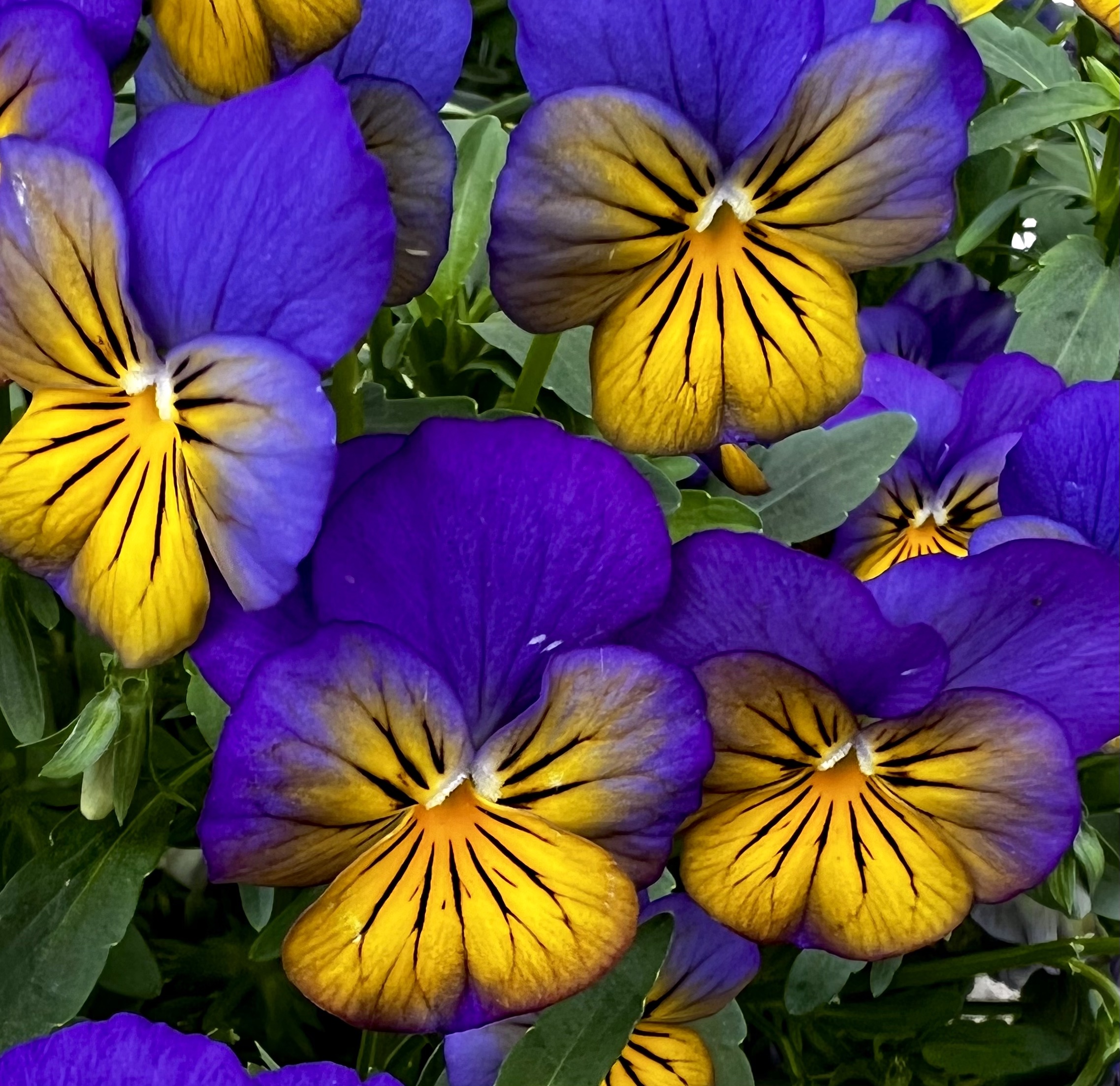
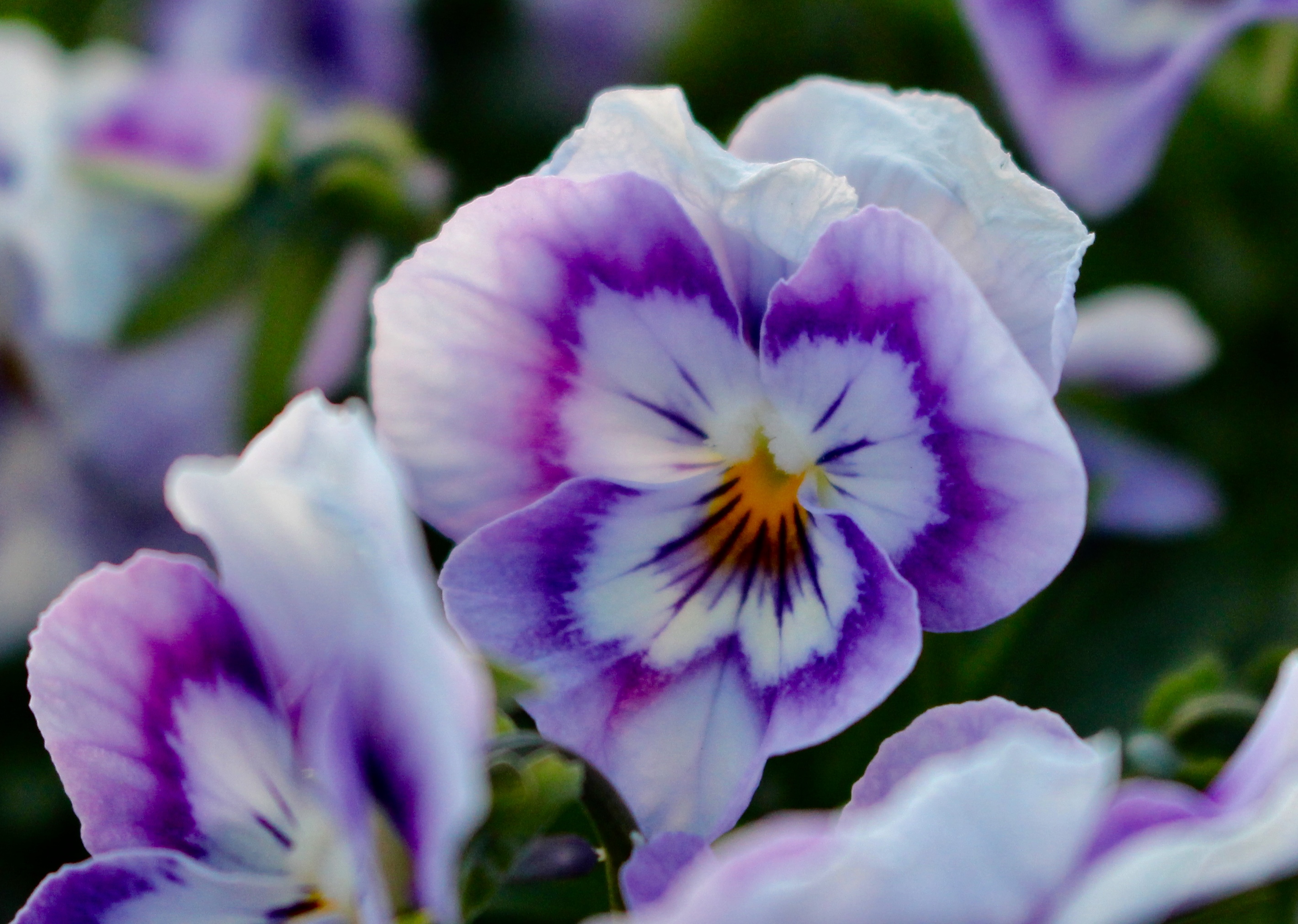
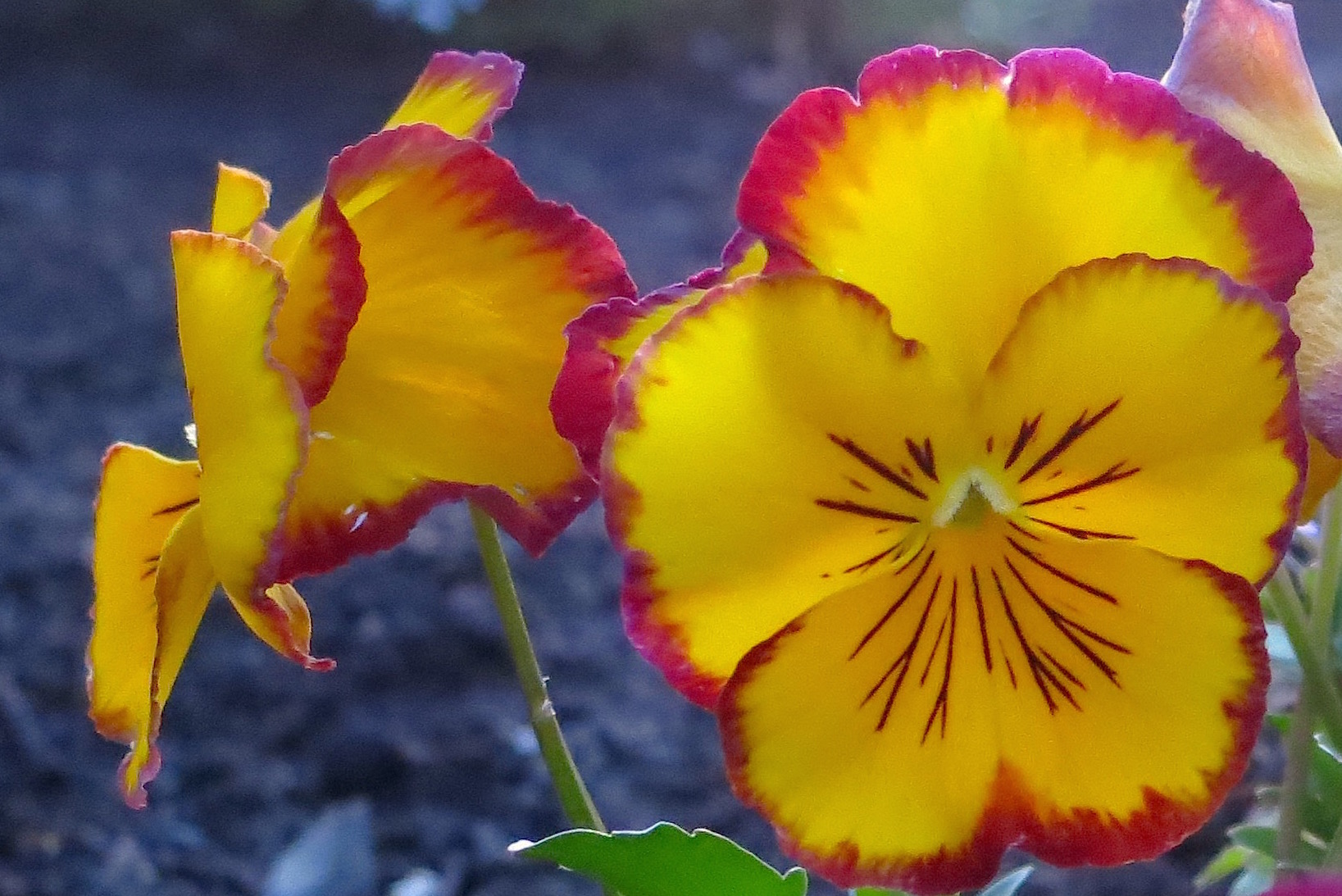
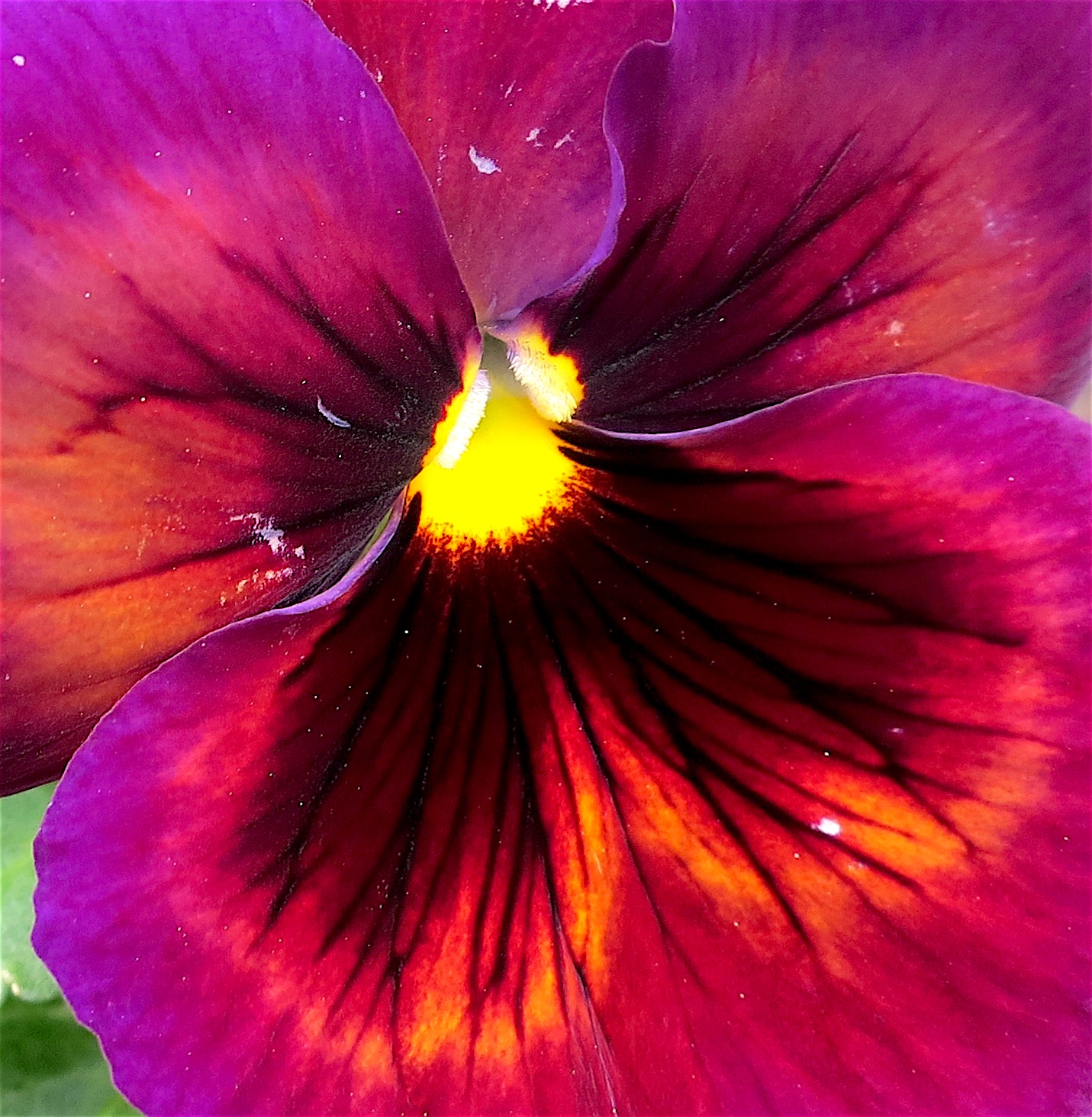
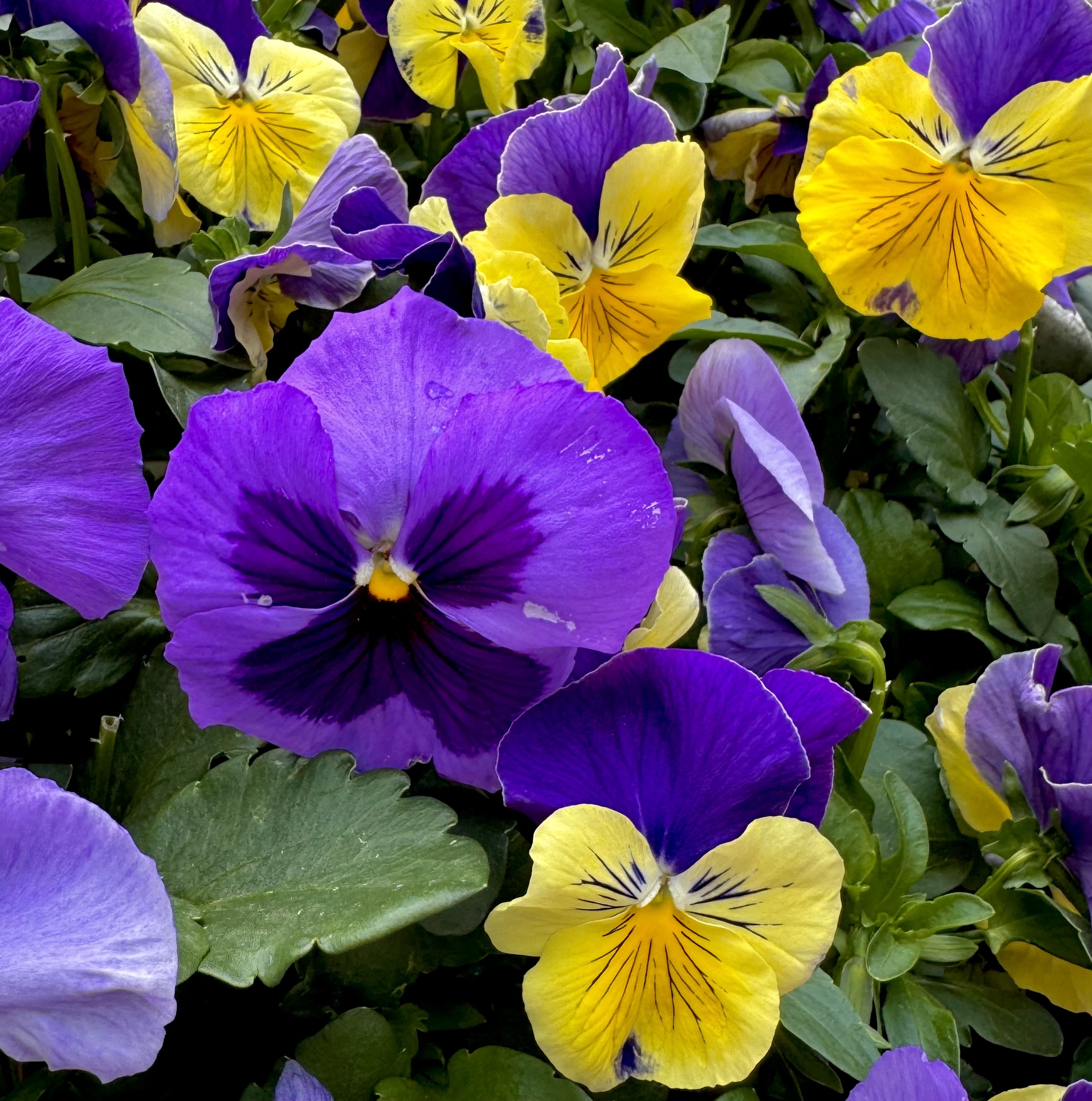
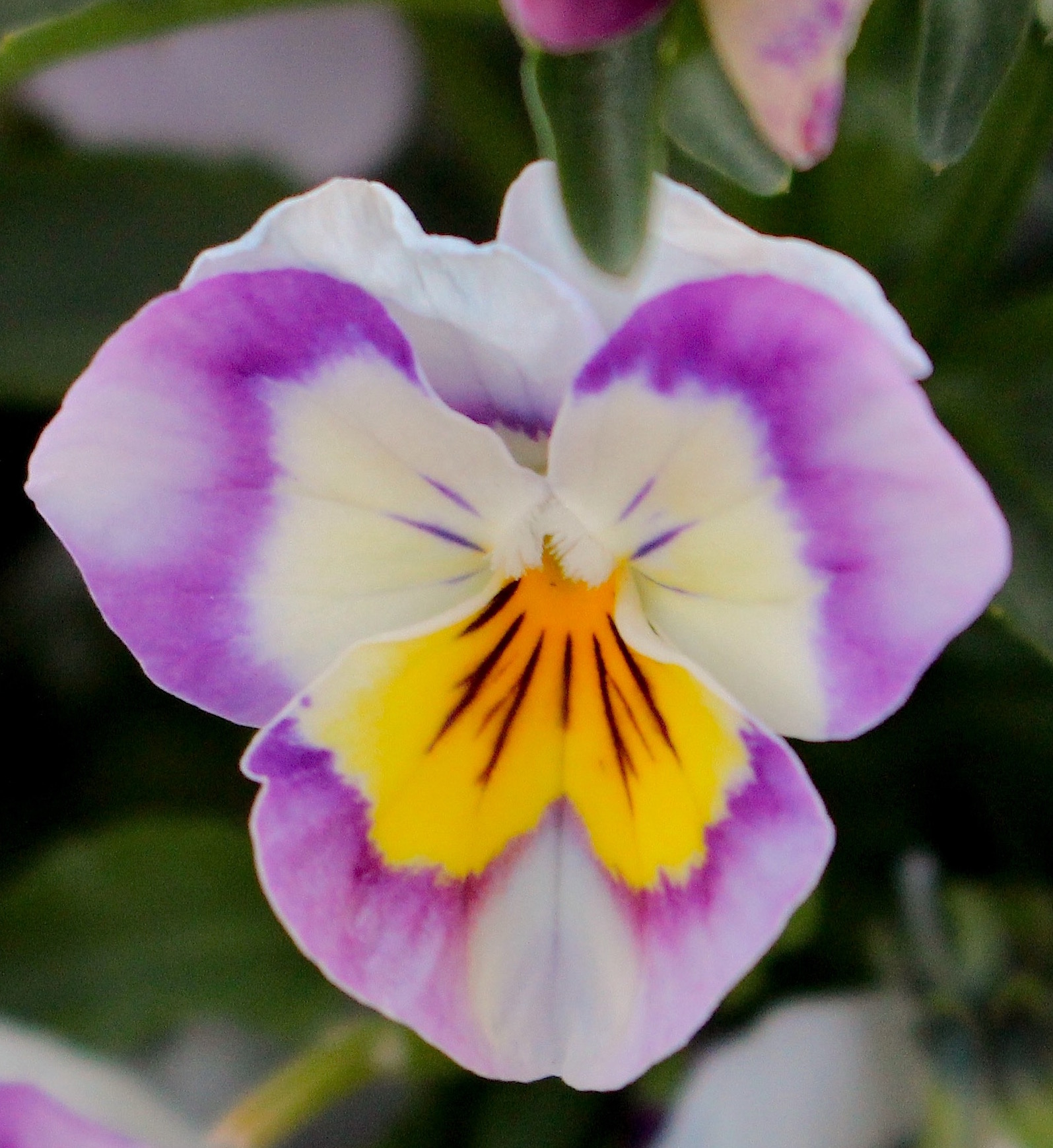
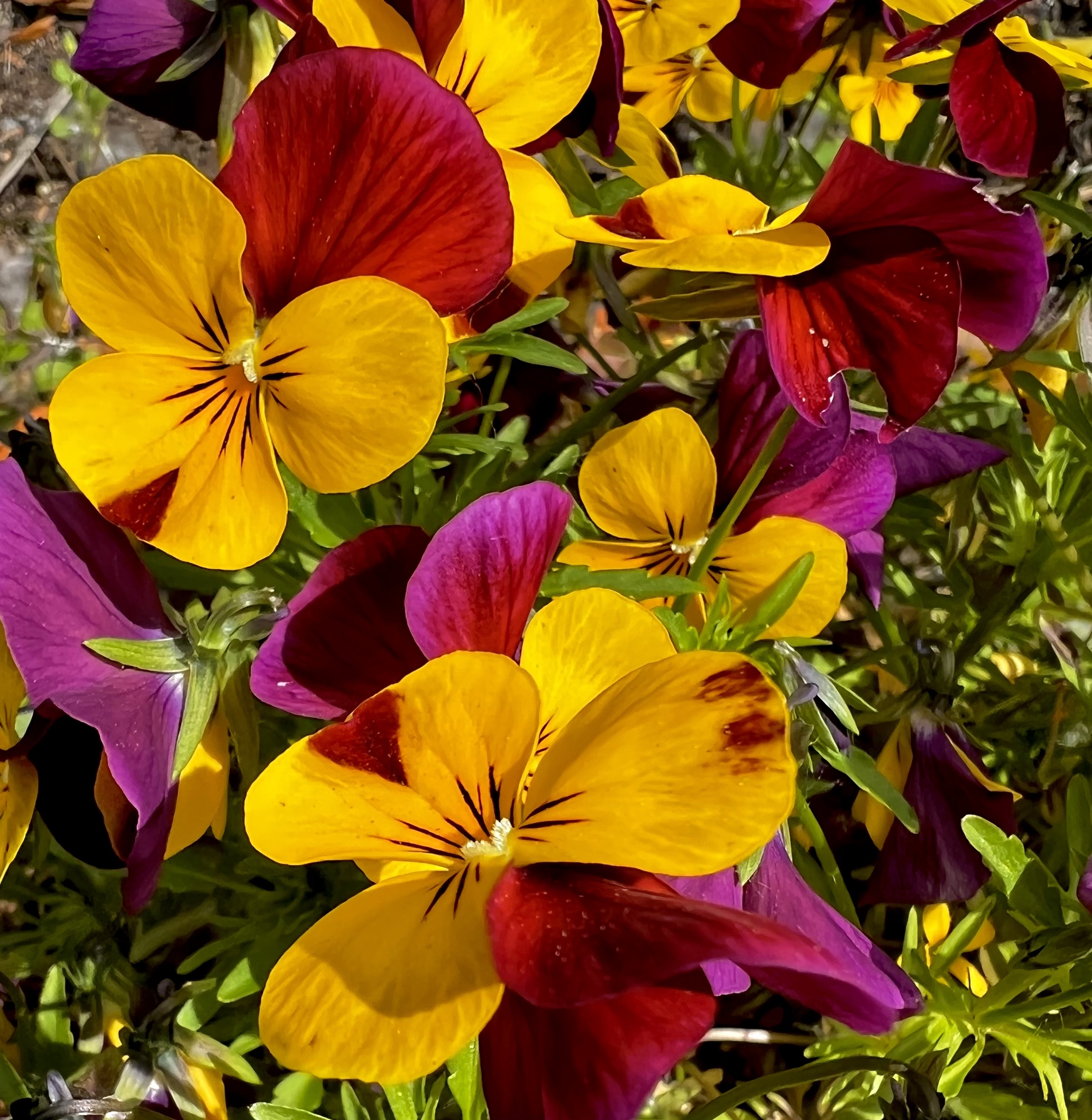
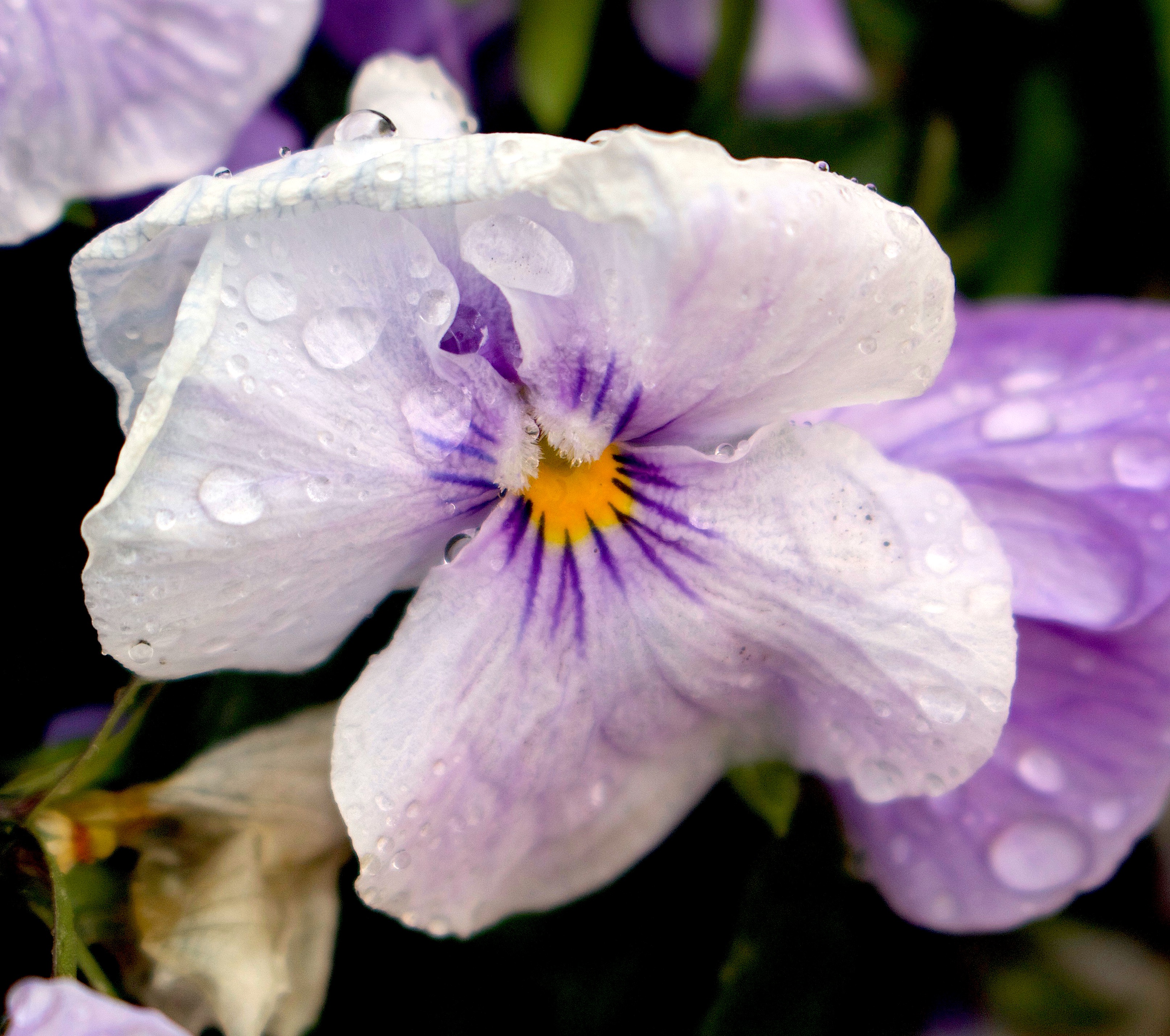
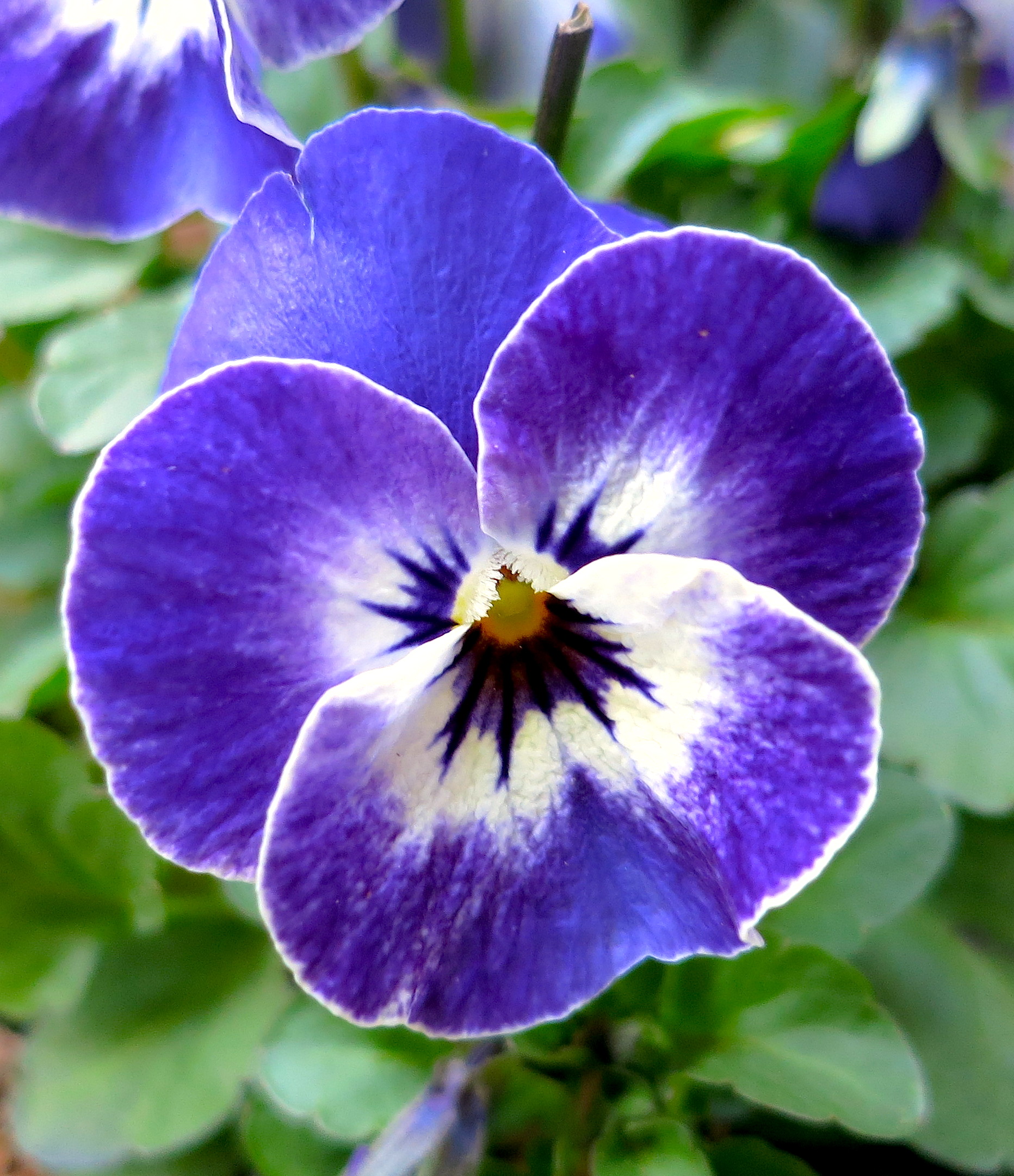
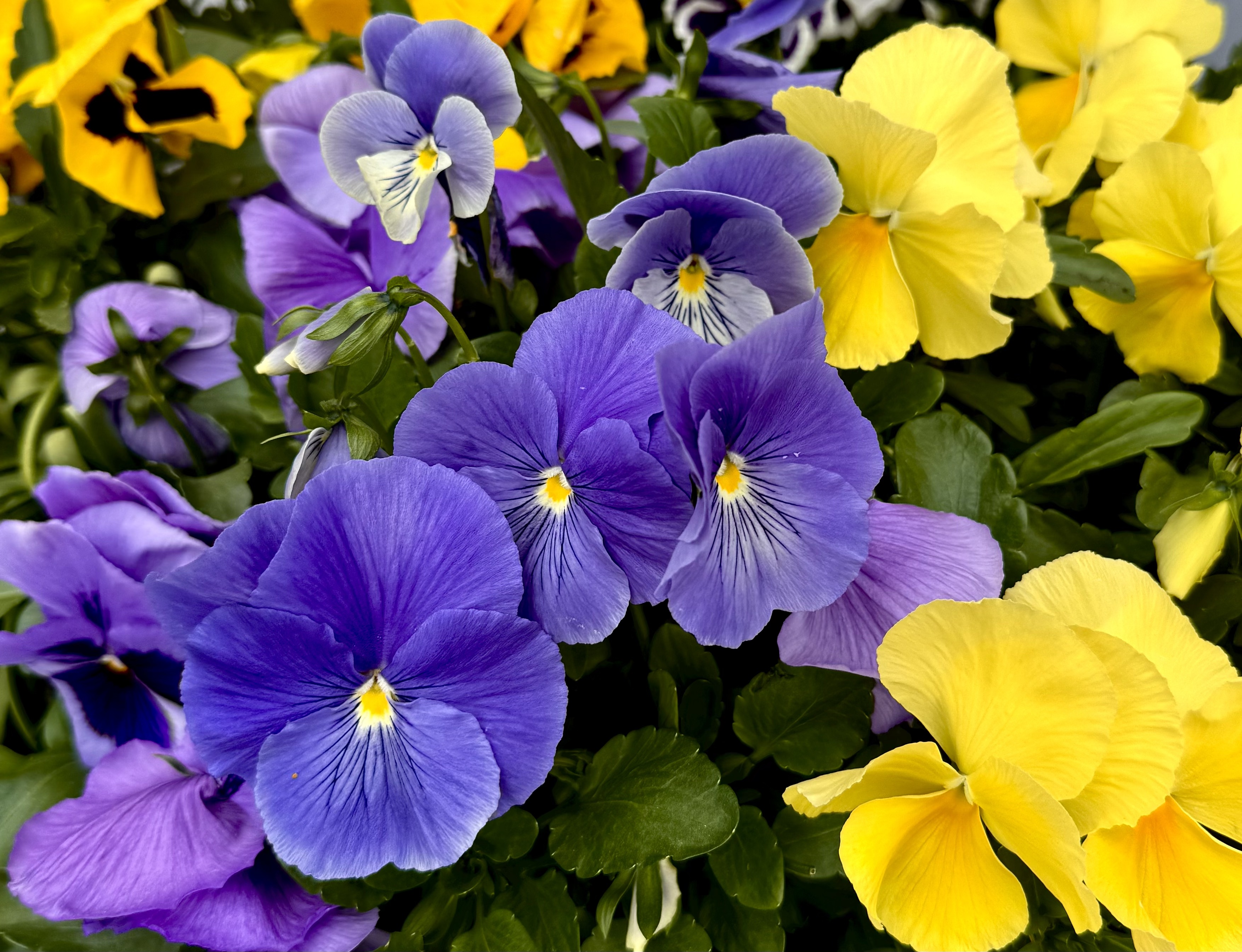
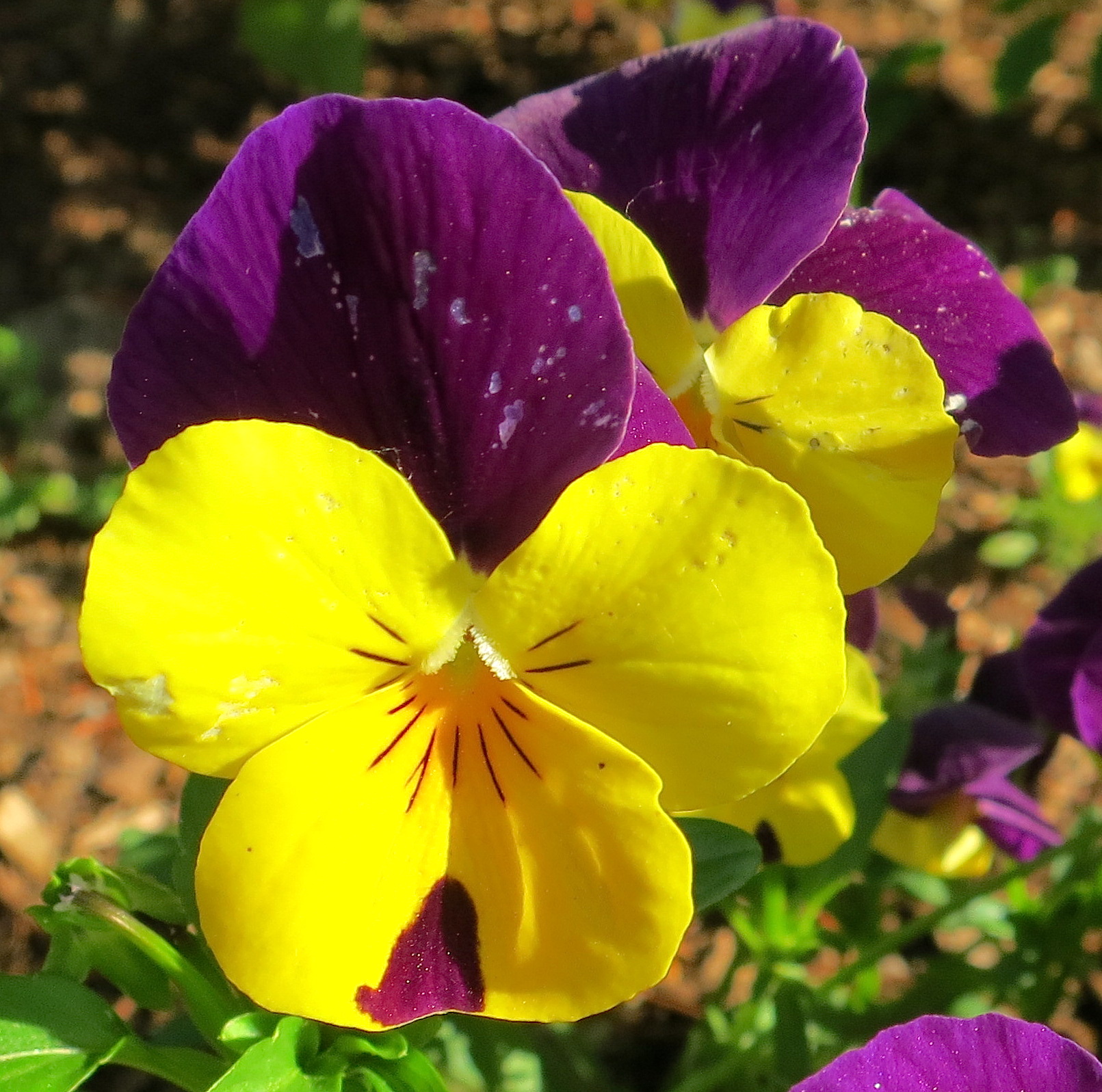
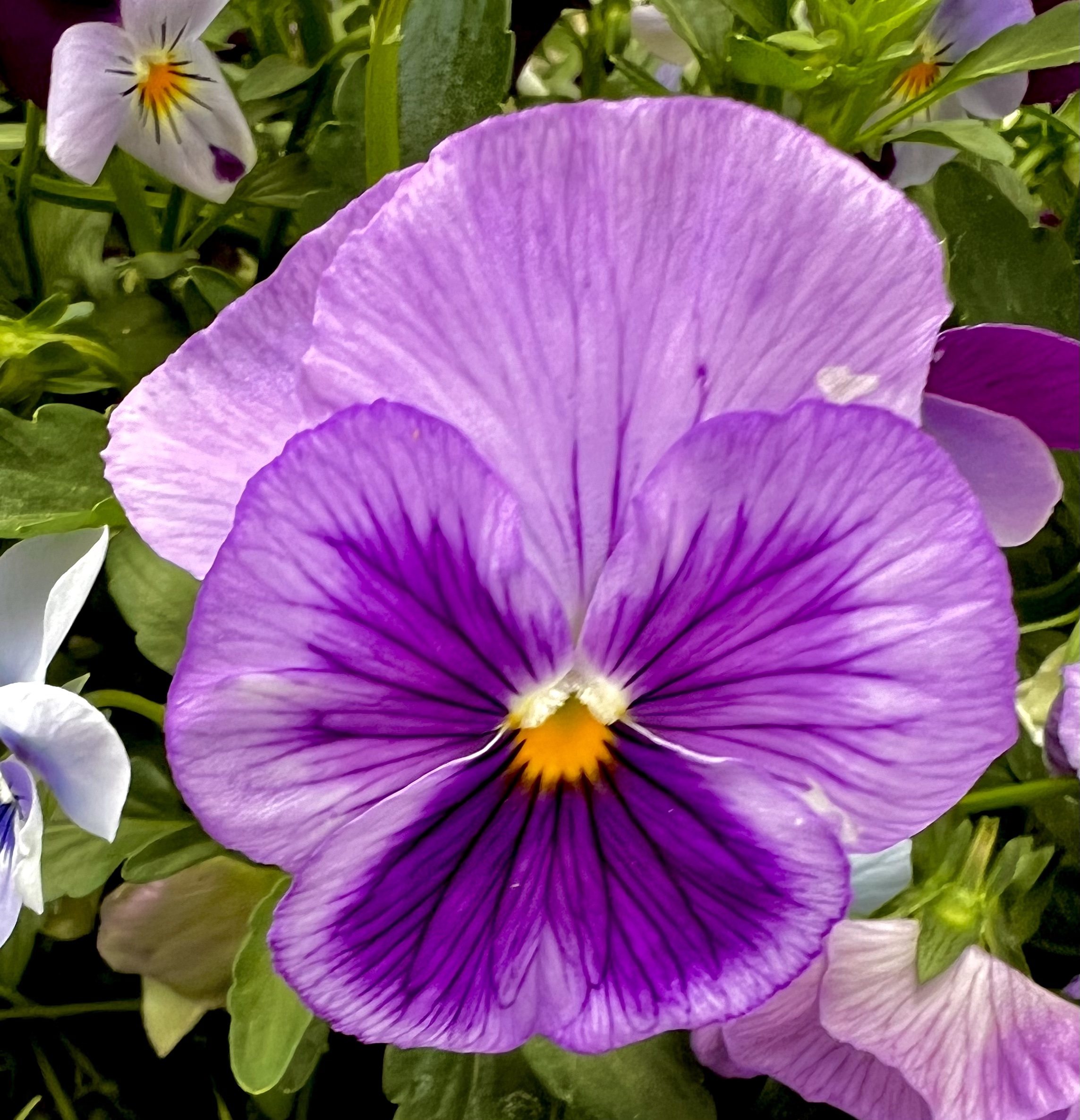
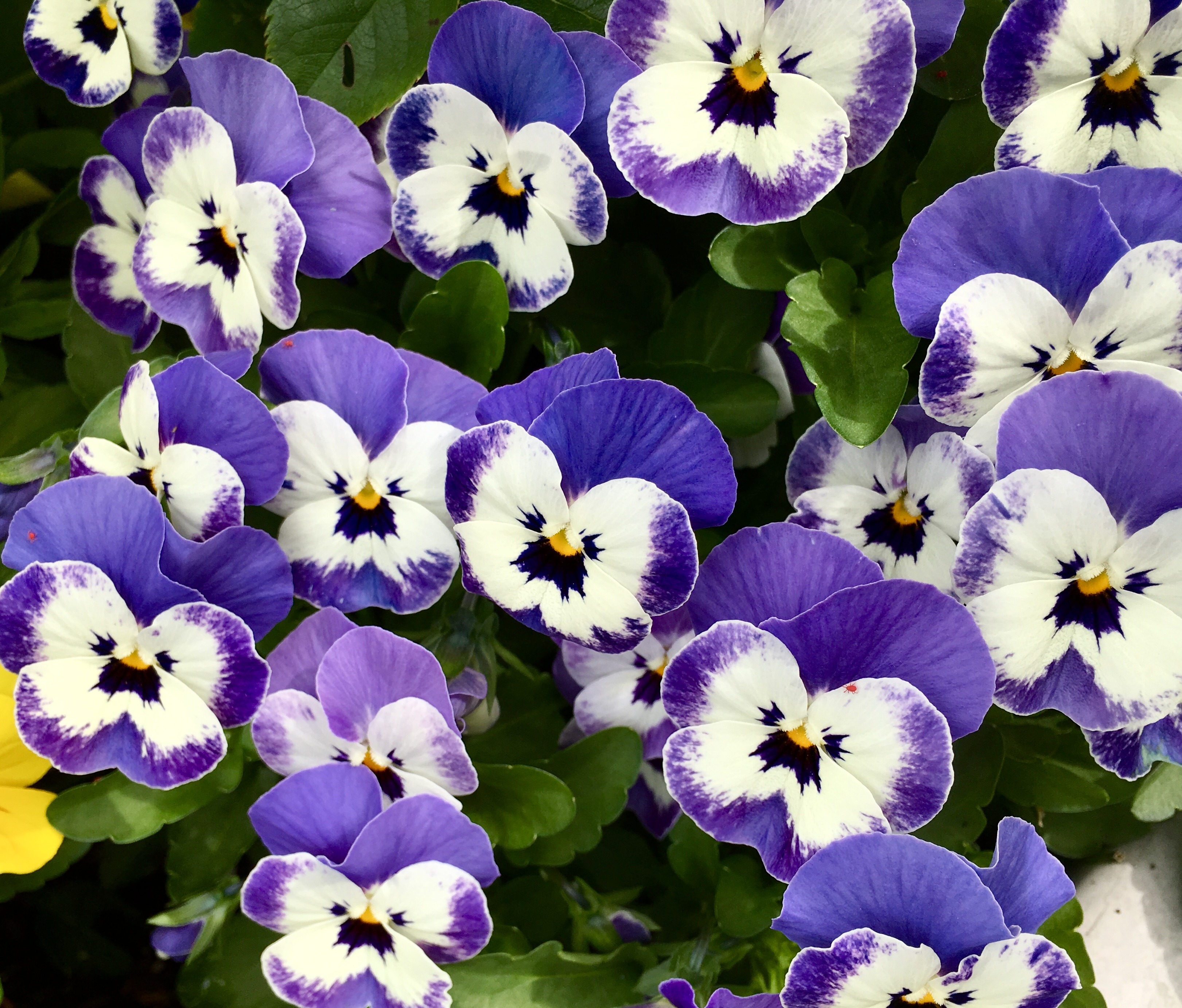
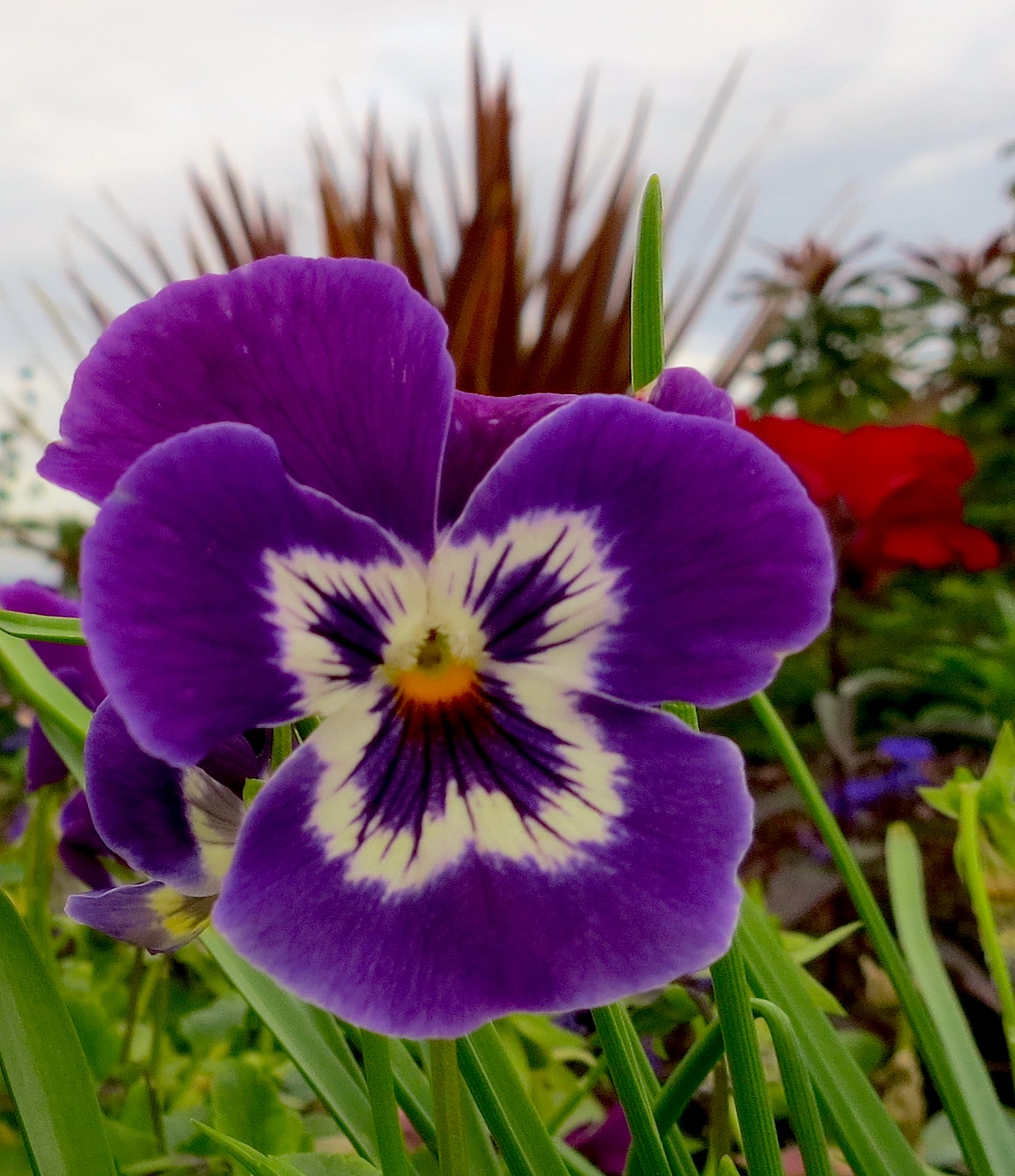
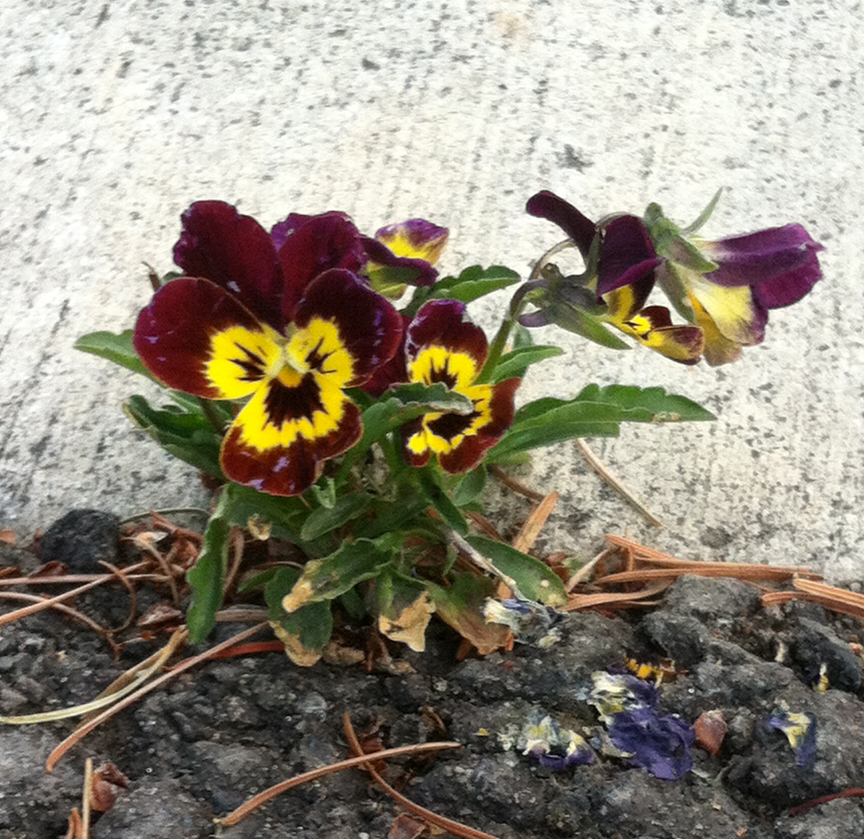
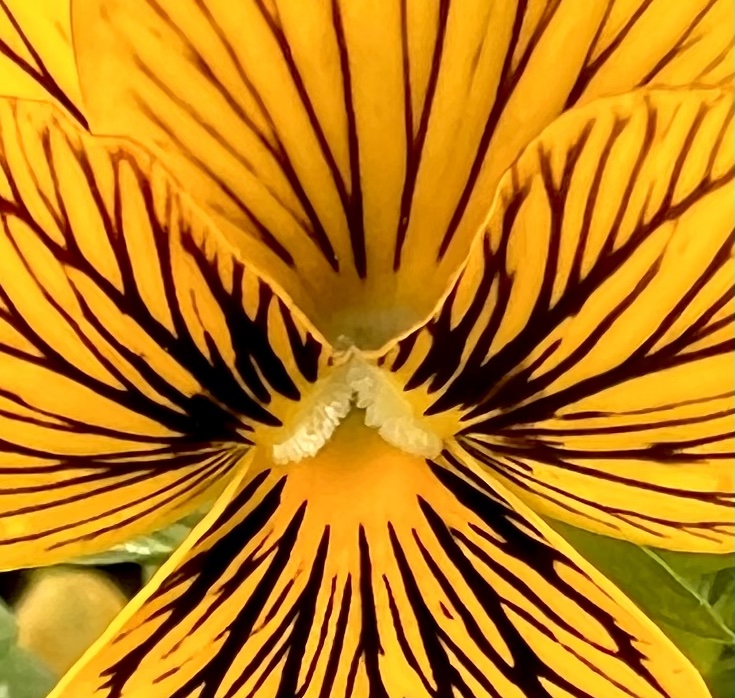
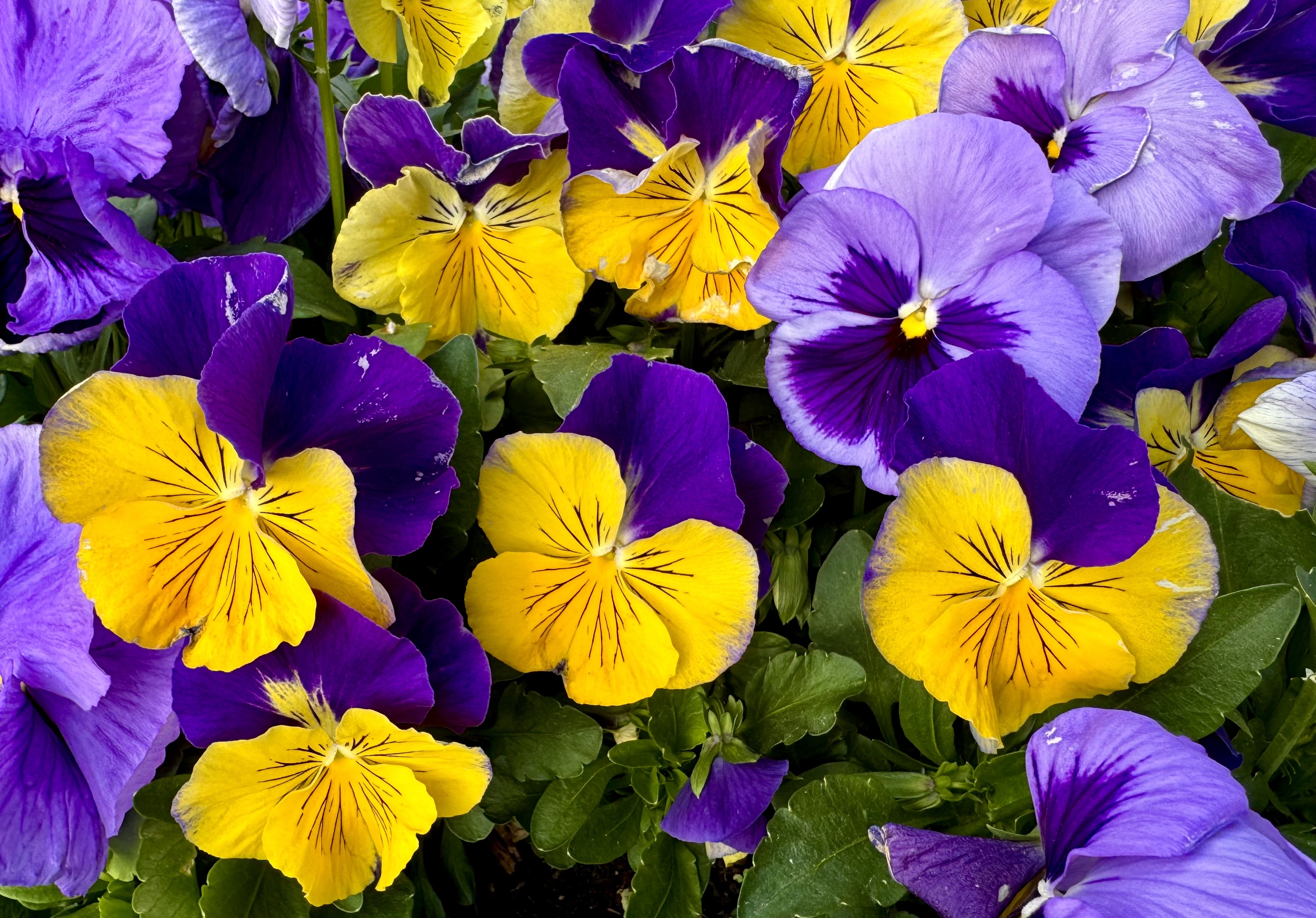
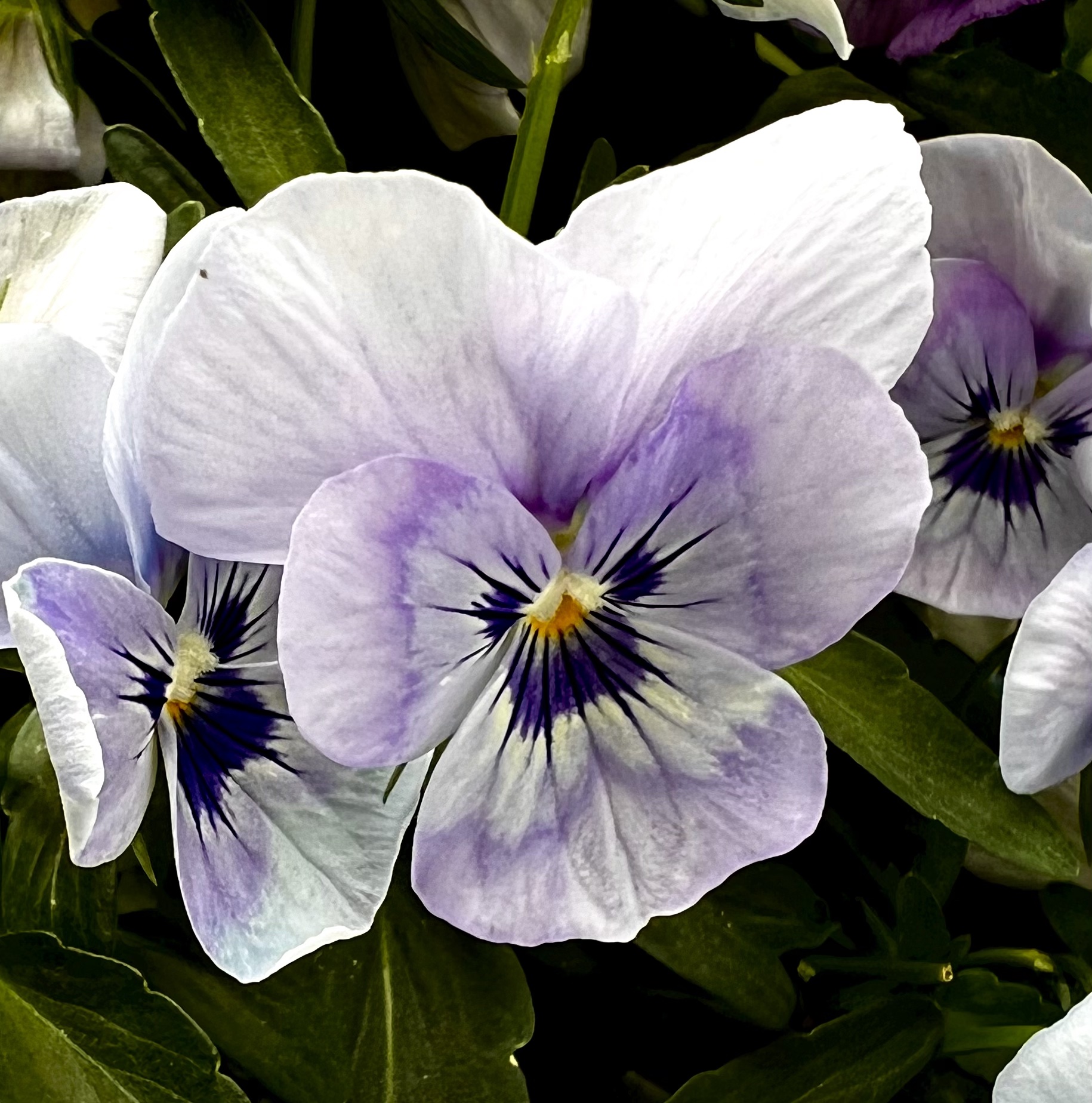
Nobody can keep on being angry if she looks into the heart of a pansy for a little while. ~L.M. Montgomery
One has to wonder where they got their reputation for pansiness. Purple and proud, or any color you might imagine, they grow where they want to grow, despite the cold, so much unlike their flashy cousins, impatiens, petunias, scarlet sage, petals falling off at first frost, hardly hearty at all. Keep your prima donna blossoms, loud and boastful annuals, brief and seedless. I’ll take the pansies of the world, unassuming, resilient, quietly doing what they know to do ~Scott Owen “Pansies”
As a seed, I was shot out the back end of a blue jay when, heedless, she flew over the meadow. She had swallowed me in my homeland when she spied me lying easy under the sun—briefly, I called her Mother before I passed through her gullet like a ghost. In a blink of God’s eye I was an orphan. I trembled where I fell, alone in the dirt. That first night was a long night, early May and chilly, and I remember rain filled my furrow. I called out for mercy— only a wolverine wandered by. I cursed my luck, I cursed the happenstance of this world, I smelled his hot stink, but he nosed me deep into the mud— this was the gift of obscurity. I germinated, hidden from the giants of earth, the jostling stalks, the various, boisterous bloomers, and this was my salvation. After seven days and nights I pushed through— yes. Here I am, kissable: your tiny, purple profusion. ~Lisa Bellamy “Wild Pansy”
The world is in sore need of a cure for the grumbles.
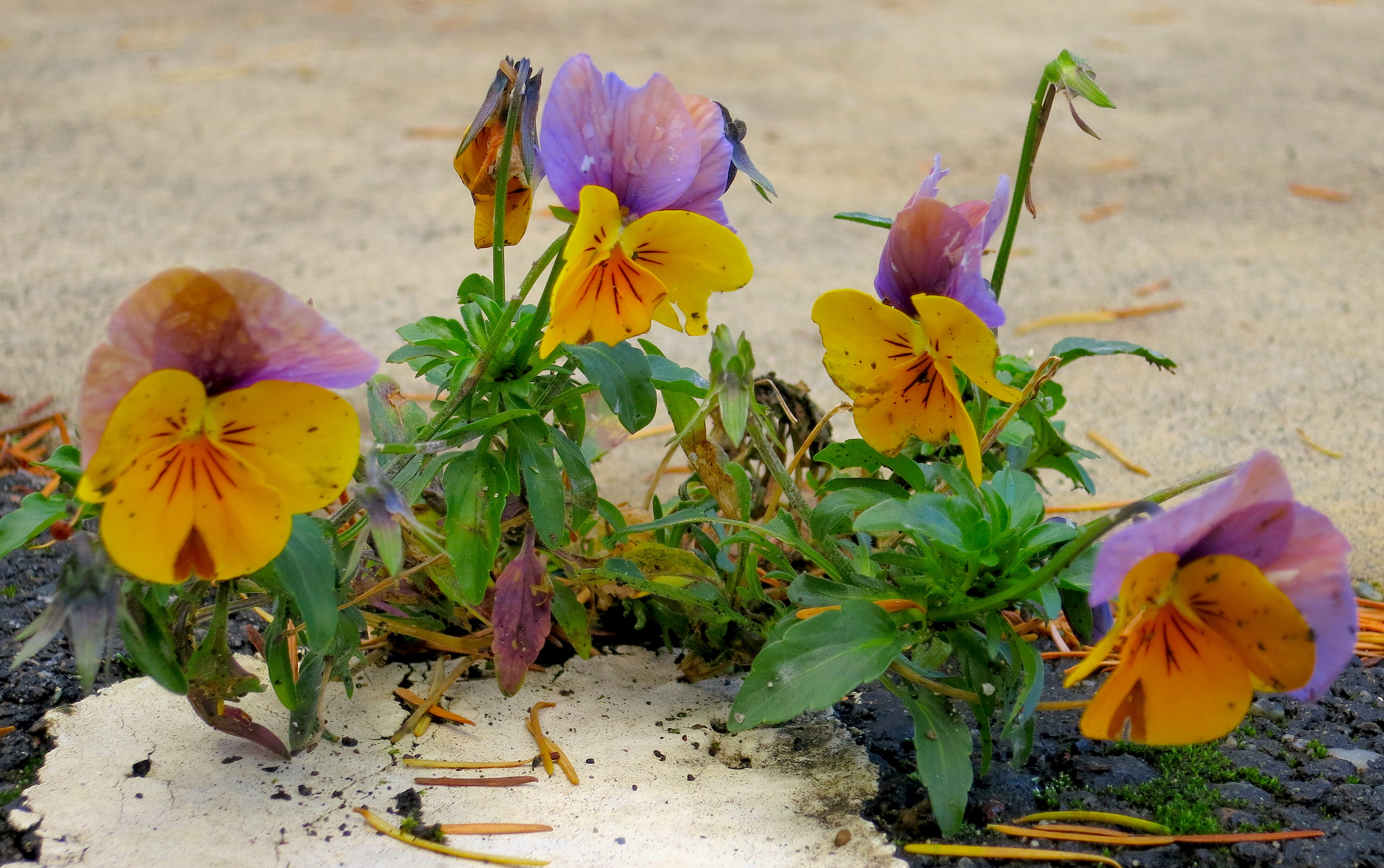
Fortunately, it exists right outside in our back yards, along sidewalks and in gravelly vacant lots.
A cheerful face is irresistible to all but the crabbiest among us, guaranteed to bring a smile every time.
Beyond the obvious charm exists a depth of heart — roots able to thrive in the thinnest of soil, at home among rocks and weeds, resilient even when tromped on.
We carry its seeds on the tread of our boots despite our grumbling and help spread the good news: anger left unfed will dry up and blow away.
Yet the constant loyal heart of the pansy will last. It keeps smiling back – simply a twinkle in God’s eye.
For pansies are, I think, the little gleams Of children’s visions from a world of dreams, Jewels of innocence and joy and mirth, Alight with laughter as they fall to earth.
So tread not rashly, children, lest you crush A part of childhood in a thoughtless rush. Would you not treat them gently if you knew Pansies are little bits of children too? ~R.X. Lehmann from “Pansies”
One-Time
Monthly
Yearly
Make a one-time or recurring donation to support daily Barnstorming posts
And the secret garden bloomed and bloomed and every morning revealed new miracles.
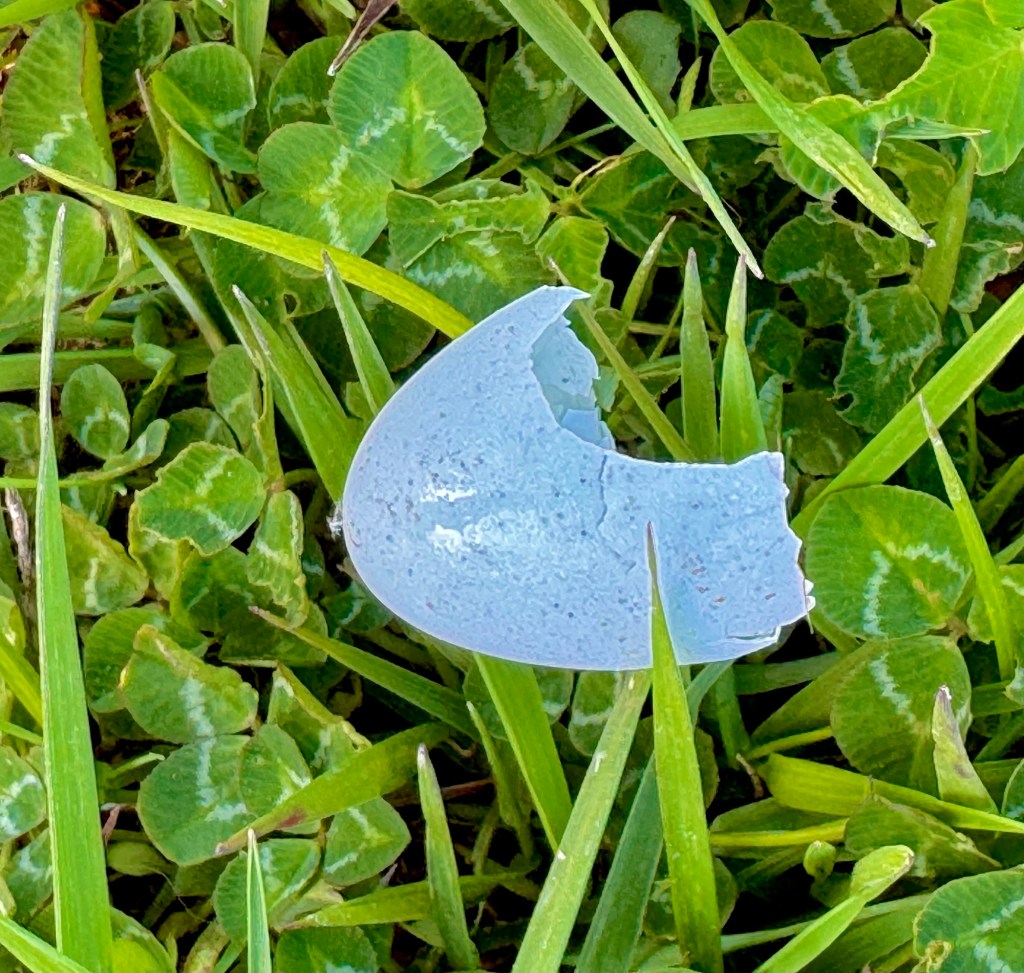
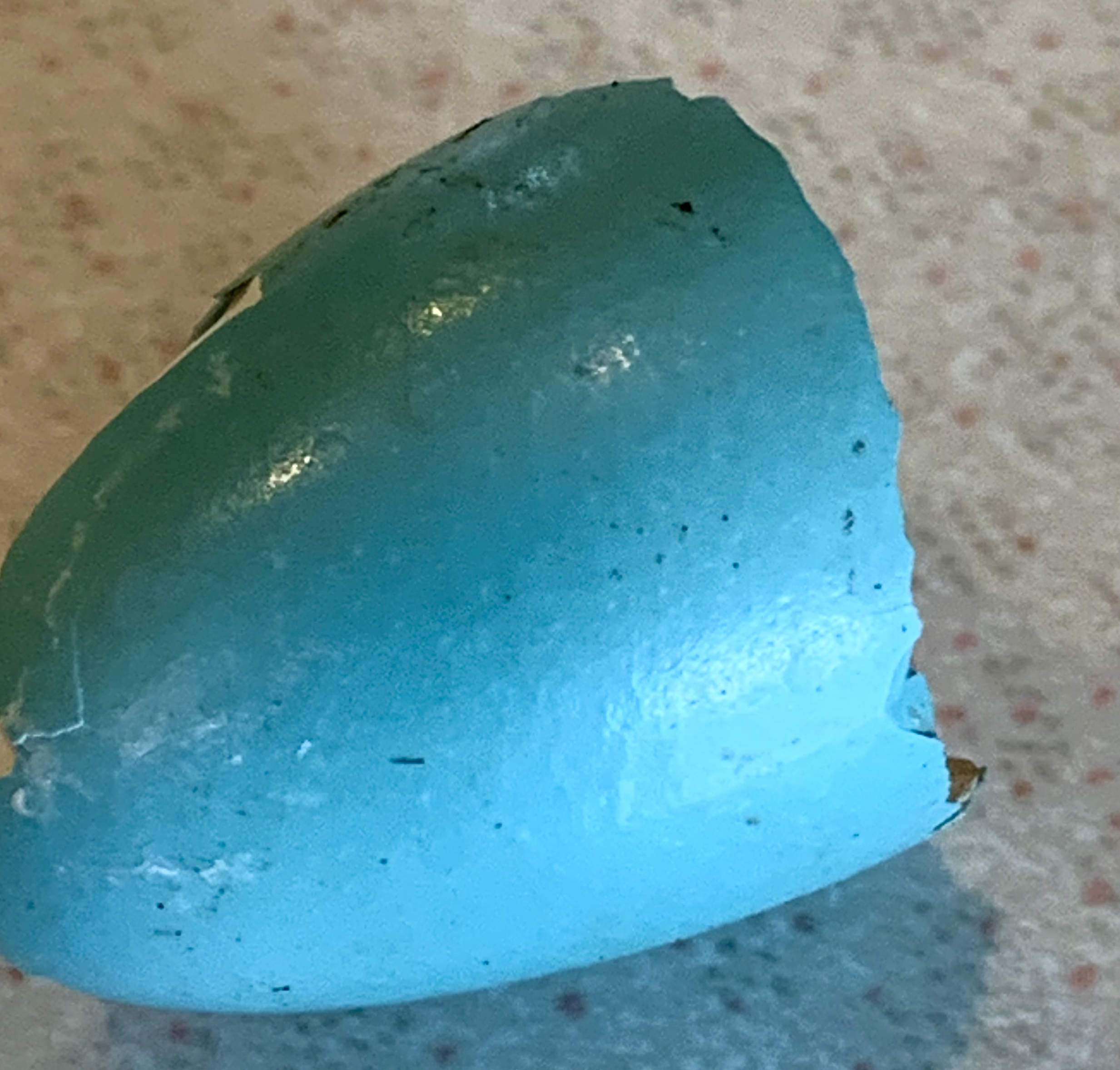
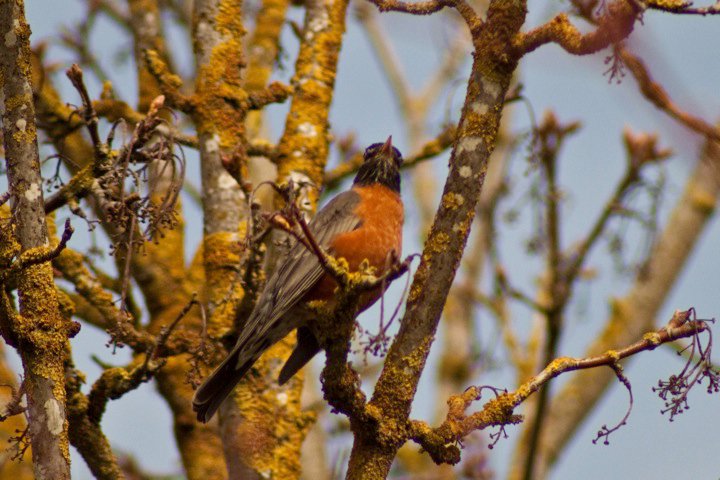
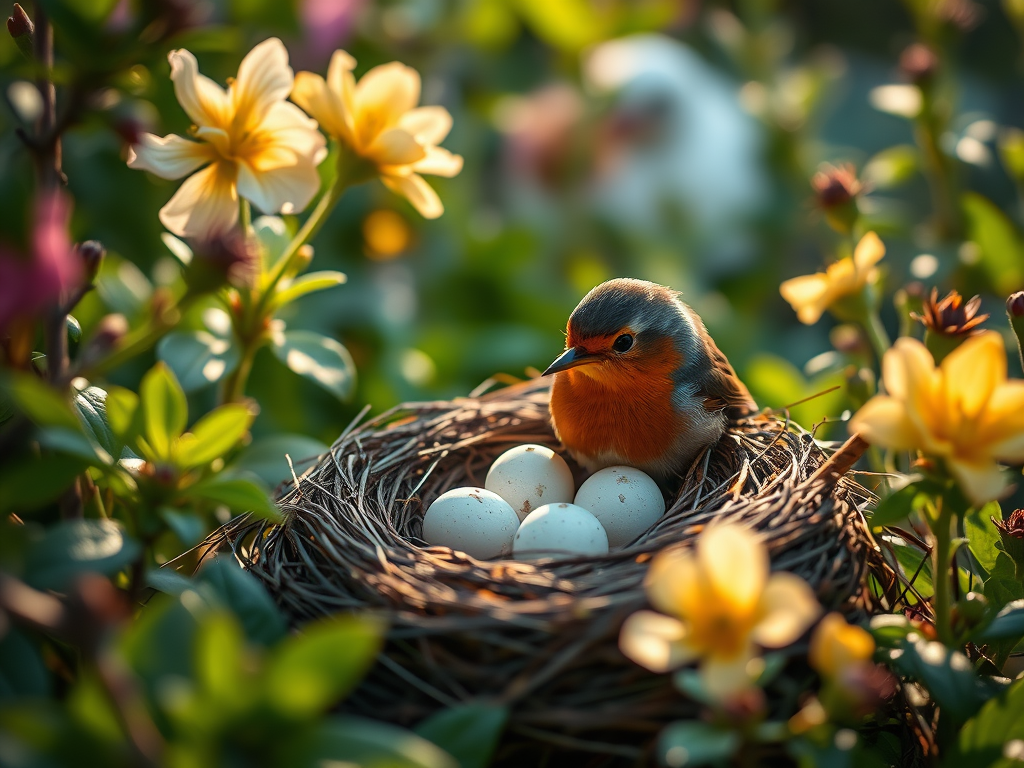
In the robin’s nest there were Eggs and the robin’s mate sat upon them keeping them warm with her feathery little breast and careful wings.
….in the garden there was nothing which was not quite like themselves, nothing which did not understand the wonderfulness of what was happening to them, the immense, tender, terrible, heart-breaking beauty and solemnity of Eggs.
If there had been one person in that garden who had not known through all his or her innermost being that if an Egg were taken away or hurt the whole world would whirl round and crash through space and come to an end—
if there had been even one who did not feel it and act accordingly there could have been no happiness even in that golden springtime air.
But they all knew it and felt it and the robin and his mate knew they knew it. ~Frances Hodgson Burnett from The Secret Garden
Some say you’re lucky If nothing shatters it.
But then you wouldn’t Understand poems or songs. You’d never know Beauty comes from loss.
It’s deep inside every person: A tear tinier Than a pearl or thorn.
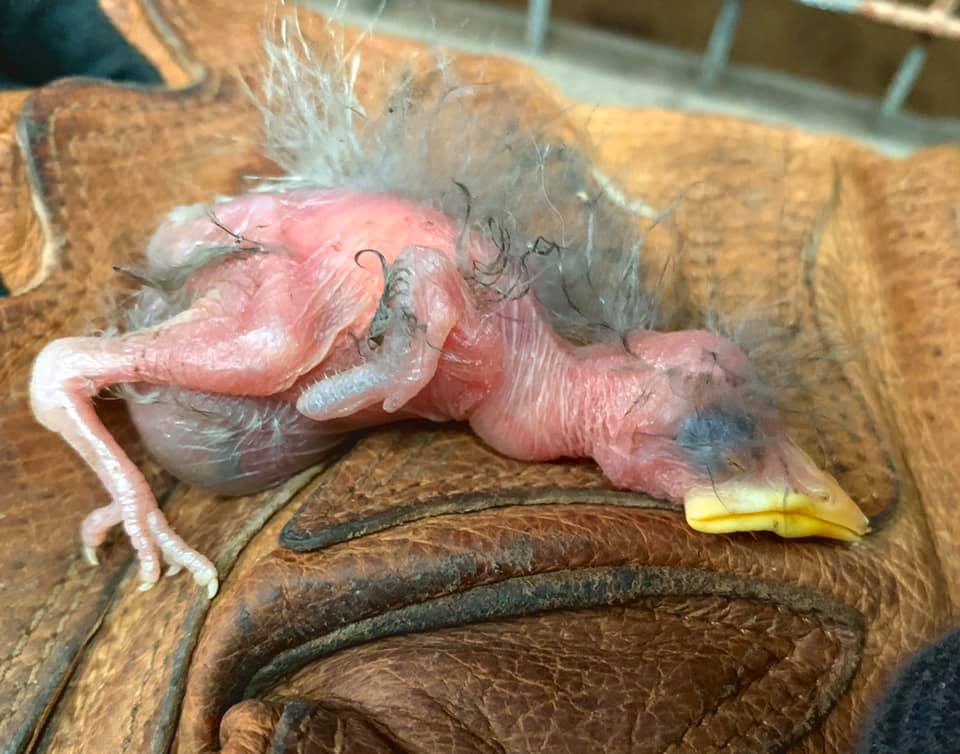
We all start out in the secret garden of a fallopian tube as an egg pierced to become so much more… – each tiny part of the least of us – – whether brain, heart, lungs or liver – wonderfully made, even if discarded or fallen from the nest.
The act of creation of something so sacred is immense, tender, terrible, beautiful, heart-breaking, and so very solemn and joyful.
The act of harming one tiny part of creation hurts the whole world; we risk whirling round and crashing through space and coming to an end.
If there is even one who does not feel it and act accordingly, there can be no happiness.
But they all knew it and felt it and they knew they knew it.
And what is born broken is beloved nevertheless.
photo by Josh ScholtenAI image created for this post
One-Time
Monthly
Yearly
Make a one-time or recurring donation to support daily Barnstorming posts
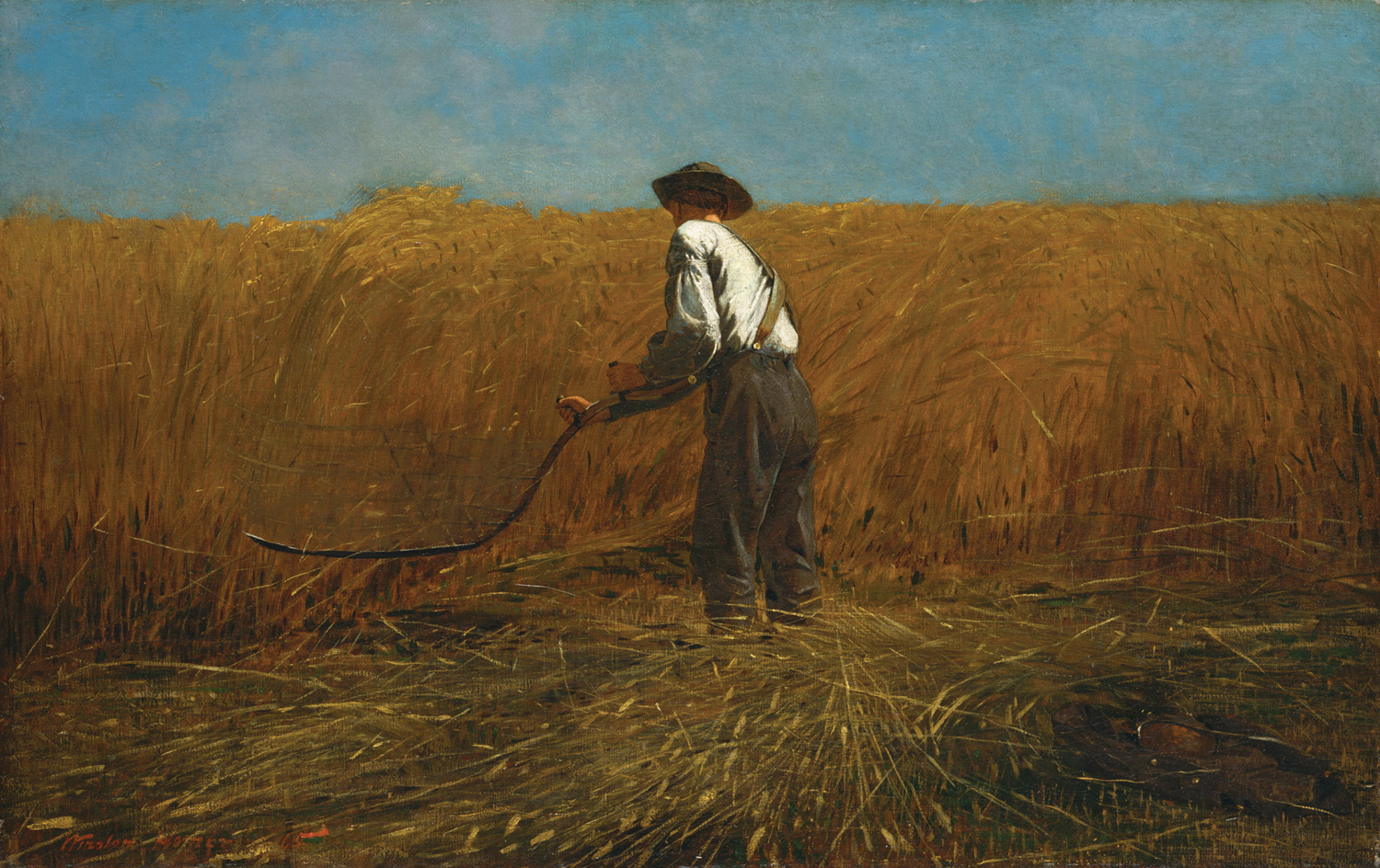
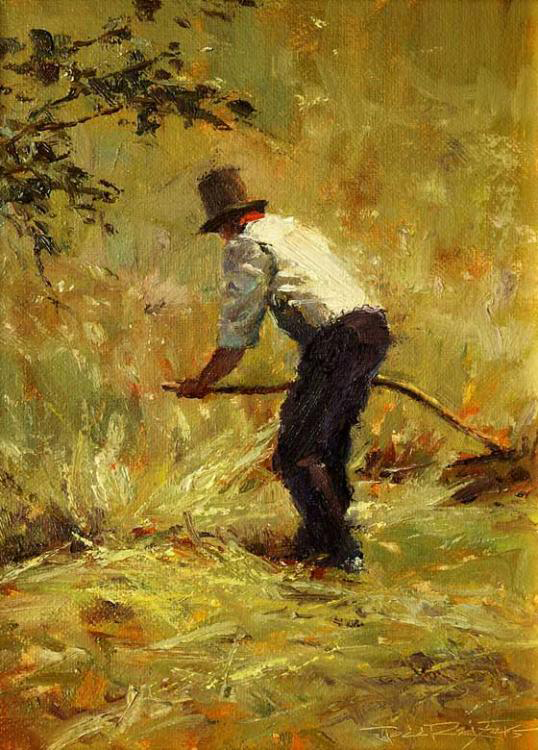
Winslow Homer’s The Veteran in a New FieldMan Scything Hay by Todd Reifers
There was never a sound beside the wood but one, And that was my long scythe whispering to the ground. What was it it whispered? I knew not well myself; Perhaps it was something about the heat of the sun, Something, perhaps, about the lack of sound— And that was why it whispered and did not speak. To the earnest love that laid the swale in rows, The fact is the sweetest dream that labor knows. My long scythe whispered and left the hay to make. ~Robert Frost in “Mowing”
Mowers, weary and brown, and blithe, What is the word methinks ye know, Endless over-word that the Scythe Sings to the blades of the grass below? Scythes that swing in the grass and clover, Something still, they say as they pass; What is the word that, over and over, Sings the Scythe to the flowers and grass?
Hush, ah hush, the Scythes are saying, Hush, and heed not, and fall asleep; Hush, they say to the grasses swaying, Hush, they sing to the clover deep! Hush – ’tis the lullaby Time is singing – Hush, and heed not, for all things pass, Hush, ah hush! and the Scythes are swinging Over the clover and over the grass! ~Andrew Lang (1844-1912) “The ScytheSong”
It is blue May. There is work to be done. The spring’s eye blind with algae, the stopped water silent. The garden fills with nettle and briar. Dylan drags branches away. I wade forward with my scythe.
There is stickiness on the blade. Yolk on my hands. Albumen and blood. Fragments of shell are baby-bones, the scythe a scalpel, bloodied and guilty with crushed feathers, mosses, the cut cords of the grass. We shout at each other each hurting with a separate pain.
From the crown of the hawthorn tree to the ground the willow warbler drops. All day in silence she repeats her question. I too return to the place holding the pieces, at first still hot from the knife, recall how warm birth fluids are. ~Gillian Clarke“Scything” from Letter from a Far Country (1982)
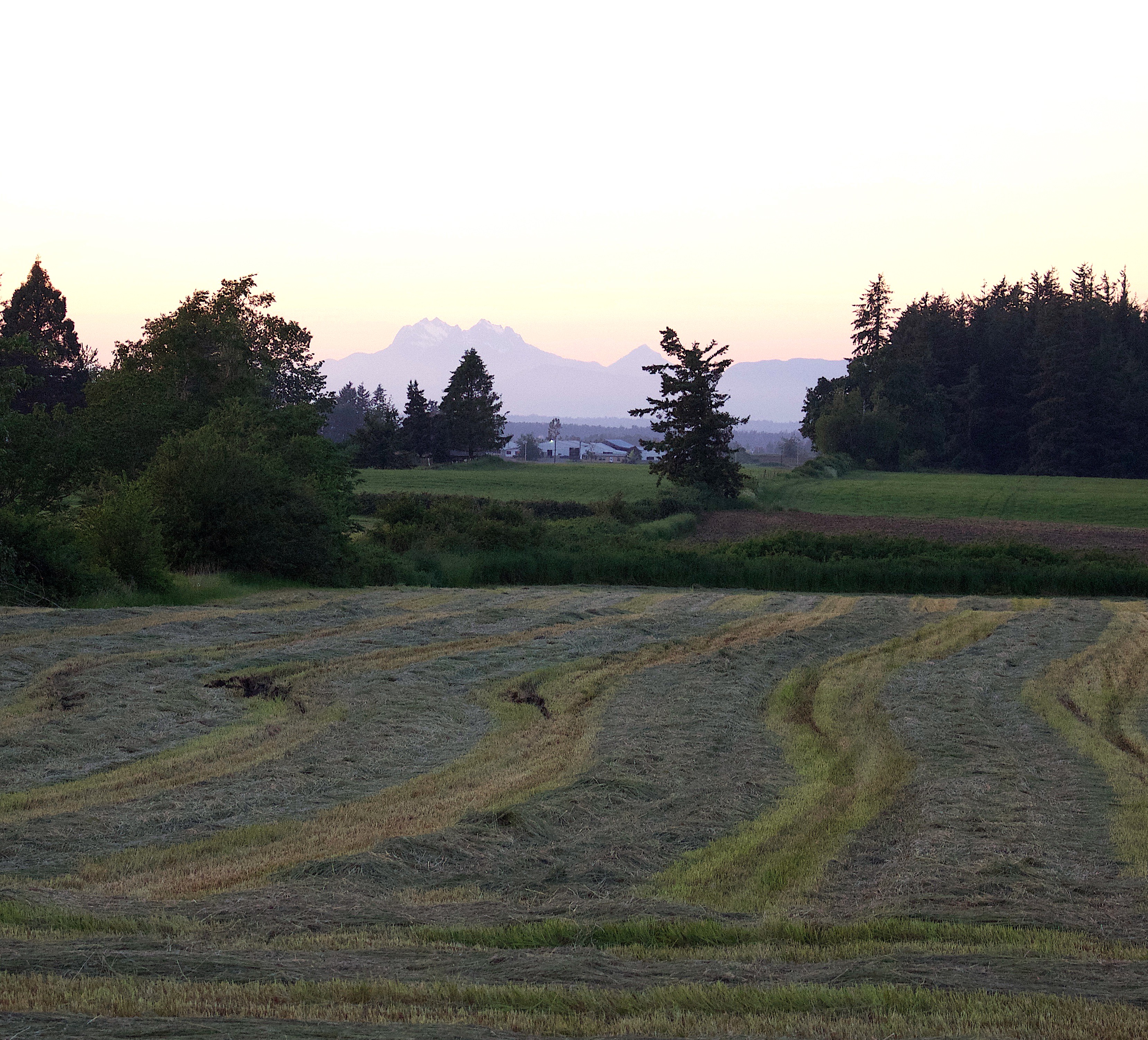
The grass around our orchard and yet-to-be-planted garden is now thigh-high. It practically squeaks while it grows. Anything that used to be in plain sight on the ground is rapidly being swallowed up in a sea of green: a ball, a pet dish, a garden gnome, a hose, a tractor implement, a bucket. In an effort to stem this tidal flood of grass, I grab the scythe out of the garden shed and plan my attack.
When the pastures are too wet yet for heavy hooves, I have hungry horses to provide for and there is more than plenty fodder to cut down for them.
I’m not a weed whacker kind of gal. First there is the necessary fuel, the noise necessitating ear plugs, the risk of flying particles requiring goggles–it all seems too much like an act of war to be remotely enjoyable. Instead, I have tried to take scything lessons from my husband.
Emphasis on “tried.”
I grew up watching my father scythe our hay in our field because he couldn’t afford a mower for his tractor. He enjoyed physical labor in the fields and woods–his other favorite hand tool was a brush cutter that he’d take to blackberry bushes. He would head out to the field with the scythe over this shoulder, grim reaper style. Once he was standing on the edge of the grass needing to be mowed, he would then lower the scythe, curved blade to the ground, turn slightly, positioning his hands on the two handles just so, raise the scythe up past his shoulders, and then in a full body twist almost like a golf swing, he’d bring the blade down. It would follow a smooth arc through the base of the standing grass, laying clumps flat in a tidy pile alongside the 2 inch stubble left behind. It was a swift, silky muscle movement — a thing of beauty.
Once, when I was three years old, I quietly approached my dad in the field while he was busily scything grass for our cows, but I didn’t announce my presence. The handle of his scythe connected with me as he swung it, laying me flat with a bleeding eyebrow. I still bear the scar, somewhat proudly, as he abruptly stopped his fieldwork to lift me up as I bawled and bled on his sweaty shirt. He must have felt so badly to have injured his little girl and drove my mom and I to the local doctor who patched my brow with sticky tape rather than stitches.
So I identify a bit with the grass laid low by the scythe. I forgave my father, of course, and learned never again to surprise him when he was working in the field.
Instead of copying my father’s graceful mowing technique, I tended to chop and mangle rather than effect an efficient slicing blow to the stems. I unintentionally trampled the grass I meant to cut. I got blisters from holding the handles too tightly. It felt hopeless that I’d ever perfect that whispery rise and fall of the scythe, with the rhythmic shush sound of the slice that is almost hypnotic.
Not only did I become an ineffective scything human, I also learned what it is like to be the grass laid flat, on the receiving end of a glancing blow. Over a long career, I bore plenty of footprints from the trampling. It can take awhile to stand back up after being cut down.
Sometimes it makes more sense to simply start over as the oozing stubble bleeds green, with deep roots that no one can reach. As I have grown back over the years, singing rather than squeaking or bawling, I realize, I forgave the scythe every time it came down on my head.
photo by Nate Gibson
One-Time
Monthly
Yearly
Make a one-time or recurring donation to support daily Barnstorming posts
I know what you planned, what you meant to do, teaching me to love the world, making it impossible to turn away completely, to shut it out completely ever again – it is everywhere; when I close my eyes, birdsong, scent of lilac in early spring, scent of summer roses: you mean to take it away, each flower, each connection with earth – why would you wound me, why would you want me desolate in the end, unless you wanted me so starved for hope I would refuse to see that finally nothing was left to me, and would believe instead in the end you were left to me. ~Louise Glück “Vespers”(one of ten Vespers poems)
I wait for the Lord, my soul waits, and in his word I hope; ~Psalm 130:5
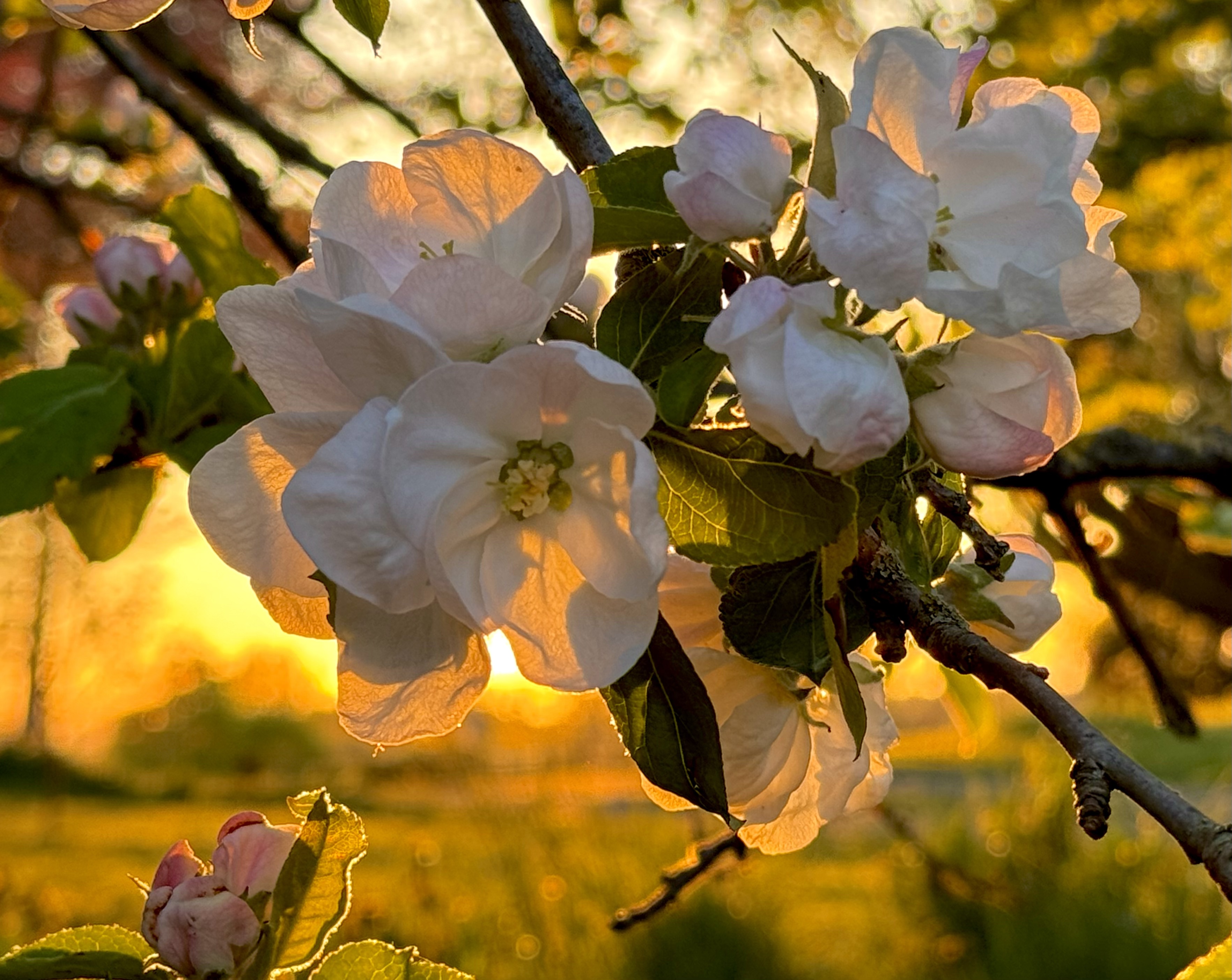
Mid-spring days like this: bright, so promising with potential, birdsong constantly in the air, scent of orchard blossoms, lilacs, early roses and a flush of color everywhere…
how can we not love the world so much we never want to leave it?
Yet we must hold this loosely.
It is but a tiny show of the glories to come, of what You have waiting for us next.
I am wounded knowing I must eventually let this go.
I am hungry for hope that isn’t found in all this beauty and lushness, the fulfilling hope that is only You as my Father and Creator.
You provide only a taste here. I know what I starve for, so starved with hope for what You have in store.
I will wait for you I will wait for you in the end You were left for me.
Amen and Amen.
AI image created for this post
One-Time
Monthly
Yearly
Make a one-time or recurring donation to support daily Barnstorming posts
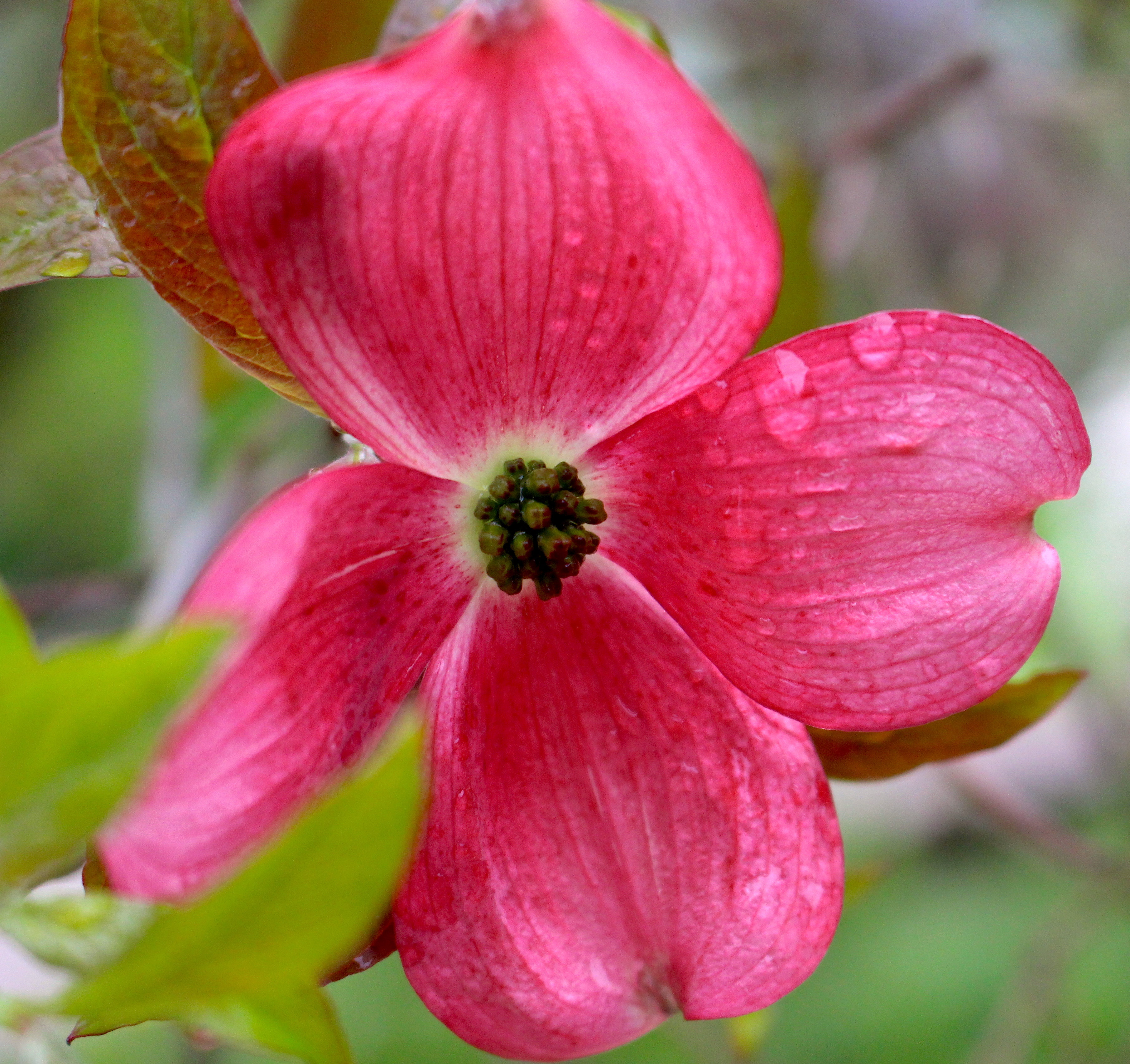
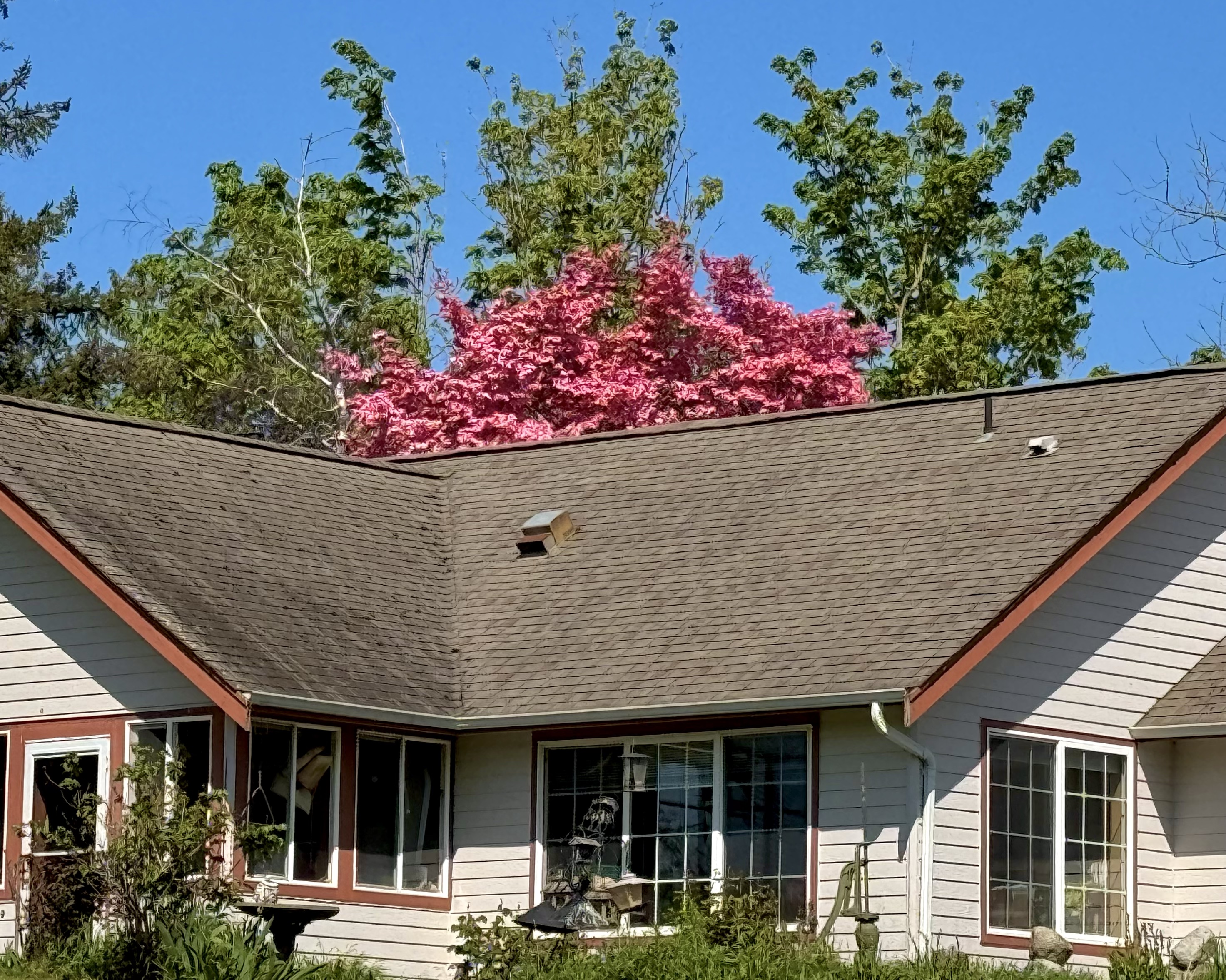
After all, I don’t see why I am always asking for private, individual, selfish miracles when every year there are miracles like … dogwood. ~Anne Morrow Lindbergh
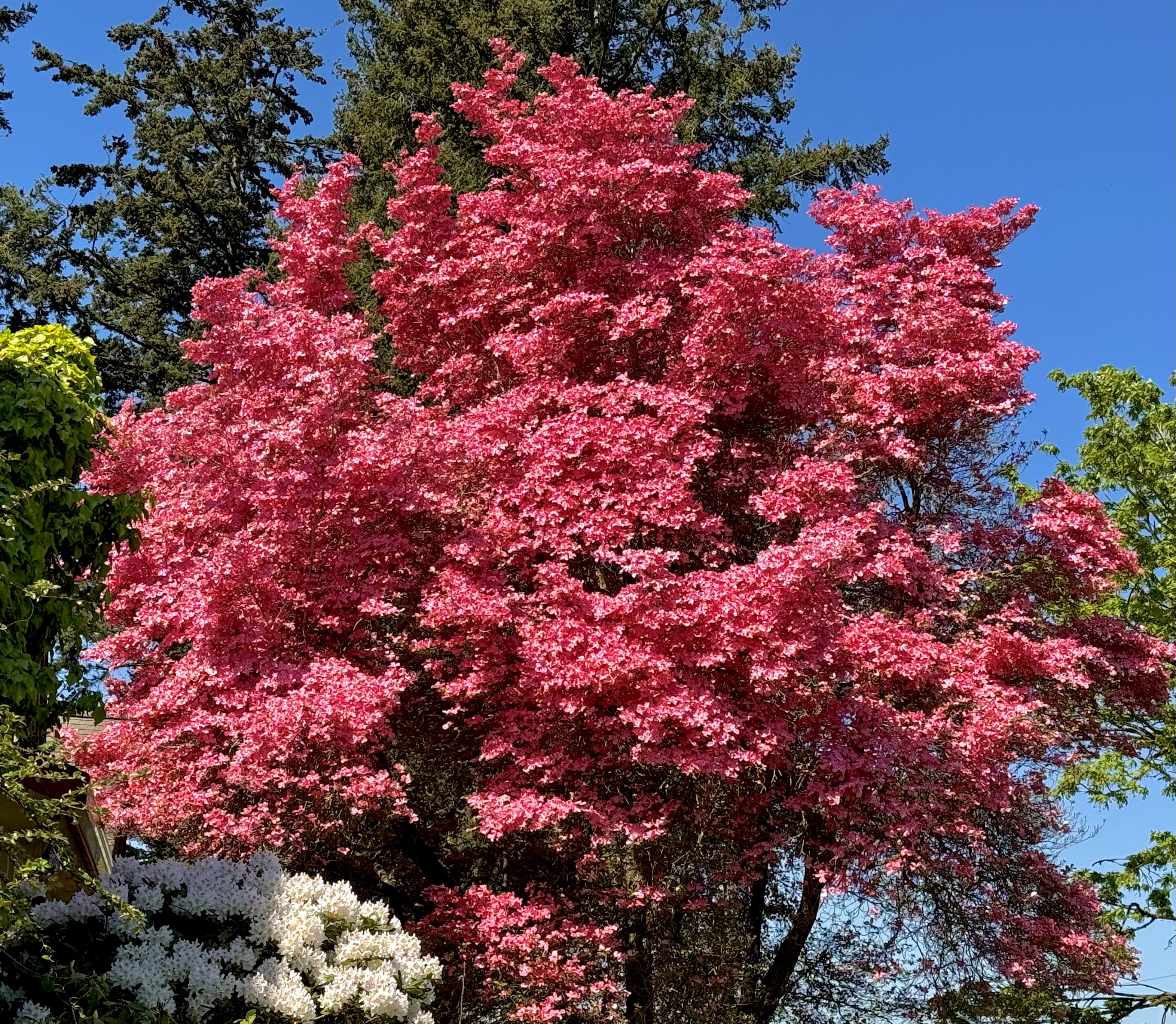
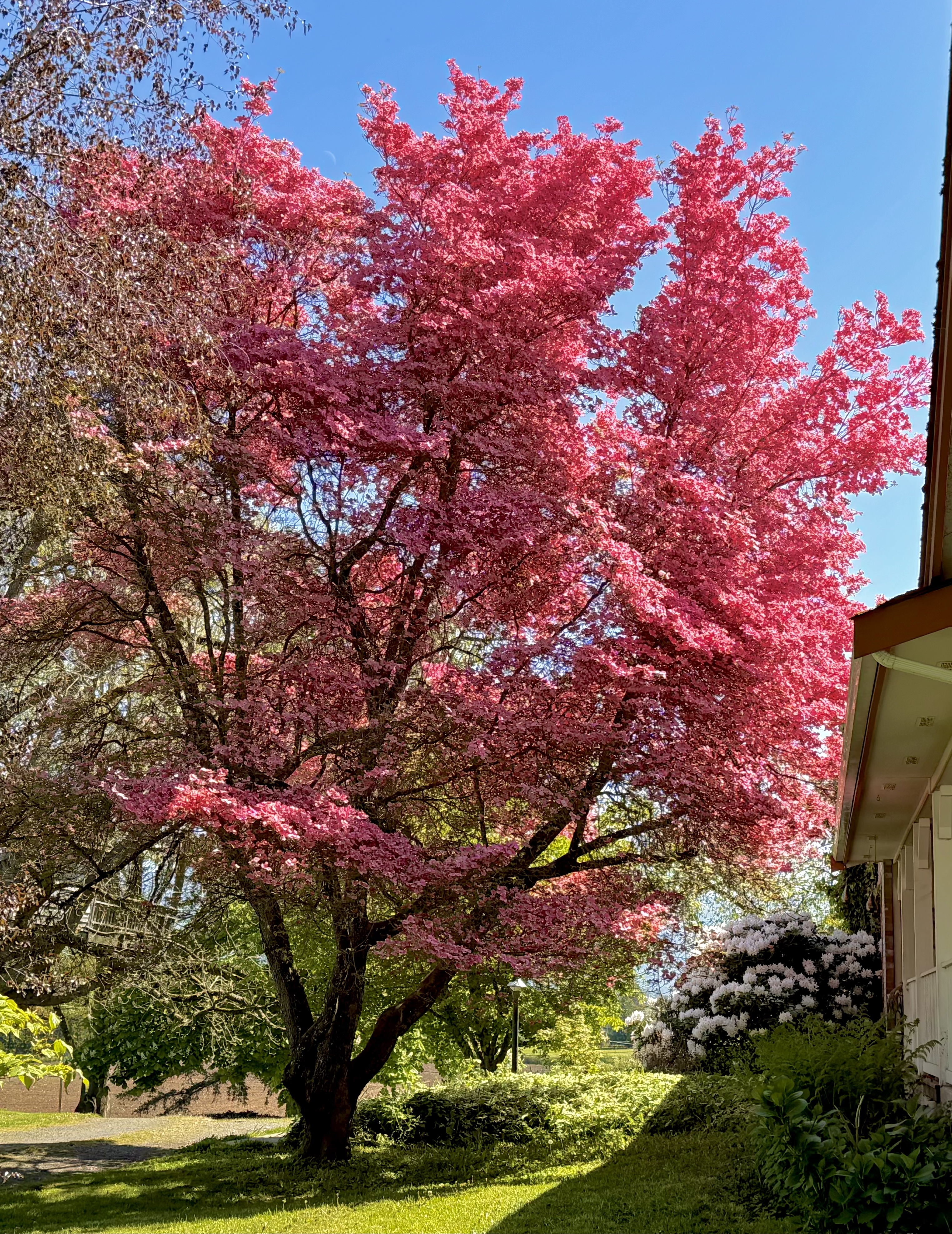
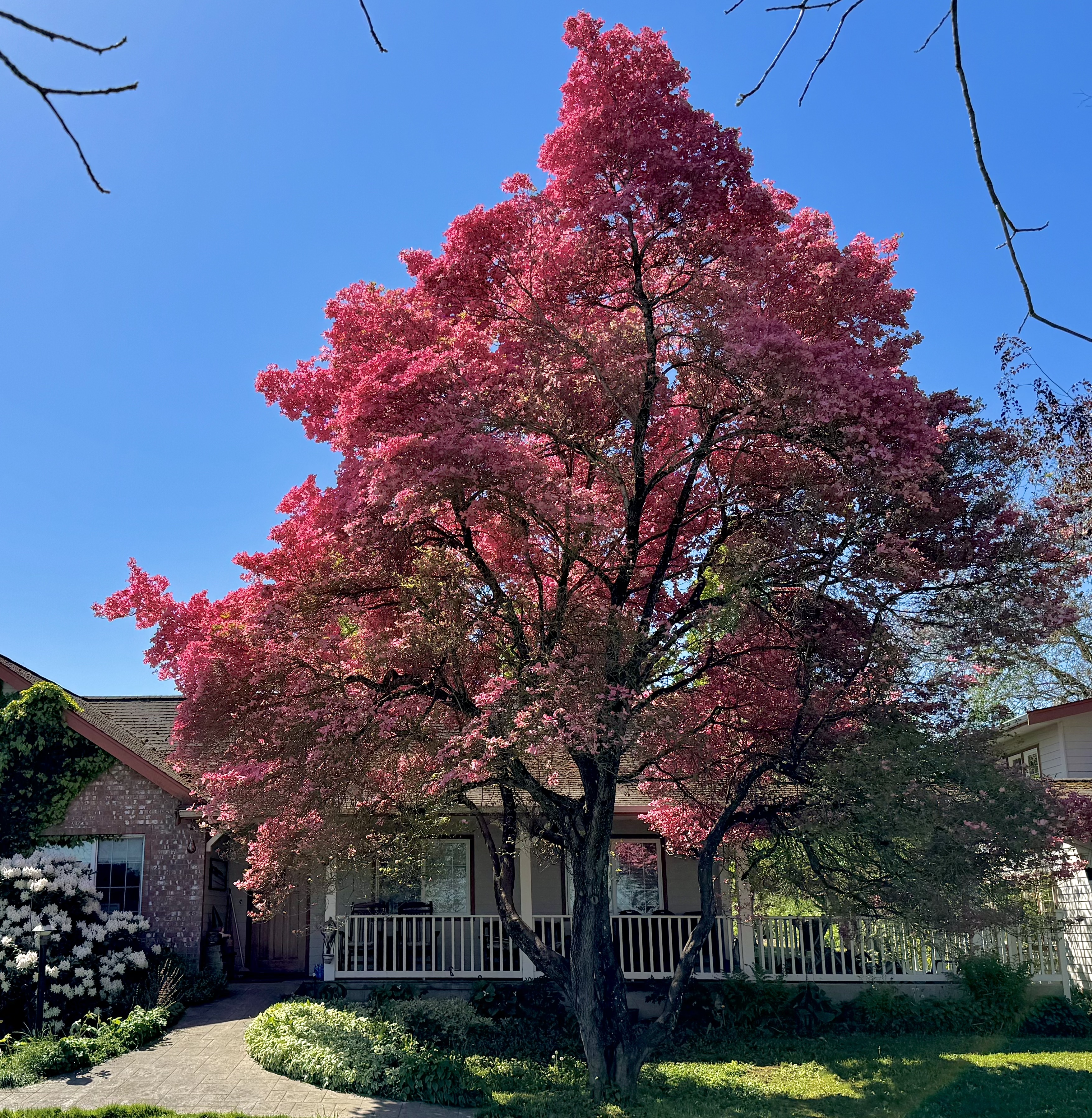
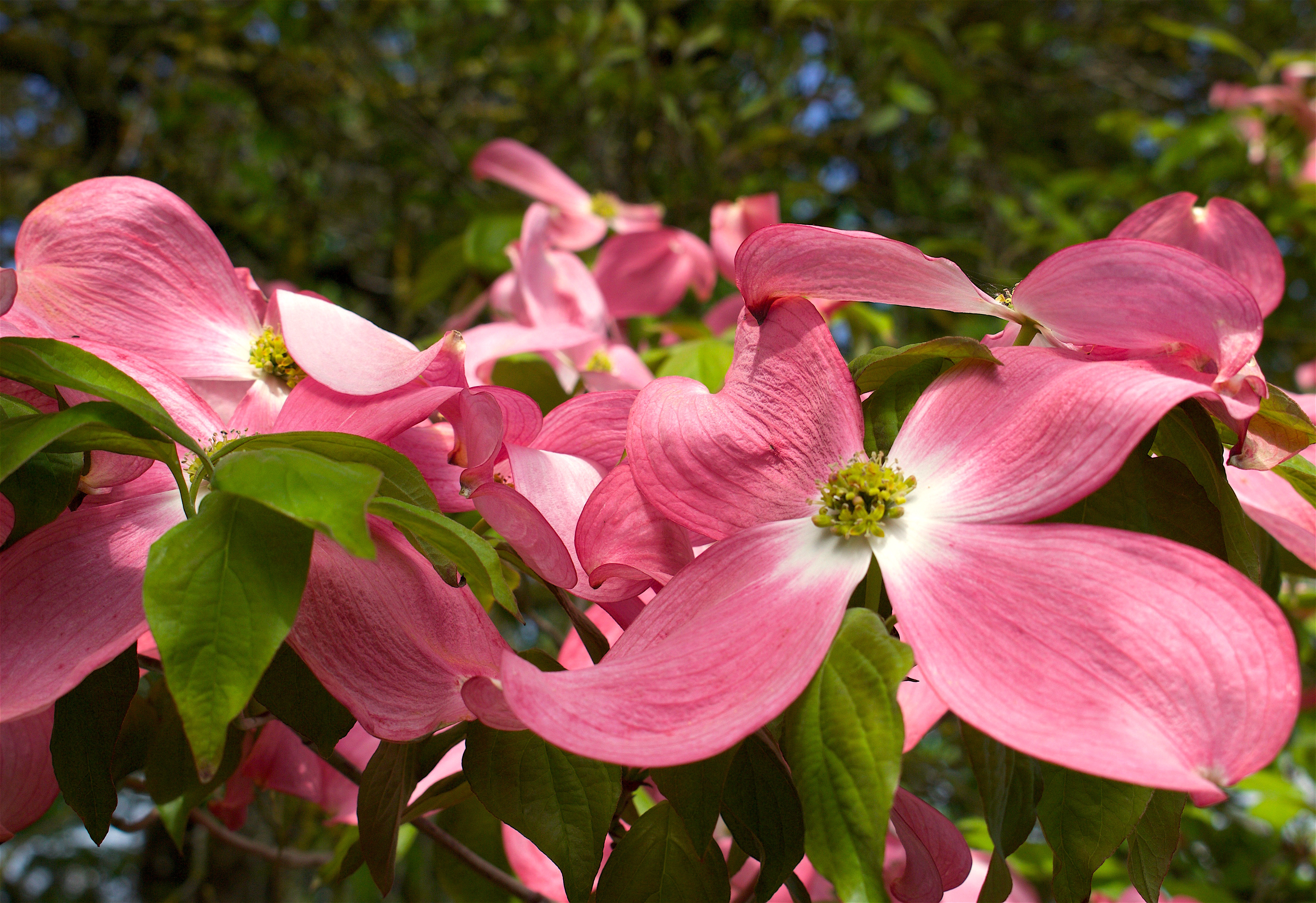
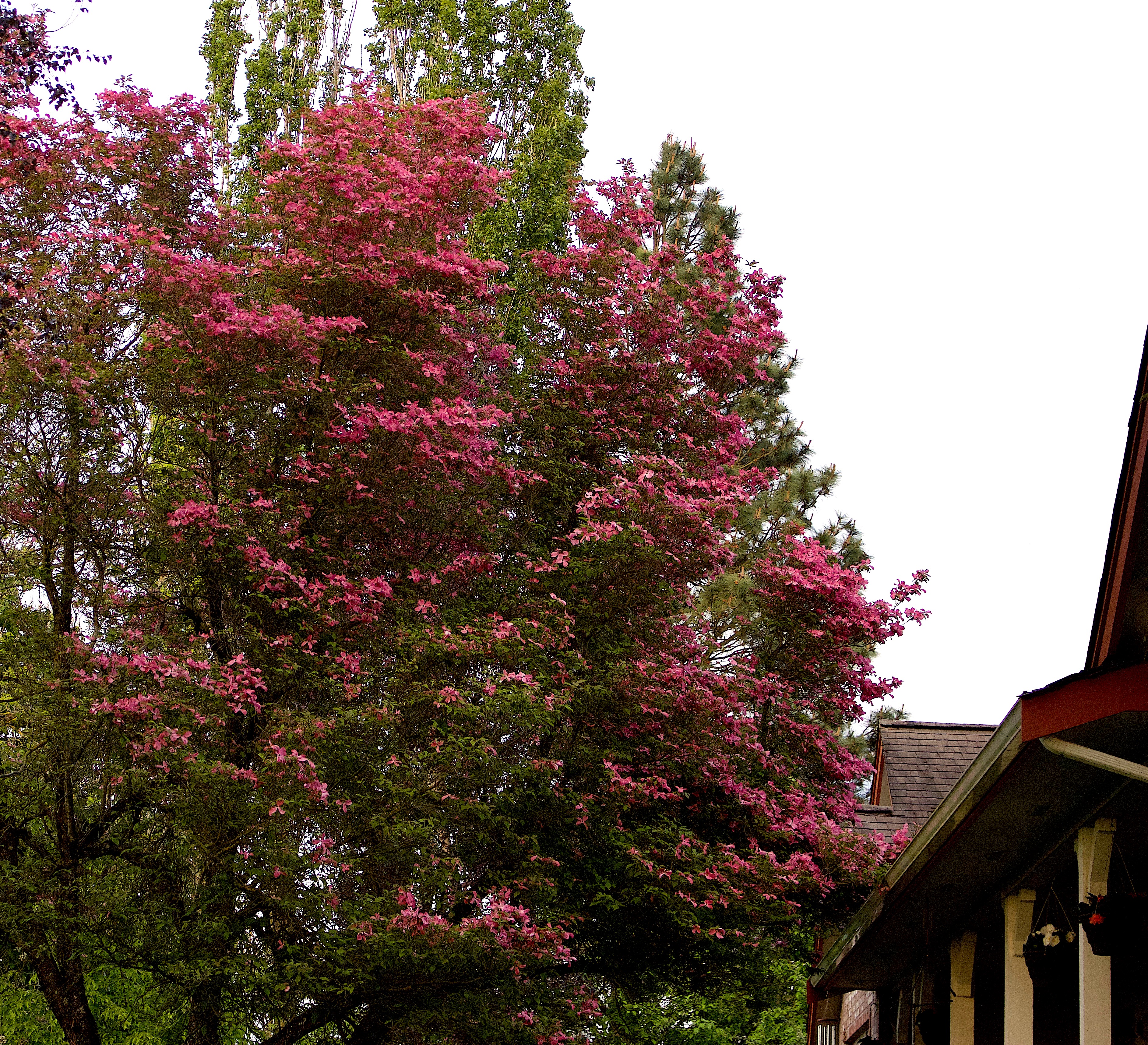
It began last week. The tree right next to our front porch, having looked dormant for the past six months, started to bud out in subtle pink-petalled blossoms.
Through the winter, there had been nothing remarkable whatsoever about this tree. Now it is a feast for the eyes, almost blinding in its brilliance.
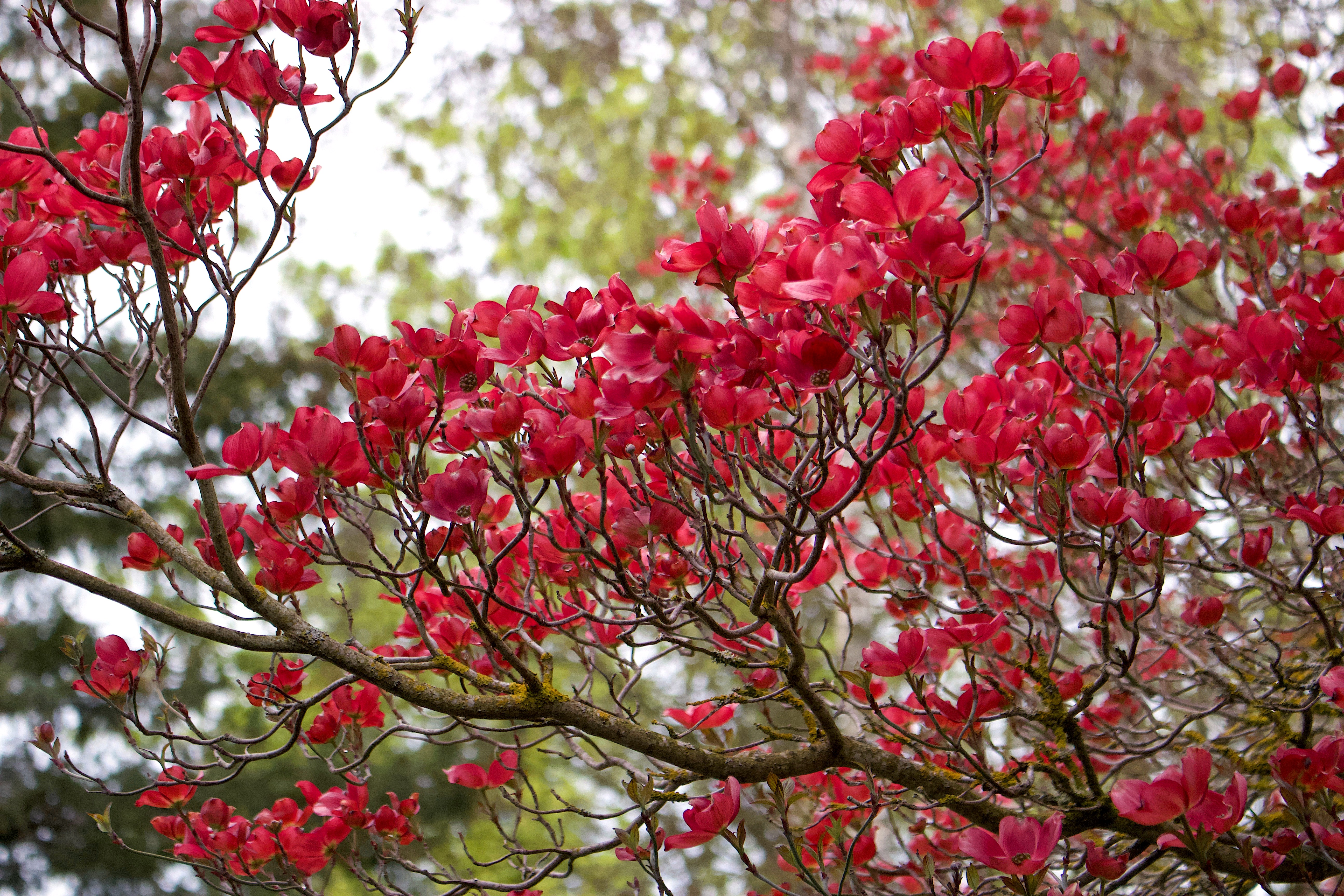
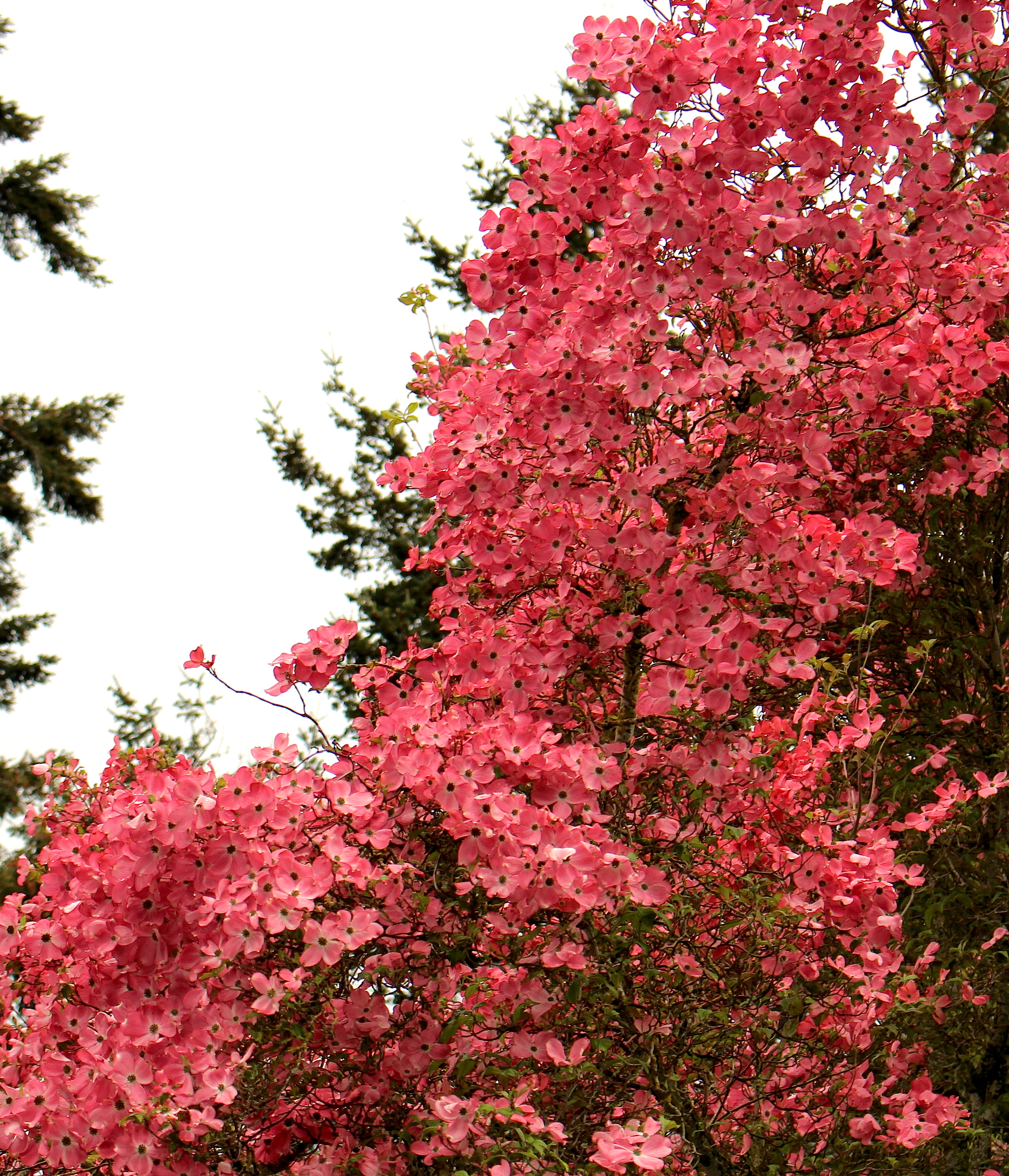
Each year the dogwood startles me awake. From dead to brilliant in a mere two weeks. And not only our tree, but every other pink dogwood within a twenty mile radius has answered the same late April/early May siren call: bloom! bloom your heart out! dazzle every retina in sight!
And it is done simultaneously on every tree, all the same day, without a sound, without an obvious signal, as if an invisible conductor had swooped a baton up and in the downbeat everything turned pink.
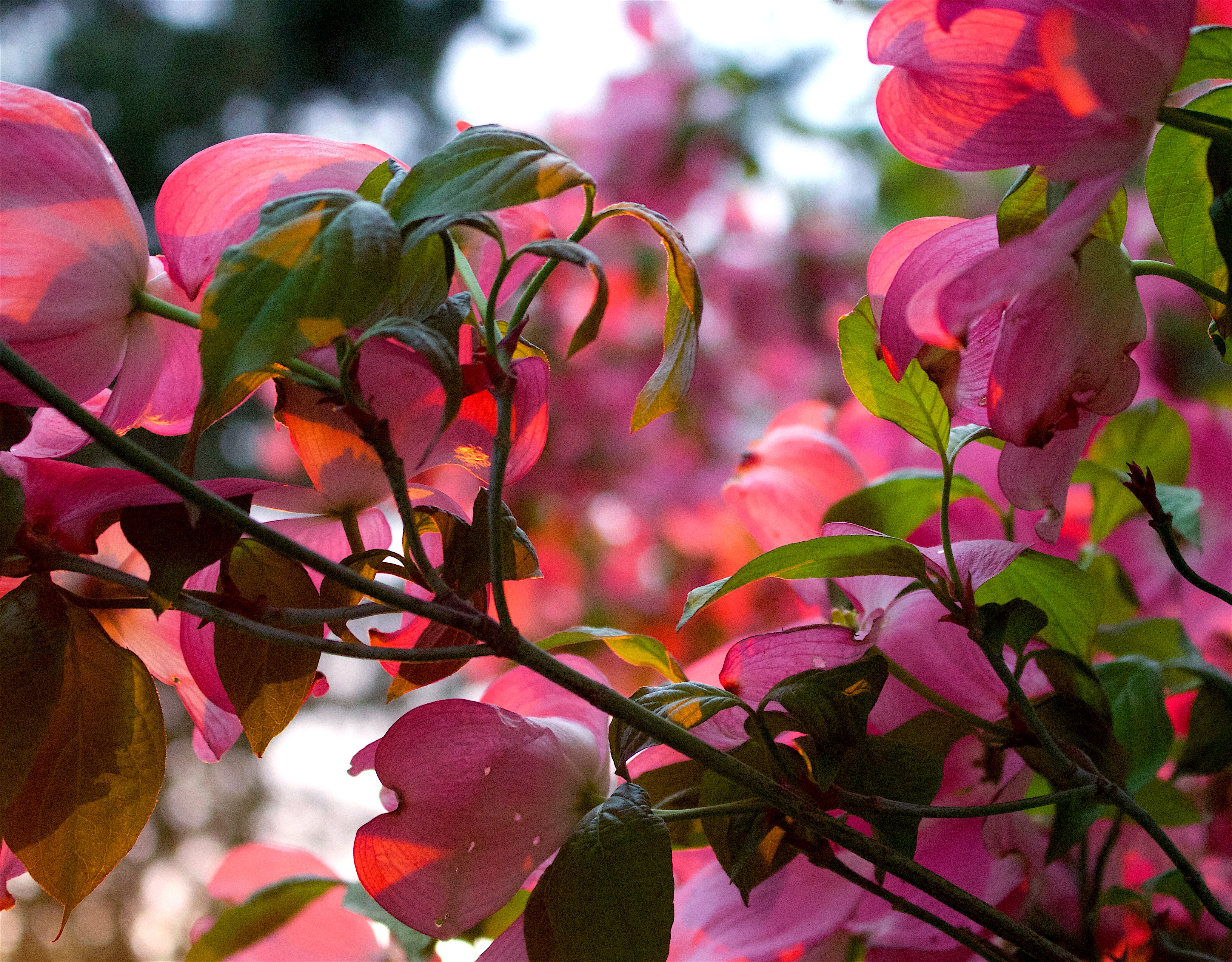
Or perhaps the baton is really a wand, shooting out pink stars to paint these otherwise plain and humble trees, so inconspicuous the rest of the year.
Ordinarily I don’t dress up in finery like these trees do. I prefer inconspicuous earth tones for myself. But I love the celebratory joy of those trees in full blossom and enjoy looking for them in yards and parks and along roadways.
Maybe there is something pink in my closet I can wear. Maybe conspicuously miraculous every once in awhile is exactly what is needed.
Then again, it is best to leave the miracles to the trees…
If you stand in an orchard In the middle of Spring and you don’t make a sound you can hear pink sing, a darling, whispery song of a thing. ~Mary O’Neill from Hailstones and Halibut Bones “Pink”
One-Time
Monthly
Yearly
Make a one-time or recurring donation to support daily Barnstorming posts


















 Barnstorming