The Beginning Shall Remind Us of the End: We Wait For We Have Seen His Footsteps

I wait for the Lord, my soul waits,
    and in his word I put my hope.
 My soul waits for the Lord
    more than watchmen wait for the morning,
    more than watchmen wait for the morning.
Psalm 130: 5-6 from a Song of Ascents
Waiting is essential to the spiritual life.
But waiting as a disciple of Jesus is not an empty waiting.
It is a waiting with a promise in our hearts
that makes already present what we are waiting for.

We wait during Advent for the birth of Jesus.
We wait after Easter for the coming of the Spirit,
and after the ascension of Jesus
we wait for his coming again in glory.

We are always waiting,
but it is a waiting in the conviction that
we have already seen God’s footsteps.
— Henri Nouwen from Bread For The Journey: A Daybook of Wisdom and Faith

It is this great absence
that is like a presence, that compels
me to address it without hope
of a reply. It is a room I enter

from which someone has just
gone, the vestibule for the arrival
of one who has not yet come. 
I modernise the anachronism

of my language, but he is no more here
than before. Genes and molecules
have no more power to call
him up than the incense of the Hebrews

at their altars. My equations fail
as my words do. What resources have I
other than the emptiness without him of my whole
being, a vacuum he may not abhor?

~R.S. Thomas “The Absence”
To wait is hard when we know the value of the gift that awaits us. We know exactly what is in the package since we have watched it being carefully chosen, wrapped and presented to us to open.

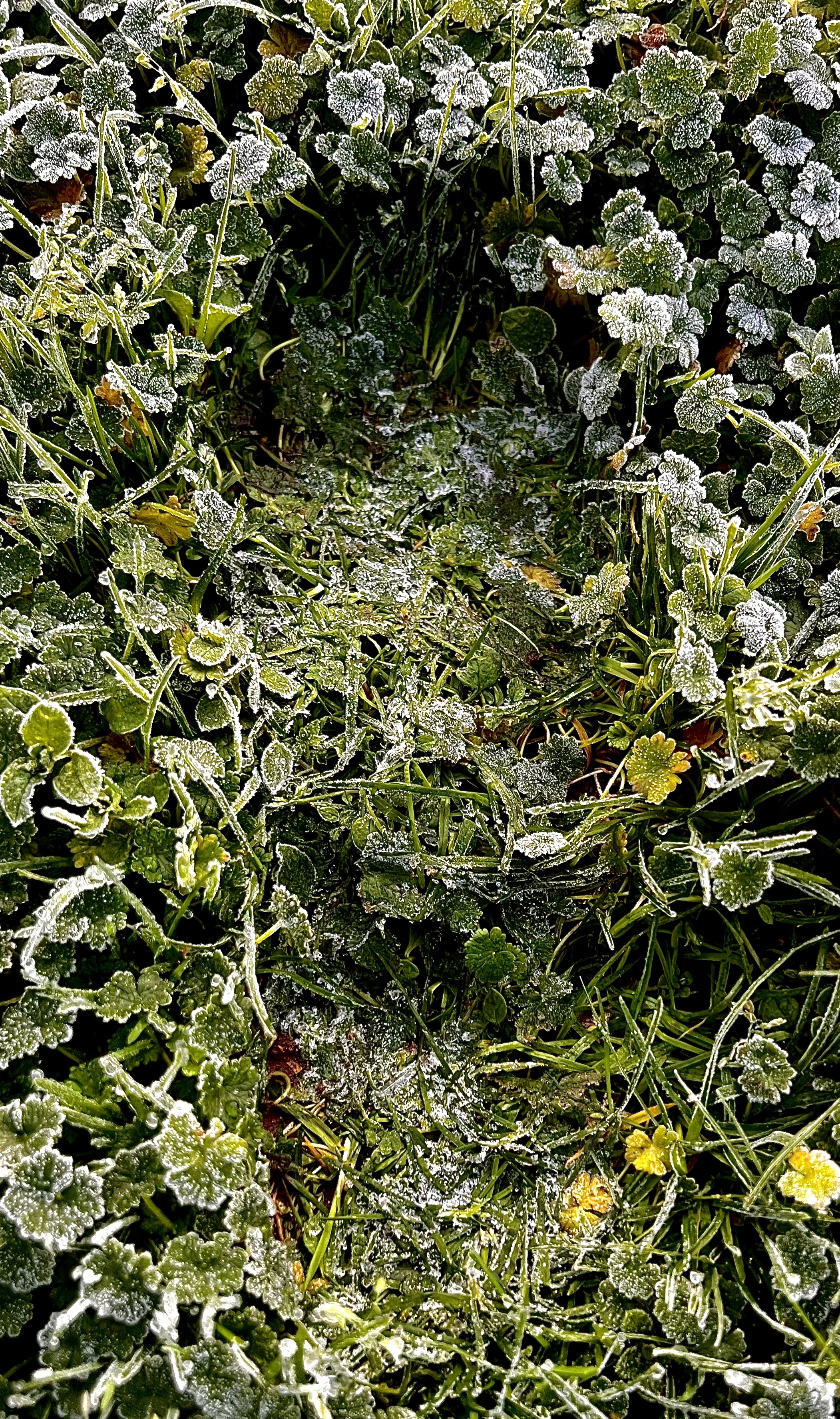
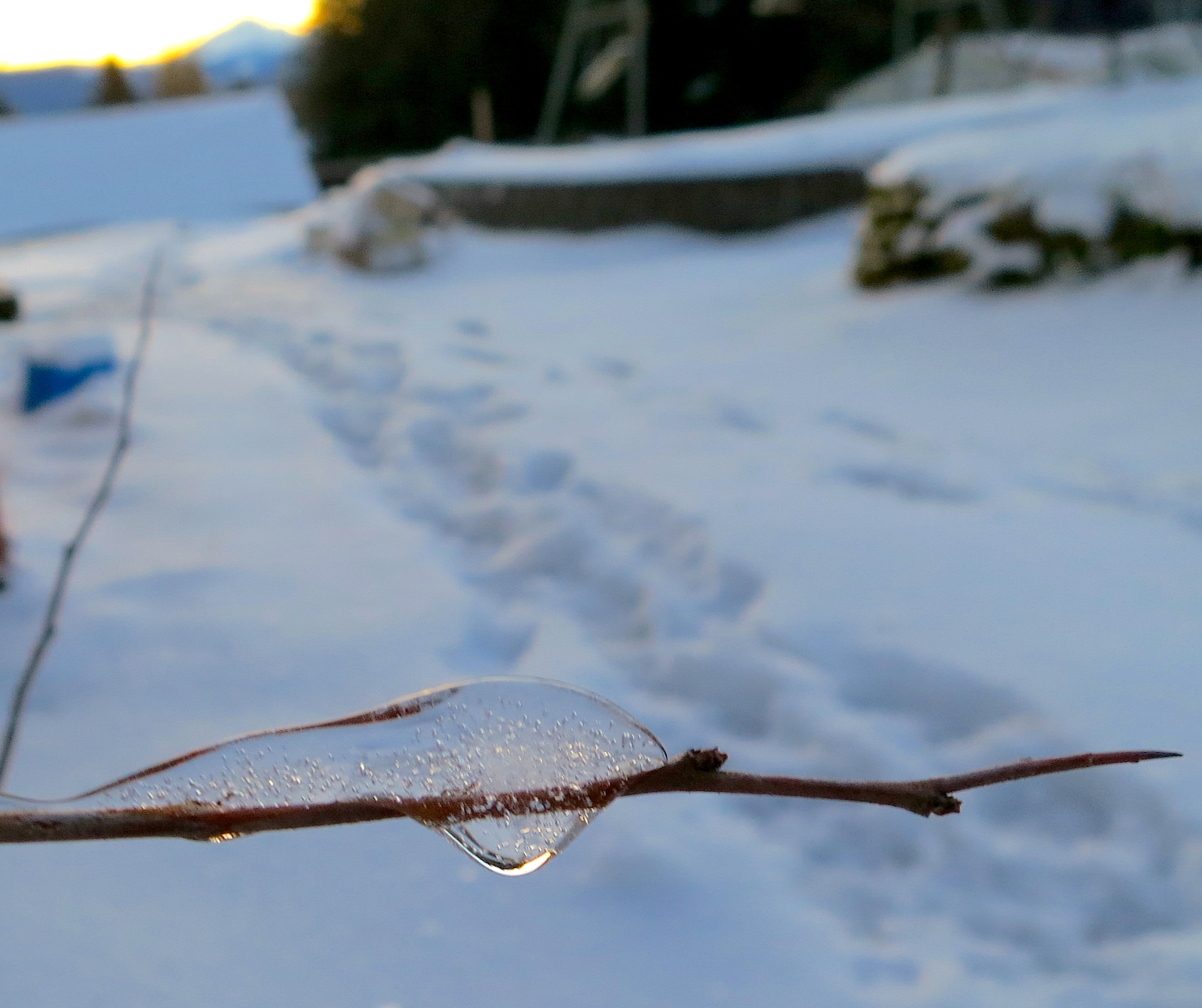
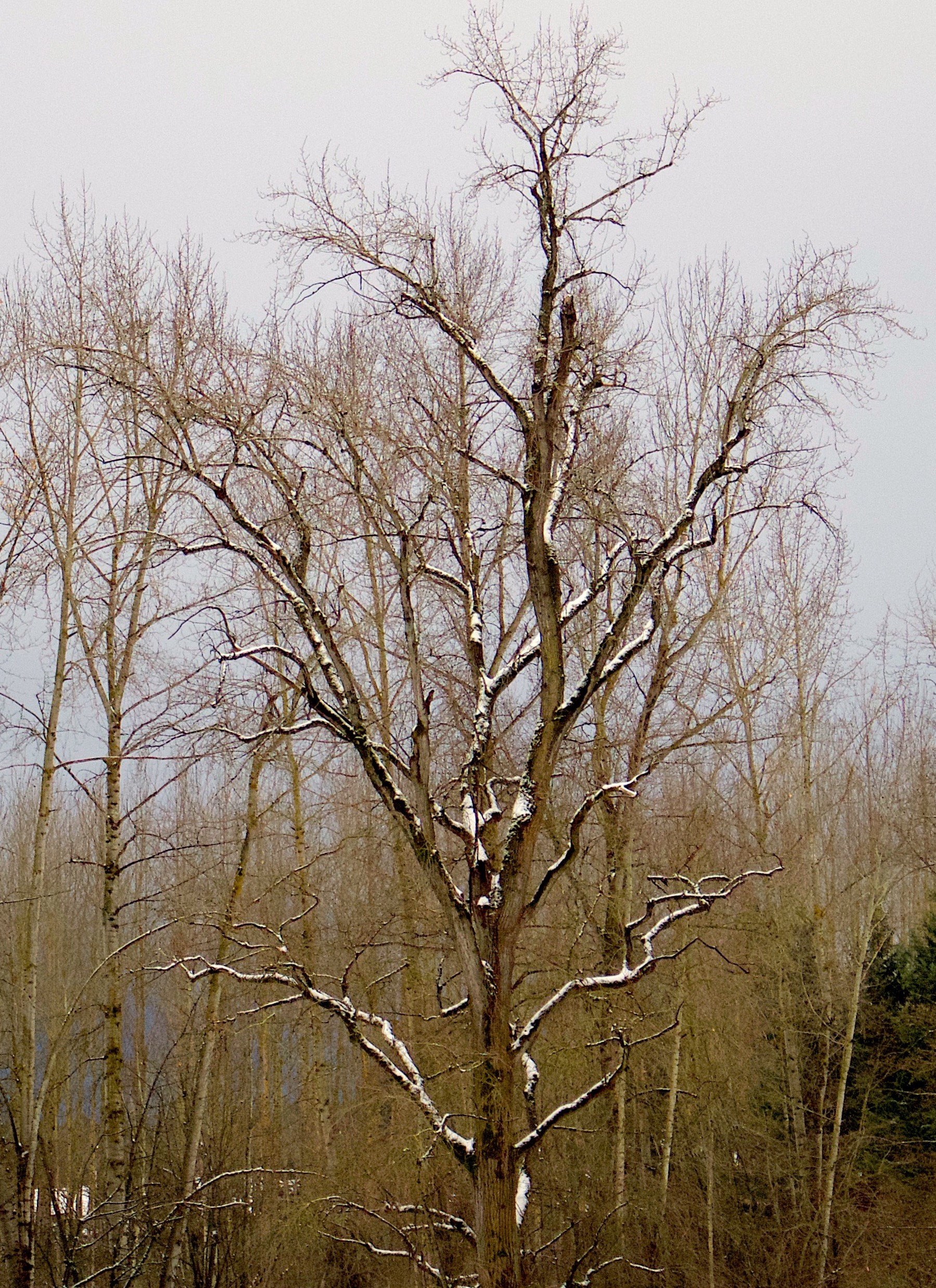
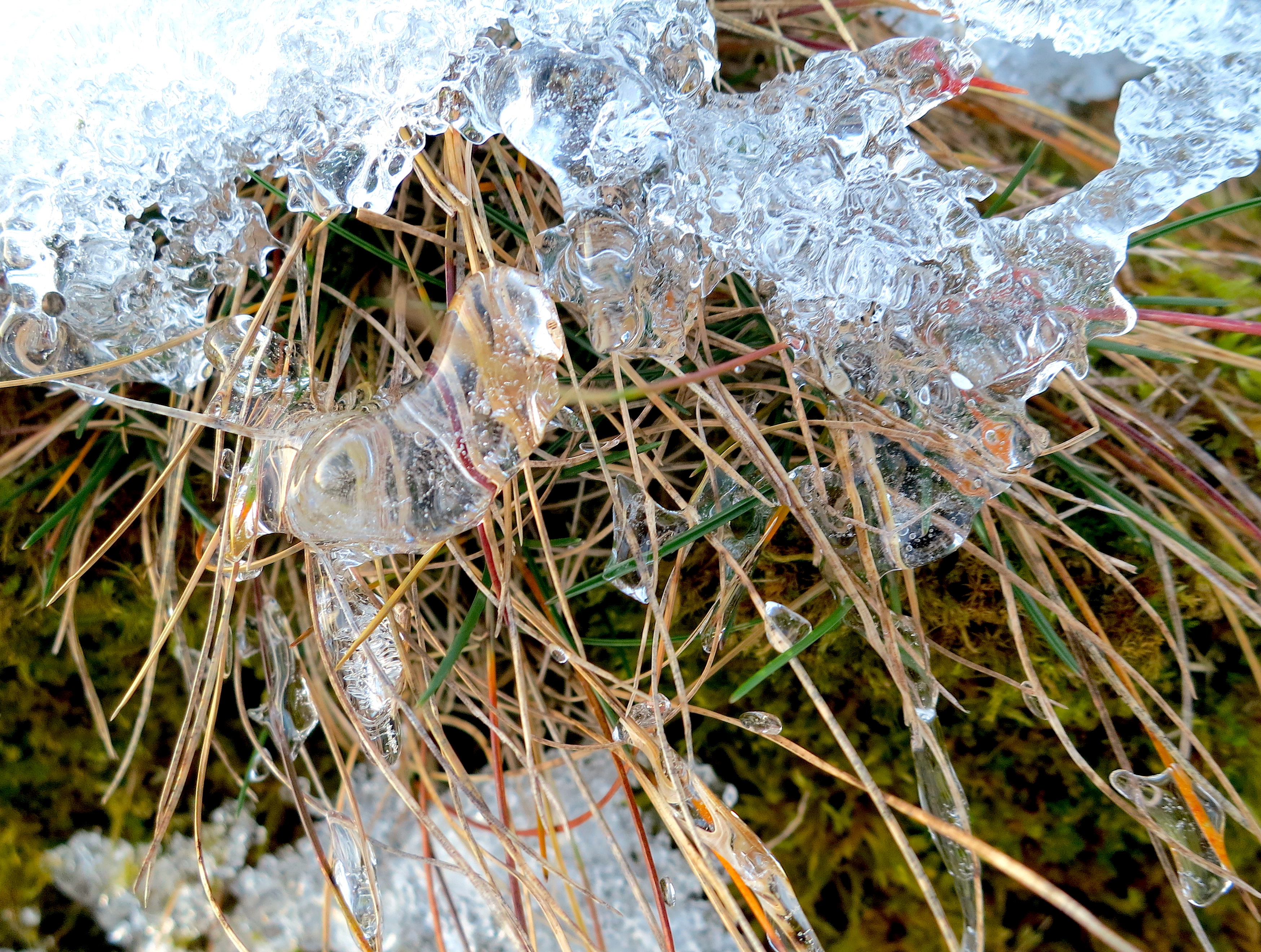
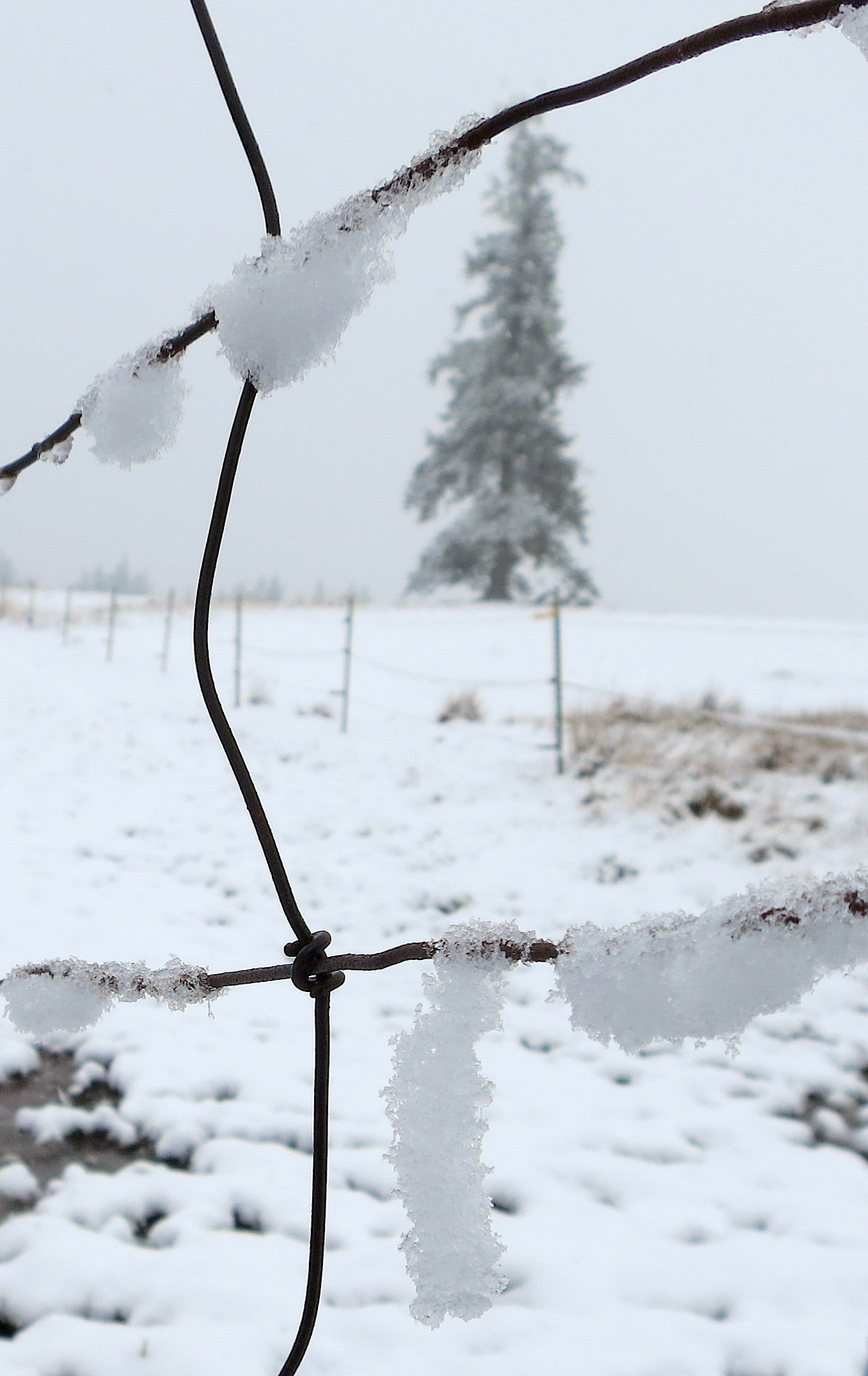
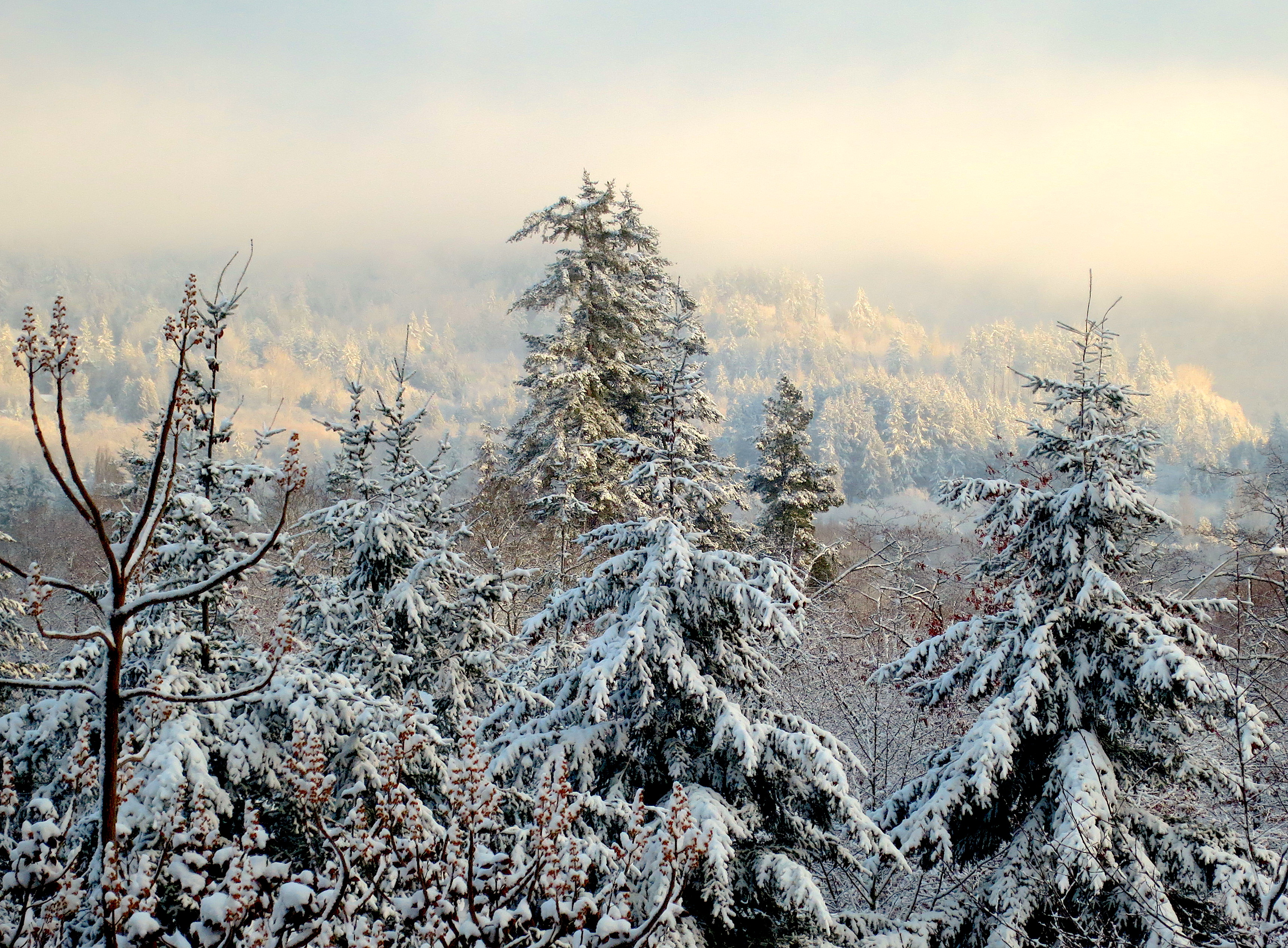
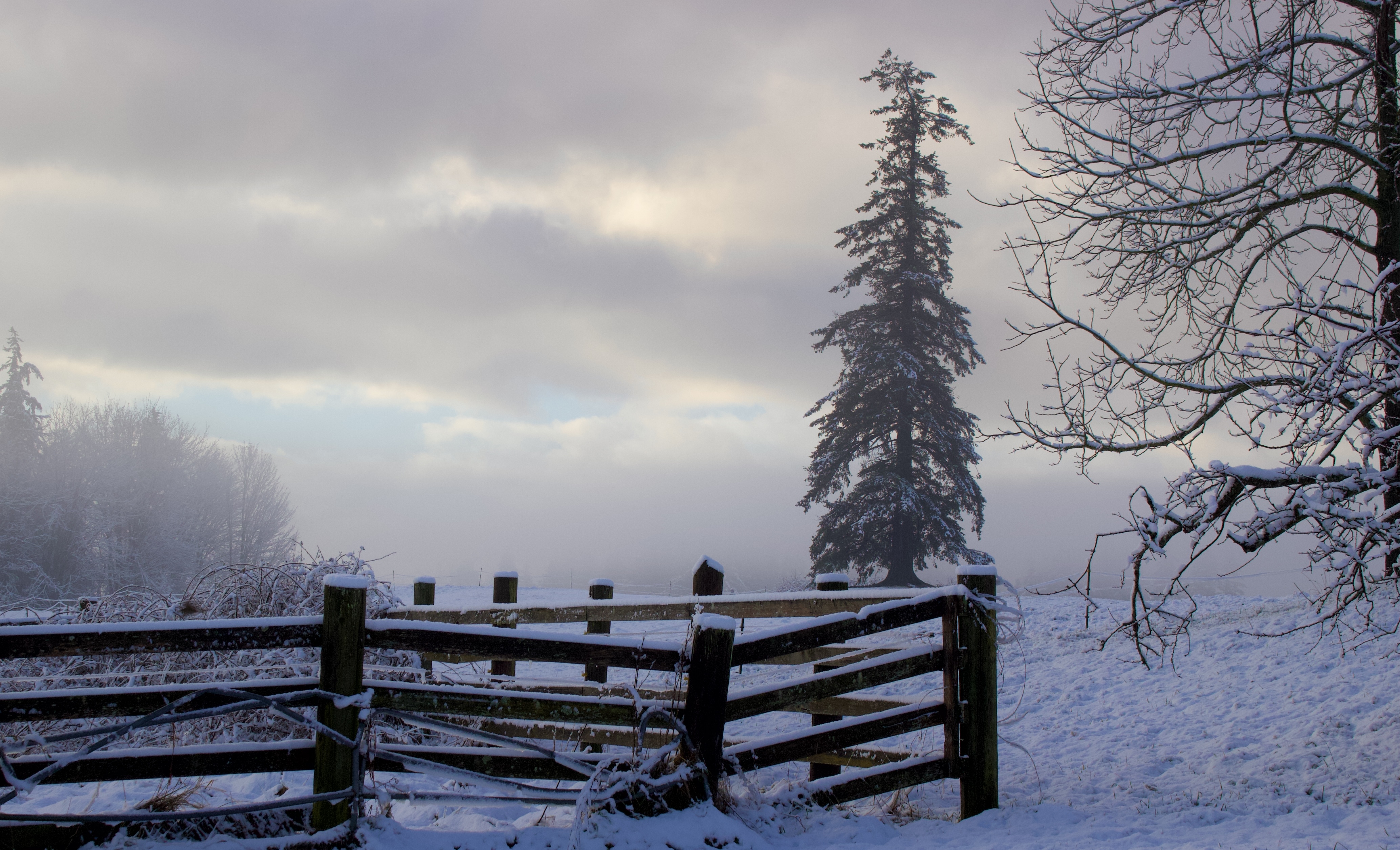
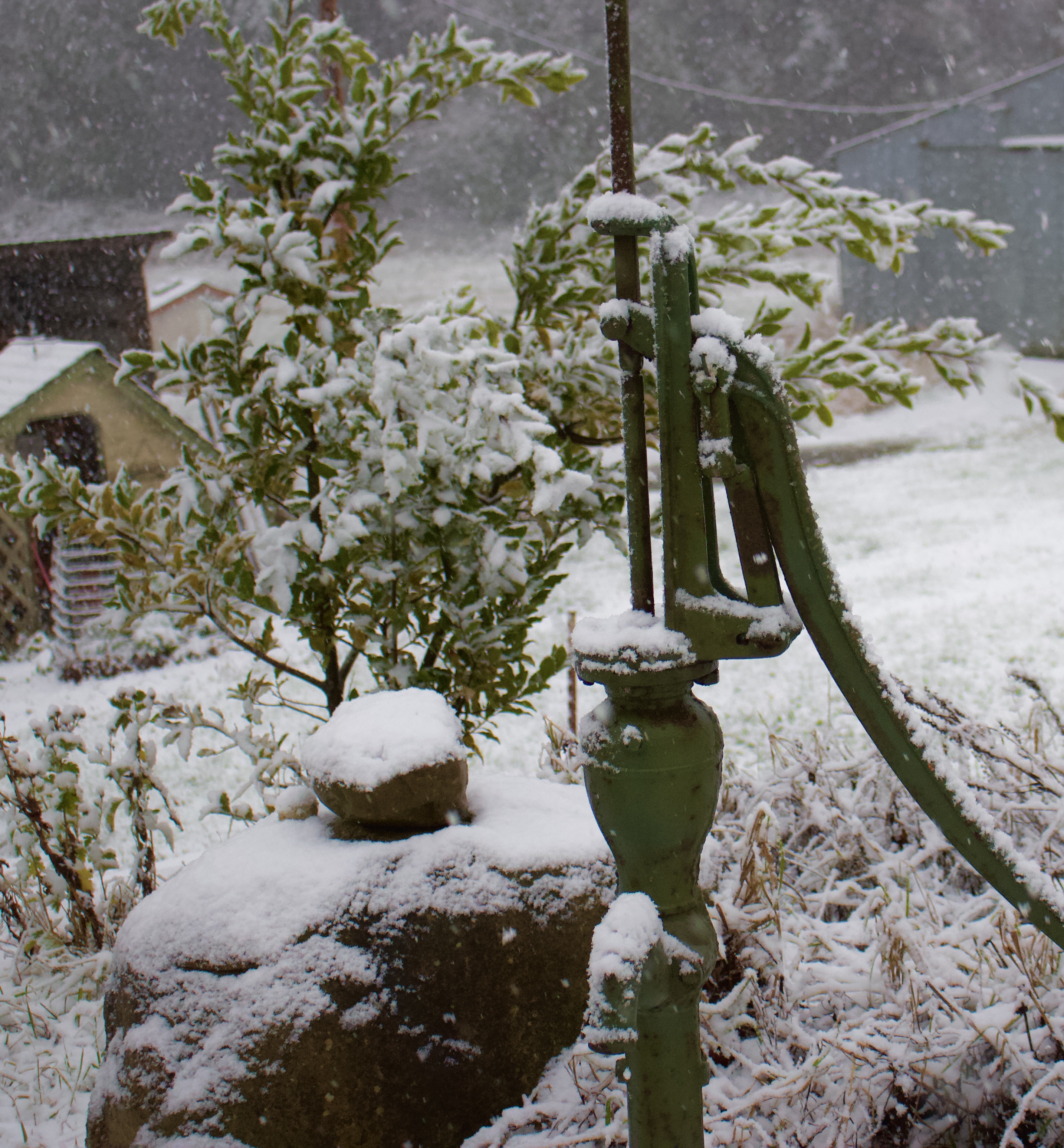
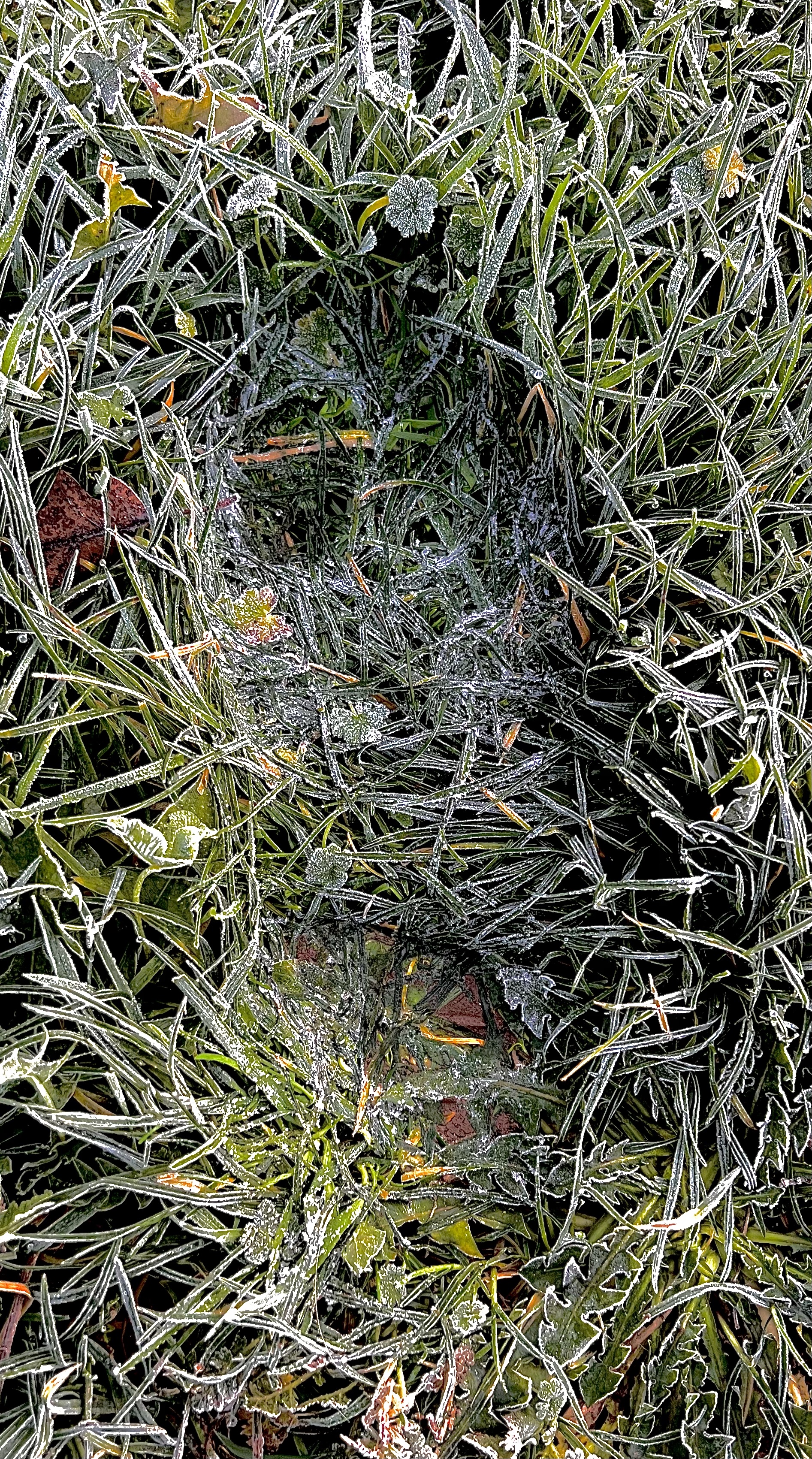
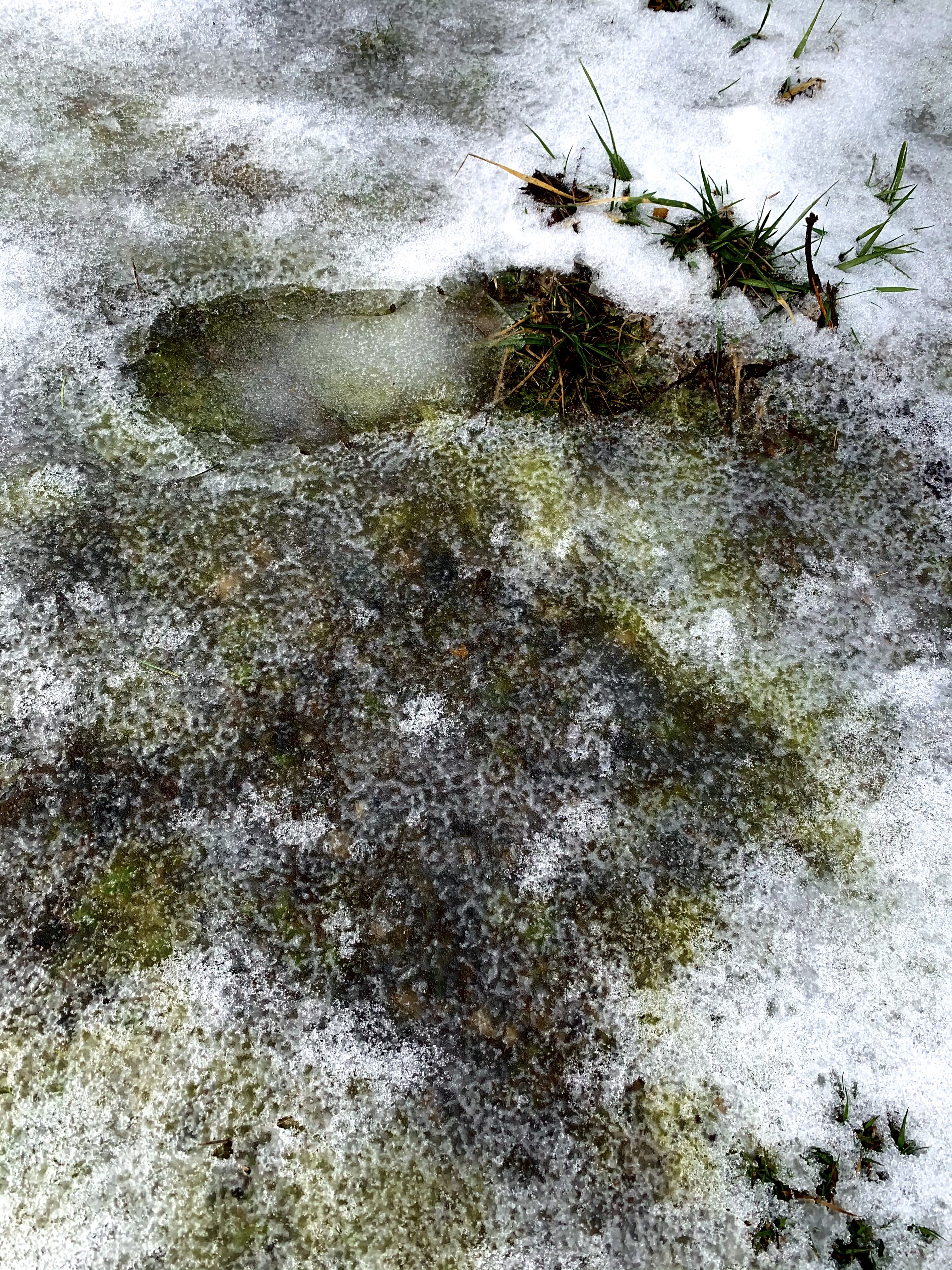
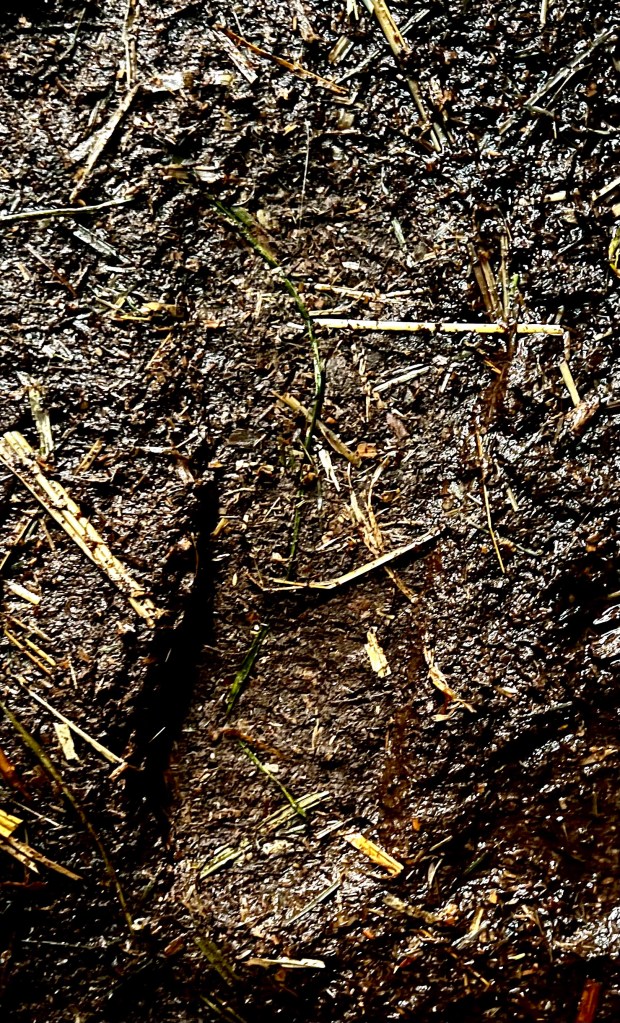
We have seen His footprints on our landscape: in the hottest dessert, in the deepest snow, in the meadows and in the forests, in the mud and muck and mire of our lives; we know He has been here and wait for His return.

Not yet though, not quite yet.  So we wait, and continue to wait.

Even more so, we wait and hope for what we do not see but know is coming, like a groaning in the labor of childbirth.

The waiting is never easy; it is painful to be patient, staying alert to possibility and hope when we are exhausted, barely able to function.  Others won’t understand why we wait,  nor do they comprehend what we could possibly be waiting for when it remains unseen, with only the footprints left behind to remind us.

Yet we persevere together, with patience, watching and hoping, like Mary and Joseph, like Elizabeth and Zechariah, like the shepherds, like the Magi of the east, like Simeon and Anna in the temple.

This is the meaning of Advent:
we are a community groaning together in sweet anticipation and expectation of the gift of Morning to come.
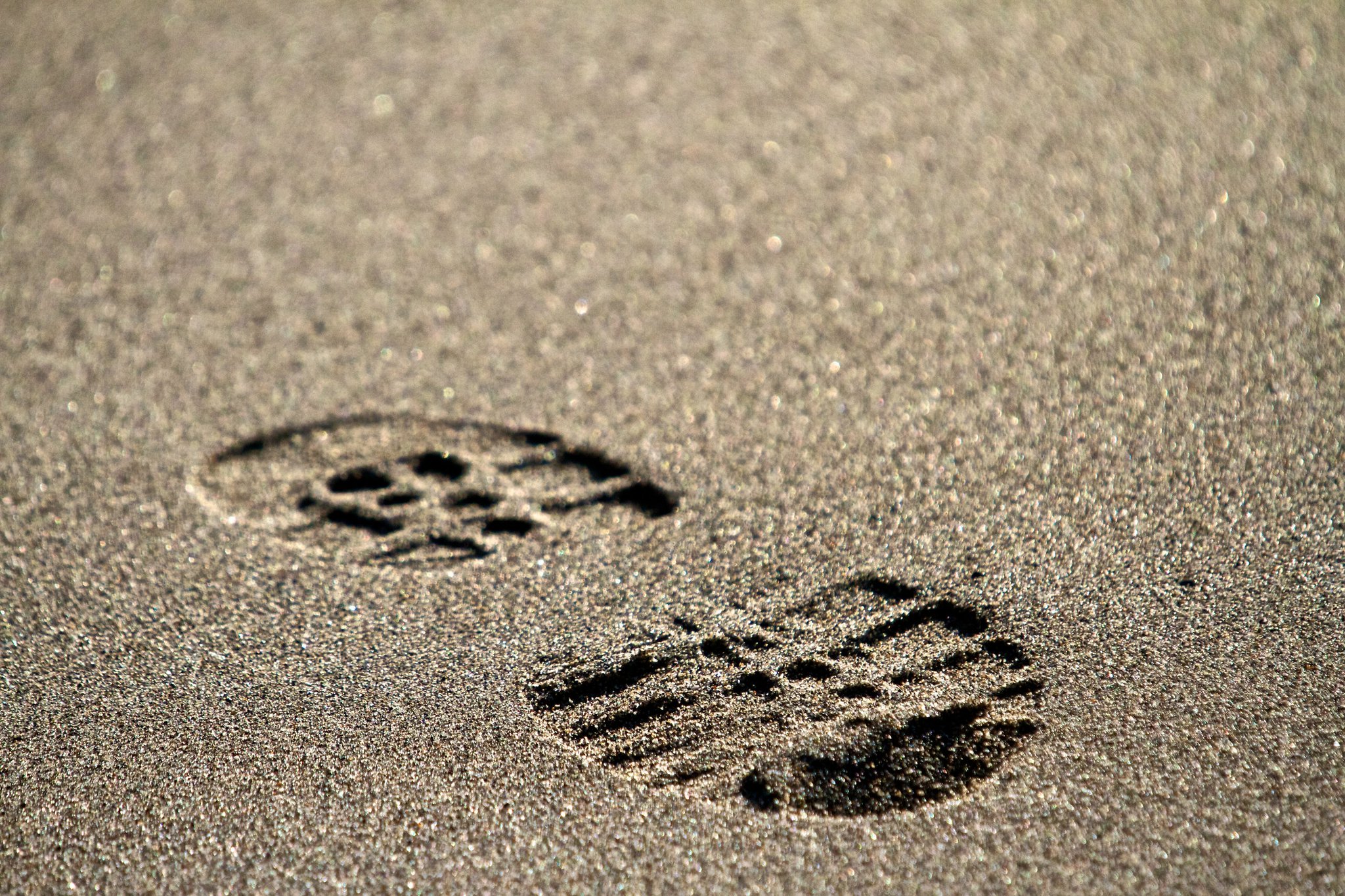
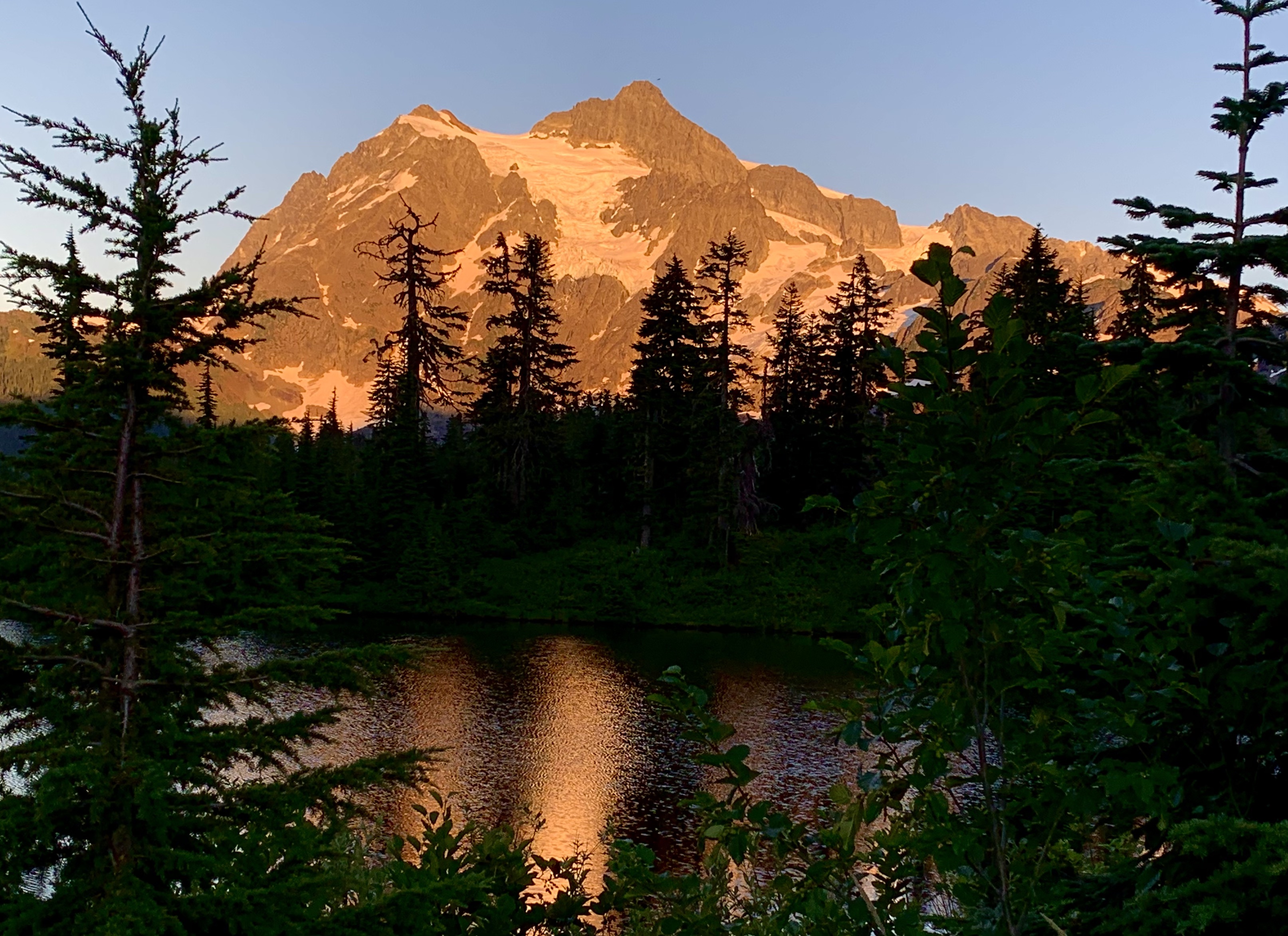
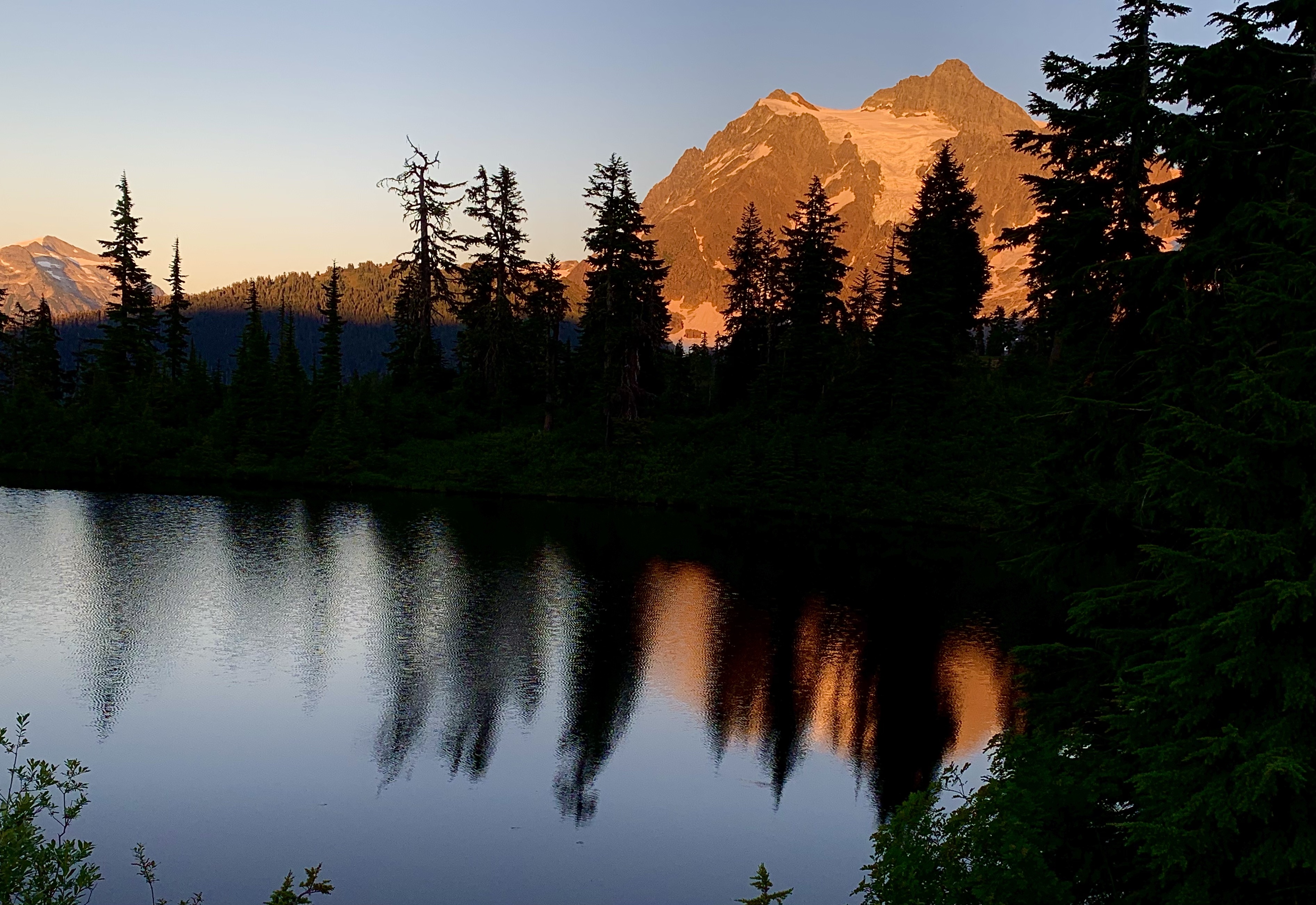
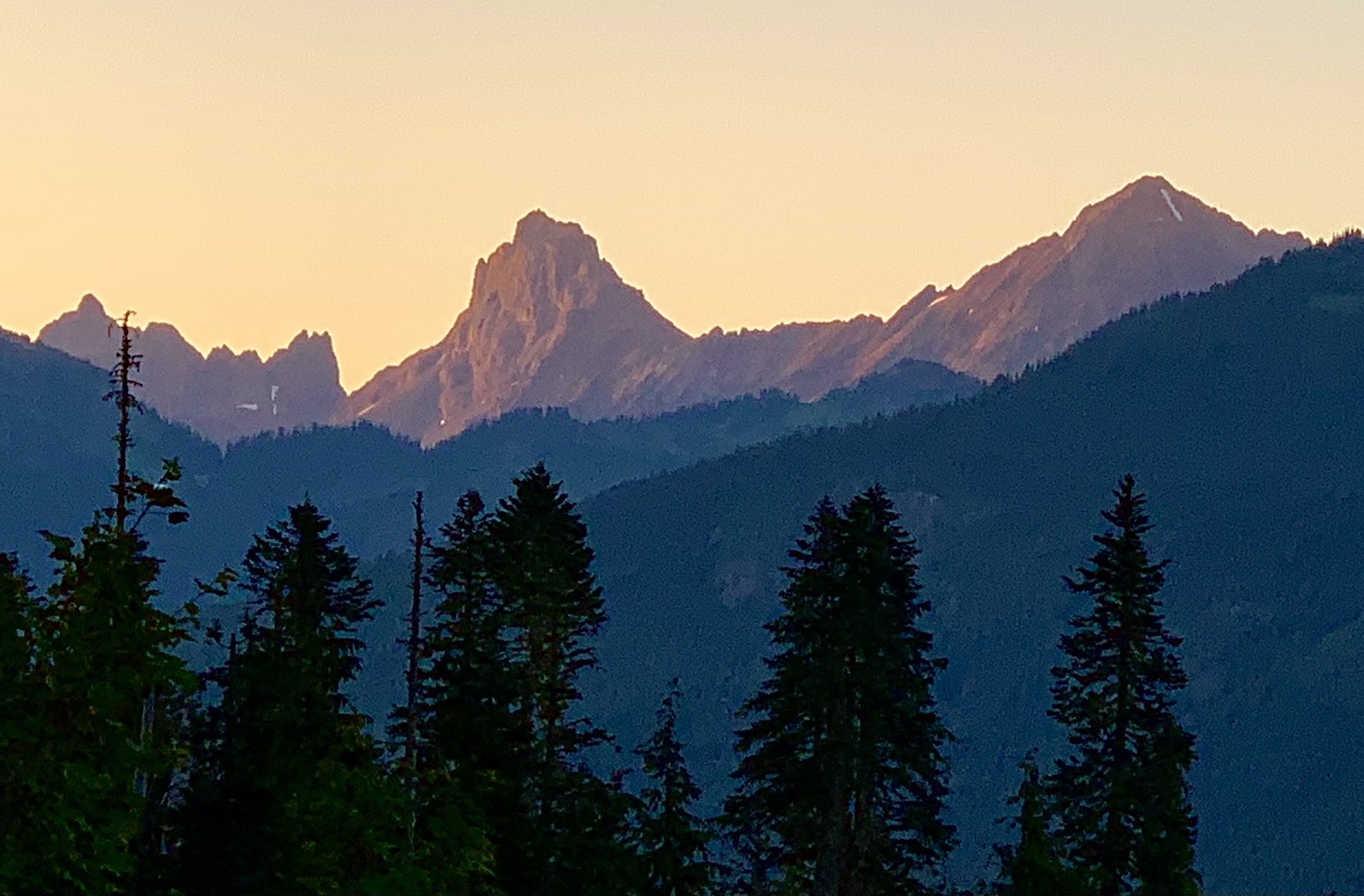
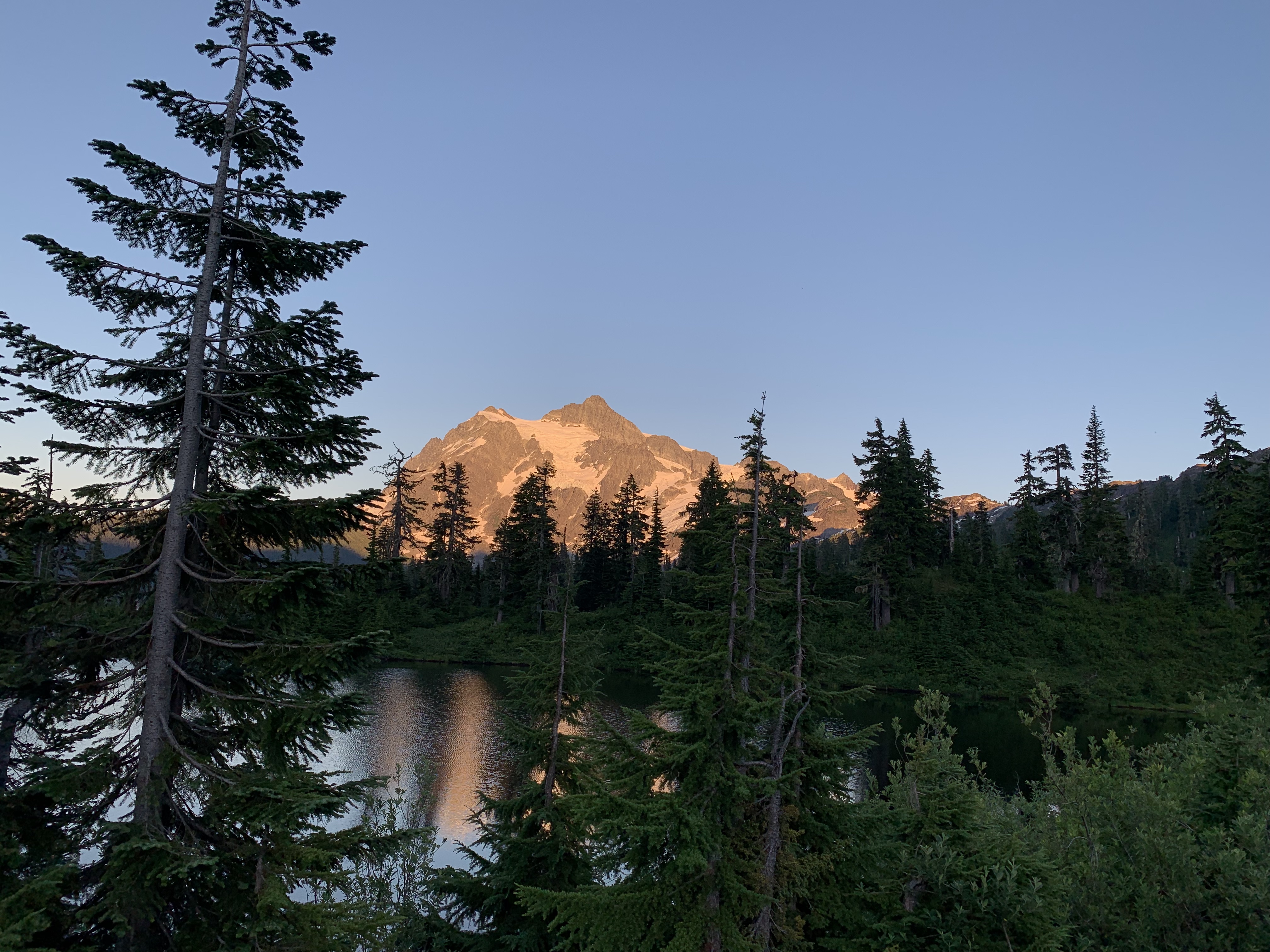
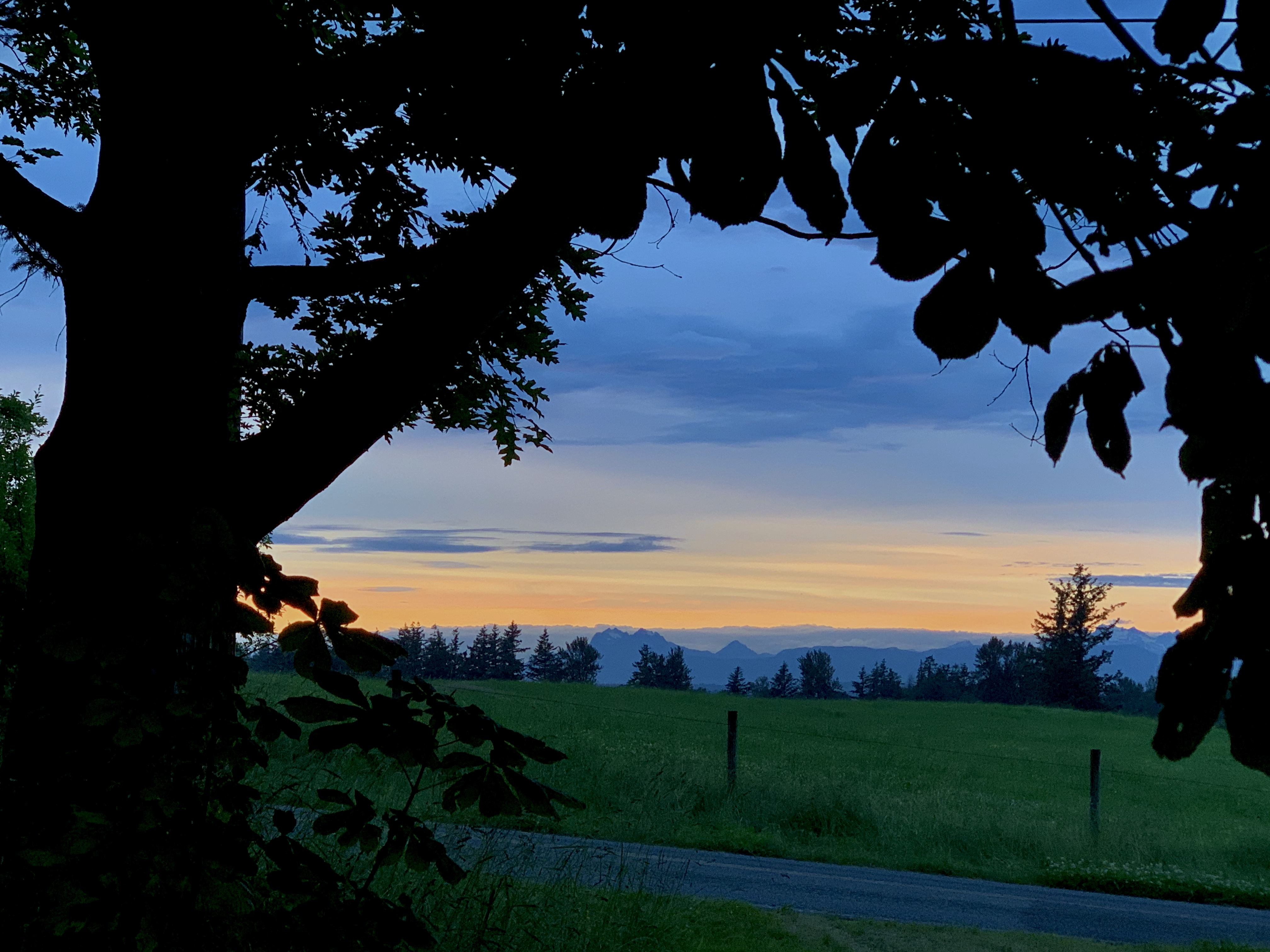
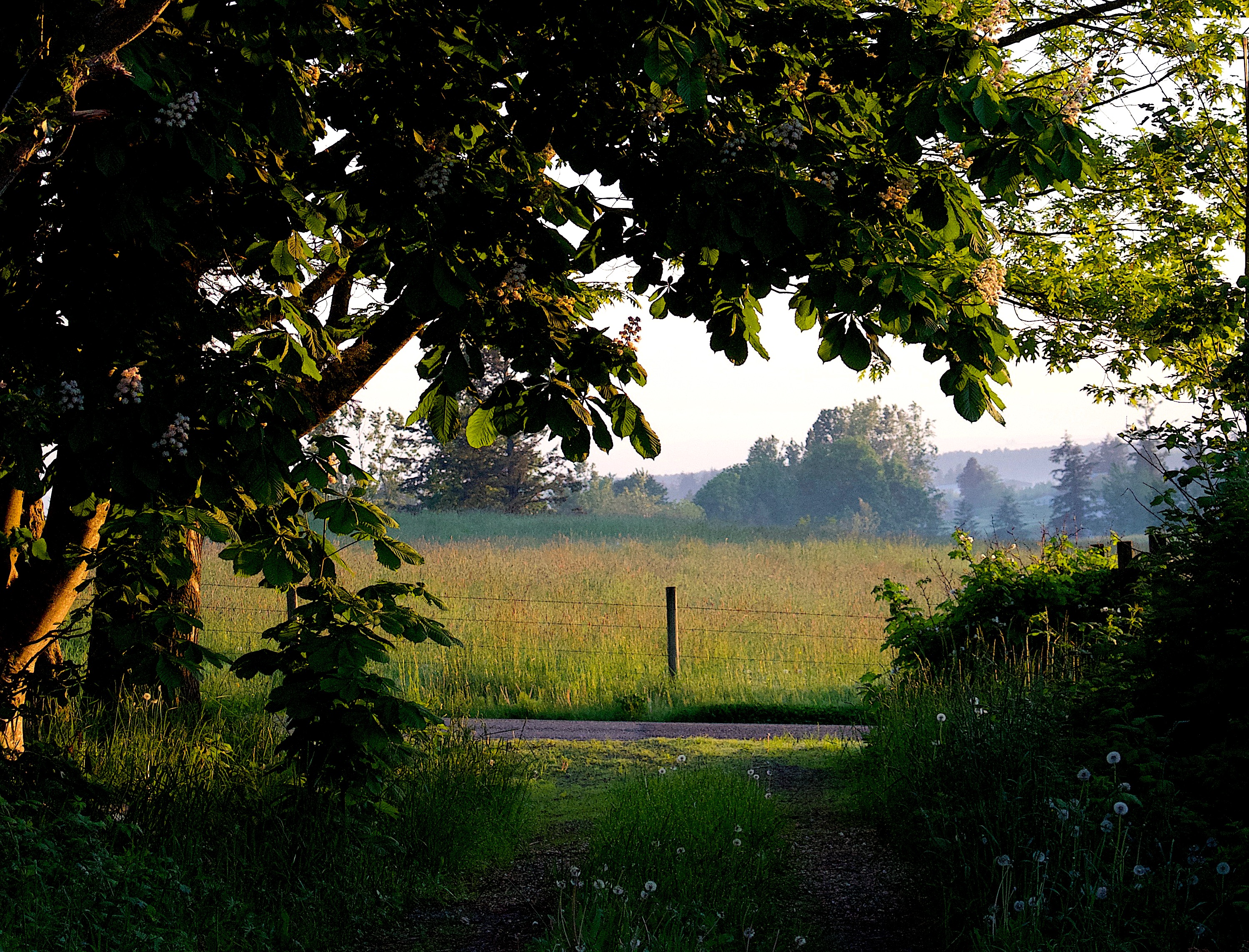
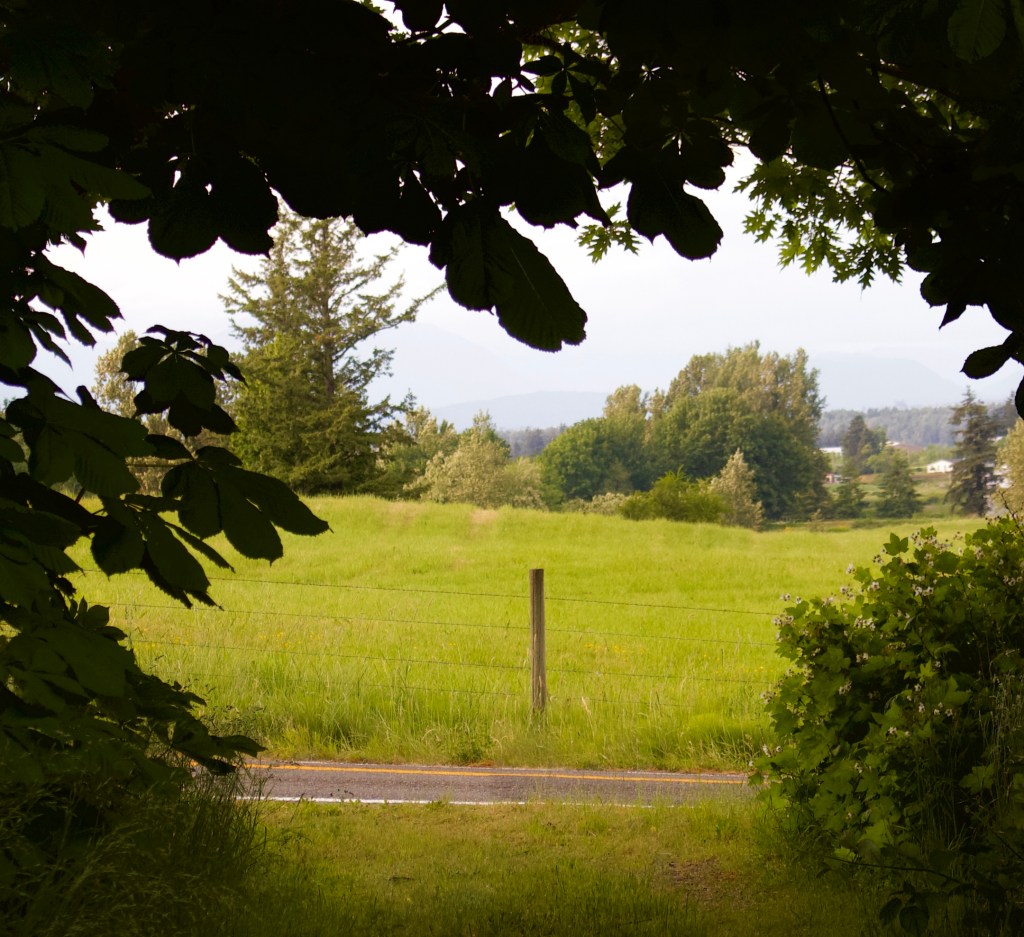
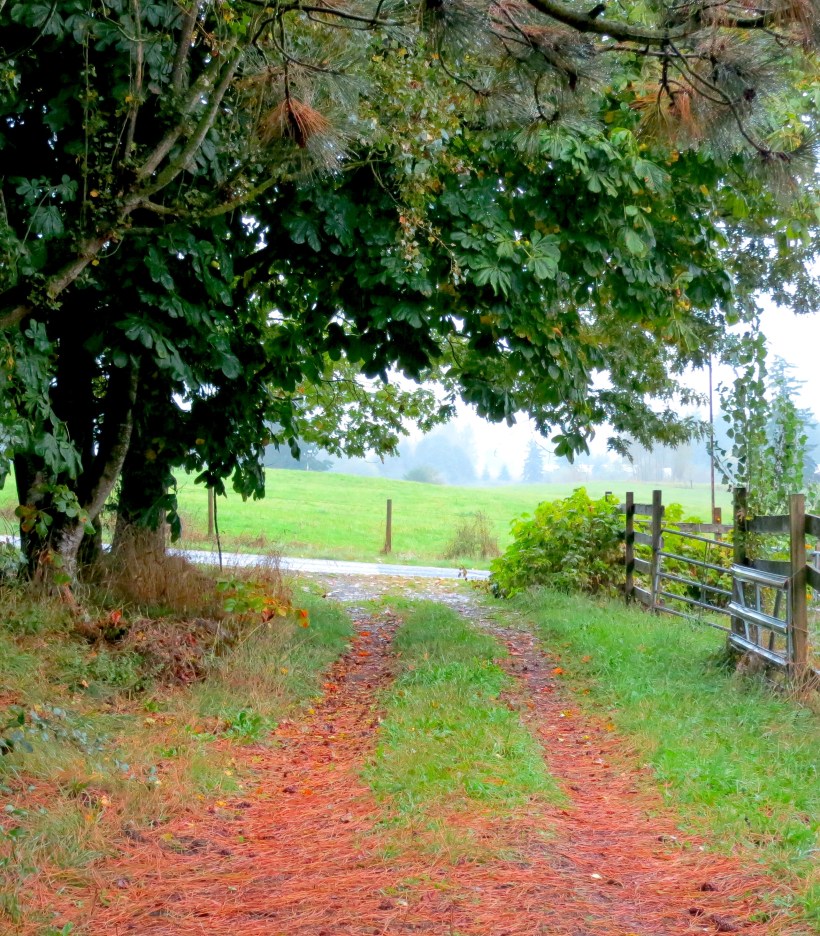
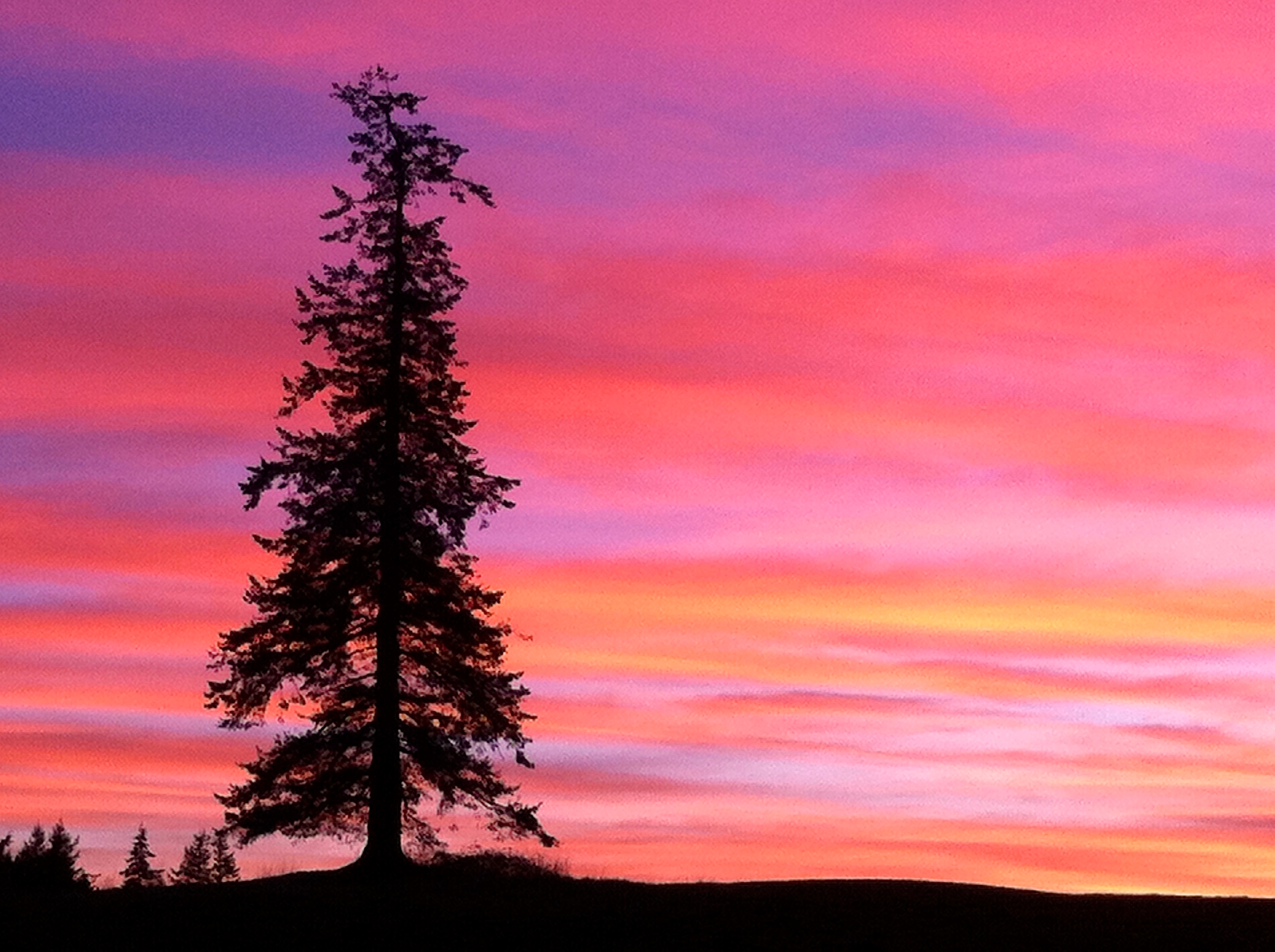
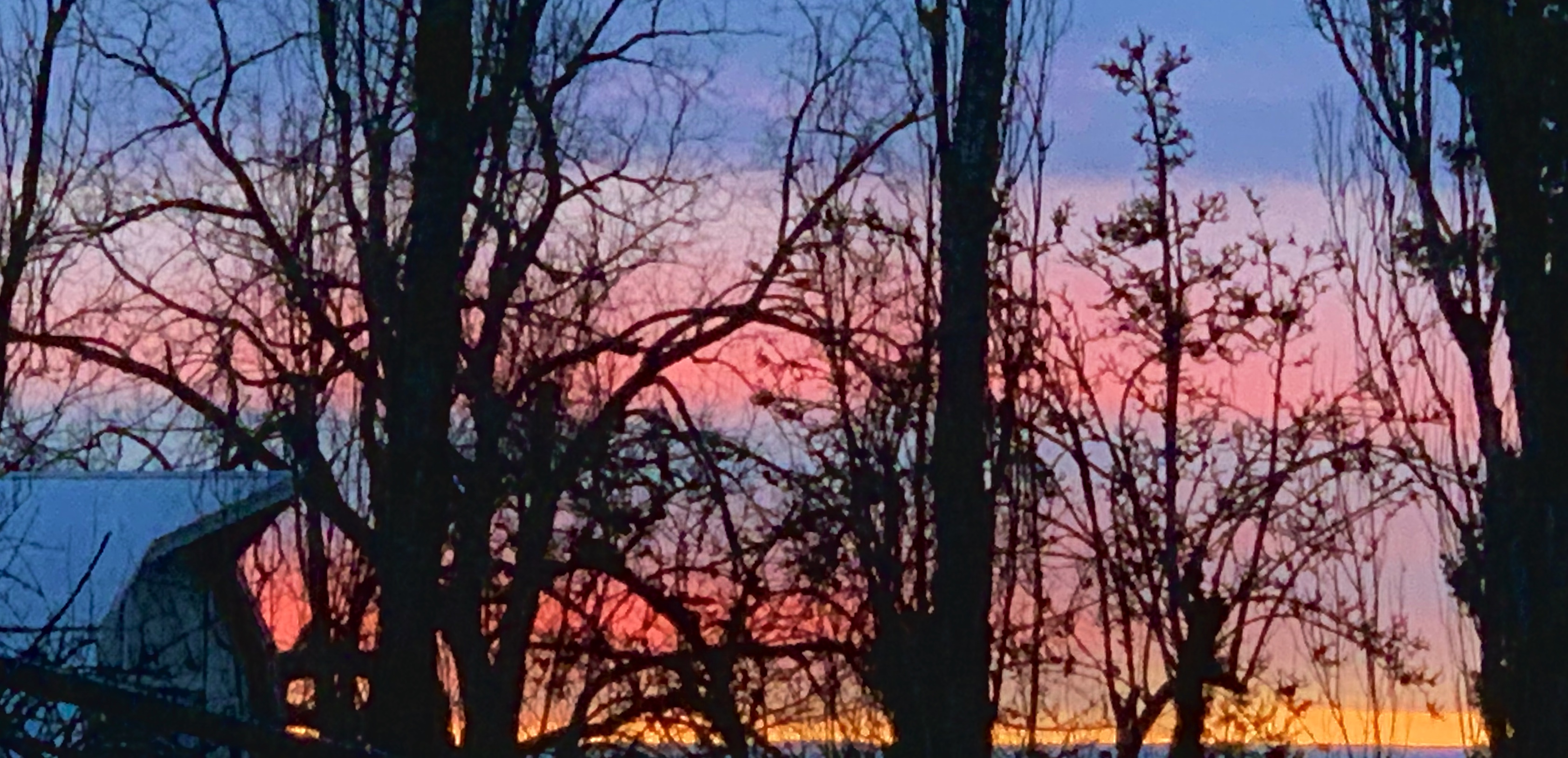
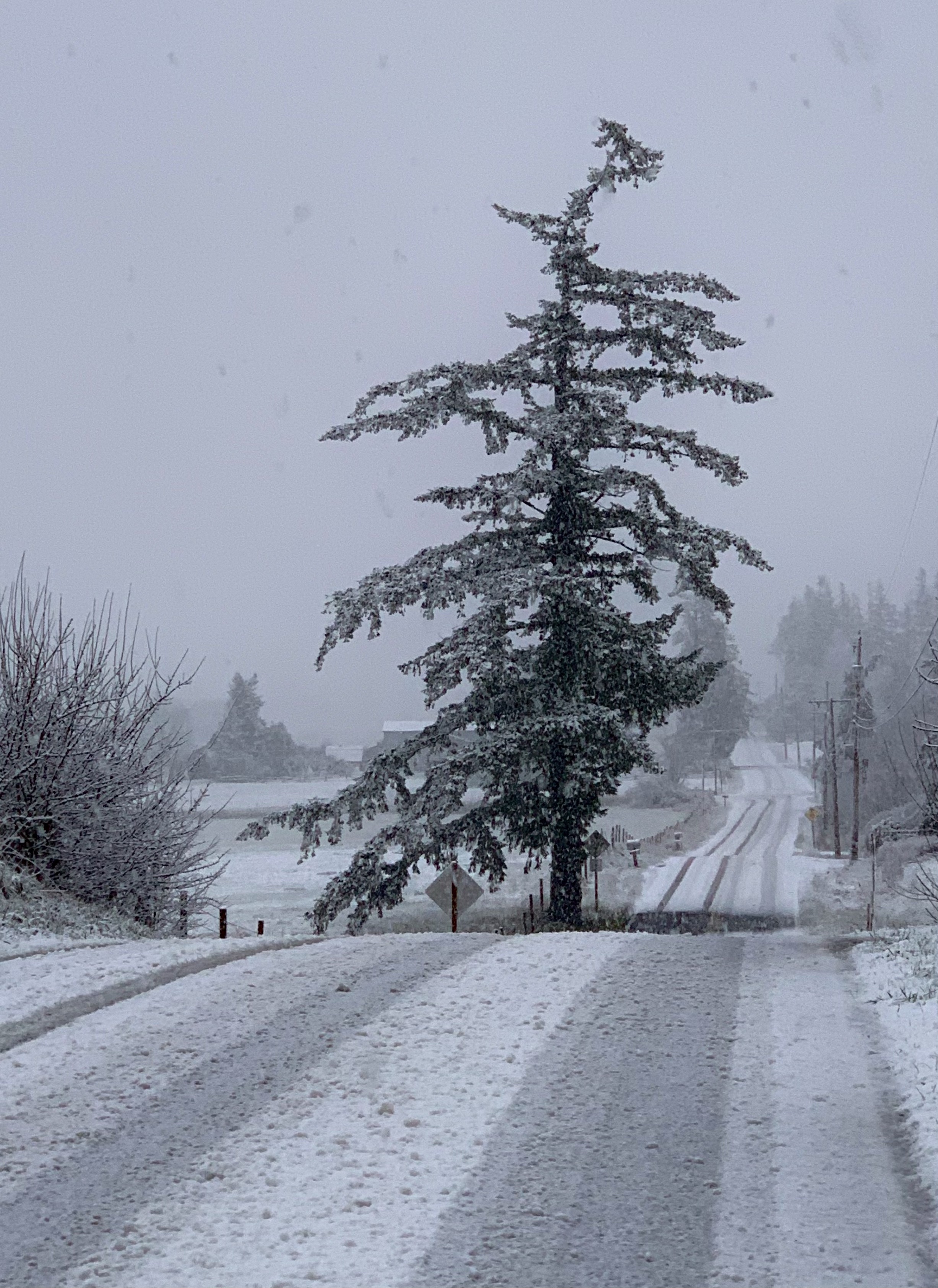
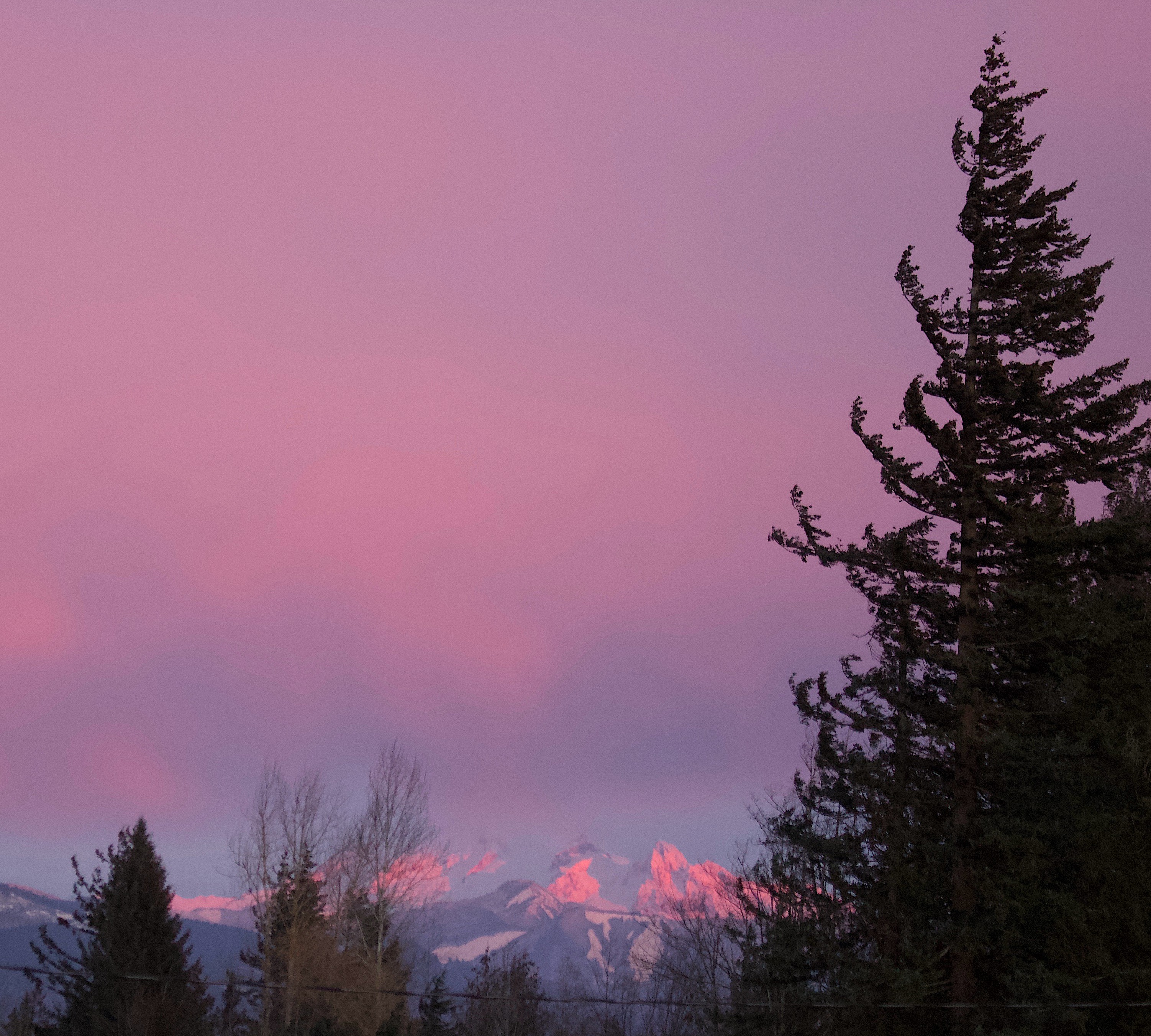
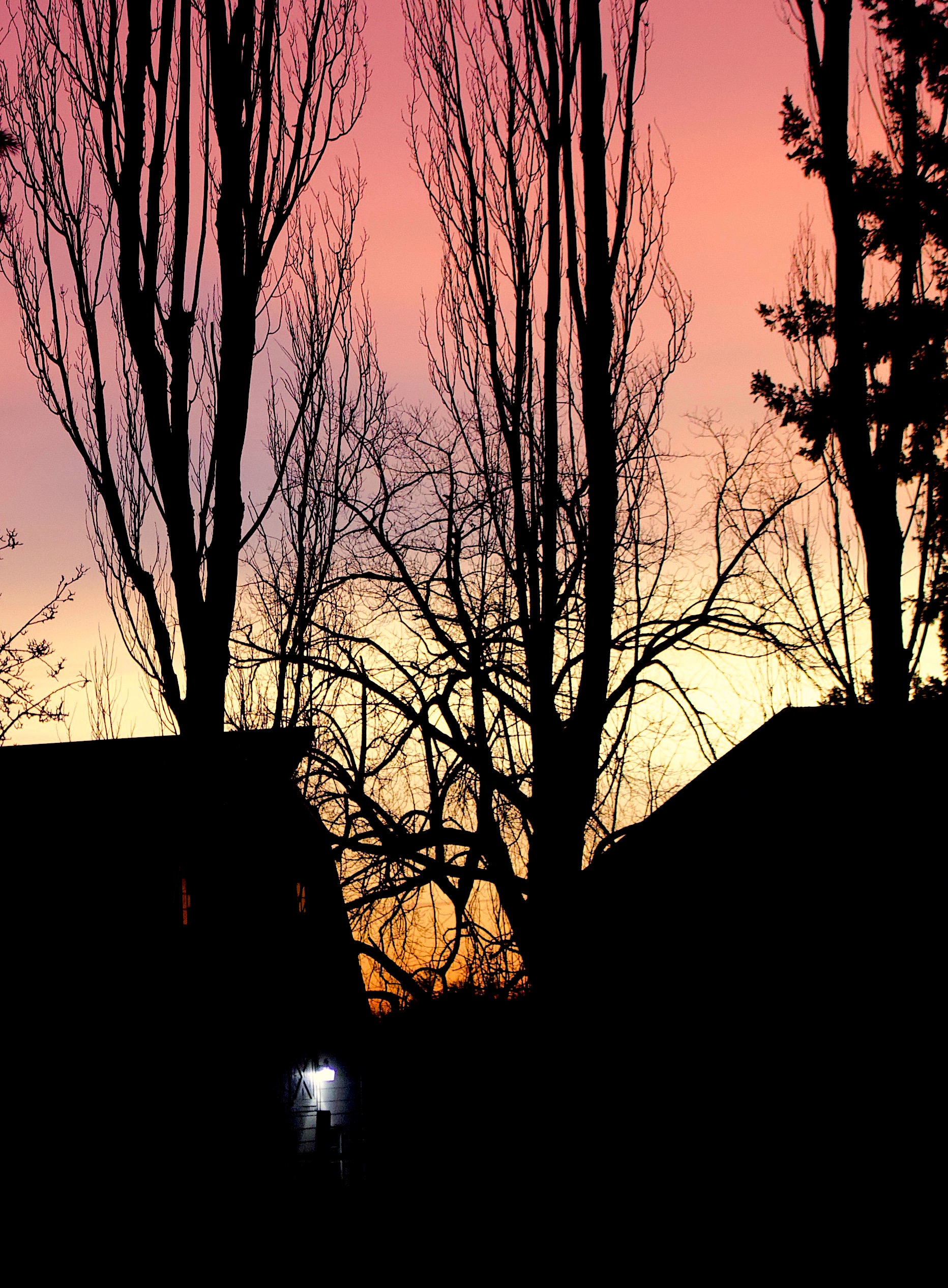
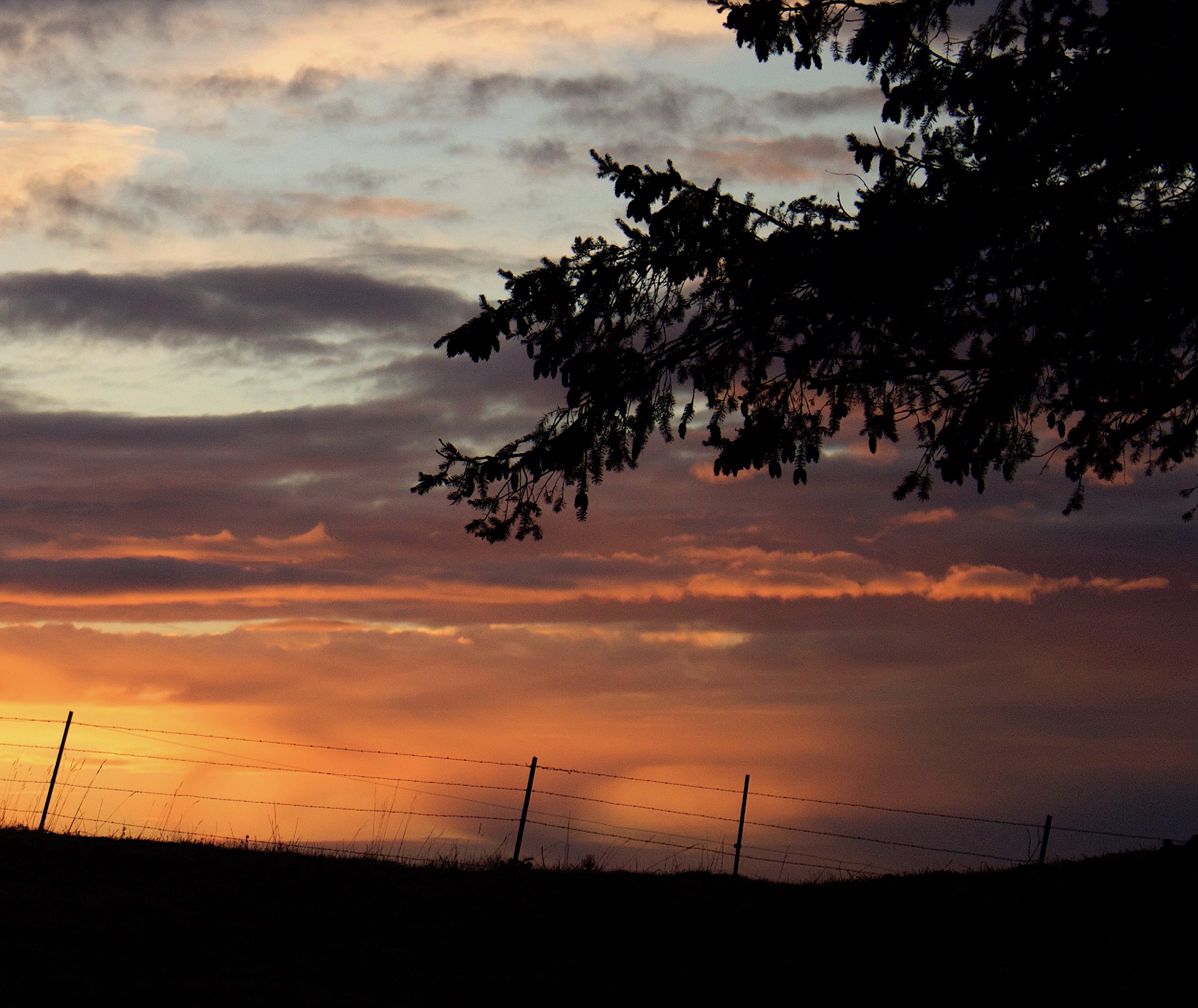
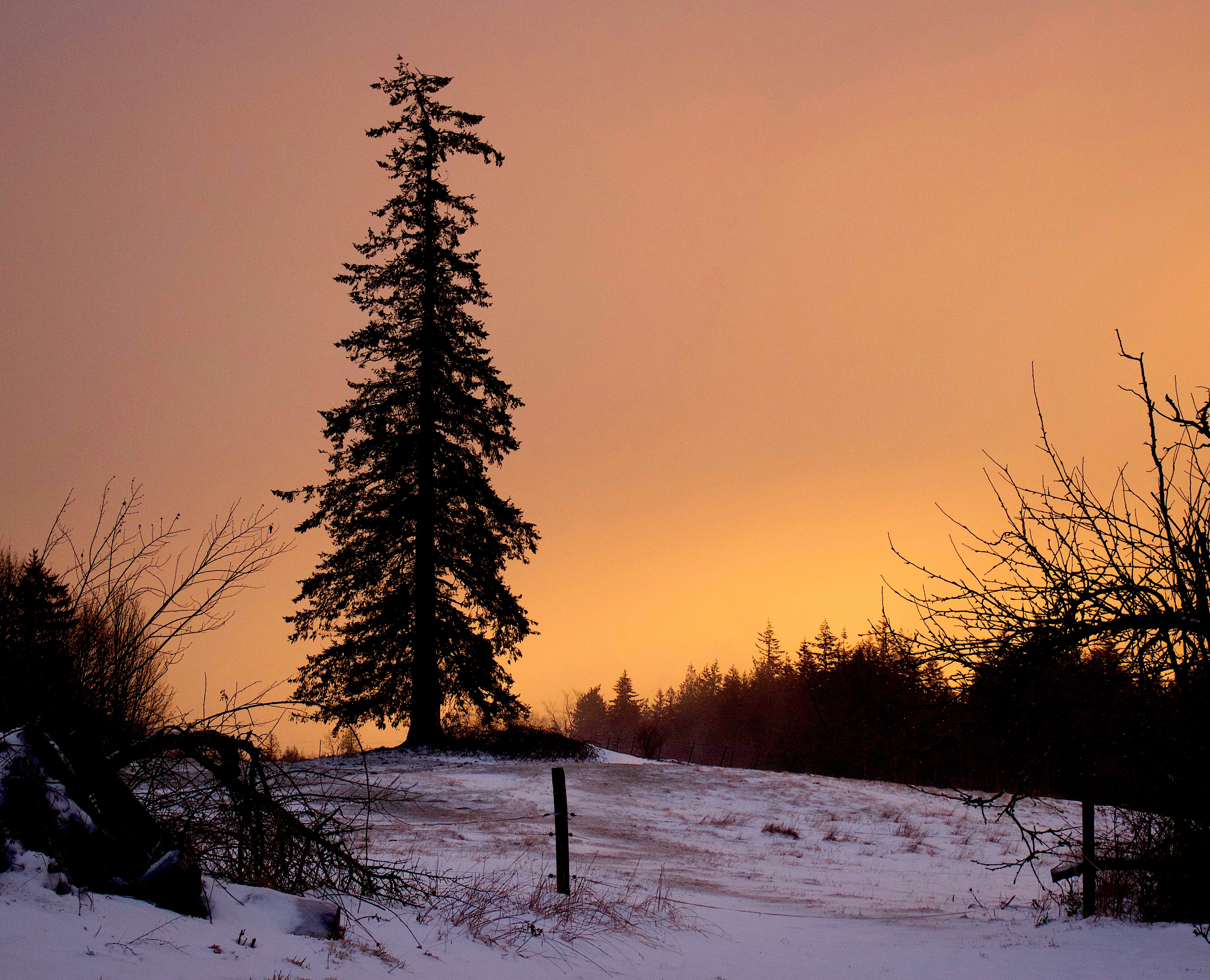
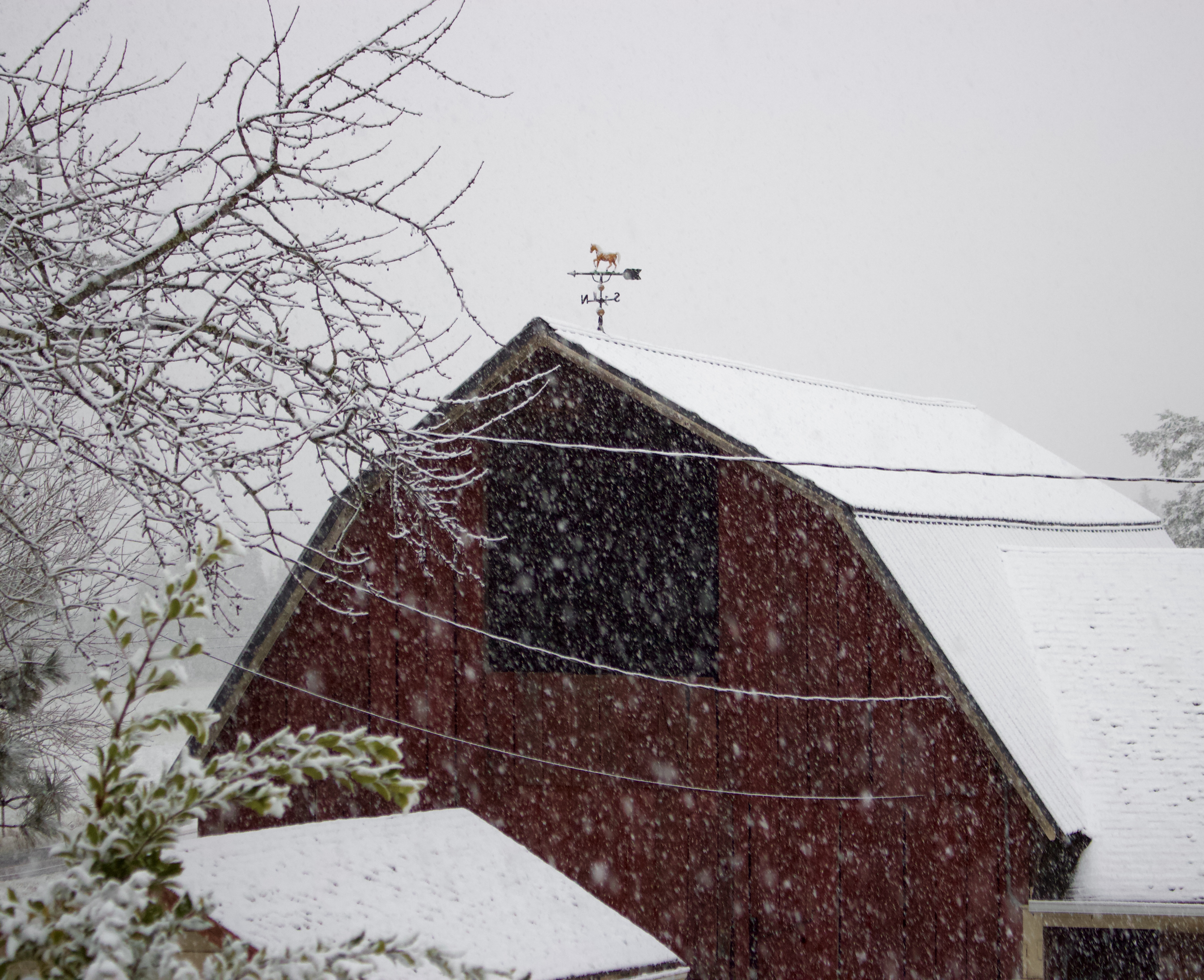
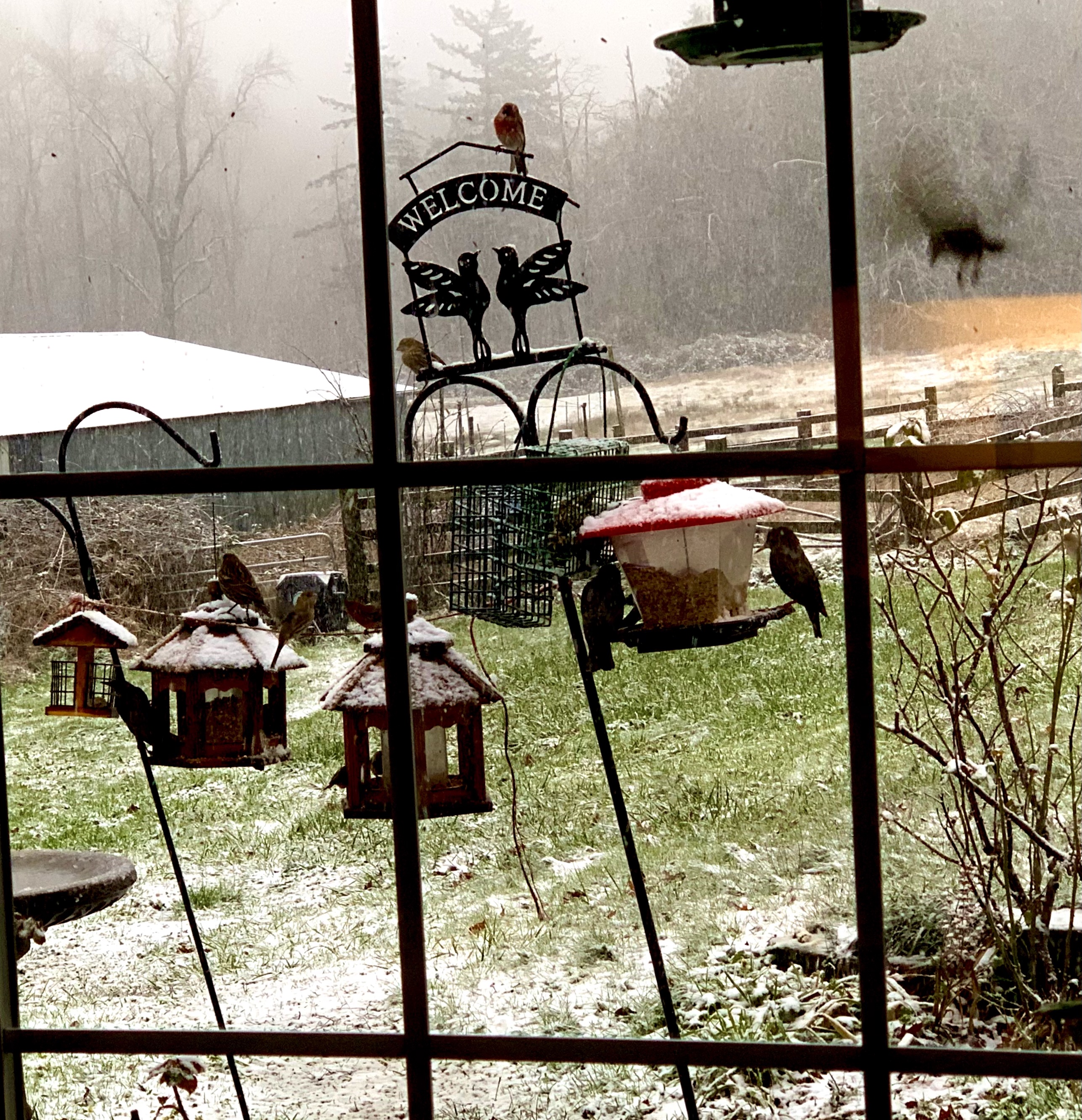
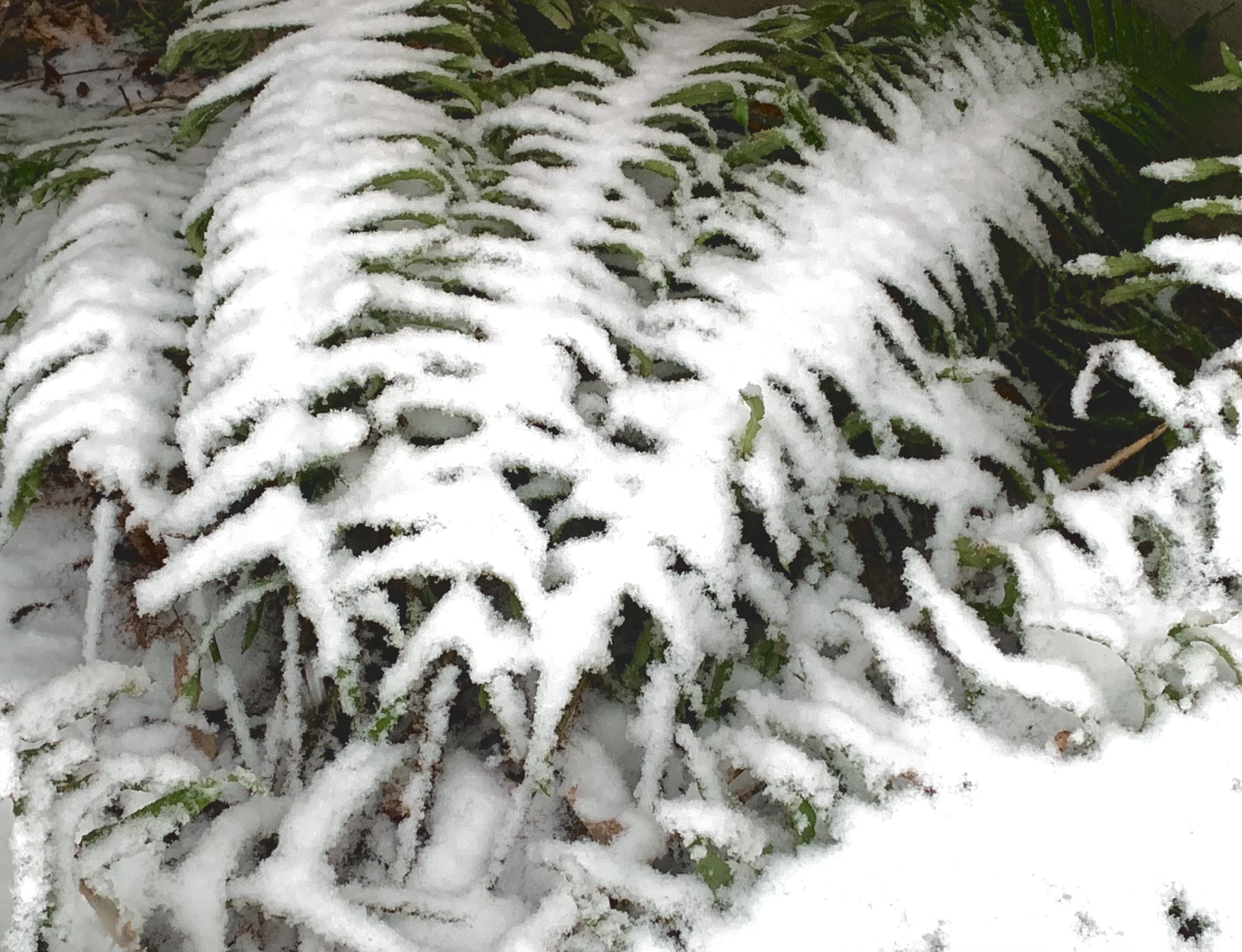
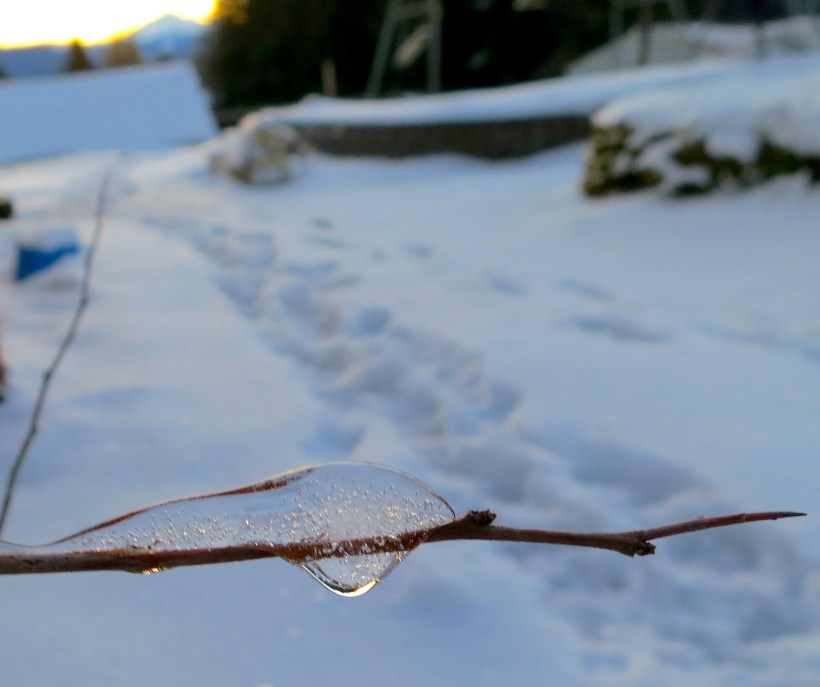
photo by Josh Scholten

I pray my soul waits for the Lord
My hope is in His word
More than the watchman waits for dawn
My soul waits for the Lord

1) Out of the depths I cry to You;
From darkest places I will call.
Incline Your ear to me anew,
And hear my cry for mercy, Lord.
Were You to count my sinful ways
How could I come before Your throne?
Yet full forgiveness meets my gaze –
I stand redeemed by grace alone.

CHORUS I will wait for You, I will wait for You,
On Your word I will rely.
I will wait for You, surely wait for You
Till my soul is satisfied.

2) So put Your hope in God alone,
Take courage in His power to save;
Completely and forever won
By Christ emerging from the grave.

3) His steadfast love has made a way,
And God Himself has paid the price,
That all who trust in Him today Find healing in his sacrifice.

I will wait for You, I will wait for You
Through the storm and through the night.
I will wait for You, surely wait for You,
For Your love is my delight.

Wait for the Lord, his day is near
Wait for the Lord, be strong take heart
Prepare the way for the Lord
Make a straight path for Him
The Glory of the Lord shall be revealed
All the Earth will see the Lord
Rejoice in the Lord always
He is at Hand
Joy and gladness for all who seek the Lord

This year’s Barnstorming Advent theme “… the Beginning shall remind us of the End” is taken from the final lines in T.S. Eliot’s poem “The Cultivation of Christmas Trees”
Most Poignant of All

In the years to come they will say,
“They fell like the leaves
In the autumn of nineteen thirty-nine.”
November has come to the forest,
To the meadows where we picked the cyclamen.
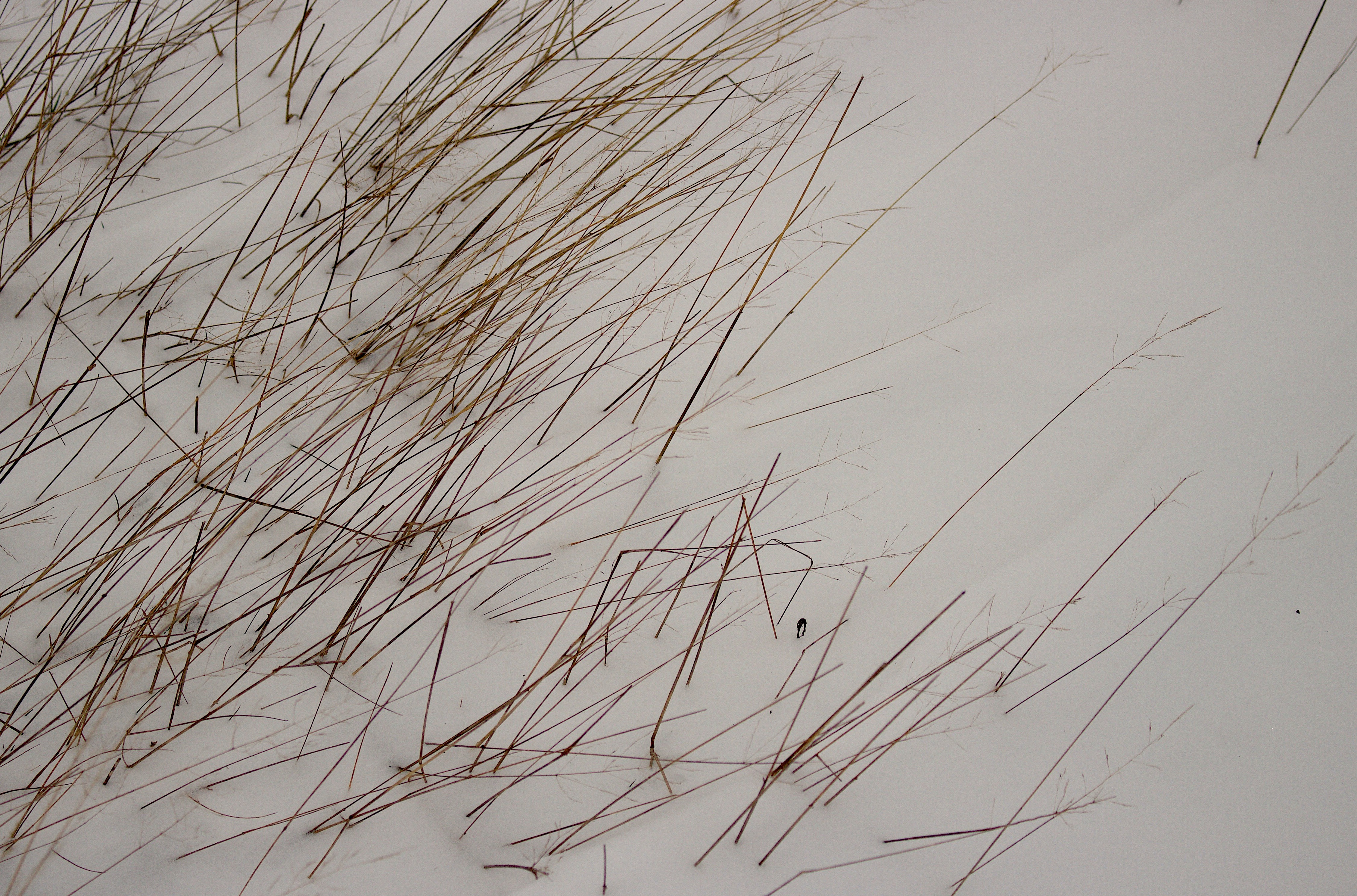
The year fades with the white frost
On the brown sedge in the hazy meadows,
Where the deer tracks were black in the morning.
Ice forms in the shadows;
Disheveled maples hang over the water;
Deep gold sunlight glistens on the shrunken stream.
Somnolent trout move through pillars of brown and gold.
The yellow maple leaves eddy above them,
The glittering leaves of the cottonwood,
The olive, velvety alder leaves,
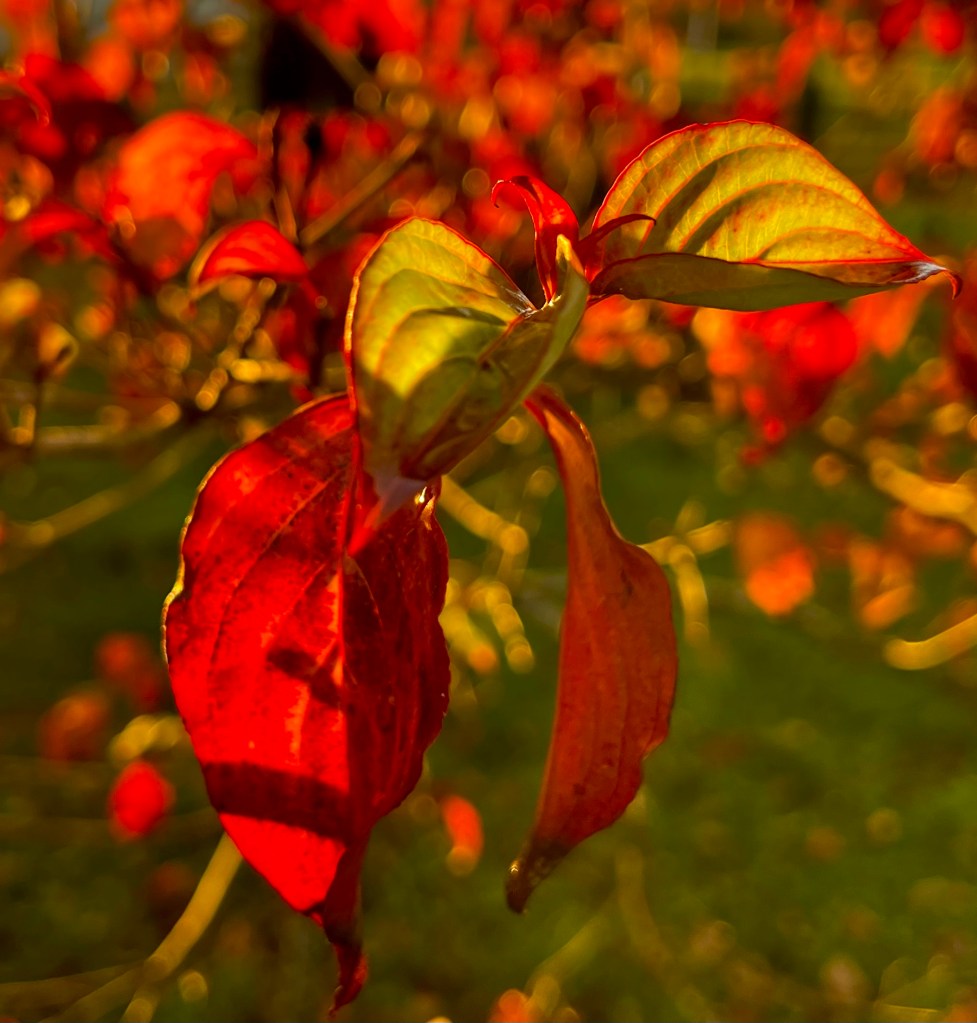
The scarlet dogwood leaves,
Most poignant of all.


In the afternoon thin blades of cloud
Move over the mountains;
The storm clouds follow them;
Fine rain falls without wind.
The forest is filled with wet resonant silence.
When the rain pauses the clouds
Cling to the cliffs and the waterfalls.
In the evening the wind changes;
Snow falls in the sunset.
We stand in the snowy twilight
And watch the moon rise in a breach of cloud.
Between the black pines lie narrow bands of moonlight,
Glimmering with floating snow.
An owl cries in the sifting darkness.
The moon has a sheen like a glacier.
~Kenneth Rexroth, “Falling Leaves and Early Snow” from The Collected Shorter Poems.


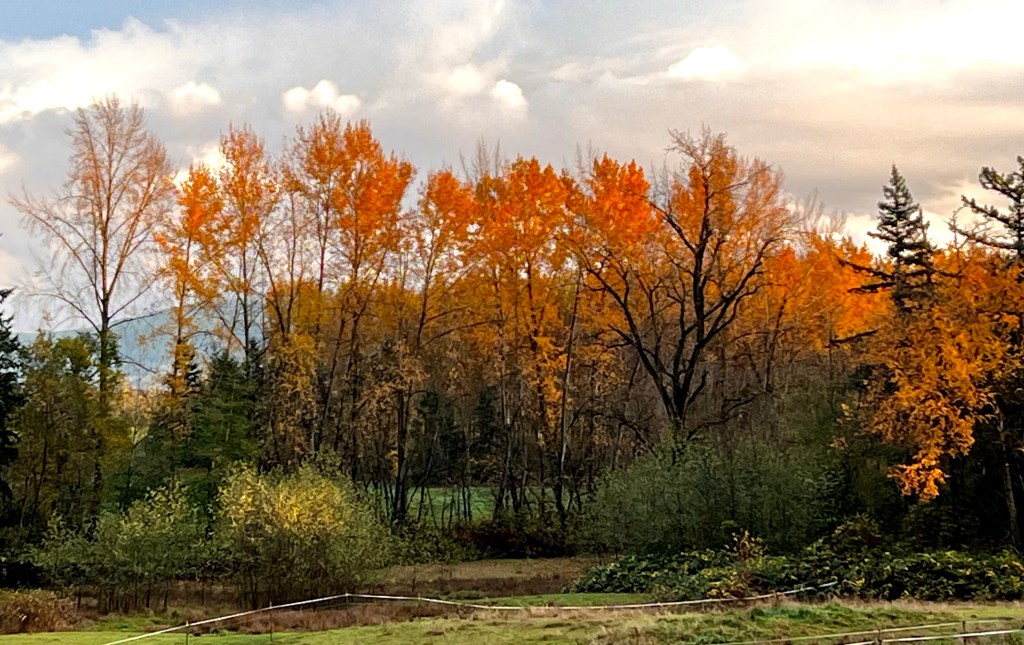
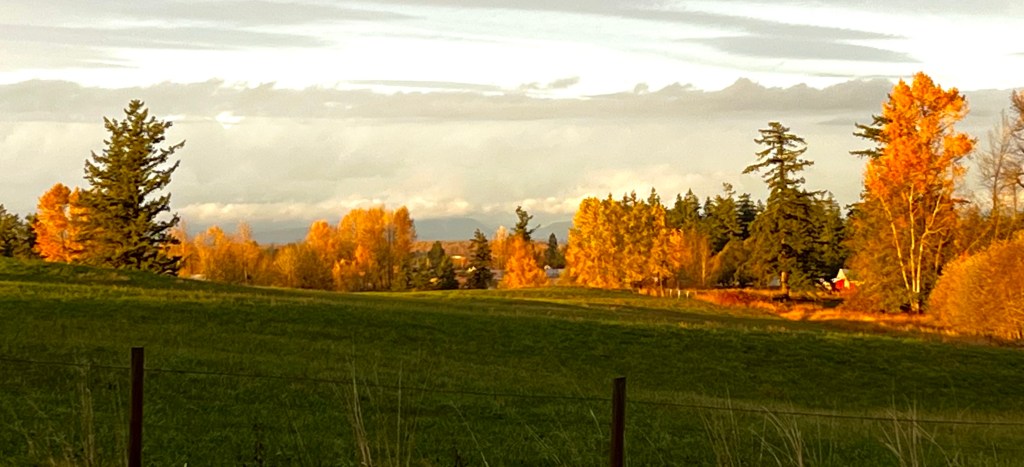
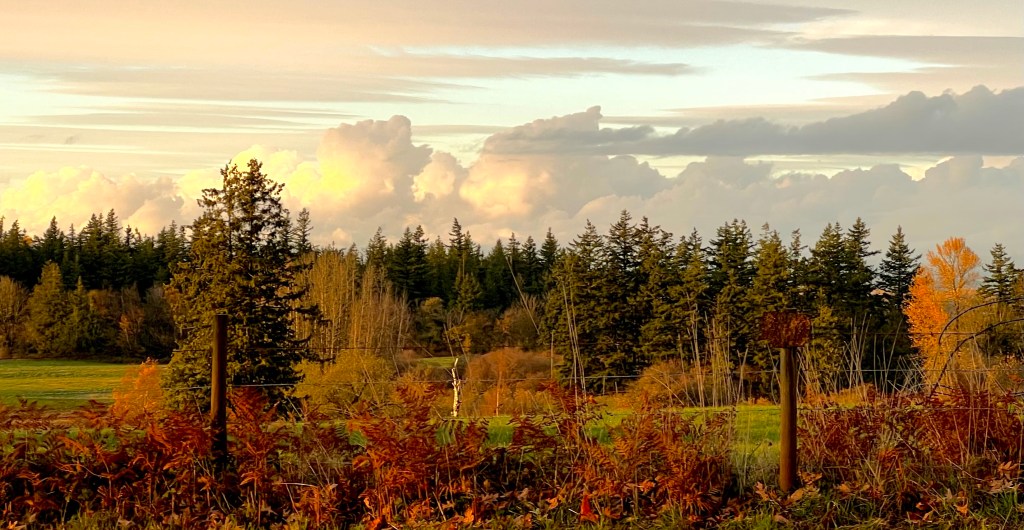
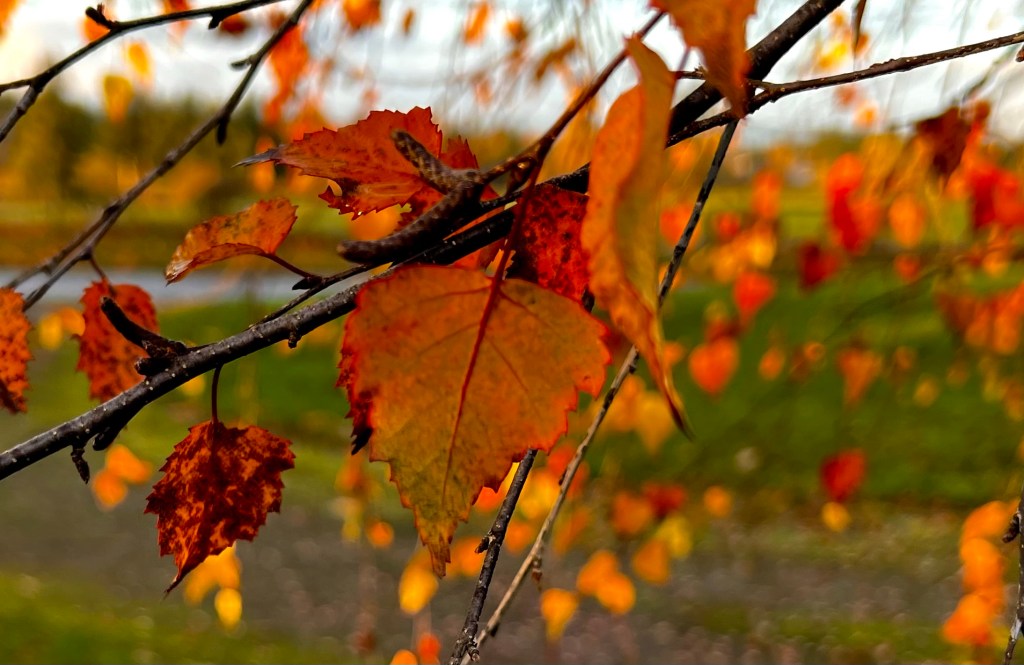
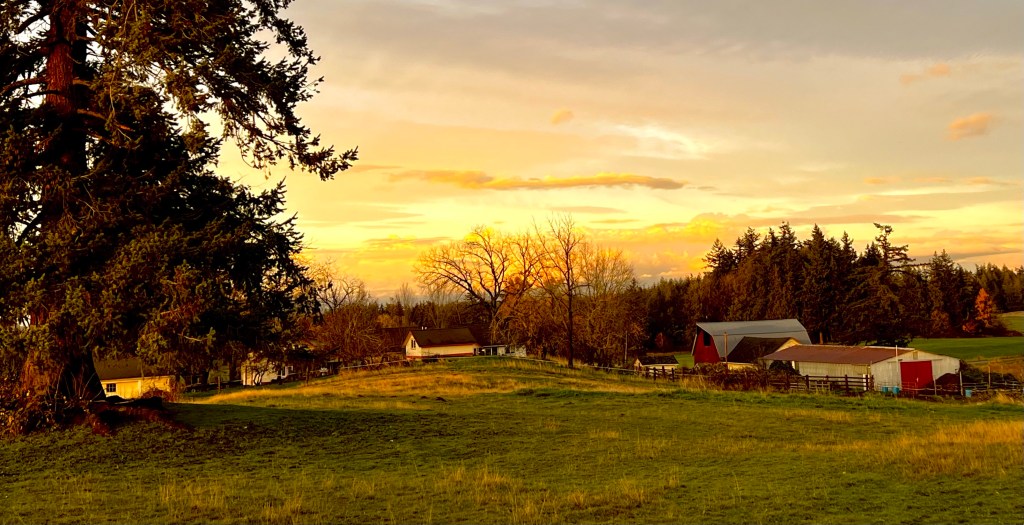
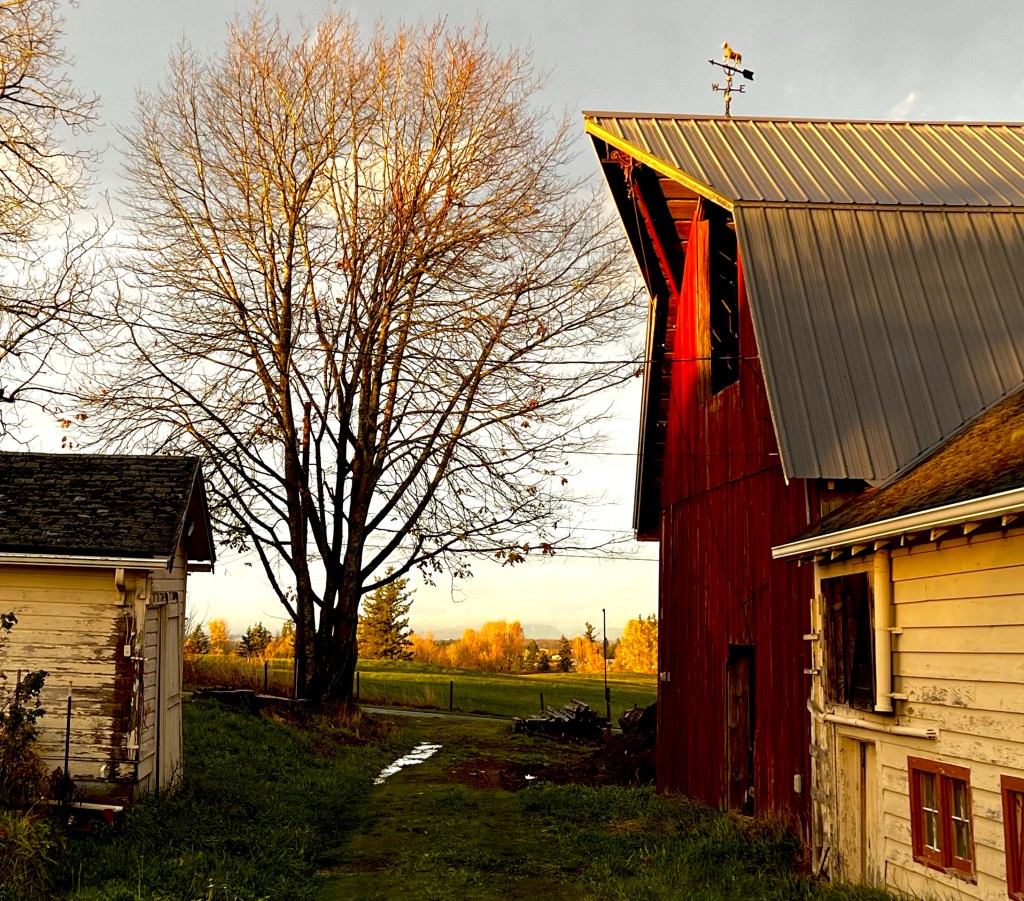
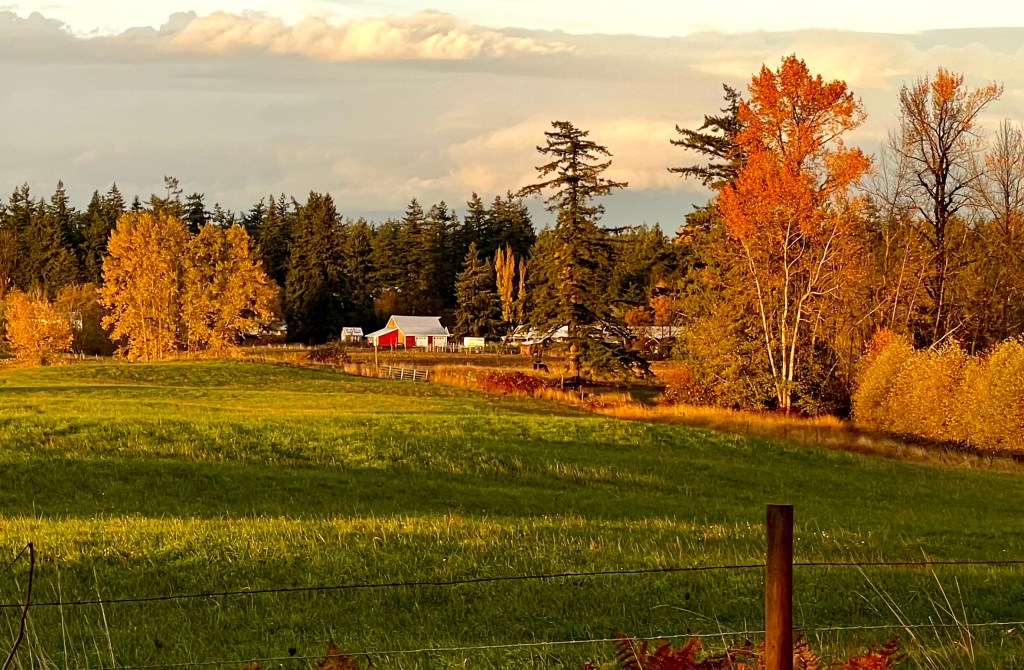
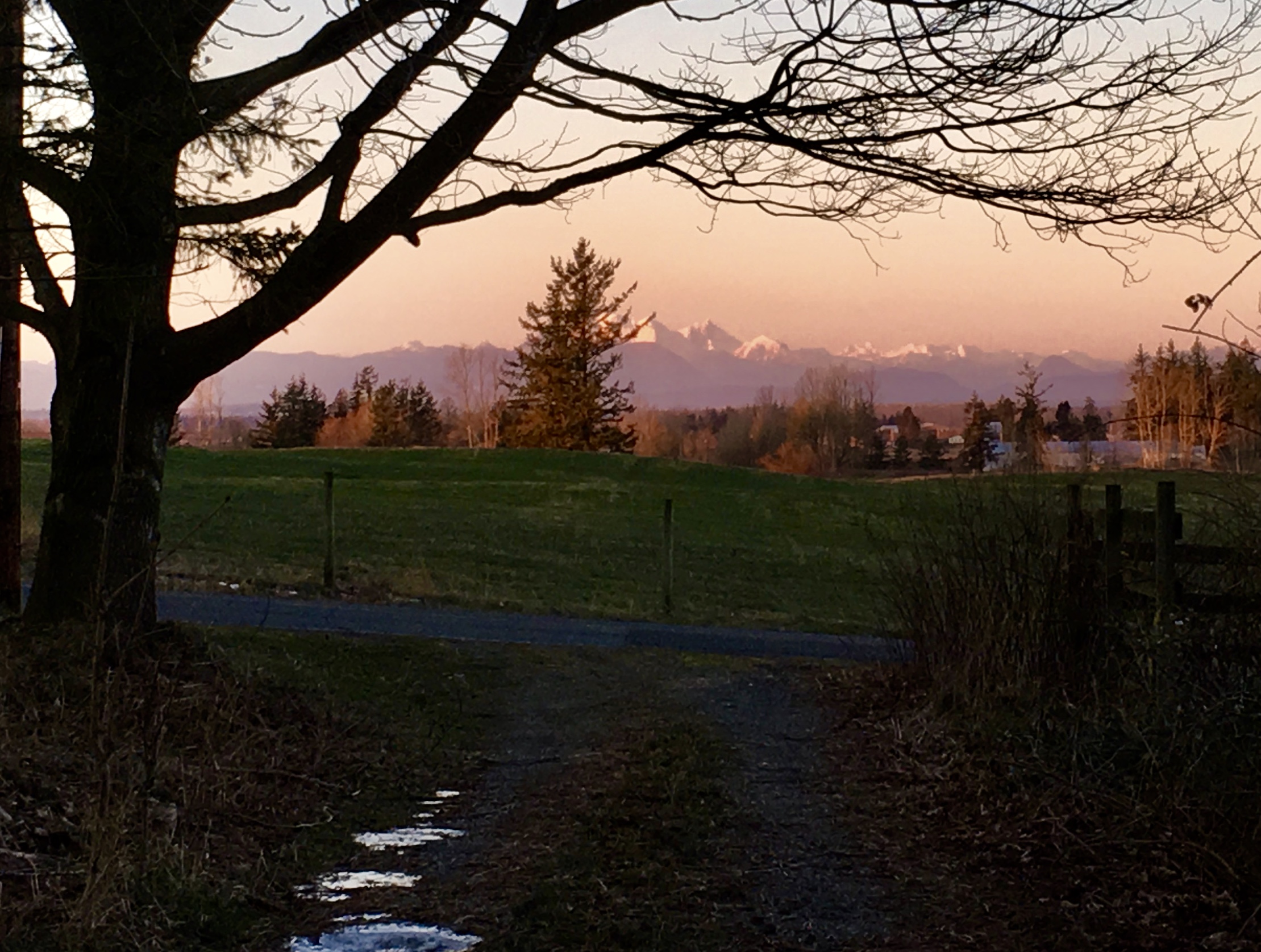
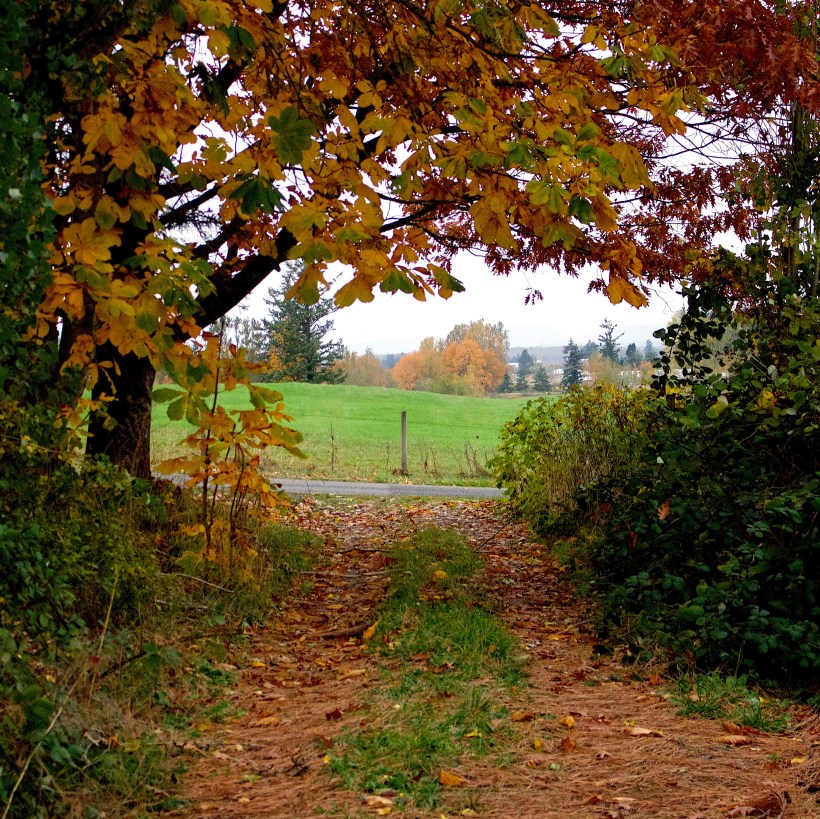
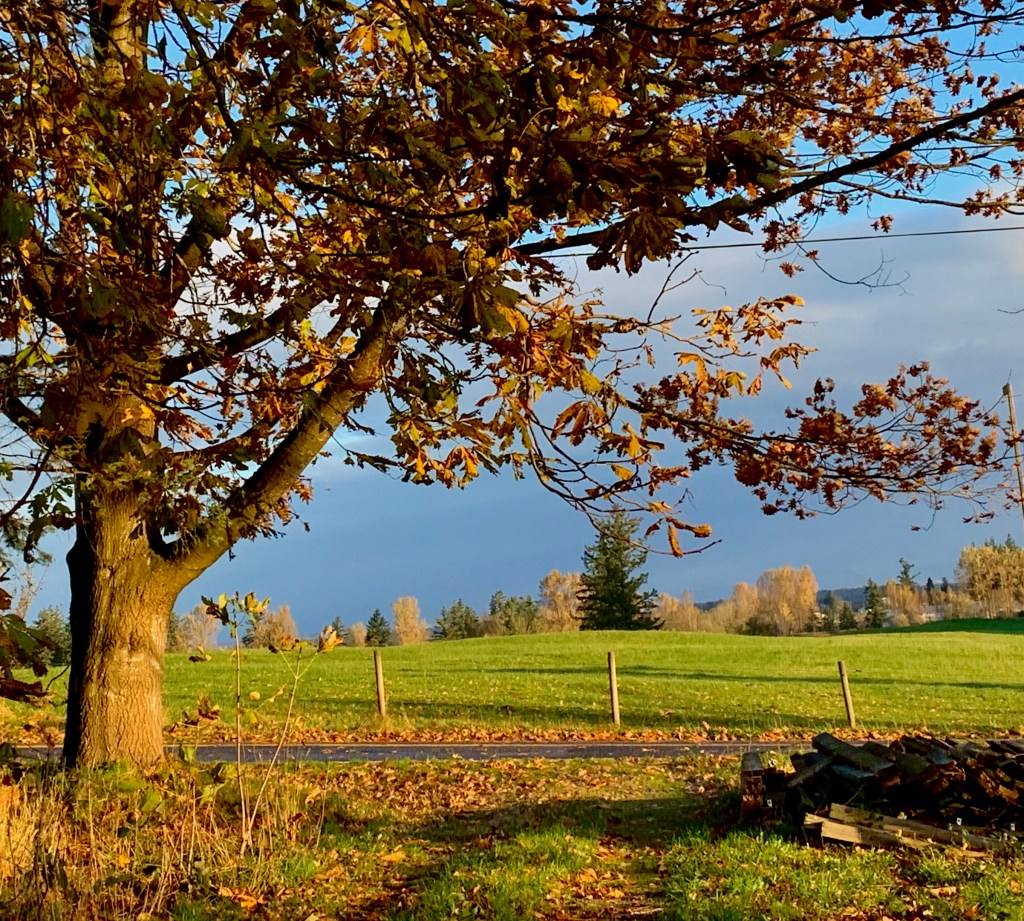
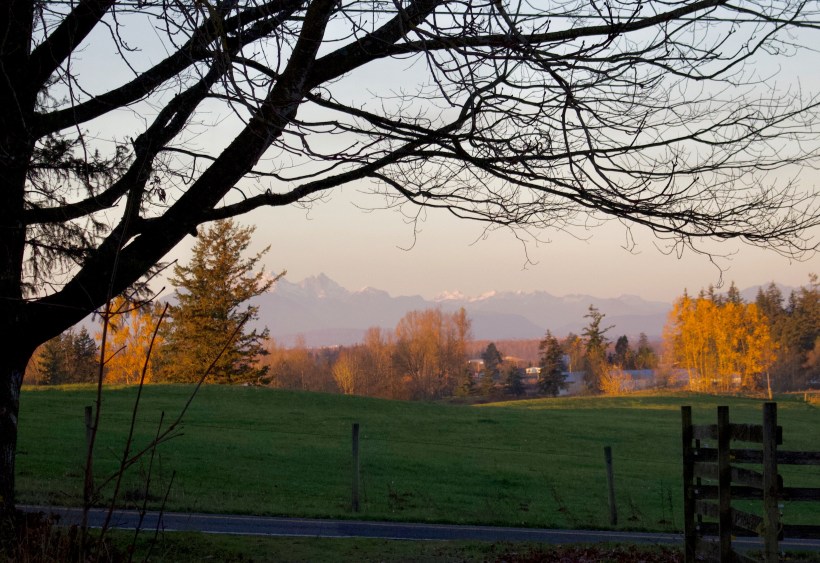
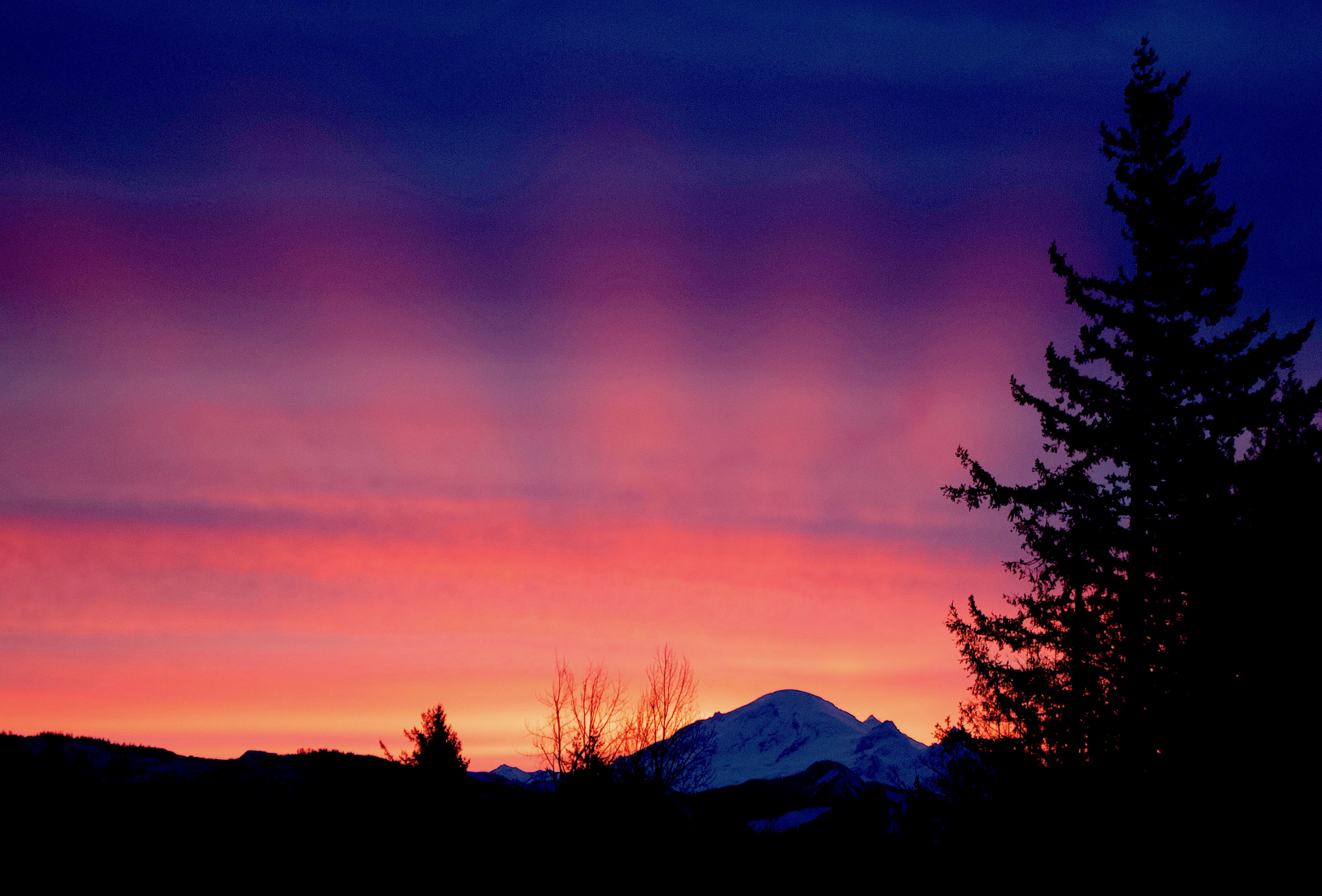
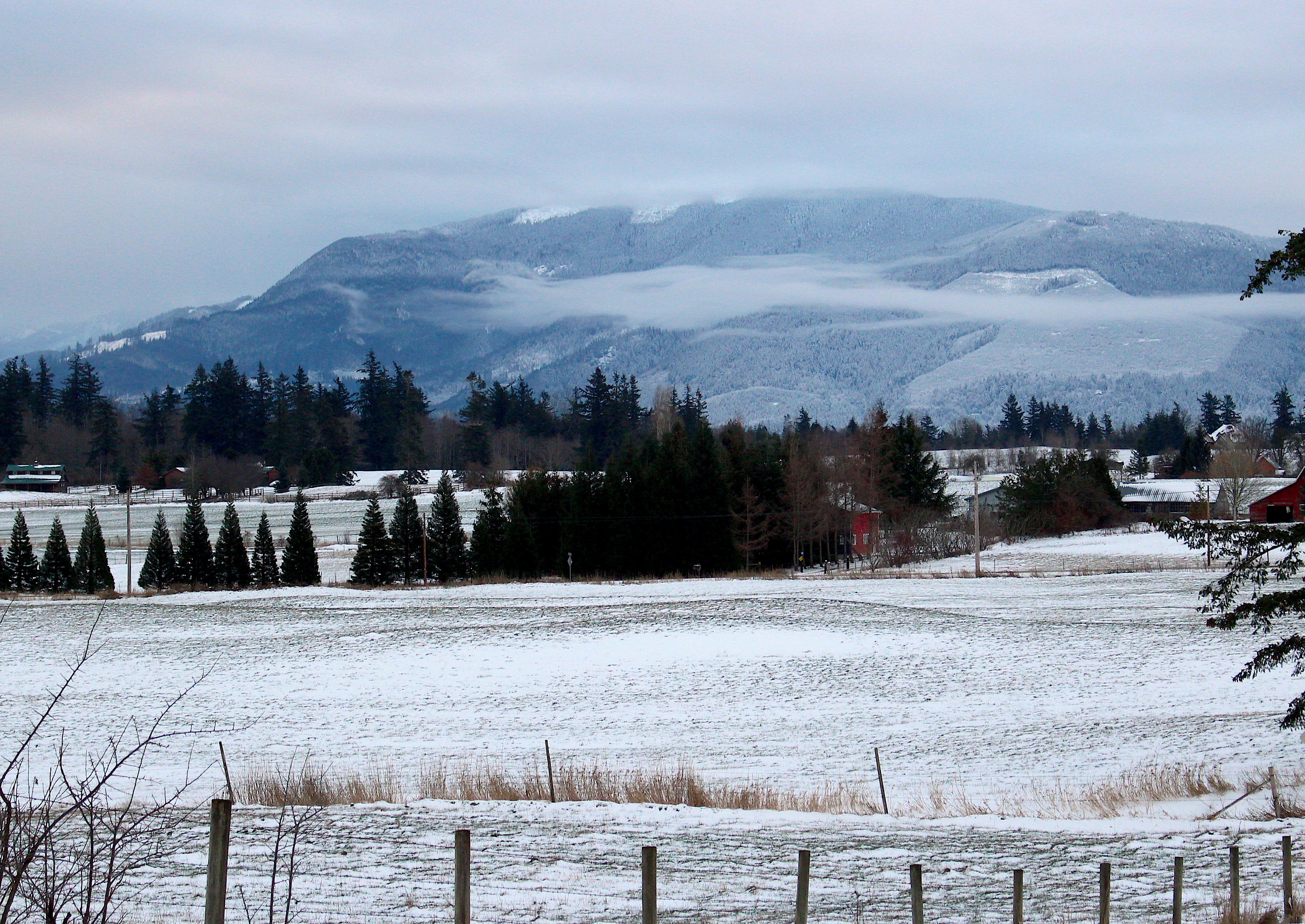
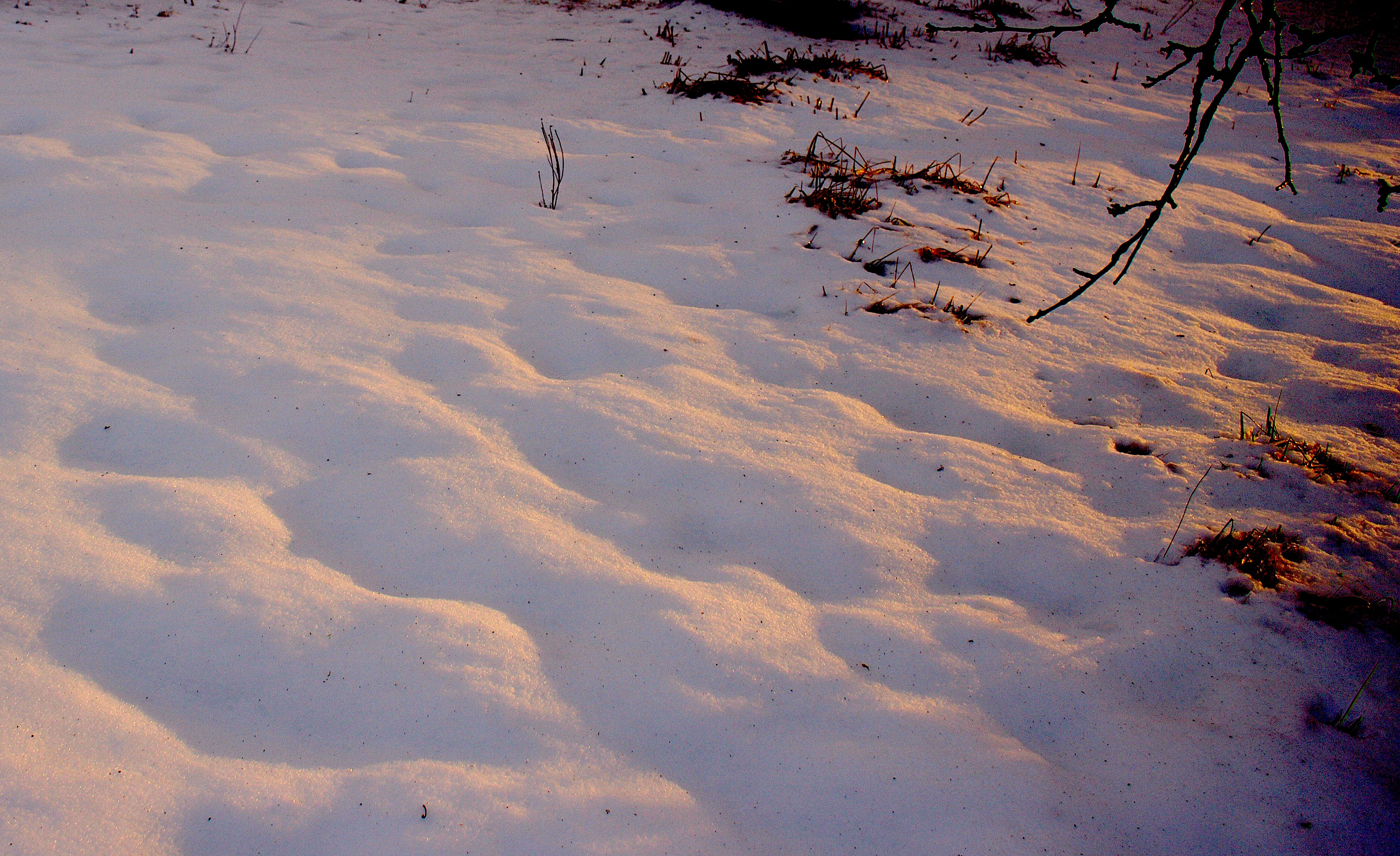
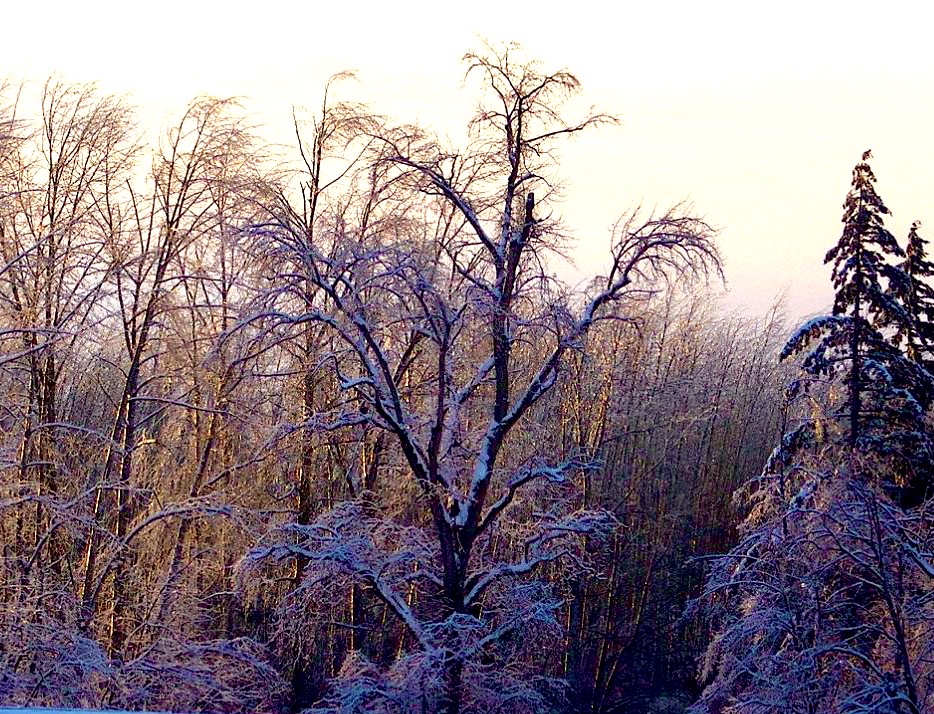
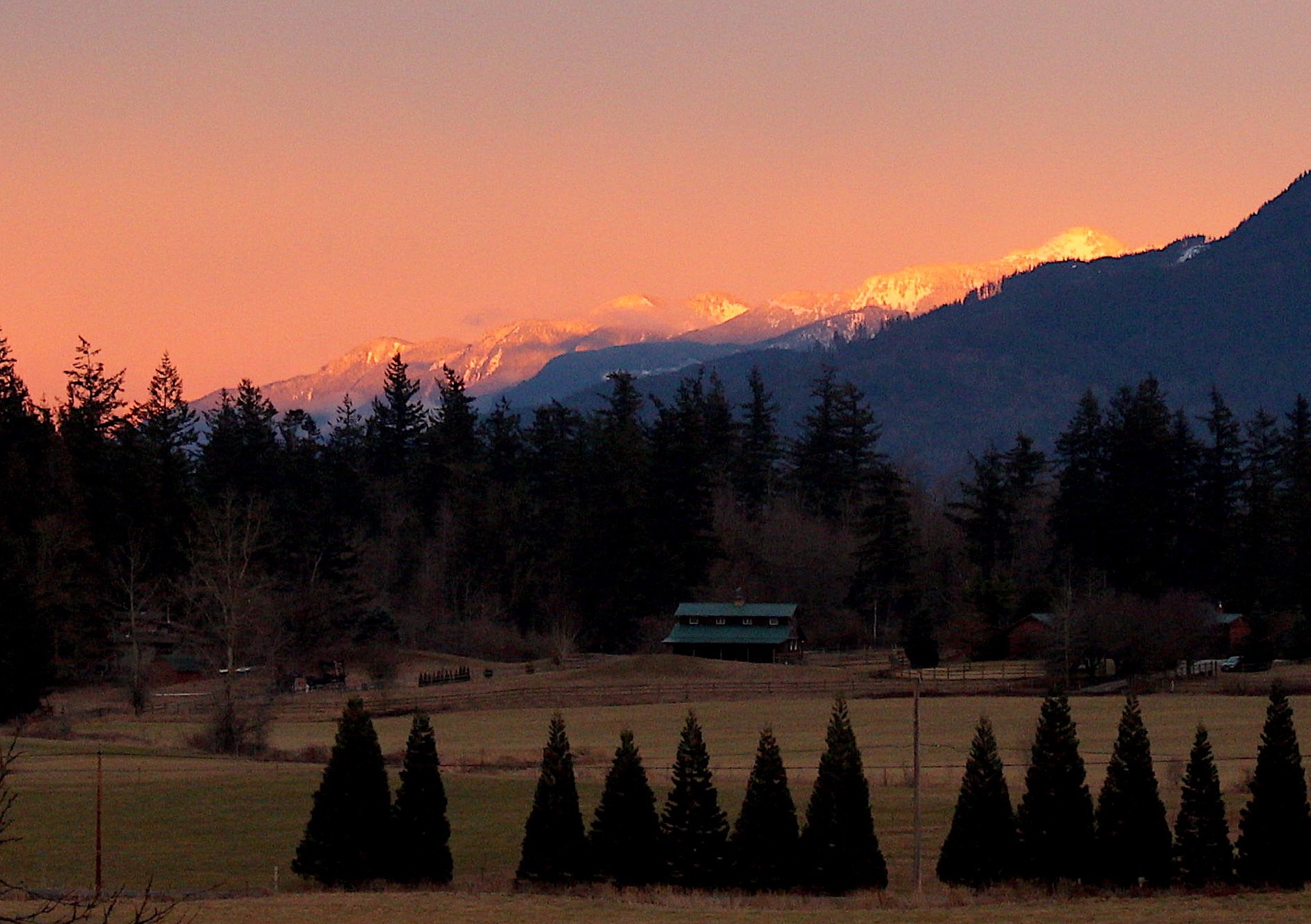
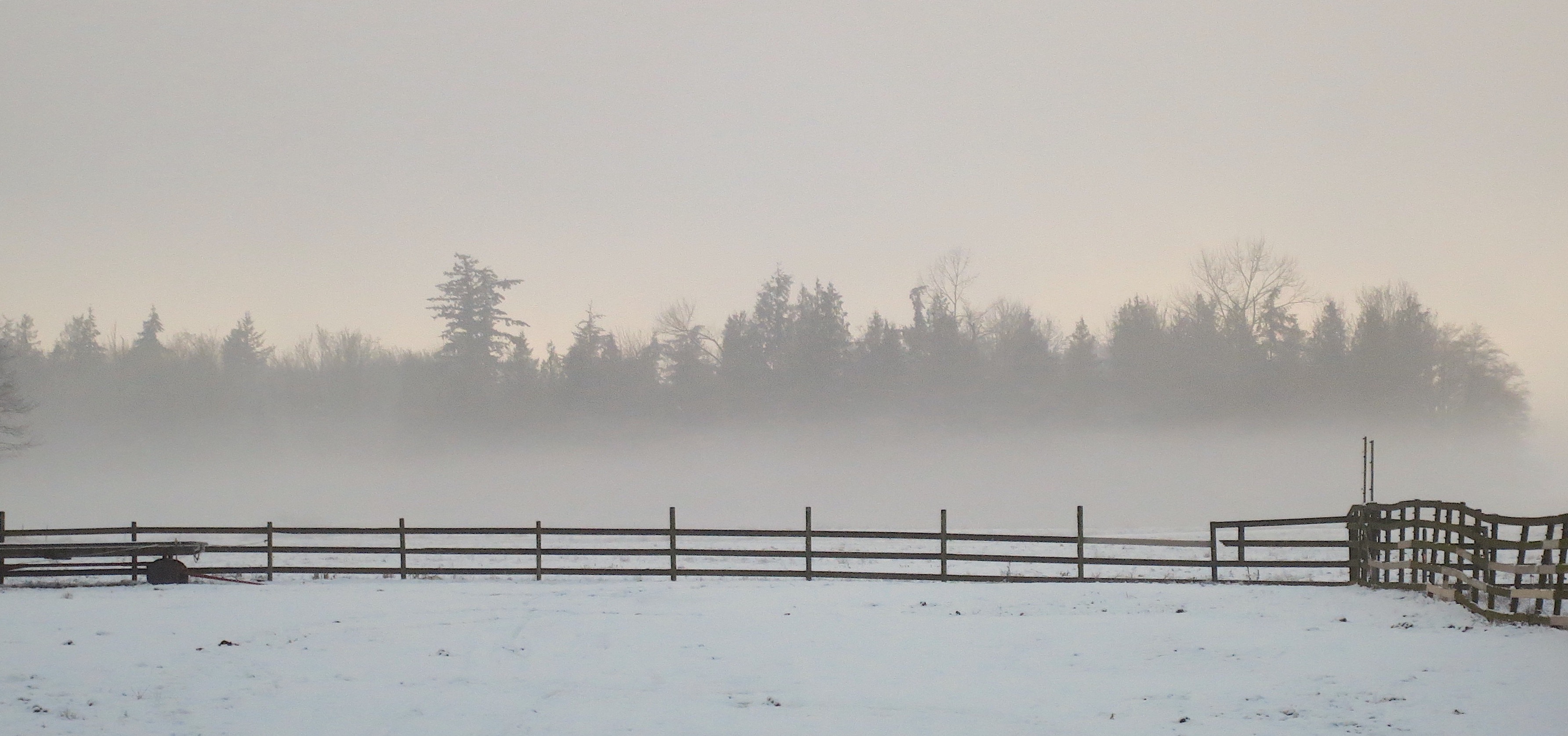
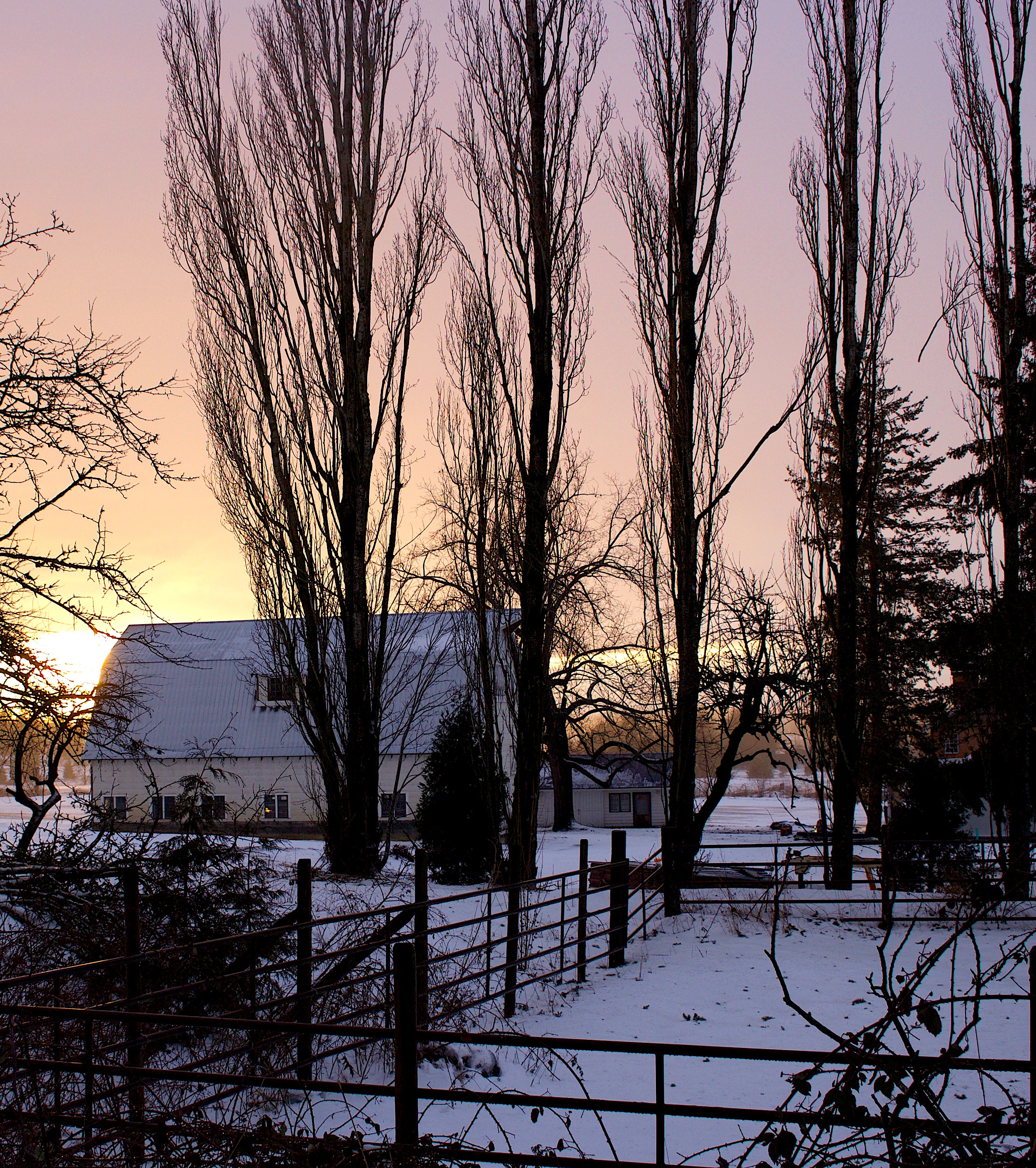
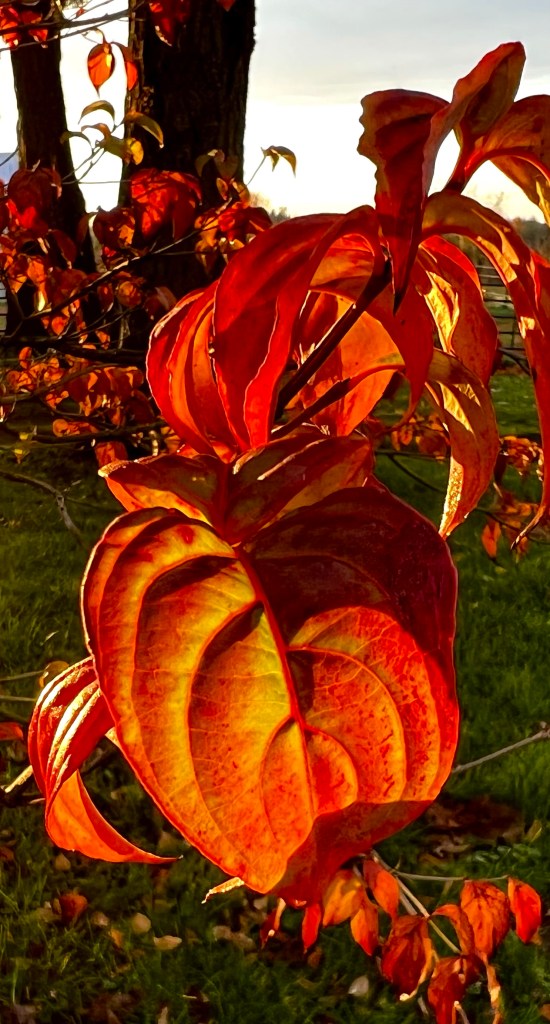
These photos of our farm are from last week, before an atmospheric river fell in torrents from the sky. The downpour precipitated melting of new-fallen snow in the nearby Cascade mountains and foothills, with subsequent cresting of the rivers and streams in lower mainland British Columbia and our local counties over the weekend.

Before the storm hit us, these pictures depict a flood of golden sunshine in the late afternoon. It was the kind of saturation of light we all were needing, unaware that our skies and ground would soon be over-saturated with far too much water in a few days.

Our communities, both north and south of our nearby Canadian border, continue to reel from this unprecedented flood event, with roads impassable due to standing water and landslides, as well as whole towns evacuated by boat and homes and businesses will be uninhabitable for weeks, if not months.

The sun has returned now that the river in the sky has dried up, having dumped its load. We now wait for the waters and the misery to recede.

The scarlet red of the dying dogwood leaves are poignant indeed, but nothing like the poignancy of communities pulling together to restore normalcy after disaster. Churches have quickly become places of refuge for those who have no home this week and in the weeks to come.

Bless those who are able to help, if not with boats and muscle, then with donations:

The Whatcom Community Foundation Resilience Fund is targeting the local efforts as well as support of the Red Cross, critical in meeting all disaster needs everywhere.

Thank you for reading and praying for restoration for the affected Canadians and Americans.

Standing on Holy Ground

I am still skeptical about the reasons some seek spirituality in the land,
for the spirituality the land offers is anything but easy.

It is the spirituality of a God who would, with lightening and earthquakes, sneeze away the bland moralism preached in many pulpits,
a wildly free, undomesticated divinity,
the same God who demands of Moses from a burning bush,
“Remove your shoes,
for the place on which you are standing is holy ground.”

When God appears to Job, the comforting sentiments we might expect to feel are absent because such sentiments
are at most God’s trappings, not the infinite himself.
The God who speaks to Job from the whirlwind reminds him that, comforting or terrifying, he alone is God.  
To be satisfied with anything less
would be the spiritual catastrophe the Old Testament calls idolatry.

Some of our idols shatter in the West’s rugged vastness, others remain.

Perhaps God leaves exposed the land’s brokenness –
the scars of forest fires,
the fossils of extinct biospheres,
rifts showing ancient continents now scattered like puzzle pieces –
to remind us that he is greater than the icon, too.

The heavens and earth will wear out like a garment, the Psalmist says, like clothes that are changed.

“But You neither change, nor have an end.”
Psalm 102:27
~Anthony Lusvardi from “Nature is Your Church?”

We are now 45 days into a hotter dry spell this summer with a slight possibility of some rain next week. Everything here in the Pacific Northwest is looking as it would in late August with the snow melt in the Cascades much accelerated from its usual timeline. With the fires already happening for weeks on the eastern side of the state, as well as to the north of us in British Columbia and south in Oregon and California, we are looking at a withering August of smoke and ash.

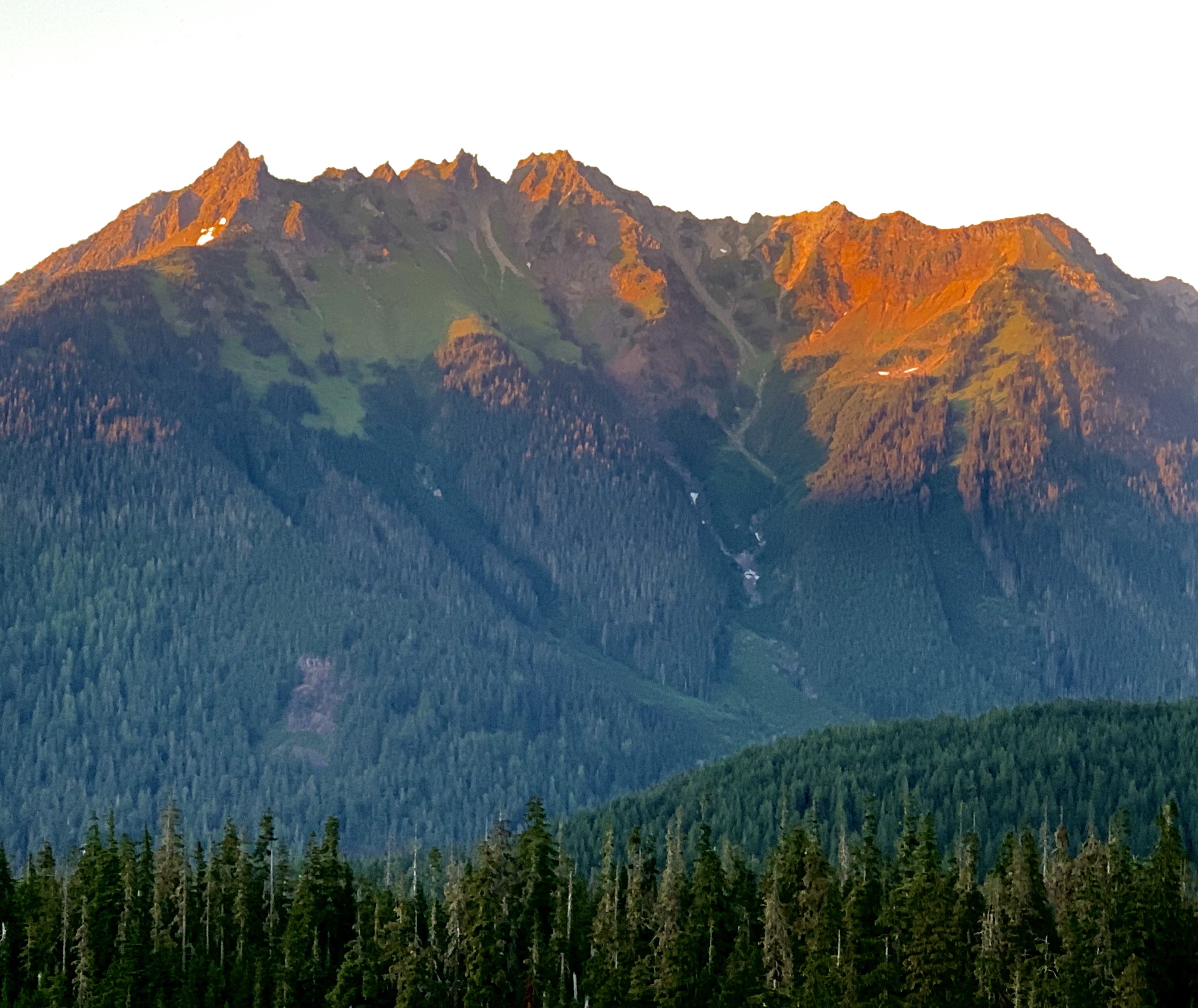
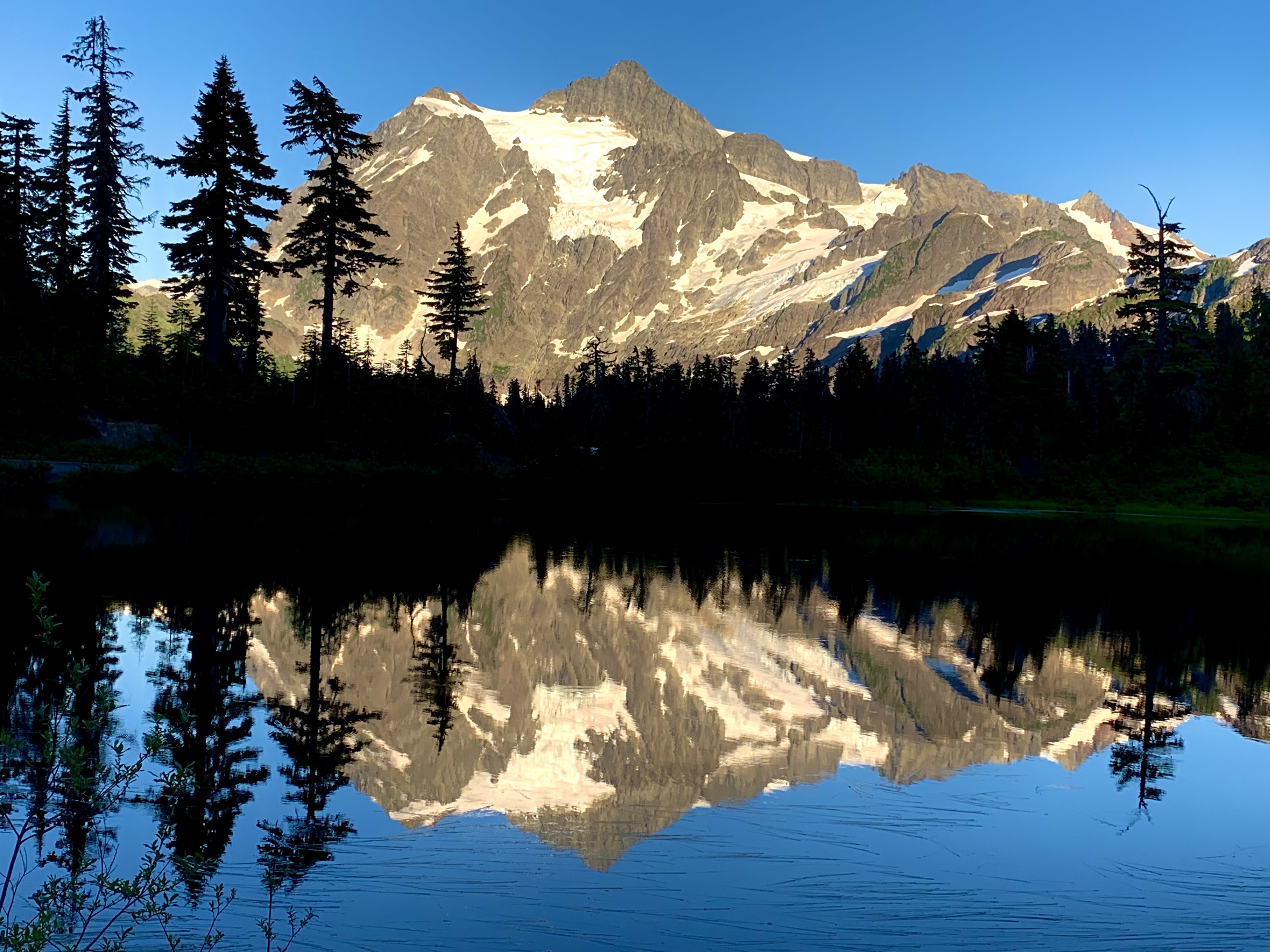
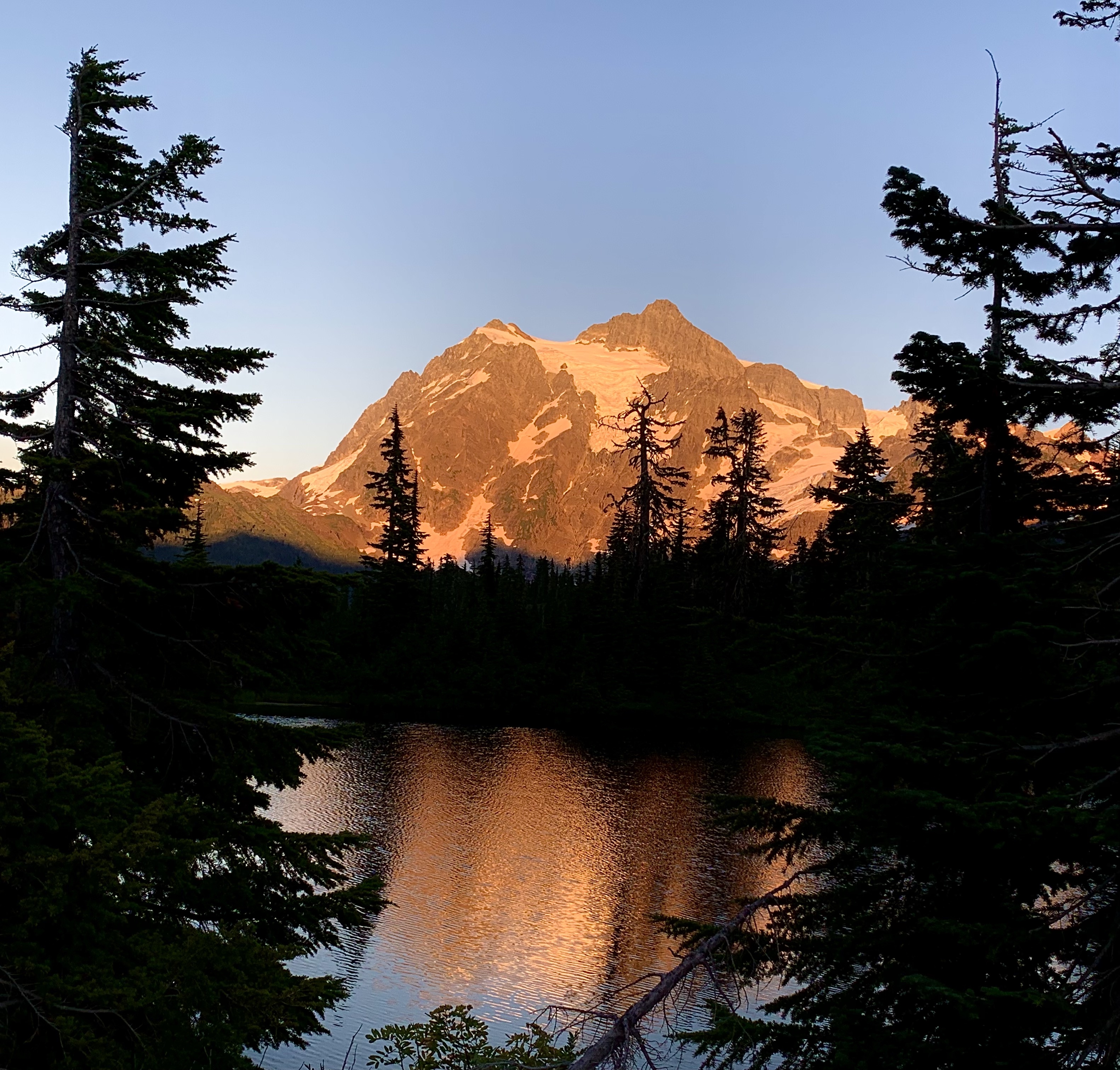
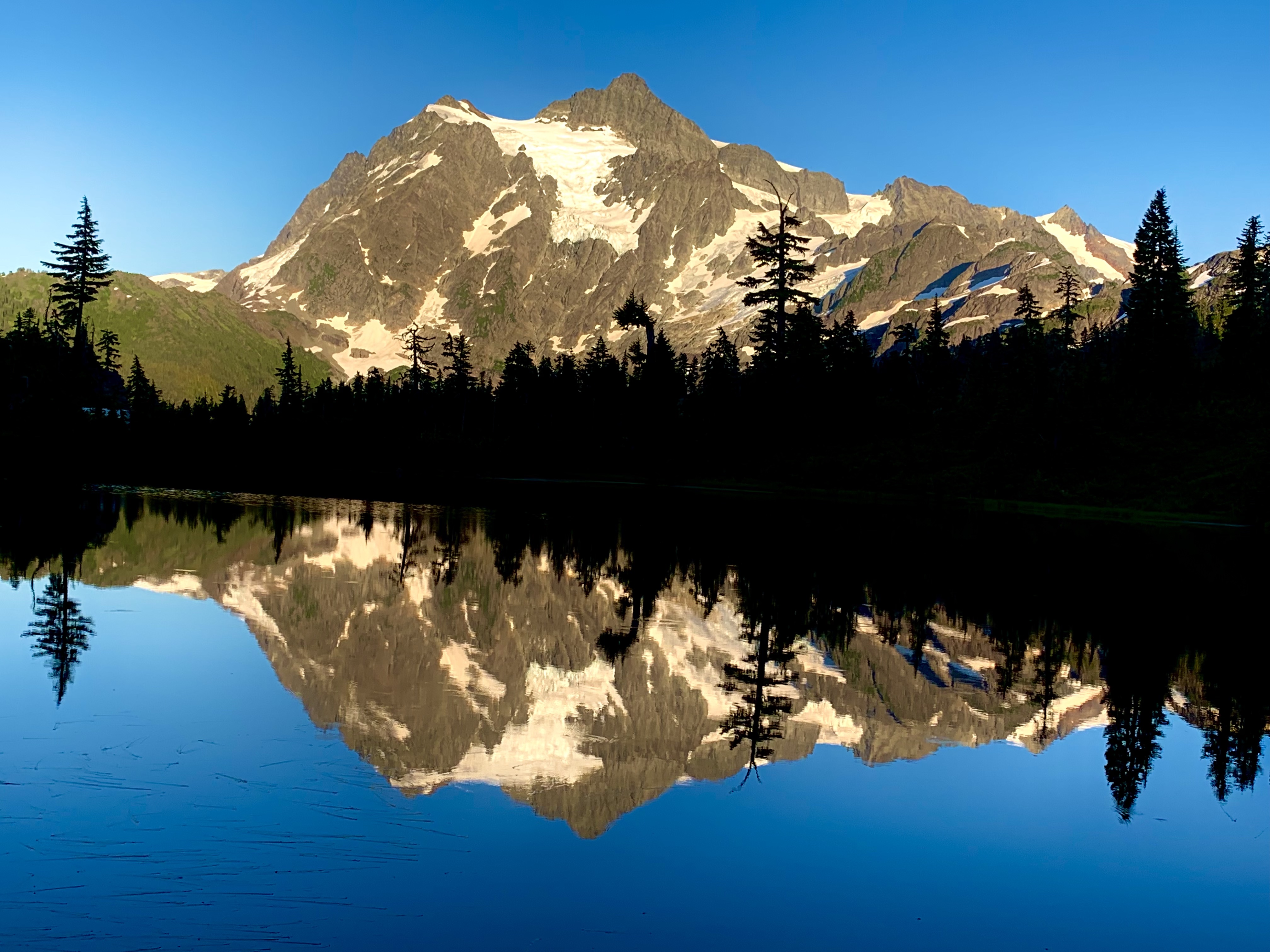
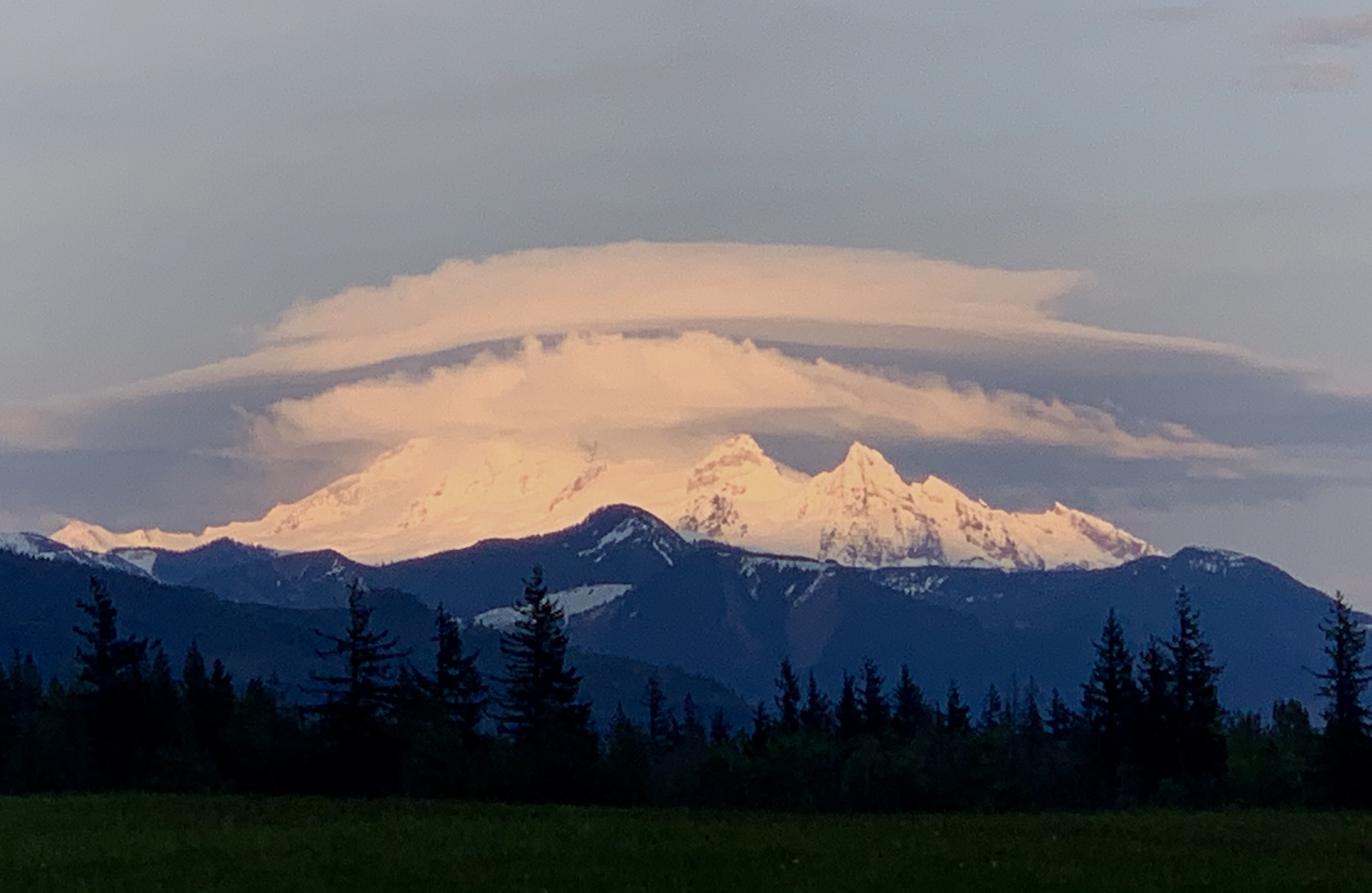
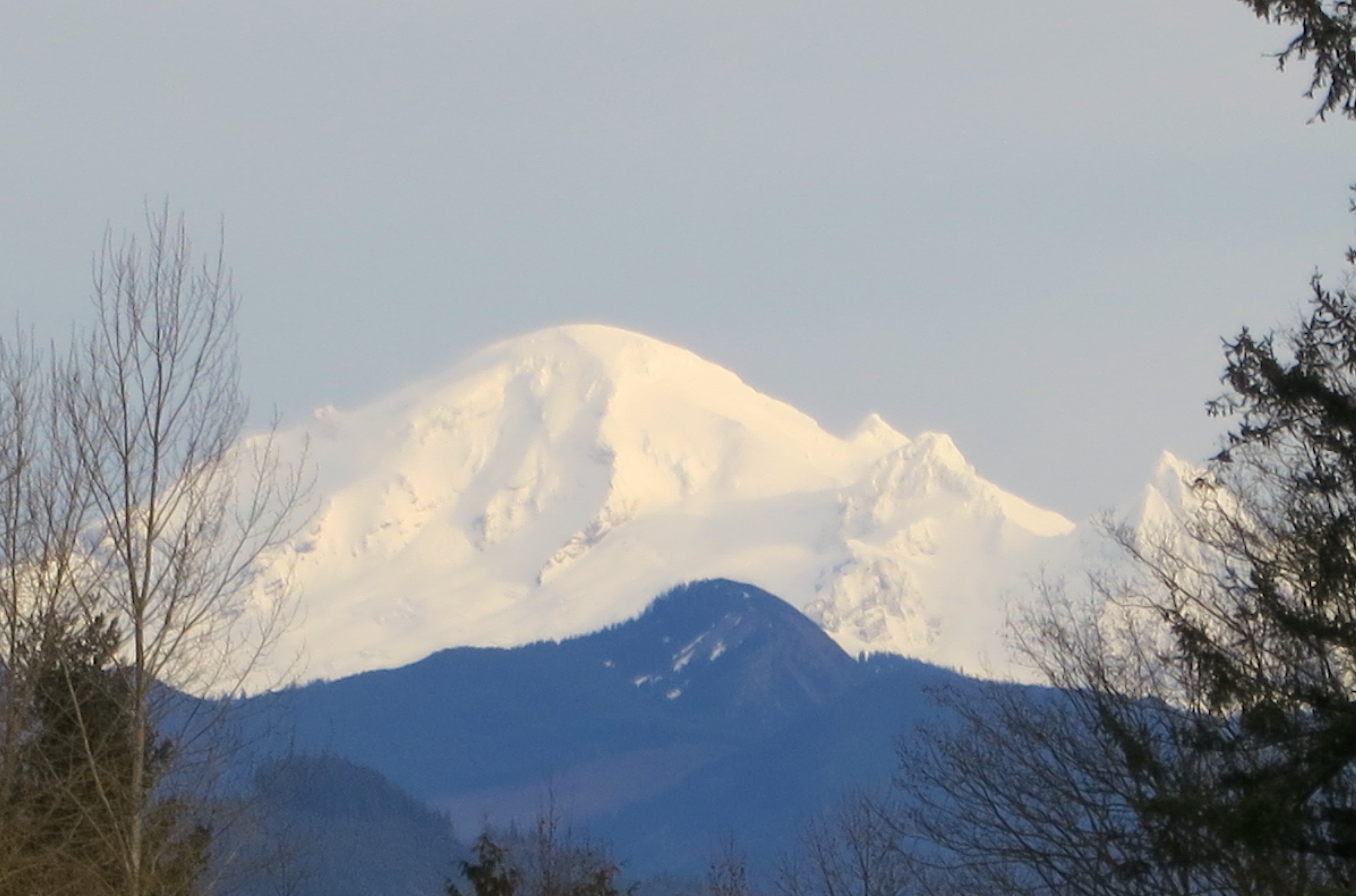
Dan and I headed up the Mt. Baker Highway yesterday evening to see how bare Baker and Shuksan look up close. We wonder what snow will be left before our typical precipitation begins in earnest in early October. These seemingly unchanging monoliths are being stripped of their usual garments, now naked and vulnerable. They are subject to God’s transforming power just as surely as we are.

When I stand at the foot of these peaks, I never fail to be awed to a whisper, as if I were inside an immense cathedral. God reminds us to remove our shoes out of respect for His holy ground. Yet I worship not the mountains nor the awe-inspiring landscape they are placed in, but worship their Creator whose strength and love is greater than all.

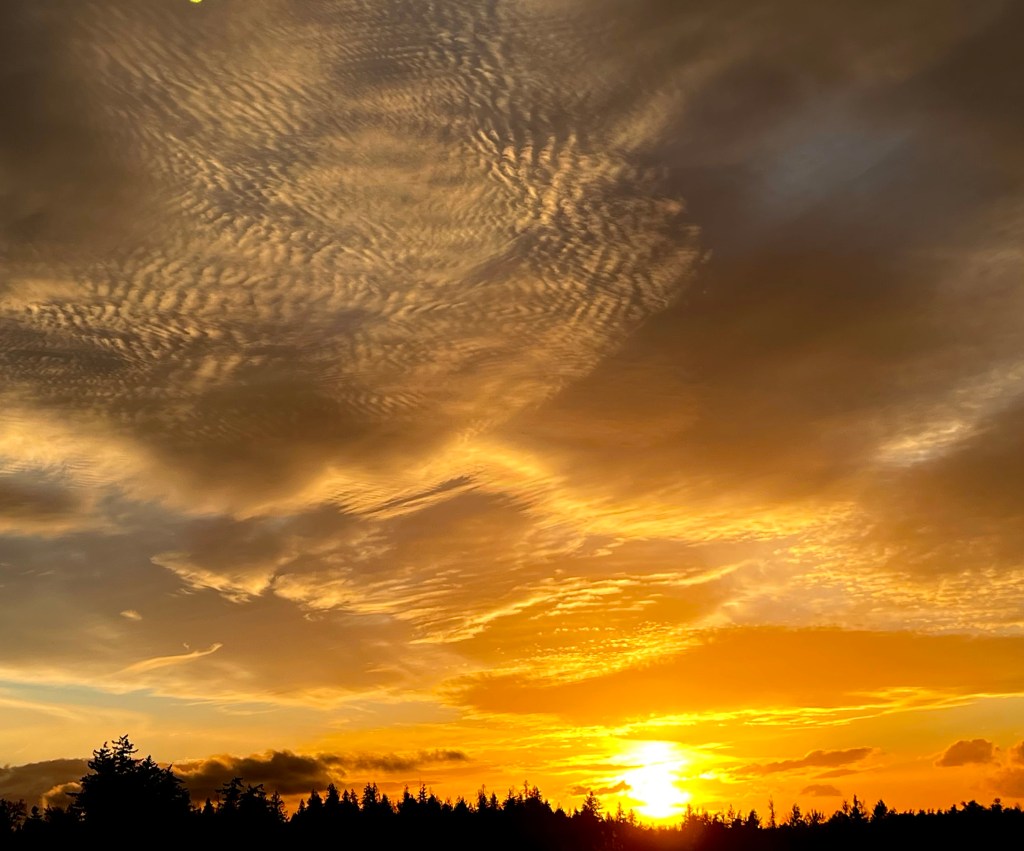
I tread lightly. I speak softly. I remove my shoes. I witness the fading light.

God, the eternal, the unchangeable, takes my breath away, as only He can..

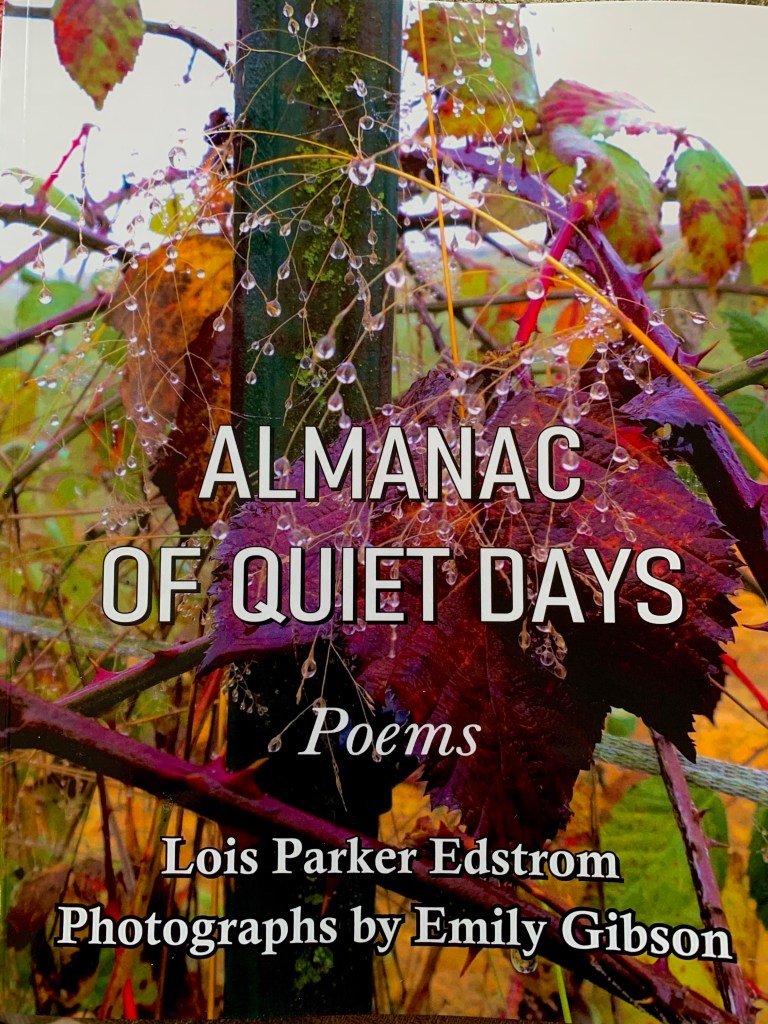
Here is an opportunity to own a Barnstorming book of more photos like these along with poems written for each poem by Lois Edstrom. It is available to order here:

To See Heaven in a Wild Flower

To see a World in a Grain of Sand
And a Heaven in a Wild Flower,
Hold Infinity in the palm of your hand
And Eternity in an hour.

~William Blake from Auguries of Innocence

If I look closely enough, I might find the extraordinary in the commonplace things of life. So I keep my eyes alert and my heart open to infinite possibilities.

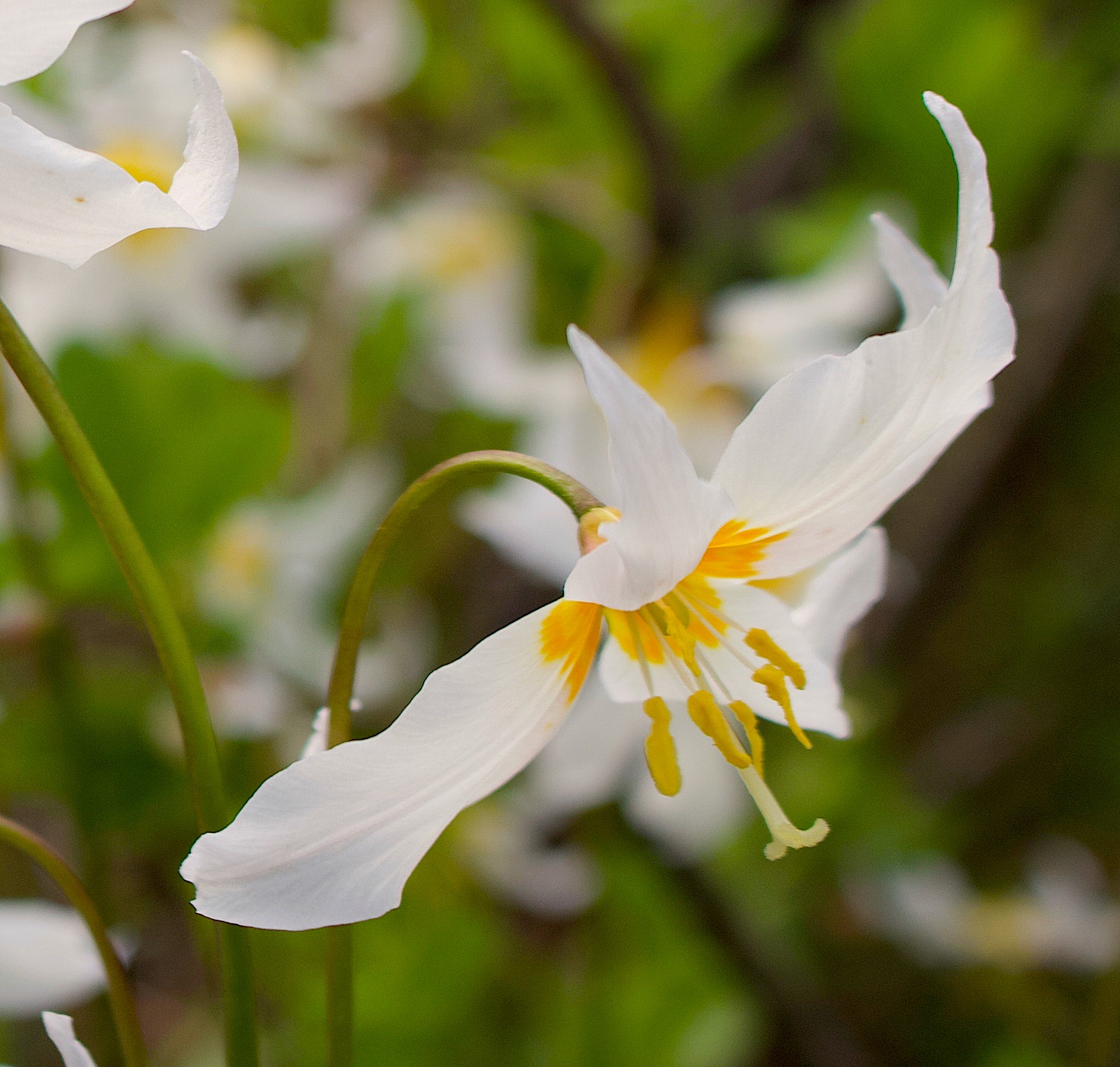
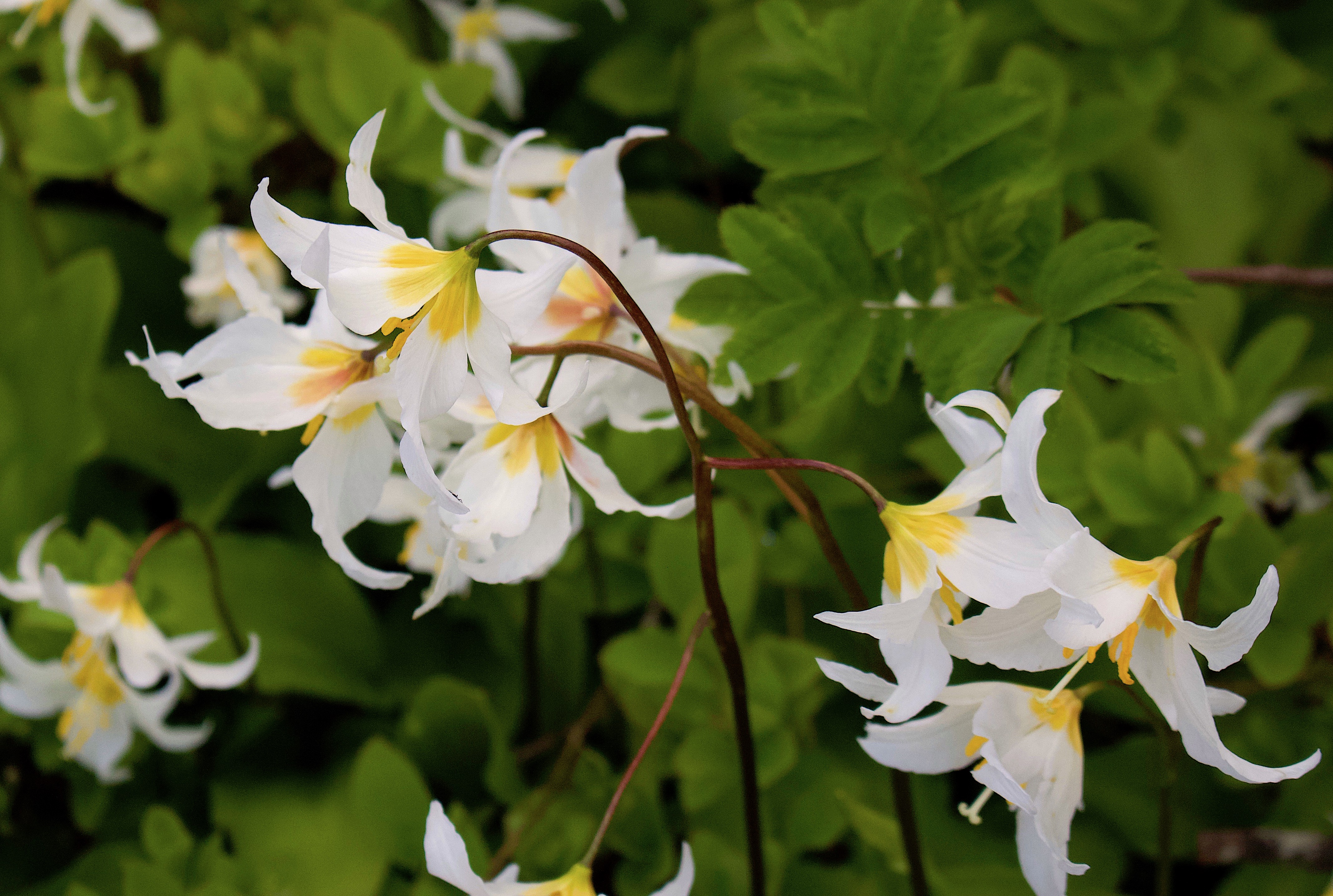
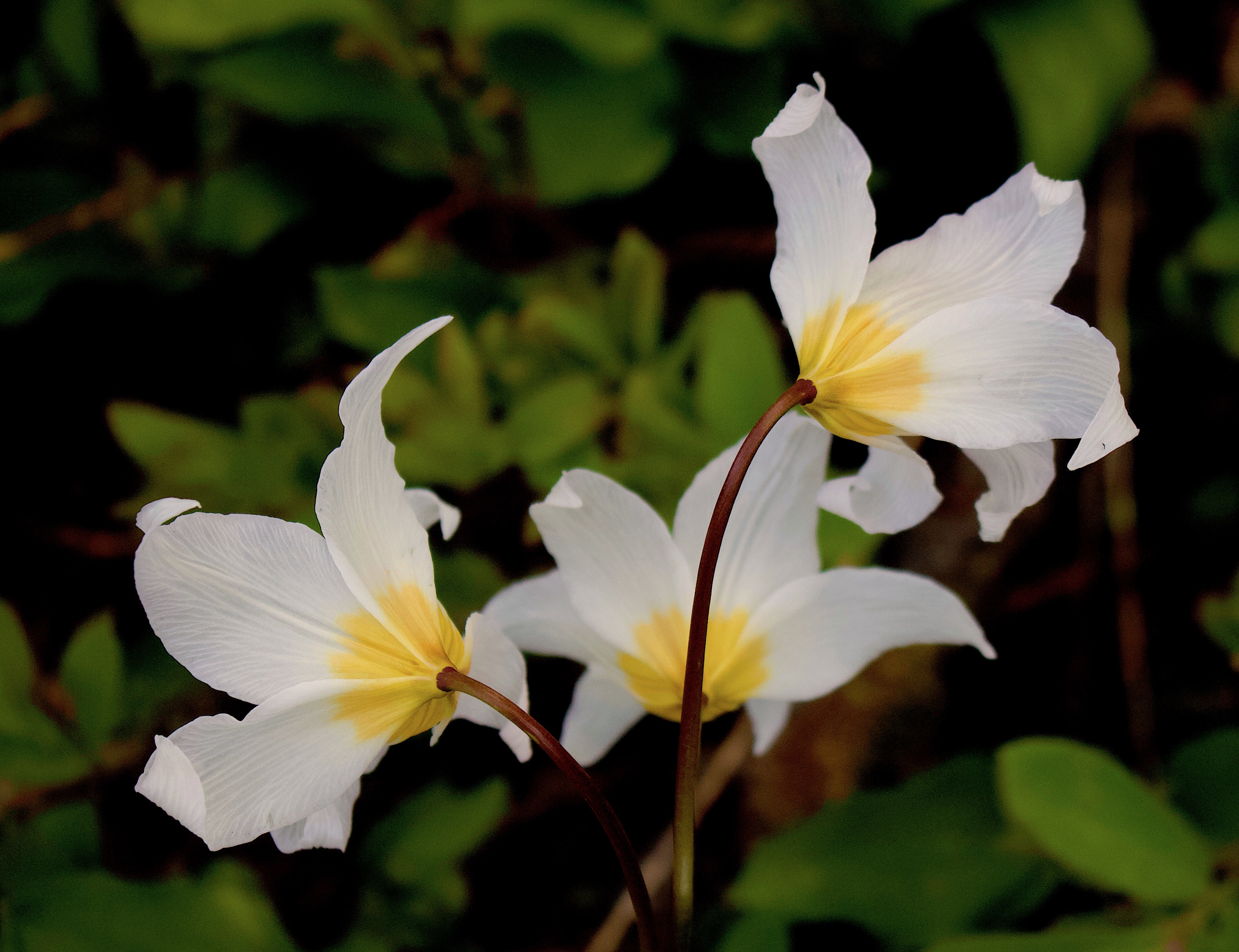
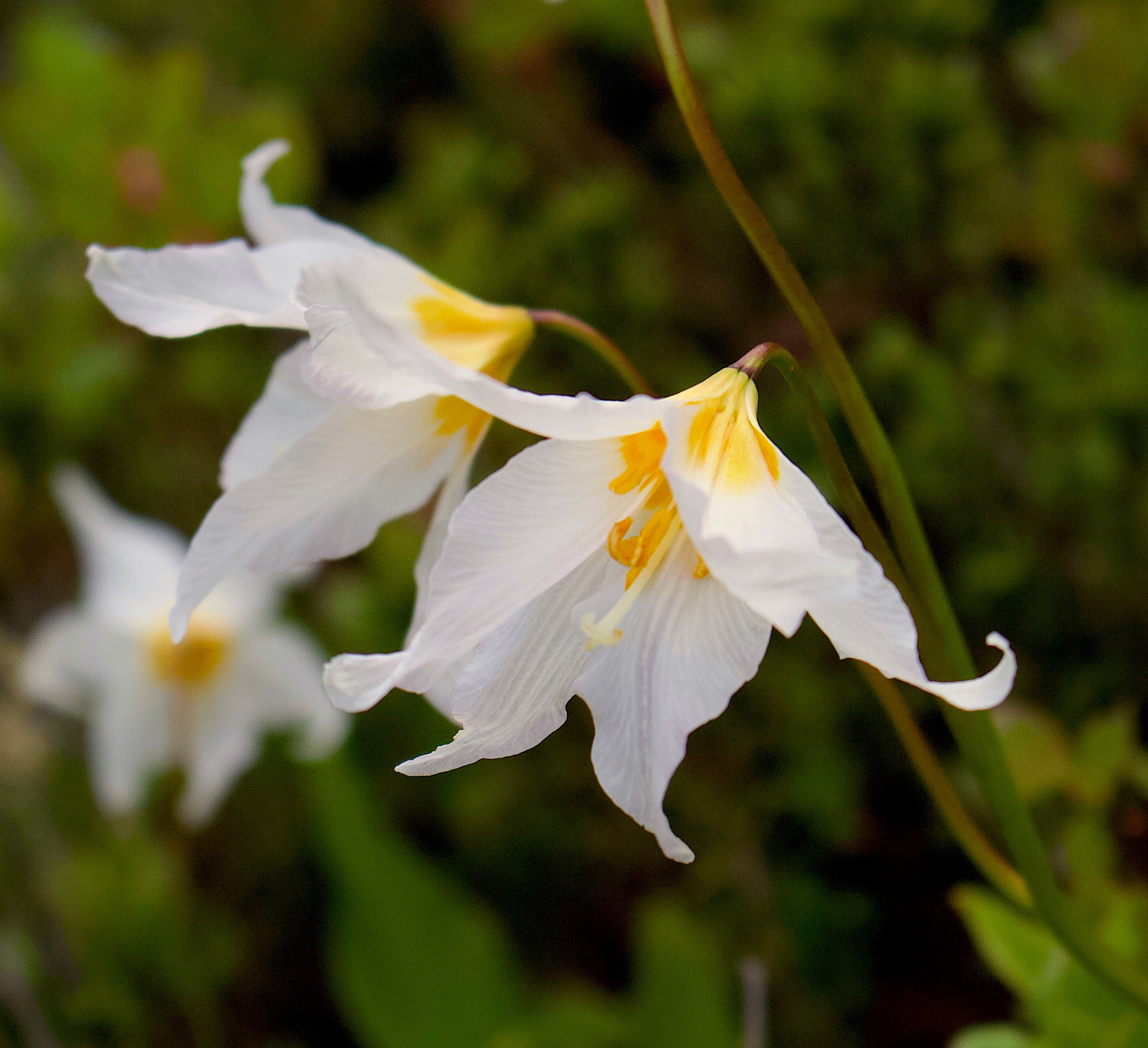
Sometimes what I see is so extraordinary already, it is like uncovering a bit of heaven on earth. Up in the alpine meadows of the Cascade mountains grow delicate avalanche lilies in July, just as the snow melt is complete. Though brief in their blooming, they are our harbingers of heaven. Despite the chill and darkness of winter, they rise triumphant, an eternal promise of a someday never-ending summer.

A new book from Barnstorming is available to order here:

Four Seasons

Autumn

Winter is an etching,
spring a watercolor,
summer an oil painting

and autumn a mosaic of them all.
~Stanley Horowitz
, a poem in Readers’ Digest Nov. 1983

Winter
Winter

L’Inverno (Winter)
Opus 8, No. 4, in F minor

I. Allegro non molto–
Frozen and trembling in the icy snow,
In the severe blast of the horrible wind,
As we run, we constantly stamp our feet,
And our teeth chatter in the cold.
II. Largo–
To spend happy and quiet days near the fire,
While, outside, the rain soaks hundreds.
III. Allegro–
We walk on the ice with slow steps,
And tread carefully, for fear of falling.
Symphony, If we go quickly, we slip and fall to the ground.
Again we run on the ice,
Until it cracks and opens.
We hear, from closed doors,
Sirocco, Boreas, and all the winds in battle.
This is winter, but it brings joy.

~Vivaldi (Winter poem)

Spring
Spring
Spring
Spring

La Primavera (Spring)
Opus 8, No. 1, in E Major

I. Allegro–
Festive Spring has arrived,
The birds salute it with their happy song.
And the brooks, caressed by little Zephyrs,
Flow with a sweet murmur.
The sky is covered with a black mantle,
And thunder, and lightning, announce a storm.
When they are silent, the birds
Return to sing their lovely song.
II. Largo e pianissimo sempre–
And in the meadow, rich with flowers,
To the sweet murmur of leaves and plants,
The goatherd sleeps, with his faithful dog at his side.
III. Danza pastorale. Allegro–
To the festive sound of pastoral bagpipes,
Dance nymphs and shepherds,
At Spring’s brilliant appearance.

~Vivaldi (Spring poem)

Summer
Summer
Summer
Summer

L’Estate (Summer)
Opus 8, No. 2, in G minor

I. Allegro non molto–
Under the heat of the burning summer sun,
Languish man and flock; the pine is parched.
The cuckoo finds its voice, and suddenly,
The turtledove and goldfinch sing.
A gentle breeze blows,
But suddenly, the north wind appears.
The shepherd weeps because, overhead,
Lies the fierce storm, and his destiny.
II. Adagio; Presto–
His tired limbs are deprived of rest
By his fear of lightning and fierce thunder,
And by furious swarms of flies and hornets.
III. Presto–
Alas, how just are his fears,
Thunder and lightening fill the Heavens, and the hail
Slices the tops of the corn and other grain.
~Vivaldi (Summer poem)

Autumn
Autumn
Autumn

Autumn
Autumn

L’Autunno (Autumn)
Opus 8, No. 3, in F Major

I. Allegro–
The peasants celebrate with dance and song,
The joy of a rich harvest.
And, full of Bacchus’s liquor,
They finish their celebration with sleep.
II. Adagio molto–
Each peasant ceases his dance and song.
The mild air gives pleasure,
And the season invites many
To enjoy a sweet slumber.
III. Allegro–
The hunters, at the break of dawn, go to the hunt.
With horns, guns, and dogs they are off,
The beast flees, and they follow its trail.
Already fearful and exhausted by the great noise,
Of guns and dogs, and wounded,
The exhausted beast tries to flee, but dies.

~Vivaldi (Autumn poem)

I walk this path to stand at the same spot
countless times through the year,
to witness the palette changing
around me.

The Artist chooses His color and technique
lovingly, with a gentle touch for each season.

My life too is painted with richness and variety:
from the bare lines of winter,
to a green emergence of spring,
a summer sweet fruitfulness
and a mosaic crescendo of autumn.

This ever-new pathway extends
beyond the reach of the canvas.


Waiting in Wilderness: Moving Mountains Closer

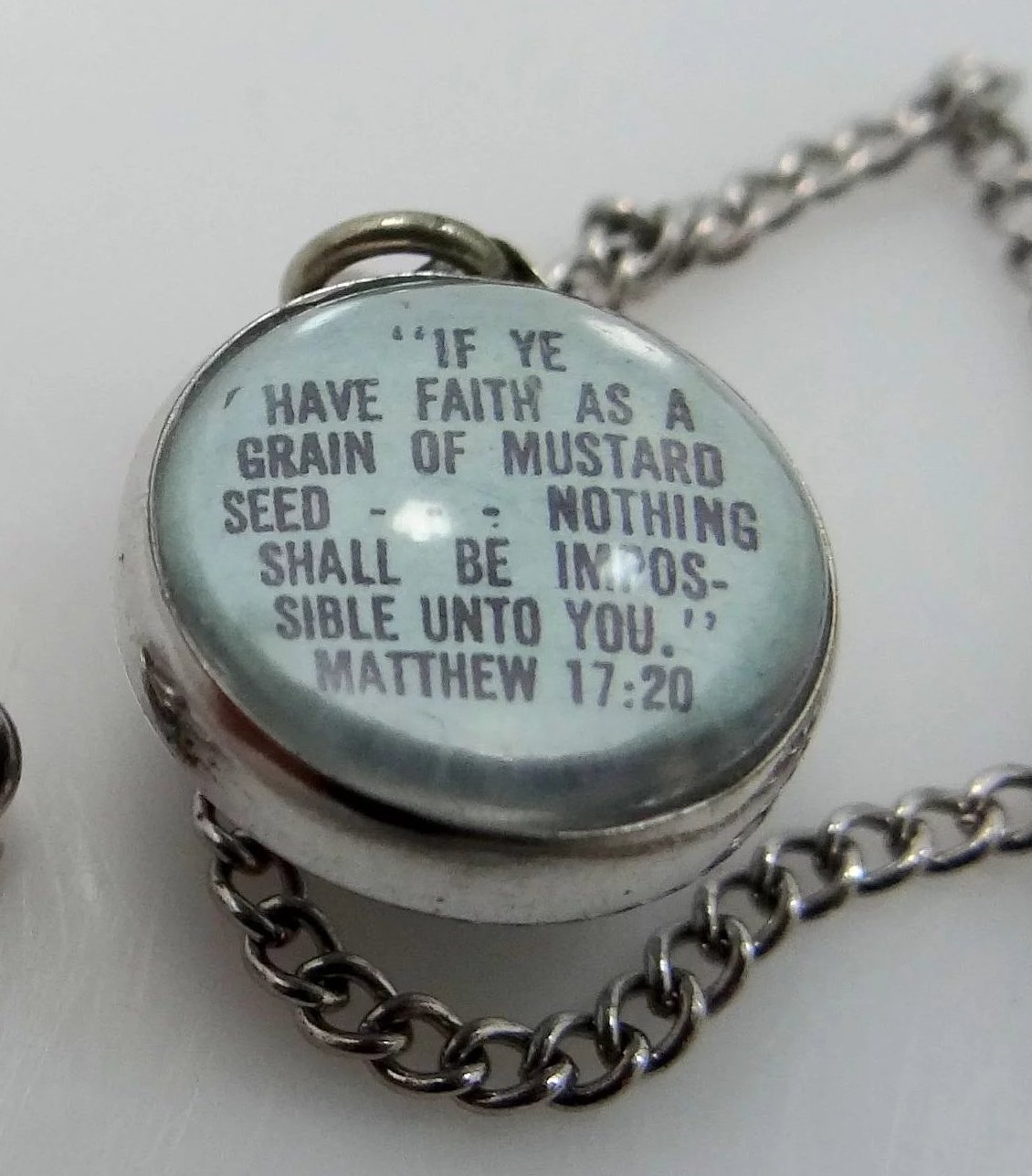
I tell you the truth,
if you have faith as small as a mustard seed,
you can say to this mountain,
`Move from here to there’ and it will move.
Nothing will be impossible for you.
Matthew 17:20

How pale is the sky that brings forth the rain
As the changing of seasons prepares me again
For the long bitter nights and the wild winter’s day
My heart has grown cold, my love stored away

I’ve been to the mountain, left my tracks in the snow
Where souls have been lost and the walking wounded go
I’ve taken the pain, no girl should endure
But faith can move mountains of that I am sure
Faith can move mountains of that I am sure

Just get me through December
A promise I’ll remember
Get me through December
So I can start again

No divine purpose brings freedom from sin
And peace is a gift that must come from within
And I’ve looked for the love that will bring me to rest
Feeding this hunger beating strong in my chest

~Gordie Sampson & Fred Lavery

It is winter in Narnia… and has been for ever so long
…. always winter, but never Christmas.
~C. S. Lewis from The Lion, Witch and the Wardrobe

We’ve been traveling through a wilderness of the pandemic for nearly a year, even as the calendar has changed from spring to summer to autumn and in December back to winter. In this winter wilderness, we struggle with the chill of isolation from each other and from God, the endless discouragement and fatigue, and the hot cold of resentment and anger.

We are called in the gospel of Matthew to leave behind our helplessness when overwhelmed by pervasive wilderness. He tells us to believe, even if it is only the tiniest grain of faith. Our cold hearts love and hunger for God.

So if we can’t make it to the mountain in the distance, our faith can move the mountain closer. God hears our plea and brings His peace to us by bringing Himself as close as the beating heart in our chest. There will be a Christmas again and there will be Easter.

The Smell of Water

At the soft place in the snowbank
Warmed to dripping by the sun
There is the smell of water.
On the western wind the hint of glacier.
A cottonwood tree warmed by the same sun
On the same day,
My back against its rough bark
Same west wind mild in my face.
A piece of spring
Pierced me with love for this empty place
Where a prairie creek runs
Under its cover of clear ice
And the sound it makes,
Mysterious as a heartbeat,
New as a lamb.
~Tom Hennen, “In the Late Season” from Darkness Sticks to Everything: Collected and New Poems. 

While walking the sloping hillside of our farm,
if I listen carefully,
I can hear trickling under the snow.
I can’t see it but I can hear and feel and smell the water;
as a hidden and mysterious melt happens.
Thawing under my feet-
as winter drains away,
spring is on the move.

I witness that which I have no control over,
this subtle softening of frozen ground-
unseen, yet as evident as the steady beating of my heart
as I too begin to thaw and melt
through the miracle of flowing grace
into whatever comes next.


Under This Sky

Tonight at sunset walking on the snowy road,
my shoes crunching on the frozen gravel, first

through the woods, then out into the open fields
past a couple of trailers and some pickup trucks, I stop

and look at the sky. Suddenly: orange, red, pink, blue,
green, purple, yellow, gray, all at once and everywhere.

I pause in this moment at the beginning of my old age
and I say a prayer of gratitude for getting to this evening

a prayer for being here, today, now, alive
in this life, in this evening, under this sky.
~David Budbill “Winter: Tonight: Sunset”
 from While We’ve Still Got Feet

I strive to remember, each day,
no matter how things feel,
no matter how tired or distracted I am,
no matter how worried, or fearful or heartsick
over the state of the world or the state of my soul:

it is up to me to distill my gratitude
down to this one moment of beauty
that will never come again.

One breath,
one blink,
one pause,
one whispered word:
wow.

Watching the Weather

When it snows, he stands
at the back door or wanders
around the house to each
window in turn and
watches the weather
like a lover.

O farm boy,
I waited years
for you to look at me
that way. Now we’re old
enough to stop waiting
for random looks or touches
or words, so I find myself
watching you watching
the weather, and we wait
together to discover
whatever the sky might bring.
~Patricia Traxler “Weather Man”

My farm boy always looked at me that way,
and still does —
wondering if today will bring
a hard frost,
a chilly northeaster,
a scorcher,
or a deluge,
and I reassure him as best I can,
because he knows me so well
in our many years together:
today, like every other day,
will always be partly sunny
with some inevitable cloud cover
and always a possibility of rain.

Permission to Breathe Again

We are waiting for snow
the way we might wait for a train
to arrive with its cold cargo—
it is late already, but surely
it will come.
We are waiting for snow
the way we might wait
for permission
to breathe again.


For only the snow
will release us, only the snow
will be a letting go, a blind falling
towards the body of earth
and towards each other.


And while we wait at this window
whose sheer transparency
is clouded already
with our mutual breath,


it is as if our whole lives depended
on the freezing color
of the sky, on the white
soon to be fractured
gaze of winter.
~Linda Pastan “Interlude” from Queen of a Rainy Country

This poem by Linda Pastan was published in 2008 — it wasn’t written about waiting our turn for the new COVID vaccine, but it could have been.

Most of us are waiting for the vaccine like we wait for the relief of a winter snow storm. It’s as if we are all stuck inside, watching at the window, our noses pressed to the glass, our breath fogging the pane, gazing at the sky and trying to predict when and if the snow will come. We long to see the world clean and smooth and magical again with all its messy, grimy, muddy parts covered up, at least for awhile.

We want to play again and go where our heart wishes and be together with our friends and family. We want permission to breathe deeply, to show off our smiles and sing with gusto.

This second winter of COVID is crueler than the first because we know more now than a year ago: we know what we could have done and should have done but didn’t. We know we’ve lost far more lives than we should have and thousands more struggle to recover.

In order to fracture this COVID winter, to break open this frozen sky of our suspended lives, we seek the vaccine to arrive like the snow, covering all, protecting all, inviting all.

Our lives depend on it.

(I get my first dose today)