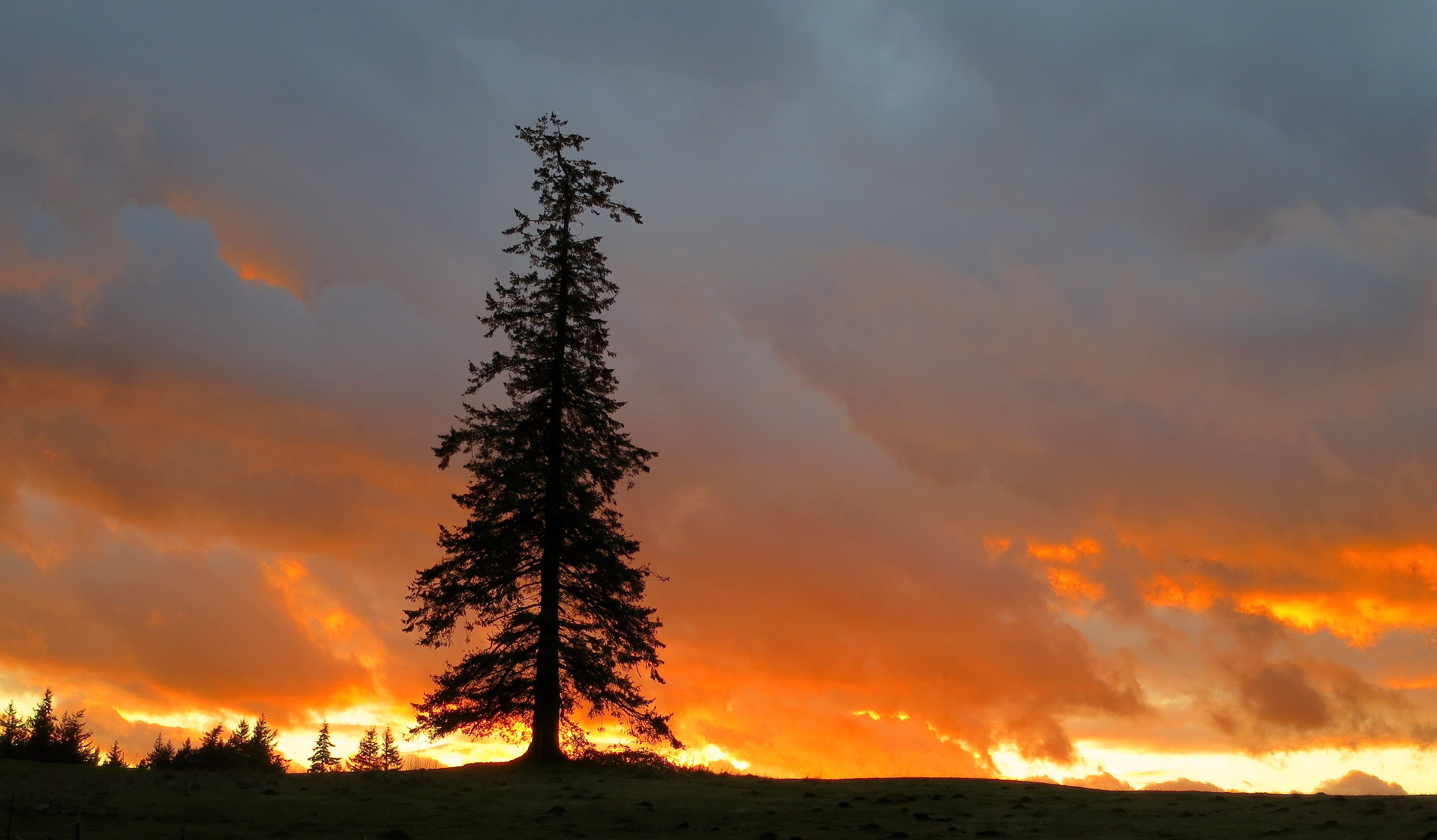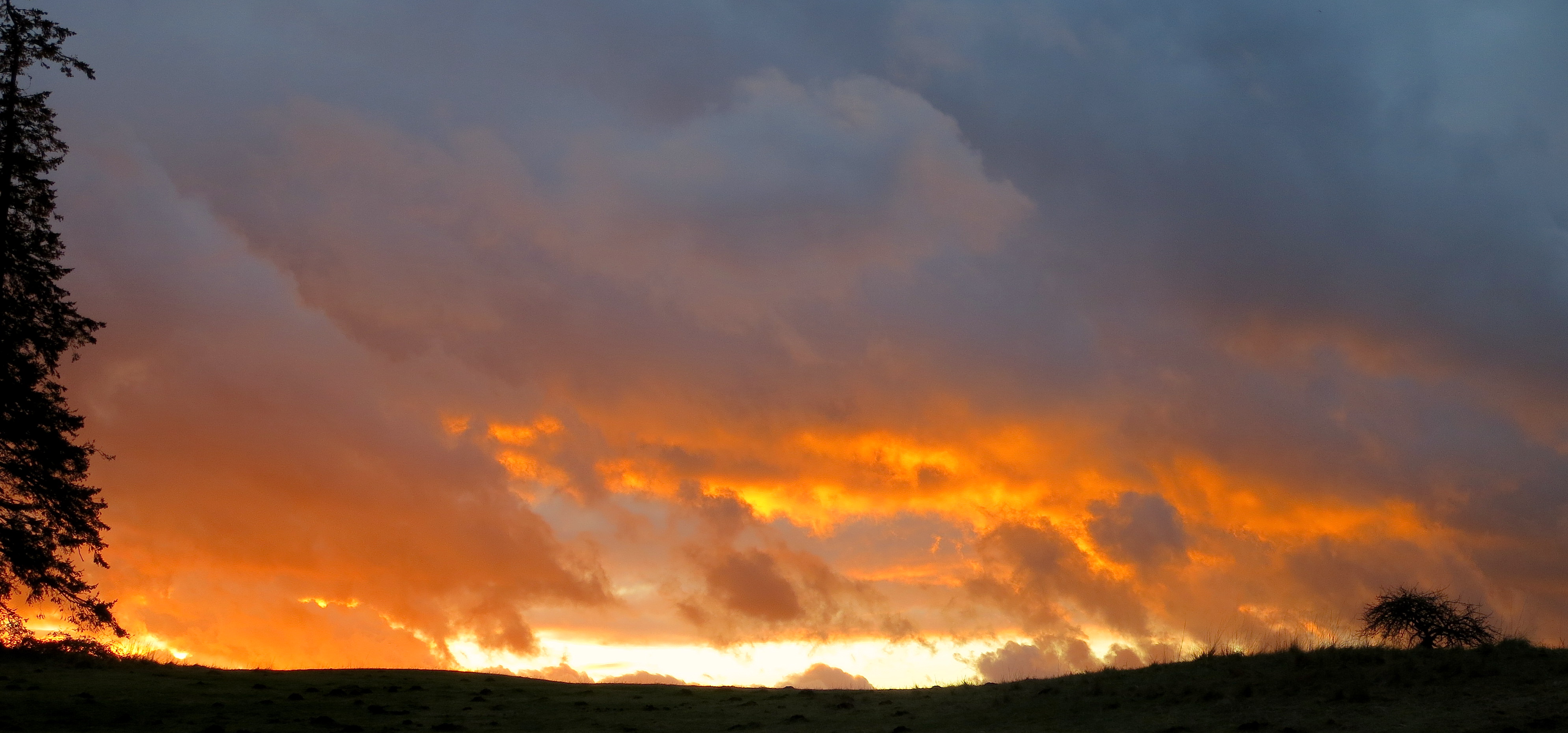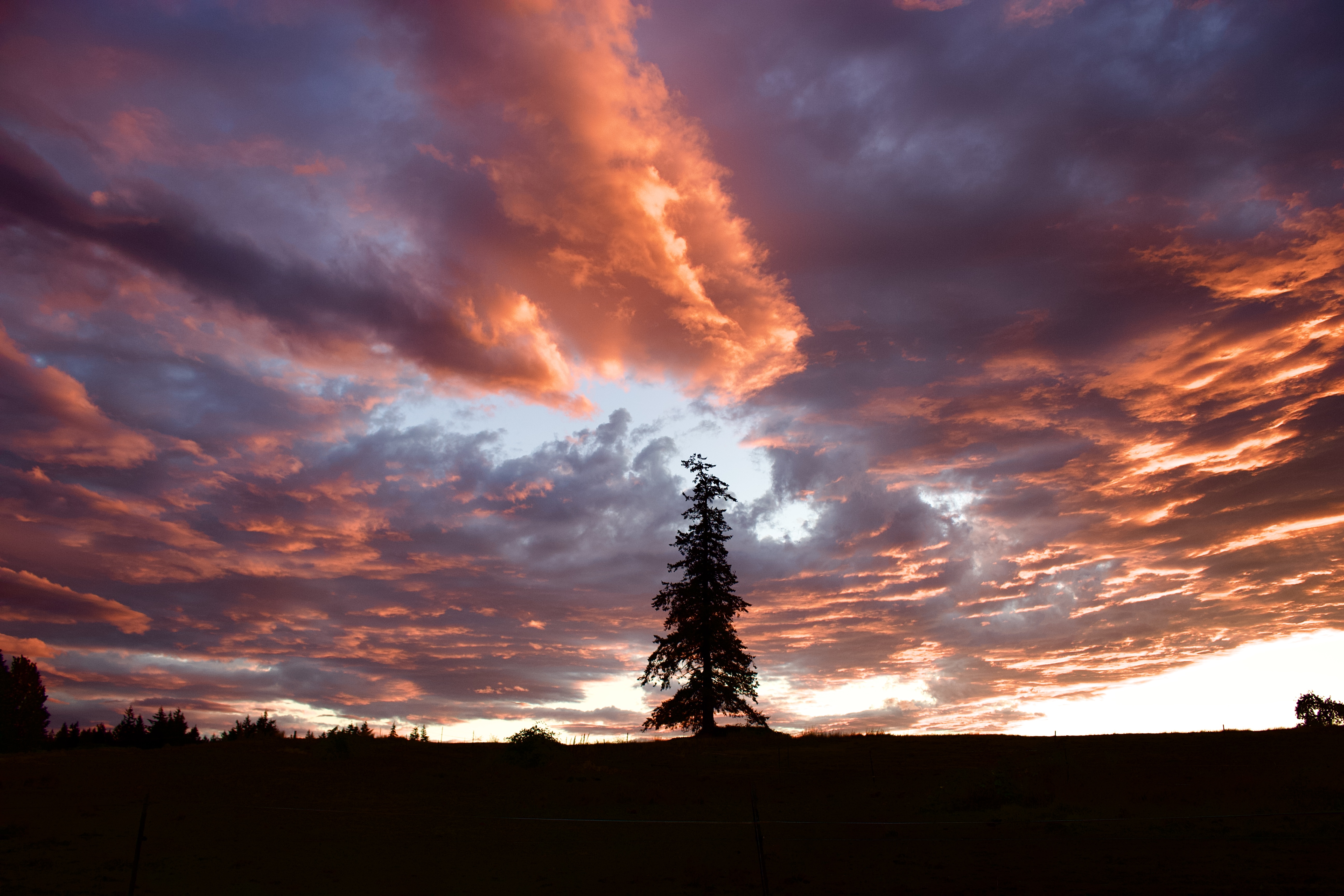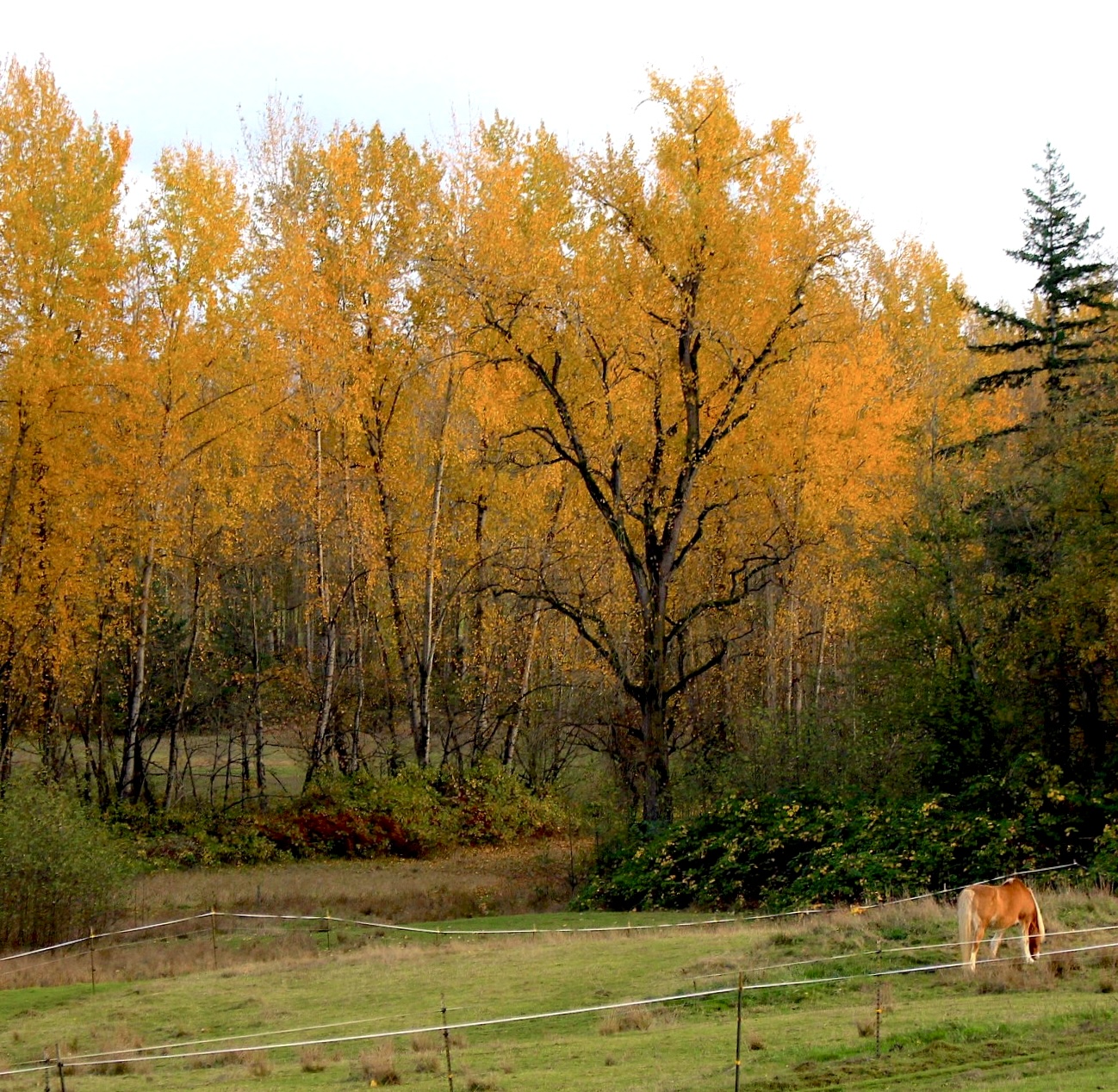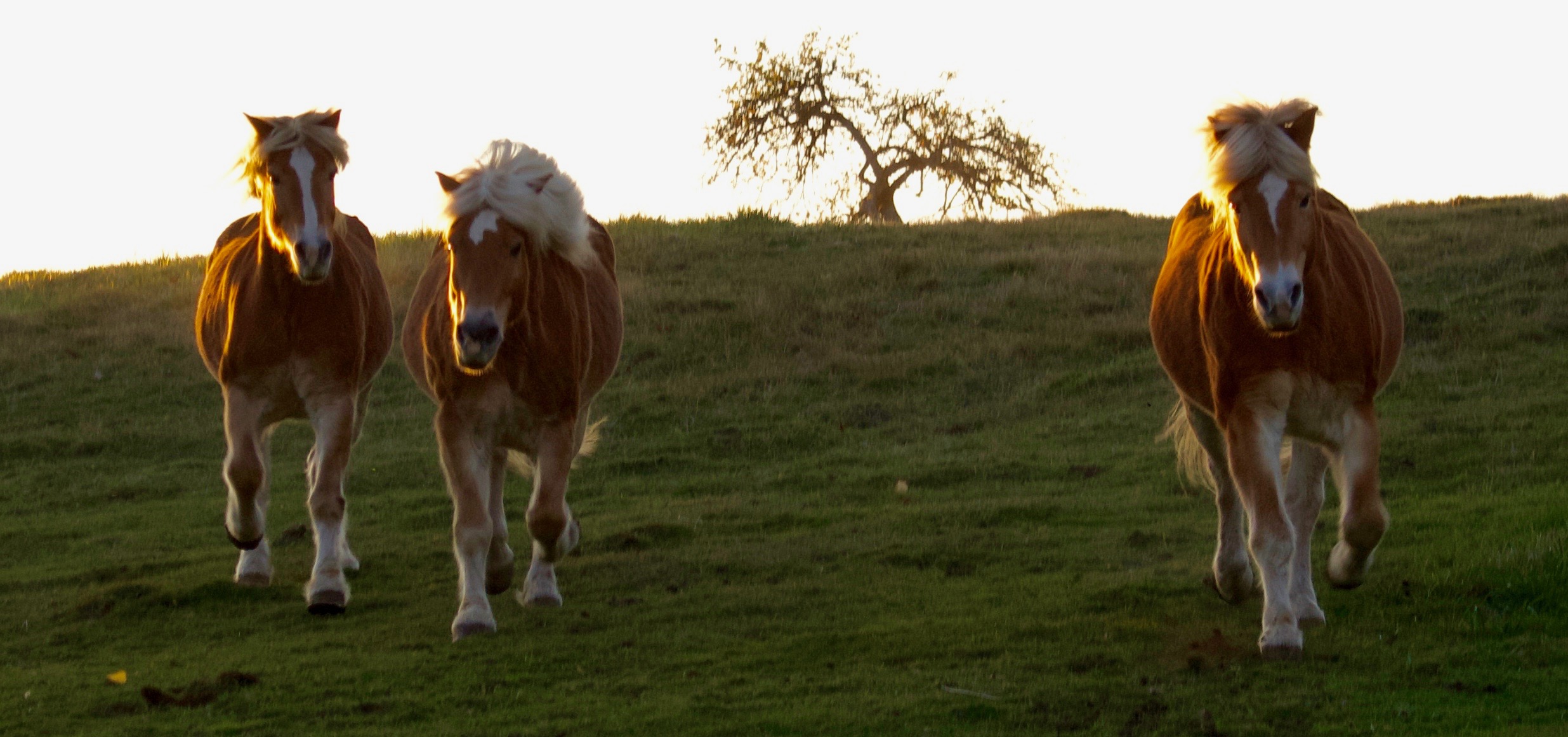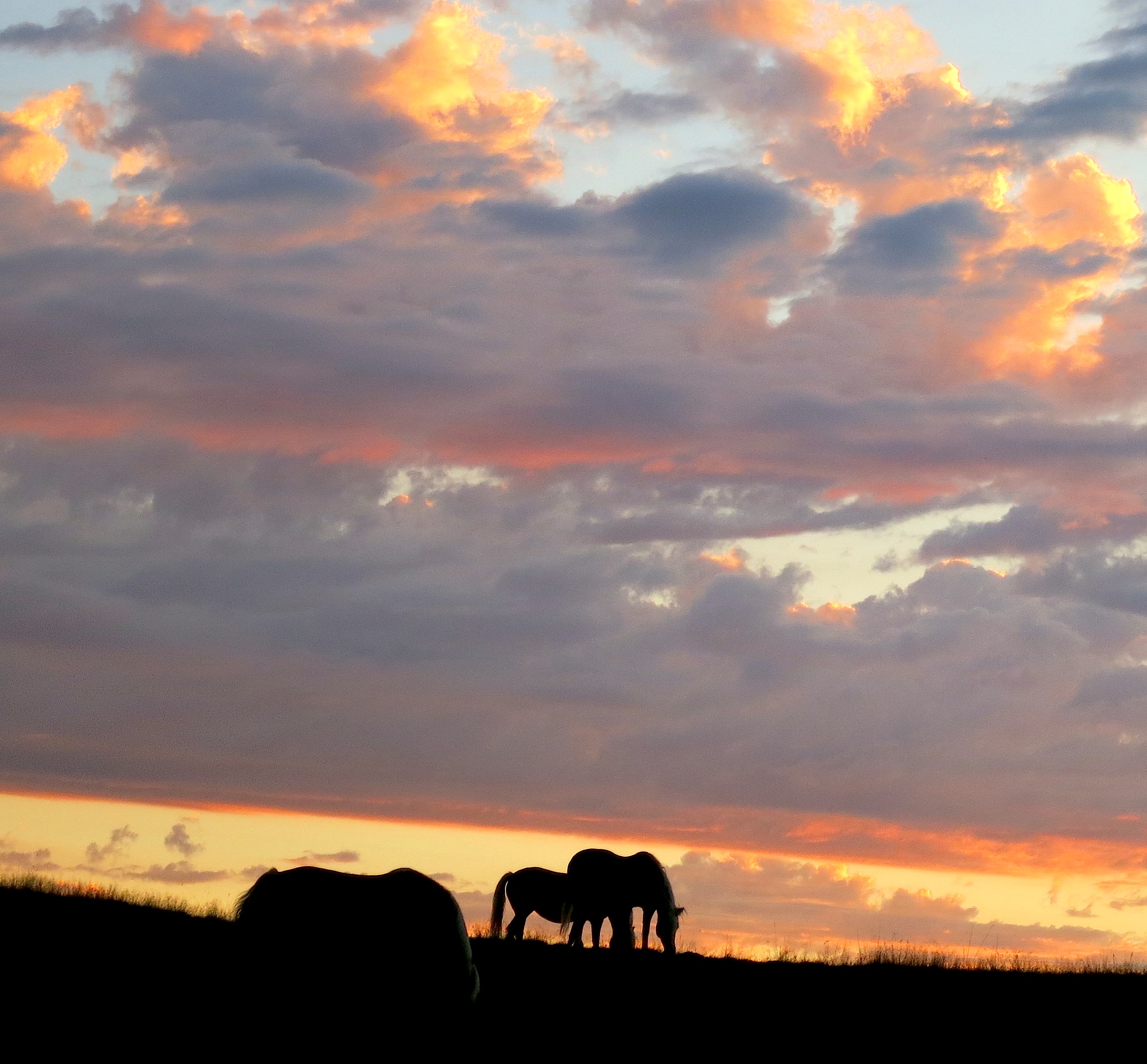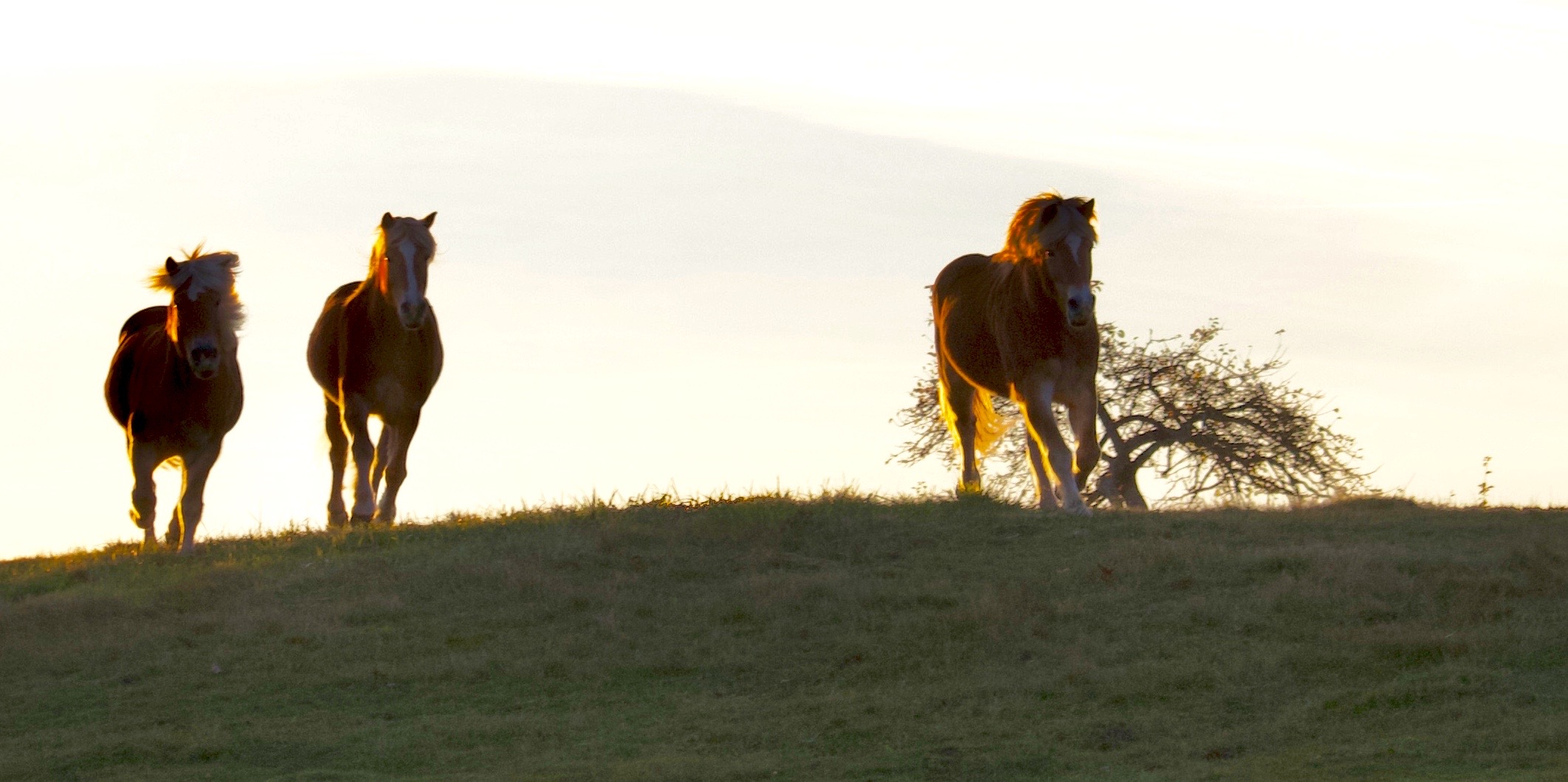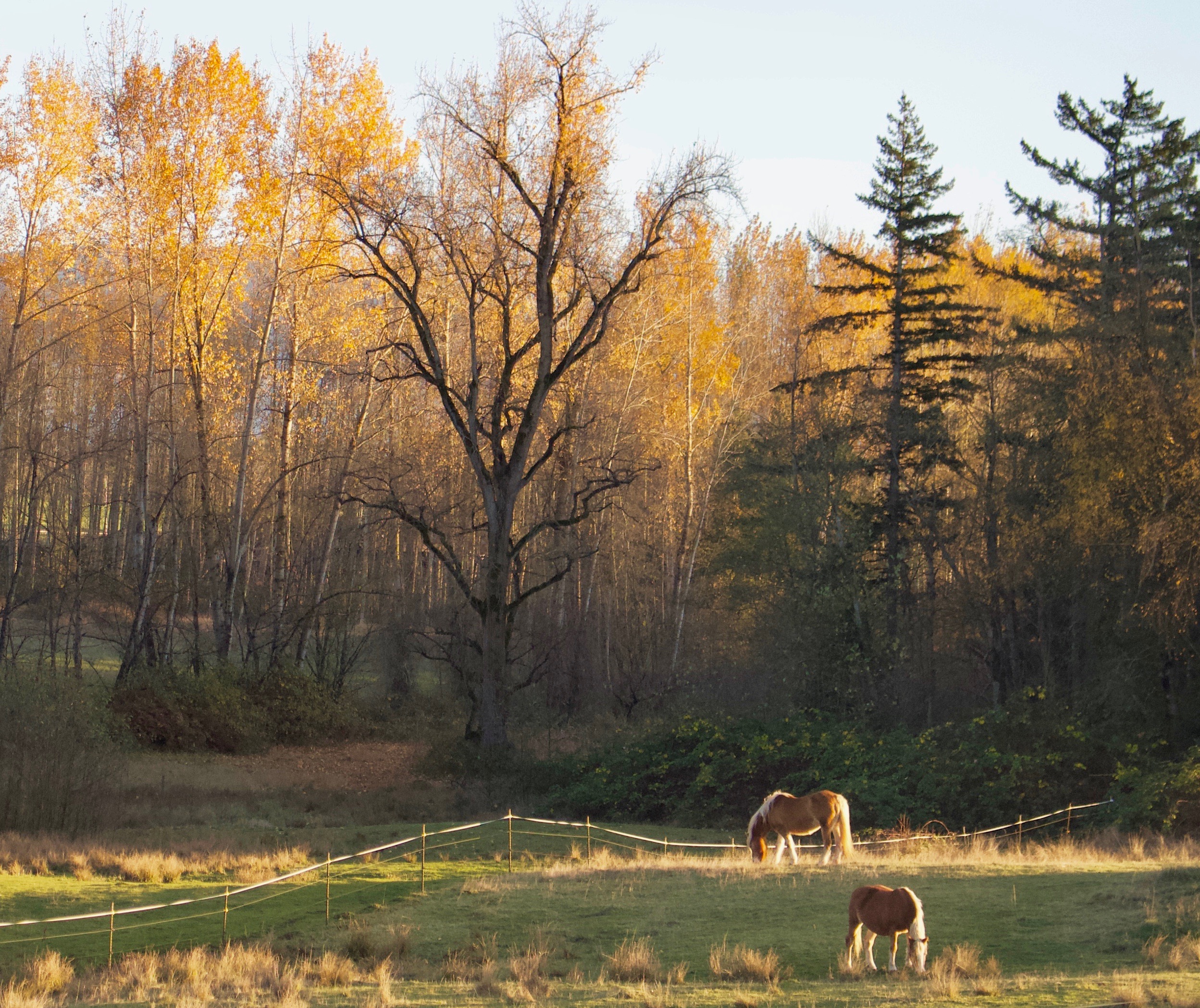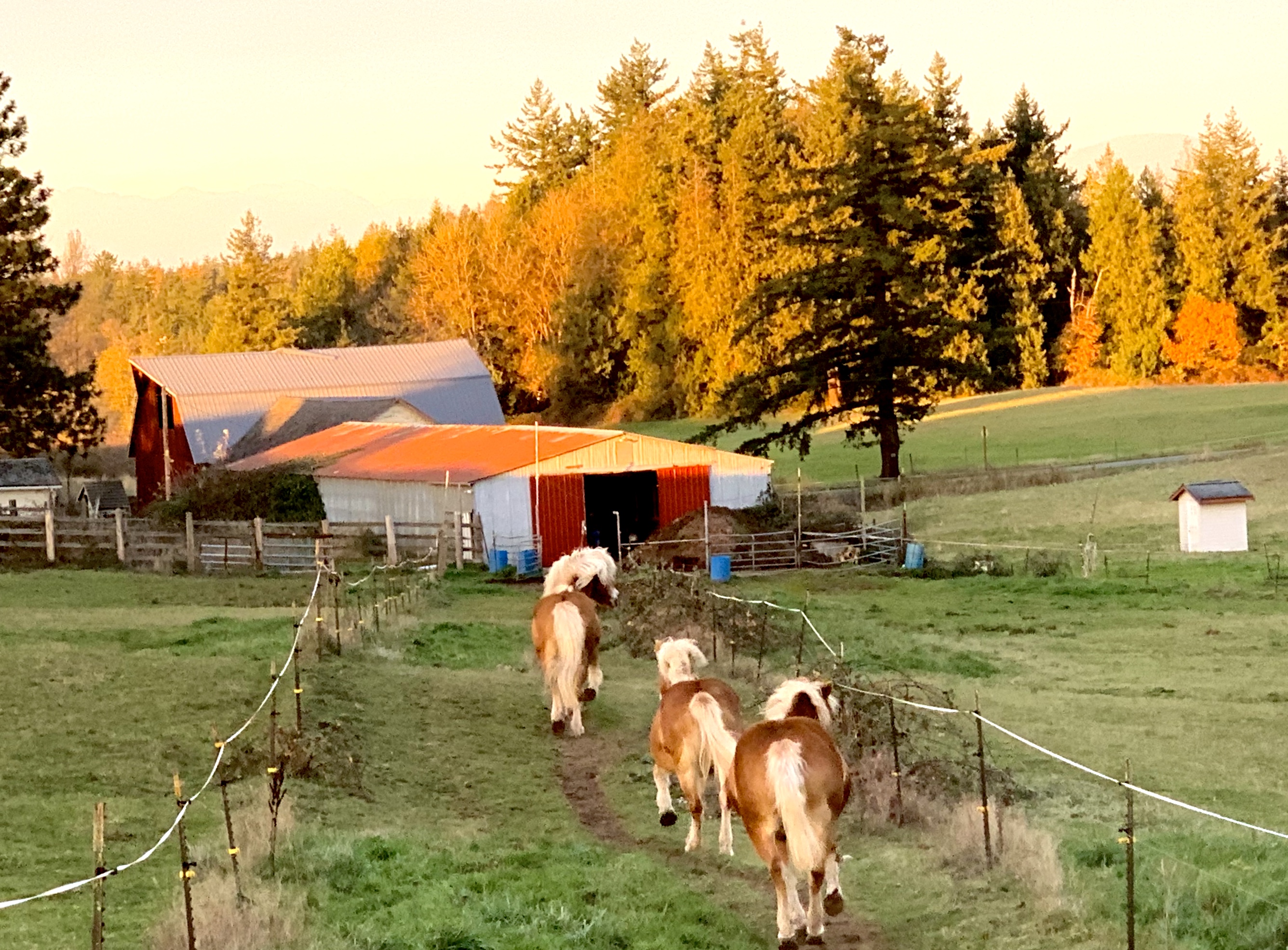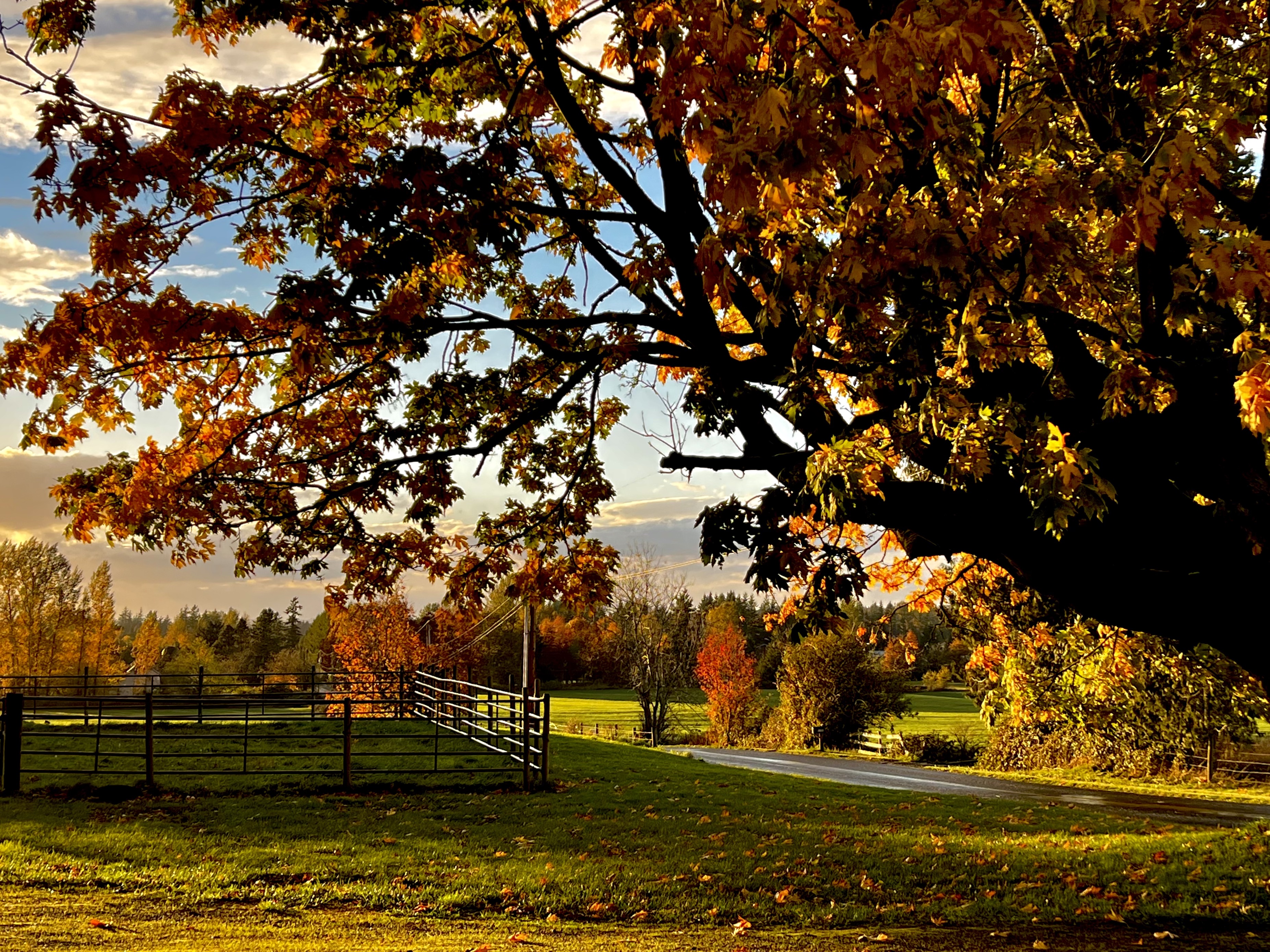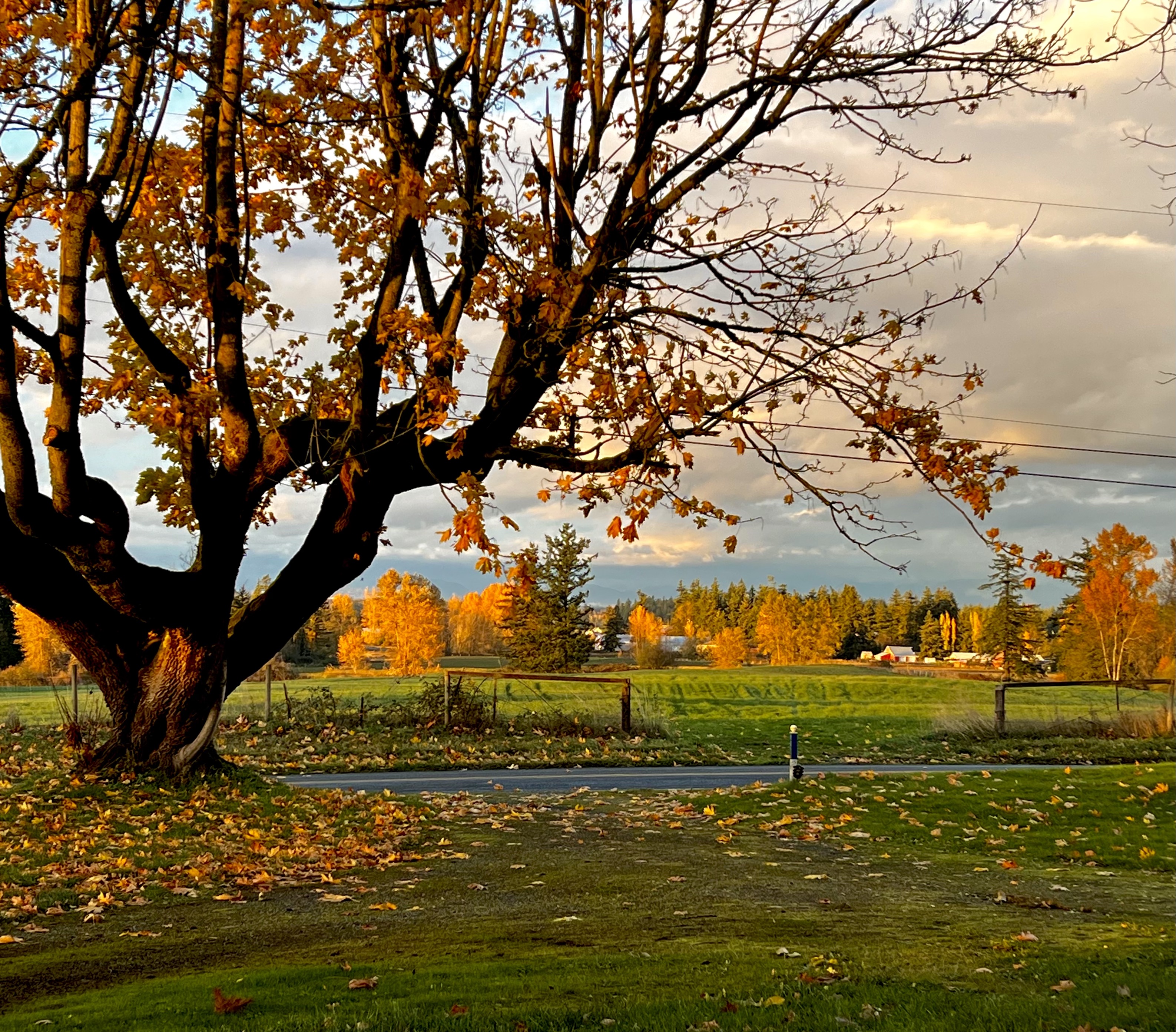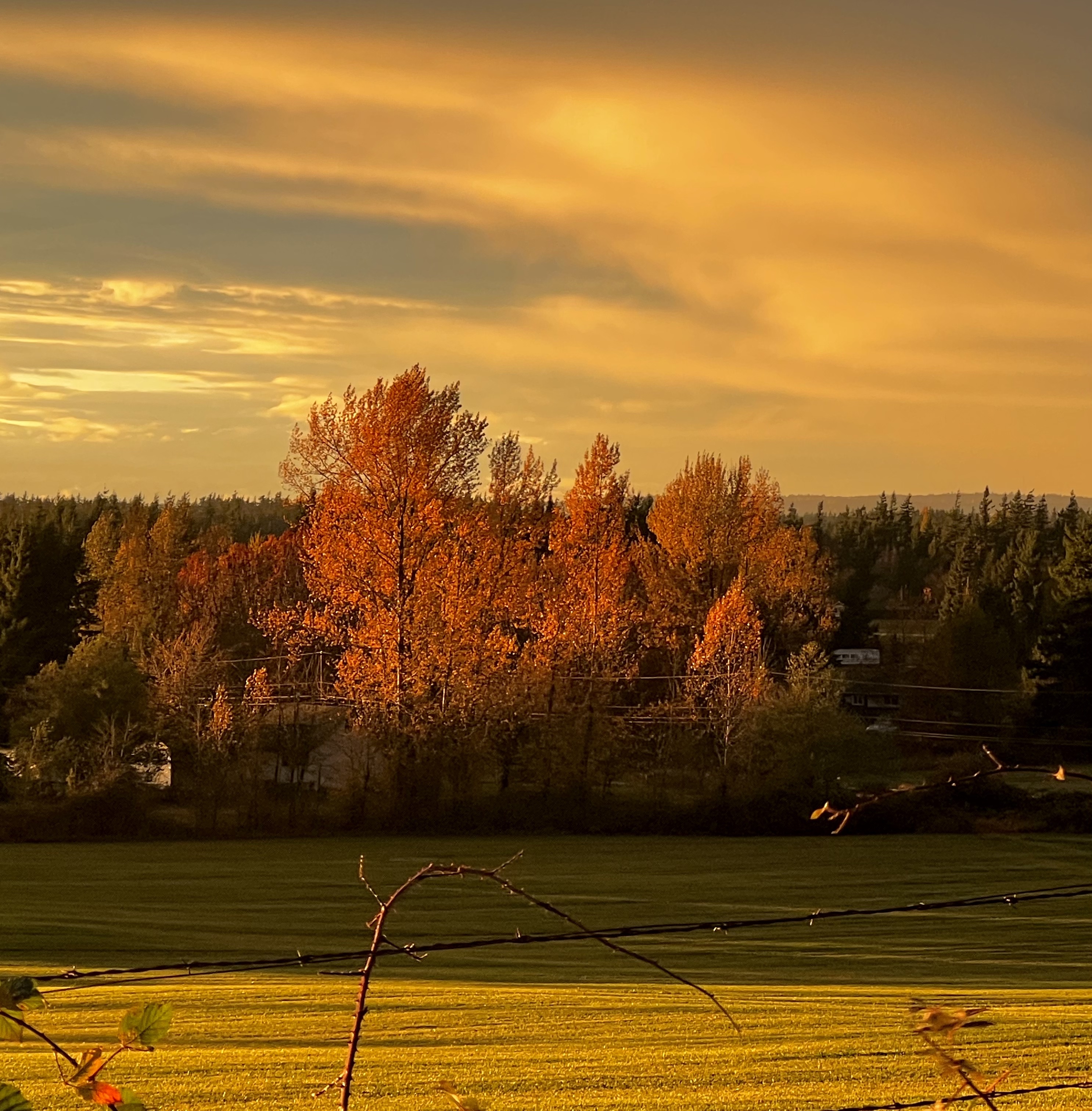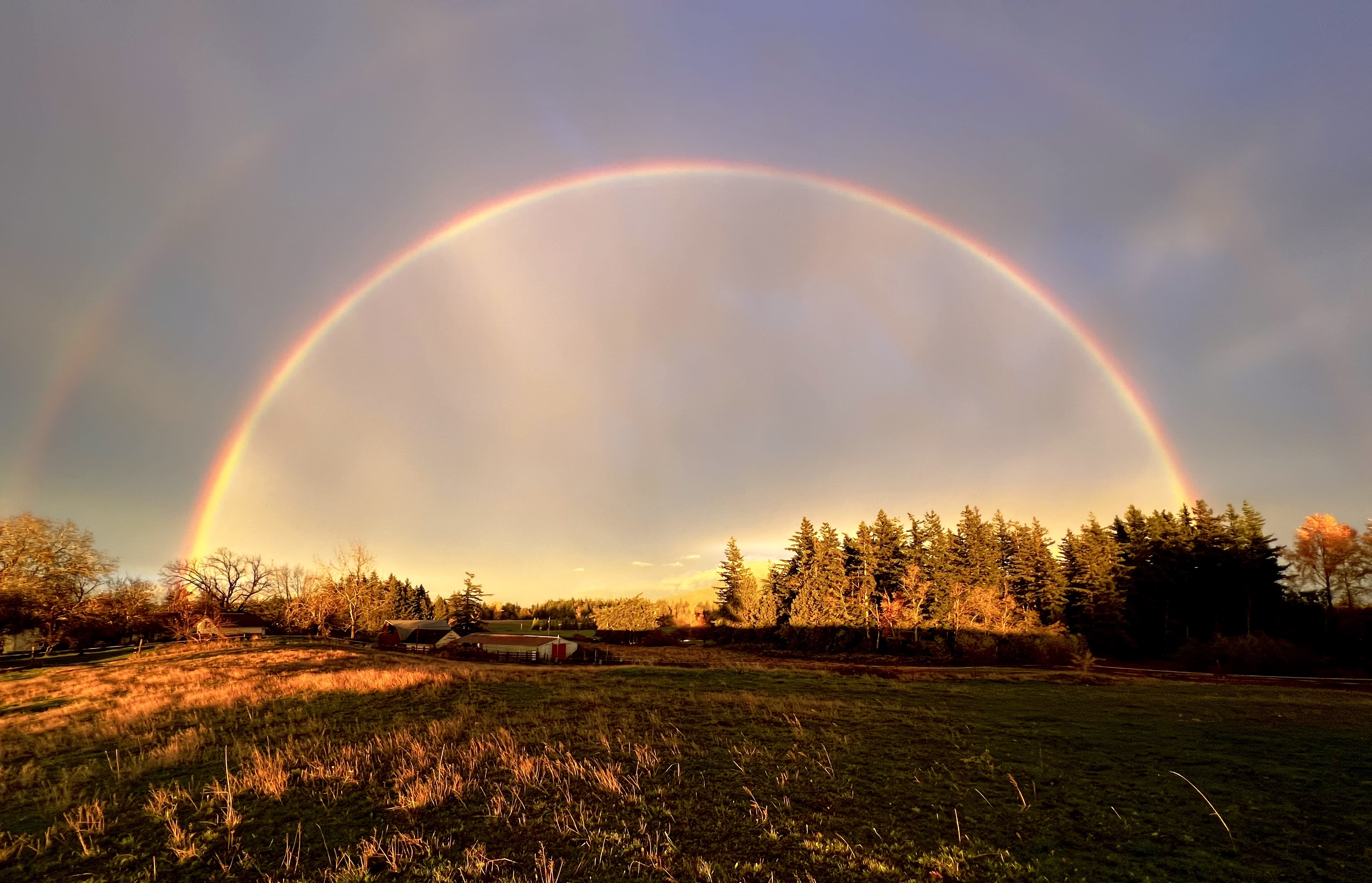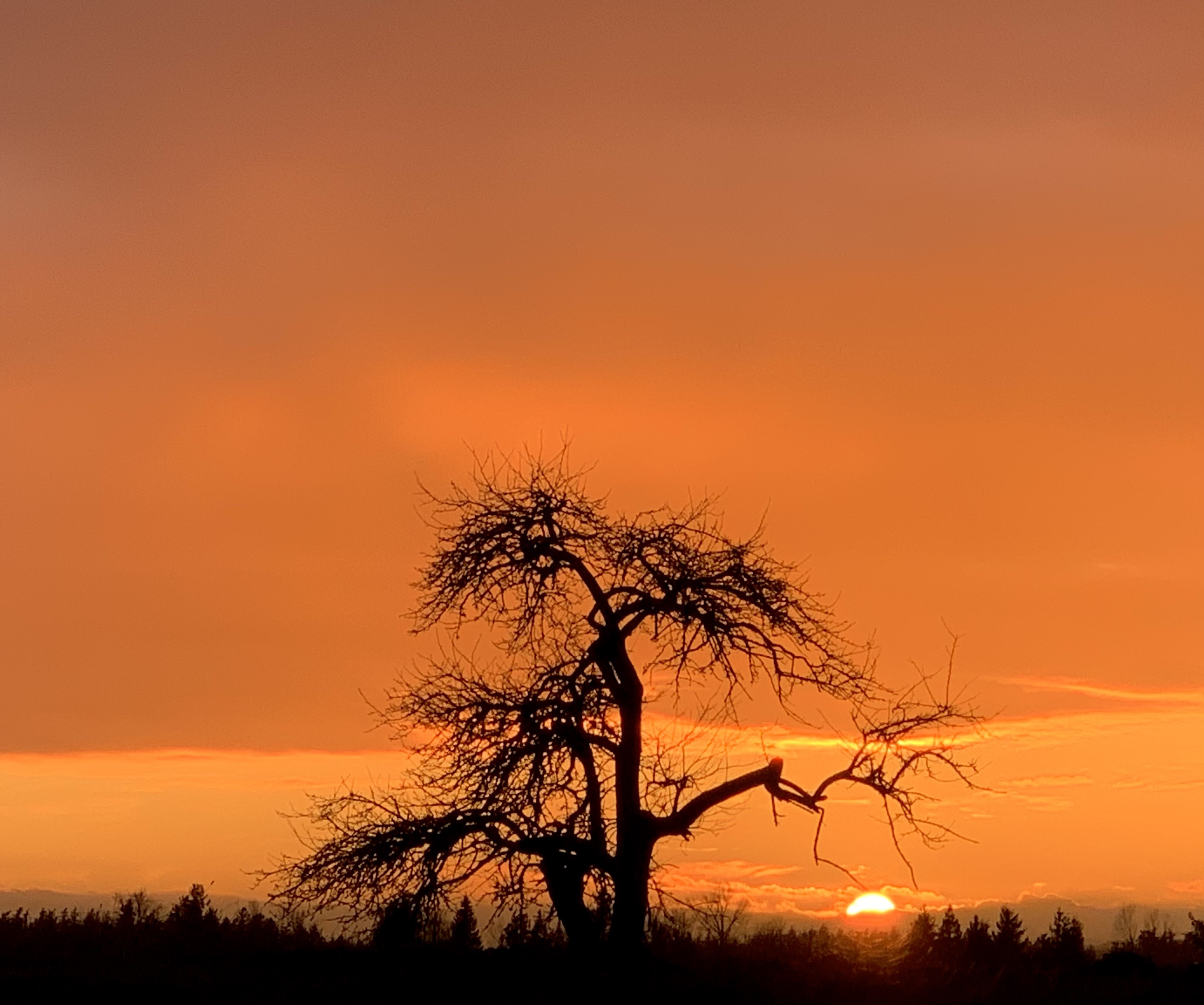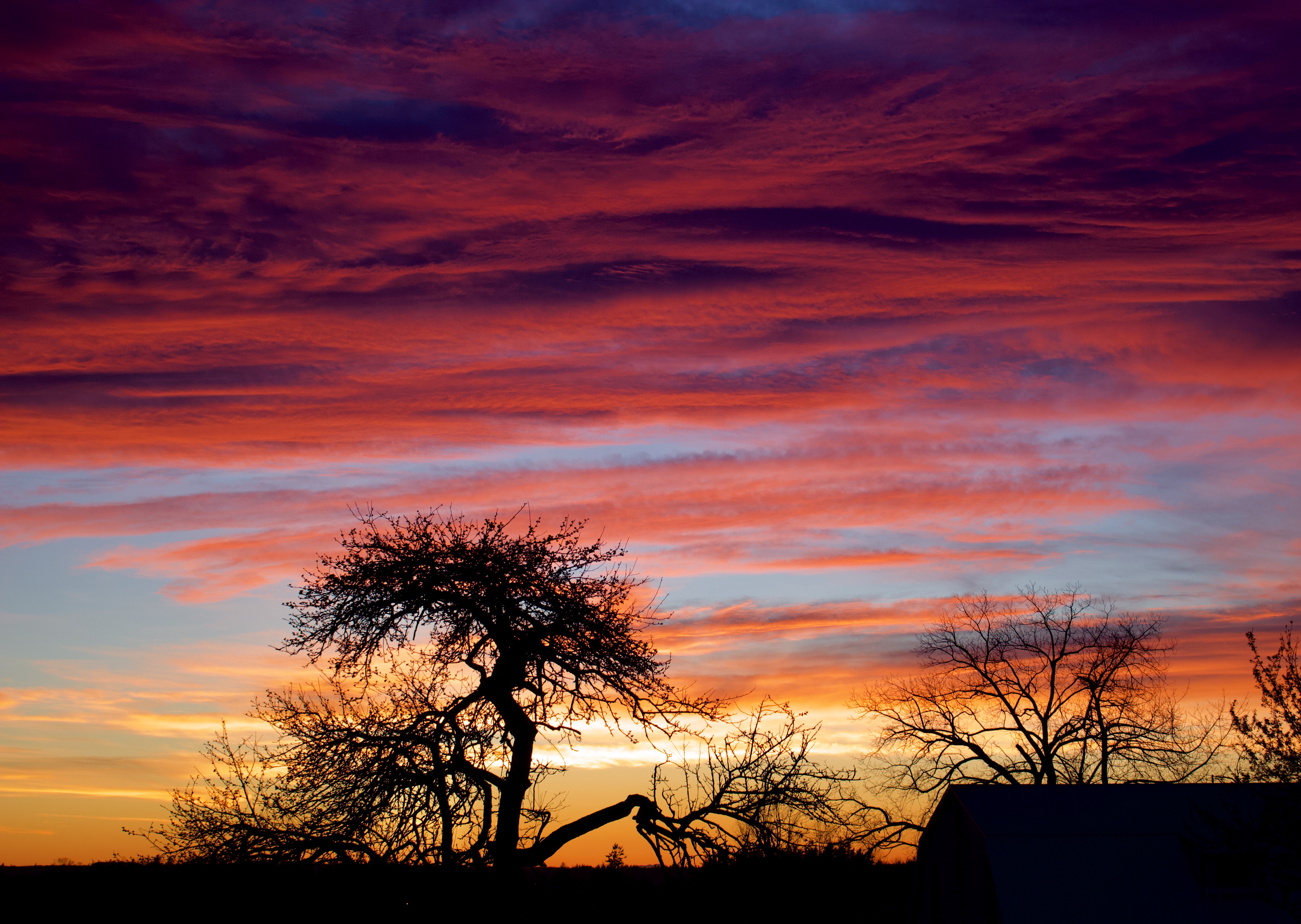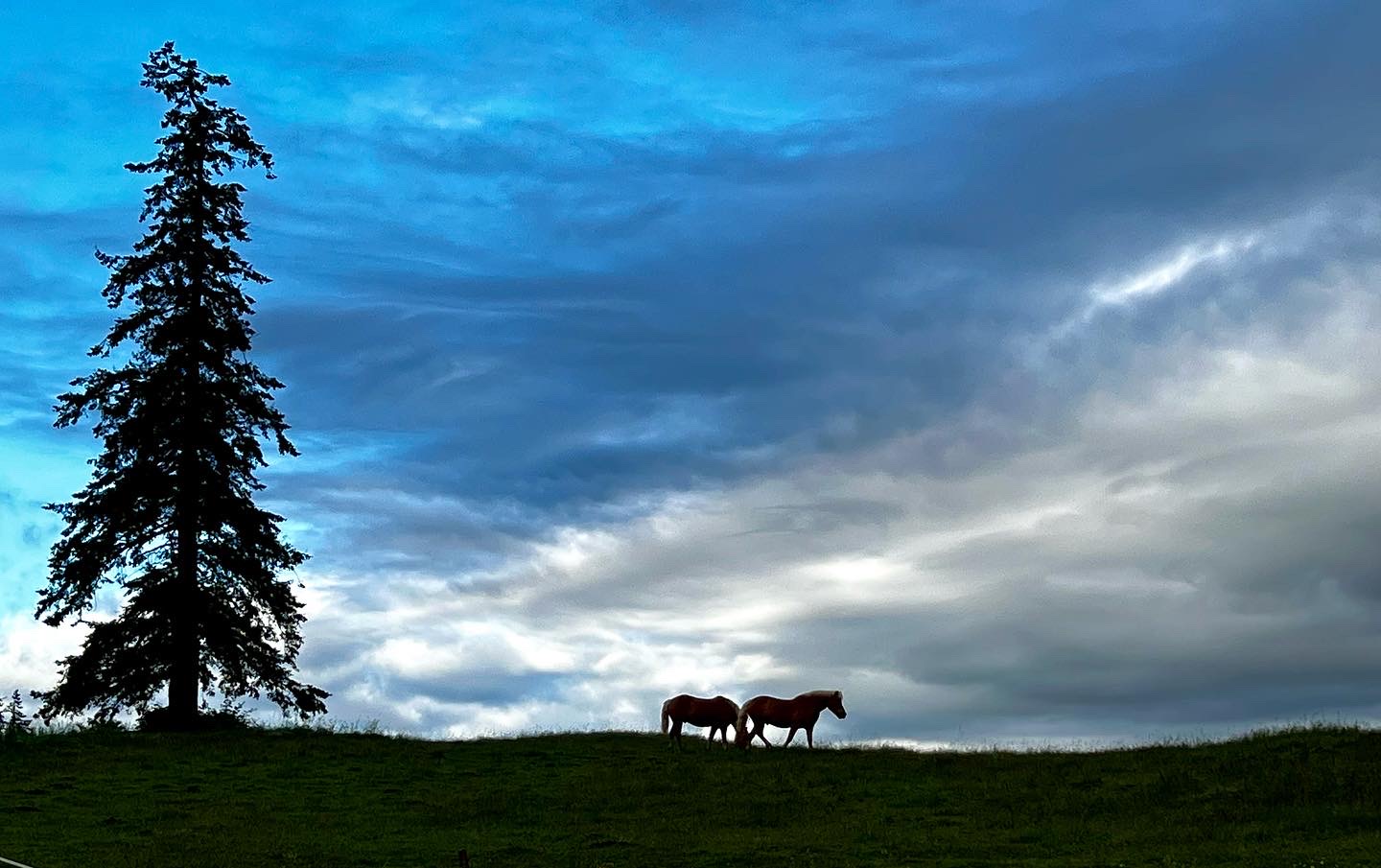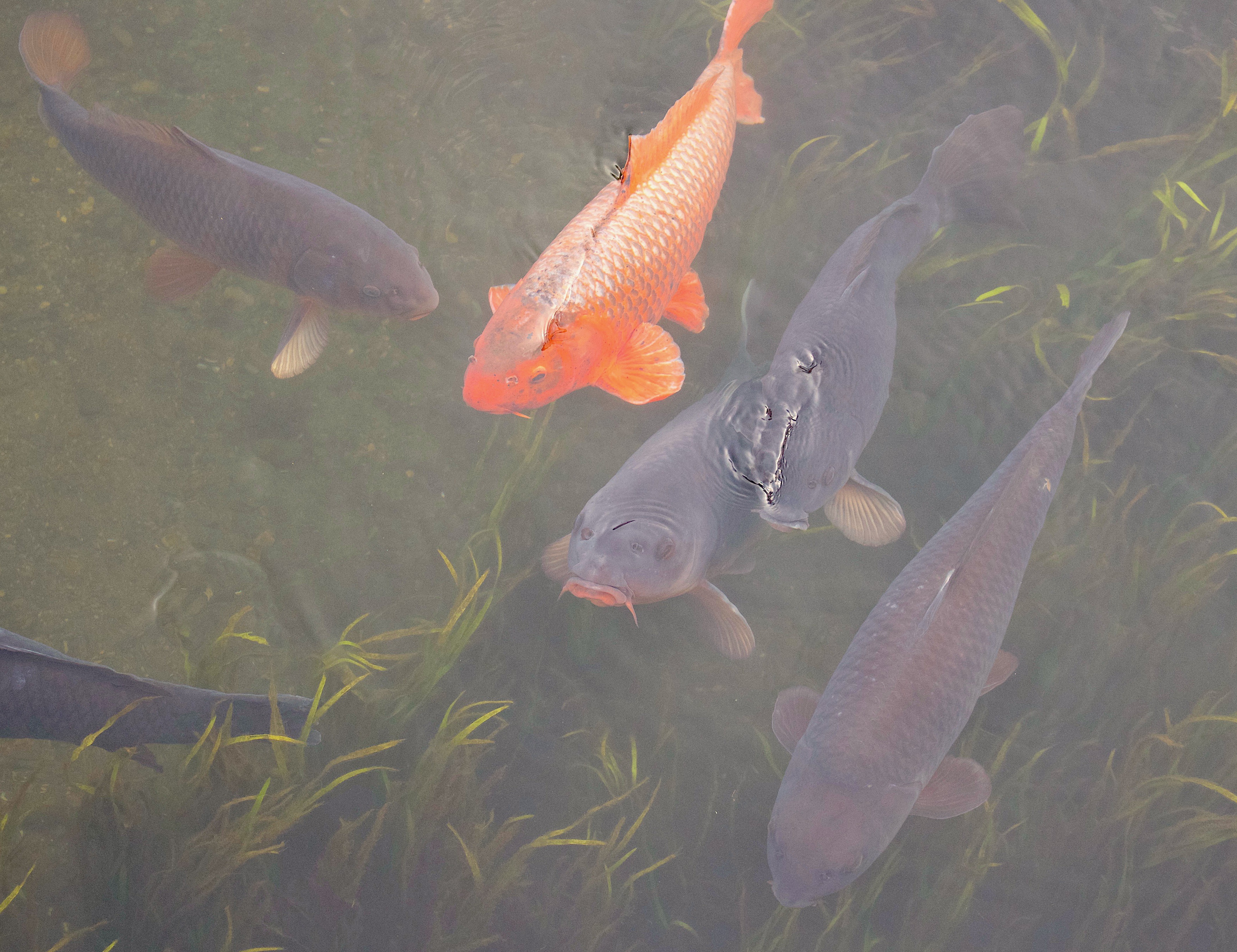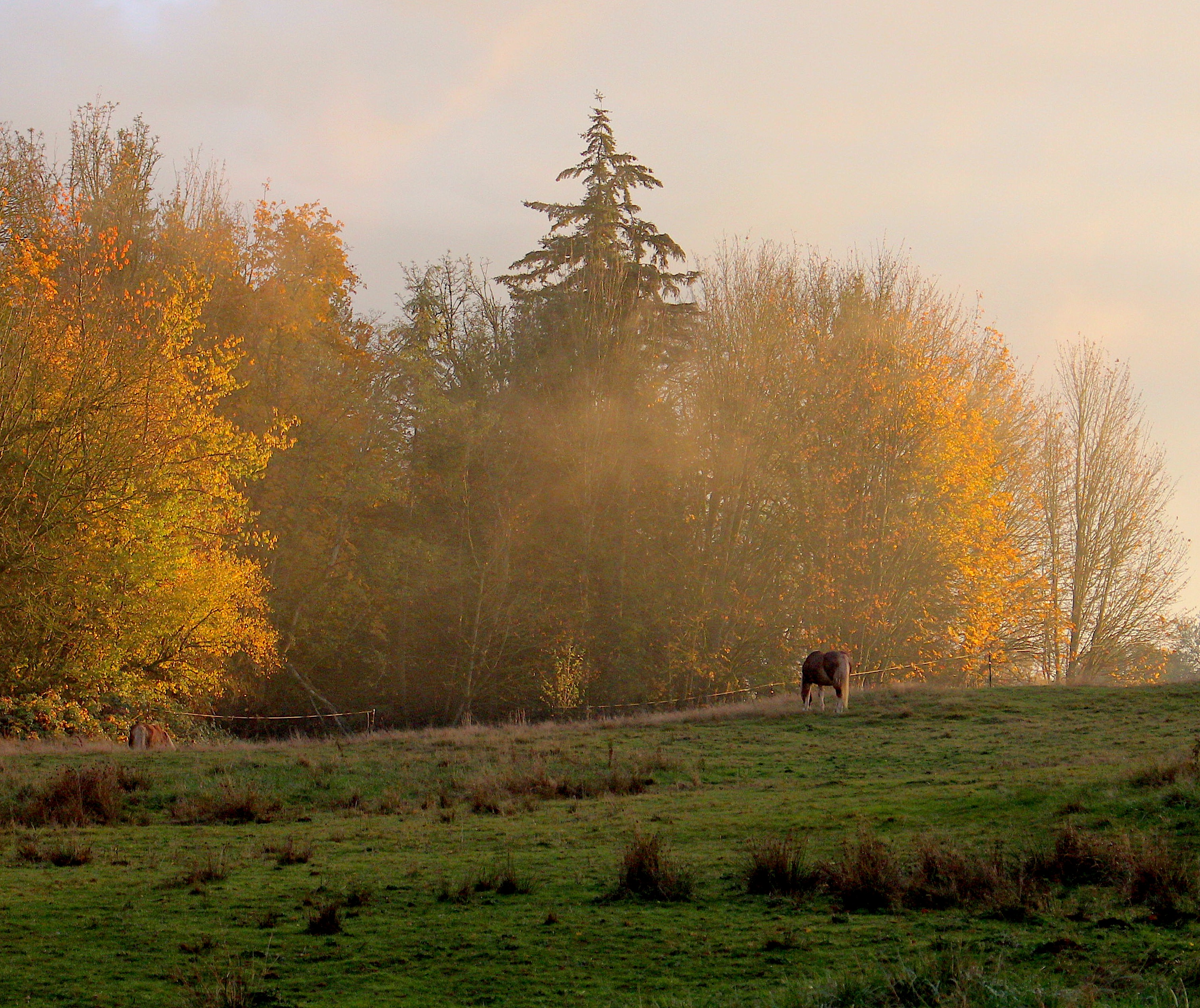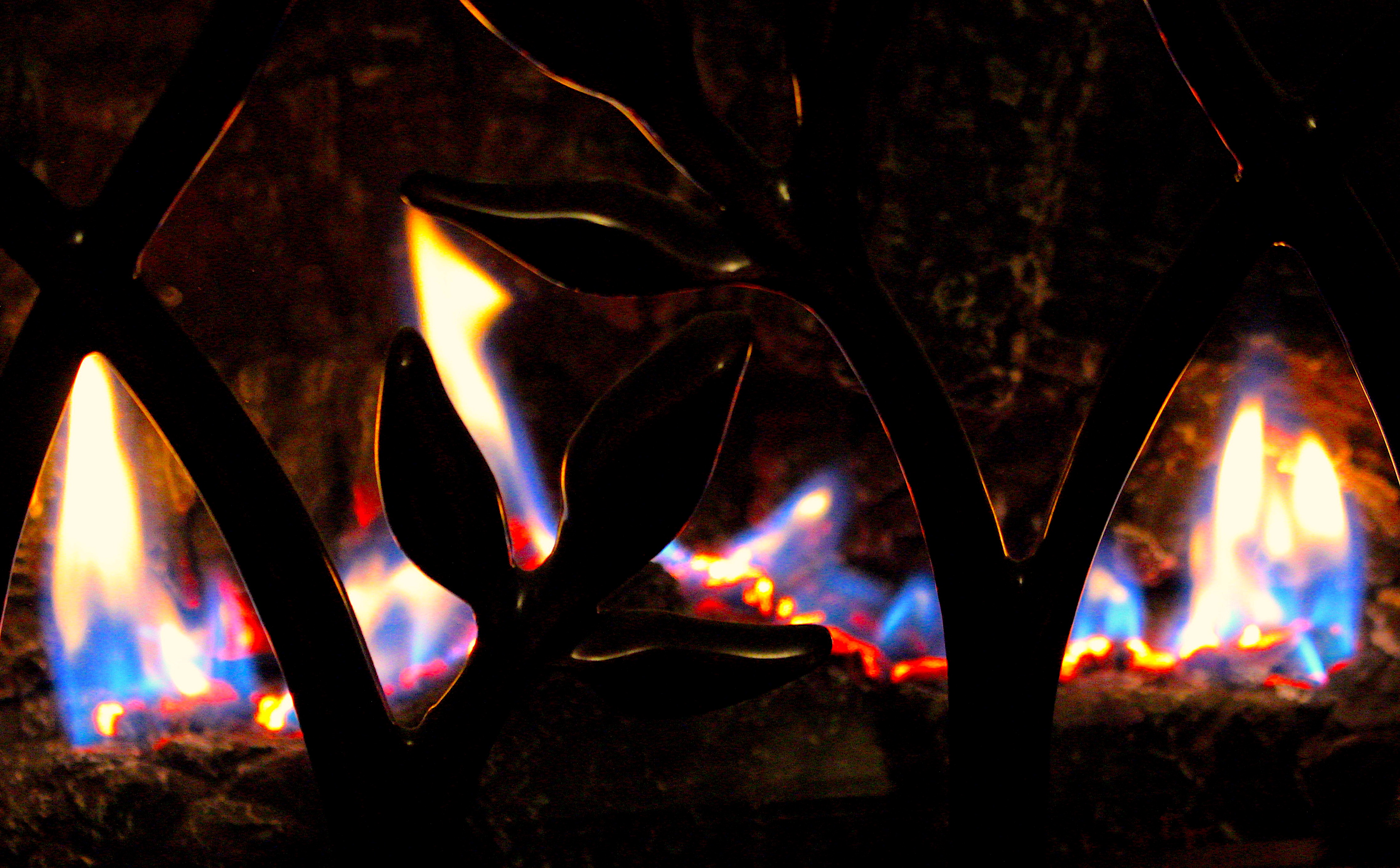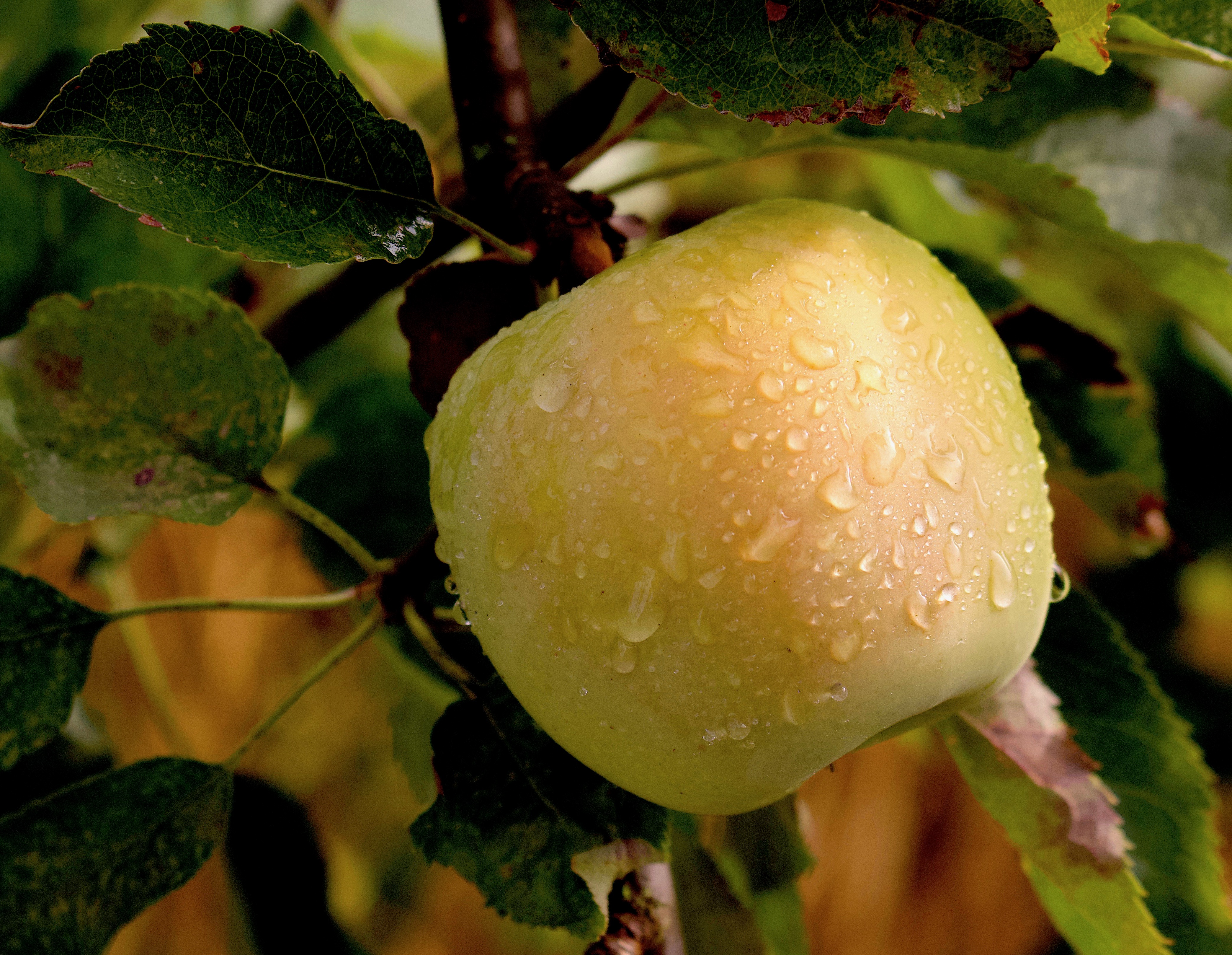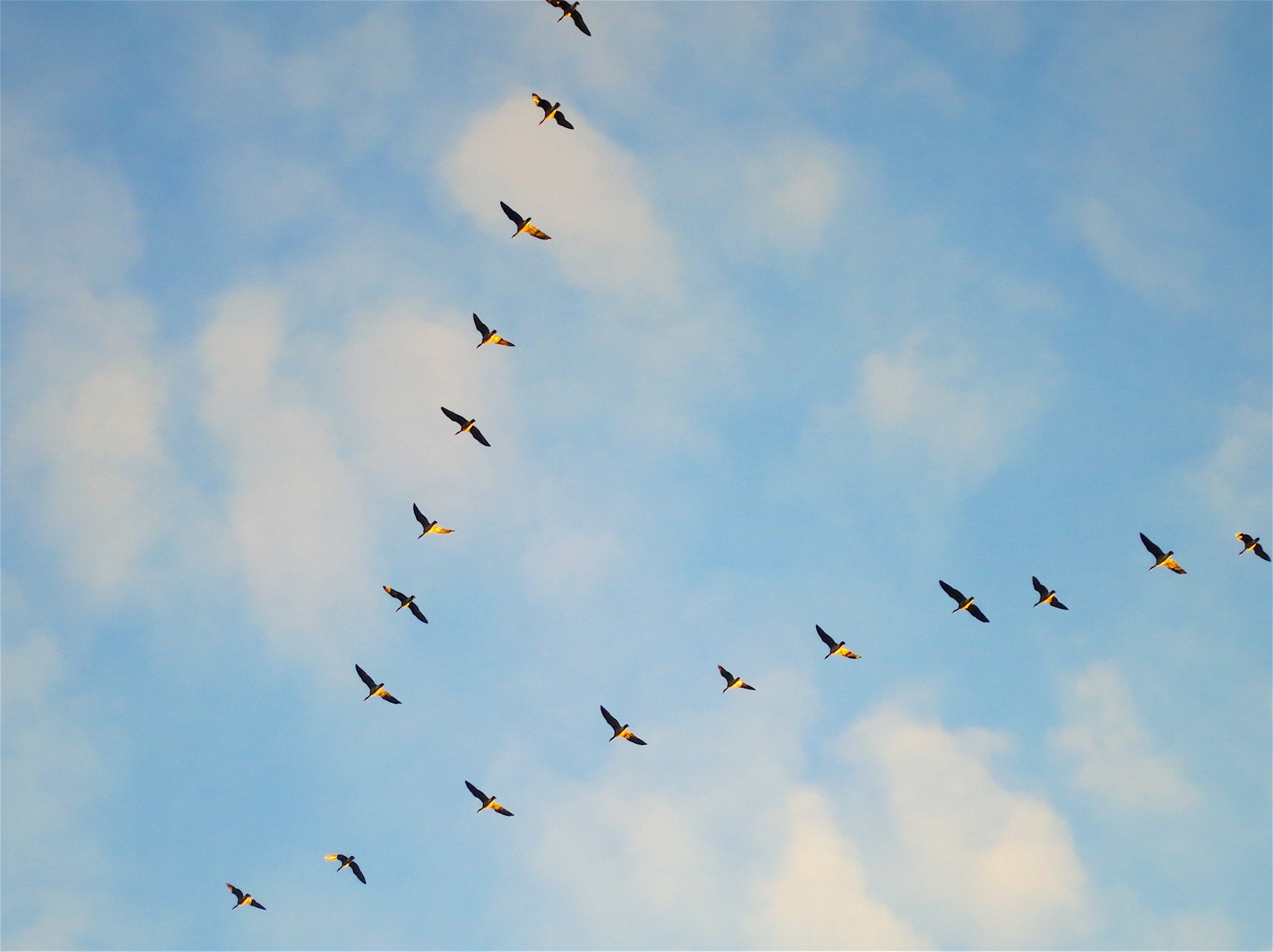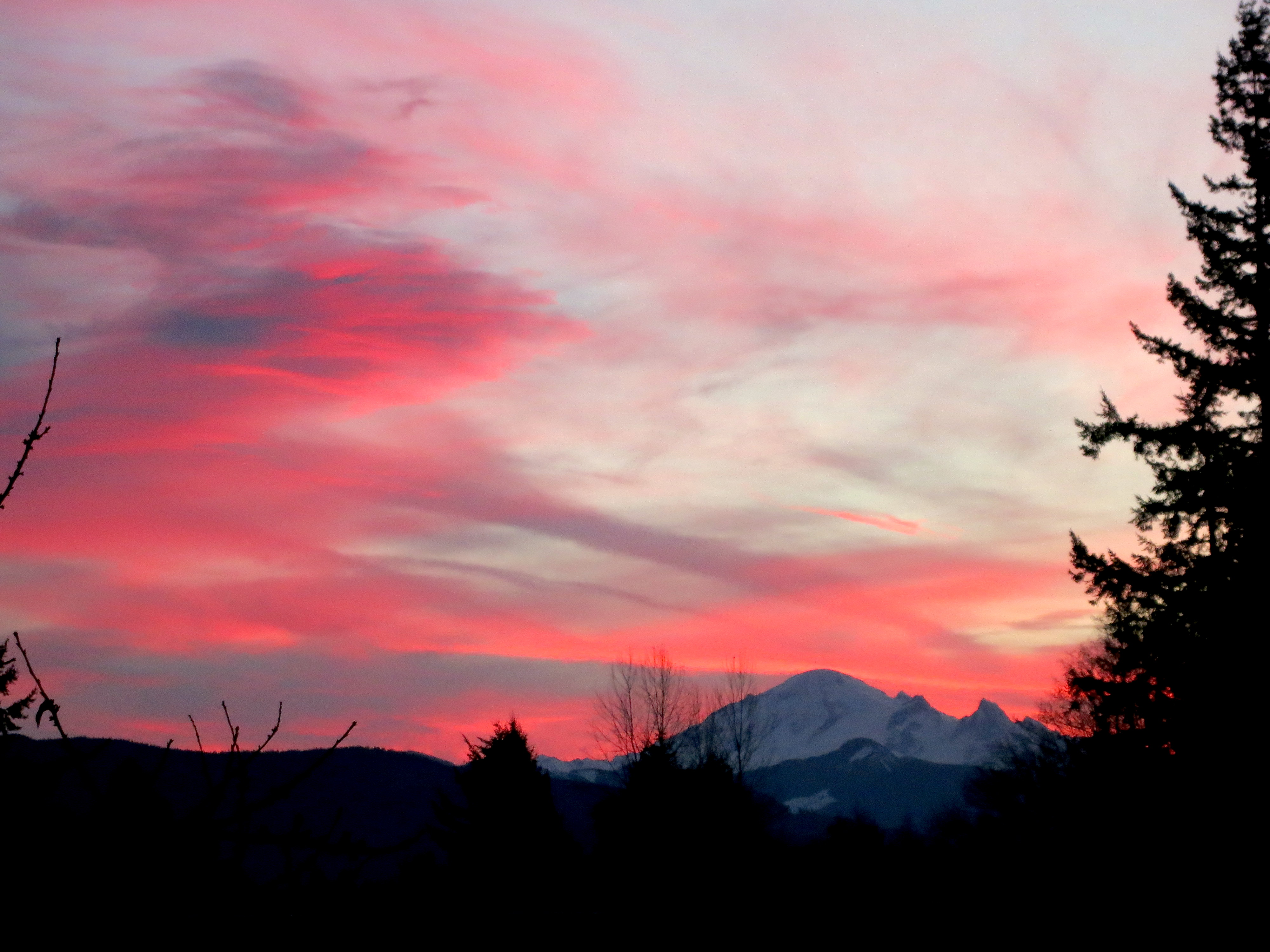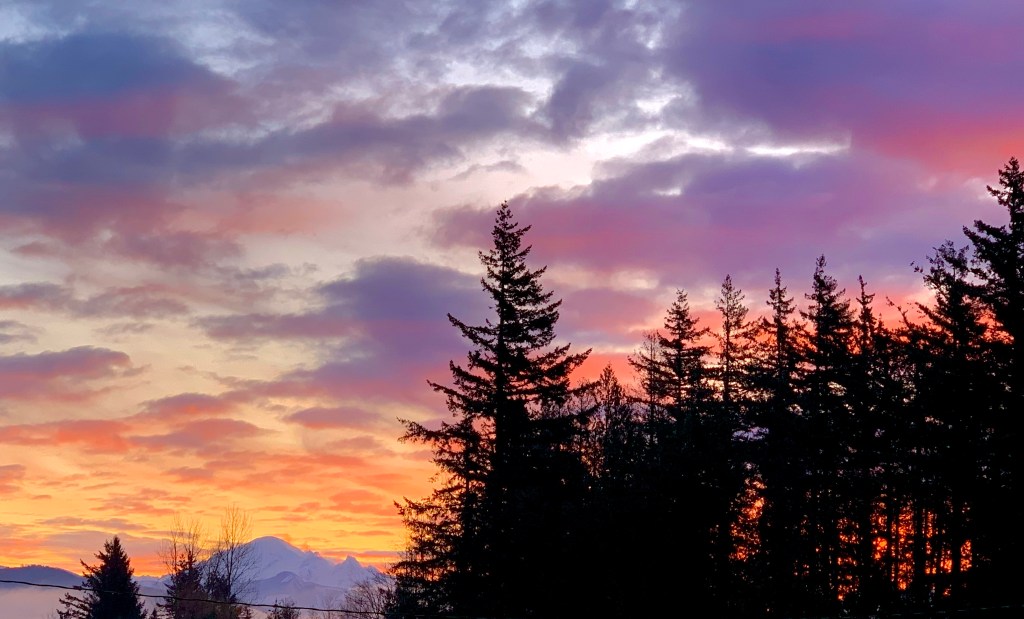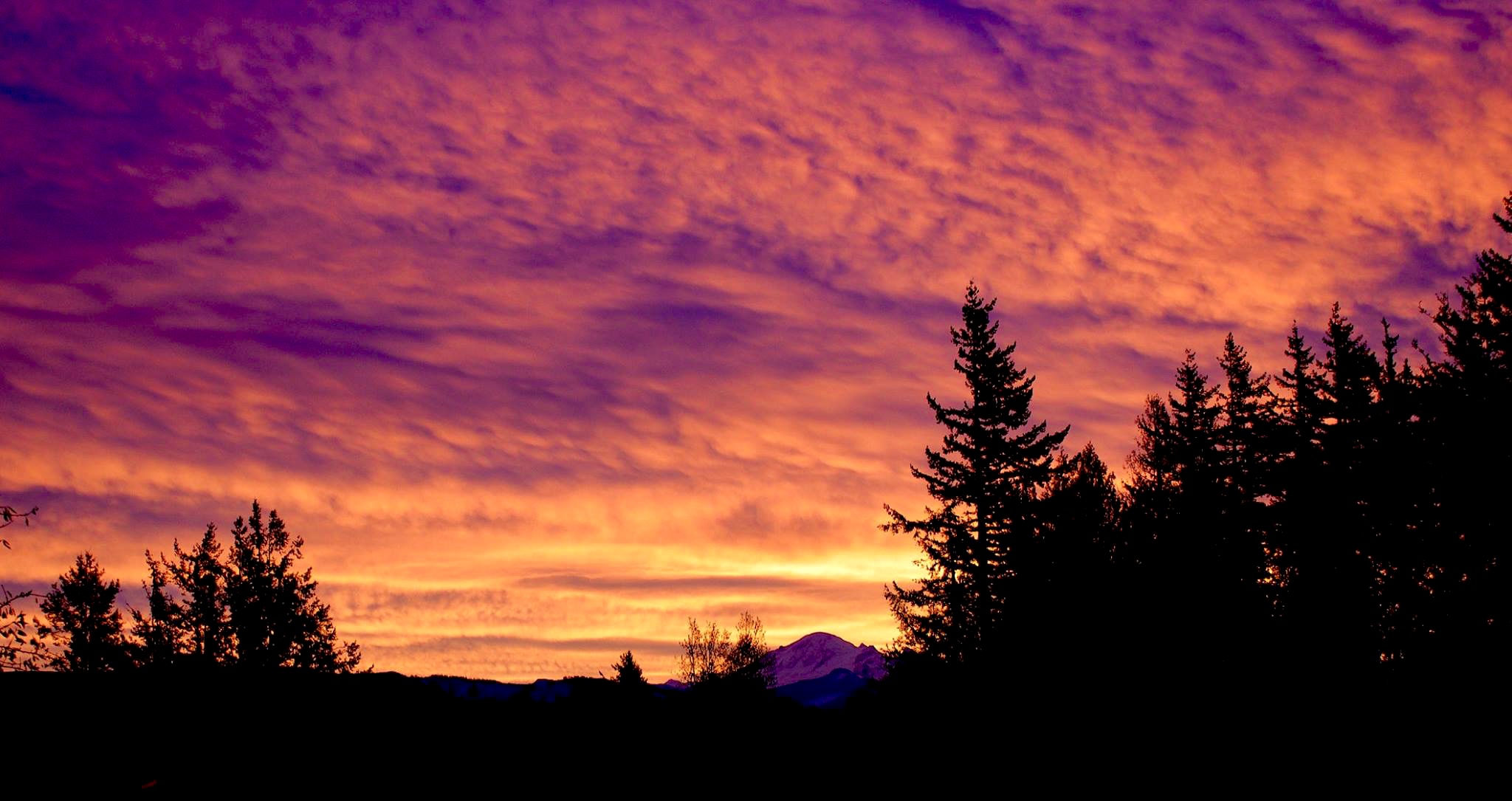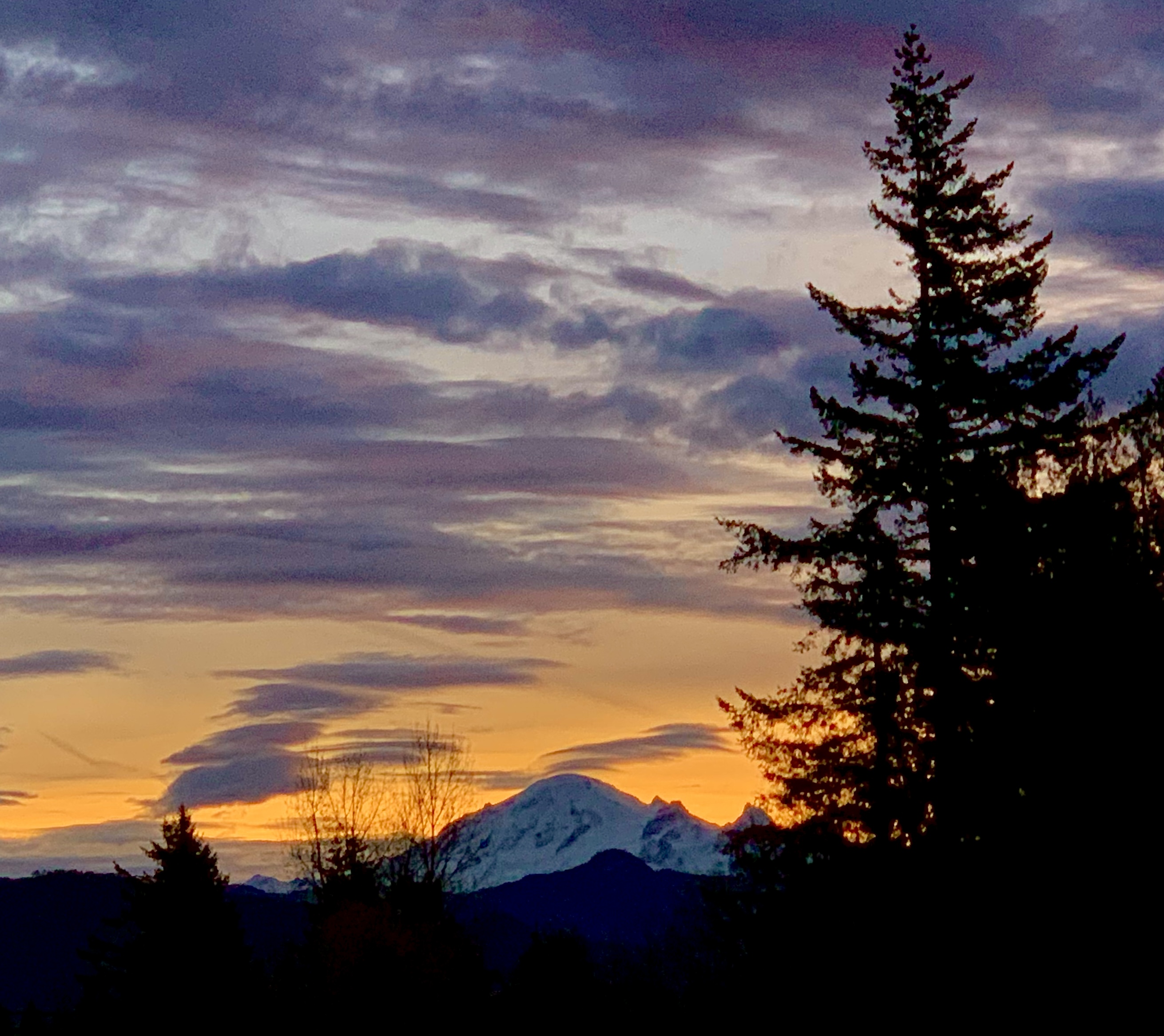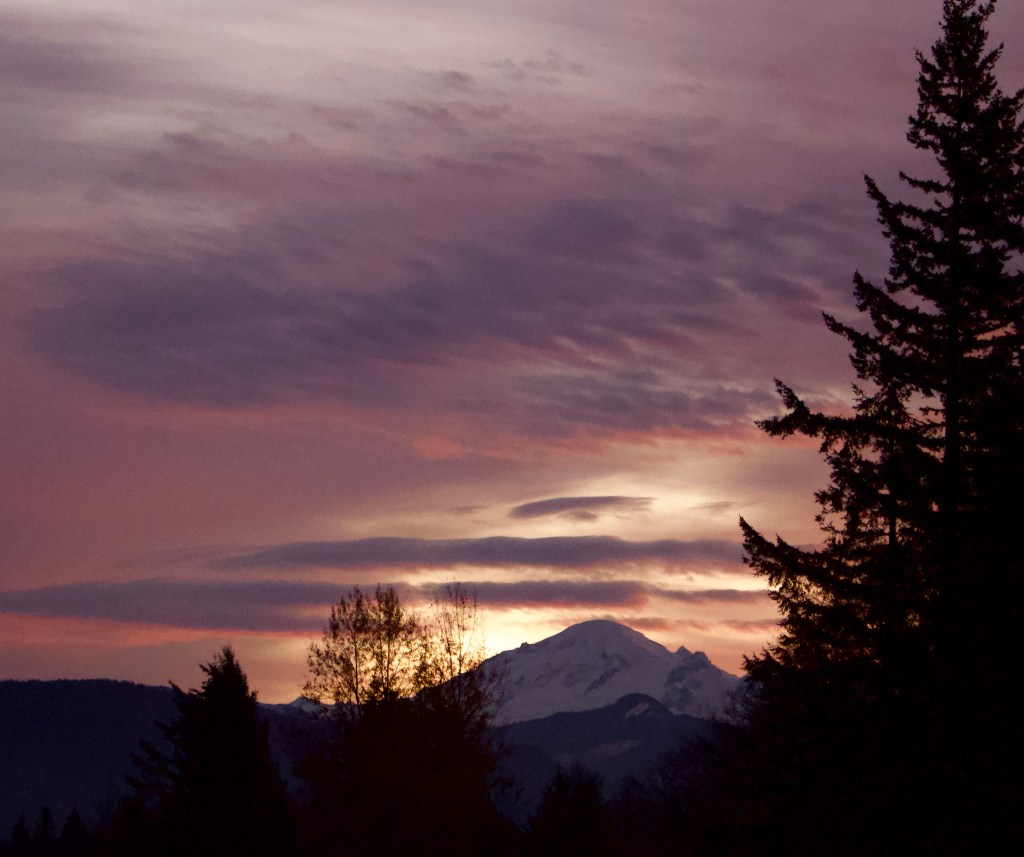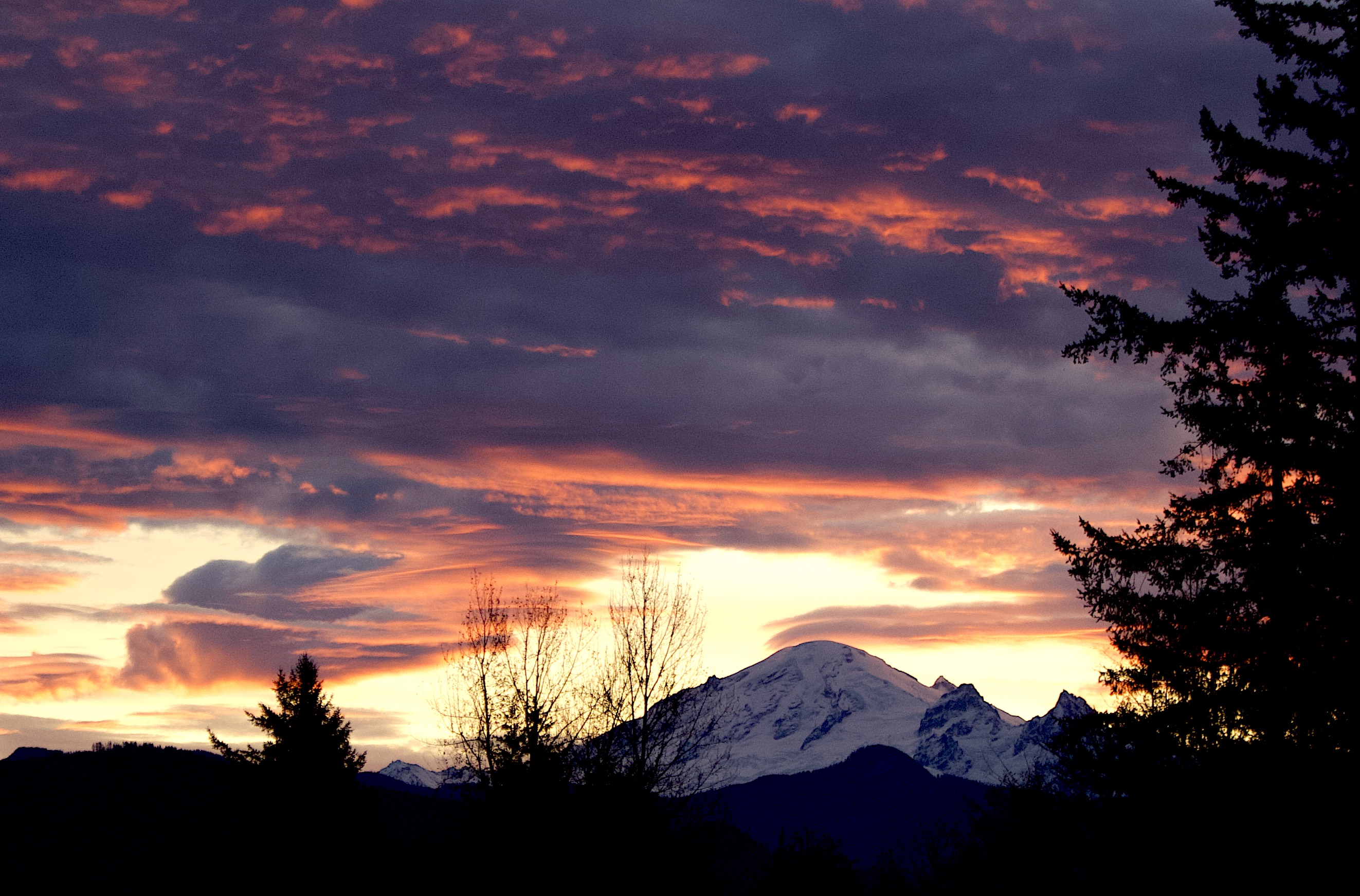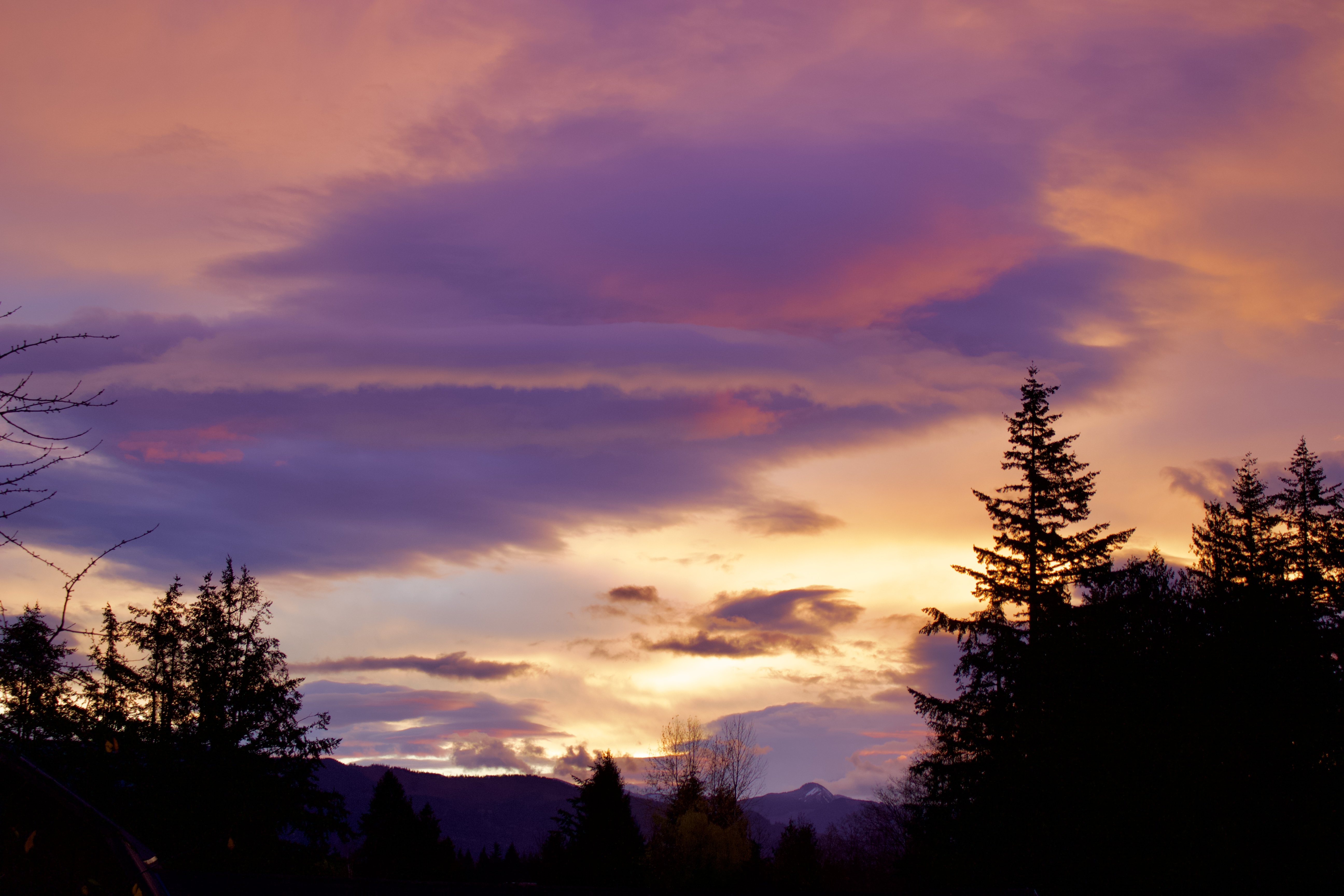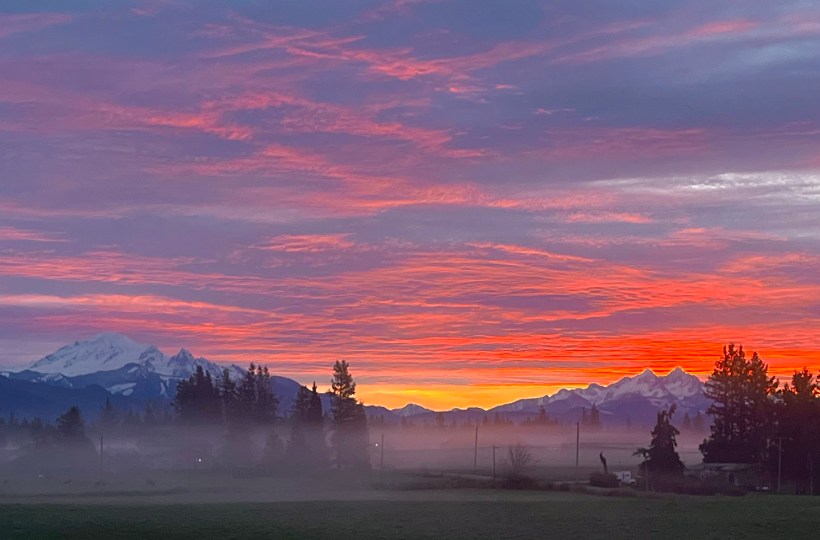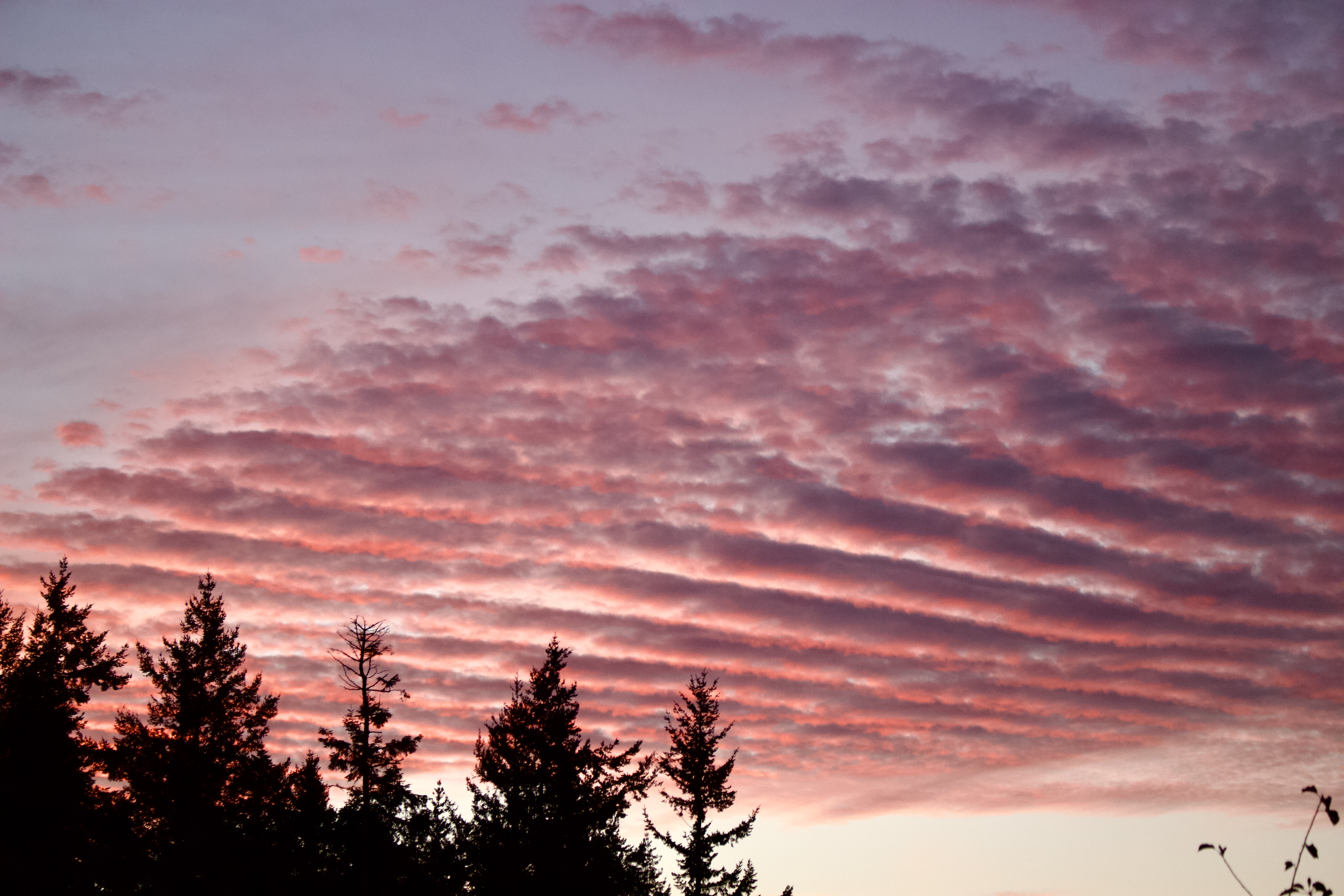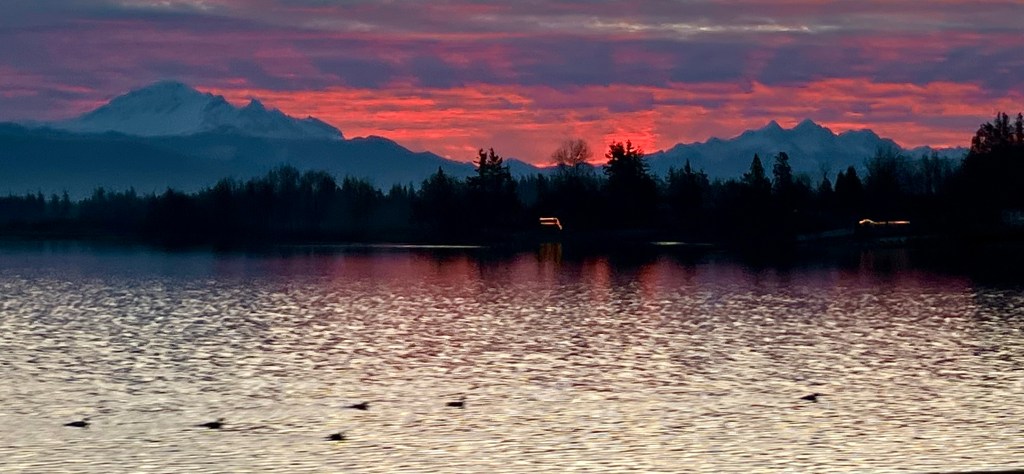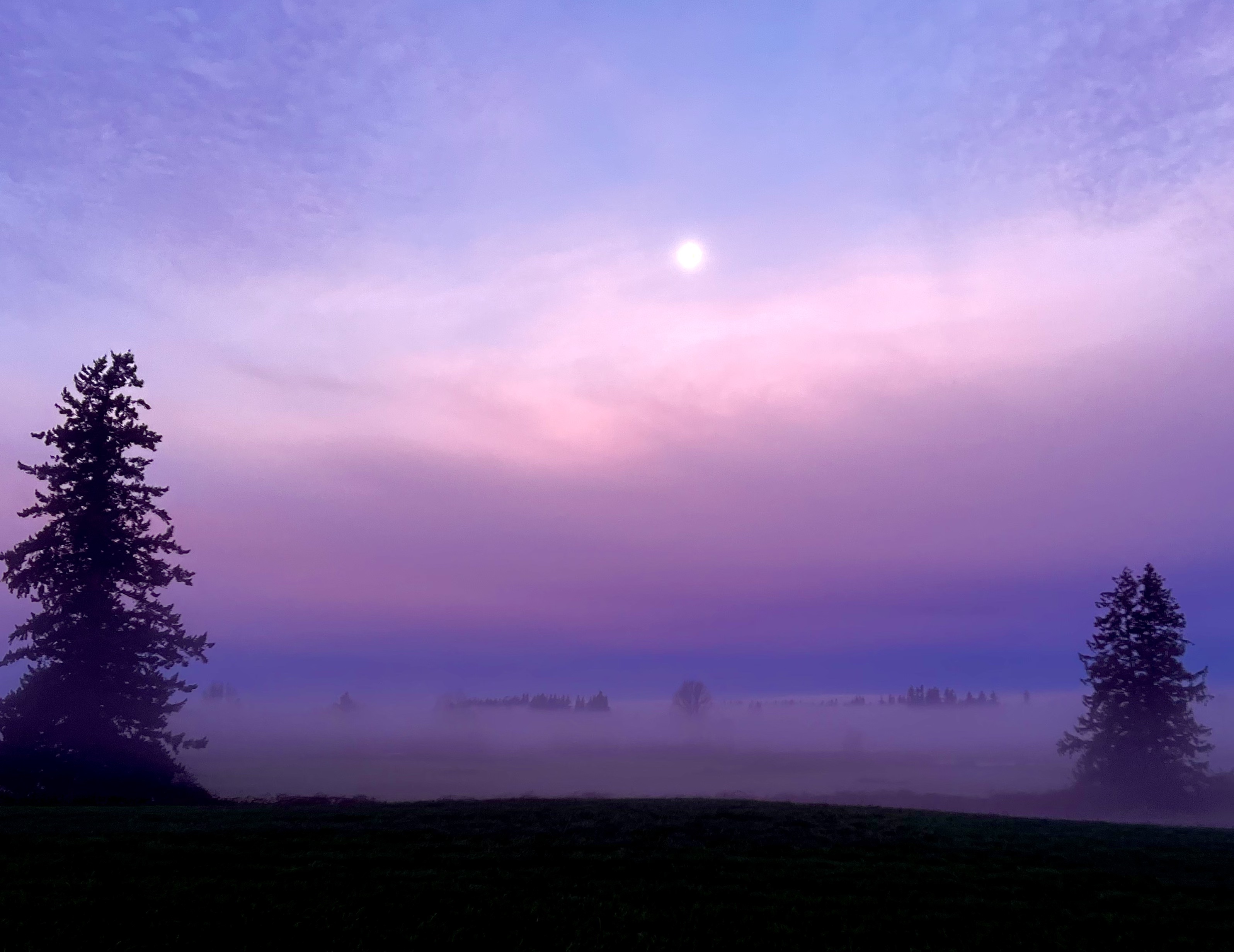
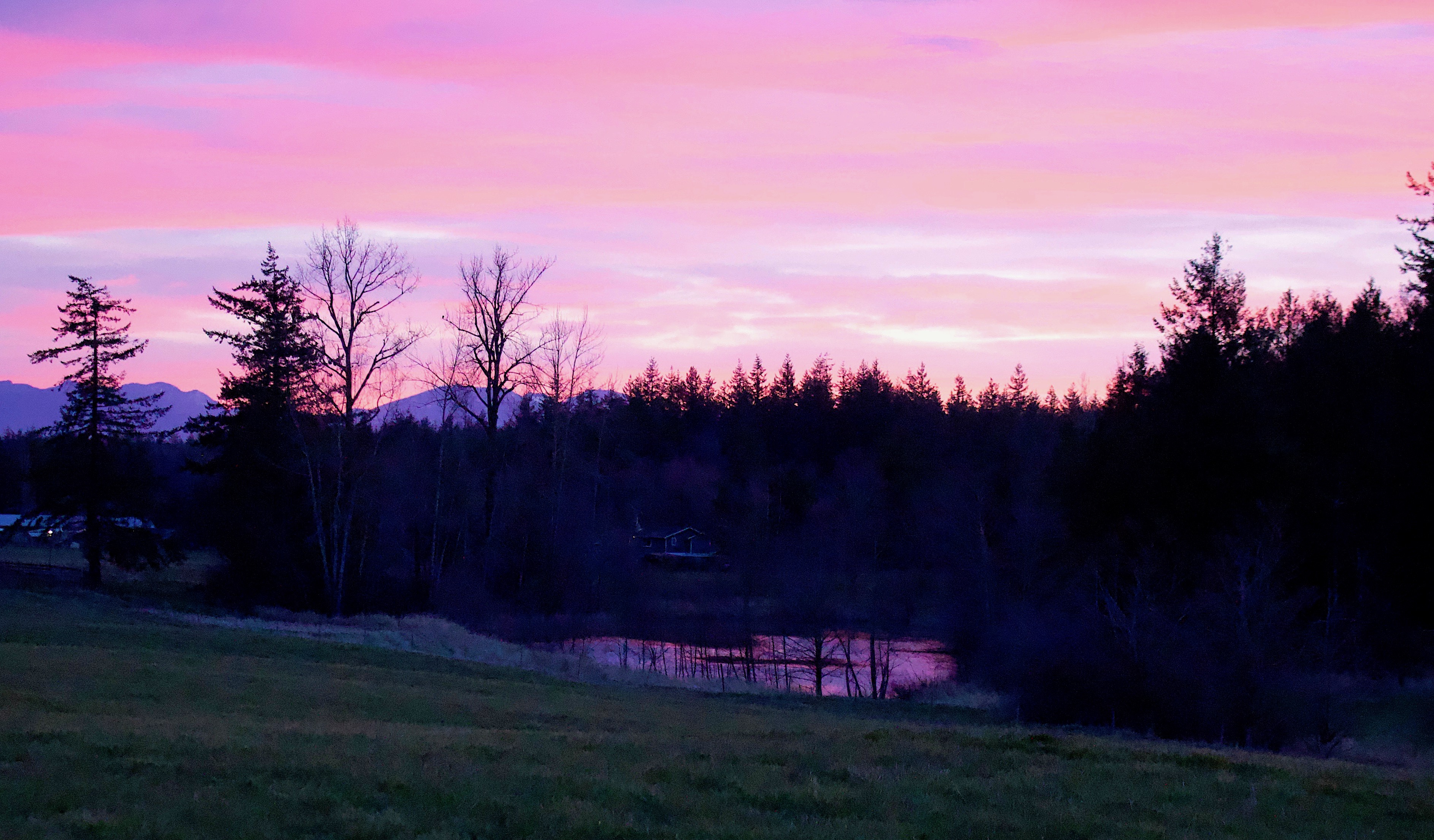
For grace to be grace, it must give us things we didn’t know we needed and take us places where we didn’t know we didn’t want to go. ~Kathleen Norris from Cloister Walk
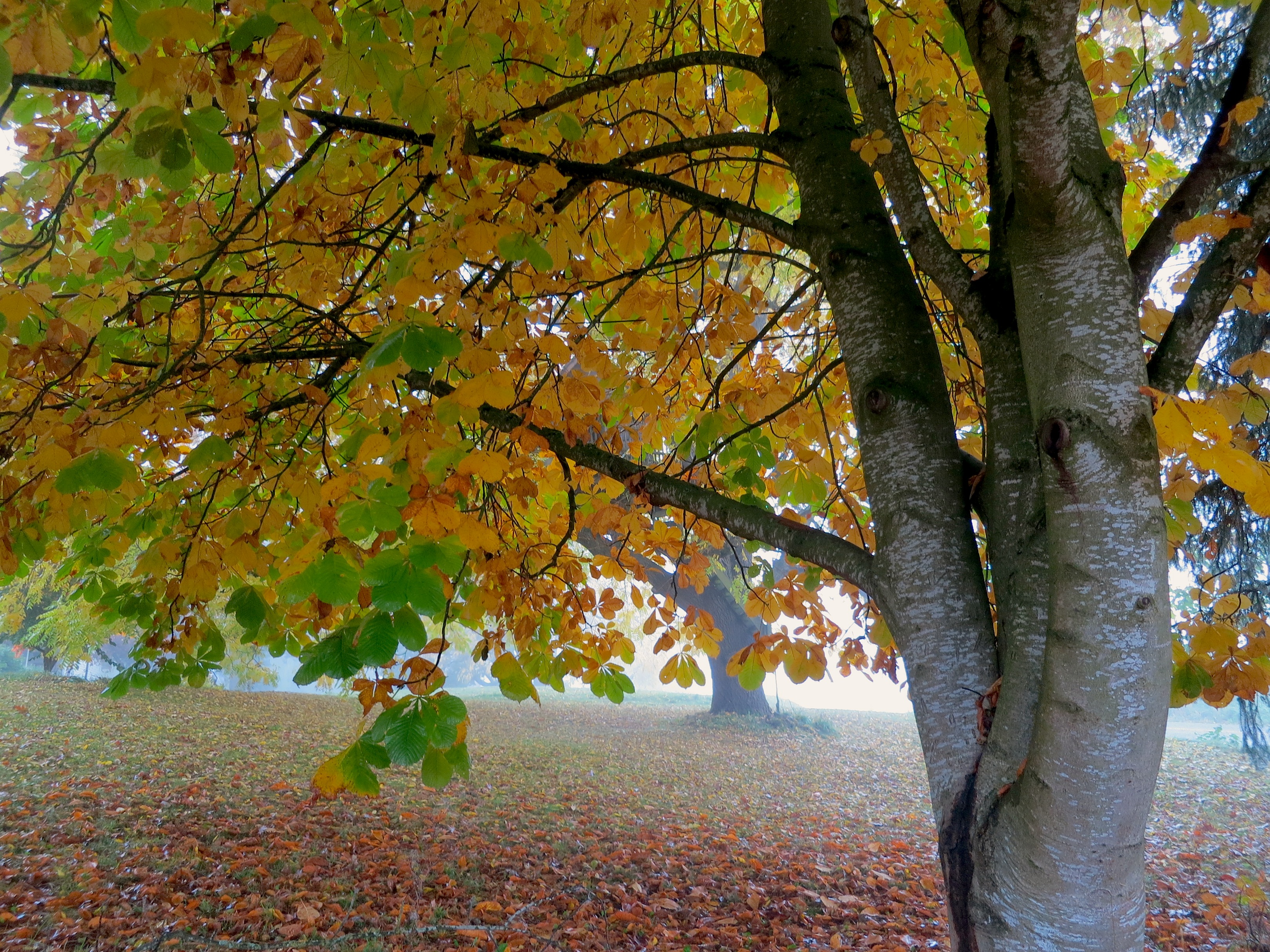
Sap withdraws from the upper reaches of maples; the squirrel digs deeper and deeper in the moss to bury the acorns that fall all around, distracting him.
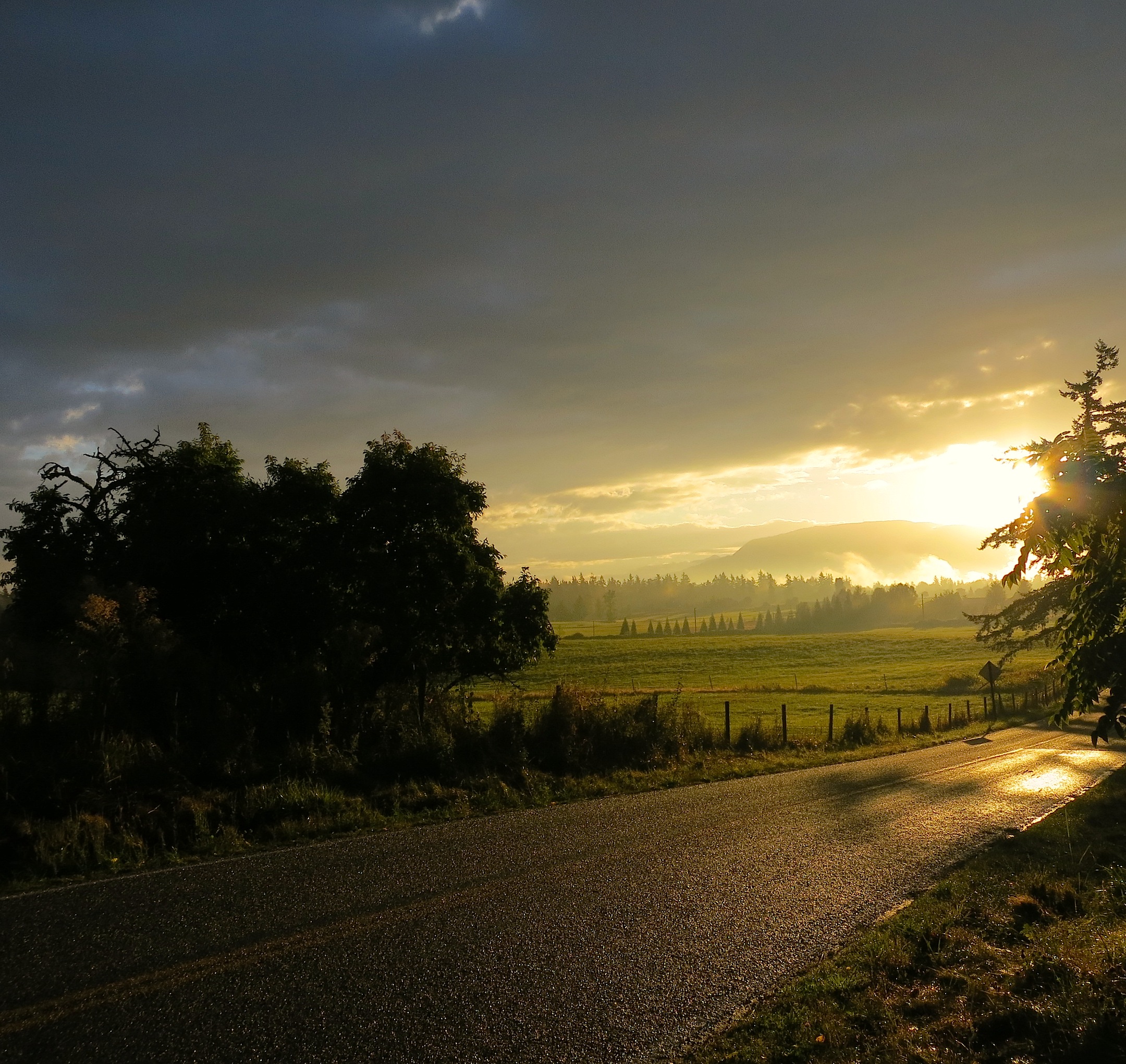
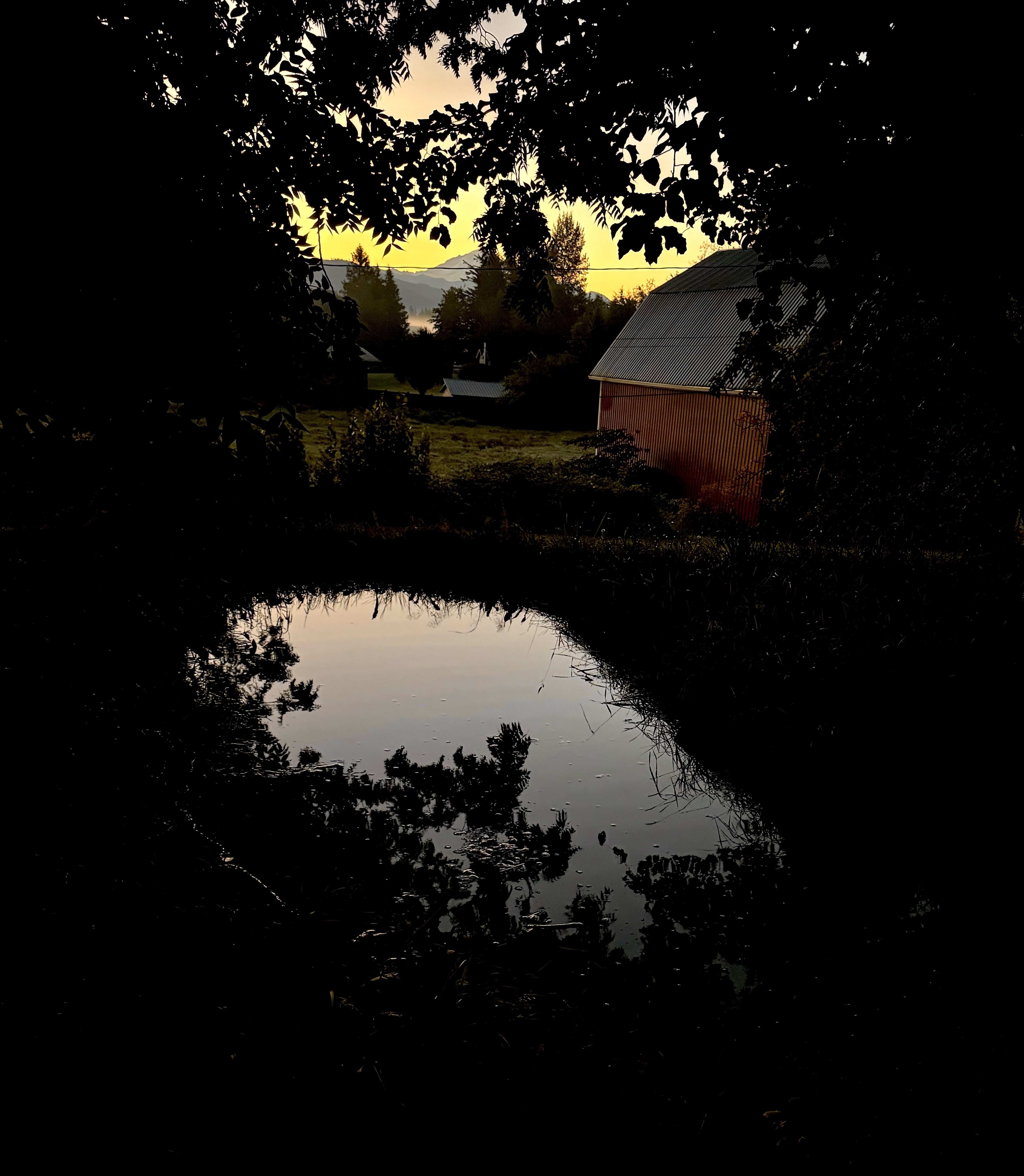
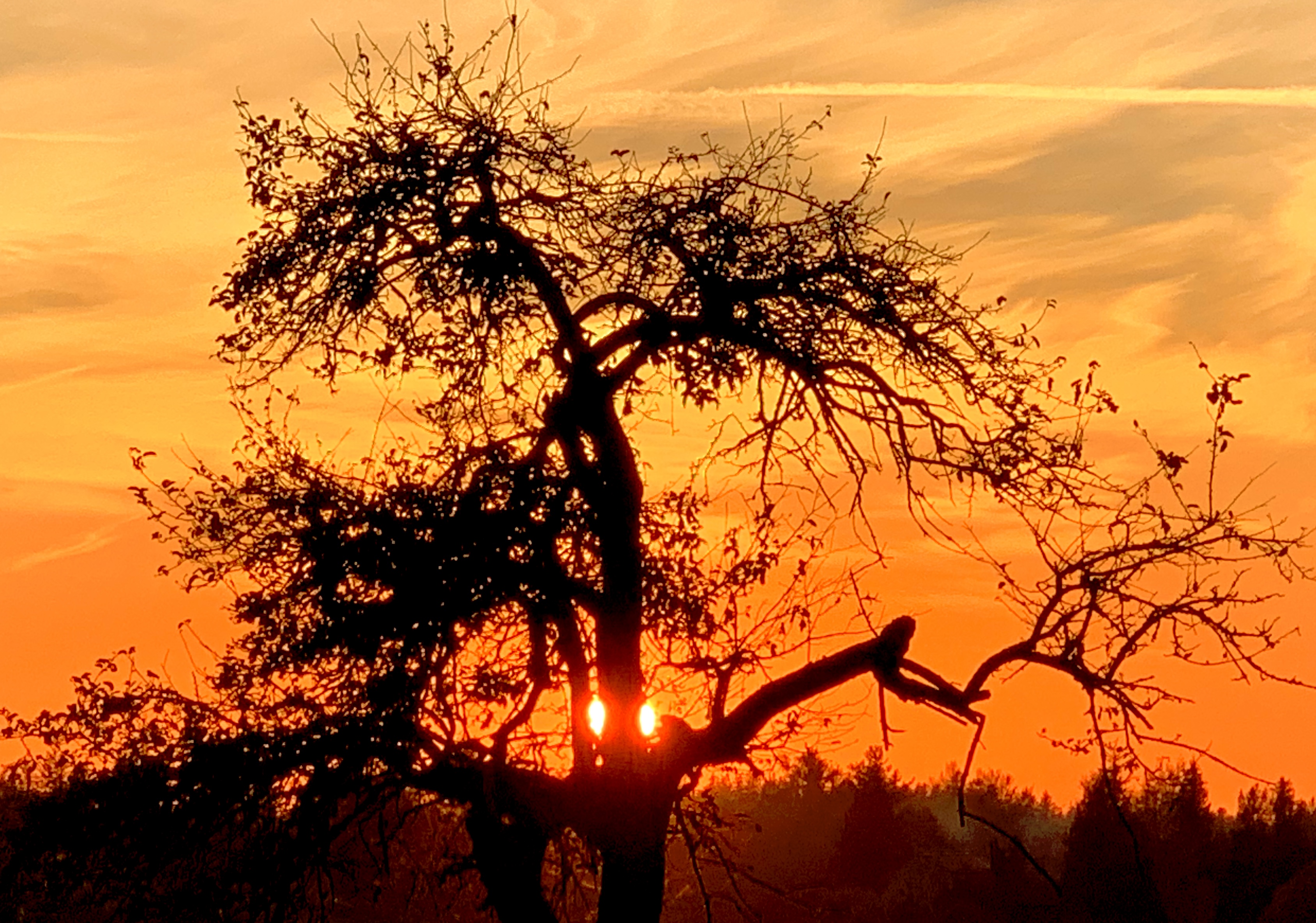
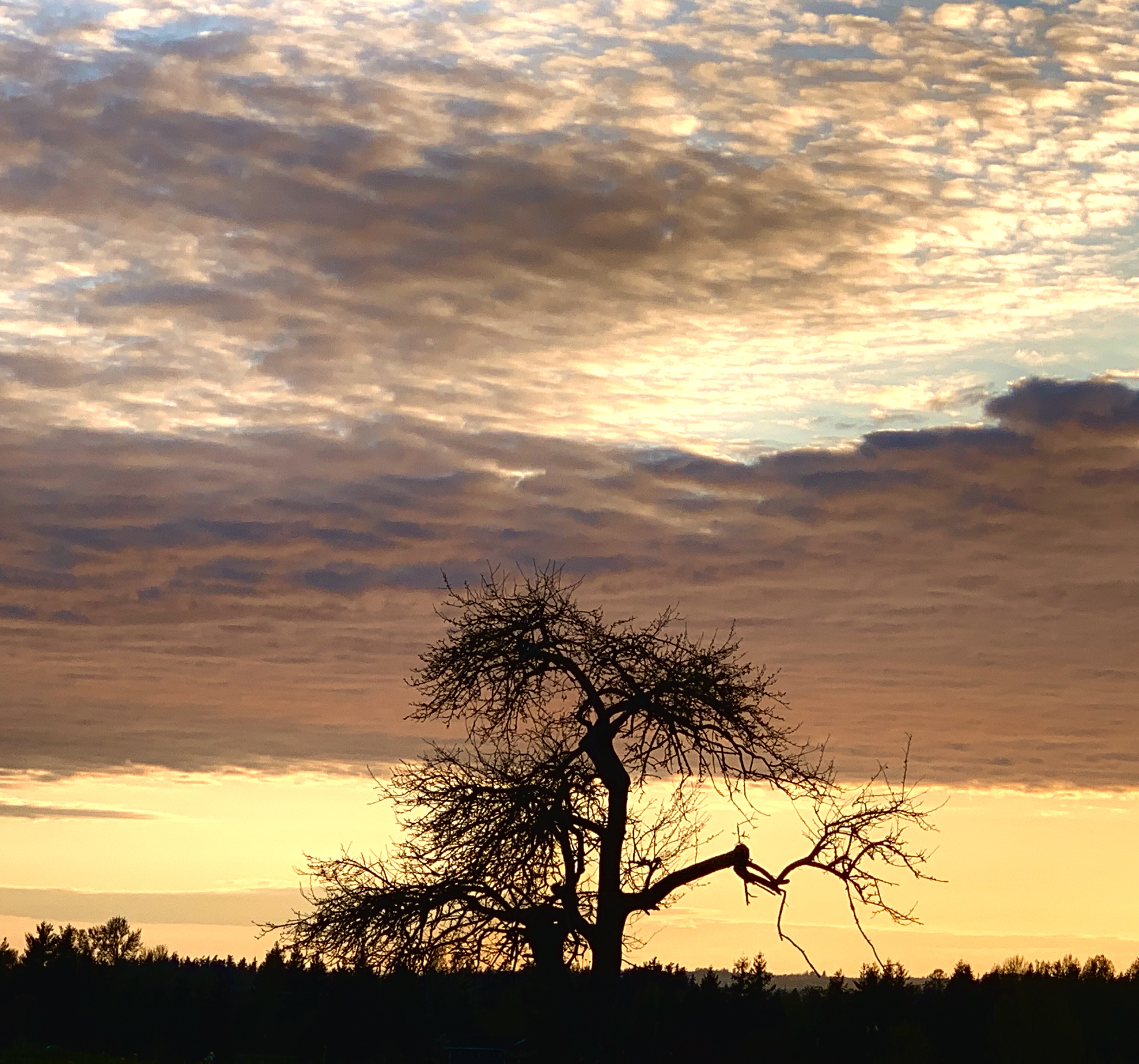
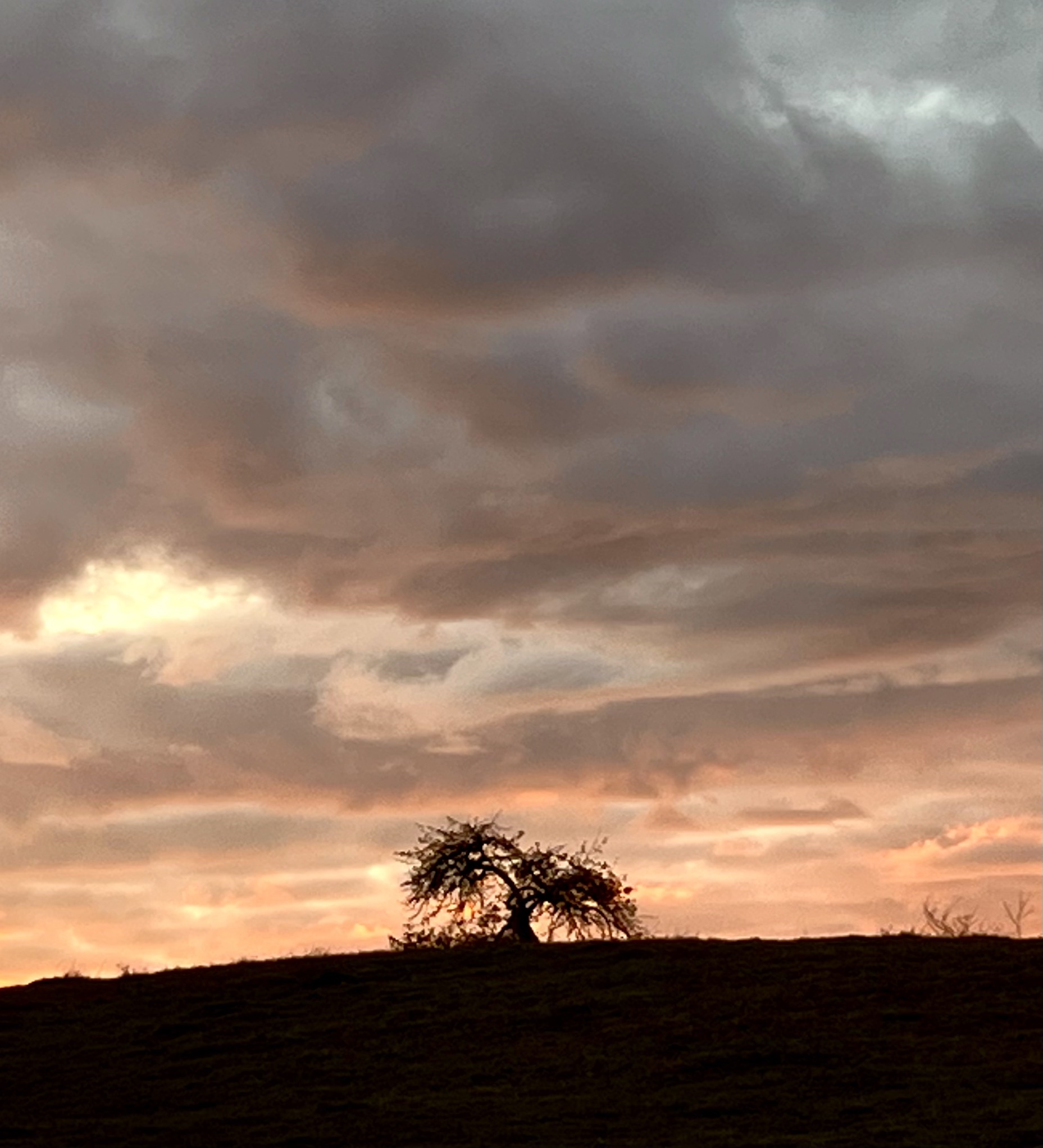
I’m out here in the dusk… where the wild asters, last blossoms of the season, straggle uphill. Frost flowers, I’ve heard them called. The white ones have yellow centers at first: later they darken to a rosy copper. They’re mostly done. Then the blue ones come on. It’s blue all around me now, though the color has gone with the sun.
There is no one home but me— and I’m not at home; I’m up here on the hill, looking at the dark windows below. Let them be dark…
…The air is damp and cold and by now I am a little hungry… The squirrel is high in the oak, gone to his nest , and night has silenced the last loud rupture of the calm. ~Jane Kenyon from “Frost Flowers”
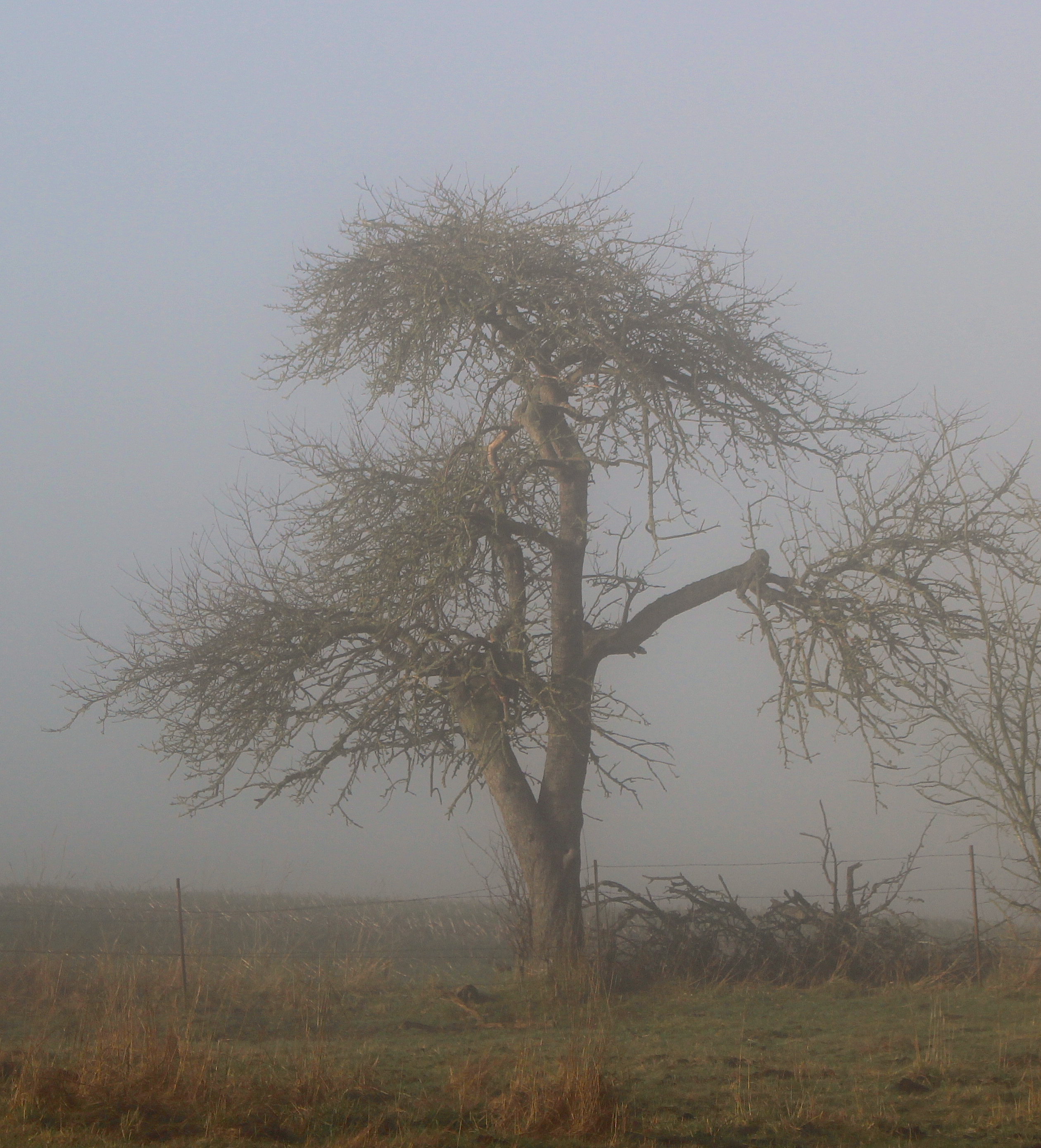
Even when the load grows too heavy, when misery rolls in like a fog that covers all that was once vibrant,
even then even then
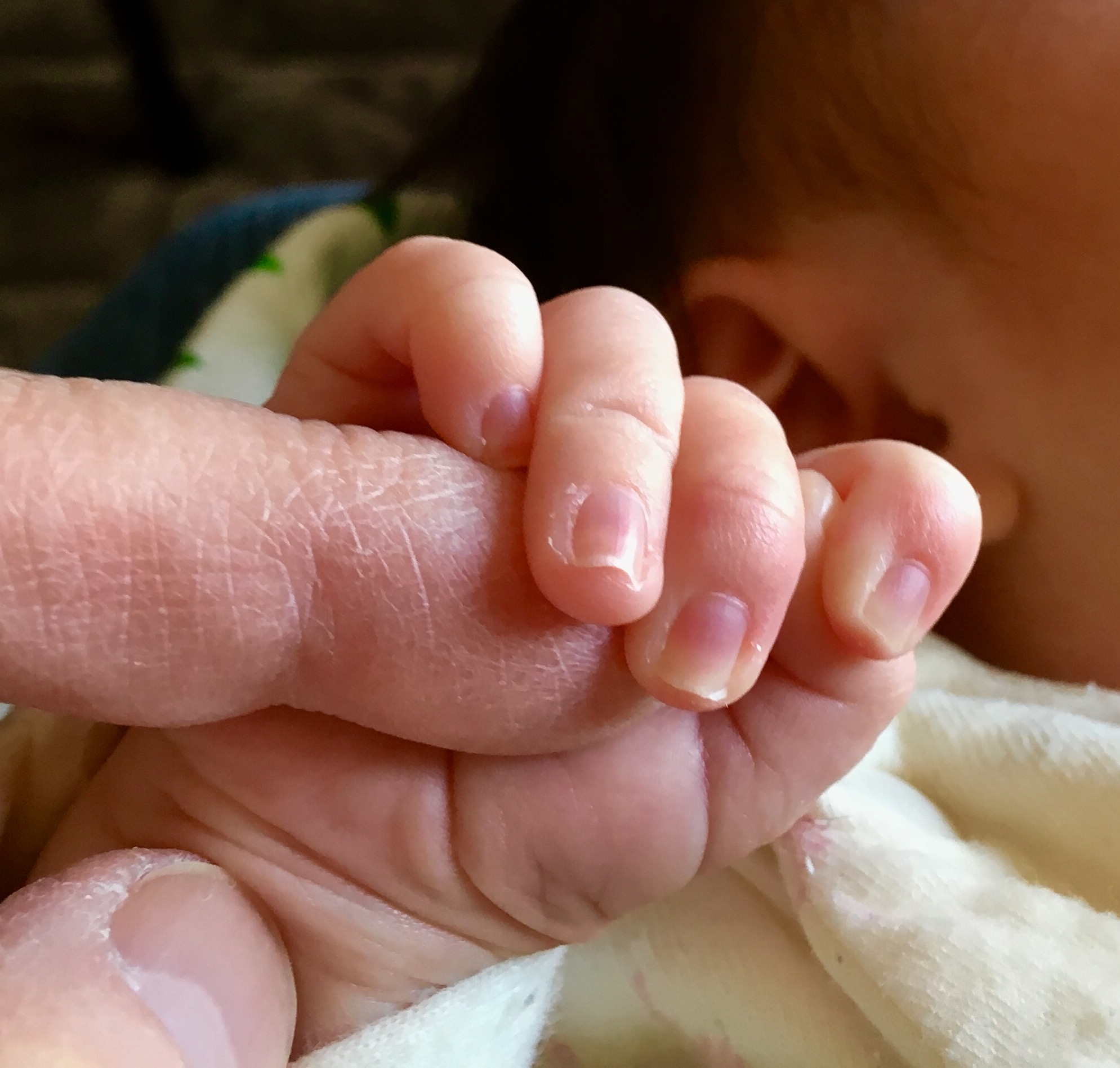
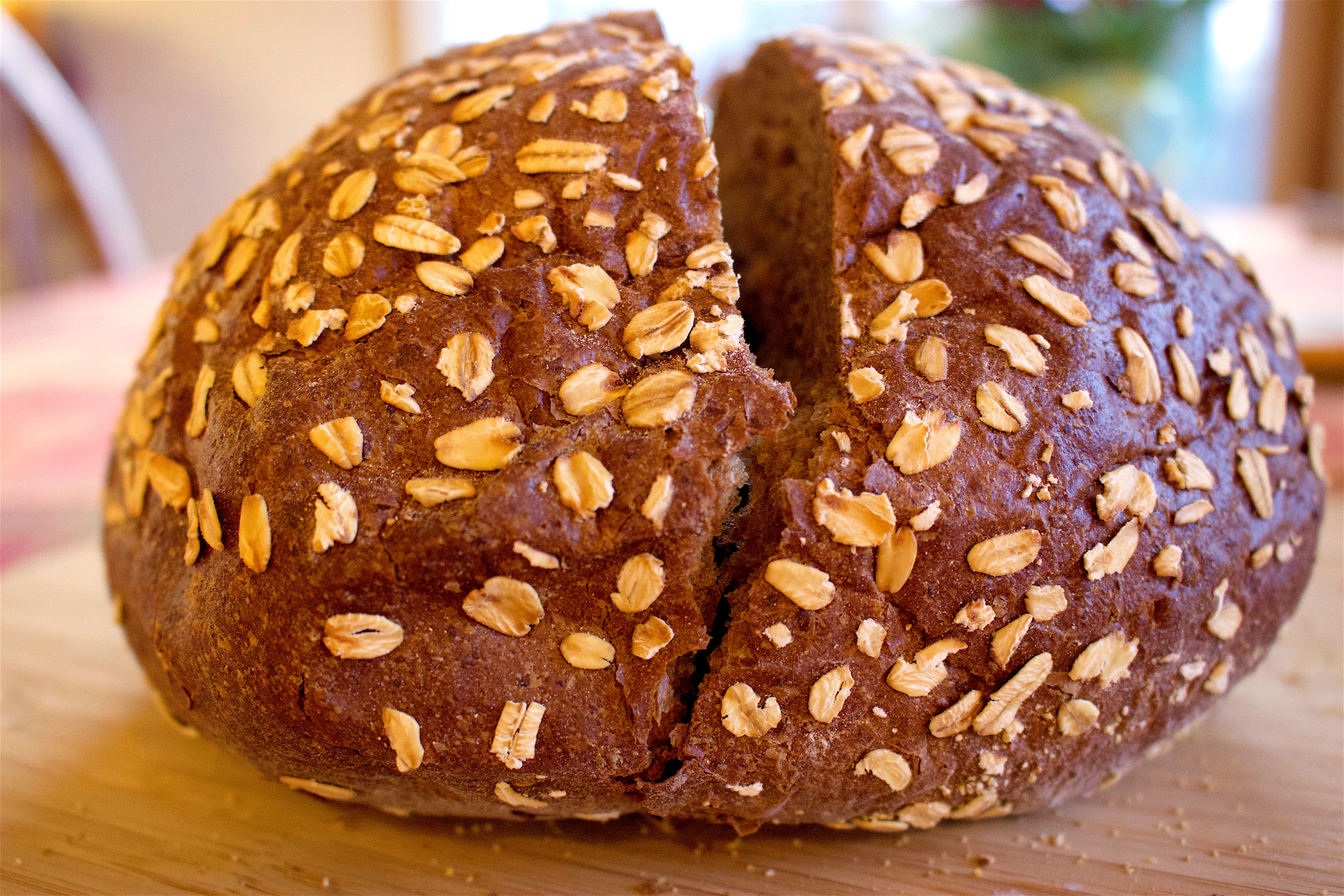
there awaits a nest of nurture, a place of calm where the tired and hungry are fed.
We who are empty will be filled; we who are weary will be restored.
One-Time
Monthly
Yearly
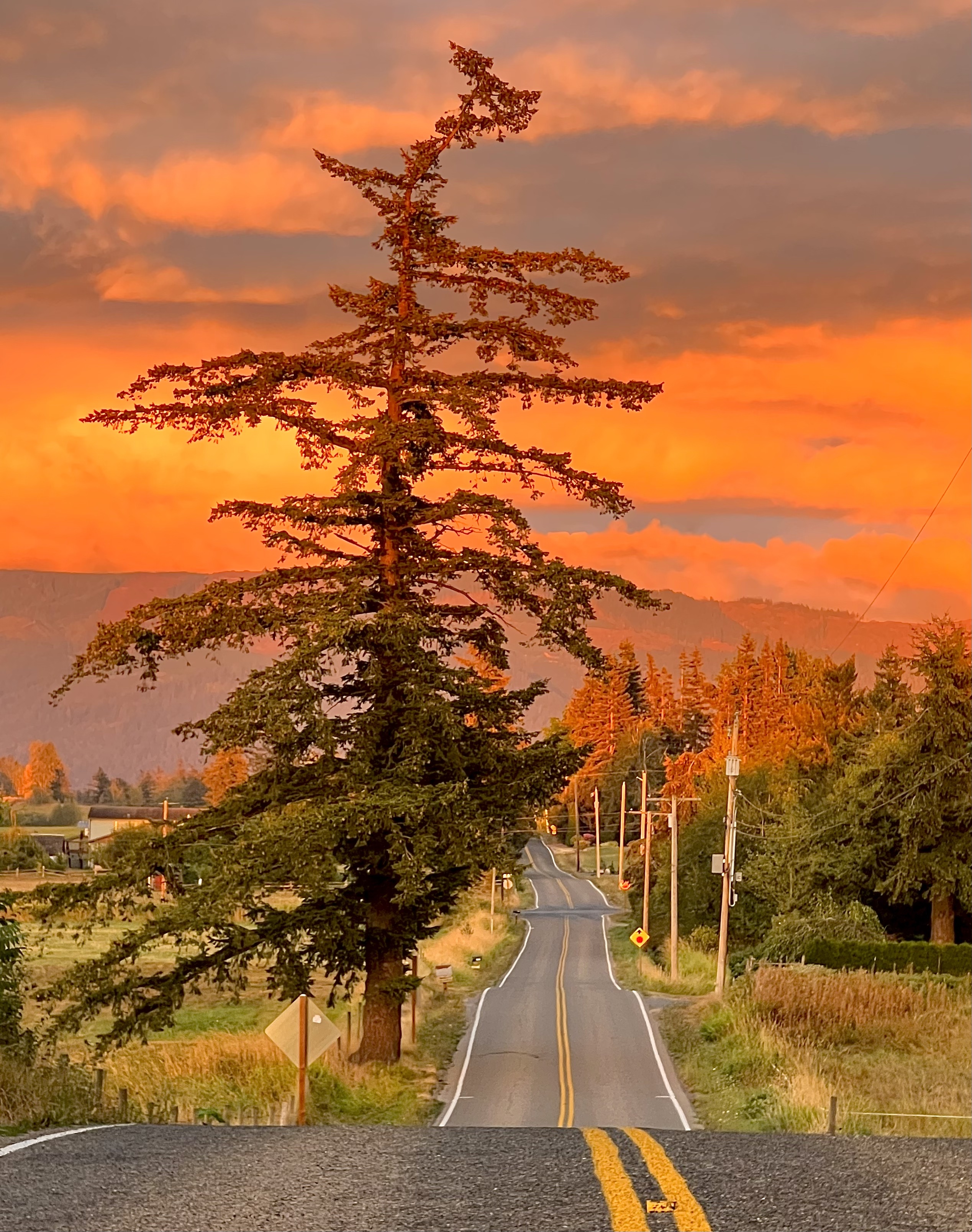
Make a one-time or recurrent donation to support daily Barnstorming posts
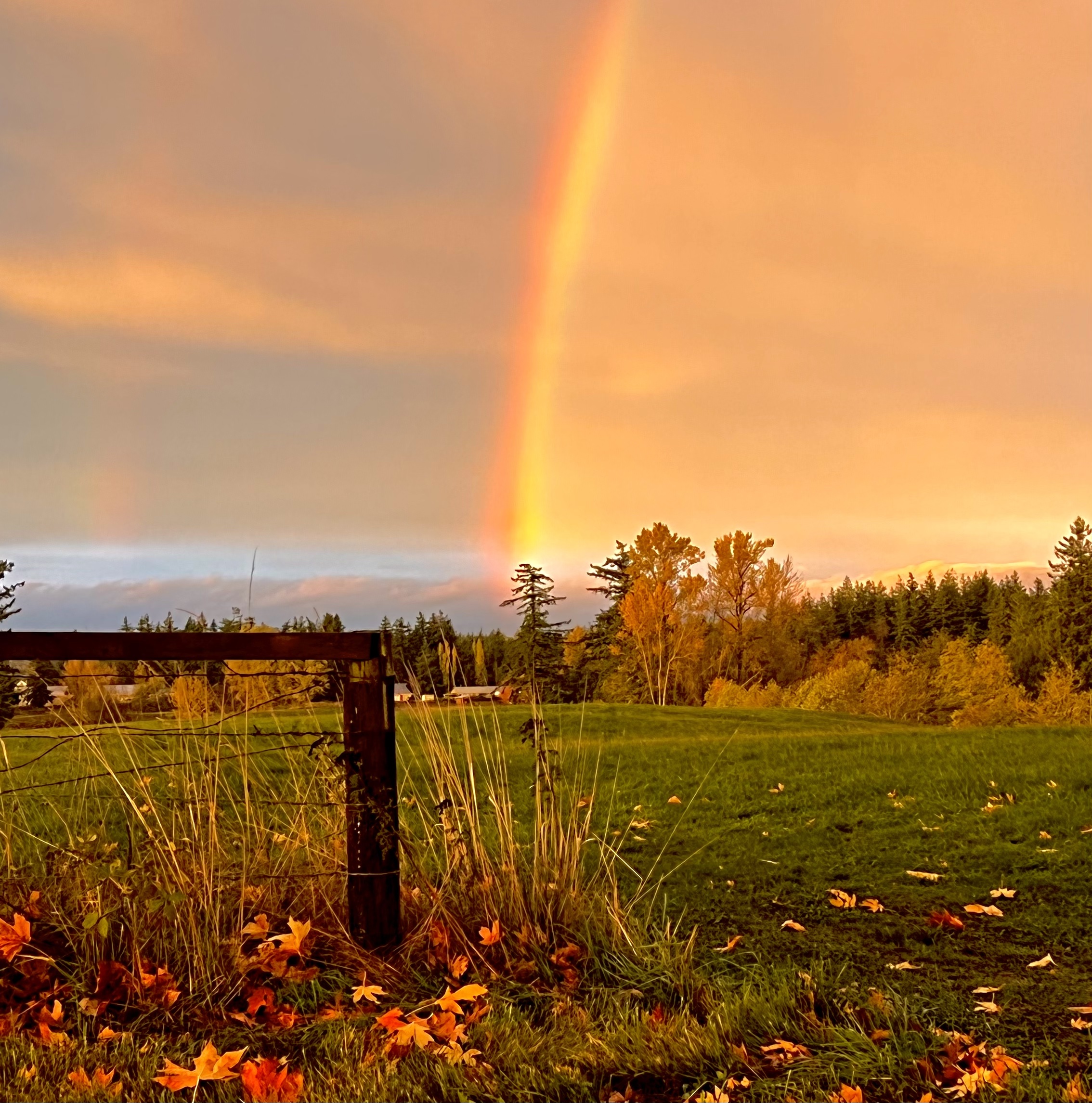
The true harvest of my daily life is somewhat as intangible and indescribable as the tints of morning or evening. It is a little star-dust caught, a segment of the rainbow which I have clutched. ~Henry David Thoreaufrom Walden
In the beginning was the Word, and the Word was with God, and the Word was God. John 1:1
Painting the indescribable with words necessitates subtlety, sound and rhythm.
The best word color portraits I know are by Gerard Manley Hopkins who created pictures through startling word combinations:
I understand how difficult it is to harvest daily life using ordinary words. Like grasping ephemeral star trails or the transient rainbow that moves away as I approach, what I hold on the page is intangible — yet nevertheless very real.
I keep reaching for understanding, searching for the best words to share here: those that are ephemeral color yet eternal, and very very real.
After all, in the beginning was the Word, and there is no better place to start with its promise.
I’ll be reading slowly through the words in the Book of John over the next year. Once a week, I will invite you to “come and see” what those words might mean as we explore the promise together.
One-Time
Monthly
Yearly
Make a one-time or recurring donation to support daily Barnstorming posts
My mother and I debate: we could sell the black walnut tree to the lumberman, and pay off the mortgage. Likely some storm anyway will churn down its dark boughs, smashing the house. We talk slowly, two women trying in a difficult time to be wise. Roots in the cellar drains, I say, and she replies that the leaves are getting heavier every year, and the fruit harder to gather away. But something brighter than money moves in our blood – an edge sharp and quick as a trowel that wants us to dig and sow. So we talk, but we don’t do anything.
What my mother and I both know is that we’d crawl with shame in the emptiness we’d made in our own and our fathers’ backyard. So the black walnut tree swings through another year of sun and leaping winds, of leaves and bounding fruit, and, month after month, the whip- crack of the mortgage. ~Mary Oliver from “The Black Walnut Tree” from Twelve Moons
photo by Dan Gibson
We bought this old farm thirty-five years ago: the Lawrence family’s “Walnut Hill Farm” – a front yard lined with several tall black walnut trees brought as seedlings in a grandfather’s suitcase from Ohio in the ought-1900’s.
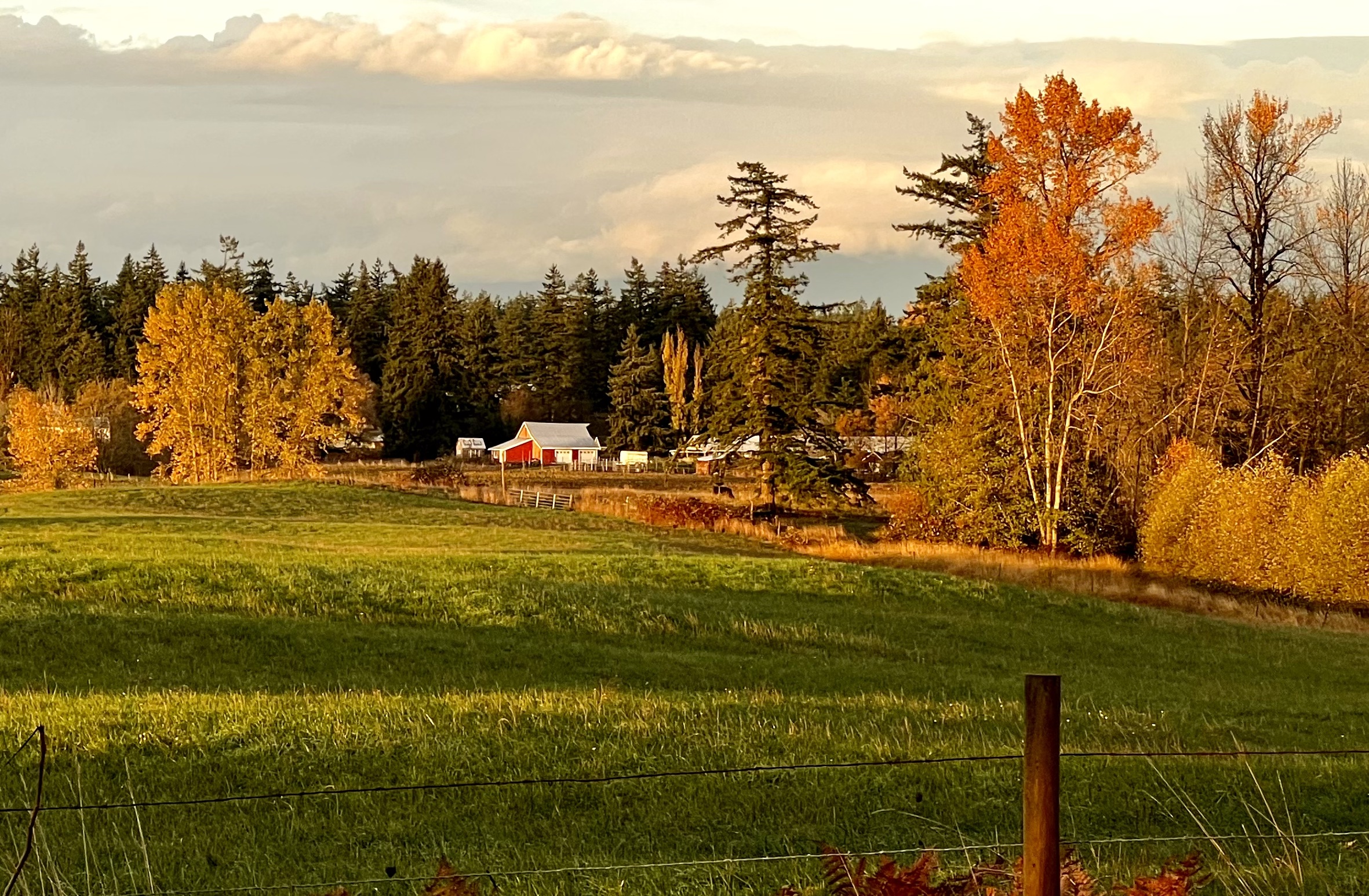
These trees thrived for nearly a century on this hilltop farm overlooking the Canadian mountains to the north, the Nooksack River valley to the west, the Cascade peaks to the east, each prolific in leaves and prodigious in fruit.
The first year we were here, a windstorm took one tree down. A neighbor offered to mill the twisted trunk for shares. The fallen tree became planks of fine grained chocolate-hued lumber.
This old tree is the back facing of our oak door cupboards, a daily reminder of a legacy left behind~ sturdy even if imperfect, still beautiful to the eye and the heart.
One-Time
Monthly
Yearly
Make a one-time or recurring donation to support daily Barnstorming posts
What would the world be, once bereft Of wet and of wildness? Let them be left, O let them be left, wildness and wet; Long live the weeds and the wilderness yet. ~Gerard Manley Hopkins from “Inversnaid”
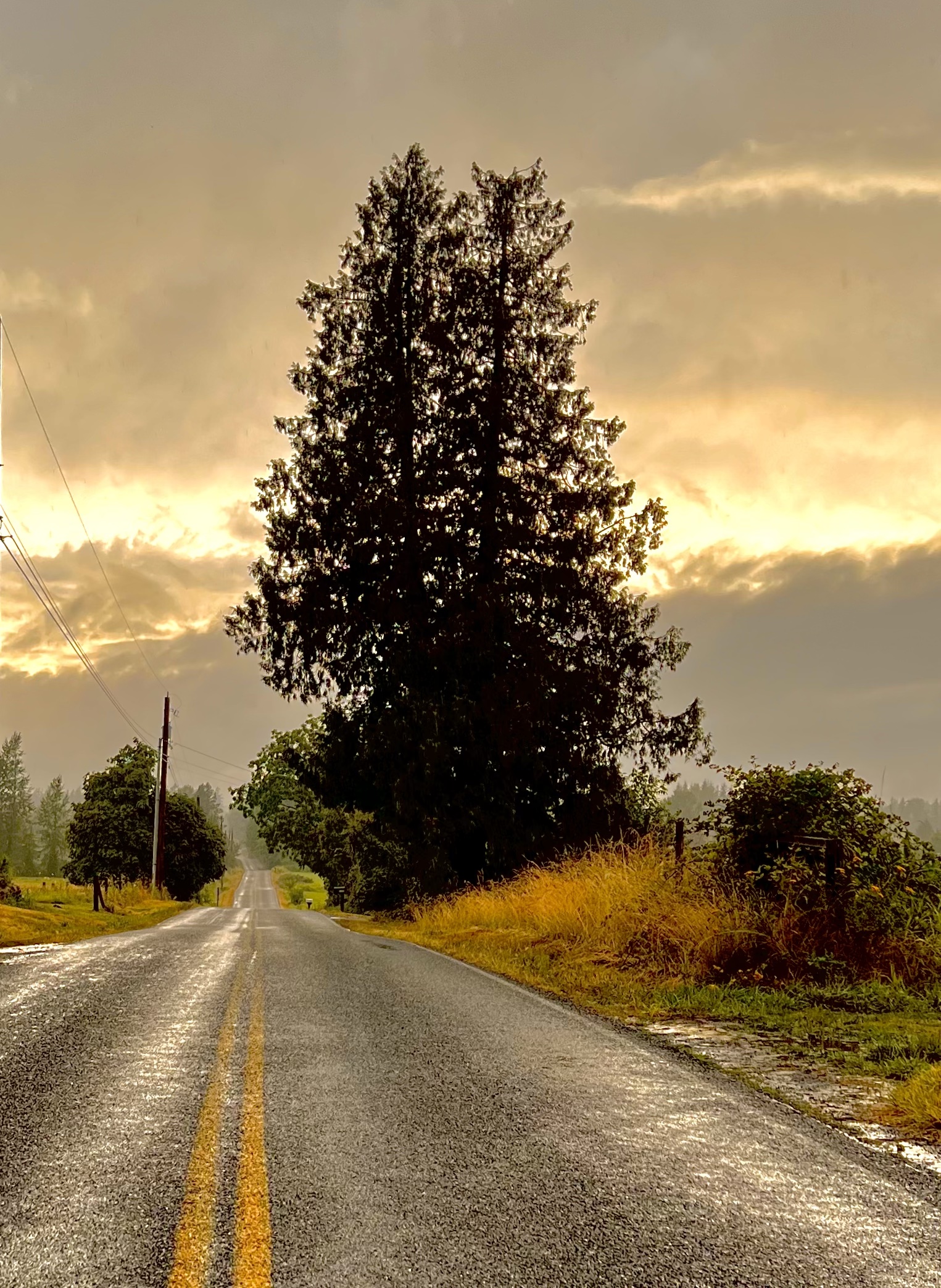
In my anguish at the chaos in the world, let me remember, when I look closely, through the rain, even the weeds, the unruly, unholy weeds are connected in this wilderness.
There is order here even if I can’t feel it now. Let us weeds be left. We are meant to be.
One-Time
Monthly
Yearly
Make a one-time or recurring donation to support daily Barnstorming posts
That year I discovered the virtues of plants as companions: they don’t argue, they don’t ask for much, they don’t stay out until 3:00 A.M., then lie to you about where they’ve been….
I can’t summon the ambition to repot this grape ivy, of this sad old cactus, or even to move them out onto the porch for the summer, where their lives would certainly improve. I give them a grudging dash of water – that’s all they get. I wonder if they suspect that like Hamlet I rehearse murder all hours of the day and night, considering the town dump and compost pile as possible graves….
The truth is that if I permit them to live, they will go on giving alms to the poor: sweet air, miraculous flowers, the example of persistence. ~Jane Kenyon “Killing the Plants”from The Boat of Quiet Hours
During my dorm-room years and city apartment dwelling days, this farm girl had to reconcile that no pets were allowed, so I surrounded myself with an indoor garden, every square inch of window sill occupied by a living thing whose survival depended only partially on me.
Those plants sustained me, cheered me, moved me, carried by me to new windows with better light and grander views.
Despite my occasional neglect, they usually persisted, often thrived, and gave back to my shriveled city spirit far beyond any water or repotting I offered.
A start from my grandmother’s old fern divided decades earlier from her cousin’s plant, originally a start from a long-passed auntie, this 100 year old fern traveled far and wide with me until it dried up, turned brown and gave up the ghost.
Having given a start to my sister years before, she divided it so the fern came back home staying happily green in my kitchen window.
Somehow these miracles in chlorophyll knew just what I needed when I needed it: they fed me when I was starving for something alive, something beautiful, something that knew exactly what to do and what to become when I had no clue what would happen next.
One-Time
Monthly
Yearly
Make a one-time or recurring donation to support daily Barnstorming posts
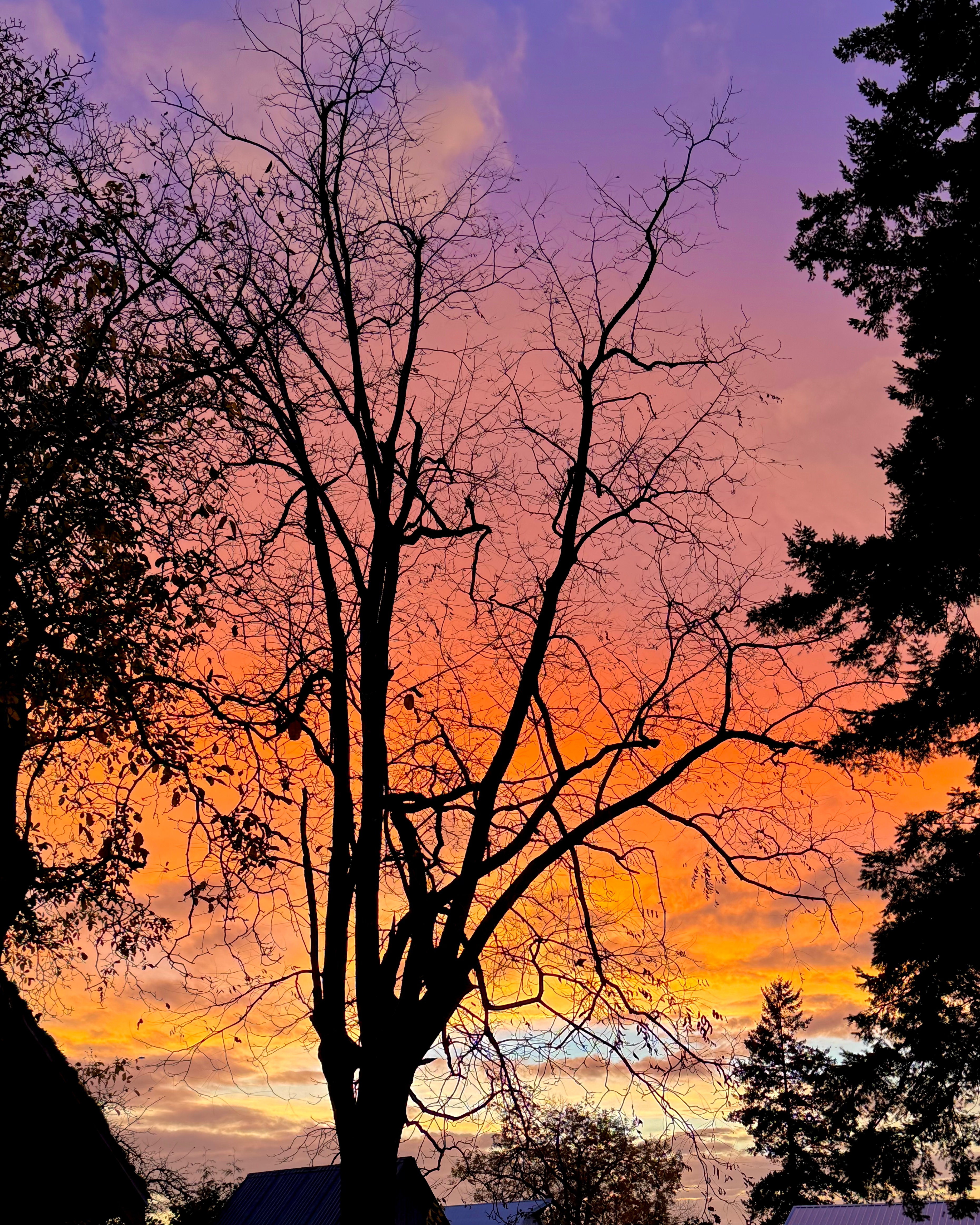
You say grace before meals. All right. But I say grace before the concert and the opera, and grace before the play and pantomime, and grace before I open a book, and grace before sketching, painting, swimming, fencing, boxing, walking, playing, dancing and grace before I dip the pen in the ink. ~G.K. Chesterton
Norman Rockwell’s 1951 painting Saying Grace
Chesterton has it right. No matter what I embark on, I should say grace first. Even my breathing, my waking, and my sleeping. Even the brilliance right outside my back door.
Continual and constant thanks and praise to the Creator for all things bright and beautiful, and helping us through the dark times.
Instead I am plagued with inconstancy and inconsistency, with a stubborn tendency to take it all for granted.
As I “dip pen in ink” this morning, join me in saying grace:
He is worthy. Amen and Amen.
Even more so. Ever more now.
One-Time
Monthly
Yearly
Make a one-time or recurring donation to support daily Barnstorming posts
The wild November come at last Beneath a veil of rain; The night wind blows its folds aside – Her face is full of pain.
The latest of her race, she takes The Autumn’s vacant throne: She has but one short moon to live, And she must live alone.
A barren realm of withered fields, Bleak woods, and falling leaves, The palest morns that ever dawned; The dreariest of eves.
It is no wonder that she comes, Poor month! With tears of pain; For what can one so hopeless do But weep, and weep again? ~Richard Henry Stoddard “November”
A fine rain was falling, and the landscape was that of autumn. The sky was hung with various shades of gray, and mists hovered about the distant mountains – a melancholy nature. Every landscape is, as it were, a state of the soul, and whoever penetrates into both is astonished to find how much likeness there is in each detail. ~Henri Frederic Amiel
Leaves wait as the reversal of wind comes to a stop. The stopped woods are seized of quiet; waiting for rain bird & bug conversations stutter to a stop.
…the rain begins to fall. Rain-strands, thin slips of vertical rivers, roll the shredded waters out of the cloud and dump them puddling to the ground. Like sticks half-drowned the trees lean so my eyes snap some into lightning shapes, bent & bent.
Whatever crosses over through the wall of rain changes; old leaves are now gold. The wall is continuous, doorless. True, to get past this wall there’s no need for a door since it closes around me as I go through. ~Marie Ponsot from “End of October”
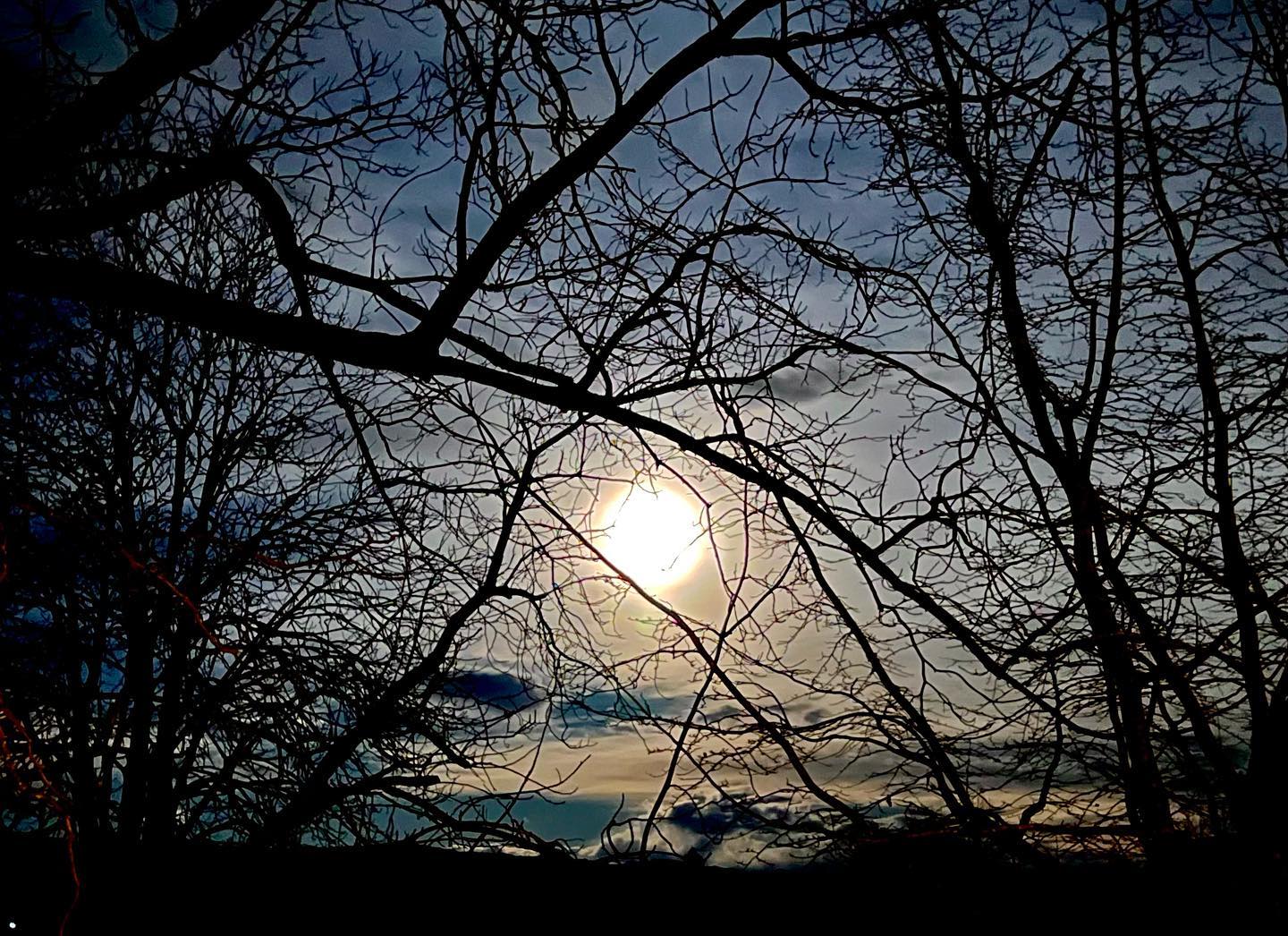
What is melancholy at first glance glistens bejeweled when studied up close.
It isn’t all sadness~ there is solace in knowing the landscape and I share an inner world of tears.
One-Time
Monthly
Yearly
Make a one-time or recurring donation to support daily Barnstorming posts
In the quiet misty morning When the moon has gone to bed When the sparrows stop their singing And the sky is clear and red When the summer ceased it’s gleaming When the corn is past its prime When adventures lost its meaning I’ll be homeward-bound in time ~Marta Keen from “Homeward Bound”
On Halloween day in 1985, I packed up a roll-up mattress pad, grabbed one lonely pumpkin from our small garden, locked our rental house door for the last time, then climbed in my car to head two hours north out of Seattle.
I don’t recall looking back in the rear view mirror at the skyline after nine years living in the city. My husband had moved to Whatcom County two months earlier to start his new job. I had stayed behind to wrap up my Group Health family practice in the Rainier Valley of central Seattle.
I was leaving the city for our new rural home and a very uncertain professional future.
I knew two things for sure: I was finally several months pregnant after a miscarriage and two years of trying to conceive, so our family was on its way, and we were going to live in our own house with a few acres and a barn.
A real (sort of) starter farm and starter family, a dream we both shared. Our home sits in the midst of woods and corn fields, with deer strolling through the fields at dawn, coyotes howling at night, Canadian geese and trumpeter swans calling from overhead and salmon thriving in nearby streams. The snowy Cascades greet us in the morning to the east, the Canadian Coastal range majestic to the north and not far to the west, the Salish Sea/Puget Sound.
Since it wouldn’t be a farm without animals, I stopped at the first pet store I drove past and found two tortoise shell calico kitten sisters peering up at me, just waiting for new adventures in farmland. Their box was packed into the one spot left beside me in my little Mazda.
With that simple commitment to raise and nurture those kittens alongside the life growing inside me, life seemed very complete.
I will never forget the freedom I felt on that drive north. The highway seemed more open, the fall colors more vibrant, the wind more energizing, our baby kicking my belly, the kittens mewing from their box. There seemed so much potential even though I had just left behind the greatest family practice found in any urban setting (at the time, it was the most ethnically diverse zip code in the United States) with patients from all over the world: alongside the multi-racial inner city population living in subsidized housing developments, my patients included Muslim immigrants from the Middle East and Indonesia, Orthodox Jews, Italian Catholics, and refugees from Cambodia, Laos, and Vietnam.
I will never know so much variety of ethnic background and perspective again. If I could have packed them all into my little car and driven them north with me, I would have.
Despite what I was leaving behind, there was certainly a feeling of freedom that rainy Halloween day as the big city disappeared in the rear view mirror.
No longer would I sit captive in freeway rush-hour bumper to bumper traffic jams. I traded that for a new rural commute winding through farm fields while watching eagles fly overhead. I could become part of a community in a way I never could manage in the city, visiting with friends at the grocery store, playing piano and teaching Sunday School at church and serving on various community boards.
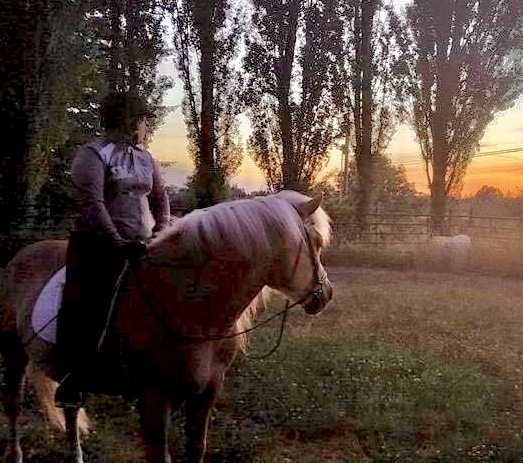
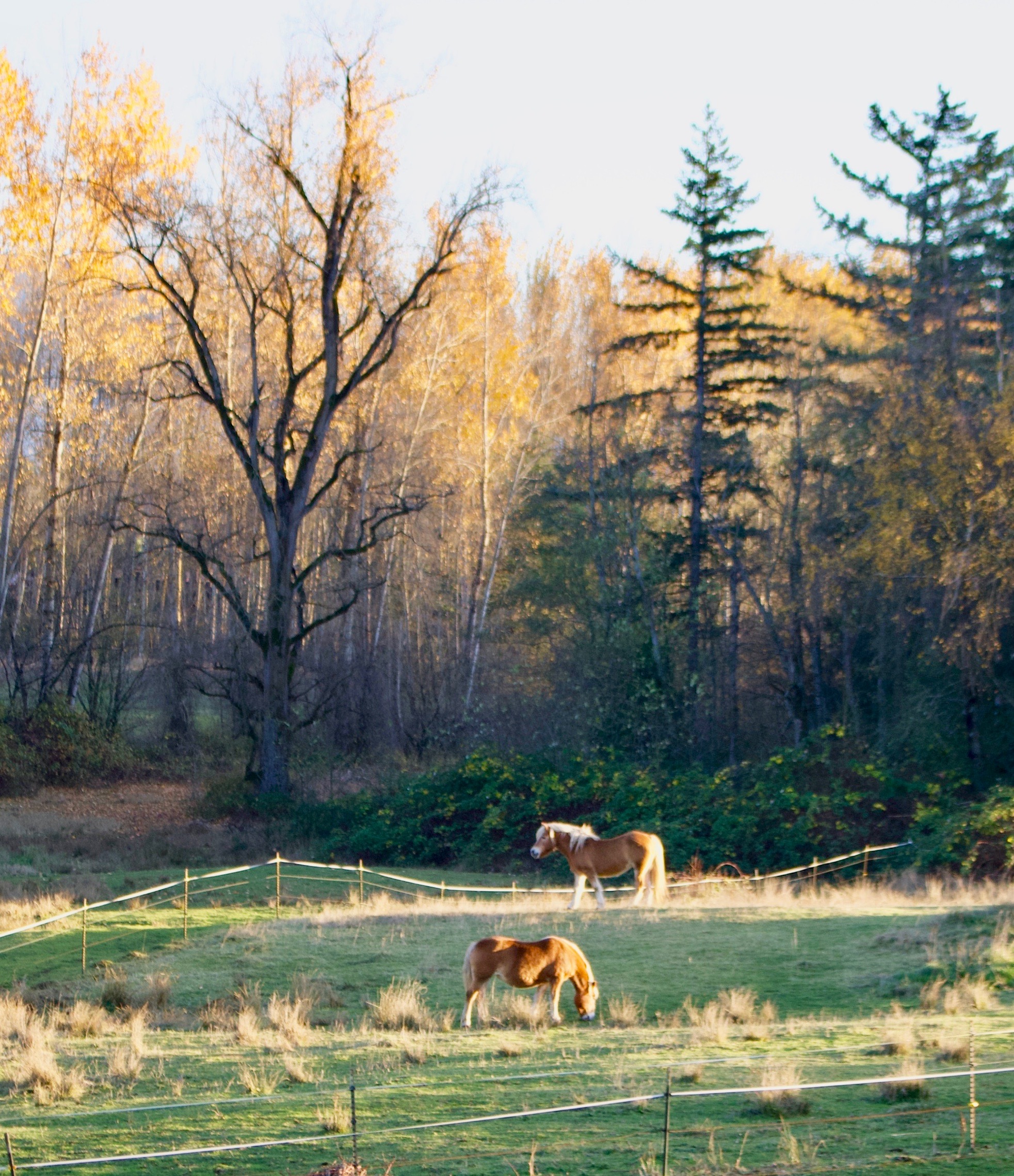
After the new kittens, dubbed Nutmeg and Oregano, arrived on our farm, we added even more diversity: a Belgian Tervuren dog Tango, a Haflinger horse Greta, Toggenburg goats Tamsin and her kids, a few Toulouse geese, Araucana chickens, Fiona the Scottish Highland cow, then another Haflinger Hans and another, Tamara. I worked as a fill-in doctor in four different clinics before our first baby was born, then settled into part-time practice in several different clinics for most of my career.
With those new commitments, life was fulfilling and busy – we soon added a little brother and seven years later, a sister. Then it felt like our family was complete.
Forty years later, our children have grown and gone to homes of their own, all married to wonderful spouses, raising six delightful children for us to lavish love on.
Somehow life now feels even more complete.
A few cats, a Cardigan Corgi, and three ponies still live at the farm with us. Now retired from our professional lives “in town”, we enjoy the freedom of slower and quieter days, nurtured and nurturing.
It all started October 31, 1985 with two orange and black kittens and a pumpkin sitting beside me in a little Mazda, my husband awaiting my homecoming 100 miles north. Now, forty years later, we celebrate this Halloween anniversary of farm and family, still pregnant with the possibility that life is never truly complete when there is always a new day just around the corner.
One-Time
Monthly
Yearly
Make a one-time or recurring donation to support daily Barnstorming posts
The world does not need words. It articulates itself in sunlight, leaves, and shadows. The stones on the path are no less real for lying uncatalogued and uncounted. The fluent leaves speak only the dialect of pure being…
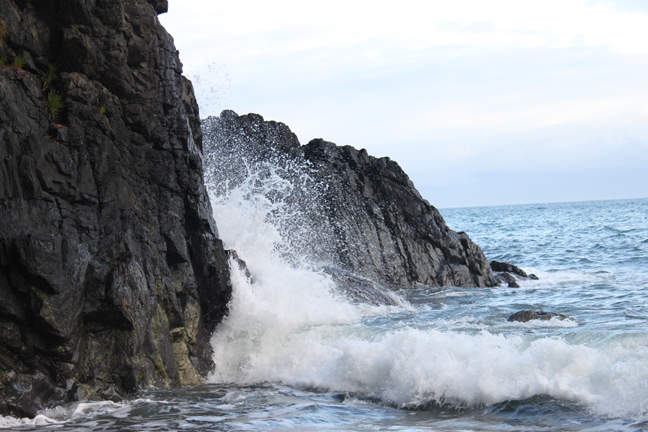
The sunlight needs no praise piercing the rainclouds, painting the rocks and leaves with light, then dissolving each lucent droplet back into the clouds that engendered it. The daylight needs no praise, and so we praise it always– greater than ourselves and all the airy words we summon. ~Dana Giola from “Words”
The words the world needs is only the Word itself; we exist because He breathed breath into us, saying it was good.
Whatever we have to say about His Creation pales compared to His it is good
But we try over and over again to use words of wonder and praise to express our awe and gratitude and amazement while painted golden by His breath of Light.
One-Time
Monthly
Yearly
Make a one-time or recurring donation to support daily Barnstorming posts
I like the lady horses best, how they make it all look easy, like running 40 miles per hour is as fun as taking a nap, or grass. I like their lady horse swagger, after winning. Ears up, girls, ears up! But mainly, let’s be honest, I like that they’re ladies. As if this big dangerous animal is also a part of me, that somewhere inside the delicate skin of my body, there pumps an 8-pound female horse heart, giant with power, heavy with blood. Don’t you want to believe it? Don’t you want to lift my shirt and see the huge beating genius machine that thinks, no, it knows, it’s going to come in first. ~Ada Limón “How to Triumph Like a Girl”
Primarily from my college training in animal behavior, I have an appreciation for social cues, both human and non-human: those often nonverbal signals that are communicated through subtle means–in people, perhaps it is a raised eyebrow, a rapid blink, a tensing of the lips, a fidgeting foot.
When I studied captive and wild chimpanzees, they showed very familiar facial expressions and nonverbal communication that could be understood readily by a human primate.
In horses, it can be harder to interpret but their nonverbal language is there for all to see. The herdmates and the human handler, with careful observation and interpretation, should not be surprised about “what is going to happen next.”
It is no mystery.
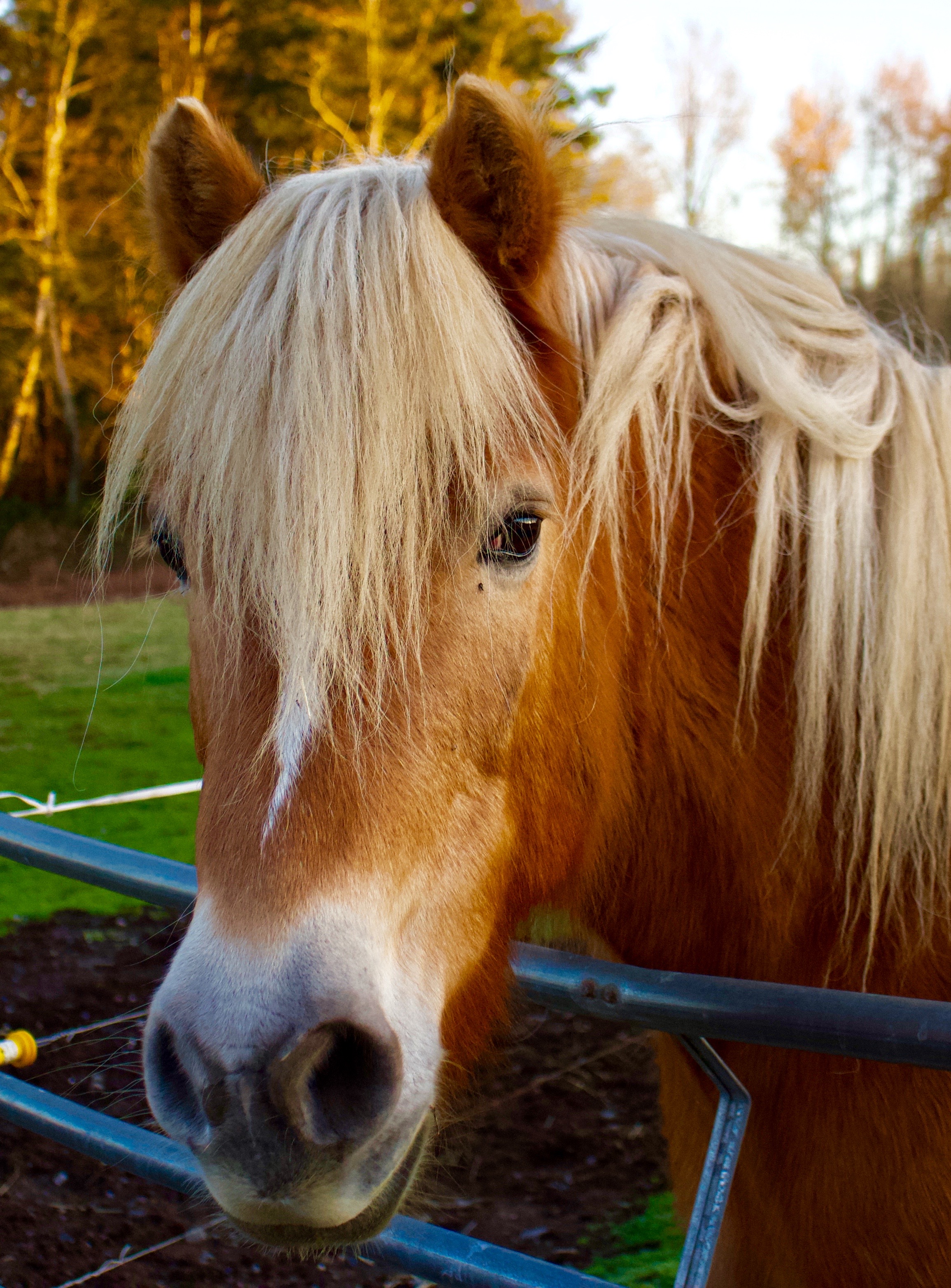
I don’t consider Haflinger horses particularly subtle in their communication with each other or with humans. They can tend to have a “bull in a china shop” approach to life; this is not a breed that evolved particularly plagued with the existence of many predators in the Austrian Alps, so the need to blend into the background was minimal. Haflingers tend to be “out there”: unafraid, bold, meeting one’s gaze, and curious what the human is thinking.
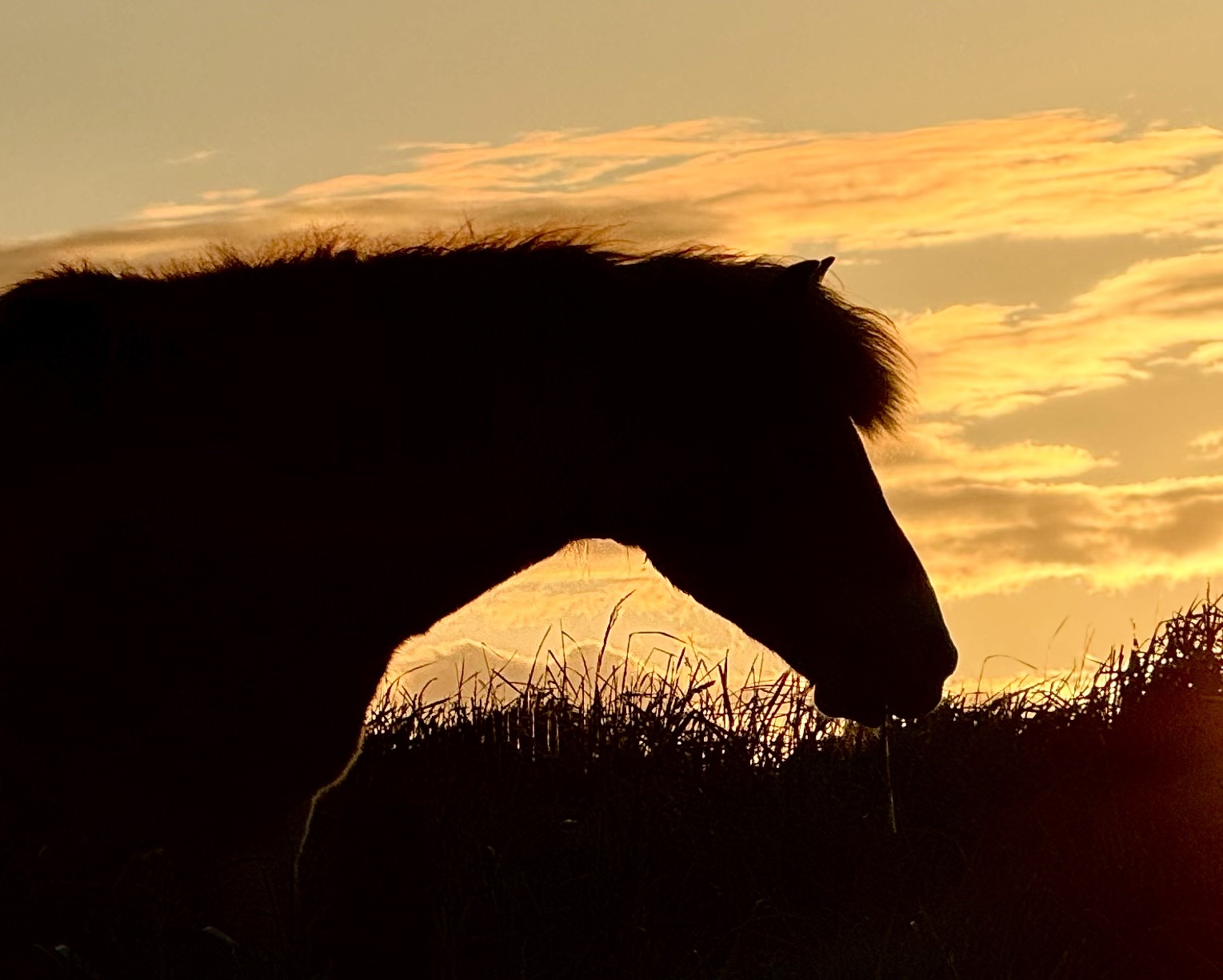
I’ve found over the years that the best way to interpret a Haflinger’s emotions is by watching their ears, and to a lesser extent, their lips and tails. They usually have “poker face” eyes, deceptive at times in their depth, calmness and serenity. I tend to get lost in the beauty of their eyes and not pay attention to what the rest of the horse is saying.
Watching them interact with each other, almost everything is said with their ears. A horse with a friendly approach has ears forward, receptive, eager. If the horse being approached is welcoming, the ears are relaxed. Two good friends grooming or grazing together have swiveling, loose ears, often pointing toward each other, almost like a unique conversation between the four ears themselves. So when a Haflinger is happy to approach, or be approached by humans, the ears always say so.
Ears that are swiveling back, tensing and tight, or pinning are another story altogether. It is the clear signal of “get outta my way!”, or “you are not sharing this pile of hay with me” or “you may think you are a cute colt, but if you climb on me one more time…”
Ears can signal impatience “you are not getting my grain fast enough”, or “I’ve been standing here tied for too long!” A simple change in ear position can cause a group of horses to part like the Red Sea.
I owned a mare who was orphaned at 3 days of age, and spent her early weeks with intensive handling by people, and then allowed to socialize with a patient older gelding until she was old enough to be among other weanlings. When she came to our farm at 6 months of age, she had not learned all the usual equine social cues of a mare herd, and though very astute at reading human gestures and behavior, took awhile to learn appropriate responses. When turned out with the herd, she was completely clueless–she’d approach the dominant alpha mare incorrectly, without proper submission, get herself bitten and kicked and was the bottom of the social heap for years, a lonesome little filly with few friends and very few social skills.
She had never learned submission with people either, and had to have many remedial lessons on her training path. Once she was a mature working mare, her relationship with people markedly improved as there was structure to her work and predictability for her, and after having her own foals, she picked up cues and signals that helped her keep her foal safe, though she has always been one of our most relaxed “do whatever you need to do” mothers when we handle her foals as she simply never learned that she needed to be concerned.
Over the years, as the herd changed, this mare became the alpha mare, largely by default and seniority, so I don’t believe she really trusted her position as “real”. She tended to bully, and react too quickly out of her own insecurity about her inherited position. She was very skilled with her ears but she is also a master at the tail “whip” and the tensed upper lip–no teeth, just a slight wrinkling of the lip. The herd scattered when they see her face change.
The irony of being on top of the herd hierarchy: she was more lonely than when she was at the bottom. She was a whole lot less happy as she had few grooming partners any more. She craved power more than friends.
I certainly see people like this at times in the world. Some are not at all attuned to social cues, blundering their way into situations without understanding the consequences and “blurting without thinking”. It takes lots of kicks and bites for them to learn how to read other people and behave appropriately. Sometimes they turn to bullying because it is communication that everyone understands and responds to, primarily by “getting out of their way”. Perhaps they are very lonely, insecure, and need friends but their need for power overcomes their need for support.
We see this too frequently in people in our news headlines.
I continue to “watch the ears”–both Haflinger and human. And I continue to refine my own way of communicating so that I’m not a mystery to those around me. Hopefully no one scatters when they see me coming…
One-Time
Monthly
Yearly
Make a one-time or recurring donation to support daily Barnstorming posts