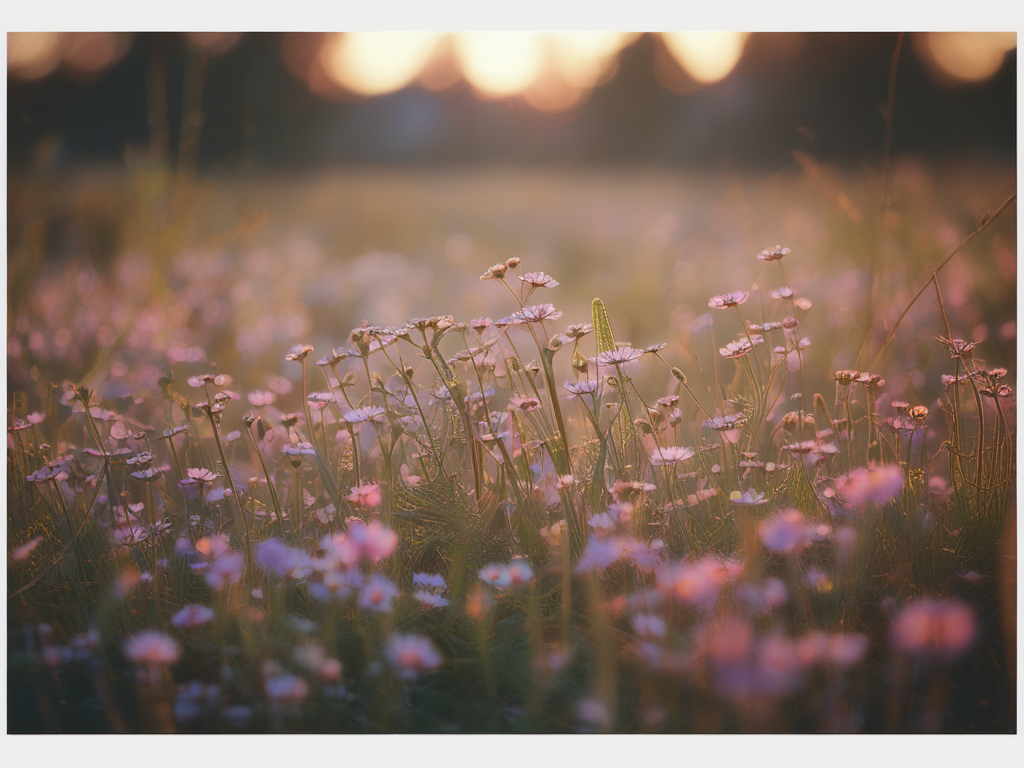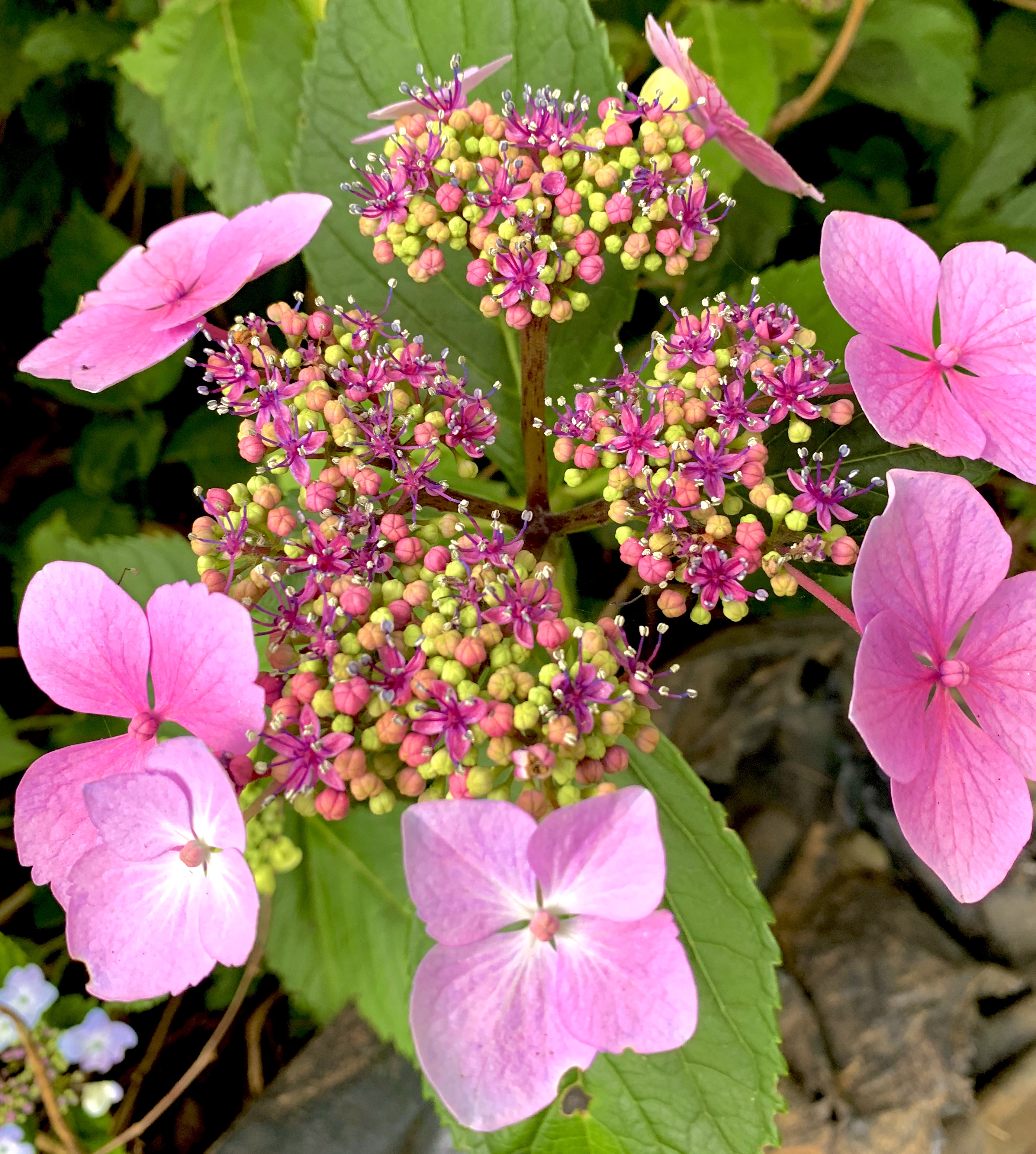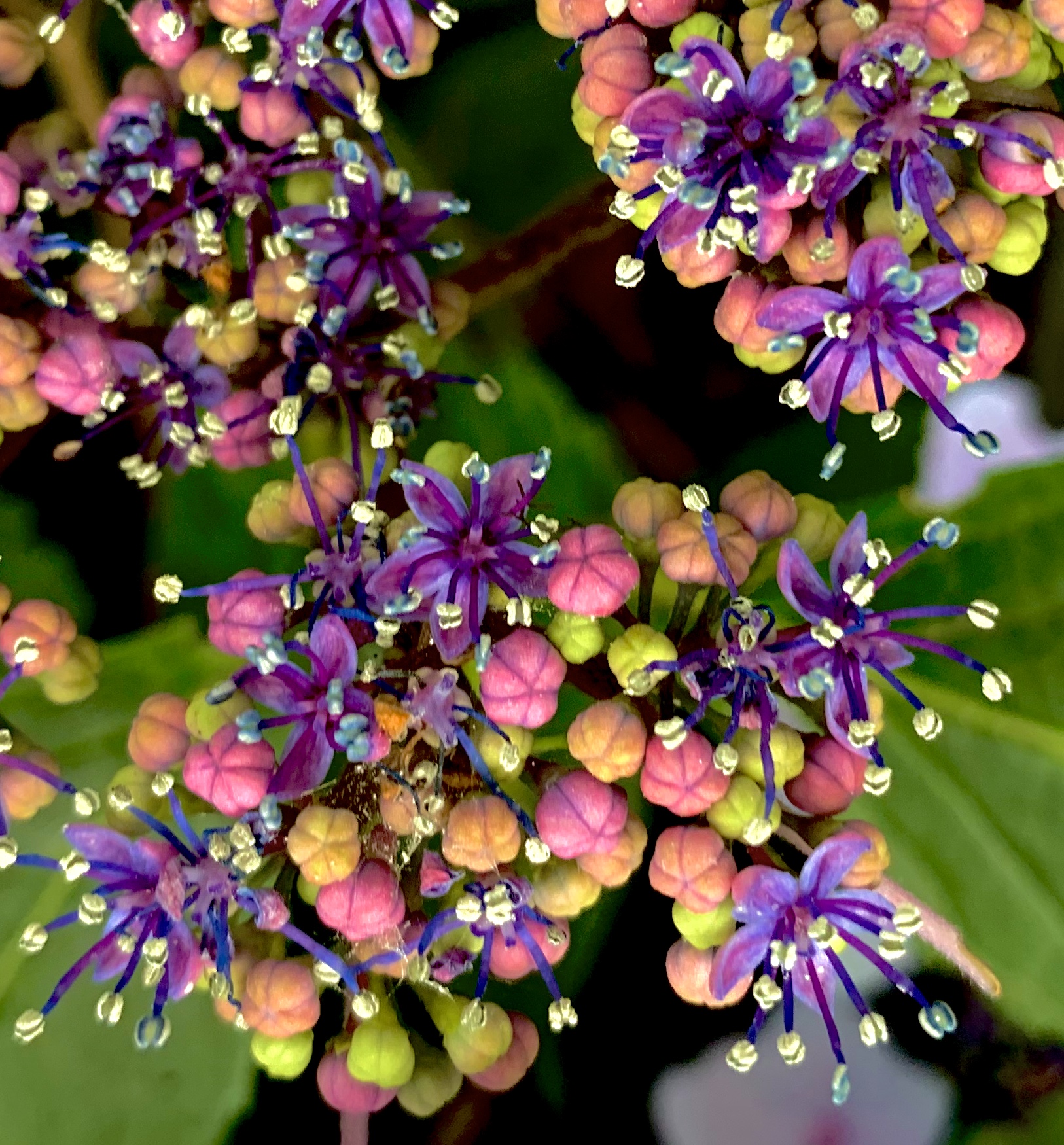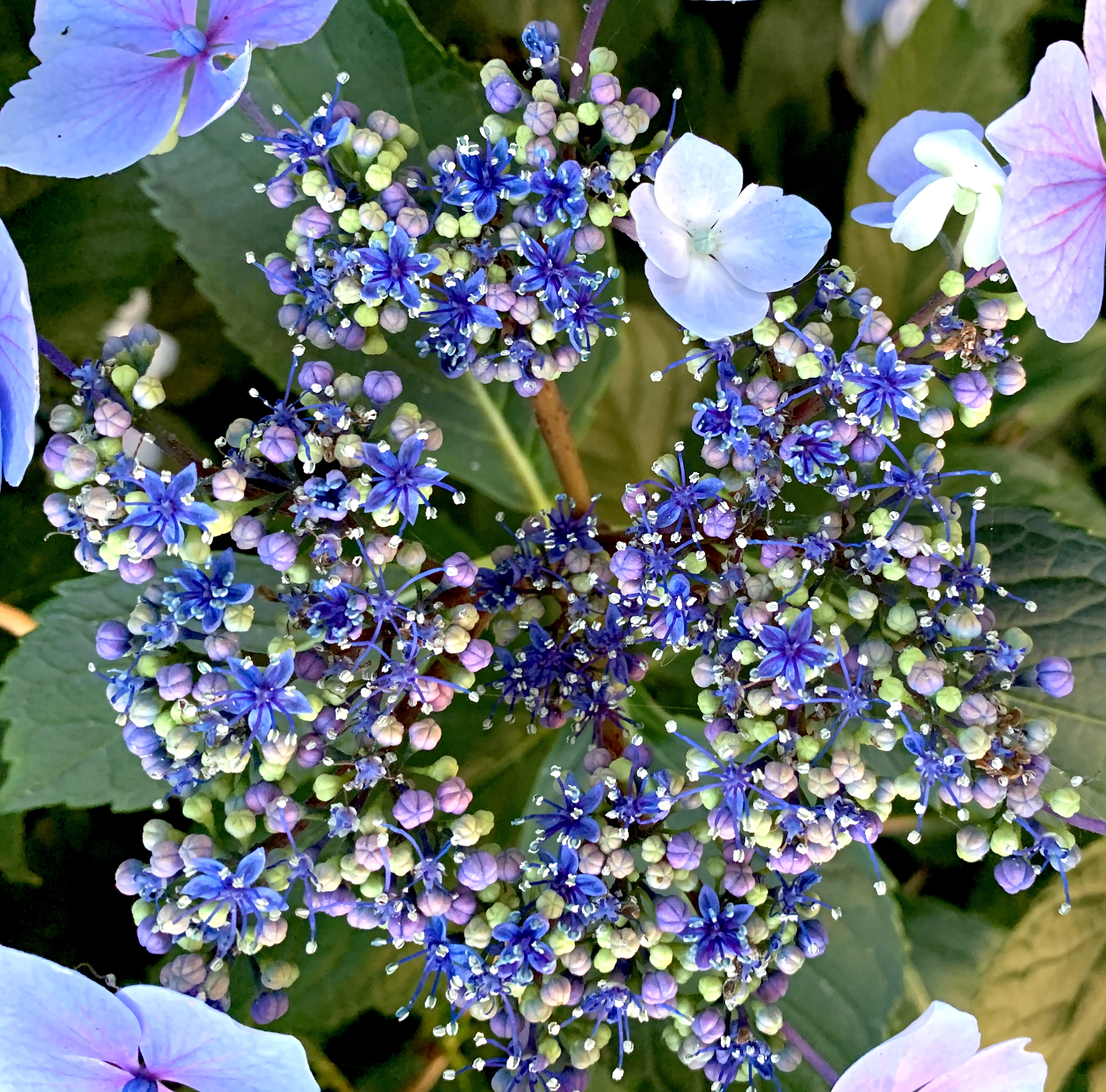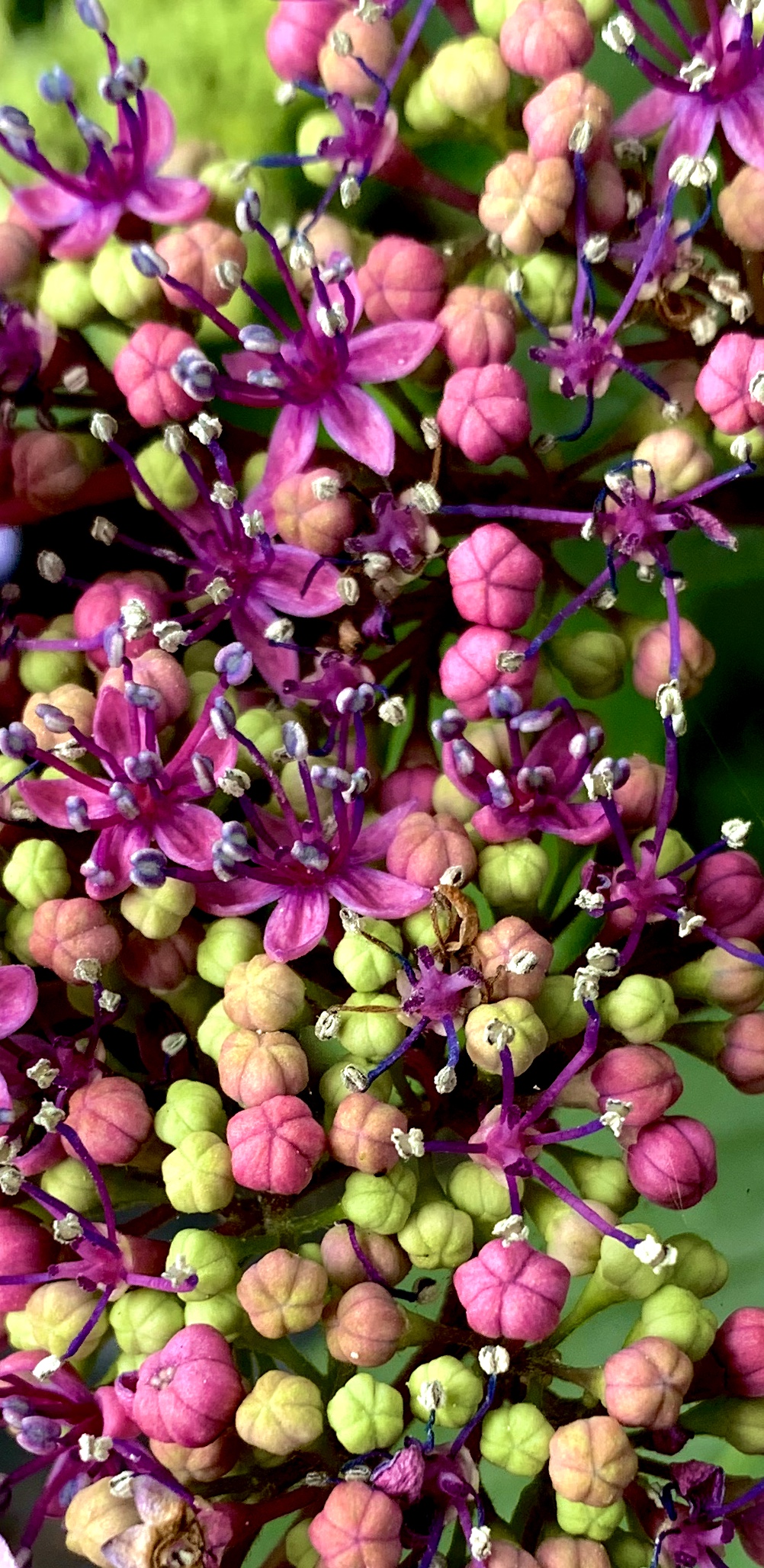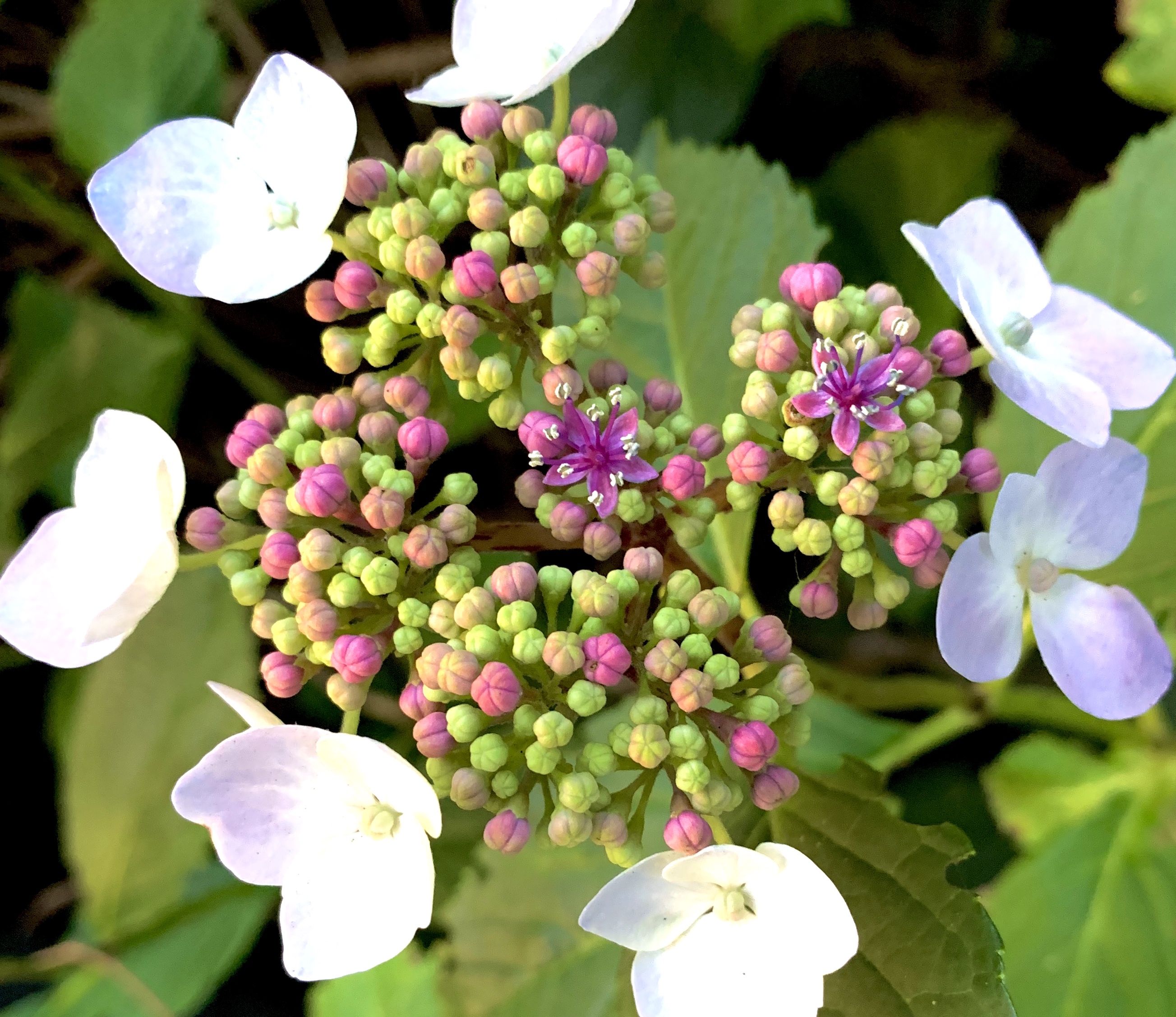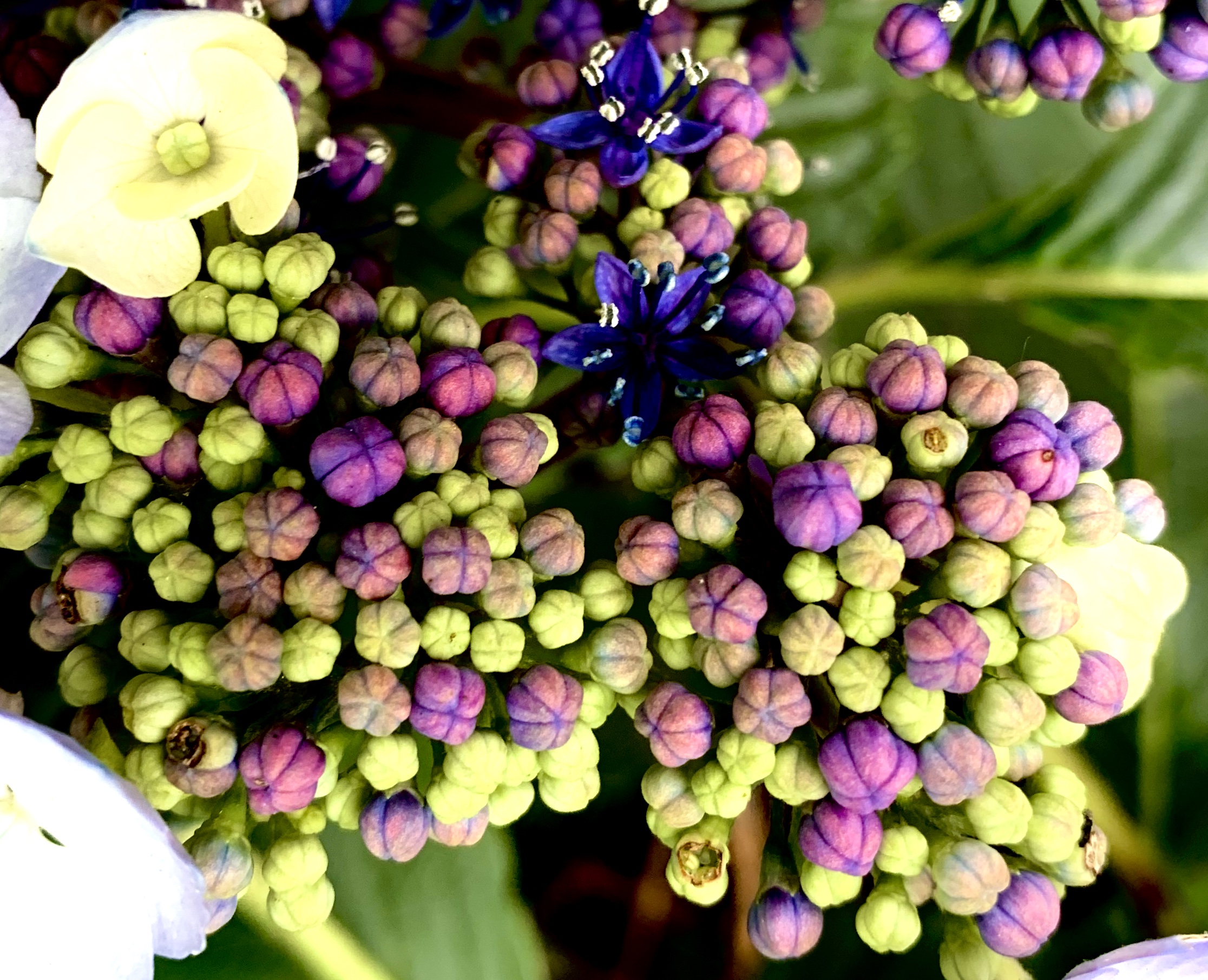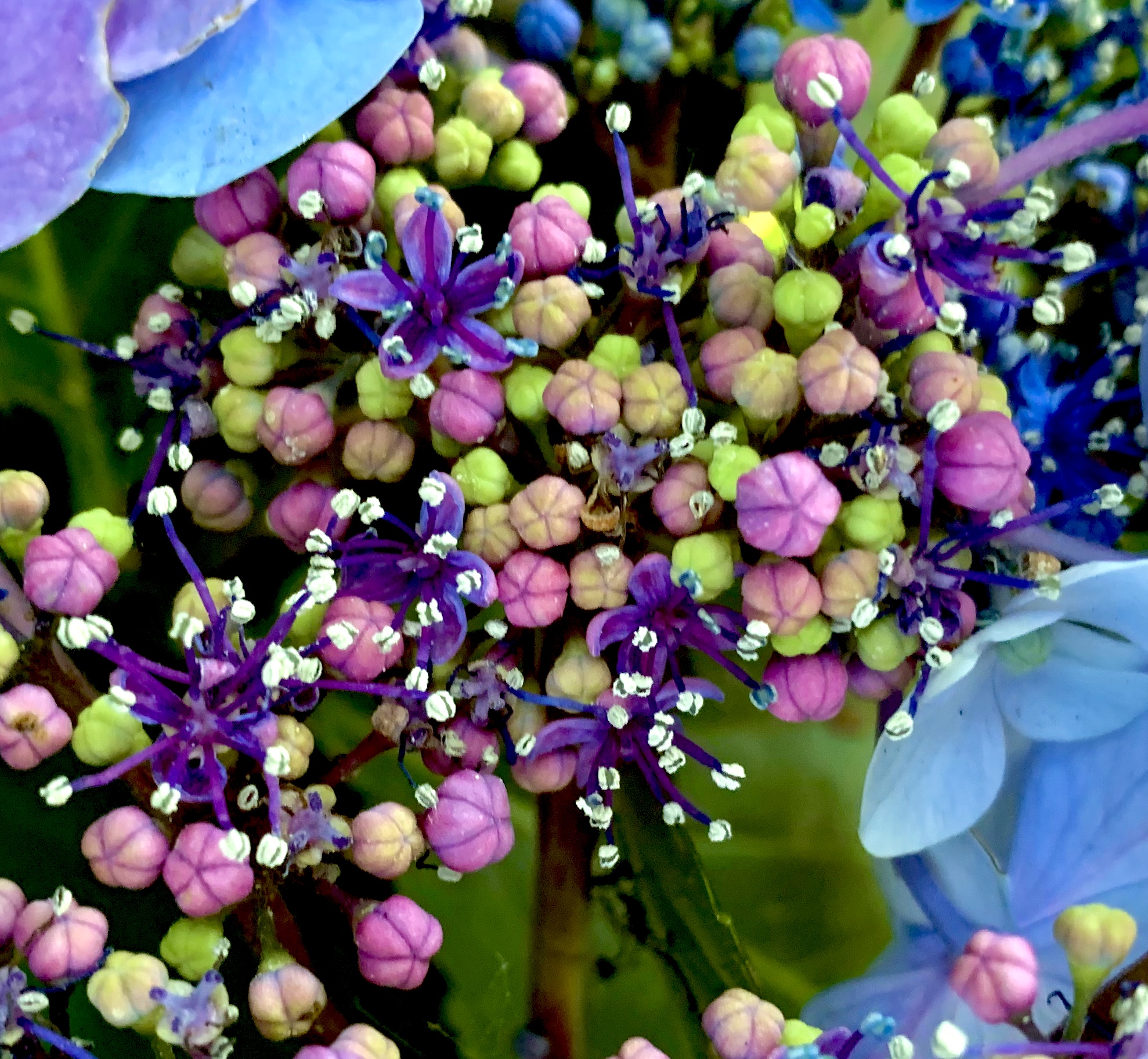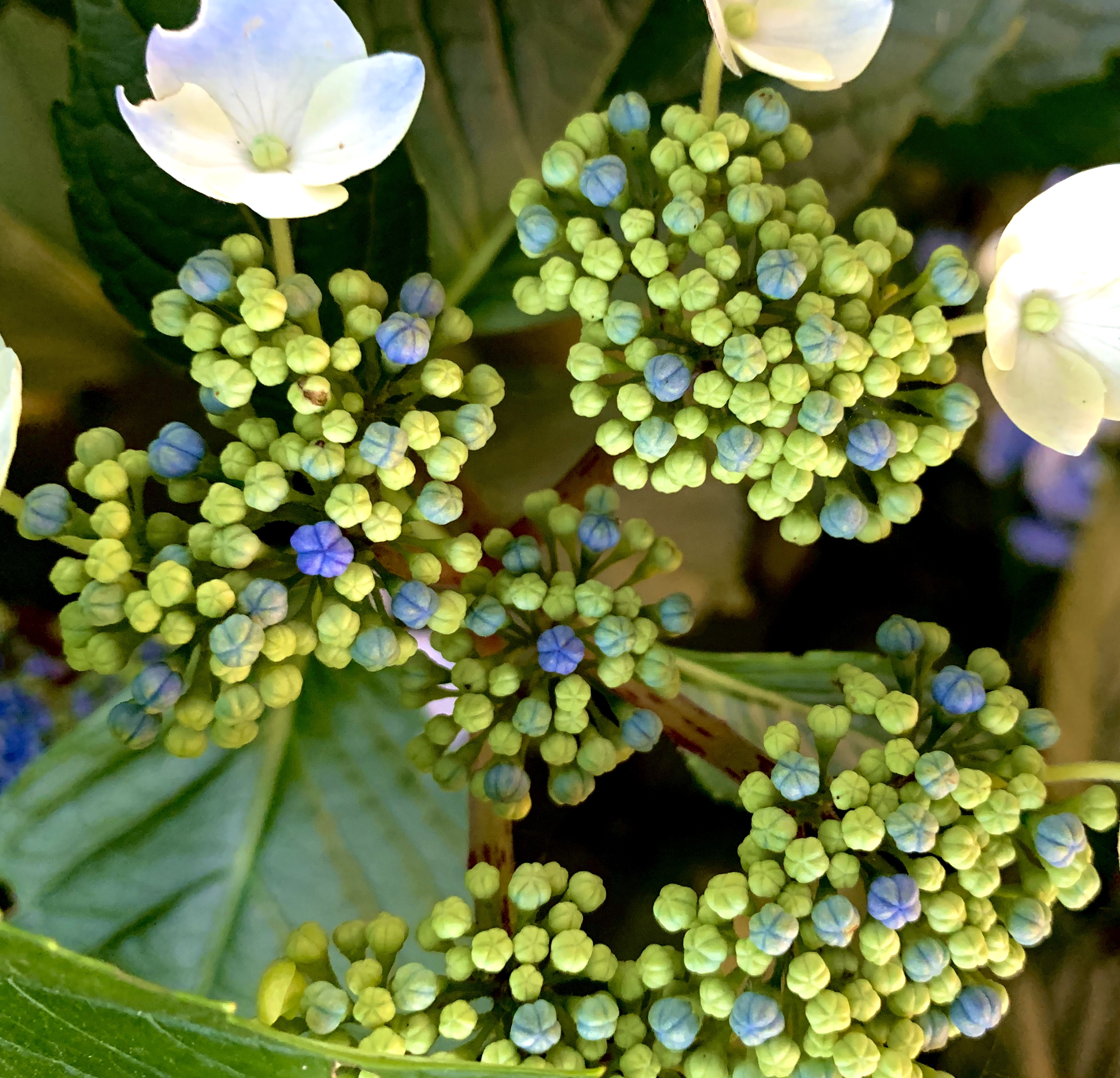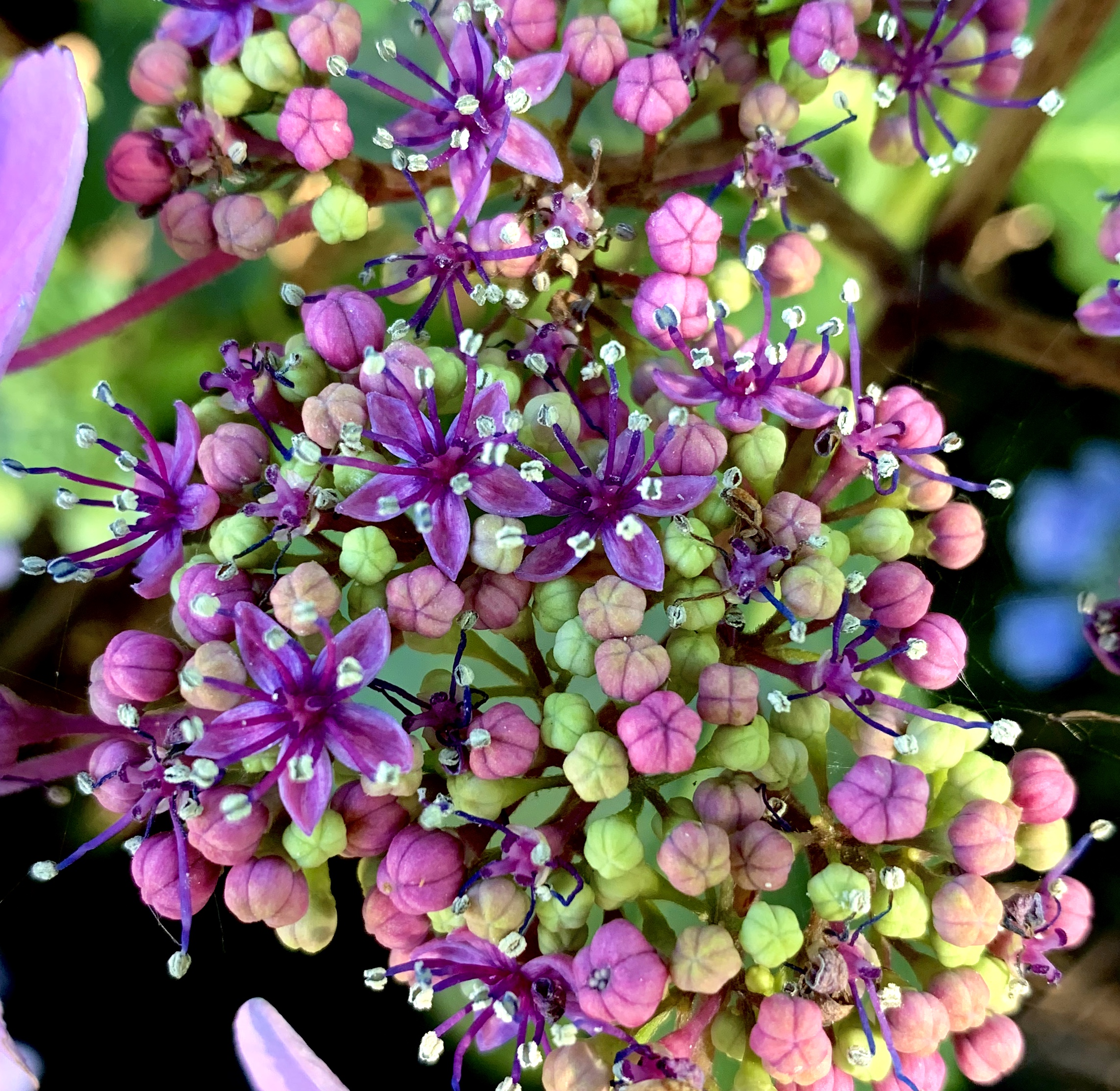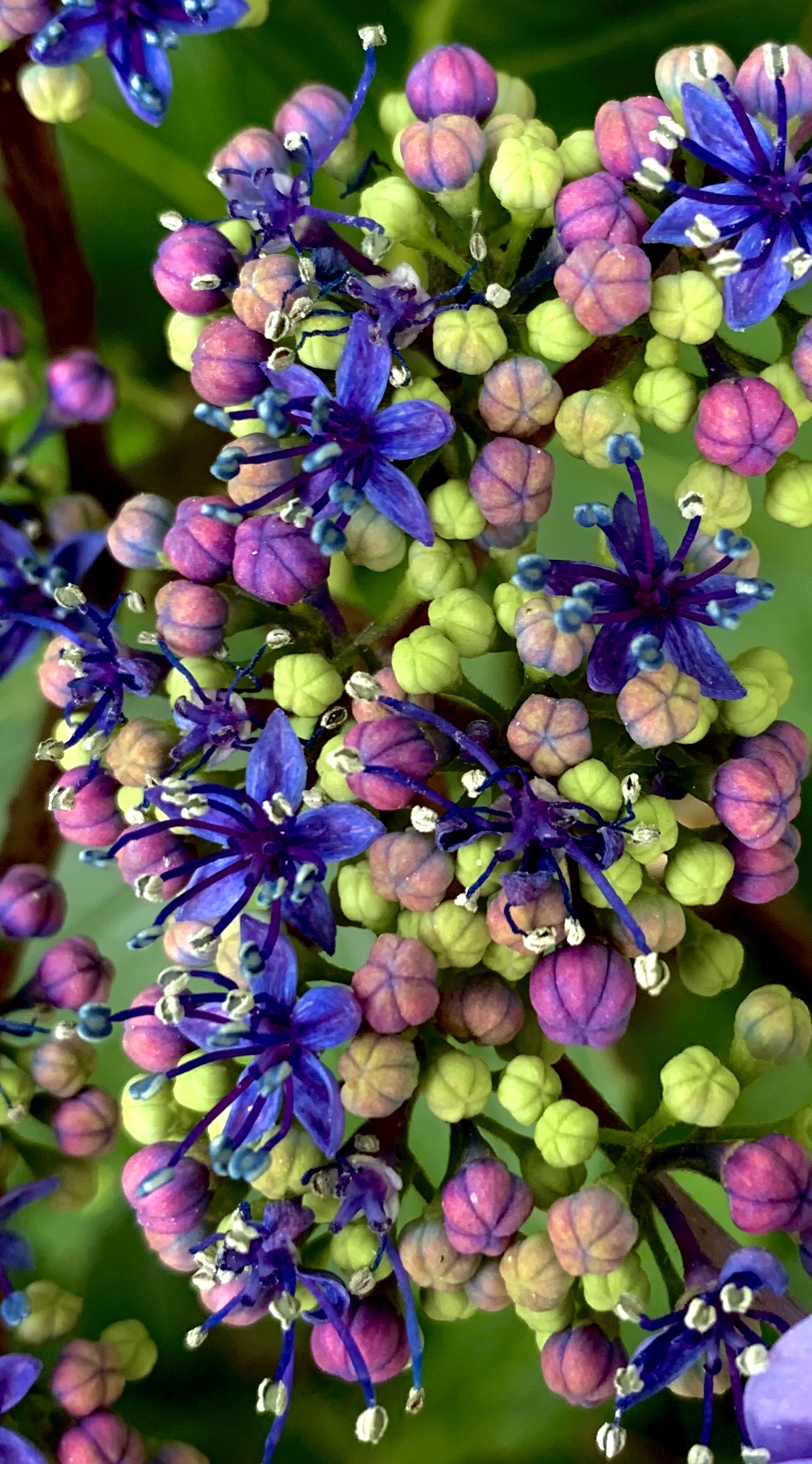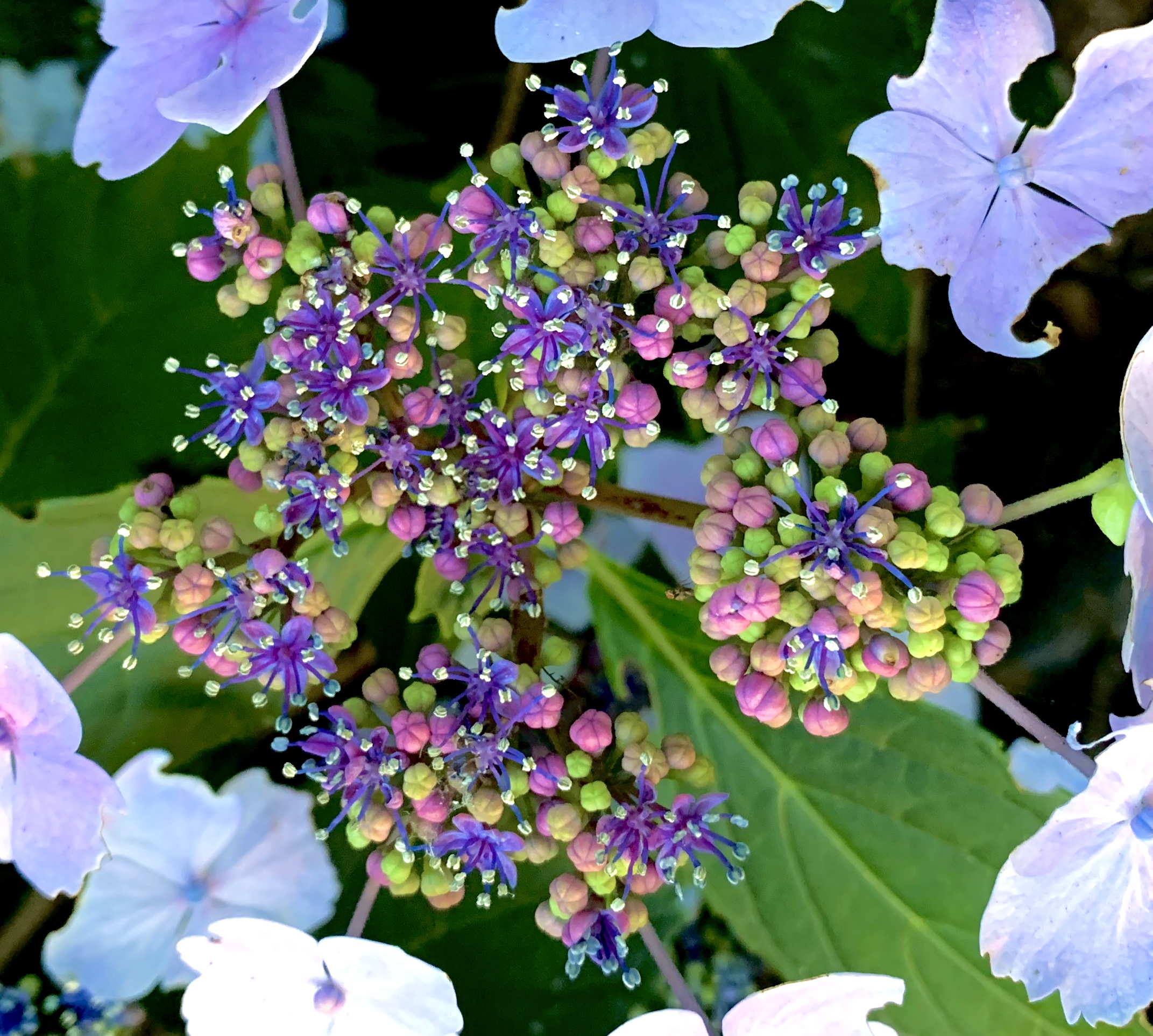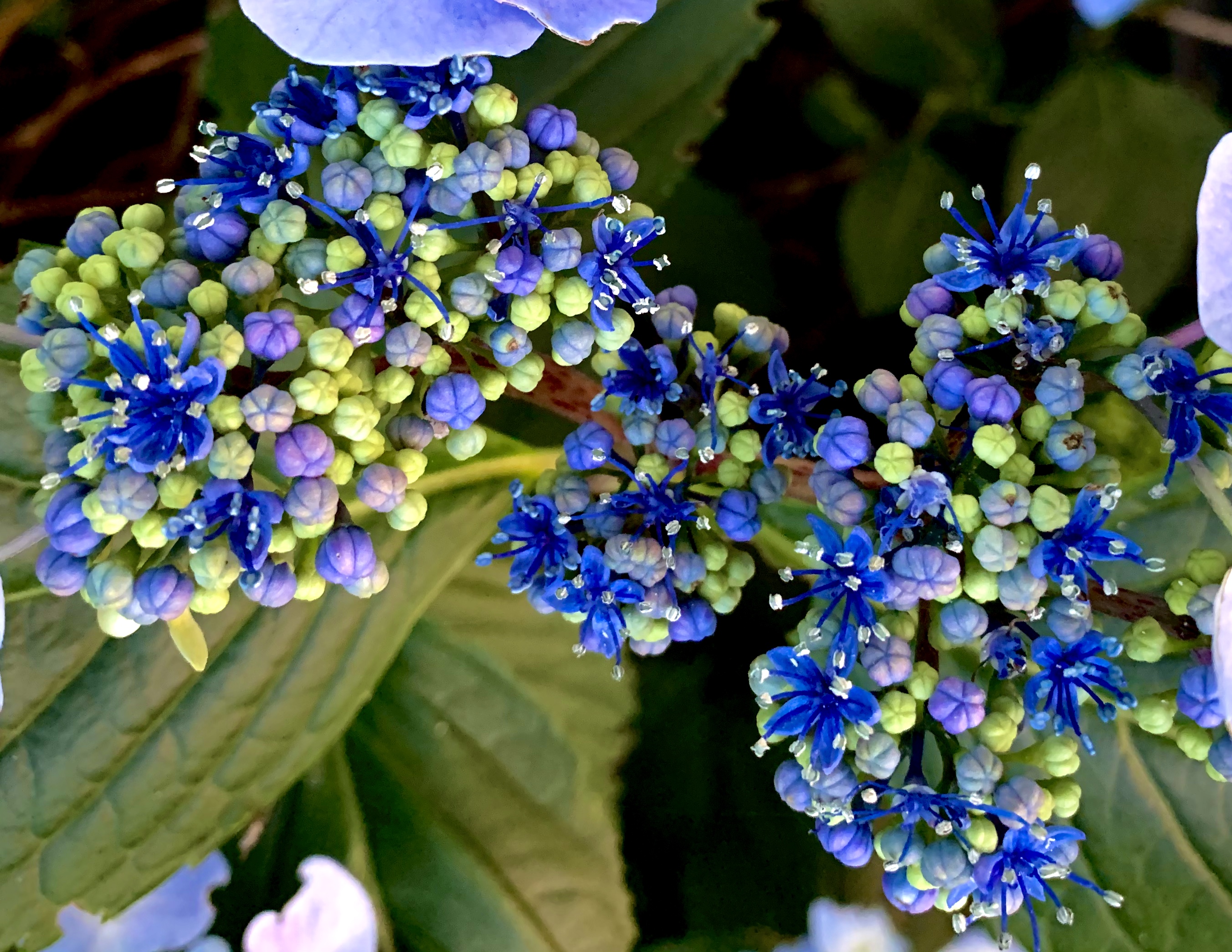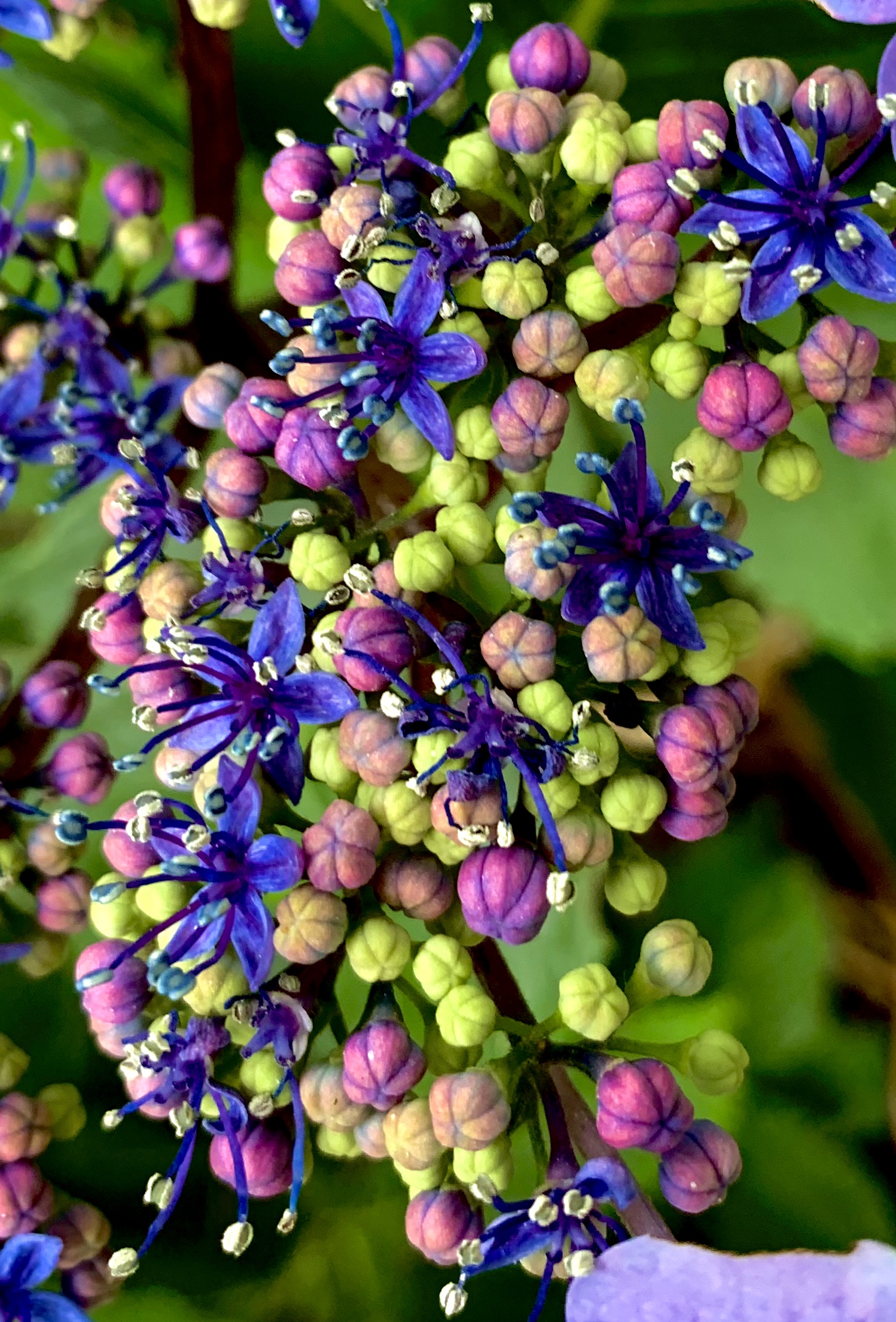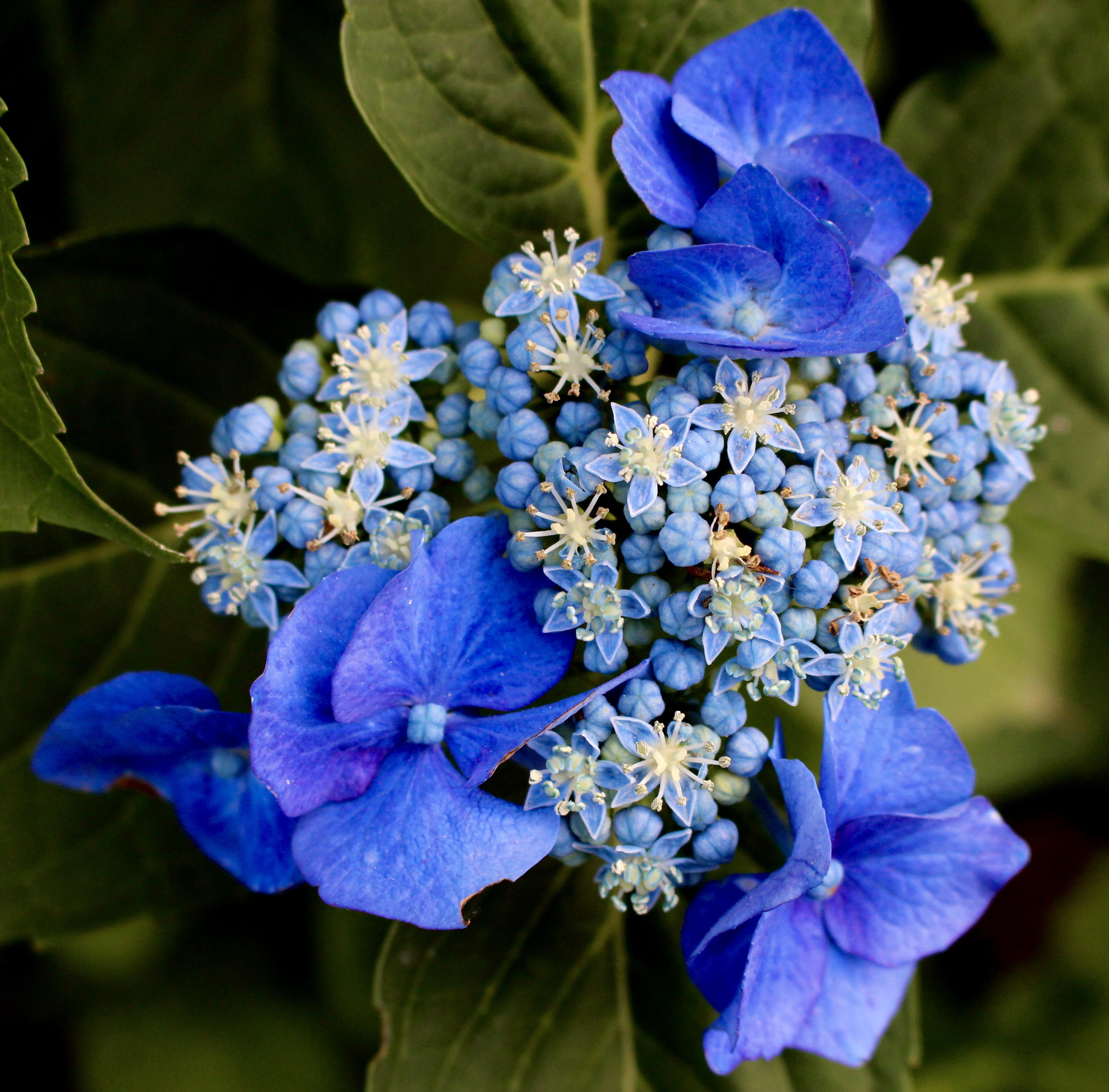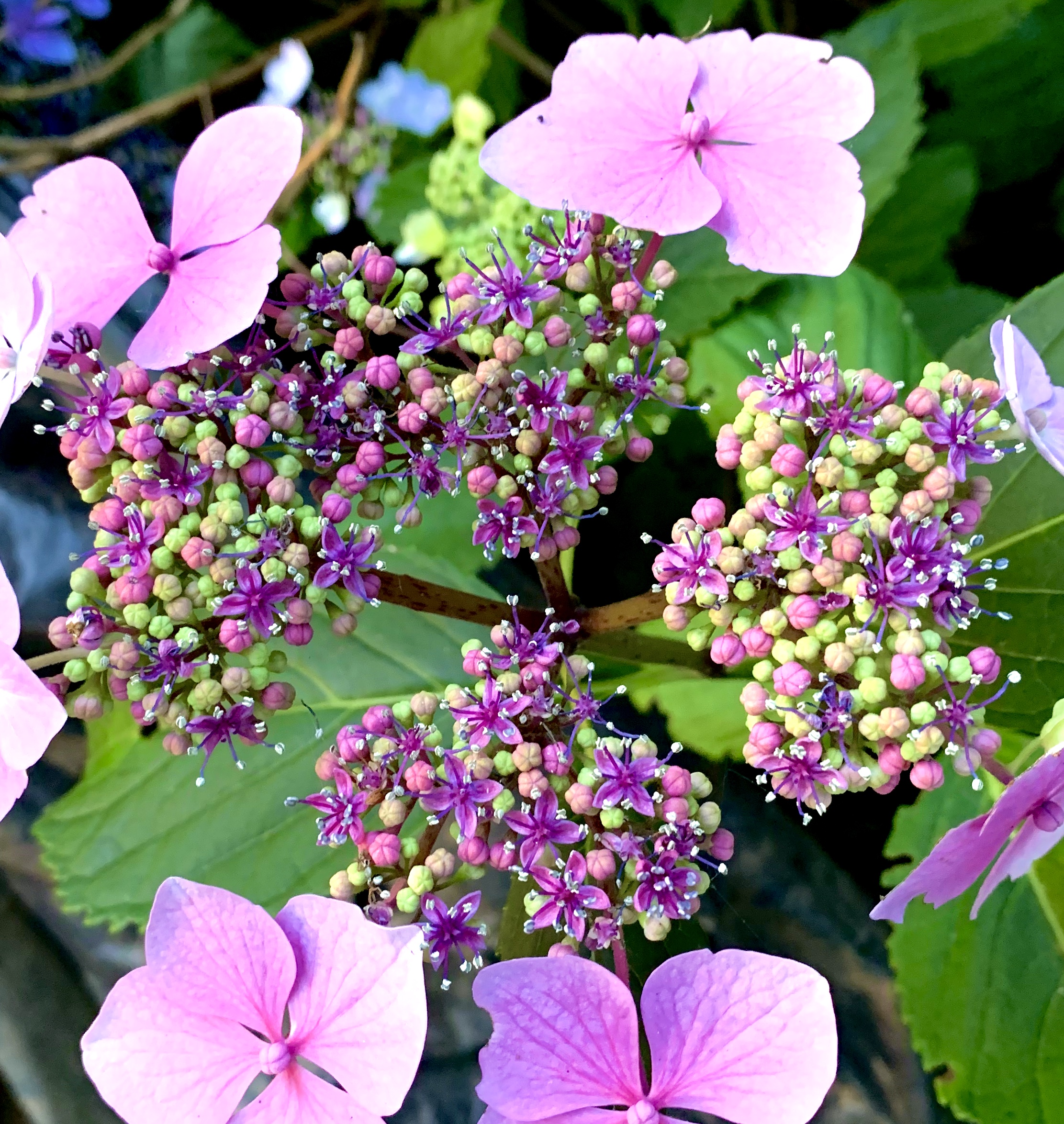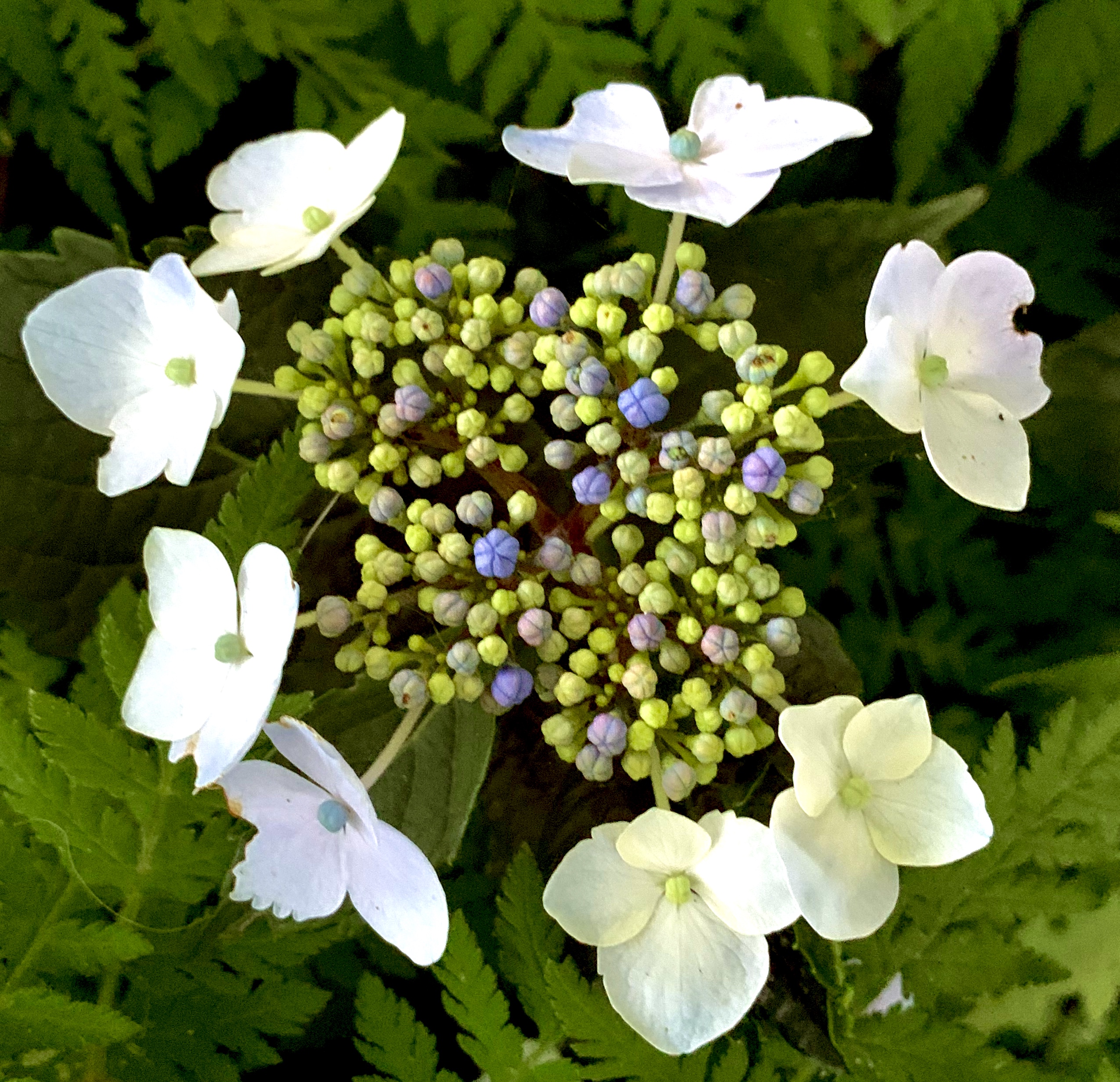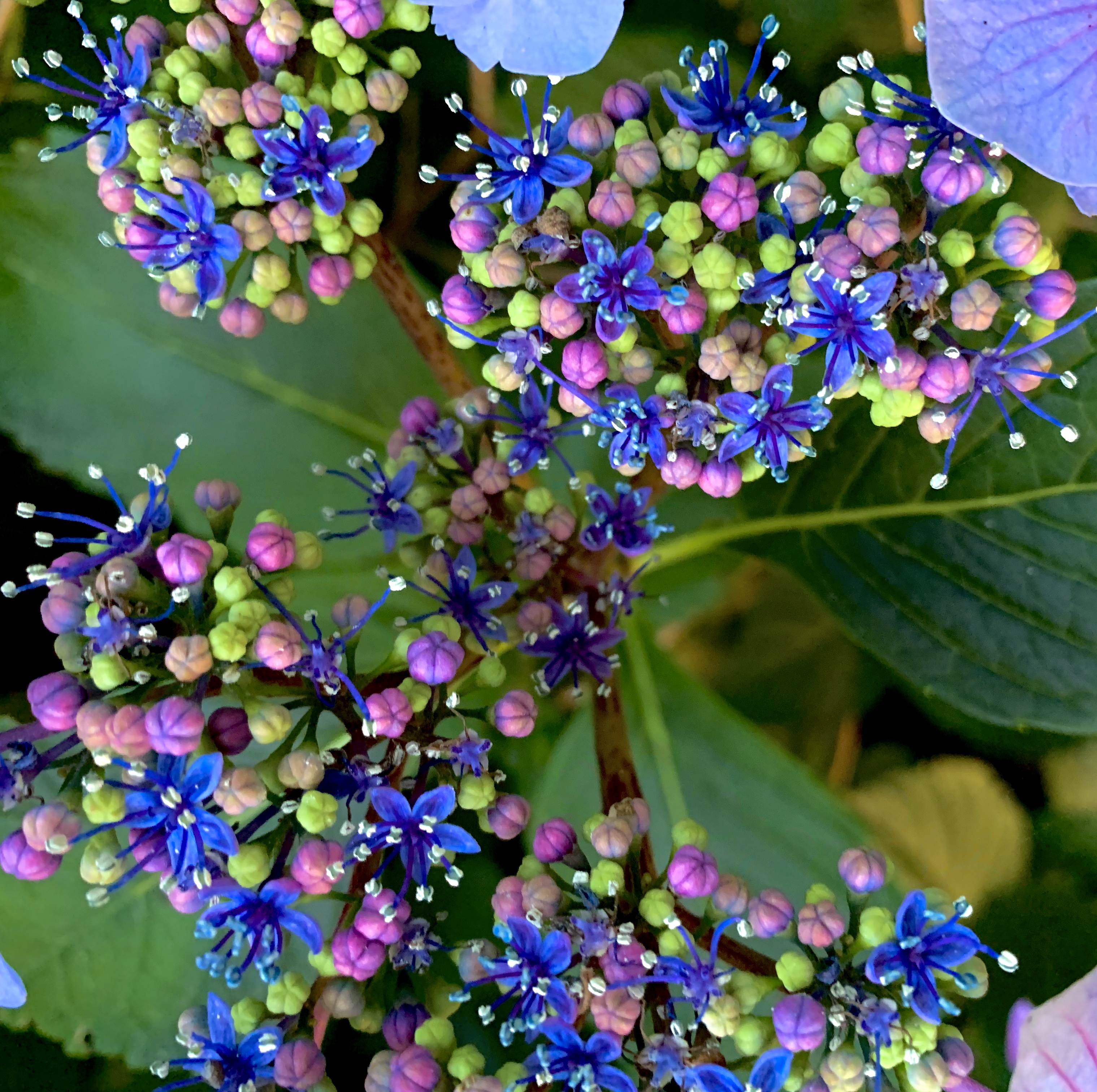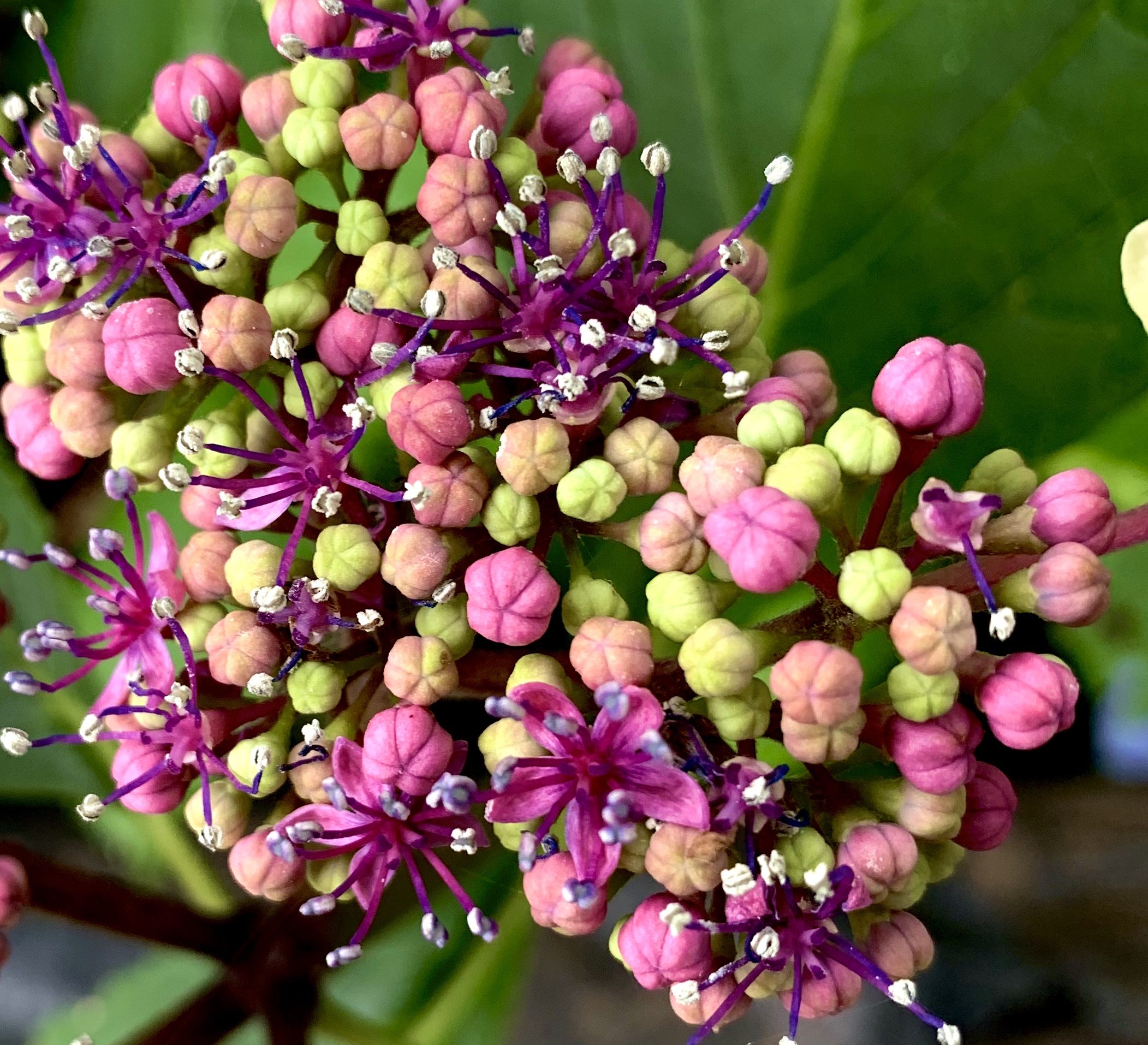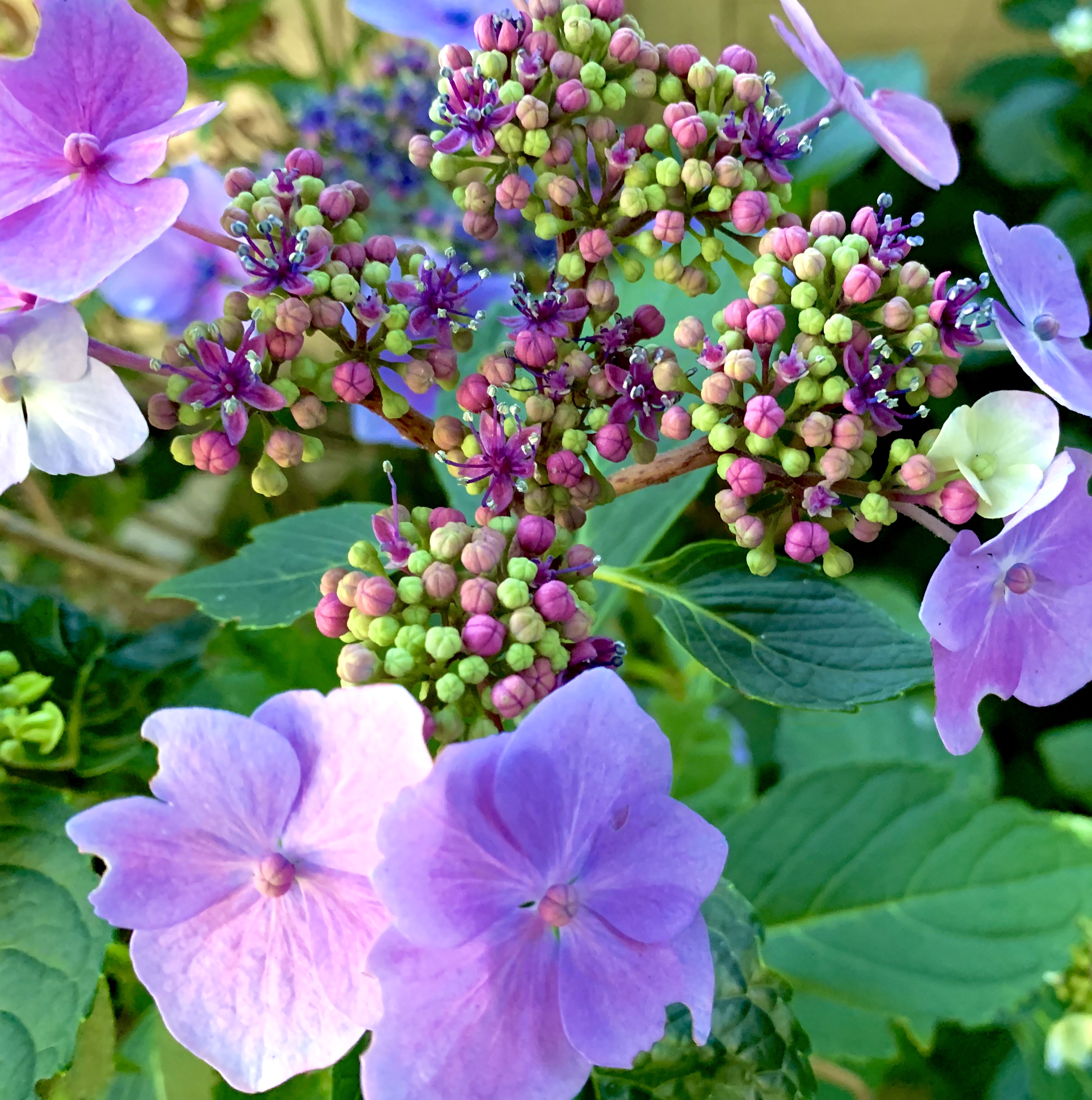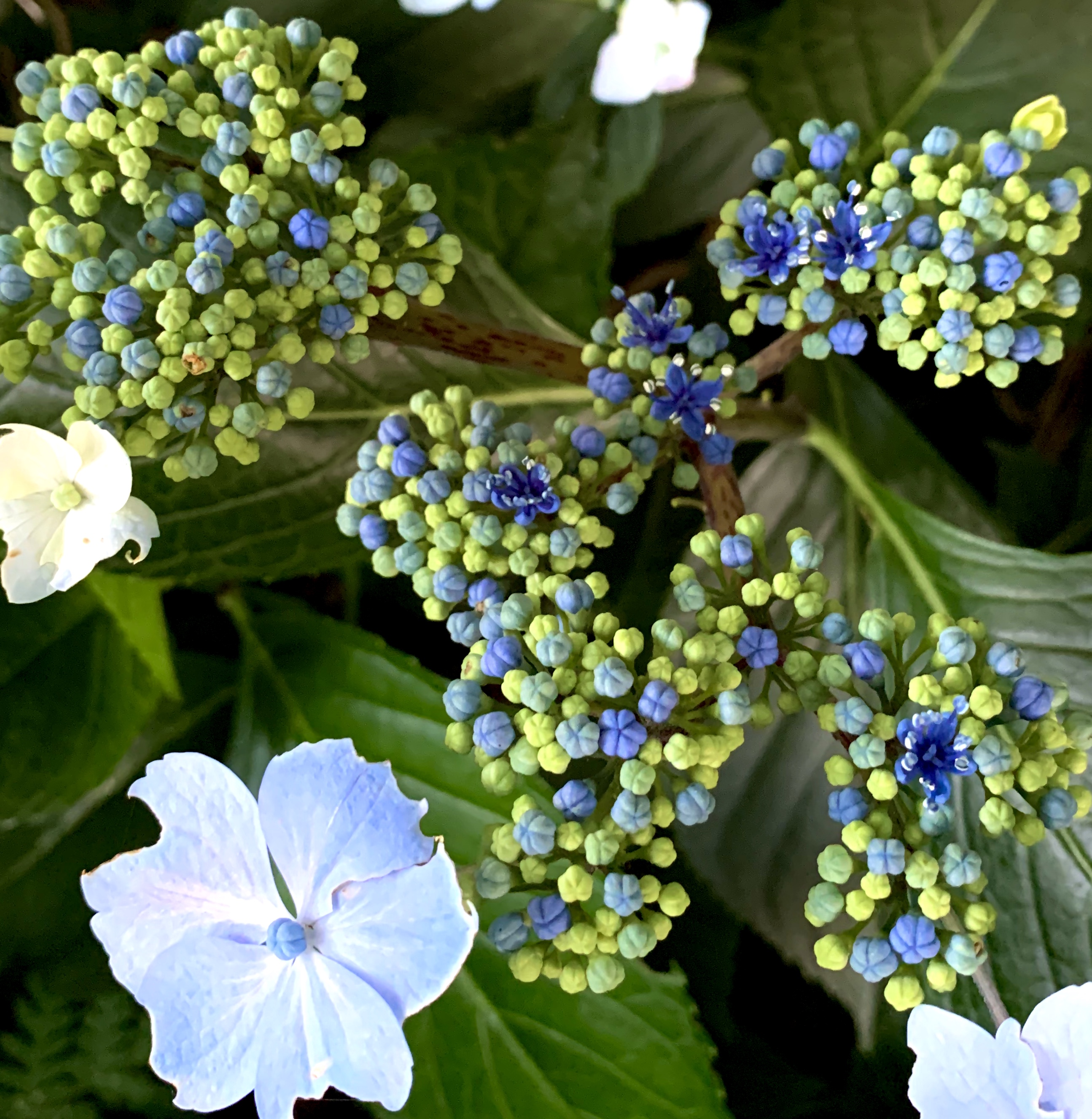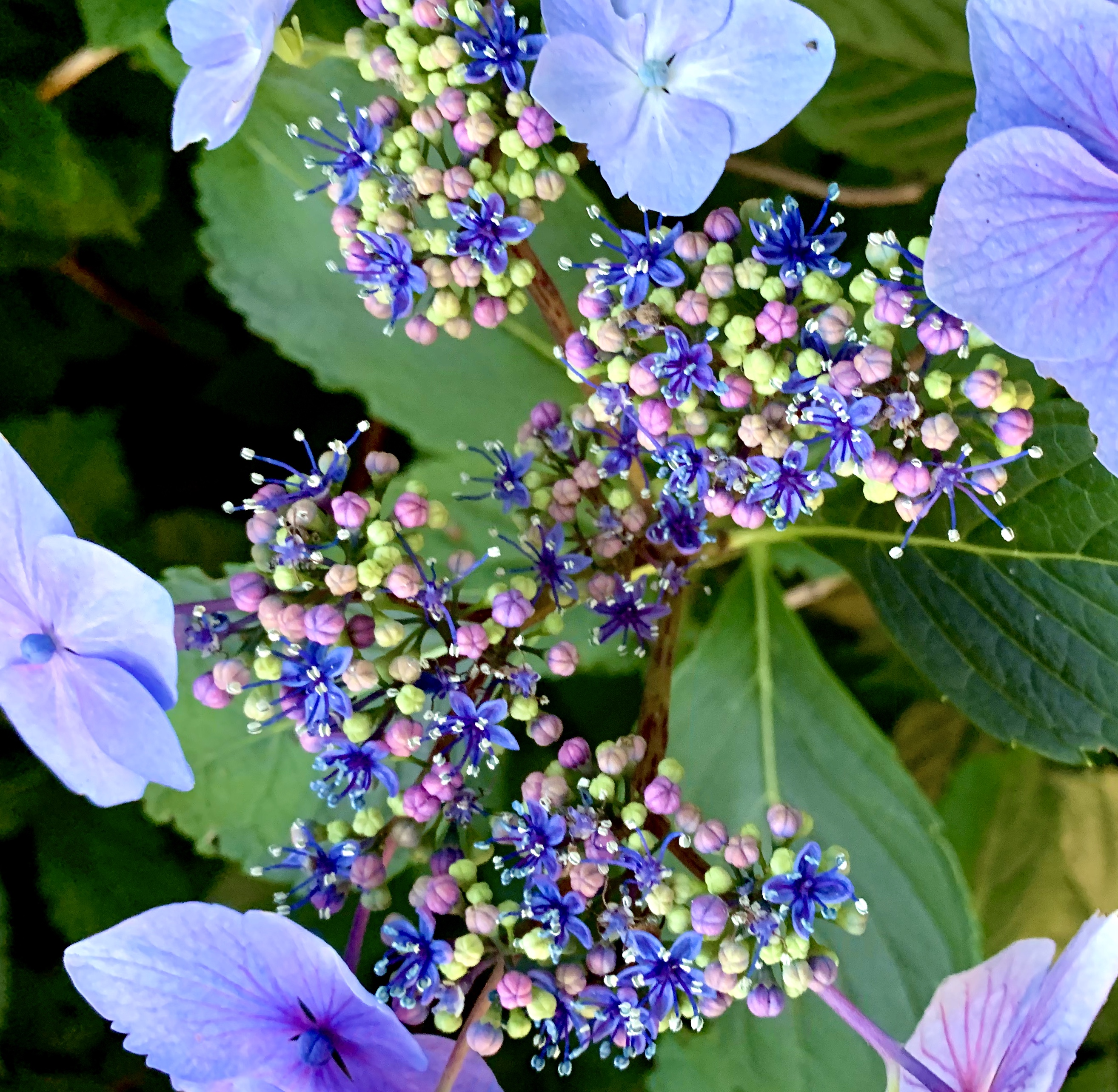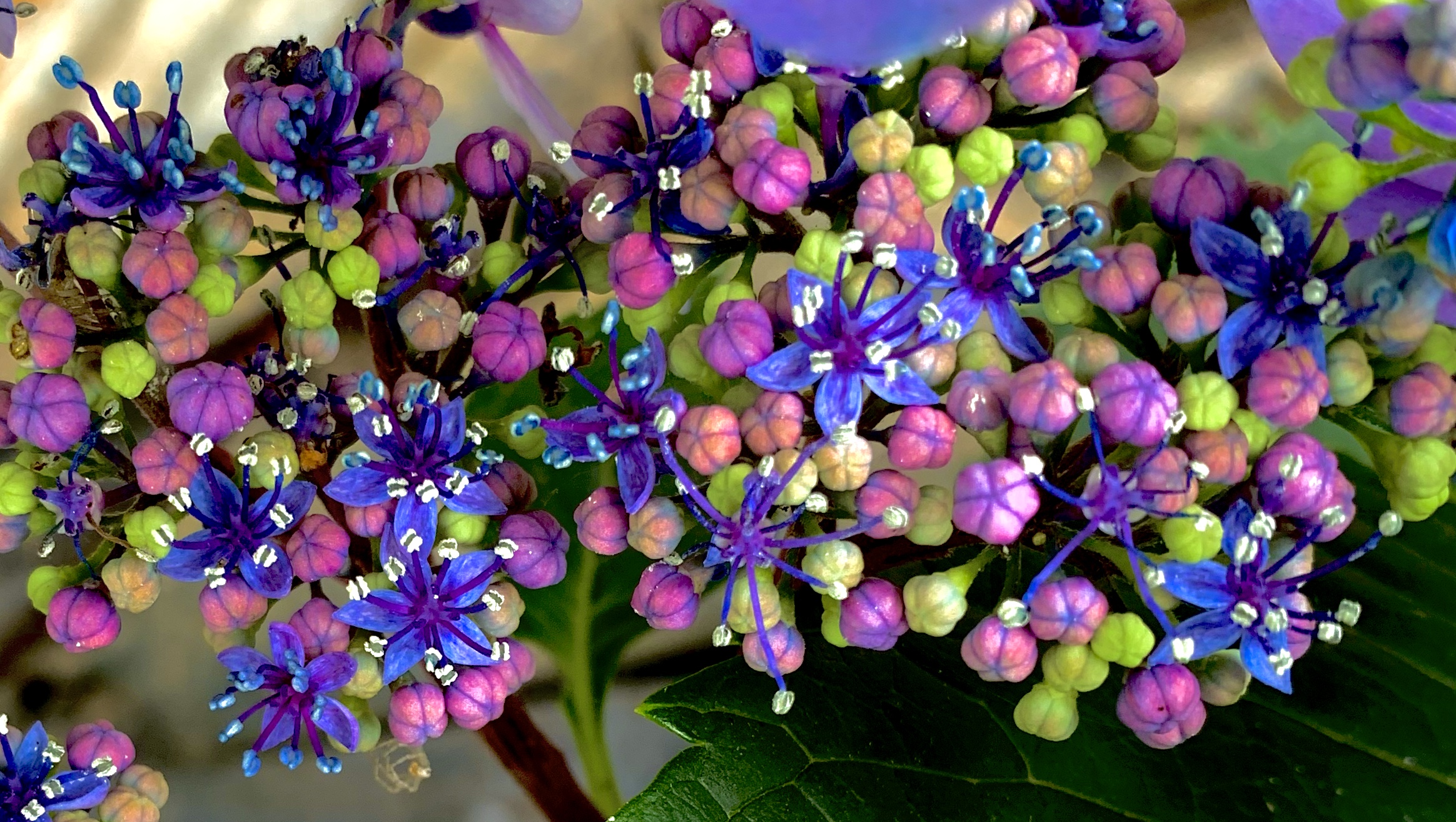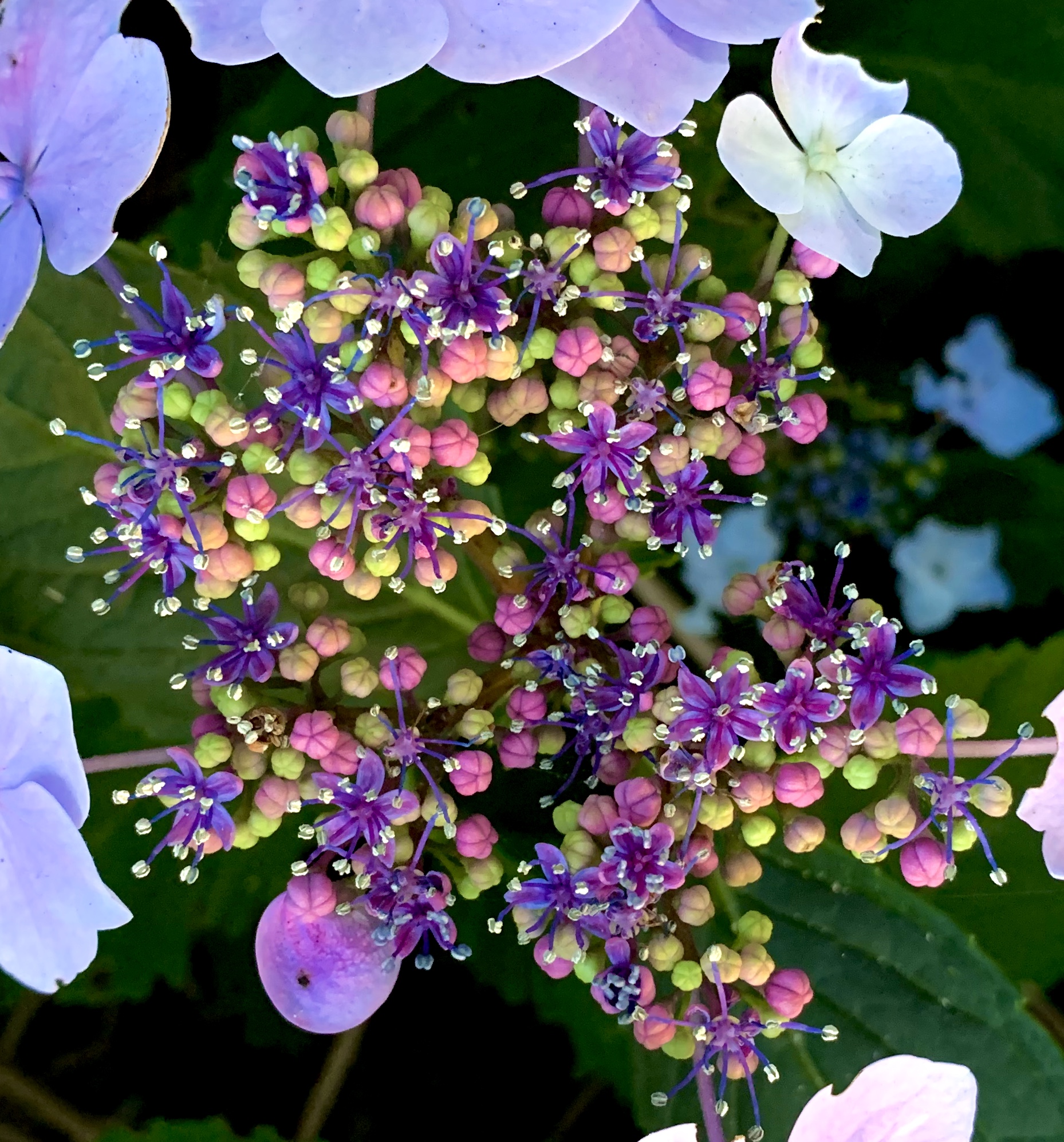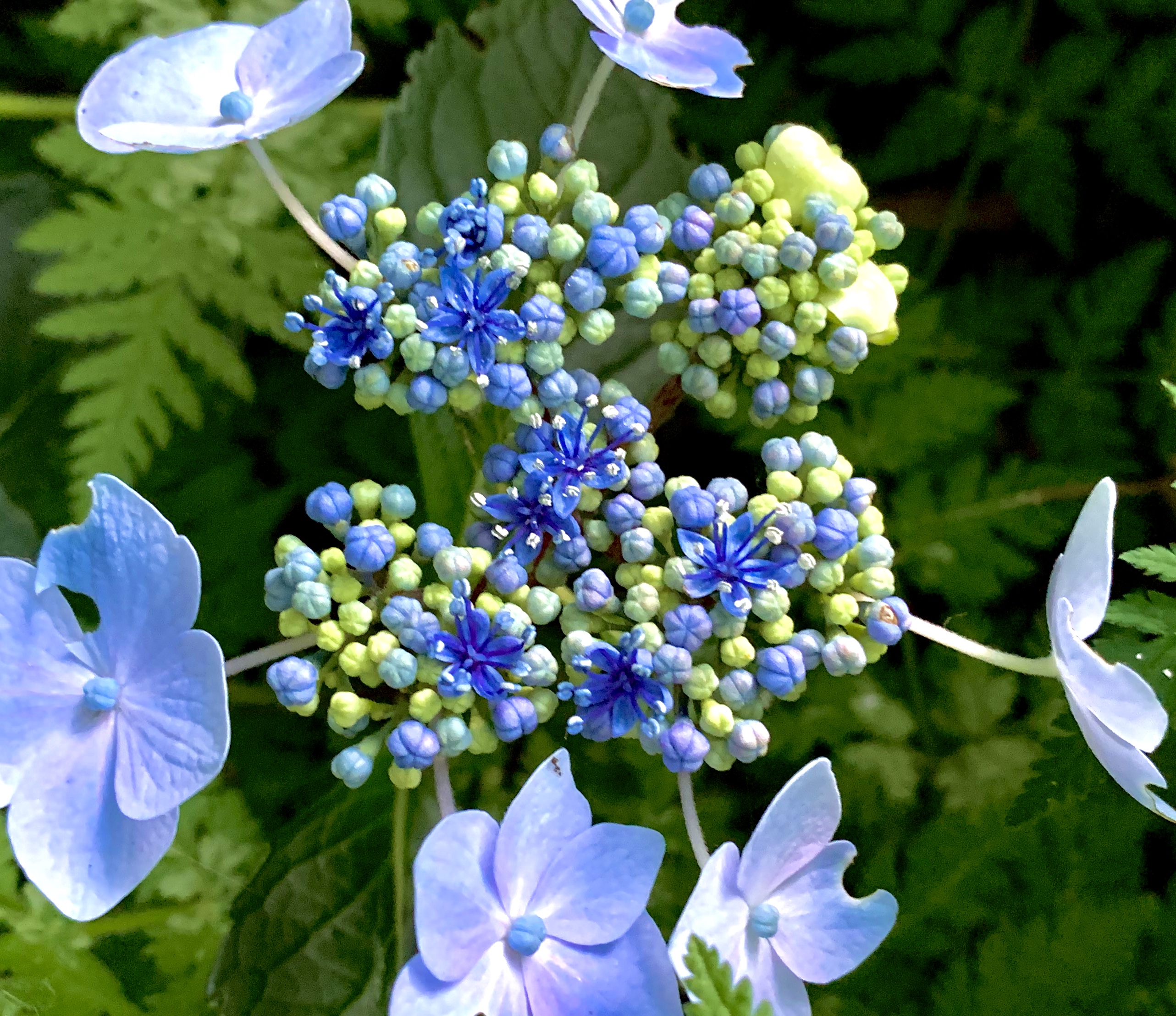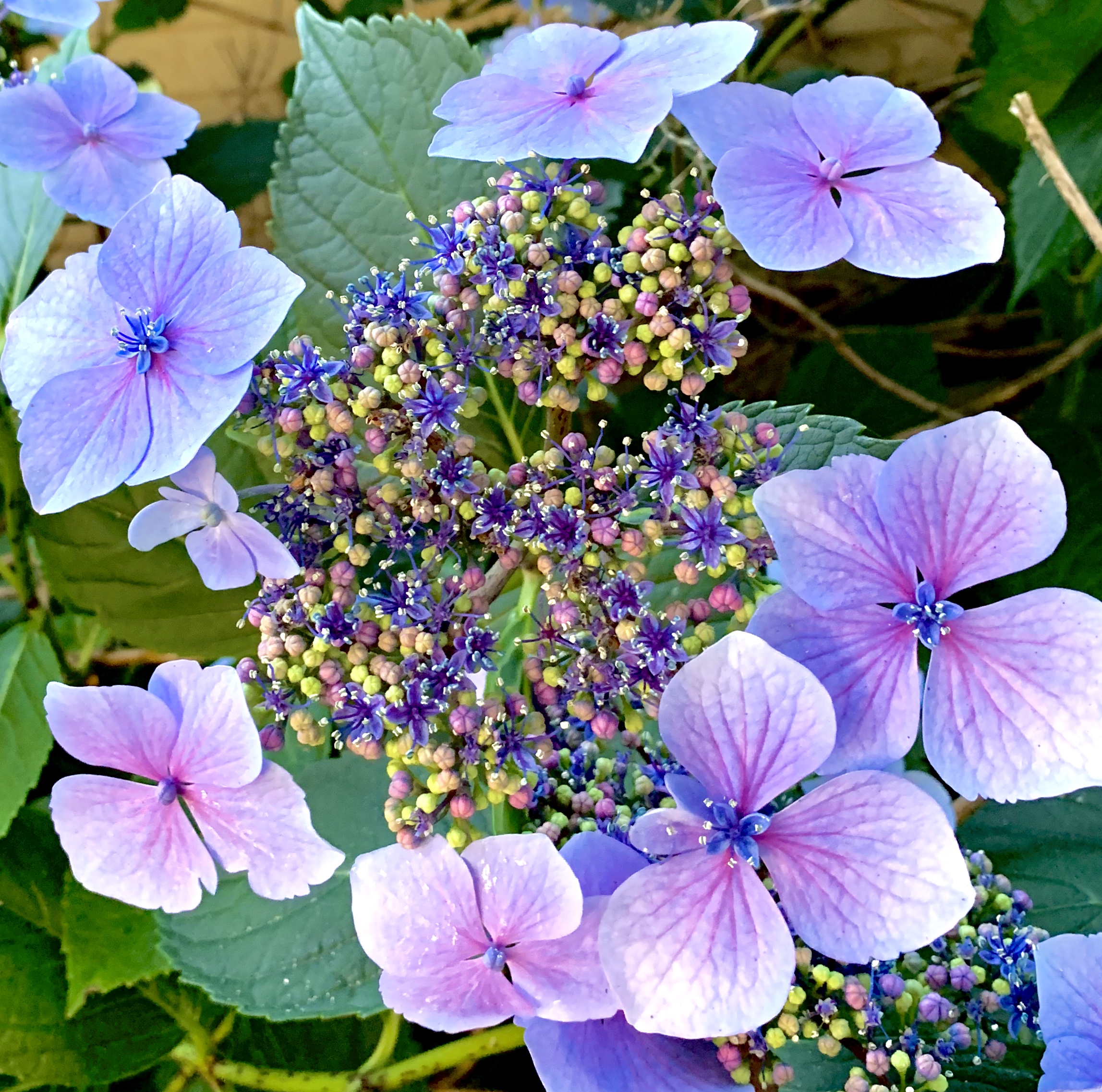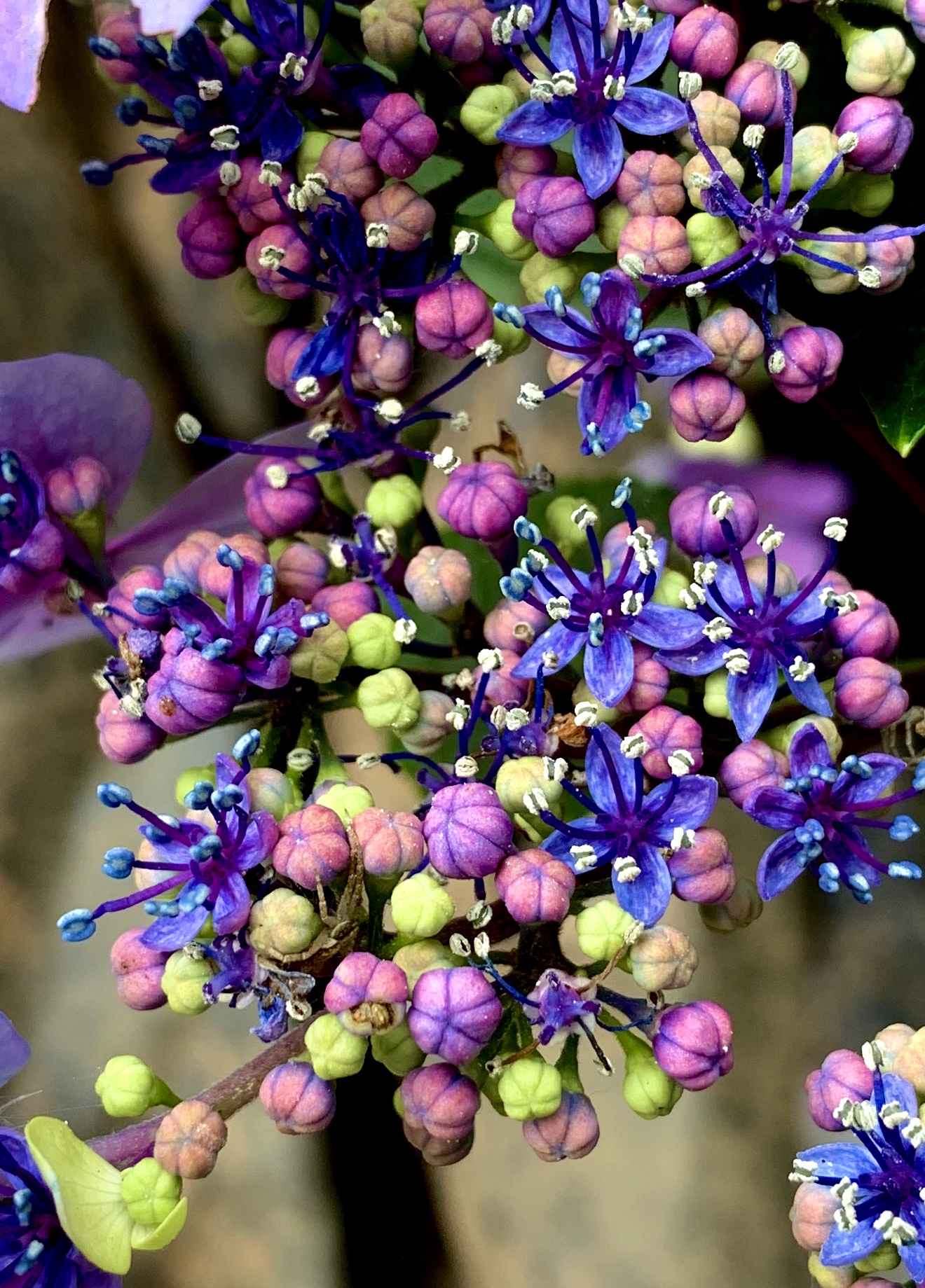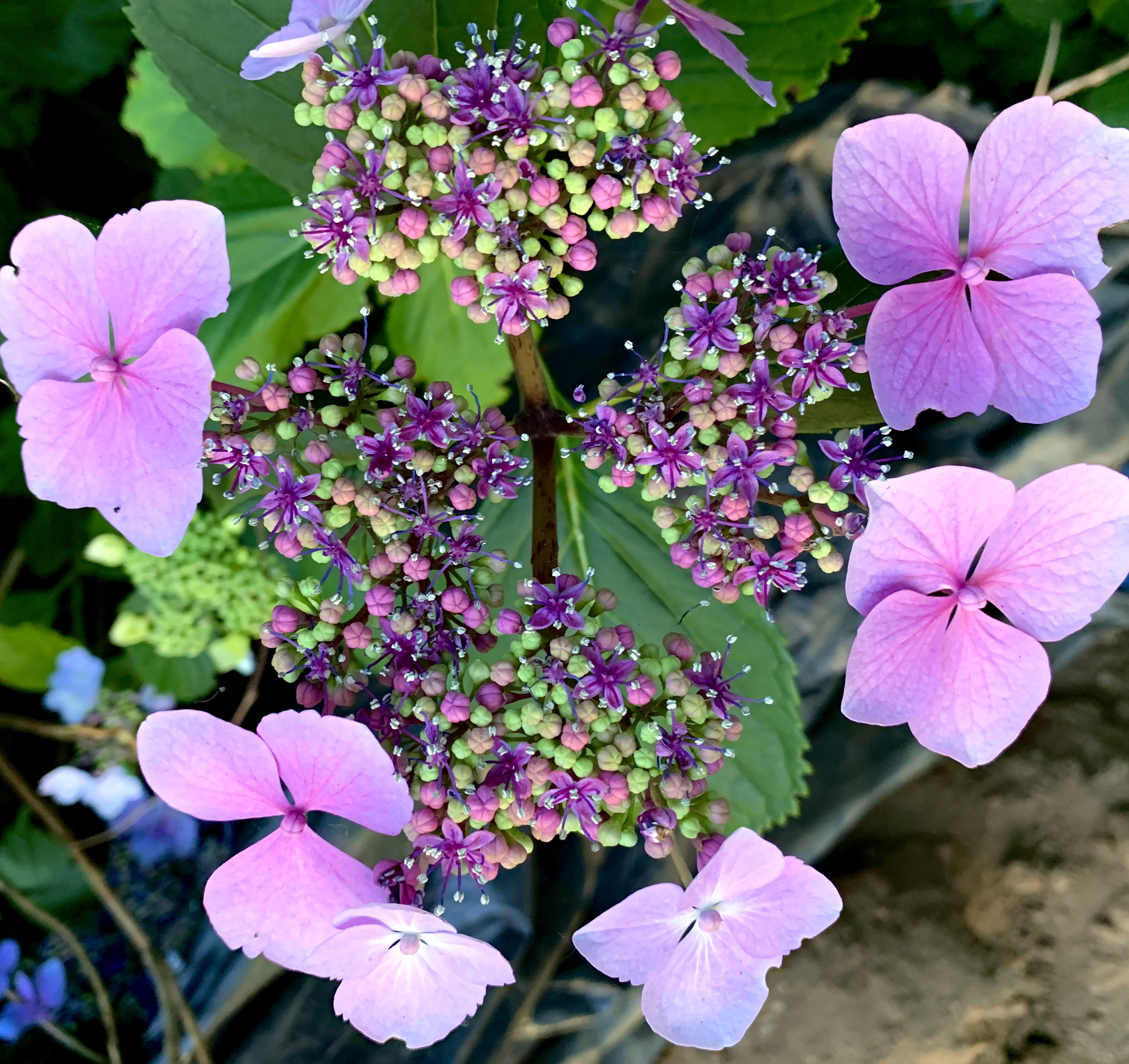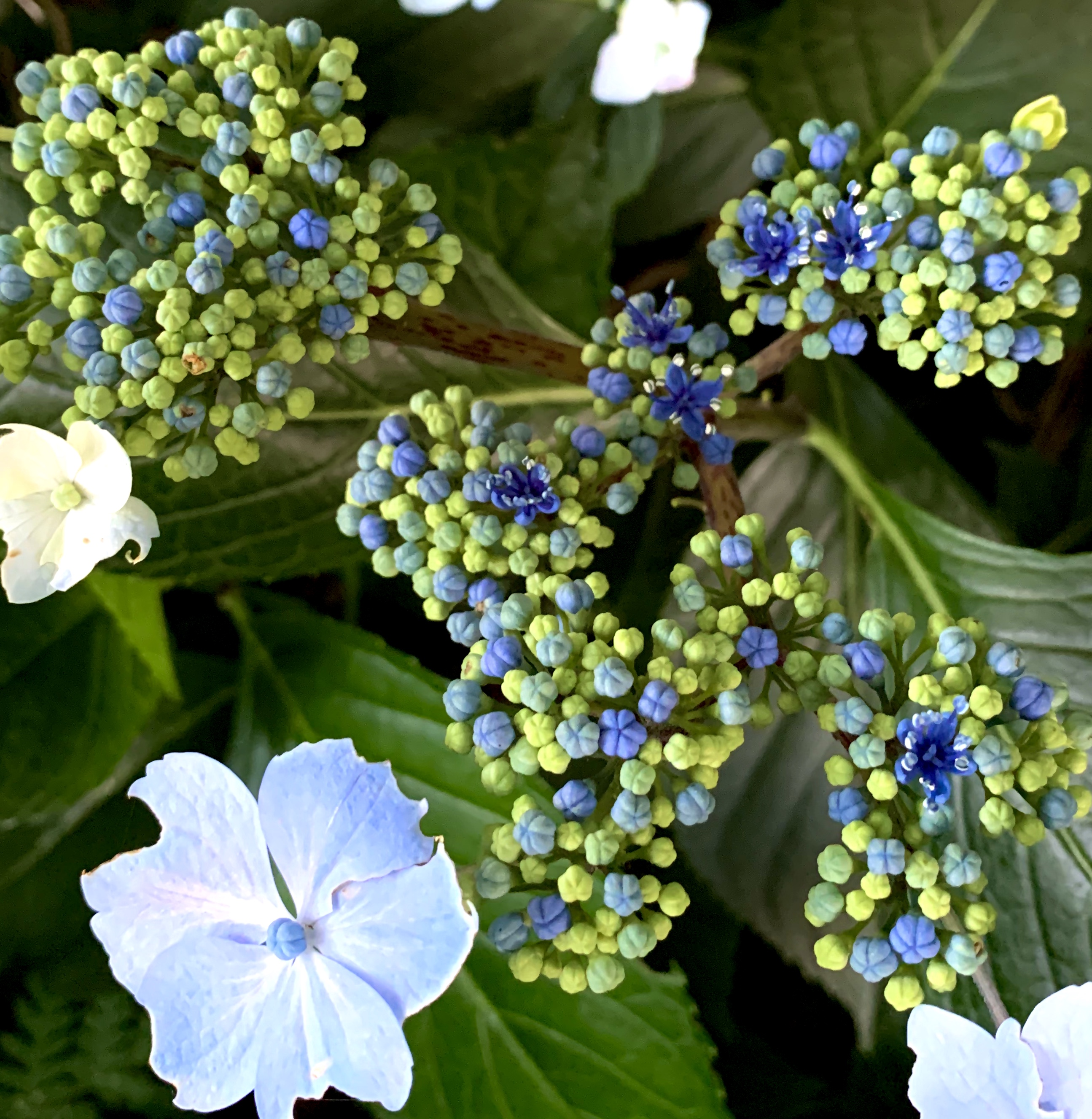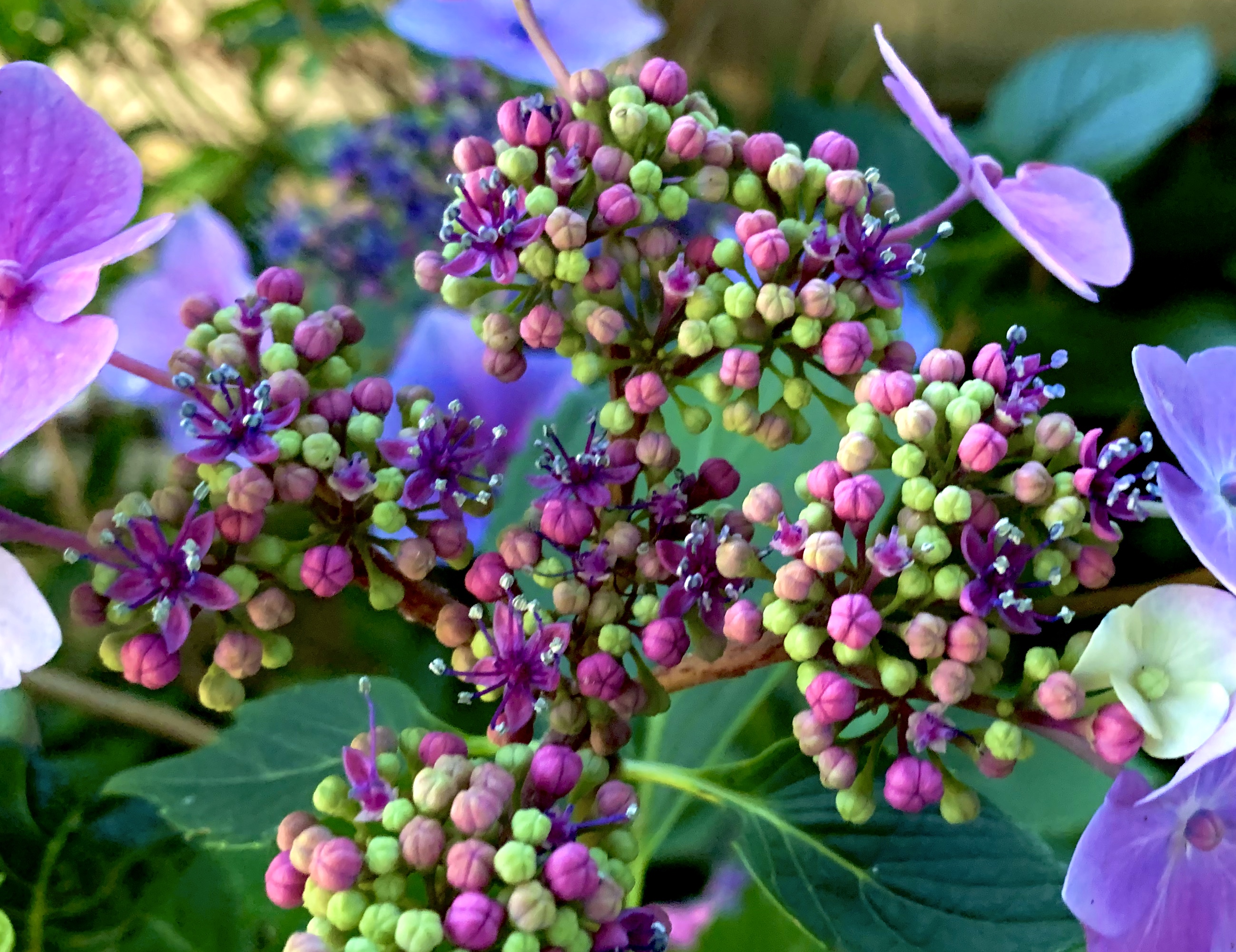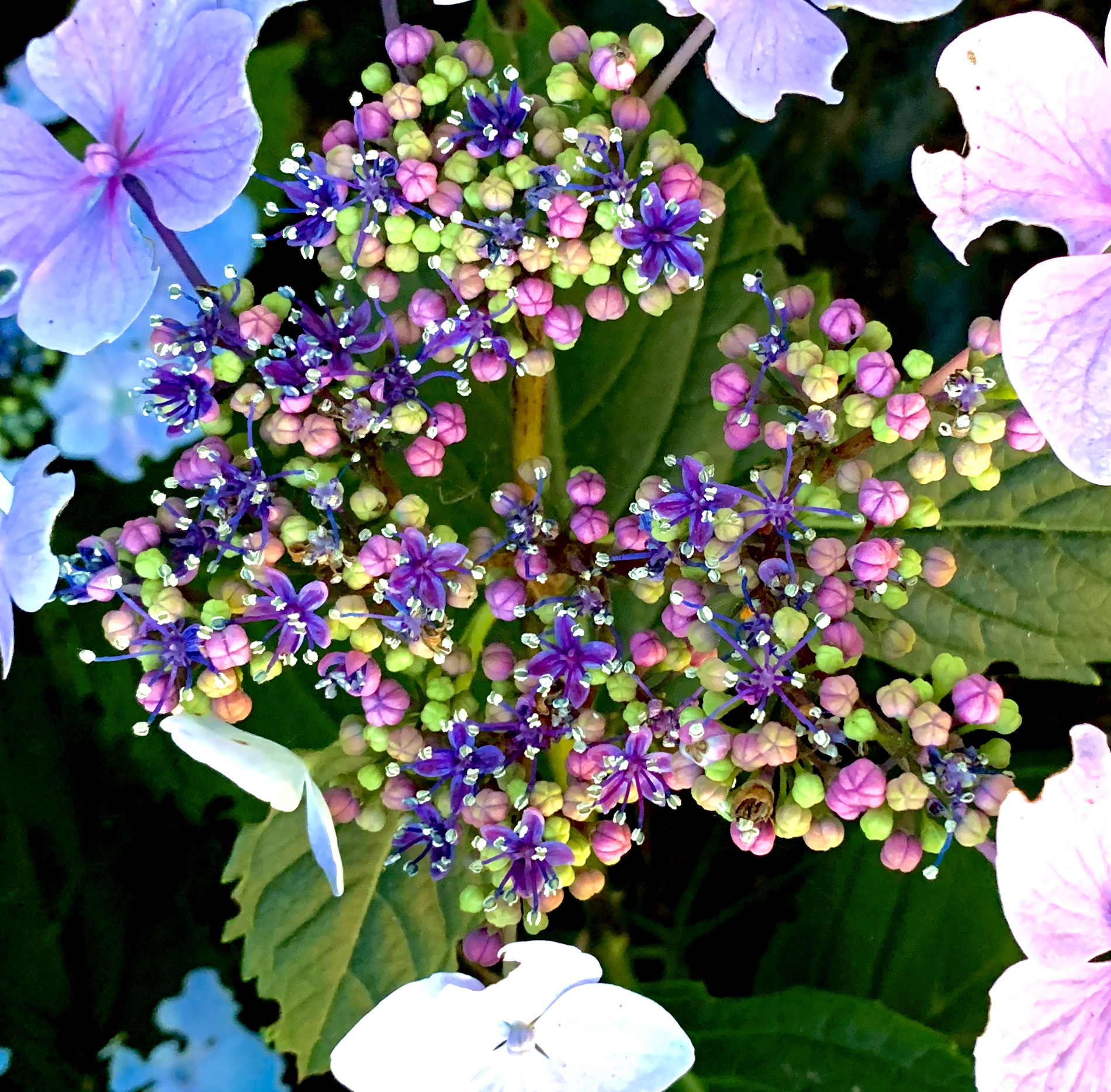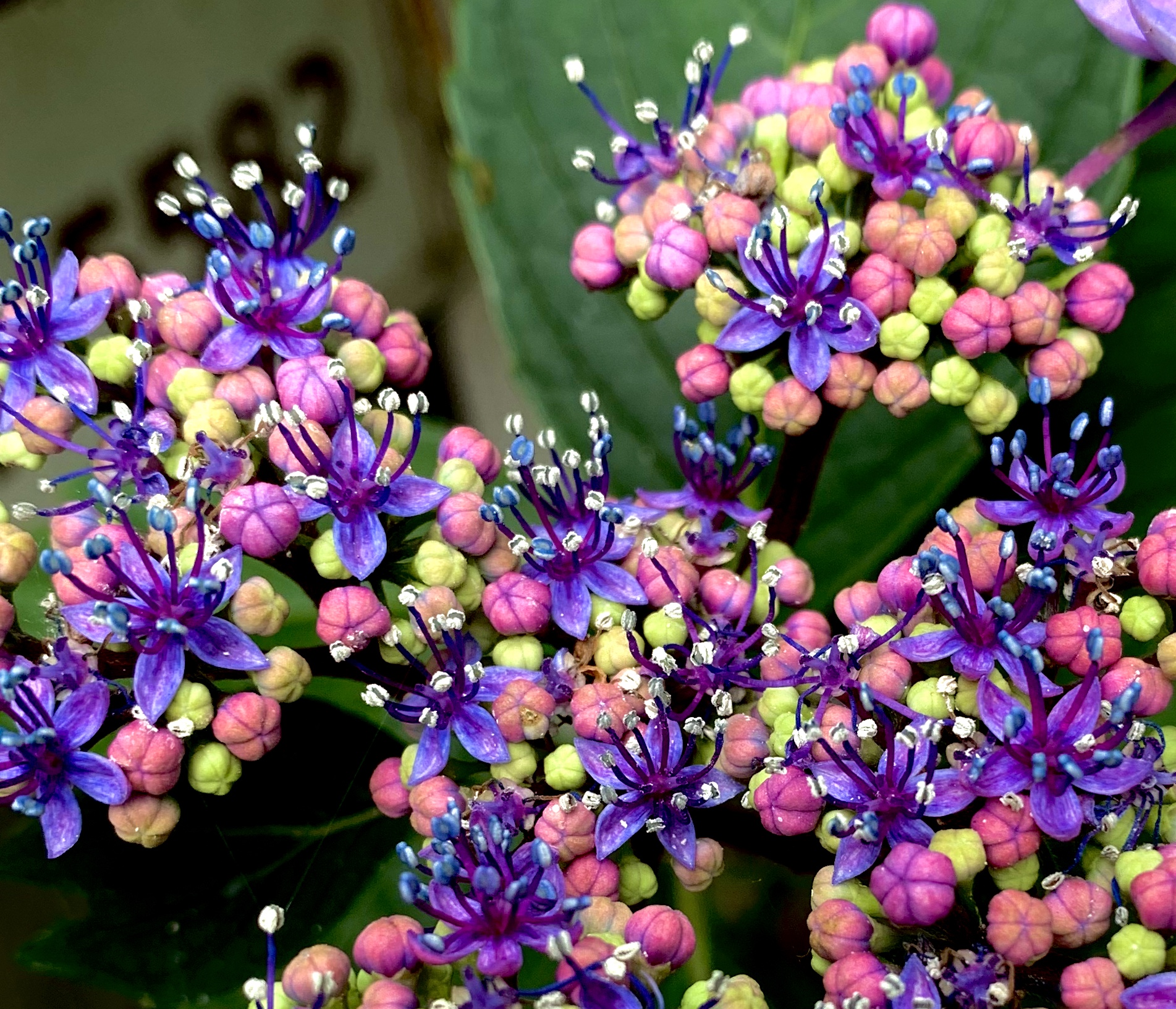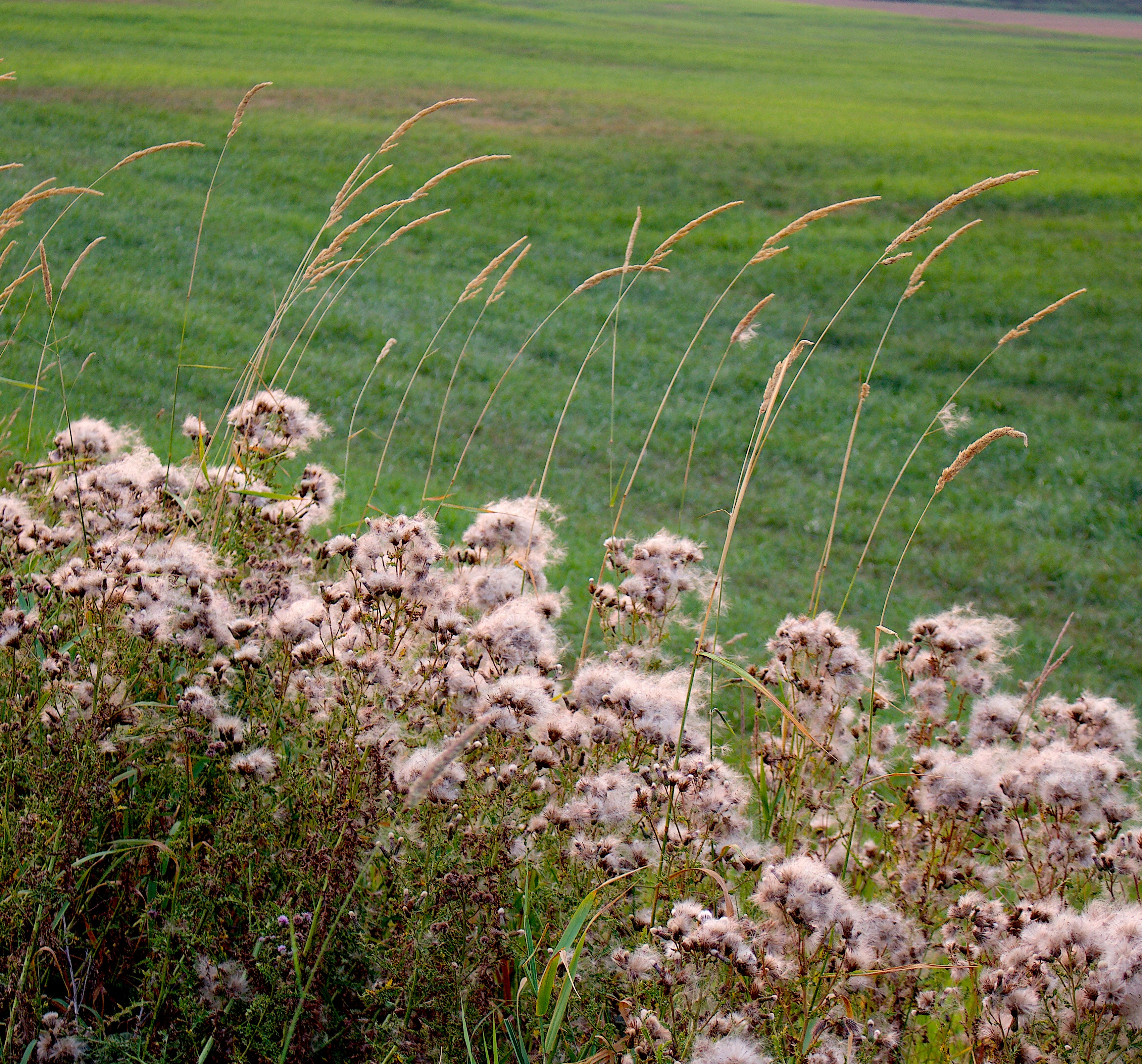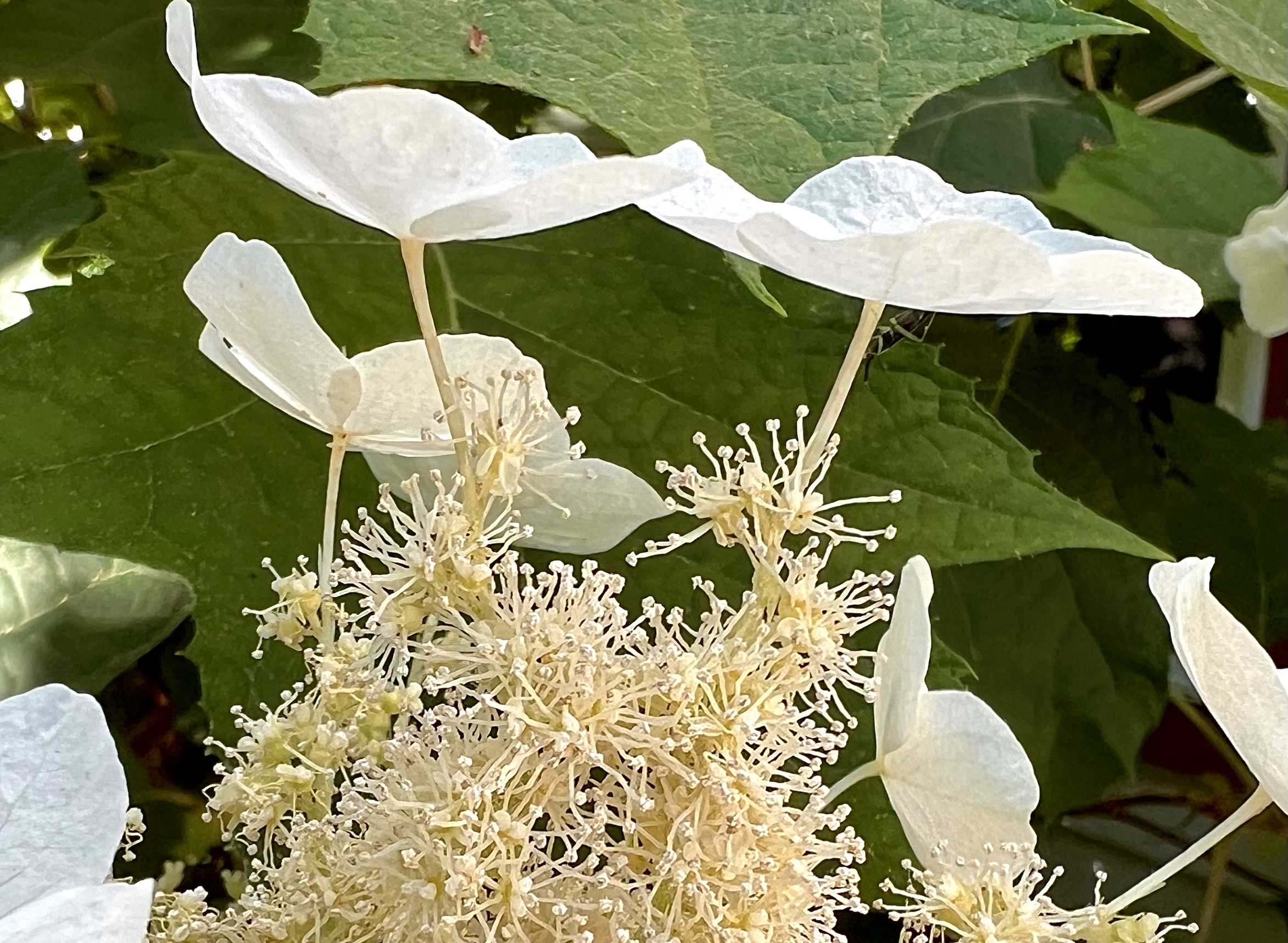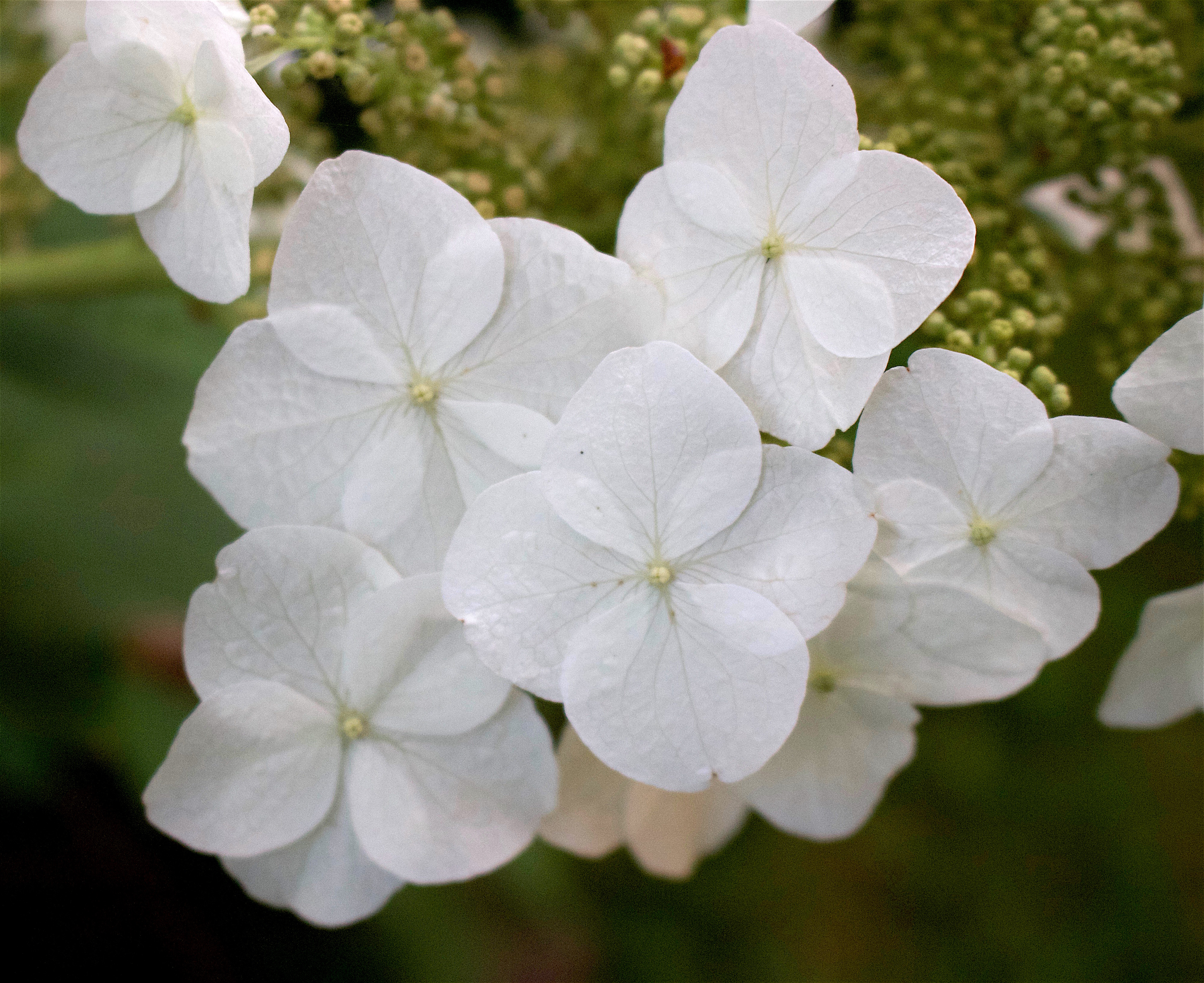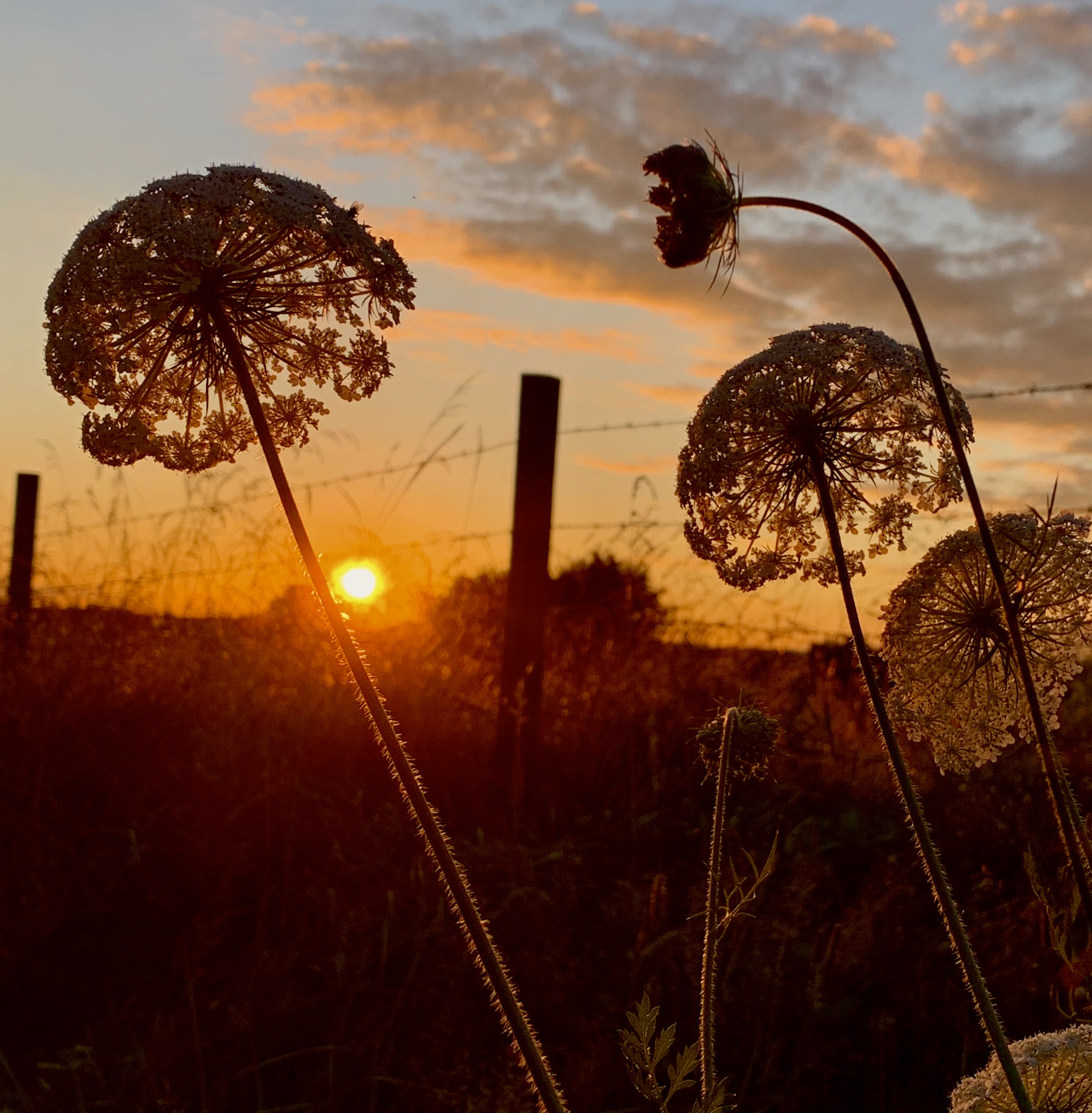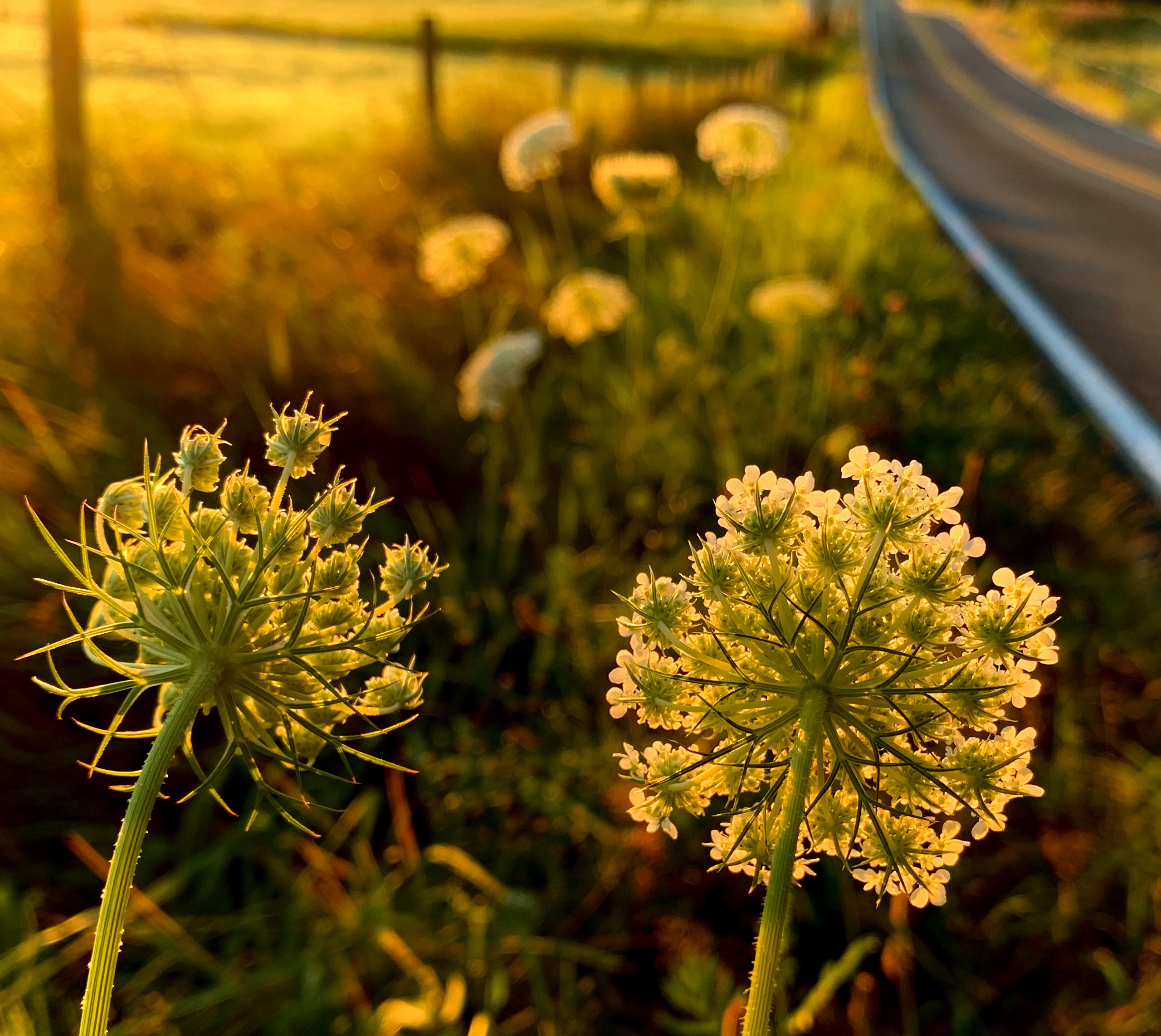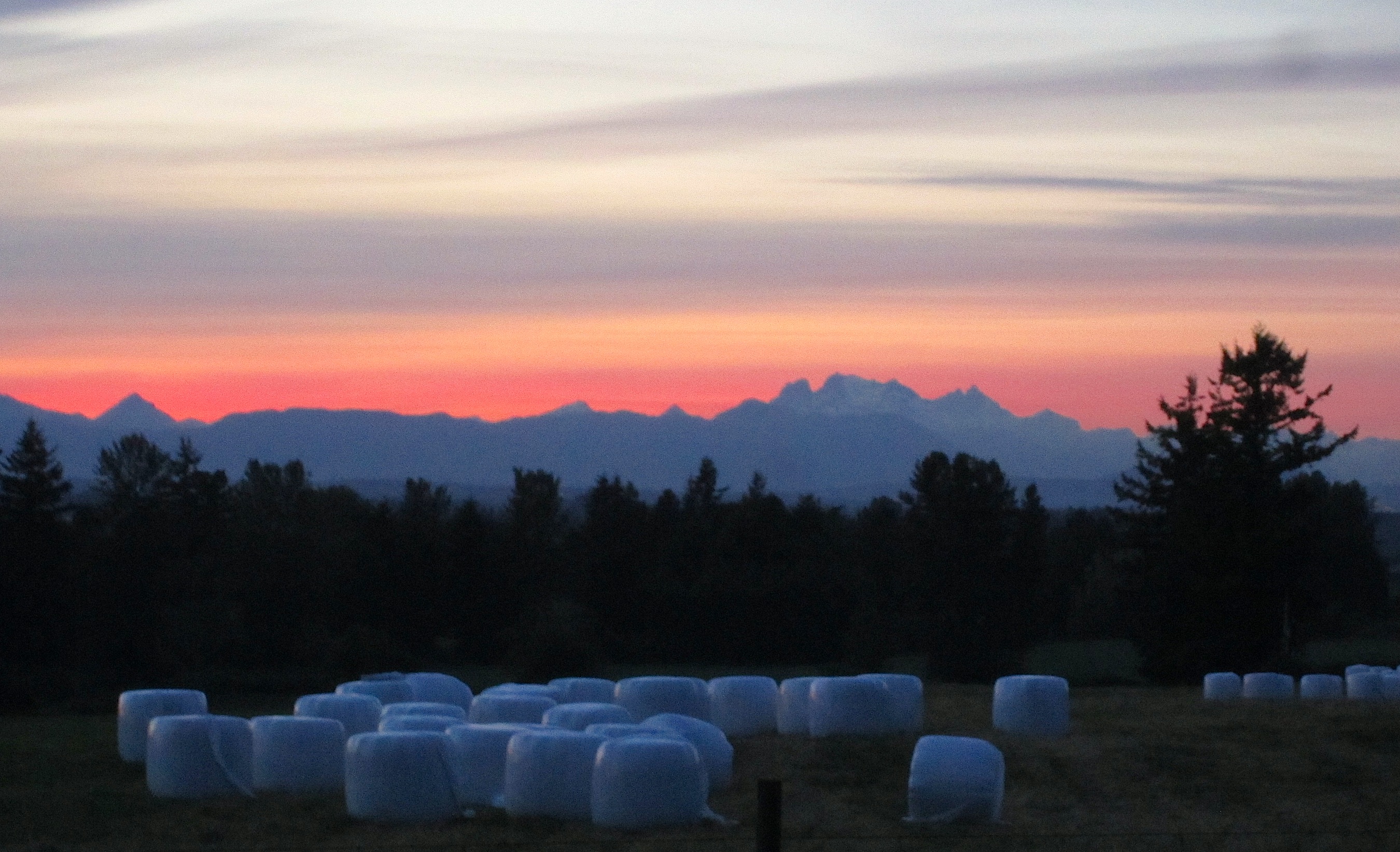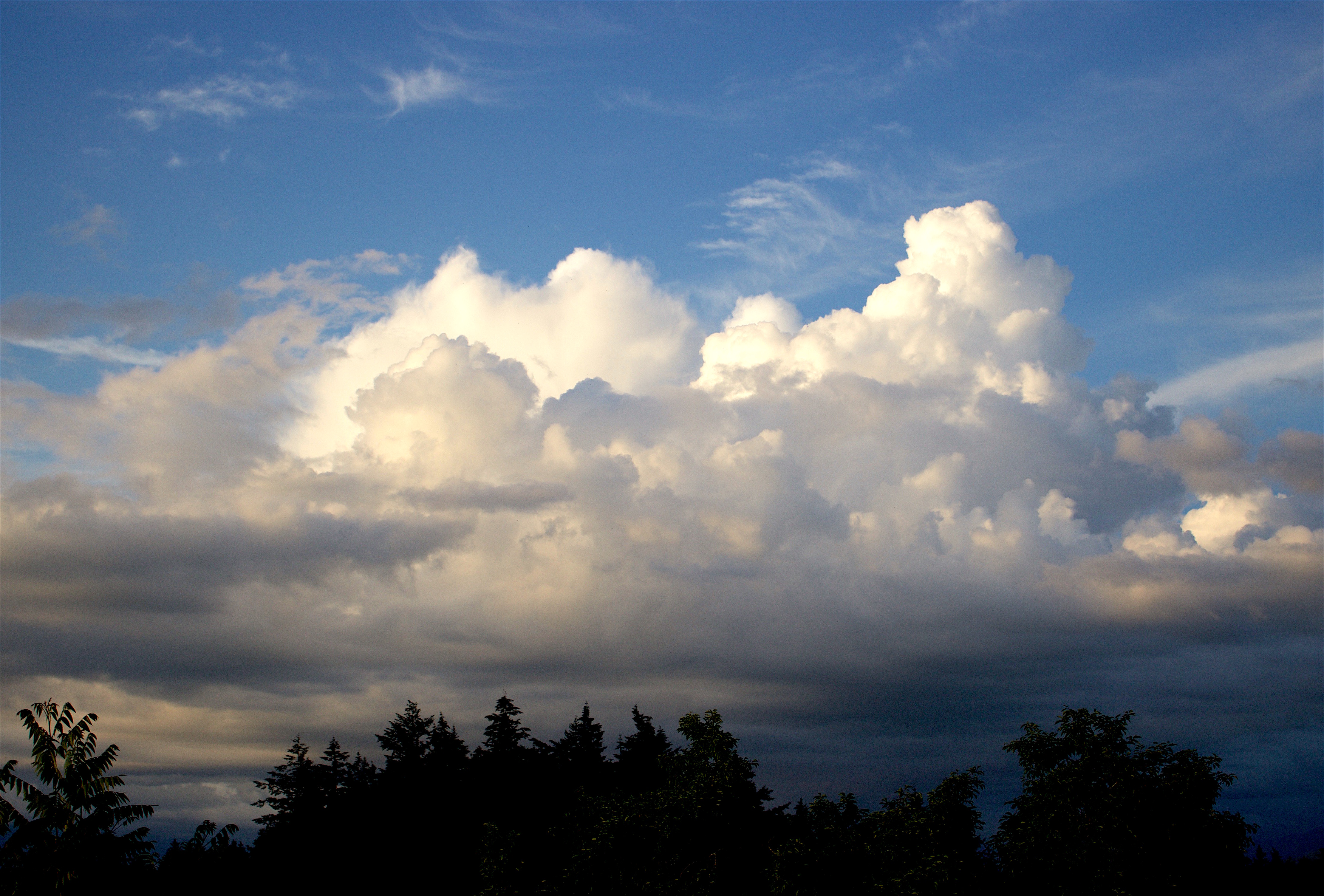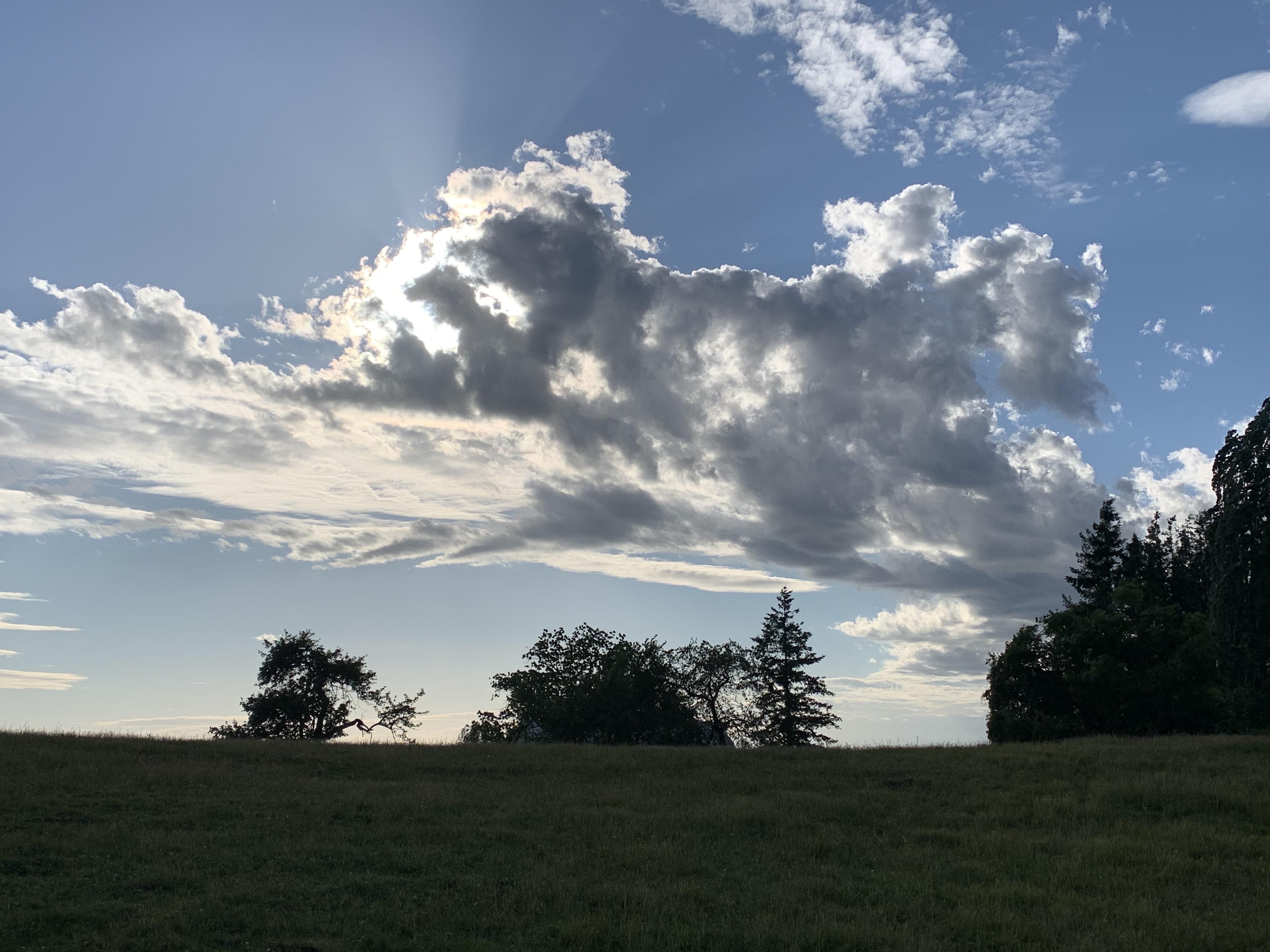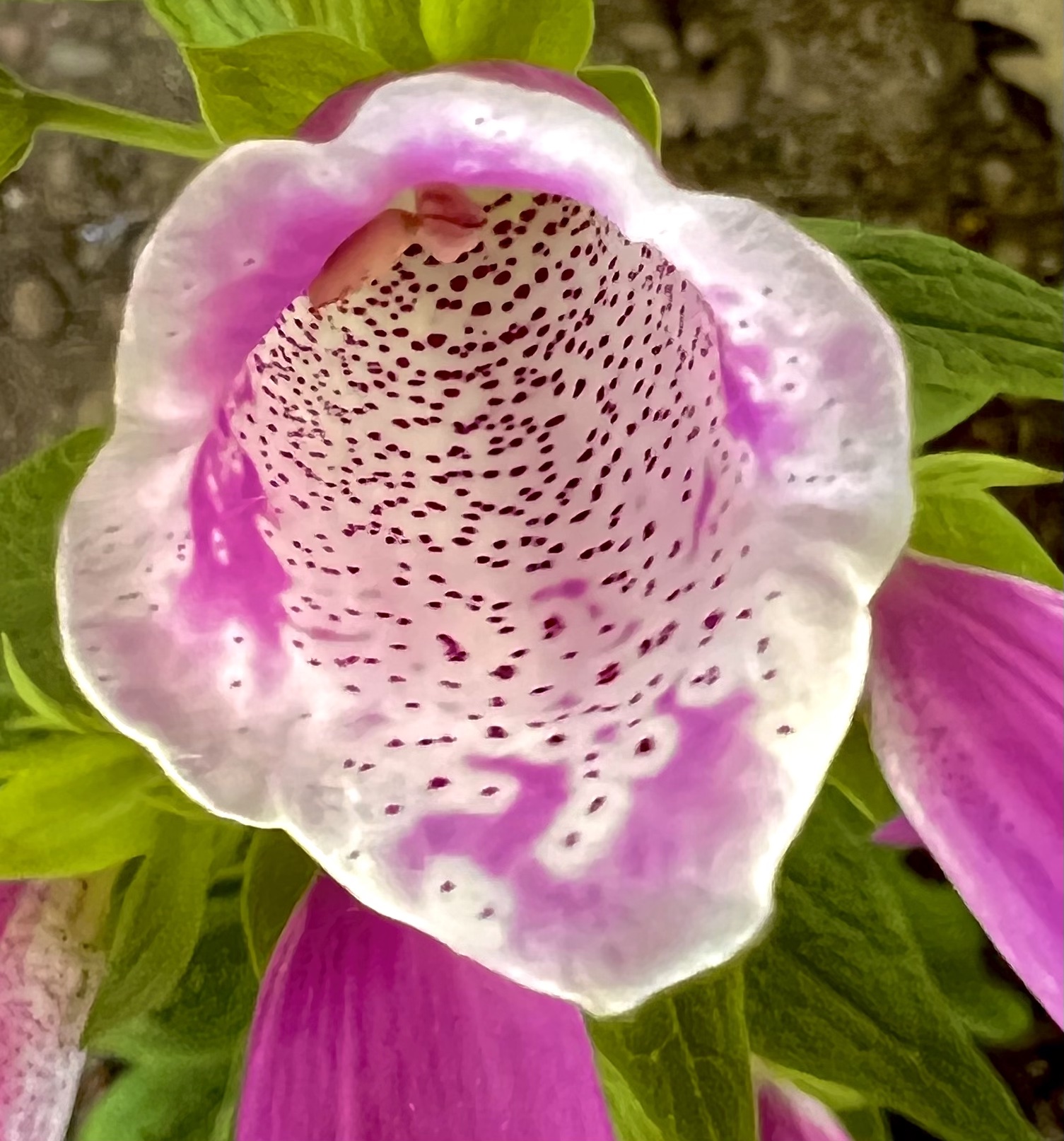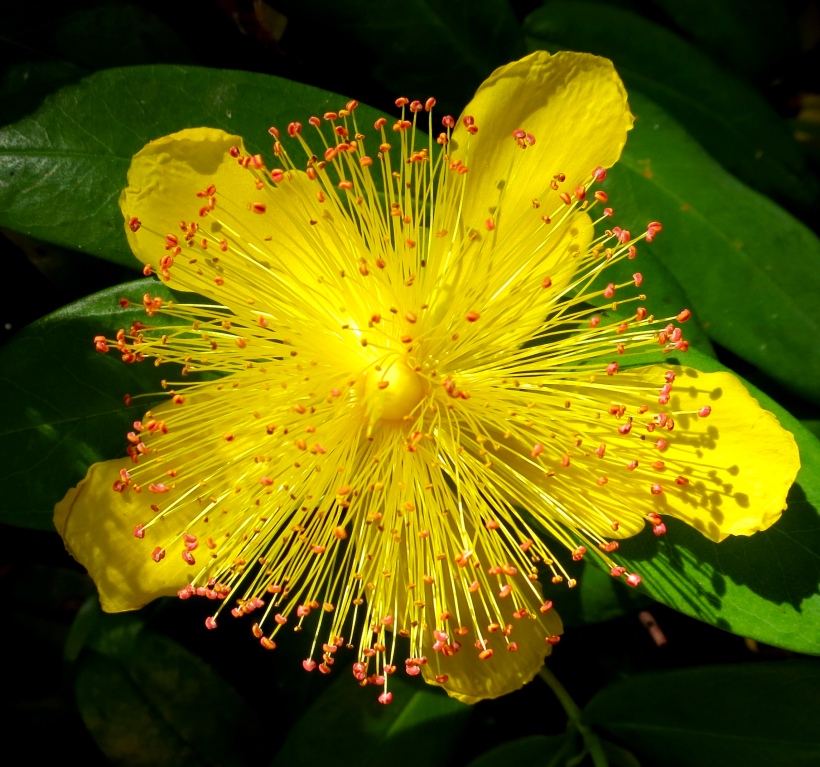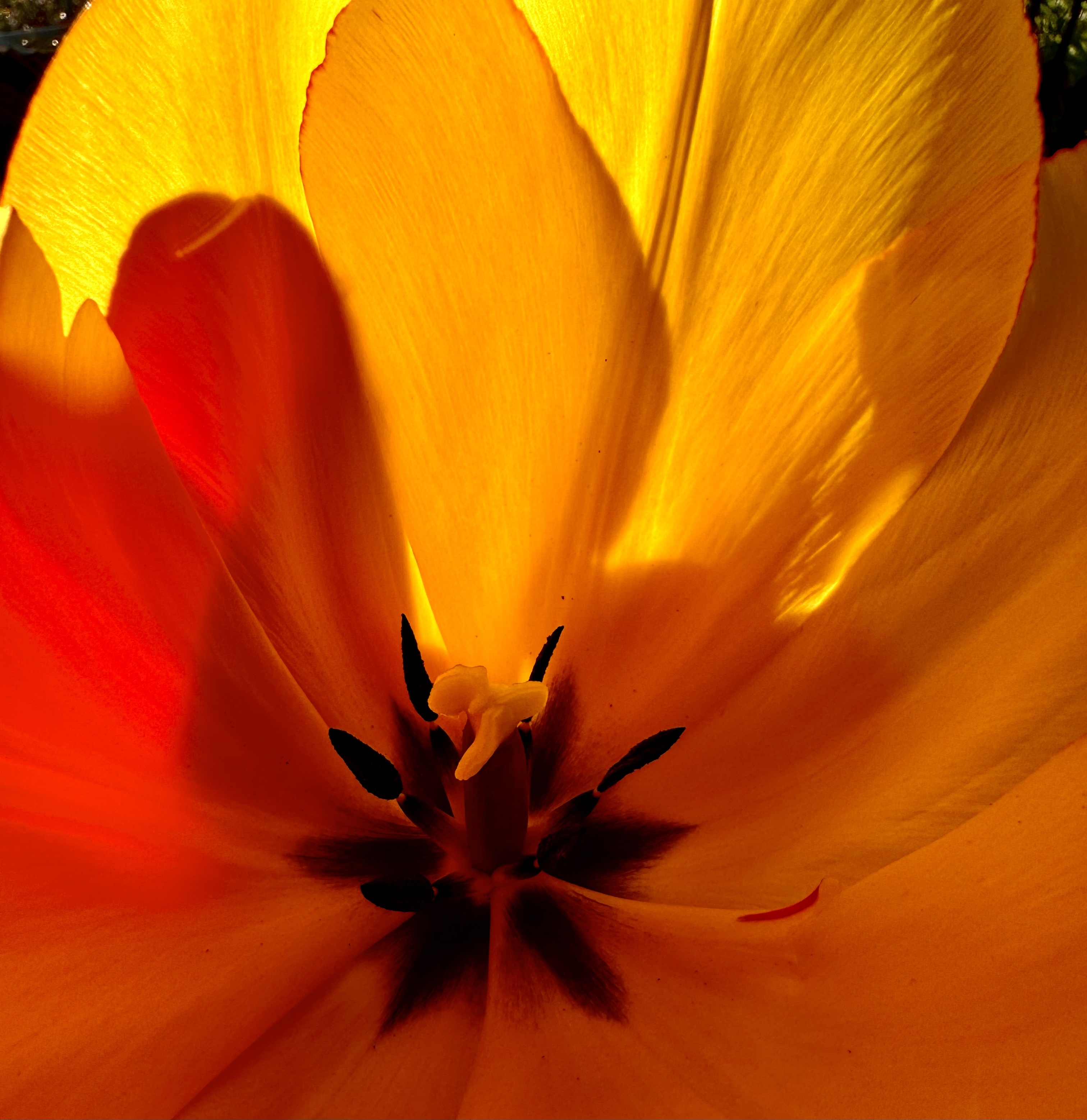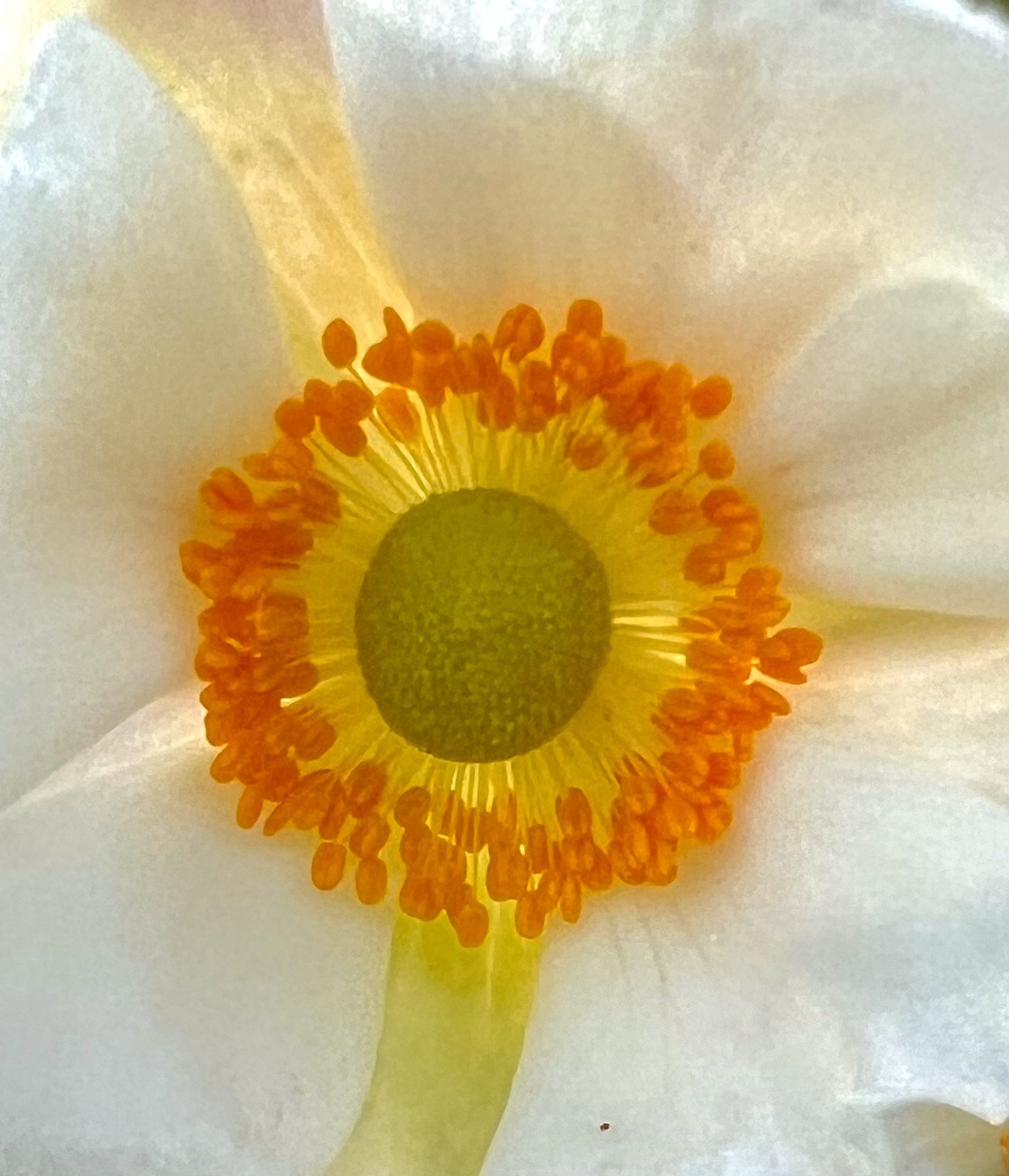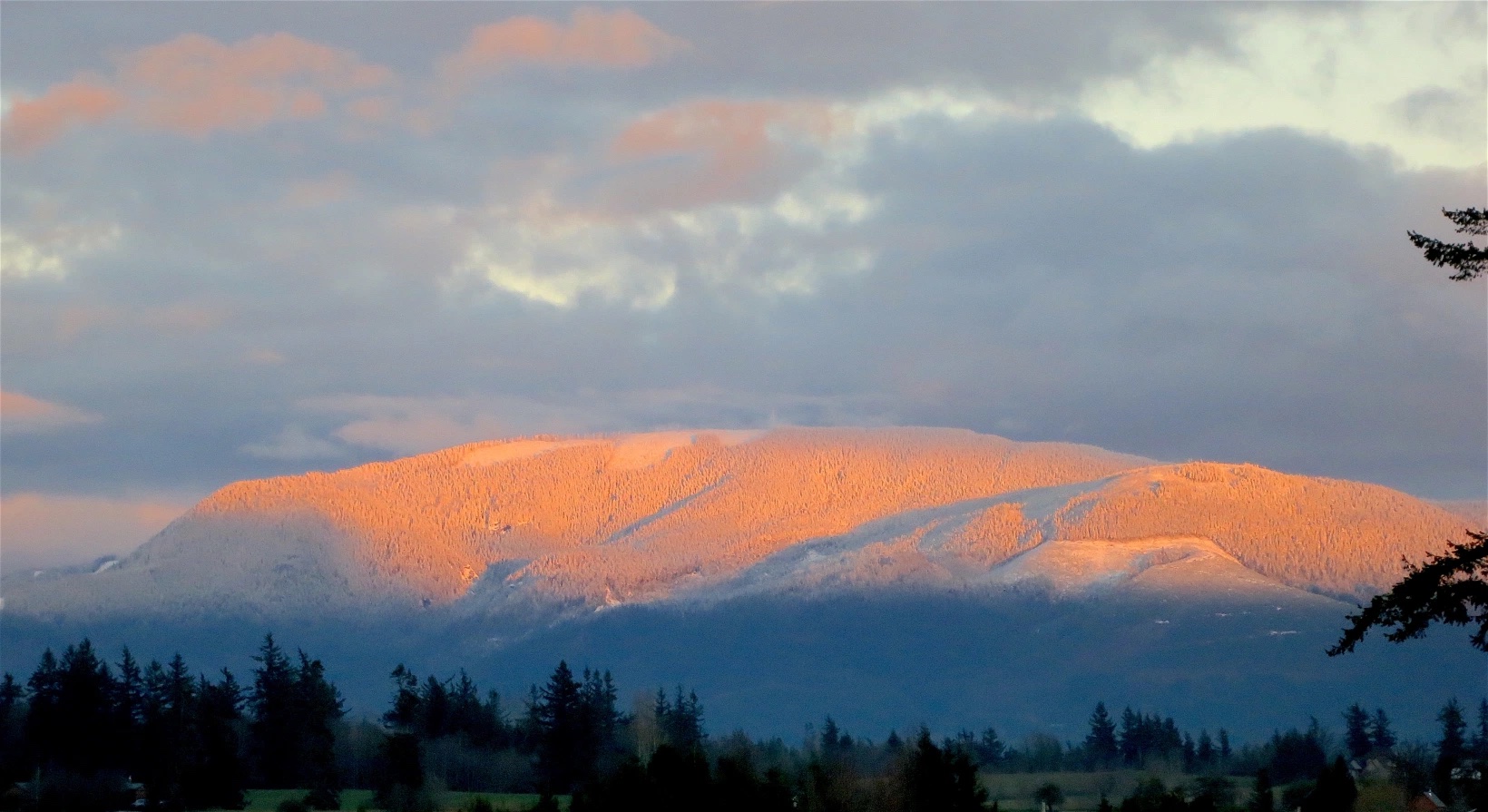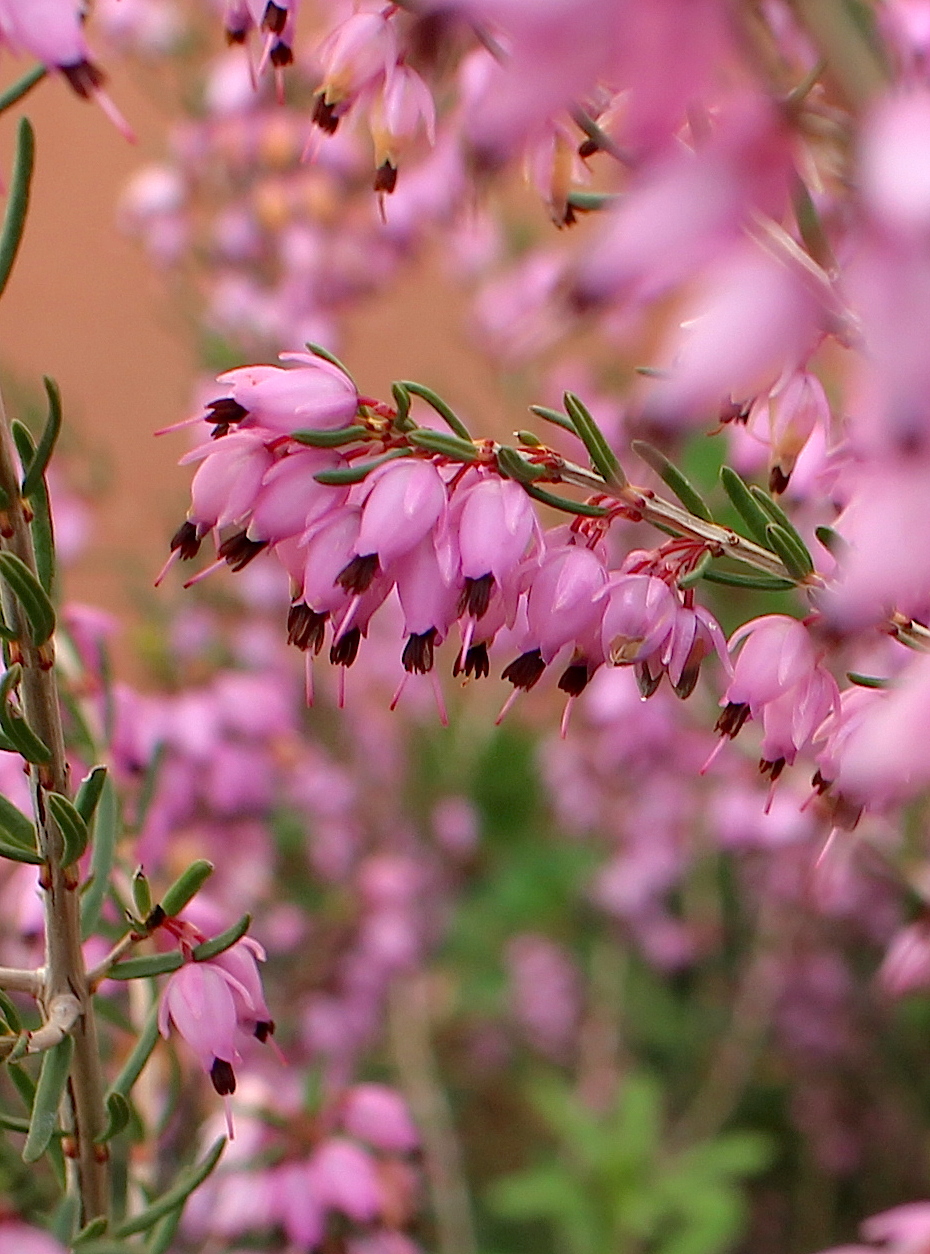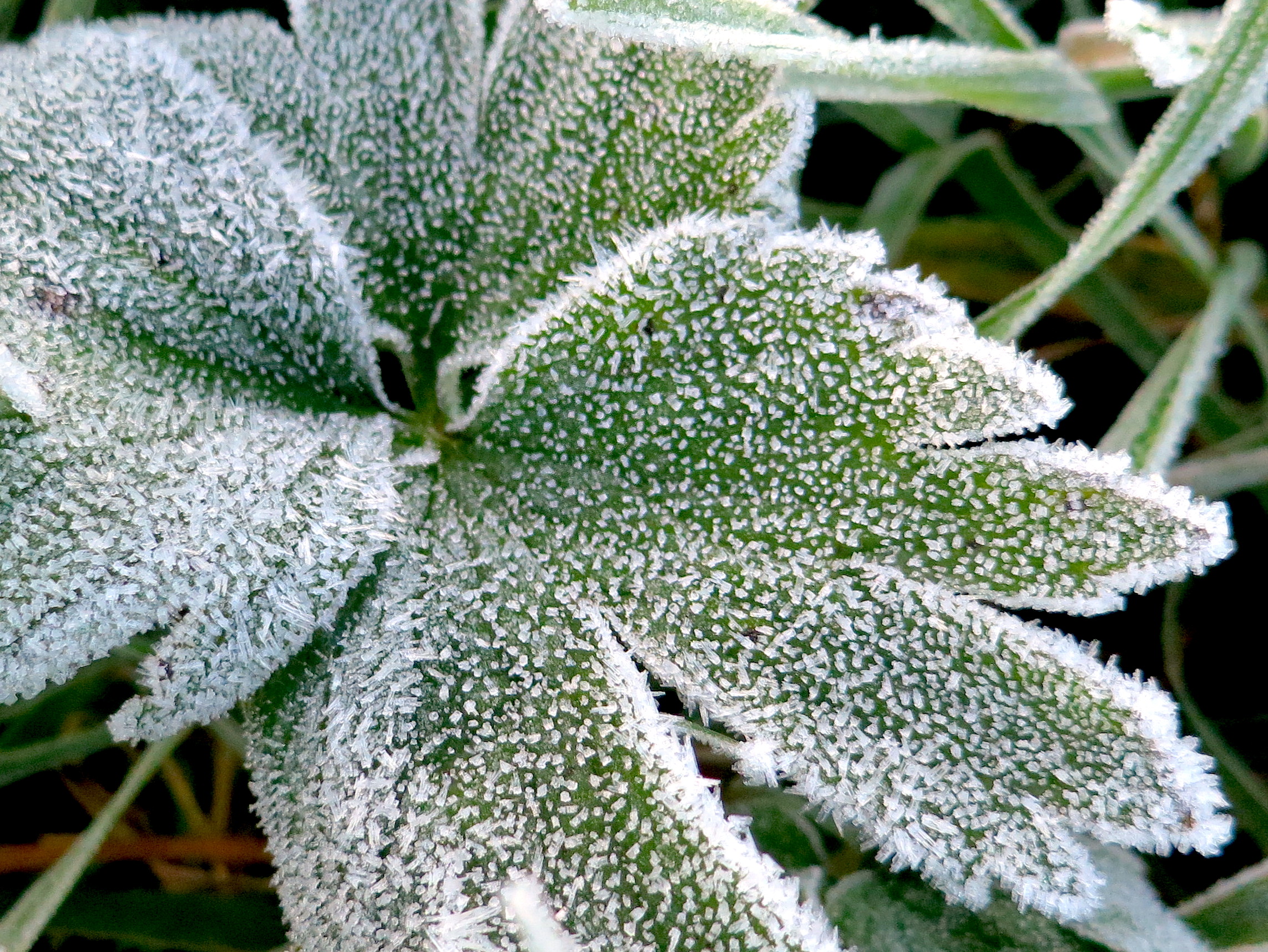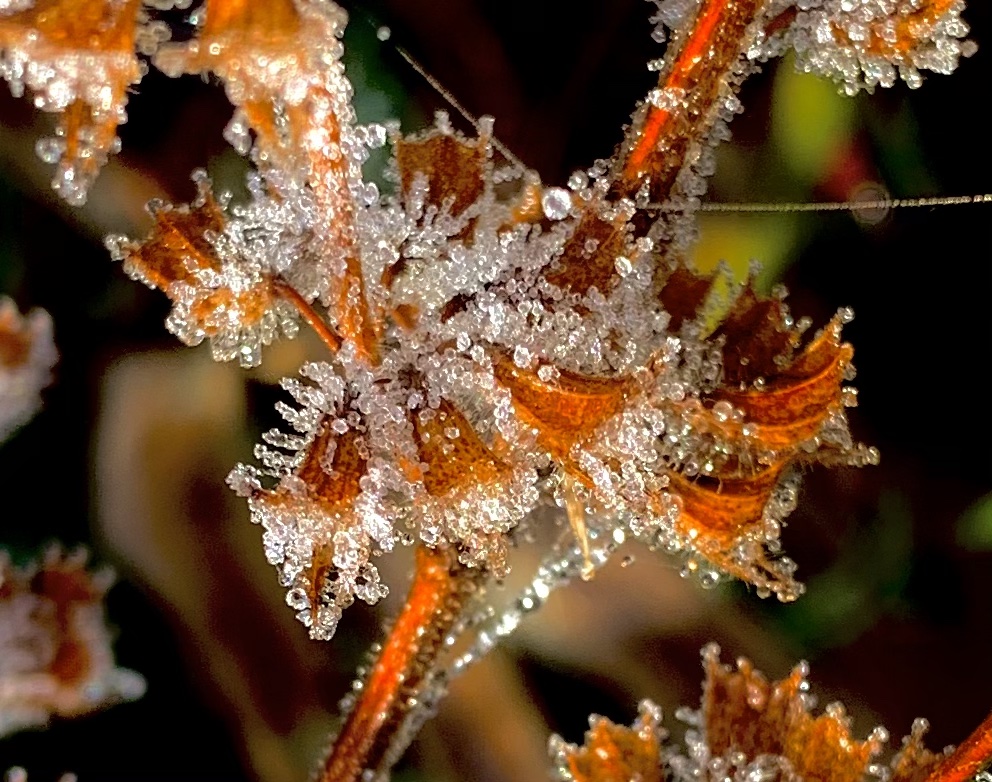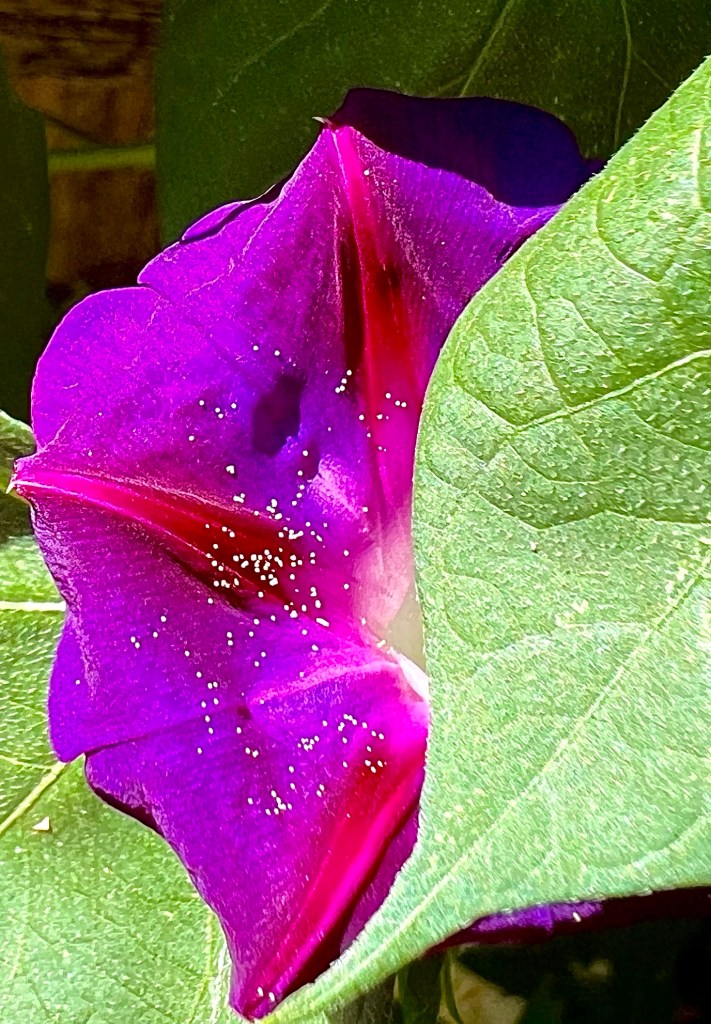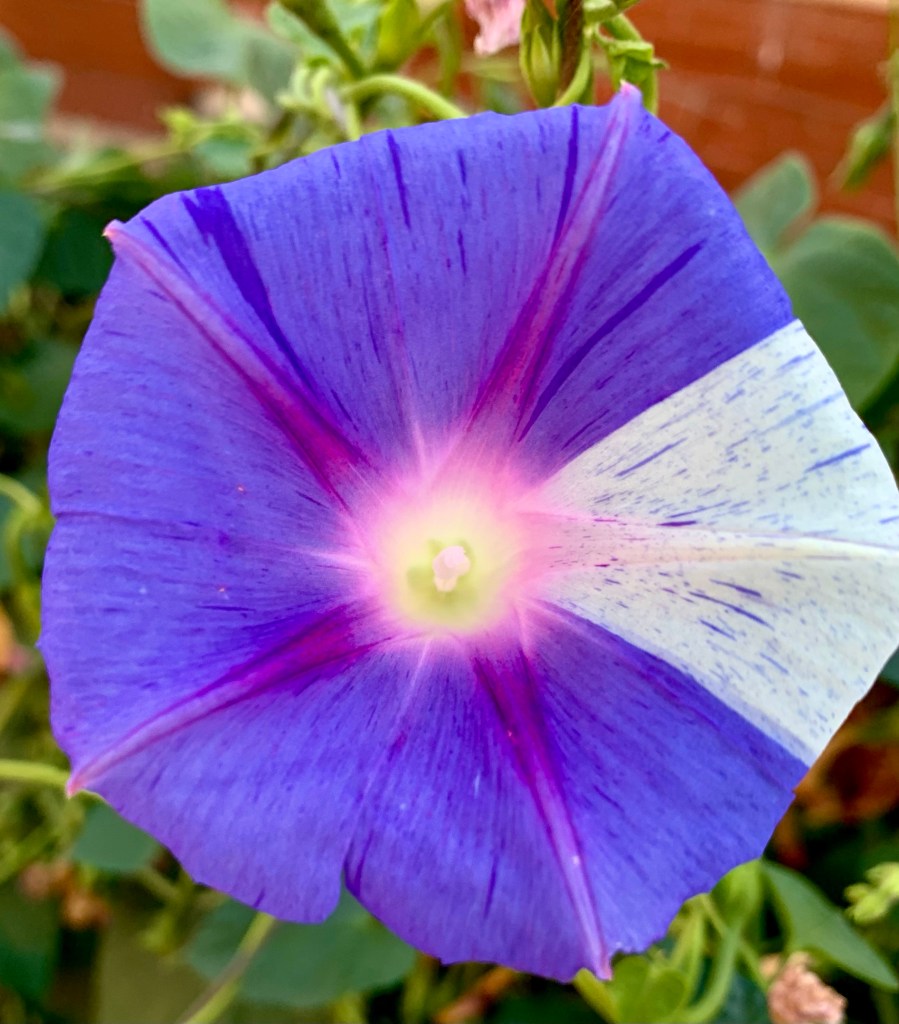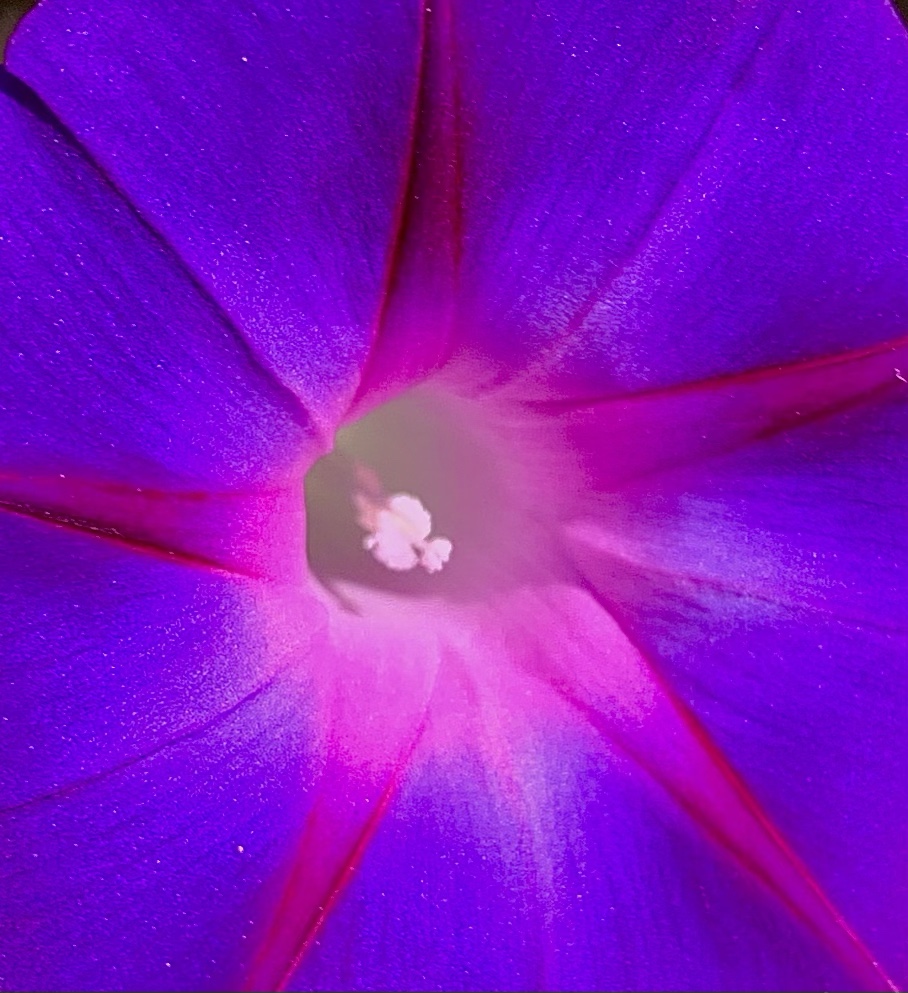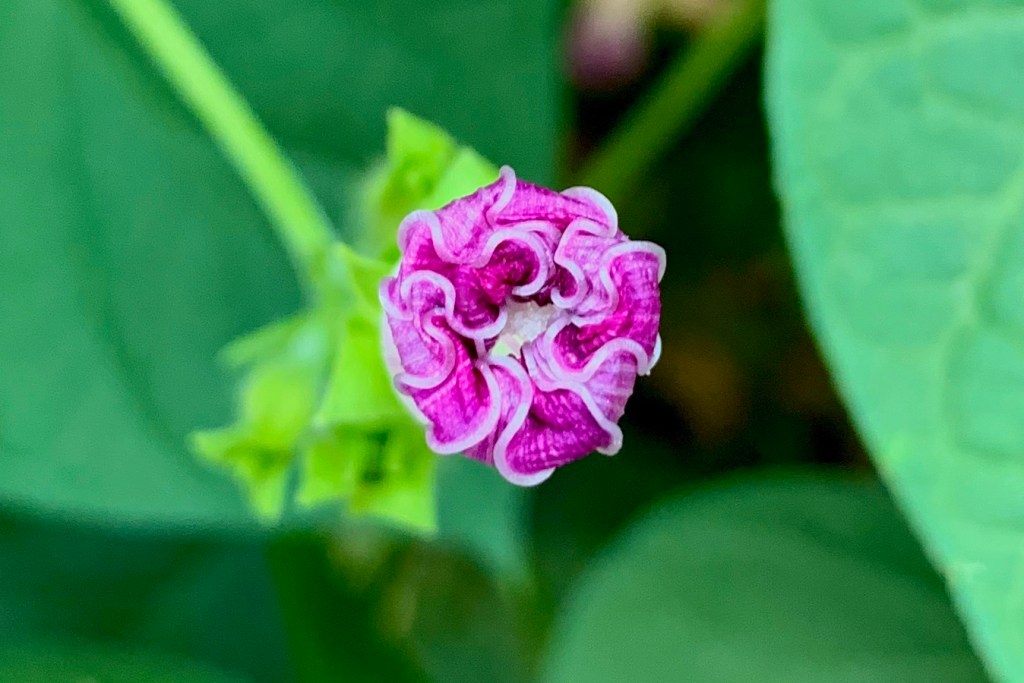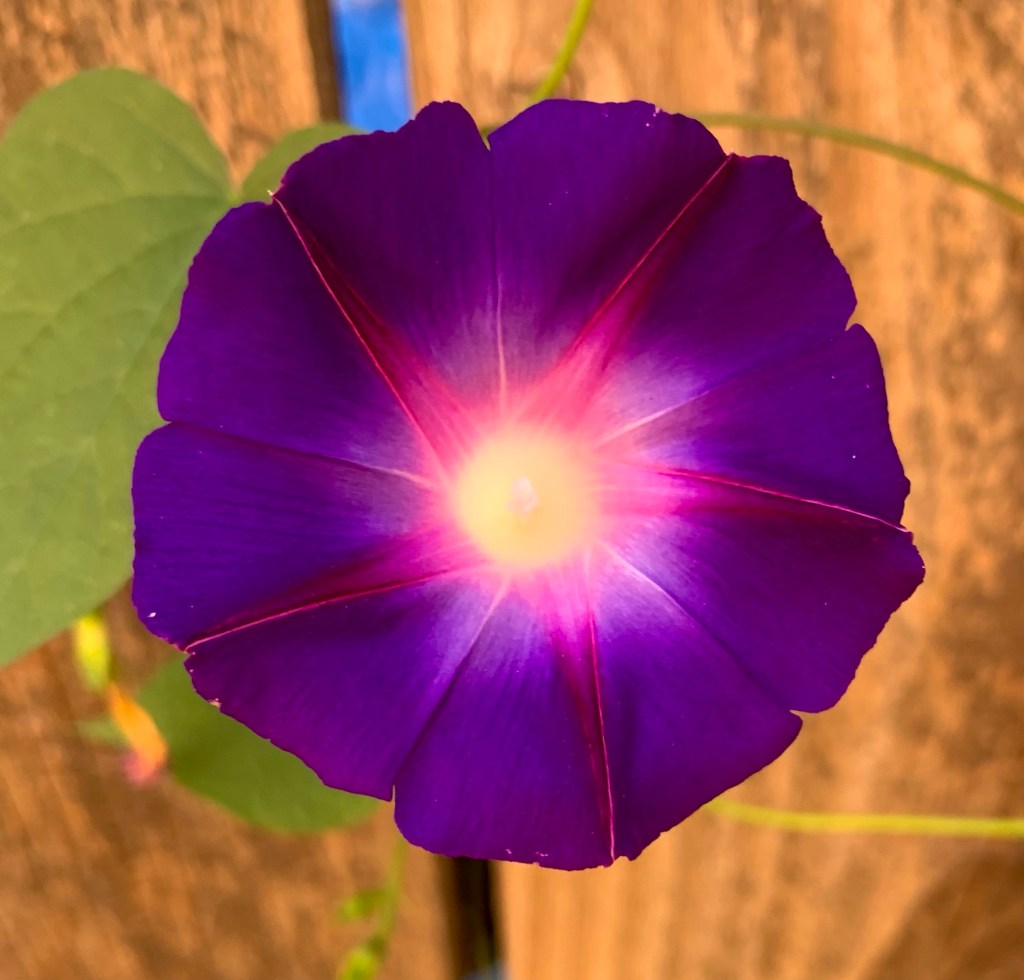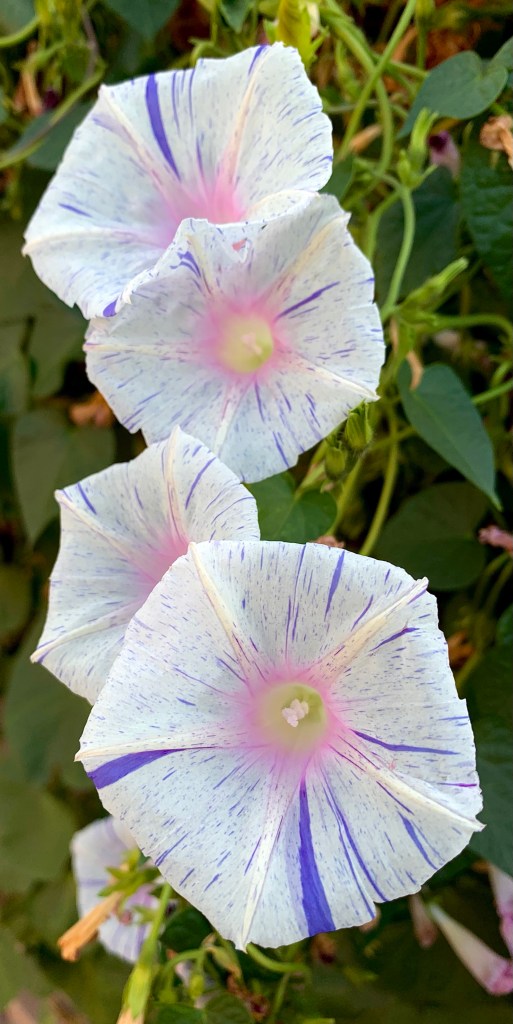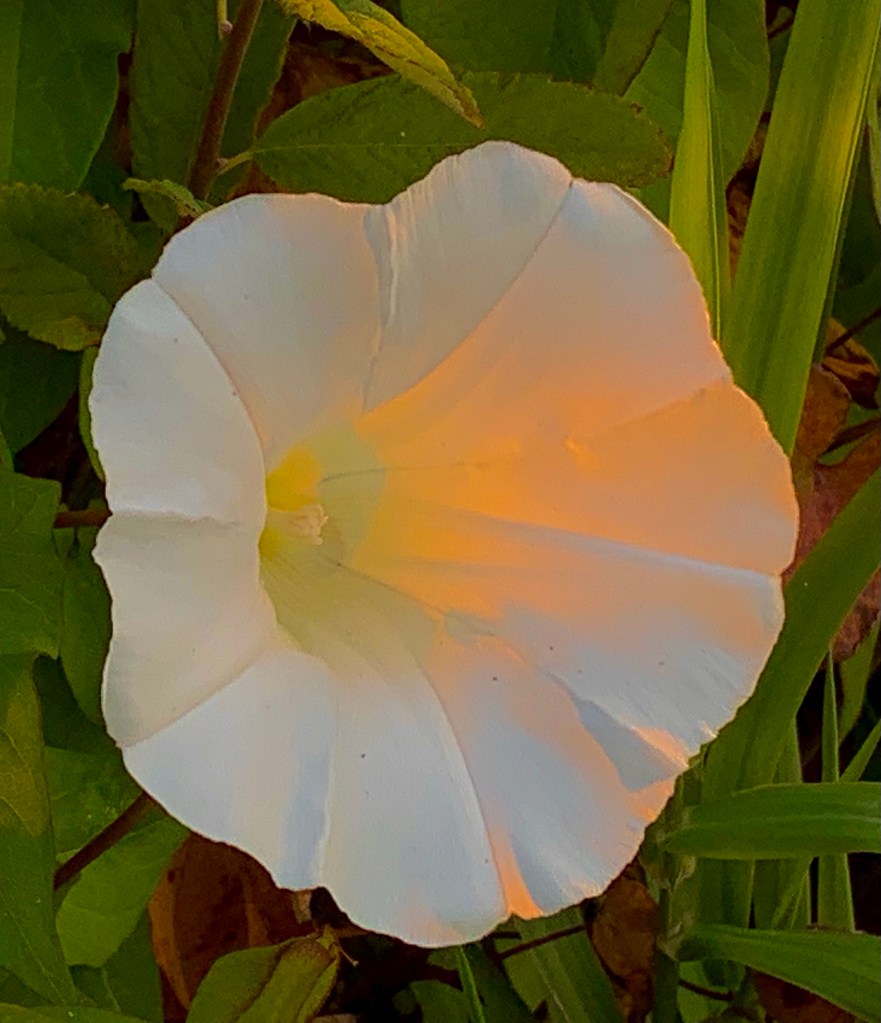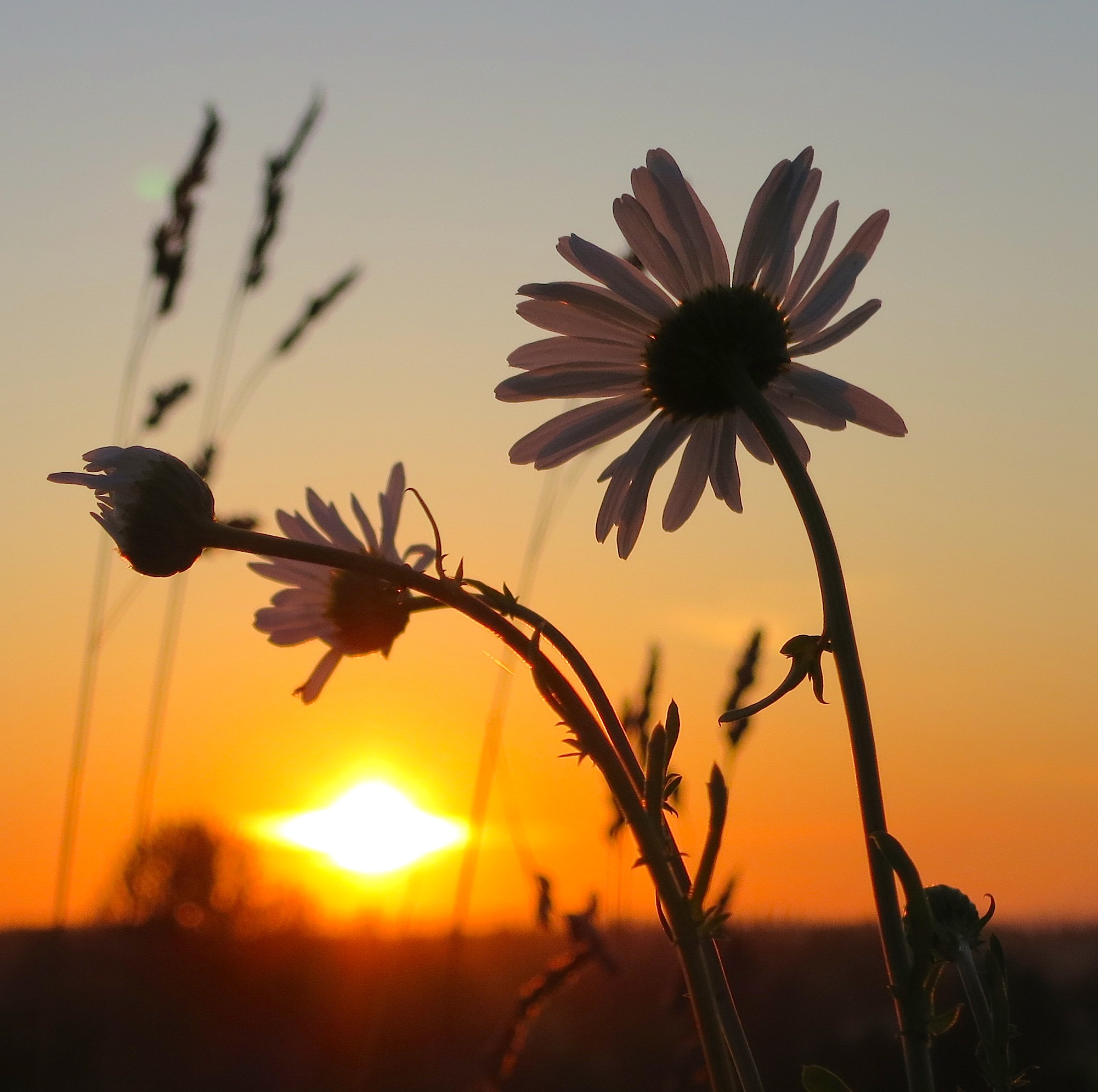
Who would have thought it possible that a tiny little flower could preoccupy a person so completely that there simply wasn’t room for any other thought? ~ Sophie Scholl from At the Heart of the White Rose
Little flower, but if I could understand what you are, root and all in all, I should know what God and man is. ~ Tennyson
There are days we live as if death were nowhere in the background; from joy to joy to joy, from wing to wing, from blossom to blossom to impossible blossom, to sweet impossible blossom. ~Li-Young Lee from “From Blossoms”
Summer was our best season: it was sleeping on the back screened porch in cots, or trying to sleep in the tree house; summer was everything good to eat; it was a thousand colors in a parched landscape… ~Harper Lee from “To Kill a Mockingbird”
I seek relief anywhere it can be found: this parched political landscape so filled with anger and lashing out, division and distrust, discouragement and disparity.
I want to be otherwise preoccupied with the medley of beauty around me, so there can be no room for other thoughts.
How is it? — for thousands of years and in thousands of ways, God still loves man even when we turn from Him.
I want to revel in the impossible possible, in the variegated mosaic of grace prepared to bloom so bountifully in an overwhelming tapestry of unity, between man and man, and man and God.
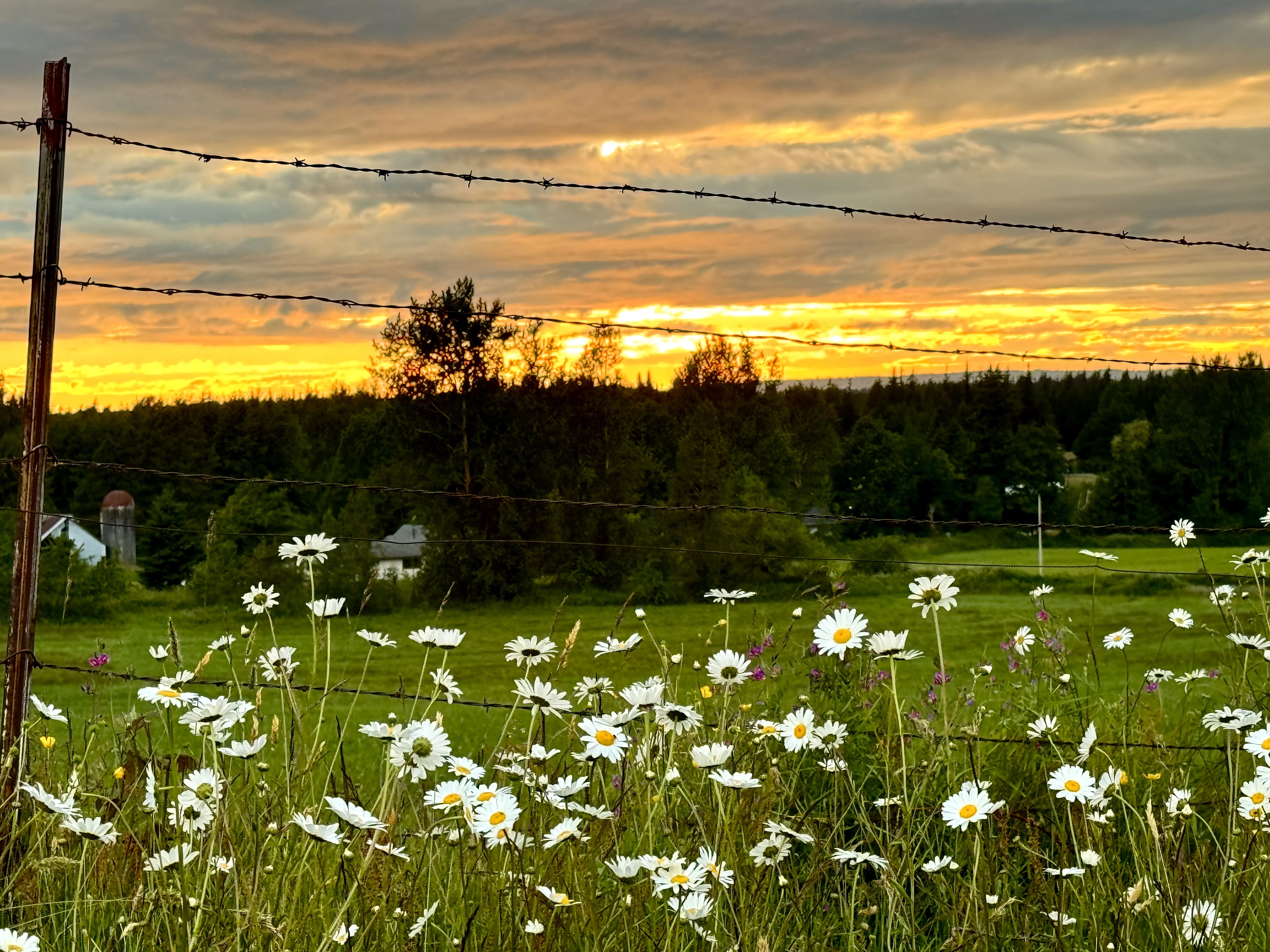
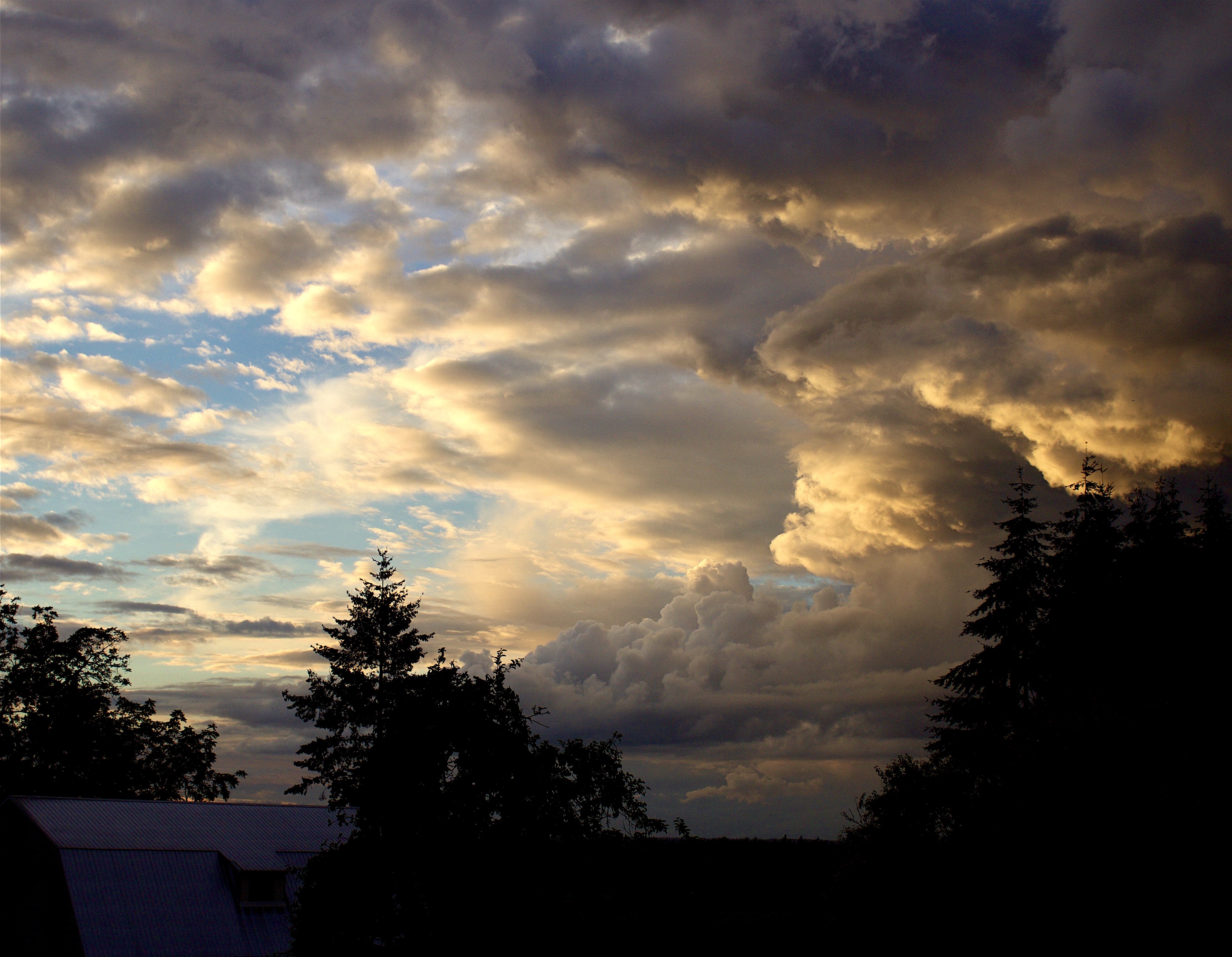
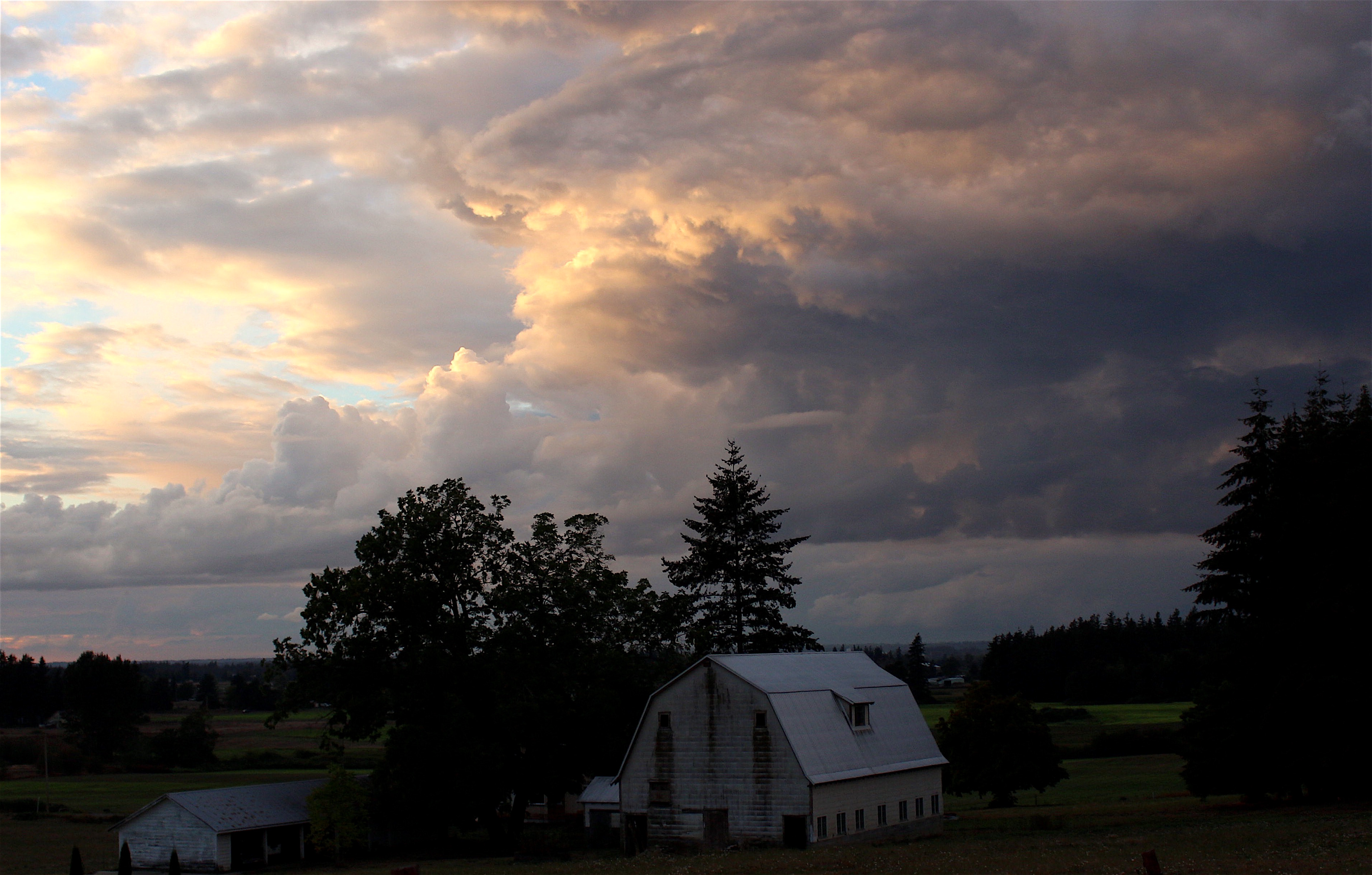
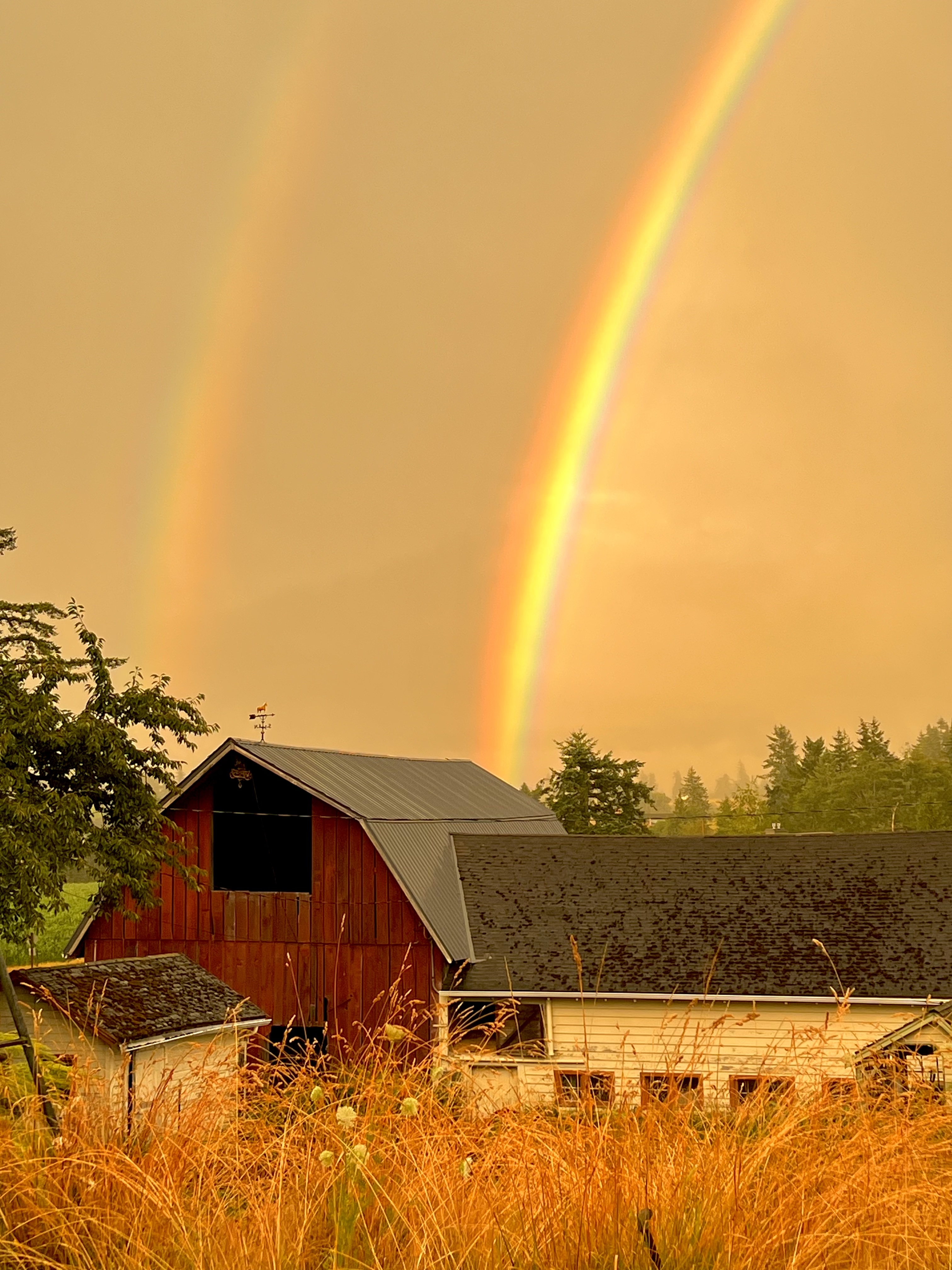
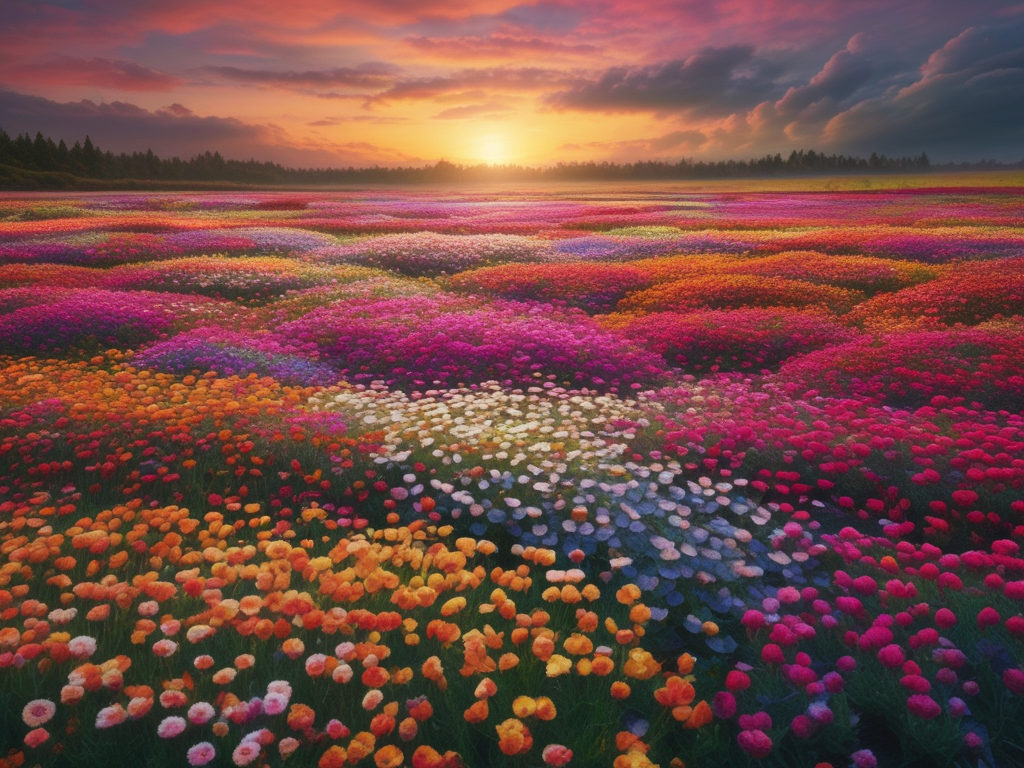
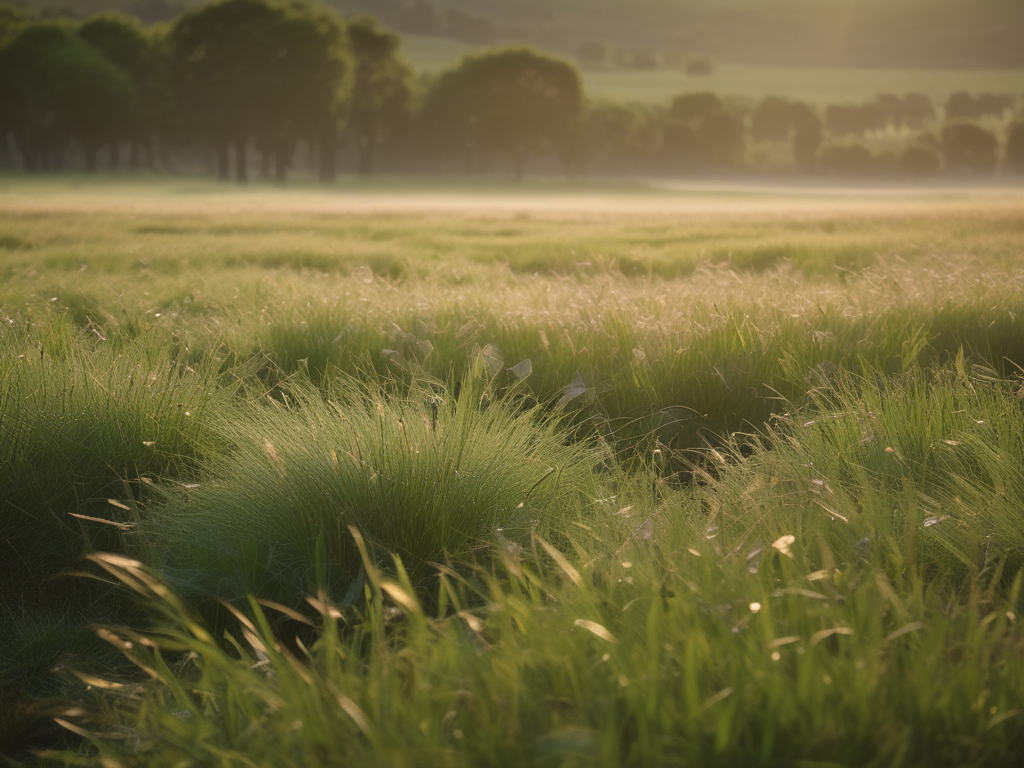
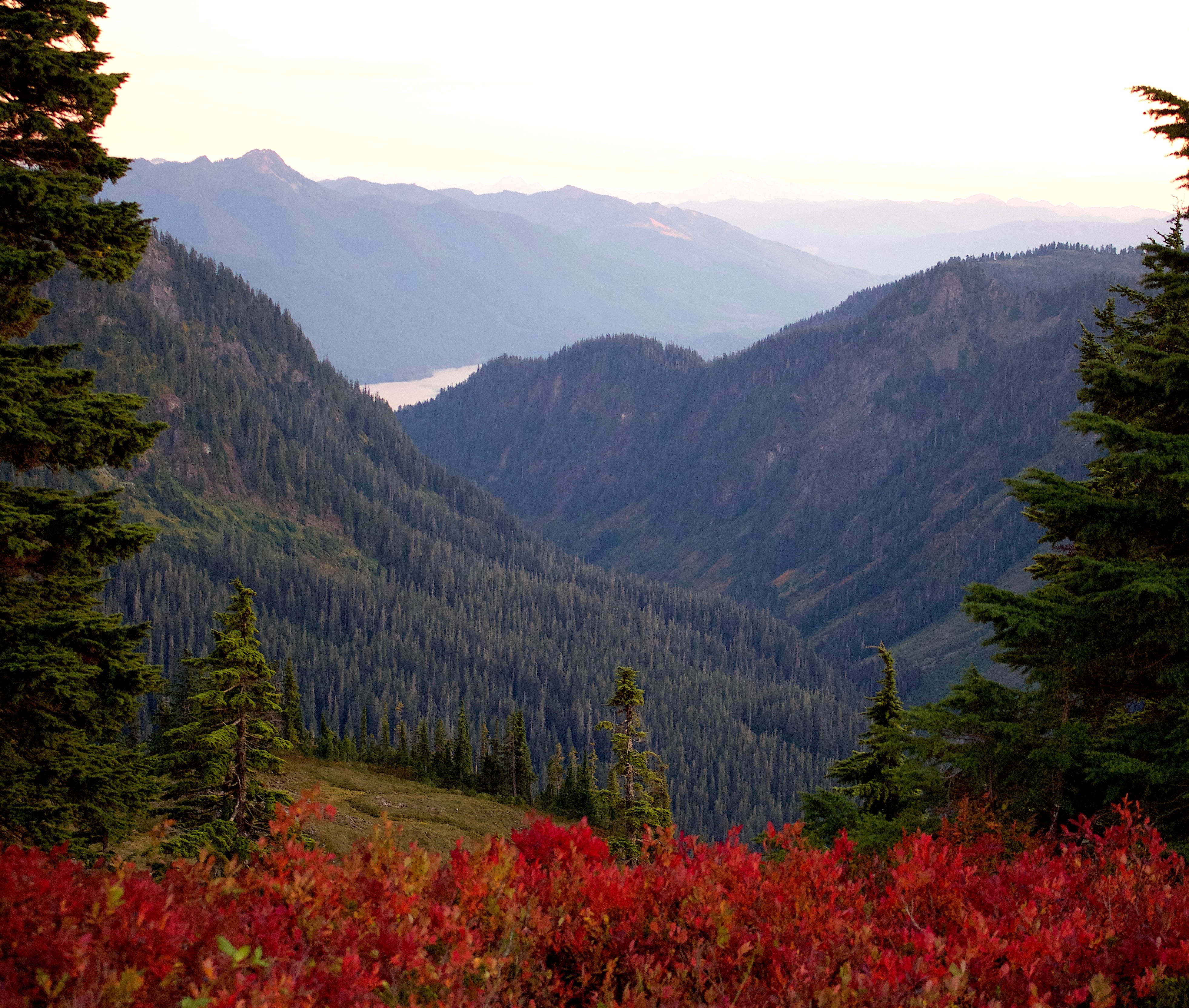
AI image created for this post
One-Time
Monthly
Yearly
Make a one-time or recurring donation to support daily Barnstorming posts
Light and wind are running over the headed grass as though the hill had melted and now flowed. ~Wendell Berry “June Wind” from New Collected Poems
Cut grass lies frail: Brief is the breath Mown stalks exhale. Long, long the death
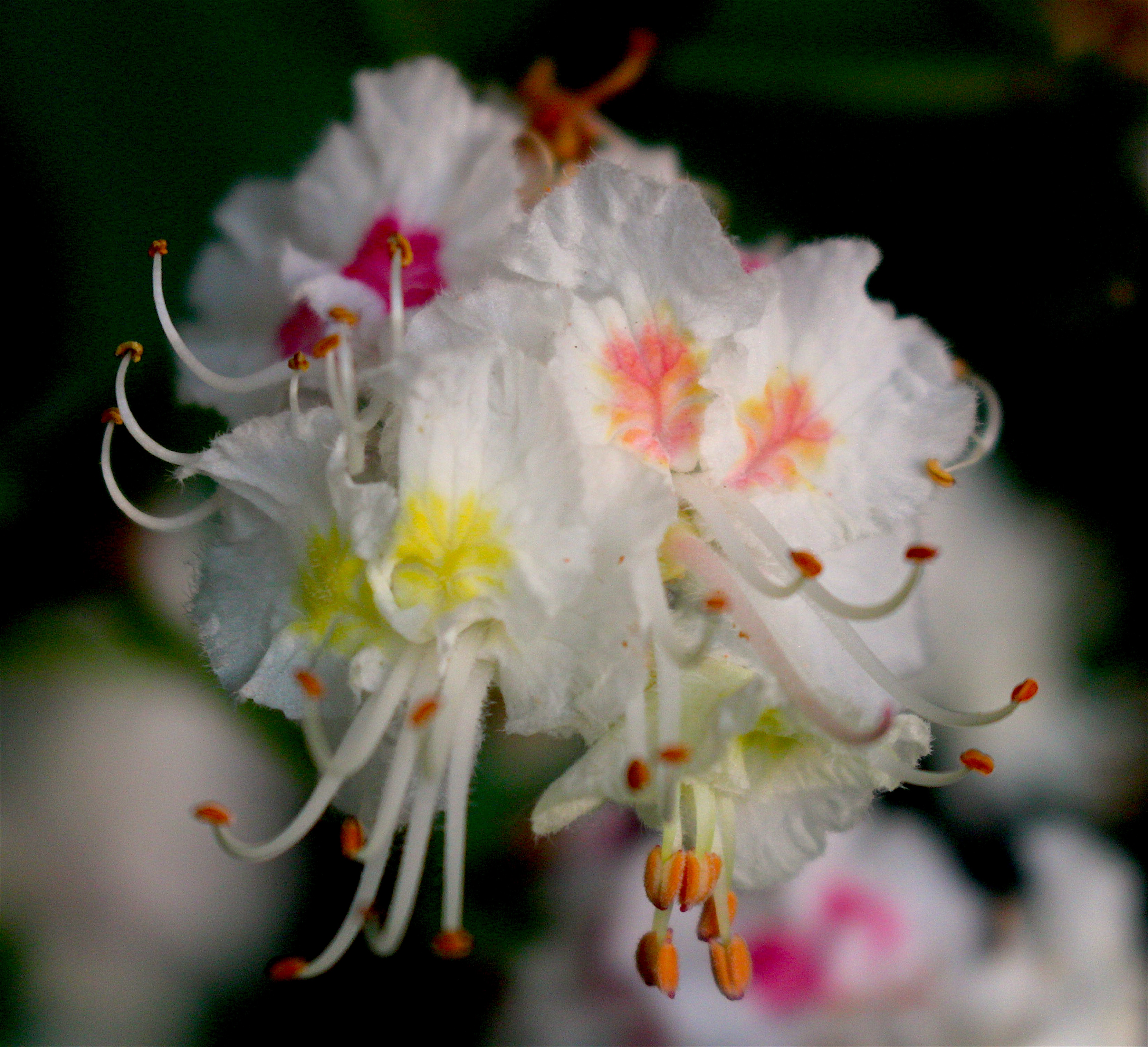
It dies in the white hours Of young-leafed June With chestnut flowers, With hedges snowlike strewn,
White lilac bowed, Lost lanes of Queen Anne’s lace, And that high-builded cloud Moving at summer’s pace. ~Philip Larkin “Cut Grass” from The Complete Poems
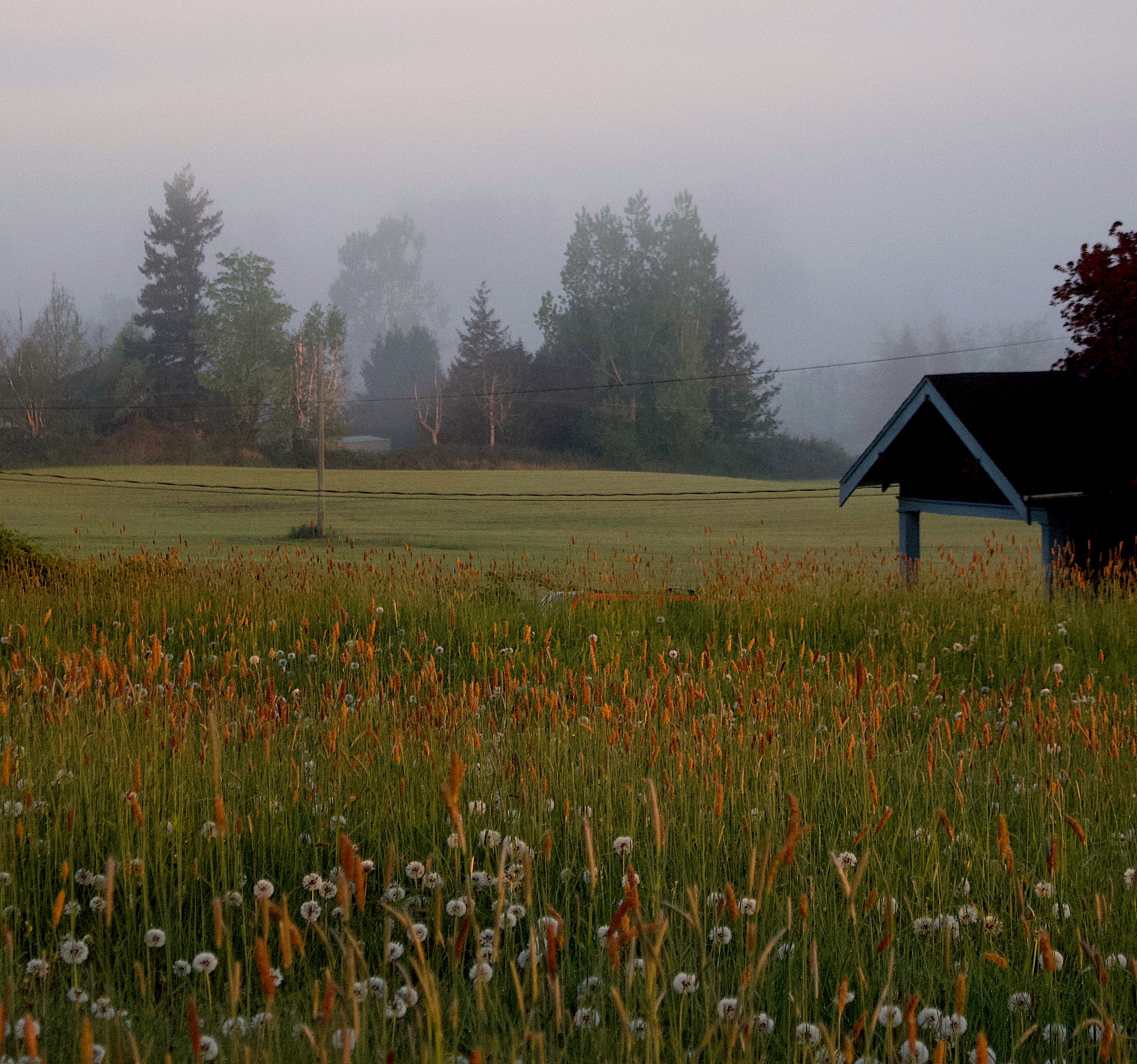
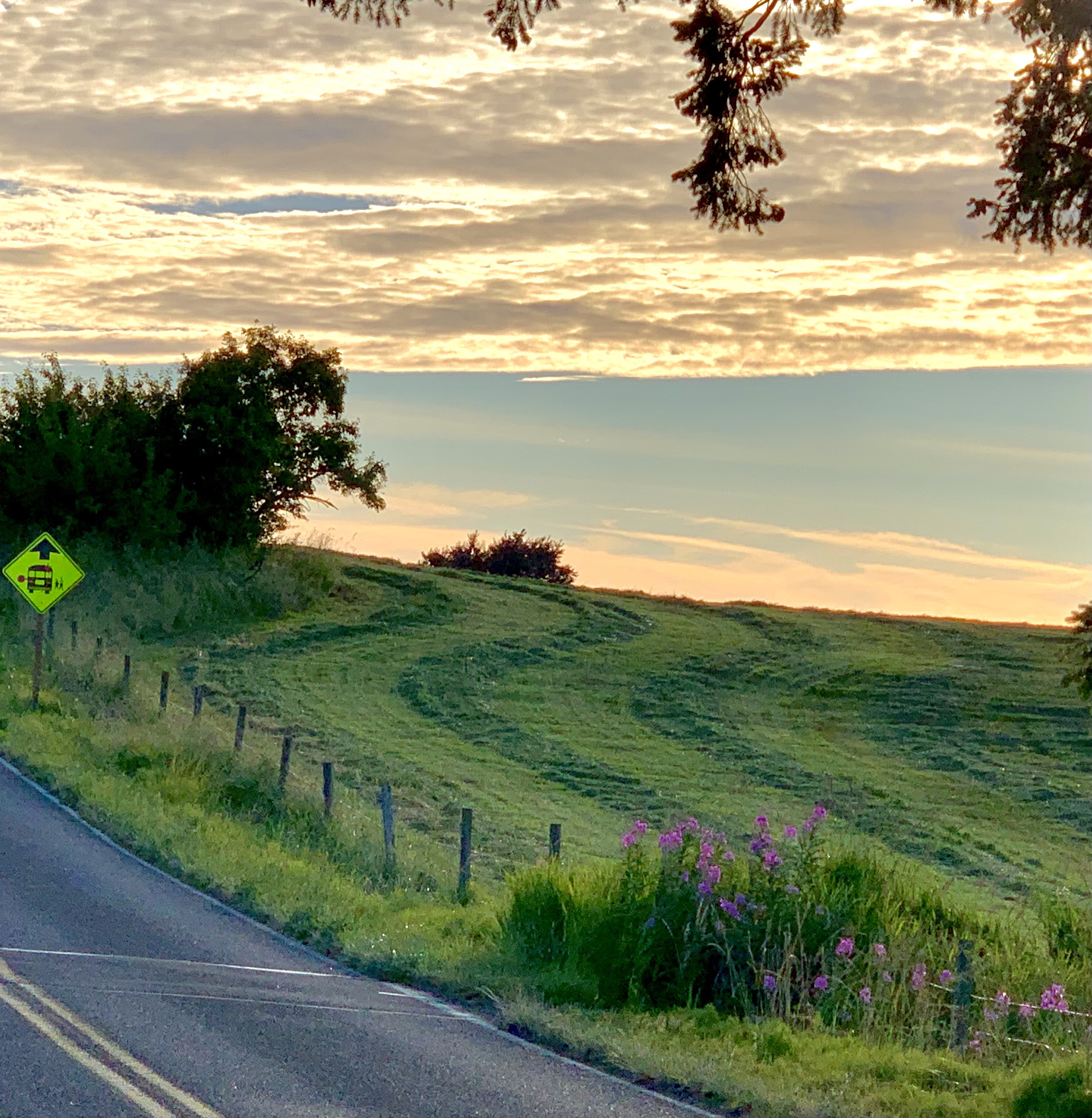
June is the month when grass grows abundantly.
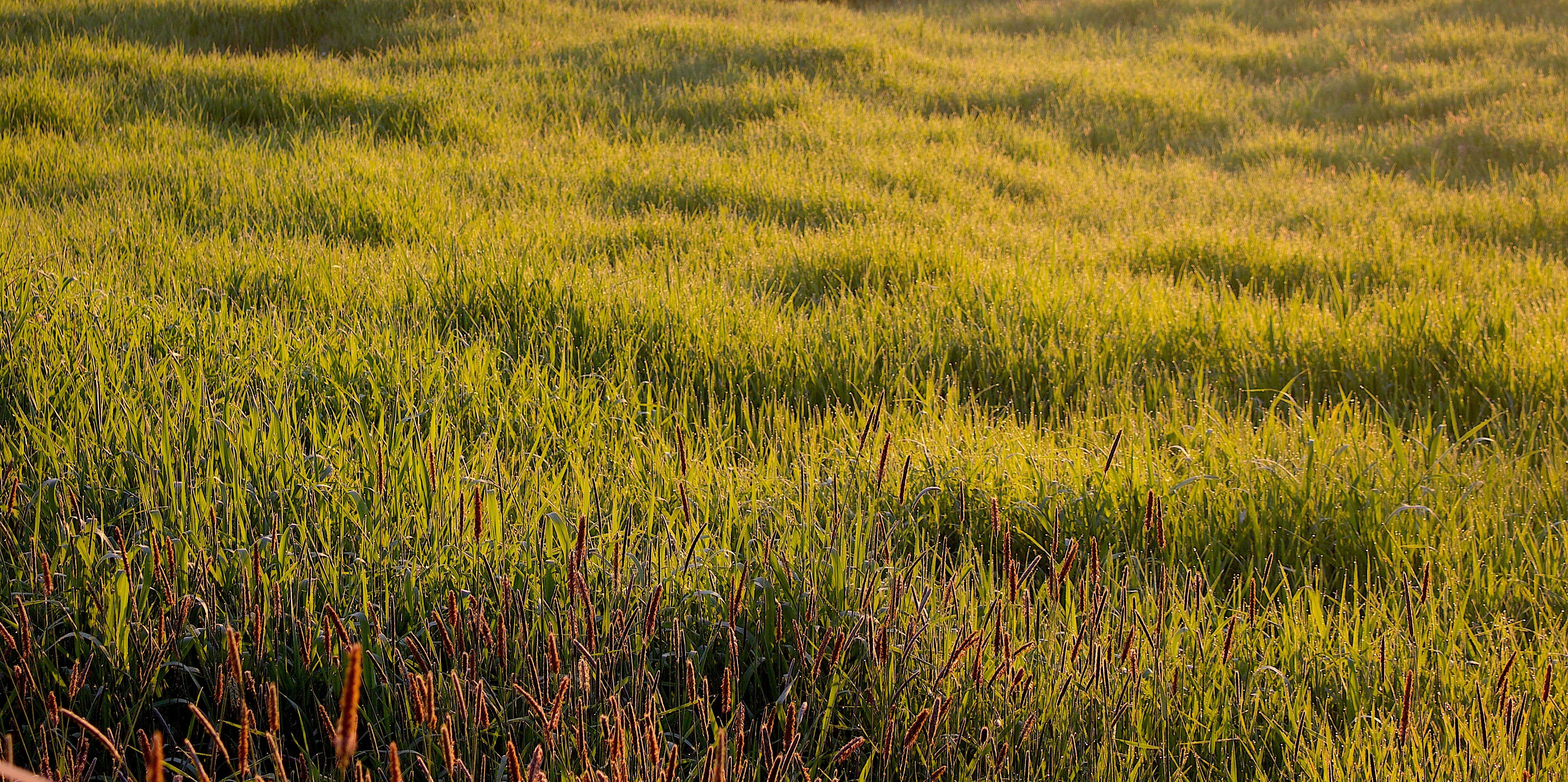
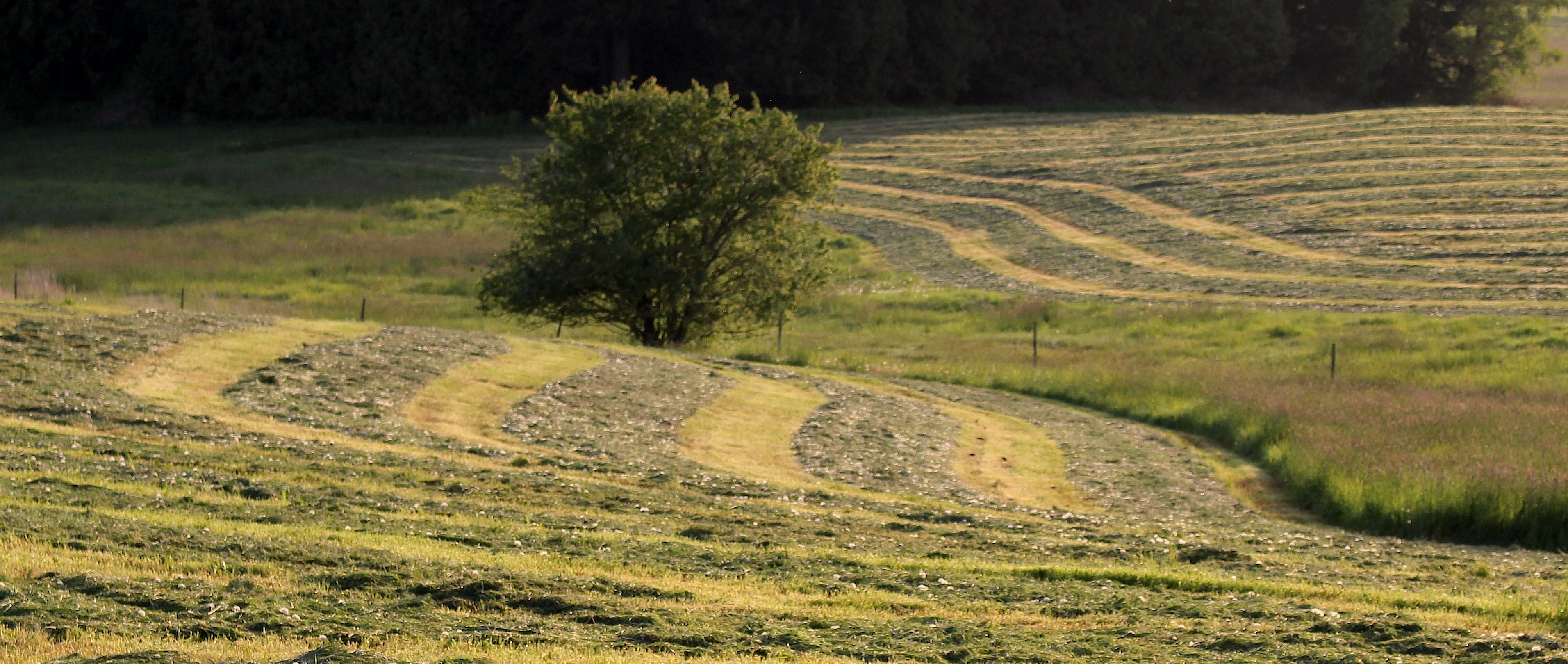
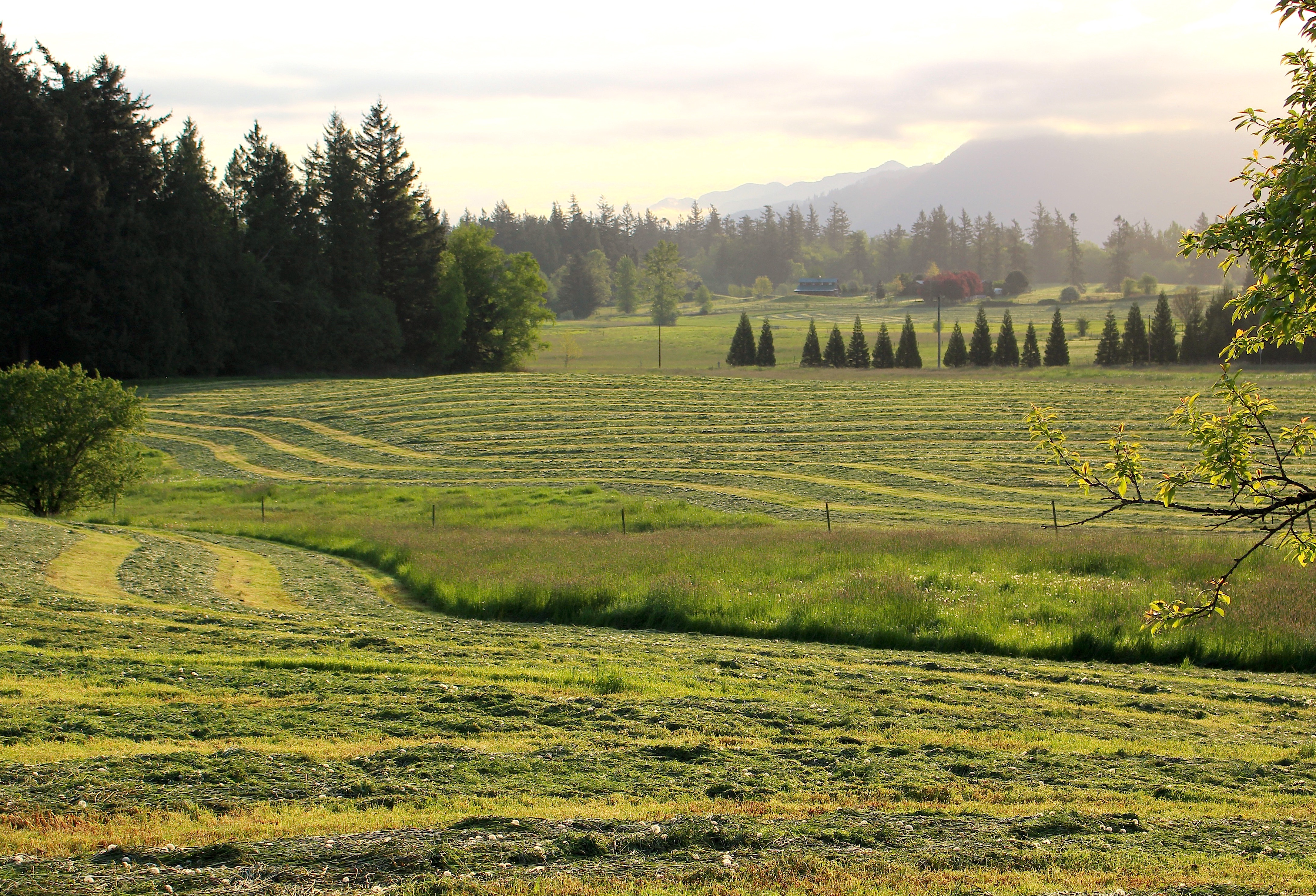
Light and wind work magic on a field of flowing tall grass. The blades of the mower lay it to the ground in green streams that course up and down the slopes. It lies orderly in stoneless cemetery rows.
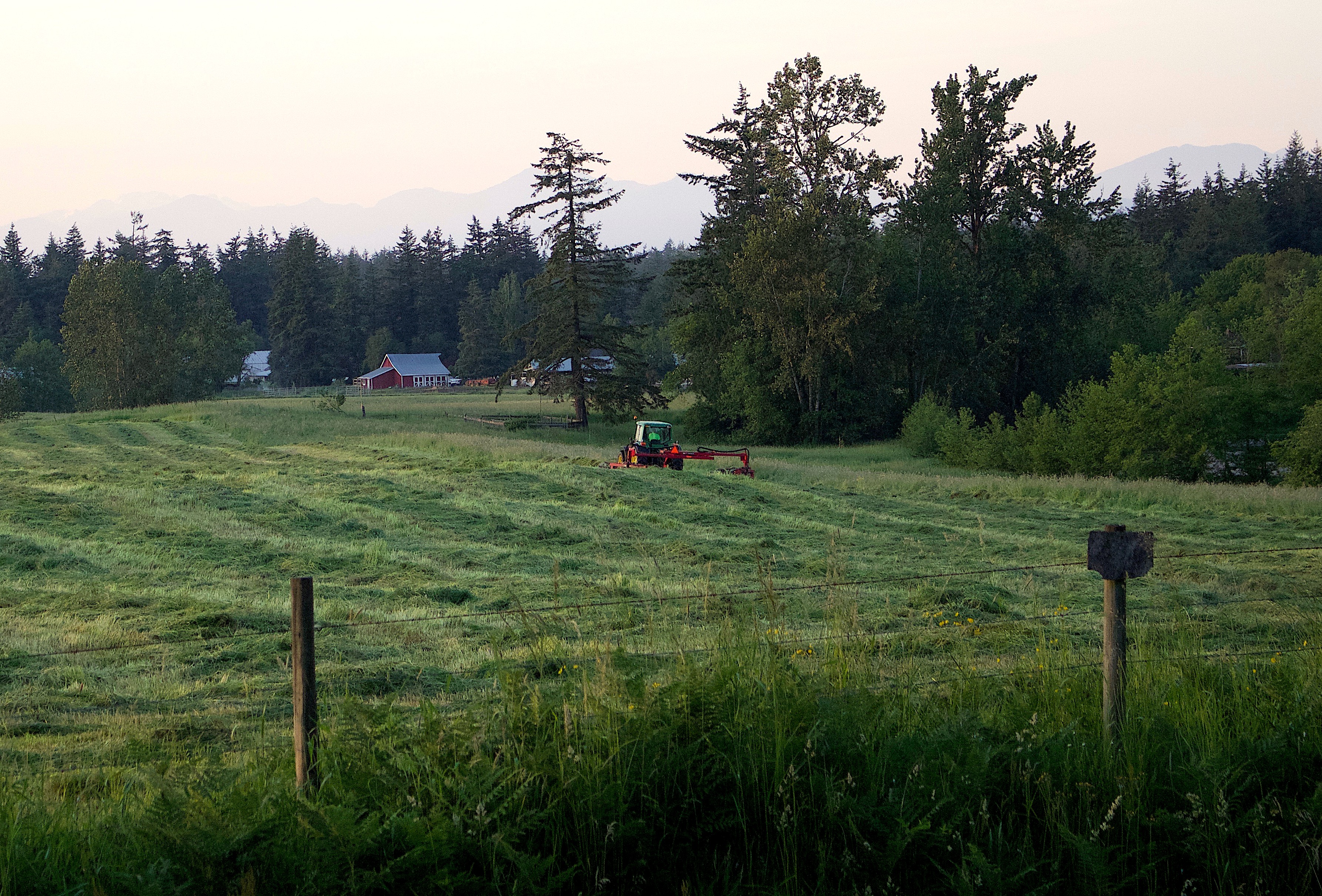
Farmer’s fields are lined with rows of mown grass, a precious commodity to be harvested for the livestock to eat the rest of the year. Some of the green is bagged up like big marshmallows for easy storage and some put in silos for later in the winter.
The grass’ death is critical to the life of the animals we raise.
What was once waving and bowing to the wind is cut and crushed: no longer bending but bent, no longer flowing but flown, no longer growing but mown.
At summer’s pace, while the clouds saunter overhead, the grasses are stored as fodder for the beasts of the farm on those cold nights when the wind beats at the doors.
It will melt in their mouths. As we watch them chew, we’ll remember the overflowing abundance of summer in June.
AI image created by this post
One-Time
Monthly
Yearly
Make a one-time or recurring donation to support daily Barnstorming posts
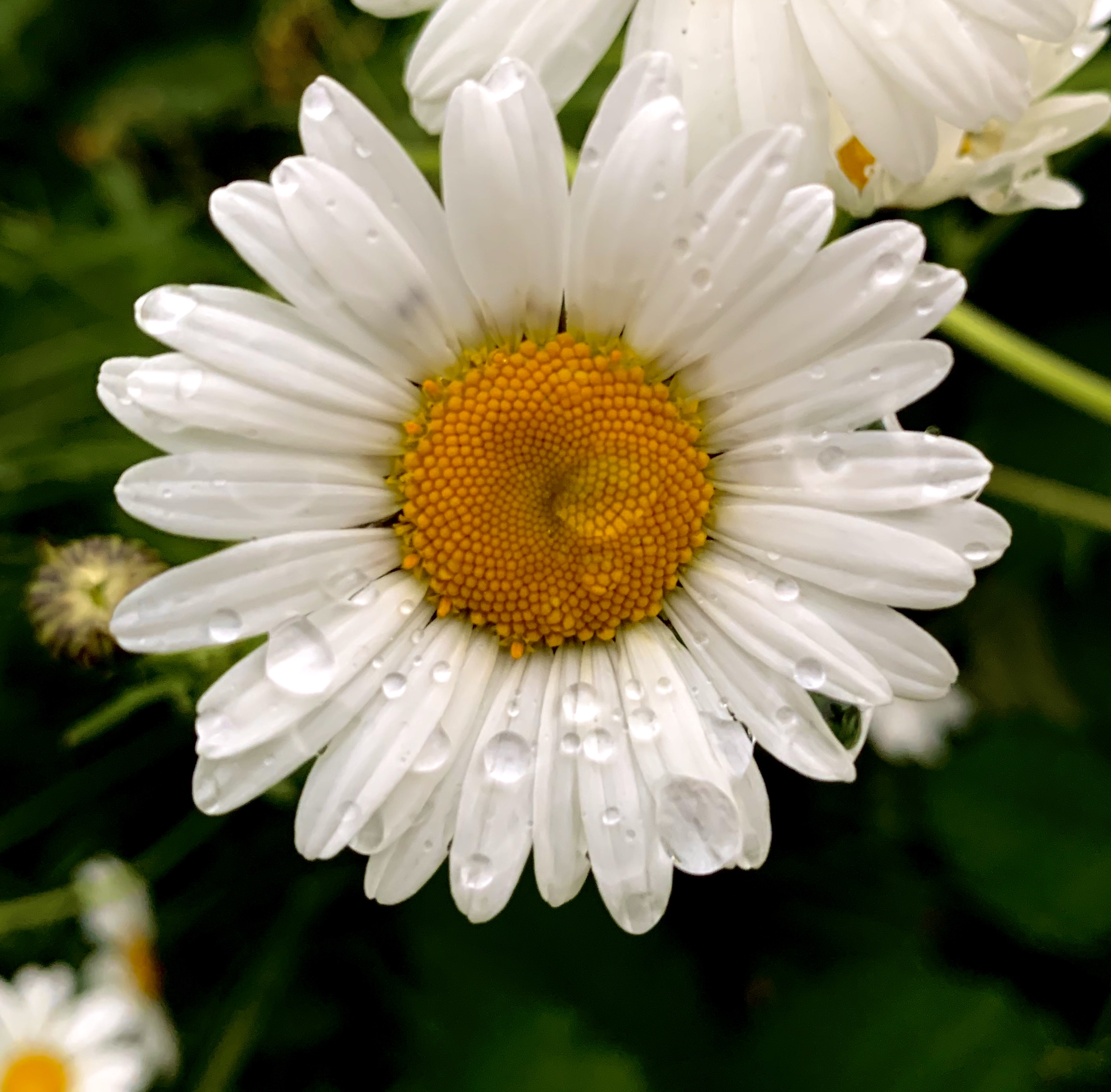
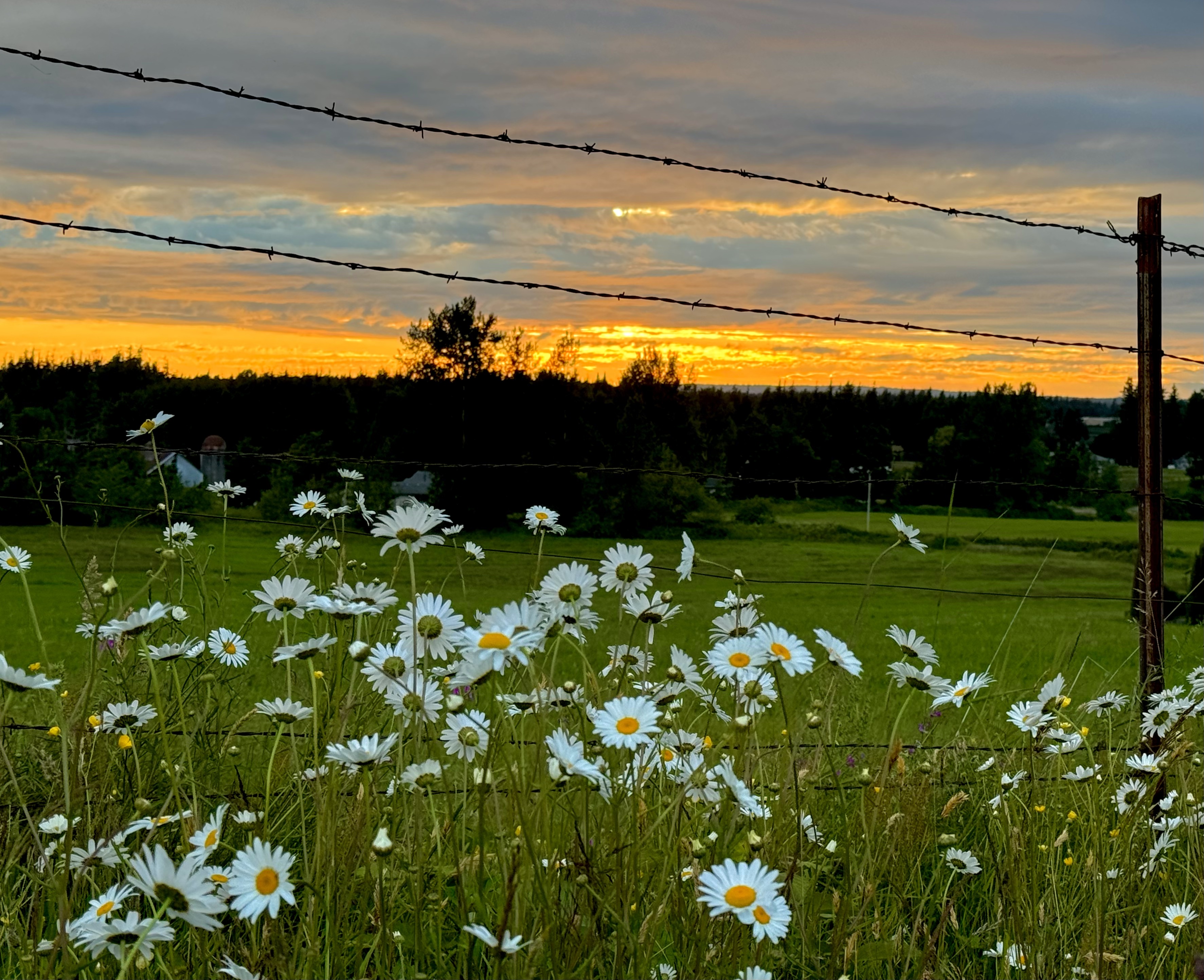
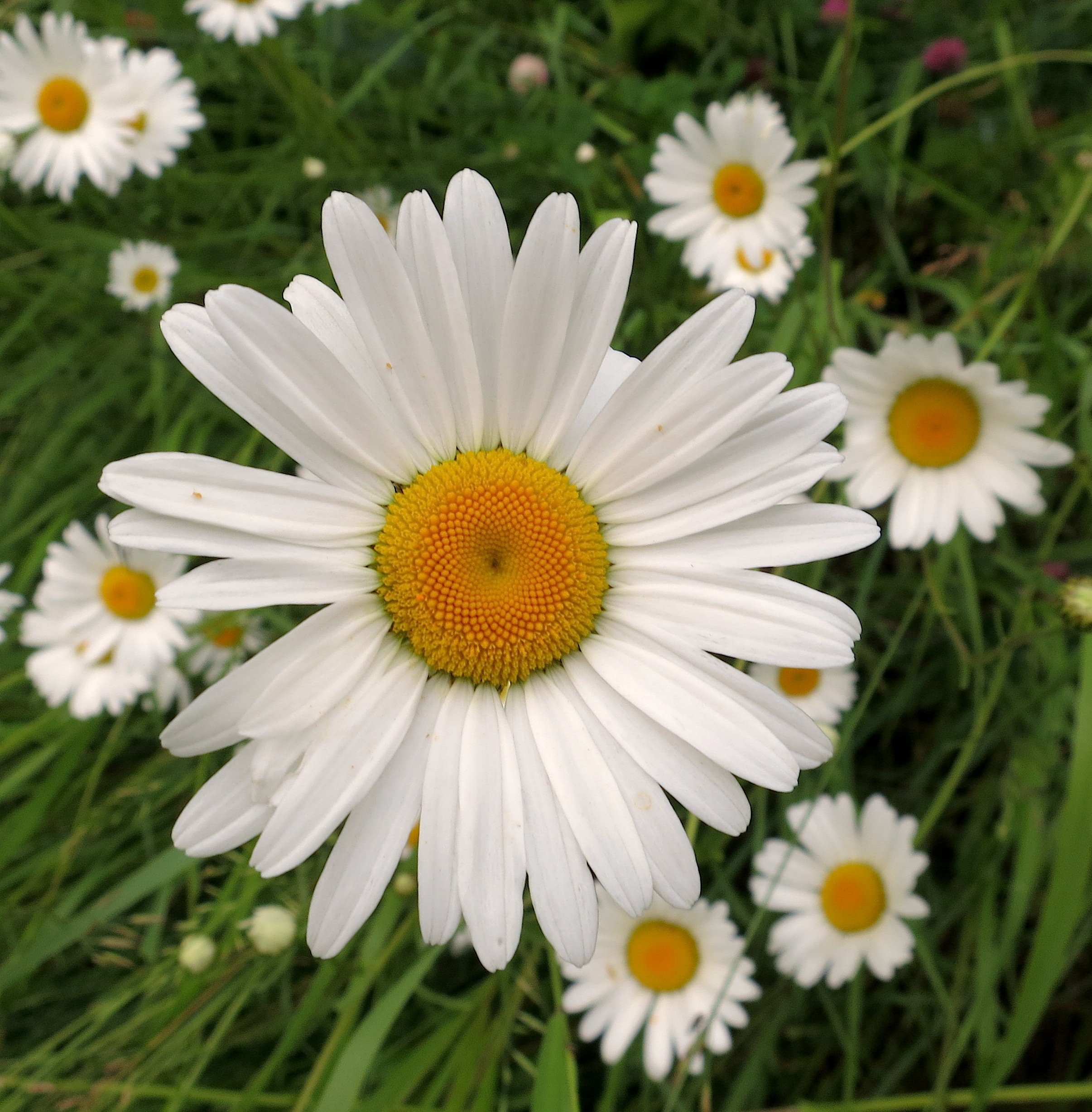
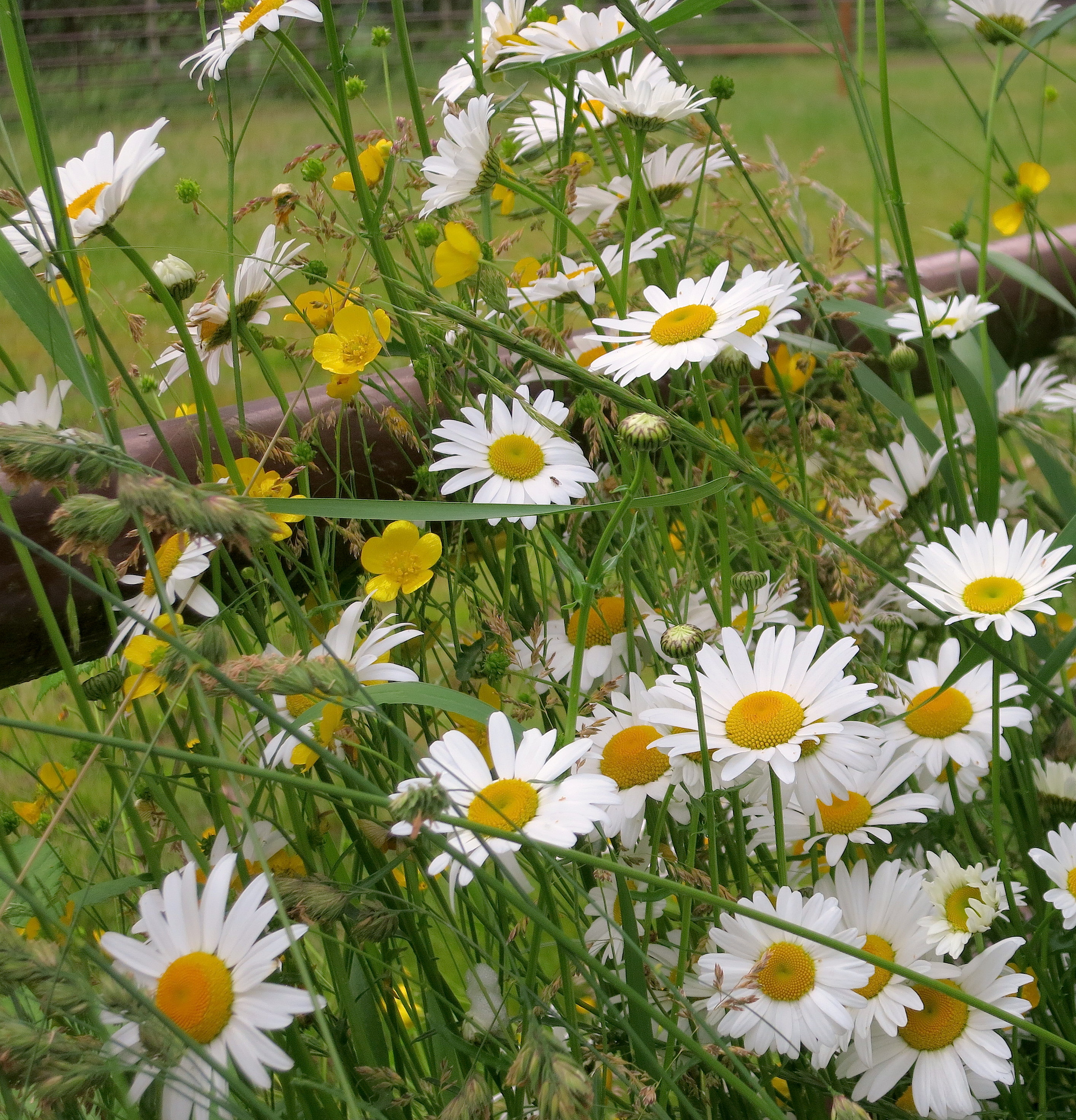
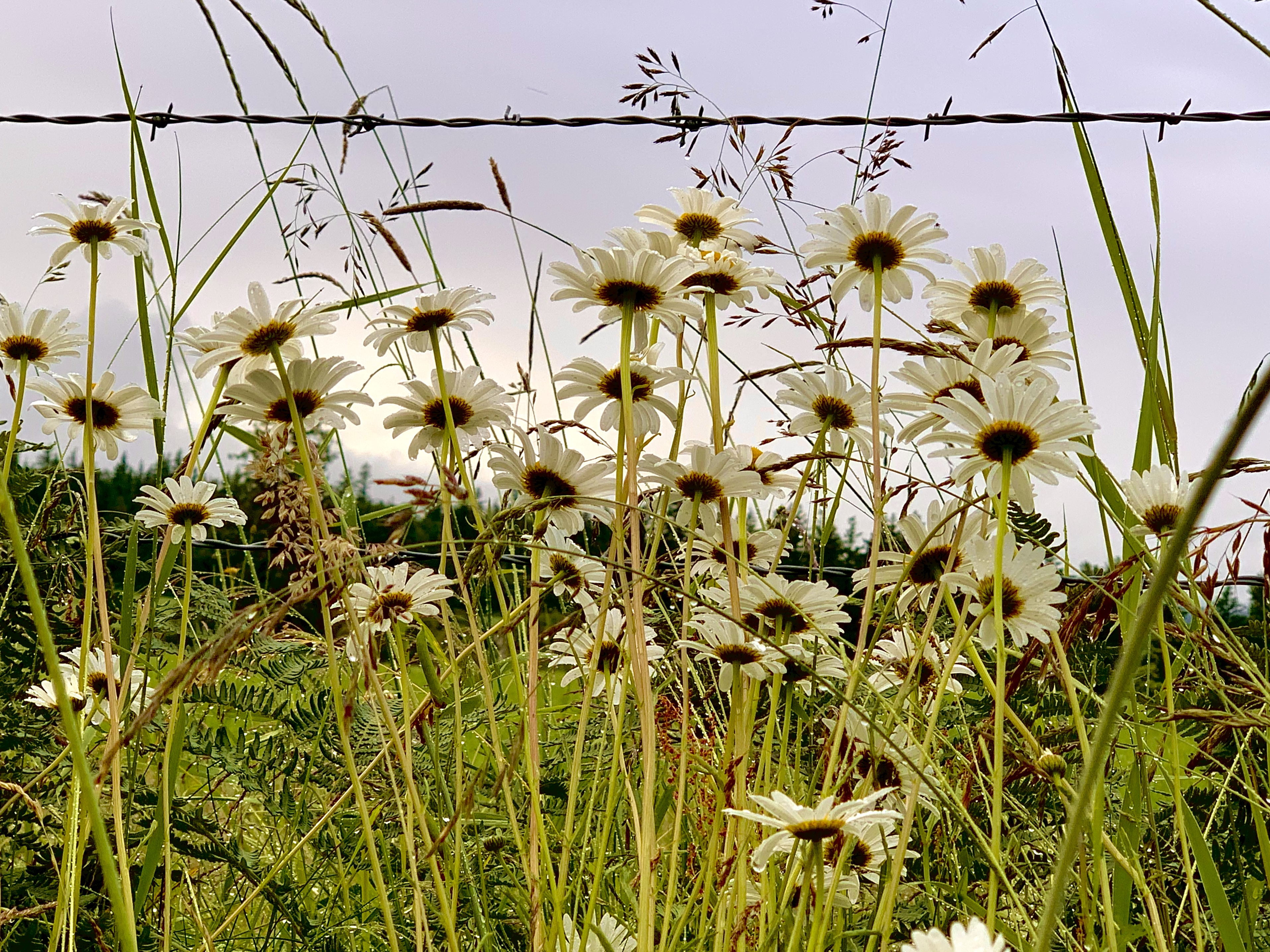
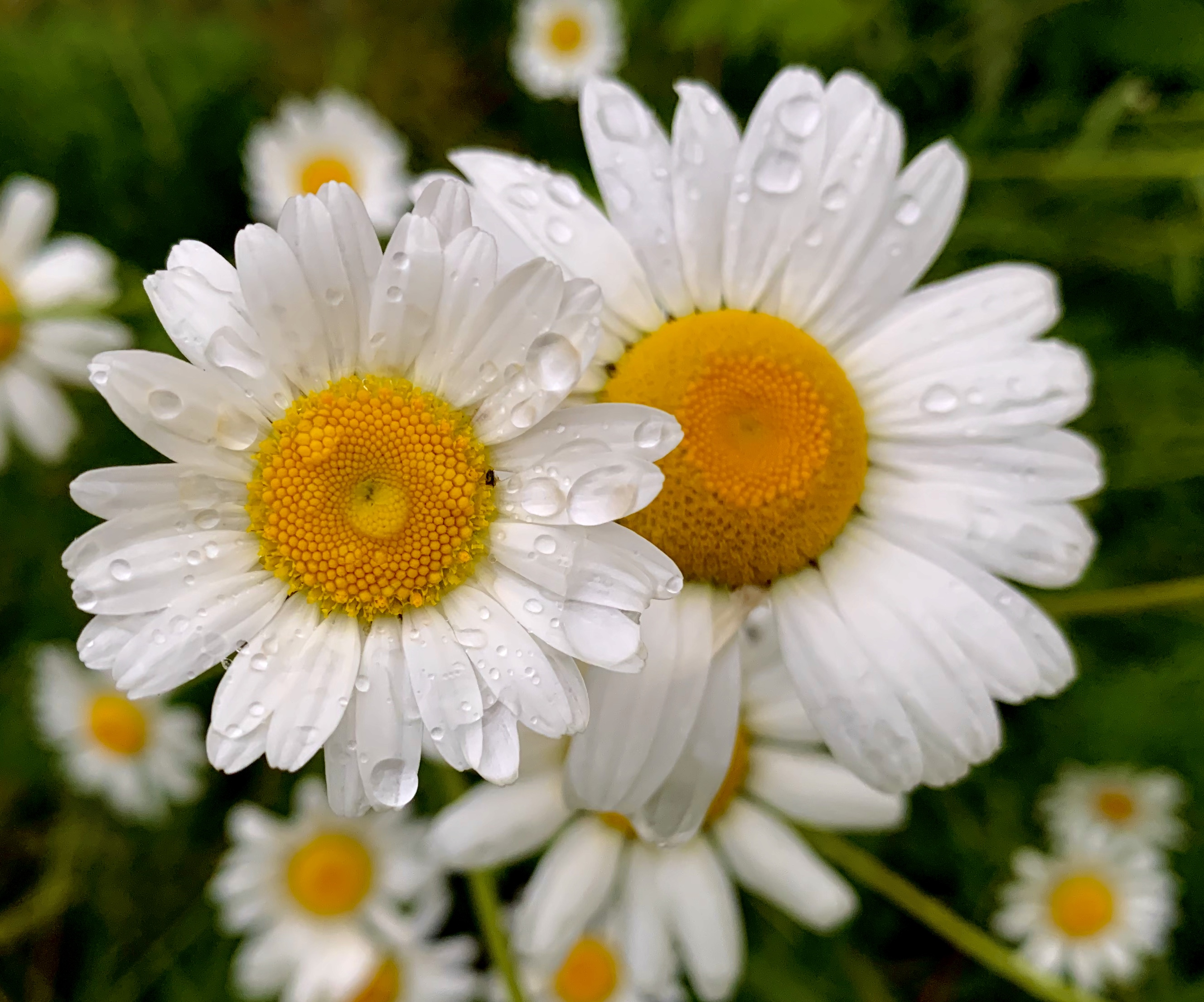
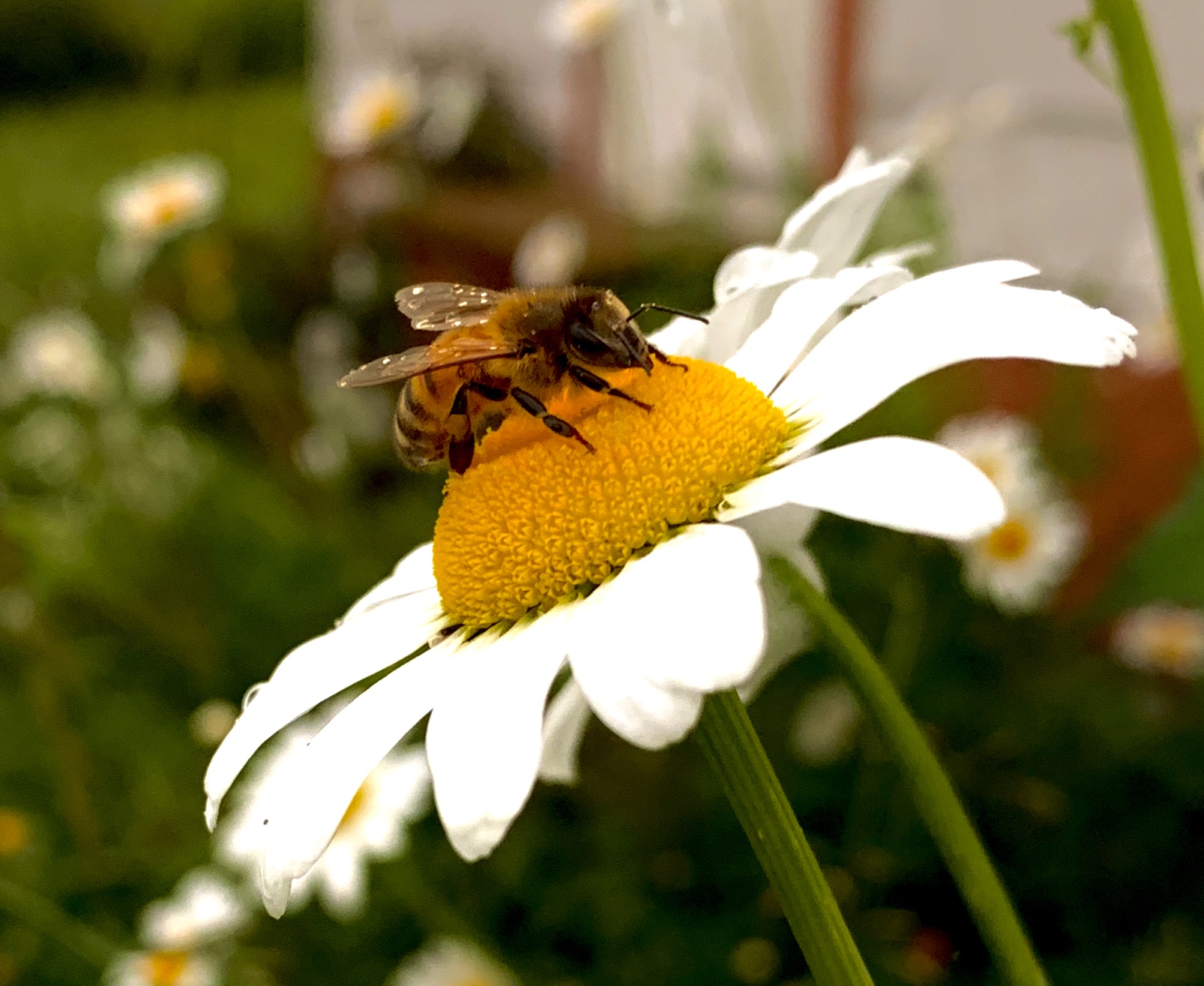
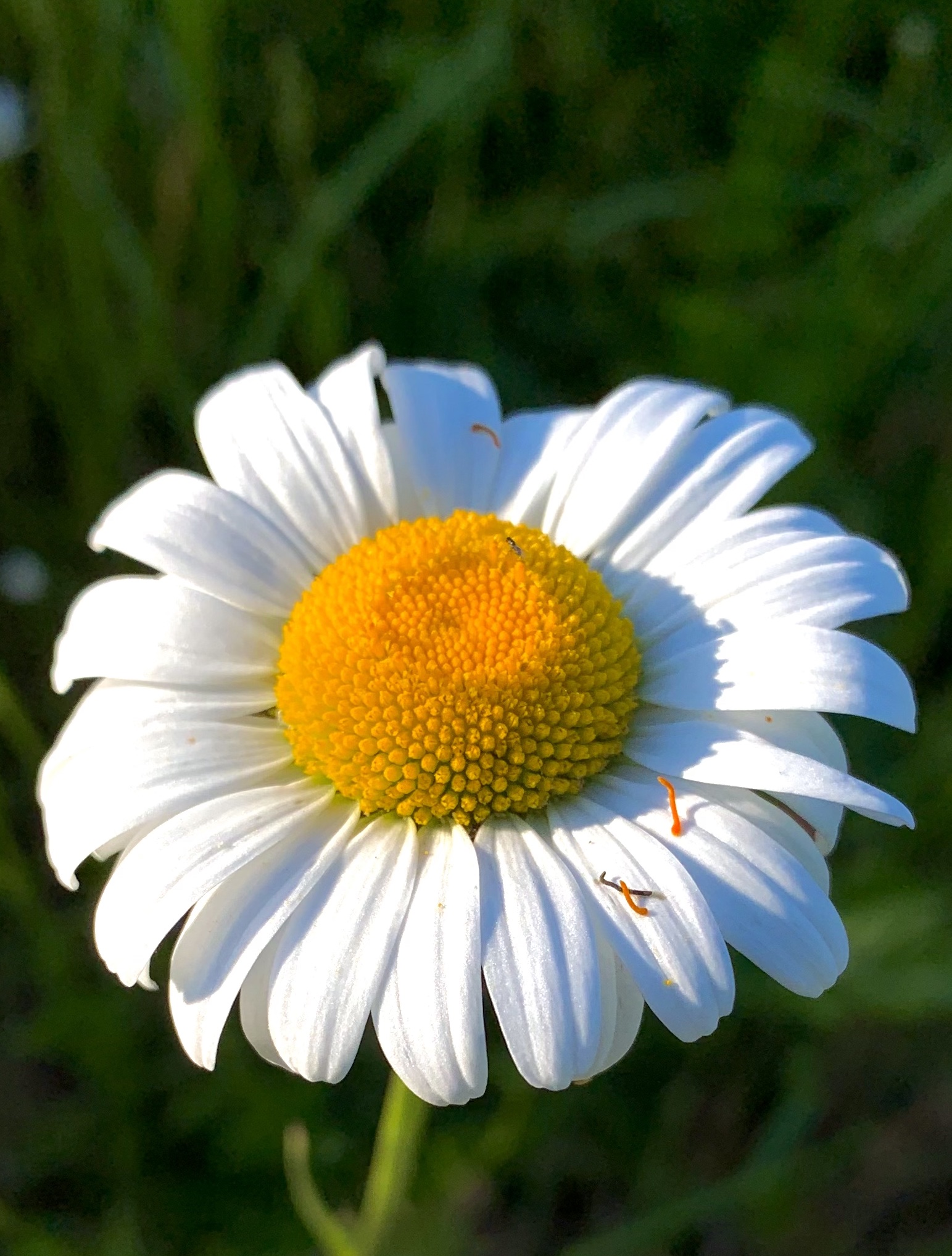
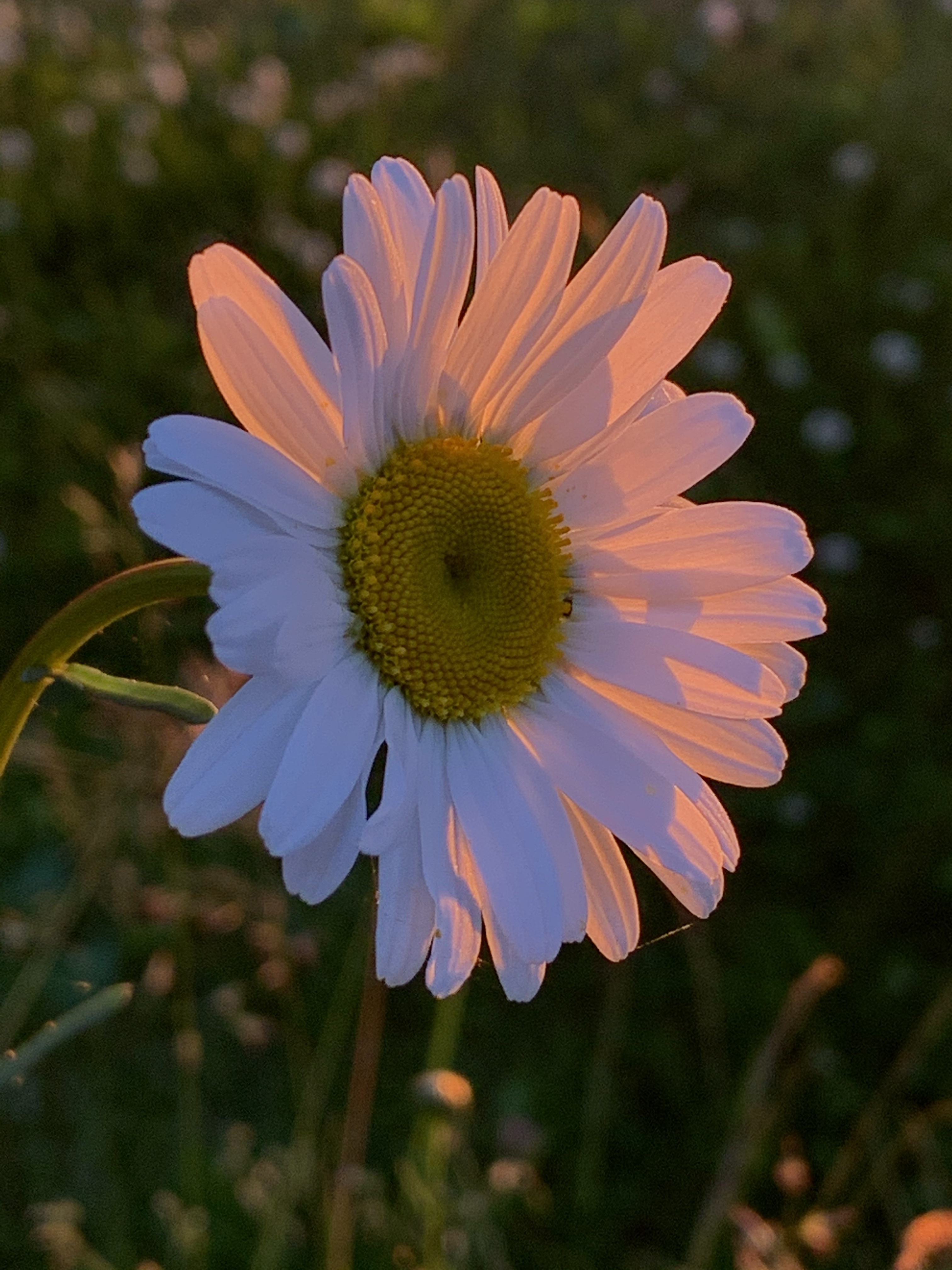
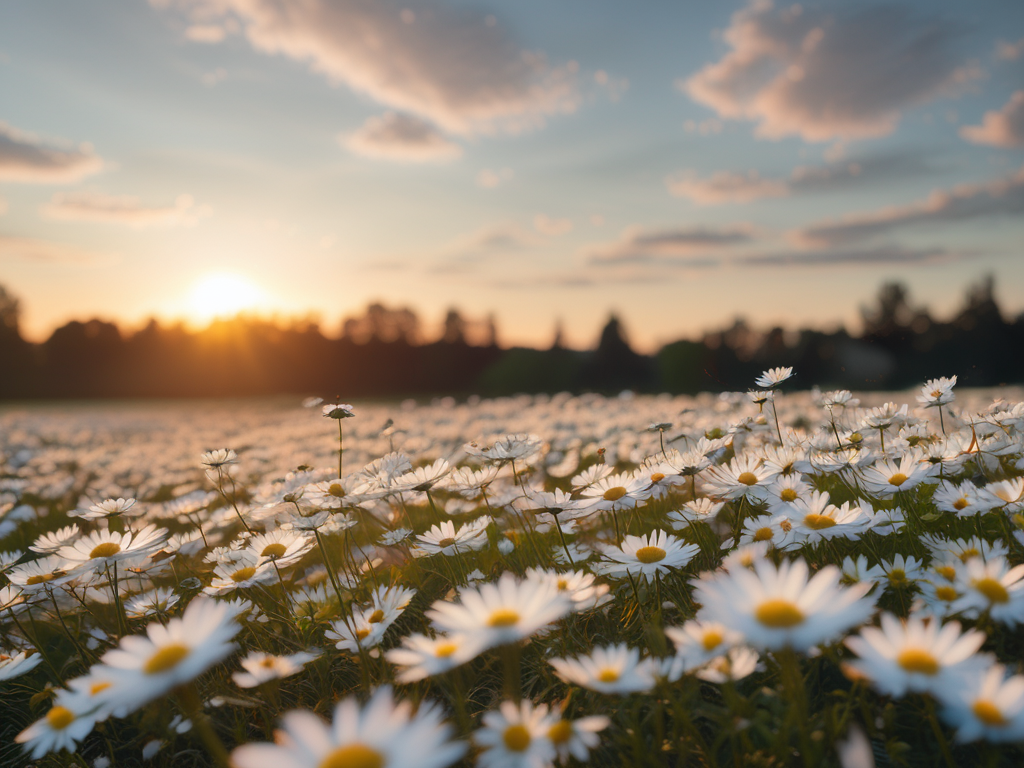
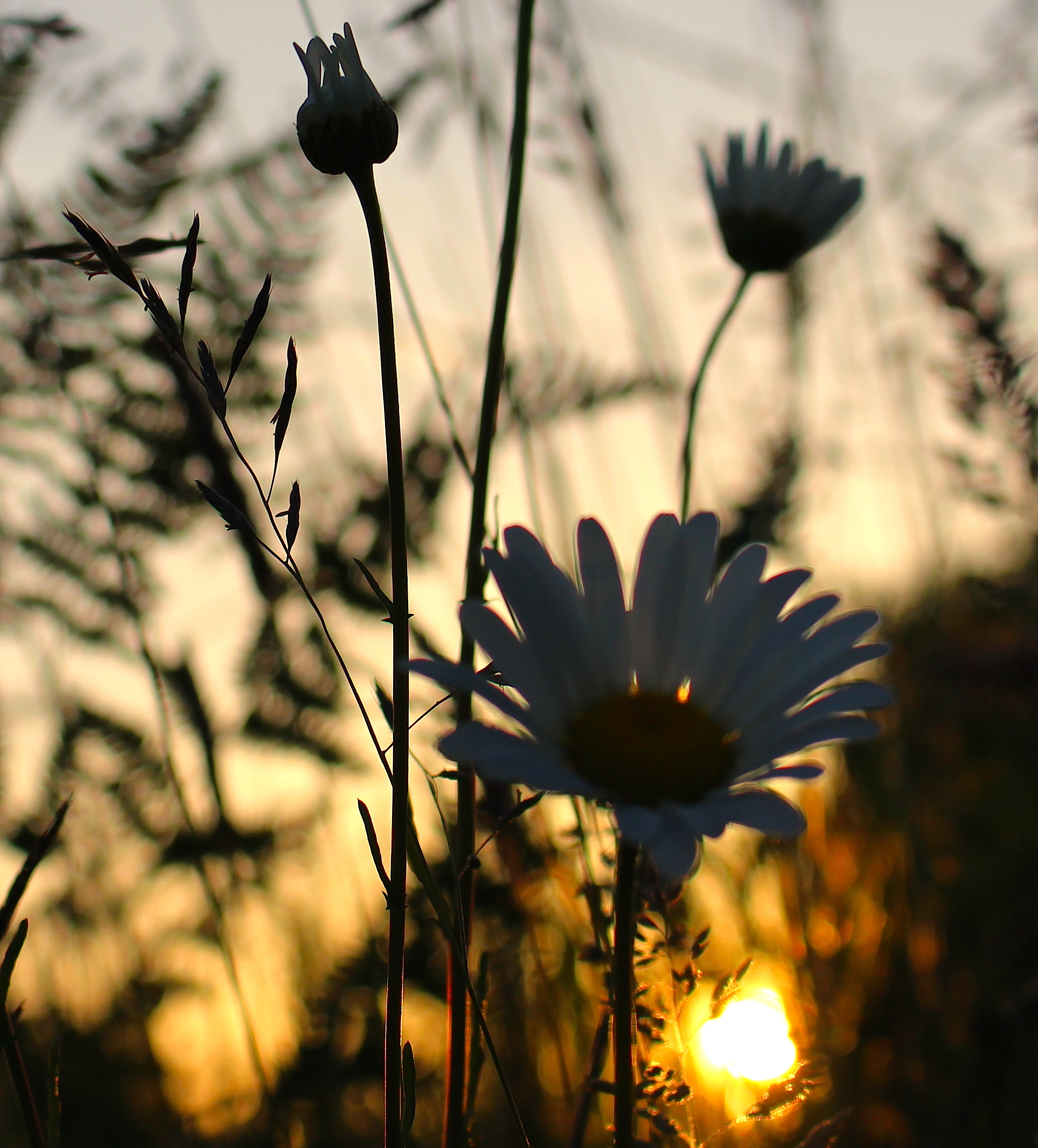
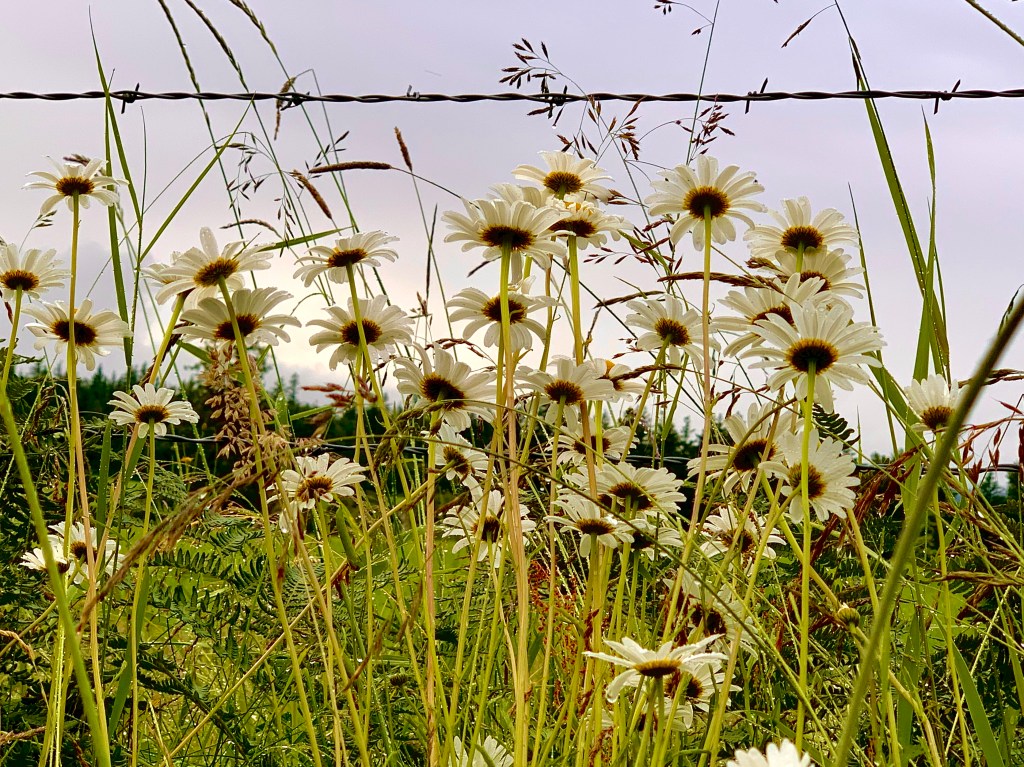
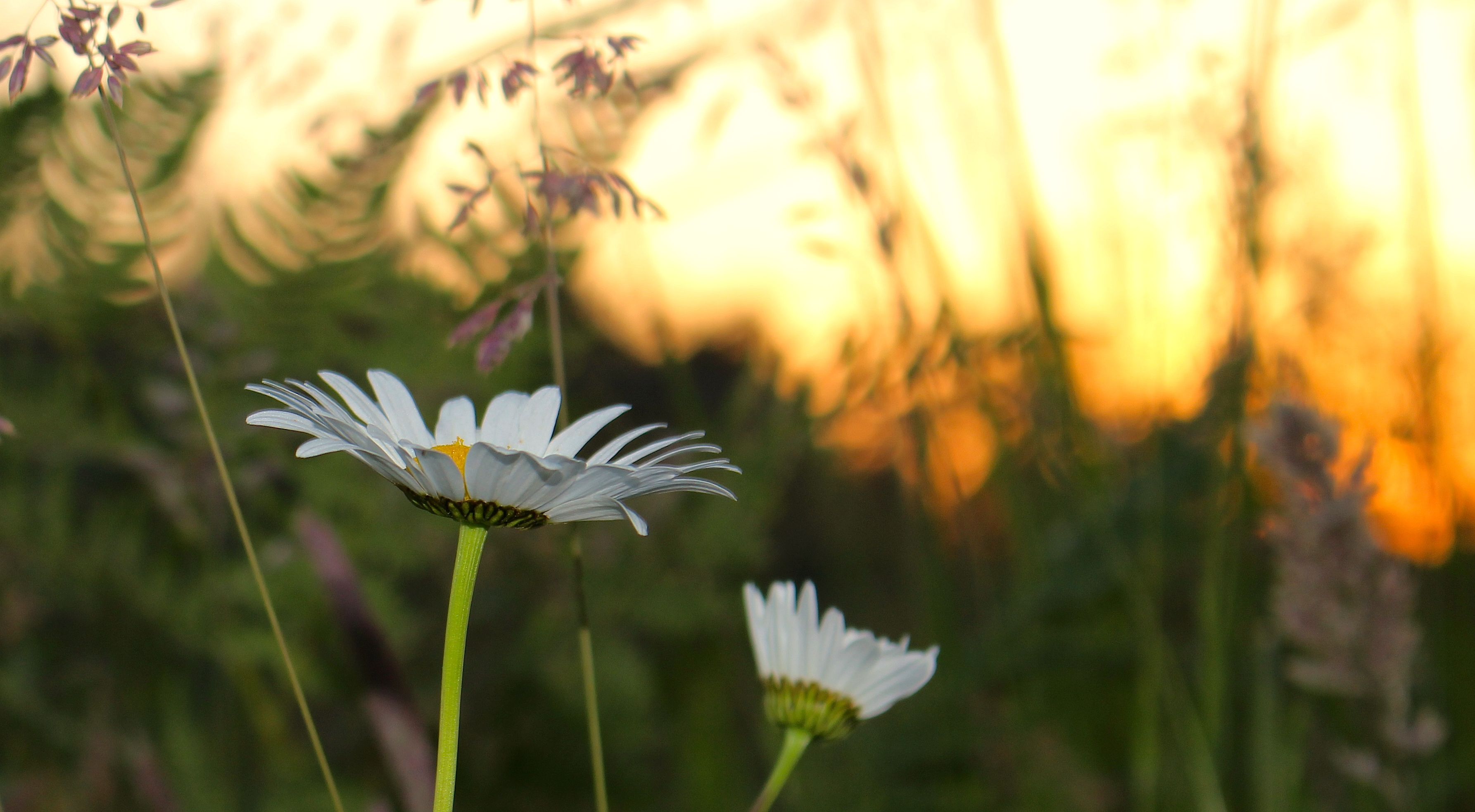
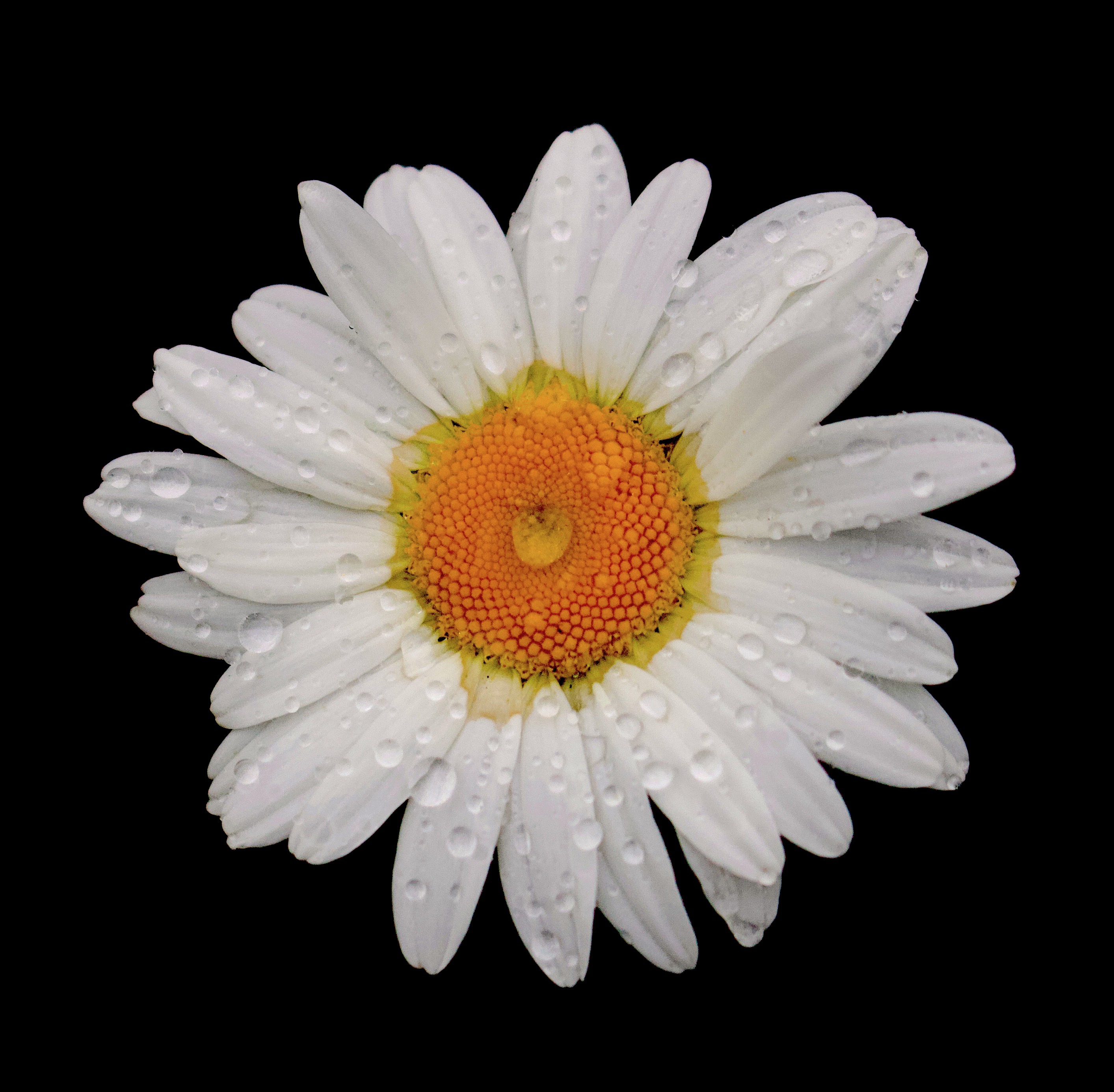
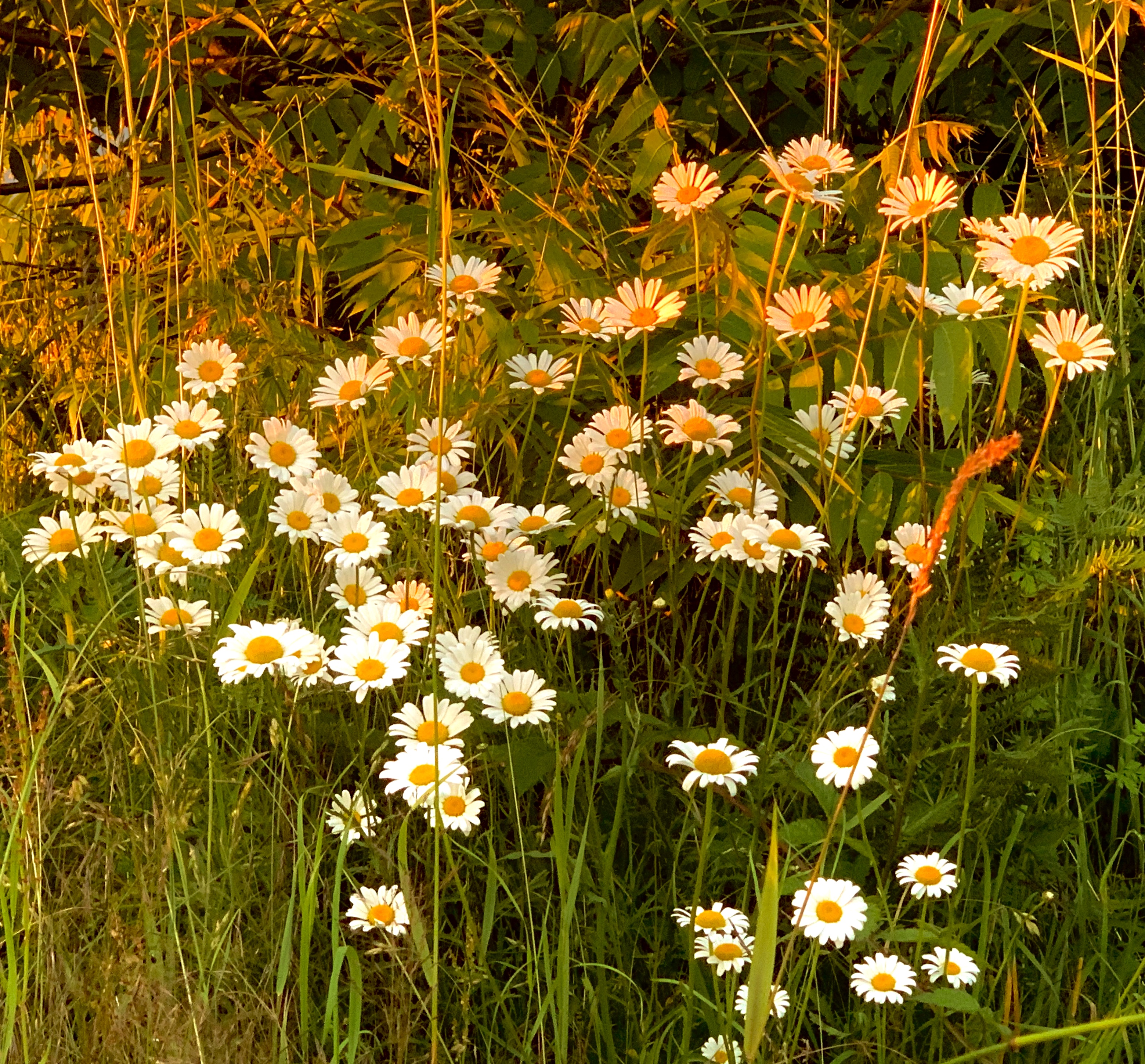
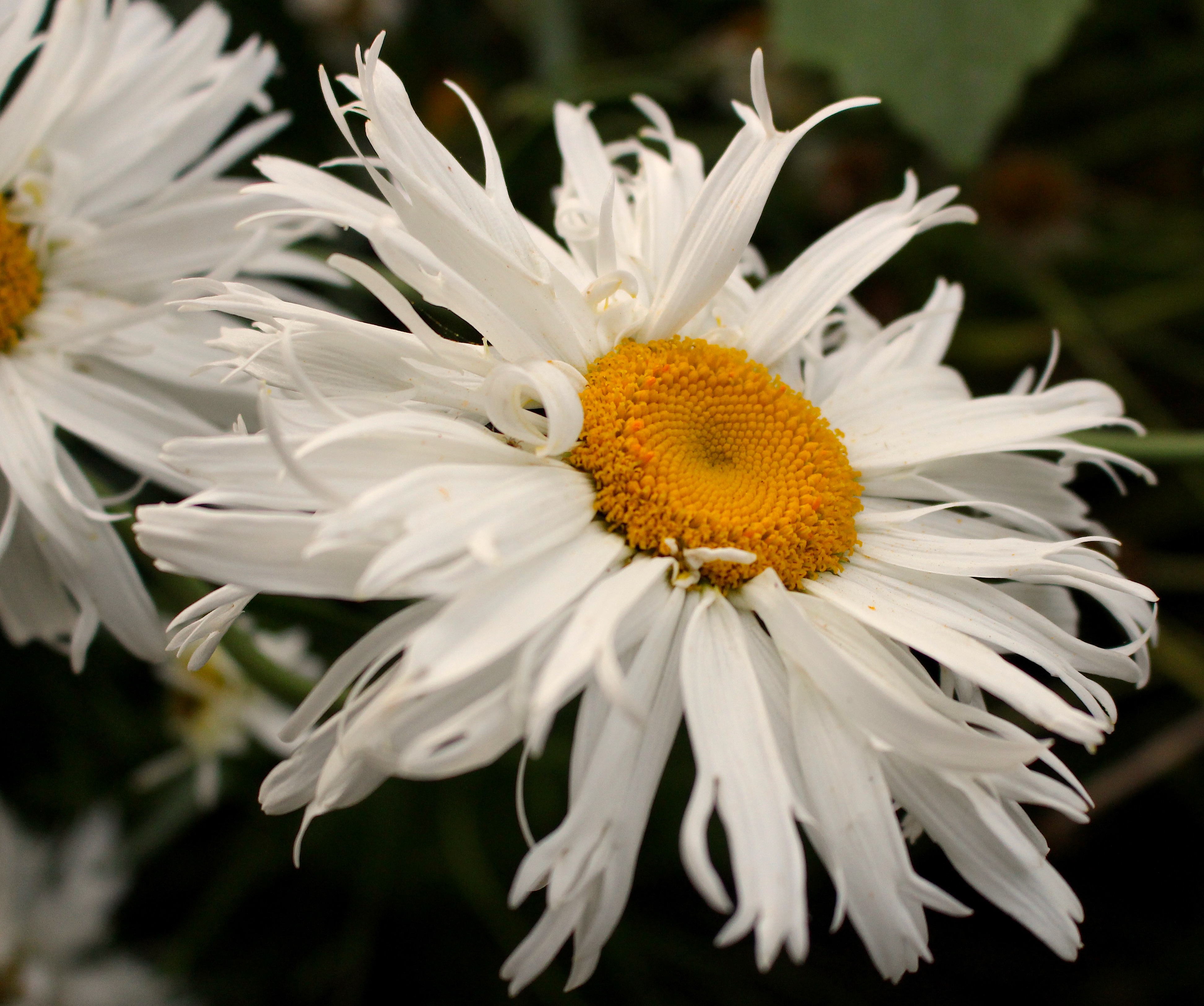
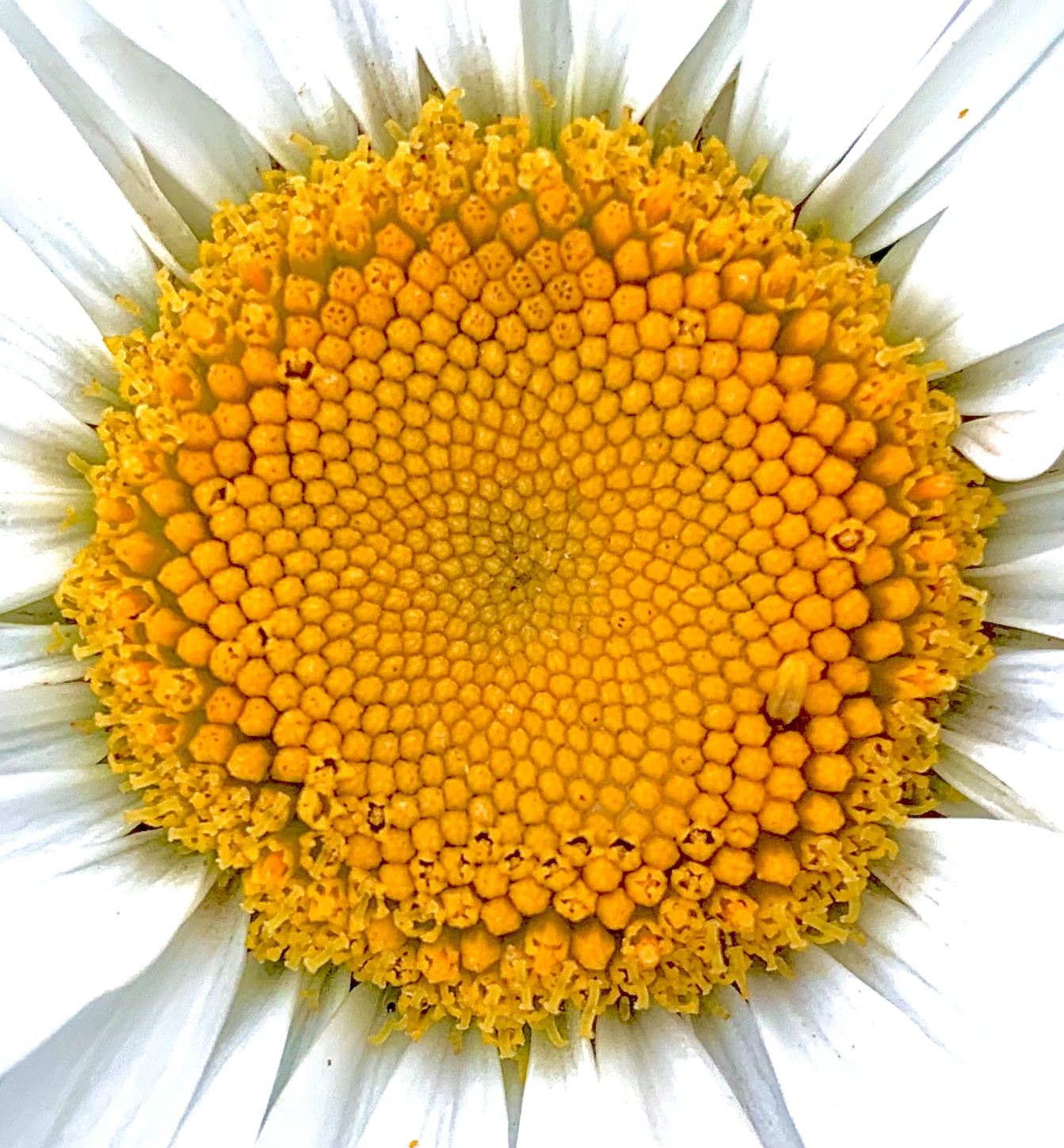
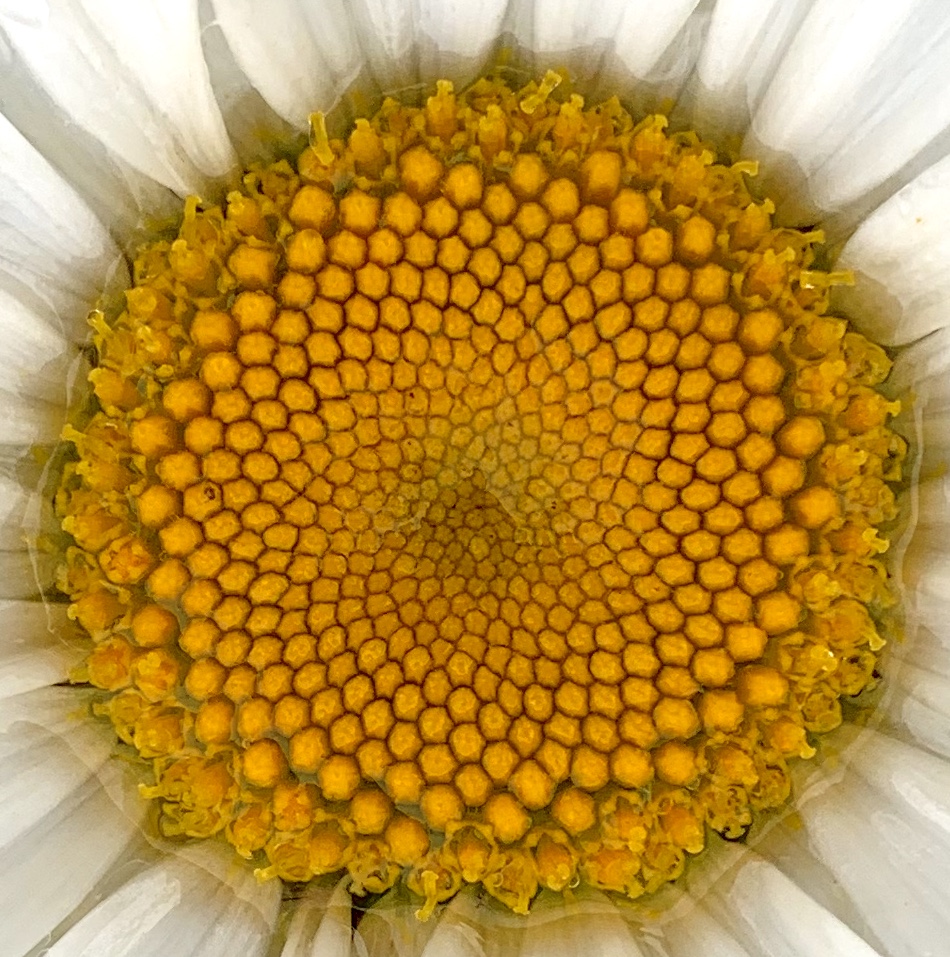
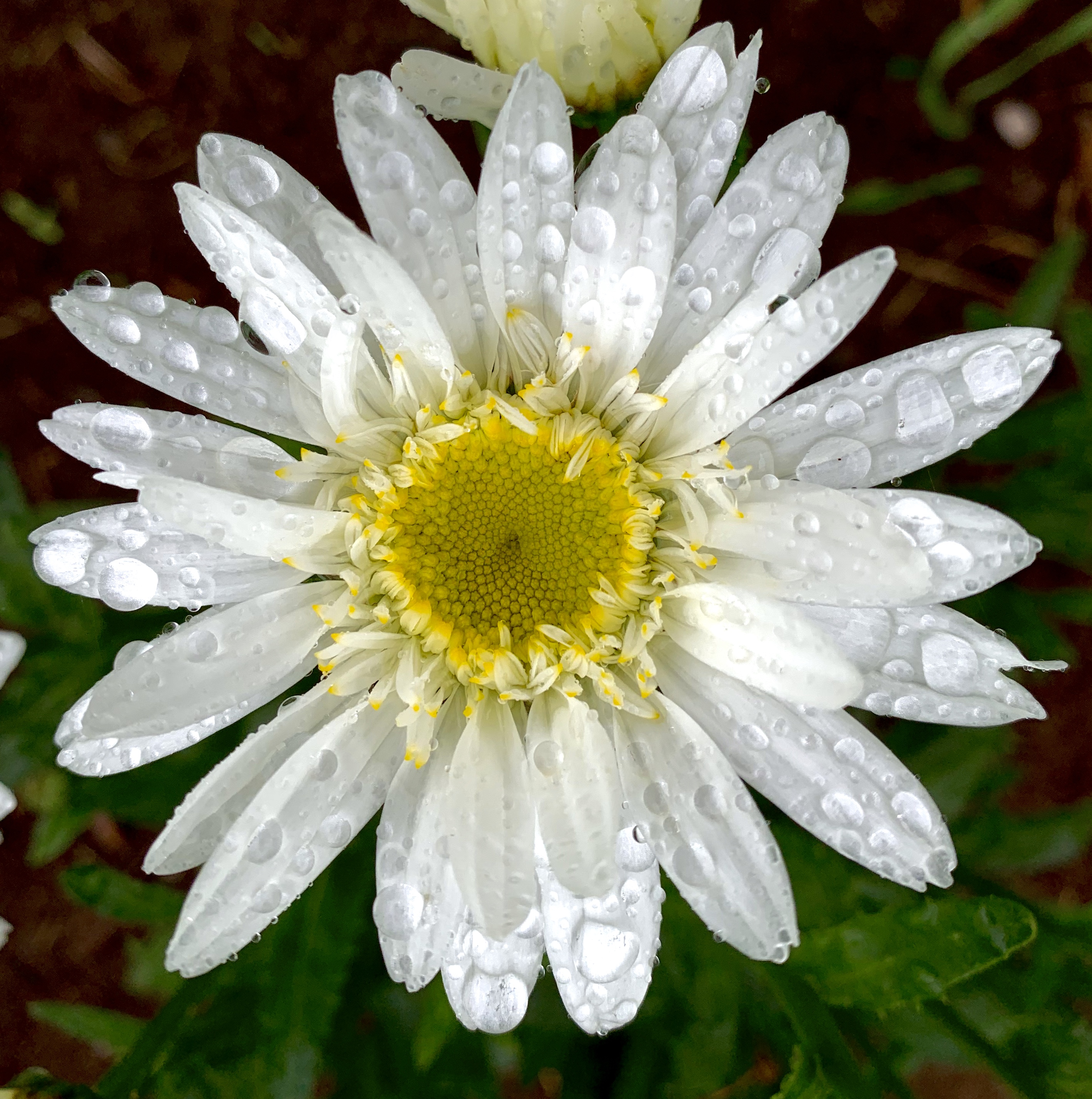
…perhaps God is strong enough to exult in monotony. It is possible that God says every morning, “Do it again” to the sun; and every evening, “Do it again” to the moon. It may not be automatic necessity that makes all daisies alike; it may be that God makes every daisy separately, but has never got tired of making them. ~G.K. Chestertonfrom Orthodoxy
Over the shoulders and slopes of the dune I saw the white daisies go down to the sea, A host in the sunshine, an army in June, The people God sends us to set our hearts free. ~Bliss William Carman from “Daisies”
As I get older, my daily routine can seem mundane and repetitive to the point of being boring. When our grown children call us to see how we’re doing, I don’t have much new to report (which is just fine with me). It must seem like we’re in a rut. I’m tempted to make stuff up, just to make my day sound more interesting…
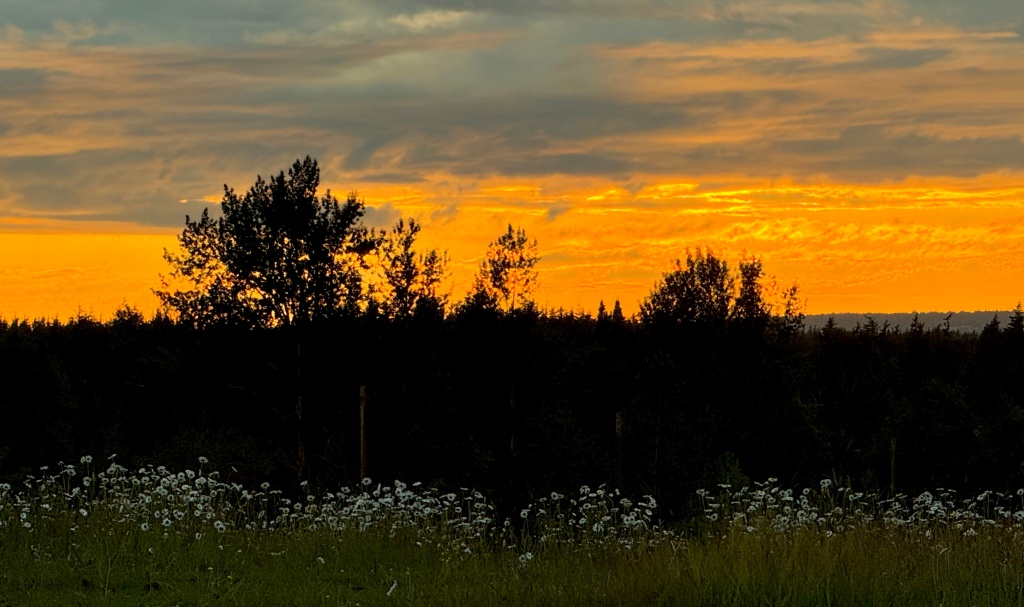
Yet, I’ve discovered, if I don’t keep to a steadfast routine, I truly flounder in an unpredictable wilderness of my own making. The sun rises every morning, even if I’m not awake to witness it. It sets every evening without my standing on the hill to watch it go down.
But there is something very comforting about making an effort to be there, my eyes open, treasuring the passage of another day.
Surely God celebrates the predictability of His design and enjoys repetition, whether it is another sunrise or sunset or the reappearance every June of an infinite number of identical daisies?
He remains consistent, persistent and insistent. We need His steadfast reliability to lead us out of our personal chaotic wilderness.
Do it again, God. Please — please do it again.
AI image created for this post
One-Time
Monthly
Yearly
Make a one-time or recurring donation to support daily Barnstorming posts
I can write down words, like these, softly... Give me a little time… It doesn’t happen all of a sudden, you know.
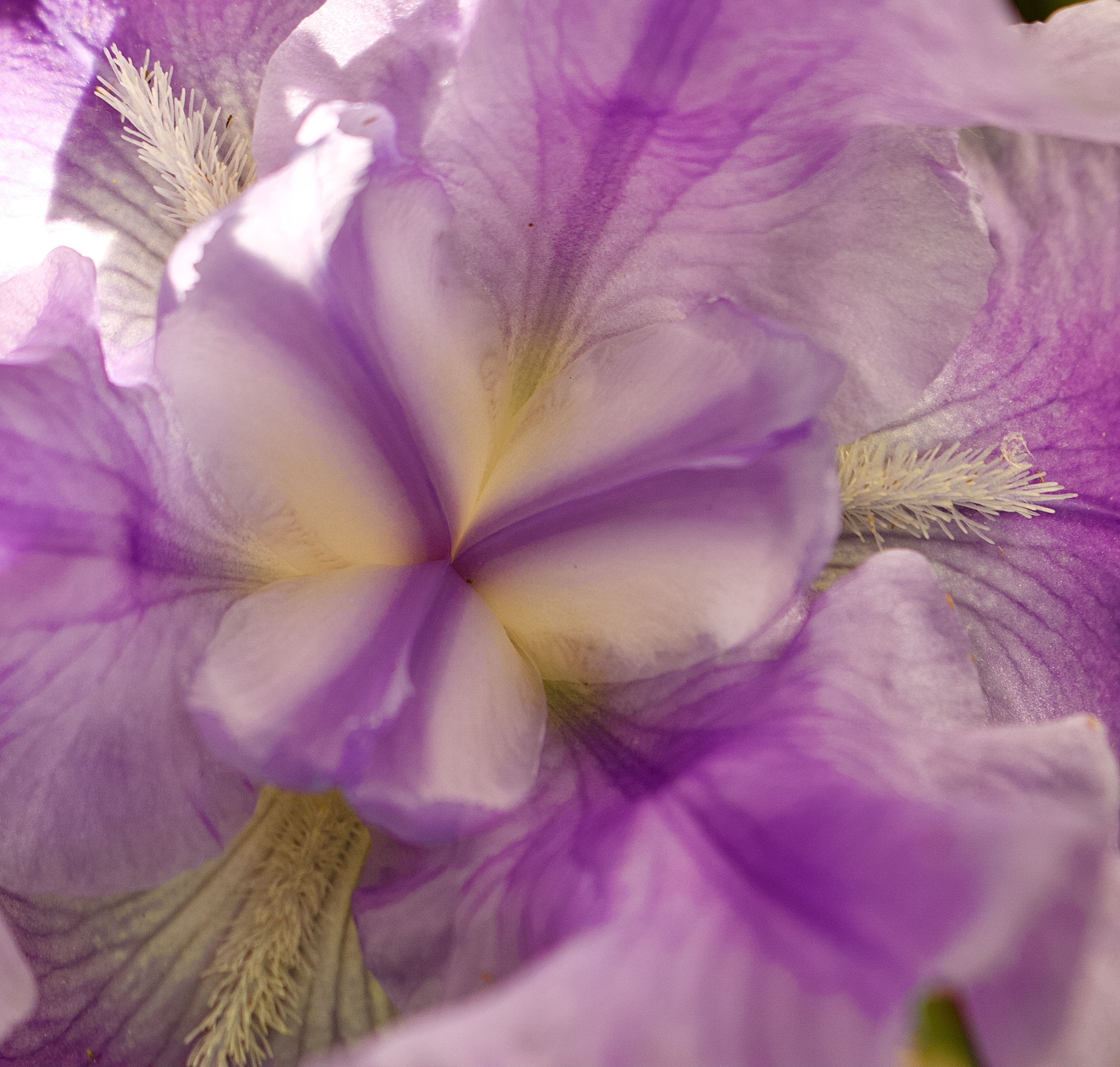
…my heart panics not to be, as I long to be, the empty, waiting, pure, speechless receptacle. ~Mary Oliver from the title poem from “Blue Iris”
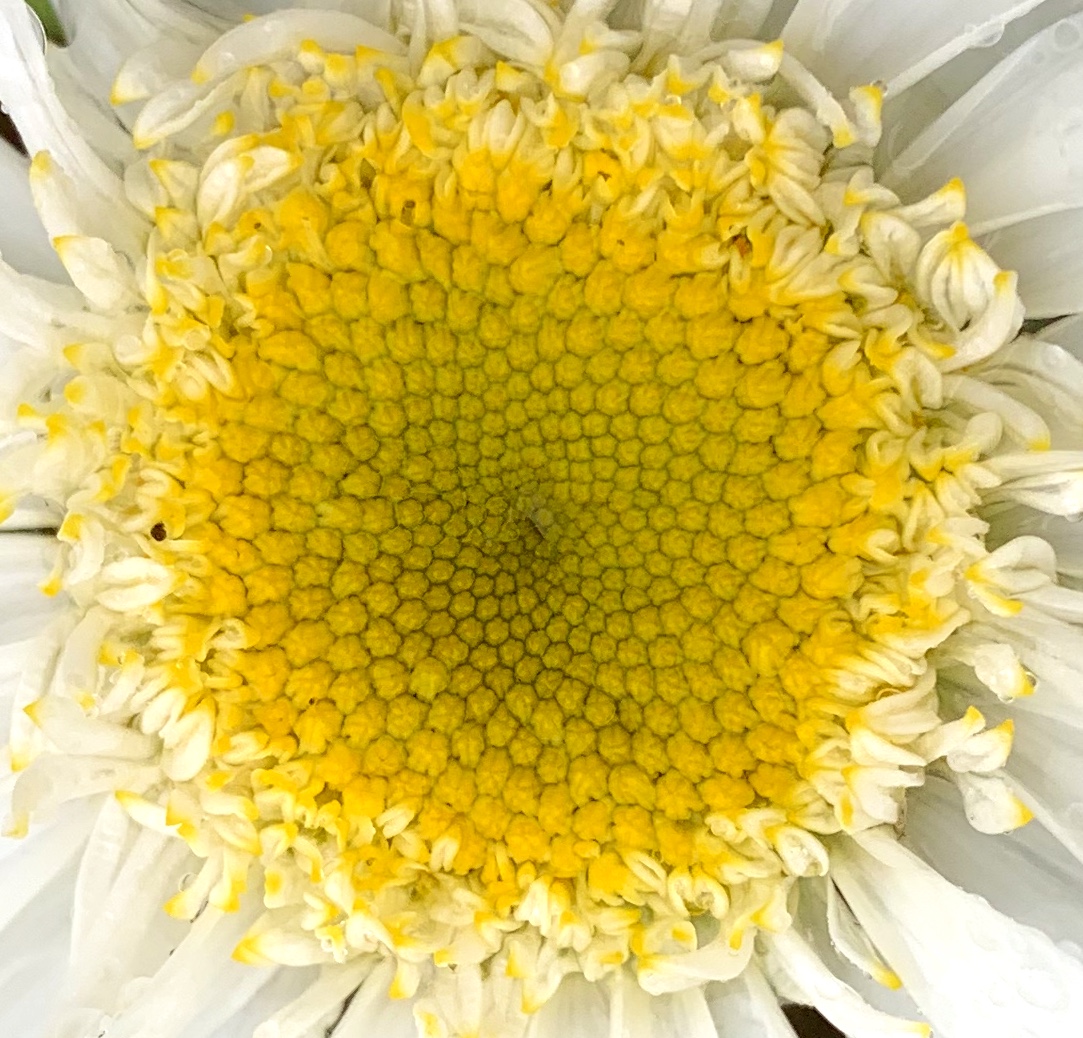
To plunge headlong into the heart of a blossom, its amber eyes inscrutably focusing on your own, magnified by a lens of dew. Whose scent, invisible, drowns you in opulence, and for which you can find nothing adequate to say.
You sense that you are loved wholly, yet are quite unable to understand why. But then, you lift your face, creased with the ordinary, to a heaven that is breaking into blue, and find your contentment utterly beyond telling, unspeakable, uncontained. ~Luci Shaw from “Speechless” from Sea Glass
There are days we live as if death were nowhere in the background; from joy to joy to joy, from wing to wing, from blossom to blossom to impossible blossom, to sweet impossible blossom. ~Li-Young Lee, last stanza of “From Blossoms” from Rose.
To live as if death were nowhere in the future, instead, to bud, emerge, and blossom, even when thirsting in the desert of discouragement – Christ is here, waiting.
We are not dying, but become alive in Him: an amazing impossible flowering.
I peer inside each bloom as it opens, needing a flotation device and depth finder as I’m likely to get lost, sweeping and swooning through the inner space of life’s deep tunnels, canyons and corners, coming up for air before diving in again to journey into exotic locales draped in silken hues ~this heaven on a stem~ to immerse and emerge in the possibilities of God’s impossible blossom.
AI image created for this post
One-Time
Monthly
Yearly
Make a one-time or recurring donation to support daily Barnstorming posts
I was enjoying everything: the rain, the path wherever it was taking me, the earth roots beginning to stir. I didn’t intend to start thinking about God, it just happened. How God, or the gods, are invisible, quite understandable But holiness is visible, entirely. It’s wonderful to walk along like that, thought not the usual intention to reach an answer but merely drifting. Like clouds that only seem weightless. but of course are not. Are really important. I mean, terribly important. Not decoration by any means. By next week the violets will be blooming.
Anyway, this was my delicious walk in the rain. What was it actually about?
Think about what it is that music is trying to say. It was something like that. ~Mary Oliver “Drifting”from Blue Horses
Wet things smell stronger, and I suppose his main regret is that he can sniff just one at a time. In a frenzy of delight he runs way up the sandy road— scored by freshets after five days of rain. Every pebble gleams, every leaf.
When I whistle he halts abruptly and steps in a circle, swings his extravagant tail. Then he rolls and rubs his muzzle in a particular place, while the drizzle falls without cease, and Queen Anne’s lace and Goldenrod bend low.
The top of the logging road stands open and light. Another day, before hunting starts, we’ll see how far it goes, leaving word first at home. The footing is ambiguous.
Soaked and muddy, the dog drops, panting, and looks up with what amounts to a grin. It’s so good to be uphill with him, nicely winded, and looking down on the pond.
A sound commences in my left ear like the sound of the sea in a shell; a downward, vertiginous drag comes with it. Time to head home. I wait until we’re nearly out to the main road to put him back on the leash, and he —the designated optimist— imagines to the end that he is free. ~Jane Kenyon “After an Illness, Walking the Dog”
This morning’s drizzly walk and every surface is baptized with gentle, loving sprinkles from God. It reminds us how visible is our holiness; His covering grace makes us free.
AI image created for this post
One-Time
Monthly
Yearly
Make a one-time or recurring donation to support daily Barnstorming posts
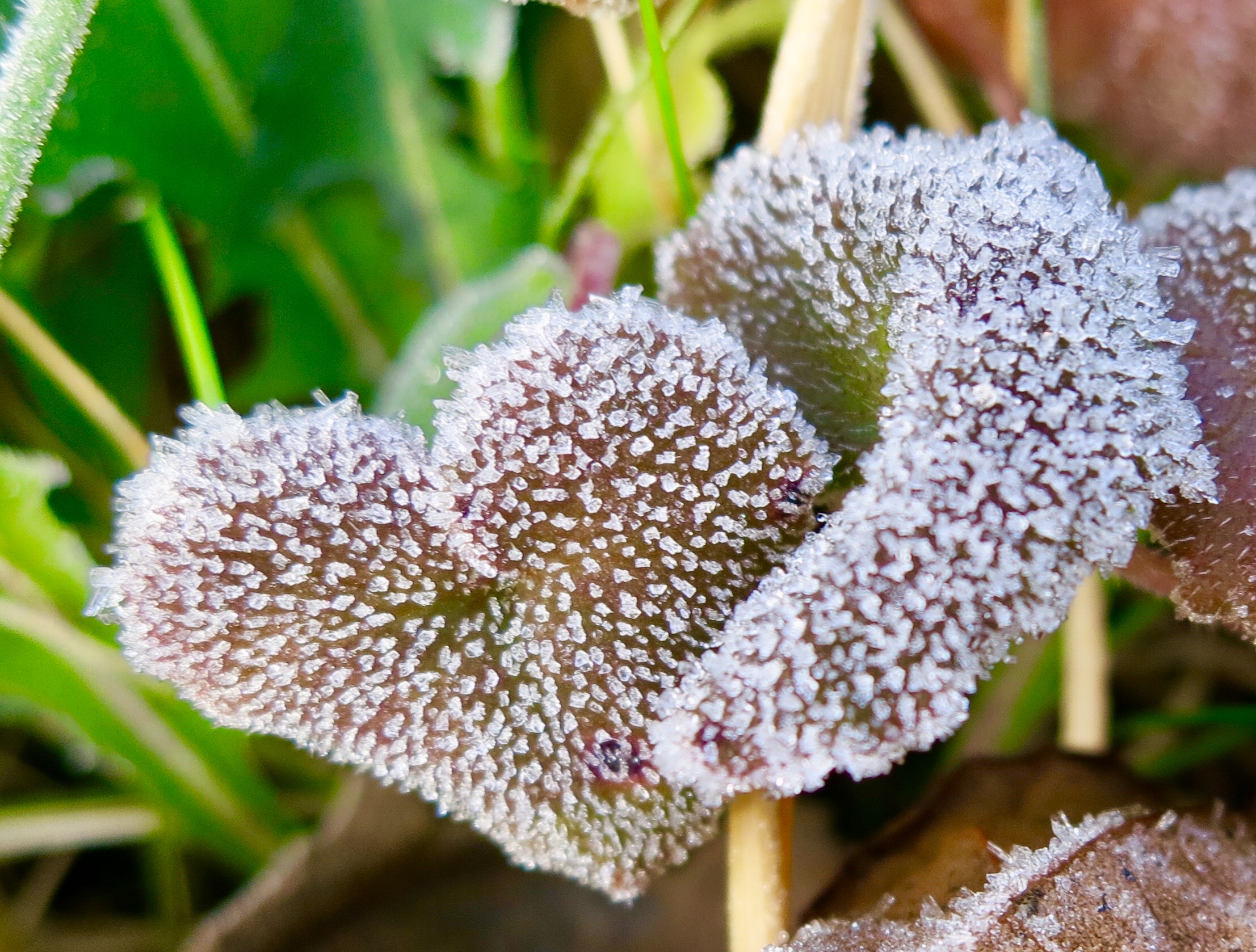
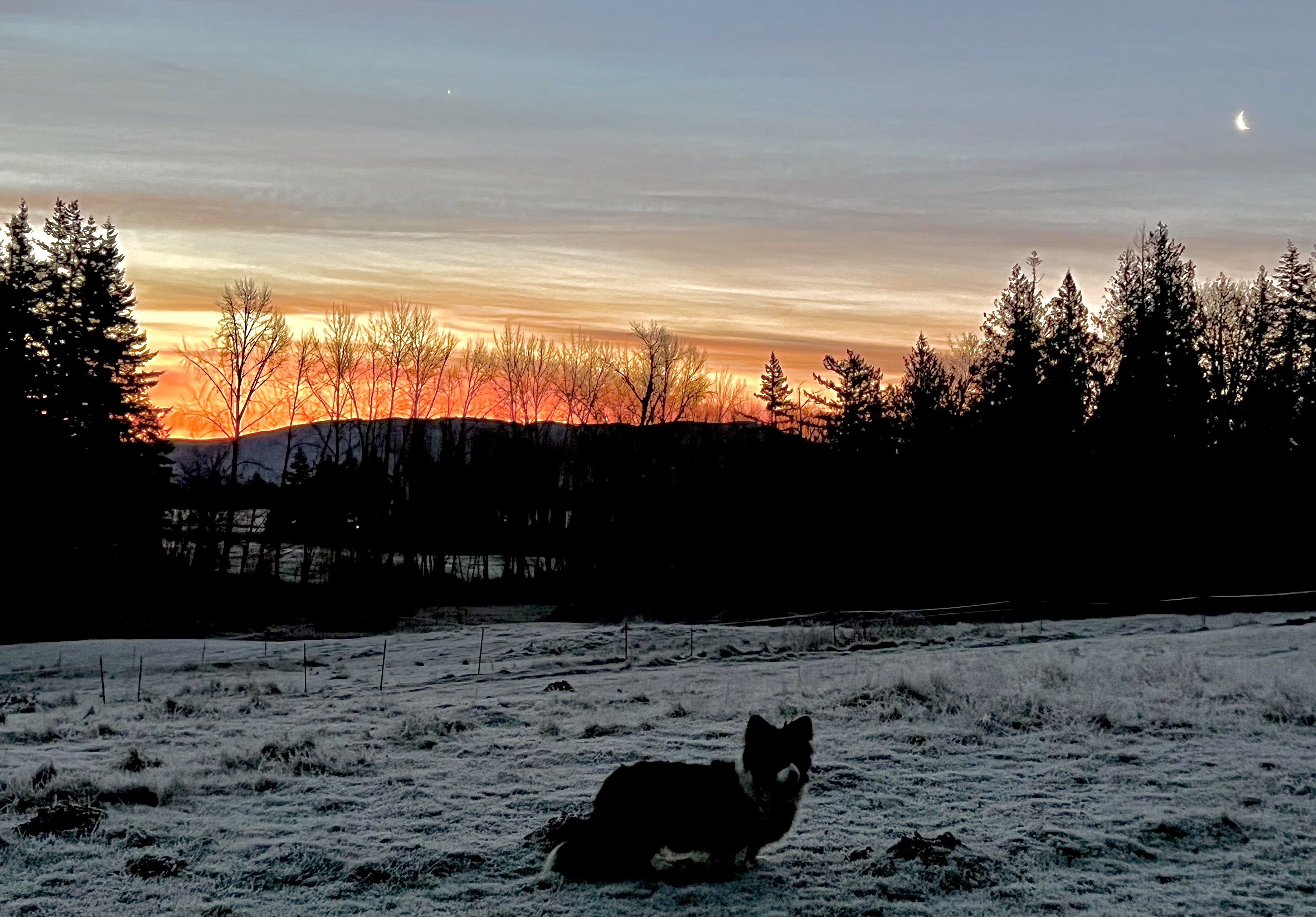
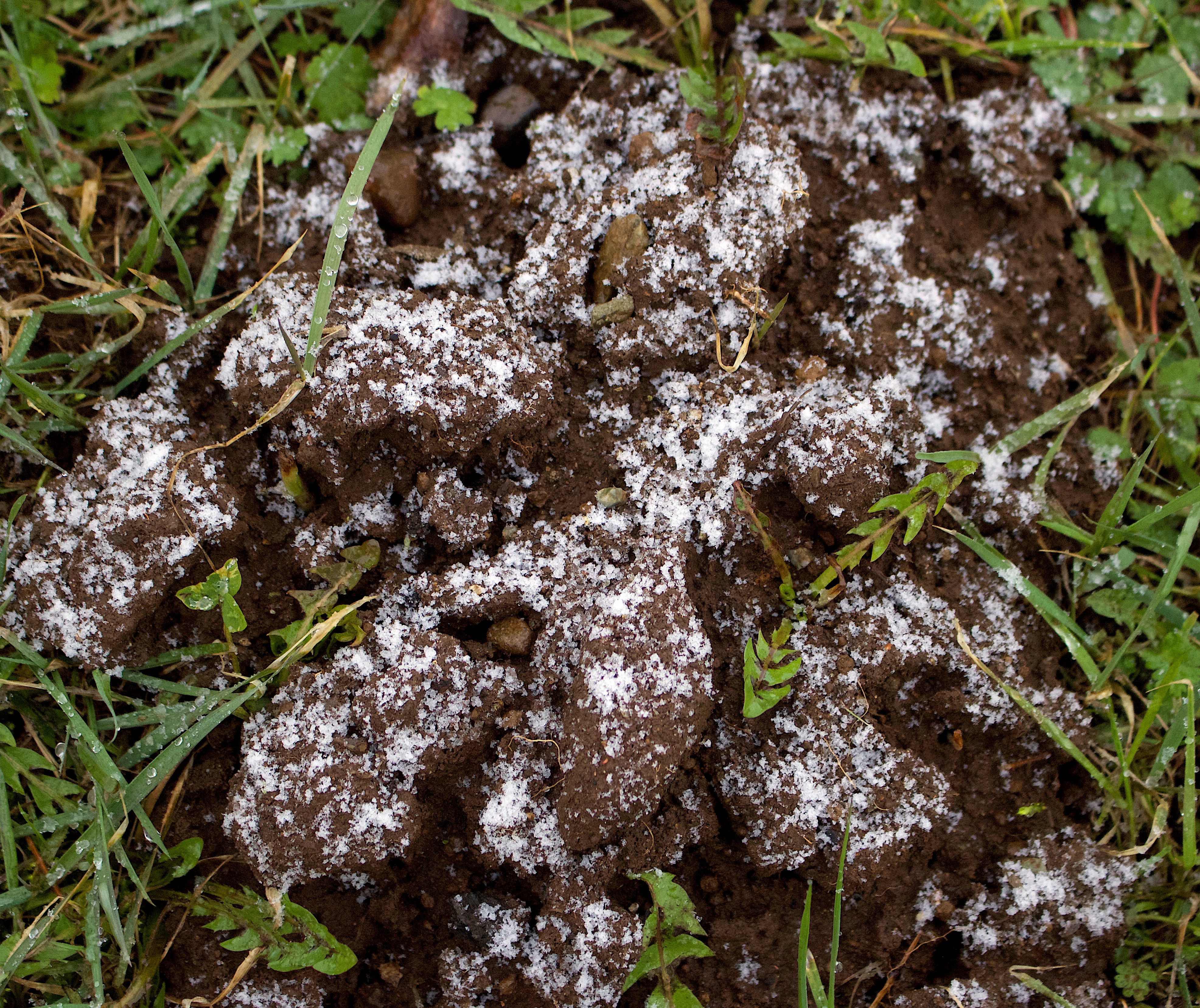
March. I am beginning to anticipate a thaw. Early mornings the earth, old unbeliever, is still crusted with frost where the moles have nosed up their cold castings, and the ground cover in shadow under the cedars hasn’t softened for months, fogs layering their slow, complicated ice around foliage and stem night by night,
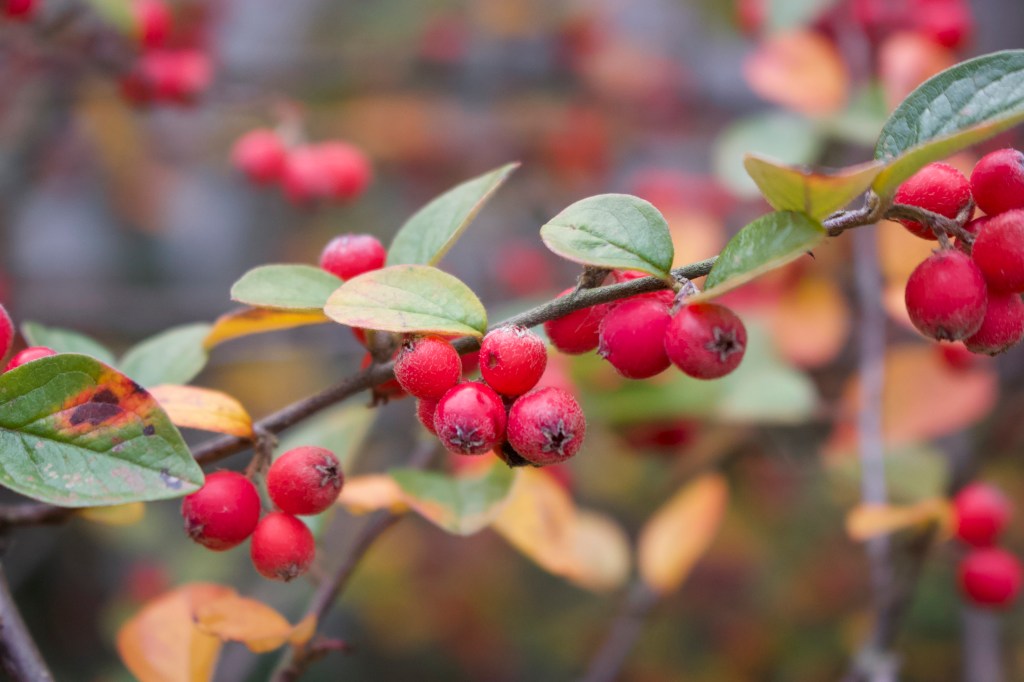
but as the light lengthens, preacher of good news, evangelizing leaves and branches, his large gestures beckon green out of gray. Pinpricks of coral bursting from the cotoneasters. A single bee finding the white heather. Eager lemon-yellow aconites glowing, low to the ground like little uplifted faces. A crocus shooting up a purple hand here, there, as I stand on my doorstep, my own face drinking in heat and light like a bud welcoming resurrection, and my hand up, too, ready to sign on for conversion. ~Luci Shaw “Revival” from What the Light was Like
The earth invalid, dropsied, bruised, wheeled Out in the sun, After frightful operation. She lies back, wounds undressed to the sun, To be healed, Sheltered from the sneapy chill creeping North wind, Leans back, eyes closed, exhausted, smiling Into the sun. Perhaps dozing a little. While we sit, and smile, and wait, and know She is not going to die. ~Ted Hughes from ” A March Morning Unlike Others” from Ted Hughes. Collected Poems
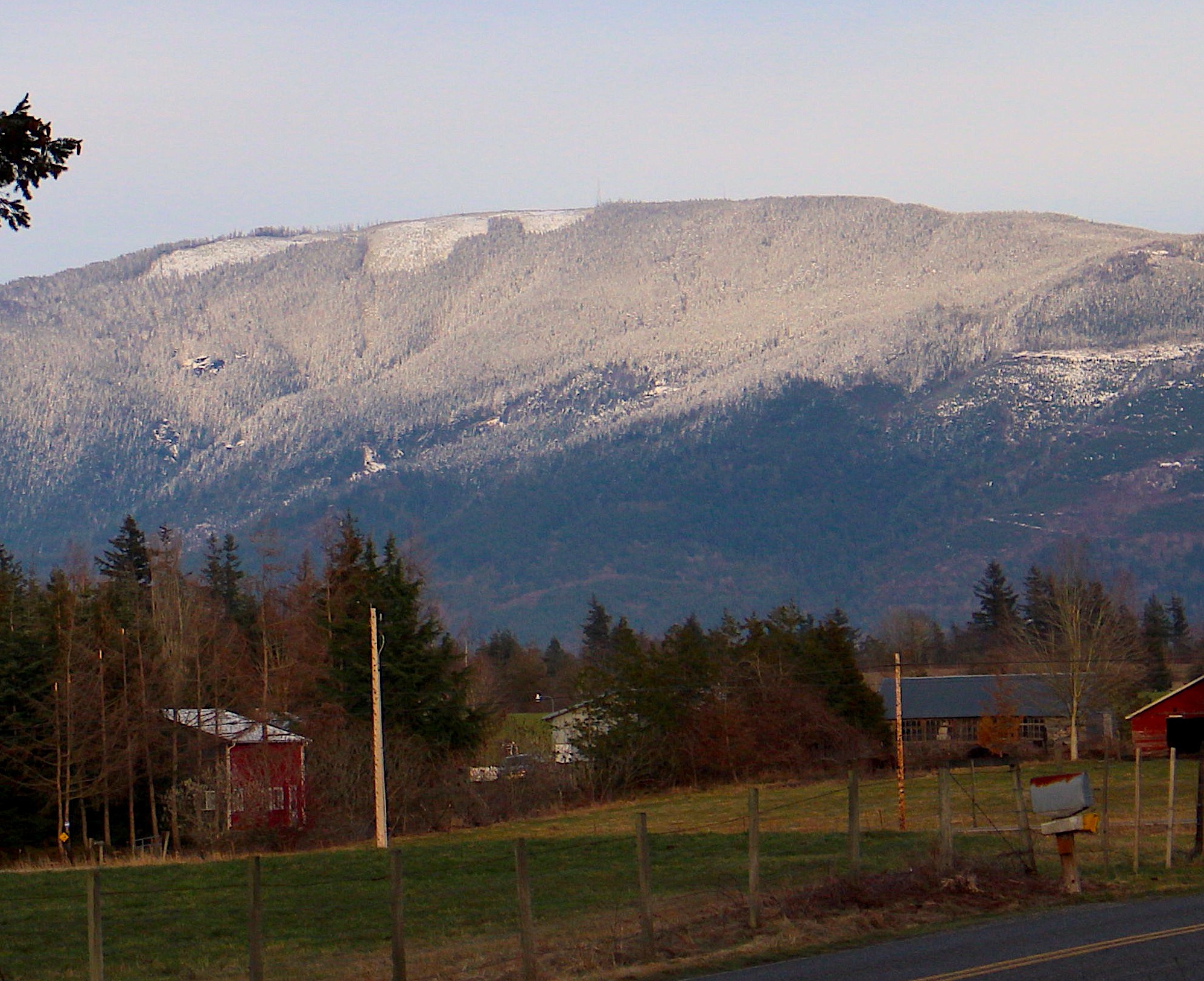
Spring is emerging slowly from this haggard and droopy winter. All growing things are still stuck in morning frost for another week at least. Then, like the old “Wizard of Oz” movie, the landscape will suddenly turn from monochrome to technicolor, the soundtrack from forlorn to glorious birdsong.
Yearning for spring to commence, I tap my foot impatiently as if owed a timely seasonal transformation from dormant to verdant. We all have been waiting for the Physician’s announcement that this patient survived some intricate life-changing procedure: “I’m happy to say the Earth is alive after all, now revived and restored, wounded but healing, breathing on her own but too sedated for a visit just yet.”
I wait impatiently to celebrate her return to health, knowing this temporary home of ours is still very much alive. She breathes, she thrives, blooming and singing with everything she’s got. And so will I.
He sends his command to the earth; his word runs swiftly. 16 He spreads the snow like wool and scatters the frost like ashes. 17 He hurls down his hail like pebbles. Who can withstand his icy blast? 18 He sends his word and melts them; he stirs up his breezes, and the waters flow. Psalm 147: 15-18
This Lenten season I reflect on the words of the 19th century southern spiritual hymn “What Wondrous Love is This”
One-Time
Monthly
Yearly
Make a one-time or recurrent donation to support daily Barnstorming posts
Was it worthwhile to paint so fair The every leaf – to vein with faultless art Each petal, taking the boon light and air Of summer so to heart?
To bring thy beauty unto a perfect flower, Then like a passing fragrance or a smile Vanish away, beyond recovery’s power – Was it, frail bloom, worthwhile?
Thy silence answers: “Life was mine! And I, who pass without regret or grief, Have cared the more to make my moment fine, Because it was so brief.
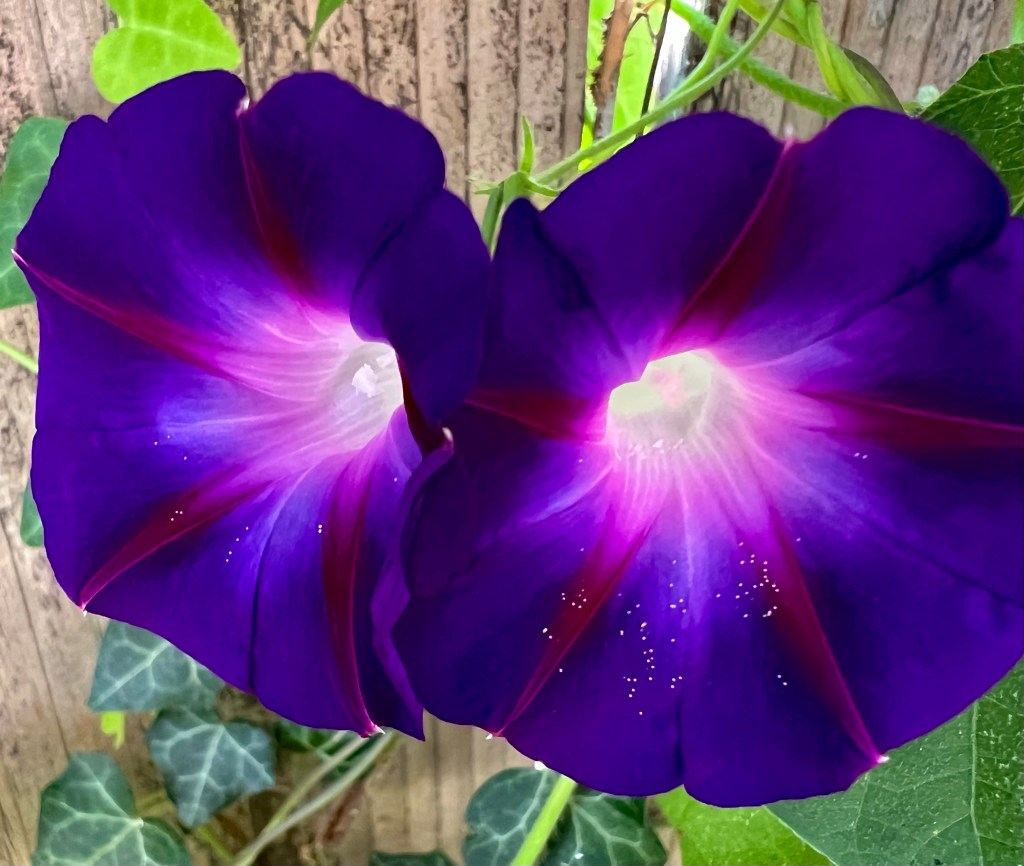
In its first radiance I have seen The sun! – Why tarry then till comes the night? I go my way, content that I have been Part of the morning light!” ~Florence Earle Coates “The Morning Glory”
Can I too unfurl with joy in the morning light, knowing I will wilt and wither at the end of the day? Will I live fully open to this day, unconcerned about tomorrow?
God intended for us to tend His garden yet He continually tends us, His frail blooms. We mess up like random useless weeds and are given a daily opportunity to make it right. I am alive – no question in my mind – to try to make this day better for others.
I blossom under His tending and like a passing smile, I will leave without grief or regret.
Her body is not so white as anemone petals nor so smooth—nor so remote a thing. It is a field of the wild carrot taking the field by force; the grass does not raise above it. Here is no question of whiteness, white as can be, with a purple mole at the center of each flower.
Each flower is a hand’s span of her whiteness. Wherever his hand has lain there is a tiny purple blemish. Each part is a blossom under his touch to which the fibres of her being stem one by one, each to its end, until the whole field is a white desire, empty, a single stem, a cluster, flower by flower, a pious wish to whiteness gone over — or nothing. ~William Carlos Williams — “Queen Anne’s Lace” (1919)
We all arise from a single stem, branching off in countless directions, a thousand million hues and shapes and types.
We reflect the sun’s light and the Light of the Son.
There can be no question of whiteness nor a pious wish for purity – we are all purple-blemished right at the heart.
We bleed together, my friends, as He did for us.
We bleed together.
One-Time
Monthly
Yearly
Make a one-time or recurring donation to support daily Barnstorming posts
The daisy follows soft the sun, And when his golden walk is done, Sits shyly at his feet. He, waking, finds the flower near. “Wherefore, marauder, art thou here?” “Because, sir, love is sweet!”
We are the flower, Thou the sun! Forgive us, if as days decline, We nearer steal to Thee, — Enamoured of the parting west, The peace, the flight, the amethyst, Night’s possibility! ~Emily Dickinson
So has a Daisy vanished From the fields today— So tiptoed many a slipper To Paradise away—
Oozed so in crimson bubbles Day’s departing tide— Blooming—tripping—flowing Are ye then with God? ~Emily Dickinson
In the shadow of a metaphor give me a daisy because I could hold the daisy in my hand. ~Patrizia Cavalli
We may be as ephemeral as the daisies of the field, but we are not lost to God.
Our hearts swirl and spiral into the vortex of infinity that contains only Him.
Growing well, growing strong The surest signs that you belong Waited so long But the time is now First a bud Then two blooms The world will need your presence soon Wait a while it will be clear how
So be a daisy, daisy Be like a daisy Strong yet still innocent and pure And maybe, just maybe It’ll be ok See, there are new beginnings I’m sure Just stop But don’t smell the daisies
Spreading joy Bringing cheer When there’s so much to be feared Every petal offering new life What is faith if not a seed That’s how you started and it seems You’ve come so far with nothing to hide
So be a daisy, daisy Be like a daisy Strong yet still innocent and pure And maybe, just maybe It’ll be ok See, there are new beginnings I’m sure Just stop But don’t smell the daisies
Butterflies, a sign of love From the heavens up above It’s no wonder that to you they flock Others still, you draw near Most would say they appear As a sign of endings beauty stops
And some are pushing daisies While other journeys start But turning flies to flowers Takes a special heart
So be a daisy, daisy Be like a daisy Strong yet still innocent and pure And maybe, just maybe It’ll be ok See, there are new beginnings I’m sure Just stop And maybe smell the daisies
Maybe it’s time that we all smell the daisies ~Bethany Sorenson
One-Time
Monthly
Yearly
Make a one-time or recurring donation to support daily Barnstorming posts
Though I know well enough To hunt the Lady’s Slipper now Is playing blindman’s-buff, For it was June She put it on And grey with mist the spider’s lace Swings in the autumn wind, Yet through this hill-wood, high and low, I peer in every place; Seeking for what I cannot find I do as I have often done And shall do while I stay beneath the sun. ~Andrew Young “Lady’s Slipper Orchid”
How strange to find you where I did along a path beside a road, your legs in graceful green dancing to music made by wind and woods.
Like ladies from a bygone age, you left your slippers there to air in dappled shade, while you, barefoot, relaxed your stays, let loose your hair.
The treasures of this world might be as simple as an orchid’s bloom; how sad that so much time is spent in filling coffers for the tomb.
If only life could be so fresh and free as you in serenade, we might learn we value most those things found lost in woodland shade. ~Mike Orlock “Lady Slipper Serenade (in 4/4 time)”
My grandmother’s house where my father was born had been torn down. She sold her property on Fidalgo Island near Anacortes, Washington to a lumber company – this was the house where all four of her babies were born, where she and my grandfather loved and fought and separated and finally loved again, and where we spent chaotic and memorable Thanksgiving and Christmas meals. After Grandpa died, Grandma took on boarders, trying to afford to remain there on the homesteaded wooded acreage on Similk Bay, fronted by meadows where her Scottish Highland cattle grazed. Her own health was suffering and she reached a point when it was no longer possible to make it work. A deal was struck with the lumber company and she moved to a small apartment for the few years left to her, remaining bruised by leaving her farm.
My father realized what her selling to a lumber company meant and it was a crushing thought. The old growth woods would soon be stumps on the rocky hill above the bay, opening a view to Mt. Baker to the east, to the San Juan Islands to the north, and presenting an opportunity for development into a subdivision. He woke my brother and me early one Saturday in May and told us we were driving the 120 miles to Anacortes. He was on a mission.
As a boy growing up on that land, he had wandered the woods, explored the hill, and helped his dad farm the rocky soil. There was only one thing he felt he needed from that farm and he had decided to take us with him, to trespass where he had been born and raised to bring home a most prized treasure–his beloved lady slippers (Calypso bulbosa) from the woods.
These dainty flowers enjoy a spring display known for its brevity–a week or two at the most–and they tend to bloom in small little clusters in the leafy duff mulch of the deep woods, preferring only a little indirect sunlight part of the day. They are not easy to find unless you know where to look.
My father remembered exactly where to look.
We hauled buckets up the hill along with spades, looking as if we were about to dig for clams at the ocean. Dad led us up a trail into the thickening foliage, until we had to bushwhack our way into the taller trees where the ground was less brush and more hospitable ground cover. He would stop occasionally to get his bearings as things were overgrown. We reached a small clearing and he knew we were near. He went straight to a copse of fir trees standing guard over a garden of lady slippers.
There were almost thirty of them blooming, scattered about in an area the size of my small bedroom. Each orchid-like pink and lavender blossom had a straight backed stem that held it with sturdy confidence. To me, they looked like they could be little shoes for fairies who may have hung them up while they danced about barefoot. To my father, they represented the last redeeming vestiges of his often traumatic childhood, and were about to be trammeled by bulldozers. We set to work gently digging them out of their soft bedding, carefully keeping their bulb-like corms from losing a protective covering of soil and leafy mulch. Carrying them in the buckets back to the car, we felt some vindication that even if the trees were to be lost to the saws, these precious flowers would survive.
When we got home, Dad set to work creating a spot where he felt they could thrive in our own woods. He found a place with the ideal amount of shade and light, with the protection of towering trees and the right depth of undisturbed leaf mulch. We carefully placed the lady slippers in their new home, scattered in a pattern similar to how we found them. Then Dad built a four foot split rail fence in an octagon around them, as a protection from our cattle and a horse who wandered the woods, and as a way to demarcate that something special was contained inside.
The next spring, only six lady slippers bloomed from the original thirty. Dad was disappointed but hoped another year might bring a resurgence as the flowers established themselves in their new home. The following year there were only three. A decade later, my father left our farm and family, not looking back.
Sometime after the divorce, when my mother had to sell the farm, I visited our lady slipper sanctuary in the woods for the last time in the middle of May, seeking what I hoped might still be there, but I knew was no longer. The split rail fence still stood, guarding nothing but old memories. No lady slippers bloomed. There was not a trace they had ever been there. They had given up and disappeared.
The new owners of the farm surely puzzled over the significance of the small fenced-in area in the middle of our woods. They probably thought it surrounded a graveyard of some sort.
And they would be right – it did.
An embroidery I made for my father after he replanted the lady slippers — on the back I wrote “The miracle of creation recurs each spring in the delicate beauty of the lady slipper – may we ourselves be recreated as well…”
One-Time
Monthly
Yearly
Make a one-time or recurring donation to support daily Barnstorming posts