Wind-Wandering Trees

felled 1879

My aspens dear, whose airy cages quelled,
  Quelled or quenched in leaves the leaping sun,
  All felled, felled, are all felled;
    Of a fresh and following folded rank
                Not spared, not one
                That dandled a sandalled
         Shadow that swam or sank
On meadow & river & wind-wandering weed-winding bank.


  O if we but knew what we do
         When we delve or hew —
     Hack and rack the growing green!
          Since country is so tender
     To touch, her being só slender,
     That, like this sleek and seeing ball
     But a prick will make no eye at all,
     Where we, even where we mean
                 To mend her we end her,
            When we hew or delve:
After-comers cannot guess the beauty been.
  Ten or twelve, only ten or twelve
     Strokes of havoc unselve
           The sweet especial scene,
     Rural scene, a rural scene,
     Sweet especial rural scene.

~Gerard Manley Hopkins “Binsey Poplars”

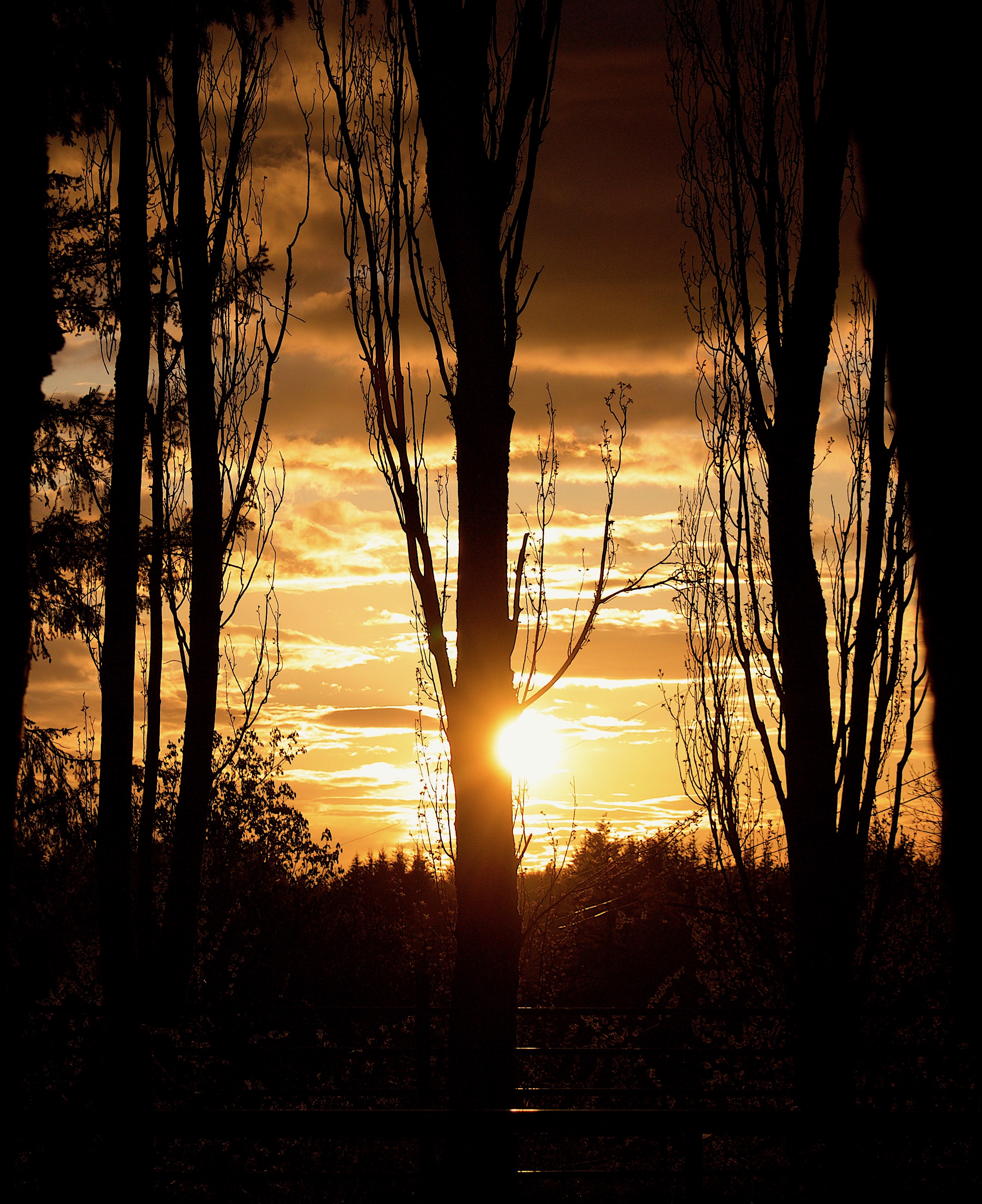
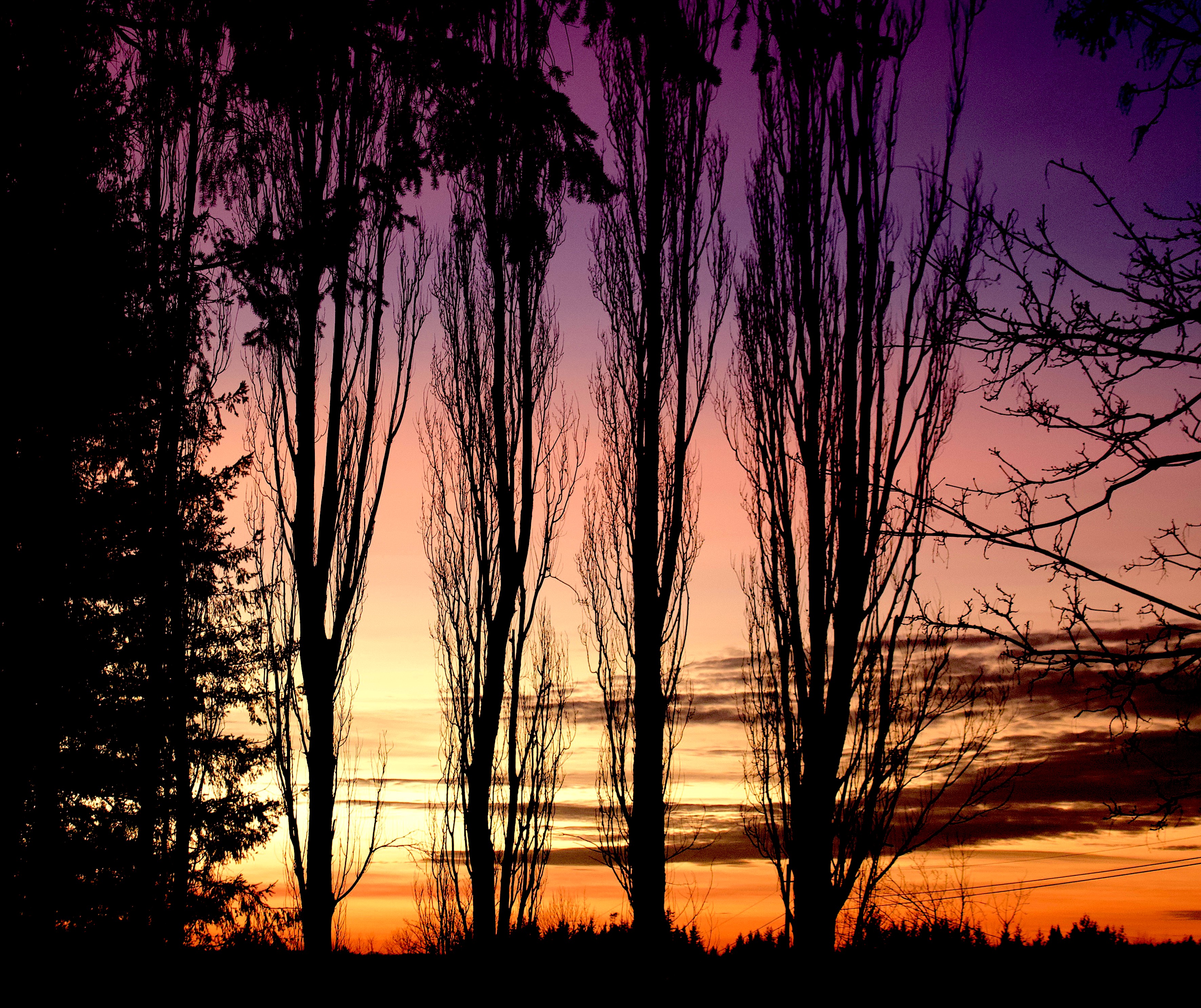
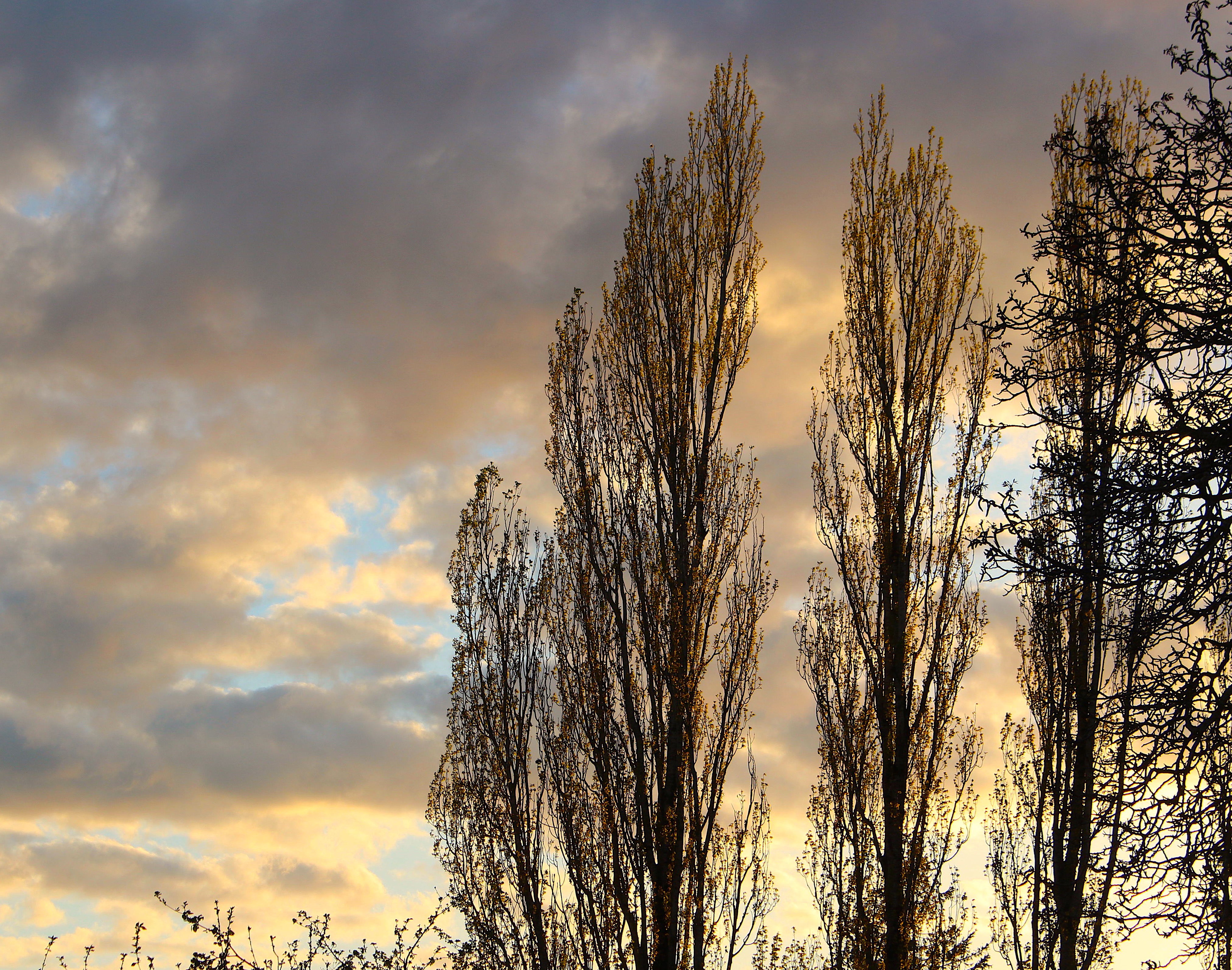
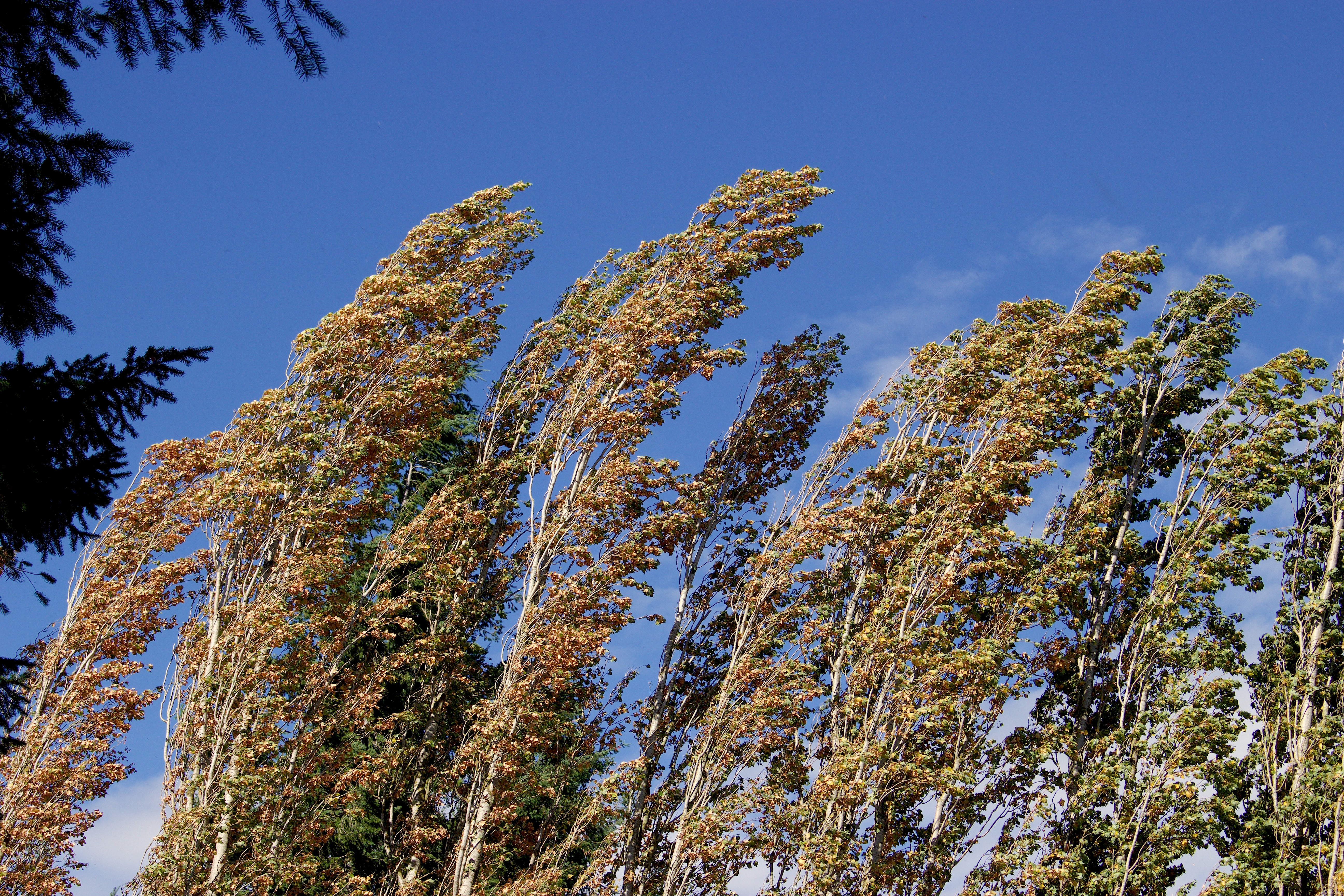
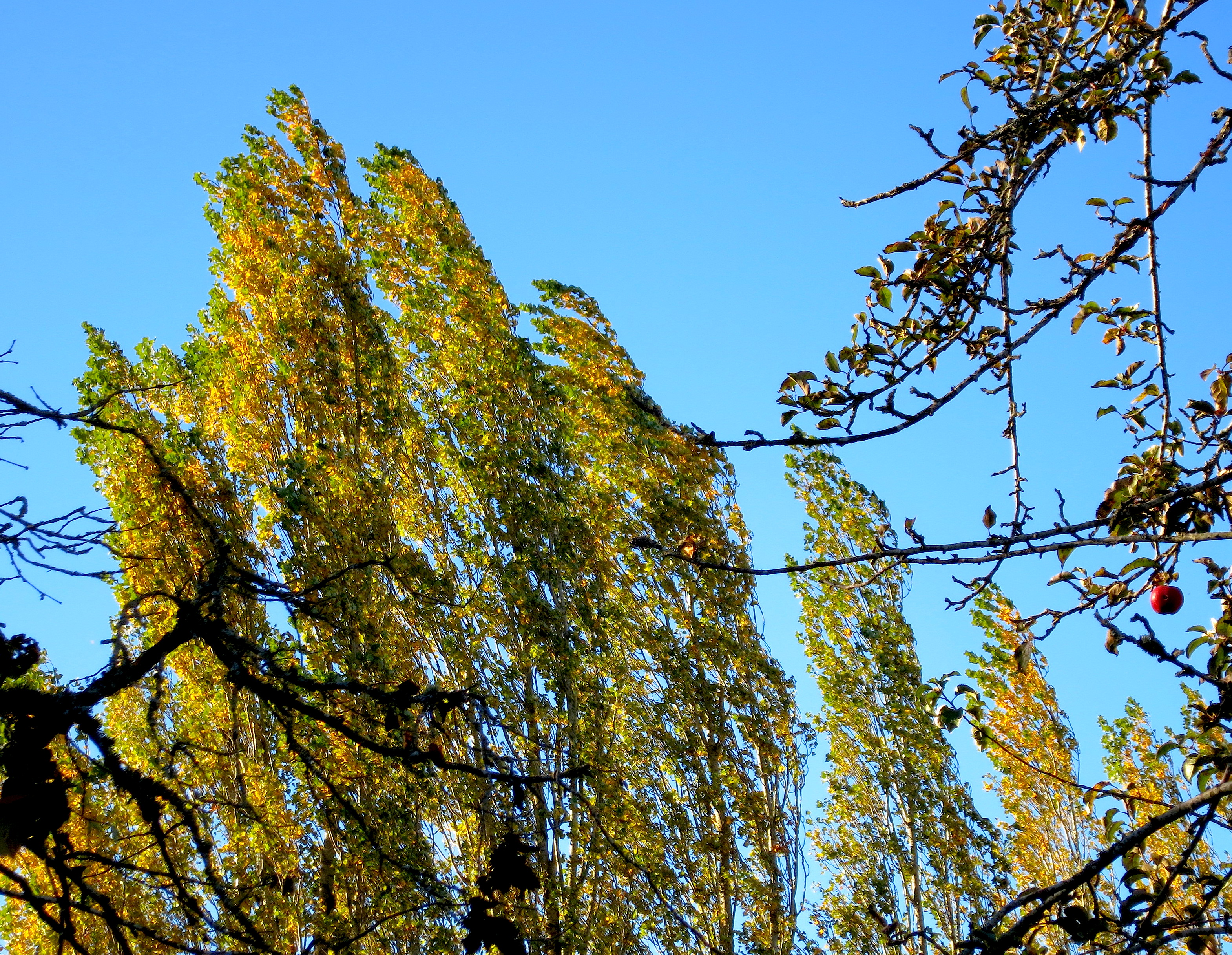
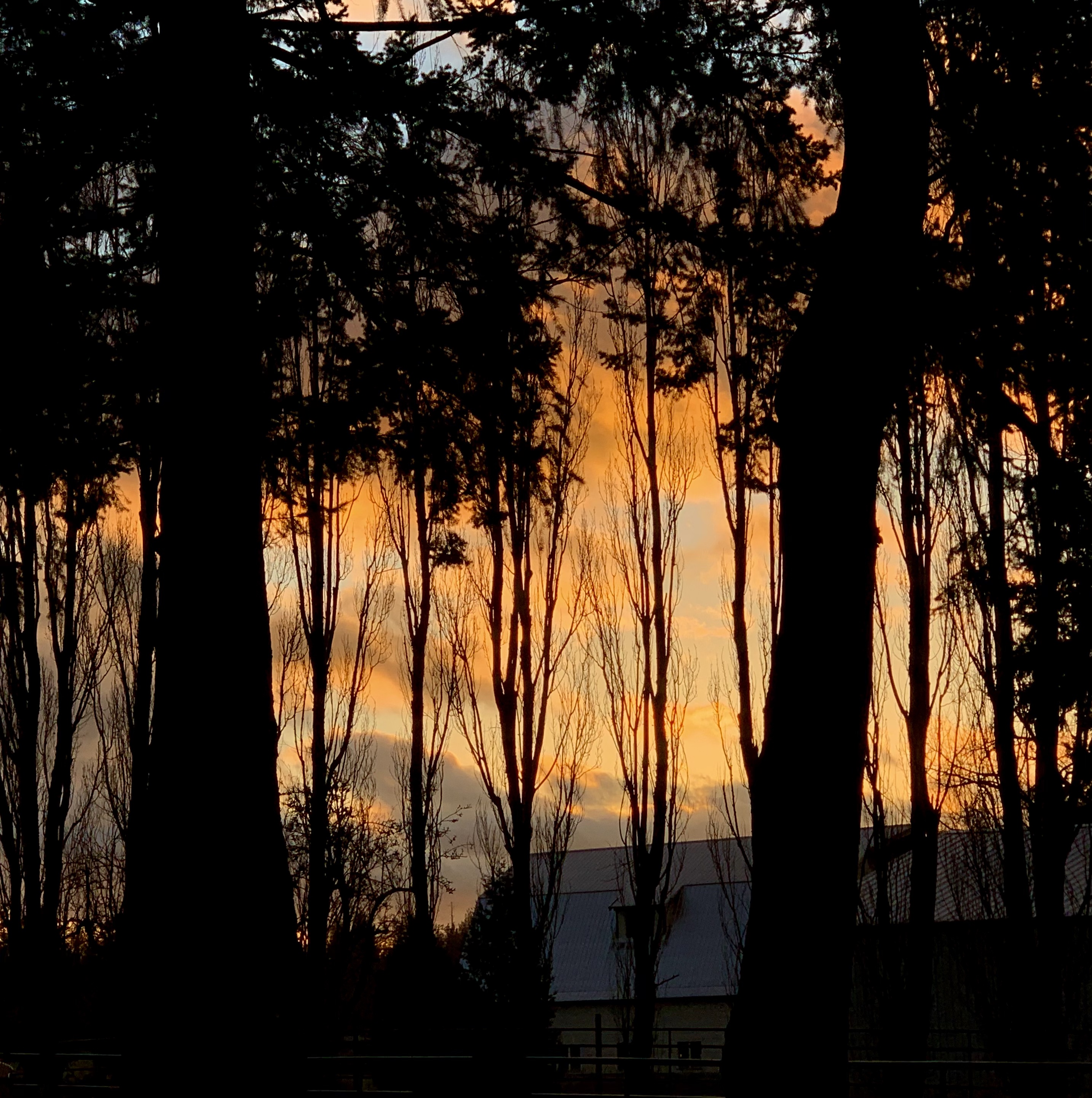
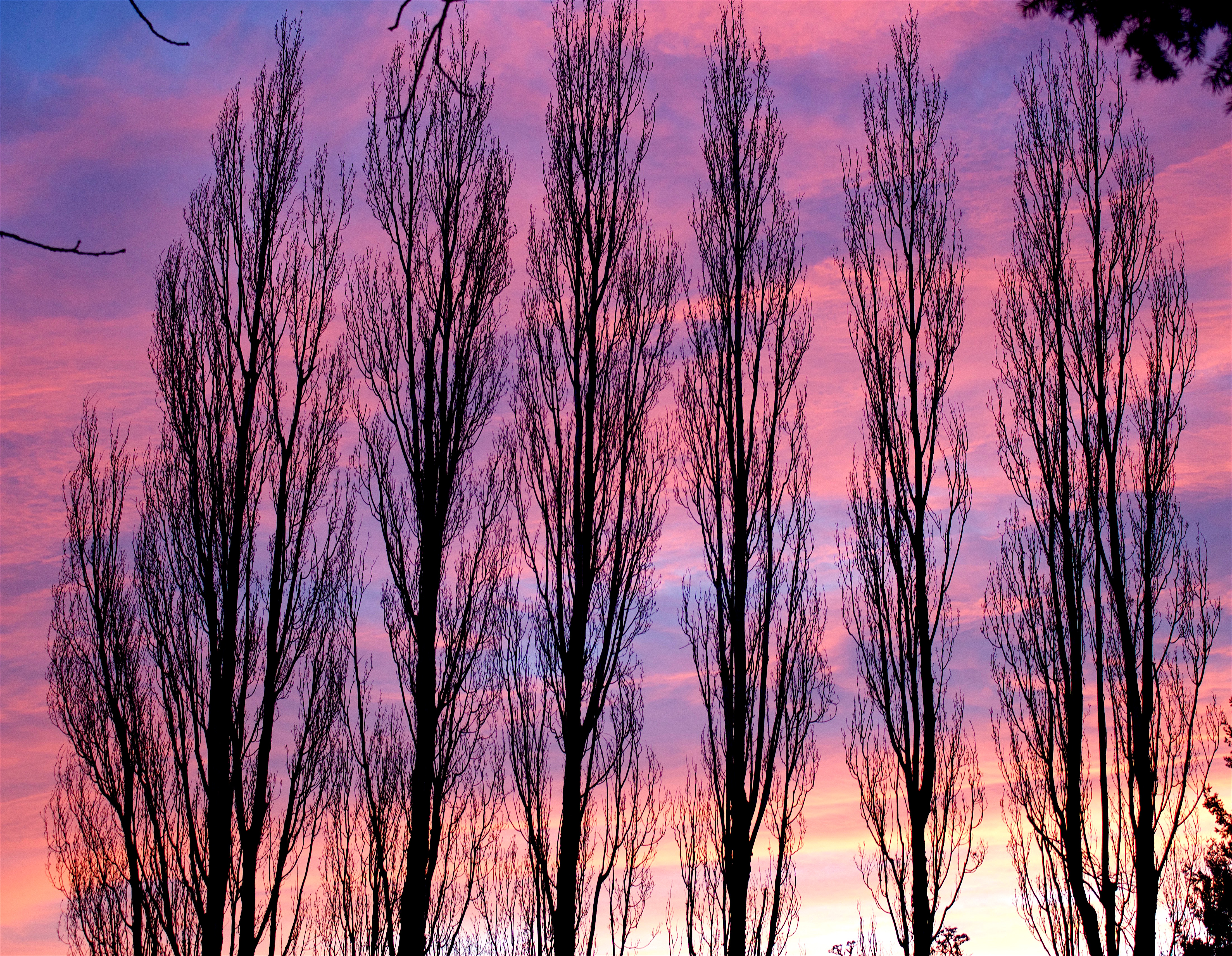
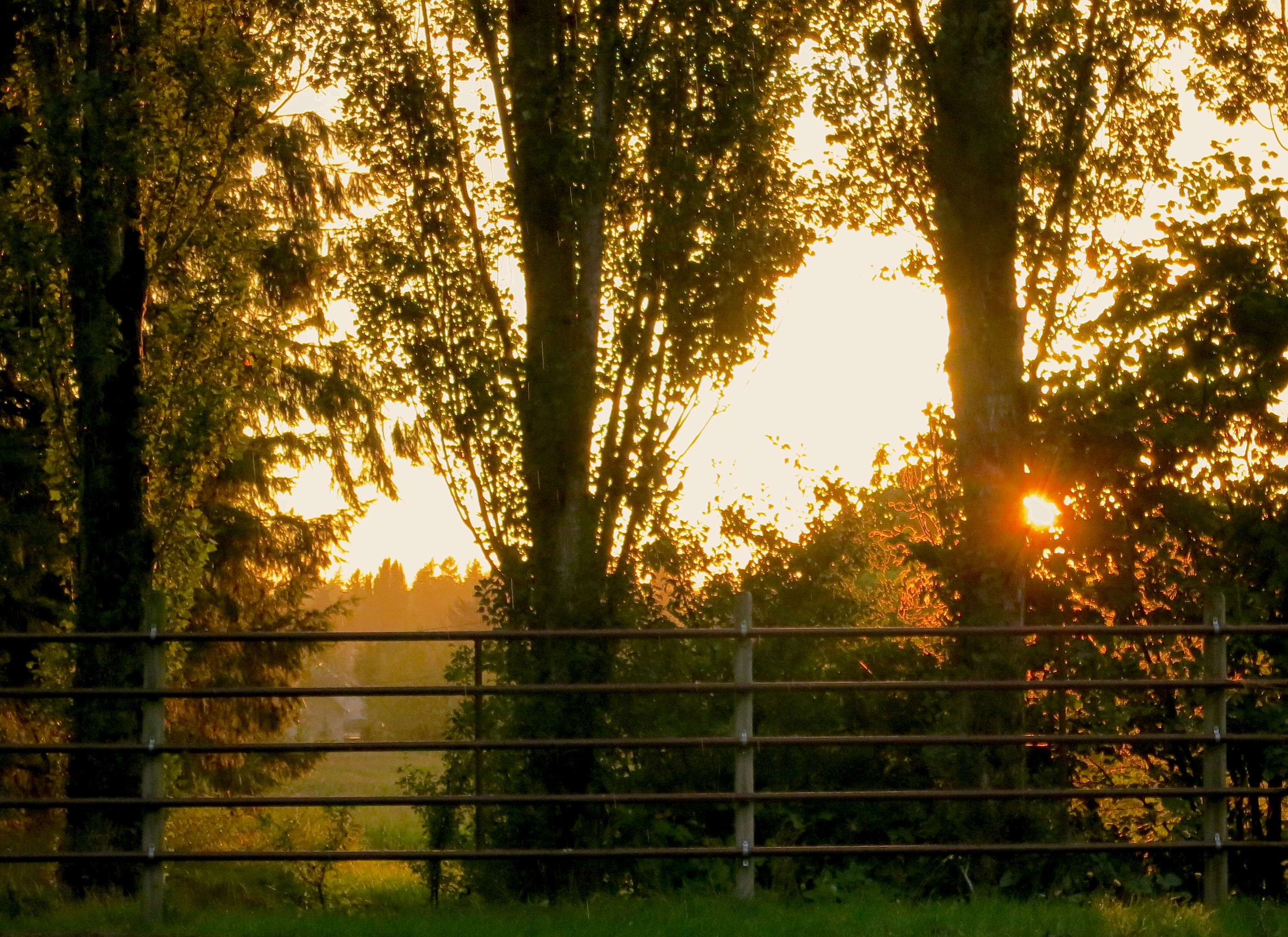
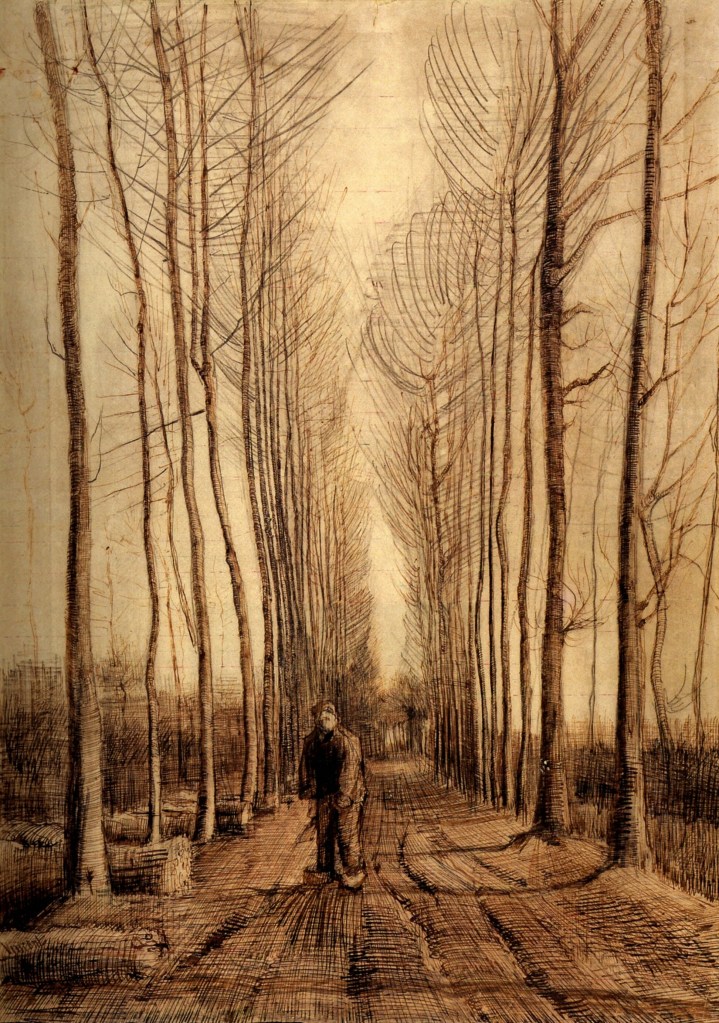
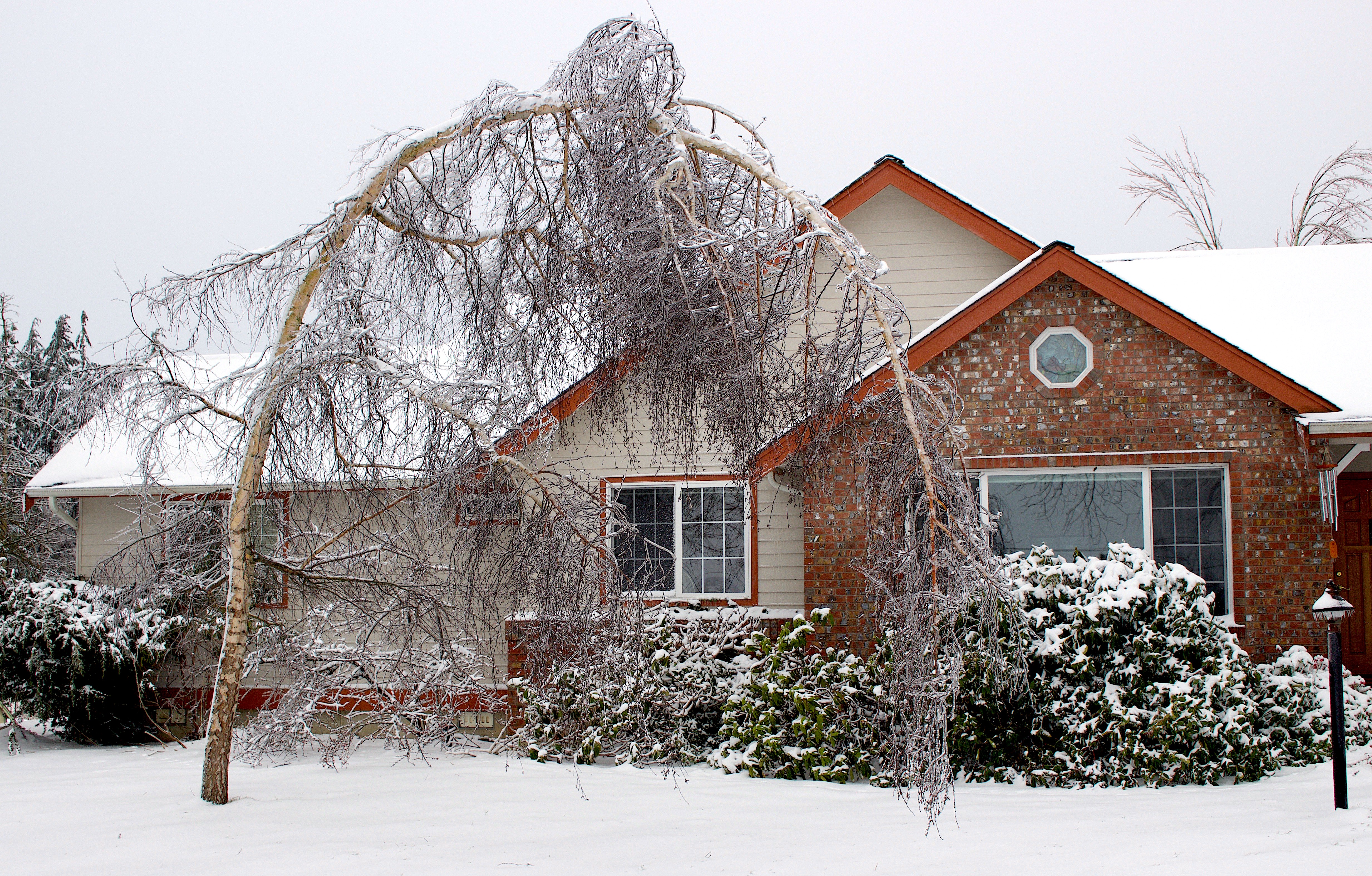
Our farm is bookshelved between two poplar rows, one short, the other longer. The trees are showing their advanced age and struggle now with winter storms with heavy winds and icy build-up, branches shattering like toothpicks.

They will eventually, like Hopkins’ Binsey poplars, be felled before they tumble weakened and withered in a gale, landing where they mustn’t.

I will miss their blowhard boldness, their noisy leaves and branches, their dance in the wind and their orderliness as they stand like guardians to the farm. I’m being sentimental but there will be a sadness when it comes time to say goodbye.
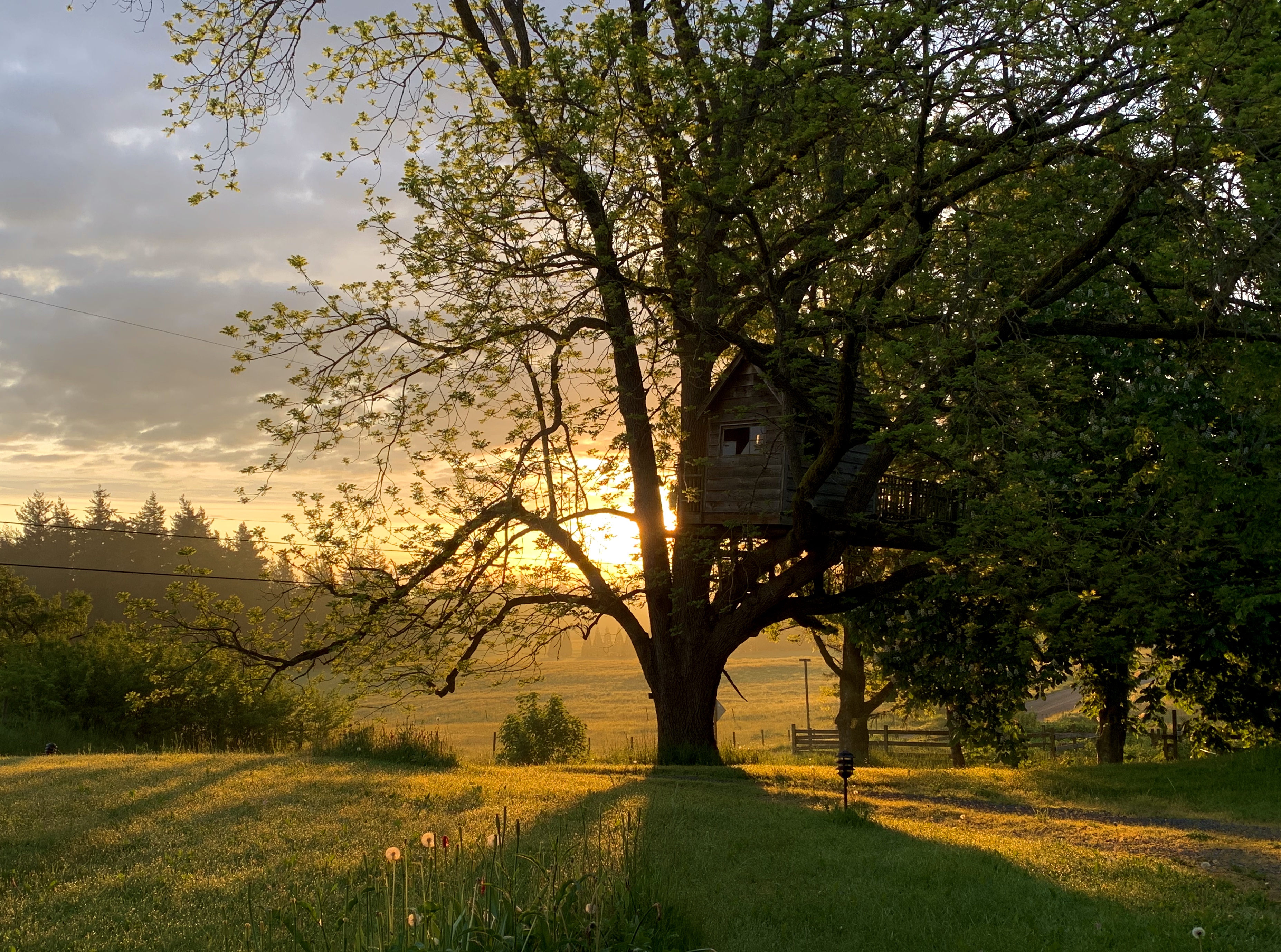
Once they are gone, who in the future would know they once stood there, towering above everything else.

Unlike the poplars, I must leave something behind to be remembered.
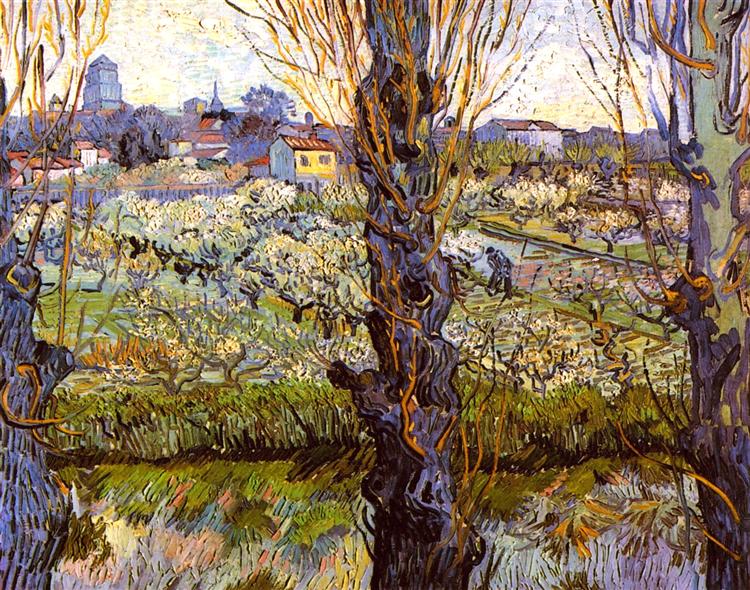
Orchard in bloom with poplars- Van Gogh
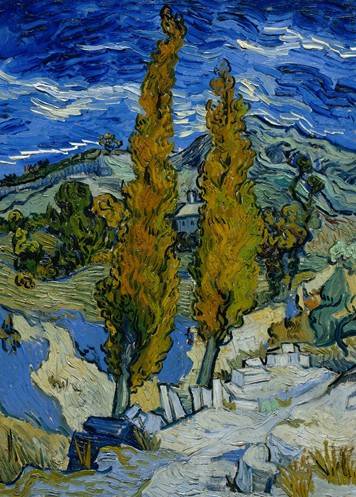
Two Poplars in the Alpilles near Saint-Remy by Van Gogh
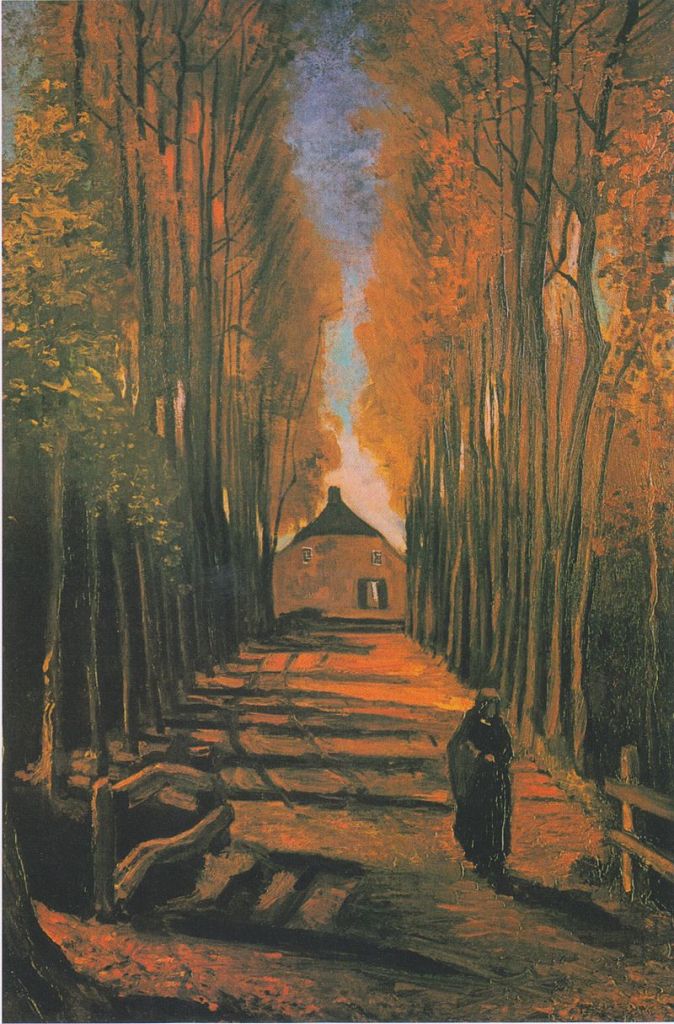
Avenue of Poplars in Autumn– Van Gogh Museum

Poplar trees Van Gogh

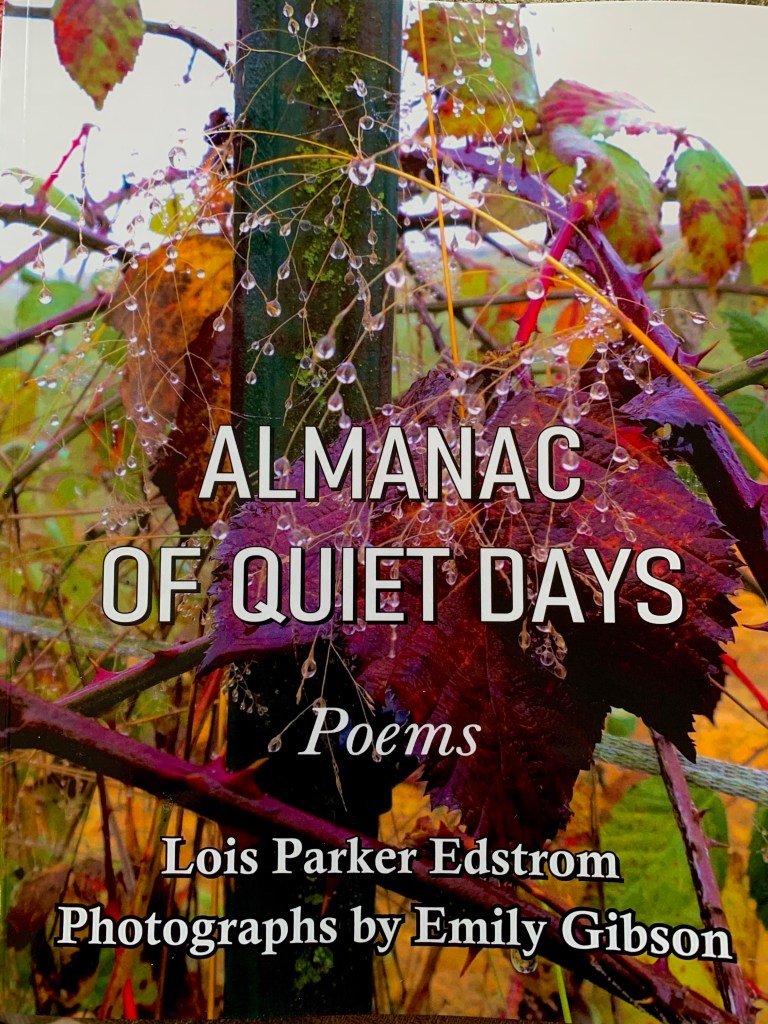
A new book from Barnstorming — information for how to order here

Dwelling On What Has Been

The house had gone to bring again
To the midnight sky a sunset glow.
Now the chimney was all of the house that stood,
Like a pistil after the petals go.

The barn opposed across the way,
That would have joined the house in flame
Had it been the will of the wind, was left
To bear forsaken the place’s name.

No more it opened with all one end
For teams that came by the stony road
To drum on the floor with scurrying hoofs
And brush the mow with the summer load.

The birds that came to it through the air
At broken windows flew out and in,
Their murmur more like the sigh we sigh
From too much dwelling on what has been.

Yet for them the lilac renewed its leaf,
And the aged elm, though touched with fire;
And the dry pump flung up an awkward arm:
And the fence post carried a strand of wire.

For them there was really nothing sad.
But though they rejoiced in the nest they kept,
One had to be versed in country things
Not to believe the phoebes wept.
 ~Robert Frost “The Need of Being Versed in Country Things”

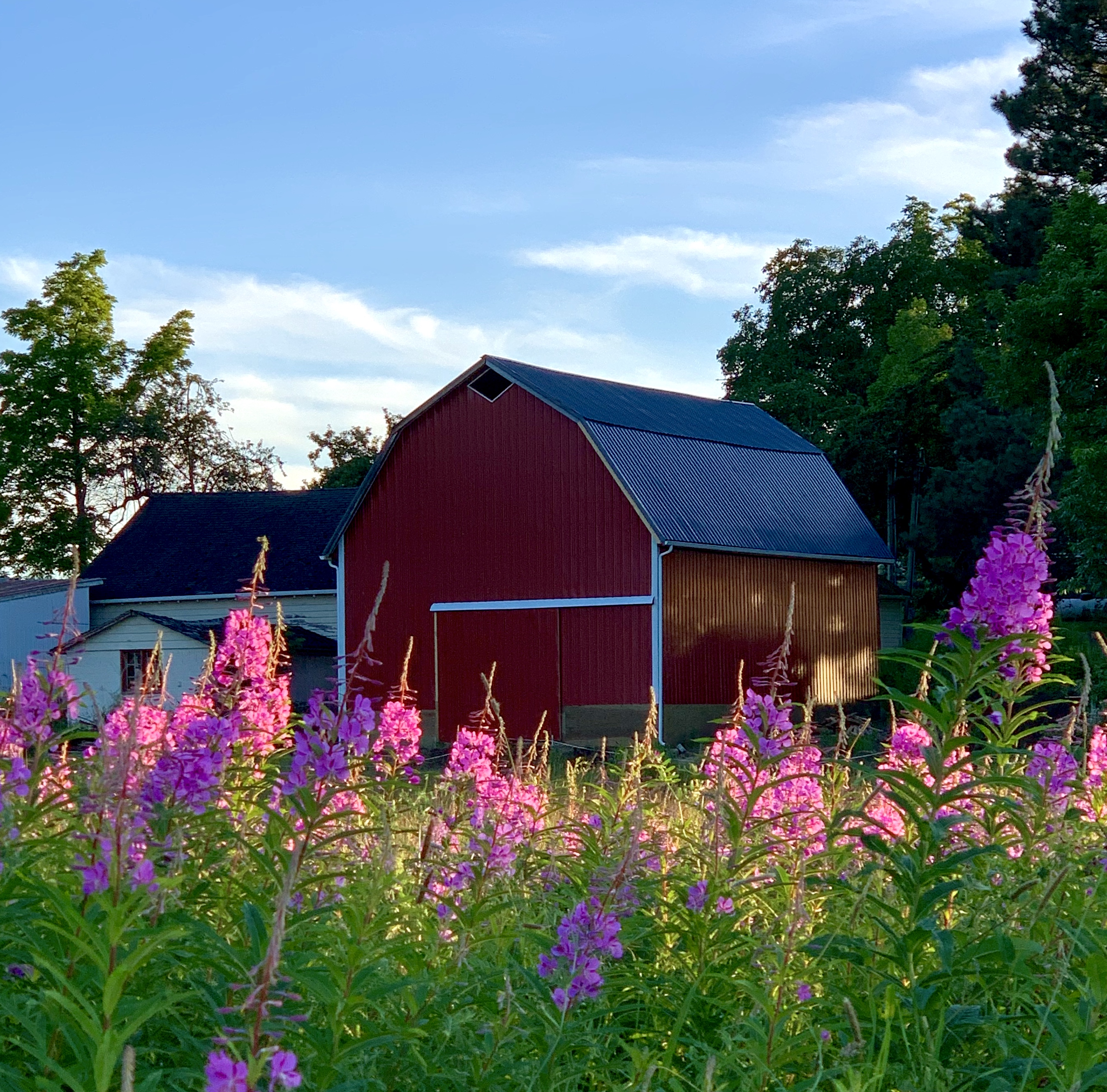
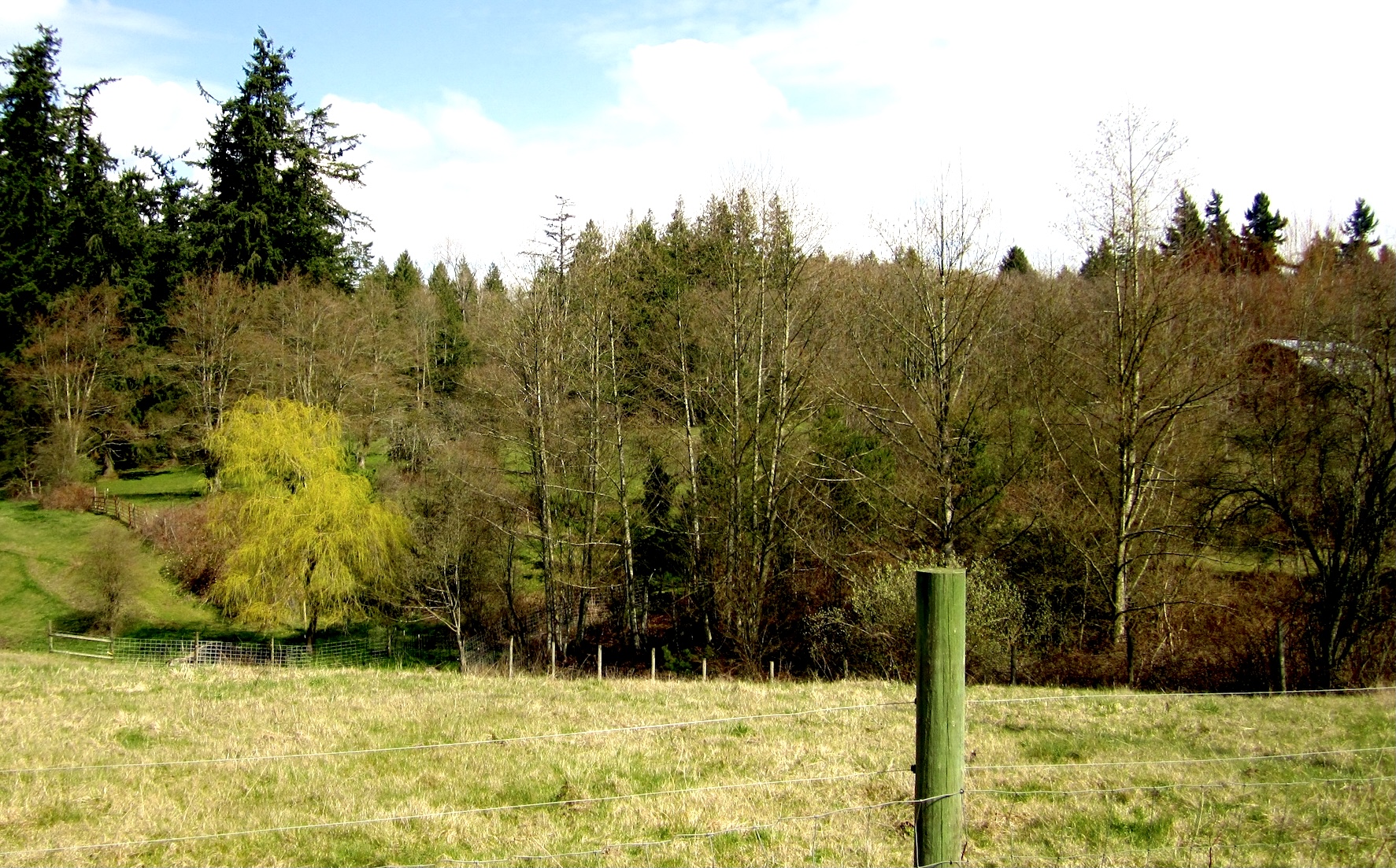
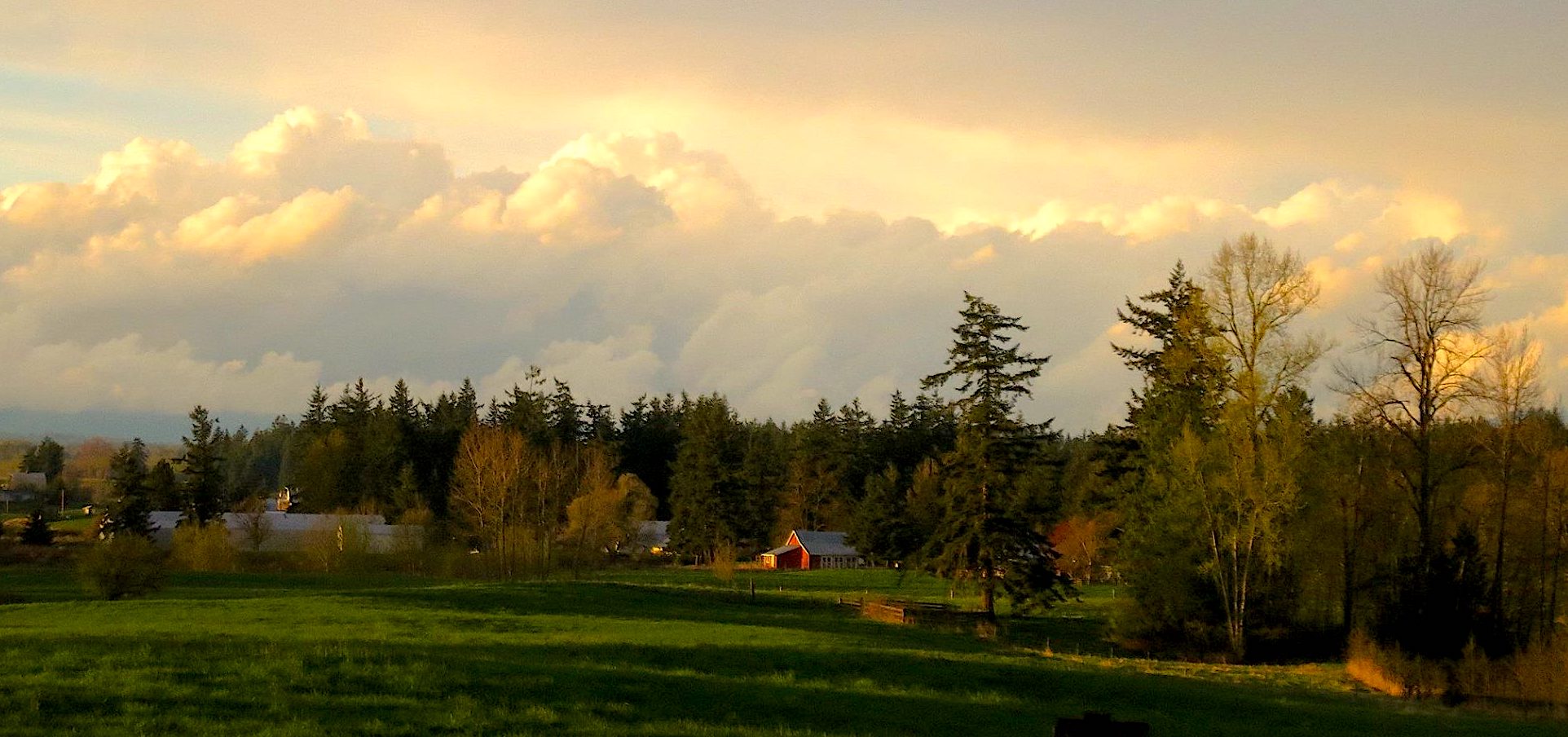
The field of my childhood farm (1954-59) with the red barn visible on the right. The house was destroyed by fire in the mid-60s but the barn was spared

photo by Harry Rodenberger

My family sold our first farm in East Stanwood when my father took a job working for the state in Olympia, moving to supervising high school agriculture teachers rather than being a teacher himself. It was a difficult transition for us all: we moved to a smaller home and a few acres, leaving behind a large two story house, a huge hay barn and chicken coop as well as large fields and a woods where our dairy cows had grazed.

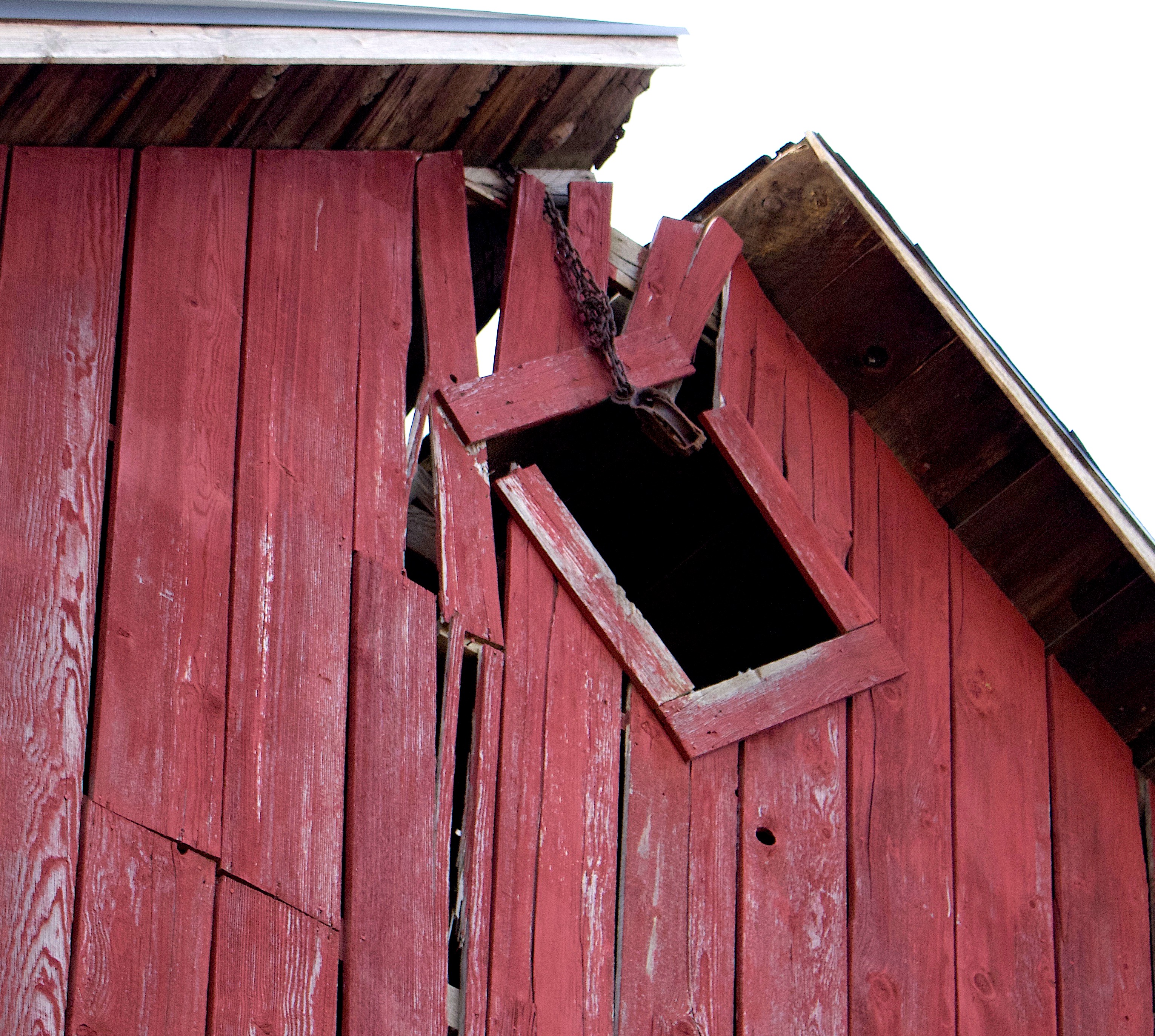
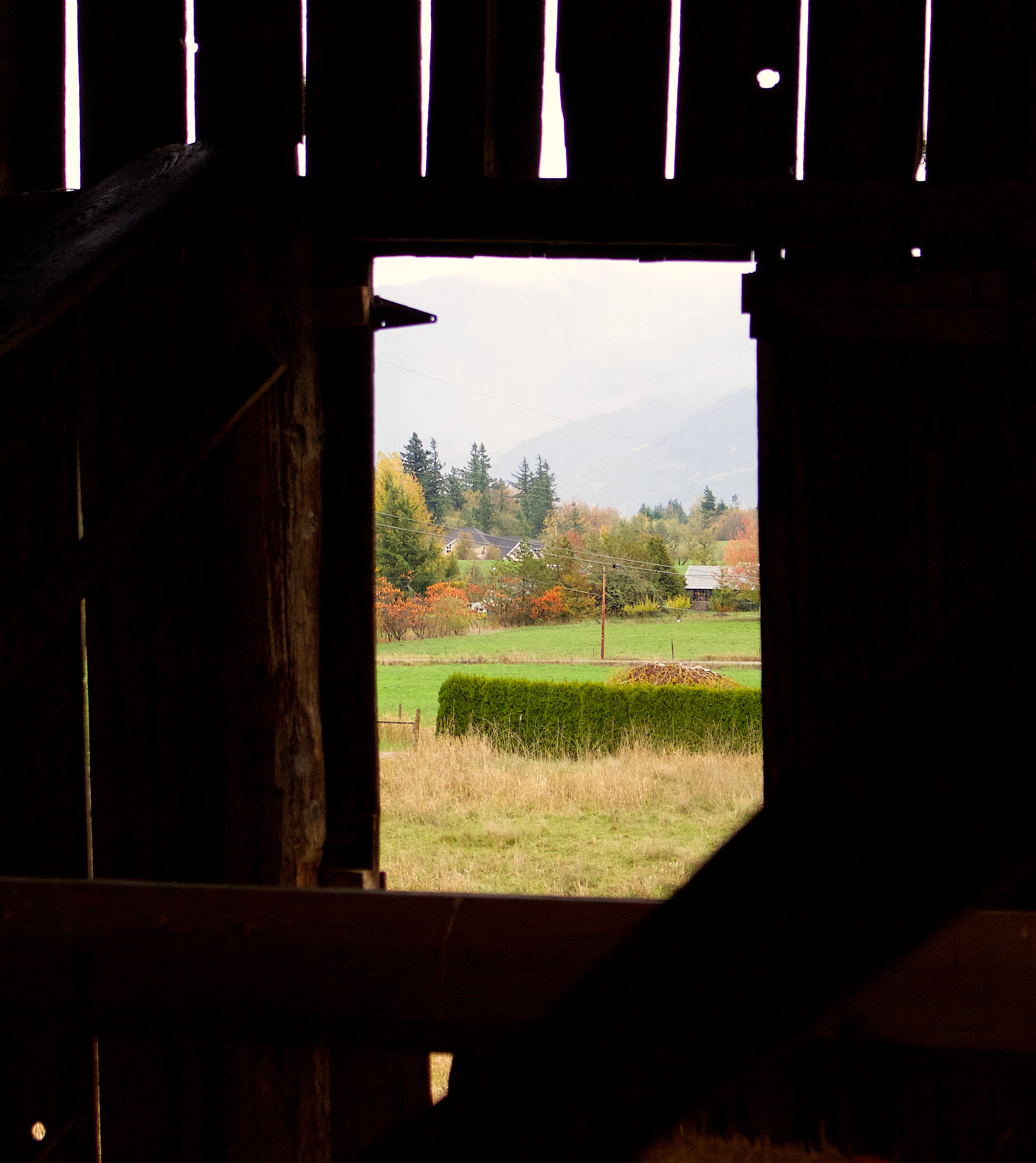
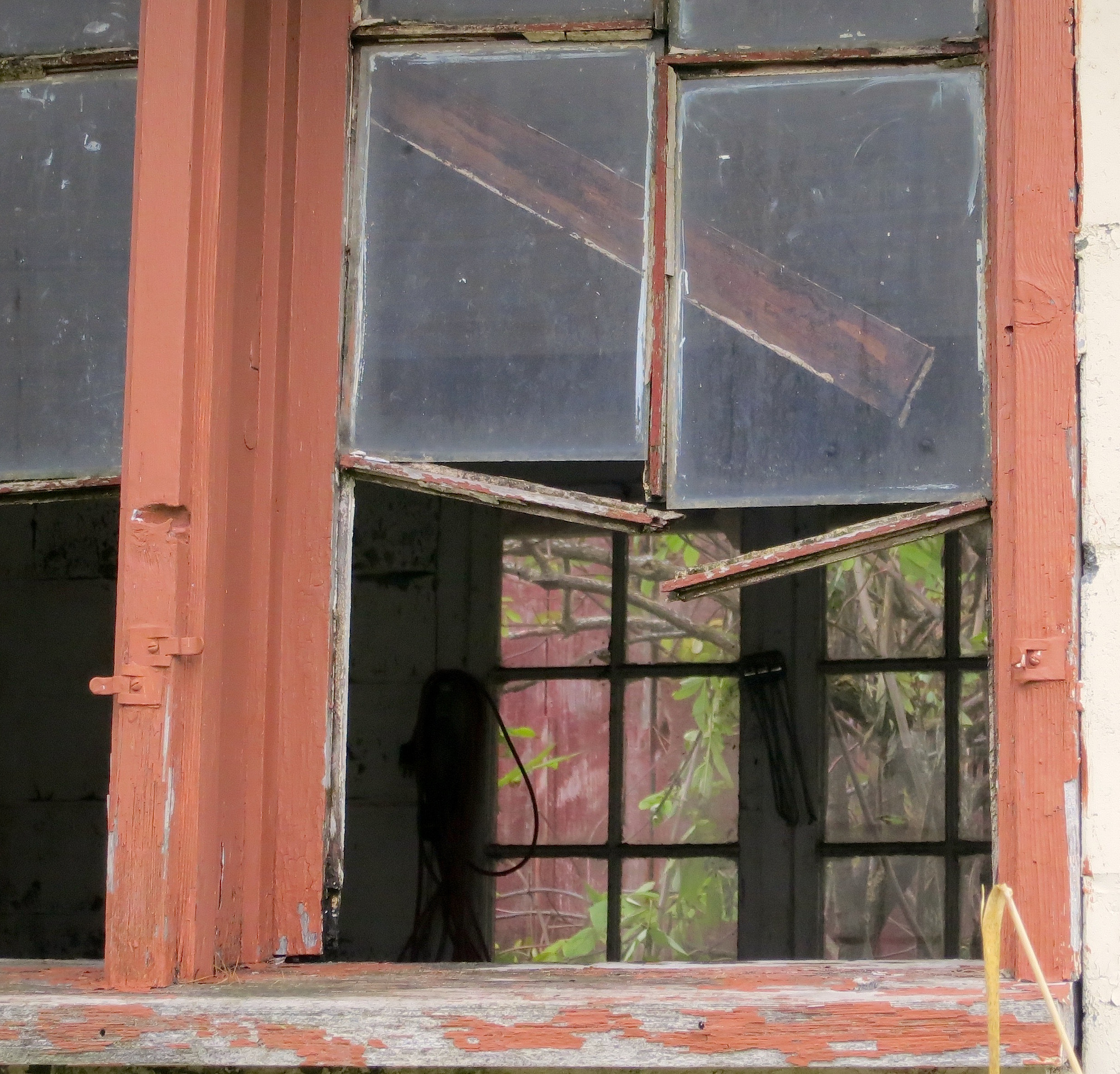
Only a few years later, the old farmhouse burned down but the rest of the buildings were spared. It passed through a few hands and when we had occasion to drive by, we were dismayed to see how nature was taking over the place. The barn still stood but unused it was weathering and withering. The windows were broken, birds flew in and out, the former flower garden had grown wild and unruly.

This was the place I was conceived and learned to walk and talk, where I developed my love for wandering in the fields and respecting the farm animals we depended upon. I remember as a child of four sitting at the kitchen table looking out the window at the sunrise coming rising over the woods and making the misty fields turn golden.

Yet now this land has returned to its essence before the ground was ever plowed or buildings were constructed. It no longer belongs to our family (as if it ever did) but it forever belongs to our memories.

I am overly prone to nostalgia, dwelling more on what has been than what is now or what I hope is to come. It is easy to weep over the losses when time and circumstances reap circumstances that become unrecognizable.

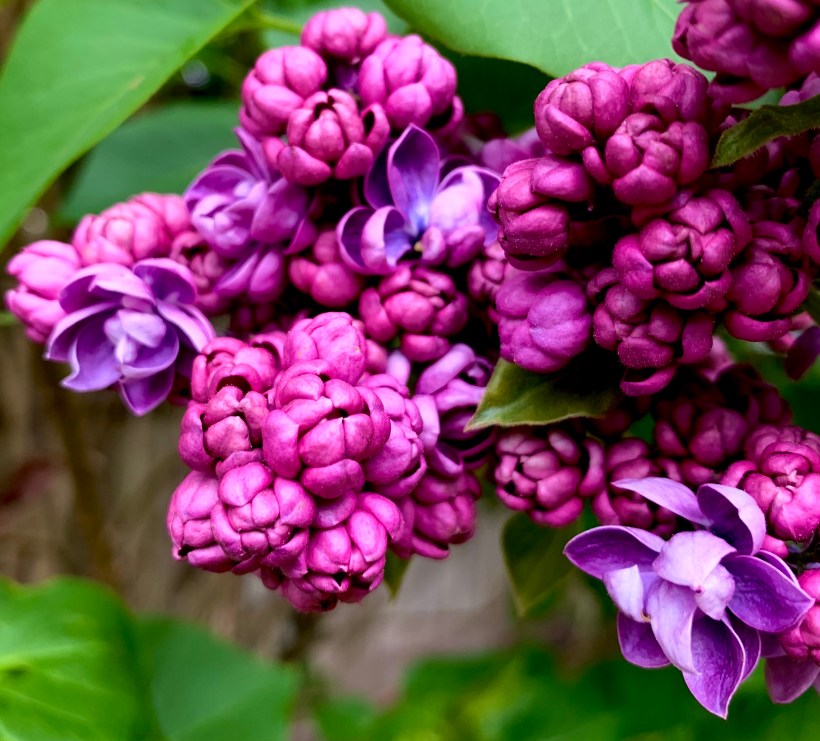
I may weep, but nature does not. The sun continues to rise over the fields, the birds continue to build nests, the lilacs grow taller with outrageous blooms, and each day ends with a promise of another to come.

So I must dwell on what lies ahead, not what perished in the ashes.

photo by Harry Rodenberger

A book available from Barnstorming — information about how to order here

Always Something to Make You Wonder

bayleaf

Never say there is nothing beautiful in the world anymore.
There is always something to make you wonder
in the shape of a tree,
the trembling of a leaf.
~ Albert Schweitzer

Long ago I gave up striving
for perfect symmetry,
strong shapely limbs,
the straightest trunk,
the most luscious foliage and colorful blooms.

Instead, my life is as fruitful as possible,
even if I bend more in winter storms,
my roots not anchored as deep,
despite bare and broken branches,
falling leaves,
crooked trunk,
and increasing lumpiness.

I try to provide the best of which I’m capable,
with a minimum of scab, rot and hidden worms.

The promise of breathtaking beauty for eternity
makes getting up in the morning worth the effort
when we would rather hide our homeliness and decay under the covers.

Yet nothing can be as beautiful as the reality of
broken people giving their all
for other broken people.

It is for this we are created;
our imperfections on display,
continually pruned and refined
to produce needed fruit,
abundantly filling and ever so sweet.

It’s enough to make you wonder…

A new book from Barnstorming available to order here

To Embrace a Universe

Love, we are in God’s hand.
How strange now, looks the life he makes us lead;
So free we seem, so fettered fast we are!

Ah, but a man’s reach should exceed his grasp,
Or what’s a heaven for? 

~Robert Browning from “Andrea del Sarto”

We have had names for you:
The Thunderer, the Almighty
Hunter, Lord of the snowflake
and the sabre-toothed tiger.
One name we have held back
unable to reconcile it
with the mosquito, the tidal wave,
the black hole into which
time will fall. You have answered
us with the image of yourself
on a hewn tree, suffering
injustice, pardoning it;
pointing as though in either
direction; horrifying us
with the possibility of dislocation.
Ah, love, with your arms out
wide, tell us how much more
they must still be stretched
to embrace a universe drawing
away from us at the speed of light.
~R.S.Thomas “Tell Us”

photo by our next door neighbor Bob Tjoelker

Ah, Love
You the Incarnate,
stretched and fettered to a tree

arms out wide
embracing us
who try to grasp
a heaven which eludes us

this heaven, Your heaven
brought down to us
within your wounded grip
and simply handed over.

Make the Call

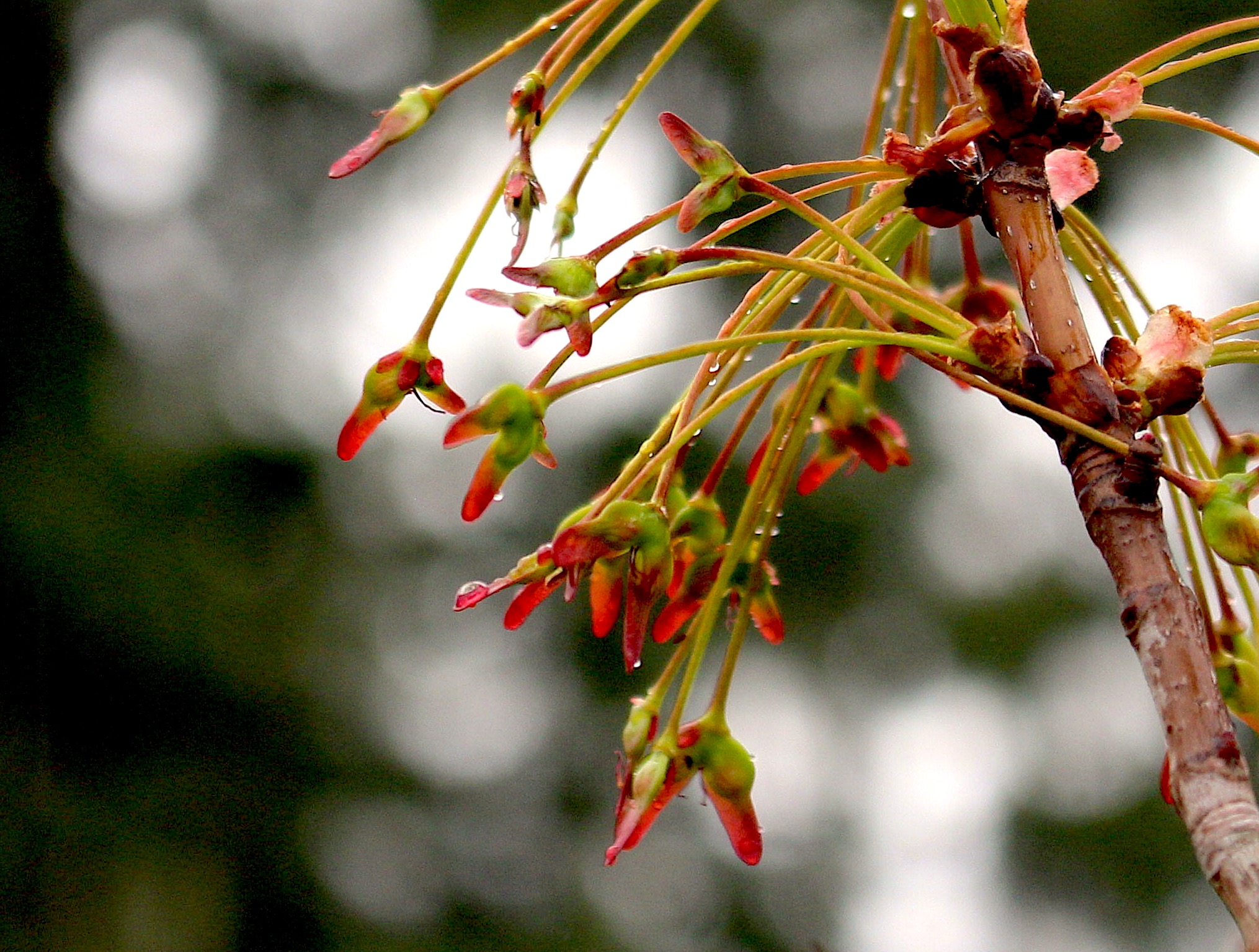
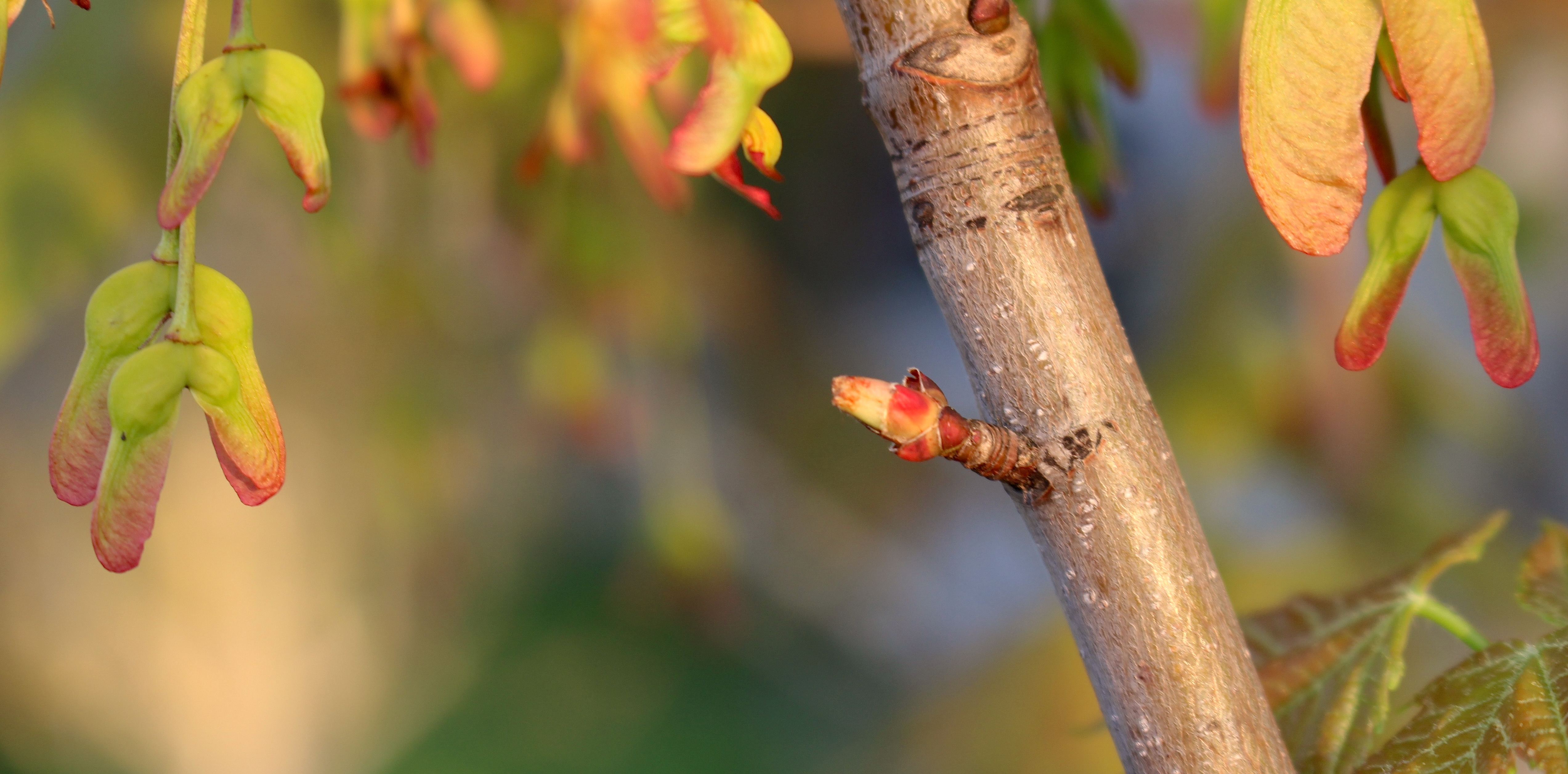
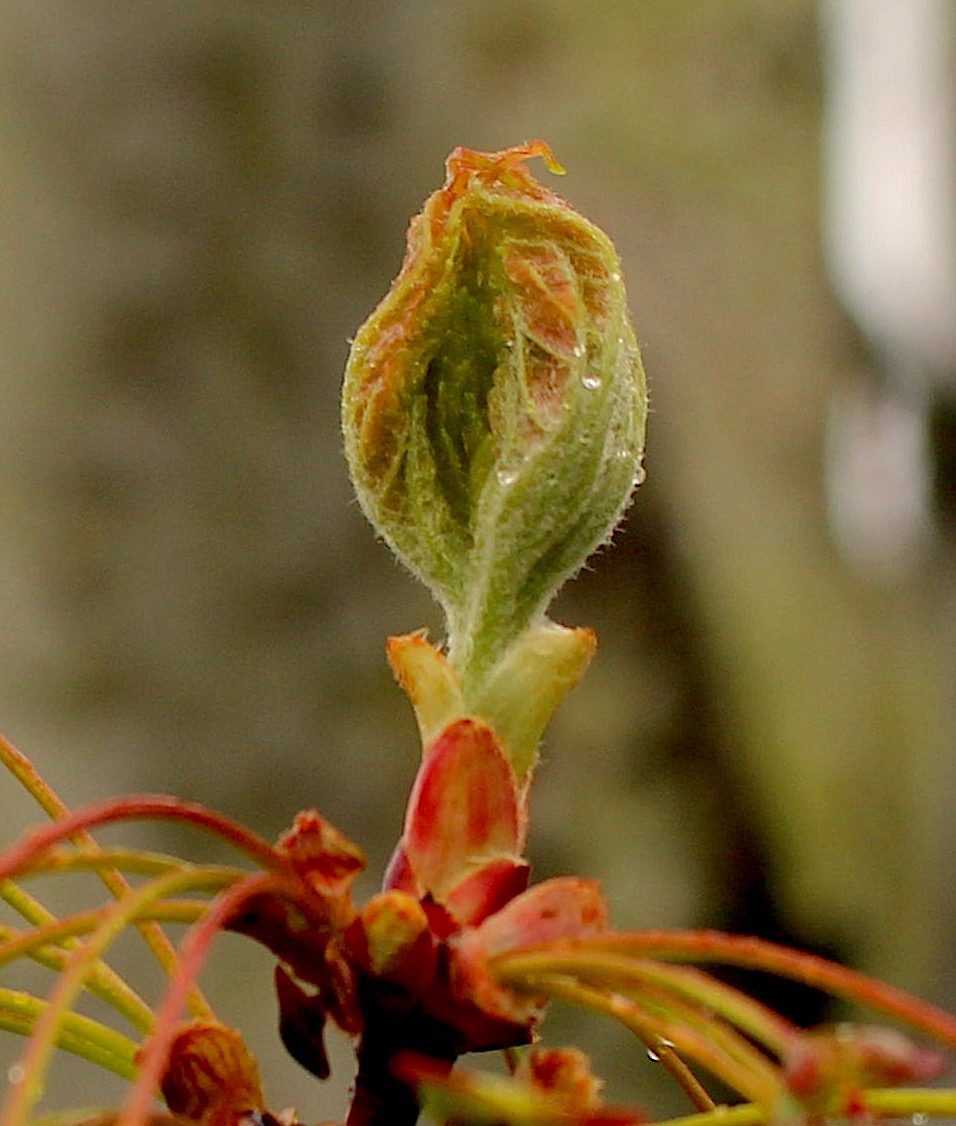
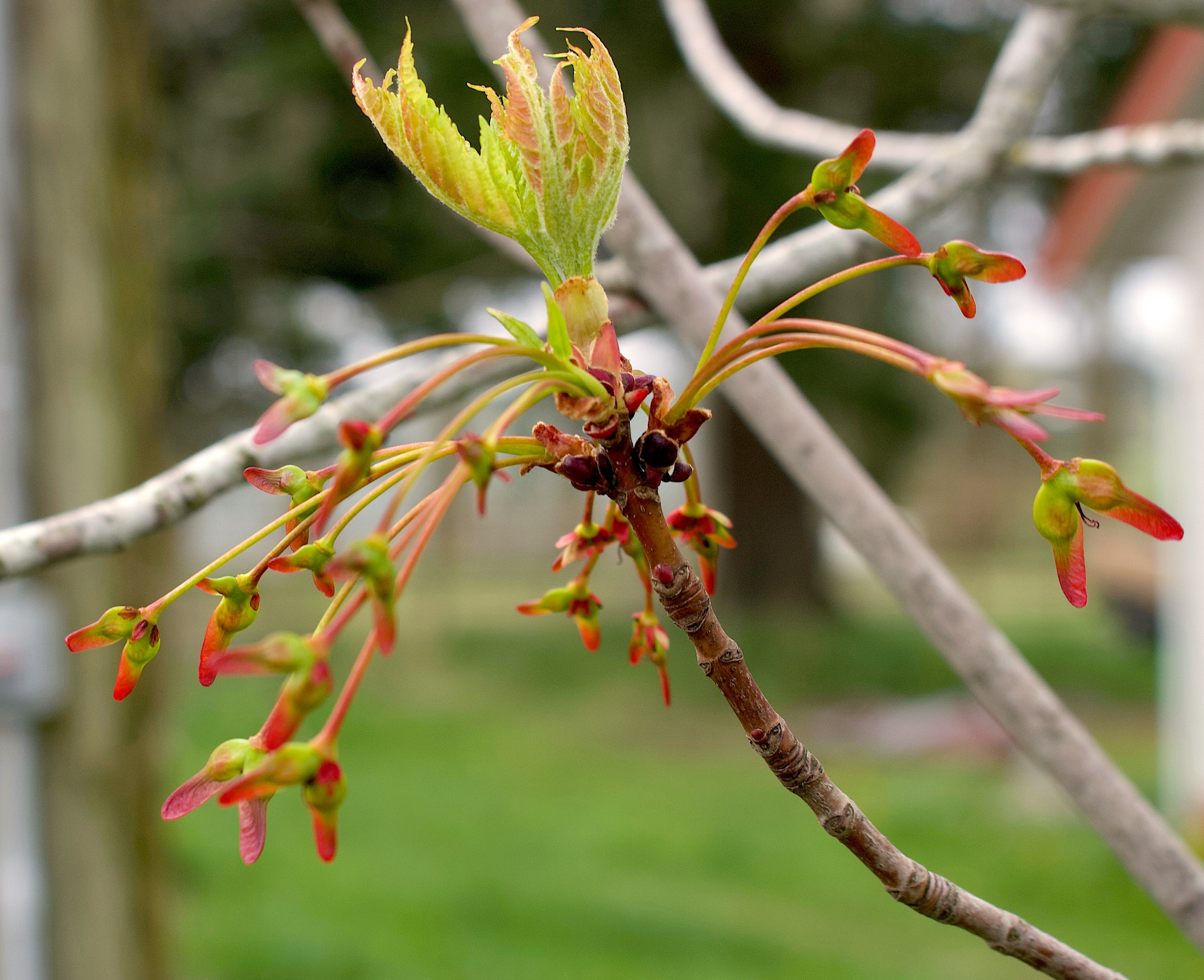
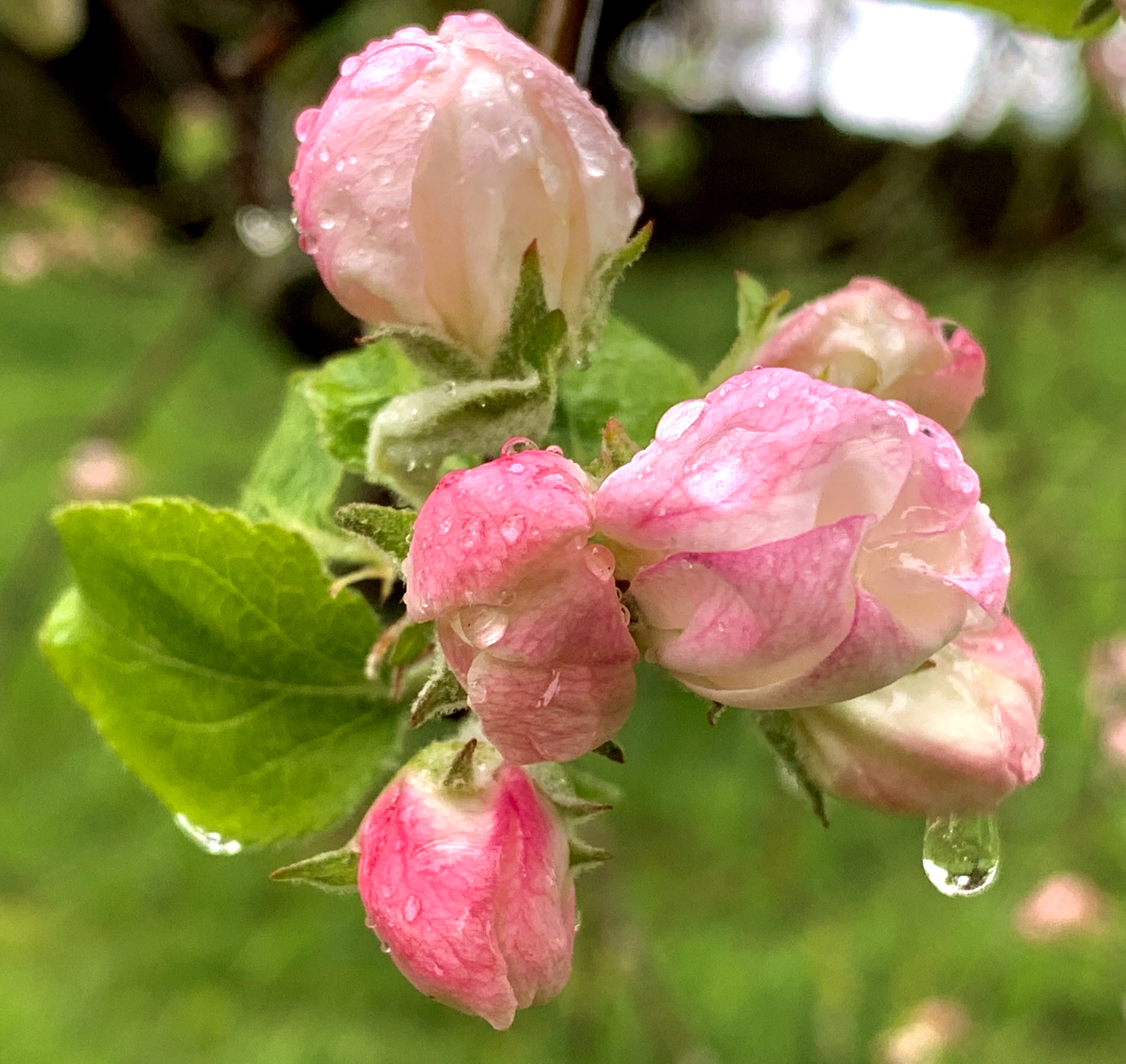
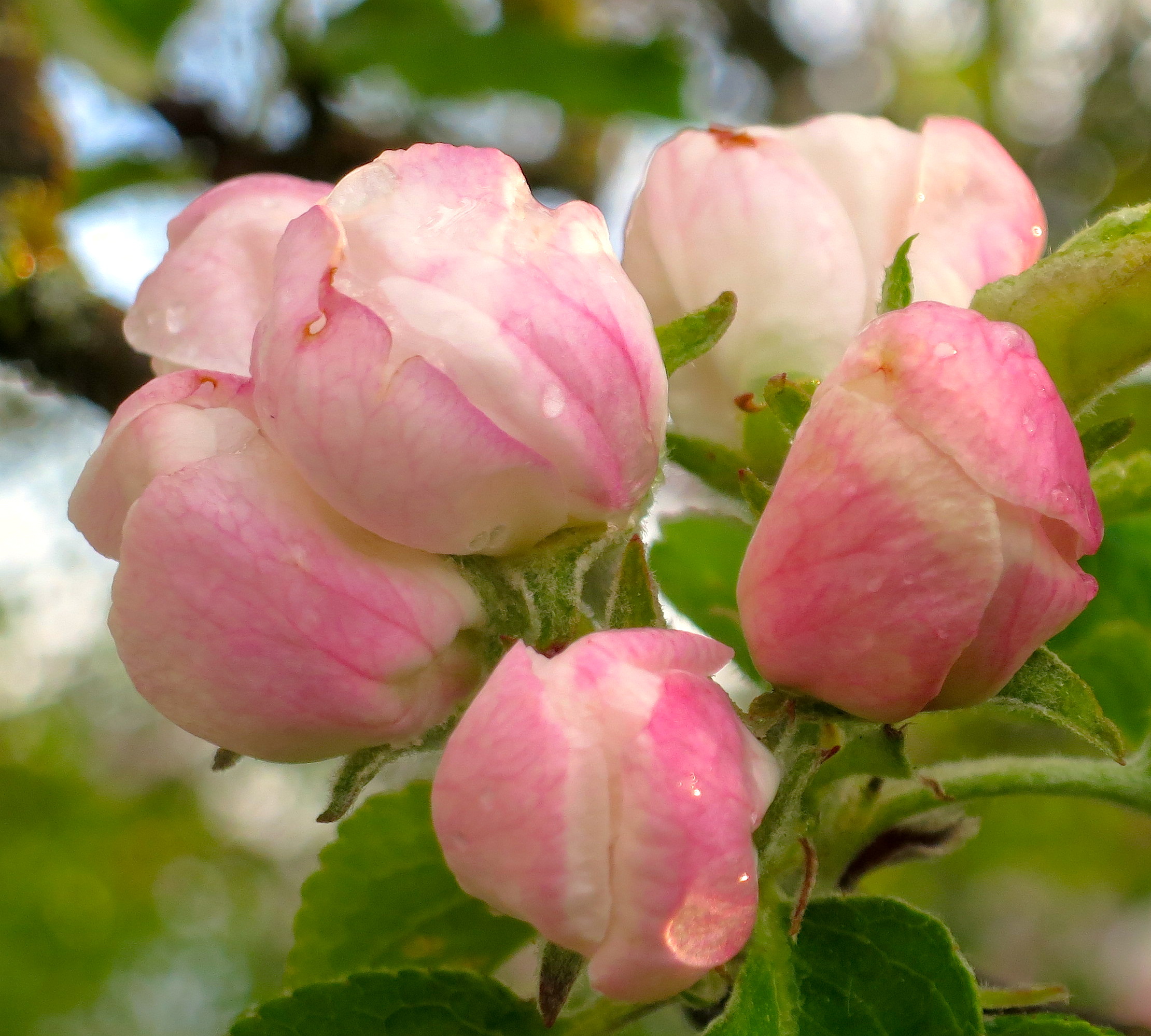
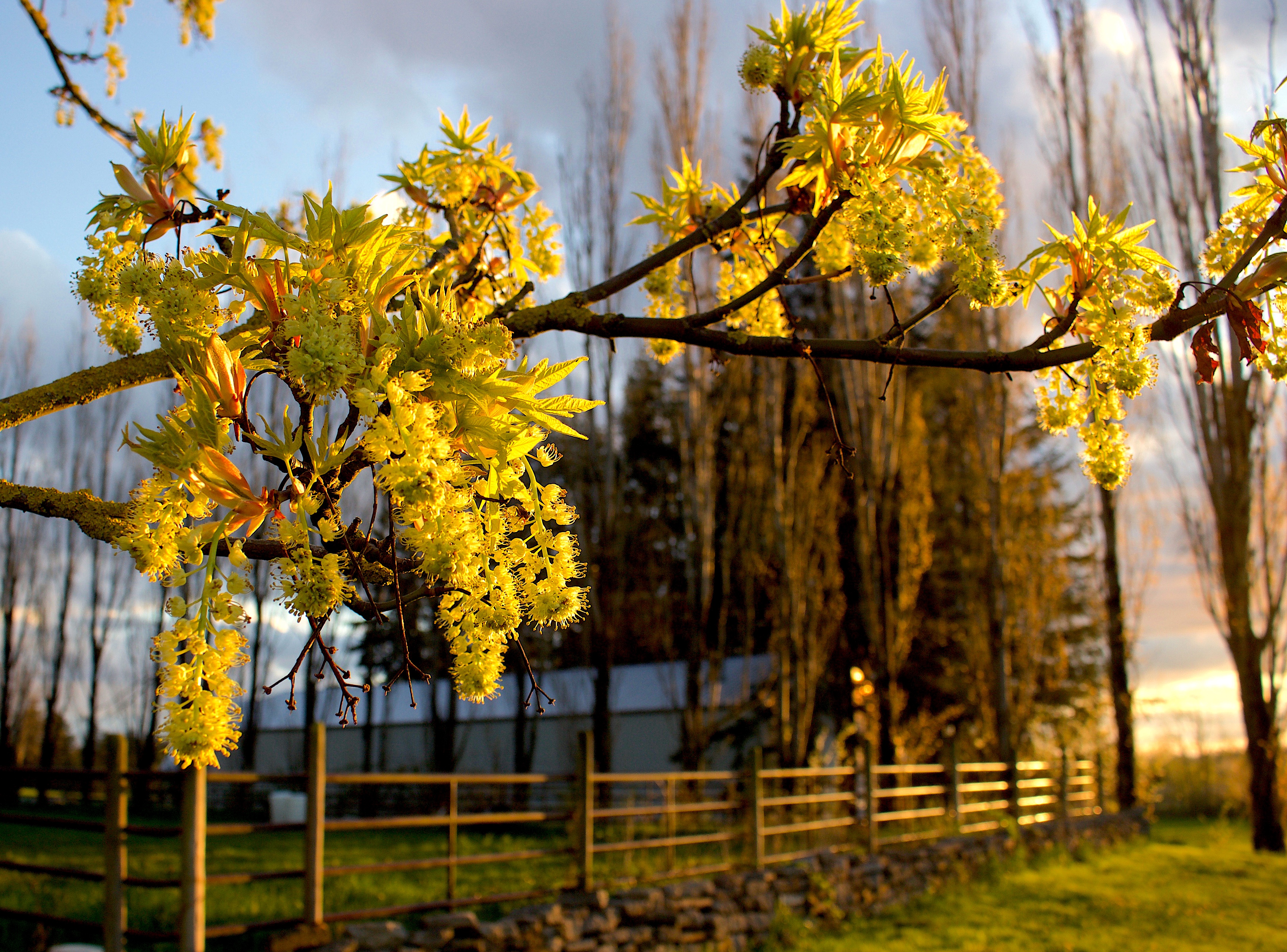
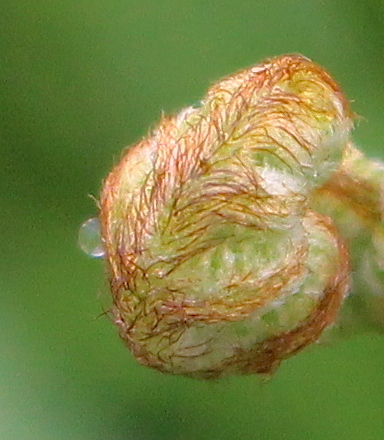
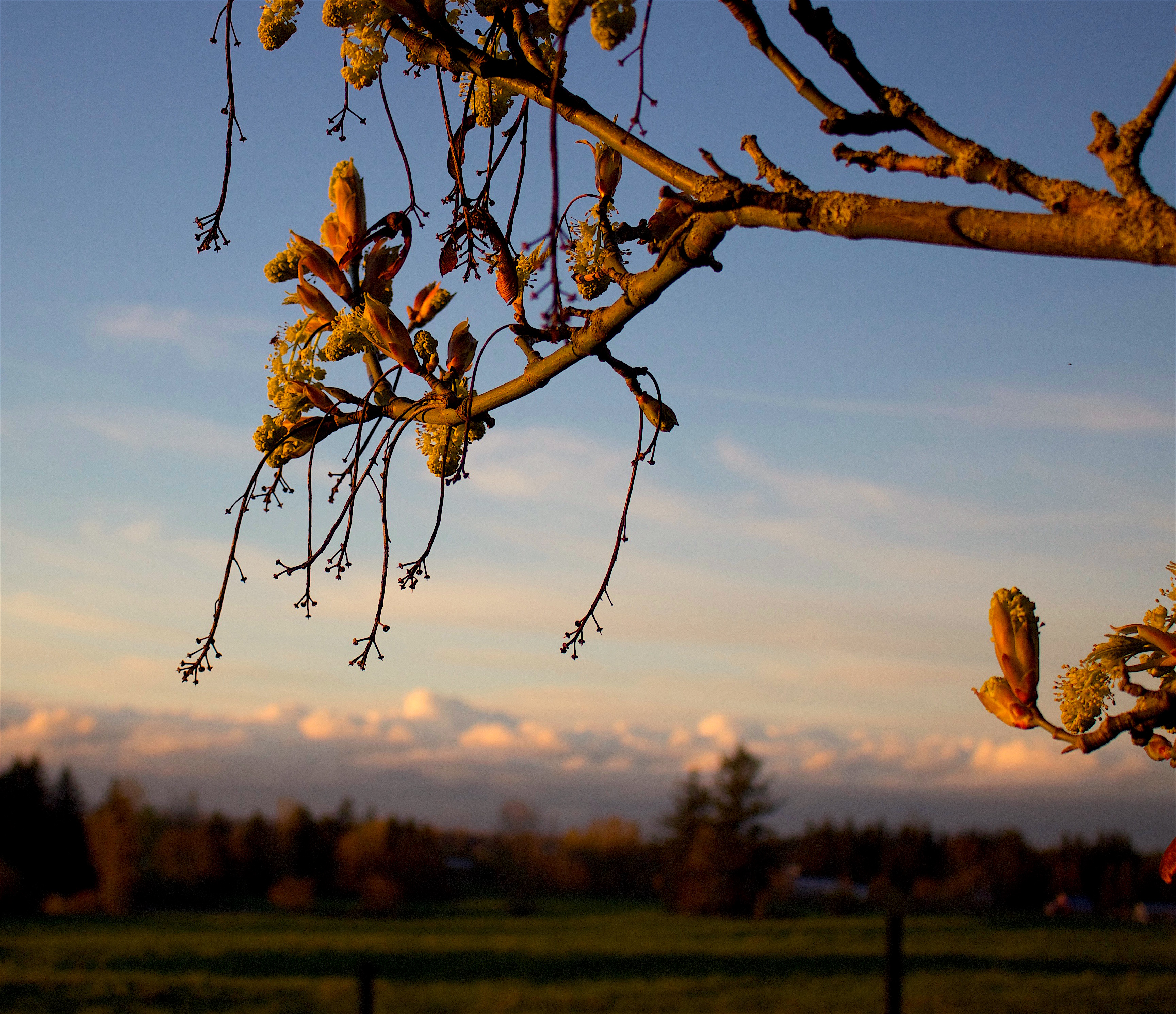
Just before the green begins there is the hint of green
a blush of color, and the red buds thicken
the ends of the maple’s branches and everything
is poised before the start of a new world,
which is really the same world
just moving forward from bud
to flower to blossom to fruit
to harvest to sweet sleep, and the roots
await the next signal, every signal
every call a miracle and the switchboard
is lighting up and the operators are
standing by in the pledge drive we’ve
all been listening to: Go make the call.
~Stuart Kestenbaum “April Prayer”

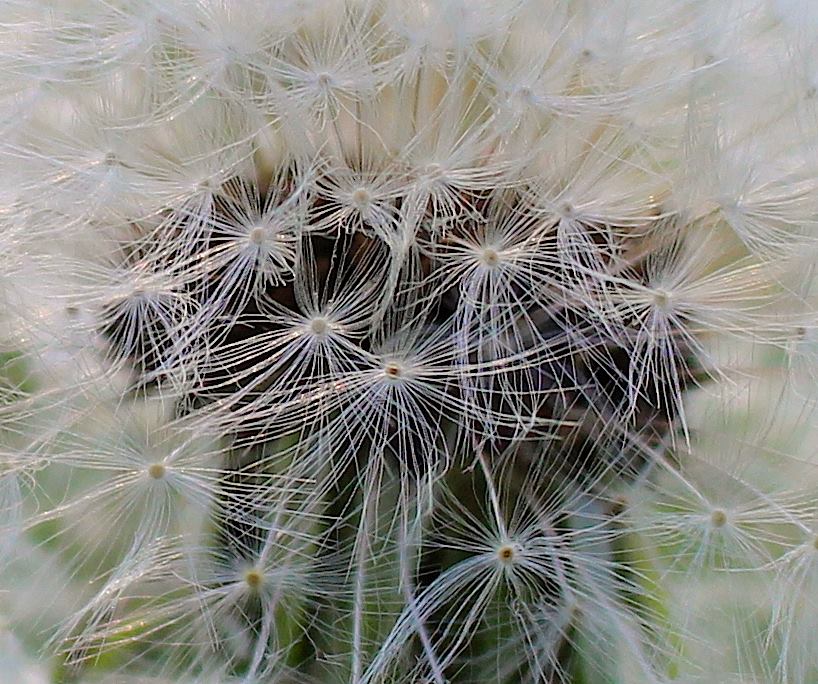
The buds have been poised for weeks
and then, as if responding to the conductor’s downstroke,
let go of all their pent up potential~
exploding with energy
enough to carry them to autumn
when again they let go
and are gone.

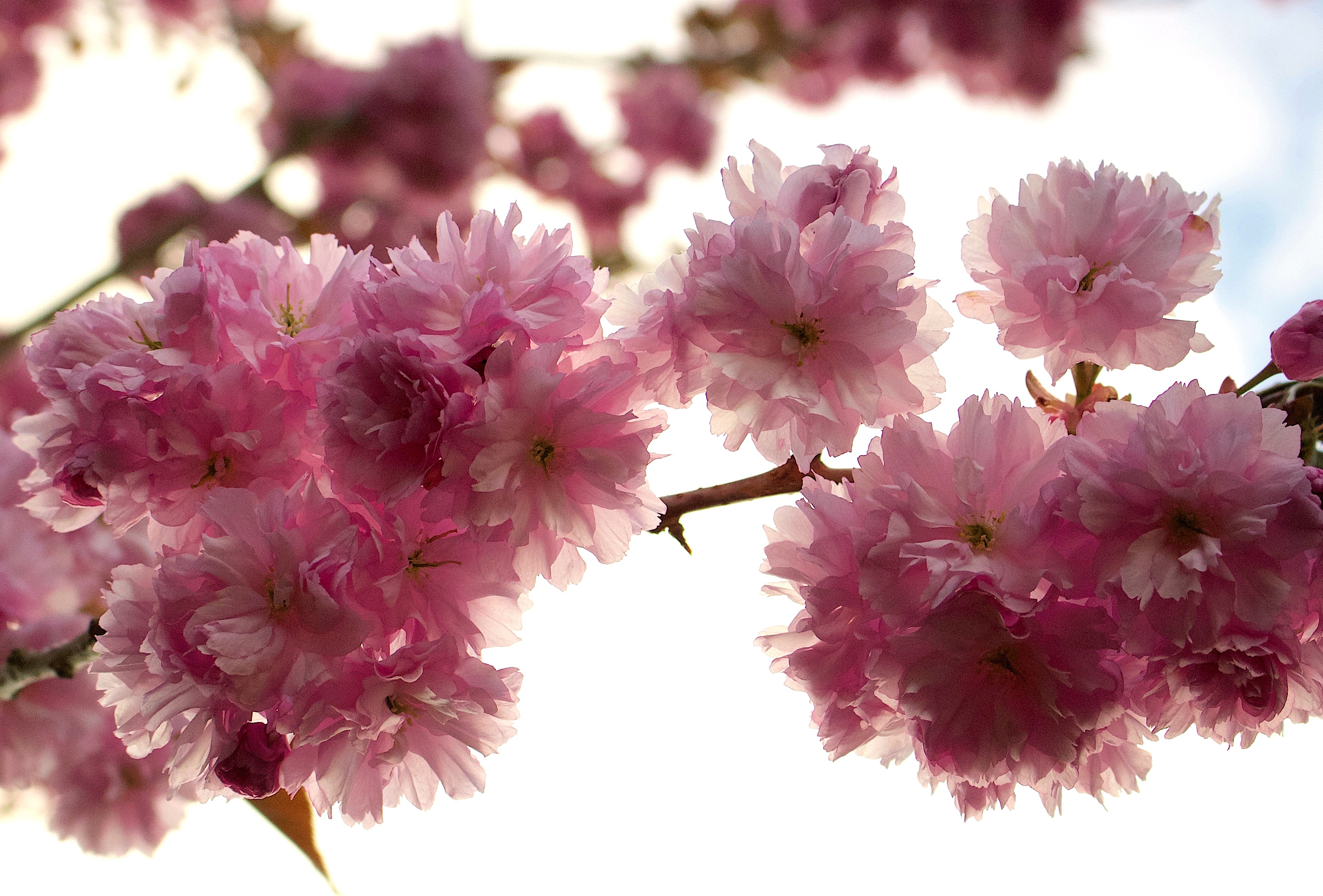
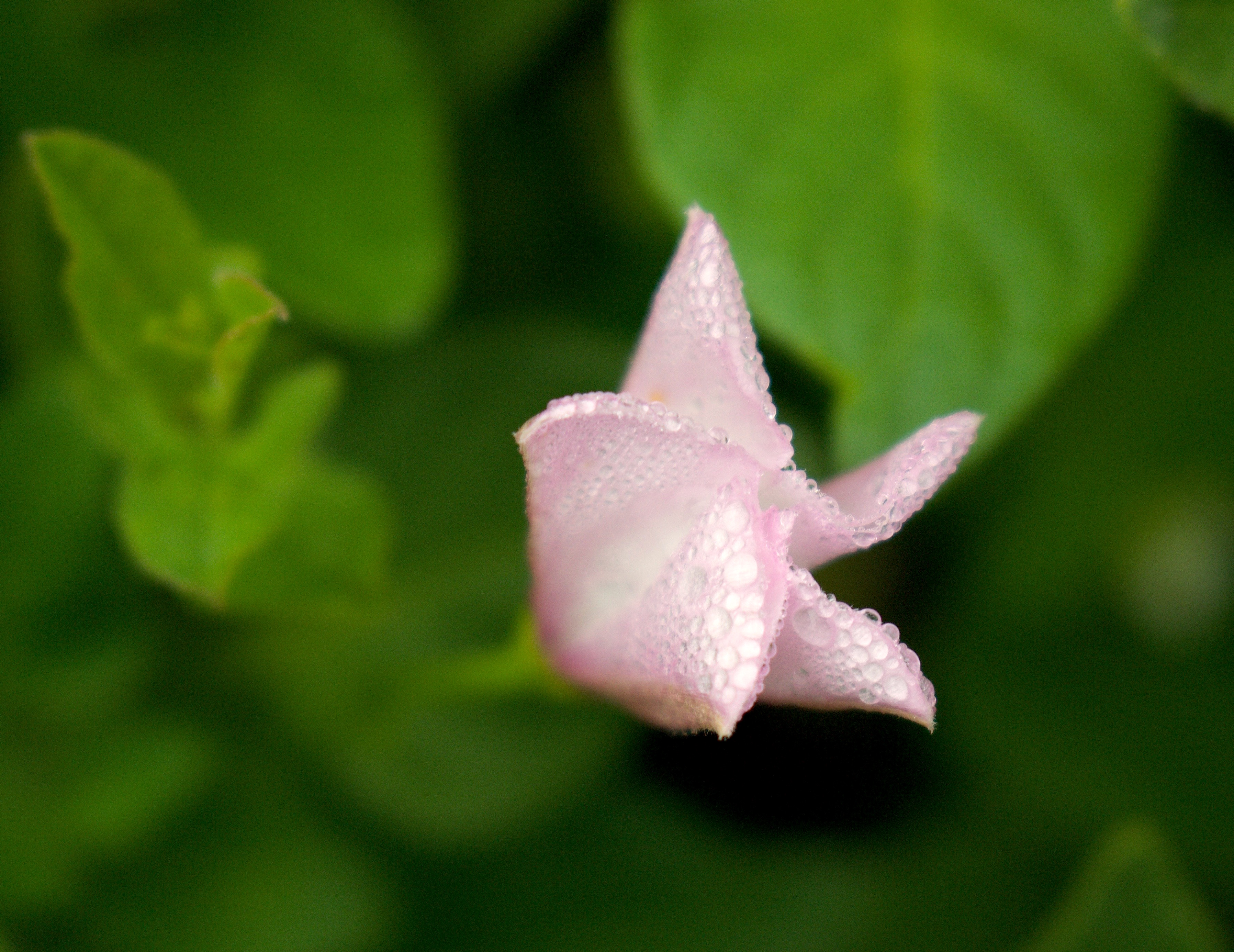
Whispery Pink

Not a color I’ve wanted to wear—too
innocently girlish, and I’m not innocent,
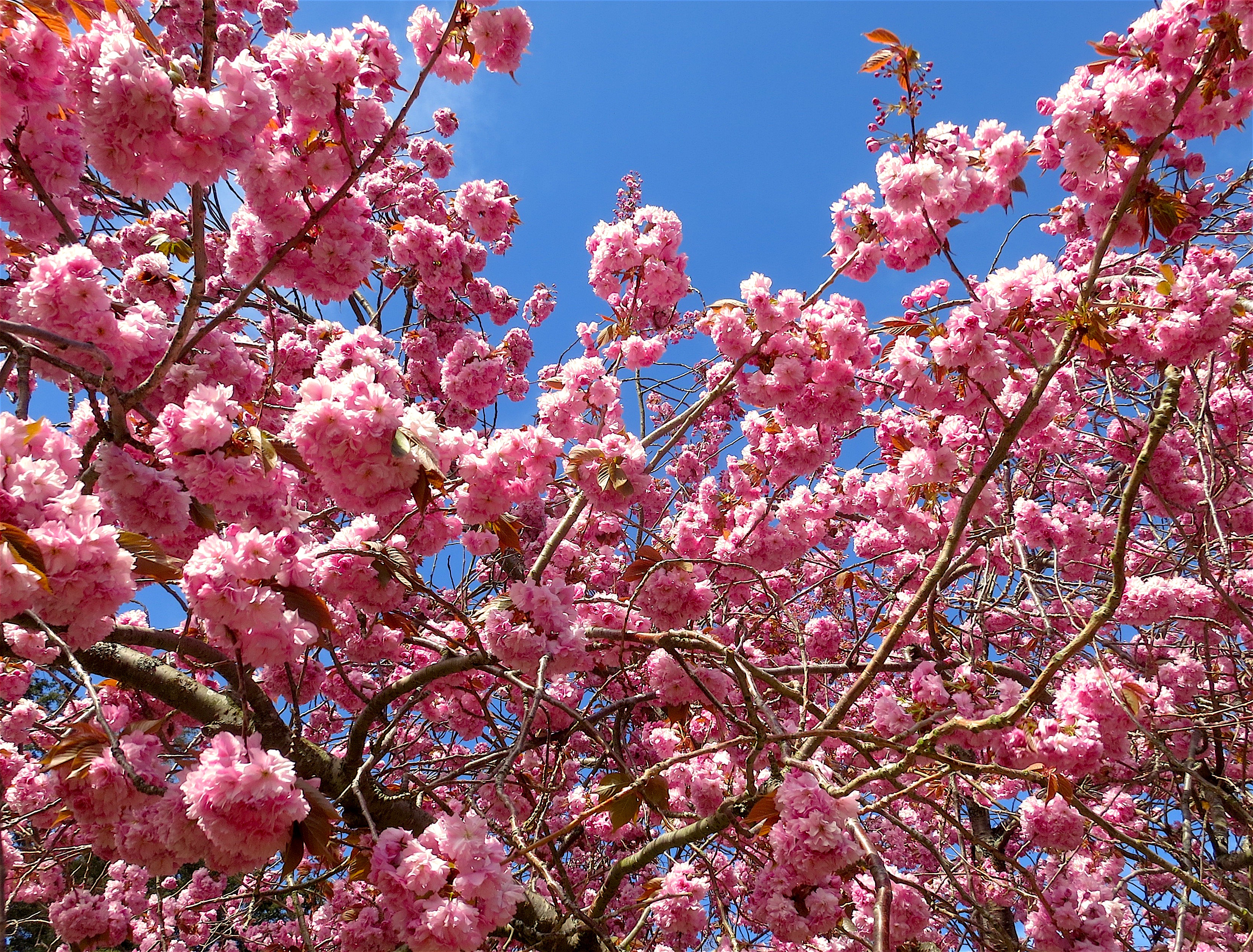
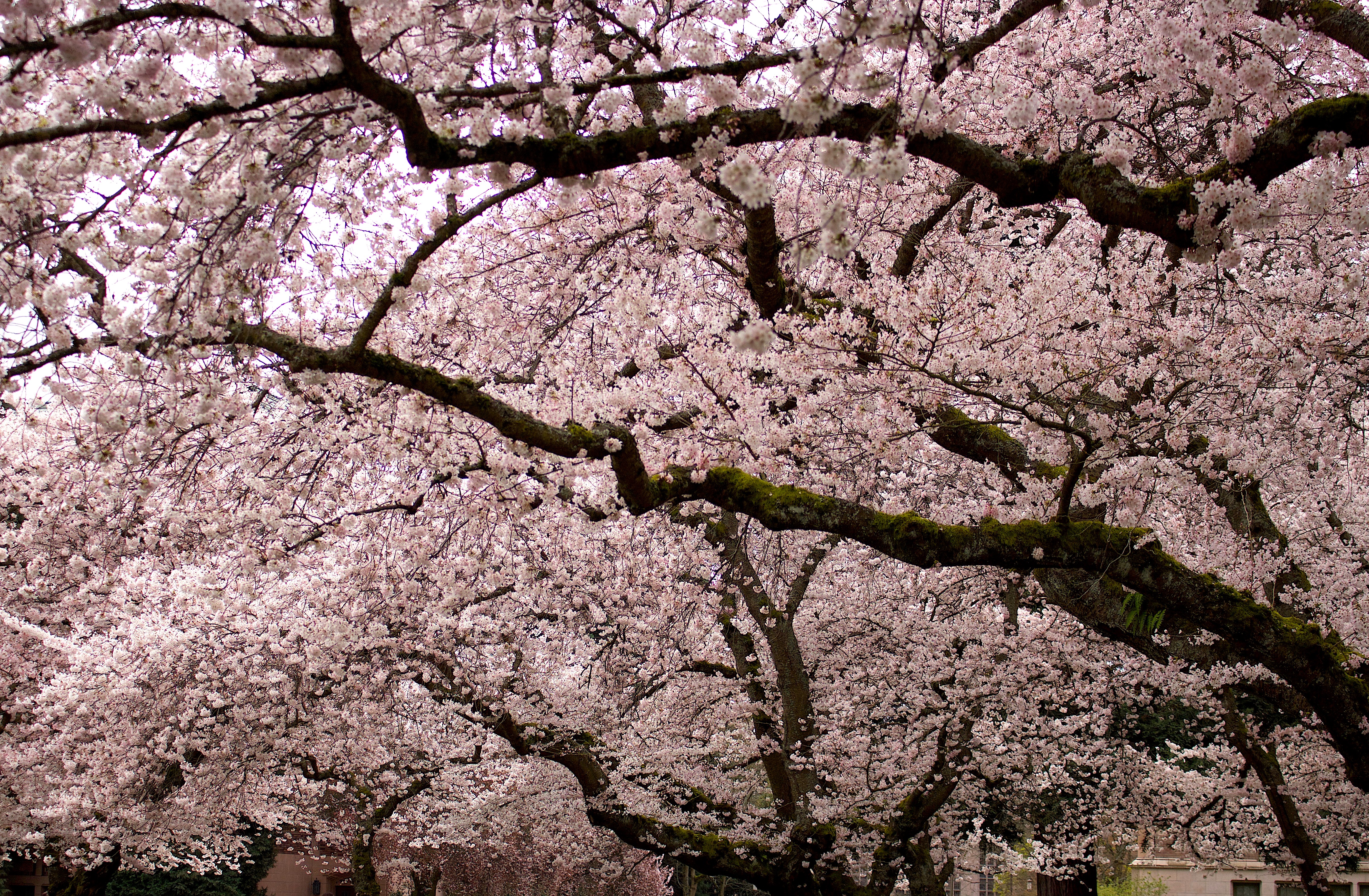
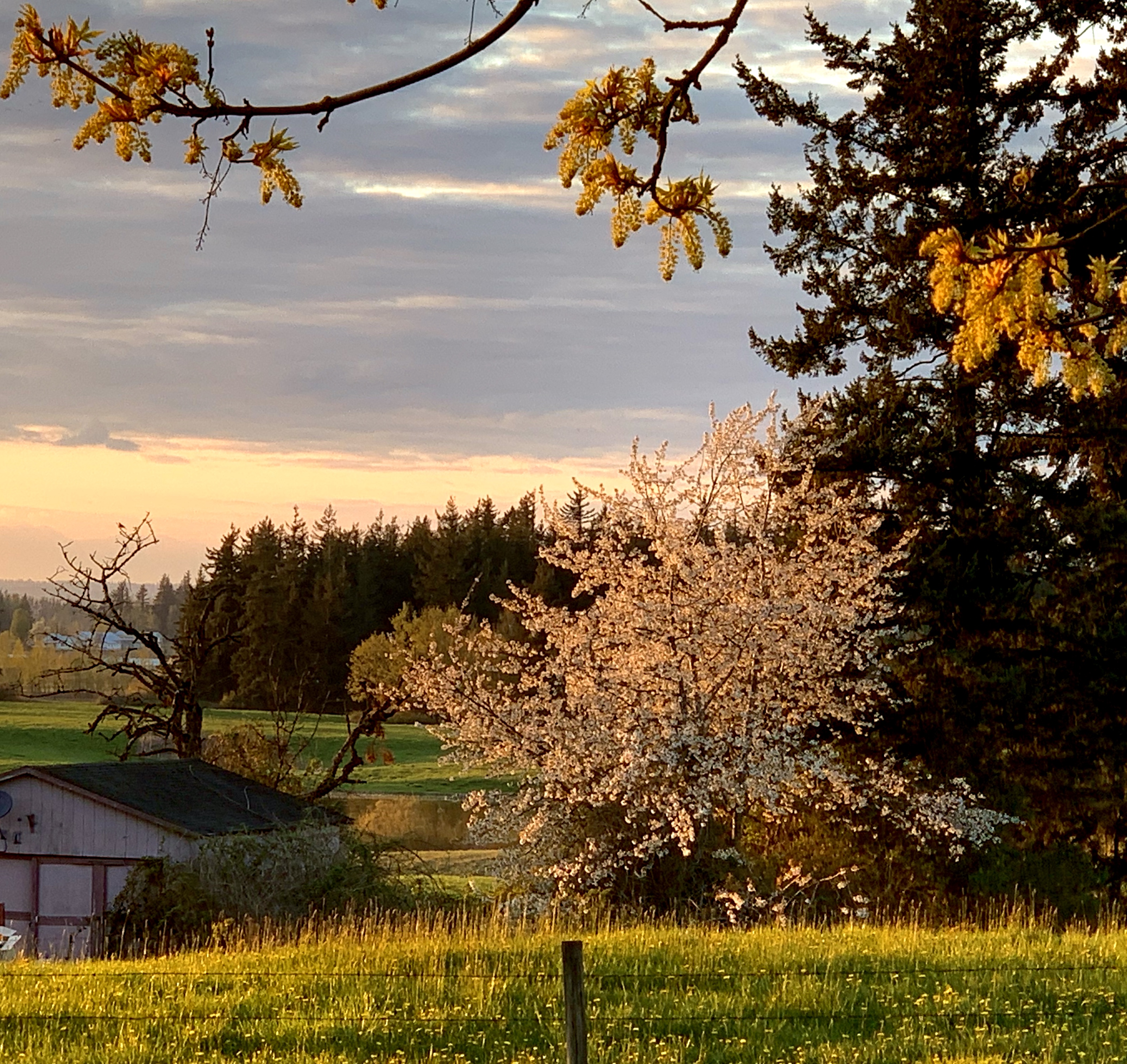
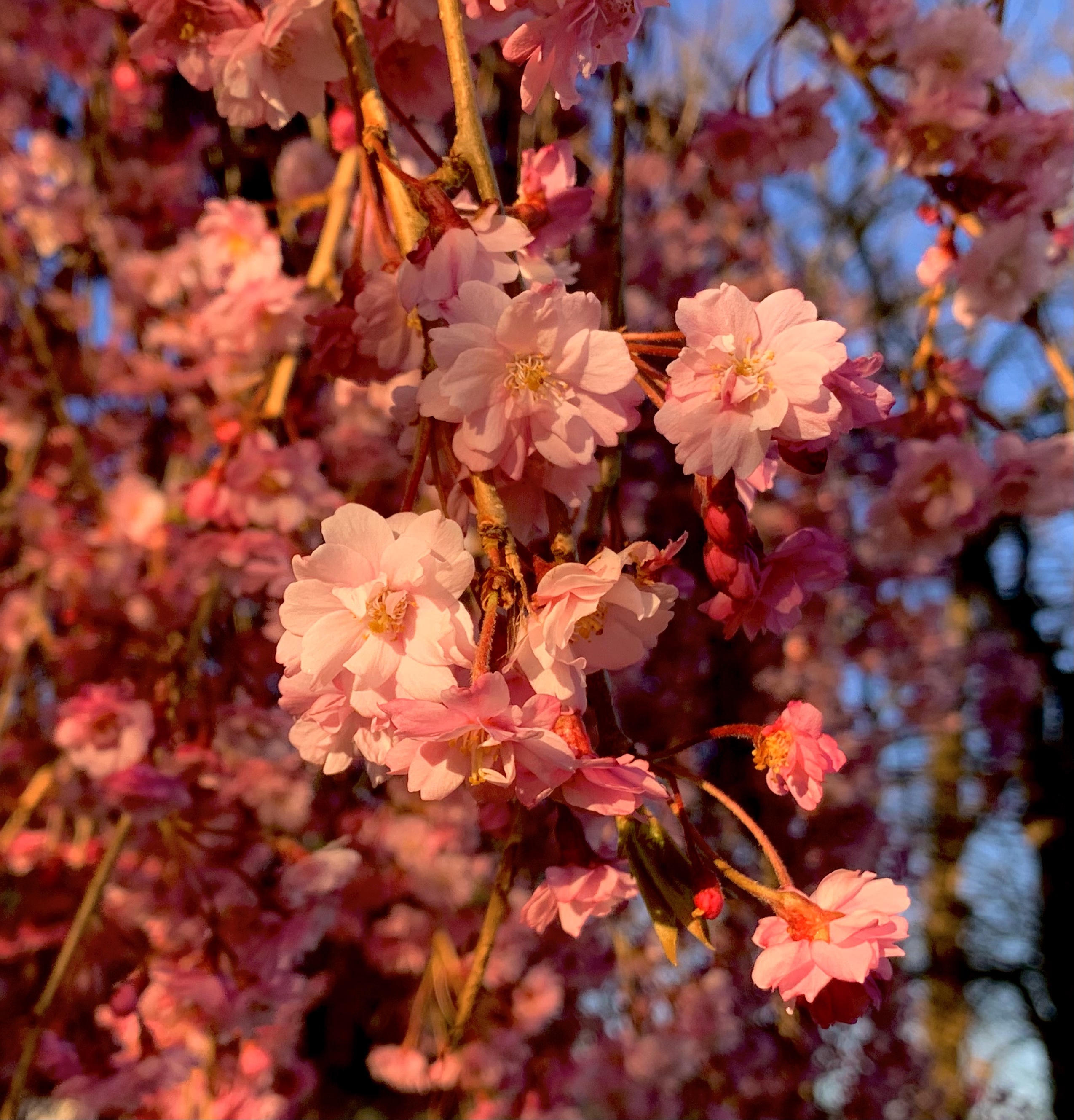
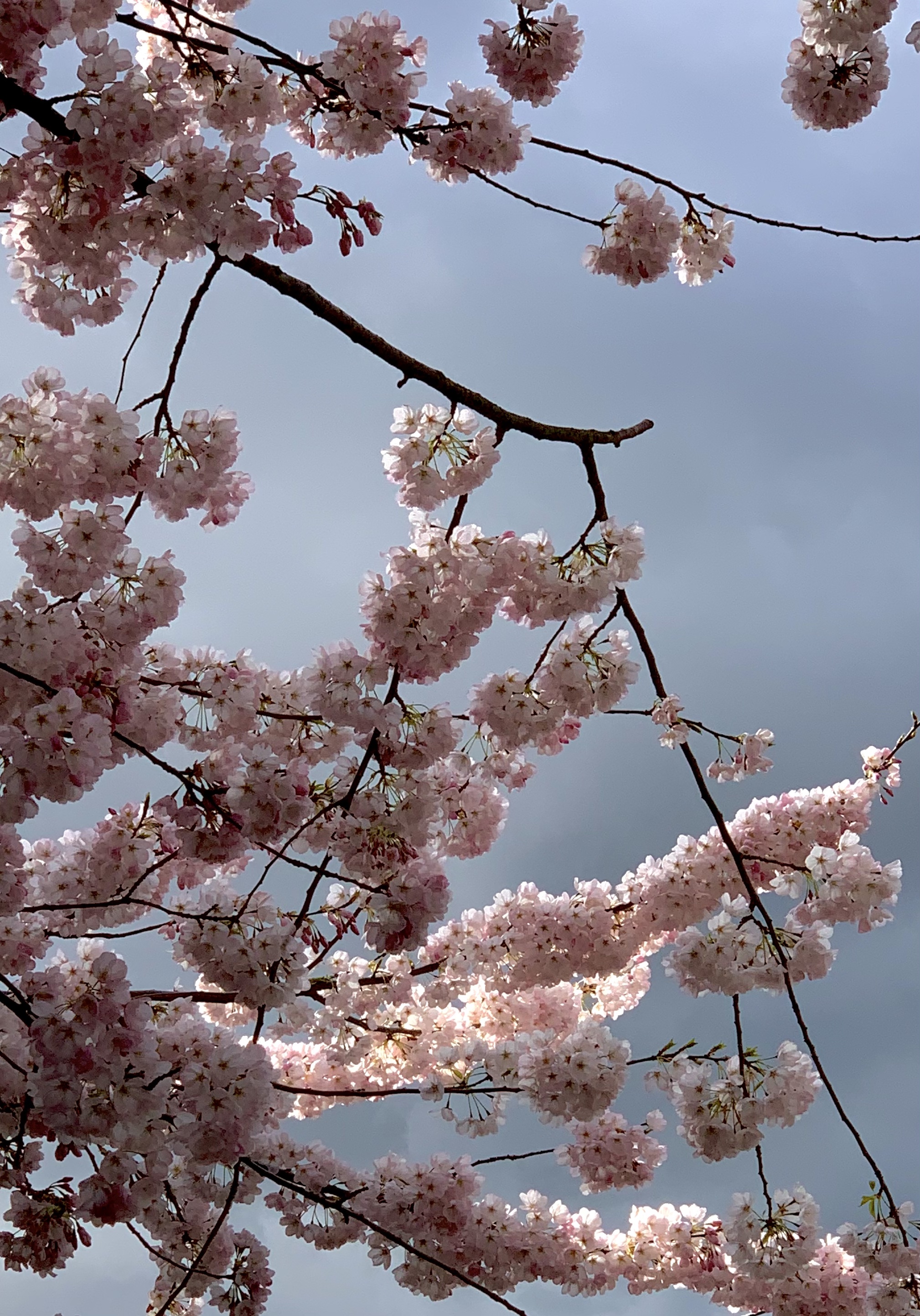
not a girl. But today the gnarled cherry trees
along Alabama Street are decked out
like bridesmaids—garlands in their hair,
nosegays in their hands—extravagant,

finally the big spring wedding to splurge,
and hang the cost. Each really wants to be
the bride so she can toss her bouquet until,
unaccustomed, the gutters choke
with pink confetti that flies up and whirls
in the wake of cars going west…

~Luci Shaw from “Pink” in What the Light Was Like

If you stand in an orchard
In the middle of Spring
and you don’t make a sound
you can hear pink sing,
a darling, whispery song of a thing.
~Mary O’Neill from Hailstones and Halibut Bones “Pink”

I have always avoided wearing anything pink
other than the blush of my windblown cheeks
on a brisk April morning.
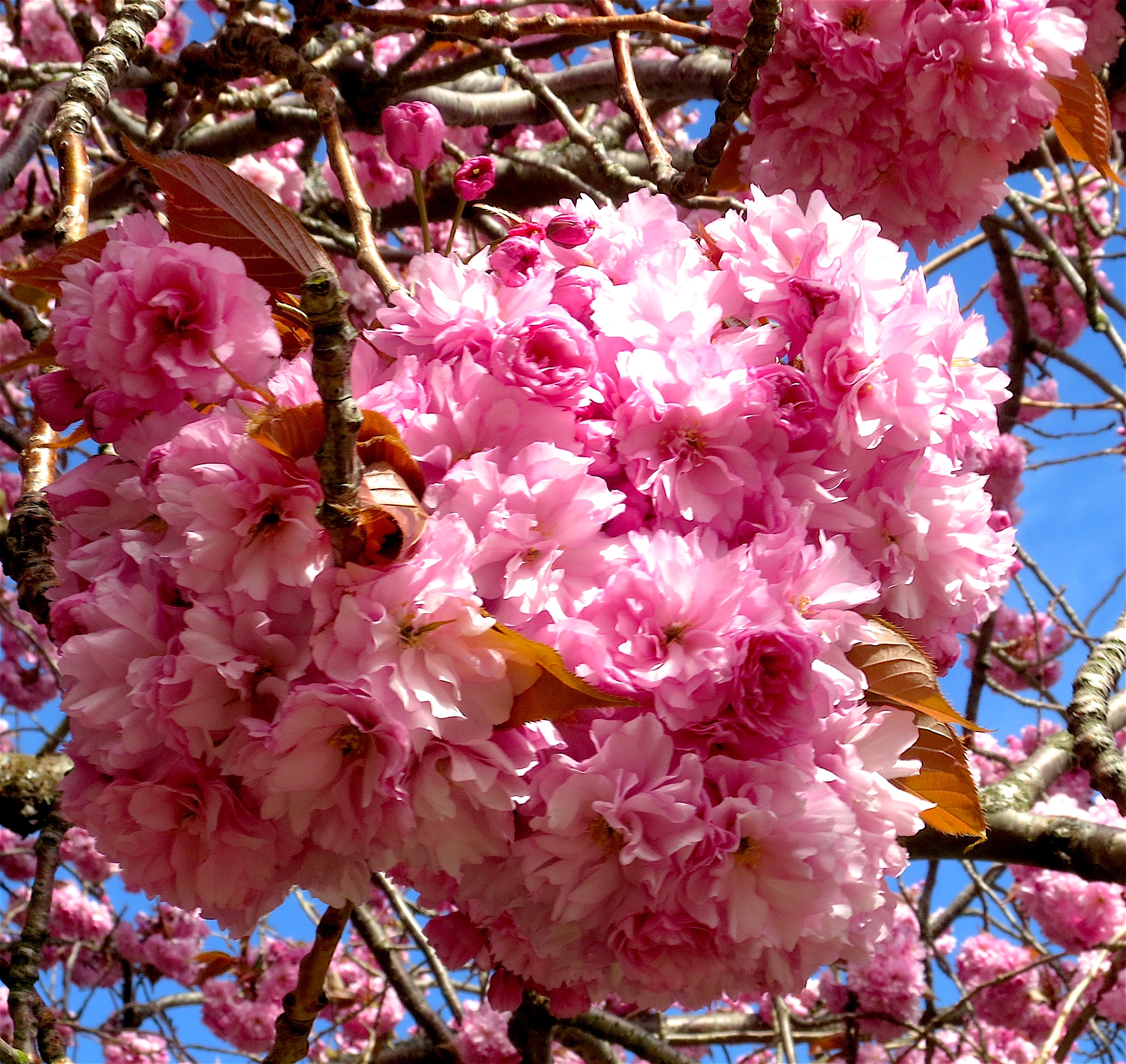
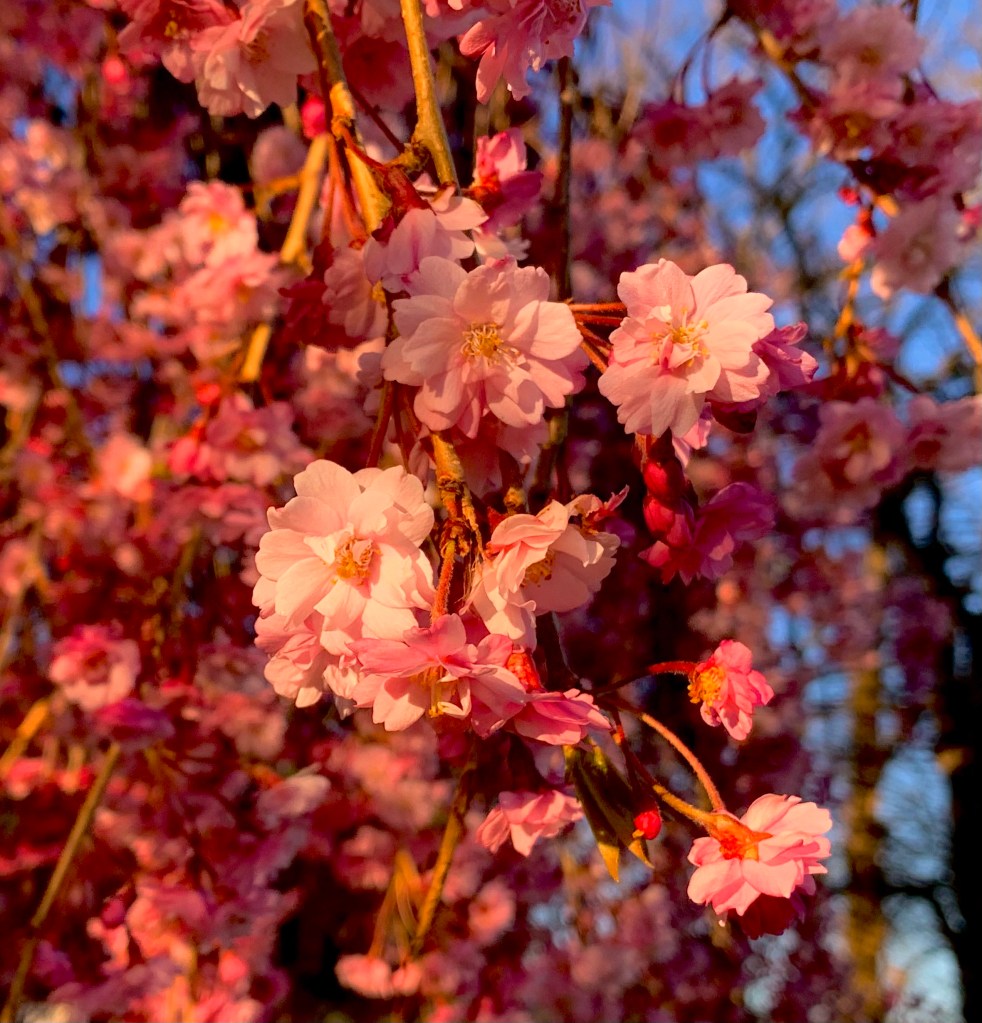
Yet how can I help but listen to pink
as its blooms burst open all around me,
bubbling with pastel ebullience,
whispering me awake in the morning
and gently bidding me goodnight.

Human Merely Being

i thank You God for most this amazing
day:for the leaping greenly spirits of trees
and a blue true dream of sky; and for everything
which is natural which is infinite which is yes

(i who have died am alive again today,
and this is the sun’s birthday; this is the birth
day of life and of love and wings: and of the gay
great happening illimitably earth)

how should tasting touching hearing seeing
breathing any–lifted from the no
of all nothing–human merely being
doubt unimaginable You?

(now the ears of my ears awake and
now the eyes of my eyes are opened)
~e.e. cummings

This human merely being
is leaning, threatening to fall over,
nearly broken.

You have created this amazing day
to show Your Face
to hear Your voice.

My ears awake
and my eyes open
to the unimaginable You,
O God.


The Earth’s Sweet Being

Nothing is so beautiful as Spring –         
   When weeds, in wheels, shoot long and lovely and lush;         
   Thrush’s eggs look little low heavens, and thrush         
Through the echoing timber does so rinse and wring         
The ear, it strikes like lightnings to hear him sing;
   The glassy peartree leaves and blooms, they brush         
   The descending blue; that blue is all in a rush         
With richness; the racing lambs too have fair their fling.   
      

What is all this juice and all this joy?         
   A strain of the earth’s sweet being in the beginning
In Eden garden. – Have, get, before it cloy,         
   Before it cloud, Christ, lord, and sour with sinning,         
Innocent mind and Mayday in girl and boy,         
   Most, O maid’s child, thy choice and worthy the winning. 

~Gerard Manley Hopkins “Spring”

Once, we were innocent,
now, no longer.
Cloyed and clouded by sin.
Given a choice,
we chose sour over the sweetness we were born to,
giving up walks together in the cool of the day
to feed our appetite that could never be sated.

God made a choice to win us back with His own blood
as if we are worthy of Him.
He says we are.
He dies to prove it.
Every day I try to believe
our earth can be sweet and beautiful again.

Light That Almost Speaks

A Light exists in Spring
Not present on the year
At any other period –
When March is scarcely here


A Color stands abroad
On Solitary Hills
That Science cannot overtake,
But Human Nature feels.


It waits upon the Lawn;
It shows the furthest Tree
Upon the furthest Slope we know;
It almost speaks to you.


Then as Horizons step,
Or Noons report away,
Without the Formula of sound,
It passes, and we stay:


A quality of loss
Affecting our Content,
As Trade had suddenly encroached
Upon a Sacrament.
~Emily Dickinson – 85- Part two: Nature

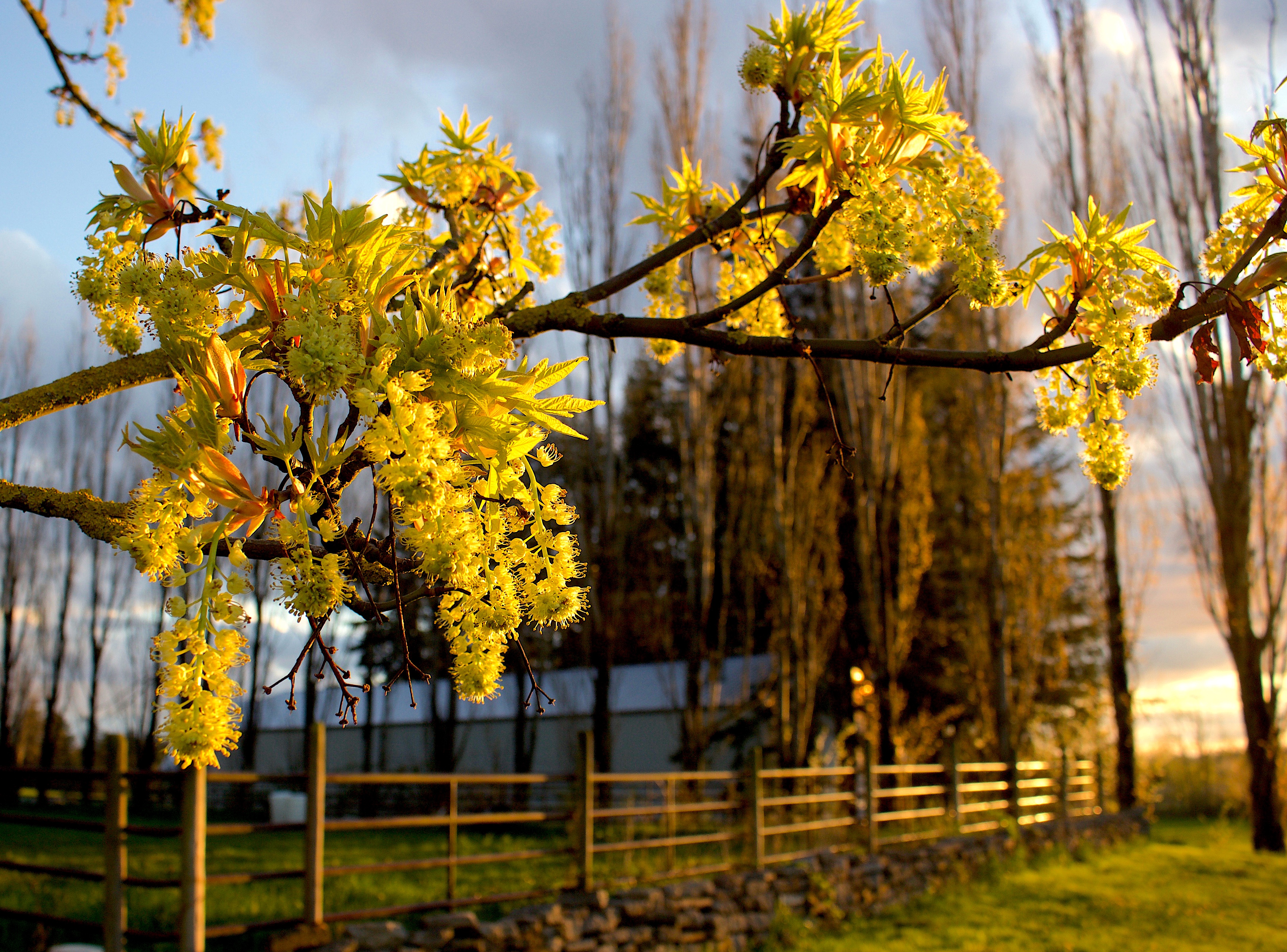
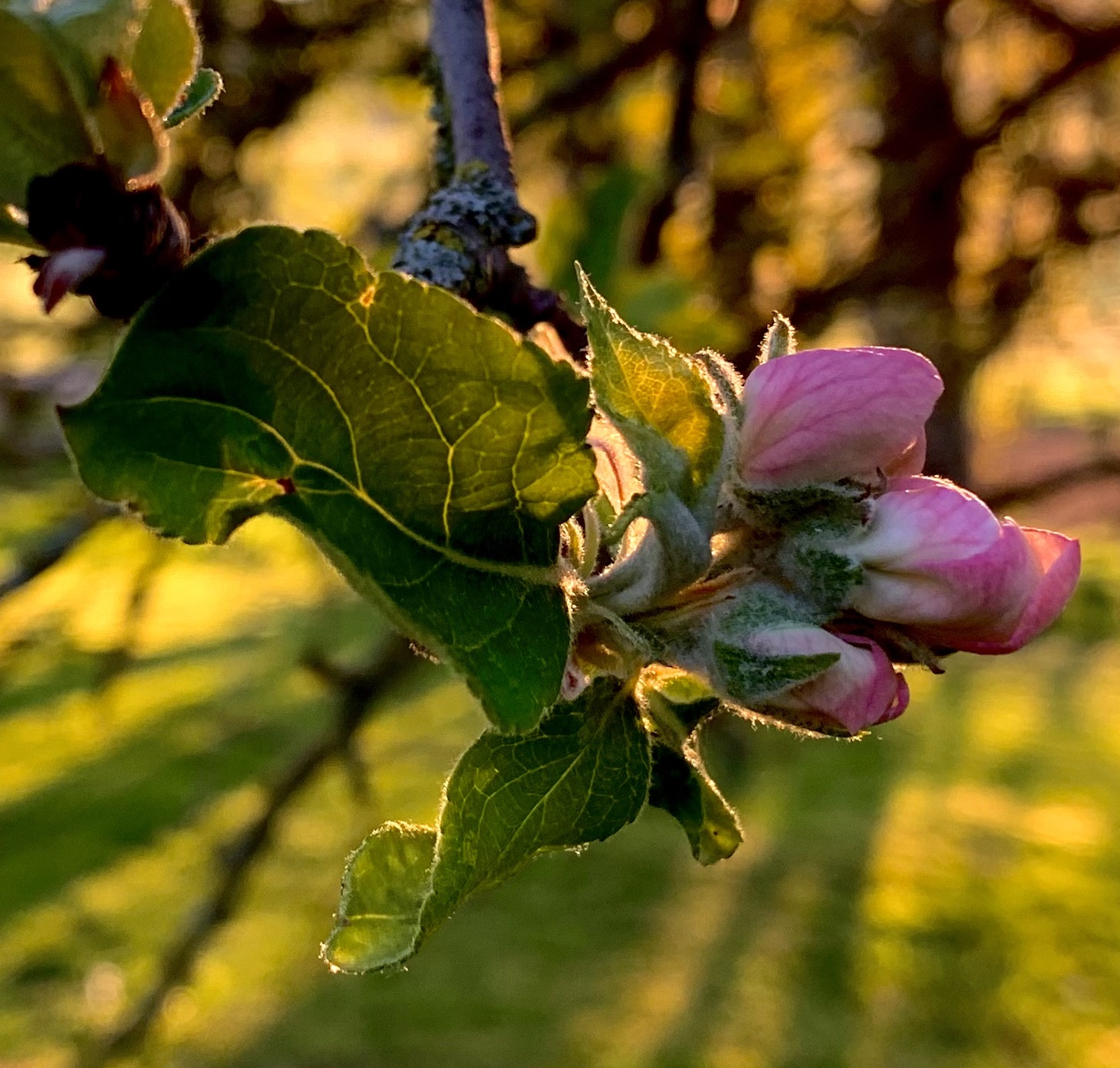
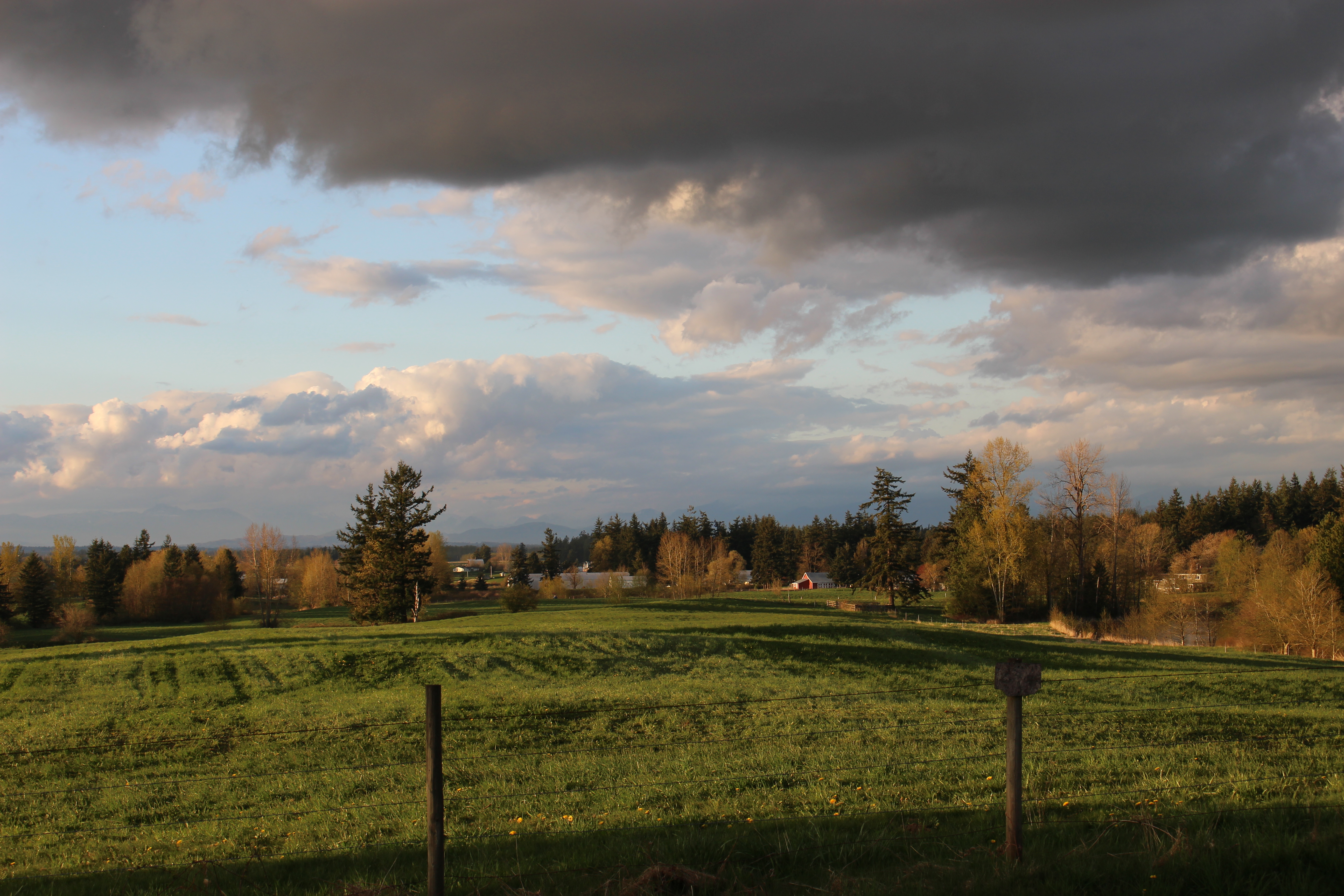
Maybe it is the particular tilt of the globe on its axis,
or the suffusion of clouds mixing
with the perpetually damp atmosphere
or perhaps the knowledge
darkness no longer claims us

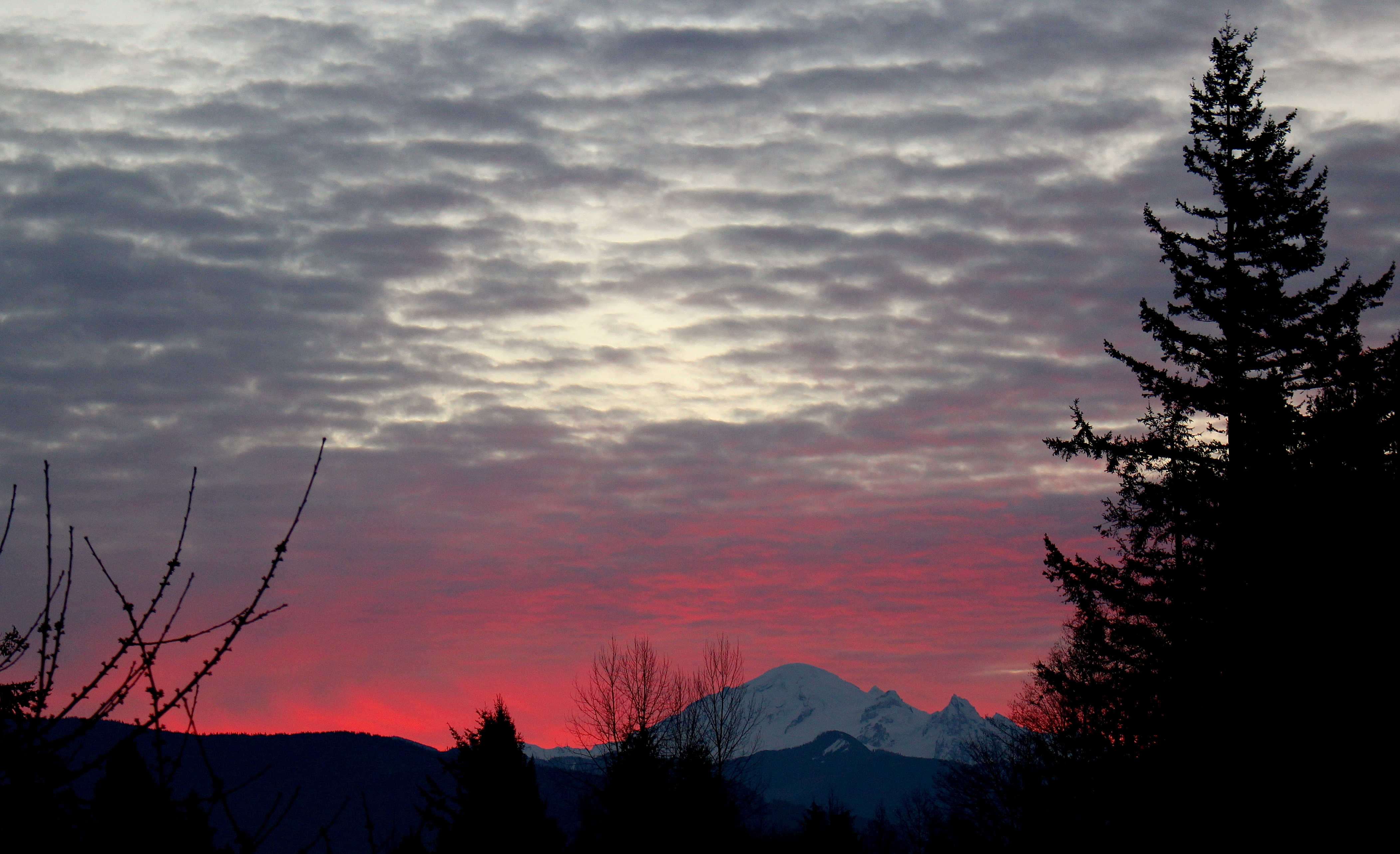
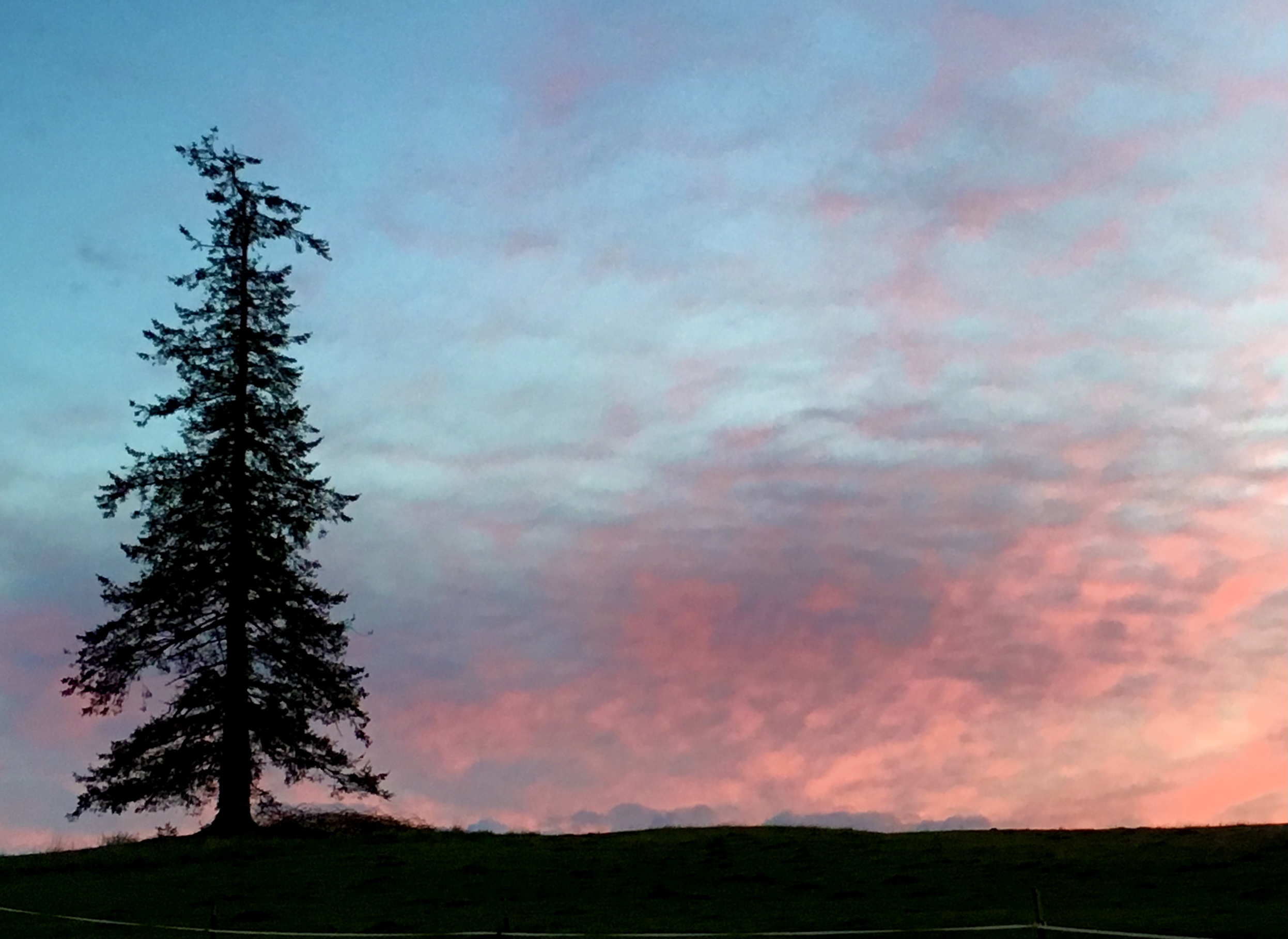
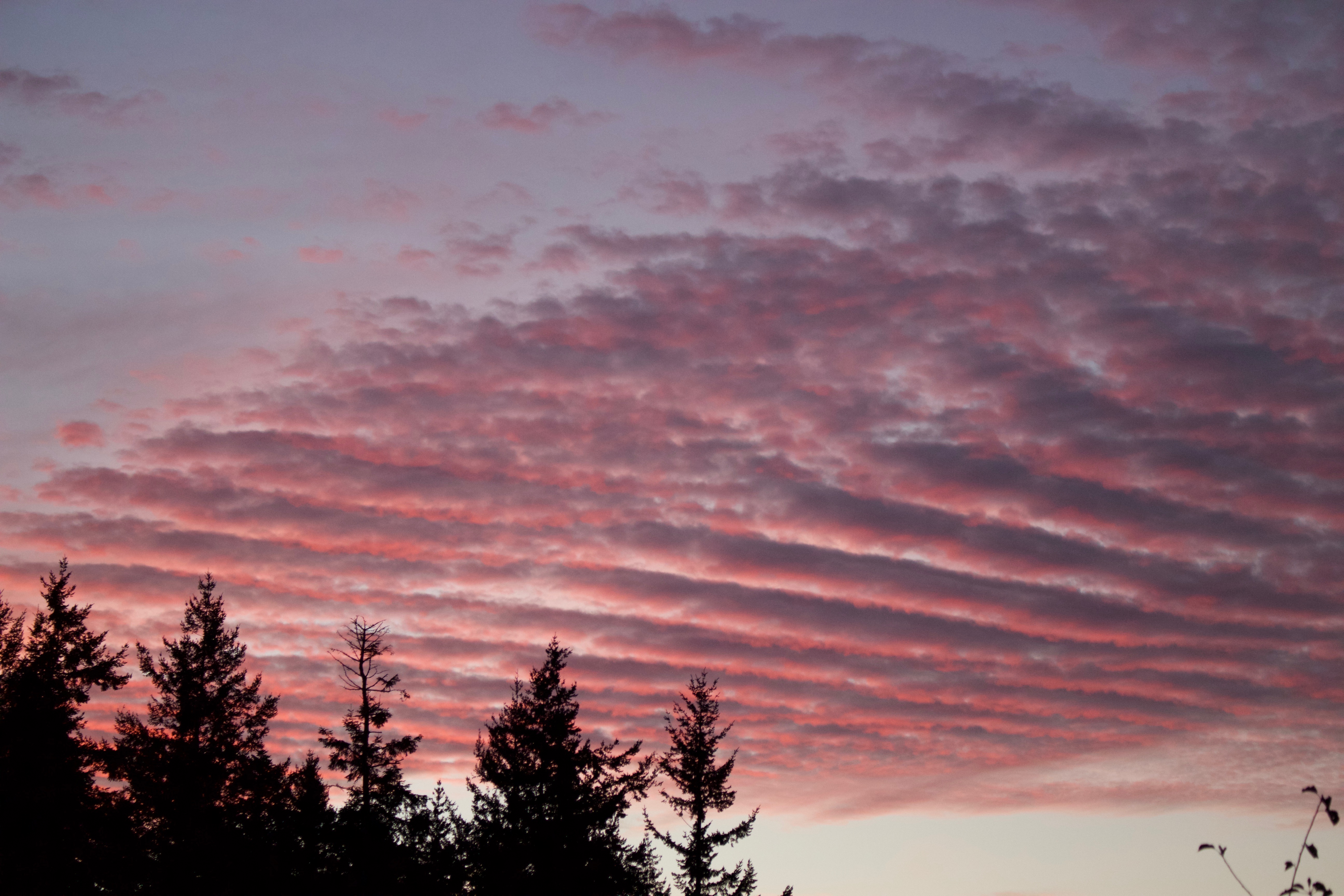
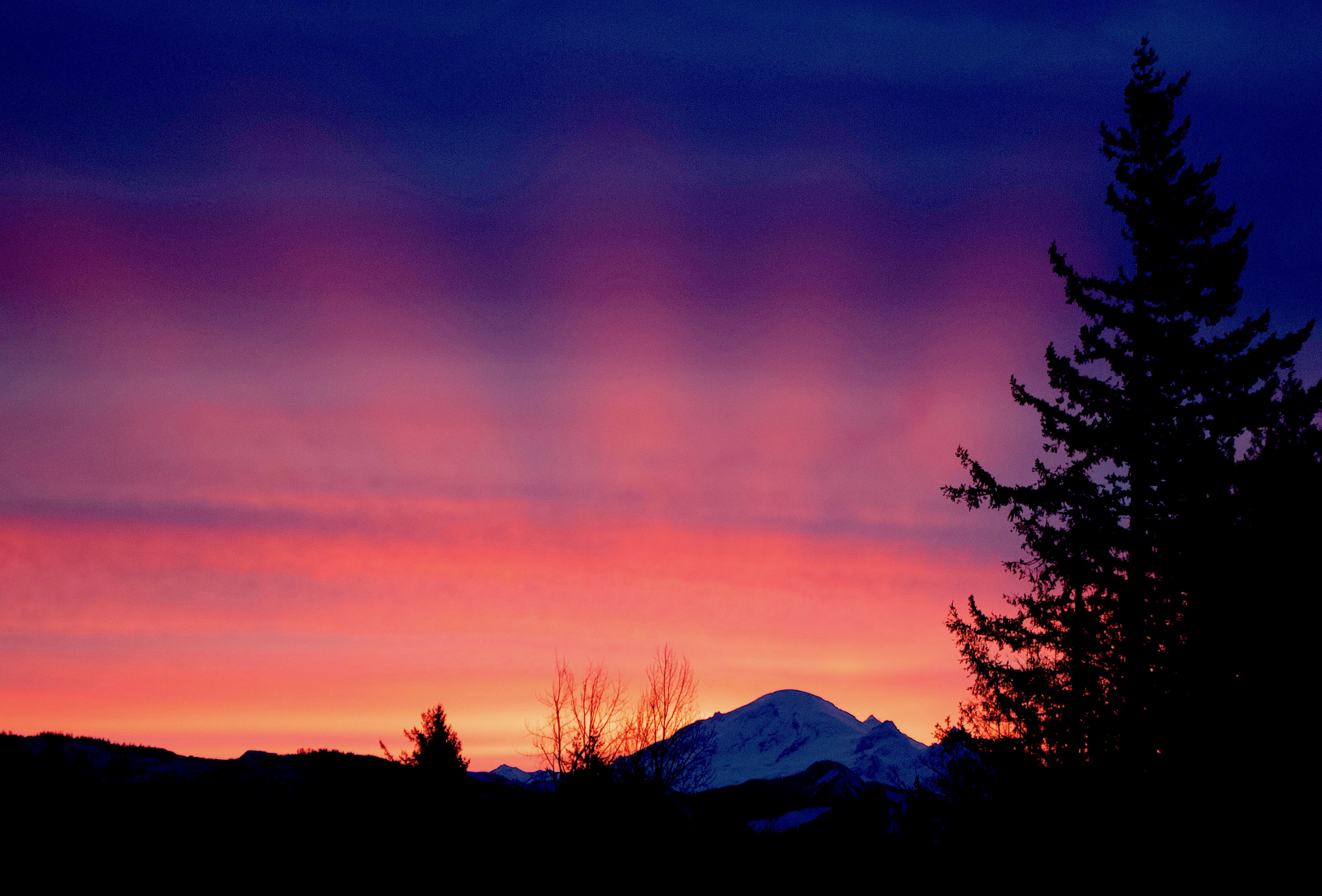
but the lighting of March melting into April
has its own sacred whispering voice.a

We are immersed in it but it belongs
framed on gallery walls for perpetuity
to be admired at any time of the year,
whenever we need the soft cushion of golden pastels.

Surrounded by sacrament without and within,
our life in the Lord
gently glows.

Tell Your Story

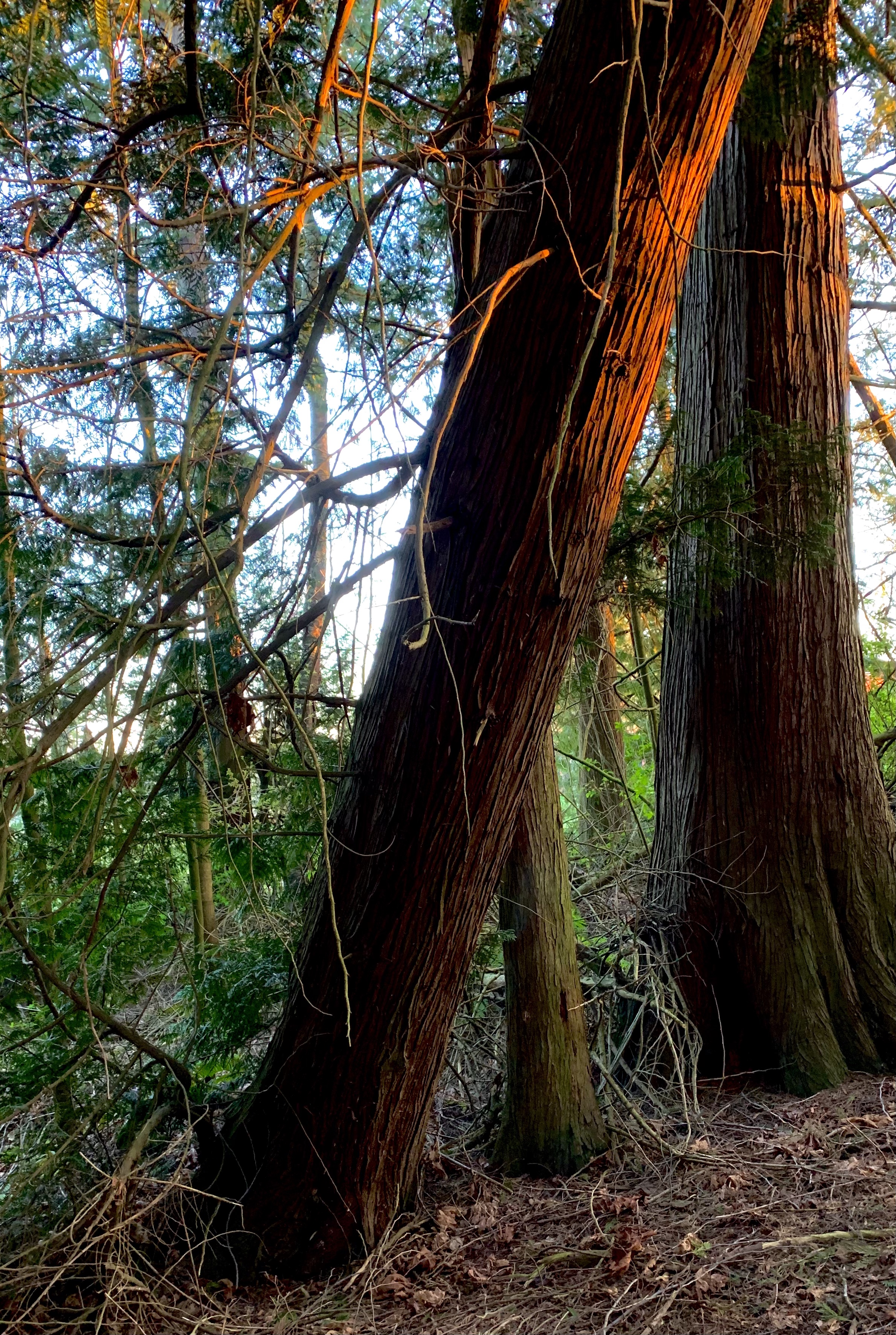
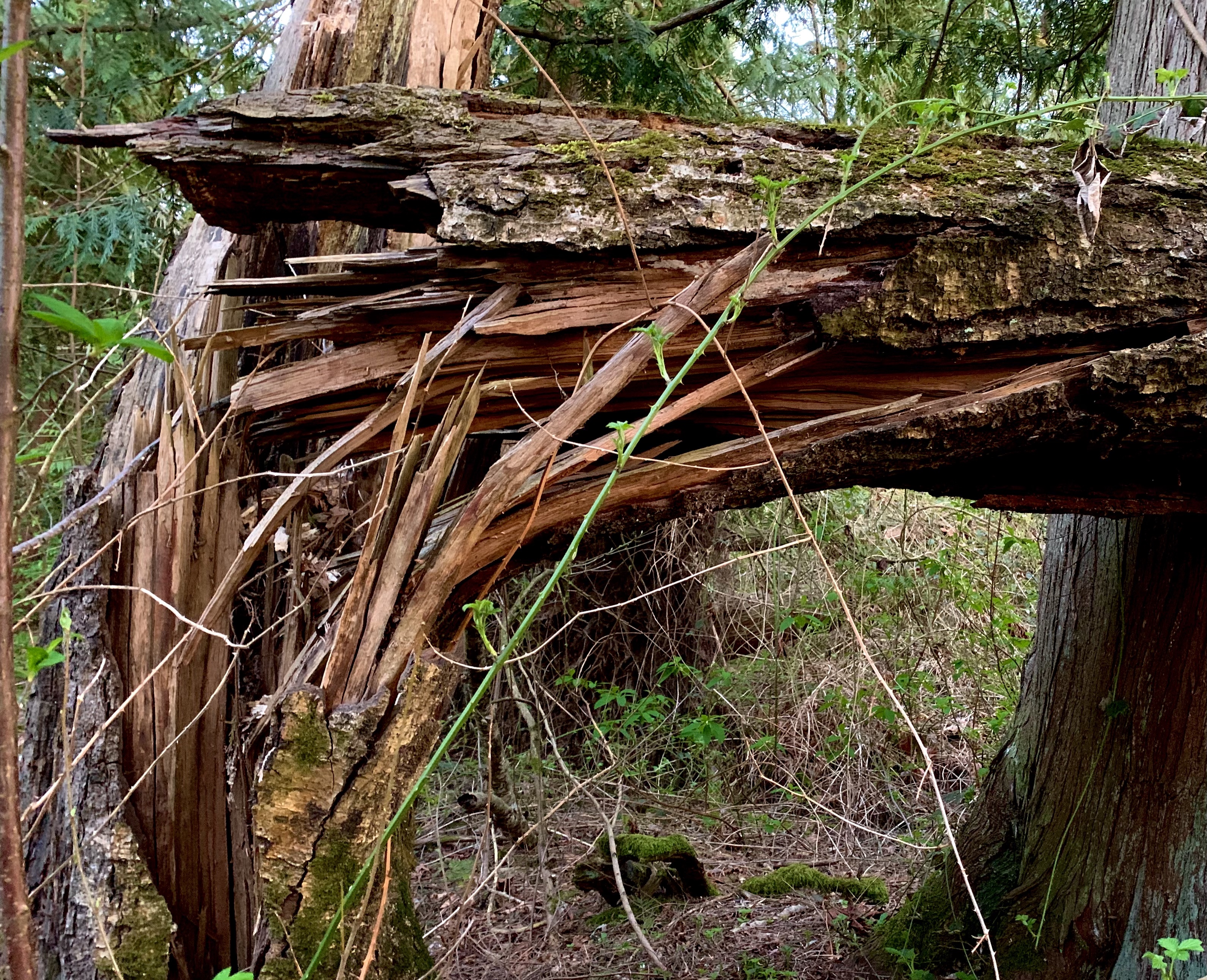
Go into the woods
and tell your story
to the trees.
They are wise
standing in their folds of silence
among white crystals of rock
and dying limbs.
And they have time.
Time for the swaying of leaves,
the floating down,
the dust.
They have time for gathering
and holding the earth about their feet.
Do this.
It is something I have learned.
How they will bend down to you
so softly.
They will bend down to you
and listen.

~Laura Foley, “The Quiet Listeners” from Syringa

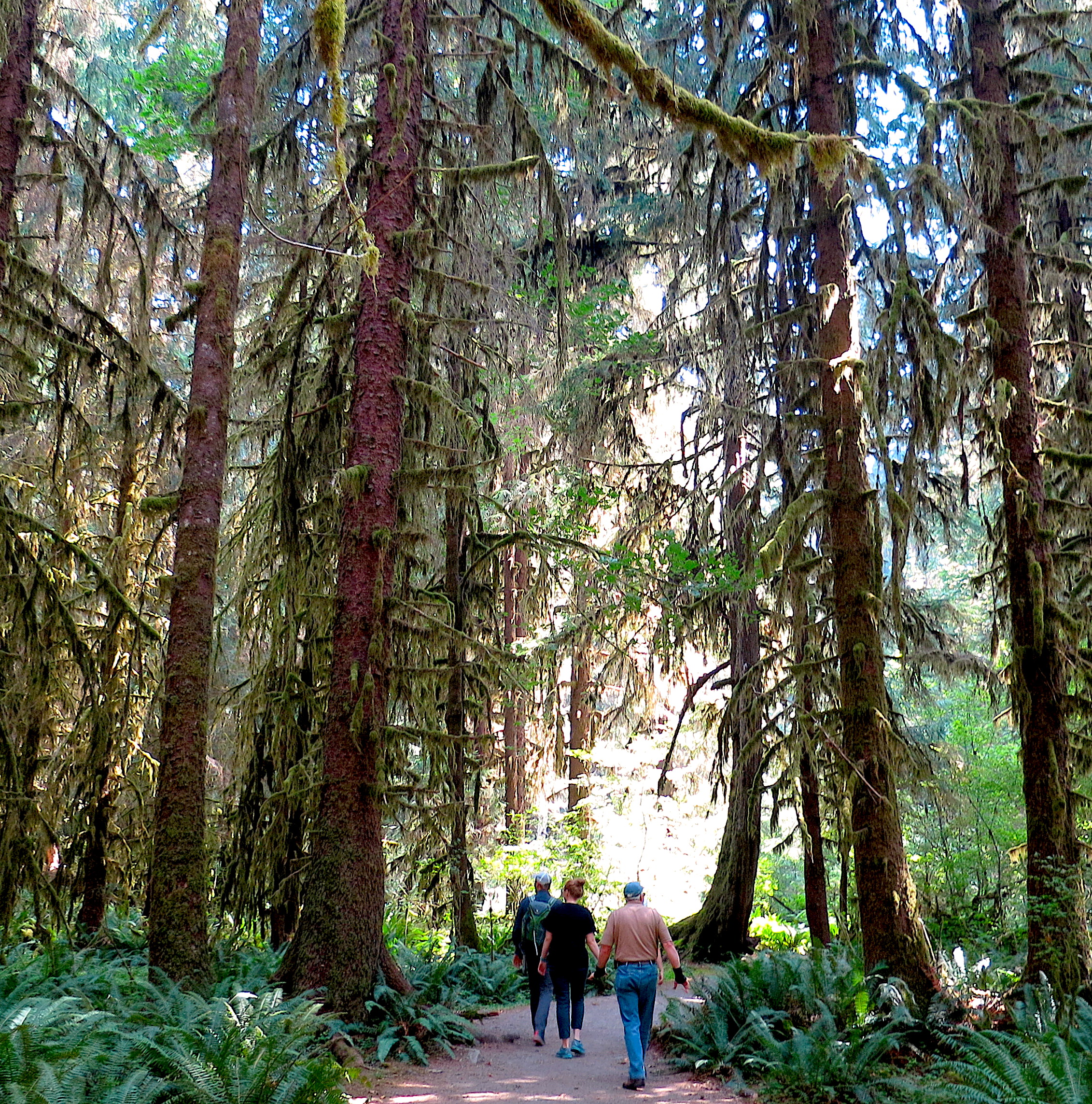
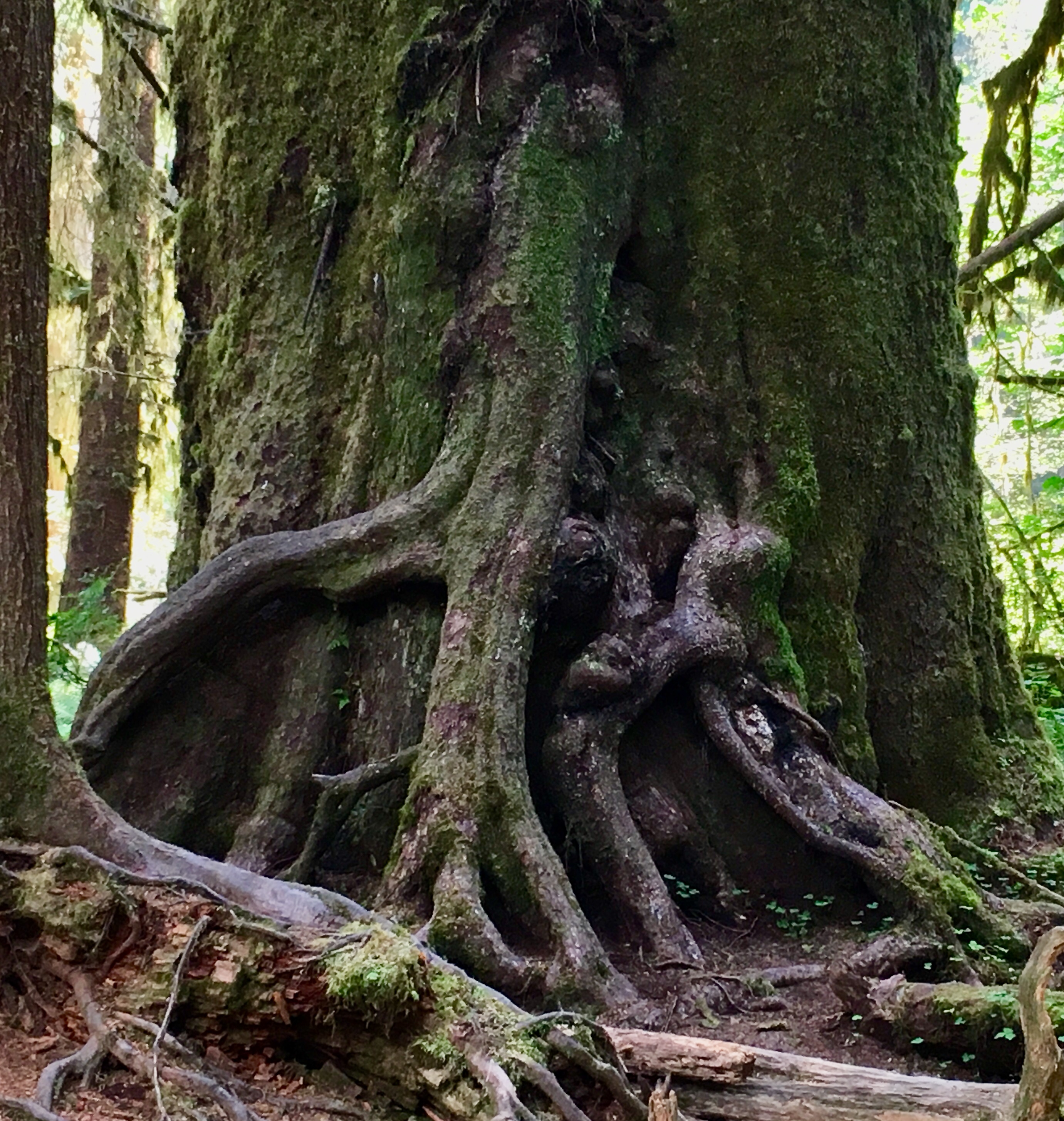
When I am among the trees,
especially the willows and the honey locust,
equally the beech, the oaks and the pines,
they give off such hints of gladness.
I would almost say that they save me, and daily.
I am so distant from the hope of myself,
in which I have goodness, and discernment,
and never hurry through the world
but walk slowly, and bow often.
Around me the trees stir in their leaves
and call out, “Stay awhile.”
The light flows from their branches.
And they call again, “It’s simple,” they say,
“and you too have come
into the world to do this, to go easy, to be filled
with light, and to shine.”
~Mary Oliver “When I am Among the Trees”

It seems I’m perpetually wandering
in the figurative forest of my days on this earth,
unsure where I’m heading,
struggling to figure out where I’ve been.
The trees want to hear my story and like few others,
they listen.

I follow a path laid out before me,
keeping my head down to make sure
I don’t trip over a root or stumble on a rock,
when around and above me are the clues
to who and where I am and where I’m going.

So I stop,
stand still,
breathe deeply of this life,
looking up at these trees who urge me to shine
no matter where I am.

I was lost, and now am found.

photo by Emily Gibson